The Greens at Hendersonville
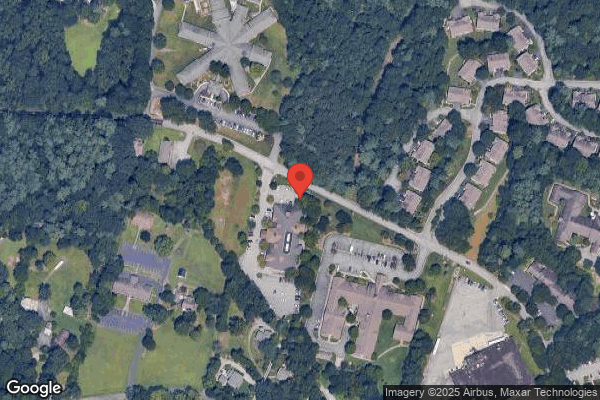

1870 Pisgah Drive, Hendersonville, NC 28791 (828) 693-9796
For profit - Corporation 120 Beds CCH HEALTHCARE Data: November 2025 3 Immediate Jeopardy citations
Trust Grade
0/100
#399 of 417 in NC
Last Inspection: November 2024

Within standard 12-15 month inspection cycle. Federal law requires annual inspections.

Overview

The Greens at Hendersonville has received a Trust Grade of F, indicating significant concerns about the care provided, placing it in the bottom tier of nursing homes. It ranks #399 out of 417 facilities in North Carolina and #9 out of 9 in Henderson County, meaning it is among the least favorable options available. While the facility shows an improving trend in its overall issues, reducing from 11 in 2024 to 3 in 2025, it still faces serious scrutiny due to critical incidents. Staffing is a relative strength with a 4/5 rating, but the turnover rate of 58% is concerning, being higher than the state average. Notably, the facility has incurred fines totaling $129,693, which is higher than 85% of similar facilities, suggesting ongoing compliance issues. Specific incidents include a resident found with their hands restrained by socks and rubber bands, leading to swelling, and another resident suffering undiagnosed fractures that required hospitalization. Overall, while there are some strengths, families should be cautious given the serious past incidents and ongoing concerns.

Trust Score
F
0/100
In North Carolina
#399/417
Bottom 5%
Safety Record
High Risk
Review needed
Inspections
Getting Better
11 → 3 violations
Staff Stability
⚠ Watch
58% turnover. Above average. Higher turnover means staff may not know residents' routines.
Penalties
✓ Good
$129,693 in fines. Lower than most North Carolina facilities. Relatively clean record.
Skilled Nurses
✓ Good
Each resident gets 61 minutes of Registered Nurse (RN) attention daily — more than 97% of North Carolina nursing homes. RNs are the most trained staff who catch health problems before they become serious.
Violations
⚠ Watch
50 deficiencies on record. Higher than average. Multiple issues found across inspections.
★☆☆☆☆
1.0
Overall Rating
★★★★☆
4.0
Staff Levels
★★★☆☆
3.0
Care Quality
★☆☆☆☆
1.0
Inspection Score
Stable
2024: 11 issues
2025: 3 issues

The Good

  • 4-Star Staffing Rating · Above-average nurse staffing levels
  • Full Sprinkler Coverage · Fire safety systems throughout facility
  • No fines on record

Facility shows strength in staffing levels, fire safety.

The Bad

1-Star Overall Rating

Below North Carolina average (2.8)

Significant quality concerns identified by CMS

Staff Turnover: 58%

12pts above North Carolina avg (46%)

Frequent staff changes - ask about care continuity

Federal Fines: $129,693

Well above median ($33,413)

Significant penalties indicating serious issues

Chain: CCH HEALTHCARE

Part of a multi-facility chain

Ask about local staffing decisions and management

Staff turnover is elevated (58%)

10 points above North Carolina average of 48%

The Ugly 50 deficiencies on record

3 life-threatening 1 actual harm
Feb 2025 3 deficiencies 2 IJ
CRITICAL (J) 📢 Someone Reported This

A family member, employee, or ombudsman was alarmed enough to file a formal complaint

Immediate Jeopardy (IJ) - the most serious Medicare violation

Deficiency F0604 (Tag F0604)

Someone could have died · This affected 1 resident

**NOTE- TERMS IN BRACKETS HAVE BEEN EDITED TO PROTECT CONFIDENTIALITY** Based on record review, photographic evidence review, and staff, Law Enforcement Officer, Wound Nurse Practitioner, and Medical ...

Read full inspector narrative →
**NOTE- TERMS IN BRACKETS HAVE BEEN EDITED TO PROTECT CONFIDENTIALITY** Based on record review, photographic evidence review, and staff, Law Enforcement Officer, Wound Nurse Practitioner, and Medical Doctor interviews, the facility failed to protect a vulnerable resident's right to be free from physical restraints when Resident #1 was found with socks placed on each hand and held in place by rubber bands wrapped around each wrist for 1 of 3 residents reviewed for restraints (Resident #1). On 01/27/25 at approximately 12:00 AM, Resident #1 was observed with socks covering each hand that were secured with rubber bands wrapped around each wrist, effectively forming tourniquets (device often used in emergency situations to apply pressure to a limb or extremity to stop blood flow) on her wrists, but not in a controlled manner. Her hands appeared larger than normal through the socks and the rubber bands had to be cut in order to remove the socks from Resident #1's hands. Resident #1's right hand was edematous (abnormally swollen due to an accumulation of fluid in the bodies tissues) and bright red in appearance. There were several blisters on the top of the hand, a large fluid filled blister in the palm of the hand with some drainage and a red ligature (visible indentation left on the skin) mark around the right wrist. Resident #1 was evaluated by the Wound NP on 01/27/25 who noted the blister on the palm of Resident #1's right hand measured 17 centimeters (cm) by 20 cm by 0 cm and ordered wound treatment to be applied daily. The reasonable person concept was applied to this deficiency as a reasonable person would not expect to have socks placed on their hands preventing them from freely moving their fingers or using their hands and would experience pain from rubber bands wrapped tightly around their wrists to hold the socks in place. Findings included: Resident #1 was admitted to the facility on [DATE] with diagnoses that included Alzheimer's disease, dementia and multiple sclerosis (a chronic disease that affects the central nervous system). The quarterly Minimum Data Set (MDS) assessment dated [DATE] assessed Resident #1 with severe impairment in cognition. She required total staff assistance for all self-care tasks, mobility and transfers. She had no impairment in her upper or lower extremities and displayed no behaviors or rejection of care. The MDS noted Resident #1 weighed 97 pounds, had no unhealed pressure ulcers or other skin conditions, received hospice care, and used no restraints. A care plan last revised on 11/14/24 revealed Resident #1 had a behavior problem of coprophagy (eating feces). Interventions included for staff to intervene as necessary, divert attention, monitor and provide hygiene care as needed. The care plan did not include any intervention to apply socks and/or rubber bands to her hands. Review of the physician orders for Resident #1 revealed no order for restraints or the application of socks or rubber binding to her hands and/or wrists. A Situation, Background, Assessment and Response (SBAR) summary note written by Nurse #1 on 01/27/25 at 12:30 AM revealed in part, Resident #1 had socks on both hands for protection from scratching and digging. The socks were removed to assess the skin and Resident #1's hands were swollen with serum (clear, watery liquid) blisters to the right hand. The on-call provider and Director of Nursing (DON) were notified. A telephone interview was conducted with Nurse #1 on 01/29/25 at 1:48 PM. Nurse #1 revealed she was employed by the facility and verified she was assigned to provide Resident #1's care on Sunday 01/26/25 to Monday 01/27/25 during the hours of 11:00 PM to 7:00 AM. Nurse #1 recalled around 12:30 AM, Nurse Aide (NA) #1 came to let her know that Resident #1 was found with socks on her hands, rubber bands around her wrists and her hands were swollen. Nurse #1 stated she immediately went to assess Resident #1, NA #1 had already removed the sock and rubber bands off Resident #1's right hand and Nurse #1 stated she cut the sock and rubber bands off Resident #1's left hand. Nurse #1 recalled Resident #1's right hand was swollen, blistered and red and her left hand was swollen but not blistered. Nurse #1 notified the DON, called the on-call provider and while waiting for a return phone call from the on-call provider, she went ahead and provided treatment to Resident #1's right hand. Nurse #1 stated she looked through Resident #1's medical records and did not see any physician orders for socks to be placed on her hands and there was no intervention in her care plan either. Nurse #1 explained Resident #1 would play in her feces on occasion and she could only assume that was why someone had placed the socks and rubber bands on her hands; however, that was not an intervention the facility typically used. She did not know who applied the socks or rubber bands on Resident #1's hands or how long they had been in place. Nurse #1 stated during her assessment, Resident #1 did not display signs or symptoms of pain as she had just received her scheduled morphine (pain medication) earlier that evening. Nurse #1 stated no one had mentioned anything to her about the socks and rubber bands observed on Resident #1's hands until it was brought to her attention by NA #1. A telephone interview was conducted with Nurse Aide (NA) #1 on 01/29/25 at 1:21 PM. NA #1 revealed she was employed by the facility and verified she was assigned to provide Resident #1's care on Sunday 01/26/25 to Monday 01/27/25 during the hours of 11:00 PM to 7:00 AM. NA #1 recalled she was doing her initial incontinence rounds when she first went in to check on Resident #1 around 12:00 AM. When she went into Resident #1's room and pulled back the covers she observed socks on both of Resident #1's hands that were being held in place by rubber bands. NA #1 stated she thought the rubber bands had been wrapped around Resident #1's wrists at least twice. She stated she could tell Resident #1's hands were swollen even with the socks on because her hands were pressed tightly against the socks and looked much bigger than they should have been. She explained Resident #1's hands were so large, she was not able to pull the socks or rubber bands off and had to cut them in order to remove them from Resident #1's hands. NA #1 stated she started with the right hand and once the sock was removed, she immediately noticed Resident #1's right hand was very swollen, the skin of her hand and wrist was bright red in appearance and there were red marks around her wrist where the rubber bands had been that started to bruise. Resident #1 also had several blisters on top of the right hand and a large blister covering the palm of her right hand that were leaking. NA #1 stated she immediately informed Nurse #1 and when Nurse #1 came to the room to assess Resident #1 she instructed NA #1 to cut the rubber bands and sock off the left hand. NA #1 recalled Resident #1's left hand was also swollen but less red in appearance with no blisters that she recalled and there were red marks around Resident #1's left wrist where the rubber bands had been. NA #1 was not sure who put the socks and rubber bands on Resident #1's hands but recalled staff mentioning in the past that Resident #1 messed with her feces; however, NA #1 had never witnessed Resident #1 display that type of behavior. NA #1 stated if Resident #1 had messed in her feces when she provided her care, she would have just cleaned her up and would never have placed socks and/or rubber bands on her hands to deter the behavior because it would be considered a restraint. A Wound Nurse Practitioner (NP) progress note dated 01/27/25 revealed in part, Resident #1 was seen for a new skin and wound consult. The Wound NP noted facility staff reported Resident #1 had a new blister on the right hand that was caused by socks being secured on her hands. The Wound NP's assessment revealed Resident #1 had a new nonthermal (raised, fluid-filled pocket on the skin that is not caused by heat or burns) blister on the right hand with partial thickness (forms on the skin between the top and middle layer of skin) and measured 17 cm by 20 cm by 0 cm. The periwound (area of skin surrounding the blister) was noted as fragile with erythema (redness of the skin) and edema (swelling). The Wound NP provided recommendations for wound treatment, to notify the Wound NP or provider when the blisters ruptured and become an open wound and to not place/secure socks or any dressing/covering tightly on Resident #1's hand or anywhere on the extremities that could restrict blood flow. A telephone interview was conducted with the Wound NP on 01/30/25 at 3:31 PM. The Wound NP stated when he evaluated Resident #1 on 01/27/25, she had multiple fluid-filled blisters on the dorsal (part of the hand where the knuckles are located) side of the hand and a large blister on the palm of her hand. He stated from what the blisters looked like when he evaluated Resident #1, the damage from the blisters seemed superficial and he left the blisters intact to let them heal naturally. The Wound NP stated the binding used on Resident #1's wrists to keep the socks on her hands was what caused the blisters and swelling. A Medical Doctor (MD) progress note dated 01/27/25 read in part, Resident #1 was seen to evaluate blisters on her right hand. The MD noted socks were placed on both hands, secured with rubber bands, to prevent Resident #1 from scratching certain parts of her body which sometimes gathered fecal matter and the right rubber band was much tighter than the left and it was unclear exactly how long the rubber bands had been on Resident #1's wrists. When the socks were removed, there was an extensive amount of blisters noted to the right hand. The MD assessment revealed Resident #1's right hand had large, raised blisters on the [NAME] (palm) surface and dorsal surface that did not look indurated (hardening and thickening of the skin) and there was no black eschar (dead tissue) or skin discoloration. Resident #1 had good distal vascularity (blood flow in the extremities) and was moving all fingers without difficulty. There was some non-pitting edema noted around the wrist area and the rubber band mark just below the wrist was barely noticeable. The MD cleaned the blisters with alcohol, used a sterile needle to puncture the blisters and clear serous (watery) fluid drained from the blisters. A topical antibiotic cream and gauze dressing was applied to Resident #1's right hand. Resident #1's left hand had a small blister measuring one (1) cm along the thenar eminence (area of the palm at the base of the thumb) with no discoloration or induration noted. Resident #1 was able to move all the fingers of the left hand without difficulty and had good distal vascularity. The blister was drained using a sterile needle and dressing applied. During an interview on 01/29/25 at 4:20 PM and follow-up telephone interview on 01/29/25 at 5:33 PM, the MD stated when he assessed Resident #1 on 01/27/25 she had fluid-filled blisters on the top of the right hand and a large blister on the palm of the right hand that appeared superficial with no black eschar or signs of infection. When he cleansed and punctured the blisters there was no tinge of blood in the serous fluid drainage. He stated Resident #1 had good range of motion in her fingers, good capillary refill (clinical test that assesses the speed of blood flow through the capillaries) and no arterial compromise (condition that occurs when blood flow to an area of body is reduced or blocked) when he checked her wrist pulse. The MD stated when he evaluated Resident #1 again on 01/28/25, she had no blister reformation or skin infection and she still had a very good pulse and was moving her fingers. He stated it was going to take some time but her injuries were improving. He explained the rubber bands placed on Resident #1's wrist did not decrease blood flow as circulation was there but the rubber bands did decrease the venous flow (movement of blood from the hand back to the heart) which backed up into the lymphatic flow (extra fluid that drains from cells and tissues in the body that isn't reabsorbed into the capillaries) causing the blisters. The MD expressed it was difficult to determine how long the socks and rubber bands had been in place on Resident #1's hands and wrists; however, without the binding (referring to the rubber bands) around Resident #1's wrists, there would have been no blisters. During an interview on 01/29/25 at 11:50 AM, the investigating Law Enforcement Officer revealed in addition to law enforcement he also had an extensive medical background that included Medical Examiner and forensic pathology. The Law Enforcement Officer stated he observed Resident #1's hands on 01/27/25 and 01/28/25 and took photos of the injuries. The Law Enforcement Officer stated when he observed Resident #1's hands on 01/27/25, her right hand was wrapped in a gauze dressing. Her right hand was almost degloved (type of traumatic injury that involves the skin and soft tissue being torn away from the muscle and connective tissue underneath) and there were red ligature marks on both the right and left wrists. In addition, Resident #1 had a raised blister on the palm of the right hand that he estimated to contain 50 cc (cubic centimeters) of fluid. On 01/28/25, when he observed Resident #1's right hand again with the gauze dressing removed, the MD had already decompressed the blisters. Her right hand and wrist were red and swollen from the wrist to the fingers which he felt was suggestive of cellulitis (bacterial infection of the skin) and there were long strands of skin hanging off the palm. There were no blisters or significant swelling on her left hand but she did have a red ligature mark around her wrist. The Law Enforcement Officer stated he was informed by the facility that rubber bands had been placed around her wrists to hold the socks in place on her hands. The Law Enforcement Officer stated he was currently conducting an investigation. Photographs taken of Resident #1's hands and wrists received via email correspondence dated 01/28/25 from the investigating Law Enforcement Officer were reviewed. In the first three photographs taken on 01/27/25, Resident #1's hand was covered in a gauze dressing and when the dressing was pulled back, the index finger was outside of the dressing and appeared swollen. The middle and ring fingers were bent inside the gauze dressing and you could partially visualize a raised fluid-filled blister starting at the base of the middle and ring fingers leading down the top of the hand. When the dressing was moved to visualize the wrist, the skin was red with a blister and indentation mark on the inside of the wrist where the rubber bands had been. The remaining pictures taken on 01/28/25, revealed the skin on Resident #1's right hand was red from the wrist to the fingers and there was peeling skin on the top and palm. Her left hand and palm had minimal redness with no blisters and a red mark on the wrist. During a follow-up interview on 01/29/25 at 4:09 PM, the investigating Law Enforcement Officer stated he spoke with NA #1. NA #1 sent him photographs she took on 01/27/25 of the socks and rubber bands on Resident #1's hands and wrists. He stated the pictures clearly showed Resident #1's wrists had two rubber bands bound tightly around her wrists. Photographs of Resident #1's hands and wrists that were taken by NA #1 on 01/27/25 and received via email correspondence on 01/29/25 from the investigating Law Enforcement Officer were reviewed. There were three photographs in total. In the first photograph, both of Resident #1's hands were covered in grayish/tan gripper socks. The left hand was more prominent in the photograph and showed two rubber bands, approximately 1/8 of an inch in width, wrapped around the wrist twice and her hand above the wrist appeared 2 to 3 times its normal size in the sock. Her chin was resting on the right hand and the rubber bands were not visible but you could visualize how large her hand appeared in the sock. In the second photograph, the sock and rubber bands had been removed from the right hand and her palm was facing upward. There were red ligature marks on the lower part of the inside of her wrist. The skin on her wrist, hand and fingers were visibly swollen and bright red in appearance. There was a large, raised fluid-filled blister from the edge of the palm to the bend of her fingers that covered the width of the palm. The sock was still on her left hand and you could visualize a rubber band, approximately 1/8 of an inch in width, bound twice around her wrist. In the third photograph, was a left sided view of Resident #1's right hand that was facing upward and tilted slightly. There was a purple colored, bruised area on the outer wrist along the red ligature mark. The skin from the wrist to the fingers were bright red and swollen 2 to 3 times its normal size, resembling a lobster claw. Just underneath the outer edge of the top of the hand were two raised fluid-filled blisters at the base of the hand and a fluid-filled blister at the bend of the ringer finger to the knuckle. A telephone interview was conducted with Nurse #2 on 01/29/25 at 4:59 PM. Nurse #2 revealed she was employed by a staffing agency and verified she was assigned to provide Resident #1's care on Friday 01/24/25 during the hours of 7:00 AM to 3:00 PM. Nurse #2 did not recall noticing socks or rubber bands on Resident #1's hands or wrists. A telephone interview was conducted with NA #2 on 01/29/25 at 12:10 PM. NA #2 revealed she was employed by a staffing agency and verified she was assigned to provide Resident #1's care on Friday 01/24/25, Saturday 01/25/25 and Sunday 01/26/25 during the hours of 7:00 AM to 3:00 PM. NA #2 stated she could not honestly recall noticing if Resident #1 had socks or rubber bands on her hands or wrists on 01/24/25 but she did notice the socks on Resident #1's hands when she started her shifts on 01/25/25 and 01/26/25. She explained the socks were placed neatly around Resident #1's hands and she left them on her hands thinking they had been put there by the previous shift as an intervention to keep her from messing in her feces. When asked what she meant by the socks being neatly placed on Resident #1's hands, she stated the socks were pulled down to the tips of the fingers and covered her hand but did not recall them appearing to be tight. NA #2 stated she did not recall noticing any rubber bands around Resident #1's wrists holding the socks in place and felt she would have seen them if they had been there. NA #1 expressed that it was possible the rubber bands could have been folded up in the socks and she just didn't notice. A telephone interview was conducted with NA #3 on 01/30/25 at 2:42 PM. NA #3 revealed she was employed by a staffing agency and verified she was assigned to provide Resident #1's care on Friday 01/24/25 to Saturday 01/25/25 during the hours of 4:30 PM (she arrived late to work) to 7:00 AM and again on Sunday 01/26/25 during the hours of 3:00 PM to 11:00 PM. NA #3 recalled on 1/24/25 she was assigned to the left side of 500 Hall (side where Resident #1 resided) and NA #4 was assigned to right side of 500 Hall. NA #3 recalled on 01/24/25 Resident #1 was observed eating her feces after an incontinence episode. She could not remember the exact time but stated at one point during the shift, NA #4 had assisted her with cleaning up Resident #1. NA #3 recalled Resident #1 had socks on her hands that were removed and after care was provided, NA #4 placed new socks back on Resident #1's hands. At that point, NA #3 stated she went to assist Resident #1's roommate while NA #4 left the room. When NA #4 returned, she noticed he had rubber bands in his hands and he went around the privacy curtain to Resident #1. NA #3 stated she did not see NA #4 place the rubber bands around Resident #1's wrists but knew that he had because the rubber bands were on Resident #1's wrists when she checked on her again later in the shift. NA #3 explained she thought that was strange when NA #4 put the socks on Resident #1's hands but he told her that's just what they do and she just assumed that was facility protocol to try and keep Resident #1 from messing in her feces. NA #3 stated she knew that the use of the socks and/or rubber bands on Resident #1's hands were considered a restraint and she didn't question NA #4 further because he was sort of training her and seemed to know the residents well. NA #3 stated she honestly did not think the socks or rubber bands would harm Resident #1 and didn't think much about it the remainder of the shift because it was a busy night. NA #3 recalled when she started her shift on 01/26/25, Resident #1 still had the same socks on both her hands along with the rubber bands around her wrists that were put on 01/24/25 by NA #4. NA #3 could not recall how the socks looked when she started her shift on 01/26/25 or how Resident #1's hands and wrists appeared with the socks in place. NA #3 explained she really wasn't paying attention to how Resident #1's hands presented on 01/26/25 because most of the shift Resident #1 was sleeping on her hands or her hands were under the cover and she couldn't say for sure whether Resident #1's hands appeared larger than normal or swollen. NA #3 restated she knew for a fact that the socks and rubber bands were placed on Resident #1's hands by NA #4 01/24/25 and indicated everyone who worked with Resident #1 since that date would have seen the socks and rubber bands but they all dropped the ball, herself included. A telephone interview was conducted with NA #4 on 01/31/25 at 1:59 PM. NA #4 revealed he was employed by a staffing agency and verified he worked on Friday 01/24/25 during the hours of 3:00 PM to 11:00 PM on Resident #1's hall with NA #3. He explained NA #3 was assigned to provide care to the residents on the left side of 500 Hall where Resident #1 resided and he was assigned to provide care to the residents on the right side of the hall. NA #4 stated it was sometime after supper between 7:00 PM and 8:00 PM when he went to assist NA #3 with cleaning up Resident #1 after she had an incontinence episode. NA #4 recalled when he and NA #3 went into Resident #1's room he noticed that she was eating her feces and she had feces all over her body, mouth and inside of her mouth. NA #4 stated he did not notice Resident #1 with any socks or rubber bands on her hands or wrists when he used facility wipes to clean her hands, fingers and nails and he did not put any socks or rubber bands on her hands when he was done. NA #4 stated after cleaning Resident #1's hands, he assisted NA #3 with giving Resident #1 a bed bath, changed the bed linens and then he left the room. He stated he did not go back in Resident #1's room the remainder of the shift. NA #4 stated he knew people were aware that Resident #1 would eat her feces on occasion because when he started at the facility approximately a year ago, he had noticed her with socks on her hands and when he asked staff about it they told him the socks were placed on her hands to keep her from messing in her feces and/or eating her feces. When NA #4 was asked who had told him that information, he could not recall the names and stated they were agency staff. NA #4 explained anytime he had an assigned residents that would dig in their briefs, he just cleaned them up, usually gave them a shower or bed bath, and never put socks or rubber bands on their hands. NA #4 restated he did not observe or place any socks and rubber bands on Resident #1's hands and wrists when he assisted NA #3 on 01/24/25 and was not sure who did. During a follow-up telephone interview on 02/05/25 at 3:01 PM, the investigating Law Enforcement Officer stated he had received a text message from NA #3 that she had sent to NA #4 prior to the Law Enforcement Officer's interview with NA #3 on 01/30/25. A summarization of the text message revealed NA #3 informed NA #4 that everyone thought she had placed the rubber bands and socks on Resident #1's hands and she would not take the fall for him over something he did. A telephone interview was conducted with Nurse #3 on 01/30/25 at 3:04 PM. Nurse #3 revealed she was employed by the facility and verified she was assigned to provide care to Resident #1 on Saturday 01/25/25 and Sunday 01/26/25 during the hours of 7:00 AM to 7:00 PM. Nurse #3 stated on 01/25/25, Resident #1 was in bed most of the day covered with a blanket and she didn't recall noticing Resident #1's hands. On 01/26/25, Nurse #3 stated she saw the socks on both of Resident #1's hands but did not see any rubber bands. She stated she did not remove the socks from Resident #1's hands to observe the skin and explained the socks did not seem tight or swollen and there was no redness to her arms that she recalled. Nurse #3 stated she didn't question why the socks were placed on Resident #1's hands because she knew that Resident #1 would play in and eat her feces and no one had brought any concerns regarding the socks to her attention. A telephone interview was conducted with NA #5 on 01/30/25 at 10:08 AM. NA #5 revealed she was employed by the facility and verified she worked on Saturday 01/25/25 during the hours of 7:00 AM to 3:00 PM on Resident #1's hall with NA #2. She explained NA #2 was assigned to provide care to the residents on the left side of 500 Hall where Resident #1 resided and she was assigned to provide care to the residents on the right side of the hall. NA #5 recalled sometime right after lunch, NA #2 asked her to pull Resident #1 up in bed and when she did, she noticed Resident #1 had socks on each hand with one rubber band around each wrist that was holding the socks in place. NA #5 stated she did not notice anything unusual about how her hands looked with the socks on nor did she recall noticing any signs of swelling or redness on the visible skin. NA #5 expressed she did not question why Resident #1 had socks and rubber bands on her hands, did not remove them and just assumed the socks were put on for a reason. A telephone interview was conducted with NA #6 on 01/30/25 at 11:32 AM. NA #6 revealed she was employed by a staffing agency and verified she was assigned to provide care to Resident #1 on Saturday 01/25/25 to Sunday 01/26/25 during the hours of 3:00 PM to 7:00 AM. NA #6 recalled when she started her shift on 01/25/25, Resident #1 had had socks on her hands with one (1) rubber band wrapped around each wrist holding the socks in place. She explained the rubber bands were slid over the wrist, not wrapped twice or tight, and described it like someone who would put a hair tie on their wrist loosely in case they wanted to pull their hair up. NA #6 stated usually the nurses were the only ones that had rubber bands and she just assumed the nurses had put the socks and rubber bands on Resident #1's hands and wrists for a particular reason and didn't ask anyone about it. NA #6 stated she assumed it was standard protocol because she was told that Resident #1 liked to dig in her bottom and play with/eat her fecal matter. NA #6 revealed she also worked on Sunday 01/26/25 to Monday 01/27/25 during the hours of 11:00 PM to 7:00 AM and had gone into the room with NA #1 to check on Resident #1. NA #6 recalled there were rubber bands wrapped around Resident #1's wrist multiple times to hold the socks in place and even with the socks on her hands, you could see that Resident #1's hands were huge. NA #6 stated NA #1 had to cut the rubber bands off of Resident #1's wrist and she had blisters on her hands that had leaked through the socks onto the bed linens. NA #6 stated NA #1 immediately informed Nurse #1 who came and assessed Resident #1. NA #6 restated she did not question or ask why Resident #1 had socks and rubber bands on her hands and wrists on 01/25/25 and was not sure who put them on Resident #1's hands. Unsuccessful telephone attempts were made on 01/29/25 at 1:12 PM and 01/31/25 at 10:18 PM for an interview with Nurse #4 who was employed by a staffing agency and was assigned to provide Resident #1's care on Saturday 01/25/25 during the hours of 7:00 PM to 7:00 AM. During interviews on 01/29/25 at 3:42 PM and 01/30/25 at 9:40 AM, the Director of Nursing (DON) revealed she received a call from Nurse #1 on 01/27/25 around 1:15 AM informing her that she (Nurse #1) had observed socks on both of Resident #1's hands with rubber bands placed tightly around her wrists, both hands were swollen and the right hand had blisters. The DON recalled when she arrived at the facility around 1:35 AM, Nurse #1 had already provided wound care and bandaged Resident #1's hand. When the DON removed the bandages from Resident #1's hand, both hands were pink and swollen and the right hand had several blisters on the top part of the hand and one large blister covering the palm of the right hand. The DON stated during the assessment, she did not notice any indentation from the rubber bands on Resident #1's wrists due to all the swelling and Resident #1 did not display any signs or symptoms of discomfort or pain. The DON stated she called the Administrator to inform him of the incident and then started an investigation. She stated Resident #1 was evaluated by the MD 01/27/25, he started Resident #1 on an antibiotic prophylactically (treatment taken to prevent or protect against infection) and provided orders for wound treatment twice a day. The DON recalled the MD stating based on the extent of Resident #1's injuries, the rubber bands had been on her wrists for less than 7 hours and if they had been in place any longer, there would have been more cell death. She stated when she spoke with Resident #1's Responsible Party (RP) on 01/27/25 to inform the RP of what had occurred, the RP reported being aware that socks were being put on Resident #1's hands because she played with her feces and was ok with them being used. She explained to Resident #1's RP that type of intervention was not something the facility would use as it was considered a restraint. The DON verified socks placed on the hands and secured with rubber bands was never an appropriate intervention to use on any resident and facility hired and agency staff were informed during orientation that restraints were not something the facility used. During an interview on 01/30/25 at 4:44 PM, the Administrator recalled he woke up around 5:30 AM on 01/27/25 and noticed he had missed a call from the DON. He called the DON and she informed him of the incident involving Resident #1. When asked what he was told by the DON, he stated at that point she was describing the aftermath, basically the extent of Resident #1's injuries. The Administrator stated when he arrived at the facility and observed Resident #1's hands, she still had a good deal of swelling in the right hand and the right hand was red and blistered. Resident #1's left hand was a little less red and swollen with no blisters. The Administrator stated when they started their investigation, they initially thought the rubber bands were placed on Resident #1's wrists on Sunday 01/26/25 during second shift (3:00 PM to 11:00 PM); however, they were learning new details about when the rubber bands were actually placed on her wrists. He stated staff had been trained there was a zero tolerance for abuse and neglect that included the use of restraints. He indicated they were still in the process of conducting an investigation and had not yet been able to narrow it down to a specific individual or how long the socks and rubber bands had been in place on Resident #1's hands. The Administrator, DON and Regional Director of Operations were notified of Immediate Jeopardy on 01/29/25 at 6:00 PM. The facility provided the following Credible Allegation of Immediate Jeopardy removal: Address how corrective actions will be accomplished for those residents who have been affected by the deficient practice: On 1/27/2025, Resident #1 was observed with a sock on each hand. A binding had been placed around each wrist to hold the socks in place. The facility failed to comply with its abuse and restraint policies and did not protect a resident with severe cognitive impairment from abuse through the use of restraints. On 01/27/2025, a nurse aide removed the band and sock from one hand, and the licensed nurse removed the sock and band from resident #1's oth[TRUNCATED]
CRITICAL (J) 📢 Someone Reported This

A family member, employee, or ombudsman was alarmed enough to file a formal complaint

Immediate Jeopardy (IJ) - the most serious Medicare violation

Abuse Prevention Policies (Tag F0607)

Someone could have died · This affected 1 resident

**NOTE- TERMS IN BRACKETS HAVE BEEN EDITED TO PROTECT CONFIDENTIALITY** Based on record review, photographic evidence review and staff interviews, the facility failed to implement their abuse policy a...

Read full inspector narrative →
**NOTE- TERMS IN BRACKETS HAVE BEEN EDITED TO PROTECT CONFIDENTIALITY** Based on record review, photographic evidence review and staff interviews, the facility failed to implement their abuse policy and procedure when nursing staff failed to identify and immediately report the use of a physical restraint for a resident with no medical symptoms along with no assessment for the need for a physical restraint. Staff reported observing socks placed on Resident #1's hands held in place by rubber bands wrapped around each wrist on 01/24/25 without immediately reporting to the Administrator. On 01/27/25 at approximately 12:00 AM, Resident #1 was observed with socks covering each hand that were secured with rubber bands wrapped around each wrist, effectively forming tourniquets (device often used in emergency situations to apply pressure to a limb or extremity to stop blood flow) on her wrists, but not in a controlled manner. Her hands appeared larger than normal through the socks and the rubber bands had to be cut in order to remove the socks from Resident #1's hands. Resident #1's right hand was edematous (abnormally swollen due to an accumulation of fluid in the bodies tissues) and bright red in appearance. There were several blisters on the top of the hand, a large fluid filled blister in the palm of the hand with some drainage and a red ligature (visible indentation left on the skin) mark around the right wrist. Resident #1 was evaluated by the Wound NP on 01/27/25 who noted the blister on the palm of Resident #1's right hand measured 17 centimeters (cm) by 20 cm by 0 cm and ordered wound treatment to be applied daily. This was for 1 of 3 residents reviewed for abuse and restraints (Resident #1). Findings included: The facility's policy titled, Abuse and Neglect Protocol dated 06/13/21, revealed a policy statement that read in part, Our residents have the right to be free from abuse, neglect, misappropriation, exploitation, corporal punishment, physical or chemical restraints imposed for purposes of discipline or convenience and not required to treat the resident's medical symptoms, and involuntary seclusion. All reports of resident abuse, neglect and injuries of unknown source shall be promptly and thoroughly investigated by facility management. The policy interpretation and implementation section revealed in part, that any staff member or person affiliated with this facility who witnessed or believed a resident had been a victim of mistreatment, abuse, neglect, or any other criminal offense shall immediately report the mistreatment or offense to the Administrator or Director of Nursing Services. Resident #1 was admitted to the facility on [DATE] with diagnoses that included Alzheimer's disease, dementia and multiple sclerosis (a chronic disease that affects the nervous system). A telephone interview was conducted with Nurse Aide (NA) #2 on 01/29/25 at 12:10 PM. NA #2 revealed she was employed by a staffing agency and verified she was assigned to provide Resident #1's care on 01/24/25, 01/25/25 and 01/26/25 during the hours of 7:00 AM to 3:00 PM. NA #2 stated she could not honestly recall noticing if Resident #1 had socks or rubber bands on her hands or wrists on 01/24/25; however, she did notice the socks but no rubber bands on Resident #1's hands when she started her shifts on 01/25/25 and 01/26/25. She explained she left the socks on Resident #1's hands thinking they had been put there by the previous shift as an intervention to keep her from messing in her feces. NA #2 verified she did not ask anyone why Resident #1 had socks on her hands nor did she report it to anyone. She stated if she had known the socks should not have been on Resident #1's hands she would have told someone. NA #2 confirmed she had received inservice education on the facility's abuse and neglect policy and restraints and was instructed to immediately report any concerns to the Nurse Supervisor, DON or Administrator. A telephone interview was conducted with NA #3 on 01/30/25 at 2:42 PM. NA #3 revealed she was employed by a staffing agency and verified she was assigned to provide Resident #1's care on 01/24/25 to 01/25/25 during the hours of 4:30 PM (she arrived late to work) to 7:00 AM and again on 01/26/25 during the hours of 3:00 PM to 11:00 PM. NA #3 recalled on 1/24/25 Resident #1 had an incontinence episode and NA #4 had assisted her with cleaning up Resident #1. NA #3 stated Resident #1 had socks on her hands that were removed and after care was provided, NA #4 placed new socks back on Resident #1's hands. At that point, NA #3 stated she went to assist Resident #1's roommate while NA #4 left the room. When NA #4 returned, she noticed he had rubber bands in his hands and he went around the privacy curtain to Resident #1. NA #3 stated she did not see NA #4 place the rubber bands around Resident #1's wrists but knew that he had because the rubber bands were on Resident #1's wrists when she checked on her again later in the shift. NA #3 explained that when NA #4 put the socks on Resident #1's hands, she thought that was strange but NA #4 told her that's just what they do and she just assumed that was facility protocol to try and keep Resident #1 from messing in her feces. NA #3 confirmed she had received inservice training on abuse and restraints and was instructed to immediately report any concerns to administration. She stated she knew that the use of the socks and rubber bands on Resident #1's hands were considered a restraint and she didn't report it to anyone or question NA #4 further because he was sort of training her and seemed to know the residents well. NA #3 recalled when she started her shift on 01/26/25, Resident #1 still had the same socks on both her hands along with the rubber bands around her wrists that were put on 01/24/25 by NA #4. NA #3 could not recall how the socks looked when she started her shift on 01/26/25 or how Resident #1's hands and wrists appeared with the socks in place. NA #3 restated she knew for a fact that the socks and rubber bands were placed on Resident #1's hands by NA #4 on 01/24/25 and everyone who worked with Resident #1 since that date would have seen the socks and rubber bands but they all dropped the ball, herself included. A telephone interview was conducted with NA #5 on 01/30/25 at 10:08 AM. NA #5 revealed she was employed by the facility and verified she worked on 01/25/25 during the hours of 7:00 AM to 3:00 PM on Resident #1's hall with NA #2. NA #5 recalled on 01/25/25 sometime right after lunch, NA #2 asked her to pull Resident #1 up in bed and when she did, she noticed Resident #1 had socks on each hand with one rubber band around each wrist that was holding the socks in place. NA #5 stated she did not notice anything unusual about how her hands looked with the socks on nor did she recall noticing any signs of swelling or redness on the visible skin. NA #5 expressed she did not question why Resident #1 had socks and rubber bands on her hands or report it to anyone. She stated she did not remove them and just assumed the socks were put on for a reason. NA #2 confirmed she had received inservice education on the facility's abuse and neglect policy and restraints and was instructed to immediately report any concerns to the Administrator. A telephone interview was conducted with NA #6 on 01/30/25 at 11:32 AM. NA #6 revealed she was employed by a staffing agency and verified she was assigned to provide care to Resident #1 on 01/25/25 to 01/26/25 during the hours of 3:00 PM to 7:00 AM. NA #6 recalled when she started her shift on 01/25/25, Resident #1 had had socks on her hands with one (1) rubber band wrapped around each wrist holding the socks in place. She explained the rubber bands were slid over the wrist, not wrapped twice or tight, and described it like someone who would put a hair tie on their wrist loosely in case they wanted to pull their hair up. NA #6 stated usually the nurses were the only ones that had rubber bands and she just assumed the nurses had put the socks and rubber bands on Resident #1's hands and wrists for a particular reason and didn't ask anyone about it. NA #6 stated she assumed it was standard protocol because she was told that Resident #1 liked to dig in her bottom and play with/eat her fecal matter but realizes she should have told someone. She confirmed she had received inservice education on the facility's abuse and neglect policy and restraints and was instructed to immediately report any concerns to the Administrator. NA #6 restated she did not ask anyone why Resident #1 had socks and rubber bands on her hands and wrists on 01/25/25 nor did she report it to anyone. A telephone interview was conducted with Nurse #3 on 01/30/25 at 3:04 PM. Nurse #3 revealed she was employed by the facility and verified she was assigned to provide care to Resident #1 on 01/25/25 and 01/26/25 during the hours of 7:00 AM to 7:00 PM. Nurse #3 stated on 01/26/25 she saw socks on both of Resident #1's hands but did not see any rubber bands. She stated she did not remove the socks from Resident #1's hands to observe the skin and explained the socks did not seem tight or swollen and there was no redness to her arms that she recalled. Nurse #3 stated she didn't question why the socks were placed on Resident #1's hands or report it to anyone because she knew that Resident #1 would play in and eat her feces and no one had brought any concerns regarding the socks to her attention. Nurse #3 confirmed she had received inservice education on the facility's abuse and neglect policy and restraints and was instructed to immediately report any concerns to the Administrator. A telephone interview was conducted with Nurse Aide (NA) #1 on 01/29/25 at 1:21 PM. NA #1 revealed she was employed by the facility and verified she was assigned to provide Resident #1's care on Sunday 01/26/25 to Monday 01/27/25 during the hours of 11:00 PM to 7:00 AM. NA #1 recalled she was doing her initial incontinence rounds when she first went in to check on Resident #1 around 12:00 AM. When she went into Resident #1's room and pulled back the covers she observed socks on both of Resident #1's hands that were being held in place by rubber bands. NA #1 stated she thought the rubber bands had been wrapped around Resident #1's wrists at least twice. She stated she could tell Resident #1's hands were swollen even with the socks on because her hands were pressed tightly against the socks and looked much bigger than they should have been. She explained Resident #1's hands were so large, she was not able to pull the socks or rubber bands off and had to cut them in order to remove them from Resident #1's hands. NA #1 stated she started with the right hand and once the sock was removed, she immediately noticed Resident #1's right hand was very swollen, the skin of her hand and wrist was bright red in appearance and there were red marks around her wrist where the rubber bands had been that started to bruise. Resident #1 also had several blisters on top of the right hand and a large blister covering the palm of her right hand that were leaking. NA #1 stated she immediately informed Nurse #1 and when Nurse #1 came to the room to assess Resident #1 she instructed NA #1 to cut the rubber bands and sock off the left hand. NA #1 recalled Resident #1's left hand was also swollen but less red in appearance with no blisters that she recalled and there were red marks around Resident #1's left wrist where the rubber bands had been. NA #1 was not sure who put the socks and rubber bands on Resident #1's hands but recalled staff mentioning in the past that Resident #1 messed with her feces; however, NA #1 had never witnessed Resident #1 display that type of behavior. NA #1 stated if Resident #1 had messed in her feces when she provided her care, she would have just cleaned her up and would never have placed socks and/or rubber bands on her hands to deter the behavior because it would be considered a restraint. A telephone interview was conducted with Nurse #1 on 01/29/25 at 1:48 PM. Nurse #1 revealed she was employed by the facility and verified she was assigned to provide Resident #1's care on Sunday 01/26/25 to Monday 01/27/25 during the hours of 11:00 PM to 7:00 AM. Nurse #1 recalled around 12:30 AM, Nurse Aide (NA) #1 came to let her know that Resident #1 was found with socks on her hands, rubber bands around her wrists and her hands were swollen. Nurse #1 stated she immediately went to assess Resident #1, NA #1 had already removed the sock and rubber bands off Resident #1's right hand and Nurse #1 stated she cut the sock and rubber bands off Resident #1's left hand. Nurse #1 recalled Resident #1's right hand was swollen, blistered and red and her left hand was swollen but not blistered. Nurse #1 notified the DON, called the on-call provider and while waiting for a return phone call from the on-call provider, she went ahead and provided treatment to Resident #1's right hand. Nurse #1 stated she looked through Resident #1's medical records and did not see any physician orders for socks to be placed on her hands and there was no intervention in her care plan either. Nurse #1 explained Resident #1 would play in her feces on occasion and she could only assume that was why someone had placed the socks and rubber bands on her hands; however, that was not an intervention the facility typically used. Nurse #1 stated no one had mentioned anything to her about the socks and rubber bands observed on Resident #1's hands until it was brought to her attention by NA #1. During interviews on 01/29/25 at 3:42 PM and 01/30/25 at 9:40 AM, the Director of Nursing (DON) revealed she received a call from Nurse #1 on 01/27/25 around 1:15 AM informing her that she (Nurse #1) had observed socks on both of Resident #1's hands with rubber bands placed tightly around her wrists, both hands were swollen and the right hand had blisters. The DON stated she went to the facility, called the Administrator to inform him of the incident and then started an investigation. The DON stated socks placed on the hands and secured with rubber bands was considered a restraint and never an appropriate intervention to use on any resident. She explained facility hired and agency staff were informed during orientation that restraints were not something the facility used and they should immediately report to her or another member of Administration anytime restraints were observed in use. During an interview on 01/30/25 at 4:44 PM, the Administrator recalled he woke up around 5:30 AM on 01/27/25 and noticed he had missed a call from the DON. He called the DON and she informed him of the incident involving Resident #1. When asked what he was told by the DON, he stated at that point she was describing the aftermath, basically the extent of Resident #1's injuries. The Administrator stated when they started their investigation, they initially thought the rubber bands were placed on Resident #1's wrists on 01/26/25 during second shift (3:00 PM to 11:00 PM); however, they were learning new details about when the rubber bands were actually placed on her wrists. He stated all staff had been trained that there was a zero tolerance for abuse and neglect that included the use of restraints. He further stated it was his expectation for staff was to immediately report any suspicion of abuse which would include the use of restraints and explained if staff had questions or concerns about something unusual they had observed, then they were to report their concerns to him or the DON. Review of the initial allegation report submitted by the facility to the Division of Health Service Regulation (DHSR) revealed an allegation type of resident abuse and noted Resident #1 was found with socks on her hands and a soft binding to hold the socks in place. The socks were immediately removed, all other facility residents were checked for similar interventions with no other concerns identified, staff education was initiated, and an investigation was underway. It was noted the facility was made aware of the incident on 01/27/25 at 1:15 AM, the initial report was submitted to DHSR via fax transmission on 01/27/25 at 2:43 AM and law enforcement was notified. The initial report was completed and signed by the Director of Nursing (DON). Photographs taken of Resident #1's hands and wrists received via email correspondence dated 01/28/25 from the investigating Law Enforcement Officer were reviewed. In the first three photographs taken on 01/27/25, Resident #1's hand was covered in a gauze dressing and when the dressing was pulled back, the index finger was outside of the dressing and appeared swollen. The middle and ring fingers were bent inside the gauze dressing and you could partially visualize a raised fluid-filled blister starting at the base of the middle and ring fingers leading down the top of the hand. When the dressing was moved to visualize the wrist, the skin was red with a blister and indentation mark on the inside of the wrist where the rubber bands had been. The remaining pictures taken on 01/28/25, revealed the skin on Resident #1's right hand was red from the wrist to the fingers and there was peeling skin on the top and palm. Her left hand and palm had minimal redness with no blisters and a red mark on the wrist. Photographs of Resident #1's hands and wrists that were taken by NA #1 on 01/27/25 and received via email correspondence on 01/29/25 from the investigating Law Enforcement Officer were reviewed. There were three photographs in total. In the first photograph, both of Resident #1's hands were covered in grayish/tan gripper socks. The left hand was more prominent in the photograph and showed two rubber bands, approximately 1/8 of an inch in width, wrapped around the wrist twice and her hand above the wrist appeared 2 to 3 times its normal size in the sock. Her chin was resting on the right hand and the rubber bands were not visible but you could visualize how large her hand appeared in the sock. In the second photograph, the sock and rubber bands had been removed from the right hand and her palm was facing upward. There were red ligature marks on the lower part of the inside of her wrist. The skin on her wrist, hand and fingers were visibly swollen and bright red in appearance. There was a large, raised fluid-filled blister from the edge of the palm to the bend of her fingers that covered the width of the palm. The sock was still on her left hand and you could visualize a rubber band, approximately 1/8 of an inch in width, bound twice around her wrist. In the third photograph, was a left sided view of Resident #1's right hand that was facing upward and tilted slightly. There was a purple colored, bruised area on the outer wrist along the red ligature mark. The skin from the wrist to the fingers were bright red and swollen 2 to 3 times its normal size, resembling a lobster claw. Just underneath the outer edge of the top of the hand were two raised fluid-filled blisters at the base of the hand and a fluid-filled blister at the bend of the ringer finger to the knuckle. The Administrator was notified of Immediate Jeopardy on 01/29/25 at 6:00 PM. The facility provided the following corrective action plan: Address how corrective actions will be accomplished for those residents who have been affected by the deficient practice: On 1/27/2025, resident #1 was observed with a sock on both hands and rubber bindings had been placed around each wrist to hold the socks in place. This intervention caused swelling, redness, and a 17 x 20-centimeter blister on resident #1's right hand and redness and swelling on the left hand. The facility failed to comply with the abuse policy when 7 staff members were aware of the socks and/or rubber bindings and failed to report this form of restraint to facility administration. Because of the failure to report, the facility did not protect a resident with severe cognitive impairment from abuse through unnecessary restraints. On 01/27/2025, seven staff members who admitted to knowledge of the socks and/or rubber bindings being on resident #1's hands and failing to report, were suspended pending investigation by the Director of Nursing (DON). Staff interviews attest that staff members began seeing the socks and/or rubber binding beginning on 1/19/25. On 01/27/2025, 1:1 education was provided verbally by DON to staff who reported knowledge of socks and/or rubber binding on resident #1's hands regarding abuse policy, restraint policy and the requirement to report suspected or actual abuse to the administrator or DON. On 01/27/2025, immediately following identification of concerns, DON initiated investigation. Investigation is ongoing by Administrator, DON, and Assistant Director of Nursing (ADON) and Unit Managers. All perpetrators who were aware of the use of socks and/or bindings on resident #1's hands, failed to report, and failed to remove the coverings and/or bindings are being terminated. How will the facility identify other residents having the potential to be affected by the same deficient practice: In an ad hoc Quality Assurance Process Improvement (QAPI) meeting on 1/27/25, the abuse and reporting policy was reviewed by the administrator to ensure no changes were needed. In attendance at this meeting were the DON, ADON, and Unit Managers. It was determined that no changes were needed. On 1/27/2025, the DON completed interviews with all residents having a Brief Interview for Mental Status (BIMS) of 10 or greater to ensure that they had not experienced any abuse that had not been reported. There were no new findings. Hard copies of these interviews reside in the facility. On 1/27/2025, the DON completed skin assessment with all residents having a BIMS of 9 or less to ensure there was no visual indication of abuse that had not been reported. There were no new findings. Hard copies of these interviews reside in the facility. On 1/27/2025, DON and Administrator completed interviews with all staff working over the last 5 days. These staff members were interviewed to determine if they were aware of any other incidents of using interventions that restrict movement or abuse that had not been reported. There were no new findings. Hard copies of these interviews reside in the facility. On 1/27/2025, the Administrator reviewed all grievances and facility reported incidents for the last 30 days to ensure that there were no examples of a failure to report incidents as required by facility abuse and reporting policy. There were no new findings. What measures will be put into place or systemic changes made to ensure that the deficient practice will not occur: On 1/27/2025, the DON/Designee conducted all staff education in person and/or by telephone on the facility abuse and restraint-free policy to include a zero-tolerance for any type of resident abuse or failure to report an incident or suspected incident of abuse. Education also included that all residents have the right to be free from harm, including unnecessary or excessive physical restraint, including applying socks and bindings to hands to hinder manifestations of behaviors or for resident safety. Education focused not only on the requirement to report any unusual devices that could restrict movement, but to have open communication with the Administrator, DON, ADON, and Unit Managers about the resident population, asking questions or inquiring about any treatment or intervention that is new, uncommon, or suspected as possible abuse or a restraint. Newly hired or contracted staff will be educated prior to accepting an assignment and caring for residents. No staff will provide resident care without completing education. DON and ADON will be responsible for tracking education for all staff including new hires and contract staff. The administrator notified DON and ADON of these responsibilities on 1/27/2025. On 01/27/2025, DON or designee educated all staff in person and/or by telephone to proper notification and appropriate intervention for unsafe or other unusual behaviors. Newly hired or contracted staff will be educated prior to accepting an assignment and caring for residents. No staff will provide resident care without completing education. DON and ADON will be responsible for tracking education for all staff including new hires and contract staff. The administrator notified DON and ADON of these responsibilities on 1/27/2025. How will the facility monitor its corrective actions to ensure that the deficient practice will not recur: On 1/27/2025, during an ad hoc QAPI meeting, a root cause analysis was completed, and the root cause was identified as the need for additional staff education on the requirement to report unusual behavior or concerns about any intervention that restricts movement when visualized, as well as the requirement to report any incident or suspected incident of abuse immediately to the Administrator or DON. The decision was made to complete the following audits to maintain compliance with the plan of correction: DON/designee will interview 5 staff members weekly (on alternating shifts) for 8 weeks to identify any concerns for use of restraints, improper behavior management techniques, or abuse to ensure that reporting has occurred if present. DON/designee will review the 24-hour report (that includes Sbars) 5 x weekly for 8 weeks to identify any concerns for use of restraints, improper behavior management techniques, or abuse to ensure that reporting has occurred if present. DON/designee will make a walking round 5 x weekly for 8 weeks to identify any concerns for use of restraints, improper behavior management techniques, or abuse to ensure that reporting has occurred if present. The facility administrator will review findings of audits to identify patterns or trends and will present audits to QAPI for 2 months, adjusting the plan as needed to maintain compliance. IJ removal date is 1/28/25. The facility alleges compliance with this corrective action plan as of 1/28/25. A validation of the facility's corrective action plan for Immediate Jeopardy removal was completed on 01/31/25. Staff interviews revealed they had received inservice education on the facility's abuse policy and use of restraints policy which included the definition of physical restraints. Staff verbalized they were instructed that socks and rubber bands placed on a resident's hands should never be used as an intervention, was considered a restraint and to report any concerns to the Administrator immediately. Review of the attendance sign-in sheets revealed staff inservice education was completed on 01/27/25. Skin assessments were conducted on all cognitively impaired residents with no concerns identified. Alert and oriented residents were interviewed who all reported no concerns with restraints. An audit was conducted on 01/27/25 of all residents with no other restraints identified. All facility staff were interviewed on 01/27/25 and the employees who reported observing the socks and/or rubber bands on Resident #1 but did not remove them or inform anyone were suspended. Monitoring tools initiated on 01/27/25 through 01/31/25 were reviewed and completed as outlined in the facility's credible allegation with no concerns noted as identified. The Immediate Jeopardy removal date of 01/28/25 was validated.
CONCERN (D) 📢 Someone Reported This

A family member, employee, or ombudsman was alarmed enough to file a formal complaint

Potential for Harm - no one hurt, but risky conditions existed

Report Alleged Abuse (Tag F0609)

Could have caused harm · This affected 1 resident

Based on record review, photographic evidence review and staff interviews, the facility failed to submit an initial report to the State Agency that included details that accurately reflected the cause...

Read full inspector narrative →
Based on record review, photographic evidence review and staff interviews, the facility failed to submit an initial report to the State Agency that included details that accurately reflected the cause and extent of a resident's injuries for 1 of 3 residents reviewed for abuse and restraints (Resident #1). Findings included: Review of the initial allegation report submitted by the facility to the Division of Health Service Regulation (DHSR) revealed an allegation type of resident abuse. The allegation details noted Resident #1 was found with socks on her hands and a soft binding to hold the socks in place. Resident #1 was sleeping and did not appear to have any mental anguish. The socks were immediately removed, all other facility residents were checked for similar interventions with no other concerns identified, staff education was initiated, and an investigation was underway. The details of physical or mental injury/harm revealed none was apparent at this time. It was noted the facility was made aware of the incident on 01/27/25 at 1:15 AM, the initial report was submitted to DHSR via fax transmission on 01/27/25 at 2:43 AM and law enforcement was notified on 01/27/25 at 2:34 AM. The initial allegation report was completed and signed by the Director of Nursing (DON). Photographs of Resident #1's hands and wrists that were taken by Nurse Aide #1 on 01/27/25 and received via email correspondence on 01/29/25 from the investigating Law Enforcement Officer were reviewed. There were three photographs in total. In the first photograph, both of Resident #1's hands were covered in grayish/tan gripper socks. The left hand was more prominent in the photograph and showed two rubber bands, approximately 1/8 of an inch in width, wrapped around the wrist twice and her hand above the wrist appeared 2 to 3 times its normal size in the sock. Her chin was resting on the right hand and the rubber bands were not visible but you could visualize how large her hand appeared in the sock. In the second photograph, the sock and rubber bands had been removed from the right hand and her palm was facing upward. There were red ligature marks on the lower part of the inside of her wrist. The skin on her wrist, hand and fingers were visibly swollen and bright red in appearance. There was a large, raised fluid-filled blister from the edge of the palm to the bend of her fingers that covered the width of the palm. The sock was still on her left hand and you could visualize a rubber band, approximately 1/8 of an inch in width, bound twice around her wrist. In the third photograph, was a left sided view of Resident #1's right hand that was facing upward and tilted slightly. There was a purple colored, bruised area on the outer wrist along the red ligature mark. The skin from the wrist to the fingers were bright red and swollen 2 to 3 times its normal size, resembling a lobster claw. Just underneath the outer edge of the top of the hand were two raised fluid-filled blisters at the base of the hand and a fluid-filled blister at the bend of the ringer finger to the knuckle. During an interview on 01/29/25 at 3:42 PM, the DON revealed she received a call from Nurse #1 on 01/27/25 around 1:15 AM informing her that she (Nurse #1) had observed socks on both of Resident #1's hands with rubber bands placed tightly around her wrists, both hands were swollen and the right hand had blisters. The DON explained when she arrived at the facility at approximately 1:35 AM, Resident #1's hands were covered in a dressing after receiving treatment from Nurse #1 and she (Resident #1) didn't have the bandages removed until after the Law Enforcement officer arrived at the facility and they observed Resident #1's hands together. The DON stated she called the Administrator to inform him of the incident and then started an investigation which included submitting an initial report to the State Agency. During an interview on 01/30/25 at 1:45 PM with the Regional Director of Operations and Administrator present, the DON was asked why the initial report indicated there was no apparent harm to Resident #1 and her only response was that when she completed and submitted the initial report, she hadn't yet observed Resident #1's hands or knew the extent of the actual injuries, just what was initially reported by Nurse #1. The DON expressed her main focus when completing the initial report was to get it submitted to the State Agency within two hours. During a joint interview on 01/30/25 at 1:45 PM with the Administrator and DON present, the Regional Director of Operations expressed the DON was trying to ensure the initial report was submitted on time and included the information initially reported to her by Nurse #1. The Regional Director of Operations stated the extent of the injuries was documented in their investigation and would be included in the 5-day investigation report.
Nov 2024 6 deficiencies
CONCERN (D)

Potential for Harm - no one hurt, but risky conditions existed

Deficiency F0558 (Tag F0558)

Could have caused harm · This affected 1 resident

**NOTE- TERMS IN BRACKETS HAVE BEEN EDITED TO PROTECT CONFIDENTIALITY** Based on observations, record review and interviews with staff the facility failed to provide a dependent and tall resident with...

Read full inspector narrative →
**NOTE- TERMS IN BRACKETS HAVE BEEN EDITED TO PROTECT CONFIDENTIALITY** Based on observations, record review and interviews with staff the facility failed to provide a dependent and tall resident with a bed extender for (1 of 1) resident reviewed for accommodation of needs (Resident #256). Findings included: Resident #256 was admitted to the facility on [DATE]. Resident #256 was admitted with diagnosis that included right side paralysis and healing from left fibula fracture. A review of his medical record revealed his height was 72 inches tall. The admission Minimal Data Set (MDS) dated [DATE] coded Resident #256 as cognitively intact. The MDS coded Resident #256 as needing maximum 2-person assistance with transfers, and dependent with bed mobility. Resident #256 was care planned for activities of daily living (ADL) self-care performance deficit and required staff assistance to complete ADL tasks daily (10/17/24). Interventions included the resident's usual performance is to roll left to right, sitting to lying, and lying to sitting (dependent). An in-room observation was conducted in Resident #256's room on 10/29/24 at 10:50 AM. Resident #256 was observed laying in his bed with the head of the bed elevated. His body was positioned diagonally with his head and upper body on the resident's upper right corner of the bed and both his feet pressed against the left side of his bed's foot board. Further in room observation on 10/31/24 at 2:12 PM found Resident #256's feet pressed against the bed foot board. Resident #256 stated in an interview on 10/29/24 at 10:53 AM that he was too long for his bed and his feet were pushed against the foot board when he elevated the top of his bed. He stated it was hard for him to reposition up in his bed to keep his feet from touching the foot board. Additionally, he stated he was able to shift his body diagonally in his bed and it was more comfortable for him and his feet would not be pressed against the foot board. Resident#256 stated a few days after he had moved into his room, he told a staff he was too long for his bed, and he had not been placed in a longer bed and his feet had been pressed against the foot board since he was admitted . He was unable to recall who he had told he was too long for his bed. Resident #256 stated he was paralyzed on his right side of the body and could not reposition easily to prevent his feet from touching the foot board. The Physical Therapist (PT) was interviewed on 10/31/24 at 9:13 AM. The PT stated Resident #256 was receiving PT to work on safety awareness to operate in his home. His goals included to do stand and pivot transfers. Resident #256 had halo bed rails placed on his bed to help with repositioning in bed on 10/17/24. The PT stated Resident #256's body did shimmy down his bed when the head of bed is elevating causing his feet to touch the foot board. The PT said the maintenance department would install bed extenders on beds and he was unaware if maintenance had been notified about the bed extender. Resident #256's Occupational Therapist Assistant (COTA) was interviewed on 10/31/24 at 9:44 AM. She stated Resident #256 was working on strengthening his core and balance for upper body strength so he could pull himself up in bed. She stated Resident #256 would benefit from an extended bed to keep his feet from touching the footboard. The COTA said Resident #256 had made comments to her that he felt really long in his bed, and she had seen his feet touching the foot board. She said Resident #256 did slide down in his bed when the head of the bed was elevated, and she would help the resident slide his body back to the top of the bed. Resident #256's assigned Nursing Assistant (NA) #1 was interviewed on 10/31/24 at 11:56 AM. She stated she had been assigned to Resident #256 when she worked from 7:00 AM to 7:00 PM. NA #1 stated she had seen that his feet would be pushed against his bed's foot board in the morning when she went into his room to check on him after starting her shift at 7:00 AM. NA #1stated Resident #256 had not complained to her about his feet touching the foot board. Resident #256 had told her he shifted his body diagonally in the bed to give his feet more room without touching the foot board. NA #1 said she would help reposition the resident in bed to make him more comfortable by sliding him up to the top of his bed. NA #1 stated she did not know a bed extender could be used to lengthen Resident #256's bed and had not told the nurse about Resident #256's feet touching the foot board. The Maintenance Director was interviewed on 10/31/24 at 1:58 PM and stated he did install bed extenders on two beds and had not been notified Resident #256 needed a bed extender. He stated the nurses would normally let him know if a resident needed an extended bed and that he did have extenders available in the facility. The Director of Nursing (DON) was interviewed on 11/1/24 at 2:25 PM. She stated Resident #256 was tall and did need a bed extender to prevent his feet from pressing against his foot board. The DON stated the resident's assigned NAs and Nurses needed to notify the Maintenance Director for a bed extender when identified. The Administrator was interviewed on 11/1/24 at 3:33 PM. She stated Resident #256's need for a bed extender should have been reported so it could have been addressed.
CONCERN (D) 📢 Someone Reported This

A family member, employee, or ombudsman was alarmed enough to file a formal complaint

Potential for Harm - no one hurt, but risky conditions existed

Safe Environment (Tag F0584)

Could have caused harm · This affected 1 resident

**NOTE- TERMS IN BRACKETS HAVE BEEN EDITED TO PROTECT CONFIDENTIALITY** Based on observations, record review and staff interviews, the facility failed to ensure the armrest of Resident #75's wheelchai...

Read full inspector narrative →
**NOTE- TERMS IN BRACKETS HAVE BEEN EDITED TO PROTECT CONFIDENTIALITY** Based on observations, record review and staff interviews, the facility failed to ensure the armrest of Resident #75's wheelchair remained in good repair for 1 of 3 wheelchairs observed for safe, clean and homelike environment. Findings included: Resident #75 was admitted to the facility on [DATE]. The significant change Minimum Data Set (MDS) dated [DATE] revealed Resident #75 had severe cognitive impairment. During an observation on 10/29/24 at 12:28 PM Resident #75 was sitting up in his wheelchair in his room eating lunch. On the left side of Resident #75's wheelchair, the padded armrest was being held in place to the armrest frame by 4 rows of purple tape that were wrapped around the bar of the armrest frame and top of the padded armrest. The material of the padded armrest was not cracked, broken or frayed. Subsequent observations conducted on 10/30/24 at 8:55 AM and 10/31/24 at 1:45PM revealed the condition of the armrest on Resident #75's wheelchair remained unchanged. During an interview on 10/31/24 at 1:49 PM, Nurse Aide (NA) #4 revealed Resident #75 usually sat up in his wheelchair when eating his meals. NA #4 stated when she noticed a wheelchair needing repair, she notified the Unit Manager or Nurse Supervisor who then notified the Maintenance Director. NA #4 confirmed the left armrest on Resident #75's wheelchair had purple tape wrapped around the wheelchair frame holding it into place. NA #4 stated she had not previously noticed the condition of the armrest on Resident #75's wheelchair and had not notified anyone that it needed repair. An observation of Resident #75's wheelchair and subsequent interview was conducted with the Maintenance Director on 10/31/24 at 1:57 PM. The Maintenance Director explained he replaced armrests on wheelchairs when informed by staff that repairs were needed but stated he had not been notified that the armrest on Resident #75's wheelchair needed to be replaced. The Maintenance Director confirmed the left armrest of Resident #75's wheelchair had 4 rows of purple tape wrapped around the wheelchair frame holding it into place and stated it was something that he should have been made aware of for repair to be made. During an interview on 10/31/24 at 2:15 PM, the Nurse Supervisor revealed staff usually let her know when repairs were needed and she informed the Maintenance Director. The Nurse Supervisor stated no one had mentioned anything to her regarding the armrest on Resident #75's wheelchair needing repaired. During an interview on 11/01/24 at 2:41 PM, the Director of Nursing (DON) stated staff should have notified the Maintenance Director when Resident #75's wheelchair armrest was noticed needing repair. During an interview on 11/01/24 at 3:42 PM, the Administrator stated she would have expected for staff to have notified the Maintenance Director that the armrest of Resident #75's wheelchair needed repair so that it could have been fixed sooner.
CONCERN (D)

Potential for Harm - no one hurt, but risky conditions existed

Pressure Ulcer Prevention (Tag F0686)

Could have caused harm · This affected 1 resident

**NOTE- TERMS IN BRACKETS HAVE BEEN EDITED TO PROTECT CONFIDENTIALITY** Based on record review, observations, and interviews with the staff the facility failed to ensure the air mattress settings matc...

Read full inspector narrative →
**NOTE- TERMS IN BRACKETS HAVE BEEN EDITED TO PROTECT CONFIDENTIALITY** Based on record review, observations, and interviews with the staff the facility failed to ensure the air mattress settings matched the resident's current weight for 2 of 3 residents reviewed for pressure ulcers (Resident #41 and #37). The findings included: 1. Resident #41 was admitted to the facility on [DATE] with diagnoses including age-related physical debility and Parkinson's disease. The quarterly Minimum Data Set (MDS) dated [DATE] indicated Resident #41 needed supervision/touching assistance to roll in bed and move from a sitting to lying position with no unhealed pressure ulcers or other skin conditions. The MDS noted a pressure reducing device was used for the bed. The care plan revised on 09/23/24 revealed Resident #41 was admitted to the facility with an unstageable pressure ulcer on the right buttocks that previously resolved but reopened on 09/23/24. Interventions included to monitor air mattress settings to ensure they were set to the resident's weight. The current physician orders included the use of an air mattress with directions to monitor the settings every shift and set to the resident's weight started on 09/23/24. A review of Resident #41's Medication Administration Record (MAR) for October 2024 included the physician order for an air mattress with directions to check the settings and set at the resident's weight. The checks were scheduled every shift from 7:00 AM through 7:00 PM and 7:00 PM through 7:00 AM and initialed by the nurses to indicate they checked the air mattress and the weight setting was correct from 10/01/24 through 10/31/24. A review of Resident #41's most current weight documented on 10/17/24 was 148.4 pounds. An observation on 10/31/24 at 10:28 AM revealed Resident #41 resting in the bed on the air mattress. The air mattress setting for weight was set at approximately 182 pounds. During an observation and interview on 11/01/24 at 11:32 AM Nurse #2 confirmed she was the assigned nurse for Resident #41 on 10/31/24 from 7:00 AM through 7:00 PM. Nurse #2 observed the air mattress weight setting was approximately 182 pounds and revealed when she initialed the MAR she checked the air mattress pump to ensure it was functioning. Nurse #2 stated she did not check the weight settings on the air mattress to ensure it was correct based on the weight of Resident #41 and she did not change the weight settings on the air mattress. An interview was conducted on 11/01/24 at 11:33 AM with the Director of Nursing (DON). The DON stated the nurses should visually check the weight setting on the air mattress to ensure it was correct based on the resident's current weight. The DON adjusted the weight setting to Resident #41's current weight of 148.4 pounds. 2. Resident #37 was admitted to the facility on [DATE]. Resident #37's diagnoses included dementia and malnutrition. A review of the current physician orders included the use of an air mattress with directions to ensure the setting matched Resident 37's current weight started on 06/19/24. The care plan revised on 08/05/24 identified Resident #37 as having the potential for developing a pressure ulcer related to needing assistance with bed mobility and refusal to wear and at times removed heel protector boots. Interventions included the use of an air mattress and ensure settings matched the current weight of the resident. Resident #37's quarterly MDS assessment dated [DATE] indicated there were no unhealed pressure ulcers or other skin issues and a pressure reducing device was used for the bed. A review of Resident #37's most current weight documented on 10/18/24 was 95.5 pounds. A review of Resident #37's MAR for October 2024 included the physician order with directions to check the air mattress to ensure the setting matched the resident's current weight. The checks were scheduled every shift from 7:00 AM through 7:00 PM and 7:00 PM through 7:00 AM and initialed by the nurses to indicate they checked the air mattress and the weight setting was correct from 10/01/24 through 10/31/24. The weekly skin assessment date 10/28/24 revealed Resident #37 had no new skin abnormalities. Observations on 10/29/24 at 3:02 PM and 10/30/24 at 3:51 PM revealed Resident #37 resting in bed on the air mattress. The weight setting on the air mattress was set at approximately 252 pounds. During an interview and observation on 11/01/24 at 11:18 AM Nurse #1 confirmed she was the assigned nurse for Resident #37 on 10/29/24 and 10/30/24 from 7:00 AM through 7:00 PM. Nurse #1 observed the weight setting on the air mattress was approximately 252 pounds and stated that was incorrect and she knew Resident #37 did not weigh that much. An interview and observation was conducted on 11/01/24 at 11:23 AM with the Director of Nursing (DON) in the presence of Nurse #1. The DON observed the weight setting on the air mattress was approximately 252 pounds and stated Resident #37's current weight was 95 pounds. It was shared with the DON the weight setting was observed at 252 pounds on 10/29/24 and 10/30/24 and had not changed. The DON stated when the nurses initialed the MAR they should visually check the weight setting on the air mattress and ensure it was correct based on the resident's current weight. The DON changed the weight setting on the air mattress to match Resident #37's current weight. An interview conducted on 11/01/24 at 3:45 PM with the Administrator revealed when the nurses initialed the MAR for air mattress settings it was expected they visually checked the setting to ensure it was correct based on the resident's current weight.
CONCERN (D)

Potential for Harm - no one hurt, but risky conditions existed

Infection Control (Tag F0880)

Could have caused harm · This affected 1 resident

Based on observations, record review, and interviews with staff, the facility failed to follow their infection control policy and procedures regarding Enhanced Barrier Precautions (EBP) during high-co...

Read full inspector narrative →
Based on observations, record review, and interviews with staff, the facility failed to follow their infection control policy and procedures regarding Enhanced Barrier Precautions (EBP) during high-contact care activities for a resident with an indwelling catheter (Resident #75). This failure occurred for 2 of 2 nursing staff observed for infection control practices (Nurse Aide #2 and Nurse Aide #3). Findings included: Review of the facility's Enhanced Barrier Precautions (EBP) policy and procedures dated 04/24/24 read in part, EBP are used as an infection prevention and control intervention to reduce the spread of multidrug- resistant organisms (abbreviated as MDRO and refers to a type of bacteria that are resistant to one or more classes of antibiotics) to residents. Gloves and gown are applied prior to performing the high contact resident care activity (as opposed to before entering the room). Examples of high-contact care activities requiring the use of gown and gloves for EBP include transferring, changing briefs or assisting with toileting and medical device care or use such as urinary catheter. The policy noted EBP should be used until the discontinuation of the indwelling medical device that placed the resident at higher risk. A physician's order dated 05/06/24 revealed in part Resident #75 was on EBP due to an indwelling urinary catheter and history of methicillin-resistant staphylococcus aureus (abbreviated as MRSA and refers to a type of bacteria resistant to several antibiotics). a. During an observation on 10/29/24 at 11:58 AM, Resident #75 was observed lying on a low bed stating he needed to use the bathroom. EBP signage was posted on the door of Resident #75's room instructing staff to wear a gown and gloves for high-contact resident care activities that included transferring, providing hygiene, changing briefs or assisting with toileting. A cart containing Personal Protective Equipment (PPE) that included gowns, gloves and masks was positioned just outside the door. Nurse Aide (NA) #2 and NA #3 were observed sanitizing their hands and donning gloves prior to entering Resident #75's room and closing the door. At 11:59 AM, when opening the door to Resident #75's room, NA #2 and NA #3 were observed holding on to Resident #75's hands/arms and physically assisting him up out of bed and into his wheelchair. Neither NA #2 nor NA #3 had donned a gown prior to assisting Resident #75 with transferring. During an interview on 10/29/24 at 12:02 AM, NA #3 exited Resident #75's room and walked to the linen cart located in the hall to gather supplies. NA #3 voiced knowledge of EBP but stated she had not noticed the EBP sign posted on Resident #75's door. NA #3 confirmed she had assisted NA #2 with transferring Resident #75 up out of bed and did not don a gown as instructed on the EBP signage prior to preforming high-contact resident care. NA #3 stated she was only trying to help and should have donned a gown in addition to gloves. b. During an observation and interview on 10/29/24 at 12:04 PM, upon knocking on and opening the door of Resident #75's room, Resident #75 was in the bathroom and NA #2 was observed standing by the bathroom door unfolding a brief. NA #2 was not wearing a gown. NA #2 looked into the bathroom and told Resident #75 she would be right back and then walked toward the bedroom door. NA #2 confirmed the EBP signage was posted on Resident #75's door and stated that she was unaware Resident #75 was still on EBP. NA #2 stated Resident #75 was on the toilet and she was assisting him with care. NA #2 verified she did not don a gown prior to assisting Resident #75 up out of bed and to the bathroom. NA #2 expressed she always wore gloves when providing high-contact resident care activities and should have also donned a gown according to the EBP signage. During an interview on 11/01/24 at 9:33 AM, the Director of Nursing (DON)/Infection Preventionist confirmed Resident #75 was on EBP due to having an indwelling urinary catheter. The DON explained if nursing staff were only providing verbal cueing to residents on EBP, then a gown was not necessary. However, if staff were actually touching the resident and/or providing physical assistance during high-contact resident care, they were expected to don the appropriate PPE. During an interview on 11/0124 at 3:42 PM, the Administrator stated staff had received education related to EBP and the posted signage was pretty clear as to what nursing staff were required to do. The Administrator stated both NA #2 and NA #3 should have followed the EBP instructions regarding PPE use when providing Resident #75's care.
CONCERN (E)

Potential for Harm - no one hurt, but risky conditions existed

Drug Regimen Review (Tag F0756)

Could have caused harm · This affected multiple residents

**NOTE- TERMS IN BRACKETS HAVE BEEN EDITED TO PROTECT CONFIDENTIALITY** Based on record review and staff, Consultant Pharmacist and Nurse Practitioner (NP) interviews the facility failed to follow up ...

Read full inspector narrative →
**NOTE- TERMS IN BRACKETS HAVE BEEN EDITED TO PROTECT CONFIDENTIALITY** Based on record review and staff, Consultant Pharmacist and Nurse Practitioner (NP) interviews the facility failed to follow up on a consultant pharmacist recommended Gradual Dose Reduction attempt (GDR) for a resident. This was for 1 of 5 residents reviewed for unnecessary medications (Resident #13). Findings Included: Resident #13 was admitted on [DATE] with diagnosis that included dementia and diabetes mellitus. A review of Resident #13's quarterly Minimal Dat Set (MDS) dated [DATE] coded her with severe cognitive impairment. She required supervision for eating and toileting, used a wheelchair for mobility and frequently incontinent of bowel and bladder. She was coded as receiving an antidepressant during the 7-day look back period. A review of the pharmacy recommendations dated 7/24/24 for Resident #13 indicated a Gradual Dose Reduction attempt (GDR) was recommended by the Consultant Pharmacist. The Nurse Practitioner (NP) agreed to the GDR for Trazadone 50 mg to Trazadone 25 mg once daily at hours of sleep (HS) and was signed on 9/10/24. The pharmacy recommendations for October 2024, recommended a GDR for Trazadone 50 mg to Trazadone 25 mg once daily at HS. The NP agreed to the GDR and signed the order on 10/19/24. A review of Resident #13's physician orders for September 2024 found that no order for Trazadone 25 mg had been entered on 9/10/24 or after that date. A review of Resident #13's physician orders for October 2024 found that Trazadone 50 mg was discontinued on 10/21/24. A physician's orders for Trazadone 25 mg once daily at HS was entered on 10/21/24. A review of Resident #13's Medication Administration Record (MAR) for September 2024 found that the resident received Trazadone 50 mg once daily during HS every day after the signed order on 9/10/24. A review of Resident #13's October 2024 MAR found the resident received Trazadone 50 mg daily during HS every day until 10/21/24. The MAR indicated that Trazadone 25 mg daily during HS was received by the resident beginning on 10/21/24. The Consultant Pharmacist was interviewed via phone on 11/1/24 at 9:50 AM. She stated she recommended GDR for Resident #13 in her pharmacy review conducted on 7/24/24. The Consultant Pharmacist stated a facility has 30 days to respond to her recommendations. In her September pharmacy review for Resident #13, the GDR for Trazadone had not been attempted, and the GDR recommendation was given to the facility again. The Consultant Pharmacist indicated she was unaware why the recommendation signed on 9/10/24 was not completed for Resident #13. She stated her monthly pharmacy recommendations are given to the Director of Nursing who provides them to the providers. The NP was interviewed via phone on 11/1/24 at 10:16 AM. The NP stated she had been a provider at the facility beginning in early September 2024. She stated there were multiple pharmacy recommendations provided to her from the DON when she began working at the facility. The NP indicated she was not aware the order for the GDR was not entered for Resident #13 after it had been signed on 9/10/24. The NP stated the October 2024 pharmacy review asked for a GDR for the medication again, and again agreed to the GDR of Trazadone on 10/19/24. The NP stated her orders for the GDR should have been entered by the unit manager or DON. The Unit Manager was interviewed on 11/1/24 at 3:43 PM. She stated the providers did give her the pharmacy recommendations after they had been signed by the provider. The Unit Manager said it was her responsibility to ensure all pharmacy recommendations and orders had been entered into resident charts. The Unit Manager stated she always signed and dated each pharmacy recommendation after it was entered into each resident's chart. The pharmacy recommendation for Resident #13 signed by the Nurse Practitioner on 9/10/24 for a gradual dose reduction attempt of Trazadone 50 mg reduced to 25 mg by mouth at hours of sleep (HS) was reviewed by the Unit Manager and was not signed by her to indicate the order had been entered. The Unit Manager stated she overlooked the pharmacy recommendation, and did not enter the order for the GDR. The Director of Nursing (DON) was interviewed on 11/1/24 at 2:25 PM. She stated the facility had changed providers in September 2024 and there had been some confusion on which pharmacy recommendations the previous providers agreed with at that time. The signed order for GDR should have been entered into Resident #13's chart when it was signed by the NP on 9/10/24. The Administrator was interviewed on 11/1/24 at 3:33 PM. She stated the Unit Manager overlooked the order for the GDR and the order should have been entered for Resident #13.
CONCERN (F) 📢 Someone Reported This

A family member, employee, or ombudsman was alarmed enough to file a formal complaint

Potential for Harm - no one hurt, but risky conditions existed

Food Safety (Tag F0812)

Could have caused harm · This affected most or all residents

Based on observations and staff interviews the facility failed to store a staff member's opened drink bottle separate from residents' stored food in 1 of 3 kitchen refrigerators. The facility failed t...

Read full inspector narrative →
Based on observations and staff interviews the facility failed to store a staff member's opened drink bottle separate from residents' stored food in 1 of 3 kitchen refrigerators. The facility failed to maintain and clean 1 of 1 milk cooler, 1 of 2 ice machines, and 1 of 1 floor kitchen drains, and 1 of 1 baking sheet storage rack. The facility failed to date an opened nutritional supplement in 1 of 1 nourishment refrigerators. This practice had the potential to affect one-hundred and five (105) residents who resided at the facility. Findings Included 1. On 10/29/24 at 9:13 AM an observation of the reach-in milk cooler was found with an opened soda bottle laying on top of stored milk cartons. The morning cook stated on 10/29/24 at 9:15 AM the opened soda bottle belonged to kitchen staff, and she was unsure which staff it belonged to. She stated the drink bottle should not be kept in the cooler. 2. On 10/29/24 at 9:13 AM an observation of the reach-in milk cooler revealed the bottom of the milk cooler contained baking sheets which were covered with parchment paper. Multiple areas of parchment paper on each baking sheet contained dried white substance with a fuzzy greenish to brownish substance. 3. An observation of the inside of the kitchen ice maker on 10/29/24 at 9:17 AM found the white plastic ice shield to be unclean. The bottom of the plastic shield was directly touching the ice in the machine and the plastic shield contained an orange/pink substance that spanned the length of the ice shield. On 10/30/24 a follow-up kitchen observation was made with the District Dietary Manager. The ice machine plastic shield remained unchanged at 11:38 AM on 10/30/24. 4. At 11:40 AM on 10/30/24 the in-floor drain cover for the two-compartment sink was observed to contain a thick layer of slimy white and pinkish/red colored substance covering a large portion of the drain cover. 5. At 12:33 PM on 10/30/24, the observation found the storage rack for ready-to-use baking sheets to contain a thick buildup of yellow and waxy to touch substance directly under the baking sheets. The District Dietary Manager stated on 10/30/24 at 3:34 PM she had been the temporary Dietary Manager for the kitchen since the end of September 2024. She stated the previous Dietary Manager did not use a cleaning sheet for the kitchen staff to sign off what had been cleaned and she had started a daily cleaning sheet with assignments for kitchen staff. The District Dietary Manager said kitchen staff should not store personal food items in resident areas, the kitchen staff have their own refrigerator for personal items. She said the ice machine was cleaned monthly by the maintenance department and maintenance would clean it in between when notified. Additionally, the District Dietary Manager stated the reach-in milk cooler would be cleaned monthly or when needed. The clean storage racks, the floor drains and reach in cooler were not on a cleaning list and were assigned to be cleaned on weekends and should have been cleaned. 6. The nourishment room refrigerator was observed on 10/30/24 at 4:02 PM with the District Dietary Manager. The refrigerator door contained one small carton of nutritional supplement that was opened without an open date on it. The District Dietary Manager stated during the observation that the nutritional supplement was placed by a nurse without an open date after the refrigerator had been checked for opened and expired items earlier that day. The Maintenance Director was interviewed on 11/1/24 at 3:20 PM. He stated he cleaned the ice machine in the kitchen and nourishment room once monthly regularly and when needed. He stated he was not aware the kitchen ice machine needed to be cleaned, normally a kitchen staff would let him know or place it on the maintenance log. The Administrator stated on 11/1/24 at 3:30 PM dirty areas of the kitchen should be cleaned regularly and when dirty. She said the items in the nourishment room refrigerator should be dated when opened and disposed of when it expired.
Jun 2024 1 deficiency
CONCERN (D) 📢 Someone Reported This

A family member, employee, or ombudsman was alarmed enough to file a formal complaint

Potential for Harm - no one hurt, but risky conditions existed

Accident Prevention (Tag F0689)

Could have caused harm · This affected 1 resident

**NOTE- TERMS IN BRACKETS HAVE BEEN EDITED TO PROTECT CONFIDENTIALITY** Based on record review and staff and Physician interviews the facility failed to provide incontinence care in a safe manner for ...

Read full inspector narrative →
**NOTE- TERMS IN BRACKETS HAVE BEEN EDITED TO PROTECT CONFIDENTIALITY** Based on record review and staff and Physician interviews the facility failed to provide incontinence care in a safe manner for 1 of 3 residents reviewed for accidents (Resident #3). Findings included: Resident #3 was admitted to the facility 07/01/09 with diagnoses including stroke, hemiplegia (paralysis of one side of the body), repeated falls, and aphasia (a language disorder that affects a person's ability to communicate). Review of Resident #3's Physician orders revealed an order dated 05/03/22 for clopidogrel (an anti-platelet medication) 75 milligrams (mg) once a day for cerebral infarction (stroke) due to unspecified occlusion of cerebral (brain) artery. The quarterly Minimum Data Set (MDS) assessment dated [DATE] revealed Resident #3 was moderately cognitively impaired, required partial to moderate assistance with rolling from side to side in bed, had impaired range of motion on one side of his upper and lower extremities, and was always incontinent of bowel and bladder. A telephone interview with Nurse Aide (NA) #1 on 06/19/24 at 3:10 PM revealed she was caring for Resident #3 when he fell out of bed the morning of 03/27/24. She stated she provided incontinence care for Resident #3 and was changing his bottom sheet when he fell out of bed. NA #1 explained she used the bed pad to turn Resident #3 away from her so she could place the clean bed sheet underneath him and he was using his unaffected arm to hold onto a dresser beside his bed. NA #1 stated Resident #3 let go of the dresser and fell face first onto the floor. She stated Resident #3 hit his head on the dresser as he fell and began bleeding from his head. NA #1 stated she immediately notified Resident #3's nurse of his fall and the nurse assessed him right away. She stated after Resident #3's nurse assessed him; she and the nurse assisted him back to bed. NA #3 stated she had only been employed at the facility for a couple of months at the time of Resident #3's fall and she had been trained by other NAs that he only required one person assist for incontinence care and linen changes. She stated she had been trained by facility staff to roll him away from her when providing care, even with no side rails or another staff member present to assist with care. A nurse's note written by Nurse #3 and dated 03/27/24 at 5:34 AM is as follows: During rounds resident was turned and repositioned for care and fell out of the bed with 'certified nursing assistant' (CNA) present. Resident has a bruise on the left side of his head above the eyebrow, skin tear on the left knee, left elbow, second and third knuckle on the right hand. No present complaints of pain, no signs indicating resident is in discomfort. Resident was observed on his back when this writer entered the room. Vitals collected. Lacerations cleaned and dressed. Nurse #3 was unavailable for interview during the survey. Hospital records dated 03/27/24 documented Resident #3 was seen in the Emergency Department (ED) for a fall, facial laceration, and contusion of face at 10:21 AM. The note documented Resident #3 had bruising around his left eye, a laceration above his left eyebrow, and a skin tear to the left elbow and knee. A CT scan (detailed x-ray) dated 3/27/24 documented Resident #3 had no cervical spine (neck) fractures (broken bones), no facial fractures, and no intracranial (inside the skull) abnormality, but had a left forehead hematoma (bruise) with laceration. The note documented Resident #3's facial laceration did not require sutures (stitches) and was closed with tissue adhesive. The note documented Resident #3 was stable and was discharged back to the facility on [DATE] at 2:43 PM. An interview with the Director of Nursing (DON) on 06/20/24 at 3:38 PM revealed all falls were discussed in the morning meeting. She stated Resident #3's fall on 03/27/24 was discussed in the morning meeting and Physical Therapy (PT) was going to evaluate him, his mattress was changed to a bolster mattress (a mattress with built-in bolsters that define the edges of the bed and helps prevent falls), and a halo bed rail (small, round upper handrail to aid with bed mobility) was added to his bed. The DON stated residents with hemiplegia should be turned toward staff when providing care and she educated NA #3 with that information via telephone. In a follow-up telephone interview with NA #3 on 06/19/24 she confirmed she received education on 03/27/24 by the DON to turn Resident #3 toward her in the future when providing his care due to hemiplegia. A telephone interview with Physician #1 on 06/20/24 at 10:32 AM revealed he was asked to assess Resident #3 after his fall the morning of 03/27/24. Physician #1 stated that he gave orders to send Resident #3 to the hospital for evaluation because when he assessed Resident #3, he was moaning, and he felt the laceration above his eyebrow required more than adhesive tape strips to allow the wound to heal. He stated he did not feel the delay between the time Resident #3 fell and the time he was sent to the hospital on [DATE] caused Resident #3 any harm. An interview with the Administrator on 06/21/24 at 10:31 AM revealed she felt Resident #3 had not been eating well prior to his fall and that probably caused him to be weaker and his fall was just an unforeseen accident.
Apr 2024 4 deficiencies 1 Harm
SERIOUS (G) 📢 Someone Reported This

A family member, employee, or ombudsman was alarmed enough to file a formal complaint

Actual Harm - a resident was hurt due to facility failures

Quality of Care (Tag F0684)

A resident was harmed · This affected 1 resident

**NOTE- TERMS IN BRACKETS HAVE BEEN EDITED TO PROTECT CONFIDENTIALITY** Based on record review and interviews with the Medical Doctor, Family Member, and staff the facility failed to initiate medical ...

Read full inspector narrative →
**NOTE- TERMS IN BRACKETS HAVE BEEN EDITED TO PROTECT CONFIDENTIALITY** Based on record review and interviews with the Medical Doctor, Family Member, and staff the facility failed to initiate medical services for treatment of an acute change in the level of consciousness (LOC) when a resident (Resident #1) appeared lethargic and difficult to arouse. Neurological checks showed Resident #1 was drowsy at 8:30 AM with confused conversation and remained at the facility until emergency medical services was called at 5:47 PM resulting in a delay of treatment. Resident #1 was admitted to the hospital 3/31/2024 secondary to drowsiness and altered mentation. She remained in the hospital from [DATE] through 4/10/24 and received treatment for acute metabolic encephalopathy, acute on chronic hypoxemic respiratory failure with hypoxia, possible aspiration pneumonia, and pulmonary hypertension. This was for 1 of 3 residents reviewed to ensure the facility was free of medication errors. Findings included: Resident #1 was admitted to the facility on [DATE] with diagnoses including chronic obstructive pulmonary disease (COPD), heart failure, and anxiety disorder. The quarterly Minimum Data Set, dated [DATE] assessed Resident #1's cognition was severely impaired, and she was not taking opioid medications during the lookback period. The care plan last revised on 2/25/24 identified the risk of acute or chronic pain related to peripheral vascular disease, neuropathy, and falls. Interventions included administer analgesia per Medical Doctor (MD) orders and monitor for side effects of pain medication and report to the nurse complaints of pain or request for treatment. Review of the physician orders revealed no opioid medications were prescribed for Resident #1 while she was a resident at the facility. Review of the Medication Administration Record (MAR) for Resident #1 revealed the nurses initialed the following medications were administered on 3/31/24: -Levothyroxine 125 micrograms (mcg) for hypothyroidism (decreased thyroid hormones) at 6:30 AM. -Lidocaine 4% external patch for pain at 8:00 AM. -Diltiazem 240 milligrams (mg) for cardiovascular at 8:00 AM. -Pregabalin 75 mg for anxiety at 8:00 AM. -Torsemide 10 mg for edema (accumulation of fluid in body tissue) at 8:00 AM. -Albuterol sulfate 2.5 mg/3 milliliter nebulization treatment for wheezing at 8:00 AM. -Diclofenac Sodium gel 1% for neck pain at 8:00 AM. -Acetaminophen extra strength 1000 mg for pain at 8:00 AM. -Saline nasal gel for nosebleed at 9:00 AM. -Fluticasone-Umeclidin-valiant 200-62.5-25 mcg for COPD at 9:00 AM. -Clonazepam 0.5 mg for anxiety at 9:00 AM (drug class benzodiazepine not identified as positive on the hospital urine drug screen on 3/31/24). Review of a nurse progress note dated 3/31/24 at 4:59 AM revealed Unit Manager #1 documented the situation-background-assessment-recommendation (SBAR) to evaluate Resident #1 for fall on 3/30/24. Unit Manager #1 documented no changes were observed in Resident #1's mental status. During an interview on 4/11/24 at 9:47 AM Unit Manager #1 revealed right before she documented the SBAR on 3/31/24 at 4:59 AM she checked Resident #1 who was asleep in the recliner chair wearing a bilevel positive airway pressure (BiPap) (a non-invasive ventilation machine that helps with breathing and sleep apnea) and was not in distress. Unit Manager #1 explained the SBAR was a scheduled assessment for a follow-up from a previous fall on 3/30/24 used to identify any type of latent injury or change of condition and routine protocol after a resident fell. Unit Manager #1 revealed she did not administer any medications or take vital signs when she did the SBAR evaluation. Review of Resident #1's neuro checks that included vital signs and documented by Nurse #1 on 3/31/24 revealed the following: - 7:00 AM blood pressure 96/58, pulse 80, respiratory rate 18, and temperature 98.1 and the LOC alert, eyes opened to speech, and verbal responses were oriented. - 7:30 AM blood pressure 107/63, pulse 78, respiratory rate 17, temperature 97.5, LOC was drowsy, eyes opened to speech, and verbal responses were oriented. - 8:00 AM blood pressure 113/75, pulse 85, respiratory rate 18, temperature 97.3, LOC was drowsy, eyes opened to speech, and verbal responses were oriented. - 8:30 AM blood pressure 110/81, pulse 72, respiratory rate 17, temperature 97.5, LOC drowsy, eyes opened to speech, and verbal responses were now confused. - 9:30 AM Nurse #1 documented asleep with no other information provided. - 10:30 AM Nurse #1 documented asleep with no other information provided. - 11:30 AM Nurse #1 documented asleep with no other information provided. - 12:30 PM Nurse #1 documented asleep with no other information provided. Review of Resident #1's electronic medical record labeled vital signs revealed on 3/31/24 at 10:18 AM the resident's blood pressure was 96/58 and at 11:40 AM the blood glucose was 123 and oxygen level was 94% and was documented by Nurse #1. The next neuro check recorded by Nurse #1 on 3/31/23 at 4:30 PM included vital signs with a blood pressure reading of 132/85, pulse 73, respirations 16, and temperature 97.3. Nurse #1 documented Resident #1's LOC remained drowsy, eyes now opened to pain, and verbal responses continued as confused conversation. Review of the progress note written on 3/31/24 at 6:31 PM by Nurse #1 read in part, Resident #1 took the morning medications, had eaten small amount of breakfast, was sitting in the chair, and was sleepy. Resident #1 did not eat lunch, was lethargic, could not speak loudly but could follow some commands. The vital signs and blood sugar were taken, and Resident #1 was sent to the hospital. During an interview on 4/9/24 at 1:14 PM Nurse #1 revealed on 3/31/24 she was responsible for the care and completed the neuro checks for Resident #1 who appeared sleepy with each one. During the morning medication pass Nurse #1 stated she had to wake Resident #1 who was sleeping in the recliner chair, and they had short a conversation and made eye contact and the resident said she was sleepy. She described during their conversation Resident #1 did not slur her speech and it appeared she was just sleepy. It was sometime after lunch when Nurse Aide (NA) #1 made her aware Resident #1 did not eat and was still sleeping. She stated Resident #1's vital signs were normal and when she tried to wake the resident her eyes did open but she would go right back to sleep. She asked Nurse #2 sometime after lunch to check Resident #1 as she was not very familiar with the resident. Nurse #2 checked Resident #1's vital signs and they were normal, and Resident #1 was transferred to her wheelchair and placed at the nurse station so the nursing staff could keep an eye on her. Nurse #1 stated when Resident #1's LOC did not change, she reported it to Unit Manager #2 right before emergency medical services (EMS) was called and Resident #1 was transferred to hospital. Nurse #1 confirmed she did not administer the scheduled dose of clonazepam at 2:00 PM to Resident #1 because she was sleeping. An interview was conducted with the NA #1 on 4/10/24 at 3:19 PM. NA #1 revealed he was responsible for assisting Resident #1 with care on 3/30/24 and 3/31/24 and it was the first time he was the assigned NA for the resident and he was not very familiar with her. On 3/30/24 NA #1 stated he observed Resident #1 was active and doing everything herself and used the walker to take herself to the bathroom. On 3/31/24 NA #1 revealed his shift started at 7:00 AM and Resident #1 was awake and when he picked up the breakfast tray Resident #1 had not eaten or drank what was served. He asked Resident #1 if she needed help with eating and she shook her head to indicate no but did not say anything. After breakfast NA #1 stated he observed Resident #1 in the recliner chair with the television on and it was after lunch when he reported to Nurse #1, she did not eat breakfast or lunch. Nurse #1 took vital signs and asked another nurse to check Resident #1 and a second set of vital signs were taken. After the vital signs were taken NA #1 stated he assisted with transferring Resident #1 to the wheelchair, and she was placed at the nurse station for the nurses to watch. An interview was conducted on 4/10/24 at 2:15 PM with Nurse #2. Nurse #2 stated on 3/31/24 sometime after lunch Nurse #1 asked her to check Resident #1 because the resident was sleepy. Nurse #2 stated Resident #1 was sleeping in the recliner chair and when she called her name her eyes opened, and she looked at the nurse and said her son and daughters' names then closed her eyes and went back to sleep. Nurse #2 stated that was not Resident #1's baseline to be sleepy after lunchtime, but Nurse #1 said the vital signs were normal. Nurse #2 stated she, and NA #1 transferred Resident #1 to the wheelchair, and she took the resident to Unit Manager #2. She asked Unit Manager #2 to watch Resident #1 because she was sleepy. Nurse #2 stated normally Resident #1 was a one person assist with transfer, but that day needed two persons. Nurse #2 revealed Resident #1 does have times she was sleepy but on 3/31/24 kept closing her eyes and would not stay awake when talking with her. Review of the nurse's progress dated 3/31/24 at 6:22 PM revealed Unit Manager #2 documented an SBAR evaluation that included Resident #1's vital signs at 5:45 PM and the blood pressure was 153/54, pulse 75, respiratory rate 18 breaths per minute, blood glucose 121, oxygen level 91%, and temperature 98.1. The SBAR was an evaluation of Resident #1 for a change of condition due to altered mental status. The note read in part, appeared very sleepy after lunch, refused to eat lunch, and continued to be lethargic till supper time. Was easy to arouse using verbal and tactile stimuli. Complained of shortness of breath and received a bronchodilator inhaled medication but was slow to respond. The physician was notified and recommended to send Resident #1 to the emergency room for further evaluation. An interview was conducted with Unit Manager #2 on 4/11/24 at 12:16 PM. Unit Manager #2 revealed she saw Resident #1 sitting in the wheelchair at the nurses' station on 3/31/24 sometime after lunch and it appeared she was taking a nap and resting and stated no one communicated Resident #1 had been lethargic with decrease LOC or asked her to monitor or check Resident #1 at that time. She revealed it was sometime after 5:00 PM when Nurse #1 told her Resident #1 was very sleepy and asked her to check Resident #1. Unit Manager #2 stated she went directly to the room of Resident #1 and the resident's vital signs and a blood sugar had already been taken and none were abnormal. She described her assessment of Resident #1 who answered questions correctly using clear speech and followed commands and to her Resident #1 appeared sleepy with a low voice tone and was difficult to hear. Unit Manager #2 stated she called the MD right after her assessment and received an order to send Resident #1 to the emergency room. Unit Manager #2 revealed on 3/31/24 she was the person the nurses report to, and no one reported they had administered the wrong medication. She revealed she had worked on 3/30/24 from 7:00 AM through 7:00 PM and Resident #1 was visiting with a family member, and they were talking and eating and there were no concerns. Review of the EMS report revealed on 3/31/24 at 5:47 PM EMS was called and on the scene at 5:57 PM. The EMS narrative revealed nursing home staff reported Resident #1 had not spoken since 12:30 PM and appeared extremely lethargic. The EMS neurological assessment indicated Resident #1 was alert to verbal stimuli, aphasic (loss of speech) with constricted pupils and an intravenous catheter for saline fluids was placed. Review of the hospital records revealed on 3/31/24 Resident #1's evalution described she was slightly hypertensive, disoriented and weak but moving all extremities and nontoxic appearing. The Physician noted Resident #1 was well known to hospitalist service and had a complex medical history including chronic respiratory failure on home oxygen, chronic diastolic congestive heart failure, chronic kidney disease and diabetes mellitus with long-term insulin use. She had a thorough evaluation in the emergency department (ED) for altered mental status including head CT which was normal. Vitals signs in the ED included: BP 160/70, Pulse 87, Temperature 98.1 °F and Respirations 20. Resident #1 was admitted for drowsiness and altered mentation. The urine drug screen was positive for opiates and negative for benzodiazepines. It was noted in the hospital records Resident #1 was administered Clonazepam (benzodiazepine) earlier that day. Resident #1 was positive for opiates with no documented administration of opioid medication in the resident's MAR. The hospital suspected an overdose and administered naloxone (an opioid reversal agent-opioid antagonist) and Resident #1 did awaken for a few minutes and then dozed off again. She was given a second dose of naloxone and had severe vomiting. Resident #1 was treated with antibiotics from 4/1/24 through 4/4/24 for possible aspiration pneumonia. A swallow study was obtained on 4/4/24 for concern of aspiration and identified minimal aspiration was present and recommended thickened liquids. Mild respiratory depression was noted with a rate of 10 breaths per minute and Resident #1 required 6 liters of oxygen before weaned back to a baseline oxygen use of 3 liters. Creatinine (lab used to check kidney function) was high 2.06 (normal 0.5 - 0.8) and the sodium level was high 146 (normal 136- 145) and Resident #1 was treated with intravenous fluids for acute kidney failure with history of stage 3 kidney disease. A chest x-ray on 4/4/24 identified congestion and edema related to a history of pulmonary hypertension that was treated with furosemide (a medication used to remove excess fluid from the body). Resident #1 remained in the hospital until discharged in stable condition on 4/10/24. An interview was conducted with the Family Member who visited Resident #1 on 3/30/24. The Family Member revealed he came to facility around 4:00 PM and visited with Resident #1 for approximately 1 to 2 hours and she did not appear sleepy and did not doze off and they had a normal conversation with each other. The Family Member revealed on 3/31/24 sometime between 5:00 PM or 6:00 PM he received a message Resident #1 was sent to the hospital and when he first saw her, she was mumbling non-legible words and it appeared to him she was in a coma like state. He was told the hospital found some type of opioid in her system and observed them administer naloxone and after the first dose was given Resident #1 woke up right away and started talking and forming legible words. That lasted approximately 2 to 3 minutes then Resident #1's condition went back to the same as it was. She was given a second dose of naloxone and had projectile vomiting and was in the hospital from [DATE] through 4/10/24. During an interview on 4/16/24 at 5:32 PM the Director of Nursing (DON) stated based on her interviews with the nurses and NA staff Resident #1 ate a little bit of breakfast and took her morning medications and it was sometime around lunch time when Nurse #2 indicated she had informed Unit Manager #2 that Resident #1 appeared to have decreased LOC. It was shared with the DON that Unit Manager #2 stated she did not receive report about Resident #1 until sometime after 5:00 PM. The DON stated it appeared Nurse #2 did not emphasize or provide enough information to Unit Manager #2 about what was going on with Resident #1's decreased LOC nor did she ask her to assess the resident. The DON stated the nurses monitored Resident #1 and did the neurological checks and it was noted there were no abnormal vital signs and no difficulty with breathing and the nurses based their decision not to call the MD on that information. The DON stated the nurses were aware Resident #1 did not always wear her BiPap at night and would appear sleepy the next day. She stated the nurses should have notified the MD for further guidance when Resident #1 was first noted to have a decreased LOC and not wait as long as they did. The DON was aware Resident #1 received 2 doses of naloxone at the hospital for a suspected opioid overdose and revealed the facility had naloxone available for use when a resident was suspected to have an opioid overdose, but no one suspected that as the cause of lethargy or decreased LOC because Resident #1 had no physician's orders for any type of opioid medication. The DON stated the nurses were educated to notify the MD right away when a resident had a change of condition or decreased LOC due to there were many unknown factors including a possible medication error that could cause a resident to have a change of condition or decrease in LOC. An interview was conducted on 4/9/245 at 9:45 AM with the MD. The MD revealed he was surprised the hospital's urine drug screen was positive for opiates since Resident #1 did not have an order for any type of opioid medication and this was why the facility requested a second test to rule out false positive. He did not understand why the drug screen was negative for the clonazepam that was ordered to be administered daily and was given on 3/30/24 and 3/31/24. He stated clonazepam remained in the body's system for at least 24 hours after being taken and he would have expected it to be identified in the urine drug screen on 3/31/24. The MD stated he had no other information about how the Resident #1's urine drug screen was positive for opiates but understood why the hospital suspected the resident received the wrong medication. The MD described Resident #1's baseline if having a good day, she was able to communicate her medical needs and have a conversation with him. During a follow-up interview on 4/12/24 at 3:26 PM the MD stated when Resident #1 presented with changes in her LOC observed by the nurses, he would expect the nurse to notify the MD right away to determine if resident needed to be sent to the hospital and the sooner the better. The MD stated he did not know what condition Resident #1 was in when she arrived at the hospital or what her vital signs were and cannot say the delay in treatment caused Resident #1 harm. The MD stated he was aware Resident #1 was lethargic and the urine tested positive for opiates and two doses of naloxone were administered for suspected opioid overdose. During an interview on 4/22/24 at 8:28 AM the Police Detective revealed the blood and urine samples law enforcement obtained from Resident #1 while in the hospital to rule out the possibility of a false positive or contaminated sample were sent to the state lab, but no results had been received at this time. The Police Detective revealed he would notify the State Agency (surveyor) as soon as possible once those results were received.
CONCERN (D) 📢 Someone Reported This

A family member, employee, or ombudsman was alarmed enough to file a formal complaint

Potential for Harm - no one hurt, but risky conditions existed

Notification of Changes (Tag F0580)

Could have caused harm · This affected 1 resident

**NOTE- TERMS IN BRACKETS HAVE BEEN EDITED TO PROTECT CONFIDENTIALITY** Based on record review and interviews with the Medical Doctor and staff the facility failed to notify the physician of a change ...

Read full inspector narrative →
**NOTE- TERMS IN BRACKETS HAVE BEEN EDITED TO PROTECT CONFIDENTIALITY** Based on record review and interviews with the Medical Doctor and staff the facility failed to notify the physician of a change in the resident's level of consciousness that resulted in delay in the treatment of a possible opioid overdose for 1 of 1 resident reviewed for notification (Resident #1). Findings included: Resident #1 was admitted to the facility on [DATE] with diagnoses including chronic obstructive pulmonary disease (COPD), heart failure, and anxiety disorder. The quarterly Minimum Data Set, dated [DATE] assessed Resident #1's cognition was severely impaired. Review of neuro checks documented by Nurse #1 on 3/31/24 revealed at 7:00 AM Resident #1's level of consciousness (LOC) was alert and her eyes opened to speech and verbal responses were oriented. At 8:30 AM her LOC was drowsy, and her eyes opened to speech, but the verbal responses were now confused. From 9:30 AM through 12:30 PM Resident #1 was asleep with no other information provided on those neuro checks. The next neuro check at 4:30 PM revealed Resident #1's LOC remained drowsy, but her eyes now opened to pain, and verbal responses continued as confused conversation. Further review of Resident #1's medical record revealed there was no documentation that the physician was notified of the resident's change in level of consciousness from 9:30 AM through 4:30 PM. During an interview on 4/9/24 at 1:14 PM Nurse #1 revealed on 3/31/24 she was responsible for the care and completed the neuro checks for Resident #1 who appeared sleepy with each one. It was sometime after lunch when Nurse Aide (NA) #1 made her aware Resident #1 did not eat and was still sleeping. She stated Resident #1's vital signs were normal and when she tried to wake the resident her eyes did open but she would go right back to sleep. She asked Nurse #2 sometime after lunch to check Resident #1 as she was not very familiar with the resident. Resident #1 was transferred to her wheelchair and placed at the nurse station so the nursing staff could keep an eye on her. Nurse #1 stated when Resident #1's LOC did not change, she reported it to Unit Manager #2 right before emergency medical services (EMS) was called (5:47 PM) and Resident #1 was transferred to hospital. An interview was conducted on 4/10/24 at 2:15 PM with Nurse #2. Nurse #2 stated on 3/31/24 sometime after lunch Nurse #1 asked her to check Resident #1 because the resident was sleepy. Nurse #2 stated it was not Resident #1's baseline to be sleepy after lunchtime, but Nurse #1 said the vital signs were normal. Nurse #2 stated that she, and NA #1 transferred Resident #1 to the wheelchair, and she took the resident to Unit Manager #2 and asked her to watch Resident #1 because she was sleepy. Nurse #2 revealed Resident #1 does have times she was sleepy but on 3/31/24 kept closing her eyes and would not stay awake when talking with her. Review of Unit Manager #2's progress note dated 3/31/24 at 6:22 PM revealed Resident #1's was assessed for a change of condition due to altered mental status and appeared very sleepy and continued to be lethargic till supper time. Unit Manager #2 notified the Medical Doctor who recommended Resident #1 be sent to the emergency room for further evaluation. An interview was conducted with Unit Manager #2 on 4/11/24 at 12:16 PM. Unit Manager #2 revealed she saw Resident #1 sitting in the wheelchair at the nurses' station on 3/31/24 sometime after lunch and it appeared she was taking a nap and resting. She stated no one ask she check Resident #1 for decreased LOC at that time. She revealed it was sometime after 5:00 PM when Nurse #1 reported Resident #1 was very sleepy. She assessed Resident #1 who appeared sleepy and called the MD and received an order to send Resident #1 to the emergency room. Review of the EMS report revealed on 3/31/24 at 5:47 PM EMS was called and on the scene at 5:57 PM. The EMS narrative revealed nursing home staff reported Resident #1 had not spoken since 12:30 PM and appeared extremely lethargic. EMS assessed Resident #1 was alert to verbal stimuli, aphasic (loss of speech) with constricted pupils. During an interview on 4/16/24 at 5:32 PM the Director of Nursing (DON) stated it appeared Nurse #2 did not emphasize or provide enough information to Unit Manager #2 about what was going on with Resident #1. The DON stated the nurses monitored Resident #1 neurological checks and noted there were no abnormal vital signs and no difficulty with breathing and based their decision not to call the MD on that information. She stated the nurses should have notified the MD for further guidance when Resident #1 was first noted to have a decreased LOC and not wait as long as they did. An interview on 4/12/24 at 3:26 PM the MD stated when Resident #1 presented with changes in her LOC observed by the nurses, he would expect the nurse to notify the MD right away to determine if resident needed to be sent to the hospital and the sooner the better. He stated he did not know what condition Resident #1 was in when she arrived at the hospital or what her vital signs were and cannot say the delay in treatment caused Resident #1 harm.
CONCERN (D) 📢 Someone Reported This

A family member, employee, or ombudsman was alarmed enough to file a formal complaint

Potential for Harm - no one hurt, but risky conditions existed

Report Alleged Abuse (Tag F0609)

Could have caused harm · This affected 1 resident

**NOTE- TERMS IN BRACKETS HAVE BEEN EDITED TO PROTECT CONFIDENTIALITY** Based on record review and interviews with the Police Detective and staff the facility failed to submit an initial report to the...

Read full inspector narrative →
**NOTE- TERMS IN BRACKETS HAVE BEEN EDITED TO PROTECT CONFIDENTIALITY** Based on record review and interviews with the Police Detective and staff the facility failed to submit an initial report to the state agency no later than 2 hours after receiving an allegation of neglect that resulted in hospitalization for a suspected opioid overdose for a resident who was not prescribed opioids. This deficient practice was for 1 of 3 residents reviewed for abuse (Resident #1). Findings included: Resident #1 was admitted to the facility on [DATE]. The discharge Minimum Data Set, dated [DATE] indicated Resident #1 was discharged to the hospital and expected to return to the facility. The resident was not taking opioid medications during the lookback period. Review of the hospital records revealed on 3/31/24 Resident #1 was admitted for drowsiness, altered mentation, and appeared disoriented and weak. A urine drug screen revealed Resident #1 was positive for opiates and the hospital suspected an overdose and administered two doses of naloxone (an opioid reversal agent-opioid antagonist). Review of the facility's initial investigation to the state agency revealed the date and time the facility became aware of the neglect allegation was 4/3/24 at 11:45 AM. During an interview on 4/11/24 at 11:30 AM the Police Detective stated he contacted the facility on 4/2/24 and served a subpoena to obtain the medical records of Resident #1. The Police Detective revealed an allegation of neglect was made against the facility related to a medication. The Police Detective revealed he was in a hurry and did not speak with the Administrator on 4/2/24 and gave the subpoena to the person at the front desk and left. An interview was conducted on 4/11/24 at 5:11 PM with the Administrator. The Administrator revealed it was sometime after 4:30 PM on 4/2/24 when she was notified the facility was served subpoena requesting the medical records of Resident #1. She explained the subpoena included the reason was for either potential or possible negligence. She no longer had the subpoena for review but stated she was told a second Police Detective would be back in morning on 4/3/24 to explain the details. On 4/3/24 at approximately 11:45 AM the Police Detective reported the family alleged neglect related to a medication and at that time she called the Department of Social Services and sent the initial report to the state agency and began the investigation. The Administrator revealed she was aware Resident #1 was treated at the hospital for suspected opiate overdose and was not currently prescribed any type of opioid medication and she considered that as a possible medication error not a report of abuse or neglect.
CONCERN (D) 📢 Someone Reported This

A family member, employee, or ombudsman was alarmed enough to file a formal complaint

Potential for Harm - no one hurt, but risky conditions existed

Deficiency F0726 (Tag F0726)

Could have caused harm · This affected 1 resident

Based on record review and staff interviews the facility failed to verify or check the competency and skills of an agency nurse prior to providing care and services to residents for 1 of 2 staff revie...

Read full inspector narrative →
Based on record review and staff interviews the facility failed to verify or check the competency and skills of an agency nurse prior to providing care and services to residents for 1 of 2 staff reviewed for competency (Nurse #3). Findings included: Review of the employee file for Nurse #3 revealed the facility verified an active and unencumbered license to practice in the state. The file did not contain verification that skills or competencies were checked to ensure Nurse #3 was competent to provide care and services to residents prior to her assignment on 3/30/24. During an interview on 4/10/24 at 3:54 PM Nurse #3 confirmed she worked for a nurse staffing agency. Nurse #3 revealed on 3/30/24 she worked the night shift from 6:45 PM through 7:15 AM on 3/31/24 and it was her first shift at the facility. An interview was conducted on 4/11/24 at 5:11 PM with the Director of Nursing (DON) and Administrator. The DON stated the facility used several staffing agencies but the competencies skills for Nurse #3 was not verified by the facility prior to her assignment on 3/30/24. She explained it was an emergency, a holiday, and last-minute attempt to cover the shift. The DON stated the Unit Manager and Administrator were at the facility during the shift on 3/30/24 and available to assist and answer any questions Nurse #3 needed help with. The Administrator revealed the facility recently lost the Scheduler whose task included setting up employee files for every agency staff in a facility position. This was the process used in the past the facility had implemented in which the Scheduler would set up agency staff files to include skill competencies check off, but the facility had lost several Schedulers. The Administrator stated moving forward the newly hired Scheduler would be tasked with setting up employee records for agency staff, but their training was not completed. The Administrator revealed it was in their contract with the staffing agencies that prior to sending staff to the facility their skills were checked to ensure they were competent to provide care and services to residents. The Administrator confirmed they did not verify with the staffing agency they had checked the competency and skills of Nurse #3 before she worked the shift on 3/30/24 and stated the agency kept the skills competency check off. A follow-up interview with Nurse #3 was attempted on 4/12/24 at 1:52 PM with no response.
Oct 2023 4 deficiencies
CONCERN (D) 📢 Someone Reported This

A family member, employee, or ombudsman was alarmed enough to file a formal complaint

Potential for Harm - no one hurt, but risky conditions existed

Deficiency F0658 (Tag F0658)

Could have caused harm · This affected 1 resident

**NOTE- TERMS IN BRACKETS HAVE BEEN EDITED TO PROTECT CONFIDENTIALITY** Based on record review, observations, and staff interviews the facility failed to obtain active physician orders for medications...

Read full inspector narrative →
**NOTE- TERMS IN BRACKETS HAVE BEEN EDITED TO PROTECT CONFIDENTIALITY** Based on record review, observations, and staff interviews the facility failed to obtain active physician orders for medications observed at the bedside for 1 of 1 resident reviewed for self-administration of medications (Resident #3). Findings included: Resident #3 was admitted to the facility on [DATE] with diagnoses including type 2 diabetes mellitus and chronic pulmonary disease. The significant change Minimum Data Set assessment dated [DATE] revealed Resident #3 had minimally impaired cognition and needed extensive assistance for activities of daily living. The care plan revised on 08/28/23 revealed Resident #3 was at risk for adverse reactions related to polypharmacy and included interventions to review medications with the Medical Doctor and/or Consulting Pharmacist for duplicate medications or prescriptions, proper dosing, timing and frequency of administration, adverse reactions, and supporting diagnosis. Review of the document, Self-Medication Assessment dated 08/01/23 revealed Resident #3 was able to administer oral medications, creams, and inhalers with supervision and cueing. An observation and interview were conducted on 10/16/23 at 10:00 AM with Resident #3. Placed on the overbed table were two 4-ounce tubes of 40 % zinc oxide cream, a bottle of fluticasone nasal spray (a steroid medication), and a bottle of nystatin powder (an antifungal medication). Resident #3 revealed the nasal spray was used once a day, the nystatin powder was applied underneath each breast when getting dressed and the zinc cream was applied after incontinence episodes. Review of the physician orders revealed no active orders for the administration or use of fluticasone, nystatin powder, and zinc oxide. An interview was conducted on 10/16/23 at 10:39 AM with Nurse #1 who confirmed she was assigned to administer medications to Resident #3. Nurse #1 revealed she was not aware Resident #3 was assessed to self-administer medications and kept zinc cream, nystatin powder, and fluticasone nasal spray in the room on the overbed table. Nurse #1 stated a physician order was needed for medications to be administered and after reviewing the orders revealed Resident #3 had no current orders in place for zinc oxide, nystatin powder, and fluticasone and removed them from the room. During an interview on 10/16/23 at 6:43 PM the Director of Nursing (DON) stated an active physician's order would need to be in place for administering zinc oxide, nystatin powder, and fluticasone nasal spray. During an interview on 10/16/23 at 7:00 PM the Administrator stated for Resident #3 to have zinc oxide, nystatin powder, and fluticasone nasal spray administered there would need to be active physician orders.
CONCERN (D) 📢 Someone Reported This

A family member, employee, or ombudsman was alarmed enough to file a formal complaint

Potential for Harm - no one hurt, but risky conditions existed

ADL Care (Tag F0677)

Could have caused harm · This affected 1 resident

**NOTE- TERMS IN BRACKETS HAVE BEEN EDITED TO PROTECT CONFIDENTIALITY** Based on record review, observations, and interviews with staff, the facility failed to maintain personal hygiene for a resident...

Read full inspector narrative →
**NOTE- TERMS IN BRACKETS HAVE BEEN EDITED TO PROTECT CONFIDENTIALITY** Based on record review, observations, and interviews with staff, the facility failed to maintain personal hygiene for a resident dependent on staff to clean and trim fingernails for 1 of 3 residents reviewed for activities of daily living (Resident #2). Findings included: Resident #2 was admitted to the facility on [DATE] with diagnoses including cerebrovascular accident, dementia, and Parkinson's disease. Review of the annual Minimum Data Set (MDS) assessment dated [DATE] revealed Resident #2 cognition was minimally impaired and extensive assistance was needed for bathing and personal hygiene. The MDS indicated there were no rejection of care behaviors during the lookback period. The care plan in place for activities of daily living revised on 03/07/23 revealed a deficit in Resident #2's ability to perform self-care. Interventions included provide extensive to total assistance with personal hygiene and bathing. Review of the document, Skin Monitoring: Comprehensive Nurse Aide (NA) Shower Review revealed on 10/14/23 Resident #2 received a bed bath and was signed by NA #2. The document did not include information fingernail care was provided as part of the bed bath. During an observation and interview on 10/16/23 at 11:09 AM, Resident #2 revealed staff did provide nail care but could not recall when it was last done. Resident #2 showed the fingernails on the right and left hand were long. The right thumb and index fingernails and the left pinky, index, and ring fingernails extended approximately 1.5 to 2 centimeters (cm) past the tips of the fingers. The right thumb and index fingernails appeared dirty with a thick build-up of debris underneath the nails that was black in color. An observation on 10/16/23 at 12:25 PM revealed Resident #2 had been served the lunch meal and was eating the food using silverware. There was no change in the appearance of the fingernails. During an interview on 10/16/23 at 1:14 PM the Unit Manager revealed she kept the Skin Monitoring: Comprehensive Nurse Aide (NA) Shower Review completed by NA staff and reviewed those to ensure bathing was provided as scheduled. She revealed on 10/14/23 NA #2 signed the document for Resident #2 to indicate a bed bath was provided and there was no documentation care was refused during the bath. An observation and interview were conducted on 10/16/23 at 1:31 PM with NA #2. NA #2 confirmed she provided Resident #2 with a bed bath on 10/14/23. NA #2 observed Resident #2's fingernails were long, and the right thumb and index nails were dirty with a thick build-up of black colored debris underneath the nails. NA #2 stated she cleaned Resident #2's fingernails on 10/14/23 and was included as part of the bath but didn't recall if she had cut the nails stating at times Resident #2 would refuse nail care. NA #2 revealed when she did cut resident fingernails, she clipped the nails straight across close to top of the nail to prevent cutting the tip of the finger. NA #2 asked Resident #2 if the fingernails could be clipped and cleaned and he agreed to the care. During an interview on 10/16/23 at 2:46 PM, NA #3 confirmed she was assigned to provide personal hygiene care for Resident #3 on 10/16/23. NA #3 revealed she did notice Resident #2's fingernails were long and appeared dirty but did not offer to clean or cut the fingernails because she got busy. NA #2 revealed fingernails were supposed to be cut on bath days and it was not Resident #2's scheduled bath day and she did not serve Resident #2's meal tray and did not offer clean the fingernails prior to the lunch meal. During an interview on 10/16/23 at 6:26 PM the DON revealed Resident #2 was dependent on nursing for personal hygiene including fingernail care. The DON stated education was provided to the nurses and NA staff, the shower sheets were given to the nurse who follow up with the resident to ensure bathing was completed and the resident appeared clean including fingernails were cut and clean. The DON revealed the process failed when the nurse did not follow up to ensure nail care was done on 10/14/23 and when Resident #2's fingernails were observed to have a build-up of thick black debris, she would expect hand hygiene and/or nail care was provided to remove debris before the Resident #2 was served a meal tray. During an interview on 10/16/23 at 7:00 PM the Administrator revealed she expected NA staff provide hand hygiene prior to meal service and fingernails should be cut and cleaned if Resident #2 was accepting of the care. The Administrator revealed if a resident refused, she expected the NA staff to report this to the nurse and nurse would follow up with the resident and report to the Unit Manager.
CONCERN (D) 📢 Someone Reported This

A family member, employee, or ombudsman was alarmed enough to file a formal complaint

Potential for Harm - no one hurt, but risky conditions existed

Deficiency F0808 (Tag F0808)

Could have caused harm · This affected 1 resident

**NOTE- TERMS IN BRACKETS HAVE BEEN EDITED TO PROTECT CONFIDENTIALITY** 2. Resident #2 was admitted to the facility on [DATE] with diagnoses including cerebrovascular accident, dementia, and Parkinson...

Read full inspector narrative →
**NOTE- TERMS IN BRACKETS HAVE BEEN EDITED TO PROTECT CONFIDENTIALITY** 2. Resident #2 was admitted to the facility on [DATE] with diagnoses including cerebrovascular accident, dementia, and Parkinson's disease. The annual Minimum Data Set (MDS) assessment dated [DATE] revealed Resident #2 had minimally impaired cognition and required supervision with setup for eating. The active physician's diet order dated 10/11/22 revealed Resident #2 receive a regular diet and fortified foods for all meals. An observation and interview were conducted on 10/16/23 at 11:50 AM of the lunch meal tray line with the Dietary Manager. The Dietary Manager revealed she recently started her position approximately one month ago. She revealed the fortified foods for the lunch meal on 10/16/23 included cream of chicken soup and mashed potatoes and showed those were available. During an observation on 10/16/23 at 12:25 PM Resident #2 was sitting upright in bed eating the lunch meal. The lunch meal consisted of chicken pot pie, mixed vegetables, a biscuit, and a bowl of fruit. The diet card on the plate read in part regular diet with no instructions fortified foods were provided at all meals. An observation and interview were conducted on 10/16/23 at 12:40 PM of the lunch meal served to Resident #2 with the Administrator. The Administrator confirmed there were no fortified foods served to Resident #2 and the diet card did not include instructions to provide with all meals. The Administrator stated if a physician's diet order was in place for Resident #2 to have fortified foods it should be served on the plate. An interview was conducted on 10/16/23 at 1:54 PM with the District Dietary Manager. The District Dietary Manager revealed a paper copy of the diet order was needed before it was entered into the meal tracker system. She stated diet orders were not entered without a paper copy of the order and was unsure the correct order was provided that include instructions to serve Resident #2 fortified foods with all meals. An interview was conducted on 10/16/23 at 7:00 PM with the Administrator. The Administrator revealed diet orders were recently audited to verify the order in the medical record matched the meal tracker and she was unsure were the breakdown in communication occurred or why fortified foods with all meals was changed and not included in the meal tracker per the current diet order instructions for Resident #2. Based on record review, observations, and staff interviews, the facility failed to serve fortified foods as directed by the physician's diet order for 2 of 3 sampled residents (Resident #1 and #2). The findings included: 1. Resident #1 was admitted to the facility on [DATE] with diagnoses that included diabetes mellitus and dementia. An active diet order dated 09/10/23 for Resident #1 read in part, mechanical soft texture and fortified foods. The significant change Minimum Data Set (MDS) assessment dated [DATE] revealed Resident #1 had severe cognitive impairment. He was independent with eating receiving setup help only with meals, received a therapeutic diet and weighed 130 pounds with no significant weight loss or gain during the MDS assessment period. During an observation on 10/16/23 at 12:40 PM, Resident #1 was observed sitting up in bed eating his lunch. Resident #1 received a serving of chicken pot pie, mixed vegetables and sliced peaches. The meal card on his lunch tray revealed a diet order for fortified foods and he was to receive fortified creamed soup. There was no soup observed on his meal tray. During an observation and interview on 10/16/23 at 12:50 PM the Administrator confirmed Resident #1 did not receive the fortified cream soup with his lunch as ordered by the physician and should have. The Administrator stated she would check with the kitchen and get the fortified soup for Resident #1. During an interview on 10/16/23 at 1:53 PM the District Dietary Manager revealed for the lunch meal on 10/16/23, residents with diet orders for fortified foods received either mashed potatoes fortified with powdered milk or fortified creamed soup. The District Dietary Manager stated Resident #1 should have received fortified creamed soup with his lunch meal and was not sure why it was overlooked. She explained the dietary aide at the end of the tray line was responsible for ensuring fortified soup was added to the meal tray when indicated on residents' meal tray cards and before the meal trays left the kitchen. During an interview on 10/16/23 at 2:18 PM, Nurse Aide (NA) #1 confirmed she delivered Resident #1 his lunch meal and there was no fortified soup served on his meal tray. NA #1 stated it had just slipped her mind to look at the meal tray card and didn't realize he should have received fortified soup with his lunch. During an interview on 10/16/23 at 7:03 PM, the Administrator stated she was not sure where the process broke down during meal service that led to Resident #1 not receiving the fortified soup as indicated on his meal tray card. The Administrator stated she expected for residents to receive fortified foods as instructed on the physician's diet order.
CONCERN (D) 📢 Someone Reported This

A family member, employee, or ombudsman was alarmed enough to file a formal complaint

Potential for Harm - no one hurt, but risky conditions existed

QAPI Program (Tag F0867)

Could have caused harm · This affected 1 resident

Based on observations, record review, and staff interviews, the facility's Quality Assessment and Assurance (QAA) Committee failed to maintain implemented procedures and monitor the interventions that...

Read full inspector narrative →
Based on observations, record review, and staff interviews, the facility's Quality Assessment and Assurance (QAA) Committee failed to maintain implemented procedures and monitor the interventions that the committee put into place following the recertification and complaint investigation survey completed on 12/09/21 and the recertification survey completed on 08/04/23. This was for one repeat deficiency in the area of therapeutic diet prescribed by a physician originally cited on 12/09/21 during a recertification and complaint investigation survey, 08/04/23 during a recertification survey, and subsequently recited on 10/16/23 during the revisit and complaint investigation survey. In addition, there were two repeat deficiencies in the areas of professional standards and activities of daily living provided to dependent residents originally cited on 08/04/23 during a recertification survey and subsequently recited on 10/16/23 during the revisit and complaint investigation survey. The continued failure of the facility during three federal surveys of record show a pattern of the facility's inability to sustain an effective Quality Assessment and Assurance Program. The findings included: This tag is cross referenced to: F658: Based on record review, observations, and staff interviews the facility failed to obtain active physician orders for medications observed at the bedside for 1 of 1 resident reviewed for self-administration of medications (Resident #3). During the recertification survey of 08/04/23, the facility failed to obtain a physician's order prior to administering a medication. F677: Based on record review, observations, and interviews with staff, the facility failed to maintain personal hygiene for a resident dependent on staff to clean and trim fingernails (Resident #2) for 1 of 3 residents reviewed for activities of daily living. During the recertification survey of 08/04/23, the facility failed to maintain residents' personal hygiene by not cleaning and trimming fingernails and not trimming toenails. F808: Based on record review, observations, and staff interviews, the facility failed to serve fortified foods as directed by the physician's diet order for 2 of 3 sampled residents (Resident #1 and #2). During the recertification and complaint investigation survey of 12/09/21, the facility failed to provide therapeutic diets as ordered by the Physician for 3 residents. During the recertification survey of 08/04/23, the facility failed to serve fortified foods as directed by the physician's diet order. During an interview on 10/16/23 at 7:03 PM, the Administrator revealed it was hard for her to pinpoint where the breakdown occurred regarding the repeat concerns as they were not the result of the same caring angel who made daily rounds, same resident hall or same staff. The Administrator stated she felt the processes they put into place to address the concerns identified during the recertification survey of August 2023 were working overall as the repeat concerns identified during the revisit survey were far less and not widespread. The Administrator explained they would continue monitoring the processes previously put into place to address the areas of concern as well as review and discuss during QAPI meetings in an effort to achieve and maintain compliance going forward.
Aug 2023 14 deficiencies
CONCERN (D)

Potential for Harm - no one hurt, but risky conditions existed

Deficiency F0554 (Tag F0554)

Could have caused harm · This affected 1 resident

**NOTE- TERMS IN BRACKETS HAVE BEEN EDITED TO PROTECT CONFIDENTIALITY** Based on observations, record review, resident, and staff interviews the facility failed to assess the ability of a resident to ...

Read full inspector narrative →
**NOTE- TERMS IN BRACKETS HAVE BEEN EDITED TO PROTECT CONFIDENTIALITY** Based on observations, record review, resident, and staff interviews the facility failed to assess the ability of a resident to self-administer medications for 1 of 2 residents reviewed for self-administration of medication (Resident #21). Findings included: Resident #21 was admitted to the facility 12/14/21 with diagnoses including hypertension (high blood pressure), heart failure, gastroesophageal reflux disease (stomach acid backing up into the tube connecting the mouth and stomach), and diabetes. The quarterly Minimum Data Set (MDS) dated [DATE] revealed Resident #21 was cognitively intact. Review of the medical record revealed no documentation Resident #21 had been assessed for self-administration of medication. Review of Resident #21's Physician orders revealed the following: Furosemide (diuretic) 40 milligrams (mg) daily ordered 01/09/23 Lisinopril (blood pressure medication) 20 mg 2 tablets daily ordered 08/05/22 Metoprolol Tartrate (blood pressure medication) 75 mg twice a day ordered 03/14/23 Gabapentin (medication for nerve pain) 200 mg three times a day ordered 12/14/21 Sucralfate (stomach medication) 1 gram (gm) four times a day ordered 04/28/23 Calcium Carbonate (antacid) 500 mg 2 tablets every 4 hours as needed ordered 07/30/23 Zinc Oxide (skin protectant) to buttocks daily and as needed to promote skin integrity ordered 12/09/22 During an observation of Resident #21's room on 07/31/23 at 12:55 PM Nurse #1 was observed exiting Resident #21's room as the surveyor was entering the room. Further observation of the room revealed a medication cup containing 7 pills and a medication cup containing 1 tablet were sitting on his overbed table. Further observation revealed a medication cup containing a white paste was sitting on Resident #21's dresser. During an interview with Resident #21 on 07/31/23 at 12:57 PM he stated the cup containing multiple pills was his morning medications that he was unable to take due to nausea. The resident explained the nurse brought the medications to his room between 8:30 AM and 9:00 AM that morning. He stated the cup containing the one tablet was an antacid and when he woke up around 8:00 AM he observed it sitting on his overbed table. Resident #21 stated nursing staff frequently left medication in his room, and he took it when he wanted to. An interview and observation with Nurse #1 on 07/31/23 at 1:01 PM, which were conducted at Resident #21's bedside, revealed the medication cup containing multiple pills were his morning medications that she brought to his room between 8:30 AM and 9:30 AM. She said the cup containing the one tablet was Calcium Carbonate she brought to Resident #21's room around the same time she brought his routine morning medications. Nurse #1 stated Resident #21 had been trying to take his morning medications all morning but had not been able to due to nausea and he had received nausea medication earlier the morning of 07/31/23. While Nurse #1 was explaining what time she brought Resident #21's medication to him, Resident #21 was observed to pick up the medication cup containing multiple pills and swallow them. Resident #21 did not take the Calcium Carbonate left on his overbed table. Nurse #1 stated she did not normally leave medications at a resident's bedside, but Resident #21 was alert and oriented and no one was going to come in and take his medication. She stated she did not notice the cup of white paste sitting on Resident #21's dresser and did not place it there, but it was probably zinc cream for his bottom. Nurse #1 exited Resident #21's room and left the one antacid tablet on his overbed table and the white paste sitting on the dresser. In a follow-up interview with Nurse #1 on 07/31/23 at 3:07 PM she confirmed the medications in the cup with multiple pills were Furosemide 40 mg, Lisinopril 20 mg 2 tablets, Plavix 75 mg, Metoprolol Tartrate 75 mg, Gabapentin 200 mg, and Sucralfate 1 gm. She stated the medication cup containing one tablet contained Calcium Carbonate (antacid) 500 mg. Nurse #1 stated the physician order was for Resident #21 to receive 2 antacid tablets and she placed 2 antacid tablets in the separate medication cup but at some point in the morning of 07/31/23 she found one antacid tablet in Resident #21's bed and discarded it. An interview and observation with the Director of Nursing (DON) on 07/31/23 at 1:13 PM revealed all medications should be observed being taken or applied at the time of administration, unless the resident had an order to self-administer medication. The DON confirmed Resident #21 did not have an order to self-administer medications and was observed removing the antacid tablet and cup of white paste from his room.
CONCERN (D)

Potential for Harm - no one hurt, but risky conditions existed

Deficiency F0582 (Tag F0582)

Could have caused harm · This affected 1 resident

**NOTE- TERMS IN BRACKETS HAVE BEEN EDITED TO PROTECT CONFIDENTIALITY** Based on record review and staff interviews, the facility failed to provide completed Notice of Medicare Non-Coverage (NOMNC) an...

Read full inspector narrative →
**NOTE- TERMS IN BRACKETS HAVE BEEN EDITED TO PROTECT CONFIDENTIALITY** Based on record review and staff interviews, the facility failed to provide completed Notice of Medicare Non-Coverage (NOMNC) and/or Skilled Nursing Facility Advanced Beneficiary Notices (SNF ABN) prior to discharge from Medicare Part A skilled services to 3 of 3 residents reviewed for beneficiary notification review (Residents #48, #33 and #72). Findings Included: 1. Resident #48 was admitted to the facility on [DATE]. Review of Resident #48's medical record revealed no evidence a NOMNC or SNF-ABN were provided to Resident #48 or her Responsible Party (RP) when Resident #48's Medicare Part A skilled services ended on 06/17/23. Resident #48 remained in the facility. During an interview on 08/02/23 at 3:40 PM, the Business Office Manager explained she typically issued either a NOMNC or SNF-ABN to residents or their RP prior to Medicare skilled services ending. She stated she did not know both notices were required to be issued when the resident remained in the facility. The Business Office Manager verified neither a NOMNC or SNF-ABN were issued to Resident #48 or her RP when Medicare skilled services ended on 06/17/23. She explained she was on vacation during that time and the Regional Consultant who covered in her absence must not have known Resident #48's Medicare skilled services were ending in order to issue the required notices. During an interview on 08/04/23 at 3:13 PM, the Administrator stated she was unaware a SNF-ABN was not being provided in conjunction with a NOMNC when required. The Administrator stated it was her expectation for the required notices to be issued per regulatory guidelines. 2. Resident #33 was admitted to the facility on [DATE]. Review of the medial record revealed a NOMNC was discussed with Resident #33's Responsible Party (RP) on 06/08/23 which indicated Resident #33's Medicare Part A coverage for skilled services would end on 06/19/23. Resident #33 remained in the facility. A review of the medical record revealed no evidence a SNF-ABN was also provided to Resident #33's RP. During an interview on 08/02/23 at 3:40 PM, the Business Office Manager explained she typically issued either a NOMNC or SNF-ABN to residents or their RP prior to Medicare skilled services ending. She stated she did not know both notices were required to be issued when the resident remained in the facility. The Business Office Manager confirmed a SNF-ABN was not provided to Resident #33 or her RP when her Medicare skilled services ended on 06/19/23. During an interview on 08/04/23 at 3:13 PM, the Administrator stated she was unaware a SNF-ABN was not being provided in conjunction with a NOMNC when required. The Administrator stated it was her expectation for the required notices to be issued per regulatory guidelines. 3. Resident #72 was admitted to the facility on [DATE]. Review of the medial record revealed a NOMNC was discussed with Resident #72's Responsible Party (RP) on 06/30/23 which indicated Resident #72's Medicare Part A coverage for skilled services would end on 07/02/23. Resident #72 remained in the facility until she discharged to the community on 07/19/23. A review of the medical record revealed no evidence a SNF ABN was also provided to Resident #72's RP. During an interview on 08/02/23 at 3:40 PM, the Business Office Manager explained she typically issued either a NOMNC or SNF-ABN to residents or their RP prior to Medicare skilled services ending. She stated she did not know both notices were required to be issued when the resident remained in the facility. The Business Office Manager confirmed a SNF-ABN was not provided to Resident #72 or her RP when her Medicare skilled services ended on 07/02/23. During an interview on 08/04/23 at 3:13 PM, the Administrator stated she was unaware a SNF-ABN was not being provided in conjunction with a NOMNC when required. The Administrator stated it was her expectation for the required notices to be issued per regulatory guidelines.
CONCERN (D)

Potential for Harm - no one hurt, but risky conditions existed

PASARR Coordination (Tag F0644)

Could have caused harm · This affected 1 resident

**NOTE- TERMS IN BRACKETS HAVE BEEN EDITED TO PROTECT CONFIDENTIALITY** Based on record review and staff interviews, the facility failed to request a Preadmission Screening and Resident Review (PASRR)...

Read full inspector narrative →
**NOTE- TERMS IN BRACKETS HAVE BEEN EDITED TO PROTECT CONFIDENTIALITY** Based on record review and staff interviews, the facility failed to request a Preadmission Screening and Resident Review (PASRR) Level II evaluation for a resident with a new mental health diagnosis for 1 of 2 residents reviewed for PASRR (Resident #23). Findings included: The PASRR Level I Determination notification letter dated 08/09/19 revealed Resident #23 had a Level I PASRR. Resident #23 was admitted to the facility on [DATE] with diagnoses that included major depressive disorder. A physician's order dated 08/03/22 for Resident #23 read, Buspirone (antianxiety medication) 10 milligrams (mg) by mouth two times a day for anxiety. A physician's order dated 08/17/22 for Resident #23 read, Risperdal (antipsychotic medication) 0.25 mg by mouth two times a day for delusional behaviors. Give first dose now. Review of Resident #23's list of cumulative diagnoses contained in his medical record revealed a new diagnosis of anxiety with an onset date of 08/03/22 and delusional disorders with an onset date of 09/21/22. A Psychiatric Nurse Practitioner progress note dated 09/22/22 revealed in part, Resident #23 was seen for a follow-up visit related to anxiety and delusional behaviors. It was noted he was having some delusions that his wife was sleeping with other men while he had been at the facility. There was some improvement in his behaviors but his anxiety continued at times. The assessment and plan noted his delusions had improved with the addition of Risperdal and his Buspirone was increased to 15 mg three times a day to manage his anxiety symptoms. The annual Minimum Data Set (MDS) dated [DATE] revealed Resident #23 was not currently considered by the state Level II PASRR process to have a serious mental illness and/or intellectual disability. During an interview on 08/04/23 at 11:48 AM, the Social Worker (SW) revealed she was responsible for getting PASRR's renewed when they were time-limited. The SW explained she did not know to request a PASRR Level II evaluation when a resident with a Level 1 PASRR was diagnosed with a new mental health condition. The SW confirmed she had not requested a Level II PASRR evaluation for Resident #23. During an interview on 08/04/23 at 3:13 PM, the Administrator stated the regulation guidance should be followed and a request for a Level II PASRR evaluation should be made when a resident was diagnosed with a new mental health condition.
CONCERN (D)

Potential for Harm - no one hurt, but risky conditions existed

Deficiency F0646 (Tag F0646)

Could have caused harm · This affected 1 resident

**NOTE- TERMS IN BRACKETS HAVE BEEN EDITED TO PROTECT CONFIDENTIALITY** Based on record review and staff interviews, the facility failed to request a Preadmission Screening and Resident Review (PASRR)...

Read full inspector narrative →
**NOTE- TERMS IN BRACKETS HAVE BEEN EDITED TO PROTECT CONFIDENTIALITY** Based on record review and staff interviews, the facility failed to request a Preadmission Screening and Resident Review (PASRR) re-evaluation after a significant change in physical or mental status for 1 of 2 sampled residents reviewed for PASRR (Resident #16). Findings included: Resident #16 was admitted to the facility on [DATE]. Her diagnoses included anxiety and depression. A PASRR Level II determination notification letter dated 01/08/21 indicated Resident #16 had a 90-day time limited Level II PASRR effective 01/08/21 with an expiration date of 04/08/21. The North Carolina Medicaid Uniform Screening Tool (NC MUST) inquiry dated 08/04/23 revealed Resident #16 received a Level II PASRR effective 05/14/21 with no expiration date. There were no requests for re-evaluation after 05/14/21. The significant change Minimum Data Set (MDS) assessment dated [DATE] revealed Resident #16 was considered by the state Level II PASRR process to have a serious mental illness and/or intellectual disability. During an interview on 08/04/23 at 11:48 AM, the Social Worker (SW) revealed she was responsible for getting PASRR's renewed when they were time-limited. The SW explained she did not know to request a PASRR Level II re-evaluation when a resident had a significant change in physical or mental status. The SW confirmed she had not requested a Level II PASRR re-evaluation for Resident #16 after the significant change MDS assessment dated [DATE]. During an interview on 08/04/23 at 3:13 PM, the Administrator stated the regulation guidance should be followed and a request for a Level II PASRR re-evaluation should be made when a resident had a significant change in condition. The Administrator stated going forward the SW would be responsible for requesting PASRR Level II evaluations when needed.
CONCERN (D)

Potential for Harm - no one hurt, but risky conditions existed

Deficiency F0655 (Tag F0655)

Could have caused harm · This affected 1 resident

**NOTE- TERMS IN BRACKETS HAVE BEEN EDITED TO PROTECT CONFIDENTIALITY** 2. Resident #229 was admitted to the facility 07/24/23 with diagnosis of left hip fracture (broken bone) after receiving a hemia...

Read full inspector narrative →
**NOTE- TERMS IN BRACKETS HAVE BEEN EDITED TO PROTECT CONFIDENTIALITY** 2. Resident #229 was admitted to the facility 07/24/23 with diagnosis of left hip fracture (broken bone) after receiving a hemiarthroplasty (a surgical procedure to repair a fracture). The admission Minimum Data Set (MDS) had not yet been completed during the survey. Review of the baseline care plan dated 07/27/23 stated Resident #229 did not have a surgical site. An interview with Nurse #1 on 08/02/23 at 11:23 AM revealed she completed the baseline care plan for Resident #229. She stated Resident #229 was admitted with a surgical incision to her hip that was covered by a PICO device (a single use negative pressure wound therapy device that promotes wound healing). Nurse #1 stated she was in a hurry when completing the baseline care plan for Resident #229 and should have marked yes instead of no regarding the presence of a surgical site. An interview with the Director of Nursing (DON) on 08/04/23 at 2:48 PM revealed she expected baseline care plans to be accurate. Based on record review, resident and staff interviews, the facility failed to develop a baseline care plan that addressed the resident's immediate needs within 48 hours of admission (Resident #128) and develop a baseline care plan for the presence of a surgical site that was covered by a PICO device (a single use negative pressure wound therapy device that promotes wound healing) (Resident #229) for 2 of 5 sampled residents reviewed for baseline care plans. The findings included: 1. Resident #128 was admitted to the facility on [DATE] with diagnoses including malignant neoplasm of bladder, obstructive uropathy (condition in which the flow of urine is blocked), and end-stage renal disease. The admission Minimum Data Set (MDS) assessment dated [DATE] revealed Resident #128 had intact cognition. He required extensive staff assistance with most activities of daily living and used a walker and wheelchair for mobility. Further review revealed Resident #128 had an indwelling catheter. Review of Resident #128's medical record on 08/03/23 at 4:07 PM revealed a baseline care plan was initiated on 07/24/23 by the Director of Nursing (DON). There was no evidence a baseline care plan was initiated and completed within 48 hours of his admission on [DATE]. During an interview on 08/04/23 at 12:41 PM, Resident #128 did not recall discussing his baseline care plan with facility staff within 48 hours of his admission on [DATE]. Resident #128 stated it wasn't until about a week or two ago that staff came to his room to discuss his goals and plan of care and gave him some papers to keep that his family member took home. During an interview on 08/04/23 at 12:52 PM, the DON confirmed she completed Resident #128's baseline care plan on 07/24/23. She explained she reviewed reports to see what assessments nursing staff were behind with completing and she would then complete the assessments to help the nurses' out. The DON stated the admitting nurse was responsible for initiating and completing baseline care plans. The DON stated she was not sure why a baseline care plan was not done within 48 hours of Resident #128's admission on [DATE] and indicated it just slipped through the cracks. During an interview on 08/04/23 at 3:13 PM, the Administrator explained baseline care plans should be completed and reviewed with the resident or their representative per the regulation guidance.
CONCERN (D)

Potential for Harm - no one hurt, but risky conditions existed

Comprehensive Care Plan (Tag F0656)

Could have caused harm · This affected 1 resident

**NOTE- TERMS IN BRACKETS HAVE BEEN EDITED TO PROTECT CONFIDENTIALITY** Based on record review, resident and staff interviews, the facility failed to develop a discharge care plan that addressed a res...

Read full inspector narrative →
**NOTE- TERMS IN BRACKETS HAVE BEEN EDITED TO PROTECT CONFIDENTIALITY** Based on record review, resident and staff interviews, the facility failed to develop a discharge care plan that addressed a resident's discharge goals and post-discharge needs for 1 of 2 sampled residents reviewed for discharge (Resident #58). Findings included: Resident #58 was admitted to the facility on [DATE]. Her diagnoses included diabetes, heart failure, anxiety and depression. A Social Worker (SW) progress note dated 10/25/22 revealed in part, a discussion was held with Resident #58 about her goal to return home during a 72-hour care plan meeting. The admission Minimum Data Set (MDS) dated [DATE] revealed Resident #58 had intact cognition and there was an active discharge plan in place for the resident to return to the community. Review of Resident #58's comprehensive care plan, last reviewed/revised 07/07/23, revealed no plan that addressed her discharge goals or post-discharge needs. During an interview on 07/31/23 at 11:08 AM, Resident #58 revealed she had admitted to the facility ten months ago for rehab with the goal to return home. Resident #58 stated she was being discharged today and the SW had made all the necessary arrangements for her to discharge home. During an interview on 08/04/23 at 11:48 AM, the SW revealed she was responsible for developing discharge care plans based on the resident's discharge goal and they usually were one of the first she developed upon a resident's admission. The SW reviewed Resident #58's comprehensive care plan and verified a discharge care plan was not developed. The SW stated she was not sure what happened and the discharge care plan for Resident #58 was overlooked. During an interview on 08/04/23 at 3:13 PM, the Administrator revealed since her admission, Resident #58's goal had been to return home. The Administrator stated a discharge care plan should have been developed and updated based on her discharge plans and needs.
CONCERN (D)

Potential for Harm - no one hurt, but risky conditions existed

Deficiency F0658 (Tag F0658)

Could have caused harm · This affected 1 resident

**NOTE- TERMS IN BRACKETS HAVE BEEN EDITED TO PROTECT CONFIDENTIALITY** Based on record reviews and staff and Physician interviews the facility failed to obtain a Physician's order prior to administer...

Read full inspector narrative →
**NOTE- TERMS IN BRACKETS HAVE BEEN EDITED TO PROTECT CONFIDENTIALITY** Based on record reviews and staff and Physician interviews the facility failed to obtain a Physician's order prior to administering a medication for nausea for 1 of 3 residents observed for medication administration (Resident #21). Findings included: Resident #21 was admitted to the facility 12/14/21 with diagnoses including gastroesophageal reflux disease (when stomach acid flows back into the tube connecting the mouth and stomach) and diabetes. The quarterly Minimum Data Set (MDS) dated [DATE] revealed Resident #21 was cognitively intact. An interview with Resident #21 on 07/31/23 at 12:55 PM revealed he had some nausea and vomiting earlier that morning and received a medication for nausea, which was somewhat effective. Review of Resident #21's Physician orders on 07/31/23 did not reveal a current order for Ondansetron (medication for nausea) 8 milligrams (mg). An interview with Nurse #1 on 07/31/23 at 3:07 PM revealed Resident #21 had reported nausea and vomiting the morning of 07/31/23 and had a card of Ondansetron 8 mg on the medication cart. She stated she administered a dose of Ondansetron 8 mg to Resident #21 at 10:20 AM on 07/31/23. Nurse #1 stated after she administered the Ondansetron, she realized there was no Physician order for the medication. She stated she was going to notify the Physician that Resident #21 had reported nausea and vomiting the morning of 07/31/23 and received Ondansetron 8 mg without an order but had not yet had time to speak with the Physician. An interview with Physician #1 on 08/03/23 at 10:15 AM revealed Resident #21 had received Ondansetron in the past for nausea and it was effective, but he expected nursing staff to obtain an order before administering medication. An interview with the Director of Nursing (DON) on 08/04/23 at 2:48 PM revealed she expected nursing staff to obtain a Physician order before administering medication.
CONCERN (D)

Potential for Harm - no one hurt, but risky conditions existed

ADL Care (Tag F0677)

Could have caused harm · This affected 1 resident

**NOTE- TERMS IN BRACKETS HAVE BEEN EDITED TO PROTECT CONFIDENTIALITY** 2. Resident #47 was admitted to the facility 06/22/23 with diagnoses including heart failure and atrial fibrillation (irregular ...

Read full inspector narrative →
**NOTE- TERMS IN BRACKETS HAVE BEEN EDITED TO PROTECT CONFIDENTIALITY** 2. Resident #47 was admitted to the facility 06/22/23 with diagnoses including heart failure and atrial fibrillation (irregular heartbeat). The significant change Minimum Data Set (MDS) dated [DATE] revealed Resident #47 was moderately cognitively impaired and required total assistance with bathing. There were no rejection of care or other behaviors identified during the lookback period. Review of the bathing records for Resident #47 revealed she received a shower on 07/01/23, 07/05/23, and 07/12/23 no was checked on the bathing records with the question of Do toenails need to be cut?. Further review of Resident #47's bathing records revealed she received a bed bath on 07/20/23, 07/20/23, 07/26/23, and 07/31/23 and no was checked on the bathing records with the question of Do toenails need to be cut?. Observations of Resident #47's toenails on 07/31/23 at 12:29 PM, 08/01/23 at 9:52 AM, 08/02/23 at 9:43 AM, and 08/03/23 at 11:53 AM revealed long toenails to all 10 toes with the nails of both big toes extending approximately one and a quarter inch past the tip of the toe. An interview with Resident #47 on 08/01/23 at 9:52 AM revealed she would like her toenails trimmed and her husband tried to trim her toenails after she was admitted to the facility but was not able to trim them. She stated staff had not offered to trim her toenails. A telephone interview with Nurse Aide (NA) #5 on 08/03/23 at 11:45 AM revealed she gave Resident #47 a bed bath on 07/31/23. She stated a bed bath included washing the body from head to toe, mouth care, washing hair, and trimming fingernails and toenails if needed. NA #5 confirmed Resident #47's toenails did need to be cut on 07/31/23 but she did not trim them because she did not have toenail clippers and did not know where to find any toenail clippers. She stated she did not notify Resident #47's nurse she was unable to clip her toenails or ask another NA where toenail clippers could be located. During an interview with the Director of Nursing (DON) and observation of Resident #47's toenails at the resident's bedside on 08/03/23 at 11:53 AM she confirmed Resident #47's toenails were long and should have been trimmed a long time ago. She stated bathing included trimming toenails if needed and staff should have trimmed Resident #47's toenails since she was not a diabetic. Based on record review, observations, interviews with staff, and residents, the facility failed to maintain personal hygiene for residents' dependent on staff to clean and trim fingernails (Resident #18) and trim toenails (Resident #47) for 2 of 2 residents reviewed for activities of daily living. The findings included: 1. Resident #18 was admitted to the facility on [DATE]. Resident #18's diagnoses included diabetes mellitus and dementia with other behavioral disturbance. The annual Minimum Data Set, dated [DATE] revealed Resident #18 was assessed as having severely impaired cognition and required extensive assistance with personal hygiene, supervision with setup for eating, and total assistance with bathing. There were no rejection of care or other behaviors identified during the lookback period. Review of the bathing records for Resident #18 revealed on 07/04/23 and 07/07/23 NA staff documented the shower was refused. On 07/05/23, 07/11/23, and 07/25/23 the NA staff documented a shower was provided. A nurse progress note dated 07/28/23 revealed Resident #18 refused incontinence care from the Nurse Aide (NA) and was aggressive towards staff. The care plan initiated on 07/31/23 indicated Resident #18 was non-compliant and resistive to care and refused personal care and showers. Interventions included allow decisions about treatment regime to provide a sense of control and document a description of the non-compliance and educate about the consequences for refusing and encourage participation during care. During an observation on 07/31/23 at 12:57 PM Resident #18 had received the lunch meal tray and was eating. Resident #18 was sitting upright in the bed eating a baked potato held in his right hand. Resident #18 continued to eat using his right hand and fingers to pick up the potato and not observed to use the silverware served with the tray. Resident #18's fingernails on both the left and right hand were long and extend approximately 1.5 to 2 centimeters pass the tip of the finger. The fingernails had a buildup of a brown colored substance underneath the nails and appeared long and dirty. An interview and observation were conducted on 07/31/23 at 1:15 PM with the Director of Nursing (DON). The DON observed Resident #18's fingernails and confirmed based on the length and appearance the nails hadn't been trimmed in a while. Resident #18 did agree to have his fingernails trimmed during the interview. The DON stated nursing staff should notice the length of the fingernails and trim them and if Resident #18 refused they should have cleaned the brown colored substance from underneath before he started eating. The DON revealed NA staff clean and cut the fingernails on shower days or as needed and if the resident was a diabetic the nurse would have to trim the fingernails. An interview was conducted on 07/31/23 at 3:27 PM with NA #3. NA #3 confirmed she was assigned to assist Resident #18 on 07/31/23 and she did not clean his fingernails prior to lunch and stated sometimes Resident #18 refuses care. NA #3 revealed after lunch she provided Resident #18 a shower and cleaned his fingernails. An interview was conducted on 08/03/23 at 3:36 PM with NA #4 who documented she provided a shower for Resident #18 on 07/25/23. NA #4 revealed the shower included cutting the fingernails and recalled she cleaned underneath Resident #18's fingernails and either the nails didn't need trimmed, or the resident refused. NA #4 revealed she documented when a resident refused care and informed the nurse and most of the time Resident #18 accepted care from her. During an interview on 08/04/23 at 3:01 PM the DON revealed Resident #18 was a diabetic and she trimmed his fingernails. She stated she was aware Resident #18 could be combative with care, and he did attempt to hit her when cutting his nails. The DON revealed she asked NA staff to inform her or other members of the nursing management team when Resident #18 was combative with care so they could help. The DON revealed Resident #18's fingernails should be trimmed when long and cleaned if dirty especially when he was eating with his hands. During an interview on 08/04/23 at 3:29 PM the Administrator revealed if Resident #18 fingernails were long and dirty, she would expect the nails were trimmed. If Resident #18 did not allow his fingernails to be trimmed she would expect NA staff to ensure his hands and fingernails were clean before he ate.
CONCERN (D)

Potential for Harm - no one hurt, but risky conditions existed

Deficiency F0761 (Tag F0761)

Could have caused harm · This affected 1 resident

**NOTE- TERMS IN BRACKETS HAVE BEEN EDITED TO PROTECT CONFIDENTIALITY** Based on record review, observations, interviews with staff, and residents, the facility failed to secure medications stored at ...

Read full inspector narrative →
**NOTE- TERMS IN BRACKETS HAVE BEEN EDITED TO PROTECT CONFIDENTIALITY** Based on record review, observations, interviews with staff, and residents, the facility failed to secure medications stored at the bedside for 2 of 3 residents reviewed for medication storage. The findings included: 1. Resident #67 was admitted to the facility on [DATE]. Resident #67's diagnoses included acute and chronic respiratory failure, chronic obstructive pulmonary disease (COPD), and Parkinson's disease. Review of the physician order dated 04/20/23 for albuterol sulfate (a medication used to relax airway muscles and increase airflow) inhalation aerosol solution with directions to inhale 2 puffs every 4 hours for COPD and 2 puffs every 2 hours as needed for wheezing. Review of the quarterly Minimum Data Set (MDS) dated [DATE] assessed Resident #67's cognition was intact and she used oxygen, and had shortness of breath during the lookback period. Review of the document, Self-Medication Assessment dated 07/20/23 revealed Resident #67 was able to administer inhalers with supervision after the medication was setup by the nurse. The assessment indicated Resident #67 needed supervision and cues to correctly name the medication or reason for taking, the times to be administered, the number of puffs, and the side effects of the medications. During an observation and interview with Resident #67 on 07/31/23 at 2:50 PM an inhaler containing the medication albuterol sulfate was placed in clear view on the overbed table. The medication was labeled with Resident #67's name and dated 07/09/23. Resident #67 stated the albuterol sulfate was her emergency inhaler she used when having difficulty breathing and she kept it on the overbed table. Resident #67 stated she could have two puffs every 4 hours as needed if she was having an asthma or a COPD attack. Resident #67 stated the nurses did check and ask if she had used the inhaler and she wanted to keep the inhaler at the beside as she had administered it before and taken for years. An observation and interview were conducted on 07/31/23 at 3:58 PM with Director of Nursing (DON). The DON observed the albuterol sulfate inhaler on the bedside table in the room of Resident #67. The DON explained to Resident #67 the inhaler was a medication that the nurse would have to administer and could not be kept at the bedside in the room, and she would need to let the nurse know when she needed it. The DON removed the inhaler from the room. During an interview on 08/03/23 at 3:32 PM the DON revealed the Self-Medication Assessment indicated Resident #67 needed supervision when using the albuterol sulfate inhaler meaning the nurse would need to be in the room to administer the medication and she expected the inhaler to be stored inside the medication cart not at the bedside. An interview was conducted on 08/02/23 at 11:31 AM with Nurse #1 assigned to administer medications to Resident #67 on 07/31/23. Nurse #1 revealed she was not sure if Resident #67 had a self-administer assessment or a physician's order to self-administer the albuterol sulfate inhaler. Nurse #1 revealed medicated inhalers were stored in the medication cart not on a bedside table and she did not notice the inhaler when she was in the room with Resident #67. 2. Resident #1 was admitted to the facility on [DATE]. Resident #1's diagnoses included cellulitis. Review of Resident #1's medical records revealed no assessment for self-administering medications. The most recent physician's order for nystatin powder started on 05/09/23 with directions to apply to groin and buttocks topically twice a day for 7 days and ended on 05/16/23. The significant change Minimum Data Set, dated [DATE] indicated Resident #1's cognition was intact. During an observation on 07/31/23 at 3:12 PM a bottle containing nystatin, a medicated powder was placed in clear view on nightstand in the room of Resident #1. It was labeled with a use by date 05/07/24 and almost empty. The directions on the bottle were to apply topically to the groin and buttocks twice a day for 7 days. During an observation and interview on 07/31/23 at 4:06 PM Resident #1 stated nursing staff used the nystatin powder after incontinence care. The DON observed the nystatin powder and stated it was a medication and she expected it was applied by the nurse and stored inside the medication cart not on nightstand and removed it from the room. An interview was conducted on 08/02/23 at 11:27 AM with Nurse #1 assigned to administer medications to Resident #1 on 07/31/23. Nurse #1 revealed Resident #1 did not self-apply the nystatin powder and she did not notice it on the nightstand when in the room. Nurse #1 stated Nurse Aide (NA) staff let her know after they have completed incontinence care and nurses were responsible for applying nystatin powder. Nurse #1 was unsure if Resident #1 had a current physician for nystatin powder.
CONCERN (D)

Potential for Harm - no one hurt, but risky conditions existed

Deficiency F0808 (Tag F0808)

Could have caused harm · This affected 1 resident

**NOTE- TERMS IN BRACKETS HAVE BEEN EDITED TO PROTECT CONFIDENTIALITY** Based on record review, observations, interviews with the Registered Dietitian and staff, the facility failed to serve fortified...

Read full inspector narrative →
**NOTE- TERMS IN BRACKETS HAVE BEEN EDITED TO PROTECT CONFIDENTIALITY** Based on record review, observations, interviews with the Registered Dietitian and staff, the facility failed to serve fortified foods as directed by the physician's diet order for 2 of 2 residents reviewed for nutrition (Resident #18 and #29). The findings included: 1. Resident #18 was admitted to the facility on [DATE] with diagnoses including diabetes mellitus and dementia with other behavioral disturbance. Review of the active diet order written on 01/26/23 included directions to add fortified foods to all meals for Resident #18. The annual Minimum Data Set, dated [DATE] assessed Resident #18's cognition was severely impaired, and he required supervision with setup for eating and weighed 137 pounds with known weight loss. He was not on a regimen to lose weight and received a therapeutic diet. On 06/20/23, Resident #18 weighed 139.6 pounds and on 07/21/23, weighed 130 pounds indicating a loss of 6.88 % and considered a significant amount of weight loss in 1 month. The care plan revised on 06/29/23 revealed Resident #18 had or had the potential for problems with nutrition. Interventions included provide and serve diet as ordered and the Registered Dietitian was to evaluate and make recommendations as needed. Review of the Registered Dietitian (RD) note dated 06/29/23 revealed the diet order included fortified foods. The note indicated Resident #18 could feed himself with approximately 51 to 75% intake. The RD noted the weight was stable but remained below acceptable range. An observation on 07/31/23 at 12:57 PM revealed Resident #18 sitting in bed eating the lunch meal served in his room. The diet card on the tray read fortified foods/fortified cream soup. There was no bowl of fortified soup on the lunch tray and Resident #18 was actively eating a plain baked potato. A packet of butter was left unopened on the side of the meal tray. During an interview on 07/31/23 at 1:15 PM the Director of Nursing stated Resident #18 should receive fortified cream soup on the lunch meal tray as ordered by the physician. The DON stated she would check with the kitchen and get the fortified soup for Resident #18. During an interview on 08/04/23 at 1:29 PM the Regional Dietary Manager #1 revealed there was no fortified cream soup on 07/31/23 and residents with diet orders to include fortified foods on their meal tray received either mashed potatoes fortified with powdered milk or the baked potato with butter and sour cream on the side as condiments. The Regional Dietary Manager #1 explained the previous Dietary Manager resigned from her position without notice on 07/27/23 and she had worked every day since. The Regional Dietary Manager #1 revealed the kitchen did not have fortified cream soup available until 08/03/23 and that was an oversight on her part. An interview was conducted on 08/03/23 at 12:43 PM with the Registered Dietitian (RD). The RD revealed she was aware of Resident #18's weight loss and fortified foods were added to diet for additional calories to help with weight gain. The RD revealed if the diet order instructions included to add fortified foods to all meals, she would expect either fortified cream soup or fortified mashed potatoes were included on the meal tray. During an interview on 08/04/23 at 3:29 PM the Administrator revealed she would expect with weight loss Resident #18 was served and received fortified foods with all meals as directed on the physician's diet order. 2. Resident #29 was admitted to the facility on [DATE] with diagnoses that included Parkinson's disease, dementia, abnormal weight loss, and dysphagia (difficulty swallowing). An active diet order dated 10/11/22 for Resident #29 read in part, fortified foods to all meals. The annual Minimum Data Set (MDS) dated [DATE] revealed Resident #29 had moderate impairment in cognition. He required supervision with setup for eating, weighed 144 pounds and had no significant weight loss or gain. Review of Resident #29's care plans, last reviewed/revised 07/26/23, revealed he had or had the potential for nutritional problems. Interventions included observe and document any signs of dysphagia, provide and serve diet as ordered, and the Registered Dietician (RD) would evaluate and make diet change recommendations as needed. Review of a RD progress note dated 07/27/23 revealed in part, Resident #29's current weight was 136 pounds and he had an unplanned, significant weight loss that was greater or equal to 5% in the past 30 days. The RD noted he was able to feed himself with approximately 50% intake and was underweight related to progressive decline and weight loss. The RD's recommendations included to add fortified foods to all meals. During an observation on 07/31/23 at 12:22 PM, Resident #29 was observed sitting up in bed eating his lunch. The meal card on his lunch tray read in part, fortified cheese grits and mashed potatoes. There were no cheese grits or mashed potatoes served on his lunch tray. He was served one-half of a plain baked potato of which he ate half. A packet of butter was left unopened on his meal tray. During an interview on 08/04/23 at 1:29 PM, the Regional Dietary Manager #1 revealed there was no fortified cheese grits served with lunch on 07/31/23 and residents with diet orders to include fortified food with meals received either mashed potatoes fortified with powdered milk or a baked potato with butter and sour cream on the side as condiments that were to be added when the meal was served. During an interview on 08/03/23 at 1:12 PM, the RD revealed Resident #29 had modest weight loss but was on an upward trend and fortified foods were added to his meals to aid in weight stabilization. She explained fortified foods added more calories and/or protein, such as powdered milk or cream added to mashed potatoes or extra butter added to a baked potato. The RD stated if the resident's diet order instructions were to include fortified foods to all meals, she would expect for there to be at least one fortified food item served on the meal tray. During an interview on 08/04/23 at 3:29 PM, the Administrator stated she would expect for residents to receive fortified foods with all meals as instructed on the physician's diet order.
CONCERN (D)

Potential for Harm - no one hurt, but risky conditions existed

QAPI Program (Tag F0867)

Could have caused harm · This affected 1 resident

Based on observations, record review, and interviews the facility's Quality Assessment and Assurance (QAA) committee failed to maintain implemented procedures and monitor interventions previously put ...

Read full inspector narrative →
Based on observations, record review, and interviews the facility's Quality Assessment and Assurance (QAA) committee failed to maintain implemented procedures and monitor interventions previously put in place following the recertification survey that occurred 08/04/23, and the recertification and complaint investigation survey that occurred 12/09/21. This failure was for 4 deficiencies that were originally cited in the areas of Label/Store Drugs and Biologicals (F-761), Therapeutic Diet Prescribed by Physician (F-808), Infection Control (F-880) and Develop/Implement a Comprehensive Care Plan (F-656) and were subsequently recited on the current recertification survey of 08/04/23. The continued failure of the facility during two surveys of record in the same area showed a pattern of the facility's inability to sustain an effective QAA program. Findings included: This tag is cross referenced to: F761: Based on record review, observations, interviews with staff, and residents, the facility failed to secure medications stored at the bedside for 2 of 3 residents reviewed for medication storage. During the recertification and complaint investigation conducted 12/09/21 the facility failed to label insulin pens on the medication cart, lock an unsupervised medication cart accessible to residents and staff, and discard an opened multi-dose vial of pneumococcal vaccine. F808: Based on record review, observations, interviews with the Registered Dietitian and staff, the facility failed to serve fortified foods as directed by the physician's diet order for 2 of 2 residents reviewed for nutrition (Resident #18 and #29). During the recertification and complaint investigation conducted 12/09/21 the facility failed to provide therapeutic diets as ordered by the Physician for 3 residents. F880: Based on observations, record review, and staff interviews the facility failed to implement infection control for hand hygiene when 2 of 2 facility staff (Nurse Aide #1 and Nurse Aide #2) did not remove their gloves and perform hand hygiene after providing incontinence care for 1 of 2 residents observed for incontinence care (Resident #47). During the recertification and complaint investigation conducted 12/09/21 the facility failed to implement infection control for hand hygiene after incontinence care and failed to remove gloves and perform hand hygiene between meal tray delivery and set-up. F656: Based on record review, resident and staff interviews the facility failed to develop a discharge care plan that addressed a resident's discharge goals and post-discharge needs for 1 of 2 sampled residents reviewed for discharge (Resident #58). During the recertification and complaint survey conducted 12/9/21 the facility failed to develop a comprehensive, individualized care plan for a resident with a Level II Preadmission Screening and Resident Review (PASRR) for 1 of 1 resident reviewed for PASRR (Resident #22). An interview with the Administrator on 08/04/23 at 3:22 PM revealed the quality assurance team met monthly and included the Medical Director, administrative staff, unit managers, and pharmacy staff. She stated part of the root cause of repeat citations was due to having 8 administrators in three years, absence of unit managers, and having to use a high number of agency staff. The Administrator stated currently all management positions were filled a variety of performance improvement plans (PIPs) organized by department had been initiated and she felt these interventions would help achieve and maintain compliance long term.
CONCERN (D)

Potential for Harm - no one hurt, but risky conditions existed

Infection Control (Tag F0880)

Could have caused harm · This affected 1 resident

Based on observations, record review, and staff interviews the facility failed to implement infection control for hand hygiene when 2 of 2 facility staff (Nurse Aide #1 and Nurse Aide #2) did not remo...

Read full inspector narrative →
Based on observations, record review, and staff interviews the facility failed to implement infection control for hand hygiene when 2 of 2 facility staff (Nurse Aide #1 and Nurse Aide #2) did not remove their gloves and perform hand hygiene after providing incontinence care for 1 of 2 residents observed for incontinence care (Resident #47). Findings included: Review of the facility's policy titled Handwashing/Hand Hygiene revised August 2019 read in part as follows: The facility considers hand hygiene the primary means to prevent the spread of infections. All personnel shall follow the handwashing/hand hygiene procedures to help prevent the spread of infections to other personnel, residents, and visitors. Use an alcohol-based hand rub containing at least 62% alcohol; or, alternatively, soap (antimicrobial or non-antimicrobial) and water for the following situations: (a). After contact with blood or bodily fluids (b). After removing gloves Hand hygiene is the final step after removing and disposing or personal protective equipment. The use of gloves does not replace hand washing/hand hygiene. Integration of glove use along with routine hand hygiene is recognized as the best practice for preventing healthcare-associated infections. A continuous observation of Nurse Aide (NA) #1 on 08/02/23 from 9:17 AM to 9:43 AM revealed NA #1 provided incontinence care to Resident #47. With gloved hands, NA #1 cleaned stool with a resident care wipe and placed the wipe in a trash bag, wiped the mattress to remove stool that leaked through the draw sheet with a resident care wipe, rolled the soiled draw sheet under Resident #47, and placed a clean draw sheet on Resident #47's bed. Resident #47 was again incontinent of stool, and while wearing the same gloves used to clean stool, NA #1 pressed the call light, cleaned stool with a resident care wipe, and placed the wipe in a trash bag. NA #1 removed her gloves, used hand sanitizer, and donned a clean pair of gloves. NA #1 placed the clean draw sheet under Resident #47 and assisted her with rolling onto her side. With gloved hands NA #2 removed the soiled draw sheet and placed it in a trash bag, wiped the mattress to remove stool that leaked through the draw sheet with a resident care wipe, placed the wipe in a trash bag, and unrolled the clean draw sheet. While wearing the same gloves, NA #2 picked up 2 of Resident #47's pillows and placed them at the foot of her bed. NA #1 and NA #2 each removed one glove, picked up a trash bag, and pulled the remaining glove down over the trash bag. Na #1 opened Resident #47's door with her hand that was not gloved, and NA #1 and NA #2 exited the room. NA #1 did not remove her gloves and perform hand hygiene after cleaning stool and before touching Resident #47's call light and draw sheet and did not remove both of her gloves and perform hand hygiene before leaving the room. NA #2 did not remove her gloves and perform hand hygiene after handling soiled linen and cleaning stool off Resident #47's mattress and before touching the clean draw sheet and pillows and did not remove both gloves and perform hand hygiene before leaving Resident #47's room. A joint interview with NA #1 and NA #2 on 08/02/23 at 10:58 AM revealed they were trained to remove their gloves and perform hand hygiene after cleaning stool. They stated they were also trained to remove their soiled gloves, place them in a trash bag, secure the trash bag, and perform hand hygiene before leaving a resident's room and did not on 08/02/23 because they forgot. An interview with the Director of Nursing (DON) on 08/04/23 at 2:48 PM revealed she expected staff to remove soiled gloves and perform hand hygiene after performing incontinence care and before touching other items in a resident's environment. She stated she expected staff to remove dirty gloves, place them in a trash bag, close the trash bag, and perform hand hygiene before leaving a resident's room.
CONCERN (F)

Potential for Harm - no one hurt, but risky conditions existed

Menu Adequacy (Tag F0803)

Could have caused harm · This affected most or all residents

Based on observations of the meal service tray line, record review, interviews with the Registered Dietitian and staff, the facility failed to ensure residents received the correct portion sizes based...

Read full inspector narrative →
Based on observations of the meal service tray line, record review, interviews with the Registered Dietitian and staff, the facility failed to ensure residents received the correct portion sizes based on the menu approved by the Registered Dietitian and failed to separate fortified and non-fortified mashed potatoes served to residents. This failure had the potential to affect all residents receiving a meal tray. The findings included: Review of the document, Consistency Census Report dated 07/31/23 revealed diets and consistency of food textures served for 77 residents. The report indicated 5 residents received textured foods of a pureed consistency, 16 residents received mechanically soft foods, 55 residents received a regular diet with no change in consistency or texture, and 1 resident received double portions. Other instructions included 24 residents received a controlled carbohydrate diet and 6 residents received fortified foods. 1. Review of the weekly menu revealed on 08/02/23 items served for lunch included herbed turkey, a vegetable blend, and mashed potatoes. Review of the kitchen measurement chart revealed the gray colored scoop was equivalent to half a cup or 4 to 5 ounces and a tan scoop was equivalent to three eights of a cup or 3 to 4 ounces. Review of the document, Production Counts dated 08/02/23 included the portion sizes of food items listed on lunch menu. For pureed, mechanically soft, and regular textured turkey the portion size was 3 ounces. For pureed, mechanically soft, and regular textured vegetable blend the serving size was half cup (gray scoop). For the fortified and non-fortified mashed potatoes, the serving size was half a cup (gray scoop). A continuous observation of lunch trays being prepared for residents was conducted on 08/02/23 from 11:45 AM through 12:57 PM. When serving the turkey, the [NAME] used tongs to plate either a slice or pieces of the meat. The portions of turkey varied from plate to plate. When serving the pureed or mechanically soft turkey, the [NAME] used a gray scoop (4 to 5 ounces) filled half full or less and the portions varied from plate to plate. When serving the vegetable blend of a pureed or mechanical soft consistency, the [NAME] used a gray scoop (half a cup) filled either half full or less and the portions sizes varied from plate to plate. The mashed potatoes were served from the same container using a gray scoop. The mashed potatoes did not maintain the shape of the scoop and appeared watered down when on the plate. During an interview on 08/02/23 at 12:57 PM the [NAME] stated she followed the menu and served the food items listed. She could not to explain how she ensured portion sizes were correct and consistent when serving the turkey using the tongs or how she ensured the correct portions were served when she filled the measuring scoop half full or less and deferred questions to the Regional Dietary Manager #1. An interview was conducted on 08/02/23 at 12:57 PM with the Regional Dietary Manager #1. The Regional Dietary Manager #1 revealed she had prepared the turkey and sliced it in 3 oz portions and during the cooking process the slices fell apart and by using tongs to plate she could not ensure each resident received the correct 3-ounce portion. The Regional Dietary Manager #1 revealed the mashed potatoes were from an instant type and fortified by adding powdered milk. She stated the addition of powdered milk was done also for taste and each plate that received mashed potatoes she considered fortified. An interview was conducted on 08/02/23 at 1:05 PM with the Regional Dietary Manager #2. The Regional Dietary Manager #2 revealed when the [NAME] did not serve a full and level scoop when plating mechanically soft and pureed foods and used tongs to plate the turkey the portion sizes served to residents were inconsistent and incorrect. She stated the [NAME] should have used a measuring utensil to serve the pieces of turkey to ensure each resident received a 3-ounce portion and the correct scoop should be used and full to the top to ensure to correct amount and portion size was on the plate. The Regional Dietary Manager #2 revealed typically mashed potatoes were fortified with the addition of either cream, butter, cheese, or milk and could be considered fortified using powdered milk. The Regional Dietary Manager #2 revealed all plates served mashed potatoes should not be fortified and should be placed in a separate container on the steam table and served only to residents with diet instructions for fortified foods. During an interview on 08/03/23 at 12:43 PM the Registered Dietitian revealed if the menu indicated a 3-ounce portion of turkey was served for lunch she expected the residents would receive the correct portion and portion sizes were consistent. The Registered Dietitian revealed powdered milk could be used to fortify an instant type of mashed potatoes but should not be served in place of the regular mashed potatoes as not all residents need the extra calories. 2. Review of the weekly menu revealed on 08/03/23 items served for lunch included beef pepper steak with gravy. Review of the document, Production Counts dated 08/03/23 revealed the serving size for the beef pepper steak with gravy was 3 ounces. Review of the measurement charts revealed the white scoop was equivalent to 6 ounces. An observation of lunch trays being prepared for residents was conducted on 08/03/23 at 11:50 AM. The beef pepper steak was mixed with a large amount of gravy and included the addition of peppers and onions. The [NAME] used a full and level white scoop to serve the pepper beef steak. A significant amount of gravy was in the scoop and the amount of steak was inconsistent and varied from plate to plate. A meal tray was removed from the transport cart on the way out of the kitchen to the resident. The diet card indicated the food on the plate was of a mechanical soft consistency. The amount of steak served on the plate was approximately 3 to 4 pieces, one the size of a dime and the other pieces were smaller and included one piece of a sliced onion and one piece of a sliced pepper both approximately half an inch wide and 2 inches long. The portion of steak served did not appear as 3-ounces of meat. During an interview and observation on 08/03/23 at 11:50 AM the Regional Dietary Manager #2 observed the amount of beef pepper steak served on the plate that was removed from the cart and was asked to weigh the amount of meat. The Regional Dietary Manager #2 stated she could not weigh the amount of steak served due to being mixed with the gravy, peppers, and onions. The Regional Dietary Manager #2 revealed she considered the amount of gravy added to the beef pepper steak was more than she was used to seeing and made it difficult to ensure a 3-ounce portion meat was served to residents. An observation and interview were conducted on 08/03/23 at 12:43 PM with the Registered Dietitian. The Registered Dietitian observed the plate of food removed from the cart and stated she was unable to determine a 3-ounce portion of meat was on the plate with the pieces of steak being small and mixed with gravy, peppers, and onions. The Registered Dietitian stated she approved and signed the menu being served for lunch on 08/03/23 and expected the amount of steak served on the plate was consistent with the correct 3-ounce portion. During an interview on 08/03/23 at 12:49 PM the Regional Dietary Manager #1 revealed she used top sirloin to prepare the pepper beef steak and followed the recipe. She revealed the meat fell apart during the cooking process and she was unable to say the amount of steak served to residents was a 3-ounce portion. During an interview on 08/04/23 at 3:29 PM the Administrator revealed she would expect residents were served the correct portion of the food items indicated on the menu approved by the Registered Dietitian. The Administrator revealed not all residents should receive fortified foods without a diet order.
MINOR (B)

Minor Issue - procedural, no safety impact

Safe Environment (Tag F0584)

Minor procedural issue · This affected multiple residents

**NOTE- TERMS IN BRACKETS HAVE BEEN EDITED TO PROTECT CONFIDENTIALITY** Based on observations and staff interviews the facility failed to label and properly store personal care equipment in shared bat...

Read full inspector narrative →
**NOTE- TERMS IN BRACKETS HAVE BEEN EDITED TO PROTECT CONFIDENTIALITY** Based on observations and staff interviews the facility failed to label and properly store personal care equipment in shared bathrooms (rooms 500, 503, 504, 506, and 511) and maintain clean and sanitary room divider curtains (rooms 201-A, 201-B, 212-A, and 508-A) for 8 of 56 rooms and 2 of 4 halls (200 and 500 hall) reviewed for safe, clean and homelike environment. Findings included: 1. (a). An observation of the shared bathroom of room [ROOM NUMBER] on 07/31/23 at 3:55 PM revealed 4 unlabeled and uncovered bath basins were stacked inside each other and were sitting on the floor. Additional observations of the shared bathroom of room [ROOM NUMBER] on 08/01/23 at 2:40 PM and 08/02/23 at 1:04 PM revealed 4 unlabeled and uncovered bath basins were stacked inside each other and were sitting on the floor. (b). An observation of the shared bathroom of room [ROOM NUMBER] on 08/01/23 at 9:57 AM revealed an unlabeled toothbrush sitting in a cup on top of the sink and 2 uncovered and unlabeled bath basins stacked inside each other and sitting on the floor. The bath basins contained an unlabeled and uncovered urinal and an unlabeled and uncovered bed pan. An additional observation of the shared bathroom of room [ROOM NUMBER] on 08/02/23 revealed an unlabeled toothbrush sitting in a cup on top of the sink and 2 uncovered and unlabeled bath basins stacked inside each other and sitting on the floor. The bath basins contained an unlabeled and uncovered urinal and an unlabeled and uncovered bed pan. (c). An observation of the shared bathroom of room [ROOM NUMBER] on 08/01/23 at 10:17 AM revealed an unlabeled and uncovered bath basin was sitting on the floor. An additional observation of the shared bathroom on 08/02/23 at 1:07 PM revealed an unlabeled and uncovered bath basin was sitting on the floor. (d). An observation of the shared bathroom of room [ROOM NUMBER] revealed an unlabeled denture cup and 2 unlabeled 1.5-ounce bottles of roll-on deodorant sitting on the back of the toilet, 2 unlabeled and uncovered bath basins stacked inside each other sitting on the floor, and an unlabeled and uncovered urine specimen container sitting on the floor. A joint interview with the Director of Nursing (DON) and Administrator on 08/03/23 at3:05 PM revealed they expected all personal care equipment should be labeled, covered if indicated, and not stored on the floor. The Administrator stated each room was assigned a Caring Angel who was responsible for checking rooms and bathrooms for properly stored personal items and the unit manager who was responsible for checking rooms on the 500 hall recently left employment. She further stated since the unit manger left employment other staff were responsible for checking rooms on the 500 hall and they should have noticed the unlabeled, uncovered, and improperly personal care items. 2. a. During an observation on 07/31/23 at 11:17 AM the privacy curtain for room [ROOM NUMBER]-A had a visible dark brown stain on the lower part of the curtain and several other light brown colored stains along the bottom and middle parts of the curtain. b. During an observation on 07/31/23 at 11:17 AM the privacy curtain in room [ROOM NUMBER]-B had a visible dark brown stain on lower part of the curtain. c. During an observation on 08/01/23 at 10:00 AM the privacy curtain in room [ROOM NUMBER]-A was visibly dirty with multiple light brown stains in middle of curtain that appeared as splatter marks. An observation and interview were conducted with the Environmental Services Director and Administrator on 08/02/23 from 3:35 PM through 3:42 PM. The privacy curtains in room [ROOM NUMBER]-A, room [ROOM NUMBER]-B, and room [ROOM NUMBER]-A remained unchanged and appeared dirty with visible stains. The Environmental Service Director observed the privacy curtains and stated those would be removed and replaced with clean ones. The Environmental Service Director explained Housekeeping staff checked privacy curtains and if they were dirty and stained they were removed, sent to laundry, and replaced with a clean one and those were kept in the laundry room and available as needed. He revealed he checked resident rooms for cleanliness after the deep clean and weekly randomly selected rooms, and his check included the cleanliness of the privacy curtain. The Administrator observed the dirty curtains and stated privacy curtains should not be left in place if dirty and stained and those would be removed and replaced with a clean one. During an interview on 08/04/23 at 1:23 PM the Housekeeper revealed she had worked at the facility for approximately 4 years and when cleaning resident rooms she checked the privacy curtains. She explained when she noticed the privacy curtain was stained or dirty, she notified the Environmental Service Director and either he would remove and replace it or tell her to do it. She revealed clean privacy curtains were stored in the laundry room and available as needed. The Housekeeper revealed she was not assigned and had not noticed the privacy curtains in room [ROOM NUMBER]-A, 201-B, and 212-A were dirty with visible stains and needed to be replaced. During an interview on 08/04/23 at 3:29 PM the Administrator revealed she reminded staff to pull the privacy and check the entire curtain to ensure it was clean. 3. An observation of the connected bathroom shared between the three residents residing in rooms [ROOM NUMBERS] on 07/31/23 at 11:44 AM revealed a total of four bath basins stored on the floor: two pink bath basins stacked inside each other underneath the sink, one gray round basin with a handle next to the wall in-between the sink and bathroom door and one pink bath basin next to the wall by the bathroom door. All four basins were discovered to be unlabeled and uncovered. A second observation on 08/01/23 at 9:55 AM of the connected bathroom shared between the three residents residing in rooms [ROOM NUMBERS] on 07/31/23 at 11:44 AM revealed the four bath basins remained stored on the floor: two pink bath basins stacked inside each other underneath the sink, one gray round basin with a handle next to the wall in-between the sink and bathroom door and one pink bath basin next to the wall by the bathroom door. All four basins remained unlabeled and uncovered. There was an opened bag of briefs stored in the single bath basin. A third observation on 08/02/23 at 12:52 AM of the connected bathroom shared between the three residents residing in rooms [ROOM NUMBERS] on 07/31/23 at 11:44 AM revealed the four bath basins remained stored on the floor: two pink bath basins stacked inside each other underneath the sink, one gray round basin with a handle next to the wall in-between the sink and bathroom door and one pink bath basin next to the wall by the bathroom door. All four basins remained unlabeled and uncovered. There were now two opened bags of briefs stored in the single bath basin. A joint interview and tour was conducted with the Director of Nursing (DON) and Administrator on 08/03/23 at 3:05 PM. Both the Administrator and DON revealed they expected all residents' personal care equipment to be labeled, covered and stored off of the floor. The Administrator explained each room was assigned a Caring Angel, who was a staff member responsible for checking resident rooms and bathrooms for properly stored personal items, and the 500 Hall unit manager who was responsible for checking rooms on the 500 hall recently left employment. She stated since the unit manger left employment other staff were responsible for checking rooms on the 500 hall daily and they should have noticed the unlabeled, uncovered, and improperly stored personal care items. 4. An observation of the privacy curtains in room [ROOM NUMBER] on 08/04/23 at 8:33 AM revealed several light brown stains of various sizes along the bottom and middle parts of the curtains. During interviews on 08/02/23 at 3:35 PM and 08/04/33 at 10:27 AM, the Environmental Services Director explained housekeeping staff were responsible for checking privacy curtains and if they were dirty and/or stained, the privacy curtains were to be removed, sent to laundry and replaced with a clean one from the supply stored in the laundry room. The Environmental Services Director revealed he checked resident rooms for cleanliness after the deep clean and weekly for rooms he randomly selected which included checking the privacy curtains for cleanliness. The Environmental Services Director was unaware both privacy curtains in room [ROOM NUMBER] were stained and stated they would be removed and replaced with clean ones. During an interview on 08/04/23 at 3:29 PM, the Administrator stated she reminded staff when checking resident rooms, they were to pull the privacy curtain open and make sure it was clean.
Jan 2023 1 deficiency
MINOR (B) 📢 Someone Reported This

A family member, employee, or ombudsman was alarmed enough to file a formal complaint

Minor Issue - procedural, no safety impact

Deficiency F0573 (Tag F0573)

Minor procedural issue · This affected multiple residents

**NOTE- TERMS IN BRACKETS HAVE BEEN EDITED TO PROTECT CONFIDENTIALITY** Based on record review and interviews with the Responsible Party (RP) and staff, the facility failed to provide a copy of the re...

Read full inspector narrative →
**NOTE- TERMS IN BRACKETS HAVE BEEN EDITED TO PROTECT CONFIDENTIALITY** Based on record review and interviews with the Responsible Party (RP) and staff, the facility failed to provide a copy of the resident's medical records after two requests for 1 of 1 resident reviewed for medical record access (Resident #1). Findings included: Resident #1 was admitted to the facility on [DATE]. The quarterly Minimum Data Set (MDS) dated [DATE] assessed Resident #1 with severe impairment in cognition. Review of Resident #1's medical record revealed a family member was listed as her RP and Power of Attorney. During a telephone interview on 01/25/23 at 12:15 PM, the RP stated she sent the completed authorization to release medical records form to the Receptionist via email correspondence on two separate occasions and still had not received Resident #1's medical records. Review of the email correspondence from Resident #1's RP to the Receptionist was provided by Resident #1's RP. The review revealed an initial email was sent to the Receptionist on 12/19/22 at 4:45 PM and included a completed authorization to release medical records form dated 12/17/22 requesting Resident #1's medical records for the period September 2022 to December 2022 as soon as possible. On 01/12/23 at 2:46 PM, the RP resent the email dated 12/19/22 to the Receptionist inquiring on the status of Resident #1's medical records. During an interview on 01/26/23 at 2:50 PM, the Receptionist confirmed she had received the email correspondence dated 12/19/22 and 01/12/23 from Resident #1's RP requesting her medical records. The Receptionist explained she didn't handle medical record requests and had forwarded the information to the former Administrator. During an interview on 01/26/23 at 5:40 PM and follow-up telephone interview on 01/27/23 at 3:24 PM, the Administrator explained when medical records were requested by the RP, the facility reviewed the completed form, made copies of the records requested and then contacted the RP to inform them of the cost prior to releasing the medical records. The Administrator explained the former Administrator had not mentioned anyone requesting Resident #1's medical records and she was unaware Resident #1's RP had emailed the completed medical records request form to the Receptionist on 12/19/22 and 01/12/23. The Administrator stated now that she was aware, the facility was moving forward with processing the RP's request for Resident #1's medical records. An unsuccessful telephone attempt was made on 01/27/23 at 3:33 PM for an interview with the former Administrator.
Nov 2022 6 deficiencies 1 IJ
CRITICAL (J) 📢 Someone Reported This

A family member, employee, or ombudsman was alarmed enough to file a formal complaint

Immediate Jeopardy (IJ) - the most serious Medicare violation

Free from Abuse/Neglect (Tag F0600)

Someone could have died · This affected 1 resident

**NOTE- TERMS IN BRACKETS HAVE BEEN EDITED TO PROTECT CONFIDENTIALITY** Based on record review and staff, Responsible Party, Nurse Practitioner and facility Medical Director (MD) interviews, the facil...

Read full inspector narrative →
**NOTE- TERMS IN BRACKETS HAVE BEEN EDITED TO PROTECT CONFIDENTIALITY** Based on record review and staff, Responsible Party, Nurse Practitioner and facility Medical Director (MD) interviews, the facility failed to protect a resident from injuries of unknown origin for 1 of 3 residents reviewed for abuse (Resident #1). On the evening of 08/09/22, Resident #1 was observed guarding her right hip and displaying pain during care. On the morning of 08/10/22, Resident #1 hollered out in pain when care was attempted, was sent out to the hospital for evaluation due to increase lethargy, and subsequently admitted for further treatment when diagnosed with the following fractures: 1) an acute (symptoms that are severe and sudden in onset) intertrochanteric fracture (type of hip fracture between the bony points of the top of the bone where the muscles of the thigh and hip attach) of the right proximal (top of the bone, closer to the center of the body) femur (thigh bone) with approximately one shaft width lateral (to the side of, or away from, the middle of the body) displacement (bone snapped in two or more parts and moved so that the two ends are not lined up straight), 3 centimeters (cm) displacement and valgus (occurs when the broken bones are turned outward away from the midline of the body to an abnormal degree) impaction (occurs when the broken ends of the bone are jammed together by the force of the injury), 2) an acute comminuted (the bone has broken into three or more pieces and in most cases, the number of bone fragments corresponds with the amount of force needed to break the bone) fracture of the left proximal femur with subtrochanteric and intertrochanteric components, at least 7 cm proximal displacement with varus (occurs when the broken bones are turned toward the center of the body) angulation (when the two ends of the broken bone are at an angle to each other), and 3) acute nondisplaced fractures (when the bone breaks or cracks but retains its proper alignment) of the left inferior and superior pubic rami (group of bones that make up part of the pelvis) extending into the pubic body that required surgical repair. Immediate Jeopardy began on 08/10/22 when Resident #1 was admitted to the hospital and found to have sustained multiple fractures. Immediate Jeopardy was removed on 11/19/22 when the facility implemented an acceptable credible allegation of Immediate Jeopardy removal. The facility remains out of compliance at a lower scope and severity of D (no actual harm with potential for more than minimal harm that is not Immediate Jeopardy) to ensure education and monitoring systems put into place are effective. Findings included: Resident #1 admitted to the facility on [DATE] with diagnoses that included unspecified brain disorder, acute embolism and thrombosis of right tibial vein (blood clot in a vein located deep within the body), and diabetes. The admission Minimum Data Set (MDS) dated [DATE] assessed Resident #1 with severe impairment in cognition. Resident #1 required extensive staff assistance with bed mobility, transfers and toileting and limited staff assistance with walking and locomotion off the unit using a wheelchair for mobility. The MDS further noted she had no impairment of the upper or lower extremities and had no falls since admission. Resident #1's Activities of Daily Living (ADL) care plan, initiated on 08/10/22, revealed she had a self-care performance deficit related to disease process and requiring staff assistance to complete daily ADL tasks. Interventions included: extensive assistance of 1-2 staff members with bed mobility, toileting, and transfers. An incident/accident report dated 08/03/22 and completed by the Unit Supervisor noted in part, Resident #1 was observed knocking over a bedside table and sitting down on the floor from her wheelchair. Resident #1 was assessed by the Unit Supervisor with no injuries identified or signs/symptoms of pain. An incident/accident report dated 08/04/22 and completed by the Unit Supervisor noted in part, Resident #1 was seated in her wheelchair out in the hallway, lurched (make an abrupt unsteady, uncontrolled movement) out of the wheelchair and landed on her knees on the floor. Resident #1 was assessed by the Unit Supervisor with no injuries identified or signs/symptoms of pain. An incident/accident report dated 08/05/22 and completed by the Unit Supervisor noted in part, Resident #1 was seated in her wheelchair out in the hallway and launched herself out of the wheelchair landing on her bottom on the floor. Resident #1 was assessed by the Unit Supervisor with no injuries identified or signs/symptoms of pain. During an interview on 11/10/22 at 2:04 PM, the Occupational Therapy (OT) Assistant revealed he often picked up extra shifts working as a hall Nurse Aide (NA) and was assigned to provide Resident #1's care on 08/05/22 and 08/06/22. The OT Assistant explained Resident #1 was unable to ambulate on her own and required extensive staff assistance with ADL tasks. In addition, he stated Resident #1 would try to stand up unassisted by grabbing onto the handrail while out in the hall, unsteady when attempting to stand and wasn't good with verbal commands. He added nursing staff liked for Resident #1 to be up in her wheelchair during the day so that they could keep her out in the hall in visual sight because if left in bed, she had the tendency to flop around which he described as moving her legs around and not lying still. The OT Assistant recalled on 08/05/22 Resident #1 was at her normal baseline and he got her up and ready for the day without incident. He could not recall the exact time but stated while he was in another resident's room providing care, she fell out of her wheelchair out in the hallway and when he came out of the resident's room, staff were already assisting her up off the floor, but he could not recall who the staff members were. On 08/06/22, the OT Assistant stated he had noticed Resident #1 wasn't feeling well, so he left her in the bed and told the hall nurse she wasn't acting her normal self. He stated Resident #1 remained in bed the duration of his shift and when he provided her care, she did not cry out in pain or display any facial grimaces of discomfort when turned and repositioned nor did he notice any bruising, deformity or other injuries when care was provided. The OT Assistant stated he didn't feel Resident #1 was a good candidate for OT services because she couldn't retain cues or follow verbal commands. The OT Assistant stated other than 08/05/22, Resident #1 had not fallen when he was assigned to provide her care. During an interview on 11/14/22 at 5:09 PM, the Rehab Manager revealed Resident #1 was discharged from Physical Therapy (PT) and OT services on 08/08/22. The Rehab Manager stated on 08/08/22 Resident #1 received lower extremity exercises focusing on range of motion, flexibility and strengthening. The Rehab Manager added Resident #1 needed 50% verbal cueing along with manual resistance to get her to move a little more and she displayed no pain that was addressed during the therapy sessions. She added if Resident #1 had any signs of fracture on 08/08/22 the PT and/or OT therapists would have noticed when doing her lower extremity exercises and no one knew of Resident #1 having any abnormal injuries. The Rehab Manager explained Resident #1 had times when she would be very volatile with extreme movements and then other times, she would be completely docile. She added Resident #1 needed substantial to maximum assistance to transfer from the bed to wheelchair, her participation with therapy sessions would be up and down as she could retain information at times but not consistently, and basically stayed at baseline, not really advancing in therapy goals. A MD progress note dated 08/08/22 revealed in part, Resident #1 was seen at the request of family due to concerns of altered mental status, lethargy, confusion, and poor appetite .she was resting in bed in no obvious distress although she would not keep her eyes open for the family, she's more confused and not acting herself. Concerned she may have a Urinary Tract Infection (UTI) or some other acute issue. The physical exam noted Resident #1 had no joint deformity or swelling, generalized weakness and her skin was warm and dry with very poor skin turgor (ability of the skin to change shape and return to normal). There was no bruising of the extremities noted. As part of the plan, the MD ordered a Urine Culture and Sensitivity (test that checks for bacteria in the urine that could cause an infection). A Nurse Practitioner (NP) progress noted dated 08/09/22 revealed in part, Resident #1 was seen to evaluate current diet orders due to nursing concerns she was on a regular texture diet and had no teeth or dentures. The physical exam noted Resident #1 had no lower extremity edema (swelling). As part of the plan, the NP ordered a Speech Therapy consult. During a telephone interview on 11/16/22 at 8:51 AM, Resident #1's Responsible Party (RP) recalled she had been at the facility the evening of 08/09/22 visiting with Resident #1 and was concerned she wasn't acting right and appeared to be in pain. The RP asked Resident #1's nurse if her behavior was normal and the nurse stated it was. The RP added the nurse stated she would continue to monitor her throughout the night and notify her of any changes. The RP stated sometime that evening (08/09/22), she received a call from the nurse who stated she had noticed Resident #1 guarding her hip and displaying pain during care. The RP asked the nurse if she needed to be sent out to the hospital for evaluation and the nurse stated she would have the physician evaluate the next morning and obtain an x-ray. The RP stated on the morning of 08/10/22 when she arrived at the facility, Resident #1 still wasn't acting normal and appeared to be in pain so she requested the facility staff to send her to the hospital for evaluation. During telephone interviews on 11/14/22 at 9:20 AM and 3:24 PM, Nurse #4 confirmed she worked 08/06/22 to 08/09/22 during the hours of 7:00 AM to 7:00 PM and was assigned to provide Resident #1's care. Nurse #4 recalled Resident #1 had remained in bed the entire weekend and did not have any falls during her shifts. Nurse #4 explained Resident #1 moaned at baseline but did not voice complaints of pain or display any non-verbal indicators of pain. Nurse #4 did not recall observing or being notified from NA staff of any bruising or deformity noticed on Resident #1's lower extremities. Nurse #4 confirmed NA #1 assisted while she inserted a catheter to obtain a urine sample from Resident #1 on 08/09/22. Nurse #4 explained they assisted Resident #1 onto her back and NA #1 held Resident #1's legs open slightly by the knees while she inserted the catheter. Nurse #4 stated during the process, she was focused on getting the urine sample and did not recall noticing any deformities or bruising to Resident #1's pelvic/hip region. Nurse #4 stated Resident #1 didn't try to resist and only cried out when the catheter was inserted but did not attempt to move in an effort to resist or try to push them away with her hands. After the urine sample was collected, Nurse #4 stated she assisted NA #1 with cleaning Resident #1 and placing her in a clean brief. Nurse #4 stated she was never told during shift report on 08/06/22 that Resident #1 had fallen on 08/03/22, 08/04/22 or 08/05/22 and didn't learn of her falls until a week later when asked to fill out some paperwork for the former DON. During a telephone interview on 11/15/22 at 1:15 PM, NA #1 confirmed she worked on 08/09/22 during the hours of 7:00 AM to 7:00 PM and was assigned to provide Resident #1's care. NA #1 explained it was the first time she had provided care to Resident #1 and recalled she had remained in bed the entire shift and did not fall. NA #1 could not recall the exact time but at one point during the shift she assisted Nurse #4 with obtaining a urine sample from Resident #1. She explained when they went into Resident #1's room, she was in bed lying on her side, they turned her over on her back, and each held her legs open by placing their hands on her inner thighs. NA #1 stated Resident #1 did not complain of any pain or try to push their hands away in an attempt to get them to stop and only hollered out when Nurse #4 inserted the catheter. After the urine sample was collected, NA #1 stated she and Nurse #4 cleaned Resident #1, placed her in a clean brief, and repositioned her back onto her side in bed. NA #1 stated Resident #1 did not display any signs of discomfort or distress the remainder of the shift. NA #1 did not recall noticing if Resident #1 had any deformity, bruising or redness when they were collecting the urine sample and stated she didn't really pay attention as she was focused on assisting Nurse #4. A nurse progress note written by Nurse #3 dated 08/10/22 at 5:41 AM read in part, Resident #1 holding right hip, grimacing while resting in bed. When ADL/incontinent care was provided, Resident #1 guards right hip/leg, holds right hip, yells out in pain. Note in physician book requesting evaluation and x-ray. During a telephone interview on 11/10/22 at 12:42 PM, NA #2 confirmed she worked on 08/09/22 during the hours of 7:00 PM to 7:00 AM and was assigned to Resident #1's hall; however, she did not specifically recall Resident #1 or care that was provided during her shift. NA #2 did state no residents had fallen during her shift on 08/09/22 and if they had, she would have reported it to the hall Nurse. During an initial telephone interview on 11/10/22 at 3:56 PM and follow-up telephone interviews on 11/15/22 at 12:00 PM and 11/16/22 at 3:56 PM, Nurse #3 confirmed she worked on 08/09/22 during the hours of 7:00 PM to 7:00 AM and was assigned to provide Resident #1's care. Nurse #3 recalled Resident #1 had poor safety awareness, at times she would sit up on the side of her bed and staff would have to help her turn around to lie back down. Nurse #3 added once in bed, Resident #1 might move her arms around a little but not in an aggressive kind of way or attempting to get up out of bed. Nurse #3 explained she kept her medication cart out in the hall outside Resident #1's door so that she could keep an eye on her and another resident across the hall and Resident #1 did not fall during the shift on 08/09/22. Nurse #3 explained staff typically went in pairs to provide Resident #1's care not because she was combative or resistive but more for safety due to her flailing her arms a lot during care, which was her baseline behavior. She stated sometime between 8:30 PM and 9:00 PM she assisted the NA (could not recall the name of the staff member) with providing incontinence care to Resident #1 and when she assisted the NA with turning Resident #1 onto her side, she noticed Resident #1 appearing to guard her hip by reaching over and placing her hand to her right hip but she did not wince or display any signs of acute pain. Nurse #3 recalled thinking is that new referring to Resident #1's behavior and stated as they provided her care, she did not notice deformity, bruising or anything else that appeared acute and Resident #1 did not display any non-verbal indicators of pain. After they had finished providing Resident #1's care, Nurse #3 stated she was repositioned back onto her right side, bed was placed in a low position and she slept fairly well the remainder of the shift. Nurse #3 added on that particular night, Resident #1 wouldn't open her eyes when spoken to but she would verbally respond to simple questions. Nurse #3 stated she spoke with Resident #1's RP that evening (08/09/22) about her condition and recalled asking the RP if it was typical behavior for Resident #1 to guard her hip and keep her eyes closed when talking to her. She remembered the RP asking if Resident #1 needed to go out to the hospital and explained she would monitor Resident #1 closely the remainder of the night and notify the physician to examine Resident #1 and order an x-ray as they usually tried to treat in house before sending residents out to the hospital. When asked about the nurse progress note she wrote on 08/10/22, Nurse #3 stated she used the wrong wording to describe Resident #1's pain the evening of 08/09/22 and explained Resident #1 was not really yelling, just moaning. Nurse #3 added at the time, she did not think Resident #1 had any acute issues that needed immediate attention so she did not call the on-call doctor, just put a note in the physician communication book and reported to the Unit Supervisor the next morning during shift report. During a telephone interview on 11/10/22 at 11:03 AM, NA #3 confirmed she worked on 08/10/22 during the hours of 7:00 AM to 3:00 PM and was assigned to provide Resident #1's care. NA #3 stated it was the first time she had provided care to Resident #1 and recalled she had remained in bed that morning until she was sent out to the hospital and did not fall. NA #3 stated she fed Resident #1 her breakfast, changed and repositioned her in bed and she never cried out or displayed any signs of pain or distress. NA #3 added when care was provided, she did not notice Resident #1 having any deformities, bruising, shortening of the legs and if she had noticed anything abnormal, she would have reported it to the hall nurse. During an interview on 11/10/22 at 2:42 PM, the Unit Supervisor recalled Resident #1 was a massive fall risk and impulsive so staff would keep her in visual sight whenever she was up out of bed in her wheelchair. The Unit Supervisor stated she was the hall nurse assigned to Resident #1's hall on 08/03/22, 08/04/22 and 08/05/22 when she had fallen from her wheelchair. On 08/03/22, the Unit Supervisor stated she was in another resident's room when notified by the Treatment Nurse that Resident #1 had lifted herself up out of the wheelchair and sat down on the floor. The Unit Supervisor stated when she immediately assessed Resident #1, she had no injuries nor displayed any signs of pain. On 08/04/22, the Unit Supervisor stated she was standing at her medication cart when she observed Resident #1 literally launch herself up out the wheelchair which she described as Resident #1 putting her hands on the armrests of the wheelchair and pushing herself forward, landing on her knees on the floor. The Unit Supervisor stated Resident #1 had been in close proximity to her medication cart; however, she couldn't reach Resident #1 fast enough to prevent the fall. She stated Resident #1 was immediately assessed with no injury or bruising noted to her knees, her functional range of motion in the lower extremities were within normal limits and she had no signs or symptoms of pain. On 08/05/22, the Unit Supervisor stated she witnessed Resident #1 impulsively go forward out of her wheelchair landing on her bottom on the floor. She stated Resident #1 was immediately assessed with no injuries or signs of pain and both she and the OT Assistant assisted Resident #1 back into her wheelchair. The Unit Supervisor stated she didn't work again until 08/10/22 and was unaware of Resident #1 having any other falls. The Unit Supervisor recalled on the morning of 08/10/22, she was assigned to provide Resident #1's care and during shift report, Nurse #3 did not report Resident #1 having a fall or any other incident but did state Resident #1 was guarding her hip and suggested they get orders for an x-ray. The Unit Supervisor stated when she went into Resident #1's room the morning of 08/10/22, she was lying in bed, with the bed in a low position, and would not open her eyes but would respond when spoken to. The Unit Supervisor stated when she assessed Resident #1 she did not notice any bruising or other abnormalities, however, she did holler out in pain when she assisted NA #3 with turning her over to be changed. She stated Resident #1's legs were drawn up and when they tried to straighten her legs, she cried out in pain, so they stopped and she obtained orders for an x-ray. She stated Resident #1 did not fall during her shift the morning of 08/10/22 and was sent out to the hospital for evaluation due to increased lethargy. The Unit Supervisor stated due to poor safety awareness, Resident #1's bed was kept in a low position and while it was possible Resident #1 could have physically pulled herself up back into the bed, given her mentation she would have more likely just crawled or sat on the floor. The x-ray report of Resident #1's right femur and hip that was completed at the facility on 08/10/22 revealed in part, acute transverse displaced comminuted intertrochanteric fracture femur is noted. No other acute fracture or dislocation. Chronic fracture deformity at right inferior pubic ramus is noted .mineralization is decreased. A telephone interview was conducted on 11/18/22 at 10:16 AM with the X-Ray Representative of the company who performed Resident #1's x-ray at the facility on 08/10/22. The X-ray Representative explained the Radiologist who read Resident #1's x-ray was not able to give a medical opinion on how a fracture could have occurred. She stated the facility had reached out to request a second opinion and when the x-ray was read by second Radiologist, they had agreed with the original findings noted on the x-ray results. The Hospital Transfer Form dated 08/10/22 and completed by the Unit Supervisor revealed Resident #1 was sent to the hospital on [DATE] at 11:30 AM for evaluation of lethargy (condition marked by drowsiness and an unusual lack of energy and mental alertness). The Emergency Medical Services (EMS) report dated 08/10/22 noted upon arrival at the skilled nursing facility, Resident #1 was lying in bed with family and facility staff at bedside. The EMS report read in part, patient had her eyes closed, mumbling incoherently and was positioned oddly in bed with legs turned to the right side. Patient grimaces in pain at any attempt to straighten her extremities and is extremely tender to right hip palpation. Patient left in position of comfort, lifted via sheet and transferred to EMS stretcher. Patient remained stable, appeared comfortable and did not require any further intervention. Patient arrived at the Emergency Department (ED) where care was transferred to ED staff with report given. During a telephone interview on 11/10/22 at 12:25 PM, the EMS Responder recalled when they arrived at the facility on 08/10/22, Resident #1 was lying on the bed in an awkward position with her knees bent and turned to the right side. The EMS Responder could not recall if facility staff reported Resident #1 had fallen that day or within the past few days but stated typically when a hip injury was suspected, they would splint with a pillow placed between the legs; however, Resident #1 would not allow them to do so due to pain so they kept her in position of comfort. The EMS Responder stated with the way Resident #1 was laying, he could not tell if her leg was rotated, deformed or shorter than the other and based on the information provided by facility staff, he just assumed she had a hip fracture and focused on keeping her comfortable during transport to the hospital. The ED physician progress note dated 08/10/22 at 12:33 PM for Resident #1 read in part, patient with increasing lethargy and altered mental status currently being treated for UTI. Patient slipped off the front of her chair today and is thought to have right-sided hip fracture per outside facility. Unclear from physical exam. Patient unable to contribute to history. Further review revealed an addendum that read in part, patient was admitted for severe hypernatremia (high concentration of sodium in the blood) and altered mental status, x-rays of her hips and pelvis were pending. The x-rays show bilateral hip fractures and pubic rami fractures. Orthopedic Surgeon will consult on patient in the hospital. Their severity is concerning and this has been noted by the Orthopedic Surgeon as well. There was no notation of any bruising. The hospital radiology report dated 08/10/22 at 3:26 PM revealed Resident #1 had the following fractures: 1) acute intertrochanteric fracture of the right proximal femur with approximately one shaft width lateral displacement, 3 cm proximal displacement and valgus impaction, 2) acute comminuted fracture of the left proximal femur with likely subtrochanteric and introchanteric components, at least 7 cm proximal displacement with varus angulation, and 3) acute nondisplaced fractures of the left inferior and superior pubic rami extending into the pubic body. Telephone attempt on 11/16/22 at 12:56 PM for interview with the Hospital Radiologist was unsuccessful. The hospital history and physical dated 08/10/22 at 4:59 PM read in part, Resident #1 was admitted to the hospital for evaluation of increased lethargy, UTI and right hip fracture that was identified via x-ray at the skilled nursing facility .she was found on the ground and sent to the emergency room for further evaluation. She was found to have bilateral hip fractures, pelvic fracture and UTI. The physical exam noted Resident #1's hips are deformed and shortened. There was no notation of any bruising. The Orthopedic Surgeon consultation progress note dated 08/10/22 for Resident #1 read in part, admitted for management of altered mental status, recent UTI, and new onset of hip discomfort. The records are not completely available and the history was pieced together through combination discussion with the Hospitalist and family .she has been noted by the family to have a deformity of both lower extremities for at least a few days. Today apparently, she was felt to have had a ground level fall. This was not witnessed. She was transferred to the ED where she was diagnosed with bilateral hip fractures and UTI. Physical Examination: she is lying in the bed with the left lower extremity markedly internally rotated at the hip with the foot lying laterally. She has prominence (projection or protrusion) laterally of her femur, almost tenting (skin maintains a triangular or tentlike appearance when gently pinched) the gluteus maximus. Her right leg has slightly less prominent deformity but there is definite shortening of each extremity .she is grossly neurovascular intact (relating to or involving both nerves and blood vessels) with a bout of skin changes, but again, her exam was limited by her ability to cooperate. Recommendations: when medically cleared, we will proceed with open reduction and internal fixation of each hip .she has these significantly shortened and comminuted fractures that appear much older and much more complex than a simple ground level fall would indicate. During a telephone interview on 11/16/22 at 11:19 PM, the Orthopedic Surgeon declined to have his medical opinion included as part of the investigation regarding Resident #1's fractures. During a telephone interview on 11/14/22 at 11:05 AM, the former Director of Nursing (DON) recalled on the morning of 08/10/22, Nurse #3 reported Resident #1 was complaining of hip pain with movement during care the evening of 08/09/22 and an x-ray was obtained on 08/10/22 of her right hip. The former DON stated when she assessed Resident #1 the morning of 08/10/22, Resident #1 was lying on the right side with her knees bent and was not moaning or showing any signs of discomfort. She recalled Resident #1 would not let staff stretch her legs out and she did not try to roll Resident #1 onto her back but did look at her right hip and groin area and did not notice any redness, swelling or deformity. The former DON stated she spoke with Resident #1's RP who insisted they send Resident #1 out to the hospital and orders were obtained. She added prior to Resident #1's transport to the hospital, the x-ray had been completed and the results were forwarded to the hospital when received. The former DON stated she was not notified of Resident #1 falling on 08/09/22 or 08/10/22 prior to her transport to the hospital. The former DON stated the facility's Medical Director (MD) reviewed Resident #1's medical record but could not remember exactly what was determined to be the root cause related to Resident #1's fractures. During an interview on 11/15/22 at 11:44 AM, the Administrator revealed they had found out about the extent of Resident #1's fractures indirectly when the Admissions Director contacted the hospital for an update on her status. He stated they reached out to the hospital for more information and even requested Resident #1's hospital medical records but never received a response. The Administrator explained since the hospital would not provide any additional information related to Resident #1, their investigation of her injury was based on the x-ray obtained at the facility that showed a right hip fracture and interviews with staff who provided her care and no one reported any knowledge of Resident #1 having fallen after 08/05/22. In addition, the Administrator stated the MD reviewed Resident #1's medical record and based on her diagnoses and degeneration of the bones, he determined the right hip fracture identified via the x-ray completed at the facility was likely pathological in nature. He stated he wasn't clinical and the MD reviewed Resident #1's medical record in attempt to try and figure out how she sustained the fracture. During a telephone interview on 11/14/22 at 12:10 PM, the Nurse Practitioner (NP) confirmed Resident #1 was seen by her on 08/09/22 due to poor appetite and concerns from nursing staff that she wasn't eating because she didn't have any dentures or teeth. The NP stated during her exam, Resident #1 was not complaining of or displaying non-verbal indicators of pain, such a guarding a particular area, nor did she observe any deformity or bruising that would have caused her to look into the acute issues further. The NP stated as part of her exams, she always observed a resident's lower legs to see if there was any edema which would indicate possible heart failure and Resident #1 had none. The NP stated she did not examine Resident #1's hip area and did not recall Resident #1's legs appearing shorter than the other during the examination. The NP stated Resident #1 was very tiny and frail and given her condition, she was prone to fractures. The NP was not aware Resident #1's hospital x-ray identified bilateral hip and pelvic fractures and explained they could have been caused due to her bone density being so poor but it was difficult to say for sure what could have caused her to sustain those types of fractures. During an interview on 11/14/22 at 2:05 PM, the facility MD stated he reviewed Resident #1's medical record as part of the facility's investigation but did not have access to her hospital medical records at the time. The MD stated during her stay at the facility, Resident #1 was able to participate with therapy, had no acute pain and would not have sustained the type of fractures indicated on the hospital x-ray due to a fall from the bed or wheelchair. Instead, he stated those types of injuries as indicated on the hospital radiology report would likely be sustained from a trauma related injury such as a motor vehicle accident, blunt force hitting the bone or a fall from a significant height and even then, the chances of bilateral hip fractures would be unlikely and would not have occurred from a single fall. He stated when he examined Resident #1 on 08/08/22, she did not display any significant pain or indicators of a fracture. He added with her fractures identified at the hospital, she would not have been without severe pain or been able to continue participating with therapy. He further stated he did not think it was possible the fractures could have occurred when she fell out of the wheelchair on 08/04/22 or 08/05/22 and not display any pain until 08/10/22. The MD added if she had an unwitnessed fall on 08/09/22 or 08/10/22, Resident #1 would not have been able to pull herself back up off the floor and into bed. The MD stated with her injuries, he would have expected her to have significant pain, b[TRUNCATED]
CONCERN (D) 📢 Someone Reported This

A family member, employee, or ombudsman was alarmed enough to file a formal complaint

Potential for Harm - no one hurt, but risky conditions existed

Quality of Care (Tag F0684)

Could have caused harm · This affected 1 resident

**NOTE- TERMS IN BRACKETS HAVE BEEN EDITED TO PROTECT CONFIDENTIALITY** Based on record review and interviews with staff, the Physician Assistant, and Medical Director the facility failed to obtain a ...

Read full inspector narrative →
**NOTE- TERMS IN BRACKETS HAVE BEEN EDITED TO PROTECT CONFIDENTIALITY** Based on record review and interviews with staff, the Physician Assistant, and Medical Director the facility failed to obtain a venous doppler ultrasound (an evaluation of blood flow in a vein) of the left arm for a resident with a history of deep vein thrombosis (DVT) 1 of 3 residents reviewed for pressure ulcers (Resident #3). The findings included: Resident #3 was admitted to the facility on [DATE] with diagnoses including a left upper extremity deep vein thrombosis (DVT) (a blood clot that reduces or blocks blood flow in a deep vein) and atrial fibrillation (an irregular heartbeat). Review of a physician's order written on 10/09/22 was for rivaroxaban (an anticoagulant medication used to prevent blood clots) give 15 milligrams one time a day for blood thinner. The admission Minimum Data Set (MDS) dated [DATE] assessed Resident #3 as being cognitively intact and required extensive assistance with bed mobility and transfers. Resident #3 had received anticoagulant medication four days during the lookback period of the MDS assessment. The care plan initiated on 10/21/22 identified Resident #3 received anticoagulant therapy related to a diagnosis of atrial fibrillation. Interventions included administer anticoagulant medications as ordered by the physician. Review of the Physician Assistant (PA) progress note written on 10/27/22 revealed Resident #3 was reviewed for left upper extremity edema (increased swelling). The PA noted Resident #3's history of a previous DVT and currently taking the anticoagulant medication rivaroxaban daily and the resident had said her edema had worsened over the past 2 days. The PA's assessment indicated the left upper extremity had no increased redness or warmth, and the plan was to obtain a venous doppler. A physician's order written on 10/27/22 was to obtain a venous doppler of Resident #3's left upper extremity. Review of Resident #3's medical records revealed no venous doppler was obtained for the left upper extremity. During an interview on 11/15/22 at 2:04 PM the PA explained on 10/27/22 she noticed increased edema in Resident #3's left arm but there was no increased redness or pain and she decided to order a venous doppler. After accessing the doppler company's records the PA revealed there were no results for Resident #3 to show it was done. The PA revealed if the results were positive, she would treat using the anticoagulants warfarin and heparin. The PA revealed she saw Resident #3 again on 11/03/22 to follow up on a positive covid-19 test result and the resident wasn't complaining of any edema or pain in the left upper extremity and was asymptomatic. The PA revealed it was her expectation the venous doppler for the left arm was done and if not possibly put Resident #3 at risk for a DVT and reiterated Resident #3 was already taking a blood thinner. An interview was conducted on 11/15/22 at 3:10 PM with Nurse #5 who initialed Resident #3's Medication Administration Record on 10/28/22 to indicate the left arm venous doppler was done. Nurse #5 revealed she initialed the MAR on 10/28/22 to show the doppler was done but she didn't receive the results. Nurse #5 revealed per the agency she contracted with she didn't receive diagnostic results and indicated the charge nurse would've received the results. During an interview on 11/16/22 at 9:07 AM the Administrator revealed he contacted the company that would've done the venous doppler for Resident #3 and they did not have results for the left upper extremity to indicate it was done. An interview was conducted on 11/16/22 at 9:56 AM with the Medical Director. The Medical Director explained Resident #3 was diagnosed with DVT at the hospital and was taking rivaroxaban an anticoagulant medication to help the body absorb the DVT and it could take up to 3 months for that to happen. The Medical Director revealed he would order a doppler if there were symptoms of DVT such as significant edema, increased warmth, and pain. The Medical Director stated it was not good the venous doppler wasn't completed and would expect if the NP ordered it, it was done.
CONCERN (D) 📢 Someone Reported This

A family member, employee, or ombudsman was alarmed enough to file a formal complaint

Potential for Harm - no one hurt, but risky conditions existed

Pressure Ulcer Prevention (Tag F0686)

Could have caused harm · This affected 1 resident

**NOTE- TERMS IN BRACKETS HAVE BEEN EDITED TO PROTECT CONFIDENTIALITY** Based on record review, observations, and interviews with staff, the Wound Care Nurse Practitioner, and Medical Director the fac...

Read full inspector narrative →
**NOTE- TERMS IN BRACKETS HAVE BEEN EDITED TO PROTECT CONFIDENTIALITY** Based on record review, observations, and interviews with staff, the Wound Care Nurse Practitioner, and Medical Director the facility failed to initiate new treatments for an unstageable pressure ulcer (Resident #2) and failed to complete thorough skin assessments upon admission and failed to complete weekly skin assessments for 2 of 3 residents reviewed for pressure ulcers (Resident #2 and Resident #3). The findings included: 1. Review of the hospital discharge summary revealed Resident #2 was admitted on [DATE] after suffering a fall at home and discharge from the hospital on [DATE] with no treatment orders in place or information of an unstageable pressure ulcer (a wound obscured by non-viable tissue). Resident #2 was admitted to the facility on [DATE]. Resident #2's diagnoses included an unstageable sacrum pressure ulcer, malnutrition, and two fractured thoracic vertebrae. a. The nursing admission assessment dated [DATE] and documented by Nurse #1 included a review of the integrity of Resident #2's skin and identified the sacrum as a site. There was no other information on the assessment and areas left blank included to specify the type of wound (if a pressure ulcer), the length, width, and depth, and if a pressure ulcer the stage. Review of a progress note written by Nurse #1 on 09/29/22 described Resident #2 had a pressure area on the sacrum with a border foam dressing in place. There was no other information included in the note describing the pressure area. Review of a physician order written on 10/02/22 revealed Resident #2 was to have weekly skin checks every Sunday. Review of the TAR for Resident #2 revealed weekly skin checks were initialed as being done on 10/02/22, 10/09/22, and 10/30/22. The TAR did not include an assessment of the integrity of Resident #2's skin. Review of the weekly skin assessments for Resident #2 revealed none were included in the medical record for 10/02/22, 10/09/22, and 10/16/22. Review of the admission Minimum Data Set (MDS) dated [DATE] assessed Resident #2 as being cognitively intact and indicated extensive assistance was needed with bed mobility and toilet use and transfers did not occur during the lookback period. The MDS identified an unstageable pressure ulcer and indicated it was present on admission. The care plan initiated on 10/20/22 indicated Resident #2 had an unstageable pressure ulcer present on admission with the potential for further development of pressure ulcers related to impaired mobility, incontinence, and decreased activity. Interventions included to administer treatments as ordered, Wound NP consults and follow up as indicated. An interview was conducted on 11/14/22 at 3:48 PM with Nurse #1. Nurse #1 revealed she did not recall much about the area she observed on the sacrum of Resident #2 during her admission skin assessment done on 09/29/22. Nurse #1 stated she did see the area on the sacrum and described the skin appeared pink and red. Nurse #1 revealed she didn't usually stage or measure pressure ulcers that was done by the Wound Care NP. An interview was conducted on 11/15/22 at 10:59 AM with Nurse #3 who initialed the skin assessment on the TAR as being done on 10/09/22. Nurse #3 revealed the computer system triggered when the weekly skin assessments were due. Nurse #3 explained her process for completing a skin assessment was to check the resident's skin from head to toe and front and back. Nurse #3 revealed skin assessment were kept in the medical record under assessments and she documented her findings in the note section. Nurse #3 stated if there was no skin assessment in the medical record for Resident #2, it wasn't done. Nurse #3 stated she might have got busy and forgot to go back and complete the skin assessment after she initialed the TAR. Attempts to interview the Nurses who initialed the TAR on 10/02/22 and 10/30/22 were unsuccessful. During an interview on 11/10/22 at 3:58 PM the Unit Supervisor revealed the previous system auto populated weekly skin checks but when the new company took over and redid the system, they discovered weekly skin checks were no longer auto populating. The Unit Supervisor explained there was no performance improvement plan in place but when they identified the issue an audit was done of all the residents weekly skin checks and on 11/03/22 the hall nurses were assigned to complete those on all residents. During an interview on 11/14/22 at 2:27 PM the Medical Director revealed skin assessments should be completed and were used to monitor the integrity of a resident's skin especially if they had an existing pressure ulcer and at risk for developing more. b. Review of the physician's order written on 09/29/22 for Resident #2's pressure ulcer treatment provided direction to cleanse the sacrum wound with normal saline, dry, and apply a border foam dressing every day and evening shift until a wound consult was completed. Review of the Treatment Administration Records (TAR) for Resident #2 revealed from 09/29/22 through 10/09/22 treatments were done to cleanse the sacrum wound with normal saline, dry, and apply a border foam dressing every day and evening shift until a wound consult was completed. Review of the Wound Care Nurse Practitioner (NP) consult dated 10/03/22 revealed Resident #2 was seen for an unstageable pressure ulcer on the sacrum and indicated the wound was present on admission. The Wound Care NP noted bilateral wounds on the left and right buttocks connected to a sacrum pressure ulcer that measured 4.03 centimeters (cm) in length and 6.07 cm in width and 0.40 cm in depth with 40% of slough (non-viable tissue). The Wound Care NP recommended daily dressing changes and to cleanse the wound using a sodium hypochlorite antiseptic and apply a medi-honey (a natural debridement) dressing then cover the wound with a foam bordered dressing. An interview and observation of wound care being provided for Resident #2 were conducted on 11/14/22 at 10:12 AM with the Wound Care NP. The Wound Care NP revealed he first saw Resident #2 on 10/03/22 and observed the pressure ulcer was covered with a significant amount of slough and recommended using a medi-honey dressing as a natural debridement to remove it. The Wound Care NP revealed he was unable to stage the pressure ulcer at this time until he could see the wound bed but indicated it had improved since he first saw it. The Wound Care NP stated he determined the ulcer had improved based on the area on the left buttocks was healed and there was an improvement in the type of tissue and the pressure ulcer had decreased in size. A second interview was conducted with the Wound Care NP on 11/14/22 at 12:24 PM. The Wound Care NP revealed he recommended the treatment for Resident #2's pressure ulcer include a medi-honey dressing used as natural debridement to remove slough from the wound bed. The Wound Care NP stated not using the medi-honey dressing would possibly delay the staging of Resident #2's pressure ulcer and the healing process of the wound. During an interview on 11/14/22 at 2:27 PM the Medical Director stated a treatment order for the medi-honey dressing should have been in place based on the consult done on 10/03/22 by the Wound Care NP. The Medical Director stated it made sense if the medi-honey dressing was not used that could delay the staging and healing process of Resident #2's pressure ulcer. 2. Review of the hospital discharge summary revealed Resident #3 was discharged on 10/08/22 with a stage 4 sacrum pressure ulcer (tissue loss with exposed bone, muscle, or tendon). Resident #3 was admitted to the facility on [DATE]. Resident #3's diagnoses included a stage 4 sacrum pressure ulcer and adult failure to thrive. Review of the nursing admission assessment dated [DATE] revealed no documentation was provided on the skin integrity section of the assessment. The information left blank included to specify the site and type of wound (if a pressure ulcer), the length, width, depth, and if a pressure ulcer the stage. Review of the weekly skin assessments for Resident #3 revealed none were done from 10/08/22 through 10/31/22. Review of the Wound Care NP progress note dated 10/10/22 indicated Resident #3 was admitted with a stage 4 pressure ulcer on the sacrum. The Wound Care NP described the wound bed had visible bone and measured 8.67 cm in length and 5.43 cm in width and 4.2 cm in depth. The admission MDS dated [DATE] assessed Resident #3 as being cognitively intact and required extensive assistance with bed mobility, transfers, and toilet use. The MDS indicated Resident #3 was admitted with a stage 4 pressure ulcer. Review of the care plan initiated on 10/19/22 indicated Resident #3 was admitted with a stage 4 sacrum pressure ulcer and at risk for further development of more related to impaired immobility, decreased activity, and incontinence. Interventions included complete a full body check weekly and document. Review of a physician's order written on 11/11/22 for Resident #3 to have weekly skin assessments every Friday on night shift. Attempts to observe wound care were refused by Resident #3. Attempts to interview the Nurse who documented the nursing admission assessment for Resident #3 were unsuccessful. During an interview on 11/10/22 at 3:58 PM the Unit Supervisor revealed the previous system auto populated weekly skin checks but when the new company took over and redid the system, they discovered weekly skin checks no longer auto populated. The Unit Supervisor explained there was no performance improvement plan in place but when they identified the issue an audit was done of all the residents weekly skin checks and on 11/03/22 the hall nurses were assigned to complete skin checks on all residents. During an interview on 11/14/22 at 2:27 PM the Medical Director revealed skin assessments should be completed to know the integrity of a resident's skin especially if they had an existing pressure ulcer and were at risk for developing more.
CONCERN (E) 📢 Someone Reported This

A family member, employee, or ombudsman was alarmed enough to file a formal complaint

Potential for Harm - no one hurt, but risky conditions existed

Deficiency F0887 (Tag F0887)

Could have caused harm · This affected multiple residents

**NOTE- TERMS IN BRACKETS HAVE BEEN EDITED TO PROTECT CONFIDENTIALITY** Based on record reviews and staff interviews, the facility failed to include documentation in the resident's medical record of e...

Read full inspector narrative →
**NOTE- TERMS IN BRACKETS HAVE BEEN EDITED TO PROTECT CONFIDENTIALITY** Based on record reviews and staff interviews, the facility failed to include documentation in the resident's medical record of education provided regarding the benefits and potential side effects of the COVID-19 vaccine for 4 of 5 residents reviewed for infection control (Resident #4, Resident #5, Resident #6, and Resident #7). The findings included: 1. Resident #4 was admitted to the facility on [DATE]. The quarterly Minimum Data Set (MDS) assessment dated [DATE] indicated Resident #4 had moderate impairment in cognition. A review of Resident #4's medical record revealed her immunization status for the COVID-19 vaccine was noted as consent refused with no date of refusal listed. Further review revealed no documentation was included in the medical record to reflect Resident #4 or her Power of Attorney were provided education on the benefits and potential side effects of administering the COVID-19 vaccine. During an interview on 11/10/22 at 2:42 PM, the Unit Supervisor explained she had been helping out with infection control tasks since September 2022 when the Director of Nursing left employment. The Unit Supervisor confirmed residents or their Responsible Party were educated on the benefits and potential side effects of the COVID vaccine; however, the facility was currently without a Medical Record Clerk which was why the information had not been scanned into the residents' medical record. During an interview on 11/10/22 at 5:35 PM, the Administrator stated he was aware COVID-19 vaccination information should be maintained in the resident's medical record and explained they were behind on getting documents scanned into the residents' medical records because the facility currently did not have a Medical Record staff member. 2. Resident #5 was admitted to the facility on [DATE]. The quarterly Minimum Data Set (MDS) assessment dated [DATE] indicated Resident #5 had intact cognition. A review of Resident #5's medical record revealed her immunization status for the COVID-19 vaccine was noted as consent refused with no date of refusal listed. Further review revealed no documentation was included in the medical record to reflect Resident #5 was provided education on the benefits and potential side effects of administering the COVID-19 vaccine. During an interview on 11/10/22 at 2:42 PM, the Unit Supervisor explained she had been helping out with infection control tasks since September 2022 when the Director of Nursing left employment. The Unit Supervisor confirmed residents or their Responsible Party were educated on the benefits and potential side effects of the COVID vaccine; however, the facility was currently without a Medical Record Clerk which was why the information had not been scanned into the residents' medical record. During an interview on 11/10/22 at 5:35 PM, the Administrator stated he was aware COVID-19 vaccination information should be maintained in the resident's medical record and explained they were behind on getting documents scanned into the residents' medical records because the facility currently did not have a Medical Record staff member. 3. Resident #6 was admitted to the facility on [DATE]. The quarterly Minimum Data Set (MDS) assessment dated [DATE] indicated Resident #6 had moderate impairment in cognition. A review of Resident #6's medical record revealed she received both doses of the COVID-19 primary vaccination series on 01/05/21 and 02/02/21, respectively, and received a booster dose of the COVID-19 vaccine on 11/02/21. Further review revealed no documentation was included in the medical record to reflect Resident #6 or her Responsible Party (RP) were provided education on the benefits and potential side effects of administering the COVID-19 vaccine. During an interview on 11/10/22 at 2:42 PM, the Unit Supervisor explained she had been helping out with infection control tasks since September 2022 when the Director of Nursing left employment. The Unit Supervisor confirmed residents or their Responsible Party were educated on the benefits and potential side effects of the COVID vaccine; however, the facility was currently without a Medical Record Clerk which was why the information had not been scanned into the residents' medical record. During an interview on 11/10/22 at 5:35 PM, the Administrator stated he was aware COVID-19 vaccination information should be maintained in the resident's medical record and explained they were behind on getting documents scanned into the residents' medical records because the facility currently did not have a Medical Record staff member. 4. Resident #7 was admitted to the facility on [DATE]. The annual Minimum Data Set (MDS) assessment dated [DATE] indicated Resident #7 had severe impairment in cognition. A review of Resident #7's medical record revealed she received both doses of the COVID-19 primary vaccination series on 02/02/21 and 03/02/21, respectively, and received a booster dose of the COVID-19 vaccine on 02/24/22. Further review revealed no documentation was included in the medical record to reflect Resident #7's Responsible Party (RP) was provided education on the benefits and potential side effects of administering the COVID-19 vaccine. During an interview on 11/10/22 at 2:42 PM, the Unit Supervisor explained she had been helping out with infection control tasks since September 2022 when the Director of Nursing left employment. The Unit Supervisor confirmed residents or their Responsible Party were educated on the benefits and potential side effects of the COVID vaccine; however, the facility was currently without a Medical Record Clerk which was why the information had not been scanned into the residents' medical record. During an interview on 11/10/22 at 5:35 PM, the Administrator stated he was aware COVID-19 vaccination information should be maintained in the resident's medical record and explained they were behind on getting documents scanned into the residents' medical records because the facility currently did not have a Medical Record staff member.
CONCERN (F) 📢 Someone Reported This

A family member, employee, or ombudsman was alarmed enough to file a formal complaint

Potential for Harm - no one hurt, but risky conditions existed

Deficiency F0886 (Tag F0886)

Could have caused harm · This affected most or all residents

**NOTE- TERMS IN BRACKETS HAVE BEEN EDITED TO PROTECT CONFIDENTIALITY** Based on facility policy review, record review and staff interviews, the facility failed to follow their facility policy by: 1) ...

Read full inspector narrative →
**NOTE- TERMS IN BRACKETS HAVE BEEN EDITED TO PROTECT CONFIDENTIALITY** Based on facility policy review, record review and staff interviews, the facility failed to follow their facility policy by: 1) not testing residents and staff immediately in response to the Wound Nurse Practitioner testing positive for COVID-19 and not documenting the dates and test results that were completed for all residents and 2) not maintaining COVID-19 test results in the residents' medical record for 5 of 5 residents reviewed (Resident #4, Resident #5, Resident #6, Resident #7, and Resident #8). Findings included: The facility's policy titled, COVID-19 - Outbreak Precautions last revised June 2022, read in part, Policy Interpretation and Implementation: Upon identification of a single new case of COVID-19 infection in any staff or residents, outbreak testing for all residents and Healthcare Personnel, regardless of vaccination status, should begin immediately (but not earlier than 24 hours after the exposure, if known) using broad based testing protocols. If no additional cases are identified during broad based testing, no further testing is indicated. If additional cases are identified, testing should be repeated every 3 to 7 days until no new cases are identified for at least 14 days. Documentation: 1. All tests conducted for residents and staff, including results, are documented .3) For facility outbreak testing, the following is documented: a) the date the case was identified, b) the dates that all other residents were tested, c) the dates that residents who tested negative were retested, and d) the results of all tests .4) The resident record includes that testing was offered, testing was completed (as appropriate to the resident's testing status), the results of the test, and specific actions taken with the resident. 1. The facility's resident and staff COVID-19 testing documentation provided by the facility revealed the Wound Nurse Practitioner (NP) tested positive for COVID-19 on 10/22/22. Further review revealed the following: Contact tracing was not conducted on the residents or staff potentially exposed when the Wound NP treated residents at the facility on 10/21/22. • Nurse Aide (NA) #4 reported testing positive via a home test on 10/26/22. • Facility wide testing of all residents and staff was conducted on 10/26/22 with no one testing positive. • Facility wide testing of all residents and staff was conducted on 10/30/22 to 10/31/22 with 5 staff members and 14 residents testing positive. • Facility wide testing of residents and staff was conducted on 11/02/22 to 11/03/22 with 2 staff members and 9 residents testing positive. • Facility wide testing of residents and staff was conducted on 11/07/22 to 11/08/22 with 3 staff members and 13 residents testing positive. During an interview on 11/10/22 at 4:04 PM, the Unit Supervisor confirmed they did not perform contact tracing when the Wound NP reported testing positive on 10/22/22. She added, the 2 residents the Wound NP treated on 10/21/22 had not tested positive for COVID-19 as of 11/09/22. The Unit Supervisor explained she had been helping out with infection control tasks since September 2022 when the Director of Nursing (DON) left employment and it was her understanding outbreak testing did not need to occur unless there were at least 2 positive cases. The Unit Supervisor explained once notified NA #4 had tested positive on 10/26/22 via a home COVID-19 rapid test, all facility staff and residents were tested with no one testing positive. She added staff and residents were tested again 10/30/22 to 10/31/22 at which time 14 residents tested positive for COVID-19. The Unit Supervisor stated since 10/26/22, residents and staff had been tested twice weekly. The Unit Supervisor stated she currently did not keep a spreadsheet to document COVID-19 surveillance monitoring and spoke with the Corporate Nurse Consultant who would be giving her a spreadsheet to utilize going forward. She also stated she had been in frequent contact with the Local Health Department for guidance and was instructed to keep the residents in their same room for isolation when testing positive for COVID-19. During interviews on 11/09/22 at 1:05 PM and 11/10/22 at 5:35 PM, the Administrator confirmed the facility was in COVID outbreak status and there had been no resident hospitalizations or deaths related to COVID-19 infection. He explained the Unit Supervisor and current Interim DON had not attended a state approved training program for infection control and Corporate Consultants who had attended the training were currently filling in as the facility's Infection Preventionist until the position could be filled. He added both he and the Unit Supervisor currently kept up with the facility's infection surveillance but was not sure what criteria they used. The Administrator reported they currently did not keep a spreadsheet that documented the dates and results of COVID-19 testing conducted on residents but could access the test results from the laboratory computer system. During an interview on 11/14/22 at 8 5:30 PM, the Corporate Nurse Consultant stated this was her first day back at the facility filling in as the Interim Infection Preventionist and was not sure what was reported to the other Corporate Consultants who had been filling prior to her return. The Corporate Nurse Consultant explained when the Wound NP notified the facility he had tested positive for COVID-19 on 10/22/22, they should have done contact tracing and tested the residents he treated while at the facility on 10/21/22 and was not sure why it was not done. During a follow-up interview on 11/21/22 at 1:07 PM, the Administrator stated they had communicated with the Corporate Consultants filling in as their Infection Preventionist throughout the process but could not explain why residents and staff were not immediately tested following notification the Wound NP had tested positive for COVID-19 on 10/22/22. 2. The facility's recent COVID-19 testing documentation provided by the Unit Supervisor revealed samples were collected on all residents and sent to an outside laboratory for processing on 10/31/22, 11/03/22 and 11/08/22. a. Resident #4 was admitted to the facility on [DATE]. Review of Resident #4's medical record on 11/11/22 at 7:15 PM revealed no documentation of COVID test results since her admission in June 2022. b. Resident #5 was admitted to the facility on [DATE]. Review of Resident #5's medical record on 11/11/22 at 8:35 PM revealed no documentation of COVID test results since January 2022. c. Resident #6 was admitted to the facility on [DATE]. Review of Resident #6's medical record on 11/11/22 at 6:35 PM revealed no documentation of COVID test results since January 2022. d. Resident #7 was admitted to the facility on [DATE]. Review of Resident #7's medical record on 11/11/22 at 9:30 PM revealed no documentation of COVID test results since January 2022. e. Resident #8 was admitted to the facility on [DATE]. Review of Resident #8's medical record on 11/11/22 at 9:06 PM revealed no documentation of COVID test results since January 2022. During an interview on 11/10/22 at 2:42 PM, the Unit Supervisor explained she had been helping out with infection control tasks since September 2022 when the Director of Nursing left employment. The Unit Supervisor stated they had only been documenting positive test results in the resident's medical record via a staff progress note and was not aware that negative test results needed to be documented as well. The Unit Supervisor added the facility was currently without a Medical Record Clerk which was why the laboratory test results had not been scanned into the residents' medical record. During an interview on 11/10/22 at 5:35 PM, the Administrator stated he was aware COVID-19 test results should be maintained in the resident's medical record and explained they were behind on getting documents scanned into the residents' medical records because the facility currently did not have a Medical Record staff member. The Administrator stated they just started utilizing a new laboratory who sends staff to the facility to conduct all resident COVID testing and he was working with the laboratory for them to enter the test results into the resident's medical records when completed.
MINOR (C) 📢 Someone Reported This

A family member, employee, or ombudsman was alarmed enough to file a formal complaint

Minor Issue - procedural, no safety impact

Deficiency F0885 (Tag F0885)

Minor procedural issue · This affected most or all residents

Based on record review, family and staff interviews, the facility failed to inform residents, resident representatives and families by 5:00 PM the next calendar day following a confirmed COVID-19 infe...

Read full inspector narrative →
Based on record review, family and staff interviews, the facility failed to inform residents, resident representatives and families by 5:00 PM the next calendar day following a confirmed COVID-19 infection of a staff member on 10/22/22 for 1 of 1 sampled resident (Resident #2). Findings included: Review of the facility's employee COVID-19 documentation provided by the Unit Supervisor revealed one staff member tested positive for COVID-19 on 10/22/22. Further review revealed from 10/26/22 to 11/09/22 12 additional staff members tested positive for COVID-19. During an interview on 11/14/22 at 4:33 PM, Resident #2's Resident Representative stated she didn't receive notification from the facility regarding confirmed positive COVID-19 cases in the building and wasn't made aware until informed by a nurse while visiting Resident #2 at the facility. During an interview on 11/10/22 at 5:35 PM, the Administrator stated they called Resident Representatives of the individual residents who tested positive for COVID-19 but they did not call when the staff member tested positive for COVID-19 on 10/22/22 or as other cases were identified. The Administrator was unaware that Resident Representatives and families were to be notified by 5:00 PM the next calendar day following a positive COVID-19 case in the facility. The Administrator explained the facility did not have an automated system to send out notifications to families when a new COVID-19 case was identified; however, he did mail weekly letters to the Resident Representatives and families with generic updates on COVID-19 and acknowledged there was no way for the letter to reach the Representatives and families by 5:00 PM the following calendar day.
Dec 2021 11 deficiencies
CONCERN (D)

Potential for Harm - no one hurt, but risky conditions existed

Resident Rights (Tag F0550)

Could have caused harm · This affected 1 resident

**NOTE- TERMS IN BRACKETS HAVE BEEN EDITED TO PROTECT CONFIDENTIALITY** Based on observations, record review, and staff interviews, the facility failed to treat a resident (Resident #27) with respect ...

Read full inspector narrative →
**NOTE- TERMS IN BRACKETS HAVE BEEN EDITED TO PROTECT CONFIDENTIALITY** Based on observations, record review, and staff interviews, the facility failed to treat a resident (Resident #27) with respect when a staff member responded to the resident calling out, but failed to provide the resident time to voice her needs prior to exiting the room for 1 of 3 residents sampled for dignity. Findings included: Resident #27 was admitted to the facility on [DATE] with diagnoses that included depression, cerebral infarction (a disruption of blood flow to the brain), and hemiplegia (paralysis of one side of the body). Review of an admission Minimum Data Set (MDS) dated [DATE] revealed Resident #27 was cognitively intact with no behavioral issues, had one sided lower extremity impairment, and required extensive assistance with toileting, transferring, bed mobility, and dressing. An observation on 12/05/21 at 11:43 AM revealed Resident #27 in her room calling out for help. Observation on 12/05/21 at 11:47 AM revealed Nurse Aide (NA) #1 enter Resident #27's room, ask What can I do for you?, and immediately walk away before Resident #27 could respond. Observation and interview on 12/05/21 at 11:48 AM revealed NA #1 sitting in the Interim Director of Nursing's (DON) office. NA #1 stated she left the room because Resident #27 did not say she needed anything. NA #1 was unable to explain why she had not waited for Resident #27 to inform her of her needs. Interview with Resident #27 on 12/05/21 at 3:14 PM revealed she felt staff didn't like when she put her call light on or requested assistance. She further revealed she felt the staff didn't believe that she needed something when she turned on her call light or asked for help. Interview with the Interim DON on 12/05/21 at 2:53 PM revealed her expectation was that staff assist with resident needs, or let the resident know they'll return if they need another staff member to provide assistance. The Interim DON stated her expectation was that staff allow the resident adequate time to respond, and pause to learn what the resident needs. Interview with the Administrator on 12/09/21 at 4:45 PM revealed her expectation was that staff assure residents receive help, and follow up with residents to assure they receive assistance.
CONCERN (D)

Potential for Harm - no one hurt, but risky conditions existed

Deficiency F0558 (Tag F0558)

Could have caused harm · This affected 1 resident

**NOTE- TERMS IN BRACKETS HAVE BEEN EDITED TO PROTECT CONFIDENTIALITY** Based on observations, record review, and interviews with the resident and staff the facility failed to place a call light withi...

Read full inspector narrative →
**NOTE- TERMS IN BRACKETS HAVE BEEN EDITED TO PROTECT CONFIDENTIALITY** Based on observations, record review, and interviews with the resident and staff the facility failed to place a call light within sight and reach for 1 of 1 resident reviewed for accommodation of needs (Resident #28). The findings included: Resident #28 was admitted to the facility on [DATE] with diagnoses that included dysphagia, Parkinson's, and dementia. Review of the quarterly Minimum Data Set (MDS) dated [DATE] assessed Resident #28's cognition as being intact with unclear speech. The MDS functional status assessment of activities of daily living indicated Resident #28 required extensive assistance with bed mobility, transfers, and toilet use and was always incontinent of bladder and bowel. An observation made on 12/06/21 at 9:06 AM revealed Resident #28 sitting upright in bed with the call light cord draped over the head of the bed. The part of the cord with the red button was dangling behind the bed and was out of the sight of the resident. During an interview Resident #28 12/06/21 at 9:06 AM revealed she couldn't find the call light and wanted assistance from the nursing staff with getting out of bed. An interview conducted on 12/06/21 at 9:26 AM revealed Nurse Aide (NA) #4 was assigned to care for Resident #28. NA #4 observed the location of Resident #28's call light and stated it was not within reach or sight of the resident and should always be. An interview conducted on 12/06/21 at 9:39 AM revealed Nurse #7 was assigned to provide care for Resident #28. Nurse #7 stated she had been in Resident #28's room this morning but didn't see the call light was not in reach. Nurse #7 stated Resident #28 was able to use the call light and make her needs known and it should be within sight and reach. During an interview on 12/09/21 at 4:40 PM the Director of Nursing (DON) stated it was her expectation to place the call light within sight and ensure the resident could reach it. The DON revealed the Interdisciplinary Team members do ambassador rounds to check resident rooms for anything out of place.
CONCERN (D)

Potential for Harm - no one hurt, but risky conditions existed

Comprehensive Care Plan (Tag F0656)

Could have caused harm · This affected 1 resident

**NOTE- TERMS IN BRACKETS HAVE BEEN EDITED TO PROTECT CONFIDENTIALITY** Based on record review and staff interviews, the facility failed to develop a comprehensive, individualized care plan for a resi...

Read full inspector narrative →
**NOTE- TERMS IN BRACKETS HAVE BEEN EDITED TO PROTECT CONFIDENTIALITY** Based on record review and staff interviews, the facility failed to develop a comprehensive, individualized care plan for a resident with a Level II Preadmission Screening and Resident Review (PASRR) for 1 of 1 resident reviewed for PASRR (Resident #22). Findings included: Resident #22 was admitted on [DATE] with multiple diagnoses that included right femur (thigh bone) fracture, anxiety disorder, and depression. The PASRR Level II Determination Notification letter for Resident #22, with an effective date of 08/23/21 and expiration date of 11/21/21, revealed nursing facility placement was appropriate for a 90-day period with specialized services that consisted of psychiatric services provided by a Psychiatrist and rehabilitative services. A second PASRR Level II Determination Notification letter for Resident #22, with an effective date of 11/22/21 and expiration date of 12/22/21, revealed nursing facility placement was appropriate for a 30-day period with specialized services that consisted of psychiatric services provided by a Psychiatrist and rehabilitative services. The admission Minimum Data Set (MDS) dated [DATE] coded Resident #22 with intact cognition for daily decision making. The MDS noted she had been evaluated by Level II PASRR and determined to have a serious mental illness and/or intellectual disability. Review of Resident #22's active care plans, last reviewed/revised on 11/05/21, revealed no care plan that addressed her Level II PASRR status or the specialized services needed as described in the PASRR Level II Determination Notification letter. During an interview on 12/08/21 at 2:00 PM, the MDS Nurse confirmed Resident #22 had a Level II PASRR. The MDS Nurse explained either she or the Social Worker (SW) typically included a resident's Level II PASRR status as part of the cognition care plan. She added they had overlooked Resident #22's Level II PASRR and therefore, a care plan was not developed. During an interview on 12/08/21 at 3:49 PM, the SW explained when completing her sections of the MDS assessments, she tried to initiate care plans at that time and if she wasn't able, the MDS Nurse would assist. The SW stated she was not aware a resident's Level II PASRR should be care planned to address the specialized services needed. She confirmed Resident #22 had a Level II PASRR and a care plan was not developed. During an interview on 12/08/21 at 4:41 PM, the Interim Director of Nursing stated she would expect for care plans to be comprehensive and reflect the care needs of the resident. During an interview on 12/09/21 at 4:45 PM, the Administrator stated a care plan for Level II PASRR should have been developed for Resident #22. The Administrator added it was her expectations that resident care plans were comprehensive and individualized.
CONCERN (D)

Potential for Harm - no one hurt, but risky conditions existed

Accident Prevention (Tag F0689)

Could have caused harm · This affected 1 resident

**NOTE- TERMS IN BRACKETS HAVE BEEN EDITED TO PROTECT CONFIDENTIALITY** Based on observations, record review, and staff interviews, the facility failed to adhere to a Physician order and Speech Therap...

Read full inspector narrative →
**NOTE- TERMS IN BRACKETS HAVE BEEN EDITED TO PROTECT CONFIDENTIALITY** Based on observations, record review, and staff interviews, the facility failed to adhere to a Physician order and Speech Therapist (ST) recommendation that no straws be provided to a resident (Resident # 28) at risk for aspiration (accidental breathing in food or fluid into the lungs) for 1 of 3 sampled residents reviewed for nutrition. Findings included: Resident # 28 was admitted to the facility 10/3/2021 with diagnosis that included dysphagia following a stroke, pneumonitis due to inhalation of food and vomit, protein-calorie malnutrition, ulcerative proctitis (a form of chronic inflammatory bowel disease), non-Alzheimer's dementia, Parkinson's disease, and diabetes. Review of a physician's order dated 10/6/2021 at 1:53 PM revealed Resident # 28 was to receive a puree texture diet. The directions stated no straws. The Medicare 5-day Minimum Data Set (MDS) dated [DATE] revealed Resident # 28 was cognitively intact, had a swallowing disorder, feeding tube, mechanically altered and therapeutic diet. Observation on 12/9/2021 at 12:11 PM revealed Resident # 28 sitting in a wheelchair in her room with her lunch tray in front of her. Resident # 28's lunch tray included a cup of water with a straw in it. Resident # 28's lunch tray ticket stated Dysphagia puree diet. No straws. Interview with the Speech Language Pathologist (SLP) on 12/9/2021 at 12:22 PM revealed she'd assessed Resident # 28's swallow function on 10/5/2021 following a stroke. The SLP stated a feeding tube was placed for Resident # 28's primary nutrition and she wanted food by mouth to keep her body in tune. The SLP stated she ordered no straws as Resident # 28 had aspiration pneumonia, she didn't want to worsen it, and straws could potentially cause her to aspirate again. A follow up observation on 12/9/2021 at 12:46 PM revealed Resident # 28 remained sitting in a wheelchair in her room with a cup of water containing a straw on the tray table in front of her. Interview with the Nurse # 7 on 12/9/2021 at 12:54 PM revealed she set up Resident # 28's lunch tray and drink with a straw. The nurse stated she was supposed to read Resident # 28's tray ticket to assure she provided the correct tray and there were no food allergens being served. The nurse stated there should have been no straw provided if the tray ticket notated no straws and she did not see this on the tray ticket. The nurse further stated the straw came wrapped with the silverware on Resident # 28's tray, which was provided by the kitchen. Interview with the Dietary Manager (DM) on 12/9/2021 at 1:02 PM revealed the Dietary Aides (DA) rolled up silverware before each meal and this included a fork, knife, spoon, and straw, unless the tray ticket notated no straw. The DM stated part of the DA's training included reading tray tickets for meal service and they received further training to communicate work expectations. Interview with DA # 3 on 12/9/2021 at 1:07 PM revealed he rolled up the lunch meal silverware and this included a fork, knife, spoon, and straw, unless the tray ticket stated, no straw. DA # 3 stated a silverware roll up with no straw would be put off to the side to designate it for a specific resident and he could not recall if he'd done so for Resident # 28. DA # 3 stated it was his responsibility to roll up her silverware without a straw, the kitchen staff worked as a team, and it was everyone's responsibility to read resident's tray tickets. Interview with the Director of Nursing (DON) on 12/9/2021 at 4:24 PM revealed it was her expectation that resident meal orders were followed. Interview with the Administrator on 12/9/2021 at 4:45 PM revealed she performed kitchen audits every month. The Administrator stated the kitchen staff pre-packaged silverware, her expectation was that resident tray tickets be read, and what was served matched the tray ticket. The Administrator stated a tray with a straw should not have come out of the kitchen unless it was correct.
CONCERN (D)

Potential for Harm - no one hurt, but risky conditions existed

Deficiency F0760 (Tag F0760)

Could have caused harm · This affected 1 resident

**NOTE- TERMS IN BRACKETS HAVE BEEN EDITED TO PROTECT CONFIDENTIALITY** Based on record review, staff and physician interviews, the facility failed to administer medications prescribed to treat anxiet...

Read full inspector narrative →
**NOTE- TERMS IN BRACKETS HAVE BEEN EDITED TO PROTECT CONFIDENTIALITY** Based on record review, staff and physician interviews, the facility failed to administer medications prescribed to treat anxiety and chronic obstructive pulmonary disease (difficulty breathing) per physician's orders resulting in the resident experiencing increased anxiety for 1 of 1 resident reviewed for medication errors (Resident #22). Findings included: Resident #22 was admitted on [DATE] with multiple diagnoses that included Chronic Obstructive Pulmonary Disease (COPD), anxiety disorder, and depression. The admission Minimum Data Set (MDS) dated [DATE] assessed Resident #22 with intact cognition and noted she received antidepressant medication 6 of 7 days and antianxiety medication 5 of 7 days during the MDS assessment period. The December 2021 Medication Administration Record (MAR) for Resident #22 revealed the following physician orders: • Buspirone HCI (medication used to treat anxiety) 5 mg two times a day at 8:00 AM and 8:00 PM for anxiety. • Symbicort Aerosol 160-4.5 micrograms (MCG)/ACT - inhale 2 puffs orally 2 times a day at 8:00 AM and 8:00 PM for COPD. Rinse mouth after use, do not swallow. • Ipratropium-Albuterol Solution 0.5-2.5 (3) mg/3 milliliters (ml) - inhale orally three times a day at 9:00 AM, 1:00 PM, and 9:00 PM for COPD. • Ativan 0.5 mg every 6 hours as needed (PRN) for anxiety. During an observation and interview on 12/05/21 at 11:40 AM, Resident #22 was lying in bed, alert and displayed no signs of respiratory distress. Resident #22 reported she was experiencing increased anxiety because she had not received her 8:00 AM medications which included her breathing treatments and anxiety medications. Resident #22 explained she had severe COPD and the treatments made it easier for her to breathe and when she didn't get her medications on time, it became more difficult to breathe which in turn, caused her greater anxiety. She added when her anxiety became out of whack it was much harder to get it back under control. The surveyor intervened on behalf of Resident #22 and spoke with nursing staff. The Medication Administration Audit Report for 12/05/21 for Resident #22 revealed the administration time for the 8:00 AM scheduled dose of Buspirone was 11:50 AM, the administration time for the 8:00 AM scheduled dose of Symbicort Aerosol was 11:53 AM, and the administration time for the 9:00 AM scheduled dose of Ipratropium-Albuterol Solution was 11:53 AM. In addition, the administration time for the requested Ativan PRN was 11:54 AM. During a telephone interview on 12/06/21 at 4:50 PM, Nurse #6 confirmed on 12/05/21 she did not administer Resident #22's medications that were scheduled for 8:00 AM and 9:00 AM until approximately 12:00 PM, which included the PRN Ativan Resident #22 requested. Nurse #6 explained she was assigned to a hall and half and was pulled in so many directions going back and forth between the halls, she just got behind on administering medications. Nurse #6 voiced she did not notify anyone she was running behind and did not ask for assistance. During a telephone interview on 12/09/21 at 1:38 PM, the facility Medical Doctor (MD) explained Resident #22 had end-stage COPD with anxiety. The MD stated it was a significant error that Resident #22 was not administered her scheduled 8:00 AM and 9:00 AM medications on 12/05/21 until 11:54 AM. The MD added he did not feel Resident #22 receiving the medications late put her in imminent danger but it definitely affected her level of comfort due to increased anxiety. During an interview on 12/09/21 at 4:23 PM, the Interim Director of Nursing (IDON) was unaware Resident #22 did not receive her scheduled 8:00 AM and 9:00 AM medications on 12/05/21 until 11:54 AM and stated she was not informed by Nurse #6 that she ran behind with administering medications. The IDON explained there was a Nurse Supervisor as well as other nurses in the facility that could have assisted Nurse #6 had she let them know. The IDON stated it was her expectation for medications to be administered within the timeframe of one hour before or after the scheduled time.
CONCERN (D)

Potential for Harm - no one hurt, but risky conditions existed

Deficiency F0810 (Tag F0810)

Could have caused harm · This affected 1 resident

**NOTE- TERMS IN BRACKETS HAVE BEEN EDITED TO PROTECT CONFIDENTIALITY** Based on observations, record review, and staff interviews, the facility failed to follow a physician order for an assistive dev...

Read full inspector narrative →
**NOTE- TERMS IN BRACKETS HAVE BEEN EDITED TO PROTECT CONFIDENTIALITY** Based on observations, record review, and staff interviews, the facility failed to follow a physician order for an assistive device to promote a resident's independence with eating for 1 of 3 sampled residents reviewed for nutrition (Resident #28). Findings included: Resident # 28 was admitted to the facility 10/3/2021 with diagnosis that included dysphagia following a stroke, pneumonitis due to inhalation of food and vomit, protein-calorie malnutrition, ulcerative proctitis (a form of chronic inflammatory bowel disease), non-Alzheimer's dementia, Parkinson's disease, and diabetes. Review of a physician's order dated 10/6/2021 at 1:53 PM revealed Resident # 28 was to receive a puree texture diet. The directions stated send small portions of food in bowls. The Medicare 5-day Minimum Data Set (MDS) dated [DATE] revealed Resident # 28 had a swallowing disorder, feeding tube, mechanically altered and therapeutic diet. Observation on 12/9/2021 at 12:11 PM revealed Resident # 28 sitting in a wheelchair in her room with her lunch tray in front of her. Resident # 28's lunch tray included a scoop of mashed potatoes on a plate and she did not attempt to scoop them from the plate. Resident # 28's tray ticket stated Dysphagia puree diet. Food in bowls. Interview with the Speech Language Pathologist (SLP) on 12/9/2021 at 12:22 PM revealed she'd assessed Resident # 28's swallow function on 10/5/2021 following a stroke. The SLP stated a feeding tube was placed for Resident # 28's primary nutrition and she wanted food by mouth to keep her body in tune. The SLP stated Resident' # 28 had more independence holding food in a bowl, as she was unable to scoop from a plate. The SLP further stated Resident # 28 expressed mashed potatoes were the warmest, hardiest food she wanted to eat. Interview with the Nurse # 7 on 12/9/2021 at 12:54 PM revealed she set up Resident # 28's lunch tray. The nurse stated she was supposed to read Resident # 28's tray ticket to assure she provided the correct tray and there were no food allergens being served. The nurse stated she did not know why Resident # 28's food was supposed to be served in bowls. Interview with the Dietary Manager (DM) on 12/9/2021 at 1:02 PM revealed the Dietary Aide (DA) on the front of the service line set up resident trays, another DA double checked the tray for accuracy, and it was everyone's responsibility to check the tray tickets before they left the kitchen. The DM stated he encouraged everyone to look at all aspects of tray delivery, part of the DA's training included reading tray tickets for meal service, and they received further training to communicate work expectations. Interview with DA #3 on 12/9/2021 at 1:07 PM revealed Resident #28 was to receive puree food in bowls and he participated in her lunch tray set up. The DA stated the kitchen staff worked as a team and it was everyone's responsibility to read the resident tray tickets. Interview with the Director of Nursing (DON) on 12/9/2021 at 4:24 PM revealed it was her expectation that resident meal orders were followed. Interview with the Administrator on 12/9/2021 at 4:45 PM revealed she performed kitchen audits every month. The Administrator stated her expectation was that resident tray tickets be read, and the food served matched the tray ticket. The Administrator stated a tray should not have come out of the kitchen unless it was correct.
CONCERN (E)

Potential for Harm - no one hurt, but risky conditions existed

Deficiency F0761 (Tag F0761)

Could have caused harm · This affected multiple residents

Based on observations, record review, interviews with staff and the Pharmacist the facility failed to label insulin pens with an open date when stored at room temperature on the medication cart; the f...

Read full inspector narrative →
Based on observations, record review, interviews with staff and the Pharmacist the facility failed to label insulin pens with an open date when stored at room temperature on the medication cart; the facility failed to lock an unsupervised medication cart accessible to residents and staff; and failed to discard an opened multi-dose vial of pneumococcal vaccine stored inside the medication refrigerator for 2 of 3 medication administration carts and 1 of 1 medication storage room reviewed for medication labeling and storage. The findings included: 1. A review of the pharmacy's insulin storage recommendations dated 3/2020 revealed unopened and opened lantus and novolog pens should be stored refrigerated until the expiration date or 28 days at room temperature. Novolog pens should be stored refrigerated until the expiration date or 28 days at room temperature. During an observation with Nurse #4 on 12/7/21 at 2:53 PM the medication cart for Hall 300 revealed a 100 units/milliliter (ml) of insulin lantus multi-dose pen with no open date and a 100 units/ml insulin novolog multi-dose pen with no open date. During an interview on 12/7/21 at 2:53 PM Nurse #4 revealed she had not used either of the insulin pens at this time and was unsure when the pens were placed on the cart. Nurse #4 stated insulin should be stored in the refrigerator until needed and label with an open date when placed on the medication cart then discarded 28 days after removed from the refrigerator. During an interview on 12/07/21 at 5:03 PM the Interim Director of Nursing (DON) revealed she checked the dates of both insulin pens for when the pharmacy delivered and stated both pens were still within the 28-day period of being good for use. The DON revealed insulin pens should be dated when removed from the refrigerator and placed on the medication cart to determine the date it should be discarded. A second interview on 12/09/21 at 4:32 PM the Interim DON revealed she didn't think the insulin pens were put in the refrigerator and instead were placed directly on medication cart. During an interview on 12/09/21 at 5:31 PM the Pharmacist revealed insulin pens were stored in ice bags when delivered to the facility and were to be placed in the refrigerator. The Pharmacist revealed the pharmacy delivered insulin pens with a sticker stating to put in the refrigerator and with a sticker that should be filled out the date the insulin pen was placed at room temperature. The Pharmacist stated if insulin pens were not labeled with an open date it would be unclear how long the insulin was stored out of the refrigerator. 2. An observation of Hall 200/600 medication cart on 12/07/21 at 3:26 PM with Nurse #5 revealed the cart was being stored in a lounge area and left unlocked and unattended where residents and other staff members could access medications being stored on the cart. During an interview on 12/07/21 at 3:26 PM Nurse #5 stated she had placed the medication cart in the lounge area but forgot to lock it. Nurse #5 revealed the cart should have been locked and was in a place accessible to both staff and residents. Nurse #5 revealed she liked to keep her medication cart within her sight when not in use but today she was working the split Hall 200/600 and since she has worked at the facility the lounge area was where she was told to store the cart and that's what she's been doing. During an interview the on 12/09/21 at 4:32 PM the Interim DON revealed she was not sure where the nurses were told to store medication carts when not in use and mostly saw carts placed on the halls. The Interim DON revealed it was her expectation medication carts would be locked when left unattended by the nurses. During an interview on 12/07/21 at 4:42 PM the Administrator revealed the nurses were asked to place the medication carts in the hallway or lounge area when not in use and it was her expectation the carts were locked when placed in an area accessible to residents and other staff when left unsupervised by the nurse. 3. A review of the manufacturer's instructions for storage and handling of Afluria Quadrivalent flu vaccine stated store refrigerated, once the stopper of the multi-dose vail has been pierced the vial must be discarded within 28 days. An observation with the Staff Development Manager (SDM) on 12/07/21 at 4:18 PM revealed the medication storage refrigerator contained an opened and used multi-dose vial of Afluria Quadrivalent flu vaccine with an open date of 11/5/21. During an interview on 12/7/21 at 4:18 PM the SDM revealed her, and the nurse assigned to Hall 300 were responsible for medications kept in the storage room and if a nurse needed something, they had to get her or the Hall 300 nurse. The SDM revealed multi-dose vials of Afluria Quadrivalent vaccine were kept in the refrigerator and when opened were good for 30 days and the vial should've been thrown away on 12/5/21. The SDM removed the vial from the refrigerator and stated she would discard it.
CONCERN (E)

Potential for Harm - no one hurt, but risky conditions existed

Deficiency F0808 (Tag F0808)

Could have caused harm · This affected multiple residents

**NOTE- TERMS IN BRACKETS HAVE BEEN EDITED TO PROTECT CONFIDENTIALITY** 2. Resident #19 was admitted to the facility on [DATE]. A Physician's order dated 7/12/2021 revealed Resident #19 was to receive...

Read full inspector narrative →
**NOTE- TERMS IN BRACKETS HAVE BEEN EDITED TO PROTECT CONFIDENTIALITY** 2. Resident #19 was admitted to the facility on [DATE]. A Physician's order dated 7/12/2021 revealed Resident #19 was to receive a dysphagia diet. Record review of Resident #19's annual Minimum Data Set (MDS) dated [DATE] revealed she had severe cognitive impairement, no natural teeth or tooth fragments and required supervision with eating. Observation on 12/5/21 at 12:13 PM revealed Resident #19 eating lunch in the dining room. Resident # 19 was observed to be edentulous, her tray ticket read dysphagia diet with chopped Brussel sprouts, and her lunch tray included whole Brussel sprouts which she did not eat. Review of the facility's menu for 12/5/2021 revealed Brussel sprouts were to be chopped on the dysphagia diet. Interview with the Dietary Manager (DM) on 12/9/2021 at 1:02 PM revealed the Dietary Aide (DA) on the front of the service line set up resident trays, another DA double checked the tray for accuracy, and it was everyone's responsibility to check the tray tickets before they left the kitchen. The DM stated he encouraged everyone to look at all aspects of tray delivery, part of the DA's training included reading tray tickets for meal service, and they received further training to communicate work expectations. Interview with the Director of Nursing (DON) on 12/9/2021 4:24 PM revealed it was her expectation that physician diet orders be followed. Interview with the Administrator on 12/9/2021 at 4:45 PM revealed her expectation was that staff read the meal tray tickets. The Administrator stated a meal tray should not come out of the kitchen unless it was correct, the food served should match the ticket, and the food should be chopped for a dysphagia diet order. 3. Resident #59 was admitted to the facility on [DATE]. A Physician's order dated 4/15/2021 revealed she was to receive a dysphagia diet. Record review of Resident #59's admission MDS dated [DATE] revealed she had mild cognitive impairement, obvious or likely broken natural teeth and required assistance with eating. Observation on 12/5/21 12:46 PM revealed Resident #59 sitting in bed with her lunch tray on the bedside table in front of her. Resident #59's tray ticket read dysphagia diet with chopped Brussel sprouts, and her lunch tray included whole Brussel sprouts which she did not eat. Review of the facility's menu for 12/5/2021 revealed Brussel sprouts were to be chopped on the dysphagia diet. Interview with the Dietary Manager (DM) on 12/9/2021 at 1:02 PM revealed the Dietary Aide (DA) on the front of the service line set up resident trays, another DA double checked the tray for accuracy, and it was everyone's responsibility to check the tray tickets before they left the kitchen. The DM stated he encouraged everyone to look at all aspects of tray delivery, part of the DA's training included reading tray tickets for meal service, and they received further training to communicate work expectations. Interview with the Director of Nursing (DON) on 12/9/2021 4:24 PM revealed it was her expectation that physician diet orders be followed. Interview with the Administrator on 12/9/2021 at 4:45 PM revealed her expectation was that staff read the meal tray tickets. The Administrator stated a meal tray should not come out of the kitchen unless it was correct, the food served should match the ticket, and the food should be chopped for a dysphagia diet order. Based on observations, record review and interviews with staff the facility failed to provide therapeutic diets as prescribed by the physician for 3 of 4 residents reviewed for nutrition (Resident #17, Resident #19, and Resident #59). The findings included: 1. Resident #17 was admitted to the facility on [DATE] with diagnoses including anemia and non-pressure chronic ulcers of the lower left and right leg. A review of the care plan revised on 7/6/21 identified Resident #17 had chronic anemia with the goal to remain free of signs or symptoms of complications related to anemia through the review date. Interventions included review diet and make recommendations as required. A review of a physician order written on 9/22/21 revealed Resident #17 was prescribed a regular diet of regular consistency and texture and upgraded to continue double protein. A review of the quarterly Minimum Data Set (MDS) dated [DATE] assessed Resident #17's cognition as being intact. The MDS functional status for activities of daily living assessed Resident #17 as needing supervision with setup help with eating. The MDS assessment of nutritional status determined there was no known weight loss or gain. An observation on 12/05/21 at 12:31 PM revealed Resident #17 was served 1 slice of ham and had eaten all the food on the plate. The meal ticket read regular diet with double protein. A second observation on 12/8/21 at 12:03 PM revealed Resident #17's meal ticket read double protein. Resident #17 was served turkey cut into smaller bite size portions. An interview was conducted on 12/08/21 at 12:11 PM with the Dietary Manager (DM). The DM explained double protein meant 2 portions of meat should be served on Resident #17's plate. The DM explained if the diet card read double protein when ham was served the plate should have 2 pieces of ham and if not, it was a mistake. The DM explained the system in place was for kitchen staff to read the meal ticket and ensure the food on the plate was correct before sent to the resident. A second interview was conducted with the DM on 12/08/21 at 5:16 PM. The DM revealed he spoke with the [NAME] who said he served the resident a large portion of turkey but did not state it was a double portion. An interview was conducted on 12/08/21 at 12:23 PM with Dietary Aide (DA) #2. DA #2 explained his job included reading meal tickets to ensure the food on the plate was correct and double protein meant there should be 2 portions of meat on the plate. During an interview on 12/09/21 at 4:39 PM the Director of Nursing (DON) revealed resident diet orders should be followed and if Resident #17's diet order stated double protein she expected it would be on the plate when served to the resident.
CONCERN (E)

Potential for Harm - no one hurt, but risky conditions existed

Food Safety (Tag F0812)

Could have caused harm · This affected multiple residents

Based on observations and staff interviews, the facility failed to 1) ensure 2 of 4 dietary staff (dietary aide #1 and cook) had all hair covered during food production, which had the potential to cau...

Read full inspector narrative →
Based on observations and staff interviews, the facility failed to 1) ensure 2 of 4 dietary staff (dietary aide #1 and cook) had all hair covered during food production, which had the potential to cause cross-contamination of food served to residents and 2) remove expired food stored ready for use in 2 of 2 refrigerators (the walk-in and reach-in refrigerators). Findings included: 1) Observation in the kitchen on 12/05/21 9:48 AM revealed Dietary Aide (DA) #1's hair was not contained in a hair net as she wrapped silverware on the tray service line. A continuous observation in the kitchen on 12/05/21 from 9:51 AM through 9:55 AM revealed Dietary Aide (DA) #1's hair was not contained in a hair net as she cut and dished pieces of cake for the lunch service meal. Interview with the Dietary Manager (DM) on 12/05/21 9:55 AM revealed DA #1 was supposed to be wearing a hair net for food safety, and he asked her to place her hair net on. The DM stated he conducted monthly staff education which included food safety topics. Observation in the kitchen on 12/05/21 at 10:00 AM revealed the cook's hair fashioned in a bun with loose ends of hair hanging down the front and sides of her head. A hair net covered the bun and not the loose ends of hair hanging down the front or sides of her head as she prepared food behind the tray service line. Observation in the kitchen on 12/05/21 at 10:06 AM revealed DA #1's hair fashioned in a bun with loose ends of hair hanging down the front, back, and sides of her head. A hair net covered the bun and not the loose ends of hair hanging down the front, back, or sides of her head. Interview with the DM on 12/05/21 at 10:13 AM revealed the hair net was supposed to cover the whole head and any loose ends of hair. Observation on 12/05/21 11:53 AM revealed DA #1's hair fashioned in a bun with loose ends of hair hanging down the front, back, and sides of her head. A hair net covered the bun and not the loose ends of hair hanging down the front, back, or sides of her head as she set up lunch trays on the service line. Observation on 12/06/21 9:29 AM revealed DA #1's hair fashioned in a bun with loose ends of hair hanging down the front, back, and sides of her head. A hair net covered the bun and not the loose ends of hair hanging down the front, back, or sides of her head as she prepared sandwiches in the food preparation area. Observation on 12/07/21 6:56 AM revealed DA #1's hair fashioned in a bun with loose ends of hair hanging down the front, back, and sides of her head. A hair net covered the bun and not the loose ends of hair. Observation on 12/07/21 at 7:29 AM revealed DA #1's hair fashioned in a bun with loose ends of hair hanging down the front, back, and sides of her head. A hair net covered the bun and not the loose ends of hair as she spoke with the DM behind the tray service line. Follow up interview with the DM on 12/08/21 2:10 PM revealed his expectation was hair be covered with a hair net. Interview with the facility Administrator on 12/09/21 at 4:45 PM revealed her expectation was that hair nets be worn in the kitchen, be put on at the beginning of the shift, and they were expected to cover the entirety of the hair. 2) Observation on 12/05/21 9:55 AM revealed an unlabeled, undated container of food in the reach-in refrigerator. The Dietary Manager (DM) stated the food was American cheese and the container should have been labeled and dated. Observation in the walk-in refrigerator on 12/05/21 at 10:02 AM revealed a container of barbeque sauce with an opened date of 11/4/2021. The DM stated the barbeque sauce container should have been tossed.
CONCERN (E)

Potential for Harm - no one hurt, but risky conditions existed

Infection Control (Tag F0880)

Could have caused harm · This affected multiple residents

**NOTE- TERMS IN BRACKETS HAVE BEEN EDITED TO PROTECT CONFIDENTIALITY** Based on observations and interviews with staff the facility failed to remove gloves and perform hand hygiene after providing in...

Read full inspector narrative →
**NOTE- TERMS IN BRACKETS HAVE BEEN EDITED TO PROTECT CONFIDENTIALITY** Based on observations and interviews with staff the facility failed to remove gloves and perform hand hygiene after providing incontinence care Nurse Aide #3 (NA) and failed to remove gloves and perform hand hygiene between meal tray delivery and setup (NA #2 and NA #1) for 3 of 7 facility staff observed for infection control. The findings included: 1. An observation of urinary incontinence care being provided for Resident #28 was made on 12/07/21 at 5:47 AM. NA #3 was observed to don gloves, remove an incontinence brief that was wet with urine and a cloth pad that was wet with urine. NA #3 cleaned Resident #28's perineal area and buttocks and without removing her gloves or performing hand hygiene she applied a clean incontinence brief, adjusted the height of the bed using the bed remote and pushed a button to restart the feeding pump. NA #3 removed her gloves and without performing hand hygiene left the room to get a gown and new top sheet from the linen cart then returned to Resident #28's room. Without performing hand hygiene NA #3 donned a new pair of gloves and dressed Resident #28 in the gown and covered the resident with the top sheet then placed the call light in reach. During an interview on 12/07/21 at 6:00 AM NA #3 acknowledge she didn't remove her gloves after providing incontinence care or before she touched other items in Resident #28's room. NA #3 stated she should've removed her gloves and performed hand hygiene after she finished cleaning Resident #28. NA #3 explained alcohol-based dispensers were located outside resident rooms and she was more familiar with those being inside the room. NA #3 revealed she was aware resident rooms had a sink with soap and water available and stated she should've removed her gloves and washed her hands. An interview conducted on 12/07/21 at 2:25 PM with the Staff Development Manager (SDM) revealed she was in-charge of Infection Control training and stated she would expect NA #3 to wash her hands after a dirty process such as incontinence care before moving to a clean area or touching personal items. An interview conducted on 12/09/21 at 4:23 PM with the DON revealed it was her expectation NA staff to perform hand hygiene during and between resident care. 2. A continuous observation of meal tray delivery and setup on Hall 300 was made on 12/05/21 from 12:02 PM through 12:06 PM. Alcohol-based hand rub dispensers were attached to the wall by the entry door of resident rooms and sinks with soap, water, and paper towels were available in resident rooms. NA #2 was observed readjusting the height and location of resident's tray table and without performing hand hygiene exited the room. NA #2 removed a second meal tray from the cart then entered a second room and assisted with meal tray setup by opening cartons of milk and juice. NA #2 also readjusted a blanket on the bed then left the room. Without performing hand hygiene NA #2 removed a third meal tray from the cart and entered a third room and after placing the meal tray in front of the resident NA #2 exited the room. During an interview on 12/05/21 at 12:06 PM NA #2 revealed she received hand hygiene education and knew when items in a resident's room were touched hand hygiene should be done. NA #2 revealed resident alcohol-based hand rub was available along with soap and water to wash her hands and stated she should've preformed hand hygiene between meal tray delivery and setup. An interview conducted on 12/07/21 at 2:25 PM with the Staff Development Manager (SDM) revealed she was in-charge of Infection Control training and stated she would expect the NA staff to wash their hands after touching personal items in the residents room and before serving the next resident their meal tray. During an interview on 12/09/21 at 4:36 PM the Director of Nursing (DON) stated the facility had placed alcohol-based hand sanitizer in hallways for the purpose of hand hygiene and it was her expectation for the NA staff to use between serving meals trays and touching resident personal items. 3. During a continuous observation on 12/05/21 12:03 PM to 12:15 PM, Nurse Aide (NA) #1 was observed wearing gloves as she retrieved a meal tray from the food cart positioned in the middle of the resident hall, entered room [ROOM NUMBER], placed the meal tray on the overbed table and moved the table closer to the resident. NA #1 then exited the room to retrieve a clothing protector from the linen cart, returned to room [ROOM NUMBER], assisted the resident with putting on the clothing protector, uncovered the food on the tray and exited the room without removing her gloves and performing hand hygiene. NA #1 returned to the food cart, retrieved another meal tray, entered room [ROOM NUMBER], placed the meal tray on the overbed table, moved the table closer to the resident, and exited the room without removing her gloves or performing hand hygiene. An interview attempt with NA #1 on 12/05/21 at 12:30 PM was unsuccessful. During an interview on 12/07/21 at 2:30 PM, the Staff Development Manager (SDM) stated all staff were trained and expected to sanitize hands in-between meal tray delivery, especially when they are providing meal set-up assistance and moving overbed tables. Telephone attempts on 12/07/21 at 2:33 PM and 12/08/21 at 1:16 PM for an interview with NA #1 were unsuccessful. During an interview on 12/09/21 at 4:23 PM, the Interim Director of Nursing (IDON) stated it was her expectation for staff to perform hand hygiene when entering/exiting resident rooms and in-between meal tray delivery. The IDON added staff should not wear gloves out in the resident hall after touching resident items and exiting the room. During an interview on 12/09/21 at 4:45 PM, the Administrator explained hand sanitizer units were mounted by each resident's door and staff were expected to perform hand hygiene when entering/exiting resident rooms and in-between meal tray delivery. She added gloves should not be worn out in the hall after exiting a resident's room.
MINOR (B)

Minor Issue - procedural, no safety impact

Deficiency F0655 (Tag F0655)

Minor procedural issue · This affected multiple residents

**NOTE- TERMS IN BRACKETS HAVE BEEN EDITED TO PROTECT CONFIDENTIALITY** Based on record review, resident and staff interviews, the facility failed to complete baseline care plans in conjunction with t...

Read full inspector narrative →
**NOTE- TERMS IN BRACKETS HAVE BEEN EDITED TO PROTECT CONFIDENTIALITY** Based on record review, resident and staff interviews, the facility failed to complete baseline care plans in conjunction with the Interdisciplinary Team (IDT), resident and/or responsible party and failed to provide the resident or their responsible party with a written summary of the baseline care plan for 3 of 4 newly admitted residents (Resident #22, #115 and #113). Findings included: 1. Resident #22 was admitted on [DATE] with multiple diagnoses that included right femur (thigh bone) fracture, chronic obstructive pulmonary disease (difficulty breathing), and chronic respiratory failure. The admission Minimum Data Set (MDS) dated [DATE] coded Resident #22 with intact cognition for daily decision making. Review of Resident #22's medical record revealed no evidence a written summary of the baseline care plan was given to the resident. During an interview on 12/09/21 at 9:51 AM, Resident #22 did not recall discussing her baseline care plan with facility staff after her admission or receiving a written summary of her baseline care plan. During an interview on 12/08/21 at 2:00 PM, the MDS Nurse explained nursing staff completed the baseline care plan as part of the admission paperwork but was not sure if they reviewed the baseline care plan with the resident or their Responsible Party (RP) or gave them a written summary of the baseline care plan. The MDS Nurse explained the Interdisciplinary Team (IDT) met with the resident and/or their RP 72 hours after the resident's admission; however, the IDT did not review the baseline care plan at that time with the resident and/or their RP or provide them with a written summary. During an interview on 12/09/21 at 9:25 AM, Nurse #2 stated she assisted nursing staff with completing the new admission paperwork which included the admission Data Collection (ADC) nursing assessment. Nurse #2 explained when completing the assessment, depending on how a question was answered, it populated a baseline care plan with interventions to check if applicable. Nurse #2 stated she did not review the baseline care plan with the resident and/or their RP or provide them with a written summary. During an interview on 12/09/21 at 12:32 PM, Nurse #3 stated she assisted nursing staff with completing new admission paperwork. Nurse #3 explained the baseline care plan components were included in the ADC nursing assessment. Nurse #3 stated when completing the assessment, she did not review the baseline care plan with the resident and/or their RP or provide them with a written summary. During an interview on 12/09/21 at 4:23 PM, the Interim Director of Nursing (IDON) explained the baseline care plan was triggered as part of the ADC nursing assessment. The IDON was not sure who was responsible for reviewing the baseline care plan with the resident and/or their RP and providing them with a written summary. The IDON confirmed she was aware of the regulation indicating a resident and/or their RP should be provided with a written summary of the baseline care plan within 48 hours of admission and would expect for staff to follow the regulation guidelines. During an interview on 12/09/21 at 4:45 PM, the Administrator stated she was not aware baseline care plans were not reviewed with and provided to the resident and/or their RP within 48 hours of admission. The Administrator stated they currently did not have a system in place to ensure residents and their RP received a written summary of their baseline care plan within the timeframe specified in the regulation but would be developing a process to ensure compliance. 2. Resident #115 was admitted to the facility on [DATE] with multiple diagnoses that included obstructive hypertrophic cardiomyopathy (condition in which the heart muscle becomes abnormally thick and may block blood flow out of the heart), major depression and chronic pain. The Brief Interview for Mental Status (BIMS) assessment dated [DATE] indicated Resident #115 had intact cognition for daily decision making. The admission Minimum Data Set (MDS) dated [DATE] for Resident #115 was currently in progress and not completed. Review of Resident #115's medical record revealed no evidence a written summary of the baseline care plan was given to the resident. During an interview on 12/09/21 at 3:00 PM, Resident #115 did not recall discussing her baseline care plan with facility staff after her admission or receiving a written summary of her baseline care plan. During an interview on 12/08/21 at 2:00 PM, the MDS Nurse explained nursing staff completed the baseline care plan as part of the admission paperwork but was not sure if the admitting nurse reviewed the baseline care plan with the resident or their Responsible Party (RP) or gave them a written summary of the baseline care plan. The MDS Nurse explained the Interdisciplinary Team (IDT) met with the resident and/or their RP 72 hours after the resident's admission; however, the IDT did not review the baseline care plan at that time with the resident and/or their RP or provide them with a written summary. During an interview on 12/09/21 at 9:25 AM, Nurse #2 stated she assisted nursing staff with completing the new admission paperwork which included the admission Data Collection (ADC) nursing assessment. Nurse #2 explained when completing the assessment, depending on how a question was answered, it populated a baseline care plan with interventions to check if applicable. Nurse #2 stated she did not review the baseline care plan with the resident and/or their RP or provide them with a written summary. During an interview on 12/09/21 at 12:32 PM, Nurse #3 stated she assisted nursing staff with completing new admission paperwork. Nurse #3 explained the baseline care plan components were included in the ADC nursing assessment. Nurse #3 stated when completing the assessment, she did not review the baseline care plan with the resident and/or their RP or provide them with a written summary. During an interview on 12/09/21 at 4:23 PM, the Interim Director of Nursing (IDON) explained the baseline care plan was triggered as part of the ADC nursing assessment. The IDON was not sure who was responsible for reviewing the baseline care plan with the resident and/or their RP and providing them with a written summary. The IDON confirmed she was aware of the regulation indicating a resident and/or their RP should be provided with a written summary of the baseline care plan within 48 hours of admission and would expect for staff to follow the regulation guidelines. During an interview on 12/09/21 at 4:45 PM, the Administrator stated she was not aware baseline care plans were not reviewed with and provided to the resident and/or their RP within 48 hours of admission. The Administrator stated they currently did not have a system in place to ensure residents and their RP received a written summary of their baseline care plan within the timeframe specified in the regulation but would be developing a process to ensure compliance. 3. Resident #113 was admitted to the facility on [DATE] with multiple diagnoses that included open wound of right front wall of thorax (chest), diabetes, and rheumatoid arthritis. The admission Data Collection (ADC) nursing assessment dated [DATE] indicated Resident #113 was alert and oriented to person and place, able to follow directions, had a Peripherally Inserted Central Catheter (PICC; thin tube inserted through a vein in the arm), and was a fall risk. The admission Minimum Data Set (MDS) dated [DATE] for Resident #113 was currently in progress and not completed. Review of Resident #113's medical record revealed no evidence a written summary of the baseline care plan was given to the resident and/or the Responsible Party (RP). During an interview on 12/08/21 at 2:00 PM, the MDS Nurse explained nursing staff completed the baseline care plan as part of the admission paperwork but was not sure if the admitting nurse reviewed the baseline care plan with the resident or their RP or gave them a written summary of the baseline care plan. The MDS Nurse explained the Interdisciplinary Team (IDT) met with the resident and/or their RP 72 hours after the resident's admission; however, the IDT did not review the baseline care plan at that time with the resident and/or their RP or provide them with a written summary. During an interview on 12/09/21 at 9:25 AM, Nurse #2 stated she assisted nursing staff with completing the new admission paperwork which included the admission Data Collection (ADC) nursing assessment. Nurse #2 explained when completing the assessment, depending on how a question was answered, it populated a baseline care plan with interventions to check if applicable. Nurse #2 stated she did not review the baseline care plan with the resident and/or their RP or provide them with a written summary. During an interview on 12/09/21 at 12:32 PM, Nurse #3 stated she assisted nursing staff with completing new admission paperwork. Nurse #3 explained the baseline care plan components were included in the ADC nursing assessment. Nurse #3 stated when completing the assessment, she did not review the baseline care plan with the resident and/or their RP or provide them with a written summary. During an interview on 12/09/21 at 4:23 PM, the Interim Director of Nursing (IDON) explained the baseline care plan was triggered as part of the ADC nursing assessment. The IDON was not sure who was responsible for reviewing the baseline care plan with the resident and/or their RP and providing them with a written summary. The IDON confirmed she was aware of the regulation indicating a resident and/or their RP should be provided with a written summary of the baseline care plan within 48 hours of admission and would expect for staff to follow the regulation guidelines. During an interview on 12/09/21 at 4:45 PM, the Administrator stated she was not aware baseline care plans were not reviewed with and provided to the resident and/or their RP within 48 hours of admission. The Administrator stated they currently did not have a system in place to ensure residents and their RP received a written summary of their baseline care plan within the timeframe specified in the regulation but would be developing a process to ensure compliance.
Understanding Severity Codes (click to expand)
Life-Threatening (Immediate Jeopardy)
J - Isolated K - Pattern L - Widespread
Actual Harm
G - Isolated H - Pattern I - Widespread
Potential for Harm
D - Isolated E - Pattern F - Widespread
No Harm (Minor)
A - Isolated B - Pattern C - Widespread

Questions to Ask on Your Visit

  • "What changes have you made since the serious inspection findings?"
  • "Why is there high staff turnover? How do you retain staff?"
  • "Can I speak with families of current residents?"
  • "What's your RN coverage like on weekends and overnight?"

Our Honest Assessment

Strengths
  • • Licensed and certified facility. Meets minimum state requirements.
Concerns
  • • Multiple safety concerns identified: 3 life-threatening violation(s), 1 harm violation(s), $129,693 in fines, Payment denial on record. Review inspection reports carefully.
  • • 50 deficiencies on record, including 3 critical (life-threatening) violations. These warrant careful review before choosing this facility.
  • • $129,693 in fines. Extremely high, among the most fined facilities in North Carolina. Major compliance failures.
  • • Grade F (0/100). Below average facility with significant concerns.
Bottom line: This facility has 3 Immediate Jeopardy findings. Serious concerns require careful evaluation.

About This Facility

What is The Greens At Hendersonville's CMS Rating?

CMS assigns The Greens at Hendersonville an overall rating of 1 out of 5 stars, which is considered much below average nationally. Within North Carolina, this rating places the facility higher than 0% of the state's 100 nursing homes. A rating at this level reflects concerns identified through health inspections, staffing assessments, or quality measures that families should carefully consider.

How is The Greens At Hendersonville Staffed?

CMS rates The Greens at Hendersonville's staffing level at 4 out of 5 stars, which is above average compared to other nursing homes. Staff turnover is 58%, which is 12 percentage points above the North Carolina average of 46%. High turnover can affect care consistency as new staff learn residents' individual needs.

What Have Inspectors Found at The Greens At Hendersonville?

State health inspectors documented 50 deficiencies at The Greens at Hendersonville during 2021 to 2025. These included: 3 Immediate Jeopardy (the most serious level, indicating potential for serious harm or death), 1 that caused actual resident harm, 42 with potential for harm, and 4 minor or isolated issues. Immediate Jeopardy findings are rare and represent the most serious regulatory concerns. They require immediate corrective action.

Who Owns and Operates The Greens At Hendersonville?

The Greens at Hendersonville is owned by a for-profit company. For-profit facilities operate as businesses with obligations to shareholders or private owners. The facility is operated by CCH HEALTHCARE, a chain that manages multiple nursing homes. With 120 certified beds and approximately 99 residents (about 82% occupancy), it is a mid-sized facility located in Hendersonville, North Carolina.

How Does The Greens At Hendersonville Compare to Other North Carolina Nursing Homes?

Compared to the 100 nursing homes in North Carolina, The Greens at Hendersonville's overall rating (1 stars) is below the state average of 2.8, staff turnover (58%) is significantly higher than the state average of 46%, and health inspection rating (1 stars) is much below the national benchmark.

What Should Families Ask When Visiting The Greens At Hendersonville?

Based on this facility's data, families visiting should ask: "What changes have been made since the serious inspection findings, and how are you preventing similar issues?" "How do you ensure continuity of care given staff turnover, and what is your staff retention strategy?" "Can I visit during a mealtime to observe dining assistance and food quality?" "How do you handle medical emergencies, and what is your hospital transfer rate?" These questions are particularly relevant given the facility's Immediate Jeopardy citations and the facility's high staff turnover rate.

Is The Greens At Hendersonville Safe?

Based on CMS inspection data, The Greens at Hendersonville has documented safety concerns. Inspectors have issued 3 Immediate Jeopardy citations (the most serious violation level indicating risk of serious injury or death). The facility has a 1-star overall rating and ranks #100 of 100 nursing homes in North Carolina. Families considering this facility should ask detailed questions about what corrective actions have been taken since these incidents.

Do Nurses at The Greens At Hendersonville Stick Around?

Staff turnover at The Greens at Hendersonville is high. At 58%, the facility is 12 percentage points above the North Carolina average of 46%. High turnover means new staff may not know residents' individual needs, medications, or preferences. It can also be disorienting for residents, especially those with dementia who rely on familiar faces. Families should ask: What is causing the turnover? What retention programs are in place? How do you ensure care continuity during staff transitions?

Was The Greens At Hendersonville Ever Fined?

The Greens at Hendersonville has been fined $129,693 across 4 penalty actions. This is 3.8x the North Carolina average of $34,376. Fines at this level are uncommon and typically indicate a pattern of serious deficiencies, repeated violations, or failure to correct problems promptly. CMS reserves penalties of this magnitude for facilities that pose significant, documented risk to resident health or safety. Families should request specific documentation of what issues led to these fines and what systemic changes have been implemented.

Is The Greens At Hendersonville on Any Federal Watch List?

The Greens at Hendersonville is not on any federal watch list. The most significant is the Special Focus Facility (SFF) program, which identifies the bottom 1% of nursing homes nationally based on persistent, serious quality problems. Not being on this list means the facility has avoided the pattern of deficiencies that triggers enhanced federal oversight. This is a positive indicator, though families should still review the facility's inspection history directly.