The Laurels of Hendersonville
290 Clear Creek Road, Hendersonville, NC 28792 (828) 692-6000
For profit - Corporation 100 Beds CIENA HEALTHCARE/LAUREL HEALTH CARE Data: November 2025 2 Immediate Jeopardy citations
Trust Grade
21/100
#298 of 417 in NC
Last Inspection: March 2025

Within standard 12-15 month inspection cycle. Federal law requires annual inspections.

Overview

The Laurels of Hendersonville has received a Trust Grade of F, indicating significant concerns about the quality of care provided, which places it among the lowest-rated facilities. It ranks #298 out of 417 nursing homes in North Carolina and #5 out of 9 in Henderson County, putting it in the bottom half of options available. While the facility is showing signs of improvement, with a decrease in issues from 12 in 2024 to 3 in 2025, it still has critical incidents to address. Staffing is relatively strong with a rating of 4 out of 5 stars and a turnover rate of 41%, which is below the state average. However, the facility has reported $36,257 in fines, suggesting some compliance problems, and there have been serious incidents, including a failure to supervise a resident during a shower, leading to a critical fall, and a report of inappropriate behavior from staff towards a vulnerable resident.
Trust Score
F
21/100
In North Carolina
#298/417
Bottom 29%
Safety Record
High Risk
Review needed
Inspections
Getting Better
12 → 3 violations
Staff Stability
○ Average
41% turnover. Near North Carolina's 48% average. Typical for the industry.
Penalties
○ Average
$36,257 in fines. Higher than 51% of North Carolina facilities. Some compliance issues.
Skilled Nurses
✓ Good
Each resident gets 44 minutes of Registered Nurse (RN) attention daily — more than average for North Carolina. RNs are trained to catch health problems early.
Violations
⚠ Watch
27 deficiencies on record. Higher than average. Multiple issues found across inspections.
★★☆☆☆
2.0
Overall Rating
★★★★☆
4.0
Staff Levels
★★★★☆
4.0
Care Quality
★★☆☆☆
2.0
Inspection Score
Stable
2024: 12 issues
2025: 3 issues

The Good

  • 4-Star Staffing Rating · Above-average nurse staffing levels
  • 4-Star Quality Measures · Strong clinical quality outcomes
  • Full Sprinkler Coverage · Fire safety systems throughout facility
  • No fines on record
  • Staff turnover below average (41%)

    7 points below North Carolina average of 48%

Facility shows strength in staffing levels, quality measures, fire safety.

The Bad

2-Star Overall Rating

Below North Carolina average (2.8)

Below average - review inspection findings carefully

Staff Turnover: 41%

Near North Carolina avg (46%)

Typical for the industry

Federal Fines: $36,257

Above median ($33,413)

Moderate penalties - review what triggered them

Chain: CIENA HEALTHCARE/LAUREL HEALTH CARE

Part of a multi-facility chain

Ask about local staffing decisions and management

The Ugly 27 deficiencies on record

2 life-threatening
Sept 2025 1 deficiency
CONCERN (D) 📢 Someone Reported This

A family member, employee, or ombudsman was alarmed enough to file a formal complaint

Potential for Harm - no one hurt, but risky conditions existed

Pharmacy Services (Tag F0755)

Could have caused harm · This affected 1 resident

**NOTE- TERMS IN BRACKETS HAVE BEEN EDITED TO PROTECT CONFIDENTIALITY** Based on observations, record review, interviews with the Pharmacist Consultant and staff, the facility failed to have effective...

Read full inspector narrative →
**NOTE- TERMS IN BRACKETS HAVE BEEN EDITED TO PROTECT CONFIDENTIALITY** Based on observations, record review, interviews with the Pharmacist Consultant and staff, the facility failed to have effective systems in place for returning controlled narcotic medications (oxycodone-acetaminophen) to the pharmacy after a resident was discharged . The oxycodone-acetaminophen continued to be stored in the medication cart after the resident's discharge and during the monthly reconciliation of controlled substances misappropriation was identified. This occurred for 1 of 3 residents reviewed for pharmacy services (Resident #1). The findings included:Resident #1 was admitted to the facility on [DATE] with diagnosis including dementia and calculus of the kidney (kidney stone). The 5-day admission Minimum Data Set (MDS) dated [DATE] revealed Resident #1's cognition was moderately impaired, opioid medication was taken, and scheduled pain medication was received during the lookback period. Resident #1's physician orders included oxycodone-acetaminophen 5-325 milligram (mg) tablet give one tablet every six hours as needed for severe pain started on 8/12/25. The medication was discontinued on 8/26/25. Resident #1 was discharged from the facility to the community on 8/25/25. A review of the pharmacy proof of delivery records revealed on 8/13/25 Resident #1 received one blister card with 12 tablets of oxycodone-acetaminophen 5-325 mg and on 8/15/25 one blister card with 30 tablets. A review of the Resident #1's oxycodone-acetaminophen 5-325 mg declining count sheet for 12 tablets received on 8/13/25 indicated it was copy made on 8/29/25. The declining count sheet revealed nurses signed out one tablet on 8/14/25 at 11:19 AM, one tablet on 8/16/25 at 5:02 PM, one tablet on 8/21/25 at 10:00 PM and two tablets on 8/24/25 at 12:49 AM and 11:36 PM. The declining count sheet indicated seven tablets remained in the blister card. A review of a second copy of Resident #1's oxycodone-acetaminophen 5-325 mg declining count sheet for 12 tablets indicated the copy was made on 8/30/25. The second copy included an additional entry made by Nurse #2. Nurse #2's signature was added to indicate she removed one tablet on 8/25/25 at 6:02 AM and six tablets remained in the blister card. A review of the Resident #1's oxycodone-acetaminophen 5-325 mg declining count sheet for the 30 tablets received on 8/15/25 had none signed out to indicate 30 tablets remained in the blister card. A review of Resident #1's Medication Administration Record (MAR) revealed one tablet of oxycodone-acetaminophen 5-325 mg was administered as follows: 8/13/25 at 11:30 AM, 8/14/25 at 11:19 AM, 8/15/25 at 10:39 AM and at 9:28 PM, 8/16/25 at 5:02 PM, 8/21/25 at 10:08 PM, 8/22/25 at 10:42 PM, 8/24/25 at 12:49 AM and at 11:36 PM. The MAR indicated nine tablets of oxycodone-acetaminophen 5-325 mg tablets were administered. The initial 24-hour allegation report completed by the Administrator revealed the facility became aware on 8/30/25 at 5:15 PM of a drug diversion incident and notified law enforcement at 6:17 PM and the state survey agency at 6:47 PM. Details of the allegation revealed one blister card of oxycodone-acetaminophen and its declining count sheet were missing from the 400 Hall medication cart. The allegation revealed Nurse #1 and Nurse #2 were assigned to the 400 Hall medication cart when the oxycodone-acetaminophen was identified as missing and suspended pending a drug test and investigation. The 5-day investigation report dated 9/5/25 revealed the facility confirmed the blister card with 30 doses of oxycodone-acetaminophen 5-325 mg was missing and Nurse #1 was terminated. The facility's corrective action revealed nurses and Medication Aides were educated on the controlled substance policy and handling process for narcotic medications and they would complete a focused audit on reconciling newly added and removed narcotic medications from the medication cart. During an interview on 9/9/25 at 1:22 PM and 3:23 PM the Director of Nursing (DON) stated on 8/29/25 as part of her monthly routine review she checked the facility's medication carts and all the controlled substances and declining count sheets were accounted for, and the counts were correct including Resident #1's oxycodone-acetaminophen 5-325 mg. The DON stated she made copies of the declining count sheets on 08/29/25 to check physician orders and ensure each controlled medication stored on the carts had an active physician's order and if not she planned to remove it and return to the pharmacy. The DON stated after reviewing the physician orders, she discovered Resident #1 was discharged on 8/25/25 and did not have an active order for oxycodone-acetaminophen and on 8/30/25 she gave copies of the declining count sheets and asked the Unit Manager to remove both blister cards from the 400 Hall medication cart. The DON stated after the 400 Hall medication cart was checked by the Unit Manager, she was informed Resident #1's oxycodone-acetaminophen 5-325 mg blister card containing 30 tablets and the declining count sheet were missing. The DON stated it was approximately 4:00 PM on 8/30/25 when the Unit Manager informed her of the missing oxycodone-acetaminophen 5-325 mg. The DON stated Nurse #1 was assigned to the 400 Hall medication cart on 8/30/25 at the time Resident #1's oxycodone-acetaminophen was discovered as missing and removed from the cart and was asked to be drug tested. The DON further revealed she made two copies of Resident #1's oxycodone-acetaminophen 5-325 mg declining count sheet for the 12 tablets because Nurse #2 added her signature and signed out an additional dose was given on 8/25/25 at 6:02 AM that was not on the first copy she had made on 8/29/25. She revealed the copy she made on 8/29/25 Nurse #2 had signed out Resident #1's oxycodone-acetaminophen 5-325 mg last dose was given on 8/24/25 at 11:39 PM and seven tablets were remaining but after she reviewed the original declining count sheet that was removed from the cart on 8/30/25 Nurse #2 had signed out an additional dose to indicate the last dose of oxycodone-acetaminophen 5-325 mg was given on 8/25/25 at 6:02 AM and six tablets remained and why she made a second copy. The DON stated she asked Nurse #2 about adding her signature on declining count sheet and signed out a dose was given on 8/25/25 at 6:02 AM and Nurse #2 told her she had borrowed it and given it to a different resident but could not recall who. The DON stated she reviewed the physician orders and determined one other resident had an order for oxycodone-acetaminophen 5-325 mg and their medication was available, and Nurse #2 did not need to borrow from Resident #1. The DON revealed she checked Resident #1's MAR and no oxycodone-acetaminophen 5-325 mg was administered on 8/25/25 at the time Nurse #2 signed it out. The DON revealed Nurse #2 was asked to obtain a drug screen test and on 8/31/25 her results were negative. During an interview on 9/10/25 at 2:46 PM, the Unit Manager stated when doing the monthly audit for controlled narcotics that needed to be sent back to pharmacy she was given a copy of the declining count sheet for oxycodone-acetaminophen and asked to remove it from the 400 Hall medication cart. The Unit Manager stated she did not recall the name of the resident but when she checked the 400 Hall medication cart, the blister card containing 30 tablets of oxycodone-acetaminophen and the declining count sheet were missing. The Unit Manager stated she and Nurse #1 completed two medication counts and she checked the entire 400 Hall medication cart and did not find the blister card containing 30 tablets of oxycodone-acetaminophen. The Unit Manager stated she informed the DON and was asked to check the remaining medication carts, and those counts were correct. During an interview on 9/11/25 at 7:04 AM, Nurse #1 confirmed she worked on 8/30/25 and was assigned to the 400 Hall medication cart. Nurse #1 confirmed on 8/30/25 she did the count of controlled medications with Nurse #2 at the beginning of her shift at approximately 7:00 AM. Nurse #1 stated she felt the narcotic count was correct and she accepted the keys to the 400 Hall medication cart from Nurse #2. Nurse #1 stated she liked to perform a second count herself and changed her statement to indicate she did not feel the count was correct on 8/30/25 but she accepted the keys to the 400 Hall medication cart because that was what she was supposed to do and because she had residents to take care of and had to do her job. Nurse #1 stated the Unit Manager had copies of the controlled narcotic declining count sheets for the medications she wanted to remove from the locked box on the medication cart and that she did not take the missing pills and had nothing to hide. Attempts to interview Nurse #2 on 9/10/25 at 9:30 AM and 3:23 PM and 9/11/25 at 8:29 AM were unsuccessful. An interview was conducted on 9/11/25 at 11:03 AM with the Pharmacist Consultant. The Pharmacist Consultant revealed he had been coming to the facility each month since August 2024 and checked one medication cart during his visit. He rotated the medication carts to ensure all were checked including the controlled narcotic medications stored on the cart. The Pharmacist Consultant stated he reviewed controlled narcotic medications including the resident name, the amount of medication left, and ensured those matched with declining count sheet. He revealed if there was a discrepancy he would inform the nurse assigned to the medication cart and the DON either in his written report or verbally during his exit. The Pharmacist Consultant stated he had not identified any incorrect counts since August 2024 and had not found discontinued narcotic medications left on the carts during his monthly check. The Pharmacist Consultant revealed his last visit was on 9/3/25 and he was informed of the missing narcotic medication by the Administrator. A review of the quality assurance review of Resident #1's missing oxycodone-acetaminophen dated 9/5/25 included nurse interviews assigned to the 400 Hall medication cart, a list of the documentation reviewed, and referenced their monitoring tools as a plan to avoid the situation in the future. The quality assurance review was completed by the Administrator. Interviews with the Administrator were conducted on 9/9/25 at 1:22 PM and 9/10/25 at 4:45 PM. The Administrator stated it was the facility's policy and procedure for the nurses to inform the DON when a controlled narcotic medication was no longer needed on the medication cart and that failed to happen. The Administrator revealed the DON had made copies of the controlled narcotic count sheets on the medication carts on 8/29/25 and planned to remove medications that were no longer needed. The Administrator stated the facility had identified Resident #1 oxycodone-acetaminophen 5-325 mg blister card of 30 tablets was missing but not who took the medication and had started the process of educating nurses and Medication Aides and monitoring of controlled substances. The Administrator revealed Nurse #1's drug test results were negative for oxycodone and opiates but positive for a substance that was against the facility's policy, and she was terminated. The Administrator revealed Nurse #2's drug test results were negative for oxycodone and opiates. He revealed Nurse #2 had not returned to work since 8/30/25 and he received her resignation on 9/5/25. The Administrator stated he confirmed with the pharmacy Resident #1 was not charged for the missing oxycodone-acetaminophen and he had reported Nurse #1 and Nurse #2 to the Board of Nursing and reported the missing oxycodone-acetaminophen to the Drug Enforcement Agency.The facility provided the following correction action plan:1. Address how corrective action will be accomplished for those residents found to have been affected by the deficient practice. Resident #1 is no longer a resident at the facility. Resident #1 discharged home on 8.25.25. On 8.29.25 between 12:00 PM and 1:00 PM, the Director of Nursing (DON) made copies of all narcotic count sheets in the facility while completing an audit. At the time of the audit, former Resident #1 was noted to have 2 cards of oxycodone-acetaminophen 5/325mg along with 2 declining inventory sheets, one for each card of medication. One card (Card #1) had a remainder of 7 tablets and the other (Card #2) was a full card of 30 tablets. The last sign out on the used card (Card #1) was 8.24.25 which left 7 tablets remaining. The second full card (Card #2) of 30 tablets had no entries signed out. On 8.30.25 at approximately 4:00 PM the DON was taking inventory of narcotics that had been discontinued and removing them from the medication carts to prepare for return to the pharmacy. The DON noted that Card #2 of oxycodone-acetaminophen for former Resident #1 and the declining inventory sheet was missing from the cart. Card #1 of oxycodone-acetaminophen for Resident #1 and the declining inventory sheet were present; however, a new entry had been signed out since the DON reviewed the card the previous day. This entry was signed out for 8.25.25 at 6:02 AM by Nurse #2 with a remainder of 6 tablets. The DON removed the narcotic book from the medication cart at 4:05 PM on 08/30/25 and inspected for count discrepancies. Count noted to be correct, and signatures present for all dates 8.25.25 until 8.30.25 at 7:00 AM. The oncoming nurse signature (Nurse #1) for 8.30.25 at 7:00 AM was missing. The DON interviewed Nurse #1 at 4:15 PM regarding morning count number and lack of signature at the beginning of her shift. Nurse #1 could not recall morning count number and could not explain lack of signature. Nurse #1 relieved Nurse #2 at 7:00 AM that morning. On 08/30/2025- Approximately 4:20 PM DON confirmed that the card of 30 oxycodone-acetaminophen was not returned to the pharmacy. DON confirmed that Resident #1 did not take medication home with her. On 8.30.25 at 4:23PM the DON notified the Administrator of the missing card of oxycodone-acetaminophen and associated declining inventory sheet, as well as the late entry dose documented on Card #1 and Nurse #1's missing signature from the narcotic inventory count that morning. On 8.30.25 at approximately 5:00 PM Nurse #1 was removed from duty and notified that she would be suspended pending investigation, a narcotic count completed with Nurse #5 and DON as witness. Nurse #1 became upset and refused to come to office to discuss missing card and initially refused to go for drug screening. Multiple attempts made to convince nurse to come to DON office with Unit Manager as witness. Nurse #1 eventually agreed to go for drug screening. On 8.30.25 at approximately 5:15 PM Nurse #2 contacted via phone by DON with Unit Manager 1 and Unit Manager 2 as witness to discuss missing card, need for drug screening, and suspension process. Nurse #2 was cooperative with answering questions. Nurse #2 agreed to go for drug screening. On 8.30.25 at approximately 6:17 PM the Administrator called police. Dispatch stated an officer would either call or come to the facility. On 8.30.25 at approximately 6:46 PM the police came to visit facility. Report filed. On 8.30.25 at approximately 6:46 PM the initial allegation report was sent to Healthcare Personnel Investigations (HCPI). On 8.30.25 at the time of discovery a 100% audit of all narcotic count sheets and cards was completed by the Assistant Director of Nursing (ADON) and Unit Managers x 2. No other discrepancies were identified. On 8.30.25 at 8:01 PM the DON received a phone call from a nurse at hospital reporting that Nurse #1 came in for drug screening and had negative results. Nurse #1 was contacted by DON to request a hard copy of results for investigation purposes. On 8.31.25 at 10:46 AM the DON received pictures of negative drug screen results from Nurse #2 who went to hospital for drug screening (she did not go the previous day as requested by DON but went on the morning of 8.31.25). On 8.31.25 at 10:59 AM Nurse #1 was contacted by the DON to request hard copy of drug screening results. Nurse #1 responded at 12:38 PM stating she would check on the results when she returned home. At 2:28 PM Nurse #1 was contacted again by the DON requesting results. A text response was received stating she could not find them on the patient portal and likely would not be able to obtain a hard copy from the hospital until Tuesday 9.2.25 due to holiday on 9.1.25. On 9.2.25 at 1:55 PM the DON and Administrator received a hard copy of Nurse #1's drug screening test. The test showed no positive results for opioids but was positive for Cannabis. On 9.2.25 at 3:47 PM the Administrator and DON called Nurse #1 for further follow-up questions. Nurse #1reported that when she came into the facility on 8.30.25 at 7:00AM, she received report/count off from Nurse #2. She stated Nurse #2 gave her report and the count was correct. Whenever she was asked why her signature was missing as the oncoming nurse, she stated it was because she made sure to verify everything herself personally prior to signing anything. She reported that she was unaware of anything missing prior to DON questioning her on 8.30.25. On 9.2.25 at 4:16 PM the Administrator phoned Nurse #2 for follow up questions. No response. Voicemail left. On 9.3.25 at 7:52 AM the Administrator texted Nurse #2 about follow up questions. Nurse #2 responded at 8:53 AM stating she would be free in the next 15 minutes. Administrator confirmed that was fine at 8:54 AM and attempted to Nurse #2 but she did not respond. 09.03.25 DON texted Nurse #1 to ask her retake drug screening to ensure chain of custody was followed. Stated she was out of town but will do it as soon as she could get there. Nurse #1 dropped off Custody Control Form on 09/04/2025 to the DON in the AM. 09/03/2025- ~ 11:40 AM: Administrator reported issue to DEA. On 9.3.25 at 12:40 AM the Administrator texted Nurse #2 again. No response. On 9.3.25 at 4:09 PM the Administrator texted Nurse #2 again about the importance of responding back to us during this time. On 9.3.25 at 5:11 PM the Administrator received a call back from Nurse #2 (with DON as witness). Nurse #2 stated that there were no narcotic discrepancies noted when she received report from Nurse #3 on 8.29.25 at 7:00PM. She stated that the next morning (8.30.25), she counted off and gave report to Nurse #1 at 7:00AM. When asked if she remembered how many narcotic cards were on the cart, she said I believe 13. She acknowledged that she signed the Count Log. We asked if Nurse #1 signed the count log, and Nurse #2 stated she wasn't sure but that she borrowed Nurse #1's pen to sign it (and was able to recall that it was a pen with black ink). Nurse #2 stated that she did not recall Resident #1's narcotics that were in the cart specifically. Nurse #2 stated that she remembered her having 1 or 2 different controlled substances on the medication cart. Nurse #2 stated that she had not worked the 400 hall cart in a while due to wanting a break from it. Nurse #2 stated that she recalled Resident #1 having Tramadol and oxycodone-acetaminophen. When asked about how many bubble pack cards of oxycodone-acetaminophen she had on the cart, she stated that she remembered the smaller one and stated it had around 10 oxycodone-acetaminophen on the cart. She does not recall the last time she saw the full card of oxycodone-acetaminophen. Nurse #2 stated during getting and receiving report and the count offs of the narcotics that typically she didn't pay attention to the actual drugs but the number of them. Administrator inquired about the last dose of oxycodone-acetaminophen that she signed as giving to Resident #1 on 8.25.25 at 6:02 PM (that was not signed out when DON did audit on 8.29.25). Nurse #2 stated she didn't recall specifically giving that but acknowledged that she could have. Nurse #2 was questioned if she knew that the DON had copied all of the narcotic logs on 8.29.25 and knew that last dose of oxycodone-acetaminophen for former Resident #1 had not been signed out as of that time. Nurse #2 stated that she thought that's what happened. She was questioned as to why that last dose was signed out late and she stated that it was because sometimes they borrow one from someone for another resident, like new admissions, if they need one. Nurse #2 acknowledged that she should not have done that. Nurse #2 stated she has no further information at this time to add related to the matter. During call, administrator and DON asked Nurse #2 to redo drug screening to ensure Chain of Custody was followed. She stated that she would as soon as possible. 09/03/2025-DON audited current and discontinued orders of oxycodone-acetaminophen; DON audited medications of new admissions on 08/29/2025; no residents who admitted on [DATE] had orders for oxycodone-acetaminophen. DON audited OmniCell (backup medication storage), and oxycodone-acetaminophen was available in OmniCell during the day of question (8/29/25). 09/04/2025--- AM--- Nurse #1 turned in Chain of Custody Form. All nurses who worked the medication cart from 08/28/2025 until 08/30/2025 were asked to drug test. All nurses have turned in Chain of Custody forms to Administrator and DON as of 09/05/2025, except for Nurse #2. The nurses who were drug tested are: Nurse #1, Nurse #2, Nurse #3, Nurse #4, and Nurse #5. 09/04/2025 at 4:30 PM-Administrator called dispatch at Sherrif's office to provide updated information. Dispatch transferred to the division that handles drug related matters. Left voicemail requesting a call back to provide updated information on matter. 09/05/2025 at 8:28 AM Nurse #2 resigned via text to Administrator and DON, Nurse #2 has not gotten repeat drug screening with chain of custody as requested on 09/10/25. 09/05/2025 at 5:07 PM Administrator sent in final report to state division responsible for investigations of healthcare personnel. 09/05/2025 at 5:29 PM Nurse #1 attempted to be terminated via phone by Administrator and DON on not following facility policy. Nurse #1 did not answer; voicemail (VM) left to call back. Plan is to terminate due to not following facility policy. 09/05/2025 at 3:41 PM North Carolina Board of Nursing (NCBON) notified of complaint by administrator on Nurse #1 and Nurse #2. 09/05/2025 at 4:37 PM Nurse #1 was terminated via phone with Unit Manager #2 in witness. Termination cause was due to testing positive for Cannabis. The Director of Nursing (DON) confirmed with the pharmacy on 8.30.25 that neither the resident, nor her insurance company, were billed for the missing medication. There were no negative outcomes relating to these findings. The schedule was reviewed by the DON and Administrator on 08.30.2025. Nurse 1 had not been assigned to any other cart (other than the 400-hall cart) since 03.29.2025; Nurse 2 had not been assigned to any other cart (other than 400-hall cart) since 08.17.2025. Nurse #1's last worked shift was when she was suspended, pending-investigation, on 8.30.2025, at approximately 5:15 PM. Nurse #2's last shift worked was when Nurse #2's shift was completed from 8.29.25 to 8.30.25 (7 PM to 7 AM). The facility management team completed an ad hoc Quality Assurance Process Improvement (QAPI) meeting on 9/2/2025 to discuss area of concern and implement this past-non-compliance (PNC) plan to correct deficient practice and plan to monitor the plan. Contributing factor to the diversion was determined to be related to pharmacy services and not removing medications from the medication carts promptly when a resident discharges home or an order is discontinued. The QAPI meeting consisted of the Unit Managers , Administrator, Director of Nursing (DON), Assistant Director of Nursing (ADON), and the Regional Nursing Consultant. 2. Address how the facility will identify other residents having the potential to be affected by the same deficient practice. All current residents that have narcotic medications ordered have the potential to be affected. The DON and nursing management team conducted 100% audit on 8.30.25 of all narcotic blister pack cards and corresponding narcotic count sheets on all 6 med carts to ensure there were no discrepancies. None were identified. Specifically, the residents that resided on the 400 Hall unit had the most potential to be affected by the deficient practice due to finding no other discrepancies on the other carts. On 08.30.2025, all residents who receive narcotics on the 400 Hall had pain levels questioned and evaluated by licensed nurses. There were no similar issues noted. The clinical team also reviewed medical records (progress notes, evaluations, medication administration records, 24-hour report) on 8.30.25 for all residents on the affected medication cart (400 hall) from 8.29.25 - 8.30.25 to see if any of the potentially affected residents had signs and symptoms of pain not controlled by current regimen. No negative outcomes were identified. The audit included checking pain levels documented in the medication administration records for residents (both alert and oriented and those who are not alert and oriented) These reviews and audits were completed by the nursing management team as of 8.30.25. All residents who have orders for narcotics had documented pain levels on 08.30.2025 completed by clinical staff. There were no related concerns noted. Between 09.01.2025 and 09.02.2025, the provider assessed all residents on the 400 hall unit who receive narcotic medications and discussed pain. No concerns noted in relation to investigation. Administrator reviews grievance log and open grievances weekly on a regular basis; the administrator reviewed the last 3 months of grievances (including Resident Council concerns) on 9.3.2025; there were no related grievances noted about missing pain medications. The Pharmacist was notified and visited facility on 09.03.2025. Pharmacist did not handle investigation; however, pharmacist did not note areas of concern during his site visit on 09.03.2025. 3. Address what measures will be put into place or systemic changes made to ensure that the deficient practice will not recur. All licensed nurses and medication aides working in the facility on 8.30.25 at the time of discovery received immediate education by the DON on the facility Controlled substance policy and Narcotic handling process. 100% of licensed nurses and medication aides received the same education by the DON as of 9.2.25. Any licensed nurse or medication aide that did not receive education as of 9.2.25 will not be allowed to work until the same education is received by the Staff Development Coordinator during orientation. The education emphasized that:*If a resident discharges or expires the narcotic cards must be removed from the cart immediately and given to a nursing supervisor to secure in preparation for return to pharmacy. If no nursing supervisor is in the facility the nurse must notify the DON immediately. The nurse will notify the DON of the resident discharging as well as the following information: number of narcotic cards/sheets on the medication cart; and the count of the remaining medication (such as number of pills or amount of liquid) left on the cart. The nurses will continue to count off on the sheets and number of medications each shift until they are removed by nursing management. The DON or designated nurse manager will remove the narcotics (as well as the declining count sheet) from the cart to place in the locked cabinet in the locked medication room. In the pharmacy's online system, the DON or designee will then notify the pharmacy of the narcotics needing to be picked up from the facility, which occurs Monday through Saturday. After 9/2/2025, all new hires (that are Medication Aides or licensed nurses) will be educated on the above policies during orientation by the Staff Development Coordinator (SDC). The systemic change includes;- The education beginning on 8.30.2025 with all nurses and medication aides (conducted by the DON or designee) on the facility's policy for handling narcotics was reviewed and implemented as part of the systemic change. The policy was not amended.- As a process change, beginning on 9.3.2025, the DON or designee will review pharmacy narcotic delivery manifests to ensure every narcotic delivery is present. - At time of a narcotic order being discontinued or a resident discharges, the DON or designee will promptly remove the discontinued medication from the medication carts in preparation to return medications back to the pharmacy. In the event that there is no nurse manager in the facility, the nurse will notify the DON of the resident discharging as well as the following information: number of narcotic cards/sheets on the medication cart; and the count of the remaining medication (such as number of pills or amount of liquid) left on the cart. The nurses will continue to count off on the sheets and number of medications until they are removed by nursing management. This was implemented as a process change. - The DON or designee will verify with the pharmacy that all narcotics were promptly returned to the pharmacy. The DON will ensure that the narcotic pick-up tickets are received by the pharmacy courier to ensure successful delivery of the narcotics back to the pharmacy. The DON will verify the information via calling to receive verbal confirmation that the discontinued narcotics were received by the pharmacy. Once the pharmacy destroys the narcotics, the pharmacy will send the DON a Destruction Log, where the DON where reconcile the Destruction Log with the log of narcotics that have been returned. This was implemented as a process change.- DON or designee will routinely as part of the clinical operations meeting Monday through Friday run an order listing report to capture discontinued narcotics to ensure return to pharmacy process is followed. This was implemented as a process change. 4. Indicate how the facility plans to monitor its performance to make sure that solutions are sustained. Include dates when corrective action will be completed. Beginning on 9.3.25 the DON or designee will audit Controlled Substance Shift Inventory sheets and declining count sheets; narcotic delivery manifests (to ensure it is logged on the Narcotic Sheet Inventory Record); and conduct a visual inspection of narcotics stored on the medication carts to ensure the counts are correct. This audit will focus on reconciliation of newly added or removed narcotic cards from the medication carts. This audit will occur for all 6 med carts twice daily 7x/week x 2 weeks, then twice daily 5x/week x 2 weeks, then twice daily 3x/week x 4 weeks, then twice daily each week x 4 weeks. Any variances will be corrected at the time of audit and additional education/corrective action taken as indicated. Beginning on 9.3.25, The DON will ensure that residents who discharge home will have medications removed from the medication cart promptly. This audit will occur for all 6 med carts twice daily 7x/week x 2 weeks, then twice daily 5x/week x 2 weeks, then twice daily 3x/week x 4 weeks, then twice daily each week x 4 weeks. Any variances will be corrected at the time of audit and additional education/corrective action taken as indicated. Beginning on 9.3.2025, the facility will also conduct audits of pain at the following frequency: 30 Pain Evaluations monthly (15 for alert and oriented residents as well as 15 for non-alert and oriented residents). The Pain Evaluation will be conducted by the DON or designee. Monitoring will be completed by 11-25-2025, unless the Quality Assurance Process Improvement (QAPI) Committee decides to extend the audits and monitoring. Name of person responsible for ensuring compliance with the plan of correction: [NAME] Harness, Administrator.Date of compliance: 09/06/2025The corrective action plan validated on 9/11/25 and included review the facility's weekly audits of controlled medications stored on the medication carts had an active physician's order. Review of the in-service education started on 8/30/25 titled, Narcotic Count/Handling Procedure, included nurses and Medic[TRUNCATE
Mar 2025 2 deficiencies
CONCERN (D)

Potential for Harm - no one hurt, but risky conditions existed

Garbage Disposal (Tag F0814)

Could have caused harm · This affected 1 resident

Based on observations and staff interviews, the facility failed to keep dumpster doors and lids closed for 2 of 3 dumpsters observed and have a lid on one plastic garbage can and maintain another plas...

Read full inspector narrative →
Based on observations and staff interviews, the facility failed to keep dumpster doors and lids closed for 2 of 3 dumpsters observed and have a lid on one plastic garbage can and maintain another plastic garbage can in good condition for 2 of 2 garbage cans observed. The findings included: A continuous observation of the dumpster area was conducted on 3/18/25 from 2:49 PM to 3:05 PM. On the right side of the dumpsters were two wheeled gray plastic garbage cans. One gray garbage can had no lid and was half full of loose refuse and the other gray garbage can holding rock salt was lidded with a grapefruit sized hole three-quarters of the way up the side of the can. One of the two large dumpsters had both lids open, and the small dumpster had one of two lids open and a side door open. The Dietary Manager, Maintenance Director and Maintenance Assistant were present during this observation. An interview with the Dietary Manager on 3/18/25 at 2:50 PM revealed she was not aware the dietary department was responsible for maintaining the dumpster area. She indicated the dumpster area should be free of debris and lids closed for pest control as the dumpsters were close to the kitchen. The Dietary Manager revealed she would monitor the dumpster area on a regular basis now. An interview with the Maintenance Director on 3/18/25 at 2:56 PM revealed the waste management company emptied the dumpsters on Mondays, Wednesdays and Fridays. The Maintenance Director stated the lids and doors of the dumpsters and plastic garbage cans should be closed for pest control. On 3/19/25 at 9:01 AM an observation of the dumpster area revealed the rolling garbage cans observed on 3/18/25 had been removed and the small dumpster was observed to have one of two lids open. During an interview with the Administrator on 3/19/25 at 3:30 PM he revealed the maintenance department was responsible for maintaining the dumpster area. He indicated the dumpster area should be kept clean for pest control and the dumpster lids and doors closed.
MINOR (C)

Minor Issue - procedural, no safety impact

Staffing Information (Tag F0732)

Minor procedural issue · This affected most or all residents

Based on record review and staff interviews, the facility failed to complete a daily nurse staffing sheet for 50 of 76 days for the period reviewed from January 1, 2025 through March 17, 2025. The fi...

Read full inspector narrative →
Based on record review and staff interviews, the facility failed to complete a daily nurse staffing sheet for 50 of 76 days for the period reviewed from January 1, 2025 through March 17, 2025. The findings included: A review of the daily nurse staffing sheets for January 1, 2025 to January 31, 2025 revealed no information for 1/01/2025, 1/02/2025, 1/03/2025, 1/04/2025, 1/05/2025, 1/06/2025, 1/08/2025, 1/09/2025, 1/10/2025, 1/11/2025, 1/12/2025, 1/18/2025, 1/19/2025, 1/22/2025, 1/25/2025, 1/26/2025, and 1/28/2025. A review of the daily nurse staffing sheets for February 1, 2025 to February 28, 2025 revealed no information for 2/01/2025, 2/02/2025, 2/03/2025, 2/05/2025, 2/08/2025, 2/09/2025, 2/10/2025, 2/11/2025, 2/12/2025, 2/13/2025, 2/15/2025, 2/16/2025, 2/20/2025, 2/21/2025, 2/22/2025, 2/23/2025, 2/24/2025, 2/25/2025, 2/27/2025 and 2/28/2025. A review of the daily nurse staffing sheets for March 1, 2025 to March 17, 2025 revealed no information for 3/01/2025, 3/02/2025, 3/04/2025, 3/05/2025, 3/06/2025, 3/07/2025, 3/08/2025, 3/09/2025, 3/10/2025, 3/11/2025, 3/14/2025, 3/15/2025 and 3/16/2025. An interview on 3/20/25 at 1:26 PM with the Medical Records Clerk #1, revealed the daily nurse staffing sheet was her responsibility to complete each morning. She completed each section for day, evening and night shift based on the staffing information she was given by nursing and posted the information at the front reception desk. She pulled the old sheet and placed it in the binder which was kept in the medical records office. She stated some dates were missing completed sheets and she did not know who completed this task if she was not working. A follow up interview on 3/20/25 at 1:34 PM with the Medical Records Clerk #1, revealed she talked with the Administrator and there was not a plan in place for another staff member to complete the daily nurse staffing sheet when she (Medical Records Clerk #1) was not working. An interview on 3/20/25 at 1:48 PM with the Director of Nursing (DON) revealed no one had been completing the nurse staffing sheet when Medical Records Clerk #1 was not working. An interview on 3/20/25 at 2:02 PM with the Administrator revealed the nurse staffing sheet was to be completed daily. He was not aware the nurse staffing sheet was not completed the days Medical Records Clerk #1 was not working.
Dec 2024 1 deficiency 1 IJ
CRITICAL (J) 📢 Someone Reported This

A family member, employee, or ombudsman was alarmed enough to file a formal complaint

Immediate Jeopardy (IJ) - the most serious Medicare violation

Accident Prevention (Tag F0689)

Someone could have died · This affected 1 resident

**NOTE- TERMS IN BRACKETS HAVE BEEN EDITED TO PROTECT CONFIDENTIALITY** Based on record review, and interviews with staff, Medical Director, and Medical Examiner, the facility failed to ensure Residen...

Read full inspector narrative →
**NOTE- TERMS IN BRACKETS HAVE BEEN EDITED TO PROTECT CONFIDENTIALITY** Based on record review, and interviews with staff, Medical Director, and Medical Examiner, the facility failed to ensure Resident #1 was supervised during a shower. On 11/18/24 Nurse Aide (NA) #1 had Resident #1, who had dementia and impulsiveness, in the shower room in his unlocked wheelchair. Resident #1 removed his shoes and was removing his shirt when NA #1 turned her back and stepped away from Resident #1 to go to a linen cabinet. When NA #1 turned around, Resident #1 stood up from his wheelchair, lost his balance and fell. Resident #1 immediately verbalized pain. He was transferred to the Emergency Department (ED) and was diagnosed with a right femoral neck (thigh bone) fracture that required surgical repair. Resident #1 experienced acute blood loss anemia after surgery that required a blood transfusion and developed swallowing difficulties. He returned to the facility on [DATE]. He was admitted to hospice and passed away on 12/3/24 at the facility. This deficient practice occurred for 1 of 3 residents reviewed for supervision to prevent accidents (#1). Immediate jeopardy began on 11/18/24 when NA #1 turned her back and stepped away from Resident #1 in the shower room. Immediate jeopardy was removed on 12/15/24 when the facility implemented a credible allegation of immediate jeopardy removal. The facility remains out of compliance at a lower scope and severity level of D (no actual harm with potential for more than minimal harm that is not immediate jeopardy) to ensure education and monitoring systems put into place are effective and to address the deficient practice. Findings included: Resident #1 was admitted to the facility on [DATE]. His diagnoses included dementia, cerebral infarction (CVA) muscle weakness, difficulty in walking, osteoarthritis of right knee, dizziness and giddiness, lack of coordination, and left artificial hip joint. Resident #1 had a fall care plan dated 6/7/24 in place that read, at risk for fall related to injury and falls, extensive fall history, unsteady on feet, impaired bed mobility, incontinence, psychotropic medication regimen, and impulsive. The care plan interventions included: wheel chair set and locked at bedside, medical doctor evaluation, administer medications as ordered, encourage to use call bell for assistance, evaluation for right grab bar, bowel and bladder program, anticipate and meet needs as needed, encourage to wear appropriate footwear as needed, keep the environment as safe as possible, provide safety and assistive devices put the call light within reach and encourage to use it. The quarterly Minimum Data Set (MDS) assessment dated [DATE] revealed Resident #1 had moderate cognitive impairment. He was not documented on the MDS as having behaviors or rejections of care. He was documented as having functional limitation in range of motion to the upper extremity on one side. The MDS documented Resident #1 required substantial/ maximal assistance with shower/ bathing, upper body/ lower body dressing, and putting on/ taking off footwear. The MDS revealed Resident #1 required supervision or touching assistance for transfers. He was not documented for falls. Resident #1 had care plan interventions dated 10/28/24 that read, selfcare- substantial/ maximal assistance with upper body dressing, lower body dressing, putting on/taking off footwear, bathing. An intervention for mobility dated 10/28/24 indicated partial/ moderate assistance was needed for transfers. A physician progress note from 11/14/24 indicated Resident #1 had pain to his left hip chronically. An incident report dated 11/18/24 for Resident #1 completed by the Director of Nursing (DON) said staff had brought Resident #1 into the shower room to get a shower. The report indicated the shower aide had pulled Resident #1 up to the metal bar on the wall and had started taking his shoes and shirt off. The report said Resident #1 had stopped the staff member stating he would take off his shirt. The report indicated the aide turned to throw trash in the trash can beside the resident. Resident #1 stood up to take his shirt off, and immediately fell landing on his right side. The incident report said Resident #1 was assessed by a nurse and he had horrible pain in his right leg. The report stated 911 was called. An interview was conducted with NA #1 on 12/12/24 at 2:25 PM. NA #1 explained she was part of the facility's shower team and performed the showers for the residents on the 200 Hall, where Resident #1 resided. She said she was familiar with Resident #1 and had assisted with his showers previously. She explained Resident #1 had a history of falls and was impulsive. She further explained, most of his prior falls had resulted from him standing up on his own or not calling for help. She stated Resident #1 had not stood up before on his own in the shower room before the incident. NA #1 recalled she had assisted Resident #1 with his shower on 11/18/24. She stated she had taken him into the shower room in his wheelchair to the last shower stall. NA #1 recalled Resident #1 had been positioned in his wheelchair at the grab bar located on the wall at the last shower stall. She said his wheelchair was unlocked. She explained she removed his shoes, but he still had his socks on, and she had instructed him to take off his shirt. NA #1 stated while Resident #1 removed his shirt, she turned around for one to two minutes and walked to a cabinet to get supplies. She recalled she was getting wash cloths. She said when she turned back around, Resident #1 was standing. NA #1 stated Resident #1 lost his balance and fell onto the floor landing on his side. NA #1 could not remember what side Resident #1 had fallen onto. She said after Resident #1 fell he said his hip was hurting. NA #1 explained she did not move Resident #1 and got Nurse #1. An interview was conducted with Nurse #1 on 12/12/24 at 4:15 PM. She stated she had been the assigned nurse for Resident #1 on 11/18/24. She recalled Resident #1 fell in the shower and NA #1 got her off the hall to assess Resident #1. Nurse #1 said Resident #1 complained of pain to his hip and she got the Assistant Director of Nursing (ADON) to further assess him. She explained Resident #1 had turned himself onto his left side because his right hip was hurting, and he was trying to get the pressure off it. Nurse #1 said a physician came into the shower room to assess Resident #1. She could not recall which physician had assessed Resident #1. Nurse #1 stated NA #1 did not say what had happened during Resident #1's fall in the shower room and she still did not know what had happened. Nurse #1 said she was not surprised Resident #1 stood up by himself in the shower room. She said that was the only thing that could really scare you about Resident #1, He would not call for help. You could be right there, and he would not ask for help. Nurse #1 explained Resident #1 fell a lot from getting up unassisted. She stated when she provided care for Resident #1, she always made sure she had him within arm's reach because he would just get up. A progress note dated 11/18/24 by the Assistant Director of Nursing (ADON) said Resident #1 had a fall in the shower room. The note said the shower team member reported Resident #1 stood on his own while she was turned to obtain supplies. He slipped and fell on the right hip. He had significant pain and could not move his right lower extremity. Provider in house (Medical Director) was notified and assessed Resident #1 and gave orders to send him to the emergency department (ED). An interview was conducted with the ADON on 12/12/24 at 4:42 PM. She recalled Resident #1 had a lot of falls in the past. She explained a lot of his falls were because he was very impulsive and would try to get up and do things for himself like go to the restroom. She said he tried to self-transfer at times and if the wheelchair was not positioned right, he would slide to the floor. The ADON stated she was present the day Resident #1 fell in the shower and said Nurse #1 had responded to the fall and had gotten her because Resident #1 was in a decent amount of pain. She explained Resident #1 told them he was in pain and was not able to straighten his right leg without calling out in pain. The ADON recalled when she went to the shower room, Resident #1 was positioned on his back. She said she assessed Resident #1 and when he could not straighten his leg she got the Medical Director, who was in the facility to assess Resident #1. The ADON stated the Medical Director assessed Resident #1 and gave orders to send him to the ED for evaluation. The ADON said at the time of the incident she spoke with NA #1 about what happened. The ADON recalled NA #1 had said she brought Resident #1 into the shower room and set him up at the grab bar on the wall, removed his shoes, and asked him to take off his shirt, and then she turned and went to the linen cabinet to get wash cloths. The ADON said NA #1 had not told her how long she had been turned away from Resident #1. The ADON said she was not surprised Resident #1 had stood up by himself in shower and stated that was how most of his falls occurred. She explained during the investigation of the fall, Resident #1 not wearing appropriate footwear was identified as a potential factor for his fall. She said if NA #1 had set up supplies for Resident #1's shower ahead of time she would not have had to turn away from Resident #1 to get supplies from the cabinet. The ADON stated she did not know if NA #1 knew Resident #1 was impulsive and so she could not say if NA #1 should have turned her back on Resident #1 during the shower. A progress note dated 11/18/24 by the Medical Director said Resident #1 was seen acutely due to a fall. The note indicated he was not able to straighten his leg. The note further said, Resident #1 had severe right hip pain post fall and stated, will send to the emergency room for eval, strong suspicion he does have a fracture. The hospital Discharge summary dated [DATE] said Resident #1 presented to the emergency department on 11/18/24 after an unwitnessed fall and was found to have a right femoral neck fracture. A surgical procedure to repair a femur fracture had been completed on 11/19/24 by the orthopedic surgeon. The note indicated there were no immediate complications noted. The note stated on 11/22/24 Resident #1 had experienced chest pain and shortness of breath. The note indicated a workup had been completed that was unremarkable and the symptoms self-resolved. The discharge summary said subsequently Resident #1 had waxing and waning of his mental status with some somnolence that did appear to be improving. The note further stated Resident #1 had experienced acute blood loss anemia suspected due to intraoperative blood losses and had required a blood transfusion of one unit of packed red blood cells. The note also indicated Resident #1 developed dysphagia (difficulty swallowing) and had difficulty swallowing pills on 11/20/24. The discharge summary revealed goals of care including hospice care had been discussed with the family during Resident #1's hospitalization. The discharge summary indicated Resident #1 had been discharged back to the facility on [DATE]. An interview was conducted with the Director of Nursing (DON) on 12/12/24 at 5:30 PM. The DON stated Resident #1 had fallen a lot because he had been impulsive at times. She said Resident #1 had been forgetful and thought he could do more than he could. She said most of his falls were from a combination of him being impulsive and getting up unassisted. The DON explained on 11/18/24 NA #1 had been assisting Resident #1 with his shower in the shower room. She recalled NA #1 reported she had taken off Resident #1's shoes and Resident #1was taking off his shirt. NA #1 had turned to put trash or linen in a bin close by and that was when Resident #1 had stood up and fell. The DON said she had assumed Resident #1 had stood up to remove his shirt and that was when he had fallen. The DON said Resident #1 had been in pain and the Medical Director had assessed him after the fall and gave orders to send Resident #1 to the ED. The DON was not aware NA #1 had walked to a linen cabinet/ shelf. The DON explained she thought NA #1 had placed something into the hamper or trash that had been right next to her. The DON thought Resident #1 having shoes or non-skid socks on may have prevented the fall. She also thought that if NA #1 did not turn her back when working with Resident #1 who was impulsive, it may have prevented his fall. She added he could still have stood up with NA #1 standing next to him and fell. The DON explained Resident #1 had been re-admitted to the facility on [DATE] from the hospital after the surgical repair of his hip. The DON said when Resident #1 re-admitted there was a big change in his status. She explained when he returned from the hospital he was not eating and never got out of bed. The DON stated Resident #1 had been admitted to hospice on 11/27/24, continued to decline and passed away at the facility on 12/3/24. The DON said she could not answer if Resident #1's fall contributed to his death and was unaware of what the Medical Examiner had found regarding the cause of Resident #1's death. A telephone interview was conducted with the Medical Director (MD) on 12/12/24 at 4:57 PM. He stated he vaguely remembered the incident and did not remember specifics about the fall or assessment. The MD said he did not know the situation well enough to say if Resident #1's fall contributed to his death. He said he had not been there to see the fall so it was hard to say if it could have been prevented and he was not familiar enough with Resident #1 to say. He stated the fall could have contributed to Resident #1's death because it was an injury and trauma, but that it was not the cause of his decline. He said it sounded like Resident #1 had other ongoing issues that led to his decline and death. A telephone interview was conducted with the Medical Examiner (ME) on 12/12/24 at 5:08 PM. The ME stated he conducted the medical exam for Resident #1 on 12/3/24 when Resident #1 passed away. He recalled Resident #1 had a fall with a right femoral neck fracture. The ME stated he had attributed Resident #1's death to complications from his fall on 11/18/24 because Resident #1 had never returned to his baseline before his death. The ME stated he had determined the fall had contributed to Resident #1's death. An interview was conducted with the Administrator on 12/12/24 at 6:17 PM. The Administrator stated Resident #1 had a history of falls and he recalled Resident #1's fall on 11/18/24. He said he was aware Resident #1's fall had occurred in the shower room when NA #1 turned her back for a moment and he stood up and fell. The Administrator said he was not sure if Resident #1's fall could have been prevented. He said it was Resident #1's behavior and pattern to get up unassisted and not call for help. The Administrator confirmed Resident #1 had been readmitted to the facility on [DATE] after the hospitalization for the surgical repair of his hip. He said when Resident #1 was readmitted to the facility he had a status change. He described the status change as failure to thrive and said Resident #1 had been admitted to hospice. The Administrator said he was not aware of the ME findings regarding Resident #1's cause of death. The facility's Administrator was informed of the immediate jeopardy on 12/13/24 at 11:59 AM. The facility submitted the following credible allegation of immediate jeopardy removal. 1. Identify those recipients who have suffered, or are likely to suffer, a serious adverse outcome as a result of the noncompliance: The jeopardous alleged deficient practice resulted when it is alleged the facility failed to ensure that Resident #1was supervised during a shower. On November 18, 2024 Nurse Aide (NA) #1 had Resident #1 in the shower room in his wheelchair. Resident #1 had removed his shoes, had on his socks, and was removing his shirt when NA #1 stepped away from Resident #1 to go to a linen cabinet that was approximately 8-10 feet away. When NA #1 turned back around Resident #1 was standing up from his wheelchair, lost his balance and fell. Resident #1 was assessed by the Nurse and Medical Doctor (MD) and send sent to the Emergency Department on November 18, 2024. He was noted to have a right unspecified femoral neck fracture that required surgical repair. Resident #1 returned to the facility on November 25, 2024, and passed away on December 3, 2024. Nurse Aide #1 (a member of the facility shower team) was educated by the Director of Nursing (DON) on November 21, 2024, on ensuring that she does not turn away from the resident in the shower room while performing showering and bathing tasks. A 100% review of all falls occurring in the last 60 days was conducted by the DON and Assistant Director of Nursing (ADON) on November 27, 2024, to ensure there were no repeated patterns related to falls in the shower room. There were no other concerns identified relating to this isolated incident. No additional opportunities for staff education were identified as a result of this review. All residents identified as being at risk for falls will have care plan reviews conducted by the DON and ADON on December 14, 2024, to ensure that fall interventions are appropriate related to assistive devices and level of supervision. 2. Specify the action the entity will take to alter the process or system failure to prevent a serious adverse outcome from occurring or recurring, and when the action will be complete. A root cause analysis was conducted by the DON and ADON on November 26, 2024. The root cause was determined to be that Nurse Aide #1 removed Resident #1's shoes prior to transferring to the shower chair and turned her back to throw away trash. An ad hoc QAPI meeting was held on November 27, 2024, to review the root cause analysis and approve the proposed plan of correction. All nurse aides on the facility shower team were educated by the DON as of December 4, 2024, on ensuring that staff do not turn away from the resident in the shower room while performing showering and bathing tasks. All facility nurse aides and licensed nurses were educated by the DON as of December 12, 2024 on ensuring that staff do not turn away from the resident in the shower room while performing showering and bathing tasks. All facility nurse aides and licensed nurses will be educated in-person by the Administrator or DON or trained designee on the facility fall management policy with an emphasis on ensuring assistive devices are in place and adequate supervision provided to prevent falls. This education will focus on common risk factors for falls including environmental, transfer/mobility status, and equipment, as well as staff interventions to mitigate these risk factors. In this education the root causes of improper footwear and not turning away from a resident during care will be reviewed not only for the shower room but as a risk factor throughout the facility. This in-person education will be completed no later than December 14, 2024. Any facility nurse aide or licensed nurse that does not receive the education by this date will not be allowed to work until the education is received by the Administrator or DON. The Administrator will be responsible for ensuring that education is completed by December 14, 2024. The Administrator will be responsible for ensuring that any nurse aide or licensed nurse that does not receive the education by this date will not be allowed to work until the education is received. Any newly hired nurse aide or licensed nurse after 12/14/24 will receive the education prior to working their first shift on the floor and the Administrator will be responsible for ensuring this action. The facility alleges the immediate jeopardy was removed on 12/15/24. The Administrator is responsible to implement the plan. On 12/17/24 the facility's credible allegation of immediate jeopardy removal was validated by the following: The immediate jeopardy removal plan was validated on 12/17/24 and verified the facility implemented an acceptable immediate jeopardy removal plan on 12/14/24 as evidenced by facility documentation and staff and resident interviews. Review of the in-service sign-in sheets dated 11/27/24, 12/6/24, and 12/14/24 revealed all Nurses, Nurse Aides, and Medication Aides received education on transfers, shower footwear, and fall management with transfers. Sampled residents' care plans were up to date for fall risk with no concerns noted. Interviews with facility staff revealed they received the in-service education regarding the facility's transfer/ shower protocol and fall management with transfer policy. The immediate jeopardy removal date of 12/15/24 was validated.
Jan 2024 11 deficiencies
CONCERN (D) 📢 Someone Reported This

A family member, employee, or ombudsman was alarmed enough to file a formal complaint

Potential for Harm - no one hurt, but risky conditions existed

Deficiency F0554 (Tag F0554)

Could have caused harm · This affected 1 resident

**NOTE- TERMS IN BRACKETS HAVE BEEN EDITED TO PROTECT CONFIDENTIALITY** 2. Resident #55 was admitted to the facility 06/28/21 with diagnoses including Parkinson's disease and diabetes. The quarterly ...

Read full inspector narrative →
**NOTE- TERMS IN BRACKETS HAVE BEEN EDITED TO PROTECT CONFIDENTIALITY** 2. Resident #55 was admitted to the facility 06/28/21 with diagnoses including Parkinson's disease and diabetes. The quarterly Minimum Data Assessment (MDS) dated [DATE] revealed Resident #55 was cognitively intact. Review of the medical record revealed no documentation Resident #55 had been assessed for self-administration of medication. Observations of Resident #55's room on 01/02/24 at 10:37 AM, 01/03/24 at 8:58 AM, and 01/04/24 at 8:24 AM revealed a 5.29-ounce tube of 1% diclofenac cream (an anti-inflammatory medication) sitting on a shelf by her bed. An interview with Resident #55 on 01/04/24 at 8:24 AM revealed she applied the diclofenac cream to her knees once or twice a day and she last applied the cream on 01/03/24. An interview with the Director of Nursing (DON) on 01/04/24 at 8:34 AM revealed there were some residents with orders to self-administer medication and she would see if Resident #55 had an order to self-administer diclofenac cream. A follow-up interview with the DON on 01/04/24 at 10:25 AM revealed Resident #55's brother brought the diclofenac cream to her and did not notify nursing staff that he left the medication in her room. She stated upon admission all residents were notified they could not have medication that was not provided by the facility unless there was a Physician's order, but residents and families did not always follow the rules. The DON confirmed Resident #55 had not been assessed to administer the diclofenac cream and the cream should not have been in her room. She explained the process for medications to be self-administered included assessing if the resident could safely administer the medication; and if the resident was able to safely administer the medication a Physician's order was obtained to leave the medication in the room, the medication was placed in a lock box in the resident's room, a key to the lock box was given to the resident and nursing staff kept a key, and a care plan was developed for self-administration of medication. Based on observations, record review, resident and staff interviews, the facility failed to assess residents to determine if self-administration of medication was clinically appropriate for a resident who wanted to self-administer over-the-counter lubricating eye drops and had a physician order indicating the eye drops may be left at bedside and a resident observed with medicated cream left on a shelf in the resident's room for 2 of 3 sampled residents (Resident #66 and #55). Findings included: 1. Resident #66 was admitted to the facility on [DATE] with diagnoses that included dementia and diabetes. The quarterly Minimum Data Set (MDS) dated [DATE] revealed Resident #66 had intact cognition. Review of Resident #66's January 2024 Medication Administration Record (MAR) revealed an active physician's order dated 09/11/23 for artificial tears ophthalmic (relating to the eye) solution (type of over-the-counter lubricating eye drops): instill two drops in both eyes three times a day for dry eyes, may keep at bedside, and instill one drop in both eyes every 2 hours as needed for dry eyes. Further review revealed the artificial tears ophthalmic solution was initialed on the MAR as administered daily per physician order. Review of the medical record revealed no documentation that Resident #66 was assessed for self-administration of medications. During an interview on 01/3/24 at 9:48 AM, Resident #66 stated her eyes got tired from working her crossword puzzles throughout the day and the eye drops she received helped. She explained the nurse kept the eye drops in the medication cart and she had to let the nurse know when she needed them so the nurse could put the eye drops in both her eyes. Resident #66 stated she had never been assessed to self-administer medications but would like to keep the eye drops in her room to use as needed. Resident #66 could not recall who she spoke with but stated she had asked staff about leaving the eye drops in her room for her to use and was told they couldn't. During an interview on 01/04/24 at 11:30 AM the Unit Manager stated she felt Resident #66 would be able to self-administer her medications safely. The Unit Manager stated if Resident #66 had a physician order indicating the eye drops may be kept at bedside, then a self-administration assessment should have been completed and she was not sure why one wasn't completed for Resident #66. During an interview on 01/04/24 at 3:59 PM, the ADON explained they do not ask residents if they wish to self-administer their medications, it was something the resident had to specifically request, and she was not certain if Resident #66 had requested to self-administer the artificial tears eye drops. The ADON stated if Resident #66 had a physician order indicating the artificial tears eye drops may be left at bedside, then a self-administration of medication assessment should have been done. During interviews on 01/04/24 at 10:25 AM and 01/05/24 at 1:19 PM, the Director of Nursing (DON) explained when a resident wanted to self-administer their medications, a self-administration of medication assessment was completed by the Unit Manager, ADON or herself. She stated if the resident was assessed as being safe, a physician order was obtained for the medication to be kept at bedside, a lock box was placed in the resident's room for them to store the medication and a care plan was developed. The DON stated a self-administration of medication assessment should have been completed for Resident #66 when the physician order was initiated indicating the artificial tears eye drops may be left at bedside and was not sure how it was overlooked.
CONCERN (D) 📢 Someone Reported This

A family member, employee, or ombudsman was alarmed enough to file a formal complaint

Potential for Harm - no one hurt, but risky conditions existed

Deficiency F0602 (Tag F0602)

Could have caused harm · This affected 1 resident

**NOTE- TERMS IN BRACKETS HAVE BEEN EDITED TO PROTECT CONFIDENTIALITY** Based on record review and staff interviews the facility failed to protect residents' rights to be free from misappropriation of...

Read full inspector narrative →
**NOTE- TERMS IN BRACKETS HAVE BEEN EDITED TO PROTECT CONFIDENTIALITY** Based on record review and staff interviews the facility failed to protect residents' rights to be free from misappropriation of narcotic pain medication for 2 of 2 residents (Resident #94 and Resident #96) reviewed for misappropriation of resident property. Findings included: Review of the facility's Abuse Prohibition Policy last revised [DATE] indicated the facility would ensure residents were free from misappropriation of property. 1. (a) Resident #96 was admitted to the facility [DATE] with diagnoses including heart failure and diabetes and was discharged to the community on [DATE]. Review of Resident #96's Physician orders revealed an order dated [DATE] for oxycodone (narcotic) 10 milligrams (mg) one tablet every 4 hours as needed for pain scale of 4 to 6 for 7 days. Review of Resident #96's [DATE] Medication Administration Record (MAR) revealed she last received oxycodone 10 mg on [DATE] at 8:12 AM. The discharge Minimum Data Set (MDS) assessment dated [DATE] revealed Resident #96 was cognitively intact and received opioid (narcotic) medication during the 7-day MDS assessment period. 1. (b) Resident #94 was admitted to the facility [DATE] with diagnoses including periprosthetic (fracture associated with an orthopedic implant) fracture around internal prosthetic right hip and neuropathy (nerve pain) and was discharged to the community on [DATE]. Review of Resident #94's Physician orders revealed an order dated [DATE] for oxycodone (narcotic pain medication) 5 milligrams (mg) one tablet by mouth every 4 hours as needed for pain for 14 days. Review of Resident #94's [DATE] Medication Administration Record (MAR) revealed she last received oxycodone 5 mg on [DATE] at 9:36 AM. The discharge Minimum Data Set (MDS) assessment dated [DATE] revealed Resident #94 was cognitively intact and received opioid (narcotic) pain medication during the 7-day MDS assessment period. An interview with Nurse #6 on [DATE] at 5:01 PM revealed she was working [DATE] on the 7:00 AM to 7:00 PM shift on the 200 hall. She explained that Resident #96's assigned nurse (Nurse #7) on the 400 hall was on a break when Resident #96 was ready to be discharged , so she discharged Resident #96. Nurse #6 stated she reviewed all prescriptions and discharge instructions with Resident #96 and the resident verbalized understanding of the instructions and left the facility with her husband. She stated later in the day on [DATE] Resident #96 called the facility and stated she had not been sent home with a prescription for pain medication and had not received her oxycodone from the facility when she was discharged . Nurse #6 stated no prescription for oxycodone was included in Resident #96's discharge prescriptions and she was not aware that Resident #96 had an open card of oxycodone on the medication cart since she was not assigned to care for Resident #96. She stated she did not have the keys to medication cart on 400 hall at any time during her shift on [DATE], but when Resident #96 called and said she didn't receive her pain medication she notified Unit Manager #1 that Resident #96 had been discharged home on [DATE] and called the facility after she left to ask about her pain medication, since she did not receive a prescription or the card of her pain medication. A telephone interview was attempted with Nurse #7 on [DATE] at 3:05 PM. He stated he had to pick a child up from school and to call him back in 15 minutes. A return call was attempted on [DATE] at 3:23 PM and no one answered the telephone and a voicemail was left asking him to return the call. No return telephone was received during the investigation. In an interview with Medication Aide (MA) #1 on [DATE] at 3:28 PM he confirmed he worked the 7:00 AM to 7:00 PM shift on [DATE] on 400 hall. He stated the narcotic count was correct at the beginning and end of his shift and the medication cart keys were never out of his sight on [DATE]. MA #1 stated he was asked by the facility to obtain a drug screen on [DATE], which was negative for opioids. In a telephone interview with Nurse #8 on [DATE] at 8:41 PM she confirmed she was assigned to the 400 hall on [DATE] for the 7:00 PM to 7:00 AM shift. She stated the narcotic medication count was correct at the beginning and end of her shift and the medication cart keys were never out of her sight during her shift on [DATE]. Nurse #8 stated she was asked by the facility to obtain a drug screen on [DATE], which was negative for opioids. An interview with Unit Manager #1 on [DATE] at 8:43 AM revealed she was notified on [DATE] Resident #96 was discharged home and called back to the facility after she left stating she did not receive a prescription for pain medication or a card of pain medication. She explained it was facility policy to send an opened card of medication home with the resident at discharge and if the medication card had not been opened it was returned to the facility's pharmacy. Unit Manager #1 stated she looked in the 400 hall narcotic box and could not locate a card of oxycodone for Resident #96 and could not locate the sign out sheet in the narcotic book for Resident #96's oxycodone. She reported she asked Nurse #7 where Resident #96's card of oxycodone and the sign out sheet for the medication were and he said he didn't know, but the narcotic count had been correct that morning. She stated she immediately notified the Director of Nursing (DON) and the Assistant Director of Nursing (ADON). Unit Manager #1 stated she, the ADON, and DON began looking everywhere for the missing card of medication and the narcotic sign out sheet. She stated when Resident #96's medication card and sign out sheet could not be located, the DON notified the police department and told Nurse #7 he needed to leave and go get a drug screen at the local urgent care. Unit Manager #1 stated she, the DON, and the ADON continued looking for Resident #96's medication and sign out sheet and the ADON happened to see the sign out sheet for Resident #94's oxycodone in the shred box torn in pieces. She stated when they removed the narcotic sign out sheet for Resident #94's oxycodone from the shred box they also happened to find the label of the medication card for Resident #96's oxycodone 10 mg. Unit Manager #1 stated the narcotic sign out sheet and oxycodone medication were never located for Resident #96 and the oxycodone medication was never located for Resident #94. An interview with the ADON on [DATE] at 3:34 PM revealed she was notified Resident #96 had been discharged home on [DATE] and did not receive a prescription for pain medication or her opened card of pain medication. She explained Unit Manager #1 told her she could not find the narcotic sign out sheet or the card of oxycodone. The ADON stated she, the DON, and Unit Manager #1 began looking everywhere for Resident #96's narcotic sign out sheet and the oxycodone pills and could not locate either one. She stated she searched the shred bin and happened to see the narcotic sign out sheet for Resident #94 torn in pieces and the label of the medication card for Resident #96's oxycodone 10 mg. The ADON stated they were able to tape the narcotic sign out sheet for Resident #94's oxycodone back together but they were unable to locate the oxycodone pills for Resident #96 and Resident #94, and they were never able to locate the narcotic sign out sheet for Resident #96's oxycodone. She stated the DON notified the police department of the missing medications and sent Nurse #7 to the local urgent care to obtain a drug screen. The ADON stated she called the urgent care center to notify them that a facility employee would be there shortly to obtain a drug screen and she was informed there was no one present at the urgent care center that knew how to perform a drug screen. She stated as soon as she got off the telephone with urgent care, she notified the DON that urgent care wasn't going to be able to do the drug screen on [DATE]. The ADON stated facility staff continued to look for the oxycodone pills and narcotic sign out sheet for both Resident #94 and Resident #96, and one nurse happened to see a pink pill on the floor at the nurse's station where Nurse #7 had been sitting earlier. She stated the DON secured the pill and did not know if the pharmacy had the pill or if the DON kept the pill. An interview with the Director of Nursing (DON) on [DATE] at 3:00 PM revealed as soon as she became aware of the missing card of oxycodone pills for Resident #96 in [DATE], she, the ADON, and Unit Manager #1 began looking everywhere. She explained while they were looking for the oxycodone pills and narcotic sign out sheet for Resident #96, they discovered the label of the medication card for Resident #94's oxycodone 5mg in the shred bin. The DON stated the narcotic sign out sheet for Resident #96's oxycodone 10 mg was never located and the oxycodone pills for both Resident #94 and Resident #96 were never located. She stated while the search for the medications and sign out sheets was ongoing, she notified the police department of the missing medication and told Nurse #7 to go to urgent care to obtain a drug screen. The DON stated shortly after Nurse #7 left the facility he called her and stated he had a flat tire. She stated she told Nurse #7 she would come and get him, and he declined. The DON stated a few minutes later she received another call from Nurse #7 informing her that his car had been side-swiped and a tow truck was coming to get his vehicle. She stated a short time later Nurse #7 called her again and informed her that his girlfriend picked him up and refused to drive him anywhere to obtain a drug screen. The DON stated Nurse #7 texted her results of a drug screen obtained [DATE] which was negative for opioids. She stated while staff continued to look for the missing medications for Resident #96 and Resident #94 and the narcotic sign out sheet for Resident #96 the night of [DATE], a staff member happened to see a pill on the floor in the nurse's station where Nurse #7 sat during his shift. The DON stated the pill was determined to be an oxycodone 10 mg pill by pharmacy and she secured the pill. She stated Medication Aide (MA) #1 who worked on the 400 hall on [DATE] on the 7:00 AM to 7:00 PM shift and Nurse #8 who worked on the 400 hall on [DATE] on the 7:00 PM to 7:00 AM shift were interviewed and confirmed the narcotic count was correct when they began their shift and when their shift ended. The DON stated both MA#1 and Nurse #8 were drug screened on [DATE] and were negative for opioids. The DON stated it was determined 26 oxycodone 10 mg pills could not be located for Resident #96 and 14 oxycodone 5 mg pills could not be located for Resident #94. She stated a 24-hour/5-day investigation was completed and Nurse #7 was terminated. The DON stated an audit of all resident narcotics was completed, including residents who had been discharged the past month, and no other residents had missing narcotics. She stated a root cause analysis was conducted [DATE] and determined that if a system of oversight for residents with narcotics who were discharged or expired had been developed, the diversion likely would not have occurred. The DON stated all licensed nursing personnel and medication aides were in-serviced regarding narcotic inventory procedures. She stated she filed an online complaint with the North Carolina Board of Nursing regarding Nurse #7 and the missing narcotics. An interview with the Administrator on [DATE] at 3:49 PM revealed he was not employed at the facility when this incident occurred. The facility provided the following corrective action plan with a completion date of [DATE]: How corrective action will be accomplished for those residents found to have been affected by the deficient practice: -A root cause analysis was conducted and completed [DATE] and determined to be caused by a lack of oversight by nursing administration regarding narcotic medications when residents were discharged . -All licensed nursing personnel and medication aides received training regarding controlled narcotic inventory procedures. Implementation date: [DATE]. Targeted date of completion [DATE]. How corrective action will be accomplished for the residents having the potential to be affected by the same deficient practice: -An inventory of narcotic medications for current residents and residents that had been discharged within the past month and there were no other missing narcotics identified. Implementation date: [DATE]. Targeted date of completion: [DATE]. Measures that will be put in place and/or what systemic changes will be made to ensure the deficient practice does not recur: -All licensed nurses and medication aides received training on the process for narcotic medications when a resident was discharged . Implementation date [DATE]. Targeted date of completion [DATE]. -The Director of Nursing (DON) or her designee will conduct random narcotic counts five times a week for 2 weeks, then three times a week for 2 weeks, then weekly for one month, then bi-weekly for one month, and randomly thereafter. Implementation date: [DATE]. Targeted date of completion: ongoing. How will the facility monitor performance to ensure that solutions are sustained? What is the plan to ensure that corrective action is achieved and sustained? The plan must be implemented and the correction action evaluated for effectiveness. -An ad hoc Quality Assurance and Performance Improvement (QAPI) meeting was conducted to review the plan for storing narcotics for discharged residents by the DON, ADON, Regional Consultant, and Administrator. Implementation date: [DATE]. Targeted completion date:0 [DATE]. -Results of audits will be reviewed by Administrator weekly and discussed at monthly QAPI meeting for 3 months or until resolved. Implementation date: [DATE]. Targeted completion date: [DATE]. The facility's corrective action plan with a correction date of [DATE] was validated onsite by record review, observations, and interviews with nursing staff. Nursing staff confirmed they received in-service training and in-person audits regarding the procedure for handling narcotics when a resident is discharged conducted by the DON, ADON, and Unit Manager #1. Nurses explained the following as education they received: -When empty narcotic medication cards and narcotic sign out sheets were removed from the medication cart they were to be labeled with the resident's name and the number of cards removed. -If a resident discharged /expired during their shift the DON, ADON, or Unit Manager #1 were to be notified for immediate removal of medication from the cart. -If a resident was discharged /expired after business hours or on the weekend the DON was to be called and notified of the resident's name and how many medications were in the medication card. -Empty narcotic medication cards and accompanying sign out sheets were to be placed in the DON's mailbox. -When residents with opened narcotic medication cards were discharged a copy of the medication card was to be made and the resident/responsible party was to sign the copy and place in the DON's mailbox. -If a narcotic discrepancy was noted during shift count, the supervisor was to be notified immediately.
CONCERN (D) 📢 Someone Reported This

A family member, employee, or ombudsman was alarmed enough to file a formal complaint

Potential for Harm - no one hurt, but risky conditions existed

Drug Regimen Review (Tag F0756)

Could have caused harm · This affected 1 resident

**NOTE- TERMS IN BRACKETS HAVE BEEN EDITED TO PROTECT CONFIDENTIALITY** Based on record review and staff, Consultant Pharmacist, and Medical Director interviews, the facility failed to follow up on th...

Read full inspector narrative →
**NOTE- TERMS IN BRACKETS HAVE BEEN EDITED TO PROTECT CONFIDENTIALITY** Based on record review and staff, Consultant Pharmacist, and Medical Director interviews, the facility failed to follow up on the monthly pharmacist consultation reports for 1 of 4 residents reviewed for unnecessary medications for Resident #38. Finding included: Resident #38 was admitted to the facility on [DATE] with diagnoses that included mood disorder/behaviors. An active physician's order dated 5/31/23 for Resident #38 read, Seroquel (an antipsychotic medication) 25 milligrams (mg) by mouth at bedtime and Seroquel 12.5mg every morning for mood disorder/behaviors. A review of a Consultation Report issued on 11/3/23 read, Resident #38 has received an antipsychotic Seroquel 12.5mg in the morning and 25mg at bedtime for management of mood disorder/behaviors, since 5/31/23. Please attempt a Gradual Dose Reduction (GDR) for Seroquel to one time a day. The bottom of the form where the provider would accept or deny the GDR recommendation and sign the form was not signed and no physician progress was noted stating why GDR was declined. Review of Consultation reports from 08/08/2023 and 09/06/2023 were also assessed and did not have physician's signature or progress note for the reason the GDR was declined. The quarterly Minimum Data Set (MDS) assessment dated [DATE] revealed Resident #38 was cognitively intact and received antipsychotics daily during the 7-day MDS assessment period. The Medication Administration Records (MARs) for August 2023 September 2023 November 2023, and December 2023, revealed Resident #38 received Seroquel 12.5 mg in the morning and 25mg at bedtime daily as ordered. During a phone interview on 1/5/2024 at 12:44 PM, the Consultant Pharmacist explained he typically made notes when completing his monthly medication reviews and followed up on any outstanding recommendations verbally during the exit call with the Director of Nursing (DON). The Consultant Pharmacist confirmed he submitted a recommendation for a GDR of Seroquel for Resident #38 for 08/08/23, 09/06/23, and 11/03/23. The Pharmacist's expectations would be if a physician does not respond he expects the Director of Nursing to follow up. When he returns and nothing has been completed on the previous recommendations, he will submit another GDR to the facility and the physician. During an interview on 1/5/24 at 10:37 AM, the Medical Director (MD) explained that he was not aware that the attending physician had not been addressing the GDRs when sent to him. The Medical Director expected that if there was no response to the second request that he be contacted so he could consult with the attending physician to try and resolve the lack of response. The Medical Director stated it was usually the Director of Nursing who let him know if there is an issue. During an interview on 1/5/24 at 12:51 PM, the Director of Nursing revealed that when GDRs were given to her, she would take them to the NP who worked with the MD so they could be addressed right away. The DON was not aware that the attending physician for Resident #38 had not been responding to the Pharmacist's GDR request. The DON stated she expected staff to notify her if a GDR request was not address within 24 hours so she could notify the Medical Director to help work with the attending physician to get a response and a progress note related to the GDRs. During an interview on 1/5/24 at 4:28 PM, the Administrator revealed he was unaware a pharmacy recommendation dated 08/08/23, 09/06/23, and 11/03/23 had not been addressed for Resident #38. His expectations were that if the attending physician does not respond to recommendations, the nursing department should have brought it to his and the Medical Director attention.
CONCERN (D) 📢 Someone Reported This

A family member, employee, or ombudsman was alarmed enough to file a formal complaint

Potential for Harm - no one hurt, but risky conditions existed

Unnecessary Medications (Tag F0759)

Could have caused harm · This affected 1 resident

Based on observations, interviews with staff, and record review the facility failed to maintain a medication error rate of 5% or less as evidenced by 2 medication errors out of 32 opportunities (Resid...

Read full inspector narrative →
Based on observations, interviews with staff, and record review the facility failed to maintain a medication error rate of 5% or less as evidenced by 2 medication errors out of 32 opportunities (Resident #51). The findings included: (1a) Physician orders for Resident #51 were noted for Refresh eye drops, 1 drop in both eyes twice a day. The Medication Administration Record (MAR) showed Refresh eye drops 1 drop in both eyes BID at 8:00AM and 8:00PM. An observation was conducted on 1/4/24 at 8:20 AM of Medication Aide (MA) #1 administering medication on the 100 hall. MA #1 was observed placing two drops of Refresh eye drops in both eyes. On 1/4/24 at 11:14 AM an interview was conducted with MA #1. After reviewing the orders for Refresh eye drops MA #1 reported she thought that it was two drops per eye for the refresh drops. (1b) Physician orders for Resident #51 revealed Fiber Gummies 1 gummy by mouth twice a day. The MAR showed 1 Fiber Gummy by mouth twice a day at 8:00AM and 8:00PM. An observation was conducted on 1/4/24 at 8:22 AM MA #1 was observed signing the medication administration record that two fiber gummies were administered. The fiber gummies were not assessed as being in the medication cup by the surveyor when MA#1 took the cup of medications to Resident #51. A later review of the Medication Administration record (MAR) revealed that the fiber had been signed as given. During the interview on 01/04/24 at 11:14 AM with MA #1 concerning the fiber gummies, MA # 1 stated she did not mean to sign off medication due to not having the medication available at the time of medication pass. On 1/5/24 at 12:51 PM, an interview was conducted with the Director of Nursing. During the interview, she was notified of the medication error rate of 6.25%. She stated she was aware of the two medication errors since the employee had reported it to her. The interview revealed the Director of Nursing expectations for medication pass was that all nurses or medication aids use the five rights of medication pass, and if a medication error occurs, they report them to her immediately so corrections could be made.
CONCERN (D) 📢 Someone Reported This

A family member, employee, or ombudsman was alarmed enough to file a formal complaint

Potential for Harm - no one hurt, but risky conditions existed

Medical Records (Tag F0842)

Could have caused harm · This affected 1 resident

**NOTE- TERMS IN BRACKETS HAVE BEEN EDITED TO PROTECT CONFIDENTIALITY** Based on record review and staff interviews, the facility failed to ensure a medication administration record was accurate (Resi...

Read full inspector narrative →
**NOTE- TERMS IN BRACKETS HAVE BEEN EDITED TO PROTECT CONFIDENTIALITY** Based on record review and staff interviews, the facility failed to ensure a medication administration record was accurate (Resident #51) and failed to maintain complete and accurate medical records by not documenting a resident's discharge to the community Against Medical Advice (Resident #90) and a resident's transfer to the hospital (Resident #95) for 3 of 6 sampled residents reviewed for medication pass and closed record review. Findings included: 1. Resident #51 was admitted to the facility on [DATE]. An observation was conducted on 1/4/24 at 8:22 AM. MA #1 was observed signing the medication administration record that two fiber gummies were administered. The fiber gummies were not in the medication cup that MA#1 took to Resident #51. Review of Resident #51's medication administrated record (MAR) revealed that Medication Aid (MA) #1 had signed off as giving Resident #51 two fiber gummies during a medication pass observation on 1/4/24. During the interview on 01/04/24 at 11:14 AM with MA #1 concerning the fiber gummies, MA # 1 stated she did not mean to sign off the medication due to not having the medication available at the time of medication pass. MA stated she should not have signed off the medication until it had been given. On 1/5/24 at 12:51 PM, an interview was conducted with the Director of Nursing stating that no medication should be signed off until administered to the resident. 2. Resident #90 was admitted to the facility on [DATE]. The discharge Minimum Data Set (MDS) assessment dated [DATE] indicated Resident #90 discharged to the community with return not anticipated. Review of Resident #90's medical record revealed a scanned copy of a Discharge AMA Form dated 10/21/23 that was signed by Resident #90, his family member and Nurse #5. Review of the staff progress notes revealed no entry on or after 10/21/23 describing the events of Resident #90 discharging to the community AMA. Telephone attempts on 01/03/24 at 2:29 PM and 01/04/24 at 10:53 PM for an interview with Nurse #5 were unsuccessful. During an interview on 01/04/24 at 3:57 PM, the Assistant Director of Nursing (ADON) reviewed Resident #90's medical record and confirmed there was no staff progress note detailing the events of Resident #90's discharge on [DATE]. The ADON explained when a resident discharged from the facility, normally they completed a recapitulation (summary) of the resident's stay but one wasn't done since Resident #90 decided to leave AMA. The ADON stated Resident #90's discharge should have been documented by Nurse #5 in a staff progress note and was not sure why one wasn't done. During an interview on 01/05/24 at 1:18 PM, the Director of Nursing stated when Resident #90 discharged from the facility AMA on 10/21/23, she would have expected for the nurse to have documented a progress note that included details such as the reason for Resident #90's discharge, what time he left the facility, his condition at the time of discharge, and any prescriptions and/or paperwork he was provided. 3. Resident #95 was admitted to the facility on [DATE]. The discharge Minimum Data Set (MDS) assessment dated [DATE] indicated Resident #95 discharged to the hospital with return not anticipated. Review of the staff progress notes revealed the last documented progress note was an entry dated 11/06/23 at 9:30 AM written by the Assistant Director of Nursing (ADON). The progress note read in part, Resident #95's family is reporting Resident #95 ran a low-grade temperature over the weekend of 100 degrees and are requesting a urinalysis due to discoloration of her urine and increased confusion. Resident #95 is currently on Augmentin (antibiotic medication) due to cholecystitis (inflammation of the gallbladder). The ADON noted she would inform the medical provider of the family's concerns. There was no entry indicating Resident #95 was transferred to the hospital. During an interview on 01/05/24 at 9:24 AM, the ADON explained on 11/06/23 after she had talked with Resident #95's family and informed the medical provider of their concerns, Resident #95's family went to the Director of Nursing (DON) stating Resident #95 needed to go to the hospital and they had already called Emergency Medical Services (EMS) for transport. The ADON couldn't recall the exact time but stated EMS arrived at the facility within minutes of the family informing the DON. The ADON stated she should have documented a progress note when Resident #95 was transported to the hospital at the family's request. During an interview on 01/05/24 at 1:19 PM, the DON explained Resident #95's family called EMS on 11/06/23 to transport her to the hospital and staff were not aware until EMS arrived at the facility. The DON stated she would have expected for the nurse to have documented a progress note indicating Resident #95 was sent to the hospital via EMS at the family's request.
CONCERN (D) 📢 Someone Reported This

A family member, employee, or ombudsman was alarmed enough to file a formal complaint

Potential for Harm - no one hurt, but risky conditions existed

QAPI Program (Tag F0867)

Could have caused harm · This affected 1 resident

**NOTE- TERMS IN BRACKETS HAVE BEEN EDITED TO PROTECT CONFIDENTIALITY** Based on observations, record review, and staff interviews, the facility's Quality Assessment and Assurance (QAA) Committee fail...

Read full inspector narrative →
**NOTE- TERMS IN BRACKETS HAVE BEEN EDITED TO PROTECT CONFIDENTIALITY** Based on observations, record review, and staff interviews, the facility's Quality Assessment and Assurance (QAA) Committee failed to maintain implemented procedures and monitor the interventions that the committee put into place following the recertification survey completed on 06/22/22, complaint investigation survey completed on 08/01/23, and the complaint investigation survey completed on 11/20/23. This was for three repeat deficiencies: one in the area of infection control originally cited on 06/22/22 during a recertification survey, one in the area of resident records-identifiable information originally cited on 06/22/22 during the recertification survey, and one in the area of residents right to self-administer medications originally cited on 08/01/23 during a complaint investigation survey. In addition, the deficiency in the area of resident records-identifiable information was recited on 11/20/23 during a complaint investigation survey. All three deficiencies were subsequently recited on 01/05/24 during the recertification, follow-up and complaint investigation survey. The continued failure of the facility during four federal surveys of record shows a pattern of the facility's inability to sustain an effective Quality Assessment and Assurance Program. The findings included: This tag is cross referenced to: F554: Based on observations, record review, resident and staff interviews, the facility failed to assess residents to determine if self-administration of medication was clinically appropriate for a resident who wanted to self-administer over-the-counter lubricating eye drops and had a physician order indicating the eye drops may be left at bedside and a resident observed with medicated creams left on a shelf in the resident's room for 2 of 3 sampled residents (Resident #66 and #55). During the complaint investigation of 08/01/23, the facility failed to assess the ability of a resident to self-administer medications observed with medications at bedside. F842: Based on record review and staff interviews, the facility failed to ensure a medication administration record was accurate (Resident #51) and failed to maintain complete and accurate medical records by not documenting a resident's discharge to the community Against Medical Advice (Resident #90) and a resident's transfer to the hospital (Resident #95) for 3 of 6 sampled residents reviewed for medication pass and closed record review. During the recertification survey of 06/22/22, the facility failed to maintain an accurate Treatment Administration Record (TAR) for checking the placement of a left-hand splint. During the complaint investigation of 11/20/23, the facility failed to maintain an accurate Medication Administration Record (MAR) for the administration of vaginal cream. F880: Based on observations, record review, and staff interviews the facility failed to implement their infection control policies and procedures when Nurse Aide (NA #3) did not handle soiled linen in a sanitary manner and did not perform hand hygiene after removing gloves for 1 of 1 room (room [ROOM NUMBER]) observed for infection control. During the recertification survey of 06/22/22, the facility failed to follow the Center of Disease Prevention and Control (CDC) recommended guidance for personal protective equipment (PPE) usage for new admission residents who were not fully vaccinated when staff members were observed entering resident rooms with signage posted that indicated Contact Droplet Precautions without the use of a gown, gloves, or an N-95 respirator mask to deliver meal trays. During an interview on 01/05/24 at 4:43 PM, the Administrator revealed he had only been employed at the facility since the end of November 2023 and it was hard for him to say where the breakdown occurred regarding the repeat deficiencies but felt it was likely due to having an all-new nursing administration team. The Administrator explained the QA committee met monthly to discuss various topics and if needed, develop strategies to put into place for improvement. The Administrator stated the QA committee would be reviewing and discussing the areas of concern identified during the current survey and with the strong and cohesive administration team he now had, he was confident they would be able to ensure monitoring was done so that going forward, compliance was achieved and maintained.
CONCERN (D) 📢 Someone Reported This

A family member, employee, or ombudsman was alarmed enough to file a formal complaint

Potential for Harm - no one hurt, but risky conditions existed

Infection Control (Tag F0880)

Could have caused harm · This affected 1 resident

**NOTE- TERMS IN BRACKETS HAVE BEEN EDITED TO PROTECT CONFIDENTIALITY** Based on observations, record review, and staff interviews the facility failed to implement their infection control policies and...

Read full inspector narrative →
**NOTE- TERMS IN BRACKETS HAVE BEEN EDITED TO PROTECT CONFIDENTIALITY** Based on observations, record review, and staff interviews the facility failed to implement their infection control policies and procedures when Nurse Aide (NA #3) did not handle soiled linen in a sanitary manner and did not perform hand hygiene after removing gloves for 1 of 1 room (room [ROOM NUMBER]) observed for infection control. Findings included: Review of the facility's policy titled Laundry Services last revised 10/17/23 read in part as follows: Soiled linen should be handled as little as possible and with a minimum of agitation to prevent gross microbial contamination of the air and of persons handling the linen. Standard precautions will be used by clinical staff handling linen. All soiled linen should be bagged or put into carts at the location where used. Review of the facility's policy titled Hand Hygiene last revised 10/11/23 read in part as follows: Hand washing/hand hygiene is generally considered the most important single procedure for preventing healthcare-associated infections. Hand hygiene should be performed after removing personal protective equipment (e.g. gloves). A continuous observation of Nurse Aide (NA) #3 on 01/03/24 from 12:10 PM through 12:13 PM revealed she carried un-bagged, used linen from room [ROOM NUMBER] (at the end of the hall) to the soiled linen bin at the top of the hall with gloved hands. She did not carry the linen close to her body. NA #3 placed the linen in the soiled linen bin and began walking back down the hallway with gloved hands. NA #3 stopped midway in the hall, removed her gloves, discarded them in a trash can, and began pushing Resident #51 up the hall in her wheelchair. She did not perform hand hygiene after removing her gloves and before touching Resident #51's wheelchair. An interview with NA #3 on 01/03/24 at 2:03 PM revealed she changed the bed linen in room [ROOM NUMBER] and was aware that all linen removed from a resident room should be bagged and soiled gloves should be discarded before leaving the resident's room. She stated she just got in a hurry when she carried the linen out of room [ROOM NUMBER] without a bag. NA #3 stated she thought she performed hand hygiene after removing her gloves and before touching Resident #51's wheelchair. An interview with the Assistant Director of Nursing (ADON)/Infection Preventionist on 01/04/24 at 3:34 PM revealed all linen should be bagged and gloves should be removed before exiting the resident's room. She stated hand hygiene should be performed after removing gloves and before touching other surfaces. An interview with the Director of Nursing (DON) on 01/05/24 at 1:29 PM revealed all linen should be bagged and gloves should be removed before exiting the resident's room. She stated hand hygiene should be performed after gloves were removed and before touching other items.
CONCERN (E) 📢 Someone Reported This

A family member, employee, or ombudsman was alarmed enough to file a formal complaint

Potential for Harm - no one hurt, but risky conditions existed

Deficiency F0565 (Tag F0565)

Could have caused harm · This affected multiple residents

Based on record review, resident and staff interviews, the facility failed to resolve and communicate the facility's efforts to address repeated concerns voiced by residents during Resident Council me...

Read full inspector narrative →
Based on record review, resident and staff interviews, the facility failed to resolve and communicate the facility's efforts to address repeated concerns voiced by residents during Resident Council meetings for 6 of 7 months reviewed (June 2023, July 2023, August 2023, September 2023, October 2023, and November 2023). Findings included: The Resident Council minutes for the period June 2023 through December 2023 were reviewed and revealed the following: • Resident Council minutes dated 06/13/23 noted in part, old business was noted as read and approved and any issues not resolved were moved to new business. Under new business, residents voiced quiet hour needed to be enforced at night as TVs and staff at the nurses' station were too loud and there was too long a wait in the dining room for lunch. • Resident Council minutes dated 07/11/23 noted in part, old business was read and approved with concerns from previous meeting reviewed and accepted and any issues not resolved were moved to new business. Under new business, residents reported quiet hour was better but staff were still too loud, talking and laughing out in the halls at night. Residents also reported the wait time in the dining room for lunch was better but more help was needed in the dining room during breakfast. • Resident Council minutes dated 08/08/23 noted in part, old business was read and approved and any issues not resolved were moved to new business. Under new business, residents voiced there had been no improvement with having enough help in the dining room during meals as assigned staff were always late or did not show up to the dining room at all and evening snacks were not being offered. • Resident Council minutes dated 09/12/23 noted in part, old business was read and approved with concerns from previous meeting reviewed and accepted and any issues not resolved were moved to new business. Under new business, residents reported evening snacks were still not being offered and staff were still too noisy at night. • Resident Council minutes dated 10/10/23 noted in part, old business was read and approved with concerns from previous meeting reviewed and accepted and any issues not resolved were moved to new business. Under old business it was noted residents reported evening snacks were still not being offered. Under new business, residents voiced meals were served late due to not having staff in the dining room to help and there was nothing documented regarding evening snacks. • Resident Council minutes dated 11/14/23 noted in part, old business was read and approved with concerns from previous meeting reviewed and accepted and any issues not resolved were moved to new business. Under new business, residents reported the noise at night had improved but TV's were still too loud. • Resident Council minutes dated 12/26/23 noted in part, old business was read and approved with concerns from previous meeting reviewed and accepted and any issues not resolved were moved to new business. Under new business, residents reported staff were still too noisy at night. The facility's grievance logs for the period June 2023 through November 2023 were reviewed and noted as resolved. The grievances filed on behalf of the members of the Resident Council following the monthly meetings revealed the following: • A concern form dated 06/13/23 regarding lunch meals being served late in the dining room. The resolution noted audits of the lunch meal service were conducted on 06/14/23, 06/15/23 and 06/16/23 by the Certified Dietary Manager with no concerns identified. • A concern form dated 06/13/13 regarding the enforcement of quiet hour due to TVs and staff at the nurses' station being too noisy at night. The resolution noted staff education was provided to all staff. • A concern form dated 07/11/23 regarding staff being too loud at night. The resolution noted staff education was provided. • A concern form dated 07/11/23 regarding more staff needed in the dining room during breakfast. The resolution noted strategies were implemented. • A concern form dated 08/08/23 regarding not enough staff in the dining room during meals or assigned staff not showing up at all. The resolution noted dining room assignments would be made and staff notified of assignment at start of shift. • A concern form dated 08/08/23 regarding snacks not being offered/passed at night. The resolution noted a snack cart was made available for staff to use on the halls to pass out evening snacks to the residents. • A concern form dated 09/12/23 regarding staff being too loud at night. The resolution noted interviews were conducted with residents on all halls with most stating the noise level varied at night but did not keep them from being able to sleep or woke them up and staff education regarding keeping noise level at a minimum on the halls at night. • A concern form dated 09/12/23 regarding evening snacks not being passed to residents at night. The resolution noted nursing staff were reeducated on when to pass the evening snacks provided by dietary. • There was no concern form dated 10/10/23 regarding evening snacks not being passed on the facility's grievance log. • A concern form dated 10/10/23 regarding not having enough help in the dining room during meals. The resolution noted staff were assigned to dining room prior to meals and overhead meal announcements would be made for assigned staff to report to the dining room. • There was no concern form dated 11/14/23 on the facility's grievance log regarding TV's still too loud at night. The facility grievance log for December 2023 was reviewed and noted the grievances filed on behalf of the members of the Resident Council following the monthly meeting were in the process of being investigated. A Resident Council group interview was conducted on 01/04/23 at 9:35 AM with Resident #3, Resident #33, Resident #35, Resident #53 and Resident #56 in attendance. The residents all stated they felt facility staff did not really address their concerns because they often brought up the same issues during the monthly meetings as any improvement they noticed was usually short-term. The residents voiced ongoing concerns with staff not respecting quiet hour at night/early morning by slamming doors and talking too loudly, not enough staff in the dining room during meals, and evening snacks were not being offered consistently. The residents all agreed when they brought up the same concerns during Resident Council meetings, the only response they typically received from staff was we are working on it but never any satisfactory resolution. The residents stated they would like to know they are being heard and receive feedback from administration on the efforts that had been made or attempted to resolve their concerns. During an interview on 01/04/23 at 12:36 PM, the Activity Director revealed she had been in her current position since October of 2023 and explained when concerns were brought up during Resident Council meetings, she wrote them on a concern form and turned into administration to address. The Activity Director stated the repeated concerns residents voiced most often during the Resident Council meetings were the noise level at night and not enough staff in the dining room during meals. She stated the concerns voiced during the previous meeting and steps being taken to address the concerns were discussed as old business during the next Resident Council meeting. If residents reported the concern(s) had not improved, the concern was noted under new business and a new grievance form was completed. During an interview on 01/05/24 at 12:17 PM, the Administrator explained he had started his employment at the facility the end of November 2023 and had met with the Resident Council during the monthly meeting just last week. He stated he was the Grievance Official for the facility and was currently working on addressing the issues brought up during the recent Resident Council meeting which he acknowledged some of the issues were concerns that had been voiced during previous Resident Council meetings. The Administrator stated he felt the repeated concerns were not effectively resolved and/or the resolutions were not monitored as they should have been. He stated going forward, any minor concerns voiced would be assigned to the appropriate Department Manager to address and for systemic concerns, he and the Director of Nursing would work together to address. He explained systemic changes may take longer to get results but he planned on opening the communication with the residents to provide them with updates and timelines so they felt part of the resolution process.
CONCERN (E) 📢 Someone Reported This

A family member, employee, or ombudsman was alarmed enough to file a formal complaint

Potential for Harm - no one hurt, but risky conditions existed

Safe Environment (Tag F0584)

Could have caused harm · This affected multiple residents

**NOTE- TERMS IN BRACKETS HAVE BEEN EDITED TO PROTECT CONFIDENTIALITY** Based on observations and staff interviews the facility failed to maintain clean overbed tables (room [ROOM NUMBER]); maintain c...

Read full inspector narrative →
**NOTE- TERMS IN BRACKETS HAVE BEEN EDITED TO PROTECT CONFIDENTIALITY** Based on observations and staff interviews the facility failed to maintain clean overbed tables (room [ROOM NUMBER]); maintain clean ceiling vents (bathroom of 104, 107, 112); maintain walls in good repair (rooms 104, 107, 205, and 207); maintain clean privacy curtains (rooms 106, 107, 112 and 205); maintain a clean bedside commode (shared bathroom of 107); and maintain a clean mechanical lift (lift for 100 and 200 halls) for 2 of 4 halls reviewed for environment (100 hall and 200 hall). Findings included: 1. An observation of the walls in rooms 205 on 01/02/2024 at 11:22 AM revealed a screw sticking out of the wall next to the window. The screw stuck out a half inch from the wall and was screwed into a concrete wall that was at face level for residents in a wheelchair. Additional observation of the wall in room [ROOM NUMBER] on 01/02/2024 at 11:22 AM also revealed linear scrapes to the wallpaper with exposed sheet rock. Additional observation of the wall in room [ROOM NUMBER] on 01/02/2024 at 10:51 AM revealed linear scrapes to the wallpaper with exposed sheet rock. Final observations were made in room [ROOM NUMBER] and 207 on 01/05/2024 11:22 AM revealed the screw in the wall, scrapes in the wallpaper and exposed sheet rock. An interview with the Maintenance Director on 01/05/24 at 3:49 PM revealed he was trying to do away with wallpaper throughout the facility due to it tearing easily, but he was not aware of the torn wallpaper in rooms [ROOM NUMBERS]. The Maintenance Director had not been notified about the screw sticking out of the wall. When was shown to him it was taken care of right away. He reported that staff are supposed to alert the department with any possible hazards, but this was the first he had heard about it. An interview with the Administrator on 01/05/24 at 3:49 PM revealed he expected walls in resident rooms to be in good repair and any screws would be removed from the walls when decorations were taken down. 2. An observation of the privacy curtain closest to the entry door of room [ROOM NUMBER] on 01/02/24 at 11:22 AM revealed brown stains. Additional observations of the privacy curtains in room [ROOM NUMBER] on 01/05/2024 at 3:40 PM revealed that the brown stains were still present. An interview with Housekeeper #1 on 01/05/24 at 3:11 PM revealed housekeeping changed privacy curtains when they were notified of the curtains being soiled and he had not been notified of any privacy curtains that needed to be changed. An interview with the Director of Environmental Services on 01/05/24 at 3:49 PM revealed privacy curtains were changed when a resident was discharged or when housekeeping was notified of the curtains being soiled. He stated housekeeping had not been notified of the need to change privacy curtains in room [ROOM NUMBER]. An interview with the Administrator on 01/05/24 at 3:49 PM revealed he expected privacy curtains to be clean. 3. An observation of both overbed tables in room [ROOM NUMBER] on 01/02/24 at 10:42 AM revealed dried debris on the frames. Additional observations of the overbed tables in room [ROOM NUMBER] on 01/03/24 at 9:03 AM, 01/04/24 at 8:30 AM, and 01/05/23 at 2:55 PM revealed dried debris on the frames. An interview with Housekeeper #1 on 01/05/24 at 3:11 PM revealed daily cleaning of resident rooms included cleaning overbed tables when they were dirty. An interview with the Director of Environmental Services on 01/05/24 at 3:49 PM revealed housekeeping and nursing were responsible for cleaning overbed tables when they were dirty. An interview with the Administrator on 01/05/24 at 3:49 PM revealed he expected overbed tabled to be clean and free of debris. 4. (a). An observation of the bathroom ceiling vent in room [ROOM NUMBER] on 01/02/24 at 10:46 AM revealed a layer of white dust build-up on the vent. Additional observations of the bathroom ceiling vent in room [ROOM NUMBER] on 01/03/24 at 9:03 AM, 01/04/24 at 8:39 AM, and 01/05/24 at 2:55 PM revealed a layer of white dust build-up on the vent. (b). An observation of the bathroom ceiling vent in room [ROOM NUMBER] on 01/02/24 at 11:02 AM revealed a thick layer of white dust build-up on the vent. Additional observations of the bathroom ceiling vent in room [ROOM NUMBER] on 01/03/24 at 8:54 AM, 01/04/24 at 8:14 AM, and 01/05/24 at 3:01 PM revealed a thick layer of white dust build-up on the vent. (c). An observation of the bathroom ceiling vent in room [ROOM NUMBER] on 01/02/24 at 4:06 PM revealed a layer of white dust build-up on the vent. Additional observations of the bathroom ceiling vent in room [ROOM NUMBER] on 01/03/24 at 8:48 AM, 01/04/24 at 8:46 AM, and 01/05/24 at 3:07 PM revealed a layer of white dust build-up on the vent. An interview with Housekeeper #1 on 01/05/24 at 3:11 PM revealed bathroom ceiling vents were cleaned by housekeeping any time dust was noted. An interview with the Director of Environmental Services on 01/05/24 at 3:49 PM revealed ceiling vents were cleaned by housekeeping and maintenance and should be cleaned when dust was noted. An interview with the Administrator on 01/05/24 at 3:49 PM revealed he expected bathroom ceiling vents to be clean and free of dust. 5. (a). An observation of the wall in room [ROOM NUMBER]-A on 01/02/24 at 10:42 AM revealed linear scrapes to the wallpaper with exposed sheet rock. Additional observations of the wall in room [ROOM NUMBER]-A on 01/03/24 at 9:03 AM, 01/04/24 at 8:39 AM, and 01/05/24 at 2:55 PM revealed linear scrapes to the wallpaper with exposed sheet rock. (b). An observation of the wall in room [ROOM NUMBER]-A on 01/02/24 at 11:00 AM revealed an approximately 3-inch area of missing wallpaper with exposed sheet rock. Additional observation of the wall in room [ROOM NUMBER]-A on 01/03/24 at 8:54 AM, 01/04/24 at 8:14 AM, and 01/05/24 at 3:01 PM revealed an approximately 3-inch area of missing wallpaper with exposed sheet rock. An interview with the Maintenance Director on 01/05/24 at 3:49 PM revealed he was trying to do away with wallpaper throughout the facility due to it tearing easily, but he was not aware of the torn wallpaper in rooms [ROOM NUMBERS]. An interview with the Administrator on 01/05/24 at 3:49 PM revealed he expected walls in resident rooms to be in good repair. 6. (a). An observation of the privacy curtain closest to the entry door of room [ROOM NUMBER] on 01/02/24 at 10:53 AM revealed scattered brown stains. Additional observations of the privacy curtain closest to the entry door of room [ROOM NUMBER] on 01/03/24 at 9:00 AM, 01/04/24 at 8:16 AM, and 01/05/24 at 2:58 PM revealed scattered brown stains. (b). An observation of the privacy curtain closest to the entry door of room [ROOM NUMBER] on 01/02/24 at 11:00 AM revealed scattered brown stains. Additional observations of the privacy curtain closest to the entry door of room [ROOM NUMBER] on 01/03/24 at 8:54 AM, 01/04/24 at 8:14 AM, and 01/05/24 at 3:01 PM revealed scattered brown stains. (c). An observation of the room divider curtain in room [ROOM NUMBER] on 01/03/24 at 12:28 PM revealed scattered brown stains. Additional observations of the room divider curtain in room [ROOM NUMBER] on 01/04/24 at 8:46 AM and 01/05/23 at 3:07 PM revealed scattered brown stains. An interview with Housekeeper #1 on 01/05/24 at 3:11 PM revealed housekeeping changed privacy curtains when they were notified of the curtains being soiled and he had not been notified of any privacy curtains that needed to be changed. An interview with the Director of Environmental Services on 01/05/24 at 3:49 PM revealed privacy curtains were changed when a resident was discharged or when housekeeping was notified of the curtains being soiled. He stated housekeeping had not been notified of the need to change privacy curtains in rooms 106, 107, or 112. An interview with the Administrator on 01/05/24 at 3:49 PM revealed he expected privacy curtains to be clean. 7. An observation of the bedside commode in the shared bathroom of room [ROOM NUMBER] on 01/02/24 at 11:00 AM revealed brown debris on the bowl of the bedside commode. Additional observations of the bedside commode in the shared bathroom of room [ROOM NUMBER] on 01/03/24 at 8:54 AM, 01/04/23 at 8:14 AM, and 01/05/24 at 3:01 PM revealed brown debris on the bowl of the bedside commode. An interview with Housekeeper #1 on 01/05/24 at 3:11 PM revealed bathrooms, including bedside commodes were cleaned daily. An interview with the Director of Environmental Services on 01/05/24 at 3:49 PM revealed housekeeping cleaned bathrooms daily, but there were some resident bathrooms that needed to be cleaned multiple times a day. He indicated the shared bathroom of room [ROOM NUMBER] was not on housekeeping's list to be cleaned multiple times a day and he wasn't sure why the bedside commode contained brown debris. An interview with the Administrator on 01/05/24 at 3:49 PM revealed he expected bedside commodes to be clean and free of debris. 8. An observation of the mechanical lift for 100 and 200 halls on 01/02/24 at 11:04 AM revealed dried debris to the frame of the lift. Additional observations of the mechanical lift for 100 and 200 halls on 01/03/24 at 8:50 AM, 01/04/24 at 8:43 AM, and 01/05/24 at 3:14 PM revealed dried debris to the frame of the lift. An interview with the Maintenance Director on 01/05/24 at 3:49 PM revealed maintenance was responsible for cleaning lifts when they were dirty. He stated the lift on 100 and 200 halls had last been sprayed off on 01/04/24. An interview with the Administrator on 01/05/24 at 3:49 PM revealed he expected mechanical lifts to be clean and free of debris.
CONCERN (E) 📢 Someone Reported This

A family member, employee, or ombudsman was alarmed enough to file a formal complaint

Potential for Harm - no one hurt, but risky conditions existed

Deficiency F0658 (Tag F0658)

Could have caused harm · This affected multiple residents

**NOTE- TERMS IN BRACKETS HAVE BEEN EDITED TO PROTECT CONFIDENTIALITY** Based on record reviews, staff and Physician interviews the facility failed to follow a Physician's order for 1 of 1 resident (R...

Read full inspector narrative →
**NOTE- TERMS IN BRACKETS HAVE BEEN EDITED TO PROTECT CONFIDENTIALITY** Based on record reviews, staff and Physician interviews the facility failed to follow a Physician's order for 1 of 1 resident (Resident #13). Findings included: Resident #13 was admitted to the facility on [DATE] with diagnoses including anxiety, and dementia without behavioral or psychotic disturbance. The quarterly Minimum Data Set (MDS) dated [DATE] revealed Resident #13 had moderate cognitive impairment with disorganized thinking and verbal/vocal symptoms of screaming and disruptive sounds. An observation of Resident #13 on 01/02/2024 at 4:32 PM revealed the resident was confused, and unable to answer some direct questions. While speaking to Resident #13, the resident could not answer about any feelings of increased anxiety symptoms. A review of Resident #13's Physician orders on 11/20/23 revealed a dose change for the antianxiety medication Clonazepam, generic for (Klonopin) from 0.5 milligrams (mg) 1 tablet by mouth three times a day to 1mg tab by mouth three times a day. A review of the medication-controlled substance sheets showed that the facility staff had been giving a dose of 0.5mg instead of 1mg. This was verified after reviewing the control substance sign out sheet. The document showed staff were giving 0.5mg tabs and signing out one instead of two tablets. Resident #13 was given the wrong dose from 11/20/23 through 12/7/23. The new medication card arrived at the facility on 12/7/23 on 7 PM to 7AM shift for 1 mg tablets from the pharmacy and no further errors were noted. An interview with Medication Aid (MA) #1 on 01/04/24 at 11:14 AM revealed that she was unaware that the resident's dose had changed. MA#1 stated that old cards will be used if a dose can be given per new orders. MA#1 stated that if a dose has changed, they will place a red sticker on the top of the card to alert staff, but she does not remember seeing any sticker and states no one told her in the report that the dose had changed. She stated if there is a discrepancy with the control sheets that the charge nurse should be notified immediately. An interview with Nurse #3 on 1/4/24 at 11:31 AM revealed that it is common practice to use current medication cards after a dose change is communicated, and a red sticker is placed on the affected medication card. The nurse stated she was not made aware of any concerns with resident #13 medication, so she had not addressed the issue. Nurse #3 also stated that the employees should only depend on the MAR and never what the top of the medication card states. The nurse stated if they had followed the MAR and compared the card the mistake would not have happened. An interview with the Medical Director (MD) on 1/5/24 at 10:37 AM revealed that he was unaware that the resident was not consistently getting the correct dose of medication. The MD stated that he was not aware of any increase in anxiety or behaviors from resident #13 from 11/20/23 through 12/7/23 and did not feel this was a significant medication error. MD reported that the facility had been reporting increase anxiety and behaviors so an increase in Clonazepam was ordered. MD stated that he did not feel this error would have caused any adverse effects for the resident. An interview with MA #2 on 1/5/24 at 2:52 PM revealed that no one informed her of the medication change and there was no red sticker on the card, so she did not know that it had changed. The employee stated, I messed up I should have paid more attention and asked the nurse before I gave it, guess I just missed it. The employee was asked what should have been done when the dose changed, she stated It should have been passed on in the report and a red sticker should have been placed on the card to alert staff to the change. An interview with the Director of Nursing (DON) on 01/05/24 at 12:51 PM revealed she was not aware of the situation where resident #13 did not receive the ordered dose of medication. The DON expected that staff would compare the orders on the MARs with the card they are taking the medication from before administering any medication. The DON stated that the facility does use red dot stickers to indicate a change in medication orders. The DON would have expected staff to identify the medication error and bring it to the DON so the issue could be fixed. An interview with the Administrator on 01/05/24 at 4:28 PM revealed the expectation is for the staff to identify any errors or concerns and bring them to the supervisor. The DON should be aware of the concern as soon as possible and bring it to him so they can address the issue and get an explanation of why it occurred.
CONCERN (E) 📢 Someone Reported This

A family member, employee, or ombudsman was alarmed enough to file a formal complaint

Potential for Harm - no one hurt, but risky conditions existed

Deficiency F0761 (Tag F0761)

Could have caused harm · This affected multiple residents

**NOTE- TERMS IN BRACKETS HAVE BEEN EDITED TO PROTECT CONFIDENTIALITY** Based on observations, record review, and interviews the facility failed to secure medications stored at the bedside for 3 of 3 ...

Read full inspector narrative →
**NOTE- TERMS IN BRACKETS HAVE BEEN EDITED TO PROTECT CONFIDENTIALITY** Based on observations, record review, and interviews the facility failed to secure medications stored at the bedside for 3 of 3 residents (Resident #20, Resident #42, and Resident #8) reviewed for medication storage. Findings included: 1. Resident #20 was admitted to the facility on [DATE] with diagnoses including chronic obstructive pulmonary disease (abbreviated as COPD and meaning a group of lung diseases that block airflow and make breathing difficult) and pneumonia. Review of Resident #20's Physician orders revealed an order dated 11/25/23 for budesonide-formoterol fumarate (a long-acting medication that opens the airways) 2 puffs once a day for COPD. The quarterly Minimum Data Set (MDS) assessment dated [DATE] revealed Resident #20 was cognitively intact and used oxygen. During an observation and interview with Resident #20 on 01/04/24 at 8:22 AM an inhaler containing budesonide-formoterol fumarate was sitting in clear view on the resident's overbed table. Resident #20 stated the inhaler on her overbed table was her rescue inhaler that she only used when she needed it for shortness of breath, and she could not recall the last time she used the inhaler. An interview with the Director of Nursing (DON) on 01/04/24 at 10:25 AM revealed Resident #20 had not been assessed to self-administer medication and the inhaler should not have been left in her room. She explained unless a resident had been assessed as safe to self-administer medication and had a Physician order to leave medication in the room, medication should be stored in the medication cart. 2. Resident #42 was admitted to the facility 05/31/21 with diagnoses including diabetes and non-Alzheimer's dementia. Review of Resident #42's Physician orders revealed an order dated 12/08/23 to apply zinc oxide every shift to her inner buttocks. The quarterly Minimum Data Set (MDS) assessment dated [DATE] revealed Resident #42 was severely cognitively impaired. An observation of Resident #42's overbed table on 01/04/24 at 8:22 AM revealed a medication cup of grayish/white cream sitting on top of the table. An interview with Medication Aide (MA) #10 on 01/04/23 at 8:32 AM revealed she began her shift at 7:00 AM and had not yet been in Resident #42's room, so she was not aware it was sitting on her overbed table and was not sure what type of cream was in the cup. An interview with the Director of Nursing (DON) on 01/04/24 at 10:25 AM revealed no creams should be left at the resident's bedside unless they had been assessed to self-administer medication. She confirmed Resident #42 had not been assessed for medication self-administration and her medication should be stored in the medication/treatment cart. The DON stated she was not sure what type of cream was in the medication cup in Resident #42's room. An interview with Nurse #11 on 01/05/24 at 1:01 PM revealed she worked the 7:00 PM to 7:00 AM shift on 01/03/24 and was assigned to care for Resident #42. She stated she dispensed zinc cream (she wasn't sure of the strength) from the medication/treatment card and gave it to a nurse aide (NA) to apply to Resident #42's bottom. Nurse #11 confirmed she did not follow-up with the NA to confirm the cream was applied to Resident #42. 3. Resident #8 was admitted to the facility 09/01/19 with diagnoses including diabetes and anemia. Review of Resident #8's Physician orders revealed an order dated 11/02/23 to apply house stock zinc oxide for prevention every shift. The quarterly Minimum Data Set (MDS) assessment dated [DATE] revealed Resident #8 was cognitively intact. An observation and interview with Resident #8 on 01/04/23 at 8:02 AM revealed a medication cup containing a grayish/white cream sitting on the dresser by his bed. Resident #8 stated staff applied the cream to his bottom two or three times a day, but the cup on his dresser had been there since last night. An interview with Medication Aide (MA) #10 on 01/04/24 at 8:07 AM revealed she began her shift at 7:00 AM and had not yet been in Resident #8's room, so she was not aware it was sitting on his dresser and was not sure what type of cream was in the cup. An interview with the Director of Nursing (DON) on 01/04/24 at 10:25 AM revealed no creams should be left at the resident's bedside unless they had been assessed to self-administer medication. She confirmed Resident #8 had not been assessed for medication self-administration and his medication should be stored in the medication/treatment cart. The DON stated she was not sure what type of cream was in the medication cup in Resident #8's room. An interview with Nurse #11 on 01/05/24 at 1:01 PM revealed she worked the 7:00 PM to 7:00 AM shift on 01/03/24 and was assigned to care for Resident #8. She stated she dispensed zinc cream (she wasn't sure of the strength) from the medication/treatment card and gave it to a nurse aide (NA) to apply to Resident #8's bottom. Nurse #11 confirmed she did not follow-up with the NA to confirm the cream was applied to Resident #8.
Nov 2023 4 deficiencies 1 IJ
CRITICAL (J) 📢 Someone Reported This

A family member, employee, or ombudsman was alarmed enough to file a formal complaint

Immediate Jeopardy (IJ) - the most serious Medicare violation

Free from Abuse/Neglect (Tag F0600)

Someone could have died · This affected 1 resident

**NOTE- TERMS IN BRACKETS HAVE BEEN EDITED TO PROTECT CONFIDENTIALITY** Based on observations, record review, and resident, family, staff, Physician Assistant, Guardian, Pastor, Psychiatric Nurse Prac...

Read full inspector narrative →
**NOTE- TERMS IN BRACKETS HAVE BEEN EDITED TO PROTECT CONFIDENTIALITY** Based on observations, record review, and resident, family, staff, Physician Assistant, Guardian, Pastor, Psychiatric Nurse Practitioner, Psychotherapist, Law Enforcement, and Health Care Personnel Investigator interviews, the facility failed to protect a vulnerable female resident (Resident #1) from inappropriate sexual advances from an employee (Med Aide #1) for 1 of 3 residents reviewed for abuse. On 10/19/23, Resident #1 alleged Med Aide #1 had kissed her, touched her legs and breasts and exposed his penis to her which also had the high likelihood of placing other vulnerable residents at risk of abuse. Immediate Jeopardy began on 10/17/23 when Resident #1, who had moderate impairment in cognition, disclosed to her Family Member and Pastor that she was in a relationship with an employee at the facility and he had kissed her, touched her legs and breasts and exposed his penis to her. Immediate Jeopardy was removed on 11/10/23 when the facility implemented a credible allegation of Immediate Jeopardy removal. The facility will remain out of compliance at a lower scope and severity of D (no actual harm with a potential for minimal harm that is not Immediate Jeopardy) to ensure monitoring systems put into place are effective. The findings included: Resident #1 is a [AGE] year-old female who was admitted to the facility on [DATE] with diagnoses that included dementia without behavioral disturbance, major depressive disorder, hallucinations, and disorganized schizophrenia. Resident #1 was residing in an assisted living facility prior to her admission to the skilled nursing facility following a hospital stay. A North Carolina Letters of Appointment dated 04/22/19 revealed Resident #1 was deemed an incompetent person and granted court-appointed guardianship. The quarterly Minimum Data Set (MDS) assessment dated [DATE] assessed Resident #1 with moderate impairment in cognition. She was able to understand others and be understood. She required total staff assistance with bathing and supervision with set-up assistance only for all other activities of daily living. She had no behaviors such as rejection of care, physical or verbal aggression and no hallucinations or delusions during the MDS assessment period. Review of Resident #1's medical record revealed care plans, last revised 09/10/23, that addressed the following problem areas: • Risk for decline in cognition and has impaired cognitive function or impaired thought processes related to dementia. Interventions included to administer medications as ordered, assist Resident #1 with decision making as needed, and observe for verbal/non-verbal indicators to determine level of understanding. • Impaired communication as evidenced by psychosis with dementia, uncontrolled schizophrenia. Interventions included to encourage Resident #1 to continue stating thoughts even if having difficulty, observe for non-verbal indicators of attempts to express self, and use communication techniques to enhance interaction. • Resident #1 was determined by mental health services to have a halted (dementia diagnosis primary to mental health diagnosis) Level II Preadmission Screening and Resident Review (PASRR) due to a diagnosis of dementia. Interventions included specialized services to consist of Psychiatry and Psychology. • Potential for fluctuations in mood related in part to disease process, dementia, depression, anxiety, and repetitive concerns about her health. Resident #1's husband passed away in this facility which brings back memories for her as she visited him often. Interventions included to encourage Resident #1 to verbalize feelings as needed and provide ample time to express feelings. • Potential to demonstrate negative and disruptive behaviors related to mental illness. Interventions included to assess Resident #1's understanding of the situation, allow time for her to express self and feeling towards the situation, and psychiatric consult as indicated. • Resident #1 has a yeast rash related to insulin dependent diabetes mellitus and moisture associated skin damage to pannus (excess skin and fatty tissue that hangs down over the genitals and/or thighs), groin and vulva. Interventions included administer treatment and medication as ordered. A physician's order for Resident #1 dated 06/27/23 read, Estradiol Vaginal Cream (medication used to treat vaginal dryness, itching and burning) 0.1 milligram/gram inserted vaginally at bedtime every Tuesday and Friday for OAB (overactive bladder). A Physician Assistant (PA) progress note dated 10/19/23 revealed in part, Resident #1 was seen at the request of staff due to alleged abuse by a man at the facility. Resident #1 reports that a man her kissed her on the lips. She denies any inappropriate touching, sexual activity, or physical or emotional harm. She states that it was nice. She reported to the Director of Nursing (DON) that it was a staff member. During a telephone interview on 10/26/23 at 2:54 PM, the PA revealed she was asked to evaluate Resident #1 due to alleged abuse. The PA stated Resident #1 didn't really want to discuss specifics with her other than what she had documented in the progress note. The PA recalled Resident #1 stated she didn't understand why people wanted to keep talking to her about it. The PA explained she asked Resident #1 general questions such as did he hurt you, touch your vagina, make you upset or feel uncomfortable and Resident #1 replied no to all the questions. The PA stated Resident #1 did not display any emotional harm and seemed more distressed about having to talk about the incident. The PA revealed Resident #1 could be a fairly reliable historian, she had a decent idea of what her medications were as well as knew the names of familiar staff members and providers. The PA stated Resident #1 had never mentioned anything to her in the past about a boyfriend or concerns with a staff member and felt it was possible Resident #1's recollection of events was reliable. An observation and interview was conducted with Resident #1 on 10/24/23 at 3:27 PM. Resident #1 was sitting in her wheelchair in her room, dressed nicely and well-groomed with her hair neatly styled and a flower tucked behind her ear. She displayed no signs of distress. Resident #1 asked if this visit was related to that guy and then stated this would be the 6th person she had spoken to about him. She stated her Guardian had also asked her about her boyfriend and was the one who figured out who it was but she was not really sure how. Resident #1 revealed that she and Med Aide #1 were in a relationship and had been for about the past two weeks. Resident #1 explained at first he only touched her ankles and legs as he used his hands to tuck the covers around her to make her comfortable when he tucked her into bed. She couldn't remember the date but stated one evening when he came into her room, she asked him if he could smell her cologne and he did, then he put his face up close to hers and asked her to smell his cologne and give him a kiss on the cheek and she did. She stated their relationship progressed gradually, he started with touching her legs going up to her waist, giving her soft kisses and rubbing her breasts above her clothing. Then one evening, she stated Med Aide #1 exposed his penis to her. She recalled him asking her how long it had been since she had seen one of these (referring to a penis) and she told Med Aide #1 it had been a while as the last time was her husband and it had shriveled. Resident #1 stated she looked at it, told him boy you have some humdinger there don't you, he put his penis back into his pants and left the room. She recalled it all happened very quickly and he only exposed his penis to her that one time. Resident #1 stated when Med Aide #1 touched her and gave her soft, gentle kisses it was really quite nice. She indicated Med Aide #1 was the one who had pursued her, telling her he had noticed her the first time he had seen her. Resident #1 explained she didn't seek out the relationship with Med Aide #1 but she didn't discourage it either as she was a woman after all and at the time his attention made her feel good about herself, it did not feel inappropriate and was consensual. Resident #1 revealed Med Aide #1 had told her not to tell anyone because he would get into trouble, he was afraid of losing his job and they needed to keep it between themselves. She couldn't recall the exact date but did confirm she told Nurse Aide (NA) #1 about her boyfriend and later, Med Aide #1 had come into her room stating he heard she had a boyfriend, she told him yeah you and he told her he wasn't her boyfriend, he had a girlfriend who wouldn't be happy to hear her say that and she just told him ok then. Resident #1 stated she never told NA #1 who her boyfriend was but thought NA #1 must have put 2 and 2 together. Resident #1 restated over the past two weeks anytime Med Aide #1 worked, he came to her room kissing and touching her as he tucked her into bed. Resident #1 stated a lot of people have asked her about this, including her Guardian and Pastor, and while it didn't seem inappropriate to her at the time, now that she looked back on it she realized it could have been elder abuse but it didn't feel like abuse to her. During telephone interviews on 10/24/23 at 11:54 AM and 10/25/23 at 9:23 PM, NA #1 revealed she worked on 10/17/23 7:00 PM to 7:00 AM and was assigned to provide care to Resident #1. NA #1 stated it was around 9:30 PM on 10/17/23 when she had a conversation with Resident #1 in her room and Resident #1 disclosed she had a boyfriend. NA #1 recalled Resident #1 seemed excited as she talked about her boyfriend, almost giddy, like a teenager. She stated Resident #1 told her that her boyfriend tucked her in at night, kissed her softly, and touched her feet, legs and breasts. NA #1 stated when Resident #1 mentioned her boyfriend had touched her breasts, she told Resident #1 no one should be touching her that way and tried to get Resident #1 to tell who her boyfriend was but she wouldn't say. NA #1 explained during the same conversation, Resident #1 also talked about a family member and guy who were coming to visit her and she just assumed Resident #1 was referring to a family friend as her boyfriend. NA #1 stated she felt Resident #1 was credible with what she was telling her as Resident #1 was alert and oriented and showed no distress when talking about her boyfriend. NA #1 added Resident #1 never made it seem as if the person she was referring to as her boyfriend was someone who worked at the facility. NA #1 recalled about 30 minutes after she had left Resident #1's room, Med Aide #1 approached her out in the hall, he was very disturbed and stated he wouldn't go back into Resident #1's room alone. When she asked him why, Med Aide #1 told her Resident #1 was saying he was her boyfriend and Med Aide #1 asked her if she would go with him if he had to go back into Resident #1's room. NA #1 stated Med Aide #1 never asked her to go back into the room with him the remainder of the shift. During telephone interviews on 10/24/23 at 1:47 PM, 10/24/23 at 3:43 PM, and 10/26/23 at 12:35 PM, Med Aide #1 revealed he worked on 10/17/23 during the hours of 7:00 PM to 7:00 AM and was assigned to provide care to Resident #1. Med Aide #1 stated he had only been working at the facility since the first week of October 2023 and other than giving Resident #1 her medications, he only had physical contact with her on a few occasions. He could not recall the exact date but stated it had to be the first week he started when he was first assigned to Resident #1's hall and she was scheduled to receive vaginal cream treatment. He stated he really didn't feel comfortable administering the treatment but did it anyway and afterwards, he talked with Nurse #1 and told him that he would not administer her vaginal cream treatment again because he didn't feel comfortable and Nurse #1 told him that he would take care of it. Med Aide #1 recalled on 10/15/23 as he walked past Resident #1's room he noticed she was lying in bed with the head of the bed up and her head, arms and shoulders were leaning off the side of the bed. He was afraid she was about to fall so he went into the room, turned on the lights and told her he was going to reposition her back into bed. He lowered the head of the bed, raised the bed to his waist level, pulled on the bed pad to reposition her back into the middle, covered her up with the blanket with her arms out and elbows on the fold of the blanket and then tucked the covers in along her sides the same way he did with all the residents and left the room. On the evening of 10/17/23, Med Aide #1 stated he was again assigned to Resident #1's hall and while he was doing his medication pass and got close to Resident #1's room, he heard NA #1 and Resident #1 laughing loudly. When NA #1 came out of the room he asked NA #1 what that was all about and she told him that Resident #1 was telling her about her boyfriend. He stated he didn't think much else about it and continued on with his medication pass. Approximately 30 minutes later when he went into Resident #1's room, she sat up in bed and said there's my boyfriend. He stated he immediately told Resident #1 he was not her boyfriend and he had a girlfriend who would be very upset to hear her refer to him that way. He stated Resident #1 told him ok, he gave Resident #1 her medications and then left the room. When he left the room, he saw NA #1 out in the hall, told her that Resident #1 was calling him her boyfriend and asked her if he did have to go back into the room would she go with him because he didn't feel comfortable going back into her room alone. He recalled NA #1 stated Resident #1 had told her about her boyfriend earlier but didn't say who it was and she couldn't believe Resident #1 was calling him her boyfriend. Med Aide #1 stated he never went back into Resident #1's room the remainder of the shift and when the Director of Nursing (DON) arrived at the facility the next morning, he told her what had happened and she instructed him not to go back into Resident #1's room alone. Med Aide #1 denied ever kissing, touching Resident #1's breasts inappropriately or exposing his penis to her and was not sure why she would allege that he did. During a telephone interview on 10/25/23 at 4:54 PM, Nurse #1 revealed he worked at the facility 7:00 PM to 7:00 AM on Friday, Saturdays and Sundays. Nurse #1 did not recall Med Aide #1 mentioning any incident or concerns with Resident #1 until Med Aide #1 called him at home the day after he was suspended. Nurse #1 stated the only time he recalled Med Aide #1 mentioning anything to him about Resident #1 was one night (he could not recall the date) Med Aide #1 approached him as he was working on a medication cart and asked him if he wanted to administer Resident #1's vaginal cream treatment. He stated he told Med Aide #1 no and also told Med Aide #1 he didn't need to administer the treatment either as they had female nurses who could administer Resident #1's vaginal treatment. During a telephone interview on 10/24/23 at 10:51 AM, Resident #1's Pastor revealed she visited Resident #1 at the facility at least monthly or more often whenever Resident #1 needed her. The Pastor recalled she received a call from Resident #1 on 10/17/23 at approximately 9:13 PM and Resident #1 had told her about her boyfriend who worked at the facility. The Pastor stated Resident #1 told her how her boyfriend tucked her in at night, rubbed her on the legs and all the way up to her waist, touched her breasts and kissed her softly but would not tell her the name of the individual. Resident #1 then told the Pastor she didn't know if it was wrong or not and the Pastor stated she told Resident #1 it was inappropriate for him to be doing that to her. The Pastor stated the very next morning (10/18/23), she called in a report to the Department of Social Services. The Pastor stated when she visited with Resident #1 this past Saturday (10/21/23) Resident #1 had told her that she now knew it was wrong and she didn't want him doing that to her anymore. The Pastor stated Resident #1 had never made an allegation like this about another individual and felt she was telling the truth about what happened. During a telephone interview on 10/26/23 at 1:18 PM, Resident #1's Family Member revealed Resident #1 had called her on 10/17/23 around 10:00 PM to tell her about her boyfriend. The Family Member stated Resident #1 told her how a guy who worked at the facility had complemented her, tucked her in at night, kissed her on the forehead and made her feel special. The Family Member stated Resident #1 told her their relationship started out as gradual flirting with him leaning in close for her to smell his cologne, telling her to give him a kiss, which she did, and later progressed to touching which Resident #1 described as him touching her legs as he went up the blanket, touching her breasts and giving her a kiss on the forehead. Then one night Resident #1 stated he pulled down his pants and exposed his penis to her. The Family Member stated Resident #1 would not tell her his name just that it was a man who had worked on the weekend. The Family Member stated Resident #1 told her on one occasion she was joking around that he was her boyfriend and he told her they needed to keep that between them. The Family Member stated she told Resident #1 what he was doing to her was inappropriate and asked Resident #1 if she had thought about the possibility he was doing the same thing to other residents as well who couldn't tell anyone what was going on and Resident #1 stated she hadn't thought about it before. The Family Member explained she was not listed as a facility contact for Resident #1 and she reached out to another Family Member to make sure it was ok for her to call the facility and when she got permission, she contacted the DON on 10/19/23 to report what Resident #1 had told her. During a telephone interview on 10/24/23 at 4:52 PM, Resident #1's Guardian revealed Resident #1 had a past history of psychotic episodes but she was stable and not had any episodes in several years. Resident #1's Guardian recalled on 10/19/23 she received a call from the DON to inform her Resident #1's Family Member had called to report alleged abuse to Resident #1. The Guardian stated when she arrived later that same day (10/19/23) for a scheduled care plan meeting, the DON told her the Family Member had reported Resident #1 told them an employee at the facility had touched her legs and breasts, kissed her and exposed his penis to her. She stated the DON also reported Resident #1 would not state the actual name of the employee but did tell them the letter of his first name. She added the DON told her the names of the only two male employees that had first names starting with the letter Resident #1 revealed. The Guardian stated when she spoke with Resident #1, at first Resident #1 was very guarded about who the staff member was because she was worried he would lose his job. The Guardian stated Resident #1 told her that she had liked the attention she received from the employee and that he had touched her legs and breasts, kissed her and exposed his penis to her. The Guardian stated Resident #1 would not give a lot of details about the employee exposing his penis to her other than it only happened one time over a weekend and was really quick. The Guardian stated she explained to Resident #1 that an employee of the facility was a caregiver and when he made those types of advances to her, it crossed the line and Resident #1 restated she had liked the attention. She further explained to Resident #1 that it was inappropriate for an employee to pursue a relationship with a resident of the facility and felt Resident #1 had understood what she was saying. The Guardian stated she then asked Resident #1 if the employee was Med Aide #1 and recalled as soon as she mentioned his name, Resident #1's whole demeanor changed and Resident #1 stated how did you know? The Guardian stated she felt Resident #1 was a reliable historian and explained she visited with Resident #1 at least monthly and Resident #1 had never made this type of allegation or comments about anyone prior to this. The Guardian stated after her conversation with Resident #1, she stopped by the DON's office to let her know Resident #1 had confirmed the employee was Med Aide #1 and the DON had assured her that he would no longer be working at the facility. During a telephone interview on 10/25/23 at 1:39 PM, the Psych Nurse Practitioner (NP) revealed he was unaware Resident #1 had alleged Med Aide #1 touched her inappropriately, kissed her and exposed his penis to her. The Psych NP stated he did not feel that Resident #1 was a reliable historian due to her dementia, cognitive impairment and inconsistencies she had told him in the past. The Psych NP explained sometimes residents with cognitive impairment had the tendency to misconstrue intentions, such as when being bathed they think they are being massaged or something else, and it was one thing for someone to misconstrue being touched but if someone had exposed themselves to someone else then that was something entirely different. The Psych NP stated he didn't want to discount what Resident #1 was saying happened and restated in his opinion, due to her dementia and cognitive impairment, he did not feel she was a reliable historian. During a telephone interview on 10/27/23 at 11:48 AM, the Psychotherapist revealed she visited Resident #1 weekly or at the very least, a few times a month. The Psychotherapist recalled she last visited Resident #1 on 10/16/23 and she did not mention anything about having a boyfriend. She explained Resident #1's husband passed away and the focus of their visits centered on dealing with her grief. She explained Resident #1 could be repetitious with her statements at times or rather blunt when saying things and they had discussed ways for her to appropriately express her concerns/comments. When asked if she felt Resident #1 was a reliable historian, the Psychotherapist stated Resident #1 was consistent with her recollections visit to visit and could recall pretty strong specifics such as conversations she had with family members. She explained Resident #1 liked attention from others, such as when people commented on her external appearance, and had the tendency to be dramatic with her expressions in an attention seeking way. The Psychotherapist stated Resident #1 had not mentioned to her that someone at the facility had touched her legs, thighs and breasts as he was tucking her in and kissed her but felt it was possible she misconstrued the intent to make it seem like the encounter was more than it actually was. She could not explain how Resident #1 could have misconstrued him exposing his penis to her and stated she didn't want to imply that Resident #1 was not truthful or was making up the accusation but rather just dramatic with how she expressed herself as a way to get attention. During a telephone interview on 11/08/23 at 9:48 AM, the Adult Protective Services (APS) Social Worker (SW) revealed when she spoke with Resident #1 on 10/19/23, Resident #1 would not tell her who the employee was or what had happened to her. The APS SW stated when she read the specifics of what was reported to them, Resident #1 did not deny the allegation. She stated Resident #1 did not mention anything about the employee exposing his penis to her or provide any details about what happened and only stated he told her not to tell anyone and she didn't want to get him into trouble. Review of the police report dated 10/19/23 revealed the Sheriff's Department received a report of an incident labeled 11D-F-Sexual Battery with the description of unwanted touching. The report included a narrative from the responding Law Enforcement Officer that read in part, On 10/19/23 at 10:43 AM, spoke with the DON, a supervisor at the facility, who reported a person from APS came to speak with Resident #1 and during the conversation, Resident #1 made the comment her boyfriend touched her and gave her unwanted soft kisses. Resident #1 would not say who her boyfriend was and if he was a resident or a staff member. She also would not say where he touched her or kissed her. The DON did state that Resident #1 had not been diagnosed with anything but does have some cognitive issues. Additional information added to the narrative by the responding Law Enforcement Officer read in part, on 10/19/23 at 5:02 PM, spoke with the DON on the phone and she stated she had interviewed Resident #1. Resident #1 told the DON the suspect was Med Aide #1 who was an employee of the facility. The DON stated Resident #1 would not tell her but told some of her family members that he touched her nipples and also exposed his penis to Resident #1. The DON stated Resident #1 kept the same story to all the family members and the facility had suspended Med Aide #1 pending the investigation. During a telephone interview on 10/27/23 at 10:21 AM, the responding Law Enforcement Officer revealed he was dispatched to the facility on [DATE] to obtain the initial report. He stated he when he spoke with the DON he was initially told an APS worker had come to the facility to talk with Resident #1 who reported her boyfriend had touched her ankles, inner thighs and kissed her on the mouth and nose but Resident #1 did not want to say who her boyfriend was. About 4 ½ hours after he took the initial report, he received a call from the DON to let him know that Resident #1 had revealed to family members the accused was Med Aide #1, an employee of the facility, and had also reported Med Aide #1 had touched her breasts and exposed his penis to her. The Law Enforcement Officer explained he added the additional information to his report, left it open for review and was not sure if a Detective had been assigned yet to investigate further. Additional review of the police report dated 10/19/23 revealed the Law Enforcement Detective assigned to investigate the case interviewed Resident #1 on 11/03/23 and included the following narrative that read in part, Resident #1 stated one of the employees, Med Aide #1, was assigned to her for approximately 2 weeks. She stated during that time he was friendly with her and took some liberties. She stated he would request that she kiss him on the cheek when he was attending to her and then he would kiss her on the forehead. Resident #1 stated one night he exposed his penis to her and then proceeded to touch her on her ankles, knees, and her breasts over her clothes. She stated he also kissed her on the lips. While retelling this story she mentioned multiple times that she liked it and that she was a consenting adult during these encounters. The DON stated she had interviewed Med Aide #1 about these allegations and he denied all the allegations. The DON stated Med Aide #1 was terminated for false documentation unrelated to the allegations. No charges will be filed in this incident and this case is closed, cleared by other means. During telephone interviews on 11/03/23 at 3:22 PM and 11/06/23 at 12:57 PM, the Law Enforcement Detective revealed he spoke with Resident #1 on 11/03/23 and she had told him for the past two weeks when Med Aide #1 was assigned to her, he had touched her ankles, knees and breasts over her clothes and blanket. In addition, he stated she had told him that Med Aide #1 started out kissing her on the forehead and progressed to kissing her on the lips and on one occasion, exposed his penis to her. The Law Enforcement Detective explained even though he was unable to charge Med Aide #1 with anything, as it was her word against his, he believed Resident #1 was credible with what she reported the employee had done to her and stated she had presented as mentally sharp, coherent, had excellent hearing, understood the questions he asked and was consistent with her statements. During a joint interview with the Administrator on 10/24/23 at 12:56 PM, the DON revealed she was informed of the allegation of potential abuse related to Resident #1 on 10/19/23 around 10:00 AM when the APS SW arrived at the facility and informed her they had received a report of exploitation involving Resident #1. The DON stated the APS SW told her Resident #1 reported she had a boyfriend who had been touching her and giving her soft kisses. Resident #1 would not tell the APS SW who her boyfriend was but did state he had stopped for now because he was scared and he had told her not to tell anyone about them. The DON revealed the Administrator was out of town at the time and she immediately started an investigation which included reporting the alleged abuse to the Division of Health Services Regulation and Law Enforcement. The DON also called to inform Resident #1's Guardian who stated she would speak with Resident #1 when she arrived at the facility later that day (10/19/23) for a scheduled care plan meeting. Around 11:00 AM after the APS SW left, the DON received a call from Resident #1's granddaughter reporting Resident #1 had called her the evening of 10/17/23 to tell her about her boyfriend, but would not state who it was, and revealed Resident #1 had told her the same details as reported by APS but also stated Resident #1 told her that he had exposed his penis to her. She updated the Guardian when she arrived at the facility and when the Guardian spoke with Resident #1 about the alleged abuse, Resident #1 told the Guardian the same details she had told her granddaughter and specifically named Med Aide #1. The DON stated Med Aide#1 was immediately suspended pending an investigation and when interviewed, Med Aide#1 denied the accusation. The DON stated Resident #1 does have some cognition issues at times but for the most part was alert and oriented and could be a reliable historian. During a joint interview with the DON on 10/24/23 at 12:56 PM, the Administrator confirmed he was notified by the DON on 10/19/23 of what Resident #1 had alleged but was out of town at the time and the DON handled the investigation. During a follow-up telephone interview on 10/27/23 at 3:22 PM, the Administrator revealed initially, Med Aide #1 was employed at a sister facility and worked PRN (as needed) at this facility starting 09/28/23 to help with staffing. The Administrator explained he received a call from the Administrator at the sister facility to discuss Med Aide #1 transferring permanently to this facility. He stated the sister facility's Administrator indicated there was a conflict between the DON and Med Aide #1 and the sister facility Administrator didn't feel that Med Aide #1 was being given a fair chance. The Administrator stated they agreed on having Med Aide #1 transfer to this facility on a trial basis and then decided to go through with the official transfer when there were no issues with his performance. The Administrator stated Med Aide #1 was officially transferred to their facility as a permanent employee effective 10/13/23. During a telephone conversation on 11/06/23 at 11:41 AM, the Health Care Personnel Investigator (HCPI) revealed she was conducting an investigation into the allegation involving Med Aide #1. The HCPI stated when she spoke with Resident #1 at the facility last Thursday (11/02/23), Resident #1 revealed Med Aide #1 had given her soft kisses on the lips and when tucking her in bed, he would lift up the cover to look under and then starting at her feet, touched her legs while moving up the cover and tucking it in around her. Resident #1 further stated to the HCPI it all progressed gradually and then one evening Resident #1 recalled Med Aide #1 stated it must have been a long time since you've seen one of these (referring to a penis), exposed his penis to her and she told him it was some humdinger. The HCPI stated Resident #1 indicated the attention was nice and did not
CONCERN (D) 📢 Someone Reported This

A family member, employee, or ombudsman was alarmed enough to file a formal complaint

Potential for Harm - no one hurt, but risky conditions existed

Abuse Prevention Policies (Tag F0607)

Could have caused harm · This affected 1 resident

Based on facility record review and staff interviews, the facility failed to implement their abuse policy and procedures in the areas of screening and protection by not: 1) screening an employee prior...

Read full inspector narrative →
Based on facility record review and staff interviews, the facility failed to implement their abuse policy and procedures in the areas of screening and protection by not: 1) screening an employee prior to him transferring from a sister facility (Med Aide #1) and 2) protecting a vulnerable female resident (Resident #1) from inappropriate sexual advances from an employee (Med Aide #1) for 1 of 3 residents reviewed for abuse. Findings included: The facility policy titled Abuse Prohibition Policy with a revised date of 09/09/22, read in part: Each resident shall be free from abuse, neglect, mistreatment, exploitation, and misappropriation of property. Abuse shall include freedom from verbal, mental, sexual, physical abuse, corporal punishment, and involuntary seclusion. The facility will pre-screen employees, volunteers and residents for a history of abusive behavior with a criminal background check in states that conduct them. To assure residents are free from abuse, neglect, exploitation, or mistreatment, the facility shall monitor resident care and treatments on an on-going basis. It is the responsibility of all staff to provide a safe environment for the residents. A. Screening: 1) The facility will screen potential new employees for a history of abuse, neglect, exploitation, misappropriation of property or mistreatment by a court of law (this includes attempting to obtain information from previous employers and/or current employers and checking with the appropriate licensing boards and registries and background checks per state guidelines). F. Protection: 1) If the accused is an employee of the facility, he/she will be suspended until the investigation has been completed. During an interview on 10/25/23 at 4:40 PM and a follow-up telephone interview on 10/27/23 at 3:22 PM, the Director of Nursing (DON) revealed they completed a background check whenever an employee transferred from a sister facility but they did not recheck references. She explained the employee's references would have been checked by the sister facility when the employee was initially hired. The DON recalled on the morning of 10/18/23, Med Aide #1 had reported to her that Resident #1 said he was her boyfriend and he didn't feel comfortable going back into her room. In addition, Med Aide #1 also told her a Nurse Aide had reported Resident #1 stated her boyfriend had touched her ankles and legs. The DON revealed nothing was mentioned about Resident #1 stating her boyfriend also touched her breasts and kissed her softly and if that had been mentioned, she would have started an immediate investigation. She stated she did not learn the extent of what Resident #1 had disclosed until 10/19/23 and Med Aide #1 was immediately suspended pending an investigation. During a telephone interview on 10/27/23 at 3:22 PM, the Administrator revealed initially, Med Aide #1 was employed at a sister facility and worked PRN (as needed) at this facility starting 09/28/23 to help with staffing. The Administrator explained he received a call from the Administrator at the sister facility to discuss Med Aide #1 transferring permanently to this facility. He stated the sister facility's Administrator indicated there was a conflict between the DON and Med Aide #1 and the sister facility Administrator didn't feel that Med Aide #1 was being given a fair chance. The Administrator stated they agreed on having Med Aide #1 transfer to this facility on a trial basis and then decided to go through with the official transfer when there were no issues with his performance. The Administrator stated Med Aide #1 was officially transferred to their facility as a permanent employee effective 10/13/23 and a background check was completed at that time. He confirmed when an employee transferred from one sister facility to another, they did not recheck the employee's references.
CONCERN (D) 📢 Someone Reported This

A family member, employee, or ombudsman was alarmed enough to file a formal complaint

Potential for Harm - no one hurt, but risky conditions existed

Medical Records (Tag F0842)

Could have caused harm · This affected 1 resident

**NOTE- TERMS IN BRACKETS HAVE BEEN EDITED TO PROTECT CONFIDENTIALITY** Based on record review and staff interviews, the facility failed to maintain an accurate Medication Administration Record (MAR) ...

Read full inspector narrative →
**NOTE- TERMS IN BRACKETS HAVE BEEN EDITED TO PROTECT CONFIDENTIALITY** Based on record review and staff interviews, the facility failed to maintain an accurate Medication Administration Record (MAR) for the administration of vaginal cream for 1 of 1 resident reviewed (Resident #1). Findings included: Resident #1 was admitted to the facility on [DATE]. Her diagnoses included dementia without behavioral disturbance and overactive bladder. The quarterly Minimum Data Set (MDS) dated [DATE] assessed Resident #1 with moderate impairment in cognition. The MDS noted Resident #1 was occasionally incontinent of bladder and required partial/moderate staff assistance with toileting. Review of Resident #1's October 2023 MAR revealed a physician's order dated 06/27/23 for Estradiol Vaginal Cream (medication used to treat vaginal dryness, itching and burning) 0.1 milligram/gram inserted vaginally at bedtime every Tuesday and Friday for overactive bladder. Further review noted the order was initialed on the MAR as administered by Med Aide #1 on 10/06/23 and 10/17/23. During telephone interviews on 10/24/23 at 1:47 PM, 10/24/23 at 3:43 PM, and 10/26/23 at 12:35 PM, Med Aide #1 revealed he worked on 10/17/23 during the hours of 7:00 PM to 7:00 AM and was assigned to provide care to Resident #1. Med Aide #1 could not recall the exact date but stated it had to be the first week he started when he was first assigned to Resident #1's hall and she was scheduled to receive vaginal cream treatment. He stated he really didn't feel comfortable administering the treatment but did it anyway and afterwards, he talked with Nurse #1 and told him that he would not administer her vaginal cream treatment again because he didn't feel comfortable and Nurse #1 told him that he would take care of it. Med Aide #1 stated he could not remember if it was during the same conversation with Nurse #1 or on another occasion that Nurse #1 had instructed Med Aide #1 to just go ahead and sign it off as completed on Resident #1's MAR. On the evening of 10/17/23, Med Aide #1 stated he asked Nurse #2 if she would administer Resident #1's vaginal cream treatment that was due and she told him that she would. Med Aide #1 stated he personally did not administer the vaginal cream treatment to Resident #1 on 10/17/23 but did sign it off on the MAR as completed based on what he was previously instructed to do by Nurse #1. During a telephone interview on 10/25/23, Nurse #1 stated he never told Med Aide #1 that he would administer Resident #1's vaginal treatment or instructed him to sign it off on the MAR as completed. Nurse #1 stated the only time he recalled Med Aide #1 mentioning anything to him about Resident #1 was one night (he could not recall the date) Med Aide #1 approached him as he was working on a medication cart and asked him if he wanted to administer Resident #1's vaginal cream treatment. He stated he told Med Aide #1 no and also told Med Aide #1 he didn't need to administer the treatment either as they had female nurses who could administer Resident #1's vaginal treatment. During a telephone interview on 10/26/23 at 8:34 AM, Nurse #2 confirmed on the evening of 10/17/23 Med Aide #1 had asked her if she would administer Resident #1's vaginal cream treatment because he didn't feel comfortable and she told him that she would. Nurse #2 explained she had every intention of administering Resident #1's vaginal cream treatment for Med Aide #1 but recalled it was a busy evening and she just forgot. During an interview on 10/25/23 at 4:40 PM, the Director of Nursing (DON) revealed nursing staff were expected to accurately document on a resident's MAR that medications or treatments were completed per the physician order only when they were the ones who actually administered the medication or treatment.
CONCERN (D) 📢 Someone Reported This

A family member, employee, or ombudsman was alarmed enough to file a formal complaint

Potential for Harm - no one hurt, but risky conditions existed

QAPI Program (Tag F0867)

Could have caused harm · This affected 1 resident

Based on observations, record review, and staff interviews, the facility's Quality Assessment and Assurance (QAA) Committee failed to maintain implemented procedures and monitor the interventions that...

Read full inspector narrative →
Based on observations, record review, and staff interviews, the facility's Quality Assessment and Assurance (QAA) Committee failed to maintain implemented procedures and monitor the interventions that the committee put into place following the recertification and complaint investigation survey completed on 06/22/22. This was for one repeat deficiency in the area of resident records originally cited on 06/22/22 during a recertification and complaint investigation survey and subsequently recited on 11/20/23 during the complaint investigation survey. The continued failure of the facility during two federal surveys of record shows a pattern of the facility's inability to sustain an effective Quality Assessment and Assurance Program. The findings included: This tag is cross referenced to: F842: Based on record review and staff interviews, the facility failed to maintain an accurate Medication Administration Record (MAR) for the administration of vaginal cream for 1 of 1 resident reviewed (Resident #1). During the recertification and complaint investigation survey of 06/22/22, the facility failed to maintain an accurate Treatment Administration Record (TAR) related to the placement of a left-hand splint. During an interview on 11/20/23 at 5:05 PM, the Director of Nursing (DON) revealed she was not employed at the facility in June 2022 and was not sure what processes were put into place following the recertification and complaint investigation survey related to the repeat deficiency. On 11/20/23, the Administrator was out of town and unavailable for an interview.
Aug 2023 1 deficiency
CONCERN (D) 📢 Someone Reported This

A family member, employee, or ombudsman was alarmed enough to file a formal complaint

Potential for Harm - no one hurt, but risky conditions existed

Deficiency F0554 (Tag F0554)

Could have caused harm · This affected 1 resident

**NOTE- TERMS IN BRACKETS HAVE BEEN EDITED TO PROTECT CONFIDENTIALITY** Based on record review, observations, resident, staff and Physician Assistant interviews, the facility failed to assess the abil...

Read full inspector narrative →
**NOTE- TERMS IN BRACKETS HAVE BEEN EDITED TO PROTECT CONFIDENTIALITY** Based on record review, observations, resident, staff and Physician Assistant interviews, the facility failed to assess the ability of a resident to self-administer medications for 1 of 1 sampled resident observed with medications at the bedside (Resident #7). The findings included: Resident #7 was admitted to the facility on [DATE]. Her diagnoses included osteoarthritis and chronic dry eyes. The quarterly Minimum Data Set (MDS) dated [DATE] revealed Resident #7 had intact cognition. Review of Resident #7's medical record revealed no documentation that Resident #7 was assessed for self-administration of medications. Review of the physician's orders for Resident #7 revealed no order for self-administration of medications. Review of Resident #7's Medication Administration Record (MAR) for July and August 2023 revealed orders for: 1. Refresh Solution 1.4-0.6 % (Polyvinyl Alcohol-Povidone PF) started on 6/15/22 - Instill one drop in both eyes two times a day for dry eyes at 8:00 AM and 8:00 PM. 2. Cyclosporine Emulsion 0.05 % started on 8/5/22 - Instill one drop in both eyes two times a day for dry eyes due to inflammation to be administered 15 minutes after Refresh solution at 8:00 AM and 8:00 PM. 3. Voltaren Gel 1 % (Diclofenac Sodium) started on 7/10/23 - Apply 4 grams to painful knee topically four times a day for arthritis pain at 8:00 AM, 12:00 PM, 4:00 PM and 8:00 PM. - Apply 2 grams to backs of lower legs topically at bedtime for muscle cramps at night at 9:00 PM. During a medication administration observation on 8/1/23 at 8:28 AM, Resident #7 was sitting up on the side of her bed with the overbed table pulled directly in front of her and on top of the overbed table was a medicine cup containing a white gel. Resident #7 was wearing a white glove on her right hand and her left pant leg was pulled above her knee. She informed Nurse #1 that she was getting ready to put the gel on her knee. The nurse placed single-use vials of Refresh Solution and Cyclosporine Emulsion on the overbed table, and asked Resident #7 to take her oral medications first. Nurse #1 observed Resident #7 swallow her medications and proceeded to leave the room without observing Resident #7 apply the white gel or self-administer the eye drops. When Nurse #1 exited Resident #7's room, she took out Resident #7's tube of Voltaren Gel 1% from the medication cart and showed it to the surveyor. Nurse #1 explained that Resident #7 preferred to apply the Voltaren gel to herself and administer her own eye drops because the resident did not want staff to touch her eyes. During an interview with Resident #7 on 8/1/23 at 9:53 AM, the medicine cup with a white gel was still on Resident #7's overbed table and was untouched but both eyedrops were gone. Resident #7 stated she administered both eyedrops to herself. She stated she was scared somebody might gouge her eyes, so she requested to self-administer her eye drops. She stated the nurses administered the eyedrops a few times when she was initially admitted to the facility but sometimes the nurses touched her eyes with the dropper. She also stated sometimes the nurses forgot to come back and administer the second eyedrop. Resident #7 explained that she got distracted with the medication administration earlier this morning and did not get to apply the Voltaren gel. She stated she rubbed it around her knees and her shoulders anytime during the day and asked for more as needed. During an interview on 8/1/23 at 11:50 AM, Nurse #1 explained an evaluation and an order was needed before a resident could self-administer. She stated Resident #7 was alert, oriented and requested to self-administer her eye drops and Voltaren gel. Nurse #1 thought there was an order for Resident #7 to self-administer but she could not find one in Resident #7's medical record. She stated a resident assessment regarding self-administration of medication was needed but she couldn't find one that had been completed for Resident #7. During an interview on 8/1/23 at 4:35 PM, Medication Aide (MA) #1 stated she observed Resident #7 take her oral medications on the evening shift on 7/31/23 but did not observe Resident #7 administer her eye drops and Voltaren gel to herself after she handed them to her. MA #1 stated she was aware Resident #7 had been self-administering her eye drops and her gel since a month ago when she started working as a medication aide at the facility. During an interview on 8/1/23 at 12:02 PM, the Unit Manager stated she was aware of Resident #7 self-administering her eye drops and gel since she started working at the facility. She was not aware that there were no assessments or doctor's order for the self-administration. The Unit Manager stated she was unsure about the facility's process for residents who wanted to self-administer their medications. During an interview on 8/1/23 at 10:35 AM, the Assistant MDS Coordinator revealed that an order was needed for a resident to self-administer medications, and it should be included in the resident's medication record. She also stated that there should be a Self-Administration Assessment completed for the resident. She stated she was not aware of Resident #7 administering her own eye drops and gel. During an interview on 8/1/23 at 11:11 AM, the Physician Assistant (PA) stated she was not aware of Resident #7 administering her eyedrops and applying her Voltaren gel on herself. She stated she did not recall if Resident #7 had an order to self-administer but the order should be in the MAR if there was one. The PA stated the nurses did not mention this to her, but she thought Resident #7 would be able to self-administer her eye drops and pain gel. During an interview on 8/1/23 at 12:10 PM, the Assistant Director of Nursing (ADON) stated Resident #7 should have an assessment and physician's order to self-administer before she was allowed to administer her eye drops and Voltaren gel to herself. She stated that the nurses had just informed her that Resident #7 had been administering her own eye drops and applying the Voltaren gel to herself. The ADON further stated that a self-administration assessment was not completed on Resident #7 because the nurses thought it wasn't needed due to Resident #7 not keeping her medications at the bedside. During an interview on 8/1/23 at 4:29 PM, the Administrator stated residents were allowed to self-administer medications as authorized by the PA in accordance with the guidelines requiring a self-administration evaluation be completed first. The Administrator stated he thought it had been communicated by the nurses to the PA about Resident #7's request to self-administer her eye drops and Voltaren gel but he wasn't sure if this was documented in her medical record or if this was done before 8/1/23.
Jun 2022 7 deficiencies
CONCERN (D)

Potential for Harm - no one hurt, but risky conditions existed

Deficiency F0561 (Tag F0561)

Could have caused harm · This affected 1 resident

**NOTE- TERMS IN BRACKETS HAVE BEEN EDITED TO PROTECT CONFIDENTIALITY** Based on record review, staff, and resident interviews, the facility failed to allow residents who were assessed to be safe smok...

Read full inspector narrative →
**NOTE- TERMS IN BRACKETS HAVE BEEN EDITED TO PROTECT CONFIDENTIALITY** Based on record review, staff, and resident interviews, the facility failed to allow residents who were assessed to be safe smokers the ability to smoke independently per their individual preference for 2 of 4 residents assessed for preferences (Resident #18 and #19). Findings included: A review of the facility document titled Smoking Policy reviewed/revised 4/29/2022. Based upon the interdisciplinary evaluation, a decision will be made whether the guest/resident is a safe or unsafe smoker. A. If the interdisciplinary team determines that the guest/resident is an unsafe smoker, the guest/resident is required to wear a protective smoking vest/apron and is supervised while smoking. The degree of supervision is determined by the team and is based on the smoking evaluation, the physical attributes of the smoking area, and other relevant factors. Important : All Guests/Residents Who Smoke Will Be Supervised. Review of a facility document titled Supervised Smoking Times read in part; due to current COVID guidelines all residents are to be supervised while they are smoking. Any resident who is COVID positive is not allowed to smoke. The list contained the following smoking times: 8:45 AM - 9:00 AM, 11:00 AM - 11:15 AM, 1:30 PM -1:45 PM, 4:00 PM - 4:15 PM, 7:00 PM - 7:15 PM, 9:30 PM - 9:45 PM. A. Resident #18 was admitted to the facility on [DATE]. Review of care plan initiated 3/26/2021 revealed he had a care plan for smoking related to covid-19 pandemic with interventions that included supervision with smoking. Review of Resident #18's most recent Minimum Data Set (MDS), an annual assessment, dated 4/2/2022 revealed he was cognitively intact, required supervision for Activities of Daily Living (ADLs) and was coded for tobacco use. Review of Residen t#18's smoking evaluations on 12/1/2021, 12/27/2021, 3/27/2022 indicated Resident #18 was a safe smoker with no supervision required. Smoking evaluation on 3/1/2022 and 6/6/2022 revealed Resident #18 was a safe smoker with supervision. The smoking evaluation for safe smoker included: resident handled ash correctly, was able to light cigarette correctly and put cigarette out safely, had manual dexterity and quick reflexes. Interview was conducted with Resident #18 on 6/20/2022 at 3:35PM, he revealed he was unhappy he was a supervised smoker, he felt it was unfair, he was [AGE] years old and did not need supervision. He indicated he was told by Administration that every smoker including Resident #18 would be supervised due to covid-19 pandemic restrictions, whether they were a safe smoker or not. Resident #18 stated that previously he was allowed to smoke whenever he wanted too. He was interviewed again on 6/21/2022 at 11:37AM, he stated he had already smoked that morning and was supervised by staff. He revealed there was nothing he could do about being supervised, he just smoked when they told him he could. B. Resident #19 was admitted to the facility on [DATE]. Review of Resident #19's most recent MDS, an annual assessment, dated 4/4/2022, revealed she was cognitively intact, required supervision with one person assistance for ADLs, and was coded for tobacco use. Review of care plan with revision date of 6/20/2022 revealed she was care planned for smoking with supervision per facility policy. Review of Resident #19's smoking evaluation dated 6/20/2022 revealed she was a supervised safe smoker. The evaluation included: resident alert, had consistent decision ability, had manual dexterity, quick reflexes, smoked only in designated areas, safely able to light smoking materials, held smoking materials safely, deposed of ashes in ash tray, and put out cigarette safely. Interview was conducted with Resident #19 on 6/22/2022 at 9:26 AM. She revealed she was a smoker and had been assessed by the nurse to smoke safely but had to be supervised while smoking due to covid-19 restrictions. She stated she did not know the exact reason for having to be supervised, but she was made to sit at a table by herself while she smoked. Resident #19 stated she was bothered by being unable to go outside and smoke whenever she wanted, but she was a grown woman and had to follow the rules. She stated she had to be supervised to smoke since covid-19 started. An interview was conducted with MDS Nurse #1 and MDS Nurse #2 on 6/21/2022 at 4:03 PM. They indicated that residents who smoked had been assessed but regardless of the assessment all residents were to be supervised while smoking due to covid precautions. MDS Nurse #2 stated residents who smoked were supervised to ensure they were maintaining a safe distance from one another and were required to sit at separate tables while they smoked. All residents that smoked must go outside to smoke in the designated area and at designated times. They revealed the reason for this was that each resident was in a different stage of covid vaccination or if they had covid previously. Residents had been given choices on smoking times and then they voted on those times. Each resident that smoked was assessed on admission and quarterly thereafter, but it was a company directive that all residents be supervised even if they were assessed as being safe to smoke independently. An interview was conducted with the Staffing Coordinator on 6/22/2022 at 8:57 AM. She stated her understanding of the smoking policy was that someone had to go outside and supervise all residents while they smoked. She stated Residents #18 and #19 had been assessed to be safe to smoke by themselves, but it was a company policy for all residents to be supervised while they smoked. The Unit Coordinator was interviewed on 6/22/022 at 9:29 AM: She revealed that newly admitted residents were made aware on admission what the smoking times were and that all residents were supervised while smoking. She stated because of covid, everyone had to be supervised to keep socially distant from one another. An interview was conducted with Nurse Aide (NA) #1 on 6/22/2022 at 9:54 AM. She stated she would take residents out to smoke occasionally and supervised them to make sure they weren't sharing tobacco products, were staying a safe distance from one another, and to ensure they returned their smoking materials when they were finished smoking. She revealed it was her understanding all residents that smoked had to be supervised, even the safe smokers. She stated she did not know why they were supervised and had heard residents complain about the smoking times and that they had to be supervised to smoke. The Assistant Director of Nursing (ADON) was interviewed on 6/22/2022 at 11:44 AM. She revealed supervised smoking was a company policy so that residents that smoke could do so safely outside and maintain social distancing. ADON stated some residents had complained about the smoking times and being supervised to smoke. She indicated Resident #18 complained a lot, he was very dissatisfied about the supervision and smoking times. She stated Resident #19 complained about being supervised while she smoked and felt like she was an adult and did not need supervision to smoke. The Director of Nursing was interviewed on 6/22/2022 at 12:03 PM. DON revealed before covid safe smokers did not have to be supervised, but now all smokers must be supervised while they smoked. She indicated the reason for supervision was the facility needed to maintain each smoker's safety and for infection control. The facility needed to make sure that residents were not sharing cigarettes, maintaining social distance, and putting cigarettes out safely. DON stated Resident #18, and Resident #19 had complained about smoking supervision and smoking times. An interview was conducted with the Administrator on 6/22/2022 at 12:54 PM: He stated the facility had several residents that went outside to smoke. Administrator revealed all residents that smoke had to be supervised, and it was a company policy due to covid. He stated he had received complaints regarding smoking times, he had discussed the issue with the residents and explained it was a safety issue. He stated, If it was up to Resident #18 or Resident #19, they would be out there smoking all hours of the day and night. The Regional Clinical Coordinator was interviewed on 6/22/2022 at 12:57 PM. She revealed a couple of residents in the facility had expressed concerns about the smoking times and supervision while smoking. She stated she had met with the residents a couple of months ago and explained why every resident that smoked had to be supervised, this was to help prevent accidents, such as falling, and to help maintain infection control with social distancing. She stated the smoking policy for supervision had been in place for the last year and smoking times were individually based on each building meaning that each facility within the company could choose their designated smoking times.
CONCERN (D)

Potential for Harm - no one hurt, but risky conditions existed

Deficiency F0637 (Tag F0637)

Could have caused harm · This affected 1 resident

**NOTE- TERMS IN BRACKETS HAVE BEEN EDITED TO PROTECT CONFIDENTIALITY** Based on record review and staff interviews the facility to complete a Significant Change in Status Assessment (SCSA) Minimum Da...

Read full inspector narrative →
**NOTE- TERMS IN BRACKETS HAVE BEEN EDITED TO PROTECT CONFIDENTIALITY** Based on record review and staff interviews the facility to complete a Significant Change in Status Assessment (SCSA) Minimum Data Set (MDS) within 14 days following admission to hospice care for 1 of 1 resident reviewed for hospice (Resident #30). The findings included: Resident #30 was readmitted to the facility on [DATE] with diagnoses that included dementia. Review of a facility hospice care agreement indicated Resident #30, and her family elected hospice services to start on 12/30/21. Review of Resident #30's SCSA dated 01/19/22 did not indicate she had received hospice care. MDS Nurse #1 and MDS Nurse #2 were interviewed on 06/21/22 at 3:52 PM. MDS Nurse #1 stated they had 14 days after hospice election to complete a SCSA. MDS Nurse #2 explained that generally they found out during morning meetings about residents who had elected hospice care. She further explained that no one had said anything to them about Resident #30 electing hospice services. MDS Nurse #1 stated in a later morning meeting they discovered Resident #30 had elected hospice services and immediately scheduled the SCSA, but it was already passed 14 days. The Director of Nursing (DON) was interviewed on 06/22/22 at 12:32 PM. The DON stated there had been a delay and oversight in getting the hospice information to the MDS Nurses to ensure the SCSA was completed timely. The Administrator was interviewed on 06/22/22 at 1:52 PM. The Administrator stated the SCSA assessment for Resident #30 should have been completed timely.
CONCERN (D)

Potential for Harm - no one hurt, but risky conditions existed

Assessment Accuracy (Tag F0641)

Could have caused harm · This affected 1 resident

**NOTE- TERMS IN BRACKETS HAVE BEEN EDITED TO PROTECT CONFIDENTIALITY** Based on record review and staff interview the facility failed to accurately code the Significant Change in Status Assessment (S...

Read full inspector narrative →
**NOTE- TERMS IN BRACKETS HAVE BEEN EDITED TO PROTECT CONFIDENTIALITY** Based on record review and staff interview the facility failed to accurately code the Significant Change in Status Assessment (SCSA) Minimum Data Set (MDS) in the area of hospice for 1 of 1 residents reviewed for hospice (Resident #30). The findings included: Resident #30 was readmitted to the facility on [DATE] with diagnoses that included dementia. Review of a facility hospice care agreement indicated that Resident #30 and her family elected hospice services to start on 12/30/21. Review of a Significant Change in Status Assessment (SCSA) Minimum Data Set (MDS) dated [DATE] did not indicate that Resident #30 had a prognosis of 6 months or less to live and hospice was not checked on the assessment. Review of a Care Area Assessment worksheet dated 01/23/22 read in part, Resident #30 and her family have elected hospice services. Review of a care plan updated on 01/18/22 read in part; Resident #30 is receiving hospice services with goal that included hospice care provider and then included their contact information. MDS Nurse #2 was interviewed on 06/21/22 at 3:52 PM and confirmed she had completed the SCSA dated 01/19/22. MDS Nurse #2 stated that there was a delay in getting Resident #30's hospice forms signed by her family. Once they were signed there was a delay in getting us that information and when the MDS was being completed it was just an oversight for not checking the appropriate sections that indicated Resident #30 was hospice and had a prognosis of less then 6 months to live. The Director of Nursing (DON) was interviewed on 06/22/22 at 12:32 PM. The DON stated there had been a delay and oversight in getting the hospice information to the MDS Nurses but once they had the information, she would expect the MDS to be completed accurately and reflect the hospice care. The Administrator was interviewed on 06/22/22 at 1:52 PM. The Administrator stated the SCSA assessment for Resident #30 should have been completed as accurately as possible.
CONCERN (D)

Potential for Harm - no one hurt, but risky conditions existed

Deficiency F0688 (Tag F0688)

Could have caused harm · This affected 1 resident

**NOTE- TERMS IN BRACKETS HAVE BEEN EDITED TO PROTECT CONFIDENTIALITY** Based on observations, record review, family, and staff interview the facility failed to apply a left-hand splint as ordered to ...

Read full inspector narrative →
**NOTE- TERMS IN BRACKETS HAVE BEEN EDITED TO PROTECT CONFIDENTIALITY** Based on observations, record review, family, and staff interview the facility failed to apply a left-hand splint as ordered to prevent further contractures for 1 of 2 residents reviewed for limited range of motion (Resident #45). The finding included: Resident #45 was admitted to the facility on [DATE] with diagnoses that included contracture of muscle of left hand. Review of a physician order dated 07/01/20 read; splint to left hand on in the morning and off at bedtime as tolerated by guest. Review of an Occupational Therapy (OT) Discharge summary dated [DATE] read in part; patient discharge from OT services with restorative/nursing to manage splinting program. Review of the annual Minimum Data Set (MDS) dated [DATE] indicated that Resident #45's cognition moderately impaired and required extensive assistance with activities of daily living. An impairment of range of motion was noted to one upper and lower extremity. Review of a Care Area assessment dated [DATE] read in part; Resident #45 has a left-hand splint as tolerated for contracture. Review of an Activities of Daily Living (ADL) care plan updated on 05/20/22 contained an intervention that read: Left resting hand splint as ordered. Review of the June 2022 Treatment Administration Record (TAR) revealed the following: splint to left hand. On in the morning and off at bedtime as tolerated by guest. Check every shift for skin integrity. The order was initialed each day by staff including 06/20/22, 06/21/22, and 06/22/22. An observation of Resident #45 was made on 06/20/22 at 12:07 PM. Resident #45 was up in her wheelchair. Her left hand was observed to be in a fist position and no splint was in place. An interview with Resident #45's family member was conducted on 06/20/22 at 2:09 PM. The family member indicated she visited Resident #45 a couple of times a month and the last couple of times she had visited Resident #45 did not have her hand splint in place. The family member stated that she had seen one on Resident #45 in the past but not recently when she visited. An observation of Resident #45 was made on 06/20/22 at 2:54 PM. Resident #45 was resting in bed with her eyes closed. Her left hand remained in a fist position and no splint was in place. An observation of Resident #45 was made on 06/21/22 at 8:49 AM. Resident #45 was up in her wheelchair in the dining room being assisted with the breakfast meal. Her left hand was in the fist position with no splint in place. An observation of Resident #45 was made on 06/21/22 at 12:45 PM. Resident #45 was up in wheelchair being pushed down the hallway towards her room. Her left hand remained in a fist position with no splint in place. An observation of Resident #45 was made on 06/22/22 at 9:35 AM. Resident #45 was up in her wheelchair at bedside. Her left hand remained in a fist position with no splint in place. Nurse Aide (NA) #6 was interviewed on 06/22/22 at 11:47 AM. NA #6 confirmed that she had cared for Resident #45 on Monday 06/20/22 and Wednesday 06/22/22 and was familiar with Resident #45's care needs. NA #6 stated that Resident #45 did have a hand splint in the past, but it had been 2-3 weeks since she had seen the splint or applied it because she could not find the left-hand splint. NA #6 again confirmed that she had not applied Resident #45's left hand splint on 06/20/22 or 06/22/22 because she could not find the splint to apply, and she had not told anyone because thought eventually It would turn up. NA #6 did say that when she could find the splint, she would apply it to Resident #45's left hand and she would wear it without difficulty. The Director of Rehab was interviewed on 06/22/22 at 12:02 PM who stated that Resident #45 had a stroke with left sided hemiparesis and had a left-hand splint. The Director of Rehab stated that the last time Resident #45 was on their caseload was in March 2021 and was discharged either to restorative or as a nursing program (nursing staff would apply the splint) for application of her left-hand splint with finger separators. She stated she had seen Resident #45 last month (just in passing) and she did not have her splint in place but added when Resident #45 did have her left-hand splint she wore it consistently enough to do what it needed to do to prevent further contracture. The Director of Rehab stated she would put Resident #45 on the list to be seen again since her last rehab screen was March of 2021. The Director of Rehab added if the splint was missing, someone should have let therapy know so we could have done search and seizure and located the splint or ordered her another one. Nurse #7 was interviewed on 06/22/22 at 12:16 PM. Nurse #7 confirmed that she worked with Resident #45 on 06/21/22 and 06/22/22 and both days when she checked her she did not have her left-hand splint in place. Nurse #7 stated she had just found out (06/22/22) that Resident #45's left hand splint was missing and had not reported it to therapy yet. Nurse #7 could not recall the last time she had seen Resident #45 wearing the hand splint and added that currently the facility did not have a restorative program so the NAs on the hall were responsible for applying splints as ordered. The Director of Nursing (DON) was interviewed on 06/22/22 at 12:20 PM. The DON stated that when the facility had a restorative aide applying splints was one of her duties but since the facility did not have the staff for a restorative aide at the present time the NAs on the unit were responsible for applying splints as ordered. The DON could not recall the last time she saw Resident #45 with her left-hand splint in place but added NA #6 was her regular NA and should be applying the splint as ordered. If the splint could not be located, then the Nurse and/or therapy should have been made aware. The Administrator was interviewed on 06/22/22 at 1:50 PM. The Administrator stated that Resident #45's left hand splint should have been applied as ordered.
CONCERN (D)

Potential for Harm - no one hurt, but risky conditions existed

Medical Records (Tag F0842)

Could have caused harm · This affected 1 resident

**NOTE- TERMS IN BRACKETS HAVE BEEN EDITED TO PROTECT CONFIDENTIALITY** Based on observations, record review and staff interview the facility failed to maintain an accurate Treatment Administration Re...

Read full inspector narrative →
**NOTE- TERMS IN BRACKETS HAVE BEEN EDITED TO PROTECT CONFIDENTIALITY** Based on observations, record review and staff interview the facility failed to maintain an accurate Treatment Administration Record (TAR) for checking the placement of a left-hand splint for 1 of 2 residents reviewed for limited range of motion (Resident #45). The findings included: Resident #45 was readmitted to the facility on [DATE]. Review of a physician order dated 07/01/20 read; splint to left hand on in the morning and off at bedtime as tolerated by guest. Review of the June 2022 Treatment Administration Record (TAR) revealed the following: splint to left hand. On in the morning and off at bedtime as tolerated by guest. Check every shift for skin integrity. The order was initialed each day by staff including 06/20/22, 06/21/22, and 06/22/22. An observation of Resident #45 was made on 06/20/22 at 12:07 PM. Resident #45 was up in her wheelchair. Her left hand was observed to be in a fist position and no splint was in place. An observation of Resident #45 was made on 06/21/22 at 8:49 AM. Resident #45 was up in her wheelchair in the dining room being assisted with the breakfast meal. Her left hand was in the fist position with no splint in place. An observation of Resident #45 was made on 06/22/22 at 9:35 AM. Resident #45 was up in her wheelchair at bedside. Her left hand remained in a fist position with no splint in place. Nurse Aide (NA) #6 was interviewed on 06/22/22 at 11:47 AM. NA #6 confirmed that she had cared for Resident #45 on Monday 06/20/22 and Wednesday 06/22/22. NA #6 stated that Resident #45 did have a hand splint in the past, but it had been 2-3 weeks since she had seen the splint or applied it because she could not find the left-hand splint. NA #6 again confirmed that she had not applied Resident #45's left hand splint on 06/20/22 or 06/22/22 because she could not find the splint to apply. Nurse #7 was interviewed on 06/22/22 at 12:16 PM. Nurse #7 confirmed that she worked with Resident #45 on 06/21/22 and 06/22/22 and both days when she checked her she did not have her left-hand splint in place. Nurse #7 confirmed that she had initialed the TAR both days indicating Resident #45's splint was in place and stated that was an error on her part and she would have to go back and unsigned the TAR. The Director of Nursing (DON) was interviewed on 06/22/22 at 12:20 PM. The DON stated that the nursing staff in particular the NAs were responsible for applying the splint and then the Nurse was responsible for ensuring the splint was in place and then documenting that on the TAR. If the splint was not in place the nurse should document that on the TAR to maintain accurate documentation.
CONCERN (D)

Potential for Harm - no one hurt, but risky conditions existed

Infection Control (Tag F0880)

Could have caused harm · This affected 1 resident

**NOTE- TERMS IN BRACKETS HAVE BEEN EDITED TO PROTECT CONFIDENTIALITY** Based on observations, record reviews and resident and staff interviews, the facility failed to follow the Center of Disease Pre...

Read full inspector narrative →
**NOTE- TERMS IN BRACKETS HAVE BEEN EDITED TO PROTECT CONFIDENTIALITY** Based on observations, record reviews and resident and staff interviews, the facility failed to follow the Center of Disease Prevention and Control (CDC) recommended guidance for personal protective equipment (PPE) usage for new admission residents who were not fully vaccinated when 3 of 3 staff members (Director of Nursing, NA #2, and Minimum Data Set Nurse #1) were observed entering resident rooms with signage posted that indicated Contact Droplet Precautions without the use of a gown, gloves, or an N-95 respirator mask to deliver meal trays on 1 of 4 halls (400 hall) observed for dining. The findings included: A facility policy titled, Coronavirus (COVID 19) revised 6/2/22 read under the section titled new admission and readmissions: all guest and residents who are not up to date with all recommended COVID-19 vaccine doses should be placed in quarantine, even if they have a negative test upon admission. The document further indicated under the personal protective equipment section: use PPE including a N-95 mask; a face shieled or goggles, gown, and gloves. It further indicated wear gloves when entering the room when caring for residents and to ensure hands do not come in contact with potentially contaminated surfaces in the environment. According to the CDC recommended guidelines dated 2/22/22 indicated, in general, all residents who are not up to date with all recommended COVID-19 vaccine doses and are new admissions and readmissions should be placed in quarantine, even if they have a negative test upon admission, and should be tested as described in the testing section above; COVID-19 vaccination should also be offered. Residents who are not up to date with all recommended COVID-19 vaccine doses and who have had close contact with someone with SARS-CoV-2 infection should be placed in quarantine after their exposure, even if viral testing is negative. HCP caring for them should use full PPE (gowns, gloves, eye protection, and N95 or higher-level respirator). a. Resident #81 was admitted to the facility on [DATE]. A review of Resident #81's immunization revealed he declined the COVID-19 vaccination. A review of Resident #81's hospital labs dated 6/16/22 indicated he was negative for COVID-19, Influenza A&B, and Respiratory Syncytial Virus (RSV). A review of Resident #81's physician's orders dated 6/16/22 indicated Contact and Droplet Isolation (Transmission Based Precautions) r/t COVID-19 vaccination status. A review of Resident #81's COVID-19 plan of care dated 6/20/22 indicated he was placed on Contact/Droplet Isolation on 6/20/22. A continuous observation on 06/20/22 beginning at 12:13 PM and ending at 12:18 PM revealed the Director of Nursing (DON) enter Resident #81's lunch meal tray. The DON was wearing a plastic face shield which was pushed up on the top of her head and not covering her face and a surgical mask. The signage hanging outside Resident #81's door indicated Contact/Droplet Precautions and indicated a gown, gloves, eye protection and a mask were required before entering the room and perform hand hygiene before donning and after doffing PPE in the room but did not indicate the need to wear a N-95 mask. There were PPE supply carts in the hallway fully stocked with gowns, gloves, face shields, surgical masks, and N-95 masks. The door was partially opened, and the DON was observed to sit Resident #81's meal tray down on his overbed table and setup his meal tray. She exited the room and used hand sanitizer from the hallway dispenser. An interview on 06/20/22 at 12:18 PM with the DON revealed she had delivered Resident #81's lunch tray. The DON acknowledged the signage posted outside Resident #81's door which indicated Contact/Droplet Isolation with instructions to don a gown, gloves, eye protection, and a face mask. The DON said knew Resident #81 was on transmission-based precautions but had only been setting up a meal his meal tray and had not provided personal hygiene care and didn't think she needed to apply the PPE according to the signage at the time. An interview on 06/22/22 at 9:15 AM with the Infection Preventionist/Assistant Director of Nursing (IP/ADON) revealed staff have been trained to don full PPE which included a gown, gloves, a face shield, and a N-95 mask before they enter any room labeled as Contact/Droplet Precautions. The IP/ADON indicated the signage listed should clarify the use of a facemask to include a N-95 mask. She indicated all staff were to wear full PPE when delivering meal trays into rooms labeled Contract/Droplet Precautions. An interview on 06/22/22 at 1:52 PM with the Administrator revealed he expected staff to follow the CDC's recommended guidelines for new admissions on Contact/Droplet Precautions to include the following PPE: a gown, gloves, a face shield, and a N-95 face mask. b. Resident #82 was admitted to the facility on [DATE]. Resident #82's immunization record indicated he had received 3 doses of the COVID-19 vaccine. A review of the physician's orders for Resident # 82 dated 06/14/22 indicated Contact and Droplet Isolation (Transmission Based Precautions) r/t COVID-19 Vaccination Status not Up to Date. A review of Resident #82's COVID-19 plan of care dated 6/20/22 indicated he was placed on Contact/Droplet Isolation on 6/11/22. A continuous observation on 06/20/22 beginning at 12:19 PM revealed NA #1 entered Resident #82's room wearing a surgical mask and a face shield. He was not observed to don a gown or gloves before entering the room nor apply a N-95 face mask. The signage hanging outside Resident #82's door indicated Contact/Droplet Precautions and indicated a gown, gloves, eye protection and a mask were required before entering the room and hand hygiene was required before donning and after doffing PPE before exiting the room but did not indicate the need to wear a N-95 mask. There were PPE supply carts in the hallway fully stocked with gowns, gloves, face shields, surgical masks, and N-95 masks. The door was opened, and NA #1 was observed to sit Resident #82's meal tray down on his overbed table and setup his lunch. NA #2 exited the room and performed hand hygiene at the meal service cart using hand sanitizer. An interview on 06/22/22 at 9:15 AM with the Infection Preventionist/Assistant Director of Nursing (IP/ADON) revealed staff have been trained to don full PPE which included a gown, gloves, a face shield, and a N-95 mask before they enter any room labeled as Contact/Droplet Precautions. The IP/ADON indicated the signage listed should clarify the use of a facemask to include a N-95 mask. She indicated all staff were to wear full PPE when delivering meal trays into rooms labeled Contract/Droplet Precautions. An interview on 06/22/22 at 1:52 PM with the Administrator revealed he expected staff to follow the CDC's recommended guidelines for new admissions on Contact/Droplet Precautions to include the following PPE: a gown, gloves, a face shield, and a N-95 face mask. c. Resident #83 was admitted to the facility on [DATE]. A review of Resident #83's COVID-19 vaccination card scanned in the electronic medical record he had received 2 doses of the Moderma COVID-19 vaccine with the following dates listed: 01/26/21 and 02/24/21. A review of Resident #83's hospital lab dated 06/14/22 indicated his COVID antigen test result was negative. A review of the physician's orders for Resident # 83 dated 06/14/22 indicated Contact and Droplet Isolation (Transmission Based Precautions) r/t COVID-19 Vaccination Status not Up to Date. A review of Resident #83's COVID-19 plan of care dated 6/15/22 indicated he was placed on Precautionary COVID-19 Isolation on 6/15/22 through 6/23/22. An observation on 06/20/22 at 12:20 PM revealed Minimum Data Set (MDS) Nurse #1 enter Resident #83's room wearing a surgical mask and a face shield. She was not observed to don a gown or gloves before entering the room nor apply a N-95 face mask. The signage hanging outside Resident #83's door indicated Contact/Droplet Precautions and indicated a gown, gloves, eye protection and a mask were required before entering the room and hand hygiene was required before donning and after doffing PPE before exiting the room but did not indicate the need to wear a N-95 mask. There were PPE supply carts in the hallway fully stocked with gowns, gloves, face shields, surgical masks, and N-95 masks. The door was opened, and MDS Nurse #1 was observed to sit Resident #83's meal tray down on his overbed table and setup his lunch. MDS Nurse #1 exited the room and performed hand hygiene at the meal service cart using hand sanitizer. An interview on 06/20/22 at 12:22 PM with MDS Nurse #1 acknowledged Resident #83 was on transmission-based precautions of Contact/Droplet Precautions. MDS Nurse #1 indicated she did not notice the sign when she entered the room without donning full PPE of gown, gloves, face shield, and a N-95 face mask although had been educated on the use of PPE in rooms labeled with Contact/Droplet Precautions. An interview on 06/22/22 at 9:15 AM with the Infection Preventionist/Assistant Director of Nursing (IP/ADON) revealed staff have been trained to don full PPE which included a gown, gloves, a face shield, and a N-95 mask before they enter any room labeled as Contact/Droplet Precautions. The IP/ADON indicated the signage listed should clarify the use of a facemask to include a N-95 mask. She indicated all staff were to wear full PPE when delivering meal trays into rooms labeled Contract/Droplet Precautions. An interview on 06/22/22 at 1:52 PM with the Administrator revealed he expected staff to follow the CDC's recommended guidelines for new admissions on Contact/Droplet Precautions to include the following PPE: a gown, gloves, a face shield, and a N-95 face masks.
CONCERN (E)

Potential for Harm - no one hurt, but risky conditions existed

Deficiency F0838 (Tag F0838)

Could have caused harm · This affected multiple residents

Based on record review and staff interview the facility failed to update the facility assessment with the current population of residents that required a life vest (external cardiac defibrillator vest...

Read full inspector narrative →
Based on record review and staff interview the facility failed to update the facility assessment with the current population of residents that required a life vest (external cardiac defibrillator vest) or the staff training, and competencies required to care for a resident that required a life vest during day-to-day operation or during an emergency. This practice had the potential to affect other residents requiring life vests. Findings included: The facility assessment was last updated by the Administrator on 10/19/21. The section, titled, Disease/Conditions, physical and cognitive disabilities of the resident in the facility, indicated the following: Heart/circulatory system: congestive heart failure, coronary artery disease, angina (chest pain), dysrhythmias, hypertension, orthostatic hypotension, peripheral vascular disease, risk for bleeding or clots, deep vein thrombosis, and pulmonary embolism. A section, titled, Resident Support Care Need, included: activities of daily living, mobility/falls, bowel/bladder, skin integrity, mental health behavior, medications, pain management, infection control, management of medical conditions, therapy, nutrition, and other special care needs (dialysis, hospice, ostomy care, tracheostomy care, bariatric care, palliative care, and end of life care). The resident population or support care needed did not mention the use of or care of a life vest. Further review of facility assessment revealed a section titled, Staff Training/Education and included: communication, resident rights, abuse, neglect, infection control, dementia, cognitive impairments, activities of daily living, change in condition, cultural/religious needs, elopement, skin/wound management, culture change, and caring for person with mental and psychosocial disorders. The competencies needed by staff included: activities of daily living, disaster planning, infection control, medication administration, resident assessment, and vital signs. Specialized competencies included: respiratory care (oxygen/bipap), catheterizations, wound care, dressing, intravenous access, peritoneal dialysis, enteral feeding, parenteral feeding, glucometer, phlebotomy, trach, chest tubes, drains, and caring for post-traumatic stress disorder and trauma. Neither the education nor competencies included the life vest. The Director of Nursing (DON) was interviewed on 06/21/22 at 3:16 PM. The DON confirmed that they currently had one resident that required a life vest but have had several residents in the facility since she had been there over the last two years. When asked if the staff had received any education regarding the life vest and how to manage it on a daily basis or during an emergency, she stated that they left the pamphlet in the resident's room for staff to refer to and verbally instructed the staff that it could be removed during bathing. The DON confirmed that no formal in-service or competency had been completed on the care of the life vest. The DON was unaware that there was washing instructions that needed to be completed with the life vest and was unsure if the staff were or aware or not. The Administrator was interviewed on 06/22/22 at 2:43 PM. The Administrator confirmed that he had updated the facility assessment on 10/19/21 with the information on the residents that were in the facility at that time. He stated he had not made any further changes to the facility assessment since then. The Administrator stated that if the facility admitted someone with a new device like a life vest, he would expect the DON to ensure the staff were trained on the device and ensure the staff were aware of how to care for the resident on day-to-day basis and during an emergency. The Administrator stated he could certainly go back and add the information on the life vest to keep the facility assessment up to date as possible.
Understanding Severity Codes (click to expand)
Life-Threatening (Immediate Jeopardy)
J - Isolated K - Pattern L - Widespread
Actual Harm
G - Isolated H - Pattern I - Widespread
Potential for Harm
D - Isolated E - Pattern F - Widespread
No Harm (Minor)
A - Isolated B - Pattern C - Widespread

Questions to Ask on Your Visit

  • "What changes have you made since the serious inspection findings?"
  • "Can I speak with families of current residents?"
  • "What's your RN coverage like on weekends and overnight?"

Our Honest Assessment

Strengths
  • • 41% turnover. Below North Carolina's 48% average. Good staff retention means consistent care.
Concerns
  • • Multiple safety concerns identified: 2 life-threatening violation(s), $36,257 in fines, Payment denial on record. Review inspection reports carefully.
  • • 27 deficiencies on record, including 2 critical (life-threatening) violations. These warrant careful review before choosing this facility.
  • • $36,257 in fines. Higher than 94% of North Carolina facilities, suggesting repeated compliance issues.
  • • Grade F (21/100). Below average facility with significant concerns.
Bottom line: Trust Score of 21/100 indicates significant concerns. Thoroughly evaluate alternatives.

About This Facility

What is The Laurels Of Hendersonville's CMS Rating?

CMS assigns The Laurels of Hendersonville an overall rating of 2 out of 5 stars, which is considered below average nationally. Within North Carolina, this rating places the facility higher than 0% of the state's 100 nursing homes. A rating at this level reflects concerns identified through health inspections, staffing assessments, or quality measures that families should carefully consider.
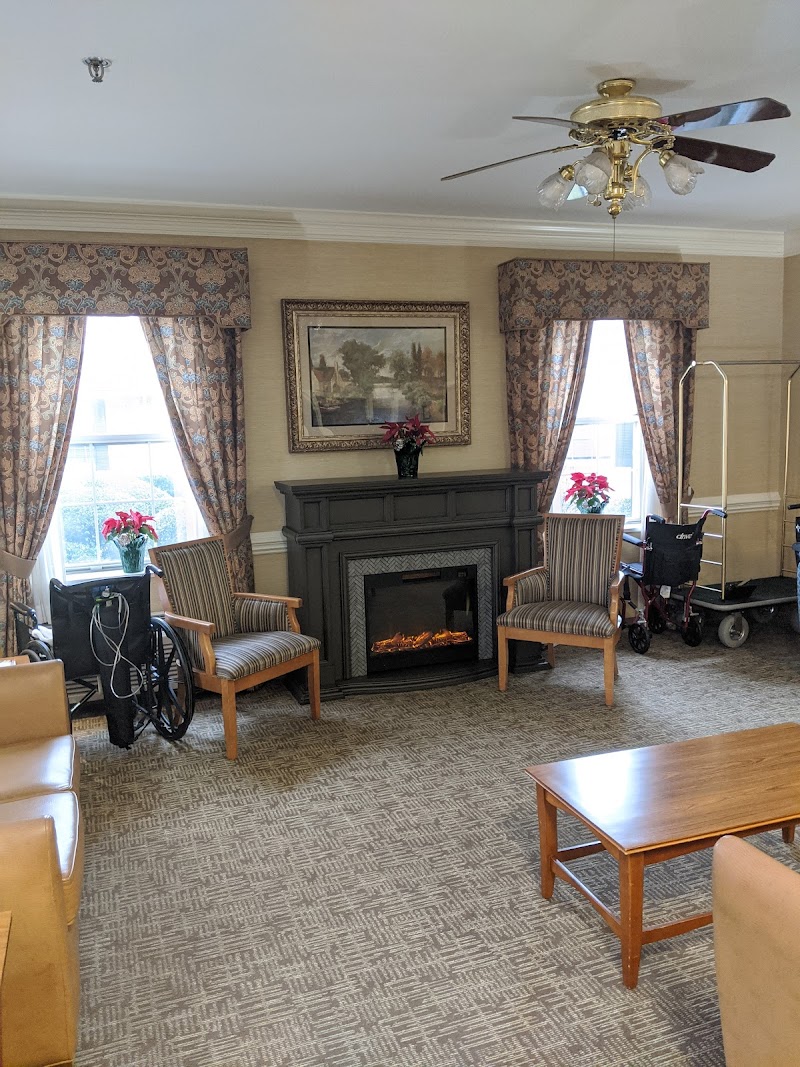
How is The Laurels Of Hendersonville Staffed?

CMS rates The Laurels of Hendersonville's staffing level at 4 out of 5 stars, which is above average compared to other nursing homes. Staff turnover is 41%, compared to the North Carolina average of 46%. This relatively stable workforce can support continuity of care.

What Have Inspectors Found at The Laurels Of Hendersonville?

State health inspectors documented 27 deficiencies at The Laurels of Hendersonville during 2022 to 2025. These included: 2 Immediate Jeopardy (the most serious level, indicating potential for serious harm or death), 24 with potential for harm, and 1 minor or isolated issues. Immediate Jeopardy findings are rare and represent the most serious regulatory concerns. They require immediate corrective action.
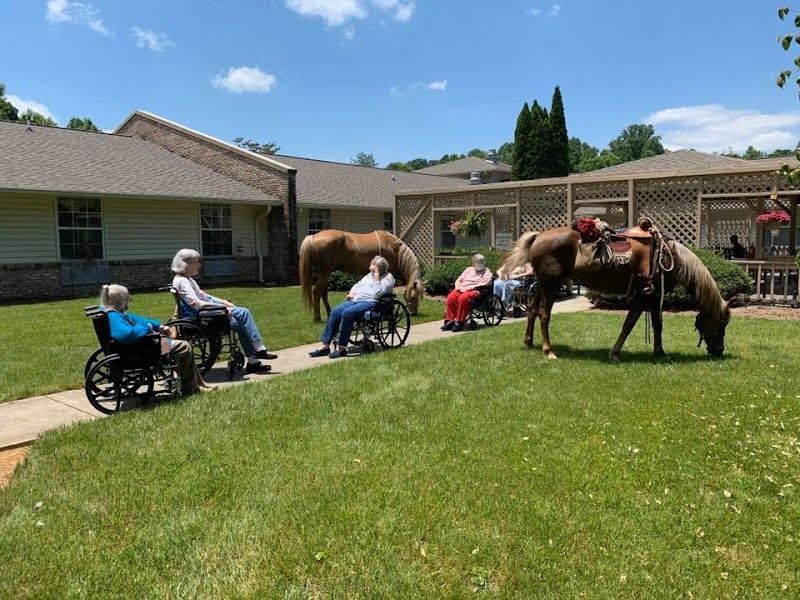
Who Owns and Operates The Laurels Of Hendersonville?

The Laurels of Hendersonville is owned by a for-profit company. For-profit facilities operate as businesses with obligations to shareholders or private owners. The facility is operated by CIENA HEALTHCARE/LAUREL HEALTH CARE, a chain that manages multiple nursing homes. With 100 certified beds and approximately 92 residents (about 92% occupancy), it is a mid-sized facility located in Hendersonville, North Carolina.

How Does The Laurels Of Hendersonville Compare to Other North Carolina Nursing Homes?

Compared to the 100 nursing homes in North Carolina, The Laurels of Hendersonville's overall rating (2 stars) is below the state average of 2.8, staff turnover (41%) is near the state average of 46%, and health inspection rating (2 stars) is below the national benchmark.

What Should Families Ask When Visiting The Laurels Of Hendersonville?

Based on this facility's data, families visiting should ask: "What changes have been made since the serious inspection findings, and how are you preventing similar issues?" "Can I visit during a mealtime to observe dining assistance and food quality?" "How do you handle medical emergencies, and what is your hospital transfer rate?" "Can I speak with family members of current residents about their experience?" These questions are particularly relevant given the facility's Immediate Jeopardy citations.

Is The Laurels Of Hendersonville Safe?

Based on CMS inspection data, The Laurels of Hendersonville has documented safety concerns. Inspectors have issued 2 Immediate Jeopardy citations (the most serious violation level indicating risk of serious injury or death). The facility has a 2-star overall rating and ranks #100 of 100 nursing homes in North Carolina. Families considering this facility should ask detailed questions about what corrective actions have been taken since these incidents.

Do Nurses at The Laurels Of Hendersonville Stick Around?

The Laurels of Hendersonville has a staff turnover rate of 41%, which is about average for North Carolina nursing homes (state average: 46%). Moderate turnover is common in nursing homes, but families should still ask about staff tenure and how the facility maintains care continuity when employees leave.

Was The Laurels Of Hendersonville Ever Fined?

The Laurels of Hendersonville has been fined $36,257 across 4 penalty actions. The North Carolina average is $33,441. While any fine indicates a compliance issue, fines under $50,000 are relatively common and typically reflect isolated problems that were subsequently corrected. Families should ask what specific issues led to these fines and confirm they've been resolved.

Is The Laurels Of Hendersonville on Any Federal Watch List?

The Laurels of Hendersonville is not on any federal watch list. The most significant is the Special Focus Facility (SFF) program, which identifies the bottom 1% of nursing homes nationally based on persistent, serious quality problems. Not being on this list means the facility has avoided the pattern of deficiencies that triggers enhanced federal oversight. This is a positive indicator, though families should still review the facility's inspection history directly.