Valley Hill Health & Rehab Center
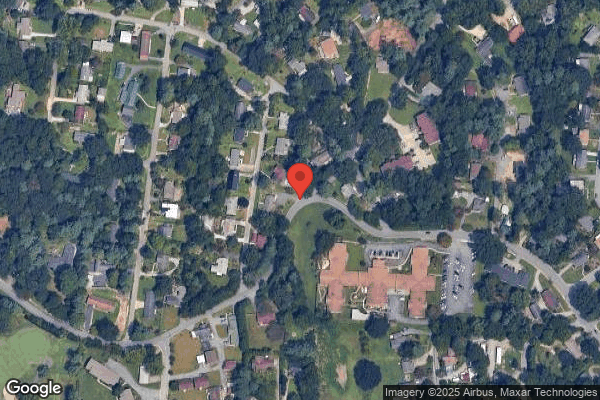
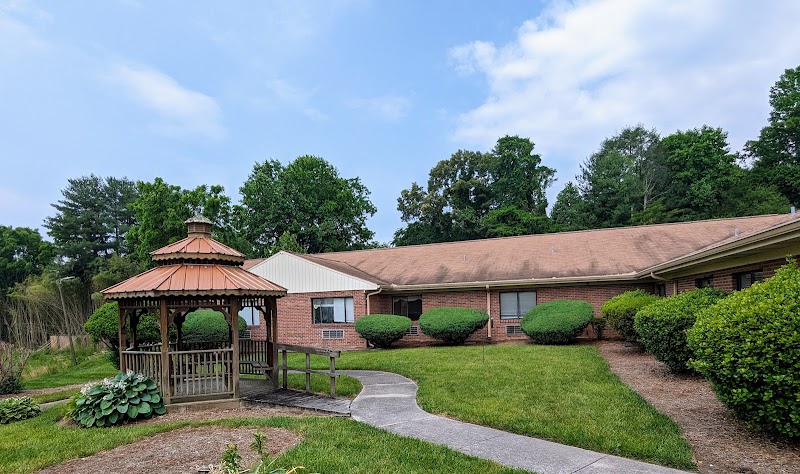
1510 Hebron Road, Hendersonville, NC 28739 (828) 693-8461
For profit - Corporation 150 Beds SABER HEALTHCARE GROUP Data: November 2025 5 Immediate Jeopardy citations
Trust Grade
0/100
#303 of 417 in NC
Last Inspection: June 2025

Inspected within the last 6 months. Data reflects current conditions.

Overview

Valley Hill Health & Rehab Center has a Trust Grade of F, indicating poor performance with significant concerns. It ranks #303 out of 417 facilities in North Carolina, placing it in the bottom half, and #6 out of 9 in Henderson County, meaning only three other local options are better. While the facility is reportedly improving, having reduced its issues from 10 to 6 over the past year, staffing remains a concern with a turnover rate of 60%, higher than the state average. The facility has incurred $71,949 in fines, which is average for the area, but recent inspections revealed critical incidents such as residents exiting unsupervised despite needing supervision and failure to properly disinfect medical equipment, raising serious health risks. Overall, while there are some signs of improvement, families should carefully weigh these significant weaknesses when considering this nursing home.

Trust Score
F
0/100
In North Carolina
#303/417
Bottom 28%
Safety Record
High Risk
Review needed
Inspections
Getting Better
10 → 6 violations
Staff Stability
⚠ Watch
60% turnover. Above average. Higher turnover means staff may not know residents' routines.
Penalties
✓ Good
$71,949 in fines. Lower than most North Carolina facilities. Relatively clean record.
Skilled Nurses
⚠ Watch
Each resident gets only 25 minutes of Registered Nurse (RN) attention daily — below average for North Carolina. Fewer RN minutes means fewer trained eyes watching for problems.
Violations
⚠ Watch
32 deficiencies on record. Higher than average. Multiple issues found across inspections.
★★☆☆☆
2.0
Overall Rating
★★☆☆☆
2.0
Staff Levels
★★☆☆☆
2.0
Care Quality
★★☆☆☆
2.0
Inspection Score
Stable
2024: 10 issues
2025: 6 issues

The Good

  • Full Sprinkler Coverage · Fire safety systems throughout facility
  • No fines on record

Facility shows strength in fire safety.

The Bad

2-Star Overall Rating

Below North Carolina average (2.8)

Below average - review inspection findings carefully

Staff Turnover: 60%

14pts above North Carolina avg (46%)

Frequent staff changes - ask about care continuity

Federal Fines: $71,949

Well above median ($33,413)

Moderate penalties - review what triggered them

Chain: SABER HEALTHCARE GROUP

Part of a multi-facility chain

Ask about local staffing decisions and management

Staff turnover is elevated (60%)

12 points above North Carolina average of 48%

The Ugly 32 deficiencies on record

5 life-threatening
Jun 2025 6 deficiencies
CONCERN (D) 📢 Someone Reported This

A family member, employee, or ombudsman was alarmed enough to file a formal complaint

Potential for Harm - no one hurt, but risky conditions existed

Free from Abuse/Neglect (Tag F0600)

Could have caused harm · This affected 1 resident

**NOTE- TERMS IN BRACKETS HAVE BEEN EDITED TO PROTECT CONFIDENTIALITY** Based on record review, and resident and staff interviews, the facility failed to protect a resident's right to be free from res...

Read full inspector narrative →
**NOTE- TERMS IN BRACKETS HAVE BEEN EDITED TO PROTECT CONFIDENTIALITY** Based on record review, and resident and staff interviews, the facility failed to protect a resident's right to be free from resident to resident physical abuse when a severely cognitively impaired resident (Resident #43) with a history of aggressive behaviors grabbed and pulled a moderately cognitive impaired resident (Resident #7) to the floor. Resident #43 was observed on top of Resident #7 with his hands around his neck in an attempt to choke him. Resident #43 and Resident #7 were alone in the main dining room at the time of the altercation until separated by dietary staff. Resident #7 and Resident #43 were not injured, and Resident #43 was sent to the hospital for a psychiatric evaluation and returned with no changes made to his current medications. The deficient practice occurred for 1 of 5 residents reviewed for abuse. Findings included: Resident #7 was admitted to the facility on [DATE] with diagnoses including traumatic brain injury (a brain injury caused by an outside force that may cause reasoning and judgement problems), obsessive-compulsive disorder (uncontrollable and recurring thoughts or repetitive behaviors or both), and dementia. A review of the Psychiatry Medical Doctor (MD) progress note dated 05/06/24 revealed Resident #7 received ongoing psychiatric services, and his past medical history included multifactorial dementia (two or more types of dementia), traumatic brain injury, depression, and anxiety. The MD noted Resident #7 was initially referred due to an altercation with a male peer and had demonstrated intermittent bouts of agitation. Resident #7 had no recent altercations or increased agitation, his mood was stable, and the MD made no changes to his medications. The quarterly Minimum Data Set (MDS) assessment dated [DATE] revealed Resident #7's cognition was moderately impaired with no physical or verbal behaviors during the lookback period. Resident #7 walked independently and had no falls since the previous assessment and was taking antianxiety and antidepressant medications. Resident #43 was admitted to the facility on [DATE] with diagnoses including Asperger's syndrome (a neurological and developmental disorder affecting how one interacts with others, communicates, and behaves), attention and concentration deficit, anxiety disorder, paranoid personality disorder (a pervasive distrust and suspicion of others), and history of traumatic brain injury. The admission MDS assessment dated [DATE] revealed Resident #43's cognition was severely impaired with no physical or verbal behaviors identified but rejection of care occurred 1 to 3 days during the lookback period. The MDS indicated Resident #43 was taking antianxiety medication, independently used a wheelchair for mobility, and had no falls since admission. A review of the Nurse Practitioner (NP) progress note revealed on 08/13/24, Resident #43 was evaluated after nursing reported he had replaced the salt and pepper with hot sauce in dining room. The NP's physical exam described Resident #43 speech as hyper verbal (excessive), and his thought pattern as tangential (a disturbance in one's thought process and ability to focus). The NP made no changes to Resident #43's medications or plan of care. A review of a psychotherapy comprehensive assessment dated [DATE] revealed Resident #43 was evaluated for behaviors of verbal outburst, expressions of anger, and intrusive social interactions. The psychotherapist recommended to continue follow up visits. A review of the progress note documented by Nurse #1 on 09/15/24 at 11:00 AM revealed someone was heard yelling in the hallway they're fighting. Nurse #1 entered the dining room, noticed condiments on the floor, and heard Resident #7 or Resident #43 yell, he thinks he is the boss. Resident #43 and Resident #7 were separated for safety, the NP was notified and provided an order to send Resident #43 to the emergency room for a psychiatric evaluation. An attempt to interview Nurse #1 on 06/26/25 at 12:23 PM was unsuccessful. A review of the nurse progress note dated 09/15/24 at 11:10 AM documented by the former Assistant Director of Nursing (ADON) revealed she was notified Resident #7 was involved in a physical altercation with another resident while in the main dining room. The former ADON noted Resident #7 was assessed after the altercation and had no injuries, denied pain, and his range of motion was within normal limits.A review of the weekly skin observation dated 09/15/24 at 11:30 AM revealed the former ADON documented Resident #7 had no skin issues. A review of the Initial Allegation Report revealed on 9/15/24 at 4:00 PM an incident of resident abuse was reported. The details of the report read in part, Resident #7 and Resident #43 were in the main dining room when staff heard a commotion. Staff reported they saw Resident #7 and Resident #43 on the floor and Resident #43 had his hands around Resident #7's neck. Staff pulled Resident #43 off Resident #7. No injuries to either resident. Resident #43 was sent to the emergency room for a psychiatric evaluation and placed on one to one supervision when returned. Resident #7 received a head to toe examination by the nurse. Staff education was started on identifying and managing violent behavior. The former Administrator was named as the person preparing the report and included the date of her signature as 9/15/24. During a telephone interview on 06/26/25 2:51 PM, the former ADON revealed she did not witness the altercation between Resident #7 and Resident #42 on 09/15/24. She revealed the two residents were separated, had no injuries and Resident #43 was sent to the hospital for a psychiatric evaluation. The former ADON stated the main dining room was considered as the part of the residents' home and they were allowed access. She described Resident #7 walked without assistance and if set off his behavior was unpredictable. She revealed both Resident #7 and Resident #43 had a history of aggressive behaviors, and facility staff tried to be in the main dining room with the residents and discouraged them from being left alone. A review of the emergency room report dated 9/15/24 noted the reason of Resident #43's visit as aggressive behavior. The report revealed Resident #43 did not meet the criteria for an inpatient evaluation and he returned to facility with no changes to his current medications. A review of the progress note documented by Nurse #1 on 09/15/24 at 4:36 PM revealed Resident #43 returned to facility with no new orders. A review of the NP progress note revealed on 09/16/24 she was notified Resident #7 was involved in a physical resident to resident incident. The NP evaluated Resident #7 who denied pain and when asked what happened had difficulty finding the words. The NP's note revealed Resident #7 stated, He's crazy, moving stuff around all the time and hit his chest when trying to explain what happened. The NP noted Resident #7 was calm and cooperative, in no acute distress, and no changes were made to his medications or plan of care. A review of the facility's Investigation Report dated 09/18/24 summary read in part, Resident #43 had taken the condiment container from the table Resident #7 was sitting at. When Resident #7 attempted to take back the condiments Resident #43 became agitated and lunged at Resident #7, and both landed on the floor. The report indicated there was no mental anguish and no physical injuries. It was determined Resident #43 started the altercation and based on a diagnosis of Asperger's and history of traumatic brain injury the allegation of abuse was unsubstantiated. The Investigation Report included witness statements from Nurse #1, Nurse Aide (NA) #1, the Cook, and Dietary Aide #1 and was completed by the former Administrator. A review Nurse #1's witness statement read in part, On 09/15/24 to whom this may concern, I did not witness the altercation between the residents. An attempt to interview Nurse #1 on 06/26/25 at 12:23 PM was unsuccessful. A review of the Cook's witness statement read in part, On 09/15/24, Resident #43 was on top of Resident #7 and was choking him. The statement revealed the [NAME] called for assistance from Dietary Aide #1 and they tried to get Resident #43 off Resident #7. The Cook's statement described Resident #43 was hitting and kicking and throwing condiments at Resident #7.A telephone interview was conducted on 06/25/25 at 3:19 PM with the Cook. The [NAME] revealed on 09/15/24, Dietary Aide #1 saw Resident #43 and Resident #7 were in the dining room arguing and called for her to help break it up. The [NAME] stated Resident #43 was sitting in his wheelchair, and she saw him grab Resident #7 by the arms and pull him to the floor. She described Resident #43 was kicking and screaming and stated she did not see Resident #43 choke Resident #7. The Cook's witness statement was read to her that indicated Resident #43 was on top of Resident #7 and was choking him. The [NAME] restated she did not witness Resident #43 choke Resident #7. She revealed education was provided on how to identify aggressive behaviors, and to ensure staff provided redirection to the residents. A review of Dietary Aide #1's witness statement read in part, On 09/15/24 I looked out the kitchen door window and saw two residents fighting. Me and Dietary Aide #2 broke it up. During an interview on 06/25/25 at 2:13 PM, Dietary Aide #1 revealed he was in the kitchen and when he looked out the kitchen door window he saw two residents on the floor in the dining room. Dietary Aide #1 stated he saw Resident #43's hands around Resident #7's neck and he was choking him, and Resident #7 was yelling, get him off me. Dietary Aide #1 revealed he yelled out, they are fighting and Dietary Aide #2 came out of the kitchen and got Resident #7 off the ground and they both helped Resident #43 back to his wheelchair. Dietary Aide #1 revealed there were no other staff members or residents in the dining room when the altercation happened. He revealed it was common for residents to be in dining room at different times and was unsure if an activity had recently ended or why they were in the dining room. Dietary Aide #1 revealed he received in-service education about handling aggressive resident behaviors. There was no witness statement from Dietary Aide #2 included in the Investigation Report. A telephone interview was conducted on 06/25/25 at 4:08 PM with Dietary Aide #2. Dietary Aide #2 revealed Resident #43 and Resident #7 were the only two in the dining room at the time of the altercation. He described he saw a staff member trying to separate the residents and stated Resident #43 was on top of Resident #7 and had his hands around Resident #7's neck. Dietary Aide #2 stated he helped Dietary Aide #1 get Resident #43 off the floor and back into the wheelchair and he heard Resident #7 state he was not hurt. Dietary Aide #2 revealed afterwards in-service education was provided related to aggressive resident behaviors. A review of NA #1's witness statement read in part, On 09/15/24, I did not see anything from the altercation. A kitchen staff yelled out, they were fighting and when I got to the dining room the residents were already split up. During an interview on 06/26/25 at 2:02 PM, NA #1 revealed on 09/15/24 she was not in dining room and did not witness the physical altercation between Resident #43 and Resident #7. NA #1 revealed she tried to discourage residents from being in the dining room without staff present and tried to keep Resident #43 and Resident #7 apart from each other. She revealed Resident #43 was able to self-propel in his wheelchair and Resident #7 walked without assistance and both residents had access to the dining room. A review of the Psychiatry, MD progress note dated 09/23/24 revealed Resident #43 was seen by psychiatry for ongoing mental health support and pharmacology recommendations. The MD noted Resident #43 had impulsive and childlike behaviors with aggression and that his behaviors led to a physical altercation with a peer. The MD noted Resident #43 defended his actions using a childlike blame and his behaviors appeared as personality and intellectual and developmental disability (IDD) that were baseline character traits that were longstanding. The MD reviewed the current medications and made no changes. An attempt to interview the Psychiatry MD by phone on 06/27/25 at 10:19 AM was unsuccessful. During an interview on 06/23/25 at 10:50 AM, Resident #7 was unable to recall the physical altercation and did not share he was choked by the neck. Resident #7 denied anyone at the facility had hit or hurt him and indicated he felt safe at the facility. During a telephone interview on 06/26/25 at 11:30 AM, the former Administrator revealed she completed the Initial Allegation and Investigation Reports. She revealed her reports indicated Resident #43's hands were around Resident #7's neck and she did not recall Resident #7 was actively being choked. She revealed the residents were separated, were not injured. Resident #43 was placed on one to one supervision and reviewed by psychiatry. She revealed due to Resident #43's diagnoses and not being aware of his behaviors she did not consider it as abuse and unsubstantiated the allegation. An interview was conducted on 06/27/25 at 12:50 PM with Director of Nursing (DON). The DON revealed she was not employed by the facility when the altercation occurred between Resident #7 and Resident #43. She revealed to prevent resident to resident altercations the facility staff were instructed to visualize and monitor residents throughout the day and to be aware of where residents were. She revealed resident behaviors were discussed during shift change and the Interdisciplinary Team meetings and facility staff were informed and knew to watch and provide redirection to prevent a resident to resident altercation.The facility provided the following corrective action plan with the completion date of 09/17/24: 1. Address how corrective action will be accomplished for those residents found to have been affected by the deficient practice. On 9/15/24 at approximately 11:00am staff heard yelling in the hallway they're fighting. Nurse #1 immediately went to the dining room, observed condiments on the floor and heard Resident #7 on Resident #43 yelling he thinks he is the boss. Staff witnessed Resident #43 had his hands around Resident #7's neck. Resident #43 and Resident #7 were immediately separated for safety, both were assessed, and no injuries were noted for either resident by the Assistant Director of Nursing on 9/15/2024 at 11:30 am. Optum Nurse Practitioner was notified by Nurse #1 on 9/15/2024 at 11:00 am and provided an order to send Resident #43 to the emergency room for psychiatric evaluation.Power of Attorney/responsible parties of both residents were notified by Director of Nursing on 9/15/24. The consulting psychiatrist was also notified of the altercation on 9/16/2024 by Nurse #1 and scheduled a follow-up visit on the 09/23/2024 by the Psychiatry M.D.On 9/15/24 the facility notified the police department of the incident. On 9/15/24 Resident #43 returned to the facility with no new orders due to not meeting the criteria for inpatient evaluation at the hospital at which time he was place on 1:1 at the facility.On 9/15/24 the Administrator submitted an initial self-reported incident to the Department of Health and Human Services. On 9/16/24 the nurse practitioner evaluated Resident #7 who denied pain and when asked he had difficulty finding his words. Resident #7 stated He's crazy, moving stuff around all the time and hit his chest when trying to explain what happened. The nurse practitioner noted Resident #7 was calm and cooperative, in no acute distress, and no changes were made to his medications or plan of care. Resident #7 states that he feel safe at the facility. On 9/16/24 pharmacy consult for medication review was reviewed by Consultant Pharmacist. DON/Designee reviewed care plans, and no updates were required due to appropriate interventions were in place. This was completed on 09/15/2024.2. Address how the facility will identify other residents having the potential to be affected by the same deficient practice. All residents have the potential to be affected by the deficient practice. Administrator/Director of Nursing/Designee reviewed last thirty days of progress notes to identify other potential like residents to identify poor impulse controlled behavior responses that would cause aggression toward others on 9/16/24. No negative findings were found. 3. Address what measures will be put into place or systemic changes made to ensure that the deficient practice will not recur. Director of Nursing/designee educated 100% of facility staff related to abuse with special attention to verbal/physical aggression and identifying and managing violent behaviors. An educational handout that included information on dealing with violent patients and understanding/managing challenging behaviors was used for this in-service. Staff not scheduled to work were educated via phone by the Administrator/designee. Completed on 9/16/24. Administrator/Director of Nursing/Designee educated 100% of Department Heads related to potential triggers behaviors and de-escalation process. Completed on 9/16/24.Director of Nursing/designee will educate all new hire employees during on boarding/orientation or before their next scheduled shift. The Director of Nursing was notified by the Administrator on 09/16/2024.Director of Nursing/Designee educated staff started on 9/15/24 that included identifying and managing violent behaviors and the dining room is considered a common area for the residents and there are no restrictions for residents being in common areas in the facility.Systematic Change implemented to prevent this from recurring: the facility changed having the condiments in the dining room to being served on resident meal trays. Kitchen Staff educated to serve condiments on resident trays moving forward. Completed 09/16/2024. Residents may ask for additional condiments if desired.4. Indicate how the facility plans to monitor its performance to make sure that solutions are sustained. Include dates when corrective action will be completed. The Administrator and Director of Nursing discussed the incident regarding the altercation between Resident #7 and Resident #43 on 9/15/24 and determined to have Ad Hoc Quality Assurance Process Improvement (QAPI) meeting. Ad Hoc QAPI was held 9/16/24 with the Interdisciplinary team to discuss the incident and educate the team on the interventions that were put into place to prevent further incidents. The Administrator/designee implemented the plan of correction to prevent further resident to resident incidents on 9/16/24. On 9/16/24 audits were put in place to monitor and maintain ongoing compliance; the facility will conduct dining room behavior audits daily for 5 days and 3 times per week for 12 weeks. The results from the audits will be submitted to the QAPI committee for further review and recommendations.Conclusion:On 09/23/2024, after the investigation conducted by the facility was complete, the Psychiatry M.D. noted Resident #43 has a diagnosis of Asperger's and history of traumatic brain injury. The MD noted Resident #43 had impulsive and childlike behaviors with aggression and that his behaviors led to a physical altercation with a peer. The MD noted Resident #43 defended his actions using a childlike blame and his behaviors appeared as personality and intellectual and developmental (IDD) that were baseline character traits that were longstanding. The MD reviewed the current medications and made no changes. Based on the above information, the allegation of abuse was unsubstantiated due to resident not having intent. Alleged date of Compliance 9/17/24The correction action plan was validated on 06/27/25 and concluded the facility had implemented an acceptable corrective action plan on 09/17/24 once staff education was completed and the corrective action plan was reviewed and implemented during a QAPI meeting held on 9/16/24. Interviews with staff, including agency staff, revealed the facility had provided education on their abuse policy and were able to verbalize an understanding of identifying residents with verbal and physical aggressive behaviors towards a resident and how to manage violent behaviors. Observations conducted revealed no condiments were left in the dining room and facility staff monitored and engaged with residents and were available to provide redirection. Review of the monitoring tools that began on 09/16/24 were completed weekly as outlined in the corrective action plan with no concerns identified. The facility's corrective action plan date of 09/17/24 was validated.
CONCERN (D) 📢 Someone Reported This

A family member, employee, or ombudsman was alarmed enough to file a formal complaint

Potential for Harm - no one hurt, but risky conditions existed

Deficiency F0602 (Tag F0602)

Could have caused harm · This affected 1 resident

**NOTE- TERMS IN BRACKETS HAVE BEEN EDITED TO PROTECT CONFIDENTIALITY** Based on record reviews and interviews with residents, staff, and the law enforcement agent, the facility failed to protect resi...

Read full inspector narrative →
**NOTE- TERMS IN BRACKETS HAVE BEEN EDITED TO PROTECT CONFIDENTIALITY** Based on record reviews and interviews with residents, staff, and the law enforcement agent, the facility failed to protect residents' rights to be free from misappropriation of controlled medications for 2 of 2 residents reviewed for misappropriation of residents' property (Resident #30 and #59).The findings included: The facility's Abuse, Neglect, Exploitation, and Misappropriation of Resident property policy, last revised on July 11, 2024, revealed in part the facility would ensure all residents to remain free from abuse or misappropriation of their property. Resident #30 was admitted to the facility on [DATE] with diagnoses including age-related osteoporosis and chronic back pain. The physician's order dated 12/04/22 revealed Resident #30 had an order to receive one tablet of oxycodone 10 mg by mouth 2 times daily for pain. The April 2024 Medication Administration Record (MAR) revealed Nurse #3 had administered one tablet of oxycodone 10 mg to Resident #30 on 04/15/24 at 6:00 PM. Further review of the MAR indicated Resident #30 had received her scheduled oxycodone as ordered throughout the month in April 2024. A review of the controlled substance declining sheets for Resident #30's oxycodone from 03/27/24 through 04/29/24 revealed Nurse #3 signed out two tablets of oxycodone 10 mg for Resident #30 on 04/15/24 at 6:00 PM. She administered one tablet of oxycodone to Resident #30 and wasted the remaining tablet without having any witness to verify and check the disposal of the wasted controlled medication as no signature was documented under the Check by column. Resident #59 was admitted to the facility on [DATE] with diagnoses including chronic pain syndrome. The physician's order dated 07/13/23 revealed Resident #59 had an order to receive one tablet of oxycodone 5 mg by mouth 2 times daily for chronic pain syndrome. A review of the MAR for April 2024 revealed Nurse #3 had administered one tablet of oxycodone 5 mg to Resident #59 on 04/17/24 at 8:00 AM. Further review of the MAR indicated Resident #59 had received his scheduled oxycodone as ordered throughout the month in April 2024.A review of the controlled substance declining sheets for Resident #30's oxycodone from 03/27/24 through 04/29/24 revealed Nurse #3 signed out two tablets of oxycodone 10 mg for Resident #30 on 04/15/24 at 6:00 PM. She administered one tablet of oxycodone to Resident #30 and wasted one tablet without having any witness to verify and check the disposal of the wasted controlled medication as no signature was documented under the Check by column.A review of the controlled substance declining sheets for Resident #59's oxycodone from 04/13/24 through 04/27/24 revealed Nurse #3 signed out two tablets of oxycodone 5 mg for Resident #59 on 04/17/24 at 8:00 AM. She administered one tablet of oxycodone to Resident #59 and wasted the remaining tablet without having any witness to verify and check the disposal of the wasted controlled medication as no signature was documented under the Check by column. A review of the initial allegation report dated 06/11/24 revealed the facility became aware of the misappropriation of residents' property on 06/11/24 at 2:00 PM when 2 tablets of oxycodone (a semi-synthetic narcotic analgesic for pain) had potentially been diverted (1 tablet of oxycodone 5 milligrams (mg) for Resident #59 and another tablet of oxycodone 10 mg for Resident #30) by Nurse #3. The facility reported the incident to the North Carolina Division of Health Service Regulation (DHSR) on 06/12/24 at 1:23 PM and the local law enforcement on 06/12/24 at 2:00 PM as there was a reasonable suspicion of crime against Resident #30 and Resident #59.The 5-day investigation report dated 06/19/24 revealed on 06/11/24, the former Director of Nursing (DON) was notified by the Corporate Clinical Director that a potential drug diversion had occurred in a sister facility that involved Nurse #3 who worked as an agency nurse. The former DON checked with the facility's Scheduler immediately and found that Nurse #3 had picked up 2 shifts in the facility in April 2024. The former DON audited the controlled substance declining sheets and found that potential drug diversions could have been done by Nurse #3 as she wasted 1 tablet of oxycodone 5 mg for Resident #59, and 1 tablet of oxycodone 10 mg for Resident #30 without any witnesses nor signature from another nurse to verify the waste of the oxycodone on the controlled substance declining sheets. The allegation of diversion of Residents' drugs was substantiated as the facility unable to confirm the actual waste of controlled medications at the time of documentation. The attempt to conduct a phone interview with Nurse #3 on 06/26/25 at 1:25 PM was unsuccessful. She was unavailable and did not return the call. The pharmacy invoice dated 06/13/24 revealed the facility replaced and paid for the missing one tablet of oxycodone 10 mg for Resident #30 and one tablet of oxycodone 5 mg for Resident #59. An attempt to conduct an interview with Resident #30 on 06/24/25 at 2:56 PM was unsuccessful. She was unable to engage in the interview. During an interview conducted on 06/24/25 at 3:04 PM, Resident #59 could not recall the incident related to drug diversion that occurred more than a year ago. He stated he did not have any problem receiving his pain medication as ordered in the past one year and added his pain was under control most of the time. A phone interview was conducted with the former DON on 06/25/25 at 4:30 PM. She stated she was notified by the Corporate Clinical Director in June 2024 that a potential drug diversion had occurred in a sister facility that involved Nurse #3. She checked with the facility's Scheduler immediately and identified Nurse #3 had worked 2 shifts in the facility in April 2024. When she audited the controlled substance declining sheets for the days Nurse #3 worked, she found that Nurse #3 had wasted one tablet of oxycodone from two different residents without witness' signature documented in the controlled substance declining sheets. She and the Administrator called Nurse #3 several times during the investigation but never received a return call from Nurse #3. The facility submitted the initial allegation report to DHSR, filed report to the local law enforcement agency, notified the North Carolina Board of Nursing, the Medical Director, and Residents' Responsible Party within 24 hours after identifying the potential drug diversion. The 2 affected residents were assessed by the in-house physician without any negative effects noted. All active controlled substance declining sheets were audited to ensure appropriate documentation and validation of waste by a second nurse. She did not find any additional negative findings. She reviewed all nurse's progress notes and MARs without identifying any additional negative findings related to pain management at the time of the incident. She interviewed all the nursing staff without finding any additional incidents related to drug diversion. The allegation of diversion of resident drugs was substantiated as the facility was unable to confirm the true waste of controlled medication at the time of documentation. She started an in-service on identifying signs of drug diversion and the appropriate process for medication waste for all the nursing staff including agency staff and the newly hired. The in-service was completed within a couple days. During a phone interview conducted on 06/26/25 at 11:29 AM, the former Administrator stated the former DON conducted the audit of the controlled substance declining sheets with the assistance of a couple nurses. She did not participate in the auditing process. She reported the incident to DHSR within 24 hours after she was made aware by the former DON. During a phone interview conducted on 06/26/25 at 2:42 PM, the Detective stated he had reviewed the case and concluded no criminal charge would be filed as there was no camera footage or other evidence indicating Nurse #3 had diverted the controlled medications. He added Nurse #3 might have violated the facility's policy and procedure related to controlled substance documentation and it was not a criminal offense.An interview was conducted with the current DON on 06/27/25 at 10:03 AM. She stated she was not working at the facility when the drug diversion occurred on 06/11/24. After she assumed the role of DON, she started random audit at times for all the controlled substance declining sheets to minimize the risk of drug diversion in the facility. It was her expectation for the facility to remain free from misappropriation of medications.During an interview conducted on 06/27/25 at 12:35 PM, the Administrator stated it was his expectation for the facility to remain free of drug diversion to minimize disruption in pharmaceutical services. The facility provided the following corrective action plan with a completion date of 06/13/24:Address how the corrective action will be accomplished for those residents found to have been affected by the deficient practice:On 6/11/2024 the Regional Director of Clinical Services notified the Director of nursing of a drug diversion by an agency nurse in a sister facility, in accordance with our Quality Assurance Performance Improvement program, leadership implemented the following corrective action measures:06/11/2024- Director of Nursing notified Administrator and staff scheduler and confirmed this agency nurse had been working in the facility in April of 2024. 06/12/2024- Director of nursing then audited the narcotic declining sheets for the days this nurse worked in April 2024 and discovered Agency LPN had wasted two controlled medications from two residents without a witness documented in the controlled Substance declining sheet. Director of Nursing and the Assistant Director of Nursing called this nurse several times during the investigation on 06/11/2024 and 06/12/2024 and never received an answer or a return phone call. 06/12/2024 Director of Nursing notified the Medical Director, Nurse Practitioner, Administrator, Regional Director of Clinical Services, North Carolina Department of Health and Human Services, North Carolina Board of Nursing, and [NAME] County Police Department, Omnicare Pharmacy representative and resident's responsible party of the findings. The two residents affected were assessed by the in house physician without any negative effects noted. 06/12/2024- Director of Nursing completed one hundred percent audit of active controlled substance declining sheets to ensure correct documentation and validation of any waste by a second nurse was completed and present on the sheets. No additional negative findings. 06/12/2024 the director of nursing reviewed all nursing progress notes and medication records-no negative findings noted regarding pain management for any resident at the time of each event.Address how the facility will identify other residents having the potential to be affected by the same deficient practice.All residents receiving controlled pain medication have the potential of being affected. 06/12/2024- Director of Nursing completed one hundred percent audit of active controlled substance declining sheets to ensure correct documentation and validation of any waste by a second nurse was completed and present on the sheets. No additional negative findings. 06/12/2024 the director of nursing reviewed all nursing progress notes and medication records-no negative findings noted regarding pain management for any resident at the time of each eventThe Director of Nursing/Designee completed pain audits on all residents receiving narcotics on 06/11/2024. Interviews completed on all alert and oriented residents with a Brief Interview for Mental Status of 12 or above was completed by the Director of Social Services. A [NAME] Scale was completed on all residents with a Brief Interview for Mental Status below 12 to determine if there was any pain. No negative findings noted. These audits were completed on 06/12/2024 by the Director of Nursing/Designee.During the facility investigation, documentation on the declining sheet on 04/15/2024 for resident #1, reflects that two oxycodone 10mg was removed from the blister pack with documented time of 6:00 pm. One line of the documentation reflects administration of the medication, the other line of documentation indicates a waste occurred. No second signature from another nurse to verify waste of medication present on declining inventory sheet. Documentation on the declined sheet dated 04/17/2024 for resident #2 reflects that two oxycodone 5mg tablets were removed of medication the blister pack with documented time of 8:00 am. One indicates a waste occurred. No second signature from another nurse to verify waste of medication present on declining inventory sheet. 06/12/2024 Director of Nursing/Designee completed 100% Audits on all narcotic sheets to determine if there was any further issues with possible diversion. No negative findings. Address what measures will be put into place or systemic changes made to ensure that the deficient practice will not reoccur.The Director of Nursing/Designee educated (Detection of Drug Diversion in a Long-Term Care Facility: A Multi-Victim Crime) all licensed nurses including agency and medication aides on drug diversion and medication rights. This education was completed on 06/12/2024. Nurses who were not working that day were educated via phone. Any licensed nurses on PTO/Vacation will be educated prior to working. All newly hired licensed nurses will be educated on said process during orientation. All agency licensed nurses will receive training prior to the start of their next shift.Indicate how the facility plans to monitor its performance and make sure that solutions are sustained:The Director of Nursing/Designee will audit five random narcotic sheets weekly, to ensure that there is no signs of drug diversion. This audit will be completed weekly for 12 weeks.The results of the audits will be in monthly facility QAPI x's 3 months by the Director of Nursing for further review and recommendations.The facility completed and accepted an ad hoc QAPI meeting 06/11/2024.Root cause analysis: The facility completed a thorough investigation to determine the root cause of the diversion. It is the facilities determination drug diversion did occur due to this nurse would not return phone calls to this facility and would not comply with sister facilities request. Alleged date of Compliance: 06/13/2024.The facility's corrective action plan with a correction date of 06/13/24 was validated on site by record review, observations, and interviews with nursing staff and the former DON.Medication Administration observations were conducted on 06/14/25 through 06/25/25 and it consisted of 25 medications, 5 different residents, and 4 Nurses. Controlled medication was seen pulled from the double-locked compartment in the medication cart during the medication pass observation. The nurse documented the retrieval of controlled medication in the controlled medication declining sheet precisely. Random samples of 3 controlled medications were pulled from each medication cart to verify accuracy and the controlled substance counts were consistent with the records in the declining count sheets. An observation was conducted during a shift transition. The arriving and the departing nurses started the process by counting the total number of blister cards containing controlled medication in the double-locked compartment in the medication cart to verify the recorded balance in the count sheet. Then, they counted each blister card of controlled medication to ensure the quantity listed in the count sheet was consistent with the actual counts. The departing nurse read out the number of pills for each blister card from the controlled medication count sheets and the arriving nurse pulled the blister card to verify the quantity. After all the counts were completed without any discrepancies, the arriving nurse signed the controlled medication count sheet before the departing nurse passed the medication cart key to her. The surveyor did not have the opportunity to observe any waste of controlled medication during the survey. Interviews with several nursing staff working in different shifts confirmed they had received in-service training on Abuse, neglect, misappropriation, reporting, code of ethics, and diversion and Definition, implications, and the policy and procedure of wasting narcotic medications. The training was conducted in-person by the former DON, and it included multiple examples and scenarios. Staff who had completed the training signed the in-service records. The training was completed on 06/12/2024. Review of audit records revealed 5 residents receiving controlled medications were audited by the DON or the designee once per week for 12 weeks by comparing controlled substance count sheets, MAR, and the controlled medication return sheets. The facility completed and accepted an ad hoc QAPI meeting 06/11/2024. The DON presented the findings of the audit tools to the Quality Assurance Performance Improvement Committee (QAPI) for 3 months.Interview with the former DON revealed she started the in-service immediately after the incident to re-educate all the licensed nurses and medication aides. She stated the interventions were successful as the facility did not have any similar drug diversion issues since then. The corrective action plan removal date of 06/13/24 was validated.
CONCERN (D)

Potential for Harm - no one hurt, but risky conditions existed

Report Alleged Abuse (Tag F0609)

Could have caused harm · This affected 1 resident

**NOTE- TERMS IN BRACKETS HAVE BEEN EDITED TO PROTECT CONFIDENTIALITY** Based on record reviews and interviews with staff, the facility failed to ensure staff implemented their abuse policy and proced...

Read full inspector narrative →
**NOTE- TERMS IN BRACKETS HAVE BEEN EDITED TO PROTECT CONFIDENTIALITY** Based on record reviews and interviews with staff, the facility failed to ensure staff implemented their abuse policy and procedure for reporting when the facility failed to report abuse allegations to the State Survey Agency within the specified timeframes and failed to notify the county Adult Protective Services (APS). This affected 1 of 8 residents reviewed for abuse (Resident #1). The findings included:The facility's policy titled, North Carolina Resident Abuse Policy last revised 07/11/24 revealed in part; all allegations of abuse, neglect, involuntary seclusion, injuries of unknown source, and misappropriation of resident property must be reported immediately to the Administrator, Director of Nursing (DON), and the applicable State Agency. If the event that caused the allegation involved an allegation of abuse or serious bodily injury, it should be reported to the North Carolina Division of Health Service Regulation (DHSR) immediately, but not later than 2 hours after the allegation is made. The Administrator or designee will ensure that a completed Initial Allegation Report is submitted to DHSR in the required timeframe. The Administrator or designee will ensure that a report of the investigation is submitted within 5 working days of the allegation using the DHSR Investigation Report. A further review of the facility's policy titled North Carolina Resident Abuse Policy, under the Reporting allegations to other agencies, read in part as follows: Allegations requiring investigation include abuse of a resident. Follow Adult Protective Service (APS) Statutes for reporting allegations to the local Department of Social Services (DSS/APS).Resident #1 was admitted to the facility on [DATE] with diagnoses including delusional disorder, psychotic disorder, and Parkinson's disease. The annual Minimum Data Set (MDS) assessment dated [DATE] coded Resident #1 with intact cognition. She had adequate hearing and vision with clear speech. The MDS indicated Resident #1 receiving antianxiety and antipsychotic in the 7-day assessment period. A review of the facility submitted 24-hour initial report dated 06/11/24 completed by the former Administrator specified an allegation of abuse for Resident #1 was reported by Assistant Director of Nursing (ADON) to the former Administrator on 06/11/24 at 1:47 PM. The report indicated Medication Aide #1 (MA) noted a small, discolored area on Resident #1's right eyebrow bone and reported her finding immediately to ADON. When Resident #1 was interviewed by the former Administrator and the Social Services Director (SSD), she stated that Nurse Aide (NA) #3 and Nurse #2 had hit her and splashed water on her face on 06/10/24 in the evening. The former Administrator suspended both staff members mentioned in the incident immediately and began the investigation by conducting a full skin assessment for Resident #1 and later for the rest of the residents in the facility. The facility submitted the initial report to DHSR on 06/11/24 at 9:12 PM. DHSR was notified 7 hours and 25 minutes after the former Administrator was made aware of the incident. The facility unsubstantiated the allegation of abuse but there was no documentation of notification of APS/DSS. During a phone interview conducted on 06/26/25 at 11:29 AM, the former Administrator acknowledged that she was the Abuse Coordinator and responsible for notifying abuse allegations to the applicable local and state agencies in accordance with the policy and procedure. She stated that she was made aware of the incident on 06/11/24 at around 2:00 PM and started the investigation immediately. She explained there were a couple of other incidents that occurred on the same day, and she was overwhelmed and distracted. She added she should have submitted the initial report to DHSR within 2 hours after she was made aware of the alleged abuse incident and notified the APS. During an interview conducted on 06/26/25 at 12:35 PM, the current Administrator expected the former Administrator to follow the regulation to report abuse allegation to DHSR as required within 2 hours and APS within a reasonable timeframe. The facility provided the following corrective action plan with a completion date of 06/13/24:Address how the corrective action will be accomplished for those residents found to have been affected by the deficient practice:On 6/11/2024 the Regional Director of Clinical Services notified the Director of nursing of a drug diversion by an agency nurse in a sister facility, in accordance with our Quality Assurance Performance Improvement program, leadership implemented the following corrective action measures:06/11/2024- Director of Nursing notified Administrator and staff scheduler and confirmed this agency nurse had been working in the facility in April of 2024. 06/12/2024- Director of nursing then audited the narcotic declining sheets for the days this nurse worked in April 2024 and discovered Agency LPN had wasted two controlled medications from two residents without a witness documented in the controlled Substance declining sheet. Director of Nursing and the Assistant Director of Nursing called this nurse several times during the investigation on 06/11/2024 and 06/12/2024 and never received an answer or a return phone call. 06/12/2024 Director of Nursing notified the Medical Director, Nurse Practitioner, Administrator, Regional Director of Clinical Services, North Carolina Department of Health and Human Services, North Carolina Board of Nursing, and [NAME] County Police Department, Omnicare Pharmacy representative and resident's responsible party of the findings. The two residents affected were assessed by the in house physician without any negative effects noted. 06/12/2024- Director of Nursing completed one hundred percent audit of active controlled substance declining sheets to ensure correct documentation and validation of any waste by a second nurse was completed and present on the sheets. No additional negative findings. 06/12/2024 the director of nursing reviewed all nursing progress notes and medication records-no negative findings noted regarding pain management for any resident at the time of each event.Address how the facility will identify other residents having the potential to be affected by the same deficient practice.All residents receiving controlled pain medication have the potential of being affected. 06/12/2024- Director of Nursing completed one hundred percent audit of active controlled substance declining sheets to ensure correct documentation and validation of any waste by a second nurse was completed and present on the sheets. No additional negative findings. 06/12/2024 the director of nursing reviewed all nursing progress notes and medication records-no negative findings noted regarding pain management for any resident at the time of each event The Director of Nursing/Designee completed pain audits on all residents receiving narcotics on 06/11/2024. Interviews completed on all alert and oriented residents with a Brief Interview for Mental Status of 12 or above was completed by the Director of Social Services. A [NAME] Scale was completed on all residents with a Brief Interview for Mental Status below 12 to determine if there was any pain. No negative findings noted. These audits were completed on 06/12/2024 by the Director of Nursing/Designee.During the facility investigation, documentation on the declining sheet on 04/15/2024 for resident #1, reflects that two oxycodone 10mg was removed from the blister pack with documented time of 6:00 pm. One line of the documentation reflects administration of the medication, the other line of documentation indicates a waste occurred. No second signature from another nurse to verify waste of medication present on declining inventory sheet. Documentation on the declined sheet dated 04/17/2024 for resident #2 reflects that two oxycodone 5mg tablets were removed of medication the blister pack with documented time of 8:00 am. One indicates a waste occurred. No second signature from another nurse to verify waste of medication present on declining inventory sheet. 06/12/2024 Director of Nursing/Designee completed 100% Audits on all narcotic sheets to determine if there was any further issues with possible diversion. No negative findings. Address what measures will be put into place or systemic changes made to ensure that the deficient practice will not reoccur.The Director of Nursing/Designee educated (Detection of Drug Diversion in a Long-Term Care Facility: A Multi-Victim Crime) all licensed nurses including agency and medication aides on drug diversion and medication rights. This education was completed on 06/12/2024. Nurses who were not working that day were educated via phone. Any licensed nurses on PTO/Vacation will be educated prior to working. All newly hired licensed nurses will be educated on said process during orientation. All agency licensed nurses will receive training prior to the start of their next shift.Indicate how the facility plans to monitor its performance and make sure that solutions are sustained:The Director of Nursing/Designee will audit five random narcotic sheets weekly, to ensure that there is no signs of drug diversion. This audit will be completed weekly for 12 weeks.The results of the audits will be in monthly facility QAPI x's 3 months by the Director of Nursing for further review and recommendations.The facility completed and accepted an ad hoc QAPI meeting 06/11/2024.Root cause analysis: The facility completed a thorough investigation to determine the root cause of the diversion. It is the facilities determination drug diversion did occur due to this nurse would not return phone calls to this facility and would not comply with sister facilities request. Alleged date of Compliance: 06/13/2024.The facility's corrective action plan with a correction date of 06/13/24 was validated on site by record review, observations, and interviews with nursing staff and the former DON. Interview with several nursing staff working at different shifts confirmed they had received in-service training on The Policy and Procedure for Reporting Abuse. The training was conducted in-person by the former DON/designee, and it included multiple examples and scenarios. Staff who had completed the training signed the in-service records. The training was completed on 06/11/2024. Review of audit records revealed 5 residents receiving controlled medications were audited by the former DON/designee once per week for a duration of 12 weeks by comparing controlled substance count sheets, MAR, and the controlled medication return sheets. The facility completed and accepted an ad hoc QAPI meeting 06/11/2024. The DON presented the findings of the audit tools to the Quality Assurance Performance Improvement Committee (QAPI) for 3 months. Interview with the former DON revealed she received training related to The Policy and Procedure for Reporting Abuse from the Regional [NAME] President of Operation to report abuse within 2 hours and notification of APS right after the incident. Then, she started the in-service to re-educate all the licensed nurses and medication aides. She stated the interventions were successful as the facility did not have any similar reporting issues since then. Review of audit records confirmed the DON/Designee had audited five random narcotic sheets weekly and completed for 12 weeks. The results of the audits were present by the DON in the monthly facility QAPI meeting for 3 months for further review and recommendations. The correction action plan removal date of 06/13/24 was validated.
CONCERN (D)

Potential for Harm - no one hurt, but risky conditions existed

Deficiency F0692 (Tag F0692)

Could have caused harm · This affected 1 resident

**NOTE- TERMS IN BRACKETS HAVE BEEN EDITED TO PROTECT CONFIDENTIALITY** Based on observations, record review, and interviews with Registered Dietitian (RD) #1 and staff, the facility failed to follow ...

Read full inspector narrative →
**NOTE- TERMS IN BRACKETS HAVE BEEN EDITED TO PROTECT CONFIDENTIALITY** Based on observations, record review, and interviews with Registered Dietitian (RD) #1 and staff, the facility failed to follow the physician's order to provide nutritional supplements for 1 of 5 residents reviewed for nutrition (Resident #36). Findings included: Resident #36 was admitted to the facility 01/06/20 with a diagnosis including non-Alzheimer's dementia. Review of Resident #36's physician orders revealed an order dated 05/23/24 for a 4-ounce nutritional shake three times a day with meals and an order dated 09/05/24 for a frozen nutritional treat twice a day. Review of the quarterly Minimum Data Set (MDS) assessment dated [DATE] revealed Resident #36 was severely cognitively impaired, had weight gain, and was on a physician prescribed weight-gain regimen. Resident #36's nutrition care plan last updated 05/06/25 revealed she had an increased nutrition/hydration risk related to receiving a mechanically altered diet. Interventions included providing her diet and supplements as ordered. A progress note written by Registered Dietitian #2 on 06/12/25 read in part as follows: Significant weight gain review: 18.8% x 180 days. CBW [Current Body Weight] is 129 [pounds]. History of weight fluctuations and has had a weight gain goal. Weight last month was 126.4 lbs. Weight 90 days ago was 123.2 lbs. Weight 180 days ago was 108.6 lbs, borderline underweight. Weight gain has been beneficial. Receives [frozen nutritional treat] twice a day and [nutritional] shake three times a day with meals. Resident has variable acceptance of supplements. Continue other supplements at this time for variable intake with a history of weight fluctuations. Registered Dietitian (RD) #2 was unavailable for interview during the survey. An observation of Resident #36's lunch meal ticket on 06/23/25 at 12:33 PM revealed she was to receive a 4-ounce frozen nutritional treat and a 4-ounce nutritional shake. An observation of Resident #36's meal tray at the same time and date revealed the frozen nutritional treat and nutritional shake were not provided with her lunch meal. An interview with the Dietary Manager on 06/24/25 at 1:10 PM revealed residents should receive nutritional supplements as ordered by the physician and he was not sure why Resident #36 did not receive her supplements on 06/23/25. An observation of Resident #36's lunch meal ticket on 06/25/25 at 12:17 PM revealed she was to receive a 4-ounce frozen nutritional treat and a 4-ounce nutritional shake. An observation of Resident #36's meal tray at the same date and time revealed the frozen nutritional treat and nutritional shake were not provided with her lunch meal. The Dietary Aide who was responsible for checking meal trays for accuracy before they left the kitchen on 06/25/25 was unavailable for interview during the survey. An interview with Registered Dietitian (RD) #1 on 06/25/25 at 1:10 PM revealed residents should receive their nutritional supplements as ordered. A follow-up interview with RD #1 on 06/25/25 revealed the physician order for Resident #36's frozen nutritional treat was discontinued the evening of 06/23/25. She stated a RD or the Dietary Manager had to manually go into the dietary computer system and update the meal tray tickets but since that had not occurred, staff were still expected to provide items as listed on the meal tray ticket. RD #1 did not provide a reason as to why Resident #36's meal tray ticket had not been updated. An interview with the Administrator on 06/27/25 at 11:47 AM revealed he expected all residents to receive nutritional supplements as ordered.
CONCERN (D)

Potential for Harm - no one hurt, but risky conditions existed

Deficiency F0805 (Tag F0805)

Could have caused harm · This affected 1 resident

**NOTE- TERMS IN BRACKETS HAVE BEEN EDITED TO PROTECT CONFIDENTIALITY** Based on observations, record review, interviews with Registered Dietitian #1, Speech Therapist, and staff, the facility failed ...

Read full inspector narrative →
**NOTE- TERMS IN BRACKETS HAVE BEEN EDITED TO PROTECT CONFIDENTIALITY** Based on observations, record review, interviews with Registered Dietitian #1, Speech Therapist, and staff, the facility failed to follow the physician's diet order to provide a mechanically altered diet (a texture-modified diet which restricts foods that are difficult to chew or swallow) for 1 of 5 residents reviewed for nutrition (Resident #36). Findings included: Resident #36 was admitted to the facility 01/06/20 with a diagnosis including non-Alzheimer's dementia. Review of Resident #36's physician orders revealed an order dated 04/26/24 for a mechanical soft diet. Review of the quarterly Minimum Data Set (MDS) assessment dated [DATE] revealed Resident #36 was severely cognitively impaired and received a mechanically altered diet. Resident #36's nutrition care plan last updated 05/06/25 revealed she had an increased nutrition/hydration risk related to receiving a mechanically altered diet. Interventions included providing her diet and supplements as ordered. An observation of Resident #36's lunch meal ticket on 06/23/25 at 12:33 PM revealed she was to receive a mechanical soft diet. An observation of Resident #36's meal tray at the same time and date revealed she received 2 whole boneless chicken breasts on her plate. On 06/23/25 at 12:35 PM the Surveyor intervened and showed Administrator #2 Resident #36's meal ticket and plate. Administrator #2 confirmed whole chicken breasts were not considered mechanically soft and removed Resident #36's lunch plate before she began eating. An interview with Nurse Aide (NA) #4 on 06/23/25 at 12:45 PM revealed she set-up Resident #36's lunch meal tray on 06/23/25 and did not notice she received whole chicken breasts instead of mechanically altered chicken. The cook who plated the lunch meal and the dietary aide who checked meal trays for accuracy before they left the kitchen on 06/23/25 were unavailable for interview during the survey. An interview with the Dietary Manager on 06/24/25 at 1:10 PM revealed residents should receive the diet as ordered by the physician and he was not sure why Resident #36 did not receive the correct meal on 06/23/25. An interview with Registered Dietitian (RD) #1 on 06/25/25 at 1:10 PM revealed residents should receive their diet texture as ordered. An interview with the Speech Therapist (ST) on 06/27/25 at 8:25 AM revealed Resident #36 had not been on her caseload since mid-2024, but the diet recommendation of mechanical soft was still active. She stated residents who received a mechanical soft diet had difficulty with either chewing or swallowing and whole chicken breasts were not considered mechanically soft. An interview with the Administrator on 06/27/25 at 11:47 AM revealed he expected all residents to receive diets as ordered.
CONCERN (E)

Potential for Harm - no one hurt, but risky conditions existed

Food Safety (Tag F0812)

Could have caused harm · This affected multiple residents

Based on observations and staff interviews the facility failed to label, date, and store food items in accordance with professional standards for food service safety in 1 of 1 kitchen; discard food wi...

Read full inspector narrative →
Based on observations and staff interviews the facility failed to label, date, and store food items in accordance with professional standards for food service safety in 1 of 1 kitchen; discard food with signs of spoilage in 1 of 1 reach-in cooler; store food off the floor, label and date food items, and remove a dented can in 1 of 1 dry storage room; and remove an opened and undated beverage in 1 of 3 nourishment rooms (West Wing nourishment room). Findings included: 1. An initial observation of the kitchen on 06/23/25 at 9:12 AM revealed the following: (a). 3 unlabeled and undated bins containing white powder-like substances (b). an opened and undated 16-ounce box of baking soda stored on a shelf (c). an opened and undated 32-ounce bottle of lemon juice with a label stating refrigerate after opening stored on a shelf. The bottle of lemon juice was room temperature. (d). an opened and undated 16-ounce box of cornstarch stored on a shelf An interview with the Dietary Manager on 06/24/25 at 1:10 PM revealed the bins contained sugar, flour, and grits and should have been labeled and dated. He further stated the box of baking soda and cornstarch should have had a label and date, and the lemon juice should have been labeled and dated and placed in the cooler or discarded. He stated he recently hired a number of new employees and he felt when they completed their training that would decrease the likelihood of items not being labeled and dated or being stored correctly. An interview with the Administrator on 06/27/25 at 11:47 PM revealed all food items should be labeled and dated and stored correctly. 2. An observation of the reach-in cooler on 06/23/25 at 9:25 AM revealed an unopened bag of chopped cabbage with multiple brown spots stored on the shelf. The bag of cabbage did not have an expiration or best-by date. An interview with the Dietary Manager on 06/24/25 at 1:10 PM revealed food items should be used or discarded before showing signs of spoilage and he was not sure why the cabbage was in the cooler. An interview with the Administrator on 06/25/25 at 11:47 AM revealed he expected all food items to be used or discarded before showing signs of spoilage. 3. An observation of the dry storage room on 06/23/25 at 9:32 AM revealed the following: (a). a 25-pound bag of self-rising flour laying on the floor (b). 2 35-pound boxes of vegetable oil stored on the floor (c). 1 box of corn cereal stored on the floor (d). 1 box of rice cereal stored on the floor (e). a bin of 13 packs of undated graham crackers stored on a shelf (f). 1 dented 50-ounce can of cream of chicken soup available for use stored on a shelf with other cans An interview with the Dietary Manager on 06/24/25 at 1:10 PM revealed no food items should be stored on the floor, dented cans should not be stored with regular canned goods, and all food items in the dry storage room should have a label and expiration or use-by date. He stated he recently hired a number of new staff and once he was able to complete their training that would decrease the likelihood of food items being incorrectly stored. An interview with the Administrator on 06/27/25 at 11:47 AM revealed no food should be stored on the floor, dented cans should be removed and discarded or returned to the supplier, and all food items should be labeled and dated. 4. An observation of the [NAME] Wing nourishment room on 06/23/25 at 11:00 AM revealed an opened and undated box containing a nutritional supplement stored in the freezer. An interview with the Dietary Manager on 06/23/25 at 11:02 AM revealed he cleaned out nourishment refrigerators and freezers daily Monday through Friday and he was not sure why there was an opened and undated supplement in the freezer. An interview with the Administrator on 06/27/25 at 11:47 AM revealed he expected all opened beverage items in nourishment room refrigerators or freezers to be labeled and dated.
Apr 2024 8 deficiencies 3 IJ
CRITICAL (J) 📢 Someone Reported This

A family member, employee, or ombudsman was alarmed enough to file a formal complaint

Immediate Jeopardy (IJ) - the most serious Medicare violation

Accident Prevention (Tag F0689)

Someone could have died · This affected 1 resident

**NOTE- TERMS IN BRACKETS HAVE BEEN EDITED TO PROTECT CONFIDENTIALITY** Based on observations, record review and staff interviews, the facility failed to prevent a resident with a court-appointed guar...

Read full inspector narrative →
**NOTE- TERMS IN BRACKETS HAVE BEEN EDITED TO PROTECT CONFIDENTIALITY** Based on observations, record review and staff interviews, the facility failed to prevent a resident with a court-appointed guardian who required supervision with leave of absences, a previous elopement attempt, and wore an elopement alarm monitoring device (Resident #127) from exiting the facility unsupervised and without staff knowledge. The facility also failed to prevent a resident with impaired cognition who had a history of exit seeking behavior and wore an elopement alarm monitoring device (Resident #67) from exiting the facility unsupervised and without staff knowledge. The deficient practice was for 2 of 5 sampled residents reviewed for accidents. On 04/11/23, Resident #127 was last seen in the facility at approximately 10:30 AM walking toward the dining room. At 11:15 AM Nurse Aide (NA) #1 went to look for Resident #127 and when Resident #127 was unable to be located inside the building, a Code [NAME] (missing person) was called at 12:00 PM and a facility-wide search was conducted by staff which included the outside perimeter of the building and surrounding areas. At approximately 1:10 PM, Resident #127 was found at a location off facility property and brought back to the facility by law enforcement. On 02/02/24, Resident #67 was last observed in the facility at approximately 7:10 AM walking toward the front lobby. At approximately 7:15 AM, as NA #2 and NA #3 were leaving work they observed Resident #67 outside in the facility parking lot squatted down between two parked cars. Resident #67 was escorted back into the facility by NA #2 and NA #3. There was a high likelihood Resident #127 and Resident #67 could have suffered serious injury, harm or death when they were outside the facility unsupervised. Findings included: 1. Resident #127 was readmitted to the facility on [DATE] with diagnoses that included diabetes, end-stage renal disease, history of falls, depression, and generalized anxiety disorder. A State of NC Order on Motion for Appointment of Interim Guardian document dated 02/25/21 read in part, A hearing on the movant's Motion for the Appointment of an Interim Guardian was held on this day. From the evidence presented at the hearing, the Court makes the following specific findings of fact: 1) Respondent does not have capacity presently to manage medical care and appointments and has been hospitalized due to not attending medical appointments required to keep him alive, 2) Respondent is currently hospitalized with multiple serious medical conditions, and 3) Respondent will likely die if released from the hospital without assistance of a guardian. Based on these specific findings of fact, the Court concludes that there is reasonable cause to believe that the respondent is incompetent and that the respondent is in a condition that constitutes or reasonably appears to constitute an imminent or foreseeable risk of harm to the respondent's well-being, and there is immediate need for a guardian to provide consent or take other steps to protect the respondent. A State of North Carolina Letter of Appointment Guardian of the Person document dated 04/06/21 revealed Resident #127 was assigned a court-appointed Guardian with the reason marked as incompetent person. A care plan initiated on 06/28/19 revealed Resident #127 had a communication problem related to language barrier. His primary language is Spanish. Interventions included to notify nurse of any changes in ability to communicate and possible factors which cause/make worse/improve any communication problems, speak on an adult level clearly and slower than normal, and validate Resident #127's message by repeating aloud. A care plan initiated on 11/18/22 revealed Resident #127 required supervision on Leave of Absence (LOA) from the facility due to poor safety awareness. Interventions included to educate Resident #127 and his Guardian on LOA policy and procedure and refer to Social Service/designee for review and reeducation if Resident #127 does not follow LOA procedures. A care plan initiated on 12/09/22 revealed Resident #127 was at risk for injury related to an attempted elopement that was stopped by staff before he exited the building, delirium related to believing he still had an apartment locally and expressing intent to leave the facility to go to his apartment or to Florida. Interventions included to monitor and report changes in behavior such as restlessness and pacing and provide diversional activities of interest such as offering a snack or playing music he enjoys. A care plan initiated on 12/15/22 revealed Resident #127 had an acute (sudden in onset) confusional state characterized by changes in consciousness, disorientation, environmental awareness or behavior. Resident #127 continues to have delusions and was recently started on antipsychotic medication. Interventions included to discuss feelings about placement, keep environmental noise/stimulation to a minimum, observe and report any changes in mental status, provide medications to alleviate agitation as ordered by the physician, and monitor/document side effects/effectiveness. A care plan initiated on 04/12/23 revealed Resident #127 had an impaired ability to make self-understood related to primary language other than English. Resident #127 spoke Spanish. Interventions included to arrange for an interpreter as needed, maintain eye contact when communicating, pronounce words correctly, and use an alternative method of communication such as flip chart or translator. A physician order for Resident #127 dated 12/20/22 read in part, check elopement alarm monitoring device via testing machine every day. The order was discontinued on 03/21/23. A physician order for Resident #127 dated 12/20/22 read in part, visually check elopement alarm monitoring device placement every shift. The order was discontinued on 03/21/23. The quarterly Minimum Data Set (MDS) assessment dated [DATE] assessed Resident #127 with intact cognition. Resident #127 was independent with walking and locomotion and displayed no behaviors during the MDS assessment period. Review of Resident #127's medical record revealed an Elopement Assessment was completed on 12/09/22 that revealed Resident #127 was considered high risk for elopement. The assessment consisted of the following 4 sections: • Mobility Status: Is the resident physically capable of leaving the facility? The answer was marked as 'yes.' • Mental Status: Is resident alert and oriented times three? The answer was marked as 'no.' • Wandering Behavior: Does the resident wander within the facility or have a history of wandering? Does the resident verbalize or exhibit exit seeking behavior? Both questions were answered 'yes.' • History: Has there been previous history of attempted or actual elopement or unsafe wandering? The answer was marked 'yes.' There were no further elopement assessments completed after 12/09/22 until 04/11/23. A staff progress note dated 04/11/23 at 3:30 PM written by the Social Worker (SW) read in part, Guardian was notified of incident with Resident #127 as follows: 12:15 PM - notified facility was looking for resident; 1:38 PM - notified Resident #127 was located; 1:43 PM - notified Resident #127 was refusing to come into the facility; 2:20 PM - notified Resident #127 was sent to the hospital for involuntary commitment. The facility's investigation included an unsigned, typed document titled, Abatement Plan, that read in part: On 04/11/23 at 12:00 PM Resident #127 was identified as being on an unauthorized absence away from the facility. The facility initiated elopement procedures and Code [NAME] for Resident #127 at 12:10 PM when he could not be located within the facility. At 12:15 PM, local law enforcement was notified that Resident #127 was missing from the facility. At 1:00 PM, Resident #127 was located at a church in the neighborhood and brought back to the facility at 1:10 PM by law enforcement. Resident #127 refused to enter the facility and at 1:30 PM was taken by law enforcement to the hospital for an evaluation and possible involuntary commitment. Resident #127 returned to the facility from the hospital on [DATE] at 8:30 PM with no new orders or treatment. A handwritten witness statement dated 04/11/23 signed by Nurse Aide (NA) #1 read in part, I last saw Resident #127 around 10:30 AM. He was walking in the hallway as if he was going towards the dining room. After I passed Resident #127 in the hallway, I went on break. I came back around 11:00 AM - 11:15 AM and noticed he wasn't in his room or dining room. I went immediately and notified the nurse on duty that I didn't see him in either of those two places. During a telephone interview on 04/05/24 at 11:58 AM, NA #1 confirmed she was Resident #127's assigned NA on 04/11/23 when he eloped from the facility and was told by Nurse #2 to watch him due to exit seeking behavior. NA #1 could not recall the exact time but said it was before lunch when she was doing her rounds and saw Resident #127 sitting out in the hall dressed in jeans, shirt, shoes and a jacket. She took a break and when she went back up the hall to check on him, she couldn't find him. She immediately told the Nurse, they both started looking for him everywhere and when they couldn't find him, Code [NAME] was called which she described was the facility's missing person procedure. She stated law enforcement was also notified (did not know who called), every inch of the facility was checked and then staff started searching the facility grounds and surrounding neighborhood even knocking on doors to homes in the area and stopping cars on the main road. NA #1 stated at one point during the search she recalled some staff stating he had been talking about going back to where he used to live when he was homeless and some staff (could not recall who) got into their cars, went to the location, found him and brought him back to the facility. NA #1 stated it was around 1:00 PM when Resident #127 was returned to the facility but he wouldn't go back inside so he was taken to the hospital for evaluation and believed he returned to the facility later that same day. She did not recall Resident #127 having any visible injuries or appear in any distress when he was brought back to the facility. NA #1 stated Resident #127 could make his needs known at times but had a communication barrier due to him speaking very limited English. She stated there was a staff member at the time who was fluent in Spanish and could translate for them when they (NAs) couldn't understand what it was he was needing. NA #1 stated she had provided his care frequently prior to his elopement on 4/11/23 and he had never previously displayed exit-seeking behaviors or made any attempts to leave the facility. A witness statement dated 04/11/23 signed by Nurse #2 read in part, I last saw Resident #127 at around 10:30 AM going up the hall toward the dining room. About 11:00 AM - 11:30 AM the Nurse Aide asked where Resident #127 was and I went to look for him and could not locate him. We called a Code [NAME] and all staff started searching the facility for Resident #127. During an interview on 04/10/24 at 9:10 AM, Nurse #2 confirmed she was Resident 127's assigned nurse on 04/11/23 when he eloped from the facility. Nurse #2 recalled she had not been employed at the facility long and was still getting to know Resident #127 and his routine which was typically keeping to himself either sitting in his room, activity room or dining room. Nurse #2 stated she never really noticed him displaying exit-seeking before 04/11/23. Nurse #1 stated on the morning of 04/11/23, Resident #127 was verbalizing wanting to leave and was observed by staff going to the exit doors. She informed the Director of Nursing (DON) and Social Worker (SW) how Resident #127 was acting and was told to keep a close eye on him. Nurse #2 instructed the NAs to keep an eye on Resident #127 and everyone did the best they could to keep him in sight. Around lunchtime, Nurse #2 stated she went to look for Resident #127 to give him his medications and couldn't find him. She along with the NAs started looking in the facility and when they couldn't find him, the Administrator and DON were notified and Code [NAME] was called. Nursing staff conducted a head count of all the residents and all staff started searching the facility premises looking for Resident #127. In addition, management staff left in their cars to search the surrounding neighborhood. Nurse #2 stated at the time of his elopement, Resident #127 had been refusing dialysis and was more confused. She was not really sure how he got out but thinks a visitor may have let him out the front door because he really didn't look like a typical resident. After Resident #127's elopement, the facility conducted elopement drills, re-education and instructed staff not to give the codes for the exit doors out to anyone who did not work at the facility. During a telephone interview on 04/03/24 at 12:48 PM, Unit Manager #2 revealed she was no longer employed at the facility but was working on 04/11/23 when Resident #127 eloped. Unit Manager #2 recalled Resident #127 had refused to go to dialysis that day, she informed the Nurse Practitioner (NP) who ordered blood work and she (Unit Manager #2) went to Resident #127's room to draw his labs. She stated Resident #127 had started refusing to go to dialysis and when she provided him with education as to the importance of going he would still refuse, even when they tried different approaches to get him to go such as getting an outside transport company to take him because he didn't like the facility transport. Unit Manager #2 explained the more Resident #127 refused dialysis, the more confused he became and he started verbalizing he didn't want to be at the facility; however, he did not mention anything to her about wanting to leave the facility the morning of 04/11/23 when she drew his labs. Unit Manager #2 stated it was around 10:00 AM - 10:30 AM when she went into Resident #127's room and he was sitting on the side of his bed wearing a plaid shirt and jeans. She drew his labs and when she left his room, he was calm and in no distress. Unit Manger #2 stated she went on a break and then took the labs drawn to the hospital. She recalled she was only gone from the facility about 30 minutes when she was called and told Resident #127 was missing. She came back to the facility and everyone immediately started searching the facility and grounds for Resident #127. Unit Manager #2 stated she even walked around the perimeter of building but no one was able to locate Resident #127. Unit Manager #2 stated Resident #127 was later brought back to the facility by law enforcement but could not recall the time he returned. She recalled being informed Resident #127 had exited the building from the front entrance, she was not sure how, and walked to a church in the area but did not know the exact location or how far it was from the facility. During an interview on 04/04/24 at 2:31 PM, the DON recalled she had only been employed about a month when Resident #127 eloped from the facility on 04/11/23 and she had never observed him actually attempt to leave the facility prior to that day. The DON stated she personally never heard him make comments about wanting to leave but was told by other staff that a few days prior to him leaving the facility on 04/11/23 he had made comments about wanting to go see his girlfriend. The DON recalled Resident #127 used a walker for ambulation and had an elopement alarm monitoring device attached to his walker. She was not sure why the order for the elopement alarm monitoring device was discontinued on 03/21/23 and explained when he returned from the hospital the order must not have been queued back into the system to show up as an active order. The DON stated when she saw Resident #127 the morning of 04/11/23, he wasn't acting any differently than normal and did remember seeing the elopement alarm monitoring device attached to his walker. She recalled at one point she had tried to get him to allow her to place it on his lower extremity, which only aggravated him because he knew what it was and what it meant and he had refused to wear it. When they later determined he was missing and conducted the facility-wide search, the DON stated they found the elopement alarm monitoring device on the floor in his room that looked like it had been sawed when removed from his walker which she described as torn with jagged edges. She stated facility staff searched everywhere in the facility as well as the facility grounds and when Resident #127 was not located, she (DON) drove around the neighborhood in her car to look for him. The DON did not recall how Resident #127 was able to get out of the facility but remembered being told (could not recall by who) that he had walked to some location in the area, was fed a meal and then taken to a local church where the Pastor spoke Spanish. She was not sure where Resident #127 had walked or how far the location was from the facility. The DON stated when Resident #127 was found and brought back to the facility by law enforcement, he wouldn't come inside the facility and she went with the Administrator to the Magistrates office to obtain paperwork for an Involuntary Commitment (IVC). She couldn't recall the exact time but stated Resident #127 was sent to the hospital for an evaluation but returned to the facility later that same day (04/11/23) which she stated frustrated her because she wanted him medically evaluated due to his frequent refusals to receive dialysis. The DON restated Resident #127 had a history of refusing dialysis and a few weeks after his elopement he was sent out to the hospital for evaluation and passed away. When asked if Resident #127 was safe to be outside unsupervised, the DON stated Resident #127 was able to ambulate with the use of his walker but had the tendency to have poor judgement and decision making skills. During an interview on 04/24/24 at 2:57 PM, the Administrator explained Resident #127's primary language was Spanish which created a language barrier but he did have limited English and often made comments about wanting to go back where he used to live when he was homeless or go see his girlfriend in another state. The Administrator further explained Resident #127 had a history of refusing dialysis and as a result was deemed incompetent to make healthcare decisions and granted a court-appointed Guardian. She stated it was normal for Resident #127 to sit at the front exit doors because that was where he would wait for transportation to take him to dialysis when he was willing to go. She could not recall when but stated at one point, they had to start sending a staff member with him to dialysis because he would wander away from the dialysis center. On 04/11/23, the Administrator stated she was at the facility when notified Resident #127 could not be located, a Code [NAME] was immediately called and a facility-wide search initiated but he could not be found. The Administrator recalled NA #1 was Resident #127's assigned NA on 04/11/23 and after she returned from break around 11:15 AM NA #1 didn't see Resident #127 in his room or dining room, she notified the nurse and they both started looking for him in the facility. When the nurse and NA #1 were unable to locate Resident #127 Code [NAME] was called at 12:00 PM and law enforcement notified. The Administrator stated facility staff searched everywhere in the facility and then expanded the search to the outside grounds and perimeters. She added at the time of his elopement, Resident #127 did have an elopement alarm monitoring device but he had removed it and it was found on the floor of his room when they searched the premises. She recalled it was around 1:10 PM when Resident #127 was located and brought back to the facility by law enforcement. She stated they had informed her Resident #127 walked to one of the neighborhood homes (not sure which one), he asked the homeowners for a ride and they took Resident #127 to a local church where the Pastor spoke Spanish and the Pastor had contacted law enforcement. When Resident #127 arrived back to the facility, he sat on the bench by the front entrance door refusing to go back inside. She explained a staff member employed at the time who was fluent in Spanish was talking to Resident #127 trying to convince him to go back inside the facility but he continued to refuse stating he would kill himself because he felt he was being locked up in the facility. At 1:30 PM, she went with the DON to the Magistrate's office to obtain IVC paperwork and he was sent to the hospital for evaluation but returned to the facility later that same day (04/11/23) and even though they felt he was too high functioning, he was moved to a room on the locked Memory Care Unit for safety. The Administrator stated after Resident #127's elopement, they did a root cause analysis and the best they could determine was some family members had learned the codes to the exit doors and must have let him out thinking he was a visitor because he didn't look like a typical resident of the facility. She stated they changed all the codes to the exit doors on 04/11/23 and facility staff were instructed not to give out the code to anyone and cover their hands when entering the code. The Administrator stated prior to his elopement, Resident #127 had been declining due to his frequent refusals of dialysis and sometime after returning to the facility on [DATE] he went on Hospice care, was sent out to the hospital in May 2023 and later passed away while at the hospital. An observation of the facility grounds was conducted on 04/10/24 08:40 AM. The front of the building sat just off a main road that inclined and curved throughout a residential area with a speed limit of 35 miles per hour. When standing at the front entrance, there was border wall on the opposite side of a circular driveway that led to/from the parking lot located on the right side of the building. There was also a sidewalk that started at the front entrance of the facility and along the side of the building to the parking area. At the end of the sidewalk and driveway was an exit on the left out to the main road and on the right was the facility sign and the parking lot. Houses and/or trees bordered the opposite side of the parking lot, back and left side of the building. An online website named Weather Underground was used to obtain the outside weather in the Hendersonville area on 04/11/23 which noted at 10:54 AM the temperature was 59 degrees Fahrenheit (F), at 11:54 AM the temperature was 63 degrees F, at 12:54 PM the temperature was 66 degrees F, and at 1:54 PM the temperature was 68 degrees F. 2. Resident #67 was admitted to the facility on [DATE] with diagnoses that included vascular dementia moderate with psychotic disturbance, bipolar disorder and hallucinations. A physician order for Resident #67 dated 12/12/23 read in part, check elopement alarm monitoring device via testing machine every day. A care plan initiated on 12/11/23 revealed Resident #67 has a diagnosis of vascular dementia, traumatic brain injury and behaviors which include, in part: wandering, rejecting care, packing up belongings and attempting to leave the facility using the fire exit button to open doors and becoming combative with staff when they attempt to prevent her from leaving. Interventions included one-to-one, every 15 minutes and/or every 30 minutes monitoring for safety as needed, attempt to redirect if/when she is resisting care, and monitor/report/document any mood changes to the nurse. A care plan initiated on 12/11/23 revealed Resident #67 had a diagnosis of vascular dementia which could cause her cognition to vary throughout the day requiring assistance with decisions. Interventions included reorient to date, time and place if appropriate, provide redirection if/when Resident #67 made inappropriate actions and monitor/report/document any changes in cognition. A care plan initiated on 12/12/23 revealed Resident #67 was at risk for elopement due to wandering, vascular dementia, traumatic brain injury, increased confusion at night, may be looking for family, thinks she works at the facility, and elopement alarm monitoring device to right ankle. Interventions included: may leave building when accompanied by staff or responsible adult, notify the Physician or Nurse Practitioner of exiting behavior, provide diversional activity PRN, and redirect from exit doors. A care plan initiated on 12/12/23 revealed Resident #67 had impaired cognitive function and thought processes related to dementia and head injury. Interventions included for staff to cue, reorient and supervise Resident #67 PRN. An activities of daily living Care Area Assessment (CAA) associated with the Minimum Data Set (MDS) assessment dated [DATE] read in part, Resident #67 has had no documented behavioral issues since admission. Per staff interview, Resident #67 will wander throughout the unit and at times, will push on exit doors. Resident #67 does wear an elopement alarm monitoring device for added safety. She was transferred from another facility due to working at that facility and knowing the codes to open the facility's exit doors. A physician order for Resident #67 dated 01/04/24 read in part, visually check elopement alarm monitoring device placement to right ankle every shift. The quarterly MDS assessment dated [DATE] assessed Resident #67 with moderate impairment in cognition. Resident #67 displayed no behaviors, was independent with walking and used an elopement alarm daily during the MDS assessment period. Review of Resident #67's February 2024 Treatment Administration Record (TAR) revealed physician orders for staff to check the elopement alarm monitoring device via testing machine every day shift and to visually check the elopement alarm monitoring device placement to her right ankle every shift. Both orders were initialed as completed daily per physician order. On 02/04/24, Resident #67's elopement alarm monitoring device was noted functioning and intact on the right ankle, each shift. Review of Resident #67's medical record revealed an Elopement Assessment was completed on 03/06/24 that revealed Resident #67 was considered high risk for elopement. The assessment consisted of the following 4 sections: • Mobility Status: Is the resident physically capable of leaving the facility? The answer was marked as 'yes.' • Mental Status: Is resident alert and oriented times three? The answer was marked as 'no.' • Wandering Behavior: Does the resident wander within the facility or have a history of wandering? Does the resident verbalize or exhibit exit seeking behavior? Both questions were answered 'yes.' • History: Has there been previous history of attempted or actual elopement or unsafe wandering? The answer was marked 'yes.' A staff progress note dated 02/02/24 at 5:34 AM written by Nurse #3 read in part, Resident #67 woke up at 4:00 AM and has been exit-seeking ever since. Resident #67 gathered all her belongings and said, I'm going home and no amount of redirection would convince her otherwise. All staff have been alert and monitoring her movement between front and back/side exit. Resident #67 also seems to be aware that if you consistently push the door it will open and has been observed several times leaning her weight on the door. Telephone attempts for an interview with Nurse #3 on 04/05/24 at 10:16 AM, 04/10/24 at 10:16 AM and 04/10/24 at 12:14 PM were unsuccessful. A staff progress note dated 02/02/24 at 7:51 AM written by Unit Manager #1 read in part, Resident #67 was found in the parking lot outside of the facility hiding between two cars. One-to-one immediate intervention initiated. Resident #67 was assessed with no injuries. Family and Nurse Practitioner were notified. During an interview on 04/10/24 at 10:48 AM, Unit Manager #1 recalled on 02/02/24 at shift change, around 7:00 AM, she was notified by Nurse Aide (NA) #2 and NA #3 that Resident #67 was found outside the building in the parking lot. Unit Manager #1 stated upon assessment, Resident #67 had no injuries or signs of distress and was placed on one-to-one staff supervision. She was unable to recall what Resident #67's response was when asked why she went outside. Unit Manager #1 explained Resident #67 always went to the exit doors trying to get out stating she wanted to leave to go see her boyfriend. The facility's investigation included an unsigned, typed document titled, Abatement Plan, that read in part: Resident #67 exited the building on 02/02/24. Resident #67 had an elopement alarm monitoring device in place; however, the door did not alarm due to Resident #67 entering the code and a malfunction of the elopement alarm monitoring device sensor did not trigger the locking mechanism. Resident #67 was out of the facility for less than 5 minutes and was seen in the parking lot by staff and brought back inside the facility. Resident #67 had no injuries. A witness statement dated 02/02/24 obtained from the Receptionist read in part, Resident #67 was at the front door trying to push it open to get out when I arrived about 6:45 AM. She had all her clothes in bags. I went down to the nurses' station and had her moved from door before I left the door. When I was walking back up to my office, I saw NA #2 and NA #3 walking Resident #67 back down the hall. I had told them at the desk Resident #67 was up there trying to get out. They said she had been at the other door also during the night trying to get out. It was about 7ish when NA #2 and NA #3 found Resident #67 out in the parking lot. Resident #67 had let herself out. During a telephone interview on 04/10/24 at 10:31 AM, the Receptionist recalled on 02/02/24 she had just arrived at the facility at approximately 7:00 AM and as she was coming through the front entrance, Resident #67 was standing by the door inside the facility, fully dressed with all her belongings packed in bags. The Receptionist stated she opened the door, making sure it closed behind her, and told Resident #67 she needed to go back to her room and not be standing by the door. The Receptionist went down the hall to clock in and then stopped by the nurses' station per her usual routine to see if there were any discharges. As she was walking back up the hall toward the front where her office was located, she saw NA #2 and NA #3 walking Resident #67 down the hall. She recalled the NAs stating Resident #67 had gotten outside and they had found her in the parking lot. The Receptionist stated it was only about 10 minutes after she saw Resident #67 at the door when the NAs had brought her back into the building. She was not sure how Resident #67 got out of the building because she (Receptionist) made sure the key pad was covered when she entered the code to the door and the door had closed securely before she left the area. The Receptionist explained Resident #67 used to be a NA at another facility and could figure out the codes to the exit doors. She further stated it was normal routine for Resident #67 to push on the exit doors or try to enter codes to get the doors open and staff provided her with frequent redirection throughout the day. She stated Resident #67 was always cooperative with staff redirection but due to her cognition, it wasn't long before she was right back at the exit doors. The Receptionist stated right after it was discovered Resident #67 had gotten out of the building, she sat by the door until it was fixed that day by the Maintenance Director. In addition, staff received immediate re-education on elopement process/procedure, not giving out the codes to the exit doors and making sure you covered your hand when entering the code. A witness statement da[TRUNCATED]
CRITICAL (J) 📢 Someone Reported This

A family member, employee, or ombudsman was alarmed enough to file a formal complaint

Immediate Jeopardy (IJ) - the most serious Medicare violation

Deficiency F0726 (Tag F0726)

Someone could have died · This affected 1 resident

Based on observations, record review and staff interviews, the facility failed to train and verify competency for cleaning and disinfecting a glucometer according to manufacturers' recommendations usi...

Read full inspector narrative →
Based on observations, record review and staff interviews, the facility failed to train and verify competency for cleaning and disinfecting a glucometer according to manufacturers' recommendations using an Environmental Protection Agency (EPA) approved disinfectant cloth between residents. Agency Nurse #1 was observed not cleaning and disinfecting a shared glucometer between use of two residents (Resident #57 and Resident #62). Agency Nurse #1 was interviewed and reported she was unaware residents requiring blood sugar monitoring had assigned individual glucometers and was unfamiliar with the EPA approved disinfectant wipe's manufacturer's guidelines for contact time. This was for 1 of 1 nursing staff. The Immediate Jeopardy began on 04/03/24 when the failure to train and verify the competency of Agency Nurse #1 on the cleaning and disinfecting a glucometer resulted in the nurse's failure to clean and disinfect a glucometer between use of two residents. Immediate Jeopardy was removed on 04/05/24 when the facility implemented an acceptable credible allegation of Immediate Jeopardy removal. The facility will remain out of compliance at a lower scope and severity of D (no actual harm with a potential for minimal harm that is not Immediate Jeopardy) to ensure monitoring of systems are put in place and to complete employee in-service training. Findings included: Cross refer to tag F-880: Based on observations, staff interviews, and record review, the facility staff failed to disinfect a shared blood glucose meter (glucometer) between residents in accordance with manufacturer's recommended contact time for 2 of 3 residents whose blood glucose levels were checked (Resident #57 and Resident #62). This occurred while there was not a resident with known bloodborne pathogens in the facility. Shared glucometers can be contaminated with blood and must be cleaned and disinfected after each use with an approved product and procedure. Failure to use an Environmental Protection Agency (EPA)-approved disinfectant in accordance with the manufacturer's instruction for disinfection, including the correct contact time, of the glucometer has the high likelihood of exposing residents to the spread of bloodborne pathogens. In an interview with Agency Nurse #1 on 04/03/24 at 9:08 AM she stated this was her first shift at the facility. She stated she briefly wiped the glucometer in between checking the blood glucose for Resident #57 and Resident #62 and was not aware of any brand of glucometer that was required to be in contact with a cleaning/disinfection solution for a specified period of time. Agency Nurse #1 confirmed she had not received any training or education on how to disinfect glucometers from the facility prior to beginning her shift and was used to each resident having their own glucometer, which did not require cleaning in between uses unless there was visible blood on the glucometer. She stated she was not aware that each resident had their own glucometer and was unaware of any type of training/communication book was located at the nurses' station. On 04/03/24 at 10:02 AM the Director of Nursing (DON) was informed that Agency Nurse #1 did not follow the manufacturer's guidelines for use of an EPA-approved disinfectant for the recommended contact time for a shared glucometer. The DON stated each resident had their own glucometer, but this was Agency Nurse #1's first day in the facility and she probably wasn't aware. She stated the facility provided orientation for new and agency staff, but she was not sure what the orientation entailed because the Assistant Director of Nursing (ADON) handled training for agency staff. The DON was asked for the training record from the facility or staffing agency for Agency Nurse #1 indicating she had been trained on how to disinfect glucometers. Review of training and competency records for Agency Nurse #1 provided by the facility on 04/03/24 revealed there was no evidence the nurse had been trained on the procedure for cleaning and disinfecting a glucometer. An interview with the ADON on 04/03/24 at 10:36 AM revealed the facility recently changed the process of orientation for agency and facility staff. She stated the Scheduler and Business Office Manager assisted her with providing orientation training and each department head also provided education specific to their department. The ADON confirmed use of glucometer and glucometer disinfection were topics included in orientation but was unable to state who was responsible for completing the education. She stated agency staff should be aware of the policy and procedure for using and disinfecting glucometers and there should be a communication book at each nurses' station with information on how to use and disinfect glucometers that nursing staff could refer to. The ADON confirmed she had not provided any education regarding glucometer use and disinfection for Agency Nurse #1 prior to her beginning her shift on 04/03/24 and had not made her aware of the communication book at the nurses' station. The ADON was unable to describe how agency staff were notified of the communication book kept at the nurses' station. When asked to review the communication book for Agency Nurse #1's assigned hall the ADON was not immediately able to locate the communication book. An interview with the Business Office Manager on 04/03/24 at 2:12 PM revealed she was not involved in the orientation process for agency staff. An interview with the Scheduler on 04/03/24 at 2:16 PM revealed she was responsible for filling in gaps in the nursing staff schedule with agency staff when needed. She stated she was only responsible for obtaining licensing information and did not obtain any training information from staffing agencies. The Scheduler confirmed she did not provide any orientation training to agency staff. The Administrator and Director of Nursing were notified of Immediate Jeopardy on 04/04/24 at 8:32 AM. The facility provided the following credible allegation of Immediate Jeopardy removal: Identify those recipients who have suffered, or are likely to suffer, a serious adverse outcome as a result of the noncompliance; and Agency Nurse #1 completed a blood glucose check on Resident #57 and placed the blood glucose monitor she used back in the medication cart without cleaning the monitor. Agency Nurse # 1 was preparing to obtain Resident #62's blood sugar and picked up the same glucometer she had used on Resident #57 and wiped the glucometer with disinfecting wipe and failed to wait the 2-minute dwell time per manufacturer guideline of the disinfectant wipe and proceeded into the room of Resident #62 when the surveyor stopped the nurse because the glucometer had not been disinfected. Agency Nurse #1 had not checked any other resident's blood sugar prior to Resident #57. On 4/3/2024 Agency Nurse #1 was educated by the Regional Director of Clinical Services on the cleaning and disinfection of glucose monitoring machines using the manufacturer's guidelines of the blood glucose monitor and that the disinfectant wipes are to be an EPA registered disinfectant and to follow the manufacturer's instructions for contact time. Specify the action the entity will take to alter the process or system failure to prevent a serious adverse outcome from occurring or recurring, and when the action will be complete. On 4/3/2024 nurses and medication aides that were working on medication carts on 4/3/2024 were educated immediately by the Regional Director of Clinical Services on the cleaning and disinfection of glucose monitoring machines using the manufacturer's guidelines of the blood glucose monitor and that the disinfectant wipes are to be an EPA registered disinfectant and to follow the manufacturer's instructions for contact time. On 4/3/2024 The Director of Nursing/Designee started education with all licensed nurses and medication aides on the cleaning and disinfection of glucose monitoring machines using the manufacturer's guidelines of the blood glucose monitor and that the disinfectant wipes are to be an EPA registered disinfectant and to follow the manufacturer's instructions for contact time. This education will be completed on 4/4/2024. On 4/3/2024 Director of Nursing/designee started education for all licensed nurses and medication aides that each resident has been provided an individual blood glucose monitor labeled with residents' name and a non-porous container labeled with resident name and each resident's blood glucose monitor is to be kept separate and in each individual container and staff only use blood glucose monitor assigned to specific residents to obtain blood glucose. This education will be completed on 4/4/2024. On 4/3/2024 The Director of Nursing/designee started education with licensed nurses and medication aides on cleaning and disinfecting the blood glucose machines before and after each use by following the manufacturer's guidelines of cleaning and disinfecting the blood glucose monitor. The disinfectant wipes are to be an EPA registered disinfectant and staff were instructed to follow the manufacturer's instructions for contact time. This education will be completed on 4/4/2024. On 4/3/2024 The Director of Nursing checked each medication cart and verified that each resident that requires blood glucose monitoring has an individual blood glucose meter that is labeled with the resident's name in non-porous container that is also labeled with each resident's name. There are 20 total residents that require blood glucose monitoring at this time. On 4/3/2024 The Director of Nursing/Designee placed the policy on cleaning and disinfecting the blood glucose machine, the manufacturer's guidelines for cleaning and disinfecting the blood glucose monitor in the communication book at each nurses' station. Guidance to refer to the manufacturer's guidelines of the disinfectant wipes available for contact times and to ensure the wipes are an EPA registered agent effective against blood borne pathogens. On 4/4/2024 The Director of Nursing placed a non-porous container labeled with each individual resident's name on each medication cart for each resident requiring blood glucose monitoring, each container contains a blood glucose monitor that is individually labeled with each resident's name. The Director of Nursing/Designee will educate all newly hired nurses and medication aides during orientation on the following: 1.) Policy and procedure for cleaning and disinfection of glucose monitoring machines before and after each use, following the manufacturer's guidelines for the machine. 2.) The dwell times for the EPA approved disinfectant for blood borne pathogens. 3.) Each resident has been provided an individual blood glucose monitor labeled with resident's name and a non-porous container labeled with resident name, which are located on each medication cart. Each resident's blood glucose monitor is to be kept separate in each individual container. Staff is to only use blood glucose monitor assigned to each specific resident to obtain blood glucose reading. 4.) Policy and procedure for cleaning and disinfecting the blood glucose machine as well as the manufacturer's guidelines for cleaning and disinfecting the blood glucose monitor can be found in the communication book at each nurse station. The Director of Nursing/Designee will ensure all agency nurses have received the following education prior to working their first shift: 1.) Policy and procedure for cleaning and disinfection of glucose monitoring machines before and after each use, following the manufacturer's guidelines for the machine. 2.) The dwell times for the EPA approved disinfectant for blood borne pathogens. 3.) Each resident has been provided an individual blood glucose monitor labeled with resident's name and a non-porous container labeled with resident name, which are located on each medication cart. Each resident's blood glucose monitor is to be kept separate in each individual container. Staff is to only use blood glucose monitor assigned to each specific resident to obtain blood glucose reading. 4.) Policy and procedure for cleaning and disinfecting the blood glucose machine as well as the manufacturer guidelines for cleaning and disinfecting the blood glucose monitor can be found in the communication book at each nurse station. On 4/4/2024 The Nursing Home Administrator contacted the local Health Departments Communicable Disease Nurse to inform her of the F-880 Infection Control citation regarding cleaning and disinfection blood glucose monitors. Alleged date of Immediate Jeopardy removal is 04/05/24. The Immediate Jeopardy was removed on 04/05/24. The facility's credible allegation of Immediate Jeopardy was validated on 04/10/24 through staff interview and review of in-service training records. Nurses and medication aides were able to verbalize they had received training on the proper procedure for disinfecting the glucometer before and after use with an EPA-approved disinfecting wipe and ensuring contact time was performed per manufacturer's guidelines before they were allowed to begin their shift. Skill Competency for Point of Care Blood Testing Meter Disinfection and Use for nurses and medication aides was reviewed, and all received satisfactory scores. The credible allegation was validated, and the Immediate Jeopardy was removed on 04/05/24.
CRITICAL (J) 📢 Someone Reported This

A family member, employee, or ombudsman was alarmed enough to file a formal complaint

Immediate Jeopardy (IJ) - the most serious Medicare violation

Infection Control (Tag F0880)

Someone could have died · This affected 1 resident

Based on observations, staff interviews, and record review, the facility staff failed to disinfect a shared blood glucose meter (glucometer) between residents in accordance with manufacturer's recomme...

Read full inspector narrative →
Based on observations, staff interviews, and record review, the facility staff failed to disinfect a shared blood glucose meter (glucometer) between residents in accordance with manufacturer's recommended contact time for 2 of 3 residents whose blood glucose levels were checked (Resident #57 and Resident #62). This occurred while there was not a resident with known bloodborne pathogens in the facility. Shared glucometers can be contaminated with blood and must be cleaned and disinfected after each use with an approved product and procedure. Failure to use an Environmental Protection Agency (EPA)-approved disinfectant in accordance with the manufacturer's instruction for disinfection, including the correct contact time, of the glucometer has the high likelihood of exposing residents to the spread of bloodborne pathogens. Immediate Jeopardy began on 04/03/24 when Agency Nurse #1 cleaned the glucometer between the two residents with an approved EPA disinfecting wipe but did not follow the manufacturer's recommendation for contact time. Immediate Jeopardy was removed on 04/05/24 when the facility implemented an acceptable credible allegation of Immediate Jeopardy removal. The facility will remain out of compliance at a lower scope and severity level of D (no actual harm with a potential for minimal harm that is not Immediate Jeopardy) to ensure monitoring of systems are put in place and to complete employee in-service training. The findings included: A review of the facility's policy entitled Glucometer/Point of Care Blood Testing and Disinfection Procedure last revised 12/27/23 read in part as follows: Policy: Whether shared or assigned to a singular resident, blood testing meters will be disinfected between each use (before use the clinical staff should assume the meter is dirty and disinfect before use) according to manufacturer instructions and infection prevention guidelines. Procedure: - Wipe meter using friction with recommended type of germicidal wipe. - Maintain visible wetness of meter for required kill time according to disinfectant instructions. Use multiple wipes if necessary. Do not reuse wipes. The manufacturer's User Guide for the glucometer used at the facility included Caring for Your System. These instructions read in part, To minimize the risk of transmission of bloodborne pathogens, the cleaning and disinfection procedure should be performed as recommended in the instructions below. The cleaning procedure is needed to clean dirt as well as blood and other body fluids on the exterior of the meter before performing the disinfection. The meter should be cleaned and disinfected after use on each patient. This blood glucose monitoring system may only be used for testing multiple patients when Standard Precautions and the manufacturer's disinfection procedures are followed. We have validated [Brand Name] Germicidal Disposable Wipes for disinfecting the [Brand Name] meter. A list of additional products approved for cleaning and disinfecting the glucometer was provided by the manufacturer. The glucometer's manufacturer also noted, Disinfectants were validated separately and only one cleaning/disinfection solution should be used on the device for the life of the device as the effect of using more than one cleaner/disinfectant interchangeably has not been evaluated. Review of the manufacturer's guidelines and instructions for use of the EPA approved disinfectant wipe used by the facility specified a contact time of two minutes for disinfecting the [Brand Name] glucometer. A review of a facility document titled Diagnosis Report dated 04/03/24 revealed there were no residents with known bloodborne pathogens residing in the facility. A continuous observation of Agency Nurse #1 passing medication and performing blood glucose monitoring on 04/03/24 from 8:10 AM through 9:08 AM was conducted. At 8:10 AM Agency Nurse #1 checked Resident #57's blood glucose and placed the blood glucose monitor in the top drawer of the medication cart without disinfecting the monitor. At 9:08 AM Agency Nurse #1 quickly wiped the same blood glucose monitor used to check Resident #57's blood sugar with a [Brand Name] disinfecting wipe that was sitting on top of the medication cart. No friction was observed when Agency Nurse #1 wiped the glucometer. She removed the bottle of test strips from the cart, applied gloves, removed an alcohol pad and lancet from the cart, placed the test strip in the blood glucose monitor, and crossed the threshold of Resident #62's door to check his blood glucose. Less than one minute had elapsed. At 9:08 AM surveyor stopped Agency Nurse #1 from completing the blood glucose check for Resident #62 because Agency Nurse #1 failed to disinfect the blood glucose monitor in accordance with manufacturer's guidelines after use on Resident #57. In an interview with Agency Nurse #1 on 04/03/24 at 9:08 AM she stated this was her first shift at the facility. She stated she briefly wiped the glucometer in between checking the blood glucose for Resident #57 and Resident #62 and was not aware of any brand of glucometer that was required to be in contact with a cleaning/disinfection solution for a specified period of time. Agency Nurse #1 confirmed she had not received any training or education on how to clean the glucometer prior to beginning her shift and was used to each resident having their own glucometer, which did not require cleaning in between uses unless there was visible blood on the glucometer. She stated she had not checked any other residents' blood glucose on 04/03/24 before checking Resident #57's at 8:10 AM. No timer was observed on Agency Nurse #1's medication cart. An interview with Unit Manager #1 on 04/03/24 at 9:13 AM revealed each resident had their own glucometer, but Agency Nurse #1 was probably not aware because that was her first shift at the facility. She stated each glucometer was different and required a different cleaning process and there was a binder at the nurses' station with information on how to clean different glucometers. Unit Manager #1 indicated the [Brand Name} disinfectant wipes sitting on top of Agency Nurse #1's medication cart were probably the wipes that should have been used for cleaning the glucometer after Resident #57's blood sugar check. She stated if the manufacturer of the [Brand Name] disinfecting wipes on the medication cart recommended a contact time of two minutes, then the glucometer should be in contact with the wipe for two minutes. On 04/03/24 at 10:02 AM the Director of Nursing (DON) was informed of the concern related to the facility's failure to follow the manufacturer's recommended contact time for a shared glucometer. During the interview the DON was informed Agency Nurse #1 checked Resident #57's blood sugar, placed the glucometer in the top drawer of the medication cart without cleaning the glucometer, administered medications to two residents, removed the glucometer used to check Resident #57's blood sugar at 8:10 AM, wiped the glucometer briefly with a [Brand Name] disinfecting wipe, gathered additional supplies for checking a blood glucose, walked to Resident #62's room, and was stopped during the observation before the shared glucometer could be used for a second resident. The DON stated each resident had their own glucometer, but this was Agency Nurse #1's first day in the facility and she probably wasn't aware. She stated glucometers should be cleaned after each use with [Brand Name] disinfecting wipes, have a contact time of two minutes with the glucometer, and then air dry. The DON stated after the disinfecting process was complete, the glucometer would be ready for use again. An interview with the Regional Director of Clinical Services on 04/04/24 at 5:57 PM revealed she had spoken with Agency Nurse #1, and Agency Nurse #1 confirmed she did not clean the glucometer after she checked Resident #57's blood glucose. The Administrator and Regional Director of Clinical Services were informed of the Immediate Jeopardy on 04/03/24 at 5:57 PM. The facility provided the following credible allegation of Immediate Jeopardy removal: Identify those recipients who have suffered, or are likely to suffer, a serious adverse outcome as a result of the noncompliance; and Agency Nurse #1 completed a blood glucose check on resident #57 and placed the blood glucose monitor she used back in the medication cart without cleaning the monitor. Agency Nurse # 1 was preparing to obtain Resident #62's blood sugar and picked up the same glucometer she had used on Resident #57 and wiped the glucometer with disinfecting wipe and failed to wait the 2-minute dwell time per manufacturer's guideline of the disinfectant wipe and proceeded into the room of Resident #62 when the surveyor stopped the nurse because the glucometer had not been disinfected. Agency Nurse #1 had not checked any other resident's blood sugar prior to Resident #57. On 4/3/2024 Agency Nurse #1 was educated by the Regional Director of Clinical Services on the cleaning and disinfection of glucose monitoring machines using the manufacturer's guidelines of the blood glucose monitor and that the disinfectant wipes are to be an EPA registered disinfectant and to follow the manufacturer's instructions for contact time. Specify the action the entity will take to alter the process or system failure to prevent a serious adverse outcome from occurring or recurring, and when the action will be complete. On 4/3/2024 Nurses and Medication Aides that were working on medication carts on 4/3/2024 were educated immediately by the Regional Director of Clinical Services on the cleaning and disinfection of glucose monitoring machines using the manufacturer's guidelines of the blood glucose monitor and that the disinfectant wipes are to be an EPA registered disinfectant and to follow the manufacturer's instructions for contact time. On 4/3/2024 The Director of Nursing/Designee started education with all licensed nurses and medications aide on the cleaning and disinfection of glucose monitoring machines using the manufacturer's guidelines of the blood glucose monitor and that the disinfectant wipes are to be an EPA registered disinfectant and to follow the manufacturer's instructions for contact time. This education will be completed on 4/4/2024. On 4/3/2024 Director of Nursing/designee started education for all licensed nurses and medication aides that each resident has been provided an individual blood glucose monitor labeled with resident's name and a non-porous container labeled with resident name and each resident's blood glucose monitor is to be kept separate and in each individual container and staff only use blood glucose monitor assigned to specific residents to obtain blood glucose. This education will be completed on 4/4/2024. On 4/3/2024 The Director of Nursing/designee started education with licensed nurses and medication aides on cleaning and disinfecting the blood glucose machines before and after each use by following the manufacturer's guidelines of cleaning and disinfecting the blood glucose monitor. The disinfectant wipes are to be an EPA registered disinfectant and staff were instructed to follow the manufacturer's instructions for contact time. This education will be completed on 4/4/2024. On 4/3/2024 The Director of Nursing checked each medication cart and verified that each resident that requires blood glucose monitoring has an individual blood glucose meter that is labeled with the resident's name in non-porous container that is also labeled with each resident's name. There are 20 total residents that require blood glucose monitoring at this time. On 4/3/2024 The Director of Nursing/Designee placed the policy on cleaning and disinfecting the blood glucose machine, the manufacturer's guidelines for cleaning and disinfecting the blood glucose monitor in the communication book at each nurses' station. Guidance to refer to the manufacturer's guidelines of the disinfectant wipes available for contact times and to ensure the wipes are an EPA registered agent effective against blood borne pathogens. On 4/4/2024 The Director of Nursing placed a non-porous container labeled with each individual resident's name on each medication cart for each resident requiring blood glucose monitoring, each container contains a blood glucose monitor that is individually labeled with each resident's name. The Director of Nursing/Designee will educate all newly hired nurses and medication aides during orientation on the following: 1.) Policy and procedure for cleaning and disinfection of glucose monitoring machines before and after each use, following the manufacturer's guidelines for the machine. 2.) The dwell times for the EPA approved disinfectant for bloodborne pathogens. 3.) Each resident has been provided an individual blood glucose monitor labeled with the resident's name and a non-porous container labeled with resident name, which are located on each medication cart. Each resident's blood glucose monitor is to be kept separate in each individual container. Staff is to only use blood glucose monitor assigned to each specific resident to obtain blood glucose reading. 4.) Policy and procedure for cleaning and disinfecting the blood glucose machine as well as the manufacturer guidelines for cleaning and disinfecting the blood glucose monitor can be found in the communication book at each nurse station. The Director of Nursing/Designee will ensure all agency nurses have received the following education prior to working their first shift: 1.) Policy and procedure for cleaning and disinfection of glucose monitoring machines before and after each use, following the manufacturer's guidelines for the machine. 2.) The dwell times for the EPA approved disinfectant for bloodborne pathogens. 3.) Each resident has been provided an individual blood glucose monitor labeled with the resident's name and a non-porous container labeled with resident name, which are located on each medication cart. Each resident's blood glucose monitor is to be kept separate in each individual container. Staff is to only use blood glucose monitor assigned to each specific resident to obtain blood glucose reading. 4.) Policy and procedure for cleaning and disinfecting the blood glucose machine as well as the manufacturer guidelines for cleaning and disinfecting the blood glucose monitor can be found in the communication book at each nurse station. On 4/4/2024 The Nursing Home Administrator contacted the local Health Departments communicable disease nurse to inform her of the F880 Infection Control citation regarding cleaning and disinfection blood glucose monitors. Alleged date of Immediate Jeopardy removal is 04/05/24. The Immediate Jeopardy was removed on 04/05/24. The facility's credible allegation of Immediate Jeopardy removal was validated on 04/10/24 through staff interview and review of in-service training records. Staff were able to verbalize that each resident had their own individual glucometer which was stored on the medication cart, glucometers were to be cleaned before and after each use according to manufacturer's guidelines with an EPA-approved disinfectant for the recommended contact time. Information regarding disinfecting blood glucose monitoring could be found in the Communication Book at each nurses' station. Observations were conducted of all medication carts and revealed each resident had their own individual glucometer which was labeled with their name and serial number of their assigned glucometer. Observations also confirmed EPA-approved disinfectant wipes were stored on each medication cart. The credible allegation was validated, and the Immediate Jeopardy was removed on 04/05/24.
CONCERN (D) 📢 Someone Reported This

A family member, employee, or ombudsman was alarmed enough to file a formal complaint

Potential for Harm - no one hurt, but risky conditions existed

Deficiency F0554 (Tag F0554)

Could have caused harm · This affected 1 resident

**NOTE- TERMS IN BRACKETS HAVE BEEN EDITED TO PROTECT CONFIDENTIALITY** Based on observations, record review and resident and staff interviews, the facility failed to assess the ability of a resident ...

Read full inspector narrative →
**NOTE- TERMS IN BRACKETS HAVE BEEN EDITED TO PROTECT CONFIDENTIALITY** Based on observations, record review and resident and staff interviews, the facility failed to assess the ability of a resident to self-administer medications for 1 of 1 sampled residents observed with medications left at bedside (Resident #127). Findings included: Resident #127 was admitted to the facility on [DATE] with diagnoses that included heart failure, diabetes and chronic pain. A physician's order dated 03/20/24 for Resident #127 read, antacid oral tablet 500 milligrams (mg) - give two tablets by mouth at bedtime (8:00 PM) for supplement. The admission Minimum Data Set (MDS) dated [DATE] revealed Resident #127 had intact cognition. Review of Resident #127's medical record revealed no documentation he was assessed for self-administration of medications. Observations on 04/01/24 at 8:50 AM and 10:41 AM revealed Resident #127 lying in bed, sleeping soundly, with the overbed table pulled directly in front of him. Placed on top of the overbed table was a medicine cup containing one round white pill and one round pink pill. During an observation and joint interview with Resident #127 on 04/01/24 at 11:58 AM, Med Aide #1 stated the pills in the medicine cup were antacids and as far as she knew Resident #1 had not been assessed to self-administer his medications nor did he have a physician's order. Med Aide #1 was not sure who had administered Resident #127's antacid medication and stated the pills should not have been left unattended on his overbed table. During a joint interview with Med Aide #1 on 04/01/24 at 11:58 AM, Resident #127 stated he was not sure who brought him the medication that was left on his overbed table. When asked by Med Aide #1 why he didn't take the medication, Resident #127 replied, probably because I didn't know they were there. Nurse #4 was not working during the survey and unable to be interviewed. During an interview on 04/01/24 at 12:39 PM, Unit Manager #1 stated Resident #127's antacid medication should not have been left at bedside since Resident #127 had not been assessed to self-administer medications and he did not have a physician's order to self-administer medications. During an interview on 04/04/24 at 2:31 PM, the Director of Nursing (DON) explained self-administration of medication assessments were only done at the resident's request and could be completed by any nurse. The DON confirmed Resident #127 had not been assessed to self-administer medications and his antacid medication should not have been left unattended on the overbed table in his room. The DON stated nurses were expected to wait at bedside for residents to take their oral medications prior to leaving the room.
CONCERN (D) 📢 Someone Reported This

A family member, employee, or ombudsman was alarmed enough to file a formal complaint

Potential for Harm - no one hurt, but risky conditions existed

Deficiency F0578 (Tag F0578)

Could have caused harm · This affected 1 resident

**NOTE- TERMS IN BRACKETS HAVE BEEN EDITED TO PROTECT CONFIDENTIALITY** Based on observations and staff interviews the facility failed to ensure code status information was accurate throughout the pap...

Read full inspector narrative →
**NOTE- TERMS IN BRACKETS HAVE BEEN EDITED TO PROTECT CONFIDENTIALITY** Based on observations and staff interviews the facility failed to ensure code status information was accurate throughout the paper and electronic medical record for 1 of 2 residents reviewed for advanced directives (Resident #18). Findings included: Resident #18 was admitted to the facility 01/03/24. Review of Resident #18's care plan initiated 01/05/24 revealed she had an advance directive as noted by having a Do Not Resuscitate (DNR) status. The quarterly Minimum Data Set (MDS) assessment dated [DATE] revealed Resident #18 was severely cognitively impaired. Review of Resident #18's electronic medical record (EMR) was conducted 04/04/24. The banner (an area at the top of the computer screen which contains important information about the resident) at the top of Resident #18's EMR revealed she had an advance directive which read DNR. A review of the Code Book (a book containing hard copies of advance directives) kept at the nurses' station revealed a signed MOST (Medical Order for Scope of Treatment) form dated 10/17/23 that indicated Resident #18 was a Full Code. The Code Book also contained a signed DNR form dated 01/03/24 for Resident #18. An interview with Unit Manager #1 on 04/04/24 at 1:52 PM revealed a resident's code status could be verified by checking the computer or the Code Book kept at the nurse's station. When Unit Manager #1 was shown the Code Book with conflicting documentation regarding Resident #18's code status, she stated she guessed the most recently signed advance directive would be followed, but code status would have to be clarified with the resident's family and physician. An interview with the Director of Nursing on 04/04/24 at 3:09 PM revealed a Code Book was kept at each nurse's station to allow for easy access to determine code status but nursing staff could also check the computer for code status. She stated if code status was changed or updated the old advance directive form should be removed from the Code Book, the correct advance directive form should be placed in the Code Book, and the EMR should reflect the correct code status. The DON stated the advance directive form in the Code Book should match the banner in the resident's EMR. She stated she did not have a specific process for ensuring residents' paper advance directives matched the code status in the residents' EMR, but maybe the Social Worker (SW) had a process for checking advance directives. An interview with the Social Worker on 04/04/24 at 3:27 PM revealed all invitations to care plan meetings provided to residents or family members listed the resident's code status and had a disclaimer that read along the lines of, If this (code status) information is not correct or if you have changed your mind, please notify us. She stated she also tried to check the Code Book monthly for accuracy, but if she was not able to review the book monthly, it was reviewed annually at the end of the year. The SW confirmed code status documentation should match in the residents' EMR and Code Book.
CONCERN (E) 📢 Someone Reported This

A family member, employee, or ombudsman was alarmed enough to file a formal complaint

Potential for Harm - no one hurt, but risky conditions existed

Deficiency F0761 (Tag F0761)

Could have caused harm · This affected multiple residents

Based on observation, staff interview, and record review the facility failed to ensure expired medications were removed from 2 of 4 locked medication carts (B hall and C hall). The findings included: ...

Read full inspector narrative →
Based on observation, staff interview, and record review the facility failed to ensure expired medications were removed from 2 of 4 locked medication carts (B hall and C hall). The findings included: 1. An observation of the locked B hall medication cart on 04/04/24 at 10:14 AM with the Director of Nursing (DON) revealed in the cart was 1 opened bottle with 27 white calcium carbide tablets (a medication given for heartburn) with no dosage strength noted, that had an expiration date of 2/28/2024. An interview with the Director of Nursing (DON) on 04/04/24 at 10:17 AM revealed her expectation was all expired medication to be removed from the medication B hall medication cart. She stated that the medication was probably overlooked because it was a home medication. She stated they are developing a more thorough system for medication date checks. She indicated that the staff assigned to the medication carts should check the dates before they administer medications and staff should be checking the expiration dates on all the medications in the medication carts periodically. An interview on 04/04/24 at 10:14 AM with Medication Aide #1 revealed this was a medication Resident #5 was admitted with and did not take it any longer Record review of the physician's orders dated 1/8/24 revealed calcium carbonate oral tablet 1250 milligrams (MG). Give 1 tablet by mouth every 4 hours as needed for indigestion, heartburn. 2. An observation of the locked C hall medication cart on 04/04/24 at 10:42 AM with the DON revealed in the cart was 1 medication card with 18 Omeprazole 20 MG Capsules (a medication given for heartburn), that had an expiration date of 2/29/2024 An interview with the Unit Manager on 04/04/24 at 10:43 AM revealed the medication belonged to Resident #62 and he did not receive the medication. She stated that she tries to look through her medication cart once a shift for expired medications. She stated the medication must have been overlooked as she had not completed her daily medication cart check and she was not on the cart yesterday. She further stated it was the nurse who was assigned to the medication cart on each shift that was responsible for checking the medications expiration dates. An interview with the DON at 04/04/24 at 10:45 AM revealed that her expectation was there be no expired medications on the medication cart. She stated that the medication must have been overlooked during the previous cart check. She further revealed that the order for the omeprazole was discontinued on 10/31/23 and that Resident #5 had and as needed order for the calcium carbide tablets. Record review of the physician's orders revealed the omeprazole oral capsule delayed release 20 MG was discontinued on 10/31/2023. An interview with the Administrator on 4/5/24 at 5:05 PM revealed that her expectation is all expired medications be removed from the medication carts.
CONCERN (E) 📢 Someone Reported This

A family member, employee, or ombudsman was alarmed enough to file a formal complaint

Potential for Harm - no one hurt, but risky conditions existed

Food Safety (Tag F0812)

Could have caused harm · This affected multiple residents

Based on observations and staff interviews the facility failed to discard expired food in 1 of 1 walk in coolers. These practices had the potential to affect food served to the residents. Findings inc...

Read full inspector narrative →
Based on observations and staff interviews the facility failed to discard expired food in 1 of 1 walk in coolers. These practices had the potential to affect food served to the residents. Findings included: An observation of the walk-in cooler on 04/01/24 at 09:43 AM revealed the following: A.) A container of shredded cheese with a preparation date of 2/11 and a use by date of 3/11. B.) A container of chili with a preparation date of 3/28 and use by date of 3/31. C.) A container of pureed fruit with a preparation date of 3/27 and a use by date of 3/30. An interview with the Cook/ Assistant on 04/01/24 at 09:44 AM revealed that their process was to check the walk-in cooler daily for expired food. She stated that her manager checked it last night and it must have just been overlooked. An interview with the Dietary Manager on 04/02/24 at 01:47 PM revealed that she and the Cook/ Assistant check the fridge every morning after breakfast for expired items. She revealed that she was unsure how the container of cheese was overlooked but her expectation was that all expired food be removed from the walk-in cooler. An interview with the Administrator on 4/5/24 at 5:05 PM revealed that her expectation was all expired food be removed from the kitchen walk-in cooler.
CONCERN (F)

Potential for Harm - no one hurt, but risky conditions existed

QAPI Program (Tag F0867)

Could have caused harm · This affected most or all residents

Based on observations, record review, and interviews the facility's Quality Assessment and Assurance (QAA) committee failed to maintain implemented procedures and monitor interventions previously put ...

Read full inspector narrative →
Based on observations, record review, and interviews the facility's Quality Assessment and Assurance (QAA) committee failed to maintain implemented procedures and monitor interventions previously put in place following the infection control survey that occurred 01/04/21 in the area of Infection Prevention and Control (F-880), complaint and recertification survey that occurred 07/01/21 in the areas of Food Procurement, Store/Prepare/Serve/Sanitary (F-812) and Infection Prevention and Control (F-880), complaint and recertification survey that occurred 01/20/23 in the areas of Food Procurement, Store/Prepare/Serve/Sanitary (F-812) and Infection Prevention and Control (F-880), and a complaint investigation that occurred 01/17/24 in the area of Free of Accident Hazards/Supervision/Devices (F-689). This failure was for 3 deficiencies that were originally cited in the areas of Infection Prevention and Control (F-880), Free of Accident Hazards/Supervision/Devices (F-689), and Food Procurement, Store/Prepare/Serve/Sanitary (F-812) and were subsequently recited on the current recertification and complaint and investigation survey of 04/10/24. The continued failure of the facility during five surveys of record in the same area showed a pattern of the facility's inability to sustain an effective QAA program. Findings included: This tag is cross referenced to: F880: Based on observations, staff interviews, and record review, the facility staff failed to disinfect a shared blood glucose meter (glucometer) between residents in accordance with manufacturer's recommended contact time for 2 of 3 residents whose blood glucose levels were checked (Resident #57 and Resident #62). This occurred while there was not a resident with known bloodborne pathogens in the facility. Shared glucometers can be contaminated with blood and must be cleaned and disinfected after each use with an approved product and procedure. Failure to use an Environmental Protection Agency (EPA)-approved disinfectant in accordance with the manufacturer's instruction for disinfection, including the correct contact time, of the glucometer has the high likelihood of exposing residents to the spread of bloodborne pathogens. During the complaint and recertification survey conducted 01/20/23 the facility failed to implement their policy and procedure for assessing and preventing Legionella which had the potential to affect 72 residents. During the complaint and recertification survey conducted 07/01/23 the facility failed to ensure visitors wore Personal Protective Equipment (gowns, goggles, and masks) when interacting with 1 of 2 residents on a quarantine unit. During the infection control survey conducted 01/04/21 the facility failed to ensure dietary staff wore a face mask for 1 of 2 dietary aides. F689: Based on observations, record review and staff interviews, the facility failed to prevent a resident with a court-appointed guardian who required supervision with leave of absences, a previous elopement attempt, and wore an elopement alarm monitoring device (Resident #127) from exiting the facility unsupervised and without staff knowledge. The facility also failed to prevent a resident with impaired cognition who had a history of exit seeking behavior and wore an elopement alarm monitoring device (Resident #67) from exiting the facility unsupervised and without staff knowledge. The deficient practice was for 2 of 5 sampled residents reviewed for accidents. On 04/11/23, Resident #127 was last seen in the facility at approximately 10:30 AM walking toward the dining room. At 11:15 AM Nurse Aide (NA) #1 went to look for Resident #127 and when Resident #127 was unable to be located inside the building, a Code [NAME] (missing person) was called at 12:00 PM and a facility-wide search was conducted by staff which included the outside perimeter of the building and surrounding areas. At approximately 1:10 PM, Resident #127 was found at a location off facility property and brought back to the facility by law enforcement. On 02/02/24, Resident #67 was last observed in the facility at approximately 7:10 AM walking toward the front lobby. At approximately 7:15 AM, as NA #2 and NA #3 were leaving work they observed Resident #67 outside in the facility parking lot squatted down between two parked cars. Resident #67 was escorted back into the facility by NA #2 and NA #3. There was a high likelihood Resident #127 and Resident #67 could have suffered serious injury, harm or death when they were outside the facility unsupervised. During the complaint investigation conducted 01/17/24 the facility failed to safeguard a cognitively impaired resident from an avoidable hazard when bed rails were used in conjunction with an alternating air mattress. The resident was found with no signs of life after experiencing a fall from a bed with bed rails in the up position. This occurred for 1 of 3 residents reviewed for accidents. F812: Based on observations and staff interviews the facility failed to discard expired food in 1 of 1 walk in coolers. These practices had the potential to affect food served to the residents. During the complaint and recertification survey conducted 07/01/23 the facility failed to maintain a clean vent cover for 1 of 2 ice machines. An interview with the Administrator on 04/10/24 at 12:44 PM revealed the QAA met monthly and reviewed any increase in areas such as pressure ulcers, reportables, falls, and any risk event. She stated the root cause of areas of concern were attempted to be determined and plans of action were developed. The Administrator stated she did not feel there was a breakdown in communication, or processes previously implemented as the situations were entirely different. She stated the QAA committee would be meeting later this month to review concerns identified during the current survey and evaluate the new processes put in place to determine if there were any areas that needed improvement. The Administrator stated she felt with the new processes implemented the facility would be able to achieve and maintain compliance.
Jan 2024 2 deficiencies 2 IJ
CRITICAL (J) 📢 Someone Reported This

A family member, employee, or ombudsman was alarmed enough to file a formal complaint

Immediate Jeopardy (IJ) - the most serious Medicare violation

Accident Prevention (Tag F0689)

Someone could have died · This affected 1 resident

**NOTE- TERMS IN BRACKETS HAVE BEEN EDITED TO PROTECT CONFIDENTIALITY** Based on observations, record review and interviews with the Emergency Medical Technician, the Medical Doctor, and staff the fac...

Read full inspector narrative →
**NOTE- TERMS IN BRACKETS HAVE BEEN EDITED TO PROTECT CONFIDENTIALITY** Based on observations, record review and interviews with the Emergency Medical Technician, the Medical Doctor, and staff the facility failed to safeguard a resident with severe cognitive impairment from an avoidable hazard when bilateral quarter bed rails were utilized in conjunction with an alternating air pressure mattress. Resident #1 was found with no signs of life on 11/19/23 after experiencing a fall from a bed with bed rails in the up position. The resident was observed with his buttocks on the ground and his head laying face up on the mattress with his chin and neck pressed against the bed rail. This occurred for 1 of 3 residents reviewed for accidents (Resident #1). Findings included: The hospital history and physical dated 09/03/23 revealed Resident #1's diagnoses included generalized weakness and severe dementia. The history and physical included assessment notes completed by the Physical Therapist (PT) and Occupational Therapist (OT). The PT notes provided a list of problems Resident #1 had including decreased cognition, decreased strength and range of motion, and being a fall risk. Resident #1 was admitted to the facility on [DATE] with diagnoses including adult failure to thrive and dementia. The admission bed rail assessment dated [DATE] signed by Nurse #1 indicated the medical needs considered for the use of the side rails was positioning and indicated Resident #1 would benefit from the use of side rails to aid in positioning. PT and OT were listed on the assessment as the alternatives attempted but failed to meet the needs of Resident #1. None of the potential risks from the use of side rails were checked including if the resident or part of his body would be caught between rails, the opening of rails, or between the bed rails and the mattress. The type of bed rails being used was not included as part of the assessment. The physician order dated 09/07/23 read Do Not Resuscitate - DNR meaning Resident #1 wished not to receive cardiopulmonary resuscitation (CPR) in the event of cardiac arrest or if he stopped breathing. The fall risk evaluation dated 09/07/23 indicated Resident #1 was a high risk for falls. Review of the admission note dated 09/08/23 revealed Resident #1 was oriented only to self with periods of agitation and aggression. He was incontinent of bowel and bladder and required a mechanical lift for transfers and 2-person assistance with bed mobility and toileting. The fall care plan initiated on 09/08/23 revealed Resident #1 was at risk for falls related to immobility. Interventions included educate resident and family preventative fall interventions; implement preventative fall interventions and devices; maintain call bell within reach and educate resident to use call bell; physical, occupational, and speech therapy to screen and treat as necessary per physician order; and maintain resident's needed items within reach. There was no care plan to indicate Resident #1 used bed rails for positioning. The admission Minimum Data Set (MDS) dated [DATE] assessed Resident #1's cognition as being severely impaired. Extensive 2-person assistance was needed for bed mobility and toilet use. Assist with transfers occurred 1 to 2 times by extensive 2-person assistance. Walking or locomotion did not occur during the lookback period and no falls had occurred since admission. Resident #1 was always incontinent of bladder and bowel. The assessment indicated bed rails were not being used as a physical restraint. The admission Care Area Assessments for the MDS dated [DATE] described Resident #1 would be long term care due to his cognition and was a fall risk due to poor safety awareness and limited mobility. Staff assistance was needed for incontinence due to mobility and cognition and needed for repositioning to relieve pressure due to being at risk for pressure ulcers. It was noted Resident #1 had demonstrated verbal and physical behaviors described as grabbing at bars and the mechanical lift. The incident report documented by the nurse on 09/27/23 revealed a skin assessment identified Resident #1 had a new pressure ulcer wound on the sacrum. A second bed rail assessment dated [DATE] completed by Nurse #1 revealed no changes were made to the assessment and indicated Resident #1 would benefit from the use of side rails to aid in positioning and alternatives attempted that failed were PT and OT. None of the potential risks from the use of side rails were checked including: The resident or part of his body would be caught between rails, the opening of rails, or between the bed rails and the mattress or skin integrity issues. The type of bed rails being used was not included as part of the assessment. Review of the delivery order revealed on 10/04/23 an alternating pressure mattress was placed on the bed of Resident #1. There was no bed rail assessment completed for Resident #1 from 10/04/23 through 11/19/23. Resident #1 was discharged to the hospital on [DATE] for the chief complaint emesis and possible coffee ground colored emesis. Resident #1 was discharged back to the facility on [DATE]. Review of the progress note written by Nurse #2 on 11/19/23 at 7:55 AM revealed she was alerted by Nurse Aide (NA) #1 Resident #1 partially fell from the bed. Resident #1 was assessed with no pulse present and Emergency Medical Services (EMS) was called. The on-call Nurse Practitioner for the Medical Doctor and Administration were notified. Review of the EMS incident report revealed on 11/19/23 at 5:30 AM Resident #1 had fallen from the bed. The lead Emergency Medical Technician (EMT) documented narrative read in part, EMS was dispatched for a fall and when arrived on the scene was met by and followed facility staff to the room. While walking to the room staff on the scene advised the patient was gone and they had found him lying halfway off the bed and his head was stuck in the railing. The EMT found Resident #1 lying on the floor in a supine position (flat on one's back) and described the resident as apneic (without breaths), pulseless and the skin was pale and cool to touch. The note indicated the EMT was advised by staff Resident #1 was last seen at 3:15 AM and found at 5:30 AM in the initial position described. At 6:32 AM the EMS assessment of a cardiac monitoring device showed an asystole (without a heartbeat) heart rhythm. A telephone interview was conducted on 1/11/24 at 2:13 PM with the lead EMT who wrote the narrative on the EMS report. The EMT confirmed Resident #1 was laying on the floor in supine (flat on one's back) position when they entered the room. He stated the call came in as fall and when they arrived at the facility a staff member, he was unable to identify, walked him to the room and said Resident #1 was gone and was Do Not Resuscitate. He thought it was the same person who told him Resident #1's head was stuck in the bed rail and confirmed that was said to him. During the assessment of Resident #1 he did not notice any bruising or impression of a bed rail on the resident or see anything that stood out to him. Review of the facility's investigation revealed a statement from NA#1 dated 11/19/23 that read in part, Doing my 5:00 AM rounds I noticed resident was on the floor in between the bed rail. I went to notify the nurse. The last time I did a round was at 3:00 AM. I changed resident and he was laying down on his back. A clarification was made to NA #1's statement dated 11/19/23 and read in part, At 3:00 AM I went in the room to change brief and Resident #1 was laying on his back holding the rail and fighting as usual. His left leg was coming out of the bed. I redirected his arms to the right side to hold onto the rail so I could change his brief. When I left the room put the bed in the lowest position. At 5:15 AM I walked into Resident #1's room and noticed he was laying with jaw line in rail and his body was on left side of bed on floor with his brief halfway off with the sheets and some his blanket. I walked over to see if his chest was rising up and down and noticed it wasn't. I went out of the room to find nurse. She and I walked back to room, and she confirmed Resident #1 was deceased . I assist to get into the bed with other NAs. Other staff statements included in the investigation did not provide information related to the position they saw Resident #1 after being made aware he had passed and before his body was moved. During a telephone interview on 01/11/24 at 1:29 PM Nurse #1 confirmed she had completed the bed rail assessments for Resident #1. She explained if a resident was cognitively impaired, climbed out of bed, was a high fall risk or did not understand why or how they would use a bed rail she would not recommend rails and stated Resident #1 was not like that. Nurse #1 stated Resident #1 had dementia but most of the time he was able to use the bed rails. She reported he had a rapid decline after developing a pressure ulcer on his sacrum. During a telephone interview on 1/10/24 at 4:33 PM NA #1 confirmed she worked the night shift on 11/18/23 from 6:45 PM to 7:15 AM the morning of 11/19/23 and was assigned to care for Resident #1. NA #1 stated when she found Resident #1 (5:15 AM), he was laying on his left side towards the window with the left leg bent under his right leg and his buttocks was on the floor. His lower body was lying on the floor, but his head was on the bed face up and his jaw was leaning and/or pressing into the rail but not in between the rails. The air mattress was on the bed and the bed was always kept low to ground, and the bed rail was in an up position. She went around the bed and put her hand on Resident #1's chest to check for breathing and he wasn't. She left the room and did not see the nurse and got NA #2. NA #2 did not enter the room but stated she could tell Resident #1 was dead and they (NA #1 and NA #2) both went to find the nurse. NA #1 stated she last changed Resident #1 around 3:30 AM and her next check was around 5:15 AM and that's when she found him. She was told by Nurse #2 not to move Resident #1 until the Administrator came to the facility. NA #1 stated it did not appear Resident #1 was stuck in the bed rail or between the rail and mattress. She stated Resident #1 was combative with care and was a 2-person assist and needed a mechanical lift for transfer. She revealed Resident #1 would grab onto the bed rails, but he did not follow cues to use the bed rail and pull himself over onto his side for bed mobility. During a telephone interview on 01/10/24 at 5:48 PM Nurse #2 revealed she was the assigned nurse for Resident #1 on the night of 11/18/23 to morning of 11/9/23. Nurse #2 revealed she was not very familiar with Resident #1 and been his assigned nurse a few times prior to the incident. She described during her conversations with Resident #1 he did not make sense and was confused. During her shift on the morning of 11/19/23 NA #1 said she needed to come to the room and when she entered, she walked around the bed to the side by window and found Resident #1 halfway on the floor and halfway on the bed and described Resident #1 was sitting on his buttocks on the floor with his arms bedside him and his back up against the side of the bed. His head was laying on the mattress facing up and his chin and neck were against the bed rail. She checked for a pulse and described Resident #1 felt warm to touch but had no pulse. She asked Nurse #3 if she would check Resident #1 and stated Nurse #3 did not find a pulse. Nurse #3 told her to call the Administrator then EMS and that was what she did. The Administrator told her not to move Resident #1. Nurse #2 revealed she spoke to EMS on the phone to give a report and only recalled telling them Resident #1 was not breathing and was on the floor. The Administrator arrived approximately 7 minutes later and took over the situation and Nurse #2 stated she continued with her medication administration pass. A telephone interview was conducted on 01/11/24 at 9:25 AM with NA #2. NA #2 stated on the morning of 11/19/23 NA #1 told her Resident #1 slid out of bed and asked if she could help. NA #2 stated when she got to the door, she could see the top half of Resident #1's body was on the bed and his buttocks was on the floor with his back was against the side of the bed and bed was in lowest position to floor. NA #2 stated she did not walk in the room but saw Resident #1's face and could tell he was deceased because his eyes were open. She stated the left part of Resident #1's head was at the edge of the rail, but she could not say it was stuck in the rail or the rail kept him from falling to the floor and stated it was hard for her recall and she was having a difficult time trying to picture what she saw. NA #2 revealed she had provided care for Resident #1 before the incident and stated usually it took 2 to 3 persons because he was combative during care. When first admitted (9/7/23) and before going to the hospital (11/14/23) she stated Resident #1 followed cues and would grab the bed rail and pull himself over during care but after coming back from the hospital (11/16/23) that's when the behaviors increased, and he needed more staff due to increased behaviors and didn't follow cues. A telephone interview was conducted on 01/11/24 at 11:26 AM with Nurse #3. Nurse #3 stated Nurse #2 requested she come and help assess Resident #1 on the morning of 11/19/23 and asked what she needed to do. Nurse #3 stated it was obvious Resident #1 had expired because he had no respirations, and his skin coloring was very pale. Nurse #3 stated she listened for respirations and checked for a pulse and Resident #1 had neither and advised Nurse #2 to call the Administrator. Nurse #3 described what she saw when she entered the room and stated the top half of Resident #1's body was on the mattress and his lower body was on the floor with his legs out and facing the window. Nurse #3 stated Resident #1's left shoulder and neck were braced into the bed rail, and it appeared he was caught in the rail. Nurse #3 stated the bed was in the lowest position to the floor and it was alarming to her seeing Resident #1 braced against the bed rail and it appeared to her the bed rail kept Resident #1 from sliding off the bed onto the floor. A telephone interview was conducted on 01/10/24 at 1:46 PM with Medication Aide (MA) #1 who worked on the same unit Resident #1 was located on the night of 11/18/23 through the morning of 11/19/23. MA #1 stated she did not see Resident #1 that night until NA #2 told her he passed away. MA #1 revealed the staff on the unit went to see what happened and stated what she saw was Resident #1's head between the mattress and bed rail and he was half in the bed and half out the bed. She stated it appeared to her Resident #1 was trapped in the bed rail, and the bed rail kept him from falling to the floor. MA #1 revealed staff had to anticipate Resident #1's care needs and he did not use the call light to request care and was a 2-person assist with care. She revealed Resident #1 would grab the bed rail and not let go as a behavior, but he did not use them to reposition for mobility during care. During an interview on 01/10/24 at 4:06 PM the Administrator stated she did the investigation for the incident that occurred on morning of 11/19/23 with Resident #1. She reported she came to the facility after being notified by Nurse #2. The Administrator described the position she saw Resident #1 and stated his legs were on the floor and the left side of his head was resting on the air mattress and his chin was on the bed rail, but it did not appear stuck in the rail. She stated Resident #1 had a large bowel movement and had pulled the brief halfway off and it was thought with his history of cardiac issues and having a large bowel movement he had a vagal (vasovagal syncope triggered by a reaction to something causing a drop in blood pressure and heart rate causing loss of consciousness) response and passed. During a follow-up interview on 01/11/24 at 1:06 PM and at 3:22 PM the Administrator stated Resident #1 did not have a significant change in his physical mobility and used the bed rails to grab onto during incontinent changes and as a security he liked to hold on to the bed rail. She stated she saw a potential risk with entrapment in the bed rail on 11/19/23, and reiterated Resident #1 was not entrapped but she did come to the facility to investigate. Her investigation included statements from staff and bed rail safety assessments and removal of bed rails no longer necessary. During a telephone interview on 01/16/24 at 1:04 PM the Medical Doctor (MD) reviewed his notes and stated Resident #1 required extensive assistance from staff for activities of daily living and was cognitively impaired and he questioned the ability Resident #1 could physically use the bed rail and if the resident had the cognitive awareness to be safe when using the bed rails. He explained a bedside assessment would need to be done that provided information related to Resident #1's ability to move in bed and if not, he would raise the questions if bed rails were beneficial if the resident could not turn himself while in bed and was dependent on staff for assistance with bed mobility. The MD stated if Resident #1 could use the bed rails and was able to grab hold and follow cues with staff assistance to roll over, then bed rails would be beneficial but based on the therapy's information he would question if Resident #1 had the strength to move himself and safely reposition. He stated if a resident refused to participate in therapy, he would expect a significant decline in their ability to perform activities of daily living and at that point a review of the care plan would need to be done and that would include reviewing the need for bed rails. The MD stated he would expect the bed rail assessment would identify how a resident would use the bed rail to benefit themselves such as could they grab hold and physically turn themselves using the bed rail. The MD stated if a patient could grab the bed rail but was too weak to physically use it to reposition or free themselves if needed, he would question if bed rail was beneficial and would expect staff were trained to recognize residents that could or could not use bed rails. The MD stated based on therapy notes and the bed rail assessments it sounds like there were inconsistencies with Resident #1's capability that he could use the bed rail for mobility. For cognitively impaired residents the MD stated he would question if they were capable of safely using the bed rail and could free themselves if there was a situation, they were against the bed rail. On 01/12/24 at 9:01 PM the Administrator was notified of Immediate Jeopardy. The facility provided the following corrective action plan with the completion date of 11/20/23: Address how corrective action will be accomplished for those residents found to have been affected by the deficient practice: Resident #1 expired on 11/19/23. On 11/19/2023, facility IDT team completed an investigation for the alleged incident, the regional clinical nursing team reviewed the investigation in full. Address how the facility will identify other residents having the potential to be affected by the same deficient practice: On 11/19/2023, the Interdisciplinary Team (IDT) team, which included: Social Services (SSW), Nursing, Therapy and Maintenance, completed a facility sweep and identified all residents that had bedrails and air mattresses. On 11/19/2023, bed rails assessments were reviewed/completed on all residents. 10 residents had bed rails removed based on new bed rail assessment. On 11/19/2023, IDT reviewed care plans related to bed rails and updates made to the care plan as indicated, licensed nursing staff and Certified Nursing Aide staff were updated on changes to care plans. On 11/19/2023 and will be updated immediately on any future changes to care plan. On 11/19/2023, the Director of Nursing (DON)/Designee reviewed all residents with an air mattress to ensure that they were appropriate based on recommendations from provider for wound healing, comfort, and/or pain management. Only one other resident has an air mattress that was recommended by the provider for pain control related to an unstageable wound and prevention of worsening of that wound for that resident at end of life. This intervention was determined to be appropriate for this resident, this resident did not have bed rails. On 11/19/2023, the SSW/Designee called and explained the risks and benefits of the bed rails to appropriate residents and or responsible parties and obtained the informed consent. On 11/19/2023, DON/Designee reviewed and updated the restraint decision trees for the side rails as per company policy. On 11/19/2023, the Maintenance supervisor/designee completed the Bed and Bed Rail Safety Inspection on all beds in the facility per company bed safety inspection policy and Food and Drug Administration (FDA) Bed Dimensional Limit recommendations. - No negative findings. On 11/19/2023, the Minimum Data Set (MDS) nurse/designee reviewed all care plans to ensure bed rails, and specialized air mattress was care planned appropriately. On 11/19/2023, facility IDT team completed an investigation for the alleged incident, the regional clinical nursing team reviewed the investigation in full. Address what measures will be put into place or systemic changes made to ensure that the deficient practice will not recur: Education 11/19/2023: On 11/19/2023, the Licensed Nursing Home Administrator (LNHA) educated the maintenance supervisor on Bed Identification and Safety Inspection Policy On 11/19/2023, the LNHA educated the DON on the Bed Rail Policy and Restraint Policy On 11/19/2023, the LNHA educated all staff on Bed Rail Policy and bed identification and safety inspection policy. On 11/19/2023, the LNHA educated all staff on entrapment, restraints, and neglect. On 11/19/2023, the LNHA/Designee educated all in house nursing staff on how to complete a bed rail assessment accurately as well as the restraint decision tree assessment, this would guide nursing staff in the decision to add bed rails based the bed rail assessment. Licensed nursing staff will complete a bed rail assessment to determine resident's ability and need for bed rail utilization, this assessment will be done on admission and periodically as needed, including any significant ADL change. On 11/19/2024 Education on following physician orders, as well as ensuring that the resident is able to utilize the bed rails was completed with all licensed nursing staff. On 11/19/2023, education provided with all staff on appropriate linen for air mattresses. All facility staff was educated either in person or by phone and education was completed on 11/19/2023. Ongoing education will be provided to all newly hired staff as well as any agency staff. On 11/19/2023, LNHA educated the IDT and Nursing team on notification of new mattress and ensuring that maintenance/designee is aware, and assessment is completed. Indicate how the facility plans to monitor its performance to make sure that solutions are sustained. Ongoing Quality Assurance and Performance Improvement: 11/19/2023, DON/Designee will audit new admissions for bed rail assessments weekly x 4 weeks, then monthly x 2 months 11/19/2023, LNHA/Designee will audit any bed frame, mattress changes, or any changes to bed rails to ensure that the bed safety inspection has been completed, weekly x 4 weeks, then monthly x 2 months. 11/19/2023, the results of the audits to be forwarded to the facility Quality Assurance and Performance Improvement (QAPI) committee for further review and recommendations. Ad hoc QAPI meeting held with the DON, LNHA and Medical Director, RDCS, and the ID team on to review the event and the QAPI plan put in place 11-20-2023. No additional recommendation. Alleged date of compliance: 11/20/23 The correction action plan was validated on 01/17/24 and concluded the facility had implemented an acceptable corrective action plan on 11/20/23 once staff education was completed and the corrective action plan was reviewed and implemented during a QAPI meeting held on 11/20/23. Interviews with staff, including agency staff, revealed the facility had provided education on the facility's bed rail policy, safety inspection policy, entrapment, restraints, and neglect. Licensed nursing staff were able to verbalize when and how to complete a bed rail assessment to determine the resident's ability and need for bed rail utilization and who to inform when residents no longer needed bed rails. Nursing staff were also able to verbalize checking for proper fit of the mattress with the bed rail to ensure there were no gaps or other risks for injury and who they inform if any concerns were identified. Observations conducted of all beds in the facility revealed bed rails were not installed on the bed unless the resident had a bed rail assessment and safety inspection completed before installation of the bed rails. Review of the monitoring tools that began on 11/24/23 were completed weekly/monthly as outlined in the corrective action plan with no concerns identified.
CRITICAL (J) 📢 Someone Reported This

A family member, employee, or ombudsman was alarmed enough to file a formal complaint

Immediate Jeopardy (IJ) - the most serious Medicare violation

Deficiency F0700 (Tag F0700)

Someone could have died · This affected 1 resident

**NOTE- TERMS IN BRACKETS HAVE BEEN EDITED TO PROTECT CONFIDENTIALITY** Based on observations, record review and interviews with the Emergency Medical Technician, the Medical Doctor, and staff the fac...

Read full inspector narrative →
**NOTE- TERMS IN BRACKETS HAVE BEEN EDITED TO PROTECT CONFIDENTIALITY** Based on observations, record review and interviews with the Emergency Medical Technician, the Medical Doctor, and staff the facility failed to comprehensively assess the risk of entrapment and the use of quarter length bilateral bed rails for a dependent resident with severe cognitive impairment who required extensive 2-person assistance with bed mobility after the placement of an alternating pressure air mattress. The resident experienced a fall from the bed equipped with the alternating pressure air mattress and quarter rails on both sides of the bed in an up position. The resident was found with no signs of life and observed to be partially on the floor and partially on the bed with his head pressed against the bed rail. This deficient practice occurred for 1 of 3 residents reviewed for bed rails (Resident #1). Findings included: The hospital history and physical dated [DATE] revealed Resident #1's diagnoses included generalized weakness and severe dementia. The Physical Therapist (PT) and Occupational Therapist (OT) notes indicated Resident #1 had decreased cognition, decreased strength and range of motion, as being a fall risk; and was able to minimally assist using bed rails to roll and reposition but unable to hold a position and needed physical assistance by 2-person to scoot up in bed. Resident #1 was admitted to the facility on [DATE] with diagnoses including adult failure to thrive and dementia. The admission bed rail assessment dated [DATE] indicated the medical needs considered for the use of the side rails was positioning and Resident #1 would benefit from the use of side rails to aid in positioning. PT and OT were listed on the assessment as the alternatives attempted but failed to meet the needs of Resident #1. None of the potential risks from the use of side rails were checked including: 2. The resident or part of his body would be caught between rails, the opening of rails, or between the bed rails and the mattress. 6. Decline in function such as muscle functioning and balance. 7. Skin integrity issues. 8. Decline in other areas of daily living such as using the bathroom, continence, eating, hydration, walking, and mobility. 11. Induces agitation or anxiety. The assessment (dated [DATE]) indicated the information was presented to the representative of Resident #1 and informed consent was obtained prior to installing the bed rail on [DATE]. The bed rail assessment used did not include the use of an air mattress as a risk for entrapment or type of bed rails used. The assessment was signed by Nurse #1. Review of the admission note dated [DATE] revealed Resident #1 was oriented only to self with periods of agitation and aggression. He was incontinent of bowel and bladder and required a mechanical lift for transfers and 2-person assistance with bed mobility and toileting. A fall care plan initiated on [DATE] revealed Resident #1 was at risk for falls related to immobility. Interventions included educate resident and family preventative fall interventions; implement preventative fall interventions and devices; maintain call bell within reach and educate resident to use; PT/OT/Speech Therapy (ST) to screen and treat as necessary per physician order; and maintain resident's needed items within reach. There was no care plan to indicate Resident #1 used bed rails for positioning. Review of the PT progress notes for the initial evaluation dated on [DATE] revealed Resident #1 was unable to provide his mobility ability due to his cognitive status. Resident #1's baseline for transfers indicated he was totally dependent, and the PT recommended the use of mechanical lift. The note indicated the PT was unable to assess bed mobility and wheelchair mobility due to Resident #1 refusing. The admission Minimum Data Set (MDS) dated [DATE] assessed Resident #1 as being severely impaired cognitively and needed extensive 2-person assistance with bed mobility and toilet use and transfers occurred 1 to 2 times using extensive 2-person assistance. Walking, or locomotion did not occur during the lookback period and no falls had occurred since admission. Resident #1 was always incontinent of bladder and bowel and bed rails were not being used as a restraint. The Care Area Assessments for the admission MDS dated [DATE] described Resident #1 would be long term care due to his cognition and was a fall risk due to poor safety awareness and limited mobility. Staff assistance was needed for incontinence due to mobility and cognition and for repositioning to relieve pressure due to being at risk for pressure ulcers. Review of the PT progress notes revealed on [DATE] Resident #1 was discharged from PT services for refusing treatment. His functional abilities on discharge to safely perform bed mobility tasks revealed he was totally dependent and required 100% of tactile (physical touch) cueing. In summary Resident #1 was discharged from therapy, due to poor motivation and participation due to cognitive status and dementia techniques used to increase participation were not working. The incident report documented by the nurse on [DATE] revealed a skin assessment identified Resident #1 had a new pressure ulcer wound on the sacrum. A second bed rail assessment dated [DATE] revealed no changes were made to the assessment and indicated Resident #1 would benefit from the use of side rails to aid in positioning and alternatives attempted that failed were PT and OT. None of the potential risks from the use of side rails were checked including skin integrity issues or decline in other areas of daily living such as mobility. Informed consent was obtained from the representative of Resident #1 on [DATE]. The bed rail assessment did not include the use of an air mattress as a risk for entrapment or type of bed rails used. The assessment was signed by Nurse #1. During a telephone interview on [DATE] at 1:29 PM Nurse #1 confirmed she had completed both the admission ([DATE]) and second bed rail assessment ([DATE]) for Resident #1 and stated he was able to use bed rails for turning and repositioning and they did not restrict him. Nurse #1 explained she completed the bed rail assessments and reviewed if rails were beneficial or put the resident at risk. She explained if a resident was cognitively impaired, climbed out of bed, was a high fall risk or did not understand why or how they would use a bed rail she would not recommend. Nurse #1 stated Resident #1 had dementia and was unable to consent and recalled the Responsible Party (RP) was present during the admission bed rail assessment and agreed bed rails would make Resident #1 safer. Nurse #1 stated most of the time Resident #1 was able to use the bed rails but had a rapid decline after developing a pressure ulcer on his sacrum. Review of the delivery order dated [DATE] revealed an alternating pressure mattress was placed on the bed of Resident #1. Review of a nurse note written on [DATE] revealed the nurse spoke to the company who delivered and placed the alternating pressure air mattress on the bed for Resident #1. The note indicated the representative from the company assured the mattress placed on the bed of Resident #1 would fit any standard bed frame and there was no contraindication for the use of side rails, and it could be used with or without rails. There was no bed rail assessment completed for Resident #1 when the alternating pressure air mattress was placed on the bed from [DATE] through [DATE]. Resident #1 was discharged to the hospital on [DATE]. The hospital notes indicated Resident #1 was unable to provide any history due to advanced dementia and was receiving wound care for a pressure ulcer on the sacrum. Resident #1 was discharged back to the facility on [DATE]. A telephone interview was conducted on [DATE] at 9:25 AM with Nurse Aide (NA) #2. NA #2 stated when first admitted ([DATE]) and before going to the hospital ([DATE]), Resident #1 followed cues and would grab the bed rail and pull himself over during care but after coming back from the hospital that's when the behaviors increased, and he needed more staff to assist with activities of daily living and he did not follow cues. Review of the palliative care Nurse Practitioner progress note dated [DATE] revealed Resident #1 was referred for symptom management and medical decision making related to dementia and for a wound on the sacrum. The note indicated he remained total care and was bedbound requiring a mechanical lift for transfer but was not currently getting out of bed. A telephone interview was conducted on [DATE] at 1:46 PM with Medication Aide (MA) #1 who worked on the same unit Resident #1's room was located during her shift on the night of [DATE] through the morning of [DATE]. MA #1 stated she did not see Resident #1 that night until NA #2 told her he passed away the next morning on [DATE]. MA #1 revealed the staff on the unit went to see what happened and stated what she saw was Resident #1's head between the mattress and bed rail and he was half in the bed and half out the bed. She stated it appeared to her Resident #1 was trapped in the bed rail, and the bed rail kept him from falling to the floor. MA #1 revealed staff had to anticipate Resident #1's care needs and he did not use the call light to request care and was a 2-person assist with care. She revealed Resident #1 would grab the bed rail and not let go as a behavior, but he did not use them to reposition for mobility during care. Review of the facility's investigation revealed a statement from NA#1 dated [DATE] that read in part, Doing my 5:00 AM rounds I noticed resident was on the floor in between the bed rail. I went to notify the nurse. The last time I did a round was at 3:00 AM. I changed resident and he was laying down on his back. A clarification was made to NA #1's statement dated [DATE] and read in part, At 3:00 AM I went in the room to change brief and Resident #1 was laying on his back holding the rail and fighting as usual. His left leg was coming out of the bed. I redirected his arms to the right side to hold onto the rail so I could change his brief. When I left the room put the bed in the lowest position. At 5:15 AM I walked into Resident #1's room and noticed he was laying with jaw line in rail and his body was on left side of bed on floor with his brief halfway off with the sheets and some his blanket. I walked over to see if his chest was rising up and down and noticed it wasn't. I went out of the room to find nurse. She and I walked back to room, and she confirmed Resident #1 was deceased . I assist to get into the bed with other NAs. Other staff statements included in the investigation did not provide information related to the position they saw Resident #1 after being made aware he had passed and before his body was moved. During a telephone interview on [DATE] at 4:33 PM NA #1 confirmed she worked on the night of [DATE] from 6:45 PM to [DATE] at 7:15 AM and was assigned to care for Resident #1. NA #1 stated when she found Resident #1, he was laying on his left side towards the window with the left leg bent under right leg and his buttocks sitting on the floor. His lower body was lying on the floor, but his head was on the bed face up and his jaw was leaning and/or pressing into the rail but not in between the rails. She stated the air mattress was on the bed, quarter bilateral rails were up, and the bed was always kept low to ground. She stated Resident #1 was combative with care and was a 2-person assist with care and needed a mechanical lift for transfer. She described when she provided care Resident #1 would grab onto the bed rails and not let go was a behavior, but he did not follow cues to use the bed rail and pull himself over onto his side for bed mobility. Review of the progress note written by Nurse #2 on [DATE] at 7:55 AM revealed she was alerted by NA #1 that Resident #1 partially fell from the bed. Resident #1 was assessed with no pulse and Emergency Medical Services (EMS) was called. The on-call Nurse Practitioner for the Medical Doctor and Administration were notified. During a telephone interview on [DATE] at 5:48 PM Nurse #2 confirmed she was the assigned nurse for Resident #1 on the night of [DATE] through the morning of [DATE]. Nurse #2 revealed she was not very familiar with Resident #1 and had only been his assigned nurse a few times. She described during her conversations with Resident #1 he did not make sense and was confused. During her shift on the morning of [DATE] NA #1 said she needed to come to the room and when she entered, she walked around the bed to the side by window and found Resident #1 halfway on the floor and halfway on the bed and described Resident #1 was sitting on his buttocks on the floor with his arms bedside him and his back up against the side of the bed. His head was laying on the mattress facing up and his chin and neck were against the bed rail. She checked for a pulse and described Resident #1 felt warm to touch but had no pulse. She asked Nurse #3 if she would check Resident #1 and stated Nurse #3 did not find a pulse. Nurse #3 told her to call the Administrator then EMS and that was what she did. A telephone interview was conducted on [DATE] at 11:26 AM with Nurse #3. Nurse #3 described what she saw on the morning of [DATE] when she entered the room and stated the top half of Resident #1's body was on the mattress and his lower body was on the floor with his legs out and facing the window. Nurse #3 stated Resident #1's left shoulder and neck were braced into the bed rail, and it appeared he was caught in the rail. Nurse #3 stated the bed was in the lowest position to the floor and it was alarming to her seeing Resident #1 braced against the bed rail and it appeared to her the bed rail kept Resident #1 from sliding off the bed onto the floor. Review of the EMS incident report revealed on [DATE] at 5:30 AM Resident #1 had fallen from the bed. The lead Emergency Medical Technician (EMT) documented narrative read in part, EMS was dispatched for a fall and when arrived on the scene staff reported they found Resident #1 lying halfway off the bed and his head was stuck in the railing. The EMT noted they found Resident #1 lying on the floor in a supine position (flat on one's back) and described the resident as apneic (without breaths), pulseless, and the skin was pale and cool to touch. A telephone interview was conducted on [DATE] at 2:13 PM with the lead EMT who wrote the narrative on the EMS report. The EMT confirmed Resident #1 was laying on the floor in supine (flat on one's back) position when they entered the room. He stated the call came in as fall and when they arrived at the facility a staff member reported Resident #1's head was stuck in the bed rail. During the assessment of Resident #1 he did not notice any bruising or impression of a bed rail on the resident or see anything that stood out to him. During an interview on [DATE] at 1:18 PM the Maintenance Director stated he had worked at the facility for approximately one- and one-half years and the bed rail safety inspection audit dated [DATE] was the first one he had done since his employment. He stated he was unable to find documentation or records of bed rail safety inspections being done prior to the new company taking over. He reported either him or the Maintenance Assistant placed bed rails but could not recall if he placed the rails on Resident #1's bed. He stated after Resident #1's fall he conducted bed rail safety inspections and used the bed rail assessment tool to conduct those on all beds with rails and would be done annually or as needed including when a new mattress/air mattress was placed. He confirmed maintenance was responsible for completing the bed safety inspections and installing bed rails. He stated he completed a bed rail safety inspection on [DATE] for Resident #1 with the air mattress in place and inflated and there were no negative findings based on the guidelines of the facility's assessment tool used. He stated there were times beds were switched out if it stopped working and a resident might be put in a bed with rails. During an interview on [DATE] at 3:22 PM the Administrator revealed a company used by the facility placed the air mattress on the bed and it was placed to assist Resident #1 with repositioning due to him having a pressure ulcer on his sacrum. She stated she did recognize there was a potential risk for entrapment related to the fall on [DATE] and reiterated Resident #1 was not trapped in the bed rail. She started an investigation and identified one other resident with an air mattress, but the bed did not have rails in place. She revealed the Interdisciplinary Team (IDT), and nursing staff were educated to report any mattress changes to maintenance and if bed rails were in place a safety inspection was completed and she continued her audits to identify any mattress changes and beds with rails. She revealed either the Maintenance Director or Maintenance Assistant was responsible for checking the bed rails using the safety inspection tool but had no records to show bed rail safety checks were done for Resident #1 prior to [DATE]. During a telephone interview on [DATE] at 1:04 PM the Medical Doctor (MD) stated Resident #1 required extensive assistance from staff for activities of daily living and was cognitively impaired. The MD stated he would question Resident #1's abilities to physically use the bed rail and if the resident had the cognitive awareness to be safe when using the bed rails. He explained a bedside assessment would need to be done that provided information related to Resident #1's abilities to move in bed and if not, he would raise the question if bed rails were beneficial. The MD stated based on therapy notes and the bed rail assessments it sounded like there were inconsistencies with Resident #1's capability that he could use the bed rail for mobility. For cognitively impaired residents the MD stated he would question if they were capable of safely using the bed rail and could free themselves if there was a situation when they were against the bed rail. On [DATE] at 5:02 PM the Administrator was notified of immediate jeopardy. The facility provided the following corrective action plan with the correction date of [DATE]: Address how corrective action will be accomplished for those residents found to have been affected by the deficient practice; Resident #1 expired on [DATE]. On [DATE], facility IDT team completed an investigation for the alleged incident, the regional clinical nursing team reviewed the investigation in full. Address how the facility will identify other residents having the potential to be affected by the same deficient practice; On [DATE], the IDT team, which included: Social Services, Nursing, Therapy and Maintenance, completed a facility sweep and identified all residents that had bedrails and air mattresses. On [DATE], bed rails assessments were reviewed/completed on all residents. 10 residents had bed rails removed based on new bed rail assessment. On [DATE], IDT reviewed care plans related to bed rails and updates made to the care plan as indicated, licensed nursing staff and CNA staff were updated on changes to care plans on [DATE] and will be updated immediately on any future changes to care plan. On [DATE], the DON/Designee reviewed all residents with an air mattress to ensure that they were appropriate based on recommendations from provider for wound healing, comfort, and/or pain management. Only one other resident has an air mattress that was recommended by the provider for pain control related to an unstageable wound and prevention of worsening of that wound for that resident at end of life. This intervention was determined to be appropriate for this resident, this resident did not have bed rails. On [DATE], the SSW/Designee called and explained the risks and benefits of the bed rails to appropriate residents and or responsible parties and obtained the informed consent. On [DATE], DON/Designee reviewed and updated the restraint decision trees for the side rails as per company policy. On [DATE], the Maintenance supervisor/designee completed the Bed and Bed Rail Safety Inspection on all beds in the facility per company bed safety inspection policy and FDA Bed Dimensional Limit recommendations. - No negative findings. On [DATE], the MDS nurse/designee reviewed all care plans to ensure bed rails, and specialized air mattress was care planned appropriately. Address what measures will be put into place or systemic changes made to ensure that the deficient practice will not recur; Education [DATE]: On [DATE], the LNHA educated the maintenance supervisor on Bed Identification and Safety Inspection Policy On [DATE], the LNHA educated the DON on the Bed Rail Policy and Restraint Policy On [DATE], the LNHA educated all staff on Bed Rail Policy and bed identification and safety inspection policy. On [DATE], the LNHA educated all staff on entrapment, restraints and neglect. On [DATE], the LNHA/Designee educated all in house nursing staff on how to complete a bed rail assessment accurately as well as the restraint decision tree assessment, this would guide nursing staff in the decision to add bed rails based the bed rail assessment. Licensed nursing staff will complete a bed rail assessment to determine resident's ability and need for bed rail utilization, this assessment will be done on admission and periodically as needed, including any significant ADL change. On [DATE] Education on following physician orders, as well as ensuring that the resident is able to utilize the bed rails was completed with all licensed nursing staff. On [DATE], education provided with all staff on appropriate linen for air mattresses. All facility staff was educated either in person or by phone and education was completed on [DATE]. Ongoing education will be provided to all newly hired staff as well as any agency staff. On [DATE], LNHA educated the IDT and Nursing team on notification of new mattress and ensuring that maintenance/designee is aware, and assessment is completed. Indicate how the facility plans to monitor its performance to make sure that solutions are sustained; Ongoing Quality Assurance and Performance Improvement: [DATE], DON/Designee will audit new admissions for bed rail assessments weekly x 4 weeks, then monthly x 2 months [DATE], LNHA/Designee will audit any bed frame, mattress changes, or any changes to bed rails to ensure that the bed safety inspection has been completed, weekly x 4 weeks, then monthly x 2 months. [DATE], the results of the audits to be forwarded to the facility QAPI committee for further review and recommendations. Ad hoc QAPI meeting held with the DON, LNHA and Medical Director, RDCS, and the ID team on to review the event and the QAPI plan put in place 11-20-2023. No additional recommendation. Alleged date of compliance: [DATE] The Corrective Action plan was validated on [DATE] and concluded the facility had implemented an acceptable corrective action plan on [DATE] once staff education was completed and the corrective action plan was reviewed and implemented during a QAPI meeting held on [DATE]. Interviews with staff, including agency staff, revealed the facility had provided education on the facility's bed rail policy, safety inspection policy, entrapment, restraints, and neglect. Licensed nursing staff were able to verbalize when and how to complete a bed rail assessment to determine the resident's ability and need for bed rail utilization and who to inform when residents no longer needed bed rails. Nursing staff were also able to verbalize checking for proper fit of the mattress with the bed rail to ensure there were no gaps or other risks for injury and who they inform if any concerns were identified. Observations conducted of all beds in the facility revealed bed rails were not installed on the bed unless the resident had a bed rail assessment and safety inspection completed before installation of the bed rails. Review of the monitoring tools that began on [DATE] were completed weekly/monthly as outlined in the corrective action plan with no concerns identified.
Jan 2023 16 deficiencies
CONCERN (D) 📢 Someone Reported This

A family member, employee, or ombudsman was alarmed enough to file a formal complaint

Potential for Harm - no one hurt, but risky conditions existed

Assessment Accuracy (Tag F0641)

Could have caused harm · This affected 1 resident

**NOTE- TERMS IN BRACKETS HAVE BEEN EDITED TO PROTECT CONFIDENTIALITY** Based on record review and staff interviews, the facility failed to accurately code Minimum Data Set (MDS) assessments in the ar...

Read full inspector narrative →
**NOTE- TERMS IN BRACKETS HAVE BEEN EDITED TO PROTECT CONFIDENTIALITY** Based on record review and staff interviews, the facility failed to accurately code Minimum Data Set (MDS) assessments in the areas of Preadmission Screening and Resident Review (PASRR), parenteral (nutrition administered by a route other than the mouth)/intravenous (through a vein) feeding, hospice and prognosis for 3 of 22 sampled residents reviewed for MDS accuracy (Resident #24, #59, and #178). Findings included: 1. Resident #24 was admitted to the facility on [DATE]. Her diagnosis included dementia, bipolar disorder, schizophrenia, anxiety, and unspecified intellectual disabilities. Resident #24's PASRR Level II Determination Notification letter dated 12/16/14 indicated no end date. The significant change in status MDS assessment dated [DATE] indicated Resident #24 was not currently considered by the state Level II PASRR process to have serious mental illness and/or intellectual disability. During an interview on 01/19/23 at 3:06 PM, the Social Worker (SW) revealed she was responsible for completing the PASRR section on MDS assessments. The SW confirmed Resident #24 had a Level II PASRR determination. The SW explained it was an oversight and the MDS assessment dated [DATE] should have reflected Resident #24 had a Level II PASRR determination. A joint interview was conducted with the Administrator and Director of Nursing (DON) on 01/20/23 at 5:08 PM. The Administrator and DON both stated they would expect for MDS assessments to be completed accurately. 2. Resident #59 was admitted to the facility on [DATE]. Her diagnoses included chronic obstructive pulmonary disease (trouble breathing), acute and chronic respiratory failure, and dementia. The admission Minimum Data Set (MDS) dated [DATE] revealed Resident #59 received Parental/Intravenous (IV) feeding while a resident at the facility. Review of Resident #59's medical record revealed no physician order for Parental/IV feeding. During an interview on 01/18/23 at 4:12 PM, the Registered Dietician (RD) stated since Resident #59's admission, she was not aware of her receiving Parental/IV feedings and there was no physician order. The RD confirmed Parental/IV feeding was marked received while a resident in error on Resident #59's MDS assessment dated [DATE]. During an interview on 01/19/23 at 2:46 PM, the MDS Nurse explained the RD completed the nutrition section of MDS assessments. The MDS Nurse reviewed Resident #59's physician orders and confirmed there was no order for Parental/IV feeding. She explained Parental/IV feeding was marked received while a resident in error on Resident #59's MDS assessment dated [DATE]. A joint interview was conducted with the Administrator and Director of Nursing (DON) on 01/20/23 at 5:08 PM. The Administrator and DON both stated they would expect for MDS assessments to be completed accurately. 3. Resident #178 was admitted to the facility on [DATE]. Her diagnoses included hypertensive heart disease with heart failure and chronic obstructive pulmonary disease (trouble breathing). The Hospice Care Agreement dated 09/23/22 revealed Resident #178 elected to receive hospice services effective 09/27/22. The admission Minimum Data Set (MDS) assessment dated [DATE] revealed Resident #178 did not have a life expectancy of less than six months and was not receiving hospice care. During an interview on 01/19/23 at 2:46 PM, the MDS Nurse reviewed Resident #59's medical record and confirmed she received hospice care effective 09/27/22. The MDS nurse stated hospice care and prognosis of life expectancy of less than 6 months should have been marked on the MDS assessment dated [DATE]. A joint interview was conducted with the Administrator and Director of Nursing (DON) on 01/20/23 at 5:08 PM. The Administrator and DON both stated they would expect for MDS assessments to be completed accurately.
CONCERN (D) 📢 Someone Reported This

A family member, employee, or ombudsman was alarmed enough to file a formal complaint

Potential for Harm - no one hurt, but risky conditions existed

Quality of Care (Tag F0684)

Could have caused harm · This affected 1 resident

**NOTE- TERMS IN BRACKETS HAVE BEEN EDITED TO PROTECT CONFIDENTIALITY** Based on observations, record review, and staff and Medical Director #1 interviews the facility failed to obtain treatment order...

Read full inspector narrative →
**NOTE- TERMS IN BRACKETS HAVE BEEN EDITED TO PROTECT CONFIDENTIALITY** Based on observations, record review, and staff and Medical Director #1 interviews the facility failed to obtain treatment orders for 2 skin tears for 1 of 3 residents reviewed for skin conditions (Resident #68). Findings included: Resident #68 was admitted to the facility 12/21/22 with diagnoses including non-Alzheimer's dementia. Review of the admission Minimum Data Set (MDS) dated [DATE] revealed Resident #68 was severely cognitively impaired. An observation of Resident #68 on 01/17/23 at 03:24 PM revealed he had a dressing to his left elbow and a dressing to his right ring finger. An observation of Resident #68 on 01/19/23 at 08:36 AM revealed he had a dressing to his left elbow and a dressing to his right ring finger. Review of the facility's standing orders for skin tears read as follows: Clean wound with wound cleanser. Approximate edges with steri-strips as possible. Apply a non-adherent pad and cover with occlusive dressing. Change dressing every 3-5 days and as needed for dislodgement or soiling. During an interview with Nurse #1 on 01/19/23 at 08:44 AM she confirmed she cared for Resident #68 on 01/18/23 and 01/19/23 on the 07:00 AM to 07:00 PM shift. She stated she was not aware of Resident #68 having dressings to his left elbow or right ring finger. During the interview Nurse #1 removed the dressing to Resident #68's right ring finger and an approximately half-inch linear skin tear was noted to the inner part of his finger. On 01/19/23 at 08:49 AM Nurse #1 removed the dressing from Resident #68's left elbow. A large round skin tear was noted to the outer part of Resident #68's elbow. Review of Resident #68's January 2023 Treatment Administration Record (TAR) revealed no treatment orders for dressing changes to the skin tears to his left elbow and right ring finger. An interview with Nurse #2 on 01/20/23 at 09:17 AM revealed she cared for Resident #68 on 01/17/23 on the 07:00 AM to 07:00 PM shift. She stated she was notified during report on 01/17/23 that Resident #68 had a skin tear to his left elbow and the dressing was changed by Nurse #3 at 06:00 AM on 01/17/23. Nurse #2 stated Resident #68 obtained a skin tear to his right ring finger on 01/17/23 and she put a dressing on his finger. Nurse #2 stated she should have contacted the Physician or Nurse Practitioner (NP) and obtained treatment orders for Resident #68's skin tears, but she got distracted by behaviors occurring on the unit and forgot to obtain treatment orders. A telephone interview with Nurse #3 on 01/20/23 at 01:17 PM revealed she cared for Resident #68 on 01/16/23 on the 07:00 PM to 07:00 AM shift. She stated near the end of her shift the morning of 01/17/23 a Nurse Aide (NA) told her the dressing to Resident #68's left elbow skin tear had come off and she replaced the dressing. Nurse #3 stated she told Nurse #2 about replacing the dressing to Resident #68's left elbow skin tear and Nurse #2 told her she would contact the Physician or NP to obtain a treatment order. She stated she did not know when or how Resident #68 received the skin tear to his left elbow. An interview with Medical Director #1 on 01/20/23 at 03:01 PM revealed he had no concerns if nursing staff put an initial dressing on skin tears using standing orders but he expected nursing staff to put the orders in the computer so they could be signed by himself or a Nurse Practitioner (NP) and would appear on the resident's TAR. A joint interview with the interim Director of Nursing (DON) and Administrator on 01/20/23 at 05:17 PM revealed if nursing staff implemented standing orders for skin tears the orders should be placed in the computer so the orders could be signed by the Physician or NP and would appear on the resident's TAR to ensure the dressings were changed.
CONCERN (D) 📢 Someone Reported This

A family member, employee, or ombudsman was alarmed enough to file a formal complaint

Potential for Harm - no one hurt, but risky conditions existed

Drug Regimen Review (Tag F0756)

Could have caused harm · This affected 1 resident

**NOTE- TERMS IN BRACKETS HAVE BEEN EDITED TO PROTECT CONFIDENTIALITY** Based on record review and interviews with staff, the Consultant Pharmacist, and Medical Doctor (MD), the Consultant Pharmacist ...

Read full inspector narrative →
**NOTE- TERMS IN BRACKETS HAVE BEEN EDITED TO PROTECT CONFIDENTIALITY** Based on record review and interviews with staff, the Consultant Pharmacist, and Medical Doctor (MD), the Consultant Pharmacist failed to identify drug irregularities and provide recommendations for 1 of 1 resident reviewed for mood/behavior (Resident #60). The findings included: Resident #60 was admitted to the facility on [DATE]. His diagnoses included paranoid schizophrenia, and bipolar disorder. An active physician's order for Resident #60 dated 06/30/22 read, Lithium Carbonate (mood stabilizer) 300 milligrams (mg) two times a day related to bipolar disorder. The quarterly Minimum Data Set (MDS) dated [DATE] indicated Resident #60 had moderate impairment in cognition. The Medication Administration Records (MAR) for October 2022, November 2022, December 2022, and January 2023 revealed Resident #60 received Lithium Carbonate twice daily as ordered except when refused. Review of Resident #60's medical record revealed there were no lab results for lithium level since his admission in June 2022. Review of Resident #60's medical record revealed monthly Medication Regimen Reviews (MMR) were completed by the Consultant Pharmacist on the following dates: 07/31/22 with recommendations, 08/31/22 with no recommendations, 09/30/22 with recommendations, 10/30/22 with no recommendations, 11/30/22 with no recommendations and 12/30/22 with no recommendations. During a phone interview on 01/20/23 at 2:32 PM, the Consultant Pharmacist revealed for residents who were [AGE] years of age and older and taking Lithium, the recommendation would be to monitor lithium levels every 2 months. The Consultant Pharmacist explained the previous corporation had a lot of turnover in staff and for awhile when he resubmitted recommendations in follow-up, it created a lot of duplication so he started following up verbally with the Director of Nursing (DON). The Consultant Pharmacist recalled he submitted a recommendation in July 2022 to obtain a lithium level for Resident #60 and remembered being told by the DON the lab was obtained; however, the lab results had not been scanned into Resident #60's medical record. He added the recommendation for Resident #60 from July 2022 was still open. The Consultant Pharmacist explained the recommendation made in September 2022 for Resident #60 was for clarification of a Tylenol medication order that was addressed. During a phone interview on 01/20/23 at 12:30 PM, the MD stated for residents who were taking lithium, levels for monitoring were typically done every 3 to 6 months. The MD was unaware lithium levels had not been obtained on Resident #60 since his admission in June 2022. The MD stated he relied on the Consultant Pharmacist to remind him when lab work needed to be obtained and did not recall receiving any recommendations from the Consultant Pharmacist for Resident #60. During a joint interview with the Administrator on 01/20/23 at 5:08 PM, the Interim DON stated she expected for pharmacy recommendations to be reviewed, addressed and sent back to the Consultant Pharmacist prior to the next monthly MRR. During a joint interview with the Interim DON on 01/20/23 at 5:08 PM, the Administrator stated she would have expected for there to have been physician orders to monitor Resident #60's lithium levels and labs obtained per the manufacturer's guidelines and/or physician's order.
CONCERN (D) 📢 Someone Reported This

A family member, employee, or ombudsman was alarmed enough to file a formal complaint

Potential for Harm - no one hurt, but risky conditions existed

Deficiency F0757 (Tag F0757)

Could have caused harm · This affected 1 resident

**NOTE- TERMS IN BRACKETS HAVE BEEN EDITED TO PROTECT CONFIDENTIALITY** Based on record review and interviews with staff, Consultant Pharmacist, and Medical Doctor (MD), the facility failed to monitor...

Read full inspector narrative →
**NOTE- TERMS IN BRACKETS HAVE BEEN EDITED TO PROTECT CONFIDENTIALITY** Based on record review and interviews with staff, Consultant Pharmacist, and Medical Doctor (MD), the facility failed to monitor lithium levels for 1 of 1 resident reviewed for mood/behavior (Resident #60). Findings included: Resident #60 was admitted to the facility on [DATE]. His diagnoses included paranoid schizophrenia, and bipolar disorder. An active physician's order for Resident #60 dated 06/30/22 read, Lithium Carbonate (mood stabilizer) 300 milligrams (mg) two times a day related to bipolar disorder. The Medication Administration Records (MAR) for October 2022, November 2022, December 2022, and January 2023 revealed Resident #60 received Lithium Carbonate twice daily as ordered except when refused. The quarterly Minimum Data Set (MDS) dated [DATE] indicated Resident #60 had moderate impairment in cognition. Review of Resident #60's medical record revealed there were no lab results for lithium level since his admission in June 2022. During a phone interview on 01/20/23 at 2:32 PM, the Consultant Pharmacist revealed for residents who were [AGE] years of age and older and taking Lithium, the recommendation would be to monitor lithium levels every 2 months. During a phone interview on 01/20/23 at 12:30 PM, the Medical Doctor (MD) stated for residents who were taking lithium, levels for monitoring were typically done every 3 to 6 months. The MD was unaware lithium levels had not been obtained on Resident #60 since his admission in June 2022. The MD stated he relied on the Consultant Pharmacist to remind him when lab work needed to be obtained and did not recall receiving any recommendations from the Consultant Pharmacist for Resident #60. During a joint interview with the Administrator on 01/20/23 at 5:08 PM, the Interim Director of Nursing (DON) stated she expected for pharmacy recommendations to be reviewed, addressed and sent back to the Consultant Pharmacist prior to the next monthly Medication Regimen Review (MRR). During a joint interview with the Interim DON on 01/20/23 at 5:08 PM, the Administrator stated she would have expected for there to have been physician orders to monitor Resident #60's lithium levels and labs obtained per the manufacturer's guidelines and/or physician's order.
CONCERN (D) 📢 Someone Reported This

A family member, employee, or ombudsman was alarmed enough to file a formal complaint

Potential for Harm - no one hurt, but risky conditions existed

Medication Errors (Tag F0758)

Could have caused harm · This affected 1 resident

Based on record review, staff interviews, Medical Director #2 interview, and facility Pharmacy Consultant interview the facility failed to ensure an as needed (PRN) psychotropic medication (medication...

Read full inspector narrative →
Based on record review, staff interviews, Medical Director #2 interview, and facility Pharmacy Consultant interview the facility failed to ensure an as needed (PRN) psychotropic medication (medication that affects the brain and mental processes) was limited to 14 days or document the rationale (reason) and duration for continued use for 1 of 5 residents reviewed for unnecessary medications (Resident #33). Findings included: Resident #33 was admitted to the facility 09/18/19 with diagnoses including seizure disorder. Review of Resident #33's Physician orders revealed an order dated 03/02/22 for lorazepam (a medication that can treat seizures) 2 milligrams (mg) per milliliter (ml) intramuscular (an injection in the muscle) every 5 minutes prn for seizure activity-do not exceed 2 doses. The order did not contain a stop date. Review of Resident #33's Medication Administration Record (MAR) from August 2022 through January 2023 revealed he had not received any doses of lorazepam. An interview with Medical Director #2 on 01/20/23 at 12:12 PM revealed he did not recall receiving a pharmacy recommendation prompting him to limit Resident #33's prn lorazepam order to 14 days or to provide a rationale and extend the duration of the order past 14 days. He stated it was important for Resident #33 to have a prn lorazepam order, but the order should have a stop date. During an interview with the Pharmacy Consultant on 01/20/23 at 04:02 PM he confirmed he performed monthly medication reviews for Resident #33. He stated he should have prompted Medical Director #2 to put a stop date on Resident #33's prn lorazepam. The Pharmacy Consultant stated since the prn lorazepam was ordered for seizures and the new regulations requiring either a 14 day stop date or a rationale for a longer duration did not come into effect until October 2022, it was an oversight that he did not request a stop date from Medical Director #2. During a joint interview with the interim Director of Nursing (DON) and Administrator on 01/20/23 at 05:17 PM they stated they expected the pharmacy to prompt the Physician to put a stop date on prn lorazepam orders or provide a rationale for extending prn use past 14 days.
CONCERN (D) 📢 Someone Reported This

A family member, employee, or ombudsman was alarmed enough to file a formal complaint

Potential for Harm - no one hurt, but risky conditions existed

Deficiency F0805 (Tag F0805)

Could have caused harm · This affected 1 resident

**NOTE- TERMS IN BRACKETS HAVE BEEN EDITED TO PROTECT CONFIDENTIALITY** Based on observation, record review, and interviews with staff the facility failed to ensure the snack provided was the correct ...

Read full inspector narrative →
**NOTE- TERMS IN BRACKETS HAVE BEEN EDITED TO PROTECT CONFIDENTIALITY** Based on observation, record review, and interviews with staff the facility failed to ensure the snack provided was the correct texture for a resident with a physician's order for mechanical soft food for 1 of 4 residents reviewed for nutrition (Resident #54). The findings included: Resident #54 was admitted to the facility on [DATE] with diagnoses including cerebrovascular accident and debility. A review of the physician's order written on 11/12/22 revealed Resident #54 received a regular diet with directions to provide food of a mechanical soft texture and thin liquids. A review of the quarterly Minimum Data Set, dated [DATE] assessed Resident #54 as having moderately impaired cognition and needed supervision with setup for eating. A review of the care plan revised on 01/04/23 revealed Resident #54 had the potential for problems with nutrition. Interventions included serve diet as ordered, observe for signs of pocketing, choking, coughing, and holding food in mouth. During an observation and interview on 01/17/23 at 4:22 PM Resident #54 was sitting in the activity room intermittently coughing. Resident #54 was not actively eating or holding a pretzel and her face and lip color were pink. When asked if Resident #54 was okay, the Activity Assistant stated she just gave her some pretzels and water to drink but thought she wasn't supposed to. The Activity Assistant removed a snack size bag of pretzels located on the table and within reach of Resident #54. During an interview on 01/17/23 at 4:23 PM the Activities Director revealed Resident #54 received a mechanical soft diet with thin liquids and not supposed to have the pretzels. Review of a nurse progress note written on 1/17/23 revealed Resident #54's skin tone was normal and respirations unlabored and normal. Lung sounds were clear on inspiration and expiration. Review of a nurse progress note written on 01/18/23 revealed Resident #54's skin tone was normal and respirations unlabored and normal. Lung sounds were clear on inspiration and expiration. During an interview on 01/20/23 at 11:10 AM the Activity Assistant revealed Resident #54 said she was hungry and wanted a snack, so she gave the resident some pretzels to eat and some water to drink. The Activity Assistant revealed she was new to her position and didn't know Resident #54 and stated it was oversight and she should've asked about the resident's diet order before giving food. During an interview on 01/20/23 at 11:10 AM the Activities Director revealed the Activity Assistant started 3 days ago and was new to her position and hadn't received training on what to do when a resident asked for food. The Activities Director revealed there was training related to giving residents food during an activity, but she hadn't reviewed it with the Activity Assistant. An interview was conducted on 01/19/23 at 11:49 AM with Speech Therapist/Rehab Director. The Speech Therapist/Rehab Director stated the pretzel given to Resident #54 wasn't the texture of a mechanical soft food and shouldn't be given to the resident. The Speech Therapist/Rehab Director revealed giving pretzels to Resident #54 increased the risk of choking. The Speech Therapist/Rehab Director revealed she had received multiple reports from staff Resident #54 often coughed when eating. An interview was conducted on 01/20/23 at 5:07 PM with the Director of Nursing (DON) and Administrator. The DON and Administrator stated they would expect the Activities Assistant to ask before giving a resident she didn't know any type of food or drink.
CONCERN (D) 📢 Someone Reported This

A family member, employee, or ombudsman was alarmed enough to file a formal complaint

Potential for Harm - no one hurt, but risky conditions existed

Deficiency F0839 (Tag F0839)

Could have caused harm · This affected 1 resident

Based on observations, record review, and interviews with staff the facility failed to ensure the Activity Assistant was trained to review physician diet orders prior to giving a snack to a resident t...

Read full inspector narrative →
Based on observations, record review, and interviews with staff the facility failed to ensure the Activity Assistant was trained to review physician diet orders prior to giving a snack to a resident that received foods of a mechanical soft texture for 1 of 4 residents reviewed for nutrition (Resident #54). The findings included: A review of the physician's order written on 11/12/22 revealed Resident #54 received a regular diet with directions to provide food of a mechanical soft texture and thin liquids. During an observation and interview on 01/17/23 at 4:22 PM Resident #54 was sitting in the activity room intermittently coughing. Resident #54 was not actively eating or holding a pretzel and her face and lip color were pink. When asked if Resident #54 was okay, the Activity Assistant stated she just gave her some pretzels and water to drink but thought she wasn't supposed to. The Activity Assistant removed a snack size bag of pretzels located on the table and within reach of Resident #54. During an interview on 01/20/23 at 11:10 AM the Activities Director revealed the Activity Assistant just started and had worked 3 days at the facility. The Activities Director stated the training the Activity Assistant had received was based on activities and not related to food or what to do when a resident asked for food or drink. The Activities Director stated the training did include that information, but she hadn't reviewed it with the Activity Assistant. An interview was conducted on 01/20/23 at 5:07 PM with the Director of Nursing (DON) and Administrator. The DON and Administrator stated they would expect the Activities Assistant to ask before giving a resident she didn't know any type of food or drink.
CONCERN (D) 📢 Someone Reported This

A family member, employee, or ombudsman was alarmed enough to file a formal complaint

Potential for Harm - no one hurt, but risky conditions existed

Deficiency F0885 (Tag F0885)

Could have caused harm · This affected 1 resident

Based on record review and staff interviews the facility failed notify residents' representatives and family members by 5:00 PM the next calendar day when a confirmed case of Covid-19 was identified f...

Read full inspector narrative →
Based on record review and staff interviews the facility failed notify residents' representatives and family members by 5:00 PM the next calendar day when a confirmed case of Covid-19 was identified for 1 of 5 residents (Resident #224) reviewed for reporting. The findings included: Review of the facility's Covid-19 testing log revealed Resident #224 received a positive result on 01/09/23. Review of the system put in place to inform Family Members (FM) and residents' Responsible Parties (RP); a positive case of covid-19 was identified revealed a letter was mailed on 01/09/23 when Resident #224 tested positive. The letter was signed by the Administrator. Review of the system in place to inform residents, Family Members (FM), and their Responsible Parties (RP), a positive case of covid-19 was identified revealed a letter was mailed when Resident #224 tested positive on 01/09/23. The letter was dated 01/09/23 and identified one resident was diagnosed with covid-19 and signed by the Administrator. An interview was conducted on 01/18/23 at 4:58 PM with the Administrator. The Administrator revealed a letter was mailed to FMs and the residents RP to inform them a positive case of Covid-19 was identified in the facility on 01/09/23. The Administrator revealed the facility had an automated phone service in place for notification, but she was unable to get it to function when Resident #224 tested positive for Covid-19. The Administrator stated the letter probably didn't get to all FMs and RPs by 5:00 PM the next calendar day. An interview was conducted on 01/20/23 at 5:10 PM with the Director of Nursing (DON) and Administrator. The DON revealed the process used to inform FMs and the RPs on 01/09/23 was to send a letter when the automated phone system didn't work. The DON stated the facility could've called the residents' FMs and RPs. The Administrator stated in retrospect team members should've been delegated to call and inform FMs and the RPs to ensure they were notified of an identified Covid-19 case by 5:00 PM the next calendar day instead of sending the letter.
CONCERN (E) 📢 Someone Reported This

A family member, employee, or ombudsman was alarmed enough to file a formal complaint

Potential for Harm - no one hurt, but risky conditions existed

Deficiency F0712 (Tag F0712)

Could have caused harm · This affected multiple residents

**NOTE- TERMS IN BRACKETS HAVE BEEN EDITED TO PROTECT CONFIDENTIALITY** 7. Resident #7 was admitted to the facility on [DATE] with diagnoses that included chronic obstructive pulmonary disease (COPD)...

Read full inspector narrative →
**NOTE- TERMS IN BRACKETS HAVE BEEN EDITED TO PROTECT CONFIDENTIALITY** 7. Resident #7 was admitted to the facility on [DATE] with diagnoses that included chronic obstructive pulmonary disease (COPD), hypertension, protein - calorie malnutrition, and dementia. A Quarterly Minimum Data Set (MDS) dated [DATE] indicated Resident #7 was severely cognitively impaired. A review of the Electronic Medical Record (EMR) revealed Resident #7 was seen by the physician on 11/12/21 and had not been seen by the physician since that date. A review of the EMR revealed Resident #7 was seen by the nurse practitioner for 2021 on 11/8/21, 11/11/21, 11/16/21, 11/24/21, 11/29/21, 12/1/21, and 12/8/21. Interview with the Interim Director of Nursing (DON) on 1/20/23 at 11:54 AM revealed she had spoken to the physician 1/19/23 and asked him if he had a list of dates that residents at the facility had been seen, but the physician told her he did not have a list. Interview with the Medical Director (MD) #2 on 1/20/23 at 12:30 PM revealed the only notes of his visits to the facility were the ones in the EMR. MD #2 stated that the previous corporation did not have a medical record clerk that tracked when residents needed to be seen for regulatory visits so he could be reminded of who needed to be seen. MD #2 revealed he was aware of the regulatory frequency of visits. MD #2 stated if his notes were not documented in the EMR, then there were no notes and the resident had not been seen. Interview with the Administrator on 1/20/23 at 5:15 PM revealed she expected the MD would see residents per the guidelines from day #1 to assure they were seen in a timely manner. 6. Resident #71 was admitted to the facility 07/29/22 with diagnoses including diabetes and non-Alzheimer's dementia. The admission Minimum Data Set (MDS) dated [DATE] revealed Resident #71 was severely cognitively impaired. Review of the Electronic Medical Record (EMR) revealed Resident #71 was seen by the Physician on 07/29/22 and had not seen by the Physician since that date. Review of Resident #71's EMR revealed no documentation that he was seen by a Nurse Practitioner (NP) during his stay at the facility. A telephone interview with NP #2 on 01/19/23 at 05:07 PM revealed she began coming to the facility around the end of July 2022 or the first of August 2022. She checked her notes and stated if she had seen Resident #71, she would have written a note and she had no documentation that she evaluated Resident #68 during his stay in the facility. During an interview on 01/20/23 at 11:54 AM the interim Director of Nursing (DON) revealed she spoke with Medical Director #2 on 01/19/23 and asked him if he had a list of the dates he had seen residents at the facility and Medical Director #2 told her he did not have a list. A telephone interview with Medical Director #2 on 01/20/23 at 12:30 PM revealed the only notes of his visits to the facility were contained in the EMR and if there were no notes in the EMR the resident had not been seen. Medical Director #2 stated he was aware of the regulatory frequency of Physician visits, but the previous corporation did not have a medical records clerk that tracked when residents needed to be seen to remind him to see residents. A joint interview with the interim DON and Administrator on 01/20/23 at 05:17 PM revealed they expected physicians to follow the regulation for frequency of visits to assure all residents were seen in a timely manner. Based on record review and staff interviews, the facility failed to ensure physician visits were performed every 30 days for the first 90 days of admission and/or alternated with the Nurse Practitioner's visits every 60 days thereafter for 7 of 10 sampled residents reviewed for physician visits (Residents #3, #42, #58, #60, #177, #71, and #7). Findings included: 1. Resident #3 was admitted to the facility on [DATE]. His diagnoses included heart failure, hyperlipidemia, and seizure disorder. The quarterly Minimum Data Set (MDS) dated [DATE] indicated Resident #3 had intact cognition. Review of Resident #3's Electronic Medical Record (EMR) revealed he was seen by Physician #2 on 01/28/22. There were no other progress notes of visits with Physician #2. Review of Resident #3's EMR revealed he was seen by Nurse Practitioner #1 01/18/22, 02/08/22, 03/01/22, 04/28/22, 05/19/22, 06/16/22, 07/21/22, 08/16/22, 10/25/22, and 12/08/22. During an interview on 01/20/23 at 11:54 AM, the Interim Director of Nursing (DON) revealed she spoke with Physician #2 on 01/19/23 and asked him if he had a list of the dates he had seen residents at the facility and Physician #2 told her he did not have a list. During a telephone interview on 01/20/23 at 12:30 PM, Physician #2 stated the only progress notes of his visits to the facility were the ones in the resident's EMR. Physician #2 stated he was aware of the regulation regarding frequency of visits. He explained the previous corporation did not have a medical record clerk that tracked when residents needed to be seen for regulatory visits in order to remind him. Physician #2 stated if his progress notes were not documented in the resident's EMR, then there were none and the resident had not been seen. During an interview on 01/20/23 at 5:15 PM, the Administrator stated she expected Physician #2 to follow the regulatory guidelines to ensure residents were seen as required and needed. 2. Resident #43 was admitted to the facility on [DATE]. Her diagnoses included pneumonia due to COVID-19, congestive heart failure, diabetes, and vascular dementia. The significant change Minimum Data Set (MDS) dated [DATE] indicated Resident #43 had severe impairment in cognition. Review of Resident #43's Electronic Medical Record (EMR) revealed she was seen by Physician #2 on 01/07/22, 06/24/22, and 09/23/22. Review of Resident #43's EMR revealed she was seen by Nurse Practitioner #1 on 11/08/22, 11/29/22, 12/13/22, and 01/23/23. During an interview on 01/20/23 at 11:54 AM, the Interim Director of Nursing (DON) revealed she spoke with Physician #2 on 01/19/23 and asked him if he had a list of the dates he had seen residents at the facility and Physician #2 told her he did not have a list. During a telephone interview on 01/20/23 at 12:30 PM, Physician #2 stated the only progress notes of his visits to the facility were the ones in the resident's EMR. Physician #2 stated he was aware of the regulation regarding frequency of visits. He explained the previous corporation did not have a medical record clerk that tracked when residents needed to be seen for regulatory visits in order to remind him. Physician #2 stated if his progress notes were not documented in the resident's EMR, then there were none and the resident had not been seen. During an interview on 01/20/23 at 5:15 PM, the Administrator stated she expected Physician #2 to follow the regulatory guidelines to ensure residents were seen as required and needed. 3. Resident #58 was admitted to the facility on [DATE]. His diagnoses included diabetes, chronic kidney disease, and heart disease. The quarterly Minimum Data Set (MDS) dated [DATE] indicated Resident #58 had severe impairment in cognition. Review of Resident #58's Electronic Medical Record (EMR) revealed no evidence he was seen by Physician #2 or the Nurse Practitioner since his admission in July 2022. During an interview on 01/20/23 at 11:54 AM, the Interim Director of Nursing (DON) revealed she spoke with Physician #2 on 01/19/23 and asked him if he had a list of the dates he had seen residents at the facility and Physician #2 told her he did not have a list. During a telephone interview on 01/20/23 at 12:30 PM, Physician #2 stated the only progress notes of his visits to the facility were the ones in the resident's EMR. Physician #2 stated he was aware of the regulation regarding frequency of visits. He explained the previous corporation did not have a medical record clerk that tracked when residents needed to be seen for regulatory visits in order to remind him. Physician #2 stated if his progress notes were not documented in the resident's EMR, then there were none and the resident had not been seen. During an interview on 01/20/23 at 5:15 PM, the Administrator stated she expected Physician #2 to follow the regulatory guidelines to ensure residents were seen as required and needed. 4. Resident #60 was admitted to the facility on [DATE]. His diagnoses included mild protein-calorie malnutrition, and depression. The quarterly Minimum Data Set (MDS) dated [DATE] indicated Resident #60 had moderate impairment in cognition. Review of Resident #60's Electronic Medical Record (EMR) revealed he was seen by Physician #2 on 09/23/22. There were no other progress notes of visits with Physician #2. Review the Nurse Practitioner #2's progress notes revealed Resident #60 was seen on 08/15/22, 08/29/22, 09/21/22, 10/10/22, 10/26/22, 11/10/22, 11/28/22, and 12/08/22. During an interview on 01/20/23 at 11:54 AM, the Interim Director of Nursing (DON) revealed she spoke with Physician #2 on 01/19/23 and asked him if he had a list of the dates he had seen residents at the facility and Physician #2 told her he did not have a list. During a telephone interview on 01/20/23 at 12:30 PM, Physician #2 stated the only progress notes of his visits to the facility were the ones in the resident's EMR. Physician #2 stated he was aware of the regulation regarding frequency of visits. He explained the previous corporation did not have a medical record clerk that tracked when residents needed to be seen for regulatory visits in order to remind him. Physician #2 stated if his progress notes were not documented in the resident's EMR, then there were none and the resident had not been seen. During an interview on 01/20/23 at 5:15 PM, the Administrator stated she expected Physician #2 to follow the regulatory guidelines to ensure residents were seen as required and needed. 5. Resident #177 was admitted to the facility on [DATE]. Her diagnoses included congestive heart failure, diabetes, chronic kidney disease, anxiety disorder, and dementia. The quarterly Minimum Data Set (MDS) dated [DATE] indicated Resident #177 had severe impairment in cognition. Review of Resident #177's Electronic Medical Record (EMR) revealed she was seen by Physician #2 on 10/21/22. There were no other progress notes of visits with Physician #2. Review of the Nurse Practitioner #2's progress notes revealed Resident #177 was seen on 08/31/22, 09/19/22, 10/03/22, and 10/17/22. During an interview on 01/20/23 at 11:54 AM, the Interim Director of Nursing (DON) revealed she spoke with Physician #2 on 01/19/23 and asked him if he had a list of the dates he had seen residents at the facility and Physician #2 told her he did not have a list. During a telephone interview on 01/20/23 at 12:30 PM, Physician #2 stated the only progress notes of his visits to the facility were the ones in the resident's EMR. Physician #2 stated he was aware of the regulation regarding frequency of visits. He explained the previous corporation did not have a medical record clerk that tracked when residents needed to be seen for regulatory visits in order to remind him. Physician #2 stated if his progress notes were not documented in the resident's EMR, then there were none and the resident had not been seen. During an interview on 01/20/23 at 5:15 PM, the Administrator stated she expected Physician #2 to follow the regulatory guidelines to ensure residents were seen as required and needed.
CONCERN (E) 📢 Someone Reported This

A family member, employee, or ombudsman was alarmed enough to file a formal complaint

Potential for Harm - no one hurt, but risky conditions existed

Food Safety (Tag F0812)

Could have caused harm · This affected multiple residents

Based on observations and staff interviews the facility failed to discard expired food items available for resident use in 1 of 1 walk-in coolers; maintain a clean walk-in cooler floor by preventing a...

Read full inspector narrative →
Based on observations and staff interviews the facility failed to discard expired food items available for resident use in 1 of 1 walk-in coolers; maintain a clean walk-in cooler floor by preventing accumulation of food debris and dried white material in 1 of 1 walk-in coolers; label and date food stored in 1 of 1 walk-in coolers; maintain a clean and sanitary kitchen floor; safely defrost frozen food to prevent the potential for bacterial growth; label and date food in 1 of 2 nourishment room refrigerators (East Wing nourishment room); and maintain a clean refrigerator by preventing accumulation of dried white material in 1 of 2 nourishment room refrigerators (Life Enrichment Unit nourishment room). This practice had the potential to affect food served to the residents. Findings included: 1. An initial observation of the walk-in cooler on 01/17/23 at 09:32 AM revealed pieces of lettuce and carrots on the floor and dried white material to the floor, an opened and undated 5-pound container of tuna salad with an expiration date of 01/11/23, an opened and undated 5-pound container of cottage cheese with an expiration date of 12/25/22, an opened gallon of buttermilk with an expiration date of 01/11/23, and 7 unlabeled and undated bowls of salad. 2. An initial observation of the kitchen floor on 01/17/23 at 09:40 AM revealed crumbs across the entire floor and a white powder-like substance to the floor near the steamer. 3. An observation of the 3-compartment sink on 01/17/23 at 09:42 AM revealed a 5-pound pack of hamburger meat sitting in lukewarm water in the middle section of the 3-compartment sink. There was no running water covering the thawed meat. 4. An observation of the 3-compartment sink on 01/17/23 at 09: 43 AM revealed a metal pan of water containing two 5-pound packs of hamburger meat and four 5-pound packs of beef tips sitting in the left compartment of the sink. There was no running water covering the partially thawed meat. An interview with the Dietary Manager (DM) on 01/17/23 at 10:20 AM revealed the floors of the kitchen and walk-in cooler were supposed to be swept and mopped each evening but she worked the night of 01/16/23 and did not have time to sweep and mop the floor that night. She stated she expected food to be dated when it was opened and used or discarded before expiration date. The DM stated the bowls of salad should have been labeled and dated when they were placed in the walk-in cooler and she did not know when the bowls of salad were placed in the cooler. The DM stated she placed the 5-pound pack of ground beef in the middle of the 3-compartment sink and the two 5-pound packs of ground beef and four 5-pound packs of beef tips in the left compartment of the sink the morning of 01/17/23 and turned on a stream cold water to thaw the meat. She stated a new employee must have come behind her and turned the water off. The DM discarded the ground beef that was thawed in the middle compartment of the sink. A follow-up interview with the DM on 01/19/23 at 10:57 AM revealed she became the DM on 12/24/22. She stated the DM was responsible for checking expiration dates daily, but she had been working double shifts for the past 7 days and was helping out as a cook or dietary aide on 01/17/23 because she had 2 staff members that were out due to illness. The DM stated not discarding or removing the expired food from the walk-in cooler on or before the expiration date was an oversight. The DM stated ideally the meat should have been placed in the cooler to thaw the evening of 01/16/23, but since it wasn't it should have been thawed by being placed under a continuous stream of cold water. 5. An observation of the refrigerator in Life Enrichment Unit nourishment room on 01/20/21 at 09:31 AM revealed a large amount of a dried white substance on the top shelf of the refrigerator. 6. An observation of the East Wind nourishment room freezer on 01/20/23 at 09:37 AM revealed an opened and unlabeled/undated bottle of tea and an opened and unlabeled/undated bottle of cranberry apple juice. An additional interview with the DM on 01/20/23 at 09:43 AM revealed the nourishment room refrigerators should be cleaned daily and all food and drink in nourishment room refrigerators and freezers should have a label with the resident's name, room number, and date placed in refrigerator. She stated the nourishment room refrigerators and freezers should be checked for cleanliness and undated or unlabeled items by kitchen staff daily and she had not had a chance to clean the nourishment room refrigerator or check for unlabeled/undated items in the freezer on 01/20/23. An interview with the Administrator on 01/20/23 at 05:17 PM revealed she expected all food to be used or discarded by the expiration date, kitchen and cooler floors should be cleaned after each meal and at the end of each day, food stored in the walk-in cooler should have a prep and use-by date, nourishment room refrigerators should be clean, all food and drinks in nourishment room refrigerators or freezers should be labeled and dated, and meat should be thawed properly to avoid potential contamination and foodborne illness.
CONCERN (E) 📢 Someone Reported This

A family member, employee, or ombudsman was alarmed enough to file a formal complaint

Potential for Harm - no one hurt, but risky conditions existed

QAPI Program (Tag F0867)

Could have caused harm · This affected multiple residents

Based on observations, record review, and staff interviews, the facility's Quality Assessment and Assurance (QAA) Committee failed to maintain implemented procedures and monitor interventions previous...

Read full inspector narrative →
Based on observations, record review, and staff interviews, the facility's Quality Assessment and Assurance (QAA) Committee failed to maintain implemented procedures and monitor interventions previously put in place following the recertification and complaint survey conducted on 07/01/21. This was for two deficiencies in the areas of Drug Regimen/Review/Report Irregular/Act on (F756) and Food Procurement, Storage/Preparation/Serve under Sanitary Conditions (F812) originally cited on 07/01/21 and again on the current recertification and complaint survey of 01/20/23. Additionally, the QAA committee failed to maintain implemented procedures and monitor interventions put in place following the focused infection control and complaint survey conducted on 11/30/20. This was for one deficiency in the area of Infection Prevention and Control (F880) that was recited on the follow-up survey on 01/04/21, the recertification and complaint survey on 07/01/21, and the current recertification and complaint survey on 01/20/23.The duplicate citations during four federal surveys of record shows a pattern of the facility's inability to sustain an effective QAA program. The findings included: 1. This tag was cross referenced to: F756 Based on record review and interviews with staff, Consultant Pharmacist (CP), and Medical Doctor (MD), the CP failed to identify drug irregularities and provide recommendations for 1 of 1 resident reviewed for mood/behavior (Resident #60). During the recertification and complaint survey conducted on 07/01/22, the facility failed to implement an ordered pharmacy recommendation for 1 of 5 residents reviewed for unnecessary medications. F812- Based on observations and staff interviews the facility failed to discard expired food items available for resident use in 1 of 1 walk-in coolers; maintain a clean walk-in cooler floor by preventing accumulation of food debris and dried white material in 1 of 1 walk-in coolers; label and date food stored in 1 of 1 walk-in coolers; maintain a clean and sanitary kitchen floor; safely defrost frozen food to prevent the potential for bacterial growth; label and date food in 1 of 2 nourishment room refrigerators (East Wing nourishment room); and maintain a clean refrigerator by preventing accumulation of dried white material in 1 of 2 nourishment room refrigerators (Life Enrichment Unit nourishment room). This practice had the potential to affect food served to the residents. During the recertification and complaint survey conducted on 07/01/21, the facility failed to maintain a clean vent cover from an accumulation of dust on 1 of 2 ice machines. F880- Based on record review and staff interviews the facility failed to implement their policy and procedure for the assessment and prevention program of Legionella. Not implementing their policy had the potential to affect 72 residents currently residing at the facility. During the focused infection control and complaint survey on 11/30/20, the facility failed to 1) follow work criteria outlined in their policy and procedure related to staff not working if experiencing symptoms consistent with suspected Covid-19 and 2) failed to review the screening log for staff who documented yes to symptoms of Covid-19 and yes to the use of fever reducing medication and 3) failed to ensure a staff member was screened upon entrance and/or at the beginning of the shift prior to working with residents for 2 of 3 staff reviewed for screening. From 11/09/20 to 11/12/20, a total of 6 residents out of 82 and 3 staff have tested positive for Covid-19. During the follow-up survey on 01/04/21, the facility failed to ensure dietary staff implemented the facility's infection control measures when dietary staff failed to wear a facemask that covered their mouth and nose while working in the kitchen. This failure occurred during a Covid-19 pandemic. During the recertification survey and complaint investigation on 07/01/21, the facility failed to ensure 3 visitors wore N-95 masks, goggles, and gowns while interacting with a resident on the quarantine unit who was not fully vaccinated for 1 of 2 residents reviewed for infection control. This failure occurred during a Covid-19 pandemic. An interview was conducted on 01/20/23 at 5:58 PM with the Administrator. The Administrator revealed since obtaining her position in November 2022 and the facility now under new ownership and change in the Medical Director the scheduled QAPI meetings were cancelled for December and January. The Administrator stated she had reviewed the citations from the previous survey on 07/01/21 but was not aware of the current issues identified in the kitchen or with the pharmacy reviews, and infection control.
CONCERN (E) 📢 Someone Reported This

A family member, employee, or ombudsman was alarmed enough to file a formal complaint

Potential for Harm - no one hurt, but risky conditions existed

Deficiency F0886 (Tag F0886)

Could have caused harm · This affected multiple residents

**NOTE- TERMS IN BRACKETS HAVE BEEN EDITED TO PROTECT CONFIDENTIALITY** Based on record review and staff interviews the facility failed to retain documentation in the resident's medical record to incl...

Read full inspector narrative →
**NOTE- TERMS IN BRACKETS HAVE BEEN EDITED TO PROTECT CONFIDENTIALITY** Based on record review and staff interviews the facility failed to retain documentation in the resident's medical record to include the date covid-19 testing was completed and the results for 5 of 5 residents reviewed for covid-19 (Resident #3, #15, #33, #54, and #60). The findings included: Review of the facility's Infection Prevention and Control Policy revised on 12/23/22 included guidance for tracking, reporting, and documentation. The facility's policy for documentation was to retain test results in the resident's medical record. Review of the facility's tracking of covid-19 positive results revealed on 11/06/22 a positive case was identified. From 11/06/22 through 11/15/22 fourteen residents and six staff members tested positive. Resident #3 was admitted to the facility on [DATE]. Resident #3's medical records revealed no covid-19 test results from 11/06/22 through 11/15/22. Resident #15 was admitted to the facility on [DATE]. Review of Resident #15's medical records revealed no covid-19 test results from 11/06/22 through 11/15/22. Resident #33 was admitted to the facility on [DATE]. Review of Resident #33's medical records revealed no covid-19 test results from 11/06/22 through 11/15/22. Resident #54 was admitted to the facility on [DATE]. Review of Resident #54's medical records revealed no covid-19 test results from 11/06/22 through 11/15/22. Resident #60 was admitted to the facility on [DATE]. Review of Resident #60's medical records revealed no covid-19 test results from 11/06/22 through 11/15/22. A telephone interview was conducted on 01/19/23 at 3:28 PM with the previous Director of Nursing (DON) during the covid-19 outbreak on 11/2022. The DON revealed on 11/06/22 the facility identified a single positive case of covid-19 and conducted facility wide testing of all residents. The DON revealed she performed rapid test for residents on the east unit and gave the results to the Administrator. A telephone interview was conducted on 01/20/23 at 4:32 PM with the previous Administrator during the covid-19 outbreak on 11/2022. The Administrator revealed they conducted facility wide testing and used the daily census to ensure all residents were tested. The Administrator stated if a resident tested positive for covid-19 their care plan was updated and a progress note written in their medical record. The Administrator revealed he didn't know what the process was for residents who tested negative or if the results were kept in their medical records. An interview was conducted on 01/20/23 at 5:13 PM with the interim DON and current Administrator. The DON and Administrator stated it was their expectation the resident's medical records include documentation of covid-19 test results regardless if negative or positive.
CONCERN (F) 📢 Someone Reported This

A family member, employee, or ombudsman was alarmed enough to file a formal complaint

Potential for Harm - no one hurt, but risky conditions existed

Infection Control (Tag F0880)

Could have caused harm · This affected most or all residents

Based on record review and staff interviews the facility failed to implement their policy and procedure for the assessment and prevention program of Legionella. Not implementing their policy had the p...

Read full inspector narrative →
Based on record review and staff interviews the facility failed to implement their policy and procedure for the assessment and prevention program of Legionella. Not implementing their policy had the potential to affect 72 residents currently residing at the facility. The findings included: Review of the facility's policy titled, Legionella Assessment and Prevention Program revised on 05/04/22 revealed the facility would ensure a Legionella Assessment was conducted in accordance with state and federal requirements. The policy indicated the Administrator would assign the person(s) responsible for completing the required Legionella Assessment and responsible for maintaining documentation of the completed assessment. The policy included a form titled, Legionella Assessment and Control. The form included information to identify the facility's water supply source either city or well and the type of disinfectant used to treat the water. Identify areas Legionella might grow such as any whirlpool spas or hydrotherapy tubs being used. Include a description or diagram of the facility's plumbing system and any ice machines used for consumption. An interview was conducted on 01/20/23 at 3:07 PM with the Maintenance Director. The Maintenance Director revealed he started his position with facility the middle of April 2022 and didn't have the Legionella Assessment and was unaware it was his responsibility to complete. The Maintenance Director revealed he didn't know what measures the facility had in place to identify areas Legionella might grow and spread or the measures to prevent the growth in the building. An interview was conducted on 01/20/23 at 05:49 PM with the Administrator. The Administrator revealed the Maintenance Director was assigned to complete the Legionella Assessment. The Administrator revealed the Maintenance Director was in his position when she started at the facility in November 2022 and assumed the assessment was done. The Administrator revealed she wasn't aware the Maintenance Director didn't know about the facility's policy and procedures for Legionella until it was brought to her attention during the survey.
MINOR (B) 📢 Someone Reported This

A family member, employee, or ombudsman was alarmed enough to file a formal complaint

Minor Issue - procedural, no safety impact

Deficiency F0655 (Tag F0655)

Minor procedural issue · This affected multiple residents

**NOTE- TERMS IN BRACKETS HAVE BEEN EDITED TO PROTECT CONFIDENTIALITY** Based on record review and staff interviews, the facility failed to complete baseline care plans within 48 hours of admission to...

Read full inspector narrative →
**NOTE- TERMS IN BRACKETS HAVE BEEN EDITED TO PROTECT CONFIDENTIALITY** Based on record review and staff interviews, the facility failed to complete baseline care plans within 48 hours of admission to address the immediate needs for 2 of 22 sampled residents reviewed (Resident #4 and #59). Findings included: 1. Resident #4 was admitted to the facility on [DATE] with diagnoses that included chronic pain, dysphagia (difficulty swallowing), and history of falls. Review of Resident #4's medical record revealed a comprehensive care plan was initiated on 12/23/22 in lieu of a baseline care plan. Care plans related to Nursing and Therapy were documented as completed on 01/05/23. Care plans related to Dietary needs were documented as completed on 01/11/23. Care plans related to Activities and Social Services had no documented completion date. During an interview on 01/19/23 at 2:46 PM, the Minimum Data Set (MDS) Nurse stated usually when a resident was admitted , a baseline assessment was initiated and then she completed the comprehensive care plan. The MDS Nurse explained she was out of work approximately 2 weeks the end of December 2022 and was not sure why a baseline care plan was not initiated for Resident #4. A joint interview was conducted with the Interim Director of Nursing and Administrator on 01/20/23 at 5:08 PM. The Administrator stated the MDS Nurse was responsible for completing baseline care plans and she expected them to be completed within 48 hours of the resident's admission. 2. Resident #59 admitted to the facility on [DATE] with diagnoses that included chronic obstructive pulmonary disease (trouble breathing), heart disease, acute and chronic respiratory failure. Review of Resident #59's medical record revealed a care plan was initiated on 12/02/22 in lieu of a baseline care plan. Care plans related to Social Services were documented as completed on 12/23/22. Care plans related to Activities, Dietary, Nursing, and Therapy were documented as completed on 12/28/22. During an interview on 01/19/23 at 2:46 PM, the Minimum Data Set (MDS) Nurse stated usually when a resident was admitted , a baseline assessment was initiated and then she completed the comprehensive care plan off of the baseline assessment. The MDS Nurse explained she was out of work approximately 2 weeks the end of December 2022 and was not sure why a baseline care plan was not initiated for Resident #59. A joint interview was conducted with the Interim Director of Nursing and Administrator on 01/20/23 at 5:08 PM. The Administrator stated the MDS Nurse was responsible for completing baseline care plans and she expected them to be completed within 48 hours of the resident's admission.
MINOR (B) 📢 Someone Reported This

A family member, employee, or ombudsman was alarmed enough to file a formal complaint

Minor Issue - procedural, no safety impact

Medical Records (Tag F0842)

Minor procedural issue · This affected multiple residents

**NOTE- TERMS IN BRACKETS HAVE BEEN EDITED TO PROTECT CONFIDENTIALITY** Based on record review and staff interviews, the facility failed to ensure Nurse Practitioner progress notes were maintained in ...

Read full inspector narrative →
**NOTE- TERMS IN BRACKETS HAVE BEEN EDITED TO PROTECT CONFIDENTIALITY** Based on record review and staff interviews, the facility failed to ensure Nurse Practitioner progress notes were maintained in residents' medical records for 2 of 10 sampled residents reviewed for physician visits (Residents #60 and #177). Findings included: 1. Resident #60 was admitted to the facility on [DATE]. Review of Resident #60's Electronic Medical Record (EMR) for the period August 2022 to January 2023 revealed a physician progress note dated 09/23/22. There was no other evidence discovered in the EMR which documented Resident #60 was seen by the physician or Nurse Practitioner #2 during that time frame. During an interview on 01/19/23 at 9:08 AM, the Interim Director of Nursing (DON) revealed she had discovered yesterday (01/18/23) there had been an integration issue between the physician's office and facility computer system. The Interim DON explained when the physician's office changed computer systems, there had been an issue with electronically sending the physician and Nurse Practitioner #2's progress notes from their computer system to the facility's computer system which resulted in the facility not receiving the progress notes when residents were seen. The Interim DON stated she spoke with the physician's office and the Nurse Practitioner to request the missing documentation. Review of email correspondence from Nurse Practitioner #2 to the Interim DON was provided by the Interim DON on 01/19/23 at 12:02 PM. The review revealed detailed progress notes from Nurse Practitioner #2's visits with Resident #60 on 08/15/22, 08/29/22, 09/21/22, 10/10/22, 10/26/22, 11/10/22, 11/28/22, and 12/08/22. During an interview on 01/20/23 at 5:15 PM, the Administrator stated she expected information such as Nurse Practitioner progress notes to be maintained in the resident's medical record. 2. Resident #177 was admitted to the facility on [DATE]. Review of Resident #177's Electronic Medical Record (EMR) for the period August 2022 to January 2023 revealed a physician progress note dated 10/21/22. There was no other evidence discovered in the EMR which documented Resident #177 was seen by the physician or Nurse Practitioner #2 during that time frame. During an interview on 01/19/23 at 9:08 AM, the Interim Director of Nursing (DON) revealed she had discovered yesterday (01/18/23) there had been an integration issue between the physician's office and facility computer system. The Interim DON explained when the physician's office changed computer systems, there had been an issue with electronically sending the physician and Nurse Practitioner #2's progress notes from their computer system to the facility's computer system which resulted in the facility not receiving the progress notes when residents were seen. The Interim DON stated she spoke with the physician's office and the Nurse Practitioner to request the missing documentation. Review of email correspondence from Nurse Practitioner #2 to the Interim DON was provided by the Interim DON on 01/19/23 at 12:02 PM. The review revealed detailed progress notes from Nurse Practitioner #2's visits with Resident #177 on 08/31/22, 09/19/22, 10/03/22, and 10/17/22. During an interview on 01/20/23 at 5:15 PM, the Administrator stated she expected information such as Nurse Practitioner progress notes to be maintained in the resident's medical record.
MINOR (C) 📢 Someone Reported This

A family member, employee, or ombudsman was alarmed enough to file a formal complaint

Minor Issue - procedural, no safety impact

Staffing Information (Tag F0732)

Minor procedural issue · This affected most or all residents

Based on record review and staff interviews, the facility failed to maintain daily nurse staffing sheets for 68 of 122 days during the period reviewed of 09/01/22 to 12/31/22. The facility also failed...

Read full inspector narrative →
Based on record review and staff interviews, the facility failed to maintain daily nurse staffing sheets for 68 of 122 days during the period reviewed of 09/01/22 to 12/31/22. The facility also failed to ensure the daily nurse staffing sheets were maintained for a minimum of 18 months. Findings included: Review of the daily nurse staffing sheets for September 2022 revealed no information was available for the days of 09/01/22 through 09/25/22. Review of the daily nurse staffing sheets for October 2022 revealed no information was available for the days of 10/21/22 through 10/31/22. Review of the daily nurse staffing sheets for November 2022 revealed no information was available for the days of 11/01/22 through 11/06/22, 11/19/22, 11/20/22, 11/22/22 through 11/27/22, and 11/29/22. Review of the daily nurse staffing sheets for December 2022 revealed no information was available for the days of 12/01/22, 12/3/22 through 12/07/22 and 12/21/22 through 12/31/22. During an interview on 01/20/23 at 3:10 PM, the Administrator revealed she was new to the facility as of November 2022 and currently responsible for the scheduling of staff until a permanent Director of Nursing was hired. The Administrator confirmed she was aware of the regulatory requirement to maintain 18 months of daily nurse staffing sheets. She explained a change in ownership occurred in November 2022 and she had only been able to locate the nurse staffing information from the previous ownership for the days of the months provided for September 2022 and October 2022. During a joint interview with the Director of Nursing (DON) on 01/20/23 at 5:08 PM, the Administrator explained ultimately, both she and the DON were responsible for ensuring the daily nurse staffing sheets were posted, accurate and maintained per regulation; however, once the Scheduler position was filled, they would be responsible for the daily posting and maintaining of nurse staffing sheets per regulation.
Understanding Severity Codes (click to expand)
Life-Threatening (Immediate Jeopardy)
J - Isolated K - Pattern L - Widespread
Actual Harm
G - Isolated H - Pattern I - Widespread
Potential for Harm
D - Isolated E - Pattern F - Widespread
No Harm (Minor)
A - Isolated B - Pattern C - Widespread

Questions to Ask on Your Visit

  • "What changes have you made since the serious inspection findings?"
  • "Why is there high staff turnover? How do you retain staff?"
  • "Can I speak with families of current residents?"
  • "What's your RN coverage like on weekends and overnight?"

Our Honest Assessment

Strengths
  • • Licensed and certified facility. Meets minimum state requirements.
Concerns
  • • Multiple safety concerns identified: 5 life-threatening violation(s), $71,949 in fines. Review inspection reports carefully.
  • • 32 deficiencies on record, including 5 critical (life-threatening) violations. These warrant careful review before choosing this facility.
  • • $71,949 in fines. Extremely high, among the most fined facilities in North Carolina. Major compliance failures.
  • • Grade F (0/100). Below average facility with significant concerns.
Bottom line: This facility has 5 Immediate Jeopardy findings. Serious concerns require careful evaluation.

About This Facility

What is Valley Hill Health & Rehab Center's CMS Rating?

CMS assigns Valley Hill Health & Rehab Center an overall rating of 2 out of 5 stars, which is considered below average nationally. Within North Carolina, this rating places the facility higher than 0% of the state's 100 nursing homes. A rating at this level reflects concerns identified through health inspections, staffing assessments, or quality measures that families should carefully consider.

How is Valley Hill Health & Rehab Center Staffed?

CMS rates Valley Hill Health & Rehab Center's staffing level at 2 out of 5 stars, which is below average compared to other nursing homes. Staff turnover is 60%, which is 14 percentage points above the North Carolina average of 46%. High turnover can affect care consistency as new staff learn residents' individual needs. RN turnover specifically is 62%, which is notably high. RNs provide skilled clinical oversight, so turnover in this role can affect medical care quality.

What Have Inspectors Found at Valley Hill Health & Rehab Center?

State health inspectors documented 32 deficiencies at Valley Hill Health & Rehab Center during 2023 to 2025. These included: 5 Immediate Jeopardy (the most serious level, indicating potential for serious harm or death), 24 with potential for harm, and 3 minor or isolated issues. Immediate Jeopardy findings are rare and represent the most serious regulatory concerns. They require immediate corrective action.

Who Owns and Operates Valley Hill Health & Rehab Center?

Valley Hill Health & Rehab Center is owned by a for-profit company. For-profit facilities operate as businesses with obligations to shareholders or private owners. The facility is operated by SABER HEALTHCARE GROUP, a chain that manages multiple nursing homes. With 150 certified beds and approximately 76 residents (about 51% occupancy), it is a mid-sized facility located in Hendersonville, North Carolina.

How Does Valley Hill Health & Rehab Center Compare to Other North Carolina Nursing Homes?

Compared to the 100 nursing homes in North Carolina, Valley Hill Health & Rehab Center's overall rating (2 stars) is below the state average of 2.8, staff turnover (60%) is significantly higher than the state average of 46%, and health inspection rating (2 stars) is below the national benchmark.

What Should Families Ask When Visiting Valley Hill Health & Rehab Center?

Based on this facility's data, families visiting should ask: "What changes have been made since the serious inspection findings, and how are you preventing similar issues?" "How do you ensure continuity of care given staff turnover, and what is your staff retention strategy?" "Can you walk me through typical staffing levels on day, evening, and night shifts?" "Can I visit during a mealtime to observe dining assistance and food quality?" These questions are particularly relevant given the facility's Immediate Jeopardy citations, the facility's high staff turnover rate, and the below-average staffing rating.

Is Valley Hill Health & Rehab Center Safe?

Based on CMS inspection data, Valley Hill Health & Rehab Center has documented safety concerns. Inspectors have issued 5 Immediate Jeopardy citations (the most serious violation level indicating risk of serious injury or death). The facility has a 2-star overall rating and ranks #100 of 100 nursing homes in North Carolina. Families considering this facility should ask detailed questions about what corrective actions have been taken since these incidents.

Do Nurses at Valley Hill Health & Rehab Center Stick Around?

Staff turnover at Valley Hill Health & Rehab Center is high. At 60%, the facility is 14 percentage points above the North Carolina average of 46%. Registered Nurse turnover is particularly concerning at 62%. RNs handle complex medical decisions and coordinate care — frequent RN changes can directly impact care quality. High turnover means new staff may not know residents' individual needs, medications, or preferences. It can also be disorienting for residents, especially those with dementia who rely on familiar faces. Families should ask: What is causing the turnover? What retention programs are in place? How do you ensure care continuity during staff transitions?

Was Valley Hill Health & Rehab Center Ever Fined?

Valley Hill Health & Rehab Center has been fined $71,949 across 4 penalty actions. This is above the North Carolina average of $33,798. Fines in this range indicate compliance issues significant enough for CMS to impose meaningful financial consequences. Common causes include delayed correction of deficiencies, repeat violations, or care failures affecting resident safety. Families should ask facility leadership what changes have been made since these penalties.

Is Valley Hill Health & Rehab Center on Any Federal Watch List?

Valley Hill Health & Rehab Center is not on any federal watch list. The most significant is the Special Focus Facility (SFF) program, which identifies the bottom 1% of nursing homes nationally based on persistent, serious quality problems. Not being on this list means the facility has avoided the pattern of deficiencies that triggers enhanced federal oversight. This is a positive indicator, though families should still review the facility's inspection history directly.