The Greens at Hickory

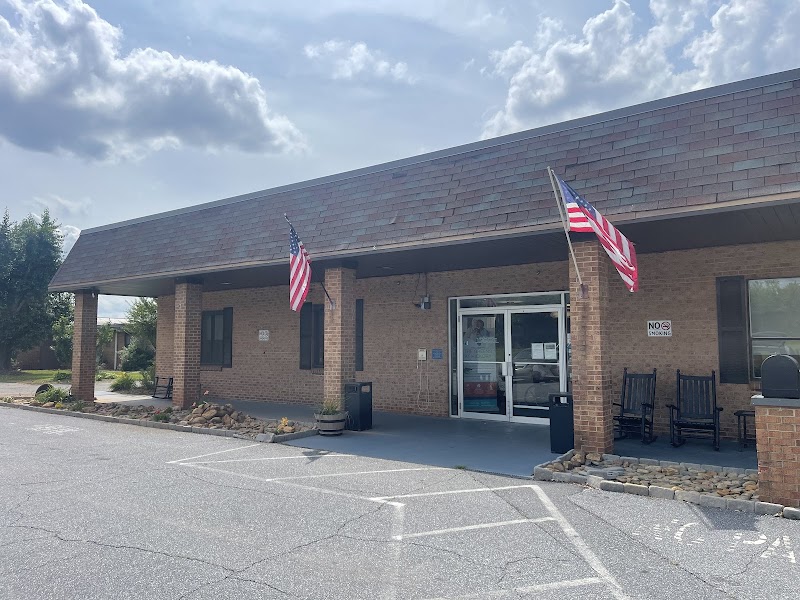
3031 Tate Boulevard SE, Hickory, NC 28602 (828) 322-3343
For profit - Limited Liability company 150 Beds CCH HEALTHCARE Data: November 2025
Trust Grade
75/100
#130 of 417 in NC
Last Inspection: November 2024

Within standard 12-15 month inspection cycle. Federal law requires annual inspections.

Overview

The Greens at Hickory has a Trust Grade of B, indicating it is a good choice but not without some concerns. Ranked #130 out of 417 in North Carolina, they fall in the top half of facilities in the state, and #4 out of 6 in Catawba County, meaning there are only three other local options available. Unfortunately, the facility is worsening, with issues increasing from 4 in 2023 to 6 in 2024. Staffing is average, with a turnover rate of 48%, which is slightly below the state average, indicating some stability among staff. While the facility has no fines, which is a positive sign, there are notable concerns regarding medication management, including the presence of numerous expired syringes of Heparin and issues with oxygen concentrators not being properly maintained. Additionally, the Quality Assessment and Assurance procedures have not been effectively implemented, leading to repeated deficiencies. Overall, while there are strengths like good quality measures and no fines, families should weigh these against the facility's recent decline and specific care concerns.
Trust Score
B
75/100
In North Carolina
#130/417
Top 31%
Safety Record
Low Risk
No red flags
Inspections
Getting Worse
4 → 6 violations
Staff Stability
⚠ Watch
48% turnover. Above average. Higher turnover means staff may not know residents' routines.
Penalties
✓ Good
No fines on record. Clean compliance history, better than most North Carolina facilities.
Skilled Nurses
○ Average
Each resident gets 30 minutes of Registered Nurse (RN) attention daily — about average for North Carolina. RNs are the most trained staff who monitor for health changes.
Violations
⚠ Watch
16 deficiencies on record. Higher than average. Multiple issues found across inspections.
★★★★☆
4.0
Overall Rating
★★★☆☆
3.0
Staff Levels
★★★★★
5.0
Care Quality
★★★☆☆
3.0
Inspection Score
Stable
2023: 4 issues
2024: 6 issues

The Good

  • 5-Star Quality Measures · Strong clinical quality outcomes
  • Full Sprinkler Coverage · Fire safety systems throughout facility
  • No fines on record

Facility shows strength in quality measures, fire safety.

The Bad

Staff Turnover: 48%

Near North Carolina avg (46%)

Higher turnover may affect care consistency

Chain: CCH HEALTHCARE

Part of a multi-facility chain

Ask about local staffing decisions and management

The Ugly 16 deficiencies on record

Nov 2024 6 deficiencies
CONCERN (D)

Potential for Harm - no one hurt, but risky conditions existed

Assessment Accuracy (Tag F0641)

Could have caused harm · This affected 1 resident

**NOTE- TERMS IN BRACKETS HAVE BEEN EDITED TO PROTECT CONFIDENTIALITY** Based on record review and resident and staff interviews, the facility failed to accurately code Minimum Data Set (MDS) assessme...

Read full inspector narrative →
**NOTE- TERMS IN BRACKETS HAVE BEEN EDITED TO PROTECT CONFIDENTIALITY** Based on record review and resident and staff interviews, the facility failed to accurately code Minimum Data Set (MDS) assessments in the areas of opioid medications and bowel continence for 2 of 2 residents reviewed for Preadmission Screening and Resident Review (PASRR) (Resident #65 and Resident #67). The findings included: 1. Resident #65 was admitted to the facility on [DATE] with diagnoses that included chronic pain A review of Resident #65's most recent quarterly Minimum Data Set assessment dated [DATE] revealed she was cognitively intact. Resident #65 was not coded as taking any opioid medications during the assessment lookback period (7 days ending on the assessment date). A review of Resident #65's physician orders dated 3/15/24 included the following: [hydrocodone-acetaminophen] (an opioid analgesic medication) 7.5 - 325 milligrams (mg) - Give one tablet by mouth, two times a day for pain. A review of Resident #65's August and September 2024 medication administration records revealed Resident #65 received opioid pain medication two times per day during the assessment lookback period. A review of Resident #65's care plan, last reviewed on 09/13/24, revealed a care plan for the following area: [Resident #65] is at risk for developing complications secondary to .opioid medication [use]. Interventions included to monitor for effectiveness of medication among others. An interview with Resident #65 on 11/13/24 at 12:14 PM revealed she occasionally had some pain and that she did take pain medication that helped control the pain. She indicated she was unsure what the pain medication she took was called. During an interview with MDS Nurse #2 on 11/15/24 at 10:23 AM, she reported she had noted that Resident #65 was on receiving opioid medications and that it should have been accurately coded in her quarterly MDS assessment dated [DATE]. MDS Nurse #2 reported she must have just mis-clicked the box. During an interview with the Director of Nursing on 11/15/24 at 10:53 AM, she reported MDS assessments should be completed accurately and indicated if Resident #65 was taking opioid medications, it should have been correctly coded on her quarterly MDS assessment dated [DATE]. During an interview with the Administrator on 11/15/24 at 11:47 AM she stated MDS assessments should accurately reflect the individual resident and the medications they take. She stated she expected MDS assessments to be accurate and complete. 2. Resident #67 was admitted to the facility on [DATE] with diagnoses that included fracture of left femur. A review of Resident #67's significant change in status MDS assessment dated [DATE] revealed he had moderate cognitive impairment. Resident #67's bowel continence was coded as not rated. Review of Resident #67's bowel movement records from 08/06/24 through 08/12/24 which would be the MDS assessment lookback period revealed he had 10 bowel movements over those 7 days and was noted as being incontinent. During an interview with MDS Nurse #1 on 11/15/24 at 10:20 AM she revealed if a resident was coded as not rated for bowel continence on the Minimum Data Set assessment, it would indicate that they either had an ostomy or had not had a bowel movement during the assessment lookback period. She indicated she was aware that Resident #67 did not have an ostomy. After she reviewed Resident #67's record, she noted he had multiple bowel movements documented during the lookback period. She stated she should have coded Resident #67's bowel continence as always incontinent based on the information in the medical record. MDS Nurse #1 surmised that she must have mis-clicked not rated. During an interview with the Director of Nursing on 11/15/24 at 10:53 AM, she reported Minimum Data Set assessments should be completed accurately and indicated if Resident #67 was incontinent of bowel, it should have been correctly coded on the Minimum Data Set assessment dated [DATE]. During an interview with the Administrator on 11/15/24 at 11:47 AM she stated Minimum Data Set assessments should accurately reflect the individual resident and their continence status. She stated she expected Minimum Data Set assessments to be accurate and complete.
CONCERN (D)

Potential for Harm - no one hurt, but risky conditions existed

Respiratory Care (Tag F0695)

Could have caused harm · This affected 1 resident

**NOTE- TERMS IN BRACKETS HAVE BEEN EDITED TO PROTECT CONFIDENTIALITY** Based on observations, record review and staff and Resident interviews, the facility failed to ensure supplemental oxygen was de...

Read full inspector narrative →
**NOTE- TERMS IN BRACKETS HAVE BEEN EDITED TO PROTECT CONFIDENTIALITY** Based on observations, record review and staff and Resident interviews, the facility failed to ensure supplemental oxygen was delivered at the physician prescribed rate for 1 of 1 resident reviewed for respiratory care (Resident #61). The finding included: Resident #61 was admitted to the facility on [DATE] with diagnoses that included coronary artery disease, heart failure and chronic obstructive pulmonary disease (COPD). A review of Resident #61's physician orders indicated an order dated 01/03/24 for supplemental oxygen to be delivered continuously at 2 liters per minute. A review of Resident #61's care plan revised 07/12/24 revealed a diagnosis of COPD which required oxygen therapy with a goal that the Resident would show no signs and symptoms of poor oxygenation. The interventions included delivering supplemental oxygen at the prescribed rate of 2 liters per minute via nasal cannula. The quarterly Minimum Data Set (MDS) assessment dated [DATE] revealed Resident #61's cognition was moderately impaired, and she received oxygen therapy. The MDS also indicated the Resident required substantial to maximal assist for turning side to side while in the bed. On 11/12/24 at 12:21 PM an observation and interview made with Resident #61 revealed she was lying in bed on her back wearing supplemental oxygen delivered through a nasal cannula. The oxygen concentrator was positioned at the foot of the bed with the gage facing the bed. The concentrator was rolled outward to reveal the oxygen was set to deliver 4 liters per minute. Resident #61 remarked she stayed in the bed most of the time unless she went to a doctor's appointment. She stated she did not know how much oxygen she was supposed the be receiving and that she did not mess with the concentrator setting nor could she reach it. An observation was made on 11/13/24 at 08:59 AM of Resident #61's oxygen concentrator which was set to deliver 4 liters per minute. The concentrator was positioned at the foot of the Resident's bed with the gauge facing the bed. At 11:46 AM on 11/13/24 during an observation of Resident #61's oxygen concentrator the setting remained at 4 liters per minute. The Resident again remarked she could not reach the dial on the oxygen concentrator and did not know what the machine should be set on. An interview was conducted with Nurse #1 on 11/13/24 at 2:12 PM. The Nurse explained that she was responsible for Resident #61 on 11/12/24 and 11/13/24 day shift (7 AM - 3 PM) but had not checked the oxygen concentrator setting yet that day. Nurse #1 reviewed the order for the oxygen which was for 2 liters per minute then went to Resident #61's room to find the oxygen concentrator was set on 4 liters and adjusted the flow back to 2 liters per minute. Nurse #1 explained she could not remember if she had checked the oxygen concentrator setting the day prior (11/12/24) during her shift then checked the Resident's Treatment Administrator Record (TAR) to find that Unit Manager (UM) #1 had checked the TAR on 11/12/24 day shift for the correct setting. An interview was conducted on 11/13/24 at 2:24 PM with Unit Manager #1 who explained that she did initial Resident #61's TAR on 11/12/24 for the correct setting but admitted that when she looked at the oxygen concentrator she only looked to see if the tubing and bag had been changed and dated within the correct timeframe. Attempts were made to interview Nurse #2 who initialed Resident #61's TAR for the correct setting of 2 liters on 11/12/24 evening and night shifts but the attempts were unsuccessful. During interviews with the Director of Nursing (DON) on 11/13/24 at 3:13 PM and 11/15/24 at 9:54 AM she explained that the nurses were responsible for checking the oxygen concentrator for the correct setting every shift and initialing the TAR when the procedure was completed. The DON stated she learned on 11/14/24 from a staff member that Resident #61 would use her bed remote to lower her bed then use her Reacher to adjust the knob on the oxygen concentrator to the setting she desired. When the DON was asked why the facility had not identified that as a problem and care planned the situation to monitor her more frequently, the DON replied, we should have. An interview was conducted with the Administrator on 11/15/24 at 10:40 AM who explained that her expectation was for the nurses to monitor the oxygen setting as ordered and not initial off the TAR until the procedure was completed.
CONCERN (D)

Potential for Harm - no one hurt, but risky conditions existed

Drug Regimen Review (Tag F0756)

Could have caused harm · This affected 1 resident

**NOTE- TERMS IN BRACKETS HAVE BEEN EDITED TO PROTECT CONFIDENTIALITY** Based on record reviews and staff and Consultant Pharmacist interviews, the facility failed to follow the pharmacy recommendatio...

Read full inspector narrative →
**NOTE- TERMS IN BRACKETS HAVE BEEN EDITED TO PROTECT CONFIDENTIALITY** Based on record reviews and staff and Consultant Pharmacist interviews, the facility failed to follow the pharmacy recommendation to add side effect monitoring to an antipsychotic medication (used to treat mental disorders) for 1 of 5 residents (Resident #96) reviewed for unnecessary medications. The finding included: Resident #96 was admitted to the facility on [DATE] with diagnoses that included schizophrenia. A review of a significant change Minimum Data Set (MDS) assessment dated [DATE] revealed Resident #96 had intact cognition and received an antipsychotic medication. A review of Resident #96's physician orders revealed orders for - risperidone 2 milligrams (mg) by mouth twice a day for schizophrenia dated 07/02/24. - risperidone 2 mg by mouth once a day in the morning and 3 mg once a day at bedtime for schizophrenia dated 08/08/24. - risperidone 3 mg by mouth twice a day for schizophrenia dated 08/30/24. A review of a Pharmacy report dated 08/16/24 revealed a suggestion to add side effects and behavior monitoring to the antipsychotic medication (risperidone). Reviews of the Medication Administration Records (MAR) for 07/2024, 08/2024, 09/2024, 10/2024 and 11/2024 revealed there were no directions to monitor for side effects and behaviors for the antipsychotic medication on the MARs. An interview was conducted on 11/14/24 at 9:36 AM with the Pharmacy Consultant who explained that she routinely pulled a report about every other month to ensure that all psychoactive medications have monitoring instructions for the medications. She acknowledged that she notified the facility to add the monitoring of behaviors and side effects to Resident #96's antipsychotic order on her 08/16/24 report and stated she would follow up on her request this month during her next review because her schedule had to be adjusted because of the recent hurricane. The Pharmacist indicated that it was her expectation for the facility to have added the monitoring before her next medication regimen review. During an interview with the Director of Nursing (DON) on 11/14/24 at 9:49 AM the DON stated she was aware of the Consultant Pharmacist's request to add the monitoring instructions to Resident #96's antipsychotic medication, but it just slipped by her and it should have been done because she has had ample time to do it. An interview was conducted with the Administrator on 11/15/24 at 10:36 AM who explained that she expected the staff to address the Pharmacy recommendations when they were provided to the facility.
CONCERN (D)

Potential for Harm - no one hurt, but risky conditions existed

Medication Errors (Tag F0758)

Could have caused harm · This affected 1 resident

**NOTE- TERMS IN BRACKETS HAVE BEEN EDITED TO PROTECT CONFIDENTIALITY** Based on record reviews and staff and Consultant Pharmacist interviews, the facility failed to identify the lack of monitoring f...

Read full inspector narrative →
**NOTE- TERMS IN BRACKETS HAVE BEEN EDITED TO PROTECT CONFIDENTIALITY** Based on record reviews and staff and Consultant Pharmacist interviews, the facility failed to identify the lack of monitoring for side effects and behaviors for an antipsychotic medication (used to treat mental disorders) for 1 of 5 residents reviewed for unnecessary medications (Resident #96). The finding included: Resident #96 was admitted to the facility on [DATE] with diagnoses that included schizophrenia. A review of a significant change Minimum Data Set (MDS) assessment dated [DATE] revealed Resident #96 had intact cognition and received an antipsychotic medication. A review of Resident #96's physician orders revealed orders for - risperidone 2 milligrams (mg) by mouth twice a day for schizophrenia dated 07/02/24. - risperidone 2 mg by mouth once a day in the morning and 3 mg once a day at bedtime for schizophrenia dated 08/08/24. - risperidone 3 mg by mouth twice a day for schizophrenia dated 08/30/24. A review of a Pharmacy report dated 08/16/24 revealed a suggestion to add side effects and behavior monitoring to the antipsychotic medication (risperidone). Reviews of the Medication Administration Records (MAR) for 07/2024, 08/2024, 09/2024, 10/2024 and 11/2024 revealed there were no directions to monitor for side effects and behaviors for the antipsychotic medication on the MARs. On 11/13/24 at 3:38 PM during an interview with Nurse #1, she confirmed she was Resident #96's full time Nurse on first shift. The Nurse explained that the admitting nurse was responsible for putting the monitoring directions for the psychoactive medications on the MARs. Nurse #1 reviewed Resident #96's last three monthly MARs and acknowledged there were no behavioral or side effects monitoring on the MARs and stated, oh well, I guess that was my fault. An interview was conducted on 11/14/24 at 9:36 AM with the Pharmacy Consultant who explained that she routinely pulled a report about every other month to ensure that all psychoactive medications have monitoring instructions for the medications. She acknowledged that she notified the facility to add the monitoring of behaviors and side effects to Resident #96's antipsychotic order on her 08/16/24 report and stated she would follow up on her request this month during her next review. She indicated she would have pulled another report during her October visit, but her schedule had to be readjusted for her reviews at the facilities because of the hurricane and had not been able to review the facility's medication regimen for this month yet but indicated that her expectation was for the facility to have added the monitoring before her next review. During an interview with the Director of Nursing (DON) on 11/14/24 at 9:49 AM the DON explained that the unit managers and the nurses were responsible for adding the monitoring instructions to the psychoactive medications. The DON stated she was aware of the Consultant Pharmacist's request to add the monitoring instructions to Resident #96's antipsychotic medication, but it just slipped by her and it should have been done because she has had ample time to do it. An interview was conducted with the Administrator on 11/15/24 at 10:36 AM who explained that she expected the staff to address the Pharmacy recommendations when they were provided to the facility.
CONCERN (D)

Potential for Harm - no one hurt, but risky conditions existed

Infection Control (Tag F0880)

Could have caused harm · This affected 1 resident

Based on observations, record reviews and staff interviews, the facility failed to implement their policy for handwashing/hygiene when Nurse Aide (NA) #1 failed to sanitize her hands after removing so...

Read full inspector narrative →
Based on observations, record reviews and staff interviews, the facility failed to implement their policy for handwashing/hygiene when Nurse Aide (NA) #1 failed to sanitize her hands after removing soiled gloves during incontinent care. The facility also failed to handle soiled linen in a manner to prevent the spread of infection when Nurse Aide #2 threw soiled linen on the floor after providing incontinent care. This occurred for 2 of 2 staff members observed for infection control practices (NA #1 and NA #2). The findings included: A review of the facility's policy for Handwashing/Hand Hygiene revised October 2023 revealed the facility considered hand hygiene to be the primary means to prevent the spread of healthcare-associated infections. 1. All personnel are expected to adhere to hand hygiene policies and practices to help prevent the spread of infections to other personnel, residents and visitors. Indications for Hand Hygiene: c. after contact with blood, body fluids, or contaminated surfaces; f. before moving from work on a soiled body site to a clean body site on the same resident, and g. immediately after glove removal. A review of the facility's policy for Making an Occupied Bed revised October 2010 revealed 4. Do not put soiled linen on the floor. As you remove it, place it into the container you are using for soiled laundry/linen. On 11/14/24 at 3:02 PM to 3:45 PM a continuous observation was made of Nurse Aide (NA) #1 and NA #2 providing incontinence care for Resident #85. Unit Manager (UM) #1 was present during the Resident's care. The NAs brought clean bed linens into the room and trash bags. NA #1 and NA #2 donned gloves and gowns because the Resident was on Enhanced Barrier Precautions because of a stage IV sacral wound. The NAs proceeded to turn the Resident over on her side to discover the Resident was incontinent of stool which had soiled her sacral dressing. NA #1 proceeded to remove the soft stool using multiple wipes then removed her gloves and applied clean gloves multiple times without washing or sanitizing her hands. The UM asked NA #1 to remove the soiled dressing so that another dressing could be applied. After the NA removed the dressing, she removed her gloves and applied clean gloves without using hand sanitizer or washing her hands. While waiting for the Wound Nurse to apply a new sacral dressing, NA #1 applied lotion on the Resident's back. After the new dressing was applied by the Wound Nurse the two NAs proceeded to turn the Resident over to her other side then NA #2 removed the Resident's bed linen and threw the dirty/soiled linen on the floor. The two NAs finished putting clean sheets on the bed and NA #2 picked up the soiled linen from the floor and put the linen in a trash bag. The 2 NAs removed their gowns and gloves and sanitized their hands after they left the Resident's room. An interview was conducted with NA #1 on 11/14/24 at 3:46 PM. The NA was asked about the incontinence care provided to Resident #85 and the NA explained that she knew she did not wash her hands after she removed her gloves even though there was a hand sanitizer dispenser on the Resident's wall in her room. She indicated she was nervous being watched during the procedure. During an interview with NA #2 on 11/14/24 at 5:17 PM, the NA explained that she did not take care of Resident #85 often but thought she needed to get the dirty soiled linen off the bed before the Resident had another stool and NA #1 turned the Resident over on the linen. She indicated it was instinct that she threw it on the floor and knew that she should not have done that. During an interview with Unit Manager (UM) #1 on 11/14/24 at 4:53 PM, the UM explained that she noticed NA #2 threw the dirty/soiled linen on the floor and she should not have done that because of infection control. The UM remarked the NAs had several plastic bags that they brought in with them for the dirty linen. The UM indicated she did not have time to correct NA #2 because it happened so fast. The UM also stated she did not notice that NA #1 never used hand sanitizer when she changed her gloves multiple times during the incontinence care. She reported that the facility had a skills fair about a month ago and everyone was educated on infection control. An interview was conducted with the Director of Nursing (DON) on 11/15/24 at 9:58 AM who reported she was informed of the mistakes the two NAs made during Resident #85's incontinence care yesterday and explained that they both attended a skills fair about a month ago and infection control and handwashing was covered in the skills fair. The DON indicated the NAs needed to be reeducated on infection control. On 11/15/24 10:46 AM during an interview with the Administrator, she explained that the two NAs knew better and had recently been educated on infection control and would be reeducated.
CONCERN (E)

Potential for Harm - no one hurt, but risky conditions existed

Deficiency F0761 (Tag F0761)

Could have caused harm · This affected multiple residents

Based on observations and staff interviews the facility failed to remove expired medications and intravenous fluids stored for use in 3 of 4 medication storage rooms (East, North, and Memory Care) rev...

Read full inspector narrative →
Based on observations and staff interviews the facility failed to remove expired medications and intravenous fluids stored for use in 3 of 4 medication storage rooms (East, North, and Memory Care) reviewed for medication storage. The findings included: a. An observation was conducted on 11/12/2024 at 11:34 am of the East Medication Storage Room. The East Medication Storage Room contained 3 syringes of Heparin (blood thinning medication) that expired 2/2022, 2 syringes of Heparin that expired 3/31/2022, 2 syringes of Heparin that expired 4/30/2022, 8 syringes of Heparin that expired 6/30/2022, 2 syringes of Heparin that expired on 7/31/2022, 1 syringe of Heparin that expired on 8/31/2022, 10 syringes of Heparin that expired on 11/30/2022, 21 syringes of Heparin that expired 3/2023, 9 syringes of Heparin that expired 7/31/2023, 14 syringes of Heparin that expired 8/2023, 4 syringes of Heparin that expired 3/31/2024, 2 syringes of Heparin that expired 5/2024, 3 syringes of Heparin that expired 6/2024, and 1 syringe of Heparin that expired on 7/2024. b. An observation was conducted on 11/12/2024 at 12:42 pm of the North Medication Storage Room. The North Medication Storage room contained 3 bags of 0.45% Normal Saline that expired 8/2024. c. An observation was conducted on 11/12/2024 at 2:28 pm of the Memory Care Unit Medication Storage Room. The Memory Care Unit Storage Room contained 2 syringes of Heparin that expired on 4/20/2024, 7 syringes of Heparin that expired on 5/2024, 1 bag of Normal Saline 250 ml that expired 5/2024, 2 syringes of Heparin that expired on 6/2024, 3 syringes of Heparin that expired on 7/2024, 19 syringes of Heparin that expired on 8/2024, and 4 syringes of Heparin that expired 9/2024. An interview was conducted on 11/12/2024 at 2:30 pm with the Assistant Director of Nursing (ADON). The ADON stated she audited all the medication carts and medication storage rooms recently and there were not any expired medications at that time. An interview was conducted on 11/14/2024 at 12:14 pm with the Unit Manager. The Unit Manager stated she and the ADON were responsible for checking to ensure there were no expired medications on the medication carts or in the medication storage rooms. The Unit Manager stated medication carts are checked daily and medication storage rooms are checked weekly. The Unit Manager stated she was not sure why there were expired medications in the medication storage rooms. A follow-up interview was conducted on 11/14/2024 at 2:45 pm with the ADON. The ADON stated she had audited the medication carts, uncertain about medication storage rooms, 11/8/2024. The ADON stated when she checked medication carts, she checked opened insulin pens to ensure they were not expired, checked expiration dates on other medications, and check to ensure medications on the cart were prescribed. The ADON stated when the medication storage rooms were checked, she checked for the same things. The ADON stated she had never looked in the drawers where the Heparin was stored. An interview was conducted on 11/14/2024 at 3:03 pm with the Director of Nursing (DON). The DON stated the ADON should have checked for expired medications and supplies at least weekly. The DON stated the facility had not followed the medication storage process.
Aug 2023 4 deficiencies
CONCERN (D) 📢 Someone Reported This

A family member, employee, or ombudsman was alarmed enough to file a formal complaint

Potential for Harm - no one hurt, but risky conditions existed

Safe Environment (Tag F0584)

Could have caused harm · This affected 1 resident

**NOTE- TERMS IN BRACKETS HAVE BEEN EDITED TO PROTECT CONFIDENTIALITY** Based on observations and staff interviews the facility failed to maintain a safe homelike environment when an electrical outlet...

Read full inspector narrative →
**NOTE- TERMS IN BRACKETS HAVE BEEN EDITED TO PROTECT CONFIDENTIALITY** Based on observations and staff interviews the facility failed to maintain a safe homelike environment when an electrical outlet was not secured to the wall (room [ROOM NUMBER]) and failed clean side rails on resident beds (room [ROOM NUMBER] B, room [ROOM NUMBER] A, room [ROOM NUMBER] A, and room [ROOM NUMBER] B) this affected 1 of 4 units in the facility (North). The findings included: 1. An observation of room [ROOM NUMBER] A on the North unit was made on 08/14/23 at 10:37 AM. The electrical outlet behind the resident bed was noted to be unsecured to the wall in which it was placed. The outlet had been placed inside the dry wall and a bit of caulk (flexible material used to seal cracks and gaps) had halfway been applied. The open wall space behind the outlet was visible. There was medical equipment plugged into the outlet. An observation of room [ROOM NUMBER] A on the North unit was made on 08/15/23 at 9:07 AM. The electrical outlet behind the resident bed was noted to be unsecured to the wall in which it was placed. The outlet had been placed inside the dry wall and a bit of caulk had halfway been applied. The open wall space behind the outlet was visible. There was medical equipment plugged into the outlet. An observation of room [ROOM NUMBER] A on the North Unit was made on 08/16/23 at 8:38 AM. The electrical outlet behind the resident bed was noted to be unsecured to the wall in which it was placed. The outlet had been placed inside the dry wall and a bit of caulk had halfway been applied. The open wall space behind the outlet was visible. There was medical equipment plugged into the outlet. The Maintenance Assistant was interviewed on 08/16/23 at 9:45 AM who confirmed that he was covering for the Maintenance Director who was out of work. He stated that anytime that there was a needed repair within the facility the staff (any staff) would fill out a repair slip and place it in the book at the nurse's station. Each morning the Maintenance Assistant stated he would check the book and make any needed repairs. The Maintenance Assistance accompanied the State Surveyor to room [ROOM NUMBER] A on the North unit to observe the electrical outlet behind the resident bed. The Maintenance Assistant confirmed that no one had reported the outlet to him, and he was unaware of the condition of the outlet. He stated that it did not look very safe, and he would repair it immediately. The Administrator was interviewed on 08/17/23 at 11:08 AM and was made aware of the condition of the electrical outlet. Her only response was that the Maintenance Assistant had changed it right away. 2a. Observations of Room # 103 B on the North unit were made on 08/14/23 at 9:49 AM, 08/15/23 at 8:45 AM, and 08/16/23 at 8:34 AM. The inside corner of the side rails on the occupied resident bed were noted to be full of food crumbs, dirt, and debris. The left side rail contained more crumbs, dirt, and debris than the right-side rail contained. b. Observations of room [ROOM NUMBER] A on the North unit were made on 08/14/23 at 10:15 AM, 08/15/23 at 8:47 AM, and 08/16/23 at 8:22 AM. The side rails on the occupied resident bed were full of food crumbs, dirt, and debris. The right-side rail contained more crumbs, dirt, and debris than did the left side rail. c. Observations of room [ROOM NUMBER] A on the North unit were made on 08/14/23 at 11:33 AM, 08/15/23 at 9:08 AM, and 08/16/23 at 8:34 AM. The side rails on the occupied resident bed were full of food crumbs, dirt, and debris. The right-side rail contained more crumbs, dirt, and debris than did the left side rail. d. Observations of room [ROOM NUMBER] B on the North unit were made on 08/14/23 at 2:18 PM and 08/16/23 at 8:40 AM. The side rails on the occupied resident bed were full of food crumbs, dirt, and debris. An interview was conducted with Housekeeper #1 on 08/16/23 at 9:00 AM who confirmed that she worked on North unit. She stated each morning she reported to work she would go to her assigned resident rooms and empty the trash, dust the rooms, and make sure all high touch surfaces were cleaned and sanitized before cleaning the bathroom. Once the resident room and bathroom were cleaned Housekeeper #1 stated she would sweep and mop the room before moving to the next resident room. Housekeeper #1 stated that side rails were a high touch surface area, and they were cleaned with a disinfectant cleaner on a daily basis and of course as needed. Housekeeper #2 was interviewed on 08/16/23 at 9:04 AM who confirmed that she worked North unit anytime she was assigned to do so. She stated that each resident room was cleaned daily including weekends. She stated that first she would empty the trash can in the resident room before wiping down the bed side tables and other high touch surfaces and before she left, she would sweep and mop the floor. Housekeeper #2 confirmed that resident side rails were high touch surface areas and those were cleaned on a daily basis. The Director of Housekeeping was interviewed on 08/16/23 at 9:10 AM who confirmed that Housekeepers #1 and #2 were responsible for cleaning resident rooms on a daily basis. He stated that he checked behind the housekeepers and graded the cleanliness of their assigned rooms as way of ensuring they were doing what was expected of them. The Director of Housekeeping accompanied the State Surveyor to Room # 103 B, room [ROOM NUMBER] A, room [ROOM NUMBER] A, and room [ROOM NUMBER] B and agreed that the residents side rails were full of food crumbs, dirt, and debris and stated that he would take care of it immediately. The Administrator was interviewed on 08/17/23 at 11:08 AM and indicated she was aware of the resident side rails but declined to further comment on the subject.
CONCERN (D) 📢 Someone Reported This

A family member, employee, or ombudsman was alarmed enough to file a formal complaint

Potential for Harm - no one hurt, but risky conditions existed

Infection Control (Tag F0880)

Could have caused harm · This affected 1 resident

Based on observation, record review and staff interviews, the facility failed to change gloves and perform hand hygiene after the Wound Nurse removed a soiled dressing with drainage on it and before c...

Read full inspector narrative →
Based on observation, record review and staff interviews, the facility failed to change gloves and perform hand hygiene after the Wound Nurse removed a soiled dressing with drainage on it and before cleansing a stage IV sacral wound with a gauze soaked with normal saline for 1 of 1 staff member observed during wound care (Wound Nurse). The finding included: A review of the facility's policy titled Dry/Clean Dressing, a MED-Pass Inc. policy revised 09/2013, read in part the purpose of this procedure is to provide guidelines for the application of dry, clean dressings. Under Steps in the Procedure listed as followed, #5. Wash and dry hands thoroughly. #6. Put on clean gloves and remove soiled dressing. #7. Pull glove over dressing and discard. #8. Wash and dry your hands thoroughly. #13. Put on clean gloves. #15. Cleanse wound with ordered cleanser. #17. Apply the ordered dressing. On 08/15/23 at 2:19 PM an observation of a pressure ulcer dressing change was performed by the Wound Nurse. The Nurse washed her hands and donned clean gloves before she removed the soiled dressing from Resident #86's stage IV sacral wound which was saturated with a moderate amount of brown drainage. The Nurse then picked up the presoaked normal saline gauze and proceeded to clean the wound bed and surrounding area then removed her gloves and donned a clean pair of gloves without washing or sanitizing her hands before she donned the new pair of gloves. The Wound Nurse then packed the wound with tissue rebuilding crystals and applied a restoration ointment before packing the wound with an absorbent dressing and applying a super absorbent border dressing. The Nurse then removed her gloves and washed her hands. An interview was conducted with the Wound Nurse on 08/15/23 at 2:24 PM. The Wound Nurse was asked to detail her performance of the wound treatment that she had just completed on Resident #86's sacral wound and with a few seconds of thought the Wound Nurse stated, Oh, I changed my gloves at the wrong time. The Nurse explained that she should have removed her soiled gloves and washed her hands after she removed the soiled dressing and put on a new pair of gloves to clean the wound and apply the ordered treatment. She stated she was nervous and forgot to change her gloves. An interview was conducted with the Infection Preventionist on 08/15/23 at 3:15 PM. The Infection Preventionist explained that she had not reviewed the Wound Nurse's wound care technique recently, but she had not received any reports of concerns about her technique. She continued to explain that she expected the Wound Nurse to remove her gloves and wash or sanitize her hands and don a new pair of clean gloves after she removed the soiled dressing and before she cleaned the wound. During an interview with the Director of Nursing (DON) on 08/17/23 at 11:12 AM the DON explained that the Wound Nurse rounded with the Wound Provider twice a week and she had not received any concerns of inappropriate wound treatment technique from the Wound Provider. The DON continued to explain that she felt that the Wound Nurse was nervous being watched during her performance but nevertheless, she expected the Wound Nurse to remove her soiled gloves and sanitize her hands after she removed the soiled dressing and before she donned a new pair of gloves. An interview was conducted with the Administrator on 08/17/23 at 11:42 AM. The Administrator stated she expected the Wound Nurse to have followed the facility policy for proper technique for wound treatments.
CONCERN (E) 📢 Someone Reported This

A family member, employee, or ombudsman was alarmed enough to file a formal complaint

Potential for Harm - no one hurt, but risky conditions existed

Respiratory Care (Tag F0695)

Could have caused harm · This affected multiple residents

**NOTE- TERMS IN BRACKETS HAVE BEEN EDITED TO PROTECT CONFIDENTIALITY** 6. Resident #65 was admitted to the facility on [DATE]. Resident #65 had diagnosis that included Chronic Obstructive Pulmonary D...

Read full inspector narrative →
**NOTE- TERMS IN BRACKETS HAVE BEEN EDITED TO PROTECT CONFIDENTIALITY** 6. Resident #65 was admitted to the facility on [DATE]. Resident #65 had diagnosis that included Chronic Obstructive Pulmonary Disease (COPD). Review of Resident #65's medical record stated that a physician order dated 09/15/2022 read: Oxygen at 2 liters per minute as needed. Resident #65's most recent Minimum Data Set (MDS) assessment dated [DATE] revealed that Resident #65 was cognitively intact. She was receiving oxygen during the assessment reference period. An observation was completed of Resident #65 on 08/14/23 at 10:06 AM where her oxygen was noted to be running at 2 liters per minute (LPM). The oxygen concentrator had two external filters that were white in color from the dust particles. (The color of the filters were supposed to be black with no white from dust particles.) Resident #65 did not appear to be in any respiratory distress. An additional observation and interview were completed with Resident #65 on 08/15/23 2:54 PM where resident was resting in bed without her oxygen on. She did not have any signs or symptoms of shortness of breath. The two-filters on the concentrator continued to be white in color from the dust particles. Resident #65 stated that she only wore oxygen at night. She stated that she had COPD and had some coughing however it was not all the time. An interview was completed with Nurse #4 on 08/15/23 at 2:43 PM. Nurse #4 stated that she was assigned to Resident #65. She stated that she cleaned the concentrator daily and monitored the oxygen daily by ensuring that the concentrator settings were correct as ordered. She stated that oxygen filters and tubing were to be changed and cleaned on third shift weekly. She also stated that concentrators should be dusted off. Accompanied Nurse #4 to Resident #65's room to demonstrate the white colored filters. Nurse #4 stated that she would change the filter immediately. An interview with the Unit Manager was conducted on 08/15/23 at 3:03 PM. She stated that filters on the oxygen concentrators should be cleaned monthly and as needed by the nurse assigned to the unit. Unit Manager stated that she would expect the oxygen filters to be clean, she added that the facility has had more dust due to the recent remodel, but she would expect the staff to clean them. An observation of Resident #65 was conducted on 08/16/23 at 3:49 PM. Resident #65 was resting in bed with her oxygen concentrator next to her, the external filers were noted to have been cleaned and were free from dust and debris. An interview with Nurse #1 was conducted on 8/17/23 at 6:56 AM. Nurse #1 stated that oxygen filters were washed and laid out to dry by the third shift nursing staff on a monthly basis and as needed. The Director of Nursing (DON) was interviewed on 08/17/23 at 10:32 AM. The DON stated that the oxygen filters were scheduled to be cleaned or changed once a month and when visibly soiled. The DON stated that the facility may need to adjust the frequency of the cleaning of oxygen filters so that the dust did not build up. She stated that the facility had recently been undergoing some renovations and believed that the increase in dust particles came from that construction. 4. Resident #18 was admitted to the facility on [DATE] with diagnoses that included chronic obstructive pulmonary disease (COPD). A review of Resident #18's care plan revised 01/20/17 indicated the use of oxygen related to the diagnosis of COPD with the goal that the Resident would have no signs or symptoms of poor oxygenation. The interventions utilized included administering supplemental oxygen at the prescribed rate and monitor for symptoms of poor oxygenation. A review of Resident #18's physician order dated 01/28/21 indicated check and clean concentrator filter every month and PRN (as needed) every night shift starting on the 28th and ending on the 28th every month. A review of Resident #18's physician order revised 06/03/23 indicated continuous oxygen at 2-6 liters per minute via nasal cannula to maintain oxygen saturation greater than 88%. Resident #18's quarterly Minimum Data Set assessment dated [DATE] indicated the Resident was cognitively intact and received supplemental oxygen therapy. A review of Resident #18's July 2023, Treatment Administration Record (TAR) revealed on 07/28/23 the TAR was initialed by Nurse #3. An interview and observation were conducted with Resident #18 on 08/14/23 at 9:21 AM. The Resident wore oxygen via nasal cannula and explained that she wore the oxygen continuously. The oxygen concentrator had a black filter attached to the back of the concentrator which had a thick accumulation of dust that the filter appeared gray. An observation of Resident #18's oxygen concentrator filter on 08/15/23 at 8:43 AM remained unchanged with the black imprint still in the filter. On 08/15/23 at 2:24 PM an interview was conducted with Nurse #4 who confirmed that she was the full time Nurse on Resident #18's hall. The Nurse explained that the oxygen filters were cleaned every week or two by the housekeeping department because they had the stuff used to clean the filters. The Nurse stated if the filters were dusty then they needed to be changed because they would stop up. During the interview, the Nurse observed the dusty gray filter on the back of Resident #18's concentrator and remarked that she needed to go get some supplies and clean the filter. During an interview with the Unit Manager (UM) on 08/15/23 at 3:03 PM explained the oxygen concentrator filters were checked and cleaned monthly on the 15th by the third shift nurse. The UM stated her expectation was that the filters be cleaned more often because since the facility recently had remodeling, there had been more dust and the filters should be cleaned as needed. An interview was conducted with Nurse #3 on 08/15/23 at 10:12 PM who initialed that she checked and cleaned Resident #18's oxygen filter on 07/28/23. The Nurse explained that the oxygen concentrators were cleaned once a month and the schedule would be on the TAR. The Nurse stated she did not remember when she cleaned the Resident's filter last but if her initials were on the TAR then she cleaned the filter. During an interview with the Director of Nursing (DON) on 08/17/23 at 11:06 AM the DON explained that it was the nurses' responsibility to clean the oxygen concentrators once a month and as needed so if the concentrator filters were dusty then they needed to be cleaned more often than monthly. An interview was conducted with the Administrator on 08/17/23 11:46 AM who explained that she expected the oxygen concentrator filters to be cleaned according to the facility policy of monthly and as needed and in Resident #18's case if should have been done as needed. 5. A review of the Invacare Platinum Oxygen Concentrator manual dated 2016 provided by the facility revealed on page 24 section 7.3 Cleaning the Cabinet Filter, CAUTION! Risk of Damage, To avoid damage to the internal components of the unit: - DO NOT operate the concentrator without the filter installed or with dirty filter. Resident #21 was admitted to the facility on [DATE] with diagnoses that included chronic obstructive pulmonary disease (COPD). A review of Resident #21's physician orders revealed an order dated 07/19/23 of oxygen at 2 liters per nasal cannula. The annual Minimum Data Set assessment dated [DATE] revealed Resident #21 was cognitively intact and received supplemental oxygen therapy. A review of Resident 21's care plan revised on 07/24/23 indicated the Resident was at risk for respiratory difficulty related to oxygen therapy. The goal to not have respiratory complications would be attained by utilizing interventions such as monitoring for respiratory distress and administering oxygen as ordered. A review of Resident #21's Treatment Administration Record (TAR) dated 08/2023 revealed the oxygen had been administered every day. The TAR also indicated on 08/01/23 the oxygen concentrator filters were to be checked and cleaned monthly and PRN (as needed) every night shift on the first of the month. On 08/01/23 the TAR was initialed by Nurse #3 which indicated the treatment had been done. An interview and observation were made of Resident #21 on 08/14/23 at 11:25 AM. The Resident was sitting in his wheelchair at his bedside and wore oxygen via nasal cannula. The Resident stated he received oxygen at 2 liters per minute which was what the oxygen concentrator was set at. It was also noted that the two bilateral external filters were missing off the oxygen concentrator. An observation made on 08/15/23 at 8:50 AM of Resident #21's oxygen concentrator. The external filters were still missing. On 08/15/23 at 2:40 PM an interview was conducted with Nurse #4 who explained that she was responsible for Resident #21 when she had to cover for the medication aide. The Nurse explained that the oxygen filters were checked and cleaned every week or two by the housekeeping department because they had the stuff used to clean the filters. During the interview the Nurse observed that there were no external filters on Resident #21's oxygen concentrator and stated, it does not surprise me and walked out of the room. An interview was conducted with the Unit Manager (UM) on 08/15/23 at 3:09 PM. The UM explained that the third shift nurses were responsible for checking and cleaning the oxygen concentrator filters once a month on the 15th and as needed. She stated the facility had undergone remodeling recently and the external filters were more likely to be dusty and needed to be cleaned more than once a month. When the UM was informed that multiple observations were made of Resident #21 not having external filters on his oxygen concentrator, she remarked that the nurse should have gotten a new concentrator for Resident #21, or the nurse should have made sure that someone on first shift got the Resident a new concentrator. On 08/15/23 at 10:15 PM an interview was made with Nurse #3. The Nurse explained that the oxygen concentrator filters were cleaned once a month and the schedule would be on the TAR. The Nurse stated she did not remember when she cleaned the Resident's filter last or even if the Resident had filters on his concentrator but if her initials were on the TAR then she cleaned the filters. On 08/16/23 at 2:00 PM an observation of Resident #21's oxygen concentrator remained without the two external filters. Attempts were made to interview the Respiratory Therapist, but the attempts were unsuccessful. During an interview with the Director of Nursing (DON) on 08/17/23 at 11:06 AM the DON explained that it was the nurses' responsibility to check and clean the oxygen concentrators once a month and as needed and if the external filters were missing then the nurse should have changed out the concentrator. The DON was informed that the missing filters was brought to Nurse #4's attention on 08/15/23 and as of last round on 08/16/23 the oxygen concentrator remained in the Resident's room and the DON stated Nurse #4 should have made sure that something was done about the missing filters even if it was to change out the oxygen concentrator herself. An interview was made with the Administrator on 08/17/23 at 11:48 AM who stated Resident #21's oxygen concentrator should have been changed out when it was brought to the nurse's attention that there were no external filters on his concentrator. Based on observations, record review, staff, resident, and Physician Assistant interviews the facility failed to ensure a Bilevel Positive airway Pressure (BiPAP) machine (machine used to push air into your lungs), was in working order (Resident #38), failed to ensure oxygen concentrators and filters were clean (Resident #6, Resident #9, Resident #18, and Resident #65), failed to ensure an oxygen concentrator had external filters (Resident #21), and failed to ensure an oxygen flow rate was at the prescribed rate (Resident #6). This affected 6 of 6 residents reviewed for respiratory care. The findings included: 1. Resident #38 was admitted to the facility on [DATE] and most recently readmitted on [DATE]. Resident #38's diagnoses included chronic obstructive pulmonary disease, acute/chronic respiratory failure with hypoxia, and others. Review of a physician order dated 07/31/23 read, BiPaP machine at night. Inspiratory pressure 12, Expiratory Pressure 6, and timed rate 14 with 3 liters of oxygen for chronic obstructive pulmonary disease. Review of the Treatment Administration Record (TAR) dated 08/01/23 through 08/31/23 revealed that Resident #38 wore her BiPaP nightly as ordered. Review of the quarterly Minimum Data Set (MDS) assessment dated [DATE] revealed that Resident #38 was cognitively intact and required oxygen during the assessment reference period. An interview and observation were conducted with Resident #38 on 08/14/23 at 9:45 AM. Resident #38 was resting in bed with an oxygen cannula in her nose at 3 liters per minute. Resident #38 stated she recently returned to the facility from the hospital and had a new BiPaP machine that she wore each night. She stated that last night the BiPaP machine did not work, and she did not sleep most of the night because her machine was not working. She stated that Nurse #1 had tried to get it working but could not. Resident #38 was in no respiratory distress. An interview and observation were conducted with Resident #38 on 08/15/23 at 8:46 AM. Resident #38 was resting in bed and had an oxygen cannula in her nose at 3 liters per minute. She stated that she could not use her BiPaP machine last night because it was still not working. She stated she had slept a bit but not for long and it certainly was not good sleep. Resident #38 was in no respiratory distress. An interview and observation were conducted with Resident #38 on 08/16/23 at 8:46 AM. Resident #38 was resting in bed and had oxygen in use at 3 liters per minute. She stated that her BiPaP machine did not work again last night, and she was not sure who the nurse was, but she tried to get it to come on but couldn't. Attempts to speak to Medication Aide (MA) #1 were made on 08/16/23 at 9:58 AM and were unsuccessful. An interview was conducted with MA #2 on 08/16/23 at 11:07 AM. MA #2 confirmed that she was caring for Resident #38 and that she had relieved MA #1 this morning. During report MA #2 stated that MA #1 did not report anything to her about Resident #38's BiPaP machine not working. If he had reported that, MA #2 stated she would report that to her nurse immediately so they could get it repaired. MA #2 confirmed that when she arrived for her shift, Resident #38 did not have her BiPaP machine on but did have her oxygen on. Nurse #2 was interviewed on 08/16/23 at 12:01 PM who confirmed that she had worked second shift with Resident #38 the previous day. Nurse #2 stated she was not aware that Resident #38's BiPaP machine was not working until earlier on 08/16/23 when MA #2 had reported it to her. She stated she was busy and asked MA #2 to alert the Unit Manager (UM) about the BiPaP machine that was not working. The Physician Assistant (PA) was interviewed via phone on 08/16/23 at 2:35 PM. The PA stated that BiPaP machines should be worn each night and if the resident did not wear it every night, they may wake up with a headache and feel exhausted. She explained that if the resident's oxygen level dropped through the night and they did not have their BiPaP machine on the resident would not be getting enough oxygen to the brain which would lead to the headache and fatigue the next day. The UM was interviewed on 08/16/23 at 3:53 PM who confirmed that MA #2 had reported to her earlier that day that Resident #38's BiPaP machine was not working, and she had called the rental company and they were going to send her another machine immediately. The UM stated she had gone down to speak to Resident #38, and she reported that it had not been working for a couple of days. The UM again confirmed that she was unaware of the BiPaP machine not working until early during her shift on 08/16/23. Nurse #1 was interviewed on 08/17/23 at 6:56 AM and confirmed that he had worked with Resident #38 on 08/14/23. Nurse #1 stated that around 2:00 AM on 08/14/23 Resident #38 called Nurse #1 to her room and reported her BiPaP machine was not working. Nurse #1 stated he could not get the machine to work properly even after resetting it several times, so he gave Resident #38 a breathing treatment, checked her oxygen saturation level, and made sure her oxygen was in place at 3 liters. Nurse #1 also stated that he looked for a manual for the machine but could not locate one. Nurse #1 thought that he had reported the BiPaP machine to Nurse #4 on Tuesday morning during report. He added that Nurse #2 was on duty on second shift Monday night, and she may have been aware of the BiPaP machine that was not working as well. Nurse #4 was interviewed on 08/17/23 at 9:11 AM who stated that she was the nurse responsible for Resident #38 earlier in the week. She stated she was not aware that Resident #38's BiPaP machine was not working. She confirmed that Nurse #1 nor MA #1 reported any issues to her regarding the BiPaP machine. If she had been aware she would have let the UM know so that someone could have come and repaired the machine. An interview and observation were conducted with Resident #38 on 08/17/23 at 9:14 AM who reported that she did not wear her BiPaP machine last night because it was still not working properly. She stated the staff had told her they were sending her a new one, but she was not sure when it would arrive. Resident #38 was in no respiratory distress. The Director of Nursing (DON) was interviewed no 08/17/23 at 10:32 AM. The DON stated she was on vacation 08/14/23 and 08/15/23 and returned to the facility on [DATE] and was informed that Resident #38's BiPaP machine was not working. She stated she went and looked at the machine and it appeared the start/stop button had stopped working, she stated that she got the machine to come on using the auto on feature that the machine had but then it could not be turned off unless you unplugged the machine. The DON stated that they had contacted the rental company and they were going to send a replacement to the facility for Resident #38. 2. Resident #6 was admitted to the facility on [DATE] with diagnoses that included chronic obstructive pulmonary disease, acute/chronic respiratory failure, and others. Review of a physician order dated 04/22/21 read; oxygen at 3 liters continuous via nasal cannula to maintain oxygen saturation levels above 90%. Review of the quarterly Minimum Data Set (MDS) assessment dated [DATE] revealed that Resident #6 was cognitively intact and required oxygen use during the assessment reference period. No shortness of breath was noted during the look back period. Review of Resident #6's medical record revealed her oxygen saturation range for August 2023 was 90-95% except on 08/15/23 Resident #6's oxygen saturation level was 88%. An observation and interview were conducted with Resident #6 on 08/14/23 at 11:51 AM. Resident #6 was resting in bed with oxygen in use at 1 liter per minute via nasal cannula. Her oxygen concentrator was sitting in a corner or her room out of Resident #6's reach. Resident #6 was in no respiratory distress but stated she thought she was supposed to be on 2 liters of oxygen. Resident #6 stated she felt like she needed to be on 2 liters of oxygen, and she would have the staff fix the concentrator when they came back into the room. Resident #6's oxygen concentrator had 2 external filters one on each side of the concentrator. Both external filters were supposed to be black in color but were white due to the dust that covered each of them. An observation and interview were conducted with Resident #6 on 08/15/23 at 9:08 AM. Resident #6 was resting in bed with oxygen in use at 1 liter via nasal cannula. She stated that she had forgotten to say anything to the nursing staff about her oxygen but felt better today. Both external filters of the oxygen concentrator were supposed to be black in color but were white due to the dust that covered each of them. Resident #6 was in no respiratory distress. An interview was conducted with Nurse #4 on 08/15/23 at 2:53 PM who confirmed that she was caring for Resident #6. Nurse #4 stated that Resident #6 was supposed to be on 2 liters of oxygen and that she generally checked the flow rate at least once every day during her shift. Nurse #4 stated that the oxygen concentrators did not have filters that would requiring cleaning or changing. Nurse #4 was asked to accompany the State Surveyor to Resident #6's room. She confirmed that Resident #6's oxygen level was at 1 liter per minute and bumped it to 2 liters per minute. Nurse #4 was also shown both external filters of the oxygen concentrator and agreed that the filters were dirty with dust and needed to be cleaned. Nurse #4 stated she would take care of them immediately. An observation of Resident #6 was made on 08/17/23 at 10:15 AM. Resident #6 was resting in bed with her eyes closed and had oxygen in use at 2 liters per minute via nasal cannula. Both external filters of the oxygen concentrator had been cleaned and where black in color with no dust noted on either of them. The Director of Nursing (DON) was interviewed on 08/17/23 at 10:32 AM. The DON stated that the oxygen flow rate should be checked at least every shift and when switching a resident between a concentrator and a e-tank (portable tank of oxygen), to ensure the correct flow rate. She was made aware of Resident #6's oxygen flow rate and her oxygen saturation level of 88% on 08/15/23 and stated she would speak to the medical provider for guidance regarding Resident #6's oxygen level. The DON stated that the oxygen filters were scheduled to be cleaned or changed once a month and when visibly soiled. The DON stated that the facility may need to adjust the frequency of the cleaning of oxygen filters so that the dust did not build up. She stated that the facility had recently been undergoing some renovations and believed that the increase in dust particles came from that construction. 3. Resident #9 was admitted to the facility on [DATE] and most recently readmitted to the facility on [DATE]. Resident #9's diagnoses included chronic obstructive pulmonary disease, obstructive sleep apnea, acute respiratory failure, and others. Review of the quarterly Minimum Data Set (MDS) assessment dated [DATE] revealed that Resident #9 was cognitively intact and required oxygen use during the assessment reference period. An observation of Resident #9 was made on 08/14/23 at 10:32 AM. Resident #9 was resting in bed and had oxygen in use. Resident #9's oxygen concentrator was sitting next to her bed and there was no external filter noted on the machine. The oxygen concentrator was observed to have large clumps of dust and debris seeping out of the seam of the machine where the two side of the concentrator came together. The side handles of the concentrator were covered with white dust particles and the machine itself was covered with dirt and grim. Resident #9 stated she could not remember the last time she had seen the staff clean her oxygen concentrator. An observation of Resident #9 was made on 08/15/23 at 8:53 AM. Resident #9 was resting in bed and had oxygen in use. Resident #9's oxygen concentrator was sitting next to her bed and there was no external filter noted on the machine. The oxygen concentrator was observed to have large clumps of dust and debris seeping out of the seam of the machine where the two side of the concentrator came together. The side handles of the concentrator were covered with white dust particles and the machine itself was covered with dirt and grim. An interview with Nurse #4 was conducted on 08/15/23 at 2:53 PM who confirmed that she was responsible for Resident #9. Nurse #4 was asked to accompany the State Surveyor to Resident #9's room to observe the oxygen concentrator. Nurse #4 stated that she had observed Resident #9's flow rate but had not paid attention to the concentrator itself. Nurse #4 agreed the concentrator was dirty and contained dust buildup. She stated that she was going to see if maintenance could get Resident #9 a new oxygen concentrator. An observation was made on 08/16/23 at 9:54 AM. The maintenance staff was observed delivering a new oxygen concentrator to Resident #9. The Director of Nursing (DON) was interviewed on 08/17/23 at 10:32 AM. The DON stated that she had just returned from vacation and about a week prior to her vacation she had spoken to the Respiratory Therapist (RT) about having the internal oxygen concentrator filters cleaned. She explained that the facility had recently undergone renovations and she believed that the increase in dust particles came from the renovations. The DON added that normally the internal oxygen concentrator filters were cleaned annually but she had requested for them to be done sooner due to the renovations and increase in dust particles.
CONCERN (E) 📢 Someone Reported This

A family member, employee, or ombudsman was alarmed enough to file a formal complaint

Potential for Harm - no one hurt, but risky conditions existed

QAPI Program (Tag F0867)

Could have caused harm · This affected multiple residents

Based on observations, record reviews, staff, resident, and Physician Assistant interviews, the facility's Quality Assessment and Assurance (QAA) committee failed to maintain implemented procedures an...

Read full inspector narrative →
Based on observations, record reviews, staff, resident, and Physician Assistant interviews, the facility's Quality Assessment and Assurance (QAA) committee failed to maintain implemented procedures and monitor interventions the committee put into place following the recertification and complaint survey of 03/18/22. This failure was for 1 deficiency that was originally cited in the area of Quality of Care (F695) and was subsequently recited on the current recertification and complaint survey of 08/17/23. The repeat deficiency during two federal surveys of record showed a pattern of the facility's inability to sustain an effective QA program. The findings included: This tag is cross referred to: F695: Based on observations, record review, staff, resident, and Physician Assistant interviews the facility failed to ensure a Bilevel Positive airway Pressure (BiPAP) machine (machine used to push air into your lungs), was in working order (Resident #38), failed to ensure oxygen concentrators and filters were clean (Resident #6, Resident #9, Resident #18, Resident #21, and Resident #65), and failed to ensure an oxygen flow rate was at the prescribed rate (Resident #6). This affected 6 of 6 residents reviewed for respiratory care. During the recertification and complaint survey of 03/18/22 the facility failed to secure an oxygen tank that was stored upright on the floor in the resident room. The Administrator was interviewed on 08/17/23 at 11:16 AM who stated the quality assurance committee met monthly and included the Medical Director and all department heads. The Administrator added the consultant pharmacist attended the quality assurance committee meetings quarterly. She explained that during the meetings they went over every department in the facility included previous minutes, clinical systems, rehospitalizations, care delivery, operations, educations, financials, safety issues, any policy issues, and grievances. The Administrator stated that after all departments had been reviewed the Medical Director gave his input on ways to improve things. She further explained that the implemented interventions from the previous recertification survey continued but the audits had stopped, and she felt like the facility had achieved ongoing compliance. The Administrator stated that the facility would have to implement procedures to ensure all respiratory devices were functioning properly and cleaned and monitor them more closely to ensure nothing fell to the wayside.
Mar 2022 6 deficiencies
CONCERN (D)

Potential for Harm - no one hurt, but risky conditions existed

Free from Abuse/Neglect (Tag F0600)

Could have caused harm · This affected 1 resident

**NOTE- TERMS IN BRACKETS HAVE BEEN EDITED TO PROTECT CONFIDENTIALITY** Based on record review and staff interviews, the facility failed to protect a resident's right to be free from abuse by another ...

Read full inspector narrative →
**NOTE- TERMS IN BRACKETS HAVE BEEN EDITED TO PROTECT CONFIDENTIALITY** Based on record review and staff interviews, the facility failed to protect a resident's right to be free from abuse by another resident when an alert and oriented resident (Resident #307) hit a cognitively impaired resident (Resident #15) with his hand and the bathroom door because Resident #307 did not want to move his wheelchair to allow Resident #15 to go to the bathroom during his routine morning care which made Resident #15 feel frightened and scared for 1 of 1 residents reviewed for abuse. Findings included: Resident #307 was admitted to the facility on [DATE] with diagnoses that included hemiplegia following a cerebral infarction affecting the right dominant side, expressive aphasia major depressive disorder with agitation, and neurogenic bladder with indwelling urinary catheter usage with a history of urinary tract infections. A quarterly Minimum Data Set (MDS) dated [DATE] revealed Resident #307 was usually understood and usually able to be understood although did not complete the cognitive interview and was independent for locomotion. A Brief Interview of Mental Status (BIMS) was not assessed along with the MDS dated [DATE]; therefore, staff interviews were conducted which revealed Resident #307 was alert and oriented, was his own responsible party, and kept a notebook where he was able to communicate most things through written communication. An interview with Nurse Aide (NA) #4 on 3/16/22 at 4:30 PM revealed Resident #370 was only able to vocalize yeah, yeah, yeah, but he kept a notebook where he used written communication and she indicated he was alert and oriented. An interview with Nurse #6 on 3/16/21 at 4:56 PM revealed she was familiar with Resident #370 and he was alert and oriented. An interview with the Administrator on 3/16/22 at 5:27 PM revealed she was familiar with Resident #370, he was alert and oriented, he was his own responsible party, and used a notebook where he kept written communication. The Administrator elaborated to say, Resident #307 fully understood his actions. A mood care plan dated 10/1/21 revealed Resident #307 had major depressive disorder with agitation. It further revealed he had a history of yelling and cursing at staff. A social care plan revised 10/13/21 revealed Resident #307 was independent of staff for emotional, physical, intellectual, and social needs and preferred his own routine. Resident #15 was admitted to the facility on [DATE] with diagnoses that included metabolic encephalopathy and major depressive disorder. Resident #15's admission Minimum Data Set (MDS) dated [DATE] indicated he had short- and long-term memory impairment. Facility Reported Incident documents provided by the facility dated 11/5/21 indicated on 11/5/21, Resident #307 was up at the sink doing his morning routine of washing his face and hands when Resident #15 got out of bed and attempted to get past him to go into the bathroom. Nurse Aide (NA) #4 overheard Resident 15 yelling bathroom in Spanish and heard Resident #307 yelling Yeah and she entered the room to witness Resident #307 shoving the bathroom door into Resident #15 which was causing Resident #15 to stumble backwards, and the Resident #307 began hitting Resident #15 with his fist. Resident #307 and Resident #15 were initially separated by NA #4 enough to allow Resident #15 to enter the bathroom. NA #4 then immediately yelled down the hallway to the nurse (Nurse #6) who came to assist. Nurse #6 approached the room and entered to assess the situation and both resident's conditions. Nurse #6 attempted to get Resident #307 out of the room, but he refused and got very angry and agitated. Nurse #7 was then called into the room to attempt to get Resident #307 out of the room. He again became very agitated and rolled himself to his bed and got back in it independently. NA #4 attempted to get Resident #15 to leave the room, but he also refused and indicated he was fine and to leave the room. Nurse #6 placed her medication cart outside the door to attempt to watch both residents. Local police and Emergency Medical Services (EMS) were notified to escort Resident #307 to the hospital for a psychiatric evaluation and Resident #307 was immediately discharged from the facility for aggressive behavior towards his roommate. The document further indicated Resident #307 had a history of agitation and anger if anything interfered with his routine or if residents were in his way in the hallway. An interview with Resident #15 on 3/18/22 at 11:57 AM with an interpreter present revealed he recalled Resident #307 as his former roommate and being scared of him; however, he was unable to recall anything else about Resident #307 or the incident or why he was frightened of Resident #307. Resident #15 indicated he felt safe in the facility currently. A witness statement written by NA #4 indicated she was on duty on 11/5/21 at 5:00 AM when an interaction between Resident #307 and Resident #15 occurred. According to the statement, she heard Resident #15 repeatedly saying bano (Spanish for bathroom) and Resident #307 was taking the door with great force and repeatedly slamming it into Resident #15 and between slamming the door into Resident #15, NA #4 witnessed Resident #307 punch Resident #15 multiple times despite efforts by Resident #15 to continue into the bathroom by pointing to his private parts so Resident #307 understood he needed to go pee. It further indicated she stayed with Resident #307 while Resident #15 used the bathroom and then watched him sadly return to his bed. The statement further indicated Resident #307's has been an ongoing issue with his attitude towards staff as well as other residents. An interview with NA #4 on 3/16/22 at 4:30 PM revealed she worked on the day of the altercation, and around 5 AM as she started her final incontinence round, she kept hearing Resident #307 saying yeah, yeah, yeah and she heard a banging noise and from outside the door, she saw Resident #307 taking the door and slamming it against Resident #15's feet and knees. As she walked into the room, NA #4 observed Resident #15 standing next to the bathroom door and Resident #307 hitting Resident #15's hand with his fist while his hand was placed on the bathroom doorknob in order to knock Resident #15's hands off the door. Resident #15 was babbling the word bano which Spanish that mean bathroom. NA #4 immediately separated the residents enough to allow Resident #15 to proceed to the bathroom then indicated she stepped into the hall to holler for Nurse #6 who was at the other end of the hallway passing medications. NA #4 indicated Nurse #6 put away her medications and came down the hall. Nurse #6 then entered the room and both she and NA #4 attempted to separate keep Resident #15 and Resident #307 while Nurse #6 assessed both residents. NA #4 reported she assisted Resident #307 to the hallway, but he continued to try to reenter the room until she had to begin her incontinence rounds and she then left the residents with Nurse #7 and Nurse #6 to watch. NA #4 also explained to the best of her memory, neither resident sustained injury and then Resident #307 was taken to the hospital by EMS and the police. NA #4 stated she believed Resident #307 was fully aware of what he was doing when he hit Resident #15 with both the door and his fist. A written document provided by the facility labeled Statement from Nurse #6 regarding Resident #307's incident written by the Director of Nursing in reference to a telephone conversation to discuss the interaction between Resident #307 and Resident #15 on the morning of 11/5/21. The document read in part: NA #4 came to get Nurse #6 stating Resident #307 was hitting Resident #15 hard with the door almost causing Resident #15 to fall and Nurse #6 went into the room and Resident #15 was in the bathroom and Resident #307 went and got in the bed and refused to leave the room. Nurse #7 then entered the room and to help Nurse #6 convince one of the residents to leave the room, but both residents refused to leave. Nurse #6 then parked her medication cart outside the door to monitor the residents to make sure they don't get out of bed. The document indicated Nurse #5 notified administration, police, and EMS and then was able to convince Resident #307 to get in his wheelchair. An interview with Nurse #6 on 3/16/21 at 4:56 PM revealed she was at the other end of the hallway passing medications when NA #4 came out in the hallway to let her know about the altercation between Resident #307 and Resident #15. Nurse #6 stated she put the medications away and hurried to the resident's room. When she arrived Resident #307 and Resident #15 had already been initially separated, but she assessed both residents and found neither to have sustained an injury. Nurse #6 indicated she made multiple attempts to convince Resident #307 to leave the room without success. She stated she parked her medication cart outside the door to observe both residents while she prepared Resident #307 for discharge. Nurse #6 said she believed Resident #307 was fully aware of his actions when he slammed the door into Resident #15 and hit him with his fist. An interview with Nurse #5 on 3/15/22 at 9:59 AM revealed he had just gotten on shift shortly after the interaction between Resident #307 and Resident #15. He indicated when he arrived Nurse #6 reported the incident to him, and he was able to go into the room and convince Resident #307 to get up out of the bed and into his wheelchair and come out to the hall shortly before the EMS arrived and he notified the police department. Nurse #5 stated when he spoke with Resident #15 about the incident and he believed Resident #15 appeared to be frightened of what had happened with Resident #307 but indicated Resident #15 said he was ok and didn't want to discuss it further. Nurse #5 indicated Resident #307 had a known history of agitation and anger concerns, but to his knowledge, he had not had any physical aggressiveness towards another resident. A written document provided by the facility labeled Interview with Nurse #7 over the phone regarding incident between Resident #307 and Resident #15 written by the Director of Nursing dated 11/8/21 indicated Nurse #7 was on shift at the time of the interaction and made attempts to convince Resident #307 to come out of the room, but he continued to say, yeah yeah and slammed the door. Nurse #7 also made attempts to convince Resident #15 to leave the room, but he was in bed and refused. The document read in part: Resident #307 can hurt you if you try to get him out of the room. He has a routine and doesn't like it changed. An interview with Nurse #7 on 3/16/21 at 3:05 PM revealed she was assigned to a unit downstairs but had come to the supply room located on the unit where Resident #15 and Resident #307 resided on the morning of 11/5/21. Nurse #7 indicated she was notified of the interaction by NA #4 and went in the room where both residents resided to attempt to convince either resident to leave the room but was unsuccessful. Nurse #7 stated she asked Nurse #6 about the incident and was told Nurse #6 had got Resident #307 to exit the room for a minute, but he immediately returned to the room and went to bed so she placed her medication cart in the hallway to watch the residents. Nurse #7 explained she then returned to her own unit. An interview with the Administrator on 3/16/22 at 5:27 PM revealed she was familiar with both Resident #15 and Resident #307. She indicated Resident #307 had been a resident at the facility for over a year at the time of the interaction. The Administrator stated she was aware of his history of cursing and pushing chairs and stated Resident #307 was very much alert and oriented and could be very abrupt and if anything disrupted his routine it would set him off. She further indicated he had fought the police when they arrived, but she did not know details of that situation. The Administrator recalled other incidents of agitation and aggression with Resident #307 and identified them to be when another resident was in the hallway in his pathway and a disagreement when he and another roommate over the light being on/off. A follow-up interview with Director of Nursing (DON) and the Administrator on 3/18/22 at 1:57 PM revealed they were made aware of the interaction between Resident #15 and Resident #307 on 11/5/21 around 6 AM. The Administrator indicated she was getting ready for work when staff called to notify her that Resident #307 had struck Resident #15 with the bathroom door and his fist. The Administrator stated when she arrived at the facility that morning, the EMS and police had already taken Resident #307 to the hospital for evaluation. The DON explained she and the Administrator began the investigation that morning as soon as she arrived. They indicated Resident #307 was alert and oriented and understood fully what he was doing and the harm he could have caused Resident #15 by his actions and after the conclusion of the investigation determined abuse had occurred.
CONCERN (D)

Potential for Harm - no one hurt, but risky conditions existed

Report Alleged Abuse (Tag F0609)

Could have caused harm · This affected 1 resident

Based on record review and staff interviews, the facility failed file a report with the state agency within 2 hours of an alleged abuse for 2 of 2 residents reviewed for abuse (Resident #15 and Reside...

Read full inspector narrative →
Based on record review and staff interviews, the facility failed file a report with the state agency within 2 hours of an alleged abuse for 2 of 2 residents reviewed for abuse (Resident #15 and Resident #307). Findings included: An interview with Nurse #6 on 3/16/21 at 4:56 PM revealed she was at the other end of the hallway passing medications when NA #4 came out in the hallway to let her know about the altercation between Resident #307 and Resident #15. Nurse #6 stated she put the medications away and hurried to the resident's room. When she arrived Resident #307 and Resident #15 had already been initially separated, but she assessed both residents and found neither to have sustained an injury. An interview with Director of Nursing (DON) and the Administrator on 3/18/22 at 1:57 PM revealed they were made aware of the interaction between Resident #15 and Resident #307 on 11/5/21 around 6 AM. The DON explained she and the Administrator began the investigation that morning as soon as she arrived. A follow-up interview with the Administrator revealed she was aware the report had to be submitted to the state agency within 2 hours and acknowledged it was stamped as faxed on 11/5/21 at 3:56 PM. The Administrator stated the administrative team did not have the clinical stand up meeting that morning because they were working on the investigation, but she felt certain she had faxed the report around 8:30 AM on 11/5/21. A review of the 24-hour report documents submitted to the State Agency were dated 11/5/21 at 3:56 PM. The report indicated the Administration became aware of the incident around 7 AM on 11/5/21.
CONCERN (D)

Potential for Harm - no one hurt, but risky conditions existed

Incontinence Care (Tag F0690)

Could have caused harm · This affected 1 resident

**NOTE- TERMS IN BRACKETS HAVE BEEN EDITED TO PROTECT CONFIDENTIALITY** Based on observations, record review, resident, and staff interviews, the facility failed to prevent a urinary catheter tubing a...

Read full inspector narrative →
**NOTE- TERMS IN BRACKETS HAVE BEEN EDITED TO PROTECT CONFIDENTIALITY** Based on observations, record review, resident, and staff interviews, the facility failed to prevent a urinary catheter tubing and bag from touching the floor for 1 of 2 residents (Resident #73) reviewed for urinary catheters. Resident #73 was admitted to the facility on [DATE] with diagnoses which included benign prostatic hypertrophy and obstructive uropathy. The quarterly Minimum Data Set (MDS) assessment dated [DATE] indicated Resident #73 was moderately cognitively impaired, exhibited rejection of care behaviors, and had an indwelling catheter. Resident #73's care plan dated 02/04/22 indicated Resident #73 had an indwelling catheter due to obstructive uropathy. Interventions included anchor catheter to prevent excess tension (resident non-compliant with leg strap), catheter care every shift, hand washing before and after delivery of care, observe/document for pain/discomfort due to catheter, observe/record/report to MD any signs or symptoms of urinary tract infection (UTI) such as pain, burning, blood tinged urine, cloudiness, no output, deepening of urine color, increased pulse, increased temperature, urinary frequency, foul smelling urine, fever, chills, altered mental status, change in behavior, or change in eating patterns, perineal care as indicated and notify nurse of any redness or irritation at insertion site. An observation was made on 03/14/22 at 12:27 PM of Resident #73 while he was sitting in his wheelchair out in the hallway by his room. Resident #73 had a urinary catheter with the lower part of the tubing and the bottom of the urinary catheter bag touching the floor. Nurse Aide (NA) assisted him into his room to set up his meal tray and the catheter bag and tubing was dragging the floor as she pushed him in his wheelchair into his room for lunch. Another observation was made of Resident #73 on 03/15/22 at 3:27 PM while he was sitting in his wheelchair at the bedside. Resident #73's urinary catheter bag bottom and lower portion of his tubing was observed lying on the floor underneath his wheelchair while he was in his room. A third observation was made of Resident #73 on 03/15/22 at 4:34 PM sitting in his wheelchair talking with visitors. Resident #73's urinary catheter bag bottom and lower part of the tubing was observed lying on the floor underneath his wheelchair while at his bedside. An interview on 03/15/22 at 5:10 PM with NA #1 who had been taking care of Resident #73 from 7:00 AM to 3:00 PM on 03/14/22 and 7:00 AM to 7:00 PM on 03/15/22 revealed she had not noticed the bottom of his catheter bag and lower part of the tubing lying on the floor. NA #1 stated the catheter bag and tubing should not have been touching the floor. NA #1 stated she would clean the bag and tubing adjust them, so they were not touching the floor. An interview on 03/15/22 at 5:17 PM with Nurse #1 revealed she had not noticed Resident #73's urinary catheter bag or tubing touching the floor. Nurse #1 stated the bag and tubing should always be off the floor whether he was in the bed or in the wheelchair. An interview on 03/18/22 at 2:42 PM with the Director of Nursing (DON) and Administrator revealed they both expected urinary catheter bags and tubing to always remain off the floor. The DON stated they had noticed when the bag filled with urine it caused it to sag to the floor, so they were going to adjust Resident #73's wheelchair to accommodate the urinary catheter bag and tubing hanging below his bladder and up off the floor.
CONCERN (D)

Potential for Harm - no one hurt, but risky conditions existed

Respiratory Care (Tag F0695)

Could have caused harm · This affected 1 resident

**NOTE- TERMS IN BRACKETS HAVE BEEN EDITED TO PROTECT CONFIDENTIALITY** Based on observation, record review and staff and Resident interviews the facility failed to secure an oxygen tank that was stor...

Read full inspector narrative →
**NOTE- TERMS IN BRACKETS HAVE BEEN EDITED TO PROTECT CONFIDENTIALITY** Based on observation, record review and staff and Resident interviews the facility failed to secure an oxygen tank that was stored upright on the floor in a resident room of 1 of 3 residents (Resident #31) reviewed for oxygen. The finding included: Resident #31 was admitted to the facility on [DATE] with diagnoses that included coronary artery disease and chronic obstructive pulmonary disease. The quarterly Minimum Data Set assessment dated [DATE] revealed Resident #31 was cognitively intact and required oxygen therapy. On 03/14/22 at 3:31 PM an observation and interview were conducted with Resident #31. An observation of an oxygen tank that contained a half of a tank full of oxygen and was stored unsecured, standing between the Resident's bedside table and the wall. The Resident explained she kept the oxygen tank in her room for when she went out of the facility for her doctor's appointments. The Resident continued to explain that she last used the oxygen tank when she went out for her appointment the previous week. An interview was conducted with Nurse #4 on 03/14/22 at 3:36 PM. The Nurse accompanied by the Surveyor went to Resident #31's room and observed unsecured oxygen tank by the wall. The Nurse retrieved the oxygen tank and took the tank to the oxygen supply room where she put the tank in an oxygen tank holder. The Nurse indicated the unsecured oxygen tank was an accident hazard and should not have been left in the Resident's room. She stated the oxygen tank should have been brought back to the oxygen supply room and placed securely in the oxygen tank holder when the Resident came back from her appointment. During an interview with Unit Manager East (UME) on 03/14/22 at 3:48 PM she explained that it was an accident hazard for the oxygen tanks to be left stored in the residents' rooms and after Resident #31 came back from her doctor's appointment, the nurse on duty should have brought the oxygen tank back to the oxygen supply room. An interview was conducted with the Director of Nursing (DON) on 03/15/22 at 3:18 PM. The DON explained that when the Resident came back from her doctor's appointment, someone should have taken the oxygen tank back the oxygen storage room and secured it in the holder. An interview was conducted with the Administrator on 03/18/22 at 2:43 PM who stated that she was aware of the oxygen tank being stored in the Resident's room and had already explained to Resident #31 that it was a hazard to store the oxygen tank in her room.
CONCERN (D)

Potential for Harm - no one hurt, but risky conditions existed

Deficiency F0697 (Tag F0697)

Could have caused harm · This affected 1 resident

**NOTE- TERMS IN BRACKETS HAVE BEEN EDITED TO PROTECT CONFIDENTIALITY** Based on observations, record review, Resident, and staff interviews, the facility failed to perform wound care after pain medic...

Read full inspector narrative →
**NOTE- TERMS IN BRACKETS HAVE BEEN EDITED TO PROTECT CONFIDENTIALITY** Based on observations, record review, Resident, and staff interviews, the facility failed to perform wound care after pain medication was administered and failed to assess a Resident's pain, prior to performing wound care for 1 of 3 residents (Resident #73) reviewed for venous ulcers and pressure ulcer. This failure resulted in the Resident having breakthrough pain with the dressing change to his pressure ulcer and pain in his right foot. The findings included: Resident #73 was admitted to the facility on [DATE] with diagnoses which included peripheral vascular disease (PVD), open venous ulcer on the right foot, open venous ulcers on the left foot and stage III pressure ulcer on the right buttock. The quarterly Minimum Data Set (MDS) assessment dated [DATE] indicated Resident #73 was moderately cognitively impaired, exhibited rejection of care behaviors, had 1 stage III pressure ulcer to the right buttock, 1 venous ulcer on the right foot and 2 venous ulcers on the left foot all present on admission. The MDS further revealed Resident #73 received scheduled pain medication for frequent pain at a level of 4 on a scale of 1 to 10. Resident #73's care plan dated 02/04/22 indicated Resident #73 was at risk for pain related to history of multiple fractures, pressure ulcer, decreased mobility, use of a urinary catheter, polyneuropathy, peripheral vascular disease, and history of COVID-19. The interventions included administer pain medication as ordered and as needed, anticipate the Resident's need for pain relief and respond immediately to any complaint of pain, evaluate the effectiveness of pain interventions, review for compliance, alleviating of symptoms, dosing schedules and resident satisfaction with results, impact on functional ability and impact on cognition, notify physician if interventions are unsuccessful or if current complaint is a significant change from Resident's past experience of pain, observe and report changes in usual routine, sleep patterns, decrease in functional abilities, decreased ROM (range of motion), withdrawal or resistance to care, observe and document for probable cause of each pain episode and remove/limit causes where possible, observe and document for side effects of pain medication, observe for constipation, new onset increased agitation, restlessness, confusion, hallucinations, dysphoria, nausea, vomiting, dizziness and falls, report occurrences to the physician, observe, record, report to nurse any signs and symptoms of non-verbal pain such as changes in breathing, vocalizations such as grunts, moans, yelling out, silence, mood or behavior such as changes, more irritable, restless, aggressive, squirmy, constant motion, eyes such as wide open/narrow, slits/shut, glazed, tearing, no focus, face such as sad, crying, worried, scared, clenched teeth, grimacing) and body such as tense, rigid, rocking, curled up or thrashing, observe/record/report to nurse loss of appetite, refusal to eat, and weight loss, observe/record/report to nurse resident complaints of pain or requests for pain medication, provide non-pharmacological interventions such as hot/cold pack application, TENS (Transcutaneous Electrical Nerve Stimulation - low voltage electrical current use to provide pain relief), ultrasound treatments, positioning/support, assistive devices/braces, exercise program, stretching exercises, massage, recreational therapy, activity programming, music, behavior management, aromatherapy, meditation, chaplain/religious support, counseling/support via psychology, social services or books on tape, report to nurse any change in usual activity attendance patterns or refusal to attend activities related to signs and symptoms or complaints of pain or discomfort, and therapy referral as indicated. Review of Resident #73's Physician orders for March 2022 revealed the following pain medication orders: 1. Acetaminophen tablet 325 milligrams (mg) - give 2 tablets by mouth three times a day for pain. Scheduled for administration at 9:00 AM, 1:00 PM and 9:00 PM. 2. Oxycodone hydrochloride (HCl) tablet 5 mg - give 1 tablet by mouth three times a day for pain, hold for sedation, contact Palliative if too drowsy. Scheduled for administration at 9:00 AM. 2:00 PM and 9:00 PM. 3. Gabapentin capsule 100 mg - give 1 capsule by mouth three times a day for neuropathy pain. Scheduled for administration at 9:00 AM, 1:00 PM and 9:00 PM. Review of the Medication Administration Record (MAR) for March 2022 revealed Resident #73's pain level was being assessed three times per day and the documented ranges were 0 to 6 most shifts. The MAR further revealed there were 4 days out of the 16 days recorded the Resident reported no pain all day. An observation of wound care on 03/16/22 at 3:58 PM revealed the Treatment Nurse (TN) preparing her dressing supplies for wound care to Resident #73's right buttock pressure sore and his right foot venous ulcer. The order for the sacral wound read apply triad cream to right buttock wound every day and evening shift for wound care and protection. Scheduled for 7:00 AM and 3:00 PM. The TN proceeded with the right buttock pressure wound first and as she turned the Resident on his side toward the wall, the Resident yelled out oh, oh. The Resident stated he needed something for pain. The TN continued to apply the triad cream on the Resident's right buttock and as she applied the cream to his buttock, he said, that hurts what are you doing? The TN explained to the Resident she had applied his buttock cream and was going to proceed to do his right foot dressing. The Resident turned back on his back and held his right leg, grimacing, and rocking in the bed and stated his right foot was hurting now. The Resident again requested pain medication. The TN was going to proceed to do the dressing on the Resident's right foot and the Surveyor stopped the dressing change and asked the TN to inquire about pain medication for the Resident prior to performing the right foot dressing. Another observation on 3/16/22 at 4:35 PM revealed Resident #73 lying in bed on his back and stated his right foot pain was much better now. The Treatment Nurse proceeded to change the dressing to the Resident's right foot, and he had no complaints of pain. Interview on 03/16/22 at 4:50 PM with the Treatment Nurse (TN) revealed Resident #73 was admitted to the facility with his wounds to the right buttock and his right and left feet. She stated the foot wounds were chronic and said he had them for some time. The TN stated she changed his dressings at least 2 to 3 times a week and at other times when she worked as a hall nurse doing medications and treatments. She further stated she tried to do all wounds at least once a week so she could measure everyone's wounds. The TN indicated she usually did his dressing changes in the morning after he had his 9:00 AM pain medication but said she had not been able to do his dressing today at that time. She further indicated she should have stopped the wound care and asked the hall nurse to medicate the resident for pain and given the medication time to work before she performed wound care on any of his wounds. The TN said she had not heard the Resident when he requested pain medication but explained that she should have assessed his pain prior to doing his treatments. Review of Resident #73's Physician orders for 03/16/22 revealed the following pain medication order: 1. Oxycodone hydrochloride (HCl) tablet 5 mg - give 1 tablet by mouth 30 to 60 minutes prior to his dressing changes for pain. Interview on 03/18/22 at 2:42 PM with the Director of Nursing (DON) and Administrator revealed they both expected nurses to assess pain prior to performing wound care. The DON and Administrator stated they expected a resident's pain to be addressed immediately and prior to performing any care that could potentially cause pain to the resident. The DON indicated Resident #73's wound care was usually performed after he had been given his scheduled pain medication but that had not happened today. She stated he now had orders for pain medication to be administered 30 to 60 minutes prior to his wound care being done.
CONCERN (E)

Potential for Harm - no one hurt, but risky conditions existed

Safe Transfer (Tag F0626)

Could have caused harm · This affected multiple residents

**NOTE- TERMS IN BRACKETS HAVE BEEN EDITED TO PROTECT CONFIDENTIALITY** Based on record review and staff interviews, the facility failed to allow a resident to return to the facility after being sent ...

Read full inspector narrative →
**NOTE- TERMS IN BRACKETS HAVE BEEN EDITED TO PROTECT CONFIDENTIALITY** Based on record review and staff interviews, the facility failed to allow a resident to return to the facility after being sent to the local hospital emergency department (ED) for an evaluation using the resident's behaviors prior to transfer as a basis for their decision for 1 of 3 residents reviewed for transfer and discharge (Resident #307). This resulted in Resident #307 remaining in the hospital for an extra 28 days after being medically cleared while placement was arranged at another skilled nursing facility where he resided a short stay before he returned to the hospital and expired. Findings included: Resident #307 was admitted to the facility on [DATE] with diagnosis that included hemiplegia and aphasia following a cerebral infarction affecting the right dominant side, major depressive disorder, epilepsy, diabetes, and neuromuscular dysfunctional bladder requiring urinary catheter. Resident #307 had been recently diagnosed with pneumonia on [DATE]. A quarterly Minimum Data Set (MDS) dated [DATE] revealed Resident #307 was usually understood and usually able to be understood although did not complete the cognitive interview and was independent for locomotion. A Brief Interview of Mental Status (BIMS)was not assessed along with the MDS dated [DATE]; therefore, staff interviews were conducted which revealed Resident #307 was alert and oriented, was his own responsible party, and kept a notebook where he was able to communicate most things through written communication An interview with Nurse Aide (NA) #4 on [DATE] at 4:30 PM revealed Resident #370 was only able to vocalize yeah, yeah, yeah, but he kept a notebook where he used written communication and she indicated he was alert and oriented. An interview with Nurse #6 on [DATE] at 4:56 PM revealed she was familiar with Resident #370 and he was alert and oriented. An interview with the Administrator on [DATE] at 5:27 PM revealed she was familiar with Resident #370, he was alert and oriented, he was his own responsible party, and used a notebook where he kept written communication. The Administrator elaborated to say, Resident #307 fully understood his actions. A mood care plan dated [DATE] revealed Resident #307 had major depressive disorder with agitation. It further revealed he had a history of yelling and cursing at staff. A social care plan revised [DATE] revealed Resident #307 was independent of staff for emotional, physical, intellectual, and social needs and preferred his own routine. Facility Reported Incident documents provided by the facility dated [DATE] indicated on [DATE], Resident #307 was up at the sink doing his morning routine of washing his face and hands when Resident #15 got out of bed and attempted to get past him to go into the bathroom. Nurse Aide (NA) #4 overheard Resident 15 yelling bathroom in Spanish and heard Resident #307 yelling Yeah and she entered the room to witness Resident #307 shoving the bathroom door into Resident #15 which was causing Resident #15 to stumble backwards, and the Resident #307 began hitting Resident #15 with his fist. Resident #307 and Resident #15 were initially separated by NA #4 enough to allow Resident #15 to enter the bathroom. NA #4 then immediately yelled down the hallway to the nurse (Nurse #6) who came to assist. Nurse #6 approached the room and entered to assess the situation and both resident's conditions. Nurse #6 attempted to get Resident #307 out of the room, but he refused and got very angry and agitated. Nurse #7 was then called into the room to attempt to get Resident #307 out of the room. He again became very agitated and rolled himself to his bed and got back in it independently. NA #4 attempted to get Resident #15 to leave the room, but he also refused and indicated he was fine and to leave the room. Nurse #6 placed her medication cart outside the door to attempt to watch both residents. Local police and Emergency Medical Services (EMS) were notified to escort Resident #307 to the hospital for a psychiatric evaluation and Resident #307 was immediately discharged from the facility for aggressive behavior towards his roommate. The document further indicated Resident #307 had a history of agitation and anger if anything interfered with his routine or if residents were in his way in the hallway. A Physician's Discharge Summary note dated [DATE] signed by the Physician's Assistant (PA)indicated Resident #307 was to be transferred to the ED for an evaluation and treatment. The Emergency Department Report dated [DATE] indicated Resident #307 was seen and evaluated by the physician for a chief complaint as psychiatric who determined Resident #307 had some signs of a urinary tract infection which he believed contributed to Resident #307's delirium which changed his mental status and impulsiveness resulting in the episode at the facility as he does not have a long history of violence and is calm and cooperative in the ED. It further indicated the facility and Ombudsman had been contacted regarding the facility's unwillingness to re-admit Resident #307. A hospitalist consult report dated [DATE] indicated Resident #307 was felt to have a catheter associated urinary tract infection and eagerly shared with the physician his Naval honors with a calm and cooperative demeanor. The hospital Discharge Summary Report dated [DATE] indicated Resident #307 on [DATE] for evaluation due to agitation and combativeness with nursing home staff. He was placed on a social work hold in the ED at that time due to case management working on alternative options for placement as facility is reportedly not accepting Resident #307 back to the facility. While in the ED, the hospitalist services followed Resident #307 for consultation, and he received treatment for a urinary tract infection. A telephone interview with Resident #307's emergency contact (EC) on [DATE] at 2:33 PM revealed Resident #307 his own responsible party and he was a close friend. The EC stated Resident #307 was sent to the hospital for evaluation on [DATE] after a scuffle with his roommate. The EC recalled the hospital said Resident #307 had a bladder infection, but the facility had refused to readmit Resident #307 despite being called by the Ombudsmen who told them to do so. The EC said Resident #307 stayed in the hospital for about a month before the hospital found a place for him to discharge. The EC explained on [DATE], another skilled nursing facility accepted Resident #307 and he was admitted ; however, the EC recalled Resident #307 did not reside at the other skilled nursing facility but about a week until he had to be readmitted to the hospital for cardiac concerns and he expired during his hospitalization. A telephone interview with the offsite Admissions Director on [DATE] at 3:58 PM revealed she was the liaison for residents who discharge from the facility and need return placement. The Admissions Director indicated she was aware Resident #307 had been sent to the ED for evaluation after an altercation between Resident #307 and his former roommate. She stated when she was contacted about readmission for Resident #307, her management system indicated he had been placed on a list for residents not eligible for readmission by the facility and she had to deny his readmission. An interview with the Administrator on [DATE] at 5:27 PM revealed she was familiar with Resident #307 and aware he had been discharged to the hospital after an altercation with his former roommate on [DATE]. She recalled the ED and the Ombudsman contacting her about readmission for Resident #307, but she denied readmission due to not having a private room available for him on her open units and she did not have available staff to care for him if additional units were opened for his admission. The Administrator explained she thought his behaviors had been escalating and he would need to be kept away from other residents because of the interaction between Resident #307 and his former roommate where he laughed after the interaction. The Administrator further stated she was aware of the of the federal regulations. She verbalized she did not have a male resident she felt could defend himself against Resident #307. She stated she was contacted by the Ombudsman who also told her the facility needed to take him back. The Administrator indicated Resident #307 was alert and oriented and could be abrupt and if anything disrupted his routine it would set him off and he would push chairs and curse. She stated the hospital informed her Resident #307 had a urinary tract infection and was stable to return to the facility. The Administrator also stated, If Resident #307 had a roommate who didn't have an opinion, he was fine otherwise he was bossy.
Understanding Severity Codes (click to expand)
Life-Threatening (Immediate Jeopardy)
J - Isolated K - Pattern L - Widespread
Actual Harm
G - Isolated H - Pattern I - Widespread
Potential for Harm
D - Isolated E - Pattern F - Widespread
No Harm (Minor)
A - Isolated B - Pattern C - Widespread

Questions to Ask on Your Visit

  • "Can I speak with families of current residents?"
  • "What's your RN coverage like on weekends and overnight?"

Our Honest Assessment

Strengths
  • • No major safety red flags. No abuse findings, life-threatening violations, or SFF status.
  • • No fines on record. Clean compliance history, better than most North Carolina facilities.
Concerns
  • • 16 deficiencies on record. Higher than average. Multiple issues found across inspections.
Bottom line: Generally positive indicators. Standard due diligence and a personal visit recommended.

About This Facility

What is The Greens At Hickory's CMS Rating?

CMS assigns The Greens at Hickory an overall rating of 4 out of 5 stars, which is considered above average nationally. Within North Carolina, this rating places the facility higher than 99% of the state's 100 nursing homes. This rating reflects solid performance across the metrics CMS uses to evaluate nursing home quality.
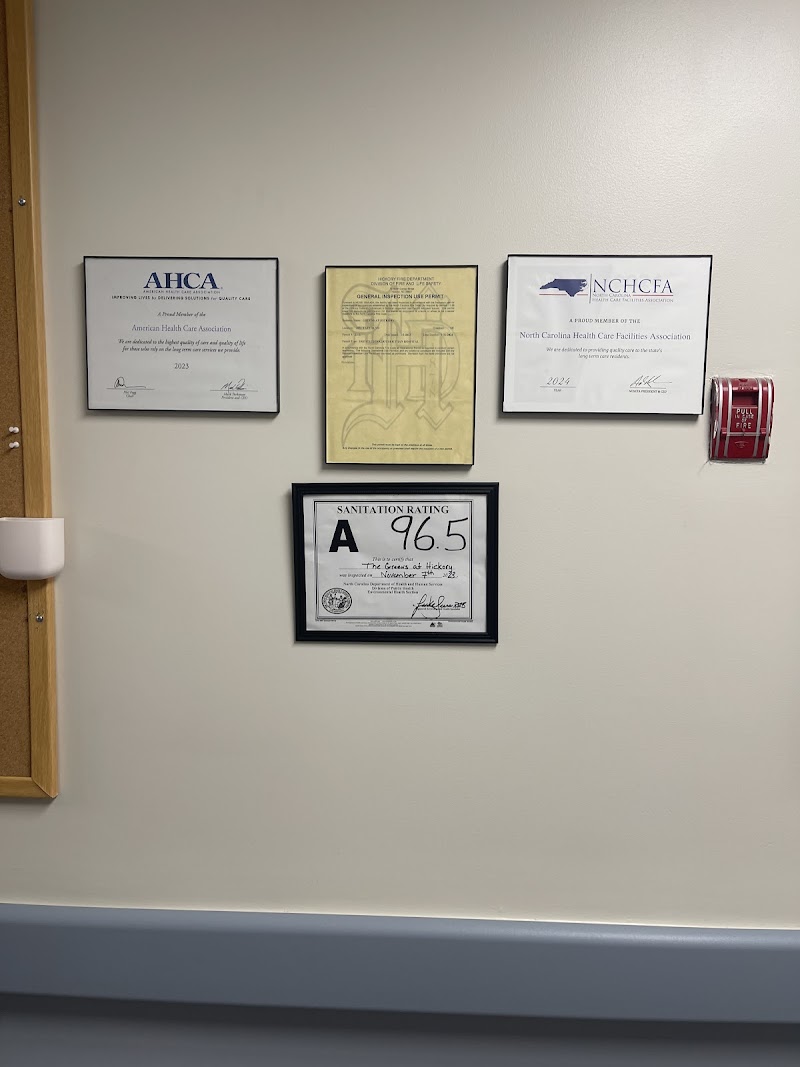
How is The Greens At Hickory Staffed?

CMS rates The Greens at Hickory's staffing level at 3 out of 5 stars, which is average compared to other nursing homes. Staff turnover is 48%, compared to the North Carolina average of 46%.

What Have Inspectors Found at The Greens At Hickory?

State health inspectors documented 16 deficiencies at The Greens at Hickory during 2022 to 2024. These included: 16 with potential for harm.
Who Owns and Operates The Greens At Hickory?

The Greens at Hickory is owned by a for-profit company. For-profit facilities operate as businesses with obligations to shareholders or private owners. The facility is operated by CCH HEALTHCARE, a chain that manages multiple nursing homes. With 150 certified beds and approximately 108 residents (about 72% occupancy), it is a mid-sized facility located in Hickory, North Carolina.

How Does The Greens At Hickory Compare to Other North Carolina Nursing Homes?

Compared to the 100 nursing homes in North Carolina, The Greens at Hickory's overall rating (4 stars) is above the state average of 2.8, staff turnover (48%) is near the state average of 46%, and health inspection rating (3 stars) is at the national benchmark.

What Should Families Ask When Visiting The Greens At Hickory?

Based on this facility's data, families visiting should ask: "Can I visit during a mealtime to observe dining assistance and food quality?" "How do you handle medical emergencies, and what is your hospital transfer rate?" "Can I speak with family members of current residents about their experience?"

Is The Greens At Hickory Safe?

Based on CMS inspection data, The Greens at Hickory has a clean safety record: no substantiated abuse findings (meaning no confirmed cases of resident harm), no Immediate Jeopardy citations (the most serious violation level indicating risk of serious injury or death), and is not on the Special Focus Facility watch list (a federal program monitoring the lowest-performing 1% of nursing homes). The facility has a 4-star overall rating and ranks #1 of 100 nursing homes in North Carolina. While no facility is perfect, families should still ask about staff-to-resident ratios and recent inspection results during their visit.

Do Nurses at The Greens At Hickory Stick Around?

The Greens at Hickory has a staff turnover rate of 48%, which is about average for North Carolina nursing homes (state average: 46%). Moderate turnover is common in nursing homes, but families should still ask about staff tenure and how the facility maintains care continuity when employees leave.

Was The Greens At Hickory Ever Fined?

The Greens at Hickory has no federal fines on record. CMS issues fines when nursing homes fail to meet care standards or don't correct problems found during inspections. The absence of fines suggests the facility has either maintained compliance or corrected any issues before penalties were assessed. This is a positive indicator, though families should still review recent inspection reports for the full picture.

Is The Greens At Hickory on Any Federal Watch List?

The Greens at Hickory is not on any federal watch list. The most significant is the Special Focus Facility (SFF) program, which identifies the bottom 1% of nursing homes nationally based on persistent, serious quality problems. Not being on this list means the facility has avoided the pattern of deficiencies that triggers enhanced federal oversight. This is a positive indicator, though families should still review the facility's inspection history directly.