Peak Resources - Brookshire, Inc
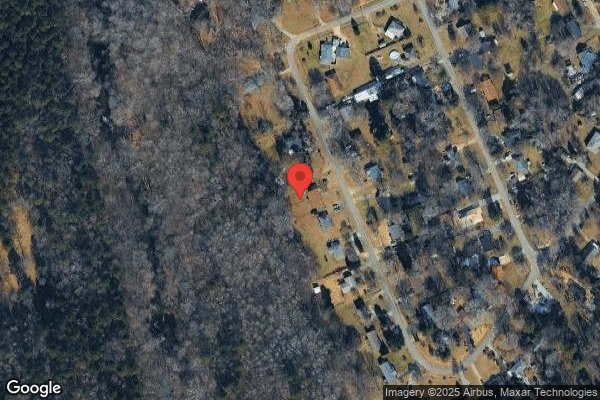
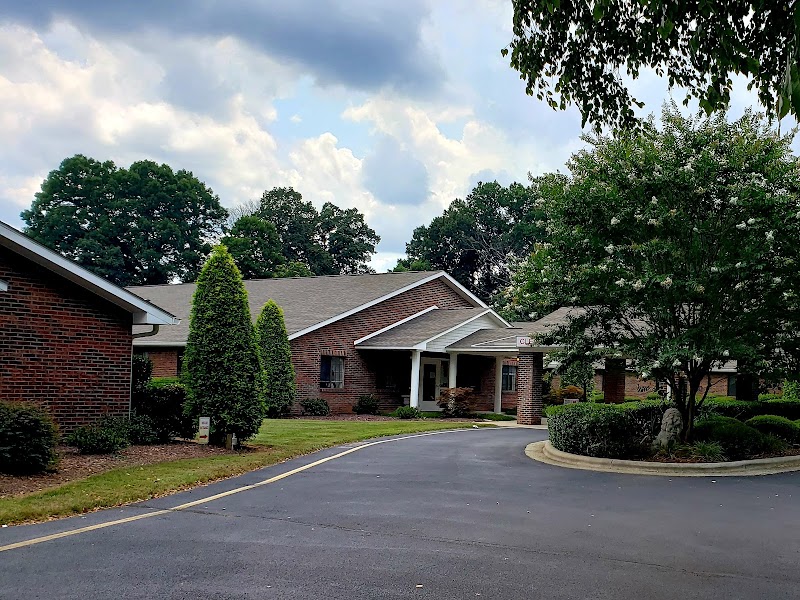
300 Meadowlands Drive, Hillsborough, NC 27278 (919) 644-6714
For profit - Corporation 80 Beds PEAK RESOURCES, INC. Data: November 2025
Trust Grade
75/100
#111 of 417 in NC
Last Inspection: February 2025

Within standard 12-15 month inspection cycle. Federal law requires annual inspections.

Overview

Peak Resources - Brookshire, located in Hillsborough, North Carolina, has a Trust Grade of B, indicating it's a good choice for families seeking care, though not among the very best. It ranks #111 out of 417 facilities in North Carolina, placing it in the top half, and #2 out of 3 in Orange County, meaning only one local option is rated higher. However, the facility is experiencing worsening conditions, with issues increasing from 1 in 2024 to 7 in 2025. Staffing is a strong point, with a 4/5 star rating and a turnover rate of 44%, which is below the state average, suggesting that staff are stable and familiar with residents' needs. Notably, the facility has received no fines, which is a positive sign, but it does have average RN coverage, meaning there's room for improvement in nursing oversight. Specific incidents include concerns about food safety, such as improper water temperature in the dishwasher and serving cold meals to residents, indicating potential areas for improvement in kitchen operations and meal quality. Overall, while there are strengths in staffing and compliance history, recent trends and specific care issues warrant careful consideration.

Trust Score
B
75/100
In North Carolina
#111/417
Top 26%
Safety Record
Low Risk
No red flags
Inspections
Getting Worse
1 → 7 violations
Staff Stability
○ Average
44% turnover. Near North Carolina's 48% average. Typical for the industry.
Penalties
✓ Good
No fines on record. Clean compliance history, better than most North Carolina facilities.
Skilled Nurses
○ Average
Each resident gets 35 minutes of Registered Nurse (RN) attention daily — about average for North Carolina. RNs are the most trained staff who monitor for health changes.
Violations
⚠ Watch
18 deficiencies on record. Higher than average. Multiple issues found across inspections.
★★★★☆
4.0
Overall Rating
★★★★☆
4.0
Staff Levels
★★★★★
5.0
Care Quality
★★★☆☆
3.0
Inspection Score
Stable
2024: 1 issues
2025: 7 issues

The Good

  • 4-Star Staffing Rating · Above-average nurse staffing levels
  • 5-Star Quality Measures · Strong clinical quality outcomes
  • Full Sprinkler Coverage · Fire safety systems throughout facility
  • No fines on record
  • Staff turnover below average (44%)

    4 points below North Carolina average of 48%

Facility shows strength in staffing levels, quality measures, fire safety.

The Bad

Staff Turnover: 44%

Near North Carolina avg (46%)

Typical for the industry

Chain: PEAK RESOURCES, INC.

Part of a multi-facility chain

Ask about local staffing decisions and management

The Ugly 18 deficiencies on record

Feb 2025 7 deficiencies
CONCERN (D)

Potential for Harm - no one hurt, but risky conditions existed

Notification of Changes (Tag F0580)

Could have caused harm · This affected 1 resident

**NOTE- TERMS IN BRACKETS HAVE BEEN EDITED TO PROTECT CONFIDENTIALITY** Based on record review, and staff, resident and physician interviews, the facility failed to notify the physician when a dental ...

Read full inspector narrative →
**NOTE- TERMS IN BRACKETS HAVE BEEN EDITED TO PROTECT CONFIDENTIALITY** Based on record review, and staff, resident and physician interviews, the facility failed to notify the physician when a dental service consultation for a tooth extraction was not able to be scheduled for 1 of 1 resident (Resident #32) reviewed for dental services. The findings included: Resident #32 was admitted to the facility on [DATE]. Her diagnosis included exfoliation of teeth (process that allows the replacement of the primary dentition with permanent teeth) due to systemic causes, disorientation, hypertensive heart disease, chronic kidney disease, chronic diastolic (congestive) heart failure and periapical abscess without sinus (a dental abscess that occurs when bacteria infects the tooth's root and doesn't drain into a sinus). A quarterly MDS dated [DATE] revealed Resident #32 was cognitively intact. Resident #32 had no mouth pain, facial pain or difficulty chewing. A consultation/report letter dated 12/5/24 stated Resident #32 was seen in the dental office/oral surgeon for a consultation. Resident #32 was not a candidate for treatment to be done in the office setting. Resident #32 would need to be treated in a hospital setting. The recommendations stated that due to the health history of Resident #32 she was not a candidate for intravenous (IV) sedation in an outpatient setting. Resident #32 was referred back to the dentist to send to a hospital setting for the procedure to be completed. This note was signed by the Unit Manager who documented the consultation report was faxed to the contracted mobile Dentist on 12/6/25. The facility's facsimile cover page dated 1/22/25 indicated a referral for Resident #32 to be seen by an outside dental agency. The facsimile documented: please call the Unit Manager to schedule an appointment or if you have any questions, and that the resident required sedation. An interview with the Unit Manager on 2/27/25 at 11:28AM revealed consultation reports following an appointment would come to her either by fax or upon return from an appointment and she reviewed the consultations for further recommendations. She stated the oral surgeon recommendations dated 12/5/24 stated they could not perform the procedure (tooth extraction) on Resident #32 because they could not sedate her for the procedure. She stated following the recommendations from the oral surgeon on 12/5/24, she completed a referral for Resident #32 to be seen by a dental school on 1/22/25. The Unit Manager stated she was unsure of why she had not sent the referral to the dental school school before 1/22/25. During the interview, the Unit Manager was observed to review her emails. She stated she had not received confirmation that Resident #32 could be seen by the dental school for the extraction. She revealed she had not followed up with the dental school to determine if the procedure could be completed per the referral she completed (1/22/25). The Unit Manager indicated she should have followed up on the referral she sent to determine if Resident #32 could have an extraction at their office. During an interview with Resident #32 on 2/25/25 at 12:35pm, Resident #32 indicated she had to have her tooth extracted because she had some tooth pain. In an interview with the contracted mobile Dentist on 2/27/25 at 2:15pm he revealed he completed his initial exam on Resident #32 on 10/22/24. He recalled Resident #32 having sensitivity of a crown on the lower left side of her mouth. With tapping and percussion Resident #32 had a little bit of pain. Resident #32 had said her previous exam (prior to admission to the facility) indicated she needed an extraction. Resident #32 was apprehensive of needles which was the reason he referred Resident #32 to have an extraction of tooth #19 with the oral surgeon. The oral surgeon could do deep sedation for dental procedures. In an interview with the Physician on 2/28/25 at 9:58AM she revealed the oral surgeon felt Resident #32 needed general anesthesia to have her tooth extracted. It could be difficult to locate a dentist to do general anesthesia on Resident #32 due to her health condition from a cardiology standpoint. If the facility was unable to find an inpatient facility to do the dental procedure under general anesthesia, the facility should have made her aware so she could attempt to locate an alternative. She further stated Resident #32 was clinically stable and had no complaints regarding tooth pain prior to her appointment with the oral surgeon or thereafter. The facility needed to figure out how to take care of the resident's extraction but not in an emergency setting. The Physician stated she would need to talk with the nurse and Social Worker to identify a plan.
CONCERN (D)

Potential for Harm - no one hurt, but risky conditions existed

Transfer Notice (Tag F0623)

Could have caused harm · This affected 1 resident

**NOTE- TERMS IN BRACKETS HAVE BEEN EDITED TO PROTECT CONFIDENTIALITY** Based on record review and staff interviews, the facility failed to notify the resident/Responsible Party (RP) in writing regard...

Read full inspector narrative →
**NOTE- TERMS IN BRACKETS HAVE BEEN EDITED TO PROTECT CONFIDENTIALITY** Based on record review and staff interviews, the facility failed to notify the resident/Responsible Party (RP) in writing regarding the reason for transfer to the hospital for 1 of 1 resident reviewed for hospitalization (Resident #70). Findings included: Resident #70 was admitted on [DATE]. His diagnoses included Type 2 diabetes mellitus with foot ulcer. Resident #70's admission Minimum Data Set, dated [DATE] indicated he was cognitively intact. Nursing documentation dated 1/03/25 at 2:10 PM indicated Resident #70 had been aware of his need to be transferred to the emergency room for evaluation. Messages had been left for his first and second contacts to call the facility regarding Resident #70. Resident #70 had been discharged to the hospital for an acute condition on 1/3/25. Record review did not reveal evidence of the discharge/transfer notice had been sent to Resident #70 or his Responsible Party (RP). Resident #70 did not return to the facility. On 2/27/25 at 5:31 PM an interview with the Business Office Manager (BOM) was conducted. She indicated she was responsible for the discharge/transfer notice and stated she had missed providing this to Resident #70 or his RP. She explained the Regional Business Office Manager had conducted an audit and discovered this had been missing. On 2/27/25 at 5:28 PM an interview was conducted with the Administrator. He stated the notice of transfer should be provided to the resident and/or RP. The facility provided the following corrective action plan with a completion date of 1/28/25. 1. Address how corrective action will be accomplished for those residents found to have been affected by the deficient practice. On 1/27/25 an audit was conducted by the Corporate BOM and her audit revealed that six (6) residents were noted to not have the discharge process noted in resident notes in the electronic health record (EHR) (noting Resident #70 was one of the identified residents). Families were not called, noted and/or issued a notice of transfer via mail while the BOM was out. These residents did not suffer any adverse effects related to the alleged deficient practice. Completed dated 1/27/2025 2. Address how the facility will identify other residents having the potential to be affected by the same deficient practice. All residents have the potential to be affected by the alleged deficient practice. On 1/27/2025 facility reviewed all discharges from the past (7) seven days and no residents were affected related to the deficient practice. Completed date 1/27/25 3. Address what measures will be put into place or systemic changes made to ensure that the deficient practice will not recur. On 1/27/2025 the Administrator provided education to the BOM and SW (Social Worker) pertaining to the documentation of resident notification of transfer/discharge from the facility. The SW, Administrator and /or designee will provide back-ups for the BOM when not at work. Moving forward it will be mailed, a phone call will be made and noted according to policy by the Business Office Manager, Social Services Director, Administrator, and /or designee. Any newly hired BOM, SW, DON and/or Administrator will be educated on this process during orientation. Completed date 1/27/25 4. Indicate how the facility plans to monitor its performance to make sure that solutions are sustained. All discharges will be reviewed in the daily clinical meeting to ensure documentation of notification of discharge/bed hold is noted in EHR. Administrator/designee will audit monthly X (times) 3 months the discharge notification process to ensure all parties are notified according to policy. The results of these audits will be brought to the QAPI (Quality Assessment and Performance Improvement) committee monthly X 3 months by the Administrator for review and further recommendations. Completed date 1/27/25 Include dates when corrective action will be completed: 1/28/25. Onsite validation of the corrective action plan was completed on 2/28/25. The initial 1/27/25 audit was verified. Evidence of an in-service on 1/27/25 given by the Administrator included the DON, BOM, and the Social Worker (SW). Interviews with the DON, BOM and SW verified they received in-service training on documentation of discharge from the facility and the resident discharge summary. Evidence of discharge and written notification monitoring was observed. The compliance date of 1/28/25 for the corrective action plan was validated.
CONCERN (D)

Potential for Harm - no one hurt, but risky conditions existed

Deficiency F0625 (Tag F0625)

Could have caused harm · This affected 1 resident

**NOTE- TERMS IN BRACKETS HAVE BEEN EDITED TO PROTECT CONFIDENTIALITY** Based on record review and staff interviews, the facility failed to provide written notification of the bed hold policy when a r...

Read full inspector narrative →
**NOTE- TERMS IN BRACKETS HAVE BEEN EDITED TO PROTECT CONFIDENTIALITY** Based on record review and staff interviews, the facility failed to provide written notification of the bed hold policy when a resident was transferred to the hospital for 1 of 1 resident reviewed for hospitalization (Resident #70). Findings included: Resident #70 was admitted on [DATE]. His diagnoses included Type 2 diabetes mellitus with foot ulcer. Resident #70's admission Minimum Data Set, dated [DATE] indicated he was cognitively intact. Nursing documentation dated 1/03/25 at 2:10 PM indicated Resident #70 had been aware of his need to be transferred to the emergency room for evaluation. Messages had been left for his first and second contacts to call the facility regarding Resident #70. Resident #70 had been discharged to the hospital for an acute condition on 1/3/25. Record review did not reveal evidence that the bed hold policy had been sent with Resident #70 when he unexpectedly discharged to the hospital on 1/3/25. Resident #70 did not return to the facility. An interview with Resident #70 was conducted via phone on 2/27/25 at 3:12 PM. He stated he had been in the hospital for about a week. When he was ready to discharge, he was told there were no beds available at this facility and was discharged to another rehabilitation facility. He stated he would have returned to this facility if a bed had been available. On 2/26/25 at 8:07 AM an interview with the Director of Nursing (DON) was conducted. She stated the nurses' print copies of the bed hold policy along with the transfer form and other information to send to the hospital. She stated this was not usually documented anywhere. An interview was conducted with Nurse #3 on 2/27/25 at 1:17 PM. Nurse #3 stated when a resident discharged to the hospital their demographic information, list of medications, diagnoses, emergency contact and code status information was sent with the resident. When asked about the bed hold policy Nurse #3 stated that it was usually sent but sometimes, they ran out of copies. On 2/27/25 at 5:31 PM an interview with the Business Office Manager (BOM) was conducted. She stated that the bed hold policy was not sent to Resident #70 or his Responsible Party (RP). She explained she usually sent the bed hold policy with the hospital information and would follow up with a phone call to the RP. She explained she had been off the day Resident #70 had been sent to the hospital, and she failed to follow up with the RP about the bed hold policy or mail the information. She explained the Regional Business Office Manager had conducted an audit and discovered her follow-up had been missing. On 2/27/25 at 5:28 PM an interview was conducted with the Administrator. He stated he was unaware of needing to allow a discharged resident to return to the first available bed when none were available at the time of their discharge from the hospital.
CONCERN (D)

Potential for Harm - no one hurt, but risky conditions existed

Safe Transfer (Tag F0626)

Could have caused harm · This affected 1 resident

**NOTE- TERMS IN BRACKETS HAVE BEEN EDITED TO PROTECT CONFIDENTIALITY** Based on record review and staff interviews the facility failed to allow a resident to return to the facility after hospitalizat...

Read full inspector narrative →
**NOTE- TERMS IN BRACKETS HAVE BEEN EDITED TO PROTECT CONFIDENTIALITY** Based on record review and staff interviews the facility failed to allow a resident to return to the facility after hospitalization for 1 of 1 resident reviewed for hospitalization (Resident #70). Findings included: Resident #70 was admitted on [DATE]. Resident #70's admission Minimum Data Set, dated [DATE] indicated he was cognitively intact. His diagnoses included type 2 diabetes mellitus with foot ulcer and cellulitis of the right lower extremity. Resident #70 was transferred to the hospital for an acute condition on 1/3/25. Resident #70's hospital Discharge summary dated [DATE] indicated the hospital case manager had noted [transferring facility name] had been Resident #70's long term care rehabilitation facility preference. The note indicated there had been no availability and Resident #70 had been discharged to another facility. An interview with Resident #70 was conducted via phone on 2/27/25 at 3:12 PM. He stated he had been in the hospital for about a week. When he was ready to discharge, he was told there were no beds available at [transferring facility name] and was discharged to another rehabilitation facility. He stated he would have returned to [transferring facility name] if a bed had been available. An interview with the Admissions Coordinator was conducted on 2/27/25 at 4:13 PM. She explained the bed hold policy had not been given to Resident #70 or his Responsible Party (RP) when he was discharged . She stated most of the time she spoke with the hospital case worker about bed availability and explained it probably was her who had said there were no beds available. She stated Resident #70 would have been allowed to return if a bed had been available. The Admissions Coordinator provided the facility census for 1/16/25 which revealed only one semiprivate female bed was available that day. The Admissions Coordinator explained she had not offered Resident #70 a bed when one became available. On 2/27/25 at 5:28 PM an interview was conducted with the Administrator. He stated he had been unaware of allowing residents to return to the first available bed when no beds were available at the time of discharge from the hospital. Messages were left for the Case Manager at the discharging hospital on 2/27/25 and 2/28/25 with no return call received.
CONCERN (D)

Potential for Harm - no one hurt, but risky conditions existed

Comprehensive Care Plan (Tag F0656)

Could have caused harm · This affected 1 resident

**NOTE- TERMS IN BRACKETS HAVE BEEN EDITED TO PROTECT CONFIDENTIALITY** Based on record review and staff interview, the facility failed to develop an individualized person-centered care plan in the ar...

Read full inspector narrative →
**NOTE- TERMS IN BRACKETS HAVE BEEN EDITED TO PROTECT CONFIDENTIALITY** Based on record review and staff interview, the facility failed to develop an individualized person-centered care plan in the areas of pain management, anticoagulant and diuretic use, and behaviors for 3 of 6 residents reviewed for comprehensive care plans (Resident #32, #21 and #63). The findings included: 1. Resident # 32 was admitted to the facility on [DATE] with a diagnosis that included pain. Review of Resident #32 comprehensive care plan dated 11/21/24 did not reveal a care plan for pain. Review of Resident #32's physician orders dated 11/21/24 stated Oxycodone 5 milligrams (mg) as needed for breakthrough pain, Oxycodone 5mg every 8 hours for pain, Gabapentin 300 mg at bedtime for pain and Gabapentin 600mg 2 times a day for pain. The quarterly Minimum Data Set (MDS) assessment dated [DATE] revealed Resident # 32 was cognitively intact and was administered pain medication. The pain medication was scheduled and as needed (PRN). Interview with MDS Coordinator #1 on 2/27/25 at 4:29 PM revealed she participated in clinical meetings every morning. During clinical meetings, updates to resident medications were discussed and reviewed which was how she was kept abreast of care planning needs. She stated Resident #32 should have had a care planned for developed for pain due to receiving oxycodone and gabapentin. She indicated she did not develop a comprehensive care plan due to her oversight. Interview with the Director of Nursing (DON) on 2/27/25 at 5:27 PM stated Resident #32 was prescribed scheduled and PRN medications for pain. Medications were reviewed in clinical meetings every morning to include the MDS coordinator. She stated there should have been a care plan developed for Resident #32's pain. 2. Resident #63 was initially admitted to the facility on [DATE], readmitted on [DATE] with diagnoses that included dementia. A comprehensive Minimum Data Set (MDS) assessment was completed on 1/10/25 and indicated that Resident #63 was cognitively impaired, displayed no behaviors and had no upper extremity impairment. A review of the progress notes by Nurse #1 dated 1/30/25 revealed Resident #63 was observed sitting on the side of her bed with markers and appeared to have put green marker on her lips like lipstick. The active care plan was last reviewed and revised on 2/4/25. There were no revisions made that reflected the need for Resident #63 to have only non-toxic markers provided for her. A review of the progress notes by Nurse #2 dated 2/5/25 indicated Resident #63 was observed sucking on her markers and pointed to her lips and stated the word lipstick. An observation was made of Resident #63 on 2/26/25 at 8:38 AM. Resident #63 was seated in her wheelchair with bedside table in front of her and had non-toxic markers available in a container along with a coloring book. An interview was conducted with the Activities Director on 2/26/25 at 9:13 AM. She indicated that the family and the facility provided non-toxic markers to Resident #63 as coloring was important to her and staff were to redirect her as needed. An interview was conducted with the Unit Manager on 2/27/25 at 10:04 AM. She indicated Resident #63 had only non-toxic markers and per her family member's request, she was allowed to use non-toxic markers for an activity. She further revealed that staff have been told to redirect Resident #63 if she was seen sucking on markers or attempting to use the markers as lipstick. An interview was conducted with the Medical Director on 2/27/25 at 11:59 AM. She indicated that she was aware and in support of Resident #63 having access to non-toxic markers for activity purposes but would be concerned for Resident #63's safety if she had access to non-toxic markers. The MDS Nurse was interviewed on 2/27/25 at 10:21 AM and explained that the behavioral care plan should have been revised to indicate Resident #63 only needed to have access to non-toxic markers and to be redirected by staff if she was observed using markers as lipstick or sucking on the markers. The Director of Nursing (DON) was interviewed on 2/27/25 at 5:25 PM and stated that Resident #63's change in behavior was discussed in staff morning meetings and that the MDS nurse should have updated her care plan to reflect the change in behavior. 3. Resident #21 was admitted to the facility on [DATE] with diagnoses that included atrial fibrillation and essential hypertension. Physician orders dated 1/22/25 included Eliquis (an anticoagulant medication used to reduce the risk of forming blot clots) 5 milligrams (mg) twice a day and furosemide (a diuretic medication used to increase urine output by promoting the excretion of water and electrolytes from the kidneys) 20 mg once a day. January 2025 and February 2025 Medication Administration Records (MAR) recorded Resident #21 received Eliquis 5mg twice a day and furosemide 20mg once a day from 1/22/25-2/27/25. The admission Minimum Data Set (MDS) assessment dated [DATE] indicated Resident #21 was cognitively impaired, was coded for anticoagulant use. Resident #21's care plan reviewed dated 2/4/25 did not include a focus for the use of blood thinners and/ or anticoagulants or the use of diuretics. On 2/26/25 at 1:31 PM MDS Nurse #1 was interviewed. She verified the care plan for Resident #21 did not include a focus for the use of anticoagulants or the use of diuretics. She stated that it should have been added at the time the MDS was completed. The Director of Nursing (DON) was interviewed on 2/27/25 at 5:25 PM. She stated that a focus for anticoagulant and diuretic use should have been added to Resident #21's care plan.
CONCERN (D)

Potential for Harm - no one hurt, but risky conditions existed

Dental Services (Tag F0791)

Could have caused harm · This affected 1 resident

**NOTE- TERMS IN BRACKETS HAVE BEEN EDITED TO PROTECT CONFIDENTIALITY** Based on observation, record review, and resident, staff, dentist, and physician interviews the facility failed to obtain recomm...

Read full inspector narrative →
**NOTE- TERMS IN BRACKETS HAVE BEEN EDITED TO PROTECT CONFIDENTIALITY** Based on observation, record review, and resident, staff, dentist, and physician interviews the facility failed to obtain recommended dental services for 1 of 1 resident (Resident #32) reviewed for dental services. The findings included: Resident #32 was admitted to the facility on [DATE]. Her diagnosis included exfoliation of teeth (process that allows the replacement of the primary dentition with permanent teeth) due to systemic causes, disorientation, hypertensive heart disease, chronic kidney disease, chronic diastolic (congestive) heart failure and periapical abscess without sinus (a dental abscess that occurs when bacteria infects the tooth's root and doesn't drain into a sinus). A quarterly MDS dated [DATE] revealed Resident #32 was cognitively intact. Resident #32 had no mouth pain, facial pain or difficulty chewing. She had no documented weight gain or weight loss. Her pain was documented at a 4 at its highest. Resident #32 was coded as receiving an opioid and she had scheduled and as needed (PRN) pain medication. A consultation/report letter dated 12/5/24 stated Resident #32 was seen in the dental office/oral surgeon for a consultation. Resident #32 was not a candidate for treatment to be done in the office setting. Resident #32 would need to be treated in a hospital setting. The recommendations stated that due to the health history of Resident #32 she was not a candidate for intravenous (IV) sedation in an outpatient setting. Resident #32 was referred back to the dentist to send to a hospital setting for the procedure to be completed. This note was signed by the Unit Manager who documented the consultation report was faxed to the contracted mobile Dentist on 12/6/24. The facility's facsimile cover page dated 1/22/25 indicated a referral for Resident #32 to be seen by an outside dental agency. The facsimile documented: please call the Unit Manager to schedule an appointment or if you have any questions, and that resident required sedation. An interview with the Unit Manager on 2/27/25 at 11:28AM indicated consultation reports following an appointment would come to her either by fax or upon return from an appointment and she reviewed the consultations for further recommendations. She stated the oral surgeon recommendations dated 12/5/24 stated they could not perform the procedure (tooth extraction) on Resident #32 because they could not sedate her for the procedure. She stated following the recommendations from the oral surgeon on 12/5/24, she completed a referral for Resident #32 to be seen by a dental school on 1/22/25. The Unit Manager stated she was unsure of why she had not sent the referral to the dental school before 1/22/25. During the interview, the Unit Manager was observed to review her emails. She stated she had not received confirmation that Resident #32 could be seen by the dental school for the extraction. Additionally, during the interview, the Unit Manager was overheard calling the SW to determine if Resident #32 had been placed on the list for the contracted mobile dentist. It was confirmed that Resident #32 had not been seen by a dentist after the oral surgeon's appointment on 12/5/24. She revealed she had not followed up with the dental school to determine if the procedure could be completed per the referral she completed (1/22/25). The Unit Manager indicated she should have followed up on the referral she sent to determine if Resident #32 could have an extraction at their office. During an interview and observation of Resident #32 on 2/25/25 at 12:35pm the resident was observed eating her lunch. The meal was of regular texture. Resident #32 was observed to have eaten 75% of her meal. When asked how she was, Resident #2 stated she was ok. Resident #32 did not exhibit any signs or symptoms of pain during the interview. Resident #32 indicated she had to have her tooth extracted because she had some tooth pain. Observation and interview with Resident #32 on 2/27/25 revealed the resident was eating lunch. Her meal consisted of regular texture. Resident #32 did not exhibit any signs of symptoms of pain while chewing. Resident #32 was asked about her meal and did not indicate she was having any pain. Resident #32 stated she had not had her tooth extraction completed yet. She required a prompt to recall past dental visits. The Social Worker (SW) was interviewed on 2/27/25 at 11:15AM. The SW stated she was responsible for completing referrals to include dental services. She had completed a referral for Resident #32 to see the contracted mobile Dentist on 10/7/24. The referral was made due to Resident #32 stating she needed a molar extraction. Any notes or recommendations from that appointment would have been reviewed and filed by the Unit Manager. The Unit Manager would then complete any after-visit notes. The SW stated she was not aware of the oral surgeon recommendations dated 12/5/24. She stated if the Unit Manager needed the SW to assist in scheduling, she (the SW) would have tried to research a hospital that might be able to provide Resident #32 with any needed treatment. She stated Resident #32 had not been seen by a dentist for an oral exam since the consultation with the oral surgeon on 12/5/24. In an interview with the contracted mobile Dentist on 2/27/25 at 2:15pm he revealed he completed his initial exam on Resident #32 on 10/22/24. He recalled Resident #32 having sensitivity of a crown on the lower left side of her mouth. With tapping and percussion Resident #32 had a little bit of pain. Resident #32 had said her previous exam (prior to admission to the facility) indicated she needed an extraction. The Dentist stated he did not take x-rays of tooth #19 (the tooth that required the extraction) to see exactly what the concern was, but he suspected possible nerve damage. He also assumed Resident #32's tooth sensitivity could have been from a possible abscess. Resident #32 was apprehensive of needles which was the reason he referred Resident #32 to have an extraction of tooth #19 with the oral surgeon. The oral surgeon could do deep sedation for dental procedures. He stated he could see a reply in the resident's electronic medical record from the oral surgeon on 12/5/24 with recommendations. The recommendations were to have the procedure done in a hospital setting, but there was no one in the area that he was aware of that would perform the type of procedure Resident #32 needed due to her medical condition and diagnosis. In an interview with the Director of Nursing on 2/27/25 at 5:27PM she stated Resident #32 had a dental consultation report from the oral surgeon on 12/5/24 that stated she (the resident) could not be seen due to IV sedation and her diagnosis. A referral had been sent by the Unit Manager for Resident #32 to seen by a dentist at the dental school in January. The Unit Manager should have followed up on the referral for the dental school before today (2/27/25). In an interview with the Physician on 2/28/25 at 9:58AM she revealed the oral surgeon felt Resident #32 needed general anesthesia to have her tooth extracted. It could be difficult to locate a dentist to do general anesthesia on Resident #32 due to her health condition from a cardiology standpoint. If the facility was unable to find an inpatient factility to do the dental procedure under general anesthesia, the facility should have made her aware so she could attempt to locate an alternative. She was unsure if Resident #32 had a dental visit by the contracted mobile Dentist following the 12/5/24 appointment with the oral surgeon. She would have expected a referral be sent out for Resident #32 to be seen for oral care before 3 or 4 weeks ago (1/22/25) but due to holidays in-between that time it could have caused delay. She further stated Resident #32 was clinically stable and had no complaints regarding tooth pain prior to her appointment with the oral surgeon or thereafter. The facility needed to figure out how to take care of the resident's extraction but not in an emergency setting. The Physician stated she would need to talk with the Nurse and SW to identify a plan.
CONCERN (D)

Potential for Harm - no one hurt, but risky conditions existed

Infection Control (Tag F0880)

Could have caused harm · This affected 1 resident

**NOTE- TERMS IN BRACKETS HAVE BEEN EDITED TO PROTECT CONFIDENTIALITY** Based on observation, record review, and staff interviews, the facility failed to implement infection control policies and proce...

Read full inspector narrative →
**NOTE- TERMS IN BRACKETS HAVE BEEN EDITED TO PROTECT CONFIDENTIALITY** Based on observation, record review, and staff interviews, the facility failed to implement infection control policies and procedures when Nurse Aide #1 and Housekeeper #1 failed to don all the required Personal Protective Equipment (PPE) before entering a room with a resident on special contact-droplet precautions. This occurred for 2 of 2 staff observed for infection control practices (Nurse Aide #1 and Housekeeper #1). The findings included: The facility's Infection Prevention and Control Program policy last revised on 12/23/24 and read in part: The infection Prevent and Control Program of this facility maintains an organized, effective, facility wide program designed to systematically identify and reduce the risk of acquiring and transmitting infections among residents, visitors, and employees. This program involves the collaboration of many programs and services within the facility and is designed to meet the intent of regulatory and accrediting agencies. Review of the facility's special contact droplet precautions last revised 12/23/24 read in part, personal protective equipment: put on in this order alcohol-based hand rub or wash with soap and water if visibly soiled, gown, fit tested NIOSH approved respirator (N95) or higher-level respirator, put on eye protection (face shield or goggles), and gloves. 1. An observation was conducted on 02/24/25 at 12:03 PM of Nursing Assistant #1 (NA#1). NA #1 entered room [ROOM NUMBER] to deliver Resident #127's lunch meal tray wearing only a surgical mask. The signage that was on the wall beside the room door read in part, special droplet contact precautions. An interview was conducted with NA #1 on 02/24/25 at 12:05 PM and she stated, it's confusing, I thought as long as I was not providing patient care it was ok, since I was just taking the tray in the room. An interview was conducted on 02/24/25 at 12:11 PM with Nurse #3. Nurse #3 stated Resident #127 was on isolation precautions for Respiratory syncytial virus (RSV) and Influenza. She indicated staff were supposed to put on the PPE prior to entering the room. 2. On 02/25/25 at 09:21 AM and observation was conducted of Housekeeper #1 in room [ROOM NUMBER] mopping the floor with a surgical mask and gloves on. The signage that was on the wall beside the room door read in part, special droplet contact precautions. During the observation the Unit Manager went to the door of the room [ROOM NUMBER] and instructed Houskeeper #1 to come out of the room and she informed him that he was supposed to have on a N95, gown and face shield as well. An interview was conducted on 02/25/25 at 9:24 AM with Housekeeper #1. He indicated he was not aware that he was supposed to put the PPE on that was listed on the special droplet precautions sign. During an interview with the Director of Nursing on 02/25/25 at 9:32 AM she stated, They're not reading the signs. The DON further stated, we haven't had an isolation in a while. The DON indicated she expected staff to read the signage and put on the PPE that was listed on the signage. An interview was conducted with the Administrator on 02/27/25 at 5:45 PM. He indicated staff should read the signs to understand the precautions before entering a room.
Mar 2024 1 deficiency
CONCERN (D) 📢 Someone Reported This

A family member, employee, or ombudsman was alarmed enough to file a formal complaint

Potential for Harm - no one hurt, but risky conditions existed

Report Alleged Abuse (Tag F0609)

Could have caused harm · This affected 1 resident

**NOTE- TERMS IN BRACKETS HAVE BEEN EDITED TO PROTECT CONFIDENTIALITY** Based on staff interviews and record review the facility staff failed to immediately report an alleged allegation of abuse to ad...

Read full inspector narrative →
**NOTE- TERMS IN BRACKETS HAVE BEEN EDITED TO PROTECT CONFIDENTIALITY** Based on staff interviews and record review the facility staff failed to immediately report an alleged allegation of abuse to administration for two (Resident #1 and Resident #2) of three residents reviewed for abuse allegations. The findings included: Documentation the facility policy entitled Abuse, Neglect, Misappropriation of Resident Property, and Exploitation dated as last reviewed on [DATE] stated in part under reporting, Any employee who witnesses or suspects that abuse, neglect, misappropriation of resident's property or exploitation has occurred, must immediately report the alleged incident to the nursing supervisor, who must immediately report the incident to the Administrator or Director of Nursing. Resident #1 was admitted to the facility on [DATE] and had multiple diagnoses one of which included Alzheimer's disease. Documentation on an admission Minimum Data Set (MDS) assessment dated [DATE] revealed Resident #1 was coded as severely cognitively impaired. Resident #2 was admitted to the facility on [DATE] and had multiple diagnoses which included but was not limited to dementia and aphasia. Documentation on a quarterly MDS assessment dated [DATE] revealed Resident #2 was coded as severely cognitively impaired with behavioral symptoms not directed toward others for one to three days of the assessment period. An interview was conducted with Nurse Aide (NA #2) on [DATE] at 10:45 AM. NA #2 revealed she received a voice message on a social media application from NA #1 on Thursday, [DATE] in the afternoon. NA #2 stated she did not listen to the voice message until the evening of Friday, [DATE] at approximately 6:45 PM. NA #2 revealed the voice message she recognized to be from NA #1 indicated in part, NA #1 had popped [Resident #2] in the mouth and NA #1 bit Resident #1 after being bitten by Resident #1. NA #2 stated the voice message described Resident #1 to be the old white [female dog]. NA #2 revealed on the evening of Saturday, [DATE] the voice message would be expired and automatically be deleted so, before the evidence of the voice message was deleted, she went to a nursing supervisor (Nurse #4) and let her listen to the message. NA #2 stated she knew that NA #1 was not on the schedule to work in the facility until Tuesday, [DATE], so she was not concerned NA #1 would be in the facility in the next couple of days if the voice message was factual. An interview was conducted with Nurse #4 on [DATE] at 1:55 PM. Nurse #4 revealed NA #2 came to her home late on Saturday, [DATE] and informed her she had something for her to listen to. Nurse #4 stated she listened to the voice recording sent by NA #1 on the social media application, and stated she was in shock. Nurse #4 stated she recorded the voice message on her personal phone and when she returned to work on Monday, [DATE] she brought the voice recording to the attention of the Director of Nursing (DON). Nurse #4 stated she knew NA #1 was not on the schedule to work until [DATE], so at the time she thought informing the DON of the voice recording sent by NA #1 could wait until Monday, [DATE]. The Director of Nursing (DON) was interviewed on [DATE] at 1:25 PM. The DON confirmed she was made aware by the Nursing Supervisor on the morning of [DATE] of the voice recording made by NA #1 alleging abuse to Resident #1 and Resident #2. The DON stated she recognized the nursing staff did not report the allegation of abuse to her or the Administrator immediately and she initiated a plan of correction to make sure this did not happen again. The DON confirmed NA #1 did not work in the facility from [DATE] to [DATE] picking up extra shifts she was not assigned for and was suspended pending the outcome of the investigation on [DATE]. The DON also confirmed there was no evidence after an investigation was conducted to prove the alleged abuse of Resident #1 or Resident #2 occurred but, NA #1 was terminated from her employment for unprofessional behavior and insubordination. The facility's plan of correction dated as completed on [DATE] was reviewed with the following corrective actions put in place. Included in the plan was the assessment of Resident #1 and Resident #2 revealing no physical or residual adverse effects of the alleged abuse. An audit was conducted on [DATE] by Nurse #1, the Nurse Manager, to identify if there were any other allegations of abuse that had not been reported timely. All allegations of abuse for the past 30 days were reviewed by Nurse #1 and found to have been reported timely. On [DATE] the staff development coordinator provided education to Nurse #4 and NA #2 on the facility written policy and procedure for reporting abuse allegations. On [DATE] the staff development coordinator began educating all employees to include nursing, dietary, housekeeping, and therapy on the facility written policy and procedure for reporting abuse allegations immediately to a supervisor who should then report the allegation immediately to the Administrator or Director of Nursing. The education on reporting of abuse was completed on [DATE]. Any staff who were out on leave or on as needed status were educated prior to their assignment by the Director of Nursing/designee. All newly hired staff and contracted staff were to be educated on the abuse policies and procedures during orientation by the staff development coordinator. All employees receive training on abuse policies and procedures annually. An audit tool was developed to audit all allegations of abuse, neglect, misappropriation of resident's property or exploitation to ensure all the allegations have been reported immediately to administrative staff and state agencies as required by policy. The audits were conducted weekly for 12 weeks to ensure continued compliance with the plan of correction. The results of the audits were to be brought to the Quality Assurance Performance Improvement committee monthly for three months. The facility plan of correction was reviewed, and the following documentation, interviews, and observations were made for confirmation of corrective action. Documentation revealed skin assessments were conducted on [DATE] for Resident #1 and Resident #2. Documentation was reviewed of audits completed on [DATE] and [DATE] for reporting of abuse investigations revealed initial and continued monitoring. Documentation of education of abuse allegation reporting on [DATE] through [DATE] for the entire staff included signed confirmation. Staff, including Nurse #4 and NA #2, were interviewed to confirm knowledge of the policy for abuse allegation reporting was received and retained. Interviews and observations with residents revealed they felt safe and protected in the facility and did not reveal any evidence of unreported abuse. The facility's date of compliance of [DATE] was validated.
Oct 2023 4 deficiencies
CONCERN (D)

Potential for Harm - no one hurt, but risky conditions existed

Deficiency F0554 (Tag F0554)

Could have caused harm · This affected 1 resident

**NOTE- TERMS IN BRACKETS HAVE BEEN EDITED TO PROTECT CONFIDENTIALITY** Based on observations, record review, and staff interviews, the facility failed to assess residents' capability to self-apply a ...

Read full inspector narrative →
**NOTE- TERMS IN BRACKETS HAVE BEEN EDITED TO PROTECT CONFIDENTIALITY** Based on observations, record review, and staff interviews, the facility failed to assess residents' capability to self-apply a topical pain-relieving liquid and barrier ointment for 3 of 3 residents reviewed for self-administration of medications (Resident #47, # 39, #21). The findings included: 1.Resident #47 was admitted to the facility on [DATE] with diagnoses of other specified arthritis right knee and aphasia following cerebral infarction. Review of the quarterly Minimum Data Set assessment dated [DATE] revealed Resident #47 was cognitively impaired. Review of the physician orders for Resident #47 revealed there was no physician order to apply a topical pain-relieving liquid. Review of the medical records revealed no assessment was completed for the capability of Resident #47 to self-administer a topical pain-relieving liquid. Review of the active care plan revealed no care plan for self-administration of medications. During an observation on 10/26/23 12:33 PM, a topical pain-relieving liquid roll on was in clear view on top of the television stand in the room of Resident #47. An interview was conducted on 10/26/23 at 12:35PM with Nurse #1 in Resident #47's room. Nurse #1 revealed the pain-reliving liquid should not have been left in Resident #47's room as she did not have an order for it. A telephone interview was conducted with the Medical Director, and she revealed the pain-relieving liquid should have been kept in a secure storage location and not left at the bedside. An interview was conducted with the Administrator on 10/27/23 at 12:43 PM and he revealed that all medications should be kept in a secure area such as the nursing carts or medication storage room unless there was an order for a resident to self-administer their medication. 2. Resident # 39 was admitted to the facility on [DATE] with a diagnoses of diabetes mellitus and macular degeneration. Review of the quarterly MDS assessment dated [DATE] revealed Resident #39 was cognitively impaired and required extensive assistance with personal hygiene. Review of the physician orders for Resident #39 revealed no order to self-administer a skin barrier ointment. Review of the medical records revealed no assessment was completed for the capability of Resident #39 to self-administer a barrier ointment. Review of the active care plan revealed no care plan to self-administer medication. During an observation on 10/26/23 at 12: 43 PM a container of zinc oxide barrier cream was observed on Resident #39's bedside table which was located directly beside Resident #39's bed. An interview conducted with Resident #39 on 10/26/23 at 12:43 PM revealed she was not able to recall any information about the container of zinc oxide barrier cream. An interview was conducted on 10/26/23 12:43 PM with Nurse #2 in resident #39's room. She revealed the zinc oxide should have been kept on the nurse's cart for safety and not left at Resident #39's bedside. A telephone interview was conducted with the Medical Director, and she revealed barrier creams should have been kept in a secure storage location and not left at bedside. An interview was conducted with the Administrator on 10/27/23 at 12:43 PM and he revealed that all medications should be kept in a secure area such as the nursing carts or medication storage room unless there is an order for a resident to self-administer their medication. 3. Resident #21 was admitted to the facility on [DATE] with diagnoses including rash and other nonspecific skin eruption, paranoid schizophrenia and altered mental status. Review of the quarterly Minimum Data Set assessment dated [DATE] revealed Resident #21 was cognitively intact. Review of physician order dated 11/8/22 revealed an order to apply barrier cream every shift. Review of the physician orders for Resident #21 revealed there was no order to self-administer a skin barrier ointment. Review of the medical records revealed no assessment was completed for the capability of Resident #21 to self-administer a skin barrier ointment. Review of the active care plan revealed no care plan to self-administer medications. During an observation on 10/25/23 at 1:23 PM a tube of skin barrier ointment was found on Resident #21's bedside table. An interview conducted with Resident #21 on 10/25/23 at 1:23 Pm revealed she did not understand what the cream was for. An interview was conducted with Nurse #3 on 10/25/23 at 1:25 PM and she revealed the ointment should not have been left at the bedside as this medication should be stored on the medication cart and that the nursing assistant must have forgotten to return it to the nurse after use. A telephone interview was conducted with the Medical Director, and she revealed that the skin barrier ointment should have been kept in a secure storage location and not left at bedside. An interview was conducted with the Administrator on 10/27/23 at 12:43 PM and he revealed that all medications should be kept in a secure area such as the nursing carts or medication storage room unless there is an order for a resident to self-administer their medication.
CONCERN (D)

Potential for Harm - no one hurt, but risky conditions existed

Deficiency F0657 (Tag F0657)

Could have caused harm · This affected 1 resident

**NOTE- TERMS IN BRACKETS HAVE BEEN EDITED TO PROTECT CONFIDENTIALITY** Based on record review and staff interviews, the facility failed to revise care plans to reflect changes in dental status for 1 ...

Read full inspector narrative →
**NOTE- TERMS IN BRACKETS HAVE BEEN EDITED TO PROTECT CONFIDENTIALITY** Based on record review and staff interviews, the facility failed to revise care plans to reflect changes in dental status for 1 of 20 residents whose care plans were reviewed (Resident #15). The findings included: Resident #15 was admitted to the facility on [DATE] with diagnoses that included dysphagia. A review of the dental progress note dated 7/5/23 revealed patient has broken 10 mil, 24, 25, 26 edges are broken, recommended extractions 9, 10, 11. An annual Minimum Data Set (MDS) assessment dated [DATE] indicated Resident #15 was cognitively impaired. No dental changes were noted. A care plan that was noted to be last revised on 8/16/23, did not indicate Resident #15 was care planned for broken teeth. A telephone interview was conducted with the dental assistant on 10/25/23 2:16 PM. She revealed that the dentist discovered Resident #15's broken teeth during a routine examination and cleaning on 7/5/23 and recommended extractions. She further revealed that the extractions had not yet occurred due to Resident #15 having no related pain at the time of the examination but that the facility staff should have been monitoring Resident #15 to let the dentist know if pain developed which would have expedited the date for the extractions. On 10/25/23 at 5:08 PM, an interview occurred with the Minimum Data Set (MDS) Coordinator. After reviewing Resident #15' s active care plan and medical record she confirmed she had failed to update the care plan to reflect the change in dental status and felt that this was an oversight. The Director of Nursing was interviewed on 10/25/23 at 5:10 PM and indicated it was her expectation for the care plan to be an accurate representation of the resident.
CONCERN (E)

Potential for Harm - no one hurt, but risky conditions existed

Assessment Accuracy (Tag F0641)

Could have caused harm · This affected multiple residents

**NOTE- TERMS IN BRACKETS HAVE BEEN EDITED TO PROTECT CONFIDENTIALITY** 3. Resident #3 was admitted to the facility on [DATE]. Record review indicated that resident had a physician order for Azithrom...

Read full inspector narrative →
**NOTE- TERMS IN BRACKETS HAVE BEEN EDITED TO PROTECT CONFIDENTIALITY** 3. Resident #3 was admitted to the facility on [DATE]. Record review indicated that resident had a physician order for Azithromycin antibiotics that started on 5/19/2023 and ended on 5/29/2023 for pneumonia. Resident #3 quarterly Minimum Data Set (MDS) assessment dated [DATE] revealed that resident had a diagnosis of Pneumonia coded. An interview with the MDS Nurse #2 was conducted on 10/26/23 at 12:11pm. The MDS Nurse stated resident #3 had a history of pneumonia that was treated from 5/19/2023 to 5/29/2023 with antibiotics and did not have pneumonia diagnosed since. MDS nurse stated that pneumonia should not have been coded because it was not an active diagnosis during the look back period of the quarterly assessment. 4. Resident #36 was admitted to the facility on [DATE]. A hospice admission agreement dated 4/12/2023 was reviewed for Resident #36. The hospice admission agreement revealed Resident #36 was admitted to hospice services on 4/12/2023 and certified Resident #36 had less than 6 months to live. Resident #36 significant change in status Minimum Data Set (MDS) assessment dated [DATE] revealed that resident's prognosis was coded as no. Resident #36 Quarterly assessment dated [DATE] revealed that resident's prognosis was coded as no. An interview with the MDS Nurse #2 was conducted on 10/26/23 at 12:11pm. The MDS Nurse stated Resident #36 elected hospice and had a life expectancy of less than 6 months documented. She further indicated that resident's prognosis should have been coded as yes. 2. The facility's Pre-admission Screening Resident Review (PASRR) notification letter dated 11/17/22 indicated Resident #21 had a [NAME] II determination with no expiration date. Resident #21 was admitted on [DATE]. Her diagnoses included Paranoid Schizophrenia. The most recent Annual MDS assessment dated [DATE] did not indicated Resident #21 was currently considered by the state Level II PASRR process to have a serious mental illness. An interview with the Social Worker (SW) and MDS Nurse #1 was conducted on 10/25/23 at 12:55 PM. The SW stated she was responsible for including the PASRR information on the comprehensive MDS assessments except when she is off, then it would be the responsibility of the MDS nurses to include it in the assessment. The SW checked Resident #21's annual MDS assessment and stated it should have included the Level II PASRR for mental illness information. She further explained it had missed being marked. On 10/26/23 at 11:48 AM an interview with the Administrator was conducted. He stated he would expect the MDS nurse to code the PASRR information and any other resident information accurately on each applicable assessment. Based on record review and staff interviews, the facility failed to accurately code the Minimum Data Set (MDS) for 4 of 31 residents reviewed (Resident #20, Resident #21, Resident #36 and Resident #3). Findings included: 1. The facility's Pre-admission Screening and Resident Review (PASRR) query form dated 4/20/2022 indicated Resident #20 had a Level II PASRR determination due to mental illness. Resident #20 had been admitted on [DATE]. His diagnoses included Schizoaffective disorder Bipolar type. The most recent Annual MDS assessment dated [DATE] did not indicate Resident #20 was currently considered by the state Level II PASRR process to have a serious mental illness. An interview with the Social Worker (SW) and MDS Nurse #1 was conducted on 10/25/23 at 12:55 PM. The SW stated she was responsible for including the PASRR information on the comprehensive MDS assessments except when she is off, then it would be the responsibility of the MDS nurses to include it in the assessment. The SW checked Resident #20's annual MDS assessment and stated it should have included the Level II PASRR for mental illness information. She further explained it had missed being marked. On 10/26/23 at 11:48 AM an interview with the Administrator was conducted. He stated he would expect the MDS nurse to code the PASRR information and any other resident information accurately on each applicable assessment.
CONCERN (E) 📢 Someone Reported This

A family member, employee, or ombudsman was alarmed enough to file a formal complaint

Potential for Harm - no one hurt, but risky conditions existed

Deficiency F0804 (Tag F0804)

Could have caused harm · This affected multiple residents

**NOTE- TERMS IN BRACKETS HAVE BEEN EDITED TO PROTECT CONFIDENTIALITY** Based on observations, record reviews and interviews with residents and staff the facility failed to serve food that was palatab...

Read full inspector narrative →
**NOTE- TERMS IN BRACKETS HAVE BEEN EDITED TO PROTECT CONFIDENTIALITY** Based on observations, record reviews and interviews with residents and staff the facility failed to serve food that was palatable and at temperatures acceptable to 4 of 5 residents review for cold foods. (Resident #42, Resident #67, Resident #174, and Resident #177) This practice had the potential to affect other residents. Findings included: a. Resident #42 was admitted to the facility on [DATE] and re-admitted on [DATE]. A review of the Minimum Data Set (MDS) dated [DATE] revealed Resident #42 was cognitively intact and independent with eating after assistance with meal set up. During an interview with Resident #42 on 10/26/23 at 2:30 pm she indicated she had concerns with all her meals being cold, this morning her breakfast was cold, she indicated she was served oatmeal, eggs, and toast. She indicated she did not eat her egg or oatmeal. She indicated she only ate her toast . Resident #42 indicated that she has complaint before, about the meals being cold. b. Resident #67 was admitted to the facility on [DATE] and re-admitted on [DATE]. A review of the Minimum Data Set (MDS) dated [DATE] revealed Resident #67 was cognitively intact and independent with eating after assistance with meal set up. During an interview with Resident #67 on 10/26/23 at 2:30 pm she indicated she had concerns with her meals being cold, this morning she indicated her oatmeal and eggs were cold, and she had toast . Resident #67 revealed she ate the cold food because no one would heat the food up. Resident #67 indicated that she has complained before, and no one did anything about the meals being cold. c .Resident #174 was admitted to the facility on [DATE]. Resident #174 admission Minimum Data Set had not been completed. Resident #174 was cognitively intact and independent with eating after assistance with meal set up. Interview with Nursing Assistant (NA) # 2 on 10/25/23 at 10:15am who worked with Resident #174 indicated she was able to make her needs known. NA #2 also indicated she would set up Resident # 174 breakfast and lunch tray, however she was able to feed herself. During an interview with Resident #174 on 10/24/23 at 11:15am she indicated she had concerns with her meals being cold and the taste of the food was not good. She stated she would only receive a small amount of food and it would be cold on her meal trays. An interview was conducted on 10/26/23 at 9:15 am with Resident #174 during her breakfast meal and she revealed her breakfast was cold, and she also indicated her portion was very small. Resident #174 indicated she had reported to staff that the food was cold before and she hoped that it get better. d. Resident #177 was admitted to the facility on [DATE]. A review of the admission Minimum Data Set (MDS) assessment dated [DATE] included that Resident #177 was cognitively intact and independent with eating after assistance with meal set up. During an interview with Resident #177 on 10/24/23 at 11:12 am she indicated she had concerns with her meals being cold at breakfast and the taste of the food was not good. An interview was conducted on 10/26/23 at 9:30am with Resident #177 during her breakfast meal and she revealed that the oatmeal and grits were running and cold. Resident #177 indicated she had no eggs this morning. An observation of the meal tray line service in the kitchen was conducted on 10/26/23 at 7:40am. The food items were placed on heated plates from a plate warmer. The plated meals were covered with insulated, dome shaped lids with bottoms. During an interview on 10/26/23 at 11:00 am., the Dietary Manager revealed he began working at the facility in May 2023 and did not frequently receive complaints from residents concerning the quality of the food. During an interview with the Dietary Manager and District Manager on 10/26/23 at 11:00 am indicated that their expectation was that all residents would receive good hot food and food on time daily. Interview was conducted with Administrator on 10/27/23 at 1:15pm he indicated that his expectation was for the dietary staff to provide palatable and hot meals to all residents daily.
Apr 2022 6 deficiencies
CONCERN (D)

Potential for Harm - no one hurt, but risky conditions existed

Resident Rights (Tag F0550)

Could have caused harm · This affected 1 resident

**NOTE- TERMS IN BRACKETS HAVE BEEN EDITED TO PROTECT CONFIDENTIALITY** Based on record review, observations, resident, and staff interviews the facility failed to provide incontinent care in a manner...

Read full inspector narrative →
**NOTE- TERMS IN BRACKETS HAVE BEEN EDITED TO PROTECT CONFIDENTIALITY** Based on record review, observations, resident, and staff interviews the facility failed to provide incontinent care in a manner to maintain the resident's dignity for 1 (Resident #33) of 4 residents reviewed for dignity. Findings include: Resident # 33 was admitted to the facility on [DATE] with multiple diagnosis including, Pneumonia, muscle weakness, fibromyalgia, urinary tract infection, and adult failure to thrive. A review of Resident #33's Minimum Data Set (MDS) dated [DATE] revealed she was cognitively intact with a Brief Interview for Mental Status (BIMS) of 15, she required extensive assist with 2 staff members for bed mobility, total dependence with 2 staff members for transfers, total dependence with 1 staff member for toilet use and bathing, and extensive assist with 1 staff member for personal hygiene and dressing. She was coded incontinent for bowel and bladder. There was no coded rejection of care behaviors exhibited. On 04/04/2022 at 11:50 AM an interview was conducted with Resident #33. She stated that on 04/01/2022 she waited from 8PM to 11PM for her call light to be answered. She stated at 11:00 PM the NA # 3 came in and changed her. She stated she was saturated with urine and needed to be changed. She stated she knew it was 3 hours because she looked at her clock and timed it. On 04/06/22 at 09:47 AM an interview was conducted with Resident #33. She stated she waited an hour for the Nursing Assistant (NA) to answer her call light on 04/05/2022. She stated she put the call light on at 8:37pm. She stated after 45 minutes she threw a box of tissues at the door to get someone's attention. She stated Nurse #3 came in, asked her what she needed and turned the call light off. Resident # 33 told Nurse # 3 that she needed to be changed because she was wet and had a bowel movement. Nurse #3 then turned the call bell back on so the NA would come and assist her. NA #3 came in approximately 15 minutes later and changed her soiled brief. She stated she timed this occurrence by looking at her clock. She stated that she was saturated and had a bowel movement. She stated she felt like she needed to take a shower because she smelled like urine and that she was embarrassed about it. She stated she did not request a shower at that time. On 04/07/2022 at 8:10 PM an interview was conducted with NA # 3. She stated that she was assigned to Resident # 33 on 04/05/2022. She stated she changed Resident #33 and that she had a bowel movement. She stated she doesn't recall how long the call light was on. She stated she does her rounds every 2 hours and the nurse can answer call lights too. She stated she did not work on 04-01-2022. On 04/07/2022 at 9:26 AM an interview was conducted with Nurse #3 She stated she remembers resident # 33 complaining that it took 3 hours for someone to answer her call light on 04/01/2022 and an hour on 04/05/2022. She stated she answers call lights and helps the NAs when she can but it's hard to do when she's doing her med pass. She stated she went into the room two or three times herself between 8:00 PM to 11:00 PM on 4-1-22. She stated she went into resident # 33's room to give her roommate a breathing treatment, Resident # 33 did not say anything to her at that time. She stated she went into resident # 33's room two or three times, but she did not change the resident. She stated she was on her med pass and that she does not remember if Resident # 33 stated she needed to be changed. She stated she expects the NAs to answer the call lights within 5 minutes. She stated she remembered resident # 33 telling her that the NA came into the room to answer the call bell that was on for over an hour and changed Resident # 33's soiled brief. She stated she was on her med pass and that she did remember that Resident # 33 stated she needed to be changed so she turned the call light off then back on. On 04/07/2022 at 12:10 PM an interview with the Director of Nursing (DON) was conducted. The DON stated she was unaware of the wait times for these days. The DON stated her expectation is for the call lights to be answered in a timely manner by all staff. She stated NA # 3 had worked on 04-01-2022.
CONCERN (D)

Potential for Harm - no one hurt, but risky conditions existed

Unnecessary Medications (Tag F0759)

Could have caused harm · This affected 1 resident

**NOTE- TERMS IN BRACKETS HAVE BEEN EDITED TO PROTECT CONFIDENTIALITY** Based on observation, record review, staff, and physician interview, the facility failed to maintain a medication error rate of ...

Read full inspector narrative →
**NOTE- TERMS IN BRACKETS HAVE BEEN EDITED TO PROTECT CONFIDENTIALITY** Based on observation, record review, staff, and physician interview, the facility failed to maintain a medication error rate of less than 5% as evidenced by 2 medication errors out of 26 opportunities, resulting in a medication error rate of 7.7% for 2 of 26 residents observed for medication pass. (Resident #38 and #55). Findings included: Resident # 38 was admitted to the facility on [DATE] with diagnoses of esophageal reflux disease, and constipation. Review of the physician's orders dated 12/22/21 revealed Resident # 38 was ordered senna (laxative which contains only one active ingredient) 8.6 milligrams twice a day. During a medication administration observation on 04/07/22 at 08:45 AM, senna plus was administered to prevent constipation to Resident # 38. During an interview on 04/07/22 at 08:50 AM Nurse #3 revealed she had mistakenly given senna plus. 2. Resident # 55 was admitted to the facility on [DATE] with gastro-esophageal reflux disease and nausea. Record review of physician's orders dated 03/17/2022 administer metoclopramide 5 milligrams before meals (08:30 AM, 11:30 AM, and 04:30 PM). During a medication observation on 04/06/2022 at 9:25 AM Nurse #1 administered metoclopramide 5 milligrams (for nausea and vomiting). During an interview on 04/06/22 at 09:25 AM Nurse #1 revealed that breakfast had been served and stated that Resident #55 preferred all her medication after her meals. She reported that Resident #55 had expressed in the past that the medication made her feel sick when taken on an empty stomach. An interview on 04/06/22 at 12:51 PM with the facility's Medical Director indicated that metoclopramide was prescribed for nausea and vomiting. When a resident refused to take medication before meals, the nurse can request an order to administer with meals. An interview on 04/06/22 at 02:39 PM with Nurse Supervisor #1 revealed that nurses were to inform the Medical Director if a resident does not want to take medications before meals and that the order should be changed.
CONCERN (E)

Potential for Harm - no one hurt, but risky conditions existed

Deficiency F0761 (Tag F0761)

Could have caused harm · This affected multiple residents

Based observation and staff interview, the facility failed to discard expired medications in 1 of 1 medication room and failed to date and label medication in 1 of 2 medication carts on the 100 hall r...

Read full inspector narrative →
Based observation and staff interview, the facility failed to discard expired medications in 1 of 1 medication room and failed to date and label medication in 1 of 2 medication carts on the 100 hall reviewed for medication storage. Findings included: a. An observation of the medication room, on 4/07/22 at 9:32 AM revealed 2 unopened bottles of Vitamin E 90 mg (200 IU) tablet - expiration date 1/22 1 opened bottle of low dose aspirin tablet - expiration 4/21. During an interview on 04/07/22 at 09:35 AM with the Treatment Nurse regarding the medication room, she stated that all nurses were responsible for checking the medication room for expired medication. The Medical Records Clerk ordered supplies and removed the expired medication. An interview on 04/07/22 at 10:08 AM with the Medical Records Clerk revealed she ordered the supplies and checked the medication room once a week for expired medications and threw away any expired medication from the medication room. She reported that expired medications should not be in the medication room. b. An observation of the 100-hall medication cart on 4/07/22 at 12:01 PM, revealed: 1 bottle of loperamide hydrochloric acid, anti-diarrheal medication, 2mg tablets - expired 3/2022 1 fluticasone propionate inhalation aerosol inhaler, used to treat asthma, 110mcg - loose in the medication cart drawer with no open date or resident name. During an interview on 04/07/22 at 10:22 AM, Nurse #2 reveled that the 100-hall medication cart was her assigned cart for the day. She reported that she was not sure who reviewed the medication cart for expired or unlabeled medications. Nurse # 2 reported that all medications needed to be labeled with a resident's name and dated. She expressed that since that the inhaler did not have a name or date, it needed to be thrown away. An interview on 04/07/22 at 10:42 AM with Nurse Supervisor #1 revealed that the pharmacist checked the medication room monthly. Nurses were responsible for removing expired medications from medication carts and the medication storage room. Nurses were instructed to notify supervisor for unmarked meds and to remove expired medications per facility protocol. An interview on 04/07/22 at 12:30 the Director of Nursing (DON) revealed that nurses should check medication carts nightly for unlabeled and expired medications. She reported that nurses should be reviewing expiration dates when administering medications.
CONCERN (E)

Potential for Harm - no one hurt, but risky conditions existed

Deficiency F0809 (Tag F0809)

Could have caused harm · This affected multiple residents

Based on resident and staff interviews the facility failed to offer or deliver bedtime snacks to 2 (Resident # 33 and Resident # 40) of 2 residents reviewed for the delivery of snacks. Findings inclu...

Read full inspector narrative →
Based on resident and staff interviews the facility failed to offer or deliver bedtime snacks to 2 (Resident # 33 and Resident # 40) of 2 residents reviewed for the delivery of snacks. Findings included: A. According to the Minimum Data Set (MDS) for Resident # 33 she was cognitively intact with a Brief Interview for Mental Status (BIMS) of 15. On 04/04/22 at 11:26 AM an interview was conducted with Resident # 33. She stated that bedtime snacks were not delivered or offered. During a second interview with Resident # 33 on 04/06/22 at 09:47 AM she stated that she never received, and she was not offered a snack on 04-05-2022. B. According to the Minimum Data Set (MDS) for Resident # 40 she was cognitively intact with a Brief Interview for Mental Status (BIMS) of 15. On 04/04/22 at 11:28 AM an interview was conducted with Resident # 40. She stated that bedtime snacks were not delivered or offered at any time. On 04/07/2022 at 8:10 PM an interview with Nursing Assistant (NA) # 3 was conducted. She stated that she was assigned to Resident #33 and Resident # 40 on 04/05/2022. She stated that she does pass the ice, but she does not pass or offer snacks unless the resident specifically asks for one. She stated she does not take the snack cart door-to-door because these are long term care residents, they ask if they want one. On 04/07/22 at 9:26 AM an interview with Nurse # 3 was conducted. She stated yes and no to the bedtime snacks being passed. The NAs know which residents usually ask for snacks, so they bring those residents the snacks. Some NAs take the cart door to door, and some don't. She expected the NAs to take the snack cart door to door and offer each resident a snack. If an agency NA is on the hall, she will educate them on the residents and she tells them to pass snacks. On 04/06/22 at 11:05 AM an interview was conducted with the Dietary Manager (DM). She stated dietary takes snacks out three times a day and the nursing staff pass them out. The snack times are 10:00 AM, 2:00 PM, and 8:00 PM. On 04/07/22 at 12:32 PM an interview was conducted with the Director of Nursing (DON). She stated that she was unaware the snacks were not being passed. She stated her expectation was for the staff to pass snacks at scheduled times.
CONCERN (E)

Potential for Harm - no one hurt, but risky conditions existed

Infection Control (Tag F0880)

Could have caused harm · This affected multiple residents

**NOTE- TERMS IN BRACKETS HAVE BEEN EDITED TO PROTECT CONFIDENTIALITY** Based on observations, record review, and staff interviews, the facility failed to: 1) Post the appropriate signage for Transmis...

Read full inspector narrative →
**NOTE- TERMS IN BRACKETS HAVE BEEN EDITED TO PROTECT CONFIDENTIALITY** Based on observations, record review, and staff interviews, the facility failed to: 1) Post the appropriate signage for Transmission Based Precautions (TBP) as recommended by the Center for Disease Control and Prevention (CDC) and as directed by the facility's policy for 3 of 5 newly admitted residents who were not up-to-date with all recommended COVID-19 vaccine doses or whose vaccination status was unknown (Resident #65, Resident #66, and Resident #67); and, 2) Implement the required precautions and don personal protective equipment (PPE) as indicated by the signage posted on the door for 1 of 5 residents (Resident #216) observed to be placed on TBP. These failures occurred during a global pandemic. The findings included: Review of CDC guidance titled, Interim Infection Prevention and Control Recommendations to Prevent SARS-CoV-2 Spread in Nursing Homes (updated February 2, 2022) included recommendations specific for nursing homes on managing new admissions and readmissions. The guidance read in part: In general, all residents who are not up to date with all recommended COVID-19 vaccine doses and are new admissions and readmissions should be placed in quarantine, even if they have a negative test upon admission, and should be tested as described in the testing section above; COVID-19 vaccination should also be offered. Review of a facility policy on SARS-CoV-2 (Effective February 10, 2022) addressed Managing and Evaluating Residents. This policy read in part: New Admissions / Readmissions --COVID-19 status and vaccination status will be determined prior to admitting the resident . Up to Date: means a person has received all recommended COVID-19 vaccines, including ay booster dose(s) when eligible . --All residents who are NOT up to date with all recommended COVID-19 vaccine doses AND are new admissions and readmissions should be placed in quarantine, even if they have a negative test upon readmission, and should be tested as described in the testing section; COVID-19 vaccination should also be offered . 1-a) Resident #65 was admitted to the facility on [DATE] and resided on the 600 Hall. Resident #65's medical record revealed she refused COVID-19 vaccination due to conscientious objection on 3/31/22 after admission to the facility. A review of the facility's record of the COVID-19 vaccination status of its residents (dated 4/4/22) indicated Resident #65's status as, Quarantine. An initial tour of the 600 Hall was conducted on 4/4/22 at 9:43 AM. An observation revealed three residents' rooms (Resident #63, Resident #69, and Resident #216) had signage to indicate the resident was on Transmission Based Precautions (TBP). Each of these three rooms also had a cart containing Personal Protective Equipment (PPE) placed next to the doorway. An observation conducted on 4/4/22 at 9:48 AM of the 600 Hall revealed there was no signage placed on or near Resident #65's doorway to indicate this resident was on TBP. However, a cart containing PPE was placed in the hallway next to Resident #65's door. An interview was conducted on 4/4/22 at 9:55 AM with Nurse #1. Nurse #1 was assigned to care for residents on the 600 hall. When asked, Nurse #1 reported she thought there were three - 600 Hall residents currently on TBP (Resident #63, Resident #69, and Resident #216). Upon further inquiry as to why a fourth PPE cart was on the 600 hallway, the nurse stated she was not sure what type of TBP precautions were in effect for Resident #65 but didn't think it was COVID-19 related. An observation and interview was conducted with the Assistant Director of Nursing (ADON) on 4/4/22 at 10:02 AM as he was changing the residents' TBP signage and placement of PPE carts on the 600 Hall. During the interview, the ADON reported he also assumed responsibilities as the facility's Infection Preventionist. At that time, the signage of TBP and placement of PPE carts for newly admitted residents on the 600 Hall were discussed. The ADON reported Resident #65 needed to be on TBP and to have a PPE cart placed next to her door. When asked who was responsible for posting a TBP sign and placing a PPE cart next to the resident's room, the ADON stated, During the week, I do. The ADON reported the quarantine status of a late Friday or weekend admission sometimes needed to be corrected when he came in on Monday. A follow-up interview was conducted on 4/7/22 at 9:34 AM with the ADON. During the interview, he reported the failure to post TBP signage on the weekend was due to a failure of communication between the Admissions staff and nursing. The ADON stated he typically knew about resident admissions ahead of time and would put a TBP order into the electronic medical record for a resident who was either unvaccinated against COVID-19 or whose vaccination status was unknown. An interview was conducted on 4/7/22 at 10:39 AM with the facility's Director of Nursing (DON). During the interview, the DON stated her expectation would be to have a better procedure in place to facilitate communication between Admissions and nursing staff with regards to a newly admitted resident's vaccination status and the need for initiation of TBP. 1-b) Resident #66 was admitted to the facility on [DATE] and resided on the 600 Hall. Resident #66's medical record revealed she refused COVID-19 vaccination on 4/4/22 after admission to the facility due to conscientious objection. A review of the facility's record of the COVID-19 vaccination status of its residents (dated 4/4/22) indicated Resident #66's status as, Quarantine. An initial tour of the 600 Hall was conducted on 4/4/22 at 9:49 AM. An observation revealed three residents' rooms (Resident #63, Resident #69, and Resident #216) had signage to indicate the resident was on Transmission Based Precautions (TBP). Each of these three rooms also had a cart containing Personal Protective Equipment (PPE) placed next to the doorway. An observation conducted on 4/4/22 at 9:48 AM of the 600 Hall revealed there was no signage placed on or near Resident #66's doorway to indicate this resident was on TBP. An interview was conducted on 4/4/22 at 9:55 AM with Nurse #1. Nurse #1 was assigned to care for residents on the 600 hall. When asked, Nurse #1 reported she thought there were three - 600 Hall residents currently on TBP (Resident #63, Resident #69, and Resident #216). An observation and interview was conducted with the Assistant Director of Nursing (ADON) on 4/4/22 at 10:02 AM as he was changing the residents' TBP signage and placement of PPE carts on the 600 Hall. During the interview, the ADON reported he also assumed responsibilities as the facility's Infection Preventionist. At that time, the signage of TBP and placement of PPE carts for newly admitted residents on the 600 Hall were discussed. The ADON reported Resident #66 needed to be on TBP and to have a PPE cart placed next to her door. When asked who was responsible for posting a TBP sign and placing a PPE cart next to the resident's room, the ADON stated, During the week, I do. The ADON reported the quarantine status of a late Friday or weekend admission sometimes needed to be corrected when he came in on Monday. A follow-up interview was conducted on 4/7/22 at 9:34 AM with the ADON. During the interview, he reported the failure to post TBP signage on the weekend was due to a failure of communication between the Admissions staff and nursing. The ADON stated he typically knew about resident admissions ahead of time and would put a TBP order into the electronic medical record for a resident who was either unvaccinated against COVID-19 or whose vaccination status was unknown. An interview was conducted on 4/7/22 at 10:39 AM with the facility's Director of Nursing (DON). During the interview, the DON stated her expectation would be to have a better procedure in place to facilitate communication between Admissions and nursing staff with regards to a newly admitted resident's vaccination status and the need for initiation of TBP. 1-c) Resident #67 was admitted to the facility on [DATE] and resided on the 600 Hall. Resident #67's medical record revealed she refused COVID-19 vaccination due to conscientious objection on 4/4/22 after admission to the facility. A review of the facility's record of the COVID-19 vaccination status of its residents (dated 4/4/22) indicated Resident #67's status as, Quarantine. An initial tour of the 600 Hall was conducted on 4/4/22 at 9:49 AM. An observation revealed three residents' rooms (Resident #63, Resident #69, and Resident #216) had signage to indicate the resident was on Transmission Based Precautions (TBP). Each of these three rooms also had a cart containing Personal Protective Equipment (PPE) placed next to the doorway. An observation conducted on 4/4/22 at 9:48 AM of the 600 Hall revealed there was no signage placed on or near Resident #67's doorway to indicate this resident was on TBP. An interview was conducted on 4/4/22 at 9:55 AM with Nurse #1. Nurse #1 was assigned to care for residents on the 600 hall. When asked, Nurse #1 reported she thought there were three - 600 Hall residents currently on TBP (Resident #63, Resident #69, and Resident #216). An observation and interview was conducted with the Assistant Director of Nursing (ADON) on 4/4/22 at 10:02 AM as he was changing the residents' TBP signage and placement of PPE carts on the 600 Hall. During the interview, the ADON reported he also assumed responsibilities as the facility's Infection Preventionist. At that time, the signage of TBP and placement of PPE carts for newly admitted residents on the 600 Hall were discussed. The ADON reported Resident #67 needed to be on TBP. He was observed as he moved the PPE cart located next to Resident #69's room to Resident #67's doorway, stating Resident #69 was also admitted over the weekend but was fully vaccinated and did not need to be on TBP. When asked who was responsible for posting a TBP sign and placing a PPE cart next to the resident ' s room, the ADON stated, During the week, I do. The ADON reported the quarantine status of a late Friday or weekend admission sometimes needed to be corrected when he came in on Monday. A follow-up interview was conducted on 4/7/22 at 9:34 AM with the ADON. During the interview, he reported the failure to post TBP signage on the weekend was due to a failure of communication between the Admissions staff and nursing. The ADON stated he typically knew about resident admissions ahead of time and would put a TBP order into the electronic medical record for a resident who was either unvaccinated against COVID-19 or whose vaccination status was unknown. An interview was conducted on 4/7/22 at 10:39 AM with the facility's Director of Nursing (DON). During the interview, the DON stated her expectation would be to have a better procedure in place to facilitate communication between Admissions and nursing staff with regards to a newly admitted resident's vaccination status and the need for initiation of TBP. 2) Resident #216 was admitted to the facility on [DATE] and resided on the 600 Hall. Resident #216's medical record revealed she refused COVID-19 vaccination due to conscientious objection on 3/28/22 (after admission to the facility). A review of the facility's record of the COVID-19 vaccination status of its residents (dated 4/4/22) indicated Resident #216 ' s status as, Quarantine. An initial tour of the 600 Hall was conducted on 4/4/22 at 9:49 AM. An observation revealed Resident #216's room had signage posted on her door to indicate the resident was on Transmission Based Precautions (TBP). A cart containing Personal Protective Equipment (PPE) was placed in the hallway next to her door. An observation conducted on 4/4/22 at 12:14 PM revealed a TBP sign continued to be posted on Resident #216's door and a cart containing PPE was placed next to her door. At that time, a Certified Occupational Therapy Assistant (COTA) student (COTA Student #1) was observed to enter Resident #216's room without donning a gown. He closed the door behind him. Review of the TBP signage for Special Droplet Contact Precautions posted on the door listed the required PPE to be donned prior to entering the room included a gown, an N95 or higher level respirator, protective eyewear, and gloves. A continuous observation of the resident's doorway revealed COTA Student #1 exited the resident's room on 4/4/22 at 12:42 PM. Upon his exit, he was observed to be wearing an N95 mask, eye protection and gloves (no gown). The therapist removed his gloves, then went back into the resident's room. Without wearing gloves or a gown, the therapist was observed from the hallway as he picked up the resident's call light and placed it next to her. He again exited the room. During an interview conducted on 4/4/22 at 12:45 PM, COTA Student #1 identified himself as a Certified Occupational Therapy Assistant student. When asked what PPE he was required to wear upon entering Resident #216's room, the student acknowledged he needed to wear an N95 mask, gown, gloves, and goggles. The student stated he realized he didn't have on a gown only after he had already started the therapy with Resident #216. When asked if he had received orientation at this facility regarding the PPE required to enter a room on TBP, the student said yes. However, he reported he received so much information that he forgot about the PPE. An interview was conducted on 4/5/22 at 10:40 AM with the Assistant Director of Nursing (ADON) on 4/4/22 at 10:02 AM. The ADON also assumed responsibilities as the facility's Infection Preventionist. During the interview, the ADON reported COTA Student #1 would be expected to follow the PPE requirements posted for a resident on TBP. An interview was conducted on 4/7/22 at 10:39 AM with the facility's Director of Nursing (DON). During the interview, the DON stated she would expect COTA Student #1 to observe the TBP signage and wear appropriate PPE when entering a resident's room. The DON reported the facility may need to put a plan into place to ensure a student received more extensive education on Day 1 with the Infection Preventionist prior to assuming resident care duties.
CONCERN (F)

Potential for Harm - no one hurt, but risky conditions existed

Food Safety (Tag F0812)

Could have caused harm · This affected most or all residents

Based on observations, record review and staff interviews the facility failed to maintain water temperature during the wash cycle of the dishwasher according to manufacturer's instructions, failed to ...

Read full inspector narrative →
Based on observations, record review and staff interviews the facility failed to maintain water temperature during the wash cycle of the dishwasher according to manufacturer's instructions, failed to discard expired food and beverages, failed to cover, label, and date opened foods, failed to do hand hygiene and glove use between food preparation and sweeping the floor, and failed to keep ice machine clean. The findings included: During the initial tour of the main kitchen on 04/04/2022 at 9:35 AM to 10:20 AM revealed the following: 1. On 04/04/22 at 9:35 AM it was observed that the water temperature during the wash cycle of the dishwasher that used chemical sanitation was 100 degrees Fahrenheit during the wash cycle. The machine is a single rack low temperature chemical dishwasher. Dishwasher instructions posted on wall above dishwasher. Temperature range 120-140 degrees Fahrenheit listed on the machine. Interview with Dietary Manager on 04/04/2022 at 9:36 AM revealed that the machine is a single rack low temperature chemical dishwasher. She stated per manufacturer instructions the water temperature is to be at 120 degrees Fahrenheit and the sanitizing chemical being used is bleach. She stated that the temperature was lower than expected. She stated that the sanitation concentration is tested 3 times a day. 2. Facility failed to cover, label, discard, and date foods. The following items were observed in refrigerators and dry storage available for use. A. In the walk-in refrigerator the following were seen: 1. One 128-ounce opened container of cole slaw dressing with no open date. 2. One box of muffins not covered and no opened date. 3. One package of Tortillas left open and no open date. B. In the reach in refrigerator #1: 1. One chocolate shake with a throw away date of 3-27-22. C. Dry storage area: 1. One package of 24 count rolls with a package expiration date of 3-20-22 2. Five packages of 24 count rolls with a package expiration date of 3-30-22. 3. The ice machine had mold-like, black substance and pinkish slime-like substance on the lid and hinge. On 04/06/22 at 11:40 AM the [NAME] was observed sweeping the floor without wearing gloves. The [NAME] then donned gloves on, handled pots of cooking food, removed the gloves, and handled the pots of cooking food again without washing hands after the task. The Dietary Manager was interviewed on 04/06/22 at 2:34 PM in reference to food labeling and discarding foods/beverages on discard dates. She stated that it is everyone's responsibility for labeling food/beverages after opening and discarding foods/beverages on discard/expired dates. She stated she does daily checks. She stated per policy, opened foods are to be thrown away 7 days after opening. In reference to staff sweeping and not washing hands between handling and preparing foods, she stated she expected staff to wash their hands prior to handling the pots/food and prior to applying gloves. Regarding the dish machine, the sanitation concentration is tested 3 times a day. She stated the heat booster was not functioning properly, and a work order had been done. The kitchen shared the hot water heater with laundry and was currently alternating times of washing dishes and laundry to allow for proper washing and rinsing temperatures until the heat booster is repaired. Interview with the Administrator on 04/07/22 at 12:10 PM was conducted. The Administrator stated he expects the water temperature to be per policy regulations. He stated the heater booster is on schedule to be looked at today. Administrator stated it is dietary's responsibility to check the water temperature prior to using. Administrator stated his expectation is that dietary properly label and dispose of expired foods/beverages and to keep ice machine and other equipment clean. The Administrator stated his expectation is for all staff to wash their hands prior to handling foods.
Understanding Severity Codes (click to expand)
Life-Threatening (Immediate Jeopardy)
J - Isolated K - Pattern L - Widespread
Actual Harm
G - Isolated H - Pattern I - Widespread
Potential for Harm
D - Isolated E - Pattern F - Widespread
No Harm (Minor)
A - Isolated B - Pattern C - Widespread

Questions to Ask on Your Visit

  • "Can I speak with families of current residents?"
  • "What's your RN coverage like on weekends and overnight?"

Our Honest Assessment

Strengths
  • • No major safety red flags. No abuse findings, life-threatening violations, or SFF status.
  • • No fines on record. Clean compliance history, better than most North Carolina facilities.
  • • 44% turnover. Below North Carolina's 48% average. Good staff retention means consistent care.
Concerns
  • • 18 deficiencies on record. Higher than average. Multiple issues found across inspections.
Bottom line: Generally positive indicators. Standard due diligence and a personal visit recommended.

About This Facility

What is Peak Resources - Brookshire, Inc's CMS Rating?

CMS assigns Peak Resources - Brookshire, Inc an overall rating of 4 out of 5 stars, which is considered above average nationally. Within North Carolina, this rating places the facility higher than 99% of the state's 100 nursing homes. This rating reflects solid performance across the metrics CMS uses to evaluate nursing home quality.

How is Peak Resources - Brookshire, Inc Staffed?
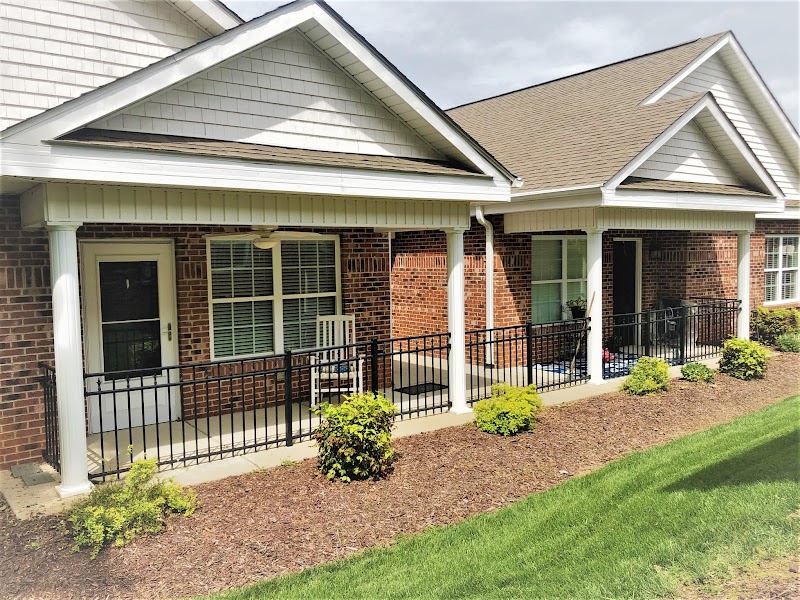
CMS rates Peak Resources - Brookshire, Inc's staffing level at 4 out of 5 stars, which is above average compared to other nursing homes. Staff turnover is 44%, compared to the North Carolina average of 46%. This relatively stable workforce can support continuity of care.

What Have Inspectors Found at Peak Resources - Brookshire, Inc?

State health inspectors documented 18 deficiencies at Peak Resources - Brookshire, Inc during 2022 to 2025. These included: 18 with potential for harm.
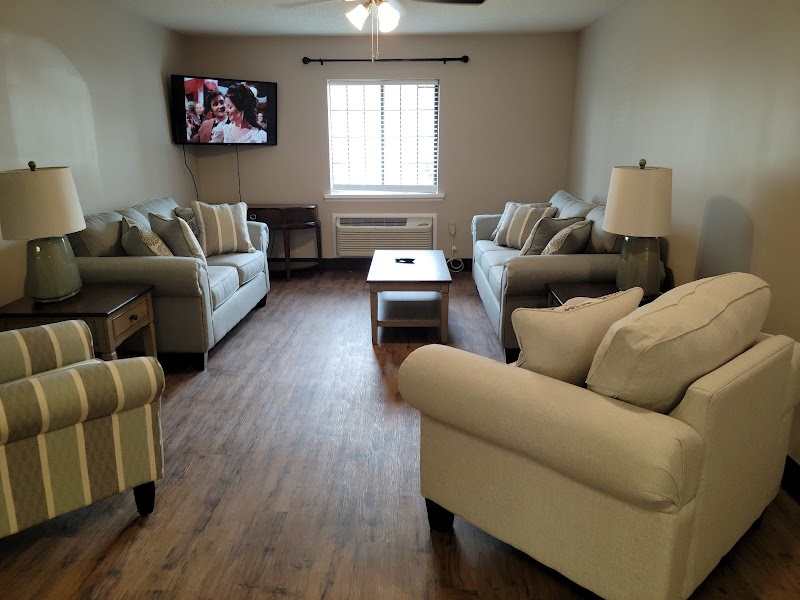
Who Owns and Operates Peak Resources - Brookshire, Inc?

Peak Resources - Brookshire, Inc is owned by a for-profit company. For-profit facilities operate as businesses with obligations to shareholders or private owners. The facility is operated by PEAK RESOURCES, INC., a chain that manages multiple nursing homes. With 80 certified beds and approximately 74 residents (about 92% occupancy), it is a smaller facility located in Hillsborough, North Carolina.

How Does Peak Resources - Brookshire, Inc Compare to Other North Carolina Nursing Homes?

Compared to the 100 nursing homes in North Carolina, Peak Resources - Brookshire, Inc's overall rating (4 stars) is above the state average of 2.8, staff turnover (44%) is near the state average of 46%, and health inspection rating (3 stars) is at the national benchmark.

What Should Families Ask When Visiting Peak Resources - Brookshire, Inc?

Based on this facility's data, families visiting should ask: "Can I visit during a mealtime to observe dining assistance and food quality?" "How do you handle medical emergencies, and what is your hospital transfer rate?" "Can I speak with family members of current residents about their experience?"

Is Peak Resources - Brookshire, Inc Safe?

Based on CMS inspection data, Peak Resources - Brookshire, Inc has a clean safety record: no substantiated abuse findings (meaning no confirmed cases of resident harm), no Immediate Jeopardy citations (the most serious violation level indicating risk of serious injury or death), and is not on the Special Focus Facility watch list (a federal program monitoring the lowest-performing 1% of nursing homes). The facility has a 4-star overall rating and ranks #1 of 100 nursing homes in North Carolina. While no facility is perfect, families should still ask about staff-to-resident ratios and recent inspection results during their visit.

Do Nurses at Peak Resources - Brookshire, Inc Stick Around?

Peak Resources - Brookshire, Inc has a staff turnover rate of 44%, which is about average for North Carolina nursing homes (state average: 46%). Moderate turnover is common in nursing homes, but families should still ask about staff tenure and how the facility maintains care continuity when employees leave.

Was Peak Resources - Brookshire, Inc Ever Fined?

Peak Resources - Brookshire, Inc has no federal fines on record. CMS issues fines when nursing homes fail to meet care standards or don't correct problems found during inspections. The absence of fines suggests the facility has either maintained compliance or corrected any issues before penalties were assessed. This is a positive indicator, though families should still review recent inspection reports for the full picture.

Is Peak Resources - Brookshire, Inc on Any Federal Watch List?

Peak Resources - Brookshire, Inc is not on any federal watch list. The most significant is the Special Focus Facility (SFF) program, which identifies the bottom 1% of nursing homes nationally based on persistent, serious quality problems. Not being on this list means the facility has avoided the pattern of deficiencies that triggers enhanced federal oversight. This is a positive indicator, though families should still review the facility's inspection history directly.