Huntersville Health & Rehab Center
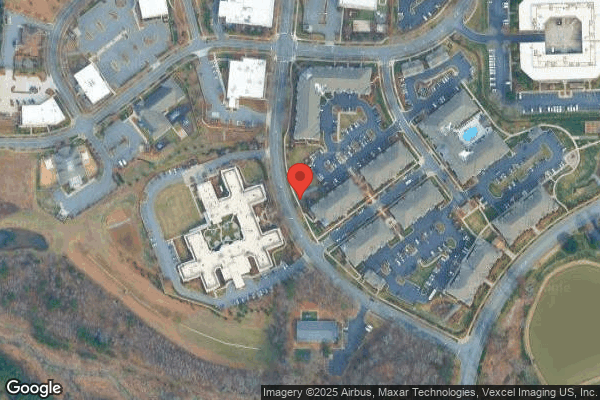
13835 Boren Street, Huntersville, NC 28078 (704) 912-2222
For profit - Limited Liability company 90 Beds LIFEWORKS REHAB Data: November 2025
Trust Grade
53/100
#167 of 417 in NC
Last Inspection: May 2025

Inspected within the last 6 months. Data reflects current conditions.

Overview

Huntersville Health & Rehab Center has received a Trust Grade of C, which indicates it is average and sits in the middle of the pack among nursing homes. Ranking #167 out of 417 facilities in North Carolina places it in the top half, while its county rank of #7 out of 29 suggests there are only six better options locally. The facility is improving, with a decrease in issues from five in 2024 to four in 2025. Staffing is rated average, with a turnover rate of 54%, which is somewhat higher than the state average, indicating potential challenges in staff consistency. However, there were notable concerns, such as a serious incident where a resident fell and fractured a femur due to improper transfer assistance, and issues with expired food items in the kitchen, which could affect residents' health.
Trust Score
C
53/100
In North Carolina
#167/417
Top 40%
Safety Record
Moderate
Needs review
Inspections
Getting Better
5 → 4 violations
Staff Stability
⚠ Watch
54% turnover. Above average. Higher turnover means staff may not know residents' routines.
Penalties
⚠ Watch
$13,305 in fines. Higher than 97% of North Carolina facilities. Major compliance failures.
Skilled Nurses
✓ Good
Each resident gets 43 minutes of Registered Nurse (RN) attention daily — more than average for North Carolina. RNs are trained to catch health problems early.
Violations
⚠ Watch
21 deficiencies on record. Higher than average. Multiple issues found across inspections.
★★★☆☆
3.0
Overall Rating
★★★☆☆
3.0
Staff Levels
★★★★☆
4.0
Care Quality
★★★☆☆
3.0
Inspection Score
Stable
2024: 5 issues
2025: 4 issues

The Good

  • 4-Star Quality Measures · Strong clinical quality outcomes
  • Full Sprinkler Coverage · Fire safety systems throughout facility
  • No fines on record

Facility shows strength in quality measures, fire safety.

The Bad

3-Star Overall Rating

Near North Carolina average (2.8)

Meets federal standards, typical of most facilities

Staff Turnover: 54%

Near North Carolina avg (46%)

Higher turnover may affect care consistency

Federal Fines: $13,305

Below median ($33,413)

Minor penalties assessed

Chain: LIFEWORKS REHAB

Part of a multi-facility chain

Ask about local staffing decisions and management

The Ugly 21 deficiencies on record

1 actual harm
May 2025 4 deficiencies
CONCERN (D) 📢 Someone Reported This

A family member, employee, or ombudsman was alarmed enough to file a formal complaint

Potential for Harm - no one hurt, but risky conditions existed

Deficiency F0627 (Tag F0627)

Could have caused harm · This affected 1 resident

**NOTE- TERMS IN BRACKETS HAVE BEEN EDITED TO PROTECT CONFIDENTIALITY** Based on record review, Responsible Party, Medical Director, and staff interviews, the facility failed to ensure a safe and orde...

Read full inspector narrative →
**NOTE- TERMS IN BRACKETS HAVE BEEN EDITED TO PROTECT CONFIDENTIALITY** Based on record review, Responsible Party, Medical Director, and staff interviews, the facility failed to ensure a safe and orderly discharge when the facility failed to remove a midline catheter (a long peripheral intravenous catheter, typically 6-15 centimeters in length, that is inserted into a large vein in the upper arm or forearm) before discharging a resident home for 1 of 3 residents reviewed for discharge (Resident #229). The findings included: Resident #229 was admitted to the facility 11/11/24 with diagnoses that included dysphagia and hyponatremia. The admission Minimum Data Set (MDS) assessment dated [DATE] indicated Resident #229 had moderate cognitive impairment. A review of Resident #229's physician orders revealed an order dated 12/10/24 that read in part; midline [catheter] to be placed one time a day for hydration. Resident #229 had a physician's order dated 12/11/24 for an intravenous solution of one liter of normal saline at 75 milliliters (ml) per hour given one time on 12/11/24 for hyponatremia. A review of Resident #229's Discharge summary dated [DATE] and signed by Nurse #1 revealed no devices including a midline catheter were indicated. The discharge summary revealed that there were no orders that required a midline IV access upon discharge. A telephone interview with Resident #229's Responsible Party (RP) occurred on 5/7/25 at 9:37 AM. He stated on the day of Resident #229's discharge, he received medications from the nursing staff and took Resident #229 home. The RP could not remember what education he received before discharge from the nursing staff. He stated when Resident #229 arrived home, she (Resident #229) pointed to her right arm to the midline IV still in place. The RP stated he called the facility and made them aware of the IV that remained in Resident #229's arm. An interview conducted with Unit Manager #1 on 5/7/25 at 12:02 PM revealed Resident #229 had a midline IV in place while she was at the facility. He stated he could not recall the specifics of Resident #229's discharge but stated generally when residents were discharged , an assessment would be completed beforehand and if there was no need for an IV after discharge, the midline catheter would be taken out. Unit Manager #1 also indicated all education was typically completed with residents and families before discharge. An interview with Nurse #1 on 5/7/25 at 2:21 PM indicated the discharge for Resident #229 was rushed due to her wanting to go home and could not recall what education had been given to Resident #229 and her RP. He did not recall if Resident #229 had an IV when he discharged her on 12/20/24. Nurse #1 stated he later found out that the Director of Nursing (DON) went to Resident #229's home after her discharge to remove the midline catheter that was left in place. An interview with the Therapy Director on 5/7/25 at 11:45 AM revealed he worked with Resident #229 after her admission to the facility and she experienced an acute decline which ended her rehabilitation stay and she wanted to return home. He stated he worked with the Discharge Planner on the needed durable medical equipment she needed to be successful at home. The Therapy Director explained all resident discharges were discussed at the interdisciplinary team (IDT) meetings each week. An interview with the Discharge Planner occurred on 5/7/25 at 3:00 PM. She started discussing discharge planning at the care plan meeting with each resident. The Discharge Planner stated when therapy is coming to an end, she discusses what type of equipment is needed for discharge or any other resources required after the resident's facility stay. She stated IDT meetings were held twice a week and upcoming discharge needs from therapy, nursing, and discharge planning were discussed then. An interview conducted with the Director of Nursing (DON) on 5/7/25 at 3:12 PM revealed Resident #229 had a midline catheter while at the facility. The DON stated nursing staff alerted her that Resident #229 was discharged home with the midline catheter in her arm. She could not recall which staff member informed her. The DON stated she went to Resident #229's home and removed the midline catheter later that day on 12/20/24. She stated the midline catheter should have been removed during an education session with Resident #229 and her RP before she discharged home because she no longer required the IV fluids for hyponatremia. An interview with the Medical Director on 5/7/25 10:35 AM revealed she did not recall Resident #229's discharge but stated if the midline catheter was in place, it should have been removed before she left the facility and was an oversight by nursing staff in this instance. An interview with the Administrator was conducted on 5/7/25 at 3:36 PM. He stated the midline catheter in Resident #229's arm should have been removed by nursing staff prior to discharge.
CONCERN (D)

Potential for Harm - no one hurt, but risky conditions existed

PASARR Coordination (Tag F0644)

Could have caused harm · This affected 1 resident

**NOTE- TERMS IN BRACKETS HAVE BEEN EDITED TO PROTECT CONFIDENTIALITY** Based on record review and staff interviews the facility failed to complete a Preadmission Screening and Resident Review (PASRR)...

Read full inspector narrative →
**NOTE- TERMS IN BRACKETS HAVE BEEN EDITED TO PROTECT CONFIDENTIALITY** Based on record review and staff interviews the facility failed to complete a Preadmission Screening and Resident Review (PASRR) level II for a resident with a level II PASRR that expired prior to admission to the facility. This deficient practice occurred for 1 of 2 residents reviewed for PASRR (Resident #43). The findings included: Resident #43 was admitted to the facility on [DATE] with diagnoses that included bipolar disorder. Review of the PASRR level II dated [DATE] revealed it expired on [DATE] prior to Resident #43's admission to the facility [DATE] and a level II PASRR had not been obtained since admission. An interview conducted with the Assistant Discharge Planner [DATE] at 11:24 AM revealed she had been working at the facility for approximately four months. She indicated when a resident was admitted to the facility the PASRR was completed by the hospital prior to admission. The Assistant Discharge Planner stated she used the Medicaid Uniform Screening Tool (MUST) to access the completed PASSR and then entered it into the resident's electronic medical record (EMR). The Assistant Discharge Planner revealed she was unaware Resident #43 had a level II PASRR that expired, she thought it was a PASRR level I, and did not obtain a new PASRR level II for Resident #43. An interview with the Discharge Planner on [DATE] at 10:45 AM revealed she and the Assistant Discharge Planner were responsible for monitoring and completing all level II PASRRs. She stated the Assistant Discharge Planner reviewed Resident #43's PASRR when she was admitted but was unaware the PASRR was a level II that had expired. The Discharge Planner indicated a level II PASRR should have been obtained for Resident #43 but was overlooked. During an interview with the Administrator on [DATE] at 5:35 PM he revealed the Discharge Planner and Assistant Discharge Planner were responsible for monitoring and ensuring all level II PASRRs were obtained. He stated if a resident was admitted with a PASRR level II that was expired then a new level II PASRR should be obtained.
CONCERN (D)

Potential for Harm - no one hurt, but risky conditions existed

Deficiency F0698 (Tag F0698)

Could have caused harm · This affected 1 resident

**NOTE- TERMS IN BRACKETS HAVE BEEN EDITED TO PROTECT CONFIDENTIALITY** Based on record review, resident and staff interviews, the facility failed to provide a bagged meal or snack for 1 of 1 resident...

Read full inspector narrative →
**NOTE- TERMS IN BRACKETS HAVE BEEN EDITED TO PROTECT CONFIDENTIALITY** Based on record review, resident and staff interviews, the facility failed to provide a bagged meal or snack for 1 of 1 resident reviewed for dialysis (Resident #83). The findings included: Resident #83 was admitted to the facility on [DATE] with diagnoses that included stage 5 chronic kidney disease. Resident #83's admission assessment dated [DATE] indicated she was cognitively intact and oriented to person, place, time and situation. The admission Minimum Data Set (MDS) was in progress and no information was available. A physician's order dated 5/01/25 revealed Resident #83's dialysis treatments were Mondays, Wednesdays, and Fridays at 12:25 PM. An interview conducted with Resident #83 on 5/06/25 at 12:30 PM revealed she was admitted to the facility from the hospital on 5/01/25 for short term rehabilitation. She stated during her hospital stay she started dialysis treatments and was continuing treatments at an outpatient dialysis center on Mondays, Wednesdays and Fridays. Resident #83 revealed the facility transported her to the dialysis center on 5/02/25 and 5/05/25, and she left the facility at 11:15 AM and returned around 5:00 PM. She indicated she had breakfast at 8:00 AM before she left for dialysis but was starving when she returned to the facility. Resident #83 revealed a bagged lunch was not provided and she was unsure if that was something the facility offered but it would be nice to have on the days she went to dialysis. During an interview with the Dietary Manager on 5/06/25 at 4:56 PM she indicated bagged lunches were prepared and kept in the kitchen for residents that went to dialysis. She stated nursing staff were responsible for getting a bagged lunch from the kitchen to send with the resident to dialysis. The Dietary Manager revealed she was unaware a bagged lunch was not sent with Resident #83 to dialysis and was unsure as to why because a bagged lunch was prepared and available in the kitchen on 5/02/25 and 5/05/25. An interview conducted with Nurse Aide #1 (NA) on 5/07/25 at 9:00 AM revealed she was assigned to Resident #83 on 5/02/25 and 5/05/25. NA #1 stated when one of her assigned residents was going to dialysis, she was responsible for getting a bagged lunch from the kitchen to send with the resident. NA #1 indicated on 5/02/25 and 5/05/25 Resident #83 went to dialysis without lunch because she forgot to get her bagged lunch from the kitchen. An interview conducted with the Medical Director on 5/07/25 at 9:50 AM indicated Resident #83 not having lunch when she went for dialysis was not ideal, however she would not have any adverse outcomes. The Medical Director stated a bagged lunch should be provided and sent with Resident #83 on the days she went for dialysis treatment. An interview conducted with the Administrator on 5/06/25 at 5:45 PM indicated bagged lunches were prepared and available for residents on the days they went to dialysis and should be sent with the resident.
CONCERN (D)

Potential for Harm - no one hurt, but risky conditions existed

Infection Control (Tag F0880)

Could have caused harm · This affected 1 resident

Based on observations, record review, and staff interviews, the facility failed to follow their Hand Hygiene policy when the Treatment Nurse did not perform hand hygiene before each donning of clean g...

Read full inspector narrative →
Based on observations, record review, and staff interviews, the facility failed to follow their Hand Hygiene policy when the Treatment Nurse did not perform hand hygiene before each donning of clean gloves while providing wound care to Resident #53. This deficient practice occurred for 1 of 4 staff members observed for infection control practices (Treatment Nurse). The findings included: Review of the facility's policy and procedure entitled Hand Hygiene read in part: Hand hygiene continues to be the primary means of preventing the transmission of infection. The following is a list of some situations that require hand hygiene: - When coming on duty. - Before and after assisting a patient with personal care (e.g., oral care, bathing). - Before and after changing a dressing. - After any contact with potentially contaminated materials (used wound/treatment dressings). A wound observation was made on 05/07/25 at 9:54 AM on Resident #53 with the Treatment Nurse. The Treatment Nurse was observed cleaning the bedside table with disinfectant wipe and placed her wound supplies on the table after it dried. The Treatment Nurse washed her hands in Resident #53's bathroom using soap and water, then donned a clean gown and clean gloves. She then removed the old dressing from the residents left posterior thigh and placed the soiled dressing into the trash can. The Treatment Nurse went into Resident #53's bathroom and washed her hands. She then, donned a clean pair of gloves and proceeded to clean the area around the wound with a wound care solution. She applied skin prep to the outer portion of the wound, then doffed her gloves without sanitizing her hands, donned clean gloves and packed the wound with a wet to dry dressing packing the gauze into the residents wound with her finger and a Q-tip. She then doffed her gloves and without sanitizing her hands, donned clean gloves and moved to Resident #53's second wound located on the left thigh. She cleaned the wound with skin prep and applied Calcium Alginate to the area with a dry dressing. The Treatment Nurse then doffed her gloves and without sanitizing her hands, donned clean gloves to assist Resident #53 adjust her pants back up in the correct position and placed a wedge under the residents left side. She then doffed her gown, washed her hands with soap and water, collected her supplies and trash and wiped down the table and left the resident's room. An interview conducted on 05/07/25 at 10:20 AM with the Treatment Nurse revealed she was not aware that she had not sanitized her hands each time she had doffed her gloves. She stated she had to change gloves so much during the wound care that she must have forgotten to always sanitize her hands when she removed her gloves. The Treatment Nurse further stated she knew she was supposed to always sanitize her hands when she removed her gloves each time and before putting on clean gloves and typically had hand sanitizer with her in the room however she was just nervous. An interview conducted on 05/07/25 at 10:38 AM with the Infection Preventionist (IP) revealed she was not aware of the errors made by the Treatment Nurse during wound care. She stated her expectation was that she would sanitize her hands every time that she removed her gloves and before putting on clean gloves during wound care. The IP further stated staff received education on infection control annually and multiple times during the year. An interview on 05/07/25 at 1:03 PM with the Director of Nursing (DON) revealed she was aware of the Treatment Nurse's errors during wound care and said she had been provided with additional education regarding doffing and donning and sanitizing in between glove changes. The DON stated it was her expectation that the Treatment Nurse follow infection control best practices to avoid introducing microorganisms into the wounds. She further stated there was a lot of donning and doffing and she felt the Treatment Nurse had just become nervous during the observation. An interview on 05/07/25 at 3:35 PM with the Administrator revealed he would expect the Treatment Nurse to follow the Hand Hygiene policy for wound care.
Oct 2024 1 deficiency
CONCERN (D) 📢 Someone Reported This

A family member, employee, or ombudsman was alarmed enough to file a formal complaint

Potential for Harm - no one hurt, but risky conditions existed

Infection Control (Tag F0880)

Could have caused harm · This affected 1 resident

Based on observations, record reviews, and staff interviews, the facility failed to implement their policy for Enhanced Barrier Precautions (EBP) when the Wound Nurse failed to don a gown before enter...

Read full inspector narrative →
Based on observations, record reviews, and staff interviews, the facility failed to implement their policy for Enhanced Barrier Precautions (EBP) when the Wound Nurse failed to don a gown before entering residents' room to provide care for Resident #1 who was under transmission-based precautions. The deficient practice occurred for 1 of 2 staff members observed for infection control practices. The findings included: Review of the facility's policy for Enhanced Barrier Precautions (EBP) dated 03/26/2024 revealed the EBP will be implemented for the prevention of transmission of multidrug-resistant organisms. EBP employs gown and glove use during high resident care activities such as: Dressing Bathing/Showering, Transferring, Changing Linens, Providing Hygiene, Changing briefs or assisting with toileting, Device Care or use: central line, urinary catheter, feeding tube and tracheostomy, Wound Care: any skin opening requiring a dressing. On 10/02/24 at 11:28 AM an observation was made of Wound Nurse #1 entering Resident #1's room to provide wound care. Resident #1 was under EBP for a wound located on her sacrum. The EBP signage located on Resident #1's door instructed staff to wear a gown and gloves during high contact resident care activities such as changing briefs or assisting with toileting and wound care for chronic wounds. Gowns were available across the hall from the resident's room in a three-compartment container. She was observed entering the resident's room, performing hand hygiene and applying gloves. Wound Nurse #1 provided incontinence care for Resident #1 and completed Resident #1's wound care. Wound Nurse #1 was observed with gloves on and changed them according to their handwashing policy and procedure but did not wear a gown while providing wound care or changing Resident #1's brief. An interview was conducted on 10/02/24 at 11:50 AM with Wound Nurse #1. Wound Nurse #1 was asked if Resident #1 was under any kind of precautions and replied yes, Enhanced Barrier Precaution's which meant she needed to wear a gown and gloves before entering the resident's room. Wound Nurse #1 stated she would typically wear a gown while providing wound care however had just forgotten to put it on. She stated she would normally put on a gown while providing any wound care in the building. On 10/02/24 at 12:35 PM during an interview with the Director of Nursing (DON) she stated all the staff knew to abide by the different types of precautions posted on the residents' door and to follow the assigned PPE. The interview revealed Wound Nurse #1 should have worn a gown while providing incontinence care and wound care for Resident #1.
Jan 2024 4 deficiencies
CONCERN (D)

Potential for Harm - no one hurt, but risky conditions existed

Deficiency F0806 (Tag F0806)

Could have caused harm · This affected 1 resident

**NOTE- TERMS IN BRACKETS HAVE BEEN EDITED TO PROTECT CONFIDENTIALITY** Based on observations, a resident interview, staff interviews and record review, the facility failed to honor food preferences f...

Read full inspector narrative →
**NOTE- TERMS IN BRACKETS HAVE BEEN EDITED TO PROTECT CONFIDENTIALITY** Based on observations, a resident interview, staff interviews and record review, the facility failed to honor food preferences for 1 of 3 sampled residents reviewed for food preferences (Resident #281). The findings included: Resident #281 was admitted to the facility on [DATE]. Diagnoses included type 2 diabetes mellitus, iron deficiency anemia, gastroesophageal reflux disease and lipoprotein deficiency, among others. An admission Minimum Data Set assessment dated [DATE] (in progress) indicated her cognition was intact, she had clear speech, able to understand and be understood, required set up/clean up assistance with meals and no weight loss/gain. A care plan revised 1/22/24 identified Resident #281 was at risk for nutritional decline related to a recent hospitalization, adjustment to a new environment, and diagnoses. Interventions included encouraging good food intake, recording the percentage of food eaten, and reviewing food preferences with the resident as needed. Food intake records from 1/17/24 - 1/24/24 documented that Resident #281 ate an average of 51 - 75% of her meals provided by the facility. Resident #281 was interviewed and observed in her room on 1/22/24 at 11:15 AM, during the interview, she expressed that her food requests were not honored. Resident #281 stated that when she completed the menu to request her meal preferences for the next day's meals, she rarely received food according to the menu she completed. She stated that when staff came to pick up her meal tray after the meal, they did not offer an alternate when she expressed that she did not receive her preferences, staff just removed her meal tray. Resident #281 was observed with her lunch meal and interviewed on 1/24/24 at 12:00 PM. Resident #281 received spaghetti with meat sauce, garlic bread, orange sherbet, and lemonade. The lunch meal tray card on her meal tray revealed buttered egg noodles were also circled as a request. Resident #281 stated that when she completed her menu for the lunch meal for 1/24/24, she circled buttered egg noodles and wrote corn on her menu to give herself some additional items she could eat in case she did not like the spaghetti. Resident #281 stated she did not receive the buttered egg noodles or the corn. Resident #281 stated she wanted the egg noodles and the corn, but when she asked staff about those items, she was told it was not available. Resident #281 stated I don't receive my preferences 90% of the time and when I ask, staff say, we are out of that. Resident #281 stated that last week she completed her menu and asked for salad dressing, but she received a salad with no dressing, so she used a pack of dressing she brought from the hospital. The Dietary Manager (DM) was interviewed on 1/24/24 at 1:56 PM. He stated that the residents were given a menu to complete each day to select the food items they want to eat and that the tray card for each meal was based on the resident's food preferences that were obtained on admission. He stated that if a resident wrote in a request on the menu they received, and it was available, the dietary staff would prepare it for the resident. He stated that dietary staff provided the menus daily between 3 PM - 4 PM and picked up the completed menus from nursing staff around 6 AM the next morning. He stated that the menu tickets were discarded daily so he did not have them available for review. The DM stated he could not explain why Resident #281 did not receive the items per her preference (buttered egg noodles, corn, salad dressing) because those items were available. An interview with dietary aide (DA) #1 occurred on 1/25/24 at 12:40 PM. DA #1 stated she plated the lunch meal on the unit where Resident #281 resided. DA #1 stated she did not provide buttered egg noodles or corn to Resident #281 for lunch on 1/24/24 because she did not have them available to serve. DA #1 stated that she had the pasta that was served with the spaghetti so that's what she served Resident #281. She stated mixed vegetables were also available, but that she did not offer Resident #281 a substitute for the corn. A follow up interview with the DM occurred on 1/25/24 at 1:43 PM. He stated that the DA should have called the kitchen to notify him if there were food items that residents requested but she did not have available once she got on the unit to serve. The DM stated the foods Resident #281 requested were available and had he been notified; he would have made sure those items were provided. A phone interview with the Registered Dietitian (RD) occurred on 1/25/24 at 3:40 PM. The RD stated that the DA should go to the kitchen to get any food requested by a resident if those foods were available. The RD stated that she expected the DM to follow up on any food concerns that were brought to his attention regarding honoring resident food preferences. The Administrator stated in an interview on 1/25/24 at 2:18 PM that the facility should honor resident food preferences or let the resident know if the request was something that the facility did not have and then try to accommodate the request with something comparable.
CONCERN (E)

Potential for Harm - no one hurt, but risky conditions existed

Food Safety (Tag F0812)

Could have caused harm · This affected multiple residents

Based on record reviews and staff interviews, the facility failed to remove expired food items, date open and perishable foods stored in 1 of 1 reach-in cooler and 1 of 1 walk-in freezer and ensure st...

Read full inspector narrative →
Based on record reviews and staff interviews, the facility failed to remove expired food items, date open and perishable foods stored in 1 of 1 reach-in cooler and 1 of 1 walk-in freezer and ensure steamer pans were not stacked wet for 1 of 2 kitchen observations. These practices had the potential to affect food served to residents. The findings included: The facility's kitchen was toured on 1/22/2024 at 10:20 AM. An observation was conducted of the reach-in cooler and the following was observed: a. A container of vanilla pudding was noted with a creation date of 3/10 (no year). The expiration date was noted to be 3/14 (no year). b. A container of cantaloupe was noted with an expiration date of 1/21/2024. c. A container of tuna salad was noted with an expiration date of 1/21/2024. d. A container of pineapple pieces was noted without a creation date or expiration date. e. A second container of tuna salad was noted without a creation date or expiration date. f. A container of lettuce salad was noted without a creation date or expiration date. g. A container of shredded cheddar cheese was noted without an open date or expiration date. h. A container of chicken noodle soup was noted without a creation date or expiration date. i. Two trays of various sandwiches were noted to be individually wrapped and no sandwiches had a creation date or expiration date. An observation of the walk-in freezer was conducted 1/22/2024 at 10:30 AM. A bag of chicken meat was noted to be stored open and no open date was on the bag. The dishwashing area was observed on 1/22/2024 at 10:35 AM, and a shelving unit was noted in the drying area. Three steamer pans were noted to be wet with dripping water and were stacked on top of each other and nestled. During the observations, the Dietary Manager (DM) reported that all expired food should have been discarded on 1/21/2024, the food labeled with the creation and the expiration date, the bag of chicken should have been closed and labeled, and the clean steamer pans should have been allowed to air dry completely before they were stacked and nestled together. The DM reported no staff had checked on the reach-in cooler or freezer that date. An interview was conducted with [NAME] #1 on 1/24/2024 at 12:31 PM. [NAME] #1 explained he had worked on 1/21/2024 and he had made the trays of sandwiches for the facility on that date. [NAME] #1 reported he was aware he should have labeled the sandwiches with the creation date and the expiration date, but he had forgotten because he had been busy. [NAME] #1 explained he did not check the reach-in cooler for expired food on 1/21/2024. The dietary aide who worked 1/21/2024 was not available for interview. The DM was interviewed again on 1/25/2024 at 1:29 PM. When asked about the date on the vanilla pudding, the DM reported he thought it was an error in labeling and that the vanilla pudding had not been in the reach-in cooler since March of 2023. The DM explained the dietary aides were responsible for checking the cooler, fridge, and freezer for expired items and he was not certain why the expired food in the reach-in cooler was not discarded, and why the food was not labeled in the reach-in cooler or freezer. The DM reported he thought that staff were rushing to complete their work and did not allow the steamer pans to dry completely before stacking. The Administrator was interviewed on 1/25/2024 at 3:01 PM. The Administrator reported the dietary staff should discard expired items, label perishable foods, and allow all dishes to dry before stacking for storage.
CONCERN (E)

Potential for Harm - no one hurt, but risky conditions existed

QAPI Program (Tag F0867)

Could have caused harm · This affected multiple residents

Based on observations, staff interviews and record review, the facility's Quality Assurance and Performance Improvement (QAPI) Committee failed to maintain implemented and effective procedures and mon...

Read full inspector narrative →
Based on observations, staff interviews and record review, the facility's Quality Assurance and Performance Improvement (QAPI) Committee failed to maintain implemented and effective procedures and monitor the interventions that the committee put into place following a recertification and complaint investigation dated 6/09/22 for one deficiency in the area of dietary services F 812. Also, the facility's Quality Assurance and Performance Improvement (QAPI) Committee failed to maintain implemented and effective procedures and monitor the interventions that the committee put into place following the complaint survey date 4/10/23 for one deficiency in the area of accurate medical records F 842. These deficiencies were cited during a recertification and complaint survey dated 1/25/24. The continued failure of the facility during three federal surveys of record showed a pattern of the facility's inability to sustain an effective QAPI program. Findings included. This tag is cross referenced to: F 812 Based on record reviews and staff interviews, the facility failed to remove expired food items, date open and perishable foods stored in 1 of 1 reach-in cooler and 1 of 1 walk-in freezer and ensure steamer pans were not stacked wet for 1 of 2 kitchen observations. These practices had the potential to affect food served to residents During the recertification and complaint investigation date 6/9/22 the facility failed to date, remove, and/or discard food items stored for use with signs of spoilage, stored past the use by date and/or stored open to air in 1 of 1 walk in cooler, 1 of 1 walk in freezer, and 1 of 1 dry storage area. These practices had the potential to affect residents served this food. F 842 Based on a resident interview, staff interviews and record review, the facility failed to accurately document an allergy (Resident #281) and the amount of nutritional supplement provided during medication administration (Resident #2). This failure occurred for 2 of 2 sampled residents reviewed for accuracy of the medical record. During the complaint investigation date 4/10/23 the facility failed to document in the medical record the effectiveness of pain medication administered. This occurred for 1 of 1 sampled resident reviewed for pharmaceutical services. Interview was conducted with the Administrator on 1/25/24 at 2:45 pm about his repeat tag for the kitchen. He indicated that he expected all citations to be monitored through the center's QAPI program. Any repeat citation would require continuous monitoring through the monthly QAPI meetings until the deficient practice has been resolved. After resolved, the center would continue to monitor the resolved issue through its quarterly QAPI meetings. Education would be completed to ensure staff are aware of expectations and these expectations would be tracked by way of auditing.
MINOR (B)

Minor Issue - procedural, no safety impact

Medical Records (Tag F0842)

Minor procedural issue · This affected multiple residents

**NOTE- TERMS IN BRACKETS HAVE BEEN EDITED TO PROTECT CONFIDENTIALITY** Based on a resident interview, staff interviews and record review, the facility failed to accurately document an allergy (Reside...

Read full inspector narrative →
**NOTE- TERMS IN BRACKETS HAVE BEEN EDITED TO PROTECT CONFIDENTIALITY** Based on a resident interview, staff interviews and record review, the facility failed to accurately document an allergy (Resident #281) and the amount of nutritional supplement provided during medication administration (Resident #2). This failure occurred for 2 of 2 sampled residents reviewed for accuracy of the medical record. The findings included: 1. Resident #281 was admitted to the facility from the hospital on 1/16/24. Diagnoses included type 2 diabetes mellitus, and diabetic neuropathy, among others. A hospital Discharge summary dated [DATE] for Resident #281 recorded she had an allergy to the medication Metformin (used to treat type 2 diabetes mellitus). The January 2024 Medication Administration Record (MAR) for Resident #281 recorded she had an allergy to the medication Metformin. January 2024 Physician (MD) Order Summary recorded a MD order dated 1/17/24 for Metformin HCL (hydrochloride) tablet 500 mg, give 1 tablet by mouth two times a day related to type 2 diabetes mellitus with diabetic neuropathy. A nurse practitioner (NP) progress note dated 1/18/24 recorded Resident #281 had an allergy to the medication Metformin. A care plan revised 1/19/24 recorded Resident #281 had an allergy to Metformin. A MD progress note dated 1/19/24 recorded Resident #281 had an active allergy to Metformin. An admission Minimum Data Set assessment dated [DATE] (in progress) indicated her cognition was intact, she had clear speech, and she was able to understand and be understood. A NP progress note dated 1/22/24 recorded Resident #281 had an allergy to the medication Metformin. The NP progress note documented the plan for her diagnosis of type 2 diabetes mellitus was to monitor blood glucose levels every twice daily and continue prescription medication management with Metformin HCL 500 mg twice daily. Resident #281 stated in an interview on 1/25/24 at 12:43 PM that she was not allergic to the medication Metformin and that she took the medication at home with no problems. She stated that the NP asked her about continuing the medication while she was at the facility, and she told the NP she was not allergic, so the NP ordered it. Resident #281 stated that she did not know where that the documentation came from indicating that she was allergic to Metformin. The Director of Nursing (DON) stated in an interview on 1/23/24 at 1:02 PM that documentation of allergies was obtained from the hospital discharge summary and from pre-admission records. The DON stated Resident #281 was admitted from the hospital and reviewed her hospital discharge summary during the interview. The DON stated that the allergy to Metformin was recorded in the hospital discharge summary which was given to the MD/NP for review. The DON stated that the NP reviewed the hospital discharge summary for Resident #281, recorded in her progress note to continue the Metformin and wrote an order for it. The NP stated in an interview on 1/23/24 at 1:21 PM that she spoke to Resident #281 about the allergy to Metformin that was recorded in her hospital discharge summary because the hospital discharge summary indicated Metformin was a medication she took at home prior to the hospitalization. The NP said that Resident #281 said she was not allergic to Metformin and that she wanted to continue taking the medication while she received therapy at the facility, so the NP wrote the order. The NP stated she should have advised nursing staff to remove the allergy from her medical record and stated, Metformin needs to be removed from her medical record as an allergy for this patient. 2. Resident #2 was admitted to the facility on [DATE]. Diagnoses included dysphagia, elevated body mass index, vascular dementia with psychosis, mood disturbance and anxiety, among others. A progress note dated 1/22/24 by the Registered Dietitian (RD) recorded a recommendation to add a high calorie no sugar added nutritional supplement of 90 milliliters (ml) twice daily for additional calories and to prevent further weight loss. The January 2024 Medication Administration Record (MAR) for Resident #2 recorded to provide 90 ml of a high calorie no sugar added nutritional supplement twice daily. Nurse #1 recorded on the January 2024 MAR for Resident #2 that she provided 237 ml of the supplement at 9 AM and 5 PM on 1/24/24. An interview with Nurse #1 occurred on 1/25/24 at 12:30 PM. Nurse #1 stated that the MD orders for nutritional supplements kept changing. Nurse #1 stated that she provided Resident #2 with 90 ml of the supplement per the order, but that she documented 237 ml because she used a larger cup to provide the supplement. Nurse #1 stated that the documentation of 237 ml was an error. The RD stated in a phone interview on 1/25/24 at 3:37 PM that providing additional calories from a high calorie nutritional supplement to Resident #2 would not be a problem for this Resident due to her history of weight loss, but incorrect documentation of the amount of the nutritional supplement administered could cause a miscalculation of calories received during a nutritional assessment. The Director of Nursing stated on 1/25/24 at 1:30 PM in an interview that the medical record should be documented accurately; the nurse should record the amount of supplement given and should give the amount of nutritional supplement per the MD order.
Apr 2023 2 deficiencies 1 Harm
SERIOUS (G) 📢 Someone Reported This

A family member, employee, or ombudsman was alarmed enough to file a formal complaint

Actual Harm - a resident was hurt due to facility failures

Accident Prevention (Tag F0689)

A resident was harmed · This affected 1 resident

**NOTE- TERMS IN BRACKETS HAVE BEEN EDITED TO PROTECT CONFIDENTIALITY** Based on observations, record review, resident, staff, and family interviews the facility failed to ensure a resident was seated...

Read full inspector narrative →
**NOTE- TERMS IN BRACKETS HAVE BEEN EDITED TO PROTECT CONFIDENTIALITY** Based on observations, record review, resident, staff, and family interviews the facility failed to ensure a resident was seated in a safe position on the bed after a transfer which resulted in a fall with femur fracture for 1 of 3 residents reviewed for accidents (Resident #19). The findings included: Resident #19 was admitted to the facility on [DATE] with diagnoses that included stroke with hemiplegia and hemiparesis affecting the left side, vertigo, presence of left artificial knee joint and muscle weakness. A quarterly Minimum Data Set, dated [DATE] for Resident #19 revealed she was cognitively intact with no refusals or rejection of care. Resident #19 required extensive 2 person assist with transfers and bed mobility. Review of a fall note for Resident #19 authored by Nurse # 3 and dated 3/17/23 read in part: During a transfer using the sit to stand lift, the CNA positioned the patient on her bed and while removing the sit to stand the patient slipped off the side of the bed. Review of a nurse note for Resident #19 authored by Nurse # 3 and dated 3/18/23 read in part: the patient has a complaint of left knee pain. Nurse received a new order for x-ray of left knee related to pain from fall. Review of a left knee x-ray report for Resident #19 dated 3/19/23 revealed an acute, transverse, non-displaced fracture of the distal femur metaphysis (a portion of the femur close to the knee). Review of the hospital Discharge summary dated [DATE] for Resident #19 read in part: the resident presented to the Emergency Department on 3/20/2023 for the evaluation of left knee pain following falling out of bed on 3/17/23. Xray of the left femur revealed possible impacted fracture comminuted displaced fracture involving the distal femoral metaphysis just above the femoral component of the total knee arthroplasty. Subsequent imaging confirmed moderately comminuted and mildly displaced periprosthetic fracture of the distal femur. Diagnoses: Displaced comminuted fracture of shaft of left femur. She underwent left femur open reduction internal fixation (a surgery to repair a broken bone) on 3/22/23 and the procedure was uneventful. Continue non-weight bearing on the left lower extremity (which is her baseline). The resident was discharged back to the facility on 3/24/23. During an interview on 4/5/23 at 1:15 PM Resident #19 revealed a couple of weeks ago at night a Nurse Aide (NA) was helping her get ready for bed. She had been up in her wheelchair. The NA got her up from the wheelchair with the sit to stand lift and positioned her on the edge of the bed. Resident #19 stated as the NA was removing the sit to stand from her room, she felt like she was falling. She tried to hold the side rail but fell to the floor on her side. She explained she called to the NA and said, come back in here and help me. The NA came and saw her on the floor and went to get more staff to help get her up. Resident #19 revealed three staff members got her up from the floor with the mechanical lift. She stated her leg was hurting, but the nurse gave her something for the pain. She did not request to be sent to the hospital. An interview was conducted on 4/5/23 at 4:51 PM. Nurse #3 revealed she was assigned to care for Resident #19 on the night of her fall. She explained she had left the room after giving Resident #19 her medications, shortly after NA #1 came out in the hall and said Resident #19 had fallen. Nurse #3 did not witness the fall but was told by NA #1 she was getting the resident ready for bed and transferred her with the sit to stand lift from the wheelchair to the bed. She sat the resident on the side of the bed and as she was removing the sit to stand from the room, Resident #19 slid off the bed and fell to the floor. Nurse #3 further explained NA #1 said she thought Resident #19 was seated on the bed better than she was. Nurse #3 revealed when she went to the resident's room she was on the floor, lying on her right side. She completed a full head to toe assessment and took vital signs. Nurse #3 stated there was no bruising, redness, or open areas on the resident. Resident #19 was moved to her bed with the mechanical lift. She complained of pain in her left knee, and it had a small amount of swelling. Nurse #3 explained this resident had a history of left knee pain and the left knee normally had a little swelling related to a past surgery. She had given scheduled pain medication to the resident during medication pass, so at this time she offered an ice pack. She further explained the resident did not show any physical signs of pain, she did not grimace, moan or cry out in pain. Nurse #3 returned the following morning on 3/18/23 and asked Resident #19 how is your knee, and the resident said it still hurts. Nurse #3 revealed at that time she called the provider and obtained an order for an x ray because the resident was still experiencing pain. Nurse #3 explained the x-ray provider came and completed the x-ray on the evening of Sunday 3/19/23. On Monday morning 3/20/23 the facility received the results of the x-ray, and it revealed Resident #19 had a femur fracture. The family and Physician were notified, and the resident was sent to the hospital. During an interview on 4/6/23 at 9:07 AM NA #1 revealed on the evening of 3/17/23 she was putting Resident #19 back to bed from her wheelchair with the sit to stand lift. She sat the resident on the side of the bed, then began to back the sit to stand lift out of the resident's room. While backing the lift out of the room she saw Resident #19 slip off the bed. She saw the resident falling but could not get to her to prevent the fall because she was moving the sit to stand lift. NA #1 further revealed she went to get the nurse and while the nurse was with the resident, she went to get more staff to help get the resident off the floor. The mechanical lift was used to move the resident from the floor to the bed. NA #1 stated Resident #19 said her leg hurt but she did not notice any obvious injuries. An interview was conducted with the Director of Nursing (DON) on 4/6/23 at 12:29 PM. The DON revealed Resident #19 had a fall on Friday night 3/17/23, and she was made aware of the fall on Monday 3/20/23 when she returned to work. It was reported to her that NA #1 was transferring Resident #19 from the wheelchair to the bed with the sit to stand lift, and the resident was not seated well on the bed and fell to the floor. The DON stated she personally educated NA #1 on ensuring residents are seated properly and secure on the side of the bed prior to leaving their side. Education was also provided to the rest of the staff. The facility initiated a 4-point plan to prevent this from reoccurring. During an interview on 4/6/23 at 2:30 PM the Administrator revealed after he was made aware of Resident #19's fall, he spoke to the resident and staff members to identify a root cause. Based on his interview with Resident #19 and NA #1 the facility concluded that the root cause for Resident #19's fall was that she was not placed securely on the side of the bed, and this resulted in a fall. The Administrator stated after the facility identified the root cause for Resident #19's fall they put in place a 4-point plan to prevent reoccurrence. NA #1 had received 1:1 education, in addition all other nursing staff had been educated. The facility also implemented monitoring. The facility provided the following correctivce action plan with a completion date of 3/24/23. Corrective action plan: Resident #19 is a 77 y/o female who admitted to Huntersville Health and Rehab Center on 08/13/2016 status post stroke and is currently residing on the long-term care unit. Her medical history includes cerebral infarction, dysarthria, hemiplegia, hemiparesis, anemia, anxiety, vertigo, dysphagia, hypomagnesemia, muscle weakness, unsteadiness on feet, HTN, GERD, DM2, major depressive disorder, osteoarthritis, and hyperlipidemia. Overall, Resident #19 is alert and oriented to person, place, time, and situation, has a BIMs of 14, struggles with depression and anxiety, and has some age-related confusion. In terms of her functional status, she requires moderate to extensive assist for ADL's and mobility. On 3/17/2023, Resident #19 endured a witnessed fall from the edge of the bed, and on 3/18/2023 she reported having knee pain. The resident was assessed by the center's nurse and NP as a result x-rays were ordered. On 3/20/2023 X-ray results were reviewed and showed left acute, transverse, non-displaced fracture at distal femoral metaphysis. The family was updated on the x-ray results and the resident was sent to hospital for evaluation. The hospital confirmed the fracture and scheduled resident for an ORIF to left leg. On 3/20/2023, the Administrator met with Resident #19 and discussed the details of her fall from 3/17/2023. Resident #19 reported that the C.N.A had just finished sitting her on the edge of the bed with the sit to stand machine, however that she did not feel that she was on the bed good. The patient has a BIMs of 14 and was therefore able to recall the details of the event. When asked if she told the C.N.A. that she did not feel secure, she reported no. The resident went on to state the C.N.A. proceeded to leave the room with the machine but left her on the edge of the bed. She reported that she started to slide from the bed, hitting her knee on the floor. She then stated that she is normally able to sit on the edge of the bed, but this time she did not feel that she was on the bed good enough. The Administrator and DON interviewed the involved C.N.A and she reported that she had just finished transferring Resident #19 to the bed as normal, and that Resident #19 normally is able to sit on the edge of the bed without any issues. The root cause of this fall is that the patient was not on the bed securely. The root cause is not related to the actual transfer, or the use of the sit to stand equipment. The patient acknowledges through her recall of the event. How the facility is addressing the non-compliance for the resident affected: The CNA, upon witnessing the fall, immediately when to get the nurse. Resident #19 was assessed by nurse on duty and assisted to bed by mechanical lift and staff. The patient continued to be monitored, and offered her an ice pack, which was declined, patient had no complaints throughout the night. The patient continued to receive her normal doses of scheduled pain meds, unrelated to the fall. The patient, upon complaint of new pain the following morning, received intervention via x-ray and ultimately discharge to the hospital on 3/20/2023 around 9:40am for follow-up care. The CNA received education the following day, on 3/18/23 to ensure that patients are balanced before leaving the patients side after transfer. How the facility is addressing other current residents at risk All residents are at risk of this deficient practice. On 3/21, staff and residents were interviewed to determine who uses the sit to stand lift, it was determined that Resident #19 was the only current resident who was using the sit to stand. On 3/21, residents were asked to share any concerns related to how they are transferred, no concerns were voiced. Residents were asked 1) Have you had any concerns regarding how staff assist with your transfers? 2) Do you feel secure when staff are transferring you? Resident interviews included residents on the C.N.A track, residents who do not require use of mechanical lift, and residents who require use of mechanical lift. How the facility will ensure that noncompliance does not reoccur: Education was provided 03/21-03/24/2023. Current nursing staff were educated on ensuring patients are secure and balanced prior to leaving the patient's side, education provided by center leadership, by the SDC, DON, or designee. New employees will be educated by SDC or designee during the orientation process of this process as well. How the facility will monitor to ensure the noncompliance does not reoccur: DON or designee will monitor 5 patient transfers for security and balance before walking away weekly x 4; then 3x weekly; then monthly x 4. Any staff member observed to be non-compliant with the education will receive education and/or counseling, up to and including suspension and/or termination. The results will be reported to the monthly QAPI Committee for review and discussion to ensure substantial compliance. Once the QA Committee determines the problem no longer exists, then the review will be completed on a random basis. Date of completion 03/24/2023 The person responsible for implementing this plan is the Administrator. The facility provided a plan of corrective action for the incident that happened on 3/17/23. Validation was completed through observations, staff interviews, and record review. Observations were made of residents seated or positioned safely in their beds and in wheelchairs. Multiple observations were made of Resident #19 positioned safely in her bed. Interviews with nurses and nurse aides stated they had recently received education on ensuring the residents are seated in safe and secure positions before leaving the resident's side. A review of monitoring tools revealed the facility was conducting ongoing audits to ensure the residents were being seated in safe positions. The facility's action plan was validated to be completed as of 3/24/23.
MINOR (B) 📢 Someone Reported This

A family member, employee, or ombudsman was alarmed enough to file a formal complaint

Minor Issue - procedural, no safety impact

Medical Records (Tag F0842)

Minor procedural issue · This affected multiple residents

**NOTE- TERMS IN BRACKETS HAVE BEEN EDITED TO PROTECT CONFIDENTIALITY** Based on staff interview and record review, the facility failed to document in the medical record the effectiveness of pain medi...

Read full inspector narrative →
**NOTE- TERMS IN BRACKETS HAVE BEEN EDITED TO PROTECT CONFIDENTIALITY** Based on staff interview and record review, the facility failed to document in the medical record the effectiveness of pain medication administered to Resident #18. This occurred for 1 of 1 sampled resident reviewed for pharmaceutical services. The findings included: Resident #18 admitted to the facility 2/13/23. Diagnoses included fracture of left pubis, and osteoarthritis of left hip, among others. A physician order dated 2/13/23 recorded Hydrocodone-Acetaminophen tablet 5-325 milligrams (MG), give one tablet by mouth (po) every (q) 6 hours as needed (prn) for pain for 30 days. The order discontinued on 2/17/23. A physician order dated 2/13/23 recorded Acetaminophen Extra Strength tablet 500 MG, give two tablets po q eight hours prn for pain. A physician order dated 2/17/23 recorded pain assessment using 0-10 scale, q day and night shift. A physician order dated 2/17/23 recorded Hydrocodone-Acetaminophen tablet 5-325 MG, give one tablet po q six hours for pain. An admission Minimum Data Set, dated [DATE] assessed Resident #18 with clear speech, intact cognition, experienced frequent pain in the last five days, rated seven out of ten at assessment, and received pain medication scheduled and prn. Review of the Medication Administration Record (MAR) for February 2023 recorded Resident #18 received the following: - 2/14/23, 8:25 AM Hydrocodone-Acetaminophen tablet 5-325 MG; pain rated eight out of ten. - 2/14/23, 3:55 PM Hydrocodone-Acetaminophen tablet 5-325 MG; pain rated nine out of ten. - 2/21/23, 12 AM Hydrocodone-Acetaminophen tablet 5-325 MG; pain rated six out of ten. - 2/21/23, 8 AM Hydrocodone-Acetaminophen tablet 5-325 MG; pain rated eight out of ten. Review of the February 2023 MAR and nurse progress notes revealed there was no documentation that the pain medication was effective after administration. During a phone interview with Nurse #1 on 4/5/23 at 5:00 PM Nurse #1 stated that she was the Nurse for Resident #18 on 2/14/23 for the 7 AM - 7 PM shift. Nurse #1 stated when she came on shift, Resident #18 complained of pain, and rated her pain an eight out of ten, so she medicated her. Nurse #1 stated she followed up with Resident #18 and the Resident said the medication was effective. Nurse #1 stated it was quite possible that she did not put a note in her record about that. Nurse #1 stated that later in the shift, she assessed Resident #18's pain and it was a nine out of ten, which could have been after therapy, so she medicated her again. When Nurse #1 followed up, Resident #18 rated her pain six out of ten, and said her pain had improved. Nurse #1 stated she knew to assess and document the effectiveness of pain management but could not explain why there was no documentation for the effectiveness of the pain medication she administered to Resident #18 on 2/14/23. Nurse #2 stated on 4/10/23 at 12:19 PM during a phone interview that she was the Nurse for Resident #18 on the 7 PM - 7 AM shift on 2/21/23. Nurse #2 stated it was her practice to assess for pain during her rounds and medication pass. After administration of pain medication, Nurse #2 stated it was her practice to return and assess the effectiveness. Nurse #2 stated could not really say why she did not document the effectiveness of pain medication after administration to Resident #18 because she could not remember what happened that night. Nurse #2 stated she knew to assess pain level at the time of administration of pain medication and to reevaluate the effectiveness. The Director of Nursing stated on 4/6/23 at 12:30 PM that she expected nurses to assess the effectiveness of pain medication during the same shift of administration and document the effectiveness in the resident's medical record.
Dec 2022 2 deficiencies
CONCERN (D) 📢 Someone Reported This

A family member, employee, or ombudsman was alarmed enough to file a formal complaint

Potential for Harm - no one hurt, but risky conditions existed

Respiratory Care (Tag F0695)

Could have caused harm · This affected 1 resident

**NOTE- TERMS IN BRACKETS HAVE BEEN EDITED TO PROTECT CONFIDENTIALITY** Based on record review, Medical Director and staff interviews, the facility failed to ensure the resident had an order for use o...

Read full inspector narrative →
**NOTE- TERMS IN BRACKETS HAVE BEEN EDITED TO PROTECT CONFIDENTIALITY** Based on record review, Medical Director and staff interviews, the facility failed to ensure the resident had an order for use of a Continuous Positive Airway Pressure (CPAP) machine with oxygen for 1 of 2 residents reviewed for providing respiratory care. Findings included: Resident #5 was admitted to the facility on [DATE] with diagnoses that included obstructive sleep apnea and chronic obstructive pulmonary disease (COPD). A review of Resident #5's hospital discharge orders dated 9/28/22 revealed he needed CPAP with oxygen at 2 liters continuously while sleeping. The hospital discharge summary stated to not discontinue the oxygen concentrator. A review of Resident #5's admission orders dated 9/28/22 did not indicate an order for CPAP with oxygen at 2 liters per minute continuously while sleeping. A review of Resident #5's interim care plan dated 9/28/22 revealed Resident #5 was not care planned for CPAP with continuous oxygen during sleeping. A review of the discharge Minimum Data Set (MDS) dated [DATE] indicated Resident #5 was cognitively intact. The MDS documented he had shortness of breath while lying flat. An interview with Nurse #1 on 12/29/22 at 2:54 PM revealed she was the admitting nurse for Resident #5. Nurse #1 stated she did not recall Resident #5 very well but believed he was alert and oriented and had a CPAP in his room upon admission but needed an oxygen concentrator to hook up to it. Nurse #1 was unaware if Resident # 5 had an order for CPAP when he was admitted to the facility. Nurse #1 said the Admissions person reviewed the discharge information for each resident and then sent the discharge summary to the admitting nurse to enter orders and have them verified by the MD. Nurse # 1 stated the order for the CPAP indicated on the discharge summary should have been added to Resident # 5's admitting orders. A review of the Medical Director (MD) progress note dated on 9/30/22 indicated Resident #5 was alert and oriented to both year and place and denied any shortness of breath or cough. The resident indicated he needed a concentrator for his CPAP. The DON was aware of his need for a concentrator and was obtaining one at that time. Attempts to interview previous DON were unsuccessful. The MD was interviewed on 12/30/22 at 9:33 AM and stated she believed Resident #5 had a CPAP in his room but not an oxygen concentrator in his room when she saw him on 9/30/22. The MD stated Resident #5 indicated to her on 9/30/22 that he needed a concentrator for his CPAP and that the Director of Nursing was aware and was getting a concentrator for him. The MD stated typically resident families will provide a CPAP for residents who need one and if the family does not have one, the facility will rent a CPAP to the resident. Normally, the admitting nurse would add the CPAP orders to the Medication Administration Record (MAR) based upon the hospital discharge summary. The MD recalled Resident #5 was alert and oriented and was able to set up the CPAP himself. Resident #5's oxygen saturation levels were within normal range for a diagnosis of COPD with his lowest registered at 88. The MD stated his blood pressure was good and he had no difficulty with his breathing. Resident #5 would have benefited from using the CPAP without the oxygen concentrator hooked to it. The current Director of Nursing (DON) and Administrator were interviewed on 12/30/22 at 1:07 PM. They stated the admissions person received the orders from the hospital and then gave them to the unit manager to place into the MAR and verify them with the facility provider. The order for the CPAP should have been placed on the MAR.
MINOR (B) 📢 Someone Reported This

A family member, employee, or ombudsman was alarmed enough to file a formal complaint

Minor Issue - procedural, no safety impact

Report Alleged Abuse (Tag F0609)

Minor procedural issue · This affected multiple residents

Based on staff interviews and record review, the facility failed to report an allegation of misappropriation of resident property to the state agency within 24 hours for 1 of 2 sampled residents revie...

Read full inspector narrative →
Based on staff interviews and record review, the facility failed to report an allegation of misappropriation of resident property to the state agency within 24 hours for 1 of 2 sampled residents reviewed for abuse investigations (Resident #11). The findings included: The facility policy, Abuse, Neglect, Misappropriation, Crime, effective 1/23/20, recorded in part, Any and all suspected or witnessed incidents of patient abuse, neglect, theft and/or exploitation or any reasonable suspicion of a crime against a patient brought to the attention of the Center's Administration will result in internal investigation, appropriate and timely reporting to the State Survey Agency and other legally designated agencies as well as staff corrective action. Resident #11 was admitted to the facility 7/7/22 and discharged home on 8/4/22. Review of Resident #11's Resident Property List, dated 7/7/22, recorded that Resident #11 had $2205 at the time of his admission to the facility, preferred to keep the money and have a family member come pick it up. A 24-hour Initial Abuse Report, dated 8/4/22 (Thursday), recorded that Resident #11 alleged on the morning of 8/4/22, he had $2000 taken from him and that he was upset that he was not able to locate the money. The Report recorded the allegation was reported to law enforcement on 8/4/22 at 12:30 PM. The Report was signed by the prior Director of Nursing (DON) on 8/8/22 (Monday). Review of the fax confirmation revealed the 24-hour Initial Abuse Report was faxed to the state agency on 8/9/22 (Tuesday) at 12:17 PM. Review of a written statement by Nurse #2 dated 12/30/22 recorded that Resident #11 reported to staff on 8/4/22 that he had approximately $2000 the night before, but that on the morning of 8/4/22 his money was no longer in his bag of belongings. A telephone interview with prior DON on 12/30/22 at 1:30 PM revealed when Resident #11 discharged home from the facility on 8/4/22, Resident #11 alleged that $2000 was taken from him. Resident #11 stated that he had his money the night before, but that now the money was no longer in his bag. The DON stated that she began the investigation and spoke to his family who confirmed that Resident #11 often sold his personal belongings and kept large sums of cash. The DON further stated that she thought that was also the day she left the facility immediately after obtaining a positive COVID 19 test result. She stated she failed to delegate the task of faxing the 24-hour Initial Report to the state agency and did not fax it until 8/9/22. A telephone interview with the prior Administrator on 12/30/22 at 1:15 PM revealed he was notified of the allegation of misappropriation of resident property on 8/4/22, but that he did not fax the 24-hour Initial Report to the state agency as he expected the DON to complete that task. The current Administrator stated in interview on 12/30/22 at 1:05 PM that he spoke to the prior DON regarding the allegation of misappropriation of resident property for Resident #11 and she informed him that the incident occurred over the weekend, that she was notified on Monday 8/8/22 so she submitted the 24-hour Initial investigation to the state agency the next day. The Administrator stated when an allegation of missing property was reported to the facility, he expected staff to notify the unit manager, the DON and Administrator immediately. He expected the DON and/or Administrator would complete the investigation and submit a 24-hour Initial Report to the state agency per the facility policy.
Jun 2022 8 deficiencies
CONCERN (D)

Potential for Harm - no one hurt, but risky conditions existed

Deficiency F0804 (Tag F0804)

Could have caused harm · This affected 1 resident

**NOTE- TERMS IN BRACKETS HAVE BEEN EDITED TO PROTECT CONFIDENTIALITY** Based on record review, observations, resident interviews, sample test tray, and staff interviews, the facility failed to provid...

Read full inspector narrative →
**NOTE- TERMS IN BRACKETS HAVE BEEN EDITED TO PROTECT CONFIDENTIALITY** Based on record review, observations, resident interviews, sample test tray, and staff interviews, the facility failed to provide meals that were palatable and at an appetizing temperature to 2 of 2 sample residents (Resident #72 and #13). The findings included: a. Resident #72 was admitted to the facility on [DATE]. An admission Minimum Data Set (MDS) assessment dated [DATE], assessed Resident #72 with clear speech, adequate hearing/ vision, able to understand and be understood, intact cognition and independent with eating after tray set up. On 6/6/22 at 12:47 PM Resident #72 was interviewed. She revealed sometimes the food was cold. She further revealed this morning she had to ask them to reheat the English muffin so that the butter would melt. b. Resident #13 was readmitted to the facility on [DATE]. An admission MDS assessment dated [DATE] indicated Resident #13 was cognitively intact, speech was clear, hearing was adequate, able to understand and be understood, cognitively intact and independent with eating after tray set up. A test tray was requested on 6/8/22 at 9:17AM for a regular lunch meal tray. An observation of the satellite kitchen on 6/8/22 at 11:35AM revealed food was transported to the satellite kitchen in an enclosed cart. Further observation at 12:05PM revealed the food was placed on the steam table. An observation at 12:30PM revealed 300 Hall trays was plated with food warmer under the bottom of the plate and dome that covered the top. The trays were placed in an enclosed cart. The tray delivery started on 300 halls at 12:47PM and all residents on the 300 Hall were served by 12:58 PM. The 300 Hall was the last hall in the facility to be served lunch. The test tray meal was plated at 1:00 PM with meatballs, mashed potatoes, mixed vegetables, pasta, boiled potatoes, and fish. The Dietary Manager (DM) raised the lid off the tray and observed no steam coming from the tray. The DM and surveyor sampled the foods and observed the following: the fish was without visible steam, hard to chew and had no taste, while mashed potatoes were room temperature, bland and observed to not hold shape when plated. The pasta, boiled potatoes, and meatballs were warm. The green beans were not hot and were heavily seasoned. An interview with the Dietary Manager (DM) on 6/8/22 at 1:15 PM revealed all the food could have been hotter. He further revealed the green beans were salty. He stated the meatballs had a good flavor. And the pasta could have been warmer. He further revealed the fish was cold, dry, and overcooked. He stated the fish was not good. The DM stated the texture of the fish was not palatable and could not have been served to those with choking potential. He further stated there was no steam present and it was their responsibility to make sure the temperature of the food was hot. He stated the food should be presentable and palatable and was not. On 06/08/22 at 3:15 PM Resident # 13 indicated that at lunch some of the food was cold and it could have used more flavor. An interview with the Administrator on 6/9/22 at 3:31 PM indicated it was the DM responsibility to make sure the food served is palatable and hot.
CONCERN (E)

Potential for Harm - no one hurt, but risky conditions existed

Abuse Prevention Policies (Tag F0607)

Could have caused harm · This affected multiple residents

**NOTE- TERMS IN BRACKETS HAVE BEEN EDITED TO PROTECT CONFIDENTIALITY** Based on record review, staff, Medical Doctor, and Nurse Practitioner interviews the facility failed to follow their abuse polic...

Read full inspector narrative →
**NOTE- TERMS IN BRACKETS HAVE BEEN EDITED TO PROTECT CONFIDENTIALITY** Based on record review, staff, Medical Doctor, and Nurse Practitioner interviews the facility failed to follow their abuse policy in the areas of reporting, notification, assessment, and investigation procedures for (Resident # 5 and Resident #284) for 1 of 1 facility abuse investigations reviewed. The Findings Included: Review of the facility policy titled Abuse, Neglect, Misappropriation/ Crime with a effective date of 11/01/19, revealed the following: Policy: A licensed nurse will immediately respond to all allegations and/or reasonable suspicions of staff to patient, patient to patient, and/or visitor to patient, abuse, neglect, mistreatment, exploitation or any misappropriation of patient property or crime against a patient. 1. All alleged violations involving abuse, neglect, exploitation or mistreatment, including injuries of unknown source and misappropriation of a patient property are to be reported immediately but (a) no later than 2 hours after the allegation is made if the events that cause the allegation involves abuse or result in serious bodily injury or (b) no later than 24 hours if the events that cause the allegation do not involve abuse and do not result in serious bodily injury. 5. A licensed will closely monitor and document thoroughly the behavior and condition of the patient involved to evaluate any injury. 6. For all patients involved in the incident, a licensed nurse must notify the following: a.) Attending Physician b.) Responsible Party 10. The Administrator or his/her designee must immediately initiate an investigation. This investigation includes interviewing all staff involved (directly and indirectly), and family involved, all patients involved, and any visitors involved. An interview was conducted on 6/8/22 at 10:43AM with Resident # 5 which revealed a man came into her room and scared her to death. She further stated he got over beside the table and reached for my arm. She stated she started screaming. She stated she did not want to get anyone in trouble. Review of Resident # 5's most recent MDS dated [DATE] revealed she was cognitively impaired. An interview conducted on 6/9/22 at 10:23AM with Resident #284 revealed he does get turned around in the building. He further revealed he remembered going into another room but does not remember anything else. Review of Resident #284 most recent admission MDS (in progress) dated 6/2/22 revealed he was a wanderer and cognitively impaired. An interview conducted on 6/8/22 at 2:47PM with Resident #72's responsible party (RP) revealed Resident #72 had called her and stated a man was wandering around the facility and he raped someone. An interview with Receptionist (Service Ambassador) # 1 on 6/7/22 at 10:04AM revealed she received a call from Resident #72 responsible party last week (the week of 5/30/22). She further revealed the RP expressed concerns her mother (Resident #72) had told her someone had been assaulted or raped. She stated she told Resident #72 responsible party (RP) she would let the facility know, and someone would take care of it. She revealed she reported it to the MDS Nurse #1. An interview with MDS Nurse #1 on 6/7/22 at 10:01AM revealed last week Resident #72 daughter called and asked to speak with a service ambassador. She further stated during the phone call the RP was concerned because her mother (Resident #72) had called and told her an assault or rape had occurred at the facility. The MDS Nurse #1 stated she reported it immediately to Unit Manager #2 to investigate. On 6/7/22 at 9:55AM an interview was conducted with Unit Manager # 2 She revealed she did not speak with the nurse assigned to these residents. The Unit Manager #2 revealed she reported it to the DON and was only responsible for asking the questions to the alert and oriented residents. An interview was conducted on 6/6/22 at approximately 2:15PM with the Director of Nursing (DON). The Director of Nursing revealed there was an incident reported regarding Resident #284 wandering and she had some of the information regarding the incident. She further revealed Unit Manager #2 was not scheduled to work today and she would provide the additional information tomorrow. By the end of the day the DON provided Unit Manager #2 statement and a handwritten note. The DON revealed the facility had interviewed the alert and oriented residents and obtained the Unit Manager #2 statement. She stated Regional Nurse Consultant #1 concluded no body checks or 24 hour/5 day report was needed. On 6/7/22 at 3:30PM an interview with Regional Nurse Consultant #1 and DON was conducted. The Regional Nurse Consultant #1 revealed the DON called her after the in-house investigation had been completed. She further stated after the discussion she decided there was nothing to report. She revealed she was not aware of any conversations Resident #5 had concerning someone hurting her. The DON stated the wound care nurse practitioner did a head-to-toe assessment on Resident #5 on 6/1/22. An interview conducted on 06/08/22 02:36 PM with Wound Nurse Practitioner revealed she did not perform a head-to-toe assessment on Resident #5 on 6/1/22. She further revealed she provided assessment only to the wound she was treating. An interview was conducted with Unit Manger #2 on 6/7/22 at 3:50PM which revealed she did not interview or assess Resident # 5 after she reported it to the DON. A joint interview conducted with Unit Manager #2 and DON on 6/8/22 at 4:21PM revealed the facility did not contact Resident #5's RP or Resident #284's RP. DON revealed no assessment was done on Resident #5 or Resident #284. The DON and Unit Manager #2 further revealed no-one had spoken to the nurse or certified nursing assistants that worked on 5/30/22. They further revealed the time of the incident was still uncertain, but it was between the evening to night. The DON revealed that her instinct was to do a 24 hour and 5-day report but after discussion with the Regional Nurse Consultant #1 it was decided it was not reportable. The DON stated we have the Unit Manager #2 statement and the alert and oriented residents on that hall interviews regarding any screams heard or if they felt safe. The DON further stated we did not feel like this was something to investigate related to the Resident #72 periods of confusion. An interview conducted on 6/8/22 with Nurse #5 who was assigned on 5/30/22 stated no-one from the facility had called her to ask about the incident. An interview with Nurse Practitioner conducted on 6/8/22 at 10:52AM revealed she was not notified of incident regarding Resident #5 and Resident #284. An interview conducted on 6/8/22 at 11:06AM with Medical Doctor revealed he was Resident #5 and Resident # 284 physician and was not aware of any incidents regarding Resident #5 and Resident #284. Review of Resident #5's progress notes revealed no documentation related to the incident on 5/30/22. An interview conducted on 6/9/22 1:39 PM with the Administrator revealed he was informed from the DON and the Nurse Consultant #1 that it was not a reportable and they had investigated it. He further revealed the DON had talked to other staff members and other cognitive patients about this incident. He stated he was told that Resident #77 was cognitively impaired. He further stated it was the DON and the Nurse Consultant #1 decision to not report. He further revealed the way the information was presented it was just a discussion and not an allegation.
CONCERN (E)

Potential for Harm - no one hurt, but risky conditions existed

Deficiency F0700 (Tag F0700)

Could have caused harm · This affected multiple residents

**NOTE- TERMS IN BRACKETS HAVE BEEN EDITED TO PROTECT CONFIDENTIALITY** Based on observations, record review, and staff interviews the facility failed to repair a broken grab bar for a Resident (Resid...

Read full inspector narrative →
**NOTE- TERMS IN BRACKETS HAVE BEEN EDITED TO PROTECT CONFIDENTIALITY** Based on observations, record review, and staff interviews the facility failed to repair a broken grab bar for a Resident (Resident #24) for 1 out of 7 residents reviewed for a safe, clean, comfortable, and homelike environment. Findings included: Resident #42 was admitted to the facility on [DATE] with diagnoses which included hypertension, paraplegia, and muscle weakness. The admission Minimum Data Set (MDS) dated [DATE] indicated Resident #42 was cognitively intact and required extensive with two people assist for bed mobility. An observation and interview conducted on 6/6/22 at 11:15 AM revealed Resident #42's left side grab rail was broken. Resident #42 was further observed moving the grab rail and moved it side to side and picked the rail up to show that it was broken. The grab rail was observed to not be attached to the bed. Resident #42 stated he was frustrated that it had been broken since admission, and he had reported to the nursing staff multiple times. Resident #42 indicated he used the grab rail to assist with bed mobility. An interview conducted with Nurse Aide (NA) #1 on 6/7/22 at 2:05 PM revealed Resident #42 had complained bout the broken bed rail multiple times since admission. NA #1 further revealed she had told the Director of Maintenance when Resident #42 was admitted the bed rail was broken and it had not been fixed. NA #1 indicated Resident #42 liked to use the bed rail for re-positioning and assist with incontinence care. An interview conducted with the Director of Maintenance (DOM) on 6/7/22 at 2:45 PM revealed he was not aware Resident #24's left side grab rail was broken and stated nursing staff were supposed to put in a work order on the computer when something needed to be repaired. He stated he did not have an order for the broken grab rail for Resident #24. The DOM stated the grab rail was broken and should have been fixed before resident had moved into the room. An interview conducted with the Administrator on 6/8/22 at 2:45 PM revealed he was not aware Resident #42's grab rail was broken. The Administrator further revealed nursing staff should have completed a work order to have the grab rail repaired.
CONCERN (E)

Potential for Harm - no one hurt, but risky conditions existed

Deficiency F0726 (Tag F0726)

Could have caused harm · This affected multiple residents

Based on an observation, interviews with staff, manufacturer's recommendations, and record review, the facility failed to ensure that of 2 of 2 staff members (Medication Aide #1 and Nurse #7) were awa...

Read full inspector narrative →
Based on an observation, interviews with staff, manufacturer's recommendations, and record review, the facility failed to ensure that of 2 of 2 staff members (Medication Aide #1 and Nurse #7) were aware of how to clean and disinfect a glucometer in between residents. Findings included: Cross Refer to F880: Based on an observation, interviews with staff, manufacturer's recommendations, and record review, the facility failed to clean and disinfect a glucometer per manufacturer's recommendation for 1 of 1 staff observed for finger stick blood sugar (FSBS) checks (Medication Aide #1) and failed to establish a policy for minimizing risk of infectious disease through a policy to either disinfect the glucometer per manufacturer's guidelines or have each resident utilize their own assigned glucometer.
CONCERN (E)

Potential for Harm - no one hurt, but risky conditions existed

Food Safety (Tag F0812)

Could have caused harm · This affected multiple residents

Based on observations and staff interview the facility failed to date, remove, and/or discard food items stored for use with signs of spoilage, stored past the use by date and/or stored open to air in...

Read full inspector narrative →
Based on observations and staff interview the facility failed to date, remove, and/or discard food items stored for use with signs of spoilage, stored past the use by date and/or stored open to air in 1 of 1 walk in cooler, 1 of 1 walk in freezer, and 1 of 1 dry storage area. These practices had the potential to affect residents served this food. The findings included: 1. An observation of the walk-in cooler was made on 6/6/22 at 10:22 AM along with Dietary Manager (DM). The observation revealed the following: a. 11 red bell peppers that was noted to be discolored, mushy, and wilted. b. 4 large bags of shredded cabbage with use by date of 5/10/22 with dark brown discoloration throughout, soft texture, and wilted. c. 3 bags of lettuce wilted with brown discoloration throughout each bag. 2. An observation of the walk-in freezer was made on 6/6/22 at 10:30 AM along with DM. The observation revealed the following: a. 3 frozen pork chops out of the box, in a bag, not labeled or dated b. 20 frozen fried chicken patties out of the box, open to air, not labeled or dated. c. 11 frozen French toast out of the box, in a bag, not labeled or dated d. 15 frozen cheese omelets out of the box, in a bag, not labeled or dated e. 20 frozen English muffins out of the box, in a bag, open and not dated 3. An observation of the dry storage area was made on 06/6/22 at 10:35 AM along with DM. The observation revealed the following: a. Ground nutmeg dated 4/13/20 to be discarded 4/13/22 b. Dill weed spice dated 4/30/20 to be discarded 4/30/22 c. Rosemary spice dated 4/6/20 to be discarded 4/6/22 d. 1 box of quick grits open to air not dated, stored on shelf above the stove. The Dietary Manager (DM) was interviewed on 6/6/22 at 10:35 AM. Dietary Manager stated the staff was to discard anything that was out of date or showed signs of spoilage. He further stated the dietary supervisor along with himself was responsible for going behind the chefs and checking the products every morning. He further indicated the items should be stored and dated properly and should not be left open to air. The Administrator was interviewed on 6/9/22 3:31PM he revealed it is the DM responsibility to make sure there was no expired food and food was to be stored properly in the kitchen.
CONCERN (E)

Potential for Harm - no one hurt, but risky conditions existed

QAPI Program (Tag F0867)

Could have caused harm · This affected multiple residents

Based on record review and staff interviews, the facility's Quality Assessment and Assurance (QAA) Committee failed to maintain implemented procedures and monitor the interventions that the committee ...

Read full inspector narrative →
Based on record review and staff interviews, the facility's Quality Assessment and Assurance (QAA) Committee failed to maintain implemented procedures and monitor the interventions that the committee put into place following the 2/28/20 recertification survey. This was for one deficiency in the area of: F812, which was originally cited in February 2020. The deficiency was recited again on the current recertification with an exit date of 6/9/22. The continued failure of the facility during two federal surveys showed a pattern of the facility's inability to sustain an effective Quality Assessment and Assurance program The findings included: This tag is cross referenced to: F812-Based on observations and staff interview the facility failed to date, remove, and/or discard food items stored for use with signs of spoilage, stored past the use by date and/or stored open to air in 1 of 1 walk in cooler, 1 of 1 walk in freezer, and 1 of 1 dry storage area. These practices had the potential to affect residents served this food. During the recertification survey of 2/28/20 the facility was cited for failure to monitor produce (medium sized red tomatoes) with signs of spoilage in 1 of 1 walk-in refrigerator and failed to label and date 1 bag of vegetables (mini corn on the cob) in 1 of 1 walk in freezer. An interview was conducted with the Administrator on 6/9/22 at 2:41 PM. The Administrator stated he had not received complaints about the food at the facility since he had arrived a little over a month ago. He further stated he had not had problems with the contracted company he had who managed the dietary department. He provided information about the Quality Assurance (QA) Committee, the frequency they met, who attends the meetings, a brief overview of a topic which had recently been addressed. He stated the QA committee had not reviewed, nor discussed deficient practices which had been cited during the last recertification which took place more than 2 years ago since he had become administrator.
MINOR (B)

Minor Issue - procedural, no safety impact

Comprehensive Assessments (Tag F0636)

Minor procedural issue · This affected multiple residents

Based on record review and staff interviews, the facility failed to complete an admission Minimum Data Set (MDS) assessment within 14 days after the admission date for 1 of 3 residents reviewed for ne...

Read full inspector narrative →
Based on record review and staff interviews, the facility failed to complete an admission Minimum Data Set (MDS) assessment within 14 days after the admission date for 1 of 3 residents reviewed for new admissions (Resident #21) and failed to complete a Significant Change in Status Assessment (SCSA) MDS within 14 days after a significant change was determined for 1 of 1 resident reviewed for SCSA MDS (Resident #37). Findings included: 1. Resident #21 was admitted to the facility 4/14/2022. The admission MDS with an Assessment Reference Date (ARD, the last day of the observation/lookback period) of 4/19/2022 was not completed until 5/2/2022. An interview was conducted with MDS nurse #2 on 6/9/2022 at 2:27 PM. MDS nurse #2 reported that the facility had been working with 2 MDS nurses instead of the required 3 nurses, and this had delayed the completion of MDS assessments. MDS nurse #2 reported in April 2022 there was only 1 MDS nurse working and that caused further delays. The Administrator was interviewed on 6/9/2022 at 2:49 PM. The Administrator reported he expected MDS assessments to be completed in a timely manner. 2. Resident #37 was admitted to the facility 9/17/2021. A SCSA MDS with an Assessment Reference Date (ARD, the last day of the observation/lookback period) of 4/18/2022 was not completed until 5/10/2022. An interview was conducted with MDS nurse #2 on 6/9/2022 at 2:27 PM. MDS nurse #2 reported that the facility had been working with 2 MDS nurses instead of the required 3 nurses, and this had delayed the completion of MDS assessments. MDS nurse #2 reported in April 2022 there was only 1 MDS nurse working and that caused further delays. The Administrator was interviewed on 6/9/2022 at 2:49 PM. The Administrator reported he expected MDS assessments to be completed in a timely manner.
MINOR (B)

Minor Issue - procedural, no safety impact

Deficiency F0655 (Tag F0655)

Minor procedural issue · This affected multiple residents

**NOTE- TERMS IN BRACKETS HAVE BEEN EDITED TO PROTECT CONFIDENTIALITY** Based on record reviews, staff interviews, and resident interviews, the facility failed to provide the resident with a written s...

Read full inspector narrative →
**NOTE- TERMS IN BRACKETS HAVE BEEN EDITED TO PROTECT CONFIDENTIALITY** Based on record reviews, staff interviews, and resident interviews, the facility failed to provide the resident with a written summary of the baseline care plan for 1 of 1 resident (Resident# 240). This practice had the potential to affect other residents. The findings included: Resident 240 was readmitted to the facility on [DATE]. A baseline care plan was developed within the comprehensive care plan dated 6/2/22 indicated Resident #240 required 1-2 person assist with bathing, showering, transfers and personal hygiene. A review of Discharge Planning/ Social Work progress note dated 6/2/22 indicated Resident #240 was able to answer questions and make decisions on her own. An interview with Resident #240, on 6/7/22 at 9:39 AM, revealed she did not receive a copy of the 48-hour baseline care plan summary. An interview with MDS coordinator on 6/8/22 at 11:58 AM indicated she was not responsible for the 48-hour baseline care plan. She further indicated she was unsure if residents receive a summary of their baseline care plan. An interview with the Discharge Planning Manager and discharge planning assistant on 6/8/22 at 12:52 PM revealed it was not the facility's standard practice to provide residents with a copy of a 48-hour baseline care plan summary. She stated a comprehensive care plan was entered into the electronic medical record on 6/2/22 and would satisfy the development of the 48-hour baseline care plan. An interview with Director of Nursing (DON) on 6/8/22 at 11:51 AM indicated she had been employed at facility for 3 weeks. She further indicated she was not responsible for implementing care plans and was unaware if it was the facility's standard practice for residents or their representatives receive a copy of the baseline care plan. An interview with the Administrator on 6/9/22 at 2:29 PM revealed he had been employed at the facility for one month and he was unsure what the baseline care plan entailed and that it was not standard practice for residents to receive a copy of the 48-hour baseline care plan.
Understanding Severity Codes (click to expand)
Life-Threatening (Immediate Jeopardy)
J - Isolated K - Pattern L - Widespread
Actual Harm
G - Isolated H - Pattern I - Widespread
Potential for Harm
D - Isolated E - Pattern F - Widespread
No Harm (Minor)
A - Isolated B - Pattern C - Widespread

Questions to Ask on Your Visit

  • "Can I speak with families of current residents?"
  • "What's your RN coverage like on weekends and overnight?"

Our Honest Assessment

Strengths
  • • Licensed and certified facility. Meets minimum state requirements.
Concerns
  • • 21 deficiencies on record, including 1 serious (caused harm) violation. Ask about corrective actions taken.
  • • $13,305 in fines. Above average for North Carolina. Some compliance problems on record.
  • • Grade C (53/100). Below average facility with significant concerns.
Bottom line: Mixed indicators with Trust Score of 53/100. Visit in person and ask pointed questions.

About This Facility

What is Huntersville Health & Rehab Center's CMS Rating?

CMS assigns Huntersville Health & Rehab Center an overall rating of 3 out of 5 stars, which is considered average nationally. Within North Carolina, this rating places the facility higher than 99% of the state's 100 nursing homes. This mid-range rating indicates the facility meets federal standards but may have areas for improvement.
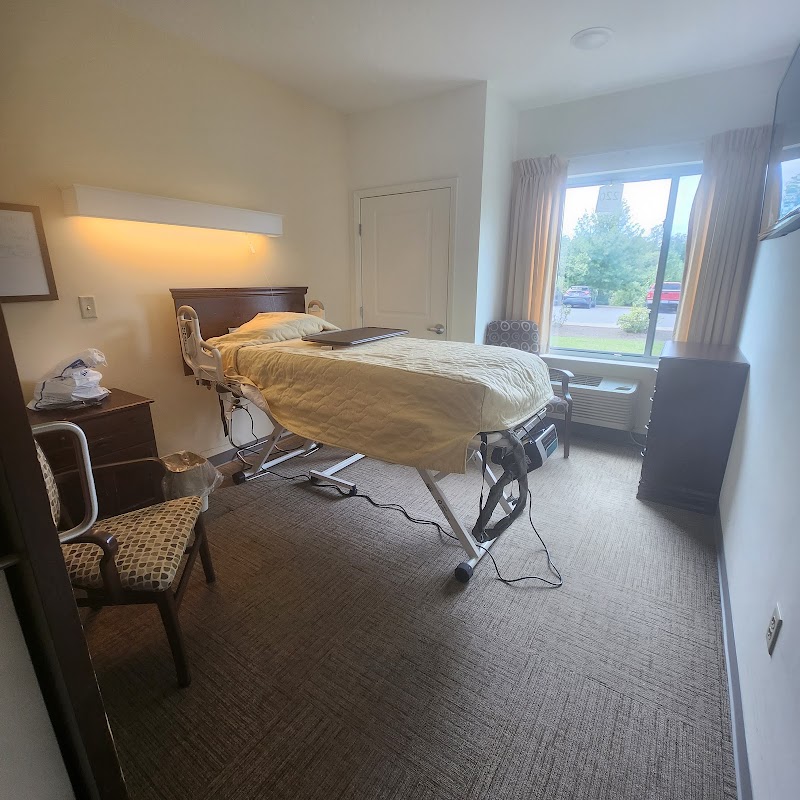
How is Huntersville Health & Rehab Center Staffed?
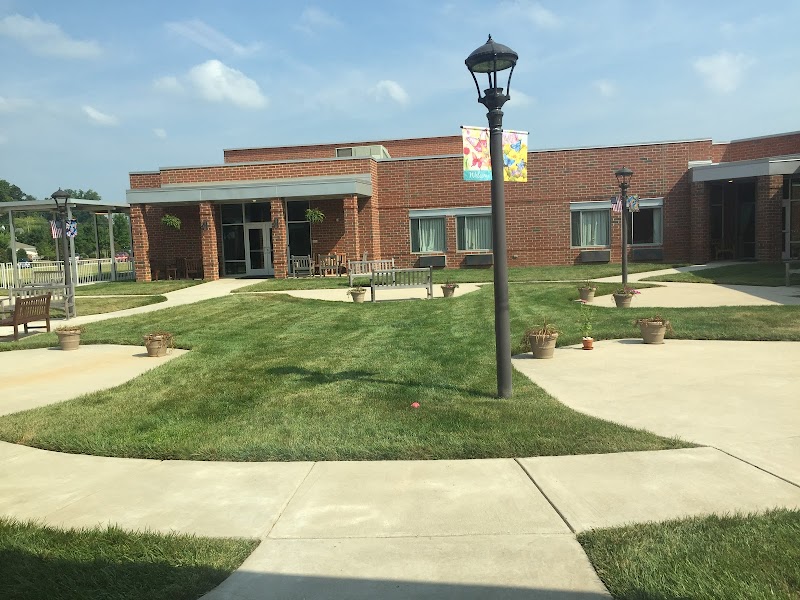
CMS rates Huntersville Health & Rehab Center's staffing level at 3 out of 5 stars, which is average compared to other nursing homes. Staff turnover is 54%, compared to the North Carolina average of 46%.

What Have Inspectors Found at Huntersville Health & Rehab Center?

State health inspectors documented 21 deficiencies at Huntersville Health & Rehab Center during 2022 to 2025. These included: 1 that caused actual resident harm, 15 with potential for harm, and 5 minor or isolated issues. Deficiencies causing actual harm indicate documented cases where residents experienced negative health consequences.

Who Owns and Operates Huntersville Health & Rehab Center?

Huntersville Health & Rehab Center is owned by a for-profit company. For-profit facilities operate as businesses with obligations to shareholders or private owners. The facility is operated by LIFEWORKS REHAB, a chain that manages multiple nursing homes. With 90 certified beds and approximately 86 residents (about 96% occupancy), it is a smaller facility located in Huntersville, North Carolina.

How Does Huntersville Health & Rehab Center Compare to Other North Carolina Nursing Homes?

Compared to the 100 nursing homes in North Carolina, Huntersville Health & Rehab Center's overall rating (3 stars) is above the state average of 2.8, staff turnover (54%) is near the state average of 46%, and health inspection rating (3 stars) is at the national benchmark.

What Should Families Ask When Visiting Huntersville Health & Rehab Center?

Based on this facility's data, families visiting should ask: "Can I visit during a mealtime to observe dining assistance and food quality?" "How do you handle medical emergencies, and what is your hospital transfer rate?" "Can I speak with family members of current residents about their experience?"

Is Huntersville Health & Rehab Center Safe?

Based on CMS inspection data, Huntersville Health & Rehab Center has a clean safety record: no substantiated abuse findings (meaning no confirmed cases of resident harm), no Immediate Jeopardy citations (the most serious violation level indicating risk of serious injury or death), and is not on the Special Focus Facility watch list (a federal program monitoring the lowest-performing 1% of nursing homes). The facility has a 3-star overall rating and ranks #1 of 100 nursing homes in North Carolina. While no facility is perfect, families should still ask about staff-to-resident ratios and recent inspection results during their visit.

Do Nurses at Huntersville Health & Rehab Center Stick Around?

Huntersville Health & Rehab Center has a staff turnover rate of 54%, which is 8 percentage points above the North Carolina average of 46%. Moderate turnover is common in nursing homes, but families should still ask about staff tenure and how the facility maintains care continuity when employees leave.

Was Huntersville Health & Rehab Center Ever Fined?

Huntersville Health & Rehab Center has been fined $13,305 across 1 penalty action. This is below the North Carolina average of $33,212. While any fine indicates a compliance issue, fines under $50,000 are relatively common and typically reflect isolated problems that were subsequently corrected. Families should ask what specific issues led to these fines and confirm they've been resolved.

Is Huntersville Health & Rehab Center on Any Federal Watch List?

Huntersville Health & Rehab Center is not on any federal watch list. The most significant is the Special Focus Facility (SFF) program, which identifies the bottom 1% of nursing homes nationally based on persistent, serious quality problems. Not being on this list means the facility has avoided the pattern of deficiencies that triggers enhanced federal oversight. This is a positive indicator, though families should still review the facility's inspection history directly.