
Huntersville Oaks

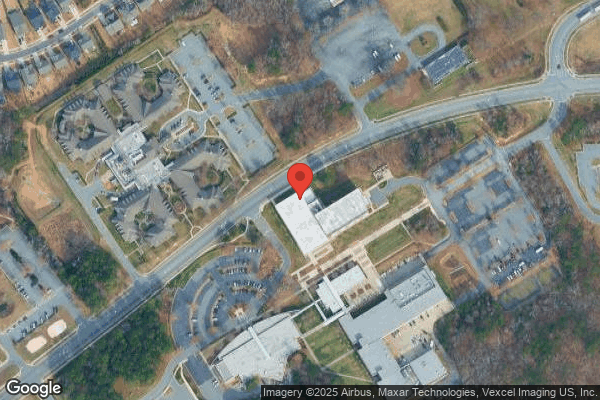
12019 Verhoeff Drive, Huntersville, NC 28078 (704) 863-1000
Non profit - Corporation 168 Beds ATRIUM HEALTH Data: November 2025 1 Immediate Jeopardy citation
Trust Grade
56/100
#168 of 417 in NC
Last Inspection: March 2025

Within standard 12-15 month inspection cycle. Federal law requires annual inspections.

Overview

Huntersville Oaks has received a Trust Grade of C, which means it is average and ranks in the middle of the pack among nursing homes. It is ranked #168 out of 417 facilities in North Carolina, placing it in the top half of the state, and #8 out of 29 in Mecklenburg County, indicating that only a few local options are better. The facility is improving, with the number of issues decreasing from four in 2023 to three in 2025. Staffing is a strength here, with a rating of 4 out of 5 stars and a turnover rate of 41%, which is better than the state average. However, there have been some concerning incidents, such as failing to disinfect a shared glucometer properly, which poses infection risks, and using video monitoring in a resident's room without proper consent, potentially compromising their privacy. Overall, while there are some strengths, families should be aware of these notable weaknesses.

Trust Score
C
56/100
In North Carolina
#168/417
Top 40%
Safety Record
High Risk
Review needed
Inspections
Getting Better
4 → 3 violations
Staff Stability
○ Average
41% turnover. Near North Carolina's 48% average. Typical for the industry.
Penalties
✓ Good
$15,288 in fines. Lower than most North Carolina facilities. Relatively clean record.
Skilled Nurses
○ Average
Each resident gets 33 minutes of Registered Nurse (RN) attention daily — about average for North Carolina. RNs are the most trained staff who monitor for health changes.
Violations
○ Average
7 deficiencies on record. Average for a facility this size. Mostly minor or procedural issues.
★★★☆☆
3.0
Overall Rating
★★★★☆
4.0
Staff Levels
★★★☆☆
3.0
Care Quality
★★★☆☆
3.0
Inspection Score
Stable
2023: 4 issues
2025: 3 issues

The Good

  • 4-Star Staffing Rating · Above-average nurse staffing levels
  • Full Sprinkler Coverage · Fire safety systems throughout facility
  • No fines on record
  • Staff turnover below average (41%)

    7 points below North Carolina average of 48%

Facility shows strength in staffing levels, fire safety.

The Bad

3-Star Overall Rating

Near North Carolina average (2.8)

Meets federal standards, typical of most facilities

Staff Turnover: 41%

Near North Carolina avg (46%)

Typical for the industry

Federal Fines: $15,288

Below median ($33,413)

Minor penalties assessed

Chain: ATRIUM HEALTH

Part of a multi-facility chain

Ask about local staffing decisions and management

The Ugly 7 deficiencies on record

1 life-threatening
Mar 2025 3 deficiencies 1 IJ
CRITICAL (J)

Immediate Jeopardy (IJ) - the most serious Medicare violation

Infection Control (Tag F0880)

Someone could have died · This affected 1 resident

Based on observations, record review, and staff, Nurse Practitioner, and Medical Director interviews, the facility staff failed to follow the manufacturer's instructions for cleaning and disinfecting ...

Read full inspector narrative →
Based on observations, record review, and staff, Nurse Practitioner, and Medical Director interviews, the facility staff failed to follow the manufacturer's instructions for cleaning and disinfecting of a shared glucometer between resident usage for 2 of 2 residents whose blood sugar levels were checked (Resident #58, Resident #1). Shared glucometers can be contaminated with blood and must be cleaned and disinfected after each use with an approved product and procedure. Failure to use an Environmental Protection Agency (EPA)-approved disinfectant in accordance with the manufacturer's instructions for disinfection of the glucometer potentially exposes residents to the spread of blood borne infections. There were two residents with a bloodborne pathogen in the facility at the time of the investigation. Immediate Jeopardy began on 03/12/25 when Nurse Aide #1 was observed performing blood glucose checks on residents using a shared glucometer without disinfecting per manufacturer's instructions. Immediate jeopardy was removed on 03/14/25 when the facility implemented an acceptable credible allegation of immediate jeopardy removal. The facility will remain out of compliance at a D (no actual harm with potential for more than minimal harm that is not immediate jeopardy) to ensure the completion of education and monitoring systems are in place. Findings included: The undated glucometer manufacturer's instructions for cleaning and disinfecting indicated that the blood glucose monitoring system may only be used for testing multiple patients when standard precautions and the manufacturer's disinfecting procedures are followed. The meter should be cleaned and disinfected after use on each patient. Additional instructions were to use a purple top wipe or an orange top bleach wipe if the resident was on enteric precautions. Review of the facility policy Glucometer Disinfection revised in September 2021 read, in part, to clean and disinfect reusable equipment between uses according to the manufacturer's instructions and current infection control standards of practice. The procedure for disinfecting glucometers included: The manufacturer's guidelines are as follows: put on clean gloves, clean the glucometer as below with Germicidal Disposable Wipes ([purple top] for all non-contact enteric isolation) or Bleach Germicidal Wipes ([orange wipes] if resident on contact enteric isolation) - Place the meter on a level surface and ensure meter has been powered off - Obtain appropriate wipe and squeeze excess liquid from wipe - Wipe the meter to clean by gently wiping the outside of the meter and carefully wipe around the test strip port area, making sure that no liquid enters the test strip port - Dry the meter thoroughly with a dry cloth or gauze. Visually verify that no solution is seen anywhere on the meter at the completion of cleaning - Use a fresh wipe to disinfect by gently wiping the outside of the meter three times horizontally and three times vertically and carefully wipe around the test strip port area, making sure that no liquid enters the test strip port. - Allow the surface of the meter to remain damp with the recommended contact time (two minutes for purple-top, 4 minutes for orange-top) - Dry the meter thoroughly with a dry cloth or gauze. Visually verify that no solution is seen anywhere on the meter at the completion of cleaning and disinfecting. - If further testing is not needed, return the meter to the base unit to charge the battery. The purple top wipes container which was located at the nurse's station read in part to disinfect nonfood contact surfaces to thoroughly wet surface, allow treated surface to remain wet for two minutes and let air dry. These wipes were an EPA-registered germicidal wipe and approved for bloodborne pathogen use. A continuous observation of Nurse Aide (NA) #1 was conducted from 03/12/25 at 11:46 AM through 12:00 PM and revealed the following: On 03/12/25 at 11:46 AM Nurse Aide #1 was observed in Resident #58's room. She stated she needed to go to the medication cart and gather necessary supplies. When she returned to Resident #58's room she was observed with a glucometer in her hand, alcohol swabs, and a lancet (used to stick the resident's finger). While in the room a second glucometer was observed on Resident #58's bedside table, NA #1 stated the first glucometer on Resident #58's table would not scan his barcode (on the resident identification bracelet), so that was why she had to obtain the second glucometer from the medication cart. NA #1 obtained Resident #58's blood sugar with a reading of 135 at 11:48 AM. She then stacked the two identical glucometers on top of one another and threw away her trash, exiting the room with both glucometers in hand at 11:50 AM. Nurse Aide #1 went over to Resident #1 with both glucometers still in her hand and pushed the resident to her room. She told Resident #1 she was going to check her blood sugar and would be right back. Nurse Aide #1 then went to the medication cart and obtained alcohol swabs, a lancet, test strip and placed one of the glucometers onto the medication cart. NA #1 kept the other glucometer in her hand and scanned Resident #1's barcode. NA #1 was not observed disinfecting the glucometer and no disinfecting wipes were observed on the medication cart. At 11:54 AM Nurse Aide #1 entered Resident #1's room with one of the two glucometers that were in Resident #58's room. NA #1 began to obtain Resident #1's blood sugar, the surveyor stopped NA #1 and asked if the glucometer was the same glucometer used on Resident #58. NA #1 stated, No, I am using the glucometer that was laying on his table, not the glucometer I used to get his blood sugar. NA #1 obtained Resident #1's blood sugar which was 244 at 11:57 AM and exited the room at 11:58 AM. At 12:00 PM the surveyor asked to see the glucometer history for the machine used to obtain Resident #1's blood sugar. The glucometer history revealed on 03/12/25 at 11:48 AM a blood sugar reading of 135 was obtained and at 11:57 AM a blood sugar reading of 244 was obtained. NA #1 was observed taking the glucometer to the nurse's station and obtaining a purple top wipe. She wiped the glucometer front and back quickly and immediately placed it onto the docking station to charge. An interview occurred with Nurse Aide #1 on 03/12/25 at 12:00 PM. NA #1 stated she had taken one glucometer into Resident #58's room and sat it on his bedside table, however it would not scan so she had to go to the medication cart and obtain another glucometer. Once in Resident #58's room she had two glucometers and used one of them to obtain his blood sugar. She stated she placed both glucometers on top of one another and thought she had placed the one she used to obtain Resident #58's blood sugar on the medication cart however made a mistake and took it into Resident #1's room and also obtained Resident #1's blood sugar using the same machine without cleaning it in between residents. NA #1 stated she knew she was supposed to clean the glucometer in between residents and had been educated on it but just made a mistake. She also stated she knew there was a wet time for the cleaning of the glucometer and thought she had cleaned the glucometer for two minutes but did not time it. NA #1 stated she thought she could just let the glucometer air dry on the docking station. An interview on 03/12/25 at 12:53 PM with the Infection Preventionist (IP)/ Director of Nursing revealed each resident household had 2 glucometers to use because not all residents admitted into the facility had their own glucometer. She stated the facility was very strict on disinfecting glucometers in between use of each resident and had just provided education on glucometer cleaning and disinfecting in January 2025. The IP stated the nurses and nurse aides should be using the disinfectant wipes after each use of the glucometer with a wet contact time of 2 minutes using two wipes and wiping the entire surface of the glucometer. After that, the nurses and nurse aide were to lay the glucometer on a towel and let it dry for a duration of 2 minutes. She stated NA #1 should have known the policy on cleaning and disinfecting the glucometers and followed it. The IP stated the negative outcome that could have occurred from not disinfecting the glucometer between resident use included the spread of bloodborne pathogens. She stated there were two current residents in the facility with a bloodborne pathogen and they were located in the same neighborhood of Resident #58 and Resident #1. The IP stated the facility did not have dedicated glucometers for each individual resident because the staff had been provided with education and training on how to disinfect the glucometers per manufacturer's instructions. An interview conducted on 03/13/25 at 2:34 PM with the Nurse Practitioner (NP) revealed all nursing staff should be disinfecting the glucometers in between each resident and according to manufacturer's instructions. The NP stated there was a risk of spreading bloodborne pathogens by using the same glucometer on both residents without cleaning it per manufacturer instructions. She stated bloodborne pathogens could be spread by blood or bodily fluid if the nursing staff were not following standard precautions by cleaning the glucometer in between residents. She stated the risk of cross contamination could be high. An interview conducted on 03/13/25 at 3:03 PM with the Medical Director (MD) revealed he felt using the same glucometer on multiple residents was an issue Administration needed to look into, including why it happened and preventative measures. The MD stated the staff could not use the same test strip for the glucometer on more than one resident. The interview revealed he felt using a test strip on multiple residents was the only likely way a bloodborne pathogen could be spread. The MD stated the nursing staff should be disinfecting the glucometer as directed by the facility. An interview on 03/12/25 at 1:00 PM with the Administrator revealed that glucometers should be disinfected according to the manufacturer's instructions. The Administrator was notified of the immediate jeopardy on 03/12/25 at 3:30 PM. The facility provided the following credible allegation of immediate jeopardy removal. Identify those recipients who have suffered, or are likely to suffer, a serious adverse outcome as a result of the noncompliance; During an observation on 3/12/25 at 11:46 AM, the Nursing Assistant failed to follow the manufacturer's guidelines for cleaning and disinfection of one blood glucose meter used for Resident #58 and Resident #1. Following the observation, this glucometer was cleaned and disinfected based on manufacturer's guidelines by the Director of Nursing. This failure provides the high likelihood for the spread of blood borne pathogens in the facility. On 3/12/25, the Nursing Assistant was reeducated by the facility's Nurse Educator on the manufacturer's guidelines for cleaning and disinfecting blood glucose meters to include competency validation. On 3/12/25, the Nursing Assistant was provided competency validation by the Nurse Educator. On 3/12/25, 100% of the blood glucose meters were cleaned and disinfected based on manufacturer's guidelines by the Director of Nursing. The manufacturer's guidelines are as follows: put on clean gloves, clean the glucometer as below with Germicidal Disposable Wipes ([purple top] for all non-contact enteric isolation) or Bleach Germicidal Wipes ([orange wipes] if resident on contact enteric isolation) - Place the meter on a level surface and ensure meter has been powered off - Obtain appropriate wipe and squeeze excess liquid from wipe - Wipe the meter to clean by gently wiping the outside of the meter and carefully wipe around the test strip port area, making sure that no liquid enters the test strip port - Dry the meter thoroughly with a dry cloth or gauze. Visually verify that no solution is seen anywhere on the meter at the completion of cleaning - Use a fresh wipe to disinfect by gently wiping the outside of the meter three times horizontally and three times vertically and carefully wipe around the test strip port area, making sure that no liquid enters the test strip port. - Allow the surface of the meter to remain damp with the recommended contact time (two minutes for purple-top, 4 minutes for orange-top) - Dry the meter thoroughly with a dry cloth or gauze. Visually verify that no solution is seen anywhere on the meter at the completion of cleaning and disinfecting. - If further testing is not needed, return the meter to the base unit to charge the battery. On 3/13/25, Resident #58 and Resident #1 were evaluated by the Medical Director. On 3/13/25, the Resident #58 and Resident #1's responsible parties were notified of the infection control breach and provided information regarding the Medical Director's evaluation. On 3/13/25 the facility's Pharmacy Consultant conducted a 100% audit of all residents who require blood sugar checks and identified that thirty residents in the facility have the potential to be affected by the deficient practice. In addition, it was determined that two residents in the facility have a diagnosis of bloodborne pathogen. It was determined that both residents who have bloodborne pathogens do not have any blood sugar checks ordered and would not have any teammate use a blood glucose monitor to obtain any blood. Specify the action the entity will take to alter the process or system failure to prevent a serious adverse outcome from occurring or recurring, and when the action will be complete. On 3/12/25 facility took immediate action by having the Nurse Educator review the manufacture's guidelines and facility's cleaning grid for cleaning and disinfecting blood glucose meters to ensure that the guidelines were accurate and did not require changes. The Nurse Educator provided education to all current nursing staff (Nursing Assistants and Nurses) to follow the manufacturer's guidelines for cleaning and disinfection of blood glucose meters, for staff competency. Any current nursing staff who do not receive education by 3/13/25 (due to FMLA, leave, etc.) will be required to complete education prior to working a scheduled shift. All nursing staff hired after 3/13/25 will be required to complete this training and education upon hire. The education will be required annually. Beginning 3/12/25, the facility's Nursing Leadership team (Nurse Educator, Director of Nursing, Licensed Practical Nurse Unit Coordinators and Clinical Supervisors) will complete competency validation to monitor for compliance of all nurses and nurse aides following the manufacturer's guidelines for cleaning and disinfecting blood glucose meters. All currently employed nurses and nurse aides will have the competency validation completed by 03/13/25. Any employed nurses and nurse aides who have not received competency validation by 03/13/25 will receive competency validation by prior to their next working shift. All nursing staff hired after 03/13/25 will be required to complete the competency validation upon hire. On 3/13/25, the facility Administrator notified the local Health Department regarding the infection control breach. Alleged IJ Removal Date: 3/14/25 On 03/13/25, the credible allegation of immediate jeopardy removal was validated by onsite verification through facility staff interviews. The interviews revealed all nursing staff had received education on provided education to follow the manufacturer's guidelines for cleaning and disinfection of blood glucose meters. Nursing staff (Nurses and Nurse Aides) were asked by educators to provide demonstration of glucometer use and cleaning during the education. The facility's in-service log and training material was reviewed. Additional observations were conducted of nursing staff obtaining residents blood sugars and disinfecting the glucometer per manufactures instructions. The IJ removal date of 03/14/25 was validated.
CONCERN (D) 📢 Someone Reported This

A family member, employee, or ombudsman was alarmed enough to file a formal complaint

Potential for Harm - no one hurt, but risky conditions existed

Resident Rights (Tag F0550)

Could have caused harm · This affected 1 resident

**NOTE- TERMS IN BRACKETS HAVE BEEN EDITED TO PROTECT CONFIDENTIALITY** Based on observations, record review, and resident and staff interviews, the facility failed to maintain a resident's dignity by...

Read full inspector narrative →
**NOTE- TERMS IN BRACKETS HAVE BEEN EDITED TO PROTECT CONFIDENTIALITY** Based on observations, record review, and resident and staff interviews, the facility failed to maintain a resident's dignity by continuously utilizing a video and audio monitoring device in his room for 1 of 3 sampled residents reviewed for dignity (Resident #49). Resident #49 stated the video and audio device in his room did not make him feel good at all and he had to watch what he said around it because it was always watching him. Findings included: Resident #49 was admitted to the facility on [DATE] with diagnoses of type 2 diabetes mellitus, hypertension, and peripheral vascular disease. The admission Minimum Data Set (MDS) dated [DATE] revealed Resident #49 was cognitively intact and needed substantial assistance with transfers and walking. Resident #49 was not coded for any falls. Resident #49's care plan revised 1/30/25, indicated a problem area for falls and an intervention was the use of a video and audio monitoring device. A physician's order for the video and audio and monitoring device was written on 1/30/25 due to Resident #49's confusion and multiple falls. An observation on 3/10/25 at 3:55 PM revealed Resident #49 did not have a roommate and a video and audio monitoring device was visualized on a metal stand in Resident #49's room facing the bed. An interview with Resident #49 on 3/11/25 at 8:45 AM revealed he was aware of the video and audio monitoring device in his room but did not give written consent for its use. An interview with Resident #49 on 3/13/25 at 12:37 PM revealed he had the video and audio monitoring device in his room to watch him, so he didn't stand up and fall in his room. He explained the device will come on and speak to him and remind him to sit down and call for help. Resident #49 stated the device did not make him feel good at all and he couldn't even stand up before it started making loud noises. He stated that the video and audio monitoring device bothered him when it was first used but noted he had gotten used to dropping his pants and picking his nose in front of it. Resident #49 said he had to watch what he said in front of the device because it was always watching him. A second observation and second interview with Resident #49 was conducted on 3/13/25 at 4:12 PM. The surveyor asked the video and audio monitoring device for privacy and the computer screen read Privacy Mode. The monitoring technician audibly explained through system speaker to wave at the device to turn off privacy mode. Resident #49 stated one day the staff rolled in the device and it had been in his room since. He did not know who the people were monitoring the device but explained he had talked to them before through the device. Resident #49 noted he was not aware he could ask for the system to be put in privacy mode and said only staff were able to ask for that. Resident #49 stated he felt he needed to watch what he said around the device because it had ears. A review of the video and audio monitoring device's instructions found attached to Resident #49's device was conducted. The device included a camera with pan, tilt, and zoom capabilities, a monitor that enabled two-way video, and a speaker that provided two-way audio between the resident's room and viewing station. An interview with Nurse Aide (NA) #2 on 3/14/25 at 9:36 AM revealed the video and audio monitoring devices had been used about two years at the facility. She explained staff could ask for privacy mode when providing care for residents who had the devices in their room. NA #2 stated she was unsure when staff asked for Privacy mode in front of the device, if the resident and staff were actually receiving privacy, as she was unsure of what was visible on the other end of the camera. She stated family members and residents with the video and audio monitoring devices wouldn't know if there is a way to mute the device, so they are being watched in the room. NA #2 revealed she knew the monitoring technician could hear what was going on in the resident's room. An interview with Nurse #1 on 3/14/25 at 10:03 AM revealed Resident #49 had the video and audio monitoring device because he needed staff assistance, and he would often forget to call for assistance. She stated all of Resident #49's personal care was given in the bathroom, out of sight of the device. An interview with Nurse #2 on 3/14/25 at 11:13 AM revealed she managed the video and audio monitoring device unit offsite for the company. She stated she was an employee of the larger company and did not work on site at the facility. Her staff was comprised of many video and audio monitoring technicians who also worked for the company and were not on site at the facility. Nurse # 2 stated each device used in the facility had a plan for the corresponding resident and each monitoring technician would watch 10-12 video and audio feeds simultaneously at an offsite location. She stated the facility staff could ask for privacy and the device would go into Privacy Mode that lasted for 10 minutes. The video screen is blurred to the attendant during that time and staff is asked to wave to the device and the attendant would visualize the hand motion. Nurse #2 explained that the audio never turns off, but the device does not record and multiple feeds are viewed at once, so it would be hard to focus on a conversation. She stated the device used artificial intelligence to learn the movements of the resident and the video and audio monitoring technician would get an alert on their screen if a resident moved in a problematic way. Nurse #2 stated the technician would talk through the camera to the resident and if the resident was not redirected from the behavior, an alarm would sound from the device to alert staff in the facility. An interview with the Director of Nursing (DON) and Administrator on 3/14/25 at 2:34 PM revealed the video and audio monitoring device in Resident #49's room was continuously on for fall prevention, but the device did not record the feed. The DON stated she was not aware who was monitoring the devices but knew they were employees of the larger company, and they had background checks completed for their employment. The Administrator stated she was unaware Resident #49 was uncomfortable with the device in his room.
CONCERN (D) 📢 Someone Reported This

A family member, employee, or ombudsman was alarmed enough to file a formal complaint

Potential for Harm - no one hurt, but risky conditions existed

Deficiency F0583 (Tag F0583)

Could have caused harm · This affected 1 resident

**NOTE- TERMS IN BRACKETS HAVE BEEN EDITED TO PROTECT CONFIDENTIALITY** Based on observations, record review, and resident and staff interviews, the facility failed to maintain privacy and obtain writ...

Read full inspector narrative →
**NOTE- TERMS IN BRACKETS HAVE BEEN EDITED TO PROTECT CONFIDENTIALITY** Based on observations, record review, and resident and staff interviews, the facility failed to maintain privacy and obtain written consent for the use of a video and audio monitoring device in a resident's rooms for 1 of 3 sampled residents reviewed for privacy (Resident #49). A reasonable person would expect privacy in their living area and not be monitored continuously by a monitoring technician at an offsite location. Findings included: A review of the facility's policy entitled Assignment and Use of Virtual Patient Observation (VPO) Greater [NAME] Market dated 4/12/23 revealed the administrative supervisor or designee would bring the monitoring device to the unit as needed and would contact the VPO monitoring center to enroll the resident. The nurse and/or administrative supervisor would review the virtual sitter process with the resident, family, or caregiver present. Resident #49 was admitted to the facility on [DATE] with diagnoses of type 2 diabetes mellitus, hypertension, and peripheral vascular disease. The admission MDS dated [DATE] revealed Resident #49 was cognitively intact and needed substantial assistance with transfers and walking. Resident #49 was not coded for any falls. Resident #49's care plan revised 1/30/25, indicated a problem area for falls and an intervention was the use of a video and audio monitoring device. A physician's order for the video and audio and monitoring device was written on 1/30/25 due to Resident #49's confusion and multiple falls. A review of Resident #49's medical record revealed that no written consent for video or audio monitoring was obtained. An observation on 3/10/25 at 3:55 PM revealed Resident #49 did not have a roommate and a video and audio monitoring device was visualized on a metal stand in Resident #49's room facing the bed. An interview with Resident #49 on 3/11/25 at 8:45 AM revealed he was aware of the video and audio monitoring device in his room but did not give written consent for its use. He stated when he was admitted to the facility, his spouse signed all admissions paperwork and stated he was unsure if she gave written consent. Multiple attempts were made to contact Resident #49's spouse and were unsuccessful. A second interview with Resident #49 on 3/13/25 at 12:37 PM revealed he had the video and audio monitoring device in his room to watch him, so he didn't stand up and fall in his room. He explained the device will come on and speak to him and remind him to sit down and call for help. Resident #49 noted that the device also made a loud alarm noise to alert staff before he could stand up. A second observation and third interview with Resident #49 was conducted on 3/13/25 at 4:12 PM. The surveyor asked the video and audio monitoring device for privacy and the computer screen read Privacy Mode. The monitoring techncian audibly explained through system speaker to wave at the device to turn off privacy mode. Resident #49 stated one day the staff rolled in the device and it had been in his room since. He did not know who the people were monitoring the device but explained he had talked to them before through the device. Resident #49 stated he was not aware he could ask for the system to be put in privacy mode and said only staff were able to ask for that. Resident #49 stated he felt he needed to watch what he said around the device because it had ears. A review of the video and audio monitoring device's instructions found attached to Resident #49's device was conducted. The device included a camera with pan, tilt, and zoom capabilities, a monitor that enabled two-way video, and a speaker that provided two-way audio between the resident's room and viewing station. An interview with Nurse Aide (NA) #2 on 3/14/25 at 9:36 AM revealed the video and audio monitoring devices had been used about two years at the facility. She explained staff could ask for privacy mode when providing care for residents who had the devices in their room. She stated the device would have privacy mode on the screen when they used the word privacy and sometimes the monitoring attendant would speak over the device. She stated privacy mode usually lasted about 10 minutes and if care was completed before the end of 10 minutes, she would wave and speak to the device and privacy mode would be turned off. NA #2 noted the device would alarm loudly if a resident was not responding to the person monitoring the device. She explained she was unaware of who was monitoring the devices but knew it was not someone at the facility as staff was told the monitoring technicians were at an offsite location. An interview with Nurse #1 on 3/14/25 at 10:03 AM revealed Resident #49 had the video and audio monitoring device because he needed staff assistance, and he would often forget to call for assistance. Nurse #1 stated the device would alarm loudly if Resident #49 moved without calling for assistance. She explained the staff would often get a phone call from the monitoring service at the nurse's desk after each alarm incident. She stated she did not ask for Privacy mode when working with Resident #49 as it did not include any personal care. She stated all of Resident #49's personal care was given in the bathroom, out of sight of the device. Nurse #1 stated she did not recall receive any formal training on the device. An interview with Nurse #2 on 3/14/25 at 11:13 AM revealed she managed the video and audio monitoring device unit offsite for the company. She stated she was an employee of the larger company and did not work on site at the facility. Her staff was comprised of many video and audio monitoring technicians who also worked for the company and were not on site at the facility. Nurse # 2 stated each device used in the facility had a plan for the corresponding resident and each monitoring technician would watch 10-12 video and audio feeds simultaneously at an offsite location. She stated the facility staff could ask for privacy and the device would go into Privacy Mode that lasted for 10 minutes. The video screen is blurred to the attendant during that time and staff is asked to wave to the device and the attendant would visualize the hand motion. Nurse #2 explained that the audio never turns off, but the device does not record and multiple feeds are viewed at once, so it would be hard to focus on a conversation. She stated the device used artificial intelligence to learn the movements of the resident and the video and audio monitoring technician would get an alert on their screen if a resident moved in a problematic way. Nurse #2 stated the technician would talk through the camera to the resident and if the resident was not redirected from the behavior, an alarm would sound from the device to alert staff in the facility. An interview with the Director of Nursing (DON) and Administrator on 3/14/25 at 2:34 PM revealed the facility did not use written consents for the video and audio monitoring devices used in resident's rooms as the facility did not require consent. The DON explained the staff would ask for Privacy Mode when care was given near the device. She stated she was not aware who was monitoring the devices but knew they were employees of the larger company, and they had background checks completed for their employment. The Administrator explained each time one of the devices was used, an order was written and a plan for the device was put in place. She stated if any resident or responsible party refused the device, another plan would be put in place for the resident.
Nov 2023 4 deficiencies
CONCERN (D)

Potential for Harm - no one hurt, but risky conditions existed

Resident Rights (Tag F0550)

Could have caused harm · This affected 1 resident

**NOTE- TERMS IN BRACKETS HAVE BEEN EDITED TO PROTECT CONFIDENTIALITY** Based on record review, resident, and staff interview the facility failed to treat a resident in a dignified manner by not adequ...

Read full inspector narrative →
**NOTE- TERMS IN BRACKETS HAVE BEEN EDITED TO PROTECT CONFIDENTIALITY** Based on record review, resident, and staff interview the facility failed to treat a resident in a dignified manner by not adequately preparing her for an outside medical appointment for 1 of 3 residents reviewed for dignity (Resident #18). This made Resident #18 feel forgotten and unimportant. The findings included: Resident #18 was admitted to the facility on [DATE] with diagnoses that included seizure, history of a cerebrovascular accident (stroke), and dysphagia as late effect of a stroke. A review of Resident #18's annual Minimum Data Set assessment dated [DATE] revealed her to be cognitively intact with no psychosis, behaviors, or rejection of care. Resident #18 had indicated is was very important to choose what clothes she wore daily. Resident #18 was also coded as requiring extensive assistance with dressing and bathing and required limited assistance with toilet use and personal hygiene. During an interview with Resident #18 on 11/13/23 at 12:18 PM, she reported she had been scheduled for a follow-up appointment on 11/09/23 but she had to cancel it because she was not dressed and adequately prepared to go out when transportation showed up to take her to the appointment. Resident #18 reported when transportation arrived to take her to the appointment she was still in her pajamas and had not yet had time to get herself put together. Resident #18 reported it was very important to her to be dressed and ready to go to her appointments outside of the facility and that the incident made her feel forgotten and unimportant. A review of Resident #18's electronic progress notes revealed a note dated 11/09/23 that read: Patient states she was upset about a mix-up today pertaining to the schedule and an appointment that she missed. Patient states she was scheduled to go out, but no one informed her .Patient states she likes to be aware of her schedule . An interview with the Social Worker on 11/16/23 at 11:33 AM revealed she was responsible for scheduling follow-up appointments and transportation. She reported she was aware of the incident where Resident #18 was not gotten up and dressed before her appointment and stated because the appointment was early in the morning, the Nurse Aide (NA) that was assigned to Resident #18 on 3rd shift the night before, should have gotten Resident #18 up and assisted her in getting dressed and ready for her appointment. She stated she did not know why the NA did not get Resident #18 up and dressed and indicated that she knew Resident #18 was upset about the situation. An interview by telephone was attempted on 11/16/23 at 1:02 PM with third shift NA #4 who was the NA assigned to Resident #18 the morning of her appointment and would have been responsible for ensuring Resident #18 was up, dressed, and prepared for her appointment by 8:00 AM. Unfortunately, that interview was unsuccessful. During an interview with the Director of Nursing (DON) on 11/16/23 at 2:49 PM, her reported he was aware of the incident regarding Resident #18 not being adequately prepared to go to her appointment. He also stated that he was aware that Resident #18 was very particular and that it took some time to get her up, dressed, and ready to go to outside appointments. He stated he did not know why she was not adequately prepared to go to her appointment and that she should have been given ample and sufficient time to get up, get dressed, and prepare herself to go to her appointment. An interview with the Administrator on 11/16/23 at 2:56 PM revealed she was aware of the incident regarding Resident #18 and she reported Resident #18 should have been gotten up and dressed before her appointments. She further stated she expected all residents to be sufficiently prepared for appointments.
CONCERN (D)

Potential for Harm - no one hurt, but risky conditions existed

Free from Abuse/Neglect (Tag F0600)

Could have caused harm · This affected 1 resident

**NOTE- TERMS IN BRACKETS HAVE BEEN EDITED TO PROTECT CONFIDENTIALITY** Based on observations, record review, and staff interviews the facility neglected to feed a dependent resident (Resident #15) he...

Read full inspector narrative →
**NOTE- TERMS IN BRACKETS HAVE BEEN EDITED TO PROTECT CONFIDENTIALITY** Based on observations, record review, and staff interviews the facility neglected to feed a dependent resident (Resident #15) her lunch meal for 1 of 2 residents reviewed for neglect. The findings included: Resident #15 was admitted to the facility on [DATE] with diagnosis that included vascular dementia with severe anxiety. Review of the significant change Minimum Data Set (MDS) dated [DATE] revealed that Resident #15 was severely cognitively impaired and required total assistance with eating. The MDS further revealed no behaviors or rejection of care and indicated that Resident #15 received Hospice services during the look back period. An observation of Resident #15 was made on 11/13/23 at 4:19 PM. Resident #15 was resting in bed with head of bed elevated and was resting on her left side. Resident #15's lunch tray sat on her sink counter. The silverware on the tray had not been unrolled or taken out of the sealed plastic bag, the lids of the drink and dessert had not been removed. Once the tray lid was lifted the three scoops of puree food were undisturbed. An interview was conducted with Nurse Aide (NA) #1 on 11/13/23 at 4:20 PM who confirmed that she was one of two NAs that were working on the unit where Resident #15 resided. She stated that she had fed Resident #15 her breakfast tray and she had eaten about 33% of the meal and drank most of her supplement but stated she had not fed Resident #15 her lunch tray. She also was not aware of who had fed Resident #15 her lunch tray. An interview was conducted with NA #2 on 11/13/23 at 4:22 PM who confirmed that she was the second NA that was working on the unit where Resident #15 resided. She stated that she had not fed Resident #15 her lunch and was not sure who had fed Resident #15. NA #2 stated that maybe someone from the office fed her. Nurse #1 was interviewed on 11/13/23 at 4:24 PM who confirmed that she was the nurse on the unit where Resident #15 resided. She was asked to observe Resident #15 in her room and also her lunch tray that remained untouched on her sink counter. Nurse #1 stated she had not fed Resident #15, and she was not sure who had but she would find out who had fed her. She indicated it would have either been NA #1 or NA #2 as they were the assigned NAs to that unit. Nurse #1 also stated that Unit Manager (UM) #1 may have fed Resident #15 her lunch tray. UM #1 was interviewed on 11/13/23 at 4:37 PM who stated that she had not fed Resident #15 her lunch tray but observed the lunch tray sitting untouched on her sink counter. She stated she would find out what happened. A follow up interview was conducted with UM #1 on 11/13/23 at 4:54 PM who stated that she had spoken to the two NAs on the unit where Resident #15 resided as well as the two NAs on the other unit and it was a breakdown in communication and it got missed and no one had fed Resident #15 her lunch tray. UM #1 stated that she ordered Resident #15 an early dinner tray and was going to feed her. An observation of Resident #15 was made on 11/13/23 at 5:12 PM. Resident #15 was in bed with her head of bed elevated. UM #1 was seated next to her bed and was feeding her dinner meal. Resident #15 appeared calm and did not appear to be grabbing at the food tray but was accepting of each bite of food offered to her. UM #1 was again interviewed on 11/16/23 at 11:06 AM. UM #1 stated that Patient Safety Attendant (PSA)#1 had taken the lunch tray into Resident #15's room on 11/13/23 but she was unable to assist residents with their meals. She explained that the meal tray should not have been delivered to Resident #15's room until the staff were ready to assist her with the meal. UM #1 stated she fed Resident #15 her early dinner tray on 11/13/23 and she had eaten 25% of the meal and drank 300 milliliters (ml) of fluid. PSA #1 was interviewed on 11/16/23 at 3:27 PM who confirmed that she worked on 11/13/23 on the other unit. She stated she did not recall if she delivered Resident #15's lunch tray to her or not. She explained that she generally only delivered the trays of independent residents and just could not recall if she had accidentally delivered Resident #15's tray or not. The Administrator and Director of Nursing (DON) were interviewed on 11/16/23 at 2:41 PM. The DON stated that the staff had told him that there was a miscommunication on who was going to feed Resident #15 on 11/13/23. He further explained that they immediately got Resident #15 a tray and fed her. The Administrator stated that the meal tray should not have been taken into Resident #15's room until someone was ready to assist her with the meal.
CONCERN (D)

Potential for Harm - no one hurt, but risky conditions existed

Deficiency F0761 (Tag F0761)

Could have caused harm · This affected 1 resident

Based on observations, record review, and staff interviews the facility failed to remove expired medications from 1 of 2 medications carts reviewed (Pine Bluff medication cart). The findings included...

Read full inspector narrative →
Based on observations, record review, and staff interviews the facility failed to remove expired medications from 1 of 2 medications carts reviewed (Pine Bluff medication cart). The findings included: An observation of the Pine Bluff Medication cart was conducted on 11/15/23 at 10:38 AM along with Nurse #2 revealed the following expired medications that were on the cart and available for use: -Open bottle of Multivitamin 220 tablets that expired on 06/22. -Open bottle of Vitamin B complex 60 tablets that expired September 2022 Nurse #2 was interviewed on 11/15/23 at 10:42 AM who stated that she was a resource nurse and floated to wherever she was needed. She stated she had not been to the facility in months and was not familiar with their procedures. Nurse #2 explained the Pine Bluff Medication cart was generally assigned to the supervisor and it would their responsibility to go through the cart and look for any expired medications, but she did not know how often they did that. Nurse #2 confirmed that she had not gone through the medication cart before her shift started to check for expired medications. The Pharmacist was interviewed on 11/16/23 at 1:50 PM who stated that she did monthly inspections of each medication room and each medication cart and removed any expired medications and to ensure proper storage of each medication. The Pharmacist explained when an expired medication was found it would be pulled off the medication cart and placed in a bin to return to the pharmacy. She stated if there was no bin in the facility the medication would remain on the cart but separate from the active medications until a bin was available for return to the pharmacy. She added that she had completed her monthly review of the Pine Bluff Medication cart on 11/02/23 and again on 11/13/23 and found no expired medications. The Pharmacist explained maybe the medications were placed on the medication cart while waiting on a bin from the pharmacy to return them or they were waiting to be returned to a family member, but she was not sure who or when the medications were placed on the medication cart. The Director of Nursing (DON) was interviewed on 11/16/23 at 2:45 PM who stated the expired medication should not have been on the medication cart. If they needed to be returned to the family or to the pharmacy, it should have been pulled off the medication cart and secured in the medication room.
CONCERN (D)

Potential for Harm - no one hurt, but risky conditions existed

Dental Services (Tag F0791)

Could have caused harm · This affected 1 resident

**NOTE- TERMS IN BRACKETS HAVE BEEN EDITED TO PROTECT CONFIDENTIALITY** Based on observations, record review, and staff and resident interviews, the facility failed to ensure routine dental care for 1...

Read full inspector narrative →
**NOTE- TERMS IN BRACKETS HAVE BEEN EDITED TO PROTECT CONFIDENTIALITY** Based on observations, record review, and staff and resident interviews, the facility failed to ensure routine dental care for 1 of 2 residents reviewed for dental services (Resident #52). The findings included: Resident #52 was admitted to the facility on [DATE] with diagnoses that included history of hemorrhagic stroke with residual hemiplegia, A review of Resident #52's significant change Minimum Data Set assessment dated [DATE] revealed she was cognitively intact with no psychosis, behaviors, rejection of care, or instances of wandering. Resident #52 was coded as needing limited assistance with personal hygiene and was independent with oral hygiene. Resident #52 was coded with no noted dental issues which included no obvious or likely cavities or broken natural teeth. A review of Resident #52's care plan revealed a care plan for [Resident #52] has her own teeth, requires supervision with oral care and hygiene. Interventions included [Resident #52] will comply with oral care and hygiene and there would be no avoidable complications through the review date. An observation which included an interview with Resident #52 on 11/14/23 at 2:42 PM revealed possible poor oral dentition with presence of plaque on her teeth. Resident #52 was able to eat, was not in pain, and had not lost any unintended weight. Resident #52 reported at that time she had not seen a dentist in a while and that she was aware that a dentist came into the facility and saw residents but reported she had not been seen. Resident #52 added she had seen the facility dentist before and did not know why she had not been seen for a while. Resident #52 also indicated she would like to be seen by the facility's dentist for routine cleanings. A review of Resident #52's electronic medical record revealed the last time resident was seen by a dentist was on 12/22/21 for tooth extractions. Additional review of Resident #52's medical record revealed a note dated 04/22/22 indicating Resident #52 was discharged per Social Worker #1. During an interview with the Administrator on 11/15/23 at 3:09 PM, she verified Resident #52 had not been seen by a dentist since 2021. She reported she was unsure why Resident #52 had not been seen by a dentist since then and reported she would see if there were any notes from the contracted dental company. An interview with Social Worker #1 on 11/16/23 at 11:17 AM revealed she was the social worker in the facility from October 2019 until October 2022. She verified while she was at the facility, she was responsible for scheduling dental appointments for residents. She also stated she did not remember requesting that Resident #52 be discharged from the dental practice and stated it must have been a misunderstanding. Social Worker #1 reported Resident #52 was in and out of the hospital around that time and she most likely called to let them know Resident #52 had been discharged to the hospital. She also reported she left the facility prior to when Resident #52 would have been scheduled to be seen again. During a follow-up interview with the Administrator on 11/16/23 at 2:56 PM, she reported the facility has a dental consult binder that was maintained by the Social Worker. She indicated if Resident #52 was discharged from the dental services provider she would not be in the binder. She also reported any residents who complain about dental issues or if nursing staff report possible dental concerns, the resident's name would be placed in the binder and, to her knowledge, Resident #52 had not voiced any complaints. The Administrator stated she was unsure how Resident #52 had been overlooked for so long and that every resident should be seen by the facility's dentist or dentist of the resident's choice at least annually.
Understanding Severity Codes (click to expand)
Life-Threatening (Immediate Jeopardy)
J - Isolated K - Pattern L - Widespread
Actual Harm
G - Isolated H - Pattern I - Widespread
Potential for Harm
D - Isolated E - Pattern F - Widespread
No Harm (Minor)
A - Isolated B - Pattern C - Widespread

Questions to Ask on Your Visit

  • "What changes have you made since the serious inspection findings?"
  • "Can I speak with families of current residents?"
  • "What's your RN coverage like on weekends and overnight?"

Our Honest Assessment

Strengths
  • • 41% turnover. Below North Carolina's 48% average. Good staff retention means consistent care.
Concerns
  • • Multiple safety concerns identified: 1 life-threatening violation(s). Review inspection reports carefully.
  • • 7 deficiencies on record, including 1 critical (life-threatening) violation. These warrant careful review before choosing this facility.
  • • $15,288 in fines. Above average for North Carolina. Some compliance problems on record.
  • • Grade C (56/100). Below average facility with significant concerns.
Bottom line: Mixed indicators with Trust Score of 56/100. Visit in person and ask pointed questions.

About This Facility

What is Huntersville Oaks's CMS Rating?

CMS assigns Huntersville Oaks an overall rating of 3 out of 5 stars, which is considered average nationally. Within North Carolina, this rating places the facility higher than 99% of the state's 100 nursing homes. This mid-range rating indicates the facility meets federal standards but may have areas for improvement.

How is Huntersville Oaks Staffed?

CMS rates Huntersville Oaks's staffing level at 4 out of 5 stars, which is above average compared to other nursing homes. Staff turnover is 41%, compared to the North Carolina average of 46%. This relatively stable workforce can support continuity of care.

What Have Inspectors Found at Huntersville Oaks?

State health inspectors documented 7 deficiencies at Huntersville Oaks during 2023 to 2025. These included: 1 Immediate Jeopardy (the most serious level, indicating potential for serious harm or death) and 6 with potential for harm. Immediate Jeopardy findings are rare and represent the most serious regulatory concerns. They require immediate corrective action.

Who Owns and Operates Huntersville Oaks?

Huntersville Oaks is owned by a non-profit organization. Non-profit facilities reinvest revenue into operations rather than distributing to shareholders. The facility is operated by ATRIUM HEALTH, a chain that manages multiple nursing homes. With 168 certified beds and approximately 84 residents (about 50% occupancy), it is a mid-sized facility located in Huntersville, North Carolina.

How Does Huntersville Oaks Compare to Other North Carolina Nursing Homes?

Compared to the 100 nursing homes in North Carolina, Huntersville Oaks's overall rating (3 stars) is above the state average of 2.8, staff turnover (41%) is near the state average of 46%, and health inspection rating (3 stars) is at the national benchmark.

What Should Families Ask When Visiting Huntersville Oaks?

Based on this facility's data, families visiting should ask: "What changes have been made since the serious inspection findings, and how are you preventing similar issues?" "Can I visit during a mealtime to observe dining assistance and food quality?" "How do you handle medical emergencies, and what is your hospital transfer rate?" "Can I speak with family members of current residents about their experience?" These questions are particularly relevant given the facility's Immediate Jeopardy citations.

Is Huntersville Oaks Safe?

Based on CMS inspection data, Huntersville Oaks has documented safety concerns. Inspectors have issued 1 Immediate Jeopardy citation (the most serious violation level indicating risk of serious injury or death). The facility has a 3-star overall rating and ranks #1 of 100 nursing homes in North Carolina. Families considering this facility should ask detailed questions about what corrective actions have been taken since these incidents.

Do Nurses at Huntersville Oaks Stick Around?

Huntersville Oaks has a staff turnover rate of 41%, which is about average for North Carolina nursing homes (state average: 46%). Moderate turnover is common in nursing homes, but families should still ask about staff tenure and how the facility maintains care continuity when employees leave.

Was Huntersville Oaks Ever Fined?

Huntersville Oaks has been fined $15,288 across 1 penalty action. This is below the North Carolina average of $33,232. While any fine indicates a compliance issue, fines under $50,000 are relatively common and typically reflect isolated problems that were subsequently corrected. Families should ask what specific issues led to these fines and confirm they've been resolved.

Is Huntersville Oaks on Any Federal Watch List?

Huntersville Oaks is not on any federal watch list. The most significant is the Special Focus Facility (SFF) program, which identifies the bottom 1% of nursing homes nationally based on persistent, serious quality problems. Not being on this list means the facility has avoided the pattern of deficiencies that triggers enhanced federal oversight. This is a positive indicator, though families should still review the facility's inspection history directly.