Lakeside Health & Rehab Center
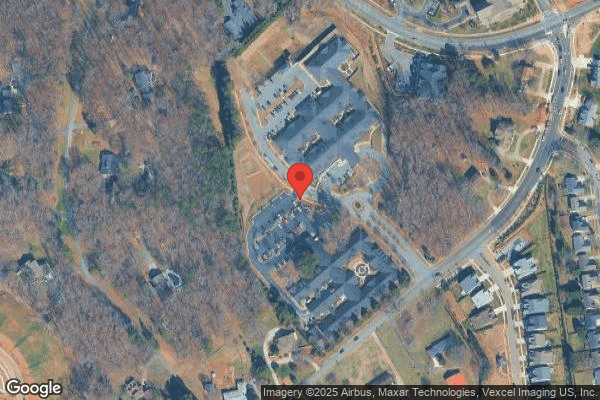
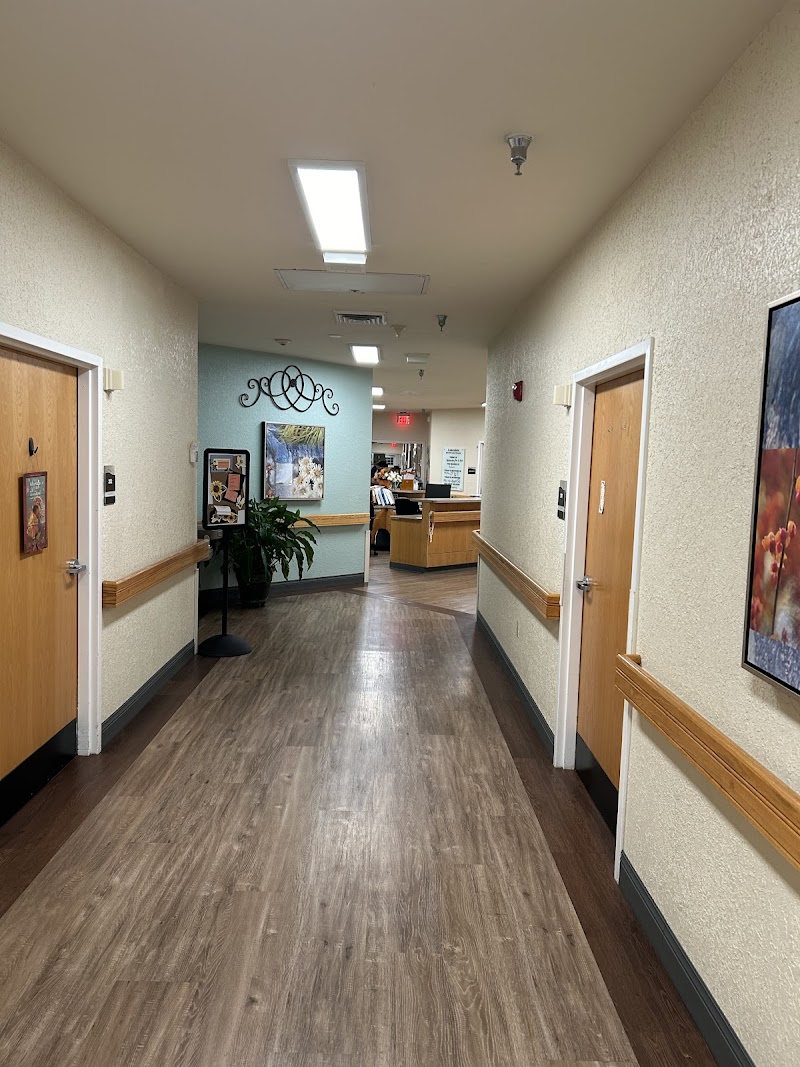
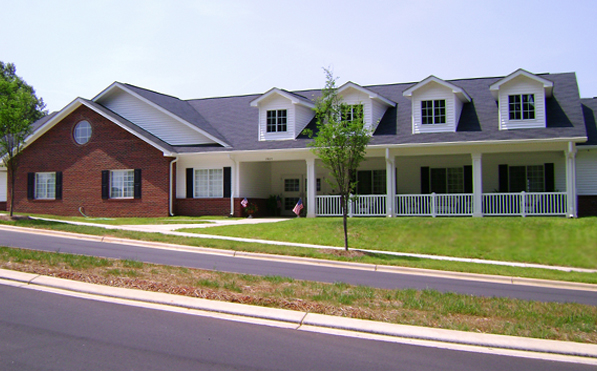
13825 Hunton Lane, Huntersville, NC 28078 (704) 897-2700
For profit - Corporation 114 Beds SABER HEALTHCARE GROUP Data: November 2025
Trust Grade
58/100
#104 of 417 in NC
Last Inspection: September 2024

Within standard 12-15 month inspection cycle. Federal law requires annual inspections.

Overview

Lakeside Health & Rehab Center has a Trust Grade of C, indicating that it is average compared to other facilities, sitting at #104 out of 417 in North Carolina, which places it in the top half of the state's nursing homes. However, it ranks #5 out of 29 in Mecklenburg County, meaning only four local options are better. The facility is improving; it reduced its issues from seven in 2023 to four in 2024. Staffing is a concern, with a 73% turnover rate, well above the state average, although it does have good RN coverage, exceeding 87% of state facilities, which means residents likely receive better oversight. On the downside, they faced a serious incident where a resident did not receive timely dental care for broken dentures, impacting their ability to eat properly, resulting in weight loss. There were also concerns about the facility's medication management, with open and expired vials not properly discarded, posing potential risks to residents. Overall, while the center has strengths in RN coverage and is trending positively, families should be aware of the staffing issues and specific incidents that could affect care quality.
Trust Score
C
58/100
In North Carolina
#104/417
Top 24%
Safety Record
Moderate
Needs review
Inspections
Getting Better
7 → 4 violations
Staff Stability
⚠ Watch
73% turnover. Very high, 25 points above average. Constant new faces learning your loved one's needs.
Penalties
⚠ Watch
$11,629 in fines. Higher than 91% of North Carolina facilities. Major compliance failures.
Skilled Nurses
✓ Good
Each resident gets 46 minutes of Registered Nurse (RN) attention daily — more than average for North Carolina. RNs are trained to catch health problems early.
Violations
⚠ Watch
15 deficiencies on record. Higher than average. Multiple issues found across inspections.
★★★★☆
4.0
Overall Rating
★★★☆☆
3.0
Staff Levels
★★★★☆
4.0
Care Quality
★★★★☆
4.0
Inspection Score
Stable
2023: 7 issues
2024: 4 issues

The Good

  • 4-Star Quality Measures · Strong clinical quality outcomes
  • Full Sprinkler Coverage · Fire safety systems throughout facility
  • No fines on record

Facility shows strength in quality measures, fire safety.

The Bad

Staff Turnover: 73%

27pts above North Carolina avg (46%)

Frequent staff changes - ask about care continuity

Federal Fines: $11,629

Below median ($33,413)

Minor penalties assessed

Chain: SABER HEALTHCARE GROUP

Part of a multi-facility chain

Ask about local staffing decisions and management

Staff turnover is very high (73%)

25 points above North Carolina average of 48%

The Ugly 15 deficiencies on record

1 actual harm
Sept 2024 4 deficiencies
CONCERN (D)

Potential for Harm - no one hurt, but risky conditions existed

Deficiency F0558 (Tag F0558)

Could have caused harm · This affected 1 resident

**NOTE- TERMS IN BRACKETS HAVE BEEN EDITED TO PROTECT CONFIDENTIALITY** Based on observation, record review, and interviews with resident and staff, the facility failed to ensure dependent residents c...

Read full inspector narrative →
**NOTE- TERMS IN BRACKETS HAVE BEEN EDITED TO PROTECT CONFIDENTIALITY** Based on observation, record review, and interviews with resident and staff, the facility failed to ensure dependent residents could access the light switch located behind the bed for 1 of 1 resident reviewed for accommodation of needs (Resident #2). Findings included: Resident #2 was admitted to the facility on [DATE]. Review of Resident #2's medical record revealed she had stayed in room [ROOM NUMBER] since 08/16/23. The quarterly Minimum Data Set (MDS) dated [DATE] coded Resident #2 with a moderately impaired cognition. The MDS indicated walking between locations inside the room for more than 10 feet did not occur for Resident #2 during the assessment period. During an observation conducted on 09/23/24 at 3:44 PM, the switch cord for the light fixture on the wall behind Resident #2's bed was approximately 5 feet from the floor and 6-7 feet from the bed. The switch cord was approximately 4 inches in length. Resident #2 was unable to reach the switch cord from the bed if needed. An interview was conducted with Resident #2 on 09/23/24 at 3:45 PM. Resident #2 stated she was bedbound and had been in this room for over a year. She could not recall when the switch cord broke. Resident #2 indicated she could not control the light fixture behind her bed as she could hardly stand up to reach the broken switch cord on the wall. She had to rely on nursing staff to control the light fixture and it was very inconvenient to her. Resident #2 wanted the maintenance staff to fix the switch cord to accommodate her needs as soon as possible. During an interview conducted on 09/23/24 at 3:57 PM, Nurse Aide (NA) #1 stated she noticed the switch cord for the light fixture behind Resident #2's bed was broken about 3 months ago. She notified the Maintenance Manager verbally on the same day. She did not know why it had not been fixed so far. Subsequent observations conducted on 09/24/24 at 11:38 AM revealed the switch cord for the light fixture behind Resident #2's bed remained inaccessible. During a joint observation conducted with Nurse #1 on 09/24/24 at 11:45 AM, the switch cord for the light fixture behind Resident #2's bed remained inaccessible from her bed. Nurse #1 acknowledged that the switch cord was broken, and it needed to be fixed immediately. She explained she was assigned to work in 700 halls at times and did not notice the switch cord was broken. An interview was conducted with Unit Manager #1 on 09/24/24 at 11:54 AM. She acknowledged that the switch cord for the light fixture behind Resident #2's bed was broken. It needed to be fixed immediately to ensure Resident #2 had full accessibility to the light fixture. During an interview conducted on 09/24/24 at 12:01 PM, the Maintenance Manager stated he walked through the entire facility at least once daily to identify repair needs. He did not notice the switch cord for Resident #2's light fixture behind her bed was broken and stated it was his oversight. In most cases, he depended on the staff to report repair needs by dropping the work orders in the boxes located in both nurse stations and by verbal notifications. He checked the work order boxes at least twice daily to ensure all repair needs were addressed in a timely manner. During an interview conducted on 09/26/24 at 8:56 AM, the Director of Nursing (DON) expected the staff to be more attentive to residents' living environment, and to report repair needs to the maintenance department in a timely manner to accommodate residents' needs. An interview was conducted with the Administrator on 09/25/24 at 4:33 PM. She expected nursing staff to pay attention to residents' home and report repair needs to the maintenance department in a timely manner. It was her expectation for all the dependent residents to have full accessibility and control of the light fixture behind the bed all the time.
CONCERN (D)

Potential for Harm - no one hurt, but risky conditions existed

Deficiency F0688 (Tag F0688)

Could have caused harm · This affected 1 resident

**NOTE- TERMS IN BRACKETS HAVE BEEN EDITED TO PROTECT CONFIDENTIALITY** Based on record review, observation and staff interviews the facility failed to follow a physician order to apply a splinting de...

Read full inspector narrative →
**NOTE- TERMS IN BRACKETS HAVE BEEN EDITED TO PROTECT CONFIDENTIALITY** Based on record review, observation and staff interviews the facility failed to follow a physician order to apply a splinting device for 1 of 2 residents (Resident #14) reviewed for range of motion. The findings included: Resident #14 was admitted to the facility on [DATE] with a diagnosis that included contracture to the left hand. Occupational Therapy (OT) Discharge summary dated [DATE] indicated recommendations that stated palm guard to left hand 8 hours to facilitate contracture management. On 09/25/2024 at 10:58 AM, an interview with the Director of Rehabilitation revealed on 11/2/2023 Occupational Therapy educated nursing how to don and doff the palm guard to the left hand of Resident #14. A physician order dated 04/04/2024 stated a palm guard should be applied to Resident #14's left hand every day for 8 hours as tolerated. A care plan dated 06/19/2024 revealed Resident #14 had limited physical mobility related to contracture, left-side hemiplegia, and history of stroke. The approaches included first shift Nursing Assistant (NA) to apply left palm guard for wear up to 8 hours as tolerated for contracture management, to monitor skin integrity and to notify nurse of any changes observed. Resident #14's quarterly Minimum Data Set (MDS) assessment dated [DATE] revealed she had moderate cognitive impairment and one upper extremity impairment. Observation of and interview with Resident #14 on 09/23/2024 at 11:08 AM revealed her left hand to be contracted as evidenced by her fingernails touched the palm of her left hand. The left hand was further observed in a tight fixed position. Resident #14 did not have a palm guard to her left hand. At an additional observation at 11:56 AM, the left hand was observed not to have a palm guard. The palm guard was not observed in Resident #14's room. Resident #14 was unable to answer if staff applied the palm guard. Observation of Resident #14 on 09/24/2024 at 9:11 AM revealed her left hand did not have a palm guard. Additional observation on 09/24/2024 at 2:15 PM showed Resident #14 was up in the wheelchair without the palm guard to the left hand. Upon observation on 09/25/2024 at 10:00 am, Resident #14 did not have a left palm guard in place on her left hand when she was lying in bed. At 3:40 PM on 09/25/2024, the resident was up in a wheelchair and was not wearing a left palm guard. During an interview on 09/24/24 at 10:45 AM, Resident #14's Representatives indicated they had not seen the palm guard on Resident #14's left hand for months. During the interview with the Director of Rehabilitation on 09/25/24 at 10:58 AM, she shared a referral for OT was made on 09/18/2024 for self-feeding and increased difficulty with contracture. On 09/25/24 at 11:12 AM, an interview took place with Occupational Therapist #1 who assessed Resident #14 on 09/25/2024. The Occupational Therapist stated the referral had not indicated Resident #14 refused to wear the left palm guard. Occupational Therapist #1 disclosed the palm guard was not on Resident #14 when she entered the room. Occupational Therapist #1 saw the palm guard in a white basket on Resident #14's side table. She stated that the contracture was not worse on 09/25/2024 compared to her 11/02/2023 assessment. Interview with NA #2 on 09/25/2024 at 2:50 PM indicated he was assigned to care for Resident #14 and had never seen Resident #14's left palm guard. NA #2 stated that if he saw a palm guard on the resident that he would ask about it. An interview with Nurse #2 on 09/25/2024 at 11:23 AM revealed NA's were to apply Resident #14's palm guard daily. She further indicated that she had not checked to ensure that NA's applied the palm guard as ordered. Upon interview with the Director of Nursing (DON) on 9/26/2024 at 11:00 AM, the DON revealed the nurse should have visually identified if a resident's contracture device was applied correctly. She further stated Resident #14's palm guard should have been applied according to physician order and OT recommendations.
CONCERN (D) 📢 Someone Reported This

A family member, employee, or ombudsman was alarmed enough to file a formal complaint

Potential for Harm - no one hurt, but risky conditions existed

Deficiency F0757 (Tag F0757)

Could have caused harm · This affected 1 resident

**NOTE- TERMS IN BRACKETS HAVE BEEN EDITED TO PROTECT CONFIDENTIALITY** Based on record reviews and staff interviews, the facility failed to check a finger-stick blood sugar (FSBS) for 1 of 6 resident...

Read full inspector narrative →
**NOTE- TERMS IN BRACKETS HAVE BEEN EDITED TO PROTECT CONFIDENTIALITY** Based on record reviews and staff interviews, the facility failed to check a finger-stick blood sugar (FSBS) for 1 of 6 residents reviewed for unnecessary medications (Resident #311). The findings included: Review of the hospital Discharge summary dated [DATE] revealed Resident #311 had an order for Metformin (anti-diabetic medication) 500 milligrams (mg) twice a day. There were no orders for finger-stick blood sugar (FSBS) checks. Resident #311 was admitted to the facility on [DATE] with multiple diagnoses which included surgical repair of right hip fracture, diabetes, and asthma. Documentation on the care plan initiated 2/21/2024 revealed Resident #311 had diabetes mellitus with interventions to assess, document, and report to physician signs and symptoms of hypoglycemia (low blood sugar) such as sweating, tremors, increased heart rate, pallor, nervousness, confusion, slurred speech, lack of coordination, and staggered gait. A review of the facility admission orders dated 2/21/2024 revealed Resident #311 had orders for Metformin 500 mg twice a day. There were no orders for FSBS checks. A review of the facility's physician admission history and physical dated 2/23/2024 revealed Resident #311 was admitted to the facility following a fall with a right hip fracture with surgical repair. Resident #311 was noted to be a non-insulin dependent diabetic receiving Metformin twice a day. Review of an additional physician order dated 2/23/2024 revealed Resident #311 had an order to check FSBS every morning and at bedtime starting 2/24/2024 and to notify physician if blood sugar less than 70 or greater than 299 milligrams/deciliter (mg/dl). HgbA1C (blood test that measures person's average blood sugar level over the past 2-3 months) was also ordered for 2/26/2024. Review of the admission Minimum Data Set (MDS) dated [DATE] revealed Resident #311 was moderately cognitively impaired, required set up for meals and was totally dependent for toileting, bathing, dressing, and transfers. The MDS also revealed Resident #311 was receiving hypoglycemic medications. A review of the Point-of-Care Blood Sugar Summary report for Resident #311 revealed that no FSBS was obtained on the morning of 2/24/2024. Review of the Medication Administration Record (MAR) on 2/24/2024 revealed Resident #311 took all morning medications including Metformin as ordered by the physician. Review of the Medication Error Report dated 2/25/2024 revealed the physician had ordered FSBS to be obtained every AM and every PM for trending. Unit Manager (UM) #2 confirmed the order and did not add supplementary documentation so the order did not flow to the MAR and alert nursing to obtain the FSBS. An attempt to conduct a phone interview on 9/25/2024 with Nurse #3 was unsuccessful. Nurse #3 was assigned to Resident #311 on 2/24/2024. The phone number was no longer in service. A joint interview was conducted with the Administrator and the DON on 9/25/2024 at 2:34 PM. The DON stated that the order for Resident #311's FSBS did not contain the supplemental documentation so the order did not flow to the MAR which would have alerted the nursing staff to collect the FSBS. The Administrator stated that the facility had developed a robust educational plan which included demonstration of order entry with supplemental documentation that was required for all nursing staff. The facility provided the following corrective action plan with a completion date of 2/28/2024. Address how corrective actions will be accomplished for those residents to have been affected by the deficient practice: On 2/24/2024 the Director of Nursing became aware that the facility had failed to obtain a FSBS on the morning of 2/24/2024 as ordered by the physician for Resident #311. On 2/24/2024 the Director of Nursing audited Resident #311's chart and noted that on 2/23/2024, the physician entered orders for blood sugars to be obtained twice a day for monitoring starting the morning of 2/24/2024. The order was confirmed by UM #2, but she failed to ensure the supplemental documentation was ordered to ensure it fired out to the Medication Administration Record for the nurse to obtain the blood sugar as ordered. How will the facility identify other residents having the potential to be affected by the same deficient practice? On 2/25/2024 the Regional Director of Clinical Services completed an audit of all orders of residents who required blood sugar monitoring to ensure the supplemental documentation was in the order and that the blood sugars were being monitored per orders. One additional order was identified that supplemental documentation was missing for blood sugar and was corrected immediately. Resident noted with no adverse side effects. What measures will be put into place or systemic changes made to ensure that the deficient practice will not occur? On 2/25/2024 the Director of Nursing educated all Licensed Nurses via demonstration on entering orders requiring supplemental documentation to include blood sugars and when confirming orders to ensure supplementary documentation is in place if indicated. On 2/26/2024 the Regional Director of Clinical Services verbally instructed and demonstrated entering orders requiring supplemental documentation with the Medical Director. This education is already embedded into the Orientation for Licensed Nurses. How will the facility monitor its corrective actions to ensure the deficient practice will not recur? An AD HOC Quality Assurance Performance Improvement Plan meeting was held on 2/27/2024 to determine the root cause analysis of the deficient practice, put a plan of action in place to ensure all orders requiring supplemental documentation are reviewed for accuracy. The monitoring for the plan was initiated on 2/29/2024 and completed on 4/29/2024 with no revision needed and a 100% compliance was achieved. The results of the monitoring will be brought to the Quality Assurance Performance Improvement meeting for the next 3 months, ending May 2024. Quality Improvement Monitoring schedule will be modified based on the findings of monitoring. Alleged Date of Compliance: 2/28/2024. The facility's corrective action plan with correction date of 2/28/2024 was validated onsite by observations, record reviews, and interviews with the Administrator, DON, Medical Director, and nursing staff. An observation was conducted during a medication pass for a FSBS collection on 9/25/2024. The FSBS was collected according to physician's orders at the correct time of day utilizing appropriate infection control measures. The results were documented in the Electronic Medical Record (EMR) correctly and no follow-up action was required by nursing. Interviews with nursing staff including Licensed Practical Nurses, (LPN), and Registered Nurses (RN) confirmed they had received education related to FSBS, order entry including supplemental order documentation, and confirmation of the supplemental documentation. The nurses were able to describe the order entry process including documentation of supplemental orders and verbalized understanding of the education received. Review of audit records revealed all residents receiving FSBS were audited by the DON for 8 weeks beginning 2/25/2024. Then monthly for 1 month to ensure all orders for FSBS had supplemental documentation and were being performed as ordered by the physician. The findings were reported to the Administrator and to the Quality Assurance Performance Improvement Committee monthly for 3 months for suggestions and/or recommendations; the quality improvement monitoring schedule will be modified based on finding of the monitoring. Interviews with the Administrator, Regional Director of Clinical Services, and the DON revealed the facility launched an in-service related to FSBS and supplemental documentation immediately after the incident to re-educate all licensed nurses. The Director of Clinical Services and the DON audited the supplemental orders for FSBS to ensure all orders contained supplemental documentation. The Administrator, Regional Director of Clinical Services, and the DON stated the interventions were successful as the facility did not have any further issues with FSBS and supplemental documentation standards. The corrective action plans completion date of 2/28/24 was validated.
CONCERN (D)

Potential for Harm - no one hurt, but risky conditions existed

Deficiency F0761 (Tag F0761)

Could have caused harm · This affected 1 resident

Based on observations, staff interviews and record reviews, the facility failed to date a bottle of eye medication after it was opened and failed to discard 2 bottle of expired eye medications from th...

Read full inspector narrative →
Based on observations, staff interviews and record reviews, the facility failed to date a bottle of eye medication after it was opened and failed to discard 2 bottle of expired eye medications from the medication cart as specified by manufacturer's guidelines for 2 of 5 medication carts observed during medication storage checks (100 hall and 700 hall medication carts). The findings included: a. The manufacturer's package inserts for Latanoprost eye drops revealed an unopened bottle should be stored under refrigeration between the temperature of 36° to 46° Fahrenheit (F) and protected from light. Once it was opened, Latanoprost could be stored at room temperature up to 77° F for up to six weeks. A medication storage audit was conducted on 09/24/24 at 2:46 PM for the 100 hall medication cart in the presence of Nurse #2. One opened bottle of Latanoprost 0.005% eye drops without an opened date was found in the medication cart at room temperature and available for use. An interview was conducted with Nurse #2 on 09/24/24 at 2:47 PM. She acknowledged that the bottle of Latanoprost eye drops was opened but did not know how long it had been stored in the medication cart. She was unsure how long Latanoprost could be stored under room temperature once it was opened. b. During a medication storage audit conducted on 09/24/24 at 3:01 PM for the 700 hall medication cart in the presence of Nurse #1, two opened bottles of Latanoprost 0.005% with opened date of 08/01/24 and 08/03/24 respectively were found in the medication cart and available for use. An interview was conducted with Nurse #1 on 09/24/24 at 3:01 PM. Nurse #1 stated both bottles of latanoprost should be discarded after they were opened and stored under room temperature for over 30 days. Nurse #1 explained she did not work in 700 hall on regular basis and most of her shifts were day shift. Nurse #1 further stated the eye drop was scheduled to be administered by nurses working night shift. During an interview conducted on 09/24/24 at 3:19 AM, Unit Manager #1 stated all 3 bottles of Latanoprost eye drops needed to be discard. She indicated all the nurses were instructed to check each medication for expiration before administration. In addition, as one of the Unit Managers, she checked each medication cart in her area at least once weekly and stated it was her oversight. She added many nursing staff were still unclear about the storage guidelines for Latanoprost, and they needed to be re-educated as soon as possible. During an interview conducted on 09/26/24 at 8:56 AM, the Director of Nursing (DON) stated it was her expectation for the nurses to remove all the expired medications from the medication cart according to manufacturer's expiration date and date the eye drops once it had been opened. An interview was conducted with the Administrator on 09/25/24 at 4:33 PM. She expected nurses to date latanoprost eye drops once it was opened and remove all expired medications from the medication carts. It was her expectation for the Unit Managers to check each medication cart at least once weekly to ensure the facility was free of expired medications.
Aug 2023 1 deficiency
CONCERN (D) 📢 Someone Reported This

A family member, employee, or ombudsman was alarmed enough to file a formal complaint

Potential for Harm - no one hurt, but risky conditions existed

Resident Rights (Tag F0550)

Could have caused harm · This affected 1 resident

**NOTE- TERMS IN BRACKETS HAVE BEEN EDITED TO PROTECT CONFIDENTIALITY** Based on record review and resident and staff interviews the facility failed to treat a resident in a dignified manner by not pr...

Read full inspector narrative →
**NOTE- TERMS IN BRACKETS HAVE BEEN EDITED TO PROTECT CONFIDENTIALITY** Based on record review and resident and staff interviews the facility failed to treat a resident in a dignified manner by not providing incontinent care when requested for 1 of 3 residents reviewed for dignity (Resident #1). The Findings included: 1. Resident #1 was admitted to the facility on [DATE] with diagnoses of hemiplegia and seizure disorder. The quarterly Minimum Data Set (MDS) assessment dated [DATE] revealed that Resident #1 was cognitively intact, required extensive assistance with toileting, and was always incontinent of bladder and bowel. No refusal of care was noted during the assessment reference period. Resident #1 was interviewed in his room on 08/08/23 at 10:30 AM. During the interview he stated he often had to wait 40 minutes or longer on staff to answer his call light when he needed to be changed. Resident #1 stated he had just soiled his brief 5 minutes prior to the surveyor speaking with him and proceeded to press his call light to request assistance from staff. The call light was observed on outside of the resident's door at 10:40 AM. An observation was conducted on 08/08/23 at 10:42 AM of Nurse Aide (NA) #1 came into Resident #1's room. She turned off his call light and asked the resident what he needed. Resident #1 stated, I need to be changed. NA #1 then stated to the resident that she would tell his assigned NA that he needed to be changed and exited the room. Resident #1's call light was observed to be off. Resident #1 stated to the surveyor, you see this happens all of the time, they will forget about me. An interview was conducted with Nurse #1 on 08/08/23 at 11:15 AM. He stated the NAs on the hall were good about assisting residents to the restroom. The interview revealed that any NA could assist each resident, it did not have to be the staff member directly assigned to the resident. After stating to Nurse #1 what had been observed and Resident #1 needed to be changed Nurse #1 stated it was typical for a resident to wait on average 30-40 minutes for incontinence care. He stated the NAs on the hall must just be busy. Nurse #1 was then observed pulling medication from the medication cart and proceeding to the other end of the resident hall. An ongoing observation was conducted on 08/08/23 from 10:49 AM until 11:30 AM of NA #1 walking by Resident #1's room but not reentering the room or looking for another NA to provide care for Resident #1. Resident #1 did not place his call light back on. On 08/08/23 at 11:30 AM the surveyor went and informed the Director of Nursing (DON) that Resident #1 had notified NA #1 at 10:40 AM he had soiled his brief and had still not been changed by staff. The DON immediately went to NA #2 who was in a room with another resident and told her that Resident #1 needed assistance. On 08/08/23 at 11:40 AM an observation was conducted of NA #2 providing incontinent care to Resident #1. While NA #2 was completing incontinent care it was noted Resident #1 had a small loose bowel movement and urinated in the brief. Resident #1's clothing was not soiled nor was the bed pad underneath him. No skin breakdown or redness was observed. Resident #1 was observed smiling, laughing, and joking with NA#2 stating, she takes care of me. Resident #1 was not observed in any distress. An interview conducted on 08/08/23 at 11:48 AM with NA #2 revealed NA#1 had never notified her that Resident #1 needed assistance. She stated she was assisting another resident with a shower and did not know until the Director of Nursing came and told her that the resident needed assistance. She stated she was on the split hall meaning she had several residents from 3 different areas in the building and had to rely on assistance from other NAs to let her know if someone needed care. NA #2 stated it was frustrating when other staff members did not tell her when someone needed to be changed and turned off their call light. She stated she had provided Resident #1 with a shower around 8:30 AM and assisted him back to bed. On 08/08/23 at 11:50 AM a follow up interview was conducted with Resident #1. During the interview he stated having to wait on assistance occurred at least once or twice daily in the facility. He stated it made him feel uncomfortable and forgotten about when he had to wait an hour for assistance to be changed. He stated he did not have any burning or pain on his bottom. On 08/08/23 at 12:17 PM an interview was conducted with NA #1. During the interview she stated she was in the middle of assisting a resident when she walked by Resident #1's room and saw the call light on. She stated Resident #1 told her he needed to be changed. NA #1 then stated she left the room and walked past NA #2 and told her the resident needed to be changed. NA #1 stated she never went back into Resident #1's room to check and see if he had received assistance because she was caring for her assigned residents. She stated she couldn't remember if NA #2 had acknowledged her or responded when she told her. NA #1 stated she had been told by the Director of Nursing if she saw a call light on to go into the room and turn off the call light regardless of if you provide the care, and to let the assigned staff member know what the resident needed. She stated she would assist other NAs if they needed a two person assist to get a resident out of bed but otherwise, she would let them know if a resident on their assignment needed incontinence care. On 08/08/23 at 1:30 PM an interview was conducted with the Director of Nursing (DON). During the interview she stated she had told facility staff it was okay to turn the call light off as long as the staff member notified the assigned staff member a resident needed assistance. The DON stated NA #1 should have just changed Resident #1 herself when he told her he had soiled his brief. The interview revealed Nurse #1 could have also assisted Resident #1 with incontinence care. The DON stated Resident #1 should never feel like he had been forgotten about or have to wait an hour to be changed. On 08/08/23 at 1:50 PM an interview was conducted with the Administrator. She stated NA #1 should have provided incontinence care for Resident #1 and not turned off his call light until care had been provided. She stated Resident #1 should not have had to wait an hour on incontinence care and that the facility had just completed an in-service to staff on the days prior discussing the topic.
May 2023 6 deficiencies 1 Harm
SERIOUS (G) 📢 Someone Reported This

A family member, employee, or ombudsman was alarmed enough to file a formal complaint

Actual Harm - a resident was hurt due to facility failures

Dental Services (Tag F0791)

A resident was harmed · This affected 1 resident

**NOTE- TERMS IN BRACKETS HAVE BEEN EDITED TO PROTECT CONFIDENTIALITY** Based on record review resident interview and staff interviews, the facility failed to provide expedited dental care for a resid...

Read full inspector narrative →
**NOTE- TERMS IN BRACKETS HAVE BEEN EDITED TO PROTECT CONFIDENTIALITY** Based on record review resident interview and staff interviews, the facility failed to provide expedited dental care for a resident with broken dentures for 1 of 1 resident reviewed for dental services (Resident #12). As a result of Resident #1 not having her dentures she was unable to chew her physician ordered diet which resulted in decreased intake and weight loss. Findings included: Review of the facilities Dental Services Policy dated 11/28/17 and revised on 8/11/20 revealed the facility will promptly, within 3 days, refer residents with lost or damaged dentures for dental services. If the referral could not be made within 3 days, the facility would document what was done to ensure the resident could still eat an drink adequately while awaiting dental services. Resident #12 was admitted to the facility on [DATE] with diagnosis including diabetes mellitus, hyperlipidemia and seizure disorder. Review of the quarterly Minimum Data Set (MDS) dated [DATE] revealed Resident #12 was cognitively intact and required extensive assistance of one staff member for most activities of daily living (ADL). The assessment revealed Resident #12 had no dental concerns noted. Review of Resident #12's care plan initiated on 1/13/23 revealed a focus on the activities of daily living (ADL) with no interventions related to dental care or dentures. Review of Resident #12's weight log revealed the following: 03/03/23: 162.8 pounds 03/22/23: 157.6 pounds 04/03/23: 152.0 pounds 05/03/23: 152.0 pounds A dental exam on 03/20/23 revealed Resident #12 had been seen at the facility for a broken lower denture. The recommendation was for impressions of new lower dentures to be made at a facility follow up appointment. A dental exam on 05/08/23 revealed Resident #12 was seen in the facility for upper and lower denture impressions. An interview conducted on 05/23/23 at 1:44 PM with Resident #12 revealed she hadn't had dentures in approximately 3 months. She stated she had previously had no issues with chewing prior to a Nurse Aide breaking her dentures in March 2023. The interview revealed she had upper and lower dentures in her mouth when Nurse Aide (NA) #3 removed the dentures from her mouth and took them into the bathroom to clean them. She stated as NA #3 was coming back into the room from the bathroom she dropped the bottom dentures onto the floor and broke the denture in half. Resident #12 stated she understood that it was an accident but never thought it would take so long to get the dentures fixed. She stated the facility had not provided her with soft food as she was receiving a regular diet and it was sometimes hard to chew what was served on her plate. The resident stated she felt it was ok though because the facility provided her with a supplemental shake with all of her meals. On 05/24/23 at 12:38 PM an observation was conducted of Resident #12 eating her lunch meal. Resident #12 was served a regular diet of smoked sausage, sauerkraut, peach cobbler, potatoes and a roll. Resident #12 was observed to have taken a few bites of the potato and drank a supplemental shake. An interview was conducted on 05/24/23 at 12:38 PM with Resident #12. She stated sauerkraut and smoked sausage was her favorite meal however she could not chew the sausage or sauerkraut. She stated the only thing on her plate she was able to eat was the sliced potatoes. Resident #12 stated, it's okay I have a supplemental shake to drink. On 05/24/23 at 12:47 PM an interview was conducted with NA #3. During the interview she stated on 03/08/23 she was cleaning Resident #12's dentures when she accidentally dropped them onto the floor and the bottom denture broke in half. She stated she told Nurse #6 that she had broken the residents' dentures. NA #3 stated she had since noticed Resident #12 having difficulty chewing her meals and had asked the resident if she would like a substitute meal that she could eat. She stated the resident always declined to have anything else served to her. On 05/24/23 at 12:57 PM an interview was conducted with Nurse #6. During the interview he stated he did not recall NA #3 telling him she had broken the residents' dentures but remembered Resident #12 telling him. He stated he let the Activities Director know of the incident and that the resident needed a dental appointment. Nurse #6 stated the resident could only eat soft food and had complained of dental pain after attempting to chew a piece of bacon which hurt her gums. He stated he knew Resident #12 was on the list to see the dentist and had been seen in May. An interview conducted on 05/23/23 at 3:30 PM with the Activities Director revealed Resident #12's dentures were broken on 03/08/23 by NA #3 while cleaning them. She stated the resident was seen by the dentist when they came into the facility on [DATE] and they recommended new dentures to be made. She stated she had faxed the forms to bill the resident's insurance on 03/28/23 and had been waiting for insurance approval for new dentures. She stated she had placed the resident on the routine dental appointment for the follow up of impressions and she was seen on 05/08/23 when the dentist came to the facility. The interview revealed she knew NA #3 had broken the dentures but didn't know the facility was responsible for replacing the dentures. The interview revealed the Activities Director did not know the resident was experiencing weight loss and did not need an expedited dental appointment for replacement dentures. A Nurse Practitioner (NP) note dated 04/24/23 revealed she had seen Resident #12 for a regulatory visit. In the note she documented Resident #12 had lost some weight due to losing her dentures but had an appointment on 05/08/23 to have the dentures replaced. An interview conducted with the Nurse Practitioner on 05/25/23 at 9:32 AM revealed she was new to the facility and didn't recall Resident #12. After reviewing the NP note she stated the resident must have mentioned something to her during the evaluation about a broken denture. The interview revealed the resident was receiving a supplemental dietary shake and the dentist was going to evaluate the resident on 05/08/23 so she wouldn't have had any further concerns at the time of the assessment. A Registered Dietitian (RD) note dated 05/04/23 revealed the resident had triggered for a weight warning during the monthly report. The note revealed Resident #12 had a regular diet in place and a mighty shake supplement three times a day was initiated. The note did not mention the resident having broken dentures. An interview was conducted with the Administrator on 05/24/23 at 11:21 AM. During the interview she stated the staff meet twice a day to discuss issues in the facility. She stated she did not recall the Activities Director notifying her that a staff member had broken the residents' dentures. The Administrator stated the facility would have been responsible for purchasing new bottom dentures for Resident #12 and would not have waited for insurance approval. The interview revealed she was not aware Resident #12 had experienced weight loss from the time of the dentures being broken and was not aware she was placed on a routine dentist visit list. The Administrator stated the resident should have received an expedited appointment to obtain a new set of dentures. She stated it was her understanding now that the resident was seen on 05/08/23 and the dentures were in the process of being made. The interview revealed Resident #12's weight loss had been discussed and she was evaluated by the Registered Dietitian, but the facility had not correlated the weight loss with her broken dentures. An interview conducted with the Director of Nursing (DON) on 05/25/23 at 4:19 PM revealed she found out on 05/24/23 that the broken dentures were due to a staff member dropping them. She stated she did not know it was a staff member that had broken the dentures prior to the surveyor discussing the situation. The DON stated if administrative staff had known it would have been the facilities responsibility to replace the dentures and would have gotten the resident an appointment at an earlier date. She stated she didn't know why it hadn't been clearly communicated. She stated the Speech therapist had seen the resident on 05/24/23 and downgraded her diet to mechanical soft and the resident stated she was doing better with the texture of the food. The DON stated the facility did track weight loss but what they looked at was the past 6 months and to her knowledge Resident #12 had not triggered on the report.
CONCERN (D) 📢 Someone Reported This

A family member, employee, or ombudsman was alarmed enough to file a formal complaint

Potential for Harm - no one hurt, but risky conditions existed

MDS Data Transmission (Tag F0640)

Could have caused harm · This affected 1 resident

**NOTE- TERMS IN BRACKETS HAVE BEEN EDITED TO PROTECT CONFIDENTIALITY** Based on record review and staff interviews, the facility failed to transmit Minimum Data Set (MDS) assessments within the regul...

Read full inspector narrative →
**NOTE- TERMS IN BRACKETS HAVE BEEN EDITED TO PROTECT CONFIDENTIALITY** Based on record review and staff interviews, the facility failed to transmit Minimum Data Set (MDS) assessments within the regulatory timeframe as specified in the Resident Assessment Instrument (RAI) manual for 3 of 21 residents reviewed (Resident #20, Resident #21, and Resident #60). The findings include: 1. Resident #20 was admitted to the facility on [DATE]. A review of Resident #20's most recent quarterly MDS assessment with an Assessment Reference Date (ARD) of 3/24/23 revealed it was transmitted to CMS on 5/18/23. 2. Resident #21 was admitted to the facility on [DATE]. A review of Resident #21's most recent quarterly MDS assessment with an ARD of 1/13/23 showed it was transmitted to CMS on 5/18/23. 3. Resident #60 was admitted to the facility on [DATE]. A review of Resident #60's significant change assessment with an ARD of 3/31/23 revealed it was transmitted to CMS on 5/18/23. An interview on 5/24/23 at 3:42 PM with the MDS Coordinator revealed all MDS assessments with an ARD of 12/1/22 or later had been transmitted outside of the regulatory timeframe. The MDS Nurse said the assessments were transmitted late because following the change of ownership on December 1, 2022, she was informed by the Regional Clinical Reimbursement Specialist that there was not a state provider number, and the assessments could not be transmitted without one. The MDS Nurse reported on 5/18/23 she was told by the Regional Clinical Reimbursement Specialist to go ahead and transmit the assessments despite still not having the state provider number. An interview on 5/24/23 at 4:16 PM with the Regional Clinical Reimbursement Specialist revealed she had been informed by the Senior Reimbursement Specialists that the assessments could not be transmitted without the state provider number. She went on to say that she had been in communications with the State (RAI) Coordinator since December of 2022 and on 5/18/23 she was told by the Senior Reimbursement Specialist and the State RAI Coordinator to go ahead and submit the assessments without the state provider number. During an interview with the Senior Reimbursement Specialist on 5/25/23 at 10:33 AM she indicated the company was unaware that the assessments could be transmitted without the state provider number until the [NAME] President of the company was told by the Section Chief for the Nursing Home Licensure and Certification Section that per the RAI manual, they did not need a state provider number to do so. The only number the company needed to transmit assessments was the CMS certification number (CCN) because it did not change with ownership changes. The Senior Reimbursement Specialist went on to say the company would continue to transmit any new assessments and once they received the state provider number the MDS nurses would have to go back and modify those assessments by adding the number. An Interview on 5/25/23 at 5:03 PM with the Administrator revealed the MDS assessments should have been transmitted or at least attempted, even without the state provider number, prior to being told to do so on 5/18/23. The Administrator went on to say she was aware the MDS assessments had not been transmitted since December 2022 because she and the MDS Nurse were told by Corporate to not transmit the assessments without the state provider number.
CONCERN (D) 📢 Someone Reported This

A family member, employee, or ombudsman was alarmed enough to file a formal complaint

Potential for Harm - no one hurt, but risky conditions existed

Deficiency F0658 (Tag F0658)

Could have caused harm · This affected 1 resident

**NOTE- TERMS IN BRACKETS HAVE BEEN EDITED TO PROTECT CONFIDENTIALITY** Based on observations, record review, resident, staff and Nurse Practitioner interviews, the facility failed to apply compressio...

Read full inspector narrative →
**NOTE- TERMS IN BRACKETS HAVE BEEN EDITED TO PROTECT CONFIDENTIALITY** Based on observations, record review, resident, staff and Nurse Practitioner interviews, the facility failed to apply compression stockings as ordered by the Nurse Practitioner for 18 days. The failure occurred for 1 of 1 resident (Resident #125) reviewed for the provision of care according to professional standards. The findings included: Resident #125 was admitted to the facility on [DATE] with diagnoses which included atrial fibrillation, hypertension, protein calorie malnutrition and muscle weakness. Review of Resident #125's admission Minimum Data Set (MDS) assessment dated [DATE] revealed he was moderately cognitively impaired with no behaviors and could make all his needs known. The assessment also revealed Resident #125 required extensive to total assistance of one staff member with all activities of daily living except eating. Review of a request for treatment note written by Nurse #1 on 05/08/23 revealed Resident #125 had 2+ pitting edema (occurs when excess fluid builds up in body causing swelling; when pressure is applied to the area a pit or indention will remain) to lower extremities and complained of lower leg pain. Review of a progress note written 05/08/2023 by Nurse Practitioner #2 revealed staff and the resident reported increasing bilateral lower extremities edema. Resident #125 reported progressing in physical therapy and reported dyspnea (shortness of breath) with exertion and denied joint pain. The plan as written by Nurse Practitioner #2 was compression stockings for edema control, increase Lasix (medication used to reduce extra fluid in the body such as edema) from 20 to 40 mg daily and add potassium supplementation. The resident was advised to increase his water intake and to change positions slowly. Review of Resident #125's Medication Administration Record (MAR) revealed his Lasix was increased to 40 mg beginning on 05/09/2023 as ordered. Further review of the MAR revealed no order for compression stockings. Review of the Treatment Administration Record (TAR) revealed no order for the compression stockings. Review of the original order revealed it had been confirmed by Unit Manager #1. Observation and interview on 05/22/23 at 12:34 PM with Resident #125 revealed him sitting up in his wheelchair dressed with his legs resting on his bed in low position. The resident stated he was resting his legs up on the bed because of the swelling. He further stated he was supposed to have gotten some compression stockings for his legs to help with the swelling but said he had not seen them yet. He indicated the Nurse Practitioner had seen him and ordered them when she saw the swelling in his legs. Both feet and ankles appeared to be swollen. Observation and 5/24/23 at 2:56 PM with Resident #125 revealed him sitting in his wheelchair dressed with his leg resting on his bed in low position and no stockings on his legs. His feet still appeared to be swollen. Resident #125 stated he was still waiting on his compression stockings. A phone interview on 05/25/23 revealed Nurse Practitioner (NP) #2 was not aware that Resident #125 had not received compression stockings and said no one had reported it to her but it was time for her to see him again. NP #2 stated she was not familiar with the facility's policy with regard to compression stockings and was not sure why he had not received them but said she had not been notified there was an issue with getting him compression stockings. Interview on 05/25/23 at 3:17 PM with Nurse #2 who was assigned to care for Resident #125 on the 7:00 AM to 3:00 PM shift revealed she had never seen the resident with compression stockings on his legs. She stated she was not sure if the stockings were kept in Central Supply because she had not had a need to look for them. Nurse #2 further stated she was not aware he had an order for them and said it had not populated on his MAR or TAR for her to put them on him. She indicated the resident had 2+ pitting edema on his left leg and 3+ pitting edema on his right leg. Nurse #2 further indicated if she received an order for compression stockings, she would go to the Unit Manager for assistance and that was Unit Manager #1. Interview on 05/25/23 at 3:28 PM with Unit Manager #1 revealed when an order for compression stockings was written they make sure they have the right size in stock and if not, they were ordered. Compression stockings were kept in Central Supply in sizes medium, large, extra-large, extra, extra-large (2x) and extra, extra, extra-large (3x). After reviewing the order, Unit Manager #1 stated it had not populated because NP #2 had not scheduled times for the stockings to be placed on and taken off. When pointed out that Unit Manager #1 had confirmed the order, she stated she must have missed confirming the schedule with NP #2 to make the order populate in the electronic medical record (EMR). Unit Manager #1 indicated when the order was written by the provider it should have a specific schedule and the NPs were aware of that process now and said she had just missed correcting it when she confirmed the order. Interview on 05/25/23 at 4:59 PM with the Director of Nursing revealed she would have expected Resident #125 to be provided compression stockings and would have expected Unit Manager #1 to have verified the order with the provider and made sure all the information was there to make the order populate in the EMR so the nurses would put the stockings on and take them off as ordered. Interview on 05/25/23 at 5:02 PM with the Administrator revealed she would have expected Resident #125 to have gotten his stockings on the day they were ordered. She stated Unit Manager #1 should have clarified the order with the provider and provided the needed information for it to populate in the EMR.
CONCERN (D) 📢 Someone Reported This

A family member, employee, or ombudsman was alarmed enough to file a formal complaint

Potential for Harm - no one hurt, but risky conditions existed

Respiratory Care (Tag F0695)

Could have caused harm · This affected 1 resident

**NOTE- TERMS IN BRACKETS HAVE BEEN EDITED TO PROTECT CONFIDENTIALITY** Based on observations, record review, staff and Medical Director interviews the facility failed to comply with oxygen orders for...

Read full inspector narrative →
**NOTE- TERMS IN BRACKETS HAVE BEEN EDITED TO PROTECT CONFIDENTIALITY** Based on observations, record review, staff and Medical Director interviews the facility failed to comply with oxygen orders for 1 of 2 residents reviewed for respiratory care (Resident #43). The findings included: Resident #43 was admitted to the facility on [DATE] with diagnoses that included vascular dementia, chronic respiratory failure, and dependence on supplemental oxygen. Review of quarterly Minimum Data Set (MDS) assessment dated [DATE] revealed Resident #43 was not cognitively intact and was coded as receiving oxygen (O2). Review of revised care plan dated 01/13/23 revealed a care plan for oxygen where Resident #43 will not have signs or symptoms of poor oxygen absorption through the review date. Interventions included administer oxygen per orders, assess for signs and symptoms of respiratory distress and reports to physician as needed, monitor oxygen as ordered and/or as needed, monitor tops of ears for redness or breakdown due to use of oxygen tubing, head of bed at least 30 degrees to assist with breathing and for comfort, assist to keep oxygen tubing in place, and position to facilitate breathing. Review of physician order dated 01/11/23 revealed Resident #43 oxygen tubing and humidifier bottle to be changed once weekly every Saturday during night shift for routine monitoring and prevention. Review of May 2023 Medication Administration Record (MAR) revealed task for Resident #43 oxygen tubing and humidifier bottle to be changed every Saturday and signed off when completed. The MAR had been signed off on Saturday 05/06/23, 05/13/23, and 05/20/23 showing task had been completed. Observation on 05/22/23 at 11:48 AM revealed Resident #43's nasal canula and tubing and the humidifier bottle were both dated 05/14/23. Observation on 05/23/23 at 12:00 PM revealed Resident #43's nasal canula and tubing and the humidifier bottle were both dated 05/14/23. Observation on 05/23/23 at 4:20 PM RM revealed Resident #43's nasal canula and tubing and the humidifier bottle were both dated 05/14/23. An observation and interview were conducted with Nurse #3 on 05/23/23 at 4:45 PM revealed she was familiar with Resident #43 and had been responsible for her care on this date. Nurse #3 entered Resident #43 room with surveyor and observed the humidifier bottle was empty and was dated 05/14/23 and nasal canula and tubing connected to humidifier bottle was also dated 05/14/23. She stated Resident #43 humidifier bottle and tubing connected to humidifier bottle was ordered to be changed every Saturday to prevent bacteria from growing and helps to keep from humidifier bottle running out of water. She revealed when nursing staff change out humidifier bottle and tubing, they were supposed to date both and initial task on Resident #43's MAR. Nurse #3 stated Resident #43 humidifier bottle and tubing should have been changed out and dated by nursing staff this past Saturday 05/20/23 and she would change out humidifier bottle immediately. In an interview with the Medical Director (MD) on 05/24/23 at 3:05 PM revealed he was familiar with Resident #43 and that she required 2 liters of humidified oxygen at all times. He stated he had Ordered for Resident #43's humidifier bottle located on top of concentrator and tubing attached to humidifier bottle to be changed weekly because bacteria can develop inside of humidifier bottle and tubing that could cause infection if continuously breathing in. An interview was conducted with Director of Nursing (DON) on 05/25/23 at 4:20 PM revealed she was familiar with Resident #43 and her receiving oxygen. She stated she was not aware Resident #43's humidifier bottle and tubing had not been changed out per physician orders. She revealed nursing staff should be monitoring Resident #43 and making sure physician orders related to her oxygen care are being followed correctly. An interview was conducted with the Administrator on 05/25/23 at 5:05 PM revealed nursing staff should be following and documenting physician orders correctly for all residents related to oxygen.
CONCERN (D) 📢 Someone Reported This

A family member, employee, or ombudsman was alarmed enough to file a formal complaint

Potential for Harm - no one hurt, but risky conditions existed

Deficiency F0914 (Tag F0914)

Could have caused harm · This affected 1 resident

**NOTE- TERMS IN BRACKETS HAVE BEEN EDITED TO PROTECT CONFIDENTIALITY** Based on observations, resident, and staff interviews, the facility failed to provide a privacy curtain for 1 of 10 rooms on the...

Read full inspector narrative →
**NOTE- TERMS IN BRACKETS HAVE BEEN EDITED TO PROTECT CONFIDENTIALITY** Based on observations, resident, and staff interviews, the facility failed to provide a privacy curtain for 1 of 10 rooms on the 300-hall reviewed for privacy. The findings included: Resident #31 was admitted to the facility on [DATE]. The admission Minimum Data Set (MDS) dated [DATE] revealed Resident #31 was cognitively intact for decision making. An observation and interview conducted with Resident #31 on 5/22/23 at 4:20 PM revealed Resident #31 was sitting in her wheelchair in front of the television in her pajamas. Resident #31 indicated she had not had a privacy curtain in a few months and when staff assisted her staff would close the roommates' curtain for privacy. Resident #31 stated she had told nursing staff prior and would prefer to have her own privacy curtain. The interview revealed the resident did not recall what staff member she had told and had not been exposed while getting care due to the lack of having a privacy curtain. An interview and observation conducted with Nurse Aide (NA) #1 on 5/25/23 at 9:55 AM revealed Resident #31 did not have a privacy curtain and she could not recall why. NA #1 further revealed if Resident #31 needs privacy she goes into the bathroom, or they pulled her roommate's privacy curtain. An interview and observation conducted with the Director of Nursing (DON) on 5/25/23 at 10:35 AM revealed Resident #31 did not have a privacy curtain. The DON stated all residents were expected to have a privacy curtain and Resident #31 needed one to ensure privacy when needed. An interview conducted with the Director of Housekeeping on 5/25/23 at 10:55 AM revealed housekeeping was responsible for checking residents' privacy curtains daily. The Housekeeping Director further revealed she was not aware Resident #31 did not have a privacy curtain and should have one. An interview conducted with the Administrator on 5/25/23 at 5:10 PM revealed she expected every resident to have a privacy curtain. The Administrator further revealed housekeeping checked resident rooms daily and should have been aware Resident #31 did not have a privacy curtain.
MINOR (B) 📢 Someone Reported This

A family member, employee, or ombudsman was alarmed enough to file a formal complaint

Minor Issue - procedural, no safety impact

Assessment Accuracy (Tag F0641)

Minor procedural issue · This affected multiple residents

**NOTE- TERMS IN BRACKETS HAVE BEEN EDITED TO PROTECT CONFIDENTIALITY** Based on record review, observation, and resident and staff interviews, the facility failed to accurately code the Minimum Data ...

Read full inspector narrative →
**NOTE- TERMS IN BRACKETS HAVE BEEN EDITED TO PROTECT CONFIDENTIALITY** Based on record review, observation, and resident and staff interviews, the facility failed to accurately code the Minimum Data Set (MDS) for 1 of 1 resident reviewed for dialysis while a resident (Resident #17) and 1 of 3 residents reviewed for discharge status (resident #70). The findings included: 1. Resident #17 was readmitted on [DATE] with a diagnosis of end stage renal disease (ESRD) on hemodialysis 3 days a week on Monday, Wednesday, and Friday. Review of the Quarterly Minimum Data Set (MDS) dated [DATE] revealed Resident #17 was marked for ESRD, but no was marked for dialysis while a resident. On the previous Quarterly MDS assessment dated [DATE], ESRD was marked as well as dialysis while a resident. During an interview with Resident #17 on 5/23/23 at 2:02 PM he revealed he attended dialysis and had no issues. He stated he attended dialysis 3 days a week. In an interview with the MDS Coordinator on 5/24/23 at 3:42 PM she reported dialysis while a resident should have been coded on the 4/27/23 MDS assessment. She stated that was something that should be coded and it was missed in error. 2. Resident #70 was admitted [DATE] and discharged from the facility on 4/6/23. Review of the discharge MDS assessment dated [DATE] revealed Resident #70 was marked as a planned discharge to an acute hospital with return not anticipated. Review of Social Worker note dated 4/6/23 indicated Resident #70 was discharged to another Skilled Nursing Facility (SNF) to be closer to family. During an interview with MDS Coordinator on 5/24/23 at 3:42 PM she reported Resident #70 was discharged to another SNF on 4/6/23 and not the hospital. She stated the discharge status on the MDS had been coded in error and discharge to another SNF should have been marked. An interview on 5/25/23 with the Administrator revealed she expected all MDS assessments needed to be coded accurately and reviewed for any errors prior to completion.
Jul 2021 4 deficiencies
CONCERN (D)

Potential for Harm - no one hurt, but risky conditions existed

ADL Care (Tag F0677)

Could have caused harm · This affected 1 resident

**NOTE- TERMS IN BRACKETS HAVE BEEN EDITED TO PROTECT CONFIDENTIALITY** Based on observations, record review, resident and staff interviews, the facility failed to provide nail care for 1 of 2 depende...

Read full inspector narrative →
**NOTE- TERMS IN BRACKETS HAVE BEEN EDITED TO PROTECT CONFIDENTIALITY** Based on observations, record review, resident and staff interviews, the facility failed to provide nail care for 1 of 2 dependent residents (Resident #64) reviewed for activities of daily living. The findings included: Resident #64 was admitted to the facility on [DATE] with diagnoses including epilepsy, diabetes mellitus type II and contracture of right hand and elbow and a diesease that affects the central nervous system Review of Resident #64's most recent quarterly Minimum Data Set (MDS) assessment dated [DATE] revealed he was moderately cognitively impaired for daily decision making; however, he was able to make his needs known. The MDS assessment further revealed Resident #64 required extensive assistance of one staff member with personal hygiene and required total assistance of one staff member with bathing. According to the assessment the resident did not refuse any care during the assessment period. Review of Resident #64's care plan dated 07/01/21 revealed he was care planned for needing extensive assistance with personal hygiene and total assistance with bathing. Interventions included resident preferred showers and resident was 2 assists with all activities of daily living. Review of the facility Shower Schedule by Resident Room revealed Resident #64 was scheduled for showers on 1st shift (7:00 AM to 3:00 PM) every Wednesday and Friday. Observation on 07/26/21 at 11:06 AM of Resident #64 revealed he was lying in bed in his room, dressed for the day. Observation of his right hand revealed the hand was contracted inward toward his palm and his thumb, middle, fourth and fifth fingers were noted to have nails extending ¼ to ½ inch beyond the end of his finger. The middle and fourth fingernails were noted to be in touch with the palm of his right hand. Interview with Resident #64 at the time of the observation, revealed he was concerned about the nails digging into his palm and said he preferred for his nails to be short. Observation and interview on 07/27/21 at 10:18 AM with Resident #64 revealed the nails on his right hand remained ¼ to ½ beyond the end of his fingers and resident again stated he preferred for them to be short and not extend beyond the end of his fingers because his hand was contracted. According to Resident #64 no one had offered to cut his nails and stated he had not refused to have them cut. Observation and interview on 07/28/21 at 10:41 AM with Resident #64 revealed the nails on his right hand remained ¼ to ½ inch beyond the end of his fingers and the resident stated he preferred for them to be short. Resident #64 stated no one had offered to cut them but stated maybe they would cut them after his shower today. Observation and interview on 07/29/21 at 11:15 AM with Resident #64 revealed the nails on his right hand remained ¼ to ½ inch beyond the end of his fingers and the resident said no one offered to cut his nails yesterday after his shower. The resident stated he preferred them to be short and no one had offered to cut them for him. Interview on 07/29/21 at 11:32 AM with Nurse Aide (NA) #1 revealed she was taking care of Resident #64 today during the 7:00 AM to 3:00 PM shift. NA #1 described shower days for residents included assisting the resident as needed with washing their body and hair, shaving men and women as requested, drying them off after their shower and applying lotions and creams as needed and requested. NA #1 stated in addition if the resident did not have diabetes and needed their fingernails and toenails clipped, they clipped them while the resident was in the shower. NA #1 further stated if the resident had diabetes and needed their nails clipped, she would report the need to this to the nurse and she would trim the nails for the resident. NA #1 indicated she had not noticed Resident #64's nails being long, but when shown his nails admitted they needed to be cut and said she would notify the nurse to trim them since he had diabetes. Interview on 07/29/21 at 12:17 with the Director of Nursing (DON) in Resident #64's room revealed when she observed the resident's nails on his right hand, agreed they needed to be trimmed. The DON stated she was not sure if someone had offered to trim them and the resident had refused; however, she stated the nails should have been trimmed to avoid them causing pressure to his palm. Interview on 07/29/21 at 12:26 PM with Nurse #1 who had been assigned to Resident #64 all week revealed NA #1 had just told her Resident #64 needed his fingernails trimmed. Nurse #1 stated she had not noticed Resident #64's fingernails needing trimmed this week while caring for him and said no one prior to today had mentioned to her the resident's fingernails were long and needed to be trimmed. Phone interview on 07/29/21 at 1:37 PM with NA #2 who had given Resident #64 his shower on Wednesday 07/28/21 revealed she had not trimmed his nails yesterday after his shower because he had not wanted them to be trimmed. NA #2 stated she could not trim Resident #64's nails without permission from the nurse since he had diabetes and said she had not asked Nurse #1 about trimming his nails after his shower and had not told Nurse #1 Resident #64 had refused to let her trim his nails. A follow up interview on 07/29/21 at 3:00 PM with Nurse #1 revealed NA #2 had not told her Resident #64's nails needed to be trimmed. Nurse #1 further revealed NA #2 had not mentioned to her he had refused to have his nails trimmed. Nurse #1 stated if NA #2 had told her after Resident #64's shower his fingernails needed to be trimmed, she said she would have trimmed them on 07/28/21 after his scheduled shower. The nurse further stated if NA #2 had asked permission to trim the resident's fingernails she would not have given her permission because Resident #64 was diabetic. A follow up interview on 07/29/21 at 3:08 PM with Resident #64 revealed NA #2 had not offered to cut his fingernails after his shower on 07/28/21 and stated he had not refused to have his fingernails cut because he liked for them to be short. Interview on 07/29/21 at 5:25 PM with the Director of Nursing (DON) revealed NAs were not allowed to cut nails for residents with diabetes and said they should all know to notify the resident's nurse the nails needed to be trimmed. The DON further revealed she would have expected the NAs or nurses to have noticed before today Resident #64 needed his nails trimmed especially since his hand was contracted.
CONCERN (D)

Potential for Harm - no one hurt, but risky conditions existed

Infection Control (Tag F0880)

Could have caused harm · This affected 1 resident

Based on record reviews, observations and staff interviews, the facility failed to implement their infection control policies and procedures when 2 of 3 staff members (Nurse #4 and Nurse #1) failed to...

Read full inspector narrative →
Based on record reviews, observations and staff interviews, the facility failed to implement their infection control policies and procedures when 2 of 3 staff members (Nurse #4 and Nurse #1) failed to disinfect a glucometer according to manufacturer's recommendations after use on 2 of 3 residents (Resident #62 and Resident #28) reviewed for infection control. The findings included: A review of the facility's policy entitled, Glucometers - Use, Storage and Cleaning of dated 4/2020 indicated: *Glucometers are to be disinfected with an EPA (Environmental Protection Agency) registered Detergent/Germicide after each use whether shared or not. A review of the facility's glucometer (Assure Platinum) manufacturer's instructions indicated the following statements regarding how to clean the meter and how often: *Cleaning can be accomplished by wiping the meter down with soap and water or isopropyl alcohol but will not disinfect a meter. Disinfecting the meter can be accomplished with an EPA registered disinfectant detergent or germicide that is approved for healthcare settings or a solution of 1:10 concentration of sodium hypochlorite (bleach). Do not clean inside the battery compartment or test strip port. In accordance with CDC (Centers for Disease Control and Prevention) guidelines, we recommend that the Assure Platinum meter be cleaned and disinfected after each use for individual resident care. 1. An observation was made on 7/28/21 at 11:35 AM of Nurse #4 while she checked Resident #62's blood sugar. Nurse #4 wiped the glucometer with an alcohol prep pad prior to going into Resident #62's room. Nurse #4 washed both hands, put gloves on and wiped Resident #62's left third finger with an alcohol prep pad prior to sticking it with a lancet. Nurse #4 placed a drop of blood into the strip that was inserted in a glucometer and obtained the blood sugar reading. Nurse #4 went back to the medication cart, placed the glucometer on top of the medication cart and discarded the used lancet in a sharp's container. She pulled out an alcohol prep pad out of the top drawer of the medication cart and wiped the front and back of the glucometer for about five seconds, placed the glucometer into a small plastic bag and locked it in the top drawer of the medication cart. Another observation was made on 7/28/21 at 11:45 AM of Nurse #4 checking Resident #28's blood sugar. Nurse #4 pulled out Resident #28's glucometer from the medication cart and wiped it with an alcohol prep pad. She entered Resident #28's room, washed her hands and put gloves on. Nurse #4 cleaned Resident #28's left thumb with an alcohol wipe and then stuck it with a single use lancet. Nurse #4 applied a drop of blood into the strip that was inserted in a glucometer. After the reading registered in the glucometer, Nurse #4 removed her gloves, washed her hands and started walking towards the medication cart while holding the glucometer and other supplies used to check Resident #28's blood sugar. Nurse #4 discarded her gloves in the trash can and disposed of the lancet in the sharp's container. She then applied another set of gloves and pulled out an alcohol prep pad from the top drawer of the medication cart and started wiping the front and back of the glucometer which took about five seconds. Nurse #4 placed the glucometer which was still wet back into a clear plastic bag and locked it in the medication cart. An interview with Nurse #4 on 7/28/21 at 12:02 PM revealed she had been used to cleaning the glucometer prior to and after use with an alcohol prep pad and that she had not been instructed to disinfect the glucometer with a disinfectant wipe after use. 2. An observation was made on 7/28/21 at 4:10 PM of Nurse #1 while she checked Resident #28's blood sugar. Nurse #1 cleaned Resident #28's left second finger with an alcohol prep pad and stuck it with a lancet. She placed a drop of blood into a strip that was inserted in the glucometer and obtained Resident #28's blood sugar reading. Nurse #1 walked back to the medication cart, placed the glucometer into the top drawer of the medication cart, disposed of her gloves and used a hand sanitizer. When Nurse #1 was asked if she was going to disinfect the glucometer, she stated she was not sure about the facility's glucometer disinfection policy but she was going to ask another nurse. Nurse #1 went back to the nurses' station where she obtained instructions from Nurse #4 on how to clean the glucometer. Nurse #4 instructed Nurse #1 that it was acceptable to use an alcohol prep pad after using the glucometer. Nurse #1 went back to the medication cart, pulled out the glucometer and wiped it front and back with an alcohol prep pad. She then placed it back into the top drawer of the medication cart. An interview with the Assistant Director of Nursing (ADON) on 7/28/21 at 6:10 PM revealed he was currently being trained to take over the facility's infection control program and stated that glucometers could be cleaned and disinfected using alcohol and other EPA-registered disinfectants. The ADON stated that he had read somewhere that alcohol was approved to be used to disinfect glucometers. An interview with the interim Infection Preventionist (IP) on 7/29/21 at 9:21 AM revealed it was acceptable to use alcohol to clean the glucometers because they were not being shared between different residents. The interim IP stated the glucometers should only be cleaned and did not need disinfection unless visibly soiled and had blood on it. She further stated she believed the glucometers did not need disinfection after each use because each resident had their own glucometer. An interview with the Director of Nursing (DON) on 7/29/21 at 5:20 PM revealed the facility assigned single glucometers to each resident and they should be cleaned and disinfected using an EPA-registered disinfectant wipe which should be available in the bottom drawer of each medication cart. The DON stated the nurses should have followed the glucometer's manufacturer's guidelines and used an EPA-registered wipe and not just an alcohol prep pad to disinfect the glucometers after using them.
CONCERN (E)

Potential for Harm - no one hurt, but risky conditions existed

Deficiency F0761 (Tag F0761)

Could have caused harm · This affected multiple residents

Based on observations and staff interviews, the facility failed to date an opened medication vial and discard an expired medication vial in 1 of 2 medication rooms (Copper Ridge) and failed to discard...

Read full inspector narrative →
Based on observations and staff interviews, the facility failed to date an opened medication vial and discard an expired medication vial in 1 of 2 medication rooms (Copper Ridge) and failed to discard a single-dose medication vial and date an opened multi-dose medication vial in 2 of 5 medication carts (300 medication cart and Ashbury medication cart). The findings included: 1. An observation was made on 7/29/21 at 11:35 AM of the Copper Ridge medication room with Nurse #3. An opened and undated vial of Tuberculin, a medication used to aid in diagnosis of tuberculosis infection, was noted in the medication refrigerator available for use. Another opened vial of Tuberculin dated 6/2/21 when it was opened was also in the medication refrigerator with half of the vial available for use. An interview with Nurse #3 on 7/29/21 at 11:40 AM revealed she was not sure when an opened vial of Tuberculin expired but after inspecting the box of the medication, she read that it expired and should be discarded after 30 days of opening. Nurse #3 stated the opened undated vial of Tuberculin should have been dated when it was opened, and the Tuberculin vial dated 6/2/21 should have been discarded when it had expired. Nurse #3 stated that she had checked the medication room earlier in the morning for undated and expired medications but failed to notice the two vials of Tuberculin in the medication refrigerator that were undated and expired. 2. An observation on 7/29/21 at 11:50 AM of the 300 hall medication cart with Nurse #3 revealed an opened and undated vial of Promethazine, a medication used to prevent and treat nausea and vomiting, with one-fourth of the medication available for use in the top drawer of the medication cart. During the observation, an interview with Nurse #3 on 7/29/21 at 11:50 AM revealed the vial of Promethazine was a single-use vial and should have been discarded after use. Nurse #3 stated she had checked the 300 hall medication cart earlier in the morning but did not see the undated and opened vial of Promethazine. 3. An observation was made of the Ashbury medication cart on 7/29/21 at 12:05 PM with Nurse #3 and Nurse #4. An undated opened multi-dose vial of Lidocaine, an anesthetic use to prevent and to treat pain from some procedures, was observed in the third drawer of the medication cart with half of the medication available for use. An interview with Nurse #3 and Nurse #4 on 7/29/21 at 12:05 PM revealed the Lidocaine vial was used to dilute an antibiotic injection for Resident #62 and she had just received 2 out of 7 doses of her antibiotic therapy. Nurse #4 stated she had not given Resident #62 her antibiotic injection because it was scheduled to be given on the evening shift once a day. Nurse #3 stated the Lidocaine vial expired after 30 days of opening, but it should have been dated when it was opened. Nurse #3 added she had checked the Ashbury medication cart earlier in the morning for undated medications but failed to notice the undated opened vial of Lidocaine. An interview with the Director of Nursing (DON) on 7/29/21 at 5:20 PM revealed all medication vials should be dated when they were opened, and all expired medications should be discarded. The DON stated any unused medication in a single-use medication vial should be discarded as well. The DON shared that Nurse #3 was responsible for checking all the medication rooms and the medication carts and should have observed the undated and expired medications in the medication room refrigerator and the medication carts.
CONCERN (F)

Potential for Harm - no one hurt, but risky conditions existed

Deficiency F0563 (Tag F0563)

Could have caused harm · This affected most or all residents

**NOTE- TERMS IN BRACKETS HAVE BEEN EDITED TO PROTECT CONFIDENTIALITY** 3. The facility's Visitation Plan updated on 5/2021 indicated: * Visitations will take place from 10 AM to 5 PM, Monday through...

Read full inspector narrative →
**NOTE- TERMS IN BRACKETS HAVE BEEN EDITED TO PROTECT CONFIDENTIALITY** 3. The facility's Visitation Plan updated on 5/2021 indicated: * Visitations will take place from 10 AM to 5 PM, Monday through Sunday, due to staffing needs and resident care. * Routine visits will be 30 minutes in duration to allow for other visits and safe cleaning time * Compassionate visits will be 1 hour in duration and will be scheduled through the Admissions Coordinator. A review of the Resident Council Meeting minutes dated 6/29/21 indicated: * Visitation remains the same: virtual visits, window visits and indoor visits in the visitation rooms (2) and then outdoor visitation. All need to be scheduled and must be scheduled 48 to 24 hours in advance. We also have compassionate visits which are based on an individual need. You may have had a compassionate visit due to health condition and then improved so the need for the compassionate visit is not needed anymore, so the other types of visitation should be scheduled. A review of the Visit Schedule from 7/17/21 to 7/28/21 indicated the following information: 7/17/21 - Resident #75's family member had a scheduled indoor visit from 1:00 PM to 1:30 PM and a window visit from 2:00 PM to 2:30 PM. 7/21/21 - Resident #75's family member had a scheduled indoor visit from 2:00 PM to 2:30 PM. 7/24/21 - Resident #75's family member had a scheduled indoor visit from 1:00 PM to 1:30 PM and a window visit from 2:00 PM to 2:30 PM. 7/28/21 - Resident #75's family member had a scheduled indoor visit from 12:00 PM to 12:30 PM and a window visit from 1:00 PM to 1:30 PM. The quarterly Minimum Data Set (MDS) assessment dated [DATE] indicated Resident #75 was moderately cognitively impaired. An interview with Resident #75 on 7/28/21 at 10:12 AM revealed Resident #75 had a scheduled visit for 7/28/21 at 12:00 PM and at 1:00 PM. Resident #75 stated her visits from her family member were usually 30 minutes long, but they sometimes let her family member stay over if the next scheduled appointment cancelled. Resident #75 stated they usually do indoor visits in one of the rooms at the front. She added that her family member could only come when she had a day off and she had to set up a schedule before she could come visit. Her family member could not come on the days that she had to work because they did not have visitation after 4:00 PM. An interview with Resident #75's family member on 7/28/21 at 12:46 PM revealed she had concerns regarding visitation because she had to set up a schedule before she could come to the facility to visit Resident #75. Resident #75's family member stated the scheduled visits were only 30 minutes long although there had been times when they let her stay over if the next scheduled appointment had cancelled. She stated that she would like to visit Resident #75 every day but could not because she had to work, and she could only come after 4:00 PM on the days she had to work but the facility restricted visitation to 4:00 PM on weekdays and 2:00 PM on weekends. The facility was also not consistent with getting the visitation schedule posted online and she had to check often to be able to sign up because most slots got filled up quickly. Resident #75's family member also stated she was not sure why the Administrator was limiting visitation because she had read the last guidance regarding visitation and understood from it that family members should be allowed to visit at any time. She also said she did not understand why she couldn't visit Resident #75 in her room since both her and Resident #75 had been fully vaccinated for COVID-19. Resident #75's family member reported the last time she had been able to visit Resident #75 in her room was during a compassionate care visit when Resident #75 had been sick back in December 2020. She added that she had requested the Administrator to allow her to take Resident #75 outside for a walk while she pushed her in her wheelchair, but she was told to notify the Administrator the day before. She was concerned that whenever she called the facility, she might not be able to reach the Administrator and did not understand why she couldn't just let the staff members know when she wanted to take Resident #75 outside. Resident #75's family member further shared that she had been having to schedule both an indoor visit and a window visit on the same day just so she could have more time with Resident #75 rather than just 30 minutes which was not enough to spend quality time with her loved one. An observation was made on 7/28/21 at 2:41 PM of Resident #75 receiving a window visit with her family member at the front lobby. Resident #75 was sitting by the window in her wheelchair inside the facility while her family member sat outside the window. Resident #75 was talking to her family member through a cordless phone on speaker. There were two staff members in the front lobby where Resident #75's conversation with her family member was audible. An interview with the Social Worker (SW) on 7/29/21 at 5:49 PM revealed family members had been instructed to go online or to call the facility to schedule an appointment for window, indoor and outdoor visits. The SW stated the visits were limited to 30 minutes each and to certain hours of the day and days of the week based on their schedule. The SW stated that she had acted as the manager on duty on the weekends and had managed the visitations on Saturdays and Sundays. The SW said she was aware that Resident #75's family member had been scheduling an indoor visit and then a window visit afterwards because she wanted to spend extra time with Resident #75. The SW stated she had to make Resident #75 and her family member move over to the front lobby window after 30 minutes of indoor visitation because another family was scheduled to use the room. The SW agreed that Resident #75 and her family member did not have privacy during their window visit at the front lobby but did not think Resident #75 would go outside because it was hot. An interview with the Administrator on 7/29/21 at 6:04 PM revealed she had not been aware of concerns from Resident #75's daughter regarding the visitation schedule. The Administrator stated she knew that Resident #75's family member liked to spend time with Resident #75, and she would allow her to visit outside or in her room if the facility could prepare for the visit ahead of time. 4. Resident #10 was admitted to the facility on [DATE] and readmitted on [DATE] with diagnoses which included cerebral vascular accident (CVA) and dementia. Review of Resident #10's quarterly Minimum Data Set (MDS) assessment dated [DATE] indicated Resident #10 was severely cognitively impaired. Review of the Visit Schedule from 07/17/21 to 07/28/21 indicated the following information: 07/23/21 - Resident #10's Power of Attorney (POA) had a scheduled outdoor visit from 1:00 PM to 1:30 PM. Telephone interview on 07/26/21 at 11:36 AM with Family Member #1 revealed the visitation restrictions were tough for Resident #10 and for her. Family Member #1 stated Resident #10 was mostly non-verbal and could not use a phone so their only contact with the resident was through visitation. She further stated it had been a while since she had been to visit Resident #10 because she worked, and the visiting hours conflicted with her work schedule. Family Member #1 indicated there were too few slots online to sign up for visiting and outdoor visitation was hard on Resident #10 since it was hot outside. She further indicated she preferred to see the resident in her room so as not to make it so difficult for Resident #10. Family Member #1 said not being able to visit Resident #10 had caused a lot of stress on family members since she could not communicate via phone or virtually. Family Member #1 explained it was difficult for them not being able to see her. Telephone interview on 07/26/21 at 11:54 AM with Resident #10's Power of Attorney (POA) revealed she had only been able to visit the resident once in the last week because there were just too few opportunities online to sign up to visit. Resident #10's POA stated she had to take time off work to visit due to too few time slots for visitation. The POA further stated every time she looked online there were no slots available for visiting inside so she had to schedule visitation with Resident #10 outside. The POA explained she would like to visit Resident #10 in her room because it was hard for her to be taken to another location for the visit but had been told visits were not allowed in the room unless it was a private room with one resident. According to the POA, Resident #10 could not talk and could not use a telephone or tablet without assistance, and these did not provide privacy for them and the resident. An interview with the Social Worker (SW) on 7/29/21 at 5:49 PM revealed family members had been instructed to go online or to call the facility to schedule an appointment for window, indoor and outdoor visits. The SW stated the visits were limited to 30 minutes each and to certain hours of the day and days of the week based on their schedule. The SW further stated the facility was aware restrictions had been lifted but stated they had to manage visitation to give all families the opportunity to visit with their loved one. An interview with the Administrator on 7/29/21 at 6:04 PM revealed she was aware that restrictions on visitation had been lifted but making appointments was their way of managing visitation for all residents in the facility. Based on observations, record review and interviews with family, residents and staff, the facility imposed a restricted visitation schedule that limited indoor and outdoor visitation of family and friends to 30 minutes per visit for 4 of 4 residents reviewed for visitation (Resident #61, #326, #75, and #10). Findings included: 1. The Resident Council Meeting minutes dated 06/29/21 read in part, visitation remains the same: virtual visits, window visits and indoor visits in the two visitation rooms, and outdoor visitation. All need to be scheduled and must be scheduled 24 to 48 hours in advance. Resident #61 was admitted to the facility 07/05/21 with diagnoses that included Alzheimer's disease and dementia. The admission Minimum Data Set (MDS) dated [DATE] coded Resident #61 with severe impairment in cognition. Review of the Visit Schedule 07/17/21 to 07/27/21 revealed Resident #61's Responsible Party (RP) scheduled an indoor visit on 07/20/21 from 1:00 PM to 1:30 PM. During a telephone interview on 07/27/21 at 10:38 AM, Resident #61's RP voiced concerns regarding the facility's visitation schedule. The RP explained in order to visit with Resident #61, she had to schedule an appointment online and was only allotted 30 minutes to visit. She added, she was used to visiting with Resident #61 daily and it had been difficult not getting to spend more time with her. The RP stated the visitation slots filled up quickly and she had to schedule a visit in advance for next week just to make sure she would be able to visit with Resident #61 on her birthday. During an interview on 07/29/21 at 4:49 PM, the Social Worker (SW) revealed family members had been instructed to go online or call the facility to schedule an appointment for window, outdoor and indoor visits. The SW explained the visits were limited to 30 minutes each and to certain hours of the day and days of the week based on their schedule. She added the facility was aware visitation restrictions had been lifted but stated they had to manage visitation to give all families the opportunity to visit. During an interview on 07/29/21 at 6:04 PM, the Administrator indicated she was aware that visitation restrictions had been lifted; however, scheduling visits was their way of managing visitation capacity for all residents in the facility. 2. The Resident Council Meeting minutes dated 06/29/21 read in part, visitation remains the same: virtual visits, window visits and indoor visits in the two visitation rooms, and outdoor visitation. All need to be scheduled and must be scheduled 24 to 48 hours in advance. Resident #326 was admitted to the facility on [DATE] with diagnoses that included fracture of upper end of left humerus (long bone of upper arm between elbow joint and shoulder). The admission Nursing Evaluation assessment dated [DATE] indicated Resident #326 was alert and oriented to person, place and time with no short or long term memory impairment. Review of the Visit Schedule 07/20/21 to 07/29/21 revealed the following: • 07/26/21: Resident #61's Family Member (FM) scheduled an indoor visit from 12:00 PM to 12:30 PM. • 07/27/21: Resident #61's FM scheduled an indoor visit from 4:00 PM to 4:30 PM. • 07/28/21: Resident #61's FM scheduled an indoor visit from 4:00 PM to 4:30 PM. • 07/29/21: Resident #61's FM scheduled an indoor visit from 4:00 PM to 4:30 PM. During an interview on 07/28/21 at 11:24 AM, Resident #326 revealed his family member had signed up for scheduled visitation at 4:00 PM all week and the visits were time-limited to 30 minutes; however, sometimes the visits did go a few minutes longer. Resident #326 stated he enjoyed the daily visits with his family member but they were never long enough. During an interview on 07/29/21 at 4:49 PM, the Social Worker (SW) revealed family members had been instructed to go online or call the facility to schedule an appointment for window, outdoor and indoor visits. The SW explained the visits were limited to 30 minutes each and to certain hours of the day and days of the week based on their schedule. She added the facility was aware visitation restrictions had been lifted but stated they had to manage visitation to give all families the opportunity to visit. During an interview on 07/29/21 at 6:04 PM, the Administrator indicated she was aware that visitation restrictions had been lifted; however, scheduling visits was their way of managing visitation capacity for all residents in the facility.
Understanding Severity Codes (click to expand)
Life-Threatening (Immediate Jeopardy)
J - Isolated K - Pattern L - Widespread
Actual Harm
G - Isolated H - Pattern I - Widespread
Potential for Harm
D - Isolated E - Pattern F - Widespread
No Harm (Minor)
A - Isolated B - Pattern C - Widespread

Questions to Ask on Your Visit

  • "Why is there high staff turnover? How do you retain staff?"
  • "Can I speak with families of current residents?"
  • "What's your RN coverage like on weekends and overnight?"

Our Honest Assessment

Strengths
  • • Licensed and certified facility. Meets minimum state requirements.
Concerns
  • • 15 deficiencies on record, including 1 serious (caused harm) violation. Ask about corrective actions taken.
  • • $11,629 in fines. Above average for North Carolina. Some compliance problems on record.
  • • Grade C (58/100). Below average facility with significant concerns.
  • • 73% turnover. Very high, 25 points above average. Constant new faces learning your loved one's needs.
Bottom line: Mixed indicators with Trust Score of 58/100. Visit in person and ask pointed questions.

About This Facility

What is Lakeside Health & Rehab Center's CMS Rating?

CMS assigns Lakeside Health & Rehab Center an overall rating of 4 out of 5 stars, which is considered above average nationally. Within North Carolina, this rating places the facility higher than 99% of the state's 100 nursing homes. This rating reflects solid performance across the metrics CMS uses to evaluate nursing home quality.
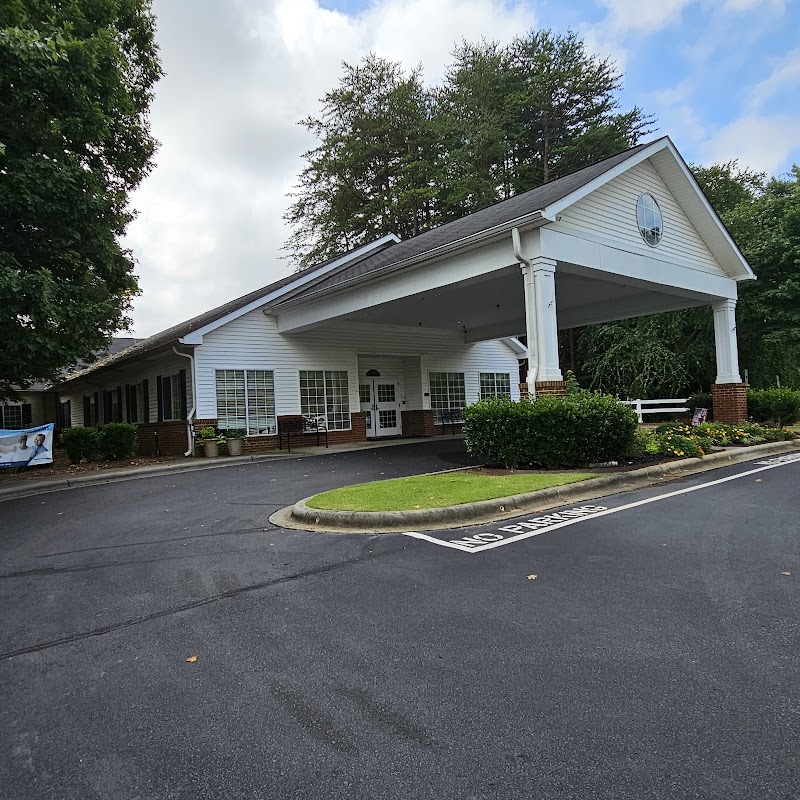
How is Lakeside Health & Rehab Center Staffed?

CMS rates Lakeside Health & Rehab Center's staffing level at 3 out of 5 stars, which is average compared to other nursing homes. Staff turnover is 73%, which is 27 percentage points above the North Carolina average of 46%. High turnover can affect care consistency as new staff learn residents' individual needs. RN turnover specifically is 65%, which is notably high. RNs provide skilled clinical oversight, so turnover in this role can affect medical care quality.

What Have Inspectors Found at Lakeside Health & Rehab Center?

State health inspectors documented 15 deficiencies at Lakeside Health & Rehab Center during 2021 to 2024. These included: 1 that caused actual resident harm, 13 with potential for harm, and 1 minor or isolated issues. Deficiencies causing actual harm indicate documented cases where residents experienced negative health consequences.

Who Owns and Operates Lakeside Health & Rehab Center?

Lakeside Health & Rehab Center is owned by a for-profit company. For-profit facilities operate as businesses with obligations to shareholders or private owners. The facility is operated by SABER HEALTHCARE GROUP, a chain that manages multiple nursing homes. With 114 certified beds and approximately 101 residents (about 89% occupancy), it is a mid-sized facility located in Huntersville, North Carolina.

How Does Lakeside Health & Rehab Center Compare to Other North Carolina Nursing Homes?

Compared to the 100 nursing homes in North Carolina, Lakeside Health & Rehab Center's overall rating (4 stars) is above the state average of 2.8, staff turnover (73%) is significantly higher than the state average of 46%, and health inspection rating (4 stars) is above the national benchmark.

What Should Families Ask When Visiting Lakeside Health & Rehab Center?

Based on this facility's data, families visiting should ask: "How do you ensure continuity of care given staff turnover, and what is your staff retention strategy?" "Can I visit during a mealtime to observe dining assistance and food quality?" "How do you handle medical emergencies, and what is your hospital transfer rate?" "Can I speak with family members of current residents about their experience?" These questions are particularly relevant given the facility's high staff turnover rate.

Is Lakeside Health & Rehab Center Safe?

Based on CMS inspection data, Lakeside Health & Rehab Center has a clean safety record: no substantiated abuse findings (meaning no confirmed cases of resident harm), no Immediate Jeopardy citations (the most serious violation level indicating risk of serious injury or death), and is not on the Special Focus Facility watch list (a federal program monitoring the lowest-performing 1% of nursing homes). The facility has a 4-star overall rating and ranks #1 of 100 nursing homes in North Carolina. While no facility is perfect, families should still ask about staff-to-resident ratios and recent inspection results during their visit.

Do Nurses at Lakeside Health & Rehab Center Stick Around?

Staff turnover at Lakeside Health & Rehab Center is high. At 73%, the facility is 27 percentage points above the North Carolina average of 46%. Registered Nurse turnover is particularly concerning at 65%. RNs handle complex medical decisions and coordinate care — frequent RN changes can directly impact care quality. High turnover means new staff may not know residents' individual needs, medications, or preferences. It can also be disorienting for residents, especially those with dementia who rely on familiar faces. Families should ask: What is causing the turnover? What retention programs are in place? How do you ensure care continuity during staff transitions?

Was Lakeside Health & Rehab Center Ever Fined?

Lakeside Health & Rehab Center has been fined $11,629 across 2 penalty actions. This is below the North Carolina average of $33,195. While any fine indicates a compliance issue, fines under $50,000 are relatively common and typically reflect isolated problems that were subsequently corrected. Families should ask what specific issues led to these fines and confirm they've been resolved.

Is Lakeside Health & Rehab Center on Any Federal Watch List?

Lakeside Health & Rehab Center is not on any federal watch list. The most significant is the Special Focus Facility (SFF) program, which identifies the bottom 1% of nursing homes nationally based on persistent, serious quality problems. Not being on this list means the facility has avoided the pattern of deficiencies that triggers enhanced federal oversight. This is a positive indicator, though families should still review the facility's inspection history directly.