Kannapolis Health and Rehabilitation
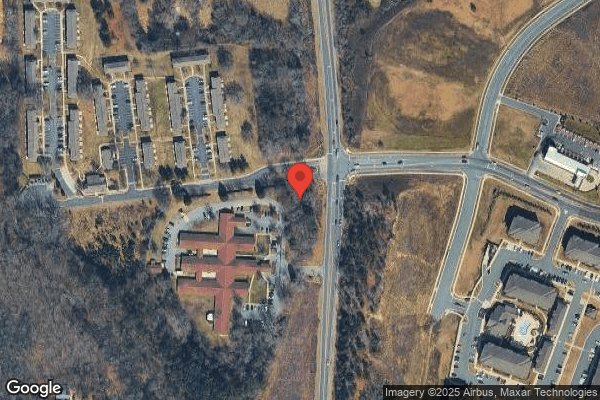

1810 Concord Lake Road, Kannapolis, NC 28083 (704) 933-3781
For profit - Corporation 107 Beds CONSULATE HEALTH CARE/INDEPENDENCE LIVING CENTERS/NSPIRE HEALTHCARE/RAYDIANT HEALTH CARE Data: November 2025 2 Immediate Jeopardy citations
Trust Grade
0/100
#346 of 417 in NC
Last Inspection: January 2025

Within standard 12-15 month inspection cycle. Federal law requires annual inspections.

Overview

Kannapolis Health and Rehabilitation has received a Trust Grade of F, indicating significant concerns and poor quality of care. Ranking #346 out of 417 facilities in North Carolina places them in the bottom half, and they are last among the seven nursing homes in Cabarrus County. Although the facility is showing some improvement, with a reduction in issues from 21 in 2023 to 10 in 2025, they still face serious challenges, including a high fine total of $133,864, which is concerning compared to most other facilities in the state. Staffing is below average with a rating of 2 out of 5 stars, but the turnover rate of 46% is slightly better than the state average. Specific incidents include a failure to administer pain medication to a resident with a severe pressure ulcer before necessary wound dressing changes and a significant medication error that put another resident at risk of a life-threatening adrenal crisis. Despite a good rating in quality measures, these serious deficiencies highlight the need for careful consideration when choosing this facility.

Trust Score
F
0/100
In North Carolina
#346/417
Bottom 18%
Safety Record
High Risk
Review needed
Inspections
Getting Better
21 → 10 violations
Staff Stability
⚠ Watch
46% turnover. Above average. Higher turnover means staff may not know residents' routines.
Penalties
✓ Good
$133,864 in fines. Lower than most North Carolina facilities. Relatively clean record.
Skilled Nurses
⚠ Watch
Each resident gets only 22 minutes of Registered Nurse (RN) attention daily — below average for North Carolina. Fewer RN minutes means fewer trained eyes watching for problems.
Violations
⚠ Watch
44 deficiencies on record. Higher than average. Multiple issues found across inspections.
★☆☆☆☆
1.0
Overall Rating
★★☆☆☆
2.0
Staff Levels
★★★★☆
4.0
Care Quality
★☆☆☆☆
1.0
Inspection Score
Stable
2023: 21 issues
2025: 10 issues

The Good

  • 4-Star Quality Measures · Strong clinical quality outcomes
  • Full Sprinkler Coverage · Fire safety systems throughout facility
  • No fines on record

Facility shows strength in quality measures, fire safety.

The Bad

1-Star Overall Rating

Below North Carolina average (2.8)

Significant quality concerns identified by CMS

Staff Turnover: 46%

Near North Carolina avg (46%)

Higher turnover may affect care consistency

Federal Fines: $133,864

Well above median ($33,413)

Significant penalties indicating serious issues

Chain: CONSULATE HEALTH CARE/INDEPENDENCE

Part of a multi-facility chain

Ask about local staffing decisions and management

The Ugly 44 deficiencies on record

2 life-threatening 1 actual harm
Jan 2025 10 deficiencies 1 IJ
CRITICAL (J) 📢 Someone Reported This

A family member, employee, or ombudsman was alarmed enough to file a formal complaint

Immediate Jeopardy (IJ) - the most serious Medicare violation

Deficiency F0760 (Tag F0760)

Someone could have died · This affected 1 resident

**NOTE- TERMS IN BRACKETS HAVE BEEN EDITED TO PROTECT CONFIDENTIALITY** Based on record reviews, and Nurse Practitioner (NP), Physician, Pharmacist, Endocrinologist, and staff interviews, the facility...

Read full inspector narrative →
**NOTE- TERMS IN BRACKETS HAVE BEEN EDITED TO PROTECT CONFIDENTIALITY** Based on record reviews, and Nurse Practitioner (NP), Physician, Pharmacist, Endocrinologist, and staff interviews, the facility failed to prevent a significant medication error related to hydrocortisone prescribed for Resident #137 (hydrocortisone tablets are a steroid medication that works by decreasing inflammation, slowing down an overactive immune system or replacing the cortisol hormone that helps the body respond to stress) when Resident #137 missed a dose of hydrocortisone on (8/29/24), received the wrong dose of hydrocortisone for two days (8/30/24 and 8/31/24) and then the medication was abruptly stopped. Abrupt cessation of hydrocortisone for adrenal insufficiency can cause an adrenal crisis, where the body experiences a sudden drop in cortisol levels and can lead to life-threatening complications such as low blood pressure. Resident #137 went 18 days without receiving hydrocortisone. Resident #137 was scheduled to be seen by the Endocrinologist on 9/19/24 for the missed doses of hydrocortisone but she was transferred to the hospital on 9/19/24 at the request of family and admitted for weakness and low blood pressure 99/79 (normal blood pressure is 120/70). This was for 1 of 9 residents reviewed for significant medication errors (Resident #137). The findings included: Review of the hospital discharge orders for Resident #137 dated 8/28/24 revealed an order hydrocortisone 10 milligrams (mg) tablet for adrenal insufficiency, (administer) 15 mg (1.5 tablets) in AM and 10 mg (1 tablet) in afternoon by mouth with food. Double or triple dose for illness for 3 days as directed (during illness, the body requires additional cortisol to regulate inflammation, blood pressure, and maintain blood volume.) Resident #137 was admitted to the facility on [DATE] with diagnoses including adrenocortical (adrenal) insufficiency. Adrenal insufficiency is a disorder in which the adrenal glands produce insufficient amounts of cortisol. A deficiency of cortisol can result in a life-threatening crisis characterized by low blood pressure. Additional diagnoses for Resident #137 included diabetes, malnutrition, high blood sodium levels, breast cancer, syncope and collapse (fainting), and abnormal gait. A physician's order transcribed from the hospital discharge summary by Unit Manager #1 dated 8/29/24 specified hydrocortisone 10mg give 1.5 tablets by mouth in the afternoon for inflammation for 3 days. The stop date for the order was 9/1/24. A physician order dated 8/30/24 for midodrine (a medication that elevates blood pressure) 10 mg every 8 hours for low blood pressure, do not give fore blood pressure over 130/80. An NP admission note written by NP #4 dated 8/30/24 was reviewed. NP #4 documented Resident #137 was to take hydrocortisone 10 mg 1.5 tablets every evening with a stop date of 9/2/24. Review of Resident #137's medication administration record (MAR) documented by Nurse #1 that on 8/29/24 Resident #137 did not receive the hydrocortisone due to the medication not being available. Further review of the MAR documented hydrocortisone 10mg 1.5 tablets was administered on 8/30/24 and 8/31/24. Review of the medication administration record for September 2024 documented Resident #137 did not receive hydrocortisone from 9/1/24 to 9/18/24. Review of the blood pressures for Resident #137 revealed the following: (normal blood pressure 120/70) - 9/1/24 117/78 at 10:00 PM - 9/3/24 97/64 at 2:00 PM; 109/58 at 10:00 PM - 9/4/24 106/75 at 2:00 PM; 104/62 at 10:00 PM - 9/5/24 97/58 at 6:00 AM; 115/56 at 2:00 PM; 96/59 at 10:00 PM - 9/6/24 93/52 at 6:00 AM; 115/56 at 10:00 PM - 9/7/24 81/61 at 6:00 AM; 112/66 at 10:00 PM - 9/8/24 118/75 at 10:00 PM - 9/9/24 101/68 at 10:00 PM - 9/10/24 76/54 at 6:00 AM - 9/12/24 109/79 at 2:00 PM - 9/13/24 104/66 at 6:00 AM; 105/76 at 10:00 PM - 9/14/24 105/72 at 6:00 AM - 9/15/24 96/56 at 10:00 PM - 9/16/24 105/68 at 6:00 AM; 102/64 at 2:00 PM; 75/54 at 10:00 PM - 9/17/24 75/54 at 6:00 AM; 91/48 at 2:00 PM; 112/71 at 10:00 PM - 9/18/24 95/65 at 6:00 AM; 95/65 at 2:00 PM; 105/55 at 10:00 PM - 9/19/24 92/61 at 6:00 AM Unit Manager #1 was interviewed on 1/8/25 at 8:47 AM. Unit Manager #1 reported she transcribed the discharge hospital orders for Resident #137 upon her admission to the facility on 8/28/24. Unit Manager #1 explained she read the hydrocortisone order to be for 3 days only and transcribed the order as she understood it. Unit Manager #1 reported she had not clarified the order with the hospital, and she had not called the Endocrinologist to ask for clarification. Unit Manager #1 reported she was not certain if the NP or the physician had reviewed the orders for Resident #137. Unit Manager #1 reported after she transcribed the hospital discharge orders, she asked Unit Manager #2 to check the orders and Unit Manager #2 did not report any transcription mistakes to her. When asked how she understood the orders for hydrocortisone, Unit Manager #1 explained she thought that the medication was to be given for only 3 days, and it didn't occur to her to call the Endocrinologist for clarification or ask the physician or NP to review the order. Unit Manager #1 reported she was not aware Resident #137 did not receive the medication on 8/29/24. Unit Manager #1 reported she was not aware she had not correctly transcribed the order for hydrocortisone. Unit Manager #2 was interviewed on 1/8/25 at 10:07 AM. Unit Manager #2 reported she reviewed Resident #137's hospital discharge orders and the orders in the electronic documentation system and she did not notice the hydrocortisone was ordered for only 3 days. Unit Manager #2 reported when she reviewed the hospital discharge orders, she thought the medication was supposed to be ordered for 3 days only and she did not notice the dose was not ordered correctly. Unit Manager #2 reported she did not call the physician, NP, or the Endocrinologist for clarification of the hydrocortisone order. NP #4 was interviewed by phone on 1/8/25 at 12:50 PM. NP #4 reported she saw Resident #137 for her admission assessment on 8/29/24. NP #4 explained she reviewed the hospital discharge orders and the orders in the electronic documentation system, but she did not notice the hydrocortisone was transcribed incorrectly. NP #4 reported hydrocortisone should not have been stopped abruptly because it would cause the body to lose an essential hormone and could cause an adrenal crisis. A pharmacist note written by Pharmacist #1 and dated 8/30/24 documented based upon the information available at the time of the review, and assuming the accuracy and completeness of such information it is my professional judgement that at such time, the resident's medication regimen contained no new irregularities . A follow-up phone interview was conducted on 1/15/25 at 1:00 PM with Pharmacist #2 and Pharmacist #3. Pharmacist #3 explained that hydrocortisone was used in adrenocortical insufficiency to replace the hormone cortisol the body made to maintain blood pressure and other functions. Pharmacist #3 reported she was unable to say if Resident #137 was affected adversely by the cessation of the hydrocortisone, as the Endocrinologist would have been responsible for managing the dosage of hydrocortisone. A physician history and physical note written by the Physician dated 9/3/24 documented hydrocortisone was to continue for adrenal insufficiency. The history and physical note did not document the hydrocortisone dose. A phone interview was conducted with the Physician on 1/8/25 at 1:03 PM. The Physician reported he had reviewed the hospital discharge orders but had not reviewed the orders transcribed into the electronic documentation system. The Physician reported the hydrocortisone was a significant medication error and the medication should not have been stopped abruptly. The admission Minimum Data Set assessment dated [DATE] assessed Resident #137 to be cognitively intact. A NP progress note dated 9/18/24 was reviewed. NP #2 documented that on 9/17/24 Resident #137's family member asked about the hydrocortisone and NP #2 documented that the hydrocortisone appeared to not be ordered. NP #2 documented she discussed Resident #137's symptoms and labs with the Endocrinologist and it appears that (Resident #137) is supposed to be on hydrocortisone 15 mg in the morning and 10 mg in the evening, which is not currently ordered. (Resident #137) received 3 days of hydrocortisone since admission to the facility (per medication administration record). The note documented the Endocrinologist ordered hydrocortisone 20 mg to be given now and 10 mg in the evening for 3 days and then 15 mg in the morning and 10 mg in the evening. The note documented the endocrinologist wanted Resident #137 to come to the office to be seen on 9/19/24. A physician order dated 9/18/24 to administer hydrocortisone 20 mg, give 1 tablet by mouth once per day for 2 days. Administer 10 mg tablet in the evening. Beginning 9/21/24 administer hydrocortisone 15 mg in the morning and 10 mg in the evening. NP #2 was interviewed on 1/8/25 at 9:40 AM. The NP reported she was not working on 8/28/24 when Resident #137 was admitted to the facility and NP #4 did the admission assessment. NP #2 reported she had reviewed Resident #137's medications (she was uncertain of the exact date) and made a call to the Endocrinologist to clarify the hydrocortisone order. NP #2 reported on 9/17/24 Resident #137's family member inquired about the hydrocortisone and NP #2 was able to talk to the Endocrinologist and received clarification of the order. NP #2 explained Resident #137 should have continued hydrocortisone and it should not have been stopped abruptly because it could cause an adrenal crisis if stopped. A follow-up phone interview was conducted with NP #2 on 1/16/25 at 10:50 AM. NP #2 clarified that the Endocrinologist had ordered hydrocortisone to be given immediately, plus gave orders for the medication for the following days. A follow-up interview was conducted by phone with the Physician on 1/15/25 at 2:48 PM and he reported the hydrocortisone dose would have been determined by the Endocrinologist, and NP #2 did the right thing by contacting the Endocrinologist for orders on 9/17/24. The Physician explained stopping hydrocortisone abruptly could cause an adrenal crisis. The Physician reported he would have expected the Unit Manager to call him, the NP, the hospital or the Endocrinologist for clarification of orders. A nursing note dated 9/19/24 at 12:15 PM documented Resident #137 was taken to her endocrinology appointment by her family member but returned to the facility without being seen by the Endocrinologist. The family member reported he was running late and was unable to get Resident #137 to the appointment on time, and he requested Resident #137 be sent to the emergency room. Hospital emergency room records dated 9/19/24 for Resident #137 documented she was admitted to the hospital for weakness and low blood pressure. Blood pressure on admission to the emergency room was 99/79. Resident #137 was a [AGE] year-old female with a past medical history significant for adrenal insufficiency. A computed tomography (CT) scan was completed on 9/19/24 and a large volume pneumoperitoneum (a condition where air or gas was in the abdominal cavity) was revealed, leading to concerns for a large bowel perforation. The decision was made with Resident #137 and her family member to undergo a laparotomy. Resident #137 was taken urgently to the operating room at 9:00 PM on 9/19/24 for lysis of adhesions, resection of the colon with a colostomy. After the surgery, Resident #137 was transferred to ICU, and she developed worsening low blood pressure. Lab results showed severe acute blood loss anemia. Resident #137 lost pulses and her abdomen was reopened in the ICU where approximately 750 cubic centimeters of blood were discovered. Resident #137 received several rounds of cardiopulmonary resuscitation efforts, and she died at 5:10 AM on 9/20/24. The Endocrinologist was interviewed by phone on 1/15/25 at 4:49 PM. The Endocrinologist reported she recalled talking to NP #2 and ordered Resident 137 to receive hydrocortisone 20 mg immediately. The Endocrinologist explained that stopping hydrocortisone abruptly would have caused an adrenal crisis and this crisis would have caused Resident #137 difficulties with controlling her blood pressure and caused fatigue, as well as other symptoms. The Endocrinologist explained that the adrenal crisis would not have contributed to the bleeding post-operatively. The Administrator was notified of immediate jeopardy on 1/9/25 at 10:45 AM. The facility submitted the following corrective action plan with a compliance date of 9/27/24. Address how the corrective action will be accomplished for those residents found to have been affected by the deficient practice On 08/29/24 Resident #137 was admitted to the facility. The hospital discharge summary orders for Resident #137 read: hydrocortisone 10mg tablet, (administer) 15mg (1.5 tablets) in AM and 10 mg (1 tablet) in afternoon by mouth with food, double or triple doses for illness for 3 days as directed. Resident #137 had a diagnosis of adrenal insufficiency and was prescribed hydrocortisone. The Unit Manager transcribed the order on 08/29/24: hydrocortisone 10 milligrams (mg) give 1.5 tablet by mouth in the afternoon for inflammatory for 3 days until 09/01/24. Resident #137's Medication Administration Record (MAR) was reviewed and there was no documentation of any doses of hydrocortisone administered from 09/02/24 - 09/18/24. One 20mg Hydrocortisone was administered the morning of 09/19/24. On 09/19/24, Resident #137 was transferred to the hospital, and she underwent a laparotomy for lysis of adhesions, resections of the sigmoid colon with end colostomy. Post surgery she was transferred to the Intensive Care Unit (ICU) and developed hypotension and was found to have experienced severe acute blood loss anemia and died on [DATE]. Address how the facility will identify other residents having the potential to be affected by the same deficient practice The facility recognizes that all newly admitted and readmitted residents have the potential to be affected from the prior noncompliance with significant medication errors All newly admitted and readmitted residents between 08/26/24 - 09/26/24 medication orders were audited by the Director of Nursing and or Unit Managers to ensure orders were transcribed correctly on 09/26/24. 30 residents were audited with no discrepancies noted. A quality review was completed on 09/25/24 by the Director of Nursing and or Unit Manager of current residents with a diagnosis of adrenal insufficiency and with hydrocortisone orders to ensure medication is ordered, transcribed correctly, and being given as ordered, no discrepancies noted. On 09/25/24, a quality review of current residents admitted and readmitted within the past 30 days prior to 09/25/24 was conducted by the Director of Nursing and Unit Manager to ensure all other newly admitted or readmitted patients' medications are administered per physician orders and transcribed correctly on the Medication admission Record (MAR). Address what measures will be put into place or systemic changes made to ensure the deficient practice will not recur. On 09/25/24, a Root Cause Analysis was completed by the Director of Clinical Services, and the Executive Director regarding omission of medication administration for resident #137. It was determined through root cause and analysis that the significant medication error was due to the oversight of transcribing the orders incorrectly and there was no verification conducted by a second nurse. The Director of Nursing and/or the nurse managers provided education on 9/25/24 to current nurses on the importance of transcribing all new orders from discharge summaries, verified by 2 nurses to ensure medications are transcribed and administered per physician orders to the residents. Newly hired nurses will be educated on hire during the orientation process. The Executive Director provides oversight for the education of nurses to ensure that 100% of all licensed staff were reeducated on the importance of administrating all ordered medications. Education was completed on 09/25/2024. Indicate how the facility plans to monitor its performance to make sure that solutions are sustained. The Director of Nursing and or Nurse Managers will conduct Quality Improvement Monitoring 5 times per week for 4 weeks, 1 time per week for 3 months and 1 time monthly for 3 months in clinical morning meeting to review the medication administration records of all new residents when admitted or readmitted to ensure all medications are transcribed correctly and medications are administered as ordered per physician starting 9/25/24. Upon receiving hospital discharge summaries medication orders are verified with the provider, 2 nurse verification system; 1 Nurse transcribes all orders, then 1 Nurse verifies/confirms that orders were transcribed correctly. They also review the previous days admissions during the morning meeting and verify during the meeting. On 9/25/24, when the deficient practice of transcribing orders that resulted in a significant medication error was identified the center Executive Director conducted an ADHOC Quality Assurance Performance Improvement (QAPI) meeting to determine the root cause analysis of the deficient practice. The QAPI committee put a plan of action in place to include quality improvement monitoring and the frequency of monitoring beginning on 9/26/24 to ensure medication administration orders were transcribed correctly and medications were administered as ordered. The QAPI committee included the Executive Director, Medical Director, Director of Nursing, the Manager of Social Services, a Unit Manager, Wound Care Nurse, and two floor Nurses. The results of the quality monitoring will be brought to the Quality Assurance Performance Improvement meeting monthly to ensure ongoing compliance for 4 months. Quality Improvement schedule will be modified based on findings of the monitoring. The Center Executive Director alleges compliance on 9/27/24. The corrective action plan was validated on 1/9/25. Education for all nurses was reviewed, and interviews were conducted with the Unit Managers and the staff nurses to confirm receipt of the education. Initial audits of new admissions from 8/26/24 to 9/26/24 were reviewed and no significant medication errors were identified. Quality reviews of current residents and new admissions were reviewed, and no issues were identified. Morning meeting and QAPI meeting notes were reviewed with the DON and Administrator. The immediate jeopardy removal date of 9/27/24 and the compliance date of 9/27/24 was validated.
CONCERN (D)

Potential for Harm - no one hurt, but risky conditions existed

Notification of Changes (Tag F0580)

Could have caused harm · This affected 1 resident

**NOTE- TERMS IN BRACKETS HAVE BEEN EDITED TO PROTECT CONFIDENTIALITY** Based on record review, and physician and staff interviews, the facility failed to notify the Physician when a prescribed dose o...

Read full inspector narrative →
**NOTE- TERMS IN BRACKETS HAVE BEEN EDITED TO PROTECT CONFIDENTIALITY** Based on record review, and physician and staff interviews, the facility failed to notify the Physician when a prescribed dose of hydrocortisone was not administered for 1 of 1 resident reviewed for notification (Resident #137). The findings included: Resident #137 was admitted to the facility on [DATE] with diagnoses including adrenocortical (adrenal) insufficiency. Adrenal insufficiency is a disorder in which the adrenal glands produce insufficient amounts of cortisol. A deficiency of cortisol can result in a life-threatening crisis characterized by low blood pressure. A physician's order transcribed from the hospital discharge summary by Unit Manager #1 dated 8/29/24 specified hydrocortisone 10mg give 1.5 tablets by mouth in the afternoon for inflammation for 3 days. Review of Resident #137's medication administration record (MAR) documented by Nurse #1 that on 8/29/24 Resident #137 did not receive the hydrocortisone due to the medication not being available. There were no nursing notes indicating the physician had been notified Resident #137 had not received the dose of hydrocortisone on 8/29/24. Nurse #1 was interviewed by phone on 1/16/25 at 7:48 AM. Nurse #1 reported she did not specifically recall why the medication was not available for Resident #137 on 8/29/24. Nurse #1 reported if she did not document she had called the physician, she probably had not called him. Nurse #1 reported she should have notified the physician the medication was not administered. Unit Manager #1 was interviewed by phone on 1/16/25 at 10:39 AM. Unit Manager #1 reported she did not recall Nurse #1 reporting the hydrocortisone was not in the facility to administer to Resident #137. Unit Manager #1 reported she did not know if the physician was notified the medication was not administered to Resident #137. An interview was conducted by phone with the Physician on 1/15/25 at 2:48 PM. The Physician reported he had not been notified the hydrocortisone was not administered to Resident #137 on 8/29/24 and he would have expected to be notified of any medication not administered.
CONCERN (D) 📢 Someone Reported This

A family member, employee, or ombudsman was alarmed enough to file a formal complaint

Potential for Harm - no one hurt, but risky conditions existed

Deficiency F0583 (Tag F0583)

Could have caused harm · This affected 1 resident

**NOTE- TERMS IN BRACKETS HAVE BEEN EDITED TO PROTECT CONFIDENTIALITY** Based on record review, and Responsible Party and staff interviews the facility failed to protect the private health information...

Read full inspector narrative →
**NOTE- TERMS IN BRACKETS HAVE BEEN EDITED TO PROTECT CONFIDENTIALITY** Based on record review, and Responsible Party and staff interviews the facility failed to protect the private health information of 1 of 1 resident (Resident #189) when her discharge summary and medication list was sent home with another resident. A reasonable person would not want their private medical information shared with another resident. Findings included: Resident #189 was admitted to the facility on [DATE]. Resident #189's admission Minimum Data Set assessment dated [DATE] indicated she was moderately cognitively impaired. Resident #189 discharged from the facility to home on 7/26/2024. A Complaint/Grievance Report form dated 7/31/2024 by Resident #188 indicated she received Resident #189's discharge summary and medication list when she discharged from the facility. During an interview with Nurse #1 on 1/8/2025 at 12:26 pm she stated there were two residents (Resident #189 and Resident #188) that were scheduled to discharge from the facility on 7/26/2024. She stated Resident #189's records were sent home with Resident #188 by mistake. Resident #188 returned to the facility with the incorrect records, reported the incident and received her own discharge summary and medication list. Resident #189's Responsible Party was interviewed by phone on 1/8/2025 at 1:02 pm and stated when Resident #189 was discharged from the facility she did not have her Discharge Summary or Medication List in the paperwork that was sent home with her and the Responsible Party returned to the facility on 7/26/2024 to get the discharge summary and the medication list. During an interview with the Director of Nursing on 1/9/2025 at 1:37 pm she did not recall if Resident #189 was notified of the breach of privacy when her Discharge Summary and Medication List was sent home with Resident #188. The DON stated Nurse #1 should have ensured the correct packet was sent with Resident #189 and Resident #188. On 1/9/2025 at 2:10 pm the Administrator was interviewed and stated the staff should have notified Resident #189 or her Responsible of Party of the privacy breach when Resident #189's medical records were sent home with Resident #188. The Administrator stated Resident #189, or her Responsible Party should have been made aware of the potential risk to her personal health information.
CONCERN (D)

Potential for Harm - no one hurt, but risky conditions existed

Assessment Accuracy (Tag F0641)

Could have caused harm · This affected 1 resident

**NOTE- TERMS IN BRACKETS HAVE BEEN EDITED TO PROTECT CONFIDENTIALITY** Based on staff interviews and record review, the facility failed to code the Minimum Data Set (MDS) assessment accurately in the...

Read full inspector narrative →
**NOTE- TERMS IN BRACKETS HAVE BEEN EDITED TO PROTECT CONFIDENTIALITY** Based on staff interviews and record review, the facility failed to code the Minimum Data Set (MDS) assessment accurately in the area of swallowing for 1 of 4 residents (Resident #75) reviewed for MDS accuracy. The findings included: Resident #75 was admitted to the facility on [DATE] with diagnoses that included cerebral infarction and oropharyngeal dysphagia. Review of Resident #75's care plan, last revised on 12/06/24, included a focus area that read Resident #75 had a nutritional problem or potential problem due to mechanically altered diet related to obesity, cerebral infarction and dysphagia. The interventions included for staff to monitor/record/report to physician, as needed, signs and symptoms of malnutrition, emaciation, muscle wasting, significant weight loss. Registered Dietician to evaluate and make diet change recommendations as needed. Resident #75's quarterly Minimum Data Set (MDS) assessment dated [DATE] indicated her cognition was moderately impaired. She had no range of motion limitations and required set-up/ clean-up assistance with eating. The area of swallowing for Resident #75 was coded for no swallowing disorders. A phone interview was conducted on 01/08/25 at 11:50 AM with the Registered Dietician. She verified she does complete the nutrition section of the MDS assessment. She explained that Resident #75 did have swallowing problems which resulted in choking and coughing when eating and drinking fluids. She stated it was an oversight that she did not accurately code the quarterly MDS assessment in the area of nutrition. An Interview was conducted on 01/09/25 at 1:15 PM with the Administrator. He stated he expected the MDS assessments to be accurately coded to reflect the residents' conditions, abilities, concerns, and diagnoses.
CONCERN (D)

Potential for Harm - no one hurt, but risky conditions existed

Deficiency F0658 (Tag F0658)

Could have caused harm · This affected 1 resident

**NOTE- TERMS IN BRACKETS HAVE BEEN EDITED TO PROTECT CONFIDENTIALITY** Based on record review, and staff and Nurse Practitioner (NP) interviews, the facility failed to transcribe orders for inserting...

Read full inspector narrative →
**NOTE- TERMS IN BRACKETS HAVE BEEN EDITED TO PROTECT CONFIDENTIALITY** Based on record review, and staff and Nurse Practitioner (NP) interviews, the facility failed to transcribe orders for inserting a peripheral intravenous (IV) line, 0.9% normal saline (NS) (water and salt) solution, and flushes (solution that's injected into an IV line to clean it and prevent blockages) for a midline (a type of peripheral IV that is longer than a peripheral IV). This was for 1 of 1 resident (Resident #75) reviewed for IV fluids. The findings included: Resident #75 was admitted to the facility on [DATE] with diagnoses that included cerebral infarction, diabetes mellitus, and diverticulitis of intestines. Resident #75's quarterly Minimum Data Set (MDS) dated [DATE] indicated her cognition was moderately impaired. A review of the January 2025 physician orders revealed an order dated 01/01/25 to have a midline IV placed. The orders did not reveal orders for 0.9% NS at 500 milliliters (ml)/hour, a peripheral IV, or midline flushes to maintain patency. A review of the nursing progress notes revealed a note dated 01/02/25 that read Resident #75 had a midline IV placed in the right upper arm. The midline catheter was patent with 0.9% NS flowing per orders. An interview was conducted on 01/07/25 at 12:27 PM with Unit Manager #1. She stated Nurse #3 entered the order for Resident #75 to have a midline IV put in if staff were unable to get a peripheral line inserted. The midline IV was inserted by a healthcare company that specialized in vascular access on 01/02/25. She was aware Nurse #3 did not enter the order for the peripheral IV line, 0.9% NS fluids, or the midline IV flushes. A phone interview was conducted on 01/08/25 at 1:00 PM with Nurse #3. He stated he did not originally obtain the orders for Resident #75 to receive NS fluids and peripheral IV. He was told verbally by Supervisor #1 to try and get a peripheral IV line started on Resident #75 and that if he was unable to get the peripheral IV line inserted, they had an order for a midline IV to be placed. He then stated he did not enter the orders because he thought the Supervisor #1 had entered them. An interview was conducted on 01/08/25 at 3:18 PM with Unit Manager #1. She stated she was working on 01/02/25 when the healthcare company that specialized in vascular access inserted the midline IV for Resident #75. She also stated the policy did not include maintenance orders for the midline which included to flush lumen with NS followed by heparin every shift. She explained she forgot to transcribe the flush orders after the midline was inserted. A phone interview was conducted on 01/08/25 at 6:15 PM with Supervisor #1. She stated she did receive orders to attempt to insert a peripheral IV line and to start 0.9% NS at 500ml/hr because Resident #75's eating and drinking had slowed down. Supervisor #1 indicated Resident #75 was alert and verbally responsive and was displaying no signs or symptoms of distress. She explained she communicated with Physician Assistant (PA) #1 through the tele triage in the electronic documentation system. She also stated PA#1 gave orders that if they were unable to insert the peripheral IV line, they could order for a midline IV to be inserted. Supervisor #1 indicated she passed this on to Nurse #3 and asked him if he would transcribe the orders to the electronic medical record. She then explained the orders did not get transcribed due to a miscommunication between her and Nurse #3. A follow-up phone interview was conducted on 01/09/25 at 9:22 AM with Nurse #3 related to the orders not being entered into the electronic medical record. He stated that when he got an order for peripheral IV line insertion and fluids on a resident that he had attempted to insert the peripheral IV line prior to entering the order. If he was unable to successfully place the peripheral IV line, he would have called to get healthcare company specialized in vascular access to place a midline. He indicated he did not see an order for starting the 0.9% fluids on the electronic medical record although he was aware that was the reason for starting the peripheral IV line to begin with. He explained that he misunderstood Supervisor #1 related to transcribing the orders, he thought she had transcribed them. He also stated Resident #75 was alert and verbally responsive with no signs or symptoms of acute distress. An interview was conducted on 01/09/25 at 10:58 AM with Nurse Practitioner #3. She stated all orders should be entered into the electronic medical record when they are received. Orders for any IVs, 0.9% NS fluids, and IV flushes should be entered. Flushes should have been performed per facility policy. An interview was conducted on 01/08/25 at 2:50 PM with the Director of Nursing (DON). She indicated she was unaware the IV, IV flushes, or 0.9% NS orders for Resident #75 were not entered into the electronic medical record. The DON stated she expected the nurse who received the order to transcribe it when they received it. An interview was conducted on 01/09/25 at 1:15 PM with the Administrator. He stated he expected all orders to be entered into the electronic medical record as soon as they are received.
CONCERN (D)

Potential for Harm - no one hurt, but risky conditions existed

Deficiency F0661 (Tag F0661)

Could have caused harm · This affected 1 resident

**NOTE- TERMS IN BRACKETS HAVE BEEN EDITED TO PROTECT CONFIDENTIALITY** Based on record review, and staff and Responsible Party interviews, the facility failed to send 2 of 9 residents (Resident # 188...

Read full inspector narrative →
**NOTE- TERMS IN BRACKETS HAVE BEEN EDITED TO PROTECT CONFIDENTIALITY** Based on record review, and staff and Responsible Party interviews, the facility failed to send 2 of 9 residents (Resident # 188 and Resident # 189) with a list of their ordered medications and Discharge Summary when they were discharged from the facility on 7/26/2024. Resident #188 was discharged on 7/26/2024 with Resident #189's Discharge Summary and Medication List. Resident #188 did not receive the correct Discharge Summary and Medication List until 7/29/2024. Resident #189 was discharged without a Discharge Summary and Medication List on 7/26/2024 and the Family Member returned to the facility on 7/26/2024 to obtain the Discharge Summary and Medication List. Findings included: 1. Resident #188 was admitted to the facility on [DATE] with diagnoses of arthritis and fractures. An admission Minimum Data set assessment dated [DATE] indicated Resident #188 was cognitively intact and she planned to discharge home. Resident #188's Care Plan dated 7/11/2024 indicated she planned to discharge back to the community. Resident #188 discharged on 7/26/2024. A complaint/grievance report dated 7/31/2024 indicated Resident #188 was given another resident's (Resident #189's) discharge summary and medication list when she was discharged home from the facility. During an interview with Nurse #2 on 1/8/2025 at 11:09 am she stated she did remember Resident #188 receiving the wrong discharge summary and medication list, but she did not remember being made aware she made the mistake. The Director of Nursing was interviewed on 1/9/2025 at 1:37 pm and stated she spoke with Nurse #2 who discharged Resident #188 on 7/26/2024 and Nurse #2 stated she accidentally picked up the wrong packet and sent it home with Resident #188. The Director of Nursing stated Nurse #2 was responsible for placing the Discharge Summary and Medication List in Resident #188's packet and ensuring it was sent with her at discharge. 2. Resident #189 was admitted to the facility on [DATE] with diagnoses of traumatic subdural hematoma and history of fall. An admission Minimum Data Set assessment dated 7/2024 indicated Resident #189 was mildly cognitively impaired and planned to discharge back to the community. Resident #189's Care Plan dated 6/28/2024 indicated she planned to return home with family assistance. During an interview with the Responsible Party on 1/8/2025 at 1:02 pm she stated Resident #189's discharge paperwork that included her medication list was not sent home with her and the family returned to the facility to obtain the medication on the day Resident #189 discharged . Nurse #1 was interviewed on 1/8/2025 at 12:25 pm and stated the Social Worker had mixed up the discharge folder when Resident #189 was discharged home, and she was sent home with Resident #188's Discharge Summary and Medication List. Nurse #1 stated she was Resident #188's nurse on 7/26/2024 but she did not discharge her from the facility and did not remember who had discharged her. The Director of Nursing was interviewed on 1/9/2025 at 1:37 pm and she stated Nurse #1 was responsible for ensuring the discharged resident received the correct packet with a discharge summary and medication list at discharged . She stated Nurse #1 should have ensured Resident #189 had the packet when she was discharged home. On 1/9/2025 at 2:11 pm the Administrator was interviewed and stated Nurse #1 and Nurse #2 should have ensured the correct discharge paperwork was sent home with Resident #188 and Resident #189.
CONCERN (D) 📢 Someone Reported This

A family member, employee, or ombudsman was alarmed enough to file a formal complaint

Potential for Harm - no one hurt, but risky conditions existed

Respiratory Care (Tag F0695)

Could have caused harm · This affected 1 resident

**NOTE- TERMS IN BRACKETS HAVE BEEN EDITED TO PROTECT CONFIDENTIALITY** Based on record review, and Nurse Practitioner (NP) and staff interviews the facility failed to provide 1 of 1 resident (Residen...

Read full inspector narrative →
**NOTE- TERMS IN BRACKETS HAVE BEEN EDITED TO PROTECT CONFIDENTIALITY** Based on record review, and Nurse Practitioner (NP) and staff interviews the facility failed to provide 1 of 1 resident (Resident #190) with a Continuous Positive Airway Pressure (CPAP) machine (a CPAP machine provides constant and steady air pressure to help a resident breath while asleep) reviewed for respiratory services. Findings included: A Discharge summary dated [DATE] from the hospital was reviewed and stated Resident #190 required a CPAP machine when he was sleeping and napping. The Discharge Summary further stated Resident #190 had been noncompliant in the past with his CPAP but had been compliant during his hospitalization. Resident #190 was admitted to the facility on [DATE] with of respiratory disease and obstructive sleep apnea. A review of Resident #190's Physician's Orders revealed no orders for a CPAP were found. Nurse #2, who admitted Resident #190 on 6/6/2024, was interviewed by phone on 1/8/2025 at 1:07 pm and she stated she did not remember Resident #190 and was not able to say whether his hospital Discharge Summary stated he needed a CPAP machine. Resident #190's initial Care Plan dated 6/6/2024 specified he should have 4 liters of oxygen per minute and required a CPAP machine. A 5-day Minimum Data Set assessment dated [DATE] indicated Resident #190 was severely cognitively impaired. Resident #190's Medication Administration Record (MAR) for 6/2024 did not indicate he was provided a CPAP machine. The Respiratory Therapist was interviewed by phone on 1/8/2025 at 2:15 pm and she stated she did not have access to the records at the facility and did not remember Resident #190. The Respiratory Therapist stated when she evaluated and treated residents at the facility, she did a written note that was scanned and placed in the resident's electronic record. She stated if she saw Resident #190 after he was admitted there would be a note in his electronic record. A hospital Emergency Department Note dated 6/9/2024 at 1:17 pm indicated Resident #190 was seen in the Emergency Department but was not in respiratory distress. The note further indicated a chest x-ray showed pleural effusions and pulmonary edema and re-admission back to the hospital was recommended due to the pulmonary edema and his CPAP not being available. An interview was conducted with the Nurse Practitioner on 1/9/2025 at 1:15 pm and she stated Resident #190 was in very bad shape when he was admitted , and she felt that he should not have been discharged from the hospital. She further stated she saw him the day after he was admitted and did not remember if he had a CPAP or not. The Nurse Practitioner stated she did not know if the CPAP would have made a difference is his outcome since he was already so sick. On 1/9/2025 at 7:52 am the Director of Nursing (DON) was interviewed and stated Resident #190 was admitted to the facility on [DATE] and discharged on 6/9/2024 when his Responsible Party called emergency services to have him sent to the hospital. The DON also stated Resident #190 did not have his CPAP during his stay. She stated he came from the hospital without CPAP supplies or a CPAP machine and usually when a resident is on a CPAP they are sent to the facility with the machine. The DON stated she did not know why the hospital had discharged him without the CPAP. The DON stated she called the Respiratory Therapist on the evening of 6/6/2024 when Resident #190 was admitted and again on the morning of 6/7/2024 but she did not try to reach her again. The DON stated she did not know why the Respiratory Therapist did not come to assess Resident #190 and set up his CPAP. The DON stated the Responsible Party came into the facility on 6/9/2024 and called emergency services because he did not have his CPAP since he was admitted but Resident #190 was not in respiratory distress. The Director of Nursing also stated she was not able to find a progress note written by the Respiratory Therapist in the resident's record. The Administrator was interviewed on 1/9/2025 at 2:08 pm and stated the nursing staff should have ensured Resident #190's CPAP was in place when he was admitted and if they could not get the CPAP on admission, they should have sent him back to the hospital.
CONCERN (D) 📢 Someone Reported This

A family member, employee, or ombudsman was alarmed enough to file a formal complaint

Potential for Harm - no one hurt, but risky conditions existed

Drug Regimen Review (Tag F0756)

Could have caused harm · This affected 1 resident

**NOTE- TERMS IN BRACKETS HAVE BEEN EDITED TO PROTECT CONFIDENTIALITY** Based on record review, and Consultant Pharmacist, and Director of Nursing interviews the Consultant Pharmacist failed to recogn...

Read full inspector narrative →
**NOTE- TERMS IN BRACKETS HAVE BEEN EDITED TO PROTECT CONFIDENTIALITY** Based on record review, and Consultant Pharmacist, and Director of Nursing interviews the Consultant Pharmacist failed to recognize a medication error when the facility failed to follow admission orders for hydrocortisone used for adrenal insufficiency. This was for 1 of 9 residents reviewed for medication errors (Resident #137). The findings included: Review of the hospital discharge orders for Resident #137 dated 8/28/24 revealed an order hydrocortisone 10 milligrams (mg) tablet for adrenal insufficiency, (administer) 15 mg (1.5 tablets) in AM and 10 mg (1 tablet) in afternoon by mouth with food. Double or triple dose for illness for 3 days as directed (during illness, the body requires additional cortisol to regulate inflammation, blood pressure, and maintain blood volume.) Resident #137 was admitted to the facility on [DATE] with diagnoses including adrenocortical (adrenal) insufficiency. Adrenal insufficiency is a disorder in which the adrenal glands produce insufficient amounts of cortisol. A deficiency of cortisol can result in a life-threatening crisis characterized by low blood pressure. A physician's order transcribed from the hospital discharge summary by Unit Manager #1 dated 8/29/24 specified hydrocortisone 10mg give 1.5 tablets by mouth in the afternoon for inflammation for 3 days. The order concluded on 9/1/24. Review of Resident #137's medication administration record (MAR) documented that on 8/29/24 Resident #137 did not receive the hydrocortisone due to the medication not being available. Further review of the MAR documented hydrocortisone 10mg 1.5 tablets was administered on 8/30/24 and 8/31/24. Review of the medication administration record for September 2024 documented Resident #137 did not receive hydrocortisone 9/1/24 to 9/18/24. A pharmacist note written by Pharmacist #1 and dated 8/30/24 documented based upon the information available at the time of the review, and assuming the accuracy and completeness of such information it is my professional judgement that at such time, the resident's medication regimen contained no new irregularities . A phone interview was conducted on 1/8/25 at 3:03 PM with Pharmacist #1 and Pharmacist #3, her clinical manager. Pharmacist #1 reported she conducted a remote review of the admission orders for Resident #137 on 8/30/24. Pharmacist #1 reported during the admission review of information for new residents, she reviewed the information that was available in the electronic documentation system, and if the hospital discharge orders were not uploaded into the system, she would have looked at only the orders in the electronic documentation system. Pharmacist #3 explained that the facilities are encouraged to upload all information into the electronic documentation system, so all information is available to the pharmacist, but she did not recall if the hospital discharge orders were available during her review. A follow-up phone interview was conducted on 1/15/25 at 1:00 PM with Pharmacist #2 and Pharmacist #3. Pharmacist #2 performed a medication review for Resident #137 on 9/19/24 and reported she had not reviewed the hospital discharge orders, only the medication orders available in the electronic documentation system. Pharmacist #3 explained that after the interview on 1/8/25, she had investigated when the hospital discharge orders were available in the electronic documentation system and discovered that the facility had not scanned the orders in for 2 weeks. The Director of Nursing (DON) and Administrator were interviewed by phone on 1/16/25 at 11:09 AM. The DON reported the admission orders for Resident #137 were not uploaded into the electronic documentation system until 9/12/24 and the admission orders were not available for Pharmacist #1 to review on 8/30/24. The Administrator explained that typically the hospital discharge orders were put into the system by the corporate admissions team, but the orders for Resident #137 were emailed to the DON and that caused the delay loading the orders into the electronic documentation system.
CONCERN (D)

Potential for Harm - no one hurt, but risky conditions existed

Deficiency F0757 (Tag F0757)

Could have caused harm · This affected 1 resident

**NOTE- TERMS IN BRACKETS HAVE BEEN EDITED TO PROTECT CONFIDENTIALITY** Based on record review, and Nurse Practitioner and staff interviews, the facility failed to prevent Resident #27 from receiving ...

Read full inspector narrative →
**NOTE- TERMS IN BRACKETS HAVE BEEN EDITED TO PROTECT CONFIDENTIALITY** Based on record review, and Nurse Practitioner and staff interviews, the facility failed to prevent Resident #27 from receiving an extra dose of Lyrica (a medication used to treat nerve and muscle pain). This was for 1 of 9 residents whose medications were reviewed. The findings included: Resident #27 was admitted to the facility on [DATE] with diagnoses that included rheumatoid arthritis. A review of Resident #27's physician orders included an order dated 4/12/24 for Pregabalin (Lyrica) 75 milligrams (mg), give two capsules by mouth every 12 hours for pain. Review of a facility incident report dated 7/25/24 indicated that Resident #27 had received 300 mg of Lyrica instead of 150 mg. The nurse practitioner (NP) and responsible party were notified. A review of the Controlled Medication Utilization Record indicated the Lyrica was packaged in 150 mg capsules. On 7/25/24 at 9:00 AM Nurse #3 administered two capsules of Lyrica 150 mg instead of one as ordered. On 1/9/25 at 9:20 AM, a phone interview occurred with Nurse #3. He stated it was an oversight to have provided Resident #27 with 300 mg of Lyrica instead of 150 mg and most likely didn't review the narcotic card label that read 150 mg tablets were present. On 1/8/25 at 1:32 PM, an interview occurred with the Unit Manager #2, who completed the incident report dated 7/25/24. She explained that the pharmacy had packaged the Lyrica in 150 mg capsules and the order read to give two 75 mg capsules. During the investigation, Nurse #3 stated he inadvertently provided two capsules without looking at the medication label for the strength. The NP was notified and provided an order to monitor Resident #27. She recalled Resident #27 showed no ill effects from receiving 300 mg of Lyrica instead of 150 mg. An interview was conducted with the Director of Nursing (DON) on 1/9/25 at 9:07 AM, who reviewed the Controlled Medication Utilization Record and physician orders. It was discovered during the investigation, that Nurse #3 didn't review the medication label and inadvertently gave 300 mg instead of 150 mg of Lyrica. She added that she would expect the right dosage of medication to be given as ordered. A phone interview was completed with NP #2 on 1/9/25 at 9:17 AM and was able to recall Resident #27 receiving 300 mg of Lyrica instead of 150 mg in July 2024. She stated the extra dose of medication would not have caused any serious side effects as Resident #27 had been taking the medication for an extended period and most likely would have only caused drowsiness. She didn't feel this was a significant medication error and recalled ordering the staff to monitor Resident #27. NP #2 stated she would expect the nursing staff to provide the correct dosage of medication.
MINOR (B)

Minor Issue - procedural, no safety impact

Staffing Information (Tag F0732)

Minor procedural issue · This affected multiple residents

Based on observations, record review and staff interviews, the facility failed to post accurate Registered Nurse (RN) hours for 3 of 94 days reviewed for posted nurse staffing (11/23/24, 1/06/25 and 1...

Read full inspector narrative →
Based on observations, record review and staff interviews, the facility failed to post accurate Registered Nurse (RN) hours for 3 of 94 days reviewed for posted nurse staffing (11/23/24, 1/06/25 and 1/07/25). The findings included: A review of the daily posted nurse staffing sheets from October 2024 through January 2025 indicated the staffing sheet dated 11/23/24 had no RN hours documented for any of the 3 shifts. An observation conducted on 1/06/25 at 3:02 PM revealed the daily posted nurse staffing sheet had no RN hours documented for any of the 3 shifts on 1/06/25. An observation conducted on 1/07/25 at 8:30 AM revealed the daily posted nurse staffing sheet had no RN hours documented for any of the 3 shifts on 1/07/25. An interview with the Staffing Coordinator on 1/09/25 at 8:50 AM indicated she was responsible for completing the daily posted nurse staffing sheets. She revealed there was an RN in the facility at least 8 hours a day but she only documented RN hours on the staffing sheet if they worked on the floor and provided direct resident care. The Staffing Coordinator stated the Weekend Nursing Supervisor was the RN on 1st shift (7am-3pm) 11/23/24 and the MDS Coordinator was the RN on 1st shift 1/06/25 and 1/07/25, but she did not document their hours on the staffing sheet because they were supervisors and not working on the floor. An interview conducted with the Director of Nursing (DON) on 1/09/25 at 9:00 AM revealed the Staffing Coordinator was responsible for completing the daily posted nurse staffing sheets. She indicated there was an RN in the facility at least 8 hours a day and was either a nurse working the floor, the MDS Coordinator, Assistant Director of Nursing or the Weekend Nursing Supervisor. She stated the RN hours on the nurse staffing sheets from 11/23/24, 1/06/25 and 1/07/25 were not accurate. She stated the Weekend Nursing Supervisor worked 1st shift on 11/23/24 and the MDS Coordinator worked 1st shift on 1/06/25 and 1/07/25 and the hours they worked should have been documented on the posted nurse staffing sheet as RN hours.
Oct 2023 4 deficiencies
CONCERN (D) 📢 Someone Reported This

A family member, employee, or ombudsman was alarmed enough to file a formal complaint

Potential for Harm - no one hurt, but risky conditions existed

Resident Rights (Tag F0550)

Could have caused harm · This affected 1 resident

**NOTE- TERMS IN BRACKETS HAVE BEEN EDITED TO PROTECT CONFIDENTIALITY** Based on record reviews, observations, resident and staff interviews, the facility failed to maintain a resident's dignity when ...

Read full inspector narrative →
**NOTE- TERMS IN BRACKETS HAVE BEEN EDITED TO PROTECT CONFIDENTIALITY** Based on record reviews, observations, resident and staff interviews, the facility failed to maintain a resident's dignity when a Physical Therapist Assistant used profanity directed towards 1 of 3 residents reviewed for dignity (Resident #205). The findings included: Resident #205 was admitted to the facility on [DATE]. The admission Minimum Data Set assessment dated [DATE] assessed Resident #205 to be cognitively intact. An initial allegation report dated 9/21/2023 at 3:30 PM documented a nurse overheard a Physical Therapy Assistant (PTA) #1 use profanity directed towards Resident #205. PTA #1 was removed from the facility and suspended during the investigation. The investigative report dated 9/26/2023 documented that the facility investigation into the incident revealed that the exchange did not rise to the level of abuse but was inappropriate. Resident #205 was interviewed by Administrator #2, and Resident #205 reported he had gotten angry and was taking it out on (PTA #1) and he (PTA #1) didn't do anything, it was my fault. An interview was conducted with the Certified Occupational Therapist Assistant (COTA) #1 on 10/18/2023 at 12:14 PM. COTA #1 reported he and PTA #1 were going to provide a joint therapy session to Resident #205 on 9/21/2023. COTA #1 described arriving at Resident #205's room and the resident was very upset and cursing at PTA #1. COTA #1 explained PTA #1 was trying to calm down Resident #205, but Resident #205 was becoming more upset. COTA #1 reported he said, We aren't doing this, (meaning provide therapy services with Resident #205 so upset) and told PTA #1 to leave the room with him. As COTA #1 and PTA #1 were leaving the room, Resident #205 shouted F-you! and PTA #1 stopped at the doorway, turned around and said, No, F-you! The Director of Rehabilitation was interviewed on 10/18/2023 at 12:29 PM. The Director of Rehabilitation reported that she was working on 9/21/2023 but she had not been a witness to the verbal altercation between Resident #205 and PTA #1. The Director of Rehabilitation reported PTA #1 was suspended after the incident and then terminated once the investigation was completed. The Director of Rehabilitation reported she had worked with PTA #1 for 15 years and he had never displayed verbal aggression towards any resident and the incident was out of character for PTA #1. PTA #1 was interviewed by phone on 10/18/2023 at 2:22 PM. PTA #1 reported he had worked at the facility for 28 years and had been very familiar with Resident #205, explaining that Resident #205 became verbally aggressive at times. PTA #1 reported he had been walking towards Resident #205's room on 9/21/2023 sometime after lunch when he heard Resident #205 start yelling. PTA #1 explained when he got to Resident #205's room, he was yelling and very upset and called PTA #1 a stupid M-f-er. PTA #1 said he told Resident #205 he could not speak to him that way and started to leave the room when Resident #205 yelled F-you! PTA #1 reported, I just lost my cool and my professionalism, he got to me, and I turned around and said, No, F-you back to Resident #205. PTA #1 explained that he was terminated from his position. PTA #1 reported he had received in-services prior to the incident related to treating the residents with respect and dignity and he was aware of how to approach a resident that was agitated, but I was upset, he called me names and I snapped. Resident #205 was interviewed on 10/18/2023 at 3:01 PM. Resident # 205 explained he had turned his call bell on 9/21/2023 sometime after lunch and he was waiting for the nursing assistant to help him. Resident #205 reported he had spilled his urinal and he had urine on him and in the bed and when PTA #1 arrived at his room for therapy, Resident #205 reported he was very upset because he had been waiting for a few minutes. Resident #205 verbalized PTA #1 had told him to calm down, and that just pissed me off. I called him some names and he told me not to talk to him that way, he was trying to help me. Resident #205 said at that point, COTA #1 had arrived in the room, and he had said to PTA #1 we aren't doing this, and Resident #205 explained he thought they were going to leave without helping him and he yelled F-you! to both PTA #1 and COTA #1. Resident #205 said that PTA #1 stopped at the doorway, turned around and said, No, F-you. Resident #205 reported he felt terrible about yelling at PTA #1 and he apologized to PTA #1. Resident #205 stated, I was wrong, he (PTA #1) really helped me (with therapy) and I felt terrible I treated him that way. The facility action plan dated 9/22/2023 documented the immediate actions the facility took on 9/21/2023 including interviewing and suspending PTA #1, resident interview with Resident #205, and completion of the initial allegation report. The action plan detailed the education provided to all staff in person and over the phone for staff not working, including dignity education which was completed by 9/22/2023. The action plan documented all alert and oriented residents were interviewed by the management staff and the Social Worker related to concerns with staff treatment of them and these interviews were completed by 9/23/2023. The facility had daily Quality Monitoring in place prior to the incident where management and department leaders had daily rounds with residents for concerns with care, including the treatment of residents with dignity, and this Quality Monitoring was to continue. No issues were identified during the review of the Quality Monitoring records by the facility. An ad hoc Quality Assurance and Performance Improvement (QAPI) team meeting was conducted on 9/23/2023 to provide education to all departments leaders and to review and discuss the action plan. The results of the Quality Monitoring will be discussed at the monthly QAPI meeting and further concerns will be addressed by the team. The date of completion was 9/26/2023 for education with ongoing monitoring. The action plan was validated by reviewing the education provided to the staff, reviewing the interviews with residents, and reviewing the daily Quality Monitoring documentation. Residents were interviewed during the survey, and none reported having any issues with how staff treated them. Staff were interviewed and they had all received education regarding dignity. The facility completion date of 9/26/2023 was validated.
CONCERN (D) 📢 Someone Reported This

A family member, employee, or ombudsman was alarmed enough to file a formal complaint

Potential for Harm - no one hurt, but risky conditions existed

Deficiency F0602 (Tag F0602)

Could have caused harm · This affected 1 resident

**NOTE- TERMS IN BRACKETS HAVE BEEN EDITED TO PROTECT CONFIDENTIALITY** Based on record reviews, observations, resident and staff interviews, the facility failed to protect a resident's right to be fr...

Read full inspector narrative →
**NOTE- TERMS IN BRACKETS HAVE BEEN EDITED TO PROTECT CONFIDENTIALITY** Based on record reviews, observations, resident and staff interviews, the facility failed to protect a resident's right to be free from misappropriation of pain medication for 1 of 3 residents reviewed for abuse (Resident #201). The findings included: Resident #201 was admitted to the facility on [DATE] with diagnoses to include stroke and diabetes. The physician orders for Resident #201 included an order for oxycodone 10 milligrams to be administered three times per day. The quarterly Minimum Data Set, dated [DATE] assessed Resident #201 to be cognitively intact and she received scheduled pain medication for occasional moderate pain. The facility initial allegation report dated 9/15/2023 documented that a pharmacy request to refill oxycodone for Resident #201 was denied by the pharmacy for being too early. The report indicated the narcotics in the medication cart were reviewed and a card of tablets were missing. The facility ran a report of all narcotics delivered in the past 30 days and checked to ensure all other residents had their medications available. The facility conducted pain assessments on all residents receiving narcotic pain medications and no issues were identified. The facility investigation report dated 9/21/2023 detailed the investigation including the discovery that one other resident was missing narcotics. The facility interviewed residents to determine if they had received their pain medications and no issues were identified. The report indicated the facility was unable to determine at the time of the report if the medications were returned to the pharmacy or had been misappropriated and the facility put a plan of correction into place to prevent future misappropriation of medications. The facility reported the incident to the Department of Social Services and local police department on 9/15/2023. Nurse #2 was interviewed on 10/18/2023 at 11:54 AM. Nurse #2 reported that when narcotics were delivered from the pharmacy, two nurses were required to count the narcotics and sign the delivery sheet before the pharmacy courier could leave the facility. Nurse #3 was interviewed on 10/18/2023 at 2:36 PM. Nurse #3 reported that when narcotics were delivered from the pharmacy, two nurses were required to accept the delivery and the nurses had to count the narcotics and sign before the delivery was accepted. Nurse #4 was interviewed on 10/18/2023 at 4:01 PM. Nurse #4 confirmed that two nurses were required to check and count deliveries of narcotics and sign before the pharmacy courier could leave the facility. Resident #201 was interviewed on 10/19/2023 at 9:18 AM and she reported she had not missed any doses of pain medication. An interview was conducted with the Director of Nursing (DON) on 10/19/2023 at 10:01 AM. The DON explained the facility became aware of the missing medications on 9/14/2023 when a request for a refill was denied by the pharmacy. The DON explained that Resident #201 had three cards of oxycodone, and the 2nd card was missing. The DON explained the narcotic count was correct until the facility attempted to request a refill on the medication. The DON described the investigative process, which included reviewing all narcotics delivered to the facility, audits of the residents receiving narcotics, pain assessments of the residents receiving narcotics, and drug screening 6 nurses who were on duty during the time the medication was discovered missing. The DON reported the facility initially concluded the medications had been sent back to the pharmacy without the proper documentation but had since determined the medications were taken by a nurse. The DON reported one nurse had inconclusive drug screen results for illicit drugs and they were still waiting for the final report. The DON explained the nurse was suspended pending the results of the drug screen and a report would be made to the Board of Nursing once those results were received. The DON described the process of auditing narcotics and administration records and changing the process for receiving narcotics from the pharmacy. During the interview, the DON explained that prior to this updated process to accept controlled medications from the pharmacy, only one nurse would count the narcotics and sign for them. The DON explained that 2 nurses were expected to count new delivery narcotics, and both would sign before the pharmacy courier could leave the facility. The DON reported the facility was not using agency staff, and this education related to drug diversion would be provided to all new hires. The facility action plan dated 9/14/2023 was reviewed. The action plan included performing drug screening for nursing staff on-duty, audits of all residents with controlled medications, interviews of all nursing staff who worked on the medication cart with the missing medications, quality review of the manifest from the pharmacy from 8/14/2023 until 9/14/2023 of all controlled medications delivered to the facility, and pain assessment on all residents receiving narcotic pain medications. The facility reported the incident to the Department of Social Services and the local police department on 9/15/2023. The action plan included education of all nurses on misappropriation of medications, the process for accepting medications delivered to the facility, and nurses given a zero-tolerance policy on drug diversion. This education and the drug diversion form would be provided to new hire nurses. The action plan included weekly monitoring to be conducted on the medication carts by the unit managers and Assistant Director of Nursing on discontinued medications, as well as audits on the narcotic count sheets. The monitoring would be discussed at the monthly Quality Assurance Performance Improvement meeting. The action plan had a completion date of 10/13/2023, however because the Board of Nursing had not been notified of the allegation of drug diversion, the action plan could not be validated and the citation cannot be past non-compliance.
CONCERN (D) 📢 Someone Reported This

A family member, employee, or ombudsman was alarmed enough to file a formal complaint

Potential for Harm - no one hurt, but risky conditions existed

Assessment Accuracy (Tag F0641)

Could have caused harm · This affected 1 resident

**NOTE- TERMS IN BRACKETS HAVE BEEN EDITED TO PROTECT CONFIDENTIALITY** Based on record review, and staff interviews the facility failed to accurately code the Minimum Data Set (MDS) assessment for 1 ...

Read full inspector narrative →
**NOTE- TERMS IN BRACKETS HAVE BEEN EDITED TO PROTECT CONFIDENTIALITY** Based on record review, and staff interviews the facility failed to accurately code the Minimum Data Set (MDS) assessment for 1 of 1 resident reviewed for the presence and frequency of wandering behaviors (Resident #11). Findings included: Resident #11 was readmitted to the facility 9/4/23 with diagnoses that included dementia, insomnia, and liver cirrhosis. Review of a quarterly MDS assessment dated [DATE] revealed Resident #11 had severe cognitive impairment and did not exhibit wandering behaviors. The MDS assessment was signed by MDS Nurse #2 for all assessment Review of facility incident reports dated 9/9/23 revealed Resident #11 eloped (exited the facility without supervision) at 11:30 AM and 4:30 PM. An interview with MDS Nurse #1 and MDS Nurse #2 was conducted on 10/18/23 at 2:42 PM. During the interview it was revealed that MDS Nurse #2 signed Resident #11's MDS assessment dated [DATE] as completing all sections. MDS Nurse #2 was not able to recall that she completed the behaviors section because the Social Work department was assigned to complete it and indicated there may have been a computer system glitch as she only signed the sections she completed. Both MDS Nurses revealed they were aware Resident #11 had a history of elopements and MDS Nurse #2 revealed that she reviewed medical records and would have coded Resident #11 as a wandering or elopement risk. An interview with the Regional MDS Nurse on 10/18/23 at 2:247 PM revealed he was not aware of any recent computer glitches. He was not able to determine who completed the behaviors section for Resident #11's quarterly MDS assessment dated [DATE]. The Social Work Manager (SW #1) and the Social Work Assistant (SW #2) were interviewed on 10/18/23 at 3:19 PM. SW #1 revealed that she and SW #2 completed MDS the cognition, mood, behavior, and participation in assessment sections and were able to sign their MDS sections as completed when they were finished. SW #2 revealed he definitely did not complete the quarterly MDS assessment for Resident #11. SW #1 revealed if she completed an MDS assessment for any resident she would sign when it was completed. An interview conducted with the current Executive Director on 10/19/23 at 9:43 AM revealed he believed that the MDS Nurses and Social Work staff required additional education related to MDS assessment coding and that audits needed to be initiated to monitor correct MDS assessment coding.
CONCERN (D) 📢 Someone Reported This

A family member, employee, or ombudsman was alarmed enough to file a formal complaint

Potential for Harm - no one hurt, but risky conditions existed

Accident Prevention (Tag F0689)

Could have caused harm · This affected 1 resident

**NOTE- TERMS IN BRACKETS HAVE BEEN EDITED TO PROTECT CONFIDENTIALITY** Based on record review, observations, staff, and resident interview the facility failed to prevent 1 of 1 resident (Resident #11...

Read full inspector narrative →
**NOTE- TERMS IN BRACKETS HAVE BEEN EDITED TO PROTECT CONFIDENTIALITY** Based on record review, observations, staff, and resident interview the facility failed to prevent 1 of 1 resident (Resident #11) from having two unsupervised exits from the facility, both of which occurred on 09/09/23. Findings included: Resident #11 was readmitted to the facility on [DATE] with diagnoses that included dementia and anxiety. A quarterly Minimum Data Set (MDS) assessment dated [DATE] revealed Resident #11 had severe cognitive impairment and did not exhibit wandering behaviors. Resident #11 utilized a wheelchair for mobility, was able to self-propel the wheelchair with supervision and verbal cues at times. A review of care plans for Resident #11, revised 09/04/23, included Resident #11 had exit seeking behaviors and wandered. The goal was that Resident #11 would not leave the facility unsupervised. date. Interventions included to maintain a functioning wander guard (a bracelet to trigger alarms and can lock monitored doors to prevent the resident leaving unattended), check placement and function every nightshift and document on the Medication Administration Record of Resident #11. 1a. Review of a facility Incident report dated 09/09/23, a Saturday, at 11:30 AM completed by the Director of Nursing (DON) revealed Resident #11 was discovered by Housekeeper #1 at the back of the facility in the grass area across the driveway. The DON revealed Resident #11 was brought into the facility and a complete skin assessment was performed with no areas of concern identified including injury. The wander guard that Resident #11 wore was checked for function and was in working order. All facility doors were checked and securely locked. Resident #11 reported she was leaving the facility to go home. Housekeeper #1 was interviewed on 10/18/23 at 3:14 PM. He revealed he observed Resident #11 outside behind the facility across the back parking lot driveway in a small grass area, her wheelchair was stuck in the grass. Housekeeper #1 recalled he asked Resident #11 if she was okay or injured and Resident #11 revealed she did not fall or get hurt and he wheeled Resident #11 into the facility to her nurse unit and explained what he saw to the nurse. Housekeeper #1 confirmed Resident #11 never fell or sustained any injury. An interview with the DON on 10/18/23 at 11:30 AM revealed in part that on 09/09/23 about 11:30 AM she received a phone call from facility nurse and was informed Resident #11 was outside unsupervised and brought her back into the facility. A skin assessment was completed and revealed no injury or pain voiced by Resident #11. The nurse revealed that Resident #11 had been seen inside the facility at 11:15 AM, propelling herself through the halls. The DON told the nurse to place Resident #11 on 1:1 staff supervision, complete a head count of every resident in the facility, check all exit doors were locked and the screamer alarms (an audible alarm that triggered when the exit doors). The DON arrived at the facility about 45 minutes later and called the Executive Director (ED) and informed her what happened. The DON checked on Resident #11 when she arrived at the facility and a Nurse Assistant (NA) was with her, Resident #11 revealed she was fine, but wanted to go home. Resident #11 reported she knew how to silence the exit door screamer alarms and locks by lifting the clear covers over the red buttons, she pushed the red button, so the alarm and door locks did not work. The DON checked all exit doors and all locks and alarms functioned properly, but the 500 hall exit door was unlocked and did not alarm. The DON locked the door. The DON interviewed nursing staff and confirmed all residents were present. The DON notified the Executive Director, Medical Director and left a message for Resident #11's RP (Responsible Party) to call the facility. The DON began to immediately educate all staff present in the facility about the elopement protocols, checking all exterior doors if they heard an alarm , checking wander guard bracelets for placement and function, update the Elopement Risk logbook for accuracy and check wander guards for placement and function as ordered. She informed staff Resident #11 was to be maintained on 1:1 until further notice. The DON revealed the RP came to the facility about 4:00 PM and she informed him what happened and asked him to please inform staff when he was leaving the facility and to be sure Resident #11 was not left without staff supervision. The RP voiced that he understood. 1b. Review of a facility Incident report dated 09/09/23 at 4:30PM also completed by the DON revealed in part the RP of Resident #11 had visited the facility at about 4:00 PM. When he left the facility, he did not report he was leaving or where Resident #11 was. Resident #11 was located (approximately 30 minutes after the RP left the facility) in the front parking lot on the left side of the facility, a staff member observed her and brought her back into the facility. A complete head to toe assessment was performed with no injury or complaints verbalized by Resident #11. The facility exit doors were checked again and all exit doors were locked except the exit door at the end of the 200 hall and the alarm was turned off. The ED, Medical Director and the RP were notified at 5:30 PM. A review of care plans for Resident #11, revised 09/09/23 to include Resident #11 had exit seeking behaviors, wandered, and required 1:1 (1 staff assigned to monitor one resident at all times) staff supervision. The goal was that Resident #11 would not leave the facility unattended, maintain 1:1 supervision and check wander guard placement and function of Resident #11's wander guard through the next review date. Interventions included to provide 1:1 supervision and maintain a functioning, wander guard (a bracelet to trigger alarms and can lock monitored doors to prevent the resident leaving unattended) to be checked for placement and function every night shift and recorded on the Medication Administration Record of Resident #11. On 10/18/23 at 2:32 PM Nurse #1 was interviewed and revealed that she was assigned to the 200 hall on 09/09/23. Nurse #1 revealed she had observed Resident #11 wheeling herself through the facility many times, but never observed her trying to exit the 200 hall door and Nurse #1 revealed she never heard the wander guard alarm sounding. During the interview with the DON on 10/18/23 at 11:40 AM she revealed on 9/9/23 at approximately 4:30 PM or 5:00 PM the RP of Resident #11 was brought back into the facility and left unsupervised in the television (TV) lounge. The DON revealed that a staff member observed Resident #11 outside in the side front parking lot and a staff member went and immediately brought Resident #11 back into the facility. A head-to-toe assessment of Resident #11 was completed with no injury identified and no complaints of pain by Resident #11. The staff at the facility completed all steps required as educated earlier that day. Resident #11 revealed she just wanted to follow the RP home. The RP, ED and Medical Director were made aware of the incident. The DON revealed the staff assigned to 1:1 with Resident #11 explained that while the RP and Resident #11 visited the staff member went to the hall to assist with other resident's care and had no idea the RP left Resident #11 unsupervised in the lounge. The DON revealed the Executive Director and Maintenances Director arrived and checked door alarms again and temporary screaming alarms were immediately placed on all exit doors. A phone interview with the Executive Director conducted on 10/18/23 at 2:03PM revealed the DON informed her about Resident #11 exiting the facility without supervision about 11:30 AM on 09/09/23. The Executive Director explained she was traveling to the facility and had called the Maintenance Director to meet her at the facility. The Executive Director arrived at the facility and the DON reported Resident #11 exited the facility for the second time on 09/09/23 at approximately 4:00 PM to 4:30 PM. Resident #11 was not injured or harmed, the Medical Director and RP were notified. The DON, Executive Director and Maintenance Director toured the facility and confirmed doors screamer locks were engaged and properly working as well as the mag locks, however, the exit door at the end of the 200 hall was unlocked and the screamer alarm did not sound. The Executive Director directed the Maintenance Director to go to the local hardware store and purchase temporary door screamer alarms (small white colored alarms secured to the upper left corners of all exit doors) for immediate installment. The Executive Director placed an order for new clear plastic covers (covers installed over the red button that disabled the exit door mag locks when pushed). The replacement parts were installed on all exit doors when they were delivered to the facility. The Executive Director revealed the facility initiated a four-point plan of correction per the QAPI (Quality Assurance and Improvement Plan) protocol on 9/9/23. The facility submitted the following Plan of Correction on 09/09/23: An Elopement Risk Evaluation dated 09/10/23 at 10:05 AM, which was after Resident #11 was found outside the facility on 09/09/23 at 11:30 AM and at approximately 4:00 PM. The evaluation revealed Resident #11 had previous elopements and a care plan should be implemented immediately to ensure her safety. On 09/09/23 around 11:30 AM Resident #11 was discovered by staff outside the facility in the back parking lot on the grass by a housekeeper and a Certified Nursing Assistant. The parking lot is rarely utilized on the weekend. The weather was overcast as it had been raining earlier in the day. Resident #11 immediately returned to inside of the facility by staff. Skin sweep performed and no new areas of concern noted. The Medical Director and Responsible Party were notified. No new orders were received. The Director of Nursing and Executive Director were notified of the event, resident was placed on 1:1 supervision with an assigned CNA. A head count was immediately conducted of all residents in the building to ensure that no other residents were at risk, all residents were accounted for. The Director of Nursing checked all exterior doors for functionality, no issues were noted. The Director of Nursing immediately began educating all present staff on facility elopement protocols, staffing policies to ensure staff respond immediately to exit door alarms, identifying wandering behaviors, and exit seeking behaviors. After Resident #11 was interviewed it was stated by her that she exited the building by bypassing the maglock system at the 500 hall door. It was discovered that Resident #11 is knowledgeable about pressing the red button to disengage the maglock alarm. Resident #11 stated that she was looking for her husband (RP). Resident #11 was last seen at approximately 11:15 AM according to her assigned NA and she was self-propelling herself around the interior of the building. On 09/09/23 around 4:00 PM Resident #11's husband arrived at the facility to visit with the resident. Resident #11's husband took the resident out of the facility to sit on the front porch. The receptionist on duty opened the door for the resident and her husband. The 1:1 staff member returned to the unit to assist staff while Resident #11 was under the supervision of her husband and visited with husband. The Director of Nursing spoke with husband in person regarding elopement and exit seeking behavior and he was made aware to tell staff when he was finished visiting with the resident and left the facility. The resident's husband returned Resident #11 inside the facility at approximately 5:00 PM and the receptionist let the couple back in to the facility. On 09/09/23 around 5:30 PM Resident #11 was observed by a nurse outside of the facility in the side parking lot. This parking lot is not busy on the weekend because visitors park in front of the building on weekends. Resident #11 exited the building through the 200 hall door that was parallel to the parking lot. Resident #11 stated that she was leaving looking for her husband. Resident #11 was immediately brought back into the facility and a skin sweep was completed with no new areas of concern noted. The Medical Director and the Responsible Party were notified. No new orders were received. The Director of Nursing and Executive Director were notified of the event, resident placed on 1:1. Resident #11 interviewed and stated she hit the red button to get out and go look for her husband. A head count was immediately conducted of all residents in the building to ensure that no other residents were at risk, all were accounted for. At 5:45 PM the Executive Director checked all exterior doors to include screamers for functionality, and 200 hall door maglock was noted to be bypassed by the red button being depressed. This door did have a plastic cover on top of the button but when lifted an alarm did not sound. On 09/09/23 all wander guards were checked for function and placement on current wandering residents. No issues were identified. The Maintenance Director checked exterior doors to ensure secure and maglock functionality on 09/09/23. On 09/09/23 a root cause analysis determined that Resident #11 was able to disengage the maglock by pushing an override emergency red button by the doors. Temporary door alarms installed on all exterior doors by maintenance to alert staff by sound to when doors are opened until the ordered screamer door alarms would arrive on 09/12/23. These temporary door alarms will remain on the doors even after installation of screamer door alarms as needed. Nursing Management to include Director of Nursing, Assistant Director of Nursing, and Unit Managers reviewed Elopement Assessments for current residents and updated care plans as needed. Alarming maglock covers were installed on 09/12/23 that cover the red buttons so that when it is lifted it will alarm as well as screamers that are placed on the door itself to sound when the door is opened, for all exterior doors. On 09/09/23 the Director of Nursing immediately began educating all present staff in facility on elopement protocols, policies to ensure staff respond immediately to exit door alarms, identifying wandering behaviors, and exit seeking behaviors. The Executive Director continued education on 09/09/23 with the current staff on elopement protocols to include 1:1 not to leave resident unattended even when responsible party is visiting. Education was completed on 09/12/23 for current staff, to include Nursing, Dietary, Therapy, and Housekeeping, with the exception of a few as needed staff that were not allowed to work until they have received the education. Newly hired staff to be educated prior to working. On 09/10/23 a Quality Monitoring Tool was started by the Director of Nursing to monitor placement of wander guards every shift and function daily and document on the Medication Administration Record. The Director of Nursing will audit wander guards daily for 14 days then three times a week for 4 weeks then weekly for 4 weeks. On 09/10/23 an AdHoc Quality Assurance Performance Improvement meeting was held with the interdisciplinary team members setting goals and actions to address the events and ensure resident safety moving forward. On 09/09/23 the Maintenance Director started a Quality Monitoring Tool to monitor exterior doors 5 x week Monday-Friday to ensure all are locked and the mag lock bypass button had been reset and the Manager on Duty will audit on Saturday and Sunday daily for 8 weeks. The Executive Director introduced the plan of correction to the Quality Assurance Performance Improvement Committee on 09/10/23. The Executive Director is responsible for implementing this plan. Findings will be reviewed by QAPI committee monthly and Quality monitoring (audit) updated if changes are needed based on findings. The Quality Assurance Performance Improvement Committee consists of but not limited to the Executive Director, Director of Nursing, Assistant Director of Nursing, Unit Manager, Social Services Manager, Business Office Manager, Activities Director, Human Resources, Pharmacist, Medical Director, CNA, Dietary Manager, Maintenance Director, Housekeeping Supervisor, Admissions, Medical Records, and MDS Nurse. The Quality Assurance Performance Improvement Committee meets monthly and quarterly at a minimum to review the results of the audit tools. Alleged date of compliance: 09/13/23. The plan was validated for the alleged date of compliance of 09/13/23 on 10/18/23. The Plan of Correction was validated on 10/18/23 for the alleged date of compliance of 09/13/23. The Quality Assessment and Performance Improvement Plan was reviewed, each intervention had corresponding documentation to support the actions taken by the facility. The facility assessed all residents for risk of elopement and put interventions into place to ensure the safety of Resident #11 and all at risk residents. The facility nursing staff were educated on how to complete the Elopement Risk Assessment correctly, the appropriate function and placement of the wander alert bracelet, documentation of the wander alert bracelet on the residents Medication Administration Record, listening for exterior exit door alarms and responding to the alarms, and the elopement policy 79 nurse staff signed and dated the education attendance form. The facility completed Elopement Risk Assessments on all residents and put interventions into place. The facility's doors were checked for proper functioning and the alarm sounding. The facility also completed the monitoring they put into place and continued to monitor as of the date of the survey. The facility also brought monitoring to the Quality Assurance Performance Improvement meeting for review. Review of nurse Quality Monitoring tools initiated by the DON on 09/10/23 for 14 days and three times weekly for four weeks were reviewed with no concerns identified. The weekly audits were in progress. Review of binders located at each nurse station and the receptionist desk at the front lobby revealed all residents identified by the facility with wandering behaviors were included in the binders with their photographs, and vital information needed in case of an unsupervised exit from the facility. Review of the Maintenance Director's daily audits of eleven exit door locks and alarm function dated 09/09/23 through 10/18/23 revealed no concerns with function was identified. On 10/17/23 and 10/18/23 random staff interviews were conducted and revealed staff was educated to monitor door alarms and respond immediately, report elopement concerns to the nurse, complete a facility census count of all residents. Review of QAPI meeting minutes dated 09/10/23 and 10/10/23 were reviewed and included a review of all Risk Management / Quality Improvement Data Collection Forms from all departments were reviewed.
Aug 2023 17 deficiencies 1 IJ (1 affecting multiple)
CRITICAL (K)

Immediate Jeopardy (IJ) - the most serious Medicare violation

Deficiency F0697 (Tag F0697)

Someone could have died · This affected multiple residents

**NOTE- TERMS IN BRACKETS HAVE BEEN EDITED TO PROTECT CONFIDENTIALITY** Based on resident observation, record review, and interviews with the nursing staff, Nurse Practitioner (NP), and Medical Direct...

Read full inspector narrative →
**NOTE- TERMS IN BRACKETS HAVE BEEN EDITED TO PROTECT CONFIDENTIALITY** Based on resident observation, record review, and interviews with the nursing staff, Nurse Practitioner (NP), and Medical Director, the facility failed to administer pain medication prior to completing 50 wound dressing changes during the previous 34 days for a resident with a Stage 4 pressure ulcer and severe cognitive impairment. This occurred for 1 of 2 residents (Resident #16) reviewed for pressure ulcers. Resident #16's Stage 4 pressure ulcer on her left heel required scheduled wound dressing changes; the frequency of these dressing changes increased from once daily to twice a day on 6/22/23. At that time, Resident #16 had an order for an opioid pain medication to be administered twice daily. However, the frequency of this pain medication (med) was reduced with instructions to administer only one dose of the opioid pain medication every 24 hours as needed for heel/leg pain (Start Date 6/23/23). The order also included a notation to give the pain medication 60 minutes prior to dressing changes. Staff interviews revealed Resident #16 would frequently holler out and kick during wound dressing changes and she would sometimes yell so loudly during wound care that she could be heard out in the hallway (even with the door closed). Nursing staff described the resident's level of pain during dressing changes as, off the scale and severe. Immediate Jeopardy began on 6/23/23 when Resident #16's medication orders were reduced to once daily dosing and no longer coincided with the frequency of the resident's wound dressing changes provided twice a day. Immediate Jeopardy was removed as of 8/9/2023 when the facility implemented an acceptable allegation of Immediate Jeopardy removal. The facility remains out of compliance at a scope and severity level E (no actual harm with potential for more than minimal harm that is not immediate jeopardy) for the facility to continue staff education and ensure monitoring systems put into place are effective. The findings included: Resident #16 was admitted to the facility on [DATE]. Her cumulative diagnoses included diabetes, peripheral vascular disease, hemiplegia (paralysis on one side of the body) and hemiparesis (partial weakness on one side of the body) following unspecified cerebrovascular disease, a history of gout, chronic pain syndrome, Alzheimer's disease, and dementia. The resident's physician's orders included the following, in part: --325 mg acetaminophen to be given as two tablets by mouth every 6 hours as needed for pain (Start Date 5/25/23). --Left heel: Clean with ¼ strength Dakins (a solution used to prevent and treat skin and tissue infections), pack with gauze soaked with Dakins, covered by a dry dressing every day and evening shift (Start Date 6/22/23). --50 milligrams (mg) tramadol (an opioid pain medication) to be given as one tablet by mouth every 24 hours as needed for heel/leg pain. Give 60 minutes prior to dressing changes (Start Date 6/23/23). Tramadol is a controlled substance medication. A review of Resident #16's electronic medical record (EMR) included a progress note dated 6/28/23 and authored by the Nurse Practitioner (NP) who helped to care for the resident. The History of Present Illness noted, .She has a left heel unstageable pressure ulcer under treatment. The wound MD is closely following it for treatment interventions and the wound nurse is following it for daily drsg [dressing] changes . Resident #16's most recent Minimum Data Set (MDS) was a significant change assessment dated [DATE]. The MDS reported the resident had severely impaired cognition. Resident #16 required extensive assistance for bed mobility, transfers, dressing, toileting, and personal hygiene. She was totally dependent on staff for eating. The resident was reported to be incontinent of bladder and bowel. The MDS indicated Resident #16 had one unhealed Stage 4 pressure ulcer. The assessment reported the resident received as needed (PRN) medication for pain, which included an opioid pain medication on 1 out of 7 days during the look back period. A Wound Evaluation and Management Summary dated 7/6/23 revealed Resident #16 was seen for follow-up by the facility's Wound Care Physician #1 for an assessment and evaluation. The resident was reported to have a Stage 4 pressure wound (full thickness) of the left heel of greater than 88 days duration. The size of the wound was measured as 6.4 centimeters (cm) length by 5.8 cm width by 1.8 cm depth. The wound was reported to have deteriorated due to the generalized decline of the patient. Resident #16 was also followed by Wound Care Physician #1 on 7/13/23 and 7/20/23. The Wound Evaluation and Management Summary from the 7/20/23 visit indicated the size of resident's Stage 4 pressure wound (full thickness) of the left heel was measured as 7.4 cm in length by 5.7 cm width by 1.7 cm depth. The wound progress was reported as Exacerbated due to generalized decline of patient. The Additional Wound Detail note read: progressive necrosis of plantar foot wound noted. Do not think that this wound will heal, and if it does, it will mean over 2 years of dressing changes and pain from wound. Will check with family to see if they would consider a below knee amputation to give healed wound, less pain over time and decrease need for daily dressing changes for the foreseeable future. The resident's most recent care plan (last date of review completed on 7/20/23) included the following areas of focus: --Resident has Activities of Daily Living (ADL) self-care performance deficits related (in part) to weakness, debility, and residual left hemiparesis for old cerebrovascular accident (CVA or stroke), Alzheimer's disease, and dementia. A notation within this area of focus (dated 7/4/23) reported the resident had a significant change in condition with deterioration of a pressure wound to her left heel. --Resident has actual skin breakdown/cellulitis with potential for further impaired skin integrity related to incontinence, a history of diabetes, and impaired mobility. An undated notation within this area of focus documented, medication for pain prior [to] dressing changes as ordered and deterioration. The planned interventions included providing treatment(s) to the resident's left heel as ordered and continuing treatment via the wound physician. The resident's physician's orders included the following, in part: --Left heel: Clean with ¼ strength Dakins, pack with gauze soaked with Dakins, covered by an ABD pad (a highly absorbent, non-woven material that [NAME] moisture away from the wound) with dry dressing every day and evening shift (Start Date 7/25/23). --250 mg cephalexin (an antibiotic) to be given as 1 tablet by mouth every 12 hours for left heel cellulitis times 14 days (Start Date 7/26/23). Resident #16 continued to be followed by Wound Care Physician #1 on 7/27/23. The Wound Evaluation and Management Summary from the 7/27/23 visit indicated the size of resident's Stage 4 pressure wound (full thickness) of the left heel was measured as 7.6 cm in length by 5.6 cm width by 1.9 cm depth. The wound progress was reported as not improved. On 8/2/23, Resident #16 was seen by Wound Care Physician #2 (a provider covering for Wound Care Physician #1). The Wound Evaluation and Management Summary from the 8/2/23 visit indicated the size of resident's Stage 4 pressure wound (full thickness) of the left heel was measured as 9.2 cm in length by 6.7 cm width by 1.9 cm depth. The wound progress was again reported as not improved. Wound Care Physician #1 was not available for an interview. An observation of Resident #16's wound care was scheduled with the facility's Wound Care Nurse for the morning of 8/3/23. On 8/3/23 at 7:45 AM, the Wound Care Nurse cautioned that although Resident #16 would frequently holler out and kick during the wound dressing changes, she would have to continue to complete her wound care. The nurse stated she typically needed to have another staff member in the room to help hold the resident during the wound dressing change. The Wound Care Nurse confirmed Resident #16 had been premedicated for pain. On 8/3/23 at 7:57 AM, Nurse Aide (NA) #1 and the Wound Care Nurse were accompanied to Resident #16's room for her wound dressing change. Both the nurse and NA were observed as they washed their hands and donned clean gloves. The Wound Care Nurse explained to Resident #16 what they were planning to do. The resident gave permission for the wound dressing change and observation of the wound care at that time. Resident #16 was repositioned onto her right side; the NA supported her with one hand while gently holding her other hand. As the Wound Care Nurse removed the wound's outer dressing and gauze packing the wound, the resident moaned and called out in pain. She also appeared to try and move her leg away as the wound was re-packed and dressed; the Wound Care Nurse requested the NA attempt to hold her foot and leg still. As the resident exhibited these obvious signs of pain, NA #1 was observed as he rubbed the resident's back and leg to help soothe her. At the conclusion of the wound care, both NA #1 and the Wound Care Nurse agreed the resident did relatively well during this dressing change. NA #1 explained that sometimes he could hear the resident yell so loudly during wound care that she could be heard out in the hallway (even with her door closed). A review of the resident's EMR included her July 2023 and August 2023 Treatment Administration Records (TARs). The TARs from 7/1/23 to 8/3/23 indicated the resident's wound dressing was scheduled to be changed every day and every evening shift (twice daily). A review of Resident #16's Controlled Medication Utilization Record (a declining inventory sheet) revealed from 7/1/23 to the morning of 8/3/23, only 17 doses of tramadol had been withdrawn from the inventory dispensed for this resident. One dose of tramadol was withdrawn from Resident #16's inventory on each of the following dates: --7/2/23 at 12:19 PM --7/3/23 at 10:00 AM --7/5/23 at 10:00 PM --7/9/23 at 9:00 PM --7/12/23 at 9:00 PM --7/13/23 at 10:00 AM --7/14/23 at 10:00 AM --7/17/23 at 11:00 AM --7/22/23 at 10:00 AM --7/23/23 at 11:00 AM --7/24/23 at 10:00 AM --7/25/23 at 11:05 AM --7/26/23 at 12:06 PM --7/27/23 at 9:00 AM --7/28/23 at 10:00 AM --7/31/23 at 10:30 AM --8/3/23 at 6:07 AM A review of the resident's Medication Administration Record (MAR) from July 2023 and August 2023 revealed from 7/1/23 to the morning of 8/3/23, only 4 doses (two tablets) of 325 mg PRN acetaminophen was administered to Resident #16 on the following dates: --7/3/23 at 10:08 PM --7/6/23 at 10:42 AM --7/19/23 at 5:52 AM --7/20/23 at 5:49 AM An interview was conducted with the Wound Care Nurse on 8/3/23 at 2:00 PM. Upon inquiry, the Wound Care Nurse reported she completed the facility's wound dressing changes on Monday through Friday's day shift while the hall nurses completed the wound care during the evening shifts and on weekends. When asked about the pre-medication for Resident #16, the nurse stated she always checked with the hall nurse to be sure the resident had received her pain medication prior to doing her dressing change. When the results of Resident #16's Controlled Medication Utilization Record were shared, the Wound Care Nurse stated from now on she would need to verify the resident had been pre-medicated before proceeding with a dressing change instead of just asking the nurse about it. At that time, the nurse confirmed the resident's orders for tramadol included only one dose every 24 hours. The Wound Care Nurse reported Resident #16's pain meds had been reduced by the NP some time ago because twice daily dosing sedated her too much. The nurse reported Resident #16 did very well with the dressing change today and NA #1 had even commented to her about it. She reported the resident usually exhibited three (3) times the behaviors related to pain during dressing changes that were observed earlier that morning (on 8/3/23). When repeating what NA #1 said about the resident sometimes yelling out so loud in pain that she could be heard out in the hallway, the nurse acknowledged this statement was true. A telephone interview was conducted on 8/7/23 at 2:22 PM with Nurse #8. Nurse #8 was identified by her initials on Resident #16's July 2023 TAR as having completed the resident's evening wound dressing changes on 7/2/23, 7/5/23, and 7/12/23. Nurse #8 was also identified as having withdrawn one dose of tramadol for Resident #16 on 7/5/22 at 10:00 PM and on 7/12/22 at 9:00 PM. When asked if she could recall whether the tramadol was given to the resident as pre-medication prior to the dressing changes on those evenings, the nurse thought they likely were because she typically completed dressing changes after her medication pass was done. When asked about the resident's level of pain during the evening dressing changes, the nurse stated, for sure, she had discomfort with the dressing changes. The nurse stated she had not worked with the resident in the last 3 weeks or so but when she did, Resident #16 would occasionally cry out in pain when she completed the dressing changes. A telephone interview was conducted on 8/7/23 at 2:37 PM with Nurse #4. Nurse #4 was identified by her initials on Resident #16's July 2023 TAR as having completed evening wound dressing changes for the resident on 7/9/23, 7/17/23, and 7/23/23. The nurse recalled that the resident initially received her pain medication (tramadol) twice daily to help cover her pain with the twice daily dressing changes. However, the pain medication was later reduced to once daily. The nurse reported it was difficult to know what to do because the order for pain medication indicated it was to be given one hour before a dressing change, but the dressing changes were done twice daily. The nurse stated she would give the resident her pain medication in the morning and acetaminophen later as well. When asked about the resident's level of pain experienced during the evening dressing changes, Nurse #4 stated, It was off the scale. The nurse described her pain as severe and reported Resident #16 would holler out and try to move her feet away. Nurse #4 reported she would always give the resident chewing gum after her dressing change as a reward because she knew the resident enjoyed it. A telephone interview was conducted on 8/7/23 at 3:59 PM with Nurse #9. Nurse #9 was identified by her initials on Resident #16's July 2023 TAR as having completed evening wound dressing changes for the resident on 7/3/23, 7/8/23, 7/10/23, 7/13/23, 7/14/23, 7/22/23 7/27/23, and 7/31/23. Upon inquiry, Nurse #9 was asked how Resident #16 tolerated her dressing changes. The nurse stated, Most of the time, she doesn't like it. She flinches. Nurse #9 added that the resident might call out Ow at times and would also try to move her leg some. When asked if she could estimate the resident's level of pain exhibited, the nurse stated it varied but was probably a 5 (on a scale of 0 to 10, with 0 indicative of no pain). She stated, I try to do it [the dressing change] as easy as I can. Upon further inquiry, the nurse reported removing and replacing the packing from Resident #16's wound tended to be the most painful part of the dressing change for her. Nurse #9 stated she has given the resident PRN acetaminophen quite a few times in the past to help with the pain. When asked why she did not give the acetaminophen to the resident every time she had to do a dressing change, the nurse stated it would have been because someone else had probably given it to her. An interview was conducted on 8/3/23 at 3:55 PM with the facility's Director of Nursing (DON). During the interview, the DON was shown Resident #16's TARs (which documented dressing changes were scheduled to be completed twice daily), along with her order for 50 mg tramadol to be given as one tablet by mouth every 24 hours as needed for heel/leg pain to be given 60 minutes prior to dressing changes. When asked about the discrepancy in the frequency of the wound care and pre-medication orders, the DON recalled that at some point in time Resident #16's pain medication had been reduced due to sedation. The DON reported the order for the pain medication should have been written differently and added to the resident's TAR to ensure the resident was always pre-medicated prior to her dressing changes. A telephone interview was conducted on 8/4/23 at 9:27 AM with the facility's Administrator, DON, and Wound Care Nurse. During the interview, the Wound Care Nurse reported she had received a verbal order from Wound Care Physician #1 some time ago for the frequency of the dressing changes for Resident #16 to be completed twice daily (instead of once a day). Upon review of the resident's medical record, the Wound Care Nurse reported the verbal order for twice daily dressing changes was received on 6/22/23 due to the large amount of drainage the resident had from her wound. The DON reported Resident #16's pain management was addressed last evening (8/3/23) with new orders written by the facility's Medical Director. A telephone interview was conducted on 8/4/23 at 8:00 AM with the resident's NP and her Clinical Services Manager. During the interview, the NP was informed that Resident #16's wound dressing change for the Stage 4 pressure ulcer on her left heel was observed on the morning of 8/3/23. Although the Wound Care Nurse and NA both reported the resident was less vocal and less resistant to the wound care than usual, the resident was observed to exhibit obvious signs of pain even after being pre-medicated. When the NP was asked if she was aware of the resident having pain with the dressing changes, the NP stated Resident #16 was at a point where she needed to have a portion of her limb amputated. She stated until then, the resident would have pain there. She added, no amount of pain med will take care of that pain. When asked if the NP intended for Resident #16 to be pre-medicated with a dose of tramadol prior to each dressing change, the NP replied, Correct that's for the first wound [first dressing change]. The NP reported at one point, she tried to schedule an opioid pain medication twice daily but that was too much for this resident. The NP stated, She was truly lethargic with twice a day dosing. Upon further inquiry, the NP reported she did not know until yesterday (8/3/23) that the resident was getting a dressing change twice a day. She stated, My intentions were daily if they were doing it [dressing changes] daily and [that she be] pre-medicated before [the wound care]. When asked if the NP was aware the resident was not always being pre-medicated for dressing changes, she responded by saying, No, I wanted her to be pre-medicated before the dressing changes daily. The NP stated Resident #16 did have medication orders for PRN acetaminophen and the NP would encourage administration of it in addition to the tramadol to help with the pain. An interview was conducted on 8/2/23 at 2:14 PM with the facility's Medical Director (who is also a Medical Doctor or MD). During the interview, the MD reported Resident #16's wound would not heal at this point due to the lack of circulation to her limb. He stated a surgical consult was requested and amputation of her lower leg was recommended. He reported Resident #16's family needed to decide as to whether the amputation would be done. A follow-up telephone interview was conducted on 8/4/23 at 9:40 AM with the facility's Medical Director. During the interview, the MD reported although the resident was under another provider's service, he was the physician for all residents in the building. The observation of Resident #16's wound dressing change on 8/3/23 and staff interviews were discussed, along with the resident's medication records which revealed she was not routinely pre-medicated for the dressing changes scheduled each day. When asked, the MD reported twice daily dressing changes would not deter a wound from healing and would only help. The MD recalled Resident #16's NP had shared that the resident's pain medication was previously cut back due to oversedation. However, the MD reported that yesterday (8/3/23), he went ahead and changed her medication regimen. The MD stated he trusted the changes would help the resident's level of comfort going forward and he would follow-up with her as needed. The Administrator was notified of immediate jeopardy on 8/8/2023. The facility provided the following immediate jeopardy removal plan: Credible Allegation of Immediate Jeopardy Removal F-697 o Identify those recipients who have suffered, or are likely to suffer, a serious adverse outcome as a result of the noncompliance; and Based on observations, record reviews, and State Surveyor and staff interviews, the facility failed to provide pain management for a resident with severe cognitive impairment, who had a Stage 4 pressure ulcer of her heel (Resident #16). Resident #16 has been assessed by the Wound Care nurse on 08/03/23 and pain medication was administered. Regional Director of Clinical Services, along with Executive Director notified medical director regarding pain management and new orders received for additional pain medication and hospice consult, and transcribed to the Medication Administration Record, Resident #16's responsible party was notified of new orders to include medication changes. Resident #16's Plan of Care has been updated on 08/03/2023 by the Minimum Data Set Nurse to reflect resident's problem, goal, and interventions. Current Facility Residents with wounds have the potential to be affected. a. Current Residents with wounds (12) had Pain Assessments completed by a Licensed Nurse on 8/08/23 using a Pain Assessment to determine those that are at risk for pain. a.i. Current residents with wounds (12) were reviewed to ensure current orders included pain management. These Residents had interventions put into place by a Licensed Nurse and their Plans of care were updated on 08/08/23. b. Current Residents with wounds (12) had orders for pain management received for wound care prior to treatment. Pain Evaluations were performed by a Licensed Nurse on 08/08/23 to ensure that pain management has been addressed for residents with wounds and appropriate interventions are in place. b.i. These affected Residents had interventions put into place by a Licensed Nurse and their Plans of care were updated, accordingly on 8/08/23. The residents and/or Responsible Party was notified of changes made with current orders to include pain medications and plan of care. The Facility has a contract with a Certified Wound Company with Physicians who makes rounds weekly for consultation, assessment, and treatment orders. The Certified Wound Physician is available by phone and via telehealth for consultation, assessment and treatment orders. Current Certified Wound Physician and Wound Care Nurse will be re-educated by Regional Director of Clinical Services on 08/08/2023 related to assessing pain before, during and after wound care is provided. Physician will be included in updating resident's plan of care to include pharmacological and non-pharmacological pain interventions are being offered prior to wound care management. Resident's that have dementia or other cognitive impairment will be medicated per nonverbal pain cues and assessment. Regional Director of Clinical Services also educated Wound Care Nurse on 08/08/2023, to provide a copy of the Certified Wound Physician notes and orders to the primary care provider (Nurse Practitioner or Medical Director) weekly. o Specify the action the entity will take to alter the process or system failure to prevent a serious adverse outcome from occurring or recurring, and when the action will be complete. On 08/08/2023, the Director of Nursing conducted education with the Nurse Manager/Wound Care Nurse to ensure the following Licensed Nursing Staff will assess pain before, during and after wound care is provided, to verify that pharmacological pain interventions are offered prior to wound care management, will communicate with wound care provider of any pain management changes, pain medications are to be administered as per physician orders for residents with documentation in the medical record, according to the plan of care. Wound care education will be provided by the Nurse Manager during orientation for newly hired nurses and ongoing. On 08/08/2023, the Director of Nursing conducted education with the Nurse Manager/Wound Care Nurse to ensure the Nurse Aides were provided education related to reporting pain to the nurse based on the request or observation of the patient according to the plan of care. Current Certified Wound Physician and Wound Care Nurse will be re-educated by Regional Director of Clinical Services on 08/08/2023 related to assessing pain before, during and after wound care is provided. Physician will be included in updating resident's plan of care to include pharmacological and non-pharmacological pain interventions are being offered prior to wound care management. Regional Director of Clinical Services also educated Wound Care Nurse to provide a copy of the Certified Wound Physician notes and orders to the primary care provider (Nurse Practitioner or Medical Director). On 08/08/2023, the Director of Nursing and/or Nurse Manager conducted re-education with Licensed Nursing Staff to ensure the following: a. Licensed Nursing Staff - assess pain before, during and after wound care is provided. b. Licensed Nursing Staff- education provided on how to anticipate needs and assess pain for residents that are cognitively impaired. c. Licensed Nursing staff - education provided to verify that pharmacological pain interventions are offered prior to wound care management. d. Licensed Nursing staff - will communicate with resident's primary care provider to notify of any signs and symptoms of pain and to request any pain medication. e. Licensed Nursing staff - will communicate with wound care provider of any pain management changes. Wound care education will be provided by the Nurse Manager during orientation for newly hired nurses and ongoing f. Licensed Nursing Staff- pain medications are to be administered as per physician orders for residents with documentation in the medical record, according to the plan of care. g. Starting on 08/08/2023 Nurse Aides were provided education related to reporting pain to the nurse based on the request or observation of the patient according to the plan of care. h. Staff not educated prior to 08/08/2023 will be educated prior to working their next shift. The Executive Director will validate the staff education was completed prior to the staff member working their next shift i. Certified Wound Physician received education by the Regional Director of Clinical Services on 08/08/2023 related to assessing pain before, during and after wound care is provided according to the plan of care. j. Newly hired nursing staff will be educated by the Nurse Manager during the orientation period going forward. The Executive Director is responsible for the implementation of this credible allegation F-697 Abatement Plan for removal of Immediate Jeopardy Transitional Health Services of Kannapolis (8/09/2023) Dated alleged Immediate Jeopardy removal: 08/09/23. The validation of the credible allegation conducted on 08/10/23 included licensed and certified nurse staff completed in-service education related to pain assessment of verbal and nonverbal residents prior to wound care, during wound care and post wound care. Random nurse staff were interviewed and explained the policy related identification of signs and symptoms of pain and proper reporting to the physician and Responsible Party of pain medication effectiveness. The nurse management staff began audits to monitor pain assessments for residents residing in the facility on 08/08/23. Resident care plans were reviewed and updated on 08/08/23 to reflect current pain management goals and interventions related to pain management during wound care. Resident #16 was observed asleep in bed. The wound care nurse revealed that she had performed wound care as ordered the morning of 08/10/23 and Resident #16 had received her scheduled pain medication as ordered 30 minutes prior to her wound care and Resident #16 tolerated her wound care with no verbal or nonverbal signs or symptoms of pain. Interviews were conducted with alert and oriented residents that received wound care and pain management provided during wound care with no concerns identified. Immediate Jeopardy removal date effective 08/09/23.
SERIOUS (G)

Actual Harm - a resident was hurt due to facility failures

Deficiency F0561 (Tag F0561)

A resident was harmed · This affected 1 resident

**NOTE- TERMS IN BRACKETS HAVE BEEN EDITED TO PROTECT CONFIDENTIALITY** 2. Resident #31 was admitted to the facility on [DATE] with the diagnosis of nicotine dependence. The quarterly Minimum Data Set...

Read full inspector narrative →
**NOTE- TERMS IN BRACKETS HAVE BEEN EDITED TO PROTECT CONFIDENTIALITY** 2. Resident #31 was admitted to the facility on [DATE] with the diagnosis of nicotine dependence. The quarterly Minimum Data Set (MDS) dated [DATE] documented the resident had an intact cognition and was independent for all his activities of daily living except personal hygiene required limited assistance and bathing was limited to transfer only. Resident #31's care plan updated 7/25/23 documented the resident smoked. The goal was for no injury and interventions were for the resident to light his own cigarette, supplies stored at the nurses' station, instruct the resident on smoking risks and cessation, and aides available to supervise. On 08/01/23 at 10:22 an interview was conducted with Resident #31. The resident stated he wanted to smoke at night and was independent. The resident stated he participated in the scheduled smoking during the day, but wanted to smoke after the schedule was over for the day. The facility required the resident smoke supervised on a schedule. The resident stated that it was not necessary for him to be supervised and did not like the restriction. He was able to manage on his own. Resident #31 was assessed for smoking safety and documented by Social Work as independent on 2/22/23 and 8/1/23. Resident #31 was observed on 8/1/23 at 11:30 am smoking with the scheduled resident group. Nursing Assistant (NA) #4 was present. The NA placed a smoking apron and was handed his cigarettes and lighter and expected to independently smoke. The resident lit his cigarette, smoked the cigarette, and extinguished/discarded the cigarette in the appropriate receptacle when done smoking. The resident re-entered the building independently. NA #4 was interviewed on 8/1/23 at 11:30 am. She stated that Resident #31 was independent with smoking, I just hand him his supplies. On 08/01/23 at 9:50 am an interview was conducted with the Business Office Manager who was outside in the smoking area supervising. He reported all the smokers (4) were grandfathered in for smoking. The Business Office Manager further reported all of them were pretty much independent, but he added that we supervise them. Based on observations, resident and staff interviews, and record reviews, the facility failed to allow residents who were assessed to be safe smokers the ability to smoke independently per their individual preference for 2 of 4 residents (Resident #46 and #31) reviewed for smoking. Resident #46 verbalized this practice resulted in his feelings of being treated like a child and a prisoner. The findings included: 1. Resident #46 was admitted to the facility on [DATE]. A review of Resident #46's electronic medical record included a Smoking Evaluation dated 2/22/23. The smoking evaluation indicated Resident #46 smoked. The last section on the Smoking Evaluation indicated the resident was determined to be a Safe Smoker. Upon request, a copy of Resident #46's Smoking Evaluation was provided by the facility. The printed Smoking Evaluation had an Effective Date of 5/26/23 (Signed on 8/1/23). The Summary of Evaluation concluded the resident was determined to be a Safe Smoker. The supervision needed while smoking was None. The resident's most recent Minimum Data Set (MDS) was a quarterly assessment dated [DATE]. The MDS revealed Resident #46 had intact cognition and was independent with eating and locomotion on/off the unit. Resident #46's care plan (dated as last reviewed on 7/25/23) included an area of focus which indicated he was a smoker. The goal for this area of focus read: The resident will not suffer injury from unsafe smoking practices through the review date. The planned interventions included: instruct resident about smoking risks and hazards and about smoking cessation aids that are available; the resident is able to light own cigarette; the resident's smoking supplies are stored at the nursing station. An interview was conducted with Resident #46 on 8/1/23 at 9:15 AM. During the interview, the resident stated the facility's smoking policy changed when the new Administrator started a few months ago. Since that time, he has only been allowed to smoke while supervised at designated smoking times. The resident stated, I'm [age] years old and I don't need to be treated like a child. The resident was asked if the designated smoking times were okay with him. He emphatically stated, No and added that he felt like he was a prisoner. When asked how much time he was given to smoke during the designated smoking times, the resident reported he could only smoke for 1/2 hour. Resident #46 stated he was allowed to stay outside after the smoking times but could no longer smoke. The resident did not express any problem with the facility storing his cigarettes and lighter for him in between the smoking breaks. On 8/1/23 at 9:30 AM, a sign was observed hung on the door leading to the designated smoking area. The sign read: Smoking Times 9:30-10:00 11:30 - 12:00 1:30 - 2:00 3:30 - 4:00 7:00 - 7:30 9:30 - 10:00 An observation was conducted on 8/1/23 at 9:37 AM as the facility's Director of Nursing (DON) was accompanied by two residents in wheelchairs to the outdoor area designated for smoking. On 8/1/23 at 9:38 AM, two more residents, including Resident #46, were observed to go out to the smoking area. The residents were provided with their cigarette (or pipe) and lighters. On 8/1/23 at 9:40 AM, the Business Office Manager went outside to the smoking area and the DON went indoors. The Business Office Manager was observed as he stood outside and watched the residents as they smoked. On 8/1/23 at 9:50 AM, an interview was conducted with the Business Office Manager as he was outside in the smoking area. Upon inquiry, the manager reported all four of the smokers were grandfathered in for smoking. The manager stated that all four residents were pretty much independent, but he added that we supervise them. An interview was conducted on 8/2/23 at 12:22 PM with the Administrator and Regional Director of Nursing regarding the facility's smoking policy. During the interview, the Administrator reported that the facility was now a Smoke-free facility. However, the Administrator also reported, We have a few smokers here that were grand-fathered in. She reported the designated smoking times with supervision did include the safe smokers. The Administrator also stated all smoking materials for the smokers were kept in a locked box and brought out for the smokers at the designated smoking times. When asked why a safe smoker needed to adhere to designated smoking times for supervision, the Regional Director of Nursing only responded by saying the facility could remedy this practice for the residents who have been assessed to be safe smokers.
CONCERN (D)

Potential for Harm - no one hurt, but risky conditions existed

Notification of Changes (Tag F0580)

Could have caused harm · This affected 1 resident

**NOTE- TERMS IN BRACKETS HAVE BEEN EDITED TO PROTECT CONFIDENTIALITY** Based on record reviews, physician, and staff interviews, the facility failed to notify the physician of blood glucose results g...

Read full inspector narrative →
**NOTE- TERMS IN BRACKETS HAVE BEEN EDITED TO PROTECT CONFIDENTIALITY** Based on record reviews, physician, and staff interviews, the facility failed to notify the physician of blood glucose results greater than 450 (normal range 80-120) for 1 of 1 resident reviewed for notification (Resident #19). The findings included: Resident #19 was admitted to the facility 6/27/2023 with diagnoses to include diabetes and heart disease. The admission Minimum Data Set assessment dated [DATE] assessed Resident #19 to be cognitively intact and he had received insulin injections 7 of 7 days during the look-back period. A review of the medical record revealed a physician order dated 7/20/2023 that read to administer NovoLog (fast-acting insulin) per sliding scale as needed before meals. The sliding scale read: administer 3 units (u) if Resident #19's blood glucose was 201-250. administer 5 u if blood glucose was 251-300. administer 7 u for blood glucose 301-350. administer 9 u for blood glucose 351-400. administer 11 u for blood glucose 401-450. administer 12 u for blood glucose 451-500 and notify the provider. The medication administration record for July 2023 was reviewed. A blood glucose result of 466 by Nurse #9 was documented on 7/22/2023 at 8:00 AM. It was documented Resident #19 received 12 u of Novolog insulin. No documentation was in the medical record that indicated a provider had been notified of the blood glucose result. A blood glucose result of 466 was documented by Nurse #9 on 7/22/2023 at 11:30 AM. It was documented Resident #19 received 12 u of Novolog insulin. No documentation was in the medical record that indicated a provider had been notified of the blood glucose result. Nurse #9 was interviewed by phone on 8/3/2023 at 12:35 PM. Nurse #9 reported he did not notify the physician of the blood glucose level of 466 for Resident #19 on 7/22/2023. Nurse #9 reported he did not recall why he had not notified the physician. A blood glucose result of 457 was documented by Nurse #3 on 7/25/2023 at 8:00 AM. It was documented Resident #19 received 12 u of Novolog insulin. No documentation was in the medical record that indicated a provider had been notified of the blood glucose result. Nurse #3 was interviewed on 8/3/2023 at 1:23 PM. Nurse #3 explained that the physician or the nurse practitioner were in the facility frequently and she thought she had verbally notified either the physician or the nurse practitioner of the blood glucose result of 457. Nurse #3 was not certain why she did not document notifying the provider of the elevated blood glucose. A blood glucose result of 457 was documented by Nurse #8 on 7/26/2023 at 11:30 AM. It was documented Resident #19 received 12 u of Novolog insulin. No documentation was in the medical record that indicated a provider had been notified of the blood glucose result. An interview was conducted with Nurse #8 on 8/3/2023 at 1:31 PM. Nurse #8 reported she notified the physician of the elevated blood glucose, but she was unable to locate the nursing note with that information documented. The physician was interviewed by phone on 8/3/2023 at 4:44 PM. The physician reported he did not recall being notified by any nurse that Resident #19 had a blood glucose result over 450. The physician explained that Resident #19 was non-compliant with his diet and an elevated blood glucose was not unexpected and did not cause Resident #19 harm, however, the nursing staff should have notified him or the nurse practitioner the blood glucose was elevated. The Director of Nursing (DON) was interviewed on 8/4/2023 at 9:55 AM. The DON reported the nursing staff should have notified the physician or the nurse practitioner of the elevated blood glucose for Resident #19 and she did not know why the nurses had not called the physician. The DON reported she expected the nurses to notify the physician of elevated blood glucose and document that notification in the resident medical record.
CONCERN (D)

Potential for Harm - no one hurt, but risky conditions existed

Pressure Ulcer Prevention (Tag F0686)

Could have caused harm · This affected 1 resident

**NOTE- TERMS IN BRACKETS HAVE BEEN EDITED TO PROTECT CONFIDENTIALITY** Based on observation, record review, and resident and staff interviews, the facility failed to provide pressure relief as ordere...

Read full inspector narrative →
**NOTE- TERMS IN BRACKETS HAVE BEEN EDITED TO PROTECT CONFIDENTIALITY** Based on observation, record review, and resident and staff interviews, the facility failed to provide pressure relief as ordered to prevent pressure ulcer of both heels (Resident #70) for 1 of 2 residents reviewed for pressure ulcer. Findings included: Resident #70 was admitted to the facility on [DATE] with the diagnoses of dementia and peripheral vascular disease. There was a Physician order to offload the heels while in bed dated 6/22/22 for Resident #70. The annual Minimum Data Set, dated [DATE] for Resident #70 documented he had a severely impaired cognition, no behaviors, and no refusal of care. The resident required assistance of 1 person for personal hygiene and was dependent for bathing. Skin was intact. Resident #70's care plan dated 6/21/23 documented he had a potential for skin breakdown. Intervention was an air pressure reduction Mattress. Record review revealed Resident #70 had an order for a podiatry appointment dated 6/21/23 as needed. The last podiatry appointment was in facility on 2/28/23. The podiatrist recommended follow up care in six months. There were no wounds or lesions. On 07/31/23 at 9:52 AM an observation was done of Resident #70 in his bed with his feet up against the foot board and heels lying directly on the mattress. The resident's heels were not offloaded while in bed. Concurrent interview with the resident stated he preferred to stay in bed. He further stated there was no extra pillow for his feet. On 8/1/23 at 2:00 PM Resident #70 was observed to be in bed and his heels were not offloaded. On 8/1/23 at 4:10 PM an observation of Resident #70 in his room while in bed and concurrent interview was conducted with Nurse #5. The resident was observed to have his heels on the bed mattress and feet against the footrest. The resident was tall and reached the head of the bed and the footrest. His heels were not offloaded, and Nurse #5 stated she was not aware there was an order to off load the resident's heels for pressure reduction. Nurse #5 was observed to look for a pillow and there was no pillow or heel booties to elevate the heels and reduce pressure in the resident's room. The Nurse left the room to obtain a bed pillow and elevated the resident's heels. The Nurse stated that the resident received skin prep to his heels and moisturizer to his feet each day. The resident commented that felt better (to have his heels elevated). The resident was observed to be on an air mattress that alternates to prevent pressure ulcer and had proper settings. The resident commented he preferred to remain in his bed. On 8/2/23 at PM an interview was conducted with the Administrator. The Administrator stated she was not aware nursing staff had not followed Resident #70's physician order to offload his heel to prevent pressure ulcers and would investigate.
CONCERN (D) 📢 Someone Reported This

A family member, employee, or ombudsman was alarmed enough to file a formal complaint

Potential for Harm - no one hurt, but risky conditions existed

Accident Prevention (Tag F0689)

Could have caused harm · This affected 1 resident

**NOTE- TERMS IN BRACKETS HAVE BEEN EDITED TO PROTECT CONFIDENTIALITY** Based on record review, observations and staff interviews the facility failed to prevent 1 of 5 residents (Resident #11) from le...

Read full inspector narrative →
**NOTE- TERMS IN BRACKETS HAVE BEEN EDITED TO PROTECT CONFIDENTIALITY** Based on record review, observations and staff interviews the facility failed to prevent 1 of 5 residents (Resident #11) from leaving the facility and found in front of the building without staff supervision. Findings included: Resident #11 was admitted to the facility on [DATE] with diagnoses of dementia. A quarterly Minimum Data Set (MDS) assessment dated [DATE] indicated Resident #11 was severely cognitively impaired and required total assistance with transfers. The assessment did not indicate Resident #11 had behaviors. Review of Resident #11's medical record revealed she was discharged to the hospital on 5/16/2023 and readmitted to the facility on [DATE]. An Incident Investigation dated 5/28/2023 stated a family member reported to Nurse #4 that Resident #11 was in the circle drive just outside the front door of the facility at 1:28 pm. The Incident Investigation stated Resident #11 was on the side of the circle drive closest to the facility. Nurse #4 returned Resident #11 to the facility and assessed her for injuries, and none were found. The Incident Investigation also stated Resident #11 was observed at the nurse's station 18 minutes before she was found outside the facility. During an interview with Nurse #4 on 8/2/2023 at 3:14 pm she stated a family member was leaving the facility on 5/28/2023 when they saw Resident #11 outside the building in the circle drive. The family member came back into the building to get Nurse #4. Nurse #4 stated when she went outside Resident #11 was sitting in the circle drive, on the side closest to the door, and under the overhang. Nurse #4 stated Resident #11 told her she was going to see her mother. Nurse #4 stated Resident #11 did not have a wandering alert bracelet on. She stated she assessed the resident for injuries, and she did not have any injuries. The Nurse stated Resident #11 was at the nurse's station approximately 15 to 18 minutes before she was found outside the facility. An interview was conducted with the Director of Nursing (DON) on 8/2/2023 at 2:05 pm. The DON stated Resident #11 had a wandering alert bracelet on when she went out to the hospital on 5/16/2023 and when she returned to the facility on 5/27/2023 the admitting nurse failed to put the wander alert bracelet back on. The DON stated Resident #11 was not harmed and a wander alert bracelet was applied, and other interventions put into place at that time. The Administrator was interviewed on 8/4/2023 at 11:16 am and she stated the facility completed a root cause analysis when Resident #11 was found in the circle drive of the facility on 5/28/2023. She stated they had concluded the nurse who re-admitted Resident #11 to the facility after her last hospitalization had failed to complete the Elopement Risk Evaluation correctly and had not place a wander alert bracelet on her. The Administrator stated they had come up with interventions to prevent any further incidents of a resident leaving the building; they had educated all of the staff regarding how to do the Elopement Risk Evaluation and other interventions correctly; they had monitored the residents to ensure the Elopement Risk Evaluation was done correctly; and they had monitored their progress in the facility's Quality Assurance Performance Improvement meetings and continued to monitor their progress. The facility began a Plan of Correction on 5/28/2023: An Elopement Risk Evaluation dated 5/28/2023 at 7:18 pm, which was after Resident was found outside the facility at 1:28 pm, indicated Resident #11 was at risk of elopement and a care plan should be implemented immediately to ensure her safety. A root cause analysis was conducted on 5/28/2023 by the facility when Resident #11 was found outside the front of the building in the circle drive at the front of the building and the facility concluded the resident's wander alert bracelet was not put on resident when she was re-admitted from the hospital on 5/27/2023 and the admitting nurse did not complete the Elopement Risk Evaluation correctly. Resident #11 was assisted back inside the facility and assessed for any injuries which she did not have. An Elopement Risk Evaluation was completed, and a wander alert bracelet was place on Resident #11. An updated picture of Resident #11 was uploaded into the facility's electronic charting. All other resident's location was verified when Resident #11 was brought back into the building on 5/28/2023. An updated Elopement Risk Evaluation was completed for all residents to ensure those at risk are properly identified and interventions were in place as appropriate on 5/28/2023. All of the facility's doors were checked to ensure they functioned properly, and the alarms sounded properly on 5/28/2023. An elopement risk book, [NAME] and care plans were updated to ensure appropriate interventions were included for any at risk residents. All nursing staff were re-educated on the elopement policy, appropriate completion of the elopement risk evaluation, the appropriate function and placement of the wander alert bracelet, and documentation of the wander alert bracelet on the Medication Administration Record. The Business Office Manager educated the receptionist that the front door will be locked, and staff will open the door for visitors when notified by the doorbell when the receptionist is not on duty. Monitoring will be completed on ten residents' Elopement Risk Evaluation per week for 12 weeks and ten residents monthly on-going to ensure assessment is complete and accurate. The Administrator will complete quality monitoring on the front door security to ensure the receptionist is present daily until 7:00 pm or the door is locked with use of keypad for visitor entry and staff three times a week for 12 weeks. The results of the quality monitoring will be discussed in the monthly QAPI meeting, and any further concerns will be addressed with further IDT recommendations. Compliance date 6/15/2023 The Plan of Correction was verified, and the corrective action plan was completed by 6/15/2023. The facility assessed all residents for risk of elopement and put interventions into place to ensure the safety of Resident #11 and all at risk residents. The facility nursing staff were educated on how to complete the Elopement Risk Assessment correctly, the appropriate function and placement of the wander alert bracelet, documentation of the wander alert bracelet on the residents Medication Administration Record, and the elopement policy. The facility completed Elopement Risk Assessments on all residents and put interventions into place. The facility's doors were checked for proper functioning and the alarm sounding. The facility also completed the monitoring they put into place and continued to monitor as of the date of the survey. The facility also brought monitoring to the Quality Assurance Performance Improvement meeting for review.
CONCERN (D) 📢 Someone Reported This

A family member, employee, or ombudsman was alarmed enough to file a formal complaint

Potential for Harm - no one hurt, but risky conditions existed

Pharmacy Services (Tag F0755)

Could have caused harm · This affected 1 resident

**NOTE- TERMS IN BRACKETS HAVE BEEN EDITED TO PROTECT CONFIDENTIALITY** Based on record reviews, resident, and staff interviews, the facility failed to provide routine medications for 1 of 8 residents...

Read full inspector narrative →
**NOTE- TERMS IN BRACKETS HAVE BEEN EDITED TO PROTECT CONFIDENTIALITY** Based on record reviews, resident, and staff interviews, the facility failed to provide routine medications for 1 of 8 residents reviewed for medication administration (Resident #19). The findings included: Resident #19 was admitted to the facility on [DATE] with diagnoses to include heart failure and diabetes. Resident #19's admission Minimum Data Set assessment dated [DATE] assessed him to be cognitively intact. A physician order dated 6/27/2023 with a start date of 6/28/2023 ordered Sacubitril/Valsartan 49/51 milligrams (mg) to be administered twice per day for congestive heart failure. The medication administration record for July 2023 was reviewed and documented on 7/13/2023 the evening dose of Sacubitril/Valsartan was not administered, and the nurse documented 9 (see nursing notes). A nursing note dated 7/13/2023 documented the evening dose of Sacubitril/Valsartan was not available and the physician had been notified. A physician order dated 7/13/2023 documented to hold the evening dose of Sacubitril/Valsartan until it was available. A nursing note dated 7/14/2023 written by Nurse #14 documented Resident #19 had gotten upset because the Sacubitril/Valsartan evening dose was not available, and he had called emergency medical services (EMS) for transport to the emergency room for evaluation. The note documented Resident #19 was transferred to the emergency room by EMS. Hospital emergency room notes dated 7/14/2023 documented Resident #19 came to the hospital because he was having chest pain and his defibrillator fired 4 times and he missed a dose of Sacubitril/Valsartan. The note dated 7/14/2023 documented EMS gave Resident #19 an aspirin 324 mg. Then note documented that Resident #19 reported he was having sharp, left-sided chest pain and felt like his defibrillator (an implanted device that delivers an electrical shock to the heart if an abnormal heart rhythm is detected) was zapping him, but not fully firing. The note documented Resident #19 had a chest x-ray completed and it was normal. An EKG (electrocardiogram that shows the rhythm of the heart) showed a normal sinus rhythm. The cardiac defibrillator inquiry revealed that the defibrillator had normal device function and had not fired. Lab work obtained during the emergency room visit was normal. Resident #19 was interviewed on 7/31/2023 at 12:02 PM. Resident #19 reported that he took the Sacubitril/Valsartan for heart failure, and he had been taking it for a while. Resident #19 reported the Sacubitril/Valsartan was not available for him to take on 7/13/2023 in the evening and when the medication was delivered after midnight on 7/14/2023, Nurse #14 refused to administer it to him. Resident #19 reported he was having chest pain and was feeling uncomfortable, and he wanted to go to the hospital for evaluation. Nurse #14 was interviewed by phone on 8/3/2023 at 6:01 PM. Nurse #14 explained she was assigned to Resident #19 on 7/13/2023 for the night shift from 11:00 PM until 7:00 AM. Nurse #14 recalled that the evening shift (3:00 PM to 11:00 PM) reported to her the Sacubitril/Valsartan was not available, and that nurse had gotten an order to hold the medication until it was delivered. Nurse #14 indicated that the medication was delivered about 1:40 AM on 7/14/2023 when she was in the middle of patient care. Nurse #14 explained she returned to her medication cart about 10 minutes after the medication was delivered and Resident #19 was very angry and told her that he had called EMS to be transported to the emergency room. Nurse #14 reported EMS arrived and took him to the emergency room. When asked if she attempted to administer the Sacubitril/Valsartan, Nurse #14 reported that Resident #19 was very upset and did not give her the opportunity to administer the medication before he left for the hospital. Nurse #11 was interviewed on 8/2/2023 at 3:36 PM. Nurse #11 reported that medications were reordered when there were 3 or 4 doses left so that the resident did not run out of medications. Nurse #11 explained she had administered Sacubitril/Valsartan morning dose on 7/13/2023 and noted that it was the last dose. Nurse #11 reported she attempted to reorder the Sacubitril/Valsartan for Resident #19, but when she put in the request, it showed that the medication was already on-order. Nurse #11 indicated the medication was not delivered on 7/12/2023 before the end of her shift at 3:00 PM. During an interview with Nurse #15 (unit manager), she reported the Sacubitril/Valsartan was not delivered on 7/13/2023 in time for the evening dose and the on-call provider was contacted by the nurse and an order was obtained to hold the medication until the Sacubitril/Valsartan was delivered. Nurse #15 explained that when the medication was delivered, Resident #19 decided to go to the emergency room because he said he was having chest pain. Nurse #15 reported that pharmacy delivery times are not accurate unless a medication is ordered STAT (for immediate delivery). An interview was conducted with the Director of Nursing (DON) on 8/3/2023 at 3:51 PM. The DON reported the Sacubitril/Valsartan had been ordered on 7/13/2023 at 10:00 AM by Nurse #11 and it had been delivered to the facility after 11:00 PM on 7/13/2023. The DON reported the Sacubitril/Valsartan should have been ordered STAT if it was ordered the day the medication ran out to ensure delivery in time to administer the medication. The DON reported nurses should not wait until the last dose of any medication to reorder refills to prevent a resident from missing a dose of any medication. The DON was interviewed again on 8/4/2023 at 9:55 AM. The DON reported she was not certain why the Sacubitril/Valsartan was not ordered before 7/13/2023 and all medications should be ordered with 4-5 days left to ensure the resident does not miss any doses. The facility physician (MD) was interviewed on 8/2/2023 at 2:41 PM. The MD explained that missing one dose of Sacubitril/Valsartan would not have negatively impacted Resident #19. The MD reported that the Sacubitril/Valsartan was delivered prior to Resident #19 leaving for the emergency room for evaluation.
CONCERN (D) 📢 Someone Reported This

A family member, employee, or ombudsman was alarmed enough to file a formal complaint

Potential for Harm - no one hurt, but risky conditions existed

Unnecessary Medications (Tag F0759)

Could have caused harm · This affected 1 resident

**NOTE- TERMS IN BRACKETS HAVE BEEN EDITED TO PROTECT CONFIDENTIALITY** Based on observations, staff interviews, and record reviews, the facility failed to have a medication error rate of less than 5%...

Read full inspector narrative →
**NOTE- TERMS IN BRACKETS HAVE BEEN EDITED TO PROTECT CONFIDENTIALITY** Based on observations, staff interviews, and record reviews, the facility failed to have a medication error rate of less than 5% as evidenced by 2 medication errors out of 27 opportunities, resulting in a medication error rate of 7.4% for 2 of 7 residents (Resident #9 and Resident #66) observed during the medication administration observation. The findings included: 1. Resident #9 was admitted to the facility on [DATE]. His cumulative diagnoses included constipation. On 7/31/23 at 8:15 AM, Nurse #1 was observed as she prepared 14 oral medications for administration to Resident #9. The oral medications included polyethylene glycol 3350 powder (a medication used to manage constipation). Nurse #1 was observed as she poured the powder into a medication (med) cup with imprinted markings for ounces and drams (a fluid dram equals 1/8 of a fluid ounce) intended to measure liquid medications. She then poured the powder from the med cup into a drinking cup containing 6-8 ounces of water and mixed the solution. The nurse was observed as she administered Resident #9's medications. A review of Resident #9's current physician's orders obtained from the electronic medical record revealed his medications included: polyethylene glycol 3350 powder to be given as 17 grams by mouth two times a day for constipation in 8 ounces of water (Start Date 1/6/22). The medication was scheduled for administration to Resident #9 at 9:00 AM and 5:00 PM daily. The manufacturer's instructions for polyethylene glycol 3350 powder indicated the 17-gram dosage of the powder should be measured with the measuring cap (bottle top) provided by the manufacturer. An interview was conducted with Nurse #1 on 7/31/23 at 12:40 AM. During the interview, the nurse was asked how she usually measured out the polyethylene glycol 3350 powder to ensure an accurate dose of 17 grams was administered. The nurse stated she typically used the lid of the manufacturer's container to measure the dose. However, Nurse #1 stated she thought perhaps she should use the medication cup to measure the powder during the med pass observation. At that time, Nurse #1 removed the container of polyethylene glycol 3350 powder from the med cart, poured 17 grams into the measuring cap (bottle top) provided by the manufacturer, then poured it into the med cup to compare the two measurements. As she did so, the nurse stated she thought the imprinted markings on the med cup said grams (not drams). After comparing what she recalled measuring out in the med cup earlier that morning to the more accurate measurement obtained from the manufacturer's measuring cap, Nurse #1 reported she likely gave the resident slightly less than the 17-gram dose ordered for Resident #9. An interview was conducted on 8/2/23 at 9:39 AM with the facility's Director of Nursing (DON). During the interview, the DON reported she would have expected the nurse to measure a dose of polyethylene glycol 3350 powder using the marked cap from the manufacturer's bottle to ensure accuracy of the dose provided. 2. Resident #66 was admitted to the facility on [DATE]. Her cumulative diagnoses included diabetes. On 8/1/23 at 8:47 AM, Nurse #2 was observed as she prepared to check Resident #66's blood glucose level and to administer insulin to Resident #66. She prepared a Lantus SoloStar pen (containing a long-acting insulin) to administer a dose of 65 units. After entering the resident's room, Nurse #2 checked Resident #66's blood glucose level (which was 191), then administered the Lantus insulin in the resident's left arm. The nurse returned to the medication cart, then prepared Resident #66's insulin lispro pen (containing a rapid-acting insulin) to deliver a total of 4 units (2 units for the scheduled insulin lispro and 2 units for the sliding scale coverage from the insulin lispro). Nurse #2 was observed as she injected the insulin lispro into the resident's right arm on 8/1/23 at 8:52 AM. Nurse #2 neither administered Novolog insulin to Resident #66 nor did she clarify the active order for the Novolog insulin scheduled for administration at that time. A review of Resident #66's current physician orders obtained from the electronic medical record revealed her insulin orders included the following, in part: --65 units of Lantus SoloStar (insulin glargine) to be injected subcutaneously in the morning for diabetes mellitus (Start Date 4/1/23); --2 units of insulin lispro to be injected subcutaneously before meals for diabetes mellitus (Start Date 7/28/23); --Insulin lispro to be injected subcutaneously before meals and at bedtime for diabetes mellitus per sliding scale (where the dose of insulin was dependent on the resident's current blood glucose level). For a blood glucose level of 150-200, give 2 units of insulin lispro (Start Date 4/21/23); --2 units Novolog insulin Flexpen (containing a rapid-acting insulin) to be injected subcutaneously with meals related to diabetes mellitus (Start Date 7/27/23). An interview was conducted on 8/1/23 at 1:30 PM with Nurse #2 regarding Resident #66's current order for Novolog insulin. During the interview, the nurse confirmed she only administered Resident #66's Lantus insulin and insulin lispro during the morning medication observation. The nurse stated she did miss the Novolog insulin listed on the resident's Medication Administration Record (MAR) which indicated 2 units of Novolog insulin should have also been administered during the morning medication observation. When asked what her thoughts were about two rapid-acting insulins being ordered for administration at the same time, she stated, I've never seen that before. The facility's Director of Nursing (DON) joined Nurse #2 at the med cart and an interview was conducted on 8/1/23 at 1:45 PM with both the DON and Nurse #2. At that time, the nurse asked the DON about the possible duplication of the order for rapid acting insulin. The DON stated she did not think both insulins should not have been ordered. The DON stated the order would need to be clarified. An interview was conducted on 8/2/23 at 9:39 AM with the DON to discuss the results of the medication administration observation. During the interview, the DON reported Resident #66's the physician discontinued the order for Novolog when the request for clarification was made. Upon further inquiry, the DON stated she would have expected Nurse #2 to have clarified the order for Novolog during the morning med administration observation on 8/1/23. The DON explained that even though the two rapid-acting insulins were interchangeable, they were two separate orders. She stated when a nurse ran across something like that, they needed to clarify it. The DON agreed this mistake was a medication error because the Novolog was scheduled for administration the morning of 8/1/23, but the Novolog insulin was neither given nor was the order clarified.
CONCERN (D) 📢 Someone Reported This

A family member, employee, or ombudsman was alarmed enough to file a formal complaint

Potential for Harm - no one hurt, but risky conditions existed

QAPI Program (Tag F0867)

Could have caused harm · This affected 1 resident

Based on record review and staff interviews the facility's Quality Assessment and Assurance (QAA) Committee failed to maintain implemented procedures and monitor the interventions put into place follo...

Read full inspector narrative →
Based on record review and staff interviews the facility's Quality Assessment and Assurance (QAA) Committee failed to maintain implemented procedures and monitor the interventions put into place following the 3/17/2022 recertification and complaint investigation survey. The facility had deficiencies previously cited in the areas of activities of daily living provided to dependent residents (F677), pharmacy services (F755), and infection prevention and control (F880). These deficiencies were cited again during the facility's current recertification and complaint investigation survey of 8/10/2023. The continued failure of the facility during the previous federal survey of record shows a pattern of the facility's inability to sustain an effective QAA Program. The findings included: This tag is cross referenced to: F677-Based on observations, a resident interview, staff interviews, and record review, the facility failed to shave a resident dependent on staff for assistance with activities of daily living (ADL) for 1 of 3 residents sampled for ADL dependence. During the recertification and complaint investigation survey completed on 3/17/22 the facility failed to shave a resident dependent on staff for assistance with activities of daily living (ADL) for 1 of 3 residents sampled for ADL dependence. F755-Based on observations, staff interviews, and record reviews, the facility failed to: 1) Identify unused controlled substance medications for disposition (the process of returning and/or destroying unused medications) for 1 of 1 discharged resident whose medications were observed to remain in 1 of 2 medication carts (400 Hall med cart); and 2) Implement facility ' s procedures to replace the emergency supply of narcotics available in the automated dispensing system with the controlled substances observed on 1 of 2 medication carts (400-500-600 Hall med cart) labeled for the Emergency Narcotic Kit. During the recertification and complaint investigation survey completed on 3/17/22 the facility failed to: 1) Identify unused controlled substance medications for disposition (the process of returning and/or destroying unused medications) for 1 of 1 discharged resident (Resident #76) whose medications were observed to remain in 1 of 2 medication carts (400 Hall med cart); and 2) Implement facility ' s procedures to replace the emergency supply of narcotics available in the automated dispensing system with the controlled substances observed on 1 of 2 medication carts (400-500-600 Hall med cart) labeled for the Emergency Narcotic Kit. F-880-Based on observations, staff interviews and record reviews, the facility failed to: 1) Post the appropriate signage to implement transmission based precautions (TBP) as recommended by the Center for Disease Control and Prevention (CDC) and as directed by the facility's policy for 1 of 2 newly admitted residents who was unvaccinated against COVID-19 (Resident #526); 2) Follow the CDC guidelines for personal protective equipment (PPE) when a nurse was observed entering a quarantined resident's room without wearing gloves and a gown as instructed by the TBP signage for 1 of 2 newly admitted residents (Resident #526); and, 3) Implement measures specified by the CDC when dietary staff member(s) were observed on multiple occasions as they failed to wear a facemask while they worked in the facility. These failures occurred during a COVID-19 pandemic. During the recertification and complaint investigation survey completed on 3/17/22 the facility failed to: 1) Post the appropriate signage to implement transmission based precautions (TBP) as recommended by the Center for Disease Control and Prevention (CDC) and as directed by the facility's policy for 1 of 2 newly admitted residents who was unvaccinated against COVID-19; 2) Follow the CDC guidelines for personal protective equipment (PPE) when a nurse was observed entering a quarantined resident's room without wearing gloves and a gown as instructed by the TBP signage for 1 of 2 newly admitted residents; and, 3) Implement measures specified by the CDC when dietary staff member(s) were observed on multiple occasions as they failed to wear a facemask while they worked in the facility. These failures occurred during a COVID-19 pandemic. On 8/4/2023 at 11:18 am an interview was conducted with the Administrator and she stated their QAA committee meets monthly and their Medical Director and Pharmacist attend the meeting at least quarterly. She stated the facility would address the areas of concern, activities of daily living for dependent residents, pharmacy services and infection control, in there Quality Assurance and Performance Improvement (QAPI) meetings. The Administrator stated she was not employed at the facility during the last survey of record and could not speak to why the facility's QAPI plans did not work, but the facility will address the issues found in the current survey, audit our progress, and monitor our progress in our QAPI meetings.
CONCERN (D)

Potential for Harm - no one hurt, but risky conditions existed

Infection Control (Tag F0880)

Could have caused harm · This affected 1 resident

Based on observations, staff interviews, and record review, the facility staff failed to clean and disinfect a blood glucose meter (glucometer) dedicated for individual-resident use in accordance with...

Read full inspector narrative →
Based on observations, staff interviews, and record review, the facility staff failed to clean and disinfect a blood glucose meter (glucometer) dedicated for individual-resident use in accordance with the manufacturer of the disinfectant wipes and as indicated by the facility's policy to protect against cross-contamination from contact with other meters or equipment. This was observed for 2 out of 3 residents (Resident #66 and Resident #48) who were observed to have a blood glucose (sugar) check performed by one of two hall nurses (Nurse #2). The findings included: A review of the facility policy entitled Blood Glucose Monitoring & Disinfecting (Effective Date: 11/30/14; Revision Date: 4/20/22) included the following Procedures related to the disinfection of the glucometer: --Clean and disinfect the meter with disinfecting wipes (per manufacture guidelines) --Place meter in resident specific bag for storage. The manufacturer instructions for the disinfectant wipes observed to be used by the facility to clean and disinfect the individual-resident use glucometers read as follows: To disinfect nonfood contact surfaces only; Unfold a clean wipe and thoroughly wet surface. Allow treated surface to remain wet for two (2) minutes. Let air dry. For heavily soiled surface, use a wipe to pre-clean prior to disinfecting. A medication (med) administration observation was attempted on 8/1/23 at 8:42 PM with Nurse #2. Upon approaching the med cart, the nurse reported she had just finished checking Resident #34's blood glucose level. The nurse was observed as she placed the glucometer in a vinyl and fabric pouch labeled for Resident #34. The pouch containing the meter was then placed in the bottom drawer of the medication (med) cart. On 8/1/23 at 8:47 AM, Nurse #2 was observed as she prepared to check Resident #66's blood glucose level. She pulled the resident's glucometer stored in a vinyl/fabric pouch from the med cart. Both the meter and the pouch were labeled with Resident #66's name. She removed the meter from the pouch, inserted a strip, pulled two packets of alcohol wipes a disposable lancet from the cart, and entered the resident's room. The nurse proceeded to check the resident's blood glucose level. After the nurse administered two insulin injections to the resident, she returned to the med cart, placed the meter back into the resident's pouch, and put it back into the bottom drawer of the med cart. On 8/1/23 at 8:55 AM, Nurse #2 pulled a glucometer stored in a vinyl/fabric pouch from the med cart for Resident #48 to begin a blood glucose check for this resident. Both the meter and the pouch were labeled with Resident #48's name. At that time, the nurse was asked what the facility's policy was regarding the disinfection of the resident-specific blood glucometers. The nurse stated, I made a mistake with the last one. She further explained by saying she should have disinfected the last glucometer (used for Resident #66) before putting the meter back in its pouch. As the observation continued on 8/1/23 at 8:56 AM, Nurse #2 removed Resident #48's glucometer from the pouch, inserted a glucometer strip, obtained a pair of gloves, alcohol wipes and a lancet from the med cart for a blood glucose check. She entered Resident #48's room and completed the blood glucose check. Nurse #2 then went to the med cart and placed the used glucometer on top of the med cart. While wearing gloves, the nurse wiped the glucometer with a disinfectant wipe for 8-10 seconds, then placed it on top of its vinyl/fabric pouch on the med cart to let it air dry a little bit. The glucometer was not visibly wet when placed on the pouch. The nurse then placed this glucometer back in its pouch on 8/1/23 at 8:57 AM and returned it to the bottom drawer of the med cart. An interview was conducted on 8/1/23 at 12:10 PM with the facility's Administrator, the Regional Director of Nursing (DON), and a DON from a sister facility. During the interview, the glucometer disinfection concerns observed earlier that morning were discussed. The Regional DON reported nursing staff education would need to be initiated on the appropriate disinfection of the resident-specific glucometers to ensure the disinfection was done appropriately. An interview was conducted on 8/1/23 at 1:30 PM with Nurse #2. During the interview, the concerns regarding the glucometer disinfection were discussed. Upon request, the nurse reviewed the manufacturer labeling of the disinfectant wipes used to clean and disinfect the glucometers. The labeling on the wipes indicated a wet contact time of two (2) minutes was required for disinfection. The nurse asked if it would be appropriate to wrap the glucometer in a disinfectant wipe to keep it wet for the two-minute contact time. It was recommended Nurse #2 discuss the facility's policy for disinfection with the DON for further guidance. An interview was conducted on 8/2/23 at 9:49 AM with the facility's DON. During the interview, the DON reported she had initiated glucometer disinfection education for staff. When asked what the education involved, she reported the nurses were educated that resident-specific glucometers were to be disinfected both before and after use. The staff was also reminded that the glucometers needed to be wet for the entire wait time (determined by the disinfectant product used) before putting the glucometer back into the resident's pouch.
CONCERN (D)

Potential for Harm - no one hurt, but risky conditions existed

Deficiency F0887 (Tag F0887)

Could have caused harm · This affected 1 resident

**NOTE- TERMS IN BRACKETS HAVE BEEN EDITED TO PROTECT CONFIDENTIALITY** Based on record reviews and staff interviews, the facility failed to include documentation in the medical record of education re...

Read full inspector narrative →
**NOTE- TERMS IN BRACKETS HAVE BEEN EDITED TO PROTECT CONFIDENTIALITY** Based on record reviews and staff interviews, the facility failed to include documentation in the medical record of education regarding the benefits and potential risks associated with the COVID-19 immunization, documentation each dose of the COVID-19 vaccine admininstered, and if residents did or did not receive the COVID-19 immunization due to medical contraindication or refusal for 3 of 5 residents reviewed for infection control (Resident #19, #143, and #142). The findings included: 1.a. Resident #19 was admitted to the facility on [DATE]. A review of the medical record revealed no documentation related to COVID-19 immunization status. No documentation related to the Vaccine Information Statement were found in the electronic medical record. b. Resident #143 was admitted to the facility on [DATE]. A review of the medical record revealed no documentation related to COVID-19 immunization status. No documentation related to the Vaccine Information Statement was found in the electronic medical record. c. Resident #142 was admitted to the facility on [DATE]. A review of the medical record revealed no documentation related to COVID-19 immunization status. No documentation related to the Vaccine Information Statement was found in the electronic medical record. The Director of Nursing (DON) was interviewed on 8/3/2023 at 11:20 AM. The DON reported she was the facility Infection Preventionist and was responsible for immunizations. The DON explained that the admissions department had been getting the consents for COVID-19 immunization signed on admission and had been providing the residents with the Vaccine Information Statement. The DON reported that the admissions department stopped providing the consents and Vaccine Information Statement a few months ago and she was not certain why they stopped. The DON reported that every resident should have immunization records in their electronic medical record and should be provided with the Vaccine Information Statement. The DON reported she did not know why the immunization status was not documented in the electronic medical record.
CONCERN (E)

Potential for Harm - no one hurt, but risky conditions existed

Deficiency F0582 (Tag F0582)

Could have caused harm · This affected multiple residents

**NOTE- TERMS IN BRACKETS HAVE BEEN EDITED TO PROTECT CONFIDENTIALITY** Based on record review and staff interviews the facility failed to provide a Skilled Nursing Facility Advanced Beneficiary Notic...

Read full inspector narrative →
**NOTE- TERMS IN BRACKETS HAVE BEEN EDITED TO PROTECT CONFIDENTIALITY** Based on record review and staff interviews the facility failed to provide a Skilled Nursing Facility Advanced Beneficiary Notice of Non-coverage (SNF ABN) form, CMS-10055 form, to 2 of 3 residents (Resident #193 and Resident #195) reviewed for beneficiary notification. Findings included: 1. a. Resident #193 admitted to the facility on [DATE] with diagnoses of heart failure and renal disease. A quarterly Minimum Data Set assessment dated [DATE] indicated Resident #193 was cognitively intact. During a review of the forms provided to Resident #193 when he was notified his stay may not be covered under Medicare, since he was no longer receiving skilled services, he had not received a CMS-10055 form, Skilled Nursing Facility Advanced Beneficiary Notice of Non-coverage (SNF ABN) form from the facility. b. Resident #195 admitted to the facility on [DATE] with diagnoses of dementia and cancer. An admission Minimum Data Set assessment dated [DATE] indicated Resident #195 was moderately cognitively impaired. During a review of the forms Resident #194 was given when he was notified his stay may not be covered under Medicare, since he was no longer receiving skilled services, he had not received a CMS-10055 from, Skilled Nursing Facility Advanced Beneficiary Notice of Non-coverage (SNF ABN) form from the facility. The Social Worker was interviewed on 8/3/2023 at 2:22 pm and she stated she was responsible for notifying the residents when skilled services may not be covered under Medicare Services and Residents #193 and #195 had not been given the correct form. She stated she was not aware she should be using the CMS-10055 Form, Skilled Nursing Facility Advanced Beneficiary Notice of Non-coverage. The Social Worker stated she had obtained the correct form for future notification of residents. On 8/4/2023 at 11:16 am an interview was conducted with the Administrator by phone. She stated she was made aware by the Social Worker the facility had not issued the Advanced Beneficiary Notice of Non-coverage (SNF ABN) form, CMS-10055 form. The Administrator stated the Social Worker should have used the correct form and the facility was already correcting the issue.
CONCERN (E) 📢 Someone Reported This

A family member, employee, or ombudsman was alarmed enough to file a formal complaint

Potential for Harm - no one hurt, but risky conditions existed

ADL Care (Tag F0677)

Could have caused harm · This affected multiple residents

**NOTE- TERMS IN BRACKETS HAVE BEEN EDITED TO PROTECT CONFIDENTIALITY** Based on observation, record review, and resident and staff interviews, the facility failed to provide 4 dependent residents nai...

Read full inspector narrative →
**NOTE- TERMS IN BRACKETS HAVE BEEN EDITED TO PROTECT CONFIDENTIALITY** Based on observation, record review, and resident and staff interviews, the facility failed to provide 4 dependent residents nail care (Residents #9, #11, #52, and #70) and to provide 3 residents hair washing (Residents #11, #52, and #70) for 4 of 6 residents reviewed for activities of daily living. Findings included: 1. Resident #9 was admitted to the facility with the diagnosis of progressive neurological disease. Resident #9 had a care plan dated 6/24/23. The resident had an activity of daily living (ADL) deficit that required total care for bathing of 2 staff and personal hygiene of 1 staff. The quarterly Minimum Data Set, dated [DATE] documented the resident had an intact cognition. The resident was totally dependent for bathing and required assistance for personal care. The resident's diagnoses were progressive neurological disease and chronic pain. On 07/31/23 at 10:28 am Resident #9 was observed to have all clean, long nails (1/4) inch) and long facial hair (1/2 inch). On 8/1/23 at 9:40 am Resident #9 was observed to have received a shave and was okay with it (hair remaining). Resident #9's nails remained long, and during concurrent interview he stated he wanted them cut and staff had not provided nail care with his shave when requested. The resident had limited dexterity to his hands/fingers, and he appeared to have generalized edema to his body, including his hands. Resident #9's ADL documentation for July 2023 revealed a shower every 3 days and occasional bed bath in between. Nail cut was not documented. On 8/2/23 at 11:30 am an interview was conducted with Nurse #5. The Nurse stated that Nursing Assistants (NA) were to cut fingernails. If the NA was unable to cut a resident's nails due to diabetes or refusal, they were to report to the nurse. The Nurse stated NAs have reported in the past when there was refusal of care. Nurse #5 stated Resident #9 had not refused care nor had the NA reported he needed his nails cut. On 8/2/23 at 11:45 am an interview was conducted with NA #3. NA #3 stated Resident #9 had not refused care, he was provided choices to participate in care and was cooperative. NA #3 stated she had not noticed his long nails. On 8/2/23 at 10:20 am an interview was conducted with NA #2. The NA stated that if the resident was not a diabetic, she would cut the nails. The nurse would be responsible to cut the nails of diabetic residents. The NA stated she would address Resident #9's long nails and had not noticed his nails this morning during care or last week when scheduled to Resident #9. She further stated the resident had not refused care. On 8/2/23 at 10:40 am an interview was conducted with the Interim Director of Nursing (DON). The DON stated that the residents received nail care by the NAs and they were required to report to the assigned nurse if unable. 2. Resident #11 was admitted to the facility on [DATE] with the diagnosis of dementia. Resident #11's care plan dated 6/24/23 documented an activity of daily living (ADL) deficit. The resident required assistance with bathing and was known to have placed her hand in her soiled brief. The intervention was to provide a choice of shower or bed bath. Resident #11's quarterly Minimum Data Set, dated [DATE] documented the resident had severely impaired cognition. The resident was totally dependent for bathing and personal care required 1 staff. The resident's diagnoses were diabetes and cirrhosis of the liver. On 07/31/23 at 8:52 am Resident #11 was observed to have unkempt hair, mildly greasy and sticking up and all nails were long (1/2 inch) and dirty. The nails had brown matter underneath. Concurrent interview with the resident revealed she wanted a shower and hair wash. When asked, the resident observed her nails were long and dirty and stated she wanted her nails cut. A review of Resident #11's ADL documentation for bathing revealed she received a partial or full bed bath total assistance 3 to 4 times a week and one shower for day shift and 3 showers on evening shift during the month of July 2023. It was noted that showers provided were 17 days apart during the month of July. On 8/2/23 at 11:30 am an interview was conducted with Nurse #5. She stated residents' received hair wash in the shower, and if the resident received a bed bath, the hair was to be washed with a pan in the bed. The Nurse stated that Nursing Assistants (NA) were to cut fingernails. If the NA was unable to cut a resident's nails due to diabetes or refusal, they were to report to the nurse. The Nurse stated NAs have reported in the past when there was refusal of care. Resident #11 had not refused care nor had the NA reported the resident needed her nails cut. The resident was known to place her hands in her undergarment when soiled. On 8/2/23 at 11:45 am an interview was conducted with NA #3. The NA stated Resident #11 had not refused care, she was provided the choice of a bath or shower and was cooperative. The NA was assigned to Resident #11's hall yesterday (8/1/23) and had not remembered if her nails were long. On 8/2/23 at 10:20 am an interview was conducted with NA #2. The NA stated that if the resident was not a diabetic, she would cut the nails. The nurse would be responsible to cut the nails of diabetic residents. The NA stated she had given Resident #11 a shower as part of her assignment and washed her hair when assigned last week (7/28/23). The NA stated she would address the long, dirty nails and had not noticed the nails this morning during care. She further stated the resident had not refused care. 8/2/23 at 10:40 am an interview was conducted with the Interim Director of Nursing (DON). The DON stated that NAs were responsible for nail care of dependent residents. If the NA was unable to provide care, they were required to inform the nurse. 3. Resident #52 was admitted to the facility on [DATE] with the diagnosis of progressive neurological disease. Resident #52's quarterly Minimum Data Set, dated [DATE] documented the resident had an intact cognition. The resident required 1-person for personal care and was dependent for bathing. The resident's diagnosis was progressive neurological disease. The care plan dated 7/16/23 for Resident #52 documented she had an activities of daily living deficit. The intervention included bathing required assistance from staff. The resident had no refusal of care, she was weak and to provide care as tolerated. Resident #52's bathing documentation for June 2023 revealed she had a shower on 7/4/23 and the next shower was 7/21/23 (17 days). The days in between showers, the resident had a bed bath. There was no documentation of hair wash on bed bath days. On 07/31/23 at 11:24 the Resident #52 was observed to have long dirty nails (1/4 inch long with brown matter underneath) that needed to be cut and her hair was uncombed and sticking up in the center. Concurrent interview revealed the resident stated she wanted her hair washed more often. She also stated she was sometimes too weak for a shower but had not been offered hair wash in the bed and was not offered nail care. On 8/2/23 at 10:20 am an interview was conducted with Nursing Assistant (NA) #2. The NA stated that if the resident was not a diabetic, she would cut the nails. The nurse would be responsible to cut the nails of diabetic residents. The NA stated she gave Resident #52 a shower last Friday (7/28/23, 5 days ago) with assistance of a family member and washed her hair. The NA stated she would wash the resident's hair again today. The NA stated she would address the long, dirty nails and had not noticed the nails this morning during morning care or last Friday. She further stated the resident had not refused care; the resident was weak. On 8/2/23 at 11:45 am an interview was conducted with NA #3. The NA stated residents had their hair washed in the shower or by the beautician. The NA stated she had not washed hair in the bed with a pan. On 8/2/23 at 10:40 am an interview was conducted with the Interim Director of Nursing (DON). The DON stated that the residents received hair wash during a shower. We do not wash hair in the bed. The DON further stated the residents would have their hair washed at the beauty shop. There was no beautician at present to wash hair, the facility was looking for another beautician. DON also stated if the resident was bed bound a dry shampoo could be used or a pan would then need to be used in the bed. The beauty shop schedule/list of residents that received hair wash for June and first half of July 2023 had no documentation that Resident #52 received hair care from the beautician. 4. Resident #70 was admitted to the facility on [DATE] with the diagnoses of dementia and peripheral vascular disease. Resident #70's care plan dated 6/21/23 documented he had an activity of daily living self-care deficit. The intervention was personal hygiene required total staff assistance. The annual Minimum Data Set, dated [DATE] for Resident #70 documented he had a severely impaired cognition, no behaviors, and no refusal of care. The resident required assistance of 1 person for personal hygiene and was dependent for bathing. The resident's diagnoses were dementia and anxiety. On 7/31/23 at 8:40 am an observation was done of Resident #70. He was lying in his bed in a hospital gown. Concurrent interview, Resident #70 stated he preferred to stay in bed. His nails were long and dirty on both hands. The right hand, second fingernail was jagged. His hair appeared greasy together in segments and had not been combed. A review of the July 2023 bathing documentation for Resident #70 revealed the resident mostly received a bed bath on day shift and an occasional shower on evening shift. The last shower was on 7/29/23. There was no documentation of hair wash. The resident had no shower between the dates 7/6/23 to 7/19/23 (13 days). There was no documentation of hair wash. On 8/1/23 at 4:00 pm Resident #70 remained with long, dirty nails and greasy hair. On 8/2/23 at 9:15 am an observation was done. Resident #70 was found to have the same long, dirty nails. He commented that he does not like to get out of bed. He could not remember the last time he had a shower, and the staff had not washed his hair in the bed. His hair was uncombed and greasy looking. On 8/2/23 at 11:30 am an interview was conducted with Nurse #5. She stated residents' received hair wash in the shower, and if the resident received a bed bath, the hair was to be washed with a pan in the bed. The Nurse stated that Nursing Assistants (NA) were to cut fingernails. If the NA was unable to cut a resident's nails due to diabetes or refusal, they were to report to the nurse. The Nurse stated NAs have reported in the past when there was refusal of care and nursing would be responsible. Resident #70 had not refused care nor had the NA reported he needed his nails cut. Nurse #5 was not aware NAs were not washing bed bound residents' hair in the bed. On 8/2/23 at 11:45 am an interview was conducted with NA #3. The NA stated residents had their hair washed in the shower or by the beautician. The NA stated she had not washed hair in the bed with a pan. Resident #70 had not refused care, he was provided choices to participate in care and was cooperative. He preferred a bed bath and was provided one. NA #3 was unsure when Resident #70 last had his hair washed. When the resident received a shower, the hair was usually washed but there was no place to document hair wash. NA #3 had no comment about the long nails. On 8/2/23 at 10:20 am an interview was conducted with NA #2. The NA stated that if the resident was not a diabetic, she would cut the nails. The nurse would be responsible to cut the nails of diabetic residents and would be informed. The NA stated she would address Resident #70's long, dirty nails and had not noticed the nails this morning during incontinence care. She further stated the resident had not refused care but preferred to stay in his bed. On 8/2/23 at 10:40 am an interview was conducted with the Interim Director of Nursing (DON). The DON stated that the residents received hair wash during a shower. We do not wash hair in the bed. The DON further stated the residents would have their hair washed at the beauty shop. There was no beautician at present to wash hair, the facility was looking for another beautician. DON also stated if the resident was bed bound a dry shampoo could be used or a pan would then be needed to be used in the bed. The beauty shop schedule/list of residents that received hair wash for June and first half of July 2023 had no documentation that Resident #70 received hair care from the beautician.
CONCERN (E) 📢 Someone Reported This

A family member, employee, or ombudsman was alarmed enough to file a formal complaint

Potential for Harm - no one hurt, but risky conditions existed

Deficiency F0760 (Tag F0760)

Could have caused harm · This affected multiple residents

**NOTE- TERMS IN BRACKETS HAVE BEEN EDITED TO PROTECT CONFIDENTIALITY** Based on observation, staff and Medical Director interviews, and record reviews, the facility failed to identify the need to cla...

Read full inspector narrative →
**NOTE- TERMS IN BRACKETS HAVE BEEN EDITED TO PROTECT CONFIDENTIALITY** Based on observation, staff and Medical Director interviews, and record reviews, the facility failed to identify the need to clarify a physician's medication order for the administration of two rapid-acting insulins to be given within 30 minutes of each other at mealtime three times daily. This duplication resulted in both rapid-acting insulins being administered on 17 occasions to 1 of 5 residents (Resident #66) reviewed for unnecessary medications. The findings included: Resident #66 was admitted to the facility on [DATE]. Her cumulative diagnoses included diabetes. The resident's most recent Minimum Data Set (MDS) was a quarterly assessment dated [DATE]. Resident #66 was assessed to have intact cognition. She was independent with eating, required extensive staff assistance for bed mobility, and was totally dependent on staff for the remainder of her Activities of Daily Living (ADLs). The MDS assessment reported the resident received insulin injection(s) on 7 out of 7 days during the lookback period. Resident #66's care plan (last reviewed on 7/31/23) included the following area of focus, in part: --The resident has a diagnosis of diabetes mellitus with neuropathy. The planned interventions included: Administer medication as ordered. A review of Resident #66's current physician orders in her electronic medical record (EMR) revealed the resident's insulin orders included the following, in part: --65 units of Lantus SoloStar (a long-acting insulin) to be injected subcutaneously in the morning for diabetes mellitus (Start Date 4/1/23). The Lantus insulin order was scheduled for administration at 8:00 AM daily. --Insulin lispro (a rapid-acting insulin) to be injected subcutaneously before meals and at bedtime for diabetes mellitus per sliding scale (where the dose of insulin administered was dependent on the resident's current blood glucose level). The sliding scale indicated: For a blood glucose level of 150-200, inject 2 units of insulin lispro For a blood glucose level of 201-250, inject 4 units of insulin lispro For a blood glucose level of 251-300, inject 6 units of insulin lispro For a blood glucose level of 301-350, inject 8 units of insulin lispro For a blood glucose level of 351-400, inject 10 units of insulin lispro. Additional instructions were provided to page the Medical Doctor (MD) / Nurse Practitioner (NP) for a blood glucose level above 400; notify the provider if the blood glucose was less than 60 or greater than 400 (Start date 4/21/23). The sliding scale insulin order was scheduled for administration at 8:00 AM, 12:00 PM, 5:00 PM, and 9:00 PM daily. --2 units Novolog insulin Flexpen (a rapid-acting insulin) to be injected subcutaneously with meals related to diabetes mellitus (Start Date 7/27/23). The Novolog insulin order was scheduled for administration at 8:00 AM, 11:00 AM and 4:00 PM daily. --2 units of insulin lispro to be injected subcutaneously before meals for diabetes mellitus (Start Date 7/28/23). The insulin lispro order was scheduled for administration at 8:00 AM, 11:30 AM, and 4:30 PM daily. Further review of Resident #66's EMR included her July 2023 and August 2023 Medication Administration Records (MARs). The MARs documented that both Novolog and insulin lispro were documented as administered to the resident on each of the following dates/times: --7/27/23 at 8:00 AM --7/27/23 at 11:00 AM - 11:30 AM --7/27/23 at 4:00 PM - 4:30 PM --7/28/23 at 8:00 AM --7/28/23 at 11:00 AM - 11:30 AM --7/28/23 at 4:00 PM - 4:30 PM --7/29/23 at 8:00 AM --7/29/23 at 11:00 AM - 11:30 AM --7/29/23 at 4:00 PM - 4:30 PM --7/30/23 at 8:00 AM --7/30/23 at 11:00 AM - 11:30 AM --7/30/23 at 4:00 PM - 4:30 PM --7/31/23 at 8:00 AM --7/31/23 at 11:00 AM - 11:30 AM --7/31/23 at 4:00 PM - 4:30 PM --8/1/23 at 8:00 AM (observed as not having been administered) --8/1/23 at 11:00 AM - 11:30 AM --8/1/23 at 4:00 PM A review of the resident's blood glucose levels recorded in the Vital Signs of the EMR also revealed Resident #66 did not experience low blood glucose levels (hypoglycemia) as a result of both rapid-acting insulins (Novolog and insulin lispro) having been being administered. --On 7/27/23, her blood glucose levels ranged from 87 to 148 milligram/deciliter (mg/dL) --On 7/28/23, her blood glucose levels ranged from 188 - 262 mg/dL --On 7/29/23, her blood glucose levels ranged from at 140 - 238 mg/dL --On 7/30/23, her blood glucose levels ranged from 172 - 274 mg/dL --On 7/31/23, her blood glucose levels ranged from 112 - 308 mg/dL --On 8/1/23, her blood glucose levels ranged from 191 - 270 mg/dL A telephone interview was conducted on 8/2/23 at 3:21 PM with Nurse #4. Nurse #4 was identified by her initials on Resident #66's July 2023 MAR as having administered both Novolog insulin and insulin lispro on 9 occasions between 7/27/23 - 8/1/23 (7/27/23 at 8:00 AM; 7/27/23 at 11:00 AM, 7/27/23 at 4:00 PM; 7/28/23 at 8:00 AM; 7/28/23 at 11:00 AM, 7/28/23 at 4:00 PM; 7/31/23 at 8:00 AM; 7/31/23 at 11:00 AM, and 7/31/23 at 4:00 PM). When asked about the duplication of the rapid-acting insulins, the nurse described the orders for both Novolog and insulin lispro as weird. However, she reported she did go ahead and administer both insulins as indicated on the MAR. Neither Nurse #6 nor Nurse #7 could be reached for a telephone interview. Nurse #6 was identified by her initials on Resident #66's July 2023 MAR as having documented that she administered both Novolog insulin and insulin lispro on two occasions (7/29/23 at 8:00 AM and 7/29/23 at 11:00 AM). Nurse #7 was also identified as having documented the administration of both Novolog insulin and insulin lispro to Resident #66 on two occasions (on 7/29/23 at 4:00 PM and 7/30/23 at 4:00 PM). An interview was conducted with Nurse #3 on 8/2/23 at 10:30 AM. Nurse #3 was identified by her initials on Resident #66's July 2023 MAR as having administered both Novolog insulin and insulin lispro on two occasions (7/30/23 at 8:00 AM and 7/30/23 at 11:00 AM). During the interview, the nurse was shown the July 2023 MAR and an inquiry was made as to what the checkmark and her initials on the MAR indicated. The nurse confirmed the documentation on the MAR indicated she administered both the scheduled Novolog and the scheduled insulin lispro to Resident #66. When asked if she had questioned the orders for two rapid-acting insulins to be given, she stated she did not because she knew the resident had been on multiple high doses of insulin in the past. On 8/1/23 at 8:47 AM, a medication administration observation was conducted as Nurse #2 administered 65 units of Lantus insulin and 4 units of insulin lispro (2 units for the scheduled insulin lispro and 2 units for the sliding scale coverage due to a blood glucose level of 191) to Resident #66. The resident did not have any questions nor express any concerns regarding the type of insulin or the dosage administered to her. Nurse #2 neither administered Novolog insulin to Resident #66 nor did she clarify the active order for the Novolog insulin scheduled for administration at that time. An interview was conducted on 8/1/23 at 1:30 PM with Nurse #2 regarding Resident #66's current order for Novolog insulin. During the interview, the nurse confirmed she only administered Resident #66's Lantus insulin and insulin lispro during the morning medication observation. The nurse stated she missed the Novolog insulin listed on the resident's Medication Administration Record (MAR) which indicated 2 units of Novolog insulin should have also been administered during the morning medication observation. However, Nurse #2 reported she gave the resident both the Novolog (2 units) and insulin lispro (2 units) to the resident at lunchtime. When asked what her thoughts were about two rapid-acting insulins being ordered for administration at approximately the same time, she stated, I've never seen that before. The facility's Director of Nursing (DON) joined Nurse #2 at the med cart and an interview was conducted on 8/1/23 at 1:45 PM with both the DON and Nurse #2. At that time, the nurse asked the DON about the possible duplication of the order for rapid acting insulin. The DON stated she did not think both insulins should have been ordered. The DON stated the order needed to be clarified. A follow-up interview was conducted with the DON on 8/1/23 at 4:00 PM. During the interview, the DON was asked if the order for Resident # 66's potential duplication of rapid-acting insulins had been clarified by the Medical Doctor (MD). She stated it had not yet been addressed. A telephone interview was conducted on 8/2/23 at 10:51 AM with Nurse #5. Nurse #5 was identified by her initials on Resident #66's August 2023 MAR as having documented that both Novolog insulin and insulin lispro had been administered to the resident on 8/1/23 at 4:00 PM. During the interview, the nurse confirmed she administered both the scheduled Novolog and insulin lispro to the resident on 8/1/23 for the 4:00 PM dose. The nurse stated she questioned giving the two insulins because this was unusual for Resident #66. However, she acknowledged she did administer both types of insulin as the MAR indicated. An interview was conducted on 8/2/23 at 9:39 AM with the DON to discuss Resident #66's duplicate orders for rapid-acting insulins. During the interview, the DON reported Resident #66's MD discontinued the order for Novolog insulin when the request for clarification was made on 8/1/23. Upon further inquiry, the DON stated that even though the two rapid-acting insulins were interchangeable, they were two separate orders. She stated when a nurse ran across something like that, they needed to clarify it. The DON reported she realized insulin was a high risk medication and accurate dosing was important for this medication. An interview was conducted on 8/2/23 at 2:14 PM with the resident's MD (who also assumed responsibilities as the facility's Medical Director). During the interview, the MD recalled the duplicate orders written for Resident #66's rapid-acting insulins was clarified and resolved yesterday (8/1/23). He reported the Novolog insulin order scheduled to be given three times daily at mealtime was discontinued. When asked, the MD stated he had not intended for the resident to receive both the mealtime Novolog insulin and insulin lispro.
CONCERN (E)

Potential for Harm - no one hurt, but risky conditions existed

Deficiency F0883 (Tag F0883)

Could have caused harm · This affected multiple residents

**NOTE- TERMS IN BRACKETS HAVE BEEN EDITED TO PROTECT CONFIDENTIALITY** Based on record reviews and staff interviews, , the facility failed to include documentation in the medical record of education ...

Read full inspector narrative →
**NOTE- TERMS IN BRACKETS HAVE BEEN EDITED TO PROTECT CONFIDENTIALITY** Based on record reviews and staff interviews, , the facility failed to include documentation in the medical record of education regarding the benefits and potential side effects of the Influenza and Pneumococcal immunization, and if residents received the Influenza or Pneumococcal immunization or did not receive the Influenza Pneumococcal immunization due to medical contraindication or refusal for 4 of 5 residents reviewed for infection control (Resident #66, #19, #143, and #142). The findings included: 1. a. Resident #66 was admitted to the facility on [DATE]. A review of the medical record revealed no documentation related to influenza or pneumonia immunization status. No documentation related to the Vaccine Information Statement were found in the electronic medical record. The quarterly Minimum Data Set (MDS) assessment dated [DATE] documented Resident #66 received the influenza vaccine on 9/22/2022 and did not receive a pneumococcal vaccine. b. Resident #19 was admitted to the facility on [DATE]. A review of the medical record revealed no documentation related to influenza or pneumonia immunization status. No documentation related to the Vaccine Information Statement were found in the electronic medical record. The admission MDS documented Resident #19 did not receive the influenza or pneumococcal vaccine. c. Resident #143 was admitted to the facility on [DATE]. A review of the medical record revealed no documentation related to influenza or pneumonia immunization status. No documentation related to the Vaccine Information Statement was found in the electronic medical record. The admission MDS dated [DATE] documented Resident #143 did not receive the influenza or pneumococcal vaccine. d. Resident #142 was admitted to the facility on [DATE]. A review of the medical record revealed no documentation related to influenza or pneumonia immunization status. No documentation related to the Vaccine Information Statement was found in the electronic medical record. The admission MDS was incomplete at the time of review without information related to influenza or pneumococcal vaccines. The Director of Nursing (DON) was interviewed on 8/3/2023 at 11:20 AM. The DON reported she was the facility Infection Preventionist and was responsible for immunizations. The DON explained that the admissions department had been getting the consents for influenza and pneumococcal immunization signed on admission and had been providing the residents with the Vaccine Information Statement. The DON reported that the admissions department stopped providing the consents and Vaccine Information Statement a few months ago and she was not certain why they stopped. The DON reported that every resident should have immunization records in their electronic medical record and should be provided with the Vaccine Information Statement. The DON reported she did not know why the immunization status was not documented in the electronic medical record.
MINOR (B)

Minor Issue - procedural, no safety impact

Deficiency F0625 (Tag F0625)

Minor procedural issue · This affected multiple residents

**NOTE- TERMS IN BRACKETS HAVE BEEN EDITED TO PROTECT CONFIDENTIALITY** Based on record reviews and staff interviews, the facility failed to provide written notification to the resident's responsible ...

Read full inspector narrative →
**NOTE- TERMS IN BRACKETS HAVE BEEN EDITED TO PROTECT CONFIDENTIALITY** Based on record reviews and staff interviews, the facility failed to provide written notification to the resident's responsible party regarding bed hold when the resident was hospitalized for 2 of 2 residents reviewed for hospitalization (Resident #76 and Resident #89). Findings included: 1. A review of the medical record revealed Resident #76 was admitted to the facility on [DATE] with diagnoses to include hypertension and atrial fibrillation. The discharge return anticipated Minimum Data Set (MDS) assessment dated [DATE] documented Resident #76 was discharged to the hospital. The admission MDS assessment dated [DATE] documented Resident #76 was readmitted from the hospital on 6/26/2023. The admission MDS assessed Resident #76 to be moderately cognitively impaired. A nursing note dated 6/21/2023 documented Resident #76 was discharged to the hospital for hematuria (blood in the urine). A review of the medical record for Resident #76 revealed no bed hold was scanned into the electronic medical record. There were no unscanned bed hold policies for Resident #76 waiting to be scanned. An interview was conducted with the admission Coordinator on 8/2/2023 at 2:24 PM. The admission Coordinator reported that a resident received a bed hold policy on admission and if they are admitted to the hospital for longer than 2 days, the business office manager would call the resident to discuss the bed hold policy. The admission Coordinator reported she was not aware that a copy of the bed hold policy was not scanned into Resident #76's medical record. Nurse #11 was interviewed on 8/2/2023 at 3:36 PM and she reported she sent the bed hold policy with a resident when they were discharged to the hospital. An interview was conducted with Nurse #13 at 12:43 PM. Nurse #13 reported he sent a copy of the bed hold policy with a resident when they were discharged to the hospital. Nurse #12 was interviewed on 8/3/2023 at 1:08 PM and she reported she discussed the bed hold policy with a resident prior to them leaving the facility for the hospital and would get the bed hold signed before they left. Nurse #12 reported the bed hold policy was then placed in a basket for medical records to scan into the medical records. Nurse #12 was unable to recall if she had discussed the bed hold policy with Resident #76. The Administrator was interviewed on 8/3/2023 at 12:30 PM. The Administrator reported that she believed the nurses were sending the bed hold policy to the hospital with the resident, but no one was getting a signature on the bed hold policy. 2. Resident #89 was admitted to the facility on [DATE] with diagnoses to include diabetes and hypertension. The admission Minimum Data Set (MDS) assessment dated [DATE] assessed Resident #89 to be cognitively intact. The discharge return not anticipated Minimum Data Set assessment dated [DATE] documented Resident #89 was discharged to the hospital. A change of condition nursing note dated 6/22/2023 documented Resident #89 was sent to the hospital after a change in condition with abnormal lab results, and a change in his behavior. Resident #89 was not readmitted to the facility. A review of the medical record for Resident #89 revealed no bed hold was scanned into the electronic medical record. There were no unscanned bed hold policies for Resident #89 waiting to be scanned. An interview was conducted with the admission Coordinator on 8/2/2023 at 2:24 PM. The admission Coordinator reported that a resident received a bed hold policy on admission and if they are admitted to the hospital for longer than 2 days, the business office manager would call the resident to discuss the bed hold policy. The admission Coordinator reported she was not aware that a copy of the bed hold policy was not scanned into Resident #89's medical record. Nurse #11 was interviewed on 8/2/2023 at 3:36 PM and she reported she sent the bed hold policy with a resident when they were discharged to the hospital. An interview was conducted with Nurse #13 at 12:43 PM. Nurse #13 reported he sent a copy of the bed hold policy with a resident when they were discharged to the hospital. Nurse #12 was interviewed on 8/3/2023 at 1:08 PM and she reported she discussed the bed hold policy with a resident prior to them leaving the facility for the hospital and would get the bed hold signed before they left. Nurse #12 reported the bed hold policy was then placed in a basket for medical records to scan into the medical records. Nurse #12 was unable to recall if she had discussed the bed hold policy with Resident #89. The Administrator was interviewed on 8/3/2023 at 12:30 PM. The Administrator reported that she believed the nurses were sending the bed hold policy to the hospital with the resident, but no one was getting a signature on the bed hold policy.
MINOR (B)

Minor Issue - procedural, no safety impact

Staffing Information (Tag F0732)

Minor procedural issue · This affected multiple residents

Based on record review, observations, and staff interviews, the facility failed to post accurate staffing information for licensed and unlicensed nursing staff for 8 of 10 posted daily staffing forms ...

Read full inspector narrative →
Based on record review, observations, and staff interviews, the facility failed to post accurate staffing information for licensed and unlicensed nursing staff for 8 of 10 posted daily staffing forms reviewed (2/24/2023, 3/20/2023, 3/21/2023,4/5/2023, 4/6/2023, 5/20/2023, 5/21/2023, and 6/26/2023) and failed to post the daily nursing staffing sheet daily for 2 of 4 days observed (7/31/2023 and 8/3/2023). The findings included: 1. Daily posted nursing staffing sheets for the following dates were reviewed: 2/24/2023, 2/25/2023, 2/26/2023, 3/20/2023, 3/21/2023,4/5/2023, 4/6/2023, 5/20/2023, 5/21/2023, and 6/26/2023. a. The nursing schedule for 2/24/2023 indicated that 6 nursing assistants (NA) were scheduled to work the evening shift (3:00 PM to 11:00 PM). The daily posted nursing staffing sheet documented that 7 NAs were working that date. b. The nursing schedule for 3/20/2023 indicated no Registered Nurse (RN) was scheduled to work the day shift (7:00 AM and 3:00 PM). The daily posted nursing staffing sheet documented that 1 RN was working that date. c. The nursing schedule for 3/21/2023 indicated no RN was scheduled to work the day shift. The daily posted nursing staffing sheet documented that 1 RN was working that date. d. The nursing schedule for 4/5/2023 indicated that 8 NAs were scheduled to work the day shift, 1 RN was schedule to work the evening shift, and 5 NA were scheduled to work the evening shift. The daily posted nursing staffing sheet documented that 8 NAs worked the day shift, no RN worked the evening shift, and 7 NAs on the evening shift were working that date. e. The nursing schedule for 4/6/2023 indicated that 9 NAs were scheduled for the day shift, 1 RN was scheduled to work 4 hours on the evening shift, and 8 NAs were scheduled to work the evening shift. The daily nursing staffing sheet documented that no RN worked the evening shift, and 7 NAs were working that date. f. The nursing schedule for 5/20/2023 9 NAs were scheduled to work the day shift, and 8 NAs were scheduled to work the evening shift. The daily posted nursing staffing sheet documented that 8 NAs provided 60 hours of care on the day shift and 7 NAs were working that date. g. The nursing schedule for 5/21/2023 indicated that 9 NAs were scheduled to work the day shift. The daily posted nursing staffing sheet documented that 8 NAs were working that date. h. The nursing schedule for 6/26/2023 indicated that 9 NAs were scheduled to work the day shift, 1 RN was scheduled to work the evening shift, with another RN arriving at 6:00 PM to work a partial shift, and 7 NAs were scheduled to work the evening shift. The daily posted nursing staffing sheet documented that 7 NAs worked the day shift, 1 RN worked the evening shift, and 6 NAs were working that date. The Director of Nursing (DON) was interviewed on 8/4/2023 at 9:55 AM. The DON reported she had been managing the schedule and the daily posted nursing staffing sheets had not been corrected for the staff who worked. 2. a. The posted nursing staffing sheet was observed on 7/31/2023 at 6:25 AM and dated 7/28/2023. b. The posted nursing staffing sheet was observed on 8/3/2023 at 10:26 AM dated 8/2/2023. The Director of Nursing (DON) was interviewed on 8/4/2023 at 9:55 AM. The DON reported the facility had not had a scheduler for the past 3 weeks and she had been managing the schedule and the daily posted nursing staffing sheets. The DON reported she worked Monday through Friday, and the posted nursing staffing sheet was not changed on 7/31/2023 because she had not been in the facility since 7/28/2023. The DON explained that the daily posted staffing sheet did not get posted over the weekends. The DON reported the daily posted nursing staffing sheet was not changed on 8/3/2023 because she had been busy when she arrived on 8/3/2023.
MINOR (B)

Minor Issue - procedural, no safety impact

Medical Records (Tag F0842)

Minor procedural issue · This affected multiple residents

**NOTE- TERMS IN BRACKETS HAVE BEEN EDITED TO PROTECT CONFIDENTIALITY** Based on record reviews and staff interviews, the facility failed to complete daily skilled nursing assessment for 3 of 3 reside...

Read full inspector narrative →
**NOTE- TERMS IN BRACKETS HAVE BEEN EDITED TO PROTECT CONFIDENTIALITY** Based on record reviews and staff interviews, the facility failed to complete daily skilled nursing assessment for 3 of 3 residents reviewed for documentation (Resident #19, #76, and #142). The findings included: 1. Resident #19 was admitted to the facility on [DATE] with diagnosis to include heart failure and diabetes. A physician order dated 6/27/2023 ordered a skilled note to be completed every shift. This order was discontinued on 7/24/2023. A review of the skilled notes from 6/27/2023 to 7/24/2023 for Resident #19 revealed that out of 81 opportunities for shift documentation, the documentation was completed 10 times. The skilled notes were completed for the following dates: - 6/28/2023 day shift (7:00 AM to 3:00 PM) - 6/30/2023 day shift - 7/30/2023 day shift - 7/9/2023 day shift and evening shift (3:00 PM to 11:00 PM) - 7/11/2023 day shift - 7/18/2023 day shift - 7/21/2023 night shift (11:00 PM to 7:00 AM) - 7/22/2023 night shift - 7/23/2023 day shift An interview was conducted with Nurse #3 on 8/2/2023 at 11:09 AM. Nurse #3 reported a skilled note was supposed to be completed every shift for each new admission for 2 weeks and she tried to complete the assessment each shift, but sometimes she was not able to do it. During an interview with Nurse #12 on 8/3/2023 at 1:08 PM, she reported that a skilled note was ordered to be completed each shift for new admission residents. Nurse #12 explained that she attempted to write a skilled note for each resident. Nurse #15, the unit manager, was interviewed on 8/3/2023 at 1:37 PM. Nurse #15 reported she was not aware the daily skilled notes were not being completed every shift. The Director of Nursing (DON) was interviewed on 8/4/2023 at 9:55 AM. The DON explained the hall was very busy with new admissions and resident care. The DON reported that attempts had been made to audit charting to ensure that the documentation was completed. The DON explained that the documentation was not required to be completed 3 times per day, but they had hoped that assigning the assessment to each shift would get it completed once daily. The Administrator was interviewed on 8/4/2023 at 10:59 AM and she reported she was not aware the skilled notes were not completed for Resident #19. 2. Resident #76 was admitted to the facility on [DATE] and readmitted on [DATE] with diagnoses to include lung disease and hypertension. A physician order dated 6/27/2023 ordered a skilled note to be completed every shift. A review of the skilled notes from 6/27/2023 to 7/20/2023 revealed out of 69 opportunities for shift documentation, the documentation was completed 9 times. The skilled notes were completed for the following dates: - 7/3/2023 day shift (7:00 AM to 3:00 PM) - 7/8/2023 day shift, evening shift (3:00 PM to 11:00 PM, and night shift (11:00 PM to 7:00 AM) - 7/9/2023 evening shift - 7/11/2023 day shift - 7/14/2023 day shift - 7/18/2023 day shift - 7/20/2023 day shift An interview was conducted with Nurse #3 on 8/2/2023 at 11:09 AM. Nurse #3 reported a skilled note was supposed to be completed every shift for each new admission for 2 weeks and she tried to complete the assessment each shift, but sometimes she was not able to do it. During an interview with Nurse #12 on 8/3/2023 at 1:08 PM, she reported that a skilled note was ordered to be completed each shift for new admission residents. Nurse #12 explained that she attempted to write a skilled note for each resident. Nurse #15, the unit manager, was interviewed on 8/3/2023 at 1:37 PM. Nurse #15 reported she was not aware the daily skilled notes were not being completed every shift. The Director of Nursing (DON) was interviewed on 8/4/2023 at 9:55 AM. The DON explained the hall was very busy with new admissions and resident care. The DON reported that attempts had been made to audit charting to ensure that the documentation was completed. The DON explained that the documentation was not required to be completed 3 times per day, but they had hoped that assigning the assessment to each shift would get it completed once daily. The Administrator was interviewed on 8/4/2023 at 10:59 AM and she reported she was not aware the skilled notes were not completed for Resident #76. 3. Resident #142 was admitted to the facility on [DATE] with diagnoses to include atrial fibrillation. A physician order dated 7/24/2023 ordered a skilled note to be completed every shift. A review of the skilled notes from 7/24/2023 to 7/31/2023 revealed 19 opportunities for shift documentation. A review of the medical record revealed no daily skilled note had been completed for Resident #142. An interview was conducted with Nurse #3 on 8/2/2023 at 11:09 AM. Nurse #3 reported a skilled note was supposed to be completed every shift for each new admission for 2 weeks and she tried to complete the assessment each shift, but sometimes she was not able to do it. During an interview with Nurse #12 on 8/3/2023 at 1:08 PM, she reported that a skilled note was ordered to be completed each shift for new admission residents. Nurse #12 explained that she attempted to write a skilled note for each resident. Nurse #15, the unit manager, was interviewed on 8/3/2023 at 1:37 PM. Nurse #15 reported she was not aware the daily skilled notes were not being completed every shift. The Director of Nursing (DON) was interviewed on 8/4/2023 at 9:55 AM. The DON explained the hall was very busy with new admissions and resident care. The DON reported that attempts had been made to audit charting to ensure that the documentation was completed. The DON explained that the documentation was not required to be completed 3 times per day, but they had hoped that assigning the assessment to each shift would get it completed once daily. The Administrator was interviewed on 8/4/2023 at 10:59 AM and she reported she was not aware the skilled notes were not completed for Resident #142.
Mar 2022 13 deficiencies
CONCERN (D)

Potential for Harm - no one hurt, but risky conditions existed

Deficiency F0554 (Tag F0554)

Could have caused harm · This affected 1 resident

**NOTE- TERMS IN BRACKETS HAVE BEEN EDITED TO PROTECT CONFIDENTIALITY** Based on observations, resident and staff interviews, and record review the facility failed to determine whether the self-admini...

Read full inspector narrative →
**NOTE- TERMS IN BRACKETS HAVE BEEN EDITED TO PROTECT CONFIDENTIALITY** Based on observations, resident and staff interviews, and record review the facility failed to determine whether the self-administration of medication was clinically appropriate for 1 of 1 sample residents (Resident # 15) who was observed to have medications at bedside. The findings included: Resident #15 was admitted to the facility on [DATE] with re-entry from a hospital on 1/5/2022. His cumulative diagnosis included encephalopathy, anxiety, and sclerosis. Resident #15's most recent Minimum Data Set (MDS) was a quarterly assessment dated [DATE]. The MDS revealed Resident #15 had intact cognitive skills for daily decision making. A review of Resident #15's most recent care plan dated 2/21/2022 included an area of focus which indicated the resident had potential for impaired or inappropriate behaviors. The resident was not care planned for the self-administration of his medications. The resident's current physician orders included the following medications: - A combination cream made up of nystatin power, hydrocortisone powder, and zinc oxide apply to sacrum and buttocks topically two times a day for skin irritation, ordered on 1/6/2022. - Fluticasone Propionate Suspension (steroid nasal spray) 2 sprays in both nostrils one time a day for nasal congestion/dryness, ordered on 1/6/2022. - Oxymetazoline (nasal decongestant spray) 1 spray in each nostril every 12 hours as needed for nasal congestion, ordered on 2/3/2022. The physician orders did not include an order for the resident to self-administer any of his medications. A review of Resident #15's electronic medical record revealed no assessments were completed for the self-administration of his medication. An observation was conducted on 3/14/2022 at 11:54 A.M. revealed Resident #15 had medication to include a bottle of fluticasone propionate and a bottle of oxymetazoline at his bedside. An observation was conducted on 3/16/2022 at 2:20 P.M. revealed a bottle of fluticasone propionate and a bottle of oxymetazoline on Resident #15's over bed table. On a piece of furniture beside Resident #15's bed was a container of combination cream made up of nystatin power, hydrocortisone powder, and zinc oxide with a prescription label on the container that revealed Resident #15's name and administration instructions. An interview was conducted on 3/16/2022 at 2:21 P.M. with Resident #15 revealed the bottle of Fluticasone Propionate Suspension nasal spray and a bottle of Oxymetazoline nasal spray at his bedside were brought to him, per his request, by his niece. During the interview Resident #15 stated the combination cream was left in his room for staff to apply to his buttocks when needed with incontinence care. A follow up interview was conducted with Resident #15 on 3/16/2022 at 3:05 P.M. revealed he self-administered the nasal sprays when the lids were not tightly applied. An interview was conducted on 3/16/2022 at 3:22 P.M. with Nurse #9 revealed during her morning medication administration pass, Resident #15 asked her to administer him the Fluticasone Propionate Suspension and Oxymetazoline located on his bedside table. Nurse #9 stated she declined to administer Resident #15 the medications. During the interview the Nurse further stated the medication was left at the bedside while she spoke to the Unit Manager and then the medication was removed from Resident #15's bedside. Nurse #9 stated medication could not be left at Resident #15's bedside. An interview conducted on 3/16/2022 at 4:17 P.M. with the Unit Manager revealed Resident #15 was observed with medication at his bedside and he did not have an order to self-administer medication. During the interview the Unit Manager stated she called and spoke with Nurse Practitioner #1 who stated Resident #15 was not to have medications at the bedside because he was not self-administering. The Unit Manager stated she would not expect to find unattended medications at Resident #15's bedside. An interview conducted on 3/16/2022 at 4:35 P.M. with the Director of Nursing (DON) revealed she was unaware Resident #15 had medication in his room and she would not expect to find any medication in his room for self-administration. An interview conducted on 3/17/2022 at 12:45 P.M. with the Nurse Practitioner (NP) #1 revealed Resident #15 was not able to administer his own medication. The NP further stated she was advised by staff the medication had been removed from Resident #15's bedside.
CONCERN (D)

Potential for Harm - no one hurt, but risky conditions existed

Deficiency F0578 (Tag F0578)

Could have caused harm · This affected 1 resident

**NOTE- TERMS IN BRACKETS HAVE BEEN EDITED TO PROTECT CONFIDENTIALITY** Based on record review and staff interviews the facility failed to accurately document advanced directives (code status) through...

Read full inspector narrative →
**NOTE- TERMS IN BRACKETS HAVE BEEN EDITED TO PROTECT CONFIDENTIALITY** Based on record review and staff interviews the facility failed to accurately document advanced directives (code status) throughout the medical record for 1 of 3 hospice residents (Resident #52) reviewed for advanced directives. The findings included: Resident #52 was admitted to the facility on [DATE] with diagnoses which included: osteoporosis with age related pathological fracture, moderate protein-calorie malnutrition, peripheral vascular disease, thyroid disorder, atrial fibrillation, heart disease, stroke, hemiplegia (weakness of one side of the body), depression, generalized weakness, arthritis, and asthma. A review of Resident #52's Electronic Medical Record (EMR) revealed a physician ' s order dated 1/25/22 for the resident ' s code status to be Do Not Resuscitate (DNR). Resident #52 ' s medical record (hard chart) at the nurses ' station had a Do Not Resuscitate sheet which had an effective date of 1/27/22. Further review of the record revealed a Medical Orders for Scope of Treatment (MOST) form which indicated the resident was a DNR and it was dated 1/27/22. Review of Resident #52 ' s Care Plan revealed a Focus area for the resident receiving Hospice care, with a revision date of 2/17/22. Further review revealed a focus area for the resident having advanced directives of full code, which had a revision date of 3/8/22 by Minimum Data Set (MDS) Nurse #2. During an interview conducted on 3/16/22 at 3:22 PM MDS Nurse #1 and MDS Nurse #2, MDS Nurse #1 stated she reviewed the EMR for Resident #52 and she saw where the resident was a DNR and when she reviewed the care plan, she saw where the resident ' s care plan addressing advanced directives, had the resident as a full code. She stated the resident ' s advanced directives in the care plan should match what is in the medical record. She explained the full code status had been entered by Social Worker (SW) #3, who was no longer employed at the facility. She further stated when a resident ' s code status changes, it is the responsibility of the Social Worker to update the resident ' s care plan. She said Social Worker #1 should have updated Resident #52 ' s code status to DNR when the resident ' s code status changed. MDS Nurse #2 stated the care plan had been recently reviewed after a significant change MDS assessment and it would have been the Social Worker ' s responsibility as well to validate the resident ' s advanced directives were accurate in the care plan and to update them if they were not. An interview was conducted on 3/16/22 at 3:50 PM with Social Worker (SW) #1 and she stated the code status for Resident #52 was listed as DNR in the resident ' s EMR, on the resident dashboard. She said when she reviewed the care plan, she saw where the resident was listed as a full code, and it was incorrect. The SW explained, the resident had recently gone onto hospice, and the resident ' s code status had changed. She further stated whoever had completed the care plan focus area was responsible for updating the care plan, and for advanced directives, that was social work. The SW stated she was updating the resident ' s focus area to DNR at the time of the interview. The Director of Nursing (DON) stated during an interview, conducted on 3/17/22 at 3:12 PM, a resident ' s code status should be updated immediately when there is a change, and it should be consistent, and accurate throughout the medical record. She further stated, the code status still should have been updated in the care plan when the determination was made for the resident to have been a DNR.
CONCERN (D)

Potential for Harm - no one hurt, but risky conditions existed

Grievances (Tag F0585)

Could have caused harm · This affected 1 resident

**NOTE- TERMS IN BRACKETS HAVE BEEN EDITED TO PROTECT CONFIDENTIALITY** Based on record review and staff interviews the facility failed to document if a grievance was resolved, if a complainant was sa...

Read full inspector narrative →
**NOTE- TERMS IN BRACKETS HAVE BEEN EDITED TO PROTECT CONFIDENTIALITY** Based on record review and staff interviews the facility failed to document if a grievance was resolved, if a complainant was satisfied, complainant remarks, if the investigation results and resolution steps were reported to the family, resident, or resident council, how the results were communicated (verbal, written, other), and failed to sign the grievance resolution section as completed. This failure was discovered during investigation of grievances filed for two of three residents (Resident #58 and Resident #59) who were reviewed for grievances. Findings include: A review was completed of the Clinical Guideline-Complaint/Grievance, with a revision date of 8/9/28. The review revealed the guideline read in part the center (facility) actively seeks a resolution, and keeps the resident appropriately apprised of its progress toward resolution. The purpose was to support each resident ' s right to voice grievances; resulting in a follow-up and resolution while keeping the resident apprised of its progress toward resolution. As part of the process for the grievance follow-up should be completed in a reasonable time frame; this should not exceed 14 days. Further review revealed once the follow-up is complete, the results should be forwarded to the Executive Director (Administrator) for review and filing. The Administrator will log complaints/grievances in the monthly grievance log or electronic equivalent. The individual voicing the grievance shall be receive follow up communication with resolution, a copy of the grievance resolution will be provided to the resident upon request. 1. Resident #58 was admitted to the facility on [DATE]. a. Review of a grievance form completed by a family member of Resident #58, dated 1/13/22, revealed no documentation if the grievance was resolved, if the complainant was satisfied, complainant remarks, if the investigation results and resolution steps were reported to the family, resident, or resident council, how the results were communicated (verbal, written, other), and there was no signature indicating the grievance resolution section was completed. b. During an interview conducted on 3/14/22 with a family member of resident #58 she stated the resident ' s lower dentures went missing some time last year, and a month ago the resident ' s upper dentures went missing. She stated the resident was awaiting replacement dentures and did not know the status of her replacement dentures. Review of a grievance form completed by a family member of Resident #58, dated 2/10/22, revealed the resident ' s family had filed a grievance regarding the resident ' s missing dentures. Further review of the grievance revealed no documentation if the grievance was resolved, if the complainant was satisfied, complainant remarks, if the investigation results and resolution steps were reported to the family, resident, or resident council, how the results were communicated (verbal, written, other), and there was no signature indicating the grievance resolution section was completed. An interview was conducted on 3/17/22 at 1:04 PM with Social Worker (SW) #1. She stated she and the Social Worker Assistant (SWA) shared completing the resolution of grievances as well as they also share the responsibility of being the grievance coordinator. Regarding grievance a, dated 1/13/22 from Resident #58, she stated she would have to review that grievance with the Administrator for resolution with the complainant. For the other grievance, b, dated 2/10/22, she stated she wasn ' t sure if the resolution portion of the grievance should have been completed, because it was regarding missing dentures. She said they were working with a dentist who came to the facility, and the dentist was in the process of determining if the resident was a candidate for denture replacements, and that process took time. An interview was conducted with the Administrator on 3/17/22 at 1:08 PM. The Administrator stated while the family of Resident #58 was still in the facility, she had discussed with the nursing staff matters related to Grievance a, and she was awaiting the resident ' s receipt of the dentures to finalize grievance b. During an interview conducted on 3/17/22 at 3:12 with the Director of Nursing (DON), she stated she made sure her grievances were completed in 3 days, she follows up with the resident ' s family on the day she works on the grievance, and she documents on the grievance form she had followed up with the resident ' s family. She further stated the grievance was completed by the Grievance Coordinator, who was the facility social worker. The Regional Nurse Consultant stated in an interview, conducted on 3/17/22 at 3:26 PM, the grievance policy addressed grievance needed to be resolved within 14 days, and she stated she verified that information in the policy. During an interview conducted on 3/17/22 at 5:58 PM with the Administrator she stated grievance forms needed to be completed, including the resolution portion of the grievance form to make sure the complainant is aware of the grievance being resolved. 2. Resident #59 was admitted to the facility on [DATE]. During an interview with Resident #59 on 3/14/22 at 4:22 PM the resident expressed concerns with receiving items for meals. Review of a grievance form completed by Resident #59, dated 1/3/22, revealed the resident had expressed concern regarding what she had received for breakfast. The description of the concern was the resident only had eggs on her breakfast tray, no cereal/toast/grits. It was documented the resident would like to receive grits with eggs for breakfast. Under the documentation of investigation, the grievance was forwarded to the Dietary Manager (DM), and he documented he updated her request on her meal ticket. The DM signed the documentation section as completed and dated it 1/5/22. Further review revealed no documentation if the grievance was resolved, if the complainant was satisfied, complainant remarks, if the investigation results and resolution steps were reported to the family, resident, or resident council, how the results were communicated (verbal, written, other), and there was no signature indicating the grievance resolution section was completed. An interview was conducted on 3/17/22 at 1:04 PM with Social Worker (SW) #1. She stated she and the Social Worker Assistant (SWA) shared completing the resolution of grievances as well as they also share the responsibility of being the grievance coordinator. During an interview conducted on 3/17/22 at 3:12 with the Director of Nursing (DON), she stated she made sure her grievances were completed in 3 days, she follows up with the resident ' s family on the day she works on the grievance, and she documents on the grievance form she had followed up with the resident ' s family. She further stated the grievance was completed by the Grievance Coordinator, who was the facility social worker. The Regional Nurse Consultant stated in an interview, conducted on 3/17/22 at 3:26 PM, the grievance policy addressed grievance needed to be resolved within 14 days, and she stated she verified that information in the policy. During an interview conducted on 3/17/22 at 5:58 PM with the Administrator she stated grievance forms needed to be completed, including the resolution portion of the grievance form to make sure the complainant is aware of the grievance being resolved.
CONCERN (D)

Potential for Harm - no one hurt, but risky conditions existed

Transfer Requirements (Tag F0622)

Could have caused harm · This affected 1 resident

**NOTE- TERMS IN BRACKETS HAVE BEEN EDITED TO PROTECT CONFIDENTIALITY** The facility failed to document a resident ' s discharge in the medical record for one of one resident (Resident #76) reviewed f...

Read full inspector narrative →
**NOTE- TERMS IN BRACKETS HAVE BEEN EDITED TO PROTECT CONFIDENTIALITY** The facility failed to document a resident ' s discharge in the medical record for one of one resident (Resident #76) reviewed for hospitalization. The findings included: Resident #76 was admitted to the facility on [DATE] and was discharged to a local hospital on 1/17/22. A review of Resident #76's Electronic Medical Record (EMR) conducted on 3/17/22 revealed no progress note documenting the resident ' s condition prior to discharge, reason for discharge, time of discharge, who the resident was discharged with, where the resident was discharged to, or who the nurse was who discharged the resident. Further review revealed no information regarding the resident ' s discharge such as a discharge assessment, or change in condition form, notification form. The review did reveal a physician ' s verbal order dated 1/17/22 for the resident to be sent to the emergency room for evaluation and treatment. The Director of Nursing (DON) provided a document, which was not in the resident ' s medical record. The document detailed written communication in between Nurse #1 and an on-call Nurse Practitioner (NP). The document was time stamped as thread started 1/17/22 at 5:48 PM. Nurse #1 communicated Resident #59 ' s medical history and updated information such as vital signs, oxygen saturation, resident ' s complaints that she can ' t breathe, and the NP ordered a stat (immediately) chest x-ray. Further review of the thread revealed the resident had been sent out to the emergency room per family request. During an interview with the Unit Manager for the 400/500/600 hall unit conducted on 3/17/22 at 4:00 PM she stated the nurse who discharged the resident should have completed a change in condition assessment for Resident #76, but she did not know who the nurse was or how come the nurse did not complete the assessment. She further stated because there was no documentation regarding when the resident went out, or information regarding the resident ' s decline in condition, she did not know who to discuss the resident ' s discharge with to obtain further information. She reviewed the resident ' s Medication Administration Record for 1/17/22 and stated Nurse #1 had administered her medications from 7:00 AM to 7:00 PM and possibly she had sent the resident out to the Emergency Room. A phone interview was conducted on 3/17/22 at 4:20 PM and Nurse #1 stated she remembered administering medications to Resident #76 but did not send her out to the hospital. Attempts to contact the nurse #9 who worked after Nurse #1 on 3/17/22, who started at 7:00 PM, were unsuccessful. During an interview with the Director of Nursing conducted on 3/17/22 at 5:44 PM she stated when a resident was sent out to the hospital there needed to be information in the medical record regarding the reason the resident was discharged to the hospital. An interview was conducted with the Administrator on 3/17/22 at 5:58 PM and she stated when a resident was discharged to the hospital from the facility there needed to be documentation such as the reason how come the resident was discharged , the time the resident was sent out to the hospital or emergency room, if the physician was aware, if the resident ' s family was aware, and how the resident was being transported.
CONCERN (D)

Potential for Harm - no one hurt, but risky conditions existed

Comprehensive Care Plan (Tag F0656)

Could have caused harm · This affected 1 resident

**NOTE- TERMS IN BRACKETS HAVE BEEN EDITED TO PROTECT CONFIDENTIALITY** Based on record review and staff interviews, the facility failed to implement a care plan addressing a resident ' s code status ...

Read full inspector narrative →
**NOTE- TERMS IN BRACKETS HAVE BEEN EDITED TO PROTECT CONFIDENTIALITY** Based on record review and staff interviews, the facility failed to implement a care plan addressing a resident ' s code status for one of three residents reviewed for advanced directives (Resident #59). The findings included: Resident #59 was admitted to the facility on [DATE]. A review was completed Resident #59 ' s current physician ' s orders on 3/14/22. The review revealed the resident had physician ' s orders for the resident to be a full code. A review was completed of Resident #59 ' s care plan on 3/14/22 and the review did not reveal a focus area, goal, or intervention addressing the resident ' s advanced directives. An interview was conducted with the Minimum Data Set (MDS) Nurse #1 and MDS Nurse #2 on 3/16/22 at 3:22 PM. MDS Nurse #1 stated Resident #59 ' s code status was not in her care plan. MDS Nurse #2 stated the Social Worker was supposed to enter a resident ' s advanced directives into the care plan. She further stated Resident #59 had a quarterly assessment in January, and it should have been caught then, that the resident ' s advanced directives had not been entered into the resident ' s care plan. She then reviewed the resident ' s electronic medical record (EMR) and stated Resident #59 was a full code and that information needed to be in the resident ' s care plan. During an interview conducted with Social Worker #3 she stated she did not see Resident #59 ' s advanced directives in her care plan. She explained the social work department were typically responsible for entering a resident ' s advanced directives into their care plan. The social worker then stated she would update the resident ' s care plan and enter the resident ' s advanced directives of full code immediately. She said she was aware the resident was a full code through the resident ' s code status being listed on the resident dash board in the EMR but had forgotten to double check the care plan. The Director of Nursing (DON) stated during an interview conducted on 3/17/22 at 3:12 PM a resident ' s advanced directives information needed to be in the resident ' s care plan and did not know what happened with code status of Resident #59 not being in her care plan.
CONCERN (D)

Potential for Harm - no one hurt, but risky conditions existed

Deficiency F0660 (Tag F0660)

Could have caused harm · This affected 1 resident

**NOTE- TERMS IN BRACKETS HAVE BEEN EDITED TO PROTECT CONFIDENTIALITY** Based on interviews with the Nurse Practitioner, Director of Rehabilitation, Home Health Services, and staff, and review of reco...

Read full inspector narrative →
**NOTE- TERMS IN BRACKETS HAVE BEEN EDITED TO PROTECT CONFIDENTIALITY** Based on interviews with the Nurse Practitioner, Director of Rehabilitation, Home Health Services, and staff, and review of records, the facility failed to confirm home health services were in place, per physician order and as indicated in the discharge plan, prior to discharging a resident home from the facility for 1 of 3 residents sampled for discharge planning (Resident #426). The findings included: Resident #426 was admitted to the facility from the hospital on [DATE] and discharged home on [DATE]. Diagnoses included adult failure to thrive, malignant neoplasm of kidneys, malignant neoplasm of bone, malignant neoplasm of brain, generalized muscle weakness, and chronic pain, among others. The hospital discharge (DC) summary, dated 10/15/21, documented Resident #426 was admitted to the facility because no one was at home to provide care at the time. An admission Minimum Data Set, dated [DATE], assessed Resident #426 with intact cognition, required staff set up assistance for eating and personal hygiene, physical help from staff for bathing and documented that Resident #426 was a participant in the assessment. A social services (SS) progress note dated 10/26/21, recorded in part, by the Social Worker (SW) that a DC planning meeting was held, and that Resident #426 had plans to return home. The SW documented that home health (HHS) services would be provided once Resident #426 DC from the facility. A SS progress note dated 10/28/21, recorded in part, that the Social Services Director (SSD) called the family to inform of Resident #426's upcoming DC and that a second family member was contacted who agreed to arrange for transportation at DC. A care plan, revised 10/28/21, documented Resident #426 was at risk for further decline in self-care regarding diagnoses of generalized muscle weakness, cancer and chronic pain. Interventions included to make referrals as ordered. A physical therapy (PT) DC summary, recorded Resident #426 ended PT services on 11/2/21 with a recommendation for HHS upon DC. A Nurse Practitioner (NP) progress note dated 11/2/21 documented that per her clinical findings, Resident #426 was ready for DC home with family on 11/3/21 and would need HHS to include PT, occupational therapy (OT), nurse medical management and assistance with activities of daily living due to generalized weakness and decreased strength. A physician order dated 11/3/21, recorded to DC Resident #426 home with HHS to follow. A nurse progress note dated 11/3/21 at 11:48 AM written by Nurse #10 recorded Resident #426 DC home with family. An electronic mail (email) communication dated 11/4/21 at 10:38 AM from the SW to a home health agency recorded that Resident #426 was DC home on [DATE] and that orders were attached to the email for a home health referral. An interview occurred on 3/15/22 at 5:07 PM with the SW and revealed that when a resident was ready for DC, his department was responsible to set up HHS. The SW stated that if the resident's insurance did not accept the referral, continued efforts were required to find another HHS agency accepted by the insurance provider. The SW stated that in the case of Resident #426, a care plan meeting regarding DC plans occurred on 10/26/21 and a referral was made for HHS on 11/2/21, but the insurance provider did not accept the referral. The SW stated that once he became aware of this on 11/4/21, Resident #426 had already DC home, so a second referral was sent to another HHS provider on 11/4/21. The SW stated that it was expected that referral for services were made prior to a resident's DC. The SW stated he did not have documentation regarding the referral for HHS made on 11/2/21. An interview occurred on 3/16/22 at 9:53 AM with the SSD and revealed that she spoke to two family members of Resident #426 on 10/28/21 regarding an upcoming planned DC home. The SSD stated the family agreed to arrange for transportation home for Resident #426 upon DC. The SSD stated that a second HHS referral was made on 11/4/21 after Resident #426 had already DC home and the facility became aware that the initial referral was not accepted by the insurance provider. The SSD stated that the facility should have confirmed HHS were in place for Resident #426 prior to DC home. An interview with the Director of Rehabilitation/OT occurred on 3/16/22 at 10:31 AM and revealed it was recommended by PT that Resident #426 have HHS upon DC home because the Resident required supervision with ADL. A phone interview occurred on 03/16/22 at 3:22 PM with HHS provider who confirmed receipt of an HHS referral from the facility for Resident #426. The HHS provider stated that receipt of the referral was confirmed with the facility on 11/4/21, after Resident #426 DC home on [DATE]. Resident #426 was assessed for HHS on 11/4/21, but he declined services. The NP stated in a phone interview on 3/16/22 at 11:41 AM that she assessed Resident #426 on 11/2/21 for DC, wrote an order for Resident #426 to DC home on [DATE], and expected the SW to set up DC plans per her order. The NP stated that by the time Resident #426 got home, HHS should have been in place. The NP stated that the facility should have made sure HHS were in place for Resident #426 prior to DC home on [DATE]. The Administrator stated on 3/17/22 at 9:31 AM that she was confident that the SSD ensured HHS were provided for residents at DC and that in the case of Resident #426, the SSD followed up on 11/4/21 to make sure HHS were provided.
CONCERN (D)

Potential for Harm - no one hurt, but risky conditions existed

ADL Care (Tag F0677)

Could have caused harm · This affected 1 resident

**NOTE- TERMS IN BRACKETS HAVE BEEN EDITED TO PROTECT CONFIDENTIALITY** Based on observations, a resident interview, staff interviews, and record review, the facility failed to shave a resident depend...

Read full inspector narrative →
**NOTE- TERMS IN BRACKETS HAVE BEEN EDITED TO PROTECT CONFIDENTIALITY** Based on observations, a resident interview, staff interviews, and record review, the facility failed to shave a resident dependent on staff for assistance with activities of daily living (ADL) for 1 of 3 residents sampled for ADL dependence (Resident #38). The findings included: Resident #38 was admitted to the facility on [DATE]. Diagnoses included Parkinson's disease, altered mental status (AMS), generalized muscle weakness and pain in right hand, among others. An admission Minimum Data Set, dated [DATE], assessed Resident #38 with minimal difficulty hearing, adequate vision, usually understood by others, sometimes understands others, severely impaired cognition, no behaviors, range of motion intact to his upper extremities, and required total staff assistance with personal hygiene. A care plan, revised 2/23/22, documented that Resident #38 was able to engage in simple conversation and totally dependent on staff for his personal hygiene needs. Resident #38 required staff to anticipate and meet his needs due to his communication, cognition, and hearing deficits, AMS, and refusal of care at times. Care plan interventions also included that if Resident #38 refused or became aggressive during care, staff were to return later to deliver care, or a different staff member would assist. Review of bath/shower records provided by the facility for Resident #38 revealed he received showers twice per week on Sunday and Thursday and bed baths on Monday, Tuesday, Wednesday, Friday and Saturday. Bath/Shower records documented that Resident #38 received a bath/shower per this schedule on 3/13/22 - 3/16/22. Resident #38 was observed in his room, dressed and in his wheel chair on 3/14/22 at 11:13 AM with short facial hair above his lips and to both cheeks. When asked if he wanted to be shaved, Resident #38 responded Yes. Resident #38 was observed in his room in bed on 3/15/22 at 10:00 AM with facial hair above his lips and to both cheeks. He had not been shaved. Resident #38 was observed on 3/16/22 at 12:13 PM and 12:59 PM in his room dressed and eating lunch, with facial hair above his lips, and both cheeks which was thicker and longer than on 3/14/22 and covered the lower part of his face. He had not been shaved. Nurse Aide (NA) #1 was interviewed on 3/16/22 at 2:28 PM and described Resident #38 as aggressive at times. NA #1 stated she provided Resident #38 with a bed bath that day (3/16/22) on the 7 A - 3 P shift and a shower on Sunday, 3/13/22, and that he cooperated with the care. NA #1 stated that she noticed that Resident #38 did need to be shaved now, but that she did not offer to shave him during his bed bath that day. She stated she ran out of time. NA #1 also stated that she gave him a shower on Sunday 3/13/22, he was cooperative with the care, but that she did not offer to shave him that day because she did not think he needed to be shaved. NA #1 also stated that she was trained to offer to shave residents during a shower, and bed baths. NA #2 was interviewed on 3/17/22 at 11:25 AM. During the interview, NA #2 stated that she worked with Resident #38 at least twice per week on the 7 A - 3 P shift. She described that Resident #38 made his needs, and preferences known, at times, and answered simple questions. NA #2 stated Resident #38 was cooperative most of the time with care, but at times he was more resistive to care, and it was during those times, staff should stop the care and come back later to offer again. NA #2 stated she was assigned to care for Resident #38 on Tuesday, 3/15/22 on the 7 A - 3 P shift, and gave him a bed bath that day and that he was cooperative with the care. NA #2 stated that she did not offer to shave him that day because she did not notice that he needed to be shaved. NA #2 stated that she was trained to offer to shave residents with baths/showers and when the resident asked to be shaved. An interview with Nurse #9 occurred on 3/16/22 at 12:19 PM. Nurse #9 stated she was assigned to care for Resident #38 routinely on the 7 A - 3 P shift. Nurse #9 stated Resident #38 received showers twice per week on Sunday/Thursday, and as needed, and bed baths the remaining days of the week. Nurse #9 stated that residents were to be shaved during ADL care, and as needed. She stated that Resident #38 was usually cooperative with care, but at times staff returned later if he was not accepting of the ADL care when first offered. She stated she was not aware of Resident #38 refusing ADL care, to be shaved, or staff having any difficulty providing him ADL care that week. During a follow up interview with Nurse #9 on 3/17/22 at 11:37 AM, she stated that Resident #38 was confused, and staff had to anticipate his needs. Nurse #9 stated that Resident #38 may decline care initially when offered, but it was because he was confused. Nurse #9 stated that if staff explained the care that was to be provided, Resident #38 would cooperate with the care. Nurse #9 also stated staff were expected to offer to shave residents when they received a shower, and as needed, if the NA had time. Nurse #9 stated that residents who were scheduled a shower were shaved first and then other residents who were not assigned a shower that day were shaved as needed and as the NAs had time. The Director of Nursing (DON) was interviewed on 3/17/22 at 12:11 PM. She stated that residents should be shaved per their preference. Staff were encouraged to offer to shave residents during showers, but that this care should be provided per the resident's preference and as needed. The DON further stated that Resident #38 had a history of accepting care in the beginning, and then during the care, he became aggressive, and verbally abusive. The DON further stated that department managers rounded to see if any of the male residents need to be shaved, and NAs were asked to provide the care as they had time. The DON also stated that if Resident #38 became aggressive or resistant to care, and staff could not give the care at that time, staff should come back later to offer the care.
CONCERN (E)

Potential for Harm - no one hurt, but risky conditions existed

Deficiency F0655 (Tag F0655)

Could have caused harm · This affected multiple residents

**NOTE- TERMS IN BRACKETS HAVE BEEN EDITED TO PROTECT CONFIDENTIALITY** 4. Resident #77 was admitted to the facility on [DATE]. Her cumulative diagnosis included small bowel obstruction, diabetes, her...

Read full inspector narrative →
**NOTE- TERMS IN BRACKETS HAVE BEEN EDITED TO PROTECT CONFIDENTIALITY** 4. Resident #77 was admitted to the facility on [DATE]. Her cumulative diagnosis included small bowel obstruction, diabetes, hernia, and chronic respiratory failure. A review of Resident #77's electronic medical record revealed no baseline care plan. An interview was conducted on 3/17/2022 at 3:50 P.M. with Medical Records Coordinator revealed Resident #77 did not have a paper medical chart and all of Resident #77's medical information was scanned into her electronic medical record. An interview was conducted on 3/17/2022 at 4:13 P.M. with Nurse #9, who admitted Resident #77, revealed the nursing supervisor was the person responsible for completing initial baseline care plans. During the interview Nurse #9 revealed she did not complete an initial baseline care plan for Resident #77. An interview was conducted on 3/17/2022 at 4:33 P.M. with the Unit Manager revealed the admitting nurse was not responsible to complete a resident's initial baseline care plan. The Unit Manager stated a nurse in a management position was responsible for completing newly admitted resident initial baseline care plans. The Unit Manager revealed every resident required an initial care plan be completed on admission and Resident #77 should have had an initial care plan completed. An interview conducted on 3/17/2022 at 4:57 P.M. with the Director of Nursing (DON) revealed either the admitting nurse, or the nurse on the shift after the admission, was responsible to complete the initial baseline care plan for newly admitted residents. The DON stated Resident #77 was admitted to the Covid-19 unit and the initial care plan paperwork may not have been available on the unit. During the interview the DON stated she expected each resident to have an initial care plan started in the first 48 hours following a resident's admission. 3. Resident #76 was admitted to the facility on [DATE] and was discharged to a local hospital on 1/17/22. The resident ' s diagnoses included age related osteoporosis with pathological fracture, chronic kidney disease, generalized weakness, fracture of the pubis, peripheral vascular disease, osteoarthritis, heart disease, difficulty swallowing, depression, and diabetes. A review of Resident #76's Electronic Medical Record (EMR) conducted on 3/17/22 revealed no baseline care plan. A review of Resident #76 ' s medical record, or hard chart conducted on 3/17/22 revealed no paper care plan or paper copy of a baseline care plan. An interview was conducted with Minimum Data Set (MDS) Nurse #1 and MDS Nurse #2 on 3/17/22 at 5:31 PM. MDS Nurse #1 stated the baseline care plan was a paper care plan, located in the resident ' s actual medical record, or hard chart. MDS Nurse #1 then stated the floor nurses, the Director of Nursing (DON), unit managers, or the nurse who completes the admission of a resident would initiate the paper copy of the baseline care plan. She said initiating the paper copy of the baseline care plan is part of the admission process for a new resident. During an interview conducted with the DON on 3/17/22 at 5:42 PM she stated when a new resident is admitted the admitting nurse was supposed to initiate the baseline care plan, which is a paper document. She explained the admitting nurse would have completed an assessment of the resident and would have the most knowledge of the resident and was the person who was most capable of completing an accurate baseline care plan. She further stated the baseline care plan for the new admit resident would then be reviewed the next clinical meeting day after the admission. She added the baseline care plan was also reviewed during their journey home meeting, which is a meeting involving the facility staff, the resident, and the resident ' s family. The DON said it is very important to complete the baseline care plan and it was her expectation for baseline care plans to be completed for all new admissions. An interview was conducted on 3/17/22 at 5:58 PM with the Administrator. The Administrator said she expected for the baseline care plan needed to be completed for all new admissions. Based on staff interviews and record reviews, the facility failed to develop a baseline care plan within 48 hours of the resident ' s admission for 4 of 9 newly admitted residents reviewed (Resident #35, Resident #29, Resident #76, and Resident #77). The findings included: 1) Resident #35 was admitted to the facility on [DATE]. Her cumulative diagnoses included dementia, diabetes, and renal insufficiency. A review of the resident ' s paper and electronic medical record (EMR) was conducted. Neither the paper chart nor the EMR included a baseline care plan. An interview was conducted on 3/16/22 at 3:35 PM with the facility ' s Minimum Data Set (MDS) Nurse #1 and MDS Nurse #2. During the interview, MDS Nurse #1 reported she would typically initiate a comprehensive care plan for newly admitted residents. MDS Nurse #2 would also work with the comprehensive care plans and update them on an as needed basis. However, the MDS nurses reported they did not complete residents ' baseline care plans. The nurses suggested a baseline care plan for Resident #35 may be stored in Medical Records as part of her thinned paper chart. An interview was conducted with the Medical Records staff member. She reported Resident #35 did not have a thinned paper chart. An interview was conducted on 3/16/22 at 3:45 PM with two hall nurses, Nurse #2 and Nurse #3. During the interview, the hall nurses reported they themselves did not fill out a baseline care plan for residents. Nurse #3 reported she thought a resident ' s baseline care plan was already filled out upon admission to the facility. Nurse #2 suggested the MDS nurses may be responsible for completing the baseline care plans. Assisted by Nurse #2 and Nurse #3, Resident #35 ' s paper chart was again reviewed. The paper chart for Resident #35 did not include a baseline care plan. An interview was conducted on 3/16/22 at 3:53 PM with the facility ' s Director of Clinical Services (DCS). During the interview, the DCS was asked who was responsible to complete a newly admitted resident's baseline care plan. She stated, The nurse who does the admission assessments. The DCS further explained that the Assistant Director of Nursing (ADON), Unit Manager, or she herself would frequently help with a new resident ' s admission paperwork while the hall nurse was supposed to complete the admission assessment and then fill out the baseline care plan with the information obtained. Upon inquiry, the DCS reported she would expect a resident ' s baseline care plan to be kept in his/her paper chart. 2) Resident #29 was admitted to the facility on [DATE]. Her cumulative diagnoses included diabetes and chronic obstructive pulmonary disease (COPD). A review of the resident ' s paper and electronic medical record (EMR) was conducted. The paper chart for Resident #29 had a blank baseline care plan form placed in the chart. An interview was conducted on 3/16/22 at 3:35 PM with the facility ' s Minimum Data Set (MDS) Nurse #1 and MDS Nurse #2. During the interview, MDS Nurse #1 reported she would typically initiate a comprehensive care plan for newly admitted residents. MDS Nurse #2 would also work with the comprehensive care plans and update them on an as needed basis. However, the MDS nurses reported they did not complete residents ' baseline care plans. The nurses suggested a completed baseline care plan for Resident #29 may be stored in Medical Records as part of her thinned paper chart. An interview was conducted with the Medical Records staff member. She reported Resident #29 did not have a thinned paper chart. An interview was conducted on 3/16/22 at 3:45 PM with two hall nurses, Nurse #2 and Nurse #3. During the interview, the hall nurses reported they themselves did not fill out a baseline care plan for residents. Nurse #3 reported she thought a resident ' s baseline care plan was already filled out upon admission to the facility. Nurse #2 suggested the MDS nurses may be responsible for completing the baseline care plans. An interview was conducted on 3/16/22 at 3:53 PM with the facility ' s Director of Clinical Services (DCS). During the interview, the DCS was asked who was responsible to complete a newly admitted resident's baseline care plan. She stated, The nurse who does the admission assessments. The DCS further explained that the Assistant Director of Nursing (ADON), Unit Manager, or she herself would frequently help with a new resident ' s admission paperwork while the hall nurse was supposed to complete the admission assessment and then fill out the baseline care plan with the information obtained. Upon inquiry, the DCS reported she would expect a resident ' s baseline care plan to be kept in his/her paper chart.
CONCERN (E)

Potential for Harm - no one hurt, but risky conditions existed

Pharmacy Services (Tag F0755)

Could have caused harm · This affected multiple residents

**NOTE- TERMS IN BRACKETS HAVE BEEN EDITED TO PROTECT CONFIDENTIALITY** Based on observations, staff interviews, and record reviews, the facility failed to: 1) Identify unused controlled substance med...

Read full inspector narrative →
**NOTE- TERMS IN BRACKETS HAVE BEEN EDITED TO PROTECT CONFIDENTIALITY** Based on observations, staff interviews, and record reviews, the facility failed to: 1) Identify unused controlled substance medications for disposition (the process of returning and/or destroying unused medications) for 1 of 1 discharged resident (Resident #76) whose medications were observed to remain in 1 of 2 medication carts (400 Hall med cart); and 2) Implement facility ' s procedures to replace the emergency supply of narcotics available in the automated dispensing system with the controlled substances observed on 1 of 2 medication carts (400-500-600 Hall med cart) labeled for the Emergency Narcotic Kit. The findings included: 1-a) Accompanied by Nurse #4, an observation was made of the 400 Hall medication cart (for Rooms 402-416) on [DATE] at 3:17 PM. The observation revealed a bubble pack card containing 15 tablets of 0.5 mg lorazepam (a controlled substance used to treat anxiety) was stored in the locked controlled substance drawer of the med cart. The medication was dispensed on [DATE] from the pharmacy for Resident #76. Nurse #4 reported the resident had expired and stated this medication should have been pulled from the med cart and sent back to the pharmacy. A review of the Resident #76 ' s electronic medical record (EMR) revealed the resident passed away on [DATE]. An interview was conducted on [DATE] at 3:32 PM with the facility ' s Director of Clinical Services (DCS) in the presence of the Regional Nurse Consultant. Upon inquiry, the DCS reported her preference would be for controlled substance medications intended for a resident no longer residing at the facility to be pulled from the medication cart and sent back to the pharmacy as soon as possible. The DCS she typically sent controlled substances back to the pharmacy once a week on Friday. However, she missed sending the controlled substances back last week. 1-b) Accompanied by Nurse #4, an observation was made of the 400 Hall medication cart (for Rooms 402-416) on [DATE] at 3:17 PM. The observation revealed a plastic bag containing 18 – 5 milligram (mg) / 0.25 milliliter (ml) oral solution of morphine sulfate (an opioid pain medication) dispensed as 0.25 ml in individual oral syringes were stored in the locked controlled substance drawer of the med cart. The medication was dispensed on [DATE] from the pharmacy for Resident #76. Nurse #4 reported the resident had expired and stated this medication should have been pulled from the med cart and sent back to the pharmacy. A review of the Resident #76 ' s electronic medical record (EMR) revealed the resident passed away on [DATE]. An interview was conducted on [DATE] at 3:32 PM with the facility ' s Director of Clinical Services (DCS) in the presence of the Regional Nurse Consultant. Upon inquiry, the DCS reported her preference would be for controlled substance medications intended for a resident no longer residing at the facility to be pulled from the medication cart and sent back to the pharmacy as soon as possible. The DCS she typically sent controlled substances back to the pharmacy once a week on Friday. However, she missed sending the controlled substances back last week. 2-a) An observation was conducted on [DATE] at 3:40 PM of the 400-500-600 Hall medication cart in the presence of Nurse #5 and Nurse #6. The observation revealed a plastic bag containing 10 tablets of 5 milligrams (mg) oxycodone (an opioid pain medication) was stored in the locked controlled substance drawer of the med cart. The medication was dispensed from the pharmacy on [DATE] with a label which read, Replace to Emergency Narcotic Kit. The medication was not labeled for an individual resident's use. An interview was conducted on [DATE] at 3:50 PM with Nurse #6. During the interview, the nurse was shown the controlled substance medication along with the pharmacy labeling . The nurse reported the oxycodone should have been put into the Emergency Narcotic Kit. However, she thought it may have been pulled and placed on the cart for a resident until his/her medication arrived from the pharmacy. An interview was conducted on [DATE] at 3:49 PM with the facility ' s Director of Clinical Services (DCS). During the interview, the DCS reported she had experienced a problem getting the bar code for the oxycodone to scan into the facility ' s automated dispensing system. The problem was fixed last evening ([DATE]) and the oxycodone tablets have since been put into the automated dispensing system in accordance with the facility ' s usual procedures. 2-b) An observation was conducted on [DATE] at 3:40 PM of the 400-500-600 Hall medication cart in the presence of Nurse #5 and Nurse #6. The observation revealed a plastic bag containing 1 tablet of 5 milligrams (mg) oxycodone (an opioid pain medication) was stored in the locked controlled substance drawer of the med cart. The medication was dispensed from the pharmacy on [DATE] with a label which read, Replace to Emergency Narcotic Kit. The medication was not labeled for an individual resident's use. An interview was conducted on [DATE] at 3:50 PM with Nurse #6. During the interview, the nurse was shown the controlled substance medication along with the pharmacy labeling . The nurse reported the oxycodone should have been put into the Emergency Narcotic Kit. However, she thought it may have been pulled and placed on the cart for a resident until his/her medication arrived from the pharmacy. An interview was conducted on [DATE] at 3:49 PM with the facility ' s Director of Clinical Services (DCS). During the interview, the DCS reported she had experienced a problem getting the bar code for the oxycodone to scan into the facility ' s automated dispensing system. The problem was fixed last evening ([DATE]) and the oxycodone tablets have since been put into the automated dispensing system in accordance with the facility ' s usual procedures.
CONCERN (E)

Potential for Harm - no one hurt, but risky conditions existed

Drug Regimen Review (Tag F0756)

Could have caused harm · This affected multiple residents

**NOTE- TERMS IN BRACKETS HAVE BEEN EDITED TO PROTECT CONFIDENTIALITY** 3) Resident #10 was admitted to the facility on [DATE]. His cumulative diagnoses included depression, Chronic Obstructive Pulmon...

Read full inspector narrative →
**NOTE- TERMS IN BRACKETS HAVE BEEN EDITED TO PROTECT CONFIDENTIALITY** 3) Resident #10 was admitted to the facility on [DATE]. His cumulative diagnoses included depression, Chronic Obstructive Pulmonary Disease (COPD), insomnia, and anxiety. Resident #10 had a physician ' s order dated 2/16/22 for 200 milligram (mg) trazodone (an antidepressant which is also used for insomnia) to be given orally each night at bedtime. Further review revealed a physician ' s order dated 4/6/21 10 mg loratadine (an antihistamine) to be given orally daily. The resident ' s electronic medical record (EMR) revealed a consultant pharmacist conducted monthly Medication Regimen Reviews (MRRs). The pharmacist ' s notes from the December 2021 review which took place on 12/13/21 and 12/14/21 read: This resident's medical record including electronic documentation was reviewed on this date. A box was checked in each MRR note to indicate, See report for any noted irregularities and/or recommendations. A review of Resident #10 ' s paper chart and EMR revealed there were no pharmacist ' s Consultation Reports (recommendations) from the December 2021 review included in the resident ' s medical record. Further review revealed, there was no documentation in Resident #10 ' s medical record to indicate the consultant pharmacist ' s findings/recommendations were reviewed by the resident ' s physician/physician extender nor was there a response received from the provider with regards to these pharmacist ' s consultation Reports. Resident #10 ' s most recent Minimum Data Set (MDS) was a quarterly assessment dated [DATE]. The MDS assessment revealed the resident had mildly impaired cognitive skills for daily decision making. The medication section of his MDS indicated Resident #10 received an antidepressant, an anxiolytic, anticoagulant each day of the 7-day look back period, and an opioid for 3 days of the 7-day look back period. Resident #10 ' s EMR included the consultant pharmacist ' s monthly MRR for the months of January 2021 and February 2021. The pharmacist ' s documented the resident's medical record including electronic documentation was reviewed. Further review of Resident #10 ' s paper chart and EMR revealed the pharmacist ' s December 2021 visit Consultation Report was not included in the resident ' s medical record. Additionally, there was no documentation in Resident #10 ' s medical record to indicate the consultant pharmacist ' s findings/recommendations were reviewed or a response was received from the provider with regards to the December pharmacist ' s Consultation Report. A copy of the pharmacist's Consultation Reports dated 12/13/21 was provided by the facility for review on 3/16/22 and included the following information: -The pharmacist ' s 12/13/21 Consultation Report noted Resident #10 was receiving Trazodone 200 mg every evening since 4/5/21. There was a recommendation to please attempt a gradual does reduction (GDR) to Trazodone 150 mg every evening, with the end goal of discontinuation, while concurrently monitoring a re-emergence of insomnia and withdrawal symptoms. There was a Facility note: A new prescription is required for controlled substances. The documented rationale for the recommendation was a GDR should be attempted in 2 separate quarters, with at least 1 month between attempts, within the first year in which an individual is admitted on a psychotropic medication or after the facility has initiated such medication, and then annually unless clinically contraindicated. References were provided to federal regulations for Long Term Care Facilities. The areas for the physician to accept the recommendations, accept the recommendations with modifications, or decline the recommendations were not marked, nor was the recommendation signed off as reviewed by the resident ' s physician. -The pharmacist ' s 12/13/21 Consultation Report noted Resident #10 was receiving a long-acting antihistamine, Loratadine 10 mg each day since 4/6/21 for seasonal allergies. There was a recommendation to please assess continued use and consider changing to Loratadine 10 mg each day as needed for allergies. The rationale for the recommendation was listed as administration of the medication should be limited to the allergy season in order to avoid adverse events attributed to daily long-term use. The areas for the physician to accept the recommendations, accept the recommendations with modifications, or decline the recommendations were not marked, nor was the recommendation signed off as reviewed by the resident ' s physician. An interview was conducted on 3/16/22 at 12:52 PM with the facility ' s Director of Clinical Services (DCS). During the interview, the DCS provided copies of the pharmacy Consultation Reports not available in Resident #10 ' s medical record. The DCS reported she could not speak to the process for handling the pharmacist ' s monthly MRRs and Consultation Reports prior to her starting at the facility in September of 2021. Since September, she reported the pharmacist emailed the consults to the DCS and she would print them out. Consultation Reports intended for the physician ' s review and response would be put in his box located in the conference room. Once he responded to the Consultation Reports, the physician would leave them on the table in the conference room. The DCS reported she discovered some of them went missing in January of 2022. Since that time, the physician has been handing the Consultation Reports to the DCS and she has been storing them in a binder. Additional Consultation Reports were found in a book used by the previous DCS and she reported a couple of reports needed to be retrieved and printed this morning from the pharmacy ' s electronic system. A follow-up interview was conducted on 3/16/22 at 4:00 PM with the facility's DCS in the presence of the Regional Nurse Consultant. When asked, the Regional Nurse Consultant and DON agreed if the facility did not receive a response from the provider within 21 days of the pharmacist ' s Consultation Report, follow-up needed to be done. The DCS and Regional Nurse Consultant reported if the physician's signed responses to the pharmacist's Consultation Reports were not in the resident's EMR, they were not in the medical record. Based on record reviews and staff interviews, the facility failed to act on recommendations made by the consultant pharmacist and retain documentation of the provider ' s review and response to the pharmacist ' s findings / recommendations in the resident ' s medical record for 4 of 5 residents reviewed for unnecessary medications (Resident #35, Resident #29, Resident #40 and Resident #10). The findings included: 1) Resident #35 was admitted to the facility on [DATE]. Her cumulative diagnoses included major depressive disorder. Resident #35 ' s 6/29/21 admission orders included the following, in part: 50 milligram (mg) quetiapine (an antipsychotic medication) to be given as two tablets by mouth at bedtime; and 60 mg duloxetine (an antidepressant) Delayed Release (DR) to be given as one capsule by mouth two times a day for depression. The resident ' s electronic medical record (EMR) revealed a consultant pharmacist conducted monthly Medication Regimen Reviews (MRRs). The pharmacist ' s notes dated 9/22/21, 11/15/21, and 1/13/22 read: This resident's medical record including electronic documentation was reviewed on this date. A box was checked in each MRR note to indicate, See report for any noted irregularities and/or recommendations. A review of Resident #35 ' s paper chart and EMR revealed there were no pharmacist ' s Consultation Reports from 9/22/21, 11/15/21, or 1/13/22 included in the resident ' s medical record. Additionally, there was no documentation in Resident #35 ' s medical record to indicate the consultant pharmacist ' s findings / recommendations were reviewed or a response was received from the provider with regards to these pharmacist ' s Consultation Reports. Resident #35 ' s most recent Minimum Data Set (MDS) was a quarterly assessment dated [DATE]. The MDS assessment revealed the resident had severely impaired cognitive skills for daily decision making. The medication section of her MDS indicated Resident #35 received an antipsychotic, antidepressant, anticoagulant and antibiotic during the 7-day look back period. Resident #35 ' s EMR included the consultant pharmacist ' s monthly MRR dated 2/10/22. The pharmacist ' s note read: This resident's medical record including electronic documentation was reviewed on this date. A box was checked in the note to indicate, See report for any noted irregularities and/or recommendations. Further review of Resident #35 ' s paper chart and EMR revealed the pharmacist ' s 2/10/22 Consultation Report was not included in the resident ' s medical record. Additionally, there was no documentation in Resident #35 ' s medical record to indicate the consultant pharmacist ' s findings / recommendations were reviewed or a response was received from the provider related to the 2/10/22 Consultation Report. Resident #35 ' s EMR included the consultant pharmacist ' s monthly MRR dated 3/10/22. The pharmacist ' s note read: This resident's medical record including electronic documentation was reviewed on this date. A box was checked in the note to indicate, See report for any noted irregularities and/or recommendations. Further review of Resident #35 ' s paper chart and EMR revealed the pharmacist ' s 3/10/22 Consultation Report was not included in the resident ' s medical record. Additionally, there was no documentation in Resident #35 ' s medical record to indicate the consultant pharmacist ' s findings / recommendations were reviewed or a response was received from the provider with regards to the 3/10/22 pharmacist ' s Consultation Report. A copy of the pharmacist's Consultation Reports dated 2/10/22 and 3/10/22 was provided by the facility for review on 3/16/22 and included the following information: --The pharmacist ' s 2/10/22 Consultation Report noted Resident #35 recently experienced a fall on 1/15/22. The pharmacist indicated a comprehensive review of the medical record was conducted and identified the following medications which may contribute to falls: 50 mg quetiapine given as two capsules (total dose of 100 mg) every night at bedtime for behavioral and psychological symptoms of dementia (BPSD); and 125 mg Depakote (a mood stabilizer) administered twice daily for mood (added 2/8/22). The pharmacist recommendation read, Please evaluate these medications as possibly causing or contributing to this fall and consider decreasing quetiapine to 50 mg qhs (every night at bedtime). The Medical Doctor ' s (MD ' s) response written on the Consultation Report indicated he re-evaluated this therapy and wished to decrease the quetiapine to 50 mg at bedtime. He requested the mental health Nurse Practitioner (NP) be notified if the resident exhibited behaviors. This 2/10/22 Consultation Report was signed and dated by the MD on 3/14/22. --The pharmacist ' s 3/10/22 Consultation Report noted Resident #35 recently experienced a fall on 2/19/22. A comprehensive review of the medical record was conducted by the pharmacist and identified the following medications which may contribute to falls: 50 mg quetiapine given as two capsules (total dose of 100 mg) every night at bedtime for BPSD with no gradual dose reductions (GDRs) since 6/29/21; 60 mg duloxetine administered twice daily; and 125 mg Depakote (a mood stabilizer) administered twice daily for mood. The pharmacist recommendation read, Please evaluate these medications as possibly causing or contributing to this fall and decrease quetiapine to 50 mg qhs. The MD ' s response indicated he re-evaluated this therapy and wished to decrease the quetiapine to 50 mg at bedtime. The pharmacist ' s 3/10/22 Consultation Report was signed and dated by the MD on 3/14/22. A hand-written notation signed by the Director of Clinical Services (DCS) on the Consultation Report read, updated order 3/16/22. An interview was conducted on 3/16/22 at 12:52 PM with the facility ' s DCS. During the interview, the DCS provided copies of the pharmacy Consultation Reports not available in Resident #35 medical record. Consultation Reports for 9/22/21, 11/15/21, and 1/13/22 were not available for review. The DCS reported she could not speak to the process for handling the pharmacist ' s monthly MRRs and Consultation Reports prior to her starting at the facility in September of 2021. Since September, she reported the pharmacist emailed the consults to the DCS and she would print them out. Consultation Reports intended for the MD ' s review and response would be put in his box located in the conference room. Once he responded to the Consultation Reports, the MD would leave them on the table in the conference room. The DCS reported she discovered some of them went missing in January of 2022. Since that time, the MD has been handing the Consultation Reports to the DCS and she has been storing them in a binder. Additional Consultation Reports were found in a book used by the previous DCS and she reported a couple of reports needed to be retrieved and printed this morning from the pharmacy ' s electronic system. A follow-up interview was conducted on 3/16/22 at 4:00 PM with the facility's DCS in the presence of the Regional Nurse Consultant. When asked, the Regional Nurse Consultant and DON agreed if the facility did not receive a response from the provider within 21 days of the pharmacist ' s Consultation Report, follow-up needed to be done. The DCS and Regional Nurse Consultant reported if the MD's signed responses to the pharmacist's Consultation Reports were not in the resident's EMR, they were not in the medical record. 2) Resident #29 was admitted to the facility on [DATE]. Her cumulative diagnoses included diabetes, depression, and post-traumatic stress disorder. Resident #29 ' s admission orders dated 1/31/22 included the following, in part: 0.5 milligrams (mg) alprazolam (an antianxiety medication) to be given as one tablet by mouth every 12 hours as needed for anxiety (with no stop date). Resident #29 ' s electronic medical record (EMR) included a consultant pharmacist ' s monthly Medication Regimen Review (MRR) dated 2/3/22. The pharmacist ' s note read: This resident's medical record including electronic documentation was reviewed on this date. A box was checked in the note to indicate, See report for any noted irregularities and/or recommendations. Further review of Resident #29 ' s paper chart and EMR revealed the pharmacist ' s 2/3/22 Consultation Report was not included in the resident ' s medical record. Additionally, there was no documentation in Resident #29 ' s medical record to indicate the consultant pharmacist ' s findings / recommendations were reviewed or a response was received from the provider with regards to the pharmacist ' s 2/3/22 Consultation Report. On 2/3/22, a new order was received for Resident #29 for 0.5 mg alprazolam to be given as one tablet by mouth every 12 hours as needed for anxiety for 14 days. Resident #29 ' s admission Minimum Data Set (MDS) was dated 2/7/22. The MDS assessment revealed Resident #29 had intact cognitive skills for daily decision making. The medication section of her MDS indicated the resident received the following types of medication (in part) during the 7-day look back period: insulin, antidepressant, antianxiety, anticoagulant, antibiotic, diuretic, and an opioid. On 2/15/22, an order was received to discontinue the alprazolam order written on 2/3/22. The resident ' s EMR included a new order for 0.5 mg alprazolam to be given as one tablet by mouth every 8 hours as needed for anxiety (with no stop date). Resident #29 ' s EMR included a consultant pharmacist ' s monthly MRR dated 3/10/22. The pharmacist ' s note read: This resident's medical record including electronic documentation was reviewed on this date. A box was checked in the note to indicate, See report for any noted irregularities and/or recommendations. Further review of Resident #29 ' s paper chart and EMR revealed the pharmacist ' s 3/10/22 Consultation Report was not included in the resident ' s medical record. Additionally, there was no documentation in Resident #29 ' s medical record to indicate the consultant pharmacist ' s findings / recommendations were reviewed or a response was received from the provider. A copy of the pharmacist's Consultation Reports dated 2/3/22 and 3/10/22 was provided by the facility for review on 3/16/22 and included the following information: --The 2/3/22 Consultation Report noted Resident #29 had an anxiolytic (alprazolam) ordered for administration on an as needed (PRN) basis without a stop date. The pharmacist recommendation read, Please discontinue PRN alprazolam tapering as necessary. The pharmacist ' s 2/3/22 Consultation Report was signed and dated on 3/14/22 by the Medical Doctor (MD). A hand-written notation on the report read, 14 d (day) stop date please notify Mental Health NP (Nurse Practitioner) to evaluate next visit. --The pharmacist ' s 3/10/22 Consultation Report noted Resident #29 had another PRN order for an anxiolytic, which had been in place for greater than 14 days without a stop date. The pharmacist ' s recommendation read, Please discontinue PRN alprazolam, tapering as necessary. The pharmacist ' s 3/10/22 Consultation Report was also signed and dated on 3/14/22 by the Medical Doctor (MD). A hand-written notation on the report read, 14 d stop date. On 3/11/22, an order was received to discontinue the alprazolam order written on 2/15/22. A new order was written on 3/11/22 for 0.5 mg alprazolam to be administered to Resident #29 as one tablet by mouth given every 8 hours as needed for anxiety for 14 days. An interview was conducted on 3/16/22 at 12:52 PM with the facility ' s Director of Clinical Services (DCS). During the interview, the DCS provided copies of the pharmacy Consultation Reports requested for Resident #29. The DCS reported she could not speak to the process for handling the pharmacist ' s MRRs and Consultation Reports prior to her starting at the facility in September of 2021. Since September, she reported the pharmacist emailed the consults to the DCS and she would print them out. Consultation Reports intended for the MD ' s review and response would be put in his box located in the conference room. Once he responded to the Consultation Reports, the MD would leave them on the table in the conference room. The DCS reported she discovered some of them went missing in January of 2022. Since that time, the MD has been handing the Consultation Reports to the DCS and she has been storing them in a binder. Additional Consultation Reports were found in a book used by the previous DCS and she reported a couple of reports needed to be retrieved and printed this morning from the pharmacy ' s electronic system. Upon inquiry, the DCS reported she identified the order for Resident #29 ' s PRN alprazolam on 3/11/22 and noted it did not have a stop date. A new order was then written for the PRN alprazolam to include a stop date. A follow-up interview was conducted on 3/16/22 at 4:00 PM with the facility's DCS in the presence of the Regional Nurse Consultant. When asked, the Regional Nurse Consultant and DON agreed if the facility did not receive a response from the provider within 21 days of the pharmacist ' s Consultation Report, follow-up needed to be done. The DCS and Regional Nurse Consultant reported if the MD's signed responses to the pharmacist's Consultation Reports were not in the resident's EMR, they were not in the medical record. 3) Resident #40 was admitted to the facility on [DATE]. Her cumulative diagnoses included diabetes, chronic obstructive pulmonary disease, and gastro-esophageal reflux disease (GERD). A review of Resident #40 ' s medical record included an order dated 10/13/21 for 40 milligrams (mg) pantoprazole Delayed Release (a medication used to treat GERD) to be given as one tablet by mouth in the evening. Her medication orders also included an order dated 12/23/21 for 40 mg famotidine (a medication also used to treat GERD) to be given as one tablet by mouth in the morning. The order for famotidine included instructions to continue the administration of pantoprazole at night. Resident #40 ' s electronic medical record (EMR) included the consultant pharmacist ' s monthly Medication Regimen Review (MRR) dated 1/12/22. The pharmacist ' s note read: This resident's medical record including electronic documentation was reviewed on this date. A box was checked in the note to indicate, See report for any noted irregularities and/or recommendations. Further review of Resident #40 ' s paper chart and EMR revealed the pharmacist ' s 1/12/22 Consultation Report was not included in the resident ' s medical record. Additionally, there was no documentation in Resident #40 ' s medical record to indicate the consultant pharmacist ' s findings / recommendations were reviewed or a response was received from the provider with regards to the pharmacist ' s 1/12/22 Consultation Report. A copy of the pharmacist's Consultation Report dated 1/12/22 was provided by the facility for review on 3/16/22. The Consultation Report noted Resident #40 was receiving both pantoprazole and famotidine. The pharmacist ' s recommendation read, Please discontinue famotidine. The rationale for the recommendation was Combination gastroprotective therapy is not recommended for most individuals with GERD, dyspepsia (persistent or recurrent pain in the upper abdomen), or NSAID (non-steroidal anti-inflammatory drug) - induced ulcer prevention. The Consultation Report was not signed or dated by the provider. Resident #40 was admitted to the hospital on [DATE]. The orders for both famotidine and pantoprazole were discontinued on 2/2/22. The resident was discharged from the hospital and returned to the facility on 2/7/22. Resident #40 ' s most recent completed Minimum Data Set (MDS) was an annual assessment dated [DATE]. The MDS assessment revealed Resident #40 had intact cognitive skills for daily decision making. The medication section of her MDS indicated the resident received the following types of medications (in part) during the 7-day look back period: insulin, antidepressant, antianxiety, hypnotic, anticoagulant, antibiotic, diuretic, and opioid. A review of Resident #40 ' s EMR included an order dated 2/8/22 for 40 mg pantoprazole Delayed Release (DR) to be given as one tablet by mouth in the morning. Her medication orders also included an order dated 2/8/22 for 40 mg famotidine to be given as one tablet by mouth one time a day. Resident #40 ' s EMR included the consultant pharmacist ' s monthly MRR dated 2/9/22. The pharmacist ' s note read: This resident's medical record including electronic documentation was reviewed on this date. A box was checked in the note to indicate, See report for any noted irregularities and/or recommendations. Further review of Resident #40 ' s paper chart and EMR revealed the pharmacist ' s 2/9/22 Consultation Report was not included in the resident ' s medical record. Additionally, there was no documentation in Resident #40 ' s medical record to indicate the consultant pharmacist ' s findings / recommendations were reviewed or a response was received from the provider. A copy of the pharmacist's Consultation Report dated 2/9/22 was provided by the facility for review on 3/16/22. The Consultation Report indicated this was a repeated recommendation from 1/12/22 and noted Resident #40 was receiving both pantoprazole and famotidine. The pharmacist recommendation read, Please discontinue famotidine. The rationale for the recommendation was Combination gastroprotective therapy is not recommended for most individuals with GERD. The Consultation Report included a hand-written notation next to the recommendation, OK. The report was signed (not dated) by the provider. Resident #40 ' s EMR indicated an order was received to discontinue the famotidine on 2/9/22. The resident continued to receive pantoprazole until she was discharged to a hospital on 2/23/22; she returned to the facility on 2/25/22. The resident ' s EMR included a medication order dated 2/25/22 for 40 mg pantoprazole DR to be given as one tablet by mouth in the evening. On 2/26/22, an order was received for 40 mg famotidine to be given as one tablet by mouth in the morning. The 2/26/22 order for famotidine was discontinued on 3/1/22. An interview was conducted on 3/16/22 at 12:52 PM with the facility ' s Director of Clinical Services (DCS). During the interview, the DCS provided copies of the pharmacy Consultation Reports requested for Resident #40. The DCS reported she could not speak to the process for handling the pharmacist ' s MRRs and Consultation Reports prior to her starting at the facility in September of 2021. Since September, she reported the pharmacist emailed the consults to the DCS and she would print them out. Consultation Reports intended for the Medical Doctor ' s (MD ' s) review and response would be put in his box located in the conference room. Once he responded to the Consultation Reports, the MD would leave them on the table in the conference room. The DCS reported she discovered some of them went missing in January of 2022. Since that time, the MD has been handing the Consultation Reports to the DCS and she has been storing them in a binder. Additional Consultation Reports were found in a book used by the previous DCS and she reported a couple of reports needed to be retrieved and printed this morning from the pharmacy ' s electronic system. A follow-up interview was conducted on 3/16/22 at 4:00 PM with the facility's DCS in the presence of the Regional Nurse Consultant. When asked, the Regional Nurse Consultant and DON agreed if the facility did not receive a response from the provider within 21 days of the pharmacist ' s Consultation Report, follow-up needed to be done. The DCS and Regional Nurse Consultant reported if the MD's signed responses to the pharmacist's Consultation Reports were not in the resident's EMR, they were not in the medical record.
CONCERN (E)

Potential for Harm - no one hurt, but risky conditions existed

Deficiency F0761 (Tag F0761)

Could have caused harm · This affected multiple residents

Based on observations and staff interviews, the facility failed to: 1) Label medications with the minimum information required, including the name of the resident, on 1 of 2 medication carts observed ...

Read full inspector narrative →
Based on observations and staff interviews, the facility failed to: 1) Label medications with the minimum information required, including the name of the resident, on 1 of 2 medication carts observed (400-500-600 Hall Med Cart); 2) Discard expired medications on 2 of 2 medication carts observed (400 Hall Med Cart and the 400-500-600 Hall Med Cart); and 3) Accurately label a medication stored on 1 of 2 medication carts observed (400-500-600 Hall Med Cart) to allow its shortened expiration date to be determined. The findings included: 1) An observation was conducted on 3/14/22 at 3:40 PM of the 400-500-600 Hall medication cart in the presence of Nurse #5 and Nurse #6. The observation revealed an opened Lantus Solostar insulin pen was stored on the med cart. There was no label on the insulin pen to indicate the resident's name, dispensed date, or date opened. When asked about this pen, Nurse #5 stated, I don't know who had it. The nurse was observed as she pulled the insulin pen from the medication cart. An interview was conducted on 3/15/22 at 3:52 PM with the facility ' s Director of Clinical Services (DCS) in the presence of the Regional Nurse Consultant. During the interview, the DCS reported she would expect insulin pens and vials to be stored in the med room refrigerator until needed. Once the insulin pen or vial was punctured (put into use), the insulin should be dated with the date opened and discarded based on the shortened expiration date indicated by the manufacturer. She confirmed the unlabeled insulin pen needed to be discarded. 2-a) Accompanied by Nurse #4, an observation was made of the 400 Hall medication cart (for Rooms 402-416) on 3/14/22 at 3:17 PM. The observation revealed a bubble pack card containing 11 tablets of 50 milligrams (mg) tramadol (an opioid pain medication) was stored in the locked controlled substance drawer of the medication cart. The pharmacy labeling indicated this medication was dispensed on 2/3/21 for Resident #58 with an expiration date of 11/30/21. Nurse #4 confirmed the medication was expired. She stated the medication should have been pulled and sent back to the pharmacy. A review of the resident's physician orders revealed Resident #58 had a current order for 50 mg tramadol to be given as one tablet by mouth every 12 hours as needed for chronic pain. A review of Resident #58's Medication Administration Records (MARs) and/or controlled substance declining inventory log indicated 6 doses of tramadol were withdrawn from the med cart after its expiration date. One dose was removed from cart on each of the following dates: 12/8/21, 12/11/21, 12/19/21, 1/11/22, 2/18/22, and 2/22/22. An interview was conducted on 3/15/22 at 3:52 PM with the facility ' s Director of Clinical Services (DCS) in the presence of the Regional Nurse Consultant. Upon inquiry, the DCS reported she would expect expired controlled substance medications to have been pulled from the medication cart and sent back to the pharmacy. 2-b) Accompanied by Nurse #4, an observation was made of the 400 Hall medication cart (for Rooms 402-416) on 3/14/22 at 3:17 PM. The observation revealed a bubble pack card containing 30 tablets of 50 milligrams (mg) tramadol (an opioid pain medication) was stored in the locked controlled substance drawer of the medication cart. The pharmacy labeling indicated this medication was dispensed on 2/3/21 for Resident #58 with an expiration date of 11/30/21. Nurse #4 confirmed the medication was expired. She stated the medication should have been pulled and sent back to the pharmacy. A review of the resident's physician orders revealed Resident #58 had a current order for 50 mg tramadol to be given as one tablet by mouth every 12 hours as needed for chronic pain. An interview was conducted on 3/15/22 at 3:52 PM with the facility ' s Director of Clinical Services (DCS) in the presence of the Regional Nurse Consultant. Upon inquiry, the DCS reported she would expect expired controlled substance medications to have been pulled from the medication cart and sent back to the pharmacy. 2-c) An observation was conducted on 3/14/22 at 3:40 PM of the 400-500-600 Hall medication cart in the presence of Nurse #5. The observation revealed a vial of insulin lispro dispensed by the pharmacy on 1/29/22 was stored on the medication cart for Resident #67. The vial was dated as having been opened on 1/30/22. When Nurse #5 was shown the vial of insulin, she confirmed it was expired and needed to be discarded. A review of the manufacturer ' s storage instructions for insulin lispro indicated that once punctured (in use), the insulin vial should be used within 28 days. A review of Resident #67's medical record revealed she had a current order for insulin lispro to be injected subcutaneously before meals and at bedtime using a sliding scale regimen (where the dose is based upon the blood glucose or sugar level). An interview was conducted on 3/15/22 at 3:52 PM with the facility ' s Director of Clinical Services (DCS) in the presence of the Regional Nurse Consultant. Upon inquiry, the DON reported she would expect insulin pens and vials to be stored in the refrigerator until needed. Once the insulin pen or vial was punctured (put into use), the insulin should be dated with the date opened and discarded based on the shortened expiration date indicated by the manufacturer. 3) An observation was conducted on 3/14/22 at 3:40 PM of the 400-500-600 Hall medication cart in the presence of Nurse #5. The observation revealed an insulin lispro prefilled pen dispensed by the pharmacy on 1/29/22 was stored on the medication cart for Resident #5. The insulin pen was dated as having been opened on 12/15/22. When Nurse #5 was shown the insulin pen, she acknowledged the opened date written on the pen was inaccurate and she could not determine the actual date it was opened or put into use. A review of the manufacturer ' s storage instructions for insulin lispro indicated that once punctured (in use), the insulin pen should be used within 28 days. A review of Resident #5's medical record revealed she had a current order for insulin lispro to be injected subcutaneously before meals and at bedtime using a sliding scale regimen (where the dose is based upon the blood glucose or sugar level). An interview was conducted on 3/15/22 at 3:52 PM with the facility ' s Director of Clinical Services (DCS) in the presence of the Regional Nurse Consultant. Upon inquiry, the DON reported she would expect insulin pens and vials to be stored in the refrigerator until needed. Once the insulin pen or vial was punctured (put into use), the insulin should be dated with the date opened and discarded based on the shortened expiration date indicated by the manufacturer.
CONCERN (E)

Potential for Harm - no one hurt, but risky conditions existed

Infection Control (Tag F0880)

Could have caused harm · This affected multiple residents

Based on observations, staff interviews and record reviews, the facility failed to: 1) Post the appropriate signage to implement transmission based precautions (TBP) as recommended by the Center for D...

Read full inspector narrative →
Based on observations, staff interviews and record reviews, the facility failed to: 1) Post the appropriate signage to implement transmission based precautions (TBP) as recommended by the Center for Disease Control and Prevention (CDC) and as directed by the facility's policy for 1 of 2 newly admitted residents who was unvaccinated against COVID-19 (Resident #526); 2) Follow the CDC guidelines for personal protective equipment (PPE) when a nurse was observed entering a quarantined resident's room without wearing gloves and a gown as instructed by the TBP signage for 1 of 2 newly admitted residents (Resident #526); and, 3) Implement measures specified by the CDC when dietary staff member(s) were observed on multiple occasions as they failed to wear a facemask while they worked in the facility. These failures occurred during a COVID-19 pandemic. The findings included: 1) Review of CDC guidance titled, Interim Infection Prevention and Control Recommendations to Prevent SARS-CoV-2 Spread in Nursing Homes (updated 2/2/22) with a Summary of Recent Changes for managing new admissions and readmissions read in part: In general, all residents who are not up to date with all recommended COVID-19 vaccine doses and are new admissions and readmissions should be placed in quarantine, even if they have a negative test upon admission . Review of a facility policy titled, COVID-19 - Pandemic Plan (Dated 3/2/20; Revised 2/28/22) addressed Emergency Procedures - Pandemic COVID-19. This policy read in part: 13. New admissions/readmissions: --Residents not up to date with all recommended COVID-19 vaccines (even those with a negative test upon admission) will be quarantined for 10 days (if they do not develop symptoms). Quarantine may be shortened to 7 days if the resident does not develop symptoms and a viral test for COVID-19 is negative. The specimen will be collected and tested within 48 hours before planned discontinuation of TBP. --Initiate transmission based precautions based on CDC guidance, including PPE - N95 or higher respirator, eye protection, gown and gloves . Resident #526 was admitted to the facility's 200 Hall on 3/11/22. Resident #526's admission orders (dated 3/11/22) indicated she was to be placed on quarantine / isolation. Further review of the resident's medical record included a Nursing Note dated 3/12/22 at 12:09 AM and authored by the facility's Assistant Director of Nursing (ADON) read, in part: .Resident is on isolation non vaccinated quarantine . An observation conducted on 3/14/22 at 10:40 AM of the 200 Hall revealed only one resident's room (not Resident #526's) had signage to indicate a resident was on TBP. There was no signage placed on or near Resident #526's doorway to indicate this resident was on isolation precautions. Additional observations made on 3/14/22 at 11:20 AM and 11:45 AM also revealed no TBP signage was placed on or near Resident #526's door to indicate she was quarantined. On 3/14/22 at 12:58 PM, a TBP sign was observed to be posted on the wall to right of Resident #526's door. An interview was conducted on 3/17/22 at 8:58 AM with the facility's Assistant Director of Nursing (ADON), who also assumed responsibilities as the Infection Control Nurse. During the interview, the missing TBP signage at Resident #526's doorway upon entrance to the facility on 3/14/22 was discussed. The ADON reported all newly admitted residents who were not fully vaccinated were put on TBP for a period of 10 days. When asked who was responsible to post the TBP signage for new admissions, the ADON stated she herself had put up the sign outside of Resident #526's doorway on 3/11/22. She reported if the sign was taken down or fell down at some point in time over the weekend, the hall nurse would be responsible to put the TBP sign back up. The ADON reported extra signs were available at the nurse ' s station. Upon further inquiry, the ADON stated not having the TBP signage posted for Resident #526 would be a concern. An interview was conducted on 3/17/22 at 10:50 AM with the facility's Director of Clinical Services (DCS). During the interview, the infection control concerns related to Resident #526 were discussed. The DCS confirmed the resident was placed on TBP upon admission. She was informed the ADON recalled posting a TBP sign at the entrance for Resident #526's room on 3/11/22. However, no signage was posted on or near Resident #526's doorway to indicate she was on TBP the morning of 3/14/22. The DCS stated she would have expected the hall nurse or unit manager to replace the signage and kept it in place until the TBP were discontinued. 2) Review of CDC guidance titled, Interim Infection Prevention and Control Recommendations to Prevent SARS-CoV-2 Spread in Nursing Homes (updated 2/2/22) with a Summary of Recent Changes for managing new admissions and readmissions read in part: In general, all residents who are not up to date with all recommended COVID-19 vaccine doses and are new admissions and readmissions should be placed in quarantine, even if they have a negative test upon admission . Review of a facility policy titled, COVID-19 - Pandemic Plan (Dated 3/2/20; Revised 2/28/22) addressed Emergency Procedures - Pandemic COVID-19. This policy read in part: 13. New admissions/readmissions: --Residents not up to date with all recommended COVID-19 vaccines (even those with a negative test upon admission) will be quarantined for 10 days (if they do not develop symptoms). Quarantine may be shortened to 7 days if the resident does not develop symptoms and a viral test for COVID-19 is negative. The specimen will be collected and tested within 48 hours before planned discontinuation of TBP. --Initiate transmission based precautions based on CDC guidance, including PPE- N95 or higher respirator, eye protection, gown and gloves . On 3/14/22 at 12:58 PM, a TBP sign was observed to be posted on the wall to the right of Resident #526's door. The signage indicated the required PPE to be worn prior to entering the resident's room included an N95 or higher level respirator, protective eyewear or face shield, a gown, and gloves. PPE equipment was observed to be placed on Resident #526 ' s door. At the time of the observation made on 3/14/22 at 12:58 PM, Nurse #1 was observed as she entered Resident #526's room. The nurse was wearing a face shield and an N95 mask. She did not don a gown or gloves prior to entering the room. Nurse #1 was observed from the hallway as she talked with Resident #526 and raised her head of the bed using the resident's bed controls prior to exiting the room. An interview was conducted on 3/14/22 at 1:03 PM with Nurse #1. During the interview, the nurse was asked about the TBP signage on Resident #526's room. Nurse #1 stated the resident was admitted on Friday (3/11/22) and was not vaccinated so she automatically went into quarantine. Upon further inquiry as to what PPE staff was required to wear when entering the resident's room, the nurse stated if she was going to work with the resident she would need to gown up and to don gloves. When asked about her visit to the resident's room, the nurse stated she just went in to check on the resident's meal. The nurse was then asked if she should have donned the required PPE (including gloves) since she adjusted the resident's bed while in the room, the nurse stated, probably. An interview was conducted on 3/17/22 at 8:58 AM with the facility's Assistant Director of Nursing (ADON), who also assumed responsibilities as the Infection Control Nurse. During the interview, the observation made of Nurse #1 entering Resident #526's room without donning a gown and gloves was discussed. The ADON reported staff entering a resident's room needed to observe and implement the instructions on the TBP signage. She stated the TBP signage indicated staff needed to wear the following PPE when going into Resident #526's room: a mask, goggles, gown, and gloves. When asked if Nurse #1's observed failure to don a gown and gloves when entering the room would be a concern, the ADON stated, Yes it is. An interview was conducted on 3/17/22 at 10:50 AM with the facility's Director of Clinical Services (DCS). During the interview, the DCS reported the incident observed of Nurse #1 entering Resident #526's room without donning the appropriate PPE was discussed. The DCS stated the hall nurse was re-educated on the importance of observing the PPE requirements prior to entering a room for a resident on TBP. The DCS reported she was aware the hall nurse had adjusted the resident's bed while in the room. 3) A review of the Centers for Disease Control and Prevention (CDC) COVID-19 Data Tracker on 3/14/22 indicated the county where the facility was located had a substantial level of community transmission for COVID-19. Review of CDC guidance titled, Interim Infection Prevention and Control Recommendations for Healthcare Personnel During the Coronavirus Disease 2019 (COVID-19) Pandemic (updated 2/2/22) included information on the implementation of source control measures which read in part: Source control refers to use of respirators or well-fitting facemasks or cloth masks to cover a person's mouth and nose to prevent spread of respiratory secretions when they are breathing, talking, sneezing, or coughing .Source control and physical distancing (when physical distancing is feasible and will not interfere with provision of care) are recommended for everyone in a healthcare setting. This is particularly important for individuals, regardless of their vaccination status, who live or work in counties with substantial to high community transmission . The CDC guidance defined health care personnel (HCP) as all paid and unpaid persons serving in healthcare settings who have the potential for direct or indirect exposure to patients or infectious materials, including body substances; contaminated medical supplies, devices, and equipment; contaminated environmental surfaces; or contaminated air. HCP include but are not limited to .persons not directly involved in patient care, but who could be exposed to infectious agents that can be transmitted in the healthcare setting (e.g., clerical, dietary, environmental services, laundry, security, engineering and facilities management, administrative, billing, and volunteer personnel). Review of a facility policy titled, COVID-19 - Pandemic Plan (Dated 3/2/20; Revised 2/28/22) addressed Emergency Procedures - Pandemic COVID-19. This policy read in part, #42 (of #48) .Implement Universal Source control for all staff per CDC guidance. An observation was conducted on 3/15/22 at 2:00 PM in the Dietary Department. Upon entry to the kitchen, [NAME] #1 was observed working on food preparation tasks at the cook's table without wearing a face mask. An interview was conducted on 3/15/22 at 2:03 PM with [NAME] #1. When asked why he was not wearing a face mask, the cook stated he had gotten hot so he took it off. After questioning, [NAME] #1 was observed to get a face mask out of his pocket and put it on to cover his nose and mouth. An observation was conducted on 3/15/22 at 2:05 PM as two Dietary staff members were observed working in the dish machine area of the kitchen. Dietary Aide #1 did not have a mask on and no mask was visible around her neck or face. Dietary Aide #2 was observed to have her face mask pulled down below her chin. Her face mask was not covering either her nose or her mouth. When joined by the facility ' s consultant Registered Dietitian (RD) on 3/15/22 at 2:10 PM, additional observations were conducted as the two dietary aides continued to work without wearing face masks. An interview was conducted at that time with the RD. When asked what her thoughts were, the RD reported she would expect the dietary aides to be wearing face masks. The RD was observed as she went over to talk with Dietary Aide #1. Dietary Aide #1 was observed as she left the area while Dietary Aide #2 was observed to place her face mask over her nose and mouth. An interview was conducted with the Dietary Manager on 3/15/22 at 2:30 PM. During the interview, the Dietary Manager reported both Dietary Aide #1 and Dietary Aide #2 had medical conditions which made it difficult to wear a face mask. However, he stated both of the dietary aides wore face masks when they worked on the tray line. An observation was conducted on 3/16/22 at 6:53 AM. Upon entering the kitchen, Dietary Aide #2 was observed as she prepared for the breakfast meal. She did not have a mask on. The dietary aide was then observed as she donned a face mask. An interview was conducted on 3/17/22 at 8:58 AM with the facility ' s Assistant Director of Nursing (ADON), who also assumed responsibilities as the Infection Control Nurse. During the interview, the ADON was asked what PPE staff members were required to wear while in the facility. She reported staff were required to wear an N95 face mask and either goggles or face shields. When asked if the requirement included all staff members, the ADON stated, That includes all staff members in the facility and in every department. When the observed failure of Dietary staff members to wear a face mask was discussed, the ADON reported the Dietary staff had given feedback on the use of masks saying, it's hot in there. The ADON added, But it doesn't matter. The rules are the rules .there is no medical clearance for not wearing a mask. An observation was conducted on 3/17/22 at 9:19 AM of [NAME] #1 as he was talking to the Dietary District Manager across the cook's preparation table. [NAME] #1 was observed to have his mask under his chin as he talked. Neither his mouth nor his nose were covered. An interview was conducted on 3/17/22 at 9:20 AM with the facility's Dietary Manager and Dietary District Manager. During the interview, concerns identified from the observations made of Dietary staff failing to wear face masks on 3/15/22, 3/16/22, and 3/17/22 were expressed. The Dietary Manager stated both Dietary Aide #1 and #2 had medical conditions which made it difficult for them to wear an N95 mask. The Dietary District Manager reported at the time the observation of [NAME] #1 was made that morning, he had just taken his mask down to talk with her. When asked what the expectation was for Dietary Department staff, the Dietary District Manager stated, To follow the facility policy on PPE.
MINOR (B)

Minor Issue - procedural, no safety impact

Deficiency F0661 (Tag F0661)

Minor procedural issue · This affected multiple residents

**NOTE- TERMS IN BRACKETS HAVE BEEN EDITED TO PROTECT CONFIDENTIALITY** Based on interviews with staff, and record review, the facility failed to complete a recapitulation of stay for 1 of 1 sampled r...

Read full inspector narrative →
**NOTE- TERMS IN BRACKETS HAVE BEEN EDITED TO PROTECT CONFIDENTIALITY** Based on interviews with staff, and record review, the facility failed to complete a recapitulation of stay for 1 of 1 sampled resident reviewed with a planned discharge from the facility to the community (Resident #426). This deficient practice had the potential to affect other residents discharged from the facility to the community. The findings included: Resident #426 was admitted to the facility from the hospital on [DATE] for short term rehab (STR) services. An admission Minimum Data Set, dated [DATE], assessed Resident #426 with intact cognition, and documented that Resident #426 was a participant in the assessment. Social services progress notes dated 10/26/21 and 10/28/21 both recorded that Resident #426's plans for an anticipated discharge (DC) home were discussed during a care plan meeting (10/26/21) and during a phone conversation with the family (10/28/21). A Nurse Practitioner (NP) progress note dated 11/2/21 documented Resident #426 was assessed for DC home on [DATE]. A physician order dated 11/3/21, recorded in part, that it was okay to DC Resident #426 home. A nurse progress note dated 11/3/21 at 11:48 AM written by Nurse #10 recorded that Resident #426 DC home with family. Review of the document titled, Discharge summary, dated [DATE] for Resident #426, recorded a summary of activity and social services, but did not record a summary of nursing, nutrition, therapy, medication, treatment or equipment. The DC summary was incomplete. An interview with the Director of Nursing (DON) occurred on 3/17/22 at 2:21 PM and revealed that when a resident admitted to the facility for STR the recapitulation of stay (DC Summary) was started a few days before DC when the DC was anticipated. The DON further stated that in the case of Resident #426, the DC summary was incomplete because Resident #426 made staff aware the day before DC that he wanted to go home which left staff with little notice to complete the DC summary. The DON stated that she was responsible for completion of the nursing services summary at DC, and that the DC summary was addressed as a joint team effort during care plan meetings. The Administrator stated in an interview on 3/17/22 at 5:17 PM that the DC summary for Resident #426 should have been completed by all departments upon DC.
Understanding Severity Codes (click to expand)
Life-Threatening (Immediate Jeopardy)
J - Isolated K - Pattern L - Widespread
Actual Harm
G - Isolated H - Pattern I - Widespread
Potential for Harm
D - Isolated E - Pattern F - Widespread
No Harm (Minor)
A - Isolated B - Pattern C - Widespread

Questions to Ask on Your Visit

  • "What changes have you made since the serious inspection findings?"
  • "Can I speak with families of current residents?"
  • "What's your RN coverage like on weekends and overnight?"

Our Honest Assessment

Strengths
  • • Licensed and certified facility. Meets minimum state requirements.
Concerns
  • • Multiple safety concerns identified: 2 life-threatening violation(s), 1 harm violation(s), $133,864 in fines, Payment denial on record. Review inspection reports carefully.
  • • 44 deficiencies on record, including 2 critical (life-threatening) violations. These warrant careful review before choosing this facility.
  • • $133,864 in fines. Extremely high, among the most fined facilities in North Carolina. Major compliance failures.
  • • Grade F (0/100). Below average facility with significant concerns.
Bottom line: Trust Score of 0/100 indicates significant concerns. Thoroughly evaluate alternatives.

About This Facility

What is Kannapolis Health And Rehabilitation's CMS Rating?

CMS assigns Kannapolis Health and Rehabilitation an overall rating of 1 out of 5 stars, which is considered much below average nationally. Within North Carolina, this rating places the facility higher than 0% of the state's 100 nursing homes. A rating at this level reflects concerns identified through health inspections, staffing assessments, or quality measures that families should carefully consider.

How is Kannapolis Health And Rehabilitation Staffed?

CMS rates Kannapolis Health and Rehabilitation's staffing level at 2 out of 5 stars, which is below average compared to other nursing homes. Staff turnover is 46%, compared to the North Carolina average of 46%.

What Have Inspectors Found at Kannapolis Health And Rehabilitation?

State health inspectors documented 44 deficiencies at Kannapolis Health and Rehabilitation during 2022 to 2025. These included: 2 Immediate Jeopardy (the most serious level, indicating potential for serious harm or death), 1 that caused actual resident harm, 36 with potential for harm, and 5 minor or isolated issues. Immediate Jeopardy findings are rare and represent the most serious regulatory concerns. They require immediate corrective action.

Who Owns and Operates Kannapolis Health And Rehabilitation?

Kannapolis Health and Rehabilitation is owned by a for-profit company. For-profit facilities operate as businesses with obligations to shareholders or private owners. The facility is operated by CONSULATE HEALTH CARE/INDEPENDENCE LIVING CENTERS/NSPIRE HEALTHCARE/RAYDIANT HEALTH CARE, a chain that manages multiple nursing homes. With 107 certified beds and approximately 87 residents (about 81% occupancy), it is a mid-sized facility located in Kannapolis, North Carolina.

How Does Kannapolis Health And Rehabilitation Compare to Other North Carolina Nursing Homes?

Compared to the 100 nursing homes in North Carolina, Kannapolis Health and Rehabilitation's overall rating (1 stars) is below the state average of 2.8, staff turnover (46%) is near the state average of 46%, and health inspection rating (1 stars) is much below the national benchmark.

What Should Families Ask When Visiting Kannapolis Health And Rehabilitation?

Based on this facility's data, families visiting should ask: "What changes have been made since the serious inspection findings, and how are you preventing similar issues?" "Can you walk me through typical staffing levels on day, evening, and night shifts?" "Can I visit during a mealtime to observe dining assistance and food quality?" "How do you handle medical emergencies, and what is your hospital transfer rate?" These questions are particularly relevant given the facility's Immediate Jeopardy citations and the below-average staffing rating.

Is Kannapolis Health And Rehabilitation Safe?

Based on CMS inspection data, Kannapolis Health and Rehabilitation has documented safety concerns. Inspectors have issued 2 Immediate Jeopardy citations (the most serious violation level indicating risk of serious injury or death). The facility has a 1-star overall rating and ranks #100 of 100 nursing homes in North Carolina. Families considering this facility should ask detailed questions about what corrective actions have been taken since these incidents.

Do Nurses at Kannapolis Health And Rehabilitation Stick Around?

Kannapolis Health and Rehabilitation has a staff turnover rate of 46%, which is about average for North Carolina nursing homes (state average: 46%). Moderate turnover is common in nursing homes, but families should still ask about staff tenure and how the facility maintains care continuity when employees leave.

Was Kannapolis Health And Rehabilitation Ever Fined?

Kannapolis Health and Rehabilitation has been fined $133,864 across 2 penalty actions. This is 3.9x the North Carolina average of $34,418. Fines at this level are uncommon and typically indicate a pattern of serious deficiencies, repeated violations, or failure to correct problems promptly. CMS reserves penalties of this magnitude for facilities that pose significant, documented risk to resident health or safety. Families should request specific documentation of what issues led to these fines and what systemic changes have been implemented.

Is Kannapolis Health And Rehabilitation on Any Federal Watch List?

Kannapolis Health and Rehabilitation is not on any federal watch list. The most significant is the Special Focus Facility (SFF) program, which identifies the bottom 1% of nursing homes nationally based on persistent, serious quality problems. Not being on this list means the facility has avoided the pattern of deficiencies that triggers enhanced federal oversight. This is a positive indicator, though families should still review the facility's inspection history directly.