Kenansville Rehabilitation and Healthcare Center
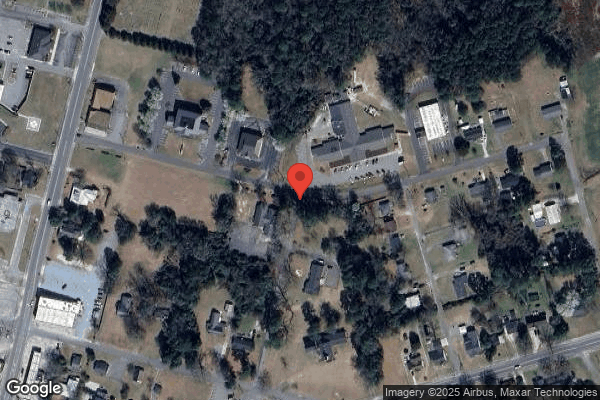
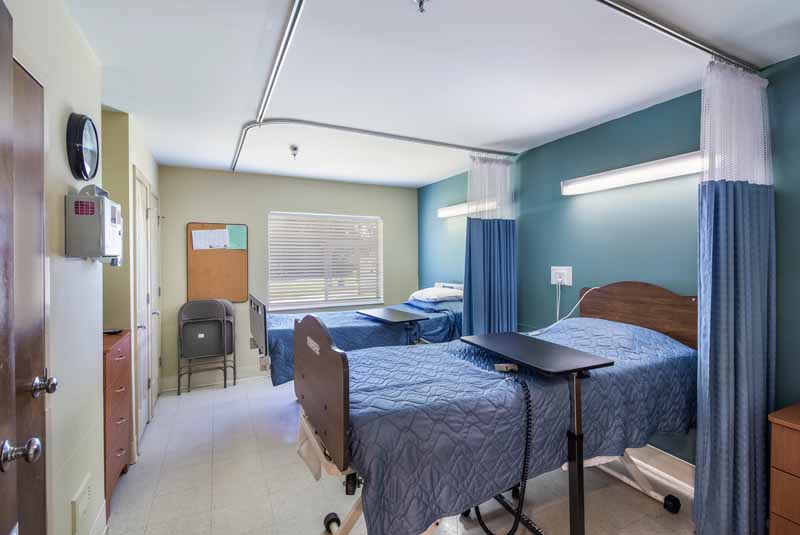
209 Beasley Street, Kenansville, NC 28349 (910) 296-1561
For profit - Limited Liability company 92 Beds YAD HEALTHCARE Data: November 2025 1 Immediate Jeopardy citation
Trust Grade
43/100
#256 of 417 in NC
Last Inspection: June 2025

Inspected within the last 6 months. Data reflects current conditions.

Overview

Kenansville Rehabilitation and Healthcare Center has a Trust Grade of D, indicating below-average care with some significant concerns. It ranks #256 out of 417 facilities in North Carolina, placing it in the bottom half, but is #2 out of 3 in Duplin County, meaning only one local option is rated higher. Unfortunately, the facility is worsening, with issues increasing from 1 in 2024 to 2 in 2025. Staffing is a weakness here, with a low rating of 1 out of 5 stars and a 56% turnover rate, which is average for the state but still indicates instability. On a positive note, there have been no fines reported, which is a good sign, but the facility has concerning RN coverage, less than 77% of state facilities, meaning residents may not receive adequate medical oversight. Recent inspection findings revealed serious issues, including a resident being placed at risk of choking when the facility failed to supervise them properly, and another resident sustaining injuries from a fall due to ineffective fall prevention measures. Additionally, the facility has struggled with maintaining effective infection control procedures over multiple inspections, suggesting ongoing management challenges. Families should weigh these strengths and weaknesses carefully when considering care options.
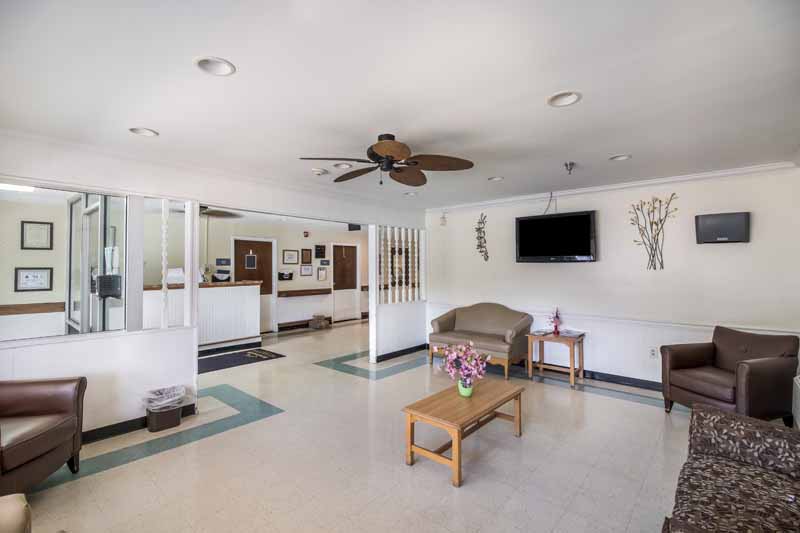
Trust Score
D
43/100
In North Carolina
#256/417
Bottom 39%
Safety Record
High Risk
Review needed
Inspections
Getting Worse
1 → 2 violations
Staff Stability
⚠ Watch
56% turnover. Above average. Higher turnover means staff may not know residents' routines.
Penalties
✓ Good
No fines on record. Clean compliance history, better than most North Carolina facilities.
Skilled Nurses
⚠ Watch
Each resident gets only 20 minutes of Registered Nurse (RN) attention daily — below average for North Carolina. Fewer RN minutes means fewer trained eyes watching for problems.
Violations
⚠ Watch
12 deficiencies on record. Higher than average. Multiple issues found across inspections.
★★☆☆☆
2.0
Overall Rating
★☆☆☆☆
1.0
Staff Levels
★★☆☆☆
2.0
Care Quality
★★★☆☆
3.0
Inspection Score
Stable
2024: 1 issues
2025: 2 issues

The Good

  • Full Sprinkler Coverage · Fire safety systems throughout facility
  • No fines on record

Facility shows strength in fire safety.

The Bad

2-Star Overall Rating

Below North Carolina average (2.8)

Below average - review inspection findings carefully

Staff Turnover: 56%

Near North Carolina avg (46%)

Frequent staff changes - ask about care continuity

Chain: YAD HEALTHCARE

Part of a multi-facility chain

Ask about local staffing decisions and management

Staff turnover is elevated (56%)

8 points above North Carolina average of 48%

The Ugly 12 deficiencies on record

1 life-threatening
Jun 2025 2 deficiencies
CONCERN (D) 📢 Someone Reported This

A family member, employee, or ombudsman was alarmed enough to file a formal complaint

Potential for Harm - no one hurt, but risky conditions existed

Deficiency F0583 (Tag F0583)

Could have caused harm · This affected 1 resident

**NOTE- TERMS IN BRACKETS HAVE BEEN EDITED TO PROTECT CONFIDENTIALITY** Based on observation, record review, and staff interviews, the facility failed to provide visual privacy when a buttock wound dr...

Read full inspector narrative →
**NOTE- TERMS IN BRACKETS HAVE BEEN EDITED TO PROTECT CONFIDENTIALITY** Based on observation, record review, and staff interviews, the facility failed to provide visual privacy when a buttock wound dressing was changed in the presence of another resident without the privacy curtain being pulled for 1 of 18 residents reviewed for concerns with privacy (Resident #17). Findings included: Nurse #1 was observed on 6/10/25 at 2:30 PM providing wound care to Resident #17's left buttock wound without pulling the privacy curtain between Resident #17's bed and Resident #17's roommate (Resident #35) closest to the window in the room. Nurse #1 was already at bedside ready to complete wound care and was positioned on Resident #17's left side of the bed facing Resident 17's backside. Resident #17 was positioned with her backside turned away from Resident #35's bed with her blankets pulled down, gown pulled up and incontinence brief straps unfastened pulled down on her backside but covering her front. Resident #35 was seated on a wheelchair next to her bed close to the foot of her bed eating a snack and was not observed looking over toward Resident #35. Resident #17 was coded on the most recent Minimum Data Set (MDS) assessment dated [DATE] as severely cognitively impaired. The quarterly MDS dated [DATE] coded Resident #35 as moderately impaired and attempts to engage Resident #35 in a conversation were unsuccessful. An interview was conducted on 6/10/25 at 2:45 PM with Nurse #1 after the wound care observation. Nurse #1 stated she normally pulled the privacy curtain when completing wound care, but she had just missed that day and she knew she should have pulled it to provide privacy for Resident #17 while she completed the left buttock treatment. An interview was conducted on 6/11/25 at 11:41 AM with the Director of Nursing (DON). The DON stated that Nurse #1 should have ensured Resident #17's privacy curtain was pulled while she was treating Resident #17's buttock wound. During an interview on 6/12/25 at 2:39 PM, the facility Administrator verbalized she expected residents to be provided privacy during care and that Nurse #1 should have ensured Resident #17 had privacy during wound care.
MINOR (C)

Minor Issue - procedural, no safety impact

Deficiency F0628 (Tag F0628)

Minor procedural issue · This affected most or all residents

**NOTE- TERMS IN BRACKETS HAVE BEEN EDITED TO PROTECT CONFIDENTIALITY** Based on record review, and Resident Representative and staff interviews the facility failed to notify the resident representati...

Read full inspector narrative →
**NOTE- TERMS IN BRACKETS HAVE BEEN EDITED TO PROTECT CONFIDENTIALITY** Based on record review, and Resident Representative and staff interviews the facility failed to notify the resident representative in writing of the reason for the transfer/discharge to the hospital for 1 of 1 resident reviewed for hospitalization (Resident #55). The findings included: Resident #55 was admitted into the facility on 6/7/24. A review of Resident #55's quarterly Minimum Data Set assessment dated [DATE] indicated that she was cognitively intact. A review of Resident #55's nursing progress notes revealed that she was discharged to the hospital on 6/25/24 and returned to the facility on 6/29/24. She was also discharged to the hospital on 8/18/24 and returned to the facility on 8/28/24. A review of the Resident #55's medical record revealed there was no documentation that a written notice of discharge had been sent to the Resident Representative. A telephone interview with Resident #55's Representative was conducted on 6/10/25 at 11:00 AM and revealed she had not received any written notices including the reason Resident #55 had been discharged to the hospital. An interview with the Assistant Director of Nursing (ADON) on 6/10/25 at 1:29 PM revealed nursing staff had not sent written notification of transfer or discharge including the reason for the transfer to the families/resident representatives. The ADON stated she was unaware that it was a requirement for these to be mailed. An interview with the Social Worker on 6/10/25 at 2:07 PM revealed she sends a bed hold to the family, but she does not notify the family or resident in writing for the reason of discharge or transfer to the hospital. She further revealed that she was not aware of the requirement for these to be mailed During an interview on 6/10/25 at 2:23 PM the Administrator indicated a written notice of transfer/discharge including the reason for transfer should be mailed to the family/resident representative.
Mar 2024 1 deficiency
MINOR (B)

Minor Issue - procedural, no safety impact

Assessment Accuracy (Tag F0641)

Minor procedural issue · This affected multiple residents

**NOTE- TERMS IN BRACKETS HAVE BEEN EDITED TO PROTECT CONFIDENTIALITY** 2. Resident #5 was admitted to the facility on [DATE] with diagnoses of chronic diastolic heart failure, chronic respiratory fai...

Read full inspector narrative →
**NOTE- TERMS IN BRACKETS HAVE BEEN EDITED TO PROTECT CONFIDENTIALITY** 2. Resident #5 was admitted to the facility on [DATE] with diagnoses of chronic diastolic heart failure, chronic respiratory failure, and chronic obstructive pulmonary disease (COPD). Resident #5's care plan created 1/27/24 indicated Resident #5 had oxygen therapy related to COPD. Interventions included administering oxygen per physician orders. Resident #5's physician's order dated 1/26/2024 indicated administer oxygen at 3 liters/minute via nasal cannula continuously. Resident #5's admission MDS dated [DATE] did not indicate Resident #5 used oxygen. During an interview with the MDS Nurse on 3/27/24 at 3:04 PM, she stated that Resident #5 had an order for oxygen use, and it should have been coded on the admission MDS. She further stated that it was an oversight. An interview was conducted on 3/27/24 at 3:17 PM with the Director of Nursing (DON). The DON stated anything going on with the Resident should be included in the Resident ' s MDS and that oxygen should have been coded in Resident #5 ' s admission MDS because there was an order for oxygen administration. During an interview on 3/27/24 at 3:22 PM, the facility Administrator verbalized oxygen should have been coded on Resident #5 ' s admission MDS since she was receiving oxygen. Based on record review and staff interviews, the facility failed to accurately code the Minimum Data Set (MDS) assessment for 2 of 18 resident assessments reviewed (Resident #72 and Resident # 5). The findings included: 1. Resident # 72 was admitted to the facility on [DATE] with diagnosis that included diabetes and hypertension. Review of the nurse note dated 12/29/2023 indicated Resident # 72 was discharged home. Review of the discharge MDS dated [DATE] inaccurately coded Resident # 72 was discharged to acute hospital. During the interview on 03/27/2024 at 10:29 AM, Minimum Data set (MDS) nurse reviewed the discharge MDS and confirmed it was inaccurate. The MDS nurse explained it was coded in error as Resident # 72 was discharged home not to the acute hospital. During an interview on 03/27/2024 at 11:30 AM, Director of Nursing (DON) indicated that MDS should have been coded accurately reflecting that the resident was discharged to the community not to the acute hospital. The Administrator was interviewed on 03/27/2024 at 11:42 AM and she stated it was her expectation for MDS assessment to be coded accurately.
Nov 2023 2 deficiencies
CONCERN (D) 📢 Someone Reported This

A family member, employee, or ombudsman was alarmed enough to file a formal complaint

Potential for Harm - no one hurt, but risky conditions existed

Deficiency F0745 (Tag F0745)

Could have caused harm · This affected 1 resident

**NOTE- TERMS IN BRACKETS HAVE BEEN EDITED TO PROTECT CONFIDENTIALITY** Based on record review and staff interviews the facility failed to ensure Resident # 9 had transportation arrangements for her p...

Read full inspector narrative →
**NOTE- TERMS IN BRACKETS HAVE BEEN EDITED TO PROTECT CONFIDENTIALITY** Based on record review and staff interviews the facility failed to ensure Resident # 9 had transportation arrangements for her podiatry appointments as requested by her husband resulting in Resident #9 missing podiatry appointments for one of one resident reviewed for medically related social services. The findings included: Resident # 9 was admitted into the facility on 7/28/2023 with the diagnoses of diabetes mellites, nontraumatic ischemic infarction of muscle of left lower leg, unspecified atherosclerosis of native arteries of extremities, right leg, cellulitis of left lower limb, acquired absence of other left toe(s). A review of her hospital discharge orders dated 7/28/2023 indicated an order for antibiotic ointment to ulcer to left posterior leg covered with a dressing daily. There was no order for follow-up appointments for podiatry noted. The admission Minimum Data Set, dated [DATE] revealed that Resident #9 was severely cognitively impaired, had no behaviors, had 1 stage 2 pressure ulcer, and was at risk for developing pressure areas. Resident # 9 was discharged from the facility on 10/12/2023. A phone interview was attempted with the Wound Care Physician regarding Resident #9's wounds. He was unable to be reached. A phone interview was attempted with Resident #9's physician regarding her wounds. He was unable to be reached. An interview with the facility Social Worker conducted on 11/1/2023 at 2:00 PM indicated that on a date unable to be determined Resident #9's husband called and spoke to the her inquiring why Resident #9 was not going to the podiatry appointments the Residents husband stated that Resident #9 had these pre-scheduled prior to her hospitalization and admission into the facility The facility Social Worker then notified the Transportation Scheduler of the needed appointments. An interview with the Transportation Scheduler conducted on 11/1/2023 at 1:51 PM indicated that he made appointments as he was made aware of them. The Transportation Scheduler stated that he could not give an exact date of when he had been made aware that Resident #9 required podiatry appointments. He further stated that Resident #9 had appointments made for 9/6/2023, 9/13/23, 9/27/2023 and 10/4/2023. He stated that Resident #9 did not go to her scheduled appointment on 9/6/2023 because she required a stretcher for transportation which he was not aware of. He explained that he had scheduled a wheelchair transport for 9/6/2023 and they could not accommodate Resident #9. On 9/13/2023 the transport company did not show up to take Resident #9 to her appointment. On 9/20/2023 transportation services were unable to be scheduled due to transportation stating they could not transfer on that day. He indicated that Resident #9 attended the 9/27/2023 and 10/4/2023 scheduled appointments. The Transportation Scheduler further stated that after the appointment on 10/1/2023 Resident #9's order changed to have appointments scheduled every 3 weeks. The Transportation Scheduler indicated that missed appointments were not rescheduled. An interview with the Director of Nursing on 11/1/2023 at 2:15 PM revealed that when a resident entered the facility, the facility checked the orders to see if there was wound care orders and if they were going outside the facility for wound care or in-house. At the time of Resident #9's admission the facility was not aware Resident #9 appointments for podiatry and was not made aware until Resident #9's husband inquired about them. The Director of Nursing further revealed when the facility was made aware by the resident representative that he wanted Resident #9 to go to podiatry the appointments were scheduled. The Director of Nursing also revealed that it was the Social Workers understanding based on information provided by the husband that the appointments were prescheduled prior to Resident #9 going to the hospital and admission into the facility. The Social Worker relayed to the Director pf Nursing that per the conversation with the Resident's husband Wednesdays were the only day the podiatrist was able to see Resident #9 so missed appointments were not rescheduled. An interview with the Interim Administrator on 11/2/2023 at 10:30 AM revealed that he was not the Administrator at the time of Resident #9's admission or discharge however he would expect that any residents that required appointments from a outside provider would go to the appointments as scheduled.
MINOR (B) 📢 Someone Reported This

A family member, employee, or ombudsman was alarmed enough to file a formal complaint

Minor Issue - procedural, no safety impact

Medical Records (Tag F0842)

Minor procedural issue · This affected multiple residents

**NOTE- TERMS IN BRACKETS HAVE BEEN EDITED TO PROTECT CONFIDENTIALITY** Findings included: 2. Resident #9 was admitted into the facility on 7/28/2023. Resident #9's Physicians Orders and Treatment A...

Read full inspector narrative →
**NOTE- TERMS IN BRACKETS HAVE BEEN EDITED TO PROTECT CONFIDENTIALITY** Findings included: 2. Resident #9 was admitted into the facility on 7/28/2023. Resident #9's Physicians Orders and Treatment Administration Record dated 8/1/23-8/31/23 revealed: An order dated 7/28/23 to 8/19/23 to clean the left heel wound with wound cleanser, apply silver alginate and cover with a dry dressing daily and as needed. This was not documented as completed on the Treatment Administration Record (TAR) on the 2nd, 6th, 7th, 9th, 16th, 17th, and 19th. An order dated 8/19/23 through 8/25/23 to clean arterial wound of the left posterior heel with wound cleanser and gauze, apply calcium alginate with a wound debriding ointment the cover with an abdominal pad and wrap with gauze daily and as needed. This was not documented as completed on the TAR on the 22nd and 25th. An order dated 8/25/23 to clean arterial wound of the left posterior heel with wound cleanser and gauze, apply skin prep to the periwound (tissue surrounding the wound) and calcium alginate with a wound debriding ointment to the wound bed cover with and abdominal pad and wrap with gauze daily and as needed. This was not documented as completed on TAR on the 26th, 28th, 29th, 30th, and 31st. Resident #9's Physician Orders and TAR dated 9/1/23-9/30/23 revealed: The order initiated on 8/25/23 to clean arterial wound of the left posterior heel with wound cleanser with gauze, skin prep to the periwound (tissue surrounding the wound), apply calcium alginate with Santyl ointment, cover with abdominal pad and kerlix and secure with tag every day and as needed. This order was active until 9/13/23 and was not documented as completed on TAR on the 9th or 12th. On 9/8/23 an order to clean the sacral wound with wound cleanser and gauze, apply skin prep to the periwound, apply calcium alginate and a dry dressing every day. This order was active 9/18/23 and not documented as complete on the TAR on the 9th, 12th, 16th, or 17th. On 9/8/23 an order to clean the left buttock with wound cleanser and gauze, apply skin prep to the periwound, apply silver alginate and a dry dressing daily with a discontinue date of 9/19/23 this was not documented as completed on the TAR on the 9th, 12th, 16th, or 17th. On 9/8/23 an order to clean the right buttock with wound cleaner and gauze, apply skin prep to the periwound and wound, apply silver alginate and cover with a dry dressing every day. This order was discontinued on 9/11/23 this was not documented as completed on the TAR on the 9th or 11th. On 9/11/23 the order to clean the right buttock with wound cleanser and gauze, apply skin prep to the periwound, apply silver alginate and cover with a dry dressing every day was re-written with a discontinue date of 9/19/23. This order was not documented as completed on the TAR on the 12th, 16th, and 17th. On 9/13/23 an order to the right and left heel to dress with moist wet to dry with diluted betadine and cover with a dry dressing every day. This order was active until 9/27/23 and was not documented as completed on the TAR on the 16th, 17th, 20th, 22nd, 25th, and 27th. On 9/18/23 an order to cleanse the sacral wound with wound cleanser and gauze, apply skin prep, apply hydrocolloid dressing and secure with border tape, change every Tuesday and Friday with a discontinued date of 10/3/23. This was not documented as completed on the 28th or 29th. On 9/27/23 an order to dress the right heel with moist wet to dry with diluted betadine dressing and cover with a dry dressing every day. This order was not documented as completed on the TAR on the 28th or 29th. A review of Resident #9's Physician Orders and TAR dated 10/1/23-10/31/23 revealed: The order initiated on 9/18/23 and discontinued on 10/3/23 to clean the sacrum with wound cleanser and gauze, apply silver alginate and cover with a dry dressing an order for the right heel to dress with moist to dry, diluted betadine every day and cover with a dry dressing was not documented as completed on the TAR on the 1st. The order initiated on 9/27/23 for the right heel to dress with moist wet to dry, diluted betadine every day and cover with a dry dressing was not documented as completed on the TAR on the 1st or 4th. An interview was conducted regarding Residents #9 on 11/2/23 at 9:30 AM with the Treatment Nurse Nurse who revealed that she knew she had missed documentation of treatments. She further stated that she would plan on documenting missed documentation the following day, but it seemed like something would come up and she never got back to completing the missed documentation. She also revealed that the treatments were completed as ordered on the days of missing documentation. An interview with the Director of Nursing on 11/2/23 at 10:00 AM indicated that the Treatment Nurse had made her aware of missing documentation on Resident #9 after her interview on 11/2/23 at 9:30 AM and that it was understood by the Treatment Nurse that all documentation was to be completed at the end of the day. 3. Resident #10 was admitted into the facility on 7/26/2022. Resident #10's most recent quarterly Minimum Data Set, dated [DATE] revealed that Resident #10 had 1 stage 4 pressure. A review of Resident 10's Physician Orders and Treatment Administration Record (TAR) dated 9/1/23 through 9/3023 revealed: On 9/1/23 an order to clean the sacral wound with wound cleanser and gauze, apply skin prep to the periwound (tissue surrounding the wound), apply silver alginate and a wound debriding ointment then over with a dry dressing daily. This order was discontinued on 9/12/23 and not documented on the TAR as complete on the 3rd, 6th, and 9th. On 9/12/23 an order to clean the sacral wound with wound cleanser and gauze, apply skin prep to the periwound then silver alginate with a wound debriding ointment and collagen powder and cover with a dry dressing daily. This order was not documented as completed on the TAR on the 12th, 17th, 22nd,25th, 28th and 29th. On 9/26/23 an order for the right ischium to be cleaned with wound cleanser and gauze, apply skin prep to the periwound and xeroform and a wound debriding ointment to the wound bed then cover with a dry dressing daily and as needed was not documented as completed for on the 28th and 29th. A review of Resident 10's Physician Orders and TAR dated 10/1/23 through 10/31/23 revealed: An order initiated on 9/12/23 to clean the sacral wound with wound cleanser and gauze, apply skin prep to the periwound then silver alginate with a wound debriding ointment and collagen powder and cover with a dry dressing daily was not documented as completed on the TAR for the 1st, 2nd, 4th, 12th, 16th, 23rd, 26th, 27th and 28th. An order initiated on 9/26/23 to clean the right ischium to be cleaned with wound cleanser and gauze, apply skin prep to the periwound and xeroform and a wound debriding ointment to the wound bed then cover with a dry dressing daily and as needed was. This order was discontinued on 10/19/23 and not documented as completed on the TAR for the 1st, 2nd, 3rd, 12th, 16th, and 19th. On 10/19/23 an order to clean the right ischium with wound cleanser and gauze, apply skin prep to the periwound, apply silver alginate and a wound debriding ointment and cover with a dry dressing daily and as needed. This order was not documented on the TAR on 10/23/23. An interview was conducted regarding Residents #10 on 11/2/23 at 9:30 AM with the Treatment Nurse who revealed that she knew she had missed documentation of treatments, she further stated that she would plan on documenting missed documentation the following day, but it seemed like something would come up and she never got back to completing the missed documentation. She also revealed that the treatments were completed as ordered on the days of missing documentation. An interview with the Director of Nursing on 11/2/23 at 10:00 AM indicated that the Treatment Nurse had made her aware of missing documentation on Resident #10 after her interview on 11/2/23 at 9:30 AM and that it is understood by the Treatment Nurse that all documentation is to be completed at the end of the day. Based on record review and staff interviews the facility failed to ensure the medical records were complete and accurate in the area of wound care for three (Residents #2, #9, & #10) of three sampled residents. The findings included: 1. Resident #2 was most recently admitted to the facility on [DATE] with diagnoses to include stage 4 pressure wound sacrum. Record review dated 9/12/23, physician orders directed staff to clean sacrum with wound cleanser/gauze, skin prep periwound, apply silver alginate with santyl ointment, and cover with dry dressing daily on day shift for wound care. Record review of wound care treatments revealed there were no wound care treatment notes or nurse initials documented on Resident #2's Treatment Administration Record (TAR) to indicate the treatment was completed on 10/04/23, 10/12/23, 10/16/23, 10/19/23, 10/23/23, 10/26/23, or 10/27/23. The facility's Treatment Nurse was interviewed on 11/02/23 at 11:10 AM. The Treatment Nurse reported providing treatment as ordered to Resident #2 on 10/04/23, 10/12/23, 10/16/23, 10/19/23, 10/23/23, 10/26/23, and 10/27/23. She revealed she did not document in her notes and did not enter the treatments on the TAR. She explained she got busy and was trying not to stay late to document but forgot to sign her charts and do late entry the next day. The Director of Nursing (DON) was interviewed on 11/02/23 at 12:18 PM and reported that treatments should be entered on TAR and nurse's notes should be entered if needed for all treatments when completed. The DON validated pressure sore treatments had not been entered in the electronic medical record in a note or on the TAR for Resident #2 on the dates of 10/04/23, 10/12/23, 10/16/23, 10/19/23, 10/23/23, 10/26/23, or 10/27/23. According to the DON, nurses should document treatments immediately after completion. The DON stated the Treatment Nurse and/or the Staff Nurse (if the Treatment Nurse was off) was responsible for documentation of treatments. Interview with the Administrator on 11/02/23 revealed he expected the Treatment Administration Records and electronic charting to be completed and correctly reflect the care provided.
Nov 2022 7 deficiencies 1 IJ
CRITICAL (J) 📢 Someone Reported This

A family member, employee, or ombudsman was alarmed enough to file a formal complaint

Immediate Jeopardy (IJ) - the most serious Medicare violation

Accident Prevention (Tag F0689)

Someone could have died · This affected 1 resident

**NOTE- TERMS IN BRACKETS HAVE BEEN EDITED TO PROTECT CONFIDENTIALITY** Based on observations, staff interviews, and record review, the facility failed to provide supervision to prevent a cognitively ...

Read full inspector narrative →
**NOTE- TERMS IN BRACKETS HAVE BEEN EDITED TO PROTECT CONFIDENTIALITY** Based on observations, staff interviews, and record review, the facility failed to provide supervision to prevent a cognitively impaired resident with a history of putting non-food items in his mouth from placing a plastic sandwich bag in his mouth for 1 of 4 residents (Resident #42) reviewed for accidents. In addition, the facility had fall interventions in place that were not effective for a resident with severly impaired cognition and poor impulse control, did not complete a root cause analysis to assist with determining new fall interventions, and did not evaluate the effectiveness of fall interventions for 1 of 3 residents (Resident #501) reviewed for falls. There was a high likelihood of Resident #42 choking on the sandwich bag resulting in serious harm, hospitalization, and/or death. Resident #501 sustained a laceration to his scalp, abrasion to his elbow, and a wound to his ear from a fall. A day later, he sustained a closed fracture of the nasal bone. Immediate Jeopardy began on 11/10/22 when Resident #42 was observed with a plastic sandwich bag in his mouth alone in his room. Resident #42 had a history of putting non-food items in his mouth. Immediate Jeopardy was removed on 11/11/22 when the facility implemented a credible allegation of Immediate Jeopardy removal. The Immediate Jeopardy was lowered in scope and severity to a G (actual harm that is not immediate jeopardy). Example #2 was cited at scope and severity of G. Findings included: 1. Resident #42 was admitted to the facility on [DATE] with diagnoses that included dementia with dysphagia. A physician's order dated 4/28/22 for remove potentially dangerous objects from resident including drinking straws every shift included directions resident puts objects in his mouth and chews on them. Resident #42's annual Minimum Data Set (MDS) dated [DATE] indicated he had severe cognitive impairment. He required extensive assistance with eating. Resident #42 did not exhibit any behaviors for the review period. A Care Plan revised 9/6/22 focused on Activities of Daily Living (ADL) care included a goal for Resident #42 to improve current level of function in ADL through the review date. Interventions included Resident #42 required assistance by 1 staff member to eat. A nursing progress note dated 8/6/22 indicated Resident #42 was found in his room chewing on his bed sheet. A nursing progress note dated 8/9/22 indicated Resident #42 was found chewing on his oxygen tubing several times. A nursing progress note dated 8/28/22 indicated Resident #42 was found in his room with a piece of plastic in his mouth. A nursing progress note dated 9/21/22 indicated Resident #42 was observed in bed chewing on his hand brace. An observation was made on 11/10/22 at 9:10 AM of Resident #42 alone in bed with his breakfast tray in front of him. He had a sandwich in his left hand and a plastic sandwich bag in his mouth with the open end out of his mouth 1 inch. The surveyor immediately went into the hall to get a staff member. The medication aide was standing in the hallway two doors down from Resident #42's room. The surveyor immediately asked for the medication aide to assist Resident #42. The medication aide put on gloves and pulled the sandwich bag from his mouth revealing 3 inches covered in chewed food particles. She threw the plastic bag and gloves in the trash can. During an interview on 11/10/22 at 9:11 AM, the Medication Aide revealed Resident #42 should not have been provided a sandwich on his diet and the sandwich bag should not have been in his room. During an interview on 11/10/22 at 9:12 AM, the Director of Nursing (DON) revealed the sandwich bag should have been removed from Resident #42's room. Resident #42 should have supervision or assistance with meals. Resident #42 usually ate in his room due to communal dining restriction due to COVID-19. During an interview on 11/10/22 at 9:15 AM, the Nurse Aide (#1) revealed the sandwich wrapped in the sandwich bag was on Resident #42's breakfast tray. She indicated she was new and was not aware Resident #42 had an order not to leave potentially dangerous items in his room. NA #1 indicated she would find this in the Care Guide on the computer kiosk on each hall. She was aware Resident #42 needed some assistance with meals but that day he was able to feed himself. She indicated she would check in throughout the meal period. During an interview on 11/10/22 at 9:16 AM, the Charge Nurse indicated Resident #42 had a history of putting things in his mouth and required supervision for this. During an interview on 11/10/22 at 10:10 AM, the Speech Language Pathologist (SLP) revealed Resident #42 was able to feed himself pureed foods, but staff should be checking in with him during the meal period. Resident #42 was at risk for choking due to his dysphagia. During an interview on 11/10/22 at 10:25 AM, the MDS Nurse indicated that Resident #42 required supervision with meals and staff should be checking on him throughout the meal period. She indicated Resident #42's behavior of putting things in his mouth was Care Planned but disappeared. The Care Plan carries over the NA Care Guide. The MDS Nurse revealed NA #1 was new and was not familiar with which residents required supervision with meals. She would find this on her Care Guide on the computer kiosk on each hallway. During an interview on 11/10/22 at 3:15 PM, the DON indicated that staff should check the tray card when they provide resident trays. Staff should provide supervision and assistance to residents as needed as indicated in the Care Plan and Care Guide. During an interview on 11/10/22 at 3:20 PM, the Administrator revealed staff should be providing supervision as indicated on the Care Plan. Staff should not have left a potentially dangerous items in Resident #42's room. The administrator was notified of the Immediate Jeopardy on 11/10/22 at 11:45 AM. The facility provided the following credible allegation with a completion date of 11/11/22: Identify those recipients who have suffered, or are likely to suffer a serious adverse outcome as a result of the noncompliance: The plastic-wrapped sandwich provided to Resident #42 at breakfast was removed from the resident's possession. The center immediately launched an investigation into the incident when notified of the incorrect diet consistency provided to Resident #42 enclosed in a sandwich bag. The Unit Manager assessed Resident #42 for possible complications of ingestion of the plastic wrapper. No adverse findings were noted upon assessment. The attending physician was notified by the Director of Nursing at 12:05pm on 11/10/22 regarding the incident. No new orders were received as a result of the notification. The resident's representative was notified of the incident at 12:15pm on 11/10/22 by the Unit Manager. The center documented the incident in the medical record. Resident #42 was immediately provided with the correct diet consistency and supervised during eating by the Certified Nurse Aide. Speech Therapy evaluated Resident #42 with no changes in diet consistency on November 10, 2022. The center's Medical Director evaluated Resident #42 on 11/10/22 with no adverse findings identified. Resident #42 remains on a Pureed Diet. Resident #42's room was evaluated by the Administrator and Director of Nursing for any other potentially hazardous item the resident could place in his mouth on 11/10/22. At the lunch and dinner meals, Resident #42 was provided the correct consistency diet and was supervised while eating by a Certified Nurse Aide to ensure the resident did not place inappropriate items that could cause choking in his mouth. As a result of the incident, root cause analysis was conducted by the center's interdisciplinary team on 11/10/22. It was identified that the NA #1 did read the tray ticket and went to the charge nurse to ask if Resident #42 was allowed to eat the sandwich on his tray. The Charge Nurse was aware of Speech Therapy doing trial mechanical soft diet and thought the resident was allowed to eat the sandwich since he witnessed him eating a sandwich with Speech Therapy supervision. The sandwich was not fully unwrapped; therefore, the resident was able to ingest part of the sandwich prior to it being identified. Resident #42's care plan was updated to include supervision at all meals, ensuring items that require unwrapping or opening have the wrapper removed, and room checks every shift and PRN to identify any items that could cause choking which may be within his/her reach. The Director of Nursing and Assistant Director of Nursing began an audit of current residents on 11/10/22 to identify those who require supervision with meals and those who have special orders for monitoring during meals. The results of the audit did not identify other residents to have special monitoring orders during meals. Those residents who need supervision with meals have been identified via the MDS and care planning is in place to meet their care needs. The center's Medical Director was notified of the Immediate Jeopardy findings at 12:05pm on 11/10/22 by the Director of Nursing. Specify the action the entity will take to alter the process or system failure to prevent a serious adverse outcome from occurring or recurring, and when the action will be complete Resident #42 will have supervision by a Certified Nurse Aide during all meals as indicated by his/her care plan and/or physician orders to help ensure he/she does not place items in his/her mouth that could cause injury, harm, or death if ingested. The District Director of Clinical Services educated the Administrator, Director of Nursing and interdisciplinary team on 11/10/22 regarding providing appropriate levels of supervision at meal times, following diet consistency orders, and that all food items provided to the resident per their diet order are to be unwrapped/opened prior to providing them to a resident. One-to-one education was provided to the Dietary Manager on 11/10/22 by the District Director of Food Service on following resident meal tickets and the potential for injury related to inaccurate consistencies being served to residents. This Dietary Manager was in training and is no longer working in the center after 11/10/22. One-to-One education was provided to Unit Manager on 11/10/22 by the Director of Nursing related to not authorizing staff to serve a peanut butter sandwich to a resident on pureed diet, providing supervision for meals when required and/or care planned to reduce the potential for injury, and following the physician's order for removing potentially hazardous items from Resident #42's reach due to his/her tendency to place items in his/her mouth. Education for nursing staff, including full time, part time, PRN and agency licensed nurses and Certified Nurse Aides, began on 11/10/22 by the Director of Nursing and Assistant Director of Nursing regarding the provision of appropriate levels of supervision at meal times to prevent incidents and/or injuries based on physician orders and care plan interventions, following diet consistency orders, accurately reading residents' meal delivery tickets, following physician order related to removal of objects that could be considered hazardous to residents, and that all food items provided to a resident based on their ordered diet will be opened/unwrapped for resident consumption prior to providing the item to the resident. No nursing staff will be allowed to work until they have completed the education. Newly hired nursing staff will be educated on this process during orientation. Beginning 11/10/22, all meal trays will be checked for accuracy against the meal delivery card by the Dietary Manager or assigned dietary staff member prior to leaving the kitchen and then again by a Certified Nurse Aide and/or charge nurse prior to providing to residents. Certified Nurse Aides and/or licensed nurses will provide appropriate levels of supervision during meals to each resident as indicated by their care plan to reduce the potential for injury Alleged date of immediate jeopardy removal: 11/11/22. An onsite validation was completed on 11/14/22 through staff interviews, observations, and record review. Staff were interviewed to validate in-service completion of resident supervision at meals, tray card review. Observations were made of the lunch meal on all halls with no issues observed. Documentations of Care Plan and Tray Card Audits were reviewed. The facility's credible allegation of immediate jeopardy removal was validated to be completed on 11/11/22. 2. Resident #501 was admitted to the facility on [DATE] with diagnoses that inluded anxiety disorder,dementia with behavioral disturbance,osteophyte vertebrae, arthritis and cerebrovascular accident. His significant change Minimum data Set( MDS) dated [DATE] indicated his cognition was severely impaired and he required extensive assistance with bed mobility, transfer, dressing, toilet use and personal hygiene. His MDS indicated the resident was frequently incontinent. No behaviors were noted. Care plan initiated 02/19/2022 and updated 03/07/2022 focused on the resident had impaired cognitive function/dementia or impaired thought processes due to dementia and cognitive communication deficit. Goals included resident will improve current level of cognitive function. Interventions included engage the resident in simple, structured activities that avoid overly demanding tasks. Fall Care plan initiated 01/28/2022 indicated the resident was at risk for falls due to sick sinus syndrome, atrial fibrillation with Cardiac Pacemaker. Goals included resident risks and injury potential will be minimized. The intervention included the following: -assist to out of room activities of choice during waking hours as he will allow, -be sure the resident's call light is within reach and encourage the resident to use it for assistance as needed. The resident needs prompt response to all requests for assistance updated 01/28/22 -The resident needs a safe environment with even floors free from spills and/or clutter; adequate, glare-free light; a working and reachable call light, the bed in low position at night, handrails on walls, personal items within reach) updated 01/28/22 -Ensure that the resident is wearing appropriate footwear or non-skid socks when ambulating or mobilizing in wheelchair. He also needs non-skid socks on when he goes to bed due to impulsiveness to stand and walk without assistance for safety updated 02/02/22 -Resident likes to get out bed early - Between 5-7 AM assist him to bathe and get dressed as he desires/will allow updated 03/10/22. Resident education to ask for assistance with care and transfers for fall prevention updated 03/16/22 -Check frequently to ensure resident's call light and urinal in within reach and encourage to use, -Ensure all frequently used items are within resident's reach updated 06/09/2022 -Ensure bed is in low position when resident is in bed updated 06/09/22 The following fall investigations from 03/27/2022 through 07/08/2022 for Resident #501 were reviewed with circumstances, and interventions: -03/27/2022- Resident #501 went in the bathroom without his walker. He was rushing and fell. The resident stated that he did not have time to wait. The report further revealed the resident had no socks or shoes on. he did not put call bell on before getting up. He had skin tear and bruise on left arm. Abrasion over right ear. It also indicated the resident landed in an almost sitting position and his briefs was wet. Treatment was provided and the physician was notified. The intervention included to remind resident to use call light and wear appropriate footwear -04/07/2022-Resident #501 attempted to transfer self to bed from wheelchair (WC) and scooted onto buttocks onto floor. No injuries noted. Resident denied pain. The physician was notified. The interventions included check frequently to ensure resident call light and urinal within reach - -05/12/2022-Resident #501 was found on his knees by his bed. He had no shoes or socks on. He said he had to use the bathroom. he did not call for help after he fell. the nurse was coming down the hall and saw him. The report indicated the resident had cognitive decline and he was non-compliant with wearing footwear and calling for help. Intervention included Sign by bed with Call for help -05/28/2022- staff Nurse Aide (NA) #2 who was also Activity Director found resident sitting on buttocks on floor. Resident #501 said that walker had gotten away from him. Body assessment did not reveal any bruising, discoloration, swelling, open areas nor any other form of distress currently. Resident #501 did state that his lower back was little sore. The physician was notified - No new interventions put in place -06/06/2022- Resident #501 found on floor in bedroom lying on left side beside wheelchair and discovered by NA#2. Resident #501 reports and confirm that he hit his head and that it hurts 8 out of a 10 on a 0-10 pain scale. The resident was sent out to the emergency room and the physician was notified- interventions put in place was assist to out of room (OOR) activities of choice during waking hours as he will allow. Review of the hospital report revealed Resident #501 was readmitted back to the facility on [DATE]. Review of Resident #501 hospital discharge record dated 06/06/2022 revealed a Computer Tomography (CT) scan was completed at the hospital. It revealed the following impression: - No acute intracranial abnormality identified. No acute intracranial hemorrhage - Mild posterior scalp soft tissue swelling and contusive changes. No underlying skull fractures. -06/08/2022- Resident #501 was found lying on the floor in his room. was sitting on his bottom, holding the walker. Resident#501 stated that he was trying to walk and fell. Received skin tear on left hand, no other injuries observed at this time. The physician was notified. Interventions put in place was ensure bed is in low position when resident is in bed. 06/10/2022- Resident #501 noted on floor beside bed. The resident indicated he was coming from the bathroom-interventions placed was -Reeducate on using call for assistance. 06/12/2022- Noted on floor in middle of room on left side-No new intervention put in place 07/02/2022- Resident #501 lost his balance and fell on his knees in the bathroom by the toilet. He has a large bruise on his right arm and has several skin tears. He had socks on with pants that were dragging the floor. First aide provided and the physician was notified. The intervention indicated was assess for possible toileting program. 07/08/2022-Resident #501 was found lying on his back on the floor under side table, 2centimenters (cm) laceration noted to right parietal scalp above right ear, 5cm skin tear to right forearm noted. The resident was assessed for injuries, first aid rendered, Emergency services was called, and the resident was transported to the Emergency department for further evaluation. The physician was notified. No new intervention put in place. Review of the emergency room (ER) report dated 07/08/2022 revealed the following diagnosis: Laceration of scalp, abrasion of right elbow, open wound of right ear. The treatment included 1 suture and 4x4 sterile gauze. Nurse note dated 07/09/2022 indicated the resident was on floor outside resident bathroom. Blood coming from nose and mouth. Dentures on floor broke in half. Called physician and obtained order to send to ER. Review of the emergency room (ER) report dated 07/09/2022 revealed the anterior maxillary sinus process or the inferior nasal spine appears fragmented baby fracture. There was a question of a non-displaced left nasal bone fracture. Soft tissue swelling overlying the nose. The impression indicated anterior maxillary sinus or anterior nasal spine appears fracture. Nondisplaced left nasal bone fracture, soft tissue swelling overlying the nasal bone. ER reported indicated the diagnosis of closed fracture of nasal bone. Observation of the resident was not completed due to the resident was no longer residing at the facility. An interview was conducted with MDS nurse #1 on 11/09/2022 at 10:20AM. MDS nurse #1 stated after the fall on 07/02/2022, they provided the resident with a highchair toilet seat to make it easier for the resident to come in and out of the bathroom. She reported the facility did not document toileting program for Resident #501. An interview was conducted with Charge Nurse (CN) #1 on 11/09/2022 at 11:51 AM. CN#1 indicated she was familiar with Resident #501 and the resident was on her regular facility assignment. CN #1 reported the resident was a challenge to care for due to his falls risk and the frequency of the resident's falls. CN 1 indicated she felt the resident needed constant supervision to ensure her safety is maintained. She stated the resident was confused and did not ask for assistant to use the bathroom even after he was reminded to ask for help. An interview was conducted with Nurse #3 on 11/09/2108 at 11:56 AM. Nurse #3 indicated she was regularly assigned to Resident #501. She indicated the Nurse Aides (NAs) observed the resident closely and attempted to toilet him every 2 hours. Nurse #3 indicated the resident was always determined to use the bathroom and did not ask for help. She indicated the resident was very confused especially during the last 2 weeks before his discharge from the facility. Nurse #3 indicated the resident did not remember to ask for help and to use the call light. An interview was conducted with the Director of Nursing (DON) on 11/10/2022 at 12:40 PM. The DON stated she was very familiar with Resident #501 and his continued falls. The DON reported the nursing staff were in serviced on falls and interventions. She stated that they did discuss resident falls in the morning meetings but currently did not have resident at risk meetings. DON added she was planning to start having resident at risk meetings soon. The DON stated the staff tried their best to prevent the resident from falls, but the resident was found on the floor frequently. She reported they did not evaluate Resident #501's fall interventions for effectiveness and moving forward the plan was for at the resident at risk meetings, they will start evaluating interventions for its effectiveness. The DON stated currently there was a daily clinical meeting, and the falls were discussed with interventions reviewed. DON stated she could not present any documentation about discussion of Resident #501's falls at the morning meetings. The DON indicated the interventions should consistently be put in place. The DON acknowledged that resident was cognitively impaired and the interventions that indicated to remind the resident to use the call light and ask to use the bathroom should not have been put in place. DON reported that she did not have documentation for the toileting program assessment for Resident #501. The DON reported the expectation was for the staff to provide adequate supervision for residents and to implement appropriate interventions. An interview was conducted with the Administrator on 11/10/2022 at 01:32 PM. The Administrator reported she was aware of Resident #501 and his continued falls. She indicated the staff made all the effort to prevent Resident #501 from falling. She indicated the expectation was to put interventions in place after each fall and to provide adequate supervision for the residents in the facility. The Administrator also indicated they will review the interventions put in place for residents at the facility to make sure they were appropriate. During a phone interview on 11/14/2022 at 1:30PM, Nursing Assistant (NA) #2 who was also the Activity Director indicated she cared for Resident #501 while he was residing at the facility. NA #2 stated she was aware of the resident's continued falls. NA # 2 indicated she observed the resident closely but sometimes she could not prevent the resident from falling because he was confused, and he tried to get to the bathroom constantly without asking for assistance.
CONCERN (D)

Potential for Harm - no one hurt, but risky conditions existed

Comprehensive Care Plan (Tag F0656)

Could have caused harm · This affected 1 resident

**NOTE- TERMS IN BRACKETS HAVE BEEN EDITED TO PROTECT CONFIDENTIALITY** Based on observations, record review, and staff interviews, the facility failed to develop a comprehensive care plan to address ...

Read full inspector narrative →
**NOTE- TERMS IN BRACKETS HAVE BEEN EDITED TO PROTECT CONFIDENTIALITY** Based on observations, record review, and staff interviews, the facility failed to develop a comprehensive care plan to address a resident's behavior of putting non-food items in his mouth for 1 of 13 (Resident #42) residents reviewed for comprehensive care plans. Findings included: Resident #42 was admitted to the facility on [DATE] with diagnoses that included dementia. A physician's order dated 4/28/22 for Resident #42 indicated remove potentially dangerous objects from resident including drinking straws every shift included directions resident puts objects in his mouth and chews on them. Resident #42's annual Minimum Data Set (MDS) dated [DATE] indicated he had severe cognitive impairment. A nursing progress note dated 8/6/22 indicated Resident #42 was found in his room chewing on his bed sheet. A nursing progress note dated 8/9/22 indicated Resident #42 was found chewing on his oxygen tubing several times. A nursing progress note dated 8/28/22 indicated Resident #42 was found in his room with a piece of plastic in his mouth. A nursing progress note dated 9/21/22 indicated Resident #42 was observed in bed chewing on his hand brace. Review of Resident #42's care plan did not include any information related to the behavior of chewing on non-food items and/or placing non-food items in his mouth. An observation was made on 11/10/22 at 9:10 AM of Resident #42 in bed with breakfast tray in front of him. He had a sandwich in his left hand and a plastic sandwich bag in his mouth with the open end out of his mouth 1 inch. During an interview on 11/10/22 at 9:15 AM, Nurse Aide (NA) #1 revealed she had provided a sandwich on his breakfast tray wrapped in a plastic sandwich bag. NA #1 indicated she was new and was not aware of Resident #42 having an order to not leave potentially dangerous objects in his room. She indicated she would find this in the care plan. During an interview on 11/10/22 at 10:25 AM, the MDS Nurse indicated that Resident #42's behavior of putting things in his mouth was care planned but disappeared. The MDS nurse revealed it should have been care planned. During an interview on 11/10/22 at 3:15 PM, the Director of Nursing (DON) revealed Resident #42's behavior of putting non-food items in his mouth should have been care planned. The care plan would communicate the resident's behavior to staff and the need for supervision. During an interview on 11/10/22 at 3:20 PM, the Administrator revealed Resident #42's behavior of putting non-food items in his mouth should have been care planned. This would communicate the behavioral issue and the need for supervision to nursing staff.
CONCERN (E)

Potential for Harm - no one hurt, but risky conditions existed

Deficiency F0805 (Tag F0805)

Could have caused harm · This affected multiple residents

**NOTE- TERMS IN BRACKETS HAVE BEEN EDITED TO PROTECT CONFIDENTIALITY** Based on observations, record review, and staff interviews, the facility failed to provide Resident #42 with a pureed diet as or...

Read full inspector narrative →
**NOTE- TERMS IN BRACKETS HAVE BEEN EDITED TO PROTECT CONFIDENTIALITY** Based on observations, record review, and staff interviews, the facility failed to provide Resident #42 with a pureed diet as ordered by the physician due to a history of difficulty swallowing when a peanut butter and jelly sandwich was served to the resident by Nurse Aide (NA) #1 and the failed to provide pureed ham of a smooth consistency for 11 of 11 residents on a pureed diet. Findings included: 1. Review of the facility's recipe for Baked Ham included instructions to prepare the ham according to the regular recipe, measure out desired number of servings into the food processor and blend until smooth using milk or broth to thin as needed. An observation occurred on 11/9/22 at 11:40 AM of the lunch meal with the regional dietary manager present. He indicated the foods on the tray line were ready for service. The pureed ham on the tray line had a chunky consistency with visible pieces of ham. The regional dietary manager confirmed it was the pureed ham. During an interview at 11/9/22 at 11:40 AM, the Regional Dietary Manager indicated that pureed foods should have a smooth consistency with no chunks. He revealed the ham was not fully pureed and should be returned to the food processor. During an interview on 11/09/22 at 11:45 AM, the Dietary Manager revealed he usually checked the foods on the steam table prior to service but on that day he was busy. He indicated pureed foods should be smooth without chunks. During an interview at 11/9/22 at 11:50 AM, the [NAME] indicated the pureed ham was ready for service when she placed it on the steamtable. She revealed the pureed meats usually had some chunks but she tries to get it as smooth as she can. She revealed the dietitian, dietary manager, speech therapist reviewed the mechanically altered foods occasionally and had not reported any issues to her. During an interview on 11/9/22 at 3:25 PM, the Administrator revealed she expected the Dietary Manager to ensure foods were appropriate consistencies for mechanically altered diets. 2. Resident #42 was admitted to the facility on [DATE] with diagnoses that included dementia with dysphagia. A physician's order dated 4/11/22 indicated Resident #42 was prescribed a dysphagia pureed diet. Resident #42's annual Minimum Data Set (MDS) dated [DATE] indicated he had severe cognitive impairment. He required extensive assistance with eating. He had a swallow disorder including coughing or choking during meals or when swallowing medications. He required a mechanically altered diet. A Care Plan dated 8/9/22 focused on nutrition risk due to dysphagia, dementia, and mechanically altered diet. Goals included Resident #42 will have no weight fluctuations through the review period. Interventions included diet per physician's order, speech to evaluate and treat as ordered, and refer to dietitian as needed. A Speech Therapy note dated 10/23/22 indicated Resident #42 had worked with the Speech Language Pathologist (SLP) with trials of mechanical soft texture trials. The SLP recommend a Fiberoptic Endoscopic Evaluation of Swallowing (FEES) (a swallowing test involving a small camera) referral for potential diet upgrade. A FEES report dated 10/25/22 recommended a pureed texture diet with continued trials of mechanical soft meals. An observation was made on 11/10/22 at 9:10 AM of Resident #42 alone in bed with his breakfast tray in front of him. He had a peanut butter and jelly sandwich in his hand with 1/3 consumed. Resident #42's tray card indicated he was on a pureed diet. The tray card did not indicate Resident #42 could have mechanical soft items. The surveyor immediately went into the hall to get a staff member. A medication aide was in the hallway two doors down from Resident #42's room. The surveyor immediately requested assistance for Resident #42. Resident #42 was not in distress and did not appear to have difficulty eating the sandwich. No coughing or choking was noted. The medication aide did not remove the sandwich from Resident #42's hand. The medication aide and surveyor left the room and walked approximately fifteen feet to the nurse's station then ten feet to the Director of Nursing's (DON) office. She consulted her DON if the sandwich should be removed from Resident #42's room. The DON, medication aide, and surveyor returned to Resident #42's room. Time between the medication aide arriving to the room to the DON arriving at the room was two minutes. Resident #42 had finished the sandwich. No signs of coughing or choking were noted. During an interview on 11/10/22 at 9:10 AM, the Medication Aide revealed that Resident #42 was on a pureed diet and should not have been given a sandwich. She indicated his tray card revealed a pureed diet. During an interview on 11/10/22 at 9:12 AM, the DON indicated Resident #42 was on a pureed diet and should not have been provided a sandwich. During an interview on 11/10/22 at 9:14 AM, the Dietary Manager revealed the kitchen had not put the sandwich on Resident #42's tray. He stated another resident on the hall gets a sandwich and it may have gotten mixed up. During an interview on 11/10/22 at 9:16 AM, Nurse Aide (NA) #1 revealed the sandwich came on Resident #42's breakfast tray. She revealed she saw his tray card indicated a pureed diet with a sandwich on his tray. She asked the charge nurse if Resident #42 could have the sandwich before bringing the tray into the room. The charge nurse approved the sandwich. During an interview on 11/10/22 at 9:17 AM, the Charge Nurse revealed she had approved the sandwich for Resident #42 because he had had a swallow evaluation a few weeks prior and the SLP said he could tolerate mechanical soft textures. Nurse #1 revealed there was not an order for a mechanical soft diet. During an interview on 11/10/22 at 10:10 AM, the SLP revealed she had been working with Resident #42 on trials of a mechanical soft diet, but he was not ready to have his diet advanced. The SLP indicated she had not made recommendations for the diet to be changed. She revealed Resident #42 should not have been provided a sandwich due to his history of dysphagia and high risk of choking. During an interview on 11/10/22 at 3:15 PM, the DON revealed Resident #42 should not have been provided a sandwich on his pureed diet. Staff should be checking the diet order and Care Plan before providing snacks. The diet order was on the residents' tray cards and in the Care Guide. The Care Guide was found on the computer kiosks on each hall. During an interview on 11/10/22 at 3:20 PM, the Administrator revealed the kitchen should be providing foods appropriate for the resident's diet. Staff feeding the residents should make sure the foods were allowed on their diet by checking their tray card. During an interview on 11/14/22 at 12:40 PM, the [NAME] revealed the Regional Dietary Manager had placed the sandwich on the wrong tray. Resident #42 should not have been provided a sandwich on a pureed diet. The regional dietary manager was not available for interview.
CONCERN (E)

Potential for Harm - no one hurt, but risky conditions existed

Food Safety (Tag F0812)

Could have caused harm · This affected multiple residents

Based on observation, staff interviews, and record review, failed to date leftover food stored for use in one of one (300 hall) nourishment room refrigerator. This had the potential to affect food ser...

Read full inspector narrative →
Based on observation, staff interviews, and record review, failed to date leftover food stored for use in one of one (300 hall) nourishment room refrigerator. This had the potential to affect food served to residents. Findings included: A tour was conducted on 11/7/22 at 10:15 AM of the facility's nourishment room with Dietary Aid #1. The refrigerator revealed a to-go box of food with a resident's name and no date, a plastic lidded container with a resident's name and no date, a plastic to-go container with a resident's name and no date, and a gallon jug of tea with no date. During an interview on 11/7/22 at 10:17 AM, Dietary Aid #1 revealed she checked the refrigerator daily and discards foods with no name or date. She revealed she had checked the refrigerator that morning. During an interview on 11/8/22 at 1:45 PM, the Dietary Manager revealed the dietary aids checked the refrigerators daily and should discard food with no name or date. He indicated he checked the refrigerators most days as well. During an interview on 11/9/22 at 3:25 PM, the Administrator revealed she expected dietary staff to monitor the nourishment room refrigerator and discarding foods with no date. Nursing staff should be labeling foods with the resident's name and date when they put the food in the refrigerator.
CONCERN (F)

Potential for Harm - no one hurt, but risky conditions existed

Deficiency F0727 (Tag F0727)

Could have caused harm · This affected most or all residents

Based on record review and staff interviews, the facility failed to staff Registered Nurse (RN) coverage for at least 8 consecutive hours a day for six (6) of the past 38 consecutive days reviewed (10...

Read full inspector narrative →
Based on record review and staff interviews, the facility failed to staff Registered Nurse (RN) coverage for at least 8 consecutive hours a day for six (6) of the past 38 consecutive days reviewed (10/01/22, 10/02/22, 10/15/22, 10/16/22, 10/29/22, and 10/30/22). Findings included: A review of 10/01/22 through 11/07/22 staff assignment sheet was conducted on 11/07/22. The assignment sheets for 10/01/22, 10/02/22, 10/15/22, 10/16/22, 10/29/22, and 10/30/22 did not indicate a registered nurse was on duty. The daily staff posting sheets for 10/01/22, 10/02/22, 10/15/22, 10/16/22, 10/29/22, and 10/30/22 indicated no data (zero) for the RNs on duty. An interview was conducted with the Scheduler on 11/08/22 at 1:30 PM. The Scheduler explained the staff posting sheets were correct and there was no RN coverage on 10/01/22, 10/02/22, 10/15/22, 10/16/22, 10/29/22, and 10/30/22 due to staff shortages. The Scheduler explained if she did not have enough staff to cover the call roster people would be called. The call roster included the treatment nurse (Licensed Practical Nurse (LPN), the Assistant Director of Nursing (ADON), the Director of Nursing, and the Unit Manager (an LPN). The Scheduler stated the on-call staff would come help to get pass the crisis. She was not sure if the on-call staff stayed eight consecutive hours. The Scheduler explained she had no knowledge of any RN coverage that was not noted on the daily staff posting sheets. An interview was conducted on 11/08/22 at 2:32 PM with the Director of Nursing (DON). The Director of Nursing explained the Scheduler posted the schedules, as well as the posted staffing. The DON also explained if there were shortages, the staff tried to cover and when they do not have enough then, the on-call staff may be used. She also explained she did not remember coming to the facility for 8 consecutive hours on the dates of 10/01/22, 10/02/22, 10/15/22, 10/16/22, 10/29/22, and 10/30/22. The DON stated moving forward she expected the regulation be followed for the RN coverage. An interview was conducted with Administrator on 11/09/22 at 4:18 PM. The Administrator stated she was aware there were some days a RN was not staffed at the facility, and they did not have a waiver for the daily RN staffing. The Administrator explained there were on-call nurses to cover the facility if needed for call outs or weekends. The Administrator stated she expected the RN position to be covered on weekends, and the facility had plans going forward for coverage with the new hires, the Assistant Director of Nursing, and/or the Director of Nursing would cover the gaps.
CONCERN (F)

Potential for Harm - no one hurt, but risky conditions existed

QAPI Program (Tag F0867)

Could have caused harm · This affected most or all residents

Based on staff interviews and record review, the facility's Quality Assessment and Assurance (QAA) Committee failed to maintain implemented procedures and monitor these interventions that the committe...

Read full inspector narrative →
Based on staff interviews and record review, the facility's Quality Assessment and Assurance (QAA) Committee failed to maintain implemented procedures and monitor these interventions that the committee put into place following the 3/19/21 recertification and complaint investigation survey and the 8/18/21 focused infection control and complaint investigation survey. This was for a recited deficiency on the current recertification survey in the area of infection control. The continued failure during three federal surveys shows a pattern of the facility's inability to sustain an effective QAA program. Findings included: This tag is cross referenced to: F880: Based on observation and record review, the facility failed to implement a Legionella prevention program. This had the potential to effect 51 residents. During the recertification and complaint investigation survey of 3/19/21, the facility was cited for failing to implement their procedures for Personal Protective Equipment (PPE) and hand hygiene. During a focused infection control and complaint investigation survey of 8/18/21, the facility was cited for failing to implement their infection control policy related to screening employees prior to entering the building and utilizing PPE. During an interview on 11/10/22 at 5:10 PM, the Administrator revealed the QAA committee meets monthly to discuss identified issues in the facility. She indicated Infection Control was discussed at every meeting. She was not aware Legionella surveillance was required for infection control.
CONCERN (F)

Potential for Harm - no one hurt, but risky conditions existed

Infection Control (Tag F0880)

Could have caused harm · This affected most or all residents

Based on observation and record review, the facility failed to implement a Legionella prevention program. This had the potential to effect 51 residents. Findings included: Review of the Emergency Pr...

Read full inspector narrative →
Based on observation and record review, the facility failed to implement a Legionella prevention program. This had the potential to effect 51 residents. Findings included: Review of the Emergency Preparedness and Infection Control Programs revealed the facility did not have a procedure or program for water safety management for Legionella. Review of the facility water safety plan policy dated 01/27/2022 revealed the following: Water Safety Team shall meet regularly to review water safety program including - Review of monitoring logs - Review of any corrective actions - Review validation results - Review if any changes to plan is required. In an interview on 11/10/2022 at 10:45AM, the Maintenance Supervisor (MS) revealed he had not conducted a Legionella risk assessment of the facility water system. MS stated he will only conduct the risk assessment if there was an outbreak of Legionella at the facility. In an interview on 11/10/22 at 10:50 AM, the Administrator revealed the facility had not conducted a risk assessment for Legionella. She believed assessment was optional unless there was an outbreak of Legionella.
Understanding Severity Codes (click to expand)
Life-Threatening (Immediate Jeopardy)
J - Isolated K - Pattern L - Widespread
Actual Harm
G - Isolated H - Pattern I - Widespread
Potential for Harm
D - Isolated E - Pattern F - Widespread
No Harm (Minor)
A - Isolated B - Pattern C - Widespread

Questions to Ask on Your Visit

  • "What changes have you made since the serious inspection findings?"
  • "Why is there high staff turnover? How do you retain staff?"
  • "Can I speak with families of current residents?"
  • "What's your RN coverage like on weekends and overnight?"

Our Honest Assessment

Strengths
  • • No fines on record. Clean compliance history, better than most North Carolina facilities.
Concerns
  • • Multiple safety concerns identified: 1 life-threatening violation(s). Review inspection reports carefully.
  • • 12 deficiencies on record, including 1 critical (life-threatening) violation. These warrant careful review before choosing this facility.
  • • Grade D (43/100). Below average facility with significant concerns.
  • • 56% turnover. Above average. Higher turnover means staff may not know residents' routines.
Bottom line: Trust Score of 43/100 indicates significant concerns. Thoroughly evaluate alternatives.

About This Facility

What is Kenansville Rehabilitation And Healthcare Center's CMS Rating?

CMS assigns Kenansville Rehabilitation and Healthcare Center an overall rating of 2 out of 5 stars, which is considered below average nationally. Within North Carolina, this rating places the facility higher than 0% of the state's 100 nursing homes. A rating at this level reflects concerns identified through health inspections, staffing assessments, or quality measures that families should carefully consider.
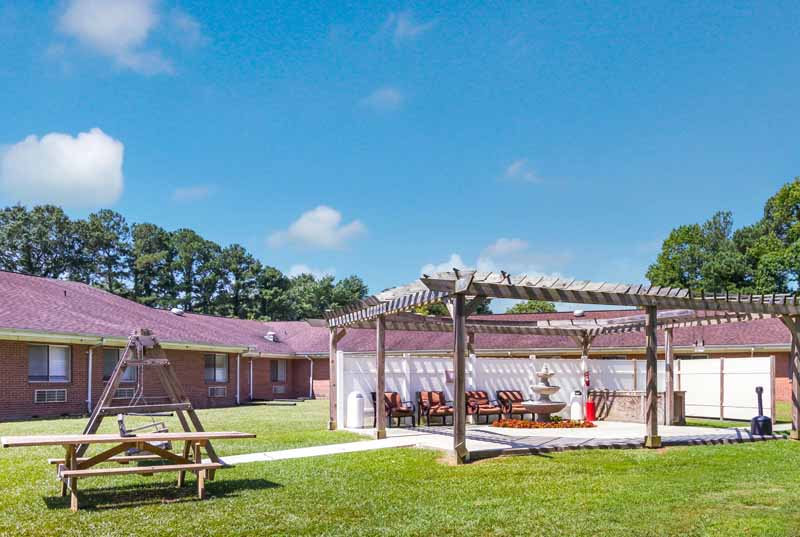
How is Kenansville Rehabilitation And Healthcare Center Staffed?

CMS rates Kenansville Rehabilitation and Healthcare Center's staffing level at 1 out of 5 stars, which is much below average compared to other nursing homes. Staff turnover is 56%, which is 10 percentage points above the North Carolina average of 46%. High turnover can affect care consistency as new staff learn residents' individual needs.

What Have Inspectors Found at Kenansville Rehabilitation And Healthcare Center?

State health inspectors documented 12 deficiencies at Kenansville Rehabilitation and Healthcare Center during 2022 to 2025. These included: 1 Immediate Jeopardy (the most serious level, indicating potential for serious harm or death), 8 with potential for harm, and 3 minor or isolated issues. Immediate Jeopardy findings are rare and represent the most serious regulatory concerns. They require immediate corrective action.
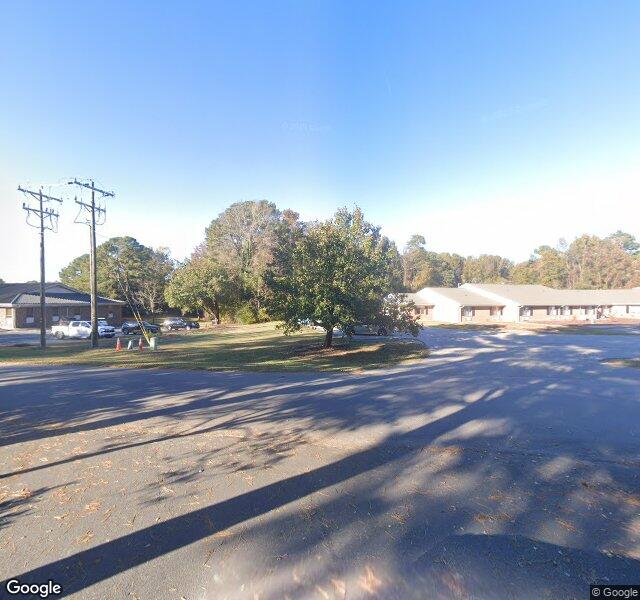
Who Owns and Operates Kenansville Rehabilitation And Healthcare Center?

Kenansville Rehabilitation and Healthcare Center is owned by a for-profit company. For-profit facilities operate as businesses with obligations to shareholders or private owners. The facility is operated by YAD HEALTHCARE, a chain that manages multiple nursing homes. With 92 certified beds and approximately 81 residents (about 88% occupancy), it is a smaller facility located in Kenansville, North Carolina.

How Does Kenansville Rehabilitation And Healthcare Center Compare to Other North Carolina Nursing Homes?

Compared to the 100 nursing homes in North Carolina, Kenansville Rehabilitation and Healthcare Center's overall rating (2 stars) is below the state average of 2.8, staff turnover (56%) is near the state average of 46%, and health inspection rating (3 stars) is at the national benchmark.

What Should Families Ask When Visiting Kenansville Rehabilitation And Healthcare Center?

Based on this facility's data, families visiting should ask: "What changes have been made since the serious inspection findings, and how are you preventing similar issues?" "How do you ensure continuity of care given staff turnover, and what is your staff retention strategy?" "Can you walk me through typical staffing levels on day, evening, and night shifts?" "Can I visit during a mealtime to observe dining assistance and food quality?" These questions are particularly relevant given the facility's Immediate Jeopardy citations, the facility's high staff turnover rate, and the below-average staffing rating.

Is Kenansville Rehabilitation And Healthcare Center Safe?

Based on CMS inspection data, Kenansville Rehabilitation and Healthcare Center has documented safety concerns. Inspectors have issued 1 Immediate Jeopardy citation (the most serious violation level indicating risk of serious injury or death). The facility has a 2-star overall rating and ranks #100 of 100 nursing homes in North Carolina. Families considering this facility should ask detailed questions about what corrective actions have been taken since these incidents.

Do Nurses at Kenansville Rehabilitation And Healthcare Center Stick Around?

Staff turnover at Kenansville Rehabilitation and Healthcare Center is high. At 56%, the facility is 10 percentage points above the North Carolina average of 46%. High turnover means new staff may not know residents' individual needs, medications, or preferences. It can also be disorienting for residents, especially those with dementia who rely on familiar faces. Families should ask: What is causing the turnover? What retention programs are in place? How do you ensure care continuity during staff transitions?

Was Kenansville Rehabilitation And Healthcare Center Ever Fined?

Kenansville Rehabilitation and Healthcare Center has no federal fines on record. CMS issues fines when nursing homes fail to meet care standards or don't correct problems found during inspections. The absence of fines suggests the facility has either maintained compliance or corrected any issues before penalties were assessed. This is a positive indicator, though families should still review recent inspection reports for the full picture.

Is Kenansville Rehabilitation And Healthcare Center on Any Federal Watch List?

Kenansville Rehabilitation and Healthcare Center is not on any federal watch list. The most significant is the Special Focus Facility (SFF) program, which identifies the bottom 1% of nursing homes nationally based on persistent, serious quality problems. Not being on this list means the facility has avoided the pattern of deficiencies that triggers enhanced federal oversight. This is a positive indicator, though families should still review the facility's inspection history directly.