Hibriten Mountain Nursing and Rehabilitation

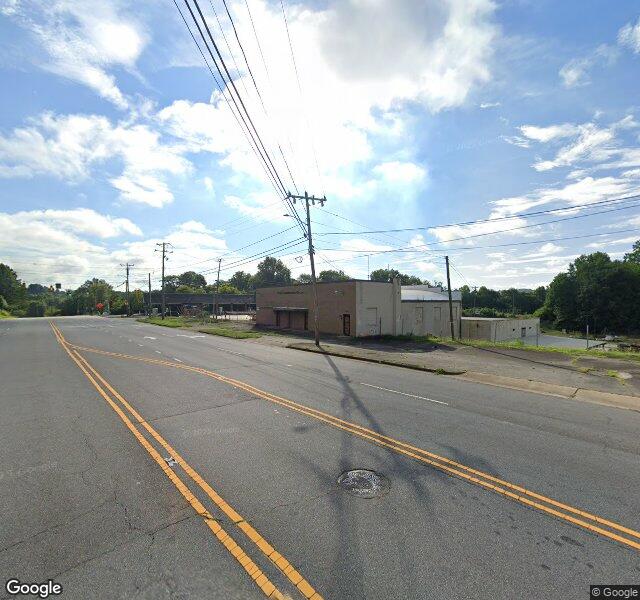
2030 Harper Avenue NW, Lenoir, NC 28645 (828) 754-3888
For profit - Corporation 100 Beds CONSULATE HEALTH CARE/INDEPENDENCE LIVING CENTERS/NSPIRE HEALTHCARE/RAYDIANT HEALTH CARE Data: November 2025 2 Immediate Jeopardy citations
Trust Grade
0/100
#253 of 417 in NC
Last Inspection: December 2024

Within standard 12-15 month inspection cycle. Federal law requires annual inspections.

Overview

Hibriten Mountain Nursing and Rehabilitation has received a Trust Grade of F, indicating significant concerns about the facility's quality of care. It ranks #253 out of 417 nursing homes in North Carolina, placing it in the bottom half of facilities, and #3 of 4 in Caldwell County, suggesting limited local options that are better. The situation is improving, with the number of reported issues decreasing from 22 in 2023 to 12 in 2024. Staffing is rated average with a turnover rate of 49%, which is on par with the state average, but the facility has received concerning fines totaling $53,110, higher than 76% of similar facilities. Additionally, while RN coverage is average, recent inspector findings included critical issues, such as a failure to address a resident's suicidal ideations and a staff member misappropriating funds from a resident, highlighting serious deficiencies in resident safety and care.

Trust Score
F
0/100
In North Carolina
#253/417
Bottom 40%
Safety Record
High Risk
Review needed
Inspections
Getting Better
22 → 12 violations
Staff Stability
⚠ Watch
49% turnover. Above average. Higher turnover means staff may not know residents' routines.
Penalties
○ Average
$53,110 in fines. Higher than 52% of North Carolina facilities. Some compliance issues.
Skilled Nurses
○ Average
Each resident gets 32 minutes of Registered Nurse (RN) attention daily — about average for North Carolina. RNs are the most trained staff who monitor for health changes.
Violations
⚠ Watch
50 deficiencies on record. Higher than average. Multiple issues found across inspections.
★★☆☆☆
2.0
Overall Rating
★★★☆☆
3.0
Staff Levels
★★★★★
5.0
Care Quality
★☆☆☆☆
1.0
Inspection Score
Stable
2023: 22 issues
2024: 12 issues

The Good

  • 5-Star Quality Measures · Strong clinical quality outcomes
  • Full Sprinkler Coverage · Fire safety systems throughout facility
  • No fines on record

Facility shows strength in quality measures, fire safety.

The Bad

2-Star Overall Rating

Below North Carolina average (2.8)

Below average - review inspection findings carefully

Staff Turnover: 49%

Near North Carolina avg (46%)

Higher turnover may affect care consistency

Federal Fines: $53,110

Above median ($33,413)

Moderate penalties - review what triggered them

Chain: CONSULATE HEALTH CARE/INDEPENDENCE

Part of a multi-facility chain

Ask about local staffing decisions and management

The Ugly 50 deficiencies on record

2 life-threatening 4 actual harm
Dec 2024 8 deficiencies 1 IJ
CRITICAL (J) 📢 Someone Reported This

A family member, employee, or ombudsman was alarmed enough to file a formal complaint

Immediate Jeopardy (IJ) - the most serious Medicare violation

Deficiency F0602 (Tag F0602)

Someone could have died · This affected 1 resident

**NOTE- TERMS IN BRACKETS HAVE BEEN EDITED TO PROTECT CONFIDENTIALITY** Based on record review, and resident, staff, and detective interviews, the facility failed to protect the resident's (Resident #...

Read full inspector narrative →
**NOTE- TERMS IN BRACKETS HAVE BEEN EDITED TO PROTECT CONFIDENTIALITY** Based on record review, and resident, staff, and detective interviews, the facility failed to protect the resident's (Resident #70) right to be free from misappropriation of property when Housekeeper #1 used Resident #70's debit card to set up a mobile payment application account on his [Housekeeper #1's] phone without Resident #70's permission or knowledge. Housekeeper #1 was alleged to have sent approximately $4,000.00 of unauthorized payments from Resident #70's bank account to his mobile payment application account from February 2024 to May 2024. Resident #70 stated, I am poor and he took everything I had. He indicated he was very upset that someone he trusted had taken advantage of him and he was worried to death over the loss of money and the potential for identity theft. This deficient practice occurred for 1 of 3 residents (Resident #70) reviewed for abuse, neglect, and misappropriation of resident property. The findings included: Resident #70 was admitted to the facility on [DATE]. A review of the quarterly Minimum Data Set (MDS) dated [DATE] indicated Resident #70 was cognitively intact. A review of the facility's reportable incidents revealed an initial allegation report dated 5/30/24 indicating the facility became aware on 5/29/24 that money was transferred from Resident #70's bank account to a former employee's (Housekeeper #1) mobile payment application account. The report indicated there was reasonable suspicion of a crime, and the alleged misappropriation of resident property was reported to law enforcement on 5/30/24. A review of Resident #70's bank account records from January 2024 to May 2024 revealed there were transactions of sending money from Resident #70's bank account to mobile payment application accounts starting on 2/05/24 along with overdraft fees charged by the bank. There were five transactions on 2/05/24, each sending $10.00 to Housekeeper #1's mobile payment application account. Transactions sending money from Resident #70's bank account to various mobile payment application accounts, including Housekeeper #1's, continued to recur several times a day from 2/5/24 through 5/6/24 in amounts ranging from $5.00 to $60.00. The transactions made to mobile payment application accounts and the bank overdraft charges totaled approximately $4,000.00. A review of the police department incident report indicated a report was filed on 5/10/24 at 11:11 AM concerning Resident #70 and stolen money from his bank account. An interview with Resident #70 was conducted on 12/20/24 at 11:27 AM. Resident #70 stated he was very sick and had not been able to use his debit card or monitor his bank account after his admission to the facility. Resident #70 revealed he did not recall the date, but a week or 2 after he was admitted to the facility, he asked Housekeeper #1 if he would purchase him a drink from the facility's vending machine. He indicated he gave Housekeeper #1 his debit card, he purchased the drink and then returned his debit card. Resident #70 revealed that was the only time he recalled Housekeeper #1 having possession of his debit card. He revealed a few months later the Business Office Manager (BOM) came to see him to discuss paying his bill. Resident #70 indicated he realized his debit card was missing and he asked the BOM to assist him with calling the bank to request a new card. He stated when they called the bank, he was informed that his account had been overdrawn for several months due to debit transactions that were made to a mobile payment application account. Resident #70 revealed he never had an account with a mobile payment application, and the only time his debit card was used after his admission to the facility was when Housekeeper #1 purchased him a drink from the vending machine. He further revealed he was not aware of any other staff members having possession of his debit card which indicated to him Housekeeper #1 was responsible for taking his money. Resident #70 stated, I am poor and he took everything I had. He indicated he was very upset that someone he trusted had taken advantage of him and he was worried to death over the loss of money and the potential for identity theft. Resident #70 indicated that he was interviewed by the police and wanted to press charges against Housekeeper #1, but there was not enough evidence to charge him, and the case was closed. An interview with the BOM on 12/11/24 at 11:37 AM indicated she did not recall the date but at the end of April she met with Resident #70 to discuss payment of his monthly bill, and he told her he lost his debit card and needed assistance contacting the bank. She revealed they called the bank a few days later and were informed that Resident #70's account had been overdrawn since January and there were several transactions of sending money to a mobile payment application account. She indicated that Resident #70 did not know what a mobile payment application was and had never set up an account. The BOM stated she obtained Resident #70's bank account records with is his permission from January 2024 to May 2024 and reviewed them on 5/10/24. She revealed there were several transactions sending money to various mobile payment application accounts, one of which was Housekeeper #1's. The BOM stated she contacted the mobile payment application company, and they informed her Housekeeper #1 had opened an account linked to Resident #70's debit card. She stated she immediately notified the Former Administrator of the concern, and he called the police. The BOM indicated the police assigned a detective to the case and an investigation was completed but no charges were filed. She revealed when the detective requested records from the mobile application company, he was told they had no record of Housekeeper #1's account. She stated she worked with the bank and tried to get them to credit the money Resident #70 lost but they would only go back 60 days from the date they became aware of the fraudulent activity. She indicated that Resident #70 agreed to set up a trust account managed by the facility and his social security check began to directly deposit into the account in June. The BOM revealed that Resident #70 had an outstanding bill with the facility that she planned to write off. An attempt was made to call Housekeeper #1 on 12/11/24 at 3:36 PM and the number was no longer in service. A phone interview was conducted with the Former Administrator on 12/12/24 at 8:59 AM. He stated the BOM notified him on 5/10/24 that she reviewed Resident #70's bank account transaction records and identified concerns related to mobile payment application withdrawals made by Housekeeper #1. He revealed that Housekeeper #1 was no longer employed at the facility when the concern was identified. He indicated he filed a police report on 5/10/24. He indicated that the police assigned a detective to the case, and records were requested from the mobile payment application company, however they informed the police they had no records of Housekeeper #1's account. He stated the detective informed him on 5/30/24 that Resident #70's bank account records did not provide enough evidence to file charges against Housekeeper #1, and they would be closing the case. A phone interview conducted with the Detective on 12/16/24 at 9:11 AM indicated the facility filed a police report on 5/10/24 related to Housekeeper #1 setting up a mobile payment application account linked to Resident #70's debit card without his knowledge or permission. He stated the facility provided Resident #70's bank account records which he reviewed and determined there was enough evidence to open a case. He indicated he obtained a search warrant requesting the mobile payment application company release the records of Housekeeper #1's account, however they informed him there was no record of the account. The Detective revealed that without records from Housekeeper #1's mobile payment application account there was not sufficient evidence to file charges and the case was closed. The Administrator was notified of immediate jeopardy on 12/11/24 at 10:52 AM. The facility provided the following corrective action plan: Address how the corrective action will be accomplished for those residents found to have been affected by the deficient practice: On 05/10/2024, the Business Office Manager obtained bank statements for Resident #70 and identified on the bank statements that Housekeeper #1 transferred no more than $3,963.15 through a money transfer application from Resident #70's bank account to Housekeeper #1's phone application between 02/05/2024 - 04/08/2024. Housekeeper #1 no longer worked at the facility effective 03/07/2024. The facility recognized that residents who manage their own personal funds have the potential to be affected by the noncompliance of misappropriation of resident property. On 05/13/2024, the Business Office Manager, with consent from Resident #70, requested a direct deposit for Resident #70's Social Security checks into his RFMS (Resident Fund Management System) account. Beginning on 06/03/2024 Resident #70's Social Security checks were direct deposited into his resident trust account managed by the facility. RFMS is a complete resident fund accounting system for handling resident funds, to provide banking solutions, such as direct deposit and direct debits. The Executive Director reported the misappropriation of Resident #70's property to local law enforcement on 05/10/2024. The Executive Director filed the initial allegation to the State agency on 05/30/24. On 05/24/2024, Resident #70 was seen by the psychiatric nurse practitioner, the progress note indicated Resident #70 denied feeling depressed, anxious, and stated Resident #70 left his room to socialize with others. He continued to be followed by psychiatric services. Resident #70's liability from June 2024 through December 2024 with a total balance of $628 has been written off without any penalty to the resident. The decision was made by the Regional Business Office Manager to write off the balance on 5/21/2024. Address how the facility will identify other residents having the potential to be affected by the same deficient practice: The Business Office Manager audited the current Resident Financial Management System (RFMS) on 05/15/2024 to ensure no unauthorized activity had occurred. No discrepancies or suspicious activity were identified. Also, during this time no concerns were noted by any other residents/responsible parties regarding unauthorized activity with their personal banking accounts. No other residents/responsible parties reached out to the business office for additional assistance with their personal banking accounts. The Business Office Manager reconciled the asset account (bank account and register statement balance) to the resident trust fund liability account (balance of residents account in the RFMS) to verify the accounts monthly. All disbursements made from the Resident Trust Fund must be documented with a properly signed withdrawal ticket. The facility maintains a pre-numbered withdrawal book with withdrawal tickets in a triplicate to record the disbursements made from the Resident Trust account. A Resident Trust fund statement is mailed to the patient and or Guardian/Responsible Party quarterly. The statement included all accounting transactions to include debits and credit. This process pertains to interviewable and non-interviewable residents with RFMS accounts. On 05/30/2024, the Social Worker interviewed alert and oriented residents to ensure no employee had asked any resident for money or use of their debit, credit, EBT (food stamps) and or Ucard (United Healthcare debit card). No issues or concerns identified. The RFMS reconciliation process was utilized for the non-interviewable residents. Staff were interviewed regarding misappropriation of resident property by the Executive Director and/or Director of Nursing on 05/30/2024. No concerns identified. Address the measures put into place or systemic changes made to ensure that the deficient practice will not occur: The Executive Director and/or Director of Nursing re-educated current staff including contracted staff with validation of understanding on the Abuse Policy with emphasis on misappropriation of resident property, unauthorized use of a resident's debit, credit, EBT and or UCard for personal use or gain on 05/30/2024 - 06/05/2024. Education also included the use of a sign out sheet for snacks and drinks purchases. The form included date, name, items purchased, amount given by the resident to the staff, amount returned to the resident, staff signature, resident signature, and a place to have two staff sign if the resident is unable to sign. The snacks and drinks form is located at the nursing station and is reviewed weekly by the Director of Nursing for accuracy to ensure the amount of money given by the resident to the staff minus the item purchased equals the amount of money returned to the resident. Newly hired staff will be educated in orientation. Staff were educated to not accept debit cards from residents for vending machine purchases on 06/05/2024. The Executive Director verbally educated Residents educated the use of debit cards by staff is not allowed for vending machine purchases on 06/05/2024 via room to room. Residents are made aware upon admission and throughout their stay of having the option to secure valuables. The Maintenance Director handled the request of a resident's need for a lock on their nightstand. A key is provided by the Maintenance Director and/or Executive Director. In the event the nightstand does not have locking capabilities, the Maintenance Director will install a lock and provide the key to unlock the nightstand to the resident and the spare key is in a locked box / drawer in the Maintenance Directors office. All residents/responsible parties were offered a RMFS account upon admission and can make changes any time during their stay with consent to the business department. Address how the facility will monitor its corrective actions to ensure the deficient practice will not recur: On 06/05/2024, the Executive Director held an ADHOC Quality Assurance Performance Improvement meeting. The Executive Director presented the deficient practice of misappropriation of resident property and implemented a plan of action to include quality improvement monitoring and the frequency of monitoring. The Executive Director and/or Director of Nursing to complete quality monitoring of five residents weekly for twelve weeks to ensure residents are protected from misappropriation of personal property. Questions asked of the 5 residents included in the quality monitoring are Do you have any concerns related to your finances to include your debit card, EBT card and/or U card? and Do you know who to report concerns to?. The Business Office Manager reconciled the asset account (bank account and register statement balance) to the resident trust fund liability account (balance of residents account in the RFMS) to verify the accounts monthly. All disbursements made from the Resident Trust Fund must be documented with a properly signed withdrawal ticket. The facility maintains a pre-numbered withdrawal book with withdrawal tickets in a triplicate to record the disbursements made from the Resident Trust account. A Resident Trust fund is mailed to patient and or Guardian/ Responsible Party quarterly. The statement includes all accounting transactions to include debits and credit. This process pertains to interviewable and non-interviewable residents. Members of the Quality Assurance Performance Improvement committee include Executive Director, Medical Director, Director of Nursing, the Manager of Social Services, the Housekeeping Manager, the Business Office Manager, the Human Resources Coordinator, Medical Records Clerk, Central Supply Clerk, Admissions Director, Nurse Managers, Dietary Manager, and the Environmental Services Director. The results of the quality monitoring will be brought to the Quality Assurance Performance Improvement meeting monthly to ensure ongoing compliance for 3 months. Quality Improvement monitoring schedule will be modified based on findings of monitoring. The Executive Director is responsible for overseeing the plan of correction. The center Executive Director alleges compliance 06/06/2024. Alleged date of IJ removal: 06/06/24. Validation of the facility's corrective action plan was conducted 12/17/24 through record review and staff interviews. A review of the resident trust account audits indicated they were completed by the Business Office Manager on 5/15/24 and no concerns or discrepancies were identified. An interview conducted with the BOM revealed she continues to audit and reconcile the resident trust accounts monthly and there have been no discrepancies identified. A review of the facility's monitoring audits conducted 6/6/24 through 8/20/24 revealed 5 alert and oriented residents were interviewed weekly and voiced no concerns related to their finances, misappropriation of their personal property or unauthorized charges on their personal bank accounts. Interviews were conducted with housekeeping, nursing, therapy and dietary staff which indicated they received education on the facility's abuse and reporting policy including misappropriation of resident property. The staff revealed the education also included the procedure to follow if a resident requests assistance with purchasing a snack or drink, which included only using cash (no payment cards), documenting the amount of cash the resident gave them, the item purchased, and the amount of cash returned to the resident. The corrective action plan completion date and IJ removal date of 6/06/24 was validated.
CONCERN (D) 📢 Someone Reported This

A family member, employee, or ombudsman was alarmed enough to file a formal complaint

Potential for Harm - no one hurt, but risky conditions existed

Report Alleged Abuse (Tag F0609)

Could have caused harm · This affected 1 resident

Based on record review, and staff and Adult Protective Services (APS) Intake Social Worker interviews, the facility failed to file a report with the state agency no later than 24 hours after becoming ...

Read full inspector narrative →
Based on record review, and staff and Adult Protective Services (APS) Intake Social Worker interviews, the facility failed to file a report with the state agency no later than 24 hours after becoming aware of an allegation of misappropriation of resident property and failed to report the incident to APS for 1 of 3 residents reviewed for abuse (Resident #70). The findings included: A review of the facility's abuse, neglect, exploitation and misappropriation policy and procedure revised 11/16/22 read in part: Reporting/Response: Once an allegation of abuse is reported, the Administrator, as the abuse coordinator, is responsible for ensuring that reporting is completed timely and appropriately to appropriate officials in accordance with Federal and State regulations, including notification of Law Enforcement if a reasonable suspicion of crime has occurred. The Abuse Coordinator will refer any or all incidents and reports of resident abuse to the appropriate state agencies. Resident #70 was admitted to the facility 1/05/24. A review of the police department incident report indicated on 5/10/24 at 11:11 AM they received a report that Resident #70 had money stolen from his bank account. A review of the facility's initial allegation report dated 5/30/24 revealed the facility became aware on 5/29/24 that Resident #70's bank statement had several transactions transferring money from his account to a former employee's (Housekeeper #1) mobile payment application account. The report indicated there was reasonable suspicion of a crime, and the alleged misappropriation of resident property was reported to law enforcement on 5/30/24 however it was not reported to Adult Protective Services. The report was completed by the Former Administrator. An interview with the Business Office Manager (BOM) on 12/11/24 at 11:37 AM indicated she did not recall the date but at the end of April she met with Resident #70 to discuss payment of his monthly bill, and he told her he lost his debit card and needed assistance contacting the bank. She revealed they called the bank a few days later and were informed that Resident #70's account had been overdrawn since January and there were several transactions sending money to a mobile payment application account. She stated she reviewed Resident #70's bank statements on 5/10/24 and there were several transactions sending money to various mobile payment application accounts, one of which was Housekeeper #1's. She indicated she contacted the mobile payment application company, and they informed her Housekeeper #1 had opened an account linked to Resident #70's debit card. The BOM revealed she immediately notified the Former Administrator of the concern, and a police report was filed on 5/10/24. A phone interview was conducted with the APS Intake Social Worker on 12/16/24 at 9:27 AM. She stated they had no record of the facility reporting an incident of misappropriation of property for Resident #70. A phone interview with the Former Administrator on 12/12/24 at 8:59 AM revealed the BOM was reviewing Resident #70's bank statements and there were several transactions transferring money from his account to Housekeeper #1's mobile payment application account. He stated the BOM notified him of the concern on 5/10/24 and he filed a police report. He further stated he did not submit an initial allegation report within 2 hours because he wanted to investigate it further along with the police to see if it was anything. He revealed Housekeeper #1 was no longer employed at the facility when the concern was identified. He stated he submitted the initial allegation report on 5/30/24 once the police investigation was completed and they determined no charges would be filed against Housekeeper #1. The Former Administrator indicated because the police did not file charges against Housekeeper #1, he unsubstantiated the allegation of misappropriation and did not file a report with APS.
CONCERN (D)

Potential for Harm - no one hurt, but risky conditions existed

Assessment Accuracy (Tag F0641)

Could have caused harm · This affected 1 resident

**NOTE- TERMS IN BRACKETS HAVE BEEN EDITED TO PROTECT CONFIDENTIALITY** Based on observation, record review, and staff interviews, the facility failed to accurately code the Minimum Data Set (MDS) ass...

Read full inspector narrative →
**NOTE- TERMS IN BRACKETS HAVE BEEN EDITED TO PROTECT CONFIDENTIALITY** Based on observation, record review, and staff interviews, the facility failed to accurately code the Minimum Data Set (MDS) assessment for 2 of 2 residents reviewed for bladder continence (Resident #74 and Resident #35). Findings included: 1. Resident #74 was admitted to the facility on [DATE] with diagnoses including a stage 4 pressure ulcer to the sacrum. A review of Resident #74's physician orders showed an order dated 10/21/2024 for a 16 French (FR) foley catheter with a 10 milliliter (ml) balloon due to stage 4 sacral pressure ulcer. A review of Resident #74's admission Minimum Data Set (MDS) assessment dated [DATE] revealed the resident was marked as having an indwelling catheter in place but was always incontinent of bladder. An interview was completed on 12/12/2024 at 9:00 AM with the MDS Coordinator. During the interview the MDS Coordinator reported if a resident's MDS assessment was marked for an indwelling catheter then the continence needed to be marked as Not Rated. The MDS Coordinator explained Resident #74's MDS assessment should have been marked as Not Rated, instead of Always Incontinent for incontinence because he had an indwelling catheter. The MDS Coordinator also said the answers in the MDS assessments were system generated, and normally she would [NAME] check those answers but somehow missed it. During an interview on 12/12/2024 at 12:59 PM with the Director of Nursing (DON) she said she expected to see accurate coding on all MDS assessments. An interview was completed on 12/12/2024 at 2:40 PM with the Administrator where she said she expected to see all MDS assessments completed accurately. 2. Resident #35 was admitted to the facility on [DATE] with diagnoses that included paraplegia, and neuromuscular dysfunction of bladder. A review of Resident #35's most recent quarterly Minimum Data Set (MDS) assessment dated [DATE] revealed her to be cognitively intact and having an indwelling catheter and she was always continent of bladder. A review of Resident #35's treatment administration record indicated she received indwelling catheter care every shift during the lookback period for the assessment. During an interview with Resident #35 on 12/11/24 at 4:46 PM, she reported she had the catheter since before her admission to the facility. Resident #35 stated she had not had the catheter removed, even temporarily, since it was placed. An interview with MDS Nurse #1 on 12/12/24 at 9:00 AM, she stated she had worked as the facility's MDS nurse since April of 2024. She reported Resident #35 had a catheter the entire time she had worked at the facility and that if a resident had a catheter for the entirety of the lookback period of a MDS assessment, then their bladder continence should be coded as not rated. She went on to say the answers in the assessment system were typically automatically generated and she attempted to double check the answers. MDS Nurse #1 stated she thought she had changed Resident #35's continence to not rated but must have missed it. An interview with the Director of Nursing on 12/12/24 at 2:04 PM revealed to her knowledge, Resident #35 had never had her catheter removed and that her bladder continence should have been coded as not rated. She also indicated she expected MDS assessments to accurately reflect the resident, their care needs, and their conditions.
CONCERN (D)

Potential for Harm - no one hurt, but risky conditions existed

Deficiency F0657 (Tag F0657)

Could have caused harm · This affected 1 resident

**NOTE- TERMS IN BRACKETS HAVE BEEN EDITED TO PROTECT CONFIDENTIALITY** Based on record review and staff interviews, the facility failed to update a resident's care plan after she ingested wound clean...

Read full inspector narrative →
**NOTE- TERMS IN BRACKETS HAVE BEEN EDITED TO PROTECT CONFIDENTIALITY** Based on record review and staff interviews, the facility failed to update a resident's care plan after she ingested wound cleanser for 1 of 3 residents reviewed for supervision to prevent accidents (Resident #8). The findings included: Resident #8 was admitted to the facility on [DATE] with diagnoses that included Alzheimer's disease, anxiety, major depressive disorder, and adult failure to thrive. A review of Resident #8's quarterly Minimum Data Set (MDS) assessment dated [DATE] revealed her to be severely impaired with no delusions, behaviors, or rejection of care. Resident #8 was coded as having wandering behaviors daily. Resident #8 required supervision with mobility and was coded as using a manual wheelchair. A review of facility incident and accident logs revealed a report dated 03/11/24 that indicated Resident #8 had obtained a bottle of wound cleanser and ingested an unknown amount. Per the incident report, Resident #8 was assessed along with telephone calls made to her representative, the on-call physician, and poison control. The report stated that Resident #8 was placed on observation and with no negative side effects observed. The report also indicated that Resident #8's confused cognition and wandering behaviors contributed to the incident. A review of Resident #8's care plan that was last reviewed on 08/01/24 revealed a care plan for Resident #8 being at risk for wandering behaviors due to dementia. Interventions included to assess for elopement risk, distract Resident #8 from wandering by offering pleasant distractions, and to attempt to identify pattern of wandering and intervene as appropriate. There was no mention of the potential for Resident #8 to attempt to ingest non-food items or any interventions to prevent this from occurring. An interview with MDS Nurse #1 on 12/12/24 at 9:27 AM revealed the MDS nurse was typically responsible for updating care plans that were nursing specific with the Director of Nursing updating care plans when she was not working. MDS Nurse #1 stated she updated care plans anytime there is a change in condition with a resident, which would include changes in behavior. MDS Nurse #1 also stated she had no knowledge of Resident #8 ingesting wound cleanser and reported a behavior like that would be something that should be mentioned in her care plan. She reported she was not working at the facility at the time the incident occurred and provided the contact information for MDS Nurse #2, whom she indicated was the MDS nurse at the time of the incident. MDS Nurse #1 reported she did not know why Resident #8's care plan had not been updated. An interview with MDS Nurse #2 via telephone on 12/12/24 at 11:36 AM revealed she was the MDS Nurse in March of 2024 and reported she was unaware of the incident regarding Resident #8 ingesting wound cleanser. She also reported she did not recall if the interdisciplinary team discussed the incident after it occurred. MDS Nurse #2 reported if she had been made aware of the incident, she would have updated Resident #8's care plan to reflect the potential for Resident #8 to ingest non-food items. MDS Nurse #2 reported she did not know why Resident #8's care plan had not been updated. An interview with the Director of Nursing on 12/12/24 at 1:52 PM revealed she was familiar with Resident #8 and that she was severely cognitively impaired and had wandering behaviors. She stated in March, she was made aware of an incident by Nurse #4 regarding Resident #8 ingesting an unknown amount of wound cleanser. She reported the day after the incident, it was discussed in the interdisciplinary team meeting, and she verified that MDS Nurse #2 was present. The Director of Nursing reported Resident #8's care plan should have been updated immediately after the interdisciplinary team meeting to reflect the potential for Resident #8 to ingest non-food items. She did not know why Resident #8's care plan had not been updated after she ingested the wound cleanser.
CONCERN (D)

Potential for Harm - no one hurt, but risky conditions existed

Deficiency F0658 (Tag F0658)

Could have caused harm · This affected 1 resident

**NOTE- TERMS IN BRACKETS HAVE BEEN EDITED TO PROTECT CONFIDENTIALITY** Based on record review, and resident, staff, Nurse Practitioner (NP) and Medical Director (MD) interviews, the facility failed t...

Read full inspector narrative →
**NOTE- TERMS IN BRACKETS HAVE BEEN EDITED TO PROTECT CONFIDENTIALITY** Based on record review, and resident, staff, Nurse Practitioner (NP) and Medical Director (MD) interviews, the facility failed to ensure the correct medications were administered to the correct resident for 1 of 5 residents reviewed for unnecessary medications (Resident #80). The findings included: Resident #80 was readmitted to the facility on [DATE] with diagnoses that included peripheral vascular disease, neuropathy, and necrotizing fasciitis. Review of the quarterly Minimum Data Set (MDS) assessment dated [DATE] revealed Resident #80 was cognitively intact and was marked as receiving routine and as needed pain medication. Review of a progress note written by Nurse #2 dated 12/8/2024 at 6:05 pm indicated Resident #80 was administered Baclofen (muscle relaxer) 10 milligram (mg) and Norco (pain reliever) 5/325 mg. Further review of the progress note revealed the on-call provider was notified and Nurse #2 was instructed to monitor the resident's level of consciousness, breathing, and cognition. A review of an additional progress note written by Nurse #2 dated12/8/2024 at 6:43 pm revealed Resident #80 had been notified by Nurse #2 of receiving the wrong medication and he responded, I did not even notice a difference. A telephone interview was completed on 12/10/2024 at 2:05 PM with Nurse #2. During the interview Nurse #2 explained during her medication pass on 12/8/2024 she was putting medications into a medication cup for who she thought was Resident #80. Nurse #2 went on to say there was another resident sitting in his wheelchair behind her yelling while she was putting the medication in the medication cup, and she was distracted by it. Nurse # 2 said she administered the medications to Resident #80 and shortly afterwards she realized she had given Resident #80 the wrong medications. She stated the medications she had given to Resident #80 were Norco 5/325 mg and Baclofen 10 mg and were prescribed for Resident #59. Nurse #2 reported she informed Resident #80 that he received the wrong medications and took his vital signs before calling the on-call provider because she knew she would need to know the resident's vital signs before calling. Nurse #2 said she was told by the on-call provider to monitor Resident #80 for any change in level of consciousness (LOC) and breathing and call back if anything changed. Nurse #2 stated the Director of Nursing (DON) was also notified. Review of Resident #80's current physician orders dated December 2024 revealed Resident #80 was ordered the following medications; Acetaminophen 325 mg (milligrams), give 1 tablet my mouth every 4 hours PRN (as needed) for pain, Roxicodone 5 mg, give 1 tablet my mouth every 4 hours PRN for severe pain with 7-10 pain rating, Gabapentin 600 mg, 1 tablet 3 times a day for neuropathy, and Methocarbamol (a muscle relaxer) 1000 mg, give 1 tablet three times a day for pain. A review of the electronic medication administration record (MAR) for 12/8/2024 showed Resident #80 received Roxicodone 5 mg at 6:32 am and Gabapentin 600 mg was administered three times. A review of Resident #59's MAR for 12/8/2024 revealed he received the medications that were ordered for him which included Baclofen 10 mg and Norco 5/325 mg for pain. Resident #59 reported pain rated at a 2/10. Review of Resident #80's respirations revealed on 12/8/2024 at 6:30 PM his breathes per minute (BPM) were 18 and again on 12/8/2024 at 10:00 PM his BPM were 16. An interview was completed on 12/10/2024 at 1:39 pm with Resident #80. During the interview the resident reported he received medication over the past weekend that was not his. Resident #80 went on to say the medication he received was weak pain medication and it did not really affect him because he was prescribed a stronger pain medication than what he received. Resident #80 reported he did not have any breakthrough pain due to receiving the wrong pain medication. An interview was completed on12/11/24 at 11:36 AM with the DON revealed she was aware of a medication error that occurred on 12/8/2024. The DON explained she was notified by Nurse #2 that she had given Resident #80 a 10 mg Baclofen and a 5/325 mg Norco that was ordered for Resident #59. The DON said Nurse #2 went through all of the necessary steps following the medication administration including making sure Resident #80 was ok by checking his vital signs prior to calling the on-call provider and notifying the on-call provider and herself. The DON reported Resident #59 received his ordered medication. The DON explained neither resident had any complaints about pain and additional education will be provided to Nurse #2 to include Medication Administration involving the 6 rights and how to attempt to limit distractions. On12/10/24 at 4:16 PM a telephone interview was conducted with the Nurse Practitioner (NP). The NP reported she had was notified of a medication error that occurred on 12/8/2024 by Nurse #2 about Resident #80 receiving pain medication and a muscle relaxer that was ordered for Resident #59. The NP stated she instructed Nurse #2 to monitor Resident #80's LOC and breathing and to reach back out if there were any changes. The NP explained she did not see the medication that Resident #80 received as a significant medication error due to the resident having no adverse outcomes and the medications and dosages he received were less than what he was prescribed. An additional interview was conducted on 12/12/2024 at 12:55 PM with the DON where she stated she expected all Nurses to follow the 6 rights of medication administration. The DON also said if a medication error occurred, she expected for the Nurse to notify herself, the provider, and the resident or responsible party. On 12/11/2024 at 2:36 PM an interview was completed with the Medical Director (MD). During the interview the MD reported the difference in medication and dosage that Resident #80 received would not be considered a significant medication error due to Resident #80 did not have any adverse effects related to the medications he received.
CONCERN (D) 📢 Someone Reported This

A family member, employee, or ombudsman was alarmed enough to file a formal complaint

Potential for Harm - no one hurt, but risky conditions existed

Accident Prevention (Tag F0689)

Could have caused harm · This affected 1 resident

**NOTE- TERMS IN BRACKETS HAVE BEEN EDITED TO PROTECT CONFIDENTIALITY** 2. Resident #8 was admitted to the facility on [DATE] with diagnoses that included Alzheimer's disease, anxiety, major depressiv...

Read full inspector narrative →
**NOTE- TERMS IN BRACKETS HAVE BEEN EDITED TO PROTECT CONFIDENTIALITY** 2. Resident #8 was admitted to the facility on [DATE] with diagnoses that included Alzheimer's disease, anxiety, major depressive disorder, and adult failure to thrive. A review of Resident #8's quarterly Minimum Data Set assessment dated [DATE] revealed her cognition was severely impaired with no delusions, behaviors, or rejection of care. Resident #8 was coded as having wandering behaviors daily. Resident #8 required supervision with mobility and was coded as using a manual wheelchair for mobility. A review of Resident #8's care plan that was last reviewed on 08/01/24 revealed Resident #8 being at risk for wandering behaviors due to dementia. Interventions included to assess for elopement risk, distract Resident #8 from wandering by offering pleasant distractions, and to attempt to identify pattern of wandering and intervene as appropriate. A review of facility incident and accident logs revealed a report dated 03/11/24 that indicated Resident #8 had obtained a bottle of wound cleanser and ingested an unknown amount. Per the incident report, Resident #8 was assessed along with telephone calls made to her representative, the on-call physician, and poison control. The report stated that Resident #8 was placed on observation and with no negative side effects observed. The report also indicated that Resident #8's confused cognition and wandering behaviors contributed to the incident. Review of Resident #8's progress notes revealed a note dated 03/11/24 that read: At approximately [10:15] Resident [#8] picked up a bottle of wound cleaner off of the treatment care and opened it up and drank an unmeasurable amount. Staff immediately obtained the cleaner from the resident and obtained vital signs (blood pressure 141/69, pulse 71, oxygen saturation 98%, respirations 16, and temperature 98.5 [degrees Fahrenheit]. This nurse immediately called on-call clinicians and spoke with physician whom stated to call poison control. This nurse then called poison control . and informed them of the situation. She gave orders to give [Resident #8} one or two sips of water only and give nothing else for one hour and to closely observe [Resident #8] for any drooling, trouble swallowing, or blisters in the mouth or throat. If none of those symptoms occurred after one hour, to go ahead and give one or two more sips of water and resume regularly scheduled food/drinks and medications. If [Resident #8] does exhibit any of the above listed signs and symptoms, then she needs to be sent to the Emergency Room. This nurse gave detailed instructions to staff and staff are following clinician's instructions. The progress note was written by Nurse #4. Review of the facility's safety data sheet (SDS) for the wound cleanser that was ingested by Resident #8 revealed the following instructions if accidentally ingested: Ingestion - [look for] nausea, vomiting, and diarrhea. Drink water. An interview with Nurse #4 on 12/13/24 at 12:17 PM revealed he was familiar with Resident #8 and described her as very confused with aimless wandering behaviors. He also stated he remembered the incident and stated that two, now unknown, nurse aides came to him that evening with Resident #8 and a bottle of wound cleanser and informed him Resident #8 had ingested an unknown amount of wound cleaner. Nurse #4 stated he immediately assessed Resident #8 and obtained her vitals and did not believe there was anything out of the normal. He continued, stating that he called the on-call physicians who informed him to contact poison control. Poison control suggested that he closely monitor Resident #8 for any vomiting, nausea or the development of blisters in Resident #8's mouth and throat. He stated he then contacted the Director of Nursing and Resident #8's responsible party. Nurse #4 stated he monitored Resident #8 closely for the rest of his shift and did not note any nausea, vomiting, or blisters. He stated when he observed the wound cleanser bottle it did not appear to have much missing and estimated that the bottle was almost full. Nurse #4 reported he was informed that Resident #8 had obtained the bottle of wound cleanser from the wound treatment cart which was kept at the end of a hall near the nurse's station. He stated it was routine for the wound cleanser not to be locked on the wound cart and was either stored in a side pocket or on top of the wound cart. Nurse #4 also reported that, to his knowledge, Resident #8 never had to receive additional medical treatment, in house, or at the hospital due to the ingestion of the wound cleanser. He reported that he had not seen Resident #8 attempt to ingest non-food items before or since the incident. Attempts were made to identify and speak to the unknown nurse aides that brought the incident to Nurse #4's attention but those attempts were unsuccessful. An interview with the Wound Nurse on 12/11/24 at 2:33 PM revealed she did not know anything about Resident #8 ingesting wound cleanser. She stated if the wound cleanser was ingested it could cause some gastrointestinal discomfort, nausea, and/or vomiting. She stated she was aware Resident #8 had wandering behaviors and admitted to knowledge of Resident #8 having touched things on the cart but denied knowledge of Resident #8 taking anything off of the cart and attempting to or actually ingesting it. The Wound Nurse reported she typically kept wound cleanser on the cart and available for other staff when she was not in the facility. The Wound Nurse reported she stored the wound cleanser either on top of her cart or in a side pocket of the wound treatment cart and not locked away inside the cart. An observation of the wound treatment cart on 12/12/24 at 1:37 PM revealed it was at the end of a hall outside of a resident's room. The room was posted as being on enhanced barrier precautions and the wound cart was outside the room, with the door closed. An observation of the wound cart revealed a bottle of wound cleanser sitting on top of the wound cart with the top unscrewed. There were no observed residents around the wound cart. An interview with the Director of Nursing on 12/12/24 at 1:52 PM revealed she was familiar with Resident #8 and that she was severely cognitively impaired and had wandering behaviors. She stated in March, she was made aware of an incident by Nurse #4 regarding Resident #8 ingesting an unknown amount of wound cleanser. She stated poison control was contacted but reported she did not believe they instructed the staff to do a whole lot. She indicated Resident #8 was monitored and given a few sips of water. The Director of Nursing reported Resident #8 had no adverse reaction to ingesting the wound cleanser. She reported the administrative staff discussed the incident in their interdisciplinary team meeting but could not recall if they implemented any additional care plan interventions or policies to help keep the incident from happening again. She stated wound cleanser should always be kept locked away to prevent residents from accessing it, and that nothing should be stored in the side pockets or on top of the wound treatment cart. An interview with the Medical Director on 12/11/24 at 2:33 PM revealed he had taken over as the medical director in August and was not aware of the Resident #8 ingesting wound cleanser. He reported there was always a potential concern with a resident ingesting wound cleanser and stated he would expect the staff to closely monitor the resident post ingestion for metabolic and other issues which included vomiting, diarrhea, or changes in their general condition. He did report small doses would not necessarily be concerning. Based on observations, record reviews, and staff, Resident, Wound Nurse and Medical Director interviews, the facility failed to provide care in a safe manner when a dependent resident (Resident #57) fell off the bed during incontinence care. The facility also failed to provide an environment free from a potential hazard when wound cleanser was left unattended on top of the treatment cart and an unmeasurable amount was ingested by Resident #8. This was for 2 of 4 residents reviewed for accidents. The findings included: 1. Resident #57 was admitted to the facility on [DATE] with diagnoses that included Fredrick's Ataxia (a condition that mainly affects the neuromuscular system and the heart and causes poor muscle control and coordination). A review of Resident #57's admission nursing assessment dated [DATE] indicated she was alert and oriented to person, place, time and situation. A review of a baseline care plan dated 10/28/24 indicated Resident #57 required extensive assistance of one staff for bed mobility, toileting and personal hygiene. A review of Resident #57's medical record revealed an order dated 10/28/24 to x-ray the right ankle. A review of an Incident Report dated 10/28/24 at 3:14 PM completed by Nurse #2 indicated Nurse #2 was notified that Resident #57 was on the floor by Nurse Aide (NA) #3. Upon entering the room NA #2 informed Nurse #2 that she was providing incontinent care to Resident #57 and the Resident rolled out of bed. Resident #57 stated she rolled out of bed but denied hitting her head. The Resident indicated her right ankle was hurting. The report also indicated Resident #57 was alert and oriented to person, place, time and situation. A review of Resident #57's medical revealed the result of the right ankle x-ray dated 10/29/24 was negative for fracture. A review of an Investigative Report: Root Cause Analysis dated 10/29/24 completed by the Director of Nursing revealed Resident #57 was admitted [DATE] at 11:30 AM and fall occurred on 10/28/24 at 3:14 PM. NA #2 was providing incontinent care to Resident #57 and when the NA rolled the Resident onto her side while keeping her left hand on the Resident attempting to remove the soiled brief, Resident #57 rolled off the bed. Therapy to screen for bed mobility. An interview and observation of Resident #57 were conducted on 12/09/24 at 11:29 AM. The Resident was lying in the middle of her bed watching television with her bed up against the wall and without side rails. Resident #57 stated, they let me roll out of bed the first night I got here. Resident #57 explained that the first day she was admitted she was soiled and had to be changed. When Nurse Aide (NA) #2 came to provide care, the NA asked her how many people it took to take care of her and Resident #57 told NA #2 that it only took one person to provide care for her. The Resident continued to explain that when the NA turned her over, she continued to roll over and out of the bed onto the floor. Resident #57 reported she hurt her right ankle, and they obtained an x-ray which showed no fracture. She stated her ankle hurt for a few days and since she was on routine pain medication the pain did not last very long at all. During an interview with NA #2 on 12/10/24 at 3:02 PM the NA confirmed that she was scheduled to work on Resident #57's hall on 10/28/24 and was present when the Resident rolled out of the bed. The NA explained that when she made rounds on Resident #57 on 10/28/24 at the end of her shift the Resident needed to be changed. The Nurse Aide reported that she received a brief report about Resident #57 from the Resident's family member who was with her during her admission and the family reported the Resident was total care. The NA stated she had never worked with Resident #57, so she was going to obtain assistance from another staff member when Resident #57 told her that it only took one person to change her. The NA explained that the Resident had soiled herself, so she gathered her supplies and raised her bed to about waist high and made sure the Resident was in the middle of the bed. She reported she then rolled Resident #57 over onto her left side and crossed her right leg over her left leg and while keeping her hand on the Resident's hip, she pulled the brief out from under the Resident and the Resident continued to roll over off the bed and onto the floor. NA #2 indicated she immediately went around to the other side of the bed and Resident #57 was lying on her left side. The NA asked the Resident if she was hurt, and Resident #57 stated she was not hurt but that she just wanted to get up out of the floor. The NA stated she went to the door and saw Nurse Aide #3 standing in the hallway, so she asked her to come to the room because Resident #57 was on the floor. NA #2 stated NA #3 came into the room and saw that Resident #57 was on the floor and then went and got Nurse #2. NA #2 continued to explain that when Nurse #2 came into the room, she assessed Resident #57 before they transferred her back into the bed where she and NA #3 continued to provide incontinence care for the Resident. NA #2 reported she knew she could review the Resident's care plan to determine how many staff it took to provide care for Resident #57, but the Resident told her it only took one person to provide care for her but in retrospect she should have reviewed the care plan. An interview was conducted with Nurse Aide #3 on 12/10/24 at 4:14 AM. The NA explained that she was standing in the hallway near Resident #57's door when NA #2 hollered for her to come in the room because the Resident had fallen on the floor. The NA stated that when she went into the room and noticed the Resident lying on the floor, she asked her if she was hurt which the Resident denied and stated she just wanted to get out of the floor. NA #3 continued to explain that she went to get Nurse #2 who immediately went to the room and assessed Resident #57 who again reported to the Nurse that she was not hurt. She stated they transferred the Resident back to bed. NA #3 reported she understood that Resident #57 rolled out of bed when NA #2 rolled her over to provide incontinent care. She explained that she often worked with the Resident and one person can provide care for Resident #57 because she can help hold herself over. On 12/10/24 at 2:32 PM an interview was conducted with Nurse #2 who explained that she was summoned to Resident #57's room on the afternoon of 10/28/24 and observed the Resident lying on the floor lying on her left side. The Nurse reported she assessed Resident #57, and she had no injuries, but she did complain of pain in her right ankle. The Nurse stated she along with other staff transferred the Resident back to bed where Nurse Aide #2 completed incontinence care. Nurse #2 continued to explain that both Nurse Aide #2 and Resident #57 informed her that the Resident told NA #2 that she could manage the Resident by herself before the NA began to provide the incontinent care. Nurse #2 stated that she reported the fall to the Director of Nursing who obtained an order for an x-ray of her right ankle. An interview was conducted with the Director of Nursing (DON) on 12/11/24 at 10:13 AM. The DON explained that on the afternoon of 10/28/24 Nurse #2 informed her that Resident #57 had rolled off the bed during incontinence care provided by NA #2. Nurse #2 stated she had assessed Resident #57, and her only complaint was right ankle pain, so the DON requested an order for an x-ray which was obtained on 10/29/24 and was negative for fracture. She continued to explain that when she investigated the fall, she had NA #2 explain and demonstrate what happened and the NA indicated when she rolled Resident #57 over onto her side the NA kept her left hand on the Resident's hip and when she removed the brief the Resident rolled off the bed and onto the floor. The DON stated Resident #57 was alert and oriented and told NA #2 that she could do the Resident by herself, but the DON stated she felt that because Resident #57 had poor lower trunk control related to her diagnosis of Fredrick's Ataxia and with the momentum of being turned to her side, she could have kept on rolling. The DON stated in retrospect NA #2 should have obtained assistance from another staff member since it was the NA's first-time taking care of Resident #57.
CONCERN (D)

Potential for Harm - no one hurt, but risky conditions existed

Respiratory Care (Tag F0695)

Could have caused harm · This affected 1 resident

**NOTE- TERMS IN BRACKETS HAVE BEEN EDITED TO PROTECT CONFIDENTIALITY** Based on observations, record reviews, resident and staff interviews, the facility failed to obtain an order for the use of supp...

Read full inspector narrative →
**NOTE- TERMS IN BRACKETS HAVE BEEN EDITED TO PROTECT CONFIDENTIALITY** Based on observations, record reviews, resident and staff interviews, the facility failed to obtain an order for the use of supplemental oxygen and post oxygen cautionary signage for 1 of 1 resident (Resident #75) reviewed for respiratory care. Findings included: Resident #75 was admitted to the facility on [DATE] with diagnoses that included left lower lobe pneumonia, sepsis and pleural effusion. The admission Minimum Data Set (MDS) assessment dated [DATE] revealed Resident #75 was cognitively intact. A review of Resident #75's medical record revealed there was no order for supplemental oxygen. A review of Resident #75's Medication Administration Record (MAR) for September 2024, October 2024, November 2024 and December 2024 indicated there was no order for supplemental oxygen administration on the records. On 12/09/24 at 10:23 AM an observation and interview were conducted with Resident #75 who was lying in bed and wearing continuous oxygen at 1.5 liters via nasal cannula. The Resident reported she has worn oxygen since her admission to the hospital prior to her admission to the facility and wore it all the time except when she was eating. There was no oxygen cautionary sign posted on or about the Resident's door. An observation was made on 12/10/24 at 9:39 AM of Resident #75 wearing continuous oxygen at 1.5 liters via nasal cannula. There was no oxygen cautionary sign posted at the Resident's door. On 12/10/24 at 1:23 PM during an interview with Nurse Aide (NA) #1, she explained that only the nurses were responsible for initiating oxygen, changing the rate of oxygen flow and checking the residents' oxygen saturation. The NA stated she was not sure who was responsible for posting the oxygen signage on the residents' door. During an interview with Nurse #1, on 12/10/24 at 2:17 PM, the Nurse explained that Resident #75 had been on continuous oxygen since she has been on his hall, and he checked her oxygen saturation level every day. He stated he had not checked it yet today (12/10/24) but the check for 12/09/24 was 96%. He stated he automatically checked the oxygen saturation while on his rounds because he knew the Resident wore oxygen. When Nurse #1 was asked how much oxygen Resident #75 should be on the Nurse referred to the MAR and realized there was no order for oxygen on the MAR. Nurse #1 then looked to see if Resident #75 had an order for supplemental oxygen, but he could not find the order. The Nurse explained that the nurse who admitted Resident #75 to the facility or initiated the oxygen was responsible for starting the oxygen and posting the cautionary signs on the residents' door and if the Resident did not have an order for oxygen but was wearing oxygen the nurse should have addressed that with the physician and obtain an order for the oxygen. During an interview with the Director of Nursing (DON) on 12/11/24 at 10:38 AM, the DON explained that there should be an order for supplemental oxygen administration with the amount of liter flow included in the order. The DON also stated the person who initiated the oxygen should have posted the cautionary sign on the door. She also indicated the department manager should have made sure the oxygen sign was posted on the door when they made their daily rounds.
MINOR (B)

Minor Issue - procedural, no safety impact

Comprehensive Care Plan (Tag F0656)

Minor procedural issue · This affected multiple residents

**NOTE- TERMS IN BRACKETS HAVE BEEN EDITED TO PROTECT CONFIDENTIALITY** Based on observations, record review, and staff interviews, the facility failed to develop a comprehensive, individualized, and ...

Read full inspector narrative →
**NOTE- TERMS IN BRACKETS HAVE BEEN EDITED TO PROTECT CONFIDENTIALITY** Based on observations, record review, and staff interviews, the facility failed to develop a comprehensive, individualized, and person-centered care plan in the area of behavior for 1 of 2 residents reviewed for behaviors (Resident #37). The findings included: Resident #37 was admitted to the facility on [DATE] with the following diagnoses: cerebral infarction, anxiety disorders, metabolic encephalopathy, and vascular dementia. A review of the quarterly Minimum Data Set (MDS) assessment dated [DATE] revealed Resident #37 had moderate cognitive impairment. The MDS further indicated no negative behaviors during the lookback period. On 12/9/2024 at 11:10 am an interview and observation were made of Nursing Assistant (NA) #4 sitting outside of Resident #37's room. The resident was observed lying in bed with his eyes closed. NA #4 reported she sat outside of the room since Resident #37 needed 1 on 1 supervision due to a history of physical behaviors with other residents and staff. An additional observation and interview were completed on 12/11/2024 at 10:26 am of Resident #37's room. NA #4 sat outside of the resident's room. NA #4 explained for the past 9 weeks or so she had sat outside of Resident #37's room to provide 1 on 1 supervision due to his behaviors. NA #4 also said there were staff members who sat with the resident on every shift. A review of Resident #37's care plan last reviewed on 12/6/2024 revealed no care plan in place for behaviors towards staff or residents. An interview was completed on 12/12/2024 at 9:00 am with the MDS Coordinator regarding Resident #37's care plan. During the interview the MDS Coordinator reported there should have been a care plan in place for Resident #37 related to his history of physical behaviors towards residents, especially since he had 1 on 1 supervision. The MDS Coordinator went on to say any type of changes in a resident, including 1 on 1 care would have been discussed in morning meeting and care planned, but she was unsure how this had been missed. On 12/12/2024 at 12:559 pm an interview was conducted with the Director of Nursing (DON) where she said she expected to see care plans be accurate to reflect the resident and their needs. The DON reported she was aware the resident had physical and verbal behaviors towards others and had been receiving 1 on 1 supervision since July of 2024 and should have been care planned. An interview was completed on 12/12/2024 at 2:40 pm with the Administrator. During the interview the Administrator said she expected to see all care plans completed accurately.
Jun 2024 4 deficiencies
CONCERN (D) 📢 Someone Reported This

A family member, employee, or ombudsman was alarmed enough to file a formal complaint

Potential for Harm - no one hurt, but risky conditions existed

Transfer Requirements (Tag F0622)

Could have caused harm · This affected 1 resident

Based on record review and staff interviews, the facility failed to allow a resident with behaviors to remain in the facility and to provide written documentation which stated the reason the facility ...

Read full inspector narrative →
Based on record review and staff interviews, the facility failed to allow a resident with behaviors to remain in the facility and to provide written documentation which stated the reason the facility could not meet the residents needs for 1 of 3 resident (Resident #6) reviewed for transfer and discharge. The findings included: Resident #6 was admitted to the facility for respite services through Hospice on 5/09/24 and discharged on 5/09/24. Diagnosis included malnutrition, chronic pain, depression, and anxiety. Review of nursing note dated 5/09/24 written by the Director of Nursing (DON) at 4:06 PM revealed telephone call placed to Hospice Nurse, updated that Resident #6 is agitated and wanting to smoke. She stated Resident #6 was agitated at home; wife needs a break. She verbalized that he received Haldol (treat behavioral issues) 1 MG and Ativan (treat anxiety) 1 MG prior to leaving on transport to facility. Hospice Nurse speaks with Hospice provider, orders received for Xanax 1 MG by mouth now and to repeat in 1 hour: Rocephin (treat possible urinary tract infection) IM (intramuscularly) 1 gram (GM) now. Review of nursing note dated 5/09/24 written by the DON at 6:25 PM revealed Resident #6 had been up and down, propelling wheelchair throughout facility. Offered snack, which was accepted. An on-call Hospice Nurse was in the facility, asked if willing to continue with 5-day respite, stated the facility was not able to meet his needs and cannot do respite. She was arranging transport to hospital. A telephone interview with the Hospice nurse on 5/30/24 at 4:11 PM revealed she was familiar with Resident #6 and had been providing for his care at his home through Hospice. She stated during her home visits with Resident #6, he was alert and oriented but would show signs of agitation off and on and attempt to get up out of his wheelchair unassisted to walk around the house to go to the bathroom, or to go outside and smoke but was easily re-directed. She revealed on 5/09/24 around lunchtime she and the Hospice Social Worker (SW) were at Resident #6 home and observed him showing signs of agitation and trying to get up out of his wheelchair to walk around and go outside to smoke and although he was easily re-directed his spouse informed them that she was exhausted and needed a break. The Hospice Nurse stated the Hospice SW began trying to find respite services for Resident #6 so his spouse could have a break and she administered him medication to calm his agitation. She revealed the Hospice SW spoke with the facility and informed them of why Resident #6 needed respite services and sent Hospice notes from the previous day which documented his agitation and behaviors and the facility agreed to take him. She stated she was present at Resident #6 home when he left for the facility around 2 PM and had informed transport that he had been having some agitation and wanting to get up from his wheelchair to walk around, the medications she had administered him prior, and sent those medications with him to the facility. She also stated that she called the facility, but could not recall who she spoke with, at 2:45 PM while Resident #6 was in transit to give a report and informed them of his behaviors and that she had administered medications to help calm him and those medications had been sent with him to the facility. The Hospice Nurse revealed after Resident #6 had arrived at the facility she received a telephone call from the Director of Nursing (DON) between 3:30- 4:00 PM stating Resident #6 was agitated and trying to get up from his wheelchair unassisted and that they were not going to be able to provide for his care due to these behaviors because they did not have the staff to be able to provide one-on-one supervision. She stated she informed the DON that Resident #6 did not require one-on-one supervision that he was easily re-directed and that she had administered him Haldol and Xanax earlier to help calm him, both of which were sent with him to the facility, and she would call the Hospice NP for orders to administer these medications. She revealed she contacted Hospice NP and received a verbal order for Resident #6 to be administered the Xanax and Haldol and repeat in an hour if needed and received a verbal order for him to be administered a shot of Rocephin IM. She stated she called back to the DON and informed her of the verbal orders from the Hospice NP to administer Resident #6 the Xanax and Haldol that was sent with him to the facility and repeat in an hour if needed and to also administer Rocephin IM which he was not sent with, but the DON stated the facility had access to medication in their emergency cart. The Hospice Nurse revealed after staffing the situation with her supervisor they decided it would be best for the on-call Hospice Nurse to go to the facility that evening and check on Resident #6 and when she contacted the facility to check on Resident #6 and let them know the on-call Hospice Nurse would be coming she spoke with DON who informed her they had not administered Resident #6 the medications she had given them verbal orders for an hour prior to assist with calming his agitation and behaviors. She stated later that evening she spoke with on-call Hospice Nurse who stated when she arrived at the facility they informed her Resident #6 was not going to be able to stay, they were not be able to provide for his needs, he would need other placement, and requested for him to be sent out to the hospital and they would not allow her to administer him his medications that had been ordered. She also stated while the on-call Hospice Nurse was there she observed Resident #6 to have some agitation and wanting to get out of his wheelchair unassisted but that he was easily re-directed and was even calm when she was pushing him around the facility in his wheelchair. She revealed she did speak with the Hospital NP the following day on 5/10/24 who was very upset Resident #6 had been sent out to the hospital in the first place and once they administered Resident #6 medications the facility had been ordered to administer and didn't, he was calm, polite, and fell asleep with no issues. The Hospice Nurse revealed she believed that if the facility had followed their instructions and administered Resident #6 the medications as ordered there would have been no issues and she was not sure why the facility had decided they did not want to keep Resident #6 because they were made aware of his agitation and behaviors prior to him being admitted , he was sent with medications to assist with his agitation behaviors, did not require one-on-one services, and he was not combative or harmful to himself or others. A telephone interview with the on-call Hospice nurse on 5/30/24 at 5:27 PM stated she was familiar with Resident #6. She stated on 5/09/24 at 5:00 PM she had received a telephone call from her supervisor asking if she would go to the facility and check on Resident #6 who was just admitted for respite services and was showing some signs of agitation and trying to get up from his wheelchair unassisted and the facility had received orders from Hospice NP to administer medications to assist with these behaviors. She revealed on the way to the facility she had called to let them know she was coming to check on Resident #6 and spoke with DON who informed her they had not administered him any medications, he could not stay at the facility per Administration and Hospice would be finding him alternative placement. The on-call Hospice Nurse stated when she arrived at the facility the DON was standing in the hallway next to Resident #6 who was sitting in his wheelchair, and he was showing no signs of being aggressive or attempting to hurt himself or others. She revealed Resident #6 did attempt to stand up from his wheelchair, but was easily re-directed, and when she asked if she could administer medications that had been ordered to assist with making him more comfortable, the DON stated no, and they wanted him out. She stated she assisted Resident #6 around the facility in his wheelchair and assisted him with laying down on the bed in his room and he was compliant with no issues. The on-call Hospice Nurse revealed she asked the DON for Resident #6 paperwork that had been sent to the facility prior to his admission and she stated the facility did not receive any paperwork and the facility would not be able to provide for his care and he could not stay at the facility and needed to be sent to the hospital and find placement elsewhere. She stated she spoke with her supervisor and to accommodate the facility wishes, Resident #6 was sent out to the hospital along with his medications that had been sent with him from home. The on-call Hospice Nurse revealed the hospital performed a urinalysis and minimal labs on Resident #6 which came back clear and showed no issues and administered him the medications the facility had previously been ordered to administer, Resident #6 was pleasant and did not appear agitated during this time. An interview with Nurse #3 on 5/31/24 at 9:05 AM revealed she had worked 2nd shift on 5/09/24 and was familiar with Resident #6. She stated when she arrived for shift on 5/09/24, Resident #6 was at the facility and was having some agitation and trying to get up out of his chair unassisted but was easily re-directed by staff. She recalled being told by the DON Resident #6 did not need to be at the facility and a Hospice nurse would be coming to visit and would have to find him another placement. She revealed once the Hospice nurse arrived, Resident #6 was sent to the hospital, and she assumed he had been discharged from the facility based on what she was told earlier by the DON. She stated she was not aware of Resident #6 having any orders for medications to assist with his behaviors while at the facility and was not instructed to administer him any medications. A telephone interview with the Hospital Nurse Practitioner (NP) on 5/31/24 at 10:34 AM revealed he was working at the hospital on evening of 5/09/24 and was familiar with Resident #6. He stated Resident #6 arrived at the hospital from the facility, with concerns of agitation and increased behaviors. He stated while at the hospital, they completed lab work and a urinalysis which revealed no issues and administered the medications the facility had been ordered to administer previously. He revealed he never observed Resident #6 to be aggressive, agitation was minimal, attempted to get up and walk around but was easily re-directed and once his medications were administered, he was calm and fell asleep. The Hospital NP stated he was never given a clear understanding as to why the facility did not administer Resident #6 the medication that had been previously ordered by Hospice, why the facility was not able to provide for his care, or why Resident #6 was sent to the hospital, and felt like the facility had dumped Resident #6 for no reason. An interview with the Director of Nursing (DON) on 5/31/24 at 1:52 PM revealed she was familiar with Resident #6. She stated she was working on 05/09/24 and received a telephone call she believed from the admission Director or the Administrator that Resident #6 was in route to the facility for a 5-day respite stay admission. She revealed she was not notified of Resident #6 care needs or behaviors and after he arrived, he became agitated and was trying to get up and down out of his wheelchair unassisted trying to walk around the facility. The DON stated that she called the Hospice Nurse and informed her of Resident #6 behaviors, and she did not think they would be able to provide for his care and he may need to be sent to another placement and the Hospice Nurse gave verbal orders to administer medications to help calm him and to assist with the agitation and repeat in one hour. She revealed she could not recall whether the medication was ever administered or not and had no reason for why they did not administer the medications. She stated she contacted the interim Administrator and discussed Resident #6 behaviors and the facility not being able to provide for his care and the decision was made to contact Hospice and inform them the facility could not provide care for Resident #6 and they would need to find alternative placement. The DON revealed when the on-call Hospice Nurse arrived at the facility, she informed her that per administration, Resident #6 would not be able to stay at the facility due to them not being able to provide for his care and they would need to send him out to the hospital or find alternative placement. The DON revealed the on-call Hospice nurse assisted with Resident #6 being sent out to the hospital, per the facility request. A telephone interview with the interim Administrator on 6/03/24 at 4:00 PM revealed he was not present at the facility on 5/09/24 but had received a telephone call from the admission Director sometime after lunch stating they would be admitting Resident #6 on this date under respite services for Hospice. He stated later that afternoon he received a telephone call from the DON stating Resident #6 had arrived at the facility and had started to become agitated, was trying to get up out of his wheelchair to walk around and would require one-on-one supervision and they did not have the staff available to provide him with one-on-one supervision. He revealed the DON stated they were not aware of him having these behaviors prior to him being admitted to the facility and were not able to provide for his care needs, and that she had contacted Hospice to inform them of this and that they would need to find an alternative placement and Hospice agreed. The Administrator stated to his knowledge, Hospice came to the building that evening and decided it was best for him to be sent out to the hospital and he did not return. When asked if he was aware of the Hospice notes received by the facility as part of the admission referral documenting Resident #6 had been showing signs of agitation and having behaviors such as getting up from his wheelchair to walk around or of the Hospice social worker relaying this information by telephone to the admission Director prior to him being accepted by the facility, the Administrator stated no he had not been made aware of that information. He also stated that he was not aware the DON had spoken with the Hospice nurse and received orders to administer medications that were sent with Resident #6 to the facility for his agitation and repeat in an hour and to administer an injection for agitation if needed that was available at the facility and those orders were not followed and medications were not administered. The Administrator revealed he was not informed of on-call Hospice nurse not being allowed to administer these medications and being told Resident #6 was not allowed to stay at the facility and for him to be sent to the hospital, he was of the understanding that Hospice had made the decision for him to leave. He also revealed the information that he had received was Resident #6 was agitated and trying to get up out of his wheelchair and staff were not able to care for him, he was not aware Resident #6 behaviors were easily redirected or that there was medication available that could have helped. The Administrator stated had he known all of the information he would have instructed staff to follow recommendations from Hospice, administer Resident #6 medications as instructed, and communicate with Hospice prior to Resident #6 being sent out and discharged from facility.
CONCERN (D) 📢 Someone Reported This

A family member, employee, or ombudsman was alarmed enough to file a formal complaint

Potential for Harm - no one hurt, but risky conditions existed

Safe Transfer (Tag F0626)

Could have caused harm · This affected 1 resident

Based on record review, Hospice staff, Hospital Nurse Practitioner, and staff interviews, the facility failed to allow resident to return to the facility after being sent to the hospital for a medical...

Read full inspector narrative →
Based on record review, Hospice staff, Hospital Nurse Practitioner, and staff interviews, the facility failed to allow resident to return to the facility after being sent to the hospital for a medical evaluation using the residents' behaviors prior to discharge as a basis for their decision for 1 of 3 residents reviewed for transfer and discharge (Residents #6). The findings included: Resident #6 was admitted to the facility for respite services through Hospice on 5/09/24 and discharged on 5/09/24. Diagnosis included malnutrition, chronic pain, depression, and anxiety. Review of nursing note dated 5/09/24 written by the Director of Nursing (DON) at 4:06 PM revealed telephone call placed to Hospice Nurse, updated that Resident #6 is agitated and wanting to smoke. She stated Resident #6 was agitated at home; wife needs a break. She verbalized that he received Haldol (treat behavioral issues) 1 MG and Ativan (treat anxiety) 1 MG prior to leaving on transport to facility. Hospice Nurse speaks with Hospice provider, orders received for Xanax 1 MG by mouth now and to repeat in 1 hour: Rocephin (treat possible urinary tract infection) IM (intramuscularly) 1 gram (GM) now. Review of nursing note dated 5/09/24 written by the DON at 6:25 PM revealed Resident #6 had been up and down, propelling wheelchair throughout facility. Offered snack, which was accepted. Hospice on-call Nurse was in the facility, asked if willing to continue with 5-day respite, stated the facility was not able to meet his needs and cannot do respite. She was arranging transport to hospital. A telephone interview with the on-call Hospice nurse on 5/30/24 at 5:27 PM stated she was familiar with Resident #6. She stated on 5/09/24 at 5:00 PM she had received a telephone call from her supervisor asking if she would go to the facility and check on Resident #6 who was just admitted for respite services and was showing some signs of agitation and trying to get up from his wheelchair unassisted and the facility had received orders from Hospice NP to administer medications to assist with these behaviors. She revealed on the way to the facility she had called to let the know she was coming to check on Resident #6 and spoke with DON who informed her they had not administered him any medications, he could not stay at the facility per Administration and Hospice would be finding him alternative placement. The on-call Hospice Nurse stated when she arrived at the facility the DON was standing in the hallway next to Resident #6 who was sitting in his wheelchair, and he was showing no signs of being aggressive or attempting to hurt himself or others. She revealed Resident #6 did attempt to stand up from his wheelchair, but was easily re-directed, and when she asked if she could administer medications that had been ordered to assist with making him more comfortable, the DON stated no, and they wanted him out. She stated she assisted Resident #6 around the facility in his wheelchair and assisted him with laying down on the bed in his room and he was compliant with no issues. The on-call Hospice Nurse revealed she asked the DON for Resident #6 paperwork that had been sent to the facility prior to his admission and she stated the facility did not receive any paperwork and the facility would not be able to provide for his care and he could not stay at the facility and needed to be sent to the hospital and find placement elsewhere. She stated she spoke with her supervisor and to accommodate the facility wishes, Resident #6 was sent out to the hospital along with his medications that had been sent with him from home. The on-call Hospice Nurse revealed the hospital performed a urinalysis and minimal labs on Resident #6 which came back clear and showed no issues and administered him the medications the facility had previously been ordered to administer, Resident #6 was pleasant and did not appear agitated during this time. She stated she called and spoke with the DON while Resident #6 was at hospital requesting him to return to the facility and explaining he had been administered the ordered medications, appeared calm with no issues, and that his labs were normal and the DON stated no, he would not be able to return. She revealed due to the time of night she was not able to find alternative placement, so the hospital agreed to keep Resident #6 for the night until alterative placement with another facility could be arranged the following morning. The on-call Hospice Nurse stated Resident #6 was sent to another facility for respite the following morning. An interview with Nurse #3 on 5/31/24 at 9:05 AM revealed she had worked 2nd shift on 5/09/24 and was familiar with Resident #6. She stated when she arrived for shift on 5/09/24, Resident #6 was at the facility and was having some agitation and trying to get up out of his chair unassisted but was easily re-directed by staff. She recalled being told by the DON Resident #6 did not need to at the facility and a Hospice nurse would be coming to visit and finding him another placement. She revealed once the Hospice nurse arrived, Resident #6 was sent to the hospital, and she assumed he had been discharged from the facility based on what she was told earlier by the DON. Nurse #3 stated later in the evening she received a call from hospital physician stating Resident #6 was ready to return to the facility and requested to speak with the DON, so she contacted the DON and informed her the hospital had called and Resident #6 was ready to return to the facility and she stated no that he was not to return to the facility and needed to find alternative placement. She revealed she called back and relayed the information from the DON to the hospital physician who stated there was nothing wrong with Resident #6 and if they did not agree to take him back, they would report the issue to the state. She stated she called the DON back and relayed the information from the hospital physician and the DON stated that was fine, but they were not going to allow him back. Nurse #3 revealed her shift ended after her last conversation with the DON and she had no knowledge of what happened after that conversation. She stated she was not aware of Resident #6 having any orders for medications and was not instructed to administer him any medications. A telephone interview with the Hospital Nurse Practitioner (NP) on 5/31/24 at 10:34 AM revealed he was working at the hospital on evening of 5/09/24 and was familiar with Resident #6. He stated Resident #6 arrived at the hospital from the facility, with concerns of agitation and increased behaviors. He stated while at the hospital, they completed lab work and a urinalysis which revealed no issues and administered the medications the facility had been ordered to administer previously. He revealed he never observed Resident #6 to be aggressive, agitation was minimal, attempted to get up and walk around but was easily re-directed and once his medications were administered, he was calm and fell asleep. The hospital NP stated the on-call Hospice Nurse had contacted the facility about Resident #6 being able to return and the facility would not allow him to return, stating they needed to find him an alternative placement. He revealed at this point, Resident #6 had been at the hospital for 5 hours with no signs of medical issues and showing no signs of behaviors, so he contacted the facility himself to inform them Resident #6 was ready to return to the facility and spoke with a nurse who stated she had been informed that Resident #6 had been discharged and would not be returning and she would have to contact her DON for further instructions. He stated the facility nurse called him back stating that per the DON, the facility would not be accepting Resident #6 back to the facility and would need to find alternative placement. The hospital NP revealed he requested to have the DON contact him so they could discuss why Resident #6 was not able to return to the facility and even offered to send him back with medications and scripts for medications to assist with his care, and if the facility refused to allow Resident #6 back, he would make a report to the state. He stated the facility nurse stated she would inform the DON and ask her to contact him, and he never received a call back. He stated he was never given a clear understanding as to why the facility did not administer Resident #6 the medication that had been previously ordered, why he was sent to the hospital, or why he was not allowed to return and felt like the facility had dumped Resident #6 for no reason causing him to have to spend the night at the hospital when they could have taken him back that evening, provided for his care, and found placement the following day if needed. An interview with the Director of Nursing (DON on 5/31/24 at 1:52 PM revealed she was familiar with Resident #6. She stated she was working on 05/09/24 and received a telephone call she believed from the admission Director or the Administrator that Resident #6 was in route to the facility for a 5-day respite stay admission. She revealed she was not notified of Resident #6 care needs or behaviors and after he arrived, he became agitated and was trying to get up and down out of his wheelchair unassisted trying to walk around the facility. The DON stated that she called the Hospice Nurse and informed her of Resident #6 behaviors, and she did not think they would be able to provide for his care and he may need to be sent to another placement and the Hospice Nurse gave verbal orders to administer medications to help calm him and to assist with the agitation and repeat in one hour. She revealed she could not recall whether the medication was ever administered or not and had no reason for why they did not administer the medications. She stated she contacted the interim Administrator and discussed Resident #6 behaviors and the facility not being able to provide for his care and the decision was made to contact Hospice and inform them the facility could not provide care for Resident #6 and they would need to find alternative placement. The DON revealed when the on-call Hospice Nurse arrived at the facility, she informed her that per administration, Resident #6 would not be able to stay at the facility due to them not being able to provide for his care and they would need to send him out to the hospital or find alternative placement. She stated the on-call Hospice Nurse assisted with Resident #6 being sent out to the hospital and someone from the hospital (she could not recall the name) called her later that evening asking again if Resident #6 could return to the facility, and she informed no he could not return due to the facility not being able to provide care for his needs and to contact Hospice. She revealed the hospital physician did contact the facility about Resident #6 returning and spoke with Nurse #3 who did call her about the situation, and she informed her that Resident #6 was not allowed to return but she did not speak with the hospital physician herself. The DON stated the decision for Resident #6 not to return to the facility was a decision made by her and the Administrator. An interview with the admission Assistant on 5/31/24 at 2:35 PM revealed she was familiar with Resident #6. She stated on 5/09/24 she had received a telephone call from the admission Director who was not at the facility, informing her of Resident #6 admission for respite services. She revealed Resident #6 arrived at the facility around 2:45 PM and she went to discuss the Advanced Directive and admission paperwork with him at 3:30 PM and observed Resident #6 sitting in the hallway in his wheelchair with the DON standing beside of him. She stated Resident #6 did appear to be slightly agitated and did attempt to get up out of his wheelchair one time but was easily re-directed but was not being combative or attempting to hurt himself or others. The admission Assistant revealed after having Resident #6 sign his Advance Directive, the DON stated there was no use to go over the admission paperwork with Resident #6 because he would not be staying due to his behaviors and not being able to provide his care and Hospice would have to find him another placement. She stated after that she left the hallway and went back to her office, the following day she was notified Resident #6 was sent out to the hospital and did not return. A telephone interview with the interim Administrator on 6/03/24 at 4:00 PM revealed he was not present at the facility on 5/09/24 but had received a telephone call from the admission Director sometime after lunch stating they would be admitting Resident #6 on this date under respite services for Hospice. He stated later that afternoon he received a telephone call from the DON stating Resident #6 had arrived at the facility and had started to become agitated, was trying to get up out of his wheelchair to walk around and would require one-on-one supervision and they did not have the staff available to provide him with one-on-one supervision. He revealed the DON stated they were not aware of him having these behaviors prior to him being admitted to the facility and were not able to provide for his care needs, and that she had contacted Hospice to inform them of this and that they would need to find an alternative placement and Hospice agreed. The Administrator stated to his knowledge, Hospice came to the building that evening and decided it was best for him to be sent out to the hospital and he did not return. When asked if he was aware of the Hospice notes received by the facility as part of the admission referral documenting Resident #6 had been showing signs of agitation and having behaviors such as getting up from his wheelchair to walk around or of the Hospice social worker relaying this information by telephone to the admission Director prior to him being accepted by the facility, the Administrator stated no he had not been made aware of that information. He also stated that he was not aware the DON had spoken with the Hospice nurse and received orders to administer medications that were sent with Resident #6 to the facility for his agitation and repeat in an hour and to administer an injection for agitation if needed that was available at the facility and those orders were not followed and medications were not administered. The Administrator revealed he was not informed of on-call Hospice nurse not being allowed to administer these medications and being told Resident #6 was not allowed to stay at the facility and for him to be sent to the hospital, he was of the understanding that Hospice had made the decision for him to leave. He also revealed the information that he had received was Resident #6 was agitated and trying to get up out of his wheelchair and staff were not able to care for him, he was not aware Resident #6 behaviors were easily redirected or that there was medication available that could have helped. He stated he was also not aware of the hospital NP attempting to contact the DON to discuss Resident #6 behaviors and that once he was administered the medications at the hospital he was less agitated and continued to be easily re-directed, and the DON would not return the hospital NP call and messages had to be sent through Nurse #3 at the facility that Resident #6 was not allowed to return. The Administrator stated had he known all of the information he would have instructed to follow recommendations from Hospice, administer Resident #6 medications as instructed, and communicate with Hospice and the Hospital NP prior to not allowing Resident #6 to return to the facility.
CONCERN (D) 📢 Someone Reported This

A family member, employee, or ombudsman was alarmed enough to file a formal complaint

Potential for Harm - no one hurt, but risky conditions existed

ADL Care (Tag F0677)

Could have caused harm · This affected 1 resident

**NOTE- TERMS IN BRACKETS HAVE BEEN EDITED TO PROTECT CONFIDENTIALITY** Based on observations, record review, and staff interviews, the facility failed to provide incontinence care to a resident prior...

Read full inspector narrative →
**NOTE- TERMS IN BRACKETS HAVE BEEN EDITED TO PROTECT CONFIDENTIALITY** Based on observations, record review, and staff interviews, the facility failed to provide incontinence care to a resident prior to her wetting through her brief and her pants for 1 of 3 residents (Resident #4) reviewed for activities of daily living (ADL). The findings included: Resident #4 was admitted to the facility on [DATE] and readmitted on [DATE] with diagnoses which included cerebral vascular accident (CVA or stroke), hypertension, diabetes mellitus type II, congestive heart failure and muscle weakness. Review of Resident #4's Care Area Assessment (CAA) summary dated 01/15/24 for activities of daily living (ADL) revealed resident was to receive assistance of 1 to 2 staff members with ADL, transfers, mobility, and toileting to prevent falls or injury. Resident #4 was to receive peri-care every 2 hours and as needed to prevent skin breakdown and infection. Review of Resident #4's quarterly Minimum Data Set (MDS) assessment dated [DATE] revealed she was severely cognitively impaired, and staff were to anticipate her needs. The assessment also revealed she required partial to moderate assistance of 1 to 2 staff members with toileting hygiene and required substantial to maximal assistance of 1 to 2 staff members with lower body dressing. Review of Resident #4's care plan dated 05/10/24 revealed a focus area for the resident having an ADL self-care performance deficit related to disease process, impaired balance and pain. The interventions included for toilet use the resident required assistance of 1 to 2 for toileting hygiene and for dressing required 1 staff assistance with dressing and undressing. Resident #4's care plan also revealed a focus area for the resident having frequent urinary incontinence related to disease process, inability to communicate needs and poor toileting habits. The interventions included the resident used disposable briefs, clean peri-area with each incontinent episode, check as required for incontinence, wash, rinse and dry perineum, change clothing as needed (prn) after incontinence episodes and monitor/document any signs or symptoms of urinary tract infection (UTI). An observation on 05/31/24 at 11:17 AM of incontinence care on Resident #4 revealed the resident being assisted to the bathroom in her room via wheelchair by Nurse Aide (NA) #4 and NA #5. NA #4 assisted the resident up out of her wheelchair and Resident #4 stood at the grab bar in the bathroom while NA #4 held onto her, and NA #5 proceeded to clean her from front to back. When NA #4 removed the resident's brief it was saturated from front to back with urine and there were stool smears on the brief and the inside of the brief had begun to bunch up. When NA #4 threw the brief in the trash can it made a loud thud. NA #5 continued to clean Resident #4 until she was clean and then NA #4 and NA #5 put a clean brief on the resident and sat her down in the wheelchair to change her pants because she had saturated her brief and wet through her pants. NA #4 changed the resident's pants, washed the resident's hands and washed her hands and pushed the resident in her wheelchair to the dining room for lunch. An interview on 05/31/24 at 12:40 PM with NA #4 revealed she was assigned to care for Resident #4 on the 7:00 AM to 3:00 PM shift. She stated she typically rounded every 2 hours on her residents but said she had not gotten to round on Resident #4 the first time until 11:17 AM. NA #4 stated the NA on night shift (11:00 PM to 7:00 AM) must have gotten her up early because Resident #4 typically didn't wet her brief through to her pants. She said she had just been busy and had just not gotten to the resident. NA #4 explained that Resident #4 was typically up when she arrived for her shift at 7:00 AM and usually early riser residents are gotten up on the last round between 5:00 AM and 6:30 AM and that was likely the last time she received incontinence care until 11:17 AM. A telephone interview on 06/04/24 at 2:01 PM with the Director of Nursing revealed it was her expectation that all residents be round on every 2 hours and changed as needed. She stated if NA #4 was busy she should have asked for assistance from one of the other NAs working and said no resident should be left without incontinence care and wet through their pants.
CONCERN (D) 📢 Someone Reported This

A family member, employee, or ombudsman was alarmed enough to file a formal complaint

Potential for Harm - no one hurt, but risky conditions existed

Infection Control (Tag F0880)

Could have caused harm · This affected 1 resident

Based on observations, record reviews, and staff interviews, the facility failed to follow their Infection Control Policy for Enhanced Barrier Precautions (EBP), when the Wound Nurse failed to wear a ...

Read full inspector narrative →
Based on observations, record reviews, and staff interviews, the facility failed to follow their Infection Control Policy for Enhanced Barrier Precautions (EBP), when the Wound Nurse failed to wear a gown while providing wound care to 2 of 3 residents (Resident #2 and Resident #3) reviewed for infection control. The findings included: Review of the facility's Infection Control Policy, Enhanced Barrier Precautions last updated on 08/2022 revealed the following: Under Policy Interpretation and Implementation: 1. Enhanced barrier precautions (EBPs) are used as an infection prevention and control intervention to reduce the spread of multi-drug resistant organisms (MRDOs) to residents. 2. EBPs employ targeted gown and glove use during high contact activities when contact precautions do not otherwise apply. 3. Examples of high-contact resident care activities requiring the use of gown and gloves for EBPs include: h. wound care (any skin opening requiring a dressing). 5. EBPs are indicated (when contact precautions do not otherwise apply) for residents with wounds and/or indwelling medical devices regardless of MDRO colonization. 6. EBPs remain in place for the duration of the resident's stay or until resolution of the wound or discontinuation of the indwelling medical device that places them at increased risk. a. An observation on 05/31/24 at 10:31 AM of wound care by the Wound Nurse assisted by the Assistant Director of Nursing (ADON)/Infection Preventionist (IP) was completed on Resident #2. There was no personal protective equipment (PPE) available on the door or in a bin outside the door of the resident's room. The Wound Nurse had on gloves and changed them according to their handwashing policy and procedure during the resident's wound care but did not wear a gown while providing wound care. An interview on 05/31/24 at 11:44 AM with the Wound Nurse revealed she realized after providing Resident #2 wound care that she should have donned a gown prior to doing the wound care because the resident was on Enhanced Barrier Precautions (EBP). She stated she knew better but was nervous and just forgot to put on the gown. The Wound Nurse said the facility lets staff know who is on EBP by putting signage on the door and providing PPE on the door or in a bin near the resident's door. An interview on 05/31/24 at 10:55 AM with the Assistant Director of Nursing (ADON)/Infection Preventionist (IP) revealed she thought the wound care for Resident #2 went well except the Wound Nurse did not wear a gown while providing wound care. She stated she wasn't sure why the resident didn't have PPE on her door or near her room unless it was because she was recently moved, and the caddie of PPE did not move with her to her new room. The ADON/IP further stated the facility utilized signage on the door and PPE on the door or near the resident's room in a bin to communicate the resident was on EBP to the staff. She said she didn't think about the Wound Nurse not wearing a gown until after the wound care had been completed. The ADON/IP indicated she would provide the Wound Nurse with additional education on wearing PPE during wound care. A telephone interview on 06/04/24 at 2:01 PM with the Director of Nursing (DON) revealed it was her expectation that the Wound Nurse follow the EBP Policy and Procedure and wear a gown while providing wound care to residents. b. An observation on 05/31/24 at 10:44 AM of wound care by the Wound Nurse assisted by the Assistant Director of Nursing (ADON)/Infection Preventionist (IP) was completed on Resident #3. There was a caddie on the door to the resident's room with PPE supplies including masks, gowns, and gloves. The Wound Nurse had on gloves and changed them according to their handwashing policy and procedure during the resident's wound care but did not wear a gown while providing wound care. An interview on 05/31/24 at 11:44 AM with the Wound Nurse revealed she realized after providing Resident #3 wound care that she should have donned a gown prior to doing the wound care because the resident was on Enhanced Barrier Precautions (EBP). She stated she knew better but was nervous and just forgot to put on the gown. The Wound Nurse said the facility lets staff know who is on precautions by putting signage on the door and providing PPE on the door or in a bin near the resident's door. An interview on 05/31/24 at 10:55 AM with the Assistant Director of Nursing (DON) / Infection Preventionist (IP) revealed she thought the wound care for Resident #3 went well except the Wound Nurse did not wear a gown while providing wound care. She stated there was PPE readily available in the caddie on the resident's door, but the Wound Nurse had not donned a gown prior to performing wound care on the resident. The ADON/IP further stated the facility utilized signage on the door and PPE in a caddie on the door or near the resident's room in a bin to communicate the resident was on EBP to the staff. She said she didn't think about the Wound Nurse not wearing a gown until after the wound care had been completed. The ADON/IP indicated she would provide the Wound Nurse with additional education on wearing PPE during wound care. A telephone interview on 06/04/24 at 2:01 PM with the Director of Nursing (DON) revealed it was her expectation that the Wound Nurse follow the EBP Policy and Procedure and wear a gown while providing wound care to residents.
Oct 2023 5 deficiencies 2 Harm
SERIOUS (G) 📢 Someone Reported This

A family member, employee, or ombudsman was alarmed enough to file a formal complaint

Actual Harm - a resident was hurt due to facility failures

ADL Care (Tag F0677)

A resident was harmed · This affected 1 resident

**NOTE- TERMS IN BRACKETS HAVE BEEN EDITED TO PROTECT CONFIDENTIALITY** Based on observations, record reviews, resident, family and staff interviews, the facility failed to provide hair care to a depe...

Read full inspector narrative →
**NOTE- TERMS IN BRACKETS HAVE BEEN EDITED TO PROTECT CONFIDENTIALITY** Based on observations, record reviews, resident, family and staff interviews, the facility failed to provide hair care to a dependent resident for 1 of 3 residents reviewed for activities of daily living (Resident #1). Resident #1 was observed with matted hair while waiting to go for an outside Physician appointment. Resident #1 stated the matted hair was painful and she felt like the staff did not care. The findings included: Resident #1 was admitted to the facility on [DATE] with diagnoses that included cancer. An annual Minimum Data Set (MDS) assessment dated [DATE] indicated Resident #1 was cognitively intact and required extensive assistance of two staff members for personal hygiene and was dependent for bathing. It further indicated no rejection of care or behaviors. Review of the nurse's progress notes from 09/08/23 through 10/24/23 revealed no notes regarding Resident #1 refusing showers or personal hygiene care. Review of the Nurse Aide (NA's) documentation of the same period revealed no indication Resident #1 refused hair care. An observation and interview with Resident #1 on 10/24/23 at 10:40 AM revealed Resident #1 sitting in her wheelchair at the nurse's station. Resident #1 stated she was ready and waiting to go to her cancer treatment appointment. The back of Resident #1's hair was matted and protruding over the back of the resident's wheelchair. She was observed to have long, thick hair. Resident #1 stated the last time her hair had been washed was 3-4 weeks prior. She stated she knew her hair was matted because she could not brush it herself due to not being able to lift her arms above her head. Resident #1 stated her matted hair caused her scalp and head to hurt all the time on a pain level of 4 on a 0-10 scale. She stated staff had tried to brush it today, but it hurt too bad. The interview revealed she had told staff her hair was matted, and they were aware of it. She stated her husband had even offered to pay to have her hair cut but the facility did not have a hairdresser. Resident #1 stated, I feel like the staff don't care. Resident #1 then went on to say that it really wasn't the staff's fault because she had thick hair that needed to be cut and the facility did not have a hairdresser. An interview conducted with Resident #1's Family Member #1 on 10/24/23 at 10:48 AM revealed he had wanted Resident #1's hair cut for several months. He stated he had talked with the former Administrator of the facility. The interview revealed the former Administrator had told him they did not have anyone to cut her hair but if he wanted to, they would make an area in the beauty shop for him to wash and cut her hair. The family member stated he had medical conditions himself and he was not able to wash Resident #1's hair or cut it. A review of the undated shower schedule revealed Resident #1 was to receive bathing and personal hygiene twice weekly on Monday and Thursdays during day shift (7AM- 3PM). An interview with Nurse Aide (NA) #1 on 10/24/23 at 10:22 AM revealed he had been assigned to Resident #1 on 10/23/23 on day shift (7A-3P) and had not provided hair care. He stated the hall Resident #1 is on had 12 dependent residents requiring a mechanical lift for transfers including Resident #1. He stated he often had to give the residents bed baths because he could not get them up for a shower due to staffing and bed baths did not always include washing the resident's hair. NA #1 stated Resident #1's hair was matted because nobody was brushing it and with the number of residents on the hall the staff didn't have time. He stated Resident #1 had told him for several months she wanted her hair cut, so he stated he told the nurses, but nothing had been done. The interview revealed Resident #1's hair was matted to the point the staff could not brush it out. An interview with Nurse Aide (NA) #2 on 10/24/23 at 11:05 AM revealed she had been assigned to Resident #1 on the week prior to 10/24/23. She stated she had to get Resident #1 ready for a cancer treatment appointment and had noticed her hair was matted. NA #2 stated Resident #1 was screaming and stated it hurt when she tried to brush the hair because it was matted. She stated, her hair is matted because staff aren't brushing it. The interview revealed she had seen Resident #1's hair matted for the last several months. NA #2 stated she had not told the Nurse on duty about the resident's hair condition. An interview with Nurse #1 on 10/24/23 at 11:38 AM revealed she had been assigned to Resident #1 in the past. She stated she knew Resident #1's hair was matted in the back, but it was to the point the Nurse Aides could not brush it out without hurting the resident. Nurse #1 stated Resident #1 was getting up daily to go out for cancer treatments and staff were brushing the hair over the matted hair to make it less obvious. Nurse #1 stated she had not told the Director of Nursing about Resident #1's hair because she thought everyone knew. An interview with Nurse #2 on 10/24/23 at 12:09 AM revealed she had been assigned to Resident #1 on 10/24/23. Nurse #2 stated Resident #1 had matted hair for several months. She stated she got Resident #1 up on the morning of 10/24/23 for her appointment and tried to brush her hair but it was hurting the resident so she just put what she could in a ponytail. Nurse #2 stated, I did the best I could. The interview revealed Resident #1 had asked Nurse #2 to cut her hair the week prior. She stated she told the Director of Nursing on 10/24/23 after she got her up for the appointment that the resident had matted hair. Nurse #2 stated she did not cut the resident's hair because she did not feel comfortable doing so. An interview with the Director of Nursing on 10/24/23 at 1:24 PM revealed she expected all residents to receive hair care on bath days and when needed by nurse aides. She stated Nurse #2 told her about the matted hair on 10/24/23. The DON stated no staff members had come to her and told her about the matted hair prior to 10/24/23. An interview with the Administrator on 10/24/23 at 2:01 PM revealed that he had only been in the facility 3 weeks. He stated each resident should receive hair care on their shower day and no resident's hair should be in a matted condition. The interview revealed the facility would have someone come in to cut Resident #1's hair and staff would wash the resident's hair.
SERIOUS (G) 📢 Someone Reported This

A family member, employee, or ombudsman was alarmed enough to file a formal complaint

Actual Harm - a resident was hurt due to facility failures

QAPI Program (Tag F0867)

A resident was harmed · This affected 1 resident

Based on observations, record review, and staff interviews, the facility's Quality Assessment and Assurance (QAA) Committee failed to maintain implemented procedures and monitor interventions the comm...

Read full inspector narrative →
Based on observations, record review, and staff interviews, the facility's Quality Assessment and Assurance (QAA) Committee failed to maintain implemented procedures and monitor interventions the committee put in place following a recertification and complaint survey dated 9/08/23. This was for two repeat deficiencies that were cited in the areas of self-determination, activities of daily living care provided for dependent residents that were originally cited during a recertification and complaint survey dated 03/21/23, 09/08/23 and subsequently recited during the onsite revisit and complaint survey dated 10/24/23. The area of food procurement was originally cited during a recertification and complaint survey dated 09/08/23 and subsequently recited during the onsite revisit and complaint survey dated 10/24/23. The continued failure of the facility during three federal surveys of record shows a pattern of the facility's inability to sustain an effective QAA program. The findings included: The tag is cross referenced to: F561- Based on observations, record review, resident and staff interview the facility failed to honor resident requests for two showers per week (Resident #2 and Resident #4) for 2 of 4 residents reviewed for choices. During the recertification and complaint survey dated 9/08/22, the facility failed to honor resident request for two showers per week and the facility also failed to honor a resident's request to get out of bed this affected 4 of 6 residents reviewed for choices. During the recertification and complaint survey dated 3/21/22 the facility failed to honor a resident's bathing preferences for 3 of 7 residents reviewed for choices. F677- Based on observations, record reviews, resident, family and staff interviews, the facility failed to provide hair care to a dependent resident for 1 of 3 residents reviewed for activities of daily living (Resident #1). Resident #1 was observed with matted hair while waiting to go for an outside Physician appointment. Resident #1 stated the matted hair was painful and she felt like the staff did not care. During the recertification and complaint survey dated 9/08/23, the facility failed to provide nail care to a dependent resident for 1 of 2 residents reviewed for providing activities of daily living. During the recertification and complaint survey dated 3/21/22 the facility failed to provide facial grooming for 1 of 4 dependent residents reviewed for activities of daily living. F812- Based on observations and staff interviews, the facility failed to date opened items stored in the dry storage area located in the main kitchen. These practices had the potential to affect food served to residents. During the recertification and complaint survey dated 9/08/22 the facility failed to label and date leftover food items available for resident consumption stored in 1 of 1 reach in refrigerator and failed to date pre-filled bowls of cereal stored in the dry storage area located in the main kitchen. These practices had the potential to affect food served to residents. An interview with the Director of Nursing (DON) and Administrator on 10/24/23 at 4:00 PM revealed monthly Quality Assurance (QA) meetings were held to review measures put in place and discussed with the Medical Director and other departments for their response and feedback to issues identified. When issues were identified a review and corrective action plan was implemented and if there was no improvement, the QA committee revisited it. The DON and Administrator felt interventions put into place were beginning to aid in preventing repeat deficiencies but need to be revisited by the QA committee to ensure ongoing compliance in all areas.
CONCERN (D) 📢 Someone Reported This

A family member, employee, or ombudsman was alarmed enough to file a formal complaint

Potential for Harm - no one hurt, but risky conditions existed

Deficiency F0554 (Tag F0554)

Could have caused harm · This affected 1 resident

**NOTE- TERMS IN BRACKETS HAVE BEEN EDITED TO PROTECT CONFIDENTIALITY** Based on observations, record review, resident and staff interviews, the facility failed to ensure a resident had been assessed ...

Read full inspector narrative →
**NOTE- TERMS IN BRACKETS HAVE BEEN EDITED TO PROTECT CONFIDENTIALITY** Based on observations, record review, resident and staff interviews, the facility failed to ensure a resident had been assessed to self-administer over the counter medications located in a residen'st room. This occurred for 1 out of 3 residents reviewed for medication administration (Resident #3). The findings included: Resident #3 was admitted to the facility on [DATE] with diagnoses which included type 2 diabetes and vascular dementia. Resident #3's self-administration of medication evaluation dated 09/15/23 completed by Director of Nursing (DON) revealed approval for self-administration of a pain ointment and pain relief topical 4% cream. Resident #3's quarterly Minimum Data Set (MDS) dated [DATE] revealed he was cognitively intact requiring extensive assistance of one staff member for most activities of daily living (ADL). On 10/23/23 at 11:19 AM an observation was conducted of Resident #3's room revealed an open 32-ounce bottle half-full of hydrogen peroxide located on bedside dresser. During interview with Resident #3 he stated that he used the hydrogen peroxide for whatever he wanted to whether that was putting it on his hair or on a cut. He revealed he was not aware if he had an order to administer the hydrogen peroxide himself or not. Resident #3 stated he was not aware if staff knew about him using the hydrogen peroxide but that he always kept it on his bedside dresser or bedside tray and staff had never asked him about it. Resident #3 opened the top drawer to his bedside dresser and revealed a partially full tube of arthritis pain gel 1% gel that he stated he had been using for pain in his shoulders and knees. Resident #3 revealed he was not aware if he had an order to self-administer the arthriti pain gel 1% or not and was not aware if staff knew that he was self-administering it. He stated that he had purchased these items and had them delivered to the facility. Resident #3 stated that he had been assessed to be able to self-administer his over the counter pain ointment for shoulder pain which had been provided to him by the facility but he did not feel that it helped with his pain so he had given it away to another resident but could not recall which resident he had given it to. On 10/24/23 at 11:30 AM an observation conducted of Resident #3 room revealed the open Hydrogen Peroxide bottle still located on top of Resident #3 bedside dresser and the partially full tube of arthritis pain gel 1% still located in the top drawer of the bedside dresser. An interview conducted on 10/24/23 at 11:49 AM with Nurse #1 revealed she was familiar with Resident #3 and was responsible for administering him his medications and treatments. She stated Resident #3 was allowed to keep his over the counter pain ointment and topical pain relief cream inside a locked drawer in his bedroom and self-administer as needed. She revealed Resident #3 had no order for Hydrogen Peroxide and his arthritis pain gel 1% was to be administered twice a day by nursing staff and initialed on the treatment administration record (TAR). Nurse #1 stated she was not aware Resident #3 had those items in his possession. She revealed Resident #3 had ordered over the counter medications online before and had them delivered to the facility and was told then that all medications including over the counter medications had to have an order for him to be able to use them. An interview conducted on 10/24/23 at 1:13 PM with the Director of Nursing (DON) revealed she was familiar with Resident #3. She stated she was not aware that he had an open bottle of Hydrogen Peroxide or a tube of arthritis pain gel 1% gel in his possession that he was self-administering. She stated back in September 2023 she had been made aware that Resident #3 had ordered over the counter medications online and she had spoken with him and his family about all medications including over the counter medication had to have a physician order before being administered and she completed a self-administration medication evaluation with Resident #3 for over the counter pain ointment and topical pain relief cream for him to be able to administer on his own for shoulder pain. The DON revealed Resident #3 did not have an order for use of Hydrogen Peroxide and his arthritis pain gel was a treatment to be administered twice daily by nursing staff. She revealed Resident #3 should not have those items in his possession to self-administer and assumed he had purchased those online. The DON stated residents in the facility should not have access to, possession of, or self-administer any medications without a physician order and staff should be more observant of any medications or treatments in resident's rooms. An interview was conducted on 10/24/23 at 2:02 PM with the Administrator revealed he was familiar with Resident #3 and was not aware of him being in possession of and self-administering his own Hydrogen Peroxide and arthritis pain gel 1%. He stated no resident should have possession of or be self-administering any medication or treatments without a physician order.
CONCERN (D) 📢 Someone Reported This

A family member, employee, or ombudsman was alarmed enough to file a formal complaint

Potential for Harm - no one hurt, but risky conditions existed

Deficiency F0561 (Tag F0561)

Could have caused harm · This affected 1 resident

**NOTE- TERMS IN BRACKETS HAVE BEEN EDITED TO PROTECT CONFIDENTIALITY** Based on observations, record review, resident and staff interview the facility failed to honor resident requests for two shower...

Read full inspector narrative →
**NOTE- TERMS IN BRACKETS HAVE BEEN EDITED TO PROTECT CONFIDENTIALITY** Based on observations, record review, resident and staff interview the facility failed to honor resident requests for two showers per week for 2 of 4 residents reviewed for choices (Resident #2 and Resident #4). The findings included: 1. Resident #2 was admitted to the facility on [DATE]. Review of the quarterly Minimum Data Set (MDS) dated [DATE] revealed Resident #2 was cognitively intact and required extensive assistance for bathing. Review of the facility's shower schedule revealed Resident #2 was scheduled for a shower on Mondays and Thursdays on second shift. Review of the facility shower documentation from 10/01/23 through 10/23/23 revealed no showers were documented as given to Resident #2. The documentation revealed Resident #2 was provided a bed bath instead of shower on the scheduled shower dates of: 10/02/23, 10/05/23, 10/09/23, 10/12/23, 10/16/23, 10/19/23, and 10/23/23. An observation and interview were conducted with Resident #2 on 10/24/23 at 11:55 AM. Resident #2 was sitting up in bed, her hair, face, and clothing appeared clean. She stated she was supposed to get two showers a week on Mondays and Thursdays, however staff would not take her to the shower room and would only give her a bed bath. She stated she would rather go to the shower room for a shower, but the staff had told her they did not have time to take her for a shower. Resident #2 stated she had told staff she preferred a shower however they still were giving her a bed bath. The interview revealed during the month of October she had not received a shower on her assigned days, only bed baths. She revealed not receiving a shower made her feel dirty and nasty and she rested better when she was able to have a shower and feel clean. An interview conducted on 10/24/23 at 12:38 PM with Nurse Aide (NA) #9 revealed to her knowledge Resident #2 had only received bed baths over the past month. She stated typically on second shift the staff that were scheduled had to cover two halls apiece and there was not enough time or staff to complete the assigned showers for residents, so most residents received bed baths unless they refused. An interview conducted on 10/24/23 at 12:45 PM with NA #10 revealed she was familiar with Resident #2 and her preference for showers on second shift. She stated over the past month when she had been assigned to Resident #2's hall she had been assigned to another hall as well and did not have time to provide Resident #2 with her assigned showers. NA #10 revealed when she was not able to provide residents with their scheduled showers, she did offer and provide them with a bed bath. An interview conducted on 10/24/23 at 1:14 PM with the Director of Nursing revealed the facility did not have a shower team but if there were extra staff in the building, she would schedule them to do showers. She stated due to a low census they were sending some of the staff home and there might only be one person completing showers but the Nurse Aides on the hall would also be responsible. She stated she didn't know why Resident #2 had not gotten a shower on her scheduled days. The interview revealed showers should be completed as scheduled and per the resident's preference. 2. Resident #4 was admitted to the facility on [DATE] with diagnosis which included Parkinson's, neurogenic bladder, and diabetes mellitus. Review of the quarterly Minimum Data Set (MDS) dated [DATE] revealed Resident #4 was cognitively intact and required maximal assistance for bathing. Resident #4 was documented to weigh 337 pounds during the assessment. Review of the facility's shower schedule revealed Resident #4 was due a shower on Monday's and Thursdays on first shift. Review of the facility shower documentation from 10/01/23 through 10/23/23. The documentation revealed no showers were documented as given to Resident #4. The documentation revealed Resident #4 received a bed bath on 10/2, 10/4, 10/5, 10/9, and 10/11. An observation and interview were conducted with Resident #4 on 10/23/23 at 11:21 AM. Resident #4 was sitting up in bed dressed in a hospital gown. She stated she was supposed to get two showers a week on Mondays and Thursdays, however staff would not take her to the shower room and would only give her a bed bath. She stated she would rather go to the shower room for a shower, but the staff had told her they could not get her on the shower stretcher. She stated she was unable to use the shower chair because of mobility. Resident #4 stated she had told staff she preferred a shower however they still were giving her a bed bath. The interview revealed during the week of 10/16/23 through 10/19/23 she had not received a shower on her assigned days but finally was given one on 10/20/23. Resident #4 stated the Nurse Aide was able to place her on the shower stretcher and give a shower without difficulty, so she did not understand why other staff continued to tell her they could not take her to the shower room. A facility invoice dated 10/26/22 revealed an order for a bariatric shower bed with a 900-pound weight capacity. On 10/23/23 at 10:45 AM an observation was conducted of the facility shower room. A bariatric shower bed was observed in the shower room. An interview conducted on 10/23/23 at 11:32 AM with Nurse Aide (NA) #7 revealed Resident #4 only received bed baths. She stated the facility had a shower team and they had told her that the shower stretcher was not large enough to accommodate Resident #4. An interview conducted on 10/23/23 at 11:40 AM with NA #3 revealed Resident #4 had told her during the week of 10/16/23 through 10/19/23 that she would prefer to have a shower. NA #3 stated she had taken care of Resident #4 during that week and had not given her a shower or bed bath. She stated she thought the facility had a shower team during that week. The interview revealed no staff members from the shower team had told her they were unable to give Resident #4 a shower or bed bath. An interview conducted on 10/23/23 at 2:07 PM with NA #8 revealed she was assigned to complete showers for the facility on Resident #4's assigned shower days of 10/16/23 and 10/19/23. She stated she was by herself on both days and had up to 20 residents to give a shower to. NA #8 stated she was not able to give Resident #4 a bed bath on her assigned days due to being alone and not having the time during her shift. The interview revealed she thought she told NA #3 that she hadn't given Resident #4 a bed bath but wasn't sure. NA #8 stated she didn't think Resident #4 took showers because she did not fit on the shower stretcher. An observation and interview were conducted on 10/24/23 at 8:30 AM with Resident #4. She was observed sitting up in the bed dressed in a hospital gown. She stated she felt so good because NA #3 had put her on the shower stretcher on 10/23/23 and gave her a shower. She stated, that was what I wanted all along. An interview conducted on 10/23/23 at 9:26 AM with NA #3 revealed she had given Resident #4 a shower on 10/23/23. She stated the shower team had thought Resident #4 was over the weight limit for the shower stretcher and were scared to take her to shower room. The interview revealed she had no issues while giving the resident a shower. An interview conducted on 10/24/23 at 1:14 PM with the Director of Nursing revealed the facility did not have a shower team but if there were extra staff in the building, she would schedule them to do showers. She stated due to a low census they were sending some of the staff home and there might only be one person completing showers but the Nurse Aides on the hall would also be responsible. She stated she didn't know why Resident #4 had not gotten a shower on her scheduled days and was not aware the resident had told NA #3 that she wanted a shower last week. The interview revealed showers should be completed as scheduled and per the resident's preference.
CONCERN (E) 📢 Someone Reported This

A family member, employee, or ombudsman was alarmed enough to file a formal complaint

Potential for Harm - no one hurt, but risky conditions existed

Food Safety (Tag F0812)

Could have caused harm · This affected multiple residents

Based on observations and staff interviews, the facility failed to date opened items stored in the dry storage area located in the main kitchen. These practices had the potential to affect food served...

Read full inspector narrative →
Based on observations and staff interviews, the facility failed to date opened items stored in the dry storage area located in the main kitchen. These practices had the potential to affect food served to residents. Findings included: A tour of the facility's dietary department on 10/23/23 beginning at 9:30 AM revealed the following items: Dry storage area: - A 35 ounce (oz) opened and undated bag of cereal - A large bag of opened and undated cake mix An interview with [NAME] #1 on 10/23/23 at 9:45 AM revealed they had been educated all items should be labeled and dated with an open/discard date. He stated the opened bag of cereal should have been sealed and labeled with the date it was opened. An interview with the Regional Dietary Manager on 10/24/23 at 1:38 PM revealed she was made aware of items that were unlabeled and dated in the dry storage area stated all items should be labeled and dated with an open and discard date.
Sept 2023 14 deficiencies
CONCERN (D)

Potential for Harm - no one hurt, but risky conditions existed

Deficiency F0578 (Tag F0578)

Could have caused harm · This affected 1 resident

**NOTE- TERMS IN BRACKETS HAVE BEEN EDITED TO PROTECT CONFIDENTIALITY** ed on record review, family, staff, and Nurse Practitioner interviews the facility failed to change Resident #82's advance direc...

Read full inspector narrative →
**NOTE- TERMS IN BRACKETS HAVE BEEN EDITED TO PROTECT CONFIDENTIALITY** ed on record review, family, staff, and Nurse Practitioner interviews the facility failed to change Resident #82's advance directive (code status) as directed by his power of attorney (POA) for 1 of 1 resident reviewed for advance directives. The findings included: Resident #82 was admitted to the facility on [DATE] with diagnoses that included Parkinson's disease, dementia, Alzheimer's Disease, and others. Review of a facility document titled; Advance Directive Discussion Document dated [DATE] indicated Resident #82 wished for cardiopulmonary resuscitation (CPR). The form was signed by Resident #82. Review of a Medical Order for Scope of Treatment (MOST) form dated [DATE] indicated that Resident #82 was to receive full scope of treatment which included the use of intubation, advanced airway interventions, mechanical ventilation, cardioversion as indicated, medical treatment, intravenous fluid, etc. also provide comfort measures. Transfer to hospital. The form was signed by the Nurse Practitioner (NP) and by Resident #82's power of attorney. Review of physician order dated [DATE] read: Full Code. Review of a care plan initiated on [DATE] read in part, Resident #82 had chosen to be a full code. Review of the quarterly Minimum Data Set (MDS) assessment dated [DATE] indicated that Resident #83 was severely cognitively impaired. Review of a physician order dated [DATE]: Hospice referral. Review of an admission Comprehensive Assessment from Hospice completed on [DATE] by Hospice Nurse #2 read in part, Resident #82 wished for full resuscitation. Review of a Psychosocial admission Assessment completed on [DATE] by the Hospice Social Worker read in part, family (POA) desired for Resident #82 to be a full code until she and her family can discuss patients code status. Resident #82's family member was interviewed via phone on [DATE] at 11:04 AM. The family member confirmed that she was Resident #82's POA and confirmed that when Resident #82 was admitted to hospice she was not ready to make him a DNR (Do Not Resuscitate) but about a week before he passed away, she talked to the Social Worker (SW) about changing him to a DNR. The family member stated she went to the nurse's station and asked who she needed to talk to about changing Resident #82 to a DNR, the UM walked the family member to the SW office. The family member stated that while she was standing in the SW office, she filled out the yellow paper and other form and she signed what she needed to and told the SW that the Medical Doctor (MD) was at the desk if you want to get his signature but could not say which MD and did not know his name. The family member stated that the SW took the forms and left the office headed to the nurse's station and she believed she had gotten them signed to make it official that Resident #82 was a DNR. The family member stated that at the time of Resident #82's death she did not wish for CPR and assumed that the DNR paperwork was completed as she had requested. The SW was interviewed on [DATE] at 10:04 AM who stated that she really did not have much to do with the code statuses in the facility, unless someone wished to change their code status then she would get the appropriate paperwork filled out and give to the NP for signature. The SW stated she would also complete the golden rod and most form. The SW stated that she was not sure what Resident #82's code status was, she would assume he was a DNR. She added that Resident #82's family had never approached her about changing his code status Review of an electronic note in Resident #82's medical record dated [DATE] read; Patient passed away at 9:00 PM, Hospice Nurse #3 and family at bedside at time of death. On call provider notified via voicemail. Patient cleaned by staff. Family currently in facility. The note was signed by Nurse #3. The Unit Manager (UM) was interviewed on [DATE] at 9:44 AM who confirmed she was working in the facility on [DATE] when Resident #82 passed away but was not on his hall, Nurse #3 was caring for Resident #82 that night. She explained that it was not until later that night when they were completing paperwork that they discovered Resident #82 was a full code. The UM stated that she never questioned his code status for several reasons the first being that maybe a week prior to Resident #82's death his family (POA) had approached her about how to change his code status to DNR. The UM stated she referred her to the facility SW to get the appropriate paperwork completed. Second the UM explained that at the time of Resident #82's death Hospice Nurse #3 and his family (POA) were at bedside and never said anything about his code status or that they wished for us to start CPR. The UM stated that normally if a resident was a full code and their heart stopped breathing they would begin CPR and call EMS but again the UM stated I did not even think to look at his code status because the hospice nurse was there as was his family. The Director of Nursing (DON) was interviewed on [DATE] at 3:02 PM who stated that Resident #82 admitted to hospice as a full code and the plan was to work towards making him a DNR. She stated that was notified of his passing but was not notified of his code status and would have to look into the issue. A follow up interview was conducted with the DON on [DATE] at 3:37 PM. The DON stated that at the time of Resident #82's passing his family (POA) was at bedside and did not elect to perform CPR and the staff honored those wishes. She was unaware that the family had spoken to the SW earlier about changing Resident #82's code status. She confirmed that they had looked in the electronic medical record and facility and could not find the paperwork making Resident #82 a DNR. The NP was interviewed on [DATE] at 2:52 PM who stated she did not recall having any conversation with Resident #82's family regarding his code status.
CONCERN (D)

Potential for Harm - no one hurt, but risky conditions existed

Comprehensive Care Plan (Tag F0656)

Could have caused harm · This affected 1 resident

**NOTE- TERMS IN BRACKETS HAVE BEEN EDITED TO PROTECT CONFIDENTIALITY** Based on record review and staff interviews, the facility failed to develop a comprehensive care plan within 7 days of the compl...

Read full inspector narrative →
**NOTE- TERMS IN BRACKETS HAVE BEEN EDITED TO PROTECT CONFIDENTIALITY** Based on record review and staff interviews, the facility failed to develop a comprehensive care plan within 7 days of the completion of a resident's admission Minimum Data Set assessment (Resident #83) for 1 of 2 residents reviewed for discharge. The findings included: Resident #83 was admitted to the facility on [DATE] with diagnoses that included acute kidney failure, muscle weakness, age related physical debility, type II diabetes mellitus, and hypertension. A review of Resident #83's admission Minimum Data Set assessment dated [DATE] revealed he was cognitively intact with no psychosis, behaviors, rejection of care, or instances of wandering. Resident was coded as requiring supervision with bed mobility, toilet use, and personal hygiene. Resident #83 required limited assistance with transfers, walk in the room and corridor, locomotion on and off the unit, and dressing. Resident #83 was independent with eating and needed extensive assistance with bathing. Review of Resident #83's medical record revealed the facility developed a baseline care plan 24 hours after Resident #83 admitted to the facility. Resident #83's admission Minimum Data Set assessment was completed on 07/13/23 with the following areas triggered for care plan development: Activities of Daily Living functional abilities, Fall Risk, Nutrition, Potential Pressure Ulcer or Injury Development, and Pain. During an interview with MDS Nurse #1 on 09/08/23 at 3:49 PM, she reported comprehensive care plans were to be developed no later than 7 days after the completion of the admission Minimum Data Set assessment. She verified she would have been the staff member responsible for completing Resident #83's comprehensive care plan and stated with Resident #83 discharging on 07/24/23, she must have miscalculated when his comprehensive care plan was due to be completed. She reported it would have been due on 07/21/23. An interview with the Director of Nursing on 09/08/23 at 4:12 PM, she reported care plans should be developed and implemented within the required timeframes and that Resident #83 should have had a comprehensive care plan developed on 07/21/23.
CONCERN (D)

Potential for Harm - no one hurt, but risky conditions existed

Deficiency F0657 (Tag F0657)

Could have caused harm · This affected 1 resident

**NOTE- TERMS IN BRACKETS HAVE BEEN EDITED TO PROTECT CONFIDENTIALITY** Based on record review, resident, and staff interviews the facility failed to invite 2 of 2 residents to a care plan meeting (Re...

Read full inspector narrative →
**NOTE- TERMS IN BRACKETS HAVE BEEN EDITED TO PROTECT CONFIDENTIALITY** Based on record review, resident, and staff interviews the facility failed to invite 2 of 2 residents to a care plan meeting (Resident #39 and Resident #60) that were reviewed for care plans. The findings included: 1. Resident #39 was admitted to the facility on [DATE] with diagnoses that included quadriplegia, weakness, chronic pain, and others. Review of the quarterly Minimum Data Set (MDS) assessment dated [DATE] revealed that Resident #39 was cognitively intact. Review of Resident #39's medical record revealed no evidence of a care plan meeting being held with Resident #39 or his family. An interview was conducted with Resident #39 on 09/05/23 at 10:15 AM, Resident #39 stated that he had been at the facility for over two years, and he did not recall ever being invited to a care plan meeting about his stay in the facility or any discharge plan that may or may not be in place. Resident #39 stated that he would be eager to participate in the care plan meeting if he would have known about it. The Social Worker was interviewed on 09/07/23 at 10:08 AM who stated that she had been at the facility for a year. She stated that she had not yet been trained on the care plan process, she indicated she was supposed to go a sister facility for additional training within the next month. The Social Worker stated in the meantime she did care plan meetings every three to four months and she basically just jotted down any questions or concerns the resident or family had and if it was a big concern, she would write it up on a grievance form. She added that she did not select the residents for care plan off the MDS assessment schedule, but she just selected a group of residents to conduct care plan meetings with and then would reschedule them in three months. She indicated that she was also scheduling care plan meetings around her (the social worker) school schedule and it could be difficult to get to all the residents. The Social Worker confirmed that in the year that she had been at the facility she had not had the opportunity to have a care plan meeting with Resident #39. She stated that she needed to call his family and arrange one. The Director of Nursing (DON) was interviewed on 09/08/23 at 12:16 PM who stated that to her knowledge the family and residents should be invited to regular care plan meetings every quarter. The DON stated she did not regularly attend the care plan meeting unless requested by the resident or family. She added that the Social Worker should be sending out invitations to the resident and family quarterly that coincide with the MDS assessment schedule. 2. Resident #60 was admitted to the facility on [DATE] with diagnoses that included end stage renal disease, diabetes, and other. Review of the quarterly Minimum Data Set (MDS) assessment dated [DATE] revealed that Resident #60 was cognitively intact. Review of Resident #60's medical record revealed the last care plan meeting that was held with Resident #60 was 04/28/21. An interview was conducted with Resident #60 on 09/05/23 at 10:36 AM who stated that he had not been offered or invited to a care plan meeting in years. Resident #60 stated he vaguely remembered being invited to a care plan meeting shortly after his admission to the facility but nothing recent. Resident #60 stated he would like to regularly discuss his discharge plans as he still wishes to discharge to the community. The Social Worker was interviewed on 09/07/23 at 10:08 AM who stated that she had been at the facility for a year. She stated that she had not yet been trained on the care plan process, she indicated she was supposed to go a sister facility for additional training within the next month. The Social Worker stated in the meantime she did care plan meetings every three to four months and she basically just jotted down any questions or concerns the resident or family had and if it was a big concern, she would write it up on a grievance form. She added that she did not select the residents for care plan off the MDS assessment schedule, but she just selected a group of residents to conduct care plan meetings with and then would reschedule them in three months. She indicated that she was also scheduled care plan meetings around her (the social worker) school schedule and it could be difficult to get to all the residents. The Social Worker confirmed that in the year that she had been at the facility she had not had the opportunity to have a care plan meeting with Resident #60 because most of the time he was at dialysis during the time that she could schedule care plan meetings. The Director of Nursing (DON) was interviewed on 09/08/23 at 12:16 PM who stated that to her knowledge the family and residents should be invited to regular care plan meetings every quarter. The DON stated she did not regularly attend the care plan meeting unless requested by the resident or family. She added that the Social Worker should be sending out invitations to the resident and family quarterly that coincide with the MDS assessment schedule.
CONCERN (D) 📢 Someone Reported This

A family member, employee, or ombudsman was alarmed enough to file a formal complaint

Potential for Harm - no one hurt, but risky conditions existed

ADL Care (Tag F0677)

Could have caused harm · This affected 1 resident

**NOTE- TERMS IN BRACKETS HAVE BEEN EDITED TO PROTECT CONFIDENTIALITY** Based on observations, record reviews, resident and staff interviews, the facility failed to provide nail care to a dependent re...

Read full inspector narrative →
**NOTE- TERMS IN BRACKETS HAVE BEEN EDITED TO PROTECT CONFIDENTIALITY** Based on observations, record reviews, resident and staff interviews, the facility failed to provide nail care to a dependent resident for 1 of 2 residents reviewed for providing activities of daily living (Resident #36). The findings included: Resident #36 was admitted to the facility on [DATE] with diagnoses that included chronic pain. A quarterly Minimum Data Set (MDS) assessment dated [DATE] indicated Resident #36 was cognitively intact and required extensive assistance for personal hygiene and was dependent for bathing. It further indicated no rejection of care or behaviors. Review of the nurse's progress notes from 8/21/23 through 9/8/23 revealed no notes regarding Resident #36 refusing showers or personal hygiene care. Review of the Nurse Aide (NA's) documentation of the same period revealed no indication Resident #36 refused nail care. An observation and interview with Resident #36 on 9/5/23 at 11:41 AM revealed Resident #36 lying in bed with fingernails on both hands that extended out past the end of her fingertips approximately one-half inch in length with chipped burgundy nail polish. Some nails were jagged on the end. Resident #36 indicated she had not received nail care in a month. An observation and interview with Resident #36 on 9/7/23 at 2:44 PM revealed Resident #36 lying in bed and her fingernails remained long with chipped burgundy nail polish. Some nails were jagged on the end. Resident #36 indicated she did not receive nail care in a month, and she did not like her nails to be this long and preferred to have her nails trimmed and manicured. A review of the undated shower schedule revealed Resident #36 was to receive bathing and personal hygiene twice weekly on Monday and Thursdays during day shift (7AM- 3PM). An interview with NA #11 on 9/7/23 at 2:44 PM revealed she had been assigned to Resident #36 on 9/7/23 on day shift (7A-3P) and had not provided nail care due to not knowing Resident #36's assigned bath days and did not have enough assistance to get nail care completed in the last several weeks. NA #11 acknowledged Resident #36's nails were long and jagged and nail polish was chipped. An interview with NA #12 on 9/7/23 at 2:44 PM revealed she had been assigned to Resident #36 on 9/7/23 on evening shift (3PM -11 PM) and had not provided nail care due to not knowing Resident #36's assigned bath days, she did not work the day shift, and did not have enough assistance to get nail care completed in the last couple of weeks. NA #11 acknowledged Resident #36's nails were long and jagged and nail polish was chipped. An interview with the Director of Nursing on 9/8/23 at 4:30 PM revealed she expected all residents to receive nail care on bath days by nurse aides and activity department during manicure activities as allowed.
CONCERN (D)

Potential for Harm - no one hurt, but risky conditions existed

Respiratory Care (Tag F0695)

Could have caused harm · This affected 1 resident

**NOTE- TERMS IN BRACKETS HAVE BEEN EDITED TO PROTECT CONFIDENTIALITY** Based on observations, record review, resident, and staff interviews the facility failed to ensure that oxygen was delivered at ...

Read full inspector narrative →
**NOTE- TERMS IN BRACKETS HAVE BEEN EDITED TO PROTECT CONFIDENTIALITY** Based on observations, record review, resident, and staff interviews the facility failed to ensure that oxygen was delivered at the prescribed rate for 1 of 1 resident reviewed for respiratory care (Resident #13). The findings included: Resident #13 was admitted to the facility on [DATE] with diagnoses that included chronic obstructive pulmonary disease. Review of a physician order dated 10/13/21 read; oxygen continuous at 3 liters. Review of the quarterly Minimum Data Set (MDS) assessment dated [DATE] revealed that Resident #13 was cognitively intact and used oxygen during the look back period. The MDS also revealed Resident #13 had no shortness of breath during the look back period. An observation of Resident #13 was made on 09/05/23 at 11:41 AM, she was resting in bed with her eyes closed. Resident #13 had an oxygen canula in her nose with oxygen being delivered at 5 liters per minute. Resident #13 appeared to be in no respiratory distress. An observation of Resident #13 was made on 09/06/23 at 9:47 AM. Resident #13 was resting in bed with her breakfast tray in front of her. She wore an oxygen canula in her nose that was delivering oxygen at 5 liters per minute. Resident #13 appeared to be in no respiratory distress. An interview was conducted with Medication Aide (MA) # 1 on 09/06/23 at 3:48 PM who confirmed she was caring for Resident #13. MA #1 stated that Resident #13 was supposed to be on 3 liters of oxygen, and she checked the oxygen rate each time she went into the resident's room. MA #1 accompanied the State Surveyor to Resident #13's room and confirmed the oxygen concentrator was set to deliver 4 to 5 liters of oxygen. Resident #13 was asked if she had changed the rate and she replied, no I can't even reach it and she was asked if she had asked anyone to change it and she again stated no. MA #1 stated she had checked Resident #13's oxygen rate earlier during the shift and had pulled the concentrator out away from the wall so that it would not get to hot. She added that she was going to report the oxygen level to Nurse #2 who could adjust the oxygen rate to the correct level. Nurse #2 was interviewed on 09/06/23 at 3:54 PM who confirmed that Resident #13 was supposed to be on 3 liters of oxygen. She stated she would go and correct the issue immediately. The Director of Nursing (DON) was interviewed on 09/08/23 at 12:49 PM who stated that oxygen levels were supposed to be checked at least once a shift to ensure the correct amount of oxygen was being delivered. She added that they may have to increase the frequency of those checks to ensure the resident was receiving the correct amount of oxygen.
CONCERN (D)

Potential for Harm - no one hurt, but risky conditions existed

Pharmacy Services (Tag F0755)

Could have caused harm · This affected 1 resident

**NOTE- TERMS IN BRACKETS HAVE BEEN EDITED TO PROTECT CONFIDENTIALITY** Based on record reviews and interviews with residents, staff, Pharmacist and Nurse Practitioner (NP #1), the facility failed to ...

Read full inspector narrative →
**NOTE- TERMS IN BRACKETS HAVE BEEN EDITED TO PROTECT CONFIDENTIALITY** Based on record reviews and interviews with residents, staff, Pharmacist and Nurse Practitioner (NP #1), the facility failed to acquire medications ordered for administration which resulted in 2 missed doses of the controlled substance medication prescribed for pain for 1 of 2 residents reviewed for the provision of pharmaceutical services (Resident #289). The findings included: An undated document provided by the pharmacy read in part, Labor Day [pharmacy name] will be operating and delivering with modified hours on September 4th in observance of the Labor Day holiday. New orders received after 4 PM on Monday, September 4th will be shipped by 6 PM. New orders received after 4 PM and refill orders received after noon will be shipped on Tuesday, September 5th at regular shipments times. Please contact [phone number provided] for emergency needs. Fax early and often. An admission Minimum Data Set (MDS) dated [DATE] indicated Resident #289 was cognitively intact, had pain present constantly, and received 6 days of opioids (narcotic pain medication) during the 7-day assessment period. Review of the hospital discharge date d 9/4/23 revealed Resident #289 was admitted to the hospital on [DATE] due to bright red bloody stools and abdominal pain. The document indicated during his hospitalization, Resident #289 was transitioned from his routine opioid medication (Ztampza) to Oxycontin and continue Oxycodone/Acetaminophen every 4 hours as needed to better manage his pain. Resident #289 was re-admitted to the facility on [DATE] with diagnoses of gastrointestinal hemorrhage following surgical intervention for septic shock from bowel ischemia and chronic pain syndrome. Review of the Resident #289's physician's orders revealed orders dated 9/4/23 and entered into the electronic medical record between 2:33 PM and 2:42 PM and entered by the Unit Manager which read: -Oxycontin 20 milligram (mg) Extended Release (XR) every 12 hours to be given twice daily. -Oxycodone/Acetaminophen 10/325 mg every 4 hours as needed (PRN). An electronic copy of the hard script (a written order required for controlled substance dispensing) revealed an order for Oxycontin 20mg extended release one tablet twice daily was faxed to the pharmacy on 9/4/23 at 6:24 PM. An interview with the Unit Manager on 9/7/23 at 10:32 AM revealed she recalled obtaining and entering orders in the electronic medical record for Resident #289 on 9/4/23 although she could not recall what time they were entered. The Unit Manager stated these orders were received in the facility prior to Resident #289's arrival on 9/4/23 and she could not recall what time he arrived and the documentation in the medical record did not reflect the exact time of admission. She stated she thought she faxed the hard script to the pharmacy before she left for the day but was unsure and could not recall what time this was completed or what time she left the facility that day. The Unit Manager stated when it is a holiday, and the pharmacy closes early the facility doesn't get the medications if it is after a certain time designated for that holiday and the resident has to wait until it arrived for staff to administer the medication. The Unit Manager also indicated staff should have called the provider to make them aware they were unable to obtain the medication that evening and requested further treatment. The Unit Manager stated when staff alerted her the following day (9/5/23) that the medication had not arrived she called the pharmacy and faxed another copy to the pharmacy to ensure it was received. The Unit Manager stated she was told the medication would be delivered on the next delivery that day (9/5/23). She did not contact the medical provider for further orders because she was aware he was receiving his PRN pain medications until the medication arrived. A review of the September 2023 Medication Administration Record (MAR) revealed that Resident #289 did not receive his scheduled Oxycontin on 9/4/23 at 9:00 PM nor on 9/5/23 at 9:00 AM as the items were documented as 9 by MA #1 at 9 PM and Nurse #4 at 9 AM which according to the legend means see nurses notes however, there were no notes regarding the medication located. The MAR also reflected Resident #289 requested and received Oxycodone/Acetaminophen 10/325 mg PRN every four to five hours on 9/4/23 through 9/5/23. Resident #289 received his first dose of scheduled Oxycontin on 9/5/23 at 9:00 PM. An observation and interview with Resident #289 on 9/5/23 at 3:36 PM revealed he was in pain which he described as all over but primarily in the abdominal region. Resident #289 stated he had not received his scheduled pain medications since re-admission to the facility and it made him uncomfortable, and he wondered how long he would have to wait before he could have it. During the interview, Resident #289 grimaced and shifted his weight multiple times. Resident #289 requested his PRN pain medication when Nurse #4 entered the room but was told it was not time to have his next dose administered. Resident #289 stated he had received his PRN pain medications as often as possible, and they were effective short term but were not holding him until the next dose could be given. An interview with Nurse #4 on 9/5/23 at 3:40 PM was conducted when she entered Resident #289's room to answer his call light. She indicated she was aware Resident #289 had complained of pain and had requested all his pain medication to manage his discomfort. Nurse #4 stated he had received a dose of the Oxycodone 10/325 mg PRN less than 2 hours prior and it could not be administered again for another 2 hours. Nurse #4 stated his Oxycontin had not arrived from pharmacy and the ordered medication was not available to administer from the back-up stock kept in the facility. Nurse #4 explained Resident #289 had requested and received his PRN dose of Oxycodone/ APAP every 4 hours since readmission without full pain relief vocalized. Nurse #4 stated the facility was able to provide the PRN dose because the card dispensed from pharmacy during his initial admission remained in the facility and had not been returned to the pharmacy at the time he was readmitted . An interview with Medication Aide (MA #1) on 9/6/23 at 4:00 PM revealed she was familiar with Resident #289 and had worked the B hall where Resident #289 resided on the evening of 9/4/23 from 7:00 PM to 9:00 PM. MA #1 indicated Resident #289 had notified a Nurse Aide (name unable to recall) that he had pain and needed his pain medications quickly because it was going to throw his schedule off if he did not receive it and he was hurting all over. MA #1 verified his scheduled Oxycontin XR was not available to administer so she administered him a PRN dose of his Oxycodone/ APAP to help manage his pain at approximately 8:45 PM. MA #1 stated she reported the pain medication not being available to the nurse through a shift-to-shift report before she left for the evening so the nurse could call the pharmacy to locate the medication or contact the physician for further orders. An interview with Nurse #3 on 9/8/23 at 3:08 PM revealed he covered the hall where Resident #289 resided from 9:00 PM to 11:00 PM on 9/4/23; however, MA #1 had administered the last medication pass for the shift, and he was available for acute changes until Nurse #6 arrived on duty at 11:00 PM. He stated Resident #289 had received a PRN dose of his pain medication from MA #1 and he did not administer any medications to Resident #289 on that night. Nurse #3 could not recall discussing Resident #289's scheduled pain medication not being in the facility that evening with MA #1 before the end of her shift. An interview with Nurse #6 on 9/6/23 at 4:07 PM revealed she worked the night shift (11 PM- 7 AM) which began on 9/4/23. Nurse #6 recalled Resident #289 being consistently on the call light asking for pain medications about every 4 hours and she provided him his PRN Oxycodone each time for his complaints of severe pain which was described as located all over. She stated she did not recall Nurse #3 reporting to her that Resident #289's scheduled Oxycontin had not arrived and been administered that evening and therefore she did not notify the oncoming day shift nurse (Nurse #7). An interview with Nurse #7 on 9/6/23 at 4:24 PM revealed she worked B-hall on day shift (7 AM-3 PM) on 9/5/23. Nurse #7 indicated she identified Resident #289 was without his scheduled pain medication during her morning medication pass. Nurse #7 stated after she completed the medication pass (sometime before lunch), she called the pharmacy and requested an update about Resident #289's order for Oxycontin 20mg XR. Nurse #7 stated the pharmacy told her it would be filled and shipped that evening on the routine delivery. Nurse #7 thought since the medication would be there that day and it was already mid-morning; Resident #289 would be ok with the use of PRN medications until it arrived. A telephone interview with Pharmacist #1 on 9/6/23 at 1:27 PM was conducted. Pharmacist #1 stated the local branch of the pharmacy closed early on Monday 9/4/23 in observance of the Labor Day holiday, however, the Spartanburg location remained open 24 hours/ 365 days a year. Pharmacist #1 explained the pharmacy had sent out multiple flyers in the medication tote which indicated the early closing with directions to contact a specified branch for all urgent/emergency needs for medications. Pharmacist #1 confirmed the pharmacy received a faxed request for Resident #289's Oxycontin 20 mg XR tablets at 6:24 PM on 9/4/23 which was after the cut off time for filling that day and should have been requested from the urgent/emergency phone number provided on the flyer or contacted the medical provider for further orders. An interview with the Director of Nursing (DON) and the [NAME] President of Clinical Services on 9/6/23 at 5:11 PM was conducted. The DON and the VP of Clinical Services stated they were aware that the pharmacy typically closed early on holidays; however, the DON stated she did not recall seeing a flyer provided by the pharmacy regarding instruction on how to obtain medications needed after the local branch closed on 9/4/23. The VP of Clinical Services explained the local branch always has a pharmacist on-call and they were responsible for transferring any new orders to the Spartanburg office or other local pharmacies for dispensing after hours of controlled substances. Both DON and the VP of Clinical Services stated they did not expect staff to contact the Spartanburg location, but the on-call pharmacist should have requested the medication be delivered on a stat run or dispensed through a local pharmacy who is contracted to deliver the medications to the facility. The DON and VP of Clinical Services explained they were unaware of any phone numbers to contact aside from the local branch and had never been told to contact the Spartanburg office after hours or on holidays and Pharmacist #1 must be mistaken. An interview with the Nurse Practitioner (NP) on 9/6/23 at 4:46 PM revealed she had not been made aware Resident #289 did not receive his first two scheduled doses of Oxycontin 20mg upon readmission and facility staff should have notified the on-call provider when the mediation was unavailable so an alternative order could be provided to best manage Resident #289's pain needs.
CONCERN (D)

Potential for Harm - no one hurt, but risky conditions existed

Deficiency F0761 (Tag F0761)

Could have caused harm · This affected 1 resident

Based on observations, record reviews and staff interviews, the facility failed to discard expired medications and failed to store a controlled substance in a permanently affixed compartment in the re...

Read full inspector narrative →
Based on observations, record reviews and staff interviews, the facility failed to discard expired medications and failed to store a controlled substance in a permanently affixed compartment in the refrigerator in 1 of 1 medication room (main medication room) for review of medication storage. The findings included: 1. On 09/06/23 at 11:47 AM an observation of the main medication room was conducted accompanied by Nurse #1. On the cabinet shelf was an opened box of Ipratropium bromide/albuterol nebulizing solution (vials of 0.5 milligram (mg) and 3 mg / 3 milliliter (ml) ipratropium / albuterol inhalation solution) used to treat chronic obstructive pulmonary disease. The solution was prescribed for Resident #4 with the delivery date of 07/04/23. The box contained an open and undated foil pouch that had 20 out of 30 vials left in the foil pouch. The manufacture's instructions on the box indicated to discard unused vials in opened foil pouch within 14 days. An interview conducted with Nurse #1 on 09/06/23 at 11:48 AM revealed the Nurse stated the medication was stored in the medication room because there was not enough room to store it on the medication cart. The Nurse stated the nebulizing solution should have been discarded in one week after opening the foil pouch. After directing the Nurse to read the manufacture's instructions on the box of the medication the Nurse stated she was not aware that it was 14 days then remarked it did not matter because the foil pouch was not dated when it was opened so it could have been opened for longer than 14 days. On 09/06/23 at 12:55 PM during an interview with the Regional Director of Clinical Services the Nurse acknowledged the medication was discovered on the shelf in the medication room ready for use. The Nurse stated the foil pouch should have dated when opened and should have been discarded in 14 days. 2. On 09/06/23 at 11:50 AM during an interview and observation of the main medication room accompanied by Nurse #1 the observation yielded a bottle of Marinol 2.5 milligram (mg) caplets of 20 caplets sitting on the top shelf in the refrigerator. Marinol is one of the psychoactive compounds present in cannabis and is abusable and controlled Schedule III under the Controlled Substance Act. The Nurse explained that the Marinol was prescribed for a resident who was discharged over the weekend, and she thought the medication was sent home with the resident. The Nurse explained that the Marinol was a controlled substance and should be locked in the affixed locked box that the facility had in the refrigerator. An interview was conducted with the Director of Nursing (DON) on 09/08/23 at 3:15 PM who explained she had the descending count sheet that indicated the Marinol was sent home with the resident therefore she could not explain how the Marinol got on the top shelf in the refrigerator. The DON stated the Marinol was a controlled substance and should have been in the affixed locked box in the refrigerator.
CONCERN (E) 📢 Someone Reported This

A family member, employee, or ombudsman was alarmed enough to file a formal complaint

Potential for Harm - no one hurt, but risky conditions existed

Deficiency F0561 (Tag F0561)

Could have caused harm · This affected multiple residents

**NOTE- TERMS IN BRACKETS HAVE BEEN EDITED TO PROTECT CONFIDENTIALITY** 4a. Resident #64 was admitted to the facility on [DATE] with diagnoses that included diabetes mellitus, anxiety, depression and ...

Read full inspector narrative →
**NOTE- TERMS IN BRACKETS HAVE BEEN EDITED TO PROTECT CONFIDENTIALITY** 4a. Resident #64 was admitted to the facility on [DATE] with diagnoses that included diabetes mellitus, anxiety, depression and fibromyalgia. The care plan dated 06/15/22 revealed Resident #64 had a self-care deficit. The goal the Resident would improve in her current level of function in her activities of daily living (ADL) would be attained by utilizing interventions such as: providing a sponge bath when a full bed bath or showers cannot be provided. The quarterly Minimum Data Set (MDS) assessment dated [DATE] revealed Resident #64's cognition was moderately intact and had no behaviors of rejection of care. The MDS indicated the Resident required extensive assistance of two staff for transfers, personal hygiene and dressing. The MDS also indicated the Resident was incontinent of bladder and bowel. A review of the Shower Schedule for room [ROOM NUMBER]-B revealed Resident #64 was scheduled to receive her showers on Wednesday and Saturday on first shift. A review of Resident #64's Bathing record from August 22, 2023, through September 06, 2023, revealed there were no showers documented on the record. The Bathing record indicated Nurse Aide #1 worked on Saturday 08/26/23 and Saturday 09/02/23. The record also indicated Nurse Aide #3 worked on Wednesday 08/23/23, Wednesday 08/30/23 and Wednesday 09/06/23. A review of a handwritten note, which was not part of the medical record, was provided by the Director of Nursing indicated Resident #64 received a shower on 08/26/23 and the shower was given by Nurse Aide #1. An interview and observation made with Resident #64 on 09/05/23 at 2:59 PM revealed the Resident was sitting in her wheelchair and had just returned to her room from afternoon activities. The Resident appeared well groomed and was oriented to person, place and time. Resident #64 explained she was supposed to receive two showers a week but lately she only received one shower a week if she got any. She continued to explain she enjoyed and looked forward to her showers because she was incontinent of her bladder and bowels, and she wanted a complete shower to make her feel as if she was thoroughly cleaned. An interview was conducted with Nurse Aide (NA) #2 on 09/06/23 at 3:00 PM who according to the shift assignment was scheduled to work Resident #64's hall on Wednesday 09/06/23 from 7:00 AM to 3:00 PM. The NA explained the shower sheets indicated which days the residents' showers were scheduled for and were kept in the schedule book at the nursing desk. The NA continued to explain that Wednesday 09/06/23 was her first day assigned to Resident #64's hall and she thought the Resident was scheduled for a shower on Tuesday 09/05/23 but NA #3 who worked the hall on 09/05/23 did not have time to shower the Resident so NA #3 gave the Resident a bed bath today on Wednesday 09/06/23. During an interview with Nurse Aide #3 on 09/06/23 at 3:14 PM the NA explained she was routinely assigned to work Resident #64's hall and the Resident was scheduled to receive her showers on Wednesday and Saturday during first shift. The NA confirmed that she worked on Wednesday, 08/23/23, and Wednesday, 8/30/23, and did not give Resident #64 a shower because she had the entire hall to do by herself (13 residents) and when that happened, she was not able to give Resident #64 a shower because it took two staff to provide the shower. She indicated she gave the Resident a good bed bath instead. Multiple attempts were made to interview Nurse Aide #1 who worked on 08/26/23 and 09/02/23 but the attempts were unsuccessful. An interview was conducted with the Director of Nursing on 09/08/23 at 12:22 PM who explained the facility had a shower team in place but ended up having to replace them with people that did not like to give showers all the time, so the decision was made to put them back on the floor and made it the responsibility of the hall staff to provide the showers. Nevertheless, the showers should be given as the resident preferred for their showers to be given. b. An interview and observation made with Resident #64 on 09/05/23 at 2:59 PM. The Resident was sitting in her wheelchair and had just returned from an afternoon activity. The Resident explained she liked getting out of the bed on a daily basis because she hurt all the time from her diagnosis, and it helped the pain to change positions. She continued to explain she needed to be up in her wheelchair to relieve the pain she had when she was in the bed all the time and after a while being in her wheelchair, she needed to lie back down to relieve the pain in her legs and ankles from sitting up. The Resident explained she enjoyed the activities provided by the facility. Resident #64 further explained she was not always able to get out of the bed every day because it took two staff to assist her out of the bed with the total lift and there was not always enough staff to assist her. An observation and interview were made with Resident #64 on 09/06/23 at 2:50 PM. The Resident was lying in the bed and explained she was not gotten out of bed that day because she asked the nurse aide to get her up after breakfast and was told by the nurse aide, they could not get her up because they had to give showers. The Resident stated that was usually the reason why the staff could not get her up when she wanted to get up. An interview was conducted with Nurse Aide (NA) #2 on 09/06/23 at 3:00 PM who stated she had only been employed by the facility for 6 weeks and confirmed she worked with NA #3 on Resident #64's hall that day, which was her first day on Resident #64's hall. NA #2 explained she did not know why Resident #64 did not get out of bed that day but knew that NA #3 had make up showers to give for 09/05/23 and did not have time to get Resident #64 up. During an interview with Nurse Aide #3 on 09/06/23 at 3:14 PM the NA acknowledged she worked Resident #64's hall that day and had NA #2 to assist her who was fairly new and had never worked Resident #64's hall. NA #3 explained the Resident asked to get up after breakfast, but she told the Resident she had some make up showers from the day before to give and would not have time to get her up. On 09/08/23 at 12:03 AM an interview and observation were made of Resident #64 who was lying in the bed. The Resident explained she asked her nurse aide who was NA #10 to get her up after breakfast and the NA told her she would get her up around 11:00 AM then when 11:00 came and went the NA told her she would get her up after lunch in time for the afternoon activity. The Resident stated the NA informed her that she had too much to do to get her up before lunch. An interview was conducted with Nurse Aide #10 on 09/08/23 at 2:16 PM who confirmed she worked Resident #64's hall on 09/08/23 first shift. The NA explained Resident #64 requested to get out of bed after breakfast that morning and it was her intention to get her up then, but she was the only nurse aide scheduled for the entire hall for 13 residents and ran out of time. The NA continued to explain she got Resident #64 out of bed after lunch in time for the afternoon activity. During an interview with the Director of Nursing (DON) on 09/08/23 at 2:30 PM the DON indicated Resident #64 was alert and could voice her wants and needs. The DON indicated it was not unreasonable for the Resident to be gotten out of bed to attend the leisure activities of her choice. Based on observations, record review, resident, and staff interviews the facility failed to honor resident request for two showers per week (Resident #23, Resident #39, Resident #60, and Resident #64) and the facility also failed to honor a resident's request to get out of bed (Resident #64) this affected 4 of 6 residents reviewed for choices. The findings included: 1. Resident #23 was admitted to the facility on [DATE] with diagnoses that included: weakness, end stage renal disease, and above the knee amputation of the left leg. Review of the quarterly Minimum Data Set (MDS) assessment dated [DATE] revealed Resident #23 was cognitively intact and required extensive assistance of one staff member for bathing. Review of the facility's shower schedule revealed Resident #23 was due a shower on Tuesday and Friday on first shift. Review of the facility's shower documentation from 08/08/23 to 09/06/23 revealed Resident #23 had received a shower on 08/24/23 and 08/26/23. The documentation further revealed no showers were documented as given on 08/04/23, 08/08/23, 08/11/23, 08/15/23, 08/22/23, 08/25/23, 08/29/23, 09/01/23, and 09/05/23. An observation and interview were conducted with Resident #23 on 09/05/23 at 11:26 AM. Resident #23 was resting in bed dressed in a hospital gown. She stated that she was supposed to get two showers a week on Tuesday and Friday and that was fine with her except she rarely got the two showers. Resident #23 stated it had been over a week since her last shower, and she could not recall exactly when her last shower was. Resident #23 stated the facility used to have a shower team that gave the showers but now the Nurse Aides (NA) on the hall had to give all the showers. NA #4 was interviewed on 09/07/23 at 11:50 AM and confirmed she worked with Resident #23 on 08/04/23, which was one of the days Resident #23 was scheduled for a shower. She stated she only worked at the facility three days a week and was not there every day to get information about showers or shower schedules. NA #4 stated one week they had a shower team to complete the showers and the next week they didn't, but it was never communicated to the direct care staff. NA #4 confirmed she had cared for Resident #23 but also confirmed she had never showered her. NA #4 stated she had not completed any showers recently because she did not know if there was or was not a shower team to do them. NA #2 was interviewed on 09/07/23 at 12:21 PM and confirmed she had worked with Resident #23 on 08/08/23 and 09/05/23, which were two of the days Resident #23 was scheduled for showers. NA #2 stated each day when she reported to work, she would check the shower schedule in the back of the assignment book and that would tell her which residents were due a shower on that day. NA #2 stated normally the facility had a shower team that completed all the showers and so she did not have to do them. However, NA #2 stated if there was no shower team then the NAs on the hall were expected to complete the showers due on that day. There were days NA #2 reported she was unable to complete her assigned showers. She explained it depended on which hall she was on, as some residents required more extensive care than others and she would get caught up in doing things for those residents and would not be able to complete the assigned showers for the day. NA #2 added if she was not able to complete a shower, she would complete a bed bath and document that in the facility electronic record. NA #2 confirmed that she had never showered Resident #23. Review of the facility schedule for 08/11/23 revealed no documentation of a staff member who was assigned to care for Resident #23 on first shift that day. NA #5 was interviewed via phone on 09/07/23 at 12:30 PM. NA #5 confirmed she cared for Resident #23 on 08/15/23, one of the days Resident #23 was scheduled for a shower and confirmed she had never showered Resident #23. NA #5 stated she really did not know which residents were supposed to get showers or when. She explained the facility had a shower team up until about two months ago then the staff that was on the shower team quit. After that nothing was said to the NAs about completing showers, but the residents started complaining about not getting their showers. NA #5 stated at one point the nurses would give us a list of the showers that were due that day, but it would be halfway through the shift and the residents would already be up for the day. NA #5 stated if she gave a shower, she documented it in the computer system and if the resident refused the nurse would be made aware. NA #8 was interviewed via phone on 09/07/23 at 2:09 PM. NA #8 confirmed she cared for Resident #23 on 08/29/23 one of the days Resident #23 was scheduled to receive a shower and confirmed she had never showered Resident #23. She explained that recently the NAs on the hall were told they had to complete the showers, prior to that they had a shower team that completed all the showers. NA #8 stated she was not able to complete her showers due to lack of staffing. She stated a lot of times there were call outs and a lot of residents required two-person assistance with the mechanical lift and could not be transferred to the shower chair by herself. NA #6 was interviewed via phone on 09/07/23 at 2:25 PM who confirmed she worked wherever the facility needed her to and confirmed she had taken care of Resident #23 on 08/22/23, one of the days Resident #23 was scheduled to receive a shower. NA #6 confirmed she had never showered Resident #23. NA #6 stated she was not clear on showers within the facility. She explained a couple of weeks ago they told us the NAs would have to start completing their own showers, we used to have a shower team. NA #6 stated the shower team always got pulled to the floor to cover the call outs. She added when she worked on F hall (not the hall that Resident #23 resided on) she was able to complete her showers as scheduled but could not explain why she had not showered Resident #23 on 08/22/23. NA #7 was interviewed via phone on 09/07/23 at 2:58 PM who confirmed she worked at the facility as needed, but when she did work, she usually worked on E hall (where Resident #23 resided) and confirmed she cared for Resident #23 on 08/25/23, one of the days one of the days Resident #23 was scheduled for a shower. NA #7 explained there was a shower schedule at the nursing station that told which residents were due a shower each day. Previously the facility had a shower team and about two weeks the management told the NAs they would have to start completing their own showers. NA #7 stated she had showered Resident #23 once in the last month and may have forgotten to document it but stated a lot of times there was not enough staff to complete the showers. NA #7 explained on E hall they only staffed one NA on the unit so if the NA had a resident in the shower that left no one on the hall to supervise the other residents. Furthermore NA #7 stated most residents required two persons assistance with transfers to/from the shower chair it was difficult to get someone from another hall to help out. The Unit Manager (UM) was interviewed on 09/07/23 at 4:01 PM. The UM stated the facility no longer had a shower team and the NAs on the hall were expected to check the shower schedule and complete the showers for their shift. She added the nurse were expected to sign off on the shower sheets indicating the shower had or had not been completed. The UM stated she had been pulled to work the hall and had not had the time to follow up on the shower schedule to ensure the showers were done as scheduled. NA #9 was interviewed via phone on 09/07/23 at 4:09 PM. NA #9 stated she typically worked the weekends in the facility on third shift but picked up extra shifts from time to time. She confirmed that she cared for Resident #23 on 09/01/23, one of the days Resident #23 was scheduled for a shower and confirmed that she had not completed any showers in the facility in the last month. She explained her usual shift was night shift and typically there were no showers scheduled during those times. The Director of Nursing (DON) was interviewed on 09/08/22 at 12:22 PM. The DON explained the facility had a shower team they put in place and those staff members left the facility. They had two other employees that wanted to do the showers, so they put them on the shower team, and they did not like it. Around the same time staffing became an issue so they had to put the shower team back on the floor. The DON explained that in the last 3-4 weeks they have had the NAs on the halls start completing the showers for their assigned residents. She added she had been working the floor on night shift a lot and really had not gotten a lot of feedback from the residents. The DON stated showers should be completed as scheduled, per the resident's preference, and were being monitored by the Assistant Director of Nursing (ADON) who had since left the facility and the UM who had been working the hall a lot recently. The DON added she recently hired several nurses to cover the night shift which would help free up her time to monitor the shower schedule to ensure they were being completed as they should be. 2. Resident #39 was admitted to the facility on [DATE] with diagnoses that included quadriplegia. Review of the quarterly Minimum Data Set (MDS) assessment dated [DATE] revealed Resident #39 was cognitively intact and required total assistance of two staff members with bathing. No behaviors or rejection of care were noted during the assessment reference period. Review of the facility's shower schedule revealed Resident #39 was due a shower on Tuesday and Friday on first shift. Review of the facility's shower documentation from 08/08/23 to 09/06/23 revealed Resident #39 had received a shower on 08/18/23 and 08/29/23. The documentation further revealed no showers were documented as given on 08/4/23, 08/08/23, 08/11/23, 08/15/23, 08/22/23, 08/25/23, 09/01/23, and 09/05/23. An observation and interview were conducted with Resident #39 on 09/05/23 at 10:15 AM. Resident #39 was resting in bed dressed in a hospital gown. He stated he was supposed to get two showers a week on Tuesday and Friday and that was fine with him except he went months without showers. Resident #39 could not recall when his last shower was but stated it had been a while. Nurse Aide (NA) #4 was interviewed on 09/07/23 at 11:50 AM and confirmed she worked with Resident #39 on 08/04/23, which was one of the days Resident #39 was scheduled for a shower. She stated she only worked at the facility three days a week and was not there every day to get information about showers or shower schedules. NA #4 stated one week they had a shower team to complete the showers and the next week they didn't, but it was never communicated to the direct care staff. NA #4 confirmed she had cared for Resident #39 but also confirmed she had never showered him. NA #4 stated she had not completed any showers recently because she did not know if there was or was not a shower team to do them. NA #2 was interviewed on 09/07/23 at 12:21 PM and confirmed she had worked with Resident #39 on 08/08/23 and 09/05/23, which were two of the days Resident #39 was scheduled for showers. NA #2 stated each day when she reported to work, she would check the shower schedule in the back of the assignment book and that would tell her which residents were due a shower on that day. NA #2 stated normally the facility had a shower team that completed all the showers and so she did not have to do them. However, NA #2 stated if there was no shower team then the NAs on the hall were expected to complete the showers due on that day. There were days NA #2 reported she was unable to complete her assigned showers. She explained it depended on which hall she was on, as some residents required more extensive care than others and she would get caught up in doing things for those residents and would not be able to complete the assigned showers for the day. NA #2 added if she was not able to complete a shower, she would complete a bed bath and document that in the facility electronic record. NA #2 confirmed that she had never showered Resident #39. Review of the facility schedule for 08/11/23 revealed no documented staff member who was assigned to care for Resident #39 on first shift that day. NA #5 was interviewed via phone on 09/07/23 at 12:30 PM. NA #5 confirmed she cared for Resident #39 on 08/15/23, one of the days Resident #39 was scheduled for a shower and confirmed she had never showered Resident #39. NA #5 stated she really did not know which residents were supposed to get showers or when. She explained the facility had a shower team up until about two months ago then the staff that was on the shower team quit. After that nothing was said to the NAs about completing showers, but the residents started complaining about not getting their showers. NA #5 stated at one point the nurses would give us a list of the showers that were due that day, but it would be halfway through the shift and the residents would already be up for the day. NA #5 stated if she gave a shower, she documented it in the computer system and if the resident refused the nurse would be made aware. NA #6 was interviewed via phone on 09/07/23 at 2:25 PM who confirmed she worked wherever the facility needed her to and confirmed she had taken care of Resident #39 on 08/22/23, one of the days Resident #39 was scheduled to receive a shower. NA #6 confirmed she had never showered Resident #39. NA #6 stated she was not clear on showers within the facility. She explained a couple of weeks ago they told us the NAs would have to start completing their own showers, we used to have a shower team. NA #6 stated the shower team always got pulled to the floor to cover the call outs. She added when she worked on F hall (not the hall that Resident #39 resided on) she was able to complete her showers as scheduled but could not explain why she had not showered Resident #39 on 08/22/23. NA #7 was interviewed via phone on 09/07/23 at 2:58 PM who confirmed she worked at the facility as needed, but when she did work, she usually worked on E hall (where Resident #39 resided) and confirmed she cared for Resident #39 on 08/25/23, one of the days one of the days Resident #39 was scheduled for a shower. NA #7 explained there was a shower schedule at the nursing station that told which residents were due a shower each day. Previously the facility had a shower team and about two weeks the management told the NAs they would have to start completing their own showers. NA #7 stated that she had not showered Resident #39 in the last month and explained that a lot of times there was not enough staff to complete the showers. NA #7 explained on E hall they only staffed one NA on the unit so if the NA had a resident in the shower that left no one on the hall to supervise the other residents. Furthermore NA #7 stated most residents required two persons assistance with transfers to/from the shower chair it was difficult to get someone from another hall to help out. The Unit Manager (UM) was interviewed on 09/07/23 at 4:01 PM. The UM stated the facility no longer had a shower team and the NAs on the hall were expected to check the shower schedule and complete the showers for their shift. She added the nurses were expected to sign off on the shower sheets indicating the shower had or had not been completed. The UM stated she had been pulled to work the hall and had not had the time to follow up on the shower schedule to ensure the showers were done as scheduled. NA #9 was interviewed via phone on 09/07/23 at 4:09 PM. NA #9 stated she typically worked the weekends in the facility on third shift but picked up extra shifts from time to time. She confirmed she cared for Resident #39 on 09/01/23, one of the days Resident #39 was scheduled for a shower and confirmed she had not completed any showers in the facility in the last month. She explained her usual shift was night shift and typically there were no showers scheduled during those times. The Director of Nursing (DON) was interviewed on 09/08/22 at 12:22 PM. The DON explained the facility had a shower team they put in place and those staff members left the facility. They had two other employees that wanted to do the showers, so they put them on the shower team, and they did not like it. Around the same time staffing became an issue so they had to put the shower team back on the floor. The DON explained in the last 3-4 weeks they have had the NAs on the halls start completing the showers for their assigned residents. She added she had been working the floor on night shift a lot and really had not gotten a lot of feedback from the residents. The DON stated showers should be completed as scheduled, per the resident's preference, and were being monitored by the Assistant Director of Nursing (ADON) who had since left the facility and the UM who had been working the hall a lot recently. The DON added she recently hired several nurses to cover the night shift which would help free up her time to monitor the shower schedule to ensure they were being completed as they should be. 3. Resident #60 was admitted to the facility on [DATE] with diagnoses that included end stage renal disease, chronic pain, and weakness. Review of the quarterly Minimum Data Set (MDS) assessment dated [DATE] revealed Resident #60 was cognitively intact and required extensive assistance of one staff member for bathing. No behaviors or rejection of care were noted during the assessment reference period. Review of a nurses note dated 02/14/23 written by the Director of Nursing (DON) read; Resident verbalized he does not want showers on his dialysis days. He stated that he preferred showers on Tuesday and Thursday. Review of the facility's shower schedule revealed Resident #60 was due a shower on Tuesday and Thursday on first shift. Review of the facility's shower documentation from 08/08/23 to 09/06/23 revealed Resident #60 had received a shower on 08/24/23. The documentation further revealed no showers were documented as given on 08/03/23, 08/08/23, 08/10/23, 08/15/23, 08/17/23, 08/22/23, 08/29/23, 08/31/23, and 09/05/23. An observation and interview were conducted with Resident #60 on 09/05/23 at 10:30 AM. Resident #60 was sitting up in his wheelchair at bedside and was dressed in pair of shorts and a t-shirt. He stated if he was lucky, he would get one shower a month at the facility. He stated he did not want showers on his dialysis days which were Monday, Wednesday, and Friday and preferred his showers to be on Tuesday and Thursday. Resident #60 stated that he was independent enough that he could go into the bathroom and wash up, but nothing really took the place of good shower. Nurse Aide (NA) #4 was interviewed on 09/07/23 at 11:50 AM and confirmed she worked with Resident #60 on 08/10/23, one of the days Resident #60 was scheduled to receive a shower. She stated she only worked at the facility three days a week and was not here every day to get information about showers or shower schedule. NA #4 stated one week they had a shower team to complete the showers and the next week they didn't, but it was never communicated to the direct care staff. NA #4 confirmed she had cared for Resident #60 but also confirmed she had never showered him. She stated he was very independent but most days that she worked Resident #60 was at dialysis. NA #4 stated she had not completed any showers recently because she did not know if there was or was not a shower team to do them. NA #2 was interviewed on 09/07/23 at 12:21 PM and confirmed she had worked with Resident #60 on 08/08/23 and 09/05/23, two of the days that Resident #60 was scheduled to receive a shower. NA #2 stated each day when she reported to work, she would check the shower schedule in the back of the assignment book and that would tell her which residents were due a shower on that day. NA #2 stated normally the facility had a shower team that completed all the showers and so she did not have to do them. However, NA #2 stated if there was no shower team then the NAs on the hall were expected to complete the showers due on that day. There were days NA #2 reported she was unable to complete her assigned showers. She explained it depended on which hall she was on, as some residents required more extensive care than others and she would get caught up in doing things for those residents and would not be able to complete the assigned showers for the day. NA #2 added if she was not able to complete a shower, she would complete a bed bath and document that in the facility electronic record. NA #2 confirmed she had never showered Resident #60, she stated he was fairly independent but was not sure if he could shower himself for not. NA #5 was interviewed via phone on 09/07/23 at 12:30 PM. NA #5 confirmed she cared for Resident #60 on 08/15/23, one of the days Resident #60 was scheduled to receive a shower. NA #5 confirmed she had never showered Resident #60. NA #5 stated she really did not know which residents were supposed to get showers or when. She explained the facility had a shower team up until about two months ago then the staff that was on the shower team quit. After that nothing was said to the NAs about completing showers, but the residents started complaining about not getting their showers. NA #5 stated that at one point the nurses would give us a list of the showers that were due that day, but it would be halfway through the shift and the residents would already be up for the day. NA #5 stated if she gave a shower, she documented it in the computer system and if the resident refused the nurse would be made aware. NA #6 was interviewed via phone on 09/07/23 at 2:25 PM who confirmed she worked wherever the facility needed her to and confirmed that she had taken care of Resident #60 on 08/17/23 and 08/22/23, two of the days Resident #60 was scheduled to receive a shower. NA #6 confirmed she had never showered Resident #60 because she was not allowed to go into Resident #60's room so she was not sure who would have showered him on those days. NA #6 stated she was not clear on showers within the facility. She explained a couple of weeks ago they told us the NAs would have to start completing their own showers, we used to have a shower team. NA #6 stated the shower team always got pulled to the floor to cover the call outs. The Unit Manager (UM) was interviewed on 09/07/23 at 4:01 PM. The UM stated the facility no longer had a shower team and the NAs on the hall were expected to check the shower schedule and complete the showers for their shift. She added the nurse were expected to sign off on the shower sheets indicating the shower had or had not been completed. The UM stated she had been pulled to work the hall and had not had the time to follow up on the shower schedule to ensure the showers were done as scheduled. The Director of Nursing (DON) was interviewed on 09/08/22 at 12:22 PM. The DON explained the facility had a shower team they put in place and those staff members left the facility. They had two other employees that wanted to do the showers, so they put them on the shower team, and they did not like it. Around the same time staffing became an issue so they had to put the shower team back on the floor. The DON explained in the last 3-4 weeks they have had the NAs on the halls start completing the showers for their assigned residents. She added she had been working the floor on night shift a lot and really had not gotten a lot of feedback from the residents. The DON stated showers should be completed as scheduled, per the resident's preference, and were being monitored by the Assistant Director of Nursing (ADON) who had since left the facility and the UM who had been working the hall a lot recently. The DON added she recently hired several nurses to cover the night shift which would help free up her time to monitor the shower schedule to ensure they were being completed as they should be.
CONCERN (E)

Potential for Harm - no one hurt, but risky conditions existed

Assessment Accuracy (Tag F0641)

Could have caused harm · This affected multiple residents

**NOTE- TERMS IN BRACKETS HAVE BEEN EDITED TO PROTECT CONFIDENTIALITY** 4. Resident #57 was admitted to the facility on [DATE] with diagnoses that included atrial fibrillation, dementia without behavi...

Read full inspector narrative →
**NOTE- TERMS IN BRACKETS HAVE BEEN EDITED TO PROTECT CONFIDENTIALITY** 4. Resident #57 was admitted to the facility on [DATE] with diagnoses that included atrial fibrillation, dementia without behaviors, major depressive disorder and history of stroke. A review of Resident #57's quarterly Minimum Data Set assessment dated [DATE] revealed Resident #57 to be cognitively intact with no psychosis, behaviors, rejection of care, or instances of wandering. Resident #57 was coded as receiving antipsychotics 1 of 7 days during the lookback period but was coded as not receiving antipsychotics since her admission or entry to the facility or since the prior Minimum Data Set assessment. A review of Resident #57's physician orders revealed no current, completed, or discontinued orders for the use of an antipsychotic. A review of Resident #57's August Medication Administration record revealed no antipsychotics were provided to Resident #57 in the Month of August. An interview with MDS Nurse #1 on 09/07/23 at 3:42 PM revealed she completed Resident #57's quarterly Minimum Data Set assessment dated [DATE]. She reported she recently had lost the other MDS Nurse who was helping her, and she was now responsible for completing all of the Minimum Data Set assessments for the building. She reported she was working about 70 hours a week and had even resorted to completing assessments at home. MDS Nurse #1 verified that Resident #57 had not received any antipsychotics during the lookback period for the Minimum Data Set assessment dated [DATE] and that it was not accurately reflected on the assessment. She reported she would complete a modification and resubmit the assessment, so it accurately reflected Resident #57's lack of antipsychotic use. During an interview with the Director of Nursing on 09/08/23 at 4:17 PM she reported she expected Minimum Data Set assessments to accurately reflect the care and needs of individual residents. She indicated Resident #57 had not received antipsychotic medications and it should have been coded as such on her Minimum Data Set assessment dated [DATE]. 3. Resident #16 was admitted to the facility on [DATE] with diagnoses that included Schizophrenia. A review of Resident #16's physician orders dated 05/10/23 revealed an order for Abilify (an antipsychotic) 2 milligrams (mg) tablet, give 2 tablets by mouth once a day for Schizophrenia. The quarterly Minimum Data Set (MDS) assessment dated [DATE] revealed Resident #16 received 7 days of antipsychotic medication during the 7 days look back period. Under antipsychotic medication review the Resident was coded as No, antipsychotics were not received since admission/entry or reentry or the prior assessment whichever is more recent. A review of Resident #16's Medication Administration Record for 07/2023 revealed the Resident was administered Abilify 2 mg tablet give 2 tablets by mouth once a day every day of the month. An interview was conducted with the MDS Coordinator on 09/07/23 at 4:11 PM. The MDS Nurse explained Resident #16's MDS was completed by a temporary MDS nurse and coded the MDS wrong. The MDS Nurse stated Resident #16's MDS should have been coded as Yes, the Resident did receive antipsychotics on a routine basis. On 09/08/23 at 3:08 PM during an interview with the Director of Nursing (DON) remarked the facility had a MDS nurse who did not work out and stated regardless Resident #16's MDS should have been coded correctly. Based on observations, record review, resident, and staff interviews the facility failed to accurately code the Minimum Data Set (MDS) assessment in the areas of limb prosthesis (Resident #8), the area of hospice (Resident #60), and the use of antipsychotic medication (Resident #57 and Resident #16) for 4 of 22 MDS assessments reviewed. The finding included: 1. Resident #8 was admitted to the facility on [DATE] with diagnoses that included Alzheimer's disease, dementia, and others. Review of the significant change Minimum Data Set (MDS) dated [DATE] revealed that Resident #8 was severely cognitively impaired for daily decision making. The MDS further revealed that Resident #8 used a wheelchair for mobility and had a limb prosthesis and received hospice services. An observation of Resident #8 was made on 09/05/23 at 1:13 PM. Resident #8 was in the dining room with her lunch tray in front of her. She was feeding herself bites of her food. No upper or lower limb prosthesis was noted. Additional observation of Resident #8 was made on 09/05/23 at 2:47 PM. Resident #8 was using her upper and lower extremities to propel herself all over the facility. No limb prosthesis was noted. Hospice Nurse #1 was interviewed via phone on 09/06/23 at 12:18 PM who confirmed that she visited with Resident #8 weekly. The nurse stated that generally she has to chase Resident #8 around the facility in her wheelchair. Hospice Nurse #1 stated that she completed a full skin assessment weekly on Resident #8 and confirmed that she did not have a limb prosthesis. The MDS Nurse was interviewed on 09/06/23 at 5:00 PM and confirmed that Resident #8 did not have a limb prosthesis. She stated, that was an oops on my part and stated she would do a correction right away. The Director of Nursing (DON) was interviewed on 09/08/23 at 12:13 PM who stated that she expected the MDS to be accurately coded. She explained that the facility had a second MDS nurse and she recently quite leaving only MDS Nurse and maybe that caused the errors to occur. 2. Resident #60 was admitted to the facility on [DATE] with diagnoses that included end stage renal disease. Review of a care plan initiated on 06/04/22 indicated that Resident #8 received palliative care services. Review of the quarterly Minimum Data Set (MDS) dated [DATE] revealed that Resident #60 was cognitively intact and received hospice care. During an interview with Resident #60 on 09/05/23 at 10:30 AM he stated that he did not receive any hospice or palliative care services. An interview with the palliative care provider was conducted via phone on 09/06/23 at 12:58 PM and revealed that they had discontinued Resident #60's palliative care services on 03/15/23. An interview was conducted with the MDS Nurse on 09/06/23 at 4:52 PM who stated that Resident #60 received palliative care and had for a while now. She stated that she had not received any communication from the palliative care provider notifying her that Resident #60 was no longer receiving palliative care services. She stated that was a mistake and that she would correct the issue right away. The Director of Nursing (DON) was interviewed on 09/08/23 at 12:13 PM who stated that she expected the MDSs to be accurately coded. She explained that the facility had a second MDS nurse and she recently quite leaving only MDS Nurse and maybe that caused the errors to occur.
CONCERN (E) 📢 Someone Reported This

A family member, employee, or ombudsman was alarmed enough to file a formal complaint

Potential for Harm - no one hurt, but risky conditions existed

Deficiency F0725 (Tag F0725)

Could have caused harm · This affected multiple residents

Based on observations, record reviews and staff interviews the facility failed to provide sufficient nursing staff resulting in residents not having their choices honored for receiving two showers a w...

Read full inspector narrative →
Based on observations, record reviews and staff interviews the facility failed to provide sufficient nursing staff resulting in residents not having their choices honored for receiving two showers a week, failed to honor a resident's request to get out of bed and the facility failed to provide nail care for 5 of 5 residents reviewed (Resident #36, #23, #39, #60, and #64) for choices and activities of daily living. The findings included: This tag is crossed referred to: F-561: Based on observations, record review, resident, and staff interviews, the facility failed to honor resident request for two showers per week (Resident #23, Resident #39, Resident #60, Resident #64, Resident #6, and Resident #36) and the facility also failed to honor a resident's request to get out of bed (Resident #64) this affected 6 of 6 residents reviewed for choices. F-677: Based on observations, record reviews, resident and staff interviews, the facility failed to provide nail care to a dependent resident for 1 of 2 residents reviewed for providing activities of daily living (Resident #36). An interview conducted with Nurse #1 on 09/06/23 at 5:07 PM the Nurse explained that the facility was short of nurse aides and nurses. The facility used to staff 4 nurses and 6 nurse aides to staff the halls (on first shift) and a shower team to provide the showers but in the last month and a half we have been working short of that schedule and no shower team. We used to utilize agency staff which helped with the staffing, but the facility stopped allowing agency in the building and we do not have enough facility to sufficiently staff the facility. The scheduled showers are not getting done because of working short staffed. Our Director of Nursing and Unit Manager must work a lot of third shift because we do not have the nurses to work. During an interview with Nurse Aide (NA) #10 on 09/07/23 at 2:25 PM the NA explained she has been at the facility since June 2023 was recently transferred to first shift but when she worked second shift, she was unable to give the scheduled showers because of working short staffed. She continued to explain that some nights she was expected to work three halls because of call outs and when that happened there was no way the residents received their scheduled showers. An interview was conducted with the Unit Manager (UM) on 09/07/23 at 4:01 PM who explained the facility did not utilize a shower team and now the nurse aides on the halls were responsible for completing the showers for their halls. The UM indicated that she had been pulled to work the hall and other shifts and was not able to monitor the showers to ensure they were getting done. The Scheduler was interviewed on 09/08/23 10:47 AM who explained she was hired in June 2023 to be the Scheduler and scheduled both nurses and nurse aides. She continued to explain they have a problem with staffing, but they were currently waiting on several background checks to clear in order to hire more nurses and nurse aides. The Scheduler stated she needed 5 medicators and 8 nurse aides to sufficiently staff first shift and if she had extra nurse aides, she scheduled them to give showers but if they had call outs the extra staff was pulled to the halls to provide resident care. She stated the hall staff would then be responsible for providing the resident showers. During the interview with the Director of Nursing (DON) on 09/08/23 at 2:30 PM who has been employed since June 2022 explained she felt the facility had enough staff to get the work done and if they were short staffed the department heads jumped in and helped where they could. The DON continued to explain the facility needed more staff and were currently in the process of hiring more staff but had to wait for the background checks to clear. She indicated they needed nurses and nurse aides for all three shifts. The DON added she had no other choice but to work the halls as a charge nurse 3 to 5 nights a week and the unit manager was working third shift a lot to help cover for being so short staffed. When the DON was asked how she monitored the staff to ensure the daily duties such as showers and personal care was being done if she was not in the building, she reported the corporate staff was in the building when she could not be there to ensure the resident care was being done.
CONCERN (E)

Potential for Harm - no one hurt, but risky conditions existed

Deficiency F0727 (Tag F0727)

Could have caused harm · This affected multiple residents

Based on record reviews and Director of Nursing (DON) interview the facility failed to ensure the DON for the Skilled Nursing Facility worked full time as the DON of the facility. The DON served as a ...

Read full inspector narrative →
Based on record reviews and Director of Nursing (DON) interview the facility failed to ensure the DON for the Skilled Nursing Facility worked full time as the DON of the facility. The DON served as a charge nurse having a resident care assignment that included working on the medication cart with a facility census of greater than 60 residents for 8 of 8 days reviewed for sufficient nurse staffing. 07/24/23, 07/25/23, 08/09/23, 08/10/23, 08/14/23, 08/29/23, 08/30/23 and 08/31/23. The findings included: A review of the staffing schedules revealed: On 07/24/23 the DON worked the 10:45 PM - 7:15 AM shift with an average daily resident census of 92. On 07/25/23 the DON worked the 10:45 PM - 7:15 AM shift with an average daily resident census of 90. On 08/09/23 the DON worked the 10:45 PM - 7:15 AM shift with an average daily resident census of 85. On 08/10/23 the DON worked the 10:45 PM - 7:15 AM shift with an average daily resident census of 84. On 08/14/23 the DON worked the 10:45 PM - 7:15 AM shift with an average daily resident census of 83. On 08/29/23 the DON worked the 10:45 PM - 7:15 AM shift with an average daily resident census of 85. On 08/30/23 the DON worked the 10:45 PM - 7:15 AM shift with an average daily resident census of 84. On 08/31/23 the DON worked the 10:45 PM - 7:15 AM shift with an average daily resident census of 85. An interview was conducted with the Director of Nursing on 09/08/23 at 2:30 PM who explained that the company did away with utilizing agency staff back in late July 2023 or early August 2023 and since then there were not enough nurses to cover the schedule. The DON indicated she was aware the DON could not function as a charge nurse with an average daily census of greater than 60 residents but stated if she did not function as the charge nurse there would be no coverage. The DON indicated the facility did not have a waiver for less than full time DON coverage and stated she had to work the floor to ensure the residents were taken care of. The DON confirmed the dates cited above were accurate. The DON added the facility was in the process of hiring more nurses.
CONCERN (E) 📢 Someone Reported This

A family member, employee, or ombudsman was alarmed enough to file a formal complaint

Potential for Harm - no one hurt, but risky conditions existed

Food Safety (Tag F0812)

Could have caused harm · This affected multiple residents

Based on observations and staff interviews, the facility failed to label and date leftover food items available for resident consumption stored in 1 of 1 reach in refrigerator and failed to date pre-f...

Read full inspector narrative →
Based on observations and staff interviews, the facility failed to label and date leftover food items available for resident consumption stored in 1 of 1 reach in refrigerator and failed to date pre-filled bowls of cereal stored in the dry storage area located in the main kitchen. These practices had the potential to affect food served to residents. Findings included: A tour of the facility's dietary department on 9/5/23 beginning at 10:00 AM revealed the following items: Dry storage area: A 35 ounce (oz) opened and undated bag of cereal 3 Meal trays which contained 47 bowls filled with various cereal unlabeled or dated Reach in refrigerator: 1 plastic gallon container of fruit cocktail labeled 8/29 1 large bag of salad mix which was yellow and brown lettuce unlabeled or dated ½ cucumber cut and undated 1 package of sliced ham undated 1 small bag of shredded carrots undated 1 small bag of shredded red cabbage undated 1 package of bologna opened and undated An interview with [NAME] #1 and Dietary Aide #1 on 9/5/23 at 10:30 AM revealed they had been educated all items should be labeled and dated with an open/discard date. Dietary Aide #1 indicated cereal was usually prepared in the evening and should always be labeled with the prepared date and discarded no later than 7 days after it is prepared. She also stated the opened bag of cereal should have been sealed and labeled with the date it was opened. [NAME] #1 stated all items in the reach-in fridge should have been labeled with an open and discard date. He stated the fruit cocktail should have been discarded yesterday (9/4/23). An interview with the Regional Dietary Manager on 9/8/23 at 7:07 AM revealed she was made aware of items that were unlabeled and dated in the dry storage area and reach-in fridge on 9/5/23 and stated all items should be labeled and dated with an open and discard date.
CONCERN (E) 📢 Someone Reported This

A family member, employee, or ombudsman was alarmed enough to file a formal complaint

Potential for Harm - no one hurt, but risky conditions existed

QAPI Program (Tag F0867)

Could have caused harm · This affected multiple residents

Based on observations, record review, and staff interviews, the facility's Quality Assessment and Assurance (QAA) Committee failed to maintain implemented procedures and monitor interventions the comm...

Read full inspector narrative →
Based on observations, record review, and staff interviews, the facility's Quality Assessment and Assurance (QAA) Committee failed to maintain implemented procedures and monitor interventions the committee put in place following a recertification and complaint survey dated 3/21/22. This was for six repeat deficiencies that were cited in the areas of self-determination, accuracy of assessment, care plan timing and revision, activities of daily living care provided for dependent residents, sufficient nursing staffing, and label and storage of drugs and biologicals that were originally cited during a recertification and complaint survey dated 3/21/22 and subsequently recited during the recertification and complaint survey dated 9/8/23. The continued failure of the facility during two federal surveys of record shows a pattern of the facility's inability to sustain an effective QAA program. The findings included: The tag is cross referenced to: F561- Based on observations, record reviews, resident and staff interviews, the facility failed to honor a resident's request to receive two showers per week and the facility also failed to honor a resident's request to get out of bed which affected 4 of 6 residents reviewed for choices. During the recertification and complaint survey dated 3/21/22, the facility failed to honor a residents bathing preference for 3 of 7 residents reviewed for choices. F641- Based on observations, record reviews, resident and staff interviews, the facility failed to accurately code the Minimum Data Set (MDS) assessment in the areas of limb prosthesis, the area of hospice, and the use of antipsychotic medications for 4 of 22 residents MDS's reviewed. During the recertification and complaint survey dated 3/21/22, the facility failed to accurately code the MDS for diagnoses and for antipsychotic medication review for 1 of 5 residents reviewed for unnecessary medications. F657-Based on record review, resident and staff interviews the facility failed to invite 2 of 2 residents to a care plan meeting that were reviewed for care plans. During the recertification and complaint survey dated 3/21/22, the facility failed to invite 3 of 3 residents to a care plan meeting, failed to update a care plan that addressed a residents suicidal ideations, and attempt for 1 of 5 residents reviewed for unnecessary medications and failed to update a residents' care plan to address interventions related to pressure ulcer prevention for 1 of 5 residents reviewed for pressure ulcers. F677- Based on observations, record reviews, resident and staff interviews, the facility failed to provide nail care to a dependent resident for 1 of 2 residents reviewed for providing activities of daily living. During the recertification and complaint survey dated 3/21/22, the facility failed to provide facial grooming for 1 of 4 residents reviewed for activities of daily living. F725- Based on observations, record reviews and staff interviews, the facility failed to provide sufficient nursing staff resulting in residents not having their choices honored for receiving two showers per week, failed to honor a residents request to get out of bed and the facility failed to provide nail care for 5 of 5 residents reviewed for choices and activities of daily living. During the recertification and complaint survey dated 3/21/22, the facility failed to maintain sufficient nursing staff to provide scheduled showers and facial grooming. These failures affected 3 of 7 residents in the area of activities of daily living. F761- Based on observations, record reviews and staff interviews, the facility failed to discard expired medications and failed to store a controlled substance in a permanently affixed compartment in the refrigerator in 1 of 1 medication room (main medication room) for review of medication storage. During the recertification and complaint survey dated 3/21/22, the facility failed to remove medications from room (A-101), failed to remove mediations from 1 of 6 hallway side railed (F-hall), failed to remove an undated and unlabeled insulin pen, failed to remove expired and undated breathing solutions, failed to remove an unopened insulin pen from 3 of 5 medication carts (B Hall, C hall, and F hall) reviewed for medication storage. An interview with the Director of Nursing (DON) and Administrator on 9/8/23 at 4:00 PM revealed monthly Quality Assurance (QA) meetings were held to review measures put in place and discussed with the Medical Director and other departments for their response and feedback to issues identified. When issues were identified a review and corrective action plan was implemented and if there was no improvement, the QA committee revisited it. The DON and Administrator felt interventions put into place were beginning to aid in preventing repeat deficiencies but need to be revisited by the QA committee to ensure ongoing compliance in all areas.
MINOR (B) 📢 Someone Reported This

A family member, employee, or ombudsman was alarmed enough to file a formal complaint

Minor Issue - procedural, no safety impact

Safe Environment (Tag F0584)

Minor procedural issue · This affected multiple residents

**NOTE- TERMS IN BRACKETS HAVE BEEN EDITED TO PROTECT CONFIDENTIALITY** Based on observations and interviews the facility failed to change a soiled privacy curtain for 1 of 8 rooms on E hall (room [RO...

Read full inspector narrative →
**NOTE- TERMS IN BRACKETS HAVE BEEN EDITED TO PROTECT CONFIDENTIALITY** Based on observations and interviews the facility failed to change a soiled privacy curtain for 1 of 8 rooms on E hall (room [ROOM NUMBER]) reviewed for homelike environment. The finding included: Resident #23 was admitted to the facility on [DATE]. The quarterly Minimum Data Set (MDS) assessment dated [DATE] indicated Resident #23 was cognitively intact. On 09/05/23 at 11:29 AM an observation of Resident #23's privacy curtain revealed an egg sized brown stained area on the inner side of the curtain. Subsequent observations of the privacy curtain in room [ROOM NUMBER] on 09/06/23 at 9:42 AM remained unchanged. An interview was conducted with the Housekeeping Supervisor on 09/07/23 at 10:13 AM. The Supervisor explained that she staffed the facility with 3 housekeepers a day during the week and two housekeepers a day on the weekends. She continued to explain that along with cleaning the residents' rooms the housekeepers were responsible to check the window curtains and privacy curtains for cleanliness. An observation made of the privacy curtain in room [ROOM NUMBER] on 09/07/23 4:07 PM remained unchanged. A subsequent observation was made of the privacy curtain in room [ROOM NUMBER] on 09/08/23 at 12:35 PM. The curtain remained unchanged. A second interview was conducted with the Housekeeping Supervisor on 09/08/23 at 12:36 PM. The Supervisor explained that the housekeeper assigned to room [ROOM NUMBER] on 09/07/23 and 09/08/23 had a work coach and the Supervisor was responsible for monitoring his work every day. She explained that she would go behind the housekeeper to make sure he had completed his assignment satisfactorily, but she did not look at the privacy curtain in room [ROOM NUMBER]. Accompanied the Supervisor to room [ROOM NUMBER] to observe the privacy curtain and the Supervisor stated it was unacceptable for the privacy curtain to be in that condition and the curtain should have been changed before then. An interview was conducted with Resident #23 on 09/08/23 at 2:10 PM who explained that she was not aware of the brown stain on her privacy curtain and stated it was nasty and she appreciated getting a new one. During an interview with the Director of Nursing (DON) on 09/08/23 at 3:04 PM the DON remarked she was made aware of the dirty privacy curtain and stated the curtain should not have been left like that.
Jun 2023 3 deficiencies
CONCERN (D) 📢 Someone Reported This

A family member, employee, or ombudsman was alarmed enough to file a formal complaint

Potential for Harm - no one hurt, but risky conditions existed

Deficiency F0661 (Tag F0661)

Could have caused harm · This affected 1 resident

**NOTE- TERMS IN BRACKETS HAVE BEEN EDITED TO PROTECT CONFIDENTIALITY** Based on record review and staff interviews the facility failed to complete a comprehensive discharge summary that included a re...

Read full inspector narrative →
**NOTE- TERMS IN BRACKETS HAVE BEEN EDITED TO PROTECT CONFIDENTIALITY** Based on record review and staff interviews the facility failed to complete a comprehensive discharge summary that included a recapitulation of stay for 2 of 3 residents reviewed for discharge (Resident #5 and Resident #6). The Findings Included: 1. Resident #5 was admitted to the facility on [DATE]. A review of Resident #5's admission Minimum Data Set assessment dated [DATE] revealed Resident #5 to be cognitively intact. A review of Resident #5's electronic medical record revealed a discharge summary document dated 03/01/23 and titled Discharge Plan and Instructions that did not include a recapitulation of stay, Resident #5 was discharged to his home from the facility on 03/01/23. During an interview with the Social Worker on 05/31/23 at 1:51 PM she reported she was only responsible for completing certain sections within the discharge summary. She stated those sections did not include the recapitulation of stay and that section was supposed to be completed by the nursing department. She stated she was unsure who in nursing was responsible for completing the recapitulation of stay. During an interview with the Director of Nursing on 05/31/23 at 3:36 PM, she reported section 3 of the discharge summary, which included the recapitulation of stay was to be completed by the unit manager at the time of discharge. An interview with Unit Manager #1 on 05/31/23 at 4:13 PM revealed when she worked, she was responsible for completing the discharge summary and recapitulation of stay. She then reported on 03/01/23 she was not working. Unit Manager #1 reported on days she did not work; it would be the responsibility of the hall nurse to complete the discharge summary and recapitulation of stay. Review of facility provided staffing schedule from 03/01/23 revealed no unit manager scheduled for that day. Additional review of the staffing schedule from 03/01/23 revealed Nurse #1 was Resident #5's hall nurse the day he was discharged from the facility. An interview with Nurse #1 on 05/31/23 at 4:18 PM revealed she had never been told or asked to complete a discharge summary. She reported she was aware of the discharge summary but stated it was something that the unit manager or the Director of Nursing would complete. She further stated she did not believe she had the ability to access discharge summaries through the electronic medical record. A follow up interview with the Director of Nursing on 05/31/23 at 4:28 PM revealed when the unit manager was not in the facility, the responsibility of completing the recapitulation of stay would fall to the nurse who was working on the hall. She further stated the hall nurses should have access to discharge summaries on the electronic medical record. She reported Resident #5's discharge summary was not complete and was not an accurate representation of Resident #5's condition and abilities at the time of his discharge. She stated discharge summaries should be completed thoroughly and be an accurate representation of the resident at the time of discharge. 2. Resident #6 was admitted to the facility on [DATE]. A review of Resident #6's admission Minimum Data Set assessment dated [DATE] revealed her to be moderately impaired. A review of Resident #6's electronic medical record revealed a discharge summary document dated 03/01/23 and titled Discharge Plan and Instructions that did not include a recapitulation of stay, Resident #6 was discharged to her home from the facility on 03/02/23. During an interview with the Social Worker on 05/31/23 at 1:51 PM she reported she was only responsible for completing certain sections within the discharge summary. She stated those sections did not include the recapitulation of stay and that section was supposed to be completed by the nursing department. She stated she was unsure who in nursing was responsible for completing the recapitulation of stay. During an interview with the Director of Nursing on 05/31/23 at 3:36 PM, she reported section 3 of the discharge summary, which included the recapitulation of stay was to be completed by the unit manager at the time of discharge. An interview with Unit Manager #1 on 05/31/23 at 4:13 PM revealed when she worked, she was responsible for completing the discharge summary and recapitulation of stay. She then reported on 03/01/23 she was not working. Unit Manager #1 reported on days she did not work; it would be the responsibility of the hall nurse to complete the discharge summary and recapitulation of stay. Review of facility provided staffing schedule from 03/01/23 revealed no unit manager scheduled for that day. Additional review of the staffing schedule from 03/01/23 revealed Nurse #2 was Resident #6's hall nurse the day he discharged from the facility. An interview with Nurse #2 on 05/31/23 at 4:25 PM revealed he worked the day that Resident #6 was discharged . He reported he had never been asked to complete a discharge summary or a recapitulation of stay. A follow up interview with the Director of Nursing on 05/31/23 at 4:28 PM revealed when the unit manager was not in the facility, the responsibility of completing the recapitulation of stay would fall to the nurse who was working on the hall. She further stated the hall nurses should have access to discharge summaries on the electronic medical record. She reported Resident #6's discharge summary was not complete and was not an accurate representation of Resident #6's condition and abilities at the time of his discharge. She stated discharge summaries should be completed thoroughly and be an accurate representation of the resident at the time of discharge.
CONCERN (E) 📢 Someone Reported This

A family member, employee, or ombudsman was alarmed enough to file a formal complaint

Potential for Harm - no one hurt, but risky conditions existed

Notification of Changes (Tag F0580)

Could have caused harm · This affected multiple residents

**NOTE- TERMS IN BRACKETS HAVE BEEN EDITED TO PROTECT CONFIDENTIALITY** Based on record review, family and staff interviews, the facility failed to notify the Responsible Party (RP) of a change in con...

Read full inspector narrative →
**NOTE- TERMS IN BRACKETS HAVE BEEN EDITED TO PROTECT CONFIDENTIALITY** Based on record review, family and staff interviews, the facility failed to notify the Responsible Party (RP) of a change in condition when the residents COVID-19 test result was positive for 4 of 5 residents reviewed for notification of change (Resident #1, Resident #2, Resident #3, and Resident #4). In addition, the facility failed to notify Resident #2's RPs of a need for evaluation at the hospital after a fall. Findings included: 1a. Resident #1 was re-admitted to the facility on [DATE] with diagnoses that included dementia. A review of the face sheet revealed Family Member #1 was Resident #1's guardian (RP). A quarterly Minimum Data Set (MDS) assessment dated [DATE] revealed Resident #1 was rarely/never understood with short and long-term memory impairment. A form provided by the facility titled, Resident/Staff Contracted COVID-19/SARS COVID-19 Test dated 2/22/23 and signed by Director of Nursing (DON) revealed Resident #1 had a positive test result. A review of the progress notes from February to March 2023 revealed on 2/22/23 at 9:56 AM, Resident #1 was discussed related to testing positive for COVID-19 and revealed the hospice and medical provider were made aware of the results but did not include notification of the RP. It further revealed Resident #1 was symptomatic with a cough. An interview with Family Member #1 was conducted on 6/1/23 at 12:37 PM revealed she had not been made aware of Resident #1's COVID-19 on 2/22/23. She did not learn of Resident #1's COVID-19 status until several days after she was diagnosed when staff contacted her about an unrelated issue. b. Resident #2 was admitted to the facility on [DATE] with diagnosis that included a cerebral infarction, chronic obstructive pulmonary disease, and vascular dementia. A quarterly Minimum Data Set (MDS) assessment dated [DATE] revealed Resident #2 was cognitively intact. A form provided by the facility titled, Resident/Staff Contracted COVID-19/SARS COVID-19 Test dated 3/1/23 and signed by Director of Nursing (DON) revealed Resident #2 had a positive test result. A review of the progress notes from February to March 2023 revealed on 3/1/23 at 4:30 AM, Resident #2 tested positive for COVID-19. Additional progress notes dated 3/1/23 at 10:21 AM was discussed related to testing positive for COVID-19. It further indicated the facility was awaiting notification of the provider of the results during a visit in the facility on that date and that Resident #2 had experienced a fall on 2/28/23 and had a Computerized Tomography (CT). It did not include notification of the RP but revealed Resident #2 was currently asymptomatic. An interview with Family Member #2 was conducted on 5/30/23 at 4:37 PM revealed he was Resident #2's dual RP and had not been made aware of Resident #2's diagnosis of COVID-19 until he arrived on 3/4/23 to visit. Family Member #2 stated he arrived at the facility and could not locate his father in his usual room and therefore asked where Resident #2 could be located and was directed to a new location. Family Member #2 stated upon arrival to Resident #2's room he proceeded in the room and began visiting with his father. Family Member #2 indicated he received the blanket call that the facility had a COVID outbreak; however, the recording indicated if Family Member #2's family member was diagnosed he would be contacted individually, and he was never contacted about Resident #2. Family Member #2 stated he was contacted by the facility to notify him that Resident #2 had a fall and would need radiological studies performed but did not notify him the facility would be sending Resident #2 to the hospital to obtain the studies. An interview with Family Member #3 was conducted on 5/31/23 at 8:42 AM which revealed she was Resident 2's dual RP and had not been made aware of his diagnosis of COVID-19 until Family Member #3 arrived at the facility on 3/4/23 when he learned of the new diagnosis because he had been exposed. Family Member #3 stated she was not called about Resident #2's fall or the need to be sent to the hospital for radiological studies. c. Resident #3 was re-admitted to the facility on [DATE] with diagnosis that included a disorder which affects a person's ability to move and maintain balance and respiratory failure with hypoxia or hypercapnia. An annual Data Set (MDS) assessment dated [DATE] revealed Resident #3 was cognitively intact. A form provided by the facility titled, Resident/Staff Contracted COVID-19/SARS COVID-19 Test dated 2/22/23 and signed by Director of Nursing (DON) revealed Resident #3 had a positive test result. A review of the progress notes from February 2023 revealed on 2/22/23 at 10:00 AM, Resident #3 was discussed related to testing positive for COVID-19 and revealed the medical provider was made aware of the results but did not include notification of the RP. It further revealed Resident #3 was symptomatic with a non-productive cough. An interview with Family Member #4 was conducted on 5/31/23 at 10:38 AM revealed he was not made aware of Resident #3's diagnosis of COVID-19 until he arrived at the facility a few days after she had been diagnosed. Family Member #4 indicated he received the blanket call that the facility had a COVID outbreak; however, the recording indicated if Family Member #4's family member was diagnosed he would be contacted individually, and he was never contacted about Resident #4. d. Resident #4 was admitted to the facility on [DATE] with diagnosis that included Parkinson's Disease and dementia. A quarterly Minimum Data Set (MDS) assessment dated [DATE] revealed Resident #2 was severely cognitively impaired. A form provided by the facility titled, Resident/Staff Contracted COVID-19/SARS COVID-19 Test dated 2/22/23 and signed by Director of Nursing (DON) revealed Resident #3 had a positive test result. A review of the progress notes from February 2023 revealed on 2/22/23 at 9:55 AM, Resident #4 was discussed related to testing positive for COVID-19 and revealed the medical provider was made aware of the results but did not include notification of the RP. It further revealed Resident #3 was symptomatic with a non-productive cough and congestion. An interview with Family Member #5 was conducted on 5/31/23 at 1:04 PM revealed she was Resident #4's RP and was not notified Resident #4 had been diagnosed with COVID-19 on 2/22/23 and did not learn he was COVID-19 positive until she was called to notify her that Resident #4 was being moved to a room at the end of his isolation around the first week of March 2023. An interview with the current Unit Manager on 5/31/23 at 9:45 AM revealed she performed most of the COVID-19 routine testing in the facility; however, she had not contacted any family members to make them aware then their relative tested positive for COVID-19. The Unit Manager indicated she provided the list of positive tests to the Director of Nursing each week. She stated if she performed a test for a symptomatic resident outside of the entire facility's routine testing, she would call the resident's RP and document it under the progress notes in the medical record, but she had not notified the RP for Resident #1, Resident #2, Resident #3, or Resident #4 testing positive for COVID-19. The UM indicated families were to be notified of all changes of medical condition and was unsure who was responsible for contacting Resident #2's family regarding the need to send him to the hospital for radiological studies. An interview with the Infection Control Preventionist on 5/31/23 at 9:30 AM revealed she was new to the facility and had only been in her role approximately a month. The Infection Control Preventionist stated she had not performed testing on Resident #1, Resident #2, Resident #3, or Resident #4 and was unable to locate any documentation in the medical record to reflect notification of the responsible party of the change in condition of their family member. She stated staff were to document they contacted and change of condition for each resident. The Infection Control Preventionist stated she was new to her role and was not sure who had been responsible to contact the families during February and March 2023 to notify them of changes in medical conditions. An interview with the former Infection Control Preventionist/Unit Manager on 5/31/23 at 11:17 AM revealed she was aware Resident #1, Resident #2, Resident #3, and Resident #4 had been diagnosed with COVID-19 during 2023. She stated she had made the DON and Corporate Nurses aware that procedures were not being followed when a resident tested positive, but nothing was done about it. She further indicated whatever nurse completed the testing for that week was assigned to notify the RP and if they were unable, they were to pass along that information to the DON to make contact. The former Infection Control Preventionist/Unit Manager said she had not been asked to contact any RPs for Resident #1, Resident #2, Resident #3 or Resident #4 and was unable to verify who was responsible for contacting the family during the February and March 2023. The UM indicated families were to be notified of all changes of medical condition and was unsure who was responsible for contacting Resident #2's family regarding the need to send him to the hospital for radiological studies. An interview with the Director of Nursing at 10:00 AM revealed she was aware when each resident had been positive for COVID-19 and completed the documentation for the positive test for each of the resident (Resident #1, Resident #2, Resident #3, and Resident #4). The DON stated it was not the responsibility of the nursing department to notify the RP of the change of condition when a resident was diagnosed with COVID-19. The Director of Nursing explained the Social Services Department was responsible for notifying the RP when they called to notify the family of a room change to isolation. The DON reviewed the medical records for Resident #1, Resident #2, Resident #3, and Resident #4 and was unable to locate any documentation to reflect the RP was notified of COVID positive status. Attempts to contact the former Social Worker were unsuccessful. An interview with the Administrator on 5/31/23 at 4:40 PM revealed RPs were to be notified with each change of condition in a resident's medical condition by the nursing department.
CONCERN (E) 📢 Someone Reported This

A family member, employee, or ombudsman was alarmed enough to file a formal complaint

Potential for Harm - no one hurt, but risky conditions existed

QAPI Program (Tag F0867)

Could have caused harm · This affected multiple residents

Based on record reviews and staff interviews the facility's Quality Assurance and Performance Improvement (QAPI) committee failed to maintain implemented procedures and monitor the interventions for N...

Read full inspector narrative →
Based on record reviews and staff interviews the facility's Quality Assurance and Performance Improvement (QAPI) committee failed to maintain implemented procedures and monitor the interventions for Notification of Changes (F-580), which were put into place during the complaint investigation survey of 09/07/21 and on the current compliant investigation survey of 06/01/23. The continued failure of the facility during the two federal surveys of record showed a pattern of the facility's inability to sustain an effective QAPI program. The finding included: The tag is cross referenced to: F-580: Based on record review, family and staff interviews, the facility failed to notify the Responsible Party (RP) of a change in condition when the residents COVID-19 test result was positive for 4 of 5 residents reviewed for notification of change (Resident #1, Resident #2, Resident #3, and Resident #4). In addition, the facility failed to notify Resident #2's RPs of a need for evaluation at the hospital after a fall. During the complaint investigation survey of 09/07/21, the facility failed to notify the Nurse Practitioner when a resident with a diet order to receive nothing by mouth was suspected to consume food and fluids which resulted in a delay in the identification and treatment for pneumonia for 1 of 3 residents reviewed for accidents. During a telephone interview conducted with the Administrator on 06/01/23 at 11:10 AM the Administrator explained that he was not employed by the facility during the 09/07/21 complaint survey but he knew that the facility had underwent many changes in administration as well as turnover in the direct care staff since that survey which resulted in a lack of consistency and accountability in the QAPI program that was put into place based on the failure of the facility to notify the Nurse Practitioner of a resident's change in condition. He continued to explain that the facility should have educated new staff to maintain compliance obtained from the 09/07/21 complaint survey.
Mar 2022 16 deficiencies 1 IJ (1 affecting multiple)
CRITICAL (K)

Immediate Jeopardy (IJ) - the most serious Medicare violation

Deficiency F0742 (Tag F0742)

Someone could have died · This affected multiple residents

**NOTE- TERMS IN BRACKETS HAVE BEEN EDITED TO PROTECT CONFIDENTIALITY** Based on record review, resident, staff, Psychologist, Nurse Practitioner, and Medical Director interviews the facility failed t...

Read full inspector narrative →
**NOTE- TERMS IN BRACKETS HAVE BEEN EDITED TO PROTECT CONFIDENTIALITY** Based on record review, resident, staff, Psychologist, Nurse Practitioner, and Medical Director interviews the facility failed to: 1) assess a resident's suicidal ideations and suicide attempt to determine underlying causes, 2) document a suicide attempt and communicate the attempt with the resident's behavioral health provider to coordinate care, and 3) develop a plan of care with individualized care approaches and provide ongoing assessment of the care approaches to ensure resident's psychiatric health needs were being met for 1 of 1 resident reviewed for behavioral health services (Resident #36) who reported suicide ideations on [DATE] and then acted upon her suicidal ideations by placing a plastic bag over her head on [DATE] in an attempt to suffocate herself. The immediate jeopardy began on [DATE] when Resident #36 reported suicidal ideations and the facility failed to develop and implement effective interventions. The immediate jeopardy was removed on [DATE] when the facility provided and implemented a credible allegation of immediate jeopardy removal. The facility remains out of compliance at a lower scope and severity (E no actual harm with potential for more than minimal harm that is not immediate jeopardy) to ensure education was in place and monitoring systems that were put into place were effective. The findings included: Resident #36 was admitted to the facility on [DATE] and recently readmitted to the facility on [DATE]. Resident #36's diagnoses included: major depressive disorder and bipolar disease. Review of a physician order dated [DATE] read; Trazadone (antidepressant) 75 milligrams (mg) by mouth at bedtime. Review of a physician order dated [DATE] read; Risperdal (antipsychotic) 0.25 mg by mouth twice a day related to major depressive disorder. Review of a physician order dated [DATE] read; increase Duloxetine (antidepressant) to 90 mg by mouth every day for major depressive disorder. Review of a quarterly Minimum Data Set (MDS) dated [DATE] indicated Resident #36 was moderately cognitively impaired and had no signs or symptoms of delirium. The MDS further indicated that Resident #36 reported feeling down, depressed, or hopeless never to 1 day during the assessment reference period. Feeling bad about yourself or you are a failure, or you have let your family down 7 to 11 days and thoughts that you would be better off dead or thoughts of harming yourself never to 1 day during the assessment reference period. No behaviors or rejection of care was noted. Review of a care plan revised on [DATE] read in part, Resident #36 uses an antidepressant medication related to depression and insomnia. The goal read: the resident will be free from discomfort or adverse reactions related to antidepressant through the review date. The interventions included: administer antidepressant as ordered, monitor for side effects and effectiveness every shift, educate the resident/family about risk, benefits, and side effects, and improve sleep/wake cycle. Review of a nurse's note dated [DATE] at 5:08 PM read resident stated to hall nurse during shift that she was having suicidal ideations. This nurse instructed hall nurse to ask resident if she had a plan. Resident stated to hall nurse that she did not have a plan and that she did not truly have suicidal ideations at the present time, she was just depressed because she missed her family and wanted to go home and hated being in a facility. Signed by the former Director of Nursing (DON). Review of Resident #36's active care plan revealed no care plan that addressed Resident #36's suicidal ideations on [DATE] and no care plan interventions that address how the staff should care for Resident #36 when she has suicidal ideations. Attempts to speak to the former DON were made on [DATE] without success. Review of a nursing note dated [DATE] at 3:34 PM read in part, resident noted this morning with third shift nurse that she had suicidal ideations wanting to place a plastic bag over her head. Patient stated the only thing that stopped her from following through is she made a promise to her son she would never try to do this again. This morning with this writer she denied any suicidal ideations at this time. No reports all day she had those thoughts anymore. Signed by Nurse #7. Nurse #7 was interviewed on [DATE] at 10:16 AM. Nurse #7 confirmed that she no longer worked at the facility and stated her last day was sometime in [DATE]. Nurse #7 stated that she recalled the incident in [DATE] when Resident #36 had gotten upset at her family and stated she just did not want to live anymore and wanted to put a plastic bag over her head. Nurse #7 explained that she had a good relationship with Resident #36, and they spoke for a bit, and she seemed fine. She stated she did not recall reporting the suicide ideations to anyone or she would have documented it in the electronic medical record. Review of a Psychotherapy Progress note dated [DATE] read in part; Symptoms and Behaviors: Patient appeared anxious with anxious affect and negative verbalizations. Patient was seen in her room as she lay on her bed dressed in bedclothes. Discussed patient anxiety regarding fear of loss of support and increased vulnerability. Patient Reports and Progress Observed: Patient responded well to session. Patient has longstanding frustration with medical community and treatment and recommendations. The note was signed by the Psychologist. Review of Resident #36's electronic medical record and hard chart record revealed no documentation of Resident #36's suicide attempt on [DATE]. Review of an emergency room Physician note dated [DATE] read in part, patient presents to the emergency department for evaluation following a suicide attempt. It was reported that the patient was found at her nursing home after she attempted to place a bag over her head in attempt to kill herself. She reports this is no way to live and notes that she is depressed regarding her current health and living situation. The patient reports that she did try to kill herself by using a bag. She denied current suicidal ideation but stated she would not have been upset if she had died. The Disposition stated: Psychiatric hold. Recommended for inpatient admission. Review of the facility nursing schedule dated [DATE] indicated Nurse #7 was taking care of Resident #36 along with Nurse Aide (NA) #11 and NA #12. NA #11 was interviewed on [DATE] at 11:01 AM. NA #11 confirmed that she was working on [DATE] along with NA #12 and Nurse #7. She stated that before lunch she had been into provide incontinence care to Resident #36 and she asked for a trash bag, and I didn't have one at the time. She stated she told Resident #36 when she finished her round, she would bring her a bag and she exited the room. NA #11 stated that after she had exited Resident #36's room she had gone out to take her break before the lunch trays arrived in the unit. While she was on her break approximately 5-10 minutes after she had been in Resident #36's room, NA #12 came running outside and stated that Resident #36 had a bag over her head and I ran into her room. Resident #36 was in her bed with a clear trash bag over her head and she had it held tightly around her neck and under her chin. I ripped the bag off Resident #36 and NA #12 ran to get Nurse #7. NA #11 stated that when she got the bag ripped off Resident #36, she was pale and sweaty, and she stayed with her until Nurse #7 could get her ready to be sent out to the emergency room. Once Nurse #7 got her paperwork copied, she stayed in the room with her until the Emergency Medical Services (EMS) arrived to transport her to the hospital. She added she did not obtain any vital signs but stated Nurse #7 may have done that while she was in the room with her. NA #11 stated that she had never heard Resident #36 say anything about suicide before. An attempt to speak to NA #12 was made on [DATE] at 11:37 AM without success. Nurse #7 was interviewed on [DATE] at 10:16 AM. Nurse #7 stated that she was not aware of Resident #36's suicide attempt on [DATE] she stated, she did not do that while I was there. Review of Entry Tracking tool dated [DATE] indicated Resident #36 had readmitted to the facility from an acute care hospital. An interview was conducted with Resident #36 on [DATE] at 4:08 PM. Resident #36 stated that she recalled the events of [DATE] when she attempted to kill herself by placing plastic bag over her head. She could not recall where she got the plastic bag that day. She stated, I get overwhelmed of being sick and didn't know what to do. She stated she went to the hospital for a few days and came back. She stated she continued to have suicidal ideations from time to time. Review of Psychiatry Follow Up Note dated [DATE] read in part; Chief Complaint: Patient seen for routine follow up, she still does not like her roommate. Who is always crying and moaning day and night. Resident history of attempted suicide four times by overdose-last event in 1983. History of Present Illness: Resident #36 is alert and oriented and very pleasant. She is seen today for establish chronic problems with moderate depression/anxiety/insomnia. Discussed case with staff today at a gradual dose reduction of her medicine is not recommended. She denies any thoughts of suicidal ideation, homicidal ideations, paranoia, or delusion. Findings: bipolar disorder-stable, anxiety/depression: intermittently unstable. The note was signed by the Certified Physician Assistant. Attempts to speak to Certified Physician Assistant were made on [DATE] and [DATE] and were not successful. Review of the Annual Minimum Data Set (MDS) dated [DATE] revealed that Resident #36 was cognitively intact. The MDS also revealed that Resident #36 reported feeling down or depressed and thoughts you would be better off dead or thoughts of harming yourself never to 1 day during the assessment reference period. Review of Resident #36's active care plan revealed no care plan that addressed Resident #36's suicidal ideations and attempt on [DATE] and no care plan interventions that address how the staff should care for Resident #36 when she has suicidal ideations. Resident #36 was interviewed on [DATE] at 12:09 PM. She asked if this state had physician assisted suicide and was told no. When asked if she was interested in that she replied, yes this is not living. Resident #36 denied any suicidal ideations currently but stated she had them in the past. Review of a nurses note dated [DATE] at 12:34 PM read in part, resident expressed to the nurse aide that she did not want to be in this world anymore, expressed same thing to nurse. Told Assistant Director of Nursing and called Emergency Medical Services. Four person assist from bed to stretcher. Resident sent out at 12:05 PM. Review of emergency room note dated [DATE] read in part, patient wanting evaluation for suicidal ideations without a plan and depression. Patient reports that she would be better off dead and has a decreased quality of life and spends most of her day in bed and she think this is contributing to her depression. The patient is endorsing suicidal ideation but reports she does not know how she would end her life at this time. She does have a history of suicide attempt in her past. No new prescriptions were indicated, and the resident was instructed to contact her primary care physician in 1 to 2 days for follow up. Resident #36 was discharged back to the facility on [DATE]. Review of a physician order dated [DATE] read; Risperdal 0.25 mg by mouth every morning and Risperdal 0.5 mg by mouth at bedtime for major depressive disorder. The Psychologist was interviewed on [DATE] at 2:29 PM and reported he visited with Resident #36 every week or two. He stated she had some chronic illness that caused her a great deal of stress and anxiety. He added she had a long history of suicidal ideations and attempts in her past. The Psychologist stated that Resident #36 had not reported any suicidal ideations in some time and went on to say that he was not aware of her suicide attempt on [DATE] and stated, I really wish she would have expressed that to me so I could have gotten down to what the problem or issue was. The Psychologist stated that had he been aware Resident #36 would have been first on his list to see and would have asked another member of the mental health team to review her medication because maybe they were just not working for her anymore. The Psychologist added that the staff (including him) needed to work on engaging Resident #36 into the life of the facility or into her family's life and bring her more hope. He stated that he tried to help her understand the value she brought to her family. Her biggest stressor right now was the health of her husband and how he was not able to visit as often due to his declining health. He stated that each time he came to the facility he spoke with the staff to find out how Resident #36 was doing which was very important for him to know before going to into her room. The more information the staff could provide to him the better he was able to help and direct Resident #36's session. The Psychologist stated that he had seen Resident #36 on [DATE] and was not aware that after his visit she had suicidal ideations and had to return to the emergency room. He stated he wished Resident #36 would have shared with him her thoughts during the session on [DATE] and he could have helped her work through them. The Nurse Practitioner (NP) was interviewed on [DATE] at 12:40 PM. The NP stated she was aware of Resident #36's suicide attempts in the past and was made aware of her attempt to kill herself on [DATE]. The NP stated she previously met with her family and learned that Resident #36 had mental health issues for as long as the family could remember. The family reported that Resident #36 preferred to take medications then sleep the days away. The NP stated that in addition to Resident #36's suicidal ideations and suicide attempt she has some Post Traumatic Stress Disorder and Bipolar disorder and was followed by the mental health team that came to the facility. She was aware that when Resident #36 attempted suicide on [DATE] they sent her to the emergency room and the nursing staff should have notified the mental health team of her attempt. She further stated that on [DATE] Resident #36 again endorsed suicidal ideations and was sent to the emergency room. When she got there, she stated it was a passive thought and she had no plan to act upon it. She reported she saw and evaluated Resident #36 on [DATE] when she returned from the emergency room, and she denied any suicidal ideations at that time. The Medical Director (MD) was interviewed on [DATE] at 1:48 PM. He confirmed he was aware of Resident #36's suicidal ideations and suicide attempt that required her to be sent to the emergency room and nothing came of it. The MD indicated staff should use nursing judgment when working with Resident #36 and stated it was not important for the staff to be educated on her condition or history. The MD stated he would expect the staff to notify the mental health professional of her attempt and he would expect for the event to be documented in her medical record. The Interim Director of Nursing (DON) was interviewed on [DATE] at 4:07 PM. The DON stated she only knew what she had been told about Resident #36's attempted suicide which was that she went to the emergency room, and they kept her for a few days, and she returned. The DON confirmed that there was no change in condition or documentation about the event, and she had reached out to the previous DON to see if she knew anything but was unable to reach her. If someone reported that they were suicidal they should immediately be sent out and evaluated by the mental health team to determine if they were safe. The staff should then complete the change in condition and/or a progress note along with notifying the family and medical provider. They should also reach out to the mental health team that came to the facility to let them know. The Administrator was notified of the Immediate Jeopardy (IJ) on [DATE] at 9:39 AM. The facility provided the following IJ removal plan: *Identify those recipients who have suffered, or are likely to suffer, a serious adverse outcome as a result of the noncompliance: Residents who express suicidal ideations, with or without a plan, have the potential to be affected by this deficient practice: - A review of Resident #36's medical record revealed that on [DATE] Resident #36 reported to Nurse #7 that she had suicidal ideations. She was transferred to the hospital on [DATE] for evaluation of a suicide attempt. Resident returned to the facility on [DATE]. Resident was cleared by acute care hospital of suicidal ideations. Resident was seen by the facility Nurse Practitioner on [DATE] and agreed that resident was no longer suicidal and to continue her current anti-depressant and anti-psychotic medications. - Resident #36 was sent to the emergency room (ER) on [DATE] for evaluation of suicidal ideations. Resident returned that same day with no new orders and as ER stated that she was no longer expressing suicidal ideations. - Resident #36's care plan has been reviewed and updated to include a history of suicidal ideations and attempts by the Minimum Data Set (MDS) nurse on [DATE]. Resident continues to be seen by the Psychiatrist bi-weekly and by the Psychologist weekly or on a as needed basis as deemed necessary by said Psychologist. Resident #36's room has been inspected by the Assistant Director of Nursing on [DATE] and again on [DATE] to ensure that no plastic bags are present or other items that resident could use to harm herself are present. - On [DATE] the Social Services Director documented in the medical record that she contacted the Psychologist on [DATE] and [DATE] regarding the history of Resident #36's suicidal ideations and attempts including [DATE], [DATE], [DATE], and [DATE]. - Staff have been in serviced on the risk of plastic bags to Resident #36 by the Divisional Director of Nursing on [DATE]. This had resulted in heightened awareness for staff or need to be diligent regarding Resident #36's access to plastic bags. - Licensed staff was educated on [DATE] to notify the Director of Nursing immediately of suicidal ideations so that the Director of Nursing can make sure the Psych services is made aware. - Residents with a Brief Interview for Mental Status (BIMS) score greater than or equal to 8 will be interviewed by the Director of Nursing, Assistant Director of Nursing, Unit Manager, or Social Services Director on [DATE] for thoughts of suicide. If any residents are identified as suicidal staff will immediately initiate the suicide protocols per policy and procedure as follows: 1. Staff to remain with resident until a Physician or a qualified Psychologist evaluate the resident and document that the resident is not suicidal or at risk of harming self or until the resident is transferred to a higher level of care. 2. The nurse is to be notified immediately. 3. The nurse is to notify the Physician and Responsible Party of the resident's condition. 4. The nurse is to notify the Director of Clinical Services and the Executive Director. 5. The nurse is to prepare the resident for transfer and ensure a safe transfer to the emergency room if ordered. * Specify the action the entity will take to alter the process or system failure to prevent a serious adverse outcome form occurring or recurring, and when the action will be complete. - All facility staff, to include all contract staff, which includes housekeeping, dietary, and rehab services were educated on [DATE] by the Divisional Director of Nursing that Resident #36 is to have no plastic bags in her room due to a history of suicidal attempts using a plastic bag. This has resulted in a heightened awareness for staff of need to be diligent regarding Resident #36's access to plastic bags. - Licensed staff was educated on [DATE] to notify the Director of Nursing immediately of suicidal ideations so the Director of Nursing can make sure psych services is made aware. - Facility staff has been educated by the Divisional Director of Nursing by [DATE] on the policy and procedure related to resident expressing suicidal ideations. The assessment, PHQ-9, used to evaluate the residents is approved by CMS to be administered by long term care Social Services personnel as well as any licensed nursing staff. - Divisional Director of Nursing will re-educate all staff on policy, Resident Expressing Suicidal Ideations on [DATE]. Any staff not scheduled to work on [DATE] must complete education prior to working their next shift. - The Divisional Director of Nursing will ensure that all staff review education, which includes the policy and procedure related to Resident Expressing Suicidal Ideations, via paper handout, in person. Quiz will be administered after training to ensure that each staff member understands their responsibility and the steps to take if a resident expresses suicidal ideations. - The Divisional Executive Director of Nursing will re-educate licensed staff on the need to thoroughly and accurately document all resident expression of suicidal ideations and the care plans regarding resident who are identified as being at risk for suicidal ideations by [DATE]. Any staff not scheduled to work on [DATE] must complete education prior to working their next shift. Alleged IJ removal date is [DATE]. A credible allegation validation of mental health services was conducted in the facility on [DATE]. Record review included Resident #36's care plan which was noted to have been initiated and included interventions to reduce the risk of self-harm for example no plastic bags were to be in Resident #36's reach. The in-service training records indicated that all staff including agency, nursing, housekeeping, dietary, therapy, and administrative staff had been educated on the facility's policy and procedure for residents who had suicidal ideations which included staying with the resident until assessed by the Psychologist or Medical Doctor or being transferred to a high level of care. Immediately notifying the nurse, Director of Nursing and Administrator to ensure that the mental health professional was also made aware and ensuring that the resident's environment had nothing that could be used for self-harm. Interview with staff that included administrative, dietary, housekeeping, therapy, and nursing all revealed that they had received the education on the facility policy and procedure for resident with suicidal ideations and were aware how to respond appropriately if a resident endorsed suicidal ideations. Finally, Resident #36 was observed resting in bed and was alert and verbal. She was smiling and reported that the staff were taking good care of her. There no plastic bags noted in her room or in the trash cans that were beside her bed and at the door. The corded call bell had been replaced with a hand bell to which Resident #36 demonstrated appropriate use of. The facility's IJ removal date of [DATE] was validated and an extended survey was conducted.
SERIOUS (G)

Actual Harm - a resident was hurt due to facility failures

Resident Rights (Tag F0550)

A resident was harmed · This affected 1 resident

**NOTE- TERMS IN BRACKETS HAVE BEEN EDITED TO PROTECT CONFIDENTIALITY** 2. Resident #59 was admitted to the facility on [DATE] with diagnoses that included Parkinson disease. The quarterly Minimum Da...

Read full inspector narrative →
**NOTE- TERMS IN BRACKETS HAVE BEEN EDITED TO PROTECT CONFIDENTIALITY** 2. Resident #59 was admitted to the facility on [DATE] with diagnoses that included Parkinson disease. The quarterly Minimum Data Set (MDS) assessment dated [DATE] revealed Resident #59 was cognitively intact and had no behaviors of rejection of care. The MDS indicated the Resident was coded for a 7 (activity occurred only once or twice) for personal hygiene with 2 plus staff assistance and she had functional limitation in range of motion of her upper extremity on both sides. On 02/28/22 at 11:26 AM an interview and observation were made of Resident #59 who was lying in bed. The Resident was observed to have dark facial hair above her upper lip and chin approximately half an inch long. The Resident explained that she needed assistance with shaving because she had Parkinson disease and could not use her hand to shave herself. The Resident continued explain that she was supposed to be shaved during her showers on Monday and Thursday evenings, but she had not had a shower in 6 weeks. Resident #59 stated she did not like the facial hair, and it embarrassed her to have it. An interview was conducted with Nurse Aide (NA) #7 on 03/02/22 at 4:45 PM who confirmed that she was scheduled to work with Resident #59 on second shift on 02/28/22. The NA explained that she offered to give Resident #59 a shower around 11:00 PM but the Resident did not want a shower that late. The NA stated shaving should be completed during the residents' showers. The NA could not comment about if she noticed facial hair on Resident #59 on 02/28/22. During an observation of Resident #59 on 03/02/22 at 5:19 PM the Resident was sleeping and clean shaven. Attempts were made to interview Nurse Aide #9 who worked with Resident #59 on 02/14/22 and Nurse Aide #10 who worked with the Resident on 02/24/22 but the attempts were unsuccessful. During an interview with the Director of Nursing (DON) on 03/03/22 at 5:32 PM the DON indicated Resident #59 should have been shaved when her facial hairs were obvious. Based on observation, record review, staff, Nurse Practitioner, and Psychologist interview the facility failed to treat a resident in a dignified manner by segregating her from having a compatible roommate based on the residents COVID-19 vaccination status (Resident #55). The facility also failed to remove a female resident's facial hair causing her to be embarrassed for 2 of 6 residents reviewed for dignity (Resident #59) . The findings included: 1. Resident #55 was re-admitted to the facility on [DATE]. Review of the quarterly Minimum Data Set (MDS) dated [DATE] indicated that Resident #55 was cognitively intact and had no signs of delirium. The MDS further indicated that Resident #55 had little interest or pleasure in doing things 2 to 6 days, feeling down, depressed, or hopeless 2 to 6 days and feeling tired or having little energy 2 to 6 days during the assessment reference period. An observation and interview were conducted with Resident #55 on 02/28/22 at 3:27 PM. Resident #55 was resting in bed in the last room on the hallway. Resident #55 resided in the bed near the window and the curtain between the two beds was pulled and Resident #55 could not see into the hallway. She was resting in bed with both hands contracted. Resident #55 explained that when she readmitted from the hospital, she was told by the staff that she could only room with 3 other female residents in the facility because she was unvaccinated against COVID-19. Resident #55 explained that 2 of the 3 other females in the facility that were also unvaccinated against COVID-19 were nonverbal and she had roomed with 2 of them and neither of them could talk with her. She began to tear up and stated over and over again I crave adult conversation she stated that she saw no one except for the few minutes that the staff were in her room delivering her meal tray or when they came to provide care. She stated, I feel neglected and like I am not supposed to ask for help like they put me in this room and forgot about me. During the observation the Wound Nurse (WN) and Nurse #6 came into the room to perform wound care. While Resident #55 was turned on her side towards Nurse #6 she stated to Nurse #6 I crave adult conversation and again began to cry. Nurse #6 acknowledged Resident #55 had spoken to her and rubbed her shoulder but did not respond to her words. The Social Worker (SW) was interviewed on 03/02/22 at 10:20 AM. The SW stated that Resident #55 was only able to room with other COVID-19 non-vaccinated residents and they only had 3 other females that she could room with. The SW stated that Resident #55's current roommate was non-verbal as was her previous roommate. The SW could not recall if she had ever heard Resident #55 say that she was lonely, but she was aware that she saw the Psychologist when he came to the facility. The Activity Assistant (AA) was interviewed on 03/02/22 at 11:13 AM. The AA stated that she performed one on one activities with Resident #55 weekly. She stated that she had spent 10-15 minutes yesterday talking with her. The AA stated that Resident #55 tells me all the time that she wants someone to talk too. The AA stated the facility only allowed Resident #55 to room with other COVID-19 non-vaccinated residents which really limited the roommates that she could have. The Psychologist was interviewed on 03/02/22 at 3:06 PM. He reported that he visited with Resident #55 every week or two. He stated that Resident #55 had no support system outside of the facility staff and himself. He stated she was estranged from what family she had and the one friend she had passed away. He added that Resident #55 responded to things out of panic and felt as though she was a burden to people and that every time, he spoke to her she expressed how lonely she was and how much she craved adult conversation. The Psychologist stated that he believed it would benefit Resident #55 to be in a room with someone that could talk with her and whom she could connect with. He added that Resident #55 has told him that there were only 3 other female residents that she could room with due to her COVID-19 vaccination status. He added that when the staff came into Resident #55's room she attempted to monopolize their time because she felt like she would not get the opportunity to talk to anyone else for a long period of time, again all out of panic. Nurse Aide (NA) #5 was interviewed on 03/03/22 at 8:11 AM. NA #5 stated she was familiar with Resident #55 and took care of her often. She stated that Resident #55 has on numerous occasions told her that she was lonely but stated it was hard to spend any time with her because I am running two halls. NA #5 stated she could not recall if she had reported to anyone Resident #55's feeling of loneliness or not. The Nurse Practitioner (NP) was interviewed on 03/03/22 at 1:04 PM. The NP stated that when she visited with Resident #55, she always wanted to talk for a long period of time. She stated, I would imagine she is lonely, she is very alert and cognitively intact and staff were busy, and they have big workloads. The NP stated that a more appropriate roommate would help Resident #55's mental health and feelings of loneliness. NA #6 was interviewed on 03/03/22 at 2:34 PM. NA #6 stated that she was familiar with Resident #55 and took care of her often. She stated that Resident #55 had frequently complained to her that she was lonely. Na #6 stated she tried to spend a few minutes with her and to comfort Resident #55 and to try and help her feel some better. NA #6 did not recall if she had ever reported Resident #55's loneliness to the nurse but she was sure at some point she probably had done so. The interim Director of Nursing (DON) was interviewed on 03/03/22 at 3:02 PM. The DON stated she had been interim since January 2022. The DON stated that she was aware that the unvaccinated residents were housed all together, but she was not aware where that direction came from. The DON explained that she was the interim Administrator at the facility until November and that was not the case when she was the Administrator. She stated that when she returned to the facility as the Interim DON in January all the unvaccinated COVID-19 residents were housed together. The DON stated it would be very difficult to find a suitable roommate for Resident #55 but that was something that they could work on. The Corporate Clinical Nurse (CCN) was interviewed on 03/03/22 at 3:31 PM. The CCN stated that he was not sure where the rule came from but that he did not necessarily disagree with it. He stated that they could work on finding a more suitable roommate for Resident #55 and added that they followed the Center for Disease Control and Prevention when making room assignments.
SERIOUS (G)

Actual Harm - a resident was hurt due to facility failures

Deficiency F0688 (Tag F0688)

A resident was harmed · This affected 1 resident

**NOTE- TERMS IN BRACKETS HAVE BEEN EDITED TO PROTECT CONFIDENTIALITY** Based on observations, record review, staff, resident, Rehabilitation Director and Nurse Practitioner interviews, the facility f...

Read full inspector narrative →
**NOTE- TERMS IN BRACKETS HAVE BEEN EDITED TO PROTECT CONFIDENTIALITY** Based on observations, record review, staff, resident, Rehabilitation Director and Nurse Practitioner interviews, the facility failed to prevent a contracture from worsening for 1 of 2 residents reviewed for range of motion (Resident #34). Resident #34's left shoulder and elbow were more contracted with less range of motion. The findings included: Resident #34 was admitted to the facility on [DATE] with diagnoses that included: hemiplegia and hemiparesis. Review of a picture in Resident #34's electronic record taken shortly after admission showed Resident #34 sitting up in a wheelchair with her left upper extremity resting in natural position laying at her waist. Review of the admission Minimum Data Set (MDS) dated [DATE] revealed that Resident #34 was cognitively intact and required extensive assistance with activities of daily living. The MDS further indicated that there was no impairment to Resident #34's upper or lower extremities. Review of an Occupational Therapy Discharge summary dated [DATE] indicated the following goals for Resident #34: 1. Patient will safely perform upper dressing routine unsupported at edge of bed with minimal assistance with verbal cues based on improved strength, tone/motor control, static sitting balance, dynamic sitting balance, functional activity tolerance and coordination. At the beginning of treatment Resident #34 required moderate assistance and the end of therapy she required moderate assistance. 2. Patient will perform all bed mobility task with minimal assistance with verbal cues and compensatory strategies in order to participate in edge of bed activities, prepare for transfers, participate in activities of daily living and participate in self-care activities. At the beginning of treatment Resident #34 required moderate assistance and the end of treatment required maximal assistance. 3. Patient will complete transfers with minimal assistance with verbal cues, compensatory strategies and adaptive/assistive devices in order in to participate in activities of daily living. At the beginning of treatment Resident #34 required maximal assistance and at the end treatment required maximal assistance. 4. Patient will demonstrate improved sustained sitting balance for activities of daily living to moderate impairment for 10 minutes in order to complete bilateral upper extremity exercise, therapeutic exercise and functional task to increase independence with activities of daily living and functional mobility. At the beginning of treatment Resident #34 was noted to have severe impairment and at the end of treatment was noted to have moderate impairment. Review of functional maintenance plan for Resident #34 dated 10/21/21 read in part, passive range of motion to left upper extremity to reduce tone, inhibit contracture development and prepare for splitting. The plan was signed by Occupational Therapy Assistant (OTA). The Occupational Therapy Discharge summary dated [DATE] indicated the Resident was being discharged from therapy and all goals had been met. Review of an Interdisciplinary Therapy Screen dated 01/03/22 indicated that Resident #34 had no changes during the quarter and no therapy was recommended. Review of the quarterly Minimum Data Set (MDS) dated [DATE] indicated that Resident #34 was cognitively intact and required extensive assistance with activities of daily living. The MDS further indicated that Resident #34 had an impairment to one upper and lower extremity and indicated that no therapy or restorative program was in place during the assessment reference period. An observation and interview were conducted with Resident #34 on 02/28/22 at 10:15 AM. Resident #34 was resting in bed. Her left arm was contracted up to her chest area and her left hand rested just below her chin. Resident #34 stated that she had a stroke and that was why her left arm was contracted. She stated that she had a splint but she could not get anyone to put it on her. She stated she would wear the splint for as long as she could stand it, but she couldn't get the staff to put it on her. Resident #34 was asked if she could relax her left arm and she attempted to do so but could not relax her arm, she even tried pulling the arm with her right hand and could not do so. An observation of Resident #34's room revealed a hand splint laying on top of shoe box on top of her wardrobe. Resident #34 confirmed that was her splint. An interview with the OTA was conducted on 03/01/22 at 3:51 PM. The OTA confirmed that he had treated Resident #34 in October 2021 for activities of daily living and splinting. He stated that she came to the facility from the hospital with a splint that she was wearing and was tolerating it for 2-3 hours at a time. He explained that when it came time to discharge Resident #34 from Occupational Therapy the facility did not have a restorative program, so she was discharged with a functional maintenance program which was a program that was established for nursing staff to continue with range of motion. The Activity Director (AD) was interviewed on 03/02/22. The AD reported that Resident #34 was a family member of hers and confirmed that she had a hand splint when she first came to the facility but here lately I have not seen it. The AD stated that Resident #34 would call her to come and put the splint on her, but she could not recall the last time she applied the splint but stated it had been longer than a month. Nurse Aide (NA) #5 was interviewed on 03/03/22 at 8:11 AM. NA #5 confirmed that she was familiar with Resident #34 and took care of her often. NA #5 stated that Resident #34 had no splint that she knows of but stated that Resident #34 reported to her that her left arm was so tight that it was actually hurting her breast area. NA #5 stated that she attempted to put a washcloth in the bend of her elbow to help ease the discomfort. NA #5 stated that in the last several weeks her arm has gotten so tight she is not able to open it at all. She stated that she had not reported that to anyone because she did not really know what Resident #34's baseline was and what the process for reporting was at the facility. NA #6 was interviewed on 03/03/22 at 2:36 PM. NA #6 confirmed that she was familiar with and took care of Resident #34 often. She stated that she had never seen or applied a splint to Resident #34. NA #6 stated that Resident #34's left arm was tighter then when she first admitted to the facility, and it was more drawn up. She stated getting Resident #34 dressed was doable but was difficult because her arm was so tight. NA #6 stated she had not reported the issue because she was not sure how that process worked. An observation of Resident #34 was made on 03/03/22 at 10:41 AM along with the OTA. The OTA began to attempt to move Resident #34's left arm and stated that her left elbow and shoulder are much tighter with less range of motion. The OTA stated that there was not much change with her hand but there were changes with her elbow and shoulder area. The OTA stated that Resident #34 needed to be re-evaluated. The OTA stated that during the time he treated her in October 2021 he could ask Resident #34 to relax her arm and she could do so but Resident #34 was unable to do that when asked by the OTA. The OTA further stated that when Resident #34 was discharged from Occupational Therapy in October 2021 she had not met her goals. She was planning on discharging home but for some reason that did not happen. The Director of Rehab (DOR) was interviewed on 03/03/22 at 10:51 AM. The DOR stated that most residents were screened quarterly, and she created the list of required screens using the Minimum Data Set schedule to determine which residents required a therapy screen. The DOR explained that when Resident #34 was screened in January 2022 it was done by the Physical Therapy Assistant (PTA) and stated she was not able to touch the resident to assess her contracture. The screen would have consisted of a verbal exchange from staff about Resident #34 and a visual observation of Resident #34. The DOR stated that no one had reported any changes with Resident #34. Staff had been asked to apply her splint and Resident #34 should not have to ask for her splint to be applied. She added that normally the splint would be applied and worn as tolerated, normally we train the nursing staff to apply the splint, and normally we have the nursing staff sign the education sheet but that did not happen because we thought Resident #34 was discharging home. The DOR stated that they could have resumed her therapy when Resident #34 stayed in the facility but could not explain why that did not happen or why her services were abruptly stopped. The Nurse Practitioner (NP) was interviewed on 03/03/22 at 12:57 PM. The NP stated that at some point Resident #34 had a splint but that it was missing, and they were trying to determine how to replace the splint. The NP stated that a splint would have prevented the contracture from getting worse or tighter. The interim Director of Nursing (DON) was interviewed on 03/03/22 at 4:30 PM. The DON stated that what she had been told about Resident #34 was that she wore the splint when she wanted to for an hour at a time. She stated that if the staff noted a change or decline, they should have done a therapy referral. The DON stated she would expect the staff to notify therapy if Resident #34's contracture was getting worse or if she had any change in her mobility.
CONCERN (D)

Potential for Harm - no one hurt, but risky conditions existed

Deficiency F0583 (Tag F0583)

Could have caused harm · This affected 1 resident

**NOTE- TERMS IN BRACKETS HAVE BEEN EDITED TO PROTECT CONFIDENTIALITY** Based on observations, record review, resident and staff interview the facility failed to maintain complete visual privacy for 1...

Read full inspector narrative →
**NOTE- TERMS IN BRACKETS HAVE BEEN EDITED TO PROTECT CONFIDENTIALITY** Based on observations, record review, resident and staff interview the facility failed to maintain complete visual privacy for 1 of 1 resident reviewed for personal care. (Resident #22). The findings included: Resident #22 was admitted to the facility on [DATE] from the hospital for rehabilitation services. Review of Resident #22's most recent Minimum Data Set (MDS), a 5-day assessment dated [DATE] revealed that Resident #22 was cognitively intact and required a 1 person assist for bathing. Observation conducted on 2/28/2022 at 11:24 AM revealed Resident #22's door was open completely; the privacy curtain was not pulled. Resident #22 was observed in the bed next to the door. Resident #22 observed in full view of doorway and hall, wearing a brief only, both legs, arms, abdomen, and breasts were exposed. Staff and residents were going up and down the hall during the observation. Nursing Assistant #1 (NA) observed in room, standing next to wall by the door, providing a bed bath to Resident #22. The door would not close, the edge of the door was observed to hit the end of Resident #22's bed which prevented the door from closing and providing full visual privacy. Interview conducted on 2/28/2022 at 2:24 PM with Resident #22 revealed it made her feel bad and hurt her feelings for others to see her breasts exposed. Resident #22 stated, I really don't want other people going down the hall and seeing my breasts. An interview was conducted with NA #1 on 2/28/2022 at 2:33 PM revealed that NA #1 had been employed by the facility for 1 month. NA #1 stated that her responsibilities included assisting residents with their meals, getting residents dressed for the day, providing incontinence care, turning, and repositioning residents, and providing bed baths and showers. NA #1 stated that she was familiar with Resident #22 and was assigned to Resident #22 for the day. She stated she had given Resident #22 a bed bath. NA #1 revealed she thought she had closed the privacy curtain before giving care to Resident #22 and she had attempted to close the door, but it would not close. She stated the end of Resident #22's bed would not allow the door to close. NA #1 stated she did not think about moving the bed to allow the door to close. NA #1 stated she was sorry and should have closed the door and the privacy curtain before providing care to Resident #22. She stated she had been trained to close the door and privacy curtain around residents before providing care. An interview was conducted with the Director of Nursing (DON) on 3/3/2022 at 5:06 PM. She stated she was familiar with Resident #22, and she was total care. The DON stated all nursing staff were trained to provide privacy to residents before providing personal care which included closing the resident's door, closing the blinds, pulling the privacy curtain between Resident #22 and her roommate, and closing the privacy curtain completely around Resident #22. The DON stated that the door to Resident #22's room was to be closed completely before providing personal care and if unable to close the door, staff was expected to notify her or the maintenance department, and to not provide personal care until the door could be closed.
CONCERN (D)

Potential for Harm - no one hurt, but risky conditions existed

Assessment Accuracy (Tag F0641)

Could have caused harm · This affected 1 resident

**NOTE- TERMS IN BRACKETS HAVE BEEN EDITED TO PROTECT CONFIDENTIALITY** Based on record review and staff interviews the facility failed to accurately code the Minimum Data Set for diagnoses and for an...

Read full inspector narrative →
**NOTE- TERMS IN BRACKETS HAVE BEEN EDITED TO PROTECT CONFIDENTIALITY** Based on record review and staff interviews the facility failed to accurately code the Minimum Data Set for diagnoses and for antipsychotic medication review for 1 of 5 residents (Resident #42) reviewed for unnecessary medications. The findings included: A. Resident #42 was admitted to the facility on [DATE] with multiple diagnoses that included diabetes mellitus, osteomyelitis (inflammation of the bone), atrial fibrillation and schizophrenia. Review of Resident #42's January 2022 Medication Administration Record (MAR) revealed the Resident received: Metformin (anti-diabetic) 1000 milligrams (mg) by mouth twice a day for diabetes mellitus Insulin Detemir give 38 units subcutaneously in the morning for hyperglycemia Apixaban (anticoagulant) 5 mg by mouth twice a day for atrial fibrillation Zolpidem (hypnotic) 10 mg by mouth at bedtime for insomnia Resident #42's annual Minimum Data Set (MDS) assessment dated [DATE] indicated Resident #42 received insulin, antipsychotic, hypnotic, anticoagulant and opioid medications during the lookback period. Review of the diagnoses on the MDS assessment did not include diabetes, atrial fibrillation, or insomnia. An interview was conducted with Minimum Data Set (MDS) Nurse #2 on 03/03/22 at 12:20 PM. MDS Nurse #2 explained that when she completed the MDS she looked at the residents' Medication Administration Record to see what medications they were on and coded the MDS accordingly making sure there were diagnoses that corresponded with the medications. MDS Nurse #2 continued to explain that the electronic health record system the facility utilized should have automatically pulled the diagnoses over onto the MDS if the order was put in correctly and she could not explain why that did not occur. B. Resident #42 was admitted to the facility on [DATE] with multiple diagnoses that included schizophrenia. A review of Resident #42's medical record revealed a psychiatric progress note dated 08/24/21 that indicated the antipsychotic medication haloperidol was contraindicated for a gradual dose reduction (GDR). Review of Resident #42's January 02/2022 Medication Administration Record (MAR) revealed the Resident received: Haloperidol (antipsychotic) Tablet 0.5 mg by mouth three times a day for schizophrenia. Resident #42's annual Minimum Data Set (MDS) assessment dated [DATE] indicated a GDR had not been documented by the physician as clinically contraindicated. An interview was conducted with Minimum Data Set (MDS) Nurse #2 on 03/03/22 at 12:20 PM. The Nurse explained that she looked for a physician notation for a clinically contraindicated gradual dose reduction for the antipsychotic medication but did not look far enough back in Resident #42's medical record to capture the documentation.
CONCERN (D)

Potential for Harm - no one hurt, but risky conditions existed

Deficiency F0646 (Tag F0646)

Could have caused harm · This affected 1 resident

**NOTE- TERMS IN BRACKETS HAVE BEEN EDITED TO PROTECT CONFIDENTIALITY** Based on record review, staff, and Psychologist interview the facility failed to make a referral for re-evaluation after a signi...

Read full inspector narrative →
**NOTE- TERMS IN BRACKETS HAVE BEEN EDITED TO PROTECT CONFIDENTIALITY** Based on record review, staff, and Psychologist interview the facility failed to make a referral for re-evaluation after a significant change in mental health status for 1 of 1 residents reviewed for Preadmission Screening and Resident Review (Resident #36). The findings included: Resident #36 was initially admitted to the facility on [DATE] and most recently readmitted to the facility on [DATE]. Resident #36's diagnoses included: major depressive disorder and bipolar disorder. Review of an emergency room Physician note dated [DATE] read in part, patient presents to the emergency department for evaluation following a suicide attempt. It was reported that the patient was found at her nursing home after she attempted to place a bag over her head in attempt to kill herself. Review of Resident #36's annual Minimum Data Set (MDS) dated [DATE] indicated that Resident #36 had no level 2 Pre-admission Screening and Resident Review (PASRR) and was cognitively intact. No delirium was noted on the MDS however Resident #36 reported feeling down or depressed 2-6 days during the assessment reference period. No behavior or rejection of care was noted. The Social Worker (SW) was interviewed on [DATE] at 10:11 AM. The SW stated that Resident #36 had a history of suicide attempts years ago before she came to the facility. Since admitting to the facility the SW stated that Resident #36 had threatened to harm herself on multiple occasions but when she attempted suicide, it was significant event for her. She stated that she did not handle any of the PASRR process, the business office staff took care of the Level 2 PASRR information. The Psychologist was interviewed on [DATE] at 2:29 PM. The Psychologist stated that he visited with Resident #36 every week or two and they discussed the issues that were bothering her. He stated mainly her concerns were health and the health of her family. The Psychologist stated that Resident #36 had not reported any suicidal ideation in a quite some time as he asked her about that each time he visited. The Psychologist added that he was out of work for an extended period in [DATE] and that may have contributed to Resident #36 feeling less supported during that time of his absence. He did say that Resident #36's verbalization of suicide was something he had addressed with her at times during their visits but the actual carrying out of the plan was significant for her. The Business Office Clerk was interviewed on [DATE] at 3:37 PM. The clerk report that she handled the Level 2 PASRR renewal process. She stated that she ensured no Level 2 PASRR screen expired, and if it was nearing expiration she would apply for the continuation. The Business Office Clerk stated she did not know anything about requesting a re-evaluation for a significant change she did not handle those. The interim Director of Nursing (DON) was interviewed on [DATE] at 4:07 PM the DON stated that Resident #36 had a history of mental illness but her suicide attempt in the facility was a significant change that should have reported to PASRR department for re-evaluation. The DON stated that the facility Social Worker (SW) would handle the referral, but the nursing department would make the determination if the referral was needed.
CONCERN (D)

Potential for Harm - no one hurt, but risky conditions existed

Deficiency F0655 (Tag F0655)

Could have caused harm · This affected 1 resident

**NOTE- TERMS IN BRACKETS HAVE BEEN EDITED TO PROTECT CONFIDENTIALITY** 2. Resident #14 was admitted to the facility on [DATE] with diagnoses that included lung cancer and emphysema. A review of Resid...

Read full inspector narrative →
**NOTE- TERMS IN BRACKETS HAVE BEEN EDITED TO PROTECT CONFIDENTIALITY** 2. Resident #14 was admitted to the facility on [DATE] with diagnoses that included lung cancer and emphysema. A review of Resident #14's medical record revealed a stapled packet entitled Baseline Care Plan. Review of this document revealed it to be blank. During an interview with MDS Nurse #1 on 03/03/22 at 2:22 PM, she reported she was responsible for developing all electronic care plans for admitted residents however, she was not responsible for completing baseline care plans for newly admitted residents. She reported that responsibility fell to the admitting nurse. A review of facility staffing logs revealed Nurse #1 was the admitting nurse for Resident #14 on 11/26/21. During an interview with Nurse #1 on 03/03/22 at 3:23 PM, he verified he was the admitting nurse for Resident #14. He reported when a new resident was admitted to the facility the admitting nurse was responsible for completing several admitting assessments. When it comes to the completion of the baseline care plans, he reported there was some confusion as no one had ever explicitly informed him that the admitting admission nurse was responsible for completing the baseline care plans for newly admitted residents. He also reported he had never been trained or shown how to complete a baseline care plan for a newly admitted resident and that he had not completed any baseline care plans for any residents he was the admitting nurse for. During an interview with the Director on Nursing on 03/03/22 at 6:09 PM, she reported baseline care plans should be completed on admission by the admitting nurse and should be completed for all newly admitted residents at the time of the admission. Based on record reviews and staff interviews the facility failed to complete a baseline care plan within 48 hours of admission to address the immediate needs for 2 of 2 residents (Resident #192 and #14) reviewed for discharge. The finding included: 1. Resident #192 was admitted to the facility on [DATE] with diagnoses that included paraplegia, osteomyelitis and stage IV pressure ulcer. Resident #192 was discharged on 12/03/21. The admission Minimum Data Set (MDS) assessment dated [DATE] revealed Resident #192 was cognitively intact and required extensive assistance with the help of one staff for most of his activities of daily living (ADL). The MDS also revealed the Resident had an indwelling urinary catheter and was always incontinent of bowel. Resident #192 was admitted with a stage IV pressure ulcer with pressure ulcer care. The MDS indicated Resident #192 received antibiotics and opioid medications for 7 days during the look back period. An interview was conducted on 03/03/22 at 2:15 PM with Minimum Data Set Nurse #1 who explained that the baseline care plans were in paper form and were initiated at the time of admission by the admitting nurses. An interview was conducted with Nurse #1 on 03/03/21 at 3:12 PM who acknowledged that he remembered admitting Resident #192 and completed numerous assessments in the Resident's electronic health record but could not remember initiating the paper baseline care plan. An interview was conducted with the Director of Nursing (DON) on 03/03/22 at 5:30 PM. The DON stated she had been made aware that there was no baseline care plan completed for Resident #192. The DON explained that the baseline care plans should be initiated at the time of admission and completed within 48 hours in order to meet the immediate needs of the resident.
CONCERN (D)

Potential for Harm - no one hurt, but risky conditions existed

Deficiency F0660 (Tag F0660)

Could have caused harm · This affected 1 resident

**NOTE- TERMS IN BRACKETS HAVE BEEN EDITED TO PROTECT CONFIDENTIALITY** 2. Resident #14 was admitted to the facility on [DATE] with diagnoses that included lung cancer and emphysema. A review of Resid...

Read full inspector narrative →
**NOTE- TERMS IN BRACKETS HAVE BEEN EDITED TO PROTECT CONFIDENTIALITY** 2. Resident #14 was admitted to the facility on [DATE] with diagnoses that included lung cancer and emphysema. A review of Resident #14's admission Minimum Data Set assessment dated [DATE] revealed Resident #41 expected to be discharged to the community and that active discharge planning was occurring for Resident #41 to return to the community. A review of Resident #14's Minimum Data Set assessment dated [DATE] revealed Resident #41 was cognitively intact. Resident #41 was coded as only requiring supervision with bed mobility, transfer, walk in room, toilet use. Resident #41 was independent with walking in corridor, locomotion on and off the unit, dressing, and personal hygiene. A review of Resident #14's care plan revealed no care plan for discharge or discharge planning. A review of Resident #14's electronic progress notes, scanned documented and completed assessments revealed no documentation from any staff member regarding Resident #41's discharge planning or her plan to remain in the facility long term. A review of Resident #14's progress notes in her medical record revealed multiple handwritten nurse's progress notes dated 12/09/21, 12/24/21, and 01/21/22 detailing her desire to discharge to the community. During an interview with Resident #14 on 03/01/22 at 10:25 AM, she reported she did not know why she was at the facility or why she could not discharge to an apartment or other independent living situation. She stated she believed she informed the facility when she admitted that she eventually wanted to go home but stated she felt that her family was making the decision to keep her in the facility. During an interview with the Social Worker on 03/02/22 at 10:04 AM, she reported she was responsible for discharge planning and had not spoken to Resident #41 regarding her discharge plans because she thought her family wanted her to remain in the facility long term. She also reported she had not completed any discharge planning for Resident #14. During an interview with the interim Director of Nursing on 03/03/22 at 6:09 PM, she reported any resident who admitted to the facility and requested to eventually discharge to the community, should be provided discharge planning immediately. She stated she expected those requests to be accommodated and followed through. Based on record review, resident, staff, and Nurse Practitoner interview the facility failed to develop a discharge plan for 2 of 2 residents reviewed who stated they expected to be discharged to the community when they were admitted to the facility (Resident #84 and Resident #14). The findings included: 1.Resident #84 was admitted to the facility on [DATE]. Review of the admission Minimum Data Set (MDS) dated [DATE] indicated that Resident #84 was moderately cognitively impaired and required extensive assistance with activities of daily living. The MDS further revealed that Resident #84 had participated in the assessment and expected to be discharged to the community. There was no discharge plan occurring during the assessment reference period. Review of a care plan dated 03/11/21 read in part, Resident chooses to remain in facility as a long-term resident. The goal read: the resident will remain in the facility long term. The interventions included: encourage the resident to discuss feelings about the decision to reside at the facility, honor resident choice and provide support, and review discharge plan at least quarterly and as needed with resident. Review of Resident #84's medical record revealed that he was his own responsible party. Review of a quarterly MDS dated [DATE] indicated that Resident #84 was cognitively intact and required supervision with activities of daily living. The MDS further indicated that there was no discharge plan in place during the assessment reference period. An interview was conducted with Resident #84 on 03/01/22 at 5:02 PM. Resident #84 stated that he came to the facility almost a year ago after an acute illness. Prior to coming to the facility, he resided at home with his significant other. He stated that he had told the facility Social Worker (SW) numerous times he wanted to be discharged to his own apartment, but he had not been provided any information from the SW about his discharge. He stated he did not wish to return to his significant others home but wanted to get out on his own. Resident #84 stated that he had never told anyone at the facility that he wished to stay there long term. He added, I don't know why I am here; I do my own thing. I set my alarm to get up for dialysis, I get dressed on my own, I feed myself. He stated they would not let him take a shower by himself because they didn't want him to fall but he washed and dried himself and there was no reason why he should still be in this facility. Resident #84 stated that he had plenty of support once he was discharged and had a large family that was willing to help. The SW was interviewed on 03/02/22 at 9:49 AM. The SW confirmed that Resident #84 had talked with her about wanting to get an apartment. She was not sure exactly when Resident #84 first spoke to her about wanting to discharge to an apartment. She also could not recall if there had been any discharge planning meetings with Resident #84 when he first admitted or not, typically that would be documented in the medical record, but she could not locate the information. The SW stated that Resident #84 lived with his mother prior to coming to the facility and confirmed that she had not spoken to Resident #84 to discern how much he could pay each month because that was a violation against his privacy, nor had she questioned him about the support he had once he discharged from the facility. The SW stated she was leaving the responsibility of finding an apartment up to Resident #84. The SW stated it would be a violation of the Health Insurance Portability and Accountability Act (HIPAA) to give out the information needed to gain an apartment. The Nurse Practitioner (NP) was interviewed on 03/03/21 at 1:00 PM. The NP stated that generally the facility would hold a Journey Home meeting which included the interdisciplinary team shortly after a resident admitted to the facility to begin discharge planning, but she was not sure what the follow up was after that initial Journey Home meeting. She stated that the staff generally documented the Journey Home meeting in the resident electronic medical record. The NP stated that the first she had heard about Resident #84's discharge was yesterday on 03/02/22 but was not aware of the details of his discharge. The interim Director of Nursing (DON) was interviewed on 03/03/22 at 3:55 PM. The DON stated that if a resident wanted to go home or be discharged it was their responsibility to assist them with that. The DON stated that the SW should be assisting the resident with developing a discharge plan and then working towards that plan. The Administrator was unavailable for interview on 03/03/22.
CONCERN (D)

Potential for Harm - no one hurt, but risky conditions existed

ADL Care (Tag F0677)

Could have caused harm · This affected 1 resident

**NOTE- TERMS IN BRACKETS HAVE BEEN EDITED TO PROTECT CONFIDENTIALITY** Based on observations, record review and staff and Resident interviews the facility failed to provide facial grooming for 1 of 4...

Read full inspector narrative →
**NOTE- TERMS IN BRACKETS HAVE BEEN EDITED TO PROTECT CONFIDENTIALITY** Based on observations, record review and staff and Resident interviews the facility failed to provide facial grooming for 1 of 4 dependent residents (Resident #59) reviewed for activities of daily living. The finding included: Resident #59 was admitted to the facility on [DATE] with diagnoses that included Parkinson disease. Resident #59's care plan revised on 08/17/21 revealed the Resident had a self-care performance deficit related to limited mobility. The goal for Resident #59 to maintain her current level of functioning would be attained by utilizing interventions that included: staff assist of one with bathing/showering as needed. The care plan did not address facial hair grooming. The quarterly Minimum Data Set (MDS) assessment dated [DATE] revealed Resident #59 was cognitively intact and had no behaviors of rejection of care. The MDS indicated the Resident was coded for a 7 (activity occurred only once or twice) for personal hygiene with 2 plus staff assistance and she had functional limitation in range of motion of her upper extremity on both sides. On 02/28/22 at 11:26 AM an interview and observation were made of Resident #59 who was lying in bed. The Resident was observed to have dark facial hair about her upper lip and chin approximately half an inch long. The Resident explained that she needed assistance with shaving because she had Parkinson disease and could not use her hand to shave herself. The Resident continued explain that she was supposed to be shaved during her showers on Monday and Thursday evenings, but she has not had a shower in 6 weeks. Resident #59 stated she did not like the facial hair, and it embarrassed her to have it. On 03/01/22 at 9:39 AM an interview and observation were made of Resident #59 who explained that she was not shaven last evening because she did not get a shower. The Resident stated when she asked the staff for a shower, they told her that they were short and did not have time to give her a shower. An interview was conducted with Nurse Aide (NA) #7 on 03/02/22 at 4:45 PM who confirmed that she was scheduled to work with Resident #59 on second shift on 02/28/22. The NA explained that she offered to give Resident #59 a shower around 11:00 PM but the Resident did not want a shower that late. The NA stated shaving should be completed during the residents' showers. The NA could not comment about if she noticed facial hair on Resident #59 on 02/28/22. During an observation of Resident #59 on 03/02/22 at 5:19 PM the Resident was sleeping and clean shaven. Attempts were made to interview Nurse Aide #9 who worked with Resident #59 on 02/14/22 and Nurse Aide #10 who worked with the Resident on 02/24/22 but the attempts were unsuccessful. An interview was conducted with Nurse Aide (NA) #11 on 03/03/22 at 11:11 AM. The NA explained shaving should be done during the residents' showers, but the female residents should be shaved as soon as facial hair was noticed. During an interview with the Director of Nursing (DON) on 03/03/22 at 5:32 PM the DON indicated Resident #59 should have been shaved when her facial hairs were obvious.
CONCERN (D)

Potential for Harm - no one hurt, but risky conditions existed

Medication Errors (Tag F0758)

Could have caused harm · This affected 1 resident

**NOTE- TERMS IN BRACKETS HAVE BEEN EDITED TO PROTECT CONFIDENTIALITY** Based on record review and staff interview the facility failed to monitor target behaviors for a resident that was prescribed ps...

Read full inspector narrative →
**NOTE- TERMS IN BRACKETS HAVE BEEN EDITED TO PROTECT CONFIDENTIALITY** Based on record review and staff interview the facility failed to monitor target behaviors for a resident that was prescribed psychotropic medications (antianxiety and antidepressant) for 1 of 5 residents reviewed for unnecessary medications (Resident #55). The findings included: Resident #55 was readmitted to the facility on [DATE]. Her diagnoses included: anxiety, major depressive disorder, post-traumatic stress disorder, and insomnia. Review of a physician order dated 01/26/22 read; Cymbalta (antidepressant) 60 milligrams (mg) by mouth every day for depression. Review of a physician order dated 01/30/22 read; Xanax (antianxiety) 1 mg, give 0.5 tablet by mouth three times a day and hold if sedated. Review of the quarterly Minimum Data Set (MDS) revealed that Resident #55 was cognitively intact and required extensive to total assistance with activities of daily living. The MDS further revealed that Resident #55 received 5 days of an antianxiety and 7 days of an antidepressant during the assessment reference period. Review of Resident #55's Medication Administration Record (MAR) dated 02/01/22 through 02/28/22 revealed no behavior monitoring for either the Cymbalta or the Xanax. Review of Resident #55's MAR dated 03/01/22 through 03/03/22 revealed no behavior monitoring for either the Cymbalta or the Xanax. Review of Resident #55's electronic medical record and hard chart medical record on 03/03/22 revealed no target behavior monitoring for the use of Cymbalta and Xanax. Nurse #5 was interviewed on 03/03/22 at 2:20 PM. Nurse #5 confirmed that she routinely cared for and was familiar with Resident #55, she stated that all residents including Resident #55 that were prescribed any psychotropic medication should have behavior monitoring on the MAR. Nurse #5 states went to Resident #55's MAR on the electronic medical record to pull up Resident #55's behavior monitoring and confirmed that she did not have any but stated this is where it should be documented. The Assistant Director of Nursing (ADON) and the Interim Director of Nursing (DON) were interviewed on 03/03/22 at 4:27 PM. The ADON stated that it appeared when Resident #55 returned from the hospital the behavior monitoring did not get put back on the MAR. The DON stated that she was not sure who was responsible for adding the behavior monitoring to the MAR it may have been the admitting nurse or whoever entered the medication orders into the system. The DON added that currently they had an admission Nurse who was responsible for entering all new admission orders, but she had only been in the role for a couple of weeks or so. The DON stated she expected there to be behavior monitoring for all psychotropic medications on the MAR. The Medial Director (MD) was interviewed on 03/03/22 at 1:55 PM. The MD stated that the staff should be monitoring the psychotropic medications for target behaviors and documenting then. He further explained he would review the behavior monitoring to see if the medication could be tapered or not.
CONCERN (E)

Potential for Harm - no one hurt, but risky conditions existed

Deficiency F0561 (Tag F0561)

Could have caused harm · This affected multiple residents

**NOTE- TERMS IN BRACKETS HAVE BEEN EDITED TO PROTECT CONFIDENTIALITY** 3. Resident #59 was admitted to the facility on [DATE] with diagnoses that included Parkinson disease. A review of Resident #59'...

Read full inspector narrative →
**NOTE- TERMS IN BRACKETS HAVE BEEN EDITED TO PROTECT CONFIDENTIALITY** 3. Resident #59 was admitted to the facility on [DATE] with diagnoses that included Parkinson disease. A review of Resident #59's care plan revised on 08/17/21 revealed the Resident had a self-care performance deficit related to limited mobility. The goal that Resident #59 would maintain her current level of functioning would be attained by utilizing interventions that included providing a sponge bath when a full bath or shower cannot be tolerated, and the Resident required one assist for shower/bath as necessary. There was no care plan developed for refusal of care or showers. The quarterly Minimum Data Set (MDS) assessment dated [DATE] revealed Resident #59 was cognitively intact and did not have behaviors or rejection of care. The MDS indicated the Resident required two persons assist for transfers and was totally dependent on two plus persons for bathing. A review of Resident #59's medical record revealed her showers were scheduled for Monday and Thursday on the evening (second) shift. A review of Resident #59's Shower/Bathing record for the month of 02/2022 revealed the Resident received a bed bath on 02/10/22, 02/21/22 and 02/24/22. There was no documentation on 02/03/22 and 02/17/22. There were no showers documented in the month of February 2022. *02/03/22 - no documentation provided *02/07/22 - documentation was non applicable *02/10/22 - documentation was bed bath given *02/14/22 - documentation was non applicable *02/17/22 - no documentation provided *02/21/22 - documentation of bed bath given *02/24/22 - documentation of bed bath given *02/28/22 - no documentation provided; shower not given During an interview and observation with Resident #59 on 02/28/22 at 11:26 AM the Resident was lying on her back in bed and her shoulder length hair appeared greasy/oily and disheveled. The Resident wore a blue hospital gown (her choice) that had several yellow food particles on her chest area and a dark dried stain on the right upper shoulder area. The Resident stated that she has not had a showe nor had her hair washed in 6 weeks. The Resident explained that she was supposed to get her showers on Monday and Thursday evenings and should get a shower that evening (Monday). The Resident continued to explain that she requested a shower last Thursday (02/24/22) and was told that the shower bed was broken. Resident #59 stated she felt that the staff did not want to get her up on the shower bed because it took the lift and 2 staff to transfer her onto the shower bed. The Resident stated she got a bed bath from time to time but it was not like getting a shower and having her hair washed. The Resident stated she did not refuse her showers. On 03/01/22 at 9:39 AM an interview and observation were made of Resident #59 who explained that she did not get her shower last evening. She stated when she asked the staff for a shower, they told her that they were short, and they did not have time to give her a shower. An interview was conducted with Nurse Aide (NA) #7 on 03/02/22 at 4:45 PM who confirmed that she was scheduled to work with Resident #59 on second shift on 02/28/22. The NA explained that there were only 4 nurse aides on second shift that night until 7:00 PM then one nurse aide left leaving only 3 nurse aides to provide the basic care for all the residents. NA #7 continued to explain that at 10:00 PM one of the nurse aides left leaving only 2 nurse aides left to take care of the residents and when she got to Resident #59 around 11:00 PM the Resident did not want a shower that late. On 03/02/22 at 2:03 PM an interview was conducted with Nurse Aide #12 who worked with Resident #59 on 02/10/22 second shift and documented she gave the Resident a bed bath. The NA explained that she floated halls and could not remember the last time she gave Resident #59 a bath or shower but stated Resident #59 needed her baths because she got yeast in the folds of her skin. The NA confirmed she was scheduled on 02/28/22 (Monday) on second shift and stated they worked short that night and only had 4 nurse aides and did not have time to get to the Resident's shower. The NA stated they did the best they could do. An interview was conducted with Nurse Aide #6 on 03/03/22 at 4:18 PM who confirmed she worked with Resident #59 on 02/21/22 second shift. The NA explained that she gave the Resident a bed bath because the Resident weighed too much to put on the shower bed and take to the shower room. The NA continued to explain that showers in general were not being done mostly because the facility has been short staffed and they were supposed to be trying to get a shower team last month but she didn't know what was going on because they haven't had a shower team. An observation and interview were made with Nurse Aide #11 on 03/03/22 at 4:40 PM in the A Hall shower room. The NA pointed out the shower bed that had a noted weight capacity of 350 pounds. The NA explained that the shower bed was available for use and had no defects as far as she was aware of. On 03/03/22 at 4:49 PM during an interview with Resident #59 the Resident was asked if she had a fear of the shower chair or shower bed and she voiced that she was not afraid to get on the shower chair or shower bed for her showers and did not refuse her showers. The Resident stated the staff did not even ask her if she wanted her showers. Attempts were made to interview Nurse Aide #9 who worked with Resident #59 on 02/14/22 and Nurse Aide #10 who worked with the Resident on 02/24/22 but the attempts were unsuccessful. An attempt was made to interview Nurse Aide #10 who worked with Resident #59 on 02/07/22 who documented not applicable and 02/24/22 who documented not applicable and bed bath, but the attempt was unsuccessful. During an interview with the Director of Nursing (DON) on 03/03/22 at 4:07 PM the DON stated the shower process is broken. She explained that initially showers were conducted Monday through Saturday depending on which hall you were on. However, they found out that was not working so they started working on revamping the shower process to ensure everyone received a shower based off their preferences. The process was changed to giving showers Monday through Friday but due to the large caseload, they found that was still not working so they were trying to implement a shower team, but that was also not working out either because today (03/03/22) we had two NAs call out and so we had no shower team. The DON stated that they were still working to figure out what was going to work to ensure everyone got their showers/baths of their choice. Based on observation, record review, resident, and staff interview the facility failed to honor a resident's bathing preferences for 3 of 7 residents reviewed for choices (Resident #36, Resident #55, and Resident #59). The findings included: 1.Resident #36 was readmitted to the facility on [DATE] with diagnoses that included chronic obstructive pulmonary disease, congestive heart failure, and others. Review of the annual Minimum Data Set (MDS) dated [DATE] indicated that Resident #36 was cognitively intact, and bathing did not occur during the assessment reference period. Review of Resident #36 medical record revealed her scheduled shower days were on Wednesday and Saturday from 3:00 PM to 11:00 PM. Review of one form of shower/bathing documentation used in the facility dated 03/01/22 for the 30 previous days revealed that Resident #36 had a bed bath on 02/12/22 and 02/19/22. Review of the second form of shower/bathing documentation used in the facility dated 03/01/22 for the previous 30 days revealed that Resident #36 had a bed bath on 02/12/22 and 02/19/22. The form also revealed that Resident #36 refused on Saturday 02/05/22. An observation and interview were conducted with Resident #36 on 02/28/22 at 11:05 AM. Resident #36 was resting in bed and appeared disheveled. Her hair was shiny and had dry flaky white substance noted around her hair line. Her skin on her face appeared dry with white flakes noted to both cheeks and hairline. Resident #36 stated that she preferred to have a shower twice a week but stated it had been over a month since she had a shower and stated she just feels better after a shower. Resident #36 stated she had a bed bath sporadically over the last month but again just felt better and cleaner after a shower. Review of the daily schedules at the facility revealed the following: -Nurse Aide (NA) # 4 took care of Resident #36 on Wednesday 02/02/22 and Wednesday 02/23/22. -NA # 5 took care of Resident #36 on Wednesday 02/09/22. -NA #6 took care of Resident #36 on Saturday 02/12/22, Wednesday 02/16/22, Saturday 02/19/22, and Saturday 02/26/22. An interview was conducted with NA #4 on 03/02/22 at 4:24 PM. NA #4 stated that she was familiar with and took care of Resident #36 from time to time. She explained that she routinely showered Resident #36 when she was on her assigned hallway, but she moved to a different hallway about one month ago and since then she had not showered Resident #36. NA #4 stated that there was a purple binder at the nurse's station that had the assigned showers in it, and she would check each day to see who was supposed to get a shower on her shift and complete the shower. She added after the shower was complete, they were supposed to document the shower in the purple binder and on the kiosk in the electronic medical record. NA #4 stated that if she was working on Resident #36's unit and she was scheduled for a shower, and she did not get one, that meant that she did not have the time to complete the assigned shower which generally occurred when the facility was short staffed. She added she documented it in the book and kiosk that the shower did not occur, she concluded by saying Resident #36 generally did not refuse her showers but if she did not want a shower, she would always provide a bed bath as the resident would allow. An interview with NA #5 was conducted on 03/03/22 at 8:11 AM. NA #5 stated that she was familiar with and cared for Resident #36 often. NA #5 stated if Resident #36 was scheduled for a shower or bath on her shift she would give her a bed bath but if she documented not applicable then that means the shower was not given because she did not have the time to complete the assigned showers/bath while running between 2 halls. NA #5 added that generally Resident #36 did not refuse her shower or bed bath. NA #6 was interviewed on 03/03/22 at 2:29 PM. NA #6 confirmed that she generally worked the unit where Resident #36 resided on second shift. She stated she had not completed a shower for Resident #36 in at least 6 months or so. She stated that in February 2022 the facility implemented a shower team, so I assumed the shower team had completed her scheduled showers. NA #6 confirmed that there were days in February 2022 that Resident #36 was not showered because there was not enough time to complete them, she stated she would document that the shower was not completed in the electronic medical record as she had been instructed to do so. She added that if no shower was provided, she would wash under her arms and her peri area like she did for all of her residents. The interim Director of Nursing (DON) was interviewed on 03/03/22 at 4:07 PM. The DON stated, the shower process is broken. She explained that initially showers were conducted Monday through Saturday depending on which hall you were on. However, we found out that was not working so we started working on revamping the shower process to ensure everyone received a shower based off their preferences. The process was changed to giving showers Monday through Friday but due to the large caseload, we found that was still not working so we were trying to implement a shower team, but that was also not working out either because today (03/03/22) we had two NAs call out and so we had no shower team. The DON stated that they were still working to figure out what was going to work to ensure everyone got their showers/baths of their choice. 2.Resident #55 was readmitted to the facility on [DATE] with diagnoses that included diabetes, chronic pain, and rheumatoid arthritis. Review of the quarterly Minimum Data Set (MDS) dated [DATE] indicated that Resident #55 was cognitively intact, and bathing did not occur during the assessment reference period. Review of the facility's shower schedule revealed that Resident #55 was scheduled for a bed bath on Tuesday and Friday with no shift selected. Review of one form of shower documentation used in the facility dated 03/01/22 for the previous 30 days revealed that Resident #55 received a bed bath on Wednesday 02/09/22, Thursday 02/10/22, Friday 02/11/22, Saturday 02/12/22, Saturday 02/19/22, and Sunday 02/20/22. Review of another form of shower documentation used in the facility dated 03/01/22 for the previous 30 days revealed that Resident #55 had a bed bath on Wednesday 02/09/22, Thursday 02/10/22, Friday 02/11/22, Saturday 02/12/22, Saturday 02/19/22, and Sunday 02/20/22. An observation and interview were conducted with Resident #55 on 02/28/22 at 3:37 PM. Resident #55 was resting in bed dressed in a white t-shirt that was visibly stained with white and tan colored substances. Resident #55 hair was very shiny and appeared almost wet with lots of white flakes on her hair line and visible in the natural part of her hair. Resident #55 stated that the staff were supposed to be washing her daily and a full complete bed bath twice a week but stated I have had 2 sponge baths in 7 weeks and no one has changed my shirt since Friday, and I have not had my hair washed in so long, greater than a month but Resident #55 could not recall the exact day she last had her hair washed. An interview was conducted with Nurse Aide (NA) #4 on 03/02/22 at 4:24 PM. NA #4 stated that she was familiar with and took care of Resident #55 from time to time. She confirmed that she had cared for Resident #55 on Friday 02/25/22 and did not have time to complete a shower or bed bath because the facility was short staffed, and she was running between two halls. NA #4 stated that she documented in the electronic medical record when she gave a shower or bath and when she was not able to do so. NA #6 was interviewed on 03/03/22 at 2:29 PM. NA #6 confirmed that she generally worked the unit where Resident #55 resided on second shift. She confirmed that she cared for Resident #55 on Tuesday 02/15/22 and Tuesday 02/22/22 and confirmed that she had not provided a bed bath or shower to Resident #55 because there was not enough time to complete all the assigned showers and other task during her shift. She stated that she documented in the electronic medical record that the shower was note completed as she been instructed to do so. The interim Director of Nursing (DON) was interviewed on 03/03/22 at 4:07 PM. The DON stated, the shower process is broken. She explained that initially showers were conducted Monday through Saturday depending on which hall you were on. However, we found out that was not working so we started working revamping the shower process to ensure everyone received a shower based off their preferences. The process was changed to giving showers Monday through Friday but due to the large caseload, we found that was still not working so we were trying to implement a shower team, but that was also not working out either because today (03/03/22) we had two NAs call out and so we had no shower team. The DON stated that they were still working to figure out what was going to work to ensure everyone got their showers/baths of their choice.
CONCERN (E)

Potential for Harm - no one hurt, but risky conditions existed

Deficiency F0657 (Tag F0657)

Could have caused harm · This affected multiple residents

**NOTE- TERMS IN BRACKETS HAVE BEEN EDITED TO PROTECT CONFIDENTIALITY** 3. Resident #14 was admitted to the facility on [DATE] with diagnoses that included lung cancer and emphysema. A review of Resid...

Read full inspector narrative →
**NOTE- TERMS IN BRACKETS HAVE BEEN EDITED TO PROTECT CONFIDENTIALITY** 3. Resident #14 was admitted to the facility on [DATE] with diagnoses that included lung cancer and emphysema. A review of Resident #14's Minimum Data Set assessment dated [DATE] revealed Resident #41 was cognitively intact. Resident #41 was coded as only requiring supervision with bed mobility, transfer, walk in room, toilet use, and personal hygiene. Resident #41 was independent with walk in corridor, locomotion on and off the unit, dressing, and personal hygiene. During an interview with Resident #14 on 03/01/22 at 10:25 AM, she reported she had been admitted to the facility for several months. She reported since her admission, she had, to her knowledge, never been informed of care plan meetings, nor had she been invited to them. She stated she would like to attend them when they occurred but was unsure when they had been scheduled. During an interview with the Social Worker on 03/02/22 at 10:04 AM, she stated she was responsible for scheduling care plan meetings. She stated when she scheduled the care plan meetings, she sent invitation cards to the families of the residents and provided the cards to the residents as well. The Social Worker stated before she mailed the cards out to the resident families, she copied them and provided the copies to medical records so they could scan the invitations into the residents' electronic medical records. She also reported she did not believe that Resident #14 had attended any scheduled care plan meetings. A review of Resident #14's electronic medical record on 03/03/22 revealed no scanned copy of a care plan invitation. During an interview with the Interim Director of Nursing on 03/03/22 at 6:09 PM, she reported the Social Worker was responsible for inviting cognitively intact residents to care plan meetings. She stated she believed the Social Worker sent out care plan meeting invitation cards and thought that the Social Worker kept a copy of the care plan invitations. She added she expected all residents and family members to be invited to care plan meetings 4. Resident #54 was admitted to the facility on [DATE] with diagnoses that included fracture of right femur, pneumonia, diabetes mellitus and dementia. A review of Resident #54's Physician orders dated 01/21/22 revealed an order to float heels off bed as much as possible. The significant change Minimum Data Set (MDS) assessment dated [DATE] revealed Resident #54's cognition was severely impaired and had no behaviors of rejection of care. The MDS indicated the Resident required limited assistance of one staff for bed mobility and had functional limitation of one side of his lower extremity. The MDS also indicated Resident #54 was at risk for developing pressure ulcers. Resident #54's care plan revised on 02/02/22 revealed he had a potential for skin breakdown related to right hip fracture, incontinence and fall history. The goal that the Resident would be free from further injury of skin would be attained by utilizing interventions such as following the facility's protocols for treatment of injury and administer treatments as ordered. There was no intervention to float his heels as much as possible on the care plan. An interview was conducted with Minimum Data Set (MDS) Nurse #1 on 03/03/22 at 2:42 PM. The Nurse explained that she reviewed the new orders that have been written every morning and updated the resident's care plans according to the orders. The Nurse stated she could not recall seeing the order for Resident #54's right heel to be floated or she would have added it to his care plan. During an interview with the Director of Nursing (DON) on 03/03/22 at 5:49 PM the DON explained that she was not sure why the interventions did not get to Resident #54's care plan but stated it was her expectation for the interventions be put on the care plan when they were written. Based on observation, record review, resident, and staff interview the facility failed to invite 3 of 3 residents to a care plan meeting (Resident #84, Resident #31, and Resident #14), failed to update a dialysis care plan for 1 of 1 dialysis resident reviewed (Resident #84), failed to update a care plan that addressed a resident's suicidal ideations and attempt for 1 of 5 resident reviewed for unnecessary medications (Resident #36) and failed to update a resident's care plan to address interventions related to pressure ulcer prevention (Resident #54) for 1 of 5 residents reviewed with pressure ulcers. The findings included: 1a. Resident #84 was admitted to the facility on [DATE]. Review of the quarterly Minimum Data Set (MDS) dated [DATE] indicated Resident #84 was cognitively intact. An interview was conducted with Resident #84 on 03/01/22 at 5:02 PM. Resident #84 stated that he had been at the facility for almost a year and did not recall being invited to any care plan meeting or discharge plan meeting since he admitted . When asked if his family would have been invited, Resident #84 stated he was his own responsible party, and they should not have been. Resident #84 stated that if he had been invited, he would have attended if he was not at dialysis. The Social Worker (SW) was interviewed on 03/02/22 at 9:49 AM. The SW stated that she set up the care plan meetings and sent out invitation cards to the responsible party and they were instructed to call to set up the care plan meeting. She added if the resident was their own responsible party, she would hand them the invitation and they could let her know if they wanted to have a meeting and schedule it with her. She stated that once she had mailed the cards, she would make a copy to be scanned into the resident's electronic medical record and then placed the original copy of the card in a binder kept in her office. The SW stated that most residents did not schedule the care plan meetings including Resident #84. The SW stated she could not recall specifically if she had given Resident #84 an invitation to a care plan meeting or not but stated the original should be in the binder she kept in her office. Review of Resident #84's electronic medical record and hard chart record on 03/03/22 revealed no copy of care plan invitation. Review of the binder from the SW office on 03/03/22 revealed no care plan invitation for Resident #84. The Interim Director of Nursing (DON) was interviewed on 03/03/22 at 3:55 PM. The DON stated that the facility SW sent out invitations to the responsible party and if the resident was their own responsible party, she would notify the resident of the meeting. The DON stated she thought the SW kept a copy, but she was not sure where the original copy of the invitation went. She added she expected each family and/or resident to be invited to each of their care plan meetings. 1b. Resident #84 was admitted to the facility on [DATE] with diagnosis that included End Stage Renal Disease. Review of a physician order dated 08/02/21 read, Hemodialysis every Tuesday, Thursday, and Saturday. Assess site to right upper chest for bruising or bleeding and any signs of infection. Review of a care plan updated on 01/25/22 read in part, the resident requires hemodialysis related to renal failure. The goal read, the resident will have immediate intervention should any sign or symptom of complications from dialysis occur and the resident will have no signs or symptoms of complications from dialysis through the review period. The interventions included: check shunt each shift right internal jugular (IJ) shunt access for bruit and thrill and Resident receives dialysis on Tuesday, Thursday, and Saturday. Review of a quarterly Minimum Data Set (MDS) dated [DATE] indicated Resident #84 was cognitively intact and received dialysis during the assessment reference period. An observation of Resident #84 was made on Monday 02/28/21 at 4:41 PM. Resident #84 was sitting in his wheelchair eating a burger and fries and stated he had just returned from dialysis. A follow up interview was conducted with Resident #84 on 03/01/22 at 5:02 PM. Resident #84 stated that this was his second week of going to dialysis on Monday, Wednesday, and Friday and his IJ catheter had been removed several months ago, and he now had an access shunt in his left arm. Resident #84 proceed to pull up his shirt and stated, the old site has healed up nicely. MDS Nurse #1 was interviewed on 03/02/22 at 4:53 PM. She reported that she routinely updated care plans after printing off the order from the previous day and then in the morning stand up meeting when they discussed all the clinical things that occurred, the care plans were updated at that time as well. MDS Nurse #1 stated she pulled information from several sources to update the care plans. She further explained that her co-worker left the company in August 2021, and we generally split up the residents and she would have been responsible for Resident #84 but once she left, she was responsible for all the residents. MDS Nurse #1 stated that updating Resident #84's dialysis care plan to include his new dialysis days and the change in his access site were just an oversight on her part. She added she would have reviewed Resident #84's care plan with his MDS assessment in February 2022 but unless that information was right in front of her, she would not have picked it up. The Interim Director of Nursing (DON) was interviewed on 03/03/22 at 3:55 PM. The DON stated that Resident #84's dialysis days were adjusted due to COVID, and they discussed that in the morning meeting and the care plan should have been updated at that time. She added that the removal of his old dialysis access site and the addition of new site should have also been discussed during the clinical morning meeting and again the care plan updated at that time. 2. Resident #31 was admitted to the facility on [DATE] and recently readmitted on [DATE]. Review of admission Minimum data Set (MDS) dated [DATE] indicated Resident #31 was cognitively intact. An interview was conducted with Resident #31 on 02/28/22 at 3:00 PM. Resident #31 stated that he did not recall being invited to any care plan meeting since being at the facility. He stated I am hoping to be short term but would like to know where I stand with that so I can get out of here. The Social Worker (SW) was interviewed on 03/02/22 at 9:49 AM. The SW stated that she set up the care plan meetings and sent out invitation cards to the responsible party and they were instructed to call to set up the care plan meeting. She added if the resident was their own responsible party, she would hand them the invitation and they could let her know if they wanted to have a meeting and schedule it with her. She stated that once she had mailed the cards, she would make a copy to be scanned into the resident's electronic medical record and then placed the original copy of the card in a binder. The SW stated that most residents did not schedule the care plan meeting including Resident #31. The SW stated she could not recall specifically if she had given Resident #31 an invitation to a care plan meeting or not but stated the original should be in the binder she kept in her office. Review of Resident #31's electronic medical record and hard chart record on 03/03/22 revealed no copy of care plan invitation. Review of the binder from the SW office on 03/03/22 revealed no care plan invitation for Resident #31. The Interim Director of Nursing (DON) was interviewed on 03/03/22 at 3:55 PM. The DON stated that the facility SW sent out invitations to the responsible party and if the resident was their own responsible party, she would notify the resident of the meeting. The DON stated she thought the SW kept a copy, but she was not sure where the original copy of the invitation went. She added she expected each family and/or resident to be invited to each of their care plan meetings. 3. Resident #36 was admitted to the facility on [DATE] and recently readmitted on [DATE]. Resident #36's diagnoses included major depressive disorder and bipolar. Review of the Comprehensive Minimum Data Set (MDS) dated [DATE] indicated Resident #36 was cognitively intact and reported feeling down or depressed 2 to 6 days during the assessment reference period. Review of the Psychotropic Drug Care Area Assessment (CAA) dated 01/20/22 read in part, resident visited the emergency room related to making negative statements about ending her life and was found with a plastic bag over her head. Resident is followed by mental health, and she has some angry feelings of not being able to return home. Review of a care plan that was updated on 12/21/21 read in part, Resident #36 is on mental health case load for psychotherapy. The goal read; Resident #36 will exhibit comfort with current psychosocial coping. The interventions included: Administer medications as ordered, monitor for, document, and report any patient behaviors, to emergency room related to actual suicide attempt related to suicide ideation on 12/20/21. Review Resident #36's care plan revealed no care plan that addressed Resident #36's long history of suicidal ideations and attempt on 12/20/21 and no care plan interventions that address how the staff should care for Resident #36 when she has suicidal ideations. MDS Nurse #1 was interviewed on 03/02/22 at 5:03 PM and reported that she was aware that Resident #36 had a history of verbal threats of suicide and was aware of her attempt on 12/20/21. She stated she believed that the incident was discussed in the morning meeting, and she thought she had updated her care plan to include the intervention of no trash bags in her room and to speak to family about brining stuff into her in a plastic bag. MDS Nurse #1 reviewed the care plan for Resident #36 and stated it must have just been an oversight on her part because she thought she had updated her care plan. The interim Director of Nursing (DON) was interviewed on 03/03/22 at 4:07 PM. The DON stated that she knew very little about Resident #36's history of suicidal ideations and attempt on 12/20/21 as she was not at the facility when it occurred. She stated that anytime a resident endorsed that they were suicidal they should be sent out for a psychiatric evaluation and then update their care plan when they return to the facility to reflect the changes that the team discussed. In this case the DON stated that they should have added an intervention to have no plastic bags in Resident #36's reach and discuss with her family about bringing her stuff in plastic bags.
CONCERN (E)

Potential for Harm - no one hurt, but risky conditions existed

Deficiency F0725 (Tag F0725)

Could have caused harm · This affected multiple residents

Based on observations, record reviews and staff and Resident interviews the facility failed to maintain sufficient nursing staff to provide scheduled showers and facial grooming. These failures affect...

Read full inspector narrative →
Based on observations, record reviews and staff and Resident interviews the facility failed to maintain sufficient nursing staff to provide scheduled showers and facial grooming. These failures affected 3 of 7 residents in the area of activities of daily living. (Resident #'s 36, #55 and #59) The findings included: This citation is cross referred to: 1. F-561 Based on observation, record review, resident, and staff interview the facility failed to honor a resident's bathing preferences for 3 of 7 residents reviewed for choices (Resident #36, Resident #55 and Resident #59). 2. F-677 Based on observations, record review and staff and Resident interviews the facility failed to provide facial grooming for 1 of 4 dependent residents (Resident #59) reviewed for activities of daily living. 03/03/22 at 11:25 AM an interview was conducted with Nurse #5 who explained in general with the staffing sometimes the aides have to work two halls and it was hard for them to give scheduled showers on both halls so in her opinion the showers were not being given as scheduled. The Nurse continued to explain that you could tell the showers were not given as scheduled because the residents' hair was oily, and both the men and women did not get shaved because they had whiskers. On 03/03/22 at 3:21 PM during an interview with the Staffing Coordinator (SC) she explained that they utilized one agency that she can send out mass messages to fill the holes in the schedules and also by word of mouth if they were already working in the facility. The facility advertised on several social media outlets to hire facility staff and the facility also offered sign on bonuses. When we were short staffed there were several management staff who can help on the halls as well.
CONCERN (E)

Potential for Harm - no one hurt, but risky conditions existed

Deficiency F0761 (Tag F0761)

Could have caused harm · This affected multiple residents

**NOTE- TERMS IN BRACKETS HAVE BEEN EDITED TO PROTECT CONFIDENTIALITY** Based on observations, record reviews and staff and Resident interviews the facility failed to remove medications from room (A-1...

Read full inspector narrative →
**NOTE- TERMS IN BRACKETS HAVE BEEN EDITED TO PROTECT CONFIDENTIALITY** Based on observations, record reviews and staff and Resident interviews the facility failed to remove medications from room (A-101), failed to remove medications from 1 of 6 hallway siderails (F-Hall), failed to remove an undated and unlabeled insulin pen, failed to removed expired and undated breathing solutions and failed to remove an unopen insulin pen from 3 of 5 medication carts (B-Hall, C-Hall and F-Hall) reviewed for medication storage. The findings included: 1. On [DATE] at 11:14 AM an observation was made of an unlabeled tube of hemorrhoid cream lying on the back of the commode in the bathroom of room A-101. On [DATE] at 2:03 PM a second observation was made of the unlabeled tube of hemorrhoid cream laying on the back of the commode in the bathroom of room A-101. On [DATE] at 2:13 PM an interview was conducted with Nurse #1 who was the Nurse in charge of A-Hall. The Nurse acknowledged the tube of medication on the back of the commode and stated neither resident that resided in room [ROOM NUMBER] had an order for the medication. The Nurse removed the medication from the bathroom. During an interview with the Director of Nursing (DON) on [DATE] at 3:21 PM the DON explained there were no residents in the facility who currently self-medicate so there should have been no medications in the residents' rooms. 2. Resident #3 was admitted to the facility on [DATE] with diagnoses of Alzheimer's disease and dementia. The admission Minimum Data Set assessment dated [DATE] indicated Resident #3's cognition was moderately intact. On [DATE] at 2:13 PM during an interview with Nurse #2 an observation was made of an orange oblong pill in a medicine cup on Resident #3's over bed table. The Resident explained the pill in the cup had been setting on her table since she took her medication that morning. Nurse #2 retrieved the medicine cup and went to the medication cart to identify the medication which she identified the pill as being Memantine (a medication used for Alzheimer's disease). The Nurse explained she usually watched the Resident take her medications, but the Resident must not have taken all her medications that morning. During an interview with the Director of Nursing (DON) on [DATE] at 3:21 PM the DON explained that the Nurse should have made sure Resident #3 took all her medications when she medicated the Resident that morning. The DON stated she expected the nurses to follow the facility policy regarding medication administration. 3. A review of the Manufacturer's guidelines revealed: an unopened Insulin Lispro Pen should be stored under refrigeration at 36-46 degrees Fahrenheit until opened. On [DATE] at 3:09 PM an observation was made of C-Hall medication cart accompanied by Nurse #3. Stored in the cart was an unopened Lispro insulin pen with the delivery date of [DATE] and 12 whole pills/capsules and 8 partial pills found unsecure on the bottom of the drawers. Nurse #3 explained that the insulin should be kept refrigerated until it is opened then it could be left in the medication cart. The Nurse continued to explain that it was every nurse's responsibility to clean the mediation carts. On [DATE] at 4:48 PM during an interview with the Director of Nursing (DON) she explained that the insulin pens and vials should be refrigerated until opened then an open date should be put on the medication. The DON stated the third shift nurses were responsible for checking and cleaning the medication carts. 4. A review of the Manufacturer's guidelines for Ipratropium Bromide solution revealed: a unit dose must remain within the foil pouch at all times and once exposed to air the individual vials should be used within 2 weeks. On [DATE] at 3:54 PM an observation was made of F-Hall medication cart accompanied by Nurse #4. There was an opened undated and unlabeled Levemir insulin pen, one opened undated foil pouch of Ipratropium Bromide breathing solution and one opened foil pouch of Ipratropium Bromide breathing solution dated [DATE]. Nurse #4 explained that the insulin pen should be refrigerated until used then the open date should be put on the pen and the foil pouch of the breathing solution should be dated when opened and discarded after 14 days of opening. The Nurse also stated the third shift nurses should check and clean the medication carts. 5. On [DATE] at 4:10 PM an observation was made of 2 green oblong pills and 1 brown and yellow capsule found in the siderail of F-Hall. Nurse #4 acknowledged the medications and removed from the medications from the siderail. The Nurse stated the medications looked like 2 Zolofts (antidepressants) and 1 Flomax (used for urinary retention). Nurse #4 explained that the only reason she could understand why the medications were in the siderail was F-Hall was the designated COVID hall and the medication cart would stay parked in the area the medications were found. During an interview with the Director of Nursing (DON) on [DATE] at 4:48 PM the DON explained that the third shift nurses should be checking the medication carts for cleanliness and outdated medications. The DON could not provide a reason why medications would be found in the siderail but stated the medication cart being parked at the end of the hall during COVID was a possibility. Nevertheless, the DON stated the pills should never be found in the siderails.
CONCERN (E)

Potential for Harm - no one hurt, but risky conditions existed

Deficiency F0806 (Tag F0806)

Could have caused harm · This affected multiple residents

**NOTE- TERMS IN BRACKETS HAVE BEEN EDITED TO PROTECT CONFIDENTIALITY** 5. Resident #80 was admitted to the facility on [DATE]. Review of Resident #80's most recent Minimum Data Set (MDS) a quarterly ...

Read full inspector narrative →
**NOTE- TERMS IN BRACKETS HAVE BEEN EDITED TO PROTECT CONFIDENTIALITY** 5. Resident #80 was admitted to the facility on [DATE]. Review of Resident #80's most recent Minimum Data Set (MDS) a quarterly assessment dated [DATE] revealed that Resident #80 was cognitively intact and required no assistance with eating. Review of Resident #80's Physician orders revealed a diet order dated 5/6/2020 for consistent carbohydrates (CCD) regular with thin liquids. Resident #80 was interviewed on 2/28/2022 at 11:28 AM. Resident #80 revealed he did not like the food served, he stated the food was bland with no flavor. He further stated when he requested a different meal from staff, they would only bring him a sandwich or crackers. A follow up interview was conducted on 3/2/2022 at 11:32 AM. Resident #80 stated he did not eat lunch or supper the previous day. He stated both meals tasted awful, he requested a sandwich from staff and was told there were no sandwiches available. Resident #80 stated he was still hungry, so he ate his own canned goods. An interview was conducted with the Dietary Manager (DM) and the Corporate Accounts Manager (CAM) on 3/2/2022 at 5:21 PM. DM stated she had been at the facility since December 2021. DM stated that she ran a 4-week menu cycle and menus came from Corporate. DM stated there was no alternate meal choices. She further stated if a resident requested a different meal, they were offered a sandwich. She stated that sandwiches available were peanut butter, egg salad, chicken salad, deli meat and cheese and grilled cheese. CAM stated that when a resident was admitted to the facility a profile was obtained on their likes and dislikes and was updated quarterly. CAM stated that if a resident stated they did not like beef, and beef was on the menu, then no beef would be sent for that resident. He further indicated that if a resident had stated they liked beef, then beef would be sent, but if the resident did not want the beef for that day, then there was not an alternative entrée. DM stated the dietary staff did not have direct contact with residents, so they had to rely on nursing staff to let them know if a resident wanted a sandwich. An interview was conducted with the Registered Dietitian (RD) on 3/3/2022 at 5:16 PM. The RD stated that she visited the facility once a week. She stated the facility was on a 4-week menu cycle, the menus are sent from Corporate. She stated there was no alternate menu available for residents and if residents requested something different, they were offered a sandwich. RD stated that a sandwich was not equal in nutrition to the entrée. RD stated that she had been present in the kitchen when nursing staff requested something different for a resident to eat, and it was usually leftovers from a previous meal, if any was left, if not, the resident was offered a sandwich. RD was unable to explain why there was no alternate menu available to the residents. The Interim Administrator was interviewed on 3/3/2022 at 6:20 PM. The Administrator stated he was aware of the meal process at the facility. He stated menus are sent to the facility from Corporate and run on a 4-week cycle. The Administrator stated there was no alternate menu available to residents and it should not be this way. He stated that the facility had procedures that were not being followed. He stated that residents should be offered an alternate meal. 2. Resident #33 was admitted to the facility on [DATE] with diagnoses that included chronic obstructive pulmonary disease. A review of Resident #33's Physician orders revealed an order for consistent carbohydrate diet of regular texture and regular/thin liquid consistency. The quarterly Minimum Data Set (MDS) assessment dated [DATE] revealed Resident #33 was cognitively intact and was independent with eating. On 02/28/22 at 12:57 PM an observation and interview were made with Resident #33. The Resident was sitting on the side of her bed with her lunch tray beside her. The Resident had a small bowl of green beans left on her plate and explained that she did not like the green beans and had eaten the cake but gave the pizza to her roommate because it did not taste good to her. The Resident continued to explain that the meals were not good, and she left more on her plate then she ate. The Resident also explained that the facility did not offer an alternate menu for their meals because if they did, she would not have chosen pizza as her meal of choice. On 03/02/22 at 5:21 PM an interview was conducted with the Dietary Manager (DM) and Corporate Account Manager (CAM). The DM stated that they worked off a 4 week menu cycle came from their corporation. The CAM explained that they created a profile of each resident's likes and dislikes that they obtained on admission and as needed and once their profile was created the company automatically sent the food based off each resident profile. For example, the CAM continued to explain if your profile indicated you did not like beef and beef was on the menu the they would automatically send you a different entrée. However, the CAM explained if your profile indicated you liked beef but that day you did not want beef there was no alternate entrée to be served. The DM added that they had a variety of sandwiches available that included peanut butter and jelly, egg salad, grilled cheese, chicken salad and deli meat and cheese. The CAM explained that if they had leftovers from a previous meal then they could serve those to a resident who did not like what was on the menu but that was not always promised because it would depend on if they had any leftovers from the previous meal or two. The DM stated the menus were posted daily and that the nursing staff would have to communicate to the residents what was on the menu because they dietary employees were not able to have contact with the residents in the facility. The DM and CAM confirmed that there was no alternate entrée listed on the menu or readily available to the resident except for the sandwiches. On 03/03/22 at 1:16 PM an observation and interview were made with Resident #33. The Resident was lying on her bed, but her lunch tray was still in her room. The Resident showed her lunch plate to the Surveyor and stated the meatloaf tasted better today but she stated she would still like to be able to choose what she wanted to eat. The Registered Dietician (RD) was interviewed on 03/03/22 at 5:16 PM. The RD stated she visited the facility once a week but explained that the 4-week menu cycle came from the corporation. The RD confirmed that there was no alternate entrée except for the sandwiches however, the sandwich is not a substitute for an entrée. She added that she had been in the kitchen when the nursing staff would come and request something else for a resident to eat, and it was usually leftovers from a previous meal if they had anything left to offer or a sandwich that was provided to the resident. She could not say why the facility had no alternate menu available to the residents. The Interim Administrator was interviewed on 03/03/22 at 6:20 PM. He stated that he was aware of the process of the meal selection at the facility and stated, it should not be this way. He stated that the facility had procedures that were not being followed and they should be, and all residents should have the option of an alternate entrée. 3. Resident #42 was admitted to the facility on [DATE] with diagnoses that included diabetes mellitus. The annual Minimum Data Set (MDS) assessment dated [DATE] revealed Resident #42 was cognitively intact and required set up assistance with eating. A review of Resident #42's Physician orders revealed an order for consistent carbohydrate diet of regular texture and regular thin liquid consistency. On 02/28/22 at 12:10 PM an interview was conducted with Resident #42 who stated the food was so so meaning he could take it or leave it. The Resident explained that the facility did not offer any other choice of meal other than what was being served so he had to take what he got. On 03/02/22 at 5:21 PM an interview was conducted with the Dietary Manager (DM) and Corporate Account Manager (CAM). The DM stated that they worked off a 4 week menu cycle came from their corporation. The CAM explained that they created a profile of each resident ' s likes and dislikes that they obtained on admission and as needed and once their profile was created the company automatically sent the food based off each resident profile. For example, the CAM continued to explain if your profile indicated you did not like beef and beef was on the menu the they would automatically send you a different entrée. However, the CAM explained if your profile indicated you liked beef but that day you did not want beef there was no alternate entrée to be served. The DM added that they had a variety of sandwiches available that included peanut butter and jelly, egg salad, grilled cheese, chicken salad and deli meat and cheese. The CAM explained that if they had leftovers from a previous meal then they could serve those to a resident who did not like what was on the menu but that was not always promised because it would depend on if they had any leftovers from the previous meal or two. The DM stated the menus were posted daily and that the nursing staff would have to communicate to the residents what was on the menu because they dietary employees were not able to have contact with the residents in the facility. The DM and CAM confirmed that there was no alternate entrée listed on the menu or readily available to the resident except for the sandwiches. During an interview with Resident #42 on 03/03/22 at 1:23 PM the Resident explained he did not eat his lunch because he did not like what was being served (meatloaf) so a family member was bringing him lunch. The Resident stated it would be good to be able to choose what he wanted to eat for his meals. The Registered Dietician (RD) was interviewed on 03/03/22 at 5:16 PM. The RD stated she visited the facility once a week but explained that the 4-week menu cycle came from the corporation. The RD confirmed that there was no alternate entrée except for the sandwiches however, the sandwich is not a substitute for an entrée. She added that she had been in the kitchen when the nursing staff would come and request something else for a resident to eat, and it was usually leftovers from a previous meal if they had anything left to offer or a sandwich that was provided to the resident. She could not say why the facility had no alternate menu available to the residents. The Interim Administrator was interviewed on 03/03/22 at 6:20 PM. He stated that he was aware of the process of the meal selection at the facility and stated, it should not be this way. He stated that the facility had procedures that were not being followed and they should be, and all residents should have the option of an alternate entrée. 4. Resident #59 was admitted to the facility on [DATE] with diagnoses that included Parkinson disease. The quarterly Minimum Data Set (MDS) assessment dated [DATE] revealed Resident #59 was cognitively intact and required set up only for eating. A review of Resident #59's Physician orders revealed an order for NAS (no added salt), consistent carbohydrate diet of regular thin liquid consistency. On 02/28/22 at 11:43 AM an interview was conducted with Resident #59 who explained the food was not good, but she had to eat what they brought her or not eat at all. The Resident continued to explain that she wished the facility offered an alternate menu so that at least she could have her choice of meals. On 03/02/22 at 5:21 PM an interview was conducted with the Dietary Manager (DM) and Corporate Account Manager (CAM). The DM stated that they worked off a 4 week menu cycle came from their corporation. The CAM explained that they created a profile of each resident's likes and dislikes that they obtained on admission and as needed and once their profile was created the company automatically sent the food based off each resident profile. For example, the CAM continued to explain if your profile indicated you did not like beef and beef was on the menu the they would automatically send you a different entrée. However, the CAM explained if your profile indicated you liked beef but that day you did not want beef there was no alternate entrée to be served. The DM added that they had a variety of sandwiches available that included peanut butter and jelly, egg salad, grilled cheese, chicken salad and deli meat and cheese. The CAM explained that if they had leftovers from a previous meal then they could serve those to a resident who did not like what was on the menu but that was not always promised because it would depend on if they had any leftovers from the previous meal or two. The DM stated the menus were posted daily and that the nursing staff would have to communicate to the residents what was on the menu because they dietary employees were not able to have contact with the residents in the facility. The DM and CAM confirmed that there was no alternate entrée listed on the menu or readily available to the resident except for the sandwiches. On 03/03/22 at 1:19 PM during an interview with Resident #59 she stated the lunch meal (meatloaf) was better today than usual but she still wished the facility had an alternate menu so that she could have her choice of meals. The Registered Dietician (RD) was interviewed on 03/03/22 at 5:16 PM. The RD stated she visited the facility once a week but explained that the 4-week menu cycle came from the corporation. The RD confirmed that there was no alternate entrée except for the sandwiches however, the sandwich is not a substitute for an entrée. She added that she had been in the kitchen when the nursing staff would come and request something else for a resident to eat, and it was usually leftovers from a previous meal if they had anything left to offer or a sandwich that was provided to the resident. She could not say why the facility had no alternate menu available to the residents. The Interim Administrator was interviewed on 03/03/22 at 6:20 PM. He stated that he was aware of the process of the meal selection at the facility and stated, it should not be this way. He stated that the facility had procedures that were not being followed and they should be, and all residents should have the option of an alternate entrée. Based on record review, resident, and staff interview the facility failed to have an alternate entrée available for 5 of 5 residents reviewed for food preferences (Resident #84, Resident #33, Resident #42, Resident #59, and Resident #80). The findings included: Review of the facility's monthly menu revealed that that there was an entrée for each meal listed but no alternate entrée was noted. 1. Resident #84 was admitted to the facility on [DATE]. Review of a physician order dated 08/25/21 read; Carbohydrate controlled diet (CCD) with regular texture and thin liquids. Review of Resident #84's quarterly Minimum Data Set (MDS) dated [DATE] revealed that Resident #84 was cognitively intact and required no assistance with eating. An interview was conducted with Resident #84 on 02/28/22 at 4:41 PM. Resident #84 stated that he went to dialysis three days a week and that because he could not eat while at dialysis he had to wait until he returned to the facility to get his meal. Resident #84 stated that he did not enjoy the food and if he did not like what was served, he had to order something and have it delivered to him at the facility. He further explained the facility only had sandwiches available to him if he did not like what was being served and after being at the facility for a year, he was really sick and tired of sandwiches. Resident #84 indicated he had told the staff that delivered his tray that he was tired of the same old thing and the same old sandwiches and wanted something different and usually he would just have something delivered to the facility. The Dietary Manager (DM) and Corporate Account Manager (CAM) were interviewed on 03/02/22 at 5:21 PM. The DM stated she had been the DM since 12/2021 and explained that their 4-week menu cycle came from their corporation. The CAM explained that they created a profile of each resident's likes and dislikes upon admission and as needed thereafter. Once their profile was created the company automatically sent the food based off each resident profile. The CAM stated for example, if your profile indicated you did not like beef and beef was on the menu then they would automatically send you a different entrée. However, the CAM explained if your profile indicated you liked beef but that day you did not want beef there was no alternate entrée to be served. The DM added that they had a variety of sandwiches available that included peanut butter and jelly, egg salad, grilled cheese, chicken salad, and deli meat and cheese. The CAM also explained that if they had leftovers from a previous meal then they could serve those to a resident who did not like what was on the menu but that was not always promised, it would depend on if they had any leftovers from the previous meal or two. The DM stated the menus were posted daily and that the nursing staff would have to communicate to the residents what was on the menu because the dietary employees were not able to have contact with the residents in the facility. The DM and CAM confirmed that that was no alternate entrée listed on the menu or readily available to the resident except for the sandwiches. The Registered Dietician (RD) was interviewed on 03/03/22 at 5:16 PM. The RD stated she visited the facility once a week but explained that the 4-week menu cycle came from the corporation. The RD confirmed that there was no alternate entrée except for the sandwiches however, the sandwich is not a substitute for an entrée. She added that she had been in the kitchen when the nursing staff would come and request something else for a resident to eat, and it was usually leftovers from a previous meal if they had anything left to offer or a sandwich that was provided to the resident. She could not say why the facility had no alternate menu available to the residents. The Interim Administrator was interviewed on 03/03/22 at 6:20 PM. He stated that he was aware of the process of the meal selection at the facility and stated, it should not be this way. He stated that the facility had procedures that were not being followed and they should be, and all residents should have the option of an alternate entrée.
MINOR (C)

Minor Issue - procedural, no safety impact

Staffing Information (Tag F0732)

Minor procedural issue · This affected most or all residents

Based on observations, record review and staff interviews, the facility failed to post the daily nurse staffing information for 3 out of 4 days of the recertification survey. The findings included: Ob...

Read full inspector narrative →
Based on observations, record review and staff interviews, the facility failed to post the daily nurse staffing information for 3 out of 4 days of the recertification survey. The findings included: Observations made during the recertification survey on 2/28/2022 at 10:45 AM, 3/1/2022 at 9:30 AM, 11:15 AM, 3:54 PM, and 3/2/2022 at 9:00 AM and 3:30 PM revealed the posted daily nurse staffing information was unable to be located. On 3/3/2022 at 3:21 PM an interview was conducted with the Staffing Coordinator (SC) who was responsible for the scheduling of the nursing department. SC stated she was responsible for filling out and posting the daily nurse staffing hours with the census. She stated she usually had the hours posted by 8:30 AM daily, Monday through Friday, and weekend daily nurse staffing information was posted by the weekend nurse. SC stated Director of Nursing was the back-up for her position. SC stated after filling out the census and nursing hours on the form, she would then post the information outside the Care plan office on D hall, where it can be easily located for families to find. She stated that she forgot to post the hours during the recertification. On 3/3/2022 at 4:27 PM the interim Administrator was interviewed and explained the daily nurse staffing sheets were not being completed and posted daily. He reported this was due to staff on leave and turnover and added the missing sheets were mainly from the weekends.
Understanding Severity Codes (click to expand)
Life-Threatening (Immediate Jeopardy)
J - Isolated K - Pattern L - Widespread
Actual Harm
G - Isolated H - Pattern I - Widespread
Potential for Harm
D - Isolated E - Pattern F - Widespread
No Harm (Minor)
A - Isolated B - Pattern C - Widespread

Questions to Ask on Your Visit

  • "What changes have you made since the serious inspection findings?"
  • "What safeguards are in place to prevent abuse and neglect?"
  • "Can I speak with families of current residents?"
  • "What's your RN coverage like on weekends and overnight?"

Our Honest Assessment

Strengths
  • • Licensed and certified facility. Meets minimum state requirements.
Concerns
  • • Multiple safety concerns identified: Federal abuse finding, 2 life-threatening violation(s), 4 harm violation(s), $53,110 in fines. Review inspection reports carefully.
  • • 50 deficiencies on record, including 2 critical (life-threatening) violations. These warrant careful review before choosing this facility.
  • • $53,110 in fines. Extremely high, among the most fined facilities in North Carolina. Major compliance failures.
  • • Grade F (0/100). Below average facility with significant concerns.
Bottom line: This facility has a substantiated abuse finding. Extreme caution advised. Explore alternatives.

About This Facility

What is Hibriten Mountain Nursing And Rehabilitation's CMS Rating?

CMS assigns Hibriten Mountain Nursing and Rehabilitation an overall rating of 2 out of 5 stars, which is considered below average nationally. Within North Carolina, this rating places the facility higher than 0% of the state's 100 nursing homes. A rating at this level reflects concerns identified through health inspections, staffing assessments, or quality measures that families should carefully consider.

How is Hibriten Mountain Nursing And Rehabilitation Staffed?

CMS rates Hibriten Mountain Nursing and Rehabilitation's staffing level at 3 out of 5 stars, which is average compared to other nursing homes. Staff turnover is 49%, compared to the North Carolina average of 46%.

What Have Inspectors Found at Hibriten Mountain Nursing And Rehabilitation?

State health inspectors documented 50 deficiencies at Hibriten Mountain Nursing and Rehabilitation during 2022 to 2024. These included: 2 Immediate Jeopardy (the most serious level, indicating potential for serious harm or death), 4 that caused actual resident harm, 41 with potential for harm, and 3 minor or isolated issues. Immediate Jeopardy findings are rare and represent the most serious regulatory concerns. They require immediate corrective action.

Who Owns and Operates Hibriten Mountain Nursing And Rehabilitation?

Hibriten Mountain Nursing and Rehabilitation is owned by a for-profit company. For-profit facilities operate as businesses with obligations to shareholders or private owners. The facility is operated by CONSULATE HEALTH CARE/INDEPENDENCE LIVING CENTERS/NSPIRE HEALTHCARE/RAYDIANT HEALTH CARE, a chain that manages multiple nursing homes. With 100 certified beds and approximately 67 residents (about 67% occupancy), it is a mid-sized facility located in Lenoir, North Carolina.

How Does Hibriten Mountain Nursing And Rehabilitation Compare to Other North Carolina Nursing Homes?

Compared to the 100 nursing homes in North Carolina, Hibriten Mountain Nursing and Rehabilitation's overall rating (2 stars) is below the state average of 2.8, staff turnover (49%) is near the state average of 46%, and health inspection rating (1 stars) is much below the national benchmark.

What Should Families Ask When Visiting Hibriten Mountain Nursing And Rehabilitation?

Based on this facility's data, families visiting should ask: "What changes have been made since the serious inspection findings, and how are you preventing similar issues?" "What safeguards and monitoring systems are in place to protect residents from abuse or neglect?" "Can I visit during a mealtime to observe dining assistance and food quality?" "How do you handle medical emergencies, and what is your hospital transfer rate?" These questions are particularly relevant given the facility's Immediate Jeopardy citations and the substantiated abuse finding on record.

Is Hibriten Mountain Nursing And Rehabilitation Safe?

Based on CMS inspection data, Hibriten Mountain Nursing and Rehabilitation has documented safety concerns. The facility has 1 substantiated abuse finding (meaning confirmed case of resident harm by staff or other residents). Inspectors have issued 2 Immediate Jeopardy citations (the most serious violation level indicating risk of serious injury or death). The facility has a 2-star overall rating and ranks #100 of 100 nursing homes in North Carolina. Families considering this facility should ask detailed questions about what corrective actions have been taken since these incidents.

Do Nurses at Hibriten Mountain Nursing And Rehabilitation Stick Around?

Hibriten Mountain Nursing and Rehabilitation has a staff turnover rate of 49%, which is about average for North Carolina nursing homes (state average: 46%). Moderate turnover is common in nursing homes, but families should still ask about staff tenure and how the facility maintains care continuity when employees leave.

Was Hibriten Mountain Nursing And Rehabilitation Ever Fined?

Hibriten Mountain Nursing and Rehabilitation has been fined $53,110 across 2 penalty actions. This is above the North Carolina average of $33,610. Fines in this range indicate compliance issues significant enough for CMS to impose meaningful financial consequences. Common causes include delayed correction of deficiencies, repeat violations, or care failures affecting resident safety. Families should ask facility leadership what changes have been made since these penalties.

Is Hibriten Mountain Nursing And Rehabilitation on Any Federal Watch List?

Hibriten Mountain Nursing and Rehabilitation is not on any federal watch list. The most significant is the Special Focus Facility (SFF) program, which identifies the bottom 1% of nursing homes nationally based on persistent, serious quality problems. Not being on this list means the facility has avoided the pattern of deficiencies that triggers enhanced federal oversight. This is a positive indicator, though families should still review the facility's inspection history directly.