Davidson Health & Rehab Center
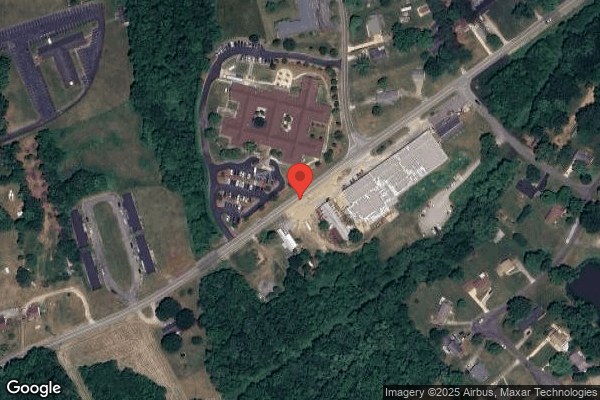
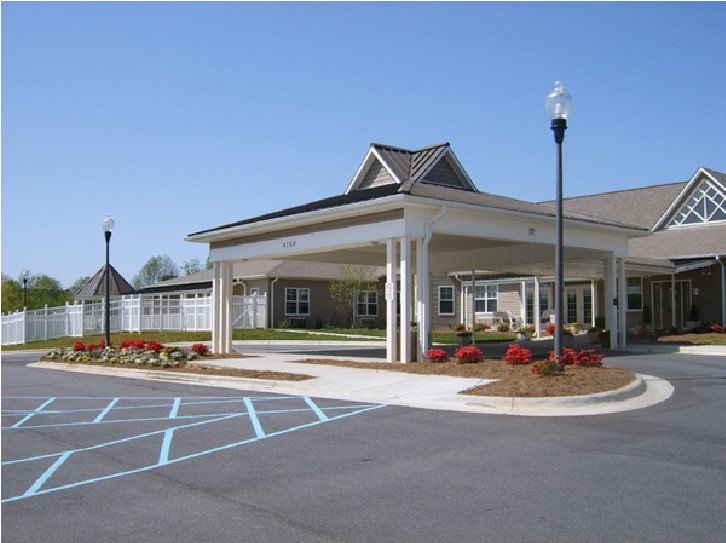
4748 Old Salisbury Road, Lexington, NC 27295 (336) 956-1132
For profit - Corporation 100 Beds SABER HEALTHCARE GROUP Data: November 2025 1 Immediate Jeopardy citation
Trust Grade
0/100
#332 of 417 in NC
Last Inspection: August 2025

Inspected within the last 6 months. Data reflects current conditions.

Overview

Davidson Health & Rehab Center has received a Trust Grade of F, indicating significant concerns about the quality of care provided. They rank #332 out of 417 facilities in North Carolina, placing them in the bottom half, and #6 out of 9 in Davidson County, meaning there are only a few local options that are better. While the facility is showing some improvement, with issues decreasing from 19 in 2024 to 17 in 2025, the staffing situation is troubling, with a low rating of 1 out of 5 stars and a high turnover rate of 66%, well above the state average. Additionally, the center has faced serious incidents, including a critical failure to replace a malfunctioning feeding tube, leading to a severe infection requiring emergency treatment, and a serious case of resident abuse where one resident was physically harmed by a staff member. These findings highlight both the facility's weaknesses and the need for potential residents and their families to consider other options.

Trust Score
F
0/100
In North Carolina
#332/417
Bottom 21%
Safety Record
High Risk
Review needed
Inspections
Getting Better
19 → 17 violations
Staff Stability
⚠ Watch
66% turnover. Above average. Higher turnover means staff may not know residents' routines.
Penalties
✓ Good
$22,643 in fines. Lower than most North Carolina facilities. Relatively clean record.
Skilled Nurses
⚠ Watch
Each resident gets only 18 minutes of Registered Nurse (RN) attention daily — below average for North Carolina. Fewer RN minutes means fewer trained eyes watching for problems.
Violations
⚠ Watch
40 deficiencies on record. Higher than average. Multiple issues found across inspections.
★☆☆☆☆
1.0
Overall Rating
★☆☆☆☆
1.0
Staff Levels
★★★☆☆
3.0
Care Quality
★☆☆☆☆
1.0
Inspection Score
Stable
2024: 19 issues
2025: 17 issues

The Good

  • Full Sprinkler Coverage · Fire safety systems throughout facility
  • No fines on record

Facility shows strength in fire safety.

The Bad

1-Star Overall Rating

Below North Carolina average (2.8)

Significant quality concerns identified by CMS

Staff Turnover: 66%

20pts above North Carolina avg (46%)

Frequent staff changes - ask about care continuity

Federal Fines: $22,643

Below median ($33,413)

Minor penalties assessed

Chain: SABER HEALTHCARE GROUP

Part of a multi-facility chain

Ask about local staffing decisions and management

Staff turnover is elevated (66%)

18 points above North Carolina average of 48%

The Ugly 40 deficiencies on record

1 life-threatening 2 actual harm
Aug 2025 16 deficiencies
CONCERN (D) 📢 Someone Reported This

A family member, employee, or ombudsman was alarmed enough to file a formal complaint

Potential for Harm - no one hurt, but risky conditions existed

Resident Rights (Tag F0550)

Could have caused harm · This affected 1 resident

**NOTE- TERMS IN BRACKETS HAVE BEEN EDITED TO PROTECT CONFIDENTIALITY** Based on observations, record review, and resident and staff interviews, the facility failed to provide cueing assistance during...

Read full inspector narrative →
**NOTE- TERMS IN BRACKETS HAVE BEEN EDITED TO PROTECT CONFIDENTIALITY** Based on observations, record review, and resident and staff interviews, the facility failed to provide cueing assistance during a meal as specified in the resident's plan of care. Resident #90 was seated at a table in the main dining room with her meal tray in front of her not eating while other residents at other tables were eating their lunch. This deficient practice affected 1 of 8 residents reviewed for dignity.The findings included:Resident #90 was admitted to the facility on [DATE] with diagnoses that included Alzheimer's disease, dementia, dysphagia (difficulty swallowing), and memory deficit following other cerebrovascular disease.Review of a quarterly Minimum Data Set (MDS) dated [DATE] assessed Resident #90 to be severely cognitively impaired without behaviors. She was assessed as requiring set-up or clean-up assistance with eating.According to the active care plan for Resident #90 dated 6/28/25, the resident had an ADL (activities of daily living) self-care performance deficit related to Alzheimer's. An approach read Resident #90 needed set-up and cueing assistance with meals.On 8/25/25 at 12:15 PM an observation was conducted in the main dining room during lunch. Resident #90 was noted to be sitting by herself in a wheelchair at a table in the main dining room while four other residents were seated at a table to her right eating their meal. Resident #90 had a tray of food set up sitting on the table in front of her that was untouched. The resident did not attempt to eat during the observation. Nurse Aide (NA) 6 and NA #7 were observed seated at a table at the back of the dining room. Each NA had one resident sitting beside each of them assisting those residents with eating. Neither NA was observed assisting Resident #90. NA #6 and NA #7 were interviewed on 8/25/25 at 12:38 PM. NA #6 stated there were usually only 2 staff members in the dining room at mealtimes. NA #6 and NA #7 stated Resident #90 only occasionally needed cueing and assistance with her meals. On 8/26/25 a continuous observation from 12:30 PM to 1:17 PM was conducted in the main dining room during lunch. Resident #90 was noted to be sitting by herself at a table in the dining room with a tray of food set up sitting on the table in front of her, and it was untouched. The resident did not attempt to feed herself during the observation. There were three residents eating lunch at a table to Resident #90's right side. NA #3 and NA #4 were observed sitting at a table in the back of the dining room assisting two residents with eating. Each NA was assisting one resident with an empty seat on the other side of the NA. At 12:33 PM on 8/26/25 an interview was conducted with NA #4 and NA #3. NA #4 stated if more than one resident needed assistance with eating then she could have one resident sit at her right side and one resident sit at her left side to assist both during mealtimes. She stated Resident #90 only occasionally needed assistance with meals and would sometimes feed herself if her tray was set up in front of her. NA #3 agreed that NA staff could assist two residents during mealtimes. NA #4 and #3 were not aware Resident #90's care plan specified she required cueing with her meals. At 1:17 PM NA #4 completed assisting the resident she had been helping and then approached Resident #90 and began assisting her with eating her meal. The Director of Nursing (DON) was interviewed on 8/28/25 at 11:20 AM and stated if a resident needed cues to eat, they should be placed closer to the NAs in the dining room who were there to assist residents with eating. She stated a resident should not have to wait to eat their meals while others were assisted.
CONCERN (D)

Potential for Harm - no one hurt, but risky conditions existed

Deficiency F0583 (Tag F0583)

Could have caused harm · This affected 1 resident

Based on observation and staff interviews, the facility failed to protect residents' private healthcare information by leaving confidential medication information unattended, visible, and accessible t...

Read full inspector narrative →
Based on observation and staff interviews, the facility failed to protect residents' private healthcare information by leaving confidential medication information unattended, visible, and accessible to others on the computer screen for 1 of 5 medication carts observed (100 hall medication cart). Findings included: A continuous observation of the upper 100-hall medication cart occurred on 8/26/25 from 2:28 PM until 2:33 PM. The medication cart was in the hallway unattended and was observed to have the computer screen opened which showed multiple residents' personal identifying information such as resident name, diagnoses, medications, date of birth , and room number. The medication cart was observed for five minutes, and during that time one Nurse Aide and the Wound Nurse walked past the cart. Nurse #3 was interviewed on 8/26/25 at 2:33 PM. She confirmed she was responsible for the 100-hall medication cart. Nurse #3 stated she should have locked the computer screen before leaving the cart. The nurse further stated, I'm so far behind giving medications that I just ran down the hall to give the medications. Nurse #3 explained she did not normally leave a computer screen unlocked, and she should have locked it before walking away. The Director of Nursing (DON) was interviewed on 8/28/25 at 11:20 AM and stated all computer screens should remain locked to protect the residents' privacy when a medication cart is unattended. She stated Nurse #3 was educated regarding patient privacy and sent home on 8/25/25 after leaving the screen open. On 8/28/25 at 2:25 PM the Administrator was interviewed and indicated residents' private information should have been secured.
CONCERN (D) 📢 Someone Reported This

A family member, employee, or ombudsman was alarmed enough to file a formal complaint

Potential for Harm - no one hurt, but risky conditions existed

Safe Environment (Tag F0584)

Could have caused harm · This affected 1 resident

Based on observations and staff interviews, the facility failed to ensure a resident room was in good repair and failed to maintain a clean and sanitary conditions in a resident room. The deficient pr...

Read full inspector narrative →
Based on observations and staff interviews, the facility failed to ensure a resident room was in good repair and failed to maintain a clean and sanitary conditions in a resident room. The deficient practice was evidenced for 2 of 8 residents (Resident #67 and Resident #83) observed for a safe, clean and homelike environment on 1 of 4 resident halls (200 hall). a. An initial observation was completed on 08/25/25 at 10:33 AM of Resident #67 and Resident #83's room. The observation revealed a hole in the wall at the corner of Resident #83's headboard that measured approximately 11.5-inch x 8 inches with sheetrock exposed. On the wall to the left side of Resident # 83's bed paint was peeling off the wall between the bottom of the window frame and the packaged terminal air conditioner (PTAC) unit. The area of peeling paint extended was the length of the PTAC unit. During subsequent observations on 08/25/25 at 12:35 PM and 08/25/25 at 3:00 PM the room was still in need of wall repairs. An interview and observation were conducted on 08/25/25 at 3:00 PM with the Maintenance Director. The Maintenance Director observed the peeling paint above the PTAC unit and the hole at the headboard and stated he had not been made aware of the damaged areas. He measured the area of peeling paint above the PTAC unit which measured 42 inches x 4 3/4 inches and the area behind the headboard which measured 11-inch x 9 inches. He stated the areas should have been reported to maintenance for repairs. He explained that when staff notice repairs need to be done on equipment, furniture, and/or walls they would fill out a maintenance slip and put it in the maintenance book so it can be addressed. Another observation was conducted on 08/26/25 at 10:21 AM of Resident #67 and Resident #83's room. The wall behind Resident #83's headboard and under his PTAC unit were repaired. b. An initial observation completed on 08/25/25 at 10:33 AM of Resident #67 and Resident #83's room revealed the strong odor of urine throughout the room, an empty urinal on the floor between the bathroom door and Resident #67's bed, a sock, pillowcase, and box of tissues were under Resident #67's bed. Resident # 67's bedside table had an empty cup lying over on its side with a sticky substance from the edge of the cup across the table measuring approximately 6 inches X 3 inches and food crumbs were scattered on the table. A spoon and fork were on top of Resident #67's mattress. There was also food crumbs scattered on the floor throughout the room.Another observation was conducted on 08/26/25 at 10:21 AM of Resident #67 and Resident #83's room. The strong odor of urine was still throughout the room, a sock, pillow case, and a box of tissues were still under Resident #67's bed. Resident # 67's bedside table still had a sticky substance from the edge of the cup across the table measuring approximately 6 inches X 3 inches and food crumbs were scattered on the table. A follow-up observation was conducted on 08/27/25 at 9:40 AM of Resident #67 and Resident #83's room. Room was now clean, no smell of urine was present, no trash, a box of tissues, clothes or food crumbs were on floor.An interview was conducted on 08/26/25 at 3:10 PM with Housekeeper #1. She stated she was the only one cleaning rooms on 08/25/25 and 08/26/25 and she was doing the best she could. She indicated she could not recall if she had cleaned Resident #67 and Resident 83's room. An interview and observation were conducted on 08/27/25 at 2:56 PM with the Environmental Services Director. He stated the housekeeper for Resident #67 and Resident #83's room called out on Monday (08/25/25), Tuesday (08/26/25), and Wednesday (08/27/25) and he had only one person available to clean resident rooms. He explained that he had hired one new housekeeper and a different housekeeper quit on 08/25/25, and another one quit on 08/26/25. He indicated he didn't know what to do but continue to try and hire more staff. He stated normally when he had a call out, he would pull his floor tech to assist where he was needed but with the number of staff that have quit, he needed him in laundry and on the floor cleaning rooms. Monday and Tuesday the floor tech helped with the laundry and with cleaning rooms. The Environmental Services Director then stated the staff that were available would work together and do the best they could. He indicated he did not notify management or corporate for assistance because he didn't think it would change anything. An interview was conducted on 08/28/25 at 2:45 PM with the Administrator. She stated she expected any room that needed repairs to be reported to the Maintenance Director so the repairs would be addressed and that resident rooms should be kept in good repair and clean. She indicated she was unaware some rooms had been missed during cleaning due to environmental service department call outs.
CONCERN (D)

Potential for Harm - no one hurt, but risky conditions existed

Grievances (Tag F0585)

Could have caused harm · This affected 1 resident

**NOTE- TERMS IN BRACKETS HAVE BEEN EDITED TO PROTECT CONFIDENTIALITY** Based on record review, Resident Representative (RR) and staff interviews, the facility failed to provide a written grievance re...

Read full inspector narrative →
**NOTE- TERMS IN BRACKETS HAVE BEEN EDITED TO PROTECT CONFIDENTIALITY** Based on record review, Resident Representative (RR) and staff interviews, the facility failed to provide a written grievance response summary for 3 of 3 residents reviewed for grievances (Residents #9, #70 and #91).The findings included: A review of the facility grievance policy, dated 8/2018, included, in part, The Grievance Official will meet with the resident and inform the resident of the results of the investigation and how the resident's grievance was resolved or will be resolved, if applicable. A copy of the written grievance decision will be provided to the resident, upon request. The policy did not address how grievance resolutions would be handled by anyone else that filed a grievance concern, such as the RR. 1. Resident #9 was originally admitted to the facility on [DATE]. A quarterly Minimum Data Set (MDS) assessment dated [DATE] indicated she was cognitively intact. A review of the facility grievance logs from August 2024 to August 2025 revealed a concern form had been initiated on 7/15/25 by Resident #9's RR, regarding negative staff interaction with Resident #9. The concern form indicated a telephone notification was completed with the RR on 7/30/25 by the Social Worker. The form indicated a written response was not provided to the family member and was signed and dated by the Administrator on 7/30/25. On 8/27/25 at 10:24 AM, a phone interview was completed with Resident #9's RR who completed the grievance form on 7/15/25. She stated that she had never received nor been offered a written resolution of grievances from the facility, just that the Social Worker called her or would speak to her when she visited Resident #9. An interview occurred with the Social Worker on 8/27/25 at 1:04 PM, who stated that she maintained the facility grievance log. She stated when a grievance resolution was received, she normally provided the resolution either via a phone call or face to face to the RR or resident, if it had not already been provided by another member of management. She stated that she was unaware a written response was required for grievances. The Administrator was interviewed on 8/28/25 at 8:58 AM and stated that she was aware a written grievance response was required and was not aware this was not being offered and provided to RR's when a grievance concern had been resolved. The Administrator stated it was her expectation for the facility to adhere to the regulatory guidelines regarding written grievance response summaries. 2. Resident #70 was admitted to the facility on [DATE]. A quarterly MDS assessment dated [DATE] indicated she had moderately impaired cognition. A review of the facility grievance logs from August 2024 to August 2025 revealed six concern forms were initiated by Resident #70's RR:- On 12/30/24 a concern form was initiated regarding staff concerns. The form indicated the Administrator spoke one-to-one with Resident #70's RR on 12/30/24 and a written response was not provided. The form was signed and dated by the Administrator on 12/30/24.- On 4/1/25 a concern form was initiated regarding laundry. The form indicated the Unit Manager spoke one-to-one with Resident #70's RR on 4/1/25, a written response was not provided to the RR and was signed and dated by the Administrator on 4/1/25.- On 6/25/25 a concern form was initiated regarding laundry. The form indicated the Social Worker spoke via phone to the RR regarding the resolution on 6/25/25, a written response was not provided to the RR, and the form was signed and dated by the Administrator on 6/25/25.- On 6/25/25 another concern form was initiated regarding care concerns. The form indicated the Social Worker spoke one-to-one with the RR on 6/25/25, a written response was not provided to the RR, and the form was signed and dated by the Administrator on 6/25/25. - On 6/25/25 a third concern form was initiated regarding staff communication for the care of Resident #70. The form indicated the Social Worker spoke one-to-one with Resident #70's RR on 6/26/25, a written response was not provided to the RR and was signed and dated by the Administrator on 6/26/25. - On 6/26/25 a concern form was initiated regarding the cleanliness of Resident #70's bathroom. The form indicated the Social Worker spoke one-to-one with Resident #70's RR on 6/26/25, a written response was not provided to the RR and was signed and dated by the Administrator on 6/26/25. A phone interview was completed with Resident #70's RR on 8/28/25 at 9:47 AM. She stated that she had never been provided or offered a written summary of her grievance concerns from the facility, just that they would either call her or speak to her face to face regarding the grievance resolution. An interview occurred with the Social Worker on 8/27/25 at 1:04 PM, who stated that she maintained the facility grievance log. She stated when a grievance resolution was received, she normally provided the resolution either via a phone call or face to face to the RR or resident, if it had not already been provided by another member of management. She stated that she was unaware a written response was required for grievances. The Administrator was interviewed on 8/28/25 at 8:58 AM and stated that she was aware a written grievance response was required and was not aware this was not being offered and provided to RR's when a grievance concern had been resolved. The Administrator stated it was her expectation for the facility to adhere to the regulatory guidelines regarding written grievance response summaries. 3. Resident #91 was admitted to the facility on [DATE]. An annual MDS assessment dated [DATE] indicated she was cognitively intact. A review of the facility grievance logs from August 2024 to August 2025 revealed a concern form was initiated by Resident #91's RR on 5/14/25 regarding care concerns and the functionality of the call light. The form indicated the Administrator spoke one-to-one with Resident #91's RR on 5/14/25 and a written response was not provided to the RR. A phone interview was completed with Resident #91's RR on 8/28/25 at 9:51 AM. He stated that he had never been provided with or offered a written summary of grievance concerns from the facility, just that they would either call him or speak to him face to face regarding the grievance resolution. An interview occurred with the Social Worker on 8/27/25 at 1:04 PM, who stated that she maintained the facility grievance log. She stated when a grievance resolution was received, she normally provided the resolution either via a phone call or face to face to the RR or resident, if it had not already been provided by another member of management. She stated that she was unaware a written response was required for grievances. The Administrator was interviewed on 8/28/25 at 8:58 AM and stated that she was aware a written grievance response was required and was not aware this was not being offered and provided to RR's when a grievance concern had been resolved. The Administrator stated it was her expectation for the facility to adhere to the regulatory guidelines regarding written grievance response summaries.
CONCERN (D) 📢 Someone Reported This

A family member, employee, or ombudsman was alarmed enough to file a formal complaint

Potential for Harm - no one hurt, but risky conditions existed

Free from Abuse/Neglect (Tag F0600)

Could have caused harm · This affected 1 resident

**NOTE- TERMS IN BRACKETS HAVE BEEN EDITED TO PROTECT CONFIDENTIALITY** Based on record review, and resident, family member and staff interviews, the facility failed to protect a resident's right to b...

Read full inspector narrative →
**NOTE- TERMS IN BRACKETS HAVE BEEN EDITED TO PROTECT CONFIDENTIALITY** Based on record review, and resident, family member and staff interviews, the facility failed to protect a resident's right to be free from staff to resident abuse when Nurse Aide (NA) #1 slapped Resident #74's hand when she became combative after removing her from another resident's room. This was for 1 of 1 resident reviewed for employee to resident abuse (Resident #74). The findings included: Resident #74 was admitted to the facility on [DATE] with diagnoses that included dementia with behavioral disturbances, osteoporosis, and major depressive disorder. Resident #74 resided on the Lillian's Way Hall. An annual Minimum Data Set (MDS) assessment dated [DATE] prior to the incident and the most recent on 8/7/2025 indicated that Resident #74 had severely impaired cognition with behavioral symptoms. She had limited range of motion to extremities and utilized a wheelchair for mobility. Resident #74 was coded as weighing 115 pounds and was 63 inches tall on 5/7/2025. Resident #74's care plans on 5/7/2025 prior to the incident and the last reviewed on 8/19/2025 included the following problem areas: Resident had impaired cognitive function and thought processes related to Alzheimer'sResident had physical behavioral symptoms towards others (physical aggression, verbal aggression, refusing medications, refusal of care, easily agitated, and may attempt to get up without assistance). The interventions included intervene as necessary to protect the rights and safety of others including approach and speak to resident in a calm manner, divert attention when appropriate, and remove from situation and take to alternate location as appropriate. The interventions also included if resident becomes combative with care, leave resident safely and reattempt care at a later time. A review of the facility initial allegation report, investigation and statements revealed on 6/29/25 Resident #74 was in a separate resident's room when Nurse Aide (NA) #1 went to wheel Resident #74 out of the room. Resident #74 became combative, and NA #1 smacked her right hand causing a reddened area to appear on the top of posterior right hand. The incident was witnessed by NA #2 who was sitting at the nurse's station. NA #1 was initially suspended and then her employment was terminated. All staff received education on abuse. On 08/28/2025 at 11:13 AM phone call was placed to NA #1. NA #1 was not reachable. Message was left with no response call back. On 8/26/25 at 5:22 PM, an interview occurred with NA #2 who witnessed the events on 6/29/25. She explained that she was sitting at the nurse's desk at Lillian's Way Hall and could see NA #1 wheeling Resident #74 out of another resident's room and up to the nursing station. NA #2 saw Resident #74 start to [NAME] her arms up in the air and hitting NA #1 in the process. NA #2 saw NA #1 smack Resident #74's hand down. NA #2 told NA #1 that she would need to report the incident to the Director of Nursing (DON). On 8/26/25 at 6:10 PM, an interview occurred with Nurse #1. She explained that she received a call on 6/29/25 from the DON about the incident and was asked to go over and start a reportable. Nurse #1 reported that NA #1 admitted the incident to her. Nurse #1 stated that NA #1 reported not smacking the resident out of malice but due to reflex because Resident #74 was swinging her arms around and hit NA #1. Nurse #1 reported that NA#1 was immediately terminated and not allowed to return into the building. Nurse #1 reported that she has not seen NA #1 back at the facility since the incident occurred. On 08/28/2025 at 1:44 PM, an interview occurred with Nurse #2. She stated that she was not present on the evening of the incident but did work with Resident #74 on the next day, 6/30/25. Nurse #2 stated that she did not recall any redness on Resident #74's hand. Nurse #2 reported that she also did a skin assessment for Resident #74 on 7/1/25 and no redness was seen on resident's skin on that date. Nurse #2 stated that she had no concerns on that day regarding Resident #74's skin. On 8/25/25 at 10:15 AM, Resident #74 was observed sitting up in her bed with cookies in front of her. She was unable to recall the events of 6/29/25. On 8/25/25 at 12:40 PM, an interview occurred with a family member who was called about the incident after it happened. The family member reported that she has had good communication and rapport with staff during Resident #74's stay at the facility and staff treat Resident #74 well and she was satisfied with the care that she received. The family member indicated she was made aware of the incident that happened between Resident #74 and NA #1 a couple of months ago right after it happened and she was satisfied with the facilities response to the incident. Family member reported no additional concerns. On 8/28/2025 at 1:59 PM, an additional interview occurred with a family member. Family member reported that initially she was concerned when they called but once facility staff explained in detail what happened then she felt better. The family member reported that she felt like the facility handled the situation appropriately by terminating the employee and making a report to the authorities. The family member stated she was not nervous about Resident #74's care at the facility and felt that staff provided good care to Resident #74. On 8/27/25 at 8:07 AM, an interview occurred with DON. The DON reported that the NA #1 called her crying and stated that she had to tell her something she had done. The DON indicated that per NA #1's statement, Resident #74 was going into another resident's room and NA #1 went to get her out. NA #1 reported that Resident #74 was fighting her, and she smacked her on the hand. DON reported that NA #1 was a good NA and had never done anything like that before. The DON stated she explained to NA #1 that it was not acceptable and that NA #1 was not to go back into the building. DON reported that she called Nurse #1 on duty and asked her to go and take NA #1's statement in person so that it could be reported and Nurse #1 also called the family to notify them regarding the incident. the interview further revealed Nurse #1 also did a head to toe of the resident and did a complete sweep of the unit to check the other residents. DON reported that there were no other concerns reported. On 8/28/2025 at 11:42 AM, an interview occurred with the Administrator. The Administrator reported she was notified by NA #2 who witnessed the situation regarding the allegation of abuse. The Administrator stated that this was reported immediately, and NA #1 was removed from the facility. The Administrator revealed that NA#1 was immediately suspended and then her employment was terminated. The Administrator reported that the police department was notified, and an investigation was initiated. The Administrator stated she was able to view video footage at the time that revealed that Resident #74 had just been taken to the nurse's station when she became combative towards NA #1 which is when NA #1 was then seen smacking the resident's hand down. The Administrator stated that NA #1 was a good employee, however, they do not tolerate any type of abuse towards a resident. The Administrator reported that there have been no further staff to resident abuse concerns since this incident on 6/29/25.
CONCERN (D)

Potential for Harm - no one hurt, but risky conditions existed

Deficiency F0646 (Tag F0646)

Could have caused harm · This affected 1 resident

**NOTE- TERMS IN BRACKETS HAVE BEEN EDITED TO PROTECT CONFIDENTIALITY** Based on record review and interviews with staff, the facility failed to notify the State Mental Health Authority after a reside...

Read full inspector narrative →
**NOTE- TERMS IN BRACKETS HAVE BEEN EDITED TO PROTECT CONFIDENTIALITY** Based on record review and interviews with staff, the facility failed to notify the State Mental Health Authority after a resident diagnosed with a serious mental illness experienced a change in condition. This deficient practice affected 1 of 1 resident reviewed for (PASRR) Preadmission Screening and Resident Review (Resident #91).Findings included: Resident #91 was admitted to the facility on [DATE] with diagnoses that included bipolar disorder, in partial remission and generalized anxiety disorder. Resident #91had a level I PASRR dated 5/23/24, which stated no further screening was required unless a significant change occurred to suggest a diagnosis of mental illness or a change in treatment needs for those conditions.Record review of the psychiatric follow-up evaluation dated 12/10/24 revealed on 12/5/24 Resident #91's Depakote dose was increased to 500 milligrams by mouth three times a day for treatment of bipolar disorder to assist with mood. According to the psychiatric evaluation, the Lexapro Resident #91 was previously prescribed was also restarted at 5 milligrams by mouth at bedtime due to the resident's increasing anxiety. The evaluation further indicated Resident #91 had behaviors of refusing showers and yelling out.On 8/27/25 at 9:24 AM the Social Worker was interviewed and confirmed she was responsible for ensuring residents with a newly diagnosed mental illness or change in condition were referred for a level II PASRR evaluation. She stated a level II PASRR screening request should have been sent at the time Resident #91 had a change in treatment for her bipolar disorder, but she must have overlooked it.The Director of Nursing was interviewed on 8/28/25 at 11:20 AM and stated residents with mental illness needed their level II PASRR determinations completed on time.On 8/28/25 at 2:25 PM the Administrator was interviewed and stated the residents with a mental health disorder had to have their PASRRs done correctly and on time.
CONCERN (D)

Potential for Harm - no one hurt, but risky conditions existed

Comprehensive Care Plan (Tag F0656)

Could have caused harm · This affected 1 resident

**NOTE- TERMS IN BRACKETS HAVE BEEN EDITED TO PROTECT CONFIDENTIALITY** Based on record review and staff interviews, the facility failed to develop a comprehensive person-centered care plan for 1 of 2...

Read full inspector narrative →
**NOTE- TERMS IN BRACKETS HAVE BEEN EDITED TO PROTECT CONFIDENTIALITY** Based on record review and staff interviews, the facility failed to develop a comprehensive person-centered care plan for 1 of 26 residents reviewed for comprehensive care plans (Resident #55).Findings included:Resident #55 was admitted on [DATE] with diagnoses including multiple fractures of the pelvis, glaucoma, and anxiety. Resident #55's admission Minimum Data Set (MDS) dated [DATE] indicated she was cognitively intact. The Care Area Assessment (CAA) Summary indicated eight areas of concern which were triggered from the MDS and identified for care planning. These included: Visual Function, Activities of Daily Living Function, Urinary Incontinence, Falls, Dental Care, Pressure Ulcer, Psychotropic Drug Use, and Pain. Four Care Plans were observed in Resident #55's record and included Social Services discharge planning and Advanced Directives both dated 7/26/25, Activities dated 7/28/25, and Nutritional Status dated 8/2/25. On 8/28/25 at 8:48 AM an interview with MDS Nurse #2 was conducted. MDS nurse #2 explained she was responsible for the short-term care residents' assessments and care plans. MDS nurse #2 stated she became aware last evening she had forgotten to complete Resident #55's care plans. On 8/28/25 at 2:46 PM an interview was conducted with the Director of Nursing (DON). She stated comprehensive care plans should be completed on time.
CONCERN (D)

Potential for Harm - no one hurt, but risky conditions existed

Deficiency F0658 (Tag F0658)

Could have caused harm · This affected 1 resident

**NOTE- TERMS IN BRACKETS HAVE BEEN EDITED TO PROTECT CONFIDENTIALITY** Based on record review, resident, Medical Director and staff interviews, the facility failed to initiate physician orders on adm...

Read full inspector narrative →
**NOTE- TERMS IN BRACKETS HAVE BEEN EDITED TO PROTECT CONFIDENTIALITY** Based on record review, resident, Medical Director and staff interviews, the facility failed to initiate physician orders on admission for the care of a surgical wound for 1 of 2 residents reviewed for quality of care (Resident #100).The findings included: Review of the hospital records dated 8/7/24 through 8/9/24 revealed Resident #100 had a total left knee replacement and was admitted to the orthopedic unit for continued care. The hospital Discharge summary dated [DATE], included the following wound management orders:- Leave the Aquacel dressing (a type of dressing used for wounds to include surgical wounds) in place for seven days after surgery. On postoperative day seven, remove the Aquacel dressing and apply a dry dressing daily if needed.- If you have a Zipline dressing (a non-invasive skin closure device designed for surgical incisions): the Zipline dressing is adhesive and may be peeled off 14 days after surgery. Once removed, dressings or steri-strips are not needed. Resident #100 was admitted to the facility on [DATE] Her diagnoses included aftercare following joint replacement surgery, diabetes type 2 and primary osteoarthritis of the left knee. The admission skin assessment completed by Nurse #9 and dated 8/9/24 indicated Resident #100 had bruising present to her bilateral upper extremities, left hand, left thigh and a surgical incision to the left knee with Aquacel dressing in place. The skin assessment did not indicate if Resident #100 had surgical clips or a Zipline dressing. A review of the August 2024 physician orders did not include the removal of the Aquacel dressing seven days postoperatively or the removal of the Zipline dressing/surgical clips 14 days postoperatively. A review of the August 2024 Medication Administration Record (MAR) and Treatment Administration Record (TAR) revealed no orders for the removal of the Aquacel dressing seven days postoperatively or the removal of the Zipline dressing/surgical clips 14 days postoperatively. A physician progress note dated 8/12/24 indicated that Resident #100 had recently underwent an elective left total knee replacement and on postoperative day seven the Aquacel dressing could be removed and replaced with a clean dry dressing. The physician's assessment indicated a surgical incision was covered with Aquacel dressing and scant bloody drainage to the left knee. There was no increased redness or warmth. The Medicare 5-day Minimum Data Set (MDS) assessment dated [DATE] indicated Resident #100 was cognitively intact and was coded with a surgical wound. A review of Resident #100's medical record did not indicate that the Aquacel dressing or Zipline dressing was removed during her stay at the facility from 8/9/24 through 8/20/24. Resident #100 was discharged home on 8/20/24. A review of the discharge nursing note did not indicate if any type of surgical wound care was completed. The discharge instructions did not include any type of surgical wound care that would be needed at home. Attempts were made to reach Nurse #9 during the survey with no success. She was the nurse assigned to Resident #100 on 8/9/24, 8/19/24 and 8/20/24. A phone interview occurred with Resident #100 on 8/26/25 at 4:34 PM, who stated she had a Zipline dressing present after her left knee surgery. She recalled the area was covered with a waterproof dressing when she was admitted to the facility. She stated she was told by the surgeon and facility physician that the dressing would be removed seven days after her surgery and could be covered with a dry dressing if needed. Resident #100 stated the outer dressing was to be removed on postoperative day 7 and the Zipline dressing would have been removed on postoperative day 14. She stated she had constantly asked nursing staff about removing the dressing but received no response. Resident #100 added that someone (unable to recall who) removed the outer dressing on 8/19/24 at the facility but she never had the Zipline dressing removed until she got home. Resident #100 stated that her home health therapist removed the Zipline dressing a day or so after her return home. She stated it caused no harm but was uncomfortable. On 8/27/25 at 2:43 PM, an interview occurred with the Director of Nursing (DON). She stated she had been in that position since April 2025 and was unfamiliar with Resident #100 and was unable to speak to the protocol that was in place in August 2024 for ensuring all discharge orders were present for new admissions. She was able to review Resident #100's medical record and confirmed there were no orders to remove the Aquacel dressing on postoperative day seven or the Zipline dressing/surgical clips on day 14 postoperatively. She stated the admitting nurse should have either transcribed the surgical wound orders from the discharge summary or reached out to the orthopedic provider if there was a question. A phone interview was completed with the previous DON #1 on 8/28/25 at 11:13 AM. She was the DON during August 2024. At first, she stated she couldn't recall what the procedure was for new admissions with surgical wounds in order to ensure all the orders were captured. She later stated that the physician or his Nurse Practitioner would have approved the discharge summary prior to the resident's admission but was unable to recall if this did or did not occur for Resident #100 saying, I can't confirm what happened during that time. The previous DON #1 was unable to recall Resident #100. The Medical Director was interviewed on 8/28/25 at 12:07 PM. He reviewed Resident #100's medical record and stated that the hospital discharge summary indicated when to remove the Aquacel dressing and Zipline dressing/surgical clips. The Medical Director indicated that Resident #100 should have had the Aquacel dressing removed on 8/14/24 and the Zipline dressing would have been removed on 8/20/24. He added that the Aquacel dressing has a bactericidal (anti-infectant) property that would have posed no harm to Resident #100 if the dressing had stayed on longer than ordered, however the surgical wound management should have been transcribed on admission from the hospital discharge summary and indicated on the August 2024 MAR/TAR for nursing staff to have addressed. The Administrator was interviewed on 8/28/25 at 12:36 PM and stated that it was her expectation for admission orders to be transcribed completely and correctly.
CONCERN (D)

Potential for Harm - no one hurt, but risky conditions existed

Tube Feeding (Tag F0693)

Could have caused harm · This affected 1 resident

**NOTE- TERMS IN BRACKETS HAVE BEEN EDITED TO PROTECT CONFIDENTIALITY** Based on record reviews, observations, and staff interviews, the facility failed to ensure the enteral tube feed (a method of su...

Read full inspector narrative →
**NOTE- TERMS IN BRACKETS HAVE BEEN EDITED TO PROTECT CONFIDENTIALITY** Based on record reviews, observations, and staff interviews, the facility failed to ensure the enteral tube feed (a method of supplying nutrition through a feeding tube that goes directly into the stomach or small intestine) was infusing per the active physician's order for Resident #78. In addition, the facility failed to store a plastic enteral feeding syringe with the plunger separated from the barrel of the syringe which had the potential for bacterial growth and contamination. The deficient practice affected 1 of 1 resident reviewed for enteral feeding management (Resident #78).The findings included: A. Resident #78 was admitted to the facility on [DATE] with diagnoses including cerebral infarction, type 2 diabetes, and dysphagia (difficulty swallowing). A review of a quarterly Minimum Data Set, dated [DATE] indicated Resident #78 was severely cognitively impaired. She was coded as having a feeding tube. A review of Resident #3's physician orders included the following active order for August 25, 2025, that read: Enteral feeding: tube feeding continuous; Special Instructions: Tube feeding continuous: Formula Isosource 1.5 calorie at 50 ml/hr (milliliters per hour) x 20 hours to allow for ADL (activities of daily living) care. On at 2 PM, off at 10 AM. Record total amount every shift. During an observation of Resident #78 on 8/25/25 at 10:45 AM, her tube feeding was infusing at a rate of 50 ml/hr. A second observation of Resident #78 was conducted on 8/25/25 at 12:56 PM, and the tube feeding was again infusing at a rate of 50 ml/hr. On 8/25/25 at 1:15 PM Nurse #4 was interviewed and verified the tube feeding order for Resident #78 was to begin at 2:00 PM and turned off at 10:00 AM. She stated 8/25/25 was her first day working at the facility, and she was unaware the tube feeding should have been turned off at 10:00 AM. Nurse #4 indicated the Assistant Director of Nursing (ADON) hung the bag for her at 8:00 AM, and she didn't know why the tube feeding was still infusing. The Assistant Director of Nursing was interviewed on 8/25/25 at 3:13 PM and stated she had assisted Nurse #4 by hanging the tube feeding bag for Resident #78 around 8:00 AM that morning because the nurse was busy sending another resident out of the facility. The ADON indicated 8/25/25 was Nurse #4's first day working at the facility, and she had been educated how to look up orders in the facility's computer charting system that morning. She stated Nurse #4 had not worked with the facility's charting program before, and she may have missed seeing the order. B. On 8/28/25 at 10:38 AM a plastic syringe used to provide medications and flush the feeding tube for Resident #78 was observed in a plastic bag hanging from the feeding pump pole. The plunger was in the barrel of the syringe and droplets of a clear liquid were noted in the tip of the syringe. Nurse #5 was interviewed on 8/28/25 at 10:40 AM and explained that she had provided Resident #78 with her medications and water flush via the feeding tube that morning. She stated that she was aware the plunger should be removed from the barrel of the syringe and stored separately, and she was on her way to find a new syringe because she stored it incorrectly. The Director of Nursing was interviewed on 8/28/25 at 11:20 AM and stated the Medication Aide usually administered medications for the residents on the 100 hall, but they were not allowed to assess tube feedings. She stated the oncoming nurse for 8/25/25 was an agency nurse whose first day was Monday so she may not have known she was responsible for residents with feeding tubes even though the previous shift's nurse should have given her a verbal report and written report sheet about the resident. She further stated the plunger for the enteral feeding syringe should have been removed from the barrel and stored separately due to the potential for bacterial growth in the syringe tip.
CONCERN (D)

Potential for Harm - no one hurt, but risky conditions existed

Respiratory Care (Tag F0695)

Could have caused harm · This affected 1 resident

**NOTE- TERMS IN BRACKETS HAVE BEEN EDITED TO PROTECT CONFIDENTIALITY** Based on record review, observations, and staff and Medical Director interviews, the facility failed to have oxygen in use signa...

Read full inspector narrative →
**NOTE- TERMS IN BRACKETS HAVE BEEN EDITED TO PROTECT CONFIDENTIALITY** Based on record review, observations, and staff and Medical Director interviews, the facility failed to have oxygen in use signage on the door (Resident #10) and failed to administer oxygen at the prescribed rate for 2 of 3 residents reviewed for respiratory care (Resident #56 and Resident #10). The findings included: 1. a. Resident #10 was admitted to the facility on [DATE] with diagnoses that included chronic obstructive pulmonary disease (COPD), chronic respiratory failure with hypoxia, and mucopurulent (thick sticky substance that is both mucus and pus) chronic bronchitis. A review of the active physician orders revealed an order dated 05/21/25 for oxygen (O2) via nasal cannula (NC) continuously at 2 liters per minute (L/min), special instructions; check concentrator to ensure functioning and appropriate setting every shift (day shift and night shift). An admission Minimum Data Set (MDS) assessment dated [DATE] indicated Resident # 10 was cognitively intact. She experienced shortness of breath or trouble breathing when lying flat, and she received oxygen therapy. A review of Resident #10's active care plan, last reviewed 08/27/25, included a focus area that read Resident #10 had altered respiratory status related to mucopurulent chronic bronchitis, chronic hypoxic respiratory failure, and history of pulmonary embolism. One of the interventions was for staff to administer oxygen at 2 L/min via nasal cannula. A review of the Medication Administration Record (MAR) revealed oxygen was signed off as being administered at 2 L/min and the staff had checked the oxygen settings to be correct on 08/25/25 and 08/26/25. On 08/25/25 at 10:46 AM an observation was made of Resident #10 while she was lying in bed. The oxygen regulator on the concentrator was set at 3.5 L/min when viewed horizontally, at eye level. On 08/26/25 at 11:26 AM an observation was made of Resident #10 while she was lying in bed. The oxygen regulator on the concentrator was set at 3.5 liters per minute when viewed horizontally, at eye level. An interview was conducted on 08/26/25 at 11:28 AM with Medication Aide #1 who stated she checked Resident #10's vital signs and oxygen level that morning during the medication pass. Medication Aide #1 then verified Resident #10's order was for oxygen at 2 L/min and that the concentrator read 3.5 L/min when viewed horizontally, at eye level. Medication Aide #1 stated, I didn't fully check her concentrator and wasn't aware it was on 3.5 L/min.” She further stated she should have checked the flow rate on the concentrator at eye level. An interview was conducted on 08/26/25 at 12:24 PM with Nurse #3. She stated she believed there was an order to change Resident #10's oxygen order from 2 L/min to 3.5 L/min, but she needed to confirm that with the provider. She further indicated she had not checked the oxygen concentrator during the morning shift. An interview was conducted on 08/26/25 at 12:30 PM with the Medical Director. He stated he had not ordered Resident #10's oxygen to be increased because her oxygen saturation level had remained above 90% during assessments. He then stated he expected the staff to follow Resident #10's oxygen order. b. On 08/25/25 at 10:46 AM an observation was made of Resident #10 with oxygen in use. There was no “oxygen in use” signage on her room door. On 08/26/25 at 11:26 AM an observation was made of Resident #10 with oxygen in use. There was no “oxygen in use” signage on her room door. On 08/28/25 at 10:44 AM an observation was made of Resident #10 with oxygen in use. There was no “oxygen in use” signage on her room door. An interview was conducted on 08/28/25 at 11:20 AM with the Director of Nursing (DON). She stated Medication Aides were not allowed to perform assessments, and the concentrator evaluation was supposed to have been done by the nurse. She further stated she was not aware the facility needed oxygen in use signs on the resident's doorways since the facility was a non-smoking facility. 2. Resident #56 was admitted to the facility on [DATE] with diagnoses that included shortness of breath and atherosclerotic heart disease of native coronary artery (a condition where the coronary arteries (the blood vessels that supply the heart with oxygen) become narrowed or blocked due to the buildup of plaque (fatty deposits), leading to chest pain and can cause shortness of breath. A review of the active physician orders for Resident #56 revealed an order dated 04/11/24, for oxygen (O2) at 2 liters per minute (2L/min) via nasal cannula (NC) to keep O2 Saturation at 92% or above. A quarterly Minimum Data Set (MDS) assessment dated [DATE] indicated Resident #56's cognition was moderately impaired. She was coded as receiving oxygen therapy and shortness of breath or trouble breathing when lying flat. A review of Resident #56's active care plan, last revised on 07/16/25 included a focus area that read Resident #56 required oxygen therapy related to shortness of breath while lying flat. One of the approaches was to provide oxygen as ordered. Resident #56's Medication Administration Record (MAR) revealed oxygen was signed off as being administered at 2L/min from 08/25/25 and 08/26/25 by Nurse #8. On 08/25/25 at 11:52 AM an observation was made of Resident #56 while she was lying in bed with eyes closed. The oxygen regulator on the concentrator read 6L/min when viewed horizontally, at eye level. On 08/25/25 at 3:22 PM an observation was made of Resident #56 while she was lying in bed. The oxygen regulator on the concentrator continued to read 6L/min when viewed horizontally, at eye level. On 08/26/25 at 10:18 AM an observation was made of Resident #56's oxygen regulator on the concentrator continued to read 6 L/min when viewed horizontally, at eye level. An observation and interview were conducted on 08/26/25 at 11:16 AM with Nurse #8. She verified she was Resident #56's nurse yesterday (8/25/25) and today (8/26/25). She then observed and verified the oxygen level for Resident #56 read 6L/min when viewed horizontally, at eye level. Nurse #8 stated the current oxygen order was for 2L/min via NC. She indicated she did not look at the oxygen yesterday or today although she signed the medication administration record (MAR) as being done. An interview was conducted on 08/26/25 at 12:30 PM with the Medical Director. He explained that he would have expected Resident #56 to have been seen for an acute visit if someone had turned her oxygen up to 6L/min. He reviewed Resident #56's notes and did not see any respiratory concerns documented. He stated he was not aware of Resident #56's oxygen levels dropping and that he expected nurses to follow the active oxygen orders and monitor oxygen saturations every shift. An interview was conducted on 08/28/25 at 10:15 AM with the Director of Nursing (DON). She stated she was unaware that Resident #56's oxygen was turned up to 6L/min. She explained nurses are to follow orders for oxygen and to check oxygen concentrators every shift.
CONCERN (D)

Potential for Harm - no one hurt, but risky conditions existed

Deficiency F0757 (Tag F0757)

Could have caused harm · This affected 1 resident

**NOTE- TERMS IN BRACKETS HAVE BEEN EDITED TO PROTECT CONFIDENTIALITY** Based on record review, Medical Director and staff interviews, the facility failed to discontinue a scheduled acetaminophen (use...

Read full inspector narrative →
**NOTE- TERMS IN BRACKETS HAVE BEEN EDITED TO PROTECT CONFIDENTIALITY** Based on record review, Medical Director and staff interviews, the facility failed to discontinue a scheduled acetaminophen (used to relieve mild to moderate pain) order when a new order for scheduled Hydrocodone-acetaminophen (used to relieve moderate to severe pain) was received. This was for 1 of 6 residents reviewed for unnecessary medications (Resident #70).The findings included: Resident #70 was admitted to the facility on [DATE] with diagnoses that included right hip pain, low back pain and compression fracture of the thoracic spine. A hospice note dated 6/5/25 indicated an order was provided to Nurse #2 to discontinue Resident #70's scheduled acetaminophen 500 milligrams (mg) and as needed Tramadol (25 mg- used to relieve moderate to severe pain) and begin Hydrocodone-acetaminophen 5-325 mg one tablet by mouth twice a day for pain. Another hospice note dated 6/9/25 read that Resident #70's family member was concerned that Resident #70 was still receiving scheduled acetaminophen along with the new order for Hydrocodone-acetaminophen. The hospice nurse stated that she went to the facility and reviewed the Medication Administration Record (MAR) which indicated Resident #70 had received both acetaminophen 500mg twice a day along with Hydrocodone-acetaminophen 5-325 mg twice a day from the 6/5/25 evening dose to the 6/9/25 morning dose. No ill effects were noted, and the resident did not receive the maximum dose of acetaminophen in 24 hours. The hospice nurse wrote that Nurse #2 discontinued the routine acetaminophen order, and the Medical Director was notified. The June 2025 physician orders were reviewed and revealed the following:- Tramadol 25 mg every eight hours as needed was discontinued on 6/5/25 as ordered.- A new order for Hydrocodone-acetaminophen 5-325 mg one tablet by mouth twice a day was ordered on 6/5/25.- The order for acetaminophen 500mg one tablet by mouth twice a day was not discontinued until 6/9/25. A review of the June 2025 MAR indicated that Resident #70 received acetaminophen 500mg twice a day and Hydrocodone-acetaminophen 5-325 mg twice a day as follows:- The evening dose on 6/5/25.- Both morning and evening doses on 6/6/25.- Both morning and evening doses on 6/7/25.- Both morning and evening doses on 6/8/25.The June 2025 MAR indicated that the morning dose of acetaminophen on 6/9/25 was not administered. A quarterly Minimum Data Set (MDS) assessment dated [DATE] indicated Resident #70 had moderately impaired cognition. An interview occurred with Nurse #2 on 8/28/25 at 9:17 AM. She was the nurse assigned to Resident #70 on 6/5/25 and 6/9/25. She reviewed Resident #70's medical record and was unable to state why she failed to discontinue the routine acetaminophen order when she received the new order for Hydrocodone-acetaminophen, only to say it was an oversight. Nurse #2 stated when she spoke with the hospice nurse on 6/9/25, the error was identified, the routine acetaminophen order was discontinued, and the Director of Nursing (DON) and Medical Director were notified. The DON was interviewed on 8/28/25 at 9:25 AM and recalled being made aware of Resident #70 receiving both routine orders of acetaminophen and Hydrocodone-acetaminophen. She stated this error occurred because the routine order for acetaminophen was not discontinued as ordered on 6/5/25. The DON further added that the Medical Director was notified at the time the error was identified. She stated she expected physician orders to be correct and that orders to be followed when discontinuing medications. An interview occurred with the Medical Director on 8/28/25 at 12:07 PM. He reviewed Resident #70's medical record and stated that he would not consider Resident #70 receiving seven doses of acetaminophen 500 mg twice a day along with Hydrocodone-acetaminophen 5-325mg twice a day a significant medication error as the amount of acetaminophen did not reach the toxicity point of 3000 mg per day. He added that the nurse should have discontinued the routine order of acetaminophen on 6/5/25 as ordered. The Administrator was interviewed on 8/28/25 at 12:36 PM and stated that she would expect orders to be followed and the routine dose of acetaminophen twice a day should have been discontinued on 6/5/25.
CONCERN (D)

Potential for Harm - no one hurt, but risky conditions existed

Medical Records (Tag F0842)

Could have caused harm · This affected 1 resident

Based on observation, record review and staff interviews, the facility failed to maintain an accurate Medication Administration Record (MAR) for the documentation of supplemental oxygen for 2 of 3 res...

Read full inspector narrative →
Based on observation, record review and staff interviews, the facility failed to maintain an accurate Medication Administration Record (MAR) for the documentation of supplemental oxygen for 2 of 3 residents reviewed for medical record accuracy (Resident #10 and Resident #56). 1. A review of the active physician orders for Resident #56 revealed an order dated 04/11/24, for oxygen (O2) at 2 liters per minute (L/min) via nasal cannula (NC) to keep O2 Saturation at 92% or above, every shift, day shift 7:00 AM-7:00 PM, evening shift 7:00 PM-7:00 AM. Review of Resident #56's August 2025 Medication Administration Record (MAR) revealed oxygen was signed off as being administered on day shift at 2L/min on 08/25/25 and 08/26/25 by Nurse #8. Night shift was signed off as being administered by Med Aide #2. Phone interviews were attempted with Med Aide #2 however she was unable to be reached for interview. A review of the staff schedule indicated Nurse #8 was assigned to Resident #58 on during day shift on 08/25/25 and 08/26/25. An interview was conducted on 08/26/25 at 11:16 AM with Nurse #8. She verified she was Resident #56's nurse yesterday (8/25/25) and today (8/26/25). Nurse #8 stated the current oxygen order was for 2L/min via NC. She indicated she did not look at the oxygen concentrator to verify the amount being administered yesterday or today although she signed the medication administration record (MAR) as being done. An interview was conducted on 08/28/25 at 10:15 AM with the Director of Nursing (DON). She explained nurses were to follow orders for oxygen and sign the medication administration record after verifying the amount was correct. She indicated the oxygen flow records were to be complete and accurate. 2. A review of the active physician orders for Resident #10 revealed an order dated 5/21/25 for oxygen (O2) via nasal cannula (NC) continuously at 2 liters per minute (L/min), special instructions; check concentrator to ensure functioning and appropriate setting every shift (day shift and night shift). A review of the Medication Administration Record (MAR) revealed oxygen was signed off as being administered at 2 L/min and the staff had checked the oxygen settings to be correct on 8/25/25 by Nurse #4 and 8/26/25 by Medication Aide (MA) #4. On 8/25/25 at 10:46 AM an observation was made of Resident #10 while she was lying in bed. The oxygen regulator on the concentrator was set at 3.5 L/min when viewed horizontally, at eye level. On 8/28/25 at 11:26 AM an observation was made of Resident #10 while she was lying in bed. The oxygen regulator on the concentrator was set at 3.5 L/min when viewed horizontally, at eye level. An interview was conducted on 8/28/25 at 11:28 AM with Medication Aide #4 who stated she checked Resident #10's vital signs and oxygen level the morning of 8/28/25 during the medication pass. MA #1 then verified Resident #10's order was for oxygen at 2 L/min and the concentrator read 3.5 L/min when viewed horizontally, at eye level. MA #1 stated, I didn't fully check her concentrator and was not aware it was on 3.5 L/min. She further stated she should have checked the flow rate on the concentrator at eye level. An interview was conducted on 8/26/25 at 11:28 AM with Nurse #3 who indicated she had not checked Resident #10's oxygen concentrator that morning. Nurse #4 was unable to be reached by phone for an interview after multiple attempts. An interview was conducted on 08/28/25 at 10:15 AM with the Director of Nursing (DON) who stated Medication Aides were not allowed to perform assessments, and the concentrator evaluation was supposed to have been done by the nurse to ensure the oxygen rate was set correctly. She explained nurses were to follow orders for oxygen and sign the medication administration record after verifying the amount was correct. She indicated the oxygen flow records were to be complete and accurate.
CONCERN (D)

Potential for Harm - no one hurt, but risky conditions existed

Deficiency F0883 (Tag F0883)

Could have caused harm · This affected 1 resident

**NOTE- TERMS IN BRACKETS HAVE BEEN EDITED TO PROTECT CONFIDENTIALITY** Based on record review and staff interviews the facility failed to educate and offer the pneumococcal (pneumonia) and influenza ...

Read full inspector narrative →
**NOTE- TERMS IN BRACKETS HAVE BEEN EDITED TO PROTECT CONFIDENTIALITY** Based on record review and staff interviews the facility failed to educate and offer the pneumococcal (pneumonia) and influenza (flu) immunizations on admission (Resident #83) and failed to maintain a resident's medical record of refusal for the pneumococcal (pneumonia) immunization as well as education regarding risk and benefits of refusing the immunization (Resident #63). This occurred for 2 of 5 residents reviewed for immunization (Resident #63 and Resident #83).a. Resident #83 was admitted to the facility on [DATE]. Resident #83's quarterly Minimum Data Set (MDS) assessment dated [DATE] indicated his cognition was severely impaired and the pneumococcal and influenza immunizations were not offered. Resident #83's immunization record revealed no documentation that he had been offered, given, or refused the pneumococcal or influenza immunizations. An interview was conducted on 08/28/25 at 11:40 AM with the Assistant Director of Nursing (ADON). She stated handled the immunizations for residents and staff. She verified that Resident #83 did not have any immunizations listed in his electronic medical record (EMR) nor did he have a consent or refusal form signed and uploaded into his EMR. She stated she was not sure why or how this may have occurred. She indicated influenza immunizations would be coming up, but she was unsure of a date at this time. b. Resident #63 was admitted to the facility on [DATE]. Resident #63's admission Minimum Data Set (MDS) assessment dated [DATE] indicated his cognition was moderately impaired. Pneumococcal immunization was offered and declined. A review of Resident #63's medical record revealed that he or his responsible party had been offered and refused the pneumococcal immunization. Further review revealed no refusal form or nursing note revealing refusal was on file and there was no education noted regarding the risk and benefits of refusing the pneumococcal immunization present in Resident #63's medical record. An interview was conducted on 08/28/25 at 11:40 AM with the Assistant Director of Nursing (ADON). She stated handled the immunizations for residents and staff. She verified that Resident #63 refused the pneumonia immunization, but she did not see his signed refusal form. She indicated she was on vacation when Resident #63 was admitted , and she would look to see if another staff member had completed the refusal but had not uploaded it yet. The ADON did not provide any additional information during the survey period. An interview was conducted on 08/28/25 at 2:45 PM with the Administrator. She indicated that immunizations should be discussed and offered on admission to the facility. If the resident refused, consented to, and/or had some or all immunizations that information should be obtained and entered into the resident's medical record.
CONCERN (D)

Potential for Harm - no one hurt, but risky conditions existed

Deficiency F0887 (Tag F0887)

Could have caused harm · This affected 1 resident

**NOTE- TERMS IN BRACKETS HAVE BEEN EDITED TO PROTECT CONFIDENTIALITY** Based on record review and staff interviews the facility failed to educate and offer Resident #83 the COVID-19 vaccine on admiss...

Read full inspector narrative →
**NOTE- TERMS IN BRACKETS HAVE BEEN EDITED TO PROTECT CONFIDENTIALITY** Based on record review and staff interviews the facility failed to educate and offer Resident #83 the COVID-19 vaccine on admission and failed to maintain a resident's record of refusal, acceptance, or if contraindicated for the COVID-19 vaccine for 1 of 5 residents reviewed for COVID-19 vaccination status (Resident #83).Resident #83 was admitted to the facility on [DATE].Resident #83's quarterly Minimum Data Set (MDS) assessment dated [DATE] indicated his COVID-19 vaccination was not up to date.Review of Resident #83's medical records revealed no documentation that the COVID-19 vaccine was offered, contraindicated, administered, or refused. No documentation that the COVID-19 vaccine education was provided, and no documentation of previous COVID-19 vaccines received. An interview was conducted on 08/28/25 at 11:40 AM with the Assistant Director of Nursing (ADON). She stated she was the ADON and oversaw the immunizations for residents and staff. She indicated that vaccines should be discussed and offered on admission to the facility by the admitting nurse. If the resident has had some or all vaccines that information should be obtained and entered into the resident's medical record. She verified that Resident #83 did not have the Covid-19 vaccine noted in his electronic medical record (EMR) nor did he have the Covid-19 consult/refusal signed and uploaded.An interview was conducted on 08/28/25 at 2:45 PM with the Administrator. She indicated all residents should have a consent/refusal form, education, and administration details filled out and filed in the resident's chart.
CONCERN (E) 📢 Someone Reported This

A family member, employee, or ombudsman was alarmed enough to file a formal complaint

Potential for Harm - no one hurt, but risky conditions existed

Deficiency F0761 (Tag F0761)

Could have caused harm · This affected multiple residents

**NOTE- TERMS IN BRACKETS HAVE BEEN EDITED TO PROTECT CONFIDENTIALITY** Based on observations, record review, and staff interviews, the facility failed to mark medications with opened-on or discard-by...

Read full inspector narrative →
**NOTE- TERMS IN BRACKETS HAVE BEEN EDITED TO PROTECT CONFIDENTIALITY** Based on observations, record review, and staff interviews, the facility failed to mark medications with opened-on or discard-by dates and failed to maintain medication refrigerator temperatures within the recommended range. This was for 5 of 6 areas reviewed for medication storage (Medication Carts #1, #4 and #5, and medication storage room refrigerators for Granny's Place and Lillian's).Findings included:1. On [DATE] at 11:40 AM Medication Cart #1 was reviewed with Nurse #5. Four dropper bottles of ophthalmic solution were discovered with no opened-on or discard-by dates:2 bottles- dorzolamide-timolol 2%/0.5% ophthalmic solution 10 milliliters (ml).1 bottle- netarsudil ophthalmic solution 0.02% % 2.5 ml.1 bottle- latanoprost 0.005% ophthalmic solution 2.5 ml.On [DATE] at 11:45 AM during the medication cart review, Nurse #5 stated that two of the eye drop bottles had been sent with the resident from the hospital and they all should have had opened-on dates.On [DATE] at 12:20 PM during an interview with the Assistant Director of Nursing (ADON) she stated the eye drops should have been marked when they were opened. 2. On [DATE] at 12:30 PM Medication Cart #4 was reviewed with Nurse #6. One dropper bottle of latanoprost 0.005% ophthalmic solution 2.5 ml was discovered with no opened-on or discard-by date.On [DATE] at 12:35 PM during the medication cart review, Nurse #6 verified the dropper bottle had been opened. During an interview with Nurse #6 she stated the bottle should have an opened-on date. 3. The Medication Room for Granny's Place was reviewed [DATE] at 12:40 PM with Nurse #7. The current temperature of the refrigerator was observed at 40 F (degrees Fahrenheit).The Temperature Log for Refrigerator- Fahrenheit instructions (version 8/21) included: Take action if temp is out of range -too warm (above 46 F) or too cold (below 36 F).1. Label exposed vaccine do not use, and store it under proper conditions as quickly as possible. Do not discard vaccines unless directed to by your state/local health department and/or the manufacturer(s).2. Record the out-of-range temps and the room temp in the Action area on the bottom of the log. 3. Notify your vaccine coordinator or call the immunization program at your state or local health department for guidance. 4. Document the action taken on the attached Vaccine Storage Troubleshooting Record. The refrigerator temperature logs were reviewed and revealed the following low temperatures documented and initialed by staff on the [DATE] log:[DATE]: 7 PM 35 [DATE]: 7 AM 32 [DATE]: 7 AM 32 [DATE]: 7 AM 34 There was no documentation of the action taken on the temperature log. Medications were observed in the refrigerator in the refrigerator in the medication room for Granny's Place on [DATE]. On [DATE] at 12:50 PM an interview with Nurse #7 was conducted during the observation. She stated this morning she had checked and adjusted the refrigerator temperature and notified the Infection Control nurse about the concern. She explained she was going to check the temperature again later and if it was still low, she was going to contact maintenance. An interview with the Infection Control Nurse was conducted on [DATE] at 1:23 PM. She explained she had spoken with Nurse #7 about the refrigerator temperature this morning and Nurse #7 had turned the temperature up. She stated she had not told maintenance about the refrigerator temperatures yet. 4. On [DATE] at 1:43 PM Medication Cart #5 was reviewed with Nurse #2. Five items were discovered without opened-on or discard-by dates:1 bottle- 20 ml sterile water for injection was without an opened-on date.1 vial- Lidocaine hydrochloride 1% 10mg/ml (milligram/ml) 5 ml without an opened-on date.3 bottles- Latanoprost 0.005% 2.5 ml ophthalmic solution; 1 noted as filled on [DATE] with no opened-on date, 1 noted as opened on 4/26, and 1 noted as opened 4/23. Manufacturer instructions to discard 6 weeks after opening.On [DATE] at 1:45 PM during the medication cart review, Nurse #2 stated items should be marked when opened and the eye drops should have been discarded when they expired.5. The Medication Room for Lillian's was reviewed on [DATE] at 1:50 PM with Nurse #2. The current temperature of the refrigerator was observed at 38 F.The Temperature Log for Refrigerator- Fahrenheit instructions (version 8/13) included: Take action if temp is out of range -too warm (above 46 F) (degrees Fahrenheit) or too cold (below 35 F).1. Label exposed vaccine do not use, and store it under proper conditions as quickly as possible. Do not discard vaccines unless directed to by your state/local health department and/or the manufacturer(s).2. Record the out-of-range temps and the room temp in the Action area on the bottom of the log. 3. Notify your vaccine coordinator, or all the immunization program at your state or local health department for guidance. 4. Document the action taken on the attached Vaccine Storage Troubleshooting Record. The refrigerator temperature logs were reviewed and revealed the following low temperatures documented and initialed by staff on the [DATE] log:[DATE]: 8 AM 34 [DATE]: 7 AM 33 / 7PM 34 [DATE]: 7:20 AM 31 / 3:50 PM 30 [DATE]: 8 AM 32 /5 PM 33 [DATE]: 8 AM 34 /5 PM 32 [DATE]: 9 AM 34 /6 PM 33 [DATE]: 8 AM 33 /5 PM 34 [DATE]: 7 AM 34 / 7 PM 33 [DATE]: 7 AM 32 / 7 PM 33 [DATE]: 7:50 AM 34 / 4:15 PM 32 [DATE]: 7 PM 34 [DATE]: 7 AM 32 / 7PM 33 [DATE]: 7 AM 34 / 7 PM 33 [DATE]: 7 AM 34 / 7 PM 34 [DATE]: 7 AM 32 / 7 PM 31 [DATE]: 7:20 AM 33 /6:50 PM 32 [DATE]: 7:05 AM 34 / 6:00 PM 34 [DATE]: 9 AM 34 / 5 PM 33 [DATE]: 9 AM 32 / 5 PM 32 [DATE]: 76:55 AM 33 / 5:20 PM 32 [DATE]: 7 AM 32 / 7 PM 31 [DATE]: 7 AM 33 / 7 PM 34 [DATE]: 7 AM 32 / 6:30 PM 34 There was no documentation of the action taken on the temperature log. Medications were observed in the refrigerator in the refrigerator in the medication room for Lillian's on [DATE]. On [DATE] at 2:00 PM an interview with Nurse #2 was conducted during the medication room observation. She stated she had checked the refrigerator temperature at the beginning of the shift and adjusted it and would check the temperature again later and make sure it was in range. An interview was conducted on [DATE] at 2:46 PM with the Director of Nursing (DON). She stated she expected the nurses to mark medications when they're opened and discard them when they expired. She stated she would expect the nurse to adjust the temperature of the refrigerator if it were out of range and then notify the nurse manager of the concern.
CONCERN (E) 📢 Someone Reported This

A family member, employee, or ombudsman was alarmed enough to file a formal complaint

Potential for Harm - no one hurt, but risky conditions existed

Food Safety (Tag F0812)

Could have caused harm · This affected multiple residents

Based on observations and staff interviews, the facility failed to label, date, and seal food items left open to air and stored for use in 1 of 1 walk-in refrigerator and failed to label and remove ex...

Read full inspector narrative →
Based on observations and staff interviews, the facility failed to label, date, and seal food items left open to air and stored for use in 1 of 1 walk-in refrigerator and failed to label and remove expired food items stored for use 1 of 1 walk-in freezer. These practices had the potential to affect food served to residents.The findings included: Accompanied by the Dietary Manager, an observation was made of the walk-in refrigerator on 8/25/25 at 9:32 AM. The following items were stored in the refrigerator: -One undated box of turkey sausage that was open and partially used with the remaining contents unwrapped and exposed to air. -One undated package of Danishes open and partially used with the remaining contents unwrapped and exposed to air. An observation of the walk-in freezer revealed the following stored item:-One large plastic, zippered storage bag containing unlabeled and uncooked ground meat dated 7/7/25. The Dietary Manager was interviewed on 8/25/25 during the kitchen tour at 9:32 AM. He stated food should be wrapped once it's opened and labeled with the contents and date it was opened. He indicated food should be used or discarded within seven days after opening. The Dietary Manager stated he did not work over the past weekend, and he did not have an opportunity to check the refrigerator and freezer Monday morning due to printing meal tickets for the breakfast service. On 8/25/25 at 12:35 PM the Administrator was interviewed and stated foods should be labeled with their contents and opened dates and stored in the refrigerator and freezer correctly.
Jul 2025 1 deficiency 1 IJ
CRITICAL (J) 📢 Someone Reported This

A family member, employee, or ombudsman was alarmed enough to file a formal complaint

Immediate Jeopardy (IJ) - the most serious Medicare violation

Tube Feeding (Tag F0693)

Someone could have died · This affected 1 resident

**NOTE- TERMS IN BRACKETS HAVE BEEN EDITED TO PROTECT CONFIDENTIALITY** Based on record reviews and interviews with staff, Medical Director, Nurse Practitioner (NP) and emergency room Physician, the f...

Read full inspector narrative →
**NOTE- TERMS IN BRACKETS HAVE BEEN EDITED TO PROTECT CONFIDENTIALITY** Based on record reviews and interviews with staff, Medical Director, Nurse Practitioner (NP) and emergency room Physician, the facility failed to provide treatment and services to replace an old, discolored, and leaking gastric feeding tube after 5/04/25 when approximately 5 inches of the tube broke off during routine feeding tube care. In addition, the facility failed to schedule an appointment with a gastroenterologist to assess for a feeding tube replacement. On 6/18/25, the feeding tube site was found with approximately 25 maggots in the skin surrounding her feeding tube during care. Resident #1 was sent to the Emergency Department (ED), where approximately 5 more maggots were removed, and it was noted there was some induration (thickening and hardening of the skin) and erythema (abnormal redness of the skin or mucous membranes) concerning for cellulitis (bacterial infection of the skin and the tissue beneath the skin). The ED provider documented the feeding tube appeared aged and soiled and a new feeding tube was inserted. Resident #1 was admitted to the hospital for treatment of sepsis (a life-threatening response to infection) with acute hypoxia (low levels of oxygen in the tissue) due to abdominal wall cellulitis, a catheter-associated urinary tract infection (UTI), and bacteremia (presence of bacteria in the blood). She was treated with intravenous (IV) antibiotics and was discharged on 6/23/25 with orders to continue IV antibiotics for 2 additional weeks. A reasonable person has an expectation of receiving treatment and care to prevent an infestation of maggots and would have experienced feelings such as embarrassment, anger, and disgust. The deficient practice occurred for 1 of 3 residents reviewed for feeding tubes (Resident #1). The findings included: Resident #1 was admitted to the facility on [DATE] with diagnoses including vascular dementia, cognitive communication deficit, neuromuscular dysfunction of the bladder, a gastrostomy (a surgical procedure for inserting a tube through the abdomen wall and into the stomach) tube and dysphagia (difficulty swallowing). Resident #1's current comprehensive care plan noted she had a feeding tube to maintain adequate nutrition and hydration. Interventions included for staff to monitor for abdominal pain, distension, tenderness, and nausea or vomiting. Resident #1's quarterly Minimum Data Set (MDS) dated [DATE] documented she had short- and long-term memory problems and severely impaired cognition for decision-making, inattention, disorganized thinking, and altered level of consciousness constantly present. The MDS noted she had limited range of motion in both upper extremities and was dependent on staff for completion of her activities of daily living (ADLs). The MDS indicated she had an indwelling catheter and a feeding tube, received 51% or more of her calories and 501 cc of fluid daily by the feeding tube. Resident #1's May 2025 and June 2025 Medication Administration Record (MAR) noted Resident #1 received Isosource (tube-feeding formula) 1.5 Cal formula at 55 milliliters an hour through her gastric tube starting at 5:00 AM and continuing until 3:00 AM the next morning. An additional entry noted for the nurse to provide 200 cubic centimeters (cc) of water every 4 hours and to flush the tube with 60 cc of water before administering medications and 30 cc of water between each medication administered. Resident #1's May 2025 through June 2025 nursing progress notes, MAR, and the Treatment Administration Record (TAR) did not document any abnormalities with Resident #1's feeding tube. The TAR noted for the nurse to cleanse Resident #1's skin surrounding the feeding tube site daily with normal saline, apply T-drain sponge, and secure with tape. The daily site care was signed as being completed daily on the MAR until 6/18/25 when she went to the hospital. Nurse #3 documented on 5/4/25 and 5/5/25 during the night shift for providing feeding tube care and flushes. Resident #1's nursing progress notes dated 5/04/25 at 9:46 PM written by Nurse #3 documented that when she was de-clogging and flushing the feeding tube, several inches of the tube broke off, but noted the feeding tube was still patent and functioning. In a phone interview on 6/27/25 at 10:09 AM, Nurse #3 said in May, while providing medications and flushes, approximately 5 inches of the end of Resident #1's feeding tube broke off into her hand. Nurse #3 stated at that time, the feeding tube tubing was thicker silicone, and it appeared old and was no longer transparent. Nurse #3 indicated the tubing was very long, and there was still more than an inch of tubing available to provide flushes and formula. She stated she wrote the incident to the provider in the communication log and reported the incident to the oncoming nurse (Nurse #2) for a referral to a gastroenterologist. Nurse #3 explained when she documented she was de-clogging the tubing, it was not due to an obstruction, it was due to a small amount of residual formula left in the tube that she needed emptied into the stomach. Nurse #3 said she had not observed any leaks or abnormalities, such as a sweet smell from the formula, prior to the tubing breaking or in the following days before she was hospitalized . The Provider Communication Book entry dated 5/4/25 written by Nurse #3 noted for Resident #1 that part of the tube feed broke off. Resident #1's nursing progress note on 5/05/25 at 3:42 PM written by Nurse #2 documented the feeding tube was still running fine even after tube was shortened. In a phone interview on 6/27/25 at 10:00 AM, Nurse #2 said she provided feeding tube site care for Resident #1. She stated it was reported to her that the end of the feeding tube had broken off in May 2025, but the tubing was still intact and Nurse #2 was able to provide the flushes and formula ordered. Nurse #2 indicated she did not notify the provider for a referral because she remembered hearing Nurse #3 say she had written the information in the provider communication book. She said she had observed the feeding tube was stained and appeared old at that time. Nurse #2 recalled a sweet smell from the formula around Resident #1 when caring for the resident at times but had not seen any cracks or leaking from the tubing, so she did not think it was a concern. In her interview on 6/25/25 at 4:12 PM, Nurse #1 said she had learned from Nurse #3 (date not recalled) that the end of Resident #1's feeding tube broke off. Nurse #1 said the tubing was old and brittle (not easily flexible) at the time. Nurse #1 recalled there were a few times (dates not recalled) when she would observe drops of formula on the bedding and stated it was due to the feeding tubing leaking. She stated she would also at times smell a sweet smell in the room and on the resident that smelled like the formula. In a phone interview on 7/15/25 at 3:31 PM, Nurse #4 stated she spoke with the NP about Resident #1's feeding tubing breaking off on 5/05/25 after Nurse #3 reported the incident to her and also about needing the feeding tube assessed for replacement on 5/12/25. She stated she remembered hearing about a referral for a gastroenterologist (GI) appointment, but stated the NP wrote her own orders and Nurse #4 did not remember seeing an order. She stated the normal process was for the NP or Physician to write their own orders into the medical record, and the nurse will print the order for a referral and give it to the Director of Nursing (DON). A Nurse Practitioner (NP) progress note dated 5/12/25 at 7:47 PM documented the nurses reported that there was crusting around Resident #1's feeding tube. The NP noted when she assessed the site, there was hypergranulation (granulation tissue naturally forms when a wound is healing, but too much of this tissue results in a condition known as hypergranulation. Hypergranulated tissue is usually swollen or bumpy, red, and painful) with evidence of a fungal infection. The NP also noted that nursing staff inquired about a routine change of the feeding tube. The NP noted that per her Electronic Medical Record review, Resident #1 had the feeding tube placed 10/18/23 under anesthesia performed by a general surgeon. The NP noted the (feeding tube replacement) procedure [would be] moderately difficult due to Resident #1's anatomy and previous feeding tube placement. The NP included in the note that per guideline review, these feeding tubes may not require routine changing if they are functioning well. Some guidelines recommend to change the tubing every 1-2 years. Nursing staff denied any issues with function or patency of the tube. The Nurse Practitioner placed a nonurgent GI (gastroenterologist) consult to further assess the tube and make evaluations for any future routine changes if needed. In an interview on 7/15/25 at 11:00 AM, the Nurse Practitioner stated she did not recall being notified that approximately 5 inches of Resident #1's feeding tube had broken off. She stated the nurse asked her on 5/12/25 about when to get the feeding tube replaced and reported there was crustiness around the feeding tube site. The NP said she assessed the feeding tube site and noted a mild fungal infection and hypergranulation around the feeding tube site. She said there was nothing abnormal that she observed about the feeding tube. The NP indicated there was no leaking, no sweet smell of the formula (but she stated she usually wore a mask when assessing the residents and so may not have smelled anything due to the mask), and the feeding tube was functioning normally. The NP stated she remembered writing the orders for a gastroenterology consultation and for the antifungal treatment. The NP explained if she had been told the feeding tube had broken off, she would have noted it in her progress note on 5/12/25. The NP stated she was at the facility two to three times a week and did rounds and spoke with charge nurses at each nurses' station. She stated she notified Resident #1's responsible party and spoke with the Unit Manager about the referral and antifungal order and sent a message through the medical practice's portal to the Medical Director, who replied he agreed with her plan for a GI consult. The NP stated she also emailed the Director of Nurses (DON) about the referral and the antifungal order. She stated the facility would write in the communication book or tell her verbally when she was making rounds if there were any concerns with a resident's condition. The NP said because changing the feeding tube wasn't an emergency, she would expect there would be about a month or two wait for an opening at the GI doctor. Resident #1's physician's orders dated 5/13/25 documented an order for nystatin-triamcinoloneOintment (an antifungal) 100,000-0.1 unit/gram-% topically around the feeding tube twice a day. The order instructed that prior to application, to cleanse around the feeding tube with antibacterial soap and water, gently pat dry, apply the ointment and cover site with split gauze. There was no order found documented in the clinical record for a referral to the gastroenterologist from 5/04/25 to 6/17/25. There was no documentation Resident #1 saw a gastroenterologist from 5/04/25 through 6/17/25.In a phone interview on 7/15/25 at 2:54 PM, the facility Transportation and Appointment Scheduler stated she did not receive an order for a referral to a gastroenterologist in May 2025. She stated she did not have access to the medical record, so the nurses would print an order for a referral and put it in her mailbox. She stated she did not receive an order from the nurse to schedule an appointment for Resident #1. She stated specialist appointments would be scheduled quickly when she received the order.In an interview on 7/15/25 at 2:42 PM, the Unit Manager stated she remembered speaking with the NP about Resident #1's fungal infection and about a referral to the gastroenterologist. She stated she did not handle referrals to outside physicians, so she was not aware of what happened with the referral. In a phone interview on 7/15/25 at 3:40 PM, the DON stated when the provider wrote an order for a referral, the nurse would print the order and give the order to her. The DON would then review the referral information in the facility Morning Meeting and the order was given to the Transportation and Appointment Scheduler. She stated she did not remember having an order for a gastroenterology referral for Resident #1. She stated the NP would enter her own orders into the medical record, but would verbally communicate with the charge nurse, the Unit Manager, and the DON about any new orders or concerns. The DON further stated the usual facility practice was for the NP notes to be uploaded to the chart and they were not reviewed for any additional information or missed orders and that the facility nurses and management relied on the verbal information from the NP. She stated she remembered the NP told her about the order for the antifungal treatment and discussed the referral to the gastroenterologist, but because there was not an order for the referral, the appointment was not made, and she did not remember having an order for a gastroenterology referral for Resident #1. In a phone interview on 6/27/25 at 10:00 AM, Nurse #2 said she provided feeding tube site care for Resident #1 on 6/16/25 and 6/17/25. Nurse #2 stated on both days, she lifted the disk to clean the site, and she did not see any maggots in the site. She stated Resident #1 did not appear to be in any pain or to have any acute concerns. Nurse #2 indicated she had not noted any flies in the room and stated the window in the room was closed. She stated when she performed the care, the feeding tube was not leaking and was not cracked. In a phone interview on 6/27/25 at 10:09 AM, Nurse #3 said she worked the night shift (7:00 PM to 7:00 AM) on 6/16/25 and 6/17/25. Nurse #3 indicated there was not an order to clean and care for the feeding tube site on the night shift, but she provided flushes and assessed the area when giving medications. Nurse #3 stated she did not lift the disk to look under it and she did not see any maggots. She stated Resident #1 did not show any signs of a change in condition on her shifts and Resident #1's vital signs were normal, and she didn't appear to be in any distress. She stated the window to the room was closed and she did not see any flies in the room during those shifts. Resident #1's Subjective, Objective, Assessment, and Plan (SOAP) assessment dated [DATE] and written by Nurse #1 documented that Resident #1 was found with maggots surrounding her feeding tube site. Her vital signs were within normal limits. Her blood pressure was 124/67, her pulse was 71, and her temperature was 97.6 degrees Fahrenheit. Nurse #1 documented she notified the Nurse Practitioner, who ordered Resident 1 to be sent to the hospital. An interview with Nurse #1 on 6/25/25 at 4:12 PM revealed she had been off on 6/16/25 and 6/17/25. When she returned to work on 6/18/25, she began to do the daily feeding tube site treatment for Resident #1 and as she removed the protective disk around the tubing, she found approximately 25 maggots surrounding Resident #1's feeding tube site. She said the tubing was old, brittle, leaked drops of formula at times, and that she could smell a sweet smell from the formula when entering Resident #1's side of the room. Nurse #1 indicated the maggots could not be seen until the protective disk was lifted up away from the tubing. She said she immediately notified the Unit Manager, the Assistant Director of Nursing (ADON), the provider, and Resident #1's responsible party. Nurse #1 stated the ADON cleaned the wound with normal saline and removed approximately 25 maggots from the site. In a phone interview on 6/27/25 at 4:26 PM, the Unit Manager said she and the ADON were in their afternoon meeting when Nurse #1 came into the room and reported Resident #1 had maggots in her feeding tube site. The Unit Manager stated she and the ADON went to Resident #1's room and when they arrived, there were no flies in the room, Resident #1's window was not open, and the room was clean. The Unit Manager further stated she was not able to see the maggots initially. She stated the surrounding skin was not red and the area was not swollen. The Unit Manager recalled there was no dressing covering the feeding tube site at that time, and the nurses would not have been able to see the maggots when flushing the tube or when giving Resident #1 her feeding tube formula. She stated when she lifted the disk protecting the feeding tube site, she saw approximately 20 maggots in the site. The Unit Manager indicated the ADON washed the area with normal saline and removed the maggots from the site. She said Resident #1's vital signs were within normal limits, and Resident #1 did not appear to be in any distress. In a phone interview on 6/27/25 at 4:42 PM, the ADON stated she and the Unit Manager were in their afternoon meeting when Nurse #1 came in and reported seeing maggots in Resident #1's feeding tube site. She stated when they arrived in the room, she did not see any flies in the room, the room had been cleaned. The ADON recalled she was not able to see the maggots until she moved the disk covering the site and the maggots were not visible unless the edge of the disk was folded to provide site care. She stated she flushed and cleaned the site with normal saline and removed approximately 20 maggots. The ADON did not remember seeing any more maggots in the site when Resident #1 left for the hospital. She indicated Resident #1's feeding tube was not leaking, was not cracked, and she was able to flush the tubing without difficulty. The ADON Resident #1 did not appear to be in any distress and her vital signs were normal. She stated when the managers spoke with other staff members who had worked, no one remembered seeing any signs of maggots. Resident #1's hospital records included an Emergency Department (ED) Physician Note dated 6/18/25 and written by the ED Physician noted Resident #1 was sent to the hospital due to a feeding tube malfunction. When she was examined in the ED Triage department, her blood pressure was 84/50 (normal blood pressure was approximately 120/80) and she was noted to be grimacing. The physician noted Resident #1 was sent from the facility when they found maggots in and around her feeding tube. The Physician noted her feeding tube was in place, had multiple visible maggots around the wound, and had surrounding skin excoriation (raw, irritated, and sometimes bleeding patches on the skin) or erythema (any abnormal redness of the skin caused by dilation and irritation of the superficial capillaries). The ED Physician also noted the feeding tube itself appeared old and soiled. Laboratory tests completed on 6/18/25 in the ED and reported to the provider on 6/20/25 noted two blood cultures were drawn and both were positive for the bacteria Staphylococcus aureus and proteus mirabillis. The hospital History and Physical dated 6/18/25 noted Resident #1's feeding tube was found to be derelict with maggots surrounding the stoma site in the ED. A computed tomography (CT) scan done 6/18/25 in the hospital noted there was soft tissue thickening along the cutaneous (skin) surface and the soft tissues on the left upper area of her abdominal wall immediately adjacent to the tubing indicated cellulitis of the surrounding tissue needed to be considered. Resident #1's hospital Discharge summary dated [DATE] noted she was diagnosed with sepsis, acute hypoxia due to abdominal wall cellulitis, a catheter-associated urinary tract infection (UTI), cellulitis of the abdominal wall, and bacteremia. She was treated with the antibiotics Vancomycin, Zosyn, and intravenous (IV) Ancef while in the hospital with orders to continue the Ancef upon return to the facility until 7/04/25. In a phone interview on 6/27/25 at 5:18 PM, the ED Physician stated she remembered Resident #1's skin surrounding the feeding tube was indurated (hardened) and excoriated. She said when she examined Resident #1, nurses had already removed 2 maggots from the site and there were approximately 3 more in the site remaining on the skin in the site. The ED Physician recalled the feeding tubing itself was discolored and non-transparent, which was an indicator that the tubing had not been replaced for a long time. In an interview on 6/27/25 at 5:15 PM, the Director of Nursing (DON) stated the facility immediately responded to Nurse #1 reporting the maggots in Resident #1's feeding tubing site. She stated all other residents with feeding tubes and/or with any wounds were examined and no other resident was found to have maggots. The DON further stated maggots can appear quickly, within 8-12 hours, and the nurses on the previous shifts had not observed any. She stated Resident #1's vital signs, pain assessments, and nursing observations did not indicate she had any acute concerns. The DON indicated the feeding tube breaking in May was not an emergency since the nurses could flush, infuse the formula, and care for the feeding tube site. In a phone interview on 6/27/25 at 1:01 PM, the Medical Director stated the NP told him about a gastroenterologist appointment to replace the feeding tube but because she was at the facility, she responded to the situation appropriately while she was there. The Medical Director stated he was made aware (date not recalled) that Resident #1 was found with maggots in her feeding tube site. He stated he had examined Resident #1 the week preceding 6/18/25 and her feeding tube appeared old but there were no signs of maggots or of any dying tissue in the feeding tube site, which was what maggots would feed on. He further stated he could not find a cause for the maggots. The Medical Director explained that the maggots could have infested the area quickly, within 8-12 hours, so the day shift the previous day would not have observed any maggots. He stated the normal life expectancy for the tubing was approximately 6 to 12 months depending on how long a resident had the feeding tube in place. The Medical Director stated he believed the tubing had been changed in October 2023, so approximately 18 months was longer than the normal life expectancy of the tubing, but if the tubing was functioning, it was not cracked, and was not leaking, not having the tubing replaced since 2023 was not a concern. He further stated the NP told him about a gastroenterology consultation and he agreed with her that it was appropriate for Resident #1. The Administrator was notified of Immediate Jeopardy on 7/11/25 at 2:53 PM. The facility provided the following corrective action plan with a compliance date of 6/20/25. 1. Address how corrective action will be accomplished for those residents found to have been affected by the deficient practice. On 5/12/2025 Provider was notified by nurse that feeding tube site was noted to have crusting, missing several inches and may need to be changed. Per Providers note on 5/12/2025 feeding tube site was noted to have hyper granulation with some evidence of fungal infection and no erythema or purulent drainage. The provider ordered antifungal cream 2 times a day for 10 days and placed a non-emergent GI consultation to further assess the tube and make evaluations for any future routine changes if needed. The feeding tube was still patent and infusing well. On June 18, 2025, a resident was noted to have maggots in her g-tube during wound care and medication administration. Upon observations of the feeding site on 6/18/2025, it was noted to have leaking around the site; the feeding tube was noted to have broken off several inches and the feeding tube was discolored and brittle. The area was cleaned thoroughly using normal saline and a new peg tube split sponge was applied and secured. The resident also was being treated for a sacral wound, and the facility staff nurse turned her over and visualized and cleaned the sacral wound. No evidence of maggots was found in the sacral wound at that time. The nurse practitioner was notified of the findings, and an order was received to send the resident to the hospital for further evaluation. Facility maintenance assistant performed deep cleaning of the room and pest control service. The facility observed no flies in the facility and no flies were noted in this resident's room. The facility purchased fly swatters and Professional Pest Control Company performed pest control in facility on 6-19-2025. The kitchen door has a blower, which is functioning, and all other doors were observed to be closed securely. The resident was admitted to the hospital with sepsis, gastrostomy tube dysfunction, cellulitis of the abdominal wall, and bacteremia but has since returned to the facility. The hospital replaced the feeding tube and started resident on antibiotics for cellulitis of the abdominal wall and bacteremia. On 6-25-2025 after the resident readmitted from the hospital to the facility, an order was obtained to clean the feeding tube site and change the dressing two times per day. Nurses will inform the Provider of any signs and symptoms of infection, leaking, malfunctioning, or brittleness of the feeding tube. 2. Address how the facility will identify other residents having the potential to be affected by the same deficient practice.All residents have the potential to be affected by deficient practice. On 6/18/25, Assistant Director of nursing and Unit manager audited all residents that have peg tubes and wounds were evaluated to ensure no other residents had evidence of maggots in their wounds. No other residents had maggots or pests in their wounds or peg tubes. On 6/18/2025 the ADON/Designee audited all residents with feeding tubes to assess the integrity of the tube, any leaking, draining, or signs and symptoms of infection around the feeding tube site. No areas of concern were identified. The Assistant Director of Nursing audited all residents' rooms who have feeding tubes and Central Supply to ensure the formula is stored appropriately and no formula was on the floor. No areas of concern were identified. The ADON audited resident rooms who have feeding tubes to ensure the pole was clean and syringes were cleaned and stored appropriately. In addition, pest control services were notified to treat and evaluate any concerns with flies in the facility. They performed pest control services on 6/19/25. No pest issues were noted by the pest control contractor when services were performed. The maintenance assistant inspected 100% of the entire building to ensure there were no issues with pests. No negative findings. 3. Address what measures will be put into place or systemic changes made to ensure that the deficient practice will not recur. Director of nursing/designee performed competencies on G-Tube management and educated on skin care of feeding tube site to include assessing for erythema, edema, drainage, quantity, odor, patency and integrity of tube and or appearance and to inform Provider of any concerns for f/u related to with 100% licensed nursing staff to include changing assessing site and that tube is patent, dressing changes, monitoring for s/s of infection. Completed 06/18/25. The DON/Designee educated all current certified nursing assistants to notify the nurse of any drainage, odor or abnormality of the feeding tube or site observed during care and to keep open wounds and feeding tube sites covered during care. Completed 6/18/2025 The DON/Designee educated all nursing staff on ensuring any open wounds, surgical sites and feeding tube sites need to be always covered to prevent attracting flies. Completed 6/18/2025.The Administrator educated all staff on ensuring doors are securely closed and not to leave doors open for any reason. Completed 6/18/2025. The administrator educated the Maintenance Director on monitoring the blower over the kitchen door functioning properly weekly. This education was completed on 6/18/2025. Administrator/designee educated 100% of all other departments on how to report pest control concerns/issues. Training included how to report pest sightings and timeliness of reporting. Completed on 06/18/25. Administrator/designee educated all housekeeping employees to ensure feeding tube poles were clean and floors in resident's rooms with feedings were free from formula on the floor and to clean up any area identified immediately. Completed 6/18/2025. The facility purchased fly swatters for each unit in the facility on 6/18/2025. Administrator/designee educated all staff that fly swatters are available on each unit and they are expected to eliminate flies when they are observed and promptly notify maintenance for pest control follow up. Completed 6/18/2025. Director of nursing/designee educated all employees that were not scheduled to work via phone. Completed on 06/18/25. Director of nursing/designee educated 100% staff to keep entrance doors securely shut, to empty soiled linen and trash barrels promptly. Completed 06/18/25. Director of nursing/designee will complete education to employees that are on vacation prior to returning to work. Director of nursing/designee will educate all new hire employees during on boarding/orientation. 4. Indicate how the facility plans to monitor its performance to make sure that solutions are sustained.Include dates when corrective action will be completed. The Administrator and Director of Nursing discussed the Resident #1 incident regarding feeding tube on 6/18/2025 and determined to have ADHOC Quality Assurance Process Improvement (QAPI) meeting. ADHOC QAPI was held on 6/19/2025 with the Interdisciplinary team to discuss the incident with Resident #1 and educate the team on the interventions that were put into place to prevent further incidents. The Medical Director Designee was notified by the Administrator via phone on 6/18/2025 regarding Resident #1's feeding tube incident and what interventions that were put in place for Resident #1 and the plan of correction to prevent abuse. The Director of Nursing implemented the plan of correction to prevent abuse on 6/19/2025. The Interdisciplinary team will review and provide recommendations on the audit results provided by the Director of Nursing and Designee during the QAPI meeting for the next 3 months to ensure sustained compliance. If noncompliance is identified during these three months, immediate correction, reeducation of staff members and an ADHOC QAPI meeting will be held to address the noncompliance and make recommendations for adjustments to the plan. The Administrator and Director of Nursing will ensure the corrective action plan is implemented. Director of Nursing/designee will complete audits of 5 resident rooms 5 times a week x12 weeks to ensure no pest sightings. This audit will include observations of wounds, surgical sites, lacerations and peg tubes to include ensuring the integrity of the tube is not compromised and the site has no signs/symptoms of infection, leakage, discoloration or brittleness and to ensure free of maggots. The Director of Nursing/Designee will audit rooms formula is stored and resident's rooms with feeding tubes to ensure formula is stored appropriately, poles and floor are clean, and syringes are cleaned and stored appropriately 5 times per week X 12 weeks. Director of nursing/designee will audit nursing units daily to ensure trash/linen barrels are emptied promptly 5 times a week x12 weeks. Administrator/designee will audit two common areas 3 times a week for 12 weeks to ensure doors are closed securely and no pest sightings. The results of the audit will be reported monthly in QAPI x 3 months by the Director of Nursing. Alleged date of IJ removal: 6/20/25 On 7/16/25, the facility's corrective action plan was validated. Resident #1 was observed to be in a semi-private room and was free of any maggots. During the tour of the facility residents were observed to be assisted in and out of the front door, and fly swatters were present throughout the facility. Staff interviews confirmed education was received and included information on G-tube care; including proper care and maintenance, verifying tube feedings are running as ordered, tubes are flushed and patent, and G-tube sites are cleaned with appropriate dressing applied per order. NAs should notify nurses of any abnormalities such as leakage, discoloration, and/or odor. Ensure proper skin care and assessment of feeding tube sites, including monitoring for redness, edema, drainage (quantity & odor),[TRUNCATED]
Oct 2024 1 deficiency 1 Harm
SERIOUS (G) 📢 Someone Reported This

A family member, employee, or ombudsman was alarmed enough to file a formal complaint

Actual Harm - a resident was hurt due to facility failures

Free from Abuse/Neglect (Tag F0600)

A resident was harmed · This affected 1 resident

**NOTE- TERMS IN BRACKETS HAVE BEEN EDITED TO PROTECT CONFIDENTIALITY** Based on record review, and staff and resident interviews, the facility failed to protect a resident's right to be free from abu...

Read full inspector narrative →
**NOTE- TERMS IN BRACKETS HAVE BEEN EDITED TO PROTECT CONFIDENTIALITY** Based on record review, and staff and resident interviews, the facility failed to protect a resident's right to be free from abuse for 1 of 1 resident reviewed for abuse (Resident #2). Resident #2's cognitively intact roommate (Resident #3) stated on 10/3/24 he was in the room while the curtain was pulled and he heard Nurse Aide (NA) #1 and Resident #2 fussing back and forth. NA #1 told Resident #2 you're not going to keep hitting me followed by an audible smack. After the incident, Resident #2 was identified by staff with a bright red hand mark on her right hip/thigh, she appeared agitated, and stated to NA #3 she hurt me. Resident #2 did not have the cognitive capacity to express an adverse psychosocial outcome. A reasonable person would experience fear and intimidation from being abused in their home environment. The findings included: Resident #2 was admitted to the facility on [DATE] with a diagnosis of Alzheimer's dementia. Review of the care plan that was revised on 08/22/24 revealed Resident #2 had diagnoses of Alzheimer's, and she was alert with confusion and had behaviors. Behaviors included sadness, crying, resistance to redirection, physical aggression, verbal aggression, smacking lips, clicking tongue and jaws on occasion. The goal was to prevent injuries. The interventions in part, were to approach Resident #2 in a calm, unhurried manner, if able to remove her from a high stimulation area to reduce agitation. When agitated intervene before agitation escalated, guide away from source of distress, engage calmly in conversation, if response was aggressive, walk away calmly and approach later. Review of the quarterly Minimum Data Set (MDS) dated [DATE] revealed Resident #2 was severely cognitively impaired and had no behavior during the assessment period. She required staff assistance with all activities of daily living (ADL). Record review of the progress note written by Nurse #1 on 10/4/24 at 10:00AM revealed Nurse Assistant (NA #1) removed Resident #2 to her room because she kept removing her clothes in the hallway. She placed her in bed. NA# 2 and #3 went in to change clothes and brief and within the minute reported to Nurse #2 to come and look at Resident #2. Resident #2 was lying in bed on her left side with her brief opened, there was a bright red handprint on her right buttock. NA #2 and NA #3 called Scheduler and reported the event. Nurse #1 was not available for interview. An interview with NA #1 via telephone on 10/15/24 at 3:15 PM indicated she was sitting at the desk doing charting and Resident #2 and Resident #4 were sitting in their wheelchairs beside one another in the hallway. Resident #4 stated that Resident #2 was taking her shirt off. NA #1 stated she came around the desk and put Resident #2's arms back in her shirt and went back to charting. A few minutes later Resident #4 said Resident #2 was taking off her shirt again. NA #1 indicated she told Resident #2, Ah honey, you can't sit out here without your shirt on. NA #1 reported she attempted to redress Resident #2 in the hall the second time, and then took her to her room and put her to bed. NA #1 indicated Resident #2 was fussing when NA #1 took her to her room and had never been physically aggressive towards her. Resident #2 was fussing and cussing a little bit and that was normal for her. Resident #2 was no longer fussing when we entered her room, and she was assisted to bed by standing and pivoting. NA #1 reported Resident #2 did not try to hit her and she left Resident #2 lying in her bed with her day clothes on and she returned to the desk and finished charting. NA#1 explained a few minutes later NA #3 was looking for Resident #2 and NA #1 told her that she was in bed. NA #3 came out of the room and went back into the room with NA #2. About 15 mins later Nurse #3 told her to go home, because there was a handprint on Resident #2 and there was an investigation. NA #1 stated she did not smack or abuse Resident #2. She stated she had put Resident #2 in her bed, and they were not fussing with one another. Review of quarterly MDS dated [DATE] revealed Resident #4 was cognitively intact. An interview was conducted with Resident #4 on 10/16/24 at 10:35 AM and he denied any abuse to him personally since his admission. He reported that on the evening of 10/3/24 he and Resident #2 were sitting next to one another in their wheelchairs on the hall. Resident #2 removed her arms from her shirt. He notified Nurse Aide (NA) 1, who was sitting at the desk charting. NA #1 came over and put Resident #2's shirt back on and told her, No one wants to see your sick puppies, leave your shirt on or you are going to have to go to your room. A few minutes later, Resident #2 began to remove her shirt again. He notified NA #1 and this time she came over and bent Resident #2's arm behind her back, trying to put her arm back in her shirt. Resident #2 was yelling, You're hurting me, stop it. NA #1 let Resident #2 go, grabbed her wheelchair, spun it around and pushed her down the hall to her room and shut the door. Review of the MDS dated [DATE] revealed Resident #3 (Resident #2's roommate) was cognitively intact. An interview was conducted on 10/16/24 at 10:37 AM. On the evening of 10/3/24 she stated she was in her bed and saw NA #1 enter the room with Resident #2. They were fussing back and forth. NA #1 pulled the curtain between the beds. NA#1 said, You're not going to keep hitting me and then she heard a smack and Resident #2 stopped fussing and NA #1 left the room. Resident #3 reported that a few minutes later, NA # 3 came into the room, but went back out very quickly. An interview with NA #3 on 10/16/24 at 09:30AM revealed she went into Resident #2's room on 10/3/24 around 9:00 PM and Resident #2 was in bed in her day clothes. NA #3 removed Resident #2's pants and NA #3 observed a red handprint on Resident #2's right hip/thigh area. Resident #2 was not able to tell NA #3 what happened. NA #3 reported Resident #2 was agitated and stated She hurt me but was not able to say who hurt her. NA #3 indicated she immediately left the room and reported the incident to Nurse #1. She then telephoned and reported the incident to the Scheduler and Nurse #2. NA#3 returned to Resident #2's room and finished providing care. Resident #2 was not crying or upset when NA #3 returned to the room. NA #3 had never observed NA #1 be aggressive towards Resident #2 or any other resident. NA #3 reported working with Resident #2 regularly and there was no change in Resident #2's behavior or demeanor. Resident #2 was back to her baseline within an hour of the incident and had remained since. NA #2 was not available for interview. Interview with Scheduler 10/16/24 at 9:34 AM indicated on 10/3/24 at 9:30 PM, NA #3 reported by telephone she saw a red handprint on Resident #2's right hip. NA #3 reported that she had told Nurse #1 and Nurse #2. The Scheduler stated she telephoned the facility and spoke to Nurse #2, and she asked her to assess the situation and to ask NA #1 to clock out and leave the premises. The Scheduler explained, she and the Unit Manager came to the facility, arriving around 10:00 PM. The Scheduler stated, Resident #2 was asleep in her bed and had reddened lines pointing downward, on the right hip at the brief line. The Scheduler called the police department to make the report of the abuse incident. The scheduler reported she had never seen any instances of abuse or suspected abuse from NA #1 or any of their current staff. Interview with Nurse #2 on 10/15/24 at 8:20PM revealed on 10/3/24 around 9:10 PM the Scheduler had called and asked her and Nurse #1 to escort NA #1 out of the building, immediately. Once NA #1 had left, Nurse #2 assessed Resident #2 for injury. Nurse #2 stated Resident #2 was lying in bed with her baby doll, she was calm and was not agitated. Resident #2 agreed for Nurse #2 to look at her legs and a red handprint was found on her right hip at the brief line. Resident #2 was unable to tell Nurse #2 what happened. Nurse #2 indicated Resident #3 was alert and oriented and stated she heard Resident #2 and the NA #1 fussing. Resident #3 was in the room, in her bed and the curtain was pulled between the resident's beds. NA #1 told Resident #1 she was not going to hit her (NA #1) and then Resident #3 heard what sounded like a smack. The Scheduler and the Unit Manager had already been made aware of the incident and they both came to the building the night of the incident. The Administrator was also made aware. Nurse #2 reported she has never witnessed or been made aware of NA #1 having abused any resident. Review of Administrators' note written on 10/04/24 at 10:00 AM indicated in part, on 10/03/24 Unit Manager (UM) was notified of the abuse of Resident #2. The Police and Adult Protective Services (APS) were notified. NA #1 was immediately escorted out of the building. The resident was not fearful and was sleeping when UM checked on her. Record review of UM note dated 10/04/24 indicated in part, an Interdisciplinary Team meeting was held, and Resident #2 was discussed, and skin evaluated. Resident #2 had no pain and no redness or bruise to skin. Resident #2 did not exhibit distress and was baseline alert with confusion. Record review of Social Worker note dated 10/07/24 indicated Resident #2 had no changes in mood or behavior. Interview with the Social Worker on 10/16/24 at 9:28 AM indicated she was made aware of the abuse incident involving Resident #2 on 10/03/24 around 9:30 PM by the Scheduler. She came to the facility the night of the incident and witnessed a red mark and what she thought looked like fingers pointing down on the right hip of Resident #2. NA #1 had already been removed from the building. She stated she called Adult Protective Services (APS) at 9:52 PM on 10/03/24 and left a message on voicemail system. APS returned her call at 9:58 PM, the same night. The Social Worker reported Resident #2 was asleep in her bed when she observed the red mark. The interview with the Unit Manager (UM) on 10/16/24 at 9:51 AM revealed Resident #2 had a history of being combative towards staff, mostly during ADL care and she did take her arms out of her shirt on occasion. On 10/03/24 around 9:30 PM, the Scheduler called to report a handprint that had been found on the right hip of Resident #2 and NA #1 was the last person to provide care before NA #3 discovered the handprint. The UM reported that the Scheduler had asked Nurse #2 to remove NA #1 from the building. The UM stated she assessed Resident #2 on 10/03/24 around 10:00 PM and observed a red mark, in the shape of a hand and fingers on her right hip. Resident and staff interviews were conducted that night, and it was concluded that NA #1 was the accused. The Unit Manager reported she had not seen any instances of abuse by NA#1 in the past. An interview on 10/16/24 at 3:00PM with the Administrator revealed she reviewed the camera footage, from the night of the incident. The footage revealed Resident #2 and Resident #4 were sitting in the hall in their wheelchairs near the nursing station. Resident #2 began to remove her shirt. NA #1 got up and came around the desk and put Resident #2's shirt back on. Resident #2 took her shirt back off a second time, at this time NA #1 took Resident #2 to her room. The footage did not show NA #1 acting in an aggressive manner toward Resident #2. The camera footage then showed NA #3 coming to the desk and speaking with NA #1, and then heading to Resident #2's room. Administrator reported she interviewed NA #1 on Monday 10/5/24 and NA #1 stated, Resident #2 didn't hit me and I didn't hit her. The Administrator stated that the video of the incident in the hall was no longer available but when she had viewed the video and observed NA #1's attempt to redress Resident # 2 it did not look aggressive and when NA #1 turned Resident #2 in the wheelchair to go to the room it was not aggressive. The Administrator reported that interviews with staff and residents and observation of Resident #2 did reveal abuse by NA #1. Observation of Resident #2 immediately after the incident and for three days following that showed the red mark on her hip had disappeared and she was at baseline. The facility provided the following corrective action plan with a compliance date of 10/07/24. This will serve as our plan of abatement for [NAME] Health and Rehab related to: allegation of Abuse Address how corrective action will be accomplished for those residents found to have been affected by the deficient practice. On 10/03/2024 After notification from facility and CNA #1 immediate removal from facility, Director of Nursing/Designee initiated investigation. Resident #2 provided a safe and comfortable environment. No signs/symptoms of withdrawal. No change in baseline psychosocial wellbeing. Head to toe assessment completed with -no other areas identified. Resident #2 denied pain. Statements obtained from staff and resident's roommate (Resident #3) as she witnessed the event. The roommate was alert and oriented with a reliable history. Police and (Adult Protective Services) APS notified us of the event. 10/04/2024- NC- CNA registry notified of event. NA #1 remained suspended and taken off schedule for duration of investigation. NA #l 1terminated on 10/08/2024. On 10/03/2024-10/04/24- Director of Nursing/Designee provided incapable affected residents with skin assessments to identify any new skin areas and to assess for psychosocial well-being. No negative findings. On 10-03/2024-10/04/2024- Director/Designee provided capable residents interviews for any concerns with abuse or concerns with care provided. No negative finding Address how the facility will identify other residents having the potential to be affected by the same deficient practice. To identify other residents that have the potential to be affected the Director of Nursing/designee interviewed 100% capable residents to ensure there were no concerns with abuse or care provided by staff by using questionnaire related to feeling safe in the facility and any concerns with care. No negative findings. Completed on 10/04/2024 To identify other residents that have the potential to be affected the Don/designee completed skin assessments on 100% incapable residents and to ensure no concerns with care provided. No signs/symptoms of withdrawal or change in behavior noted. Completed 10/04/2024. Address what measures will be put into place or systemic changes made to ensure that the deficient practice will not recur. To prevent this from happening again the NHA/designee will educate 100% current staff on the abuse/neglect policy and procedure and providing quality of care and services to Dementia residents-to include combative residents and staff responsibilities when caring for these residents, completed 10/04/2024. New hires were educated during on-boarding and Agency staff will be educated before taking shift on Abuse Policy and Providing Care for Dementia Residents. An Ad Hoc was held on 10-07-2024 with the facility medical director to review the event and the QAPI plan. Completed 10/07/2024. Indicate how the facility plans to monitor its performance to make sure that solutions are sustained. To monitor and maintain compliance with psychosocial well-being and/or concerns with care by using questionnaire with questions related to concerns with care, who to report concerns to, and do they feel safe in the facility and safe to voice such concerns. Any deficits will be immediately addressed. The complete date for audits will be 12/22/2024. Results will be taken to QAPI for review and revision as needed. To monitor and maintain ongoing compliance the Director of Nursing/Designee will audit five incapable resident's weekly x's 12 weeks to assess for any signs/symptoms of withdrawal or abrupt change in baseline behavior. The complete date for audits will be 12/22/2024. Results will be taken to QAPI for review and revision as needed. To monitor and maintain compliance the NHA/Designee will assign 100% resident rooms to the Interdisciplinary Team to observe residents assigned to those rooms for signs of withdrawal or change in baseline behavior 5x's a week x's 12 weeks. The completed date for audits will be 12/22/2204. Results will be taken to QAPI for review and revision as needed. To monitor and maintain ongoing compliance the NHA/designee will interview five staff members weekly x's twelve weeks on abuse/neglect using questionnaire on types of abuse, when and who to report abuse to, first step to take if suspected and/or actual abuse witnessed and caring for dementia/combative behavior. Any deficits will be immediately addressed. The completed date will be 12/22/24.Results will be taken to QAP for review and revision as needed. Alleged date of compliance 10-07-2024. The corrective action plan was validated on 10/16/2024 by reviewing the abuse investigation, and resident and staff statements. The residents' skin assessments and the evidence of education provided to the staff was reviewed. The resident psychosocial audits were reviewed. Adult Protective Services and the Police were contacted. Staff were interviewed and they confirmed that they received education on abuse and reporting. The facility had conducted an AD Hoc QA meeting on 10/7/24. The facility provided an ongoing monitoring tool. The correction date was 10/7/24.
Jul 2024 18 deficiencies 1 Harm
SERIOUS (G) 📢 Someone Reported This

A family member, employee, or ombudsman was alarmed enough to file a formal complaint

Actual Harm - a resident was hurt due to facility failures

Accident Prevention (Tag F0689)

A resident was harmed · This affected 1 resident

**NOTE- TERMS IN BRACKETS HAVE BEEN EDITED TO PROTECT CONFIDENTIALITY** Based on record review and staff interviews the facility failed to provide care in a safe manner which resulted in a resident (R...

Read full inspector narrative →
**NOTE- TERMS IN BRACKETS HAVE BEEN EDITED TO PROTECT CONFIDENTIALITY** Based on record review and staff interviews the facility failed to provide care in a safe manner which resulted in a resident (Resident #21) falling from the bed. One of two falls from bed resulted in Resident #21 being sent to the emergency department for a laceration to her forehead that required 5 stitches. This was for 1 of 5 residents reviewed for accidents. The findings include: 1. Resident #21 was originally admitted to the facility on [DATE] with diagnoses that included cellulitis of right and left lower limbs, morbid obesity, and anxiety. Record review revealed Resident #21 had a closed care plan initiated on 09/11/23, last reviewed 02/29/24, and closed on 03/11/24, that included a focus that Resident #21 was at risk for falls characterized by history of falls, injury and/or multiple risk factors. The interventions included for staff to implement preventative fall interventions/devices and to educate resident/family regarding preventative fall interventions/safety devices as appropriate. An intervention was added on 09/27/23 for staff to encourage and assist Resident #21 to toilet after meals. The care plan also included a focus that read that Resident #21 had activities of daily living (ADL)/selfcare deficit related to impaired mobility. The interventions included Resident #21 required assistance of 1 staff member for bed mobility and toileting. Review of the quarterly Minimum Data Set (MDS) dated [DATE] indicated Resident #21 was cognitively intact. She had range of motion (ROM) limitations to both sides of her lower extremities. She required set-up/clean-up assistance with personal hygiene, moderate assistance with bed mobility, and maximum assistance with toileting hygiene and transfers. She was frequently incontinent of bowel and bladder. a. Review of incident report completed by the Wound Care Nurse, dated 09/26/23, revealed Resident #21 fell from the bed when Nursing Assistant (NA) #2 rolled her to her side while providing incontinence care. Resident #21 rolled off the bed and was noted face down on her abdomen. A small laceration was noted to Resident #21's forehead and a cut on her bottom lip. Under the notes section it stated the fall was reviewed by the interdisciplinary team (IDT) and a new intervention was added to the care plan for staff to encourage Resident #21 to toilet after meals. Nursing notes revealed a note dated 09/26/23 written by the Wound Care Nurse indicating Resident #21's family/responsible party (RP) and the Physician were notified of the occurrence, and Resident #21 was sent to the emergency department for a laceration to her forehead. emergency room notes dated 09/26/23 revealed Resident #21 received 5 sutures to her forehead. A computerized tomography (CT) scan of the head and spine was negative for fracture or intracranial hemorrhage. No other treatments were rendered. An interview with Resident #21 was conducted on 07/21/24 at 2:43 PM. She stated she remembers the fall on 09/26/23. She then stated when Nursing Assistant (NA) #2 was going to provide incontinence care and she rolled her onto her side, she rolled her too far causing her to fall from the bed onto the floor. She explained she landed on her abdomen and that she hit her head and face on the floor. She further explained that she was sent to the emergency department and had to get 5 stitches to her forehead. She also explained that the bed she was utilizing at the time was a regular sized bed and she was a big woman. She stated she did not have room on the bed to lay her arms down beside her body. She stated she got a bigger bed on 07/15/24 and she's glad the staff talked her into it because she was hesitant about it before due to being embarrassed about her weight. Resident #21 could not recall if a larger bed had been offered to her or if one had been offered and she refused it. An interview with the Nurse Manager was conducted on 07/24/24 at 2:35 PM. She stated Resident #21 fell from the bed when Nursing Assistant #2 rolled her to her side. She verified that Resident #21 would have benefitted from a bariatric bed due to her weight and height, however she did not have one at the facility until last week. She also stated she could have ordered one, however she doesn't know why but she did not do so. She further stated Resident #21's bed was switched out to a bariatric bed last week. She indicated she added an intervention for staff to toilet her after meals it would decrease the number of times staff would have to change her in the bed. A phone interview with Nursing Assistant #2 was conducted on 07/24/24 at 6:38 PM. NA #2 verified she was assigned Resident #21 on 09/26/23. She stated she was getting ready to provide incontinence care and when she turned her onto her right side, she rolled off the bed onto the floor. She further stated Resident #21 was laying on her side, holding onto the side of the bed frame to prevent herself from rolling off the bed. Resident #21 could not hold herself up and rolled off the edge of the bed onto the floor. She immediately yelled for assistance and other staff members came in to assist. She had a laceration of her head and was sent to the emergency department (ER) for stitches and to be evaluated. She stated at the time she was in a regular sized bed however she needed to be in a bigger bed. She verified Resident #21 did not have much room on each side of her body and the edge of the bed. An interview with the Wound Care Nurse was conducted on 07/25/24 at 11:54 AM. She verified she was Resident #21's nurse on 09/26/23 when the fall from bed occurred. She indicated she fell due to not having enough room in her bed to safely turn her due to her height and weight. She stated she did notify the Nurse Manager and physician at the time of the fall. b. Review of incident report completed by Nurse #4, dated 12/18/23, revealed Nursing Assistant (NA) #3 was providing care to Resident #21. When NA #3 turned Resident #21 onto her side she fell out of the bed onto the floor on her stomach. Resident was alert and oriented and stated, I rolled out of the bed while I was being changed. Resident #21 was noted with an abrasion to the right knee and bruising to her right elbow. Under the notes section it stated the fall was reviewed by the interdisciplinary team (IDT) and a new intervention was added to the care plan for 2 staff members to assist with activities of daily living (ADLs) and transfers. An interview with Resident #21 was conducted on 07/21/24 at 2:43 PM. She verified she remembered the fall on 12/18/23. She stated the same thing happened as it did on 09/26/23 but explained that this time she was holding onto the frame of the side of the bed however she could not hold herself any longer and fell. She indicated she only had minor injuries and did not require to go to the emergency department. She only had an abrasion to her right knee and her right elbow was bruised. She stated she got a bigger bed last Monday and she's glad the staff talked her into it because she was hesitant about it before due to being embarrassed about her weight. An interview with the Nurse Manager was conducted on 07/24/24 at 2:35 PM. She stated Resident #21 fell from the bed when Nursing Assistant #3 rolled her to her side. She verified that Resident #21 would have benefitted from a bariatric bed due to her weight and height, however she did not have one at the facility until last week. She also stated she could have ordered one, however she doesn't know why but she did not do so. She further stated Resident #21's bed was switched out to a bariatric bed last week. She indicated she added an intervention that required assistance of 2 staff members for bed mobility and toileting. Multiple unsuccessful attempts were made to contact Nursing Assistant #3. An interview with the Medical Director was conducted on 07/25/24 at 9:15 AM. He stated he had suggested Resident #21 get a larger bed on several occasions including her original admission date of 09/10/23, however she refused the larger bed. An interview with the Administrator was conducted on 07/25/24 at 9:30 AM. She indicated all residents should be assessed for equipment, devices, and/or interventions to safely provide care.
CONCERN (D) 📢 Someone Reported This

A family member, employee, or ombudsman was alarmed enough to file a formal complaint

Potential for Harm - no one hurt, but risky conditions existed

Resident Rights (Tag F0550)

Could have caused harm · This affected 1 resident

**NOTE- TERMS IN BRACKETS HAVE BEEN EDITED TO PROTECT CONFIDENTIALITY** Based on record review, observations, resident, and staff interviews the facility failed to provide incontinent care in a manner...

Read full inspector narrative →
**NOTE- TERMS IN BRACKETS HAVE BEEN EDITED TO PROTECT CONFIDENTIALITY** Based on record review, observations, resident, and staff interviews the facility failed to provide incontinent care in a manner to maintain the residents' dignity for Resident #71. A reasonable person expects to be treated with respect and dignity by their caregivers in their home environment. This deficient practice was for 1 of 4 residents reviewed for dignity (Resident #71). Findings include: Resident #71 was admitted to the facility on [DATE]. Review of the annual Minimum Data Set (MDS) dated [DATE] revealed Resident #71's cognition was severely impaired. He required moderate assistance with toileting hygiene, personal hygiene, maximum assistance with shower/bath and was dependent on staff for transfers. He was also frequently incontinent of bladder and always incontinent of bowel. On 07/24/24 from 2:05 PM through 2:20 PM a continuous observation was conducted of Resident #71 sitting at nurses' station in his wheelchair. He was wearing red pants that appeared to have a small wet area to the top right inner leg. It looked as if he had spilt water on his pants. On 07/24/24 at 3:15 PM an observation of Resident #71 and an interview was conducted with Nurse #1 present. Resident #71 was sitting at the 200 hall nurses' station in his wheelchair. He was wearing red jogging pants that were saturated with wetness to the front, between his legs, the top portion of his thighs, the sides of his thighs and the seat of the wheelchair. Resident #71 stated, I'm wet, I need to be changed. During this observation, Nurse #1 verified Resident #71's pants were saturated with urine. Nurse #1 indicated Resident #71 should not have been left with urine soaked brief and clothing. On 07/25/24 at 10:11 AM an interview was conducted with Nursing Assistant (NA) #1. She verified she was Resident #71's NA on 07/24/24 from 7 AM-3 PM. She indicated she did not see him when she did her round around 2 PM, and she did not go back to check him before she left for the day. On 07/25/24 at 9:20 AM an interview was conducted with the Administrator. She stated her expectation was for all residents to be provided incontinent care as needed and to be treated with dignity and respect.
CONCERN (D) 📢 Someone Reported This

A family member, employee, or ombudsman was alarmed enough to file a formal complaint

Potential for Harm - no one hurt, but risky conditions existed

Deficiency F0624 (Tag F0624)

Could have caused harm · This affected 1 resident

**NOTE- TERMS IN BRACKETS HAVE BEEN EDITED TO PROTECT CONFIDENTIALITY** Based on record review, and family member, physician and staff interviews, the facility failed to meet the resident's care needs...

Read full inspector narrative →
**NOTE- TERMS IN BRACKETS HAVE BEEN EDITED TO PROTECT CONFIDENTIALITY** Based on record review, and family member, physician and staff interviews, the facility failed to meet the resident's care needs upon discharge by not ensuring the needed medical equipment was provided for 1 of 1 resident (Resident #95) reviewed for a safe and orderly discharge. The findings included: Resident #95 was admitted to the facility on [DATE] with diagnoses including pneumonia and muscle weakness. Resident #95 was discharged home with family on 5/11/24. Review of the admission Minimum Data Set (MDS) dated [DATE] revealed Resident #95 was cognitively intact. She required supervision or touch assistance with toileting and walking and partial assistance when sitting to standing. The MDS further revealed Resident #95 planned to discharge back to the community and was involved in the discharge process. A review of the therapy Discharge summary dated [DATE] revealed Resident #95's discharge location was to the family member's home, as she had a good prognosis to continue current level of functioning, with support from others and with Home Health Occupational Therapy. There was no recommendation for durable medical equipment in the therapy discharge summary. An interview with Occupational Therapist #1 on 7/25/24 at 1:05 PM revealed he did not recall working with Resident #95 and had to refer to the therapy notes. He stated Resident #95 was back to her prior level of functioning and was discharged from therapy services on 5/10/24. He stated neither Resident #95 nor her family indicated to the therapy team that she required a standard wheelchair. He further stated Resident #95 already had a transport wheelchair. A review of the Transition of Care Discharge Summary created on 5/10/24 and signed by the family member and Nurse #5 on 5/11/24 revealed the Durable Medical Equipment (DME) documented for Resident #95 was a standard wheelchair. An attempt to interview Nurse #5 on 5/25/24 was made and was unsuccessful. A telephone interview was conducted with Resident #95's family member on 7/24/24 at 11:08 AM. She stated Resident #95 was planned to discharge on [DATE], a Saturday, a standard wheelchair with footrests were to be delivered to the facility on 5/10/24. She indicated she drove Resident #95 to her home without the wheelchair on 5/11/24 as it had not been delivered to the facility. The family member stated no one working on 5/11/24 knew where the wheelchair was located when she asked for it and no one from Administration was there on the weekend. The family member stated she contacted the facility on 5/14/24 and left messages for the SW and Administrator. She indicated she left a message a message on the corporate hotline and a representative from the corporate office returned the call on 5/17/24. The family member confirmed the wheelchair was delivered to her home, but she could not recall the date No negative outcome was reported by the family member due to not having the wheelchair. An interview with the SW on 7/24/24 at 2:50 PM revealed Resident #95 was discharged on Saturday, 5/11/24. She stated the wheelchair had been ordered by the physician with a form she sent to the durable medical equipment (DME) company on 5/9/24 with an anticipated delivery of the wheelchair on 5/10/24. She stated the DME company had a new process for ordering DME which included faxing a copy of the discharge summary. The SW explained she was not made aware of this process and the equipment order was not processed before the discharge. A Social Work note dated 5/10/24 revealed the SW called the family member to inform her that the wheelchair had not been delivered on 5/10/24 due to needing the discharge summary form and was unable to leave a message. An additional Social Work note dated 5/14/24 revealed the SW spoke to the Family Member over the phone and explained she was waiting on the discharge summary to complete the order for the wheelchair. An interview was conducted with the Medical Director on 7/25/24 at 9:39 AM. He explained the DME company wanted very specific verbiage to qualify for the wheelchair to include a discharge summary. He stated the DME company was one the facility did not use often, and he amended the verbiage on the order form for Resident #95 to fit their requirements on 5/16/24. He revealed the process for ordering DME had changed to include orders and the discharge summary. The Medical Director expected DME to be available at the time of discharge. An interview with the Administrator on 7/25/24 at 9:50 AM revealed she had the expectation Resident #95 should have had the equipment she needed upon her discharge. The Administrator explained the DME company changed the information required to obtain the equipment.
CONCERN (D)

Potential for Harm - no one hurt, but risky conditions existed

Comprehensive Care Plan (Tag F0656)

Could have caused harm · This affected 1 resident

**NOTE- TERMS IN BRACKETS HAVE BEEN EDITED TO PROTECT CONFIDENTIALITY** Based on observations, staff interview and record review, the facility failed to develop an individualized person-centered compr...

Read full inspector narrative →
**NOTE- TERMS IN BRACKETS HAVE BEEN EDITED TO PROTECT CONFIDENTIALITY** Based on observations, staff interview and record review, the facility failed to develop an individualized person-centered comprehensive care plan in the area of a range of motion for Resident #7. This was for 1 of 20 residents reviewed for comprehensive care planning. The findings included: Resident #7 was admitted on [DATE] with diagnoses of Cerebral Vascular Accident (CVA) with right sided hemiplegia and aphasia. The quarterly Minimum Data Set (MDS) dated [DATE] indicated Resident #7 had severe cognitive impairment, exhibited no behaviors, was dependent on staff for her personal care needs and was coded for impairment to one side for both upper and lower extremities. An observation on 7/24/24 at 11:00 AM completed in the common area. Resident # 7 was sitting in her wheelchair wearing her right resting hand splint. Review of Resident # 7's comprehensive care plan last revised on 7/14/24 did not include a care plan for her right hand contracture. An interview was completed on 7/25/24 at12:06 PM with MDS Nurse. She stated her assistant left in February 2024 and had not been replaced until recently and in the meantime remote people had been helping. She further stated there was a change in Electronic Medical Records (EMR) system in April of 2024 and the facility switched to a new computer program in April 2024. The MDS Nurse stated the way they were electronically transferring all the residents care plans into the new program was manually when their next MDS was due. She stated since Resident #7 had a MDS completed after the changeover in May 2024, her care plan from the previous program should have been typed again into the new system but it was not. A review of the care plan with the MDS Nurse in the previous computer program did not include a care plan for contractures either. The MDS Nurse stated it was an oversight. An interview was completed on 7/25/24 at 9:50 AM with the Administrator. She stated she expected Resident #7's contracture and splint to be care planned and it appeared it was not related to the change in ownership.
CONCERN (D)

Potential for Harm - no one hurt, but risky conditions existed

Deficiency F0658 (Tag F0658)

Could have caused harm · This affected 1 resident

**NOTE- TERMS IN BRACKETS HAVE BEEN EDITED TO PROTECT CONFIDENTIALITY** Based on record review, observation, and interviews, the facility failed to obtain Physician orders for the use of a right resti...

Read full inspector narrative →
**NOTE- TERMS IN BRACKETS HAVE BEEN EDITED TO PROTECT CONFIDENTIALITY** Based on record review, observation, and interviews, the facility failed to obtain Physician orders for the use of a right resting hand splint and for a pommel cushion (a cushion used to improve posture and hip positioning). This was for 1 of 2 reviewed for professional standards (Resident # 7). The findings included: Resident #7 was admitted on [DATE] with diagnoses of a Cerebral Vascular Accident (CVA) with right sided hemiplegia and aphasia. The quarterly Minimum Data Set (MDS) dated [DATE] indicated Resident #7 had severe cognitive impairment, exhibited no behaviors and was coded for impairment to one side for both upper and lower extremities. An observation was completed on 7/24/24 at 11:00 AM in the common area. Resident #7 was sitting in her wheelchair with a pommel cushion and wearing her right resting hand splint. a. An interview was completed on 7/25/24 at 11:00 AM with Nursing Assistant (NA) #5. She stated Resident #7 had been wearing the right hand splint for approximately 3 months and that therapy had placed the pommel cushion in her wheelchair because she was sliding onto the floor. A review of Resident #7's comprehensive care plan was completed on 7/22/24. There was no care plan for the use of a resting hand splint. A review of Resident #7's July 2024 Physician orders was completed on 7/22/24 at 8:45 AM. There was no order for a resting hand splint. A review of the electronic medical record was completed on 7/23/24 at 2:40 PM. There was a Physician order for Resident #7's right resting hand splint dated 7/23/24. An interview was completed on 7/24/24 at 3:15 PM with the Nurse Manager. She confirmed there was no Physician order for Resident #7's resting hand splint but the facility had since obtained the Physician order. She stated there was some confusion between nursing and therapy about who was to write the orders regarding the use of therapy devices. A telephone interview was completed on 7/24/24 at 2:10 PM with the Rehabilitation Manager. He stated therapy initiated the use of the resting hand splint in April of 2024. He stated there should have been Physician orders written for the resting hand splint and there may have been some uncertainty on who was to write the orders. An interview was completed with the Medical Director on 7/25/24 at 9:15 AM. He stated there should have been orders for Resident #7's right resting hand splint. b. An observation was completed on 7/24/24 at 11:00 AM in the common area. Resident #7 was sitting in her wheelchair with a pommel cushion. Nursing Assistant (NA) #5 stated Resident #7 that therapy had placed the pommel cushion in her wheelchair a few weeks ago because she was sliding onto the floor. A review of Resident #7's comprehensive care plan was completed on 7/22/24. The fall care plan last revised 7/14/24 the implementation of fall interventions/devises. A review of Resident #7's July 2024 Physician orders was completed on 7/22/24. There was no order for the use of a pommel cushion. An interview was completed on 7/24/24 at 3:15 PM with the Nurse Manager. She confirmed there were no Physician order for Resident #7's pommel cushion. She stated the pommel cushion was a recent intervention that therapy put in place and it may have been they were waiting to write the order until they were sure the intervention was appropriate. The Nurse Manager stated it seemed to be working better than anything else that the facility had attempted. A telephone interview was completed on 7/24/24 at 2:10 PM with the Rehabilitation Manager. He stated therapy initiated the use of the pommel cushion within the last few weeks. He stated it was for a trial to see if it worked. He stated there should be Physician order for pommel cushion when it was implemented. An interview was completed with the Medical Director on 7/25/24 at 9:15 AM. He stated there should be an order for the pommel cushion.
CONCERN (D) 📢 Someone Reported This

A family member, employee, or ombudsman was alarmed enough to file a formal complaint

Potential for Harm - no one hurt, but risky conditions existed

ADL Care (Tag F0677)

Could have caused harm · This affected 1 resident

**NOTE- TERMS IN BRACKETS HAVE BEEN EDITED TO PROTECT CONFIDENTIALITY** Based on observations, record review, resident, and staff interviews the facility failed to provide nail care and incontinence c...

Read full inspector narrative →
**NOTE- TERMS IN BRACKETS HAVE BEEN EDITED TO PROTECT CONFIDENTIALITY** Based on observations, record review, resident, and staff interviews the facility failed to provide nail care and incontinence care for 2 of 5 residents reviewed for activities of daily living (ADL) (Resident #71 and #7). Findings include: 1. Resident #71 was admitted to the facility on [DATE] with diagnoses that included the need for assistance with personal care, dementia with psychotic disturbance, and late onset Alzheimer's Disease. Review of the annual Minimum Data Set (MDS) dated [DATE] revealed Resident #71's cognition was severely impaired. He required moderate assistance with toileting, was dependent on staff for transfers, and was frequently incontinent of bladder and always incontinent of bowel. Resident #71's care plan, last revised on 07/04/24, included a focus for activities of daily living (ADLs)/self-care deficit related to limited mobility, poor coordination, and dementia. The interventions included he required assistance of 1 person for toileting and he wears briefs for dignity. Resident #71 had another focus that he was at risk for pressure ulcer due to moisture. The interventions included for staff to check incontinence pads frequently and change as needed. On 07/24/24 from 2:05 PM through 2:20 PM a continuous observation of Resident #71 sitting at nurses' station in his wheelchair. He was wearing red pants that appeared to have a small wet area to the top right inner leg. It looked as if he had spilt water on his pants. On 07/24/24 at 3:15 PM an observation of Resident #71 and an interview was conducted with Nurse #1 present. Resident #71 was sitting at the 200 hall nurses' station in his wheelchair. He was wearing red jogging pants that were saturated with wetness to the front, between his legs, the top portion of his thighs, the sides of his thighs and the seat of the wheelchair. Resident #71 stated, I'm wet, I need to be changed. During this observation, Nurse #1 verified Resident #71's pants were saturated with urine. She stated that the 1st shift (7 AM-3 PM) Nursing Assistant (NA) had already left for the day. The resident was taken to his room and changed by the 2nd shift (3 PM-11 PM) NA. Nurse #1 indicated Resident #71 should not have been left with urine soaked brief and clothing. On 07/25/24 at 10:11 AM an interview was conducted with Nursing Assistant (NA) #1. She verified she was Resident #71's NA on 07/24/24 from 7 AM-3 PM. She indicated she last provided incontinence care at approximately 12:00 PM prior to lunch being served. She stated she did not see him when she did her round at 2 PM and she did not go back to check him before she left for the day. She gave no explanation of why she did not check on him prior to her shift ending. On 07/25/24 at 9:20 AM an interview was conducted with the Administrator. She stated her expectation was for all residents to be provided incontinent care every 2 hours and as needed. 2. Resident #7 was admitted on [DATE] with diagnoses of Cerebral Vascular Accident with right sided hemiplegia and aphasia. The quarterly Minimum Data Set, dated [DATE] indicated Resident #7 had severe cognitive impairment, exhibited no behaviors, was dependent on staff for her personal hygiene and was coded for impairment to one side for both upper and lower extremities. There was a care plan last revised 3/14/24 for her ADLs in the current computer program. It include a care area for assistance with Resident #7's ADLs. An observation was completed on 7/21/24 at 12:50 PM. Resident #7 was sitting up in her bed. She was dressed for the day and appeared to be groomed. There was no signs of incontinence. She was unable to speak and her hands remained under the sheet. Another observation was completed on 7/22/24 at 9:20 AM while Nursing Assistant (NA) #4 was in the room preparing to feed resident breakfast. NA #4 was asked to show surveyor Resident #7's left hand and finger nails. Resident #7's palm and fingers were clean, absent of debris and odor. Her finger nails were trimmed and polished. She was then asked to reveal Resident #7's right hand which was balled up into a fist. NA #4 gently opened Resident #7's hand to reveal long jagged finger nails pressing into the palm of her hand. There was some yellowish colored debris observed along with a strong odor. NA #4 stated this was her first time working with Resident #7 and she under the impression her nail care was done on her shower days. An observation was completed on 7/23/24 at 2:00 PM in the hallway near the entrance. Resident #7 was in her wheelchair being propelled to an activity by a volunteer. She was wearing her right hand splint allowing observation of her finger nails. Her fingernails had been trimmed. An interview was completed on 7/24/24 at 11:00 AM with NA #5. She stated she was normally the only person who showered Resident #7 so she was responsible for Resident #7's unkempt finger nails. NA #5 stated for some reason, she had not been paying attention to her finger nails. An interview was completed on 7/24/24 at 3:15 PM with the Nurse Manager. She stated that what NA #5 said did not sound like NA #5 but the nurses should be following up to make sure nail care gets done. An interview was completed with the Administrator on 7/25/24 at 9:50 AM. She stated she was not aware that only NA #5 gave Resident #7 her showers but that NA #5 had been working at the facility for a considerable time and was good with difficult residents. She stated the staff should have noticed Resident #7's long finger nails cutting into her palm earlier when they were applying the hand splint long before it got to what it appeared like on 7/21/24.
CONCERN (D) 📢 Someone Reported This

A family member, employee, or ombudsman was alarmed enough to file a formal complaint

Potential for Harm - no one hurt, but risky conditions existed

Quality of Care (Tag F0684)

Could have caused harm · This affected 1 resident

**NOTE- TERMS IN BRACKETS HAVE BEEN EDITED TO PROTECT CONFIDENTIALITY** Based on record review, observation, and interviews with the Wound Care provider and staff, the facility failed to discontinue a...

Read full inspector narrative →
**NOTE- TERMS IN BRACKETS HAVE BEEN EDITED TO PROTECT CONFIDENTIALITY** Based on record review, observation, and interviews with the Wound Care provider and staff, the facility failed to discontinue an order for a healed venous stasis ulcer on the lower extremity and initiate a new order for protective skin care to a healed venous stasis ulcer on the lower extremity (Resident #40). This was for 1 of 1 resident reviewed for well-being. The findings included: Resident #40 was admitted to the facility on [DATE] with diagnoses that included diabetes and peripheral vascular disease. A review of Resident #40's active physician orders included an order dated 6/22/24 to cleanse wound to right heel with normal saline, pat dry, apply calcium alginate to the wound bed and cover with foam dressing every three days. An annual Minimum Data Set (MDS) assessment dated [DATE] indicated Resident #40 was cognitively intact and had open lesions to the foot. Review of a Wound Nurse Practitioner (NP) progress note dated 7/10/24 revealed the vascular wound to Resident #40's right heel was resolved. A new order to apply skin prep and leave open to air was indicated. The July 2024 Medication Administration Record (MAR) was reviewed and included an order to cleanse Resident #40's right heel with normal saline, pat dry, apply calcium alginate to the wound bed and cover with foam dressing every three days. This order continued until 7/22/24. There was no order to provide skin prep to Resident #40's right heel. On 7/24/24 at 12:15 PM, an interview occurred with the Wound Care nurse who reviewed Resident #40's July 2024 MAR and wound care progress note dated 7/10/24, acknowledged the vascular wound to Resident #40's right heel was resolved on 7/10/24 and the order for wound care should have been discontinued by her. She explained that the wound NP came to the facility weekly, and she received verbal instructions if treatment orders were to change, as well as the written progress note. In addition, the Wound Care nurse verified the order for skin prep to the right heel was not showing in Resident #40's active physician orders. She felt this was an oversight. The Wound NP was interviewed on 7/24/24 at 12:20 PM who reviewed the wound care progress note dated 7/10/24 as well as Resident #40's active physician orders. He stated there was no harm with that occurred from the delay in the wound care treatment change but wanted the skin prep to be used to provide extra protection on a newly healed venous ulcer. An observation of wound care on Resident #40 occurred on 7/24/24 at 12:40 PM with the Wound Care nurse. An area of pink closed skin was present to the right heel. An interview occurred with the Administrator on 7/25/24 at 9:00 AM and stated that she would expect the wound care to Resident #40's right heel be correct as ordered by the Wound Care NP.
CONCERN (D)

Potential for Harm - no one hurt, but risky conditions existed

Pressure Ulcer Prevention (Tag F0686)

Could have caused harm · This affected 1 resident

**NOTE- TERMS IN BRACKETS HAVE BEEN EDITED TO PROTECT CONFIDENTIALITY** Based on record review, observations, and staff interviews, the facility failed to ensure the low air loss mattress was set acco...

Read full inspector narrative →
**NOTE- TERMS IN BRACKETS HAVE BEEN EDITED TO PROTECT CONFIDENTIALITY** Based on record review, observations, and staff interviews, the facility failed to ensure the low air loss mattress was set according to the resident's weight for 1 of 2 residents (Resident #57) reviewed for pressure ulcers. The findings include: Resident #57 was admitted to the facility on [DATE] with diagnosis that included a chronic non-healing stage 4 pressure ulcer of the sacral region. Review of Resident #57's active Physician orders included an order dated 10/24/23 for an air mattress: check every day shift for proper functioning. The quarterly Minimum Data Set (MDS) assessment dated [DATE] indicated Resident #57's cognition was severely impaired. The skin conditions section was coded for one unhealed pressure ulcer, stage 4 and skin treatments included a pressure reducing device for bed. Resident #57's active care plan, last reviewed on 06/03/24, included a focus area for having a stage 4 wound to sacrum. The interventions included air mattress as ordered. Medication administration and treatment administration records revealed no order listed for checking the function of the air mattress daily. Resident #57's medical record included a weight of 136.6 pounds (lbs) on 07/09/24. On 07/21/24 at 12:32 PM Resident #57's air mattress setting was observed with a light at 450 pounds. The device box had a pressure level that ranged from 250 to 1000+ weight in pounds. The weight setting had a light beside it which indicated the current setting. Resident #57 was in bed with eyes closed. On 07/22/24 at 9:36 AM Resident #57's air mattress setting was observed and was set at 450 pounds. Resident #57 was in bed with eyes closed. On 07/23/24 at 9:45 AM Resident #57's air mattress setting was observed and was set at 450 pounds. Resident #57 was on bed with eyes closed. An observation and interview were conducted on 07/23/24 at 10:01 AM with the Wound Nurse. She stated she sets the original air mattress settings then she monitors them daily Mon-Fri on 1st shift. The nurses would monitor them when she's not here. She verified that Resident #57's air mattress was set on 450 pounds. She corrected the settings and locked the screen. She then stated she did not know how or why the settings were changed. She also indicated she was not aware the order for the air mattress was not on the treatment record. An interview was conducted with the Wound Physician Assistant on 07/24/24 at 10:44 AM. He indicated the air mattress should be always set at the residents' weight to aide in wound healing.
CONCERN (D)

Potential for Harm - no one hurt, but risky conditions existed

Deficiency F0757 (Tag F0757)

Could have caused harm · This affected 1 resident

**NOTE- TERMS IN BRACKETS HAVE BEEN EDITED TO PROTECT CONFIDENTIALITY** Based on record reviews, Medical Director and staff interviews, the facility failed to hold blood pressure medications as ordere...

Read full inspector narrative →
**NOTE- TERMS IN BRACKETS HAVE BEEN EDITED TO PROTECT CONFIDENTIALITY** Based on record reviews, Medical Director and staff interviews, the facility failed to hold blood pressure medications as ordered by the physician for 1 of 5 residents reviewed for unnecessary medications (Resident #19). The findings included: Resident #19 was admitted to the facility on [DATE] with a diagnosis of hypertension. Review of Resident #19's physician orders included an order dated 3/29/24 for Metoprolol (a medication used to treat hypertension) 50 mg (milligrams) one tablet by mouth twice a day. Hold if heart rate is less than 60. A quarterly Minimum Data Set (MDS) assessment dated [DATE] indicated Resident #19 was cognitively intact. The July 2024 Medication Administration Record (MAR) was reviewed and revealed Resident #19 had received Metoprolol, despite the heart rate below 60 on the following dates: * 7/6/24 evening dose- heart rate was 52. * 7/10/24 morning dose- heart rate was 59. * 7/14/24 evening dose- heart rate was 58. * 7/16/24 evening dose- heart rate was 55. An interview occurred with Medication Aide (MA) #1 on 7/24/24 at 1:42 PM, who was assigned to Resident #19 on 7/10/24. MA #1 indicated she was aware the resident had parameters to hold the Metoprolol. She reported she took the heart rate and recorded on the MAR. MA #1 reviewed the July 2024 MAR, verified the Metoprolol was administered despite the heart rate being below 60 when it should have been held and responded it was an oversight. Multiple attempts were made to contact Nurse #2 who was assigned to Resident #19 on 7/6/24 and 7/14/24 as well as Nurse #3 who was assigned to Resident #19 on 7/16/24. On 7/25/24 at 9:00 AM, the Administrator was interviewed and stated she expected the nursing staff to follow doctor's orders included blood pressure medication with parameters to hold. The Medical Director (MD) was interviewed on 7/25/24 at 9:14 AM and stated if Resident #19 had received a few dosages of Metoprolol outside the parameters it would not have caused any serious harm. The MD added he would have expected the nursing staff to follow the orders for Metoprolol parameters as written.
CONCERN (E)

Potential for Harm - no one hurt, but risky conditions existed

Assessment Accuracy (Tag F0641)

Could have caused harm · This affected multiple residents

**NOTE- TERMS IN BRACKETS HAVE BEEN EDITED TO PROTECT CONFIDENTIALITY** Based on staff interviews and record review, the facility failed to code the Minimum Data Set (MDS) assessment accurately in the...

Read full inspector narrative →
**NOTE- TERMS IN BRACKETS HAVE BEEN EDITED TO PROTECT CONFIDENTIALITY** Based on staff interviews and record review, the facility failed to code the Minimum Data Set (MDS) assessment accurately in the areas of medications for Resident #16 and #45, indwelling catheter for Resident #57, and dental status for Resident #18. This was for 4 of 20 residents reviewed for MDS accuracy. The findings included: 1. Resident #16 was admitted to the facility on [DATE] with diagnosis that included major depressive disorder. Review of Resident #16's June 2024 Physician orders did not include an order for an antipsychotic medication. A quarterly MDS assessment dated [DATE] indicated Resident #16's cognition was intact. The medications section was coded that she was receiving an antipsychotic medication on a routine basis. On 7/25/24 at 12:30 PM, an interview occurred with the MDS nurse. She explained she had been working alone until recently, with help from corporate remotely to complete the MDS assessments. The MDS nurse reviewed the quarterly MDS assessment for Resident #16 and verified it was incorrectly coded for receiving antipsychotic medications. 2. Resident #45 was admitted to the facility on [DATE] with diagnosis that included type 2 diabetes mellitus. Review of Resident #45's May 2024 Physician orders included an order for insulin glargine, insulin pen; 100 unit/mL (3 mL); inject 26 units subcutaneously two times a day for diabetes mellitus. Review of Resident #45's May 2024 medication administration record revealed insulin was received on 6 days during the look back period. The quarterly Minimum Data Set (MDS) assessment dated [DATE] indicated Resident #45's cognition was moderately impaired. The medications section was coded for receiving 4 out of 7 injections of any type and 4 out of 7 insulin injections during the lookback period. However, Resident #45 received insulin injections on 6 out of 7 days during the lookback period. On 7/25/24 at 12:30 PM, an interview occurred with the MDS nurse. She explained she had been working alone until recently, with help from corporate remotely to complete the MDS assessments. The MDS nurse reviewed the quarterly MDS assessment for Resident #45 and verified it was incorrectly coded for receiving injections medications. 3. Resident #57 was admitted to the facility on [DATE] with diagnosis that included a chronic non-healing stage 4 pressure ulcer of the sacral region. Review of Resident #57's April 2024 Physician orders included an order for a urinary catheter due to stage 4 pressure ulcer and incontinence. The quarterly Minimum Data Set (MDS) assessment dated [DATE] indicated Resident #57's cognition was severely impaired. Resident #57 ' s bladder and bowel section were coded as having an indwelling urinary catheter and was also coded as always incontinent of bladder. On 7/25/24 at 12:30 PM, an interview occurred with the MDS nurse. She explained she had been working alone until recently, with help from corporate remotely to complete the MDS assessments. The MDS nurse reviewed the MDS assessment for Resident #57 in bowel and bladder section and verified Resident #57 had an indwelling urinary catheter and it was an error to have coded her with bladder incontinence. This area should have been coded as Not Rated. An interview was completed on 7/25/24 at 9:50 AM with the Administrator. She stated regardless of who was completing the MDS and regardless of which program was used, the MDS should be coded accurately. 4. Resident # 18 was admitted on [DATE] with a diagnosis of spondylosis (a degenerative condition that affects the spine with resulting pain and muscle spasms). The annual Minimum Data Set (MDS) dated [DATE] indicated Resident #18 was cognitively intact, exhibited no behaviors and required set up assistance with oral hygiene. His oral/dental status indicated he had no oral or dental issues or concerns. Review of Resident #18's care plan included a care area for dental care related to decaying teeth on 10/9/23 and last revised on 7/13/24. An interview and observation was completed on 7/21/24 at 1:30 PM. Resident #18 stated his teeth were a mess. He stated he had missing teeth, rotting teeth and somebody was supposed to be doing something about it. Resident #18 denied pain or any issues with eating at present. An interview was completed on 7/25/24 at 12:06 PM with MDS Nurse. She stated her assistant left in February 2024 and had not been replaced until recently and in the meantime, remote people had been helping. She further stated there was a change in ownership in April and the facility switched to a new computer program in April 2024. The MDS Nurse stated she felt that was the likely reason for the coding mistake. An interview was completed on 7/25/24 at 9:50 AM with the Administrator. She stated regardless of who was completing the MDS and regardless of which program was used, the MDS should be coded accurately.
CONCERN (E)

Potential for Harm - no one hurt, but risky conditions existed

Deficiency F0657 (Tag F0657)

Could have caused harm · This affected multiple residents

**NOTE- TERMS IN BRACKETS HAVE BEEN EDITED TO PROTECT CONFIDENTIALITY** 6. Resident #73 was admitted to the facility on [DATE] with diagnoses including chronic systolic (congestive) heart failure. A r...

Read full inspector narrative →
**NOTE- TERMS IN BRACKETS HAVE BEEN EDITED TO PROTECT CONFIDENTIALITY** 6. Resident #73 was admitted to the facility on [DATE] with diagnoses including chronic systolic (congestive) heart failure. A review of the quarterly Minimum Data Set (MDS) dated [DATE] revealed he was moderately cognitively impaired. An interview with Resident #73 on 7/21/24 12:01 PM revealed he had never been invited to a care plan meeting regarding his care at the facility and he would be interested in attending. He was not aware of any such meetings and received no verbal or written notice of the meetings. A review of Resident #73's chart revealed no care plan meeting notices, and the Social Worker (SW) was unable to produce documentation. An interview with the SW occurred on 07/24/24 at 3:03 PM. She revealed the previous MDS Nurse would verbally invite alert residents and mail care plan meeting invitations to families. The previous MDS Nurse left two months ago and what had been scheduled continued, but no further notifications have been sent or quarterly care plan meetings held. The SW indicated the MDS Nurse would take over the task of sending out care plan meeting notices. An interview with the MDS Nurse on 7/25/24 at 12:47 PM revealed the care plan meeting notices had been sent by the previous MDS Nurse who left in March 2024. It was her understanding that since March the SW had taken over the task of sending out care plan meeting notices to families and verbally inviting alert residents. An interview with the Administrator was completed on 7/25/24 at 9:50 AM. She expected residents and families to be notified of all care plan meetings. 7. Resident #80 was admitted to the facility 11/23/2022 with diagnoses including type 2 diabetes mellitus. A review of the quarterly Minimum Data Set (MDS) dated [DATE] revealed she was cognitively intact. An interview with Resident #80 on 7/24/24 at 11:47 AM revealed she was not aware of any recent care plan meetings regarding her care. She stated her son received a notice at the beginning of her stay at the facility and she attended one care plan meeting since her admission. Resident #80 stated she would like to attend a quarterly care plan meeting but did not receive a notification or was aware one was held this last quarter. A review of Resident #80's chart revealed no care plan meeting notices, and the SW was unable to produce documentation. An interview with the SW occurred on 07/24/24 at 3:03 PM. She revealed the previous MDS Nurse would verbally invite alert residents and mail care plan meeting invitations to families. The previous MDS Nurse left two months ago and what had been scheduled continued, but no further notifications have been sent or quarterly care plan meetings held. The SW indicated the MDS Nurse would take over the task of sending out care plan meeting notices. An interview with the MDS Nurse on 7/25/24 at 12:47 PM revealed the care plan meeting notices had been sent by the previous MDS Nurse who left in March 2024. It was her understanding that since March the SW had taken over the task of sending out care plan meeting notices to families and verbally inviting alert residents. An interview with the Administrator was completed on 7/25/24 at 9:50 AM. She expected residents and families to be notified of all care plan meetings. 5. Resident #51 was admitted to the facility on [DATE] with diagnosis of major depressive disorder, type 2 diabetes mellitus, Vascular Dementia, and chronic obstructive pulmonary disease. A quarterly MDS assessment dated [DATE] indicated Resident #51's cognition was moderately impaired. She required maximum assistance with toileting hygiene, shower/bath, personal hygiene, and transfers. She also required moderate assistance with dressing and bed mobility. Resident #51's active care plan, last revised on 07/09/24, did not include a focus for activities of daily living. On 7/25/24 at 12:30 PM, an interview occurred with the MDS nurse. She explained she had been working alone until recently with help from corporate remotely to complete the MDS assessments, but they didn't update the care plans. In addition, the facility had switched Electronic Medical Record (EMR) providers on 04/09/24 and the goal was to update the care plans in the new EMR with new MDS assessments. The MDS nurse reviewed the care plan for Resident #51 and verified it was not complete on 07/21/24 but has since been corrected. Based on record review, observations, resident and staff interviews, the facility failed to review and revise the care plan after the completion of a Minimum Data Set (MDS) assessment in the areas of falls (Resident #7), Activities of Daily Living (Residents #7, #51), contractures (Resident #13), medications (Resident #27) and nutrition (Resident #40). The facility also failed to contact the resident and/or Resident Representative regarding a care plan meeting (Residents #73, #80). This was for 7 of 20 residents reviewed. The findings included: 1) Resident #27 was admitted to the facility on [DATE] with diagnoses of dementia, Parkinson's disease and major depressive disorder. Resident #27's active care plan, last reviewed and revised on 5/29/24, included a problem area for received antidepressant and antipsychotic medications as ordered. A quarterly MDS assessment dated [DATE] indicated that Resident #27 received antidepressant and antipsychotic medications. A review of Resident #27's physician orders and July 2024 Medication Administration Record (MAR) revealed Resident #27 received Seroquel (an antipsychotic medication) 25 milligrams (mg) a half tablet by mouth twice a day and Sertraline (an antidepressant medication) 50 mg one tablet by mouth daily. The Administrator was interviewed on 7/25/24 at 9:00 AM and stated she expected the care plans to be reviewed and revised after each MDS assessment. On 7/25/24 at 12:05 PM, an interview occurred with the MDS nurse. She explained she had been working alone until recently, with help from corporate remotely to complete the MDS assessments, but they didn't update the care plans. In addition, the facility had switched Electronic Medical Record (EMR) providers on 4/9/24 and the goal was to update the care plans in the new EMR with new MDS assessments. The MDS nurse reviewed the care plan for Resident #27 and acknowledged the MDS assessment was completed on 7/3/24 and the care plan should have been reviewed and revised after that. 2) Resident #40 was originally admitted to the facility on [DATE] with diagnoses that included dysphagia (difficulty swallowing). Resident #40 was hospitalized from [DATE] to 6/15/24 for malfunctioning gastrojejunostomy (GJ) tube. On 6/14/24 the GJ tube was removed and replaced with a gastrostomy (G) tube. The hospital records also indicated that Resident #40 had been eating by mouth without difficulty. Resident #40's active care plan included the following problem areas last reviewed and revised on 4/9/24: - Resident requires a therapeutic diet related to medical diagnosis. Less than optimal enteral nutrition related to jejunostomy tube and recent gastric outlet obstruction as evidenced by placement of gastro-jejunostomy. Resident is at nutritional risk related to malnutrition, chronic kidney disease, diabetes, bed bound status and dysphagia with nothing by mouth status. - Resident requires feeding tube related to oropharyngeal dysphagia. Type of tube gastro-jejunostomy. An annual MDS assessment dated [DATE] indicated that Resident #40 was cognitively intact and received nutrition/fluids via a feeding tube and set up assistance for eating. A review of the June 2024 physician orders included the following: - An order dated 6/10/24 for high concentrated snacks, small portions four times a day and as requested. - An order dated 6/15/24 tube feed formula continuous at 40 milliliters per hour for 22 hours. An observation and interview occurred with Resident #40 on 7/23/24 at 1:20 PM. He had a bottle of lemonade, cup of ice water and oatmeal cookie at bedside. Resident #40 stated that he had started eating a little by mouth but still received his tube feedings. The Administrator was interviewed on 7/25/24 at 9:00 AM and stated she expected the care plans to be reviewed and revised after each MDS assessment. On 7/25/24 at 12:05 PM, an interview occurred with the MDS nurse. She explained she had been working alone until recently, with help from corporate remotely to complete the MDS assessments, but they didn't update the care plans. In addition, the facility had switched Electronic Medical Record (EMR) providers on 4/9/24 and the goal was to update the care plans in the new EMR with new MDS assessments. The MDS nurse reviewed the care plan for Resident #40 and acknowledged the MDS assessment was completed on 6/26/24 and the care plan for nutrition should have been reviewed and revised after that. 3a. Resident #7 was admitted on [DATE] with diagnoses of Cerebral Vascular Accident (CVA) with right sided hemiplegia and aphasia. The quarterly Minimum Data Set (MDS) assessment dated [DATE] indicated Resident #7 had severe cognitive impairment and required maximum to total staff assistance with her activities of daily living (ADLs). Review of Resident #7's current care plan last revised 7/14/24 did not include a care area for assistance with ADLs but a review of the care plan from the previous computer program used prior to April 2024 included a care plan for ADL assistance. An interview was completed on 7/25/24 at 12:06 PM with the MDS Nurse. She stated her assistant left in February 2024 and had not been replaced until recently and in the interim remote staff helped with entering care plans. She further stated there was a change in ownership and the facility switched to a new computer program in April 2024. The MDS Nurse stated the way they were electronically transferring all the resident care plans into the new program was manually when their next MDS was due. She stated since Resident #7 had a MDS completed after the changeover, her care plan from the previous program should have been typed again but it was not entered into the new system. An interview was completed on 7/25/24 at 9:50 AM with the Administrator. She stated she expected Resident #7's ADL care plan to have been pulled from the previous computer system into the current one after the May 2024 MDS assessment was completed. 3b. Resident #7 was admitted on [DATE] with diagnoses of CVA with right sided hemiplegia and aphasia. The quarterly MDS assessment dated [DATE] indicated Resident #7 had severe cognitive impairment and was coded for two or more falls. Review of Resident #7's current fall care plan last revised 7/14/24 did not include all the interventions implemented and mentioned in the fall investigations but a review of the care plan from the previous computer program used prior to April 2024 included the missing interventions. An interview was completed on 7/25/24 at 12:06 PM with the MDS Nurse. She stated her assistant left in February 2024 and had not been replaced until recently and in the interim remote staff helped with entering care plans. She further stated there was a change in ownership and the facility switched to a new computer program in April 2024. The MDS Nurse stated the way they were electronically transferring all the resident care plans into the new program was manually when their next MDS assessment was due. She stated since Resident #7 had a MDS completed after the changeover, her care plan from the previous program should have been typed again but it was not entered into the new system. An interview was completed on 7/25/24 at 9:50 AM with the Administrator. She stated she expected Resident #7's fall care plan to have been pulled from the previous computer system into the current one after the May 2024 MDS assessment was completed. 4. Resident #13 was admitted on [DATE] with diagnosis of a Cerebral Vascular Accident with right sided hemiplegia. The significant change Minimum Data Set (MDS) assessment dated [DATE] indicated Resident #13 was cognitively intact and impaired on one side for both upper and lower extremities. An observation was completed on 7/22/24 at 9:20 AM. Resident #13 was lying in bed with her right hand on top of the sheet. Her hand was contracted into a fist. She stated she had a contracture and wore a splint but she wasn't always good about leaving it on. She demonstrated she was able to use her left hand to open her right hand and stated she did that throughout the day. Review of her Resident #13's current care plan last revised on 7/14/24 did not include a care area related to her contracture but a review of Resident #13's care plan in the previous computer program did include a care plan for her contracture. An interview was completed on 7/25/24 at 12:06 PM with the MDS Nurse. She stated her assistant left in February 2024 and had not been replaced until recently and in the interim remote staff helped with entering care plans. She further stated there was a change in ownership and the facility switched to a new computer program in April 2024. The MDS Nurse stated the way they were electronically transferring all the resident care plans into the new program was manually when their next MDS assessment was due. She stated since Resident #13 had a MDS completed after the changeover, her care plan from the previous program should have been typed again but it was not entered into the new system. An interview was completed on 7/25/24 at 9:50 AM with the Administrator. She stated she expected Resident #13's contracture care plan to have been pulled from the previous computer system into the current one after the June 2024 MDS assessment was completed.
CONCERN (E) 📢 Someone Reported This

A family member, employee, or ombudsman was alarmed enough to file a formal complaint

Potential for Harm - no one hurt, but risky conditions existed

Deficiency F0802 (Tag F0802)

Could have caused harm · This affected multiple residents

Based on observation, staff, resident and Responsible Party (RP) interviews and record review, the facility failed to have sufficient dietary staff to prepare resident meals resulting in nursing staff...

Read full inspector narrative →
Based on observation, staff, resident and Responsible Party (RP) interviews and record review, the facility failed to have sufficient dietary staff to prepare resident meals resulting in nursing staff preparing resident's breakfast on 7/20/24 and on 7/21/24, the resident's lunch meal not being prepared and delivered to the dining room and onto the halls as scheduled resulting in late meals. This was for 2 of 5 days of the state survey and affected residents receiving meal trays from the kitchen. The findings included: An initial tour was completed on 7/21/24 at 11:40 AM of the facility kitchen. On entry, there was one employee observed holding a large tray of raw chicken drumsticks. She stated she was the Dietary Manager and that she was the only staff member in the kitchen working but a dietary aide had just arrived and would be assisting her. The DM stated that one scheduled staff member was a no show no call, one called out, one person came in clocked in and then clocked back out and left. She stated this was a very recent issue this weekend. She stated she notified her supervisor and that assistance was on the way. The DM stated her supervisor was working to hire new staff. The problem was that as soon as new staff were hired, they would turn around and quit. Review of the Daily Meal schedule revealed that the main dining room was to be served lunch at 12:00 PM. Random interviews were completed with residents waiting the in the dining room on 7/21/24. The residents stated yesterday the aides had to make breakfast because nobody showed up in the kitchen and that their lunch was late yesterday too. Staff were observed passing lunch trays to residents in the dining room at 1:30 PM. On 7/21/24, review of the Dietary Cart Schedule revealed the lunch trays were scheduled to arrive on the 100 hall at 12:15 PM but arrived at 2:15 PM, the 200 hall lunch trays were scheduled to arrive at 12:30 PM but arrived at 2:15 PM and the 300 hall trays were scheduled to arrive at 12:40 PM but arrived at 2:30 PM. An interview was completed on 7/22/24 at 12:05 PM with the Regional Dietary Manager (DM). She stated she had a conversation with the current DM who stepped down as DM to a cook position effective immediately. She stated the new DM from a sistering facility has helped out at the facility in the past and has taken over effective today. She stated at no time on 7/20/24 or 7/21/24 did she receive any messages or call notifying anyone of the situation at the facility until the Administrator notified her on 7/21/24. The Regional DM stated that this was an emergent problem that required her and the Administrator to be notified immediately but that didn't happen. She stated she terminated 5 employees today and was interviewing 7 applicants. The Regional DM stated she was now working closely with the Administrator to ensure the facility dietary staffing needs were met. During a telephone interview on 7/22/24 at 4:00 PM with Resident #7's RP, she stated there were no dietary staff to prepare breakfast for the residents on 7/20/24 so 3 of the nursing assistants had to do it. She stated she heard about what happened on 7/21/24 but nothing that bad had ever happened before. She stated she's known the kitchen to be short staffed but for no staff to show was unacceptable. During a resident council meeting on 7/24/24 at 3:00 PM, Resident #21, Resident #88 and Resident #84 voiced recent problems with staffing in the kitchen and that the nursing assistants had to prepare food so that the residents would have something to eat on Saturday. An interview was completed on 7/25/24 at 10:11 AM with Nursing Assistant (NA) #1 and NA #9. They stated they worked first shift on 7/20/24 along with NA #10 who was not working the day of the interview. Both stated when they arrived to work that morning, the Weekend Supervisor informed them that there was not staff in the kitchen and that they needed to prepare resident's their breakfast prior to beginning their assignments. She stated they were told there was dietary staff on their way to come in and assist. NA #9 stated because the dietary staff do breakfast preparation the night before, a lot of the work was started but it was still overwhelming. NA #1 and NA #9 stated some of the dietary staff showed up during the preparation of breakfast on 7/20/24 and took over. A telephone interview was attempted with the Weekend Supervisor on 7/24/24 at 12:17 PM and a message was left. At the time of exit there was no return call. An interview was completed on 7/24/24 at 4:00 PM with the Administrator. She stated the Weekend Supervisor did not notify her about there being no dietary staff in the kitchen on 7/20/24. She stated she was uncertain if the Weekend Supervisor notified the Director of Nursing (DON) and unable to ask her because DON just resigned and left the facility. She stated the Weekend Supervisor called about the situation in the kitchen on Sunday 7/21/24 when the survey team entered the facility and she immediately contacted the Regional DM that day. She stated she and the Regional DM had since discussed the problems in the dietary department and the issues would be handled between the two of them to assure things were addressed.
CONCERN (E) 📢 Someone Reported This

A family member, employee, or ombudsman was alarmed enough to file a formal complaint

Potential for Harm - no one hurt, but risky conditions existed

Deficiency F0804 (Tag F0804)

Could have caused harm · This affected multiple residents

**NOTE- TERMS IN BRACKETS HAVE BEEN EDITED TO PROTECT CONFIDENTIALITY** Based on observations, test tray tasting, and interviews with staff, residents, and the Regional Registered Dietician (RD), the ...

Read full inspector narrative →
**NOTE- TERMS IN BRACKETS HAVE BEEN EDITED TO PROTECT CONFIDENTIALITY** Based on observations, test tray tasting, and interviews with staff, residents, and the Regional Registered Dietician (RD), the facility failed to serve food that was palatable in taste and appealing in appearance to 4 of 4 residents reviewed for food (Resident #84, Resident #23 Resident #13 and Resident #17). The findings included: 1a. Resident #84 was admitted on [DATE]. The quarterly Minimum Data Set, dated [DATE] indicated Resident #84 was cognitively intact and required only staff set up assistance with her meals. Review of Resident #84's July 2024 Physician orders indicated she was prescribed a regular diet. An observation was completed on 7/21/24 at 2:20 PM of Resident #84 eating her lunch. She stated she could hardly eat that food. On her plate was a baked drumstick that appeared dry and over cooked, mashed potatoes with gravy, boiled or steamed yellow squash. Resident #84 stated the cook in the kitchen just did not know how to properly season food. Another observation of Resident #84 eating her lunch was completed on 7/22/24 at 12:45 PM. She was served the items observed on the tray line. She stated the food was hot enough but the ham was dry and she didn't recognize what the brown mashed up stuff was on her plate but she wasn't going to eat it. Resident #84 stated only in the past week or so got this bad and she didn't know if they hired a cook that didn't know what they were doing. 1b. Resident #13 was admitted on [DATE]. The significant change Minimum Data Set, dated [DATE] indicated she was cognitively intact and required only staff set up assistance with her meals. Review of Resident #13's July 2024 Physician orders indicated she was prescribed a regular diet. An interview was completed on 7/21/24 on 2:40 PM with Resident #13. She stated she had recently received her tray. On her plate was a baked chicken drumstick, mashed potatoes with gravy, boiled or steamed yellow squash and apple cobbler. She stated the chicken was over baked and inedible and that she had requested a small salad that was on the way to her now. An observation of Resident #13 was completed on 7/22/24 at 1:02 PM. On entry to her room, her tray was sitting on her bedside table. She had only ate a few bites of her meal. When questioned if she didn't like the flavor of the food, she stated no, not really. She stated the kitchen was preparing her a salad and it would be there shortly. She stated she often ordered for the always available menu because she preferred the food items on that menu better. 1c. Resident #23 was admitted on [DATE]. The quarterly Minimum Data Set, dated [DATE] indicated Resident #23 was cognitively intact and required only staff set up assistance with her meals. Review of Resident #23's July 2024 Physician orders indicated she was prescribed a low concentrated sweet, no added salt, regular texture diet. An observation of Resident #23 was completed on 7/22/24 at 12:55 PM with her spouse in the room. She stated she didn't eat her lunch tray. She stated she looked at it, but she didn't want to eat any of it because it didn't look good. She stated the ham looked dry and she didn't recognize the brown mashed up vegetable on her plate but she wasn't going to eat it. She stated she was going to eat food her spouse purchased and brought to her. 1d. Resident #17 was admitted on [DATE]. The annual Minimum Data Set, dated [DATE] indicated she was cognitively intact and independent with her meals. Review of Resident 17 #'s July 2024 Physician orders indicated she was prescribed a regular diet. An observation of Resident #17 was completed on 7/22/24 at 1:10 PM. Her family member was in the room and had brought in takeout food. Resident #17 stated she didn't eat her lunch today because she knew her family member was coming and bringing her take out but she did look at what they brought and stated it wasn't appealing or appetizing to her. She stated sometimes the food served tasted really good, but it was hit or miss recently. Resident #17 stated up until earlier in the week, what they were served was pretty tasty, but something happened in that kitchen in the last few days. On 7/22/24 at 1:17 PM, the Regional DM presented a sample tray to the surveyor. The baked ham appeared dry as if it had been sitting in a bath of juices for an extended period of time. She and the surveyor tasted the ham. It was dry to the point it flaked apart in one's mouth, otherwise, the flavor was palatable. The lima beans were palatable, the greens had a slight taste of lemon but were palatable. The whipped sweet potatoes appeared so dark in color it was difficult to discern them as sweet potatoes. The surveyor and the Regional DM tasted the sweet potatoes, and both determined they were unpalatable. The Regional DM stated she suspected the cook added too much cinnamon or some other spices and for some reason, she added a lot of lemon. She stated the sweet potatoes were unpalatable and the cook did not follow the corporate recipe. An interview was completed on 7/24/24 at 4:00 PM with the Administrator. She stated the Regional DM had informed her of the results of the test tray completed on 7/22/24 and since that day, the cook responsible for that meal was no longer employed at the facility. She stated this cook was the DM who was working this past weekend when the survey team entered to no dietary staff assisting her in the kitchen. The Administrator stated there had been no issues with the cook's meal preparation until 7/21/24.
CONCERN (E) 📢 Someone Reported This

A family member, employee, or ombudsman was alarmed enough to file a formal complaint

Potential for Harm - no one hurt, but risky conditions existed

Deficiency F0809 (Tag F0809)

Could have caused harm · This affected multiple residents

**NOTE- TERMS IN BRACKETS HAVE BEEN EDITED TO PROTECT CONFIDENTIALITY** Based on observation, staff and resident interviews and record review, the facility failed to serve the lunch meal at the posted...

Read full inspector narrative →
**NOTE- TERMS IN BRACKETS HAVE BEEN EDITED TO PROTECT CONFIDENTIALITY** Based on observation, staff and resident interviews and record review, the facility failed to serve the lunch meal at the posted time on 7/21/24 in the main dining room and on 3 of 3 halls (100 hall-Lillan's Way, 200 hall-Greene's Commons and 300 hall-Granny's Place). The findings included: An observation was completed on 7/21/24 at 11:50 AM of the area outside of the main dining room. There was a posting titled Dietary Cart Schedule which read the following regarding the lunch meal: - main dining room- 12:00 PM - 100 hall (Lillian's Way)- 12:15 PM - 200 hall (Greene's Commons)- 12:30 PM - 300 hall (Granny's Place)- 12:40 PM a. Resident #80 was admitted on [DATE]. The quarterly Minimum Data Set, dated [DATE] indicated she was cognitively intact and she was independent with her meals. A review of Resident #80's July 2024 Physician orders included an order dated 4/2/24 for a regular diet. An interview was completed with Resident #80 on 7/21/24 at 1:00 PM in the main dining room. She stated this was the longest she had ever had to wait for her lunch and that this morning was the longest she had ever had to wait for her breakfast. She stated her breakfast arrived around 9:45 AM but that she had already eaten something she had in her room but the aides offered her a snack. Another observation was completed in the main dining room on 7/21/24 at 1:30 PM. The trays were being passed and set up for the residents. According to the Dietary Cart Schedule, the trays on the 100 hall were due to arrive at 12:15 PM. On 7/21/24, the lunch trays actually arrived on the hall at 2:15 PM According to the Dietary Cart Schedule, the trays on the 200 hall were due to arrive at 12:30 PM. On 7/21/24, the lunch trays actually arrived on the hall at 2:15 PM. b. Resident #84 was admitted on [DATE]. The quarterly Minimum Data Set, dated [DATE] indicated Resident #84 was cognitively intact and required only staff set up assistance with her meals. A review of Resident #84's July 2024 Physician orders included an order dated 4/2/24 for a regular diet. An observation was completed on 7/21/24 at 2:20 PM of Resident #84 who resided on the 200 hall. She stated she this weekend was the worst weekend since she was admitted to the facility when it came to getting her breakfast and lunch at a decent time. She stated she called her daughter today and she was coming to see the Administrator tomorrow. c. According the Dietary Cart Schedule, the trays on the 300 hall were due to arrive at 12:40 PM. On 7/21/24, the lunch trays actually arrived on the hall at 2:30 PM. An interview was completed on 7/22/24 at 12:05 PM with the Regional Dietary Manager (DM). She stated the reason for the late lunch trays was because of what happened yesterday when the surveyor walked in and saw that there was only the Dietary Manager (DM) in the kitchen and that the DM had not notified her or the Administrator. She stated the Administrator notified her once she was notified on 7/21/24 and she diverted staff from neighboring facilities to assist immediately. The Regional DM stated it was unacceptable for any meal to be served outside the posted schedule within reason. She stated things happen that might make the meal be around 15 minutes or so late. The Regional DM stated what occurred on 7/21/24 at lunch and what occurred on 7/20/24 at breakfast where the aides had to started preparation of breakfast until dietary staff arrived that resulting in late breakfast was unacceptable. An interview was completed on 7/24/24 at 4:00 PM with the Administrator. She stated it unacceptable for the residents to receive the meals more than 15-20 minutes outside schedule.
CONCERN (E)

Potential for Harm - no one hurt, but risky conditions existed

Food Safety (Tag F0812)

Could have caused harm · This affected multiple residents

Based on observation and staff interviews, the facility failed to date leftover food items in the walk-in refrigerator and also failed to store raw meat below fresh produce in the walk-in refrigerator...

Read full inspector narrative →
Based on observation and staff interviews, the facility failed to date leftover food items in the walk-in refrigerator and also failed to store raw meat below fresh produce in the walk-in refrigerator. Raw and thawing meat should be stored below food items to prevent cross-contamination. This was for 1 of 2 observations completed of the walk-in refrigerator and had the potential to affect food served to residents. The findings included: On 7/21/24 at 11:40 AM an observation was completed of the walk-in refrigerator with the Dietary Manager (DM). Inside was observed an unlabeled and undated plastic containers covered with cellophane with what appeared to be left over ground meat, pureed corn bread and beef macaroni with noodles. The DM stated the items should have been labeled when they were placed in the walk-in refrigerator. She stated since they were not labeled, they must be discarded immediately. Also observed in the walk-in refrigerator was a large pork loin inside of a cardboard box thawed out. Below the pork lion was observed a cardboard tray of fresh blueberries packaged in one pint plastic containers with holes to allow for air to circulate to the berries. The DM stated produce should not have been stored below meats and that the blueberries would need to be discarded immediately. The DM was observed removing the unlabeled food and the tray of blueberries from the walk-in refrigerator and discarded the items. She was unable to offer any explanation except to say she was short staff and overwhelmed. An interview and observation was completed on 7/22/24 at 12:10 PM with the Regional Dietary Manager (DM). She stated all leftover food items were to be labeled and discarded after 72 hours and that at no time should meat ever be stored above fruits or vegetables. A tour of the walk in refrigerator was completed. There were no observed concerns.
MINOR (B)

Minor Issue - procedural, no safety impact

Medical Records (Tag F0842)

Minor procedural issue · This affected multiple residents

**NOTE- TERMS IN BRACKETS HAVE BEEN EDITED TO PROTECT CONFIDENTIALITY** Based on record review, observations and staff interviews, the facility failed to have complete and accurate medical records in ...

Read full inspector narrative →
**NOTE- TERMS IN BRACKETS HAVE BEEN EDITED TO PROTECT CONFIDENTIALITY** Based on record review, observations and staff interviews, the facility failed to have complete and accurate medical records in the area of wound care. This was for 1 of 2 residents (Resident #40) reviewed for wound care. The findings included: Resident #40 was admitted to the facility on [DATE] with diagnoses that included peripheral vascular disease and diabetes. A review of Resident #40's active physician orders included an order dated 6/22/24 to cleanse wound to the right heel with normal saline, pat dry, apply calcium alginate to the wound bed and cover with foam dressing every three days. Review of a Wound Nurse Practitioner (NP) progress note dated 7/10/24 revealed the vascular wound to Resident #40's right heel was resolved. A new order to apply skin prep and leave open to air was indicated. The July 2024 Medication Administration Record (MAR) was reviewed and included an order to cleanse Resident #40's right heel with normal saline, pat dry, apply calcium alginate to the wound bed and cover with foam dressing every three days. There was no order to provide skin prep to Resident #40's right heel. Wound care with calcium alginate was signed off as completed 7/13/24 and 7/16/24. On 7/24/24 at 12:15 PM, an interview occurred with the Wound Care nurse who reviewed Resident #40's July 2024 MAR and wound care progress note dated 7/10/24. She acknowledged the vascular wound to Resident #40's right heel was resolved on 7/10/24 and the order for wound care should have been discontinued. In addition, the Wound Care nurse verified the order for skin prep to the right heel was not showing in Resident #40's active physician orders. She felt this was an oversight. An observation of wound care on Resident #40 occurred on 7/24/24 at 12:40 PM with the Wound Care nurse. An area of pink closed skin was present to the right heel. An interview occurred with the Administrator on 7/25/24 at 9:00 AM and stated that she would expect Resident #40's medical record to be accurate.
MINOR (C)

Minor Issue - procedural, no safety impact

Deficiency F0575 (Tag F0575)

Minor procedural issue · This affected most or all residents

Based on observation and staff and resident interviews, the facility failed to display pertinent State Agencies and other advocacy group information in an accessible and visible location. The observat...

Read full inspector narrative →
Based on observation and staff and resident interviews, the facility failed to display pertinent State Agencies and other advocacy group information in an accessible and visible location. The observation occurred for 3 of 5 days of the recertification survey. Findings included: During a Resident Council meeting on 7/23/24 at 3:00 PM, the 13 Resident Council members (Resident #1, #4, #16, #19, #21, #35, #42, #62, #65, #72, #80, #84, and #343) who attended the meeting revealed they were not able to see the signs for the State Agencies and advocacy groups as the bulletin board was not at eye level for all residents. An observation on 7/23/24 at 3:50 PM revealed the bulletin board which included State Agencies and other advocacy groups was located in a hallway outside the kitchen near the main dining room and was not at eye level for residents who utilized wheelchairs. An interview and observation of the bulletin board with Resident #80 on 7/24/24 at 11:47 AM revealed she could not see the bulletin board from her wheelchair which contained State Agency and other advocacy group information. She attempted to read the documents on the board by sitting upright in her wheelchair but was unable to view the documents. A tour of the facility, with the Maintenance Director on 7/25/24 at 11:04 AM, revealed the bulletin board which contained the postings for State Agencies and other advocacy groups was not at eye level for all residents who used wheelchairs. The Maintenance Director agreed the bulletin board placement would not be visible for some residents in the facility who utilized wheelchairs. An interview with the Administrator on 7/25/24 at 12:33 PM revealed she had the expectation that residents and visitors should have the ability to view the state agency and advocacy group information. She stated she would have the Maintenance Director move the bulletin board to make it more accessible and visible.
MINOR (C)

Minor Issue - procedural, no safety impact

Staffing Information (Tag F0732)

Minor procedural issue · This affected most or all residents

Based on record review, observations, and staff interviews, the facility failed to post accurate staffing information as compared to the daily staff schedule for licensed and unlicensed nursing staff ...

Read full inspector narrative →
Based on record review, observations, and staff interviews, the facility failed to post accurate staffing information as compared to the daily staff schedule for licensed and unlicensed nursing staff for 24 out of 32 days (6/20/24 to 7/2/24, 7/5/24 to 7/9/24 and 7/12/24 to 7/17/24). The facility also failed to ensure the daily nurse staffing sheets were completed and posted for 4 out of 30 days reviewed (7/18/24, 7/19/24, 7/20/24 and 7/21/24) for staffing. The findings included: 1) A review of the facility's daily posting for nursing staff for the past 32 days as compared to the daily staffing schedule included an inaccurate total number of nursing staff worked, which included the following: a. The nursing schedule for 6/20/24 indicated that 5 Licensed Practical Nurses (LPNs) were scheduled to work the day shift (7:00 AM to 3:00 PM), 9 nursing aides (NAs) were scheduled to work the day shift and 4 NAs were scheduled to work the night shift (11:00 PM to 7:00 AM). The daily posted nurse staffing sheet for 6/20/24 documented that 4 LPNs worked the day shift, 9 NAs worked the day shift, and 5 NAs worked the night shift. b. The nursing schedule for 6/21/24 indicated that 6 LPNs were scheduled to work the day shift, 1 Registered Nurse (RN) was scheduled to work the night shift and 6 NAs were scheduled to work the night shift. The daily posted nurse staffing sheet for 6/21/24 documented that 3 LPNs were working the day night, no RN worked the night shift, and 5 NAs worked the night shift. c. The nursing schedule for 6/22/24 indicated that 2 RNs were scheduled to work the day shift, 1 RN was scheduled to work the night shift, 2 LPNs were scheduled to work the night shift and 7 NAs were scheduled to work the night shift. The daily posted nurse staffing sheet for 6/22/24 documented that 1 RN was working on day shift, no RN worked night shift, 1 LPN worked the night shift, and 5 NAs worked the night shift. d. The nursing schedule for 6/23/24 indicated that 2 RNs were scheduled to work the day shift, 2 RNs were scheduled to work the evening shift (3:00 PM to 11:00 PM) and 1 RN was scheduled to work the night shift. The daily posted nurse staffing sheet for 6/23/24 documented that 1 RN was working the day shift, 1 RN worked the evening shift, and no RN was working the night shift. e. The nursing schedule for 6/24/24 indicated that 5 LPNs were scheduled to work the evening shift, and 5 NAs were scheduled to work the night shift. The daily posted nurse staffing sheet for 6/24/24 documented that 4 LPNs worked the day shift, and 4 NAs were working the night shift. f. The nursing schedule for 6/25/24 indicated that 5 LPNs were scheduled to work the day shift and 6 NAs were scheduled for the night shift. The daily posted nurse staffing sheet for 6/25/24 documented that 4 LPNs worked the day shift, and 5 NAs were working the night shift. g. The nursing schedule for 6/26/24 revealed that 6 LPNs were scheduled to work the day shift and 6 NAs were scheduled for the night shift. The daily posted nurse staffing sheet for 6/26/24 documented that 4 LPNs worked the day shift, and 5 NAs were working the night shift. h. The nursing schedule for 6/27/24 revealed that 6 LPNs were scheduled to work the day shift. The daily posted nurse staffing sheet for 6/27/24 documented that 4 LPNs were working the day shift. i. The nursing schedule for 6/28/24 revealed that 5 LPNs were scheduled to work the day shift. The daily posted nurse staffing sheet for 6/28/24 documented that 3 LPNs were working the day shift. j. The nursing schedule for 6/29/24 revealed that 2 RNs were scheduled to work the day shift, 3 RNs were scheduled to work the evening shift and 1 RN was scheduled to work night shift. The daily posted nurse staffing sheet for 6/29/24 documented that 1 RN was working day shift, 1 RN was working the evening shift, and no RN worked the night shift. k. The nursing schedule for 6/30/24 indicated that 1 RN and 3 LPNs were scheduled to work the night shift. The daily posted nurse staffing sheet for 6/30/24 documented that no RN and 7 LPNs were working the night shift. l. The nursing schedule for 7/1/24 indicated that 4 LPNs and 9 NAs were scheduled to work the day shift. The daily posted nurse staffing sheet for 7/1/24 documented that 3 LPNs, and 8 NAs worked the day shift. m. The nursing schedule for 7/2/24 indicated that 4 LPNs and 10 NAs were scheduled to work the day shift. The daily posted nurse staffing sheet for 7/2/24 documented that 3 LPNs, and 9 NAs worked the day shift. n. The nursing schedule for 7/5/24 indicated that 5 LPNs were scheduled to work the day shift, 8 NAs were scheduled to work the day shift and 7 NAs were scheduled to work the night shift. The daily posted nurse staffing sheet for 7/5/24 documented that 3 LPNs were working the day shift, 9 NAs worked the day shift, and 5 NAs worked the night shift. o. The nursing schedule for 7/6/24 indicated that 11 NAs were scheduled to work the day shift, 1 RN was scheduled to work the night shift and 6 NAs were scheduled to work the night shift. The daily posted nurse staffing sheet for 7/6/24 documented that 10 NAs were working the day shift, no RN worked the night shift, and 5 NAs worked the night shift. p. The nursing schedule for 7/7/24 indicated that 5 LPNs were scheduled to work the day shift, 10 NAs were scheduled to work the day shift and 1 RN was scheduled to work the night shift. The daily posted nurse staffing sheet for 7/7/24 documented that 4 LPNs worked the day shift, 9 NAs worked the day shift, and no RN was working the night shift. q. The nursing schedule for 7/8/24 indicated that 5 LPNs were scheduled to work the day shift and 6 NAs were scheduled to work the night shift. The daily posted nurse staffing sheet for 7/8/24 documented that 4 LPNs worked the day shift, and 5 NAs worked the night shift. r. The nursing schedule for 7/9/24 indicated that 11 NAs were scheduled to work the day shift and 7 NAs were scheduled to work the night shift. The daily posted nurse staffing sheet for 7/9/24 documented that 10 NAs worked the day shift, and 5 NAs were working the night shift. s. The nursing schedule for 7/12/24 indicated that 2 RNs were scheduled to work the day shift. The daily posted nurse staffing sheet for 7/12/24 documented that 1 RN worked the day shift. t. The nursing schedule for 7/13/24 indicated that 2 RNs were scheduled to work the day shift, 10 NAs were scheduled to work the day shift, 10 NAs were scheduled to work the evening shift, 1 RN was scheduled to work the night shift and 6 NAs were scheduled to work the night shift. The daily posted nurse staffing sheet for 7/13/24 documented that 1 RN worked the day shift, 9 NAs were working the day shift, 9 NAs worked the evening shift, no RN worked the night shift, and 5 NAs were working the night shift. u. The nursing schedule for 7/14/24 revealed that 5 LPNs were scheduled to work the day shift, 1 RN was scheduled to work night shift and 6 NAs were scheduled to work night shift. The daily posted nurse staffing sheet for 7/14/24 documented that 4 LPNs worked the day shift, no RN was working the night shift, and 5 NAs worked the night shift. v. The nursing schedule for 7/15/24 revealed that 6 LPNs and 10 NAs were scheduled to work the day shift. The daily posted nurse staffing sheet for 7/15/24 documented that 3 LPNs, and 9 NAs worked the day shift. w. The nursing schedule for 7/16/24 revealed that 5 LPNs and 11 NAs were scheduled to work the day shift. The daily posted nurse staffing sheet for 7/16/24 documented that 3 LPNs, and 9 NAs worked the day shift. x. The nursing schedule for 7/17/24 revealed that 10 NAs were scheduled to work the day shift. The daily posted nurse staffing sheet for 7/17/24 documented that 9 NAs worked the day shift. On 7/22/24 at 9:19 AM, an interview occurred with Receptionist #1 who worked Monday thru Friday. She stated the Staffing Scheduler gave her the daily posting and she looked at the staffing schedule and put the staff numbers in the blanks. The Staffing Scheduler was interviewed on 7/24/24 at 9:38 AM. She was able to review the staffing schedule and daily postings and verified the numbers did not correlate. She explained the receptionist had been filling the daily postings out based on the staff schedule and was not correct for the staff that worked. The Administrator was interviewed on 7/24/24 at 10:47 AM and stated she expected the daily staff posting to be an accurate reflection of the staff that worked. 2) On 7/21/24 at 11:00 AM, the daily nurse staff sheet that was observed at the front desk of the facility was dated 7/17/24. An interview occurred on 7/21/24 at 11:15 AM with the Weekend Supervisor. She stated she didn't manage the daily nurse staffing sheet that was located at the front desk of the facility. On 7/22/24 at 9:10 AM, an interview occurred with the Staffing Scheduler who stated she gave the daily nurse staffing sheet to the receptionist to post daily at the front desk. She explained she was on vacation last week and was unable to state why 7/17/24 was still showing on 7/21/24. An interview was completed with Receptionist #1 on 7/22/24 at 9:19 AM. She indicated she worked Monday through Friday and posted the daily nurse staffing sheet at the front desk when it was handed to her by the Staffing Scheduler. She was unable to state why the daily posting was still showing for 7/17/24 on 7/21/24. A phone interview was conducted with Receptionist #2 on 7/23/24 at 1:31 PM. She indicated she worked Saturday and Sunday but was unfamiliar with a daily nurse staffing sheet. On 7/24/24 at 10:47 AM, an interview occurred with the Administrator. She stated the Staffing Scheduler was on vacation last week and she had provided the daily nurse staffing sheet to Receptionist #1 to complete and post at the front desk. She was unable to state why the daily nurse staffing sheet for 7/17/24 was still showing on 7/21/24, but stated it was her expectation for the daily nurse staffing sheets to be completed and posted 7 days a week.
Jun 2023 4 deficiencies
CONCERN (D)

Potential for Harm - no one hurt, but risky conditions existed

Pharmacy Services (Tag F0755)

Could have caused harm · This affected 1 resident

**NOTE- TERMS IN BRACKETS HAVE BEEN EDITED TO PROTECT CONFIDENTIALITY** Based on record review and resident, staff, Medical Director, and Pharmacist interviews, the facility failed to acquire a medica...

Read full inspector narrative →
**NOTE- TERMS IN BRACKETS HAVE BEEN EDITED TO PROTECT CONFIDENTIALITY** Based on record review and resident, staff, Medical Director, and Pharmacist interviews, the facility failed to acquire a medication ordered for administration for a newly admitted resident resulting in multiple doses of the prescribed medication being missed for 1 of 1 resident (Resident #545) reviewed for the provision of pharmaceutical services to meet the resident's needs. Findings Included: Resident #545 was admitted to the facility on [DATE] with diagnoses that included diabetes mellitus with diabetic neuropathy (weakness, numbness, and pain from nerve damage) and peripheral vascular disease (symptoms include numbness and cramping). Physician order dated 6/23/23 read pregabalin (a medication used to treat nerve and muscle pain) oral capsule 75 milligrams (mg) by mouth two times a day for pain related to peripheral vascular disease. The start date was 6/23/23 at 9:00 P.M. Review of Resident #545's care plan initiated on 6/24/23 showed a focus area for potential for pain. Interventions included administer pharmacological interventions as ordered by physician, monitor for effectiveness, and notify medical doctor if ineffective. Review of Resident #545's Medication Administration Record (MAR) and progress notes from 6/23/23 through 6/27/23 revealed the pregabalin was documented as administered/not administered as follows: -On 6/23/23 at 9:00 P.M., the MAR showed no dose of pregabalin was administered by Nurse #2. A chart code of 19 was documented on the MAR to indicate Other/ See Nurse Notes. The progress notes had no note written. - On 6/24/23 at 9:00 A.M., the MAR showed no dose of pregabalin was administered by Nurse #3. A chart code of 19 was documented on the MAR to indicate Other/ See Nurse Notes. The progress note indicated the medication was on order. - On 6/24/23 at 9:00 P.M., the MAR showed no dose of pregabalin was administered by Nurse #4. A chart code of 19 was documented on the MAR to indicate Other/ See Nurse Notes. The progress note indicated the medication was on order. - On 6/25/23 at 9:00 A.M., the MAR showed no dose of pregabalin was administered by Nurse #3. A chart code of 19 was documented on the MAR to indicate Other/ See Nurse Notes. The progress note indicated the medication was on order. - On 6/25/23 at 9:00 P.M., the MAR showed no dose of pregabalin was administered by Nurse #2. A chart code of 19 was documented on the MAR to indicate Other/ See Nurse Notes. The progress note indicated the pharmacy had not received a prescription. The on-call physician was contacted and gave an order to hold tonight's dose. - On 6/26/23 at 9:00 A.M., the MAR showed a dose of pregabalin was administered by Nurse #5. - On 6/26/623 at 9:00 P.M., the MAR showed a dose of pregabalin was administered by Nurse #6. The progress note indicated the medication was not currently available. - On 6/27/23 at 9:00 A.M., the MAR showed a dose of pregabalin was administered by Nurse #5. Review of the medication receiving log showed pregabalin 75mg was received by the facility on 6/27/23. An observation on 6/29/23 at 7:35 A.M. revealed the automatic medication dispensing system was observed and had pregabalin 50mg listed as available. An interview was conducted on 6/28/23 at 3:35 P.M. with Resident #545. During the interview, Resident #545 indicated she was unsure what medications she received from staff and if she had received any medication for pain. Resident #545 stated she had not had any pain since she arrived at the facility, and she completed her own care with no concerns of pain. An interview was conducted on 6/28/23 at 3:54 P.M. with Nurse #1. Nurse #1 recalled Resident #545 arrived at the facility the afternoon of 6/23/23. Nurse #1 indicated she was the nurse who entered Resident #545's medication orders into electronic medical record before the end of her shift at 7 P.M. Nurse #1 explained when she entered the Resident #545's medication orders, she does not recall being aware Resident #545 did not have a prescription for her prescribed pregabalin in her discharge package from the hospital. The Nurse stated, if she realized there was no prescription for pregabalin to send to the pharmacy, she would have contacted the medical director, who worked until 8 P.M. or the on-call physician if the medical director was not available. An interview was conducted on 6/28/23 at 4:49 P.M. with Nurse #2. During the interview, Nurse #2 indicated he was assigned Resident #545 on 6/23/23 from 7 P.M. until 6/24/23 at 7 A.M. Nurse #2 indicated Resident #545's pregabalin was not available for administration on 6/23/23 at 9:00 P.M. During the interview, Nurse #2 indicated he did not contact the physician because he thought the pharmacy was going to deliver the medication during his shift. When the pharmacy had not delivered the medication on his shift, he reported to the on-coming nurse Resident #545's pregabalin had not arrived. The Nurse indicated there was an automatic medication dispensing system on site at the facility that may have had pregabalin available for administration, but he did not have a login and was unable to access the medication. During the interview Nurse #2 indicated the next time he was assigned Resident #545, he observed Resident #545's pregabalin was not available for the schedule 9 P.M. administration. Nurse #2 contacted the pharmacy and was advised the pharmacy had not received a prescription to fill the medication. Nurse #2 contacted the on-call physician and received an order to hold the medication. Nurse #2 was unsure of the date he contacted the pharmacy about Resident #545's prescription. An interview was conducted on 6/29/23 at 7:00 A.M. with Nurse #4, assigned Resident #545 on 6/24/23 from 7 P.M. to 6/25/23 at 7A.M. During the interview, Nurse #4 indicated on 6/24/23 as she prepared Resident #545's medications for the 9 P.M. administration, she realized Resident #545's pregabalin was unavailable in her medication cart. Nurse #4 indicated she documented the medication was unavailable and she didn't have access to the automatic medication dispensing system to see if pregabalin was available in the locked machine. During the interview, Nurse #4 further indicated she was busy during her shift and did not contact the physician for orders or ask another staff member about access into the automatic medication dispensing system. Nurse #4 stated Resident #545 had no complaints of pain during her shift. An interview was attempted with Nurse #3 who was assigned to Resident #545 on 6/24/23 from 7 AM. to 7 P.M. and again on 6/25/23 from 7 A.M. to 7 P.M. shift but was unsuccessful. An interview was conducted on 6/29/23 at 7:30 A.M. with Nurse #5, assigned Resident #545 on 6/26/23 7 A.M. to 7 P.M. and on 6/27/23 from 7 A.M. to 7 P.M. During the interview, Nurse #5 indicated when she was preparing Resident #545's medications for the 9 A.M. medication pass on 6/26/23 and 6/27/23, she observed Resident #545's pregabalin was not in the medication cart. Nurse #5 indicated she went to the automatic medication dispenser and retrieved one pregabalin capsule to administer to Resident #545. When asked what dose of pregabalin she retrieved from the automatic medication dispensing system, Nurse #5 indicated she was unsure and would go look. Nurse #5 went to the automatic medication dispensing system and accessed an inventory list that showed pregabalin 50mg as available to be dispensed, pregabalin 75mg was unavailable in the locked machine. Nurse #5 indicated she had given Resident #545 the wrong dose and she should have called the physician for an order to hold the medication or to administer a dose different than the dose prescribed to the resident. During the interview, Nurse #5 indicated she had not called the physician on either day. Nurse #5 indicated on 6/26/23, she wrote the physician a note in the physician communication book kept at the nurse's desk that referenced Resident #545 needed a prescription for her prescribed pregabalin 75mg twice a day to be sent to the pharmacy. An interview was conducted on 6/28/23 at with Nurse #6, assigned Resident #545 on 6/26/23 from 7 P.M. to 6/27/23 at 7 A.M. Nurse #6 indicated she was unable to administer Resident #545 her scheduled dose of pregabalin at 9 P.M. because the medication was not available. During the interview, Nurse #6 indicated she did not have access to medication in the automatic medication dispensing system. Nurse #6 further stated she should have contacted the on-call physician for additional orders since the mediation was unavailable, but she did not due to being busy. Nurse #6 indicated she does not recall Resident #545 to have any complaints of pain during her shift. An interview was conducted on 6/28/23 at 5:02 P.M. with the Pharmacist. The Pharmacist indicated an electronic prescription for Resident #545's pregabalin was signed by the Medical Director and received by the pharmacy on 6/27/23 at 9:19 A.M. The medication was filled, sent to the facility, and signed as received by Nurse #5 on 6/27/23 at 1:39 P.M. The Pharmacist indicated staff had access to an automatic medication dispensing machine on-site at the facility that was stocked with pregabalin 50mg and staff had the option of ordering the medication through an emergency pharmacy if the order was stat. An interview was conducted on 6/29/23 at 10:51 A.M. with the Medical Director. The Medical Director indicated he does a medication reconciliation for all newly admitted residents either the day prior to admission or the day the resident was admitted into the facility. He stated residents were not always sent from the hospital with a hard prescription for medications and staff tried to identify at admission if a resident needed a prescription. The Medical Director indicated, if the facility had contacted him prior to the end of his shift on Friday, 6/23/23, he would have entered a prescription for Resident #545. The Medical Director stated he worked in the facility on Mondays and Thursdays, and staff probably made him aware Resident #545 needed a prescription for pregabalin on Monday, 6/26/23, when he was in the facility. The Medication Director indicated when the medication became due on 6/23/23 at 9 P.M. and the schedule medication was not available, staff were responsible to contact a physician for an order. The physician would either hold the medication, order a different dose if the medication was available in a different dose from the automatic medication dispending system, or order a different medication based on what the facility had on hand at the facility. During the interview, the Medical Director indicated the facility worked with an emergency pharmacy that could have sent the prescription to them stat if it was determined the resident needed the medication. The Medical Director further indicated if a different dose of medication was available in the automatic medication dispensing system from the dose prescribed, staff should contact a physician for an order prior to administering the medication. The Medical Director indicated there was no harm caused to the resident for the missed medication doses or a lower dose of pregabalin being administered. An interview was conducted on 6/29/23 at 11:54 A.M. with the Nurse Manager. During the interview, the Unit Manger indicated when a prescribed medication was not available for a scheduled medication administration time, the nurse should contact the physician or the on-call physician for additional orders. The Unit Manager indicated the physician would either hold the medication for that dose or change the order to a medication the facility had available in their automatic medication dispensing system, or have the medication sent from the pharmacy stat. The Unit Manager further explained all staff who worked in the building should have access to the automatic medication dispensing system and when staff were unable to access the medication in the machine, a supervisor should have been contacted for assistance. The Unit Manager explained there were several staff in the building that had privileges in the automatic medication dispensing system to set up user accounts. She explained these individuals were available during the nights shifts and on weekends to access staff with user accounts if they had been made aware a nurse did not have an active login to access the medications in the locked machine. The Unit Manager further indicated she was unaware Resident #545 had not received her pregabalin over the weekend. An interview conducted on 6/29/23 at 12:24 with the Director of Nursing (DON). During the interview, the DON indicated when Resident #545's scheduled medication was not available in the facility at an administration time, staff had the responsibility to utilize the automatic medication dispensing system if the missing scheduled dose was unavailable. The DON stated since the automatic medication dispensing system did not have Resident #545's dose of medication, staff should have contacted the emergency back-up pharmacy to obtain a medication stat and/or the physician should be contacted about a missed dose to obtain new orders, if any from the physician. The DON explained the nurse who admitted Resident #545 and had her discharge paperwork from the hospital should have identified Resident #545's needed a prescription sent to the pharmacy to obtain her medication. The DON did not provide a reason why Resident #545 had not received her prescribed medication over the weekend.
CONCERN (D)

Potential for Harm - no one hurt, but risky conditions existed

Deficiency F0760 (Tag F0760)

Could have caused harm · This affected 1 resident

**NOTE- TERMS IN BRACKETS HAVE BEEN EDITED TO PROTECT CONFIDENTIALITY** Based on record review and resident, staff, Medical Director interviews, the facility failed to prevent a significant medication...

Read full inspector narrative →
**NOTE- TERMS IN BRACKETS HAVE BEEN EDITED TO PROTECT CONFIDENTIALITY** Based on record review and resident, staff, Medical Director interviews, the facility failed to prevent a significant medication error by failing to administer a prescribed nerve pain medication to a resident resulting in six doses of medication being missed for 1 of 1 resident (Resident #545) reviewed for medication errors. Findings Included: Resident #545 was admitted to the facility on [DATE] with diagnoses that included diabetes mellitus with diabetic neuropathy (weakness, numbness, and pain from nerve damage) and peripheral vascular disease (symptoms include numbness and cramping). Physician order dated 6/23/23 read Pregabalin (a medication used to treat nerve and muscle pain) oral capsule 75 milligrams (mg) by mouth two times a day for pain related to peripheral vascular disease. The start date was 6/23/23 at 9:00 P.M. Review of nursing progress notes showed an admission note dated 6/23/23 that read in part level of consciousness alert. Cognitive status/ Orientation: alert and oriented x 3-4 . Review of Resident #545's Medication Administration Record (MAR) and progress notes from 6/23/23 through 6/27/23 revealed the Pregabalin was documented as not administered as follows: - On 6/23/23 at 9:00 P.M., the MAR showed no dose of Pregabalin was administered by Nurse #2. A chart code of 19 was documented on the MAR to indicate Other/ See Nurse Notes. The progress notes had no note written. - On 6/24/23 at 9:00 A.M., the MAR showed no dose of Pregabalin was administered by Nurse #3. A chart code of 19 was documented on the MAR to indicate Other/ See Nurse Notes. The progress note indicated the medication was on order. - On 6/24/23 at 9:00 P.M., the MAR showed no dose of Pregabalin was administered by Nurse #4. A chart code of 19 was documented on the MAR to indicate Other/ See Nurse Notes. The progress note indicated the medication was on order. - On 6/25/23 at 9:00 A.M., the MAR showed no dose of Pregabalin was administered by Nurse #3. A chart code of 19 was documented on the MAR to indicate Other/ See Nurse Notes. The progress note indicated the medication was on order. - On 6/25/23 at 9:00 P.M., the MAR showed no dose of Pregabalin was administered by Nurse #2. A chart code of 19 was documented on the MAR to indicate Other/ See Nurse Notes. The progress note indicated the pharmacy had not received a prescription. The on-call physician was contacted and gave an order to hold tonight's dose. - On 6/26/623 at 9:00 P.M., the MAR showed a dose of Pregabalin was administered by Nurse #6. The progress note indicated the medication was not currently available. An interview was conducted on 6/28/23 at 3:35 P.M. with Resident #545. During the interview, Resident #545 indicated she was unsure if staff had administered her Pregabalin over the weekend. Resident #545 stated she had not experienced any pain since her admission into the facility on 6/23/23. An interview was conducted on 6/28/23 at 4:49 P.M. with Nurse #2. During the interview, Nurse #2 indicated he was assigned Resident #545 on 6/23/23 from 7 P.M. until 6/24/23 at 7 A.M. Nurse #2 stated when he prepared Resident #545's medications to be administered on 6/23/23 at 9 P.M., Resident #545's Pregabalin was not available in the medication cart. The nurse indicated he expected the pharmacy to deliver the medication later in his shift. Nurse #2 indicated Resident #545's Pregabalin had not arrived by the end of his shift, and he reported this to the on-coming nurse. During the interview, Nurse #2 indicated later that weekend, on 6/24/23 or 6/25/23 during the 7 P.M. to 7.A.M. shift, he was assigned to provide care to Resident #545. He observed when he prepared Resident #545's schedule 9 P.M. medications, her Pregabalin was not available. Nurse #2 stated he contacted the pharmacy and learned the pharmacy had not received a prescription. He contacted the on-call physician and received an order to hold Resident #545's 9 P.M. dose of Pregabalin. An interview was conducted on 6/29/23 at 7:00 A.M. with Nurse #4, assigned Resident #545 on 6/24/23 from 7 P.M. to 6/25/23 at 7A.M. During the interview, Nurse #4 indicated on 6/24/23 when she prepared Resident #545's medications for the 9 P.M. administration, Resident #545's Pregabalin was unavailable in her medication cart to administer. Nurse #4 stated she documented the medication being on order because that was the information the off-going nurse told her during the shift report. Nurse #4 stated Resident #545 had no complaints of pain during her shift. An interview was attempted with Nurse #3 who was assigned to Resident #545 on 6/24/23 from 7 AM. to 7 P.M. and again on 6/25/23 from 7 A.M. to 7 P.M. shift but was unsuccessful. An interview was conducted on 6/28/23 at with Nurse #6, assigned Resident #545 on 6/26/23 from 7 P.M. to 6/27/23 at 7 A.M. Nurse #6 indicated Resident #545 did not received her scheduled dose of Pregabalin at 9 P.M. because the medication was not available in the medication cart to be administered to the resident. Nurse #6 indicated she does not recall Resident #545 to have any complaints of pain during her shift. An interview was conducted on 6/29/23 at 10:51 A.M. with the Medical Director. The Medical Director stated he worked in the facility on Mondays and Thursdays, and staff probably made him aware on 6/26/23, when he was in the facility, Resident #545 had not received her Pregabalin and needed a prescription for the medication to filled by pharmacy. The Medication Director indicated when the medication became due on 6/23/23 at 9 P.M. and the scheduled medication was unavailable, staff had the responsibility to contact a physician for an order. The Medical Director indicated there was no harm caused to the resident for the missed medication doses. An interview was conducted on 6/29/23 at 11:54 A.M. with the Nurse Manager. During the interview, the Unit Manger indicated when a prescribed medication was not available for a scheduled medication administration time, the nurse should contact the physician or the on-call physician for additional orders. The Unit Manager further indicated she was unaware Resident #545 had not received her Pregabalin over the weekend. An interview conducted on 6/29/23 at 12:24 with the Director of Nursing (DON). During the interview, the DON indicated when Resident #545's scheduled medication was not available in the facility at an administration time, staff had the responsibility to utilize the automatic medication dispensing system if the missing scheduled dose was unavailable or contact the emergency back-up pharmacy to obtain a medication stat and/or the physician should be contacted about a missed dose to obtain new orders. The DON did not provide a reason why Resident #545 had not received her prescribed medication over the weekend. The DON confirmed Pregabalin at a different dose was in the automatic medication dispensing system.
CONCERN (D)

Potential for Harm - no one hurt, but risky conditions existed

Deficiency F0947 (Tag F0947)

Could have caused harm · This affected 1 resident

Based on record review and staff interview, the facility filed to provided required dementia management training for 1 of 5 (NA#1) Nurse Assistants (NA) reviewed for required training. The findings in...

Read full inspector narrative →
Based on record review and staff interview, the facility filed to provided required dementia management training for 1 of 5 (NA#1) Nurse Assistants (NA) reviewed for required training. The findings included: Paper documents provided by the facility indicated NA#1 was hired May 24, 2023. NA#1's new hire orientation and onboarding was conducted 5/25/2023. There was no indication NA#1 received training on dementia care or managing residents with dementia. Attempts to contact NA#1 were not successful. On 6/29/23 at 9:36 AM an interview was conducted with the Director of Nursing (DON). She stated she had been employed at the facility for three months. She was not aware dementia training was not part of the new hire orientation. She further stated she called corporate and requested dementia training be added to the new hire orientation.
MINOR (B)

Minor Issue - procedural, no safety impact

Assessment Accuracy (Tag F0641)

Minor procedural issue · This affected multiple residents

**NOTE- TERMS IN BRACKETS HAVE BEEN EDITED TO PROTECT CONFIDENTIALITY** 3) Resident #79 was admitted to the facility on [DATE] with an initial admission date of 7/5/22. Resident #79's diagnosis includ...

Read full inspector narrative →
**NOTE- TERMS IN BRACKETS HAVE BEEN EDITED TO PROTECT CONFIDENTIALITY** 3) Resident #79 was admitted to the facility on [DATE] with an initial admission date of 7/5/22. Resident #79's diagnosis included stroke, hemiplegia or hemiparesis, and generalized muscle weakness. Resident #79 was discharged to the hospital on 6/26/23. Review of Resident #79's medical record showed a Side Rail Evaluation Admit/Annual assessment dated [DATE]. The assessment showed Resident #79 used the side rails for positioning, turning, and support. The assessment also showed Resident #79 requested to have side rails and the side rails allowed him to be more independent. Review of a physician order dated 3/6/23 read may have bilateral bedrails for safety with bed mobility and transfers for stroke with left hemiparesis. Review of the quarterly Minimum Data Set (MDS) assessment dated [DATE] showed Resident #79 was marked as having bed rails daily as a physical restraint. Review of Resident #79's care plan last updated on 6/23/23 showed a focus area Resident #79 was at risk for injury/immobility related to bilateral bed rails. Resident #79 had left-sided weakness and side rails helped aide in bed mobility and independence. Interventions included monitor for a decline in mobility reevaluate for continued use. An interview was conducted on 6/28/23 at 1:54 P.M. with the MDS Nurse #2. The MDS Nurse #2 reviewed Resident #79's medical record and indicated Resident #79 used the bed rails to assist him with mobility and the bed rails were not a restraint. During the interview, MDS Nurse #2 indicated the MDS restraint section was not marked accurately. An interview was conducted on 6/29/23 at 12:17 P.M. with the Director of Nursing (DON). During the interview, the DON indicated Resident #79's bed rails were used to assist him with his mobility while in bed and they were not a restraint. She further indicated the MDS was marked inaccurately. 2. Resident #26 was admitted on [DATE]. Her diagnoses included cerebral infarction (stroke), and contracture of the right hand. The resident's comprehensive care plan was last revised 5/22/2023 and contained a focus for self-care deficit related to right sided hemiplegia and hemiparesis. Resident #26's annual Minimum Data Set (MDS) dated [DATE] indicated the resident was without upper or lower range of motion impairment. On 6/29/2023 at 11:40AM and interview was conducted with the MDS nurse. She stated the resident should have been coded to reflect impairment of one upper and one lower extremity. The MDS was coded in error. Based on record review, observation, Physician and staff interviews, the facility failed to code the Minimum Data Set (MDS) assessment accurately in the areas of disposition (Resident #94), range of motion (Resident #26), and restraints (Resident #79). This was for 3 of 24 resident records reviewed. The findings included: 1) Resident #94 was admitted to the facility on [DATE] with diagnoses that included coronary artery disease, polyosteoarthritis and diabetes type 2. He was discharged home on 5/6/23. The admission Minimum Data Set (MDS) assessment dated [DATE], indicated Resident #94 was cognitively intact, expected to be discharged to the community and active discharge planning was occurring. A nursing progress note dated 5/6/23 indicated Resident #94 was discharged home in a private vehicle with a family member. Review of the Discharge MDS assessment dated [DATE], revealed Resident #94 was coded as discharged to the acute care hospital. On 6/28/23 at 3:13 PM, an interview was completed with MDS Nurse #1 who confirmed the resident was marked as discharged to the hospital instead of the home setting in error.
Understanding Severity Codes (click to expand)
Life-Threatening (Immediate Jeopardy)
J - Isolated K - Pattern L - Widespread
Actual Harm
G - Isolated H - Pattern I - Widespread
Potential for Harm
D - Isolated E - Pattern F - Widespread
No Harm (Minor)
A - Isolated B - Pattern C - Widespread

Questions to Ask on Your Visit

  • "What changes have you made since the serious inspection findings?"
  • "What safeguards are in place to prevent abuse and neglect?"
  • "Why is there high staff turnover? How do you retain staff?"
  • "Can I speak with families of current residents?"
  • "What's your RN coverage like on weekends and overnight?"

Our Honest Assessment

Strengths
  • • Licensed and certified facility. Meets minimum state requirements.
Concerns
  • • Multiple safety concerns identified: Federal abuse finding, 1 life-threatening violation(s), 2 harm violation(s). Review inspection reports carefully.
  • • 40 deficiencies on record, including 1 critical (life-threatening) violation. These warrant careful review before choosing this facility.
  • • $22,643 in fines. Higher than 94% of North Carolina facilities, suggesting repeated compliance issues.
  • • Grade F (0/100). Below average facility with significant concerns.
Bottom line: This facility has a substantiated abuse finding. Extreme caution advised. Explore alternatives.

About This Facility

What is Davidson Health & Rehab Center's CMS Rating?

CMS assigns Davidson Health & Rehab Center an overall rating of 1 out of 5 stars, which is considered much below average nationally. Within North Carolina, this rating places the facility higher than 0% of the state's 100 nursing homes. A rating at this level reflects concerns identified through health inspections, staffing assessments, or quality measures that families should carefully consider.

How is Davidson Health & Rehab Center Staffed?

CMS rates Davidson Health & Rehab Center's staffing level at 1 out of 5 stars, which is much below average compared to other nursing homes. Staff turnover is 66%, which is 20 percentage points above the North Carolina average of 46%. High turnover can affect care consistency as new staff learn residents' individual needs. RN turnover specifically is 71%, which is notably high. RNs provide skilled clinical oversight, so turnover in this role can affect medical care quality.

What Have Inspectors Found at Davidson Health & Rehab Center?

State health inspectors documented 40 deficiencies at Davidson Health & Rehab Center during 2023 to 2025. These included: 1 Immediate Jeopardy (the most serious level, indicating potential for serious harm or death), 2 that caused actual resident harm, 33 with potential for harm, and 4 minor or isolated issues. Immediate Jeopardy findings are rare and represent the most serious regulatory concerns. They require immediate corrective action.

Who Owns and Operates Davidson Health & Rehab Center?

Davidson Health & Rehab Center is owned by a for-profit company. For-profit facilities operate as businesses with obligations to shareholders or private owners. The facility is operated by SABER HEALTHCARE GROUP, a chain that manages multiple nursing homes. With 100 certified beds and approximately 90 residents (about 90% occupancy), it is a mid-sized facility located in Lexington, North Carolina.

How Does Davidson Health & Rehab Center Compare to Other North Carolina Nursing Homes?

Compared to the 100 nursing homes in North Carolina, Davidson Health & Rehab Center's overall rating (1 stars) is below the state average of 2.8, staff turnover (66%) is significantly higher than the state average of 46%, and health inspection rating (1 stars) is much below the national benchmark.

What Should Families Ask When Visiting Davidson Health & Rehab Center?

Based on this facility's data, families visiting should ask: "What changes have been made since the serious inspection findings, and how are you preventing similar issues?" "What safeguards and monitoring systems are in place to protect residents from abuse or neglect?" "How do you ensure continuity of care given staff turnover, and what is your staff retention strategy?" "Can you walk me through typical staffing levels on day, evening, and night shifts?" These questions are particularly relevant given the facility's Immediate Jeopardy citations, the substantiated abuse finding on record, the facility's high staff turnover rate, and the below-average staffing rating.

Is Davidson Health & Rehab Center Safe?

Based on CMS inspection data, Davidson Health & Rehab Center has documented safety concerns. The facility has 1 substantiated abuse finding (meaning confirmed case of resident harm by staff or other residents). Inspectors have issued 1 Immediate Jeopardy citation (the most serious violation level indicating risk of serious injury or death). The facility has a 1-star overall rating and ranks #100 of 100 nursing homes in North Carolina. Families considering this facility should ask detailed questions about what corrective actions have been taken since these incidents.

Do Nurses at Davidson Health & Rehab Center Stick Around?

Staff turnover at Davidson Health & Rehab Center is high. At 66%, the facility is 20 percentage points above the North Carolina average of 46%. Registered Nurse turnover is particularly concerning at 71%. RNs handle complex medical decisions and coordinate care — frequent RN changes can directly impact care quality. High turnover means new staff may not know residents' individual needs, medications, or preferences. It can also be disorienting for residents, especially those with dementia who rely on familiar faces. Families should ask: What is causing the turnover? What retention programs are in place? How do you ensure care continuity during staff transitions?

Was Davidson Health & Rehab Center Ever Fined?

Davidson Health & Rehab Center has been fined $22,643 across 2 penalty actions. This is below the North Carolina average of $33,305. While any fine indicates a compliance issue, fines under $50,000 are relatively common and typically reflect isolated problems that were subsequently corrected. Families should ask what specific issues led to these fines and confirm they've been resolved.

Is Davidson Health & Rehab Center on Any Federal Watch List?

Davidson Health & Rehab Center is not on any federal watch list. The most significant is the Special Focus Facility (SFF) program, which identifies the bottom 1% of nursing homes nationally based on persistent, serious quality problems. Not being on this list means the facility has avoided the pattern of deficiencies that triggers enhanced federal oversight. This is a positive indicator, though families should still review the facility's inspection history directly.