Lexington Health Care Center
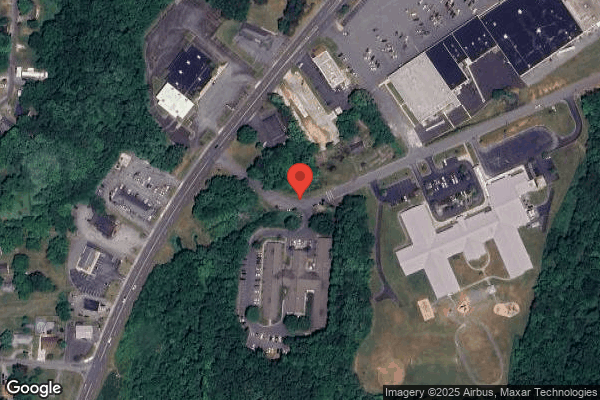

17 Cornelia Drive, Lexington, NC 27292 (336) 242-1349
For profit - Limited Liability company 100 Beds LIFEWORKS REHAB Data: November 2025 2 Immediate Jeopardy citations
Trust Grade
0/100
#348 of 417 in NC
Last Inspection: April 2025

Within standard 12-15 month inspection cycle. Federal law requires annual inspections.

Overview

Lexington Health Care Center has received a Trust Grade of F, indicating significant concerns about the quality of care provided. They rank #348 out of 417 facilities in North Carolina, placing them in the bottom half of nursing homes in the state, and #7 out of 9 in Davidson County, meaning only two local options are worse. The facility's trend is worsening, with reported issues increasing from 10 in 2024 to 13 in 2025. Staffing is a notable weakness, earning only 1 out of 5 stars, with a turnover rate of 62%, which is higher than the state average, suggesting instability among caregivers. Additionally, there have been serious incidents, such as a failure to administer critical anti-seizure medication to a resident, resulting in hospitalization, and inadequate oxygen care for residents, indicating potential risks to their health and safety. While the facility has not incurred any fines, the overall performance raises significant red flags for families considering care options for their loved ones.

Trust Score
F
0/100
In North Carolina
#348/417
Bottom 17%
Safety Record
High Risk
Review needed
Inspections
Getting Worse
10 → 13 violations
Staff Stability
⚠ Watch
62% turnover. Above average. Higher turnover means staff may not know residents' routines.
Penalties
✓ Good
No fines on record. Clean compliance history, better than most North Carolina facilities.
Skilled Nurses
⚠ Watch
Each resident gets only 24 minutes of Registered Nurse (RN) attention daily — below average for North Carolina. Fewer RN minutes means fewer trained eyes watching for problems.
Violations
⚠ Watch
37 deficiencies on record. Higher than average. Multiple issues found across inspections.
★☆☆☆☆
1.0
Overall Rating
★☆☆☆☆
1.0
Staff Levels
★★★☆☆
3.0
Care Quality
★★☆☆☆
2.0
Inspection Score
Stable
2024: 10 issues
2025: 13 issues

The Good

  • Full Sprinkler Coverage · Fire safety systems throughout facility
  • No fines on record

Facility shows strength in fire safety.

The Bad

1-Star Overall Rating

Below North Carolina average (2.8)

Significant quality concerns identified by CMS

Staff Turnover: 62%

16pts above North Carolina avg (46%)

Frequent staff changes - ask about care continuity

Chain: LIFEWORKS REHAB

Part of a multi-facility chain

Ask about local staffing decisions and management

Staff turnover is elevated (62%)

14 points above North Carolina average of 48%

The Ugly 37 deficiencies on record

2 life-threatening
Sept 2025 2 deficiencies
CONCERN (D) 📢 Someone Reported This

A family member, employee, or ombudsman was alarmed enough to file a formal complaint

Potential for Harm - no one hurt, but risky conditions existed

Deficiency F0602 (Tag F0602)

Could have caused harm · This affected 1 resident

**NOTE- TERMS IN BRACKETS HAVE BEEN EDITED TO PROTECT CONFIDENTIALITY** Based on record review, and resident, family member, neighbor and staff interviews, the facility failed to protect a resident's ...

Read full inspector narrative →
**NOTE- TERMS IN BRACKETS HAVE BEEN EDITED TO PROTECT CONFIDENTIALITY** Based on record review, and resident, family member, neighbor and staff interviews, the facility failed to protect a resident's right to be free from exploitation. In [DATE], Nurse Aide (NA) #1 told Resident #1 that her landlord raised the rent at her apartment and she was going to be evicted. Resident #1 reported that NA #1 asked to live in his personal home and being a goodhearted trusting person, he was considering letting NA #1 and her friend house-sit his personal home while he was at the facility. NA #1 asked the resident if she could look at his house and he informed her where the keys were located. NA #1 went to the resident's home and due to being unable to find the keys she went to Resident #1's neighbor's home to request a key at which time the neighbor did not give her the key preventing NA #1 from entering the home and having access to all of Resident #1's personal belongings. The deficient practice occurred for 1 of 3 residents reviewed for abuse, neglect and/or misappropriation of property/exploitation (Resident #1). Findings included:Resident #1 was admitted to the facility on [DATE] with diagnoses that included depression and cognitive communication deficit. The admission Minimum Data Set (MDS) assessment dated [DATE] indicated Resident #1 was moderately cognitively impaired and was receiving antidepressant medication and opioid medication (pain medication). Psychological Provider #1 notes dated [DATE] recorded Resident #1 had a major depressive disorder and anxiety with ongoing grief and a cognitive communication disorder but Resident #1 was able to express needs and communicate effectively.In an interview with Nurse Manager #1 on [DATE] at 2:58 pm, she recalled Resident #1's Family Member and a friend (Resident #1's neighbor) came to the facility in [DATE] and informed her that NA #1 had taken advantage of Resident #1 by asking Resident #1 if she (NA #1) could move into his personal house. She stated she escorted the family member and friend to the former Administrator's office. She stated although she never discussed the incident with Resident #1, she was able to obtain permission from Resident #1 to review his cellular phone and identified NA #1's phone number from a text that was sent to Resident #1. Nurse Manager #1 was unable to recall the date of the text and stated NA #1 was suspended and never worked at the facility after Resident #1's family member and neighbor came to the facility. An initial allegation report dated [DATE] at 2:13 pm was completed by the former Administrator and faxed to the State Agency alleging misappropriation of Resident #1's property on [DATE]. The initial report recorded the facility became aware of the incident on [DATE] at 10:45am. Details of the allegation stated NA #1 convinced Resident #1 to allow her to stay/live in his personal house while he was at the nursing facility. NA #1 went to Resident #1's neighbor's home to obtain a key to Resident #1's personal house who refused to give NA #1 a key to Resident #1's personal house. On [DATE], Resident #1's neighbor and family member reported NA #1 attempted to exploit Resident #1 to become a squatter in Resident #1's personal house. Resident #1's family member, who was financial proxy and health power of attorney for Resident #1, stated Resident #1 was easily manipulated and coerced into agreements of helping others. NA #1 was suspended pending investigation of the allegation on [DATE]. The facility notified the local law enforcement on [DATE] at 12:41 pm of the allegation.The facility's investigation report signed by the former Administrator on [DATE] was faxed to the State Agency on [DATE]. The investigation report recorded that Resident #1 agreed initially and then changed his mind and denied allowing NA #1 to stay/live in his personal house. The investigation report further stated Resident #1 was not mentally able to discern the ramifications of the action of NA #1 living in his personal house and family reported Resident #1 was easily manipulated and coerced into agreements to help others. NA #1 was suspended pending investigation and terminated on [DATE]. The termination was noted to not be related to the allegation. The allegation was not substantiated.In an interview with Resident #1 on [DATE] at 3:12 pm, he explained he had not seen his personal home in the last eight months due to repeated hospitalizations and rehabilitation at the facility. He stated NA #1 worked part-time at the facility and had been assigned to his hall. He explained it was in the mid of [DATE] when he and NA #1 were in the dining room talking at a table and NA #1 mentioned how her landlord had raised the rent and she was being evicted out of her living quarters. Resident #1 stated NA #1 asked to go live at his personal home and being the goodhearted trusting person that he was, he was considering letting NA #1 and her friend house-sit his personal home while he was at the facility. He stated NA #1 asked to go look at his house and he told her where the key was kept to his personal house. Resident #1 stated he had a love for people and a big house, and his wife had died while he and his wife were both hospitalized . Resident #1 stated he changed his mind after talking to other employees and learning that NA #1 had a rough boyfriend who he did not want in his personal house. He explained NA #1 went to his house but was unable to find the key to his personal home and she (NA #1) then went to Resident #1's neighbor's home to get the key to enter Resident #1's personal home. The neighbor would not give NA #1 the key to his (the resident's) house and the neighbor called one of his (the resident's) family members who told him (the neighbor) not to give NA #1 a key. Resident #1 stated he did not feel pressured when talking with NA #1 and admitted he had not gotten a chance to inform NA #1 before she went to enter his personal home that he wasn't considering having anyone house-sit his personal home anymore. During the interview, Resident #1 asked if he was in trouble and was explained he was not in trouble, and the interview was to gather information.In a phone interview with NA #1 on [DATE] at 11:16 pm, NA #1 stated in [DATE] while talking with Resident #1, he (the resident) asked her (NA #1) if she would provide private care to help him when he was discharged to his personal house. NA #1 was unable to recall the exact date. NA #1 admitted going to Resident #1's personal house to check out the living quarters to see if his personal home was conducive to caring for Resident #1. NA #1 stated she went to the house on a professional level only and did not plan to live in Resident #1's house. She explained she never went there to live as a permanent home; only to live in the house to care for Resident #1 and stay when housework was needed to be performed. NA #1 stated Resident #1 asked her to go to his personal house and told her the key was in the garage. NA #1 explained when she went to Resident #1's personal house in [DATE] she informed Resident #1 by phone that there was no key in the garage and Resident #1 told her to go to the neighbor's house for the key to enter his (Resident #1's) personal house. NA #1 stated the neighbor called Resident #1's family member and she (NA #1) was not given a key to enter Resident #1's personal house. She stated she did not pursue this any further and left the situation alone. NA #1 stated she never entered or lived in Resident #1's personal house and stated she never asked to go live in Resident #1's personal house. She explained she was placed on suspension when she reported to work on [DATE] for attendance issues and was fired three days later on [DATE] for attendance issues. NA #1 stated the Administration never discussed the situation with Resident #1 with her.In a phone interview with Resident #1's Neighbor on [DATE] at 9:24 am, he stated NA #1 came to his house requesting a key to Resident #1's personal house and stated she was going to stay in Resident #1's personal house for a while. He was unable to recall the specific date this occurred but knew it was in July of 2025. Resident #1's Neighbor stated he did not give NA #1 the key to Resident #1's personal house. He stated he called Resident #1's family member, who headed to his (Resident #1's Neighbor) house, to speak with NA #1, but NA #1 left prior to the family member arriving. Resident #1's Neighbor stated when he talked to Resident #1 on the phone after NA #1 left the his (Resident #1's Neighbor) home, Resident #1 told him not to give NA #1 a key to his personal house. Resident #1's Neighbor stated NA #1 did not display a temper but NA #1 was not happy about not receiving the key to Resident #1's personal house. He stated Resident #1 was a friendly and helpful individual.In a phone interview with Resident #1's Family Member on [DATE] at 8:51 am, he stated NA #1 tried to go live in Resident #1's personal house. The Family Member stated he could not recall the exact date of the incident. He explained he found out about the situation late in the evening hours of a day in [DATE] and went to the facility the next day to report the incident. The family member explained Resident #1's Neighbor called him explaining NA #1 was at his home requesting a key to Resident #1's personal house and no one had called him (the neighbor) about giving NA #1 a key to Resident #1's personal house. He stated NA #1 got upset when the neighbor would not give her a key to Resident #1's personal house and when he (the Family Member) arrived at the neighbor's home approximately 8-9 minutes later, NA #1 had already left. He stated when he called Resident #1 on that same evening in [DATE] to ask about the situation, he (Resident #1) stated not to give NA #1 a key to his personal house. He stated Resident #1 told him (the Family Member) NA #1 had told Resident #1 she wanted to stay in his personal house for a few weeks until she found somewhere else to live and Resident #1 felt sorry for NA #1. He stated Resident #1 explained to him (the Family Member) NA #1 and Resident #1 were having a general conversation (date unknown) when NA #1 was assigned to Resident #1. The Family Member stated Resident #1 told him NA #1 informed Resident #1 about her current living situation, rent increase and lease agreement expiration. Resident #1's family member stated Resident #1 was easy prey because he was a kind person and thought he was doing good. The family member reported Resident #1 had been receiving a lot of pain medications due to post surgical care and felt Resident #1 would have not made the decision to let NA #1 into his personal home to live if Resident #1 was thinking clearly. In a phone interview with NA #2 on [DATE] at 4:57pm, she stated when Resident #1 told her in [DATE] NA #1 was going to live in his personal house, she advised Resident #1 against allowing NA #1 to live in his personal house because she (NA #2) would not allow NA #1 to stay/live at her house. NA #2 stated she was unable to recall the date of the day she told the resident not to let NA #1 live in his personal house. NA #2 stated she was aware that Resident #1 and NA #1 had exchanged phone numbers in [DATE] but was unable to recall a specific date. NA #2 couldn't recall observing or overhearing Resident #1 and NA #1 talk about her staying/living in Resident #1's personal house. NA #2 stated she informed a couple nurses about the situation (NA #1 staying/living in Resident #1 personal house) and was unable to recall when in [DATE] she informed the other nurses of this, and which nurses she informed. NA #2 stated she felt Resident #1 was taken advantage of in the situation by NA #1 telling Resident #1 of her (NA #1's) problems and NA #1 needing someone to help her with her living situation.In an interview with the Director of Nursing on [DATE] at 3:46 pm, she stated when Resident #1's Family Member learned NA #1 was trying to go stay/live in Resident #1's personal house, the family member brought it to Administration's attention. She stated although Resident #1 said it was okay for NA #1 to stay/live in his personal house, it was inappropriate for NA #1 to think she could go stay/live in Resident #1's personal house because employees cannot access goods or property from residents. The DON stated NA #1 was suspended during the investigation and then terminated for attendance issues. She stated NA #1 did not work after the facility was aware of the allegation.A phone interview on [DATE] at 9:38am with the local law enforcement officer whose name was listed on the initial allegation report dated [DATE]. He stated he was unable to recall responding to the call or any circumstances regarding the allegation. He stated he did not complete a report, and he was unable to review notes that may have been written on the call sheet (the call sheet is documentation recorded by the local 911 call center that is provided to local law enforcement to respond to a 911 call).A request was made during the survey for a copy of the law enforcement call sheet related to the [DATE] allegation involving Resident #1 and NA #1. This was not received. In a phone interview with the former Administrator on [DATE] at 4:44pm, she explained she was not aware of conversations between Resident #1 and NA #1 until Resident #1's family member and neighbor came to the facility on [DATE] and reported NA #1 had attempted to obtain a key to enter Resident #1's personal house. She explained Resident #1's wife had recently died, and she learned from Resident #1 that he felt sorry for NA #1 when he (the resident) learned from NA #1 that she would have nowhere to live at the first of the month. She stated the resident admitted giving NA #1 permission to stay at his personal house and when he learned about NA #1's boyfriend, Resident #1 was concerned and changed his mind. She stated the facility identified NA #1 through matching the phone number on the text messages observed on Resident #1's cellular phone after learning NA #1 had attempted to obtain a key to Resident's #1 personal house from Resident #1's neighbor. She stated the allegation for misappropriation of property and resident abuse was not substantiated because Resident #1 was not harmed and NA #1 did not access Resident #1's personal house or obtain any of Resident #1's property. The former Administrator stated she had not thought about exploitation for Resident #1 because NA #1 had not benefited from the situation. She indicated looking back, she should have substantiated the allegation for exploitation because after NA #1 discussed staying/ living at Resident #1's personal house with Resident #1, she attempted to enter Resident #1's personal house without the resident being present.In an interview with the Administrator, Regional Clinical Consultant and Director of Nursing present on [DATE] at 5:30 pm, they stated the facility had not completed a plan of correction for misappropriation of property/exploitation.
CONCERN (D) 📢 Someone Reported This

A family member, employee, or ombudsman was alarmed enough to file a formal complaint

Potential for Harm - no one hurt, but risky conditions existed

Report Alleged Abuse (Tag F0609)

Could have caused harm · This affected 1 resident

**NOTE- TERMS IN BRACKETS HAVE BEEN EDITED TO PROTECT CONFIDENTIALITY** Based on record review and staff interviews, the facility failed to report an allegation misappropriation of property/exploitati...

Read full inspector narrative →
**NOTE- TERMS IN BRACKETS HAVE BEEN EDITED TO PROTECT CONFIDENTIALITY** Based on record review and staff interviews, the facility failed to report an allegation misappropriation of property/exploitation to Adult Protective Services (APS) for 1 of 3 residents reviewed for abuse, misappropriation of property and/or exploitation (Resident #1).Findings included:The Facility's Reporting Requirements/Investigations policy statement dated effective 2/5/2023 indicated the Administrator will immediately notify the adult protective services agency for any incident of patient abuse, mistreatment, neglect or misappropriation of personal property or other reasonable suspicion of a crime. Resident #1 was admitted to the facility on [DATE].An initial allegation report dated 7/10/2025 at 2:13 pm was completed by the former Administrator and faxed to the State Agency alleging misappropriation of Resident #1's property on 7/9/2025. The initial report recorded the facility became aware of the incident on 7/10/2025 at 10:45am. Details of the allegation stated NA #1 convinced Resident #1 to allow her to stay/live in his personal house while he was at the nursing facility. NA #1 went to Resident #1's neighbor's home to obtain a key to Resident #1's personal house who refused to give NA #1 a key to Resident #1's personal house. On 7/10/2025, Resident #1's neighbor and family member reported NA #1 attempted to exploit Resident #1 to become a squatter in Resident #1's personal house. Resident #1's family member, who was financial proxy and health power of attorney for Resident #1, stated Resident #1 was easily manipulated and coerced into agreements of helping others. NA #1 was suspended pending investigation of the allegation on 7/10/2025. The facility report indicated notification of the allegation was made to local law enforcement on 7/10/2025 at 12:41 pm. There was no documentation that APS was notified of the allegation of misappropriation of property and/or exploitation.The facility's investigation report signed by the former Administrator on 7/16/2025 was faxed to the State Agency on 7/17/2025. There was no documentation that APS was notified of the allegation of misappropriation of property and/or exploitation.In a phone interview with the former Administrator on 8/27/2025 at 4:44pm, she stated she could not recall if APS was notified of the allegation related to misappropriation of property/exploitation for Resident #1. She explained that usually the Social Worker electronically notified APS of abuse, misappropriation or property and/or exploitation allegations.In an interview with the Social Worker on 8/28/2025 at 5:47 pm, she explained since starting at the facility in May 2025, she was responsible for notifying APS for incidents of residents leaving against medical advice and exploitation of funds. She stated the former Administrator would have to let her know when there were allegations of misappropriation of property and/or exploitation to report to APS. She stated she was not informed by the former Administrator of the allegation of misappropriation of property and/or exploitation for Resident #1 and therefore, she had not notified APS of the allegation.In a follow up phone interview with the former Administrator on 9/4/2025 at 12:00 pm, she stated per the facility's policy, the local adult protective agency should be notified of allegations of misappropriation of property and/or exploitation. She explained she had no recall of informing the Social Worker of the allegation of misappropriation of property and/or exploitation for Resident #1 and the local adult protective agency was not notified. In an interview with the Administrator, Regional Clinical Consultant and Director of Nursing on 8/28/2025 at 5:50 pm, they stated the facility did not have a plan of correction that was completed for reporting an allegation of misappropriation of property and/or exploitation for Resident #1.
Apr 2025 9 deficiencies
CONCERN (D) 📢 Someone Reported This

A family member, employee, or ombudsman was alarmed enough to file a formal complaint

Potential for Harm - no one hurt, but risky conditions existed

Deficiency F0561 (Tag F0561)

Could have caused harm · This affected 1 resident

**NOTE- TERMS IN BRACKETS HAVE BEEN EDITED TO PROTECT CONFIDENTIALITY** Based on observations, record review, and resident and staff interviews, the facility failed to allow residents who were assesse...

Read full inspector narrative →
**NOTE- TERMS IN BRACKETS HAVE BEEN EDITED TO PROTECT CONFIDENTIALITY** Based on observations, record review, and resident and staff interviews, the facility failed to allow residents who were assessed to be safe smokers to smoke independently per their individual preference for 2 of 3 residents (Resident #8 and #249) reviewed for smoking. The findings included: Review of the Facility Smoking Acknowledgement read, in part: patients who wish to smoke will be evaluated using the smoking safety screen upon admission and as needed to determine need for supervision. The patient must also agree to the policy and sign the Patient Smoking Acknowledgement form . based on the Smoking Safety Screen, a patient may smoke in designated smoking area either independently or with supervision . The smoking schedule for the facility dated 3/18/25 was reviewed. Times for smoking were listed as 8:30 AM, 11:00 AM, 1:30 PM, 3:30 PM, 5:30 PM, and 8:00 PM. The form read Staff members go with residents out back to designated smoking areas. Ensure the resident is in proper clothing and has shoes or foot pedals in place. No adjustments will be made to these times. a. Resident #8 was admitted to the facility 11/27/24. A Patient Smoking Acknowledgement form dated 12/2/24 was signed by Resident #8. The admission Minimum Data Set (MDS) assessment dated [DATE] documented Resident #8 was cognitively intact, and she did not use tobacco. Review of Resident #8's medical record revealed a smoking assessment dated [DATE] that determined Resident #8 was a safe smoker and she could smoke unsupervised. A care plan initiated on 12/9/24 and the most recent revised date on 3/13/25 documented Resident #8 preferred to smoke cigarettes, and included the goal Resident #8 would smoke safely through the review period. The interventions included educating Resident #8 on the facility smoking policy and conducting smoking assessments as needed. Resident #8 was interviewed on 4/15/25 at 1:39 PM. Resident #8 reported while she was glad she was able to smoke at the facility, she wanted to be able to go out to smoke any time she wanted. She explained she was not allowed to go out to smoke after 8:00 PM and this made her feel anxious. During an interview with Nursing Assistant (NA) #2 on 4/16/25 at 9:52 AM, she reported Resident #8 would ask to go outside to smoke frequently. An interview was conducted with NA #1 on 4/16/25 at 10:06 AM and she reported Resident #8 became upset if she was not able to go out to smoke. Nurse #5 was interviewed on 4/16/25 at 10:44 AM and she reported Resident #8 became anxious if she was unable to go out to smoke. b. Resident #249 was admitted to the facility 4/7/25. A Patient Smoking Acknowledgement form dated 4/7/25 was signed by Resident #249. Review of the medical record for Resident #249 revealed the smoking assessment dated [DATE] documented Resident #249 was a safe smoker and could smoke unsupervised. A care plan initiated 4/7/25 documented Resident #249 preferred to smoke cigarettes and included a goal he would smoke safely through the review period. The interventions included educating him on the facility smoking policy and conducting a smoking assessment as needed. The admission MDS dated [DATE] documented Resident #249 was cognitively intact. The admission MDS was in progress and not completed for tobacco use. Resident #249 was interviewed on 4/16/25 at 8:25 AM. Resident #249 reported he was looking for someone to open the door so he could go out to the smoking area. He reported he was frustrated he had to wait for certain times to smoke and had to wait for a staff member to take him out to the smoking area. Resident #249 reported he had been smoking for 50+ years, he was able to determine when he wanted to have a cigarette and waiting for the smoking times was upsetting to him. The Director of Nursing (DON) was interviewed on 4/16/25 at 1:04 PM. The DON reported the facility had been non-smoking in the past, but residents who wanted to smoke were going outside and smoking on the porch, down the steep hill of the driveway that led to the street, and back by the dumpsters, to name a few places. The DON reported the facility felt that those smoking behaviors were unsafe and decided to allow smoking in a designated area at the rear of the building at certain times and with staff supervision. The DON explained that the smoking times had become a social activity for residents, and they seemed to enjoy it. The DON reported she was aware Resident #8 wanted to go outside to smoke whenever she wanted but reported Resident #249 had not expressed frustration over not being able to choose his own smoking times. The Administrator was interviewed on 4/16/25 at 1:32 PM. The Administrator explained the facility was previously smoke-free, but they had several residents who refused a nicotine patch and were going outside to smoke, at various places. The Administrator explained that the interdisciplinary team did not feel this was safe for the residents and they decided to implement supervised smoking for all residents, and determined the times they would offer smoking. The Administrator explained that the facility decided to develop a system that provided residents with the opportunity to smoke if they wished, while providing them with safety through supervision. The Administrator was unable to explain why the residents who were assessed as independent smokers were required to smoke at the designated times with supervision.
CONCERN (D)

Potential for Harm - no one hurt, but risky conditions existed

Deficiency F0565 (Tag F0565)

Could have caused harm · This affected 1 resident

Based on record review and staff and resident interviews, the facility failed to resolve grievances that were reported in the Resident Council meetings for 4 of 6 months (11/19/2024, 12/18/2024, 1/29/...

Read full inspector narrative →
Based on record review and staff and resident interviews, the facility failed to resolve grievances that were reported in the Resident Council meetings for 4 of 6 months (11/19/2024, 12/18/2024, 1/29/2025 and 2/26/2025). Findings included: A review of the Resident Council Minutes indicated the residents had complained on 11/19/2024, 12/18/2024, 1/29/2025, and 2/26/2025, during the Resident Council meeting, that they received potatoes and green beans several times during the same week. A Departmental Response/Resolution dated 11/26/2024 indicated the facility's menu was provided by the corporate office and the Dietary Manager stated the menu could not be changed. The Department Response/Resolution also stated green beans were served three times a week and mashed potatoes were served two times a week per the facility's menu. On 12/18/2024 the Departmental Response/Resolution form updated by the Administrator stated they continued to report the residents' concerns to the Dietary Manager to see if any substitutions could be made. On 1/29/2025 the Departmental Response/Resolution form was updated and stated the Dietary Manager would contact the corporate office to ask about substitutions and at your request options for residents. On 2/27/2025 the Departmental Response/Resolution form was updated by the Administrator and stated she emailed the Senior Regional Director of Operations regarding the resident's concerns and asked about the availability of alternate options. On 3/26/2025 the Departmental Response/Resolution form was updated and stated the menu would change for the season in May or June of 2025. An interview was conducted with the Resident Council on 4/15/2025 at 3:20 pm during which the council members indicated they had brought up concerns that the same foods were being served repeatedly. Resident #15 stated they shared multiple times in the past six months that they were being served the same food items for lunch and dinner several times a week, but they continued to be served the same things, and it continued to be an issue. Resident #15 stated residents were served potatoes and green beans multiple times a week and the facility did not respond to the concern and correct the issue. On 4/15/2025 at 3:49 pm the Activity Director was interviewed, and she stated the concerns were written in the Resident Council Minutes and a Departmental Response/Resolution form was sent to the Department Manager of the area of concern. The Activity Director stated the complaint about being served the same food items had been a consistent problem and the Administrator was notified of the concern, and the Administrator had contacted the contracted dietary company and there was a plan to change the menus in either May 2025 or June 2025. The Activity Director stated she did not know why it had taken so long for something to be done about the mashed potatoes and green beans being served so frequently. She indicated the response form for the complaint was dated 11/26/2024 and green beans had been served three times a week and potatoes two times a week. The Administrator was interviewed on 4/16/2025 at 12:46 pm and stated she was aware of the grievances during the Resident Council Meetings on 11/19/2024, 12/18/2024, 1/29/2025 and 2/26/2025. She stated she talked with the Dietary Manager to replace the potatoes and green beans to make sure the residents were happy with their meals. She stated she thought the reason the issue had taken so long was because the Dietary Manager had not been comfortable with substituting what was on the menu.
CONCERN (D)

Potential for Harm - no one hurt, but risky conditions existed

Deficiency F0578 (Tag F0578)

Could have caused harm · This affected 1 resident

**NOTE- TERMS IN BRACKETS HAVE BEEN EDITED TO PROTECT CONFIDENTIALITY** Based on record review and staff interviews, the facility failed to completely fill out the Do Not Resuscitate (DNR) form for 1 ...

Read full inspector narrative →
**NOTE- TERMS IN BRACKETS HAVE BEEN EDITED TO PROTECT CONFIDENTIALITY** Based on record review and staff interviews, the facility failed to completely fill out the Do Not Resuscitate (DNR) form for 1 of 2 residents reviewed and Advanced Directives (Resident # 30). The findings included: Resident # 30 was admitted to the facility on [DATE]. Resident # 30's diagnosis included hypertension, and cognitive impairment. Review of Resident # 30's paper medical record revealed Resident # 30's DNR form signed by the Nurse Practitioner (NP) # 1 was not dated. Review of Resident # 30's Electronic Medical Record (EMR) revealed a physician's order dated 1/21/2025 for code status DNR. An interview was conducted on 4/14/2025 at 1:05 PM with Unit Manager # 2. Unit Manager # 2 revealed upon admission, the nurse would complete the DNR. Unit Manager # 2 continued by stating the form would then go to the Nurse Practitioner (NP) to be signed, dated, and then scanned into the EMR. The hard copy would be kept at the nurse's station in a binder. Unit Manager # 2 further stated the DNR form should correspond with a matching date and should also match what was documented in the EMR. Upon review of the form Unit Manager # 2 indicated the date was missing from the DNR form. The Nurse Practitioner (NP) # 1 was interviewed on 4/16/2025 at 11:29 AM. She stated DNR forms are usually dated before they are given to her to sign. NP # 1 further stated she usually received a stack of forms to sign with the date already on them. An interview was conducted with the Director of Nursing (DON) on 4/14/2025 at 1:13 PM. The DON revealed the admissions nurse would be responsible for completing the DNR form. The DON indicated information on the form should be checked during the twenty-four-hour chart check after admission. The DNR form should have an effective date. An interview was completed with the Administrator on 4/16/2025 at 11:44 AM. The Administrator revealed NP # 1 was responsible for signing and dating the DNR form. The Administrator further stated NP # 1 was new and may need additional training or retraining of the process.
CONCERN (D) 📢 Someone Reported This

A family member, employee, or ombudsman was alarmed enough to file a formal complaint

Potential for Harm - no one hurt, but risky conditions existed

Notification of Changes (Tag F0580)

Could have caused harm · This affected 1 resident

**NOTE- TERMS IN BRACKETS HAVE BEEN EDITED TO PROTECT CONFIDENTIALITY** Based on record review and Nurse Practitioner and staff interviews, the facility failed to notify the Nurse Practitioner (NP) af...

Read full inspector narrative →
**NOTE- TERMS IN BRACKETS HAVE BEEN EDITED TO PROTECT CONFIDENTIALITY** Based on record review and Nurse Practitioner and staff interviews, the facility failed to notify the Nurse Practitioner (NP) after an International Normalized Ratio (INR) test (monitors the effectiveness of blood-thinning medications) was not completed as ordered for 1 of 1 resident (Resident # 255) reviewed for monitoring anticoagulant medicine. The findings included: Resident #255 was admitted to the facility on [DATE] with diagnoses which included atrial fibrillation. Resident #255's physician order dated 01/30/25 revealed the resident was ordered to receive a warfarin sodium (anticoagulant/blood thinner) oral tablet 2 milligram (mg), give 1 tablet by mouth at bedtime related to unspecified atrial fibrillation. A progress note dated 03/05/25 completed by Nurse Practitioner (NP) #1 revealed Resident #225's INR was recently checked, and it was at 4.0 that morning (normal range 2-3). It was further noted Resident #255's warfarin was to be held until 3/7/25. The note indicated Resident #255's INR was to be rechecked on 03/07/25 and to notify NP #1 of any bleeding or changes. Resident #255's physician orders revealed an order dated 03/07/25 to check Resident #255's INR on 03/07/25 and hold Warfarin until further notice. Resident #255's MAR revealed from 03/05/25 through 03/12/25 warfarin was not administered to Resident #255. Further review revealed Nurse #1 signed off on 03/07/25 that an INR was completed on the resident but there was no documented INR result. Resident #255's labs and progress notes indicated no results for an INR lab for Resident #255 for the 03/07/25 ordered INR. A phone interview conducted with Nurse #1 on 04/24/25 at 8:00 pm revealed on 03/07/25 she was assigned Resident #255. Nurse #1 could not recall if she had completed Resident #255's INR on that date but explained if she had completed the resident's INR it would have been in the resident's chart. Nurse #1 stated if the INR result was not in the residents' chart, then she did not complete it. A phone interview conducted with NP #1 on 04/24/25 at 1:10 PM revealed Resident #255's INR was being followed closely due to the resident's INR numbers fluctuating. NP #1 revealed on 03/05/25 Resident #255 had an INR rate of 4.0 and she wanted the resident's warfarin held and the INR to be rechecked on 03/07/25. The NP indicated Resident #255 was checked on 03/12/25 and Resident #255 had an INR result of 1.3. The NP stated there was no harm or negative outcome as a result of the resident's INR was not checked on 03/07/25 but expected nursing staff to follow through with orders given and notification of any changes. The NP indicated she was not notified the lab was not completed and would expect staff to notify her if it was not completed as ordered. An interview conducted with the Director of Nursing (DON) on 04/24/25 at 3:00 PM revealed Resident #255 had ongoing issues with her INR not being consistent. The DON further revealed it was being followed closely by the medical providers. The DON stated she was not aware it was not checked on 03/07/25 but expected nursing staff to follow orders. The DON revealed she was not aware the lab had been missed, but the NP should have been notified for Resident #255's lab not being completed as ordered on 03/07/25. An interview conducted on 04/28/25 at 1:00 PM the Administrator revealed she had reviewed Resident #255's chart and could not find any documentation Resident #255 received an INR check on 03/07/25. The Administrator further revealed she expected orders to be followed through with and believed Resident #255's order from 03/07/25 to have her INR checked was missed and the NP was not notified.
CONCERN (D)

Potential for Harm - no one hurt, but risky conditions existed

Deficiency F0658 (Tag F0658)

Could have caused harm · This affected 1 resident

**NOTE- TERMS IN BRACKETS HAVE BEEN EDITED TO PROTECT CONFIDENTIALITY** Based on observations, record reviews, and staff interviews, the facility failed to ensure a resident swallowed medications duri...

Read full inspector narrative →
**NOTE- TERMS IN BRACKETS HAVE BEEN EDITED TO PROTECT CONFIDENTIALITY** Based on observations, record reviews, and staff interviews, the facility failed to ensure a resident swallowed medications during medication administration when Nurse #5 left medications at the bedside for 1 of 5 residents observed for medication administration (Resident #2). The findings included: Resident #2 was admitted to the facility 12/19/24 with diagnoses including diabetes and congestive heart failure. The quarterly Minimum Data Set assessment dated [DATE] assessed Resident #2 to be moderately cognitively impaired. Review of the physician orders for Resident #2 revealed the following medications to be administered: - Digoxin 125 micrograms 1 tablet daily for atrial fibrillation at 9:00 AM - Furosemide 20 milligrams (mg) 1 tablet daily for blood pressure at 8:00 AM - Nadolol 40 mg 1 tablet daily for blood pressure at 9:00 AM - Oxybutynin chloride 5 mg 1 tablet daily for bladder spasm at 8:00 AM - Sennosides-docusate sodium 8.6 mg/50 mg 2 tablets daily for constipation at 9:00 AM - Divalproex Sodium 125 mg 1 tablet daily for anxiety at 9:00 AM - Metformin 500 mg 1 tablet twice daily for diabetes at 9:00 AM - Methenamine Hippurate 1 gram 1 tablet for urinary tract at 9:00 AM Resident #2 was observed on 4/13/25 at 11:50 AM. A medication cup with 9 pills was on her overbed table. Resident #2 was asked about the medications, and she reported she did not know what they were or why they were on her table. Nurse #5 was asked to come to Resident #2's room and she arrived at 12:00 PM. When shown the medication on the overbed table, Nurse #5 exclaimed, Oh, you didn't take your medication! Resident #2 shook her head 'no' and refused to take the medications. During the observation on 4/13/25 at 12:00 PM, Nurse #5 was asked why the medications were left on the overbed table and Nurse #5 reported that Resident #2 had put the pills in her mouth and must have spit them out. Nurse #5 explained she had an urgent need to use the bathroom and had left the medications with Resident #2 and had not watched her swallow the medications. The medication administration record was reviewed with Nurse #5 and the medications had been administered to Resident #2 at 10:11 AM. The Director of Nursing (DON) was interviewed on 4/13/25 at 12:40 PM. The DON reported that the medications should not have been left on the overbed table and Nurse #5 should have watched her swallow the medications. The DON was interviewed again on 4/16/25 at 12:53 PM and she reported she expected all nurses to ensure the residents were taking their medications by watching them swallow the medications and not leaving pills at the bedside. The DON reported Nurse #5 notified the physician of Resident #2's refusal to take the medications on 4/13/25. The Administrator was interviewed on 4/16/25 at 1:32 PM and she reported that Nurse #5 had to urgently use the bathroom during the medication administration to Resident #2, and she left the pills for Resident #2 to take. The Administrator reported she expected all nurses to follow the 6 rights of medication administration and to watch the residents swallow the medications.
CONCERN (D) 📢 Someone Reported This

A family member, employee, or ombudsman was alarmed enough to file a formal complaint

Potential for Harm - no one hurt, but risky conditions existed

Accident Prevention (Tag F0689)

Could have caused harm · This affected 1 resident

**NOTE- TERMS IN BRACKETS HAVE BEEN EDITED TO PROTECT CONFIDENTIALITY** Based on observations, record reviews and staff and Psychiatric Nurse Practitioner interviews, the facility failed to provide th...

Read full inspector narrative →
**NOTE- TERMS IN BRACKETS HAVE BEEN EDITED TO PROTECT CONFIDENTIALITY** Based on observations, record reviews and staff and Psychiatric Nurse Practitioner interviews, the facility failed to provide the necessary supervision to prevent a resident with known wandering behaviors from entering the room of another resident and attempting to take the other resident's (Resident #94's) belongings during the night for 1 of 3 residents reviewed for accidents (Resident #91). The findings included: Resident #91 was admitted to the facility on [DATE] with diagnoses including metabolic encephalopathy (a brain dysfunction caused by imbalances in the body's metabolism, often due to underlying systemic illnesses), alcohol-induced persisting dementia, major depressive disorder, and anxiety disorder. A physician's order for Resident #91 dated 3/11/25 indicated Olanzapine (an antipsychotic medication) 5 milligrams (mg) every 8 hours for severe alcohol abuse disorder with unspecified mood disorder. A care plan developed on 3/11/25 addressed behaviors for Resident #91, including safety concerns regarding ambulating independently, spitting out medications, sitting on the floor, and not following directions. Interventions included consulting psychiatric services and redirection of Resident #91 when she exhibited behaviors. A Nurse Practitioner (NP) note dated 3/15/25 documented that Resident #91 had agitation, was disoriented to place, date, and situation. Resident #91 was observed to be self-propelling in a wheelchair. The plan described in the note indicated medication adjustments to be made based on Resident #91's behavior, and staff continued to monitor her behavior and report changes. A physician's order for Resident #91 dated 3/15/25 indicated Divalproex Sodium (an antiseizure medication that is also used for mood disorders) 250 mg every 12 hours for agitation. The admission Minimum Data Set (MDS) dated [DATE] assessed Resident #91 to be severely cognitively impaired with hallucinations, delusions, and physical behaviors that impacted her care, activities, and social interactions. The MDS documented Resident #91 did not reject care at the time of the assessment. The MDS documented Resident #91 required substantial assistance of staff for transfers, partial to moderate assistance for mobility, and was dependent on staff for ambulation. The MDS documented Resident #91 used a walker and wheelchair for mobility. Antipsychotic medications were documented as received on a routine basis. The Care Area Assessment for the admission MDS dated [DATE] documented Resident #91 had behaviors of aggression towards staff with spitting out medications and not following directions. A psychiatry NP initial consult note dated 3/19/25 documented that Resident #91 had intermittent confusion during the assessment, and she had been experiencing anxiety. The note documented anti-anxiety medication to be increased to three times per day, and staff to continue to monitor Resident #91 for changes in behavior. A physician note dated 3/19/25 documented marked cognitive impairment, with wandering and repeating questions. A physician's order for Resident #91 dated 3/19/25 indicated Diazepam 5 mg 3 times per day for anxiety. A nursing note dated 3/21/25 documented that Resident #91 was exhibiting behaviors: itching, picking at skin, restlessness, agitation, hitting, biting, kicking, spitting, cussing, racial slurs, stealing, delusions, hallucinations, and refusing care. The note documented Resident #91 was wandering into other resident rooms, touching residents, and attempting to leave the facility. The note documented 2 nurses, and 1 nursing assistant (NA) were attempting to redirect Resident #91. A NP note dated 3/21/25 documented Resident #91 was observed pacing up and down the hallway, wandering in and out of resident's rooms, and following visitors and staff members. The note documented Resident #91 was not easily redirected. A NP note dated 3/22/25 documented Resident #91 was observed walking up and down the hallway, attempting to walk in and out of other residents' rooms. The note documented Resident #91 had a 1:1 sitter and she was not easily redirected. The note documented that staff reported that Resident #91 was refusing medications and had been resistant to care. Lab work was ordered, and results were pending. The note documented Resident #91's symptoms were difficult to control due to metabolic encephalopathy and Resident #91 had poor safety awareness. The care plan that addressed Resident #91's behaviors was modified on 3/26/25 to add 1:1 sitter and noted the family was assisting with supervision. Unit Manager #1 was interviewed on 4/16/25 at 11:48 AM and she reported the facility initiated a 1:1 sitter assigned to Resident #91 on 3/26/25 from 7:00 AM to 11:00 PM, but there had been no assigned sitter on 11:00 PM to 7:00 AM shift. Unit Manger #1 explained that all staff were responsible for supervising Resident #91. A NP note dated 3/29/25 documented Resident #91 was observed ambulating in the hall with a sitter present. The note documented Resident #91 was confused and restless. A NP note dated 3/30/25 documented nursing report that Resident #91 had an increase in restlessness and going into other resident rooms. The note documented Resident #91 was wandering with poor sleep at night. The note documented a one-time dose of haloperidol (antipsychotic medication used to treat nervous, emotional, and mental conditions) for restlessness and requested a psychiatric NP evaluation. The note documented to continue the 1:1 sitter and to notify the NP of any changes in behavior. A nursing note dated 3/30/25 documented the administration of haloperidol without any effect on behavior for Resident #91. The note documented Resident #91 continued to roam the halls and attempted to enter other resident rooms, and she was aggressive with staff when staff attempted to redirect her. A NP note dated 3/31/25 documented Resident #91 remained restless and wandered the halls. The note documented Resident #91 had poor sleep, poor attention span, and poor safety awareness. A nursing note written by Nurse #1 and dated 3/31/25 documented Resident #91 continued to have poor safety awareness and was taking other resident's personal items. A NP note dated 4/1/25 documented Resident #91 was in the hallway, confused, and difficult to redirect. The note documented Resident #91 continued to wander in and out of other resident rooms. A Psychiatric NP note dated 4/2/25 documented Resident #91 had been experiencing increased confusion and behavioral changes, including attempts to elope and sleep disturbances. The note documented medication adjustments and continued monitoring. On 4/2/25 Resident #91's physician orders indicated her Divalproex Sodium 250 mg twice daily was increased to 250 mg 3 times per day and Olanzapine was changed from 5 mg in the morning to 10 mg at bedtime. A NP note dated 4/3/25 documented Resident #91 was ambulating in the hall with a 1:1 sitter. The note documented staff reported Resident #91 was attempting to bite staff and slapping at their hands when they attempted to redirect her. A nursing note dated 4/3/25 documented Resident #91 was aggressive and combative towards staff. A nursing note in Resident #91's medical record written by Nurse #1 and dated 4/4/25 at 3:40 AM documented Resident #91 entered Resident #94's room and attempted to take his cell phone and glasses. The nurse was alerted to this by Resident #94 yelling out, stop, put that down. The note documented the items were returned to Resident #94 and Resident #91 was redirected to exit the room. A nursing note in Resident #94's medical record written by Nurse #1 and dated 4/4/25 at 3:40 AM documented Resident #94 was heard to be yelling stop, stop, put that down. The note documented when staff entered the room, Resident #91 was noted to be standing beside Resident 94's bed with his cell phone and glasses in her hands. The note documented after Resident #91 was removed from the room. Upon assessment, small indentations on the back of Resident #94's right hand were noted, without bruising. The skin was intact and Resident #94 denied pain. An interview was conducted with Nurse #1 on 4/15/25 at 10:34 AM. Nurse #1 reported she was working 11:00 PM to 7:00 AM shift on 4/4/25 when Resident #91 wandered into Resident #94's room and tried to take his cell phone and glasses. Nurse #1 described NA #4 had been assigned to supervise Resident #91, but she was not assigned to be a 1:1 sitter for the resident. Nurse #1 explained another resident called out for assistance and NA #4 went into the room and asked Nurse #1 to help her with the resident. During the care, Nurse #1 reported she heard yelling and when she went out into the hall, followed the yelling to Resident #94's room where she observed Resident #91 standing beside Resident #94's bed with his (Resident #94's) cell phone and glasses in her (Resident #91's) hands. Nurse #1 reported she did not see Resident #91 grab Resident #94, and she was able to redirect Resident #91 to leave the cell phone and glasses and leave the room. NA #4 was interviewed by phone on 4/16/25 at 12:28 PM. NA #4 reported she was not assigned to provide 1:1 care for Resident #91 on 4/4/25, but she was told to keep an eye on her. NA #4 reported she worked a split assignment between halls and during the time Resident #91 wandered into Resident #94's room, she was providing care to another resident. Resident #94 was interviewed by phone on 4/15/25 at 8:57 AM. Resident #94 was alert and oriented person, place, time, situation and reported he very clearly remembered the incident on 4/4/25 with Resident #91. Resident #94 explained he was woken up by someone at the side of his bed on 4/4/25 about 3:00 AM, and when he fully awoke, he realized it was Resident #91, and she had his cell phone and glasses. Resident #94 explained he knew Resident #91 was confused and he grabbed to get his phone and glasses away from her. Resident #94 reported Resident #91 grabbed at him and one of her fingernails pressed into his skin. Resident #94 described an indentation of Resident #91's fingernail on the back of his right hand that did not leave a mark or bruise his skin afterwards. Resident #91 was observed on 4/14/25 at 9:47 AM. She was walking in the hall with NA #3 and she was observed standing at the door and pointing at the conference table. NA #4 attempted to redirect Resident #91 away from the conference room, but Resident #91 pushed her aside, came into the conference room and sat down at the table and spoke nonsensically for several minutes. NA #3 attempted to redirect Resident #91 to leave the conference room, but she would not leave with NA #3. An attempt was made to interview Resident #91, but she was unable to answer questions. An interview was conducted with NA #3 on 4/14/25 at 9:47 AM. NA #3 reported she was assigned to provide 1:1 care to Resident #91 during the day shift (7:00 AM to 3:00 PM) on 4/14/25. NA #3 explained Resident #91 had been up walking the halls for 4 hours at that point, and she was very difficult to redirect. NA #3 explained that Resident #91 would become very focused on something and would not stop until she was able to see and pick up whatever got her attention. NA #3 explained she would attempt to redirect Resident #91 from taking other resident's belongings, but if she tried to take the object away from Resident #91, that caused her to become agitated. The Psychiatric NP (NP #3) was interviewed on 4/16/25 at 9:28 AM. NP #3 explained she visited the facility every month and had last assessed Resident #91 on 4/2/25, before the incident with Resident #94. NP #3 explained Resident #91's behaviors were difficult to control due to the metabolic encephalopathy and multiple medication adjustments had been made, as well has a 1:1 sitter during the day. NP #3 explained that she was adding a medication to start on 4/16/25 that would hopefully help Resident #91 sleep at night and reduce her wandering behaviors. The NP reported she was notified of the incident on 4/4/25 this morning (4/16/25) when she arrived at the facility to perform her rounds. On 4/16/25 Resident #91's Divalproex Sodium medication order was changed to 500 mg at bedtime only. The Director of Nursing (DON) was interviewed on 4/16/25 at 12:53 PM. The DON explained that the facility had been attempting to place Resident #91 in a locked dementia facility that could better supervise her, but until that time, they had assigned sitters from 7:00 AM until 11:00 PM, and the depending on staffing, a sitter could be assigned on the 11:00 PM to 7:00 AM shift, but that was not the case on 4/4/25. The DON explained that all staff were responsible for supervising Resident #91, as well as other residents, and she did not know if the incident could have been prevented because of Resident 91's persistent behaviors and difficulty with being redirected. The Administrator was interviewed on 4/16/25 at 1:32 PM. The Administrator explained that the facility was attempting to find placement for Resident #91 in a facility better suited to provide her with 24 hours of supervision. The Administrator explained that the facility had 1:1 sitter during the day and staffing was being adjusted to provide that 1:1 supervision during the night shift from 11:00 PM to 7:00 AM.
CONCERN (D)

Potential for Harm - no one hurt, but risky conditions existed

Tube Feeding (Tag F0693)

Could have caused harm · This affected 1 resident

**NOTE- TERMS IN BRACKETS HAVE BEEN EDITED TO PROTECT CONFIDENTIALITY** Based on record review, observations, and staff interviews, the facility failed to store a plastic enteral feeding syringe with ...

Read full inspector narrative →
**NOTE- TERMS IN BRACKETS HAVE BEEN EDITED TO PROTECT CONFIDENTIALITY** Based on record review, observations, and staff interviews, the facility failed to store a plastic enteral feeding syringe with the plunger separated from the barrel of the syringe for 1 of 3 residents (Resident #79) reviewed for enteral feeding management. This practice had the potential for bacterial growth and contamination. Findings included: Resident #79 was admitted to the facility on [DATE] with diagnoses of stroke and difficulty swallowing. A Physician's order dated 3/24/2025 stated Resident #79 should have placement checked to her gastrotomy tube before each feeding and medication administration every shift; her residual should be checked each shift; a 20 to 30 milliliter flush of water should be given before and after administration of medication; she should receive a flush of 150 milliliters of water four times a day, and she should receive 50 milliliters an hour of enteral feeding. An admission Minimum Data Set assessment dated [DATE] indicated Resident #79 was cognitively intact and received 51% or more of her total calories and more than 501 milliliters of fluids per day by enteral feedings. A review of Resident #79's Medication Administration Record for 4/13/2025 revealed she received medications, a 20 to 30 milliliter flush, 150 milliliters of water, and her residual feeding was checked at 9:00 am on 4/13/2025. During an observation of Resident #79 on 4/13/2025 at 11:03 am the plastic syringe used to check the residual amount of feeding in her stomach and flush her gastrotomy tube was stored in a plastic bag hanging from her feeding pump pole. The plastic syringe had a cream-colored liquid in the tip of the syringe and the plunger was engaged in the barrel of the syringe. The syringe was stored in a plastic bag hanging from the feeding pump pole. On 4/13/2025 at 2:41 pm the plastic syringe continued to have a cream-colored liquid in the tip and the plunger was engaged in the barrel of the syringe. The syringe was stored in a plastic bag hanging from the feeding pump pole. Nurse #2 was interviewed on 4/13/2025 at 2:52 pm and she stated she was training Nurse #3 and Nurse #3 had checked the residual and gave Resident #79 her medications this morning at 9:00 am. She stated she did not go into the room with Nurse #3 when the residual was checked and when Nurse #3 gave Resident #79 her medications around 9:00 am. Nurse #2 stated she was not aware the plunger should be removed from the barrel of the syringe to allow the syringe to dry completely after it was rinsed when it was used to give Resident #79 her medications. Nurse #2 stated she was aware the syringe should be rinsed after each use and the feeding should not have been left in the syringe. Nurse #3 stated she was in training and was not aware she should have separated the plunger from the barrel of the syringe, rinsed the syringe and the plunger, and allowed them to dry before placing them in the plastic bag after she checked Resident #79's enteral feeding residual and gave her medications through her gastrostomy tube this morning at 9:00 am. During an interview with Nurse Practitioner #1 on 4/15/2025 at 3:06 pm she stated the enteral feeding Resident #79 received had sugar in it and the product sitting in the plastic syringe with the plunger engaged would have caused bacteria to grow. She stated Resident #79 had not had any issues that would indicate the enteral feeding syringe being left with feeding in the tip had caused her any harm. The Director of Nursing was interviewed on 4/16/2025 at 12:30 pm and she stated the enteral feeding syringe should have had the plunger removed, rinsed out and placed so that it could air dry, and then stored with the plunger not engaged. The Director of Nursing stated she planned to re-educate all the nursing staff. On 4/16/2025 at 12:42 pm the Administrator was interviewed and stated the enteral feeding syringe should have been taken apart and cleaned, allowed to dry and then stored in the bag with the plunger separate from the syringe.
CONCERN (D) 📢 Someone Reported This

A family member, employee, or ombudsman was alarmed enough to file a formal complaint

Potential for Harm - no one hurt, but risky conditions existed

Deficiency F0757 (Tag F0757)

Could have caused harm · This affected 1 resident

**NOTE- TERMS IN BRACKETS HAVE BEEN EDITED TO PROTECT CONFIDENTIALITY** Based on record review and staff and Nurse Practitioner interviews, the facility failed to complete an International Normalized ...

Read full inspector narrative →
**NOTE- TERMS IN BRACKETS HAVE BEEN EDITED TO PROTECT CONFIDENTIALITY** Based on record review and staff and Nurse Practitioner interviews, the facility failed to complete an International Normalized Ratio (INR) test as ordered by the physician for 1 of 1 resident (Resident # 255) reviewed for monitoring anticoagulant medicine. The findings included: Resident #255 was admitted to the facility on [DATE] with diagnoses which included atrial fibrillation. Review of Resident #255's quarterly Minimum Data Set (MDS) dated [DATE] revealed the resident was coded for anticoagulant use. Review of Resident #255's care plan created on 03/30/21 revealed the was on anticoagulant therapy. The goal for Resident #255 would be to be free from discomfort or adverse reactions related to anticoagulant use through the review date. Interventions included complete labs as ordered and report abnormal lab results to the Medical Director (MD). Review of Resident #255's physician order dated 01/30/25 revealed the resident was ordered to receive a warfarin sodium(anticoagulant/blood thinner) oral tablet 2 milligram (mg), give 1 tablet by mouth at bedtime related to unspecified atrial fibrillation. Review of an INR lab dated 03/03/25 revealed Resident #255's INR was at 3.54 (therapeutic range 2.0 to 3.0). It was ordered to hold warfarin for 2 days and re-check the INR level on 03/05/25. Review of Resident #255's Medication Administration Review (MAR)revealed from 03/03/25-03/05/25 warfarin 2mg was documented as having been held daily. Review of INR lab dated 03/05/25 revealed Resident #255's INR was 4.0. Review of a progress note dated 03/05/25 completed by Nurse Practitioner (NP) #1 revealed Resident #225's INR was recently checked, and it was at 4.0 that morning (normal range 2-3). It was further noted Resident #255's warfarin was to be held until 3/7/25. The note indicated Resident #255's INR was to be rechecked on 03/07/25 and to notify NP #1 of any bleeding or changes. Review of Resident #255's physician orders revealed an order dated 03/07/25 to check Resident #255's INR on 03/07/25 and hold Warfarin (anticoagulant) until further notice. Review of Resident #255's MAR revealed from 03/05/25- 03/12/25 warfarin was not administered to Resident #255. Further review revealed Nurse #1 signed off on 03/07/25 that an INR was completed on the resident, there was no documented INR result. Review of Resident #255's labs and progress notes indicated no results for an INR lab as ordered for Resident #255 for the 03/07/25 ordered INR. A phone interview conducted with Nurse #1 on 04/24/25 at 8:00 pm revealed on 03/07/25 she was assigned Resident #255. Nurse #1 could not recall if she had completed Resident #255's INR on that date but explained if she had completed the resident's INR it would have been in the resident's chart. Nurse #1 stated if the INR result was not in the residents' chart, then she did not complete it. Review of the NP note dated 03/12/25 revealed Resident #255 was seen for a follow up on PT/INR. The note further revealed Resident #255 was lying in bed, on room air, alert, in no acute respiratory distress. The note indicated Residents INR was checked and her INR was a 1.3. It was ordered for Resident #255 to continue Warfarin 2mg daily and recheck PT/INR on 3/17/25. Resident #255 was agreeable to plan of care and denied additional acute concerns at this time. Review of an INR lab dated 03/12/25 revealed Resident #255's INR was at 1.3. It was ordered to re-start 2 mg of Warfarin for 5 days and re-check the INR level on 03/17/25. Review of Resident #255's MAR revealed Resident #255 was administered Warfarin 2 mg from 03/12/25 until 03/17/25. Review of INR lab dated 03/17/25 revealed Resident #255's INR was 2.18. A phone interview conducted with NP #1 on 04/24/25 at 1:10 PM revealed Resident #255's INR was being followed closely due to the resident's INR numbers fluctuating. NP #1 revealed on 03/05/25 Resident #255 had an INR rate of 4.0 and she wanted the resident's warfarin held and the INR to be rechecked on 03/07/25. The NP indicated Resident #255 was checked on 03/12/25 and Resident #255 had an INR result of 1.3. The NP stated there was no harm or negative outcome as a result of the resident's INR was not checked on 03/07/25 but expected nursing staff to follow through with orders given and notification of any changes. An interview conducted with the Director of Nursing (DON) on 04/24/25 at 3:00 PM revealed Resident #255 had ongoing issues with her INR not being consistent. The DON further revealed it was being followed closely by the medical providers. The DON stated she was not aware it was not checked on 03/07/25 but expected nursing staff to follow orders. An interview conducted on 04/28/25 at 1:00 PM the Administrator revealed she had reviewed Resident #255's chart and could not find any documentation Resident #255 received an INR check on 03/07/25. The Administrator further revealed she expected orders to be followed through with and believed Resident #255's order from 03/07/25 to have her INR checked was missed.
CONCERN (E) 📢 Someone Reported This

A family member, employee, or ombudsman was alarmed enough to file a formal complaint

Potential for Harm - no one hurt, but risky conditions existed

Respiratory Care (Tag F0695)

Could have caused harm · This affected multiple residents

**NOTE- TERMS IN BRACKETS HAVE BEEN EDITED TO PROTECT CONFIDENTIALITY** Based on record review, observations, and interviews with staff, resident and Nurse Practitioner, the facility failed to: 1) pro...

Read full inspector narrative →
**NOTE- TERMS IN BRACKETS HAVE BEEN EDITED TO PROTECT CONFIDENTIALITY** Based on record review, observations, and interviews with staff, resident and Nurse Practitioner, the facility failed to: 1) provide oxygen at the rate ordered by the physician: provide clean air intake filters on oxygen concentrators for 1 of 5 residents (Resident #79); 2) post oxygen signs for 3 of 5 residents (Resident #10, Resident #13, and Resident #33); 3) change oxygen tubing for 2 of 5 residents (Resident #10 and Resident #33); and 4) obtain physician's order for oxygen delivery for 1 of 5 residents (Resident #250) reviewed for respiratory care. Findings included: 1. Resident #79 was admitted to the facility on [DATE] with diagnoses of respiratory failure, pneumonia, and stroke. A Physician's Order dated 3/24/2025 indicated Resident #79 should receive 2 liters per minute oxygen by nasal cannula. An admission Minimum Data Set assessment dated [DATE] indicated Resident #79 was cognitively intact and required oxygen therapy. The 10-liter Oxygen Concentrator Guide stated the air filter should be cleaned at least once a week with warm water and dishwashing detergent, rinsed thoroughly with warm tap water and towel dried. The filter should be completely dry before reinstalling. The guide also stated the exterior cabinet of the oxygen concentrator should be cleaned with a damp cloth or sponge with mild household cleaner and wiped dry weekly. On 4/13/2025 at 11:05 am Resident #79 was observed in her room with the head of her bed elevated. Resident #79 had a tracheostomy with an inner cannula and tracheostomy collar and dressing in place. The tracheostomy, tracheostomy collar, and tracheostomy dressing were clean with no stain or sputum noted. Resident #79's oxygen concentrator had approximately ½ inch of dust covering the air intake filter. During an observation on 04/15/25 at 12:44 PM of Nurse #1 providing Resident #79's tracheostomy tie and dressing change the oxygen was set at 4 liters per minute by tracheostomy collar. Nurse #1 stated the resident was ordered 2 liters per minute by her tracheostomy collar and the order was written 3/24/2025 but her oxygen was set at 4 liters per minute. Nurse #1 stated she did not know why Resident #79's oxygen was set higher than what was ordered. On 4/14/2025 at 1:05 pm an interview was conducted with Nurse #1, and she stated she thought the nurse that worked from 7:00 pm to 7:00 am should clean the oxygen machines but she was not sure how often the machine should be cleaned. Nurse #1 stated there was a 1/8-inch film of grey dust on the oxygen concentrator filter. During an interview with the Central Supply Technician on 4/15/2025 at 12:58 pm she stated she cleaned the oxygen concentrator before she assigns the machine to a resident when they are admitted , and she checks them once a month and either dusts them out or cleans them with an air gun. The Central Supply Technician stated she was not aware of the manufacturer's instructions. Unit Manager #1 was interviewed on 4/15/2025 at 1:10 pm and she stated she was not aware of a schedule for cleaning the oxygen concentrators on a regular basis, but they should be checked daily by the nurse. During an interview with the Nurse Practitioner #1 on 4/15/2025 at 3:06 pm she stated the nursing staff should have followed the order that was written for oxygen at 2 liters per minute for Resident #79's oxygen and notified her if the oxygen needed to be increased for any reason. Nurse Practitioner #1 stated she changed Resident #79's oxygen order to 2 to 4 liters per minute to keep her oxygen saturation above 90%. Nurse Practitioner #1 stated she did not know the protocol for cleaning the oxygen concentrators. The Director of Nursing was interviewed on 4/16/2025 at 12:30 pm and stated the oxygen concentrators should be cleaned at least every two weeks and the nurse should clean them when they change the oxygen tubing. She stated the facility's policy stated the oxygen concentrator should be cleaned according to the manufacturer's guidelines. On 4/16/2024 at 12:42 pm the Administrator was interviewed and stated Resident #79's oxygen should have been set at the level that was ordered by the Physician, and the concentrator should have been cleaned as needed and periodically per the manufacturer's guidelines for the oxygen concentrator. 2. a. Resident #10 was admitted on [DATE] with diagnoses of asthma, respiratory failure, and muscle weakness. A physician order for Resident #10 dated 03/21/25 read oxygen at 3 liters per minute via nasal canula every shift. Review of Resident #10's admission Minimum Data Set (MDS) 03/28/25 revealed the resident was cognitively intact and was coded for the use of oxygen. An observation conducted on 04/13/25 at 11:55 AM revealed there was no signage for oxygen use found anywhere near the entrance of Resident # 10's room. Resident #10 was observed wearing oxygen via nasal cannula at 3 liters per minute (LPM). The oxygen concentrator was observed in Resident # 10's room. An observation conducted on 04/14/24 at 12:50 PM revealed there was no signage for oxygen use found anywhere near the entrance of Resident # 10's room. Resident #10 was observed wearing oxygen via nasal cannula at 3 liters per minute (LPM). The oxygen concentrator was observed in Resident # 10's room. b. Resident #13 was admitted on [DATE] with diagnoses of asthma, respiratory failure, and muscle weakness. A physician order for Resident #13 dated 04/01/25 read oxygen at 3 liters per minute via nasal canula every shift. Review of Resident #13's significant change MDS revealed the resident was cognitively intact and was coded for the use of oxygen. An observation conducted on 04/13/25 at 11:55 AM revealed there was no signage for oxygen use found anywhere near the entrance of Resident #13's room. Resident #13 was observed wearing oxygen via nasal cannula at 3 liters per minute (LPM). The oxygen concentrator was observed in Resident # 13's room. An observation conducted on 04/14/24 at 12:50 PM revealed there was no signage for oxygen use found anywhere near the entrance of Resident # 13's room. Resident #13 was observed wearing oxygen via nasal cannula at 3 liters per minute (LPM). The oxygen concentrator was observed in Resident # 13's room. c. Resident #33 was admitted on [DATE] with diagnoses of asthma, hypertension, respiratory failure, and muscle weakness. A physician order for Resident #33 dated 02/28/25 read oxygen at 2 liters per minute via nasal canula every shift. Review of Resident #33's admission MDS dated [DATE] revealed the resident was cognitively intact and was coded for the use of oxygen. An observation conducted on 04/13/25 at 11:45 AM revealed there was no signage for oxygen use found anywhere near the entrance of Resident #33's room. Resident #33 was observed wearing oxygen via nasal cannula at 2 liters per minute (LPM). The oxygen concentrator was observed in Resident # 33's room. An observation conducted on 04/14/24 at 1:15 PM revealed there was no signage for oxygen use found anywhere near the entrance of Resident # 33's room. Resident #33 was observed wearing oxygen via nasal cannula at 2 liters per minute (LPM). The oxygen concentrator was observed in Resident # 33's room. An interview conducted with Unit Manager (UM) #1 on 04/15/25 at 11:20 AM revealed she was aware Resident #10, Resident #13, and Resident #33 had continuous oxygen but was not aware the residents did not have oxygen signs posted outside or inside their rooms. UM #1 indicated she was not aware rooms had to have signage. An interview conducted with the Director of Nursing (DON) on 05/15/25 at 3:45 PM revealed unit managers, housekeeping supervisors, and admissions were responsible for hanging signage when a resident was on oxygen. The DON stated she was not aware signage had not been posted but should have been because it was facility policy. 3.a. Resident #10 was admitted on [DATE] with diagnoses of asthma, respiratory failure, and muscle weakness. Review of Resident #10's admission Minimum Data Set (MDS) 03/28/25 revealed the resident was cognitively intact and was coded for the use of oxygen. A physician order for Resident #10 dated 03/21/25 read oxygen at 3 liters per minute via nasal canula every shift. A physician order for Resident #10 dated 3/22/25 read oxygen tubing change weekly every Saturday during night shift. An observation and interview on 04/13/25 at 11:55 AM revealed Resident #10's tubing was dated 03/30/25. Resident #10 stated nursing staff had not recently changed her tubing and felt like her nasal canula was dirty. Observation indicated the nasal canula to be cloudy and with a crust like substance. b. Resident #33 was admitted on [DATE] with diagnoses of asthma, hypertension, respiratory failure, and muscle weakness. Review of Resident #33's admission MDS dated [DATE] revealed the resident was cognitively intact and was coded for the use of oxygen. A physician order for Resident #33 dated 02/28/25 read oxygen at 2 liters per minute via nasal canula every shift. A physician order for Resident #33 dated 3/21/25 read oxygen tubing change weekly every Saturday during night shift. An interview and observation conducted with Nurse #5 on 04/14/25 at 1:15 PM revealed Resident #33's and Resident #10 oxygen tubing was dated 03/30/25 and had not been changed in two weeks. Nurse #5 indicated oxygen tubing should have been changed and needed to be changed. A phone interview conducted with Nurse #6 on 04/16/25 at 10:30 AM revealed on 04/05/25 she worked evening shift and was assigned Resident #33 and Resident #10. It was further revealed she did not change oxygen tubing due to not having enough supplies. Nurse #6 indicated she had voiced concerns of lack of supplies to upper management before she left her shift on 04/06/25. A phone interview with Nurse #7 on 04/15/25 at 11:30 AM revealed they were assigned Resident #10 and Resident #33 on 04/12/25. Nurse #7 stated he had not changed tubing due to lack of supplies or the shift being chaotic. Nurse #7 indicated night shift can be hectic and there are other priorities. An interview conducted with the Director of Nursing (DON) on 04/15/25 at 3:50 PM revealed Resident #10 and Resident #33 were on continuous oxygen. The DON stated she was not aware the residents' oxygen tubing had not been changed as ordered but should have been changed on 04/05/15 and 04/12/25. 4. Resident #250 was admitted the facility on 03/26/25 with diagnoses which included muscle weakness and hypertension. Review of Resident #250's admission MDS dated [DATE] revealed the resident was moderately cognitively impaired and was not coded for oxygen use. Review of Resident #250's care plan revealed no plan or interventions for oxygen use. Review of Resident #250's physician orders revealed no orders in place for continuous oxygen use. An observation was conducted on 04/13/25 at 12:00 PM revealed Resident #250 sitting up in her wheelchair with oxygen running at 2 liters per minute. An observation was conducted on 04/14/25 at 1:45 PM revealed Resident #250 sitting up in her wheelchair with oxygen running at 2 liters per minute. An interview conducted with UM #1 on 04/15/25 at 2:15 PM revealed she did not recall when Resident #250 had started on oxygen but indicated she had been on continuous oxygen for at least a week. UM #1 stated nursing staff had been educated to ensure orders were initiated when residents started oxygen. UM #1 indicated Resident #250 was seen by a Nurse Practitioner on 04/07/25 due to respiratory concerns and believed the order got missed. A phone interview conducted with Nurse Practitioner (NP) #2 on 04/15/25 at 11:20 AM revealed she had filled in on 04/07/25 to assist the facility and recalled assessing Resident #250. NP #2 saw the resident due to shortness of breath and wheezing. The NP stated she did not order oxygen because the resident was already on oxygen when she arrived and thought it was already ordered. The NP indicated Resident #250 should have had an order put in for oxygen due to the resident having continuous oxygen for several days. An interview with the DON on 04/15/25 at 3:50 PM revealed NP #2 had assessed Resident #250 on 04/07/25 due to respiratory concerns. The DON further revealed she was not aware there had been no oxygen order put in for Resident #250. The DON indicated she was unable to determine when Resident #250 had started using oxygen, but nursing staff should have completed an order if the NP failed to enter one.
Jan 2025 2 deficiencies
MINOR (B) 📢 Someone Reported This

A family member, employee, or ombudsman was alarmed enough to file a formal complaint

Minor Issue - procedural, no safety impact

Deficiency F0657 (Tag F0657)

Minor procedural issue · This affected multiple residents

**NOTE- TERMS IN BRACKETS HAVE BEEN EDITED TO PROTECT CONFIDENTIALITY** Based on record review and staff interviews, the facility failed to revise a care plan for an indwelling urinary catheter for 1 ...

Read full inspector narrative →
**NOTE- TERMS IN BRACKETS HAVE BEEN EDITED TO PROTECT CONFIDENTIALITY** Based on record review and staff interviews, the facility failed to revise a care plan for an indwelling urinary catheter for 1 of 3 residents whose care plans were reviewed (Resident #1). The findings included: Resident #1 was admitted to the facility on [DATE] with diagnoses that included a neuromuscular disorder of the bladder. A nursing progress note dated 9/18/24 read that Resident #1's indwelling urinary catheter was removed. A significant change in status Minimum Data Set (MDS) assessment dated [DATE] indicated Resident #1 had frequent urinary incontinence. He was not coded as having an indwelling urinary catheter. Review of Resident #1's active care plan, last reviewed on 12/3/24, revealed a care plan for an indwelling urinary catheter due to neurogenic bladder. On 1/30/25 at 1:40 PM, an interview occurred with the MDS nurse. She reviewed Resident #1's care plan and verified that he no longer had a urinary catheter, and the care plan should have been resolved. She felt it was an oversight. The Administrator was interviewed on 1/30/25 at 2:55 PM, and stated it was her expectation for the care plan to be an accurate representation of the resident.
MINOR (B) 📢 Someone Reported This

A family member, employee, or ombudsman was alarmed enough to file a formal complaint

Minor Issue - procedural, no safety impact

Medical Records (Tag F0842)

Minor procedural issue · This affected multiple residents

**NOTE- TERMS IN BRACKETS HAVE BEEN EDITED TO PROTECT CONFIDENTIALITY** Based on record review and staff interviews, the facility failed to maintain accurate medical records in the area of medication ...

Read full inspector narrative →
**NOTE- TERMS IN BRACKETS HAVE BEEN EDITED TO PROTECT CONFIDENTIALITY** Based on record review and staff interviews, the facility failed to maintain accurate medical records in the area of medication management for 1 of 3 residents reviewed for accurate medical records (Resident #1). The findings included: Resident #1 was admitted to the facility on [DATE]. A review of the January 2025 physician orders included the following: - Atorvastatin 80 milligrams (mg) one tablet via G-tube in the evening for hyperlipidemia. - Insulin Lispro inject per sliding scale subcutaneously every six hours for diabetes type 2. - 150 milliliters (ml) water flush six times a day via G-tube for hydration. A review of the January 2025 Medication Administration Record (MAR) indicated that the Atorvastatin, Insulin Lispro and water flush were not signed off as provided or refused by Resident #1 on 1/18/25 at 6:00 PM. A phone interview occurred with Nurse #1 on 1/30/25 at 1:26 PM. She was assigned to care for Resident #1 on 1/18/25 from 7:00 AM to 7:00 PM. The January 2025 MAR was reviewed, and she stated that she provided Resident #1 with his medication and water flush as well as his insulin on 1/18/25 at 6:00 PM but forgot to sign off that it was completed. The Administrator was interviewed on 1/30/25 at 2:55 PM and stated that she expected the medical records to be complete and accurate.
Oct 2024 2 deficiencies
CONCERN (D) 📢 Someone Reported This

A family member, employee, or ombudsman was alarmed enough to file a formal complaint

Potential for Harm - no one hurt, but risky conditions existed

Deficiency F0602 (Tag F0602)

Could have caused harm · This affected 1 resident

**NOTE- TERMS IN BRACKETS HAVE BEEN EDITED TO PROTECT CONFIDENTIALITY** Based on record review, observation, and interviews with staff, the facility failed to protect the resident's right to be free f...

Read full inspector narrative →
**NOTE- TERMS IN BRACKETS HAVE BEEN EDITED TO PROTECT CONFIDENTIALITY** Based on record review, observation, and interviews with staff, the facility failed to protect the resident's right to be free from misappropriation of controlled medications for 1 of 3 residents reviewed for misappropriation of a resident's property (Resident #3). The resident received her pain medication as scheduled. Findings included: The facility's Abuse, Neglect, and Exploitation Policy, last updated on 3/20/23, was reviewed and it included misappropriation in part was the protection of resident property the deliberate misplacement, exploitation, or wrongful, temporary or permanent of a resident's belongings or money without the resident's consent. Resident #3 was admitted to the facility on [DATE] with the diagnosis of arthritis. A review of the facility record revealed Resident #3 had an order for Oxycodone 5 mg three times a day for pain dated 7/10/24. A review of the facility record revealed Resident #3 had an order for Hydrocodone 10-325 mg every 6 hours as needed for pain dated 7/10/24. A review of the facility pharmacy record revealed Resident #3 had an order dated and received from pharmacy on 7/10/24 for 26 hydrocodone (opiate for pain)/Tylenol 10-325 milligram (mg) tablets every 6 hours as needed for pain. The pharmacy record documented the pharmacy had dispensed 2 cards of 10 hydrocodone/Tylenol tablets each, 1 card of 5 hydrocodone/Tylenol tablets, and 1 card of 1 hydrocodone/Tylenol tablet. The declining count sheet for Resident #3's hydrocodone/Tylenol 10-325 mg tablets dated 7/10/24 had no documented administration of the medication indicating there 26 tablets remaining. Resident #3's significant change Minimum Data Set, dated [DATE] documented she usually understands/understood and had a memory deficit. The resident had a cancer diagnosis, was receiving scheduled pain medication, and receiving hospice services. The care plan for Resident #3 dated 9/20/24 included cancer with pain treatment/control and hospice services. Resident #3's documented pain level on her Medication Administration Record (MAR) for August of 2024 was 0 (pain scale 0 to 10, with 0 no pain). The MAR documented scheduled Oxycodone was given as scheduled and as needed hydrocodone was not given. A review of a facility misappropriation investigation revealed an investigation regarding 26 missing hydrocodone tablets which had been dispensed from the pharmacy for Resident #3. The investigation was completed by the Interim Director of Nursing (DON) and review of the investigation revealed there were 4 nurses that had access to the medication cart prior to when the hydrocodone was reported missing, and the medication was never found. Nurse #2 was a witness that the hydrocodone was present on 8/28/24. Nurse #3 at the end of day shift on 8/29/24 at 7:00 pm counted with Nurse #4 and observed all 26 tablets of hydrocodone locked in the medication cart. Both nurses signed for narcotic medication reconciliation. On 8/30/24 the narcotic count took place between night Nurse #4 and day Nurse #1 at 7:00 am. All 26 tablets of hydrocodone were noted to no longer be in the locked medication cart drawer and none were documented as dispensed. Nurse #1 thought the hydrocodone was returned to the pharmacy because it was not being used and Nurse #4 had not known where the medication was. All 4 nurses were tested and found to be negative for opiates. Nurses #1, Nurse #2, and Nurse #4 made statements that they had not diverted/taken the narcotic medication hydrocodone. All nursing staff that were responsible for narcotic administration and storage participated in education and QAPI (Quality Assurance/Performance Improvement) was informed. Ongoing audits were in place for controlled substance count and storage. The 26 hydrocodone tablets were never found. The local Police and Drug Enforcement Administration were notified. The facility initiated a new process that when medication was not used after 14 days it would be sent back to the pharmacy. The hydrocodone was sitting in the medication cart for a long time not being used and should have been returned to the pharmacy. Resident #3 had scheduled Oxycodone, and her pain was under control. On 10/29/24 an attempt was made to interview the investigating officer at the local police department without success. The facility submitted the required Federal Drug Administration Form 106 report of loss or theft of controlled substance dated 8/30/24. A review revealed it was completed with the list of the controlled substance and how the corrective actions will be accomplished for those residents to have been affected by the deficient practice. On 10/28/24 at 11:30 am an interview was conducted with the Interim Director of Nursing (DON). The DON stated she completed the misappropriation investigation of Resident #3's hydrocodone. There were 4 nurses that had access to the cart when the 26 tablets of hydrocodone 10-325 mg went missing, and the medication was never found. All 4 nurses were tested and found to be negative. All nurses involved made a statement that they had not diverted the narcotic medication (hydrocodone). All nursing staff that were responsible for narcotic administration and count/storage participated in education and QAPI was informed. Ongoing audits were in place for all narcotic count and storage. The police were notified. There was a new process put in place that when medication was not used after 14 days it would be sent back to the pharmacy. The hydrocodone which was found to be missing was stored in the medication cart for a month and was not being used. The resident had received scheduled Oxycodone, and her pain was under control and the hydrocodone was not being used. On 8/30/24 Nurse #1 documented a statement as part of the investigation regarding Resident #3's missing hydrocodone. The review revealed When I was counting narcotics at the beginning of shift this morning (8/30/24), I noticed that the bag of 26 Norco (hydrocodone) was missing. It was last here on Tuesday, August 27, but we have had that bag of 26 Norco in the drawer for a month, so I'm accustomed to seeing it. I asked where it was and was told by the night shift nurse (Nurse #4) that she didn't know. Nurse #2 was then involved in the conversation and texted Nurse #3 who worked 8/29/24 day shift until 7:00 pm and counted narcotics with Nurse #4. Nurse #3 texted back that the hydrocodone was accounted for. On 10/29/24 at 1:56 pm an interview was conducted with Nurse #1. Nurse #1 stated she counted the controlled substances with Nurse #4 on 8/30/24 at 7:00 am and noticed that the hydrocodone 26 tablets for Resident #3 that had been in a plastic bag was missing. The tablets were sealed in cards, 2 cards of 10, 1 card of 5, and 1 card of 1. Nurse #4 was unable to state to Nurse #1 what happened to the medication. Nurse #1, #2 and #4 looked for the medication and it was not found. Nurse #1 stated she assumed the medication was sent back to pharmacy because it was stored and not used for months. Nurse #1 stated that management was not in yet and Nurse #4 went home. When management arrived, they were informed of the missing medication and staff searched again and determined that it was not present. The pharmacy was contacted and had not received the hydrocodone back. Nurse #1 stated that the hydrocodone was present the day before during count at the end of day shift 7:00 pm according to her conversation with Nurse #3 and what was documented. Nurse #1 stated she had not taken the medication and had not known what happened to it. There was no statement for Nurse #3. According to the facility record reviewed, Nurse #3 worked on day shift until 7:00 pm on 8/29/24 and counted controlled substances with Nurse #4 and all medication was reconciled. On 10/30/24 at 4:50 pm an interview was conducted with Nurse #3. Nurse #3 stated she was assigned to Resident #3 on 8/29/24 day shift from 7:00 am to 7:00 pm. Nurse #3 had contacted hospice to talk about the resident's pain control and the hydrocodone was reviewed and checked for usage and tablets remaining. Nurse #3 stated she double checked the hydrocodone was available in the locked narcotic drawer. There were 26 tablets in cards inside of a plastic bag. Nurse #3 stated she counted the narcotics at the end of her shift with Nurse #4. All medications were accounted for and both nurses signed accordingly. Nurse #3 stated she was notified on 8/30/24 that the resident's hydrocodone tablets were missing at narcotic count 8/30/24 at 7:00 am. Nurse #3 further explained nurses do not share medication cart keys, nobody asked her for the keys on the day shift 8/29/24. Nurse #3 stated she was drug tested for opiate presence in her system and was negative. A review of an investigation statement dated 8/30/24 written by Nurse #2 documented that she worked on 8/28/24 and Resident #3's hydrocodone was in a bag and accounted for. On 8/29/24 day shift, Nurse #3 was scheduled and counted with Nurse #4 at 7:00 pm and documented on the count sheets. The count sheets documented that the hydrocodone was present. Nurse #2 heard on 8/30/24 during morning shift change Nurse #4 inform Nurse #1 she did not know what she (Nurse #4) was talking about, when questioned about the hydrocodone. On 10/29/24 at 2:11 pm an interview was conducted with Nurse #2. Nurse #2 stated she worked day shift until 7:00 pm on 8/28/24 and counted the controlled substances and Resident #3's hydrocodone 26 tablets were all present in a plastic bag. Nurse #2 stated she was informed the morning of 8/30/24 by Nurse #1 that the hydrocodone was not there when Nurse #1 and Nurse #4 counted at shift change. Nurse #2 stated Nurse #1 informed her she had not asked Nurse #4 to remain until the medication was found or management was notified. Nurse #2 stated Nurse #1 commented to her she thought the medication was returned to pharmacy and was aware the medication was documented as being there the night before. Management was notified and the 4 nurses were required to take a drug test. The medication was never found. I had not taken the hydrocodone, Nurse #2 stated, and she explained she had not shared her key for locked medication to other nurses. On 10/30/24 at 1:12 pm Nurse #4 was called, a message was left, and the nurse did not return the call. On 10/28/24 at 5:01 pm an interview was conducted with the Administrator. She stated the investigation for misappropriation of Resident #3's hydrocodone could not prove which nurse took the medication. There was education and a new process to return to pharmacy medication that was prescribed but not used after 14 consecutive days. All other shift-change controlled substance count sheets were accurate and accounted for. The facility provided the following corrective action plan with a completion date of 9/9/24: F602 1. Corrective action for resident(s) affected by the alleged deficient practice: Resident #3 was affected by misappropriation of her hydrocodone pain medication as needed. The resident received her scheduled pain medication of Oxycodone as ordered and had no requirement for as needed hydrocodone and pain management was not affected. 2. Corrective action for residents with the potential to be affected by the alleged deficient practice: All residents with a narcotic order for pain had potential to be affected. The Unit Manager and Director of Nursing completed an audit of all medication carts with narcotics to verify that all narcotics and narcotic sheets were accounted for with no other concerns identified. The audit was completed on 8/30/24. 3. Measures/Systemic changes to prevent reoccurrence of alleged deficient practice: On 9/2/24 training on the following topics for all licensed nurses and medication aides regarding misappropriation of personal property that focused on storing, maintaining and returning of controlled medications to the pharmacy was completed. This in-service included the process for shift-to-shift count, verifying medications on hand, and returning discharged residents' or discontinued medications to the pharmacy. The Director of Nursing and/or designee would continue to maintain and monitor controlled medication records to ensure consistency and accountability. Education was completed by 9/6/24 for all nursing staff, including agency staff. All nursing staff would not be allowed to work after 9/6/24 until education is completed. Education would be added to the new hire packet to be reviewed with all new employees during orientation. 4. Monitoring procedure to ensure that the plan of correction is effective, and that specific deficiency cited remains corrected and/or in compliance with regulatory requirements. The Director of Nursing, Unit Managers and/or designee will audit all medication. They began auditing medication carts 5 times a week for 4 weeks on 9/6/24 then weekly for 4 weeks to verify the narcotic count was correct for each cart, shift-to-shift count was completed appropriately, and discontinued controlled medications were removed from the medication cart and returned to the pharmacy in a timely manner. Findings would be reported to the QAPI (Quality Assurance/Performance Improvement) Committee monthly for 3 months for suggestions and recommendations until substantial compliance was achieved. An Ad hoc QAPI was held with the Medical Director, Director of Nursing, Executive Director, Regional Director of Operations, and Regional Clinical Consultant via teams after the incident. Compliance Date: 9/7/24 Validation of the corrective action plan was completed on 10/30/24. Review of documentation/staff roster of education that was completed with 27 nurses and medication aides who had responsibility to administer narcotic medication and had access to controlled substances covered drug loss or theft, drug storage, administration, return to pharmacy, and shift-to-shift drug count was completed. The education took place between 8/30/24 through 9/6/24. On 10/28/24 at 1:40 pm an interview was conducted with the Unit Coordinator. She stated she participated in education for narcotic misappropriation, storage, reporting, and a new process to return unused medication after 14 days. On 10/28/24 at an interview was conducted individually with Nurse #s 1, 2, 3, and 5. The Nurses stated they participated in education for narcotic misappropriation, storage, reporting, count, keys, signature book, and a new process to return unused medication after 14 days. The completion date of 9/7/24 was validated.
CONCERN (D) 📢 Someone Reported This

A family member, employee, or ombudsman was alarmed enough to file a formal complaint

Potential for Harm - no one hurt, but risky conditions existed

Accident Prevention (Tag F0689)

Could have caused harm · This affected 1 resident

**NOTE- TERMS IN BRACKETS HAVE BEEN EDITED TO PROTECT CONFIDENTIALITY** Based on observation, record review, staff interviews, the facility failed to care for a resident in a safely manner for 1 of 3 ...

Read full inspector narrative →
**NOTE- TERMS IN BRACKETS HAVE BEEN EDITED TO PROTECT CONFIDENTIALITY** Based on observation, record review, staff interviews, the facility failed to care for a resident in a safely manner for 1 of 3 residents were reviewed for accidents (Resident #5). Resident #1 was assisted by Hospice Aide #1 during a bed bath and the resident fell to the floor. The findings included: Resident #5 was admitted to the facility on [DATE] with diagnoses including hypertension, dementia, muscle weakness, and osteoporosis. Review of Resident #5's significant change Minimum Dat Set (MDS) dated [DATE] revealed the resident was moderately cognitively impaired and required extensive assistance of two staff for bed mobility. Review of Resident #5's care plan revised 02/21/23 revealed Resident #5 required assistance with activities of daily living (ADL). The goal was for Resident #5 to remain a current level of function through the next review date. Interventions included two people assist with bed mobility and transfers. Review of Resident #5's care guide not dated revealed nursing staff to educate hospice that the resident was a two person assist with bed mobility Review of progress note dated 7/18/24 by Nurse #5 revealed it was reported at 7:12 AM that Resident #5 had fallen from her bed while Hospice Aide #1 gave her a bed bath. The note further revealed Resident #5 fell approximately three and a half feet from her bed landing on her right side. Review of incident report dated 07/18/24 was completed by Nurse #5 and revealed Hospice Aide #1 gave Resident #5 a bed bath and called Nurse #5 to the resident's room. The report further revealed Nurse #5 found Resident #5 laying in the floor on her right side with head towards the nightstand. It was noted Resident #5 was unable to give description of incident and obtained a skin tear to her face. A phone interview conducted with Hospice Aide #1 on 10/28/24 at 3:30 PM revealed she gave Resident #5 a bed bath early in the morning on 07/18/24. Hospice Aide #1 stated Resident #5 was normally a two person assist for bed mobility and bed baths but she had not been using a second person for assistance and thought it would be fine. Hospice Aide #1 indicated she had washed Resident #5 and had set her back to the middle of the bed and Resident #5's placed her foot on the side of the bed which caused the residents foot to fall and she rolled off the left side of the bed landing on her right side. Hospice Aide #1 revealed she observed a small cut on the residents' face, but the resident did not show any signs of pain. It was further revealed Nurse #5 assessed Resident #5. A phone interview conducted with Nurse #5 on 10/29/24 at 11:25 PM revealed on 07/18/24 at the end of 3rd shift she heard staff calling for assistance from Resident #5's room and found the resident laying on the floor on her right side. Nurse #5 further revealed she observed Resident #5's bed high off the floor. Nurse #5 indicated Resident #5 did not show signs of pain but the residents' bed was high when she fell and Resident #5 was fragile. Nurse #5 stated Resident #5 had been a two person assist and was unsure why Hospice Aide #1 did not have a second aide or a facility staff member to assist. An interview conducted with Unit Manager (UM) #1 on 10/28/24 at 2:50 PM revealed she was not present for the incident that occurred on 07/18/24. UM #1 further revealed she was notified Resident #5 had fallen from her bed during a bed bath. UM #1 indicated Resident #5 required a two person assist with bed mobility and bathing. UM #1 stated hospice had been educated on Residents #5's activities of daily living (ADL) and was unsure why another staff was not present during care. The facility implemented the follow corrective action plan: · Address how corrective action will be accomplished for those residents found to have been affected by the deficient practice; On 07/18/24 a Hospice Certified Nursing Assistant (CNA) was providing incontinence care to Resident #5, Resident #5 rolled off the bed and fell onto the floor. The resident did not complain of the pain to the nurse. Resident #5 was assessed by a Nurse and was transported to the Emergency Department (ED) for further evaluation and treatment to rule out any new factures due to the odd positioning in which she was found on the floor. The guardian, the Nurse Practitioner (NP), and the Hospice provider were all notified. The resident was sent to the hospital for further evaluation to conclude no new injury was sustained from this current fall. The resident was diagnosed with a subacute fracture which was not new, or acute, and age was undetermined by the hospitalist. The resident returned to the facility on [DATE] and resumed her care plan as written. This requirement for these services was the direct result of a Hospice CNA providing care alone for bed mobility instead of with an additional licensed staff member (two person assist) as documented in the resident care plan guide/[NAME] (a guide to provide information about different aspects of care). As a result of not following the care plan guide/ [NAME] the resident was rolled off the bed and fell onto the floor during incontinence care. · Address how the facility will identify other residents having the potential to be affected by the same deficient practice;/ 07/18/24 Unit Managers and/or designee conducted a 100% audit of all residents to ensure each person in need of a two person assist for bed mobility and incontinence care was identified and correctly document in his or her [NAME]/Care Plan. The audit was completed 07/20/24. The results of the interview revealed Hospice staff do not check in with the nurses or nurse aides because the Hospice agency usually provides ADL information including which service to provide during the visit. The cause of the incident for resident #5 was the decision of the Hospice staff to not review the [NAME] as is our usual practice to determine resident needs. The Minimum Data Set (MDS) nurse interviewed alert and oriented residents with a BIMS of 13 or greater to ensure residents in need of two person assist with bed mobility were identified and correctly care planned. Residents with a BIMs score of less than 13 received head-to-toe assessments and care plan reviews to determine if there was a need to update the care plan with and require two-person assist with bed mobility. Hospice staff will see the nurse at each visit to ensure [NAME] is reviewed/followed. If more than one staff member is required for care our staff will assist Hospice staff with care. Direct care staff and Hospice staff are randomly interviewed regarding providing ADLS including two-person assist, proper body mechanics, the usage of gait belts and the usage of lifts. Also, during huddles staff are reminded to provide care based as written in the electronic [NAME]. Hospice staff is also part of the care plan meeting to ensure the hospice agency and our facility care plans match. During the investigation in July 2024 interviews were conducted with hospice agency NAs. The results of the interview revealed Hospice staff do not check in with the nurses or nurse aides because the Hospice agency usually provides ADL information including which service to provide during the visit. · Address what measures will be put into place or systemic changes made to ensure that the deficient practice will not recur; 07/22/24 The Staff Development Coordinator (SDC) and Unit A Manager began educating the nursing staff and Hospice agency staff on the requirement of asking for assistance during two persons assist for bed mobility and incontinence care. The Unit A and Unit B Manager assisted with educating nursing staff during different shifts and during huddles to ensure all clinical staff were aware of this process to prevent future falls. Hospice staff was trained by our Unit Mangers or Charge Nurse during their initial visit, then if or when the care plan is changed to ensure the new care plan/ guide is being followed during care at the facility after this incident. New hospice aides are trained by SDC or the Unit-A manager during the initial hospice visit to our facility by either SDC or the Unit A Manager during the initial hospice visit. During orientation new clinical staff are trained to review resident care plan/guide the importance and requirements for assistance during two persons assist for bed mobility and incontinence care. Our facility does not have agency staff. Training was completed 07/26/24. We have a total of three hospice agencies in which education is provided during visits. All training for hospice agency staff was completed during the same time frame as the facility staff. · Indicate how the facility plans to monitor its performance to make sure that solutions are sustained; and The Minimum Data Set (MDS) nurse and/or Unit Managers have been assigned Observations/ Care Audits to be completed as follows: 5 times weekly for 4 weeks 3 times weekly for 4 weeks;1 time weekly for 4 weeks. The Director of Nursing (DON) will report the results to the monthly Quality Assurance Process Improvement (QAPI) committee meeting. This was reviewed in ADHOC Quality Assurance (QA) meeting on 07/22/24. Compliance Date The facility alleged date of compliance was 07/27/24 Validation of the implementation of the corrective action plan: On 10/29/24 the corrective action plan was validated by reviewing the following: Immediately after the incident that occurred on 07/18/24 the immediate response was the Resident #5 was assessed by a nurse and was transported to the Emergency Department for treatment and evaluation. The resident was found to have a right femur fracture of an undetermined age, not acute, and was discharged back to the facility on [DATE]. On 07/18/24 the facility conducted a 100% audit for all residents that needed a two person assist for bed mobility were verified. The facility audit was reviewed and found to be completed on 07/20/24. Care plans and [NAME]'s were reviewed for residents who required the assistance of two people to ensure accurate assistance level needed for residents was accurate. Measures in place included when hospice care was being provided, hospice staff were to make facility staff aware they were in the building, the hospice staff must follow residents care guides, and ask facility staff for assistance. The Staff Development Coordinator on 07/22/23 educated all nursing staff to review residents care guide for assistance needed and care expectations for all residents. Education will be provided for new hire and staff will not be permitted to work until education is completed. Interviews conducted with nursing staff indicated they had completed in-service training on bed mobility and to review residents care guides. Review of the education revealed education for staff was completed on 07/26/24. The Director of Nursing (DON) will report the results of monitoring to the monthly Quality Assurance Process Improvement (QAPI) committee meeting. The facility's alleged date of compliance of 07/27/24 was validated.
Mar 2024 8 deficiencies
CONCERN (D)

Potential for Harm - no one hurt, but risky conditions existed

Notification of Changes (Tag F0580)

Could have caused harm · This affected 1 resident

**NOTE- TERMS IN BRACKETS HAVE BEEN EDITED TO PROTECT CONFIDENTIALITY** Based on record reviews, Nurse Practitioner (NP), resident and staff interviews the facility failed to notify the NP when a resi...

Read full inspector narrative →
**NOTE- TERMS IN BRACKETS HAVE BEEN EDITED TO PROTECT CONFIDENTIALITY** Based on record reviews, Nurse Practitioner (NP), resident and staff interviews the facility failed to notify the NP when a resident experienced pain and the acetaminophen order expired for 1 of 2 (Residents #43) residents sampled for change in condition. The findings included: Resident #43 was admitted to the facility on [DATE] from the hospital with diagnoses that included chronic first vertebra of the lumbar spine (L1) compression fracture. Hospital discharge summary revealed Resident #43 was admitted to the hospital on [DATE] with acute chronic lower back pain and inability to walk. Magnetic Resonance Imaging (MRI) of the spine revealed chronic first vertebra of the lumbar spine (L1) compression fracture. On [DATE], while a patient at the hospital, Resident # 43 had a stroke. Resident #43 was admitted to the facility on [DATE] with diagnoses that included hemiplegia and hemiparesis following cerebral infarction, wedge compression fracture of first lumbar vertebra, fall from bed, and repeated falls. When Resident #43 was discharged from the hospital she had an order to continue taking acetaminophen 1 tablet (500 mg total) by mouth every six hours as needed. Review of physician orders revealed on [DATE] an order for acetaminophen 1 tablet (500 mg) by mouth every 6 hours as needed for pain for 14 days. The admission Minimum Data Set (MDS) dated [DATE] revealed the Resident #43 had intact cognition and was coded for almost constantly being in pain. Review of pain assessments revealed Resident #43 was assessed for having no pain on [DATE], [DATE], [DATE], [DATE], [DATE], [DATE], [DATE], [DATE], [DATE], [DATE], [DATE], [DATE], [DATE], [DATE], [DATE], [DATE], [DATE], [DATE], and [DATE]. An interview on [DATE] at 8:59 AM with Resident #43 revealed she was in chronic back pain due to a motor vehicle accident several years ago. A second interview on [DATE] at 11:00 AM with Resident #43 revealed she was in pain. She indicated a nurse had recently been in her room and gave her something for pain. Resident #43 indicated she didn't know what the nurse gave her, but she thought might have been acetaminophen. She further revealed, when she was at home, she took stronger medication, but she didn't think they could give it to her because it was a controlled substance. An interview on [DATE] at 11:09 AM with Nurse #2 revealed she was aware that Resident #43 was in pain. Resident #43 told Nurse #2 she was in pain and she gave her regular strength acetaminophen that she had a prn order for. Interview further revealed Resident #43 received acetaminophen at 10:45 AM. Nurse #2 assessed Resident #43 for pain and her pain level was at a 10 on the pain scale. Nurse #2 revealed that she had written notes in the provider book several times about Resident #43 being in pain and she didn't know why Resident #43 didn't have any regularly scheduled pain medication. An interview on [DATE] at 11:34 AM with NP #1 revealed there was no communication to her about Resident #43 being in pain. NP checked provider book and past text messages and there were no notes regarding Resident #43 complaints of pain. NP indicated she saw Resident #43 on [DATE] and she indicated she was in pain from sitting in the chair. NP #1 offered her Advil and Resident #43 declined as she thought her pain would lessen if she got back in the bed. NP#1 further revealed that she would go visit with Resident #43 today. An interview with Resident #43 on [DATE] at 12:37 PM revealed that she saw NP #1 and told NP #1 that she was constantly in pain. NP #1 ordered her medication to help with pain. A follow-up interview was conducted with NP #1 on [DATE] at 12:45 PM. She revealed that after speaking with Resident #43 and assessing her pain, she ordered hydrocodone-acetaminophen oral tablet 5-325mg once daily. An interview with Nurse Aide #7 on [DATE] at 8:34 AM revealed that Resident #43 had told her that she was in pain, especially when she transferred her from side to side. Nurse Aide #7 further revealed that when Resident #43 was in pain she would let the nurse know so they could give her some pain medication. A phone interview with Director of Nursing (DON) on [DATE] at 2:49 PM revealed she didn't see any orders for pain medication after the acetaminophen ended on [DATE] until [DATE] when the hydrocodone-acetaminophen was ordered. She was recently hired and wasn't employed at the facility in [DATE]. A phone interview with Rehab Director on [DATE] at 3:03 PM revealed Resident #43 participated in occupational, physical and speech therapy since her admission and had not missed any sessions. She indicated that Resident #43 would sometimes complain about her chronic back pain during therapy but was easily redirected by working on breathing techniques. Rehab Director further indicated the nurses would address her pain, and she didn't think her pain impeded her therapy participation. A phone interview with the Medical Director on [DATE] at 4:00 PM revealed he wasn't very familiar with Resident #43, NP #1 saw Resident #43 often. He indicated they typically follow the hospital orders. He wasn't sure why the acetaminophen was changed to 14 days. He further revealed that NP #1 saw Resident #43 frequently and surveyor would have to ask her about the change with acetaminophen. NP #1 was unavailable on [DATE].
CONCERN (D) 📢 Someone Reported This

A family member, employee, or ombudsman was alarmed enough to file a formal complaint

Potential for Harm - no one hurt, but risky conditions existed

Report Alleged Abuse (Tag F0609)

Could have caused harm · This affected 1 resident

**NOTE- TERMS IN BRACKETS HAVE BEEN EDITED TO PROTECT CONFIDENTIALITY** Based on staff interviews and record review, the facility failed to submit an initial report of an abuse allegation to the State...

Read full inspector narrative →
**NOTE- TERMS IN BRACKETS HAVE BEEN EDITED TO PROTECT CONFIDENTIALITY** Based on staff interviews and record review, the facility failed to submit an initial report of an abuse allegation to the State Agency within the required 2- hour time frame for 1 of 3 residents (Resident #32) reviewed for abuse. The findings included: A review of the facility's Administrative Policies and Procedures included Policy #703 (Effective Date 10/17/23) entitled, Abuse/Neglect/Misappropriation/Crime: Reporting Requirements/Investigations. The policy stated, The Administrator will ensure the timely reporting, investigating, and follow up reporting of incidents of alleged/suspected patient abuse, neglect, mistreatment, exploitation, or crime against a patient to the State Agency and any other appropriate authorities. The procedures for this policy read, in part: Immediately upon notification of any alleged violations involving abuse, neglect, exploitation, or mistreatment, including injuries of unknown source and misappropriation of resident property, the Administrator will immediately report to the State Agency, but not later than 2 hours after the allegation is made, if the events that caused the allegation involves abuse or results in serious bodily injury, or not later than 24 hours if the events that caused the allegation do not involve abuse and do not result in serious bodily injury. Resident #32 was admitted to the facility from a hospital on 4/14/23 with cumulative diagnoses which included a history of multiple vertebral fractures, repeated falls, and bipolar disorder. The resident's most recent Minimum Data Set (MDS) assessment was a quarterly assessment dated [DATE]. This MDS revealed Resident #32 had intact cognition. The resident was assessed as being independent with eating, toileting, rolling left to right, walking 10 feet, and transitioning from sit to stand and from chair to bed or bed to chair. The resident required set-up or clean-up assistance with dressing and personal hygiene; and she needed supervision or touching assistance for bathing. Review of a Facility Reported Incident involving Resident #32 alleged that Nurse Aide (NA) #1 hurt the resident's arm during care by pulling the sheet from underneath her too aggressively during her rounds. The alleged incident occurred on 2/5/24. The facility reported becoming aware of the alleged incident on 2/6/24 at 11:55 AM. The facility's Administrator completed the Initial Allegation Report which indicated the allegation/incident type was resident abuse. A Transmission Verification Report from the fax of the Initial Allegation Report sent to notify the State Agency of the abuse allegation was dated and timed as 2/7/24 at 8:59 AM (indicative of more than 21 hours after the facility became aware of the abuse allegation). An interview was conducted on 2/21/24 at 10:57 AM with the facility's Administrator and in the presence of the Regional Director of Clinical Services. When the Administrator was asked what the required time frame was for the initial reporting of an allegation of abuse, she stated, It depends on what it is, either 2 hours or 24 hours. The regulations in the State Operations Manual on the time requirement for reporting abuse allegations were reviewed at that time. Upon review, the facility's Administrator reported she was not aware that all abuse allegations (with or without injury/harm) needed to be reported within 2 hours of the facility becoming aware of the allegation.
CONCERN (D)

Potential for Harm - no one hurt, but risky conditions existed

Assessment Accuracy (Tag F0641)

Could have caused harm · This affected 1 resident

**NOTE- TERMS IN BRACKETS HAVE BEEN EDITED TO PROTECT CONFIDENTIALITY** 2. Resident #80 was admitted to the facility on [DATE]. The discharge Minimum Data Set (MDS) assessment dated [DATE] documented ...

Read full inspector narrative →
**NOTE- TERMS IN BRACKETS HAVE BEEN EDITED TO PROTECT CONFIDENTIALITY** 2. Resident #80 was admitted to the facility on [DATE]. The discharge Minimum Data Set (MDS) assessment dated [DATE] documented Resident #80 was discharged to a short-term general hospital on [DATE]. A physician order dated 11/26/2023 ordered Resident #80 to be discharged home with home health services. A nursing note dated 11/26/2023 documented Resident #80 discharged home on [DATE]. A nurse practitioner (NP) note dated 11/27/2023 documented that Resident #80 was discharged to home on [DATE]. An interview was conducted with MDS Nurse #1 and MDS Nurse #2 on 2/21/2023 at 12:12 PM. MDS Nurse #1 reported the discharge MDS assessment for Resident #80 should have been coded for discharge home. MDS Nurse #2 explained she made an error when documenting on the discharge MDS for Resident #80. The Administrator was interviewed on 2/21/2023 at 2:36 PM. The Administrator explained that she thought the error in coding was an oversight on MDS Nurse #2's part. Based on record reviews and staff interviews, the facility failed to accurately code the Minimum Data Set (MDS) assessment in the areas of dialysis and discharge location for 2 of 7 residents reviewed for dialysis and discharge (Resident #79 and Resident #80). The findings included: 1. Resident #79 was admitted to the facility on [DATE] from a hospital. Her cumulative diagnoses included diabetes and end stage renal disease with dependence on dialysis. A review of Resident #79's electronic medical record (EMR) included a physician's order dated 9/19/23 for dialysis to be provided three times weekly on Tuesdays, Thursdays, and Saturdays at a dialysis center. Further review of the resident's EMR revealed her care plan included an area of focus which read, Community Dialysis: The resident is at increased risk for complications secondary to requiring hemodialysis secondary to ESRD [End Stage Renal Disease] Created on 9/19/23. Resident #79's most recent Minimum Data Set (MDS) was a significant change in status assessment dated [DATE]. The Special Treatments, Procedures, and Programs section of this MDS assessment did not indicate Resident #79 received dialysis while residing in the facility. An interview was conducted on 2/21/24 at 2:06 PM with MDS Nurse #1 and MDS Nurse #2. Upon review of Resident #79's EMR, MDS Nurse #1 confirmed the resident received dialysis three days a week while she was a resident of the facility. MDS Nurse #1 reported the 11/29/23 significant change in status MDS assessment was not accurately coded to indicate Resident #79 received dialysis. She stated this error would need to be corrected.
CONCERN (E)

Potential for Harm - no one hurt, but risky conditions existed

Food Safety (Tag F0812)

Could have caused harm · This affected multiple residents

**NOTE- TERMS IN BRACKETS HAVE BEEN EDITED TO PROTECT CONFIDENTIALITY** Based on observations and interviews with the staff and Regional Director of Culinary Operations, the facility failed to seal, l...

Read full inspector narrative →
**NOTE- TERMS IN BRACKETS HAVE BEEN EDITED TO PROTECT CONFIDENTIALITY** Based on observations and interviews with the staff and Regional Director of Culinary Operations, the facility failed to seal, label/date, and discard expired food items stored in the Dietary Department's walk-in freezer, reach-in refrigerators, and 1 of 2 Nourishment Rooms observed (100 Hall Nourishment Room). The findings included: An initial tour was conducted of the Dietary Department on 2/18/24 at 10:01 AM. Neither the Dietary Manager nor the Assistant Dietary Manager were available to join the initial tour of the Department. Observations made at the time of the initial tour identified the following concerns in the walk-in freezer: --An opened, undated box with an opened and unsealed interior plastic bag was observed to contain pancakes. The interior plastic bag was estimated to be 1/2 full. Neither the box nor the plastic bag was closed, leaving the pancakes exposed to air (not sealed). --An opened, undated box with an opened and unsealed interior plastic bag was observed to contain scrambled egg patties. The interior plastic bag was estimated to be 3/4 full. Neither the box nor the plastic bag was closed, leaving the scrambled egg patties exposed to air (not sealed). -- An opened, undated box with an opened and unsealed interior plastic bag was observed to contain [NAME] House dinner roll dough. The interior plastic bag was estimated to be 1/2 full. Neither the box nor the plastic bag was closed, leaving the dinner roll dough exposed to air (not sealed). --An estimated 15-20 chicken thighs were observed to be stored in a plastic bag tied shut (sealed). However, the plastic bag containing the chicken thighs was not dated as to when it had been opened. -- An opened, undated box with an opened and unsealed interior plastic bag was observed to contain carrots. The interior plastic bag was almost full. Neither the box nor the plastic bag was closed, leaving the carrots exposed to air (not sealed). --15 individual portions of biscuit dough were stored in a plastic bag tied shut (not open to air). However, the plastic bag was not dated as to when the it had been opened. Observations made during the initial tour of the Dietary Department conducted on 2/18/24 at 10:01 AM also identified the following concerns in the department's reach-in refrigerators: --One full-sized steam table pan (4-inch deep) of a creamy-appearing coleslaw was observed to be covered loosely with foil. A cardboard box placed on top of the covered pan appeared to have torn the foil, exposing the coleslaw to air. The coleslaw was not labeled or dated to indicate when the coleslaw had been prepared or when it needed to be discarded. --One - 1/8 steam table pan containing 8 breaded chicken patties and covered with foil was observed to be stored in the reach-in refrigerator. However, the container of the chicken patties was not labeled or dated as to when the patties had been prepared or when they needed to be discarded. --One - 1 gallon plastic container of a pink-red colored fruit was observed to be stored in the reach-in refrigerator. The container was not labeled or dated. --One - 1/4 steam table pan containing potato salad was observed to be covered with plastic wrap. The plastic wrap was not labeled or dated as to when it had been prepared or when it needed to be discarded. On 2/18/24 at 3:25 PM, an interview and review of the concerns identified during the initial tour of the Department were conducted with the Assistant Dietary Manager. The Assistant Dietary Manager was shown the food items in both the walk-in freezer and reach-in refrigerators that had been identified with concerns. Upon inquiry, the Assistant Dietary Manager reported staff were expected to store food items in sealed containers labeled with the date the food item was opened. An interview was conducted on 2/19/24 at 4:28 PM with the Regional Director of Culinary Operations. During the interview, the findings of the initial tour of the kitchen were revisited. The Director reported stored food items were supposed to be checked twice daily to ensure each item was stored in a sealed package, labeled, and dated. Accompanied by the facility's Dietary Manager, an observation was made of the 100 Hall Nourishment Room on 2/21/24 at 1:28 PM. The observation revealed a 1-quart covered, plastic container (not a manufacturer's container) containing a thick, orange substance (possibly identified as a cheese sauce) was stored in the refrigerator. The container was dated 1/17/24 and labeled with a resident's name and room number. The date on the container indicated it had been stored in the refrigerator for 35 days. The Dietary Manager reported food brought in from the outside would typically be discarded after 7 days. He was observed as he discarded the container and its contents. Upon inquiry, the Dietary Manager reported all opened food items stored in either the kitchen or nourishment room refrigerators needed to be labeled and dated with both the date the item was opened and the date as to when it needed to be discarded.
CONCERN (E)

Potential for Harm - no one hurt, but risky conditions existed

QAPI Program (Tag F0867)

Could have caused harm · This affected multiple residents

Based on staff interviews and record review, the facility's Quality Assessment and Assurance (QAA) Committee failed to maintain implemented procedures and monitor interventions put into place by the C...

Read full inspector narrative →
Based on staff interviews and record review, the facility's Quality Assessment and Assurance (QAA) Committee failed to maintain implemented procedures and monitor interventions put into place by the Committee after each of the following surveys with citations that were recited on the current recertification / complaint survey of 2/21/24: 1) The annual recertification / complaint investigation survey of 1/10/22. This was evident for three recited deficiencies in the areas of Accuracy of Assessments (F641); Development and Implementation of Comprehensive Care Plans (F656); and Posted Nurse Staffing Information (F732). 2) The annual recertification / complaint investigation survey of 10/14/22. This was also evident for four recited deficiencies in the areas of Notification of Changes (F580); Development and Implementation of Comprehensive Care Plans (F656); Care Plan Timing and Revision (F657); and Food Safety Requirements (F812). The continued failure of the facility during three federal surveys of record show a pattern of the facility's inability to sustain an effective QAA Program. The findings included: This tag is cross referenced to: F580: Based on record reviews, Nurse Practitioner (NP), resident and staff interviews the facility failed to notify the NP when a resident experienced pain and the acetaminophen order expired for 1 of 2 (Residents #43) residents sampled for change in condition. During the recertification / complaint investigation survey of 10/14/22, the facility was cited for failing to notify the physician or the nurse practitioner (NP) that an anti-seizure medication (lacosamide) was not available for administration for 1 of 1 resident reviewed for notification of change. The facility failed to notify the NP or the Physician that lacosamide was not available for administration on 4/30/2022, 5/1/2022, 5/4/2022, 5/8/2022, 5/24/2022, and 5/26/2022. The resident was hospitalized with cardiac issues on 5/11/2022 and with seizure activity on 5/27/2022. F641: Based on record reviews and staff interviews, the facility failed to accurately code the Minimum Data Set (MDS) assessment in the areas of dialysis and discharge location for 2 of 7 residents reviewed for dialysis and discharge (Resident #79 and Resident #80). During the recertification / complaint investigation survey of 1/10/22, the facility was cited for failing to accurately code the Minimum Data Set (MDS) assessments for 8 of 9 residents reviewed for MDS accuracy. Four residents were not coded for Level ll Preadmission Screening and Resident Review (PASRR). Three residents were not accurately coded for discharge planning and one resident was not accurately coded for hospice services. F656: Based on record reviews, observations, and staff interviews, the facility failed to update care plan interventions related to fall prevention (Resident #44) and behavioral interventions (Resident #54) for 2 of 28 residents reviewed for care plan accuracy. During the recertification / complaint investigation survey of 1/10/22, the facility was cited for failing to develop and implement comprehensive care plans for 3 of 9 residents reviewed for care plans. During the recertification / complaint investigation survey of 10/14/22, the facility was cited for failing to ensure a comprehensive care plan was accurate for 1 of 32 residents reviewed for comprehensive care plans. F657: Based on staff interviews and facility and hospital record reviews, the facility failed to review and revise the comprehensive care plan related to a medication that was discontinued after the resident underwent bilateral above knee amputations (AKA). This occurred for 1 of 28 residents (Resident #79) whose care plans were reviewed. During the recertification / complaint investigation survey of 10/14/22, the facility was cited for failing to review and revise comprehensive care plans for 3 of 10 residents reviewed for comprehensive care plan review and revision. The resident's care plan must be reviewed after each assessment time frame and revised based on changing goals, preferences and needs of the resident and in response to current interventions for the resident to meet resident care needs. F732: Based on record reviews, observations, and staff interviews, the facility failed to accurately account for licensed staff on the posted daily nurse staffing sheet for 2 of 10 posted daily staffing sheets reviewed. During the recertification / complaint investigation survey of 1/10/22, the facility was cited for failure to post accurate staffing information for licensed and unlicensed nursing staff for 6 of 6 posted nurse staffing sheets reviewed. F812: Based on observations and interviews with the staff and Regional Director of Culinary Operations, the facility failed to seal, label/date, and discard expired food items stored in the Dietary Department's walk-in freezer, reach-in refrigerators, and 1 of 2 Nourishment Rooms observed (100 Hall Nourishment Room). During the recertification / complaint investigation survey of 10/14/22, the facility was cited for failing to label opened beverages, clean fluids off the bottoms of coolers, label and close frozen foods, air-dry steamer pans, and label and date resident food in 1 of 2 nutritional rooms observed. This had the potential to affect 86 of 87 residents in the facility. On 2/21/24 at 4:31 PM and in the presence of the corporate [NAME] President of Operations, an interview was conducted with the facility's Administrator to discuss the facility's Quality Assurance and Performance Improvement (QAPI)/QAA Improvement Activities. The Administrator was relatively new to the facility with a start date of November 2023. She reported the QAA Committee would meet once a month with small ad hoc team meetings conducted as needed. The committee used trends identified from the morning clinical meeting as one resource to identify new opportunities for improvement of care areas within the facility. As a team, the committee would work on developing a Performance Improvement Plan (PIP), implementing the plan, and tracking its progress when such a care area was identified. When asked how repeat citations were handled, the Administrator reported a lead staff member would be responsible to review the facility's policy related to the citation and to conduct a root cause analysis. She stated the PIP developed would need to include a means to monitor the facility's progress and that this progress (or lack of) would be reported back to the team.
MINOR (B)

Minor Issue - procedural, no safety impact

Comprehensive Assessments (Tag F0636)

Minor procedural issue · This affected multiple residents

**NOTE- TERMS IN BRACKETS HAVE BEEN EDITED TO PROTECT CONFIDENTIALITY** Based on record reviews and staff interviews, the facility failed to complete an annual comprehensive Minimum Data Set (MDS) ass...

Read full inspector narrative →
**NOTE- TERMS IN BRACKETS HAVE BEEN EDITED TO PROTECT CONFIDENTIALITY** Based on record reviews and staff interviews, the facility failed to complete an annual comprehensive Minimum Data Set (MDS) assessment for 1 of 28 residents reviewed for MDS assessments (Resident #54). The findings included: Resident #54 was admitted to the facility on [DATE] with diagnoses to include stroke and dementia. A significant change in condition MDS was completed 12/20/2022. Quarterly MDS assessments were completed on 3/15/2023, 6/15/2023, 9/15/2023, and 12/15/2023. No annual MDS had been completed for Resident #54. An interview was conducted with MDS Nurse #1 and MDS Nurse #2 on 2/21/2023 at 12:12 PM. MDS Nurse #1 reported the quarterly MDS assessment dated [DATE] should have been completed as a comprehensive annual assessment. MDS Nurse #2 explained that she used an Assessment Reference Date (ARD) manager to keep track of when assessments were due. MDS Nurse #2 displayed the ARD manager, and a warning was noted for Resident #54 that his annual comprehensive assessment was overdue. MDS Nurse #2 explained she missed the comprehensive annual assessment. The Administrator was interviewed on 2/21/2023 at 2:36 PM. The Administrator explained that the ARD manager was not always accurate, and she thought the missed assessment was an oversight on MDS Nurse #2's part.
MINOR (B)

Minor Issue - procedural, no safety impact

Comprehensive Care Plan (Tag F0656)

Minor procedural issue · This affected multiple residents

**NOTE- TERMS IN BRACKETS HAVE BEEN EDITED TO PROTECT CONFIDENTIALITY** Based on record reviews, observations, and staff interviews, the facility failed to update care plan interventions related to fa...

Read full inspector narrative →
**NOTE- TERMS IN BRACKETS HAVE BEEN EDITED TO PROTECT CONFIDENTIALITY** Based on record reviews, observations, and staff interviews, the facility failed to update care plan interventions related to fall prevention (Resident #44) and behavioral interventions (Resident #54) for 2 of 28 residents reviewed for care plan accuracy. The findings included: 1. Resident #44 was admitted to the facility 2/17/2023 with diagnoses to include dementia. The Quarterly Minimum Data Set (MDS) assessment dated [DATE] documented Resident #44 was severely cognitively impaired. A care plan initiated on 2/17/2023 addressed Resident #44's risk for falls and interventions included a fall mat on the floor beside the bed with a revision date of 5/29/2023. Resident #44 was observed in her bed on 2/19/2024 at 11:38 AM, 2/20/2024 at 12:09 PM, and 2/21/2024 at 1:59 PM. No fall mats were noted to be on the floor beside her bed. An interview was conducted with nursing assistant (NA) #4 on 2/20/2024 at 11:37 AM. NA #4 reported that Resident #44 did not move in bed and the fall mats were not used. NA #5 was interviewed on 2/20/2024 at 1:53 PM. NA #5 explained Resident #44 was able to move her upper body in the bed, but she was unable to roll from side to side and the fall mats were not used for her. During an interview with NA #6 on 2/20/2024 at 2:30 PM, she revealed that Resident #44 was unable to move in bed and she was kept propped on pillows. Nurse # 1 was interviewed at the time of the observation on 2/21/2023 at 1:59 PM. Nurse #1 noted Resident #44 did not have fall mats on the floor beside her bed. Nurse #1 explained Resident #44 did not independently move in bed, and the care plan should be modified to remove the fall mats. The Administrator was interviewed on 2/21/2024 at 2:36 PM and she reported it was an oversight that the care plan was not modified to remove the use of fall mats. 2. Resident #54 was admitted to the facility on [DATE] with diagnoses to include stroke and dementia. A Quarterly MDS assessment dated [DATE] assessed Resident #54 to be severely cognitively impaired. A care plan created on 7/14/2022 and modified on 10/26/2023 included an intervention dated 10/26/2023 to apply gloves to Resident #54 to prevent him from chewing on his fingers. Resident #54 was observed on 2/18/2024 at 10:44 AM. Resident #54 did not have gloves on his hands. Resident #54 was observed again on 2/18/2024 at 12:31 PM and he did not have gloves on. A final observation of Resident #54 was conducted on 2/19/2024 before lunch and he was not wearing gloves. An interview was conducted with NA #5 on 2/20/2024 at 1:54 PM. NA #5 explained that Resident #54 liked to chew on things, and they usually gave him a soft blanket that he would bite and suck on. NA #5 did not know Resident #54 had gloves to prevent him from biting on his fingers. NA #6 was interviewed on 2/20/2024 at 2:30 PM. NA #6 reported she gave Resident #54 a soft blanket to chew on. NA #6 reported she was not aware Resident #54 had gloves to prevent him from biting his fingers. An interview was conducted with Unit Manager (UM) #2 on 2/21/2024 at 10:25 AM. UM #2 explained that Resident #54 did not have the gloves applied every day and the care plan should be modified to read apply gloves as needed. UM #2 explained that Resident #54 was not chewing through the fibers on the towel or blanket, he was mostly chewing and sucking, but when he chewed on his fingers, he caused them to bleed and that is why the gloves were added. The Administrator was interviewed on 2/21/2024 at 2:36 PM and she reported it was an oversight that the care plan was not modified to read to apply the gloves as needed for Resident #54.
MINOR (B)

Minor Issue - procedural, no safety impact

Deficiency F0657 (Tag F0657)

Minor procedural issue · This affected multiple residents

**NOTE- TERMS IN BRACKETS HAVE BEEN EDITED TO PROTECT CONFIDENTIALITY** Based on staff interviews and facility and hospital record reviews, the facility failed to review and revise the comprehensive c...

Read full inspector narrative →
**NOTE- TERMS IN BRACKETS HAVE BEEN EDITED TO PROTECT CONFIDENTIALITY** Based on staff interviews and facility and hospital record reviews, the facility failed to review and revise the comprehensive care plan related to a medication that was discontinued after the resident underwent bilateral above knee amputations (AKA). This occurred for 1 of 28 residents (Resident #79) whose care plans were reviewed. The findings included: Resident #79 was admitted to the facility from a hospital on 9/19/23. Her cumulative diagnosis included diabetes, severe peripheral vascular disease, and status post a bilateral (left and right) transmetatarsal amputation (a surgery to remove part of the foot due to poor blood flow or a severe infection). The resident's admission orders dated 9/19/23 included 5 milligrams (mg) apixaban (an anticoagulant) to be given as one tablet by mouth twice daily related to peripheral vascular disease. Resident #79's comprehensive care plan included the following area of focus, in part: Anticoagulant: The resident is at risk for bleeding, hemorrhage, excessive bruising and complications related to anticoagulant use secondary to severe peripheral vascular disease (PVD), recent amputation of toes (Created on 9/19/23). Resident #79 was discharged back to the hospital on 9/28/23 and re-entered the facility on 10/13/23. The Hospitalist Discharge summary dated [DATE] reported the resident was status post bilateral above knee amputations. The hospital Discharge Summary and facility's medication orders dated 10/13/23 indicated the resident's apixaban was held (not ordered for administration). A review of Resident #79's electronic medical record (EMR) revealed a significant change Minimum Data Set (MDS) assessment dated [DATE] was completed for the resident. The assessment indicated Resident #79 had intact cognition. The medication section of the MDS indicated the resident did not receive an anticoagulant. No revision was made to Resident #79's comprehensive care plan for the area of focus related to the anticoagulant use secondary to severe PVD and recent amputation of toes (Created on 9/19/23). A review of Resident #79's EMR also indicated a significant change MDS assessment dated [DATE] was completed for the resident. The medication section of the MDS indicated the resident did not receive an anticoagulant. No revision was made to Resident #79's comprehensive care plan for the area of focus related to the anticoagulant use secondary to severe PVD and recent amputation of toes (Created on 9/19/23). An interview was conducted on 2/21/24 at 2:06 PM with MDS Nurse #1 and MDS Nurse #2. Upon review of Resident #79's EMR and care plan, MDS Nurse #2 reported the care plan should have been updated with the resident's most recent revision to reflect her current condition. MDS Nurse #1 further stated that a resident's care plan should be reviewed and revised after a significant change MDS was completed.
Nov 2023 1 deficiency
CONCERN (D) 📢 Someone Reported This

A family member, employee, or ombudsman was alarmed enough to file a formal complaint

Potential for Harm - no one hurt, but risky conditions existed

Deficiency F0660 (Tag F0660)

Could have caused harm · This affected 1 resident

**NOTE- TERMS IN BRACKETS HAVE BEEN EDITED TO PROTECT CONFIDENTIALITY** Based on record review and Family Member, staff, and Nurse Practitioner interviews the facility failed to provide a safe dischar...

Read full inspector narrative →
**NOTE- TERMS IN BRACKETS HAVE BEEN EDITED TO PROTECT CONFIDENTIALITY** Based on record review and Family Member, staff, and Nurse Practitioner interviews the facility failed to provide a safe discharge for 1 of 3 residents (Resident #1) reviewed for discharge from the facility. Resident #1 was discharged home on [DATE] to an independent living apartment with Family Member #1 who was not capable of providing care and the facility did not notify Adult Protective Services the resident discharged without a care giver that could provide toileting and bathing. Resident #1 fell and was transported to the hospital shortly after arriving home from the facility. Findings included: Resident #1 was admitted to the facility on [DATE] with diagnoses of necrotizing enterocolitis (inflammation of the bowel) which resulted in surgical intervention. An admission Minimum Data Set assessment dated [DATE] indicated Resident #1 was cognitively intact and required moderate assistance with upper body bathing and dressing, maximum assistance with lower body bathing and dressing, and was dependent for toileting. The assessment further indicated Resident #1 was dependent for toileting and car transfers. Resident #1's discharge Minimum Data Set Assessment indicated he continued to be cognitively intact, moderate assistance for bathing and dressing upper body, maximal assistance for lower body bathing and dressing, and moderate assistance for toileting and care transfers. During an interview with the Social Worker on 11/20/2023 at 1:52 pm she stated she discussed discharge plans with Resident #1 and Family Member #1 on 10/30/2023 and they planned for Resident #1 to return home after he completed therapy and was released from the facility. The Social Worker also stated Family Member #1 stated she would be with Resident #1 at home when he was discharged from the facility. The Social Worker met again on 11/9/2023 with Resident #1 and Family Member #1 and explained to them his insurance was denying payment beginning 11/11/2023 and Resident #1 and Family Member #1 decided to appeal. The Social Worker stated she explained to Resident #1 and Family Member #1 that Resident #1 could remain in the facility, but the insurance would not pay for Resident #1's stay. The Social Worker stated on Friday, 11/10/2023, Family Member #1 told her they decided to pay privately, and Resident #1 planned to stay at the facility for a few more days to appeal a second time with the insurance but when she returned to work on Monday, 11/13/2023, Family Member #1 stated she spoke with Family Member #3, and they were going to take Resident #1 home. The Social Worker stated she explained to Family Member #1 and Resident #1 that they needed to get home health and durable medical equipment ordered before Resident #1 went home and asked if they would stay until 11/14/2023 and they agreed. The Social Worker stated she did not call Adult Protective Services when Resident #1 was discharged because the wife was with him, and Family Member #2 stated he would be checking on Resident #1. A Notice of Medicare Non-Coverage form was signed by Resident #1 on 11/9/2023 and it stated his last covered day was 11/11/2023. On 11/14/2023 at 8:43 pm a Provider Note written by the Nurse Practitioner stated Resident #1 weighed 358 pounds and was 6' 3 tall. The Provider Note further stated Resident #1 planned to discharge home with family support. A Physician's Order written 11/14/2023 stated Resident #1 would receive home health services to include Physical Therapy to evaluate and treat; Occupational Therapy for Activities of Daily Living; Speech Therapy for Cognition; nursing for disease and medication management; and a Nurse Aide for activities of daily living. Nurse Aide #1 was interviewed on 11/20/2023 at 5:42 pm and she stated she took care of Resident #1 throughout his stay at the facility. She stated when Resident #1 was discharged could transfer to the wheelchair with supervision and could take a few steps, but she had not assisted him more than a few steps since physical therapy was working with him. She stated he could wash his face, arms, and chest but he was dependent with his lower body for bathing, dressing, catheter care, and toileting, and he was able to comb his hair and brush his teeth with setup by staff. On 11/20/2023 at 12:41 pm the Occupational Therapist Assistant (OTA) was interviewed and stated Resident #1 progressed well with Occupational Therapy (OT). She stated when Resident #1 admitted to the facility he required maximum assistance with transfers from the bed to the commode or wheelchair and when he discharged on 11/14/2023 he required contact guard assistance (he could complete the task with someone supervising him and providing touch to guide him). The OTA stated the person assisting him would not need to bear his weight. The OTA stated Resident #1 would get dizzy and fatiqued if he stood for too long and she did not feel like he was strong enough to leave the facility and needed continuous care. When she voiced her concerns to Family Member #1 she stated Family Member #1 stated they were considering hiring assistance in the home. The OTA stated Resident #1 was a large man (over 6 feet tall and over 250 pounds, and Family Member #1 was small and required a walker to ambulate and she told Resident #1 and Family Member #1 she did not recommend he leave the facility because Resident #1 needed 24-hour care. The Physical Therapist Assistant (PTA) was interviewed on 11/20/2023 at 1:00 pm and stated he treated Resident #1 throughout his stay at the facility. The PTA stated Resident #1 required maximum assistance with transfers and he was just taking a few steps when he was admitted to the facility. He stated Resident #1 could walk 5 to 29 feet, and had walked 82 feet on one occasion, during his treatments but he became very fatigued quickly when standing because he would hold his breath and had to be reminded to breath while standing. The PTA stated his endurance and ability with walking and transferring varied from day to day, and Resident #1 was not safe to go home without 24-hour care and he was shocked when his insurance appeal was denied. The PTA also stated he had not worked with Resident #1 with going up and down steps and car transfers because he was not strong enough to work on those tasks before he discharged . A Discharge Instruction and Plan of Care dated 11/14/2023 was signed by Family Member #1 and instructions for Resident #1's oxygen (which he had at home before admission the hospital), wound care, prescriptions, current med list, and instructions to follow-up with urology. The Discharge Instructions also stated Physical Therapy recommended home health to set up safe environment and establish a physical therapy plan because Resident #1's overall functional activity goes from one extreme to another; and Occupational Therapy recommended 24-hour care and durable medical equipment (bariatric wheelchair and bariatric bedside commode) and a home care nurse aide for assistance with care tasks. On 11/20/2023 at 10:40 am the Family Member #2 was interviewed by phone and stated Resident #1 was sent home from the facility after she told the facility he was not going to have 24-hour care and they discharged him anyway. Family Member #2 stated Resident #1 was transferred home by Family Member #1 and Family Member #3. Family Member #2 stated Resident #1 became dizzy and weak and fell shortly after arriving home and was sent to the emergency department by emergency medical services and admitted to the hospital. On 11/20/2023 at 3:48 pm the Unit Manager stated she discharged Resident #1 home with Family Member #1 and Family Member #3 on 11/14/2023. She stated Family Member #1 signed the discharge instructions and she received a copy of them. Nurse #1 stated she was not concerned about Resident #1 discharging home because Family Member #1 was with him, and Family Member #3 stated he would be checking on them. During an interview on 11/20/2023 at 5:15 pm with the Director of Nursing (DON) she stated Family Member #1 stated she would be with Resident #1 and Family Member #3 stated he would be checking on them frequently she was not concerned when they decided to take Resident #1 home. The DON stated the facility set up home health services that included a Nurse Aide and Nurse for personal care and dressing changes. The DON stated they did not consider calling Adult Protective Services because he was discharged back to a similar situation and level of care he required before hospitalization with Family Member #1. The DON stated when Resident #1 decided to discharge home on [DATE] they had asked him to stay until 11/14/2023 so that the appropriate services could be put into place. The Nurse Practitioner was interviewed on 11/21/2023 at 10:39 am and she stated when Resident #1 arrived at the facility he planned to discharge home after he was able to walk short distances in the home. She stated he had progressed but had some issues with endurance. The Nurse Practitioner stated she observed him transferring without assistance from the wheelchair to the bed after therapy services with the staff providing only assistance with moving his catheter bag from the wheelchair to the bed. The Nurse Practitioner stated Family Member #1 told her she would be with the resident at all times when he was discharged , and Family Member #3 checked on them frequently. The Nurse Practitioner stated the family was very attentive and would have voiced concerns if they had any. The Nurse Pracitioner stated with the home health services and equipment she felt Resident #1 had a safe discharge and his wife was able to call for assistance if needed. An Emergency Department to Hospital admission Note dated 11/14/2023 indicated Resident #1 had a urinary tract infection when he was admitted to the hospital after being discharged home and then sent to the hospital via emergency services.
Feb 2023 1 deficiency
CONCERN (D) 📢 Someone Reported This

A family member, employee, or ombudsman was alarmed enough to file a formal complaint

Potential for Harm - no one hurt, but risky conditions existed

Deficiency F0660 (Tag F0660)

Could have caused harm · This affected 1 resident

**NOTE- TERMS IN BRACKETS HAVE BEEN EDITED TO PROTECT CONFIDENTIALITY** Based on record review, and Nurse Practitioner, staff and family interview the facility failed to implement and follow through w...

Read full inspector narrative →
**NOTE- TERMS IN BRACKETS HAVE BEEN EDITED TO PROTECT CONFIDENTIALITY** Based on record review, and Nurse Practitioner, staff and family interview the facility failed to implement and follow through with an effective discharge process for 1 of 1 resident discharged (Resident #1). The facility failed to provide a printed medication list and discharge instructions to the resident or the Responsible Party for 1 of 1 resident reviewed for discharge. Findings included: Resident # 1 was admitted to the facility on [DATE]. Her diagnoses included a recent history of pneumonia, rheumatoid arthritis, hypertension, and muscle weakness. Resident #1 was discharged home on [DATE]. The discharge form titled Medical Discharge summary dated for Resident #1 indicated her intended discharge date would be 01/13/23. The Nurse Practitioner had a note dated 01/12/23; the note documented after the resident's planned discharge (1/13/23) the resident should follow up with her primary care provider in 1-2 days and this was discussed with the patient on 01/12/23. The note further documented the resident was not in acute distress, her lungs were clear, and she had normal respiratory effort. The resident was not discharged until 1/17/23 and the above document was not updated to reflect the change in the discharge date . Record review indicated the Discharge Instructions/Post Discharge Plan of Care for Resident #1 form was signed by the SW on 01/16/23. The section for given to was not signed or dated by the resident or RP in the designated spaces. The nursing section was not completed, the following sections were left blank: - the follow up physician appointment information -Resident Medical Information -Nursing Post-Discharge Plan for Care -Nebulizer Therapy information (family picked up nebulizer from medical supply company 01/17/23) -Patient Education Provided -Include copy of medications (Medication/Treatment List) -Prescriptions given to patient or called into Pharmacy - Medications sent home with resident The Discharge Minimum Data Set assessment for Resident #1, dated 01/17/23 indicated the resident was cognitively intact. Resident # 1's family member who was her primary caregiver was interviewed via phone on 02/20/23 and reported the following: - The facility contacted the family member for payment for services on 02/08/23 and Resident #1's caregiver informed the facility that no home health services had been provided and they had received no calls from a home health agency after discharge for Occupational Therapy, Physical Therapy, or Nursing visits as per the discharge plan shared with her via phone by the Social Worker - There was no discharge paperwork provided at the time of discharge other than 11 prescriptions. There was no medication list provided and they did not know what medications had been given to the resident medications on the day of discharge. -the family member/caregiver stated they were checking her oxygen saturation level and it was stable at rest with readings of 92- 93%. She would get out of breath with activity such as taking a shower, her oxygen level would decrease below 90 and would come back after she rested. She noted she had called the primary care provider and was told to call 911 if the oxygen level did not come back up after activity. A phone interview was done on 02/20/23 at 3:52 PM with Nurse #1 who was assigned to Resident #1 on 01/17/23. She said it was her first day working at the facility, and she had no recall of the resident or her discharge. An interview was done with Unit Manager (UM) #1 on 02/20/23 at 5:04 PM. He was asked about the discharge process, and stated at discharge the nurse completed the discharge and if any questions he assisted. He said the nurse usually printed the transfer/discharge report. He noted for the nurse discharging a resident, especially when it was an agency nurse, and their first day they tried to guide them. He recalled talking to Nurse #1 about how to complete the discharge for Resident #1. He said the nursing part of the discharge form should have been filled out. The Unit Manager said the prescriptions were printed out from the computer prior to discharge and signed by the NP. He noted the expectation was the discharging nurse would go over the discharge instructions, and the resident or RP would sign and date the transfer/discharge form. The UM said Nurse #1 should have given the family member the prescriptions, a copy of the medication list, and the transfer/discharge instructions. A phone interview was done on 02/20/23 at 4:14 PM with Unit Manager #2 regarding the discharge process. She noted each of the disciplines should have completed their section of the Discharge Instructions/Post Discharge Plan of Care form. She said normally nursing would complete their section, they print two copies, the resident or RP sign and date one copy for the medical record and a copy was given to the resident/RP. An interview was done on 02/20/23 at 6:26 PM with the Administrator and the Director of Nursing (DON). The DON said the discharge packet was done prior to the day of discharge and the prescriptions were printed out. The DON stated the discharge nurse should have given the resident/RP the printed prescriptions, and the discharge summary should have been attached to the prescriptions. A follow-up phone interview was done with the DON on 02/21/23 at 2:00 PM regarding the discharge process. She stated Resident #1 and family should have received the prescriptions and the discharge summary. The DON said that included the form for discharge with the nursing instructions, the medication list, rehabilitation instructions and the social worker documentation with the home health referrals. The Administrator was interviewed via phone on 02/21/23 at 2:05 PM about the discharge process. She said when a resident was discharged her expectation was that the facility had set up all services and provided the information to the family. This was to include the medication list, prescriptions and any other additional services
Oct 2022 12 deficiencies 2 IJ (2 affecting multiple)
CRITICAL (K)

Immediate Jeopardy (IJ) - the most serious Medicare violation

Notification of Changes (Tag F0580)

Someone could have died · This affected multiple residents

**NOTE- TERMS IN BRACKETS HAVE BEEN EDITED TO PROTECT CONFIDENTIALITY** Based on record review, staff, nurse practitioner (NP), and Physician interviews, the facility failed to notify the physician or...

Read full inspector narrative →
**NOTE- TERMS IN BRACKETS HAVE BEEN EDITED TO PROTECT CONFIDENTIALITY** Based on record review, staff, nurse practitioner (NP), and Physician interviews, the facility failed to notify the physician or the nurse practitioner that an anti-seizure medication (lacosamide) was not available for administration for 1 of 1 resident reviewed for notification of change (Resident #244). The facility failed to notify the NP or the Physician that lacosamide was not available for administration on 4/30/2022, 5/1/2022, 5/4/2022, 5/8/2022, 5/24/2022, and 5/26/2022. Resident #244 was hospitalized with cardiac issues on 5/11/2022 and with seizure activity on 5/27/2022. Findings included: Resident #244 was admitted to the facility 4/27/2022 at 11:45 PM with diagnoses to include stroke, seizures, and diabetes. The admission Minimum Data Set (MDS) assessment dated [DATE] assessed Resident #244 to be severely cognitively impaired. The MDS documented Resident #244 had a percutaneous endoscopic gastrostomy (PEG) tube for feeding and medications. The MDS documented Resident #244 had seizure disorder. The medical record for Resident #244 was reviewed and physician order dated 4/27/2022 ordered lacosamide 10 milligrams per milliliter (mg/ml) give 15 ml (150 mg) by PEG tube every 12 hours for seizures. The Medication Administration Record (MAR) for April 2022 was reviewed. The documentation for lacosamide were as follows: 4/30/2022 9:00 AM dose, 5. Nursing progress notes written by Nurse #13 for 4/30/2022 documented at 10:07 AM on hold from pharmacy without specific medication identified. There was no documentation indicating the NP had been notified the medication was not available. 5/1/2022 9:00 AM dose, 5. Nursing progress notes written by Nurse #12 for 5/1//2022 documented at 10:32 AM (lacosamide)10 mg on order from pharmacy, not available. There was no documentation indicating the NP had been notified the medication was not available. 5/1/2022 9:00 PM dose, 9 (other, see progress notes). Nursing progress notes dated 5/1/2022 at 10:47 PM documented medication not available without specific medication identified. There was no documentation indicating the NP had been notified the medication was not available. 5/4/2022 9:00 PM dose 5. Nursing progress notes written by Nurse #13 dated 5/4/2022 at 9:50 PM documented, (lacosamide)10 mg on order from pharmacy, not available. There was no documentation indicating the NP had been notified the medication was not available. 5/8/2022 9:00 PM dose 9. Nursing progress notes dated 5/8/2022 at 11:06 PM documented medication not available without specific medication identified. There was no documentation indicating the NP had been notified the medication was not available. Documentation from 5/9-5/11/2022 included NP notification. Resident #244 was readmitted from the hospital 5/23/2022 with a diagnosis of sinus pause (a cardiac arrhythmia when the heartbeat pauses or stops). A physician order dated 5/23/2022 ordered lacosamide 10 mg/ml administer 15 ml (150 mg) by PEG tube every morning and at bedtime related to seizure activity. The MAR for May 2022 was reviewed and the documentation for lacosamide were as follows: 5/24/2022 9:00 AM dose 9. Nursing progress notes dated 5/24/2022 at 1:45 PM documented not in stock, without specific medication identified. There was no documentation indicating the NP had been notified the medication was not available. 5/26/2022 9:00 PM dose 5. No nursing progress note was documented. Nurse #11 was assigned to Resident #244 on this date. There was no documentation indicating the NP had been notified the medication was not available. Documentation 5/25/2022 included NP notification. An interview was conducted with Nurse #10 on 10/12/2022 at 3:51 PM. Nurse #10 reported that he had provided care to Resident #244 and had administered medications to him. Nurse #10 reported that he did not specifically remember lacosamide for Resident #244 and he could not remember if he talked to the DON or the NP regarding the availability of doses. An interview was conducted with Nurse #12 on 10/12/2022 at 4:38 PM. Nurse #12 reported she vaguely remembered Resident #244 but did not remember the medication administration. Nurse #12 reported that if her documentation did not say she contacted the NP, she had not called the NP to notify the lacosamide was not available. Nurse #11 was interviewed on 10/12/2022 at 5:02 PM. Nurse #11 reported that he was an agency nurse and he had provided care to Resident #244. Nurse #11 reported he told the DON Resident #244 did not have lacosamide available for administration but was not certain of the date. An interview was conducted with Nurse #13 on 10/13/2022 at 9:38 AM. Nurse #13 reported that lacosamide was not available and she notified the NP the medication was not available. Nurse #13 reported she had not reported the medication was not available to the DON. Nurse #13 reported she was unable to remember which NP she had contacted and on what date she had notified the NP the lacosamide was not available. Nurse #13 reported she must have forgotten to document she contacted the NP on 4/30/2022 and 5/4/2022. Nurse #9 was interviewed on 10/12/2022 at 12:36 PM. Nurse #9 reported she had provided care to Resident #244, and she had not been able to administer lacosamide to Resident #244 because the medication was not in the facility. Nurse #9 reported she had notified a NP, but she was not certain of the date she contacted the NP, or if she spoke to the facility NP or the on-call NP. Nurse #9 reported that she had not notified the Director of Nursing (DON) that lacosamide was not available for administration to Resident #244. Nurse #9 initials were on the MAR for Resident #244 on 4/28/2022, 4/29/2022, 5/7/2022, and 5/8/2022. An interview was conducted with the NP on 10/12/2022 at 1:53 PM. The NP reported that she was not notified by any nursing staff that the facility had not administered lacosamide to Resident #244 until 5/27/2022. The NP explained that lacosamide was a controlled medication and prescription had to be handwritten and submitted to the pharmacy for the medication to be filled. The NP reported on 4/23/2022 she had written a handwritten prescription and it was faxed to the pharmacy and she believed that Resident #244 was receiving the lacosamide for seizures because she was not notified lacosamide had not been delivered by the pharmacy. The NP reported she was notified on 5/27/2022 that Resident #244 had not received lacosamide for 3 days. The NP reported it was not until later (uncertain of date) she was notified that Resident #244 had not received any lacosamide in the facility from admission until 5/28/2022. The NP stated missing the lacosamide was a significant medication error that could have resulted in brain injury related to uncontrolled seizure activity. The NP was interviewed again 10/12/2022 at 3:06 PM. the NP reported that abruptly stopping lacosamide could also cause significant cardiac issues. The NP reported if she had been notified of the issues with obtaining the medication, then she could have had discussions with the family, the facility, and the physician about changing or modifying medications. The facility physician (MD) was interviewed on 10/12/2022 at 3:13 PM. The MD reported he was not aware Resident #244 had not received lacosamide as ordered until today (10/12/2022). The MD reported that not administering the lacosamide for Resident #244 was a significant and serious error that could have impacted his cardiac health and his neurological health. The MD explained that after a stroke, some patients have seizure activity, and that was why Resident #244 required the medication lacosamide. The DON was interviewed on 10/12/2022 at 6:01 PM. The DON explained that when Resident #244 was admitted from the hospital on 4/23/2022 he did not have a handwritten prescription for lacosamide, and the NP wrote a prescription for the medication. The DON reported that the NP had written for tablets to be administered and Resident #244 required the liquid form for administration through the PEG tube. The DON reported there were complications from the pharmacy with the dosage of the medication that required clarification by the NP. The DON reported that she was not aware Resident #244 had not received lacosamide until 5/27/2022, 3 days after Resident #244 was readmitted to the facility from the hospital. The DON reported that Resident #244 was sent to the hospital for seizure activity and sent back to the facility. The DON reported that on 5/27/2022 the NP wrote another handwritten prescription for lacosamide, and it was sent to the pharmacy, and the medication was delivered on 5/28/2022. The DON reported that she notified Resident #244's family member about the medication error on 5/27/2022 and she started a plan of correction for the medication error. The Administrator was notified of the immediate jeopardy on 10/12/22 at 6:30 PM. The facility provided a plan of correction with a correction date of 6/15/2022. The plan of correction included F580: # 1 - Address how corrective action will be accomplished for those residents found to have been affected by the deficient practice. (Lacosamide) was not available for resident upon admission. The patient missed his medication upon admit 4/27/2022 to 5/11/2022. The patient discharged to hospital on 5/11/2022 and returned from hospital on 5/23/2022. Patient had a delay in (lacosamide) again from 5/23/2022 until 5/27/2022. On 5/27/2022, the patient received his medication. Nursing administration self-identified this ongoing issue of medication availability, and put together a 4-step plan POC for both: 1. Notification to physician and/or nurse practitioner (NP) when medications are unavailable at med pass for follow-up 2. Medication availability in general The root cause of this issue upon the first admission, was that upon missing medications, the physician and/or NP was not notified of the need for the hard script related to the (lacosamide). The hospital did not send the patient with the hard script upon admit. The information was passed from shift to shift by nurses, and not to nursing administration for intervention and resolution. Upon readmission on 5/23, the root cause was that the discharging hospital did not send the hard script again (for lacosamide). The NP was notified and did provide a script; however, it was for tablets, versus a liquid format given that the patient has a PEG tube for medications. The NP was notified, then re-wrote the script for liquid dosing; however, pharmacy could not accept this prescription related to the dosage. (The prescription could not be split as it was a scheduled medication) The NP again was notified and re-wrote the prescription for(lacosamide) with the appropriate dosage which could be filled by the pharmacy. The pharmacy provided the medication in liquid form and the patient received the medication moving forward. The patient discharged on 6/5/2022. # - 2 Address how the facility will identify other residents having the potential to be affected by the same deficient practice. All medications were reviewed by the Director of Nursing (DON) for lacosamide. No other residents in the facility were found to be ordered lacosamide. # -3 Address what measures will be put into place or systemic changes made to ensure that the deficient practice will not recur. Education given to all current nurses (fulltime, part time and agency staff) on process of obtaining medication (lacosamide) and/or generic when not available. Moving forward nurses on hire will also receive this education. This will include notifying the physician and/or non-physician practitioner (PA, NP) with any and each missed dose of (lacosamide), for follow-up. The protocol is as follows: 1. Notify MD or NP/PA of missed (lacosamide) at time of med pass if unavailable. 2. Ask for hold order, alternate order and/or determine what next steps are via the MD/NP/etc. 3. If physician and/or NP does not offer a hold/alternate order for (lacosamide), notify DON for further intervention and follow-up, up and including administrator, attending physician, medical director and/or pharmacy consultant until resolution. 4. Notify pharmacy of missed medication to determine root cause and resolution. # - 4 Indicate how the facility plans to monitor its performance to make sure that solutions are sustained; and Include dates when corrective action will be completed. DON will audit all patients who receive (lacosamide) to ensure adequate supply three times weekly x 4 weeks, then weekly x 4 weeks and monthly ongoing. If/when a (lacosamide) medication is missed, audit will be performed to determine if the proper and timely notification was done to MD/NP for hold order, alternate order and/or next steps. Any issues found will be corrected immediately, and any nurse found not to be in compliance with protocol for medication availability and notification will be re-educated and/or disciplined up to and including termination as needed. The results will be reported to the monthly Quality Committee for review and discussion to ensure compliance. Once the QA Committee determines the problem no longer exits, then review will be completed on a random basis. Date of compliance as of 6/15/22. The plan of correction was reviewed and validated 10/13/2022 and 10/14/2022 by interviews with nursing staff, including Nurse #1, Nurse #2, Nurse #3, and Nurse #4. Included in the validation was a review of the educational in-services, review of the monitoring and audits, and medication administration observations. F580 was in compliance on 6/15/2022.
CRITICAL (K)

Immediate Jeopardy (IJ) - the most serious Medicare violation

Deficiency F0760 (Tag F0760)

Someone could have died · This affected multiple residents

**NOTE- TERMS IN BRACKETS HAVE BEEN EDITED TO PROTECT CONFIDENTIALITY** Based on record review, staff, Nurse Practitioner (NP), and Physician interviews, the facility failed to administer an anti-seiz...

Read full inspector narrative →
**NOTE- TERMS IN BRACKETS HAVE BEEN EDITED TO PROTECT CONFIDENTIALITY** Based on record review, staff, Nurse Practitioner (NP), and Physician interviews, the facility failed to administer an anti-seizure medication (lacosamide) as ordered by the physician for 1 of 1 resident reviewed for significant medication errors (Resident #244). Resident #244 missed 34 doses of lacosamide. The facility failed to administer lacosamide on 4/28/2022 to 4/30/2022, 5/1 to 5/11/2022; 5/23 to 5/27/2022. Resident #244 was sent to the emergency room from a physician appointment on 5//11/2022 with cardiac issues (and admitted for treatment) and was sent to the emergency room for evaluation after seizure activity on 5/27/2022. Findings included: Resident #244 was admitted to the facility 4/27/2022 at 11:45 PM with diagnoses to include stroke, seizures, and diabetes. The admission Minimum Data Set (MDS) assessment dated [DATE] assessed Resident #244 to be severely cognitively impaired. The MDS documented Resident #244 had a percutaneous endoscopic gastrostomy (PEG) tube for feeding and medications. The MDS documented Resident #244 had seizure disorder. The medical record for Resident #244 was reviewed and physician order dated 4/27/2022 ordered lacosamide 10 milligrams per milliliter (mg/ml) give 15 ml (150 mg) by PEG tube every 12 hours for seizures. The Medication Administration Record (MAR) for April and May 2022 were reviewed. The documentation for lacosamide was as follows: 4/28/2022 9:00 AM dose, 5 (hold/see progress note). Progress notes for 4/28/2022 revealed that all morning medications were on hold and the NP was aware. This note was written by Nurse #9. 4/28/2022 9:00 PM dose was documented as administered. 4/29/2022 9:00 AM dose, 6 (hospitalized ). Nursing progress notes written by Nurse #9 dated 4/29/2022 documented that Resident #244 was sent to the hospital because he pulled out his PEG tube. The note documented Resident #244 returned to the facility at 11:00 AM, the morning medications were not administered at that time, and the provider (NP) was notified. 4/29/2022 9:00 PM dose was documented as administered by Nurse #11. 4/30/2022 9:00 AM dose, 5. Nursing progress notes written by Nurse #13 dated 4/30/2022 documented at 10:07 AM on hold from pharmacy without specific medication identified. 4/30/2022 9:00 PM dose was documented as administered. 5/1/2022 9:00 AM dose, 5. Nursing progress notes written by Nurse #12 dated 5/1//2022 documented at 10:32 AM (lacosamide)10 mg on order from pharmacy, not available. 5/1/2022 9:00 PM dose, 9 (other, see progress notes). Nursing progress notes dated 5/1/2022 at 10:47 PM documented medication not available without specific medication identified. 5/2/2022 9:00 AM dose 5. Nursing progress notes written by Nurse #13 dated 5/2/2022 at 12:59 PM documented hold, NP aware, without specific medication identified. 5/2/2022 9:00 PM dose 5. Nursing progress notes dated 5/2/2022 at 10:17 PM documented hold, NP aware, without specific medication identified. 5/3/2022 9:00 AM dose 5. Nursing progress notes written by Nurse #13 dated 5/3/2022 at 10:23 AM documented hold, NP aware, without specific medication identified. 5/3/2022 9:00 PM dose 5. Nursing progress notes dated 5/3/2022 at 9:46 PM documented hold, NP aware, without specific medication identified. 5/4/2022 9:00 AM dose was documented as administered by Nurse #13. 5/4/2022 9:00 PM dose 5. Nursing progress notes dated 5/4/2022 at 9:50 PM documented, (lacosamide)10 mg on order from pharmacy, not available. 5/5/2022 9:00 AM dose 5. Nursing progress notes written by Nurse #13 dated 5/5/2022 at 10:31 AM documented hold, NP aware, without specific medication identified. 5/5/2022 9:00 PM dose 5. Nursing progress notes dated 5/5/2022 at 9:16 PM documented hold, NP aware, without specific medication identified. 5/6/2022 9:00 AM dose 5. Nursing progress notes written by Nurse #13 dated 5/6/2022 at 1:18 PM documented hold, NP aware, without specific medication identified. 5/6/2022 9:00 PM dose 5. Nursing progress notes dated 5/6/2022 at 6:57 PM documented hold, NP aware, without specific medication identified. 5/7/2022 9:00 AM dose 5. Nursing progress notes written by Nurse #4 dated 5/7/2022 at 1:25 PM documented hold, NP aware, without specific medication identified. 5/7/2022 9:00 PM dose was documented as administered. 5/8/2022 9:00 AM dose 5. Nursing progress notes written by Nurse #13 dated 5/8/2022 at 12:56 PM documented hold, NP aware, without specific medication identified. 5/8/2022 9:00 PM dose 9. Nursing progress notes dated 5/8/2022 at 11:06 PM documented medication not available without specific medication identified. 5/9/2022 9:00 AM dose 5. Nursing progress notes written by Nurse #13 dated 5/9/2022 at 10:01 AM documented hold, NP aware, without specific medication identified. 5/9/2022 9:00 AM dose 5. Nursing progress notes dated 5/9/2022 at 9:13 PM documented Med held, NP notified, without specific medication identified. 5/10/2022 9:00 AM dose 5. Nursing progress notes written by Nurse #13 dated 5/10/2022 at 1:42 PM documented hold, NP aware, without specific medication identified. 5/10/2022 9:00 PM dose 5. Nursing progress notes dated 5/10/2022 at 9:48 PM documented NP aware, hold, without specific medication identified. 5/11/2022 9:00 AM dose 5. Nursing progress notes written by Nurse #13 dated 5/11/2022 at 10:37 AM documented on hold, NP aware, without specific medication identified. Nursing progress notes dated 5/12/2022 at 1:49 AM documented Resident #244 had been admitted to the hospital. The hospital Discharge summary dated [DATE] documented Resident #244 had a history of cryptogenic stroke (a stroke with an unknown cause) and was hospitalized after a loop recorder (heart rhythm monitor) detected 5-17 second pause during the night on 4/2/2022. Resident #244 was seen in the cardiologist office on 5/11/2022 and referred to the hospital emergency department after that appointment. During transport to the hospital, it was noted Resident #244 had apnea (stopped breathing for several seconds). During the hospital stay, it was noted Resident #244 had second-degree heart block (electrical signals in the heart are disrupted, which can cause cardiac arrhythmias). The discharge note documented Resident #244 would continue to follow up with cardiology after discharge. Resident #244 was readmitted to the facility from the hospital 5/23/2022 with a diagnosis of sinus pause (a cardiac arrhythmia when the heartbeat pauses or stops). A physician order dated 5/23/2022 ordered lacosamide 10 mg/ml administer 15 ml (150 mg) by PEG tube every morning and at bedtime related to seizures. New orders for Resident #244 were entered into the electronic documentation system at 2:38 PM. A nursing progress note dated 5/23/2022 at 10:00 PM documented the NP was aware of Resident #244 readmission to the facility. The May 2022 MAR was reviewed and documentation for lacosamide was as follows: 5/24/2022 9:00 AM dose 9. Nursing progress notes dated 5/24/2022 at 1:45 PM documented not in stock, without specific medication identified. 5/24/2022 9:00 PM 5. A nursing note dated 5/25/2022 at 12:16 AM documented (lacosamide) 15 ml np aware, hold. 5/25/2022 9:00 AM dose 5. A nursing note written by dated 5/25/2022 written by Nurse #13 at 10:47 AM documented on hold NP aware without specific medication identified. 5/25/2022 9:00 PM dose was documented as administered by Nurse #10. 5/26/2022 9:00 AM dose 5. Nursing progress note dated 5/26/2022 at 1:25 PM written by Nurse #13 documented on hold, NP aware without specific medication identified. 5/26/2022 9:00 PM dose 5. Nurse progress note written by Nurse #11, dated 5/26/2022 at 11:27 PM documented med on hold np aware without specific medication identified. 5/27/2022 9:00 AM no documentation for missed dose of medication. A Nursing progress note dated 5/27/2022 at 4:37 PM documented Resident #244 was having a seizure during physical therapy, and he was sent to the hospital. An emergency department discharge note dated 5/27/2022 documented Resident #244 had been sent to the hospital for evaluation after an apparent seizure. The note documented when the medics arrived at the facility, Resident #244 was no longer having seizure activity. The note documented that Resident #244 had not received lacosamide for 3 days. Lacosamide was documented as administered on 4/28/2022 9:00 PM, 4/29/2022 9:00 PM by Nurse #11, 4/30/2022 at 9:00 PM, 5/4/2022 at 9:00 AM by Nurse #13, 5/7/2022 at 9:00 PM, and 5/25/2022 at 9:00 PM by Nurse #10. An interview was conducted with Nurse #10 on 10/12/2022 at 3:51 PM. Nurse #10 reported that he had provided care to Resident #244 and had administered medications to him. Nurse #10 was asked about dose of lacosamide that were documented as given on 5/25/2022 at 9:00 PM. Nurse #10 reported he did not specifically remember 5/25/2022, and he said that if the medication was not in the building, he may have mistakenly clicked that he gave the medication. Nurse #10 reported that he did not specifically remember lacosamide for Resident #244 and he could not remember if he talked to the DON or the NP regarding the availability of doses. Nurse #11 was interviewed on 10/12/2022 at 5:02 PM. Nurse #11 reported that he was an agency nurse and he had provided care to Resident #244. Nurse #11 reported when he attempted to administer the lacosamide to Resident #244, he discovered there was no lacosamide in the facility. Nurse #11 reported he did not know why he documented administering lacosamide to Resident #244 on 4/29/2022 because the medication was not in the building. Nurse #11 reported he told the DON Resident #244 did not have lacosamide available for administration, but he was not certain of the date he made the report. An interview was conducted with Nurse #13 on 10/13/2022 at 9:38 AM. Nurse #13 reported that she had provided care to Resident #244. Nurse #13 reported that lacosamide was not available and she notified the NP the medication was not available. Nurse #13 reported she had not reported the medication was not available to the DON. Nurse #13 reported she was unable to remember which NP she had contacted and on what date she had notified the NP the lacosamide was not available. Nurse #13 reported she was not certain why she documented she administered lacosamide on 5/4/2022 and reported she may have clicked off the medication on accident. Nurse #9 was interviewed on 10/12/2022 at 12:36 PM and she reported she had provided care to Resident #244, and she had not been able to administer lacosamide to Resident #244 because the medication was not in the facility. Nurse #9 reported she had notified a NP, but she was not certain of the date she contacted the NP, or if she spoke to the facility NP or the on-call NP. Nurse #9 reported that she had not notified the Director of Nursing (DON) that lacosamide was not available for administration to Resident #244. An interview was conducted with the NP on 10/12/2022 at 1:53 PM. The NP reported that she was not notified that the facility had not administered lacosamide to Resident #244 until 5/27/2022. The NP explained that lacosamide was a controlled medication and prescription had to be handwritten and submitted to the pharmacy for the medication to be filled. The NP reported on 4/23/2022 she had written a handwritten prescription and it was faxed to the pharmacy and she believed that Resident #244 was receiving the lacosamide for seizures because she was not notified lacosamide had not been delivered by the pharmacy. The NP reported she was notified on 5/27/2022 that Resident #244 had not received lacosamide for 3 days. The NP reported it was not until later (uncertain of date) she was notified that Resident #244 had not received any lacosamide in the facility from admission until 5/28/2022. The NP stated missing the lacosamide was a significant medication error that could have resulted in brain injury related to uncontrolled seizure activity. The NP was interviewed again 10/12/2022 at 3:06 PM. the NP reported that abruptly stopping lacosamide could also cause significant cardiac issues. The NP reported if she had been notified of the issues with obtaining the medication, then she could have had discussions with the family, the facility, and the physician about changing or modifying medications. The facility physician (MD) was interviewed on 10/12/2022 at 3:13 PM. The MD reported he was not aware Resident #244 had not received lacosamide as ordered until today (10/12/2022). The MD reported that not administering the lacosamide for Resident #244 was a significant and serious error that could have impacted his cardiac health and his neurological health. The MD explained that after a stroke, some patients have seizure activity, and that was why Resident #244 required the medication lacosamide. The DON was interviewed on 10/12/2022 at 6:01 PM. The DON explained that when Resident #244 was admitted from the hospital on 4/23/2022 he did not have a handwritten prescription for lacosamide, and the NP wrote a prescription for the medication. The DON reported that the NP had written for tablets to be administered and Resident #244 required the liquid form for administration through the PEG tube. The DON reported there were complications from the pharmacy with the dosage of the medication that required clarification by the NP. The DON reported that she was not aware Resident #244 had not received lacosamide until 5/27/2022, 3 days after Resident #244 was readmitted to the facility from the hospital. The DON reported that Resident #244 was sent to the hospital for seizure activity and sent back to the facility. The DON reported that on 5/27/2022 the NP wrote another handwritten prescription for lacosamide, and it was sent to the pharmacy, and the medication was delivered on 5/28/2022. The DON reported she started a plan of correction for the medication error. The Administrator was notified of the immediate jeopardy on 10/12/22 at 6:30 PM. The facility provided a plan of correction with a correction date of 6/15/2022. The plan of correction included F760: # 1 - Address how corrective action will be accomplished for those residents found to have been affected by the deficient practice. (Lacosamide) was not available for resident upon admission. The patient missed his medication upon admit 4/27/2022 to 5/11/2022. The patient discharged to hospital on 5/11/2022 and returned from hospital on 5/23/2022. Patient had a delay in (lacosamide) again from 5/23/2022 until 5/27/2022. On 5/27/2022, the patient received his medication. Nursing administration self-identified this ongoing issue of medication availability, and put together a 4-step plan POC for both: 1. Notification to physician and/or nurse practitioner (NP) when medications are unavailable at med pass for follow-up 2. Medication availability in general The root cause of this issue upon the first admission, was that upon missing medications, the physician and/or NP was not notified of the need for the hard script related to the (lacosamide). The hospital did not send the patient with the hard script upon admit. The information was passed from shift to shift by nurses, and not to nursing administration for intervention and resolution. Upon readmission on 5/23, the root cause was that the discharging hospital did not send the hard script again (for lacosamide). The NP was notified and did provide a script; however, it was for tablets, versus a liquid format given that the patient has a PEG tube for medications. The NP was notified, then re-wrote the script for liquid dosing; however, pharmacy could not accept this prescription related to the dosage. (The prescription could not be split as it was a scheduled medication) The NP again was notified and re-wrote the prescription for(lacosamide) with the appropriate dosage which could be filled by the pharmacy. The pharmacy provided the medication in liquid form and the patient received the medication moving forward. The patient discharged on 6/5/2022. # - 2 Address how the facility will identify other residents having the potential to be affected by the same deficient practice. All medications were reviewed by the Director of Nursing (DON) for lacosamide. No other residents in the facility were found to be ordered lacosamide. # -3 Address what measures will be put into place or systemic changes made to ensure that the deficient practice will not recur. Education given to all current nurses (fulltime, part time and agency staff) on process of obtaining medication (lacosamide) and/or generic when not available. Moving forward nurses on hire will also receive this education. This will include notifying the physician and/or non-physician practitioner (PA, NP) with any and each missed dose of (lacosamide), for follow-up. The protocol is as follows: 1. Notify MD or NP/PA of missed (lacosamide) at time of med pass if unavailable. 2. Ask for hold order, alternate order and/or determine what next steps are via the MD/NP/etc. 3. If physician and/or NP does not offer a hold/alternate order for (lacosamide), notify DON for further intervention and follow-up, up and including administrator, attending physician, medical director and/or pharmacy consultant until resolution. 4. Notify pharmacy of missed medication to determine root cause and resolution. # - 4 Indicate how the facility plans to monitor its performance to make sure that solutions are sustained; and Include dates when corrective action will be completed. DON will audit all patients who receive (lacosamide) to ensure adequate supply three times weekly x 4 weeks, then weekly x 4 weeks and monthly ongoing. If/when a (lacosamide) medication is missed, audit will be performed to determine if the proper and timely notification was done to MD/NP for hold order, alternate order and/or next steps. Any issues found will be corrected immediately, and any nurse found not to be in compliance with protocol for medication availability and notification will be re-educated and/or disciplined up to and including termination as needed. The results will be reported to the monthly Quality Committee for review and discussion to ensure compliance. Once the QA Committee determines the problem no longer exits, then review will be completed on a random basis. Date of compliance as of 6/15/22. The plan of correction was reviewed and validated 10/13/2022 and 10/14/2022 by interviews with nursing staff, review of the educational in-services, review of the monitoring and audits, and medication administration observations. F760 was in compliance on 6/15/2022.
CONCERN (D)

Potential for Harm - no one hurt, but risky conditions existed

Deficiency F0553 (Tag F0553)

Could have caused harm · This affected 1 resident

**NOTE- TERMS IN BRACKETS HAVE BEEN EDITED TO PROTECT CONFIDENTIALITY** Based on resident and staff interviews, observations, and record review the facility failed to include residents in the care pla...

Read full inspector narrative →
**NOTE- TERMS IN BRACKETS HAVE BEEN EDITED TO PROTECT CONFIDENTIALITY** Based on resident and staff interviews, observations, and record review the facility failed to include residents in the care planning process by not inviting 4 of 10 residents to their care plan meetings (Residents #80, # 59, #34 and #38). Findings included: 1.Resident # 80 was admitted to the facility on [DATE]. A review of a significant change Minimum Data Set (MDS) dated [DATE] revealed [NAME] Resident #80 had no cognitive impairment. Review of a care plan meeting note dated 09/29/22 at 11:10 AM revealed in part that Resident #80 and or her family were invited to the care plan meeting but did not attend. On 10/13/22 at 10:45 AM an interview conducted with Resident #80. She was asked if she had been invited to a care plan meeting or attended a care plan meeting. Resident #80 responded that she had not been invited and did not know what a care plan meeting was. On 10/14/22 at 1:41 PM MDS Nurse #1 and MDS Nurse #2 were interviewed and revealed that they believed that the secretary mailed care plan meeting invitations to all resident families but were not certain how residents were invited. An interview conducted with the Administrator on 10/14/22 at 2:17 PM revealed that she was not aware that residents had not been invited to care plan meetings because she attended many of them and residents had been present during those care plan meetings. 2.Resident # 59 was admitted to the facility on [DATE]. Review of care plan meeting notes for Resident #59 revealed the most recent care plan meeting was conducted on 06/17/22 and neither the resident nor her family attended. A review of a quarterly Minimum Data Set (MDS) dated [DATE] revealed Resident #59 had no cognitive impairment. An interview with Resident #59 conducted 10/10/22 at 11:47 AM revealed that she had never been invited to a care plan and she revealed that she did not know what a care plan meeting was. On 10/14/22 at 1:41 PM MDS Nurse #1 and MDS Nurse #2 were interviewed and revealed that they believed that the secretary mailed care plan meeting invitations to all resident families but were not certain how residents were invited. An interview conducted with the Administrator on 10/14/22 at 2:17 PM revealed that she was not aware that residents had not been invited to care plan meetings because she attended many of them and residents had been present during those care plan meetings. 3.Resident # 34 was readmitted to the facility on [DATE]. Review of a quarterly Minimum Data Set (MDS) dated [DATE] revealed that Resident # 34 had no cognitive impairment. A care plan meeting note dated 08/25/22 revealed in part that Resident # 34 and her family had been invited to attend the care plan meeting but had not attended. An interview with Resident #34 conducted on 10/14/22 at 8:54 AM revealed that Resident #34 had never been invited to a care plan meeting. On 10/14/22 at 1:41 PM MDS Nurse #1 and MDS Nurse #2 were interviewed and revealed that they believed that the secretary mailed care plan meeting invitations to all resident families but were not certain how residents were invited. An interview conducted with the Administrator on 10/14/22 at 2:17 PM revealed that she was not aware that residents had not been invited to care plan meetings because she attended many of them and residents had been present during those care plan meetings. 4.Resident #38 was admitted to the facility on [DATE] and readmitted to the facility on [DATE]. Review of a quarterly Minimum Data Set (MDS) dated [DATE] revealed Resident # 38 had no cognitive impairment. Resident #38 was interviewed on 10/10/22 at 12:43 PM and revealed that she had never been invited nor attended a care plan meeting. On 10/14/22 at 1:41 PM MDS Nurse #1 and MDS Nurse #2 were interviewed and revealed that they believed that the secretary mailed care plan meeting invitations to all resident families but were not certain how residents were invited. An interview conducted with the Administrator on 10/14/22 at 2:17 PM revealed that she was not aware that residents had not been invited to care plan meetings because she attended many of them and residents had been present during those care plan meetings.
CONCERN (D)

Potential for Harm - no one hurt, but risky conditions existed

Deficiency F0658 (Tag F0658)

Could have caused harm · This affected 1 resident

**NOTE- TERMS IN BRACKETS HAVE BEEN EDITED TO PROTECT CONFIDENTIALITY** Based on observations, record review, resident, staff, and Nurse Practitioner interviews the facility failed to follow orders to...

Read full inspector narrative →
**NOTE- TERMS IN BRACKETS HAVE BEEN EDITED TO PROTECT CONFIDENTIALITY** Based on observations, record review, resident, staff, and Nurse Practitioner interviews the facility failed to follow orders to apply non-medicated cream for dry skin for 1 of 7 residents reviewed for treatment orders. (Resident #71) Findings Included: Resident #71 was admitted to the facility on [DATE] with a diagnosis of acute chronic diastolic (congestive) heart failure, chronic obstructive pulmonary disease with (acute) exacerbation and venous insufficiency. An admission minimum data set (MDS) dated [DATE] assessed Resident #71 as being cognitively intact. A record review of the treatment authorization report (TAR) revealed Resident #71 had an order dated 9/21/22 for a non-medicated cream to both lower and upper extremities every day and evening shift for dry skin. On 10/3/22, 10/4/22, the day shift of 10/5/22 and evening shift on 10/9/22 no treatments were signed off as completed on the TAR. An observation and interview were conducted on 10/10/22 with Resident #71 at 3:24 PM who was sitting in her wheelchair and her legs were exposed. Resident #71 had dry, scaley, red legs. Resident #71 stated that she would have to wait for her granddaughter to put lotion on her legs as the staff do not put lotion on her legs. An observation and interview were conducted on 10/12/22 at 9:30 AM with Resident #71 and her legs were dry and scaly Resident #71 was asked if the nurses had put lotion on her legs and Resident #71 stated the nurses don't mess with me and do not put any lotion on her legs. An interview was completed with the Nurse Practitioner #1 (NP) on 10/12/22 at 2:47 PM who stated when she would see Resident #71 her legs were very dry and had ordered lotion twice as when she would see Resident #71 her legs would be dry, so the NP #1 stated she had then put in an order for it to be scheduled. The NP #1 stated she initiated this on 9/22/22 two times a day and then ordered it again on 10/3/22 as the NP #1 felt that it had not been completed. The NP #1 stated that she had believed the resident when she would say it is not being done. An interview was completed with Nurse #6 on 10/13/22 at 3:33 PM who stated she could not remember if Resident #71 had an order for lotion. The TAR was shown to nurse #4 who had signed off on the TAR on 10/11/22 for both day and evening treatment. Nurse #4 stated she must had then given it to Resident #71 and stated she did remember giving it to her on Tuesday 10/11/22. At 4:03 PM on 10/13/22 Nurse #4 was asked to show the lotion that was being used on Resident #71's legs. Nurse #4 brought out a bag that had advance foot cream and was labeled for another resident. Nurse #4 stated that the resident who had the lotion was discharged so we would use it for Resident #71. Nurse #4 confirmed that Resident #71 should have had her own lotion. An interview was completed with the Director of Nursing (DON) on 10/13/22 at 6:38 PM who stated that that Resident #71 should have had her own lotion for her legs. A phone interview was completed with Nurse #18 On 10/14/22 at 11:26 AM who worked on 10/3/22, and 10/4/22 when Resident #71 did not get her lotion treatments. Nurse #18 was asked what treatments Resident #71 would get on her legs and Nurse #18 stated she did not remember. Nurse #18 was asked why she did not give Resident #71 her lotion treatments and stated that she must had given it to Resident #71 but must not have signed off on it. Nurse #18 stated she thought that Resident #71 kept her cream in her room. A phone interview 0n 10/14/22 at 12:50 PM was completed with Nurse #19 who worked on the evening on 10/4/22. Nurse #19 stated that she did not remember Resident #71 and did not remember if she put lotion on her legs. Nurse #19 stated that some nights she would get to her treatments late and the computer screen would change, and she was unable to click off the treatment, the screen was white and would not allow her to click off that the treatment was completed. An interview was completed with the Administrator on 10/14/22 at 1:45 PM who stated that she wants to ensure the best care for her patients, and staff need to follow the orders as written.
CONCERN (D)

Potential for Harm - no one hurt, but risky conditions existed

ADL Care (Tag F0677)

Could have caused harm · This affected 1 resident

**NOTE- TERMS IN BRACKETS HAVE BEEN EDITED TO PROTECT CONFIDENTIALITY** Based on record review, observation and staff interviews the facility failed to ensure 1 of 6 residents, Resident #88, dependent...

Read full inspector narrative →
**NOTE- TERMS IN BRACKETS HAVE BEEN EDITED TO PROTECT CONFIDENTIALITY** Based on record review, observation and staff interviews the facility failed to ensure 1 of 6 residents, Resident #88, dependent for activities of daily living was assisted with nail care. Findings included: Resident #88 was admitted to the facility on [DATE] with diagnoses of left-hand contracture and hemiplegia. A Therapy Restorative Nursing Referral dated 4/13/2022 at 12:38 pm indicated Resident #88's palm guard splint should be applied to her left hand during daytime and removed at night. The referral also stated Resident #88's hand should be washed and dried and range of motion provided prior to splint application and her nails should be kept short to prevent skin breakdown. A quarterly Minimum Data Set (MDS) assessment dated [DATE] indicated Resident #88 was mildly cognitively impaired and required extensive assistance with bathing and personal hygiene. On 10/10/2022 at 10:12 am an observation of Resident #88 in bed revealed she had a contracture to her left hand and her fingers are curled into her palm. Resident #88 had a dark brown substance under her nails to both hands and her fingernails were jagged. During an observation on 10/12/2022 at 9:57 am of Resident #88 her nails on both hands continued to have a dark brown substance under her fingernails and the nails on both hands were jagged. On 10/12/2022 at 10:07 am Nurse #1 was interviewed and observed Resident #88's hands and stated the fingernails were dirty and jagged and needed to be cleaned and trimmed. Nurse #1 stated the Nurse Aides are responsible for trimming and cleaning the resident's fingernails. Nurse Aide #1 was interviewed on 10/14/2022 at 9:03 am and she stated Resident #88's nails should be cleaned and trimmed by the Nurse Aide whenever needed. Nurse Aide #1 stated Resident #88's nails had been cleaned and trimmed. The Director of Nursing (DON) was interviewed on 10/13/2022 at 5:33 pm and stated nail care is done when needed by the Nurse Aides and the Nurses and Resident #88's nails should have been kept clean and trimmed. During an interview with the Administrator on 10/14/2022 at 9:19 am she stated the Nurse Aides should provide nail care when needed and Resident #88's nails should have been clean and trimmed.
CONCERN (D)

Potential for Harm - no one hurt, but risky conditions existed

Quality of Care (Tag F0684)

Could have caused harm · This affected 1 resident

**NOTE- TERMS IN BRACKETS HAVE BEEN EDITED TO PROTECT CONFIDENTIALITY** 2. Resident #71 was admitted to the facility on [DATE] with a diagnosis of acute chronic diastolic (congestive) heart failure, c...

Read full inspector narrative →
**NOTE- TERMS IN BRACKETS HAVE BEEN EDITED TO PROTECT CONFIDENTIALITY** 2. Resident #71 was admitted to the facility on [DATE] with a diagnosis of acute chronic diastolic (congestive) heart failure, chronic obstructive pulmonary disease with (acute) exacerbation and venous insufficiency. A review of a NP #2 visit who saw Resident #71 on 10/12/22 for edema. The note read in part; 'patient was seen today for reports of edema to BLEs. Patient lying in bed with feet elevated on oxygen and in no acute distress. Patient endorses a headache that started 2 days ago, occasional cough, nasal congestion, and runny nose. Lungs, clear to auscultation (the action of listening to sounds from the heart lungs or other organs with a stethoscope), heart rate, regular rate and rhythm. BLEs with dependent edema, dry flaky skin, no erythema, warmth, or open areas. Educated patient on elevating legs while sitting up. Documentation revealed a plan ordered by the NP #2 read in part; Chest X-ray related to congestion, and compression wraps: apply kerlex (gauze) and ace wrap to BLEs apply in morning and remove in the evening. Keep legs elevated while sitting up. An interview was completed with Nurse #16 on 10/13/22 at 6:46 PM who was asked if he had any treatments to do for Resident #71 and stated he was not aware of anything special he had to do for the resident's edema. A review of Resident #71's order summary and medication and treatment authorization record were reviewed on 10/14/22 revealed no orders were in the system from the NP #2 visit on 10/12/22. An interview was completed with the NP #1 On 10/14/22 at 11:58 AM who stated Resident #71 was seen by NP #2 on 10/12/22 and the NP#2 ordered elevation when out of bed, ordered compression wraps, and a chest X-ray. NP stated once we put in the orders, we write everything on a communication book and the nurses are to check it every shift and it should be present in the resident's orders. NP #1 stated to follow up with the Unit Manager (UM) to see why the orders are not in the system. An interview was completed on 10/14/22 at 12:15 PM with the UM who reviewed Resident #71 orders. The UM was asked if Resident #71 had gotten her chest X-ray and why weren't the compression wraps in the system. UM reviewed the NP's note from 10/12/22 and stated that what is supposed to happened is the NPs are to put in the order and the nurses are to confirm the order. The UM stated the previous NP #1 Would do the paper or enter it herself. The UM stated normally the nurse is to do their own order they are to check the communication book and check Point Click Care (PCC). The UM confirmed Resident #71 had not gotten the chest X-ray as she did not see the result, nor had she gotten the compression wraps. The UM stated she would look for the orders for October 12, 2022. On 10/14/22 at 12:23 PM NP #2 was at the nurse's station and was asked how the orders were put in for Resident #71. NP #2 stated orders for consultations, wound care, X-rays etc. are put in the communication book and all medication orders are to be entered into the electronic health record. An interview was completed with the Administrator on 10/14/22 at 1:45 PM who stated that she wants to ensure the best care for her patients, and staff need to follow the orders as written. An interview was completed with the Director of Nursing (DON) on 10/14/22 at 3:01 PM who stated that we check the communication book daily and then run an order log. Both the NPs can put in the orders in the electronic health record. The DON stated we have a morning meeting where all entered orders are reviewed and highlighted areas of concerns that are checked daily on each unit. The DON stated that her expectation is that the NP's will enter all orders in PCC moving forward and the communication book is for nurses to communicate with physician concerns and physician will respond by writing/entering the orders in the electronic health record. Based on record review, observation, and Wound Care Nurse Practitioner and staff interviews the facility failed to provide a surgical dressings for 1 of 1 residents, Resident #149, reviewed for surgical wound care to a right foot amputation and failed to obtain compression wraps to legs and a chest X-ray for 1 of 7 residents, Resident #71, reviewed for the facility following the physician's orders. Findings included: 1. Resident #149 was admitted to the facility on [DATE] with diagnoses of osteomyelitis of right ankle and foot and amputation of right foot. Resident #149's Care Plan dated 10/4/2022 indicated she had a surgical wound to her right foot amputation site that was at risk of infection and complications, and the wound treatment should be provided as ordered. A Physician's Order dated 10/4/2022 at 4:16 pm indicated Resident #149's right foot surgical wound should have a wet to dry dressing daily with antiseptic (betadine) soaked gauze and packing in open incision to the right ankle every evening shift. A review of the Treatment Administration Record for 10/2022 indicated the right foot surgical dressing was not signed as completed on 10/7/2022, 10/9/2022, and 10/10/2022. On 10/11/2022 at 9:58 am an interview was conducted with Resident #149, and she stated the nursing staff had not changed the dressing to her right foot daily as ordered by the physician and she was concerned she would develop an infection to her right foot amputation surgical site. Resident #149 stated the surgeon had attempted to keep as much of her heel as possible and had warned her if she developed an infection she may lose more of her foot and ankle. A Minimum Data Set assessment was not completed at the time of the survey. An observation and interview was conducted 10/12/2022 at 8:26 am with the Wound Care Nurse Practitioner changing Resident #149's surgical wound. The amputation surgical wound had sutures and the Wound Care Nurse Practitioner stated there were no signs of infection to the surgical wound. During an interview on 10/12/2022 at 8:38 am with the Nurse #4 she stated she the nurses are responsible for changing the dressings on their assignments. Nurse #4 stated she assisted with dressing changes when the Wound Care Nurse Practitioner assessed the wounds each week. An interview was conducted with Nurse #3 on 10/12/2022 at 4:32 pm and she stated she did not change the dressing to Resident #149's right foot on 10/10/2022 on the 3:00 pm to 11:00 pm shift as it was ordered because she was overwhelmed that evening. Nurse #3 stated she had 4 admissions on 10/10/2022 and no one had helped her. She stated she told the Director of Nursing they needed to have three nurses on the 200 Hall, but they had not given her any assistance. An interview was conducted with the Director of Nursing on 10/13/2022 at 5:40 pm and she stated the Nurses should have completed the dressing changes as ordered by the physician for Resident #149's right foot surgical wound. During an interview with the Administrator on 10/14/2022 at 9:31 am she stated the nurses are responsible for doing the wound care on their assignments and should have completed Resident #149's surgical wound dressing change as ordered by the physician.
CONCERN (D)

Potential for Harm - no one hurt, but risky conditions existed

Deficiency F0688 (Tag F0688)

Could have caused harm · This affected 1 resident

**NOTE- TERMS IN BRACKETS HAVE BEEN EDITED TO PROTECT CONFIDENTIALITY** Based on record review, observation and staff interviews the facility failed to ensure a mobility aide was provided as ordered f...

Read full inspector narrative →
**NOTE- TERMS IN BRACKETS HAVE BEEN EDITED TO PROTECT CONFIDENTIALITY** Based on record review, observation and staff interviews the facility failed to ensure a mobility aide was provided as ordered for 1 of 2 residents, resident #88, who required a left hand splint to prevent further contracture of left hand. Findings included: Resident #88 was admitted to the facility on [DATE] with diagnoses of hemiplegia and left hand contracture. A quarterly Minimum Data Set (MDS) assessment dated [DATE] indicated Resident #88 was mildly cognitively impaired and had impairment of range of motion to extremities on one side of her upper body. An Inservice/Education Record dated 4/12/2022 stated resident #88 should have a palm splint to her left hand during the day and removed at night, and her hand should be washed and dried before the left palm splint is applied. The Inservice/Education Record was signed by Nurse Aides on the 7:00 am to 3:00 pm and 3:00 pm to 11:00 pm shifts. A Therapy Restorative Nursing Referral Note written by Occupational Therapist #1 and dated 4/13/2022 at 12:38 pm indicated Resident #88 should have a left hand palm splint placed in her left hand daily to be worn during daytime and removed at night. The Therapy Restorative Nursing Referral Note further indicated Resident #88's left hand should be washed, and range of motion provided before the splint was applied each day. During an observation and interview with Resident #88 on 10/10/2022 at 10:12 am her left hand was contracted with her fingers curled into her palms, and she was not wearing a splint. The skin on Resident #88's left hand was not broken or red. Resident #88 stated she had a splint a long time ago, but she did not know where it was, and the staff had not put it on her left hand in several months. Resident #88 stated she had not refused to wear the left hand splint and does not know why the staff do not apply it. An observation of Resident #88 on 10/12/2022 at 9:57 am revealed she was in bed and her left hand is contracted with no splint in place. On 10/13/2022 at 10:53 am an attempt was made to reach Occupational Therapist #1 who wrote Resident #88's Therapy Restorative Nursing Referral Note and provided the in-service education for her left hand palm splint, but her number was no longer in service. On 10/12/2022 at 10:07 am an interview and observation with Nurse #1 was conducted and she observed Resident #88's left hand. Nurse #1 stated Resident #88's left hand was contracted but she was not aware of her having a splint for her left hand and had never seen her with a left hand splint on since she started working at the facility in 6/2022. During an interview and observation of Resident #88 on 10/12/2022 at 2:33 pm she has a left hand splint in place and she stated staff placed it on her a little while ago. Resident #88 stated she does not mind wearing the splint and it is not uncomfortable. The Director of Nursing (DON) was interviewed on 10/13/2022 at 5:33 pm and she stated when a resident has a referral from therapy it should be reported to the Nurse. The DON stated the therapist should do training with the staff on placing the splint correctly and then nursing would create a task in the electronic record for the Nurse Aides to apply the splint. The DON also stated the Therapy Manager should bring information on any new splints to the daily morning meeting. The DON stated the facility does not obtain a physician's order for mobility devices such as hand splints. The DON stated the splint may have been missed because the facility had been using agency staff. Nurse Aide #1 was interviewed on 10/14/2022 at 9:03 am and she stated she cared for Resident #88 frequently and had worked at the facility since 4/2022 and was not aware of a left hand splint for Resident #88. Nurse Aide #1 stated a splint should be in the nurse aide's electronic tasks and Resident #88 does not have a task for a left hand splint and no one told her Resident #88 should wear a left hand splint. On 10/14/2022 at 9:19 am the Administrator was interviewed and stated therapy should have notified nursing of the recommendation for a splint to Resident #88's hand and then Nursing should have communicated to the staff and put the left hand splint in place.
CONCERN (D)

Potential for Harm - no one hurt, but risky conditions existed

Incontinence Care (Tag F0690)

Could have caused harm · This affected 1 resident

**NOTE- TERMS IN BRACKETS HAVE BEEN EDITED TO PROTECT CONFIDENTIALITY** Based on record review, observation, and staff interviews the facility failed to ensure 1 of 4 residents, Resident #87, reviewed...

Read full inspector narrative →
**NOTE- TERMS IN BRACKETS HAVE BEEN EDITED TO PROTECT CONFIDENTIALITY** Based on record review, observation, and staff interviews the facility failed to ensure 1 of 4 residents, Resident #87, reviewed for indwelling catheters had a catheter bag that was secured off the floor. Findings included: A Significant Change Minimum Data Set (MDS) assessment dated [DATE] indicated Resident #87 was moderately cognitively impaired and had an indwelling catheter. Resident #87 re-admitted to the facility on [DATE] with diagnoses of chronic kidney disease and urinary retention. Resident #87's Care Plan dated 10/6/2022 indicated he required a urinary catheter and catheter care should be provided every shift. Resident #87 was interviewed on 10/10/2022 at 3:11 pm and stated he did not want to be interviewed. On 10/10/2022 at 3:20 pm Resident #87's catheter bag was found on the floor. Nurse #4 had entered the room and stated Resident #87's catheter bag should not be on the floor. Nurse #4 secured the catheter bag on the side of the bed, off the floor. During an observation and interview with Nurse Aide #2 on 10/12/2022 at 9:37 am Resident #87 was in bed with the head of the bed elevated. His catheter bag was on the floor under his bed. Nurse Aide #2 stated she had not been in the room yet and was not aware Resident #87's catheter bag was on the floor. Nurse Aide #2 stated they had changed her assignment this morning due to another nurse aide calling out and she had not been able to get to the room since the assignment was changed. Nurse #8, who was assigned to Resident #87, was interviewed on 10/12/2022 at 10:54 am and stated she was made aware of Resident #87's catheter bag being on the floor under his bed on 10/10/2022 by Nurse #9. She stated she would not have been in the room because a Medication Aide was assigned to give Resident #87 his medications. Nurse #8 stated she thought the Nurse Aide #2 should have made sure the catheter bag was secured to the side of his bed, off the floor. On 10/13/2022 at 5:26 pm an interview was conducted with the Director of Nursing, and she stated the nurse and nurse aide assigned to the resident should have made sure Resident #87's catheter bag was secured to the side of the bed and off the floor. On 10/14/2022 at 9:09 am an observation of Resident #87 revealed he was in bed with his eyes closed. His catheter bag was on the floor between his bed and the room door. The catheter bag was visible from the door.
CONCERN (E)

Potential for Harm - no one hurt, but risky conditions existed

Deficiency F0761 (Tag F0761)

Could have caused harm · This affected multiple residents

Based on observations, record review and staff interviews the facility failed to remove expired medications in one of two medication storage rooms and on one of three medication carts. The facility al...

Read full inspector narrative →
Based on observations, record review and staff interviews the facility failed to remove expired medications in one of two medication storage rooms and on one of three medication carts. The facility also failed to label an opened insulin vial with an expiration date located in the refrigerator in one of two medication rooms. (Medication storage room B Hall and Medication cart A hall - North side). Findings included: 1. A review of the medication storage room on the B hall was conducted on 10/13/22 at 11:27 AM. The Staff Development Coordinator (SDC) opened the medication storage room and stated the normal procedure was for the Unit Manager (UM) to check the expiration dates for medications. SDC explained that B hall does not have a UM, so the Director of Nursing (DON) was reviewing the B hall storage room. An observation of a box was on the counter and partially open. Inside the box was a package of Sodium Chloride 0.45%. The package had been out of the shrink wrap and had a written expiration date of 7/24/22 and the ports were exposed. A review of the medication refrigerator revealed a vial of an open multi dose Humulin Insulin 100 unit per milliliter (ml). There was no expiration date written on the side of the bottle to alert staff that per manufactures recommendations it was good for 28 days after opening. In a storage drawer of the refrigerator was 1 bag of Intravenous Vancomycin 750 milligram/250 ml Normal saline 0.9% sodium chloride which read; use by August 10, 2022. On 10/13/22 at 12:05 PM the DON reviewed the findings in the medication storage room on the B hall and stated the box with the sodium chloride was in our overstock box and it belongs in our Omnicell. The DON stated that she thought a nurse may have noticed it was expired as it was considered open once removed from the shrink wrap. The DON stated regarding the Humulin Insulin she had just checked the refrigerator on Monday 10/10/22 and it had not been there. The resident who was prescribed the vancomycin had switched to hospice and does not get this medication and was not on the unit at that time in August 2022. The DON explained the UM will review and pick one medication room and one cart per week however the B side does not currently have a UM so the SDC and the DON had been reviewing the B side medication room. 2. A review was completed on the A side of the North medication cart on 10/13/22 at 2:45 PM with nurse #8 in attendance. The observation revealed the following expired medications: - Novolog 100 unit per ml opened on 9/11/22. Per the manufactures recommendations it was good for 28 days after opening. - Humalog 100 units per ml opened on 9/6/22. Per the manufactures recommendations it was good for 28 days after opening. - Lantus 100 units per ml opened on 9/14/22. Per the manufactures recommendations it was good for 28 days after opening. Nurse #8 stated the nurses are required to check the date of expiration, but she inquired how long an opened insulin vials would last. An interview was completed with the DON on 10/13/22 at 6:28 PM who stated that it was her expectation to review medications in the refrigerator daily and medication carts weekly and a monthly review of the medication room. Medications should be labeled once opened with an expiration date. An interview was completed with the Administrator on 10/14/22 at 1:45 PM who stated that following recommendations regarding medicine and appropriate storage should be completed.
CONCERN (E)

Potential for Harm - no one hurt, but risky conditions existed

Food Safety (Tag F0812)

Could have caused harm · This affected multiple residents

Based on observations and staff interviews, the facility failed to label opened beverages, failed to clean fluids off the bottoms of coolers, failed to label and close frozen foods, failed to air-dry ...

Read full inspector narrative →
Based on observations and staff interviews, the facility failed to label opened beverages, failed to clean fluids off the bottoms of coolers, failed to label and close frozen foods, failed to air-dry steamer pans, and failed to label and date resident food in 1 of 2 nutritional rooms observed (200 hall). This had the potential to affect 86 of 87 residents in the facility. Findings included: A tour of the kitchen was conducted on 10/10/2022 at 10:16 AM with the Dietary Manager (DM). Cooler #1 was observed with purple and orange colored liquid spilled on the bottom of the cooler. The DM reported he thought that juice was spilled this morning during the breakfast service. The DM reported the bottom of the cooler should be cleaned. Cooler #3 was observed with thawing ground beef in a metal steamer pan. The packages of meat were wrapped in plastic and the metal bins were sitting on the bottom of the cooler. On the shelf above the ground beef was a metal steamer pan with pork loins wrapped in plastic. Red colored liquid was dripping from the packages of pork loins in the metal steamer pan. The drippage was noted to be pooled on and around the packages of ground beef and under the ground beef metal pan. The DM reported he thought the spilled liquid was drainage from the thawing meat and the cooler should be cleaned. The walk-in freezer was observed with the following frozen foods open to air and unlabeled: breaded chicken strips, cookie dough, and garlic bread. The DM reported any food that was opened needed to be closed and labeled with the date it was opened. The DM reported he did not know why the items were not closed and labeled. The pan storage area was observed, and the DM separated two metal steamer pans that were stacked together on a shelf and stored ready for use. When separated, the preparation pans were observed to have water dripping off them. The DM was unable to explain why the pans were stacked together and stored wet and reported that all pans and other items were to be air dried before storage. The DM was interviewed 10/14/2022 at 9:12 AM. The DM reported that he provided education to the kitchen staff about placing their food and drinks into the coolers used for resident foods. The DM reported that he had started to organize the walk-in freezer on 10/10/2022 and had noticed the bags of opened foods in the freezer, but he did not have a chance to discard the food before the tour. The DM reported he had been at the facility for 2 months and had in-services planned for education related to kitchen regulations. The Administrator was interviewed on 10/14/2022 at 1:47 PM. The Administrator reported the DM had been in his role for only 2 months and was trying to get the kitchen organized. The Administrator reported she expected the kitchen to be maintained appropriately, and that the DM and kitchen staff followed all policies and procedures for the health and safety of the residents.
MINOR (B)

Minor Issue - procedural, no safety impact

Comprehensive Care Plan (Tag F0656)

Minor procedural issue · This affected multiple residents

**NOTE- TERMS IN BRACKETS HAVE BEEN EDITED TO PROTECT CONFIDENTIALITY** Based on record review and staff interviews the facility failed to ensure a comprehensive care plan was accurate for 1 of 32 rev...

Read full inspector narrative →
**NOTE- TERMS IN BRACKETS HAVE BEEN EDITED TO PROTECT CONFIDENTIALITY** Based on record review and staff interviews the facility failed to ensure a comprehensive care plan was accurate for 1 of 32 reviewed for comprehensive care plans. Findings included: Resident # 152 was admitted to the facility on [DATE] and readmitted on [DATE]. Resident #162 discharged on 6/8/22. Resident #152 was admitted with a diagnosis of acute chronic congestive heart failure, displaced fracture of right femur, morbid obesity due to excess calories. Residents comprehensive care plan revised on 5/17/22 included a focus area of Activities of Daily living (ADLs) self-care performance deficit related to activity intolerance. The following interventions were included for transfers: Resident #152 is a one assist. An admission minimum data set (MDS) dated [DATE] assessed Resident #152 as having a moderate cognitive impairment. Resident's MDS revealed resident #152 required extensive assistance with the assistance of two plus persons for physical assist for bed mobility, transfers, dressing and personal hygiene. An interview was completed with the Rehabilitation Director on 10/12/22 at 10:24 AM who stated that that Resident #152 re-entered physical therapy on 5/13/22 with goals to have Resident #152 stand in therapy and was a maximum of assist of two people. Rehabilitation Director stated that she should not have been a one person assist for transfers. An interview was completed with Nurse Aide #3 on 10/12/22 at 12:08 PM who stated that Resident #152 was a two person transfer and did not recall if she was a lift transfer or not. NA #3 stated that I know for sure she was not a one-person transfer. An interview was conducted with MDS Nurse #1 nurse on 10/13/22 at 5:33 PM who stated that she would finish the care plan. The MDS Nurse #1 stated she would look to see what the NAs had charted regarding transfers and review a resident's physical therapy evaluation. The MDS Nurse #1 reviewed the information and stated that she should have marked that Resident #152 was a two person transfer and must have overlooked this. An interview was completed with the Director of Nursing (DON) 10/13/22 at 6:22 PM who stated that at no time was Resident #152 a two-person transfer, the aides used a lift when she first came in and she was a two-person lift. The DON stated that she did not think that one person could move Resident #152. An interview was completed with the Administrator on 10/14/22 at 1:45 PM who stated that she would want the comprehensive care plan to be accurate to ensure the safety of the patient.
MINOR (B)

Minor Issue - procedural, no safety impact

Deficiency F0657 (Tag F0657)

Minor procedural issue · This affected multiple residents

**NOTE- TERMS IN BRACKETS HAVE BEEN EDITED TO PROTECT CONFIDENTIALITY** Based on staff interview, record review the facility failed to review and revise comprehensive care plans for 3 of 10 residents ...

Read full inspector narrative →
**NOTE- TERMS IN BRACKETS HAVE BEEN EDITED TO PROTECT CONFIDENTIALITY** Based on staff interview, record review the facility failed to review and revise comprehensive care plans for 3 of 10 residents reviewed for comprehensive care plan review and revision. The resident's care plan must be reviewed after each assessment time frame and revised based on changing goals, preferences and needs of the resident and in response to current interventions for the resident to meet resident care needs (Residents # 80, # 59, and # 34). Findings included: 1.Resident # 80 was admitted to the facility on [DATE] with diagnoses that included weakness, hemiplegia (muscle weakness or partial paralysis on one side of the body that can affect the arms, legs, and facial muscles), cerebral infarction, cervical disc degeneration and fracture of the left tibia (larger of the two bones between the knee and the ankle) and left medial malleolus (the bump that protrudes on the inner side of your ankle it is part of the tibia). Review of a care plan for Resident # 80 revised most recently on 03/17/22 revealed that Resident #80 was at risk for falls due to deconditioning the goal stated that Resident # 80 would not sustain a serious injury through the next review with interventions that included in part to administer medications as ordered, anticipate needs, use assistive devices such as 2 assist bars and a left side half lap tray for support when seated in the wheelchair, assist with care as needed keep call light in reach and educated Resident # 80 and family of safety precautions. Another care plan for Resident # 80 revised recently on 05/12/22 revealed in part that Resident # 80 had a self- care deficit with interventions that Resident # 80 required 1 staff assist with bed mobility, transfers, dressing, eating, toileting and personal hygiene. Review of a significant change Minimum Data Set (MDS) dated [DATE] revealed in part that Resident # 80 had no cognitive impairment and required extensive assist of at least 2 staff for bed mobility, transfers, dressing, toileting, and personal hygiene. Resident # 80 had frequent pain that made it hard for her to sleep and limited her daily activities. Resident # 80 sustained 1 fall with a major injury. On 10/14/22 at 1:41 PM MDS Nurse #1 and MDS Nurse #2 were interviewed and revealed the care plans for Resident # 80 had not been revised as required (the care plan must be reviewed and revised periodically to include services, measurable objectives, measurable time frames and must describe the services that are to be furnished to attain or maintain the resident's highest practicable physical, mental, and psychosocial well-being. The care plan must be reviewed and revised periodically, and the services provided or arranged must be consistent with each resident's highest practicable physical, mental, and psychosocial well-being). Resident # 80 sustained an actual fall with fracture, was non weight bearing to the left leg and the left leg was to be maintained elevated on pillows. Resident # 80 also required increased daily care assist of 2 staff for bed mobility, transfers, dressing, toileting, and personal hygiene. Resident # 80 only required set up for meals but was able to feed herself. MDS Nurse #1 and MDS Nurse #2 revealed that they needed to follow care plan revisions as directed by the Resident Assessment Instrument (RAI). On 10/14/22 at 2:17 PM the facility Administrator was interviewed and revealed that all resident care plans be revised as needed to reflect changes and reflect the current status of each resident. 2.Resident #59 was admitted to the facility on [DATE] with diagnoses that included sciatica, osteoarthritis, muscle weakness and carpal tunnel syndrome. Review of a care plan for Resident # 59 dated 05/12/22 revealed that Resident # 59 had a self -care performance deficit and her current level of function would improve through the next review. Interventions included that Resident # 59 was able to feed herself. Review of a quarterly MDS dated [DATE] revealed in part that Resident # 59 had no cognitive impairment required extensive assist of 1 staff for bed mobility, transfers, eating and toileting. Resident #59 did not sustain a fall and she weighed 130 pounds with a significant weight loss not prescribed by the physician (MD). On 10/14/22 at 1:41 PM MDS Nurse #1 and MDS Nurse #2 were interviewed and revealed the care plans for Resident # 59 had not been revised as required to reflect that Resident # 59 sustained an actual fall on 08/05/22 with no injury and MD order dated 05/02/22 for placement of fall mats next to the bed of Resident # 59.The self- care deficit care plan did not include that Resident # 59 required to be fed meals and the nutrition care plan did not include a significant weight loss, the need to be fed meals ,nutritional supplements, use of a double handled covered non spill cup, lipped plate or built up red handled spoon. MDS Nurse #1 and MDS Nurse #2 revealed that they needed to follow care plan revisions as directed by the RAI. On 10/14/22 at 2:17 PM the facility Administrator was interviewed and revealed that all resident care plans be revised as needed to reflect changes and reflect the current status of each resident. 3. Resident # 34 was readmitted to the facility on [DATE] with diagnoses that included polyneuropathy, weakness, and end stage renal disease. A review of care plans for Resident # 34 revised 08/12/22 revealed Resident # 34 had a self-care deficit, and her current level of function would improve through the next review. Interventions included that Resident # 34 required 1 staff assist to eat. Another care plan revised on 08/12/22revealed Resident # 34 was at risk for falls related to deconditioning and she would not sustain serious injury through the next review. Interventions included to anticipate and meet the needs of Resident # 34, keep call light in reach, maintain bed in low position, ensure she is wearing appropriate non-slip footwear when ambulating or mobilizing in wheelchair or mobilizing in her wheelchair and apply dycem to the seat of the wheelchair seat. Review of a quarterly MDS dated [DATE] for Resident # 35 revealed she had no cognitive impairment, required extensive assist of 1 staff for bed mobility, transfers and toileting. Resident # 34 was able to feed herself after tray set up. Resident # 34 had no falls and received as needed (prn) pain medication for frequent pain rated a 7 of 10 on the pain scale. She received dialysis. On 10/14/22 at 1:41 PM MDS Nurse #1 and MDS Nurse #2 were interviewed and revealed the care plans for Resident # 34 had not been revised as required to reflect that Resident # 34 sustained 5 actual falls without injury on 09/11/22,09/14/22, 09/16/22, 09/20/22 and 10/07/22 with interventions put in place after each fall. Resident # 34's care plan also revealed that resident required 1 staff assist with meals. MDS Nurse #1 and MDS Nurse #2 revealed that they needed to follow care plan revisions as directed by the RAI. On 10/14/22 at 2:17 PM the facility Administrator was interviewed and revealed that all resident care plans be revised as needed to reflect changes and reflect the current status of each resident.
Understanding Severity Codes (click to expand)
Life-Threatening (Immediate Jeopardy)
J - Isolated K - Pattern L - Widespread
Actual Harm
G - Isolated H - Pattern I - Widespread
Potential for Harm
D - Isolated E - Pattern F - Widespread
No Harm (Minor)
A - Isolated B - Pattern C - Widespread

Questions to Ask on Your Visit

  • "What changes have you made since the serious inspection findings?"
  • "What safeguards are in place to prevent abuse and neglect?"
  • "Why is there high staff turnover? How do you retain staff?"
  • "Can I speak with families of current residents?"
  • "What's your RN coverage like on weekends and overnight?"

Our Honest Assessment

Strengths
  • • No fines on record. Clean compliance history, better than most North Carolina facilities.
Concerns
  • • Multiple safety concerns identified: Federal abuse finding, 2 life-threatening violation(s). Review inspection reports carefully.
  • • 37 deficiencies on record, including 2 critical (life-threatening) violations. These warrant careful review before choosing this facility.
  • • Grade F (0/100). Below average facility with significant concerns.
  • • 62% turnover. Above average. Higher turnover means staff may not know residents' routines.
Bottom line: This facility has a substantiated abuse finding. Extreme caution advised. Explore alternatives.

About This Facility

What is Lexington Health Care Center's CMS Rating?

CMS assigns Lexington Health Care Center an overall rating of 1 out of 5 stars, which is considered much below average nationally. Within North Carolina, this rating places the facility higher than 0% of the state's 100 nursing homes. A rating at this level reflects concerns identified through health inspections, staffing assessments, or quality measures that families should carefully consider.

How is Lexington Health Care Center Staffed?

CMS rates Lexington Health Care Center's staffing level at 1 out of 5 stars, which is much below average compared to other nursing homes. Staff turnover is 62%, which is 16 percentage points above the North Carolina average of 46%. High turnover can affect care consistency as new staff learn residents' individual needs. RN turnover specifically is 57%, which is notably high. RNs provide skilled clinical oversight, so turnover in this role can affect medical care quality.

What Have Inspectors Found at Lexington Health Care Center?

State health inspectors documented 37 deficiencies at Lexington Health Care Center during 2022 to 2025. These included: 2 Immediate Jeopardy (the most serious level, indicating potential for serious harm or death), 28 with potential for harm, and 7 minor or isolated issues. Immediate Jeopardy findings are rare and represent the most serious regulatory concerns. They require immediate corrective action.

Who Owns and Operates Lexington Health Care Center?

Lexington Health Care Center is owned by a for-profit company. For-profit facilities operate as businesses with obligations to shareholders or private owners. The facility is operated by LIFEWORKS REHAB, a chain that manages multiple nursing homes. With 100 certified beds and approximately 95 residents (about 95% occupancy), it is a mid-sized facility located in Lexington, North Carolina.

How Does Lexington Health Care Center Compare to Other North Carolina Nursing Homes?

Compared to the 100 nursing homes in North Carolina, Lexington Health Care Center's overall rating (1 stars) is below the state average of 2.8, staff turnover (62%) is significantly higher than the state average of 46%, and health inspection rating (2 stars) is below the national benchmark.

What Should Families Ask When Visiting Lexington Health Care Center?

Based on this facility's data, families visiting should ask: "What changes have been made since the serious inspection findings, and how are you preventing similar issues?" "What safeguards and monitoring systems are in place to protect residents from abuse or neglect?" "How do you ensure continuity of care given staff turnover, and what is your staff retention strategy?" "Can you walk me through typical staffing levels on day, evening, and night shifts?" These questions are particularly relevant given the facility's Immediate Jeopardy citations, the substantiated abuse finding on record, the facility's high staff turnover rate, and the below-average staffing rating.

Is Lexington Health Care Center Safe?

Based on CMS inspection data, Lexington Health Care Center has documented safety concerns. The facility has 1 substantiated abuse finding (meaning confirmed case of resident harm by staff or other residents). Inspectors have issued 2 Immediate Jeopardy citations (the most serious violation level indicating risk of serious injury or death). The facility has a 1-star overall rating and ranks #100 of 100 nursing homes in North Carolina. Families considering this facility should ask detailed questions about what corrective actions have been taken since these incidents.

Do Nurses at Lexington Health Care Center Stick Around?

Staff turnover at Lexington Health Care Center is high. At 62%, the facility is 16 percentage points above the North Carolina average of 46%. Registered Nurse turnover is particularly concerning at 57%. RNs handle complex medical decisions and coordinate care — frequent RN changes can directly impact care quality. High turnover means new staff may not know residents' individual needs, medications, or preferences. It can also be disorienting for residents, especially those with dementia who rely on familiar faces. Families should ask: What is causing the turnover? What retention programs are in place? How do you ensure care continuity during staff transitions?

Was Lexington Health Care Center Ever Fined?

Lexington Health Care Center has no federal fines on record. CMS issues fines when nursing homes fail to meet care standards or don't correct problems found during inspections. The absence of fines suggests the facility has either maintained compliance or corrected any issues before penalties were assessed. This is a positive indicator, though families should still review recent inspection reports for the full picture.

Is Lexington Health Care Center on Any Federal Watch List?

Lexington Health Care Center is not on any federal watch list. The most significant is the Special Focus Facility (SFF) program, which identifies the bottom 1% of nursing homes nationally based on persistent, serious quality problems. Not being on this list means the facility has avoided the pattern of deficiencies that triggers enhanced federal oversight. This is a positive indicator, though families should still review the facility's inspection history directly.