Lincolnton Rehabilitation Center
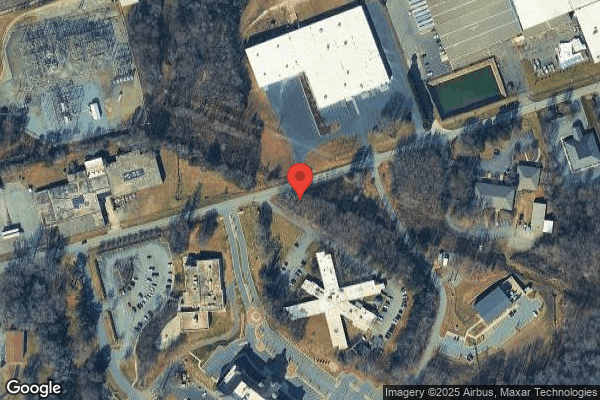
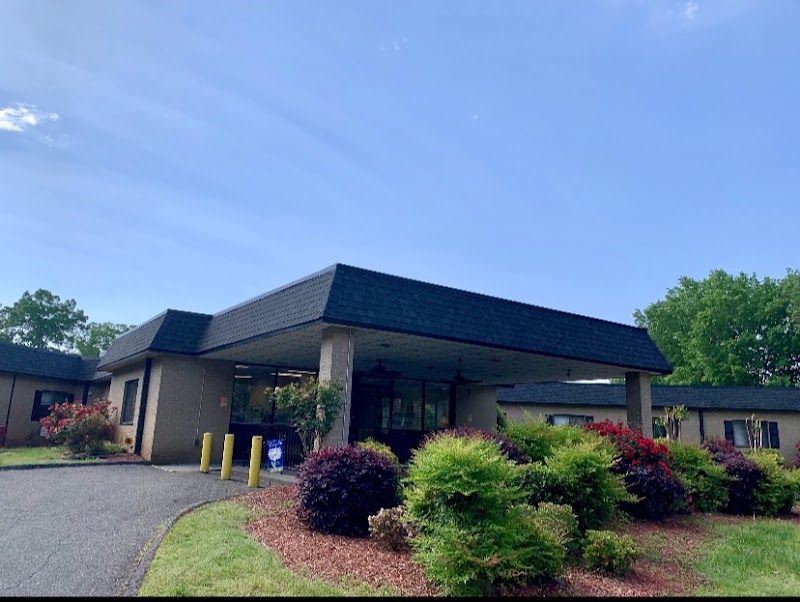
1410 East Gaston Street, Lincolnton, NC 28092 (704) 732-1138
For profit - Limited Liability company 120 Beds SOVEREIGN HEALTHCARE HOLDINGS Data: November 2025
Trust Grade
5/100
#261 of 417 in NC
Last Inspection: July 2025

Inspected within the last 6 months. Data reflects current conditions.

Overview

Lincolnton Rehabilitation Center has received a Trust Grade of F, indicating significant concerns about the quality of care provided. With a state rank of #261 out of 417 in North Carolina and #3 out of 3 in Lincoln County, this facility is in the bottom half of all local options. While the overall trend is improving, with the number of issues decreasing from 15 in 2024 to 4 in 2025, the facility still faces serious challenges, including $71,117 in fines that are higher than 78% of facilities in the state. Staffing ratings are below average at 2 out of 5 stars, with a turnover rate of 59%, which is concerning for continuity of care. Specific incidents have raised alarms, such as a resident being left in a soiled brief for an extended period despite notifying staff, and another resident feeling abandoned due to a lack of discharge instructions and follow-up after a medical appointment. Overall, families should weigh the facility's strengths and weaknesses carefully before making a decision.
Trust Score
F
5/100
In North Carolina
#261/417
Bottom 38%
Safety Record
High Risk
Review needed
Inspections
Getting Better
15 → 4 violations
Staff Stability
⚠ Watch
59% turnover. Above average. Higher turnover means staff may not know residents' routines.
Penalties
✓ Good
$71,117 in fines. Lower than most North Carolina facilities. Relatively clean record.
Skilled Nurses
○ Average
Each resident gets 35 minutes of Registered Nurse (RN) attention daily — about average for North Carolina. RNs are the most trained staff who monitor for health changes.
Violations
⚠ Watch
25 deficiencies on record. Higher than average. Multiple issues found across inspections.
★★☆☆☆
2.0
Overall Rating
★★☆☆☆
2.0
Staff Levels
★★★★☆
4.0
Care Quality
★★☆☆☆
2.0
Inspection Score
Stable
2024: 15 issues
2025: 4 issues

The Good

  • 4-Star Quality Measures · Strong clinical quality outcomes
  • Full Sprinkler Coverage · Fire safety systems throughout facility
  • No fines on record

Facility shows strength in quality measures, fire safety.

The Bad

2-Star Overall Rating

Below North Carolina average (2.8)

Below average - review inspection findings carefully

Staff Turnover: 59%

12pts above North Carolina avg (46%)

Frequent staff changes - ask about care continuity

Federal Fines: $71,117

Well above median ($33,413)

Moderate penalties - review what triggered them

Chain: SOVEREIGN HEALTHCARE HOLDINGS

Part of a multi-facility chain

Ask about local staffing decisions and management

Staff turnover is elevated (59%)

11 points above North Carolina average of 48%

The Ugly 25 deficiencies on record

6 actual harm
Jul 2025 3 deficiencies
CONCERN (D)

Potential for Harm - no one hurt, but risky conditions existed

Deficiency F0558 (Tag F0558)

Could have caused harm · This affected 1 resident

**NOTE- TERMS IN BRACKETS HAVE BEEN EDITED TO PROTECT CONFIDENTIALITY** Based on observations, record reviews, and interviews with residents and staff, the facility failed to ensure dependent resident...

Read full inspector narrative →
**NOTE- TERMS IN BRACKETS HAVE BEEN EDITED TO PROTECT CONFIDENTIALITY** Based on observations, record reviews, and interviews with residents and staff, the facility failed to ensure dependent residents could access the light switch located behind the bed for 2 of 2 residents reviewed for accommodation of needs (Resident #32 and Resident #39). The findings included: a. Resident #32 was admitted to the facility on [DATE]. Review of Resident #32's medical records revealed she had stayed in her current room since 05/23/2023. The quarterly Minimum Data Set (MDS) assessment dated [DATE] revealed Resident #32 was cognitively intact. The MDS indicated walking between locations inside the room for more than 10 feet did not occur for Resident #32 during the assessment period. During an observation conducted on 06/29/2025 at 10:19 AM, the switch for the light fixture behind Resident #32's bed was attached with a cord 24 inches in length. The cord was 4 feet from the floor and 5 feet from Resident #32's bed. Resident #32 was unable to reach the cord from the bed if needed. An interview was conducted with Resident #32 on 06/30/2025 at 9:06 AM. She stated she was bedbound and had been in her room for a very long time. Resident #32 stated she had never been able to reach the light cord to turn her overhead light on. She revealed she did not have any control of the light fixture behind her bed as she could not stand up to reach the broken switch cord on the wall. Resident #32 explained she had to rely on nursing staff to control the light fixture, and it was very inconvenient to her because she enjoyed using her computer and needed the overhead light to see the computer screen. She wanted the maintenance staff to fix the switch cord to accommodate her needs as soon as possible. Subsequent observations conducted on 06/30/2025 at 2:00 PM, 07/01/2025 at 8:31 AM, and 07/01/2025 at 3:59 PM revealed the switch cord for the light fixture behind Resident #32's bed remained inaccessible. An observation and interview were conducted with Nurse Aide (NA)#1 on 07/02/2025 at 9:12 AM. The switch cord for the light fixture behind Resident #32's bed remained inaccessible from her bed. NA#1 acknowledged that the switch cord was too short for Resident #39 to reach, and it needed to be fixed. NA #1 stated she had never thought about the light cord being too short for Resident #39 to reach but stated that she did turn the overhead light on for Resident #32 when she made her morning rounds so Resident #32 could use her computer. NA #1 also stated that she had not reported the light cord to anyone at the facility. An interview was conducted with Unit Manager (UM) #1 on 07/02/2025 at 9:32 AM. She acknowledged that the switch cord for the light fixture behind Resident #32 bed was broken. UM #1 stated the light cord needed to be fixed immediately to ensure Resident #32 had full accessibility to the light fixture. b. Resident #39 was admitted to the facility on [DATE]. Review of Resident #39's medical records revealed she had stayed in her current room since 02/01/2024. The quarterly Minimum Data Set (MDS) assessment dated [DATE] revealed Resident #39 was cognitively intact. The MDS indicated walking between locations inside the room for more than 10 feet did not occur for Resident #39 during the assessment period. During an observation conducted on 06/29/2025 at 11:11 AM, the switch for the light fixture behind Resident #39's bed had a broken cord. The broken cord was 2 inches in length and was 6 feet from the floor and 5 feet from Resident #39's bed. Resident #39 was unable to reach the switch cord from the bed if needed. An interview was conducted with Resident #39 on 06/30/2025 at 9:06 AM. She stated she had never been able to reach her light cord to turn the overhead light on and she had been in her current room for a very long time. Resident #39 stated she would like to be able to turn the light on and off when she needed it because she enjoyed reading and doing word puzzles while lying in bed. Resident #39 stated she did not have any control of her overhead light, and she had to rely on the nursing staff to turn the light on and off because she had a stroke and could not stand up and reach the light switch cord. Resident #39 also stated that it was inconvenient to her, and she would like the light switch cord repaired as soon as possible. Subsequent observations conducted on 06/30/2025 at 2:15 PM, 07/01/2025 at 9:01 AM, and 07/01/2025 at 3:49 PM revealed the switch cord for the light fixture behind Resident #39's bed remained inaccessible. An observation and interview were conducted with NA#1 on 07/02/2025 at 9:12 AM. The switch cord for the light fixture behind Resident #39's bed remained inaccessible from her bed. NA#1 acknowledged that the switch cord was broken, and it needed to be fixed. NA #1 stated she had not noticed the switch cord behind Resident #39's bed was broken and that she had not reported the broken switch cord to anyone at the facility. An interview was conducted with Unit Manager #1 on 07/02/2025 at 9:32 AM. She acknowledged that the switch cord for the light fixture behind Resident #39's bed was broken. UM #1 stated the light cord need to be fixed immediately to ensure Resident #39 had full accessibility to the light fixture. During an interview conducted on 07/02/2025 at 10:06 AM with the Maintenance Supervisor, he stated the nursing staff would let him know if anything in the facility needed repair including the overhead lights and light switch cords. The Maintenance Manager stated he depended on the staff to report repair needs by completing work orders and leaving them at the nursing station or by verbal notification. He explained that he checked the nursing station several times a day for any work orders to ensure all repair needs were addressed in a timely manner. He stated he did not know the switch cords for Resident #32 and Resident #39 needed repairing. An interview was conducted with the Director of Nursing (DON) on 07/02/2025 at 10:30 AM. The DON stated she was not aware Resident #32 and Resident #39 could not access their light switch cords, but she did expect staff to notify maintenance if anything in the facility needed repair. The DON also stated that she expected staff to be more attentive to residents' living environment, and to report repair needs in a timely manner to accommodate the residents' needs. An interview was conducted with the Administrator on 07/02/24 at 10:35 AM. The Administrator stated he expected the nursing staff to pay attention to residents' rooms and report all repair needs to the maintenance department in a timely manner. It was his expectation for all dependent residents to have full accessibility and control of the light fixture behind the bed all the time.
CONCERN (D)

Potential for Harm - no one hurt, but risky conditions existed

Deficiency F0657 (Tag F0657)

Could have caused harm · This affected 1 resident

**NOTE- TERMS IN BRACKETS HAVE BEEN EDITED TO PROTECT CONFIDENTIALITY** Based on record review, and resident and staff interviews the facility failed to provide a resident with the opportunity to part...

Read full inspector narrative →
**NOTE- TERMS IN BRACKETS HAVE BEEN EDITED TO PROTECT CONFIDENTIALITY** Based on record review, and resident and staff interviews the facility failed to provide a resident with the opportunity to participate in the review and revision of his care plan for 1 of 3 residents reviewed for care plans (Resident #80). The findings included: Resident #80 was admitted to the facility on [DATE]. Resident #80's significant change Minimum Data Set (MDS) dated [DATE] noted he was cognitively intact and required maximum assistance or was dependent on staff for most activities of daily living. Review of Resident #80's electronic health record noted no care plan meeting had been conducted since 1/8/25. An interview on 6/29/25 at 12:25 PM with Resident #80's revealed he had not been invited to a care plan meeting. He had attended in the past and felt like he should have had an opportunity to attend. An interview on 7/01/25 at 10:53 AM with the Social Worker revealed her assistant scheduled the care plan meetings and Resident #80's care plan meeting was not on her paper copy of June or July 2025 calendar of meetings. She stated the MDS nurse scheduled the care plan meetings. An interview on 7/01/25 at 10:58 AM with the Social Services Assistant revealed she scheduled resident care plan meetings via a scheduling software based on a schedule provided by the Minimum Data Set (MDS) nurse. She did not remember if Resident #80 had been invited to a care plan meeting or not. An interview on 7/01/25 at 11:04 AM with the MDS Nurse revealed Resident #80 had not had a care plan meeting since 1/08/25. She was unable to say why he had not had a care plan meeting in April but did state he should have had a care plan meeting in April. She looked in the care plan software system and stated he did not have an invitation in the system. She looked at her paper copies of the June and July care plan meetings and was unable to locate his name on the schedule. An interview on 7/02/25 at 8:40 AM with the Administrator revealed he was new to the facility and unaware of the resident care plan schedules. He stated that residents should be invited to the care plan meetings as required by the regulation.
CONCERN (E)

Potential for Harm - no one hurt, but risky conditions existed

Deficiency F0679 (Tag F0679)

Could have caused harm · This affected multiple residents

**NOTE- TERMS IN BRACKETS HAVE BEEN EDITED TO PROTECT CONFIDENTIALITY** Based on record review, review of the facility activity calendar, and resident and staff interviews, the facility failed to ensu...

Read full inspector narrative →
**NOTE- TERMS IN BRACKETS HAVE BEEN EDITED TO PROTECT CONFIDENTIALITY** Based on record review, review of the facility activity calendar, and resident and staff interviews, the facility failed to ensure group activities were planned for outside of the facility to meet the needs of residents who expressed that it was important to them to attend group activities outside of the facility for 6 of 6 residents reviewed for activities (Resident #65, #64, #71, #10, #25, #105). The residents expressed not being able to leave the facility since admission made them feel sad, mad or depressed and they missed going shopping and participating in activities they enjoyed. The findings included: A review of the facility activity calendars from July 2024 to July 2025 revealed scheduled activities inside of the facility during the week and on the weekends. There were no activities scheduled outside of the facility. Observation on 7/1/2025 at 4:20 PM revealed the facility was located in a rural area that was within a 5-to-10- minute driving distance to numerous local and commercial shops, grocery stores, fast food and sit-down restaurants. During a resident council meeting on 7/01/25 at 1:30 PM the residents indicated they did not get to go on trips outside of the facility for activities because the facility did not have a van. a. Resident #65 was admitted to the facility on [DATE]. Review of Resident #65's annual Minimum Data Set (MDS) assessment dated [DATE] indicated Resident #65 felt that it was very important to have activities that included going outside of the facility and doing things in a group setting. The assessment further indicated Resident #65 was cognitively intact. An interview was conducted with Resident #65 on 6/30/2025 at 9:40 AM. Resident #65 stated the facility did not have a van for trips outside the facility, but it would be nice to get out of the facility. During a follow-up interview on 7/2/2025 at 9:45 AM, Resident #65 stated she would love to be able to go shopping, and stated it bothered her she could not do that anymore, and that she missed going out to shop. Resident #65 stated she had not gone out of the facility for an activity since she was admitted because the facility did not have a van. b. Resident #64 was admitted to the facility on [DATE]. Review of Resident #64's annual MDS assessment dated [DATE] indicated it was not very important to participate in group activity or go outside the facility. The quarterly MDS assessment dated [DATE] indicated Resident #64 was moderately cognitively impaired. An interview was conducted with Resident #64 on 7/2/2025 at 9:48 AM. Resident #64 stated she would like to be able to go on activities outside of the facility. Resident #64 stated it got old sitting in the same building all the time and it was enough to make anyone depressed. Resident #64 stated she had not been on an activity outside the facility since she was admitted since the facility did not have a van for activities outside the facility. c. Resident #71 was admitted to the facility on [DATE]. Review of Resident #71's annual MDS assessment dated [DATE] indicated it was not very important to participate in group activities and to go outside the facility and indicated Resident #71 was cognitively intact. An interview was conducted with Resident #71 on 7/2/2025 at 9:50 AM. Resident #71 stated had not participated in activities at the facility, but she would have participated if the activity involved going outside of the facility on a trip. Resident #71 stated she missed going shopping and would love to be able to do her own shopping. Resident #71 stated it was sad that residents could not go out and do some of the things they enjoyed. Resident #71 stated she was not aware of any activities offered that involved leaving the outside of the facility since she was admitted . d. Resident #10 was admitted to the facility on [DATE]. Review of Resident #10's annual MDS assessment dated [DATE] revealed it was very important to Resident #10 to participate in activities with a group and to go outside the facility, it also indicated Resident #10 was cognitively intact. An interview was conducted with Resident #10 (Resident Council President) on 7/2/2025 at 12:48 PM. Resident #10 stated the residents can't go out to eat because the facility did not have a van. Resident #10 stated she would like to go out to eat and that it made her sad and sometimes mad that residents can't go to a restaurant or out somewhere. e. Resident #105 was admitted to the facility on [DATE]. Review of Resident #105's admission MDS assessment revealed it was somewhat important to Resident #105 to participate in group activities and go outside the facility, it also indicated Resident #105 was cognitively intact. An interview was conducted with Resident #105 on 7/2/2025 at 12:53 PM. Resident #105 stated she would love to go out shopping, or out to dinner as a group. Resident #105 stated it made her feel sad that she was always in the building, but the facility did not have a van, so residents were not able to go outside of the facility for activities. f. Resident # 25 was admitted to the facility on [DATE]. Review of Resident #25's admission MDS assessment indicated it was not very important to participate in activities with groups and somewhat important to go outside the facility. The admission MDS indicated Resident #25 was cognitively intact. An interview was conducted with Resident #25 on 06/29/25 at 11:31 AM. Resident #25 stated she would love to go to the bookstore and go to a fast food restaurant, or at least go through the drive-through, on the way back, but the facility did not have a van, so they could only go out for medical appointments. During a follow up interview on 7/2/2025 at 12:57 PM, Resident #25 stated she did not participate in the in-house activities because she was not interested in any of them. Resident #25 stated if residents were able to get out of this building that would be great. Resident #25 stated staying inside the same walls all the time was depressing, and she thought residents should have the right to get out of the building. During an interview on 7/2/2025 at 8:49 AM the Activity Director stated the facility did not have any scheduled activities that were off the facility campus because the facility did not have a van. The Activity Director stated after 2020 (Covid) the facility had a new transport company that would charge $60 per person. The Activity Director stated if residents needed anything she went shopping for them once a week, and the facility could arrange transport at the residents' expense. The Activity Director stated she thought the facility only had one company that was used for transport. The Activity Director stated the facility had not had an off campus activity since 2020 (before Covid) and prior to that they had two outings a month such as shopping or going out to eat. The Activity Director stated she thought the company that used to provide transport had gone out of business. The Activity Director agreed it would be good for the residents to be able to have activities outside of the facility and have the ability to interact with the community. The Activity Director could not provide a specific date for the last activity that was outside the facility campus. During a joint interview with the Director of Nursing (DON) and Administrator, the Administrator and DON both agreed it was important for residents to have interaction with the community and be able to participate in activities outside of the facility. The DON stated she was not aware any residents had voiced they wanted to go on activities outside the facility. The DON stated the facility did not have a van to use for outside activities. The DON stated the facility went shopping for the residents to get requested items. The Administrator and DON verified that residents had not been out for a personal shopping trip unless a family member had transported them, since prior to 2020. During an interview on 7/2/2025 at 1:40 PM the Director of Clinical Services stated the facility did not have a way to get residents to activities outside of the facility. The Director of Clinical Services stated they bring activities to the facility and the residents go outside of the building, and no residents had asked to go on trips. The Director of Clinical Services stated they did not have knowledge that residents wanted to go out on trips outside the facility, and they did not have a van available. The Director of Clinical Services stated if they had knowledge they would have tried to make accommodations and stated that activities outside of the facility campus were provided at the company's other facilities.
May 2025 1 deficiency
CONCERN (D) 📢 Someone Reported This

A family member, employee, or ombudsman was alarmed enough to file a formal complaint

Potential for Harm - no one hurt, but risky conditions existed

Accident Prevention (Tag F0689)

Could have caused harm · This affected 1 resident

**NOTE- TERMS IN BRACKETS HAVE BEEN EDITED TO PROTECT CONFIDENTIALITY** Based on record review, staff and Nurse Practitioner interviews, the facility failed to provide resident care in a safe manner f...

Read full inspector narrative →
**NOTE- TERMS IN BRACKETS HAVE BEEN EDITED TO PROTECT CONFIDENTIALITY** Based on record review, staff and Nurse Practitioner interviews, the facility failed to provide resident care in a safe manner for 1 of 3 residents (Resident #1) reviewed for accidents. The findings included: Resident #1 was admitted to the facility on [DATE] with diagnoses including hemiplegia to the left side and muscle weakness. The quarterly Minimum Data Set (MDS) assessment dated [DATE] indicated Resident #1 was cognitively intact and required substantial to maximal assistance with toileting hygiene and bed mobility. The care plan dated 3/28/2024 revealed Resident #1 required two-person assistance for incontinent care and bed mobility. An incident report dated 6/17/2024 at 6:26 AM completed by Nurse #1 indicated Nurse Aide (NA) #1 was providing care to Resident #1 in bed. NA #1 rolled Resident #1 to her left side and Resident #1 slid off the side of the bed feet first and NA #1 lowered her to the floor. Resident #1 was assessed, had no complaints of pain and no injuries were noted. The Nurse Practitioner (NP) and Resident Representative (RR) were notified as was the on-coming nurse (Nurse #2). A skin assessment completed by Nurse #2 on 6/17/2024 at 9:32 AM revealed Resident #1 was noted to have discoloration to the right lateral (outer) upper arm, right axillary arm (armpit), right and left middle abdomen, left outer thigh, right inner heel, and a red area to the left knee. Abrasions were noted to the right second, fourth and fifth toe, tip of right second great toe, and right distal (top) foot. Also noted was a reddened area with slight abrasion to the middle back. A Nurse Practitioner (NP) note dated 6/17/2024 at 10:05 AM indicated NA #1 was providing care for Resident #1 and she slid off the side of the bed and was lowered to the floor. Resident #1 started complaining of lower extremity pain and was noted to have a bruise on her right heel. Resident #1, at baseline, had atrophy (muscle wasting) to her lower extremities which made assessing for injury difficult and due to her complaints of pain she was transferred to the Emergency Department (ED) for further evaluation. The ED records dated 6/17/2024 revealed Resident #1 reported she was receiving care when she started sliding off the bed with her feet hitting the floor and then was lowered down to the floor. Resident #1 had bruising to her right foot and was complaining of leg pain, but no head trauma or other injury was noted. Left and right leg x-rays were obtained and negative for fracture or acute injury. Resident #1's condition was stable, and she was discharged back to facility with no new orders. An interview conducted with Resident #1 on 4/30/2025 at 2:00 PM revealed she did not recall the date or the NA's name, but a NA was assisting her with incontinent care in bed, and she was turning from one side to the other and rolled off the side of the bed to the floor. Resident #1 stated usually two NAs assisted her with care but when the incident occurred only one NA was present. Resident #1 stated after the incident she started having lower leg pain and was transferred to the ED for further evaluation. Resident #1 revealed x-rays obtained were negative for fracture or injury and she was discharged back to the facility. Resident #1 indicated she had no further pain or discomfort related to the fall. Several attempts made to contact NA #1 were unsuccessful. A phone interview with Nurse #1 on 4/30/2025 at 2:43 PM indicated on 6/16/2024 to 6/17/2024 he was the third shift (11pm-7am) nurse assigned to Resident #1. Nurse #1 stated on 6/17/2024 at the end of his shift he responded to Resident #1's room when NA #1 activated the call bell. Nurse #1 revealed he observed Resident #1 lying on the floor beside her bed. He indicated NA #1 reported that Resident #1 was rolling to her left side, slid off the side of the bed and was lowered down to the floor. Nurse #1 indicated Resident #1 was not complaining of any pain or discomfort and he completed an assessment with no injuries noted. He revealed he reported the incident to the oncoming nurse and notified the NP and RR. Nurse #1 stated Resident #1 required two-person assistance with bed mobility, but he did not recall if NA #1 had a second person assisting her when the incident occurred. An interview was conducted with Nurse #2 on 4/30/2025 at 3:30 PM. Nurse #2 stated she was the first shift (7a-3p) nurse assigned to Resident #1 on 6/17/24. She stated Nurse #1 reported at shift change that NA #1 was turning Resident #1 during care and she slid off the side of the bed and was lowered to the floor. Nurse #2 indicated that Resident #1 required two-person assistance with incontinence care and bed mobility and NA #1 did not have a second person assisting her when the incident occurred. She revealed that Nurse #1 completed an assessment and Resident #1 had no visible injuries and no complaints of pain. Nurse #2 revealed she completed a skin assessment a few hours after the incident and Resident #1 had a bruise on her right heel. Nurse #2 indicated Resident #1 started complaining of increased pain to both legs and she notified the NP. She stated the NP gave an order to transfer Resident #1 to the ED for further evaluation. Nurse #2 stated that Resident #1 was transferred to the ED around 10:00 AM and returned to the facility around lunch time. She indicated the ED report noted x-rays obtained of Resident #1's right and left leg were negative for fractures or injury and there were no new orders. An interview was conducted with the NP on 4/30/2025 at 1:20 PM. She stated on 6/17/2024 she was notified that Resident #1 rolled out of bed to the floor during care. The NP revealed due to Resident #1 having atrophy to her lower extremities at baseline, it was difficult to assess her for injuries and combined with her complaints of increased pain she was transferred to the ED for further evaluation. She indicated x-rays obtained in the ED were negative for fractures and Resident #1 was discharged back to the facility with no new orders. The NP revealed that one person should not assist a resident with incontinent care and bed mobility when two-person assistance was required to ensure the resident's safety. During an interview with the Director of Nursing (DON) on 4/30/2025 at 5:45 PM she stated she was aware of the incident that occurred on 6/17/2024. The DON indicated Resident #1 required two-person assistance with incontinent care and bed mobility and NA #1 assisting her without a second person was unsafe. An interview conducted with the Administrator on 4/30/2025 at 6:00 PM revealed he was aware of the incident that occurred on 6/17/2024. He stated to ensure care was provided in a safe manner a resident requiring two-person assistance should not be assisted by one person. The facility provided the following corrective action plan: Address how corrective action will be accomplished for those residents found to have been affected by the deficient practice. On 06/17/2024 at approximately 6:26 AM, Nursing Assistant #1 was providing ADL care to Resident #1. As Nursing Assistant #1 turned Resident #1 towards her (left) side, the resident's feet begin to slide off the bed with her heels landing on the floor. Nurse Assistant #1 held Resident #1 up and lowered her to the floor into a supine position. Nursing Assistant #1 then went to Floor Nurse #1 to notify him that the resident had slid off the bed and was laying on the floor. Floor Nurse #1 stated that Resident #1 didn't have any visual injuries or complaints of pain. The resident was assisted back to bed by Floor Nurse #1 and Nursing Assistant #1 using a mechanical lift. Approximately 7:00 AM, Floor Nurse #1 reported to the oncoming nurse that resident had slid out of bed and didn't have any change in range of motion or visual injuries. At 9:32 AM a skin evaluation was completed by the oncoming nurse with noted discoloration to the right lateral upper arm, right axillary arm, right and left mid abdomen, right inner heel and abrasions to the right second toe, tip of right second great toe, distal foot, toes 4 and 5, a red area to (left) knee and discoloration to the left lateral thigh. Also noted was a reddened area with slight abrasion to the middle of her back. At approximately 10:05 AM, the provider gave an order to transfer Resident #1 to the hospital due to pain. The Responsible Party (RP) was notified of order to transfer to hospital at the same time. At 1:25 PM, Resident #1 returned to the facility by stretcher via emergency medical services (EMS) with no further orders. The Medical Director and RP were notified of Resident #1's return. Address how the facility will identify other residents having the potential to be affected by the same deficient practice. Nursing Assistant #1's education file was audited by the Director of Nursing on 6/21/2024 to ensure that the employee received training validation of [NAME] prior to providing resident ADL care. Nursing Assistant #1 was noted to have received the necessary training during general orientation on 3/19/2024. On 6/17/2024 at 3:14 PM, verbal education was provided over the phone by the Unit Manager and the Assistant Director of Nursing, to Nursing Assistant #1 regarding accessing the [NAME] and reading it to know the care residents required for bed mobility. Education was also provided to Nursing Assistant #1 on ensuring a resident's correct body position in the bed before rolling or asking resident to roll to their side while in bed. On 6/21/2024, the Director of Nursing completed an audit of current residents to ensure that no falls/incidents had occurred in the last 30 days related to not providing the appropriate assistance with bed mobility. No occurrences were noted. Address what measures will be put into place or systemic changes made to ensure that the deficient practice will not recur. On 6/17/2024, education was initiated by the Staff Development Coordinator (SDC) to the direct care staff regarding checking the [NAME] located in the Point of Care to know what assistance was required when providing ADL care. Staff education was completed 6/21/2024. Staff that did not receive the education by 6/21/2024 will receive prior to working next shift. Indicate how the facility plans to monitor its performance to make sure that solutions are sustained. Include dates when corrective action will be completed. An ADHOC quality assurance (QA) meeting was held on 6/17/2024 by the interdisciplinary team and it was determined that Nursing Assistant #1 failed to follow the resident's [NAME] that 2-person assist was required for bed mobility which resulted in a fall. On 6/24/2024 audits were initiated to observe 2 staff members providing 2 sampled residents' ADL care to ensure care is being provided according to the [NAME], weekly for 8 weeks by the Director of Nursing and or Unit Managers. Effective 6/17/2024, the Administrator and the Director of Nursing are ultimately responsible for ensuring the plan is implemented and monitored for effectiveness. The Quality Assurance Improvement Committee will review the results of the weekly audits during the monthly meetings for 3 months. The committee will determine if further actions are needed. The facility's alleged date of compliance is 6/22/2024. Validation of the facility's corrective action plan was conducted 4/30/2025 which included record review and staff interviews. A phone interview conducted with the former Staff Development Coordinator revealed on 6/17/2024 she initiated providing education to all nursing staff related to accessing the electronic medical record (EMR), reviewing resident care needs and ensuring care was provided according to the EMR. Interviews conducted with nursing staff revealed they received education on accessing and reviewing the EMR prior to providing resident care and ensuring care was provided according to the EMR. The nursing staff interviewed also confirmed the observations of resident care audits were completed. The facility's corrective action plan completion date of 6/22/2024 was validated.
Apr 2024 7 deficiencies 4 Harm
SERIOUS (G) 📢 Someone Reported This

A family member, employee, or ombudsman was alarmed enough to file a formal complaint

Actual Harm - a resident was hurt due to facility failures

Resident Rights (Tag F0550)

A resident was harmed · This affected 1 resident

**NOTE- TERMS IN BRACKETS HAVE BEEN EDITED TO PROTECT CONFIDENTIALITY** Based on record review and resident and staff interviews the facility failed to treat a resident in a dignified manner by not pr...

Read full inspector narrative →
**NOTE- TERMS IN BRACKETS HAVE BEEN EDITED TO PROTECT CONFIDENTIALITY** Based on record review and resident and staff interviews the facility failed to treat a resident in a dignified manner by not providing incontinent care when requested for 1 of 3 residents reviewed for dignity (Resident #80). Resident #80 stated it made her upset to sit in a soiled brief and made her feel like a third-class citizen and she paid her bill like everyone else. The Findings included: Resident #80 was admitted to the facility on [DATE] with diagnoses of diabetes mellitus and hypertension. The quarterly Minimum Data Set (MDS) assessment dated [DATE] revealed that Resident #80 was cognitively intact, required extensive assistance with toileting, and was always incontinent of bladder and bowel. No refusal of care was noted during the assessment reference period. An observation conducted on 04/08/24 at 10:30 AM revealed Resident #80 yelled into the hall and notified NA #1 she had a soiled brief. NA #1 was observed entering the room. Resident #80 was interviewed in her room on 04/08/24 at 10:45 AM. During the interview she stated she had been sitting in a soiled brief since 9:30 AM and knew this because she had been looking at the clock on the wall. She stated she had told NA #1 that she was sitting in a soiled brief and NA #1 acknowledged her and left the room. She stated she was still sitting in bowel movement and needed to be changed. During the interview Resident #80 stated, It makes me feel like a third-class citizen, I pay my bill like everyone else. She went on to say it made her upset having to sit in a soiled brief filled with bowel movement. On 04/08/24 at 10:50 AM the surveyor told Unit Manager #1 that Resident #80 was sitting in a soiled brief. An observation was conducted at 10:57 AM of Unit Manager #1 and Assistant Director of Nursing (ADON) providing incontinence care to Resident #80. Resident #80's top sheet, bed pad and fitted sheet were observed to be soiled with feces. Resident #80 was observed to have feces extending down onto the thighs and covering her urinary catheter. A complete bed change was observed after the nurses provided incontinence care to Resident #80. On 04/08/24 at 9:49 AM an interview was conducted with Nurse Aide (NA)#1. During the interview she stated Resident #80 had told her she needed to be changed however she had already started running water down the hall for another resident's bed bath. The interview revealed she had planned on completing the bed bath prior to changing Resident #80. NA #1 stated she did not know Resident #80 had been sitting in a soiled brief since 9:30 AM. On 04/11/24 at 12:21 PM an interview was conducted with Unit Manager #1. Unit Manager #1 stated once you see a call light on you should provide the care or let another staff member know so the care was provided. Unit Manager #1 stated she had to complete an entire bed change for Resident #80 due to incontinence and that was not common in the facility. She stated typically the Nurse Aides were good about providing care. She stated no resident should feel upset, like a third-class citizen or have to sit in bowel movement. On 04/11/23 at 3:24 PM an interview was conducted with the Assistant Director of Nursing (ADON). The ADON stated she did assist Resident #80 with incontinence care and had to complete a bed change due to the incontinence. The ADON stated Nurse Aides should be providing care upon resident request. The interview revealed no resident should feel upset or have to ask twice to be changed while sitting in a brief with bowel movement. On 04/09/24 at 8:55 AM an interview was conducted with the Director of Nursing (DON). She stated NA #1 should have provided care when the resident asked. The DON stated Resident #80 should never feel like a third-class citizen or upset because staff would not change her brief.
SERIOUS (G) 📢 Someone Reported This

A family member, employee, or ombudsman was alarmed enough to file a formal complaint

Actual Harm - a resident was hurt due to facility failures

Deficiency F0624 (Tag F0624)

A resident was harmed · This affected 1 resident

**NOTE- TERMS IN BRACKETS HAVE BEEN EDITED TO PROTECT CONFIDENTIALITY** Based on record review and resident, Resident Representative,staff, Infusion Center staff, Nurse Practitioner, and Medical Direc...

Read full inspector narrative →
**NOTE- TERMS IN BRACKETS HAVE BEEN EDITED TO PROTECT CONFIDENTIALITY** Based on record review and resident, Resident Representative,staff, Infusion Center staff, Nurse Practitioner, and Medical Director interviews the facility failed to provide a safe and orderly discharge for 1 of 3 residents (Resident #1). On 8/28/23 Resident #1 had a scheduled medical appointment and prior to the appointment the resident's belongings were packed by staff and were sent with him to the appointment. Resident #1 was not provided with discharge paperwork or discharge instructions and did not understand what was happening. The discharge location was not verified, home health services were not ordered at the time of discharge, and the resident was not followed up with to ensure his needs were met. This resulted in Resident #1 feeling like he was being thrown out, abandoned, and was mad. Findings included: Review of the hospital Discharge summary dated [DATE] revealed Resident #1 was admitted to the hospital on [DATE] due to Resident #1 having generalized body weakness and the family had also taken him to the hospital for placement. Resident #1 was admitted with throat cancer and a tracheostomy and was diagnosed with adult failure to thrive and increased general weakness. Resident #1 was discharged from the hospital on [DATE] and referred to the facility for skilled services. Resident #1 was admitted to the facility on [DATE] with diagnoses which included cancer, malnutrition, respiratory failure, and muscle weakness. Review of Resident #1's admission Minimum Data Set (MDS) dated [DATE] revealed the resident was alert and oriented. The MDS further revealed Resident #1 had a tracheostomy. A phone interview conducted with the Respiratory Therapist (RT) revealed on 04/11/24 at 11:05 AM revealed Resident #1 was assessed on 08/27/23 and revealed Resident #1 had a cuffed tracheostomy and recommended it be changed to an uncuffed tracheostomy because uncuffed tubes allow airway clearance but provide no protection from aspiration and cuffed tracheostomy tubes allow secretion clearance and offer some protection from aspiration. The RT revealed nursing staff was not familiar with caring for a resident with a cuff tracheostomy. The RT further revealed he was unable to change the tracheostomy due to the facility not having the supplies needed. The RT indicated he did not write physician orders and that the Nurse Practitioner (NP) or Medical Director (MD) would have to be notified to obtain the order to change the tracheostomy type. The RT indicated Resident #1 was not in distress and could have waited to have his trach changed when supplies were obtained but the Director of Nursing (DON) made the RT aware the decision was made to send Resident #1 to the ED after the infusion appointment on 08/28/23. Review of a progress note completed by Nurse #1 dated 8/28/23 revealed Resident #1 was at the emergency room (ED). A phone interview conducted with Resident #1 on 04/11/24 at 6:10 PM revealed on 08/28/23 he was advised and aware he was going to an infusion appointment. Resident #1 further revealed while he was waiting on the transporter at the front of the facility and a staff member (unable to recall specific staff member) dropped a bag in his lap with all his belongings and reported he was going to the Emergency Department (ED) after his appointment with no other information. Resident #1 indicated once he arrived at the infusion appointment with his bag the infusion staff nurse revealed to Resident #1 they had received a message from the facility to send the resident to the ED after his appointment. The infusion staff nurse explained to him that they could not send him to the ED because Resident #1 did not have an order. Resident #1 stated at this time he felt he was being discharged without knowledge and he felt like he was being thrown out, abandoned and was mad. Resident #1 revealed the Infusion Nurse contacted the facility Admissions Director and was told Resident #1 could not return to the facility. Resident #1 further revealed he contacted a family member to pick him up and take him home from his infusion appointment because he had nowhere else to go. Resident #1 indicated the facility had his personal phone number and did not attempt to contact his Resident Representative (RR) until 08/30/23 after Resident #1's primary care office reached out to the facility. Resident #1 stated the facility did not provide any discharge information, discharge services, medicines, or supplies once he left the facility. Resident #1 indicated he was able to perform self trach care and had medications and tube feeding formula when he returned home. A phone interview conducted with Infusion Center Nurse #1 on 04/10/24 at 1:20 PM revealed on 08/28/23 the infusion center received a message that Resident #1 needed to be sent to the ED after his infusion appointment. It was further revealed Infusion Center Nurse #1 contacted the Admissions Director because Resident #1 did not have any orders and the infusion center did not feel comfortable sending the resident to the ED. It was reported by the facility admission Director that the facility was unable to care for Resident #1 and the resident needed to go to the ED to help find placement. It was observed by Infusion Center Nurse #1 that Resident #1 had a bag packed with his belongings and Resident #1 was observed to be frustrated and was confused on being discharged without notice. Infusion Center Nurse #1 stated Resident #1 contacted his RR to pick him up and Infusion Center Nurse #2 retrieved a small bag of supplies to send home with him. A phone interview with Infusion Center Nurse #2 on 04/10/24 at 9:45 AM revealed Resident #1 arrived at the infusion center upset, with his belongings with him, and reported he believed was being discharged without notice. It was further revealed Infusion Center Nurse #1 contacted the facility and it was reported Resident #1 could not return to the facility and had to be sent to the ED after his appointment. Infusion Center Nurse #2 indicated the infusion center staff did not feel comfortable sending the resident to the ED without orders and the resident did not observe to be in medical distress. Infusion Center Nurse #2 stated Resident #1 called his RR to come get him from the infusion center. Infusion Center Nurse #2 stated she felt like the facility had dumped Resident #1 and she was very upset for Resident #1. A phone interview with the prior Admissions Director on 04/09/24 at 6:00 PM revealed she recalled having a conversation with the infusion care center staff and it was an ugly conversation but could not recall anything that was discussed. It was further revealed the Admissions Director could not recall any part of what had occurred with Resident #1 from 08/28/23 through 08/31/23. A phone interview conducted with Resident #1's Resident Representative (RR) on 04/11/24 at 10:15 AM revealed Resident #1 was admitted to the facility after his hospital stay due to needing more care than the family could assist with. It was further revealed on 08/28/23 the RR was not notified prior that Resident #1 was being sent out for an infusion appointment but was contacted by the facility Admissions Director that Resident #1 was on his way to an infusion appointment and would have to be sent to the ED because the facility could not care for the resident's tracheostomy. The RR stated the facility Admissions Director revealed Resident #1 could not return to the facility. The RR revealed she arrived at Resident #1's infusion appointment and the Infusion Center Nurse #1 had contacted the facility as well and had reiterated the same information that the resident could not return to the facility. It was further revealed Resident #1 had a bag with his belongings and was very mad about being discharged without notice. The RR further revealed she took Resident #1 home because she felt like the facility had dumped him and she had no other choice. An interview conducted with the Assistant Director of Nursing (ADON) on 04/10/24 at 3:05 PM revealed she assisted in getting Resident #1 ready for his appointment on 8/28/23 and had given him a folder that had information for his appointment. The ADON indicated she did not recall the resident having a bag packed or having any concerns. The ADON stated Resident #1 was admitted with a cuffed trach that the facility did not have supplies for, and staff did not have the training to care for. The ADON stated she believed Resident #1 was admitted by accident because the facility normally would not accept a resident with a cuffed trach. The ADON indicated she had thought Resident #1 had been sent to the ED to have Resident #1's trach changed and was not aware until Resident #1's primary care office reached out on 08/30/23 that the resident was at home. The ADON revealed then she reached out to Resident #1's RR and it was revealed Resident #1 did not have the preferred liquid form of metformin and insulin. The ADON indicated she contacted the on-call provider on 08/30/24 and obtained orders for Resident #1's medications. The ADON was not aware that no staff from the facility had reached out to Resident #1 and was not sure why he did not return to the facility. An interview conducted with the facility Social Worker (SW) on 04/11/24 at 9:25 AM revealed he did not become involved with Resident #1 until 08/30/23 when Resident #1's primary care office contacted the facility to let them know Resident #1 was at home. The SW further revealed at that time he completed an Adult Protective Services (APS) report to make sure Resident #1 was safe and completed referrals for in home health but did not follow up to see if Resident #1 had been accepted for services. An interview conducted with the Director of Nursing (DON) on 04/10/24 at 3:35 PM revealed the Respiratory Therapist (RT) assessed Resident #1 on 08/27/24 and recommended Resident #1 have his tracheostomy changed from a cuffed to an uncuffed trach. The DON further revealed Resident #1 had an appointment at the infusion center on 08/28/23 and she decided for the Resident #1 to have his tracheostomy changed at the Emergency Department (ED) afterwards since the facility did not have the supplies to do so at the facility. The DON stated she could not recall why she did not notify the Nurse Practitioner (NP) or the Medical Director (MD) to obtain orders to do so. The DON stated she had planned for Resident #1 to come back to the facility in the evening of 08/28/23 and was not aware the resident had taken his belongings with him. The DON revealed nursing staff failed to follow up with the whereabouts of Resident #1 during second and third shift on 08/28/23 with the thought Resident #1 was still at the hospital, and no one realized he wasn't there on 8/29/23 either. The DON indicated on 08/30/23 it was found out that Resident #1 went home from his appointment on 08/28/23 when the facility received a phone call from Resident #1's primary care office. The DON indicated an APS report was completed, referrals from in home health were completed, and orders were obtained for Resident #1 to receive medicine. The DON stated she was not aware the prior Admissions Director told Resident #1 that he could not return to the facility. An interview with the Nurse Practitioner (NP) on 04/11/24 at 10:35 AM revealed she had not assessed Resident #1 during his stay in the facility and did not recall any conversation with the facility that Resident #1 was being sent out to have their trach changed. The NP indicated she could not recall who and on what date, but she was notified Resident #1 had left against medical advice (AMA). A phone Interview with the Medical Director (MD) on 04/10/24 at 4:55 PM revealed he had not assessed Resident #1 during his stay in the facility. The MD further revealed he could not recall who had reported that Resident #1 had left against medical advice (AMA) on 08/30/23. Interview with the Administrator on 04/11/23 at 4:00 PM revealed he was made aware by the DON on 8/28/23 that Resident #1 was being sent out to the infusion center on 8/28/23 and then heading to ED for trach change. The Administrator further revealed it was RT's recommendations and was not aware the RT could not write orders. The Administrator revealed he was unsure if Resident #1 had left with his belongings and was not aware of who was responsible for following up with Resident #1's whereabouts after he did not return from his appointment.
SERIOUS (G) 📢 Someone Reported This

A family member, employee, or ombudsman was alarmed enough to file a formal complaint

Actual Harm - a resident was hurt due to facility failures

Safe Transfer (Tag F0626)

A resident was harmed · This affected 1 resident

**NOTE- TERMS IN BRACKETS HAVE BEEN EDITED TO PROTECT CONFIDENTIALITY** Based on record review and resident, Resident Representative,staff, Infusion Center staff, Nurse Practitioner, and Medical Direc...

Read full inspector narrative →
**NOTE- TERMS IN BRACKETS HAVE BEEN EDITED TO PROTECT CONFIDENTIALITY** Based on record review and resident, Resident Representative,staff, Infusion Center staff, Nurse Practitioner, and Medical Director interviews the facility failed to permit a resident to return to the facility from therapeutic leave for 1 of 3 residents (Resident #1). On 8/28/23 Resident #1 had a scheduled medical appointment and prior to the appointment the resident's belongings were packed by staff and were sent with him to the appointment. Resident #1 was not allowed to return to the facility following the appointment. This resulted in Resident #1 feeling like he was being thrown out, abandoned, and was mad. Findings included: Review of the hospital Discharge summary dated [DATE] revealed Resident #1 was admitted to the hospital on [DATE] due to Resident #1 having generalized body weakness and the family had also taken him to the hospital for placement. Resident #1 was admitted with throat cancer and a tracheostomy and was diagnosed with adult failure to thrive and increased general weakness. Resident #1 was discharged from the hospital on [DATE] and referred to the facility for skilled services. Resident #1 was admitted to the facility on [DATE] with diagnoses which included cancer, malnutrition, respiratory failure, and muscle weakness. Review of Resident #1's admission Minimum Data Set (MDS) dated [DATE] revealed the resident was alert and oriented. The MDS further revealed Resident #1 had a tracheostomy. A phone interview conducted with the Respiratory Therapist (RT) revealed on 04/11/24 at 11:05 AM that Resident #1 was assessed on 08/27/23 and revealed Resident #1 had a cuffed tracheostomy and recommended it be changed to an uncuffed tracheostomy because uncuffed tubes allow airway clearance but provide no protection from aspiration and cuffed tracheostomy tubes allow secretion clearance and offer some protection from aspiration. The RT revealed nursing staff was not familiar with caring for a resident with a cuff tracheostomy. The RT further revealed he was unable to change the tracheostomy due to the facility not having the supplies needed. The RT indicated he did not write physician orders and that the Nurse Practitioner (NP) or Medical Director (MD) would have to be notified to obtain the order to change the tracheostomy type. The RT indicated Resident #1 was not in distress and could have waited to have his trach changed when supplies were obtained but the Director of Nursing (DON) made the RT aware the decision was made to send Resident #1 to the ED after the infusion appointment on 08/28/23. A phone interview conducted with Resident #1 on 04/11/24 at 6:10 PM revealed on 08/28/23 he was advised and aware he was going to an infusion appointment. Resident #1 further revealed while he was waiting on the transporter at the front of the facility a facility staff member (unable to recall specific staff member) dropped a bag in his lap with all his belongings and reported he was going to the Emergency Department (ED) after his appointment with no other information. Resident #1 indicated once he arrived at the infusion appointment with his bag the infusion staff nurse revealed to Resident #1 they had received a message from the facility to send the resident to the ED after his appointment. The infusion staff nurse explained to him that they could not send him to the ED because Resident #1 did not have an order. Resident #1 stated at this time he felt he was being discharged without knowledge and he felt like he was being thrown out, abandoned and was mad. Resident #1 revealed the Infusion Nurse contacted the facility Admissions Director and was told Resident #1 could not return to the facility. Resident #1 further revealed he contacted a family member to pick him up and take him home from his infusion appointment because he had no other place to go. Resident #1 indicated he was able to care for himself and contact 911 in case of an emergency. A phone interview conducted with Infusion Center Nurse #1 on 04/10/24 at 1:20 PM revealed on 08/28/23 the infusion center received a message that Resident #1 needed to be sent to the ED after his infusion appointment but did not explain what Resident #1 was being sent to the ED for. It was further revealed Infusion Center Nurse #1 contacted the Admissions Director directly and it was explained by the Admissions Director Resident #1 needed a trach change. The Infusion Center Nurse #1explained to the Admissions Director Resident #1 did not have any orders and the infusion center did not feel comfortable sending the resident to the ED. It was reported by the facility admission Director that the facility was unable to care for Resident #1 and the resident needed to go to the ED to help find placement and the resident could not return to the facility. It was observed by Infusion Center Nurse #1 that Resident #1 had a bag packed with his belongings and Resident #1 was observed to be frustrated and confused on not being able to return to the facility. A phone interview with Infusion Center Nurse #2 on 04/10/24 at 9:45 AM revealed Resident #1 arrived at the infusion center upset, with his belongings with him, and reported he believed was being discharged without notice. It was further revealed Infusion Center Nurse #1 contacted the facility and it was reported Resident #1 could not return to the facility and had to be sent to the ED after his appointment. Infusion Center Nurse #2 indicated the infusion center staff did not feel comfortable sending the resident to the ED without orders and the resident did not observe to be in medical distress. A phone interview with the prior Admissions Director on 04/09/24 at 6:00 PM revealed she recalled having a conversation with the infusion care center staff and it was an ugly conversation but could not recall anything that was discussed. It was further revealed the Admissions Director could not recall any part of what had occurred with Resident #1 from 08/28/23 through 08/31/23. A phone interview conducted with Resident #1's Resident Representative (RR) on 04/11/24 at 10:15 AM revealed Resident #1 was admitted to the facility after his hospital stay due to needing more care than the family could assist with. It was further revealed on 08/28/23 the RR was contacted by the facility Admissions Director that Resident #1 was on his way to an infusion appointment and would have to be sent to the ED because the facility could not care for the resident's tracheostomy. The RR stated the facility Admissions Director revealed Resident #1 could not return to the facility. The RR revealed she arrived at Resident #1's infusion appointment and the Infusion Center Nurse #1 had contacted the facility as well and had reiterated the same information that the resident could not return to the facility. It was further revealed Resident #1 had a bag with his belongings and was very mad about being discharged without notice. The RR further revealed she took Resident #1 home because she felt like the facility had dumped him and she had no other choice. An interview conducted with the Assistant Director of Nursing (ADON) on 04/10/24 at 3:05 PM revealed she assisted in getting Resident #1 ready for his appointment on 8/28/23 and had given him a folder that had information for his appointment. The ADON indicated she did not recall the resident having a bag packed or having any concerns. The ADON stated Resident #1 was admitted with a cuffed trach that the facility did not have supplies for, and staff did not have the training to care for. The ADON stated she believed Resident #1 was admitted by accident because the facility normally would not accept a resident with a cuffed trach. The ADON indicated she had thought Resident #1 had been sent to the ED to have Resident #1's trach changed and was not aware until Resident #1's primary care office reached out on 08/30/23 that the resident was home. The ADON was not aware that no staff from the facility had reached out to Resident #1 and was not sure why he did not return to the facility. An interview conducted with the Director of Nursing (DON) on 04/10/24 at 3:35 PM revealed the Respiratory Therapist (RT) assessed Resident #1 on 08/27/24 and recommended Resident #1 have his tracheostomy changed from a cuffed to an uncuffed trach. The DON further revealed Resident #1 had an appointment at the infusion center on 08/28/23 and she decided for the Resident #1 to have his tracheostomy changed at the Emergency Department (ED) afterwards since the facility did not have the supplies to do so at the facility. The DON stated she could not recall why she did not notify the Nurse Practitioner (NP) or the Medical Director (MD) to obtain orders to do so. The DON stated she had planned for Resident #1 to come back to the facility in the evening of 08/28/23 and was not aware the resident had taken his belongings with him. The DON revealed nursing staff failed to follow up with the whereabouts of Resident #1 during second and third shift on 08/28/23 with the thought Resident #1 was still at the hospital, and no one realized he wasn't there on 8/29/23 either. The DON indicated on 08/30/23 it was found out that Resident #1 went home from his appointment on 08/28/23 when the facility received a phone call from Resident #1's primary care office. DON stated she was not aware the prior Admissions Director told Resident #1 that he could not return to the facility. An interview with the Nurse Practitioner (NP) on 04/11/24 at 10:35 AM revealed she had not assessed Resident #1 during his stay in the facility and was not notified Resident #1 had been assessed by the RT and required an order to be obtained to have the resident's trach changed. A phone Interview with the Medical Director (MD) on 04/10/24 at 4:55 PM revealed he had not assessed Resident #1 during his stay in the facility and was not notified Resident #1 had been assessed by the RT and required an order to be obtained to have the resident's trach changed. Interview with the Administrator on 04/11/23 at 4:00 PM revealed he was made aware by the DON on 8/28/23 that Resident #1 was being sent out to the infusion center on 8/28/23 and then heading to ED for trach change. The Administrator further revealed it was RT's recommendations and was not aware the RT could not write orders and the physicians had not been notified about Resident #1.
SERIOUS (G) 📢 Someone Reported This

A family member, employee, or ombudsman was alarmed enough to file a formal complaint

Actual Harm - a resident was hurt due to facility failures

ADL Care (Tag F0677)

A resident was harmed · This affected 1 resident

**NOTE- TERMS IN BRACKETS HAVE BEEN EDITED TO PROTECT CONFIDENTIALITY** Based on observations, record review, and resident and staff interview the facility failed to provide incontinence care when req...

Read full inspector narrative →
**NOTE- TERMS IN BRACKETS HAVE BEEN EDITED TO PROTECT CONFIDENTIALITY** Based on observations, record review, and resident and staff interview the facility failed to provide incontinence care when requested for 2 of 3 residents reviewed for activities of daily living care (Resident #53 and Resident #80). Resident #53 was noted to have a new open area to the right buttocks when incontinence care was provided, and Resident #53 reported the area was sore. Findings included: 1. Resident #53 was admitted to the facility on [DATE] with diagnoses of hip fracture and diabetes mellitus. The quarterly Minimum Data Set (MDS) assessment dated [DATE] revealed that Resident #53 was cognitively intact, required extensive assistance with toileting, and was always incontinent of bladder and bowel. No refusal of care was noted during the assessment reference period. Resident #53 was interviewed in her room on 04/08/24 at 9:49 AM. During the interview she stated she had been sitting in a soiled brief since after breakfast at 8:45 AM. She stated Nurse Aide (NA) #1 had answered her call light around 8:45 AM and stated she was picking up breakfast trays on the hall and could not provide incontinence care but would return after trays were off the hall. Resident #53 stated NA #1 had not returned to the room and she was sitting in feces. She stated she knew NA #1 had a lot to do and she was not upset over having to wait. On 04/08/24 at 9:58 AM the surveyor told NA #1 that Resident #53 needed incontinence care. NA #1 stated she was passing out soap on the hall and that she knew the resident had been waiting for incontinence care but had not been back in the room. An observation was conducted on 04/08/24 at 10:18 AM of incontinence care for Resident #53 with NA #1 and Unit Manager #1. Resident #53 was noted to have bowel movement in her brief at the time of the observation. She was noted with redness on her bottom and stated the area was, sore. The stool was not observed to be dried to the resident's skin. On 04/08/24 at 11:11 AM an interview was conducted with NA #1. During the interview she stated Resident #53 had turned her call light on around 8:30-8:45 AM and stated she needed to be changed. NA #1 stated she went into the room and turned the call light off because she could not provide incontinence care while meal trays were on the halls. She stated she was going to go back to Resident #53's room and provide care but she had forgotten. On 04/11/24 at 12:21 PM an interview was conducted with Unit Manager #1. During the interview she stated no staff member had ever told Nurse Aides that they could not provide incontinence care while meal trays were on the halls. She stated unless the Nurse Aides were actively assisting someone with a meal, they should stop what they're doing and provide incontinence care. She stated Resident #53 had redness to her bottom when she was assisting NA #1 with incontinence care, and she notified the wound nurse. On 04/08/24 at 5:15 PM a nursing progress note written by the Assistant Director of Nursing (ADON) revealed Resident #53 was noted with a new open area to the right buttocks which was caused by excoriation. A new order for zinc oxide (a cream used to treat minor skin irritations) was applied and the ADON left a message for the wound Physician to see Resident #53. A physician order dated 04/08/24 revealed Resident #53 received an order for zinc oxide to be applied to the residents buttocks every shift three times a day for a duration of 30 days. On 04/11/24 at 3:24 PM an interview was conducted with the Assistant Director of Nursing (ADON). During the interview she stated she was the acting wound nurse in the facility. She stated she went in and assessed Resident #53 on 04/08/24. She stated she noted excoriation (scraped or abraded skin) on the resident's buttocks. The ADON stated she initiated Zinc Oxide for treatment of the area. She stated she felt the area was caused by the way the resident sat in the bed and not from sitting in a soiled brief because she had this issue prior while being in the facility. A wound note written by the wound physician dated 04/09/24 revealed Resident #53 had a new wound care assessment completed. Resident #53 was noted to have a non-pressure wound of the right upper buttock measuring 1.4-centimeter (cm) length by 0.6 cm width by 0.1 cm depth. The duration of the wound was noted to be at least 2 days. On 04/09/24 at 8:55 AM an interview was conducted with the Director of Nursing (DON). She stated NA #1 should have provided care when the resident asked. The interview revealed staff were able to provide care regardless of if meal trays were on the hall. The interview revealed she did not feel like having residents wait for incontinence care was an acceptable practice. 2. Resident #80 was admitted to the facility on [DATE] with diagnoses of diabetes mellitus and hypertension. The quarterly Minimum Data Set (MDS) assessment dated [DATE] revealed that Resident #80 was cognitively intact, required extensive assistance with toileting, and was always incontinent of bladder and bowel. No refusal of care was noted during the assessment reference period. An observation conducted on 04/08/24 at 10:30 AM revealed Resident #80 yelled into the hall and notified NA #1 she had a soiled brief. NA #1 was observed entering the room. Resident #80 was interviewed in her room on 04/08/24 at 10:45 AM. During the interview she stated she had been sitting in a soiled brief since 9:30 AM and knew this because she had been looking at the clock on the wall. She stated she had told NA #1 that she was sitting in a soiled brief with bowel movement and NA #1 acknowledged her and left the room. She stated she was still sitting in bowel movement and needed to be changed. On 04/08/24 at 10:50 AM the surveyor told Unit Manager #1 that Resident #80 was sitting in a soiled brief. An observation was conducted on 04/08/24 at 10:57 AM of Unit Manager #1 and Assistant Director of Nursing (ADON) providing incontinence care to Resident #80. Resident #80's top sheet, bed pad and fitted sheet were observed to be soiled with feces. Resident #80 was observed to have feces extending down onto the thighs and covering her urinary catheter. A complete bed change was observed after the nurses provided incontinence care to Resident #80. On 04/08/24 at 9:49 AM an interview was conducted with NA #1. During the interview she stated Resident #80 had told her she needed to be changed however she had already started running water down the hall for another resident's bed bath. The interview revealed she had planned on completing the bed bath prior to changing Resident #80. NA #1 stated she did not know Resident #80 had been sitting in a soiled brief since 9:30 AM. On 04/11/24 at 12:21 PM an interview was conducted with Unit Manager #1. Unit Manager #1 stated once you see a call light on you should provide the care or let another staff member know so the care was provided. Unit Manager #1 stated she had to complete an entire bed change for Resident #80 due to incontinence and that was not common in the facility. She stated typically the Nurse Aides were good about providing care. On 04/11/23 at 3:24 PM an interview was conducted with the Assistant Director of Nursing (ADON). The ADON stated she did assist Resident #80 with incontinence care and had to complete a bed change due to the incontinence. The ADON stated Nurse Aides should be providing care upon resident request. On 04/09/24 at 8:55 AM an interview was conducted with the Director of Nursing (DON). She stated NA #1 should have provided care when the residents asked. The interview revealed she did not feel like having residents wait for incontinence care was an acceptable practice.
CONCERN (D)

Potential for Harm - no one hurt, but risky conditions existed

Notification of Changes (Tag F0580)

Could have caused harm · This affected 1 resident

**NOTE- TERMS IN BRACKETS HAVE BEEN EDITED TO PROTECT CONFIDENTIALITY** Based on record review, resident, Infusion Center Nurse, Nurse Practitioner, Medical Director, and staff interviews the facility...

Read full inspector narrative →
**NOTE- TERMS IN BRACKETS HAVE BEEN EDITED TO PROTECT CONFIDENTIALITY** Based on record review, resident, Infusion Center Nurse, Nurse Practitioner, Medical Director, and staff interviews the facility failed to notify the physician of a facility-initiated discharge for 1 of 3 residents (Resident #1) reviewed for notification. On 8/28/23 Resident #1 had a scheduled medical appointment and prior to the appointment the resident's belongings were packed by staff and were sent with him to the appointment. Findings included: Resident #1 was admitted into the facility on [DATE] with diagnoses which included cancer, malnutrition, respiratory failure, and muscle weakness. Review of Resident #1's admission Minimum Data Set (MDS) dated [DATE] revealed the resident was alert and oriented. The MDS further revealed Resident #1 had a tracheostomy. Interview conducted with the Respiratory Therapist (RT) revealed on 04/11/24 at 11:05 AM revealed Resident #1 was assessed on 08/27/23. She indicated he had a cuffed tracheostomy and recommended it be changed to an uncuffed tracheostomy due to nursing staff not being familiar with caring for a resident with a cuffed tracheostomy with a different cannula. The RT further revealed he was unable to change the tracheostomy due to the facility not having the supplies needed. The RT indicated Resident #1 was not in distress and could have waited to have his trach change when supplies were obtained. Review of progress note completed by Nurse #1 dated 8/28/23 revealed Resident #1 was sent to the emergency room (ED). A phone interview conducted with Resident #1 on 04/11/24 at 6:10 PM revealed on 08/28/23 he was advised and aware he was going to an infusion appointment. Resident #1 further revealed while he was waiting on the transporter at the front of the facility a staff member (unable to recall specific staff member) dropped a bag in his lap with all his belongings and reported he was going to the Emergency Department (ED) after his appointment with no other information. Resident #1 further revealed he contacted a family member to pick him up and take him home from his infusion appointment because he had nowhere else to go. A phone interview conducted with Infusion Center Nurse #1 on 04/10/24 at 1:20 PM revealed on 08/28/23 the Infusion Center received a message that Resident #1 needed to be sent to the ED after his infusion appointment. She indicated she was contacted the Admissions Director because Resident #1 did not have any orders and the Infusion Center did not feel comfortable sending the resident to the ED. It was reported to the Infusion Center Nurse #1 from the facility Admissions Director the facility was unable to care for Resident #1 and the resident needed to go to the ED to help find placement. It was indicated Infusion Center Nurse #1 indicated Resident #1 had a bag packed with his belongings. A phone interview with the prior Admissions Director on 04/09/24 at 6:00 PM revealed she recalled having a conversation with the infusion care center staff and it was an ugly conversation but could not recall anything that was discussed. It was further revealed the Admissions Director could not recall any part of Resident #1 being discharged on 08/28/23. Interview conducted with the Director of Nursing (DON) on 04/10/24 at 3:35 PM revealed the Respiratory Therapist (RT) assessed Resident #1 on 08/27/24 and recommended Resident #1 have his tracheostomy changed from a cuffed to an uncuffed tracheostomy. The DON further revealed Resident #1 had an appointment to the infusion center on 08/28/24 and she decided for the Resident #1 to have his tracheostomy changed at the Emergency Department (ED) afterwards since the facility did not have the supplies to do so at the facility. The DON stated she could not recall why she did not notify the Nurse Practitioner (NP) or the Medical Director (MD) to obtain orders for ED transfer and tracheostomy change. The DON stated she had planned for Resident #1 to come back to the facility in the evening of 08/28/23 and was not aware the resident had taken his belongings with him. The DON stated she was not aware the facility Admissions Director had reported to the infusion center that Resident #1could not return to the facility. Interview with the Nurse Practitioner (NP) on 04/11/24 at 10:35 AM revealed she had not assessed Resident #1 during his stay in the facility and did not recall any conversation with the facility that Resident #1 was being sent out to have their trach changed. The NP indicated she could not recall who notified her that Resident #1 had left against medical advice (AMA) but someone from the facility had reported it to her. Interview with the Medical Director (MD) on 04/10/24 at 4:55 PM revealed he had not assessed Resident #1 during his stay in the facility. The MD further revealed he was not notified that the resident had been sent out to the emergency room to have his tracheostomy changed. The MD further revealed he was unable to recall who notified the MD Resident #1 had left AMA and was not returning to the facility on [DATE].
CONCERN (D)

Potential for Harm - no one hurt, but risky conditions existed

PASARR Coordination (Tag F0644)

Could have caused harm · This affected 1 resident

**NOTE- TERMS IN BRACKETS HAVE BEEN EDITED TO PROTECT CONFIDENTIALITY** Based on record review and staff interviews the facility failed to ensure a Preadmission Screening and Resident Review (PASRR) w...

Read full inspector narrative →
**NOTE- TERMS IN BRACKETS HAVE BEEN EDITED TO PROTECT CONFIDENTIALITY** Based on record review and staff interviews the facility failed to ensure a Preadmission Screening and Resident Review (PASRR) was completed for resident with mental health diagnosis upon admission and residents with new mental health diagnoses for 2 of 3 residents (Resident #67 and #90) reviewed for PASRR. The findings include: 1. Review of Resident #67's medical record revealed the resident had a PASRR level I completed prior to her admission and was admitted to the facility on [DATE]. The resident had been diagnosed with anxiety disorder on 6/22/23, major depressive disorder on 6/22/23, post-traumatic stress disorder (PTSD) on 12/28/23, and mood (affective) disorder on 1/31/24. No PASRR level II had been completed per Resident # medical records. During an interview on 4/11/24 at 8:57 AM with the Social Worker (SW) revealed he had been employed as the facility SW over the past several years and since that time had been responsible for completing PASRR upon a resident admission if needed, when a change in condition or behavior had occurred, or when there had been a new diagnosis. He revealed he would review a resident's diagnosis and PASRR level once they were admitted and should be notified by nursing if a new diagnosis had been added for a resident or there had been a change in condition to determine if paperwork for a level II PASRR would need to be completed. The SW stated he had not been made aware of Resident #67 new mental health diagnosis of anxiety disorder, major depressive disorder, PTSD, and mood (affective) disorder and felt it could have been an oversight, however based on new diagnosis and the preadmission level I PASRR, paperwork for a PASRR level II should have been completed. During an interview on 4/11/24 at 5:35 PM with the Administrator revealed a PASRR level II should be completed in a timely manner upon admission for a resident with a mental health diagnosis or anytime a resident has had a change of condition or a newly added mental health diagnosis. He stated based on Resident #67 newly added diagnosis of anxiety disorder, major depressive disorder, PTSD, and mood (affective) disorder a PASRR level II should have been completed. 2. Review of Resident #90 medical record revealed the resident had a PASRR level I completed prior to her admission and was admitted to the facility on [DATE]. The resident was diagnosed with major depressive disorder on 3/08/24 and unspecified mood disorder on 3/08/24 upon admission. No PASRR level II had been completed per Resident #90 medical records. During an interview on 4/11/24 at 8:57 AM with the Social Worker (SW) revealed he had been employed as the facility SW and since that time had been responsible for completing PASRR upon a resident admission if needed, when a change in condition or behavior had occurred, or when there had been a new diagnosis. He revealed he would review a resident's diagnosis and PASRR level once they were admitted and should be notified by nursing if a new diagnosis had been added for a resident or there had been a change in condition to determine if paperwork for a level II PASRR would need to be completed. The SW stated Resident #90 admission diagnosis and level of PASRR had simply been overlooked, however based on Resident #90 admission diagnosis of major depressive disorder and unspecified mood disorder and the preadmission PASRR level I, paperwork for a PASRR level II should have been completed. During an interview on 4/11/24 at 5:35 PM with the Administrator revealed a PASRR level II should be completed in a timely manner upon admission for a resident with a mental health diagnosis or anytime a resident has had a change of condition or a newly added mental health diagnosis. He stated based on Resident #90 admission diagnosis of major depressive disorder and unspecified mood disorder a PASRR level II should have been completed.
CONCERN (D)

Potential for Harm - no one hurt, but risky conditions existed

QAPI Program (Tag F0867)

Could have caused harm · This affected 1 resident

Based on observations, record reviews and resident and staff interviews, the facility's Quality Assessment and Assurance (QAA) Committee failed to maintain implemented procedures and monitor intervent...

Read full inspector narrative →
Based on observations, record reviews and resident and staff interviews, the facility's Quality Assessment and Assurance (QAA) Committee failed to maintain implemented procedures and monitor interventions previously put in place in the areas of dignity and respect (F550) and notification of change (F580). Additionally, the facility's QAA Committee failed to identify deficient practice for a discharge that occurred on 8/28/23 and implement corrective action to ensure compliance was sustained in the area of safe and orderly discharge (F624). These 3 deficiencies were cited on the complaint investigation survey of 2/15/24 and subsequently recited on the current recertification and complaint investigation survey of 4/13/24. The facility's continued failure during two surveys of record showed a pattern of the facility's inability to sustain an effective QAA program. The findings included: This tag was cross referenced to: F 550: Based on record review and resident and staff interviews the facility failed to treat a resident in a dignified manner by not providing incontinent care when requested for 1 of 3 residents reviewed for dignity (Resident #80). Resident #80 stated it made her upset to sit in a soiled brief and made her feel like a third-class citizen and she paid her bill like everyone else. During the complaint investigation survey of 02/15/24 the facility failed to treat a resident in a dignified manner when a Nurse Aide (NA) was rough and pushing on her during a transfer. This made the resident feel unsafe during the transfer and she stated this was a dignity issue. Additionally, the facility failed to assist a resident at eye level during a meal reviewed for dignity. An interview conducted with the Administrator who also headed QAA committee and Director of Nursing (DON) on 04/13/24 at 11:00 AM revealed the facility had discussed frequently at quarterly QAA meetings customer services and respect towards residents. The DON further revealed she did not know why these incidents had occurred. F 580: Based on record review, resident, Infusion Center Nurse, Nurse Practitioner, Medical Director, and staff interviews the facility failed to notify the physician of a facility-initiated discharge for 1 of 3 residents (Resident #1) reviewed for notification. On 8/28/23 Resident #1 had a scheduled medical appointment and prior to the appointment the resident's belongings were packed by staff and were sent with him to the appointment. During the complaint investigation survey of 02/15/24 the facility failed to notify the Physician of a resident's wound upon admission and failed to notify the Physician when the resident's wound had started to deteriorate. An interview conducted with the Administrator who also headed QAA committee and Director of Nursing (DON) on 04/13/24 at 11:00 AM revealed the facility had discussed frequently at quarterly QAA meetings notification. The DON further revealed nursing staff had failed to make appropriate notification and would continue to educate and put rules in place for proper notification. F 624: Based on record review and resident, Resident Representative,staff, Infusion Center staff, Nurse Practitioner, and Medical Director interviews the facility failed to provide a safe and orderly discharge for 1 of 3 residents (Resident #1). On 8/28/23 Resident #1 had a scheduled medical appointment and prior to the appointment the resident's belongings were packed by staff and were sent with him to the appointment. Resident #1 was not provided with discharge paperwork or discharge instructions and did not understand what was happening. The discharge location was not verified, home health services were not ordered at the time of discharge, and the resident was not followed up with to ensure his needs were met. This resulted in Resident #1 feeling like he was being thrown out, abandoned, and was mad. During the complaint investigation survey of 02/15/24 the facility failed to meet the resident's care needs upon discharge by not communicating the physician ordered wound care treatments and ensuring the needed medical equipment was delivered for a resident reviewed for a safe and orderly discharge. An interview conducted with the Administrator who also headed QAA committee and Director of Nursing (DON) on 04/13/24 at 11:00 AM revealed the facility had discussed frequently at quarterly QAA meetings about safe and orderly discharges. The DON further revealed she could not recall why discharges had been an issue, but steps would be put into place to guarantee residents would not be discharged unsafe in the future.
Feb 2024 8 deficiencies 2 Harm
SERIOUS (G) 📢 Someone Reported This

A family member, employee, or ombudsman was alarmed enough to file a formal complaint

Actual Harm - a resident was hurt due to facility failures

Resident Rights (Tag F0550)

A resident was harmed · This affected 1 resident

**NOTE- TERMS IN BRACKETS HAVE BEEN EDITED TO PROTECT CONFIDENTIALITY** Based on observation, record review, staff and resident interview the facility failed to treat a resident (Resident #6) in a dig...

Read full inspector narrative →
**NOTE- TERMS IN BRACKETS HAVE BEEN EDITED TO PROTECT CONFIDENTIALITY** Based on observation, record review, staff and resident interview the facility failed to treat a resident (Resident #6) in a dignified manner when Nurse Aide (NA) #2 was rough and pushing on her during a transfer. This made Resident #6 feel unsafe during the transfer and she stated this was a dignity issue. Additionally, the facility failed to assist a resident at eye level during a meal (Resident #3) for 2 of 4 residents reviewed for dignity. The findings included: 1. Resident #6 was admitted to the facility on [DATE] with multiple diagnoses which included muscle wasting and atrophy, muscle weakness, and difficulty in walking. The annual Minimum Data Set (MDS) dated [DATE] indicated Resident #6 was cognitively intact. She required substantial/maximal assistance with transfers from chair to bed. Resident #6 had no behavior or refusal of care indicated. Resident #6 had a plan of care in place regarding impaired communication related to the use of glasses initiated on 5/30/2023. Interventions were inclusive of providing extensive assistance of 1staff person transfer with gait belt. An interview was completed with Resident #6 on 1/30/23 at 3:08 PM. Resident #6 stated approximately one month ago a Nurse Aide (NA) on 3rd shift was pushing her, pulling on her, and rushing her when transferring her from the wheelchair back to her bed. Resident #6 verbalized that made her feel unsafe during that transfer. Resident #6 was able to identify NA #2 as the aide who was rough with her during care. A follow up interview was performed on 1/31/24 at 11:00 AM with Resident #6. She verbalized she did not allow NA #2 to assist with transferring her after the prior incident due to feeling unsafe and afraid of being hurt. She stated she allowed NA #2 to assist her with providing incontinent care in the bed at night because she can assist with rolling while in bed. An additional interview and observation was conducted on 1/31/24 at 3:01 PM with Resident #6. Resident #6 explained the incident with NA #2 was a dignity issue for her. She voiced NA #2 made her feel this tall holding up her thumb and index fingers spaced approximately one inch apart. A telephone interview was conducted with NA #2 on 1/31/24 at 10:30 AM. She stated she never had a problem with Resident #6 not allowing her to assist with care. NA #2 verbalized Resident #6 allowed her to provide incontinent care and did not complain of her being rough with care. NA #2 stated Resident #6 sometimes did not stand well, and she must try to pick her up and put her into bed. She described picking her up as using a gait belt to assist her up and lifting her into the bed. She verbalized Resident #6 had not complained of pain or discomfort or asked her to stop during transfers. NA #2 stated she had last worked with Resident #6 last weekend on Sunday (1/28/24) and assisted her with incontinent care. NA #2 was not aware of any other concerns related to Resident #6. A telephone interview on 1/31/24 at 9:08 AM was conducted with Nurse #1. She worked night shift every weekend and was routinely assigned to Resident #6. Nurse #1 verbalized Resident #6 did not like NA #2 to assist her to bed at night on the weekends. Nurse #1 stated Resident #6 requested for her to put her to bed on the weekends instead of NA #2. She verbalized she did not ask Resident #6 why she did not want NA #2 to put her to bed. Nurse #1 stated NA #2 still worked with Resident #6. The nurse verbalized Resident #6 allowed NA #2 to perform incontinent care during the night but asked Nurse #1 to assist her to bed and to help pull her up in the bed during the night. An interview was conducted on 1/31/24 at 4:38 PM with the Medical Director (MD). He stated staff had not reported any behavior issues, concerns, refusal of care, or any manipulative behaviors for Resident #6. The MD verbalized staff have not reached out to him to report any concerns of dignity. An interview with the Director of Nursing (DON) was conducted on 2/1/24 at 10:24 AM. The DON was interviewed regarding the grievance dated 12/12/23 for Resident #6. She was not aware of the grievance prior to 1/30/24 and she revealed the facility was currently following their reporting process and investigating the grievance further. She explained staff should explain to residents what they were going to do. She verbalized some residents have pain and staff should try to be as gentle as possible when providing activity of daily living (ADL) care and transfers. The DON stated staff should look at the resident's care guide for how a resident transferred. She voiced that all residents should be treated with dignity and respect. She stated residents have the right to refuse care and the residents wishes and rights should be honored and respected. The DON verbalized residents should always be handled in a safe, dignified, respectful manner. She stated if a resident did not want to be cared for by a particular staff member, the staff member should not continue to go into the resident's room and care for them and their wishes should be honored. She voiced that residents should feel comfortable and safe. An interview was conducted on 1/30/24 at 4:45 PM with the Regional Director of Clinical Services. She stated the facility had spoken to Resident #6 about the grievance she reported on 12/12/23 today. She verbalized the facility was reporting the incident to the police, was interviewing staff, and had suspended the NA associated with the grievance, and was investigating Resident #6 report of staff being rough during care. The Regional Clinical Director was not aware of the grievance prior to 1/30/24. An interview was performed with the [NAME] President of Operations and the Regional Director of Clinical services together on 2/1/24 at 12:26 PM. They stated residents should be treated with respect and dignity. They voiced the facility should have ensured the resident was cared for the way she wanted to be cared for. The Regional Clinical Director discussed speaking with Resident #6 and stated Resident #6 told her She was not happy. They stated staff received training in dignity and respect during general orientation, annually, and as needed when issues arise. 2. Resident #3 was admitted to the facility on [DATE] with multiple diagnoses that included Alzheimer's Disease with late onset, dementia, dysphagia, generalized muscle weakness. Resident #3's care plan dated 12/13/23 revealed Resident #3 should maintain her current level of function by having one staff member assist Resident #3 while eating. A quarterly Minimum Data Set (MDS) assessment dated [DATE] revealed Resident #3 was severely cognitively impaired and required substantial/maximum assistance with feeding. A continuous observation conducted on 1/30/24 from 1:01 pm to 1:13 pm revealed Resident #3's bed was observed in a low position with NA #8 towering over her while feeding. NA#8 was not engaged in any conversation with Resident #3. There was no chair observed in Resident #3's room. An interview with NA #8 was conducted on 1/30/24 at 1:25 pm. NA #8 verbalized she received education about feeding during orientation. She learned how to deliver a tray and how to feed the resident, which included sitting while feeding the resident. An interview with NA #9 was conducted on 1/30/24 at 1:29 pm. NA #9 verbalized that she witnessed NA #8 standing while assisting residents with the lunch meal. NA #9 explained that they were provided frequent education on assisting residents with meals. An interview with the Assistant Director of Nursing (ADON) was conducted on 2/1/24 at 9:23 am. The ADON stated that NAs and Nurses received education about feeding during day two of orientation by the Staff Development Coordinator (SDC). She verbalized the correct way to feed a resident, which included sitting at eye level with the resident. The ADON reported if she witnessed a staff member standing while feeding a resident, she would redirect the staff member and get them a chair. An interview with the SDC was conducted on 2/1/24 at 9:39 am. She stated that NAs and Nurses received education about feeding during clinical orientation. She reported staff are instructed to sit eye to eye level with the resident and to only feed one resident at a time, even in the dining room. The SCD stated staff received yearly education and completed feeding competencies in March of 2023. She reported that if she witnessed a staff member standing while feeding, she would get them a chair and have them sit down. An interview with the Director of Nursing (DON) was conducted on 2/1/24 at 9:56 am. The DON stated NAs and Nurses were educated about feeding during general orientation, yearly, and on an as needed basis. She verbalized the correct steps for feeding a resident, which included having staff sit while feeding. The DON verbalized if she witnessed a staff member feeding a resident while standing, she would ask the resident if they were comfortable with the staff member standing and if not, she would get the staff member a chair. She stated if the staff member was standing while feeding, the bed would need to be raised to eye level. The DON reported that standing while feeding could be intimidating to some residents. An interview with the Regional Clinical Director was conducted on 2/1/24 at 10:24 am. She stated NAs and Nurses received education on feeding during competency skill checks, yearly education, clinical orientation, and on an as needed basis. The Regional Clinical Director verbalized the correct steps for feeding a resident, including that staff should be seated while feeding residents. She stated if she witnessed a staff member feeding a resident while standing, she would knock on the door, quietly remind the staff member, and ask them to take a seat. The Regional Clinical Director stated it would be intimidating if residents were fed with a staff member standing over them.
SERIOUS (G) 📢 Someone Reported This

A family member, employee, or ombudsman was alarmed enough to file a formal complaint

Actual Harm - a resident was hurt due to facility failures

Deficiency F0624 (Tag F0624)

A resident was harmed · This affected 1 resident

**NOTE- TERMS IN BRACKETS HAVE BEEN EDITED TO PROTECT CONFIDENTIALITY** Based on record review, family member, home health agency, physician and staff interviews, the facility failed to meet the resid...

Read full inspector narrative →
**NOTE- TERMS IN BRACKETS HAVE BEEN EDITED TO PROTECT CONFIDENTIALITY** Based on record review, family member, home health agency, physician and staff interviews, the facility failed to meet the resident's care needs upon discharge by not communicating the physician ordered wound care treatments and ensuring the needed medical equipment was delivered for 1 of 1 resident (Resident #1) reviewed for a safe and orderly discharge. The findings included: Resident #1 was admitted to the facility on [DATE] and discharged to the family home via wheelchair transport on 12/30/23. Her admitting diagnosis included malignant neoplasm of the vulva. Review of the admission Minimum Data Set (MDS) dated [DATE] revealed Resident #1 was cognitively intact. She required extensive assistance from staff with toileting, hygiene, bathing, dressing and transfers. The MDS further revealed Resident #1 was planning to discharge back to the community and was involved in the discharge process. Review of Resident #1's care plan dated 12/13/23 indicated Resident #1's goal was to discharge home with family. Review of the interdisciplinary Discharge summary dated [DATE] revealed Resident #1 was planning to discharge home with family on 12/30/23 and a referral was made to a home health agency for physical/occupational therapy and nursing to provide a medication review. The discharge summary did not include Resident #1's list of medications or wound care instructions for her vulva and sacral wounds. The physician order dated 11/30/23 regarding wound treatment to Resident #1's vulva area stated clean the open vulva lesion area daily with normal saline, apply betadine and allow to air dry. The physician order dated 12/22/23 regarding wound treatment to Resident #1's sacrum area stated clean the area with normal saline daily, apply calcium alginate (water absorbing wound dressing) to the wound bed and cover with foam gauze. Review of the home health agency referral dated 12/28/23 revealed an order for Resident #1 to discharge home on [DATE] with a home health evaluation for physical/occupational therapy and nursing services. The home health referral did not include an order for nursing to evaluate and treat Resident # 1's vulva and sacral wounds. A telephone interview was conducted with the home health agency on 2/13/24 at 9:18 am. They confirmed they received the referral for Resident #1 on 12/28/23 for physical/occupational therapy and nursing services. The home health agency verbalized that start of care would have been initiated on 1/6/24 and Resident #1 would have been assessed by the admission nurse who would have completed a full body assessment and addressed the wound care needs at that time. The nurse's note (Nurse #2) dated 12/30/23 indicated Resident #1 was being discharged home with family and a referral was made to a home health agency. The discharge packet of information was reviewed with Resident #1 including her list of medications and wound care instructions. An interview was conducted with the Physician on 1/30/24 at 2:00pm. The Physician stated Resident #1 was in a weak and vulnerable state and the lesion to her vulva was significant which caused further breakdown to her sacrum area. He stated due to her poor health and nutrition further skin breakdown was unavoidable. The Medical Director indicated it was possible for Resident #1's vulva wound to have worsened during the 3 days she was home after discharge from the facility. A telephone interview was conducted with Nurse #2 on 1/31/24 at 11:16 am. She stated she did not recall if Resident #1's family was present on the day of discharge or if discharge instructions or wound care needs were reviewed with the family. Nurse #2 stated she reviewed the list of medications and wound care instructions for the vulva and sacral wounds with Resident #1. She also gave Resident #1 the needed wound care supplies. Nurse #2 did not recall giving Resident #1 a printed list of medications or wound care instructions. An interview was conducted with the Social Worker on 1/30/24 at 3:00 pm. He stated Resident #1 initiated her discharge from the facility and planned to go and stay with a family member. The Social Worker stated he made a referral to a home health agency which included an order for physical/occupational therapy and nursing services to review her medications. He indicated he was not aware of her wound care needs and wound care was not included in the order sent to the home health agency. He stated he received confirmation from the home health agency that they received the order and start of care was scheduled for 1/6/24. The Social Worker stated he also placed an order for the needed medical equipment which included a wheelchair and hospital bed. He stated he was not aware that the needed equipment was not available. He stated he was informed by Resident #1 that she was communicating her discharge needs to the family, so he did not schedule a meeting with them prior to discharge. The Social Worker indicated the family was not present on the day of discharge and Resident #1 was transported to the family home by a wheelchair transport company. A telephone interview was conducted with Resident #1's family on 1/31/24 at 10:00 am. They stated the facility did not contact them to review Resident #1's discharge instructions or wound care needs prior to her being discharged . They indicated when Resident #1 arrived home on [DATE] they were concerned they would not be able to meet her needs. They stated Resident #1 required extensive assistance with mobility and transfers, but the medical equipment company did not have a hospital bed available. The family reported since the hospital bed was not available, they allowed Resident #1 to remain in a recliner chair until her transfer back to the hospital. The family stated they observed Resident #1's vulva wound to have an odor and green drainage and took her to the hospital for evaluation on 1/2/24. An interview was conducted with the Director of Nursing (DON) on 2/1/24 at 10:25 am. She revealed she was aware that Resident #1 was planning to discharge home with family. She stated the Social Worker was responsible for coordinating resident discharges and involving the family in the discharge planning process. The DON indicated Resident #1 was not able to manage her wound care independently and her discharge instructions should have been reviewed with the family. An interview was conducted with the Regional Nursing Consultant on 2/1/24 at 12:25 pm. She stated resident discharges were an interdisciplinary care team process lead by the Social Worker. She stated the discharge planning was ongoing throughout a resident's stay at the facility. She indicated Resident #1 was cognitively intact however the Social Worker should have asked her permission to involve her family in the discharge planning process. The Regional Nurse Consultant further indicated that Resident #1's care needs including her wound care instructions should have been discussed with the family prior to her discharge from the facility. Review of Resident #1's hospital Discharge summary dated [DATE] revealed she was admitted on [DATE] for multiple illnesses including chronic progression of her vulva cancer and sacral wound. The vulva area contained leathery eschar (dead tissue) over the wound. Resident #1's hospital record further revealed she was evaluated by general surgery and given the extent of the eschar tissue; simple debridement was not appropriate. There were no specific hospital interventions for Resident #1's wounds documented. The recommendation was for a referral to a specialized care hospital where she could receive multidisciplinary surgery. The specialized care hospital was not accepting new patients, determined the procedure was non-emergent and Resident #1 was discharged home with family. A follow-up telephone interview was conducted with Resident #1's family on 2/13/24 at 9:55 am. The family stated Resident #1 arrived home via wheelchair transport company. A male family member along with the wheelchair transport driver lifted Resident #1 in the wheelchair up the stairs (3 stairs) into the home. The family did not consider this a struggle for them or the wheelchair transport driver. Resident #1 remained in the wheelchair throughout the whole process and the family did not recall Resident #1 having any signs or symptoms of distress. The family did recall Resident #1 was excited to be home. The family stated Resident #1 was totally immobile and was not able to do anything. They provided incontinent care to Resident #1 in the recliner chair. The family explained they were not doing any type of wound care and had no intention of touching the wounds. The family stated they did not receive any wound care instructions from the facility or Resident #1 upon her arrival home. The family communicated that Resident #1 had a folder with a face sheet, list of medications, list of diagnoses, and an interdisciplinary discharge summary. The family did not reach out to the home health agency due to Resident #1 being discharged on a Saturday as well as it being a holiday weekend. The family stated they took the holiday weekend into account and knew that home health would start the following week. The family transported Resident #1 to the hospital for evaluation of her vulva wound on 1/2/24. A male family member placed Resident #1 in a private vehicle and when they arrived at the hospital a security guard took Resident #1 into the emergency department. A follow-up telephone interview was conducted with the Physician on 2/14/24 at 9:52am. The Physician stated he was informed Resident #1 had a family member that was aware of the wound care needs and was comfortable performing the ordered treatments when Resident #1 was discharged home. He indicated the ordered wound care treatments were not going to improve Resident #1's vulva and sacral wounds and due to her having multiple comorbidities deterioration of the wounds were unavoidable.
CONCERN (D) 📢 Someone Reported This

A family member, employee, or ombudsman was alarmed enough to file a formal complaint

Potential for Harm - no one hurt, but risky conditions existed

Notification of Changes (Tag F0580)

Could have caused harm · This affected 1 resident

**NOTE- TERMS IN BRACKETS HAVE BEEN EDITED TO PROTECT CONFIDENTIALITY** Based on record review staff, and Physician interviews the facility failed to notify the Physician of a resident's wound upon ad...

Read full inspector narrative →
**NOTE- TERMS IN BRACKETS HAVE BEEN EDITED TO PROTECT CONFIDENTIALITY** Based on record review staff, and Physician interviews the facility failed to notify the Physician of a resident's wound upon admission and failed to notify the Physician when the resident's wound had started to deteriorate for 1 of 1 resident reviewed for notification (Resident #1). The findings included: Resident #1 was admitted to the facility on [DATE] with multiple diagnoses that included malignant neoplasm of the vulvar, vulvar lesions. Review of the facility's admission documentation by Nurse #4 dated 11-24-23 revealed an initial skin assessment that documented Resident #1's external vaginal area was red and irritated, her outer labia skin was hard/crusty, and there was a darkened area on Resident #1's left labia area. The skin assessment also showed Resident #1's bottom was red. Review of the Physician orders dated 11-24-23 revealed an order for Resident #1 to have weekly skin assessments but there were no orders for wound care to Resident #1's vulvar lesions. The Wound Care (WC) Nurse was interviewed on 1-31-24 9:08am. The WC Nurse revealed Resident #1's vulvar lesions were deteriorating throughout the resident's admission but stated she had not informed the Physician of the deterioration. She explained she had informed Resident #1 of the deterioration and had educated her on the importance of returning to Oncology to have her lesions treated. An interview with the Physician occurred on 1-30-24 at 2:00pm, with a follow up telephone interview on 2-13-24 at 11:04am. The Physician discussed first learning about Resident #1's vulvar lesions on 11-28-23 when he performed his admission assessment. He stated at that time Resident #1's vulvar lesion was extensive in the shape of a V pattern extending downwards towards her anus. The Physician described the lesion as having necrotic tissue, green colored drainage, and an odor. While reviewing the initial skin assessment written on 11-24-23, the Physician said he had found Resident #1's vulvar lesion much worse than how it was described in the initial skin assessment. He stated he would have expected the admitting nurse to inform him of Resident #1's vulvar lesions at the time of Resident #1's admission so he could have provided orders. The Physician also discussed not being informed of Resident #1's vulvar lesions deteriorating but explained Resident #1 was in a weakened state and due to her extensive comorbidities and cancer, the deterioration was unavoidable. An interview was conducted with the Regional Nursing Consultant on 2-1-14 at 12:25 pm. The Regional Nursing Consultant stated the admitting nurse should review the hospital discharge orders and if there were not wound care orders present then she should inform the Physician of the resident's wound. She discussed wound care orders not being obtained upon Resident #1's admission and stated the admitting nurse should have contacted the Physician for wound care orders. A telephone interview occurred with Nurse #4 on 2-14-24 at 1:08pm. Nurse #4 confirmed she admitted Resident #1 and had completed the skin assessment on 11-24-23. Nurse #4 discussed remembering Resident #1's vulvar wound on admission. She said she could not remember if there were wound care orders from the hospital and stated she had not contacted the facility Physician for wound care orders. Nurse #4 explained when Resident #1 had been admitted to the facility she was not familiar with the procedure to obtain orders, how to document the wound and the need to measure the wound.
CONCERN (D) 📢 Someone Reported This

A family member, employee, or ombudsman was alarmed enough to file a formal complaint

Potential for Harm - no one hurt, but risky conditions existed

Grievances (Tag F0585)

Could have caused harm · This affected 1 resident

**NOTE- TERMS IN BRACKETS HAVE BEEN EDITED TO PROTECT CONFIDENTIALITY** Based on record review, resident and staff interviews the facility failed to communicate, investigate and resolve a grievance fo...

Read full inspector narrative →
**NOTE- TERMS IN BRACKETS HAVE BEEN EDITED TO PROTECT CONFIDENTIALITY** Based on record review, resident and staff interviews the facility failed to communicate, investigate and resolve a grievance for 1 of 1 resident (Resident #6) reviewed for grievances. The findings included: Resident #6 was admitted to the facility on [DATE]. The annual Minimum Data Set (MDS) dated [DATE] indicated Resident #6 was cognitively intact. An interview with Resident #6 conducted on 1/30/23 at 3:08 PM revealed she had completed a grievance form approximately one month ago reporting a NA being rough when providing care for her. She verbalized NA #1 on 2nd shift filled out the grievance form for her. The facility's grievance log was reviewed from November 2023 through January 2024 and did not reveal Resident #6 name on the grievance log. An interview was performed on 1/30/23 at 4:35 PM with Resident #6. She verbalized she thought the grievance form was given to the Social Worker (SW) after the NA had filled out the grievance form with her. She stated she did not hear from the SW, and nothing ever happened after she filled out the grievance form. A telephone interview was conducted on 1/31/24 at 9:07 AM with NA #1 and revealed she remembered filling out the grievance form for Resident #6. She stated Resident #6 was upset and told her no one would help her when she wanted to go to bed. She said Resident #6 told her it was after 1:00 AM when someone came to help her to bed and the NA was rough and pulled on her. NA #1 stated Resident #6 did not have any bruises or marks. She explained she notified the nurse, who told her to complete a grievance for Resident #6 and to put the grievance in the SW's box. NA #1 stated Resident #6 did not have any behaviors, did not refuse care, or have any manipulative behaviors if she didn't get her way. She verbalized she had not witnessed Resident #6 have any behaviors with other staff. An interview and observation was conducted on 1/30/24 at 4:57 PM with the SW. The SW stated he was not aware of a grievance form for Resident #6 from approximately a month ago. He stated when staff filled out a grievance form during non-business hours, they slide the paper grievance form under his door, he then added the grievance to the grievance log, and distributed the grievance to the department manager associated with the grievance for follow up. The SW stated the interdisciplinary team would talk about grievances in the morning meeting. He specified the department managers returned the grievance form to him once the follow up was completed and he filed the grievance form in the grievance book. An observation of the facility's grievance book with the SW revealed a grievance form dated 12/12/23 filed by Resident #6 for an NA being rough with her during care. The SW stated he was unable to recall if the grievance for Resident #6 was discussed in the morning meeting. Review of Resident #6's Grievance form dated 12/12/23 was completed on 1/30/24 at 5:15 PM and revealed the back section of the grievance form titled Conclusion of Grievance was filled out by the Assistant Director of Nursing (ADON) and signed by the Nursing Home Administrator (NHA) but was incomplete in the following areas: - summary statement of the grievance, - summary of the pertinent findings/ conclusions regarding residents' concerns - corrective actions taken or to be taken by the facility because of the grievance. - steps taken to investigate the grievance. - date the written decision was issued. - identification of the method used to provide notification to the resident. - delivery method of conclusion - was grievance conclusion accepted or declined? - resident/ responsible party offered conclusion; date notification offered. An interview was completed on 1/31/24 at 3:10 PM with the Assistant Director of Nursing (ADON) and revealed the ADON had spoken with NA #1 on 12/13/23 and asked her can you tell me what happened last night. She stated she did not ask NA #1 specifically about the grievance or the information included in the grievance. The ADON verbalized she did not speak to any other residents, nurses, NAs, or other staff to further investigate Resident #6 grievance complaint. The ADON verbalized she did not ask Resident #6 if she remembered completing a grievance, what she had put in the grievance, or specifics about the grievance she had filed. She stated she did not use the words rough or push when she asked Resident #6 questions. The ADON verbalized the grievance process had been discussed in orientation, but no other specific training had been provided. She explained the Administrator was the grievance official, and the SW assisted with grievances. She verbalized grievances that were brought to the morning meeting by the SW and were given to the respective department for follow up. A follow up interview was conducted on 2/1/24 at 8:45 AM with the Regional Clinical Director and revealed she did not know NA #2 was the NA who Resident #6 had reported as being rough during care through the grievance she filed on 12/12/23. She stated the facility was investigating the grievance allegation regarding Resident #6. She stated the facility suspended NA #1 originally because her name was on grievance and the facility thought it was against her. She verbalized she did not realize the grievance was about NA #2. She stated the facility suspended NA #2 at the end of the day yesterday pending investigation. A follow up interview was conducted with the SW on 2/1/24 at 9:26 AM and he explained the Grievance process. The SW stated grievance boxes were located outside the SW's office and outside the dayroom door. He verbalized anyone could fill out a grievance form. The SW stated when he received a grievance, he looked at the grievance and then logged it on the grievance log. The SW explained he would give the grievance to the associated department to be addressed and for follow up. He stated he reviewed open grievances and the ones that have been resolved with department managers in the morning meeting but did not review specifics. He verbalized he only reviewed the resolution of the closed grievances if a manager asked what the resolution was. He explained once a grievance was resolved the department returned the grievance form to him to file in the grievance book. The SW stated he followed up with the resident or RP (Resident Representative) once the grievance was resolved and provided a copy if requested. The SW was asked to explain the Conclusion of Grievance section located on the back of the grievance form. The SW reviewed Resident #6 grievance form and stated the back portion of the form titled Conclusion of Grievance should have been completed. The SW stated the person who completed the grievance investigation and follow up should complete the back section of the form titled Conclusion of Grievance. The SW was unable to specify why the Conclusion of Grievance section for Resident #6 grievance was not completed. An interview was conducted on 2/1/24 with the Director of Nursing (DON). The DON was interviewed regarding the grievance dated 12/12/23 for Resident #6. She was not aware of the grievance prior to 1/30/24 and she revealed the facility was currently following their reporting process and investigating the grievance further. She explained staff should explain to residents what they were going to do. She stated all staff were educated on the grievance process and any staff member could write up a grievance. She stated the grievance official in the building was the Administrator and the SW maintained the grievance log and resolved grievances. the DON verbalized if the SW received the grievance during building hours, he would give the grievance to the DON if the issue was nursing related. She explained if grievances were received during non-business hours the SW would bring them to the morning meeting. She verbalized grievances were distributed to the associated department to complete and then they were returned to the SW to be filed in the grievance book. The DON reviewed the back page of Resident #6 grievance form titled Conclusion of Grievance. The DON stated she completed all boxes when she completed a Conclusion of Grievance section. She verbalized she expected other staff to complete all boxes on the grievance form as well, for any grievance in any department. She verbalized she could not say if any follow up had been completed with Resident #6 grievance because the Conclusion of Grievance section had not been entirely completed. An interview was conducted on 2/1/24 at 12:26 PM with the [NAME] President of Operations and the Regional Clinical Director. They were asked to explain the grievance process and stated anytime a person had a concern they should fill out the grievance form. They verbalized if the issue in the grievance required reporting it should be brought to the DON and Administrator. They stated the SW should receive the grievance, decipher the issue, understand the problem, and then follow through with completing the grievance. They stated after the grievance had resolved the facility should provide the resolution of the grievance to the person or family. They stated the SW should have read the grievance for Resident #6 and reported the grievance to the DON or Administrator. The [NAME] President of Operations stated failure with Resident #6 grievance was because the facility did not follow the grievance process. He stated the NA should have given the grievance to the nurse and the nurse should have taken the grievance to the DON or Administrator. He stated the facility's grievance process was broken.
CONCERN (D) 📢 Someone Reported This

A family member, employee, or ombudsman was alarmed enough to file a formal complaint

Potential for Harm - no one hurt, but risky conditions existed

Free from Abuse/Neglect (Tag F0600)

Could have caused harm · This affected 1 resident

**NOTE- TERMS IN BRACKETS HAVE BEEN EDITED TO PROTECT CONFIDENTIALITY** Based on record review and staff, Physician, and family interviews the facility neglected to obtain wound care orders on admissi...

Read full inspector narrative →
**NOTE- TERMS IN BRACKETS HAVE BEEN EDITED TO PROTECT CONFIDENTIALITY** Based on record review and staff, Physician, and family interviews the facility neglected to obtain wound care orders on admission, complete and document thorough weekly skin and wound assessments that included measurements and descriptions, the occurrence of a new sacral wound and notify the Physician of the resident's refusal to attend oncology appointments and deterioration of the wounds. Additionally, the facility neglected to involve the family with discharge planning to determine if they were able to provide wound care when the resident was discharged home. This occurred for 1 of 1 resident (Resident #1) reviewed for neglect. The findings included: The hospital Discharge summary dated [DATE] revealed Resident #1 would be discharged to the facility but had no documentation regarding Resident #1's vulvar cancer lesions or wound care orders. Resident #1 was admitted to the facility on [DATE] with multiple diagnoses that included vulvar lesions, malignant neoplasm of the vulvar, severe protein-calorie malnutrition. Nurse #4's admission note dated 11-24-23 did not have any documentation that she had contacted the Physician or hospital for wound care orders to Resident #1's vulvar lesions. There was also no documentation that the facility Physician was made aware of Resident #1's vulvar lesions. Review of the facility's admission documentation by Nurse #4 dated 11-24-23 revealed an initial skin assessment that documented Resident #1's external vaginal area was red and irritated, her outer labia skin was hard/crusty, and there was a darkened area on Resident #'1's left labia area. The skin assessment also showed Resident #1's bottom was red. There were no wound measurements documented. A review of the Physician orders dated 11-24-23 revealed an order for weekly skin assessments but there were no orders documented for wound care to Resident #1's vulvar lesions. A telephone interview occurred with Nurse #4 on 2-14-24 at 1:08 pm. Nurse #4 confirmed she had admitted Resident #1 and had completed the skin assessment on 11-24-23. She explained she had never seen a vulva wound like Resident #1's before and did not know how to describe the wound on the skin assessment. She also said she was unaware she was supposed to measure the wound. Nurse #4 discussed remembering Resident #1's vulvar wound did not have any drainage at the time of admission. She said she could not remember if there were wound care orders from the hospital and stated she had not contacted the facility Physician for wound care orders. Nurse #4 explained when Resident #1 had been admitted to the facility she was not familiar with the procedure to obtain orders, how to document the wound and the need to measure the wound. She also explained the wound care nurse was responsible for reviewing new admissions for any wound care needs. Resident #1's care plan dated 11-25-23 revealed the resident was at risk for skin impairment due to limited mobility, weakness, and stage 4 vulvar cancer. Resident #1's goals were to minimize the risk of complications for skin impairments. The interventions included encouraging good nutrition and hydration, keeping skin clean and dry, monitoring for signs and symptoms of infection, turn, and repositioning with care rounds. Resident #1's discharge plan was to return home. The goal for Resident #1 was to verbalize/communicate required assistance post-discharge and the services required to meet her needs before discharge. The interventions included establishing a pre-discharge plan with the resident's family/caregiver and evaluate progress. Revise the plan as needed. The Physicians admission documentation dated 11-28-23 revealed Resident #1 had multiple comorbidities that included vulvar lesions with some necrotic (dead tissue) and green drainage. The Physician documented his plan to start betadine wet to dry dressings to Resident #1's vulvar lesions. A Physician order dated 11-28-23 read for Resident #1 to have a betadine wet to dry dressing applied to the right vulvar lesion daily. Review of Resident #1's Treatment Administration Record (TAR) from November 2023 through December 2023 revealed Resident #1 had received all wound care treatments as ordered for the vulvar lesions. The admission Minimum Data Set (MDS) dated [DATE] revealed Resident #1 was cognitively intact, did not have any refusal of care, and was documented as having open cancer lesions. The MDS also documented Resident #1 as needing extensive assistance with all activities of daily living care. The MDS further revealed Resident #1 was planning to discharge back into the community and was involved in the discharge process. The subsequent skin assessments dated 11-30-23, 12-5-23, and 12-12-23 did not contain any description of Resident #1's vulvar cancer lesions and only 12-5-23 contained measurements. There were no skin assessments completed the week of 12-19-23. Resident #1's vulvar lesion measurement on 12-5-23 was 15.4 centimeters long and 4.9 centimeters wide. This was the only documented measurement in Resident #1's medical record. A review of the facility's Physician orders revealed an order written on 12-21-23 for wound care to the sacral area that read, clean with normal saline, apply calcium alginate (absorbs wound fluid) to wound bed then cover with a foam dressing daily. Resident #1's medical record did not contain documentation as to when the sacral wound was first observed or a description of the wound or size of the wound. Review of Resident #1's Treatment Administration Record (TAR) from November 2023 through December 2023 revealed Resident #1 had received all wound care treatments as ordered for the sacral wound. The skin assessment completed by Nurse #5 on 12-26-23 described the external vaginal area as red/irritated, outer labia skin was hard/crusty, and a darkened area on the left labia. The skin assessment documented Resident #1's sacrum was red and there was a treatment in place but there were no measurements documented for the vulva lesions or the sacrum wound. A review of the interdisciplinary discharge summary completed by social work, therapy, and nursing dated 12-28-23 revealed Resident #1 was planning to be discharged home on [DATE]. The discharge summary documented that a referral was made to home health to include physical/occupational therapy and nursing services for medication review but did not include a list of Resident #1's medication or instructions for her wound care. The home health referral dated 12-28-23 revealed an order for Resident #1 to discharge home on [DATE] with a home health evaluation for physical/occupational therapy and nursing services. The home health referral did not include an order for evaluation/treatment for Resident #1's wounds to her vulvar and sacral areas. Resident #1's medical record revealed a discharge note dated 12-30-23 written by Nurse #2. The discharge note described Nurse #2 performing wound care to Resident #1's vulvar area as well as her sacrum prior to discharge but did not include any documentation as to the description of the wounds or measurements. The discharge note continued to document that discharge instructions were provided to Resident #1 that included her medications and prescriptions but not instructions on the wound care. Nurse #2 documented that Resident #1 had told her there was a family member who was a nurse and was able to manage her medications and perform the needed wound care. The Wound Care (WC) Nurse was interviewed on 1-31-24 9:08 am. The WC Nurse explained Resident #1's Oncologist was monitoring the resident's vulvar lesions but stated she was aware Resident #1 was refusing to attend the appointments, so the facility was monitoring and treating the vulvar lesions. She confirmed she was completing both the wound dressing and wound treatments for Resident #1. The WC Nurse discussed completing weekly wound care assessments on residents with skin impairments and stated she would measure the wounds at that time. The WC nurse confirmed she completed the weekly wound assessments on Resident #1 but had not completed measurements as required. She explained she had not completed a skin assessment on Resident #1 the week of 12-19-23 but had been informed of the sacral wound by a nurse aide (could not remember who) I think on 12-22-23. She confirmed she had not documented a description of the sacral wound and had not measured it because I forgot. The WC Nurse said she had not measured or provided specific details about Resident #1's vulvar wound or sacral wound because she was expecting the resident to return to the Oncologist. The WC Nurse revealed Resident #1's vulvar lesions were deteriorating throughout the resident's admission but stated she had not informed the Physician of the deterioration or that Resident #1 was refusing to attend her oncology appointments. She explained she had informed Resident #1of the deterioration and had educated her on the importance of returning to Oncology to have her lesions treated. An interview with the Physician occurred on 1-30-24 at 2:00 pm, with a follow up telephone interview on 2-13-24 at 11:04am. The Physician discussed first learning about Resident #1's vulvar lesions on 11-28-23 when he performed his admission assessment. He stated at that time Resident #1's vulvar lesion was extensive in the shape of a V pattern extending downwards towards her anus. The Physician described the lesion as having necrotic tissue, green colored drainage, and an odor. While reviewing the initial skin assessment written on 11-24-23, the Physician said he had found Resident #1's vulvar lesion much worse than how it was described in the initial skin assessment. He stated he thought Resident #1's vulvar lesions were being managed by Oncology and was unaware the resident had been refusing to attend her appointments. The Physician discussed not seeing any documentation of Resident #1's sacral wounds but remembered being informed of the sacral wound and providing orders to treat the wound. He also discussed not being informed of Resident #1's vulvar lesions deteriorating but explained Resident #1 was in a weakened state and due to her extensive comorbidities and cancer, the deterioration was unavoidable. The Physician stated he would have wanted to see more details documented on the skin assessments of how the wounds appeared, if there was any drainage/what type/color of drainage, and measurements. An interview was conducted with the Social Worker on 1-30-24 at 3:00 pm. He stated Resident #1 initiated her discharge from the facility and planned to go and stay with a family member. The Social Worker stated he made a referral to a home health agency which included an order for physical/occupational therapy and nursing services to review her medications. He indicated he was not aware of her wound care needs and wound care was not included in the order sent to the home health agency. He stated he received confirmation from the home health agency that they received the order and start of care was scheduled for 1-6-24. The Social Worker stated he also placed an order for the needed medical equipment which included a wheelchair and hospital bed. He stated he was not aware that the needed equipment was not available. He stated he was informed by Resident #1 that she was communicating her discharge needs to the family, so he did not schedule a meeting with them prior to discharge. The Social Worker indicated the family was not present on the day of discharge and Resident #1 was transported to the family home by a wheelchair transport company. A telephone interview occurred with Nurse #2 on 1-31-24 at 11:16 am. Nurse #2 confirmed she had discharged Resident #1 on 12-30-23 to home. She stated she could not remember if Resident #1's family was present for the discharge or who she provided the discharge instructions to. Nurse #2 said she had reviewed the wound care treatment with Resident #1 and stated Resident #1 had told her the family knew how to perform her wound care. She explained she had provided some wound care supplies to Resident #1 but stated she could not remember if she had provided written wound care instructions. Nurse #2 confirmed she had provided wound care to Resident #1 prior to discharge. She stated she had not documented a description of Resident #1's vulvar lesions or sacral wound and she had not obtained any measurements. Nurse #2 discussed remembering that Resident #1's sacral wound was open and draining. She also remembered Resident #1's vulvar wound had a green drainage with necrotic tissue. A telephone interview was conducted with Resident #1's family on 1/31/24 at 10:00 am. They stated the facility did not contact them to review Resident #1's discharge instructions or wound care needs prior to her being discharged . They indicated when Resident #1 arrived home on [DATE] they were concerned they would not be able to meet her needs. They stated Resident #1 required extensive assistance with mobility and transfers, but the medical equipment company did not have a hospital bed available. The family reported since the hospital bed was not available, they allowed Resident #1 to remain in a recliner chair until her transfer back to the hospital. The family stated they observed Resident #1's vulvar wound to have an odor and green drainage and took her to the hospital for evaluation on 1/2/24. A follow-up telephone interview was conducted with Resident #1's family on 2-13-24 at 9:55 am. The family stated Resident #1 was totally immobile and was not able to do anything. They provided incontinent care to Resident #1 in the recliner chair. The family explained they were not doing any type of wound care and had no intention of touching the wounds. The family stated they did not receive any wound care instructions from the facility or Resident #1 upon her arrival home. The family communicated that Resident #1 had a folder with a face sheet, list of medications, list of diagnoses, and an interdisciplinary discharge summary. An interview was conducted with the Director of Nursing (DON) on 2-1-24 at 10:25 am. She revealed she was aware Resident #1 was planning to discharge home with family. She stated the Social Worker was responsible for coordinating resident discharges and involving the family in the discharge planning process. The DON indicated Resident #1 was not able to manage her wound care independently and her discharge instructions should have been reviewed with the family. An interview was conducted with the Regional Nursing Consultant on 2-1-14 at 12:25 pm. She stated resident discharges were an interdisciplinary care team process lead by the Social Worker. She stated the discharge planning was ongoing throughout a resident's stay at the facility. She indicated Resident #1 was cognitively intact however the Social Worker should have asked her permission to involve her family in the discharge planning process. The Regional Nurse Consultant further indicated that Resident #1's care needs including her wound care instructions should have been discussed with the family prior to her discharge from the facility. The Regional Nursing Consultant also stated she had become aware of the issue regarding skin assessments and measuring of resident wounds not being completed on 1-2-24. She explained during Resident #1's stay in the facility, the facility had staffing issues which caused a lack in management oversite. The Regional Nursing Consultant said there should have been more thorough skin assessments completed, weekly skin assessments to include measurements and the Physician should have been made aware of Resident #1's wound condition.
CONCERN (D) 📢 Someone Reported This

A family member, employee, or ombudsman was alarmed enough to file a formal complaint

Potential for Harm - no one hurt, but risky conditions existed

Quality of Care (Tag F0684)

Could have caused harm · This affected 1 resident

**NOTE- TERMS IN BRACKETS HAVE BEEN EDITED TO PROTECT CONFIDENTIALITY** Based on record review, staff, and Physician interviews, the facility failed to assess skin impairments for 1 of 2 residents (Re...

Read full inspector narrative →
**NOTE- TERMS IN BRACKETS HAVE BEEN EDITED TO PROTECT CONFIDENTIALITY** Based on record review, staff, and Physician interviews, the facility failed to assess skin impairments for 1 of 2 residents (Resident #1) reviewed for pressure ulcers. The findings included: The hospital Discharge summary dated [DATE] revealed Resident #1 would be discharged to the facility but had no documentation regarding Resident #1's vulva cancer lesions or wound care orders. Resident #1 was admitted to the facility on [DATE] with multiple diagnoses that included malignant neoplasm of vulva, cancer lesions vulva area, severe protein-calorie malnutrition. Review of the facility's admission documentation by Nurse #4 dated 11-24-2023 revealed an initial skin assessment that documented Resident #1's external vaginal area was red and irritated, her outer labia skin was hard/crusty, and there was a darkened area on Resident #'1's left labia area. The skin assessment also showed Resident #1's bottom was red. There were no wound measurements documented. Resident #1's care plan dated 11-25-2023 revealed the resident was at risk for skin impairment due to limited mobility, weakness, and stage 4 vulvar cancer. Resident #1's goals were to minimize the risk of complications for skin impairments. The interventions included encouraging good nutrition and hydration, keeping skin clean and dry, monitoring for signs and symptoms of infection, turn, and repositioning with care rounds. The Physicians admission documentation dated 11-28-2023 revealed Resident #1 had multiple comorbidities that included vulva lesions with some necrotic (dead tissue) and green drainage. The Physician documented his plan to start betadine wet to dry dressings to Resident #1's vulva lesions. A Physician order dated 11-28-2023 read for Resident #1 to have a betadine wet to dry dressing applied to the right vulvar lesion daily. The admission Minimum Data Set (MDS) dated [DATE] revealed Resident #1 was cognitively intact, did not have any refusal of care, and was documented as having open cancer lesions. The subsequent skin assessments dated 11-30-2023, 12-5-2023, and 12-12-2023 did not contain any description of Resident #1's vulva cancer lesions and only 12-5-2023 contained measurements. There were no further skin assessments completed until 12-26-2023 which described the external vaginal area as red/irritated, outer labia skin was hard/crusty, and a darkened area on the left labia. There were no measurements documented for 12-26-2023. Resident #1's vulva lesion measurement on 12-5-2023 was 15.4 centimeters long and 4.9 centimeters wide. This was the only documented measurement in Resident #1's medical record. A nurse's note dated 12-30-23 written by Nurse #2 revealed Resident #1 was discharged home. The nurse documented she had performed wound care prior to Resident #1 leaving the facility, however there was no documentation of what Resident #1's vulva lesions looked like or measurements. The Wound Care (WC) Nurse was interviewed on 1-31-2024 9:08am. The WC nurse explained Resident #1's Oncologist was monitoring the resident's vulva lesions but stated Resident #1 was refusing to attend the appointments, so the facility was monitoring and treating the vulva lesions. The WC nurse discussed completing weekly wound care assessments on residents with skin impairments and stated she would measure the wounds at that time. She said she had not measured or provided specific details about Resident #1's vulva wound or sacral wound because she was expecting the resident to return to the Oncologist. The WC nurse revealed Resident #1's vulva lesions were deteriorating throughout the resident's admission but stated she had not informed the Physician. She explained she had informed Resident #1of the deterioration and had educated her on the importance of returning to Oncology to have her lesions treated. During a telephone interview with Nurse #2 on 1-31-2024 at 11:16am, Nurse #2 confirmed she had cared for and discharged Resident #1 on 12-30-2023. She stated she performed wound care to Resident #1's vulva area and sacral region. Nurse #2 said she was unaware she had to document what the wounds looked like upon discharge or their measurements. She stated the vulva lesion on 12-30-23 had a green discharge and was necrotic. The Regional Clinical Director was interviewed on 2-1-2024 at 10:24am. The Regional Clinical Director discussed receiving a phone call on 1-2-2024 from Resident #1's family voicing concerns related to the resident's wound care during her admission in the facility. She stated when she began to investigate the concern, she realized assessments had not been completed as ordered/with specific information about the wounds including measurements. The Regional Clinical Director explained she started a Performance Improvement Plan (PIP) on 1-4-2024 related to skin management that included proper assessment/documentation of wounds and performing weekly measurements. The PIP also included education on skin management and audits. She also explained during the time Resident #1 was a resident, there had been some staffing issues and oversite of staff duties was lax. The Regional Clinical Director stated there should have been more thorough skin assessments and measurements completed on Resident #1. During a telephone interview with the Physician on 2-13-2024 at 11:04am, the Physician stated the first time he was made aware of Resident #1's vulva lesions was when he completed the admission examination on 11-28-2024. Upon being made aware of Nurse #4's initial skin assessment, the Physician stated when he saw Resident #1 on 11-28-2023 her vulva lesions were much more severe. He explained the vulva lesion was in a V shape extending downwards containing necrotic tissue and a green drainage and odor. The Physician discussed wanting to see on a skin assessment specific information on how the area looked, if there was drainage, odor, any signs or symptoms of infection, and measurements. He stated he was not aware Resident #1 was not receiving weekly skin assessments or that the assessments were not specific. The Physician also said he was not aware that measurements were not being performed weekly. He discussed the difficulty of measuring a cancerous growth but stated he still would have wanted to see measurements. The Physician revealed that he thought Resident #1 was going to the Oncologist for her wound care and was not aware she had been refusing to go to her appointments. He also said he was not made aware of Resident #1's lesions deteriorating but stated due to the resident's multiple comorbidities and cancer, deterioration of the lesions was unavoidable. The facility provided the following corrective action plan with a completion date of 01/05/24. 1. Resident #1 discharged home with home health on 12/30/2023. The center performed a discharge follow up call on 1/2/24 conducted by Social Services Assistant to Resident #1. During the call, the Social Services Assistant was notified by the resident's family member that Resident #1 was in the hospital. In a conversation with the family member, concern was noted with cancerous lesion. The family member alleged that a dressing was left in place during the resident's stay. Based upon record review, resident's current treatment was lidocaine external cream 4%, topically, apply every shift to vulvar lesion. In conjunction to apply betadine external solution 10% to the labia/pubis topically every day shift. Additional review of the resident's record revealed missing skin check and measurement of the wound. Based upon findings, the center failed to follow skin management protocol. ADHOC QAPI was held on 1/2/2024, to include the Medical Director. 2. The center conducted a skin audit of all current residents. Audit was conducted by center nurse leadership on 1/3/2024-1/4/2024 with new additional skin integrity findings. 3. Licensed nurses were in-serviced to check residents' skin on the days they are due and document. They are to notify the physician and responsible party of any skin issues and document response from the physicians and responsible party. They are to follow the skin preventative protocol. Education completed by Staff Development Coordinator/designee by 1/3/2024. Certified Nursing Assistants were in-serviced regarding the skin care program. They are to notify the nurse of any skin changes. Education completed by Staff Development Coordinator/designee by 1-3-2024. Wound Nurse/Unit Manager will maintain a log of any identified skin issues specifying the origin (pressure, stasis, surgical, etc.) and making sure there are treatments, care plans, preventive measures, MD, and resident representative (RP) notification. Education completed by Staff Development Coordinator/designee by 1-3-2024. Residents with pressure ulcers/injuries will be reviewed in a weekly focus meeting. Focus meeting is collaborative meeting with the interdisciplinary team that focuses on specific clinical systems. The interdisciplinary team includes nursing, dietary, therapy, and administrative staff. In respect to wounds, the following areas are reviewed: nutrition, preventative measures, treatments, support surfaces and progress. Effective 1-5-2024, newly hired staff will be educated during department orientation by the Staff Development Coordinator. Effective 1-5-2024, Director of Nursing/Unit Managers will audit weekly for skin checks to validate completion. 4. Effective 1-5-2023, data obtained during the audit process will be analyzed for patterns and trends and reported to The Quality Assessment and Assurance (QA & A) Committee by the Administrator monthly x 3 months. At that time, the QA & A committee will evaluate the effectiveness of the interventions to determine if continued auditing is necessary to maintain compliance. Validation of the facility's POC was conducted on 2-1-2024 through record review, staff interviews, and observation of wound care. The licensed nurses interviewed were able to recall the education on skin management and discussed how to document wounds, completing weekly wound assessments which would include measuring resident wounds. The resident records reviewed showed recent weekly skin audits that included a description of the resident wounds and measurements. The skin management education was reviewed and contained staff signature sign in sheets. The completion date of 01/05/24 was validated.
CONCERN (D) 📢 Someone Reported This

A family member, employee, or ombudsman was alarmed enough to file a formal complaint

Potential for Harm - no one hurt, but risky conditions existed

QAPI Program (Tag F0867)

Could have caused harm · This affected 1 resident

Based on record review, observations, and staff interviews the facility's Quality Assessment and Assurance Committee failed to maintain implemented procedures and monitor interventions that the commit...

Read full inspector narrative →
Based on record review, observations, and staff interviews the facility's Quality Assessment and Assurance Committee failed to maintain implemented procedures and monitor interventions that the committee had previously put in place following the recertification and complaint surveys of 3-11-21 and 11-10-22. This was for a deficiency in Infection Control (F880). The continued failure during three federal surveys of record showed a pattern of the facility's inability to sustain an effective Quality Assurance Program. The findings included: This tag was cross referenced to: F880: Based on record review, observation, and staff interviews the facility failed to implement their infection control policy when the wound care nurse did not perform hand hygiene or don a new pair of gloves after cleaning a wound that was draining and before applying a clean dressing. This occurred for 1 of 3 resident (Resident #9) for pressure ulcer treatment. During the recertification and complaint investigation conducted on 3-11-21, the facility was cited for facility staff not wearing personal protective equipment (masks, gowns, and gloves) when caring for residents on enhanced droplet precautions. During a recertification and complaint investigation conducted on 11-10-22, the facility was cited for staff not performing hand hygiene after removing a dirty dressing and before cleansing the wound. The Regional [NAME] President of Operations was interviewed on 2-1-24 at 12:57 pm. The Regional [NAME] President of Operations explained he was aware of the past infection control citations but stated he did not know why the processes put in place through Quality Assurance had not been followed. He discussed the wound care nurse had not followed the process for hand hygiene and said he thought it maybe due to a comprehension issue with the wound care nurse.
CONCERN (D) 📢 Someone Reported This

A family member, employee, or ombudsman was alarmed enough to file a formal complaint

Potential for Harm - no one hurt, but risky conditions existed

Infection Control (Tag F0880)

Could have caused harm · This affected 1 resident

**NOTE- TERMS IN BRACKETS HAVE BEEN EDITED TO PROTECT CONFIDENTIALITY** Based on record review, observation, and staff interviews the facility failed to implement their infection control policy when t...

Read full inspector narrative →
**NOTE- TERMS IN BRACKETS HAVE BEEN EDITED TO PROTECT CONFIDENTIALITY** Based on record review, observation, and staff interviews the facility failed to implement their infection control policy when the wound care nurse did not perform hand hygiene or don a new pair of gloves after cleaning a wound that was draining and before applying a clean dressing. This occurred for 1 of 3 resident (Resident #9) for pressure ulcer treatment. The findings included: The facility's infection control policy titled Hand Washing/Hygiene dated 6-5-19 revealed hand hygiene should be performed after contact with a resident's mucous membranes, body fluids or secretions. Review of the facility's Skin Management Guide dated October 2020 revealed a section titled Clean Dressing Change. The guide documented that after cleaning a wound as ordered the nurse would remove her gloves, perform hand hygiene, and don a new pair of gloves then apply the clean dressing. Resident # was admitted to the facility on [DATE] with multiple diagnoses that included stage 4 pressure ulcer to lower back. The quarterly Minimum Data Set (MDS) dated [DATE] revealed Resident #9 was moderately cognitively impaired. An observation of wound care with Resident #9 occurred on 1-31-24 at 8:45am with the wound care nurse. Resident #9 wound was open with moderate drainage. The wound was observed not to have any odor or signs/symptoms of infection. The wound care nurse was observed to wash her hands, don a pair of gloves, and proceed to clean Resident #9's pressure ulcer. She then proceeded, without performing hand hygiene or changing her gloves, to open a foam dressing package and apply a clean dressing to Resident #9's pressure ulcer. After completing the wound care, the wound care nurse then doffed her dirty gloves and performed hand hygiene. The wound care nurse was interviewed on 1-31-24 at 9:08am. The wound care nurse explained when performing wound care, she would perform hand hygiene and don new gloves after removing the old dressing, touching any dressing packages, and cleaning the wound. She further explained hand hygiene and donning new gloves were required prior to applying a clean dressing. The wound care nurse discussed her steps during her wound care with Resident #9. While discussing her steps with Resident # 9 wound care, the wound care nurse stated she had not performed hand hygiene or donned new gloves after cleaning Resident #9 wound and before applying a new dressing. The wound care nurse stated she was unaware she needed to perform hand hygiene and don new gloves after cleaning a wound and before applying a new dressing. She said she had received education on wound care management that included how to perform dressing changes in January 2024. During an interview with the Director of Nursing (DON) on 1-31-24 at 10:47am, the DON explained the procedure for providing wound care. She discussed the nurse should ask the resident about pain, gather supplies, perform hand hygiene, don gloves, remove old dressing, perform hand hygiene, don new gloves, clean the wound, perform hand hygiene, don new gloves, and apply clean dressing to the wound. The DON confirmed the wound care nurse should have performed hand hygiene and donned a new pair of gloves after cleaning Resident #9 pressure ulcer and before applying a clean dressing. She also confirmed the wound care nurse had received education on wound care management that included how to perform a dressing change. The DON said she did not know why the wound care nurse would not have followed the hand hygiene procedures. An interview with the Assistant Director of Nursing (ADON) occurred on 2-1-24 at 9:23am. The ADON explained during wound care, the nurse would perform hand hygiene and don a pair of gloves prior to cleaning a resident's pressure ulcer and then perform hand hygiene and don a new pair of gloves before applying a clean dressing. She stated she did not know why the wound care nurse had not followed the procedure for changing a wound dressing on Resident #9 and said the wound care nurse had received education on wound care management that included how to perform dressing changes. The Regional Clinical Director was interviewed on 2-1-24 at 10:24am. The Regional Clinical Director discussed having a performance improvement project with education on skin management that was started on 1-4-24 which included a clean dressing change competency evaluation. She stated she did not know why the wound care nurse would not follow the clean dressing change procedure when performing the pressure ulcer wound care on Resident #9 but said the wound care nurse could have been nervous. The Regional Clinical Director confirmed the wound care nurse had completed the education and competency on performing clean dressing changes.
Nov 2022 6 deficiencies
CONCERN (D)

Potential for Harm - no one hurt, but risky conditions existed

Deficiency F0554 (Tag F0554)

Could have caused harm · This affected 1 resident

**NOTE- TERMS IN BRACKETS HAVE BEEN EDITED TO PROTECT CONFIDENTIALITY** Based on observation, record review, resident, and staff interview, the facility failed to assess (Resident #251) to determine i...

Read full inspector narrative →
**NOTE- TERMS IN BRACKETS HAVE BEEN EDITED TO PROTECT CONFIDENTIALITY** Based on observation, record review, resident, and staff interview, the facility failed to assess (Resident #251) to determine if self-administration of medication was clinically appropriate when medication was observed to be handed to the resident (Resident #251) and medications left at the resident's bed side table (Resident #31) for 2 of 2 residents reviewed for self-administration. The findings included: 1. Resident #251 was admitted to the facility on [DATE]. Resident #251's admission Minimum Data Set (MDS) dated [DATE] revealed she was alert and oriented requiring extensive assistance of one staff member for most activities of daily living (ADL). Resident #251's physician orders were reviewed and did not reveal an order to self-administer medication. Resident #251's care plan review revealed she was not care planned for self-administering medication. On 11/09/22 at 9:22 AM an observation was conducted of Resident #251 coming to the medication cart to ask Nurse #6 for her eye drops. Resident #251 stated she needed to go ahead and take them because she had a physician's appointment. Nurse #6 proceeded to remove the residents artifical tears (over the counter eye drops used to lubricate the eye) eye drops from the medication cart and hand them to Resident #251 saying here. Resident #251 was observed self-administering the eye drops with the liquid running down her face, off her chin and onto her clothing. Resident #251 was observed using the sleeve of her jacket to wipe her face. An interview was conducted on 11/10/22 at 9:12 AM with Nurse #6. During the interview she stated Resident #251 could not self-administer her own medication and did not have orders to do so. An interview conducted on 11/10/22 at 2:17 PM with the Director of Nursing (DON) revealed no resident in the facility had orders to self-administer their medication. She stated when a resident approached a nurse on the medication cart, she expected the nurse on duty to administer the medication to the resident. The DON stated if a resident were to request to self-administer their medication, they would need to sign a form prior to doing so. The interview revealed Resident #251 was unable to self-administer her medication. 2. Resident #31 was admitted to the facility on [DATE]. Resident #31's admission Minimum Data Set (MDS) dated [DATE] revealed she was alert and oriented requiring extensive assistance of one staff member for most activities of daily living (ADL). Resident #31's physician orders were reviewed and did not reveal an order to self-administer medication. Resident #31's care plan review revealed she was not care planned for self-administering medication. On 11/09/22 at 9:40 AM an observation was conducted of Nurse #6 removing Resident #31's medication from the medication cart and placing the pills into a cup. Nurse #6 then entered the resident's room and handed the cup of pills to Resident #31. Resident #31 was then observed turning the cup of medication upside down and pouring them out onto her bedside table. Nurse #6 was observed walking out of the resident's room and stepping back out to the medication cart in the hallway. Resident #31 was observed by the surveyor taking all of the medication that were given to her by Nurse #6. Resident #31's physician orders were reviewed and did not reveal an order to self-administer medication. An interview was conducted on 11/10/22 at 9:12 AM with Nurse #6. During the interview she stated Resident #31 did not have orders to self-administer her medication. Nurse #6 stated she did not feel like it was an issue to leave Resident #31 with her medication and step back out into the hallway to the medication cart. She stated she felt like she could see the resident from the hallway if anything were to go wrong. An interview conducted on 11/10/22 at 2:17 PM with the Director of Nursing (DON) revealed no residents in the facility had orders to self-administer their medication. She stated she expected the nurses on the medication carts to administer the resident's medication and remain in the room with the resident until they take all the medication that was ordered. The DON stated if a resident were to request to self-administer their medication, they would need to sign a form prior to doing so.
CONCERN (D) 📢 Someone Reported This

A family member, employee, or ombudsman was alarmed enough to file a formal complaint

Potential for Harm - no one hurt, but risky conditions existed

Deficiency F0561 (Tag F0561)

Could have caused harm · This affected 1 resident

**NOTE- TERMS IN BRACKETS HAVE BEEN EDITED TO PROTECT CONFIDENTIALITY** Based on observations, record reviews, resident and staff interviews, the facility failed to honor preferences to get out of bed...

Read full inspector narrative →
**NOTE- TERMS IN BRACKETS HAVE BEEN EDITED TO PROTECT CONFIDENTIALITY** Based on observations, record reviews, resident and staff interviews, the facility failed to honor preferences to get out of bed and into their chair for 2 of 3 residents (Resident #5 and Resident #74) reviewed for choices. The findings included: 1. Resident #5 was admitted to the facility on [DATE] and readmitted on [DATE] with diagnoses which included congestive heart failure, hypertension, arthritis, and muscle weakness among others. Review of Resident #5's annual Minimum Data Set (MDS) assessment dated [DATE] revealed she was cognitively intact with no behaviors. The assessment also revealed she required extensive assistance of 2 staff with mechanical lift for transfers. Review of Resident #5's care plan dated 10/10/22 revealed a focus area for activities of daily living (ADL) self-care deficit related to generalized weakness, and arthritis. The interventions included transfers with 2 persons assist and mechanical lift. An observation and interview on 11/07/22 at 11:51 AM revealed Resident #5 lying in bed with clothes on and head of bed elevated. Resident #5 stated she had not gotten up on Friday or over the weekend as requested because the Nurse Aides (NAs) assigned to her didn't want to get her up. Resident #5's roommate agreed with her that she had asked to get up but had not been gotten up as requested. Attempted a phone interview on 11/08/22 at 1:30 PM with NA #3 who had been assigned to Resident #5 on Friday, 11/04/22, and left voicemail with request for return call. An interview with NA #3 on 11/10/22 at 10:48 AM revealed she had been assigned to care for Resident #5 on Friday, 10/04/22. She stated Resident #5 had requested to get up but said she was unable to get her up until after lunch. NA #3 went in to get her up later in the afternoon and the resident no longer wanted to get up and told NA #3 she would just wait until Monday to get up out of bed. A phone interview on 11/08/22 at 1:32 PM with NA #1 revealed he had worked over the weekend on the hall Resident #5 resided but stated he had not been assigned to the resident but said she was on NA #2's assignment. NA #1 could not recall NA #2 asking him for assistance in getting Resident #5 out of bed over the weekend. Received return call on 11/08/22 at 2:41 PM from NA #2 who stated she had been assigned to care for Resident #5 over the weekend of 11/05/22 and 11/06/22. NA #2 stated she was not able to get Resident #5 up in the chair because it took 3 people to get her up and the other NA (NA #1) working on the hall was not able to assist until later in the afternoon. NA #2 stated by the time NA #1 was available to assist in getting the resident out of bed she was no longer interested in getting up. NA #2 stated she had not asked the nurse assigned to the resident (who was an agency nurse) to assist with getting the resident up. Attempted a phone interview on 11/08/22 at 3:00 PM with the agency nurse assigned to Resident #5 over the weekend on 11/05/22 and 11/06/22 but was unable to leave voicemail for return call. An interview with Nurse #1 on 11/10/22 t 10:05 AM revealed she was assigned to Resident #5 on a routine basis 3 days a week. She stated if Resident #5 requested to get out of bed into her chair when she was working, she made sure the NAs assigned to her got her up. Nurse #1 further stated it didn't take 3 people to get her up but sometimes it was safer with 3 people. She indicated if 3 people were needed the nurse could always step in and assist with getting the resident out of bed into her chair. An interview with NA #4 on 11/10/22 at 10:30 AM revealed she was assigned to care for Resident #5 sometimes and stated she was able to get the resident up with 2 people and the mechanical lift. NA #4 stated she had not complained about not being able to get up when she had taken care of the resident because if she requested to get up, she got her up in the chair. An interview with the Director of Nursing (DON) on 11/10/22 at 2:09 PM revealed if Resident #5 requested to get out of bed she would have expected the NAs and nurse to have assisted the resident in getting up into her chair. The DON stated if it took 3 people to get the resident up the nurse could have assisted the NAs in getting her up to her chair. 2. Resident #74 was admitted to the facility on [DATE] with diagnoses which included joint replacement surgery, hypertension, recurrent dislocation of left shoulder, cellulitis left lower extremity and muscle weakness. Review of Resident #74's quarterly Minimum Data Set (MDS) assessment dated [DATE] revealed she was cognitively intact with no behaviors. The assessment also revealed Resident #74 required extensive assistance of 2 people with mechanical lift for transfers. Review of Resident #74's care plan dated 09/01/22 revealed a focus area for activities of daily living (ADL) self-care deficit related to limited mobility due to shoulder fracture and wound vac. The interventions included transfers with 2 persons assist and mechanical lift. An observation and interview on 11/07/22 at 11:41 AM revealed Resident #74 lying in bed with clothes on and head of bed elevated with left leg elevated up on a pillow. Resident #74 stated she had not gotten up on Friday or over the weekend as requested because the Nurse Aides (NAs) assigned to her didn't want to get her up. Resident #74's roommate agreed with her that she had asked to get up but had not been gotten up as requested. Attempted a phone interview on 11/08/22 at 1:30 PM with NA #3 who had been assigned to Resident #74 on Friday, 11/04/22, and left voicemail with request for return call. An interview with NA #3 on 11/10/22 at 10:48 AM revealed she had been assigned to care for Resident #74 on Friday, 10/04/22. She stated Resident #74 had requested to get up but said she was unable to get her up until after lunch. NA #3 went in to get her up later in the afternoon and the resident no longer wanted to get up and told NA #3 it was too late now, and she would just wait until tomorrow to get up out of bed. A phone interview on 11/08/22 at 1:32 PM with NA #1 revealed he had worked over the weekend on the hall Resident #74 resided but stated he had not been assigned to the resident but said she was on NA #2's assignment. NA #1 could not recall NA #2 asking him for assistance in getting Resident #74 out of bed over the weekend. Attempted a phone interview with NA #2 who had been assigned to Resident #74 over the weekend on 11/05/22 and 11/06/22 and left voicemail with request for return call. Received return call on 11/08/22 at 2:41 PM from NA #2 who stated she had been assigned to care for Resident #74 over the weekend of 11/05/22 and 11/06/22. NA #2 stated she had not gotten Resident #74 up in the chair because she was not aware the resident wanted to get out of bed. Attempted a phone interview on 11/08/22 at 3:00 PM with the agency nurse assigned to Resident #74 over the weekend on 11/05/22 and 11/06/22 but was unable to leave voicemail for return call. An interview with Nurse #1 on 11/10/22 t 10:05 AM revealed she was assigned to Resident #74 on a routine basis 3 days a week. She stated if Resident #74 requested to get out of bed into her chair when she was working, she made sure the NAs assigned to her got her up. An interview with NA #4 on 11/10/22 at 10:30 AM revealed she was assigned to care for Resident #74 sometimes and stated she was able to get the resident up with 2 people and the mechanical lift. NA #4 stated she had not complained about not being able to get up when she had taken care of the resident because if she requested to get up, she got her up in the chair. An interview with the Director of Nursing (DON) on 11/10/22 at 2:09 PM revealed if Resident #74 requested to get out of bed she would have expected the NAs and nurse to have assisted the resident in getting up into her chair.
CONCERN (D) 📢 Someone Reported This

A family member, employee, or ombudsman was alarmed enough to file a formal complaint

Potential for Harm - no one hurt, but risky conditions existed

Abuse Prevention Policies (Tag F0607)

Could have caused harm · This affected 1 resident

Based on record review, and staff interviews, the facility failed to report an allegation of abuse to local law enforcement for 1 of 3 residents reviewed for staff to resident abuse (Resident # 29). ...

Read full inspector narrative →
Based on record review, and staff interviews, the facility failed to report an allegation of abuse to local law enforcement for 1 of 3 residents reviewed for staff to resident abuse (Resident # 29). Findings included: A review of the facility policy and procedure titled Abuse and Neglect Prohibition, with a revised date of August 30, 2022, read in part each resident has the right to be free from mistreatment, neglect, abuse, involuntary seclusion, exploitation, and misappropriation of property. The Investigation section specified in part: 2. The center will make referrals to the appropriate state agencies as necessary, to ensure the protection of the resident or resident's property. Review of the facility initial allegation report dated 12/30/21 at 4:00 PM the facility became aware that Resident #29 alleged Nurse Aide (NA) # 4 had beaten Resident #29's arm against the iron bars on the bed. The report further revealed the facility did not report allegations of abuse to law enforcement. An interview conducted with the Director of Nursing (DON) on 11/10/22 at 1:55 PM revealed she was not aware the facility had not reported allegations of possible abuse to law enforcement. The DON further revealed per facility policy law enforcement should have been contacted. An interview conducted with the Administrator on 11/10/22 at 2:45 PM revealed he had handled this investigation and had failed to report to law enforcement because he felt that APS was handling the investigation. The Administrator further revealed he expected for allegations of abuse to be reported to the appropriate agencies.
CONCERN (D) 📢 Someone Reported This

A family member, employee, or ombudsman was alarmed enough to file a formal complaint

Potential for Harm - no one hurt, but risky conditions existed

Deficiency F0760 (Tag F0760)

Could have caused harm · This affected 1 resident

**NOTE- TERMS IN BRACKETS HAVE BEEN EDITED TO PROTECT CONFIDENTIALITY** 2. Resident #40 was admitted to the facility on [DATE]. Diagnoses included type 2 diabetes, heart failure, and dementia. Review ...

Read full inspector narrative →
**NOTE- TERMS IN BRACKETS HAVE BEEN EDITED TO PROTECT CONFIDENTIALITY** 2. Resident #40 was admitted to the facility on [DATE]. Diagnoses included type 2 diabetes, heart failure, and dementia. Review of the annual Minimum Data Set (MDS) dated [DATE] revealed Resident #40 was severely cognitively impaired, diagnosed with diabetes, and receiving insulin medication. Review of Resident #40's revised care plan dated 09/17/22 revealed Resident #40 was at risk for altered endocrine system status related to diabetes. Care plan goal stated Resident #40 will have no complications related to altered endocrine system through next review. Interventions included medications and treatments as ordered, monitor for hyperglycemia, and monitor for hypoglycemia. Review of physician order dated 03/30/22 revealed Resident #40 was prescribed Lantus SoloStar Solution Pen-injector 100 UNIT/ML (Insulin Glargine) inject 20 units subcutaneously at bedtime for diabetes. Review of nursing note written by Nurse #5 dated 10/15/22 revealed Nurse #5 realized she had administered 55 units of Levemir insulin by injection at 9:00 PM to Resident #40 and then realized the day shift nurse had administered Resident #40 her scheduled evening dose of 20 units of Lantus insulin by injection prior at 6:20 PM. Nurse #5 contacted on-call physician services and spoke with on-call nurse practitioner who ordered blood sugar checks for Resident #40 every 4 hours for 24 hours and if Resident #40 sugar drops below 70 administer oral glucose with food and if non-responsive administer glucagon (prevents blood sugar from dropping too low). Nurse #5 administered 240 cc of house supplement at med pass and Resident #40 had eaten 100% of sandwich provided. Nurse #5 would continue to monitor. Review of Resident #40 incident report written by Nurse #5 dated 10/15/22 revealed description of incident, blood sugar monitored and observed for hypo or hyperglycemia, no injuries observed at time of incident, and physician notified. Unable to obtain interview with Nurse #5 due to being on leave of absence and incorrect contact information. Review of recorded blood sugars dated 10/15/22, 10/16/22, and 10/17/22 revealed stable blood sugars for Resident #40 with no issues. An interview was conducted with on-call Nurse Practitioner (NP) on 11/09/22 at 3:08 PM revealed she recalled receiving a telephone call after hours about Resident #40 receiving too much long-acting insulin. She stated she instructed the nurse who called to monitor Resident #40 blood sugars every 4 hours for 24 hours and if blood sugar drops lower than 70 give oral glucose with food and if non-responsive to that treatment administer glucagon and call on-call services if any further issues. An interview conducted with the Unit Manager on 11/09/22 at 3:26 PM revealed she was familiar with Resident #40 and of the incident where she was administered too much insulin. She stated on the day of the incident, the first shift nurse had administered Resident #40 her ordered insulin of 20 units of Lantus and signed off in the electronic chart. The Unit Manager revealed the second shift nurse on the day of the incident, administered Resident #40 55 units of insulin prescribed for another resident. She stated the second shift nurse had only been working at the facility for two days and had gotten the room numbers confused and immediately realized her mistake and contacted the on-call physician and received treatment instructions. The Unit Manger stated she had been made aware on Monday following the incident and immediately contacted the managed care provider for Resident #40 and spoke with Resident #40's responsible person. She revealed Nurse #5 should have contacted Resident #40's responsible person and managed care provider when the incident occurred and was immediately educated on notification protocol, medication pass policy and procedure, and the 5 resident rights. The Unit Manager stated since the incident all nursing staff had been educated on notification protocol and who should be notified and time frames, medication pass policies and procedures, and 5 resident rights. An interview was conducted with facility Nurse Practitioner (NP) on 11/10/22 at 11:26 AM revealed she had been informed of Resident #40 receiving too much long-acting insulin. She stated she considered insulin a significant medication and when too much insulin had been administered the resident could have been at risk for hypoglycemia (blood sugar level lower than standard level). An interview was conducted with Director of Nursing (DON) on 11/10/22 at 2:19 PM revealed she was familiar with Resident #40 and the incident where she had been administered too much insulin. She stated all residents should have received correct medications as ordered and nursing staff should be administering the correct medications to residents. The DON revealed all nursing staff has since been educated on medication pass policy and procedures and 5 resident rights. Based on record review, family interview, staff interview and Nurse Practitioner interview the facility failed to prevent a medication error for 2 of 3 Residents reviewed for medication errors (Resident # 195 and Resident #40). Resident#195 a non-diabetic was administered 35 units of insulin glargine (a long-acting insulin) in error by Nurse #7. Resident #40 a diabetic, was administered the incorrect dosage of 55 units of Levemir (a long-acting insulin) in addition to her prescribed evening insulin in error by Nurse #5. The findings included: 1. Resident #195 was admitted into the facility on [DATE] with diagnosis which included hypertension and end stage renal disease. Resident #195 did not have a diagnosis of diabetes mellitus. Resident #195's admission Minimum Data Set (MDS) dated [DATE] revealed she was moderately cognitively impaired requiring extensive assistance of one staff member for most activities of daily living (ADL). Resident #195 was coded as not receiving insulin. Resident #195's physician orders dated March 2022 revealed no active orders for insulin. Review of Resident #195's March 2022 Medication Administration Record (MAR) revealed no active orders for insulin glargine. A nursing progress note dated 03/08/22 at 5:06 AM written by Nurse #7 revealed she had made a medication error by administering Resident #195 35 units of insulin glargine, a long-acting insulin. The note revealed Nurse #7 notified the on-call provider who advised her to observe the resident and monitor her blood glucose levels. Nurse #7 encouraged Resident #195 to drink a supplement. Resident #195 was noted to be sitting in the bed watching television with no signs of hypoglycemia (low blood sugar). A nursing progress note dated 03/09/22 at 5:21 AM revealed Resident #195's blood glucose level was 99 (normal range 90-100). A second nursing progress note revealed at 7:00 AM Resident #195's blood glucose level was 147. An interview was conducted on 11/08/22 at 3:38 PM with Nurse #7. Nurse #7 stated when she had obtained the insulin two Nurse Aides were at the cart talking to her and she became distracted. She stated she administered 35 units of long-acting insulin to Resident #195 by mistake because the resident had no orders for insulin and was not a diabetic. She stated she immediately knew she had administered the medication to the wrong resident and notified the on-call provider who instructed her to monitor Resident #195. The interview revealed she was a agency nurse and was not familiar with the residents. She stated she notified the family and Director of Nursing. An interview conducted on 11/10/22 at 11:26 AM with the Nurse Practitioner revealed she was not working in the facility at the time of the incident but stated the administration of insulin to a non diabetic resident was a significant medication error. She stated there was no harm or negative outcome from the review of her chart because her blood glucose levels remained within normal range of 80-100. The NP stated the lowest documented blood glucose level was 99. She stated Nurse #7 had informed the on-call provider on the date of the incident and was advised to monitor the resident for any signs of hypoglycemia. An interview conducted with the Director of Nursing on 11/10/22 at 2:17 PM revealed she expected for each resident to receive the correct medication ordered by the physician. The interview revealed she did not recall the incident with Resident #195, but the facility had completed an incident report and had a in-service after the incident.
CONCERN (D)

Potential for Harm - no one hurt, but risky conditions existed

QAPI Program (Tag F0867)

Could have caused harm · This affected 1 resident

Based on observations, record review and staff interviews the facility's Quality Assurance and Performance Improvement (QAPI) committee failed to maintain implemented procedures and monitor the interv...

Read full inspector narrative →
Based on observations, record review and staff interviews the facility's Quality Assurance and Performance Improvement (QAPI) committee failed to maintain implemented procedures and monitor the interventions that the committee put into place following the recertification and complaint investigation survey of 3/11/21. This was for one deficiency that was originally cited in March 2021 in the area of infection prevention and control and was subsequently recited on the current recertification survey of 11/10/22. The continued failure of the facility during two federal surveys of record shows a pattern of the facility's inability to sustain an effective Quality Assurance Program. The findings included: This tag is cross referred to: F 880: Based on observations, record review, and staff interviews, the facility failed to perform hand hygiene after removing a dirty dressing with drainage on it and before cleansing the wound with normal saline soaked gauze for 1 of 3 residents (Resident #22) reviewed for wound care. During the recertification and complaint investigation survey completed on 3/11/21, the facility failed to implement their infection control policies and the Centers for Disease Control and Prevention (CDC) guidelines for the use of Personal Protective Equipment (PPE) when 2 of 6 staff members on the quarantine hall did not wear a mask while providing care to 1 of 10 residents reviewed for infection control and did not wear a gown and gloves when entering 1 of 10 resident rooms on the quarantine hall. These failures occurred during a COVID-19 pandemic. A interview was conducted on 11/10/22 at 2:36 PM with the Administrator. He stated the quality assurance meeting was held quarterly in the facility and they discussed infection control and prevention at each meeting. The interview revealed staff members consistantly received in-service training on infection control yearly and on a routine basis. The interview revealed staff would need re-education on infection control practices.
CONCERN (D)

Potential for Harm - no one hurt, but risky conditions existed

Infection Control (Tag F0880)

Could have caused harm · This affected 1 resident

Based on observations, record review, and staff interviews, the facility failed to perform hand hygiene after removing a dirty dressing with drainage on it and before cleansing the wound with normal s...

Read full inspector narrative →
Based on observations, record review, and staff interviews, the facility failed to perform hand hygiene after removing a dirty dressing with drainage on it and before cleansing the wound with normal saline soaked gauze for 1 of 3 residents (Resident #22) reviewed for wound care. The findings included: The facility's policy entitled; Hand Washing/Hygiene last revised on 06/05/19, under Policy read in part, This facility considers hand hygiene the primary means to prevent the spread of infections and provides guidance to perform hand hygiene. This policy is in accordance with national standards from the Centers of Disease Prevent and Control and the World Health Organization. Under the section of Procedure, it read in part, Alcohol-based hand rub may be used for all other hand hygiene opportunities (e.g., when soap and water is not indicated). According to the World Health Organization, hand hygiene is to be performed: c. When moving from a contaminated body site to a clean body site such as when changing a brief or wound dressing. An observation of wound care by the Treatment Nurse was made on 11/08/22 at 2:03 PM. The Treatment Nurse was observed washing her hands with soap and water and donning clean gloves. The resident was lying on his left side with his wound visible on his back side. The Treatment Nurse removed the old dressing which had a moderate amount of serous drainage on the dressing. She then reached for her normal saline soaked gauze and proceeded to clean the wound without washing her hands and changing her gloves. After cleansing the wound the Treatment Nurse doffed her gloves, washed her hands and donned new gloves to apply the calcium alginate with silver (highly absorbent dressing that forms gel like covering over the wound to help maintain a moist environment to promote wound healing) to the wound and applied a foam border gauze over the alginate. An interview on 11/08/22 at 3:23 PM with the Treatment Nurse revealed she had not washed or cleansed her hands and changed her gloves after removing the old dressing and before cleansing the wound with normal saline soaked gauze. She stated she should have washed or cleansed her hands after removing the old dressing and before cleansing the resident's wound. The Treatment Nurse further stated it was an oversight. An interview on 11/10/22 at 12:37 PM with the Infection Preventionist (IP) revealed the Treatment Nurse should have doffed her gloves after removing the old dressing and washed her hands and donned new gloves prior to cleansing the wound. The IP stated any time a nurse went from a dirty to a clean procedure they needed to wash their hands and don new gloves prior to starting the clean procedure. An interview on 11/10/22 at 2:12 PM with the Director of Nursing (DON) revealed she expected the nurse to clean her hands and don new gloves when moving from a dirty to a clean procedure. The DON stated the Treatment Nurse had been re-educated on infection control principles.
Understanding Severity Codes (click to expand)
Life-Threatening (Immediate Jeopardy)
J - Isolated K - Pattern L - Widespread
Actual Harm
G - Isolated H - Pattern I - Widespread
Potential for Harm
D - Isolated E - Pattern F - Widespread
No Harm (Minor)
A - Isolated B - Pattern C - Widespread

Questions to Ask on Your Visit

  • "Why is there high staff turnover? How do you retain staff?"
  • "Can I speak with families of current residents?"
  • "What's your RN coverage like on weekends and overnight?"

Our Honest Assessment

Strengths
  • • Licensed and certified facility. Meets minimum state requirements.
Concerns
  • • Multiple safety concerns identified: 6 harm violation(s), $71,117 in fines. Review inspection reports carefully.
  • • 25 deficiencies on record, including 6 serious (caused harm) violations. Ask about corrective actions taken.
  • • $71,117 in fines. Extremely high, among the most fined facilities in North Carolina. Major compliance failures.
  • • Grade F (5/100). Below average facility with significant concerns.
Bottom line: Trust Score of 5/100 indicates significant concerns. Thoroughly evaluate alternatives.

About This Facility

What is Lincolnton Rehabilitation Center's CMS Rating?

CMS assigns Lincolnton Rehabilitation Center an overall rating of 2 out of 5 stars, which is considered below average nationally. Within North Carolina, this rating places the facility higher than 0% of the state's 100 nursing homes. A rating at this level reflects concerns identified through health inspections, staffing assessments, or quality measures that families should carefully consider.
How is Lincolnton Rehabilitation Center Staffed?
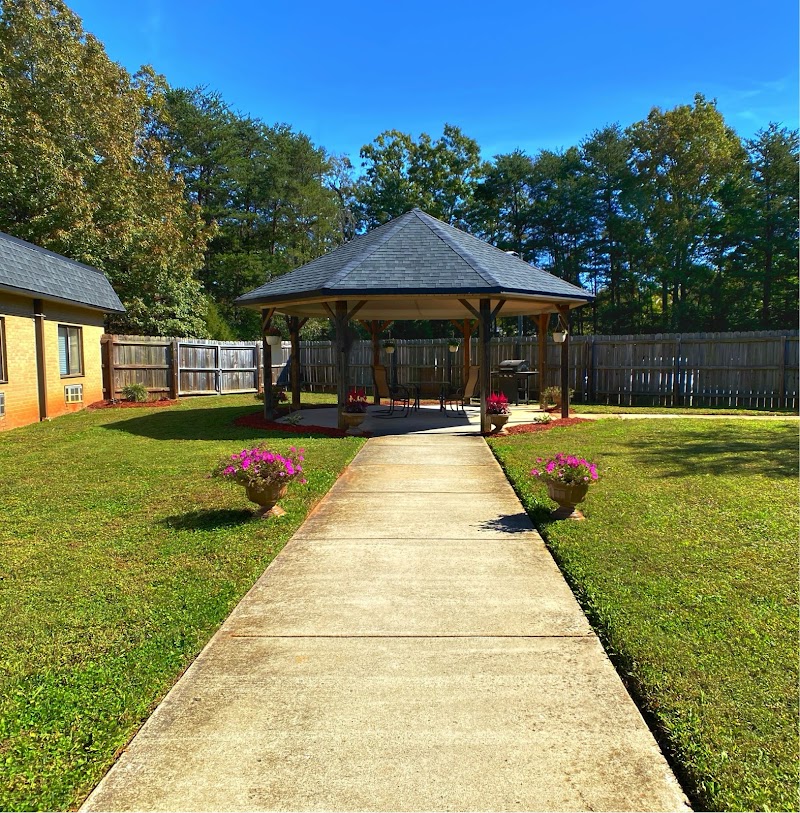
CMS rates Lincolnton Rehabilitation Center's staffing level at 2 out of 5 stars, which is below average compared to other nursing homes. Staff turnover is 59%, which is 12 percentage points above the North Carolina average of 46%. High turnover can affect care consistency as new staff learn residents' individual needs.

What Have Inspectors Found at Lincolnton Rehabilitation Center?

State health inspectors documented 25 deficiencies at Lincolnton Rehabilitation Center during 2022 to 2025. These included: 6 that caused actual resident harm and 19 with potential for harm. Deficiencies causing actual harm indicate documented cases where residents experienced negative health consequences.

Who Owns and Operates Lincolnton Rehabilitation Center?

Lincolnton Rehabilitation Center is owned by a for-profit company. For-profit facilities operate as businesses with obligations to shareholders or private owners. The facility is operated by SOVEREIGN HEALTHCARE HOLDINGS, a chain that manages multiple nursing homes. With 120 certified beds and approximately 101 residents (about 84% occupancy), it is a mid-sized facility located in Lincolnton, North Carolina.

How Does Lincolnton Rehabilitation Center Compare to Other North Carolina Nursing Homes?

Compared to the 100 nursing homes in North Carolina, Lincolnton Rehabilitation Center's overall rating (2 stars) is below the state average of 2.8, staff turnover (59%) is significantly higher than the state average of 46%, and health inspection rating (2 stars) is below the national benchmark.

What Should Families Ask When Visiting Lincolnton Rehabilitation Center?

Based on this facility's data, families visiting should ask: "How do you ensure continuity of care given staff turnover, and what is your staff retention strategy?" "Can you walk me through typical staffing levels on day, evening, and night shifts?" "Can I visit during a mealtime to observe dining assistance and food quality?" "How do you handle medical emergencies, and what is your hospital transfer rate?" These questions are particularly relevant given the facility's high staff turnover rate and the below-average staffing rating.

Is Lincolnton Rehabilitation Center Safe?

Based on CMS inspection data, Lincolnton Rehabilitation Center has a clean safety record: no substantiated abuse findings (meaning no confirmed cases of resident harm), no Immediate Jeopardy citations (the most serious violation level indicating risk of serious injury or death), and is not on the Special Focus Facility watch list (a federal program monitoring the lowest-performing 1% of nursing homes). The facility has a 2-star overall rating and ranks #100 of 100 nursing homes in North Carolina. While no facility is perfect, families should still ask about staff-to-resident ratios and recent inspection results during their visit.

Do Nurses at Lincolnton Rehabilitation Center Stick Around?

Staff turnover at Lincolnton Rehabilitation Center is high. At 59%, the facility is 12 percentage points above the North Carolina average of 46%. High turnover means new staff may not know residents' individual needs, medications, or preferences. It can also be disorienting for residents, especially those with dementia who rely on familiar faces. Families should ask: What is causing the turnover? What retention programs are in place? How do you ensure care continuity during staff transitions?

Was Lincolnton Rehabilitation Center Ever Fined?

Lincolnton Rehabilitation Center has been fined $71,117 across 1 penalty action. This is above the North Carolina average of $33,790. Fines in this range indicate compliance issues significant enough for CMS to impose meaningful financial consequences. Common causes include delayed correction of deficiencies, repeat violations, or care failures affecting resident safety. Families should ask facility leadership what changes have been made since these penalties.

Is Lincolnton Rehabilitation Center on Any Federal Watch List?

Lincolnton Rehabilitation Center is not on any federal watch list. The most significant is the Special Focus Facility (SFF) program, which identifies the bottom 1% of nursing homes nationally based on persistent, serious quality problems. Not being on this list means the facility has avoided the pattern of deficiencies that triggers enhanced federal oversight. This is a positive indicator, though families should still review the facility's inspection history directly.