The Greens at Lincolnton
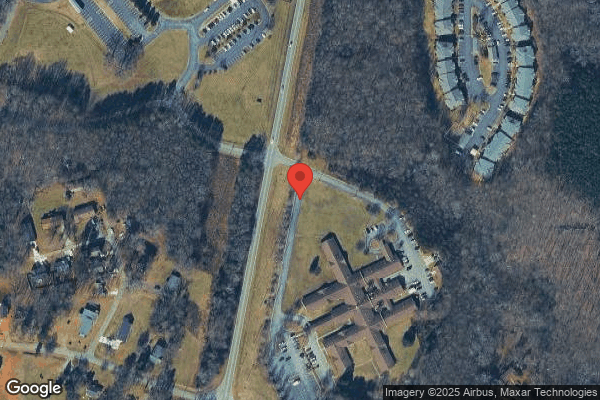

515 S Generals Boulevard, Lincolnton, NC 28093 (704) 735-8065
For profit - Limited Liability company 117 Beds CCH HEALTHCARE Data: November 2025 1 Immediate Jeopardy citation
Trust Grade
23/100
#201 of 417 in NC
Last Inspection: November 2024

Within standard 12-15 month inspection cycle. Federal law requires annual inspections.

Overview

The Greens at Lincolnton has received a Trust Grade of F, indicating significant concerns about the facility's operations. Ranked #201 out of 417 nursing homes in North Carolina, they are in the top half for the state, but their county rank of #2 out of 3 suggests that there is only one better option nearby. Unfortunately, the facility is worsening, with the number of issues increasing from 3 in 2023 to 12 in 2024. Staffing is average with a 3/5 star rating and a turnover rate of 51%, which is around the state average. However, the RN coverage is concerning, being lower than 78% of facilities in the state, which can impact the quality of care provided. Specific incidents include a critical failure to protect a resident from injury of unknown origin, resulting in severe facial injuries and a transfer to the hospital. Additionally, another resident suffered a serious injury from a bed rail assist bar, leading to severe bruising and a hospital visit for treatment. While the facility has some strengths, such as average inspection ratings, these troubling incidents highlight serious areas of concern that families should consider.

Trust Score
F
23/100
In North Carolina
#201/417
Top 48%
Safety Record
High Risk
Review needed
Inspections
Getting Worse
3 → 12 violations
Staff Stability
⚠ Watch
51% turnover. Above average. Higher turnover means staff may not know residents' routines.
Penalties
✓ Good
$46,908 in fines. Lower than most North Carolina facilities. Relatively clean record.
Skilled Nurses
⚠ Watch
Each resident gets only 26 minutes of Registered Nurse (RN) attention daily — below average for North Carolina. Fewer RN minutes means fewer trained eyes watching for problems.
Violations
⚠ Watch
19 deficiencies on record. Higher than average. Multiple issues found across inspections.
★★★☆☆
3.0
Overall Rating
★★★☆☆
3.0
Staff Levels
★★☆☆☆
2.0
Care Quality
★★★☆☆
3.0
Inspection Score
Stable
2023: 3 issues
2024: 12 issues

The Good

  • Full Sprinkler Coverage · Fire safety systems throughout facility
  • No fines on record

Facility shows strength in fire safety.

The Bad

3-Star Overall Rating

Near North Carolina average (2.8)

Meets federal standards, typical of most facilities

Staff Turnover: 51%

Near North Carolina avg (46%)

Higher turnover may affect care consistency

Federal Fines: $46,908

Above median ($33,413)

Moderate penalties - review what triggered them

Chain: CCH HEALTHCARE

Part of a multi-facility chain

Ask about local staffing decisions and management

The Ugly 19 deficiencies on record

1 life-threatening 5 actual harm
Nov 2024 2 deficiencies
CONCERN (E)

Potential for Harm - no one hurt, but risky conditions existed

Deficiency F0745 (Tag F0745)

Could have caused harm · This affected multiple residents

**NOTE- TERMS IN BRACKETS HAVE BEEN EDITED TO PROTECT CONFIDENTIALITY** Based on record review, and resident, staff, and pulmonology office staff interviews, the facility failed to schedule a sleep st...

Read full inspector narrative →
**NOTE- TERMS IN BRACKETS HAVE BEEN EDITED TO PROTECT CONFIDENTIALITY** Based on record review, and resident, staff, and pulmonology office staff interviews, the facility failed to schedule a sleep study per the Pulmonologists recommendations for 1 of 3 residents reviewed for respiratory care (Resident #64). The findings included: Resident #64 was admitted to the facility on [DATE] with diagnoses that included chronic pain and atrial fibrillation. A quarterly Minimum Data Set for Resident #64 dated 8/23/24 revealed the resident was cognitively intact with no respiratory issues noted. Review of pulmonologist note dated 7/03/24 revealed Resident #64 had been seen for scheduled office visit on 7/03/24 for the following issues: acute respiratory infection, shortness of breath, chronic rhinitis and morbid obesity. Order referrals were made for Resident #64 to have scheduled a pulmonary function test and split sleep study test by a sleep provider only. A telephone interview was conducted on 11/06/24 at 1:43 PM with the Pulmonology Office Manager. The Office Manager revealed Resident #64 was seen for a scheduled office visit with the pulmonologist on 7/03/24 for acute respiratory infection, shortness of breath, morbid obesity, and chronic rhinitis and the pulmonologist recommended a pulmonary function test and sleep study to be completed at their sleep center. He stated their office had scheduled Resident #64 a sleep study at their sleep center for 7/22/24 and that appointment was cancelled by the facility and rescheduled for 7/24/24. He revealed the sleep study appointment scheduled for 7/24/24 was also cancelled by the facility and rescheduled again for 7/31/24 and that appointment was also cancelled by the facility and there had been no further sleep study appointments scheduled. The Office Manager was not able to provide the name of the facility staff who had called and cancelled the sleep studies for Resident #64. He revealed Resident #64 had a pulmonary function test completed at their office on 8/27/24 and the pulmonology appointment scheduled for 9/04/24 to review the sleep study findings was cancelled by the provider due to no sleep study results available. An interview conducted on 11/04/24 at 11:39 AM with Resident #64 revealed she had been seen by her pulmonologist a couple of months ago and he referred her for a sleep study. She stated she was supposed to have the sleep a few weeks after that appointment and the appointment was cancelled and had never been rescheduled. She revealed she was currently having no issues with breathing, no respiratory issues or infections, no problems with sleeping, and was not currently on any oxygen to assist her with breathing. Resident #64 stated her pulmonologist ordered for her to have a sleep study and she felt that was what she should do to make sure there was nothing wrong and would like for the facility to reschedule her appointment. A review of the facility transportation logs for July 2024 through November 2024 revealed a scheduled appointment to pulmonologist on 8/27/24 completed for Resident #64 and no scheduled appointments for a sleep study. Attempt to contact the previous scheduler was not successful. An interview was conducted on 11/07/24 at 11:31 AM with the Unit Manager (UM). The UM revealed she was familiar with Resident #64 and had not been made aware of any orders or referrals for a sleep study to be obtained. The UM stated typically when a resident was transported to an outside provider, any notes or orders from that visit would be given to her by the transporter so she could upload those into the computer and inform the physician. She revealed the previous facility transporter who left at the end of July or first of August was also responsible for scheduling resident appointments, so he would have been the person responsible for making sure Resident #64 sleep study appointment was scheduled, cancelled, and rescheduled. The UM also revealed Resident #64 had never mentioned to her about not receiving her sleep study or her appointment being cancelled. She stated she had no knowledge as to why the sleep study for Resident #64 had been cancelled, why a new appointment had not been rescheduled, and why the reason for the cancellation had not been documented. She stated Resident #64 should have received her sleep study as ordered and she would be calling to speak with the pulmonology office to reschedule Resident #64's sleep study appointment. An interview was conducted on 11/07/24 at 12:15 PM with the Social Work (SW) Director. The SW Director revealed the previous scheduler for appointments and transportation had resigned at the first of August 2024 and she was currently filling in the role as the scheduler and they were using a transport company until they were able to hire a new facility scheduler/ transporter. The SW Director stated typically when a resident was seen for an appointment outside of the facility, either the resident or transporter would bring back the notes or orders from the appointment and give them to the UM or nursing staff. She revealed if the resident or transporter did not return with any notes or orders then she (SW Director) or nursing staff would contact the provider and ask for the visit notes to be sent to the facility. The SW Director stated she was currently responsible for scheduling resident appointments, scheduling transport company, and cancelling any appointments. The SW Director revealed she was not aware of Resident #64 ever having an appointment scheduled for a sleep study and Resident #64 had never mentioned the sleep study to her. When she reviewed the appointment and transport logs for July 2024 she could not find where any sleep study appointments had been scheduled for Resident #64. She revealed the pulmonology office had called and cancelled Resident #64 appointment on 9/04/24 but she did not recall why the appointment had been cancelled. The SW Director stated Resident #64 sleep study should have been completed as ordered and she would contact the pulmonology office to reschedule the sleep study appointment. An interview was conducted on 11/07/24 at 12:20 PM with the Director of Nursing (DON). The DON stated she had only been employed at the facility since the first of October 2024 and was not aware of Resident #64 requiring a sleep study or that her appointments had been cancelled. She stated Resident #64 had shown no signs of any respiratory distress or problems sleeping and had not mentioned to her anything about needing a sleep study or missing her appointments. The DON revealed that she expected any orders or referrals to be followed, appointments to be made and followed through, and if a resident appointment had to be rescheduled staff document the reason.
MINOR (B)

Minor Issue - procedural, no safety impact

Deficiency F0582 (Tag F0582)

Minor procedural issue · This affected multiple residents

**NOTE- TERMS IN BRACKETS HAVE BEEN EDITED TO PROTECT CONFIDENTIALITY** Based on record review and staff interviews, the facility failed to provide Centers for Medicare and Medicaid Services (CMS)-100...

Read full inspector narrative →
**NOTE- TERMS IN BRACKETS HAVE BEEN EDITED TO PROTECT CONFIDENTIALITY** Based on record review and staff interviews, the facility failed to provide Centers for Medicare and Medicaid Services (CMS)-10055 Skilled Nursing Facility Advanced Beneficiary Notice (SNF ABN) prior to discharge from Medicare Part A skilled services for 2 of 3 residents reviewed for beneficiary protection notification (Residents #60 and Resident # 253). Findings included: 1. Resident #60 was admitted to the facility on [DATE] A review of the Notice of Medicare NON-Coverage form dated 08/12/24 revealed the facility initiated Resident #60 discharge from Medicare Part A services on 10/28/24 and continued to stay in the facility. A Skilled Nursing Facility Advanced Beneficiary Notice (SNF ABN) form was not issued to Resident #60 or her Responsible Party (RP). A joint interview was conducted with the Social Worker and the Business Manager on 11/06/24 at 9:00am. They revealed they were both trained in how to complete the discharge forms. They stated they issued the NOMNC to the residents and/or RP at least 2 days prior to discharge. They stated they were not aware they were supposed to issue the SNF ABN to the residents and/or RP prior to termination of Medicare Part A services for residents remaining in the facility. They revealed that they had explained to the residents and/or their RP that Medicare would no longer be paying for resident's therapy and if the resident wished to continue to stay at the facility and receive services resident would have to pay a per day cost of care privately or through Medicaid, but they did not issue an SNF ABN. An interview was conducted with the Administrator on 11/07/24 at 8:29am. The Administrator stated he was not aware the SNF ABN forms had not been completed and issued. The Administrator stated Resident # 60 requested to continue to stay at the facility on private pay status after Medicare stopped paying for her therapy after two weeks. The Administrator revealed the SBF ABN should have been issued to the Resident and/or RP. He stated he expected his staff to complete the required forms timely and correctly. He stated he was new to this facility and will provide retraining to the Social Worker and the Business Manager to properly complete the required discharge paperwork going forward. 2. Resident # 253 was admitted to the facility on [DATE]. A review of the Notice of Medicare NON-Coverage form dated 08/12/24 revealed the facility initiated Resident # 253 discharge from Medicare Part A services on 08/15/24 and the resident continued to stay in the facility. A Skilled Nursing Facility Advanced Beneficiary Notice (SNF ABN) form was not issued to Resident #253 or her Responsible Party (RP). A joint interview was conducted with the Social Worker and the Business Manager on 11/06/24 at 9:00am. They revealed they were both trained in how to complete the discharge forms. They stated they issued the NOMNC to the residents and/or RP at least 2 days prior to discharge. They stated they were not aware they were supposed to issue the SNF ABN to the residents and/or RP prior to termination of Medicare Part A services for residents remaining in the facility. They revealed that they had explained to the residents and/or their RP that Medicare would no longer be paying for resident's therapy and if the wished to continue to stay at the facility and receive services resident would have to pay a per day cost of care privately or through Medicaid, but they did not issue an SNF ABN. An interview was conducted with the Administrator on 11/07/24 at 8:29am. The Administrator stated he was not aware the SNF ABN forms had not been completed and issued. The Administrator revealed the SBF ABN should have been issued to the Resident and/or RP. He stated he expected his staff to complete the required forms timely and correctly. He stated he was new to this facility and will provide retraining to the Social Worker and the Business Manager to properly complete the required discharge paperwork going forward.
Sept 2024 2 deficiencies 2 Harm
SERIOUS (G) 📢 Someone Reported This

A family member, employee, or ombudsman was alarmed enough to file a formal complaint

Actual Harm - a resident was hurt due to facility failures

Accident Prevention (Tag F0689)

A resident was harmed · This affected 1 resident

**NOTE- TERMS IN BRACKETS HAVE BEEN EDITED TO PROTECT CONFIDENTIALITY** Based on observations, record review, and Nurse Practitioner (NP), Medical Director, family, and staff interviews, the facility ...

Read full inspector narrative →
**NOTE- TERMS IN BRACKETS HAVE BEEN EDITED TO PROTECT CONFIDENTIALITY** Based on observations, record review, and Nurse Practitioner (NP), Medical Director, family, and staff interviews, the facility failed to prevent an accident when a resident (Resident #1) who received Eliquis (anticoagulant medication) sustained an injury from a bed rail assist bar on 8/30/24. Resident #1's injury from the bed rail assist bar resulted in the formation of a large hematoma, swelling, and diffuse black/purple bruising to her left arm from her left elbow down to her fingertips. The hematoma ruptured resulting in a large open wound to the left upper forearm with fat tissue exposure and uncontrolled bleeding. Resident #1 was transferred to the hospital emergency room on 8/30/24 for treatment of her injury and returned to the facility that evening with a pressure dressing in place to her left arm. On the morning of 8/31/24 Resident #1 had bleeding through the pressure dressing to her left arm that was unable to be controlled and required for her to be transferred back to the hospital emergency room. According to hospital records Resident #1 was admitted to the hospital on [DATE] with acute blood loss anemia (not enough healthy red blood cells), bleeding from her wound, and for observation/trend of her hemoglobin. This deficient practice affected 1 of 5 residents reviewed for supervision to prevent accidents (Resident #1). The findings included: Resident #1 was admitted to the facility on [DATE] with the following diagnosis: vascular parkinsonism (parkinson symptoms (slow movements, tremor, difficulty walking, stiffness/ rigidity) that are caused by problems with the vessels in the brain), dementia, left sided bell's palsy (a neurological disorder that causes weakness or paralysis of the muscles on one side of the face), macular degeneration (eye disease that causes blurred or reduced central vision), spondylosis (degenerative spine disorder) with radiculopathy (nerve condition that causes pain, weakness, and numbness that can spread into the shoulder, back, and arm) cervical (neck) region, right shoulder osteoarthritis, history of deep vein thrombosis (DVT) (blood clot). The admission Minimum Data Set (MDS) assessment dated [DATE] revealed that Resident #1 had severe cognitive impairment. She was not documented for behaviors or rejection of care. Resident #1 was coded as having impaired vision and upper extremity range of motion impairment on one side. She was also documented on the MDS that she required substantial/ maximum assistance with rolling in bed and transfers. Resident #1's care plan revealed she had an activity of daily living (ADL) self-care performance deficit care plan revised on 7/17/24. The care plan included the intervention to encourage use of assist bar on the left side of bed to promote bed mobility and positioning. The ADL care plan also had an intervention that read bed mobility: The resident requires substantial maximal assistance by staff to turn and reposition in bed. There was an additional care plan dated 7/17/24 for anticoagulation therapy. The care plan goal read: Resident #1 will be free from discomfort or adverse reactions related to anticoagulation use. The anticoagulation care plan included to observe/document/report adverse reactions of anticoagulation therapy. Resident #1 had a care plan revised on 8/8/24 for potential impairment to skin integrity related to fragile skin. The care plan interventions included to use caution during transfers and bed mobility to prevent striking arms, legs, and hands against any sharp or hard surface. Further review of Resident #1's care plan revealed she also had a care plan dated 7/17/24 for impaired visual function related to Macular Degeneration and left eye decreased movement. The care plan goal was that Resident #1 would maintain optimal quality of life within limitation imposed by visual function. The impaired vision care plan included to observe/document/report any signs/symptoms of acute eye problems. Resident #1's physician orders revealed an order dated 7/19/24 that read: [brand name assist bar] to left side of bed to aid with turning and positioning while in bed due to left sided weakness related to cerebral vascular accident (CVA/ stroke). The order had been discontinued on 8/31/24. Resident #1's medication administration record for August 2024 revealed an order dated 6/11/24 that read: Eliquis Oral Tablet 5 milligrams (mg) (Apixaban) give 1 tablet by mouth two times a day for DVT for 90 Days. The MAR indicated that her Eliquis had been held on 8/30/24 and 8/31/24. A progress note dated 8/30/24 by Nurse #1 read: Resident (Resident #1) has a skin tear and skin bruising to left arm due to laying on bed rail. On call NP order an ultrasound to left arm to rule out DVT. Resident has no complaints of pain. Her left arm is propped on a pillow. Resident representative (RP) has been notified and aware of bruising. Resident has call bell within reach. She is awake watching tv, chest is falling and rising. Nurse will follow resident care plan. An interview was conducted on 9/17/24 at 1:16 PM with Nurse #1. She was the assigned nurse for Resident #1 for the 11pm-7am shift on 8/29/24. She explained that she rounded every two hours during her shift and that she checked on Resident #1 during her rounds. She said that when she had checked on Resident #1 during her rounds Resident #1 had been asleep and her arms had been covered up with a blanket. She said Resident #1 did not like to sleep flat and her bed was elevated 30 to 45 degrees. Nurse #1 said at 5:15 AM when she had been doing her last round before starting her morning medication, Resident #1 had her arm raised up from the bed. She said she noticed Resident #1 had a bruise on her left arm and her left arm was puffy and swollen. Nurse #1 said the swelling and bruising/ discoloration started at the middle of her upper arm above the elbow and extended to a few inches below the elbow. She said the discoloration was purplish red in color and it went around the entire circumference of her arm at/ below the elbow. Nurse #1 said Resident #1 was able to move her arm and did not complain of any pain. She said Resident #1 did not have any open areas present to her left arm. Nurse #1 explained she called the on-call NP to notify them of the injury. She said she did not tell the NP Resident #1 was on Eliquis because she had not realized at the time Resident #1 took an anticoagulant medication. She said the on-call NP had ordered an ultrasound of the left arm to make sure she did not have a DVT in her left arm. Nurse #1 said she also called and notified the RP, the Director of Nursing, and Unit Manager (UM) #1. She said Resident #1 had been positioned on her back in the bed and she did not see her arm in or against the bed rail assist bar during her shift. She said when she had found the area on Resident #1's left arm there had been nothing else around or in the bed with Resident #1 that could have caused the injury to Resident #1's left arm except the bed rail assist bar had been located on the left side of Resident #1's bed. Nurse #1 explained that because of how the injury to Resident #1's arm had looked and the location of the injury on her arm correlated to where the bed rail assist bar was located on Resident #1's bed. She said Resident #1 was unable to reposition herself in the bed and she required total staff assistance with bed mobility. Nurse #1 said Resident #1 could not use the bed rail assist bar to turn/ reposition herself in the bed. She explained Resident #1 would sometimes put her hand onto the rail and hold the rail with her hand, but she could not use the rail to assist with moving herself in bed. An interview was conducted with Nurse Aide (NA) #1 on 9/17/24 at 1:34 PM. NA #1 said she had worked the 11-7 shift on the night of 8/29/24. She said she had done rounds every 2 hours that night for Resident #1 and had provided incontinent care. She said she had rolled Resident #1 onto her left side when she had performed incontinent care. NA #1 said Resident #1 required total assistance with bed mobility and was not able to turn herself in bed. She stated she had performed rounds around 2:00 AM and again between 4:00 AM- 4:40 AM. She stated she had been in Resident #1's room and had provided incontinent care right before Nurse #1 had found the area on her left arm and had not noticed anything unusual. She stated she had been present when the area to Resident #1's left arm had been found during Nurse #1's rounds. She stated Resident #1 had bruising that started right above her elbow and went a few inches down her arm past the elbow. She stated the bruising went around the circumference of Resident #1's arm at her elbow. She said she had not seen any marks or bruises on Resident #1's left arm when she had provided care that shift until Nurse #1 had found bruising to Resident #1's left arm around 5:00 AM. She stated she had not seen anything in or around Resident #1's bed that could have caused the injury to her left arm except the assist rail on the left side of the bed. A progress note dated 8/30/24 by the on-call NP read: Nurse reported resident's (Resident #1) left arm got stuck in the arm rail while sleeping. Bruising and swelling noted to arm. Not currently on blood thinners. Moving both arms equally. Order given for left upper arm ultrasound to rule out DVT per request of staff. The on-call NP was not available for interview. A progress note dated 8/30/24 by UM #1 read: Nurse on the hall alerted me that the resident (Resident #1) had bleeding on left (L) forearm. Bleeding noted on L forearm, with blood noted in the bed, on the floor. Wound Care NP notified to assess the wound. Wound noted to be over 2 in. long with adipose tissue showing. Bleed uncontrolled initially with pressure. Wound Care NP recommended orders to send resident to the ED (emergency department) for further evaluation and treatment. Wound cleaned and continuous pressure applied. EMS (emergency medical system) called. Patient care report and all documentation provided to EMS crew. Resident transferred from bed to stretcher via draw sheet method. An interview was conducted on 9/17/24 with UM #1 at 4:09 PM. UM #1 stated on 8/30/24 she had received a message on her phone around 5:00 AM from Nurse #1 asking for her to call Nurse #1 at the facility. UM #1 said Nurse #1 reported to her that Resident #1 had swelling and discoloration from the elbow to mid forearm of her left arm. She said Nurse #1 had not told her how the injury to her left arm had happened. UM #1 stated she contacted NP #1 about the swelling and discoloration of Resident #1's left arm. She explained NP #1 was the routine NP that came to the facility. UM #1 said NP #1 gave her an order to obtain an X-ray of Resident #1's left arm. UM #1 said she arrived at the facility a little before 7:00 AM for her shift on 8/30/24. She stated when she arrived at the facility, she went to Resident #1's room to check on her and assess her left arm. UM #1 said when she assessed Resident #1's left arm around 7:00 AM she had blue/ purplish discoloration to her left arm and swelling started above her left elbow and extended to her wrist. She said Resident #1 was able to move her left arm without difficulty, had a good pulse, and did not complain of any pain to her left arm. She said Resident #1 had not had any open areas to her left arm at that time. UM #1 said between 8:00-9:00 AM the floor nurse had come and gotten her out of the morning meeting stating Resident #1 had bleeding from her left arm. UM #1 said when she entered Resident #1's room she was sitting up in bed feeding herself breakfast using her left hand/ arm, and she had active bleeding from her left arm. She said there was a good amount of bleeding coming from an open wound on Resident #1's left forearm and there was blood on the bed and on the floor. UM #1 said when she saw the blood she went and got the Wound Care NP #1 who was in the building to come and assess the wound. UM #1 said the Wound Care NP #1 recommended to send Resident #1 out to the ED. UM #1 said EMS was called, and the family was updated. She said by the time EMS had arrived the swelling and discoloration to Resident #1's left arm had increased and extended into her hand and fingers. A progress note dated 8/30/24 by Wound Care NP #2 read in part: Nurse requested that patient (pt) be seen for left lower arm redness and swelling. Under the note section title new recommendations, the note read in part: Pts left lower arm noted to have erythema, swelling, and tenderness. No opening noted. No drainage. Advised nurse to call primary team to determine if patient needs to be evaluated at a higher level of care. Per on-call physician, stat ultrasound ordered. Will defer care to primary team once results are available. No acute findings at this time. The risk of complications and/or morbidity/mortality of the patient's management is low. The patient was noted to have intact skin upon assessment today. The patient has moderate/high risk for skin breakdown. An interview was conducted on 9/18/24 with Wound Care NP #2 at 2:39 PM. The Wound Care NP #2 stated she had arrived at the facility around 5:15 AM on 8/30/24. She said Nurse #1 had asked her to look at Resident #1's arm and she had seen Resident #1 around 5:30 AM. The Wound Care NP #2 stated Resident #1 had erythema and swelling to her left arm, but her skin had been intact with no open wounds. She said the discoloration and swelling was from mid forearm to right above the elbow on Resident #1's left arm. She stated the area looked like a hematoma because it was red and swollen. She said the area almost looked blood filled and like the blood had seeped into the skin a little bit. She said the area was very tight. The Wound Care NP #2 stated Resident #1 had not been able to say what had happened to her left arm. She explained that she had recommended that Nurse #1 call Resident #1's primary care provider to see if she needed to be seen at a higher level of care. A progress note dated 8/30/24 by Wound Care NP #1 read in part: Nurse requested that patient be seen for left lower arm swelling and actively bleeding wound. Under wound assessment it read: Size: 2.5 cm x 6 cm x 0.8 cm. Exposed Tissues: Dermis, Subcutaneous, Adipose. Peri wound: Edema, Intact, Significant ecchymosis noted. Exudate: Heavy amount of Sanguineous. Under the section titled new recommendations the note read: Patients (Pt) left lower arm noted to have erythema, swelling, and tenderness. Pt with active bleeding found by nurse, was asked by staff to evaluate. Bleeding being controlled with pressure but continues once pressure removed. EMS activated, pt condition stable. The risk of complications and/or morbidity/mortality of the patient's management is high. An interview was conducted with Wound Care NP #1 on 9/18/24 at 2:40 PM. Wound Care NP #1 stated he saw Resident #1 on 8/30/24 between 8:30 AM and 9:00 AM. He said the nurse had run over to where he was in the building and said Resident #1 was actively bleeding and they needed something to stop the bleeding. He said 4x4 gauze was used to apply pressure to the wound to control the bleeding. Wound Care NP #1 said that he told staff they needed to call EMS. The Wound Care NP #1 said Resident #1's wound was busted open pretty good and pouring blood. He said the hematoma was huge and there was a ton of swelling. The Wound Care NP #1 said if Resident #1 had reached or twisted her left arm that the strain on her fragile skin could have caused the hematoma to rupture because there had been so much swelling from the underlying hematoma. The Wound Care NP #1 said the staff had not said how the hematoma had happened. The Wound Care NP #1 said when he saw Resident #1 it had been an emergent medical focus of stopping the bleeding and calling EMS. He said anytime pressure was removed from the wound it started to pour blood again. He said depending on comorbidities and if someone was on a blood thinner that it was possible for a hematoma to happen that fast. He said with how fast the hematoma had ruptured it had probably occurred fast. The Wound Care NP #1 said with Resident #1 being on the blood thinner and with how thin and fragile her skin was, the hematoma had looked like a water balloon and looked like it would bust if you just poked it. The Wound Care NP #1 said Resident #1 using her left arm for breakfast, or the slightest bump could have caused the hematoma to rupture. A progress note dated 8/30/24 by the Director of Nursing (DON) read: During morning rounds nurse noted resident (Resident #1) to have bruise, skin tear, and swelling to left upper extremity. Resident assessed and on call notified. No pain or psychosocial ill effect noted. Order received for ultrasound and X ray. Wound care NP was in facility and evaluated area. RP notified and stated that she noted a small bruise to left forearm the previous day after using the bed pan where she was leaning on the halo during toileting. Daughter was present during toileting. While awaiting X-ray and ultrasound to be performed this morning the resident was eating breakfast. During breakfast while resident was feeding herself, she was noted to be bleeding from the left forearm. Resident is on Eliquis, Plavix, and aspirin. Wound care NP evaluated resident, and first aid applied. Order received to transfer to ER for further evaluation. RP made aware. Review of Resident #1's August 2024 MAR indicated Plavix, and Aspirin were not ordered medications for Resident #1 and had not been received. The hospital emergency department (ED) provider notes dated 8/30/24 read in part: patient with past medical history of vascular parkinsonism (Parkinson symptoms (slow movements, tremor, difficulty walking, stiffness/ rigidity) that are caused by problems with the vessels in the brain), vascular dementia (changes in memory and thinking resulting from conditions that affect the blood vessels in the brain), left sided bell's palsy (a neurological disorder that causes weakness or paralysis of the muscles on one side of the face) presenting to the emergency department from nursing home for evaluation of left upper extremity wound and bleeding. Per nursing home report, patient slept with her left arm against a rail. When she woke up this morning there was significant bruising noted to the left arm as well as a wound near the left elbow with persistent bleeding. Given this patient was sent to the emergency department for evaluation. No reported falls. Patient is on Eliquis (anticoagulant medication). Emergency Medical Services (EMS) reports patient laid against something all night and it caused swelling and trauma to her left arm. They reported that the intense swelling caused the skin to open, and they reported the patient lost about 75 milliliters (ml) of blood and adipose tissue is visible. Under the physical exam section labeled skin the note read: Significant erythema (redness) of the left upper extremity from the left elbow to the left hand with associated swelling. Hand is warm to touch. Range of motion of the left elbow, wrist, hand, and fingers normal. No significant tenderness to palpation. Wound noted to the lateral aspect of the left proximal forearm with underlying hematoma. Under the section entitled medical decisions making and plan of care the note read in part: Suspect that the patient developed a hematoma which then caused a skin tear secondary to underlying pressure. It appears that she has an underlying hematoma in the region of the left elbow. Bleeding is controlled. Hemoglobin stable. Patients wound was irrigated and hematoma was evacuated. Given friable skin, unable to close with sutures due to concern of causing more damage. Steri-strips were placed over the area to loosely approximate. Wound was dressed with gauze and ABD pads (surgical pad) as well as a compression dressing using an ace wrap. Recommended that the patient hold her Eliquis for the next 2 days. Under diagnostic and labs section of the note: Hemoglobin (protein that carries oxygen in red blood cells) 12.2. The clinical impressions section of the note stated: Traumatic hematoma and ecchymosis of the left upper arm, skin tear of the elbow. An interview was conducted with the Maintenance Director on 9/18/24 at 4:42 PM. He said that maintenance had removed the assist bar from Resident #1's bed on 8/30/24. He said he did not really know why the assist bar had needed to be removed. On 9/19/24 at 2:27 PM an observation was completed of the bed rail assist bar device with the Maintenance Director. The bed rail assist bar was observed to be in the shape of a circle with a metal arm that connected the circular assist bar to the bed frame. The circular part of the assist bar had 7 openings within the circle that were different sizes and shapes. The largest opening within the circle was triangular and measured 6 inches in width and 4 inches in height. The surveyor was able to insert an arm up to mid forearm into 3 of the 7 openings and was able to insert an arm past the elbow into 2 of 7 openings. The circular bed rail assist bar was also observed in place on a resident bed with the Maintenance Director. Using a tape measure the Maintenance Director measured the gaps between the mattress and the bottom of the assist bar. With the bed in the flattest position there was a gap between the bottom of the rail and the mattress of approximately 1 inch. With the bed positioned in an upright position at a 75 degree angle the bed rail assist bars were observed to be parallel with the mattress and there was a gap between the bottom of the assist rail and the mattress that measured 5.5 inches. An interview was conducted with the DON on 9/18/24 at 11:02 AM. The DON stated through the facility investigation it was determined that the injury to Resident #1's left arm was from the bed rail assist bar located on the left side of Resident #1's bed. She said staff and family had reported that Resident #1's left arm was seen pushed up against the bed rail assist bar when staff would turn/ roll her onto her left side for toileting care. She said the injury to Resident #1's left arm had correlated with the location and position of the bed rail assist bar on the left side of the bed. She said during the facility's investigation it was found there was nothing else around or in the bed that could have caused the injury to Resident #1's left arm. She said Resident #1 had returned to the facility in the evening on 8/30/24 and the facility had done a new bed rail assessment on Resident #1. The DON said Resident #1 had not been able to use the bed rail assist bar without staff prompting. She said the bed rail assist bar had been removed from Resident #1's bed on 8/30/24. She said Resident #1 taking Eliquis did not necessarily mean she needed safety precautions, or it was a medication that required safety precautions. The DON said it was individualized for each resident if an anticoagulant medication increased the risk of bleeding and needed safety precautions. The DON stated Resident #1 had been sent back to the hospital on the morning of 8/31/24 because she had bleeding that had come through the dressing on her left arm that could not be controlled. She explained Resident #1 had been admitted to the hospital and did not return to the facility. The ED to hospital admission provider notes dated 8/31/24 read in part under section titled medical decision making: Acute blood loss anemia. Bleeding from wound. Patient with wound to left forearm at split heavily bleeding. Hemoglobin dropped from 12-8 roughly. Seen by general surgery recommending conservative measures and admission to the hospital for observation/ trend of hemoglobin and hematocrit (H&H). Surgery did have discussion with family regarding intervention in the operating room (OR). No evidence of compartment syndrome. Clinical impression and disposition: 1. Acute blood loss anemia 2. Bleeding from wound. Computed tomography (CT) of left upper extremity read in part: There is a large subcutaneous hematoma over the dorsal aspect off the left forearm, which is incompletely included on the exam, measures approximately 8 x 3.5 cm transverse dimensions and extends over the length of the left forearm from the elbow to the dorsum of the hand. There is a small 6 mm blush (a predictor of hematoma progression) along the central aspect of the hematoma which is felt to represent small venous oozing. This is not arterial bleeding or arterial in source. No fractures seen. Her initial hemoglobin on 8/31/24 at the ED was 8.5. Further review of the hospital records revealed that Resident #1's subsequent hemoglobin levels on 8/31/24 were 7.7 and 6.7 and that she required transfusion with 2 units of packed red blood cells (PRBCs) during her hospitalization. An interview was conducted with Resident #1's family member. The family member stated she had visited Resident #1 on 8/29/24. She said because Resident #1 took a blood thinner she always looked her over really well for any bruising and she had not seen any marks or bruising on her left arm when she had visited on 8/29/24. She said she would have noticed and remembered if Resident #1 had had any new areas or marks. An interview was conducted with NP #1 on 9/19/24 at 10:46 AM. The NP #1 stated Resident #1's left arm being pressed up against the bed rail assist bar could have caused the hematoma. She stated the rail was consistent with the location of where the hematoma was located on Resident #1's left arm. She said with the elderly it did not take a lot to create a hematoma because of fragile skin and Eliquis also increased the risk. She said Resident #1's hematoma was much more likely to be the result of being pressed up against something or hitting something than to be spontaneous. She said the swelling and discoloration was from the blood and gravity. She explained the blood would flow downward distally because of gravity. NP #1 stated the movement of Resident #1 using her arm to feed herself and the bending at the elbow would create more pressure and tension on the skin and could have caused the hematoma to spontaneously rupture. The NP #1 stated if a bump had happened at the elbow or side at the of the arm it could have caused the bruising to go around the circumference of the arm with gravity. She said if Resident #1 had bumped her arm early than the morning of 8/30/24 then the bruising would have shown up quickly, within 10 minutes and would have already been visible before the injury had been found by Nurse #1. An interview was conducted with the Administrator on 9/10/24 at 11:46 AM. The Administrator stated during the facility's investigation of the injury to Resident #1's left arm staff said they had seen Resident #1 roll against the bed rail assist bar and press against the rail located on the left side of the bed. He stated Resident #1 was on a blood thinner. He said with leaning against the rail and with her being on the blood thinner that it was thought to have caused the injury. The Administrator stated through the facility investigation there had been nothing else found that correlated and could have caused the injury. He stated they had looked at Resident #1's room and bed and that the injury on Resident #1's left arm had correlated with the location of the bed rail assist bar located on the left side of her bed. An interview was conducted with the Medical Director on 9/19/24 at 2:00 PM. He said he had not seen Resident #1 since her injury. He said he had not been aware of Resident #1's left arm injury or hospital transfers until today. He stated that was not uncommon because the staff would contact the NP at the facility and the on-call staff to address issues at the facility. He stated the elderly have fragile skin and Eliquis increased the risk of bleeding for anyone who took the medication. He said a hematoma could happen spontaneously or very easily from any small bump if someone took an anticoagulant. The facility provided the following Corrective Action Plan with a correction date of 8/31/24: HOW CORRECTIVE ACTION WILL BE ACCOMPLISHED FOR THOSE RESIDENTS TO HAVE BEEN AFFECTED BY THE DEFICIENT PRACTICE: On 8/30/2024 Resident # 1 sustained an injury from her Assist Side Rail. At approximately 5:20 a.m. Resident # 1 was noted to have a bruise, with hematoma and abrasion and some swelling to her left upper extremity that measured 2.5 cm (centimeters) X 6.0 cm. X 0 cm, by the charge nurse. First Aid applied and the on-call provider was notified. Received order to obtain a doppler ultrasound to rule out DVT due to history of DVT's. On 8/30/24 Resident #1's Responsible Party was notified of injury by the charge nurse at 5:40 a.m. At approximately 8:55 a.m. while the resident was eating breakfast independently the hematoma to her arm burst, charge nurse and unit manager applied pressure and notified wound care provider who was in house and came to bedside to assess the resident. Orders were received to send the resident to the emergency room (ER) for evaluation, resident sent to ER at approximately 9:10 a.m. Resident returned from the hospital at approximately 6:00 p.m. on 8/30/24 with pressure dressing to left forearm and no new orders. Eliquis was held on 8/30/24. On 8/30/2024 Resident #1 was reassessed for use of bed rails. The Assessment revealed that the resident was not able to utilize the Assist Side Rails without staff prompting, and this put her at further risk for injury as well as her having vision impairment, dementia, diagnosis of muscle weakness and being on a blood thinning medication. On 8/30/2024 Assist Side Rail was removed from Resident #1's bed. Resident was sent back out to the ER on [DATE] at approximately 8:30 a.m. when the charge nurse noted that resident was bleeding through the pressure dressing and the bleeding could not be controlled. Resident was admitted to the hospital on [DATE] and resident has not returned to the center. ADDRESS HOW THE FACILITY WILL IDENTIFY OTHER RESIDENTS HAVING THE POTENTIAL TO BE AFFECTED BY THE SAME DEFICIENT PRACTICE: On 8/30/24 the Director of Nursing, Administrator and clinical team completed a root cause analysis for this event and determined Resident #1 had an assist side rail which contributed to an injury. The facility failed to recognize that the vision impairment, dementia, diagnosis of muscle weakness and being on a blood thinning medication placed resident at risk for an accident. On 8/30/2024 Nursing leadership (which included the Director of Nursing and Unit Managers) in conjunction with the Wound Care Nurse Practitioner completed 100% audit of all current residents with Assist Side Rails in use, for skin integrity to ensure no other injuries related to assist rails. No injuries noted. ADDRESS WHAT MEASURES WILL BE PUT INTO PLACE OR SYSTEMIC CHANGES MADE TO ENSURE THAT THE DEFICIENT PRACTICE WILL NOT REOCCUR: On 8/30/2024 Nursing Staff, including nurses and Certified Nursing Assistants (CNAs), including agency staff were educated by the Director of Nursing and Staff Development Coordinator (SDC) regarding bed mobility and ensuring resident's safety with bed rails. Education also included an assessment of bed rails for residents to ensure residents safety with use, to include review of vision status, bed mobility, cognitive status and medications which put resident at risk. Nurses Aides were educated on bed mobility and observing for changes and any concerns related to residents' use of side rails, ie: leaning on them, limbs against them/through them, resting head against rails, not being able to grasp independently). If they note any concerns with safety to report to the charge nurse immediately. This education is ongoing with no staff working until education is completed. Director of Nursing and/or Designee will ensure new hires or agency staff receive the education. The Director of Nursing is responsible for tracking and educating staff who were not educated on 8/30/24. This education was completed in person. HOW THE CORRECTIVE ACTION WILL BE MONITORED TO ASSURE THE SOLUTIONS ARE SUSTAINED: On 8/30/24 the Administrator and Director of Nursi[TRUNCATED]
SERIOUS (G) 📢 Someone Reported This

A family member, employee, or ombudsman was alarmed enough to file a formal complaint

Actual Harm - a resident was hurt due to facility failures

Deficiency F0700 (Tag F0700)

A resident was harmed · This affected 1 resident

**NOTE- TERMS IN BRACKETS HAVE BEEN EDITED TO PROTECT CONFIDENTIALITY** Based on observations, record review, Nurse Practitioner (NP), family, and staff interviews, the facility failed to accurately a...

Read full inspector narrative →
**NOTE- TERMS IN BRACKETS HAVE BEEN EDITED TO PROTECT CONFIDENTIALITY** Based on observations, record review, Nurse Practitioner (NP), family, and staff interviews, the facility failed to accurately assess a resident (Resident #1) for bed rail assist bars, failed to assess a resident (Resident #1) prior to implementation of bed rail assist bars, and failed to review the risks associated with the use of bed rail assist bars with Resident #1's Resident Representative. Resident #1 sustained a hematoma to her left arm from the bed rail assist bar and was transferred to the hospital emergency room on 8/30/24 and 8/31/24 for treatment. Resident #1 was admitted to the hospital related to her hematoma injury on 8/31/24 and required a blood transfusion during her hospitalization. This deficient practice occurred for 1 of 5 residents reviewed for bed rails. Findings included: Resident #1 was admitted to the facility on [DATE] with the following diagnoses: vascular parkinsonism (Parkinson symptoms, slow movements, tremor, difficulty walking, stiffness/ rigidity that are caused by problems with the vessels in the brain), dementia, left sided bell's palsy (a neurological disorder that causes weakness or paralysis of the muscles on one side of the face), macular degeneration (eye disease that causes blurred or reduced central vision), spondylosis with radiculopathy, cervical (neck) region (nerve condition that causes pain, weakness, and numbness that can spread into the shoulder, back, and arm), right shoulder osteoarthritis, history of deep vein thrombosis (DVT/ blood clot). There was not a bed rail assessment. Resident #1's medication administration record (MAR) revealed an order dated 6/11/24 that read: Eliquis oral tablet 5 milligrams (mg) (Apixaban) give 1 tablet by mouth two times a day for DVT for 90 Days. Review of the admission minimum data set (MDS) assessment dated [DATE] revealed that Resident #1 had severe cognitive impairment. She was not documented for behaviors or rejection of care. Resident #1 was coded as having impaired vision and upper extremity impairment on one side. She was also documented on the MDS that she required substantial/ maximum assistance with rolling in bed and transfers. Resident #1 was not coded for a restraint or bed rails. Review of Resident #1's physician orders revealed an order dated 7/19/24 that read: [brand name assist bar] to left side of bed to aid with turning and positioning while in bed due to left sided weakness related to cerebral vascular accident (CVA/ stroke). Review of the electronic medical record revealed that Resident #1 had a bed rail/ assist device assessment that had been completed on 7/19/24 by the Director of Nursing. The assessment indicated that Resident #1 did not have fluctuations in levels of consciousness or cognitive deficit, did not have visual deficits, and did not take medications that required safety precautions. The assessment was not filled out accurately. Resident #1's medical record revealed an incomplete consent form titled consent for use of side rail (s) or grab bars/ canes. Resident #1's name was at the top of the form along with the date 7/19/24. The indication for use of side rails/ grab bars was unmarked. The risk section of the form had three check boxes that reviewed the potential risks associated with the use of bed rail/ assist bars that included: getting caught in the rails, grab bars/ and or between rails/ bars and mattress (entrapment) or death, skin tears or bruises caused by hitting against the rails/ bars, fall from over top of the side rail places resident at increased risk for greater injury even death. The check boxes reviewing the risks were unmarked. The bottom of the consent form had been signed by Family Member #2 and was dated 7/22/24. The form had been signed by Unit Manager #2. UM #2 no longer worked at the facility and was not available to be interviewed. An interview was conducted on 9/19/24 at 12:06 PM with the DON. The DON said a bed rail assessment was supposed to be done when bed rail assist bars were implemented and then quarterly. She could not say why a bed rail assessment or a consent for bed rails had not been completed when Resident #1 was admitted to the facility on [DATE] or prior to the bed rail assist bar being implemented for Resident #1, except that it had been missed. The DON said she had completed a bed rail assessment for all residents that had bed rail assist bars in use, including Resident #1 on 7/19/24 because corporate had called and directed her to do so. She did not know why corporate had requested bed rail assessments to be done. She explained when she did the bed rail assessment for Resident #1, she had not observed Resident #1 use the bed rail assist bar. She stated she had completed the assessment based off what staff had told her and documentation. The DON stated she had attended the care plan meetings with Resident #1's family. The DON did not remember the risks associated with using bed rail/ assist bars being reviewed with the family during the care plan meetings. The bed rail consent form for Resident #1 was reviewed with the DON. She declined to comment if the check boxes on the form under the risk section should be marked to indicate that the risks next to each check box had been reviewed. The DON said if she had completed the consent form, she would have checked the boxes, but everyone had a different way of doing things. She said she would expect staff to fill out the consent form correctly. The DON said she was not sure if UM #2 had understood the consent form correctly. She stated she would have expected UM #2 to have asked if she had not understood how to complete the consent form. The DON said when Resident #1 had moved to the skilled nursing facility bed she was a new admission, and everything needed to be redone/ reassessed. She said if a resident requested or needed a bed rail assist bar the bed rail assessment and bed rail consent form should be completed before the assist bar was implemented. An interview was conducted with NP #1 on 9/19/24 at 10:46 AM. NP #1 stated she had participated in the care plan meeting on 7/9/24 with the family and said the bed rail assist bar had not been discussed. NP #1 reviewed the bed rail/ assist bar consent form; she said the boxes should be marked under the risk section to indicate that those areas were reviewed with the family/ resident. She said if the boxes were not marked it could not be said if the areas had been reviewed. She said that the bed rail/ assist bar consent form and the bed rail assessment should be done before bed rail assist bars were initiated. An interview was conducted with Family Member #1 on 9/17/24 at 12:17 PM. Family Member #1 stated the facility had not talked to her about the risks associated with Resident #1 using the assist bar. Family Member #1 had been present and helped move Resident #1's belongings to her new room in the skilled facility on 7/9/24. She said that the new bed in Resident #1's room had not had the assist bar on it originally but that the facility had put it on the bed within a day or two. An interview was conducted on 9/19/24 at 9:15 AM with Family Member #2. She said when Resident #1 moved to her new room in the skilled facility the assist bar had been placed on the new bed the same day 7/9/24 or maybe the next day 7/10/24. Family Member #2 had signed the bed rail consent form for Resident #1. She stated the nurse did not explain or discuss anything on the bed rail consent form. She said it had been presented to her as Resident #1 needed to have new forms signed for her admission and for her to have the bed rail assist bar. She stated the risks of using the bed rail assist bars such as death, entrapment, or bruising had not been discussed or mentioned by anyone at the facility. She said UM #2 had presented all the paperwork to her as the facility needed new paperwork filled out because she (Resident #1) had moved. Review of a progress note dated 8/30/24 by Nurse #1 read in part: Resident (Resident #1) has a skin tear and skin bruising to left arm due to laying on bed rail. On call NP order an ultrasound to left arm to rule out DVT. Resident has no complaints of pain. Her left arm is propped on a pillow. Resident representative (RP) has been notified and aware of bruising. An interview was conducted on 9/17/24 at 1:16 PM with Nurse #1. She was the assigned nurse for Resident #1 for the 11pm-7am shift on 8/29/24. Nurse #1 said that at 5:15 AM when she had been doing her last round Resident #1 had her arm raised up from the bed. She said she noticed Resident #1 had a bruise on her left arm and that her left arm was puffy and swollen. Nurse #1 said the swelling and bruising started at the middle of her upper arm above the elbow and extended to a few inches below the elbow. Nurse #1 explained the location of the injury on Resident #1's left arm had correlated with where the bed rail assist bar was located on the bed. A progress note date 8/30/24 by UM #1 read: Nurse on the hall alerted me that the resident (Resident #1) had bleeding on left (L) forearm. Bleeding noted on L forearm, with blood noted in the bed, on the floor. Wound Care NP notified to assess the wound. Wound noted to be over 2 in. long with adipose tissue showing. Bleed uncontrolled initially with pressure. Wound Care NP recommended orders to send resident to the ED (emergency department) for further evaluation and treatment. Wound cleaned and continuous pressure applied. EMS (emergency medical system) called. Patient care report and all documentation provided to EMS crew. Resident transferred from bed to stretcher via draw sheet method. Review of the hospital emergency department (ED) provider notes dated 8/30/24 read in part: Patient presented to the emergency department from nursing home for evaluation of left upper extremity wound and bleeding. Per nursing home report, patient slept with her left arm against a rail. When she woke up this morning there was significant bruising noted to the left arm as well as a wound near the left elbow with persistent bleeding. Patient is on Eliquis (anticoagulant medication). A progress note dated 8/31/24 by on-call NP #2 read in part: Nurse reports uncontrolled bleeding to hematoma on arm. Was recently sent to emergency room due to bleeding, returned with order for pressure dressing however nursing has attempted to reapply the pressure dressing and apply pressure to site but bleeding continues, dressing is saturated. Instructed to notify EMS due to uncontrolled bleeding. Review of the ED to hospital admission provider notes dated 8/31/24 read in part under section titled medical decision making: Acute blood loss anemia (low hemoglobin), Bleeding from wound. Patient with wound to left forearm at split heavily bleeding. Hemoglobin (protein in red blood cells that carry oxygen) dropped from 12-8 roughly. Seen by general surgery recommending conservative measures and admission to the hospital for observation/ trend of hemoglobin and hematocrit (H&H). Computed tomography (CT) of left upper extremity read in part: There is a large subcutaneous hematoma over the dorsal aspect of the left forearm, which is incompletely included on the exam, measures approximately 8 x 3.5 centimeters (cm) transverse dimensions and extends over the length of the left forearm from the elbow to the dorsum of the hand. There is a small 6-millimeter (mm) blush (a predictor of hematoma progression) along the central aspect of the hematoma which is felt to represent small venous oozing. This is not arterial bleeding or arterial in source. No fractures seen. Additional review of the hospital records revealed Resident #1's subsequent hemoglobin levels on 8/31/24 were 7.7 and 6.7 and that she required transfusion with 2 units of packed red blood cells (PRBCs) during her hospitalization. On 9/19/24 at 2:27 PM an observation was completed of the bed rail assist bar device with the Maintenance Director. The bed rail assist bar was observed to be in the shape of a circle with a metal arm that connected the circular assist bar to the bed frame. The circular part of the assist bar had 7 openings within the circle that were different sizes and shapes. The largest opening within the circle was triangular and measured 6 inches in width and 4 inches in height. The surveyor was able to insert an arm up to mid forearm into 3 of the 7 openings and was able to insert an arm past the elbow into 2 of 7 openings. The facility provided the following Corrective Action Plan with a correction date of 8/31/24: HOW CORRECTIVE ACTION WILL BE ACCOMPLISHED FOR THOSE RESIDENTS TO HAVE BEEN AFFECTED BY THE DEFICIENT PRACTICE: On 8/30/2024 Resident #1 sustained an injury from her Assist Side Rail. At approximately 5:20 a.m. Resident #1 was noted to have a bruise, with hematoma and abrasion and some swelling to her left upper extremity by the charge nurse, measuring 2.5 cm (centimeters) X 6.0 cm X 0 cm. First Aid applied and the on-call provider was notified. Received order to obtain a doppler ultrasound to rule out DVT due to history of DVTs. At approximately 8:30 a.m. while Resident #1 was eating breakfast independently the hematoma to her arm burst, charge nurse and unit manager applied pressure and notified wound care provider who was in house and came to bedside to assess the resident. Orders were received to send the resident to the emergency room for evaluation. Resident #1 moved from an Assisted Living bed to a SNF bed on 7/09/24 with Assist Side Rails on her bed as she had had them in the Assisted Living. Resident should have had an assessment completed on 7/9/24 due to new admission. Resident #1 was reassessed for Bed Rail safety/use by the Director of Nursing (DON) on 7/19/24. This assessment determined the resident utilized Assist Side Rails with staff assistance. This was not an accurate assessment based on not including Resident # 1's cognitive loss, vision concerns, muscle weakness and use of anticoagulant medications. On 8/30/2024 Resident #1 was reassessed for use of bed rails. The Assessment revealed that the resident was not able to utilize the Assist Side Rails without staff prompting, and this put her at further risk for injury as well as her having vision impairment, dementia and being on a blood thinning medication. On 8/30/2024 Assist Side Rail was removed from Resident #1's bed. ADDRESS HOW THE FACILITY WILL IDENTIFY OTHER RESIDENTS HAVING THE POTENTIAL TO BE AFFECTED BY THE SAME DEFICIENT PRACTICE: On 8/30/24 the Director of Nursing, Administrator and clinical team completed a root cause analysis of this event and determined Resident #1 was not able to utilize the assist side rails without staff prompting due to cognitive status. Resident #1 had muscle weakness and was not able to reach her arm over independently. This root cause analysis noted inaccuracies in the completion of bedrail assessment and the Consent and Review of Risks to Resident #1's responsible party were not completed prior to implementation of Assist Side Rails. On 8/30/24 The Regional Director of Clinical Services educated the DON regarding completing the assessment accurately and consents with review of risks with RP and/or Resident. This included that the Director of Nursing visualizes the Assist Side Rail with Head of Bed elevated, size of rails, to ensure no gaps or risk for entrapment. The DON was educated before she completed assessments on 8/30/24 regarding accurate assessments and consents. On 8/30/2024 Director of Nursing completed a new Bed Rail Assessment on all current residents with Side Rail Assist Bars in place to ensure appropriately assessed, three additional residents had Side Rail Assist Bars removed according to new assessments. Director of Nursing visualizes the Assist Side Rail with Head of Bed elevated, size of rails, to ensure not gaps or risk for entrapment. Consents were obtained by DON and/or Clinical Designee for any resident who was assessed for appropriate use of Assist Side Rails. ADDRESS WHAT MEASURES WILL BE PUT INTO PLACE OR SYSTEMIC CHANGES MADE TO ENSURE THAT THE DEFICIENT PRACTICE WILL NOT REOCCUR: On 8/30/2024 Nursing Staff, including nurses and Certified Nurse Aides (CNAs) were educated by the Staff Development Coordinator (SDC) and Director of Nursing (DON) how to accurately complete the Bed Rail Assessment, and completion of the consent for rail use and educating the Resident or Responsible Party (RP) on risk of use. On 8/30/24 Agency and contracted staff were educated by SDC and DON how to accurately complete Bed Rail Assessment, completion of the consent for rail use and educating the Resident or RP on risk of use. The Director of Nursing is responsible for ensuring this education is completed. Education also included an assessment of bed rails for residents to ensure residents safety with use, to include review of vision status, bed mobility, cognitive status and medications which put resident at risk. The Director of Nursing is responsible for tracking and educating staff not educated on 8/30/24. This education is ongoing with no staff working until education is completed. Director of Nursing and/or Designee will ensure new hires or contracted staff receive the education. This education was completed in-person. The Regional Director of Operations met with the Maintenance Director on 8/30/24 and reinforced education with him on ensuring that he follows manufacturers' recommendations for installation of assist side rails. When a resident that has had Assist Side Rails on their bed discharges, the Maintenance Director removes the rails from the bed. Admissions and discharges are discussed in the morning meeting and the Maintenance Director is informed of residents who have been discharged so that he can remove any rails on the bed. This has been an ongoing process and was reinforced by Regional Director of Clinical Services on 8/30/24 with the DON, Staff Development Coordinator, Maintenance Director, Administrator, Unit Managers and Therapy. If a new admission would benefit from or a new request for Assist Side Rails, then DON and Therapy will meet with Maintenance Director to assess if Assist Side Rail is appropriate. HOW THE CORRECTIVE ACTION WILL BE MONITORED TO ASSURE THE SOLUTIONS ARE SUSTAINED: Beginning 8/30/24 The Director of Nursing/ Designee will assess any newly installed Assist Side Rails for any gaps head of bed elevated, size of rails, to ensure no gaps or risk for entrapment. They will assess the location of bed rail so that it meets the individual mobility requirements as well as position of rail when the head of the bed is in an elevated position, this process began on 8/30/24. Review of audits resulted in the decision to implement a weekly audit of all residents with Assist Side Rails X 4 weeks, then quarterly thereafter, to ensure that the resident remains appropriate for use of Assist Side Rails and that there are no signs of injury from Assist Side Rail use. The Director of Nursing is responsible for these audits. The quarterly audits will be ongoing until the QAPI Committee determines they can be discontinued. The Administrator and Director of Nursing made the decision via an AD HOC Quality Assurance Performance Improvement (QAPI) meeting on 8/30/24 and decided results of ongoing audits will be taken to the monthly QAPI meeting. Results of these audits will be reviewed in the monthly Quality Assurance and Performance Improvement Committee (QAPI) meeting with the QAPI Committee responsible for ongoing compliance. Date of Compliance: 8/31/24 On 9/19/24, the facility's corrective action plan effective 8/31/24 was validated by the following: All residents with assist side rails currently in use were reviewed. The facility had reassessed all residents on 8/30/24 for risk factors that could affect their ability to safely use assist side rails. The facility had removed assist side rails from resident beds who were assessed as not able to safely and independently use them. The facility audit for assist side rails was reviewed and revealed the facility was conducting audits weekly of residents with assist side rails in use for safety and to ensure they remained safe to use the assist side rails. The assist side rail audit included assessing for gaps that could lead to entrapment, completion of the side rail consent form, and bed rail assessment. Interviews were conducted with nurses and nurse aides (NA's). The NA's had been educated to report changes in a resident's ability to use bed rails or concerns with safety. Interviews with nurses revealed they had been educated on how to accurately complete the bed rail assessment and assessing for risk factors that could affect a resident's ability to safely use assist side rails. Nurses had also been educated on completing the side rail consent form and reviewing the risks associated with using side rails with the resident representative/ resident. Nurses were able to verbalize the side rail assessment and consent form should be completed prior to the assist side rails being implemented. Nurses verbalized that assist side rails were installed by maintenance once they were approved by nursing management and therapy. The education included new staff and contract/agency staff. New staff and contract/ agency staff were not allowed to work until education had been received The Maintenance Director was interviewed and verbalized assist side rails were installed according to the manufacture directions and removed from the bed by maintenance when a resident was discharged . He verbalized when assist side rails were installed the rails were inspected for gaps between the rail and the mattress. The facility's action plan was validated to be completed as of 08/31/24.
May 2024 1 deficiency 1 Harm
SERIOUS (G) 📢 Someone Reported This

A family member, employee, or ombudsman was alarmed enough to file a formal complaint

Actual Harm - a resident was hurt due to facility failures

Deficiency F0760 (Tag F0760)

A resident was harmed · This affected 1 resident

**NOTE- TERMS IN BRACKETS HAVE BEEN EDITED TO PROTECT CONFIDENTIALITY** Based on record review, resident, staff, and Nurse Practitioner (NP) interview the facility failed to prevent a significant medi...

Read full inspector narrative →
**NOTE- TERMS IN BRACKETS HAVE BEEN EDITED TO PROTECT CONFIDENTIALITY** Based on record review, resident, staff, and Nurse Practitioner (NP) interview the facility failed to prevent a significant medication error by administering (Resident #1) a medication without following set parameters for 1 of 3 residents reviewed for assuring facility was free from significant medication errors. Resident #1 was administered a blood pressure medication with set parameters to only administer if blood pressure was greater or equal to 170. Prior to the medication being administered, Resident #1 blood pressure was 139/64, after being administered the medication Resident #1 blood pressure dropped to 70/40 and she was sent out to the hospital for low blood pressure and altered mental status. The facility also failed to prevent a significant medication error by administering (Resident #1) a medication listed as having an allergy to for 1 of 3 residents reviewed for assuring facility was free from significant medication errors. Resident #1 was prescribed and administered a reflux medication that was listed as having an allergy to on the electronic medical record and admission paperwork. The findings included: 1a. Per the manufacturer label warnings for Clonidine HCL (Hydrochloride), failure to administer this medication within parameters could cause low blood pressure, dizziness, lightheadedness, fainting, and nausea. Resident #1 was admitted to the facility on [DATE]. Resident #1's diagnoses included primary hypertension and congestive heart failure. Review of quarterly Minimum Data Set (MDS) dated [DATE] revealed Resident #1 was cognitively intact and was coded for active diagnosis of hypertension and heart failure. Review of current physician order dated 11/30/23 revealed Resident #1 was to receive Hydralazine HCI (medication to treat high blood pressure) oral tablet 25 milligrams (MG), give 1 tablet by mouth every 8 hours for hypertension. Give even if heart rate below 50. Review of physician order dated 2/07/24 revealed Resident #1 was to receive Clonidine HCI (medication to treat high blood pressure) oral tablet 0.1 MG, give 1 tablet by mouth every 12 hours for high blood pressure (BP), manual BP cuff only. Give when systolic BP is greater or equal to 170. Review of Medication Administration Record dated March 2024 revealed on 3/16/24 Resident #1 BP was 139/64 and she was administered Clonidine by Nurse #1 at 9:00 PM. Review of nursing note written by Nurse #1 dated 3/16/24 revealed Resident #1 was given Clonidine 0.1 MG with a blood pressure (BP) of 139/64 and pulse 60 along with Hydralazine 25mg. The Clonidine was given in error. It should have only been given if BP was 170 or greater systolic. On-call Nurse Practitioner (NP) notified immediately once mistake was realized and was ordered to monitor BP in an hour and continuously. If systolic BP drops to below 100 give 500 milliliters (ML) of fluids at 75 ML per hour. Resident had BP checked at 9:40 PM with BP at 70/40, Resident #1 alert and drowsy stating that she feels fine but is sleepy. On-call NP notified and received an order to send Resident #1 out. Daughter/ responsible person (RP) notified that Resident #1 would be sent out by emergency medical services (EMS) to the hospital for low BP. At around 10:00 PM Resident #1 able to stand and pivot with assistance to the stretcher still alert and oriented, transported out by EMS at around 10:15 PM. Review of Resident #1 emergency room (ER) note dated 3/16/24 read in part Resident #1 was brought into ER due to hypotension (low blood pressure) and altered mental status. Resident #1 was administered Clonidine at 8:48 PM and blood pressure at that time was already low. Staff were told to monitor Resident #1 blood pressure and when checked was 72/38. Resident #1 stated she was feeling okay but had elevated blood pressure this evening, she took both blood pressure medications, afterwards she felt nauseated like she was going to pass out. Resident #1 denied any chest pain or shortness of breath and felt much improved after medications have started to wear off. It appeared Resident #1 did have a hypotensive episode suspected likely secondary to being administered Clonidine and Hydralazine at the same time. Resident #1 plan discharge back to facility in stable condition with outpatient physician and cardiologist follow-up. Attempted to contact Nurse #1 with no return call. An interview with the Director of Nursing (DON) on 5/16/24 at 11:18 AM revealed she was familiar with Resident #1. She stated on Saturday 3/16/24 Nurse #1 had taken Resident #1 blood pressure which read 139/ 64 and administered her regular scheduled Hydralazine. She revealed Nurse #1 then administered Resident #1 Clonidine which had parameters to only administer if blood pressure was higher than 170. She stated Nurse #1 realized the mistake with administering Resident #1 the Clonidine and contacted the on-call provider who gave orders to administer fluids, continue to monitor, and call back if any change of condition. The DON revealed while Nurse #1 was in the medication room retrieving the fluids for Resident #1, he was stopped by Nurse #2 who was the nursing shift supervisor and Nurse #1 informed her that he was going to administer fluids to Resident #1 but did not give any further details and when asked if he needed assistance Nurse #1 stated no. She stated Nurse #1 went back into Resident #1 room to administer fluids but was unable to get the IV (intravenous) line started, Nurse #1 called on-call again and informed that he was not able to administer Resident #1 fluids and her BP had dropped and on-call ordered for Resident #1 to be sent out to the hospital. She revealed Nurse #2 was not aware of the condition of Resident #1 until the EMS arrived at the facility to transport her to the hospital and when she asked Nurse #1 about Resident #1's condition, he would not give her any details. The DON stated Nurse #1 contacted Resident #1 responsible person (RP) and informed Resident #1 was being sent out to the hospital due to her blood pressure, and both Nurse #1 and Nurse #2 failed to complete an incident report and notify herself or the administrator. She revealed on Monday 3/18/24 she had overheard staff discussing Resident #1 being sent out to the hospital over the weekend and when she asked Nurse #2 what happened she informed her about Nurse #1 retrieving fluids from the medication room and the EMS arriving to transport Resident #1 to the hospital but was unable to give any further details due to Nurse #1 refusing to give any details. She stated she reviewed Resident #1 March 2024 MAR and saw the medication error where Resident #1 had been administered Clonidine in error and immediately completed a grievance form and began an investigation. The DON stated she attempted to contact Nurse #1 to discuss the incident and he would not answer his phone and did not return to work. She revealed Resident #1 received fluids at the hospital and returned to the facility and followed up with their physician and her cardiologist with no issues noted. She stated they educated all nursing staff on following medication orders, documentation, and reporting. She also stated their physician changed medications with parameters to PRN (as needed) medications and they keep a daily BP log to be completed by nursing staff in Resident #1 room for herself and Resident #1 family to review. The DON revealed that Nurse #1 and Nurse #2 should have completed an incident report, documented in Resident #1 medical chart, and notified herself or the Administrator of the incident. An interview with the Nurse Practitioner (NP) on 5/16/24 at 1:10 PM revealed she had begun working at the facility on 5/01/24 and was not familiar with the incident with Resident #1. She stated if an order had set parameters on when to administer medications then she would expect nursing staff to follow those orders and administer medications accordingly. She revealed both Hydralazine and Clonidine were fast acting medications so within half an hour to an hour they could cause a significant decrease in blood pressure which could cause lightheadedness, dizziness, nausea, low blood pressure, decrease in cognition, and in more severe circumstances decrease in oxygen flow. A telephone interview with Resident #1 RP on 5/16/24 at 1:46 PM revealed she had received a telephone call from a male nurse on the evening of Saturday 3/16/24 stating the Resident #1 blood pressure was low and she was being sent out to the hospital. She stated Nurse #1 never told her about giving her too much blood pressure medication and she was not made aware until the hospital staff informed her. She revealed when she saw Resident #1 at the hospital, she appeared tired and confused and stated she felt nauseas and weak and the hospital administered her fluids and discharged her back to the facility with a recommendation to follow-up with her physician and cardiologist. Resident #1 RP stated she spoke with the DON the following Monday and discussed the incident and now they keep a daily BP log in Resident #1 room and nursing staff log her BP for each shift. She revealed Resident #1 was seen by the facility physician and her cardiologist with no issues. An interview with Resident #1 on 5/16/24 at 2:50 PM revealed she could not recall the exact date but believed it was a couple of months ago, the nurse working had given her to much blood pressure medicine, and she started to feel exhausted, weak, and nauseated and had to be sent out to the hospital. She stated she believed she was given some fluids and then sent back to the facility with no further issues. She revealed she could not recall any further details about the incident, and to her knowledge it had not occurred again. A telephone interview with Nurse #2 on 5/16/24 at 3:45 PM revealed she was familiar with Resident #1 and the incident with the medication. She stated she was working as the nurse shift supervisor for second shift on 3/16/23 and saw Nurse #1 in the medication room getting supplies to administer a fluid bag. She revealed she asked Nurse #1 what he was doing and if he needed any assistance with administering the fluid bag and he stated no. Nurse #2 stated a little while later the EMS arrived and informed her they were there to transport Resident #1 to the hospital and when she asked Nurse #1 why Resident #1 was being sent out to the hospital he stated that he had contacted the on-call NP about Resident #1 and was instructed to administer her fluids but was unsuccessful. She revealed Nurse #1 stated he called the on-call NP back and was told to send Resident #1 out to the hospital but would never give her any details about what had happened with Resident #1 or about her condition. She stated she assumed Nurse #1 had contacted Resident #1 RP and the DON and had documented the incident, so she did not contact anyone or document the incident herself. Nurse #2 stated that when Resident #1 returned to the facility from the hospital her RP informed that she had been given too much blood pressure medication and was given fluids at the hospital. She revealed Resident #1 appeared fine upon her return from the hospital. Nurse #2 stated after the incident Nurse #1 would not answer his phone and did not return to work and all nursing staff received education on medication errors, documentation, and notifying DON or the Administrator about any resident being sent out to the hospital. An interview with the Administrator on 5/16/24 at 4:31 PM revealed she was familiar with Resident #1 and the medication error incident from Saturday 3/16/24. She stated she was informed about the incident on Monday 3/18/24 by the DON and they immediately began an investigation, interviewed staff, educated staff on administering medications, documentation, and notifying herself or the DON when any resident was sent out to the hospital. She stated following the night of incident, Nurse #1 would not answer their telephone calls and did not return to work at the facility. The Administrator revealed she believed the incident to be human error and Nurse #1 handled the situation properly but should have informed Nurse #2 and the DON when the incident occurred, and she would expect moving forward nursing staff to notify their supervisor and the DON immediately anytime there was an incident involving a resident and to document appropriately. The facility provided the following corrective action plan with a compliance date of 03/19/24. CORRECTIVE ACTION THAT WILL BE ACCOMPLISHED: Facility identified a medication error on 03/16/2024. On 3/16/2024 resident was administered Clonidine 0.1 mg with a blood pressure outside of parameters for administration. On 3/16/2024 the on-call MD, was notified of the administration by the charge nurse with new orders implemented, including transfer to emergency department (ED) for treatment and evaluation related to hypotension. On 3/16/2024, the resident's representative was notified of medication error and transfer to ED. On 3/17/2024 Resident returned to facility with no additional orders and assessed by licensed nurse with blood pressure, and all vital signs noted to be within normal limits. On 3/18/2024, the licensed nurse that was involved with the medication error was reported to his Agency as a Do Not Return to our facility. Reasoning provided to the Agency regarding the medication error and for the nurse to not return. On 03/18/2024, the Director of Nursing and Staff Development Coordinator re-educated all licensed nurses and medication aides on procedures for medication administration to include the 10 rights of medication administration: Right Drug, Right Patient, Right Dose, Right Route, Time and Frequency, Documentation, History and Assessment, Drug Approach and Right to Refuse, Drug to Drug interaction and Evaluation, Education and Information. IDENTIFICATION OF OTHER RESIDENTS: All residents receiving Clonidine with parameters for administration have the potential to be affected. On 3/18/2024, DON completed an audit of current residents' medications to ensure that medications with parameters were entered correctly and followed according to order. Any concerns noted were corrected immediately. MEASURES FOR SYSTEMIC CHANGE: On 3/18/2024, a visual reminder (a handout) indicating the 10 rights of medication administration was placed at every medication cart by the Director of Nursing. Reminder has the following listed : Right Drug, Right Patient, Right Dose, Right Route, Time and Frequency, Documentation, History and Assessment, Drug Approach and Right to Refuse, Drug to Drug interaction and Evaluation, Education and Information. In addition, all new orders are reviewed 5 days a week during morning clinical meetings to assure ongoing compliance. HOW CORRECTIVE ACTION WILL BE MONITORED: On 3/18/2024 the Administrator and Director of Nursing initiated an audit of resident ' s medication regimen to assure compliance. The DON/Designee will do random med pass observation and nurse competency to include the rights of medication administration are being adhered to. The audits/med pass observations will be daily for 1 week, 3 times weekly for 1 week, 1 time weekly for one week and random twice monthly for 1 month and then monthly times 1 month then as needed. These audits will be initiated 3/18/24 for 3 months. QAPI team will review the audits to identify patterns/trends and will adjust the plan as needed to maintain compliance. Date of Compliance: 03/19/2024. On 6/05/24, the facility's corrective action plan effective 03/19/24 was validated by the following: Nursing staff interviews revealed they had received education on the 10 rights of medication administration, following parameters and administering medications correctly, reviewing resident medications orders to include parameters prior to administering medications, notifying the nursing supervisor, administrative staff, physician, and resident responsible party of any medications errors, documenting medications administered correctly on the medication administration record, and documenting any medication errors. The 10 rights of medication administration document were placed on every medication cart in the facility as a reminder to nurses. Administrative staff interviews revealed they had completed audits of all residents ' medications to assure those with parameters were being followed and documented correctly. They also performed audits with nurses and medication aides during medication pass to assure medication orders including those with parameters were being followed, documented, and administered correctly. Documents were reviewed from the facility Quality Assurance and Performance Improvement (QAPI) committee meeting minutes of the audit results. The facilities medication error rate was 0% during the medication pass completed by the survey team on 5/16/24. The compliance date of 03/19/24 was validated. 1b. Resident #1 was admitted to the facility on [DATE] with diagnosis that included reflux disease and significant gastroesophageal reflux disease (GERD). Review of admission paperwork dated 1/16/18 revealed Resident #1 had listed an allergy to Reglan (treats symptoms of gastroesophageal reflux disease) medication. No origin of allergy or reaction was noted on paperwork. Review of physician order dated 12/13/23 revealed Resident #1 was to receive Reglan oral tablet, give 2.5 milligrams (MG) by mouth one time a day related to reflux disease without esophagitis. Review of Resident #1 December 2023 through March 2024 MAR revealed Resident #1 had received Reglan daily starting on 12/13/23 through 3/18/24. Review of physician progress note dated 3/19/24 revealed Resident #1 allergy to Reglan with origin and reaction unknown and to discontinue since only taking once a day and risk of cardiac effects. Review of physician order dated 3/19/24 for Resident #1 revealed discontinue Reglan oral tablet, give 2.5 MG by mouth one time a day related to reflux disease without esophagitis. A telephone interview with Resident #1 RP revealed while Resident #1 had been at the hospital on 3/18/24 for her blood pressure issues, the hospital informed her that Resident #1 had been receiving a medication at the facility that was listed on her paperwork as her being allergic to. She stated that she was aware of Resident #1 being allergic to some medications but could not recall the names of the medications, when she became allergic to the medications or what her reactions were to the medications. She revealed when she spoke with the facility on the Monday following Resident #1 hospital visit, she notified them of Resident #1 receiving the medication she was allergic to, and the DON stated they had contacted their physician's supervisor and was going to have the order stopped and look at another medication that could be administered in its place. The RP revealed the DON was not aware of why the physician at the facility would have ordered a medication knowing Resident #1 was allergic to it but that she would get it changed as soon as possible. She stated if the facility had notified her of the medication being ordered she would not have remembered the name, and she never would have thought to ask if any new medication was one that Resident #1 was allergic to, but she will make sure she asks in the future. A telephone interview with Nurse #2 on 5/16/24 at 3:45 PM revealed she was familiar with Resident #1. She stated Resident #1 had been ordered to receive Reglan for her reflux disease daily and that her chart clearly showed she was allergic to the medication but the physician at the time had ordered for her to receive it anyways. She revealed she had never brought up to anyone Resident #1 receiving the medication she was listed as being allergic to and to her knowledge was not aware of her having any side effects from the medication although it was not clear as to what reactions they should have been looking for. An interview with the DON on 5/16/24 at 4:16 PM revealed she started in her position with the facility on February 2024 and while reviewing resident medications she found Resident #1 had been ordered Reglan in December 2023 to treat her on-going reflux disease but on her medical chart it was documented that she was allergic to Reglan. She stated when she addressed the concern with the previous Medical Director (MD) he stated that he was aware that Resident #1 had documented in her medical chart that she was allergic to Reglan but that was his order, and he was not going to change it. She revealed she and the Administrator discussed the concern with the previous MD's supervisor who was also a physician, and she discontinued the order on 3/19/24 for Reglan and the facility then chose to part ways with the previous MD. The DON stated Resident #1 allergy to Reglan was listed on her admission paperwork but there was no documentation on the origin of the allergy or what reactions to be looking for. She revealed to her knowledge Resident #1 had not suffered any reactions from being administered the Reglan and if there had been any reactions they were not documented as being caused from that. She stated she had discussed the issue with Resident #1 receiving the Reglan medication with Resident #1 RP on 3/18/24 and she could not recall when Resident #1 had become allergic to the medication or what reactions it had caused. The DON she explained to Resident #1 RP the situation with the previous MD, and they had notified his supervisor who was also a physician about discontinuing the order and Resident #1 RP stated she was fine with that as long as Resident #1 stopped receiving the medication and she was notified on 3/19/24 when they received the discontinue order. An interview with the Administrator on 5/16/24 at 4:31 PM revealed she was familiar with Resident #1 and her receiving a medication she was listed as being allergic to. She stated right after the DON had started in February 2024, she had brought to her and the previous Medical Director (MD) about Resident #1 being ordered in December 2023 to receive a daily dose of Reglan medication for her reflux disease which was listed on her medical chart as her being allergic to. She revealed the MD stated that he was aware of what Resident #1 chart stated but that was his order, and he wasn't changing it. The Administrator stated after that meeting, she and the DON were able to discuss the issue with the MD's supervisor who was also a physician, and she discontinued the order for Reglan on 3/19/24. She revealed after that incident, the facility parted ways with the previous MD. A telephone interview with the NP on 5/16/24 at 5:09 PM revealed she had begun her position as the facility NP on 5/01/24 and was not familiar with Resident #1 receiving a medication that was listed on her medical chart as being allergic to. She stated administering any medication to a resident with a possible allergy to the drug can cause serious side effects especially if the origin and reactions are unknown. She revealed side effects from taking Reglan could be anything from itchiness, rash, swelling of face, tongue, and throat to more serious side effects of developing tardive dyskinesia (serious movement disorder) and there are other medications that can be used for the treatment of reflux disease. The NP stated without knowing the origin or reaction to a medication that a resident has been listed as having allergy to, best practice would be to steer clear of that medication and prescribe an alternative medication for the issue. The facility provided the following corrective action plan with a compliance date of 3/19/24. CORRECTIVE ACTION THAT WILL BE ACCOMPLISHED: The facility identified concern with medication listed as allergy ordered and administered to resident. Licensed nurse obtained order to place medication on hold pending provider assessment on 3/18/2024. Resident assessed by licensed nurse on 3/18/2024 with no adverse effect or signs or symptoms of allergic reaction noted. Nurse entering order for medication is no longer employed at the facility. The Medical Director that ordered this medication was addressed by the administration and was removed from the center and replaced with a new Medical Director. Beginning 3/18/2024, the Director of Nursing, Unit Manager/supervisor-initiated education for licensed nurses regarding appropriate new medication orders, reviewing documented allergies. Will notify provider of any discrepancy prior to administration of medication. IDENTIFICATION OF OTHER RESIDENTS: On 3/18/2024 the Director of Nursing conducted a 100% audit via Point Click Care Medication Administration Record and Admitting Hospital Documentation. No other concerns noted. Measures for Systemic Change: The Regional Nurse provided education to the Director of Nursing on 3/18/2024 regarding reviewing new orders to ensure that there are no related allergies to ordered medication. Each new order is reviewed by the Director of Nursing, Unit Managers/Clinical team during Clinical Morning Meeting. In the absence of the Director of Nursing, the Unit Managers/Clinical team will continue to review all new orders. The review is via order listing report in Point Click Care and cross referenced with the residents' medication administration record. If a current resident had an identified new allergy, there would be a change of condition assessment, and this would be reviewed during Clinical Morning Meeting. New Residents Medication orders are reviewed at the daily Clinical Morning meeting and cross referenced with hospital records to assure any potential allergies. HOW CORRECTIVE ACTION WILL BE MONITORED: On 3/18/2024 the Administrator and Director of Nursing initiated 100% audit of Medication Administration Record to assure no further concerns with allergies. The DON, Unit Managers/supervisor will validate all new medication orders in clinical morning meeting that is ongoing 5 days a week. The Weekend Supervisor will notify the Director of Nursing or Designee regarding weekend admissions if there are any allergy concerns. The Administrator and Director of Nursing/Designee will review the clinical morning meeting audits to identify patterns/trends and will adjust the plan to maintain compliance as needed. The Administrator and Director of Nursing/Designee will review the plan during the monthly QAPI meeting for 3 months and then as needed. The facility provided the following corrective action plan with a compliance date of 03/19/24. On 6/05/24, the facility's corrective action plan effective 3/19/24 was validated by the following: Nursing staff interviews revealed they had received education on the 10 rights of medication administration, administering medications correctly, reviewing resident medications orders prior to administering medications, reviewing resident allergy listings, notifying the nursing supervisor, administrative staff, physician, and resident responsible party of any medications errors, documenting medications administered correctly on the medication administration record, documenting any medication errors, and monitor and document side effects of medications . The 10 rights of medication administration document were placed on every medication cart in the facility as a reminder to nurses. Administrative staff interviews revealed they had completed audits of all residents' medications to assure no related allergies to ordered medications, resident allergies were listed correctly on the medical chart, and daily review of any new medication orders, new allergy, or change of condition for residents. Documents were reviewed from the facility Quality Assurance and Performance Improvement (QAPI) committee meeting minutes of the audit results. The facilities medication error rate was 0% during the medication pass completed by the survey team on 5/16/24. The compliance date of 03/19/24 was validated.
Mar 2024 5 deficiencies 2 Harm
SERIOUS (G) 📢 Someone Reported This

A family member, employee, or ombudsman was alarmed enough to file a formal complaint

Actual Harm - a resident was hurt due to facility failures

Deficiency F0697 (Tag F0697)

A resident was harmed · This affected 1 resident

**NOTE- TERMS IN BRACKETS HAVE BEEN EDITED TO PROTECT CONFIDENTIALITY** Based on observations, record reviews, staff, Pharmacist, Medical Director and family member interviews, the facility failed to ...

Read full inspector narrative →
**NOTE- TERMS IN BRACKETS HAVE BEEN EDITED TO PROTECT CONFIDENTIALITY** Based on observations, record reviews, staff, Pharmacist, Medical Director and family member interviews, the facility failed to administer scheduled narcotic pain medication causing the resident (Resident #12) to experience increased pain for 1 of 3 residents reviewed for pain management. The finding included: Resident #12 was admitted to the facility on [DATE] with diagnoses that included chronic gout, arthritis and chronic pain. Review of Resident #12's revised care plan dated 03/18/23 revealed a risk for developing complications related to the use of opioid pain medication. The goal that the Resident would remain free of adverse effects of the opioid would be attained by utilizing interventions such as monitoring for signs and symptoms of pain, monitoring for signs of overdose and monitoring for effectiveness. The quarterly Minimum Data Set (MDS) assessment dated [DATE] revealed Resident #12's cognition was severely impaired, and not coded as having moods and behaviors. The Resident required supervision to limited assistance with her activities of daily living (ADL). The MDS indicated Resident #12 received scheduled pain medication. The pain assessment was conducted but there was no pain present. A review of Resident #12's physician orders revealed the following orders: *08/23/23 Hydrocodone/Acetaminophen 5/325 milligrams (mg) one tablet by mouth every eight hours for pain. *08/28/23 Aspercream Lidocaine 4% pain patch applied to lower back one time a day for pain. *09/10/23 Acetaminophen 500 mg one tablet by mouth one time a day for pain. *09/10/23 Acetaminophen 500 mg one tablet by mouth one time a day for pain. *10/28/23 Hold until medication arrives in building one time only for pain one time only until 10/30/23. A review of the Controlled Drug Record indicated Resident #12's last dose of Hydrocodone/Acetaminophen 5/325 mg tablet by mouth every eight hours was given on 10/28/23 at 2:30 PM by Nurse #1. The Record also indicated the final count of 0 was verified by Nurse #1 and the Staff Development Coordinator (SDC). A review of Resident #12's Medication Administration Record (MAR) dated 10/2023 revealed the Resident's narcotic pain medication was scheduled to be given every eight hours assigned at 6:00 AM, 2:00 PM and 10:00 PM. The MAR indicated the medication was not given: *10/28/23 at 10:00 PM by the SDC *10/29/23 at 2:00 PM by Nurse #4 *10/29/23 at 10:00 PM by the SDC *10/30/23 at 6:00 AM by Nurse #5 The MAR also indicated that a pain level assessment was conducted on all three shifts and from the month of 10/2023 and on 10/04/23 a pain level of 2 was documented on third shift and on 10/05/23 a pain level of 2 was documented on first shift. A review of a progress note written by the SDC on 10/28/23 at 11:35 PM revealed she received an order to hold Resident #12's narcotic pain medication until it arrived in the building due to the pharmacy will not take call. A review of a progress note written by Nurse #4 on 10/29/23 at 1:22 PM revealed to hold the Hydrocodone until the medication was delivered by the pharmacy. A review of a progress note written by the SDC on 10/29/23 at 10:55 PM revealed that the Hydrocodone was on hold. A review of Resident #12's progress notes on 10/30/23 to indicate Nurse #5 did not give the Hydrocodone. During an interview with Nurse Aide (NA) #3 on 03/14/24 at 9:00 AM the NA stated she was the full time first shift NA assigned to Resident #12. The NA explained that the Resident had a lot of complaints of pain, and it was always in her back. She stated the Resident had routine pain medication and also had a pain patch that she wore every day on her lower back. On 03/14/24 at 10:53 AM an interview was conducted with Nurse #4 who confirmed that she worked on 10/29/23 and stated she did not recall not having Hydrocodone to give to Resident #12 and explained that if she did not have the medication, she would have called the pharmacy to see if she could obtain it from the pyxis as long as there was a second nurse to verify the procedure. Nurse #4's progress note was read to her, and she stated she did not remember the occasion but that if she gave the medication then there would be a check mark on the MAR that would indicate that it was given. The Nurse explained that Resident #12 did not seem to be in pain because she received other routine pain medications besides Hydrocodone. An interview was conducted with the SDC on 03/13/24 at 11:43 AM. The SDC reviewed the progress note that she had written on 10/28/23 at 11:35 PM and explained that October 28th, 2023, was on a Saturday and when she counted the controlled medications at shift change with the previous nurse (Nurse #1) she realized Resident #12 did not have Hydrocodone for the 10:00 PM dose so she called the pharmacy that supplied the facility's medications and left a message, but she never received a return call from the pharmacy. The SDC continued to explain that when it came time to give the 10:00 PM dose and she had no return call from the pharmacy she called the on-call geriatrics consultants afterhours and got an order to hold the Hydrocodone until it arrived from the pharmacy. She did not respond to why she did not ask for a script for the Hydrocodone from the on-call provider. When asked why she did not pull the medication from the pyxis (a supply of medications used for back up) the Nurse explained that in order to remove controlled medications from the pyxis it required two facility nurses to verify the procedure and she was the only facility nurse on duty for 10/28/29 and 10/29/23. The SDC stated that on 10/29/23 at 10:00 PM she made a progress note about the medication being on hold because she had obtained that order on 10/28/23 for the medication to be held until the supply was delivered from the pharmacy. The SDC was asked if Resident #12 experienced increased pain related to not having her narcotic pain control medication and she stated that she checked the Resident's range of motion in her arms and legs and she did not complain of pain. On 03/14/24 at 2:00 PM during an interview with Resident #12 family member the family member explained that on 10/29/23 she went to visit the Resident and she was acting different than normal like she was more confused and agitated and complained of pain in her lower back. The family member asked the nurse on duty (who was an agency nurse that she had not seen since that day) about giving her the Hydrocodone and the nurse reported that the Resident did not have any Hydrocodone available because the facility failed to reorder it from the pharmacy, and she had run out of the pain medication. The family member continued to explain that Resident #12 has had chronic back pain for years and when her back was hurting the way she showed the pain was through increased confusion more than her normal confusion. The family member stated the nurse offered Tylenol to Resident #12, but she told her that the Resident was already on Tylenol 500 mg twice a day and it did not help control her pain and that was why she was on Hydrocodone three times a day. The family member expressed that it was unacceptable for Resident #12 to go without her ordered pain regimen. An interview was conducted with Nurse #5 on 03/14/24 at 2:45 PM. The Nurse stated she had no recollection of working on 10/30/23 and not having Hydrocodone to give Resident #12 at 6:00 AM. The Nurse explained that if she did not have the medication in the medication cart, she would have obtained the medication from the pyxis along with another facility nurse and if there was no Hydrocodone in the pyxis then she would have called the on-call and reported not having the medication. When asked why she did not do that the Nurse stated she did not recall the incident. During an interview with Pharmacist on 03/14/24 at 10:05 AM she explained the facility should reorder medications when there was about 3 days left of the supply on hand. If the situation occurred when they needed a medication before the pharmacy delivered to the facility, they could pull the medication from the pyxis as long as they have 2 facility nurses to verify the procedure. If there was not a supply in the pyxis they could fax a script to the pharmacy and the pharmacy would set up an immediate delivery from the local pharmacy. The Pharmacist continued to explain that Resident #12's new Hydrocodone prescription was obtained on 10/16/23 and 30 tablets were delivered to the facility and there were refills available on the prescription. She stated if the facility had called the pharmacy and ordered the medication the pharmacy could have sent it to the facility without a new prescription. The Pharmacist reviewed the phone call logs over the weekend of 10/28/23 through 10/30/23 and reported the only calls the pharmacy received pertaining to Resident #12's Hydrocodone was on 10/29/23 at 6:51 AM and 10/30/23 at 2:33 PM when the facility was provided with codes to remove the Hydrocodone from the pyxis. During an interview with the former Medical Director (MD) on 03/14/24 at 3:00 PM he stated he did not remember the specific situation in question but explained the facility should not have run out of Resident #12's pain medication but if they did then they should have obtained the medication from the emergency supply or notified the on-call provider and obtained a prescription for the medication. An interview was conducted with the Director of Nursing (DON) on 03/14/24 at 4:20 PM. The DON explained that the nurses should be reordering the medications before they run out of the medicine, and they did have a backup system to where they could pull the medication from the pyxis. She stated the SDC did assess the Resident for pain and even offered an as needed Tylenol for pain, but the family refused the Tylenol stating if did not work for her.
SERIOUS (G) 📢 Someone Reported This

A family member, employee, or ombudsman was alarmed enough to file a formal complaint

Actual Harm - a resident was hurt due to facility failures

Pharmacy Services (Tag F0755)

A resident was harmed · This affected 1 resident

**NOTE- TERMS IN BRACKETS HAVE BEEN EDITED TO PROTECT CONFIDENTIALITY** Based on record reviews, staff, Pharmacist and Medical Director interviews the facility failed to obtain a narcotic pain medicat...

Read full inspector narrative →
**NOTE- TERMS IN BRACKETS HAVE BEEN EDITED TO PROTECT CONFIDENTIALITY** Based on record reviews, staff, Pharmacist and Medical Director interviews the facility failed to obtain a narcotic pain medication from the pharmacy which caused a resident to miss 4 doses of the pain medication for 1 of 3 residents (Resident #12) reviewed for pain. The finding included: Resident #12 was admitted to the facility on [DATE] with diagnoses that included chronic gout, arthritis and chronic pain. Review of Resident #12's revised care plan dated 03/18/23 revealed a risk for developing complications related to the use of opioid pain medication. The goal that the Resident would remain free of adverse effects of the opioid would be attained by utilizing interventions such as monitoring for signs and symptoms of pain, monitoring for signs of overdose and monitoring for effectiveness. The quarterly Minimum Data Set (MDS) assessment dated [DATE] revealed Resident #12's cognition was severely impaired, and not coded as having moods and behaviors. The Resident required supervision to limited assistance with her activities of daily living (ADL). The MDS indicated Resident #12 received scheduled pain medication. The pain assessment was conducted but there was no pain present. A review of Resident #12's physician orders revealed the following orders: *08/23/23 Hydrocodone/Acetaminophen 5/325 mg one tablet by mouth every eight hours for pain. *10/28/23 Hold until medication arrives in building one time only for pain one time only until 10/30/23. A review of the Controlled Drug Record indicated Resident #12's last dose of Hydrocodone/Acetaminophen 5/325 mg tablet by mouth every eight hours was given on 10/28/23 at 2:30 PM by Nurse #1. The Record also indicated the final count of 0 was verified by Nurse #1 and the Staff Development Coordinator (SDC). A review of Resident #12's Medication Administration Record (MAR) dated 10/2023 revealed the Resident's narcotic pain medication was scheduled to be given every eight hours assigned at 6:00 AM, 2:00 PM and 10:00 PM. The MAR indicated the medication was not given: *10/28/23 at 10:00 PM by the SDC *10/29/23 at 2:00 PM by Nurse #4 *10/29/23 at 10:00 PM by the SDC *10/30/23 at 6:00 AM by Nurse #5 A review of a progress note written by the SDC on 10/28/23 at 11:35 PM revealed she received an order to hold Resident #12's narcotic pain medication until it arrived in the building due to the pharmacy will not take call. A review of a progress note written by Nurse #4 on 10/29/23 at 1:22 PM revealed to hold the Hydrocodone until the medication was delivered by the pharmacy. A review of a progress note written by the SDC on 10/29/23 at 10:55 PM revealed that the Hydrocodone was on hold. A review of Resident #12's progress note on 10/30/23 to indicate Nurse #5 did not give the Hydrocodone. A review of a Nurse Practitioner progress note dated 11/06/23 revealed Resident #12 was being reviewed for pain management. The Resident received Hydrocodone/Acetaminophen 5/325 mg by mouth every 8 hours for her chronic pain management and prescription written for refill of 90 tablets. An interview was conducted with the SDC on 03/13/24 at 11:43 AM who explained that she had been at the facility for three years and in October and November of 2023 it was necessary for her to work the medication cart a lot. The SDC reviewed the progress note that she had written on 10/28/23 at 11:35 PM and explained that she remembered that night because she was the administrative nurse who had to cover the shifts for the weekend. She continued, October 28th, 2023, was on a Saturday and when she counted the controlled medications at shift change with the previous nurse (Nurse #1) she realized Resident #12 did not have Hydrocodone for the 10:00 PM dose so she called the pharmacy that supplied the facility's medications and left a message, but she never received a return call from the pharmacy. She stated the pharmacy closed at 12:00 PM on Saturday and was closed all day on Sunday. The SDC continued to explain that when it came time to give the 10:00 PM dose and she had no return call from the pharmacy she called the on-call geriatrics consultants afterhours and got an order to hold the Hydrocodone until it arrived from the pharmacy. She did not respond to why she did not ask for a script for the Hydrocodone from the on-call provider. When asked why she did not pull the medication from the pyxis (a supply of medications used for back up) the Nurse explained that in order to remove controlled medications from the pyxis it required two facility nurses to verify the procedure and she was the only facility nurse on duty for 10/28/29 and 10/29/23. The SDC stated that on 10/29/23 at 10:00 PM she made a progress note about the medication being on hold because she had obtained that order on 10/28/23 for the medication to be held until the supply was delivered from the pharmacy. On 03/14/24 at 10:53 AM an interview was conducted with Nurse #4 who confirmed that she worked on 10/29/23 and stated she did not recall not having Hydrocodone to give to Resident #12 and explained that if she did not have the medication, she would have called the pharmacy to see if she could obtain it from the pyxis as long as there was a second nurse to verify the procedure. Nurse #4's progress note was read to her, and she stated she did not remember the occasion but that if she gave the medication then there would be a check mark on the MAR that would indicate that it was given. The Nurse explained that Resident #12 did not seem to be in pain because she received other routine pain medications besides Hydrocodone. An interview was conducted with Nurse #5 on 03/14/24 at 2:45 PM. The Nurse stated she had no recollection of working on 10/30/23 and not having Hydrocodone to give Resident #12 at 6:00 AM. The Nurse explained that if she did not have the medication in the medication cart, she would have obtained the medication from the pyxis along with another facility nurse and if there was no Hydrocodone in the pyxis then she would have called the on-call and reported not having the medication. When asked why she did not do that the Nurse stated she did not recall the incident. Attempts were made to interview Nurse #1, but the attempts were unsuccessful. During an interview with Pharmacist on 03/14/24 at 10:05 AM she explained the facility should reorder medications when there was about 3 days left of the supply on hand and they reorder medications through the electronic reordering system. If the situation occurred when they needed a medication before the pharmacy delivered to the facility, they could pull the medication from the pyxis as long as they have 2 facility nurses to verify the procedure. If there was not a supply in the pyxis they could fax a script to the pharmacy and the pharmacy would set up an immediate delivery from the local pharmacy. The Pharmacist continued to explain that Resident #12's new Hydrocodone prescription was obtained on 10/16/23 and 30 tablets were delivered to the facility and there were refills available on the prescription. She stated if the facility had called the pharmacy and ordered the medication the pharmacy could have sent it to the facility without a new prescription. The Pharmacist reviewed the phone call logs over the weekend of 10/28/23 through 10/30/23 and reported the only calls the pharmacy received pertaining to Resident #12's Hydrocodone was on 10/29/23 at 6:51 AM and 10/30/23 at 2:33 PM when the facility was provided with codes to remove the Hydrocodone from the pyxis. She informed the pharmacy was open Saturdays from 9:00 AM to 3:00 PM and on Sundays their call service would direct the Pharmacist on call to return the call to the facility. During an interview with the former Medical Director (MD) on 03/14/24 at 3:00 PM he stated he did not remember the specific situation in question but explained the facility should not have run out of Resident #12's pain medication but if they did then they should have obtained the medication from the emergency supply or notified the on-call provider and obtained a prescription for the medication. An interview was conducted with the Director of Nursing (DON) on 03/14/24 at 4:20 PM. The DON explained that the nurses should be reordering the medications before they run out of the medicine, and they did have a back up system to where they could pull the medication from the pyxis. She continued to explain that it was the pharmacy's policy to have 2 facility nurses be able to pull from the pyxis. The DON indicated since the SDC obtained an order from the on-call provider to hold the medication until it was delivered from the pharmacy was sufficient. The DON stated she had developed a system to where a nurse would conduct a weekly audit of the status of the controlled medications and if they needed a new prescription, they would obtain it within time before the current supply ran out.
CONCERN (D) 📢 Someone Reported This

A family member, employee, or ombudsman was alarmed enough to file a formal complaint

Potential for Harm - no one hurt, but risky conditions existed

Resident Rights (Tag F0550)

Could have caused harm · This affected 1 resident

**NOTE- TERMS IN BRACKETS HAVE BEEN EDITED TO PROTECT CONFIDENTIALITY** Based on record review, observations, Family Member and staff interviews, the facility failed to maintain a resident's dignity b...

Read full inspector narrative →
**NOTE- TERMS IN BRACKETS HAVE BEEN EDITED TO PROTECT CONFIDENTIALITY** Based on record review, observations, Family Member and staff interviews, the facility failed to maintain a resident's dignity by not answering their call light when toileting assistance was requested for 1 of 4 sampled residents (Resident #13). The reasonable person concept was applied to this deficiency as an individual would not want to feel like they were being ignored when assistance with care was requested. Findings included: Resident #13 was admitted to the facility on [DATE] with diagnoses that included dementia. The quarterly Minimum Data Set (MDS) dated [DATE] assessed Resident #13 with severe cognitive impairment. Resident #13 required substantial/maximal assistance with toileting hygiene and displayed no rejection of care during the MDS assessment period. An Activities of Daily Living (ADL) care plan, last revised on 03/15/23, revealed Resident #13 had an ADL self-care performance deficit related to weakness and confusion. Interventions included: requires extensive assistance of one staff member for toileting and moving between surfaces. A continuous observation was conducted of Resident #13's room on 03/13/24 from 3:00 PM to 3:10 PM. Nurse Aide (NA) #5 was observed standing at the top of the hall charting on the KIOSK (computer screen) that was mounted on the wall when the call light for Resident #13's room, located at the bottom of the hall, was engaged at 3:00 PM. NA #5 continued charting and did not acknowledge the call light. At 3:05 PM Resident #13's Family Member stood in the doorway and called out to NA #5 requesting assistance with Resident #13. While remaining at the KIOSK, NA #5 told Resident #13's Family Member that her (NA #5) shift was ending, and she had to finish charting. Resident #13's Family Member then asked NA #5 who was available to help, and NA #5 responded she was not sure as the oncoming NA had not arrived yet. The Family Member then turned and went back into the bathroom of Resident #13's room. The entire conversation between NA #5 and Resident #13's Family Member occurred while NA #5 was standing at the KIOSK located at the top of the resident hall and the Family Member stood in the doorway of Resident #13's room located at the bottom of the hall. At 3:09 PM, NA #5 finished charting at the KIOSK and walked down the hall to another resident's room located beside Resident #13's room. At 3:10 PM, another staff member was observed entering the room and turned off the call light. NA #5 was not observed attempting to find another staff member to assist Resident #13 or going into the room to check on Resident #13. During an interview on 03/13/24 at 3:10 PM, NA #5 revealed she was assigned to the resident rooms on the top half of the 500 Hall and was not sure who was assigned to the rooms on the bottom half of the hall (which included Resident #13). NA #5 stated she was not sure who the person was that was asking for help in Resident #13's room or what they had wanted. NA #5 could not explain why she did not go to the room when the call light was engaged or when assistance was requested by Resident #13's Family Member. NA #5 stated it was her first day working at the facility and she had to finish her charting before the shift ended. During an interview on 03/13/24 at 3:15 PM, Resident #13's Family Member explained when she visited, she preferred to try and assist Resident #13 as much as possible and only called for staff to assist when needed. The Family Member stated she had turned on the call light for staff to help her with cleaning Resident #13 up after she used the bathroom and when no one responded, she looked out into the hall for a staff member. The Family Member was visibly upset when stating she had called out to NA #5 for assistance but was told by the NA she had to finish her charting. The Family Member explained she knew staff were busy which was why she tried to help Resident #13 as much as she could but there were times she needed staff assistance, like today. The Family Member added there had been other times in the past when staff had not responded when she requested assistance with Resident #13 but was unable to recall specific details. The Family Member stated it bothered her when NA #5 did not come to the room when she requested assistance, and it made her feel like staff did not care or that Resident #13 didn't matter. When asked if she still needed assistance, the Family Member stated another staff member came into the room to answer the call light and offered assistance but by that time, she (Family Member) had already cleaned Resident #13 up and put her back to bed. During an interview on 03/14/24 at 4:28 PM, the Director of Nursing (DON) stated NA #5 should have stopped charting to respond to Resident #13's call light and/or when assistance was requested by Resident #13's Family Member. The DON stated nursing staff were expected to respond to a resident's call light even when it was not their assigned room and felt there was the need for some reeducation. During an interview on 03/14/24 at 5:01 PM, the Administrator stated she would have expected NA #5 to have stopped charting, answer Resident #13's call light and provide the requested assistance.
CONCERN (D) 📢 Someone Reported This

A family member, employee, or ombudsman was alarmed enough to file a formal complaint

Potential for Harm - no one hurt, but risky conditions existed

ADL Care (Tag F0677)

Could have caused harm · This affected 1 resident

**NOTE- TERMS IN BRACKETS HAVE BEEN EDITED TO PROTECT CONFIDENTIALITY** 2. Resident #12 was admitted to the facility on [DATE] with diagnoses that included chronic gout, arthritis and chronic pain. Re...

Read full inspector narrative →
**NOTE- TERMS IN BRACKETS HAVE BEEN EDITED TO PROTECT CONFIDENTIALITY** 2. Resident #12 was admitted to the facility on [DATE] with diagnoses that included chronic gout, arthritis and chronic pain. Review of Resident #12's care plan revised on 01/29/24 revealed a self-care deficit performance with interventions requiring supervision assistance of eating, set up assistance to rinse dentures and encourage her participation in the task. The quarterly Minimum Data Set (MDS) assessment dated [DATE] revealed Resident #12's cognition was severely impaired, and not coded as having moods and behaviors. The Resident required supervision or touching assistance with transfers, ambulation, personal and oral hygiene (helper provides verbal cues or touching/steadying assistance as resident completes activity). Review of Resident #12's breakfast meal ticket for 03/14/24 revealed bacon, scrambled eggs, puffed rice cereal, milk and coffee. On 03/14/24 at 8:30 AM an observation was made of Resident #12 lying in bed being fed breakfast by Nurse Aide (NA) #1. The Resident's top denture plate was noted to be in the denture cup sitting on her bedside table. On the Resident's breakfast tray was scrambled eggs, bacon, puffed rice cereal and milk. The NA was feeding the Resident scrambled eggs and cereal but not the bacon. The NA explained that when she offered the Resident bacon, she acted as if she did not like the smell of it. When the NA was asked about the Resident's dentures the NA stated that she did not have dentures. The NA was shown the Resident's top denture in her denture cup sitting on the bedside table and the NA remarked that she did not think the Resident had dentures because she would have had them in before she came into her room to feed her. When the NA was asked how she knew what to do for the residents, she reported through word of mouth (verbal report). The NA stated she had only been at the facility for a week and was still getting to know the residents. The NA took the Resident's tray and left the room without putting her dentures in. An interview was conducted with Nurse Aide #2 on 03/14/24 at 8:46 AM who stated that she worked the hall that Resident #12 resided on and worked with the Resident. The NA explained that the Resident required one staff assist to get her up in the morning. She continued to explain that the Resident had top dentures and needed them to eat. In fact, the NA explained that Resident #12 would ask for her dentures. During an interview with Nurse Aide #3 on 03/14/24 at 9:00 AM the NA stated she was the full time NA for Resident #12's hall and explained that Resident #12 required verbal cueing of one staff assist for her ADL including putting her top denture in. She stated the Resident wore top dentures and usually fed herself 100% of her meals if she liked what was served to her. The NA stated the Resident loved bacon. On 03/14/24 at 2:00 PM an interview was conducted with Resident #12's family member who stated that the Resident needed her top denture to eat and was able to feed herself her meals. The family member stated the Resident loved bacon but needed her top denture in so that she could chew the bacon. An interview was conducted with the Director of Nursing (DON) on 03/14/24 at 4:20 PM who explained that Resident #12 should have been prepared for the breakfast meal according to her normal routine which meant she should have had her denture in for the meal. Based on observations, record review and resident, family and staff interviews, the facility failed to provide assistance with shaving and dentures for 2 of 4 residents reviewed for activities of daily living (Resident #11 and Resident #12). Findings included: 1. Resident #11 was admitted to the facility on [DATE] with diagnoses that included chronic obstructive pulmonary disease (trouble breathing), shortness of breath, and anxiety disorder. The admission Minimum Data Set (MDS) dated [DATE] assessed Resident #11 with severe cognitive impairment and requiring partial to moderate staff assistance with personal hygiene. Resident #11 displayed verbal behaviors toward others 1 to 3 days and did not reject care during the MDS assessment period. A review of Resident #11's comprehensive care plans last revised 02/12/24 revealed no plan that addressed Activities of Daily Living (ADL). During an observation and interview on 03/13/24 at 12:23 PM, Resident #11 was lying in bed with the head of bed slightly elevated. Resident #11 was observed to have several hairs on the right and left sides of her chin that were approximately ½ inches long, curled and gray in color. Resident #11 stated she felt the hairs on her chin yesterday and asked herself, What is going on with my chin? Resident #11 stated did not like having chin hairs and would like them removed. During an observation and interview on 03/13/24 at 4:04 PM, the Director of Nursing (DON) confirmed Resident #11 had several visible hairs on the right and left sides of her chin. The DON asked Resident #11 if she would like a shave and Resident #11 stated, Yes, I was in total shock yesterday when I realized they were there. I've never had facial hair in my life. The DON explained shaving was part of the bathing process and if the resident was agreeable, they should be shaved per their preference. During an interview on 03/14/24 at 11:05 AM, Nurse Aide (NA) #3 revealed she was routinely assigned to provide care to Resident #11 on the 500 Hall. NA #3 explained shaving was part of the bathing process or as needed. NA #3 stated she had not noticed Resident #11's chin hairs when she provided her care. During an interview on 03/14/24 at 3:20 PM, NA #4 confirmed she had provided care to Resident #11 when she resided on 200 Hall. NA #4 stated she assisted residents with shaving on shower days and as needed. NA #4 stated she had provided care to Resident #11 but did not recall noticing she had chin hairs and if she had, she would have offered to give her a shave. During an interview on 03/14/24 at 5:01 PM, the Administrator stated she would expect for staff to offer and provide shaving assistance for residents when needed and if the resident would allow.
CONCERN (D) 📢 Someone Reported This

A family member, employee, or ombudsman was alarmed enough to file a formal complaint

Potential for Harm - no one hurt, but risky conditions existed

Deficiency F0687 (Tag F0687)

Could have caused harm · This affected 1 resident

**NOTE- TERMS IN BRACKETS HAVE BEEN EDITED TO PROTECT CONFIDENTIALITY** Based on observations, record reviews, resident and staff interviews, the facility failed to ensure a resident's toenails were t...

Read full inspector narrative →
**NOTE- TERMS IN BRACKETS HAVE BEEN EDITED TO PROTECT CONFIDENTIALITY** Based on observations, record reviews, resident and staff interviews, the facility failed to ensure a resident's toenails were trimmed for 1 of 4 sampled residents (Resident #11). Findings included: Resident #11 was admitted to the facility on [DATE] with diagnoses that included chronic obstructive pulmonary disease (trouble breathing), shortness of breath, and anxiety disorder. A physician's order dated 01/31/24 for Resident #11 read, may be seen and treated by a Podiatrist. The admission Minimum Data Set (MDS) dated [DATE] assessed Resident #11 with severe cognitive impairment and requiring partial to moderate staff assistance with personal hygiene. Resident #11 displayed verbal behaviors toward others 1 to 3 days and did not reject care during the MDS assessment period. A review of Resident #11's medical record revealed no documentation she was seen by a Podiatrist since her admission to the facility. During an observation and interview on 03/13/24 at 12:23 PM, Resident #11 was lying in bed with her feet uncovered. The toenails of both big toes extended approximately ¼ inch past the tip and curved outward. The toenails on the remaining toes were long and thick with some starting to curve over the tip of the toe. When asked about her toenails, Resident #11 looked at her feet and stated she noticed they were long and needed a good trim. Resident #11 could not recall if anyone had asked her if she wanted her toenails trimmed. An interview and observation of Resident #11's toenails was conducted with the Director of Nursing (DON) on 03/13/24 at 4:04 PM. Resident #11 was lying in bed with both feet uncovered. The DON confirmed Resident #11's toenails were long, thick and curved and the toenails of the big toes extended approximately ¼ inch past the tip of the toe. The DON explained Resident #11's toenails would need to be trimmed by the Podiatrist and she would check to see if Resident #11 had been seen. During an interview on 03/14/24 at 11:05 AM, Nurse Aide (NA) #3 revealed Resident #11 had resided in a room on the 500 Hall, moved to a room on the 200 Hall and was recently moved back to a room on the 500 Hall. NA #3 stated she was routinely assigned to provide care to Resident #11 on 500 Hall. NA #3 stated she did not recall observing Resident #11's toenails but when she did notice a resident with long, thick toenails, she informed the nurse. During an interview on 03/14/24 at 2:36 PM, the Social Worker (SW) revealed Podiatry services typically maintained their own schedule for facility clinics and she received an email letting her know the date of the upcoming clinic and which residents would be seen. The SW stated she added residents to the list when nursing staff informed her a resident needed to be seen. The SW stated the Podiatrist was at the facility in February 2024; however, no one had mentioned anything to her that Resident #11 needed to be seen. During an interview on 03/14/24 at 3:20 PM, NA #4 revealed when she noticed a resident's toenails were long, she informed the nurse. NA #4 confirmed she had provided care to Resident #11 when she resided on 200 Hall but did not recall observing her toenails. During an interview on 03/14/24 at 3:45 PM, Nurse #6 revealed Resident #11 was recently moved back to 500 Hall. She explained when a resident had long, thick toenails, she notified the SW for the resident to be put on the list to be seen by the Podiatrist. Nurse #6 stated she had not observed Resident #11's toenails and no one had mentioned anything to her that Resident #11's toenails needed trimmed. During a follow-up interview on 03/14/24 at 4:28 PM, the DON confirmed Resident #11 was not seen by the Podiatrist when a clinic was held at the facility in February 2024 but she was on the list for the next scheduled clinic on 04/14/24. The DON explained the NAs should have noticed Resident #11's toenails were long and thick when providing care and reported to the nurse that Resident #11's toenails needed trimmed.
Feb 2024 1 deficiency
CONCERN (D) 📢 Someone Reported This

A family member, employee, or ombudsman was alarmed enough to file a formal complaint

Potential for Harm - no one hurt, but risky conditions existed

Report Alleged Abuse (Tag F0609)

Could have caused harm · This affected 1 resident

**NOTE- TERMS IN BRACKETS HAVE BEEN EDITED TO PROTECT CONFIDENTIALITY** Based on staff interview, local police interview, and record review, the facility failed to report a suspicious white powder in ...

Read full inspector narrative →
**NOTE- TERMS IN BRACKETS HAVE BEEN EDITED TO PROTECT CONFIDENTIALITY** Based on staff interview, local police interview, and record review, the facility failed to report a suspicious white powder in a little zip bag found in the room of Resident #1 to local law enforcement. The facility also failed to preserve potential evidence when they destroyed the white powder. Resident #1 experienced a potential drug overdose on 1/21/24 which responded with Naloxone (medication designed to rapidly reverse opioid overdose) given by the Emergency Medical Services (EMS) and was sent to the hospital for treatment. This deficient practice occurred for 1 of 1 resident reviewed for accidents (Resident #1). The findings included: Resident #1 was admitted to the facility on [DATE] and she was readmitted on [DATE]. Interview with the Nursing Assistant (NA #1) on 1/30/24 at 11:15 AM stated that she worked several days with Resident #1, and she found the Resident #1 slumped in her wheelchair after her breakfast around 10 AM on 1/21/24. NA #1 stated that she was going around taking Vital Signs (VS) for her assigned residents when she saw Resident #1. NA #1 stated she was not able to get Blood Pressure (BP) from the BP machine and noted she got Oxygen Saturation (O2 Sat) of 72% (normal range 95% - 100%). She then called Nurse #1 to come check on the resident. Review of the progress notes dated 1/21/24 at 10:50 AM showed a SBAR (Situation, Background, Assessment, Recommendation) note revealed Resident #1 had changed of condition and that the VS were; BP of 70/50 (normal range 90/60 - 120/80), Heart Rate (HR) was 50 Beats Per Minute (BPM)(normal range of HR 60 - 100) and was found slumped in her wheelchair after breakfast. The Medical Doctor (MD) was called by Nurse #1. The MD gave an ordered to send the resident to hospital emergency room (ER) for treatment. A telephone interview with Nurse #1 on 1/30/24 at 11:36 AM stated that the NA #1 called her attention to Resident #1's for low VS. She then assessed Resident #1 and noticed that Resident #1 was not responding to verbal stimuli. The BP was low, and the respirations were shallow at 11 Breaths per minute (BPM) (normal range 12 - 16). She then called the MD, and got orders to send to ER via EMS. Nurse #1 stated Resident #1 looked dazed, pupils were dilated, and only woke up with sternal rub. She stated Resident #1 did not respond verbally when she woke briefly after sternal rub. A telephone interview with Charge Nurse on 1/30/24 at 12:06 PM stated that on 1/21/24 she saw Resident #1 slumped in her wheelchair while walking in the hall. She stated that Resident #1 had shallow breathing and was not moving. When the EMS came, they did VS and EMS told her they suspected a drug overdose. Interview with Nurse #2 on 1/30/24 at 10:50 AM revealed she came to help on 1/21/24 with Resident #1 when she heard that they needed help. She stated that Resident #1 was slumped in her wheelchair, snoring, and woke up with sternal rub but would go right back to being slumped. She stated that Resident #1 was not coherent, and they called 911. She further stated that she took a course on emergency certification and that she knew the signs and symptoms of drug overdose. She stated that Resident #1 showed a similarity with opioid overdose. Review of the Emergency Medical Services (EMS) notes revealed that on 1/21/24, they were called to the facility and found Resident #1 in wheelchair with Oxygen (O2) via nasal cannula. VS were taken at 10:50 AM with BP 82/62, HR 86, RR 12, and O2 Sat 90%. The resident was then given Intravenous (IV) Naloxone 2 milligrams (mgs) and the resident's response improved. She was alert to self when they transported her to the ER. The EMS note included the chief complaint of overdose. Interview with the Nursing Assistant (NA #1) on 1/30/24 at 11:15 AM revealed she noticed on 1/21/24 around 1:30 PM white powder on a little zip bag between the bedside table and Resident #1's bed while NA #1 was picking up the meal tray. She stated the little zip bag measured about an inch by an inch with a little larger zip bag (double bagged) with about halfway full of white powder. She stated that she wore gloves to keep her safe because it looked like a dangerous drug. She took the little zip bag to Nurse #1. A telephone interview with Nurse #1 on 1/30/24 at 11:36 AM she stated that NA #1 came and gave her a little zip bag with white powder on 1/21/24 around 1:30 PM. Nurse #1 stated she gave the little zip bag to the Charge Nurse to follow up with nursing administration. She stated that it was an unusual white powder and she never saw a packaging like it. A telephone interview with Charge Nurse on 1/30/24 at 12:06 PM stated that on 1/21/24 she received the little zip bag from Nurse #1 and she called the Director of Nursing (DON) to report what was found in Resident #1's room. The DON instructed her to lock the little zip bag inside the medication cart in her office. She stated there was visible white powder in the little zip bag, and it was a third (1/3) full. The Charge Nurse stated the hospital ER Nurse called on 1/21/24 after the Resident #1 was admitted and asked the facility to check Resident #1's room for any drug. She stated that there were no drugs aside from the white powder they found. A telephone interview with the DON on 1/30/24 at 4:58 PM revealed that on 1/21/24 she received a call from the Charge Nurse and it was reported to her they found a little zip bag with white powder. She instructed the Charge Nurse to lock the little zip bag in the medication cart in her office. She stated that on Monday morning (1/22/24) she called her Assistant DON (ADON) and a supervisor to assist her and they went to the 500 hall Unit to get a drug buster (a solution that dissolves medications and pills on contact) bottle. She then poured the medication inside the drug buster bottle to discard the white powder. The DON stated that she didn't know what the white powder was, and she didn't have no desire and didn't care to report. She further stated that there was not enough powder in the little zip bag for her to call the police. Interview with the Supervisor on 1/31/24 at 9:47 AM stated she was approached by the DON on 1/22/24 in her office to go with them to do something. She stated they went to 500 hall and the DON got a drug buster bottle. The Supervisor stated she suggested calling the police because the white powder was unknown, and it could be narcotic or controlled substance. The DON said not to call the police and she witnessed the destruction from a distance. Interview with the Police Officer on 1/30/24 at 9:55 AM stated the police department received an anonymous report from their internet portal of an overdose resident on 1/22/24 in the facility. The Police Officer stated that they didn't receive any call from the facility staff. Interview with the Administrator on 1/30/24 at 5:25 PM stated that she didn't know about the white powder in the little zip bag. She stated that she would call the police to report the white powder because it was an unknown substance and wanted to be safe. Interview with the Regional Director of Operations on 1/31/24 at 10:08 AM stated that the DON should have consulted the administrator before destroying the little zip bag with white powder so they could decide on what to do.
Jan 2024 1 deficiency
CONCERN (D) 📢 Someone Reported This

A family member, employee, or ombudsman was alarmed enough to file a formal complaint

Potential for Harm - no one hurt, but risky conditions existed

Deficiency F0761 (Tag F0761)

Could have caused harm · This affected 1 resident

**NOTE- TERMS IN BRACKETS HAVE BEEN EDITED TO PROTECT CONFIDENTIALITY** Based on observations, record review, resident and staff interviews the facility failed to secure medications stored at the beds...

Read full inspector narrative →
**NOTE- TERMS IN BRACKETS HAVE BEEN EDITED TO PROTECT CONFIDENTIALITY** Based on observations, record review, resident and staff interviews the facility failed to secure medications stored at the bedside for 3 of 3 residents reviewed for medication storage (Resident #5, Resident #1, and Resident #3). Findings included: 1. Resident #5 was admitted to the facility 11/01/23 with a diagnosis of gastroesophageal reflux disease (acid reflux). The admission Minimum Data Set (MDS) assessment dated [DATE] revealed Resident #5 was cognitively intact. Review of Resident #5's physician orders dated 12/01/23 revealed an order for calcium carbonate 1,250 milligrams (mg) one tablet twice a day. An observation of Resident #5's overbed table on 01/17/24 at 1:00 PM revealed one round yellow pill in a medication cup sitting on top of the table. Resident #5 was not in her room. An interview with Nurse #1 on 01/17/24 at 1:02 PM revealed the yellow pill on Resident #5's overbed table was calcium carbonate (an antacid). She stated she was training a Medication Aide (MA) #1 on how to perform a medication pass the morning of 01/17/24 and she thought MA #1 observed Resident #5 take the calcium carbonate. Nurse #1 confirmed she did not observe Resident #5 swallow the calcium carbonate and she had been trained to observe the resident take their medication at the time it was administered. An interview with Medication Aide (MA) #1 on 01/17/24 at 1:11 PM revealed she was being trained on how to perform a medication pass by Nurse #1. She stated the morning of 01/17/24 she placed the medication cup containing the calcium carbonate pill in Resident #5's hand but did not observe her take the medication. MA #1 confirmed she had been trained to observe residents take every single medication at the time it was administered. In an interview with the Director of Nursing (DON) on 01/17/24 at 2:39 PM she stated staff should have observed Resident #5 take the calcium carbonate at the time it was ordered or removed it from the resident's room. An interview with Resident #5 on 01/18/24 at 10:34 AM revealed she did not want to take the calcium carbonate at the time it was provided on 01/17/24 and planned to take the medication later in the day on 01/17/24. 2. Resident #1 was admitted to the facility 09/13/22. The significant change Minimum Data Set (MDS) assessment dated [DATE] revealed Resident #1 was severely cognitively impaired. Review of Resident #1's physician orders revealed an order dated 12/22/23 for miconazole nitrate powder 2% (an antifungal medication) to the groin every shift for redness. An observation of Resident #1's dresser on 01/17/24 at 12:04 PM revealed a bottle of miconazole nitrate 2% sitting on top. The dresser was positioned right beside Resident #1's bed and the medicated powder was not within her reach. Resident #1 was in the bed with her eyes closed. An observation and interview were conducted on 01/17/24 at 2:39 PM with the Director of Nursing (DON). The DON observed the bottle of miconazole powder on top of Resident #1's dresser and stated the powder should be stored in the treatment cart and not in the resident's room because it contained medication. 3. Resident #3 was admitted to the facility 11/24/23. Review of Resident #3's physician orders revealed an order dated 11/29/23 for zinc oxide cream to her buttocks daily and prn (as needed). The admission Minimum Data Set (MDS) assessment dated [DATE] revealed Resident #3 was cognitively intact. An observation of Resident #3's dresser on 01/17/24 at 12:19 PM revealed a 15-ounce container of zinc oxide 20% (a protective skin ointment) sitting on top. The dresser was positioned right next to her bed. Resident #3 was up in her wheelchair at the time of the observation and not close to the dresser. An interview with Resident #3 on 01/17/24 at 12:19 PM revealed staff placed the cream on her bottom at least once a shift. An observation and interview were conducted on 01/17/24 at 2:41 PM with the Director of Nursing (DON). The DON observed the container of zinc oxide cream on top of Resident #3's dresser and stated the cream should be stored in the treatment cart and not in the resident's room because it contained medication.
Jun 2023 2 deficiencies
CONCERN (D)

Potential for Harm - no one hurt, but risky conditions existed

Deficiency F0657 (Tag F0657)

Could have caused harm · This affected 1 resident

**NOTE- TERMS IN BRACKETS HAVE BEEN EDITED TO PROTECT CONFIDENTIALITY** Based on observation, record review, resident and staff interviews the facility failed to develop a comprehensive, individualize...

Read full inspector narrative →
**NOTE- TERMS IN BRACKETS HAVE BEEN EDITED TO PROTECT CONFIDENTIALITY** Based on observation, record review, resident and staff interviews the facility failed to develop a comprehensive, individualized care plan in the areas of oxygen use, Diabetes Mellitus (DM) type 2, and daily anticoagulation use for 1 of 4 residents (Resident #4) reviewed for care plans. The findings include: 1. Resident #4 was admitted to the facility on [DATE] with the following diagnosis: history of Covid-19, Chronic Obstructive Pulmonary Disease (COPD), deep vein thrombosis (DVT), and insulin dependent DM type 2. Review of physician orders for Resident #4 revealed: - 3/6/23 for anticoagulation to be administered daily and dosage to change according to lab results for a history of deep vein thrombosis (DVT). - 3/13/23 for Insulin 14 units at bedtime and changed on 6/18/23 to 10 units at bedtime for DM type 2 -5/22/23 for Oxygen at 2 Liters per minute via nasal cannula for COPD Review of admission minimum data set (MDS) assessment dated [DATE] revealed Resident #4 had moderate cognitive impairment. She required extensive assistance with most of her activities of daily living (ADLs). Resident #4's MDS was marked for anticoagulation and insulin use during the review period. A review of Resident #4's care plan initiated on 3/6/23 and updated on 3/20/23 showed there was no care plan in place for anticoagulation therapy, insulin, or oxygen use. Observation and interview with Resident #4 on 6/20/23 at 8:56 AM revealed she was receiving oxygen via nasal cannula (nc). The setting on the oxygen concentrator was 2 liters (L) per minute. The resident reported she had been on oxygen for a long time because she had trouble breathing sometimes. Resident #4 also reported she received insulin daily but was unable to recall if she received anticoagulants. Interview with the MDS Coordinator on 6/21/23 at 4:20 PM revealed medications such as anticoagulants, oxygen, and insulin should have been care planned. The MDS Coordinator went on to say any changes involving the addition of medications or equipment were discussed during the morning meeting. She also stated she would review the 24-hour nursing report for changes to update resident care plans. The MDS Coordinator indicated care plans needed to be updated to reflect changes even if the resident was not in a review period. An interview was completed on 6/21/23 at 4:35 PM with the Director of Nursing (DON) where she expressed her expectations regarding care plans. The DON indicated she expected all high-risk medications and equipment be care planned for each resident.
CONCERN (D)

Potential for Harm - no one hurt, but risky conditions existed

Infection Control (Tag F0880)

Could have caused harm · This affected 1 resident

Based on observation, record review, and staff interviews, the facility failed to implement their infection control policy when the Treatment Nurse did not perform hand hygiene after removing a soiled...

Read full inspector narrative →
Based on observation, record review, and staff interviews, the facility failed to implement their infection control policy when the Treatment Nurse did not perform hand hygiene after removing a soiled dressing with drainage on it and before cleansing the wound with wound cleanser-soaked gauze for 1 of 1 resident (Resident #152) reviewed for wound care. The findings included: The facility's policy entitled Infection Control Guidelines for All Nursing Procedures last revised on 12/29/20, under General Guidelines read in part: 4. In most situations, the preferred method of hand hygiene is with an alcohol-based hand rub. If hands are not visibly soiled, use an alcohol-based hand rub containing 60-95% ethanol or isopropanol for all the following situations: a. Before and after direct contact with residents, b. Before donning gloves, e. Before handling clean or soiled dressings, gauze pads, etc. h. After handling used dressings, contaminated equipment, etc. j. After removing gloves. An observation of wound care by the Treatment Nurse was made on 06/21/23 at 1:26 PM. The Treatment Nurse was observed washing his hands with soap and water and donning clean gloves. Resident #152 was sitting up in her wheelchair with her legs elevated up on her bed and a towel was placed under her legs. The Treatment Nurse removed the old dressing which had a moderate amount of serous drainage on the dressing. He then proceeded to cleanse the wound with wound cleanser-soaked gauze without washing or sanitizing his hands and changing his gloves. After cleansing the wound the Treatment Nurse doffed his gloves, washed his hands with soap and water and donned new gloves to apply sliver alginate (highly absorbent dressing that forms gel like covering over the wound to help maintain a moist environment to promote wound healing) to the wound and applied a foam border gauze over the alginate. An interview on 06/21/23 at 1:43 PM with the Treatment Nurse revealed he was nervous and just forgot to wash his hands and change his gloves after removing Resident #152's socks and dirty dressing and before cleansing the wound. He stated he knew he should have cleansed his hands and changed gloves after removing the used dressing and before cleansing the wound with wound cleanser-soaked gauze. The Treatment Nurse further stated it was an oversight. An interview on 06/21/23 at 3:23 PM with the Infection Preventionist (IP) revealed the Treatment Nurse should have doffed his gloves after removing the soiled dressing and washed his hands and donned new gloves prior to cleansing the wound. The IP stated any time a nurse went from a dirty to clean procedure they needed to wash their hands and don new gloves prior to starting the clean procedure. An interview on 06/21/23 at 5:09 PM with the Director of Nursing (DON) revealed she expected the Treatment Nurse to clean his hands and don new gloves when moving from a dirty to a clean procedure. The DON stated the Treatment Nurse had been re-educated on infection control principles.
Mar 2023 1 deficiency 1 IJ
CRITICAL (J) 📢 Someone Reported This

A family member, employee, or ombudsman was alarmed enough to file a formal complaint

Immediate Jeopardy (IJ) - the most serious Medicare violation

Free from Abuse/Neglect (Tag F0600)

Someone could have died · This affected 1 resident

**NOTE- TERMS IN BRACKETS HAVE BEEN EDITED TO PROTECT CONFIDENTIALITY** Based on record review, staff, resident, family, and emergency room (ER) Physician interviews, the facility failed to protect a ...

Read full inspector narrative →
**NOTE- TERMS IN BRACKETS HAVE BEEN EDITED TO PROTECT CONFIDENTIALITY** Based on record review, staff, resident, family, and emergency room (ER) Physician interviews, the facility failed to protect a resident's right to be free from an injury of unknown origin when Resident #1 was found on 03/11/23 at approximately 8:12 AM to have facial swelling and bruising for 1 of 2 residents reviewed with injuries of unknown origin. Resident #1 was transferred to the local ER for evaluation where it was determined that Resident #1 had an acute subdural hematoma (bleeding on the brain), multiple facial fractures, and a large subcutaneous (under the skin) hematoma (blood collected and pooled under skin) over the mandible (jaw) that measured 4.7 centimeters (cm) by 3.1 cm and required an additional transfer to another hospital that had a trauma intensive care unit to care for and treat Resident #1's injuries. The findings included: Resident #1 was admitted to the facility on [DATE] with diagnoses that included dementia and acquired absence of left lower leg. A physician order dated 04/18/22 read, Apixaban (blood thinner) 2.5 milligrams (mg) by mouth every twelve hours for atrial fibrillation (heart arrhythmia). The quarterly Minimum Data Set (MDS) assessment dated [DATE] revealed that Resident #1 was severely cognitively impaired, understood what others were saying and was able to make self-understood. The MDS further revealed that Resident #1 required extensive assistance with transfers and total assistance with bed mobility. Additionally, Resident #1 had an impairment to one lower extremity. Physical behaviors and rejection of care were noted one to three days during the assessment reference period. No falls were reported during the assessment reference period. An observation of Resident #1's room was made on 03/15/23 at 10:41 AM. The room contained two resident beds, one was occupied, and one was empty. The empty bed belonged to Resident #1. The bed contained no side rails, a bolster mattress (mattress with approximately one inch elevated sides) and was low to the floor. There was a fall mat to the right side of bed on the floor and directly next to the right side of bed near the head of bed was a straight back chair. Resident #1's roommate was interviewed on 03/15/23 at 10:47 AM. The Roommate stated that they had taken Resident #1 somewhere because they said she fell out of bed. The Roommate stated that she heard the staff taking care of Resident #1 that night but she heard nothing out of the ordinary. An incident report dated 03/11/23 at 8:37 AM completed by Nurse #1 read, Nurse Aide (NA) #1 notified this Nurse of injury to Resident #1 and asked if anything had been reported. This Nurse responded no and proceeded to Resident #1's room to assess. Resident #1 was sitting up in bed, awake and alert with unlabored breaths preparing to eat breakfast. Swelling noted to entire left side of face, including left orbital (eye) area, bruising to left lower jaw. Also, an abrasion to the left side of neck possibly caused by a braided cloth choker (necklace) worn by Resident #1. Due to Resident #1's impaired cognition and inability to get precise answers to questions when asked if she fell or was hit in the face the decision was made to transfer to the local emergency room (ER). The Nurse Supervisor was made aware and agreed with transferring Resident #1 to the ER. Nurse #1 was interviewed via phone on 03/15/21 at 1:21 PM and confirmed that she worked on 03/11/23 from 7:00 AM to 7:00 PM and was responsible for Resident #1. She stated that when she arrived for work, she received report from Nurse #2. Nurse #2 stated that during the night shift 7:00 PM to 7:00 AM there were no falls, no complaints of nausea, diarrhea, or vomiting and after counting the narcotics Nurse #2 left the facility and Nurse #1 stated she proceed to start her day. Nurse #1 stated she remained at her medication cart stocking it with supplies that she would need to begin her morning medication pass and around 8:10 AM NA #1 came running down the hallway telling Nurse #1 to come and see Resident #1. As Nurse #1 and NA #1 were quickly walking down the hallway NA #1 asked did you get anything in report about Resident #1 and Nurse #1 stated she replied No. Nurse #1 stated they walked into Resident #1's room and she could not believe what she saw Resident #1's left side of her face was twice as large as the right side of her face and reddish bruising that was turning purple in spots was noted. Nurse #1 stated that the bruising appeared new within three to four hours. She proceeded to recall that Resident #1's left eye was puffy and almost completely shut while the right eye was completely open. Nurse #1 stated she asked Resident #1 did you fall out of bed and the resident stated in a very low tone yes. Nurse #1 stated she moved from the end of Resident #1's bed and approached her on the left side where she also found an abrasion with broken skin under her chin and thought that the very fine rope choker necklace that Resident #1 wore may have caused that area on her neck. Nurse #1 went to the hallway and summoned the Nurse Supervisor to the room. NA #1 and NA #2 had set Resident #1 up to eat her breakfast tray and when the Nurse Supervisor and Nurse #1 returned to bedside she was attempting to feed herself a bite of breakfast. Nurse #1 stated she asked Resident #1 if someone had hit her, and she replied yes then when asked again would say no. Nurse #1 stated that she and the Nurse Supervisor went to the desk and called Emergency Medical Services (EMS) to come and transfer Resident #1 to the ER and within ten to fifteen minutes they arrived and transferred Resident #1 to their stretcher and headed to the ER. Nurse #1 added that surprisingly Resident #1 had no verbal or nonverbal signs of pain during the course of the morning. She was not moaning, crying, grimacing, or guarding. A Nurses note dated 03/11/23 at 10:14 AM written by the Nurse Supervisor read, at 8:12 AM Nurse #1 came to the nurses' station and stated that Resident #1's face was swollen, and her eye was closed. This nurse went to Resident #1's room and noted the left side of her face was swollen extending to eye and neck area. Discoloration on jaw line black/blue in color. Resident #1 denied pain, denied falling and when asked she does not answer due to her dementia. Vital signs were taken, and recorded and EMS was called, and she was transferred to the ER. The Nurse Supervisor was interviewed via phone on 03/15/23 at 11:46 AM who confirmed that she was working in the facility on 03/11/23 from 7:00 AM to 7:00 PM. She stated she was at the nursing station at around 8:10 AM making sure that all the staff had shown up for work when Nurse #1 came very quickly to the desk and asked me if anything had been reported about Resident #1's face, and I replied NO and we walked towards Resident #1's room. The Nurse Supervisor stated that when she entered Resident #1's room she could very clearly see her jaw was swollen, her left eye was swollen closed, and her jaw line was black and blue. She stated she very lightly touched Resident #1's swollen left jaw and it was very hard and the skin was pulled taut. The Nurse Supervisor stated she asked Resident #1 if she had fallen or if someone had hit her and she did not respond to either question. Resident #1 also had an abrasion to her left neck area that may have been caused by a choker necklace that she had on. She stated that she removed the covers and inspected Resident #1 and found no other bruising and during the interaction she had no verbal or nonverbal signs of pain. The Nurse Supervisor stated that she was very confused as to what happened to Resident #1 because nothing had been reported to Nurse #1 or herself and initially, she thought maybe it was an abscessed tooth or infection of some sort. The Nurse Supervisor stated that she and Nurse #1 returned to the desk and proceeded to call EMS to transfer Resident #1 to the ER. She added that she only worked at the facility on the weekends, and she had seen Resident #1 last Sunday evening before the end of her shift and she had none of the bruising that she observed on 03/11/23. Sometime after Resident #1 was transferred to the ER, Nurse #1 learned that it was not an abscessed tooth, and she had some other injuries that were found while the ER was running tests and she immediately notified the Director of Nursing (DON) and Administrator of what had occurred. NA #1 was interviewed on 03/15/23 at 3:13 PM who confirmed that she was working in the facility on 03/11/23 from 7:00 AM to 3:00 PM. NA #1 stated that when she came to work there was no NA from third shift to do walking rounds with, so she and NA #2 began doing a round and around 8:00 AM the breakfast trays arrived on the unit. NA #1 stated that NA #2 picked up Resident #1's breakfast tray and walked into the room and immediately walked back to the hallway and stated, what happened to this lady's face and both NAs went back into Resident #1's room. NA #1 stated when she walked in and saw Resident #1, she said what is wrong with her face it was so disfigured. NA #1 stated that she summoned Nurse #1 immediately to the room who summoned the Nurse Supervisor to the room and ultimately, they decided to send Resident #1 to the ER. NA #1 stated that she had not been in Resident #1's room prior to NA #2 delivering the breakfast tray and discovering her swollen face but stated she had worked with her last Monday, and she was fine and had no bruising to her face at that time. NA #1 stated that Resident #1 had a bolster mattress (mattress with approximately 1-inch sides) but did not move around in the bed a lot. She explained that Resident #1 did not like to be turned from side to side, it was almost like she had a fear of falling and would push against you if you were turning her side to side. NA #1 added that Resident #1 did not appear to be in any pain and even when the Nurse Supervisor touched the left side of her face she did not flinch, moan, or grimace. NA #2 was interviewed via phone on 03/15/23 at 12:34 PM who confirmed that she worked in the facility on 03/11/23 from 7:00 AM to 3:00 PM. NA #2 confirmed that when she arrived at work that morning there were no third shift NAs there to do walking rounds, so she and NA #1 began doing a round. At approximately 8:00 AM to 8:15 AM the breakfast trays arrived on the unit. She stated that she picked up Resident #1's breakfast tray and proceeded to her room. When NA #2 arrived the privacy curtain between the two beds was pulled so she pushed the curtain back and sat the breakfast tray on Resident #1's bedside tray and that is when she saw her face. She stated Resident #1's eye, lip, and cheek were swollen and bruised. She stated she walked back to the hallway and asked NA #1 to come and look at Resident #1 and asked her if she knew what had happened to Resident #1 and she replied no. NA #2 stated she went and summoned Nurse #1 to the room and ultimately the Nurse Supervisor came as well. Nurse #1 and the Nurse Supervisor did not know what had happened because nothing had been reported that morning, so they decided to send Resident #1 to the ER. During the time that the staff were in Resident #1's room there were no signs that she was hurting, no moaning or groaning, guarding, or grimacing. NA #2 stated that when she delivered Resident #1's breakfast tray on 03/11/23 that was the first time she had seen or been in her room that day since there was no staff from night shift to do walking rounds. Nurse #2 was interviewed via phone on 03/15/23 at 4:22 PM who confirmed that she worked in the facility on 03/10/23 from 7:00 PM to 7:00 AM and was responsible for Resident #1. Nurse #2 confirmed that the only time she interacted with Resident #1 was around 9:00 PM when she took her nighttime medications into her. She stated Resident #1 was in the bed and there was no bruising or swelling to her face. She stated that NA #3 and NA #4 worked at different times throughout the night shift, and she observed them on the hallway and in/out of resident rooms. She stated that no incident involving Resident #1 was reported to her throughout the shift and when she reported off to Nurse #1, she indicated that during the night there were no falls and to her knowledge all was well with the residents. Nurse #2 added that when she took Resident #1 her medications at 9:00 PM she had no verbal or nonverbal signs of pain or discomfort and was her usual self. NA #3 was interviewed via phone on 03/15/23 at 4:05 PM who confirmed that she worked in the facility on 03/10/23 from 11:00 PM to 7:00 AM. She stated that initially when she reported to work, she was assigned a different unit but when another NA did not show up for work, she got pulled to assist on the unit where Resident #1 resided. She confirmed that she did not get any report when she took over the unit. NA #3 stated that she was only in Resident #1's room one time that night at around 3:30 AM and that was to provide incontinent care to her. She stated that when she went to the room to provide care Resident #1's roommate had a lamp at bedside that was on and there was enough light in the room to see so NA #3 did not turn the overhead light on. She stated that Resident #1 was in bed, and she explained to her that she was going to change her. She stated that she turned Resident #1 to one side (could not recall which side) tucked the soiled brief under her, then tucked the clean brief under her and returned Resident #1 to her back to remove the dirty brief from the other side and secure the clean brief. NA #2 stated that she was only in the room maybe 10 minutes and she was so focused on changing Resident #1 and getting to the next room because she had so many residents to look after that night. NA #3 stated she did not look at Resident #1's face and saw no bruising or swelling. NA #3 stated that Resident #1 did not fall out of bed on her shift, and she had no knowledge of how Resident #1 received the injuries that she did. NA #4 was interviewed via phone on 03/15/23 at 2:59 PM who confirmed that he worked at the facility on 03/10/23 from 7:00 AM to 11:00 PM. NA #4 stated that this was his first day in the facility and one of the nurses had given him a brief orientation to the unit and brief information about the residents on the unit when he arrived. He confirmed that he recalled Resident #1 and stated that he provided her routine incontinent care and repositioning throughout the day as well as assisting her with meals. He explained that Resident #1 would scoot to the edge of the bed and each time he would pass by her room he would have to go in and move her back to the middle of the bed and he also lowered her bed as low as it would go. NA #4 also confirmed that Resident #1 had a fall mat to each side of her bed. NA #4 stated that he last saw Resident #1 around 10:30 PM and she was in bed in the same condition she had been throughout the day. He stated that she had no facial swelling or bruising and denied that Resident #1 had fallen out of the bed on his shift. He stated he had no knowledge of how Resident #1 received her injuries. NA #4 added that no NAs were present at change of shift for him to report off too, but he spoke to the nurse (cannot recall which nurse) and she told him he was ok to leave and signed his sign out sheet and he left the facility. Review of a Weekly Skin assessment dated [DATE] at 6:33 PM and completed by Nurse #3 revealed that Resident #1 skin was warm and dry, and no skin abnormalities were noted. Nurse #3 was interviewed on 03/15/23 at 12:04 PM who confirmed that she worked on 03/10/23 from 7:00 AM to 7:00 PM and was responsible for Resident #1. Nurse #1 confirmed that NA #4 worked on the unit with her that day and it was his first time in the building so she gave him a brief orientation to the unit and to the residents. Nurse #3 stated NA #4 did well throughout the day and she saw him going in/out of resident rooms providing incontinent care, assisting with meals, and answering call lights. Nurse #3 explained that on 03/10/23 Resident #1's roommate had some acute issues going on and she was in/out of their room several times throughout the shift. The last time Nurse #3 recalled being in Resident #1's room was at approximately 6:45 PM checking on Resident #1's roommate. She stated Resident #1 was in bed as she did not want to get up that day and was dressed in a top with a brief on and was covered with a blanket. Nurse #3 also stated that she completed a head to toe skin assessment on Resident #1 because it was scheduled to be done on her shift. The skin assessment revealed no skin issues and at the time of the skin assessment (documented at 6:33 PM) Resident #1 had no facial bruising or swelling. Nurse #3 stated she had cared for Resident #1 over the last couple of years and knew that she was very frightened of the edge of the bed and did move much from the center of the bed. She stated that on 03/11/23 around 8:30 AM the Nurse Supervisor called and asked Nurse #3 about Resident #1's injuries. Nurse #3 stated she had absolutely no idea what had happened because when she saw her last on 03/10/23 she was in bed and was her usual self. Resident #1's family member was interviewed via phone on 03/15/23 at 10:07 AM who confirmed that Resident #1 remained in the ICU and continued to have a feeding tube that was inserted through her nares to provide nutritional support to Resident #1. The family member indicated that the hospital staff were able to get the bleeding on the brain stopped and were hoping that they could avoid having to do surgery on Resident #1's facial fractures, they were hoping they would heal on their own. The family member recalled that on 03/11/23 they received a call from the nurse at the facility (did not know which nurse) letting the family know that Resident #1 was being transferred to the local ER for evaluation of some facial swelling and the nurse thought it was an abscessed tooth. The family member stated they agreed to the transfer and before they could get ready to go and meet Resident #1 at the ER the ER doctor called stated that Resident #1 had a subdural hematoma and multiple fractures of her face and the doctor was insistent that the injuries came from some type of injury or trauma. The doctor explained to the family member that they did not have a Neurologic Unit and wanted to transfer Resident #1 to another local hospital that a Trauma ICU for further treatment and of course the family member agreed. Review of ER documentation from the local ER dated 03/11/23 read in part, clinical impression, and disposition: Subdural hematoma, multiple closed fractures of the facial bone. Patient presents for evaluation of facial swelling. On exam the patient is afebrile (without temperature) and vital signs are stable. She has significant swelling, ecchymosis (discoloration of skin resulting from bleeding underneath) to the left side of her face. Computerized Tomography (CT) scan was obtained and is notable for multiple facial fractures along with small subdural hemorrhage. The patient is hypertensive (elevated blood pressure), this fluctuated some but ultimately placed on Cardene (medication to treat high blood pressure) drip for blood pressure control in the setting of her hemorrhage. The Patient will be transferred to another facility for ongoing care relative to traumatic injuries. The report was electronically signed by the ER Physician. The DON was interviewed on 03/15/23 at 3:33 PM, she stated that on 03/11/23 she was home and received a call from the Nurse Supervisor who stated that Resident #1 had been found to have a swollen face and indicated she thought something happened. The DON stated she asked the Nurse Supervisor what she thought, and the Nurse Supervisor indicated she was hoping that it was an abscessed tooth and indicated that they were sending her to the ER. The DON stated that within an hour and a half another staff member had called and stated that Resident #1 had facial fractures, subdural hematoma, and bruising on the inside and outside of her mouth. The DON stated she immediately got up called the Administrator and came to the facility to begin an investigation. The DON stated that when she arrived at the facility Resident #1 was already at the ER, but they began the investigation of injury of unknown origin. She stated she pulled her management team together and they began interviewing all the involved staff members while other managers and supervisors began education on abuse, neglect, and falls or accidents. All residents who were cognitively intact were interviewed to determine if any other abuse had occurred and the non-cognitively intact residents had a weekly skin assessment done to determine if there were any additional injuries. The DON stated that no other findings were noted during the interviews or skin assessments. The DON stated that they reported the incident to the State Survey agency and notified local law enforcement. In addition to the education that was completed they also implemented a walking round sheet for oncoming and off going nurses to go from room to room and visualize each resident at the beginning and end of their shift and then they each signed the form. Additionally, the DON stated she reviewed the last three months of incident reports to ensure that no potential abuse situations were missed, and none were identified. The DON stated that on 03/13/23 they had a Quality Assurance Performance Improvement (QAPI) meeting and further discussed the incident and what they were doing to correct the issue. Going forward the DON stated she would be doing several different types of audits and monitoring to ensure that the plan they put into place was effective that included monitoring weekly skin assessments, monitoring all incident reports in daily clinical meeting, and monitoring the walking round sheets to ensure the staff were compliant. The Administrator was interviewed via phone on 03/17/23 at 10:02 AM and confirmed that on 03/11/23 at approximately 11:00 AM the DON called her to report that Resident #1 had been transferred to the ER for evaluation of facial swelling and was found to have multiple facial fractures and a hematoma. The Administrator stated she immediately came to the building and while enroute called the facility and had the staff to begin obtaining witness statements. When the Administrator arrived at the facility Resident #1 was already in the ER but she went to her room to see the environment to see if that would help her piece together what had occurred. She stated that they called staff and interviewed them over the phone then had them come to the facility to re-interview them and no one was owning up to having any knowledge of what had happened with Resident #1. The Administrator stated they interviewed and/or completed a skin assessment on all residents to determine if there were other injuries of unknown source, they began reviewing the last sixty days of incident reports to ensure no other injuries were missed. The Administrator stated she completed and submitted a twenty-four-hour initial investigation to the State Survey agency and also notified local law enforcement as well as Adult Protective Services. The Administrator stated that they obtained a timeline from each employee, so they knew who was in Resident #1's room and when but again the interviews did not provide clues as to what had occurred. She added that they spoke to other alert and oriented residents on the unit and none of them heard anything unusual that night. Two employees were asked to not return to the facility and the Administrator stated she was going to substantiate the allegation of injury of unknown origin but did not have an alleged suspect. The DON and other management team was responsible for conducting the audits and monitoring and turning them into the Administrator weekly for her review and then would be presented to the facility's QAPI committee. The ER Physician was interviewed via phone on 03/17/23 at 1:25 PM and confirmed that she assisted in treating Resident #1 in the local ER on [DATE]. Initially the patient was brought in for facial swelling that the facility staff had noticed that morning. The ER Physician stated obviously her left side of her face was very swollen and a CT scan was done and showed a small brain bleed, multiple left side facial fractures, and bleeding under the skin. The ER Physician also stated that her colleague had called the facility to inquire if the resident had a fall and the staff stated that there had been no fall reported. She added that Resident #1 was bed bound and her extensive injuries would have come from either a fall or some type of trauma. Given the bluish color of her bruising she would estimate the injury to have occurred in the past two days. The fractures were very indicative of some type of trauma and the type of brain bleed that Resident #1 had was more likely caused from trauma than a spontaneous bleed. She stated that when Resident #1 arrived in the ER her blood pressure was very high so they began treating it with intravenous (IV) drip medication and generally they would repeat the CT scan in six to eight hours to see if the brain bleed was getting bigger which may necessitate surgery but Resident #1 was transferred to high level care before the CT scan could be repeated. The MD explained that with multiple trauma injuries and a head bleed that patient needs to be evaluated by a trauma specialist and combined with the fact that they did not have a maxillofacial surgeon to assess her injuries really is what necessitated the transfer to a higher level of care. The facility provided the following corrective action plan with a completion date of 03/13/23: Corrective Action that will be accomplished: On 03/11/23, upon notification of the change in condition by assigned nurse aide, the resident was immediately assessed by the license nurse, and an order obtained for evaluation at the emergency department. All residents in the facility were interviewed or assessed on or before 03/13/23 by the Director of Nursing and/or assigned licensed nurse to identify any additional injury or unreported incidents with no additional concerns identified. Resident incidents for the past sixty days were reviewed by the Director of Nursing and Nursing Home Administrator on or before 03/13/23 to ensure timely notification and follow up occurred with no additional concerns identified; any previous injury of unknown origin had timely follow up at the time of discovery. Measures for systemic change: On or before 03/13/23 facility all staff were educated on abuse reporting policy and expectations to include injuries of unknown origin, proper communication of incident and changes in condition, and assessment of resident following any incident by the Director of Nursing/designee. This education will include new hires, and agency staff to be delivered prior to accepting assignments. Education provided by the Director of Nursing/designee, for licensed nurses to include expectations for shift to shift rounding, including completion of Nurse Rounding Log, and abuse reporting policy and expectations to include injuries of unknown origin. Education also included proper communication of incidents and changes in condition, and assessment of residents following any incident to be completed on or before 03/13/23. This education will include new hires and agency staff to be delivered prior to accepting assignments. How corrective action will be monitored: Beginning week of 03/13/23, Director of Nursing or Assistant Director of Nursing will monitor clinical meeting and white board review of five incidents per week for eight weeks to ensure proper documentation, notification, assessment and follow up for any resulting change in condition has been carried out, to include immediate provider notification. Beginning week of 03/13/23 Director of Nursing or Assistant Director of Nursing will review weekly skin assessment of five random residents per week for eight weeks to ensure appropriate follow up any new or unusual findings. Beginning week of 03/13/23, licensed nurses will document shift to shift reporting communication on the Nurse Rounding Log. Director of Nursing, Assistant Director of Nursing, or Nurse Supervisor will validate the appropriate shift to shift communication by reviewing Nurse rounding log daily for two weeks and then at least twice weekly for four weeks. The Director of Nursing will review the audits to identify patterns/trends and will adjust the plan to maintain compliance. The Director of Nursing will review the plan, with IDT, during the monthly QAPI meeting and the audits will continue at the discretion of the QAPI committee. The Corrective action plan was validated on 03/15/23 and concluded the facility had implemented the plan effective 03/13/23. The facility educated all staff on abuse, neglect, and injuries of unknown origin, the education material and employee signature sign in sheets along with staff interviews were used to verify the education had been provided. The facility implemented a walking round sheet that licensed nursing staff were educated to use at the beginning and end of their shift. The walking round sheets were reviewed and licensed nursing staff interviews confirmed that they had been educated and instructed on how and when to use the walking round sheet. The staff were also educated on reporting of any fall or incident with resident immediately to the licensed nurse to ensure timely assessment, treatment, notification and documentation of the occurrence. Interviews with licensed nursing staff confirmed education had been provided and they verbally reported understanding of what needed to occur if a resident fell, or abuse was reported. The facility submitted a 24 hour initial report to the State Survey agency and began, conducted and concluded their investigation of the injury of unknown origin. All documentation used for reporting was reviewed with no issues noted.
Dec 2021 4 deficiencies
CONCERN (D)

Potential for Harm - no one hurt, but risky conditions existed

Assessment Accuracy (Tag F0641)

Could have caused harm · This affected 1 resident

**NOTE- TERMS IN BRACKETS HAVE BEEN EDITED TO PROTECT CONFIDENTIALITY** Based on staff interviews and record reviews, the facility failed to accurately code the Minimum Data Set (MDS) assessment in th...

Read full inspector narrative →
**NOTE- TERMS IN BRACKETS HAVE BEEN EDITED TO PROTECT CONFIDENTIALITY** Based on staff interviews and record reviews, the facility failed to accurately code the Minimum Data Set (MDS) assessment in the area of discharge for 1 of 2 closed records reviewed for MDS accuracy (Resident #82). The findings included: Resident #82 was admitted to the facility on [DATE] with diagnosis which included diabetes mellitus. Review of the discharge Minimum Data Set (MDS) dated [DATE] revealed Resident #82 was discharged to the community. A review of a nursing progress note dated 09/24/21 at 5:58 AM revealed Resident #82 was transferred to the hospital due to an episode of shortness of breath. On 12/14/21 at 11:23 AM an interview was conducted with MDS Nurse #1. During the interview she reviewed the MDS record for Resident #82. She stated the MDS should have indicated the resident went to the hospital under Section A. The interview revealed the MDS had been coded in error. On 12/16/21 at 3:48 PM an interview was conducted with the Administrator. She stated Resident #82's MDS should have been coded that he went to the hospital and not the community. The interview revealed the MDS had been coded in error.
CONCERN (D)

Potential for Harm - no one hurt, but risky conditions existed

Respiratory Care (Tag F0695)

Could have caused harm · This affected 1 resident

**NOTE- TERMS IN BRACKETS HAVE BEEN EDITED TO PROTECT CONFIDENTIALITY** Based on record review, observations, resident and staff interviews, the facility failed to administer supplemental oxygen as or...

Read full inspector narrative →
**NOTE- TERMS IN BRACKETS HAVE BEEN EDITED TO PROTECT CONFIDENTIALITY** Based on record review, observations, resident and staff interviews, the facility failed to administer supplemental oxygen as ordered for 1 of 1 resident reviewed for respiratory care (Resident #54). The findings Included: Resident #54 was admitted to the facility on [DATE]. Her diagnoses included acute and chronic respiratory failure with hypoxia and chronic obstructive pulmonary disease (COPD- chronic inflammatory lung disease that causes obstructed airflow from the lungs). Resident #54 was care planned for COPD and history of pneumonia with oxygen dependence on 11/17/20. The interventions included administer oxygen as ordered, observe for signs and symptoms of respiratory distress and report to the Medical Doctor as needed (skin color, increased heart rate, restlessness, confusion etc.), oxygen at 4 liters (L) per minute via nasal canula (NC) continuous. Resident #54 had a quarterly Minimum Data Set (MDS) dated [DATE] which revealed intact cognition and indicated Resident #54 received oxygen therapy. Resident #54's physician's orders dated 11/22/21 revealed an order for oxygen to be administered at 4 L(liters) per minute via nasal cannula continuous every shift for respiratory failure with hypoxia. An observation was completed of Resident #54 on 12/13/21 at 11:15 AM and at 3:58 PM which revealed the oxygen setting on 3.5 L per minute. The Resident showed no signs of distress. An observation made on 12/14/21 at 09:59 AM revealed Resident #54's in-room oxygen concentrator setting at 3 L per minute. Resident #54 was observed in her bed resting. She had her oxygen in her nares via NC. She did not show any signs or symptoms of distress. An observation made on 12/14/21 at 3:35 PM revealed the Resident sitting in her wheelchair with her oxygen applied via NC to her nares. The oxygen tube was hooked up to the portable oxygen tank set at 3 L per minute. Further observation revealed the portable oxygen tank indicator was in the red, which indicated the portable oxygen tank was empty. The in-room oxygen concentrator was observed to be running and was set at 3 L per minute. On 12/14/21 at 3:39 PM Resident #54 was interviewed and she reported no shortness of breath or struggle to breath. An interview was completed with Nurse #2 on 12/14/21 at 3:52 PM who stated she administered Resident #54 her anxiety medication prior to therapy services around 12:30 PM to 1:00 PM. She explained Resident #54 was on her in-room concentrator prior to her therapy session. Nurse #2 stated Resident #54's oxygen setting should have been set at 4 L per minute but did not visualize the setting on the in-room concentrator. Nurse #2 expressed she had not checked on Resident #54 since her therapy session. Nurse #2 verbalized that nurse aides were not allowed to manipulate oxygen settings. Nurse #2 explained she was trained to review physician orders to verify ordered amount of supplemental oxygen as well as check the medication administration record (MAR) for ordered amount of supplemental oxygen. An observation and interview were completed on 12/14/21 at 4:00 PM with Nurse #1. Resident #54 was observed sitting in her wheelchair with her nasal cannula in her nares connected to her portable oxygen tank. Resident #54 did not show signs or symptoms of distress. Nurse #1 obtained a pulse oximetry (reading of the oxygen level in the blood) which read 80%. Nurse #1 immediately switched Resident #54 to her in-room oxygen concentrator and applied her nasal cannula to her nares. The in-room concentrator was adjusted from 3 L per minute to 4 L per minute. Resident #54 was instructed by Nurse #1 to take slow deep breaths and continue with deep breathing exercises. Resident #54's pulse oximetry was observed to register at 93% within 3 to 5 minutes at 4 L per minute via the in-room concentrator. An interview with Nurse #1 was completed on 12/14/21 at 4:07 PM who stated she and Nurse #2 completed shift report at the end of first shift/ beginning of second shift. She explained Nurse #2 verbalized to her the oxygen setting for Resident #54 was not accurate. Nurse #1 was in the process of verifying the physician order and oxygen setting when the surveyor intervened. An interview was completed on12/14/21 at 4:05 PM with Resident #54. She stated she felt fine. She was observed continuing her deep breathing exercises with the nasal cannula in her nares and her in-room concentrator was set at 4 L per minute. An interview was completed with the Certified Occupational Therapy Assistant (COTA) on 12/15/21 10:27 AM who stated she worked with Resident #54 on 12/14/21 in the afternoon. The COTA explained Resident #54 was in the rehab Cardio-Pulmonary program offered at the facility. She stated Resident #54 had the portable oxygen tank in place with the setting at 3 L per minute. The COTA explained she checked the amount of oxygen in the portable tank throughout the therapy session and Resident #54 had sufficient oxygen in the portable tank. The COTA returned Resident #54 back to her room and she remained in her wheelchair connected to the portable oxygen tank. The COTA could not recall the exact time she returned Resident #54 to her room but stated between 2:45 PM and 3:00 PM. She further stated she did not recall the positioning of the portable oxygen tank indicator, but voiced Resident #54 had enough oxygen remaining in the portable tank. The COTA communicated if she had a resident that was on a portable oxygen tank in or near empty (red zone) she would change the portable oxygen tank if the resident wanted to remain in their wheelchair or go out of their room. She further stated she would place the resident on their in-room concentrator if that was the resident's preference. The COTA expressed going forward she would switch the resident to the in-room concentrator after therapy sessions. An interview with Nurse Aide (NA) #1 on 12/14/21 at 3:43 PM revealed she did a walk around to see her residents upon start of shift at 3:00 PM. The NA stated she received an update on Resident #54 today at shift change. NA #1 thought Resident #54 was connected to the in-room concentrator. NA #1 could not recall if the portable tank on the wheelchair was hooked up to the resident or not. She stated she always checked with the nurse for the current oxygen order to see if there were changes. NA #1 reported the previous week Resident #54's oxygen was set at 2 L per minute. NA #1 explained first shift might have put the resident on the portable oxygen tank for her shower today. An interview and observation were completed with the Director of Nursing (DON) on 12/14/21 at 4:30 PM revealed Resident #54 had been at the facility for many years and had different oxygen orders. The DON stated that she would check Resident #54's orders but nursing should check oxygen every shift. The DON indicated with Resident #54's chronic condition, her oxygen saturation would not be like a well person with her oxygen in place. The DON explained Resident #54's oxygen saturation ranged between 90% and above with supplemental oxygen in place. An observation was completed of the December 2021 MAR with the DON which revealed Resident #54 typically was on the in-room concentrator. The DON communicated the facility would take an all-hands-on deck/ all staff approach to make sure that portable oxygen tanks were full and the proper setting was applied. The DON communicated the NAs could validate the oxygen settings with their nurses on their assigned units. The primary time to check oxygen settings would be when staff were checking the function and capacity of the portable oxygen as well spot checking throughout the shift. Nurses were trained to check oxygen according to physician order. In this instance, Resident #54 should have been placed back on the in-room concentrator when she returned to her room unless she desired to be on the portable oxygen tank. A telephone interview was completed on 12/15/21 at 8:30 AM with the Physician. He stated Resident #54 had advanced chronic obstructive pulmonary disease. The Physician indicated he was glad that she had her oxygen in place, but the portable oxygen tank should have been full, or the in-room concentrator should have been connected. The oxygen saturation reading of 80% would not cause her harm because of her advanced disease state. The Physician indicated he would not want her to be in the high 90's but in the low 90's and 80's. Visibly, if she were in trouble staff would see a change in mentation and breathing pattern. The Physician further stated he would expect for the facility to identify the issue (oxygen not applied properly) and correct the issue (carrying out the physician order with correct oxygen setting). An interview with the Administrator on 12/15/21 at 9:53 AM revealed that staff should follow the physician's orders related to supplemental oxygen.
CONCERN (D)

Potential for Harm - no one hurt, but risky conditions existed

Deficiency F0761 (Tag F0761)

Could have caused harm · This affected 1 resident

**NOTE- TERMS IN BRACKETS HAVE BEEN EDITED TO PROTECT CONFIDENTIALITY** Based on observations and staff interviews the facility failed to remove an expired medication from one of two medication carts ...

Read full inspector narrative →
**NOTE- TERMS IN BRACKETS HAVE BEEN EDITED TO PROTECT CONFIDENTIALITY** Based on observations and staff interviews the facility failed to remove an expired medication from one of two medication carts inspected for medication storage (400 Hall Medication Cart). Findings included: An observation of the 400 Hall Medication Cart conducted on [DATE] at 9:39 AM revealed an insulin pen (Novolog flex pen 100/ milliliters) with an open date of [DATE] and a discard date of [DATE]. Review of the Omnicare Insulin Storage Recommendations the facility kept on all their medication carts revealed a Novolog insulin pen was to be discarded 28 days after the initial open date. An interview conducted with Nurse #1 on [DATE] at 9:39 AM revealed she was responsible for the 400-hall medication cart. She stated she had not noticed the date on the insulin pen was expired. The interview revealed the last time the resident received a dose from the insulin pen was the night prior on [DATE] at 9:00 PM. She confirmed there was no other opened insulin pen for the resident in the medication cart. Nurse #1 stated the insulin pen should have been removed on [DATE]. An interview conducted on [DATE] at 9:59 AM with Unit Manager #1 revealed the facility policy for insulin pens was for the insulin to be discarded 28 days after it was opened. She stated the initial opened date on the insulin pen was [DATE] and the discard date should have been [DATE]. The interview revealed she had checked the medication cart the day before on [DATE] and had missed the expired insulin pen. She stated she would immediately remove the insulin pen from the medication cart and replace it with a new one from the refrigerator. An interview conducted with the Director of Nursing (DON) on [DATE] at 10:10 AM revealed she had looked at the insulin pen that was on the 400-hall medication cart and stated it should have been discarded on [DATE]. The interview revealed the facility policy was to discard the medication 28 days after the initial open date. She stated the carts were checked weekly and it was just missed by mistake. An interview conducted with the Administrator on [DATE] at 3:48 PM revealed the 400-hall medication cart had been checked the week prior. She stated the insulin pen was missed by mistake and should have been discarded on the 28th day after it had been opened.
CONCERN (D)

Potential for Harm - no one hurt, but risky conditions existed

Safe Environment (Tag F0921)

Could have caused harm · This affected 1 resident

Based on observations, staff interviews and record review, the facility failed to maintain a functioning and sanitary environment in the kitchen as evidenced by a leaking sink drain for 1 of 2 sinks t...

Read full inspector narrative →
Based on observations, staff interviews and record review, the facility failed to maintain a functioning and sanitary environment in the kitchen as evidenced by a leaking sink drain for 1 of 2 sinks that caused standing water and brown debris on the second shelf of a food prep table. The findings included: An observation made on 12/15/21 at 11:20 AM revealed a leaking sink in a food prep area. [NAME] debris was observed under the sink, on the second level of the food prep table. The area contained visible standing water and a saturated folded wet towel with brownish and blackish stains. A corroded rubber seal was visible under the sink. When the sink was in use, visible water was observed leaking from the corroded seal to the second shelf of the food prep table. The Dietary Manager (DM) reported that the sink would leak sometimes, and that maintenance was aware of the leak. The DM was observed notifying the Maintenance Director on 12/15/21 at 11:25 AM. The Maintenance Director immediately came to the kitchen to assess the sink. The Maintenance Director agreed the sink was leaking and stated he would repair it. A review of the maintenance log for the kitchen on 12/15/21 at 3:39 PM revealed that on 11/01/21 notification was made that the sink was broken. The log was not signed off as completed by the Maintenance Director. An interview with the DM and the District Dietary Manager on 12/15/21 at 03:45 PM revealed the DM thought the sink would have been fixed and did not realize that the sink had not been repaired. The DM stated the Maintenance Director's normal practice was to immediately fix things. The District Dietary Manager stated the sink was not leaking a couple weeks ago when he was last in the kitchen. He explained the sink was used to retrieve water when staff was near the stove and ovens. An interview with the Maintenance Director on 12/16/21 at 11:42 AM revealed he became aware the sink was leaking when he entered the kitchen on 12/15/21. The Maintenance Director explained he checked the maintenance log outside of the kitchen on a daily basis. The Maintenance Director explained the notation on the maintenance log dated 11/1/21 was for the sink handles due to continued leaking and he replaced the entire fixture. The Maintenance Director stated he did not check to see if leakage was occurring underneath the sink. The interview further revealed the prep table was not mounted, and the water drained directly into the floor drain. The Maintenance Director thought the table may have been moved and caused the gasket seal on the bottom of the sink to break. An interview with the Administrator on 12/16/21 at 3:35 PM revealed that when equipment was in disrepair, it should be fixed in a timely manner.
Understanding Severity Codes (click to expand)
Life-Threatening (Immediate Jeopardy)
J - Isolated K - Pattern L - Widespread
Actual Harm
G - Isolated H - Pattern I - Widespread
Potential for Harm
D - Isolated E - Pattern F - Widespread
No Harm (Minor)
A - Isolated B - Pattern C - Widespread

Questions to Ask on Your Visit

  • "What changes have you made since the serious inspection findings?"
  • "Can I speak with families of current residents?"
  • "What's your RN coverage like on weekends and overnight?"

Our Honest Assessment

Strengths
  • • Licensed and certified facility. Meets minimum state requirements.
Concerns
  • • Multiple safety concerns identified: 1 life-threatening violation(s), 5 harm violation(s), $46,908 in fines. Review inspection reports carefully.
  • • 19 deficiencies on record, including 1 critical (life-threatening) violation. These warrant careful review before choosing this facility.
  • • $46,908 in fines. Higher than 94% of North Carolina facilities, suggesting repeated compliance issues.
  • • Grade F (23/100). Below average facility with significant concerns.
Bottom line: Trust Score of 23/100 indicates significant concerns. Thoroughly evaluate alternatives.

About This Facility

What is The Greens At Lincolnton's CMS Rating?

CMS assigns The Greens at Lincolnton an overall rating of 3 out of 5 stars, which is considered average nationally. Within North Carolina, this rating places the facility higher than 99% of the state's 100 nursing homes. This mid-range rating indicates the facility meets federal standards but may have areas for improvement.

How is The Greens At Lincolnton Staffed?

CMS rates The Greens at Lincolnton's staffing level at 3 out of 5 stars, which is average compared to other nursing homes. Staff turnover is 51%, compared to the North Carolina average of 46%. RN turnover specifically is 67%, which is notably high. RNs provide skilled clinical oversight, so turnover in this role can affect medical care quality.

What Have Inspectors Found at The Greens At Lincolnton?

State health inspectors documented 19 deficiencies at The Greens at Lincolnton during 2021 to 2024. These included: 1 Immediate Jeopardy (the most serious level, indicating potential for serious harm or death), 5 that caused actual resident harm, 12 with potential for harm, and 1 minor or isolated issues. Immediate Jeopardy findings are rare and represent the most serious regulatory concerns. They require immediate corrective action.

Who Owns and Operates The Greens At Lincolnton?

The Greens at Lincolnton is owned by a for-profit company. For-profit facilities operate as businesses with obligations to shareholders or private owners. The facility is operated by CCH HEALTHCARE, a chain that manages multiple nursing homes. With 117 certified beds and approximately 92 residents (about 79% occupancy), it is a mid-sized facility located in Lincolnton, North Carolina.

How Does The Greens At Lincolnton Compare to Other North Carolina Nursing Homes?

Compared to the 100 nursing homes in North Carolina, The Greens at Lincolnton's overall rating (3 stars) is above the state average of 2.8, staff turnover (51%) is near the state average of 46%, and health inspection rating (3 stars) is at the national benchmark.

What Should Families Ask When Visiting The Greens At Lincolnton?

Based on this facility's data, families visiting should ask: "What changes have been made since the serious inspection findings, and how are you preventing similar issues?" "Can I visit during a mealtime to observe dining assistance and food quality?" "How do you handle medical emergencies, and what is your hospital transfer rate?" "Can I speak with family members of current residents about their experience?" These questions are particularly relevant given the facility's Immediate Jeopardy citations.

Is The Greens At Lincolnton Safe?

Based on CMS inspection data, The Greens at Lincolnton has documented safety concerns. Inspectors have issued 1 Immediate Jeopardy citation (the most serious violation level indicating risk of serious injury or death). The facility has a 3-star overall rating and ranks #1 of 100 nursing homes in North Carolina. Families considering this facility should ask detailed questions about what corrective actions have been taken since these incidents.

Do Nurses at The Greens At Lincolnton Stick Around?

The Greens at Lincolnton has a staff turnover rate of 51%, which is about average for North Carolina nursing homes (state average: 46%). Moderate turnover is common in nursing homes, but families should still ask about staff tenure and how the facility maintains care continuity when employees leave.

Was The Greens At Lincolnton Ever Fined?

The Greens at Lincolnton has been fined $46,908 across 5 penalty actions. The North Carolina average is $33,548. While any fine indicates a compliance issue, fines under $50,000 are relatively common and typically reflect isolated problems that were subsequently corrected. Families should ask what specific issues led to these fines and confirm they've been resolved.

Is The Greens At Lincolnton on Any Federal Watch List?

The Greens at Lincolnton is not on any federal watch list. The most significant is the Special Focus Facility (SFF) program, which identifies the bottom 1% of nursing homes nationally based on persistent, serious quality problems. Not being on this list means the facility has avoided the pattern of deficiencies that triggers enhanced federal oversight. This is a positive indicator, though families should still review the facility's inspection history directly.