The Carrolton of Lumberton
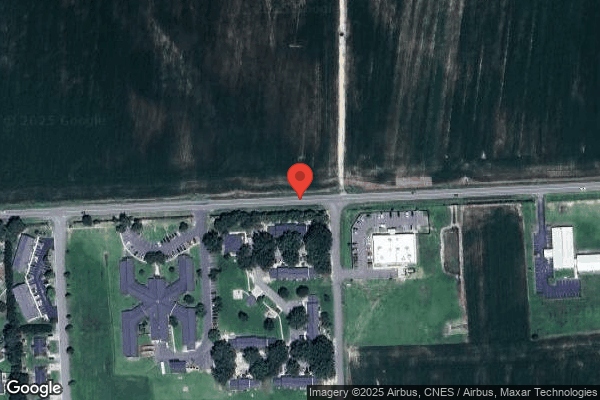
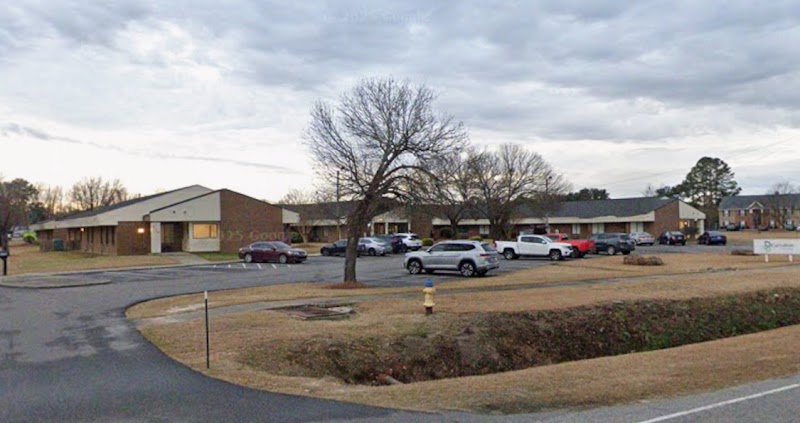
1170 Linkhaw Road, Lumberton, NC 28358 (910) 671-1163
For profit - Limited Liability company 90 Beds CARROLTON NURSING HOMES Data: November 2025 2 Immediate Jeopardy citations
Trust Grade
11/100
#394 of 417 in NC
Last Inspection: November 2024

Within standard 12-15 month inspection cycle. Federal law requires annual inspections.

Overview

The Carrolton of Lumberton has a Trust Grade of F, indicating significant concerns about the quality of care provided. With a state rank of #394 out of 417, they are in the bottom half of nursing homes in North Carolina, and they rank #5 out of 6 facilities in Robeson County, meaning only one local option is better. Unfortunately, the facility is worsening, with issues increasing from 10 in 2023 to 11 in 2024. While staffing is average with a turnover rate of 45%, there is concerning RN coverage, which is lower than 87% of facilities in the state. The facility has also incurred $37,087 in fines, suggesting ongoing compliance issues. Specific incidents include a resident with severe cognitive impairment being allowed to wander unsupervised, leading to a dangerous situation when they exited the facility, and reports of unwanted touching involving vulnerable residents that could have resulted in serious harm. Overall, while there are some strengths, such as average staffing, the significant weaknesses raise serious concerns for families considering this facility for their loved ones.

Trust Score
F
11/100
In North Carolina
#394/417
Bottom 6%
Safety Record
High Risk
Review needed
Inspections
Getting Worse
10 → 11 violations
Staff Stability
⚠ Watch
45% turnover. Above average. Higher turnover means staff may not know residents' routines.
Penalties
✓ Good
$37,087 in fines. Lower than most North Carolina facilities. Relatively clean record.
Skilled Nurses
⚠ Watch
Each resident gets only 19 minutes of Registered Nurse (RN) attention daily — below average for North Carolina. Fewer RN minutes means fewer trained eyes watching for problems.
Violations
⚠ Watch
26 deficiencies on record. Higher than average. Multiple issues found across inspections.
★☆☆☆☆
1.0
Overall Rating
★★★☆☆
3.0
Staff Levels
★☆☆☆☆
1.0
Care Quality
★★☆☆☆
2.0
Inspection Score
Stable
2023: 10 issues
2024: 11 issues

The Good

  • Full Sprinkler Coverage · Fire safety systems throughout facility
  • No fines on record

Facility shows strength in fire safety.

The Bad

1-Star Overall Rating

Below North Carolina average (2.8)

Significant quality concerns identified by CMS

Staff Turnover: 45%

Near North Carolina avg (46%)

Higher turnover may affect care consistency

Federal Fines: $37,087

Above median ($33,413)

Moderate penalties - review what triggered them

Chain: CARROLTON NURSING HOMES

Part of a multi-facility chain

Ask about local staffing decisions and management

The Ugly 26 deficiencies on record

2 life-threatening
Nov 2024 11 deficiencies
CONCERN (D) 📢 Someone Reported This

A family member, employee, or ombudsman was alarmed enough to file a formal complaint

Potential for Harm - no one hurt, but risky conditions existed

Free from Abuse/Neglect (Tag F0600)

Could have caused harm · This affected 1 resident

**NOTE- TERMS IN BRACKETS HAVE BEEN EDITED TO PROTECT CONFIDENTIALITY** Based on record review, observation, and staff interviews, the facility failed to protect a resident's right to be free from res...

Read full inspector narrative →
**NOTE- TERMS IN BRACKETS HAVE BEEN EDITED TO PROTECT CONFIDENTIALITY** Based on record review, observation, and staff interviews, the facility failed to protect a resident's right to be free from resident to resident physical abuse for 2 of 4 residents reviewed for abuse (Resident #35 and Resident #78). On 08/28/24 Resident #35 attempted to grab belongings out of Resident #84's hat, Resident #84 told him to stop but he continued. In response, Resident #84 grabbed Resident #35 by the arm and shook him causing Resident #35 to fall to the floor. Resident #84 then attempted to run Resident #35 over with his wheelchair. Resident #35 was not injured. On 09/23/24 Resident #78 entered Resident #76's room and Resident #76 slapped Resident #78 on the left cheek with an open hand and Resident #78 sustained mild redness to her left cheek which resolved within minutes after being assessed. Findings included: 1. Resident #35 was admitted to the facility on [DATE] with diagnoses that included, anxiety disorder, cognitive communication deficit, lack of coordination, and unsteadiness on his feet. Review of a quarterly MDS assessment dated [DATE] revealed Resident #35 had severely impaired cognition. He had no moods or behaviors during the assessment look back period. Review of a care plan for Resident #35 (initiated on 02/26/23) documented the focus area of a behavior problem related to wandering into other resident's rooms and removing their personal items such as stuffed animals and toys thinking they belong to him. The goal was for Resident #35 to have fewer episodes by the review date. Interventions included anticipation of his needs and to praise any indication of the resident's progress or improvement in behavior. Resident #84 was admitted to the facility on [DATE] with diagnoses that included schizoaffective bipolar type disorder. Review of a quarterly Minimum Data Set (MDS) assessment dated [DATE] revealed Resident #84 had moderately impaired cognition. He had displayed physical and verbal behavioral symptoms directed toward others on 1 to 3 days during the assessment look back period. He used a wheelchair for mobility. A progress note written by the Unit Manager on 08/27/24 at 10:22 AM documented that Resident #84 was noted to have behaviors. He became upset and was threatening other residents. He cursed at another resident threatening him with a plastic straw. The Nurse Practitioner (NP) was called. A new order was received to increase Seroquel (antipsychotic medication) and to send to the hospital for evaluation. In an interview with the Unit Manager on 11/19/24 at 4:13 PM she stated she did not see what happened regarding Resident #84 on 08/27/24. A staff member (she could not remember who) told her Resident #84 was having behaviors in the hallway. She explained she did not know who any of the other residents were but knew that there had been no physical contact between residents. She reported she called the NP and received an order to increase Resident #84's Seroquel medication and to send him to the hospital for evaluation. She added it was her practice to call the NP when a resident began to have behaviors instead of waiting for the NP to do rounds so that a further increase in behaviors could be avoided. She stated that because there had been no contact between residents there was no abuse issue, and she did not notify the Administrator. An interview was conducted with the NP on 11/20/24 at 2:21 PM. She stated he was familiar with Resident #84. She recalled she had been contacted on 08/27/24 because the resident was in a rage, and she had increased his antipsychotic medication (Seroquel) at that time. The care plan for Resident #84 dated 08/27/24 documented the following focal area: Resident #84 has a behavior problem related to a diagnosis of schizoaffective disorder and a history of intracranial injury with loss of consciousness. On 08/11/24 the resident washed and dried a sanitizer wipe container to use for drinking and refused to use a water pitcher, on 08/23/24 the resident cursed at housekeeping and threw a trash can, and on 08/27/24 the resident threatened others, ran into another resident's wheelchair, cursed at another resident while pointing a plastic straw in a threatening/stabbing motion. The resident was sent to the hospital for assessment. The goal was for Resident #84 to have fewer episodes by the next review date. Interventions included an increase in the dosage of his antipsychotic medication, administer medications as ordered and monitor for side effects, anticipate and meet his needs, intervene as necessary to protect the rights and safety of others, approach and speak in a calm manner, divert attention, remove from the situation and take to an alternate location, and a psychological evaluation as needed. An interview was conducted with the Director of Nursing (DON) and the Assistant Director of Nursing (ADON) on 11/19/24 at 3:50 PM. The DON stated he had not been aware that any incident involving Resident #84 had occurred on 08/27/24 until today. The ADON stated she had only heard about it. She was aware his antipsychotic medication had been increased and no further action had been taken. An interview was conducted on 11/20/24 at 3:05 PM with the Case Manager at the hospital who cared for Resident #84 on 08/27/24. She stated on 08/27/24 Resident #84 presented at the emergency room for assessment related to a verbal altercation. She reported that Resident #84 was assessed as safe for discharge by the psychiatric team and the medical physician. He returned to the nursing home on [DATE]. A progress note written in the medical record of Resident #35 by the Assistant Director of Nursing (ADON) on 08/28/24 at 3:16 PM documented she had heard a resident yelling for help in the dining room. She entered the dining room and noted Resident #35 was on the floor and Resident #84 in from of Resident #35 in his wheelchair trying to run Resident #35 over with his wheelchair. Resident #35 was yelling out for help. The residents were separated and Resident #35 was assessed by the nurse and the NP. No new injuries were observed. Other residents in the dining room for the activity reported Resident #84 pushed Resident #35 to the ground. A progress note written in the medical record of Resident #84 by the ADON on 08/28/24 at 3:47 PM documented that she had heard yelling from the dining room and noted Resident #84 in his wheelchair over Resident #35 attempting to run him over. Resident #84 was yelling that Resident #35 took his money. The residents were separated. An order was received to send Resident #84 to the hospital for evaluation. The Initial Allegation Report dated 08/28/24 documented an allegation of resident abuse. Resident #84 was noted to have pushed Resident #35 to the floor while participating in group activities in the dining hall. The incident was witnessed by other residents and staff. Both residents were immediately separated and Resident #35 was assessed. No injuries were noted to Resident #35. The provider was notified and an order was received to send Resident #84 to the hospital for evaluation. Emergency medical services (EMS) and police were dispatched. Resident #35 complained of right ankle pain and range of motion to the right ankle was at baseline. Pharmacological intervention was initiated by the primary nurse. No mental anguish was noted. A witness statement written by the DON documented he had been sitting in the conference room on 08/28/24 when he heard a resident yell. He immediately got up and went into the dining room to see Resident #35 sitting on the ground. Resident #84 shouted, He tried to take my hat, and it has my money in it. Resident #35 was assessed and got off the floor into a chair. Resident #84 was immediately removed from the dining room and taken to the front lobby with one to one (1:1) supervision. The medical director, attending physician, and NP were all notified. Order were given to send Resident #84 to the emergency department for psychiatric evaluation related to combative behaviors. Resident #35 was taken to the DON office and interviewed regarding the altercation. Resident #35 stated, He pushed me down. I don't hurt. Resident #35's skin was assessed by the primary nurse and DON and no injuries were noted. The statement was signed by the DON but was not dated. An interview was conducted with the ADON on 11/19/24 at 1:07 PM. She stated Resident #84 was involved in a resident to resident altercation over money (08/28/24). She explained when she arrived at the dining hall Resident #84 was in his wheelchair leaning over Resident #35 who was on the ground. Resident #84 was trying to run over Resident #35 with his wheelchair. Resident #84 said, Don't take my money! She stated she separated the residents. She told the Unit Manager to call the NP who gave the facility an order to send Resident #84 to the hospital for an assessment. The following interview between the ADON and Resident #53 was documented by the ADON. She documented that she had spoken with Resident #53 regarding the incident that occurred between Resident #84 and Resident #35. The ADON wrote that Resident #53 told her Resident #35 passed Resident #84 in the dining room. Resident #84 had his hat sitting on the table with belongings in it. When Resident #35 passed the table he attempted to grab the belongings out of Resident #84's hat. Resident #84 told Resident #35 several times not to but Resident #35 continued to grab his things. Resident #84 then stated, I'm going to get you, I'm going to get you. Then Resident #84 proceeded to grab Resident #35 by his arm and shake him, causing him to fall to the ground. This undated statement was signed by the ADON and Resident #53. Record review of a quarterly MDS assessment dated [DATE] revealed Resident #53 had intact cognition. The ADON documented an interview she conducted with Resident #33. The written statement is not dated. She documented she had spoken with Resident # 33 about the incident that happened between Resident #84 and Resident #35. Resident #33 told her he saw Resident #84 grab Resident #35 by his arm and Resident #35 fell to the floor. Resident #33 told the ADON he did not see Resident #35 take anything from Resident #84. This statement was signed by the ADON only. Record review of a quarterly MDS assessment dated [DATE] revealed Resident #33 had intact cognition. The Investigation Report dated 08/30/24 completed by the DON related to the 08/28/24 allegation of resident abuse involving Resident #84 and Resident #35 was substantiated. Resident #84 was no longer a resident at the facility and was not available for interview. An interview was conducted with the Director of Nursing (DON) on 11/19/24 at 1:58 PM. He stated he was present when the resident to resident altercation occurred on 08/28/24 with Resident #84 and Resident #35. He reported that he had been in the conference room when he heard a resident yelling from the dining hall. When he arrived Resident #35 was on the floor and Resident #84 was over him. He took Resident #84 to the front lobby with 1:1 supervision until the ambulance arrived to take him to the hospital for assessment. He helped the ADON do a skin assessment on Resident #35 and started an initial report of abuse. An interview was conducted with the interim Administrator on 11/19/24 at 12:44 PM. He stated that Resident #84 had a history of resisting care, and cursing at and throwing things at staff. He explained the staff were scared of him. He stated since Resident #84 went to the hospital and did not return he expected the other residents and staff would be safe. 2) Resident #76 was admitted to the facility on [DATE]. Diagnoses included dementia and cognitive communication deficit. The Minimum Data Set (MDS) quarterly assessment dated [DATE] revealed Resident #76 was severely cognitively impaired, had no functional limitations in range of motion and required no mobility device. She demonstrated no behaviors during this look back period and required supervision with one staff physical assistance with bed mobility and was independent with transfers. The care plan for Resident #76's active care plan as of 9/22/24 did not include any information related to physical behaviors. Resident #78 was admitted to the facility on [DATE]. Diagnoses included Alzheimer's, dementia, cognitive communication deficit, and metabolic encephalopathy (condition in which brain function is disturbed either temporarily or permanently). The MDS dated [DATE] 5 day assessment revealed Resident #78 was severely cognitively impaired and demonstrated wandering behavior for 4 to 6 days during this assessment. She had no functional limitations with range of motion and required no mobility device and limited assistance with one staff physical assistance with bed mobility and was independent with transfers. The care plan for Resident #78 initiated on 07/03/24 revealed a plan of care was in place for an elopement risk/wanderer related to impaired cognition and safety awareness, new environment and disorientation to place, and independently able to ambulate with a goal that the resident's safety will be maintained through the review date. Interventions included distract resident from wandering by offering pleasant diversions, structured activities, food, conversation, and books; frequently monitor resident's location; document wandering behavior and attempted diversional interventions as needed; and identify pattern of wandering. A plan of care initiated on 07/09/24 was also in place for potential behavior problem related to a history of metabolic encephalopathy and dementia with agitation with a goal that the resident would have no evidence of behavior problems by review date. Interventions included administering medications as ordered; monitor/document for side effects and effectiveness; anticipate and meet the resident's needs; and intervene as necessary to protect the rights and safety of others. The initial allegation report dated 09/23/24 completed by the Administrator documented that Resident #78 entered into Resident #76's room. Resident #76 saw Resident #78 enter her room and slapped her (Resident #78) on the left cheek with an open hand. Both residents were immediately separated and Resident #76 was placed on one to one (1:1) observation. Resident #78 was noted to have no injury and denied pain. A handwritten witness statement dated 09/23/24 by Medication Aide (MA) #3 revealed MA #3 was walking on the 500 hall when she saw Resident #78 walking out of Resident #76's room. She heard Resident #76 fussing and asked Resident #78 what was going on. Resident #78 stated she had to get Resident #76 together because she was in my house. Resident #78 stated yeah, she hit my side of the head. Resident #76 stated I sure did and would do the same if somebody was in your house, too. An interview was conducted with MA #3 via phone on 11/20/24 at 2:15 PM. MA #3 reported she did not witness Resident #76 hitting Resident #78. MA #4 stated she had heard Resident #76 yelling about Resident #78 being in her room and she asked Resident #78 what had happened. MA #3 stated Resident #78 told her Resident #76 hit her on the side of her face. MA #3 stated Resident #78 had some mild redness to her left cheek. MA #3 stated she asked Resident #76 if she hit Resident #78 and Resident #76 stated she did because Resident #78 came into her house. MA #3 stated both residents appeared to be calm after the event and both residents were separated. MA #3 stated Resident #76 was placed on a one to one (1:1) where one staff observed her continuously to ensure the safety of the other residents. MA #3 stated she had not seen Resident #76 hit any resident prior to this event. MA #3 stated Resident #78 wandered around the facility freely and at times she would get confused as to where her room was. MA #3 stated she believed Resident #78 thought that Resident #76's room was hers. MA #3 stated Resident #78 would not stay in the other rooms or go through the person's belongings and that once she realized she was in the wrong room, she would leave. MA #3 stated she notified the Director of Nursing of what happened. A Psychiatry Progress Note for Resident #76 written by Nurse Practitioner (NP) #1 on 09/23/24 revealed Resident #76 presented with an episode of physical aggression towards another resident (Resident #78) which was a behavioral disturbance consistent with her Dementia diagnosis. Staff reports indicated that the resident was easily agitated and can be aggressive further supporting the diagnosis. The resident's cognitive impairment was evident during the telehealth visit as she was unable to recall the incident or the name of the facility where she resided. The plan was to initiate Depakote for mood stability to manage the resident's behavioral disturbance associated with dementia. The medication should help to reduce the resident's agitation and aggressive behavior. A follow up in-person visit was planned for 09/27/24 to further evaluate the resident's condition. The resident's need for a one on one was discussed and deemed unnecessary at that time. A Psychiatry Progress note written for Resident #78 by NP #1 dated 09/23/24 revealed, in part, Resident #78 experienced an altercation at the facility during which she was struck in the face. Examination revealed minor redness on the face which resolved quickly. There were no injuries noted and the resident did not report any pain or discomfort. The summary of the investigation report dated 09/28/24 completed by the Administrator documented the allegation involving Resident #76 and Resident #78 was substantiated. The incident was not witnessed by a staff member. The incident was vocalized to staff by both Resident #78 and Resident #76. Both residents were immediately separated. Resident #78 was assessed and noted with mild redness to the left side of her face which resolved after a few minutes. Resident #78 denied pain. An observation of Resident #76 was conducted on 11/18/24. Resident #76 was in her room with the door closed. She was pleasant but not oriented to time or place. Resident #76 had no recollection of any resident coming into her room. Observations of Resident #78 were conducted daily throughout the survey on 11/18/24 at 1:30 PM and 4:00 PM, on 11/19/24 at 9:00 AM, 10:00 AM, 11:00 AM, and 3:30 PM, on 11/20/24 at 9:30 AM, 10:45 AM, 11:35 AM, and 3:10 PM, and on 11/21/24 at 8:30 AM, 9:15 AM, 11:20 AM, and 1:10 PM. Resident #78 was alert but not oriented to time or place. Resident #78 was noted to be sitting in the common area during these times. She was not noted to be wandering in other rooms. An interview was conducted with the Social Worker (SW) on 11/20/24 at 2:30 PM. The SW stated after the event between Resident #76 and Resident #78 occurred on 09/23/24, Resident #78 was on frequent monitoring to ensure she was not wandering into other resident's rooms. The SW stated it was an isolated event and she had not seen Resident #76 hit any other residents before. An interview was conducted with the Director of Nursing (DON) on 11/20/24 at 3:30 PM. The DON reported he was made aware of Resident #76 slapping Resident #78 in the face by MA # on 09/23/24 at 1:00 PM. He stated Resident #78 wandered throughout the facility and often sat in the common area which was close to Resident #76's room. He stated Resident #78 was confused and from time to time, not very often, she would accidentally go into other residents' rooms thinking it was her room. The DON stated he assessed Resident #78 after the incident and she had some mild redness to her left cheek which resolved quickly. The DON stated he felt it was an isolated incident between Resident #76 and Resident #78.
CONCERN (D) 📢 Someone Reported This

A family member, employee, or ombudsman was alarmed enough to file a formal complaint

Potential for Harm - no one hurt, but risky conditions existed

Safe Transfer (Tag F0626)

Could have caused harm · This affected 1 resident

**NOTE- TERMS IN BRACKETS HAVE BEEN EDITED TO PROTECT CONFIDENTIALITY** Based on record review, and Resident Representative (RR), Hospital Case Manager, Psychiatric Provider, and staff interviews, the...

Read full inspector narrative →
**NOTE- TERMS IN BRACKETS HAVE BEEN EDITED TO PROTECT CONFIDENTIALITY** Based on record review, and Resident Representative (RR), Hospital Case Manager, Psychiatric Provider, and staff interviews, the facility failed to permit a resident to return to the facility after being transferred to the hospital for evaluation due to a resident to resident altercation for 1 of 1 resident reviewed for hospitalization (Resident #84). The findings included: Resident #84 was admitted to the facility 3/15/24 with diagnoses that included schizoaffective disorder, bipolar type and unspecified intracranial injury. Review of the facility Action Summary Report revealed Resident #84 had been discharged /transferred to another hospital on [DATE]. Review of a quarterly Minimum Data Set assessment dated [DATE] revealed Resident had moderately impaired cognition. He had physical and verbal behavioral symptoms directed towards other that occurred on 1 to 3 days. He used a wheelchair for mobility. He had a traumatic brain injury and schizophrenia. He had received antipsychotic and antidepressant medications during the assessment look back period. A progress note written by the Assistant Director of Nursing (ADON) on 08/28/24 at 3:47 PM documented that she had heard yelling from the dining room and noted Resident #84 in his wheelchair over Resident #35 attempting to run him over. Resident #84 was yelling that Resident #35 took his money. The residents were separated. The psychiatric provider and the RR were notified. An order was received to send Resident #84 to the hospital for evaluation. An interview was conducted with the ADON on 11/19/24 at 1:07 PM. She stated Resident #84 was involved in a resident to resident altercation over money. She recalled she had instructed the Unit Manager to call the provider and get an order to send Resident #84 to the hospital for evaluation. She stated she did not remember telling the hospital Case Manager that Resident #84 could not return to the facility because he was a danger to the other residents, but that it was so long ago that she may have. She noted that no order had been entered into the electronic medical record to send Resident #84 to the hospital or to refuse to readmit the resident on 08/28/24 because the Unit Manager had taken a verbal order from the provider and forgotten to write it. She stated she did not know that the facility had an obligation to take Resident #84 back once he was assessed to be a safe discharge from the hospital. She thought the facility had the right to deny his readmission. She also thought the psychiatric provider had given an order to the Unit Manager to not take the resident back but had not spoken to the psychiatric provider herself. The resident was not readmitted to the nursing home. An interview was conducted with the Psychiatric provider on 11/20/24 at 2:21 PM. She stated he was familiar with Resident #84. She recalled she had been contacted on 08/27/24 because the resident was in a rage, and she had increased his antipsychotic medication (Seroquel) at that time. On 08/28/24 she gave an order to send the Resident #84 back to the hospital for evaluation due to his involvement in a resident to resident altercation. She stated that was the only order she gave. She did not speak to the hospital on [DATE] and did not give an order for Resident #84 not to return to the facility. She noted it was the responsibility of the facility to take the resident back once deem to no longer be a threat. She stated she had consulted with her supervising physician who agreed with the increase in the medication Seroquel and explained it would take time for the increase in the medication to be effective and change the resident's behavior. She stated the facility could have made adjustments to take the resident back. An interview was conducted on 11/20/24 at 3:05 PM with the hospital Case Manager who cared for Resident #84 on 08/28/24. She stated she had cared for Resident #84 on 08/27/24 also when he presented to the hospital after a verbal altercation at the facility. On 08/27/24 he was cleared by psychiatry to return to the facility which he did. On 08/28/24 Resident #84 presented again at the hospital for assessment. She spoke with the ADON at the facility who informed her Resident #84 could not return to the facility because he pushed a resident and assaulted staff. The hospital Case Manager explained to the facility that Resident #84 had been evaluated by the psychiatry team and the medical physician and was assessed as safe to return to the facility. She told the ADON that the hospital was not a drop off destination and was not part of a facility discharge plan, but the ADON refused to take the resident back. The hospital Case Manager stated she contacted a family member who picked the resident up from the hospital and took him home. She stated the family member was in disbelief that the facility refused to take him back. A progress note written by the Social Worker at the facility on 09/12/24 at 2:49 PM documented that he had a meeting with the RR for Resident #84 and provided him with an FL2 form (a medical form that a doctor completes to describe a patient's medical condition and the level of care they need), order summary and NCTracks (a multi-payer Medicaid Management Information System for the North Carolina Department of Health and Human Services) Approved FL2 in case the family needed the forms to place the resident elsewhere. An interview was conducted with the facility Social Worker on 11/21/24 at 9:49 AM. He stated the RR of Resident #84 came to the facility seeking documentation to place the resident at another facility. He explained that the resident had gone to the hospital for evaluation and normally would return once cleared by the hospital physician as not a danger, but Resident #84 did not return. He concluded once the resident left the facility he was no longer involved with his care except for when the RR requested documents to place the resident elsewhere. An interview was conducted with the RR on 11/21/24 at 12:33 PM. He stated he was not prepared to care for Resident #84 at his home. He explained the hospital had contracted him on 08/28/24 and asked him to pick up the resident because the nursing home would not take him back and that he was ready for discharge. He stated he was able to set up a room and make accommodations for Resident #84's wheelchair in his home. The RR reported Resident #84 had not received his checks since he left the facility, and the RR had gone through all his savings in an effort to care for Resident #84 and provide basic needs such as food. He stated he did not have any help and was providing all of Resident #84's care himself. He explained he was working with a doctor to find placement for Resident #84 but that so far two other facilities had denied him admission based on a history of violent behaviors. An interview was conducted with the Director of Nursing (DON) on 11/19/24 at 1:58 PM. He stated he was present when the resident to resident altercation occurred with Resident #84. He reported that Resident #84 was taken to the front lobby with 1:1 supervision until the ambulance arrived to take him to the hospital for assessment. He noted the facility had an obligation to hold his bed for 30 days after a discharge to the hospital. He stated he was aware that the facility could not refuse to take the resident back after he was cleared by the hospital as a safe discharge. He was not aware the hospital had been told the resident could not return. He stated he knew the resident had gone home with a family member. An interview was conducted with the Administrator on 11/19/24 at 12:44 PM. He stated he had not been involved with the case because the DON had filed all the reports to the State. He noted that he was not aware the ADON had refused to take the resident back. He thought it was a judgement call by the ADON at the time because staff feared Resident #84 who hollered and cursed them. He stated he was aware it was the facility's obligation to take Resident #84 back when he was evaluated as safe for discharge by the hospital.
CONCERN (D) 📢 Someone Reported This

A family member, employee, or ombudsman was alarmed enough to file a formal complaint

Potential for Harm - no one hurt, but risky conditions existed

Deficiency F0658 (Tag F0658)

Could have caused harm · This affected 1 resident

**NOTE- TERMS IN BRACKETS HAVE BEEN EDITED TO PROTECT CONFIDENTIALITY** Based on observations, record review, and Consulting Pharmacist, Nurse Practitioner and staff interviews, the facility failed to...

Read full inspector narrative →
**NOTE- TERMS IN BRACKETS HAVE BEEN EDITED TO PROTECT CONFIDENTIALITY** Based on observations, record review, and Consulting Pharmacist, Nurse Practitioner and staff interviews, the facility failed to a) clarify a physician's order for 26 days to determine the right dose to be administered for a daily topical medication to manage pain related to osteoarthritis (degeneration of bone that can cause pain) for Resident #60, b) follow the physician's orders to remove a lidocaine patch (medicated topical pain patch) after 12 hours of use to prevent potential skin irritation, redness, swelling, and/or discomfort for Resident #67 and c) to administer the correct ordered dose of a supplemental medication three times for Resident #18. This was for 3 of 3 residents sampled for medication review. Findings included: 1a. Resident #60 was admitted to the facility on [DATE]. Diagnoses included Dementia and osteoarthritis (type of degenerative joint disease). The Minimum Data Set (MDS) admission assessment dated [DATE] revealed Resident #60 was severely cognitively impaired. A physician order written on 10/24/24 revealed an order for Diclofenac Sodium External 1% (an anti-inflammatory ointment used to treat pain) apply to left hand topically (on top of skin) three times daily for osteoarthritis. The order did not indicate the dose (# of grams) to be applied. Review of the October Medication Administration Record revealed Diclofenac Sodium External 1% apply to left hand topically three times daily, but did not indicate the dose (# of grams) to be applied. The medication was being applied three times daily as evidenced by nursing initials and check marks on the MAR from 10/24/24 through 10/31/24 for a total of 24 doses. Review of the November Medication Administration Record revealed Diclofenac Sodium External 1% apply to left hand topically three times daily, but did not indicate the dose (# of grams) to be applied. The medication was being applied three times daily as evidenced by nursing initials and check marks on the MAR from 11/01/24 through 11/19/24 for a total of 57 doses. A medication pass observation was conducted with Nurse #7 on 11/20/24 at 9:15 AM. Nurse #7 reviewed Resident #60's orders and noted he was to receive Diclofenac Sodium External 1% ointment to apply to his left hand. She was unable to locate Diclofenac Sodium External 1% for Resident #60. At this time, Nurse #7 went to the medication storage room to obtain a house stock of the Diclofenac 1% ointment. Upon return to the medication cart, Nurse #7 proceeded to apply the Diclofenac 1% ointment, but realized the order did not indicate the dose to be applied. Nurse #7 asked the Unit Manager to get the order clarified. The order was then rewritten to apply Diclofenac Sodium External 1% apply 2 grams to left hand topically three times daily for osteoarthritis. Nurse #7 applied the ordered 2 grams of the Diclofenac 1% ointment to Resident #60's left hand. An interview was conducted with Nurse #7 on 11/20/24 at 9:30 AM. Nurse #7 revealed she did not realize the order for the Diclofenac 1% ointment did not have a dose indicated on the order but she knew from other residents the usual dose was between 2 - 4 grams, and stated she could not say for certain how many grams she applied to Resident #60. Nurse #7 stated she should have clarified the order to ensure she was administering the appropriate dose. Nurse #7 confirmed she had administered the ointment 15 times since 10/24/24 through 11/19/24 and was not aware of the actual dose to be applied. An interview was conducted with Nurse #5 on 11/20/24 at 4:15 PM. Nurse #5 reviewed the order for Diclofenac 1% ointment for Resident #60 and confirmed there was no dose on the order to know how much to apply. Nurse #5 stated she would squeeze some (not specific amount) on the measuring strip that was provided in the box and then apply it. Nurse #5 stated she administered the ointment 18 times since 10/24/24 through 11/19/24 and she should have clarified the order before applying the ointment. An interview was conducted with Medication Aide #2 on 11/20/24 at 1:00 PM. MA #2 stated the order did not say how much to apply so she just put a small amount on Resident #60 and she did not measure the amount. MA #2 stated she should have reported to the nurse that the order did not indicate a dose and it should have been clarified. MA #2 confirmed she applied the Diclofenac 1% ointment to Resident #60 6 times since 11/01/24. An interview was conducted Medication Aide #3 via phone on 11/20/20 at 1:22 PM. MA #3 confirmed she applied the Diclofenac 1% ointment 8 times since 10/24/24 through 11/19/24 and stated she would just put some in a cup and then apply it to Resident #60, but she did not measure it. MA #3 stated she should have reported to her nurse that the order needed to be clarified to be sure to apply the correct dose. An interview was conducted with Medication Aide #4 on 11/20/20 at 1:30 PM. MA #4 reported she would apply a small amount Diclofenac 1% on the measuring strip that was provided, but she did not know how many grams she applied. MA #4 confirmed she applied the ointment one time on 11/02/24. An interview was conducted with Nurse #6 on 11/21/24 at 10:22 AM. Nurse #6 reported that she did not usually work on that unit but confirmed she had applied the Diclofenac 1% on 11/13/24 to Resident #60 without knowing the actual number of grams to be applied. Nurse #6 stated she should have clarified this order for the actual dose to be applied. An interview was conducted with the Consulting Pharmacist via phone on 11/21/24 at 3:27 PM. The Pharmacist reviewed the order for Resident #60 for the Diclofenac 1% and stated the order should have indicated the dose amount to be applied. The Pharmacist stated she would have expected the order to be clarified back when it was put in on 10/24/24 and added that receiving too much of the Diclofenac 1% ointment would inhibit the absorption of the ointment and receiving too little of the ointment by not having it evenly spread throughout his hand, the resident may exhibit unrelieved pain. The Pharmacist added the last time she completed her monthly drug regimen review for this resident was on 10/09/24. An interview was conducted with the Director of Nursing (DON) on 11/21/24 at 3:30 PM. The DON stated he would have expected the order for the Diclofenac 1% to be clarified when the order was first initiated on 10/24/24. The DON added that the nursing staff should always utilize the 5 rights of drug administration whenever they are administering physician order medications which includes the right dose. 1b. Resident #67 was admitted to the facility on [DATE]. Diagnoses included pain. The MDS annual assessment dated [DATE] revealed Resident #67 was cognitively intact and was on a pain medication regimen for occasional moderate pain. A physician's order was written on 02/24/24 for Lidocaine external patch 4%, apply to back topically one time a day for pain. Remove after 12 hours. Review of the November 2024 Medication Administration Record (MAR) revealed the Lidocaine external patch 4% was signed off as being removed by Nurse #5 on 11/19/24 at 9:00 PM. During a medication pass with Medication Aide (MA) #1 on 11/20/24 at 8:30 AM, MA #1 revealed she was going to apply a Lidocaine Patch 4% to Resident #67's back. Prior to applying the patch, MA #1 noted the existing patch on Resident #67's back was dated 11/19/24. MA #1 stated, the nurse left your patch on last night, and she then removed the existing patch. There was no redness or skin irritation noted. MA #1 applied the new patch to Resident #67's back. An interview with Nurse #5 on 11/20/24 at 4:14 PM revealed she should not have signed off on the MAR that she removed the Lidocaine patch when she did not. Nurse #5 stated she was quickly signing off her medications to be administered and had signed off the removal of the Lidocaine patch before she was supposed to remove the patch and then forgot to remove the patch because she got busy. An interview with the Nurse Practitioner (NP) on 11/21/24 at 2:40 PM via phone revealed she would have expected the Lidocaine Patch to be removed after 12 hours as ordered. The NP stated wearing lidocaine patches for more than 12 hours can cause skin irritation, redness, swelling, and discomfort. The NP stated if there was no irritation noted it would be okay for MA #1 to apply the new patch as ordered. An interview was conducted with the Director of Nursing on 11/21/24 at 3:30 PM. The DON stated he would have expected his nursing staff to remove the Lidocaine Patch as ordered. 1c. Resident #18 had a physician's order written on 11/15/24 for Vitamin D3 125 micrograms (mcg) 5000 units one tablet by mouth once daily. A medication pass observation was conducted on 11/20/24 at 8:30 AM with Medication Aide #1 for Resident #18. MA #1 reviewed Resident #18's orders and noted he was to receive Vitamin D3 125 mcg/5,000 units one tablet daily. MA #1 checked her medication cart for this supplement and was noted to have a bottle of Vitamin D3 25 mcg/400 unit bottle only. MA #1 did not administer the Vitamin D3 25 mcg/400 unit dose. An interview with Medication Aide #1 on 11/20/24 at 8:30 AM revealed the order for the Vitamin D3 125 mcg/5,000 units changed on 11/15/24 and they were waiting for it to arrive from the Pharmacy. MA #1 stated there was no order to give the Vitamin D3 25 mcg/400 unit tablet until the Vitamin D3 125 mcg/5000 unit tablets arrived. The MA stated there was no order to hold the Vitamin D3 125 mcg/5000 units until it was available. MA #1 stated she should have notified the Nurse that the medication was not available so that the Nurse could obtain an order to hold the Vitamin D3 125 mcg/5000 until it was available. During reconciliation of the medication pass conducted with Medication Aide #1, a review of the November 2024 Medication Administration Record (MAR) revealed the medication to treat a Vitamin D deficiency, Vitamin D3 125 mcg 5000 units, was signed off as given by Medication Aide #5 on 11/16/24, MA #4 on 11/17/24 and MA #1 on 11/18/24 and 11/19/24. An interview with MA #1 on 11/20/24 at 10:10 AM revealed she administered the Vitamin D3 25 mcg/400 units tablet on 11/18/24 and 11/19/24. She stated she misread the bottle of Vitamin D3 and thought it was 125 mcg but it was 25 mcg. A phone interview with MA #4 on 11/20/24 at 1:00 PM revealed she administered the Vitamin D3 25 mcg/400 units tablet on 11/18/24 and 11/19/24. She stated she misread the bottle of Vitamin D3 and thought it was 125 mcg but it was 25 mcg. A phone interview was attempted with MA #5 on 11/20/24 at 1:17 PM. MA #4 did not return call. An interview was conducted with the Consulting Pharmacist via phone on 11/21/24 at 3:27 PM. The Pharmacist stated that not receiving the ordered dose but getting a lower than intended dose would not cause ill effects or harm. The Pharmacist stated, however, that she would have expected the Medication Aides to read the label carefully to ensure they was administering the ordered dose according to the 5 rights of drug administration (right patient, right drug, right dose, right route of administration, and right time). An interview was conducted with the Director of Nursing on 11/21/24 at 3:30 PM. The DON stated it was the responsibility of the Medication Aides to read the labels carefully to make sure the right medication and the right dose was being administered and that they should have alerted the Nurse to notify the physician to hold the Vitamin D3 125 mcg/5000 units until it arrived.
CONCERN (D) 📢 Someone Reported This

A family member, employee, or ombudsman was alarmed enough to file a formal complaint

Potential for Harm - no one hurt, but risky conditions existed

Incontinence Care (Tag F0690)

Could have caused harm · This affected 1 resident

**NOTE- TERMS IN BRACKETS HAVE BEEN EDITED TO PROTECT CONFIDENTIALITY** Based on observations, record review, and resident and staff interview the facility failed to secure a resident's indwelling uri...

Read full inspector narrative →
**NOTE- TERMS IN BRACKETS HAVE BEEN EDITED TO PROTECT CONFIDENTIALITY** Based on observations, record review, and resident and staff interview the facility failed to secure a resident's indwelling urinary catheter tubing to prevent tension or trauma for 1of 1 resident reviewed for urinary catheter (Resident #54). Findings included: Resident #54 was admitted to the facility on [DATE] with diagnoses that included pressure ulcer sacral region stage IV and dementia. The quarterly Minimum Data Set assessment dated [DATE] revealed Resident #54's cognition was moderately impaired, was incontinent of bowel and bladder, had a stage IV sacral pressure ulcer, and had an indwelling urinary catheter. Review of Resident #54's care plan revised 11/2024 addressed the use of an indwelling urinary catheter. Resident #54 had a stage IV pressure ulcer to her sacrum and potential for further pressure ulcer development and infections related to: mobility impairments, incontinent of bowel and bladder, diabetes, fragile skin integrity, and indwelling urinary catheter. A stage IV sacral pressure wound dressing observation was conducted on 11/20/24 at 9:20 AM with the Wound Treatment Nurse. During the observation, Resident #54 was lying in bed with her urinary catheter tubing hanging off the right side of the bed without the tubing being secured, and the catheter bag was hooked to the lower right side of the bed. An interview was conducted on 11/20/24 at 9:30 AM with Resident #54. When the Resident was asked if the catheter tubing was secured to her leg to prevent pulling on the tubing she replied, I asked my nurse for one, but never got it, and often I don't have one. An interview was conducted on 11/20/24 at 9:33 AM with the Wound Treatment Nurse. She said the resident's catheter tubing should have been secured by her nurse and was not. The Wound Nurse was observed to remove a new stat-lock (a catheter tubing stabilizing device) out of the top drawer of her treatment cart and secured resident's urinary tubing to her upper right thigh, which the resident thanked her for doing. An interview was conducted on 11/20/24 at 9:35 AM with Nurse #2. Nurse #2 stated residents with urinary catheter tubing do not have to have a stabilizing device on their catheter tubing, and stated Resident #54 did not want one. An interview was conducted on 11/20/24 at 9:38 AM with the Assistant Director of Nursing (ADON). She stated Resident #54 should have had her urinary catheter tubing secured to her thigh per facility policy, and did not. The ADON stated there should be a stabilizing device in place for every resident in the facility with an indwelling urinary catheter. An interview was conducted with the Administrator on 11/20/24 at 9:45 AM. The Administrator explained that every indwelling urinary catheter should have a stabilizing device in place to prevent trauma caused by pulling on the catheter tubing.
CONCERN (D) 📢 Someone Reported This

A family member, employee, or ombudsman was alarmed enough to file a formal complaint

Potential for Harm - no one hurt, but risky conditions existed

Deficiency F0698 (Tag F0698)

Could have caused harm · This affected 1 resident

**NOTE- TERMS IN BRACKETS HAVE BEEN EDITED TO PROTECT CONFIDENTIALITY** Based on observations, record review, and Dialysis Nurse and staff interviews, the facility failed to follow the physician's ord...

Read full inspector narrative →
**NOTE- TERMS IN BRACKETS HAVE BEEN EDITED TO PROTECT CONFIDENTIALITY** Based on observations, record review, and Dialysis Nurse and staff interviews, the facility failed to follow the physician's orders to remove a dressing to an arterial venous fistula (a surgically created connection between artery and vein in the arm used for dialysis treatments) one hour after dialysis treatment to monitor for bleeding at the access cite and to prevent potential damage to the access cite for 1 of 2 residents (Resident #69) reviewed for dialysis. Findings included: Resident #69 was admitted to the facility on [DATE]. Diagnoses included, in part, end stage renal disease (ESRD) and dependent on dialysis. The MDS admission assessment dated [DATE] revealed Resident #69 was moderately cognitively impaired and was receiving dialysis services. Resident #69's care plan dated 10/22/24 revealed a plan of care for requiring hemodialysis with a goal that resident would have no signs or symptoms of complications from dialysis through the review date. Interventions to include, in part, monitor/document/report as needed any signs or symptoms of infection to access site such as redness, swelling, warmth or drainage. A physician's order written on 10/11/24 revealed Resident to receive dialysis on Monday, Wednesday, and Friday. A dialysis communication sheet dated 10/20/24 written by the Dialysis Nurse revealed under other concerns a note indicating please remove gauze dressing from dialysis site the night of dialysis. Leaving it on can damage the access. A physician's order was written on 11/01/24 to remove dressing to left arm dialysis access site approximately one hour after return from dialysis each evening shift on Monday, Wednesday, and Friday. Review of the November 2024 MAR revealed the order to remove the dressing to left arm dialysis access site was signed off as being removed by Nurse #5 on 11/20/24. An interview was conducted with Nurse #5 on 11/21/24 at 10:45 AM. Nurse #5 revealed there was no order to remove the dressing so she did not remove the dressing. Nurse #5 reviewed the physician orders and confirmed there was an order in the MAR to remove the dressing. Nurse #5 stated she did not usually remove the dressing from access sites and that the Medication Aide's removed the dressings. An observation of Resident #69 on Thursday, 11/21/24 at 9:30 AM, revealed Resident #69 was noted to have his dressing in place to his left arm access site. An interview with Nurse Aide #4 on 11/21/24 at 9:30 AM revealed she was getting Resident #69 ready for his bed bath at this time and she was removing the dressing from Resident #69's left arm access site. She stated the dressing had been on since yesterday's dialysis treatment and she did not see any blood seeping through the dressing and felt it was safe to remove. An interview was conducted with the Dialysis Nurse via phone on 11/21/24 at 2:55 PM. The Dialysis Nurse stated she notified the facility on 10/20/24 via a communication form to be sure to remove the dressing to the fistula site for Resident #69 the day of receiving the dialysis treatment. The Dialysis Nurse stated leaving the dressing on for extended period of time causes indents to the arterial venous fistula and makes it difficult to access the fistula in order to dialyze. An interview was conducted with the Director of Nursing on 11/21/24 at 3:30 PM. The DON reported there had been a concern in the past that the dressing was not being removed the night of the dialysis treatment and he had addressed the concern with his nursing staff to ensure the dressing was removed after each dialysis treatment on Monday, Wednesday and Friday and had an order put in place on 11/01/24 to remind nursing staff to remove the dressing. He stated Nurse #5 should have been aware of the physician's order as it was part of Resident #69's medication administration record. The DON stated the dressing could be removed from nursing staff with the expectation that if there was any bleeding noted, the nursing staff such as Nurse Aides and Medication Aides would notify the licensed nurse in charge.
CONCERN (D) 📢 Someone Reported This

A family member, employee, or ombudsman was alarmed enough to file a formal complaint

Potential for Harm - no one hurt, but risky conditions existed

Unnecessary Medications (Tag F0759)

Could have caused harm · This affected 1 resident

**NOTE- TERMS IN BRACKETS HAVE BEEN EDITED TO PROTECT CONFIDENTIALITY** Based on observations, record review and staff interviews the facility failed to ensure it was free of medication error rates gr...

Read full inspector narrative →
**NOTE- TERMS IN BRACKETS HAVE BEEN EDITED TO PROTECT CONFIDENTIALITY** Based on observations, record review and staff interviews the facility failed to ensure it was free of medication error rates greater than 5% as evidenced by 2 medication errors out of 25 opportunities, resulting in a medication error rate of 8% for 1 of 3 residents (Resident #60) observed during medication administration preparation. Findings included: Resident #60 was admitted to the facility on [DATE]. The Minimum Data Set (MDS) admission assessment dated [DATE] revealed Resident #60 was severely cognitively impaired. On 11/20/24 at 9:15 AM a medication administration preparation was observed with Nurse #7 for Resident #60. Nurse #7 was observed preparing the following medications for administration: Allopurinol (a medication to treat gout) 100 milligrams (mg) one tablet, Ciprofloxacin (an antibiotic medication to treat infection) 500 mg (2 tablets), Finasteride (a medication to treat enlarged prostate) 5 mg one tablet, Haldol (a medication to treat psychosis) 5 mg one tablet, Protonix (a medication to treat reflux disease) 20 mg one tablet, Seroquel (a medication to treat depression) 25 mg one tablet, Flomax (a medication to treat enlarged prostate) 0.4 mg capsule and aspirin (a cardiac supplement) 81 mg one tablet. Nurse #7 was noted have put all the medications except for the Flomax in a medication dispensing cup. A review of the Ciprofloxacin medication dispensing card for Resident #60 revealed one tablet should be administered twice daily. Nurse #7 was observed putting two tablets in the dispensing cup. A review of the Protonix medication dispensing card for Resident #60 revealed a bright yellow sticker which read do not crush under special instructions. Nurse #7 placed the medication in the dispensing cup. An interview with Nurse #7 at this time revealed she had dispensed all the medications ordered for Resident #60 and was going to crush them to be administered to him. Nurse #7 stated this completed her medication preparation for Resident #60 and stated she was going to crush all the medications in the dispensing cup at this time and was prepared to administer them to Resident #60. Nurse #7 stated that after she crushed all the other medications, she would open the Flomax capsule and pour the contents into the medication dispensing cup. Nurse #7 stated Resident #60 liked his crushed medications mixed in with apple sauce. Nurse #7 proceeded to crush all the medications that were in the dispensing cup with the exception of the Flomax capsule. Nurse #7 placed all of the medications in the small bag provided bag provided to crush the medications and positioned the bag in the machine to be crushed. Nurse #7 was asked at this time if all the medications should be crushed and she replied yes except for the Flomax because she would open the capsule and pour it over the other crushed medications before administering. Nurse #7 was also asked if she followed the physician's order for the Ciprofloxacin medication. Nurse #7 counted the amount of medications that should have been in the dispensing cup and realized at this time she put 2 tablets of the Ciprofloxacin in the dispensing cup instead of 1. Nurse #7 removed one of the tablets of Ciprofloxacin. Nurse #7 reviewed the dispensing card for the Protonix medication and read out loud do not crush from the label. Nurse #7 stated she had never realized the instruction do not crush was on the dispensing card and she had always crushed the medication. Nurse #7 removed the do not crush protonix medication from the bag. A phone interview was conducted with the Consulting Pharmacist on 11/21/24 at 3:27 PM. The Pharmacist stated that administering more than the ordered dose of the Ciprofloxacin could have caused the Resident stomach discomfort such as nausea, vomiting, and diarrhea. The Pharmacist stated the do not crush instructions were important to follow for the Protonix medication because if the medication was crushed in causes the medication to be least effective in managing the resident's gastrointestinal symptoms. An interview with the Director of Nursing (DON) on 11/20/24 at 3:30 AM revealed Nurse #7 should have read the entire order on the dispensing card and in her electronic medical record before dispensing the Ciprofloxacin medication in the medication cup and she should be following any special instructions, such as do not crush prior to administration. The DON stated the special instructions of do not crush were there for a reason and the direction should be followed.
CONCERN (D) 📢 Someone Reported This

A family member, employee, or ombudsman was alarmed enough to file a formal complaint

Potential for Harm - no one hurt, but risky conditions existed

Deficiency F0761 (Tag F0761)

Could have caused harm · This affected 1 resident

Based on observations and staff interviews the facility failed to discard expired opened multidose medications for 2 of 4 medication carts reviewed (300 and 400-hall medication carts). Findings inclu...

Read full inspector narrative →
Based on observations and staff interviews the facility failed to discard expired opened multidose medications for 2 of 4 medication carts reviewed (300 and 400-hall medication carts). Findings included: a. An observation of the 300 Hall medication cart was conducted on 11/21/24 at 10:30 AM in the presence of Nurse #5. The medication cart contained an opened bottle of Geri-dryl (generic antihistamine brand of Benadryl) 25 milligrams (mg) with an expiration date of 10/24. An interview was conducted with Nurse #5 on 11/21/24 at 10:30 AM and she revealed the night shift nurses were supposed to check the medication carts during their shift for any expired medications. She stated she also checked her medication cart for expired medications but she overlooked the Geri-dryl bottle. Nurse #5 stated she did not administer any of this medication today. b. An observation of the 400 Hall medication cart was conducted on 11/21/24 at 11:30 AM in the presence of Nurse #5. The medication cart contained an opened bottle of Liquid Tylenol (pain relieving medication) 16 ounces with an expiration date of 09/24/24 and an opened bottle of Simethicone (a medication to relieve intestinal gas) 80 mg with an expiration date of 08/24/24. An interview was conducted with Nurse #5 on 11/21/24 at 11:30 AM and she revealed the night shift nurses were supposed to check the medications carts during their shift for any expired medications. She stated she also checked her medication cart for expired medications but she overlooked the Liquid Tylenol and the Simethicone. She stated both medications were expired and should have been removed from the medication cart and that neither medication was administered today. An interview was conducted with the Director of Nursing (DON) on 11/21/24 at 3:30 PM. The DON stated it was the facilities responsibility to ensure that all medications on the medication carts should not be expired. He stated the night shift nurses were responsible for going through the medication carts and the medication rooms since they had more down time to ensure that there were no medications on the carts or in the storage room that had expired.
CONCERN (D) 📢 Someone Reported This

A family member, employee, or ombudsman was alarmed enough to file a formal complaint

Potential for Harm - no one hurt, but risky conditions existed

Medical Records (Tag F0842)

Could have caused harm · This affected 1 resident

**NOTE- TERMS IN BRACKETS HAVE BEEN EDITED TO PROTECT CONFIDENTIALITY** Based on observations, record review and staff interviews, the facility inaccurately documented the removal of a lidocaine patch...

Read full inspector narrative →
**NOTE- TERMS IN BRACKETS HAVE BEEN EDITED TO PROTECT CONFIDENTIALITY** Based on observations, record review and staff interviews, the facility inaccurately documented the removal of a lidocaine patch (medicated topical pain patch) and the presence of a fall mat for 1 of 3 residents (Resident #67) observed during a medication pass, and inaccurately documented the removal of a dressing to an arterial venous access (vascular access to arm used for dialysis treatments) for 1 of 2 residents (Resident #69) observed for dialysis. Findings included: Resident #67 was admitted to the facility on [DATE]. Diagnoses included stroke with left side weakness, abnormalities of gait and mobility, lack of coordination, pain, and limitation of activities due to disability. 1a. A physician's order was written on 02/24/24 for Lidocaine external patch 4%, apply to back topically one time a day for pain. Remove after 12 hours. The Minimum Data Set (MDS) annual assessment dated [DATE] revealed Resident #18 was cognitively intact and was on a pain medication regimen for occasional moderate pain. During a medication pass with Medication Aide (MA) #1 on 11/20/24 at 8:30 AM, MA #1 revealed she was going to apply a Lidocaine Patch 4% to Resident #67's back. Prior to applying the patch, MA #1 noted the existing patch on Resident #67's back was dated 11/19/24. MA #1 stated, the nurse left your patch on last night, and she then removed the existing patch. There was no redness or skin irritation noted. MA #1 applied the new patch to Resident #67's back. Review of the November 2024 Medication Administration Record (MAR) revealed the Lidocaine external patch 4% was signed off as being removed by Nurse #5 on 11/19/24 at 9:00 PM. An interview with Nurse #5 on 11/20/24 at 4:14 PM revealed she should not have signed off on the MAR that she removed the Lidocaine patch when she did not. Nurse #5 stated she was quickly signing off her medications to be administered and had signed off the removal of the Lidocaine patch before she was supposed to remove the patch and then forgot to remove the patch because she got busy. An interview was conducted with the Director of Nursing (DON) on 11/21/24 at 3:30 PM. The DON stated he would have expected his nursing staff to remove the Lidocaine Patch as ordered and to then to sign it off on the Medication Administration Record after it was removed. The DON stated had Nurse #5 removed the Lidocaine Patch from Resident #67 and then signed it off as completed there would be no error or inaccurate documentation. 1b. A physician's order was written on 02/27/24 for nurse to check fall mat placement every shift. An observation of Resident #67's room on 11/20/24 at 10:10 AM revealed there was no fall mat at his bedside. Review of the November 2024 MAR revealed the order to check fall mat placement was signed off as being checked for placement by Medication Aide #1 on 11/20/24. An interview with MA #1 on 11/20/24 at 10:10 AM revealed she signed off on the MAR that the fall mat was in place and she should not have since it was not there. She stated she was just clicking off all medications and must have clicked off the fall mat placement in error. An interview was conducted with the Director of Nursing on 11/21/24 at 3:30 PM. The DON revealed the fall mat was needed to aide in keeping Resident #67 from serious injury if he should fall from bed. The DON reported he would have expected Medication Aide #1 to check for fall mat placement before signing off that it was in place. 2. Resident #69 was admitted to the facility on [DATE]. Diagnoses included, in part, end stage renal disease (ESRD) and dependent on dialysis. The MDS admission assessment dated [DATE] revealed Resident #69 was moderately cognitively impaired and was receiving dialysis services. A physician's order written on 10/11/24 revealed Resident #69 was to receive dialysis on Monday, Wednesday, and Friday. A dialysis communication sheet sent to the facility dated 10/20/24 written by the Dialysis Nurse revealed under other concerns a note indicating please remove gauze dressing from dialysis site the night of dialysis. Leaving it on can damage the access. A physician's order was written on 11/01/24 to remove dressing to left arm dialysis access site approximately one hour after return from dialysis each evening shift on Monday, Wednesday, and Friday. Review of the November 2024 MAR revealed the order to remove the dressing to left arm dialysis access site was signed off as being removed by Nurse #5 on 11/20/24. An observation of Resident #69 on Thursday, 11/21/24 at 9:30 AM, revealed Resident #69 was noted to have his dressing in place to his left arm access site. An interview with Nurse Aide #4 on 11/21/24 at 9:30 AM revealed she was getting Resident #69 ready for his bed bath at this time and she was removing the dressing from Resident #69's left arm access site. She stated the dressing had been on since yesterday's dialysis treatment and she did not see any blood seeping through the dressing and felt it was safe to remove. An interview was conducted with Nurse #5 on 11/21/24 at 10:45 AM. Nurse #5 revealed there was no order to remove the dressing so she did not remove the dressing. Nurse #5 reviewed the physician orders and confirmed there was an order in the MAR to remove the dressing. Nurse #5 stated she should not have signed off removing the dressing when she did not remove the dressing. Nurse #5 stated she did not realize she signed the order off in the MAR. An interview was conducted with the Director of Nursing on 11/21/24 at 3:30 PM. The DON reported there had been a concern in the past that the dressing to Resident #69's access site was not being removed the night of the dialysis treatment and he had addressed the concern with his nursing staff to ensure the dressing was removed after each dialysis treatment on Monday, Wednesday and Friday. The DON stated he had an order put in place on 11/01/24 to remind nursing staff to remove the dressing from the access site. He stated Nurse #5 should not have documented that she removed the dressing, when in fact, she did not. He stated it was inaccurate documentation.
CONCERN (D) 📢 Someone Reported This

A family member, employee, or ombudsman was alarmed enough to file a formal complaint

Potential for Harm - no one hurt, but risky conditions existed

Infection Control (Tag F0880)

Could have caused harm · This affected 1 resident

Based on observations, record review, and staff interviews, facility staff failed to implement their policy for Enhanced Barrier Precautions (EBP) when Nurse #1 and Nurse #3 failed to apply a gown bef...

Read full inspector narrative →
Based on observations, record review, and staff interviews, facility staff failed to implement their policy for Enhanced Barrier Precautions (EBP) when Nurse #1 and Nurse #3 failed to apply a gown before entering residents' room to provide care for 2 of 2 residents (Resident #40 and Resident #12). The deficient practice occurred for 2 of 2 staff members observed for infection control practices. Findings included: Review of the facility's policy titled Enhanced Barrier Precautions (EBP) dated 04/01/24 read in part: EBPs require use of gown and gloves by staff during high-contact patient care activities. During an observation on 11/20/24 and 11/21/24 an EBP sign was posted by Resident #40 and Resident #12's room door that read in part: All Health Personnel must: wear gloves and gown for the following high-contact resident care activities: Device care or use for tracheostomy, or wound care, with any skin opening requiring a dressing. a. An observation was conducted on 11/20/24 at 2:05 PM of Nurse #3 providing tracheostomy care for Resident #40. Nurse #3 performed hand hygiene upon entering the room and applied a clean pair of gloves and mask, but did not apply a gown. Nurse #3 removed the old gauze around the tracheostomy and cleaned around the inner and outer cannula of the tracheostomy with a normal saline soaked gauze. He then removed his gloves and performed hand hygiene. He applied a clean pair of gloves, and gown after being asked prior to the inner cannula change if a gown was required for trach care. Nurse #3 was asked prior to the inner cannula change if a gown was needed during high contact resident care activities like tracheostomy care. Nurse #3 stated he did not think a gown was necessary. Nurse #3 then read the EBP sign on the resident's door during the interview and agreed that a gown was indeed necessary when doing high-contact care activities, which included tracheostomy care. An interview conducted with Nurse #3 on 11/20/24 at 2:30 PM revealed he received training on the facility's EBP policy and procedure. Nurse #3 stated he was aware Resident #40 was on EBP due to having a tracheostomy and Nurse #3 indicated he did not wear a gown when providing Resident #40's tracheostomy care prior to reading the sign on the door because he did not think it was a high-contact care. Nurse #3 indicated after he reviewed the EBP signage on Resident #40's door, he realized then that according to the signage he should have worn a gown when providing tracheostomy care. b. On 11/21/24 at 2:07 PM an observation was made of Wound Nurse #1 in Resident #12's room finishing up with wound dressing changes on two of the resident's wounds, one on the resident's right forearm and the other on her lower right leg. Wound Nurse #1 stated Resident #12 was under EBP for multiple wounds that needed daily dressings and treatment. The EBP signage located on Resident #12's door instructed staff to wear a gown and gloves during high contact resident care activities such as changing briefs or assisting with toileting and wound care for chronic wounds. Gowns were available in the personal protective equipment (PPE) cart located just outside the resident's door. Nurse #1 was observed in the resident's room, performing hand hygiene and applying gloves. Wound Nurse #1 completed Resident #12's wound care without applying a gown. An interview was conducted on 11/21/24 at 2:15 PM with Wound Nurse #1. Wound Nurse #1 was asked if Resident #1 was under any kind of precautions and she replied yes, Enhanced Barrier Precaution's which meant she needed to wear a gown and gloves before entering the resident's room. Wound Nurse #1 stated she would typically wear a gown while providing wound care however had just forgotten to put it on. She stated she would normally put on a gown while providing any wound care in the building. On 11/21/24 at 3:00 PM during an interview with the Assistant Director of Nursing (ADON), who was also the facility's Infection Control Preventionist (ICP), stated all the staff knew to abide by the different types of precautions posted on the residents' door and to follow the assigned PPE during high contact resident care activities. The interview revealed Wound Nurse #1 and Nurse #3 should have both worn a gown while providing either tracheotomy care or wound care for Resident #40 and Resident #12.
CONCERN (E) 📢 Someone Reported This

A family member, employee, or ombudsman was alarmed enough to file a formal complaint

Potential for Harm - no one hurt, but risky conditions existed

Deficiency F0727 (Tag F0727)

Could have caused harm · This affected multiple residents

Based on record review and staff interviews, the facility failed to provide 8 consecutive hours of Registered Nurse (RN) coverage a day, 7 days a week for 13 of 139 days reviewed. Findings included: R...

Read full inspector narrative →
Based on record review and staff interviews, the facility failed to provide 8 consecutive hours of Registered Nurse (RN) coverage a day, 7 days a week for 13 of 139 days reviewed. Findings included: Review of the PBJ (Payroll Based Journal) Staffing Data Report Fiscal Year - Quarter 2, 2024 (January 1-March 31, 2024) documented the facility had no RN coverage on 01/13/24, 01/20/24, 01/21/24, 02/03/24, 02/18/24, 02/24/24, 03/02/24, 03/24/24, and 03/30/24; and for Quarter 3, 2024 (April 1-June 30, 2024) on 04/06/24, 04/28/24, 05/04/24, 05/11/24, 05/12/24, and 05/26/24. Review of the facility daily staffing documentation revealed the DON (Director of Nursing) had worked 8 consecutive hours as a staff nurse on 01/21/24 and 04/06/24 after he had fulfilled his full time DON obligation (40 hours) as the DON for both weeks. In an interview with the Administrator on 11/19/24 at 12:44 PM he stated the facility had hired an RN Weekend Supervisor and there had been no recent issues with RN coverage. He noted that on some of the days that there was no weekend RN coverage the DON had worked as a staff nurse to fill the need. In an interview with the Nursing Scheduler/Payroll Manager on 11/21/24 at 11:11 AM she confirmed there was no RN coverage in the building for 8 hours on the following dates: 01/13/24, 01/20/24, 02/03/24, 02/18/24, 02/24/24, 03/02/24, 03/24/24, 03/30/24, 04/28/24, 05/04/24, 05/11/24, 05/12/24, and 05/26/24. She reported that the facility did have RN coverage in the building for 12 consecutive hours on 01/21/24 and 04/06/24. She explained the DON had worked on the floor on 02/24/24 and 04/06/24 but because he was salaried and did not punch the time clock the hours were not reported on the PBJ report. She stated that on both days the DON worked as a staff nurse, he had already worked 40 hours as the full time DON. She noted that the problem on the weekends with staffing a Registered Nurse (RN) for 8 consecutive hours was because the weekend RN Supervisor that had been employed was not reliable. She stated the facility had hired a new RN Weekend Supervisor and there have not been any recent problems with staffing. In an interview with the DON on 11/21/24 at 11:00 AM he stated that on the two days he worked as a staff nurse, he had already worked 40 hours as the full time DON both weeks. He reported that the staffing problem had occurred because the RN Weekend Supervisor they had was not dependable. He noted the position had been filled and there had been no problems with RN coverage since.
CONCERN (E) 📢 Someone Reported This

A family member, employee, or ombudsman was alarmed enough to file a formal complaint

Potential for Harm - no one hurt, but risky conditions existed

Deficiency F0760 (Tag F0760)

Could have caused harm · This affected multiple residents

**NOTE- TERMS IN BRACKETS HAVE BEEN EDITED TO PROTECT CONFIDENTIALITY** Based on observations, record review, and Consulting Pharmacist and staff interviews, the facility failed to administer the phys...

Read full inspector narrative →
**NOTE- TERMS IN BRACKETS HAVE BEEN EDITED TO PROTECT CONFIDENTIALITY** Based on observations, record review, and Consulting Pharmacist and staff interviews, the facility failed to administer the physician ordered hypotensive medication (a medication to increase blood pressure) 6 times in one month when the blood pressure reading required the administration of the medication for 1 of 3 residents (Resident #18) sampled for medication review. Findings included: Resident #18 was admitted to the facility on [DATE]. Diagnoses included high blood pressure and Vitamin D deficiency. The Minimum Data Set (MDS) admission assessment dated [DATE] revealed Resident #18 was moderately cognitively impaired. A physician's order written on 09/11/24 for Midodrine (medication used to treat orthostatic hypotension (sudden fall in blood pressure that can occur when a person assumes a standing position) 5 milligrams (mg) give one tablet by mouth as needed for blood pressure less than 110/60 millimeter of mercury (mm/Hg). A physician's order written on 11/15/24 for Metoprolol Tartrate (a medication to treat high blood pressure) 25 mg give one tablet by mouth twice daily; hold for systolic blood pressure (SBP) less than 110 mm/Hg or diastolic blood pressure (DBP) less than 60 mm/Hg. A review of the November Medication Administration Record (MAR) revealed the Metoprolol Tartrate 25 mg was held 6 days due to low blood pressure readings as evidenced by nursing initials and a checkmark. The MAR also revealed the Midodrine 5 mg was not administered as evidenced by no nursing initials or checkmark. The blood pressure recordings were as follows: 11/06/24 90/40 mm/Hg 11/06/24 106/53 mm/Hg 11/07/24 100/60 mm/Hg 11/11/24 106/64 mm/Hg 11/12/24 108/57 mm/Hg 11/14/24 100/56 mm/Hg An interview with Medication Aide (MA) #1 on 11/20/24 at 10:30 AM revealed on 11/06/24, 11/07/24 and 11/14/24, the MA #1 stated as a medication aide she was not allowed to administer as needed (PRN) medications and she would have had to notify the nurse to administer the Midodrine when the blood pressure was low. MA #1 stated she did not notify the charge nurse on duty that Resident #18's blood pressure was within the parameters to receive the ordered Midodrine 5 mg and she should have. An interview was conducted with Nurse #6 on 11/21/24 at 11:10 AM. Nurse #6 confirmed she did not administer the Midodrine to Resident #18 on 11/06/24 and 11/11/24. Nurse #6 stated she did not realize the order was in place to administer Midodrine if the blood pressure was less than 110/60 mm/Hg. An interview was conducted with MA #2 on 11/21/24 at 12:55 PM. MA #2 stated she did not notify the charge nurse on duty on 11/12/24 that Resident #18 needed the Midodrine due to his low blood pressure. MA #2 stated as a medication aide she was not allowed to administer as needed medications, and she would have had to notify the nurse to administer the Midodrine. MA #2 stated she did not realize the order to administer Midodrine was in place. An interview was conducted with the Consulting Pharmacist via phone on 11/21/24 at 3:27 PM. The Pharmacist stated if the blood pressure the nursing staff had taken and recorded was within the parameters to receive the Midodrine 5 mg, she would have expected the nursing staff to administer the medication to help elevate the resident's blood pressure and reduce the possibility of getting orthostatic hypotension. She stated not giving the Midodrine to raise the blood pressure may cause the resident's blood pressure to go even lower with the next dose of Metoprolol. The Pharmacist added that she had not done the monthly drug regimen review as yet for Resident #18, but if she had she would have put in her report a recommendation noting missed opportunities to administer the Midodrine based on the blood pressure parameters. An interview was conducted with the Director of Nursing (DON) on 11/21/24 at 3:30 PM. The DON stated if there were parameters in place to hold a medication or give a medication, he expected his nursing staff to follow the order as written. The DON stated the Medication Aides should have notified the nurse of the blood pressure so the Nurse could have administered the ordered medication. The DON added that parameters were in place for a reason and not following the order could result in a negative outcome for the resident.
May 2023 8 deficiencies
CONCERN (D)

Potential for Harm - no one hurt, but risky conditions existed

Comprehensive Assessments (Tag F0636)

Could have caused harm · This affected 1 resident

**NOTE- TERMS IN BRACKETS HAVE BEEN EDITED TO PROTECT CONFIDENTIALITY** Based on record review and staff interviews the facility failed to complete comprehensive assessments within the 14-day required...

Read full inspector narrative →
**NOTE- TERMS IN BRACKETS HAVE BEEN EDITED TO PROTECT CONFIDENTIALITY** Based on record review and staff interviews the facility failed to complete comprehensive assessments within the 14-day required timeframe for 3 of 15 residents (Resident #17, Resident #42, and Resident #5) reviewed for comprehensive Minimum Data Set (MDS) assessments. Findings included: 1. Resident #17 was admitted to the facility on [DATE]. Resident #17's admission MDS dated [DATE] was completed on 05/15/2023. An interview with the MDS Nurse was conducted on 05/25/2023 at 1:25 P.M. The MDS Nurse stated that she got behind completing the MDS assessments when she was the interim Director of Nursing (DON). She stated the current DON was hired in February and she had not had a chance to catch the assessments up to date yet. An interview was conducted with the DON on 05/25/2023 at 3:35 P.M. The DON stated the MDS Nurse was the interim DON until she was hired in February. She further stated the MDS Nurse had gotten behind with the MDS assessments and she was trying to get them submitted within the required timeframe. 2. Resident #42 was admitted to the facility on [DATE]. Resident #42's admission MDS dated [DATE] was completed on 02/28/2023. An interview was conducted with the MDS Nurse on 05/25/2023 at 1:25 P.M. The MDS stated that she got behind completing the MDS assessments when she was the interim DON. She stated the current DON was hired in February and she had not had a chance to catch the assessments up to date yet. An interview was conducted with the DON on 05/25/2023 at 3:35 P.M. The DON stated the MDS Nurse was the interim DON until she was hired in February. She further stated the MDS Nurse had gotten behind with the MDS assessments and she was trying to get them submitted within the required timeframe. 3. Resident #5 was admitted to the facility on [DATE]. Resident #5's admission MDS dated [DATE] was completed on 02/20/2023. An interview with the MDS Nurse was conducted on 05/25/2023 at 1:25 P.M. The MDS Nurse stated that she got behind completing the MDS assessments when she was the interim Director of Nursing (DON). She stated the current DON was hired in February and she had not had a chance to catch the assessments up to date yet. An interview was conducted with the DON on 05/25/2023 at 3:35 P.M. The DON stated the MDS Nurse was the interim DON until she was hired in February. She further stated the MDS Nurse had gotten behind with the MDS assessments and she was trying to get them submitted within the required timeframe.
CONCERN (D)

Potential for Harm - no one hurt, but risky conditions existed

PASARR Coordination (Tag F0644)

Could have caused harm · This affected 1 resident

**NOTE- TERMS IN BRACKETS HAVE BEEN EDITED TO PROTECT CONFIDENTIALITY** Based on record review, staff interviews, Medical Director, and Psychiatrist interviews, the facility failed to initiate psychia...

Read full inspector narrative →
**NOTE- TERMS IN BRACKETS HAVE BEEN EDITED TO PROTECT CONFIDENTIALITY** Based on record review, staff interviews, Medical Director, and Psychiatrist interviews, the facility failed to initiate psychiatric services according to the level 2 PASRR (Preadmission Screening Resident Review - a required screening to ensure residents with serious mental illness, intellectual, or developmental disabilities received appropriate placement and services) for 1 of 3 residents (Resident #1) reviewed for PASRR compliance. Findings included. Resident #1 was admitted to the facility on [DATE] with diagnoses including Schizophrenia and Bipolar. Review of the Level 2 PASRR determination notification dated 02/01/23 revealed that based on the evaluation and recommendations Resident #1 was to receive specialized psychiatric services provided by a psychiatrist. The Minimum Data Set (MDS) admission assessment dated [DATE] revealed Resident #1 was cognitively intact. She was currently considered by the state level II PASRR process to have serious mental illness. She exhibited no physical or verbal behaviors, and no rejection of care. A care plan dated 02/25/23 revealed Resident #1 had a Level C PASRR. (Level C PASRR requires specialized services to be provided to the resident). The goal of care was Resident #1 would be maintained at the highest potential mental and functional level, and to prevent avoidable decline. Interventions included to administer medications as ordered. Observe changes in mental or physical status, and update the physician as needed. The PASRR level would be re-evaluated as indicated and resident's needs will be met. Provide Psychiatric services as recommended by the physician. Resident #1 would receive the services needed. During an interview on 05/23/23 at 12:05 PM the Minimum Data Set (MDS) nurse stated Resident #1 was to receive specialized psychiatric services due to having a level C PASRR requirement and a diagnosis of mental illness. She stated Resident #1 had not been receiving psychiatric services since admission and thought it was due to the consent form that had not been signed for Resident #1 to receive services by their psychiatric provider. During an interview on 05/23/23 at 12:30 PM the Social Worker stated she was in charge of managing the PASRR process at the facility. She stated Resident #1 had not received specialized psychiatric services since admission due to the psychiatric provider notifying the facility that the appropriate consent to treat had not been signed by Resident #1 or her Responsible Party (RP). The Social Worker stated Resident#1's RP signed a consent form on admission for her to receive mental health services. She stated she didn't understand why the consent was insufficient for the psychiatric provider and psychiatric services should have been provided to Resident #1 upon PASRR notification on 02/1/23. She stated consent forms to provide physician and mental health services at the facility were obtained by the admission Coordinator upon admission. During an interview on 05/24/23 at 1:09 PM the admission Coordinator stated Resident #1's RP signed the provider agreement to receive psychiatric services on 01/23/23. During an interview on 05/24/23 at 1:00 PM the Medical Director stated he routinely evaluated Resident #1. He stated her mood was stable, and she would eventually be seen by their psychiatric provider but stated Resident #1 had no behaviors that warranted an immediate need for psychiatric services. A phone interview was conducted on 05/24/23 at 2:27 PM with the Psychiatrist. She stated she was just informed on Friday 05/19/23 through email that Resident #1 along with other residents needed to be evaluated. She stated it was never communicated to her scheduler that Resident #1 needed an evaluation and therefore she was not aware until 05/19/23. She stated Resident #1 not being evaluated sooner was due to miscommunication. During an interview on 05/25/23 at 12:30 PM Resident #1 indicated she did not know if she had spoken to a psychiatrist since she had been in the facility. During an interview on 05/25/23 at 1:28 PM the Director of Nursing (DON) stated she was not aware of the specialized services that were required by PASRR for Resident #1. She stated she would begin reviewing PASRR requirements with the Social Worker. She stated Resident #1 should have received psychiatric services according to her PASRR determination.
CONCERN (D)

Potential for Harm - no one hurt, but risky conditions existed

Deficiency F0761 (Tag F0761)

Could have caused harm · This affected 1 resident

Based on observations, staff interviews, and Pharmacy Consultant interviews the facility failed to store controlled substances in a permanently affixed compartment of the refrigerator in the only medi...

Read full inspector narrative →
Based on observations, staff interviews, and Pharmacy Consultant interviews the facility failed to store controlled substances in a permanently affixed compartment of the refrigerator in the only medication storage room currently in use at the facility. Findings included: An observation of the locked medication storage room was conducted with the Director of Nursing (DON) on 05/23/2023 at 1:16 P.M. The refrigerator was not locked and contained 1 small metal box locked with a small padlock and it was not permanently affixed to the refrigerator and 1 small metal box locked with a small padlock attached and it was permanently affixed to the refrigerator. The small metal box that was not permanently affixed contained a single dose of liquid lorazepam (an antianxiety medication) intramuscular (IM)/intravenous (IV) 2 milligram (mg) per milliliter (ml). The DON stated the small metal box that was not permanently affixed to the refrigerator contained a controlled medication for a specific resident and the key was kept by the nurse on the 300 Hall. She further stated the permanently affixed small metal box contained the facility's emergency controlled medications that needed to be kept in the refrigerator, and the key was locked in the emergency medication supply machine located in the storage room. The DON indicated the medications in the facility's emergency controlled medication box were not for specific residents and did not need to be counted by the nursing staff because the machine kept track of who accessed and removed the medications. An interview with Nurse #1 was conducted on 05/23/2023 at 2:07 P.M. Nurse #1 confirmed the key to the small metal box that was not affixed to the refrigerator was in her possession on the key ring that also contained the keys to the medication cart on her hall. She further stated that controlled substances were counted at the change of shift between the nurse going off shift and the nurse coming on shift, and this included counting the controlled medication in the unsecured medication box in the refrigerator. An interview with Nurse #2 was conducted on 05/24/2023 at 10:24 A.M. Nurse #2 stated each morning the night shift nurse and the day shift nurse checked the metal box and confirmed the controlled medication was in the box. Review of the Facility's Controlled Medication log for controlled medications verified the controlled medications were counted and documented every shift by 2 nurses. An interview was conducted with the Pharmacy Consultant on 05/24/2023 at 10:40 A.M. The Pharmacy consultant stated that the controlled medication in the metal box that was not secured to the refrigerator was for a specific resident. She further stated that the emergency medication supply machine located in the medication storage room was not set up to dispense medications for specific residents. The Pharmacy Consultant stated that the key to the metal box that was not secured was kept by the nursing staff to make it easier for them to access the medication when it was needed for that specific resident. She further stated the facility's emergency controlled medications that needed to be refrigerated were kept in the locked permanently secured box in the refrigerator, and they were accessed by requesting that specific medication. The Pharmacy Consultant indicated the vial of lorazepam that was kept in the metal box that was not secured to the refrigerator was double locked by the door to the medication storage room and the lock on the metal box and this was done based on the Pharmacy's interpretation of the regulation for controlled medication storage. An interview with the DON was conducted on 05/25/2023 at 3:18 P.M. The DON stated that she had verbalized concerns with the Pharmacy regarding the controlled medication process. She further stated that the metal box was now permanently affixed to the refrigerator.
CONCERN (D)

Potential for Harm - no one hurt, but risky conditions existed

Medical Records (Tag F0842)

Could have caused harm · This affected 1 resident

**NOTE- TERMS IN BRACKETS HAVE BEEN EDITED TO PROTECT CONFIDENTIALITY** Based on observation, record review, resident and staff interviews, the facility failed to maintain an accurate Medication Admin...

Read full inspector narrative →
**NOTE- TERMS IN BRACKETS HAVE BEEN EDITED TO PROTECT CONFIDENTIALITY** Based on observation, record review, resident and staff interviews, the facility failed to maintain an accurate Medication Administration Record (MAR) for 1 of 16 residents (Resident #205). Findings included: Resident #205 was admitted to the facility on [DATE] with diagnoses to include chronic obstructive pulmonary disease (COPD) and chronic kidney disease. Review of the admission orders dated 05/23/2023 for Resident #205 revealed an order for Incruse Ellipta inhalation aerosol powder breath activated 62.5 micrograms (mcg) (Umeclidinium Bromide) 1 puff inhale orally one time a day related to COPD. There was not a Minimum Data Set (MDS) assessment completed for Resident #205 because he was a new admission. An observation of Nurse #1 administering medications to Resident #205 was conducted on 05/25/2023 at 09:06 AM. Resident #205 was not administered an inhaler during the observation. Review of Resident #205's May 2023 MAR revealed Incruse Ellipta inhalation aerosol powder breath activated 62.5 mcg (Umeclidinium Bromide) 1 puff inhale orally one time a day related to COPD was documented as given by Nurse #1 on 05/24/2023 and 05/25/2023. An interview was completed with Nurse #1 on 05/25/2023 at 12:21 P.M. Nurse #1 stated Resident #205 was not administered the Ellipta inhaler this morning (05/25/2023) or yesterday morning (05/24/2023) because it had not been delivered by the pharmacy yet. She further stated that she didn't know why she had documented on the MAR that the Ellipta was administered to Resident #205. Nurse #1 indicated that she had documented in error that the Ellipta inhaler was administered. An interview was conducted with the Director of Nursing (DON) on 05/25/2023 at 3:25 P.M. The DON stated Nurse #1 should not have documented on the MAR that the Ellipta inhaler was administered to Resident #205. She further indicated that a medication was not supposed to be signed off by the nurse unless it was given.
CONCERN (D)

Potential for Harm - no one hurt, but risky conditions existed

Infection Control (Tag F0880)

Could have caused harm · This affected 1 resident

**NOTE- TERMS IN BRACKETS HAVE BEEN EDITED TO PROTECT CONFIDENTIALITY** Based on observation, record review, and staff interviews the facility failed to follow the manufacturer's guidelines for cleani...

Read full inspector narrative →
**NOTE- TERMS IN BRACKETS HAVE BEEN EDITED TO PROTECT CONFIDENTIALITY** Based on observation, record review, and staff interviews the facility failed to follow the manufacturer's guidelines for cleaning and disinfection of a blood glucose meter which was stored in the medication cart after use for 1of 1 resident observed for blood glucose monitoring (Resident #205). Findings included: Review of the facility's policy Blood Glucose (Sugar) Monitoring implemented December 2022, read in part to follow manufacturer's directions for use and care of the glucose meter. The blood glucose meter manufacturer's instructions for cleaning and disinfecting the meter revised August 2015, indicated the blood glucose meter could only be used for testing multiple patients when standard precautions and the manufacturer's disinfection procedures are followed. The meter should be cleaned and disinfected after use on each patient. The instructions listed Environmental Protection Agency (EPA) registered wipes that had been tested and approved for cleaning and disinfecting the blood glucose glucometer. The instructions further read the wipes listed had been shown to be safe for use with the monitor, and to read the wipes manufacturer's instructions prior to using. An observation of the 300 Hall medication cart occurred on 05/25/2023 at 09:05 A.M. There were 2 containers of disinfectant wipes on the medication cart, one container's indication for use was on hands and the other container of wipes was for use on hard nonporous surfaces. The container for hand sanitizing wipes read in part that they do not kill fungi or viruses and were for sanitizing hands. The other container of wipes was indicated for use on hard nonporous surfaces. The container indicated the wipes were EPA approved to kill viruses and disinfect hard nonporous surfaces and the required contact time (the amount of time the object needs to remain wet after cleansing with wipe) was 2 minutes. An observation on 05/25/2023 at 09:06 A.M. of Nurse #1 revealed she gathered the necessary supplies, went into Resident #205's room and obtained his blood sugar. She exited the room and returned to the medication cart in the hall. Nurse #1 was observed to remove a hand sanitizing wipe from the container and proceed to wipe down the glucometer for approximately 30 seconds and then placed it on a tissue to air dry. An interview with Nurse #1 was completed on 05/25/2023 at 10:29 A.M. Nurse #1 stated there were no other residents who required blood sugars obtained on her shift. She further stated that the other diabetic residents had their own blood glucose monitoring kit and glucometer. Nurse #1 indicated that she learned to use hand sanitizing wipes on glucometers and to let it dry for 3-5 minutes at another facility she previously worked for. An interview with the Director of Nursing (DON) occurred on 05/25/2023 at 10:39 A.M. The DON confirmed the other residents with a diagnosis of diabetes on the 300 Hall had their own personal glucometers. She further stated that the glucose monitoring kits with glucometers were kept in the medication storage room. The DON stated that Resident #205 should have had his own glucometer kit since he was admitted on [DATE]. She further stated that the facility policy was for the glucometers to be cleaned per manufacturer's instructions. The DON indicated that the breakdown in the process was probably just a lack of education for infection control on the part of Nurse #1. She stated that Nurse #1 had been educated on Infection Control polies when she was in orientation prior to having an assignment on the floor. The DON further stated that Nurse #1 needed to be reeducated on the facility's infection control policies.
CONCERN (E)

Potential for Harm - no one hurt, but risky conditions existed

Medication Errors (Tag F0758)

Could have caused harm · This affected multiple residents

**NOTE- TERMS IN BRACKETS HAVE BEEN EDITED TO PROTECT CONFIDENTIALITY** 2) Resident #42 was admitted to the facility on [DATE] with diagnoses which included dementia with behavioral disturbance and an...

Read full inspector narrative →
**NOTE- TERMS IN BRACKETS HAVE BEEN EDITED TO PROTECT CONFIDENTIALITY** 2) Resident #42 was admitted to the facility on [DATE] with diagnoses which included dementia with behavioral disturbance and anxiety disorder. A Physician's order dated 04/28/2023 for lorazepam (a medication to treat anxiety) 2milligram (mg) per milliliter (ml) % gel. Apply to inner wrist topically every 8 hours as needed for anxiety/agitation without a stop date. Record review of the Medication Administration Record (MAR) for May 2023 revealed Resident #42 was administered lorazepam on 5/1/23 at 12:33 AM, 5/4/23 at 7:13 AM, 5/5/23 at 7:18 AM, 5/17/23 at 4:55 PM, 5/18/23 at 7:51 AM, 5/19/23 at 11:01 AM, 7/22/23 at 7:30 AM, 5/23/23 at 3:21 AM. Review of the admission Minimum Data Set (MDS) assessment dated [DATE] revealed Resident #42 was severely cognitively impaired, and he had received an antianxiety medication for 5 days during the assessment period. Review of Resident # 42's care plan initiated 02/01/2023 revealed a plan of care for antianxiety medication with the goal for resident to be free from discomfort or adverse reactions to anti-anxiety therapy through the review date. Interventions included administering antianxiety medications as ordered by the physician and monitoring for side effects and effectiveness every shift. An interview was conducted with the Pharmacy Consultant on 05/24/23 at 10:36 A.M. The Pharmacy Consultant stated she was aware that as needed psychotropic medications required a stop date. She further stated that she had addressed the medication not having a time specified duration on the medication regimen review (MRR) provided to the facility dated 04/28/2023. The Pharmacy Consultant stated she expected the MRR recommendations to be addressed by the time the of the next review date (approximately 30 days). She stated in the case of a psychotropic medication not having a stop date the recommendation should be addressed sooner than 30 days. An interview was conducted with the Director of Nursing (DON) on 05/25/23 at 3:40 P.M. The DON stated the process breakdown was the nursing staff should have double checked for a stop date and caught that it did not have a stop date. Based on record review, staff interviews, Consultant Pharmacist and Psychiatrist interviews, the facility failed to 1.a) provide an indication for an antipsychotic medication (Thiothixene-prescribed for treatment of Schizophrenia) b) complete an Abnormal Involuntary Movement Scale (AIMS) assessment which is used for medication monitoring to assess for side effects of antipsychotic medications for 1 of 5 residents (Resident #41). 2) Include a stop date for an as needed psychotropic medication for 1 of 5 residents (Resident # 42 ) reviewed for unnecessary medications. Findings included. 1.a) Resident #41 was admitted to the facility on [DATE] with diagnoses including mood disorder, depression, cognitive communication deficit, and failure to thrive. The hospital Discharge summary dated [DATE] for Resident #41 revealed Thiothixene 2 milligram (mg) capsules, take 4 mgs by mouth every night- patient reported medication. There was no diagnosis listed for this medication on the hospital discharge summary. A review of the physician orders for Resident #41 revealed an order dated 12/22/22 for Thiothixene (antipsychotic) capsules. Give 4 milligrams (mg) by mouth at bedtime for Mood. The Minimum Data Set (MDS) admission assessment dated [DATE] revealed Resident #41 had moderately impaired cognition and required extensive two-person assistance with activities of daily living (ADLs). She had no behaviors and no rejection of care. She received an antipsychotic medication on 7 of 7 days during the assessment period. A care plan dated 01/05/23 revealed Resident #41 was at risk for adverse reactions related to Polypharmacy (use of multiple medications to treat a condition). The goal of care included to remain free of adverse drug reactions. Interventions included in part; the physician and Consulting Pharmacist would review for: duplicate medications or prescriptions, proper dosing, timing and frequency of administration, adverse reactions, and supporting diagnosis. The monthly Medication Regimen Review (MRR) dated 02/25/23 conducted by the Consultant Pharmacist revealed a note sent to the physician stating Resident #41 received the antipsychotic medication, Thiothixene. The current diagnosis was for mood, the recent psychiatric consult did not address this other than stated this was prescribed for mood/depression. Per the manufacturer, the labeled indication is for Schizophrenia, and off label for BPSD (Behavioral and Psychological Symptoms of Dementia (BPSD-refers to the spectrum of non-cognitive and non-neurological symptoms of dementia, such as agitation, aggression, psychosis, and depression). This is an older high potency antipsychotic and carries a greater risk for side effects such as EPS (extrapyramidal side effects- drug induced movement disorders). Please add the supporting diagnoses to the medical record. The Psychiatric providers note dated 03/13/23 in response to the MRR conducted on 02/25/23 revealed, no changes at this time. Resident (#41) was only seen by the Psychiatrist twice. Will continue to evaluate and follow up with the family for additional background to determine if the medication is needed. The Psychiatrist evaluation note dated March 2023 read in part; Resident #41 had a diagnosis of Depression and was prescribed Wellbutrin (antidepressant) and Thiothixene (antipsychotic). Resident #41 denied any new or worsening mood symptoms. Thiothixene, an antipsychotic was prescribed with no history of schizophrenia noted during chart review. Will continue to evaluate the need for Thiothixene. No changes today. A review of Resident #41's electronic medical record on 05/24/23 revealed no additional supporting diagnoses was added for the use of the antipsychotic medication Thiothixene. During an interview on 05/24/23 at 1:12 PM the Consultant Pharmacist stated she sent a recommendation with the monthly MRR dated 02/25/23 with recommendations to the provider regarding CMS (Centers for Medicare & Medicaid) guidelines stating that medications should be supported by an indication for use and to add the supporting diagnoses for the antipsychotic medication Thiothixene. She stated the Psychiatrist did address the recommendation that was sent on 02/25/23 by stating she would continue to evaluate the resident but indicated no supporting diagnosis was added. The Consultant Pharmacist stated at this time Resident #41 remained on Thiothixene daily which could potentially be an unnecessary medication without a supporting diagnosis. During a phone interview on 05/24/23 at 2:54 PM the Psychiatrist stated she had evaluated Resident #41 on five occasions since her admission in December 2022. She stated she made several attempts to contact Resident#41's Responsible Party (RP) to discuss the indication for Thiothixene but has had no response from the RP. She stated she did not want to discontinue the medication until she determined why and how long Resident #41 had been receiving it since she had been on the medication prior to admission to the facility and to the hospital. She stated she was scheduled to evaluate Resident #41 next week and would continue to try and contact the RP. During an interview on 05/25/23 at 1:00 PM the Director of Nursing (DON) stated she received the monthly pharmacy reviews sent by the Consultant Pharmacist and indicated she was responsible for addressing the recommendations for nursing and the additional recommendations were forwarded to the providers. She stated she thought the Psychiatrist had addressed the Pharmacy Consultants recommendations and stated she was not aware that the Psychiatrist could not get in touch with the Residents RP to get more information on why she was on Thiothixene. She stated Resident #41's RP visited the facility regularly and she would contact the RP to get additional information that was needed and would communicate with the Psychiatrist. She indicated due to the family being in the facility regularly they should have followed up with the RP by this point to determine why the resident was on this medication. b) A review of the physician orders for Resident #41 revealed an order dated 12/22/22 for Thiothixene (antipsychotic) capsules. Give 4 milligrams (mg) by mouth at bedtime for Mood. A review of Resident #41's electronic medical record from 12/22/22 through 05/24/23 did not indicate any information regarding the completion of an AIMS assessment since admission to the facility. During an interview on 05/23/22 at 10:51 AM Nurse #5 stated she was recently assigned to Resident #41's hall and had not observed any abnormal movements related to receiving an antipsychotic medication. She indicated she had not completed an AIMS assessment for Resident #41. She indicated the nurse, or the Director of Nursing completed AIMS assessments. During an interview on 05/24/23 at 1:12 PM the Consultant Pharmacist stated the AIMS assessment was part of medication monitoring. She stated a baseline AIMS assessment was usually completed upon admission and then repeated in 6 months. If the dosage was increased or a new antipsychotic was added, then a new AIMS assessment would be required. She stated she sent a recommendation on last months (April) MRR to complete an AIMS assessment and thought the assessment should be completed by now. During an interview on 05/25/23 at 1:00 PM the Director of Nursing (DON) stated an AIMS assessment should have been completed soon after admission to establish a baseline and then should be repeated every 6 months. She indicated she or the residents assigned nurse would complete the AIMS assessment. She indicated the facility just reopened 6 months ago and there was work to be done to get processes in place including ensuring AIMS assessments were completed. She indicated it was an oversight.
CONCERN (E)

Potential for Harm - no one hurt, but risky conditions existed

Deficiency F0883 (Tag F0883)

Could have caused harm · This affected multiple residents

**NOTE- TERMS IN BRACKETS HAVE BEEN EDITED TO PROTECT CONFIDENTIALITY** Based on record review and staff interviews the facility failed to administer the pneumococcal vaccine after obtaining informed ...

Read full inspector narrative →
**NOTE- TERMS IN BRACKETS HAVE BEEN EDITED TO PROTECT CONFIDENTIALITY** Based on record review and staff interviews the facility failed to administer the pneumococcal vaccine after obtaining informed consent for 4 of 5 residents (Resident #7, #6, #1, #16) and offer and obtain consent for 1 of 5 residents (Resident #24) reviewed for immunizations. Findings included. A review of the facility's pneumococcal vaccine policy revised 09/14/22 read in part; each resident would be assessed for pneumococcal immunization upon admission. Each resident would be offered a pneumococcal immunization unless it was medically contraindicated, or the resident had already been immunized. A pneumococcal vaccine was recommended for all adults 65 years and older, and for adults 19 to [AGE] years old who had certain chronic medical conditions including in part; heart disease, lung disease, renal failure, diabetes, or other risk factors. a. Resident #7 was admitted to the facility on [DATE] with diagnoses including dementia, renal disease, and hypertension. A review of Resident #7's medical record revealed a vaccine consent form was signed on 04/07/23 authorizing Resident #7 to receive the pneumococcal vaccine. The Minimum Data Set (MDS) admission assessment dated [DATE] revealed Resident #7 had moderately impaired cognition. She was over the age of 65 and the pneumococcal vaccine was not up to date and was not offered. A review of Resident #7's medical record on 05/25/23 did not indicate any information regarding the administration of the pneumococcal vaccine or any contraindication in receiving the vaccine. b. Resident #6 was admitted to the facility on [DATE] with diagnoses including heart failure, diabetes, and lung disease. A review of Resident #6's medical record revealed a vaccine consent form was signed on 01/20/23 authorizing Resident #6 to receive the pneumococcal vaccine. The Minimum Data Set (MDS) admission assessment dated [DATE] revealed Resident #6 was cognitively intact. She was not over the age of 65 but had chronic medical conditions including heart disease, lung disease, and diabetes. The pneumococcal vaccine was not up to date and was not offered. A review of Resident #6's medical record on 05/25/23 did not indicate any information regarding the administration of the pneumococcal vaccine or any contraindication in receiving the vaccine. During an interview on 05/25/23 at 12:00 PM Resident #6 stated she signed a vaccine consent form on admission and had not received the pneumococcal vaccine but would have if she was eligible. c. Resident #1 was admitted to the facility on [DATE] with diagnoses including vascular disease, multiple sclerosis, and malnutrition. A review of Resident #1's medical record revealed a vaccine consent form was signed on 01/23/23 authorizing Resident #1 to receive the pneumococcal vaccine. The Minimum Data Set (MDS) admission assessment dated [DATE] revealed Resident #1 was cognitively intact. She was not over the age of 65 but had chronic medical conditions and the pneumococcal vaccine was not up to date and was not offered. A review of Resident #1's medical records on 05/25/23 did not indicate any information regarding the administration of the pneumococcal vaccine or any contraindication in receiving the vaccine. During an interview on 05/25/23 at 12:30 PM Resident #1 stated she did not recall getting any vaccine at this facility. She indicated she would receive the pneumococcal vaccine if it was offered. d.Resident#16 was admitted to the facility on [DATE] with diagnoses including diabetes. A review of Resident #16's medical record revealed a vaccine consent form was signed on 03/17/23 authorizing Resident #16 to receive the pneumococcal vaccine. The Minimum Data Set (MDS) admission assessment dated [DATE] revealed Resident #16 was cognitively impaired. He was [AGE] years old with a chronic medical condition. The pneumococcal vaccine was not up to date and was not offered. A review of Resident #16's medical record on 05/25/23 did not indicate any information regarding the administration of the pneumococcal vaccine or any contraindication in receiving the vaccine. e. Resident #24 was admitted to the facility on [DATE] with diagnoses including heart failure, renal disease, and lung disease. A review of Resident #24's medical record revealed a vaccine consent form dated 03/08/23 with Resident #24's name on it was signed by a facility representative but was not signed by the resident or the RP (Responsible Party). The Minimum Data Set (MDS) admission assessment dated [DATE] revealed Resident #24 was cognitively intact. She was over the age of 65 and the pneumococcal vaccine was not up to date and was not offered. A review of Resident #24's medical records on 05/25/23 did not indicate any information regarding the administration of the pneumococcal vaccine or any contraindication in receiving the vaccine. During an interview on 05/25/23 at 12:45 PM Resident #24 stated her family member was in charge of her medical decisions but stated she would have taken the pneumococcal vaccine if it had been offered to her. An interview was conducted on 05/25/23 at 1:17 PM with the Director of Nursing (DON). She stated she was also the Infection Control Nurse and was responsible for ensuring residents received their immunizations. She stated she was aware that the pneumococcal vaccines for some of the residents were not up to date. She stated she began working at the facility in February 2023 and was in the process of catching up the pneumococcal immunizations. She stated they were currently working on ways to improve their process to determine which residents were up to date, and if they were eligible to receive the vaccine and then making sure they provided the vaccine to the residents. She stated vaccine consent forms were obtained by the Admissions Coordinator on admission and the consents were given to her. She would then get the vaccine sent from Pharmacy and get a second consent form signed by the resident or their RP and provide education before administering the vaccine. She stated she had not had enough time to determine who needed the vaccine and get the pneumococcal vaccines up to date for those residents who were eligible. She stated more work needed to be done to improve the process.
MINOR (B)

Minor Issue - procedural, no safety impact

Transfer Notice (Tag F0623)

Minor procedural issue · This affected multiple residents

**NOTE- TERMS IN BRACKETS HAVE BEEN EDITED TO PROTECT CONFIDENTIALITY** 2. Resident #41 was admitted to the facility on [DATE] and discharged to the hospital on [DATE]. Record review revealed no docu...

Read full inspector narrative →
**NOTE- TERMS IN BRACKETS HAVE BEEN EDITED TO PROTECT CONFIDENTIALITY** 2. Resident #41 was admitted to the facility on [DATE] and discharged to the hospital on [DATE]. Record review revealed no documentation that the Ombudsman was notified of Resident 41's discharge to the hospital on [DATE]. An interview on 05/25/23 at 1:20 PM, the Social Worker stated she did not notify the Regional Ombudsman of Resident #41's discharge to the hospital on [DATE]. She stated she was not sure if it was the Business Office Manager or her responsibility to notify the Regional Ombudsman. An interview on 05/25/23 at 1:26 PM the Human Resources staff stated she did not send any list to the Ombudsman regarding residents discharged to the hospital. She stated she thought the Social Worker did. An interview on 05/25/23 at 1:36 PM the Regional Ombudsman revealed she had not been receiving a list of residents who were discharged to the hospital. An interview on 05/25/23 at 1:58 PM the Administrator stated he thought Human Resources was sending the resident list to the Ombudsman every month. An interview on 05/25/23 at 3:30 PM the admission Coordinator stated she reviewed her emails and had no record the Ombudsman received notification of residents discharged to the hospital. Based on staff interviews, record review, and Ombudsman interview the facility failed to notify the Regional Ombudsman of discharge to the hospital for 2 of 2 residents reviewed for discharge (Resident #34, Resident # 41). The findings included: 1. Resident #34 was admitted [DATE] and discharged to the hospital on 1/24/23. An interview on 5/25/23 at 1:20 PM, the Social Worker (SW) stated she did not notify the Regional Ombudsman of Resident #34's discharge to the hospital on 1/24/23. She stated she was not sure if was the Business Office Managers' or her responsibility to notify the Regional Ombudsman. An interview on 5/25/23 at 1:26 PM the Human Resources staff stated she did not send any list to the Ombudsman; she thought the Social Worker did. An interview on 5/25/23 at 1:36 PM the Regional Ombudsman revealed she had not been receiving a list of residents who were sent to the hospital. An interview on 5/25/23 at 1:58 PM the Administrator stated he thought Human Resources was sending the resident list to the Ombudsman every month. An interview on 5/25/23 at 3:30 PM the admission Coordinator stated that she reviewed her emails and had no record the Ombudsman received notification of residents sent out to the hospital.
Apr 2023 2 deficiencies 2 IJ (2 affecting multiple)
CRITICAL (K) 📢 Someone Reported This

A family member, employee, or ombudsman was alarmed enough to file a formal complaint

Immediate Jeopardy (IJ) - the most serious Medicare violation

Free from Abuse/Neglect (Tag F0600)

Someone could have died · This affected multiple residents

**NOTE- TERMS IN BRACKETS HAVE BEEN EDITED TO PROTECT CONFIDENTIALITY** Based on staff and nurse practitioner interviews, observations, and record review, the facility failed to protect two vulnerable...

Read full inspector narrative →
**NOTE- TERMS IN BRACKETS HAVE BEEN EDITED TO PROTECT CONFIDENTIALITY** Based on staff and nurse practitioner interviews, observations, and record review, the facility failed to protect two vulnerable female residents right to be free from unwanted touching and intrusions into personal space by Resident #1 (Resident #6 and Resident #2). Resident #1 had severely impaired cognition, had behaviors, and was known to wander. On 3/11/23 Resident #1 was observed by Nurse #1 in Resident #6's room leaning over her bed with his hands pulling her shirt near her shoulders, their faces were inches apart, and Resident #1 had his lips pursed as though he was trying to kiss Resident #6 on her mouth. On 3/25/23 Resident #2 was heard calling out for help and when staff entered her room Resident #1 was observed naked from the waist down rubbing Resident #2's feet. These incidents initiated by Resident #1 had a high likelihood of causing serious physical injury to the victims. Resident #2 and Resident #6 did not have the cognitive ability to express an adverse outcome. A reasonable person expects to be protected from the presence of unwanted persons and advancements into their personal space in their home environment resulting in serious psychosocial harm with feelings such as intense fear, distress, and anxiety. This occurred for 2 of 3 residents reviewed for abuse (Resident #2, and Resident #6). Immediate Jeopardy (IJ) began on 3/11/23 when Resident #1 was found leaning over Resident #2 in her bed, pulling her by the shirt and appeared to be attempting to kiss her. Immediate Jeopardy was removed on 4/5/23 when the facility provided and implemented and acceptable credible allegation for IJ removal. The facility will remain out of compliance at a lower scope and severity level E (no actual harm with the potential for more than minimal harm that is not IJ) to ensure that education is completed and monitoring systems put into place are effective. Findings included: 1. Resident #1 was admitted to the facility on [DATE] with diagnoses that included dementia with behavioral disturbance and anxiety disorder. His admission MDS dated [DATE] indicated he was severely cognitively impaired. He displayed physical behaviors directed at others 1 to 3 days of the review period and other behaviors not directed at others 4 to 6 days of the review period. Resident #1 was independent for walking and locomotion. He wandered 4 to 6 days of the review period. A Care Plan dated 2/21/23 focused on behaviors related to Resident #1's episodes of combativeness towards staff, pacing, and going into other residents' rooms. Goals included Resident #1 will have fewer behaviors through the review period. Goals included administer medications as ordered, anticipate resident's needs, and monitor behavioral episodes and attempt to find an underlying cause. A Psychiatry Initial Consult dated 2/2/23 indicated staff reported Resident #1 was restless, anxious, agitated, and wandering. He was not sleeping. An as needed antianxiety medication was started. Record review indicated Resident #1 was on 15-minute checks 2/16/23 through 3/12/23 following an elopement. Review of the documentation revealed staff signed a sheet with fifteen- minute increments indicating they were assigned to monitor Resident #1 for that time and date. A telephone interview was conducted on 4/3/23 at 3:35 PM. Nurse #2 indicated that at the beginning of March 2023, Resident #1 was walking through a common are when another resident (from the assisted living section of the facility) reached her hand out to him. Resident #1 grabbed her wrist and twisted her arm behind her back. Staff directed him to let go and he hit her on the back of the head. The residents were separated. The other resident was shaken, and the police were called. Nurse #2 added this was Resident #1's first physical interaction with another resident. Resident #1 had been on 1:1 supervision in the past for an elopement but was agitated having someone following him. The supervision was changed to 15-minute checks, and he did well with those. 1a. An Incident Report dated 3/11/23 (a Saturday) at 11:00 AM written by Nurse #1 indicated that Resident #1 was found leaning over Resident #6 in her bed. Resident #6 was admitted to the facility on [DATE] with diagnoses that included failure to thrive, cognitive communication deficit, and malnutrition. Her admission Minimum Data Set (MDS) dated [DATE] indicated moderate cognitive impairment. She required extensive assistance for bed mobility and transfers. Resident #1's Care Plan focus area for behaviors was updated on 3/11/23 to indicate 1:1 supervision due to entering a resident's room uninvited. No new interventions were put in place. During an interview on 4/3/23 at 3:20 PM, Nurse #1 indicated that on 3/11/23 around 11:00 AM, she found Resident #1 in Resident #6's room leaning over her bed with his hands pulling her shirt near the shoulder and their faces inches apart. When Nurse #1 got his attention, he looked at her then back to Resident #6, pulling her by the shirt with his lips pursed as though he was trying to kiss her mouth. Nurse #1 did not observe the residents' lips touching. A Nurse Aide (NA) was able to assist with getting Resident #1 out of the room. Resident #6 was upset, and Nurse #1 assisted her in calling her family member. Nurse #1 notified Resident #6's family member and the Director of Nursing (DON) by telephone. The DON advised her to fill out an incident report. Nurse #1 believed she put the pulling of the shirt and attempted kiss in her incident report. That was the first time she had seen Resident #1 touching another resident, but he did wander in and out of residents' rooms. Nurse #1 was unsure if Resident #1 was on 15-minute checks on 3/11/23. Nurse #1 indicated that staff monitored him throughout the day and intervened as needed. Resident #1 was usually able to be redirected. Record review indicated NA #5 had signed the 15-minute check off sheet for 3/11/23 from 11:00 AM to 1:00 PM (the time the incident occurred). A telephone interview was conducted on 4/4/23 at 2:20 PM with the NA assigned to Resident #1 at the time of the incident. NA #5 could not recall if she was assigned to Resident #1 at the time of the incident on 3/11/23. She indicated that Resident #1 was calm when she worked with him, and she had not observed behaviors directed at other residents. NA #5 revealed Resident #1 usually walked the halls with her and did not attempt to go in other residents' rooms. Resident #6 was sleeping during attempts to interview on 4/3/23 at 10:00 AM and at 4/5/23 at 10:25 AM. 1b. A Progress Note dated 3/25/23 (a Saturday) at 10:00 PM written by Nurse #3 indicated she heard Resident #2 calling out from her room. When she entered, she observed Resident #1 naked from the waist down pulling the covers off Resident #2 and touching her feet. Resident #1 did not leave the room when prompted. The police were called. Resident #2 was admitted to the facility on [DATE] with diagnoses that included debility, malnutrition, and cognitive communication deficit. Her admission MDS dated [DATE] indicated moderate cognitive impairment. She required extensive assistance with bed mobility, transfers and was dependent on staff for locomotion. A written statement from Nurse #3 indicated that on 3/25/23 (no time noted), she heard Resident #2 calling for help. Resident #1 was in her room naked from the waist down, pulling her bedding off and touching her feet. Nurse #3 attempted to get Resident #1 out of the room and was unsuccessful. Nurse #3 retrieved Nurse #4 for assistance. They were unsuccessful at getting Resident #1 out of the room. Nurse #3 left to call the police. A telephone interview was conducted on 4/4/23 at 12:10 PM. Nurse #3 revealed that on 3/25/23 she heard someone calling out for help on the 300-hall. She arrived at Resident #2's room and Resident #1 had removed Resident #2's bedding and had removed the air mattress control box from the foot of her bed. Resident #1 was not attempting to hit Resident #2 and gave the box to Nurse #3 when prompted. Resident #1 was naked from the waist down and was rubbing Resident #2's feet. Resident#2 was upset and was crying out. When Nurse #3 told Resident #1 to leave, he ignored her. Resident #1 was getting clothes out of Resident #2's closet and putting it on her bed. Nurse #3 revealed she left the room to call the police and Nurse #4 stayed with the residents. Resident #1 was calm in his room when the police arrived, so they did not intervene. Nurse #3 revealed that Resident #1 had wandering behaviors prior. Earlier that evening, he was found on another hall in another resident's room going through their belongings. Nurse #3 revealed that last time she had seen him that evening he was resting in bed. A progress note dated 3/25/23 at 10:00 PM written by Nurse #4 for the same incident added that after the other nurse left the room, Resident #1 was pulling clothes from Resident #2's closet and touching her feet. Resident #1 grabbed a plastic spoon with the handle pointing outward and tried to get around Nurse #4 to Resident #2 in her bed. Nurse #4 pulled Resident #1 out of the room backwards by his t-shirt. A written statement from Nurse #4 revealed that on 3/25/23 at approximately 9:30 PM, Nurse #3 came to the nurse's station requesting assistance. She could hear loud voices on the 300-hall. Resident #1 was naked from the waist down rummaging through Resident #2's belongings. Resident #2 was crying out. Resident #1 was pulling off Resident #2's bedding and rubbing her feet. Resident #2 was getting more upset. Resident #1 was not able to be redirected to leave the room. Nurse #3 left to call the police. Resident #1 continued pulling things from the closet and touching Resident #2's feet. Nurse #4 pulled Resident #1 from the room. A telephone interview was conducted on 4/3/23 at 11:00 AM. Nurse #4 indicated that on 3/25/23 she was not working with Resident #1, but his nurse asked for her assistance as she was not able to redirect him. When Nurse #4 arrived at Resident #2's room, Resident #1 was naked from the waist down, pulling things out of her closet and rubbing her feet and legs. Resident #1 had pulled the blankets off Resident #2. Resident #2 was crying out and yelling to get him out. The nurses decided to call the police. Resident #1 grabbed a plastic spoon with the handle sticking out and tried to get around her to Resident #2 in her bed. Nurse #4 revealed she pulled Resident #1 out of the room by the back of his t-shirt. When the police arrived, Resident #1 was resting calmly in bed after receiving anxiety medication. Nurse #4 indicated that Resident #1 frequently wandered in and out of other residents' rooms but could usually be redirected. During an interview on 4/3/23 at 11:40 AM, NA #1 revealed she heard yelling from Resident #2's room on 3/25/23 on evening shift and observed Nurse #4 pull Resident #1 out of the room by his t-shirt. She assisted Resident #1 back to him room. Resident #1 was calm and resting in bed when the police came. NA #1 called an off-duty nurse and texted the Director of Nursing (DON). NA #1 indicated that earlier that night, Resident #1 was in and out of other residents' rooms but was easily directed. NA #1 indicated all staff monitored him throughout the day. A telephone interview was conducted on 4/4/23 at 12:10 PM, Nurse #5 revealed that prior to the incident on 3/25/23, Resident #1 was wandering in and out of residents' rooms on the 500 hall and going through their drawers. Resident #1 was escorted back to his room and was last seen lying in bed before he was found in Resident #2's room. A Police Report dated 3/26/23 at 9:30 AM indicated an officer responded to an assault call at the facility involving Resident #1 and Resident #2. The responding officer could not be reached for interview at multiple attempts. Resident #1's Care Plan focus area for behaviors was updated on 3/26/23 to indicate indicated resident was wandering into another resident's room rummaging through other resident's items. No new interventions were put in place. An observation was made on 4/3/23 at 10:10 AM of Resident #1 in his room, calmly sitting on his bed. He was dressed and groomed, and his NA had just assisted him with shaving. Resident #1 did not respond appropriately to questions and speech was difficult to understand. An observation was made later that day of Resident #1 in the DON's office eating a snack. He did not respond to the questioning. During a telephone interview on 4/4/23 at 8:45 AM, the Mental Health Nurse Practitioner (NP) revealed she had been following Resident #1 since he was admitted . Resident #1 had expressed anxiety and agitation since admission and they had been working to adjust his antianxiety, antidepressants, and antipsychotic medications. The Mental Health NP revealed she was aware of behaviors such as wandering, aggression, and refusing medication. She indicated around 3/11/23, Resident #1 was refusing medication. The altercation on 3/11/23 was reported to her, and staff began mixing his antipsychotic medication into a drink and he would take it. She believed his behaviors improved after the medication change and he was doing well when she saw him on 3/24/23. She was not aware of the 3/25/23 altercation with another resident. During an interview on 4/4/23 at 2:20 PM, the Nurse Practitioner revealed she was aware of Resident #1's behaviors of wandering and agitation and mental health services had been working with him. She was notified Resident #1 was sent to the emergency department several times for combativeness. The first instance was at the beginning of March. The Nurse Practitioner revealed that both Resident #6 and Resident #2 were very frail and could have been seriously injured by the interactions. During an interview on 4/6/23 at 10:30 AM, the DON revealed following the 3/11/23 incident, Resident #1's nurse called her to report finding him in Resident #6's room and appeared to be trying to kiss her. The DON reviewed the incident report when she returned to work but did not recall if it noted he was pulling her shirt and trying to kiss her. She did not conduct further staff or resident interviews. The DON indicated Resident #6 was frail and he could have injured her. At the time of the incident on 3/11/23, Resident #1 was on 15-minute checks due to an elopement. She was not aware of which NA was assigned to Resident #1 at the time of the incident. Resident #1 had previously been on 1:1 supervision but became agitated having someone with him all the time. The facility switched to 15-minute checks with someone assigned to monitor him throughout the day and sign off on a timesheet. She was unsure how he got into Resident #6 ' s room without the staff's knowledge. The DON revealed the intervention for the incident was to continuing monitoring Resident #1 with 15-minute checks. She was unsure why the 15-minute checks were discontinued on 3/12/23 and states she was not involved in the decision. She did not follow up with interviewing other staff or the NA assigned to Resident #1 at the time. The DON added, she was made aware of the 3/25/23 incident that night following the incident. She arrived the following day and spoke with the families of the residents. She believed the Administrator began an investigation on 3/26/23. The DON revealed staff monitored Resident #1 throughout the day and observed his location. They did not sign off checks at the time of the incident or following. The DON revealed the facility did not have a process in place to monitor if interventions were effective. During an interview on 4/6/23 at 11:30 AM, the Administrator revealed following the initial resident to resident altercation at the beginning of March 2023, the residents and family members were interviewed. Resident #1 was taken to the emergency department for evaluation. The Administrator indicated the other resident was alert and oriented and did not feel she was abused. The Administrator revealed he was not aware Resident #1 appeared to be attempting to kiss Resident #6 during the 3/11/23 incident. No new interventions were put into place because the Administrator was not aware of the attempted kiss. The 15-minute checks for Resident #1 were discontinued due to not having exit seeking behaviors. He indicated the incident reports were reviewed in daily clinical meetings and an appropriate plan was put into place. Following the incident on 3/25/23, the residents were separated, and Resident #1 was calm. The facility began investigating the incident after Adult Protective Services visited the facility on 3/29/23. Staff statements were obtained. Alert and oriented residents were interviewed on if they experienced resident or staff abuse. The Administrator was notified of IJ on 4/4/23 at 11:47 AM. The facility provided the following immediate jeopardy removal plan: Identify those recipients who have suffered, or are likely to suffer, a serious adverse outcome as a result of the noncompliance: Residents #6 and #2 are the most at risk for suffering adverse outcomes based on the facility's failure to protect them from physical abuse and intrusion into their personal space with attempts for inappropriate sexual interactions. Resident #1 is the alleged abuser. All residents are at risk for suffering physical and /or psychosocial harm as a result of the deficient practice. Incidents were reported to the state on 4/4/23 by the Administrator. Actions taken to alter the process or system failure to prevent a serious adverse outcome from occurring or recurring, and when the action will be complete: On Tuesday, April 4, 2023 Resident #1 was relocated to a less populated hall to allow for more staff visibility from the Director of Nursing's (DON's) office, therapy suite, and nursing station. This action will diminish wandering into other resident rooms. Should the wandering behavior present, the resident would have to cross the central corridor in the presence of the nursing station, DON's office, and therapy suite thus allowing for redirection and intervention. On Tuesday, April 4, 2023 Resident #1 was placed on 1:1 monitoring by a facility staff member. The monitoring will continue 24/7 in order to ensure that all residents are free of adverse outcomes related to physical abuse and intrusion into their personal spaces. The resident was previously on 1:1 but was tapered to 15-minute checks when the incidents occurred. The monitoring will be increased to 24/7 the resident will be monitored at all times, including when the staff member takes breaks. A backup person will be assigned to the 1:1 caregiver. A full staff mandatory meeting for all direct care staff, management staff, and contracted staff will be held on April 4, 2023 at 3:00 pm in the facility's dining room. The facility Administrator and members of the Managing Director, VP Property, and Corporate Clinical Nurse Consultant will conduct the training session. The DON will be responsible for maintaining the list of attendees and on-going survey education. No staff member will be allowed to provide care to residents or otherwise resume normal job roles until they complete the training. Training topics will include the following: · Monitoring requirements for Resident # 1 to include 1:1 supervision at all times - with back up. · Status of survey and interventions put in place. · Training on the abuse policy and procedures to ensure full compliance with resident rights consistent with applicable state and federal law, specifically including the resident's right to be free of abuse and proper abuse reporting. · Retraining of facility and contracted staff (therapy, dietary, and environmental services) to ensure awareness of: -Abuse definitions -Abuse reporting -Abuse allegation investigations -Facility Policies -Residents right to be free of abuse -Protection of all residents at the time of incident occurrence -Notification to Administrator and corporate team of all allegations The facility Administrator and Director of Nursing are responsible for the full implementation of the immediate jeopardy removal plan. The corporate operations, clinical, and compliance team will support the Administrator and Director of Nursing. Alleged immediate jeopardy removal date is 4/5/23. The credible allegation of IJ removal was validated by on-site verification on 4/6/23. Interviews conducted with staff revealed they had recent training on abuse that included types of abuse, reporting, and protecting residents involved. Education materials and staff signature sheets were reviewed. Resident #1 was observed with a 1:1 sitter. The facility's IJ removal date of 4/5/23 was validated.
CRITICAL (K) 📢 Someone Reported This

A family member, employee, or ombudsman was alarmed enough to file a formal complaint

Immediate Jeopardy (IJ) - the most serious Medicare violation

Accident Prevention (Tag F0689)

Someone could have died · This affected multiple residents

**NOTE- TERMS IN BRACKETS HAVE BEEN EDITED TO PROTECT CONFIDENTIALITY** Based on observation, staff interviews, Nurse Practitioner interview, and record review, the facility failed to provide the nece...

Read full inspector narrative →
**NOTE- TERMS IN BRACKETS HAVE BEEN EDITED TO PROTECT CONFIDENTIALITY** Based on observation, staff interviews, Nurse Practitioner interview, and record review, the facility failed to provide the necessary supervision to prevent accidents for a resident (Resident #1) with severe cognitive impairment, poor safety awareness, and known behaviors that included exit seeking, wandering into other residents' rooms, and physical aggression for 1 of 1 resident reviewed for accidents. On 2/16/23 Resident #1 exited the facility unsupervised and without staff's knowledge and was found 1.7 miles away from the facility. This had a high likelihood of resulting in serious harm to Resident #1. On 3/11/23 Resident #1 was observed by Nurse #1 in Resident #6's room leaning over her bed with his hands pulling her shirt near her shoulder, their faces were inches apart, and Resident #1 had his lips pursed as though he was trying to kiss Resident #6 on her mouth. On 3/25/23 Resident #2 was heard calling out for help and when staff entered her room Resident #1 was observed naked from the waist down rubbing Resident #2's feet. These incidents initiated by Resident #1 had a high likelihood of causing serious physical injury to the victims. Resident #2 and Resident #6 did not have the cognitive ability to express an adverse outcome. A reasonable person expects to be protected from the presence of unwanted persons and advancements into their personal space in their home environment resulting in serious psychosocial harm with feelings such as intense fear, distress, and anxiety. Immediate Jeopardy (IJ) began on 2/16/23 when Resident #1 exited the facility unsupervised and without staff's knowledge. Immediate Jeopardy was removed on 4/5/23 when the facility provided and implemented and acceptable credible allegation for IJ removal. The facility will remain out of compliance at a lower scope and severity level E (no actual harm with the potential for more than minimal harm that is not IJ) to ensure that education is completed, and monitoring systems put into place are effective. Findings included: 1a. Resident #1 was admitted to the facility on [DATE] with diagnoses that included dementia with behavioral disturbance and anxiety disorder. A nursing progress note dated 2/3/23 written by Nurse #6 indicated Resident #1 was anxious and going from room to room and to the front exit stating someone was coming to pick him up. A Care Plan dated 2/6/23 focused on elopement risk indicated Resident #1 was at risk for elopement related to disorientation to place, impaired safety awareness, and wandering behavior. Goals included Resident #1's safety will be maintained through the review period. Interventions included distract resident from wandering by offering diversions, identify pattern for wandering, monitor location, and provide structural activities. Resident #1's admission Minimum Data Set (MDS) dated [DATE] indicated he was severely cognitively impaired. He displayed physical behaviors directed at others and other behaviors not directed at others and wandered 4 to 6 days of the review period. Resident #1 was independent for walking and locomotion. A 72-hour wander risk assessment dated [DATE] indicated Resident #1 was at high risk for wandering. An Event Report dated 2/16/23 completed by the Administrator included the following Elopement timeline: -start time 12:38 PM -12:50 PM: The nurse noticed Resident #1 was not in his room. She proceeded to the front lobby area and resident was not in the facility. The administrator was notified. -12:52 PM: Code Orange [announced over the speaker to indicate an unsupervised exit] was called. -12:53 PM: Resident #1's Responsible Party, physician, and the police were notified. -Staff members searched inside and outside the facility. -1:17 PM: Resident #1 was found by a staff member (Receptionist). The report indicated that the Administrator reviewed the security camera footage and observed a visitor opened the door and let Resident #1 walk out the front door. During an interview on 4/4/23 at 10:00 AM, the Administrator indicated they did not have access to the security footage and corporate reviewed the footage and provided them with the information and timeline. A police report dated 2/16/23 at 1:00 PM indicated the officer reported to the facility in reference to a missing person. The facility reported Resident #1 left the facility at 12:38 PM. As the officer was filling out the report, the Receptionist called the Administrator stating she had located Resident #1. Resident #1 was returned to the facility safe and unharmed. The officer could not be reached for interview. During an interview on 4/3/23 at 2:20 PM, Nurse #6 revealed that she arrived to Resident #1's room on 2/16/23 around 1:00 PM and noticed he was gone. She searched the facility and could not find him. She notified the Administrator, and he paged overhead to look for him. Management staff went out looking for him by car. Nurse #6 indicated that Resident #1 previously wandered around the facility and would walk to the front lobby. Nurse #6 indicated that the front door was locked and had to be unlocked by pushing a button behind the receptionist's desk. A telephone interview was conducted on 4/4/23 at 9:30 AM. The Receptionist indicated that she was at lunch when Resident #1 left the facility. She revealed that Resident #1 was in the front lobby when she left for her lunch break. The staff members with offices off the lobby covered door duty while she was gone. The Receptionist indicated that she used a red button on the wall behind her desk to unlock the door for visitors, and a family member went behind her desk to push the button to get out of the front door. When she got back from her lunch break, staff was searching for Resident #1 by car. The Receptionist found Resident #1 in a parking lot of a credit union and he got into her car with her. Resident #1 was not alert and oriented and attempted to exit the car while she was driving. The Receptionist added that Resident #1 had to cross a very busy, dangerous road to get to his location. A web search revealed the temperature for 2/16/23 at 12:35 PM was approximately 72 degrees Fahrenheit (wunderground.com). Google maps indicated the distance between the facility and the parking lot where Resident #1 was found was 1.7 miles and was an estimated 33-minute walk. An observation was made 4/4/23 at 4:30 PM of the suspected route Resident #1 took down the street from the facility to the T-intersection. Speed limit was 45 miles per hour. The facility was off a two-lane road with very few sidewalks and large ditches on both sides of the road. The street came to a T-intersection with a four-lane road. Resident #1 had to cross the four-lane road. There were few sidewalks and many parking lots to cross to get to his final location. During an interview on 4/6/23 at 9:35 AM, the previous Director of Nursing (DON) indicated that Resident #1 left the facility after another family member allowed him out the front door. Prior to the incident Resident #1 would wander around the facility but she was not aware if he tried to get out the front door prior. The previous DON indicated that anyone with dementia that wanders was at risk for elopement and should be Care Planned for elopement risk. During an interview on 4/6/23 at 11:30 AM, the Administrator indicated that Resident #1 did not display exit seeking behaviors prior to leaving the building unsupervised on 2/16/23 around 12:38 PM. A visitor opened the door using the button behind the receptionist's desk. Following the incident, the facility provided letters to all families asking them not to let residents out the front door. The Administrator indicated he was not aware of exit seeking behavior prior to the elopement. 1b. Resident #1 was admitted to the facility on [DATE] with diagnoses that included dementia with behavioral disturbance and anxiety disorder. A Psychiatry Initial Consult dated 2/2/23 indicated staff reported Resident #1 was restless, anxious, agitated, and wandering. He was not sleeping. An as needed antianxiety was started. His admission MDS dated [DATE] indicated he was severely cognitively impaired. He displayed physical behaviors directed at others 1 to 3 days of the review period and other behaviors not directed at others 4 to 6 days of the review period. Resident #1 was independent for walking and locomotion. He wandered 4 to 6 days of the review period. A Care Plan dated 2/21/23 focused on behaviors related to Resident #1's episodes of combativeness towards staff, pacing, and going into other residents' rooms. Goals included Resident #1 will have fewer behaviors through the review period. Interventions included administer medications as ordered, anticipate resident's needs, and monitor behavioral episodes and attempt to find an underlying cause. Record review indicated Resident #1 was on 15-minute checks 2/16/23 through 3/12/23 following an elopement. Staff signed a sheet indicating they were assigned to monitor Resident #1 at that time. A telephone interview was conducted on 4/3/23 at 3:35 PM. Nurse #2 indicated that at the beginning of March 2023, Resident #1 was walking through a common are when another resident (from the assisted living section of the facility) reached her hand out to him. Resident #1 grabbed her wrist and twisted her arm behind her back. Staff directed him to let go and he hit her on the back of the head. The residents were separated. The other resident was shaken, and the police were called. Nurse #2 added this was Resident #1's first physical interaction with another resident. Resident #1 had been on 1:1 supervision in the past for an elopement but was agitated having someone following him. The supervision was changed to 15-minute checks, and he did well with those. An Incident Report dated 3/11/23 (a Saturday) written by Nurse #1 indicated that Resident #1 was found leaning over Resident #6 in her bed. Resident #6's admission MDS dated [DATE] indicated she had moderate cognitive impairment. During an interview on 4/3/23 at 3:20 PM, Nurse #1 indicated that on 3/11/23, she found Resident #1 in Resident #6 ' s room leaning over her bed with his hands pulling her shirt near the shoulder and their faces inches apart. When Nurse #1 got his attention, he looked at her then back to Resident #6, pulling her by the shirt with his lips pursed as though he was trying to kiss her mouth. Nurse #1 did not observe the residents' lips touching. A Nurse Aide (NA) was able to assist with getting Resident #1 out of the room. Resident #6 was crying, and Nurse #1 assisted her in calling her family member. Nurse #1 notified Resident #6 ' s family member and the Director of Nursing (DON) by telephone. The DON advised her to fill out an incident report. Nurse #1 believed she put the pulling of the shirt and attempted kiss in her incident report. That was the first time she had seen Resident #1 touching another resident, but he did wander in and out of residents' rooms. Nurse #1 indicated that staff monitored him throughout the day and intervened as needed. Resident #1 was usually able to be redirected. Nurse #1 was unsure if Resident #1 was on 15-minute checks at that time. Record review indicated NA #5 had signed the 15-minute check off sheet for 3/11/23 from 11:00 AM to 1:00 PM (the time the incident occurred). A telephone interview was conducted on 4/4/23 at 2:20 PM with NA #5 who was assigned to Resident #1 at the time of the 3/11/23 incident. NA #5 could not recall if she was assigned to Resident #1 at the time of the incident on 3/11/23. She indicated that Resident #1 was calm when she worked with him, and she had not observed behaviors directed at other residents. NA #5 revealed Resident #1 usually walked the halls with her and did not attempt to go in other residents' rooms. Resident #6 was sleeping during attempts to interview on 4/3/23 at 10:00 AM and at 4/5/23 at 10:25 AM. During an interview on 4/6/23 at 10:30 AM, the DON revealed following the 3/11/23 incident, Resident #1's nurse called her to report finding him in Resident #6's room and appeared to be trying to kiss her. The DON reviewed the incident report when she returned to work but did not recall if it noted he was pulling her shirt and trying to kiss her. She did not conduct further staff or resident interviews. The DON indicated Resident #6 was frail and he could have injured her. At the time of the incident on 3/11/23, Resident #1 was on 15-minute checks due to an elopement. She was not aware of which NA was assigned to Resident #1 at the time of the incident. The DON explained that Resident #1 had previously been on one to one (1:1) supervision but became agitated having someone with him all the time. The facility switched to 15-minute checks with someone assigned to monitor him throughout the day and sign off on a timesheet. She was unsure how he got into Resident #6 without staff's knowledge. The DON revealed the intervention for the incident was to continuing monitoring Resident #1 with 15-minute checks. She was unsure why the 15-minute checks were discontinued on 3/12/23 and states she was not involved in the decision. She did not follow up with interviewing other staff or the NA assigned to Resident #1 at the time. During an interview on 4/6/23 at 11:30 AM the Administrator revealed he was not aware Resident #1 appeared to be attempting to kiss Resident #6 on the 3/11/23 incident. No new interventions were put into place because the administrator was not aware of the attempted kiss. The 15-minute checks for Resident #1 were discontinued due to not having exit seeking behaviors. The Administrator revealed Resident #1 had a previous resident to resident incident with an assisted living resident earlier in March 2023. A progress note dated 3/25/23 (a Saturday) at 10:00 PM written by Nurse #3 indicated she heard Resident #2 calling out from her room. When she entered, she observed Resident #1 naked from the waist down pulling the covers off Resident #2 and touching her feet. Resident #1 did not leave the room when prompted. The police were called. A progress note dated 3/25/23 at 11:10 PM written by Nurse #4 for the same incident added that after the other nurse left the room, Resident #1 was pulling clothes from Resident #2's closet and touching her feet. Resident #1 grabbed a plastic spoon with the handle pointing outward and tried to get around Nurse #4 to Resident #2 in her bed. Nurse #4 pulled Resident #1 out of the room backwards by his t-shirt. Resident #2's admission MDS dated [DATE] indicated she had moderate cognitive impairment. A written statement from Nurse #4 revealed that on 3/25/23 around approximately 9:30 PM, Nurse #3 came to the nurse's station requesting assistance. She could hear loud voices on the 300 hall. Resident #1 was naked from the waist down rummaging through Resident #2's belongings. Resident #2 was crying out. Resident #1 was pulling off Resident #2's bedding and rubbing her feet. Resident #2 was getting more upset. Resident #1 was not able to be redirected to leave the room. Nurse #3 left to call the police. Resident #1 continued pulling things from the closet and touching Resident #2's feet. Nurse #4 pulled Resident #1 from the room. A telephone interview was conducted on 4/3/23 at 11:00 AM. Nurse #4 indicated that on 3/25/23 she was not working with Resident #1, but his nurse asked for her assistance as she was not able to redirect him. When Nurse #4 arrived at Resident #2's room, Resident #1 was naked from the waist down, pulling things out of her closet and rubbing her feet and legs. Resident #1 had pulled the blankets off Resident #2. Resident #2 was crying out and yelling to get him out. The nurses decided to call the police. Resident #1 grabbed a plastic spoon with the handle sticking out and tried to get around her to Resident #2 in her bed. Nurse #4 revealed she pulled Resident #1 out of the room by the back of his t-shirt. When the police arrived, Resident #1 was resting calmly in bed after receiving anxiety medication. Nurse #4 indicated that Resident #1 frequently wandered in and out of other residents' rooms but could usually be redirected. Resident #1 was not on 15-minute checks at the time of the incident. Nurse #4 revealed she no longer worked at the facility. A written statement from Nurse #3 indicated that on 3/25/23, she heard Resident #2 calling for help. Resident #1 was in her room naked from the waist down, pulling her bedding off and touching her feet. Nurse #3 attempted to get Resident #1 out of the room and was unsuccessful. Nurse #3 retrieved Nurse #4 for assistance. They were unsuccessful at getting Resident #1 out of the room. Nurse #3 left to call the police. A telephone interview was conducted on 4/4/23 at 12:10 PM. Nurse #3 revealed that on 3/25/23 she heard someone calling out for help. She arrived at Resident #2's room and Resident #1 had removed Resident #2's bedding and had removed the air mattress control box from the foot of her bed. Resident #1 was not attempting to hit Resident #2 and gave the box to Nurse #3 when prompted. Resident #1 was naked from the waist down and was rubbing Resident #2's feet. Resident#2 was upset and was crying out. When Nurse #3 told Resident #1 to leave, he ignored her. Resident #1 was getting clothes out of Resident #2's closet and putting it on her bed. Nurse #3 revealed she left the room to call the police and Nurse #4 stayed with the residents. Resident #1 was calm in his room when the police arrived, so they did not intervene. Nurse #3 revealed that Resident #1 had wandering behaviors prior. Earlier that evening, he was found on another hall in another resident's room going through their belongings. Nurse #3 revealed that last time she had seen him he was resting in bed. During an interview on 4/3/23 at 11:40 AM, NA #1 revealed she heard yelling from Resident #2's room and observed Nurse #4 pull Resident #1 out of the room by his t-shirt. She assisted Resident #1 back to his room. Resident #1 was calm and resting in bed when the police came. NA #1 texted the Director of Nursing (DON). NA #1 indicated that earlier that night, Resident #1 was in and out of other residents' rooms but was easily directed. NA #1 indicated all staff monitored him throughout the day. A telephone interview was conducted on 4/4/23 at 12:10 PM, Nurse #5 revealed that prior to the incident on 3/25/23, Resident #1 was wandering in and out of residents' rooms and going through their drawers. Resident #1 was escorted back to his room and was last seen lying in bed before he was found in Resident #2's room. A Police Report dated 3/26/23 at 9:30 AM indicated an officer responded to an assault call at the facility involving Resident #1 and Resident #2. The responding officer could not be reached for interview at multiple attempts. During an interview on 4/6/23 at 10:30 AM the DON indicated she was made aware of the 3/25/23 incident that following the incident. She arrived the following day and spoke with the families of the residents. The DON revealed staff monitored Resident #1 throughout the day and observed his location. They did not sign off checks at the time of the incident or following. The DON revealed the facility did not have a process in place to monitor if interventions were effective. During a telephone interview on 4/4/23 at 8:45 AM, the Mental Health Nurse Practitioner (NP) revealed she had been following Resident #1 since he was admitted . Resident #1 had expressed anxiety and agitation since admission and they had been working to adjust his antianxiety, antidepressants, and antipsychotic medications. The Mental Health NP revealed she was aware of behaviors such as wandering, aggression, and refusing medication. She was not aware of the 3/25/23 altercation with another resident. During an interview on 4/4/23 at 2:20 PM, the Nurse Practitioner revealed she was aware of Resident #1's behaviors of wandering and agitation and mental health services had been working with him. She was notified Resident #1 was sent to the emergency department several times for combativeness. The first instance was at the beginning of March when he twisted the arm of another resident (a resident who resided in the assisted living section of the facility). The Nurse Practitioner revealed that both Resident #6 and Resident #2 were very frail and could have been seriously injured by the interactions. The NP was not aware of interventions regarding the altercations. During an interview on 4/6/23 at 11:30 AM the Administrator he indicated the incident reports were reviewed in daily clinical meetings and an appropriate plan was put into place. Following the incident on 3/25/23, the residents were separated, and Resident #1 was calm. The facility began investigating the incident after Adult Protective Services visited the facility on 3/29/23. Staff statements were obtained. Alert and oriented residents were interviewed on if they experienced resident or staff abuse. The Administrator was notified of immediate jeopardy on 4/4/23 at 11:47 AM. The facility provided the following immediate jeopardy removal plan with an alleged removal date of 4/5/23: Identify those recipients who have suffered, or are likely to suffer, a serious adverse outcome as a result of the noncompliance: Resident # 1 is at risk for suffering adverse outcomes based on the facility's failure to provide supervision of a resident with severe cognitive impairment, poor safety awareness, and behaviors including wandering and physically aggressive behaviors to prevent an unsupervised exit and resident to resident altercations. Resident #1 exited the facility with the assistance of another resident's family member, who walked behind a desk and pressed the door release button. Residents #6 and #2 are the most at risk for suffering adverse outcomes based on the facility failure to supervise and prevent from accidents and hazards. All residents are at risk for suffering physical and / or psychosocial harm. Actions taken to alter the process or system failure to prevent a serious adverse outcome from occurring or recurring, and when the action will be complete. A device cover (screamer cover) was placed over the release button on the day the unsupervised exit incident occurred - 2-16-23. It is a device with a hinged lid that has to be opened to access the mag lock release. Opening the device results in a piercing alarm that alerts staff members audibly that the button has been accessed. In addition to the release button, there are keypads on all exit doors that allow for staff exit when the proper code is entered. The access code was changed on 2-16-23. Staff members were made aware of the access code change and staff members are the only persons that access the keypad. There is also a keypad for releasing the door lock that is on the wall to the immediate right of the door. On 2-16-23 the resident was placed on 1:1 supervision because prior to this date, he had never eloped before. Consultation with his Attending Physician / Nurse Practitioner resulted in a change in the resident ' s medication that stabilized his mood and behaviors. Education regarding not allowing residents to exit the building was provided to all staff members (employed and contracted housekeeping, dietary, environmental services and therapy contract staff). The facility does not have contracted nursing staff. The facility administrator conducted the training and letters to the families of current patients. A letter was provided to all family members regarding the same. A letter was also added to the admission package to educate future residents and families about the importance of NOT allowing residents to exit the facility. This was done on 2/16/23. On Tuesday, April 4, 2023 Resident # 1 was relocated to a less populated hall to allow for more staff visibility from the Director of Nursing's (DON's) office, therapy suite, and nursing station. This action will diminish wandering into other resident rooms and protect all residents within the facility. Should the wandering behavior present, the resident would have to cross the central corridor in the presence of the nursing station, DON office, and therapy suite thus allowing for redirection and intervention and for supervision to prevent further occurrence. On Tuesday, April 4, 2023 Resident #1 was placed on 1:1 monitoring by a facility staff member. The monitoring will continue 24 /7 in order to ensure that all residents are free of abuse and intrusion into their personal spaces. A back up staff member will be identified to cover breaks to ensure that the resident is monitored and supervised 24/7. A full staff mandatory meeting for all direct care staff, management staff, and staff will be held on April 4, 2023 at 3:00 pm in the facility's dining room. The facility Administrator, Managing Director, [NAME] President (VP) of Property, and Corporate Nurse Consultant conducted the training session. The DON will be responsible for maintaining the list of attendees and on-going survey education. No staff member will be allowed to provide care to residents or otherwise resume normal job roles until they complete the training. Training topics will include the following: · Resident supervision to prevent accidents · Redirection of patients with inappropriate behaviors including protection of resident ' s rooms and personal spaces. · The phrase PROTECT & REPORT was highlighted as the mantra for the educational session. · Elopements · Monitoring requirements for Resident # 1 (1:1 and 24/7 with breaks also covered). · Immediate Jeopardy was discussed, defined, and the steps taken for IJ removal was reviewed. · Retraining of facility and contracted staff (therapy, dietary, and environmental services) to ensure awareness of: Resident Supervision Elopements The facility Administrator and Director of Nursing will be responsible for full implementation of the facility plan of correction for the immediate jeopardy removal. They will be assisted by the corporate compliance, operations, and clinical team members. The credible allegation of IJ removal was validated by on-site verification on 4/6/23. Interviews conducted with staff revealed they had recent training on elopements and resident monitoring. The admission packet letter on not allowing residents out the facility was reviewed. The device cover at the reception desk was observed and the receptionist was interviewed on use. Keypads were observed on all exit doors. Education materials and staff signature sheets were reviewed. Resident #1 was observed with a 1:1 sitter in his new room. The facility's IJ removal date of 4/5/23 was validated.
Jan 2018 5 deficiencies
CONCERN (D)

Potential for Harm - no one hurt, but risky conditions existed

PASARR Coordination (Tag F0644)

Could have caused harm · This affected 1 resident

**NOTE- TERMS IN BRACKETS HAVE BEEN EDITED TO PROTECT CONFIDENTIALITY** Based on record review and staff interviews the facility failed to ensure a resident assessment for a Level II PASRR (Preadmissi...

Read full inspector narrative →
**NOTE- TERMS IN BRACKETS HAVE BEEN EDITED TO PROTECT CONFIDENTIALITY** Based on record review and staff interviews the facility failed to ensure a resident assessment for a Level II PASRR (Preadmission Screening and Resident Review) was completed for 1 of 1 sampled residents (Resident #20) reviewed for Level II PASRR. Findings included: Review of Resident #20's Annual Minimum Data Set (MDS) dated [DATE] revealed that Resident #20 had been admitted to the facility on [DATE] and presently had diagnoses of anxiety disorder, depression and schizophrenia. Review of the PASRR Level I Determination Notification letter dated 02/10/14 revealed that No further PASRR screening is required unless a significant change occurs with the individual's status which suggests a diagnosis of mental illness or mental retardation, or if present, suggests a change in treatment needs for those conditions. Review of Resident #20's medical record revealed a new diagnosis of schizophrenia dated 01/07/15. In an interview on 01/24/18 at 4:10 PM the SW, who has worked at the facility for approximately 7 months, stated when a resident was newly diagnosed with a mental illness the resident needed to be evaluated for a Level II PASRR. He indicated Resident #20 should have been evaluated when first diagnosed as any symptoms would have been much more apparent. The SW stated that as he had not been in his current position when the evaluation should have been completed, he did not know what had happened or why the evaluation was not done. In an interview on 01/24/18 at 4:30 PM the Director of Nursing stated it was her expectation that when a resident received a new mental illness diagnosis a Level II PASRR assessment should be initiated.
CONCERN (D)

Potential for Harm - no one hurt, but risky conditions existed

Deficiency F0655 (Tag F0655)

Could have caused harm · This affected 1 resident

**NOTE- TERMS IN BRACKETS HAVE BEEN EDITED TO PROTECT CONFIDENTIALITY** Based on record review and staff interviews, the facility failed to develop a baseline care plan within 48 hours of admission wi...

Read full inspector narrative →
**NOTE- TERMS IN BRACKETS HAVE BEEN EDITED TO PROTECT CONFIDENTIALITY** Based on record review and staff interviews, the facility failed to develop a baseline care plan within 48 hours of admission with measurable objectives and timetables to address the immediate needs for Resident #230 for tube feeding, a urinary catheter and oxygen therapy for 1 of 3 residents Resident (#230) reviewed for accidents and tube feeding. Findings included: Resident #230 was admitted to the facility on [DATE]. Diagnoses included in part, traumatic subarachnoid hemorrhage, congestive heart failure, chronic obstructive pulmonary disease and gastrostomy (feeding tube). The Minimum Data Set (MDS) 5 day assessment dated [DATE] revealed the resident was severely cognitively impaired and required an extensive assist to total dependence with the assistance of one staff member with all activities of daily living (ADLs). Resident #230 had no impairments and used a wheelchair. Resident #230 had a condom catheter (not indwelling) and was frequently incontinent of bowel and was coded as being on a feeding tube and having oxygen therapy. A review of the care plans on 1/1/18 revealed there was no care plans or interventions regarding the feeding tube, the condom urinary catheter or the oxygen therapy. An observation of Resident #230 on 1/24/18 at 6:00 am revealed the resident was lying in bed with his eyes closed. The oxygen was infusing via nasal cannula at 2 liters with humidified oxygen. The tube feeding was infusing at the prescribed rate. The bed was noted to be in the lowest position with a winged mattress in place. An interview was conducted with the MDS/Care Plan nurse on 1/25/18 at 3:45 pm. The MDS/Care Plan nurse reported when there was a new admission to the facility her role was to initiate a base line care plan within 48 hours of the admission. The MDS/Care Plan stated she determined what would be needed for care planning by reviewing discharge notes from hospital and the diagnoses. The MDS/Care Plan nurse also indicated she would educate and inform the resident and the family regarding the resident's care. The MDS/Care Plan nurse reported based on Resident # 230's diagnoses, she should have had a care plan for a condom catheter, oxygen therapy, and the feeding tube. The MDS/Care plan nurse confirmed at this time there was no plan of care in place for these diagnoses for Resident #230. The MDS/Care plan nurse reported at this time Resident #230 no longer had the condom urinary catheter, but he was admitted with one. An interview was conducted with the Director of Nursing (DON) on 1/25/18 at 4:30 pm. The DON revealed the MDS/Care Plan nurse should have included tube feeding, oxygen and the urinary catheter care in the base line care plan that was done within the first 48 hours since he was admitted with these diagnoses. The DON reported her expectation was for the nurse to complete the base line care plan accurately based on the resident's diagnoses.
CONCERN (D)

Potential for Harm - no one hurt, but risky conditions existed

Comprehensive Care Plan (Tag F0656)

Could have caused harm · This affected 1 resident

**NOTE- TERMS IN BRACKETS HAVE BEEN EDITED TO PROTECT CONFIDENTIALITY** 2. Resident #75 was admitted to the facility on [DATE] with pertinent diagnoses that included Alzheimer's dementia and weakness....

Read full inspector narrative →
**NOTE- TERMS IN BRACKETS HAVE BEEN EDITED TO PROTECT CONFIDENTIALITY** 2. Resident #75 was admitted to the facility on [DATE] with pertinent diagnoses that included Alzheimer's dementia and weakness. Review of the comprehensive Minimum Data Set assessment dated [DATE] for Resident #75 was completed. The assessment documented that she had severely impaired cognition and had received antipsychotic and antidepressant medications all seven days during the assessment look back period. An observation of Resident #75 was made on 01/22/18 at 12:15 PM. She was laying on her right side in bed with a pillow propped behind her to offload pressure from her buttocks. She could not engage in a meaningful conversation related to her severely impaired cognition. Family was present during the observation and reported that the resident was not ambulatory and could not participate in her own activity of daily living care. The family said that she was dependent on staff for all care. They also reported that the resident was not a dialysis patient. The family stated that Resident #75 had not had a change in her condition since admission to the facility. Review of the plan of care for Resident #75 dated 11/22/17 recorded that she was independent for manicures, attended dialysis three times a week, and volunteered in the facility as she desired. In an interview with MDS Nurse #2 on 01/23/17 at 2:32 PM she stated that Resident #75 had dementia and was not capable of independent activities such as manicures. She also reported that Resident #75 was not capable of being a volunteer and did not go to dialysis. She said that the care plan was wrong and needed to be corrected. In an interview with the Director of Nursing on 01/25/17 at 12:25 PM she stated that she expected resident care plans to correctly reflect the needs of each individual resident. Based on record review and staff interviews the facility failed to develop a comprehensive Care Plan for 1 of 5 Residents (Resident #43) reviewed for unnecessary medications and failed to develop a person centered Care Plan that met the needs of the resident for 1 of 1 sampled residents (Resident #75) whose Care Plan was reviewed. Findings included: 1. Review of the Quarterly Minimum Data Set (MDS) dated [DATE] revealed Resident #43 was readmitted to the facility on [DATE] with diagnoses of non-Alzheimer's Dementia, anxiety disorder and depression. Resident #43 received 7 days of an antipsychotic medication during the 7 day look back period. Resident #43 was severely cognitively impaired. Review of the Physician's Orders dated 09/07/17 revealed an order for Seroquel (an antipsychotic medication) 25mg (milligrams) to be given every night at bedtime. Review of Resident #43's Care Plan revealed no Care Plan for antipsychotic medication use. In an interview on 01/24/18 at 3:40 PM with MDS Nurse #1 and MDS Nurse #2 it was stated that antipsychotic medications should be care planned for residents who received them. The MDS nurses indicated they attended stand-up meetings and wrote down any new medications, including antipsychotic medications, that residents were ordered to receive and then developed care plans for the medication use. Both MDS nurses indicated that new Care Plans were developed from this information. The MDS nurses stated that Resident #43's Care Plan had been updated during the week of 11/27/17 and that the development of an antipsychotic Care Plan had just been missed. In an interview on 01/24/18 at 4:30 PM the Director of Nursing stated it was her expectation that antipsychotic medications be care planned for residents who received them.
CONCERN (D)

Potential for Harm - no one hurt, but risky conditions existed

Infection Control (Tag F0880)

Could have caused harm · This affected 1 resident

**NOTE- TERMS IN BRACKETS HAVE BEEN EDITED TO PROTECT CONFIDENTIALITY** Based on staff interviews, physician interview and record review the facility failed to maintain infection surveillance for 1 of...

Read full inspector narrative →
**NOTE- TERMS IN BRACKETS HAVE BEEN EDITED TO PROTECT CONFIDENTIALITY** Based on staff interviews, physician interview and record review the facility failed to maintain infection surveillance for 1 of 1 residents (#67). Findings included: Resident #67 was admitted to the facility on [DATE]with diagnoses that included malignant carcinoid tumor of ascending colon, hemiplegia, aphasia, and cerebral infarction. On 11/02/17 he was diagnosed with shingles. A Minimum Data Set Assessment completed 12/25/17 documented his cognitive skills for daily decision making as independent-decision consistent/reasonable. He was independent for activities of daily living. Record review of a physician progress note dated 11/02/17 revealed the physician completed an assessment on Resident #67. She ordered Valtrex 600mg three times daily for 10 days to treat a diagnosis of shingles and isolation precautions. Review of the Medication Administration Record for November 2017 revealed that Resident #67 received Valtrex 600 mg three times daily from 11/03/17 through 11/13/17. Review of the nursing progress notes dated 11/19/17 documented that the shingles on Resident #67 were crusted over and contact precautions were stopped. In an interview with the Director of Nursing on 01/23/18 at 3:30 PM she stated that she was in charge of infection control, surveillance and reporting. She said that she did not track the shingles case for Resident #67 and did not know when the shingles crusted over. She said he went out of the building twice during the time that he had shingles that his shingles were covered with dressings. She reported that no one at the facility was SPICE (Statewide Program for Infection Control and Epidemiology) certified but that she and another nurse were scheduled to go to SPICE training in March 2018. In an interview conducted with the Administrator on 01/24/18 at 11:30 AM she stated that she expected the facility to have a method in place to determine the presence of infections, to track trends and to record occurrences. She said that she was not aware that the facility was not tracking infections. In an interview with Physician #1 on 01/25/17 at 2:50 PM she stated that when Resident #67 completed the course of Valtrex on 11/13/17 he was most likely no longer infectious. She said that no one from the facility had called her to tell her when the shingles crusted over. She stated that the facility was having trouble monitoring infections and that Resident #67 should have come off isolation when the Valtrex was completed on 11/13/17.
CONCERN (F)

Potential for Harm - no one hurt, but risky conditions existed

Food Safety (Tag F0812)

Could have caused harm · This affected most or all residents

**NOTE- TERMS IN BRACKETS HAVE BEEN EDITED TO PROTECT CONFIDENTIALITY** Based on observations and staff interviews the facility failed to: a) dispose of expired products including 17 out of 17 boxes o...

Read full inspector narrative →
**NOTE- TERMS IN BRACKETS HAVE BEEN EDITED TO PROTECT CONFIDENTIALITY** Based on observations and staff interviews the facility failed to: a) dispose of expired products including 17 out of 17 boxes of oatmeal grits, 3 out of 3 boxes of biscuit mix and 6 out 6 boxes of instant carnation mix from the dry storage room, b) failed to label 1 out 3 22-quart containers of beans with a date when opened, and c) failed to remove the scoop in the flour bin. Findings included: During an initial tour of the kitchen on [DATE] at 11:45 pm an observation of the dry storage room and kitchen area revealed: a) Seventeen out of seventeen boxes of oatmeal grits which expired on [DATE], 6 out 6 boxes of instant carnation mix which expired on [DATE], and 3 out of 3 boxes of biscuit mix which expired on [DATE]. b) One out three 22-quart bins was not dated. The bin contained navy beans. An interview with the Dietary Manager (DM) on [DATE] at 11:45 am revealed she should have disposed of the expired items and ensured that all items that have been opened were labeled and dated. The DM reported there was a dietary aide (DA) that also assisted with stocking and checking products in the dry storage area. The DM reported some of the DA's responsibility was to rotate the stock weekly when new product arrived, remove any expired items, and label and date all products that have been opened. c) One out of 3 bins was noted to have the scoop located inside the bin. An interview with the DM on [DATE] at 11:58 am revealed that the scoop should not have been inside the bin. The DM reported the staff was aware that the scoops were to be left on the outside of the bin. An interview with the Dietary Aide on [DATE] at 12:30 pm revealed some of her responsibilities included to put away new product weekly as well as rotate the stock, check for expired products and remove the products from the dry storage area, and date and label any items that have been opened. The DA reported she over looked the expiration date on grits, biscuit mix and the instant carnation boxes and forgot to date the bin with the navy beans. An interview was conducted with the Administrator on [DATE] at 4:40 pm. The Administrator reported his expectation was that the DM and the responsible kitchen staff removed expired items from the dry storage room, dated and labeled any opened items and ensured the scoops were not left in any of the bins that required a scoop.
Understanding Severity Codes (click to expand)
Life-Threatening (Immediate Jeopardy)
J - Isolated K - Pattern L - Widespread
Actual Harm
G - Isolated H - Pattern I - Widespread
Potential for Harm
D - Isolated E - Pattern F - Widespread
No Harm (Minor)
A - Isolated B - Pattern C - Widespread

Questions to Ask on Your Visit

  • "What changes have you made since the serious inspection findings?"
  • "Can I speak with families of current residents?"
  • "What's your RN coverage like on weekends and overnight?"

Our Honest Assessment

Strengths
  • • Licensed and certified facility. Meets minimum state requirements.
Concerns
  • • Multiple safety concerns identified: 2 life-threatening violation(s), $37,087 in fines, Payment denial on record. Review inspection reports carefully.
  • • 26 deficiencies on record, including 2 critical (life-threatening) violations. These warrant careful review before choosing this facility.
  • • $37,087 in fines. Higher than 94% of North Carolina facilities, suggesting repeated compliance issues.
  • • Grade F (11/100). Below average facility with significant concerns.
Bottom line: Trust Score of 11/100 indicates significant concerns. Thoroughly evaluate alternatives.

About This Facility

What is The Carrolton Of Lumberton's CMS Rating?

CMS assigns The Carrolton of Lumberton an overall rating of 1 out of 5 stars, which is considered much below average nationally. Within North Carolina, this rating places the facility higher than 0% of the state's 100 nursing homes. A rating at this level reflects concerns identified through health inspections, staffing assessments, or quality measures that families should carefully consider.

How is The Carrolton Of Lumberton Staffed?

CMS rates The Carrolton of Lumberton's staffing level at 3 out of 5 stars, which is average compared to other nursing homes. Staff turnover is 45%, compared to the North Carolina average of 46%. This relatively stable workforce can support continuity of care.

What Have Inspectors Found at The Carrolton Of Lumberton?

State health inspectors documented 26 deficiencies at The Carrolton of Lumberton during 2018 to 2024. These included: 2 Immediate Jeopardy (the most serious level, indicating potential for serious harm or death), 23 with potential for harm, and 1 minor or isolated issues. Immediate Jeopardy findings are rare and represent the most serious regulatory concerns. They require immediate corrective action.

Who Owns and Operates The Carrolton Of Lumberton?

The Carrolton of Lumberton is owned by a for-profit company. For-profit facilities operate as businesses with obligations to shareholders or private owners. The facility is operated by CARROLTON NURSING HOMES, a chain that manages multiple nursing homes. With 90 certified beds and approximately 85 residents (about 94% occupancy), it is a smaller facility located in Lumberton, North Carolina.

How Does The Carrolton Of Lumberton Compare to Other North Carolina Nursing Homes?

Compared to the 100 nursing homes in North Carolina, The Carrolton of Lumberton's overall rating (1 stars) is below the state average of 2.8, staff turnover (45%) is near the state average of 46%, and health inspection rating (2 stars) is below the national benchmark.

What Should Families Ask When Visiting The Carrolton Of Lumberton?

Based on this facility's data, families visiting should ask: "What changes have been made since the serious inspection findings, and how are you preventing similar issues?" "Can I visit during a mealtime to observe dining assistance and food quality?" "How do you handle medical emergencies, and what is your hospital transfer rate?" "Can I speak with family members of current residents about their experience?" These questions are particularly relevant given the facility's Immediate Jeopardy citations.

Is The Carrolton Of Lumberton Safe?

Based on CMS inspection data, The Carrolton of Lumberton has documented safety concerns. Inspectors have issued 2 Immediate Jeopardy citations (the most serious violation level indicating risk of serious injury or death). The facility has a 1-star overall rating and ranks #100 of 100 nursing homes in North Carolina. Families considering this facility should ask detailed questions about what corrective actions have been taken since these incidents.

Do Nurses at The Carrolton Of Lumberton Stick Around?

The Carrolton of Lumberton has a staff turnover rate of 45%, which is about average for North Carolina nursing homes (state average: 46%). Moderate turnover is common in nursing homes, but families should still ask about staff tenure and how the facility maintains care continuity when employees leave.

Was The Carrolton Of Lumberton Ever Fined?

The Carrolton of Lumberton has been fined $37,087 across 1 penalty action. The North Carolina average is $33,450. While any fine indicates a compliance issue, fines under $50,000 are relatively common and typically reflect isolated problems that were subsequently corrected. Families should ask what specific issues led to these fines and confirm they've been resolved.

Is The Carrolton Of Lumberton on Any Federal Watch List?

The Carrolton of Lumberton is not on any federal watch list. The most significant is the Special Focus Facility (SFF) program, which identifies the bottom 1% of nursing homes nationally based on persistent, serious quality problems. Not being on this list means the facility has avoided the pattern of deficiencies that triggers enhanced federal oversight. This is a positive indicator, though families should still review the facility's inspection history directly.