Woodhaven Nursing Center
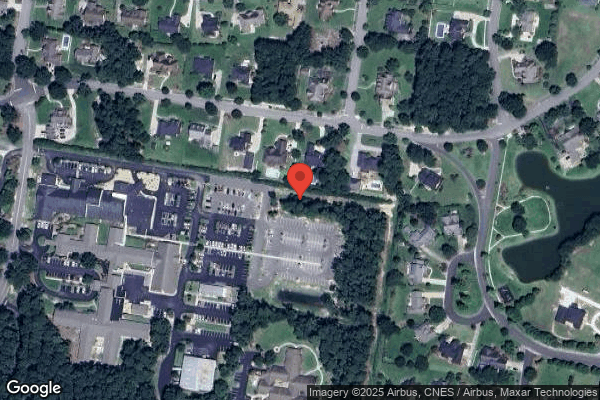

1150 Pine Run Drive, Lumberton, NC 28358 (910) 671-5703
For profit - Corporation 115 Beds LIBERTY SENIOR LIVING Data: November 2025 3 Immediate Jeopardy citations
Trust Grade
0/100
#416 of 417 in NC
Last Inspection: August 2025

Inspected within the last 6 months. Data reflects current conditions.

Overview

Woodhaven Nursing Center in Lumberton, North Carolina, has received a Trust Grade of F, indicating poor quality and significant concerns about care. It ranks #416 out of 417 facilities in the state, placing it in the bottom half of North Carolina nursing homes, and #6 out of 6 in Robeson County, meaning there are no better local options available. While the facility showed an improving trend from 10 issues in 2024 to 7 in 2025, the overall situation remains troubling, with a high staff turnover rate of 68% and significant fines totaling $128,210, which is higher than 86% of similar facilities in the state. Specific incidents highlight critical failures, including staff not reporting abuse witnessed by caregivers, as well as a failure to respond promptly to a resident in cardiac arrest. Despite these weaknesses, the facility does have some RN coverage, though it is less than 93% of state facilities, indicating a need for improvement in nursing oversight. Families should carefully consider these factors when researching care options.

Trust Score
F
0/100
In North Carolina
#416/417
Bottom 1%
Safety Record
High Risk
Review needed
Inspections
Getting Better
10 → 7 violations
Staff Stability
⚠ Watch
68% turnover. Above average. Higher turnover means staff may not know residents' routines.
Penalties
✓ Good
$128,210 in fines. Lower than most North Carolina facilities. Relatively clean record.
Skilled Nurses
⚠ Watch
Each resident gets only 16 minutes of Registered Nurse (RN) attention daily — below average for North Carolina. Fewer RN minutes means fewer trained eyes watching for problems.
Violations
⚠ Watch
24 deficiencies on record. Higher than average. Multiple issues found across inspections.
★☆☆☆☆
1.0
Overall Rating
★★☆☆☆
2.0
Staff Levels
★★☆☆☆
2.0
Care Quality
★☆☆☆☆
1.0
Inspection Score
Stable
2024: 10 issues
2025: 7 issues

The Good

  • Full Sprinkler Coverage · Fire safety systems throughout facility
  • No fines on record

Facility shows strength in fire safety.

The Bad

1-Star Overall Rating

Below North Carolina average (2.8)

Significant quality concerns identified by CMS

Staff Turnover: 68%

22pts above North Carolina avg (46%)

Frequent staff changes - ask about care continuity

Federal Fines: $128,210

Well above median ($33,413)

Significant penalties indicating serious issues

Chain: LIBERTY SENIOR LIVING

Part of a multi-facility chain

Ask about local staffing decisions and management

Staff turnover is elevated (68%)

20 points above North Carolina average of 48%

The Ugly 24 deficiencies on record

3 life-threatening 2 actual harm
Aug 2025 7 deficiencies
CONCERN (D)

Potential for Harm - no one hurt, but risky conditions existed

Deficiency F0554 (Tag F0554)

Could have caused harm · This affected 1 resident

**NOTE- TERMS IN BRACKETS HAVE BEEN EDITED TO PROTECT CONFIDENTIALITY** Based on observations, record review, and resident, staff and Medical Director interviews, the facility failed to assess whether...

Read full inspector narrative →
**NOTE- TERMS IN BRACKETS HAVE BEEN EDITED TO PROTECT CONFIDENTIALITY** Based on observations, record review, and resident, staff and Medical Director interviews, the facility failed to assess whether the self-administration of medication was clinically appropriate before leaving medications at the bedside. This was for 2 of 2 residents reviewed for medication administration (Resident #3 and Resident #35).Findings included: a. Resident #3 was admitted to the facility on [DATE] with a diagnosis of type 2 diabetes mellitus with diabetic chronic kidney disease, chronic kidney disease, stage 3 unspecified. A review of Resident #3's medical record did not reveal a self-administration of medication assessment. A review of Resident #3's physician's orders from 5/30/25 to 8/22/25 did not reveal a physician's order for Resident #3 to self-administer any medication. A review of Resident #3's quarterly Minimum Data Set (MDS) assessment dated [DATE] revealed she was severely cognitively impaired with no behaviors. The MDS also revealed Resident #3 received antidepressant and hypoglycemic medications. A review of Resident #3's active comprehensive care plan dated 6/10/25 did not have any goals or interventions for Resident #3 to self-administer medications. During an observation and interview with Resident #3 on 8/27/25 at 4:25 PM, resident was observed in bed. Medications were left on her bedside table in a medication cup. There was a total of 3 white pills- 2 were round and 1 was oval shaped. An interview with Resident #3 during the observation revealed she told staff to leave her medications, and she would take her medications later. Resident #3 stated that some nurses would leave the medications, and some would not. On 8/27/25 at 4:40 PM a phone interview with Nurse #1 indicated she was assigned to care for Resident #3 on 8/27/25 from 7:00 AM to 3:00 PM. Nurse #1 stated she was PRN (worked as needed). She indicated that there needed to be a physician's order for residents to self-medicate. There were no residents on her hall who self-medicated. Nurse #1 was aware she left medications in Resident #3's room and she should have taken them out. Per Nurse #1, the resident specifically stated what time she wanted to be bothered and then told her to get out. She went to her cart and left the medications in Resident #3's room. Nurse #1 stated she knew it was wrong and should not have left the medications. Medications left per Nurse #1 were Metformin (diabetic medicine), Amlodipine (blood pressure medicine), and Jardiance (diabetic medicine). Nurse #1 was not aware if Resident #3 had a self-medication assessment, physician order, or care plan related to self-administration of medications. Nurse #1 stated she spoke with the Unit Manager about it once she realized the medications were left in the room. The medications were removed and re-administered at a later time as requested by the resident. Nurse #1 stated the Unit Manager updated the time for Resident #3 to receive medications. 8/28/25 at1:56 PM an interview occurred with the facility's Medical Director. Per the Medical Director, it was expected that medications were not left at the bedside for resident self-administration. Medication administration should be witnessed. b. Resident #35 was admitted to the facility on [DATE] with a diagnosis of type 2 diabetes mellitus without complications, unspecified dementia, unspecified severity, with mood disturbance. A review of Resident #35's medical record did not reveal a self-administration of medication assessment. Assessments were reviewed from 5/6/25 to 8/28/25. A review of Resident #35's physician's orders from 5/6/25 to 8/28/25 did not reveal a physician's order to self-administer any medications. A review of Resident #35's quarterly Minimum Data Set (MDS) assessment dated [DATE] revealed Resident #35 was cognitively intact with no refusals of care. Resident #35 received antiplatelet, opioids, and antidepressant medications. A review of Resident #35's active comprehensive care plan dated 8/11/25 did not have any goals or interventions for Resident #35 to self-administer medications. On 8/28/25 at 8:45 AM Resident #35 was observed in bed and Nurse #2 left medications on Resident #35's bedside table. Nurse #2 stated to Resident #35 that she needed to get a blood pressure (BP) machine to take the resident's BP and exited the room leaving the medications on the resident's bedside table at 8:47 AM. Resident #35 was observed taking her own medications without Nurse #2 being present. Nurse #2 returned to Resident #35's room at 8:49 AM with the BP machine and took the resident's BP. On 8/28/25 at 9:25 AM an interview with Nurse #2 indicated that if a resident was going to self-administer medications, staff would need to look at the residents' cognition, complete an assessment, and do a return demonstration. Nurse #2 stated she did not know if there were any residents on her hall that self-administered medications. Nurse #2 confirmed she left medications at Resident #35's bedside. She also named the medications that were left at the bedside (Iron, Linzess (constipation), Tylenol, Amlodipine (blood pressure), Aspirin, B12, Colace, Gabapentin (pain), Losartan (blood pressure), Magnesium, Vit D, Effexor (antidepressant), and Miralax). Nurse #2 stated she left the medications because she had to get something. Nurse #2 stated she was not worried because Resident #35 was alert and oriented, and she would know if the resident took the medication because the cup would be empty. 8/28/25 at1:56 PM an interview occurred with the facility's Medical Director. Per the Medical Director, it was expected that medications were not left at the bedside for resident self-administration. Medication administration should be witnessed. 8/29/25 at 4:46 PM an interview occurred with the Administrator. The Administrator stated that the process for a resident to self-administer medications was that an assessment needed to be done. The facility needed to contact the provider to ensure that the residents were able to take their own medications. Also, an Interdisciplinary Team (IDT) review would be completed for those residents. There were currently no residents in the facility who were able to self-administer medications. Per the Administrator, there was not a breakdown in their process, the nurse just forgot the medications. No one can self-administer medications. The facility did not expect anyone to leave medications at a resident's bedside.
CONCERN (D)

Potential for Harm - no one hurt, but risky conditions existed

Deficiency F0761 (Tag F0761)

Could have caused harm · This affected 1 resident

Based on observations and staff interviews, the facility failed to secure a cup of medications stored in 1 of 5 medication carts reviewed for medication storage (medication cart for Hall 1600).The fin...

Read full inspector narrative →
Based on observations and staff interviews, the facility failed to secure a cup of medications stored in 1 of 5 medication carts reviewed for medication storage (medication cart for Hall 1600).The findings included: An observation of the medication cart for Hall 1600 occurred on 8/28/25 at 8:15 AM. The Medication Aide (MA) #1 opened the top drawer of her medication cart and an unlabeled cup of medications was observed in the front left corner of the medication cart drawer. On 8/28/25 at 8:36 AM an interview occurred with MA #1 who confirmed she had left the medications in the top drawer of her medication cart for Resident #121. MA #1 explained the medications were centrum (vitamin supplement), clonazepam (seizure medication), fluoxetine (antidepressant medication), MiraLAX (constipation medication), and modafinil (central nervous system stimulant medication). She explained she had poured the medications and then realized the resident was in the shower, so she placed the medications in the medication cart drawer to provide Resident #121 with the medications later. MA #1 stated she did not know what the proper procedure was but was aware the medications should not have been left in her medication drawer. On 8/29/25 at 4:46 PM an interview occurred the Administrator. The Administrator explained the process for medication storage, stating medication bottles were properly labeled, medications were not to be left out, managers completed periodic audits to check for loose medications, education on medication storage included onboarding during orientation, and then as needed. The Administrator added, the Staff Development Coordinator provided education, and the Director of Nursing oversaw the medication storage process. Per the Administrator, this was reckless behavior on the Nurse's part. She explained MA #1 was new to their facility. The interview further revealed nurses should be prepared to know what to do if they pulled medications that they cannot use.
CONCERN (D)

Potential for Harm - no one hurt, but risky conditions existed

Infection Control (Tag F0880)

Could have caused harm · This affected 1 resident

**NOTE- TERMS IN BRACKETS HAVE BEEN EDITED TO PROTECT CONFIDENTIALITY** Based on observations, record review, and staff interviews the facility failed to implement their infection control policies whe...

Read full inspector narrative →
**NOTE- TERMS IN BRACKETS HAVE BEEN EDITED TO PROTECT CONFIDENTIALITY** Based on observations, record review, and staff interviews the facility failed to implement their infection control policies when Nurse #2 did not don (put on) a gown while administering medications via a gastrointestinal tube (a tube inserted through the abdomen to the stomach) to Resident #37 who required enhanced barrier precautions (EBP) due to the presence of a gastrointestinal tube (G-tube). This practice occurred for 1 of 3 staff members observed for infection control.The findings included: Review of the facility's Enhanced Barrier Precautions door sign dated 1/20/2022 stated that all healthcare personnel must wear gloves and gown for the following High Contact-Resident Care Activities: Device care or use: central line, urinary catheter, feeding tube, and tracheostomy care. Review of the facility's Infection Prevention and Control Standards policy (last approved 11/2024), and the Initiating Transmission Based Precautions policy (last approved 06/2025) stated Transmission-Based Precautions will be utilized in addition to Standard Precautions when the route of transmission is not completely interrupted using Standard Precautions alone. This type of Transmission-Based Precautions includes Enhanced Barrier Precautions. Additional policy and procedures include Appropriate use of personal protective equipment. An observation of Resident #37's door on 8/28/25 at 9:00 AM revealed a sign taped on the door indicating she was on Enhanced Barrier Precautions (EBP) and a [NAME] containing gowns and gloves was hanging on the door. Nurse #2 was observed entering Resident #37's room to administer medications via G-tube without donning a gown. Once Nurse #2 was in the room, she donned her gloves, pulled the resident's bedding back to expose the G-Tube. She then obtained the syringe from the protective bag hanging from a pole, began detaching the catheter from the G-Tube and placing it over the pole. Nurse #2 placed one end of the syringe into the G-Tube and began administering Resident #37's medication. When Nurse #2 had completed providing Resident #37 with her medication, she attached the catheter back to the G-Tube, covered the resident with her bedding, washed the syringe, placed it back into the protective bag, and left the room. On 8/28/25 9:25 AM an interview occurred with Nurse #2. Nurse #2 discussed being an agency nurse and that it was her second time working in the facility. She confirmed Resident #37 was on Enhanced Barrier Precautions (EBP). She also confirmed she did not put on a gown when providing medications through Resident #37's feeding tube. Nurse #2 stated she was aware she should have gowned but just forgot. On 8/29/25 at 2:20 PM an interview was held with the Staff Development Coordinator (SDC)/Infection Preventionist (IP). She explained if agency staff were not present when education was provided to all staff, the information was provided to the agency to follow up with agency staff. Documentation of the completed training was required, and proof must be given to the facility. If agency staff were new to their facility, education was completed prior to staff arriving at work. The SDC/IP sometimes provided education when the agency staff arrived onsite prior to them starting their assignment and EBP was included in the infection control education. The SDC/IP stated staff were required to wear a gown and gloves while performing direct care, including G-tubes. Nurse #2 was educated during orientation, before she went onto the floor, and afterwards. The SDC/IP discussed Nurse #2 was educated on EBP on 8/23/25, and on contact versus enhanced precautions on 8/28/25. The SDC/IC provided evidence of orientation education for Nurse #2. On 8/29/25 at 4:46 PM an interview occurred with the Administrator. The Administrator stated the process for donning gowns during tube feedings/Infection Control was that staff must wear a gown and signs were on the door. Management also routinely spoke with staff during their staff meetings regarding infection control. The Staff Development Coordinator provided education on infection control. The Administrator stated there was no excuse why the nurse did not wear a gown. The Administrator stated she had quarterly facility-wide meetings regarding infection control, and the department heads/unit managers have monthly department meetings as well. The facility also had staff huddles as needed to provide education related to infection control.
CONCERN (E)

Potential for Harm - no one hurt, but risky conditions existed

Unnecessary Medications (Tag F0759)

Could have caused harm · This affected multiple residents

**NOTE- TERMS IN BRACKETS HAVE BEEN EDITED TO PROTECT CONFIDENTIALITY** Based on record review, observations and staff interviews, the facility failed to maintain a medication error rate of less than ...

Read full inspector narrative →
**NOTE- TERMS IN BRACKETS HAVE BEEN EDITED TO PROTECT CONFIDENTIALITY** Based on record review, observations and staff interviews, the facility failed to maintain a medication error rate of less than 5% as evidenced by the administration of wrong route and medications to be taken with food (5 medication errors out of 31 opportunities), resulting in a medication error rate of 16.13% for 2 of 5 residents observed during medication pass (Resident #24 and Resident #47).The findings included:1. Resident #24 was admitted to the facility on [DATE] with diagnoses that included stroke, hypertension, depression, and respiratory failure. a. A Physician order dated 5/6/25 revealed Resident #24 was to receive folic acid (dietary supplement) one (1) milligram (mg) via gastrointestinal tube (G-Tube) once a day. The order was transcribed on the electronic Medication Administration Record (eMAR) accurately. b. Resident #24's Physician order dated 5/5/25 was reviewed and revealed Resident #24 was to receive docusate sodium liquid (constipation medication) 50mg per 5 milliliters (ml) twice a day via G-Tube. The order was transcribed on the electronic Medication Administration Record (eMAR) accurately. c. Review of Resident #24's Physician order dated 5/6/25 revealed Resident #24 was to receive sertraline (antidepressant) 25mg daily via G-Tube. The order was transcribed on the electronic Medication Administration Record (eMAR) accurately. d. A Physician order dated 5/5/25 revealed Resident #24 was to receive carvedilol (blood pressure medication) 25mg twice a day via G-Tube. The order was transcribed on the electronic Medication Administration Record (eMAR) accurately. e. Review of Resident #24's Physician orders dated 6/25/25 revealed Resident #24 was to receive famotidine (acid reflux medication) 20mg via gastrointestinal tube (a tube inserted through the abdomen to the stomach) twice a day for 90 days. The order was transcribed on the electronic Medication Administration Record (eMAR) accurately. On 8/28/25 at 9:56 AM Nurse #3 was observed preparing Resident #24's medications for administration. She was observed placing folic acid, docusate sodium liquid, sertraline, carvedilol, and famotidine into the medication cup. Review of the resident's electronic MAR during medication pass observation, Resident #24's medications were ordered to be administered via G-Tube. The directions on the medication bottles also stated medications were to be administered via G-Tube. Nurse #3 voluntarily explained that she was advised during morning report that Resident #24 no longer had his G-Tube and that medications were administered orally. Nurse #3 stated she was going to obtain two medications that were not available on her cart. She stepped away from her medication cart at 10:02 AM. On 8/28/25 at 10:04 AM, an interview with Resident #24 confirmed that he still had his G-Tube and that he continued to take his medications via that route. Nurse #3 was not present during that interview with Resident #24. On 8/28/25 at 10:08 AM, Nurse #3 returned to her medication cart without the two medications that were not available. She took the previously filled medication cup containing folic acid, docusate sodium liquid, sertraline, carvedilol, and famotidine into Resident #24's room. Nurse #3 was observed handing Resident #24 his medications to be taken by mouth, the surveyor intervened and stopped Nurse #3 and asked her to step outside into the hall. Resident #24's route of medication was discussed. Nurse #3 explained she reviewed the physician's order on the MAR while preparing Resident #24's medications and was aware the order stated medications were to be administered by a G-tube. However, Nurse #3 stated again that during the morning report, it was reported to her that Resident #24 was on oral medications and that he no longer had his G-Tube. Nurse #3 confirmed she had not assessed the resident prior to administering the medications. During the continued observation Nurse #3 approached the Administrator and Unit Manager as they walked through the hall and asked the Administrator and Unit Manager if the resident's medications were supposed to be administered orally or through G-tube as she was told during the morning report the medications were to be given by mouth. The Administrator and Unit Manager stated they would follow up to confirm. During an interview with Nurse #3 present on 8/28/25 at 10:37 AM, the Unit Manager confirmed Resident #24's G-Tube was still in place, and he continued to receive his medications via G-Tube. The Unit Manager stated the order was verified via call to the Physician's office. 2. Resident #47 was admitted to the facility on [DATE] with diagnoses that included diabetes mellitus. A review of Resident #47's medical record indicated an active physician's order dated 6/3/25 for Glucophage Tablet 500 milligrams (mg) (oral diabetes medication), give one (1) tablet by mouth two times a day for diabetes. Take with meals. The order was transcribed on the electronic MAR (eMAR) accurately. On 8/28/25 at 10:50 AM, during medication pass observation, Nurse #3 prepared Resident #47's medications at the medication cart. The medications observed included Glucophage, oxycodone hydrochloride, furosemide, gabapentin, empagliflozin, metoprolol tartrate, spironolactone. Nurse #3 also prepared polyethylene glycol (laxative) that was dissolved in water. Nurse #3 entered Resident #47's room with the medication cups that contained all the resident's medications including Metformin. The resident was observed not to have any food/meal available. Nurse #3 provided Resident #47 her medications without providing food/meal. On 8/28/25 at 6:06 PM a telephone interview occurred with Nurse #3. She stated if medications were ordered to be given with meals or food, she would provide the medication with meals and/or food. Nurse #3 stated she was unaware there was a physician order for Resident #47's Metformin to be given with meals/food. Nurse #3 stated she did not read Resident #47's entire medication order and she was unaware Glucophage was to be given with meals/food. The Director of Nursing was not available for interview during the survey. On 8/29/25 at 4:46 PM an interview occurred with the Administrator. The Administrator stated medication error rates were discussed in Quality Assurance (QA) and they completed incident reports. The Administrator indicated they hold discussions one-on-one with the individual, then with all staff if needed. Policy and process were changed if needed. The Administrator indicated the Director of Nursing would lead education pertaining to medication error rates when identified. The Administrator stated there was a lack of critical thinking on the nurse's part during the observation of Resident #24 and Resident #47, as the orders and chart were there. Per the Administrator, this was reckless behavior on the nurse's part.
CONCERN (E)

Potential for Harm - no one hurt, but risky conditions existed

Deficiency F0804 (Tag F0804)

Could have caused harm · This affected multiple residents

**NOTE- TERMS IN BRACKETS HAVE BEEN EDITED TO PROTECT CONFIDENTIALITY** Based on record review, observations, and staff, Resident Council and Resident Representative interviews, and test tray, the fac...

Read full inspector narrative →
**NOTE- TERMS IN BRACKETS HAVE BEEN EDITED TO PROTECT CONFIDENTIALITY** Based on record review, observations, and staff, Resident Council and Resident Representative interviews, and test tray, the facility failed to provide palatable foods for 7 of 7 residents reviewed for food palatability (Residents #14, #41, #50, #63, #96, #107 and #109). The findings included:Resident #14 was admitted to the facility on [DATE] with multiple diagnoses that included unspecified dementia and Type 2 diabetes. The medical record indicted Resident #14 resided in the dementia unit. The quarterly Minimum Data Set (MDS) dated [DATE] documented that Resident #14 was severely cognitively impaired. During an interview on 8/26/2025 at 10:58 AM, the Representative of Resident #14 stated she was often there at mealtimes and the Resident complained of the food being cold during those visits. She stated this occurred frequently and most often during breakfast. The representative did not say if she touched or sampled the food to confirm that it was cold. She stated that she had observed the staff taking Resident #14's tray out of the room and heat it up on occasion. An attempt to interview Resident #14 was made but the Resident was unable to describe the palatability of food. On 8/29/25 from 7:57 AM to 8:15 AM, the plating of breakfast food items for the dementia unit was observed. Observations included:-8:13 AM, all resident breakfast plates were placed in individual insulated dome bases and with lids then loaded into an enclosed metal food cart. -8:14 AM, the test tray was plated and placed in the food cart.-8:15 AM, the food cart left the kitchen for delivery to the dementia unit.-8:17 AM the unit staff began serving trays. The test tray food items were sampled and observed in the presence of the Food Service Supervisor on 8/29/25 at 8:32 AM. The observation revealed there was no steam rising from the food when the dome lid was removed and no condensation on the dome lid. The bacon, eggs, grits, and pancakes were all cold to touch and taste. The Food Service Supervisor did not taste the food but touched the pancakes and bacon. During an interview with the Food Service Supervisor on 8/29/25 at 8:34 AM, she stated that food served to residents should be at a temperature that was both safe and that contributed to an enjoyable dining experience. She confirmed the pancakes and bacon that she touched on the test tray were cold to the touch. The Food Service Supervisor also discussed not knowing how to keep the food at the correct holding temperature once the tray was placed on the food cart. She shared that she was not aware of resident complaints of cold food. During the Resident Council meeting on 8/29/25 at 10:28 AM, Resident #41, Resident # 50, Resident #63, Resident #96, Resident #107, and Resident #109 stated that they consistently had to request that staff reheat their meals and that cold food occurred most often at breakfast. On 8/29/25 at 2:36 PM, an interview was conducted with the Administrator who acknowledged awareness of cold food complaints from residents and stated the issues in the kitchen were caused by a combination of new staff, less than ideal staffing levels, lack of training, and the need for repairs to the existing steam table.
CONCERN (E)

Potential for Harm - no one hurt, but risky conditions existed

Food Safety (Tag F0812)

Could have caused harm · This affected multiple residents

Based on record review, observations, and staff interviews, the facility failed to ensure dishware was clean, in good condition and not stacked wet, failed to maintain food preparation areas clean and...

Read full inspector narrative →
Based on record review, observations, and staff interviews, the facility failed to ensure dishware was clean, in good condition and not stacked wet, failed to maintain food preparation areas clean and free from dried debris, failed to label and date leftover food stored for use in 1 of 1 walk-in cooler and 1 of 2 walk-in freezers, failed to monitor and record the internal temperatures of food for 2 of 2 tray line observations and failed to ensure hot food was served at or above 135 degrees Fahrenheit (F). These practices had the potential to affect food served to residents.The findings included: a. During the initial tour of the kitchen with the Food Service Supervisor, on 8/26/25 from 9:45 AM to 10:00 AM, the following concerns were observed:- Three out of 8 steam pans that were ready to be used contained yellow and white sticky residue when touched. - Two out of 104 plastic dome lids that were on the tray line ready for use were stacked wet.- Seven out of 24 plates on the tray line ready for meal service had dried, yellow and red residue. - Seven out of 21 sectioned plates on the tray line ready for meal service had dried, yellow residue. - Seven out of 27 stacked serving trays that were on the tray line ready for use were wet and had approximately 50% of the plastic protective covering peeling away, leaving the tray base visible. These findings were discussed with the Food Services Supervisor on 8/26/25 at 10:00 AM and she removed these dishes from service. She stated that the dietary aides were responsible for checking dishes after being washed for overall cleanliness and no dried food particles because there was no designated dish room staff. b. During the initial tour of the kitchen on 8/26/25 from 10:00 AM to 10:30 AM, the food preparation areas were observed and revealed the following:- The entire back splash of the food preparation table (approximately 15 feet) had thick greasy residue and raised dried brown and yellow residue.- The ledge above the stove had visible dried brown and white particles and was covered with thick, shiny residue.- The steam table cover had visible dried brown particles.- The underside of the steam table cover had a thick layer of shiny brown residue and raised, dried, brown residue. - The left side panel of the warmer oven was entirely covered with raised, dried brown and white particles and a thick, shiny residue.- The front panel of the warmer oven had raised, dry black residue approximately half inch wide and dried yellow residue extending from the door handle to the bottom of the panel.- Four out of 5 ceiling level air vents, located on the right wall when entering the kitchen, had black and green raised matter observed on all perimeters and each slat.- A dry storage container labeled fish fry batter had a scoop inside that was submerged under the dry batter mix.These findings were discussed with the Food Services Supervisor on 8/26/25 at 10:00 AM. She shared she and the dietary aides were responsible for cleanliness of the kitchen.c. During the initial tour of the kitchen on 8/26/25 from 10:30 AM to 11:00 AM, the walk-in refrigerator and freezer observations included:- A package of 10 hot dogs wrapped in plastic wrap with no date.- A plastic wrapped package labeled shredded parmesan cheese dated as opened on 8/8/25 and good until 8/14/25.- One clear plastic 10-quart container contained shredded orange soft strips but had no date or label and the top was not secured.- An open bag labeled tator tots was not dated.- A plastic wrapped bag labeled green beans was not dated.- A bag identified by the Food Service Supervisor as French toast was not sealed and had no label and no date.- A plastic wrapped bag identified by the Food Service Supervisor as fried rice had no label and no date. - A three-inch-deep metal baking container identified by the Food Service Supervisor as fish had no label and no date. During an interview with the Food Service Supervisor on 8/26/25 at 11:49 AM, she stated that all food items should be sealed, labeled, and dated when stored. She stated all dietary aides were to check food items daily and immediately discard any items that were not sealed, labeled, or dated but labeling and cleaning the kitchen was a challenge with limited staff. d. On 8/28/25 at 11:49 AM during an observation of the lunch tray line, [NAME] #1 was asked to test the internal temperatures of the lunch food items. [NAME] #1 used a thermometer to test the internal temperature. There were two pans of meatloaf; pan #1 was noted to be 130.4 degrees Fahrenheit (F) and pan #2 was 114 degrees F. [NAME] #1 reported she thought the internal temperature was supposed to be 140 degrees F and stated the food would need to be reheated. The Food Service Supervisor was notified of the meatloaf's temperature on 8/28/25 at 11:50 AM and the items were removed and put back in the oven to reheat. When the pans of meatloaf were removed, no steam was observed rising from the middle section of the steam table, but steam was observed in the two other sections of the steam table. [NAME] #1 and the Food Service Supervisor were interviewed on 8/28/25 at 12:00 PM and they both stated the middle section of the steam table did not hold temperatures; the water would stay warm but not hot. The Food Service Supervisor stated the Administrator was aware of the steam table issues. She stated a Corporate Maintenance Director had looked at the table a few months ago and said that replacement parts were needed for the electrical board that controlled the heating elements. The Food Service Supervisor stated she had heard nothing further since the visit by the Corporate Maintenance Director. The Food Service Supervisor explained she only obtained the internal temperature of the food when the items were removed from the oven and that she had never obtained temperatures of the food once they were placed on the steam table. She stated that she did not keep food temperature logs and that she did not know that she needed to. The Food Service Supervisor stated she had not had any in-house training. She explained that when the Dietitian comes to the facility, the Dietitian would speak with her about the menu but nothing else. During an interview on 8/28/25 at 2:36 PM, the Administrator confirmed that she was aware of the steam table issues. The Administrator provided an email dated 8/27/25 at 9:31 AM from a refrigeration company and a copy of a signed estimate to fix the steam table element that confirmed parts had been ordered. This email also verified that the Administrator spoke with a vendor on 8/14/25 and asked the company to proceed with ordering the parts. The Administrator stated that a Corporate Dietitian trained the Food Service Supervisor which included keeping daily food temperature logs. On 8/29/25 at 7:15 AM, during a kitchen observation and interview, [NAME] #2 was asked to obtain the internal temperatures of the breakfast food items. [NAME] #2 used a thermometer to test the internal temperatures of the breakfast food items. The pancakes were noted to be 110 degrees Fahrenheit (F). [NAME] #2 reported that the pancakes should be reheated, however, proceeded to plate the pancakes and placed two trays into the tray cart. The surveyor asked for the tray line to be stopped, requested the two trays be removed from the food cart and the Food Service Supervisor was informed of the incident. The pancakes were reheated and returned to the tray line. On 8/29/25 at 2:36 PM, an interview was conducted with the Administrator. The Administrator stated the issues in the kitchen were a combination of new staff, less than ideal staffing levels, lack of training, and lack of routine scheduling of deep cleaning.
MINOR (C)

Minor Issue - procedural, no safety impact

Staffing Information (Tag F0732)

Minor procedural issue · This affected most or all residents

Based on record review and staff interviews, the facility failed to ensure the daily posting of health care staff form had the correct resident census for 15 of 29 days. The findings included:A review...

Read full inspector narrative →
Based on record review and staff interviews, the facility failed to ensure the daily posting of health care staff form had the correct resident census for 15 of 29 days. The findings included:A review of the facilities daily posting of health care staff from 7/30/2025 through 08/29/2025 revealed the following: a. Daily posting of health care staff dated 7/31/2025 revealed a census of 107. Review of the detailed census report dated 7/31/2025 revealed a census of 104. b. Daily posting of health care staff dated 8/1/2025 revealed a census of 107. Review of the detailed census report dated 8/1/2025 revealed a census of 105. c. Daily posting of health care staff dated 8/2/2025 revealed a census of 106. Review of the detailed census report dated 8/2/2025 revealed a census of 104. d. Daily posting of health care staff dated 8/3/2025 revealed a census of 105. Review of the detailed census report dated 8/3/2025 revealed a census of 102. e. Daily posting of health care staff dated 8/4/2025 revealed a census of 105. Review of the detailed census report dated 8/4/2025 revealed a census of 101. f. Daily posting of health care staff dated 8/6/2025 revealed a census of 103. Review of the detailed census report dated 8/6/2025 revealed a census of 105. g. Daily posting of health care staff dated 8/7/2025 revealed a census of 106. Review of the detailed census report dated 8/7/2025 revealed a census of 107. h. Daily posting of health care staff dated 8/10/2025 revealed a census of 106. Review of the detailed census report dated 8/10/2025 revealed a census of 107. i. Daily posting of health care staff dated 8/11/2025 revealed a census of 106. Review of the detailed census report dated 8/11/2025 revealed a census of 108. j. Daily posting of health care staff dated 8/12/2025 revealed a census of 108. Review of the detailed census report dated 8/12/2025 revealed a census of 109. k. Daily posting of health care staff dated 8/18/2025 revealed a census of 110. Review of the detailed census report dated 8/18/2025 revealed a census of 108. l. Daily posting of health care staff dated 8/20/2025 revealed a census of 108. Review of the detailed census report dated 8/20/2025 revealed a census of 106. m. Daily posting of health care staff dated 8/21/2025 revealed a census of 105. Review of the detailed census report dated 8/21/2025 revealed a census of 107. n. Daily posting of health care staff dated 8/27/2025 revealed a census of 106. Review of the detailed census report dated 8/27/2025 revealed a census of 107. o. Daily posting of health care staff dated 8/28/2025 revealed a census of 107. Review of the detailed census report dated 8/28/2025 revealed a census of 108. An interview with the Staffing Scheduler was conducted on 8/29/2025 at 5:50pm. The Staffing Scheduler revealed she was responsible for completing the daily posting for health care staff. The census number was provided to the Staffing Scheduler during the daily morning meeting from the admission Director. The census included residents in the building as of midnight the prior day. The Staffing Scheduler stated she did not change the daily posting of health care staff if the census changed with any admission or discharges; and was unsure why the census number did not match the daily detailed census report. An interview with the admission Director was conducted on 8/29/2025 at 4:56pm. The admission Director stated every morning she obtained the census number by the total number of residents that were in the building at midnight. She stated the census number provided to her in morning meeting did not include residents who were discharged or admitted . The Administrator was interviewed on 8/29/2025 at 5:21pm. She stated she was unaware of the discrepancy with the census number that was placed on the daily posting of health care staff. The census number posted on the daily posting of health care staff was not the resident census for the day, but the census at midnight.
Sept 2024 3 deficiencies
CONCERN (D)

Potential for Harm - no one hurt, but risky conditions existed

Drug Regimen Review (Tag F0756)

Could have caused harm · This affected 1 resident

**NOTE- TERMS IN BRACKETS HAVE BEEN EDITED TO PROTECT CONFIDENTIALITY** Based on record review, pharmacist interview, and staff interviews, the facility failed to act on a pharmacy recommendation to c...

Read full inspector narrative →
**NOTE- TERMS IN BRACKETS HAVE BEEN EDITED TO PROTECT CONFIDENTIALITY** Based on record review, pharmacist interview, and staff interviews, the facility failed to act on a pharmacy recommendation to complete an Abnormal Involuntary Movement Scale (AIMS/discus) assessment for a resident who received an antipsychotic medication for 1 of 5 residents reviewed for psychotropic medications, Resident #57. Findings included: Resident #57 was admitted to the facility on [DATE] with diagnoses that included schizophrenia, anxiety and major depression. Review of the physician orders on 09/10/24 for Resident #57 revealed an order for Risperdal M-Tab tablet Dispersible 0.5 MG (Milligrams) give one tablet by mouth at bedtime related to recurrent major depressive disorder and moderate schizophrenia unspecified. Place on tongue and let dissolve (Order start date 09/25/23). A quarterly Minimum Data Set (MDS) assessment dated [DATE] for Resident #57 was reviewed. Resident #57 had intact cognition. He had no moods or behaviors. He had no hallucinations or delusions. He had no extremity mobility impairments. He had received the following medications during the look back period: Antipsychotic, antidepressant, diuretic and opioid. Antipsychotic medication was received on a routine basis only. The care plan completed on 09/09/24 for Resident #57 included the following focus area: Receives antipsychotic medication with a risk for adverse side effects and diagnoses of major depressive disorder and schizophrenia. The goal was for Resident 57's risk for adverse reactions related to the used of antipsychotic medication to be minimized through current interventions for 90 days. Interventions included, in part, to administer medication as ordered by the physician; report any of the following to the nurse immediately if noted: involuntary movements, nausea/vomiting, palpitations, chest pain, change in balance and coordination, muscle rigidity, or restlessness; and report sedation or change in mental functioning if noted. Review of the medical record on 09/10/24 for Resident #57 revealed an AIMS/discus assessment was last completed ten months prior on 11/01/23. The result of the assessment revealed he was at a low risk for a movement disorder and to continue to monitor according to the policy. Review of a Consultant Pharmacist's Medication Regimen Review dated 07/15/24 documented Resident #57 was due for an AIMS/discus assessment related to the use of the antipsychotic medication Risperdal. The recommendation was signed as acted upon by Unit Manager #1 but not dated. In an interview with the Interim Director of Nursing on 09/10/24 at 2:15 PM he explained when a pharmacy report was received from the pharmacist, he gave the recommendations to Unit Manager #1 to review and take the appropriate actions. He stated he failed to review the resident's record after the report was returned to him from Unit Manager #1 to ensure any needed recommended actions had been taken. He stated it was ultimately his responsibility to ensure the pharmacy recommendations were addressed. In an interview with Unit Manager #1 on 09/10/24 at 2:37 PM she confirmed that she had signed off on the pharmacy report that the AIMS/discus assessment for Resident #57 had been completed as recommended by the pharmacist. She stated she had delegated the task to another nurse but had failed to double check and make sure the task had been completed. She stated it was her full responsibility to make sure the assessment had been completed and that she should have completed the assessment herself but had not. In an interview with the Administrator on 09/10/24 at 2:05 PM she stated she expected all residents receiving psychotropic medications to have an AIMS assessment completed every six months. She noted Resident #57 had an AIM/discus assessment done last in November of 2023 and an assessment had not been completed within the last six months as expected. In an interview with the Consulting Pharmacist on 09/11/24 at 3:15 PM she stated she had notified the facility in July that an AIMS/discus assessment for Resident #57 was due for Risperdal use, an antipsychotic. She explained that a resident on an antipsychotic medication should have an assessment completed every six months to determine if there were any side effects from the medication.
CONCERN (E)

Potential for Harm - no one hurt, but risky conditions existed

Quality of Care (Tag F0684)

Could have caused harm · This affected multiple residents

**NOTE- TERMS IN BRACKETS HAVE BEEN EDITED TO PROTECT CONFIDENTIALITY** Based on observations, record reviews, and resident, staff, Physician, and Vascular Clinic Nurse interviews, the facility failed...

Read full inspector narrative →
**NOTE- TERMS IN BRACKETS HAVE BEEN EDITED TO PROTECT CONFIDENTIALITY** Based on observations, record reviews, and resident, staff, Physician, and Vascular Clinic Nurse interviews, the facility failed to provide Thromboembolic Deterrent (TED) compression stockings and elevation of the lower extremities when up in her wheelchair which were ordered by the Vascular Nurse Practitioner (NP) on 6/5/2024 for 3 months, for a resident with bilateral lower extremity edema (swelling and puffiness of the lower legs and feet as a result of weakness or damage to veins in the legs), (Resident #27), for 1 of 2 residents reviewed for compression stockings. Findings included: Resident #27 was admitted to the facility on [DATE], with diagnoses to include rheumatoid arthritis, diabetes mellitus type 2 with diabetic neuropathy (nerve damage that causes weakness, numbness, and pain), and atrial fibrillation. A physician's progress note written by Nurse Practitioner (NP #2) dated 1/26/2024 at 12:00 P.M. read in part, History of present illness: Resident has complaints of bilateral feet turning purple/black when she was sitting in her wheelchair. She stated that the left foot was worse than the right foot. She states that when she is in bed her feet are red and hot. The note further read Resident #27's bilateral feet were beefy red with erythema (redness caused by dilated blood vessels and capillaries) and nursing staff were made aware of referring her to vascular clinic for evaluation and treatment. A physician's order written by NP #2 dated 1/26/2024 was for a referral to vascular clinic due to possible bilateral lower extremity venous insufficiency. A consultation note written by the Vascular Clinic NP on 6/5/2024 read in part that a venous/arterial ultrasound was performed on Resident #27 and revealed that she had moderate peripheral venous insufficiency in her bilateral lower extremities with the left leg being worse than the right. The Vascular Clinic NP orders were for Resident #27 to wear compression garments/stockings during waking hours, elevate legs when sitting and increase exercise as tolerated and she would reassess after 3 months of conservative management. Resident was to elevate her legs when sitting, compression stockings/garments while awake, and increase exercise, and follow-up in 3 months. The quarterly Minimum Data Set (MDS) assessment dated [DATE] revealed Resident #27 was alert and oriented. A progress note written by NP #1 dated 8/12/2024 at 1:00 PM read in part, that Resident #27's extremities were positive for trace edema. A progress note written by NP #1 on 8/26/2024 at 1:00 PM revealed Resident #27's lower extremities had a trace of edema. A progress note written by Physician's Assistant (PA) on 9/3/2024 at 12:00 PM read in part that Resident #27 was asking questions regarding compression stocking orders that have been ordered for peripheral vascular disease (PVD). A Provider Note written by the Vascular NP at Resident #27's follow-up visit on 9/4/2024, read in part, that Resident #27 was being seen for a 3 month follow-up. Resident was supposed to wear compression garments to bilateral legs, but she was wearing only one on her right leg intermittently with minimal improvement, because there was no compression hose/garment yet for left leg. Resident #27 has significant reflux to the bilateral main superficial veins. Will consider thermal ablation [using heat to seal off varicose veins) if symptoms do not improve with conservative measures. An interview with Resident #27 was completed on 9/9/2024 at 11:30 AM. Resident #27 stated that the physician at the Vascular clinic had written orders for compression garments/stocking to be worn on her legs on 6/5/2024. She further stated that she had just received the compression stockings on 9/4/2024. Resident #27 indicated that when the compression garment had arrived there was only one in the package. Resident #27 stated that she had even called the Vascular Clinic in July 2024 and told them the facility was not applying the compression stockings or elevating her legs. Resident #27 stated she had asked the Director of Nursing (DON) on 7/26/2024 and 8/28/2024 about the compression stockings and he had reported to her that they were ordered. An interview was completed with the Long-Term Care (LTC) Support Nurse on 9/10/2024 at 1:22 PM. The LTC Support Nurse stated that the facility had ordered the compression garments/stockings in June 2024, but only one compression garment was in the package. She further stated that they had placed an order for another compression garment, and they had not received it yet. The LTC Support Nurse indicated the facility had ordered the compression stockings and they were delivered on 9/4/2024. An interview with the Director of Nursing (DON) was conducted on 9/10/2024 at 3:36 PM. The DON stated that the facility had ordered the compression garments/stockings in July and when the package arrived it only contained one compression garment (wrap with Velcro straps that compress the legs). He further stated that he had asked Central Supply to order another one and that it had never arrived. The DON stated that Resident #27 was correct that she had asked him twice about when the compression garments would arrive once in July and again in August. He indicated that on 9/1/2024 the facility had ordered the compression stockings, and they had arrived on 9/4/2024. An interview with Resident #27 was completed on 9/11/2024 at 9:20 AM. Resident #27 stated the facility had made an appointment for her at the Vascular Clinic today at 10:30 AM for her to get fitted for compression stockings and then they would supply her with the correct compression stockings. An interview was conducted with the Vascular Clinic Nurse on 9/11/2024 at 10:47 AM. The Vascular Clinic Nurse stated that the Vascular NP was on vacation. She further stated that Resident #27 did call the clinic on 7/22/2024 to express concern that the nursing staff was not applying the compression stockings or elevating her legs as ordered by the Vascular NP. The Vascular Clinic Nurse indicated that the Vascular NP was made aware of the nursing staff not applying the compression stockings. An interview was conducted with the Central Supply Supervisor on 9/11/2024 at 12:36 PM. The Central Supply Supervisor stated that she had ordered the compression garment when Resident #27 returned from the Vascular Clinic. She further stated that when the facility received the package, there was only one compression garment in the box. The Central Supply Supervisor stated that she had ordered another one on 6/21/2024 but it was still in process, and she didn't know why it was taking so long. She stated that she ordered the items she was instructed by the DON to order. She indicated she ordered the compression stockings for Resident #27 on 9/1/2024 and they received them on 9/4/2024. An observation and interview with Resident #27 sitting up in wheelchair occurred on 9/11/2024 at 2:25 PM. She was observed sitting up in wheelchair with bilateral compression stockings on and her legs were hanging dependently. Resident #27 stated that her feet were supposed to be elevated, but she didn't have anything to elevate them on. Nurse #9 was also in the room and was trying to attach the leg rests to the wheelchair. Nurse #9 stated that the leg rests did not fit Resident #27's wheelchair, and she would get someone from therapy to look at it. A progress note written by the Physical Therapist (PT) on 9/11/2024 at 2:57 PM revealed he was consulted to see Resident #27's wheelchair regarding the wrong footrests for the chair. The note further read that he had provided Resident #27 with a new wheelchair with elevating footrests on 9/11/2024. It further read that her legs were elevated to resident's tolerance and nursing staff were educated on how to elevate and lower leg rests as needed for the resident. A telephone interview was conducted with the Medical Director on 9/12/2024 at 10:02 AM. The Medical Director stated she referred Resident #27 to the Vascular Clinic because of the swelling in her legs. She further stated that if the Vascular Clinic NP had ordered compression stockings, she would expect the facility to get them in a week or so. The Medical Director stated that almost 3 months was not an acceptable amount of time to receive the compression stockings. She indicated that the compression stockings were ordered for the swelling and the purpose of the compression stockings were prevent excessive fluid buildup in the lower extremities, and to prevent complications such as weeping (fluid leaks out of the tissues onto the skin) and venous stasis ulcers. The Medical Director stated that the compression stockings for Resident #27 was a physician's order and she expected the orders to be followed. An observation and interview were completed on 9/12/2024 at 10:14 AM. Resident #27 was lying in bed without the compression stockings on her legs, her feet were noted to be red and edematous. Resident #27 stated that her feet were hurting her this morning and that she probably should be wearing her compression stockings, but she was waiting until after she received her shower to have the staff apply them. An interview was completed with the DON on 9/12/2024 at 10:44 AM. The DON stated the nursing staff should have followed the physician's orders and had the compression stockings in a timely manner. He further stated that he could not answer as to why it took so long for the compression stockings to be ordered and received, except there was a breakdown somewhere in the ordering process. The DON indicated that Resident #27 should have been provided with a wheelchair with footrests that could have been elevated when she was up in her chair.
CONCERN (E)

Potential for Harm - no one hurt, but risky conditions existed

Deficiency F0761 (Tag F0761)

Could have caused harm · This affected multiple residents

Based on observations, record reviews, and staff interviews, the facility failed to discard expired opened multidose medications, date an opened multidose medication and dispose of loose unidentifiabl...

Read full inspector narrative →
Based on observations, record reviews, and staff interviews, the facility failed to discard expired opened multidose medications, date an opened multidose medication and dispose of loose unidentifiable pills in the drawer of the medication cart (1100 Long Hall) and failed to discard an opened multidose medication per manufacturer's instructions stored for use in the medication cart (Memory Care Unit) for 2 of 6 medication carts reviewed. And the facility failed to remove expired medications available for use in the automated medications dispensing machine in 1 of 4 medication rooms (the Rehab Unit) reviewed for medication storage. Findings included: 1) Observation of the 1100 Long Hall medication cart was conducted on 9/9/2024 at 10:47 AM in the presence of Nurse #9 revealed the following medications were stored on the medication cart: 1a. According to the product manufacturer's instructions, in-use Humalog prefilled insulin KwikPen should be stored at room temperature of less than 86 degrees Fahrenheit (F) and used within 28 days. Resident #25's Humalog prefilled insulin KwikPen was labeled with the opened date of 8/7/2024 and should have been disposed of on 9/4/2024. According to the product manufacturer's instructions, in-use Incruse Ellipta inhaler should be disposed of 6 weeks after opening. Resident #74's Incruse Ellipta inhaler was labeled with the opened date of 7/1/2024 and should have been disposed of on 8/12/2024. According to the product manufacturer's instructions, in-use Timolol Maleate Opthalmic 0.5% Solution should be discarded 28 days after opening. Resident #68's Timolol Maleate Ophthalmic 0.5% Solution was labeled with the opened date of 8/5/2024 and should have been discarded on 9/2/2024. 1.b Resident #1's opened in-use albuterol sulfate 90 microgram (mcg) inhaler was not labeled with an opened date. 1.c Seven unidentifiable pills of different colors and shapes were observed in the bottom of the drawer of the medication cart. An interview was completed with Nurse #9 on 9/9/2024 at 11:00 AM. Nurse #9 stated that there should not have been any pills loose in the drawers of the medication cart. She further stated there should not have been any expired medications on the cart. Nurse #9 indicated that all opened multi-dose medications should have a date opened label on them. She stated it was the nurse's responsibility to check for expired medications and loose pills on the medication cart. She further stated that she had not had a chance to check her medication cart that morning. An interview was conducted with the Director of Nursing (DON) on 9/12/2024 at 10:45 AM. The DON stated it was the facilities responsibility to ensure that medications were stored according to manufacturer's instructions and to discard expired medications. He further stated there were not supposed to be any loose pills in the medication cart drawers. 2) An observation was conducted on 9/10/2024 at 12:43 PM of the Memory Care unit medication cart in the presence of Nurse #8. The observation revealed an open box of Ipratropium Bromide 0.02% nebulizer solution vials in foil packages. According to the manufacturer's instructions the individual vials are to be disposed of 7 days after opening. The date on the opened foil package was 9/1/2024 and it should have been disposed of 9/8/2024. An interview with Nurse #8 was completed on 9/10/2024 at 12:55 PM. Nurse #8 stated that there should not be any expired medications on the medication cart. She further stated that she had checked the medication cart for expired medications that morning, but she must have just missed the opened package of Ipratropium Bromide vials. An interview with the DON was completed on 9/12/2024 at 10:45 AM. The DON stated that it was the nurse's responsibility to check the medication cart for expired medications and to remove them from the cart. 3) An observation of the Rehab Unit Medication Storage room was completed on 9/10/2024 at 1:50 PM in the presence of the Rehab Nurse Manager. An observation of the automated medication dispensing machine refrigerator revealed a Novolin 70/30 insulin FlexPen with the expiration date of 8/31/2024, and an Aspart insulin FlexPen with an expiration date of 5/31/2024 were available for use. An interview with the Rehab Nurse Manager occurred on 9/10/2024 at 1:50 PM. The Rehab Nurse Manager stated that she was not sure who was responsible for removing expired medications from the automated medication dispensing machine. She further stated that a pharmacy consultant came to the facility every month and checked the medication carts and medication storage rooms. An interview with the DON was completed on 9/10/2024 at 2:07 PM. The DON stated it was his responsibility to check the automated medication dispensing machine refrigerator for expired medications. He further stated there should not have been expired insulin in the machine available for use. The DON indicated that the staff needed to be more aware of expiration dates and follow the manufacturer's instructions for storage of medication.
Jul 2024 3 deficiencies 3 IJ (1 affecting multiple)
CRITICAL (J) 📢 Someone Reported This

A family member, employee, or ombudsman was alarmed enough to file a formal complaint

Immediate Jeopardy (IJ) - the most serious Medicare violation

Free from Abuse/Neglect (Tag F0600)

Someone could have died · This affected 1 resident

**NOTE- TERMS IN BRACKETS HAVE BEEN EDITED TO PROTECT CONFIDENTIALITY** Based on record review and staff interviews, the facility failed to protect Resident #3's right to be free from abuse. In March ...

Read full inspector narrative →
**NOTE- TERMS IN BRACKETS HAVE BEEN EDITED TO PROTECT CONFIDENTIALITY** Based on record review and staff interviews, the facility failed to protect Resident #3's right to be free from abuse. In March of 2024 Confidential Staff #1 witnessed Nurse #3 slap Resident #3 across the face during care after Resident #3 spit on Nurse #3 twice. In July of 2024 during a weekly skin check Nurse Aide #2 and Nurse Aide #3 witnessed Nurse #3 rip a dressing off Resident #3's forearm resulting in a skin tear reopening and bleeding. Resident #3 repeatedly yelled you're hurting me. Resident #3 then spit on Nurse #3 twice and in response, Nurse #3 raised her hand like she was going to slap Resident #3 when Nurse Aide #2 intervened and Nurse #3 lowered her hand and proceeded to change the dressing. Resident #3 did not have the cognitive capacity to express a psychosocial outcome. A reasonable person expects to be free from abuse in their home. There is a high likelihood that abuse from a caregiver would cause serious psychosocial harm to include feelings such as fear, intimidation, withdrawal, agitation, and severe anxiety. This deficient practice affected 1 of 3 residents reviewed for abuse (Resident #3). Immediate Jeopardy began on 3/31/24 when the facility failed to protect Resident #3's right to be free from abuse. Immediate Jeopardy was removed on 7/30/24 when the facility implemented a credible allegation of immediate jeopardy removal. The facility remains out of compliance at a lower scope and severity level of D (no actual harm with potential for more than minimal harm that is not immediate jeopardy) to ensure education is completed and monitoring systems put into place are effective. The findings included: Resident #3 was admitted into the facility on [DATE] with non-Alzheimer's dementia. Resident #3's comprehensive care plan had a focus problem of resistance to care related to anxiety initiated on 11/6/2023 with the following interventions: educate the resident/family/caregivers of the possible outcomes of not complying with care, encourage as much participation/interaction by the resident as possible during care activities, give a clear explanation of all care activities prior to and as they occur during each contact, if the resident resists with activities of daily living, reassure resident, leave and return in 5-10 minutes and try again, praise when behaviors are appropriate, provide consistency in care to promote comfort with activities of daily living, including timing of the activities of daily living, caregivers and routine as much as possible. Resident #3's significant change Minimum Data Set, dated [DATE] indicated her cognition was severely impaired and she had no behaviors or rejection of care. On 3/8/24 the focus problem initiated on 11/6/23 on the care plan was revised to indicate Resident #3 was displaying the following inappropriate behaviors: spitting at others, hitting staff, yelling at staff, being combative with staff during activities of daily living care and toileting. The inteventions included: anticipate and meet needs when possible, approach in a calm manner, assess for underlying causes of frustration/behavior such as hunger, thirst, discomfort etc., encourage to express feelings appropriately, document inappropriate behaviors, and response to the interventions, and explain all procedures before starting and allow time for adjustment to change. a) A telephone interview was conducted with Confidential Staff #1 on 7/26/24 at 11:17 AM. She indicated she no longer worked at the facility. Confidential Staff #1 revealed that she worked frequently with Nurse #3 on the Alzheimer's Unit. She revealed that in March of 2024 Nurse #3 was assisting her (Confidential Staff #1) with incontinent care for Resident #3. She was unable to recall the exact date of the incident. After they (Nurse #3 and Confidential Staff #1) got Resident #3 back into the wheelchair after incontinence care had been provided, Nurse #3 attempted to give Resident #3 her medication and Resident #3 spit on Nurse #3. Confidential Staff #1 stated that she held Resident #3's hand to comfort her so that Resident #3 would take her medication. When Nurse #3 attempted to give her the medication a second time, Resident #3 spit on Nurse #3 again and Nurse #3 slapped her across the face. Confidential Staff #1 stated that when Nurse #3 slapped Resident #3, Resident #3 put her hand to her cheek and started yelling you hurt me. Confidential Staff #1 stated that she did not remember if a mark was left or not. Confidential Staff #1 stated she told Nurse #3 that she could not do that to which Nurse #3 stated she did not mean to. Confidential Staff #1 stated that prior to Nurse #3 slapping Resident #3 she had complained to the previous Administrator about other instances regarding Nurse #3 that concerned Confidential Staff #1. She explained that Nurse #3 yelled at the residents, didn't take her time with them, and was rough. She indicated that nothing was ever done which was why she quit. Confidential Staff #1 stated that she did not want to say her name because she was afraid that if the facility knew that she had called or talked to the state surveyor she would never get another job in long term care. There was no documentation of the incident in March 2024 referenced by Confidential Staff #1. An interview was conducted on 7/26/24 at 10:16 AM with Nurse #3 and she stated that the incident referenced by Confidential Staff #1 in March of 2024 never occurred. Resident #3's quarterly Minimum Data Set, dated [DATE] indicated she was severely cognitively impaired and had no behaviors or rejection of care. b) A telephone interview was conducted with Nurse Aide #2 on 7/25/24 at 2:57 PM. Nurse Aide #2 reported she worked with Nurse #3 frequently on the Alzheimer's unit. She indicated that Nurse #3 yelled at the residents when they did not listen to her or follow directions and was rough with the residents during treatments. Nurse Aide #2 explained there was an instance in July 2024, she was unable to recall the exact date, when Nurse #3 was doing treatments with herself (Nurse Aide #2) and Nurse Aide #3 present. Nurse #3 was completing a dressing change for Resident #3. Resident #3 was yelling you're hurting me when Nurse #3 ripped the bandage off Resident #3's arm causing the area to bleed. Resident #3 then spit on Nurse #3 twice, Nurse #3 then raised her hand back like she was going to slap Resident #3. Nurse Aide #2 told Nurse #3 she didn't want to do that, don't do it and Nurse #3 then lowered her hand. Nurse Aide #2 stated that she had not reported the incident because Nurse #3 never actually hit Resident #3. An interview was conducted with Nurse Aide #3 on 7/25/24 at 4:00 PM. Nurse Aide #3 stated that she worked with Nurse #3 quite a bit in the Alzheimer's unit. Nurse Aide #3 revealed that Nurse #3 got upset with the residents and would yell at them over the littlest of things, such as, getting too near the medication cart or not following her directions. Nurse Aide #3 recalled an instance in July 2024, unable to recall the exact date, when Nurse #3 was doing treatments with Nurse Aide #2 and herself (Nurse Aide #3) present. A dressing change was being completed on Resident #3 by Nurse #3 when the nurse ripped off the dressing and it started to bleed. Nurse Aide #3 stated she heard Resident #3 say you're hurting me, you're hurting me. Nurse Aide #3 stated she looked over and saw Resident #3 spit on Nurse #3. Nurse #3 then said Yoouuu and raised her arm back to hit Resident #3 when Nurse Aide #2 said don't do it, you don't want to do that, and Nurse #3 lowered her arm. Nurse Aide #3 stated that she had not reported the incident to anyone because Nurse #3 never actually hit Resident #3. There was no documentation of the incident in July 2024 referenced by Nurse Aide #2 and Nurse Aide #3. An interview was conducted on 7/26/24 at 10:16 AM with Nurse #3. She stated that she remembered the incident in July 2024 with Resident #3. She reported she was with Nurse Aide #2 and Nurse Aide #3 and had been scheduled to do a weekly skin check which required her to remove all of the dressings from Resident #3. She stated that Resident #3 had tolerated the dressings being removed from her lower legs but had started getting restless. Nurse #3 indicated Resident #3 spit in her face and she had thrown her hand back in surprise from being spit on. She indicated that she had not intended to hit the resident but was able to understand how it could be interpreted that she was going to slap Resident #3. Nurse #3 stated that when Resident #3 spit on her Resident #3 jerked her right arm causing the dressing on her forearm to come off and the resident hit her arm on the wheelchair causing it to bleed. Nurse #3 stated that she applied a new dressing to the right forearm and continued with skin checks for other residents. Nurse #3 stated that Resident #3's skin was very fragile and she had multiple skin tears which were mostly healed but were kept covered for protection. Nurse #3 stated that the dressings on Resident #3 normally were easy to take off but if they appeared to be stuck on an open area she would moisten the gauze before attempting to take it off. She revealed that she had not done that with the dressing to Resident #3's right forearm because the area had been closed and it was more of a protective dressing. Nurse #3 stated that Resident #3 has had behaviors of hitting, kicking, and spitting in the past. During an interview conducted with the Administrator on 7/26/24 at 11:00 AM she indicated that there had been no complaints made to her regarding Nurse #3's behavior and she had no issues reported involving any of the residents in the Alzheimer's unit. She stated that all of the residents should be free of abuse and that she was aware of Resident #3's behaviors. The Administrator stated that all staff including Nurse #3 should follow the care plan for the resident when he/she had behaviors. The Administrator was notified of Immediate Jeopardy on 7/26/24 at 2:27 PM. The facility provided the following credible allegation of immediate jeopardy removal: Identify those recipients who have suffered, or are likely to suffer, a serious adverse outcome as a result of the noncompliance. The facility failed protect Resident #3's right to be free from abuse perpetrated by Nurse #3. In March of 2024, specific date unknown, Confidential Staff #1 allegedly witnessed Nurse #3 slap Resident #3 across the face during care after Resident #3 spit on her twice. In July of 2024 during a weekly skin check NA #2 and NA #3 allegedly witnessed Nurse #3 rip a dressing off of Resident #3's forearm resulting in skin being torn off and the skin tear observed to reopen and bleed. Resident #3 yelled repeatedly you're hurting me, then spit on Nurse #3 twice. In response, Nurse #3 raised her hand as if to slap her and NA #2 intervened and told Nurse #3 not to hit the resident. Resident #3 had her skin tear reopen, allegedly causing her pain. The facility must ensure all residents are protected from abuse. Upon notification of the alleged abuse to Resident #3 on 07/26/2024 the facility Administrator submitted a 2-hour report for abuse. The Administrator also contacted law enforcement and Adult Protective Services (APS) on 7/26/2024. The Medical Director and Responsible Party were notified of the alleged abuse that occurred to Resident #3 in March 2024 and July 2024 by the Director of Nursing Services on 07/26/2024. On 07/25/2024 Resident #3 was assessed by the Director of Nursing and Licensed Administrator for any signs of injury and abuse to include any bruising, redness of unknown origin or skin abnormalities indicative of abuse. The skin assessment revealed that Resident #3 has a healing skin tear noted to right upper forearm with dressing as appropriate per provider orders and documentation is consistent in the medical record. Treatment records reveal wound care was provided by provider orders by the licensed nurse. Additionally, the Director of Nursing assessed Resident #3 for any pain. Pain assessment revealed no pain. On 07/26/2024, the Licensed Administrator, Social Services Director, and Regional [NAME] President of Operations interviewed all dedicated Alzheimer Care staff who typically were assigned to work the Alzheimer care unit to gather details of alleged abuse. The Licensed Administrator, Social Services Director, and Regional [NAME] President of Operations reeducated each staff member on the abuse policy with emphasis on having a culture against barriers to reporting. Reeducation included types of abuse, how to prevent abuse, reporting abuse immediately to Licensed Administrator without fear of retaliatory or punitive measures. Nurse #3 was suspended on 07/25/2024 out of an abundance of precaution by the Licensed Administrator. On 07/25/2024 the Licensed Administrator identified residents that were potentially impacted by this practice by having the assigned nurse complete head to toe skin assessments on all current residents on the memory unit to identify any bruising, redness of unknown origin or skin abnormalities indicative of abuse. The skin assessments revealed no documented signs of abuse. Pain assessments were completed at the time of the head to toes assessments by the assigned nurse with no identified residents expressing pain and no observed signs and symptoms of pain. Specify the actions the entity will take to alter the process or system failure to prevent a serious adverse outcome from occurring or reoccurring and when the action will be completed. On 07/26/2024, the Director of Nursing began in-servicing all staff in all departments (including agency staff) on the abuse prohibition policy. In addition to the facility policy on abuse, the training included: Abuse can be physical in nature, including actions such as slapping, kicking, hitting, pushing, spitting, or threatening. Abuse can also occur when care is provided inappropriately; for example, if a nurse removes a bandage roughly, it may be considered abuse. All types of abuse were covered to include: verbal, sexual, physical, involuntary seclusion, mental (emotional abuse), neglect, misappropriation of property. Education included recognizing injuries of unknown origin and reporting as possible abuse. Education of signs and symptoms of abuse. Education included how to minimize the risk of abuse and the negative results of abuse. Staff awareness for characteristics of residents which have the potential to trigger an abusive incident such as wandering into other resident rooms, known history of aggressive behavior, residents who guard their personal space, residents who resist care giving, residents with communicative disorders, residents who startle easily, or have visual or hearing problems. When responding to resident aggression, follow the approaches listed in the care plan and inform your supervisor when you identify triggers that may cause agitation. Supervisors and the interdisciplinary care plan team should discuss situations and care plan interventions to minimize agitation risk. Maintain control of your own responses and reactions, remove the cause of the behavior if known, and protect the safety of the resident and others. Implement care plan approaches as soon as the behavior starts, use good communication and listening skills, and try to understand the resident's point of view. Report the cause of the behavior to your supervisor and inform them if care plan approaches do not work. Adjust your approach based on the resident's response, discuss pleasant topics with residents to provide strength and support, ensure the resident's physical needs are met, and give alert residents control by offering choices in care and routines. Smile and use positive body language, as positive behavior is contagious. Nurses should enter a progress note in the resident chart about the aggression. Aggressive behavior in the elderly may occur as a result of cognitive impairment, physical health issues, medications, psychological factors, environmental factors, communication difficulties, unmet needs, personal history, or lack of autonomy. Physical aggression involves physical actions intended to harm another person, such as hitting, kicking, slapping, pushing, biting, and scratching. Verbal aggression, on the other hand, uses words to harm others emotionally or psychologically, including insults, threats, yelling, name-calling, and belittling remarks. To minimize the risk of abuse, it is important to be aware of caregiver burnout symptoms, which can include lack of energy, fatigue, sleep problems, changes in eating habits, feelings of hopelessness, anxiety, depression, headaches, stomachaches, or other physical problems. Prevent burnout by seeking assistance when needed, taking breaks to rest, attending doctor appointments, exercising, eating well, sleeping well, and exploring other stress reduction strategies. This education will be provided to new hires during the orientation process by the Director of Nursing and/or Licensed Educator. No staff shall work without this education effective 07/30/24. Alleged date of immediate jeopardy removal: 07/30/24 The credible allegation of immediate jeopardy removal was validated on 7/30/24. A review of the skin audits and pain assessments for the residents on the Alzheimer's unit was completed and no issues were found. In-service materials were reviewed to include the staff sign in sheet. Staff verified education included the abuse prohibition policy, what constituted abuse, verbal and non-verbal indicators of abuse, what caregiver burnout was and how to prevent/help it, handling challenging behaviors, how to respond to resident aggression and who to tell if the interventions worked or did not work. All staff interviewed stated that they would not be retaliated against if they reported any abuse. The immediate jeopardy removal date of 7/30/24 was verified.
CRITICAL (J) 📢 Someone Reported This

A family member, employee, or ombudsman was alarmed enough to file a formal complaint

Immediate Jeopardy (IJ) - the most serious Medicare violation

Quality of Care (Tag F0684)

Someone could have died · This affected 1 resident

**NOTE- TERMS IN BRACKETS HAVE BEEN EDITED TO PROTECT CONFIDENTIALITY** Based on record reviews and interviews with staff, Emergency Medical Services personnel, and the Medical Director, the facility ...

Read full inspector narrative →
**NOTE- TERMS IN BRACKETS HAVE BEEN EDITED TO PROTECT CONFIDENTIALITY** Based on record reviews and interviews with staff, Emergency Medical Services personnel, and the Medical Director, the facility failed to immediately initiate emergency medical services (EMS) on a pulseless, nonbreathing resident who was a full code. On [DATE] at approximately 12:03 AM Resident #1 was found to be unresponsive, pulseless, and not breathing. Nurse #1 began cardiopulmonary resuscitation (CPR) (a way to try to restart the heart and lungs if they stop) and yelled out Code Blue. After approximately 2 minutes of (CPR) no other staff had come to assist Nurse #1 so she went to the door, saw a nurse assistant and yelled Code Blue she then resumed CPR on Resident #1. Nurse #2 arrived with the crash cart, applied the automatic external defibrillator (AED) pads and 2-person CPR was started. Staff failed to meet EMS at the door that was locked and with non-working doorbell. Emergency Medical Services record revealed dispatch received a call on [DATE] at 12:24 AM for a resident in cardiac arrest and was at the patient at 12:40 AM. Resident #1 was transferred to the hospital at 12:55 AM where she was pronounced deceased . This deficient practice was for 1 of 2 residents reviewed for emergent medical care (Resident #1). Immediate jeopardy began on [DATE] for Resident # 1 when the facility failed to immediately initiate EMS. Immediate jeopardy was removed on [DATE] when the facility implemented a credible allegation of immediate jeopardy removal. The facility remains out of compliance at a lower scope and severity level of D (no actual harm with potential for more than minimal harm that is not immediate jeopardy) to ensure education and monitoring systems put into place are effective. The findings included: Resident #1 was admitted into the facility on [DATE] with diagnoses of metabolic encephalopathy, dementia, hypertension, left anterior fascicular block (an abnormal condition of the left bottom half of the heart), atherosclerotic heart disease (a buildup of fats in and on the artery wall of the heart), and dependence on oxygen. A review of Resident #1's [DATE] physician orders indicated an order dated [DATE] for a full code/CPR. A review of Resident #1's advance directive paperwork signed by a family member dated [DATE] indicated Resident #1 was a full code. On [DATE] at 4:58 PM a telephone interview was conducted with Nurse #1. She revealed that on [DATE] she went into Resident #1's room to administer eye drops at approximately 12:03 AM. When she went in the room, she noted Resident #1 had not responded when she said her name and noted that her pupil had not dilated when she put in the eye drop. Nurse #1 then did a sternal rub with no response, checked Resident #1's radial and carotid pulses which were absent and noted no respirations. She noted Resident #1's skin was still warm, so she yelled code blue and started CPR. She stated that after approximately 2 minutes no other staff had come to the room, so she stopped compressions and went to the door of the room. She stated that she saw a nursing assistant and yelled code blue and returned to Resident #1's bedside to continue compressions. Nurse #1 stated that Nurse #2 came in with the crash cart, applied the AED pads and they, Nurse #1 and #2, started 2-man CPR. Nurse #1 stated that Resident #1's roommate was upset asking what was going on because the curtain was pulled around the bed, so the decision was made to move Resident #1 to the sunroom to relive the roommate's agitation and give EMS more room to work. She revealed that at some point Nurse Aide #1 had stated she was going to go let EMS in so when the AED said pause and assess the patient, Nurse #1 and Nurse #2 pushed Resident #1's bed out of the room. Approximately halfway down the hall they met EMS, so Nurse #1 stopped and gave report while Nurse Aide #1 assisted Nurse #2 in pushing Resident #1 to the sunroom. Nurse #1 stated that EMS asked her if Resident #1 was hospice or a do not resuscitate which she replied no that Resident #1 was a full code. Nurse #1 further stated that she did not call 911 when she found Resident #1 because she was busy doing CPR and thought the other nurse or anyone who heard her would call 911. On [DATE] at 11:30 AM a telephone interview was conducted with Nurse #2. He indicated that on [DATE] Nurse Assistant #1 came over to the 1200 hall and said he was needed on the 1100 hall for a unresponsive resident. He was not sure of the time but he thought it was around 12:00 AM. Nurse #2 took the crash cart to the room where Nurse #1 was doing CPR. Nurse #2 applied the AED pads and took over compressions while Nurse #1 used the bag-valve-mask (allows for oxygenation and ventilation of a patient until a more definitive airway can be established). Nurse #2 stated that at some point Nurse Assistant #1 had stated she was going to go let EMS in and left the room. During resuscitation attempts Resident #1's roommate became upset so the decision was made when the AED directed the nurses to pause and assess the resident that they would quickly move the resident to the sunroom by the nurse's station. Nurse #2 stated that he checked the pulse and respirations while Nurse #1 pushed the bed into the hall and when Nurse #1 stopped to give report to EMS Nurse Aide #1 took her spot. It took approximately 15-30 seconds to move Resident #1 to the sunroom since they were basically running while pushing Resident #1's bed, when they arrived at the sunroom, he resumed compressions until Emergency Medical Services (EMS) took over. Nurse #2 stated they did CPR for approximately 20-25 minutes in total before EMS took over. Nurse #2 stated that he did not call 911 because he was called over and thought they had already been called by the nurse who had her, because that was how it usually happened. He indicated that usually someone goes and waits at the door for EMS and did not think to ask if that was occurring because it was like an automatic thing that was done the same as calling 911. On [DATE] at 11:52 AM a telephone interview was conducted with Nurse Assistant #1. She stated that on [DATE] she went to the room about the same time as Nurse #2 and saw Nurse #1 doing chest compressions on Resident #1. She stated that at some point she thought that EMS should be arriving, and knew that someone had to let them in. She stated she looked out the window and saw the lights, so she went to make sure someone was there to let them in. She stated anyone could let EMS in the door and the other nursing assistant was watching both halls while she helped with Resident #1 and tried to keep an eye out for the ambulance to arrive. Nurse Aide #1 stated that as she was going down the hall with EMS, she saw Nurse #1 and Nurse #2 pushing Resident #1's bed down the hall. Nurse #1 stopped to give report and she helped Nurse #2 push Resident #1's bed into the sunroom. She further stated that she was unsure of how long EMS waited to enter the building. On [DATE] at 3:17 PM an additional telephone interview was conducted with Nurse Assistant #1. She stated that she was the one who called 911 on [DATE] and thought it was because Nurse #2 instructed her to do so. She further stated that she thought one of the nurses had already called EMS because that was what usually happened, so she didn't think to ask. A review of the Emergency Medical Services report dated [DATE] indicated the call was received at 12:20 AM and they arrived at the facility at 12:34 AM. The report indicated the local fire department and an EMS supervisor were on scene waiting for staff to open the locked doors so they could enter the building. It was noted that facility staff (Nurse #1 and Nurse #2) were rushing down the hallway pushing a resident's bed. When the EMS supervisor was notified that Resident #1 was neither hospice or a do not resuscitate by Nurse #1, EMS went to the resident and determined the resident was pulseless, apneic (not breathing) and warm to touch. EMS began CPR, cardiac pads were placed with an initial rhythm of asystole (no heart rate). The resident was placed on 15 liters of oxygen and assisted with ventilation via a bag-valve mask, intubation was attempted but was unsuccessful. Resident #1 was transported to the Hospital at 12:51 AM. On [DATE] at 9:00 AM a telephone interview was conducted with Paramedic #1. He stated that when EMS arrived at the facility his supervisor and the local fire department were on scene, but he was unsure how long they had been there. He stated that they were waiting to be let in and called dispatch so the facility could be notified they were at the door. Paramedic #1 stated that there were two doorbells at the door, but he was unsure if they worked. He stated that when they were going down the hall to the room, they noted a male (Nurse # 2) and female (Nurse #1) pushing a bed quickly down the hall and as they got closer, he heard the AED say start compressions. The female (Nurse #1) stopped to answer questions and gave report and the male (Nurse #2) kept pushing the bed quickly towards the nurse's station. Paramedic #1 stated that his supervisor asked if the resident was a hospice patient or a do not resuscitate and the nurse stated no. His supervisor then instructed them to go to the patient (Resident #1). Paramedic #1 stated that Resident #1's skin was still warm and CPR was continued. An observation of the ambulance entrance was completed on [DATE] at 1:30 PM with the Administrator. It was noted that there were two doorbells on the right side of the door and an interview with the Administrator revealed that one of the doorbells did not work and the other notified a nursing station that was no longer in use. A review of the hospital emergency room record dated [DATE] revealed Resident #1 arrived at the emergency room at 1:18 AM in cardiac arrest and had been undergoing active cardiac resuscitation for approximately one hour. Resident #1 received a central line in her right femoral artery at 1:20 AM and the medications Epinephrine and Calcium were administered. Resident #1 received multiple rounds of CPR, but it was unsuccessful, and Resident #1 was pronounced deceased at 12:08 AM. (The time of death documented in the hospital record was inaccurate.) An interview was conducted on [DATE] at 4:36 PM with the Interim Director of Nursing. He stated that the normal protocol was for 911 to be called as soon as staff were aware of the code blue and that anyone could call 911. He further stated that staff were trained through the American Heart Association initially and were recertified as required. He indicated that Code Blue drills were held quarterly and if during the drill an area of vulnerability was noted then that area would be sent to quality assurance and staff educated to ensure the best possible outcome for both the residents and staff. He further indicated that Nurses #1 and #2 were initially trained by the American Heart Association and if they were part of a drill and were noted to be an area of vulnerability 1-on-1 training would be completed and the area would be monitored and sent to quality assurance. He stated that along with 911 being notified immediately, someone should have gone to the ambulance entrance and waited for EMS to arrive. On [DATE] at 2:10 PM a telephone interview was conducted with the Medical Director. She stated that Resident #1 was frail and in poor health when she was admitted into the facility. She further stated that she had planned on discussing palliative care or hospice with the family. However, during her initial visit Resident #1 was having an acute episode and she wanted it resolved prior to talking to the family. The Medical Director stated she was surprised that Resident #1 was a full code and she understood it was what the family had wanted. The Medical Director stated her plan had been to discuss palliative care or hospice with the family on her next visit. The Medical Director indicated that the facility should have called 911 immediately and continued CPR until EMS arrived on scene and took over. She was not aware of the lapse in time between when Resident #1 was found pulseless and 911 called. An interview was conducted on [DATE] at 4:36 PM with the Administrator who stated that 911 should have been activated immediately and someone should have been designated to wait at the ambulance door for EMS to arrive. The Administrator was notified of Immediate Jeopardy on [DATE] at 12:25 PM. The facility presented the following credible allegation of immediate jeopardy removal: Identify those recipients who have suffered, or are likely to suffer, a serious adverse outcome as a result of the noncompliance; On [DATE], the facility failed to immediately seek emergent medical care for Resident #1. Resident #1 was identified as pulseless and not breathing. The resident coded at approximately 12:03 AM and emergency services were contacted at 12:20 AM. The facility failed to have an effective protocol in place for who was responsible for calling emergency services. Additionally, the facility failed to immediately let emergency services enter the facility when they responded to the call. Resident #1's code status was full code. Resident #1 was taken to the hospital at 12:51 AM and was pronounced deceased in the Emergency Room. The Director of Nursing and the Licensed Administrator began interviewing staff involved in the cardiopulmonary resuscitation (CPR) event of Resident #1 for areas of opportunity for improvement on [DATE]. This was completed on [DATE]. Interviews revealed that resident was unresponsive, code status was checked, and cardiopulmonary resuscitation was started at 12:03 am. The primary licensed nurse called aloud for help and the certified nursing assistant came to Resident #1's room to assist. The certified nursing assistant then retrieved the crash cart and called for additional assistance. The secondary licensed nurse arrived to bedside to assist with cardiopulmonary resuscitation to include use of automated external defibrillator and following automated external defibrillator prompts. The certified nursing assistant then called 911 after the arrival of the secondary licensed nurse arrived on scene to assist with cardiopulmonary resuscitation. The certified nursing assistant called 911 from nursing station and returned to resident #1's room to continue assistance with code until arrival of 911 emergency services. The certified nursing assistant then ran to the ambulance entrance door and as she was opening the door, the emergency services personnel was approaching the door with the stretcher. The emergency services personnel followed the certified nursing assistant to the location of Resident #1. First responder was a fireman as noted from the entering the facility. Per camera footage and sound, a responder was at the door talking at 12:33:01 am. The door was locked at that time. Then upon camera footage and sound, rescue lights and truck back up sound noted to end at 12:34:32 am. The door remained locked and was opened by certified nursing assistant at 12:34:44 am. Current process at time of event was to perform cardiopulmonary resuscitation process to initiate Basic Life Support cardiopulmonary resuscitation as defined by the American Heart Association or American Red Cross equivalent to include calling 911 services immediately upon initiation of CPR. The facility acknowledges the nurse is CPR certified and as such was trained to activate 911. The facility acknowledges our policy didn't specifically state to activate 911, and ensure access to the facility by emergency services, as such the facility has adjusted their policy. All other residents have the potential to be affected by these deficient practices. On [DATE] the Director of Nursing and the Licensed Administrator audited all residents requiring cardiopulmonary resuscitation in the past 30 days to ensure no concerns. The audit was completed on [DATE]. Results included findings of one additional resident requiring cardiopulmonary resuscitation with no identified concerns. Specify the action the entity will take to alter the process or system failure to prevent a serious adverse outcome from occurring or recurring, and when the action will be complete. Education of current cardiopulmonary resuscitation process to initiate Basic Life Support cardiopulmonary resuscitation as defined by the American Heart Association or American Red Cross equivalent was initiated [DATE] by Director of Nursing and/or designated Licensed Nurse Educator for all licensed nursing staff, to include agency licensed nurses, on the cardiopulmonary resuscitation (CPR) protocol. Education on the revised policy: 1. If a resident is noted with a significant change of condition the staff member should immediately alert the nurse for the resident and a code blue called over the intercom. 2. All nurses and staff should promptly respond to the room where the code is occurring. Staff should first ensure that residents are not left in unsafe or compromised positions by addressing their immediate needs. Once these needs are met, they should quickly proceed to the room to see if their assistance is required. 3. The staff nurse responsible for resident begins an assessment of the resident, applies the AED, and implements CPR if the resident is a full code status. Another staff member should be verifying the code status by reviewing the physician orders for the resident. 4. A staff member should immediately upon initiation of CPR call 911. This person should then go to the ambulance entrance and await emergency medical staffs' arrival. Once they arrive the staff member should ensure that they are taken to the room where CPR is being performed. Once emergency medical staff have arrived in the room this staff member may begin assisting other residents. 5. Another staff member should call MD, prepare paperwork for transfer and calling family. The paperwork should be taken to the room and given to the nurse assigned to the resident or emergency medical staff. 6. Staff should follow the American Heart Association basic life support procedures based on their most recent training. The CPR policy has been reviewed and revised as of [DATE] to reflect additional instruction for CPR. This education will be completed by the Director of Nursing Services and/or Licensed Nurse Educator for all licensed nursing staff. The Director of Nursing will ensure no licensed nursing staff (to include agency licensed nursing staff) will work after [DATE] without this education. The Director of Nursing and/or Licensed Nurse Educator will ensure all newly hired licensed staff members, to include agency licensed staff members, will receive this education by [DATE]. The Director of Nursing will ensure no licensed nurse, to include agency licensed nursing staff, will work without this education after [DATE]. Alleged date of immediate jeopardy removal: [DATE] The credible allegation of immediate jeopardy removal was validated on [DATE] by reviewing the audit, the revised CPR policy, and the education the nursing staff received which included changes in condition, code status, and the CPR policy. The licensed and unlicensed nursing staff were able to verbalize the education that was given to them. The immediate jeopardy removal date of [DATE] was verified.
CRITICAL (K) 📢 Someone Reported This

A family member, employee, or ombudsman was alarmed enough to file a formal complaint

Immediate Jeopardy (IJ) - the most serious Medicare violation

Abuse Prevention Policies (Tag F0607)

Someone could have died · This affected multiple residents

**NOTE- TERMS IN BRACKETS HAVE BEEN EDITED TO PROTECT CONFIDENTIALITY** Based on record review and staff interviews, the facility failed to follow their abuse policy when Confidential Staff #1 allowed...

Read full inspector narrative →
**NOTE- TERMS IN BRACKETS HAVE BEEN EDITED TO PROTECT CONFIDENTIALITY** Based on record review and staff interviews, the facility failed to follow their abuse policy when Confidential Staff #1 allowed Nurse #3 to continue providing care to residents after witnessing Nurse #3 slap Resident #3. Confidential Staff #1 did not report the abuse to the administration resulting in no protection of residents from further abuse, no investigation, and no notification to the state, adult protective services or law enforcement. A second incident of abuse occurred when Nurse Aide #2 and Nurse Aide #3 did not identify abuse when they witnessed Nurse #3 rip a dressing off Resident #3's forearm resulting in the resident experiencing pain and her skin tear reopening and bleeding. Nurse #3 then raised her hand to Resident #3 like she was going to slap her. This resulted in the abuse not being reported to the administration, no protection of the residents from further abuse, no investigation, and no notification to the state, adult protective services or law enforcement. This deficient practice was for 1 of 3 residents reviewed for the abuse (Resident #3) and placed other residents at high likelihood of suffering serious injury or harm. Immediate Jeopardy began on 3/31/24 when Confidential Staff #1 allowed Nurse #3 to continue providing care to residents after witnessing her slap Resident #3. Immediate Jeopardy was removed on 7/30/24 when the facility implemented a credible allegation of immediate jeopardy removal. The facility remains out of compliance at a lower scope and severity level of E (no actual harm with potential for more than minimal harm that is not immediate jeopardy) to ensure education and monitoring systems put into place are effective. The findings included: The facility's abuse policy indicated the following: Abuse could be physical, defined as hitting, slapping, rough treatment, pinching, kicking etc. It also included controlling behavior through corporal punishment which includes rough handling of a resident. In recognizing and reporting abuse when a resident verbalizes, or abuse is witnessed, the Administrator or Director of Nursing needs to be notified immediately. When physical abuse is reported a licensed nurse or physician shall immediately examine the resident and document the findings in the medical record, the police called, and the physician notified. If an employee has been accused of abuse they will be suspended until the investigation is complete. The facility must do an investigation which includes interviewing staff and residents to determine what happened. The facility must report to the state agencies when the facility suspects abuse has occurred against a resident in the facility to the State Survey Agency using the initial allegation report and notify local law enforcement and adult protective services. Within 5 days the investigation report needs to be completed and submitted to the State Survey Agency. An undated abuse addendum indicated abuse can occur when care is provided inappropriately and if a resident states that they were hurt by a staff member this should be treated as a potential abuse case. Resident #3 was admitted into the facility on [DATE]. a) A telephone interview was conducted with Confidential Staff #1 on 7/26/24 at 11:17 AM. She indicated she no longer worked at the facility. Confidential Staff #1 revealed that she had worked frequently with Nurse #3 on the Alzheimer's Unit. She revealed that in March of 2024 Nurse #3 was assisting her (Confidential Staff #1) with incontinent care for Resident #3. She was unable to recall the exact date of the incident. After they (Nurse #3 and Confidential Staff #1) got Resident #3 back into the wheelchair after incontinence care had been provided, Nurse #3 attempted to give Resident #3 her medication and Resident #3 spit on Nurse #3. When Nurse #3 attempted to give her the medication a second time, Resident #3 spit on Nurse #3 again and Nurse #3 slapped her across the face. Confidential Staff #1 stated that when Nurse #3 slapped Resident #3, Resident #3 put her hand to her check and started yelling you hurt me. Confidential Staff #1 stated that she did not remember if a mark was left or not. Confidential Staff #1 stated she told Nurse #3 that she could not do that to which Nurse #3 stated she did not mean to. Confidential Staff #1 stated that she knew it was abuse when Nurse #3 slapped Resident #3 and she should have reported it to the Administrator. Confidential Staff #1 stated she couldn't say why she didn't report it other than nothing had ever happened when she had complained about Nurse #3 in the past to the previous Administrator. Confidential Staff #1 explained there were other instances regarding Nurse #3 that concerned her (Confidential Staff #1). She further explained that Nurse #3 yelled at the residents and didn't take her time with them and was rough. She stated that she couldn't stop worrying about the residents with Nurse #3 still working there knowing she should have reported the abuse when it happened. She stated that she was afraid one of the other residents would be hurt and she couldn't live with that thought, which was why she reported it now. She indicated that nothing being done regarding her previous concerns that she took to administration was why she quit. Confidential Staff #1 stated that she did not want to say her name because she was afraid that if the facility knew that she had called or talked to the state surveyor she would never get another job in long term care. There was no documentation of the incident in March 2024 referenced by Confidential Staff #1. b) A telephone interview was conducted with Nurse Aide #2 on 7/25/24 at 2:57 PM. Nurse Aide #2 worked with Nurse #3 frequently after Nurse #3 had been assigned to the Alzheimer's unit. She indicated that Nurse #3 yelled at the residents when they did not listen to her or follow directions and was rough with the residents during treatments. Nurse Aide #2 further explained there was an instance in July 2024, she was unable to recall the exact date, when Nurse #3 was doing treatments with herself (Nurse Aide #2) and Nurse Aide #3 present. Nurse #3 was completing a dressing change for Resident #3. Resident #3 was yelling you're hurting me when Nurse #3 ripped the bandage off Resident #3's arm causing the area to bleed. Nurse Aide #2 indicated that she felt it made Resident #3 mad and Resident #3 spit on Nurse #3 twice. Nurse #3 then raised her hand back like she was going to slap Resident #3. Nurse Aide #2 indicated she told Nurse #3 she didn't want to do that, don't do it and Nurse #3 then lowered her hand. Nurse Aide #2 stated that she believed if she had not said anything, Nurse #3 would have slapped Resident #3. She stated she should have reported it because Nurse #3 continued to work on the Alzheimer's unit and who knew what happened between Nurse #3 and the other residents when other people were not around. An interview was conducted with Nurse Aide #3 on 7/25/24 at 4:00 PM. Nurse Aide #3 stated that she worked with Nurse #3 quite a bit in the Alzheimer's unit. Nurse Aide #3 revealed that Nurse #3 got upset with the residents and would yell at them over the littlest of things like if they got too near the medication cart or were not following her directions. Nurse Aide #3 recalled an instance in July 2024, unable to recall the exact date, when Nurse #3 was doing treatments with Nurse Aide #2 and herself (Nurse Aide #3) present. A dressing change was being completed on Resident #3 by Nurse #3 when the nurse ripped off the dressing and it started to bleed. Nurse Aide #3 stated she heard Resident #3 say you're hurting me, you're hurting me sounding like she was mad. Nurse Aide #3 stated she looked over and saw Resident #3 spit on Nurse #3. Nurse #3 then said Yoouuu and raised her arm and she thought Nurse #3 was going to hit Resident #3 when Nurse Aide #2 said don't do it, you don't want to do that, and Nurse #3 lowered her arm. Nurse Aide #3 stated that she had not reported the incident to anyone because Nurse #3 never actually hit Resident #3. She reported that looking back on the incident, she should have told the Administrator. She explained that she found herself wondering if anything had ever happened to the residents when it was just Nurse #3 and a resident alone in a room and they made Nurse #3 mad. An interview conducted with the Administrator on 7/26/24 at 11:00 AM indicated that there had been no complaints made to her regarding Nurse #3's behavior or had any issues reported involving any of the residents in the Alzheimer's unit. The Administrator stated that any form of abuse was to be reported immediately to her or the Director of Nursing and if they were not there the employee's supervisor or charge nurse. She stated the two incidents were abuse and should have been reported so the residents could be immediately protected. She also stated that residents in the Alzheimer's unit are vulnerable to abuse due to being cognitively impaired and may not be able to report the abuse themselves. The Administrator was notified of Immediate Jeopardy on 7/26/24 at 2:27 PM. The facility presented the following credible allegation of immediate jeopardy removal: Identify those recipients who have suffered, or are likely to suffer, a serious adverse outcome as a result of the noncompliance. The facility failed to follow their abuse policy as evidenced by: a) Confidential Staff #1 allowed Nurse #3 to continue providing resident care after witnessing her slap Resident #3. The abuse was not reported to the administration resulting in no protection of residents from further abuse, no investigation, and no reporting to the state, APS, or law enforcement. b) NA #2 and NA #3 did not identify abuse when they witnessed Nurse #3 rip a dressing off of Resident #3's forearm resulting in skin being torn off and the nurse raising her hand to the resident as if to slap her. This resulted in the abuse not being reported to the administration, no protection of residents from further abuse, no investigation, and no reporting to the state, APS, or law enforcement. Nurse #3 worked on the memory care unit and she continued to work with other residents. This placed all residents on that unit at risk for further abuse. The facility needs to implement a system to protect all residents from abuse. Upon notification of the alleged abuse to Resident #3 on 07/26/2024 by the facility Administrator submitted a 2-hour report for abuse. The Administrator also contacted law enforcement and contacted on Adult Protective Services (APS) on 07/26/2024. The Medical Director and Responsible Party were notified of the alleged abuse that occurred to Resident #3 in March 2024 and July 2024 by the Director of Nursing on 07/26/2024. On 07/26/2024, the Licensed Administrator, Social Services Director, and Regional [NAME] President of Operations interviewed all dedicated Alzheimer Care staff who typically were assigned to work the Alzheimer care unit to gather details of alleged abuse. The Licensed Administrator, Social Services Director, and Regional [NAME] President of Operations reeducated each staff member on the abuse policy with emphasis on having a culture against barriers to reporting. Reeducation included types of abuse, how to prevent abuse, reporting abuse immediately to Licensed Administrator without fear of retaliatory or punitive measures. Nurse #3 was suspended on 07/25/2024 out of an abundance of precaution by the Licensed Administrator. On 07/26/24 the Administrator audited grievances for the last 30 days and Resident Council Minutes for any concerns related to abuse. There were no grievances noted in the Resident Council Minutes that included any abuse. Upon auditing grievances, the Administrator noted one neglect allegation on 06/29/24. The reporting of the allegation followed facility policy and Department of Health and Human Services regulation on reporting allegations of neglect. The neglect allegation was made known to the Administrator by facility staff immediately and the Administrator reported the allegation to the Department of Health and Human Services within the required reporting time frame for the Initial Allegation and the 5 day Investigation Report. The Initial Allegation report contained all aspects of the required report to include identification of other residents who have suffered abuse and assessed if other residents were free from further potential harm. On 07/26/24 the Director of Nursing audited incident reports for the last 30 days for any abuse related incidents. There were no incident reports that involved abuse. During in-service education that began on 07/26/24, all staff will be interviewed by the Administrator and/or designee. Staff will be asked to report any abuse or incident that they may have seen that they had not previously been reported. This will be completed on 07/29/24. If any abuse allegations are identified, the Administrator will follow facility policy and regulations to submit report of allegation to Department of Health and Human Services. Specify the actions the entity will take to alter the process or system failure to prevent a serious adverse outcome from occurring or reoccurring and when the action will be completed. On 07/26/2024, the Director of Nursing and/or Licensed Educator began in-servicing all staff in all departments (including agency staff) on the abuse prohibition/reporting policy. In addition to the facility policy on abuse, the training included: Abuse can be physical in nature, including actions such as slapping, kicking, hitting, pushing, spitting, or threatening. Abuse can also occur when care is provided inappropriately; for example, if a nurse removes a bandage roughly, it may be considered abuse. If a resident states that they were hurt by a staff member, this should be treated as a potential abuse case. Additionally, if a resident reacts by hitting or spitting at a staff member, it must be reported to a supervisor. If the suspected abuser is your supervisor, notify the administrator or Director of Nursing immediately. All instances of abuse should be reported to a supervisor immediately. This means notifying them at once or as soon as the resident's safety is ensured. If you are uncomfortable reporting to your supervisor, you may report confidentially to the corporate hotline. Staff may fear retaliation or causing trouble, while residents may fear reprisals, losing caregivers, or not being believed. All staff should feel empowered to report abuse confidentially. Retaliation against any staff member who reports potential abuse will not be tolerated. If you feel retaliated against, contact the corporate hotline. Your message will be handled confidentially. You may remain anonymous, but this could limit our ability to clarify facts and notify you of the outcome. Immediate steps must be taken to protect the residents. These steps should include the following: taking steps to prevent further potential abuse, conducting a thorough investigation of the alleged violation, reporting the alleged violation and investigation within required time frames, and upon receiving reports of physical or sexual abuse, a licensed nurse or physician shall immediately examine the resident. Findings of the examination must be recorded in the medical records. The police should be called. The MD must be notified immediately. The Administrator and/or Director of Nursing should ensure that steps are taken to prevent further abuse from occurring. These actions may include but are not limited to: notifying the police if a crime is suspected, suspending the employee, placing the resident on 1:1 supervision if applicable, transferring the resident to the hospital for treatment and evaluation, notifying physician and implementing orders provided When Resident to Resident abuse has occurred, the residents must be separated and/or 1:1 supervision initiated. The Administrator, or designee, will conduct investigation of any areas of concern. Resident interviews, family interviews, and staff interviews may be used to investigate an incident. Investigations will be individualized to determine if abuse, neglect or misappropriation of property has occurred. The Administrator and/or designee will complete a 2-Hour or 24-Hour investigation and report must be completed and faxed in to Healthcare Personnel Registry. Facilities will use the Initial Report form and follow the guidelines for completion that are on the instruction sheet provided with the form. The facility will follow up with the 5-Working Day Report. In addition to reporting to the Healthcare Personnel Registry, the facility must also report to their local Division of Aging and Adult Services Adult Protective Services and contact the local police department. This education will be provided to new hires during the orientation process by the Director of Nursing and/or Licensed Educator. No staff shall work without this education effective 07/30/24. Alleged date of immediate jeopardy removal: 07/30/24 The credible allegation of immediate jeopardy removal was validated on 7/30/24. Inservice sign in sheets and materials were reviewed including the different types of abuse, how to prevent abuse, and reporting abuse immediately to Licensed Administrator without fear of retaliatory or punitive measures. The facility grievance log and resident council minutes for the past 30 days were reviewed with no issues raised concerning abuse. A review of 3 facility-initiated reports were reviewed for timeliness in reporting and notification of law enforcement and adult protective services with no concerns noted. Interviews were conducted in person and on the telephone with staff noted no further allegations of abuse or incidents that concerned them of abuse, and none were found. Staff were able to state the different types of abuse and to report anything they see or if a resident would tell them a facility staff member hurt them. Staff was able to state that any instance of abuse or suspected abuse was to be reported immediately to their supervisor or the Director of Nursing/Administrator and stated that they would not be retaliated against if they did report abuse or suspected abuse and the main goal was to protect the residents. The staff were able to say there were certain time frames in which the administrator or Director of Nursing had to report to the state, law enforcement, and adult protective services if something happened to a resident. The facility's immediate jeopardy removal date of 7/30/24 was verified.
May 2024 2 deficiencies
CONCERN (D) 📢 Someone Reported This

A family member, employee, or ombudsman was alarmed enough to file a formal complaint

Potential for Harm - no one hurt, but risky conditions existed

Infection Control (Tag F0880)

Could have caused harm · This affected 1 resident

Based on observations, record review, and staff interviews the facility failed to implement the Enhanced Barrier Precautions (EBP) policy regarding applying Personal Protective Equipment (PPE) to incl...

Read full inspector narrative →
Based on observations, record review, and staff interviews the facility failed to implement the Enhanced Barrier Precautions (EBP) policy regarding applying Personal Protective Equipment (PPE) to include applying gloves and gown during high contact resident care activities. Two nursing staff were observed providing care to a resident with a stage IV pressure ulcer who was receiving wound care to the sacrum and were not wearing a gown during care. This occurred for 1 of 2 residents (Resident #1) observed for Infection Control. Review of the facility's policy for Enhanced Barrier Precautions (undated) revealed It is the policy of this facility to use enhanced barrier precautions (EBP) based on guidance from the Center for Disease Control (CDC). EBP expands use of personal protective equipment (PPE) beyond situations in which exposure to blood and body fluids is anticipated. It refers to the use of gown and gloves during high contact resident care activities that provide opportunities for transfer of multi drug resistant organisms to staff hands and clothing. The policy applied to all residents with wounds (any skin opening requiring a dressing) to include, but not limited to, pressure ulcers, diabetic foot ulcers, and unhealed surgical wounds. An observation of wound care was conducted on Resident #1 on 05/29/24 at 2:30 PM with Nurse #4 and Nurse Aide (NA) #1. During the wound care observation, NA #1 and Nurse #4 were noted to not have on a protective gown and only had gloves on. There was noted to be a hanging storage unit for personal protective equipment on the bathroom door which was empty. An interview with Nurse Aide #1 on 05/29/24 at 2:52 PM revealed she was shown the Enhanced Barrier Precautions sign on the entrance door to Resident #1's room which read in part, Enhanced Barrier Precautions: Providers and staff must wear gloves and gown for the following high contact resident care activities, dressing, bathing, showering, transferring, changing linens, providing hygiene, changing briefs, device care or use of a central line, urinary catheters, feeding tubes and wound care. NA #1 stated she had been trained regarding Enhanced Barrier Precautions and that the facility had just started with doing this, but there was no PPE on the door like their usually was so she did not think to put on a gown. An interview was conducted with Nurse #4 on 05/29/24 at 2:55 PM. She stated she had been trained on Enhanced Barrier Precautions, but she forgot to apply a gown. An interview with the Director of Nursing on 05/31/24 at 5:00 PM reported Resident #1 was on Enhanced Barrier Precautions due to his pressure ulcer and having a dialysis access device and staff should be applying PPE to include gown and gloves whenever providing direct patient care on Resident #1. An interview was conducted with the Administrator on 05/31/24 at 5:15 PM. The Administrator stated she implemented an in service in April 2024 when the Enhanced Barrier Precautions was first initiated, but that more education needed to be provided regarding enhanced barrier precautions.
CONCERN (E) 📢 Someone Reported This

A family member, employee, or ombudsman was alarmed enough to file a formal complaint

Potential for Harm - no one hurt, but risky conditions existed

Pressure Ulcer Prevention (Tag F0686)

Could have caused harm · This affected multiple residents

**NOTE- TERMS IN BRACKETS HAVE BEEN EDITED TO PROTECT CONFIDENTIALITY** Based on observations, record review, staff and Wound Care Nurse Practitioner interviews the facility failed to perform daily wo...

Read full inspector narrative →
**NOTE- TERMS IN BRACKETS HAVE BEEN EDITED TO PROTECT CONFIDENTIALITY** Based on observations, record review, staff and Wound Care Nurse Practitioner interviews the facility failed to perform daily wound care treatments on a stage IV sacral wound and a deep tissue injury to left heel (Resident #4) and a stage IV pressure wound of the right posterior medial heel (Resident #5) according to the physician's order for 2 of 3 residents reviewed for wound care. Findings included: 1a. Resident #4 was admitted to the facility on [DATE] with diagnoses to include, in part, open wound to left foot, dementia and pressure ulcer to left buttock. A physician's order written on 03/26/24 revealed clean sacrum with normal saline, apply alginate calcium with silver, cover with gauze and island border once daily and as needed. The Minimum Data Set quarterly assessment dated [DATE] revealed Resident #4 was cognitively intact. She had no behaviors or refusal of care. She had a colostomy and was always incontinent of urine. She had no impairments and used a wheelchair. She was coded has having a pressure ulcer over her bony prominence as a Stage IV and a pressure reducing mattress. Review of Resident #4's care plan revealed a plan of care updated on 04/03/24 for a pressure ulcer to sacrum, left lateral ankle and left posterior heel and at risk for development of additional pressure ulcers due to decreased ability to reposition and incontinence and refusal to allow staff to turn and reposition or get out of bed to chair. The goal was to show signs of healing and remain free from infection with interventions to include, in part, administer treatments as ordered and monitor for effectiveness, assess/record and monitor wound healing each week, measure length, width and depth where possible, assess and document status of wound perimeter, wound bed and healing progress, report improvements and declines to the physician and consult with wound physician as needed, keep pillows beneath calves to lift heels off of bed, provide incontinence care as needed and weekly full body skin assessments. Review of the staffing assignment sheets on 05/04/24, 05/10/24, 05/15/24, 05/18/24, 05/19/24, 05/20/24, 05/26/24, and 05/30/24 revealed Nurse #1 was assigned to Resident #4. Review of the Treatment Administration Record for May 2024 revealed on 05/04/24, 05/10/24, 05/15/24, 05/18/24, 05/19/24, 05/20/24, 05/26/24, and 05/30/24 the treatment for the sacral pressure ulcer was not signed with nursing initials and a check mark. Review of the weekly wound evaluations for the sacral wound revealed on 05/02/24 the measurement was 2.9 X 2.1 X 1.6 centimeters with 10% necrotic (dead) area and 90% granulated (healthy) tissue with a note indicating the wound progress had improved as evidenced by decreased surface area. On 05/09/24, the measurement of the sacral wound was 2.7 X 2.7 X 0.9 centimeters with 15% slough (by product of the inflammatory phase of wound healing), and 85% granulated tissue with a note indicating improved as evidenced by decreased depth. On 05/16/24, the measurement of the sacral wound was 2.6 X 2.7 X 1.1 centimeters with 100% granulated tissue with a note indicating improved as evidenced by decreased surface area and decreased necrotic tissue. On 05/23/24, the measurement of the sacral wound was 2.4 X 2.0 X 1.2 centimeters with 100% granulated tissue with a note indicating improved as evidenced by decreased surface area. An interview was conducted with Nurse #1 on 05/30/24 at 5:00 PM and she reported that when a nurse completed a treatment she was to sign it off on the Treatment Administration Record which would indicate that the treatment was done. She reviewed the Treatment Administration Record at this time and confirmed that on 05/04/24, 05/10/24, 05/15/24, 05/18/24, 05/19/24, 05/20/24, and 05/26/24 the treatment for the sacral wound was not signed off. She stated if it was not signed off then it was not done. She stated it was very overwhelming on the unit and at times she falls behind and she did not complete the treatment on those days. On 05/31/24, a review of the Treatment Administration Record revealed the treatment for the sacral wound for Resident #4 was not signed off on 05/30/24. A follow up interview was attempted with Nurse #1 on 05/31/24 at 2:30 PM via phone regarding if the wound treatment was done on 05/30/24. Nurse #1 did not return the call. An interview was conducted with Resident #4 on 05/31/24 at 9:30 AM. Resident #4 stated that her wound dressings were not always changed everyday and the last time they were changed was on Wednesday 05/29/24. An observation of wound care to the sacral wound for Resident #4 was conducted on 05/31/24 at 2:00 PM with the facility's Wound Care Nurse Practitioner (NP) and Nurse #2. Resident #4 was repositioned on her right side and the dressing on the sacral wound was dated 05/29/24 by Nurse #4. The NP removed the dated dressing which was noted to have a moderate amount of brown drainage noted on the dressing and measured the wound. She reported the measurement was 2.0 X 2.0 X 0.6 with 50% slough and 50% granulated tissue. The NP changed the dressing according to the physician order. An interview with the Nurse Practitioner on 05/31/24 at 2:20 PM revealed she noticed that the previous dressing was dated 05/29/24. She added, the order was to change the dressing daily. She stated there was a moderate amount of drainage noted on the dressing when she removed it and now the resident was exposed to potential for infection with her wound being exposed to the secreted drainage on the old dressing. The NP stated the wound was still showing signs of improvement, but that it was important to adhere to the daily wound care order because of the resident's impaired mobility. 1b. A physician's order written for Resident #4 on 05/10/24 revealed apply skin prep to left heel and cover with bordered foam. Review of the staffing assignment sheets on 05/10/24, 05/15/24, 05/18/24, 05/19/24, 05/20/24, 05/26/24, and 05/30/24 revealed Nurse #1 was assigned to Resident #4. Review of the Treatment Administration Record for May 2024 revealed on 05/10/24, 05/15/24, 05/18/24, 05/19/24, 05/20/24, 05/26/24, and 05/30/24 the treatment for the skin prep was not signed with nursing initials and a check mark. Review of the wound evaluations for a deep tissue injury (DTI) to back of left heel on 05/16/24 revealed the measurement was 2.3 X 1.4 centimeters with a note indicating the skin was intact with purple/maroon discoloration. On 05/23/24, the measurement for the DTI was 1.3 X 0.9 with a note indicating the skin was intact with purple/maroon discoloration. An interview was conducted with Nurse #1 on 05/30/24 at 5:00 PM and she reported that when a nurse completed a wound treatment she was to sign it off on the Treatment Administration Record which would indicate that it was done. She reviewed the Treatment Administration Record at this time and confirmed that on 05/10/24, 05/15/24, 05/18/24, 05/19/24, 05/20/24, and 05/26/24 the treatment for the deep tissue injury to left heel was not signed off. She stated if it was not signed off, then it was not done. She stated it was very overwhelming on the unit and at times she falls behind and she did not complete the treatment on those days. On 05/31/24 a review of the Treatment Administration Record revealed the treatment for the left heel for Resident #4 was not signed off on 05/30/24. A follow up phone call and text message was placed to Nurse #1 on 05/31/24 at 3:25 PM regarding if the wound treatment was done on 05/30/24. A message was left with no return call. An observation of wound care to the deep tissue injury on the left heel for Resident #4 was conducted on 05/31/24 at 2:00 PM with the facility's Wound Care Nurse Practitioner and Nurse #2. The dressing on the left heel was dated 05/29/24 and initialed by Nurse #4. The NP removed the dated dressing which was noted to have a foam dressing and a gauze covered with a dark brown substance. The NP reported the gauze had betadine on it. The deep tissue injury was measured and reported to be 1.0 X .05. The NP applied the skin prep as ordered and stated she was going to change the order and leave the area open to air instead of covering with a foam dressing. An interview with the Wound Care Nurse Practitioner on 05/31/24 at 2:20 PM revealed she noticed that the previous dressing was dated 05/29/24. She added, the order was to change the dressing daily. She stated there was betadine on the dressing and the order did not include applying betadine. The NP stated in order for the skin prep to work it has to be done daily. The point of it was to add an extra layer as protectant. A phone interview was conducted with Nurse #4 on 05/31/24 at 3:10 PM. She stated she was an acting agency wound treatment nurse. She stated on 05/29/24 she changed the dressing on Resident #4's deep tissue injury on the left heel and she thought she had followed the physician's order and it required betadine. She added, when she removed the previous dressing, it looked like it had betadine on it so she thought the wound required betadine and that was what the order said. An interview with the Director of Nursing (DON) on 05/31/24 at 5:05 PM stated he expected his nursing staff to complete the wound treatments according to the physicians' orders because if the treatments were not getting done as ordered it put the resident in a compromised state and the resident was at risk for not reaching the wound healing potential. 2. Resident #5 was admitted to the facility on [DATE]. He was cognitively impaired and demonstrated no behavior to include refusal of care. He was coded as having a Stage II pressure ulcer that he was admitted with. Review of Resident #'5s care plan updated on 01/09/24 revealed resident currently had a pressure ulcer to right heel and at risk for additional pressure ulcers due to decreased ability to reposition. Interventions included, in part, to administer treatments as ordered and monitor for effectiveness. Review of the weekly wound evaluations for the Stage 4 right posterior medial heel revealed on 05/02/24 the measurement was 1.8 X 1.3 X 0.7 centimeters with 10% visible tissue and 90% granulated (healthy) tissue with a note indicating the wound progress had improved as evidenced by decreased depth, necrotic tissue, surface area and undermining. On 05/09/24, the measurement was 1.6 X 1.8 X 0.8 centimeters with 20% slough (by product of the inflammatory phase of wound healing), and 70% granulated tissue and 10% visible tissue with a note indicating not at goal. The dressing treatment plan was changed. On 05/16/24, the measurement of the right posterior medial heel wound was 1.7 X 1.7 X 0.8 centimeters with 90% granulated tissue and 10% visible tissue with a note indicating improved as evidenced by decreased necrotic tissue. On 05/23/24, the measurement of the right posterior medial heel was 1.2 X 1.4 X 0.3 centimeters with 90% granulated tissue and 10% visible tissue with a note indicating improved as evidenced by decreased depth and surface area. Review of a physician order written on 05/09/24 revealed an order for the right posterior medial heel to clean with normal saline, pat dry, apply anasept moist gauze with hydrogel with silver once daily and cover with gauze island border dressing. Review of the staffing assignment sheets on 05/18/24, 05/19/24, 05/26/24, and 05/30/24 revealed Nurse #1 was assigned to Resident #5. An observation of the Treatment Administrator Record for May 2024 revealed on 05/18, 05/19, and 05/26 the treatment for the right posterior medial heel for Resident #5 was not signed with nursing initials and a check mark. An interview was conducted with Nurse #1 on 05/30/24 at 5:00 PM and she reported that when a nurse completed a wound treatment she was to sign off on the Treatment Administration Record which would indicate that it was done with her initials and a check mark. She reviewed the Treatment Administration Record at this time and confirmed that on 05/18, 05/19, and 05/26 the treatment for the right posterior medial heel for Resident #5 was not signed off. She stated if it was not signed off then it was not done. She stated it was very overwhelming on the unit and at times she falls behind and she did not complete the treatment on those days. Nurse #1 stated she did not inform the Unit Manager or the Director of Nursing that she was falling behind. On 05/31/24, a review of the Treatment Administration Record revealed the treatment for the right posterior medial heel for Resident #5 was not signed off on 05/30/24. An observation of Resident #5's right heel on 05/31/24 at 2:25 PM revealed the wound dressing was dated 05/29/24 by Nurse #4. A follow up phone call and text message was placed to Nurse #1 on 05/31/24 at 3:25 PM. A message was left with no return call. An interview with the Wound Care Nurse Practitioner on 05/31/24 at 2:25 PM revealed that the order was to change the dressing daily on Resident #5's right posterior medial heel and it should be getting done daily as ordered to promote wound healing. An interview with the Director of Nursing (DON) on 05/31/24 at 5:05 PM stated he expected his nursing staff to complete the wound treatments according to the physicians' orders because if the treatments were not getting done it put the resident in a compromised state and the resident was at risk for not reaching the wound healing potential. The DON reported there was staff available to assist if a nurse needed additional assistance, but he was not informed that Nurse #1 needed any help.
Apr 2024 2 deficiencies
CONCERN (E) 📢 Someone Reported This

A family member, employee, or ombudsman was alarmed enough to file a formal complaint

Potential for Harm - no one hurt, but risky conditions existed

Deficiency F0745 (Tag F0745)

Could have caused harm · This affected multiple residents

**NOTE- TERMS IN BRACKETS HAVE BEEN EDITED TO PROTECT CONFIDENTIALITY** Based on observations, record review, staff and physician interviews the facility failed to ensure a resident had transportation...

Read full inspector narrative →
**NOTE- TERMS IN BRACKETS HAVE BEEN EDITED TO PROTECT CONFIDENTIALITY** Based on observations, record review, staff and physician interviews the facility failed to ensure a resident had transportation for a neurology appointment that was scheduled on 10/03/2023. The appointment on 10/03/23 was canceled due to the transportation provider being unavailable and was not rescheduled until 03/19/24 for 1 of 1 residents reviewed (Resident #2). Findings included: Resident #2 was admitted to the facility on [DATE]. Diagnoses included spinal stenosis of lumbar region with neurogenic claudication (compression on spinal nerves caused by impaired blood flow), weakness of lower extremity, and leg spasms. The Minimum Data Set quarterly assessment dated [DATE] revealed Resident #2 was cognitively intact and demonstrated no behaviors. She had impairment to both sides to lower extremities and was always incontinent of bowel and bladder. She required extensive assistance with one staff physical assistance with bed mobility and all other activities of daily living; and two staff physical assistance with transfers. Review of the physician orders in the facility's current electronic medical record revealed there was no order for a follow up appointment for neurology for Resident #2. A Physician's order written on 03/19/24 revealed an order for a referral to the Neurologist. An interview with Resident #2 on 04/23/24 at 12:15 PM revealed she had been at the facility since 11/30/22 and she had an appointment with a neurosurgeon in January 2023 with a recommendation for a follow up appointment with a neurologist which was scheduled on 10/03/23 that never happened. She stated she was still waiting for this appointment. An interview was conducted with the Transportation Coordinator on 04/24/24 at 9:18 AM. The Transportation Coordinator stated she was able to transport ambulatory residents or residents who utilized a wheelchair. She stated she could not transport residents who used a stretcher and stated Resident #2 required a transporter via stretcher. She stated back in October 2023 the facility was using [NAME] County non-emergency transport for residents who needed to be transferred with a stretcher. The Transportation Coordinator stated the neurology appointment for Resident #2 was scheduled for 10/03/23. The Transportation Coordinator stated the [NAME] County Non-emergency transport company did not show up that day and when she called to inquire, she was told they had no staff available to transport Resident #2 to her appointment. The Transportation Coordinator stated it was her fault the appointment was not scheduled at that time because it had fallen through the cracks and she did not follow up until the Health Information Manager (manager of medical records) told her that Resident #2 needed a neurology appointment. The Transportation Coordinator stated on 03/19/24 she was informed by the Health Information Manager that Resident #2 needed to have a follow up appointment with the neurologist rescheduled. The Transportation Coordinator stated she called the neurology office and was told since Resident #2 did not show up for the appointment in October 2023, a new referral was needed from the physician. The Transportation Coordinator stated she obtained the referral on 03/19/24 and faxed it to the neurologist's office on 03/21/24 and she was told by the neurology office staff that the provider would have to review the referral but at this time they were not booking out appointments until December 2024 or the beginning of January 2025. The Transportation Coordinator stated she was waiting for a call back from the neurology office for an appointment date and she relayed this information to the Administrator. An interview was conducted with the Health Information Manager on 04/24/24 at 2:00 PM. The Health Information Manager stated she was informed by a staff member with the Department of Social Services on 03/19/24 that Resident #2 never went to her appointment that was scheduled on October 3, 2023. The Health Information Manager stated she went to the Transportation Coordinator and let her know that the appointment needed to be made. An interview was conducted with the facility Physician on 04/24/24 via phone at 2:30 PM. The Physician reported she was not made aware of the missed appointment on 10/03/23 because she was not the physician at that time. She stated she became aware of the neurology appointment when a referral was requested on 03/19/24. The Physician stated she would have expected the Transportation Coordinator to reschedule the resident's appointment with the neurologist as soon as the other appointment was missed. The Physician stated Resident #2 has been stable since admission to the facility and has not had any change in her condition. She stated she would like to see this resident evaluated by the neurologist as recommended but felt the delay in the follow up appointment with the neurologist has not made her condition worse. An interview was conducted with the Administrator on 04/24/24 at 2:50 PM. The Administrator stated she was aware of the estimated time of the pending appointment for Resident #2 and she was going to check surrounding neurologists to see if she could have Resident #2 evaluated sooner. The Administrator stated there was a plan of correction in place as a result of another missed appointment back in October 2023 and a new process had been implemented. The Administrator stated in their corrective action plan the facility had only gone back 30 days to review missed appointments and therefore, the missed appointment for Resident #2 was not recognized. Additionally, she added [NAME] County Transport was no longer being used by the facility due to their unreliability and the facility had signed a contract with another transport company who has been reliable and capable of transporting our residents who required a stretcher. The facility provided a corrective action plan for medically related social services with a compliance date of 01/11/24. This corrective action plan was not acceptable to the State Survey Agency for this deficiency. On 3/19/24, the Department of Social Services notified the facility Resident #2 had not attended her neurology appointment that was scheduled for 10/03/23. Prior to 03/19/24, the facility had not identified the deficient practice for Resident #2. A corrective action plan with all required components was not developed to address this deficient practice for Resident #2.
CONCERN (E) 📢 Someone Reported This

A family member, employee, or ombudsman was alarmed enough to file a formal complaint

Potential for Harm - no one hurt, but risky conditions existed

QAPI Program (Tag F0867)

Could have caused harm · This affected multiple residents

Based on observations, record review and staff and physician interviews, the facility ' s Quality Assurance and Performance Improvement Program (QAPI) failed to maintain implemented procedures and mon...

Read full inspector narrative →
Based on observations, record review and staff and physician interviews, the facility ' s Quality Assurance and Performance Improvement Program (QAPI) failed to maintain implemented procedures and monitor interventions that the committee put into place following a complaint investigation on 12/15/23. This was for 1 deficiency that was originally cited in the area of medically related social services and was subsequently recited on the current complaint investigation on 04/24/24. The continued failure during 2 surveys of record shows a pattern of the facility ' s inability to sustain an effective Quality Assurance Program. Findings included: This tag is cross referenced to: F745: Based on observations, record review, staff and physician interviews, the facility failed to ensure a resident had transportation for a neurology appointment that was scheduled on 10/03/2023. The appointment on 10/03/23 was canceled due to the transportation provider being unavailable and was not rescheduled until 03/19/24 for 1 of 1 residents reviewed (Resident #2). During a complaint investigation on 12/15/23, the facility failed to ensure a resident had transportation arrangements for initial post-operative appointment with the Orthopedic Surgeon on 10/4/2023, resulting in the resident not being seen by the Orthopedic Surgeon until 11/17/2023. At the 11/17/23 orthopedic surgeon visit Resident #1 was identified with a wound on her right knee that appeared necrotic (dead tissue), black in color, and the skin around it appeared darker like a bruise. An interview was conducted with the Administrator on 04/24/24 at 2:45 PM. The Administrator stated when the facility did their plan of correction for tag F745 from 12/15/23, they only went back as far as 30 days to review for any residents with missed appointments. She stated if they had gone back further, they would have identified that Resident #2 missed her appointment in October 2023.
Dec 2023 2 deficiencies 2 Harm
SERIOUS (G) 📢 Someone Reported This

A family member, employee, or ombudsman was alarmed enough to file a formal complaint

Actual Harm - a resident was hurt due to facility failures

Pressure Ulcer Prevention (Tag F0686)

A resident was harmed · This affected 1 resident

**NOTE- TERMS IN BRACKETS HAVE BEEN EDITED TO PROTECT CONFIDENTIALITY** Based on record review, staff, and Orthopedic Surgeon interviews the facility failed to perform comprehensive skin assessments, ...

Read full inspector narrative →
**NOTE- TERMS IN BRACKETS HAVE BEEN EDITED TO PROTECT CONFIDENTIALITY** Based on record review, staff, and Orthopedic Surgeon interviews the facility failed to perform comprehensive skin assessments, to conduct skin monitoring to the area under an immobilizer and to coordinate care with the resident's orthopedic surgeon to ensure care needs were met when the resident missed her 10/4/23 surgical follow up orthopedic appointment and was not seen by the orthopedist until 11/17/23. At the 11/17/23 orthopedic surgeon visit Resident #1 was identified with a wound on her right knee that appeared necrotic (dead tissue), black in color, and the skin around it appeared darker like a bruise. This was for 1 of 1 resident reviewed for wound care. The findings included: Resident #1 was admitted to the facility on [DATE]. Her diagnoses included right hip prosthetic (previous hip replacement hardware) removal followed by surgical repair of the hip joint (an artificial joint with two bearings replaces damaged joint), chronic kidney disease (CKD) stage 4, and hypertension (high blood pressure). The admission Minimum Data Set (MDS) assessment dated [DATE] revealed Resident #1 was cognitively intact and required extensive assistance of 1 staff member for most activities of daily living (ADL). She was coded as having a surgical wound and no pressure ulcers or venous ulcers. The hospital record for Resident #1 revealed she was admitted to the hospital on [DATE] after a fall in her wheelchair. She was diagnosed with an acute fracture of the right middle portion of the distal femur (thigh bone). Resident #1's right femur was repaired surgically by Orthopedic Surgeon #2 on 9/20/2023. Resident #1's femur fracture was repaired by inserting a metal rod up into the femur bone to stabilize it. The Care Plan for Resident #1 dated 9/19/2023 revealed a plan of care for impaired skin integrity related to immobility/shearing/pressure and surgery defined by surgical incisions. The goal was listed as Resident #1 will experience healing of skin area. As evidenced by no signs and symptoms of infection, granulating tissue in ulcer and wounds, decreased size/depth of ulcers/wounds, no further areas develop through next review. Interventions included: 1. Head to toe skin assessment completed on admission, weekly, and prn (as needed). 2. Keep skin clean and dry. 3. Assess for risk factors associated with skin breakdown. 4. Encourage turning/repositioning frequently. 5. Pressure relief devices; bed/chair. 6. Preventive skin care as indicated. 7. Measure and document wound per facility routine. The hospital discharge record dated 9/21/2023 for Resident #1 revealed that her right leg was wrapped in ace bandage from her foot to her thigh and an immobilizer was placed on it during surgery on 9/20/2023. Resident #1 was readmitted to the facility on [DATE] with the ace wrap and immobilizer on her right leg. The discharge instructions included to follow-up with Orthopedic Surgeon #2 as outpatient in 2 weeks. Her post operative appointment was scheduled for 10/4/2023. A follow-up appointment for the initial hip surgery (from August 2023) was scheduled with Orthopedic Surgeon #1 on 10/30/2023 at 3:30 PM. A review of weekly skin assessments revealed no skin assessment was completed from 9/21/23 through 10/4/23. The record revealed no evidence Resident #1 had attended her outpatient orthopedic surgeon follow up appointment on 10/4/23. During an interview with the Facility Transporter on 12/13/2023 at 12:13 PM she indicated she had she had taken over as the transporter on 10/1/2023 when the facility was sold to another organization. She further stated that Resident #1 was initially scheduled to see the Orthopedic Surgeon for her initial postoperative visit on 10/4/2023. She stated that she had scheduled the appointment with the non-emergency transport service, because it was on a Wednesday and that was the day, she took the facility's residents on dialysis to their dialysis treatments. The Facility Transporter indicated the non-emergency transport service had not been able to transport Resident #1 on 10/4/2023 and the resident missed the scheduled appointment. She indicated the 10/4/2023 appointment was rescheduled for 10/11/2023 at 10:00 AM. A review of weekly skin assessments revealed no skin assessment was conducted from 10/4/2023 through 10/7/2023. A weekly skin assessment was conducted on 10/8/2023 by Agency Nurse #1. The assessment listed the type of new skin condition was a surgical wound. This was the first weekly skin assessment conducted since Resident #1's readmission on [DATE]. Agency Nurse #1 was unavailable for interview during the survey. She no longer worked for the facility and the Administrator stated she did not have a phone number for this nurse. The record revealed no evidence Resident #1 had attended her outpatient orthopedic surgeon follow up appointment on 10/11/23 at 10:00 AM. In an interview conducted with the Facility Transporter on 12/13/2023 at 12:13 PM, she stated that the orthopedic appointment scheduled for 10/11/2023 at 10:00 AM was cancelled by the non-emergency transport service again. A weekly skin assessment was completed on 10/15/2023 by Nurse #2 and listed no new skin area concerns. An interview was conducted with Nurse #2 on 12/14/2023 at 4:03 PM. Nurse #2 stated that when she had performed the weekly skin assessments on Resident #1, she had not removed the dressing on the right leg or the immobilizer. She further stated that she had never seen the surgical incisions, or the leg without the padding or the brace to protect it. She explained that she had checked the right popliteal pulse (behind the knee) and observed capillary refill in the toes (quick test to check for adequate blood flow by pushing on the nailbed of the of the fingers or toes and observing how long it takes for the nail to turn pink again) and movement of the toes during the skin assessment. Nurse #2 indicated there were no physician's orders to change the dressing or to do anything to it. She could not explain why no one had called the Orthopedic Surgeons office for further instructions after Resident #1 missed her initial post operative appointments. A progress note written by the Nurse Practitioner (NP) on 10/30/2023 read in part that Resident #1 had tested positive for COVID that day. In an interview with the Facility Transporter on 12/13/2023 at 12:13 PM, she stated that she had cancelled Resident #1's orthopedic appointment that was scheduled on 10/30/2023 at 3:30 PM. The Facility Transporter further stated that when she called the orthopedic office to reschedule the appointment, they had told her she needed to wait at least 10 days because the resident had COVID. She indicated the appointment was rescheduled for 11/17/2023 at 8:15 AM. The record indicated there were no skin assessments after 10/8/23 until 11/2/23. A weekly skin assessment was conducted by Nurse #3 on 11/2/2023 and no new skin area concerns were listed as the current skin condition. A Wound Round assessment was completed on 11/8/2023 by Nurse #3 and revealed the following: a. right thigh (front)-surgical incision healing with no signs and symptoms of infection noted. Clean and dry with 3 staples intact. b. Right knee (front)-left side of right knee are 3 small incisions that have 2-3 staples that are all clean dry and intact. c. Right knee (front)-top of knee staples clean dry and intact. Bruising around top of knee and staples. Foam dressing applied. d. Right heel-unstageable 1.5x 2-centimeter (cm) foam dressing applied. e. other-top of right foot with 3 small circular spots. Removed ace wrap and skin dry and scaly, lotion applied. There were no signs and symptoms of infection noted and no signs of pain noted. Narrative notes read, cleaned with NS [normal saline] and patted dry, foam dressing applied to knee and heel. Ace wrap applied to leg and stops at ankle. No signs and symptoms of infection noted. Resident tolerated dressing change with no signs or symptoms of pain. An interview was conducted with Nurse #3 (interim Wound Nurse) on 12/14/2023 at 1:08 PM. Nurse #3 stated that she worked at the facility one day a week to help wherever she was needed. She explained that she was currently filling in for the facility Wound Nurse, who had been off since 12/8/2023. Nurse #3 stated that she was the nurse who performed the weekly skin assessments for Resident #1 on 11/2/2023 and 11/8/2023. She further stated that she had not removed the surgical dressing or the immobilizer on 11/2/2023, because there was not a physician's order to remove them. Nurse #3 explained that on 11/8/2023, someone had asked her to complete the wound round assessment for Resident #1 and document what she saw. She further explained that she could not remember who asked her to do it. Nurse #3 stated that there were staples in Resident #1's right knee and the skin around it had appeared discolored looking. She further stated that she had replaced the foam dressing on the knee and right heel and rewrapped the leg from the ankle to mid-thigh with the same gauze padding and ace wrap. She indicated that she did not wrap the foot because there were some dark spots that looked like they could have been caused by wrinkles in the ace wrap. A subsequent interview with Nurse #3 was conducted on 12/14/2023 at 3:15 PM. Nurse #3 (interim Wound Nurse) stated that when she changed Resident #1's right leg dressing on 11/8/2023, she knew it was the original dressing because the hospital used brown foam dressing pads and that was what was on her leg. She further stated that she had applied the facility's pink foam pad to the incision and wrapped the leg back in the original padding and ace wrap bandage. Nurse #3 indicated that she assumed the dark areas on the top of the foot were caused by the wrinkles in the ace wrap, and that is why she had rewrapped it from the ankle up to the thigh. She further stated that the wound had appeared clean and dry at that time. The interim Wound Nurse stated that she did not know why anyone didn't call the Orthopedic Surgeon's office for wound treatment orders. A weekly skin assessment was conducted by Nurse #2 on 11/15/2023 with no new skin area concerns. During interview with Nurse #2 on 12/14/2023 at 4:03 PM she reported when she performed the weekly skin assessments on Resident #1, she had not removed the dressing on the right leg or the immobilizer. A physician's progress note written by Orthopedic Surgeon #1 on 11/17/2023 during a Resident #1's post-operative visit, read in part, Patient status post Right bipolar hip replacement on 8/22/2023. She underwent open reduction and internal fixation of comminuted [bone is broken in more than 2 pieces] distal third femur fracture on 9/20/2023. Staples removed from Right knee incision site. Area over right patella [knee] dark secondary to pressure from immobilizer. Recommendations were to discontinue the immobilizer, remain non-weight bearing on right lower extremity. Daily dressing changes to right patella with xeroform (is a fine mesh gauze occlusive dressing used to cover and protect wounds) and apply dry dressing. A telephone interview was conducted with Orthopedic Surgeon #1 on 12/14/2023 at 1:31 PM. Orthopedic Surgeon #1 stated that he was the surgeon that had performed Resident #1's right hip repair surgery on 8/22/2023. He further stated that Resident #1 was discharged to the nursing facility, and she subsequently fell and fractured her right femur on 9/18/2023. Orthopedic Surgeon #1 stated that he had been shocked to see her in his office that day (11/17/2023) for her initial post-op visit. Orthopedic Surgeon #1 indicated that she should have had the follow up appointment with Orthopedic Surgeon #2 as scheduled on 10/4/2023 because he had performed the femur repair surgery. He stated that when Resident #1 had surgery on 9/20/2023 an ace wrap and immobilizer had been applied and it was still on her leg when she came to the office on 11/17/2023. He further stated that he had checked the femur fracture site because it had been almost 2 months since her surgery on 9/20/2023. Orthopedic Surgeon #1 stated that when he had removed the dressing there was an open area just below the surgical site on the right knee that appeared necrotic (dead) and black and the skin around it was darker like a bruise. He further stated that he had recommended the wound doctor see her for her wounds. He indicated that the initial post op visit for femur surgery was usually in 2-4 weeks after surgery, and the surgical dressing and ace wrap would be removed at that time. He further indicated that the immobilizer was usually worn on the leg for 6 weeks and depending on the x-rays, a hinge brace would have been applied to allow for flexion of the knee. Orthopedic Surgeon #1 stated that the ace wrap and immobilizer being on that long did not help the situation because of the constant pressure being exerted on the leg. Orthopedic Surgeon #1 stated that Resident #1, because of her age and comorbidities such as underlying vascular disease would set her up for more complications post operatively. He indicated that Resident #1 should have been seen more frequently, so they could have monitored her more closely. Orthopedic Surgeon #1 stated that because they had been unable to observe the leg or monitor the skin for almost 2 months, the changes had already occurred. He further stated that regardless, the dressing would have been changed and the site would have been examined on the first post op visit, which should have occurred in the first 2-3 weeks after surgery, not 2 months after surgery. Orthopedic Surgeon #2 was on vacation and unable to be interviewed during the investigation. A physician's progress note written by the Nurse Practitioner (NP) on 11/20/2023 indicated Resident #1's right lower extremity was assessed and the knee area (the area described by Orthopedic Surgeon #1 as necrotic on his assessment on 11/17/23) was noted with discoloration. Recommendations included right lower extremity Doppler venous studies (used to check the circulation in the legs) and a wound consult. An interview was conducted with the Nurse Practitioner (NP) on 12/15/2023 at 10:57 AM. The NP stated she was new to the facility and just started in October 2023. She further stated that she had observed Resident #1 in what appeared to her to be a soft cast and an ace wrap on her right lower extremity on 10/30/2023, when she saw her for COVID. The NP explained that she did not remember if Resident #1 had an immobilizer on her leg or not. She indicated that she did not become involved with Resident #1's wound until after her orthopedic appointment on 11/17/2023. The Focused Wound Exam by the Wound Doctor dated 11/30/2023 revealed Resident #1's advancing peripheral arterial disease/gangrene significantly increases their susceptibility to complications and poor prognosis. Refer to vascular surgery. The assessment of the knee area was described as follows: Non-pressure wound of the right, anterior knee full thickness measuring 3.0 x 4.4 x depth not measurable due to presence of nonviable tissue and necrosis. There was no drainage and consisted of thick adhered black necrotic tissue (eschar) 80% and skin 20%. The reason for no sharp debridement was listed as a chronic stable wound with insignificant amount of necrotic tissue and no signs of infection. Monitor closely for now. Debridement not indicated secondary to severe peripheral arterial disease. The dressing/treatment plan was to apply betadine daily and cover with gauze roll for 22 days. An interview was conducted with the Wound Doctor on 12/14/2023 at 2:42 PM. The Wound Doctor stated that he first saw Resident #1's right leg wounds by telehealth on 11/22/2023, and they appeared to be bad. He did not give an explanation of what bad meant, but instead provided the following information. Resident #1 had other wounds on her feet and legs in addition to the area on her knee (identified on 11/17/23 by Orthopedic Surgeon #1). The Wound Doctor indicated that the calf, dorsal foot, and heel all appeared to be arterial vascular wounds (these wounds developed after 11/17/23 when the immobilizer was removed) due to poor circulation and the knee wound was close to the surgical site. The Wound Doctor further stated that even though Resident #1's leg was in an immobilizer the wounds did not appear to be pressure related areas. He indicated that a delay of 2 months for an initial post op visit could cause a problem because a lot of things could have been going on under the dressing. The Wound Doctor stated that Resident #1's vascular doppler studies showed that she had some moderate to severe vascular problems. He further stated that the facility should have at least been conducting weekly skin checks, and that the immobilizer and dressing should not have been left on for 7 weeks. An interview was conducted with the Director of Rehabilitation at the facility on 12/13/2023 at 2:51 PM. He stated that Resident #1 had been making progress in therapy and was about ready to go home, when she fell and fractured her femur. He stated that Resident #1's right leg was completely wrapped from top to bottom with an ace bandage and was fitted with an immobilizer that kept her leg straight. He further stated that he had asked the nursing staff about getting orders several times to see if the immobilizer could be removed when she was supine (on her back) in bed. The Director of Rehab stated that the response from the nursing staff was that the surgeon had to check it, before it could be removed. He did not say which staff members he had asked. He stated that the immobilizer could be repositioned if it moved, but it was designed to fit snug and to prevent any lateral movement of the knee. An interview was conducted with the Director of Nursing (DON) on 12/15/2023 at 12:01 PM. The DON indicated that residents should be seen by their physician/surgeon for their initial post-op visit in a timely manner. She stated that generally if a resident does not have an order to remove the dressing post-op, you don't remove it. The DON further stated that one of the nursing staff should have reached out to the orthopedic surgeon's office for wound orders after the initial post-op visit was cancelled. An interview was conducted with the interim Administrator and the Administrator in Training (AIT) on 12/15/2023 at 12:14 PM. The Administrator indicated that looking back at the situation, someone from the facility should have reached out to the orthopedic surgeon's office for follow up instructions since she did have to wait almost 2 months to be seen after surgery.
SERIOUS (G) 📢 Someone Reported This

A family member, employee, or ombudsman was alarmed enough to file a formal complaint

Actual Harm - a resident was hurt due to facility failures

Deficiency F0745 (Tag F0745)

A resident was harmed · This affected 1 resident

**NOTE- TERMS IN BRACKETS HAVE BEEN EDITED TO PROTECT CONFIDENTIALITY** Based on record review, family, staff, non-emergency transportation services Manager, Orthopedic Surgeon, and orthopedic surgeon...

Read full inspector narrative →
**NOTE- TERMS IN BRACKETS HAVE BEEN EDITED TO PROTECT CONFIDENTIALITY** Based on record review, family, staff, non-emergency transportation services Manager, Orthopedic Surgeon, and orthopedic surgeon's Office Manager interviews, the facility failed to ensure a resident had transportation arrangements for initial post-operative appointment with the Orthopedic Surgeon on 10/4/2023, resulting in the resident not being seen by the Orthopedic Surgeon until 11/17/2023. At the 11/17/23 orthopedic surgeon visit Resident #1 was identified with a wound on her right knee that appeared necrotic (dead tissue), black in color, and the skin around it appeared darker like a bruise.This occurred for 1 of 1 resident reviewed for medically related social services (Resident #1). The Findings included: Resident #1 was admitted to the facility on [DATE] with diagnoses to include right hip replacement, chronic kidney disease and hypertension. Resident #1 was discharged to the hospital on 9/18/2023 and she was diagnosed with a right femur fracture. Resident #1 was readmitted to the facility on [DATE] following a surgical stabilization of the distal third right femur fracture on 9/20/2023. She was discharged home on [DATE]. The admission Minimum Data Set (MDS) dated [DATE] revealed Resident #1 was cognitively intact and required extensive assistance of 1 staff member for most activities of daily living (ADL). Review of the hospital discharge packet for Resident #1 dated 9/21/2023 revealed she was scheduled for a follow-up appointment with Orthopedic Surgeon #2 on 10/4/2023 at 3:30PM. She was also scheduled for her second post-op visit for her right hip surgery with Orthopedic Surgeon #1 on 10/30/2023 at 3:30 PM. An interview with Resident #1's Granddaughter occurred on 12/13/2023 at 11:27 AM. The Granddaughter stated that the facility had called and asked her if she could transport her grandmother to her orthopedic appointment on 10/11/2023, because the non-emergency transport service had cancelled. She further stated that she had told the facility she was unable to provide transportation for her grandmother to the orthopedic surgeon's office on 10/11/2023. An interview with the Facility Transporter occurred on 12/13/2023 at 12:13 PM. The Facility Transporter stated that Resident #1 did have an appointment scheduled on 10/4/2023 with the orthopedic surgeon, and she had arranged for the non-emergent transport service (NETS) to take her to the appointment. She further stated that NETS had cancelled because they didn't have a truck, so she had called and rescheduled the appointment for the next week on 10/11/2023. The Facility Transporter stated that NETS cancelled again on 10/11/2023, because they did not have enough trucks. The Facility Transporter explained that she was unable to transport Resident #1 to her orthopedic appointments on 10/4/2023 and on 10/11/2023, because the appointments were on Wednesday. She further explained that on Wednesday's she transported the facility's 3 residents that were on dialysis to their appointments and picked them up. The Transporter stated she had called Resident #1's granddaughter to see if she could transport her to her appointment on 10/11/2023, but she was not available. The Facility Transporter indicated that the granddaughter had said she would reschedule the appointment and would call her back. The Facility Transporter stated that after she was unable to get back with the granddaughter about the appointment, and Resident #1 already had an orthopedic appointment scheduled on 10/30/2023, so she would just take her on that day. She indicated that Resident #1 tested positive for COVID-19 on 10/30/2023 prior to her appointment, and it had to be rescheduled. The Facility Transporter stated that when she had called to reschedule the 10/30/2023 appointment she had been told by the orthopedic office staff to wait at least 10 days to reschedule, and the appointment was scheduled for 11/17/2023. She further stated that she had transported Resident #1 to her orthopedic appointment on 11/17/2023 at 8:15 AM by wheelchair in the facility transportation bus, in between transporting the residents on dialysis. An interview occurred with the Manager of NETS on 12/13/2023 at 1:12 PM. The Manager stated that they had to cancel transport service for Resident #1 on 10/4/2023, because they did not have enough staff. He further stated that when the Facility Transporter had called back to reschedule for 10/11/2023, he realized he was overbooked so he had handed the call over to the hospital non-emergent transport services. The Manager stated he didn't know why the hospital had cancelled the transport. The Manager stated that because transport was cancelled on 10/4/2023 for Resident #1, she should have been a priority the next week. He indicated that he just didn't have enough staff to operate all the trucks. He further indicated that this was a big problem all over the state and not just in [NAME] County. The Manager stated that he was already running short and if a truck broke down or staff called in sick there was no way he could transport patients. He further stated that the County required him to keep three trucks available every day for transporting the 23 patients on dialysis to their appointments. An interview was conducted with Supervisor for the Hospital non emergent transport service on 12/14/2023 at 10:13 AM. The Supervisor explained that when the Manager of NETS had assigned the transport of Resident #1 to them on 10/11/2023, they were already booked up. She stated that they only had so many trucks and they were just unable to complete the transport on 10/11/2023. An interview was conducted with the Administrator in Training (AIT) on 12/14/2023 at 9:10 AM. The AIT explained that she was the Director of Nursing (DON) for the facility up until 10/1/2023. She stated that the facility used to have two transporters that drove the vans and scheduled the appointments. The AIT further stated that they had been owned by the hospital until 10/1/2023, and their non-emergent transport service had provided backup transportation if they were needed. She indicated that since the facility was bought by an outside corporation, the hospital no longer provided those routine services for them. The AIT further indicated that NETS was now the facility's alternate choice for transport services. She stated that now they just have one person, the Facility Transporter, in charge of scheduling and transporting residents to their appointments. An interview was conducted with the DON on 12/14/2023 at 9:32 AM. The DON stated that the Unit Managers were responsible for putting in the orders upon admission to the facility, and they made the Facility Transporter aware of any appointments for the residents. She further stated that the Facility Transporter was responsible for making all the transport arrangements. The DON explained that she was aware that the orthopedic appointments that were scheduled for Resident #1 on 10/4/2023 and 10/11/2023 were cancelled by NETS, and the 10/30/2023 appointment had to be rescheduled because she had COVID. She stated that if the Facility Transporter was having difficulty scheduling an appointment, she usually would go to one of the Unit Managers for help. A telephone interview was conducted with Orthopedic Surgeon #1 on 12/14/2023 at 1:31 PM. Orthopedic Surgeon #1 stated that he was the surgeon that had performed Resident #1's right hip repair surgery on 8/22/2023. He further stated that Resident #1 was discharged to the nursing facility, and she subsequently fell and fractured her right femur on 9/18/2023. Orthopedic Surgeon #1 stated that he had been shocked to see her in his office that day (11/17/2023) for her initial post-op visit. Orthopedic Surgeon #1 indicated that she should have had the follow up appointment with Orthopedic Surgeon #2 as scheduled on 10/4/2023 because he had performed the femur repair surgery. He stated that when Resident #1 had surgery on 9/20/2023 and an ace wrap and immobilizer had been applied and it was still on her leg when she came to the office on 11/17/2023. He further stated that he had checked the femur fracture site because it had been almost 2 months since her surgery on 9/20/2023. Orthopedic Surgeon #1 stated that when he had removed the dressing there was an open area just below the surgical site on the right knee that appeared necrotic (dead tissue) and black and the skin around it was darker like a bruise. He further stated that he had recommended the wound doctor see her for her wounds. He indicated that the initial post op visit for femur surgery was usually 2-4 weeks after surgery, and the surgical dressing and ace wrap would be removed at that time. He further indicated that the immobilizer was usually worn on the leg for 6 weeks and depending on the x-rays, a hinge brace would have been applied to allow for flexion of the knee. Orthopedic Surgeon #1 stated that the ace wrap and immobilizer being on that long did not help the situation because of the constant pressure being exerted on the leg. Orthopedic Surgeon #1 stated that Resident #1, because of her age and comorbidities such as underlying vascular disease would set her up for more complications post operatively. He indicated that Resident #1 should have been seen more frequently, so they could have monitored her more closely. Orthopedic Surgeon #1 stated that because they had been unable to observe the leg or monitor the skin for almost 2 months, the changes had already occurred. He further stated that regardless, the dressing would have been changed and the site would have been examined on the first post op visit, which should have occurred in the first 2-3 weeks after surgery, not 2 months after surgery. An interview with the Orthopedic Office Practice Manager occurred on 12/14/2023 at 1:40 PM. The Orthopedic Office Practice Manager stated the office had different codes for initial post operative visits and subsequent visits. She explained that initial post operative visits were a priority, and the longest Resident #1 should have had to wait for a follow-up visit was 2 weeks and 3 weeks at the most. The Orthopedic Office Practice Manager stated the 10/4/2023 appointment was cancelled and rescheduled for 10/11/2023, and it was also cancelled. She further stated that the appointment on 10/30/2023 was coded as a follow up from her 9/6/2023 initial post operative visit for her hip surgery, with Orthopedic Surgeon #1. She stated the facility had stated they wanted to reschedule the 10/30/2023 appointment when Resident #1 had to cancel due to testing positive for COVID. The Orthopedic Office Practice Manager explained that because the 10/30/2023 was coded as a follow up appointment for the hip, it did not trigger a priority for initial post-operative visit. She stated that even though Resident #1had tested positive for COVID, if the office had known that this was her initial post-operative femur surgery appointment, they would have been able to see her after 5 days and not had to wait until 11/17/2023. The Orthopedic Office Practice Manager further stated that Resident #1 should never have had to wait 2 months for a post-operative visit. An interview was conducted with the Director of Nursing (DON) on 12/15/2023 at 12:01 PM. The DON stated that the facility does everything it can to provide transportation for the residents to their outside appointments. She further stated that they call family and ask if they can take them, and they make the doctor aware if they are unable to provide transportation for some reason. The DON indicated that residents should be seen by their physician/surgeon for their initial post-op visit in a timely manner, not 2 months later. An interview was conducted with the interim Administrator and the Administrator in Training (AIT) on 12/15/2023 at 12:14 PM. The Administrator stated that the facility was very sorry that the transportation was cancelled on 10/4/2023 and 10/11/2023 for Resident #1's post op orthopedic surgeons' appointments. She further stated that they felt like the facility had done everything they could do to get her to those appointments, and that outside transport had cancelled them. The Administrator explained that the appointment on 10/30/2023 was cancelled because Resident #1 had tested positive for COVID, and that was not the facility's fault. The Administrator indicated that looking back at the situation, someone from the facility should have reached out to the orthopedic surgeon's office for follow up instructions since she did have to wait almost 2 months to be seen after surgery.
May 2023 5 deficiencies
CONCERN (D)

Potential for Harm - no one hurt, but risky conditions existed

Deficiency F0637 (Tag F0637)

Could have caused harm · This affected 1 resident

**NOTE- TERMS IN BRACKETS HAVE BEEN EDITED TO PROTECT CONFIDENTIALITY** Based on medical record review and staff interviews the facility failed to complete a significant change assessment on 1 of 1 re...

Read full inspector narrative →
**NOTE- TERMS IN BRACKETS HAVE BEEN EDITED TO PROTECT CONFIDENTIALITY** Based on medical record review and staff interviews the facility failed to complete a significant change assessment on 1 of 1 residents (Resident #18) reviewed for significant change. Findings included: Resident #18 was admitted to the facility on [DATE] and was readmitted from the hospital on [DATE] with diagnoses of Alzheimer's disease, anxiety disorder, restlessness, chronic pain syndrome, and a history of falling. Review of the quarterly Minimum Data Set (MDS) dated [DATE] revealed Resident #18 had clear speech, sometimes understood, sometimes understands, had no signs or symptoms of delirium, had no behavior symptoms or mood indicators, required extensive assistance with transfers and eating, supervision with locomotion on and off the unit, had no impairments to upper or lower extremities, and had no falls. Review of the quarterly MDS dated [DATE] revealed Resident #18 had unclear speech, had signs and symptoms of delirium including inattention behavior and disorganized thinking both were continuously present and did not fluctuate, altered level of consciousness behavior was present and fluctuated. Resident #18's mood indicators included poor appetite for several days, had a behavior of wandering which occurred 1 to 3 days, required total dependence with bed mobility and eating, locomotion on and off unit did not occur, had impairment to a lower extremity on one side, and had one fall. A review of Resident #18's MDS assessments revealed a Significant Change in Status Assessment had not been completed after the noted new symptoms of delirium, mood indicators, behavior, decline in activity of daily living in bed mobility and eating, new impairment to lower extremity range of motion, and fall. An interview on 5/17/23 at 1:30 PM the MDS Nurse #1 stated that a Significant Change in Status Assessment should be done whenever there is a change in two or more areas of improvement or decline. MDS Nurse #1 further revealed that a Significant Change in Assessment should have been completed on 3/1/23. An interview on 5/17/23 at 2:00 PM with the Director of Nursing revealed that a Significant Change in Assessment should be completed of noted areas of decline or improvement is noted when completing the MDS.
CONCERN (D)

Potential for Harm - no one hurt, but risky conditions existed

Deficiency F0657 (Tag F0657)

Could have caused harm · This affected 1 resident

**NOTE- TERMS IN BRACKETS HAVE BEEN EDITED TO PROTECT CONFIDENTIALITY** Based on record review and staff interviews, the facility failed to invite a cognitively intact resident (Resident #2) to an int...

Read full inspector narrative →
**NOTE- TERMS IN BRACKETS HAVE BEEN EDITED TO PROTECT CONFIDENTIALITY** Based on record review and staff interviews, the facility failed to invite a cognitively intact resident (Resident #2) to an interdisciplinary care plan meeting for 1 of 18 residents reviewed. Resident # 2 was admitted to the facility on [DATE] with medical diagnoses of debility, heart failure, chronic obstructive pulmonary disease, and dependence on supplemental oxygen. A review of Resident #2's quarterly MDS dated [DATE] indicated the resident was cognitively intact and had no signs of delirium or behaviors. Resident #2's care plan was last reviewed on 4/4/23 by MDS Nurse #1. Resident #2's care plan meeting minutes last reviewed on 4/4/23 did not include if Resident #2 was invited to attend. An interview conducted with Resident #2 on 5/15/23 at 4:01 PM revealed that Resident #2 had not been invited or attended any care plan meetings since Resident #2's admission. Resident #2 stated that she would like to go to her care plan meetings so she understood what she needed to do to go home. On 5/17/23 at 8:56 AM MDS Nurse #1 stated families were invited to care plan meetings by mail and residents who were alert and oriented were verbally invited. The verbal invitation was not documented in the resident's chart and no record of the invitation was documented in the MDS office. MDS Nurse #1 stated records should have been kept of when residents were verbally informed of care plan meetings. MDS Nurse #1 stated she could not recall if she had invited Resident #2 specifically to the care plan meeting however it was normal practice for MDS Nurse #1 to do so the day before or the day of the care plan meeting. An interview with the Director of Nursing on 5/17/23 at 10:11 AM revealed alert and oriented residents should be provided with the same invitation as their family and if the resident does not want to attend it should be included in the care plan meeting minutes.
CONCERN (D)

Potential for Harm - no one hurt, but risky conditions existed

QAPI Program (Tag F0867)

Could have caused harm · This affected 1 resident

Based on observations, record review and staff interviews, the facility's Quality Assurance and Performance Improvement Program (QAPI) failed to maintain implemented procedures and monitor interventio...

Read full inspector narrative →
Based on observations, record review and staff interviews, the facility's Quality Assurance and Performance Improvement Program (QAPI) failed to maintain implemented procedures and monitor interventions that the committee put into place following a recertification and complaint investigation on 01/24/22. This was for one deficiency that was originally cited in the area of comprehensive assessments after significant change and was subsequently recited on the current recertification and complaint survey on 05/19/23. The continued failure during 2 survey of records shows a pattern of the facility's inability to sustain an effective Quality Assurance Program. Findings included: This tag is cross referenced to: F637: Based on medical record review and staff interviews, the facility failed to complete a significant change assessment for 1 of 1 resident (Resident 18) reviewed for significant change. During the annual recertification and complaint survey on 01/24/22, the facility failed to complete 2 significant change Minimum Data Set (MDS) assessments within 14 days. An interview was conducted with the Director of Nursing (DON) on 05/19/23 at 3:00 PM. The DON reported the interdisciplinary team discussed the MDS assessments as part of their meeting every morning, and she did not know why the QAPI plan was ineffective for significant change assessments.
CONCERN (E)

Potential for Harm - no one hurt, but risky conditions existed

Deficiency F0625 (Tag F0625)

Could have caused harm · This affected multiple residents

**NOTE- TERMS IN BRACKETS HAVE BEEN EDITED TO PROTECT CONFIDENTIALITY** Based on record review and staff and resident interviews, the facility failed to provide the resident or resident's representati...

Read full inspector narrative →
**NOTE- TERMS IN BRACKETS HAVE BEEN EDITED TO PROTECT CONFIDENTIALITY** Based on record review and staff and resident interviews, the facility failed to provide the resident or resident's representative with the bed hold policy upon transfer to the hospital 4 of 4 residents (Resident #15, Resident #48, Resident #69, and Resident #7) reviewed for hospitalizations. Findings included: 1. Resident #15 was admitted to the facility on [DATE]. Resident #15's 12/28/22 Significant Change Minimum Data Set (MDS) assessment revealed resident was cognitively intact. A nursing progress note on 1/7/23 indicated Resident #15 was discharged to the hospital. Interview on 5/18/23 at 9:55 AM with Resident #15 revealed she did not recall being informed of or provided with the bed hold policy when she was sent to the hospital. Interview on 5/18/23 at 9:37 AM with Nurse #2 revealed she didn't send bed hold policy with the resident or provide it to the resident representative when a resident was transferred to the hospital. Interview on 5/17/23 at 1:25 PM with the Admissions Director revealed she didn't discuss the bed hold policy with the resident or representative when a resident was transferred to the hospital. The Admission's Director stated she thought the Social Worker was responsible for the bed hold policy. Interview on 5/17/23 at 1:18 PM with the Social Worker (SW) revealed she had been in the position at the facility for 2.5 years. The SW stated she didn't know anything about sending the bed hold policy with the resident when they were discharged to the hospital or providing the family with the written bed hold policy. The SW stated maybe the Business Office Manager handled this. Interview on 5/17/23 at 1:22 PM with the Business Office Manager (BOM) revealed the facility did not send the bed hold policy with the resident when they were discharged to the hospital. BOM stated there used to be a form and a policy, but the facility had not been doing it for a long time. Interview on 5/18/23 at 2:27 PM with the Director of Nursing (DON) revealed the bed hold policy was supposed to be sent with the resident when a resident was sent out to the hospital, but the facility had not been doing this for a while. The DON stated the facility would start providing the written bed hold policy to the resident or resident representative of the bed hold policy upon discharge to the hospital. 2. Resident #48 was admitted to the facility on [DATE]. The Minimim Data Set (MDS) discharge assessment revealed Resident #48 was discharged on 1/25/23. The MDS entry tracking record revealed Resident #48 was readmitted to the facility on [DATE]. A nursing note on 1/25/23 revealed Resident #48 was discharged to the hospital. There was no evidence a bed hold policy was provided to the resident or resident representative was included. The MDS discharge assessment revealed Resident #48 was discharged on 2/22/23. The MDS entry tracking record revealed Resident #48 was readmitted to the facility on [DATE]. A nursing note on 2/22/23 revealed Resident #48 was discharged to the hospital. There was no evidence a bed hold policy was provided to the resident or resident representative was included. Interview on 5/18/23 at 9:37 AM with Nurse #2 revealed she didn't send bed hold policy with the resident or provide it to the resident representative when a resident was transferred to the hospital. Interview on 5/17/23 at 1:25 PM with the Admissions Director revealed she didn't discuss the bed hold policy with the resident or representative when a resident was transferred to the hospital. The Admission's Director stated she thought the Social Worker was responsible for the bed hold policy. Interview on 5/17/23 at 1:18 PM with the Social Worker (SW) revealed she had been in the position at the facility for 2.5 years. The SW stated she didn't know anything about sending the bed hold policy with the resident when they were discharged to the hospital or providing the family with the written bed hold policy. The SW stated maybe the Business Office Manager handled this. Interview on 5/17/23 at 1:22 PM with the Business Office Manager (BOM) revealed the facility did not send the bed hold policy with the resident when they were discharged to the hospital. BOM stated there used to be a form and a policy, but the facility had not been doing it for a long time. Interview on 5/18/23 at 2:27 PM with the Director of Nursing (DON) revealed the bed hold policy was supposed to be sent with the resident when a resident was sent out to the hospital, but the facility had not been doing this for a while. The DON stated the facility would start providing the written bed hold policy to the resident or resident representative of the bed hold policy upon discharge to the hospital. 3. Resident #69 was readmitted to the facility on [DATE]. The Minimim Data Set (MDS) discharge assessment revealed Resident #69 was discharged on 02/10/23. The MDS entry tracking record revealed Resident #69 was readmitted to the facility on [DATE]. Resident #69's nursing progress notes for 2/10/23 revealed the resident was sent to the emergency room for evaluation. There was no evidence a bed hold policy was provided to the resident or resident representative was included. Resident #69's Minimum Data Set (MDS) assessments indicated the resident was discharged with return anticipated on 2/10/23. Interview on 5/18/23 at 9:37 AM with Nurse #2 revealed she didn't send bed hold policy with the resident or provide it to the resident representative when a resident was transferred to the hospital. Interview on 5/17/23 at 1:25 PM with the Admissions Director revealed she didn't discuss the bed hold policy with the resident or representative when a resident was transferred to the hospital. The Admission's Director stated she thought the Social Worker was responsible for the bed hold policy. Interview on 5/17/23 at 1:18 PM with the Social Worker (SW) revealed she had been in the position at the facility for 2.5 years. The SW stated she didn't know anything about sending the bed hold policy with the resident when they were discharged to the hospital or providing the family with the written bed hold policy. The SW stated maybe the Business Office Manager handled this. Interview on 5/17/23 at 1:22 PM with the Business Office Manager (BOM) revealed the facility did not send the bed hold policy with the resident when they were discharged to the hospital. BOM stated there used to be a form and a policy, but the facility had not been doing it for a long time. Interview on 5/18/23 at 2:27 PM with the Director of Nursing (DON) revealed the bed hold policy was supposed to be sent with the resident when a resident was sent out to the hospital, but the facility had not been doing this for a while. The DON stated the facility would start providing the written bed hold policy to the resident or resident representative of the bed hold policy upon discharge to the hospital. 4. Resident #7 was admitted to the facility on [DATE]. Resident #7's 02/28/23 Quarterly Minimum Data Set (MDS) assessment revealed resident had severe cognitive impairments. The MDS discharge assessment revealed Resident #7 was discharged on 03/22/23. The MDS entry tracking record revealed Resident #7 was readmitted to the facility on [DATE]. Review of nursing progress note on 03/22/23 at 8:57 AM indicated the nurse observed Resident #7's had swollen left upper arm and elbow. Nurse #2 note indicated Resident #7 was discharged to the hospital with no statement regarding bed hold policy being provided to the resident or the resident representative. Interview on 5/18/23 at 9:37 AM with Nurse #2 revealed she didn't send bed hold policy with the resident or provide it to the resident representative when a resident was transferred to the hospital. Interview on 5/17/23 at 1:25 PM with the Admissions Director revealed she didn't discuss the bed hold policy with the resident or representative when a resident was transferred to the hospital. The Admission's Director stated she thought the Social Worker was responsible for the bed hold policy. Interview on 5/17/23 at 1:18 PM with the Social Worker (SW) revealed she had been in the position at the facility for 2.5 years. The SW stated she didn't know anything about sending the bed hold policy with the resident when they were discharged to the hospital or providing the family with the written bed hold policy. The SW stated maybe the Business Office Manager handled this. Interview on 5/17/23 at 1:22 PM with the Business Office Manager (BOM) revealed the facility did not send the bed hold policy with the resident when they were discharged to the hospital. BOM stated there used to be a form and a policy, but the facility had not been doing it for a long time. Interview on 5/18/23 at 2:27 PM with the Director of Nursing (DON) revealed the bed hold policy was supposed to be sent with the resident when a resident was sent out to the hospital, but the facility had not been doing this for a while. The DON stated the facility would start providing the written bed hold policy to the resident or resident representative of the bed hold policy upon discharge to the hospital.
MINOR (B)

Minor Issue - procedural, no safety impact

Assessment Accuracy (Tag F0641)

Minor procedural issue · This affected multiple residents

**NOTE- TERMS IN BRACKETS HAVE BEEN EDITED TO PROTECT CONFIDENTIALITY** Based on record review and staff interviews, the facility failed to accurately code the Minimum Data Assessment (MDS) for 1 of 1...

Read full inspector narrative →
**NOTE- TERMS IN BRACKETS HAVE BEEN EDITED TO PROTECT CONFIDENTIALITY** Based on record review and staff interviews, the facility failed to accurately code the Minimum Data Assessment (MDS) for 1 of 1 residents (Resident #28) who received dialysis treatments. Findings included: Resident #28 was admitted to the facility on [DATE]. Diagnoses included, in part, end stage renal disease (ESRD) with hemodialysis. Review of a physician order dated 09/22/22 revealed an order for dialysis treatments on Monday, Wednesday, and Friday for Resident #28. The MDS quarterly assessment dated [DATE] revealed Resident #28 was cognitively intact and was not coded as receiving dialysis. Review of Resident #28's care plan updated on 04/05/23 revealed a plan of care for ESRD hemodialysis on Monday/Wednesday/Friday with a goal that resident would not exhibit signs or symptoms of infection and or clotting at access site through next review. Interventions included monitoring and recording weight, monitor intake and output as ordered, monitor lab work and report abnormalities to provider. Monitor and report signs of infection, do not take blood pressure or draw blood from shunt arm, palpate for thrill over bruit site daily and notify provider if absent, and communicate with dialysis center. An interview was conducted with the MDS Nurse on 05/18/23 at 1:17 PM. The MDS Nurse confirmed Resident #28 was receiving dialysis treatments three times per week. The MDS nurse stated she did not know how she missed coding the assessment accurately. An interview was conducted with Director of Nursing on 05/18/223 at 2:45 PM. The DON stated Resident #28 has been on dialysis for years and the MDS should have been coded accurately to reflect the resident's care.
Understanding Severity Codes (click to expand)
Life-Threatening (Immediate Jeopardy)
J - Isolated K - Pattern L - Widespread
Actual Harm
G - Isolated H - Pattern I - Widespread
Potential for Harm
D - Isolated E - Pattern F - Widespread
No Harm (Minor)
A - Isolated B - Pattern C - Widespread

Questions to Ask on Your Visit

  • "What changes have you made since the serious inspection findings?"
  • "Why is there high staff turnover? How do you retain staff?"
  • "Can I speak with families of current residents?"
  • "What's your RN coverage like on weekends and overnight?"

Our Honest Assessment

Strengths
  • • Licensed and certified facility. Meets minimum state requirements.
Concerns
  • • Multiple safety concerns identified: 3 life-threatening violation(s), 2 harm violation(s), $128,210 in fines, Payment denial on record. Review inspection reports carefully.
  • • 24 deficiencies on record, including 3 critical (life-threatening) violations. These warrant careful review before choosing this facility.
  • • $128,210 in fines. Extremely high, among the most fined facilities in North Carolina. Major compliance failures.
  • • Grade F (0/100). Below average facility with significant concerns.
Bottom line: This facility has 3 Immediate Jeopardy findings. Serious concerns require careful evaluation.

About This Facility

What is Woodhaven Nursing Center's CMS Rating?

CMS assigns Woodhaven Nursing Center an overall rating of 1 out of 5 stars, which is considered much below average nationally. Within North Carolina, this rating places the facility higher than 0% of the state's 100 nursing homes. A rating at this level reflects concerns identified through health inspections, staffing assessments, or quality measures that families should carefully consider.

How is Woodhaven Nursing Center Staffed?

CMS rates Woodhaven Nursing Center's staffing level at 2 out of 5 stars, which is below average compared to other nursing homes. Staff turnover is 68%, which is 22 percentage points above the North Carolina average of 46%. High turnover can affect care consistency as new staff learn residents' individual needs. RN turnover specifically is 82%, which is notably high. RNs provide skilled clinical oversight, so turnover in this role can affect medical care quality.

What Have Inspectors Found at Woodhaven Nursing Center?

State health inspectors documented 24 deficiencies at Woodhaven Nursing Center during 2023 to 2025. These included: 3 Immediate Jeopardy (the most serious level, indicating potential for serious harm or death), 2 that caused actual resident harm, 17 with potential for harm, and 2 minor or isolated issues. Immediate Jeopardy findings are rare and represent the most serious regulatory concerns. They require immediate corrective action.

Who Owns and Operates Woodhaven Nursing Center?

Woodhaven Nursing Center is owned by a for-profit company. For-profit facilities operate as businesses with obligations to shareholders or private owners. The facility is operated by LIBERTY SENIOR LIVING, a chain that manages multiple nursing homes. With 115 certified beds and approximately 107 residents (about 93% occupancy), it is a mid-sized facility located in Lumberton, North Carolina.

How Does Woodhaven Nursing Center Compare to Other North Carolina Nursing Homes?

Compared to the 100 nursing homes in North Carolina, Woodhaven Nursing Center's overall rating (1 stars) is below the state average of 2.8, staff turnover (68%) is significantly higher than the state average of 46%, and health inspection rating (1 stars) is much below the national benchmark.

What Should Families Ask When Visiting Woodhaven Nursing Center?

Based on this facility's data, families visiting should ask: "What changes have been made since the serious inspection findings, and how are you preventing similar issues?" "How do you ensure continuity of care given staff turnover, and what is your staff retention strategy?" "Can you walk me through typical staffing levels on day, evening, and night shifts?" "Can I visit during a mealtime to observe dining assistance and food quality?" These questions are particularly relevant given the facility's Immediate Jeopardy citations, the facility's high staff turnover rate, and the below-average staffing rating.

Is Woodhaven Nursing Center Safe?

Based on CMS inspection data, Woodhaven Nursing Center has documented safety concerns. Inspectors have issued 3 Immediate Jeopardy citations (the most serious violation level indicating risk of serious injury or death). The facility has a 1-star overall rating and ranks #100 of 100 nursing homes in North Carolina. Families considering this facility should ask detailed questions about what corrective actions have been taken since these incidents.

Do Nurses at Woodhaven Nursing Center Stick Around?

Staff turnover at Woodhaven Nursing Center is high. At 68%, the facility is 22 percentage points above the North Carolina average of 46%. Registered Nurse turnover is particularly concerning at 82%. RNs handle complex medical decisions and coordinate care — frequent RN changes can directly impact care quality. High turnover means new staff may not know residents' individual needs, medications, or preferences. It can also be disorienting for residents, especially those with dementia who rely on familiar faces. Families should ask: What is causing the turnover? What retention programs are in place? How do you ensure care continuity during staff transitions?

Was Woodhaven Nursing Center Ever Fined?

Woodhaven Nursing Center has been fined $128,210 across 3 penalty actions. This is 3.7x the North Carolina average of $34,361. Fines at this level are uncommon and typically indicate a pattern of serious deficiencies, repeated violations, or failure to correct problems promptly. CMS reserves penalties of this magnitude for facilities that pose significant, documented risk to resident health or safety. Families should request specific documentation of what issues led to these fines and what systemic changes have been implemented.

Is Woodhaven Nursing Center on Any Federal Watch List?

Woodhaven Nursing Center is not on any federal watch list. The most significant is the Special Focus Facility (SFF) program, which identifies the bottom 1% of nursing homes nationally based on persistent, serious quality problems. Not being on this list means the facility has avoided the pattern of deficiencies that triggers enhanced federal oversight. This is a positive indicator, though families should still review the facility's inspection history directly.