Maggie Valley Nursing and Rehabilitation
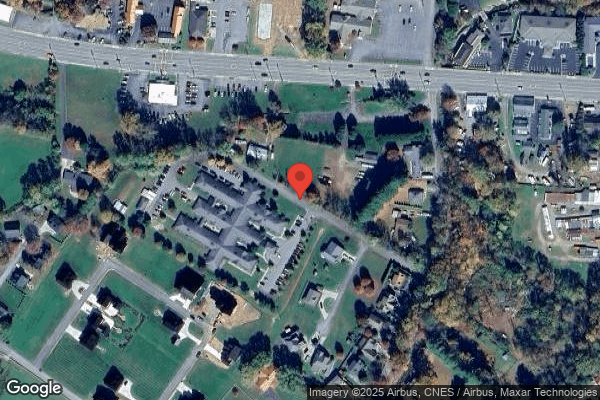

75 Fisher Loop, Maggie Valley, NC 28751 (828) 926-4326
For profit - Limited Liability company 114 Beds MAXIMUS HEALTHCARE GROUP Data: November 2025 1 Immediate Jeopardy citation
Trust Grade
3/100
#355 of 417 in NC
Last Inspection: January 2025

Within standard 12-15 month inspection cycle. Federal law requires annual inspections.

Overview

Maggie Valley Nursing and Rehabilitation has a Trust Grade of F, indicating significant concerns and a poor reputation among nursing homes. It ranks #355 out of 417 facilities in North Carolina, placing it in the bottom half of all facilities, and last among the five nursing homes in Haywood County. The facility's situation is worsening, with the number of issues increasing from six in 2023 to seven in 2025. Staffing is a relative strength, rated 4 out of 5 stars, and although turnover is at 46%, it is slightly below the state average, suggesting some staff stability. However, the facility has accumulated concerning fines of $69,935, which is higher than 79% of North Carolina facilities, indicating ongoing compliance problems. Specific incidents from inspections raise serious red flags. For example, the facility failed to implement timely COVID-19 testing, leading to multiple infections among staff and residents. Additionally, there were troubling cases of resident abuse during family visits, where two residents reported being harmed by family members. There are also concerns about medication management, as the facility did not properly date or discard expired medications, which could pose health risks. Overall, while there are some staffing strengths, the facility faces significant challenges that families should consider carefully.

Trust Score
F
3/100
In North Carolina
#355/417
Bottom 15%
Safety Record
High Risk
Review needed
Inspections
Getting Worse
6 → 7 violations
Staff Stability
⚠ Watch
46% turnover. Above average. Higher turnover means staff may not know residents' routines.
Penalties
✓ Good
$69,935 in fines. Lower than most North Carolina facilities. Relatively clean record.
Skilled Nurses
○ Average
Each resident gets 36 minutes of Registered Nurse (RN) attention daily — about average for North Carolina. RNs are the most trained staff who monitor for health changes.
Violations
⚠ Watch
14 deficiencies on record. Higher than average. Multiple issues found across inspections.
★☆☆☆☆
1.0
Overall Rating
★★★★☆
4.0
Staff Levels
★★★☆☆
3.0
Care Quality
★☆☆☆☆
1.0
Inspection Score
Stable
2023: 6 issues
2025: 7 issues

The Good

  • 4-Star Staffing Rating · Above-average nurse staffing levels
  • Full Sprinkler Coverage · Fire safety systems throughout facility
  • No fines on record

Facility shows strength in staffing levels, fire safety.

The Bad

1-Star Overall Rating

Below North Carolina average (2.8)

Significant quality concerns identified by CMS

Staff Turnover: 46%

Near North Carolina avg (46%)

Higher turnover may affect care consistency

Federal Fines: $69,935

Well above median ($33,413)

Moderate penalties - review what triggered them

Chain: MAXIMUS HEALTHCARE GROUP

Part of a multi-facility chain

Ask about local staffing decisions and management

The Ugly 14 deficiencies on record

1 life-threatening 1 actual harm
May 2025 2 deficiencies 1 Harm
SERIOUS (G) 📢 Someone Reported This

A family member, employee, or ombudsman was alarmed enough to file a formal complaint

Actual Harm - a resident was hurt due to facility failures

Free from Abuse/Neglect (Tag F0600)

A resident was harmed · This affected 1 resident

**NOTE- TERMS IN BRACKETS HAVE BEEN EDITED TO PROTECT CONFIDENTIALITY** Based on observations, record review, and interviews with resident, staff, and law enforcement agent, the facility failed to pro...

Read full inspector narrative →
**NOTE- TERMS IN BRACKETS HAVE BEEN EDITED TO PROTECT CONFIDENTIALITY** Based on observations, record review, and interviews with resident, staff, and law enforcement agent, the facility failed to protect a resident's right to be free from abuse when a family member (Family Member #2) pinched and twisted Resident #2's upper right shoulder during a visit. A staff member that intervened at the time of the incident asked Resident #2 if she was okay and Resident #2 started crying and appeared distressed. Resident #2 reported the incident resulted in pain, bruises, and soreness in her right shoulder and right forearm areas. In addition, the facility failed to protect a resident's right to be free from abuse when a family member (Family Member #1) grabbed and pinched Resident #1's right arm during a visit. Resident #1 stated Family Member #1 grabbed and pinched her right arm so hard that it caused a lot of pain and circular bruises to her right antecubital (the front of the elbow) area. This affected 2 of 3 residents reviewed for abuse (Resident #2 and Resident #1). The findings included: 1. Resident #2 was admitted to the facility on [DATE] with diagnoses including heart failure and anxiety disorder. The admission Minimum Data Set (MDS) assessment dated [DATE] coded Resident #2 with intact cognition. She had adequate hearing and vision with clear speech. She did not exhibit behavioral symptoms during the review period and used a wheelchair or limb prosthesis for locomotion. The MDS indicated she required partial/moderate assistance on staff for transfer. The incident report dated 05/15/25 prepared by the Director of Nursing (DON) revealed the incident occurred at 3:00 PM. Family Member #2 was noted to be sleeping in Resident #2's roommate's bed and was asked by the staff to stop doing that. Then, he got into a verbal argument with Resident #2 and was seen by staff hitting, pinching, and shoving Resident #2's wheelchair when she was sitting in it. Family Member #2 was separated from Resident #2 and asked to leave the facility immediately. Local law enforcement was notified, and Family Member #2 was picked up by the law enforcement agent after leaving the facility. Resident #2 was evaluated by the psychiatric Nurse Practitioner (NP) who was in the facility for anxiety related to the incident. Resident #2 stated: He can't help it. He has dementia. The incident report indicated Resident #2 had bruises on her right shoulder and right antecubital areas after the incident. A review of the facility submitted 24-hour initial report dated 05/15/25 at 3:48 PM indicated an allegation of abuse for Resident #2 was reported to the DON and the Administrator on 05/15/25 at 3:15 PM. The report revealed Family Member #2 was seen by several staff hitting, pinching, and shoving Resident #2 when she was sitting in the wheelchair. Family Member #2 was separated from Resident #2 and asked to leave the facility immediately. Local law enforcement was notified on 05/15/25 at 3:15 PM as there was a reasonable suspicion of crime against Resident #2. Family Member #2 was detained by the law enforcement agent right after leaving the facility. Resident #2 was evaluated by the psychiatric NP who was in the facility for bruises and anxiety related to the incident. Family Member #2 was contacted by the Administrator on 05/15/25 that a no trespassing order was issued to him by the facility. The 5-working-day investigation report dated 05/19/25 revealed Resident #2 suffered bruises and redness to her right antecubital areas but not mental anguish that lasted 5 days or more. The facility concluded the investigation on 05/19/25 but did not determine whether the allegation was substantiated. The incident was reported to the County Department of Social Services and APS on 05/15/25, within 2 hours of the facility notification. Local law enforcement filed charges against Family Member #2 for domestic violence crime and assault on a female. The MDS Coordinator and Nurse Aide (NA) #1 were listed as two of the witnesses to the incident. During an interview conducted on 05/28/25 at 9:22 AM, NA #1 recalled she was helping the Activity Director set up games and temporary tattoos in the main dining room on 05/15/25 at around 3:00 PM. She was aware of Resident #2 and Family Member #2 were in the smoking courtyard but did not pay attention to them as she was assisting in the activity. She saw Resident #2 returning to the main dining room from the smoking courtyard in her wheelchair with Family Member #2 pushing the wheelchair. They did not stop for the activity, and she noticed Family Member #2 pushed the wheelchair through the main dining room toward the hallway. After they left the main dining room, she saw Resident #2 trying to stop the wheelchair by grabbing the handrail in the hallway right outside the doorway of the main dining room. Family Member #2 reacted by shoving the wheelchair roughly first, then he hit Resident #2 with his hand at her right shoulder. She did not observe Family Member #2 pinching Resident #2 as the incident happened so quickly. Several staff members rushed over to separate Resident #2 from Family Member #2 immediately. At that point, Resident #2 stated Family Member #2 had pinched and hit her, and shoved her wheelchair. The staff escorted Family Member #2 out of the building immediately. An interview was conducted on 05/28/25 at 11:19 AM with the Activity Assistant. She recalled it was around 3:00 PM on 05/15/25 and she was in the main dining room conducting an activity with several residents. Suddenly, she heard a loud argument between Resident #2 and Family Member #2 outside of the building in the smoking courtyard. Family Member #2 was observed pushing the wheelchair with force to pass approximately 5 feet of gravel surface as he tried to take a short cut returning to the main dining room. She was concerned that Resident #2 might fall out of her wheelchair and was monitoring the scene closely with several other staff. After a few minutes, they made their way into the building and headed back towards Resident #2's room. She recalled she was standing around 10 feet from Resident #2 and saw her grabbing the handrail in the hallway right outside the doorway of the main dining room trying to stop the wheelchair. Family Member #2 continued to push the wheelchair roughly to the extent that Resident #2 almost had to stand up and grab the handrail to maintain balance. When she saw that, she started to run over to Resident #2 to intervene. Before she reached them, she saw Family Member #2 grabbing Resident #2's right shoulder, pinched and twisted the skin of her upper right shoulder area forcing her to remove her arm from the handrail. When Resident #2's hand let go, Family Member #2 tried to shove the wheelchair roughly but was stopped by the staff. She and four other staff separated Resident #2 from Family Member #2 immediately. One of the staff went to call the local law enforcement. She stated that when the altercation started and the staff began to intervene, her view was blocked by the staff who approached the scene. She did not see the hitting but confirmed Family Member #2 had pinched and twisted Resident #2's right shoulder during the incident. During an interview conducted on 05/28/25 at 1:01 PM, the MDS Coordinator recalled she was standing in the main dining room talking to NA #1 while assisting the activity. She saw Family Member #2 pushing Resident 2's wheelchair across the dining room and she was not facing them after they exited the main dining room. Suddenly, NA #1 said: Oh my God, he just pinched her. She turned around and observed Family Member #2 trying to jerk the wheelchair vigorously with Resident #2 sitting in it and hitting her right arm and shoulder area. She ran toward the scene and separated them immediately. She added everything happened within a couple seconds and at least 5 staff members witnessed the incident. When she asked Resident #2 if she was okay, she started crying. Resident #2 was observed tearful and distressed after the event. She told Family Member #2 that he was not allowed to hit her, and he had to back off. She instructed another staff member to notify DON immediately and she stayed with Resident #2. A few minutes later, she saw Family Member #2 talking with DON at the nurse station. He was told to leave the facility immediately and escorted out of the building by DON. An interview was conducted with Resident #2 on 05/28/25 at 1:22 PM. She stated Family Member #2 had visited her on 05/15/25 after lunch and after being in the room for a while, he felt sleepy. She told him to lie down in her bed. However, her roommate returned to the room and saw Family Member #2 lying in Resident #2's bed. Her roommate was upset and started to cry. Resident #2 urged Family Member #2 to get up from her bed. Family Member #2 got out of her bed and pushed her in her wheelchair into the hallway. While pushing her in the hallway, Family Member #2 became angry that he had to get up from her bed. He took her to the smoking courtyard and started arguing about why he had to get out of her bed. After that, they decided to return to the facility. He pushed her wheelchair vigorously trying to pass through a rough gravel surface in the smoking courtyard and she almost fell out of wheelchair. Family Member #2 took her back to the building through the dining room and he started to yell at everyone he encountered. He pushed her wheelchair to get away from the staff. Initially, she held on to the handrail in the hallway to stop him from pushing her wheelchair further. Then she tried to stop him from yelling by waving her right hand to signal him to stop. At that point, he started to hold her right shoulder and pinched and twisted her right shoulder. A few staff at the scene rushed over to separate her from him. Family Member #2 told the staff that she pinched him first, and he was just defending himself. Resident #2 clarified that she did not pinch Family Member #2 at all during the incident. Then, Family Member #2 was escorted out of the building. Resident #2 reported the incident resulted in pain, bruises, and soreness in her right shoulder and right forearm areas. The facility called the local law enforcement, and the law enforcement agent came to talk to her. She pleaded with the law enforcement agent not to arrest Family Member #2, but he was detained by the local law enforcement and spent four days in jail. She stated Family Member #2 did not mean to hurt her and explained he had dementia, did not know what he was doing and was driven by his anger at that time. Resident #2 stated they had been married for 28 years, and he had never been physically abusive. She indicated she felt safe in the facility even after the incident. Resident #2 explained she was upset with her husband at the time of the incident but not fearful of him. She added it made her feel better to talk about the incident. Resident #2 was not tearful during the interview, and she was free of bruises on her right shoulder area or other part of her extremities. A review of physician's order written by the Psychiatric Nurse Practitioner dated 05/16/25 revealed Resident #2 had received an order to take 1 tablet of hydroxyzine (a prescription medication in the class of antihistamines used to treat anxiety) 25 milligrams (mg) once every 6 hours as needed for anxiety for 14 days. During a phone interview conducted on 05/28/25 at 3:39 PM, the law enforcement agent who had investigated the incident confirmed Family Member #2 was charged with assault on a female and crime of domestic violence. He was scheduled to appear at the County Court House on 05/16/25 at 2:00 PM. The law enforcement agent could not provide any updates related to the court case. The Surveyor was unable to conduct a phone interview with Family Member #2 as Resident #2 stated Family Member #2 did not have a phone. During an interview conducted on 05/29/25 at 10:38 AM, the DON recalled when she was working in her office on 05/15/25 around 3:00 PM, she was notified by one of her staff that Family Member #2 had physically abused Resident #2 in the hallway. She rushed to the scene and found that a few staff had separated them. After listening to the statement reported by the staff, she decided to talk to Family Member #2 in the north side nurse's station. She told Family Member #2 that he was not allowed to physically abuse anyone in the facility including Resident #2. She ordered Family Member #2 to leave immediately and informed him that the facility would issue him a No trespassing order. She indicated the root cause of this incident was inadequate background screening of visiting family member. She stated the abuse incident was unusual as it involved visitors but not the staff. The facility had done a thorough investigation to identify the root cause to minimize risks of re-occurrence. She indicated during the admission process Resident #2 was asked to disclose history of trauma related to abuse from family members and she had checked No. Otherwise, the facility might consider providing supervision during family visit. It was her expectation for all the residents to be free from abuse from staff, family, or visitors at all times. An interview was conducted on 05/29/25 at 1:26 PM. The Administrator stated the facility had policies and procedures of abuse in place. She expected each abuse case to be handled according to the guidelines and investigated thoroughly to identify the root cause to minimize re-occurrence. She indicated this abuse incident was almost unpreventable as it involved visitor but not the staff, and the facility had limited authority to screen visitor. She stated the root cause of this incident was mainly due to inadequate background screening of visiting family member. It was her expectation for all the residents to be free from abuse from staff, family, or visitors at all times. 2. Resident #1 was admitted to the facility on [DATE] with diagnoses including osteoporosis and high blood pressure. She was discharged from the facility on 03/19/25. The admission MDS assessment dated [DATE] coded Resident #1 with intact cognition. She had adequate hearing and vision with clear speech. She did not exhibit behavioral symptoms during the review period. Resident #1 had impaired range of motion on one side of her upper extremities and used a wheelchair or walker as the main mobility devices for locomotion. The incident report dated 03/12/25 prepared by Nurse #2 revealed the incident occurred at 3:50 PM. Resident #1 stated that when Family Member #1 visited her in the courtyard, she became angry with her as she could not give her the passcode to the new phone immediately. Family Member #1 grabbed and pinched Resident #1's right arm and she was removed from the facility immediately. Resident #1 complaint of pain in her right arm and it was treated with a cold pack. The local law enforcement agent visited Resident #1 after the incident. A no trespassing order was issued to Family Member #1 by the facility on 03/13/25. The incident report described Resident #1 suffered a hematoma at her right arm near the inner elbow. Resident #1 was cognitively intact, and she did not wish to press charges against Family Member #1. A review of the facility submitted 24-hour initial report dated 03/13/25 specified an allegation of abuse for Resident #1 was reported to the Director of Nursing (DON) and the Administrator on 03/12/25 at 4:30 PM. The report indicated that Family Member #1 visited the facility and yelled at Resident #1 about needing a passcode for her phone. Family Member #1 grabbed and pinched Resident #1's arm. It caused a circular bruise to the right antecubital area. The facility reported the incident to the local law enforcement on 03/13/25 at 10:00 AM as there was a reasonable suspicion of crime against Resident #1. The initial report indicated that the perpetrating Family Member #1 was contacted by the Administrator on 03/13/25 that a no trespassing order was issued to her by the facility. The 5-working day investigation report dated 03/17/25 revealed Resident #1 suffered bruises to her right antecubital areas but not mental anguish that lasted 5 days or more. The allegation of abuse was substantiated. Nurse #1 was listed as the witness to the alleged abuse incident. During an interview conducted on 05/28/25 at 8:57 AM, Nurse #1 stated that on 03/12/25 around 3:50 PM, when she was walking down to the 400 hall to provide wound treatment for another resident, she heard yelling from Resident #1's room. She stopped and entered the room and Resident #1 told her that she wanted Family Member #1 to leave. She observed Family Member #1 yelling at Resident #1 for issues related to a phone passcode. Since Resident #1 was cognitively intact and wanted Family Member #1 to leave, she asked Family Member #1 to leave. However, Family Member #1 did not leave immediately, and her voice got louder, saying something about Resident #1 giving her money away. She reminded Family Member #1 again that she needed to leave and she escorted her to the front door to ensure she left the facility. Then she reported the incident to DON and went back to check on Resident #1 and found that she had bruises in her right antecubital area. Resident #1 told Nurse #1 that Family Member #1 pinched and twisted her right arm. She continued to check on Resident #1 the next couple days and the bruises faded away slowly. Nurse #1 reiterated that she did not witness Family Member #1 pinching or twisting Resident #1's arm. She did not recall any episodes of abuse of Resident #1 from Family Member #1 prior to this incident. During a phone interview conducted on 05/28/25 at 3:39 PM, the local law enforcement agent who investigated the incident confirmed Resident #1's abuse incident was reported to the local law enforcement on 03/13/25 at 10:00 AM. He added he did not arrest Family Member #1 as Resident #1 insisted not to press charges. A phone interview was conducted on 05/28/25 at 4:11 PM with Resident #1. She indicated that Family Member #1 yelled at her for a phone passcode during the visit on 03/12/25. When she could not provide the number immediately, Family Member #1 grabbed and pinched her right arm so hard that it caused a lot of pain and circular bruises to her right antecubital area. She added Nurse #1 witnessed the incident and notified the DON immediately. The facility filed a report with the local law enforcement. The law enforcement agent did not arrest Family Member #1 as she (Resident #1) insisted she did not want to press charges. She stated the abuse incident from Family Member #1 was the first time this ever happened. Resident #1 indicated she felt safe while staying in the facility. She denied she was fearful at the time of the incident but was upset at Family Member #1. She added that she was not fearful of Family Member #1, she simply did not have Family Member #1's current phone number. The Surveyor was unable to conduct a phone interview with Family Member #1 as the facility and Resident #1 did not have Family Member #1's current phone number. During an interview conducted on 05/29/25 at 10:38 AM, the DON stated she was not in the facility when the abuse incident occurred, but she was notified of the incident within one hour. She instructed the Social Services Director to report the abuse allegations to the state agency, Adult Protective Services, and law enforcement. She issued a no trespassing order to Family Member #1 the next morning on 03/13/25. The DON indicated the root cause of this incident was inadequate background screening of visiting family member. She stated the abuse incident was unusual as it involved visitors but not the staff. The facility had done a thorough investigation to identify the root cause to minimize risks of re-occurrence. She indicated during the admission process Resident #1 was asked to disclose history of trauma related to abuse from family members and she had checked No. Otherwise, the facility might consider providing supervision during family visit. It was her expectation for all the residents to be free from abuse from staff, family, or visitors at all times. An interview was conducted on 05/29/25 at 1:26 PM. The Administrator stated the facility had policies and procedures of abuse in place. She expected each abuse case to be handled according to the guidelines and investigated thoroughly to identify the root cause to minimize re-occurrence. She pointed out that this abuse incident was almost unpreventable as it involved visitor but not the staff, and the facility had limited authority to screen visitor. She stated the root cause of this incident was mainly due to inadequate background screening of visiting family member. It was her expectation for all the residents to be free from abuse from staff, family, or visitors at all times.
CONCERN (D) 📢 Someone Reported This

A family member, employee, or ombudsman was alarmed enough to file a formal complaint

Potential for Harm - no one hurt, but risky conditions existed

Report Alleged Abuse (Tag F0609)

Could have caused harm · This affected 1 resident

**NOTE- TERMS IN BRACKETS HAVE BEEN EDITED TO PROTECT CONFIDENTIALITY** Based on record review and interviews with staff, the facility failed to ensure staff implemented their abuse policy and procedu...

Read full inspector narrative →
**NOTE- TERMS IN BRACKETS HAVE BEEN EDITED TO PROTECT CONFIDENTIALITY** Based on record review and interviews with staff, the facility failed to ensure staff implemented their abuse policy and procedure in the area of reporting when the facility failed to report an abuse allegation to the State Agency within the specified timeframes and failed to notify the Adult Protection Services (APS). This affected 1 of 3 residents reviewed for abuse (Resident #1). The findings included: The facility policy titled, Compliance with Reporting Allegations of Abuse/Neglect/Exploitation, revised 10/01/23 revealed in part; all alleged violations involving abuse, neglect, exploitation, or mistreatment are reported immediately, but no later than 2 hours if the events that cause the allegation involve abuse or result in serious injury, or no later than 24 hours if the events that cause the allegations do not involve abuse or result in serious injury to the Administrator, North Carolina Division of Health Service Regulation (DHSR). This included an allegation regarding any individual against whom an allegation was made. The Administrator or designee will ensure that a completed Initial Allegation Report is submitted to DHSR in the required timeframe. The Administrator or designee will ensure that a report of the investigation is submitted within 5 working days of the allegation using the DHSR Investigation Report. Resident #1 was admitted to the facility on [DATE] with diagnoses including osteoporosis and high blood pressure. She was discharged from the facility on 03/19/25. The admission Minimum Data Set (MDS) assessment dated [DATE] coded Resident #1 with intact cognition. She had adequate hearing and vision with clear speech. A review of the facility submitted 24-hour initial report dated 03/13/25 completed by the Director of Nursing (DON) specified an allegation of abuse for Resident #1 was reported to the DON and Administrator on 03/12/25 at 4:30 PM. The report indicated that Family Member #1 visited the facility and yelled at Resident #1 about needing a passcode for her phone. Family Member #1 grabbed and twisted Resident #1's arm, causing pain and circular bruises to the right antecubital (on the front of the elbow) area. The facility reported the incident to the local law enforcement on 03/13/25 at 10:00 AM as there was a reasonable suspicion of crime against Resident #1. The facility submitted the initial report to DHSR on 03/13/25 at 12:36 PM. DHSR was notified 20 hours and 6 minutes after the DON and Administrator were made aware of the incident. A review of Resident #1's medical record revealed the facility did not have any documentation to support the abuse allegation that occurred on 03/12/25 had been reported to APS. During an interview conducted on 05/28/25 at 3:45 PM, the Social Service Director (SSD) recalled she reported this incident to APS staff over the phone within 2 hours after the incident on 03/12/25, but she did not complete the reporting due to distractions during the call. She could not explain why she did not follow up with APS later. She acknowledged that the DON had instructed her to report this abuse allegation to DHSR as well. She did not do it within 2 hours after the facility was made aware of the incident as she thought she had 24 hours to meet the requirements. She stated it was her oversight. An interview was conducted with the DON on 05/29/25 at 10:38 AM. She stated that she was aware of the 2-hour reporting requirement for any abuse incident or incident involving serious bodily injury. She was not in the facility when Resident #1's abuse allegation occurred on 03/12/25. However, she was notified of this abuse allegation within one hour after it had happened and she assigned the reporting tasks of this allegation to the SSD. When she returned to the facility the next morning, she found that DSHR and APS were not reported to within 2 hours after the facility was made aware of the incident. The SSD told the DON that she thought she had 24 hours to report the abuse allegation to DHSR. The DON indicated she went ahead and filled out and submitted the initial report to DHSR but could not explain why she did not complete the report to APS. An interview was conducted on 05/29/25 at 1:26 PM. The Administrator stated the facility had policies and procedures for abuse in place. She expected each abuse allegation to be handled according to the guidelines and investigated thoroughly to identify the root cause to minimize future re-occurrence. It was her expectation for the staff to report all the abuse allegations to the State Agency and other specified agencies as required within 2 hours as outlined in the abuse policies and procedure.
Jan 2025 5 deficiencies 1 IJ (1 facility-wide)
CRITICAL (L) 📢 Someone Reported This

A family member, employee, or ombudsman was alarmed enough to file a formal complaint

Immediate Jeopardy (IJ) - the most serious Medicare violation

Infection Control (Tag F0880)

Someone could have died · This affected most or all residents

⚠️ Facility-wide issue

**NOTE- TERMS IN BRACKETS HAVE BEEN EDITED TO PROTECT CONFIDENTIALITY** Based on observations, record review, and staff, Nurse Practitioner (NP), and Health Department (HD) Nurse interviews, the facil...

Read full inspector narrative →
**NOTE- TERMS IN BRACKETS HAVE BEEN EDITED TO PROTECT CONFIDENTIALITY** Based on observations, record review, and staff, Nurse Practitioner (NP), and Health Department (HD) Nurse interviews, the facility failed to operationalize updated infection control policy and procedures in accordance with current Centers for Disease Control and Prevention (CDC) guidance. A) The facility failed to implement broad-based approach COVID-19 testing for staff and residents on 12/26/24 when a staff member and residents on two different resident halls tested positive for COVID-19. Broad-based COVID-19 testing per the (CDC) guidance was not implemented until 1/8/24 after surveyor intervention. Before broad-based testing was implemented on 1/8/24, a total of 8 staff members and 17 residents tested positive for COVID-19. Results of the broad-based testing from 1/8/24 and 1/9/24 yielded one (1) staff member and 4 additional residents positive for COVID-19. In addition, the facility failed to implement staff source control to help prevent transmission while working in the facility during the COVID-19 outbreak. B) In addition, the facility failed to provide staff N95 masks for the care of COVID-19 positive residents per CDC guidance. Facility staff failed to wear all personal protection equipment (PPE) required according to CDC guidance when they entered resident rooms under transmission-based precautions (TBP) for COVID-19. C) The facility also failed to restrict staff from returning to work after testing positive for COVID-19 in accordance with current CDC guidance. D) The facility failed to have updated COVID-19 policies and procedures that aligned with current CDC guidance for COVID-19 testing, PPE requirements for transmission-based precautions and work restriction guidance for healthcare personnel. The resident census at the time of the survey was 97. There were 47 residents whose COVID-19 vaccinations were up to date. These cumulative practices and system failures occurred during a COVID-19 outbreak and had the high likelihood of continued transmission of COVID-19 to residents and staff and a serious adverse outcome. Immediate Jeopardy began on 12/26/24 when a staff member and residents on two different resident halls tested positive for COVID-19 and the facility failed to implement broad-based approach COVID-19 testing for staff and residents. Immediate jeopardy was removed on 1/9/25 when the facility implemented a credible allegation of immediate jeopardy removal. The facility will remain out of compliance at a scope and severity of F (no actual harm with potential for more than minimal harm that is immediate jeopardy) to ensure education is completed and monitoring systems are in place and are effective. Findings included: A. A facility policy entitled COVID prevention, response, and reporting dated 12/31/24 read in part: The facility will perform viral testing for COVID as per national standards such as CDC recommendations. Responding to a newly identified COVID infected HCP or resident: The facility should defer to the recommendations of the jurisdictions' public health authority when performing an outbreak response to a known case. A single new case of COVID infection in any HCP or resident should be evaluated to determine if others in the facility could have been exposed. The approach to an outbreak investigation could involve either contact tracing or a broad-based approach; however, a broad- based approach is preferred if all contact cannot be identified or managed with contact tracing or if contract tracing fails to halt transmission. Perform testing for all resident and HCP identified as close contacts or on the affected units if using a broad-based approach, regardless of vaccination status. The infection preventionist or designee, will monitor and track COVID related information to include but not limited to: The number of residents and staff who exhibit signs and symptoms of COVID. The number of residents and staff who have suspected or confirmed COVID and date of confirmation. Supply of personal protective equipment and other relevant supplies. A facility policy entitled Infection prevention and control program dated 12/31/ 24 read in part: COVID testing: Anyone with even mild symptoms of COVID, regardless of vaccination status, should receive a viral test for COVID as soon as possible. Asymptomatic residents with close contact with someone with COVID infection should have a series of three viral tests for COVID infection. Testing is recommended immediately (but not earlier than 24 hours after exposure) and, if negative, again 48 hours after the first negative test and, if negative, again 58 hours after the second negative test. This will typically be at day 1, day 3, and day 5. If healthcare-associated transmission is suspected or identified, the facility may consider expanded testing of HCP and residents as determined by the distribution and number of cases throughout the facility and ability to identify close contacts. If an expanded testing approach is taken and testing identifies additional infections, testing should be expanded more broadly. Testing should occur on all symptomatic residents. A review of the facility's list of positive COVID-19 residents and staff revealed the facility's COVID outbreak started on 12/26/24 when the facility Social Worker (SW) tested positive for COVID-19 and a resident on the 400 hall and a resident on the 500-hall tested positive for COVID-19. No contact tracing or broad-based testing was conducted until 01/08/25 after surveyor intervention. - The SW tested positive for COVID on 12/26/24. - Resident #18 in room [ROOM NUMBER] was positive for COVID on 12/26/24 - Resident #98 in room [ROOM NUMBER] was COVID positive on 12/26/24 - The front desk Receptionist tested positive for COVID on 12/27/24 - Nurse #6 tested positive for COVID on 12/27/24 - Resident #55 in room [ROOM NUMBER]A was COVID positive on 12/29/24 - Resident #94 in room [ROOM NUMBER]A was COVID positive on 12/29/24 - Resident #48 in room [ROOM NUMBER]B was COVID positive on 12/30/24 - Nurse #4 tested positive for COVID on 12/31/24 - Resident #70 in room [ROOM NUMBER] was COVID positive on 12/31/24 - An Environmental Services (EVS) staff member tested positive for COVID on 1/2/25 - Resident #19 in room [ROOM NUMBER]A was COVID positive on 1/2/25 - Resident #93 in room [ROOM NUMBER]B was COVID positive on 1/3/25 - Resident #21 in room [ROOM NUMBER]A was COVID positive on 1/3/25 - Resident #97 in room [ROOM NUMBER]A was COVID positive on 1/3/25 - Resident #11 in room [ROOM NUMBER]A was COVID positive on 1/4/25 - Resident #69 in room [ROOM NUMBER]B was COVID positive on 1/4/25 - Resident #99 in room [ROOM NUMBER] was COVID positive on 1/5/25 - Resident #82 in room [ROOM NUMBER]A was COVID positive on 1/5/25 - Transport Aide #1 tested positive for COVID on 1/7/25. - Transport Aide #2 tested positive for COVID on 1/7/25. - Resident #38 in room [ROOM NUMBER] was COVID positive on 1/7/25 - Resident #505 in room [ROOM NUMBER] was COVID positive on 1/7/25 - Resident #45 in room [ROOM NUMBER]A was COVID positive on 1/7/25 The following were the results of COVID-19 testing after broad-based testing was initiated: - Nurse Aide #6 (NA) tested positive for COVID on 1/8/25 -Resident #95 in room [ROOM NUMBER] was COVID positive on 1/8/25 -Resident #34 in room [ROOM NUMBER]B was COVID positive on 1/8/25 -Resident #86 in room [ROOM NUMBER]A was COVID positive on 1/8/25 -Resident #101 in room [ROOM NUMBER]A was COVID positive on 1/9/25 An interview was conducted with the Infection Preventionist (IP) on 1/7/25 at 2:41 PM. The IP explained 2 or more confirmed cases of COVID-19 was considered an outbreak. The IP said the facility's COVID-19 outbreak began on 12/26/24 when two residents and a staff member had tested positive for COVID-19. The IP explained the facility had 12 residents currently who were COVID-19 positive. She said residents were placed on transmission-based precautions for 10 days when they tested positive for COVID-19. She did not know if the facility had notified the local Health Department (HD) of the facility's COVID-19 outbreak. The IP said she had not notified the HD. The IP explained that since the outbreak was identified on 12/26/24 the facility had only tested residents and staff for COVID-19 if they had symptoms. She said the facility had not completed contact tracing to determine if there were close contacts of residents or staff who needed to be tested because she thought COVID-19 testing was only supposed to be done if an individual was symptomatic. The IP stated the facility had not performed broad based testing of residents and staff who did not have symptoms because she thought that was not the current CDC recommendation. She said the current CDC recommendations for COVID-19 testing were to only test someone if they were symptomatic. The IP indicated roommates of COVID-19 positive residents were not tested for COVID-19 unless they had symptoms. The IP was unable to provide information on how the facility monitored residents for COVID-19 symptoms to determine if they needed to be tested. An interview was conducted with the Director of Nursing (DON) on 1/7/25 at 3:45 PM. The DON said more than one case of COVID-19 would be considered an outbreak. The DON said the facility tested residents and staff for COVID-19 only if they had symptoms. The DON explained that the facility followed the CDC guidance for COVID-19 testing and the current guidance said to only test for COVID-19 if someone was symptomatic. The DON thought a roommate of a COVID-19 positive resident would be considered close contact. She additionally said she thought the facility should be doing COVID-19 testing for close contacts. The DON explained that the facility had not been doing COVID-19 testing for close contacts and only tested the roommate if they were symptomatic on a case-by-case basis, because she thought the CDC recommendations for COVID-19 testing had changed and said to only test individuals if they had symptoms. The DON said she thought the roommate of COVID-19 positive residents should be tested and would have the Nurse Supervisor test them today. She said the facility did not test the staff who worked with the COVID-19 positive residents. The DON explained staff were only tested if they were symptomatic. The DON thought the facility no longer needed to report COVID-19 to the HD and said she had not contacted the HD about the facility's COVID-19 outbreak. The DON said she had reached out to the HD today to see if they needed to report the facility's COVID-19 outbreak and had left a message for the communicable disease nurse. An additional interview was conducted with the DON at 1/8/25 at 9:31 AM. The DON said she had spoken with HD Nurse. The DON explained the HD Nurse wanted to be called if the facility had more than one case of COVID-19 to go over systems, processes, any Personal Protective Equipment (PPE) needs, and ideas on how to contain it. The DON explained when she had been told the facility no longer needed to do the COVID-19 spread sheet to report to the HD she had misinterpreted that to mean they no longer needed to report COVID-19 to the HD. The DON explained she consulted with the corporate nurse regarding the facility's infection control/ COVID-19 policies and she said they were not up to date. The DON explained that the corporate nurse was reviewing and updating the infection control/ COVID-19 policies and was going to send the updated policies to her today. An interview was conducted on 1/7/25 at 11:47 AM with the HD Nurse. The HD Nurse said facilities were supposed to call and report to the HD if there were two or more confirmed cases of COVID-19 with 72 hours of each other. She explained the HD would provide guidance and recommendations to the facility to help mitigate the outbreak. She stated the facility had not contacted the HD to report a COVID-19 outbreak. The HD Nurse explained the facility should test anyone who was considered a close contact. She said the roommate of a COVID-19 positive resident would be considered close contact. The HD nurse said the facility should test close contacts on day 1, 3, and 5. She stated if the facility was seeing COVID-19 positive cases unit or facility wide then they needed to do broad based testing of all residents and staff. She explained residents and staff needed to be initially tested then tested every 3-7 days until there were no new COVID-19 cases for 14 days. An interview was conducted on 1/8/25 at 11:18 AM with the NP. The NP said the facility should follow CDC guidance for health care settings for COVID-19. The NP thought the CDC recommended symptomatic testing. She had not thought the CDC recommended broader based testing just because multiple COVID-19 positive cases had been identified in the building. The NP said she deferred questions regarding COVID-19 testing if needed to the IP. The IP stated the facility should have policies for COVID-19 and should be following those. An interview was conducted with the Administrator on 1/8/25 at 12:24 PM. The Administrator said she was not a nurse and deferred to the DON and the IP for the management of the COVID-19 outbreak. The Administrator thought the facility had been following the most current CDC guidance. B. On 1/6/25 the IP was asked to provide the infection control policies the facility used for the management of COVID and transmission-based precautions. The IP provided a facility policy entitled Infection prevention and control program dated 12/3/21. Under date reviewed/ revised it read annually, there was no date to indicate when the policy had last been reviewed/ revised. The policy read in part: Isolation protocols (transmission-based precautions): A resident with an infection or communicable disease shall be placed on transmission-based precautions as recommended by current CDC guidelines. A facility policy dated 12/23/24 entitled Hand Hygiene read in part: All staff will perform proper hand hygiene procedures to prevent the spread of infection to other personnel, residents, and visitors. Hand hygiene is indicated and will be performed under the conditions listed in but not limited to the attached hand hygiene table. -Hand hygiene table conditions listed included before applying and after removing personal protective equipment (PPE), including gloves. Before and after providing care to residents on isolation. An updated facility policy entitled COVID prevention, response, and reporting dated 12/31/24 was received by the facility on 1/8/25 and read in part: The facility will establish a process to identify and manage individuals with suspected or confirmed COVID infection to include: Ensure everyone is aware of the recommended infection prevention control (IPC) practices in the facility by posting visual alerts (e.g signs, posters) at the entrance and in strategic places to include instructions about current IPC recommendations. Establishing a process to makes everyone entering the facility aware of recommended actions to prevention transmission to others. Source control is recommended more broadly in the following circumstances by residing or working on a unit or area of the facility experiencing a COVID or other outbreak of respiratory infection. Facility wide or based on a facility risk assessment, targeted toward higher risk areas or resident populations during periods of higher levels of community COVID or other respiratory virus transmission; have otherwise had source control recommended by public health authorities. HCP who enter the room a resident with suspected or confirmed COVID infection should adhere to standard precautions and use a N95 filtration or higher mask, gown, gloves, and eye protection. On 1/6/25 at 9:50 AM upon entry to the facility an observation was conducted of the reception desk and lobby area. There was no visual signage present at the entrance to alert staff or visitors of the facility's COVID-19 outbreak or infection control practices. There were no surgical masks available on the reception desk countertop for staff or visitors. The Administrator greeted the survey team and was not wearing a mask. An observation on 01/6/25 at 10:37 AM was conducted of the south nursing station. There was an opened box of surgical masks available on the nursing station desk. An observation was conducted on 01/6/25 from 10:37 AM to 10:47 AM of the north nursing station and the 500-hall. There were no surgical masks visible at the nursing station desk. NA #3 and NA #4 were observed at the nursing station with surgical masks on that were pulled down under their chin and not covering their nose or mouth. Nurse #4 was observed at the nursing station without a mask. The following rooms 505,506, 511, 513, 514, and 519 were observed to have a transmission-based precautions sign on the outside of the room door. There were carts located outside of each transmission-based precautions room with surgical masks, gowns, gloves, and eye protection. There were no N95 masks observed on the PPE carts. A continuous observation was conducted on 1/6/25 from 10:51 AM to 10:58 AM of Nurse #4. He was observed walking in the hallway without a mask. He stopped at a transmission- based precaution room and put on a surgical mask and gloves and entered room [ROOM NUMBER] at 10:51 AM. He was observed from the hallway leaning over Resident #48's bed to perform a blood glucose check. He entered the bathroom located in the resident room and the water was heard running. When Nurse #4 exited the bathroom to leave the room, he had removed his gloves and mask. Nurse #1 was then observed to walk back up the hallway and entered room [ROOM NUMBER] which had a transmission- based precautions sign on the door at 10:56 AM. He obtained a surgical mask from the PPE cart located at the room door and put it on and entered the room. He did not put on a gown, gloves, or eye protection. Nurse #4 exited room [ROOM NUMBER] at 10:58 AM and removed his surgical mask before walking back to the nursing station. He carried his mask with him to the nursing station and disposed of the mask in the trash at the nursing station and performed hand hygiene. An interview was conducted with Nurse #4 on 01/6/25 at 11:39 AM. Nurse #4 explained the rooms on the 500-hall had transmission-based precautions in place because the residents had COVID-19. He said the rooms were shared resident rooms and if one resident in the room tested positive for COVID-19 transmission-based precautions were put into place for the entire room. He said all the COVID-19 positive rooms were identified by an isolation sign on the outside of the door and said if staff went into a transmission-based precautions room to provide care for the roommate who did not have COVID-19 they still needed to wear PPE. Nurse #4 said staff needed to wear gloves, gown, mask, and eye protection when they went into a COVID-19 positive room. Nurse #4 said Resident #48 was COVID-19 positive and he had not put on a gown or eye protection when he went in to Resident #48's room because he had just been checking her blood glucose. He said he would have worn a gown and eye protection if had been in the room longer or been doing more high contact care. Nurse #4 said he had gone into room [ROOM NUMBER] to set up a pudding cup for Resident #11 on her table. He said Resident #11 was COVID-19 positive, but he did not feel he needed to wear all the PPE to just set up a pudding cup. Nurse #4 said he had been trained on transmission-based precautions and PPE and all required PPE should be worn when going into an isolation room. He did not mention if N95 masks should be used or if they were available at the facility. An observation of Physical Therapist (PT) #1 was conducted on 1/6/25 at 10:58 AM. PT #1 was observed in transmission-based precautions room [ROOM NUMBER]. He was observed standing at the foot of bed 506 B with a portable therapy exercise bike. PT #1 was observed wearing a surgical mask but was not wearing a gown, gloves, or eye protection. Resident #19 in bed 506 A was COVID-19 positive. He was observed removing the portable therapy exercise bike and exiting the room at 11:03 AM. PT #1 exited the room wearing the surgical mask. An interview was conducted with PT #1 on 1/6/25 at 11:03 AM. PT #1 explained he had been doing in room therapy with Resident #19's roommate. He explained Resident #19 was COVID-19 positive, but his roommate was not. PT #1 said the transmission-based precautions were only for bed 506 A (Resident #19) but were not for the roommate in 506 B. PT #1 said if he had been working with Resident #19 he would have needed to wear a gown, gloves, mask, and eye protection but had not thought he needed to wear it when he was in the room working with Resident #19's roommate. He stated COVID-19 positive rooms were identified using a sign and therapy received an updated list of COVID-19 positive residents every day. PT #1 said he was aware of the isolation sign on the door but had thought it just applied to the COVID-19 positive resident in the room. He said he disinfected the portable therapy exercise bike after it was used in a COVID-19 positive room. A continuous observation was conducted on 1/6/25 from 12:27 PM to 12:37 PM of Nurse Aide #4 (NA) providing feeding assistance to Resident #14 in transmission-based precaution room [ROOM NUMBER]. Resident #14 was not COVID-19 positive, but her roommate (Resident #21) was COVID-19 positive. NA #1 was observed wearing a gown, gloves, and a surgical mask. She was not observed wearing eye protection. NA #4's surgical mask was pulled down and did not cover her nose. She was sitting at Resident #14's bedside assisting with feeding. She repositioned her mask to cover her nose at 12: 37 PM and continued feeding Resident #14. There were no N95 masks observed on the PPE cart outside of the room. An observation and interview was conducted with NA #4 on 1/7/25 from 10:02 AM to 10:10 AM. NA #4 was observed at the nursing station, walking in the hallway, and entering resident rooms on 500-hall that did not have transmission-based precautions in place. NA #4 had a surgical mask on, but it was pulled down under her chin and not covering her nose or mouth. NA # 4 said wearing a mask for source control was up to staff discretion. She said wearing a mask when going into a transmission-based precautions room was mandatory. NA #4 explained if one of the residents in the room was COVID-19 positive then transmission-based precautions applied to the entire room. NA #4 said she should have worn her mask over her nose and eye protection when she was in transmission-based precaution room [ROOM NUMBER] assisting Resident #14 with her meal on 1/6/25. She said she had forgotten to wear eye protection. NA #4 said she had received education on PPE and what PPE needed to be worn when entering a COVID-19 positive room. She said a gown, mask, gloves, and eye protection were needed when entering a COVID-19 positive room. NA #4 said she had never been told by the facility that an N95 mask needed to be worn for care of COVID-19 positive residents. She did not know an N95 should be worn when caring for a COVID-19 positive resident. NA #4 said the facility only provided surgical masks and was not sure if N95 masks were available at the facility. NA #4's employee education record was reviewed and revealed she had received infection control training in February 2024 and July 2024. An observation was conducted on 1/6/25 at 12:38 PM of NA #3 delivering meal trays on 500-hall. NA #3 was observed entering transmission-based precaution room [ROOM NUMBER] wearing a surgical mask, gown, and gloves. The surgical mask was positioned below her chin and not covering her nose or mouth. NA #3 was not wearing eye protection. She did not remove or change her surgical mask after exiting room [ROOM NUMBER] and the mask was still positioned under her chin after exiting the room. NA #3 removed her gown and gloves and disposed of them in the trash when she exited the room and performed hand hygiene. An interview and observation was conducted with NA #3 on 1/7/25 from 9:53 to 9:59 AM. NA #3 was observed at the nursing station and in the hallway on 400-hall. She was not wearing a mask. NA #3 said staff only had to wear a mask when going into a COVID-19 positive resident room and the mask should cover the nose and mouth. NA #3 said she had thought she had her mask pulled up over her nose when she had gone into the transmission-based precautions rooms to deliver meal trays on 1/6/25. She explained transmission-based precautions were for the entire room even if only one resident in the room was COVID-19 positive. NA #3 said she had worked at the facility since 2023 and had received education on transmission-base precautions, PPE, and what PPE needed to be worn when entering a COVID-19 positive room. NA #3 stated staff needed to wear a gown, mask, and gloves when they went into a COVID-19 positive room. She was not sure if staff needed to wear an N95 mask when caring for COVID-19 positive residents. She stated she had only ever seen surgical masks at the facility and was not sure if N95 masks were available at the facility. NA #3 recalled she had never been told by anyone at the facility staff needed to wear a mask for source control if there was a COVID-19 outbreak. NA #3 explained wearing a mask was individual staff choice. NA #3 further stated she had forgotten she needed to wear eye protection. NA #3's employee education record was reviewed and revealed she had received infection control training in February 2024 and July 2024. A continuous observation was conducted on 1/7/25 from 9:13 AM to 9:40 AM of Housekeeper #1. She was observed entering transmission-based precaution room [ROOM NUMBER] to clean. She was wearing a gown, gloves, and a surgical mask. At 9:19 AM housekeeper #1 exited room [ROOM NUMBER] and removed the gown and gloves and disposed of them in the trash on her cleaning cart. Housekeeper #1 did not perform hand hygiene or remove her mask. She donned new gloves and went to room [ROOM NUMBER] to clean, which was not a COVID-19 positive room. She exited room [ROOM NUMBER], removed her gloves and disposed of them in the trash on her cleaning cart. Housekeeper #1 had the same surgical mask in place and did not perform hand hygiene after exiting room [ROOM NUMBER] before donning new gloves and entering room [ROOM NUMBER] to clean which was not a COVID-19 positive room. She exited room [ROOM NUMBER], removed her gloves and disposed of them in the trash on her cleaning cart. She did not perform hand-hygiene and had the same surgical mask in place. She donned new gloves and a gown to enter transmission-based precaution room [ROOM NUMBER] to clean. Housekeeper #1 was stopped as she was entering the room. An interview was conducted with Housekeeper #1 on 1/7/25 at 9:41 AM. Housekeeper #1 said she had forgotten to perform hand hygiene after removing her PPE and before putting on new gloves. She stated she needed to wear all the PPE on the transmission-based precaution sign when she entered an isolation room. Housekeeper #1 explained she knew she needed to wear eye protection when she went into a COVID-19 positive room but had forgotten. She said she had been educated to change her mask after exiting a transmission-based precaution room but had forgotten. Housekeeper #1 said a surgical mask was the only mask offered by the facility; and did not know she needed an N95 mask when she went into a COVID-19 positive room. On 1/7/25 at 9:17 AM Nurse #3 was observed entering transmission-based precaution room [ROOM NUMBER]. Nurse #3 was wearing a surgical mask, gown, and gloves but she was not wearing eye protection. She removed the gown and gloves and performed hand hygiene before exiting the room. Nurse #3 did not remove and change her surgical mask when she exited the room. An interview and observation was conducted on 1/7/25 at 10:11 AM with Nurse #3. Nurse #3 was observed at the north wing nursing station (500-hall) not wearing a mask. She said staff had to wear a mask when they went into a COVID-19 positive room. Nurse #3 thought staff should wear a mask whey they went into all resident rooms because there was currently a lot of COVID-19 positive residents, and no one knew who might test positive for COVID-19 next. She said earlier she had been wearing a mask on the hall, but she had removed her mask when she had come to the nursing station. Nurse #3 stated staff did not have to wear a mask except for in COVID-19 positive rooms. She had forgotten to wear eye protection when she went into the COVID-19 positive rooms because of her eyeglasses. Nurse #3 said she had received training on PPE and said a gown, mask, gloves, and eye protection should be worn for the care of COVID-19 positive residents. Nurse #3's employee education record was reviewed and revealed she had received infection control training in February 2024 and July 2024. An observation and interview was conducted on 1/8/25 at 8:51 AM of NA #5. She was observed walking out of a resident room that was not on transmission-based precautions on the 500-hall. She was not wearing a mask. NA #5 stated staff did not need to wear a mask except for when going into a COVID-19 positive room. An observation and interview was conducted on 1/8/25 at 8:52 AM of Nurse #4 preparing medications at the medication cart on 500-hall and was not wearing a mask. Nurse #4 stated staff were only required to wear a mask in COVID-19 positive rooms, but that staff did not have to wear a mask anywhere else. An interview was conducted on 1/7/25 at 11:47 AM with the HD Communicable Disease Nurse. She stated a gown, gloves, N95 mask, and eye protection should be used by staff for COVID-19 positive rooms. She explained ideally the patient should be in a private room but if unable to remove the infected patient, then the roommate needed to be isolated as well. She said universal staff masking was recommended and best practice during a COVID-19 outbreak. An interview was conducted on 1/7/25 at 2:41 PM with the IP. The IP stated she had been the facility's IP since 2018 and had attended the State Program for Infection Control and Epidemiology (SPICE) several times. She had most recently attended SPICE in March 2021. The IP indicated staff should follow transmission-based precautions and wear a mask, gown, gloves, and eye protection when entering a COVID-19 positive room. The IP explained the transmission-based precautions were for the entire room and included the roommate if only one resident in the room was positive. The IP said staff should perform hand-hygiene after removing PPE and before putting new gloves on. She stated staff masks should cover their nose and mouth entirely if they went into a transmission-based precaution room. The IP stated staff should throw their mask away and get a new one after exiting an isolation room. The IP explained it was staff choice if they wanted to wear a mask in non-COVID-19 positive rooms and in common areas. She said staff did not have to wear a mask unless going into a COVID-19 positive room. The IP explained the facility had an outside trainer come to the facility right before Christmas to train them on how to do fit testing for N95 masks. She said the facility had ordered fit testing supplies and N95 masks but that they had not been delivered yet. She did not say when the fit testing supplies and N95 masks had been ordered. The IP said the facility had used KN95 masks during the pandemic and the facility had started using surgical masks because they had thought KN95 masks were no longer allowed to be used. The IP stated staff had received training on infection control practices, hand-hygiene, transmission-based precautions, and PPE. The IP explained staff received training on hire and then twice a year, typically in January and July. The IP said staff received infection control training last in July 2024. The IP did not know why Housekeeper #1 had not known she needed to perform hand-hygiene after she removed her PPE and gloves, but said she needed additional education. A follow up interview was conducted with the IP on 1/9/25 at 10:55 AM. She explained the facilit
CONCERN (D) 📢 Someone Reported This

A family member, employee, or ombudsman was alarmed enough to file a formal complaint

Potential for Harm - no one hurt, but risky conditions existed

Deficiency F0583 (Tag F0583)

Could have caused harm · This affected 1 resident

**NOTE- TERMS IN BRACKETS HAVE BEEN EDITED TO PROTECT CONFIDENTIALITY** Based on record review, observation, and staff interviews, the facility failed to provide privacy during tube feeding administra...

Read full inspector narrative →
**NOTE- TERMS IN BRACKETS HAVE BEEN EDITED TO PROTECT CONFIDENTIALITY** Based on record review, observation, and staff interviews, the facility failed to provide privacy during tube feeding administration for 1 of 1 resident (Resident #80) reviewed for tube feeding. A reasonable person would expect privacy when being provided tube feedings. The findings included: Resident #80 was admitted to the facility on [DATE] with diagnoses that included aphasia (language disorder that affects a person's ability to communicate) following cerebral infarction (stroke), and gastrostomy (surgical procedure that inserts a feeding tube into the stomach through the abdomen) status. The most recent quarterly Minimum Data Set (MDS) assessment dated [DATE] indicated Resident #80 was rarely/never understood and had severely impaired cognitive skills for daily decision making. Resident #80 had a feeding tube while a resident at the facility. An observation was made on 1/8/25 at 11:41 AM when Nurse #1 administered tube feeding to Resident #80 in his room. Nurse #1 left the door wide open. Resident #80 was in the second bed by the window and there was a privacy curtain, but Nurse #1 did not pull it to cover Resident #80. The first bed was not occupied by another resident. Nurse #1 pulled up Resident #80's shirt to expose his feeding tube, and abdomen. While Nurse #1 flushed Resident #80's feeding tube with water and administered his formula, another resident was observed rolling down the hallway in her wheelchair, passed by Resident #80's door and looked at him. There were also several staff members who passed by Resident #80's open door and were able to observe care while it was being provided. An interview with Nurse #1 on 1/8/25 at 11:52 AM revealed she usually pulled the privacy curtain if Resident #80's roommate was in the room. Nurse #1 stated that she did not think about closing the door or pulling the privacy curtain even though Resident #80's roommate was not in the room. An interview with the Director of Nursing (DON) on 1/9/25 at 11:39 AM revealed Nurse #1 should have shut the door and provided privacy to Resident #80 when she administered his feeding.
CONCERN (D) 📢 Someone Reported This

A family member, employee, or ombudsman was alarmed enough to file a formal complaint

Potential for Harm - no one hurt, but risky conditions existed

Unnecessary Medications (Tag F0759)

Could have caused harm · This affected 1 resident

**NOTE- TERMS IN BRACKETS HAVE BEEN EDITED TO PROTECT CONFIDENTIALITY** Based on record review, observations and staff and Consultant Pharmacist interviews, the facility failed to maintain a medicatio...

Read full inspector narrative →
**NOTE- TERMS IN BRACKETS HAVE BEEN EDITED TO PROTECT CONFIDENTIALITY** Based on record review, observations and staff and Consultant Pharmacist interviews, the facility failed to maintain a medication error rate of less than 5% as evidenced by a medication omission and failure to follow a physician order to have the resident their rinse mouth after being given a steroid inhaler (2 medication errors out of 26 opportunities), resulting in a medication error rate of 7.69% for 1 of 3 residents (Residents #19) observed during medication pass. The findings included: Resident #19 was admitted to the facility on [DATE] with diagnoses that included acute respiratory failure with hypoxia (absence of oxygen in the tissues to sustain bodily functions), and reduced mobility. a. The Physician's Orders in Resident #19's electronic medical record indicated an active order dated 11/5/24 for Aspirin tablet chewable 81 milligrams (mg) - give 1 tablet by mouth one time a day for DVT (deep vein thrombosis) prophylaxis. On 1/8/25 at 8:33 AM, Nurse #4 was observed as he prepared and administered Resident #19's medications. Nurse #4 did not administer an Aspirin tablet to Resident #19. An interview with Nurse #4 on 1/8/25 at 9:51 AM revealed Aspirin was supposed to be one of the medications in the cup which he gave to Resident #19, and he thought he had pulled it first. b. The Physician's Orders in Resident #19's electronic medical record indicated an active order dated 11/5/24 for Trelegy Ellipta inhalation aerosol powder breath activated - 1 puff inhale orally one time a day for COPD (chronic obstructive pulmonary disease). Rinse mouth with water and spit back into a cup. On 1/8/25 at 8:33 AM, Nurse #4 was observed as he administered Resident #19's medications. Nurse #4 activated Resident #19's Trelegy inhaler and handed it to Resident #19 who took a deep breath while inhaling into the inhaler. Resident #19 handed the inhaler back to Nurse #4, and then took a sip of his supplement through a straw. An interview was conducted with Nurse #4 on 1/8/25 at 9:51 AM and he stated that Resident #19 took a sip of his supplement after doing his Trelegy inhaler and that was sufficient to rinse his mouth. A phone interview with the Consultant Pharmacist on 1/8/25 at 3:50 PM revealed Trelegy contained a steroid, so it was necessary to have the resident rinse his mouth after and spit the water out. The Consultant Pharmacist stated that steroid would lower the immune response and could increase the possibility of thrush. He stated Trelegy inhaler could leave residual powder which was why the residents needed to rinse their mouth and spit the water out. He added that taking a sip of water and swallowing was not recommended to prevent oral thrush development. An interview with the Nurse Supervisor on 1/8/25 at 3:25 PM revealed it was not acceptable to have a resident take a sip of water instead of rinsing and spitting the water out after being administered a steroid inhaler. The Nurse Supervisor stated the nurse should prompt the resident and make sure that they do each step correctly. An interview with the Director of Nursing (DON) on 1/9/25 at 11:39 AM revealed the nurses should double check the Medication Administration Record and be mindful of the 5 rights of medication administration to prevent medication errors. The DON stated that the nurse should have given the resident instructions on rinsing his mouth with water and spitting it back into a cup instead of just letting him sip water, because steroid could cause oral thrush.
CONCERN (D) 📢 Someone Reported This

A family member, employee, or ombudsman was alarmed enough to file a formal complaint

Potential for Harm - no one hurt, but risky conditions existed

Food Safety (Tag F0812)

Could have caused harm · This affected 1 resident

Based on observations and staff interviews, the facility failed to remove an expired nutritional supplement and expired ready-to-eat personal resident food from 2 of 2 nourishment rooms (North and Sou...

Read full inspector narrative →
Based on observations and staff interviews, the facility failed to remove an expired nutritional supplement and expired ready-to-eat personal resident food from 2 of 2 nourishment rooms (North and South hall). The deficient practice had the potential to affect residents residing in the facility. Findings included: An observation of the North nourishment room on 1/8/25 at 10:53 AM with the Dietary Manager (DM) found an expired unopened nutritional supplement stored in a cabinet. The nutritional supplement had an expiration date of 12/9/24. The DM immediately removed the supplement. The DM stated during the observation the nutritional supplement was stocked by the kitchen staff and should have been thrown out when it expired. An observation of the South nourishment room with the DM on 1/8/25 at 10:56 AM found expired resident food in the refrigerator. The refrigerator contained 3 unopened individually packaged ready-to-eat resident food containers with a use by date of 12/31/24. The DM stated during the observation that the nourishment rooms were checked twice daily at 6:00 AM and 3:00 PM and were checked that morning. The DM stated the expired food was overlooked. The Dietary Aide who had checked the nourishment rooms was interviewed on 1/8/25 at 11:04 AM. She stated she did check the nourishment rooms that morning and did not see the expired items. The Administrator stated on 1/9/25 at 1:05 PM the expired resident food and the nutritional supplement should have been removed and disposed when expired.
CONCERN (E) 📢 Someone Reported This

A family member, employee, or ombudsman was alarmed enough to file a formal complaint

Potential for Harm - no one hurt, but risky conditions existed

Deficiency F0761 (Tag F0761)

Could have caused harm · This affected multiple residents

Based on observations and staff interviews, the facility failed to date medications available for use, store an unopened eye drop bottle in the refrigerator until opened for use, and discard expired m...

Read full inspector narrative →
Based on observations and staff interviews, the facility failed to date medications available for use, store an unopened eye drop bottle in the refrigerator until opened for use, and discard expired medications from 3 of 4 medication carts (400 hall medication cart, 500 hall medication cart, and 200 medication cart). The findings included: a. An observation of the 400 hall medication cart on 1/9/25 at 9:42 AM with Nurse #2 revealed an undated Insulin Glargine pen available for use in the top drawer of the medication cart. A review of the manufacturer's instructions for Insulin Glargine indicated it expired 28 days after first use, and if not refrigerated, it could be stored at a controlled room temperature of 86 degrees Fahrenheit or less for up to 28 days. An interview with Nurse #2 on 1/9/25 at 9:50 AM revealed she was not sure whether the Insulin Glargine pen was open or not, but it must be dated when removed from the refrigerator. Nurse #2 stated that it was only given at bedtime, so she didn't notice it. Nurse #2 stated that every nurse should be checking the medication carts for undated and expired medications. b. An observation of the 500 hall medication cart on 1/9/25 at 9:53 AM with Nurse #3 revealed an unopened bottle of Geri-Lanta (liquid antacid) marked with a manufacturer's expiration date of 11/24. The bottle of Geri-Lanta was available for use in the third drawer of the medication cart. An interview with Nurse #3 on 1/9/25 at 9:55 AM revealed she checked the 500-hall medication cart quickly this morning, but she did not notice the expired bottle of Geri-Lanta. c. An observation of the 200 hall medication cart on 1/9/25 at 11:10 AM with Nurse #4 revealed an unopened and undated bottle of Latanoprost eye drops available for use in the top drawer. The bottle had a pharmacy sticker that indicated it expired six weeks after opening. Review of the manufacturer's instruction dated August 2011- Storage: Protect from light. Store unopened bottle(s) under refrigeration at 2° to 8°C (36° to 46°F). During shipment to the patient, the bottle may be maintained at temperatures up to 40°C (104°F) for a period not exceeding 8 days. Once a bottle is opened for use, it may be stored at room temperature up to 25°C (77°F) for 6 weeks. An interview with Nurse #4 on 1/9/25 at 11:12 AM revealed that he had no idea when the bottle of Latanoprost eye drops was taken out of the refrigerator, but that it only needed to be dated once it was opened unless there was a new guideline that he didn't know about. Nurse #4 stated that he didn't know it was supposed to kept in the refrigerator until opened for use. Nurse #4 stated that all the nurses were supposed to check the medication carts for expired medications and undated medications. An interview with the Director of Nursing (DON) on 1/9/25 at 11:39 AM revealed she would need to check, but she knew that Insulin Glargine expired after 28 days of opening so it should be dated once opened. She stated that the expired bottle of Geri-Lanta should have been discarded. The DON further stated that it was her understanding that Latanoprost could be used until the whole bottle was depleted regardless of when it was opened, but it needed to be kept in the refrigerator until ready for use. The DON shared that all the floor nurses were responsible for checking the medications in the medication carts with follow-up from the Nurse Supervisor and her.
Jul 2023 6 deficiencies
CONCERN (D)

Potential for Harm - no one hurt, but risky conditions existed

PASARR Coordination (Tag F0644)

Could have caused harm · This affected 1 resident

**NOTE- TERMS IN BRACKETS HAVE BEEN EDITED TO PROTECT CONFIDENTIALITY** 2. Resident #56 was admitted to the facility on [DATE]. A review of Resident #56's diagnoses indicated bipolar disorder was add...

Read full inspector narrative →
**NOTE- TERMS IN BRACKETS HAVE BEEN EDITED TO PROTECT CONFIDENTIALITY** 2. Resident #56 was admitted to the facility on [DATE]. A review of Resident #56's diagnoses indicated bipolar disorder was added on dated 9/1/2022. The annual Minimum Data Set (MDS) assessment dated [DATE] indicated Resident #56 was cognitively intact and diagnoses included bipolar disorder. The MDS further indicated for the 7-day look back period Resident #56 had received antianxiety and antidepression medication daily. Psychiatric progress notes indicated Resident #56 was followed by psychotherapy every two weeks and revealed, in part, the following: -12/19/22 Resident #56's mood was calm to frustrated based on subject content. -1/4/2023 recorded Resident #56's bipolar disorder was in partial remission with most recent episode of depression. Resident #56 received Lithium, a mood stabilizer, 300 milligrams at bedtime for the bipolar disorder and Valium, a sedative, 5 milligrams at night for anxiety disorder. -6/28/2023 recorded Resident #56 having panic attacks due to worrying about her health and memories of past trauma that frequently occurred at night. Lithium 300 milligrams was continued and Valium was decreased to 2 milligrams at bedtime. There was no documentation of a Level II Pre-admission Screening and Resident Review (PASRR) in Resident #56's medical record. In an interview with the Social Worker #1 on 7/25/2023 at 10:08 a.m., she stated Resident #56's Level I PASRR screening was completed at the hospital prior to admission to the facility. She stated she did not know she was to submit a referral for a Level II PASRR screening for Resident #56 due to her having a newly evident diagnosis of a bipolar disorder. She reported a psychiatric physician monitored and ordered medications for Resident #56's bipolar disorder, and a change in PASRR had not been submitted for Resident #56. In a follow up interview on 7/25/2023 at 2:27 p.m., the Social Worker reported she had spoken to a representative in PASRR Policy and Procedures via phone and was informed residents with bipolar disorders required a referral for a Level II PASRR screening and would be submitting a referral for a Level II PASRR for Resident #56. In an interview with the Administrator on 7/25/2023 at 12:19 p.m. she explained the Social Worker reviewed the diagnoses of residents when admitted for PASRR and thought a Level II PASRR screening was needed if there was a change in condition and lifestyle of the resident. In a follow up interview on 7/25/2023 at 2:48 p.m., she stated she was not aware of the referral for a Level II PASRR screening procedure for residents with newly evident mental health diagnoses. She explained if the facility had known a referral for level II PASSR screening was required for Resident #56's diagnoses of bipolar disorder, a Level II PASRR screening would have been submitted. Based on staff interview and record review the facility failed to refer residents with a newly identified serious mental health diagnosis for a level II Pre-admission Screening Resident Review (PASRR) for 2 of 6 residents reviewed for PASSR (Resident #49 and Resident #56). The findings included: 1. Resident #49 was admitted to the facility on [DATE]. Review of Resident #49's diagnoses revealed she was diagnosed with schizoaffective disorder 1/31/22. Review of Resident #49's record revealed no evidence of a screening for a level II PASSR. An interview with Social Worker #1 on 7/25/23 at 10:08 AM was conducted. She stated she was not aware a level II PASSR screening should be done when a resident received a new diagnosis such as schizoaffective disorder or bipolar disorder. An interview was conducted with the Administrator on 7/25/23 at 2:48 PM and she stated she was not aware of the level II PASSR process She reported if the facility had known a referral for a level II PASSR screening was required for a newly identifid serious mental health diagnosis then it would have been requested for Resident #49.
CONCERN (E)

Potential for Harm - no one hurt, but risky conditions existed

Assessment Accuracy (Tag F0641)

Could have caused harm · This affected multiple residents

**NOTE- TERMS IN BRACKETS HAVE BEEN EDITED TO PROTECT CONFIDENTIALITY** 2. Resident #12 was admitted to the facility on [DATE], and diagnoses included stroke. Physician orders indicated on 9/27/2019, ...

Read full inspector narrative →
**NOTE- TERMS IN BRACKETS HAVE BEEN EDITED TO PROTECT CONFIDENTIALITY** 2. Resident #12 was admitted to the facility on [DATE], and diagnoses included stroke. Physician orders indicated on 9/27/2019, Resident #12 was ordered Aspirin 81 milligrams daily for pain with instructions to hold for vaginal bleeding. There was no order for an anticoagulant located in the physician's orders for Resident #12. The quarterly Minimum Data set (MDS) assessment dated [DATE] indicated Resident #12 was severely cognitively impaired and had received an anticoagulant daily for the 7-day look back period. A review of the April 2023 Medication Administration Record (MAR) indicated Resident #12 received Aspirin 81 milligrams daily from April 1, 2023, to April 30, 2023. In an interview with MDS Nurse #1 on 7/25/2023 at 3:16 p.m., she stated Resident #12 received Aspirin daily, and Resident #12's MDS was coded for use of an anticoagulant. She explained Aspirin was a blood thinner and not an anticoagulant, and she had coded the Aspirin incorrectly. In an interview with the MDS Coordinator on 7/25/2023 at 3:24 p.m., she explained since the departure of a former MDS employee in April 2023, the MDS office had been in a transition period. She stated she monitored the completion of each section including the medications and must have overlooked Resident #12 coded for use of anticoagulants when receiving Aspirin. In an interview with the Administrator on 7/26/2023 at 6:02 p.m., she explained since the change in MDS staff in April 2023, the facility had not had a MDS consultant come to the facility to monitor MDS assessments and the facility had not conducted any monitoring for accuracy of MDS assessments. She stated MDS assessments should be completed accurately, and Aspirin should not had been coded as an anticoagulant. 3. Resident #8 was admitted to the facility on [DATE], and diagnoses included dementia. Physician orders dated 4/28/2023 included Resident #12 receiving Aspirin 81 milligrams every day for cardiology protection. There was no order for an anticoagulant located in the physician's orders For Resident #8. The quarterly Minimum Data Set (MDS) assessment dated [DATE] indicated Resident #8 was severely cognitively impaired and had received an anticoagulant daily for the seven-day look back period. A review of the May 2023 Medication Administration Record (MAR) indicated Resident #8 was administered Aspirin 81 milligrams daily from May 1, 2023 to May 31, 2023. In an interview with MDS Nurse #1 on 7/25/2023 at 3:21 p.m., she stated after reviewing Resident #8's MDS for use of medications, Resident #8 was incorrectly coded for anticoagulants. She explained Aspirin was a blood thinner and not an anticoagulant, and the MDS would need to be corrected. In an interview with the MDS Coordinator on 7/25/2023 at 3:24 p.m., she stated she checked MDS assessments for completion and must had overlooked Resident #8's coding for anticoagulants when receiving Aspirin daily. In an interview with the Administrator on 7/26/2023 at 6:02 p.m., she stated MDS assessments were to be accurate and Resident #8 receiving Aspirin daily should not had been coded as an anticoagulant on the MDS assessment. 4. Resident #72 was admitted to the facility on [DATE]. Psychiatric documentation dated 5/10/2023 recorded Resident #72 was diagnosed between 20-[AGE] years old as developmentally delayed. The admission Minimum Data Set (MDS) assessment dated [DATE] indicated Resident #72 was severely cognitively impaired. Resident #56's MDS was not coded for an developmental disability. In an interview with MDS Coordinator on 5/25/2023 at 3:27 p.m., she explained the reason Resident #72's MDS was not coded for an developmental disability. She explained she was not aware of Resident #72's diagnoses for developmental disabilities that required coding. In an interview with the Administrator on 7/26/2023 at 5:58 p.m., she stated since the change in MDS staff in April 2023, there had been no monitoring for accuracy of the MDS assessments. She stated Resident #72's MDS assessment should have been coded for a developmental disability. Based on record review and staff interview the facility failed to accurately code the Minimum Data Set (MDS) assessment for behaviors (Resident #3), anticoagulant use (Resident #12 and #8) and developmental disability (Resident #72) for 4 of 23 residents whose MDS assessments were reviewed. Findings included: 1. Resident #3 was admitted to the facility on [DATE] with diagnoses that included heart failure and hypertension. A progress note dated 4/21/23 indicated Resident #3 had refused to participate in transfers. Review of a progress note dated 4/25/23 revealed Resident #3 refused to participate in assisted range of motions and transfers. Resident #3's Minimum Data Set (MDS) assessment dated [DATE], a quarterly assessment revealed she was cognitively intact with no behaviors. An interview was conducted with the facility social worker on 7/25/23 at 2:30 PM who stated she was responsible for the behavior section of the MDS assessment. She reported she had not seen the progress notes dated 4/21/23 and 4/25/23 and therefore did not code Resident #3 for rejection of care. During an interview with the Administrator on 7/25/23 at 2:31 PM she stated Resident #3's MDS assessment should have reflected her behavior. She reported the facility social worker had been out of the office so that may have been the reason for the error.
CONCERN (E)

Potential for Harm - no one hurt, but risky conditions existed

Deficiency F0761 (Tag F0761)

Could have caused harm · This affected multiple residents

Based on observations, record review, and staff interviews, the facility failed to maintain a medication storage refrigerator within the recommended temperature range for 1 of 2 medication storage ref...

Read full inspector narrative →
Based on observations, record review, and staff interviews, the facility failed to maintain a medication storage refrigerator within the recommended temperature range for 1 of 2 medication storage refrigerators reviewed (South Medication Storage Room). Findings included: An observation of the South Medication Storage Room was made on 7/26/23 at 10:15 AM with the Director of Nursing (DON). The refrigerator thermometer was observed at 34 degrees Fahrenheit (F). The DON viewed the refrigerator thermometer and indicated it appeared to read 34 F. The July 2023 temperature monitoring log for the medication storage refrigerator showed temperatures had been documented daily and ranged between 30-36 degrees F. Temperatures were recorded at 30 degrees F on 2 of 25 days (7/18/23 and 7/19/23), 32 degrees F on 14 of 25 days (7/1/23, 7/2/23, 7/3/23, 7/5/23, 7/7/23, 7/8/23, 7/12/23, 7/14/23, 7/15/23, 7/16/23, 7/17/23, 7/20/23, 7/22/23,and 7/25/23), temperature of 33 degrees F on 1 of 25 days (7/23/23), temperature of 34 degrees F on 7 of 25 days (7/4/23, 7/6/23, 7/9/23, 7/10/23 , 7/11/23, 7/13/23 , and 7/21/23), and temperature of 36 degrees F on 1 of 25 days (7/24/23). Above the temperature column read Fridge Temp 40F or below. The refrigerator contained: - 2- lantanoprost ophthalmic solution 0.005% (used to treat increased eye pressure) with package instructions to store unopened bottle at refrigerator temperatures at 36-46 degrees F. - 3- insulin detemir 100-unit vials with package instructions store at 36-46 degrees F, do not freeze - 9- insulin aspart 100-unit vial with package instructions to store at 36-46 degrees F until first dose - 3- insulin lispro 100-unit vials with package instructions do not freeze - 11- insulin lispro 100-unit injectable pen with no storage instructions - 1 insulin glargine 100-unit vial with package instructions store at 36-46 degrees F, do not freeze. - 8- insulin glargine 100-unit injectable pen with no storage instructions on the pen - 12- dulaglutide injectable pen (used to improve blood sugar levels) with package instructions to store unopened pens at 36-46 degrees F. An interview was conducted on 7/25/23 at 10:20 AM with the DON. During the interview, the DON stated the night shift completed the refrigerator temperature log during their shift and the following morning she confirmed the log had been completed. The DON explained the log located on the refrigerator read fridge temp 40 degrees or below and she thought if the refrigerator was 40 degrees or lower, the temperature for the medication storage refrigerator was within the correct range. The DON indicated she had not looked at the manufacturer's storage instructions on the medications located in the refrigerator and was unaware the medication had not been stored as recommended by the manufacturer.
CONCERN (E)

Potential for Harm - no one hurt, but risky conditions existed

Garbage Disposal (Tag F0814)

Could have caused harm · This affected multiple residents

Based on observations and staff interviews, the facility failed to properly contain refuse and keep the dumpster area free from trash and debris for 3 of 3 dumpsters. Findings included: On 7/24/23 a...

Read full inspector narrative →
Based on observations and staff interviews, the facility failed to properly contain refuse and keep the dumpster area free from trash and debris for 3 of 3 dumpsters. Findings included: On 7/24/23 at 11:25 AM an observation was conducted of the facility dumpsters. 11 plastic gloves were observed on the ground surrounding the dumpsters and 4 of 6 side doors on the dumpsters were seen to be open and with a trash bag sticking out of one side door. An observation and interview were conducted with the Dietary Manager (DM) on 7/25/23 at 08:50 AM. During this observation 5 of 6 side doors on dumpster were observed to be open with 11 plastic gloves 3 plastic straws observed on the ground surrounding the dumpsters. The DM stated that doors are supposed to be closed and that waste surrounding bins should be picked up, and added her expectation was there to be no trash on the ground outside the dumpsters. She stated it was the responsibility of the maintenance department to ensure the doors to the dumpsters were closed and no trash was on the ground. In an interview with the Maintenance Director on 07/25/23 at 09:43 he stated the facility had a continual problem with the dumpster doors being left open. He revealed he had spoken with the Director of Nursing in the past about staff leaving the doors to the dumpsters open and trash on the ground and explained his expectation was that the doors to the dumpster be closed and garbage picked up. On 7/25/23 at 4:13 PM an interview was completed with the Director of Nursing (DON). The DON revealed an inservice training about proper waste disposal was conducted on 6/14/23. In an interview with the Administrator on 7/26/23 11:38 AM she stated there had been an ongoing concern about staff members leaving the doors open on the dumpsters. Has been ongoing concern. The Administrator stated her expectation was that the doors on the dumpster be closed and that there would be no garbage on the ground. She explained the responsibility of dumpster maintenance fell under the dietary department. The administrator stated the status of the dumpster should be monitored every morning by the dietary department and that the maintenance department should monitor them throughout the day.
MINOR (B)

Minor Issue - procedural, no safety impact

Transfer Notice (Tag F0623)

Minor procedural issue · This affected multiple residents

**NOTE- TERMS IN BRACKETS HAVE BEEN EDITED TO PROTECT CONFIDENTIALITY** 2. Resident #1 was admitted to the facility on [DATE] with a re-entry from a hospital on 7/17/23. Review of the comprehensive Mi...

Read full inspector narrative →
**NOTE- TERMS IN BRACKETS HAVE BEEN EDITED TO PROTECT CONFIDENTIALITY** 2. Resident #1 was admitted to the facility on [DATE] with a re-entry from a hospital on 7/17/23. Review of the comprehensive Minimum Data Set (MDS) dated [DATE] showed Resident #1 was moderately cognitively impaired. Progress note dated 7/14/23 and written by Nurse #3 read in part sent to emergency room for evaluation of left sided numbness and elevated blood pressure. Review of Resident #1's medical record showed no written notice of transfer. An interview was attempted with Resident #1 on 7/26/23 at 9:05 A.M. and 7/26/23 at 2:00 P.M. Both attempts were unsuccessful. An interview was attempted on 7/26/23 at 12:02 P.M. with Nurse #3 who was assigned Resident #1 on 7/14/23. The interview was unsuccessful. An interview was conducted on 7/25/23 at 3:49 P.M. with the admission Director. During the interview, the admission Director stated nursing was responsible for notifying residents or resident representative and providing a written notice for the reason a resident was transferred from the facility. An interview was conducted on 7/26/23 at 9:00 A.M. with the Director of Nursing (DON). During the interview, the DON stated the facility did not have a written notice of discharge form that the nursing staff was responsible for sending to the resident or the resident representative when residents were transferred or discharged from the facility. The DON further explained, she was not aware of the regulation that the facility was required to send a written notice of discharge to a resident who was transferred or discharged from the facility. Based on record review, resident interview, Ombudsman interview and staff interview, the facility failed to provide written notice of discharge for residents who were transferred to the hospital to the resident or the resident's representative and the ombudsman for 2 of 3 residents reviewed for hospitalization (Resident #65 and Resident #1). Findings included: 1. Resident #65 was admitted to the facility on [DATE]. Nursing documentation dated 4/2/23 recorded a physician order was received to transfer Resident #65 to the hospital after receiving a right hip x-ray report, and Resident #65 was transferred to the local hospital for evaluation and treatment. The significant change Minimum Data Set (MDS) assessment dated [DATE] indicated Resident #65 was cognitively intact. There was no written notice of transfer located in Resident #65's medical record. In an interview with Resident #65 on 7/25/2023 at 9:12 a.m., she stated she was transferred to the hospital on 4/2/2023 to have surgery because an x-ray the facility ordered showed a fractured hip. Resident #65 did not recall receiving a written notice of discharge from the facility. In an interview with the admission Director on 7/25/2023 at 3:49 p.m., she stated nursing was responsible for notifying residents or resident representative and providing a written notice for the reason a resident was transferred from the facility. In an interview with Nurse #1 on 7/25/2023 at 4:24 p.m., she stated written notice of transfers was handled by the administrative staff, and nursing staff did not complete a written notice of transfers when transferring residents from the facility. In an interview with the Director of Nursing on 7/26/2023 at 9:00 a.m., she stated the facility did not have a written notice of discharge form that the nursing staff was responsible for sending to the resident or the resident representative when residents were transferred or discharged from the facility. She explained the Social Worker sent 30-day discharge notices to the Ombudsman but was unsure if the Social Worker notified the Ombudsman of all transfers and discharges. She stated she was not aware of the regulation that the facility was required to send a written notice of discharge to Resident #65 or Resident #65's representative. In an interview with the Social Worker on 7/26/2023 at 9:01 a.m., she stated she was not aware of a written notice of discharge form that the facility sent to the residents or resident representatives. She stated she notified the Ombudsman of 30-day notices of discharge and did not communicate transfers to the hospital to the Ombudsman. In a phone interview with the facility's assigned Ombudsman on 7/26/2023 at 9:19 a.m., she explained she had communicated with the facility in a mass email greater than three months ago to complete the Center of Medicare and Medicaid notice of discharge form for transfers and discharges to communicate reason resident was discharged from the facility to the Ombudsman. She stated the facility was sending a list of discharges and transfers from the facility indicating where the resident went monthly, but she had not received written discharge notices that informed the Ombudsman why the resident was transferred or discharged . In an interview with the Administrator on 7/26/2023 at 9:34 a.m., she stated at the first of the month she sent the Ombudsman a list of the residents transferred and discharged from the facility. She explained 30-day notice of discharges were sent immediately to the Ombudsman. The Administrator stated she did not recall the Ombudsman indicating she needed a written notice of discharge as to why the resident was discharged or transferred from the facility and had not sent a written notice of discharge to the Ombudsman, Resident #65 or Resident #65 Resident Representative.
MINOR (C)

Minor Issue - procedural, no safety impact

Staffing Information (Tag F0732)

Minor procedural issue · This affected most or all residents

Based on observations and staff interviews, the facility failed to post daily staffing census for 1 of 4 days during the recertification and complaint investigation survey. Findings included: On 7/23...

Read full inspector narrative →
Based on observations and staff interviews, the facility failed to post daily staffing census for 1 of 4 days during the recertification and complaint investigation survey. Findings included: On 7/23/2023 at 10:30 a.m. upon entrance into the facility, there was no daily staffing census posted in the facility. On 7/23/2023 at 12:30 p.m., a daily staffing census post was not located in the facility. In an interview with the Director of Nursing (DON) on 7/23/2023 at 12:56p.m. when the DON was asked where the facility displayed the daily staffing census, she stated the daily staffing census was posted on a bulletin board in the hallway outside the dining area. The bulletin board was observed empty with no information or daily staffing census posted. The DON stated the Staff Development Coordinator (SDC) was responsible for posting the daily staffing census prior to leaving on Fridays for the weekend. She said the supervisor of weekends made note of staffing changes as needed on the schedule. In an interview with the SDC on 7/26/2023 at 3:50 p.m., she explained the reason why the daily staffing census was not posted on 7/23/2023 was because the new scheduler, who was in training, did not print and post the daily staff census sheets for the weekend of 7/23202. The scheduler was not available for an interview on 7/26/2023. In an interview with the Administrator on 7/26/2023 at 5:51 p.m., she stated the SDC prepared daily staffing census sheets on Friday for the weekend, and she should had posted the daily staffing sheet for 7/23/2023 prior to leaving for vacation. She stated the weekend nursing staff were not aware to post daily staffing census, but the facility recently hired a weekend nursing supervisor who would be trained and responsible for posting the daily staffing census on the weekends going forward.
Jan 2022 1 deficiency
CONCERN (E)

Potential for Harm - no one hurt, but risky conditions existed

Food Safety (Tag F0812)

Could have caused harm · This affected multiple residents

Based on observations and staff interviews, the facility failed to discard expired food available for use in 1 of 1 walk-in refrigerator. This practice had the potential for affecting food served to r...

Read full inspector narrative →
Based on observations and staff interviews, the facility failed to discard expired food available for use in 1 of 1 walk-in refrigerator. This practice had the potential for affecting food served to residents. The findings included: An observation of the walk-in refrigerator during the initial kitchen tour on 1/10/2022 at 9:15 AM with the Dietary Manager (DM) revealed the following: - 1 opened container of cottage cheese with an expiration date of 1/4/2022 - 1 unopened container of cottage cheese with an expiration date of 1/4/2022 - 1 opened container of nectar thickened tea with an opened date of 12/29/2021. Per the instructions on the back of the container of nectar thickened tea, it should have been discarded 7 days after it was opened. An interview with the DM on 1/10/2022 at 9:15 AM revealed the staff person from food supply company usually rotated their food items, however all dietary staff were responsible for checking for and discarding expired food items. The DM further revealed the nectar thickened tea should have been discarded 7 days after it was opened, and the cottage cheese should have been discarded by the expiration date. An interview with a dietary aide on 1/11/2022 at 2:10 PM revealed all kitchen staff who stock or pull something off the shelf are responsible for checking for and discarding expired food items. An interview with the Administrator on 1/13/2022 at 12:00 PM revealed the cooks and the DM were responsible for discarding expired food items. The Administrator further revealed the supply truck came to the facility once each week and staff should have rotated and checked for expired food items at least once per week. The Administrator indicated the nectar thickened tea should have been discarded 7 days after opening and the cottage cheese should have been discarded prior to the expiration date.
Understanding Severity Codes (click to expand)
Life-Threatening (Immediate Jeopardy)
J - Isolated K - Pattern L - Widespread
Actual Harm
G - Isolated H - Pattern I - Widespread
Potential for Harm
D - Isolated E - Pattern F - Widespread
No Harm (Minor)
A - Isolated B - Pattern C - Widespread

Questions to Ask on Your Visit

  • "What changes have you made since the serious inspection findings?"
  • "What safeguards are in place to prevent abuse and neglect?"
  • "Can I speak with families of current residents?"
  • "What's your RN coverage like on weekends and overnight?"

Our Honest Assessment

Strengths
  • • Licensed and certified facility. Meets minimum state requirements.
Concerns
  • • Multiple safety concerns identified: Federal abuse finding, 1 life-threatening violation(s), 1 harm violation(s), $69,935 in fines, Payment denial on record. Review inspection reports carefully.
  • • 14 deficiencies on record, including 1 critical (life-threatening) violation. These warrant careful review before choosing this facility.
  • • $69,935 in fines. Extremely high, among the most fined facilities in North Carolina. Major compliance failures.
  • • Grade F (3/100). Below average facility with significant concerns.
Bottom line: This facility has a substantiated abuse finding. Extreme caution advised. Explore alternatives.

About This Facility

What is Maggie Valley Nursing And Rehabilitation's CMS Rating?

CMS assigns Maggie Valley Nursing and Rehabilitation an overall rating of 1 out of 5 stars, which is considered much below average nationally. Within North Carolina, this rating places the facility higher than 0% of the state's 100 nursing homes. A rating at this level reflects concerns identified through health inspections, staffing assessments, or quality measures that families should carefully consider.

How is Maggie Valley Nursing And Rehabilitation Staffed?

CMS rates Maggie Valley Nursing and Rehabilitation's staffing level at 4 out of 5 stars, which is above average compared to other nursing homes. Staff turnover is 46%, compared to the North Carolina average of 46%. This relatively stable workforce can support continuity of care.

What Have Inspectors Found at Maggie Valley Nursing And Rehabilitation?

State health inspectors documented 14 deficiencies at Maggie Valley Nursing and Rehabilitation during 2022 to 2025. These included: 1 Immediate Jeopardy (the most serious level, indicating potential for serious harm or death), 1 that caused actual resident harm, 10 with potential for harm, and 2 minor or isolated issues. Immediate Jeopardy findings are rare and represent the most serious regulatory concerns. They require immediate corrective action.

Who Owns and Operates Maggie Valley Nursing And Rehabilitation?

Maggie Valley Nursing and Rehabilitation is owned by a for-profit company. For-profit facilities operate as businesses with obligations to shareholders or private owners. The facility is operated by MAXIMUS HEALTHCARE GROUP, a chain that manages multiple nursing homes. With 114 certified beds and approximately 101 residents (about 89% occupancy), it is a mid-sized facility located in Maggie Valley, North Carolina.

How Does Maggie Valley Nursing And Rehabilitation Compare to Other North Carolina Nursing Homes?

Compared to the 100 nursing homes in North Carolina, Maggie Valley Nursing and Rehabilitation's overall rating (1 stars) is below the state average of 2.8, staff turnover (46%) is near the state average of 46%, and health inspection rating (1 stars) is much below the national benchmark.

What Should Families Ask When Visiting Maggie Valley Nursing And Rehabilitation?

Based on this facility's data, families visiting should ask: "What changes have been made since the serious inspection findings, and how are you preventing similar issues?" "What safeguards and monitoring systems are in place to protect residents from abuse or neglect?" "Can I visit during a mealtime to observe dining assistance and food quality?" "How do you handle medical emergencies, and what is your hospital transfer rate?" These questions are particularly relevant given the facility's Immediate Jeopardy citations and the substantiated abuse finding on record.

Is Maggie Valley Nursing And Rehabilitation Safe?

Based on CMS inspection data, Maggie Valley Nursing and Rehabilitation has documented safety concerns. The facility has 1 substantiated abuse finding (meaning confirmed case of resident harm by staff or other residents). Inspectors have issued 1 Immediate Jeopardy citation (the most serious violation level indicating risk of serious injury or death). The facility has a 1-star overall rating and ranks #100 of 100 nursing homes in North Carolina. Families considering this facility should ask detailed questions about what corrective actions have been taken since these incidents.

Do Nurses at Maggie Valley Nursing And Rehabilitation Stick Around?

Maggie Valley Nursing and Rehabilitation has a staff turnover rate of 46%, which is about average for North Carolina nursing homes (state average: 46%). Moderate turnover is common in nursing homes, but families should still ask about staff tenure and how the facility maintains care continuity when employees leave.

Was Maggie Valley Nursing And Rehabilitation Ever Fined?

Maggie Valley Nursing and Rehabilitation has been fined $69,935 across 3 penalty actions. This is above the North Carolina average of $33,778. Fines in this range indicate compliance issues significant enough for CMS to impose meaningful financial consequences. Common causes include delayed correction of deficiencies, repeat violations, or care failures affecting resident safety. Families should ask facility leadership what changes have been made since these penalties.

Is Maggie Valley Nursing And Rehabilitation on Any Federal Watch List?

Maggie Valley Nursing and Rehabilitation is not on any federal watch list. The most significant is the Special Focus Facility (SFF) program, which identifies the bottom 1% of nursing homes nationally based on persistent, serious quality problems. Not being on this list means the facility has avoided the pattern of deficiencies that triggers enhanced federal oversight. This is a positive indicator, though families should still review the facility's inspection history directly.