Elderberry Health Care

415 Elderberry Lane, Marshall, NC 28753 (828) 252-1790
For profit - Limited Liability company 80 Beds Independent Data: November 2025
Trust Grade
60/100
#159 of 417 in NC
Last Inspection: August 2024

Within standard 12-15 month inspection cycle. Federal law requires annual inspections.

Overview

Elderberry Health Care in Marshall, North Carolina, has a Trust Grade of C+, indicating it is slightly above average but not without concerns. It ranks #159 out of 417 facilities in the state, placing it in the top half, and #1 out of 2 in Madison County, meaning there is only one other local option. Unfortunately, the facility is worsening, with issues increasing from 7 in 2023 to 8 in 2024. While staffing is decent with a turnover rate of 46%, which is slightly better than the state average, recent inspections uncovered significant concerns, such as improper dishwashing practices that could affect food safety and a lack of proper hygiene during food prep. However, it is worth noting that the facility has not incurred any fines, showing some commitment to compliance.
Trust Score
C+
60/100
In North Carolina
#159/417
Top 38%
Safety Record
Low Risk
No red flags
Inspections
Getting Worse
7 → 8 violations
Staff Stability
⚠ Watch
46% turnover. Above average. Higher turnover means staff may not know residents' routines.
Penalties
✓ Good
No fines on record. Clean compliance history, better than most North Carolina facilities.
Skilled Nurses
○ Average
Each resident gets 32 minutes of Registered Nurse (RN) attention daily — about average for North Carolina. RNs are the most trained staff who monitor for health changes.
Violations
⚠ Watch
21 deficiencies on record. Higher than average. Multiple issues found across inspections.
★★★☆☆
3.0
Overall Rating
★★★☆☆
3.0
Staff Levels
★★★☆☆
3.0
Care Quality
★★★☆☆
3.0
Inspection Score
Stable
2023: 7 issues
2024: 8 issues

The Good

  • Full Sprinkler Coverage · Fire safety systems throughout facility
  • No fines on record

Facility shows strength in fire safety.

The Bad

3-Star Overall Rating

Near North Carolina average (2.8)

Meets federal standards, typical of most facilities

Staff Turnover: 46%

Near North Carolina avg (46%)

Higher turnover may affect care consistency

The Ugly 21 deficiencies on record

Aug 2024 8 deficiencies
CONCERN (D) 📢 Someone Reported This

A family member, employee, or ombudsman was alarmed enough to file a formal complaint

Potential for Harm - no one hurt, but risky conditions existed

Free from Abuse/Neglect (Tag F0600)

Could have caused harm · This affected 1 resident

**NOTE- TERMS IN BRACKETS HAVE BEEN EDITED TO PROTECT CONFIDENTIALITY** Based on staff interview and record review, the facility failed to protect a resident's right to be free from resident-to-reside...

Read full inspector narrative →
**NOTE- TERMS IN BRACKETS HAVE BEEN EDITED TO PROTECT CONFIDENTIALITY** Based on staff interview and record review, the facility failed to protect a resident's right to be free from resident-to-resident abuse when Resident #74 struck Resident #73 on the left side of the head with a statue after Resident #74 believed Resident #73 was going to enter her room. Resident #73 sustained a laceration to the left side of his head requiring steri strips (an alternative to sutures). This affected 1 of 3 residents (Resident #73) reviewed for abuse. The findings included: Resident #74 was admitted to the facility on [DATE] with diagnosis that included Unspecified dementia, unspecified severity, without behavioral disturbance (milder or mixed dementia with milder or nonaggressive behaviors), psychotic disturbance, mood disturbance, and anxiety. A review of Resident #74's Minimum Data Set (MDS) dated [DATE] indicated her cognition was intact. She was not documented as having any behavioral issues. A review of Resident #74's care plan dated 6-3-24 did not indicate any goals set for behaviors or any interventions for behavioral issues. The record review for Resident #73 revealed, on 06/04/2024 at 7:59pm there was a resident-to-resident altercation involving Resident #73 and Resident #74. Resident #73 was standing outside Resident #74's room and Resident #74 was yelling at Resident # 73 to move away from her room. Resided #73 was standing in the hallway near Resident #74's room looking outside the door end of the hall. Resident #73 did not leave when requested by Resident #74, she struck him with a wooden statue on the left side of his head. This caused Resident #73 to have an approximately one-inch laceration on his left temple. Nurse Aide (NA) #3 witnessed this incident and immediately requested assistance from a nurse and took Resident #73 back to his room where Resident #73's wound was cleaned and treated with steri strips and a bandage. Resident #74 was behaving his normal self and no infection was noted. On 08/28/2024 at 1:24pm a telephone interview was conducted with NA #3. NA #3 recalled the incident from 06/04/2024. She stated she was on her way to the laundry room when she heard Resident #74 yelling, and she observed Resident # 74 hit Resident # 73 on his head. She added that she ran towards Resident #73 and moved him away from Resident # 74. She stated she got the attention of a nurse (name unknown). She stated that Resident #74 informed her Resident #73 was trespassing in her room, and he should not have been there. NA #3 added Resident #73 was only in front of Resident #74's room and not inside her room. NA #3 stated she explained to Resident #74, that Resident #73 did not know what he was doing. She further stated she along with the nurse brought Resident #73 to his room. She stated she left the Resident's room when the NA (name unknown) from that hall entered the room. She stated she did not know Resident #74 as she worked in the Rehab Hall. She further added, she had known Resident #73 in passing, to be always smiling, and a happy person. The Administrator was interviewed on 08/28/2024 at 2:33pm. She explained the facility policy or process to deal with abuse situation. She stated they had physically assessed Resident #73 and Resident #74. She added, they would bring the doctor in the facility to assess the Residents involved or would send the residents to the hospital on doctor's order. She stated they would investigate the situation and interview staff and other residents that may have witnessed the abuse. She further stated that they would separate the residents, so they were not close to each other to prevent future altercations. She stated they monitored the residents after the incident. An attempt to interview the Director of Nursing on 08/28/2024 at 3:00pm was unsuccessful.
CONCERN (D)

Potential for Harm - no one hurt, but risky conditions existed

Respiratory Care (Tag F0695)

Could have caused harm · This affected 1 resident

**NOTE- TERMS IN BRACKETS HAVE BEEN EDITED TO PROTECT CONFIDENTIALITY** Based on observations, staff interviews and record review, the facility failed to apply signage indicating the use of oxygen out...

Read full inspector narrative →
**NOTE- TERMS IN BRACKETS HAVE BEEN EDITED TO PROTECT CONFIDENTIALITY** Based on observations, staff interviews and record review, the facility failed to apply signage indicating the use of oxygen outside residents' rooms with supplemental oxygen for 2 of 2 residents reviewed for oxygen use (Resident # 69 and Resident # 273). The findings included: 1.Resident # 69 was admitted on [DATE] with diagnoses of Chronic Obstructive Pulmonary Disease and Emphysema. A physician's order for Resident # 69 dated 08/03/2024 read may use and titrate oxygen (O2) to maintain oxygen levels between 88-92% every shift. Review of the admission Minimum Data Set (MDS) dated [DATE] indicated Resident # 69 was cognitively intact and coded for the use of oxygen intermittently. During an observation on 08/25/24 at 1:11pm of Resident #69's room, there was no signage for oxygen use found anywhere near Resident # 69's room entrance. Resident # 69 was observed wearing oxygen via nasal cannula at 3.5 liters per minute (LPM). The oxygen concentrator was observed on the left side of the bed when facing the bed in Resident # 69's room. During an observation on 08/25/24 at 04:22 PM there was no signage for oxygen use found anywhere near entrance of Resident # 69's room. During an observation on 08/26/24 at 11:24 am there was no signage for oxygen use found anywhere near entrance of Resident # 69's room. An interview with Nursing Assistant (NA)#4 occurred on 08/27/24 at 08:32 AM. The NA said he was responsible for making sure a concentrator was in the room and changing the resident's oxygen tubing from the oxygen tank to the concentrator when the resident arrived. During an interview with Nurse #2 on 08/27/24 at 08:36 AM she stated she would make sure there was an order for oxygen, make sure to have an oxygen tank, and tubing, ready to go prior to a resident being admitted . Nurse #2 stated she would make sure the resident's oxygen was at a good level when they were admitted , she would make sure oxygen was applied to the resident and make sure they were monitored. She stated the nurse on the hall was responsible to put up signage for oxygen use. She did not know how it was missed on admission for Resident #69. She stated she should have caught it yesterday (8/26/24) but was busy. An interview occurred on 08/27/24 at 08:41 with the Director of Nursing (DON). She stated it was the nurse's responsibility to put up the oxygen in use sign on the resident's door, but if it was not done then the [NAME] Clerk would check during weekly rounds. The DON discussed the [NAME] Clerk was still in training and she had forgot to tell her about that responsibility. The DON stated the only admission check list they have was in the electronic record. During an interview on 08/27/24 at 08:46 AM with NA#5 who was the new [NAME] Clerk, she stated she tried to check on 8/26/24 for oxygen signs, and that she thought she had most of them. NA #5 stated if a resident did not have an oxygen use sign, she would let the DON know and DON would get a sign made. An interview on 08/27/24 at 10:51 AM occurred with the Administrator. The Administrator stated the [NAME] Clerk was responsible for placing the oxygen use sign on the resident's door. She stated NA #5 had not fully taken over that position and had not completed the full orientation. 2. Resident # 273 was admitted [DATE] with diagnoses of Chronic Obstructive Pulmonary Disease, Acute Respiratory Failure with Hypercapnia, Obstructive Sleep Apnea, Chronic Respiratory failure with Hypoxia. Review of the admission documentation dated 8/15/2024 revealed Resident # 273 was Cognitively intact. A physician's order for Resident # 273 dated 08/15/2024 read Baseline oxygen (O2) at 4 liters. May titrate O2 via nasal canula to keep oxygen level above 90%. Notify provider for increased O2 demand. During an observation on 08/25/24 at 01:21 PM of Resident # 273's room, there was no signage for oxygen use found anywhere near Resident #273's room entrance. Resident # 273 was observed wearing oxygen via nasal cannula at 2.5 liters per minute (LPM). The oxygen concentrator was observed on the left side when facing the bed in Resident # 273's room. During an observation on 08/25/24 at 04:23 PM there was no signage for oxygen use found anywhere near Resident 273's room entrance. During an observation on 08/26/24 at 11:25 am there was no signage for oxygen use found anywhere near Resident 273's room entrance. An interview with Nursing Assistant (NA)#4 occurred on 08/27/24 at 08:32 AM. The NA said he was responsible for making sure a concentrator was in the room and changing the resident's oxygen tubing from the oxygen tank to the concentrator when the resident arrived. During an interview with Nurse #2 on 08/27/24 at 08:36 AM she stated she would make sure there was an order for oxygen, make sure to have an oxygen tank, and tubing, ready to go prior to a resident being admitted . Nurse #2 stated she would make sure the resident's oxygen was at a good level when they were admitted , she would make sure oxygen was applied to the resident and make sure they were monitored. She stated the nurse on the hall was responsible to put up signage for oxygen use. She did not know how it was missed on admission for Resident #69. She stated she should have caught it yesterday (8/26/24) but was busy. An interview occurred on 08/27/24 at 08:41 with the Director of Nursing (DON). She stated it was the nurse's responsibility to put up the oxygen use sign on the resident's door, but if it was not done then the [NAME] Clerk would check during weekly rounds. The DON discussed the [NAME] Clerk was still in training and she had forgot to tell her about that responsibility. The DON stated the only admission check list they have was in the electronic record. During an interview on 08/27/24 at 08:46 AM with NA#5 who was the new [NAME] Clerk, she stated she tried to check on 8/26/24 for oxygen signs, and that she thought she had most of them. NA #5 stated if a resident did not have an oxygen use sign, she would let the DON know and DON would get a sign made. An interview on 08/27/24 at 10:51 AM occurred with the Administrator. The Administrator stated the [NAME] Clerk was responsible for placing the oxygen use sign on the resident's door. She stated NA #5 had not fully taken over that position and had not completed the full orientation.
CONCERN (D)

Potential for Harm - no one hurt, but risky conditions existed

Deficiency F0847 (Tag F0847)

Could have caused harm · This affected 1 resident

**NOTE- TERMS IN BRACKETS HAVE BEEN EDITED TO PROTECT CONFIDENTIALITY** Based on record review and staff interviews, the facility failed to ensure their arbitration agreement explicitly stated: 1) the...

Read full inspector narrative →
**NOTE- TERMS IN BRACKETS HAVE BEEN EDITED TO PROTECT CONFIDENTIALITY** Based on record review and staff interviews, the facility failed to ensure their arbitration agreement explicitly stated: 1) the resident or legal representative has the right to rescind the arbitration agreement within a 30 day timeframe; and 2) that neither the resident nor his or her representative was required to sign an agreement as a condition of admission or as a requirement to continue to receive care in the facility. This deficient practice affected 1of 1 resident (Resident #60) reviewed for arbitration. The findings included: A review of the facility admission packet and arbitration agreement dated 06/21/23 titled Terms did not include statements of the following: 1) The resident or his or her representative has the right to rescind the agreement within 30 days after signing it. 2) The resident nor his or her representative was required to sign an agreement as a condition of admission or as a requirement to continue to receive care in the facility. Resident #60 was admitted to the facility on [DATE]. Review of Resident #60's arbitration agreement revealed the resident's representative had signed the agreement on 06/21/23. Resident #60's admission Minimum Data Set (MDS) assessment dated [DATE] revealed she was moderately cognitively impaired. An interview was conducted with the Social Worker on 08/28/24 at 11:00 AM which revealed she reviewed the Arbitration Agreement with residents and families upon admission to the facility. The Social Worker explained the residents have a choice whether they want to accept, decline, or rescind the arbitration agreement. The Social Worker stated that specific verbiage regarding the ability to rescind the agreement within a 30 day timeframe and not signing the arbitration agreement as a condition of admission or a requirement to receive care were not in the current Arbitration Agreement dated 06/21/23 that was being used. An interview was conducted with the Administrator on 08/28/24 at 11:10 PM which revealed the residents can rescind the Arbitration Agreement within a 30 day timeframe. The Administrator explained that resident's or their legal representative (if the resident was not cognitively intact) could rescind or decline the agreement and that signage of the Arbitration Agreement was not a condition of admission to the facility. The Administrator was surprised to see the Arbitration Agreement document currently being used did not have the required information in the agreement.
CONCERN (E)

Potential for Harm - no one hurt, but risky conditions existed

Garbage Disposal (Tag F0814)

Could have caused harm · This affected multiple residents

Based on observations and staff interviews the facility failed to contain trash when the dumpster doors were not closed and failed to keep the area around the dumpsters free of accumulated trash and d...

Read full inspector narrative →
Based on observations and staff interviews the facility failed to contain trash when the dumpster doors were not closed and failed to keep the area around the dumpsters free of accumulated trash and debris for 2 of 2 dumpsters observed. The findings included: An observation was completed on 08/25/24 12:24 PM. The observation revealed two dumpsters, the 1st dumpster door was three quarters open, and the 2nd dumpster door was completely open with bags of trash that were viewable inside the dumpster. Trash and debris were noted around both dumpsters. The trash around both dumpsters included used plastic gloves, tissues, plastic cup, and a plastic food container with light brown food debris inside the lid of the container. The 2nd dumpster had sign reminding staff to close the dumpster doors due to bears in the area. Cook #1 was interviewed on 08/25/24 at12:27 PM because the Dietary Manager was not available. [NAME] #1 verified the dumpster doors were open, and there was trash/debris around the dumpsters. [NAME] #1 closed the dumpster doors. He stated that he checked the dumpsters and made sure the doors were closed at the end of his shift and that all shifts were supposed to check the doors to ensure they were closed and check for any trash around the dumpster. An interview was completed on 8/26/2024 at 9:01am with the Dietary Manager. Dietary Manager was informed of observations made on 8/25/2024 with [NAME] #1. The Dietary Manager stated he had placed the sign on the dumpster because they had previously had an issue with bears in the dumpster and stated the dumpster doors should remain closed and there should not be trash and debris around the dumpsters. He also stated all staff were responsible for ensuring the dumpster doors remained closed and no trash was left on the ground. An interview was completed on 08/28/24 at 05:24 PM with the Administrator. The Administrator stated she would expect dumpster doors to be closed and for no trash to be around dumpsters.
CONCERN (F)

Potential for Harm - no one hurt, but risky conditions existed

Food Safety (Tag F0812)

Could have caused harm · This affected most or all residents

Based on observations and staff interviews the facility failed to ensure ready to use dishware was clean and not stacked wet, label and date leftover perishable foods in the walk-in cooler. This occur...

Read full inspector narrative →
Based on observations and staff interviews the facility failed to ensure ready to use dishware was clean and not stacked wet, label and date leftover perishable foods in the walk-in cooler. This occurred for 1 of 2 kitchen observations. The findings included: 1. The initial tour of the kitchen occurred on 8/25/24 at 11:55am with [NAME] #1. The initial observation of the serving line and dishware area revealed the following: a. Dishware that was ready for use was put away and stacked wet. -7 out of 10 divided plates -11 out of 20 domed lids and bottoms -6 out of 20 trays b. Dishware that was ready for use was put away and/or stacked with white and yellow debris on them. -7 out of 10 divided plates had white and yellow dried debris. -1 out of 2 red plates had black and yellow dried debris. -1 out of 20 trays had a clear sticky substance present, substance was shiny when observed and was sticky when touched. -6 out of 20 domed lids and bottoms had dry white and yellow debris c. 3 large plastic bags that were not dated contained opened and partially used packages of yellow sliced cheese not individually wrapped in the walk-in cooler. During an interview with [NAME] #1 on 8/25/24 at 12:16pm [NAME] #1 said the open bagged cheese in the walk-in cooler should have been dated and did not know why it was not. During an interview with Dietary Manager on 08/26/24 at 08:57 am, Dietary manager stated divided plates, plates, trays and domed lids and bottoms should stay in the rack until dry. The Dietary Manager stated opened bagged items in the walk-in fridge should be dated. During an Interview On 08/28/24 at 05:24 PM the Administrator stated she expected open food to be labeled and dishes to be properly washed, dried and clean.
MINOR (B) 📢 Someone Reported This

A family member, employee, or ombudsman was alarmed enough to file a formal complaint

Minor Issue - procedural, no safety impact

Medical Records (Tag F0842)

Minor procedural issue · This affected multiple residents

**NOTE- TERMS IN BRACKETS HAVE BEEN EDITED TO PROTECT CONFIDENTIALITY** Based on record review and staff interview, the facility failed to maintain a complete and accurate medical record when 1) staff...

Read full inspector narrative →
**NOTE- TERMS IN BRACKETS HAVE BEEN EDITED TO PROTECT CONFIDENTIALITY** Based on record review and staff interview, the facility failed to maintain a complete and accurate medical record when 1) staff documented that they provided suctioning to a resident twice a day when suctioning had not been provided and 2) staff failed to document treatment provided to resident after they sustained a laceration to the left lower leg. This occurred for 2 of 2 residents (Resident #4 and Resident #75) reviewed for accurate medical record. The findings included: 1. Resident #4 was admitted on [DATE] with diagnosis including acute and chronic respiratory failure with hypoxia and tracheostomy status. A physician's order dated 1/14/2024 read Tracheostomy Suctioning every 12 hours for secretions. A review of the quarterly Minimum Data Set (MDS) dated [DATE] showed Resident #4 was moderately cognitively impaired and was documented for suctioning and tracheostomy care. A review of the Medication Administration Record (MAR) for the month of August 2024 revealed Resident #4 had suctioning completed 50 out of 51 times. During an interview on 08/26/24 at 9:18 AM with Nurse #1 stated Resident #4 was only suctioned in a dire emergency, that Resident #4 hated to be suctioned. During a phone interview on 08/27/24 at 10:02 AM Nurse #6 said Resident #4 was suctioned as needed. Nurse #6 said Resident #4 did not like to be suctioned but sometimes she did require it, but not that often. Nurse #6 said she had suctioned Resident #4 maybe 5 times. Nurse #6 had documented that she had suctioned Resident #4 11 times in August of 2024 by review of the MAR. Nurse # 6 said she was aware of an order that if the resident needed to be suctioned then do it. Nurse #6 stated I have not suctioned Resident #4 11 times. I understood the order meant to assess for the need to be suctioned. Nurse #6 said maybe she misunderstood the prompt on the computer. During a telephone interview on 08/27/24 at 10:17 AM Nurse #7 said Resident #4 had not needed to be suctioned because she cleared her secretions out on her own. Nurse #7 stated she had not suctioned Resident #4 since the end of June 2024. Review of the August 2024 MAR revealed Nurse #7 signed she had suctioned Resident #4 12 times. Nurse #7 reviewed how the order was written and stated yeah, I do see that I would need to chart no in the future. During an interview on 08/27/24 at 10:32 with Nurse #1, the nurse said on average she had suctioned Resident #4 three times per month if that much. Per review of Resident #4's MAR, Nurse #1 had signed off that she suctioned Resident #4 12 times in August 2024. Nurse #1 stated she had only suctioned Resident # 4 one time in August. The nurse stated she was unaware she could document that suctioning was not provided. During an interview on 08/27/24 at 10:40 AM with the Director of Nursing (DON), the DON said spot checks on accuracy of the MAR's were completed by the DON, or Assistant Director of Nursing (ADON). The DON said the order should be changed to just be as needed and she stated she was unaware the nursing staff were mis-documenting. During an interview on 08/27/24 at 10:45 AM the Administrator said the ADON and Nurse consultant monitor the MAR for accuracy, but the Administrator did not know the schedule of how often. The Administrator said the Nurse Consultant came in about every other month, otherwise the MARs were looked at randomly. The Administrator said the DON trained staff in the computer system. The Administrator said maybe Resident #4 was being suctioned daily at one time, but the order was never changed. The Administrator said it would need to be reviewed in the QA Meeting. 2. Resident # 75 was admitted on [DATE] with the diagnosis of laceration without foreign body left lower leg. A facility initiated initial investigation report dated 10/28/23 written by the Director of Nursing (DON) revealed Resident #75 sustained a 3.7 centimeter by 2.5-centimeter laceration to her left leg while transferring from her wheelchair to her bed. The summary of the investigation documented Resident #75's laceration was treated with steri strips by Nurse #3 initially and that the steri strips had come off on 10-29-23 causing the laceration to re-open and Nurse #2 had placed another type of dressing and ordered a dry multifunctional wound dressing for Resident #75. Review of resident record revealed there was no documentation about a change to Resident #75's orders or condition of her laceration on 10/29/23. Review of Resident #75's orders dated 10/29/23 and 10/31/23 revealed the resident was to have a multifunctional dressing applied. Review of Resident #75's October 2023 Treatment Administration Record (TAR) showed no documentation that steri-strips had been applied. During an interview on 08/27/24 at 4:29 PM with Nurse #2, the nurse remembered doing treatments on Resident #75's leg on 10/29/23. Nurse #2 said the injury would be documented in an incident report, weekly assessment would be completed on the wound. Steri strips would be documented on the Treatment Administration Record (TAR). Nurse #2 said she should have documented Resident #4's dressing came off and was replaced. During a telephone interview on 08/28/24 at 10:11 AM with Resident #75's Physician, the Physician said he would typically expect measurements, description of the wound and treatment to be in the order and progress note. The Physician stated he thought there was poor documentation. During an interview on 08/28/24 at 12:23 PM with the Director of Nursing (DON), the DON said she would expect to see measurement, drainage, pain, and order for treatment in the progress notes. She would expect to see how it was cleaned and what was used to clean and treat, what dressing was applied. The DON stated she was unaware there was a lack of documentation for Resident #75's laceration. During an interview on 08/28/24 at 1:37 PM with the Administrator, the Administrator said nurses should have assessed and notified family and the Doctor and document treatment for dressing if the Doctor felt it was needed. The Administrator would expect to see documentation of the dressing in the progress notes, that the exact dressing would be in the Treatment Administration Record (TAR). The Administrator stated she was unaware of the lack of documentation for Resident #75's laceration.
MINOR (C)

Minor Issue - procedural, no safety impact

Deficiency F0575 (Tag F0575)

Minor procedural issue · This affected most or all residents

Based on observation and staff interviews, the facility failed to post a list of names, addresses (mailing and email), and telephone numbers of all pertinent State agencies and advocacy groups, such a...

Read full inspector narrative →
Based on observation and staff interviews, the facility failed to post a list of names, addresses (mailing and email), and telephone numbers of all pertinent State agencies and advocacy groups, such as the State Survey Agency, adult protective services where state law provides for jurisdiction in long-term care facilities, the Office of the State Long-Term Care Ombudsman program, and the protection and advocacy network. This observation occurred for 3 of the 4 days during the onsite recertification survey. The findings included: An observation of the facility's front hallway bulletin board was completed on 08/25/24 at 4:20 PM during end of day rounding. The observation revealed no signage or posting which included name and contact information for the State Survey Agency, adult protective services where state law provides for jurisdiction in long-term care facilities, the Office of the State Long-Term Care Ombudsman program, and the protection and advocacy network. All other hallways and common areas within the facility were observed which revealed no signage or posting which included name and contact information for the State Survey Agency, adult protective services where state law provides for jurisdiction in long-term care facilities, the Office of the State Long-Term Care Ombudsman program, and the protection and advocacy network. On 08/26/24 at 4:05 PM, an observation was completed, and the facility's front hallway bulletin board was observed to be in the same state. The front hallway bulletin board did not include name and contact information for the State Survey Agency, adult protective services where state law provides for jurisdiction in long-term care facilities, the Office of the State Long-Term Care Ombudsman program, and the protection and advocacy network. On 08/27/24 at 9:07 AM, an observation was completed of the front hallway bulletin board. The front hallway bulletin board continued to not include name and contact information for the State Survey Agency, adult protective services where state law provides for jurisdiction in long-term care facilities, the Office of the State Long-Term Care Ombudsman program, and the protection and advocacy network. During an interview with the Activities Director on 08/27/24 at 11:05 AM she stated there were Ombudsman posters with name/contact information posted throughout the facility. The Activities Director stated the other contact information inclusive of State Agency, State Long Term Care Ombudsman program, protection and advocacy group, and adult protective services, was posted at the front entrance as visitors leave the facility. An observation was completed with the Administrator and Activities Director on 08/27/24 at 11:07 AM of the posting board in the front hallway of the facility. The observation revealed no signage of the other required postings to include the State Survey Agency, adult protective services where state law provides for jurisdiction in long-term care facilities, the Office of the State Long-Term Care Ombudsman program, and the protection and advocacy network. During an interview with the Administrator on 08/27/24 at 11:13 AM she stated the information should be posted with Regional, State, Local Ombudsman contact information and telephone number. The Administrator also stated the State Agency and other advocacy groups contact information and telephone numbers should be posted as well. The Administrator explained she updated the board as needed and verbalized there was signage in place with the State Agency contact information and telephone number as well as other advocacy group information. She continued to explain someone must have taken down the signage but was uncertain when the signage was removed and by whom from the front hallway bulletin board.
MINOR (C)

Minor Issue - procedural, no safety impact

Staffing Information (Tag F0732)

Minor procedural issue · This affected most or all residents

Based on staff interview and record review, the facility failed to ensure daily nurse staffing sheets were completed daily for 18 of the 59 days (07/05/2024, 07/06/2024, 07/07/2024, 07/13/2024, 07/14/...

Read full inspector narrative →
Based on staff interview and record review, the facility failed to ensure daily nurse staffing sheets were completed daily for 18 of the 59 days (07/05/2024, 07/06/2024, 07/07/2024, 07/13/2024, 07/14/2024, 07/20/2024, 07/21/2024, 07/28/2024, 07/29/2024, 08/01/2024, 08 /02/2024, 08/03/2024,08/04/2024, 08/10/2024, 08/11/2024, 08/17/2024, 08/18/2024, and 08/24/2024) reviewed for nurse staffing information. The findings included: Observation on 08/25/2024 at 11:00am revealed the daily nurse staffing sheet posted at the nurses' station was dated 8/23/24. There were no daily nurse staffing sheets for 8/24/24. Review of the daily nurse staffing sheets from 07/01/2024 to 08/28/2024 indicated there were no daily nurse staffing sheets for the following days 07/05/2024, 07/06/2024, 07/07/2024, 07/13/2024, 07/14/2024, 07/20/2024, 07/21/2024, 07/28/2024, 07/29/2024, 08/01/2024, 08 /02/2024, 08/03/2024,08/04/2024, 08/10/2024, 08/11/2024, 08/17/2024, 08/18/2024, and 08/24/2024. An interview occurred on 08/28/24 at 4.43PM with the Medical Record Staff responsible for posting staff information. The Medical Record staff stated that he was responsible for posting the daily nurse staffing sheets every morning on weekdays. He further added on weekends and on his days off the charge nurse was responsible for posting the daily nurse staffing sheet. He specified the following days 07/05/2024, 07/06/2024, 07/07/2024, 07/13/2024, 07/14/2024, 07/20/2024, 07/21/2024, 07/28/2024, 07/29/2024, 08/01/2024, 08/02/2024, 08/03/2024,08/04/2024, 08/10/2024, 08/11/2024, 08/17/2024, 08/18/2024, and 08/24/2024, were either weekends or his days off. He indicated on these days; the charge nurses would have had to post the nurse staffing on the board. An interview with the Administrator on 08/28/24 at 05:15 PM was completed. The Administrator indicated medical records staff was responsible to post the daily nurse staffing information on the board near the nurse's station. When he was out on leave and/or on weekends the charge nurse for the day was responsible to post this information. She stated she was not aware that in the absence of the Medical Record staff the charge nurse was not posting the daily nurse staffing sheet on the board. She did not specify if anyone checked the postings to ensure they were being completed.
Jun 2023 7 deficiencies
CONCERN (D) 📢 Someone Reported This

A family member, employee, or ombudsman was alarmed enough to file a formal complaint

Potential for Harm - no one hurt, but risky conditions existed

Deficiency F0554 (Tag F0554)

Could have caused harm · This affected 1 resident

**NOTE- TERMS IN BRACKETS HAVE BEEN EDITED TO PROTECT CONFIDENTIALITY** Based on observations, record review, resident interview, and staff interviews the facility failed to assess the ability of a re...

Read full inspector narrative →
**NOTE- TERMS IN BRACKETS HAVE BEEN EDITED TO PROTECT CONFIDENTIALITY** Based on observations, record review, resident interview, and staff interviews the facility failed to assess the ability of a resident to self-administer medications that were kept at bedside for 1 of 1 sampled resident reviewed for self -administration of medications (Resident #28). Resident #28 was admitted to the facility on [DATE] with diagnoses inclusive of dementia and dysphagia. A revised care plan dated 3/21/23 revealed Resident #28 was not care planned to self-administer medications. A quarterly Minimum Data Set, dated [DATE] indicated Resident #28 had moderate cognitive impairment. A review of the physician orders on 6/19/23 indicated Resident #28 had daytime medication orders by mouth for pain (acetaminophen), vitamin B-12 deficiency, endocrine (levothyroxine sodium) blood thinner (apixaban), heart burn (famotidine), edema (furosemide), gastrointestinal therapy (omeprazole), allergies (fexofenadine), cardiovascular therapy (dofetilide), and vitamin D deficiency (cholecalciferol) and did not indicate an order for self-administration of medications by mouth. A review of the electronic medical record on 6/19/23 (assessments) revealed there was no self-administration assessment completed for Resident #28. During an observation and interview on 6/19/23 at 11:18 AM Nurse #1 entered Resident #28's room and placed a small cup of medications in pill form at bedside before exiting the room. Resident #28 was observed self-administering the cup of medications with water. When asked if it was normal practice for the nurse to deliver the medication for self-administration, Resident #28 stated Nurse #1 was usually in the area outside of her room and that she was fine self-administering her medication. During an interview on 6/20/23 at 4:05 PM Nurse #1 revealed she usually provided Resident #28 with her cup of medications and remained in the area outside of her room while Resident #28 self-administers her medications. She further revealed she did not watch Resident #28 take her medications after she brought the medications into the room and placed them at bedside for the resident to self-administer. During an interview on 6/21/23 at 3:30 PM the Director of Nursing (DON) indicated she expected nursing staff to watch residents (who did not have an order for self-administration of medications) take their medications to assure that no medications dropped on the floor or assure no choking incidents occurred. She further indicated Resident #28 did not have an order or assessment to self-administer medications and shouldn't self-administer due to diagnoses of dementia and dysphagia. During an interview on 6/22/23 at 2:25 PM the Administrator indicated she expected Nurse #1 to observe the Resident take and swallow medication. She further indicated the practice of watching resident take and swallow their medications was part of nursing training.
CONCERN (D) 📢 Someone Reported This

A family member, employee, or ombudsman was alarmed enough to file a formal complaint

Potential for Harm - no one hurt, but risky conditions existed

ADL Care (Tag F0677)

Could have caused harm · This affected 1 resident

**NOTE- TERMS IN BRACKETS HAVE BEEN EDITED TO PROTECT CONFIDENTIALITY** Based on observations, record review and interviews with resident and staff, the facility failed to provide shaving assistance t...

Read full inspector narrative →
**NOTE- TERMS IN BRACKETS HAVE BEEN EDITED TO PROTECT CONFIDENTIALITY** Based on observations, record review and interviews with resident and staff, the facility failed to provide shaving assistance to 1 of 5 dependent residents reviewed for activities of daily living (Resident #7). Findings included: Resident #7 was admitted to the facility on [DATE] with diagnoses that included diabetes, respiratory failure, and chronic obstructive pulmonary disease (difficulty breathing). A review of Resident #7's Activities of Daily Living (ADL) care plan, last revised 02/17/23, revealed she needed help with ADL due to debility, weakness, and shortness of breath. Interventions included for staff to provide extensive assistance with personal hygiene and bathing. The quarterly Minimum Data Set (MDS) assessment dated [DATE] revealed Resident #7 had moderate impairment in cognition and displayed no rejection of care. The MDS also revealed she required limited assistance of one staff member with personal hygiene and total assistance of one staff member with bathing. During an observation and interview on 06/20/23 at 8:36 AM, Resident #7 was lying in bed with the head of bed slightly elevated. Resident #7 was observed to have several hairs on the right side of her chin and corner of the lip that were approximately ¼ to ½ inches long and gray in color. Resident #7 stated she didn't like having hair on her chin or lip and would like them removed but was unable to do it herself. Observation of Resident #7 on 06/22/23 at 8:37 AM revealed she still had several hairs on the right side of her chin and corner of her lip that were approximately ¼ to ½ inches long and gray in color. During an observation and interview on 06/22/23 at 10:02 AM, the Assistant Director of Nursing (ADON) stated Resident #7 had several hairs on the right side of her chin and corner of her lip that were visible to her when standing at the foot of Resident #7's bed. The ADON stated she would have expected for staff to have offered and assisted Resident #7 with a shave when providing her care or bed bath. An observation and interview on 06/22/23 at 2:22 PM, Resident #7 still had several hairs on the right side of her chin and corner of her lip that were approximately ¼ to ½ inches long and gray in color. Resident #7 stated she received her bed baths as scheduled but no one had offered to assist her with a shave. An unsuccessful telephone attempt was made on 06/22/23 at 12:57 PM for an interview with Nurse Aide (NA) #5 who was assigned to provide Resident #7's care on 06/20/23, Resident #7's scheduled bath day, during the 7:00 AM to 3:00 PM shift. During an interview on 06/22/23 at 1:10 PM, NA #1 revealed he was assigned to provide resident showers on 06/20/23 but someone else had filled in that day because he had taken a resident out for an appointment and didn't return until late in the afternoon. NA #1 explained shaving was part of the bathing activity and when he noticed a resident with visible chin hairs, he offered to assist them with a shave. NA #1 stated it embarrassed Resident #7 to have chin hairs and she would not refuse whenever staff offered to assist her with shaving. A joint interview was conducted with the Director of Nursing (DON) and Administrator on 06/22/23 at 10:48 AM. The Administrator stated she would have expected for staff to have offered and assisted Resident #7 with a shave to remove the hairs from her chin and lip. The Administrator further stated shaving was something that should be done when providing bathing assistance and as needed.
CONCERN (E) 📢 Someone Reported This

A family member, employee, or ombudsman was alarmed enough to file a formal complaint

Potential for Harm - no one hurt, but risky conditions existed

Deficiency F0565 (Tag F0565)

Could have caused harm · This affected multiple residents

Based on record review, resident interviews and staff interviews the facility failed to resolve group grievances that were brought to resident council meetings for 4 of 8 months (February, March, Apri...

Read full inspector narrative →
Based on record review, resident interviews and staff interviews the facility failed to resolve group grievances that were brought to resident council meetings for 4 of 8 months (February, March, April, and May 2023). The findings included: A review of the Grievance Policy dated 9/22/20 (also known as the Suggestion/ Complaint System) revealed complaints were reviewed by the Department Manager, who provides a resolution to the complaint or develops a plan of action for resolution of the complaint within 3 business days from the date of the complaint. A review of Resident Council meeting minutes from August 2022 through November 2022 and February 2023 through May 2023 was completed. February 2023 through May 2023 meeting minutes had concerns related to the following: -(2/14/23 meeting minutes/new business) Residents not receiving showers 2 times per week. -(3/14/23 meeting minutes/ new business) Clothes and socks missing/ not being returned from laundry; (old business) Residents not receiving showers 2 times weekly was not resolved or addressed. -(4/11/23 meeting minutes/ old business) Residents not receiving showers twice a week was not resolved or addressed; Clothes and socks missing/ not being returned from laundry was not resolved or addressed. (new business) Resident wandering into other resident rooms was getting worse. -(5/24/23 meeting minutes/ old business) Residents laundry still not returning clothing and socks a big problem was not resolved or addressed. Showers were not being given twice a week and a lot of times not given for a week, was not resolved, or addressed. Wandering residents continue entering other resident rooms was not resolved. During interviews with Residents #34, #20, #55, #6 who attended the Resident Council meeting on 6/20/23 at 2:00 PM revealed the occurrence of missing clothing and socks was on-going and no resolution had been offered to the Resident Council group. Two of 9 residents who attended the Resident Council meeting stated they did not receive 2 showers as recent as one week ago and the concern had not been resolved. They further revealed the concern had been voiced during resident council meetings and nothing seemed to change. During an interview on 6/20/23 at 4:40 PM the Activities Director indicated after she records the Resident Council meeting minute concerns, she provides the department heads with a copy and follows up with the Director of Nursing (DON) or the Administrator for a status or resolution. She further indicated missing clothing items were handled by the Social Worker (SW). During an interview on 6/21/23 at 1:10 PM the SW revealed she handled grievances related to missing clothing and that she and other staff look for missing clothing in the laundry room and resident closets until the search is exhausted. She further revealed she provided families and residents with a black marker to label clothing during the admission process. However, the label may wear off after multiple washes in the laundry. She stated that she was not currently searching for any missing items and that she had exhausted the search. During an interview on 6/21/23 at 2:59 PM the DON revealed she looked for missing items and was unsuccessful with locating those items. She further stated the facility did not normally replace missing items and that the facility could not resolve the missing clothing issue. The DON indicated the concerns regarding residents not receiving 2 showers per week was brought to the Quality Assurance (QA) group in February 2023 and the goal was to implement a shower team instead of the current practice of each nurse aide providing 2-3 showers during their shift. However, a shower team was not implemented due to budget restrictions. She believed the 2 shower per week concern had not been resolved. She further indicated wandering residents were redirected from other resident rooms and Velcro stop guards were placed across the doorway on some resident rooms. However, they were in the process of ordering additional stop guards and was not aware that residents were still complaining of wandering residents. During an interview on 6/21/23 at 5:25 PM Nurse Aide #1 indicated missing clothing concerns increased when laundry staff changes took place a few months ago. During continuous observation of the laundry room on 6/22/23 at 11:59 AM multiple piles of unclaimed clothing items were in multiple bins, drawers, and shelves. During an interview on 6/22/23 at 12:05 PM the Laundry Attendant revealed missing clothing concerns had worsened in the past 6 months. She further revealed she often tried to match socks and invite families to look through their lost and found to find missing items. After 30 days of unclaimed missing items in the laundry room, those items are taken to the Administrator and sometimes donated or discarded. She stated that a better labeling system could possibly decrease the incidents of missing clothing. During an interview on 6/22/23 at 3:00 PM the Administrator indicated the facility addressed the concerns related to showers through QA meetings from January 2023 through April 2023 and felt there were improvements in residents getting 2 showers per week, based on shower sheets, not Resident Council's continued concerns. Regarding the missing clothing concerns from Resident Council members, the Administrator revealed residents and families were encouraged to look through the lost and found which housed clothing with missing labels. She further revealed the facility re-evaluated wandering this week and was making plans to transfer a particular resident to a memory care unit that would provide enhanced care.
CONCERN (E) 📢 Someone Reported This

A family member, employee, or ombudsman was alarmed enough to file a formal complaint

Potential for Harm - no one hurt, but risky conditions existed

Menu Adequacy (Tag F0803)

Could have caused harm · This affected multiple residents

Based on a lunch meal tray line observation, staff interviews and record review, the facility failed to serve capri vegetables in a four-ounce portion per the menu. This failure had the potential to a...

Read full inspector narrative →
Based on a lunch meal tray line observation, staff interviews and record review, the facility failed to serve capri vegetables in a four-ounce portion per the menu. This failure had the potential to affect 34 residents with diet orders for regular diet texture and 22 residents with diet orders for mechanical soft diet texture. The findings included: A continuous observation of the lunch meal tray line on 6/19/23 from 12:08 to 12:30 PM, revealed capri vegetables (carrots, green beans, yellow squash, and zucchini) were available to serve. The Therapeutic Cycle Menu recorded residents were to receive a 4-ounce portion of vegetables. During the continuous observation, cook #1 was observed to serve capri vegetables to residents from a commercial grade stainless steel slotted spoon (a spoon with holes for drainage). At the request of the surveyor, the Certified Dietary Manager (CDM) placed a serving of the capri vegetables from the slotted spoon into a 4-ounce serving utensil. The 4-ounce serving utensil was observed approximately ¾ full. A serving of capri vegetables from the slotted spoon did not yield a 4-ounce portion. Cook #1 was interviewed on 6/21/23 at 1:23 PM. She stated that it was her practice to serve vegetables to residents from a slotted spoon so the juice from the vegetables could drain through the holes in the spoon. [NAME] #1 stated that she did not realize that the slotted spoon did not provide residents with a 4-ounce portion of vegetables. The CDM stated on 6/21/23 at 1:26 PM that he did not realize that the portion of vegetables cook #1 served to residents was not a 4-ounce portion. He stated that the correct serving utensil should be used so that residents received the correct portion. A phone interview with the Registered Dietitian (RD) occurred on 6/22/23 at 10:59 AM. The RD stated she visited the facility twice per month and provided clinical support. The RD stated that in addition to the clinical support, she also completed monthly kitchen sanitation audits and test tray audits as time permitted. The RD stated that during the kitchen sanitation audits, she had not observed concerns with portions of foods served to residents. She stated, It makes sense that a slotted spoon would not give a 4-ounce portion, but the water from the vegetables could be drained before the vegetables are put in the pan. The Administrator stated in an interview on 6/22/23 at 3:06 PM that the RD provided a full report of the monthly sanitation audit she completed, and that the Administrator was aware of some concerns in the kitchen previously identified by the RD. The Administrator stated any concerns identified by the RD were reviewed and discussed in monthly Quality Assurance meetings. The Administrator stated that residents should receive the portion of food according to the menu spreadsheet and that dietary staff would need some re-education.
CONCERN (E) 📢 Someone Reported This

A family member, employee, or ombudsman was alarmed enough to file a formal complaint

Potential for Harm - no one hurt, but risky conditions existed

Deficiency F0805 (Tag F0805)

Could have caused harm · This affected multiple residents

Based on a lunch meal tray line observation, staff interviews and record review the facility failed to provide capri vegetables (carrots, yellow squash, green beans, and zucchini) in a consistency req...

Read full inspector narrative →
Based on a lunch meal tray line observation, staff interviews and record review the facility failed to provide capri vegetables (carrots, yellow squash, green beans, and zucchini) in a consistency required for residents with diet orders for a pureed diet texture. This failure had the potential to affect 12 of 74 residents with diet orders for a pureed diet texture. The findings included: A review of the Diet Order Report revealed 12 residents with diet orders for a pureed diet texture. Review of the menus revealed the facility followed the National Dysphagia Diet (NDD) for residents with diet orders for a pureed diet texture. The NDD recorded a dysphagia pureed diet required all foods pureed and thickened, if necessary, to a pudding-like consistency, lump free, requiring little to no chewing. A continuous observation of the lunch meal tray line on 6/19/23 from 12:08 - 12:38 PM revealed capri vegetables served to residents with diet orders for a pureed diet texture. The capri vegetables were plated by cook #1 and observed with a thin consistency that poured from the serving utensil. Cook #1 was interviewed on 6/21/23 at 1:23 PM. She stated that she did not use a recipe when she prepared pureed foods, she stated I have been doing it so long, I add bread for fiber and that thickens the vegetables some. The Certified Dietary Manager (CDM) stated in an interview on 6/21/23 at 1:26 PM that We don't use a recipe when we make pureed foods, but we can start. The CDM stated that the dietary staff previously served pureed foods with a thicker consistency, but the residents complained and stated, so we thinned it out some, I guess we have gotten too thin. He stated, you think everybody knows what they are doing, but I guess we need more training. An interview with the Rehab Manager occurred on 6/19/23 at 1:19 PM. She stated the speech therapist (ST) left for the day and would return tomorrow. The Rehab Manager stated that she went into the kitchen and observed the pureed vegetables available on the tray line. The Rehab Manager stated, you are right, the pureed vegetables pour from the utensil, but the speech therapist would be the expert on the consistency. The ST was interviewed on 6/20/23 at 12:23 PM. During the interview, she stated that she was the ST in the facility since October 2021 and occasionally saw pureed foods that were served to residents too thin. The ST stated when that occurred, she sent the pureed food back to the kitchen and requested the food be thickened or provide the resident with a substitute. The ST stated she also used it as an opportunity to educate dietary staff but that there may have been changes in dietary staff that caused this to reoccur at times. The ST stated the facility followed the instructions from the NDD which required pureed foods to be smooth, without texture, no lumps or food pieces and of a pudding/mashed potato consistency. The ST stated, pureed foods should not pour from the utensil, that would be too thin. A phone interview with the Registered Dietitian (RD) occurred on 6/22/23 at 10:59 AM. The RD stated she visited the facility twice per month and provided clinical support. The RD stated that in addition to the clinical support, she also completed monthly kitchen sanitation audits and test tray audits as time permitted. The RD stated that during the kitchen sanitation audits, she had not noted the pureed foods too thin, she stated that's something the speech therapist monitors for. The RD stated dietary staff would require education to ensure the correct consistency for pureed foods was served to residents. The Administrator stated in an interview on 6/22/23 at 3:06 PM that the RD provided a full report of the monthly sanitation audit she completed, and that the Administrator was aware of some concerns in the kitchen previously identified by the RD. The Administrator stated any concerns identified by the RD were reviewed and discussed in monthly Quality Assurance meetings. She stated we need to provide some re-education to dietary staff to make sure residents receive foods in the correct consistency.
CONCERN (F) 📢 Someone Reported This

A family member, employee, or ombudsman was alarmed enough to file a formal complaint

Potential for Harm - no one hurt, but risky conditions existed

Food Safety (Tag F0812)

Could have caused harm · This affected most or all residents

**NOTE- TERMS IN BRACKETS HAVE BEEN EDITED TO PROTECT CONFIDENTIALITY** Based on observations, interviews and record review, the facility failed to wash dishes per manufacture recommendations, sanitiz...

Read full inspector narrative →
**NOTE- TERMS IN BRACKETS HAVE BEEN EDITED TO PROTECT CONFIDENTIALITY** Based on observations, interviews and record review, the facility failed to wash dishes per manufacture recommendations, sanitize dishes in a chlorine solution of 50 - 100 parts per million (ppm), sanitize dishes in a quaternary solution of at least 150 ppm, perform hand hygiene between soiled and clean tasks, remove foods stored past manufacturer use-by-date, maintain cold foods in refrigeration at least 41 degrees Fahrenheit (F), restrain hair during meal prep/cleaning, store an ice scoop to drain, and cover foods during meal delivery. This failure had the potential to affect the food served to 74 of 74 residents. The findings included: a. On 6/19/23 at 11:01 AM, the Certified Dietary Manager (CDM) placed a rack of cups in the low temperature dish machine to wash. The wash cycle temperature gauge registered 100 degrees F; the rinse cycle temperature gauge registered 118 degrees F. The manufacturer instructions posted on the low temperature dish machine recorded the following: - Wash cycle temperature - minimum 120 degrees, recommended 140 degrees - Final rinse cycle temperature - minimum 120 degrees, recommended 140 degrees During the observation, the CDM used a chlorine test strip to check the chlorine concentration and the test strip registered 50 ppm. The CDM stated that he monitored the chlorine concentration at least once per shift and ensured that it was 50 ppm, but that he did not always check the temperatures of the wash/rinse cycles. The low temperature dish machine was observed in use on 6/21/23 at 1:20 PM when Dietary Aide (DA) #3 washed a rack of plates. The wash cycle temperature was 120 degrees F, the rinse cycle temperature was 130 degrees F. DA #3 stated he checked the concentration of chlorine periodically, usually after I wash the lunch dishes, but that he had not checked the concentration yet. At the request of the surveyor, DA #3 checked the chlorine concentration with a chlorine test strip that registered between 150 - 200 ppm. DA#3 stated he was not sure what the concentration of chlorine should be. The CDM stated in an interview on 6/19/23 at 1:26 PM that the chlorine concentration for the low temperature dish machine should be between 50 - 100 ppm and that staff were trained to know that. b. An observation on 6/19/23 at 11:10 AM revealed DA #1 washed/sanitized sheet pans and stainless-steel pans in a three-compartment sink. These items were stored on the sink's counter to drain/dry. DA #1 confirmed that she set up the three-compartment sink before use and put 2 pumps of quaternary sanitizer in the sink according to the training she received. DA #1 stated that she did not check the concentration of the quaternary sanitizer before use. At the request of the surveyor, DA #1 used a quaternary test strip to check the concentration and the result was 50 ppm. DA#1 stated during the observation that the concentration of the quaternary sanitizer should be at least 100 ppm and that the concentration was not strong enough. The CDM stated in an interview on 6/21/23 at 1:26 PM that set-up instructions used to be posted at the three-compartment sink and he was not sure why the instructions were no longer posted, but that staff were trained to ensure the quaternary sanitizer solution registered 200 ppm. c. During a continuous observation of the lunch meal tray line on 6/19/23 from 12:08 PM to 12:28 PM, [NAME] #1 and DA #2 were both observed to complete the following tasks without performing hand hygiene: - [NAME] #1, wore the same gloves to prepare foods for the lunch meal, adjusted her eyeglasses, scratched her forehead that was visibly wet from sweat, wiped her hands on a visibly soiled towel, opened a metal drawer and removed serving utensils used to serve food to residents, scraped mashed potatoes from the serving utensil into the stainless-steel pan of mashed potatoes served to residents, removed a stem from the stainless-steel pan of green beans served to residents, and moved ribs on a plate served to a resident. - DA #2 used her bare hands and reached underneath her shirt to adjust her clothing, scratched the bridge of her nose, left the tray line, and removed cups of coleslaw, which were uncovered, and served to residents; her thumb touched the coleslaw served to residents; and dropped a dinner roll onto the floor, picked up the dinner roll from the floor and discarded it in the trash. The floor was visibly soiled with water/debris. Cook #1 was interviewed on 6/21/23 at 1:23 PM and stated that she did recall that she did not change her gloves and that she did recall some of the items she touched. [NAME] #1 stated I was sweating on the line, so I wiped my forehead. I did not think about it at the time that I was wearing the same gloves and did not wash my hands. [NAME] #1 stated she was trained and knew to perform hand hygiene when her hands/gloves became soiled. DA #2 was interviewed on 6/21/23 at 1:47 PM. During the interview, DA #2 stated that she remembered that she touched several items and picked up a piece of bread she dropped on the floor but did not wash her hands. DA #2 stated she had no reason as to why she did not wash her hands, but that she would pay more attention going forward. DA #2 stated she was trained to wash her hands. The CDM stated in an interview on 6/21/23 at 1:26 PM that some dietary staff were employed for many years and others only a couple years. He stated, you think everybody knows what they are doing, but I guess we need more training. The CDM stated that staff should have a habit of washing their hands. d. The walk-in cooler was observed on 6/19/23 at 11:35 AM with foods stored past the manufacturer use-by-date: - One case of one-ounce packets of sour cream; manufacturer use-by-date of 6/5/23. - One case of preboiled eggs, 3 packages of 12 eggs each; manufacturer use-by-date of 6/14/23. During the observation the CDM stated that all staff were responsible for checking the refrigeration units for out-of-date items, and stated, but mostly me. The CDM stated he checked the refrigeration units for out-of-date items weekly on Fridays but missed checking recently. He stated the foods he ordered on Friday, 6/16/23 were not delivered, so he did not check refrigeration and could not explain why the sour cream was missed for two weeks. Cook #1 stated in an interview on 6/21/23 at 1:23 PM that dietary staff checked refrigeration units for out-of-date items daily, but the sour cream and pre-boiled eggs just got by. e. On 6/19/23 at 11:25 AM the reach in cooler was observed with 25 cartons of milk, eight ounces each. Two dial refrigerator thermometers were stored inside. One thermometer registered 32 degrees F and the second one registered 36 degrees F. The panel thermometer mounted on the outside of the reach in cooler registered 43 degrees F. [NAME] #1 checked the temperature of two cartons of milk at the request of the surveyor. Each carton of milk was 44.4 degrees F. On 6/19/23 at 11:35 AM an observation of the walk-in cooler, revealed a dial refrigerator thermometer that did not register a temperature. The CDM stated, it is not registering a temperature. During the observations, the CDM stated that he did not check the thermometers stored in the refrigeration units for accuracy, but just replaced them about every six months. He stated the thermometers in the reach in cooler were last replaced in December 2022. He could not recall when he last placed a thermometer in the walk-in cooler. f. A continuous observation occurred on 6/19/23 from 11:10 AM until 11:23 AM. DA #1 and DA #2 both performed the following tasks while their hairnets only covered the crown of their head, which left hair in the front and back exposed. - DA #1 rolled flatware in napkins that were served to residents and washed stainless steel pans and sheet pans in a three-compartment sink. - DA #2 rolled flatware in napkins and placed dinner rolls in plastic bags that were served to residents. DA #1 and DA #2 were interviewed on 6/19/23 at 11:36 AM. Both stated that they knew that their hair should be completely covered but that they did not realize it was not. A second observation occurred on 6/21/23 at 1:20 PM. DA #2 was observed in the kitchen cleaning the tray line. She wore a hairnet that did not cover the front or back of her hair. Cook #1 stated in an interview on 6/21/23 at 2:23 PM that she noticed some staff wore hair nets that did not cover their hair, and when she saw that she would remind staff to cover their hair. [NAME] #1 stated that she had not noticed that recently. The CDM stated in an interview on 6/21/23 at 1:26 PM that he monitored staff to ensure they wore hair restraints, but that he had not noticed a recent concern. g. On 6/19/23 at 11:32 AM, the ice scoop was observed stored in a pool of water inside a holder without a lid that was stored lying on its side on a meal prep table. A second observation of the same occurred on 6/21/23 at 1:25 PM. During the observation on 6/21/23 at 1:25 PM, the CDM stated the ice scoop holder should be hung so the water could drain to keep the ice scoop from sitting in pooled water. h. On 6/19/23 from 12:08 PM to 12:40 PM, the lunch meal tray line was observed with small bowls of coleslaw and small bowls of fruit cocktail, all uncovered and placed on lunch meal trays for delivery to residents. The CDM placed a plastic bag over the lunch meal delivery carts that remained open at the bottom. The lunch meal trays were delivered to residents on the 100, 200 and 500 halls. An observation on 6/19/23 from 12:40 PM to 12:50 PM, of lunch meal delivery to the 200-hall, rooms 202 - 216, revealed the cart was delivered to the 200-hall in front of room [ROOM NUMBER]. Nursing staff removed the plastic cover from the lunch meal cart with meal trays that contained coleslaw and fruit cocktail that was uncovered. Nurse Aide (NA) #1 removed the lunch meal tray for Resident #17, walked to her room, identified Resident #17 was not in the room, returned to the hallway with the lunch meal tray and inquired of staff where Resident #17 was located. Nursing staff responded that Resident #17 was in the dining room. NA #1 walked with the lunch meal tray of uncovered coleslaw and fruit cocktail to the dining room and then returned to Resident #17's room. NA #1 placed the lunch meal tray in Resident #17's room while a staff member assisted Resident #17 to her room for lunch. The lunch meal cart remained in front of room [ROOM NUMBER] while nursing staff passed meal trays that contained coleslaw and fruit cocktail uncovered to residents in rooms 202 - 216. A fly was observed on the 200-hall during the observation of lunch meals delivered to residents. The Rehab Manager was interviewed on 6/19/23 at 1:06 PM, and provided the following measurements at the request of the surveyor: - From room [ROOM NUMBER] to 216, approximately 108 feet - From Resident #17's room to the dining room approximately 109 feet An observation of two small flying insects occurred on 6/20/23 at 1:53 PM at the nurse's station. A second observation of the lunch meal delivery on the 200-hall occurred on 6/22/23 from 12:30 PM to 12:40 PM. Ambrosia salad was observed uncovered on lunch meal trays served to residents. NA #1 was interviewed on 6/21/23 at 4:22 PM. NA #1 stated that she saw that some foods were uncovered on the lunch meal trays on 6/19/23 when the meal trays came on the hall, she took a meal tray into Resident #17's room, but the Resident was not there. NA #1 stated then she realized Resident #17 was in the DR, and took the meal tray there, but then brought Resident #17 to her room to have lunch. NA #1 stated she did not realize she was carrying a meal tray with some food items uncovered for such a long distance. The CDM stated in an interview on 6/21/23 at 1:26 PM that he was aware that dietary staff did not cover some foods served in the small bowls because he did not have the lids to fit the bowls. He stated that in the past the lids used were too difficult for nursing staff and residents to remove, so he instructed dietary staff to use smaller lids that covered the food, but he just needed to order more of the smaller lids. He stated there was no real reason why he had not ordered the lids. He stated the meal carts were covered before leaving the kitchen, but once the cart reached the halls nursing staff removed the cover which left some foods uncovered. A phone interview with the Registered Dietitian (RD) occurred on 6/22/23 at 10:59 AM. The RD stated she visited the facility twice per month and provided clinical support. The RD stated that in addition to the clinical support, she also completed monthly kitchen sanitation audits and test tray audits as time permitted. The RD stated that during the kitchen sanitation audits, she identified out-of-date foods, and the ice scoop was not hung in a position to drain, but that she had not observed concerns with hand hygiene, sanitation of the dishes or food items delivered to residents uncovered. The Administrator stated in an interview on 6/22/23 at 3:06 PM that the RD provided a full report of the monthly sanitation audit she completed, and that the Administrator was aware of some concerns in the kitchen previously identified by the RD. The Administrator stated any concerns identified by the RD were reviewed and discussed in monthly Quality Assurance (QA) meetings. The Administrator stated that hand hygiene was a standard QA topic, dietary staff were reminded to perform hand hygiene, before starting work, after going to the bathroom, after touching contaminated items like the trash, and door handles. Dietary staff were trained to remove gloves, between soiled tasks and perform hand hygiene. The Administrator stated that dietary staff should wear hair restraints while in the kitchen that covered the hair completely. The Administrator stated dietary staff should follow the manufacturer guidelines for sanitation, all foods, cold or hot should be maintained at correct temperatures, and the ice scoop should be in a covered container stored so that water did not collect in the bottom of the container. The Administrator stated that she also saw foods come from the kitchen uncovered that week and that she inquired of the dietary staff why that occurred, but that she was not sure why that happened. The Administrator stated all foods should be covered before leaving the kitchen. The Administrator further stated that based on the concerns identified, dietary staff would need some re-education.
MINOR (B) 📢 Someone Reported This

A family member, employee, or ombudsman was alarmed enough to file a formal complaint

Minor Issue - procedural, no safety impact

Safe Environment (Tag F0584)

Minor procedural issue · This affected multiple residents

**NOTE- TERMS IN BRACKETS HAVE BEEN EDITED TO PROTECT CONFIDENTIALITY** Based on observations, record review, resident interviews, and staff interviews the facility failed to maintain a hand sink in w...

Read full inspector narrative →
**NOTE- TERMS IN BRACKETS HAVE BEEN EDITED TO PROTECT CONFIDENTIALITY** Based on observations, record review, resident interviews, and staff interviews the facility failed to maintain a hand sink in working order and provide clean bed linens for 2 of 2 residents (Resident #6 and Resident #33) on the 200 Hall reviewed for homelike environment. The findings included: 1. Resident #6 was admitted to the facility on [DATE] and had a quarterly Minimum Data Set assessment dated [DATE] that indicated an intact cognition. An interview and observation on 6/19/23 at 4:36 PM with Resident #6 revealed there had been no cold-water from her faucet (room [ROOM NUMBER]) since she was admitted to the room in December 2022 and that she informed the Maintenance Manager who promised her a new sink. She further revealed she used the sink regularly to maintain her hygiene. During observation, the Surveyor turned the handle for cold-water faucet and there was no running cold-water. An interview on 6/20/23 at 4:10 PM Nurse #1 indicated she reported the no cold water issue in room [ROOM NUMBER] to the Maintenance Manager on one occasion about 2-3 months ago, when she attempted to get cold water for the resident in bed #1. She further indicated she did not follow up with the Maintenance Manager when the faucet was not repaired. An interview on 6/21/23 at 2:25 PM the Maintenance Manager revealed he did not have a process for completing maintenance requests and orders. He further revealed he was made aware of facility maintenance repair needs and was unaware there was no cold-water in the sink of room [ROOM NUMBER] until 6/20/23, after the Surveyor was made aware and reported it to the staff nurse. He stated he then restored the cold-water faucet on the morning of 6/20/23. During an interview on 6/21/23 at 3:46 PM Nurse Aide #2 indicated she did not notice that room [ROOM NUMBER] had no running cold water and that she normally used the hot water side faucet when she used the sink. She further indicated she could not recall if Resident #33 told her in the past. An interview on 6/21/23 at 2:30 PM the Director of Nursing (DON) indicated she was not aware that there was no running cold-water in room [ROOM NUMBER]. Her expectation was for all residents to have hot and cold running water in their bedroom/bathroom sinks. 2. Resident #33 was admitted to the facility on [DATE]. On 6/19/23 at 12:05 PM an observation revealed Resident #33 in bed and lying on the bed sheet that displayed three coin sized dried reddish-brown stains that were visible upon entering the room. On 6/21/23 at 9:50 AM an observation revealed Resident #33 in bed and lying on the bed sheet that displayed the same three coin sized reddish-brown stains. An interview on 6/21/23 at 10:28 AM Nurse Aide #4 indicated when she brought breakfast into the room on 6/21/23, Resident #33's blanket was pulled up to her chest and she did not see the soiled sheet, otherwise she would have changed it. An interview on 6/21/23 at 10:25 AM the DON revealed per the overnight nurse report, Resident #33 received a shower on the evening of 6/20/23 and her bed linens should have been changed on shower day. During a follow-up interview on 6/21/23 at 2:35 PM the DON indicated at least 6 nurse aides and 2 nurses cared for Resident #33 since the morning of 6/19/23 and her expectation was for her soiled bed linen to be changed once identified during care or on shower days. She further indicated she was unable to get in contact with the staff person who worked overnight and was responsible for changing the bed linens on the resident's shower day.
Oct 2021 6 deficiencies
CONCERN (D)

Potential for Harm - no one hurt, but risky conditions existed

Deficiency F0583 (Tag F0583)

Could have caused harm · This affected 1 resident

**NOTE- TERMS IN BRACKETS HAVE BEEN EDITED TO PROTECT CONFIDENTIALITY** Based on observation and staff interviews, the facility failed to protect the private health information for 1 of 1 sampled resi...

Read full inspector narrative →
**NOTE- TERMS IN BRACKETS HAVE BEEN EDITED TO PROTECT CONFIDENTIALITY** Based on observation and staff interviews, the facility failed to protect the private health information for 1 of 1 sampled resident (Resident #274) by leaving confidential medical information unattended and exposed in an area accessible to the public. The findings included: Resident #274 was admitted to the facility on [DATE]. A continuous observation was made on 10/26/21 from 1:28 PM through 1:36 PM of an unattended medication cart next to the nurse station on the 500 Hall. Nurse #4 left the medication cart with the Medication Administration Record (MAR) of Resident #274 visible on the medication cart's computer screen when she was away taking lunch break. The screen showed the name and the picture of Resident #274. The surveyor could easily access to information related to her current medications and other private health information. The unattended computer was accessible by anyone near the medication cart. During an interview with Nurse #4 on10/26/21 at 1:46 PM she explained while she was reviewing medication for Residents #274, she had to answer a call light triggered by one of the Residents in 500 Hall. She was distracted and had forgotten to turn on the privacy protection screen before leaving the medication cart. She took the lunch break after she had completed patient care for the Resident. She stated it was an oversight and acknowledged that it was inappropriate to leave the MAR screen unattended. She indicated that she had received the Health Insurance Portability and Accountability Act (HIPAA) training from the facility during orientation. In an interview conducted on 10/26/21 at 2:08 PM, the Director of Nursing (DON) expected the nurse to turn on the privacy protection screen before leaving the medication cart to protect Resident's confidential personal and medical information. It was her expectation for all the staff to follow the HIPAA guidelines when working in the facility. Interview on 10/27/21 at 10:45 AM with the Administrator revealed all the staff had received training in HIPAA. She stated the nurse had to secure the computer before leaving it unattended. It was her expectation for all the staff to follow HIPAA guidelines all the times.
CONCERN (D)

Potential for Harm - no one hurt, but risky conditions existed

Comprehensive Care Plan (Tag F0656)

Could have caused harm · This affected 1 resident

**NOTE- TERMS IN BRACKETS HAVE BEEN EDITED TO PROTECT CONFIDENTIALITY** Based on record review and staff interviews the facility failed to develop a comprehensive care plan for weight loss for 2 of 8 ...

Read full inspector narrative →
**NOTE- TERMS IN BRACKETS HAVE BEEN EDITED TO PROTECT CONFIDENTIALITY** Based on record review and staff interviews the facility failed to develop a comprehensive care plan for weight loss for 2 of 8 residents reviewed for nutrition (Residents #56 and #72). The findings included: 1. Resident #56 was readmitted to the facility on [DATE] with diagnoses that included dementia, dysphagia, and history of tracheostomy status. The quarterly Minimum Data Set (MDS) dated [DATE] assessed Resident #56's cognition as being severely impaired and functional status as needing limited assistance of 1 staff person with eating. Resident #56 was coded for significant weight loss not on prescribed weight-loss regimen and significant weight gain on physician-prescribed weight-gain regimen. He weighed 156 pounds with a height of 71 inches. The significant change Minimum Data Set (MDS) dated [DATE] assessed Resident #56's cognition as being severely impaired and functional status as needing limited assistance of 1 staff person with eating. He weighed 172 pounds with a height of 71 inches. Resident #56's care plan revealed there was no plan developed for nutritional status or weight changes. Review of nutrition/dietary notes from May through October 2021 the Registered Dietitian (RD) revealed on 5/10/21 Resident #56 had significant weight loss of 5.1% within 1 month. She associated the weight loss to cancer and recommended a high-calorie/high-protein liquid nutritional supplement twice daily. During an interview on 10/27/21 at 3:42 PM the MDS Coordinator stated she was responsible for creating and updating the care plans for all residents. If a resident was triggered for weight loss, she stated she would have revised the care plan and notified the Assistant Director of Nursing (ADON) and Director of Nursing (DON). The MDS coordinator indicated Resident #56's care plan was last revised 9/17/21 and weight loss was not included as a focus but should have been. During an interview on 10/28/21 at 9:15 AM the Director of Nursing revealed her expectation was that care plans be reviewed and revised as needed. The Administrator was interviewed on 10/28/21 at 11:31 AM. She stated her expectation was that the care plans should reflect the resident and the care the resident required. 2. Resident #72 was admitted to the facility on [DATE] with diagnoses that included dementia, congestive heart failure and diabetes. The admission Minimum Data Set (MDS) dated [DATE] assessed Resident #72's cognition as being moderately impaired and functional status as independent with eating with setup help only from staff. Resident #72 weighed 189 pounds with a height of 70 inches. The Care Area Assessment (CAA) for nutrition was triggered but not marked as addressed in the care plan. On 8/24/21, Resident #72 weighed 168.2 pounds per the medical record and was the last recorded weight before 10/08/2021. The quarterly Minimum Data Set (MDS) dated [DATE] assessed Resident #72's cognition as being severely impaired and functional status as independent with eating with setup help only from staff. Resident #72 was coded for significant weight loss not on prescribed weight-loss regimen. He weighed 189 pounds with a height of 70 inches, which was not the most recent weight value at the time of this assessment. Resident #72's care plan revealed there was no plan developed for nutritional status or weight changes. Review of the nutrition/dietary notes from June through October 2021 the Registered Dietitian (RD) noted on 8/10/21 Resident #72 had significant weight loss of 10.1% within 1 month. The RD recommended a protein nutritional supplement twice daily, weekly weights for 3 weeks and the Dietary Manager to revisit Resident #72's food preferences. With the most recent weight value on 8/17/21 showing an additional loss, the RD wrote a follow-up note on 8/21/21 and recommended an additional high-calorie/high-protein liquid nutritional supplement once daily for 30 days. During an interview on 10/27/21 at 2:11 PM the MDS Coordinator stated if a resident's MDS triggered significant weight loss, she would revise the care plan and notify the Assistant Director of Nursing (ADON) and Director of Nursing (DON). She stated she did not notice Resident #72's significant weight loss coded in the most recent MDS assessment. During an interview on 10/27/21 at 2:48 PM the Director of Nursing revealed Resident #72 has had weight loss during his entire admission. The DON stated the care plan should have been revised to include weight loss along with a care plan intervention. The DON indicated this lack of care plan revision to include weight loss may have been an oversight. The Administrator was interviewed on 10/28/21 at 11:31 AM. She stated her expectation was that the care plans should reflect the resident and the care the resident required.
CONCERN (D)

Potential for Harm - no one hurt, but risky conditions existed

Respiratory Care (Tag F0695)

Could have caused harm · This affected 1 resident

**NOTE- TERMS IN BRACKETS HAVE BEEN EDITED TO PROTECT CONFIDENTIALITY** Based on observations, record review, and staff interviews, the facility failed to administer supplemental oxygen with a physici...

Read full inspector narrative →
**NOTE- TERMS IN BRACKETS HAVE BEEN EDITED TO PROTECT CONFIDENTIALITY** Based on observations, record review, and staff interviews, the facility failed to administer supplemental oxygen with a physician's order and failed to develop a plan of care for the care of a tracheostomy for 1 of 6 residents reviewed for oxygen (Resident #30). The findings included: Resident #30 was originally admitted to the facility on [DATE] and readmitted on [DATE] after a hospitalization. Review of the medical record revealed diagnoses which included chronic respiratory failure and tracheostomy status. The admission Minimum Data Set (MDS) assessment for Resident #30 dated 9/9/21 revealed she was severely cognitively impaired and was coded for oxygen use/tracheostomy while a resident and while not a resident. Review of the care plan last revised on 9/20/21 revealed Resident #30 was not care planned for either oxygen therapy or tracheostomy status. Observations of Resident #30 receiving oxygen therapy in her room with an oxygen concentrator via the tracheostomy occurred on 10/25/21 at 9:53 AM and during tracheostomy care on 10/27/21 at 2:34 PM. Observations of Resident #85 receiving oxygen therapy in her room with an oxygen concentrator set at 3.5 liters via the tracheostomy occurred on 10/28/21 at 10:19 AM. Review of the medical record for Resident #30 revealed oxygen saturations were checked at least once a shift and all oxygen saturations were 90% or above. Review of the physician orders for Resident #30 revealed there was no order for oxygen therapy. Interview with Nurse #1 on 10/28/21 at 10:37 AM revealed Resident #30 was on oxygen since her initial admission and a physician order was required to administer oxygen. Nurse #1 stated there should have been an order for oxygen therapy for Resident #30, but that there was no order for oxygen therapy present in the medical record. On 10/28/21 at 11:17 AM the MDS Nurse was interviewed, and she revealed tracheostomy care and oxygen therapy were services that were not included in Resident #30's care plan. She stated the care plan was last revised on 9/20/21 and the tracheostomy care and oxygen therapy should have been included. The MDS Nurse indicated she was not sure why they were not included in Resident #30's care plan. Interview with the Director of Nursing (DON) on 10/28/21 at 10:37 AM revealed she confirmed Resident #30 did not have an order for oxygen therapy. The DON stated her expectation was for Resident #30 to have an oxygen therapy order, which included liters and titration, for her current oxygen use. On 10/28/21 at 11:21 AM, the DON stated her expectation was that Resident #30's care plan should have included the tracheostomy care and oxygen therapy. Interview with the Medical Director (MD) on 20/38/21 at 11:04 M revealed Resident #30 had been on oxygen since her initial admission. The MD confirmed there was no current order for oxygen therapy for Resident #30, and she stated there should have been a physician's order for any resident receiving oxygen therapy. Interview with the Administrator on 10/28/21 at 11:31 AM revealed if a resident was on long-term oxygen therapy, there should have been a physician's order. On 10/28/21 at 11:31 AM, the Administrator stated the care plans should reflect the care the resident required.
CONCERN (D)

Potential for Harm - no one hurt, but risky conditions existed

Deficiency F0801 (Tag F0801)

Could have caused harm · This affected 1 resident

Based on record review and staff and previous consultant Dietitian interviews, the facility failed to employ a qualified dietitian or clinically qualified nutritional professional on a full time, part...

Read full inspector narrative →
Based on record review and staff and previous consultant Dietitian interviews, the facility failed to employ a qualified dietitian or clinically qualified nutritional professional on a full time, part-time or consultant basis. This affected the need for nutritional assessment for 77 of 77 residents. The findings included: On 10/25/21, the Administrator provided contact information for the interim Dietitian for the facility (Registered Dietitian #1). The Administrator reported that the most recent Dietitian (Registered Dietitian #2) was no longer working for the facility. During an interview with the interim Registered Dietitian #1 (RD) on 10/27/21 at 9:50 AM, she stated she had not worked for the facility for more than a few years and relinquished her RD license in January of 2020. The Medical Director (MD) was interviewed on 10/27/21 at 12:46 PM and revealed she had not received any recommendations from a qualified nutritional professional within the last 30 days. The MD stated she was currently managing the nutritional status of all residents. During an interview with the Administrator on 10/27/21 at 9:55 AM, she revealed the previous RD #2's last day of work was 9/17/21. The Administrator stated she was contacting the interim RD #1 for advice and help finding a new RD. She further stated the MD was overseeing the nutritional status of the residents at this time. On 10/28/21 at 10:04 AM, the Administrator stated she was just contacted by a consultant dietitian firm that morning with an available RD, and she was awaiting their signature on a new working contract.
CONCERN (E)

Potential for Harm - no one hurt, but risky conditions existed

Deficiency F0657 (Tag F0657)

Could have caused harm · This affected multiple residents

**NOTE- TERMS IN BRACKETS HAVE BEEN EDITED TO PROTECT CONFIDENTIALITY** Based on record review and staff interviews the facility failed to develop a comprehensive care plan for weight loss for 2 of 8 ...

Read full inspector narrative →
**NOTE- TERMS IN BRACKETS HAVE BEEN EDITED TO PROTECT CONFIDENTIALITY** Based on record review and staff interviews the facility failed to develop a comprehensive care plan for weight loss for 2 of 8 residents reviewed for nutrition (Residents #56 and #72). The findings included: 1. Resident #56 was readmitted to the facility on [DATE] with diagnoses that included dementia, dysphagia, cancer of the larynx, and history of tracheostomy status. The quarterly Minimum Data Set (MDS) dated [DATE] assessed Resident #56's cognition as being severely impaired and functional status as needing limited assistance of 1 staff person with eating. Resident #56 was coded for significant weight loss not on prescribed weight-loss regimen and significant weight gain on physician-prescribed weight-gain regimen. He weighed 156 pounds with a height of 71 inches. The significant change Minimum Data Set (MDS) dated [DATE] assessed Resident #56's cognition as being severely impaired and functional status as needing limited assistance of 1 staff person with eating. He weighed 172 pounds with a height of 71 inches. Resident #56's care plan revealed there was no plan developed for nutritional status or weight changes. Review of nutrition/dietary notes from May through October 2021 the Registered Dietitian (RD) revealed on 5/10/21 Resident #56 had significant weight loss of 5.1% within 1 month. She associated the weight loss to cancer and recommended a high-calorie/high-protein liquid nutritional supplement twice daily. During an interview on 10/27/21 at 3:42 PM the MDS Coordinator stated she was responsible for creating and updating the care plans for all residents. If a resident was triggered for weight loss, she stated she would have revised the care plan and notified the Assistant Director of Nursing (ADON) and Director of Nursing (DON). The MDS coordinator indicated Resident #56's care plan was last revised 9/17/21 and weight loss was not included as a focus but should have been. During an interview on 10/28/21 at 9:15 AM the Director of Nursing revealed her expectation was that care plans be reviewed and revised as needed. The Administrator was interviewed on 10/28/21 at 11:31 AM. She stated her expectation was that the care plans should reflect the resident and the care the resident required. 2. Resident #72 was admitted to the facility on [DATE] with diagnoses that included dementia, congestive heart failure and diabetes. The admission Minimum Data Set (MDS) dated [DATE] assessed Resident #72's cognition as being moderately impaired and functional status as independent with eating with setup help only from staff. Resident #72 weighed 189 pounds with a height of 70 inches. The Care Area Assessment (CAA) for nutrition was triggered but not marked as addressed in the care plan. On 8/24/21, Resident #72 weighed 168.2 pounds per the medical record and was the last recorded weight before 10/08/2021. The quarterly Minimum Data Set (MDS) dated [DATE] assessed Resident #72's cognition as being severely impaired and functional status as independent with eating with setup help only from staff. Resident #72 was coded for significant weight loss not on prescribed weight-loss regimen. He weighed 189 pounds with a height of 70 inches, which was not the most recent weight value at the time of this assessment. Resident #72's care plan revealed there was no plan developed for nutritional status or weight changes. Review of the nutrition/dietary notes from June through October 2021 the Registered Dietitian (RD) noted on 8/10/21 Resident #72 had significant weight loss of 10.1% within 1 month. The RD recommended a protein nutritional supplement twice daily, weekly weights for 3 weeks and the Dietary Manager to revisit Resident #72's food preferences. With the most recent weight value on 8/17/21 showing an additional loss, the RD wrote a follow-up note on 8/21/21 and recommended an additional high-calorie/high-protein liquid nutritional supplement once daily for 30 days. During an interview on 10/27/21 at 2:11 PM the MDS Coordinator stated if a resident's MDS triggered significant weight loss, she would revise the care plan and notify the Assistant Director of Nursing (ADON) and Director of Nursing (DON). She stated she did not notice Resident #72's significant weight loss coded in the most recent MDS assessment. During an interview on 10/27/21 at 2:48 PM the Director of Nursing revealed Resident #72 has had weight loss during his entire admission. The DON stated the care plan should have been revised to include weight loss along with a care plan intervention. The DON indicated this lack of care plan revision to include weight loss may have been an oversight. The Administrator was interviewed on 10/28/21 at 11:31 AM. She stated her expectation was that the care plans should reflect the resident and the care the resident required.
CONCERN (E)

Potential for Harm - no one hurt, but risky conditions existed

Infection Control (Tag F0880)

Could have caused harm · This affected multiple residents

**NOTE- TERMS IN BRACKETS HAVE BEEN EDITED TO PROTECT CONFIDENTIALITY** Based on observations and, review of the facility policy and review of the CDC guidelines, the facility failed to follow CDC gui...

Read full inspector narrative →
**NOTE- TERMS IN BRACKETS HAVE BEEN EDITED TO PROTECT CONFIDENTIALITY** Based on observations and, review of the facility policy and review of the CDC guidelines, the facility failed to follow CDC guidelines when staff failed to wear eye protection while performing wound care (Resident #5) and tracheostomy care (Resident #30) for 2 of 2 residents observed. The CDC guidance entitled, Interim Infection Prevention and Control Recommendations for Healthcare Personnel During the Coronavirus Disease 2019 (COVID-19) Pandemic, updated on 9/10/21 indicated the following information under the section Implement Universal Use of Personal Protective Equipment for HCP (Healthcare Personnel): *If SARS-CoV-2 infection is not suspected in a patient presenting for care (based on symptom and exposure history), HCP working in facilities located in counties with substantial or high transmission should also use PPE (Personal Protective Equipment) as described below including: Eye protection (i.e., goggles or a face shield that covers the front and sides of the face) should be worn during all patient care encounters. Per the CDC website, https://covid.cdc.gov/covid-data-tracker/#county-view, [NAME] County remained in a high transmission rate 10/25/21 through 10/28/21. Review of the facility policy, Standard Precautions read in part, Barriers indicated in standard precautions .eyewear protection over the eyes should be worn during procedures that are likely to generate droplets of blood/body fluids. On 10/27/21 at 1:39 PM wound care to Resident #5's left heel was observed. Nurse #2 performed the wound care without wearing eye protection. She cleaned the left heel with normal saline, applied betadine and wrapped with kerlex. Nurse #2 stated she did not realize the facility was in a high transmission county and that she should have worn eye protection when providing the wound care. On 10/27/21 at 2:45PM the Director of Nursing (DON) stated she thought the reason Nurse #1 failed to wear eye protection while performing wound care was due to human error. The DON stated Nurse #1 she should have worn eye protection while performing wound care. On 10/27/21 at 2:34pm, an observation and interview was conducted of tracheostomy care performed on Resident #30 by Nurse #3, assisted by the DON. Nurse #2 wore eye protection, however the DON failed to wear eye protection while she assisted with the tracheostomy care. Resident #30 coughed several times while care was performed. The DON stated she thought her glasses would serve as eye protection. She further stated she should have worn eye protection that covered the sides of her face during the tracheostomy care.
Understanding Severity Codes (click to expand)
Life-Threatening (Immediate Jeopardy)
J - Isolated K - Pattern L - Widespread
Actual Harm
G - Isolated H - Pattern I - Widespread
Potential for Harm
D - Isolated E - Pattern F - Widespread
No Harm (Minor)
A - Isolated B - Pattern C - Widespread

Questions to Ask on Your Visit

  • "Can I speak with families of current residents?"
  • "What's your RN coverage like on weekends and overnight?"

Our Honest Assessment

Strengths
  • • No major safety red flags. No abuse findings, life-threatening violations, or SFF status.
  • • No fines on record. Clean compliance history, better than most North Carolina facilities.
Concerns
  • • 21 deficiencies on record. Higher than average. Multiple issues found across inspections.
Bottom line: Mixed indicators with Trust Score of 60/100. Visit in person and ask pointed questions.

About This Facility

What is Elderberry Health Care's CMS Rating?

CMS assigns Elderberry Health Care an overall rating of 3 out of 5 stars, which is considered average nationally. Within North Carolina, this rating places the facility higher than 99% of the state's 100 nursing homes. This mid-range rating indicates the facility meets federal standards but may have areas for improvement.
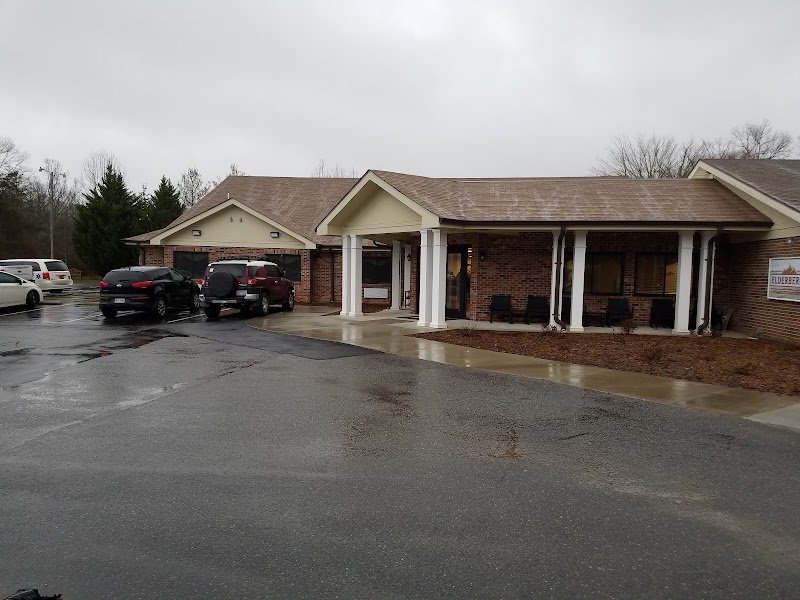
How is Elderberry Health Care Staffed?
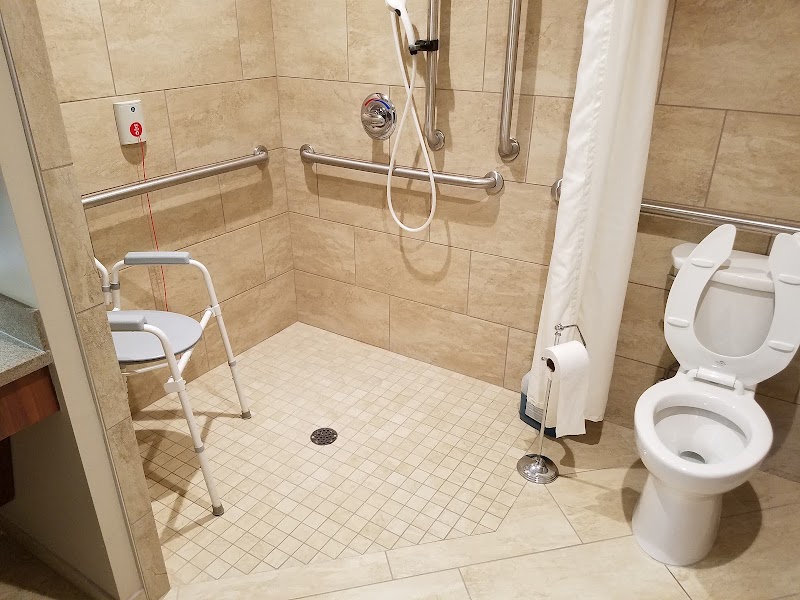
CMS rates Elderberry Health Care's staffing level at 3 out of 5 stars, which is average compared to other nursing homes. Staff turnover is 46%, compared to the North Carolina average of 46%. This relatively stable workforce can support continuity of care.

What Have Inspectors Found at Elderberry Health Care?

State health inspectors documented 21 deficiencies at Elderberry Health Care during 2021 to 2024. These included: 17 with potential for harm and 4 minor or isolated issues.

Who Owns and Operates Elderberry Health Care?

Elderberry Health Care is owned by a for-profit company. For-profit facilities operate as businesses with obligations to shareholders or private owners. The facility operates independently rather than as part of a larger chain. With 80 certified beds and approximately 73 residents (about 91% occupancy), it is a smaller facility located in Marshall, North Carolina.

How Does Elderberry Health Care Compare to Other North Carolina Nursing Homes?

Compared to the 100 nursing homes in North Carolina, Elderberry Health Care's overall rating (3 stars) is above the state average of 2.8, staff turnover (46%) is near the state average of 46%, and health inspection rating (3 stars) is at the national benchmark.

What Should Families Ask When Visiting Elderberry Health Care?

Based on this facility's data, families visiting should ask: "Can I visit during a mealtime to observe dining assistance and food quality?" "How do you handle medical emergencies, and what is your hospital transfer rate?" "Can I speak with family members of current residents about their experience?"

Is Elderberry Health Care Safe?

Based on CMS inspection data, Elderberry Health Care has a clean safety record: no substantiated abuse findings (meaning no confirmed cases of resident harm), no Immediate Jeopardy citations (the most serious violation level indicating risk of serious injury or death), and is not on the Special Focus Facility watch list (a federal program monitoring the lowest-performing 1% of nursing homes). The facility has a 3-star overall rating and ranks #1 of 100 nursing homes in North Carolina. While no facility is perfect, families should still ask about staff-to-resident ratios and recent inspection results during their visit.

Do Nurses at Elderberry Health Care Stick Around?

Elderberry Health Care has a staff turnover rate of 46%, which is about average for North Carolina nursing homes (state average: 46%). Moderate turnover is common in nursing homes, but families should still ask about staff tenure and how the facility maintains care continuity when employees leave.

Was Elderberry Health Care Ever Fined?

Elderberry Health Care has no federal fines on record. CMS issues fines when nursing homes fail to meet care standards or don't correct problems found during inspections. The absence of fines suggests the facility has either maintained compliance or corrected any issues before penalties were assessed. This is a positive indicator, though families should still review recent inspection reports for the full picture.

Is Elderberry Health Care on Any Federal Watch List?

Elderberry Health Care is not on any federal watch list. The most significant is the Special Focus Facility (SFF) program, which identifies the bottom 1% of nursing homes nationally based on persistent, serious quality problems. Not being on this list means the facility has avoided the pattern of deficiencies that triggers enhanced federal oversight. This is a positive indicator, though families should still review the facility's inspection history directly.