Matthews Health & Rehab Center
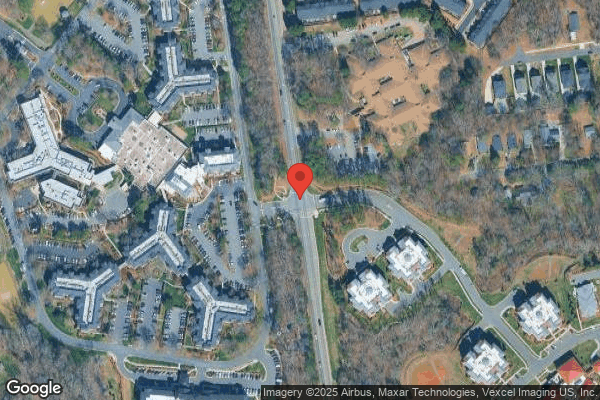

600 Fullwood Lane, Matthews, NC 28105 (704) 841-4920
For profit - Corporation 166 Beds SABER HEALTHCARE GROUP Data: November 2025 2 Immediate Jeopardy citations
Trust Grade
1/100
#359 of 417 in NC
Last Inspection: February 2025

Within standard 12-15 month inspection cycle. Federal law requires annual inspections.

Overview

Matthews Health & Rehab Center has received a Trust Grade of F, indicating significant concerns about the facility's quality of care. Ranked #359 out of 417 facilities in North Carolina, it falls in the bottom half of state options, and it is #25 out of 29 in Mecklenburg County, meaning only four local facilities are worse. The facility's trend is worsening, with issues increasing from 2 in 2024 to 8 in 2025. Staffing is average with a turnover rate of 46%, which is slightly better than the state average, but the facility has faced concerning fines totaling $119,897, indicating compliance issues. While RN coverage is average, there have been serious incidents, including a failure to implement proper COVID-19 testing protocols during an outbreak and a critical incident of physical abuse resulting in injury to a resident. Additionally, the facility has not respected resident privacy regarding vaccination status, which raises further red flags.

Trust Score
F
1/100
In North Carolina
#359/417
Bottom 14%
Safety Record
High Risk
Review needed
Inspections
Getting Worse
2 → 8 violations
Staff Stability
⚠ Watch
46% turnover. Above average. Higher turnover means staff may not know residents' routines.
Penalties
✓ Good
$119,897 in fines. Lower than most North Carolina facilities. Relatively clean record.
Skilled Nurses
○ Average
Each resident gets 32 minutes of Registered Nurse (RN) attention daily — about average for North Carolina. RNs are the most trained staff who monitor for health changes.
Violations
⚠ Watch
22 deficiencies on record. Higher than average. Multiple issues found across inspections.
★☆☆☆☆
1.0
Overall Rating
★★★☆☆
3.0
Staff Levels
★★★☆☆
3.0
Care Quality
★☆☆☆☆
1.0
Inspection Score
Stable
2024: 2 issues
2025: 8 issues

The Good

  • Full Sprinkler Coverage · Fire safety systems throughout facility
  • No fines on record

Facility shows strength in fire safety.

The Bad

1-Star Overall Rating

Below North Carolina average (2.8)

Significant quality concerns identified by CMS

Staff Turnover: 46%

Near North Carolina avg (46%)

Higher turnover may affect care consistency

Federal Fines: $119,897

Well above median ($33,413)

Significant penalties indicating serious issues

Chain: SABER HEALTHCARE GROUP

Part of a multi-facility chain

Ask about local staffing decisions and management

The Ugly 22 deficiencies on record

2 life-threatening
Feb 2025 8 deficiencies 1 IJ (1 affecting multiple)
CRITICAL (K)

Immediate Jeopardy (IJ) - the most serious Medicare violation

Infection Control (Tag F0880)

Someone could have died · This affected multiple residents

**NOTE- TERMS IN BRACKETS HAVE BEEN EDITED TO PROTECT CONFIDENTIALITY** Based on record review, observations, and staff, Health Department Nurse, and Physician interviews, the facility failed to imple...

Read full inspector narrative →
**NOTE- TERMS IN BRACKETS HAVE BEEN EDITED TO PROTECT CONFIDENTIALITY** Based on record review, observations, and staff, Health Department Nurse, and Physician interviews, the facility failed to implement the facility's infection control policy and procedures in accordance with current Centers for Disease Control and Prevention (CDC) guidance. The facility had been in outbreak status since 1/18/25 when 2 staff members tested positive and only residents and staff with COVID symptoms and staff that requested were tested for COVID. The facility failed to initiate contact tracing COVID testing for staff and residents on 1/18/25 after 2 staff members tested positive for COVID and failed to initiate broad-based approach COVID testing when a resident on the 200 hall and the 400-hall tested positive for COVID. No contact tracing or broad-based COVID testing was initiated until after surveyor intervention on 2/4/25. Before broad-based COVID testing was implemented on 2/4/25, a total of 9 staff members and 7 residents tested positive for COVID. Results of the broad-based testing from 2/4/25 through 2/7/25 resulted in 1 resident and 1 staff member positive for COVID on 2/4/25, 1 resident positive for COVID on 2/5/25, and 1 resident positive for COVID on 2/7/25. Additionally, the facility failed to implement staff source control to help prevent transmission and facility staff failed to wear all personal protection equipment (PPE) required according to CDC guidance when they entered resident rooms under transmission-based precautions (TBP) for COVID. The facility also failed to restrict staff from returning to work after testing positive for COVID in accordance with current CDC guidance. The resident census at the time of the survey was 123 and 62% of the residents were vaccinated for COVID. These cumulative practices and system failures occurred during a COVID-19 outbreak and had the high likelihood of continued transmission of COVID-19 to residents and staff and a serious adverse outcome. Immediately Jeopardy began on 1/18/25 when 2 staff members tested positive for COVID, and the facility failed to implement contact tracing COVID testing. Immediate Jeopardy was removed on 2/7/25 when the facility implemented a credible allegation of Immediate Jeopardy removal. The facility will remain out of compliance at a scope and severity level of E (not actual harm with the potential for more than minimal harm that is not immediate jeopardy) for the facility to complete staff training and to ensure monitoring systems put in place are effective. The findings included: On 2/3/25 a request was made for the facility's infection control policy and procedures for COVID testing, transmission-based precautions, masking for source control during a COVID outbreak, and return to work guidelines for staff after testing positive for COVID. The Infection Preventionist (IP) provided the CDC guidance and reported the facility utilized the CDC guidance for their policy and procedures. 1. The facility provided CDC COVID testing guidance, with a review date of 11/20/24 read, in part: Newly identified COVID positive staff or resident in the facility can identify close contacts: test the staff, regardless of vaccination status, that had a higher-risk exposure with a COVID positive individual. If negative, test again 48 hours later, and if negative, 48 hours after the 2nd test. Test the residents, regardless of vaccination status, then had close contact with a COVID positive individual. If negative, test again 48 hours later, and if negative, 48 hours after the 2nd test. Newly identified COVID positive staff or resident in a facility that is unable to identify close contacts: Broad Based approach. Test all staff regardless of vaccine status, if staff are assigned to a specific location where the new case occurred (unit, floor, or other specific areas of the facility). If negative, test again 48 hours later and if negative, 48 hours after the 2nd test. In general, testing should continue every 3-7 days until 14 days have passed without any new cases. Test all residents, regardless of vaccination status, facility-wide or at a group level (unit, floor, or other specific areas of the facility). If negative, test again 48 hours later and if negative, 48 hours after the 2nd test. In general, testing should continue every 3-7 days until 14 days have passed without any new cases. Test results will be tracked and reported as required by local, state, and federal entities. The CDC guidance Outbreak Response when a new facility-onset case of COVID is identified with a date of 2/2022 was reviewed and read in part: Does the facility have the expertise, resources, or ability to identify all close contacts? If yes: Perform individual contact tracing by identifying staff with higher-risk exposure and residents with close contact to the individual with COVID. Close contacts should be tested immediately (but not sooner than 24 hours after exposure) and if negative, again 48 hours later, again 48 hours after the 2nd negative test. If testing reveals additional residents or staff with COVID, contact tracing should continue to identify residents with close contact or staff with higher-risk exposure to the newly identified individuals. Strong consideration should be given to shifting to the broad-based approach if additional cases are identified. If no: Perform broad-based testing: test all staff and residents immediately but not earlier than 24 hours after exposure) and, if negative, again 48 hours after the 1st negative test and, if negative again 48 hours after the 2nd negative. Were new cases identified: if Yes: testing should continue every 3-7 days until there are no new cases for 14 days. A broad-based approach should be considered if all potential contacts cannot be identified or managed with contact tracing or if contact tracing fails to halt transmission. Outbreak response: residents and staff should wear source control; consider implementing universal PPE use, visitors should wear source control and only go to and from resident's room or a designated visiting area; communal activities may continue but source control should be used, and physical distancing maintained whenever possible, unless otherwise directed by public health. The infection control line listing for December 2024 and January 2025 for the facility was reviewed and included the following information. The outbreak started on 1/18/25 when the Maintenance Director and the Maintenance Assistant tested positive for COVID. - Maintenance Assistant tested positive for COVID on 1/18/25. - The Maintenance Director also tested positive for COVID on 1/18/25. - Resident #78 (200 hall) tested positive for COVID on 1/19/25. - Resident #14 (400 hall) tested positive for COVID 1/20/25. - The Rehabilitation Director tested positive for COVID on 1/20/25. - The Director of Nursing tested positive for COVID on 1/20/25. - The Admissions Director tested positive for COVID on 1/20/25. - Resident #42 (200 hall) and tested positive for COVID on 1/21/25. - Physical Therapy Aide #1 tested positive for COVID on 1/21/25. - Resident #97 (400 hall) tested positive for COVID on 1/23/25. - Physical Therapy Aide #2 tested positive for COVID on 1/23/25. - NA #6 tested positive for COVID on 1/26/25. - Laundry Aide #1 tested positive for COVID on 1/26/25. - Resident #79 (400 hall) tested positive for COVID on 1/27/25. - Resident #69 (100 hall) tested positive on 1/27/25. No contact tracing or broad-based COVID testing was initiated until after surveyor intervention on 2/4/25. - Resident #170 (100 hall) tested positive for COVID on 2/4/25 - Kitchen Staff #1 tested positive for COVID on 2/4/25 outside of the facility. - Resident #112 (100 hall) tested positive for COVID on 2/5/25. - Resident #98 (100 hall) tested positive for COVID on 2/6/25. The Infection Preventionist (IP) was interviewed on 2/3/25 at 2:12 PM. The IP reported she was the infection control nurse and the Assistant Director of Nursing for the facility and had been in her position for almost 9 months. The IP reported that she emailed the Health Department on 1/21/25 to notify the Senior Nurse about the COVID cases. The IP explained the facility was not testing all residents and staff for COVID and they were testing only contacts of the residents who were positive for COVID. The IP noted because the residents who had symptoms of COVID before they tested positive and were placed on TBP she had not tested contacts for the residents because they were under TBP and would not have exposed anyone. The IP reported the facility was only testing symptomatic residents and staff. An email from the Senior Nurse at the Department of Health/Communicable Disease (Health Department Nurse) sent to the IP dated 1/21/25 was reviewed and read, in part: I have attached the monitoring log for reporting .regarding when to test residents and staff, I copied this section for you from the (CDC) website: 'If additional cases are identified, strong consideration should be given to shifting to the broad-based approach (regarding testing for COVID) if not already being performed and implementing quarantine for residents in affected areas of the facility. As part of the broad-based approach, testing should continue on affected unit(s) or facility-wide every 3 to 7 days until there are no new cases for 14 days .' Included in the email were links to the CDC website for additional guidance regarding infection control and guidance for risk assessment. The Health Department Nurse was interviewed by phone on 2/5/25 at 11:31 AM. The Nurse reported the IP had emailed her on 1/21/25 with the report of 3 resident positive COVID cases on the 200 hall, and 1 resident positive case on the 400 hall. The Health Department Nurse explained she had sent the IP CDC guidance for testing residents and staff using broad-based testing, quarantining residents, and how long staff should stay out of work. The IP was interviewed again on 2/5/25 at 12:02 PM and she reported when she received the email from the Health Department Nurse, she missed the part of the email about broad-based testing. The IP and the Director of Nursing were interviewed on 2/4/25 at 8:32 AM. The IP reported she provided infection control surveillance for the facility and monitored all new infections. The IP explained residents with any respiratory symptoms were placed on droplet precautions and a chest x-ray was ordered if they were coughing. The IP reported she tracked the infections and the residents with signs and symptoms on a respiratory tracking form. The IP further explained she had multiple forms for tracking infections in the facility, including event tracking in the electronic documentation system, a spreadsheet, and a facility map that she color-coded to identify trends and outbreaks of infections. The IP reported she had noticed the COVID infections were popping up on different halls, but didn't occur to her the facility was in outbreak status. The IP explained when a resident had sign or symptoms of a respiratory infection, they were placed on droplet precautions immediately and she thought because the resident was isolated, there was no need to conduct contact testing. The DON stated the IP was exclusively responsible for the infection control data, but the other nursing department heads assisted with monitoring the staff for correct PPE use, but the facility had not conducted monitoring. The DON reported she had tested positive for COVID on 1/20/25 and was out of work until 1/30/25 and she was not available during the first part of the outbreak. The DON reported she was not aware the facility was testing only symptomatic residents, and the facility should have initiated broad-based COVID testing for residents and staff. The Administrator was interviewed on 2/5/25 at 1:20 PM. The Administrator explained the IP had misunderstood the guidance from the CDC website did not know that broad-based testing should have started on 1/20/25. The Administrator reported the broad-based testing was not initiated by the IP when the residents tested positive on 1/19/25 and he expected COVID guidelines to be followed. The Administrator reported he was aware the IP was testing only symptomatic residents and staff, and he thought that was the guidance she had received from the Health Department. The Physician was interviewed on 2/5/25 at 9:20 AM. The Physician reported he was not aware the facility was not conducting broad-based testing for residents and there was a risk of COVID spreading throughout the facility and infecting many residents. The Physician explained the residents who were positive for COVID did not have severe illness and only one resident was hospitalized per her family request. 2. The facility policy for Transmission-based precautions and Isolation Policy dated 1/2014 and revision date of 4/15/24 was reviewed and it read, in part: Droplet Precautions: intended to prevent transmission of pathogens spread through close respiratory or mucous membrane contact with respiratory secretions. Because these pathogens do not remain infectious over long distances, special air handling and ventilation are not required to prevent droplet transmission; a single patient room is preferred but not required; a mask is worn for close contact with infectious resident; gloves, gown, eye protection are worn adhering to standard precaution guidelines. Airborne Precautions: prevent transmission of the infectious agents that remain infections over long distances when suspended in the air; a respiratory protection program that includes N95 (masks), resident should be placed in a private room with the door closed and the healthcare staff provided with N95 or higher respirators; gloves, gown, and eye protection are worn adhering to Standard Precaution guidelines. Facility staff providing care for the residents will be notified by the facility infection preventionist and/or charge nurse regarding needed precautions based on the infectious agent or condition. Signage indicating the appropriate types of precautions and indicating that visitors should stop at the nurse's station before entering will be placed on the resident's door. Handle resident care equipment and instruments/devices, laundry, dishware, or eating utensils and environmental cleaning with Standard Precautions unless more stringent disinfection is indicated. Staff will educate visitors regarding donning appropriate PPE. Transmission-based precautions will remain in effect while the risk of transmission of the infectious agent persists or for the duration of the illness. Isolation and resident placement decisions will be determined based on the potential for transmission of (the illness). Isolation/patient placement decisions will be determined based on the potential for transmission of infectious agents and will include the following: route of transmission, risk factors for transmission in the infected patient, risk factors for adverse outcomes resulting from a healthcare-associated infections in the area or room being considered for patient placement, the availability of single patient rooms, and patient options for room-sharing. Refer to the CDC Types and Duration of Precautions for further information. The CDC guidance for Outbreak Response when a new facility-onset case of COVID is identified with a date of 2/2022 was reviewed and read in part: Outbreak response: residents and staff should wear source control; consider implementing universal PPE use, visitors should wear source control and only go to and from resident's room or a designated visiting area; communal activities may continue but source control should be used, and physical distancing maintained whenever possible, unless otherwise directed by public health. A continuous observation was conducted on 2/2/25 at 12:47 PM to 12:51 PM of Nursing Assistant (NA) #1 assisting Resident #69. Resident # 69 had signage on her door notifying she was on special droplet precautions. A caddy was outside of the door with personal protective equipment (PPE), including gowns, gloves, N95 masks, and eye protection. Instructions on the signage included hand hygiene, applying gloves, protective gown, N95 mask, and eye protection before entering the room. NA #1 was observed wearing only a KN95 mask as she took Resident #69's lunch tray into the room. NA #1 did not perform hand hygiene, did not apply gloves, a gown, eye protection, or change her mask to a N95. NA #1 exited the room at 12:51 PM and did not remove her KN95 mask or perform hand hygiene. NA #1 was interviewed on 2/2/25 at 12:51 PM and when asked why she had entered the room without PPE, NA #1 reported she had been off work for a few days and had not noticed the sign on the door. NA #1 was interviewed by phone on 2/4/25 at 11:05 AM. NA #1 reported she was not aware she had to apply full PPE to deliver a meal tray. NA #1 explained after the observation on 2/2/25, she took a break and changed her mask after her break. During an interview with the Infection Preventionist nurse (IP) on 2/4/25 at 8:32 AM, the IP reported that NA #1 should have applied full PPE to deliver the meal tray to Resident #69 and she would have expected her to change her mask and perform hand hygiene after removing the PPE. Review of NA #1's education revealed NA #1 received infection control education and use of standard precautions on 4/23/24. NA #1 additionally had a skills review that was completed 8/10/24 which included demonstration of infection control and prevention and demonstrated adherence to the infection control policies. On 2/2/2025 at 4:45 pm NA #2 was observed in Resident #79's room from the hall. Resident #79 had signage on her door for special droplet precautions. A caddy was outside of the door with PPE, including gowns, gloves, N95 masks, and eye protection. Instructions on the signage included completing hand hygiene, applying gloves, protective gown, N95 mask, and eye protection before entering the room. Resident #79 was upset and yelling and NA #2 was observed standing beside Resident #79's bed, within 2 feet of Resident #79, with her N95 mask pulled below her nose, attempting to calm her. NA #2 was not wearing eye protection, a gown, or gloves. NA #2 made eye contact with the surveyor and pulled her mask up over her nose. NA #2 was observed to leave NA #2 did not remove the N95 mask or replace the N95 mask when she exited Resident #79's room. NA #2 was interviewed on 2/2/2025 at 4:46 pm and she stated she saw the Special Droplet and Contract Precautions sign on Resident #79's door but thought Resident #79 was off precautions because she was told the resident tested negative for COVID. NA #2 stated she did not remember who told her Resident #79's precautions were removed. NA #2 stated she should have worn eye protection, a gown and gloves and kept her mask over her nose and mouth. Review of NA #2's education revealed NA #2 received infection control education and use of standard precautions on 5/31/24. NA #1 additionally had a skills review that was completed 8/12/24 which included demonstration of infection control and prevention and demonstrated adherence to the infection control policies. During an interview with the IP on 2/2/2025 at 4:47 pm she stated Resident #79 should still be on Special Droplet and Contact Precautions because she had not completed the required isolation period since she had tested positive. The IP further stated she would have taken the precautions sign from Resident #79's door if she was off precautions and NA #2 should have worn a gown and gloves, and NA #2 would be required to always wear a mask that covered her nose and mouth. The DON was interviewed on 2/7/2025 at 1:04 pm and she stated NA #2 should have worn her mask over her nose and put on eye protection, a gown and gloves on before entering Resident #79's room on 2/2/2025 since the resident was on Special Droplet and Contact Isolation. On 2/7/2025 at 1:09 pm the Administrator was interviewed and stated NA #2 should have worn eye protection, a gown and gloves and worn her mask over her nose while entering a room that was on Special Droplet and Contact Isolation. An observation of Nurse #4 without a mask on during a medication administration observation was made on 2/4/2025 at 7:45 am on the 300 hall. Nurse #4 had prepared medications for Resident #278 and was getting ready to enter his room, when she was stopped and asked if she should be wearing a mask. Nurse #4 stated she was not required to wear a mask if she was not in a room with precautions in place. An attempt was made to interview Nurse #4 again, but she had left the facility and did not return phone calls with requests for an interview. Nurse #4 received infection control education and use of standard precautions during orientation to the facility on 7/274/24. Nurse #4 additionally had a skills review that was completed 8/21/24 which included demonstration of infection control and prevention and demonstrated adherence to the infection control policies. The IP was interviewed on 2/4/2025 at 8:32 am and she reported she was educating all the nursing staff on PPE use because of the observations of NA #1 and NA #2 not wearing the PPE required for Special Droplet and Contract Precautions made on 2/2/25. The IP explained all staff should be wearing masks during the COVID outbreak. The IP stated Nurse #4 received in-service education regarding personal protective equipment yesterday and was not compliant with wearing a mask for source control today. The IP was unable to answer why Nurse #4 was not wearing her mask after receiving education on 2/3/25. The IP explained she conducted surveillance for PPE use and hand hygiene in the facility but had not conducted any surveillance during the outbreak until 2/2/25. The IP reported the process for monthly PPE surveillance was she typically watched 3 staff members apply and remove PPE and provided education if they had problems. The IP explained she did not keep records of the surveillance of PPE. The Director of Nursing (DON) was interviewed with the IP on 2/4/25 at 8:32 AM. The DON explained she and other nurse managers had not routinely assisted with PPE surveillance, but the unit managers had started to monitor staff PPE use since 2/2/25. The DON reported she expected all staff to follow the guidelines for PPE use for residents on special droplet precautions. The DON was interviewed on 2/7/2025 at 1:04 pm and DON and stated Nurse #4 should have been wearing a mask at all times due to the outbreak status of the facility. The Physician was interviewed on 2/5/25 at 9:20 AM. The Physician reported PPE use was important source control to prevent the spread of COVID and he would expect all staff to adhere to PPE guidelines. 3. The Centers for Disease Control and Prevention (CDC) guidance for Health Care Personnel (HCP) returning to work updated 9/23/22 was reviewed and read, in part: HCP with mild to moderate illness who are not immunocompromised could return to work after the following criteria is met: 7 days since symptoms first appeared if a negative (COVID) test is obtained 48 hours prior to returning to work (or 10 days if testing is not performed), 24 hours since the last fever and symptoms (shortness of breath, cough) have improved. (Either NAAT [Nucleic Acid Amplification Test] (molecular) or antigen test may be used. If using an antigen test, HCP should have a negative test obtained on day 5 and again 48 hours later). HCP who were asymptomatic throughout their infection and not moderately to severely immunocompromised could return to work after the following criteria is met: at least 7 days have passed since the date of their first positive viral test if a negative viral test is obtained within 48 hours prior to returning to work (or 10 days if testing is not performed). (Either NAAT (molecular) or antigen test may be used. If using an antigen test, HCP should have a negative test obtained on day 5 and again 48 hours later). HCP with severe to critical illness who are not moderately to severely immunocompromised could return to work after the following criteria have been met: at least 10 days and up to 20 days have passed since symptoms first appeared, and at least 24 hours have passed since the last fever without the use of fever-reducing meds, and symptoms (shortness of breath, cough) have improved. HCP who are symptomatic could return to work after the following criteria are met: resolution of fever without the use of fever-reducing medications, improvement in symptoms, results are negative from at least 2 consecutive respiratory specimens collected 48 hours apart. The infection control line listing for December 2024 and January 2025 for the facility was reviewed for staff. The Maintenance Assistant tested positive for COVID on 1/18/25 and returned to work on 1/24/25. There was no negative COVID test documented on the line listing. An interview was conducted with the Maintenance Assistant on 2/5/25 at 9:53 AM. The Maintenance Assistant reported he left work on 1/17/25 because he felt bad and he tested at home for COVID on 1/18/25 and it was positive. The Maintenance Assistant reported he worked in all areas of the building prior to becoming sick. The Maintenance Assistant reported he returned to work on 1/24/25 and he had not retested for COVID prior to returning to work. The Maintenance Assistant explained he was told to stay out of work for 7 days by the Infection Preventionist (IP). The Maintenance Director tested positive for COVID on 1/18/25 at home and 1/22/25 at the facility and returned to work on 1/23/25. There was no negative COVID test documented on the line listing for the Maintenance Director. The Maintenance Director was interviewed on 2/5/25 at 9:41 AM. The Maintenance Director reported he started feeling bad at home on Saturday 1/18/25 and he tested on [DATE] and it was positive. The Maintenance Director reported the week before he was sick, he worked in all areas and halls of the building. The Maintenance Director reported he notified the facility on 1/19/25 that he was positive and stayed out of work until 1/23/25 when he came to facility briefly to put salt on the pavement in preparation for a winter storm. The Maintenance Director reported he was told to stay out of work for 5 days by the IP and returned to work on 1/24/25. The Admissions Director tested positive for COVID on 1/20/25 and returned to work on 1/28/25. There was no negative COVID test documented on the line listing for the Admissions Director. An interview was conducted with the Admissions Director on 2/5/25 at 11:49 AM. The Admissions Director explained she tested positive on 1/20/25 and returned to work on 1/28/25. The Admissions Director reported she was not vaccinated for COVID, and she was told to stay out of work for 7 days by the IP. The IP was interviewed on 2/3/24 at 11:24 AM and she reported she was not aware of the CDC guidance for staff to stay out of work for 10 days if they did not test negative for COVID 48 hours before their return. The IP reported she thought the CDC guidance instructed staff to stay out of work for 7 days after testing positive for COVID. The Director of Nursing (DON) was interviewed on 2/4/25 at 8:32 AM. The DON reported she had tested positive for COVID on 1/20/25 and was out of work until 1/30/25 and she was not available during the first part of the outbreak. The DON reported she was not aware staff were not staying out of work for 10 days. A facility Nurse Consultant was interviewed on 2/5/25 at 11:32 AM and reported contingency staffing protocols were used by the facility for returning to work after COVID. A follow-up interview was conducted with the facility Nurse Consultant on 2/5/25 at 12:25 PM and she reported she was not aware the contingency staffing protocol was no longer applicable. The Physician was interviewed on 2/5/25 at 9:20 AM and he reported staff should follow the CDC guidance for returning to work after COVID. The Administrator was notified of Immediate Jeopardy on 2/4/25 at 12:26 PM. Identify those recipients who have suffered, or are likely to suffer, a serious adverse outcome as a result of the noncompliance The facility failed to operationalize infection control policy and procedures in accordance with current Centers for Disease Control and Prevention (CDC) guidance for COVID testing, transmission-based precautions and return to work criteria for Healthcare Personnel during a COVID outbreak. On 1/17/25 Resident #78 (200 hall) reported symptoms of not feeling well (weakness, malaise, and productive cough); chest XRAY was ordered and Resident placed on precautions for rule out of COVID. COVID test on 1/17/25 was negative. Resident was tested on [DATE] as part of the Day 1, 3, 5 testing recommendation, result was positive on Day 3. Because the Resident was in a private room with isolation measures in place, contact tracing for COVID testing was not initiated. The Maintenance Assistant felt bad on 1/17/25 (Friday) and left work and tested positive for COVID at home on 1/18/25. The Maintenance Assistant worked on all halls the weekdays prior to feeling sick. On 1/18/25 (Saturday) the Maintenance Director started feeling bad at home and tested positive for COVID. He was exposed to COVID by a family member the week before. The Maintenance Director worked on all halls the weekdays prior to feeling sick. On 1/20/25 Resident #42 (200 hall) and 3 staff members tested positive for COVID. On 1/23/25 Resident #97 (400 hall) tested positive for COVID. Broad-based COVID testing was not initiated by the facility policy and Center for Disease Control and Prevention (CDC). Contract tracing or broad-based approach COVID testing was not initiated until 2/04/25 after surveyor intervention. Facility policy/procedure was not implemented for testing. Contact tracing or broad-based COVID testing was not completed; staff and residents were not tested per facility policy and CDC guidance. Therefore, Infection Preventionist failed to follow facility policy/procedure for testing and current CDC guidance. On 2/2/25 NA #1 was observed entering a COVID positive room wearing only a KN95 mask. NA #1 was observed assisting the resident to sit up in bed and setting up the resident's meal tray. NA #1 exited wearing the KN95 mask and did not perform hand hygiene. On 2/2/25 NA#2 was observed in a COVID positive room assisting the resident wearing only an N95 mask which was positioned below her nose. NA #2 exited the room wearing the N95 mask. On 2/4/25 Nurse #1 was observed on the hall not wearing a mask for source control while administering medications and stated during interview she only wore a mask into rooms if a resident was on precautions. The facility did not implement policy and procedures for return-to-work criteria for Healthcare Personnel per facility policy and current CDC guidance. The Maintenance Director tested positive for COVID on 1/18/25 and returned to work on 1/23/25. The Maintenance Assistant tested positive for COVID on 1/18/25 and returned to work on 1/24/25. The Admissions Coordinator tested positive for COVID on 1/20/25 and returned to work on 1/28/25. Residents who did not receive the COVID vaccine are most susceptible to serious illness. Residents who are not up to date and Residents who did not test positive may be affected. On 2/4/2025 the Director of Nursing notified the Medical Director of the need for broad-based COVID testing. On 2/4/2025 Residents and/or Responsible Party were notified of the outbreak and the need for the broad-based testing. The management team, which includes the nurse managers, admissions managers, activities manager, and social workers made calls on 2/04/25 to the responsible parties of all residents to inform them of the COVID outbreak and broad-based testing. Communication was in person or via telephone. On 2/4/25, upon awareness of noncompliance with COVID testing guidelines, the[TRUNCATED]
CONCERN (D) 📢 Someone Reported This

A family member, employee, or ombudsman was alarmed enough to file a formal complaint

Potential for Harm - no one hurt, but risky conditions existed

Pressure Ulcer Prevention (Tag F0686)

Could have caused harm · This affected 1 resident

**NOTE- TERMS IN BRACKETS HAVE BEEN EDITED TO PROTECT CONFIDENTIALITY** Based on observations, record review, staff and Physician interviews, the facility failed to maintain wound vac (negative pressu...

Read full inspector narrative →
**NOTE- TERMS IN BRACKETS HAVE BEEN EDITED TO PROTECT CONFIDENTIALITY** Based on observations, record review, staff and Physician interviews, the facility failed to maintain wound vac (negative pressure wound therapy to help heal wounds) treatment as ordered and failed to follow treatment orders for when the wound vac malfunctioned or was broken for stage 4 sacral pressure ulcer for 1 of 3 residents reviewed for pressure ulcer (Resident #318). Findings included: Resident #318 was admitted to the facility on [DATE] with diagnoses that included chronic sacral decubitus, type 2 diabetes and peripheral artery disease. The hospital discharge summary on 1/31/25 revealed that Resident #318 was seen for stage 4 sacral full-thickness pressure ulcer with non-viable tissue on admission to the hospital. Resident #318 was found septic due to the infected large sacral pressure ulcer. She received intravenous antibiotics and completed the treatment. Resident #318 deferred surgical intervention and opted wound care with wound vac. The hospital discharge summary recommended to continue with wound vac after her discharge. It stated that without the wound vac, there would be a high risk of the sacral pressure ulcer to have active infection and potentially leading to worsening clinical status. The initial admission assessment worksheet dated 1/31/25 revealed that Resident #318 was cognitively intact with a Brief Interview for Mental Status (BIMS) of 15. The admission notes on 1/31/25 revealed that Resident #318 was weak on both upper extremities and unable to bend finger to finger on both hands. The resident had a contracture to her left hand and complained of pain when moving her arms. It was documented that the resident used mechanical lift for transfer and required total care for all activities of daily living (ADL). The skin was dry and warm to touch with a stage 4 sacral wound with wound vac in place. A physician order on 1/31/25 revealed wound vac therapy at 125 mm/Hg (millimeter of mercury a pressure measurement for the vacuum). The order instruction was to change the wound vac on Monday, Wednesday, and Friday (MWF). The order instruction included that if the wound vac malfunctioned or broken, they can remove the wound vac. Then clean the sacral wound with wound cleanser, fill the cavity with a disinfectant solution to moisten the gauze, and cover with a protective dressing as needed. The Treatment Nurse wrote on her note on 1/31/25 that she cleaned and applied the wound vac on Friday at 4:12 pm. A nurse's note written by Nurse #1 on 2/1/25 at 6:55 pm showed that wound care was completed with wet to dry dressing until the wound vac can be replaced on Monday. An observation of Resident #318 on 2/2/25 at 11:40 am showed that the wound vac machine was sitting on the windowsill of the resident's room. Resident #318 was lying flat on the bed with no tube connection seen to the wound vac. The resident was too sleepy to talk and excused herself to go back to sleep. A follow-up observation to the room of Resident #318 at 2:37 pm revealed the wound vac machine was still in the windowsill. Another nurse's note written by Nurse #1 on 2/2/25 at 6:08 pm revealed the wet to dry wound dressing was intact from 2/1/25. A physician order dated 2/2/25 written by Nurse #1 revealed to treat the sacral pressure ulcer with wet to dry dressing until treatment nurse assess the wound. Nurse #1 was interviewed on 2/4/25 at 9:00 am. She stated that she did the sacral pressure ulcer treatment on Saturday (2/1/25) with normal saline (NS) wet-to-dry dressing and reinforced the wound dressing on Sunday (2/2/25). She stated she was told by her supervisor to do wet to dry dressing on 2/1/25 when she reported that the wound vac suction was leaking from the dressing. Nurse #1 stated the Treatment Nurse would place the wound vac on Monday (2/3/25). She stated that the wound vac machine was not broken. An interview with Nurse # 4 on 2/5/25 at 10:41 am revealed she worked on Saturday (2/1/25) and Sunday (2/2/25) night with the resident. She stated that the wound vac was not in use. She was also told at shift changed that they would use wet to dry dressing when needed. Nursing Aide (NA) #4 was interviewed on 2/4/25 at 9:29 am and stated that she worked on Baylor Shift (weekend staffing) and took care of Resident #318 on 2/1/25 and 2/2/25. She said there was no wound vac used as she checked and cleaned the resident. The follow-up observation on 2/3/25 at 9:56 am revealed the wound vac was still on Resident #318's windowsill and was not in use. The Treatment Nurse was observed on 2/3/25 at 1:55 pm for wound treatment dressing. The Treatment Nurse removed the old dressing from the wound and showed the stage 4 sacral pressure ulcer with tunneling. The Treatment Nurse followed the treatment orders for the wound vac. The wound vac functioned well. Interview with the Treatment Nurse on 2/3/25 at 2:22 pm stated that the wound vac machine was in proper working order and was not broken. The Treatment Nurse stated that wet to dry (NS) was not acceptable treatment. The use of disinfectant solution with wet gauze was ordered on admission. She further stated that she would discontinue the order on 2/2/25 for wet-to-dry wound dressing. On 2/5/25 at 9:09 am the Physician was interviewed, and he stated that Resident #318 had a severe sacral pressure ulcer. He stated that wet-to-dry (NS) dressing was not an appropriate treatment and that wound vac should have been used. The Physician stated that he was not made aware of the wet-to-dry dressing and that the treatment was not recommended because of the high possibility of infection. He stated that the only time it's acceptable to not have wound vac was when the wound vac malfunctioned or broken, and they would exchange the wound vac machine just for few hours not all weekend or days. Interview with the Director of Nursing (DON) on 2/5/25 at 11:34 am stated the nurses should have followed the treatment order as written. The interview with the Administrator on 2/5/25 at 11:34 am stated that the nurses should have followed the doctor's order and was not aware the wound vac was not used on the weekend.
CONCERN (D) 📢 Someone Reported This

A family member, employee, or ombudsman was alarmed enough to file a formal complaint

Potential for Harm - no one hurt, but risky conditions existed

Incontinence Care (Tag F0690)

Could have caused harm · This affected 1 resident

**NOTE- TERMS IN BRACKETS HAVE BEEN EDITED TO PROTECT CONFIDENTIALITY** Based on observation, record review, and staff and physician interviews, the facility failed to secure the indwelling urinary ca...

Read full inspector narrative →
**NOTE- TERMS IN BRACKETS HAVE BEEN EDITED TO PROTECT CONFIDENTIALITY** Based on observation, record review, and staff and physician interviews, the facility failed to secure the indwelling urinary catheter to reduce tension for 1 of 2 residents (Resident #3) reviewed for urinary catheter. Findings included: Resident #3 was admitted to the facility on [DATE] with diagnoses that included neuromuscular dysfunction of bladder. The physician order dated 7/25/24 was to use indwelling urinary catheter for neuromuscular dysfunction of bladder. There was no order for urinary catheter securing device to be used. The Minimum Data Set (MDS) dated [DATE] revealed Resident #3 was moderately cognitively impaired and was coded to have a urinary catheter. The care plan dated 1/23/25 for the indwelling urinary catheter revealed a goal to have reduced risk for signs and symptoms of Urinary Tract Infection (UTI). The approaches included enhanced barrier precaution, and to assess signs and symptoms of UTI. The care plan, goals, or approaches did not mention securing the indwelling urinary catheter tubing. An observation on 2/2/25 at 11:44 am revealed Resident #3 was lying on her bed with the indwelling urinary catheter tubing observed on the right side of the bed connected to the urinary drainage bag. The urinary drainage bag was hanging on the right side of the bed. The resident stated that she had had her indwelling catheter for a long time. An observation of the indwelling urinary catheter tubing revealed there was no securing device attached to the urinary catheter. She stated that she didn't know what a securing device looked like and that the nursing staff didn't put any in place. Resident #3 was observed on 2/3/25 at 9:59 am and 2:31 pm. Both observations revealed the indwelling urinary catheter tubing was not secured. Another observation of Resident #3 on 2/4/25 at 9:56 am revealed that there was no securing device attached to the indwelling urinary catheter tubing. An observation of urinary catheter care was conducted in conjunction with an interview with Nurse Aide (NA) #5 and NA #6 at 1:34 pm. NA #5 and NA #6 revealed the indwelling urinary catheter tubing was not secured. NA #5 stated the resident didn't have a device to secure her indwelling urinary catheter tubing. NA#5 and NA#6 stated some residents in the facility had securing devices for indwelling urinary catheters, but they had not seen such devices to secure the indwelling urinary catheter tubing for Resident #3. Nurse #3 was interviewed on 2/5/25 at 9:28 am and stated Resident #3's catheter was not secured because they didn't have a supply of devices to secure indwelling urinary catheter tubing in the facility. During an observation Nurse #3 opened a drawer of her medication cart and an indwelling urinary catheter securing device was observed in the drawer of the medication cart. The Physician was interviewed on 2/5/25 at 9:19 am and stated an indwelling urinary catheter securing device should be used for all residents with indwelling urinary catheters. The physician stated it was a standard recommendation to secure indwelling catheters to prevent injury. The Administrator and the Director of Nursing (DON) were interviewed on 2/5/25 at 9:30 am. The DON and Administrator stated the facility had a supply of securing devices for indwelling urinary catheter tubing and nursing staff should use them.
CONCERN (D) 📢 Someone Reported This

A family member, employee, or ombudsman was alarmed enough to file a formal complaint

Potential for Harm - no one hurt, but risky conditions existed

Deficiency F0809 (Tag F0809)

Could have caused harm · This affected 1 resident

Based on resident and staff interviews the facility failed to have systems in place for providing evening snacks to residents for 2 of 3 halls (100 hall and 400 hall). The deficient practice had the p...

Read full inspector narrative →
Based on resident and staff interviews the facility failed to have systems in place for providing evening snacks to residents for 2 of 3 halls (100 hall and 400 hall). The deficient practice had the potential to affect residents requesting an evening snack. The findings included: An interview conducted during a Resident Council Meeting on 02/04/25 at 10:00 AM revealed residents had not received or been offered snacks in the evenings by nursing staff. The Resident Council President (Resident #106), Resident #4, Resident #5, Resident #8, and Resident #81 stated nursing staff did not offer evening snacks frequently and when residents asked nursing staff for snacks, they were told nursing staff were unable to get in the kitchen or there were no snacks available. It was further revealed it had been reported to the Dietary Manager (DM) and it continued to be an issue. An interview conducted with Nurse #5 on 02/04/25 at 7:35 PM revealed nursing staff were often unable to access the kitchen at night to retrieve snacks. The Nurse further revealed there had been multiple evenings snacks were not provided for distribution to residents. Nurse #5 stated she had reported the concerns to the DM. An interview conducted with Nurse Aide (NA) 7 on 02/05/25 at 7:50 PM revealed she worked second shift and residents during second shift (3:00 PM to 11:00 PM) had not received a bedtime snack on multiple days because kitchen staff had failed to deliver evening snacks and nursing staff was unable to get access to the kitchen. The NA indicated she had reported this to a Nurse on duty over the past few months but could not recall which Nurse. An interview conducted with the Dietary Manager on 02/05/25 at 10:05 AM revealed she had recently been made aware nursing staff had reported snacks had not been provided. The Dietary Manager indicated dietary staff checked and stocked snack bins daily and felt that nursing were not offering bedtime snacks as needed for the residents. The Dietary Manager indicated she had tried to educate staff on providing bedtime snacks to all residents. An interview conducted with the Director of Nursing (DON) and the Administrator on 02/05/25 at 11:30 AM revealed they had expected there to always be snacks available for residents. The Administrator indicated he was not aware evening snacks had been an issue.
CONCERN (E)

Potential for Harm - no one hurt, but risky conditions existed

Deficiency F0565 (Tag F0565)

Could have caused harm · This affected multiple residents

Based on record review, and staff and resident interviews, the facility failed to provide resolution of Resident Council Meeting grievances for 6 of 6 Resident Council Meetings (08/27/24, 09/24/24, 10...

Read full inspector narrative →
Based on record review, and staff and resident interviews, the facility failed to provide resolution of Resident Council Meeting grievances for 6 of 6 Resident Council Meetings (08/27/24, 09/24/24, 10/23/24, 11/05/24, 11/20/24, and 12/30/24). The Resident Council had repeated concerns regarding call lights not being answered and snacks not being provided. The findings included: On 08/27/24 the Resident Council Meeting Minutes noted nursing staff were not responding to call lights in a timely manner. The Resident Council Follow-Up form attached to the 08/27/24 Resident Council Meeting Minutes did not demonstrate the facility's response to grievances voiced during the Resident Council. On 09/24/24 the Resident Council Meeting Minutes noted nursing staff were not responding to call lights in a timely manner. The Resident Council Follow-Up form attached to the 09/24/24 Resident Council Meeting Minutes did not demonstrate the facility's response to grievances voiced during the Resident Council. On 10/23/24 the Resident Council Meeting Minutes noted nursing staff were not responding to call lights in a timely manner. The Resident Council Follow-Up form attached to the 10/23/24 Resident Council Meeting Minutes did not demonstrate the facility's response to grievances voiced during the Resident Council. On 11/05/24 the Resident Council Meeting Minutes noted nursing staff were not responding to call lights in a timely manner and snacks were not being offered and provided in the evening. The Resident Council Follow-Up form attached to the 11/05/24 Resident Council Meeting Minutes did not demonstrate the facility's response to grievances voiced during the Resident Council. On 11/20/24 the Resident Council Meeting Minutes noted nursing staff were not responding to call lights in a timely manner and snacks were not being offered and provided in the evening. The Resident Council Follow-Up form attached to the 11/20/24 Resident Council Meeting Minutes did not demonstrate the facility's response to grievances voiced during the Resident Council. On 12/30/24 the Resident Council Meeting Minutes noted snacks were not being offered and provided in the evening. The Resident Council Follow-Up form attached to the 12/30/24 Resident Council Meeting Minutes did not demonstrate the facility's response to grievances voiced during the Resident Council. Interviews conducted with Resident #4, Resident #5, Resident #8, and Resident #81 during the Resident Council Meeting on 02/04/25 at 10:00 AM revealed there had been no resolution with the ongoing concerns of snacks not being provided at night and call bells not being answered in a timely manner. The residents further revealed staff had not discussed or explained how issues with snacks and call bell lights were going to be resolved. The residents felt like facility staff did not care about the ongoing concerns. An interview conducted with the Activity Director (AD) on 02/04/25 at 10:30 AM revealed she had addressed concerns during stand-up meetings and with department heads but had no documentation to show that concerns were resolved. The AD revealed she had discussed concerns in stand-up meetings and the head of the departments were responsible for carrying out resolution to the concerns. The AD stated she was aware issues had been ongoing and had addressed department heads but was unaware of any improvement from issues addressed. The AD indicated sometimes department heads would indicate they had resolved concerns but it was not communicated how concerns were being resolved. An interview conducted with the Administrator on 02/05/25 at 11:30 AM revealed he was not aware grievances and concerns were not being completed and resolved from Resident Council meetings. The Administrator indicated all concerns were addressed at stand-up meetings, but was not aware snacks and call bell lights had been an ongoing issue. The Administrator further revealed he expected concerns to be addressed and followed up on and documentation to be included within the Resident Council minutes.
MINOR (B) 📢 Someone Reported This

A family member, employee, or ombudsman was alarmed enough to file a formal complaint

Minor Issue - procedural, no safety impact

Transfer Notice (Tag F0623)

Minor procedural issue · This affected multiple residents

**NOTE- TERMS IN BRACKETS HAVE BEEN EDITED TO PROTECT CONFIDENTIALITY** Based on record review, staff and Ombudsman interviews, the facility failed to notify the resident and his family member in writ...

Read full inspector narrative →
**NOTE- TERMS IN BRACKETS HAVE BEEN EDITED TO PROTECT CONFIDENTIALITY** Based on record review, staff and Ombudsman interviews, the facility failed to notify the resident and his family member in writing of a transfer to the hospital for 1 of 3 residents reviewed for hospitalization (Resident #73) and failed to notify the Ombudsman each month of facility transfers and discharges for 3 of 3 months (November 2024, December 2024, and January 2025). The findings included: 1. Resident #73 was admitted to the facility on [DATE] and readmitted [DATE]. A nursing note dated 12/27/24 documented Resident #73 was transferred to the hospital for a change in condition. A nursing note dated 1/7/25 documented Resident #73 was readmitted to the facility after hospitalization for an upper respiratory infection. The quarterly Minimum Data Set assessment dated [DATE] assessed Resident #73 to be cognitively intact. Review of Resident #73's electronic medical record revealed no letter of transfer was provided to Resident #73 or his representative. Resident #73 was interviewed on 2/2/25 at 12:27 PM and he reported he was hospitalized for an upper respiratory infection in December 2024 and returned to the facility in January 2025. Resident #73 reported he had not received a letter from the facility regarding his transfer. Social Worker (SW) #1 was interviewed on 2/4/25 at 1:33 PM. The SW reported she was not certain which staff member was responsible for the letters of transfer. The Business Office Manager was interviewed on 2/4/25 at 1:42 PM and she reported she was not certain who was responsible for the letters of transfer. An interview was conducted with SW #2 at 2/4/25 at 4:00 PM and she reported she did not know who was responsible for the letters of transfer. The Administrator was interviewed on 2/5/25 at 1:20 PM. The Administrator reported the facility had a change in the social work department and the social work department should be writing letters of transfer to the resident and their representative. 2. The record of discharges report from 8/1/24 to 10/31/24 was reviewed. Attached to the report was an email dated 11/4/24 that indicated that the file had been emailed to the Ombudsman. The record of discharges report from 11/1/24 to 12/31/24 was reviewed. Attached to the report was an email dated 1/6/25 that indicated that the files had been emailed to the Ombudsman. There were no discharge reports that had been sent to the Ombudsman for January 2025. An interview was conducted with Social Worker (SW) #1 on 2/4/25 at 12:27 PM. SW #1 reported the former Administrator was sending the list of transfers and discharges to the Ombudsman, and when he left the company, she had been told she would be responsible for the communication to the Ombudsman. SW #1 explained that the former Administrator left in July 2024 and the interim Administrator sent the discharge reports to the regional Ombudsman in November 2024. SW #1 explained that she had not emailed January 2025 discharges to the Ombudsman. The Ombudsman was interviewed by phone on 2/5/25 at 11:09 AM. The Ombudsman reported she had not received August, September, or October 2024 discharges until November 2024, and had not received any discharge report from the facility since November 2024. The Administrator was interviewed on 2/5/25 at 1:20 PM. The Administrator reported the facility had a change in the Administrator and the social work department would be responsible for notifying the Ombudsman of transfers and discharges.
MINOR (B) 📢 Someone Reported This

A family member, employee, or ombudsman was alarmed enough to file a formal complaint

Minor Issue - procedural, no safety impact

Deficiency F0625 (Tag F0625)

Minor procedural issue · This affected multiple residents

**NOTE- TERMS IN BRACKETS HAVE BEEN EDITED TO PROTECT CONFIDENTIALITY** Based on record review, staff and Ombudsman interviews, the facility failed to provide a bed hold notice for 1 of 3 residents re...

Read full inspector narrative →
**NOTE- TERMS IN BRACKETS HAVE BEEN EDITED TO PROTECT CONFIDENTIALITY** Based on record review, staff and Ombudsman interviews, the facility failed to provide a bed hold notice for 1 of 3 residents reviewed for hospitalization (Resident #73). The findings included: Resident #73 was admitted to the facility on [DATE] and readmitted [DATE]. Diagnoses for Resident #73 included lung disease. The quarterly Minimum Data Set assessment dated [DATE] assessed Resident #73 to be cognitively intact. A nursing note dated 12/27/24 documented Resident #73 was transferred to the hospital for a change in condition. A nursing note dated 1/7/25 documented Resident #73 was readmitted to the facility after hospitalization for an upper respiratory infection. Review of Resident #73's electronic medical record revealed no bed hold notice. Resident #73 was interviewed on 2/2/25 at 12:27 PM and he reported he was hospitalized for an upper respiratory infection in December 2024 and returned to the facility in January 2025. Resident #73 reported he had not received a bed hold notice when he was transferred to the hospital. Social Worker (SW) #1 was interviewed on 2/4/25 at 1:33 PM. The SW reported she was not certain which staff member was responsible for providing the written bed hold notice when a resident was transferred to the hospital. The Business Office Manager was interviewed on 2/4/25 at 1:42 PM and she reported she was not certain who was responsible for bed hold notices. An interview was conducted with SW #2 at 2/4/25 at 4:00 PM and she reported she did not know who was responsible for the bed hold notices. The Administrator was interviewed on 2/5/25 at 1:20 PM. The Administrator reported the facility had a change in the social work department and the social work should be providing the written bed hold notice to residents or their representative when the resident was transferred to the hospital.
MINOR (C)

Minor Issue - procedural, no safety impact

Deficiency F0727 (Tag F0727)

Minor procedural issue · This affected most or all residents

Based on record review and staff interviews, the facility failed to provide Registered Nurse (RN) coverage for 8 consecutive hours for 2 of 30 days reviewed for staffing (4/20/24 and 4/21/24). Finding...

Read full inspector narrative →
Based on record review and staff interviews, the facility failed to provide Registered Nurse (RN) coverage for 8 consecutive hours for 2 of 30 days reviewed for staffing (4/20/24 and 4/21/24). Findings included: A review of the Payroll Based Journal (PBJ) staffing data report from the Certification and Survey Provider Enhanced Report (CASPER) database revealed the facility failed to submit RN coverage on 4/20/24, 4/21/24, 5/05/24, and 6/02/24. On 2/5/25 at 11:04 am an interview with the Administrator and Director of Nursing revealed that they had RN coverage, and they stated that they would show a timecard for the days with missing coverage. The Administrator provided a timecard that supported on 5/05/24 and 6/02/24, there was RN coverage for 8 consecutive hours in the facility. There was no additional timecard that was provided for 4/20/24 and 4/21/24. A follow-up interview with the Administrator on 2/5/25 at 12:04 pm stated that he was still looking for evidence of RN coverage on 4/20/24 and 4/21/24. The Administrator stated that there should be an RN for 8 consecutive hours in the building. There was no additional timecard information provided by the Administrator.
Aug 2024 2 deficiencies 1 IJ
CRITICAL (J) 📢 Someone Reported This

A family member, employee, or ombudsman was alarmed enough to file a formal complaint

Immediate Jeopardy (IJ) - the most serious Medicare violation

Free from Abuse/Neglect (Tag F0600)

Someone could have died · This affected 1 resident

**NOTE- TERMS IN BRACKETS HAVE BEEN EDITED TO PROTECT CONFIDENTIALITY** Based on record reviews, resident, staff, physician and family interviews, the facility failed to protect a resident's (Resident...

Read full inspector narrative →
**NOTE- TERMS IN BRACKETS HAVE BEEN EDITED TO PROTECT CONFIDENTIALITY** Based on record reviews, resident, staff, physician and family interviews, the facility failed to protect a resident's (Resident #1) rights to be free from physical abuse when Resident #2 yelled for his roommate, Resident #1 (who was severely cognitively impaired), to leave his stuff alone and then hit Resident #1 3 times with a closed fist on the back of Resident #1's head and neck. This resulted in Resident #1 being transported to the local emergency department (ED) on 7/13/24, where a computerized tomography (CT) scan of the head determined that Resident #1 had a 4-millimeter (mm) hyperdense focus (increased area of density that could indicate bleeding or a stroke) in the right frontal region of his brain that was questionable for focal hemorrhage, subarachnoid (space between the brain and membrane covering the brain) bleeding, or contusion. Resident #1's Glasgow Coma Scale (GCS) was 15 (mild head injury). Resident #1 was transferred to a trauma center, where he was hospitalized on [DATE]. Resident #1 received a repeat CT of the head 6 hours after the original CT, neuro checks every 4 hours, and deep vein thrombosis prophylaxis. Resident #1 was discharged from the hospital to another skilled nursing home on [DATE] with orders to follow up with his primary care physician in 1 to 2 weeks. A reasonable person would be traumatized by this type of physical abuse. This was for 2 of 4 residents reviewed for abuse. The findings included: Resident #1, who was [AGE] years old, was admitted to the facility on [DATE], with diagnoses to include dementia, cognitive communication deficit, anxiety disorder, and generalized muscle weakness. Resident #1's admission Minimum Data Set (MDS) dated [DATE] revealed Resident #1 was severely cognitively impaired with fluctuating inattention and disorganized thinking. The MDS also revealed behaviors were present, but no physical or verbal behaviors were exhibited. According to the MDS, Resident #1 had clear speech, adequate vision and hearing. Resident #2, who was [AGE] years old, was admitted to the facility on [DATE], with diagnoses to include abnormalities of gait and mobility, muscle weakness, intellectual disabilities, and a cognitive communication deficit. Resident #2's most recent MDS dated [DATE] indicated that Resident #2 was cognitively intact, with no physical, verbal, and/or cognitive behaviors exhibited. He was independent for self-care and used a manual wheelchair for mobility. A review of Nurse #1's progress note for Resident #1 dated 07/13/24 at 8:15 pm revealed that Nursing Assistant (NA) #2 informed him that Resident #2 was assaulting Resident #1. Nurse #1 heard Resident #2 yelling as he approached the room. Upon entering the room, he observed Resident #2 behind the privacy curtain and Resident #1 hitting him in the back of the head. Nurse #1 intervened by holding Resident #2's arms, asking NA #2 to take Resident #1 out and away from Resident #2, and asking other staff members to call 911. Nurse #1 documented a small tear on the right side of Resident #1's head, with stable vital signs, and noted the need to send Resident #1 to the hospital for assessment. Nurse #1 notified Resident #1's family, the on-call provider, the Director of Nursing (DON), and the Administrator. Staff continued to monitor. A review of Nurse #1's progress note for Resident #2 dated 07/13/24 at 8:15 pm documented that Nurse #1 assessed Resident #2 who verbalized no complaints of pain or discomfort, and noted no cuts or bruises. Nurse #1 documented that Resident #2 stated that he snapped because Resident #1 was going through my clothes. Resident #2, who was educated and encouraged to report concerns to a staff member, was transferred to an alternate room on another hall. Nurse #1 notified Resident #2's family, the on-call provider, the DON, and the Administrator. Staff continued to monitor. A review of the Incident Report dated 07/13/24 was completed by Nurse #1 and revealed that Resident #2 exhibited physical aggression towards Resident #1, causing cuts/skin tear on the right side of Resident #1's head. A telephone interview was conducted with NA #3 on 07/31/24 at 9:49 am. She recounted that she was at the nursing station when she heard Resident #2 yelling that he told another person Not to mess with my stuff; then, she ran to the room's doorway where she saw Resident # 1 and Resident #2 behind the privacy curtain. NA #3 stated that she remained halfway in the residents' room and halfway out of the room, and did not enter the room for her safety. NA #3 stated that she asked NA #2, who arrived behind her, to call for assistance. NA #3 stated that Nurse #1 arrived and bear-hugged Resident #2, who was standing, as he pulled Resident #2 away from Resident #1, while NA #2 pushed Resident #2, who was in his wheelchair, to the nursing station. NA #3 stated that she heard punches from the hallway at the time that Nurse #1 entered the room and approached Resident #2, but was unsure of how many punches she heard. NA #3, who did not recall any conflicts between Resident #2 and Resident #1 (or any residents), stated that Resident #2 was concerned that his family would think that Resident #2 did not appreciate the new clothes they had given to Resident #2 if they saw Resident #1 wearing the clothes. During a telephone interview with NA #2 on 07/31/24 at 10:18 am, he stated that he was in another resident's room when he heard Resident #2 talking loudly to Resident #1, so went to check on them. NA#2 did not report hearing Resident #2 hitting Resident #1. Upon his arrival to the entryway of the room, NA #2 found NA #3 standing in the doorway, and Resident #2 standing behind Resident #1 who was seated in his wheelchair. He stated that he did not see Resident #2 hitting Resident #1, and did not notice Resident #1 guarding himself. NA #2 left NA #3 to monitor the residents while he ran to get the assistance of Nurse #1. NA #2 stated that he never noticed Resident #1 looking through Resident #2's clothing, but would not rule it out. A telephone interview was conducted with Nurse #1 on 07/31/24 at 11:14 am, at which time he explained he thought NA #2 was kidding when he beckoned Nurse #1 to assist with an altercation between Resident #1 and Resident #2 on 07/13/24. Nurse #1 stated that he ran to the room to find Resident #1 seated in his wheelchair, between Resident #1's bed and the window. Nurse #1 stated that Resident #2, whose wheelchair was on the other side of the room near Resident #2's bed and the door, was standing behind Resident #1, hitting Resident #1 in the back of his head/neck area 3 times. Nurse #1 stated he bear-hugged Resident #2 and instructed NA #2 to push Resident #1 to the nursing station for safety, then to have staff call for medic and police dispatch. Nurse #1 stated Resident #1 was transferred to the ED; however, Resident #2, who denied injuries, agreed to be assessed but refused medic transport to the hospital. Nurse #1 shared that Resident #1 was sometimes confused. To ensure Resident #1's safety, Nurse #1 moved Resident #2 to an alternate room on another hallway where there were no other residents who may have wandered into Resident #2's room. A review of the Police Department Report dated 07/13/24 indicated that Resident #1, who appeared confused, stated he did not know why Resident #2 punched him. The report continued, Resident #2 informed the officer that Resident #1 was trying to steal his clothing, didn't stop doing so when asked, thus Resident #2 began hitting Resident #1 in the back of his head to defend my property. The report noted that Resident #1 was transported by emergency medical services (EMS) to the ED and Resident #2 was evaluated on scene by EMS, however his injury did not necessitate transfer to the ED. The report stated that the Officer declined to cite Resident #2 for the assault due to his physical condition and his reliance on medical staff. A review of Resident #1's ED records dated 07/13/24 at 10:17 pm included CT scans of his head and his facial bones with impressions of tiny potential focus of hemorrhage in the high right frontal region, and a recommendation for follow-up. CT scans of Resident #1's facial bones without contrast and cervical spine indicated no CT evidence of facial injury and no CT evidence of cervical injury, respectively. The physician assistant's (PA's) physical exam noted abrasions to the face of Resident #1. The PA's discussion with the neuro intensive care unit resulted in the recommendation that Resident #1 be transferred to another hospital equipped with trauma services for examination and observation. A review of the EMS run sheet dated 07/14/24 revealed that Resident #1 was transported by critical care transport from the local ED to the main hospital's trauma ED for admission to the trauma department. Orders were for a repeat CT of Resident #1's head 6 hours after the original CT, neurological checks every 4 hours, and deep vein thrombosis prophylaxis. A review of Resident #1's hospital records dated 07/14/24 at 3:05 am revealed a Glascow coma scale of 15 (used to score Resident #1's level of consciousness, from 3 to 15, with 15 indicating mild traumatic brain injury (TBI) or a concussion). The repeat CT of the head revealed Resident #1 had a 4 mm hyperdense focus in the right frontal region questionable for focal hemorrhage, subarachnoid, or contusion, which was unchanged from the previous CT scan of the head. The physician concluded that Resident #1's bones were osteopenic (loss of bone density) which limited evaluation and Resident #1 had no acute fractures or dislocations. Hospital treatment included a repeat CT of Resident #1's head 6 hours after the original CT, neuro checks every 4 hours, and deep vein thrombosis prophylaxis. During hospitalization, Resident #1 received neurological surgical consultation that determined no further interventions were needed. Resident #1 was discharged to an alternate nursing facility on 07/24/24 with orders to follow up with his primary care physician in 1 to 2 weeks. New medication orders for Resident #1 included an over-the-counter pain medication, and gabapentin (an antiseizure medication that is used to treat nerve pain) 300 milligrams by mouth as needed to treat neurological pain. During a telephone interview with Resident #1's family on 07/30/24 at 4:03 pm, Family Member #1 reported since the incident on 7/13/24 Resident #1 was more forgetful, much more fearful, and appeared to be afraid of another attack. A review of the physician progress note dated 07/17/24, which included a psychiatric assessment, revealed that Resident #2 was at baseline mental status and functional status with normal behavior and no homicidal ideations. In addition, the physician stated that Resident #2, who was placed on 1:1 observation immediately following the physical abuse of Resident #1, did not need 1:1 observation. An interview was conducted with the residents' physician on 07/31/24 at 11:02 am. The physician described Resident #1 as having major neurocognitive disorder who sometimes strayed from the topic during conversation (but could be redirected) and did a lot of repeating which was consistent with his dementia, though medically stable despite his cognitive deficits. He denied concerns regarding Resident #1's upper extremity range of motion (ROM), and felt that Resident #1 had the ability to guard himself. The physician, who denied observed tension between Residents #1 and #2, stated that neither resident verbalized complaints about one another to him prior to the altercation. The physician shared Resident #2 never appeared to be abusive based on his medical assessment. He stated that his 07/17/24 physical and psychiatric examination of Resident #2 revealed that Resident #2 was alert, awake, calm with no resistance to care. In addition, he denied that Resident #2's intellectual and/or cognitive diagnoses impacted Resident #2's actions. An interview was conducted with Resident #2 on 07/30/24 at 4:30 pm. He stated he did not appreciate Resident #1 going through his clothes. Resident #2 reported that he informed the lady that passed meds that Resident #1 was going through his clothing, but was not sure of her name. He stated that she kinda brushed it off, and told Resident #2, you need to stop doing {hitting} Resident #2 stated that he did report his concern at a Resident Council meeting, but felt that others did not understand and could not relate to his concern. Resident #2 stated that he is normally in the Common Area, but returned to his room on 07/13/24 because he was not feeling well, and found Resident #1 going through his clothing. Resident #2 continued, I got mad, and I hit him with my right hand - with my knuckles. He stated that Resident #1 hollered, then Nurse #1 came into the room, put his arms around me, and I just dealt with it. It kinda clicked in my mind, 'You stop.' On 07/13/24, after hitting Resident #2 shared regret that he hit Resident #1 with Nurse #1. He stated, I'm sorry. And, I hope to handle other conflicts better. I learned my lesson. A review of the Grievance and Complaint Log from 01/01/24 to 07/30/24 revealed no complaints about clothing being taken from Resident #2 and/or other residents. A review of Resident Council Minutes, from 01/01/24 to 07/30/24, had no reported concerns of residents' personal property being disturbed, and revealed that Resident #2 attended the 05/27/24 meeting but noted no reported concerns. During an interview with the DON and the Corporate Consultant on 07/31/24 at 2:34 pm, they stated that they both spoke with Resident #2 after the altercation. The DON and Corporate Consultant said that Resident #2 told them that he overheard Resident #1 speaking with his family over the phone about Resident #1's upcoming discharge. Resident #2, who had given Resident #1 items in the past, was concerned that Resident #1 planned to take Resident #2's clothing home with him. They stated that all staff had been re-educated on policies, which included resident abuse/neglect, resident rights, de-escalation, and reporting allegations. During a telephone interview with the Facility Administrator on 08/01/24 at 1:13 pm, he reported that there were no known prior triggers to indicate that Resident #2 would abuse Resident #1, other residents, or staff, based on the facility's investigation. The facility Administrator was notified of Immediate Jeopardy on 07/31/24 at 4:15 pm. The facility provided the following corrective action plan for immediate jeopardy removal: Address how corrective action will be accomplished for those residents found to have been affected by the deficient practice: On 7/13/2024, around 8:15pm, NA #2 and NA #3 heard yelling coming from room [ROOM NUMBER] and observed Resident #2 up behind Resident #1. Resident #2 was yelling for Resident #1 to stop touching his stuff. Resident #2 did not respond to verbal requests to calm down. NA #2 immediately ran to get the Nurse #1 to assist while NA #3 remained with residents in room. Resident #2 started punching Resident #1 and NA #3 was not able to stop attack and seconds later, NA #2 and Nurse #1 returned to room [ROOM NUMBER]. Nurse #1 grabbed Resident #2 in a bear hug to prevent Resident #2 from continuing to punch Resident #1 and instructed NA #2 to remove Resident1 from the room and to notify 911. Facility staff immediately separated residents. Resident #1 and Resident #2 were assessed for injury. Resident #1 noted with blood coming from right side of head. Nurse #1 notified Resident #1's Doctor and received order to transfer Resident #1 to the hospital for evaluation. Responsible Party for Resident #1 and Resident #2 were notified of the altercation and injuries. At approximately 8:20pm, paramedics and police arrived to facility. Resident #1 was assessed by paramedics and Resident1 was transferred to hospital for further evaluation. Resident #2 was relocated to a private room off the unit for close observation. On 7/13/2024, at approximately 8:24pm the Director of Nursing and the Nursing Home Administrator were notified of the Resident-to-Resident altercation. On 7/13/2024, at approximately 10:07pm, The Nursing Home Administrator submitted initial self-reported incident to DHSR. On 7/15/24, Resident #2 was relocated back to room [ROOM NUMBER] and placed on 1:1 observation. 1:1 observation will remain in place. The discontinuation of 1:1 observation will be determined by QAPI committee and psychiatric services. On 7/15/24, the nursing home administrator notified Adult Protective Services. On 7/15/2024, the social worker notified the consulting psychiatrist and consent was obtained for Resident #2 to be evaluated by psychiatric services. On 7/15/2024, Resident #2 was evaluated by Nurse Practitioner. No new orders. On 7/15/2024, Regional Director of Clinical Services, Director of Nursing and Nursing Home Administrator completed Root Cause Analysis. Root cause determined as roommate incompatibility. Root Cause Analysis reviewed by QAPI committee. On 7/17/2024, Resident #2 was evaluated by Attending Physician. No new orders. Address how the facility will identify other residents having the potential to be affected by the same deficient practice: On 7/15/2024, to identify other potential like residents, current residents with a BIMS of 12 and above were interviewed by facility social worker related to roommate compatibility, safety, and overall well-being. Three rooms were identified with potential roommate compatibility issues. Room(s) 114, 130, 106 On 7/15/2024, Social worker contacted resident family for Resident 114, family declined room change. On 7/15/2024, social worker contacted Responsible Party for resident's residing in room [ROOM NUMBER]. Both resident Responsible Party's declined changing a room. On 7/15/2024, social worker offered a room change to Resident in 106b. Resident declined a room change. On 7/15/2024, The RN Unit Manager performed head to toe skin assessments on all residents that had a BIMS score less than 12. No adverse findings. On 7/15/2024, the Regional Director of Clinical Services and facility Clinical Quality Specialist reviewed all facility progress notes and care plans for the past 30 days to identify residents with documented behaviors and to ensure resident care plans were up to date On 7/15/2024, the MDS coordinator reviewed all resident medical records with similar diagnoses to ensure behaviors indicated were care planned appropriately with interventions. No concerns found. Address what measures will be put into place or systemic changes made to ensure that the deficient practice will not recur: On 7/15/24, the Director of Nursing/designee re-educated current staff on the abuse policy and procedure, including providing quality of care and services to each resident based on the plan of care and potential trigger behaviors and de-escalation techniques/process. The Director of Nursing will ensure that newly hired employees will receive education during facility orientation on the facility abuse policy and procedure, including quality of care and services to each resident based on the plan of care and potential trigger behaviors and de-escalation techniques. On 7/15/2024, the Nursing home administrator and the Director of Nursing were re-educated by the Regional Director of Clinical Services on the revisions made to the orientation education detailed above. On 7/15/24, the Regional Director of Clinical Services educated IDT on Grievance Process to ensure resident grievances are followed up with appropriately and timely. On 7/15/2024, an Ad Hoc QAPI was completed. Indicate how the facility plans to monitor its performance to make sure that solutions are sustained: On 7/15/2024, to monitor and maintain ongoing compliance the facility social worker/designee will conduct 5 resident interviews weekly for 4 weeks, then monthly for 2 months to ensure there are no issues with behaviors, abuse/neglect, or roommate compatibility issues. Any concerns identified will be reported immediately to the Administrator. Interview results will be submitted to the QAPI committee for further review and recommendation. On 7/15/2024, to monitor and maintain ongoing compliance the facility director of nursing/designee will conduct 5 staff interviews weekly for 4 weeks then monthly for 2 months to ensure there are no issues with behaviors, abuse / neglect, or roommate compatibility issues. Any concerns identified will be reported immediately to the Administrator. Interview results will be submitted to the QAPI committee for further review and recommendation. On 7/15/2024, to monitor and maintain ongoing compliance the facility Interdisciplinary Team, to include Administrator, admission Coordinator, Director of Nursing, Social worker, will review potential admissions for roommate compatibility prior to accepting patient. Criteria to determine compatibility was explained to social worker and admission coordinator by the Administrator on 7/15/2024. Roommate compatibility is a multifactorial determination based on medical diagnoses affecting cognition and inappropriate behaviors. Above responsibilities were discussed during Ad-hoc QAPI completed on 7/15/2024. Alleged Compliance date: 7/16/24 The corrective action plan was reviewed onsite and validated on 08/02/24. Interviews with current staff revealed they received education and training on resident-to-resident abuse, resident rights, de-escalation, and reporting abuse. Staff education was reviewed. Monitoring of staff interviews was reviewed. Roommate compatibility was reviewed. The audits conducted on 07/15/24 revealed that residents were interviewed about abuse and concerns with roommates, and skin assessments were completed on non-interviewable residents. The education provided to the Administrator by the Regional Director of Clinical Services, audits conducted by the Regional Director of Clinical Services and the Ad Hoc QAPI meeting notes from 7/16/2024 were reviewed. The Administrator, Director of Nursing, and Regional Director of Clinical Services were interviewed. The facility compliance date of 07/16/24 was validated. Immediate jeopardy was removed 7/16/24.
CONCERN (D) 📢 Someone Reported This

A family member, employee, or ombudsman was alarmed enough to file a formal complaint

Potential for Harm - no one hurt, but risky conditions existed

Report Alleged Abuse (Tag F0609)

Could have caused harm · This affected 1 resident

**NOTE- TERMS IN BRACKETS HAVE BEEN EDITED TO PROTECT CONFIDENTIALITY** Based on record review and staff interviews, the facility failed to report an allegation of resident-to-resident abuse to Adult ...

Read full inspector narrative →
**NOTE- TERMS IN BRACKETS HAVE BEEN EDITED TO PROTECT CONFIDENTIALITY** Based on record review and staff interviews, the facility failed to report an allegation of resident-to-resident abuse to Adult Protective Services (APS). This deficient practice was for 1 of 3 facility reported incidents reviewed. The findings included: The Initial Allegation Report of resident-to-resident abuse was submitted to North Carolina Health Care Personnel Registry (NC HCPR) on [DATE] at 10:15 pm. The facility reported that NA #2 and NA #3 heard arguing from a resident room. NA #2, NA #3, and Nurse #1 immediately went to the room, where they observed Resident #2 punching Resident #1. Staff intervened by separating the residents. Resident #1, who had bleeding coming from his face, was sent to the hospital for evaluation. Resident #2 was moved to a private room and placed on 1 on 1 observation. The Facility Administrator and local law enforcement were notified by staff on [DATE]. The report did not indicate that APS was notified. During a telephone interview with the Facility Administrator on [DATE] at 1:13 pm, he stated that he was informed about the altercation between Resident #2 and Resident #1 on [DATE] shortly after 8:15 pm by the charge nurse. He reported APS was not contacted on [DATE] because the screening criteria was not met. The Administrator stated an APS report was made on [DATE] because the facility was not sure if Resident #1 would be returning to the facility. In addition, the Administrator restated the corrective action plan implemented by the facility after the altercation, including the outcome of the QAPI Ad Hoc meeting on [DATE]. The facility submitted the following corrective action plan. Address how corrective action will be accomplished for those residents found to have been affected by the deficient practice: On [DATE], around 8:15pm, NA #2 and NA #3 heard yelling coming from room [ROOM NUMBER] and observed Resident #2 up behind Resident #1. Resident #2 was yelling for Resident #1 to stop touching his stuff. Resident #2 did not respond to verbal requests to calm down. NA #2 immediately ran to get the Nurse #1 to assist while NA #3 remained with residents in room. Resident #2 started punching Resident #1 - NA #3 was not able to stop the attack and seconds later, NA #2 and Nurse #1 returned to room [ROOM NUMBER]. Nurse #1 grabbed Resident #2 in a bear hug to prevent Resident #2 from continuing to punch Resident #1 and instructed NA #2 to remove Resident #1 from the room and to notify 911. Facility staff immediately separated residents. Resident #1 and Resident #2 were assessed for injury. Resident #1 was noted with blood coming from right side of head. Nurse #1 notified Resident #1's Doctor and received order to transfer Resident #1 to the hospital for evaluation. Responsible Party for Resident #1 and Resident #2 were notified of the altercation and injuries. At approximately 8:20pm, paramedics and police arrived at the facility. Resident #1 was assessed by paramedics and Resident #1 was transferred to hospital for further evaluation. Resident #2 was relocated to a private room off the unit for close observation. On [DATE], at approximately 8:24pm the Director of Nursing and the Nursing Home Administrator were notified of the Resident-to-Resident altercation. On [DATE], at approximately 10:07pm, The Nursing Home Administrator submitted an initial self-reported incident to DHSR. On [DATE], Resident #2 was relocated back to room [ROOM NUMBER] and placed on 1:1 observation. 1:1 observation will remain in place. The discontinuation of 1:1 observation will be determined by QAPI committee and psychiatric services. On [DATE], the Regional [NAME] President of Operations was contacted by the Nursing Home Administrator regarding the incident on [DATE]. The Regional [NAME] President of Operations asked the Nursing Home Administrator if Adult Protective Services was notified at the time of the incident. The Nursing Home Administrator informed the Regional [NAME] President of Operations that Adult Protective Services had not been notified and the Regional [NAME] President of Operations instructed the Nursing Home Administrator to notify Adult Protective Services immediately. On [DATE], the Nursing Home Administrator notified [NAME] County Adult Protective Services of the Resident-to-Resident Abuse. Address how the facility will identify other residents having the potential to be affected by the same deficient practice On [DATE], to identify other residents having the potential to be affected by the same deficient practice, the Regional Director of Clinical Services reviewed all Facility Reported Incidents during the last 30 days to ensure Adult Protective Services was notified timely. No adverse findings. Address what measures will be put into place or systemic changes made to ensure that the deficient practice will not recur: On [DATE], the Regional Director of Clinical Services re-educated Director of Nursing and Nursing Home Administrator on requirements of notifying the Regional Director of Operations, and, or Regional Director of Clinical Services immediately for all allegations of resident abuse. On [DATE], the Regional Director of Clinical Services re-educated Director of Nursing and Nursing Home Administrator on timely notification of all allegations of resident abuse to Adult Protective Services. Indicate how the facility plans to monitor its performance to make sure that solutions are sustained: On [DATE] an Ad Hoc QAPI meeting was conducted and the decision to monitor was made. To maintain ongoing compliance the Regional Director of Operations, and, or Regional Director of Clinical services will review all facility reported incidents for timeliness of notification to Adult Protective Services. Audit results will be submitted to the QAPI committee for further review and recommendation. Alleged Compliance date: [DATE] The facility's corrective action plan was validated on [DATE] by the following: Interviews with current staff revealed they received education and training on abuse/neglect, resident rights, de-escalation, and reporting abuse. The audits conducted on [DATE] revealed that residents were interviewed about abuse and concerns with roommates, and skin assessments were completed on non-interviewable residents. The education provided to the Administrator by the Regional Director of Clinical Services, audits conducted by the Regional Director of Clinical Services and the Ad Hoc QAPI meeting notes from [DATE] were reviewed. The Administrator, Director of Nursing, and Regional Director of Clinical Services were interviewed. The compliance date of [DATE] was validated.
Oct 2023 8 deficiencies
CONCERN (D)

Potential for Harm - no one hurt, but risky conditions existed

Deficiency F0561 (Tag F0561)

Could have caused harm · This affected 1 resident

**NOTE- TERMS IN BRACKETS HAVE BEEN EDITED TO PROTECT CONFIDENTIALITY** Based on observations, record review, resident interviews, and staff interviews the facility failed to honor a resident's bathin...

Read full inspector narrative →
**NOTE- TERMS IN BRACKETS HAVE BEEN EDITED TO PROTECT CONFIDENTIALITY** Based on observations, record review, resident interviews, and staff interviews the facility failed to honor a resident's bathing preference of showers for 1 of 2 residents (Resident #96) reviewed for choices. The findings included: Resident #96 was readmitted to the facility on [DATE] with diagnoses inclusive of anxiety, major depressive disorder, sleep apnea, acid reflux, hyperlipidemia, insomnia, and constipation. A uarterly Minimum Data Set assessment dated [DATE] indicated Resident #96 was cognitively intact and required extensive assistance with activities of daily living (ADL) and total dependence with bathing. A review of the medical record did not indicate Resident #96 refused showers. A review of the ADL record for September 2023- October 12, 2023 documented Resident #96 received bed baths only, declined a bed bath once and received no showers. During an interview on 10/10/23 at 1:03 PM Resident #96 indicated his shower days were 3 times per week and that staff stated they were busy since his admission to the facility. He further indicated he may or may not get a shower but once weekly and has never received a shower 3 times per week as scheduled. He stated he did not recall ever refusing a shower because he was usually given a bed bath without discussion about a shower. During an interview on 10/12/23 at 3:07 PM Nurse #4 revealed Resident #96 was scheduled for showers 3 times per week (Tu, Thurs, Sat) on 2nd shift (3pm-11pm). She further revealed he complained to her at the end of September about not getting showers and she reported it to Nurse #3, his assigned 2nd shift hall nurse. She could not recall him ever refusing care. During a follow-up interview and observation on 10/13/23 at 10:30 AM, Resident #96 indicated he did not receive a shower on 10/10/23 (Tuesday) or 10/12/23 (Thursday) and that he wanted his showers as scheduled. He further indicated he was told it was too much work to give him a shower since he needed 2 people and the lift to assist. He presented in bed and dressed in a hospital gown with no apparent odors. During an interview on 10/13/23 at 11:50 AM, Nurse Aide #4 revealed Resident #96 was on her permanent day assignment and his showers were scheduled for 2nd shift. She further revealed he had complained about receiving bed baths instead of the scheduled showers 3 times that he wanted. She stated that she notified the Assistant Director of Nursing (ADON). During an interview on 10/13/23 at 4:51 PM Nurse #3 indicated Resident #96 mentioned he wanted a shower on 10/12/23 but did not receive one. She further indicated he had been receiving bed baths instead of showers 3 times per week and provided no reason why nurse aides were not providing him with showers. During an interview on 10/13/23 at 5:08 PM Nurse Aide #5 revealed she was permanently assigned to Resident #96 and that he was supposed to have showers 3 times weekly (Tu, Thurs, Sat) although she gave him bed baths instead. She further stated she was unaware he wanted showers instead of bed baths and would verbally offer showers in the future. During an interview on 10/13/23 at 4:58 PM the Director of Nursing revealed she reviewed the medical record shower sheets that revealed Resident #96 had received all bed baths instead of showers for the past 30 days (Sept2023- [DATE]). She expected Resident #96 and all residents to receive showers as scheduled.
CONCERN (D)

Potential for Harm - no one hurt, but risky conditions existed

Deficiency F0657 (Tag F0657)

Could have caused harm · This affected 1 resident

**NOTE- TERMS IN BRACKETS HAVE BEEN EDITED TO PROTECT CONFIDENTIALITY** Based on record review, resident and staff interviews, the facility failed to revise care plans to reflect behaviors for 1 of 11...

Read full inspector narrative →
**NOTE- TERMS IN BRACKETS HAVE BEEN EDITED TO PROTECT CONFIDENTIALITY** Based on record review, resident and staff interviews, the facility failed to revise care plans to reflect behaviors for 1 of 11 residents whose care plans were reviewed (Resident #32). The findings included: 1.Resident #32 was admitted to the facility on [DATE] with diagnoses that included anxiety, depression, and dementia. A review of nursing progress notes dated 4/10/23, 6/21/23, 9/6/23, 9/12/23, 9/14/23, 10/4/23, and 10/10/23, indicated Resident #32 had incidents of yelling help, help and/or was medicated due to yelling behaviors. A quarterly Minimum Data Set (MDS) assessment dated [DATE] indicated Resident # 32 had moderate cognitive impairment. No behaviors were noted. A Care Plan which was noted as revised on 6/15/23 and 9/20/23 did not indicate Resident # 32 was care planned for behaviors (yelling). It identified the use of psychotropic medications related to anxiety and depression with the goal of remaining free of drug related complications. Interventions included: administer medications as ordered and monitor for side effects and effectiveness, report side effects and adverse reactions of psychotropic medications to the physician. During an interview on 10/13/23 at 12:03 PM Nurse #2 indicated Resident #32 had yelling behaviors daily and although her medications are continuously being adjusted, her yelling continues. During an interview on 10/13/23 at 10:42 AM, the MDS coordinator revealed specific nurse progress notes would have alerted the MDS, therefore causing the Care Plan to be updated by the MDS team. She did not know why this did not occur. She further revealed the MDS team discussed behaviors in clinical meetings daily and Resident #32's behaviors should have been identified and added to the care plan but were not. The MDS coordinator revised Resident #32's care plan during the interview.
CONCERN (D)

Potential for Harm - no one hurt, but risky conditions existed

Deficiency F0806 (Tag F0806)

Could have caused harm · This affected 1 resident

**NOTE- TERMS IN BRACKETS HAVE BEEN EDITED TO PROTECT CONFIDENTIALITY** Based on observations, record review and staff interviews, the facility failed to provide preferences for 1 of 3 sampled residen...

Read full inspector narrative →
**NOTE- TERMS IN BRACKETS HAVE BEEN EDITED TO PROTECT CONFIDENTIALITY** Based on observations, record review and staff interviews, the facility failed to provide preferences for 1 of 3 sampled residents (#178), reviewed for food preferences. The findings included: Resident # 178 was admitted to the facility on [DATE] and discharged on 7/3/23. Diagnoses included anemia, type 2 diabetes with ketoacidosis, and fibromyalgia. An admission Minimum Data Set assessment dated [DATE] indicated Resident #178's cognition was intact, and she required limited assistance with transfers, bed mobility, dressing and toileting, while she was independent with eating and personal hygiene. A Care Plan dated 6/8/23 revealed Resident #178 was at risk for unstable blood glucose related to diabetes with the goal to remain free of symptoms and complications related to hyperglycemia. Interventions included: administer insulin as prescribed by the physician, assess blood glucose levels as ordered and as needed. A Care Plan dated 6/12/23 revealed Resident #178 was at risk for hyperglycemic episodes related to insulin dependent diabetes mellitus with a goal to be free from its symptoms through the next review period. Interventions included: blood sugars and sliding scale insulin medications per orders and as needed; follow facility protocol for hyperglycemic episodes and monitor meal intake. A review of the medical record indicated the meal preferences form dated 6/8/23 was entered but not completed for Resident #178. A review of a physician order dated 6/12/23 indicated a low concentrated sweets diet (LCS) with verbal thin consistency was ordered for Resident #178. A telephone interview on 10/11/23 at 2:45 PM, Resident #178 revealed she had type 2 diabetes and did not receive diabetic friendly meals. She further revealed dietary staff did not ask her about her preferences and she did not receive a visit from the dietician until 8 days after she was admitted to the facility. She stated the elevated blood sugars occurred on most days throughout her stay and she had informed staff about her diet concerns/ food preferences. She also stated she received her prescribed insulin on a sliding scale; however, her meal intake and food preferences were also part of the blood sugar management. During an interview on 10/12/23 at 9:28 AM the Dietary Manager indicated she was responsible for obtaining resident food preferences within 48 hours of their admission and did not recall meeting with Resident #178 to collect her preferences or enter the preferences into the medical record. During an interview on 10/13/23 at 10:00 AM, the Corporate Registered Dietician Consultant revealed the facility provided a regular diet that was carbohydrate consistent with unsweetened beverages and ½ portioned desserts as opposed to a diabetic diet. Based on the carbohydrate consistent diet, a Resident can tailor it to their preferences. Her expectation was for Resident #178's food preferences to be obtained, documented, and honored by dietary within 48 hours of admission.
CONCERN (E) 📢 Someone Reported This

A family member, employee, or ombudsman was alarmed enough to file a formal complaint

Potential for Harm - no one hurt, but risky conditions existed

Deficiency F0804 (Tag F0804)

Could have caused harm · This affected multiple residents

**NOTE- TERMS IN BRACKETS HAVE BEEN EDITED TO PROTECT CONFIDENTIALITY** Based on observation of a breakfast meal test tray, a resident interview (Resident #67), a Resident Council meeting, and staff i...

Read full inspector narrative →
**NOTE- TERMS IN BRACKETS HAVE BEEN EDITED TO PROTECT CONFIDENTIALITY** Based on observation of a breakfast meal test tray, a resident interview (Resident #67), a Resident Council meeting, and staff interviews, the facility failed to provide residents with foods per their preferences for temperature and taste (Residents #3, #7, #15, #24, #47, #58, #64, #67, and #83). This failure had the potential to affect all residents who received food from the dietary department. The findings included: 1a. Resident #67 was admitted to the facility on [DATE]. A quarterly Minimum Data Set assessment dated [DATE] assessed Resident #67 with moderately impaired cognition. Resident #67 was observed in his room on 10/09/23 at 2:10 PM, with a visitor. Resident #67 stated that he received a sloppy joe and French fries, for lunch (10/9/23). He stated that the French fries were delivered cold, and were not good reheated in microwave, so he declined to have his lunch meal reheated. The visitor stated that Resident #67 voiced that his food was often delivered cold, staff offered to reheat it, but sometimes he refused and stated that some foods were not good reheated in the microwave. 1b. During a Resident Council Meeting on 10/10/23 at 10:46 AM, 8 of 8 Residents in attendance (Residents #3, #7, #15, #24, #47, #58, #64, and #83) were identified by the activity director (AD) with intact cognition as evidenced by a Brief Interview for Mental Status score of 13 or higher. All residents resided on either the 100, 200 or 400 halls and 6 of the 8 Residents resided on the 100-hall. During the meeting, Residents expressed that their meals were delivered too late which made them cold, the food was not good when it was delivered cold, especially the breakfast meal, which was often delivered ice cold, because the meal delivery schedule was not up to par. They said they could not get a good meal and that they did not like the food. They described the meats as tough, the food needed better seasoning, and stated that the food was pretty much terrible. During a follow up interview, after the Resident Council meeting, Resident #3 stated on 10/10/23 at 12:24 and on 10/13/23 at 11:59 AM, that her family brought her food because the food was getting worse, she got the same food all the time and it was always cold. Resident #58 stated on 10/13/23 at 11:37 AM during a follow up interview after the Resident Council meeting that the food was always cold, especially the eggs, which she expressed was because the meal cart was delivered to the 100-hall and sat on the unit for a while before the trays were served. The activity director (AD) was interviewed on 10/13/23 at 2:00 PM. The AD stated that she had been the AD for the past 4 months, it was her responsibility to record the minutes during Resident Council meetings. The AD stated dietary concerns regarding food palatability was a repeated topic of discussion. The AD stated that residents expressed repeated concerns that the food was cold and that they did not like the food. The AD stated that she discussed all resident concerns from these meetings during the daily morning management meetings so that all department managers were aware of any resident concerns. 1c. An observation on 10/11/23 at 8:30 AM of a breakfast meal test tray was conducted with the dietary manager (DM). A test tray was requested for delivery to the 100-hall. The meal included grits, scrambled eggs, biscuit, pureed grits, pureed eggs, pureed sausage, and milk. The test tray left the kitchen on an open cart at 8:43 AM, arrived to the 100-hall at 8:45 AM and staff started meal delivery at 8:50 AM. All trays were delivered to residents by 9:05 AM. The test tray was observed at 9:05 AM without visible steam coming from the food, the food was slightly warm, but not hot and the pureed eggs were bland and lacked seasoning. The DM agreed that the food was not hot. During an interview on 10/11/23 at 10:14 AM with the DM she stated that the dietary department received complaints of cold foods in August 2023 from Resident Council regarding cold food to the 400-hall. The registered dietitian (RD) Consultant conducted a tray delivery audit in August 2023 as a follow up to complaints of cold food and identified that meal trays remained in the dining room for residents who ate meals in their rooms. The DM stated that rather than nursing staff taking the resident their meal, the trays remained in the dining room until all the other trays were passed in the dining room. The DM stated this may have contributed to residents receiving cold food. The DM stated staff were educated to let dietary know trays were on the wrong cart for delivery so that dietary could put the resident's tray on the right cart for faster delivery. The DM also stated that in response to the complaints of cold food, the rotation of tray delivery was changed so that the same hall did not always receive their meals last. The DM stated then residents on the 100 and 200 halls complained of cold foods, so she conducted test trays on those halls. The DM identified that it took approximately 25 minutes to deliver all the trays to residents on those halls. She stated the follow up was to deliver meal trays sooner and pass out trays as soon as the cart was on the halls. She stated previously she had more complaints of cold food from residents on the 400-hall, but now most of the complaints regarding cold food were for residents who resided on the 100-hall. The DM stated that she would have to review the meal delivery rotation schedule again to address the current concerns with complaints of cold food. The DM stated that because of the room temperature foods identified on the breakfast meal test tray conducted that morning (10/11/23) she spoke with the administrator and recommended plate warmers to assist with serving residents hot food. Nurse #1 was interviewed on 10/12/23 at 10:23 AM and stated that she was assigned on the 100-hall and worked 7 AM to 3 PM. Nurse #1 stated that residents on the 100-hall often complained about food being cold or over cooked and that the past weekend, residents complained about the way the food tasted. The RD Consultant stated in an interview on 10/13/23 at 10:38 AM that she was the RD Consultant at the facility since July 2023, she consulted at the facility at least quarterly and that another RD Consultant visited at least monthly in an interim role. The RD Consultant stated that she conducted tray delivery audits quarterly during her visits. The RD Consultant stated the last tray delivery audit she conducted was 8/22/23 because residents complained of cold food. The RD Consultant stated during the tray delivery audit that she conducted on 8/22/23, she observed that meal trays were delivered on an open cart to the main dining room for residents who ate in their rooms. The RD Consultant stated nursing staff were observed to place these meal trays on a separate cart that remained in the dining room until all residents who ate in the dining room were served. The RD Consultant stated this was identified as a contributing factor in complaints about cold food. She stated that nursing staff were educated to take the tray to the resident or return it to the dietary department rather than leaving the meal tray on an open cart. The RD Consultant stated she expected the dietary department to work with nursing staff to provide residents with hot foods. The RD Consultant provided documentation of the meal tray delivery audit conducted on 8/22/23 for review. During an interview with the administrator on 10/13/23 at 12:08 PM, he stated that any new and unresolved resident concerns voiced during Resident Council was discussed during daily morning management meetings. He stated that he reviewed the minutes from the 10/4/23 Resident Council meeting and he was aware of resident complaints of cold food and the tray delivery times. He stated the management team discussed a rotated meal delivery schedule so that no hall was the last one served at every meal and residents who attended Resident Council agreed. He stated that the facility was currently working through the meal delivery changes and that residents felt that cold food was still an issue. The administrator stated that residents were encouraged to come to the dining room for meals because of the operational challenges that occurred when residents chose to eat in their rooms. The Administrator stated that microwaves were available on each unit to reheat food for residents who preferred to eat in their rooms. He stated that he knew that reheated food in the microwave was not the best approach, but it was a way to accommodate residents who wanted to eat meals in their rooms. He stated that the facility received new insulated dome lids for the tray line system, and that a corporate request was submitted for a plate warmer and an enclosed cart, which had not yet been approved.
CONCERN (E) 📢 Someone Reported This

A family member, employee, or ombudsman was alarmed enough to file a formal complaint

Potential for Harm - no one hurt, but risky conditions existed

Deficiency F0809 (Tag F0809)

Could have caused harm · This affected multiple residents

Based on observations, record review, resident and staff interviews, the facility failed to provide snacks to 7 of 8 residents when requested, (Residents #7, #15, #24, #47, #58, #64 and #83). The find...

Read full inspector narrative →
Based on observations, record review, resident and staff interviews, the facility failed to provide snacks to 7 of 8 residents when requested, (Residents #7, #15, #24, #47, #58, #64 and #83). The findings included: 1a. The minutes from the 10/4/23 Resident Council meeting documented that residents were advised that snacks were delivered every evening to each hall and available on snack trays to include sandwiches (peanut butter/jelly, egg salad, cheese, and chicken salad). 1b. During a Resident Council Meeting on 10/10/23 at 10:46 AM, Residents in attendance were identified by the Activity Director (AD) with intact cognition as evidenced by a Brief Interview for Mental Status score of 13 or higher. During the meeting, Residents #7, #15, #24, #47, #58, #64 and #83 stated that evening snacks were not provided regularly. Residents stated that sometimes we get them, but most of the time we don't. Residents stated that they voiced a concern related to not being offered evening snacks regularly at the 10/4/23 Resident Council meeting and that dietary staff told them that snacks were delivered every evening to each hall and available on snack trays for nursing staff to pass out. The Residents stated that they wanted evening snacks and wanted staff to offer them snacks, but that even after expressing a concern at the Resident Council Meeting on 10/4/23, staff still did not offer snacks as requested. Resident #58 stated on 10/13/23 at 11:37 AM during a follow up interview that until 2 weeks ago there were no snacks available for her to get at bedtime. 1c. An observation with the Dietary Manager (DM) occurred on 10/11/23 from 10:30 AM to 10:46 AM of the nourishment rooms on the 100, 200, 300 and 400 halls. Snacks were observed available in each nourishment room pantry and refrigerator. The DM stated during the observations that dietary staff checked the availability of snacks in each nourishment room daily and replenished the snacks every 3 days or as needed. The DM stated that nursing staff were responsible for passing out snacks to residents at 7:30 pm each night. An interview on 10/13/23 at 1:20 PM with Nurse Aide (NA) #1 revealed NA #1 worked the 3 PM - 11 PM shift on the 100-hall. NA #1 stated in interview I don't ask every night if residents want snacks, sometimes I give them, if they're not asleep. An interview with the Activity Director (AD) occurred on 10/13/23 at 2:00 PM. The AD stated that she had been the AD for the past 4 months and that it was her responsibility to record the minutes during Resident Council meetings. The AD stated that the meetings started with dietary staff in attendance which allowed residents to discuss the meal of the month and any dietary updates. The AD stated that after this discussion, dietary staff left the meeting and residents were offered an opportunity to discuss any department concerns without staff present. The AD stated that dietary concerns regarding food was a repeated topic of discussion. The AD stated she recorded resident concerns that were expressed during the meeting and the written concern was given to each department for follow up as needed. The AD stated that she discussed all resident concerns during the daily morning management meetings that were expressed during Resident Council meetings so that all department managers were aware of any resident concerns. A follow up interview on 10/13/23 at 2:47 PM with the DM revealed she did not attend the 10/4/23 Resident Council Meeting but sent dietary staff in her place and therefore she was not aware that Residents expressed a concern with receiving evening snacks. She stated she attended daily morning management meetings but did not recall evening snacks being discussed and that she would have to check to see if she had a written concern regarding evening snacks. She stated that dietary staff restocked the snacks in each nourishment room every 3 days and as needed. Nursing staff were responsible for offering snacks to residents. The Registered Dietitian (RD) Consultant stated in an interview on 10/13/23 at 10:38 AM that she was the RD Consultant at the facility since July 2023, she consulted at the facility at least quarterly and that another RD Consultant visited at least monthly in an interim role. The RD Consultant stated she expected notification by the DM of any dietary concerns, but she was not aware of resident concerns related to evening snacks. The RD Consultant stated residents should be offered and provided snacks between meals as ordered and as requested. The Administrator stated in an interview on 10/13/23 at 12:08 PM that any new and unresolved resident concerns voiced during Resident Council was discussed during daily morning management meetings. He stated that he reviewed the minutes from the 10/4/23 Resident Council meeting and that dietary staff stocked the nourishment rooms with snacks that nursing staff were responsible for offering and providing to residents.
CONCERN (E)

Potential for Harm - no one hurt, but risky conditions existed

Food Safety (Tag F0812)

Could have caused harm · This affected multiple residents

Based on observations, record review and staff interviews, the facility failed to discard expired and unlabeled food items stored for use, in 1 of 1 reach-in refrigerator, 1 of 1 walk-in refrigerator,...

Read full inspector narrative →
Based on observations, record review and staff interviews, the facility failed to discard expired and unlabeled food items stored for use, in 1 of 1 reach-in refrigerator, 1 of 1 walk-in refrigerator, and 2 of 4 nourishment refrigerators (halls 100 & 400). The facility also failed to maintain clean ceiling pipes free from tears and stains for 1 of 1 dry goods storage room used to store food served to residents. The findings included: During a continuous observation of the kitchen on 10/9/23 at 11:05 AM with the Director of Food Service, the following was revealed: • Open container of cottage cheese (16 oz) with best buy date of 10/8/23 in reach-in refrigerator. • Open container of mustard (1 gallon) with best by date of 4/27/22 in walk-in refrigerator. • Open and unlabeled (no date opened and/no date expired) container of salad dressing (1 gallon) in walk-in refrigerator. • Ripped and hanging outer covering insulation of ceiling pipes with black stains in the dry storage room. • Dried food debris and dried liquid-stained foam ceiling tiles throughout the kitchen and over the steam table. During a continuous observation with the Director of Food Service, of nourishment refrigerators (halls: 100, 200, 300, 400) on 10/11/23 at 10:35 AM- 11:00 AM, the following food items were stored for use without a label and/or date to indicate how long the items were good for: • Frozen package of strawberries in the nourishment room freezer on hall 100. • Frozen package of broccoli in the nourishment room freezer on hall 100 hall. • Bag of fast food in the nourishment room refrigerator on hall 100. • Opened container of coffee creamer in the nourishment room refrigerator on hall 400. • Package of cheese and crackers snack in nourishment room refrigerator on hall 400. During an interview on 10/9/23 at 11:05 AM the Dietary Director indicated she was not aware the expired items had not been discarded and that all dietary staff were responsible for checking for expired, unlabeled foods or best buy dates. She expected all opened foods to be labeled with date opened and use by date. During a follow-up observation (accompanied by the Administrator) and interview on 10/11/23 at 1:45 PM, the Administrator observed the torn/ hanging outer casing of the ceiling pipes and pipes throughout the storage room that were stained with black colored spots. He revealed that he was aware of the damaged outer casing of the pipes that needed repair and planned to schedule a repair order. The Administrator further observed the dried food debris and dried liquid-stained foam ceiling panels throughout the kitchen (over the steam table and food prep area). He further revealed he expected the issues to have been repaired since it was previously identified.
CONCERN (E)

Potential for Harm - no one hurt, but risky conditions existed

QAPI Program (Tag F0867)

Could have caused harm · This affected multiple residents

Based on observations, record review, and staff interviews, the facility's Quality Assessment and Assurance (QAA) Committee failed to maintain implemented procedures and monitor the interventions that...

Read full inspector narrative →
Based on observations, record review, and staff interviews, the facility's Quality Assessment and Assurance (QAA) Committee failed to maintain implemented procedures and monitor the interventions that the committee put into place following the recertification and complaint investigation survey completed on 06/09/22. This was for one repeat deficiency originally cited in the area of food procurement, store, prepare, serve, sanitary that was subsequently recited on the current recertification and complaint investigation survey of 10/13/23. The continued failure of the facility during two federal surveys of record shows a pattern of the facility's inability to sustain an effective Quality Assessment and Assurance Program. The findings included: This tag is cross referenced to: F812: Based on observations, record review and staff interviews, the facility failed to discard expired and unlabeled food items stored for use, in 1 of 1 reach-in refrigerator, 1 of 1 walk-in refrigerator, and 2 of 4 nourishment refrigerators (halls 100 & 400). The facility also failed to maintain clean ceiling pipes free from tears and stains for 1 of 1 dry goods storage room used to store food served to residents. During the recertification and complaint investigation survey of 06/09/22, the facility failed remove excessive ice buildup in the ice cream freezer, clean the hand sink, remove food debris from baking sheets and remove dust from ice machine vents. The administrator stated in an interview on 10/13/23 at 2:18 PM that the QAA committee met every month with the director of nursing, director of rehab, activity director, social worker, business office manager, pharmacy, the dietary manager, and other department managers as needed. He stated that the agenda included corporate directives and facility specific concerns which included the outcome of previous surveys. The administrator stated that he attributed a repeat deficiency in the dietary department to the broad array of regulatory areas in that department as evidenced by the leak in the dumpster identified in the June 2022 survey and the food storage and sanitation concerns identified in the current survey. He stated that there was a breakdown in the facility's QAA follow-up that addressed the specific issues identified at the last survey but did not branch out to identify other sanitation concerns. The administrator stated that the kitchen sanitation tag included all areas of concern in the dietary department, but the QAA process was geared to focus on the current areas non-compliance and to address specific areas to prevent repeat deficiencies in those specific areas.
MINOR (B)

Minor Issue - procedural, no safety impact

Comprehensive Care Plan (Tag F0656)

Minor procedural issue · This affected multiple residents

**NOTE- TERMS IN BRACKETS HAVE BEEN EDITED TO PROTECT CONFIDENTIALITY** Based on resident and staff interviews and record review, the facility failed to develop a care plan that addressed discharge go...

Read full inspector narrative →
**NOTE- TERMS IN BRACKETS HAVE BEEN EDITED TO PROTECT CONFIDENTIALITY** Based on resident and staff interviews and record review, the facility failed to develop a care plan that addressed discharge goals and plans for 5 of 9 residents (Residents #94, #89, # 332, #60, and #27) reviewed for comprehensive care plans. Findings included: 1. Resident #94 was admitted to the facility on [DATE]. The admission Minimum Data Set (MDS) assessment dated [DATE] did not indicate whether an active discharge plan was in place for the resident to return to the community. The MDS indicated Resident #94 was not cognitively intact. The comprehensive care plan, dated 9/6/23, did not include information that addressed discharge plans or goals. On 9/12/23 at 1:57 PM an interview was completed with the Social Worker (SW). She typically wrote the care plan that addressed discharge plans and goals for all the residents. The SW acknowledged there was not a discharge care plan included in Resident #94's comprehensive care plan and said she thought she hadn't completed one since the resident's discharge plans were uncertain when her care plan was developed by the interdisciplinary team. During an interview with the Administrator on 9/12/23 at 3:05 PM he stated he was aware that a discharge care plan needed to be developed whether a resident was short term rehabilitation, long term care, or if the discharge plan was unknown. He added he was unsure as to why there were so many residents that had care plans with no discharge goals added. He stated they will begin making sure that every resident has that addressed. 2. Resident #89 was admitted to the facility on [DATE]. The quarterly MDS assessment dated [DATE] revealed Resident #89 was not cognitively intact and there was not an active discharge plan was in place for the resident to return to the community. The comprehensive care plan, updated 7/12/23, did not include information that addressed discharge plans or goals. On 9/12/23 at 1:57 PM an interview was completed with the Social Worker (SW). She typically wrote the care plan that addressed discharge plans and goals for all the residents. The SW acknowledged there was not a discharge care plan included in Resident #89's comprehensive care plan and said she thought she hadn't completed one since the resident was planning on staying at the facility indefinitely. During an interview with the Administrator on 9/12/23 at 3:05 PM he stated he was aware that a discharge care plan needed to be developed whether a resident was short term rehabilitation, long term care, or if the discharge plan was unknown. He added he was unsure as to why there were so many residents that had care plans with no discharge goals added. He stated they will begin making sure that every resident has that addressed. 3. Resident #332 was admitted to the facility on [DATE]. The admission MDS assessment dated [DATE] revealed Resident #332 had moderate cognitive decline and there was an active discharge plan was in place for the resident to return to the community. The comprehensive care plan, updated 6/29/23, did not include information that addressed discharge plans or goals. On 9/12/23 at 1:57 PM an interview was completed with the Social Worker (SW). She typically wrote the care plan that addressed discharge plans and goals for all the residents. She stated that one had been done but was unsure why it never made it to the care plan. During an interview with the Administrator on 9/12/23 at 3:05 PM he stated he was aware that a discharge care plan needed to be developed whether a resident was short term rehabilitation, long term care, or if the discharge plan was unknown. He added he was unsure as to why there were so many residents that had care plans with no discharge goals added. He stated they will begin making sure that every resident has that addressed. 4. Resident #60 was admitted to the facility on [DATE]. The quarterly MDS assessment dated [DATE] revealed Resident #60 was not cognitively intact and there was not an active discharge plan in place for the resident to return to the community. The comprehensive care plan did not include information that addressed discharge plans or goals. On 9/12/23 at 1:57 PM an interview was completed with the Social Worker (SW). She typically wrote the care plan that addressed discharge plans and goals for all the residents. She stated that one had been done but was unsure why it never made it to the care plan. During an interview with the Administrator on 9/12/23 at 3:05 PM he stated he was aware that a discharge care plan needed to be developed whether a resident was short term rehabilitation, long term care, or if the discharge plan was unknown. He added he was unsure as to why there were so many residents that had care plans with no discharge goals added. He stated they will begin making sure that every resident has that addressed. 5. Resident #27 was admitted to the facility on [DATE]. The quarterly MDS assessment dated [DATE] revealed Resident #27 was cognitively intact and there was an active discharge plan was in place for the resident to return to the community. The comprehensive care plan, updated 7/13/23, did not include information that addressed discharge plans or goals. In an interview with Resident #27 on 9/11/23 at 2:36 PM, she shared her discharge plan was to remain in the facility for long term care. On 9/12/23 at 1:57 PM an interview was completed with the Social Worker (SW). She typically wrote the care plan that addressed discharge plans and goals for all the residents. She stated that one had been done but was unsure why it never made it to the care plan. During an interview with the Administrator on 9/12/23 at 3:05 PM he stated he was aware that a discharge care plan needed to be developed whether a resident was short term rehabilitation, long term care, or if the discharge plan was unknown. He added he was unsure as to why there were so many residents that had care plans with no discharge goals added. He stated they will begin making sure that every resident has that addressed.
Jun 2022 4 deficiencies
CONCERN (E)

Potential for Harm - no one hurt, but risky conditions existed

Medication Errors (Tag F0758)

Could have caused harm · This affected multiple residents

**NOTE- TERMS IN BRACKETS HAVE BEEN EDITED TO PROTECT CONFIDENTIALITY** Findings included: 3. Resident #80 was admitted to the facility on [DATE] with diagnoses which included Alzheimer ' s, dementia,...

Read full inspector narrative →
**NOTE- TERMS IN BRACKETS HAVE BEEN EDITED TO PROTECT CONFIDENTIALITY** Findings included: 3. Resident #80 was admitted to the facility on [DATE] with diagnoses which included Alzheimer ' s, dementia, and anxiety. Record review of the Minimum Data Set (MDS) Quarterly assessment dated [DATE] revealed Resident #80 had severe cognitive impairment. Resident #80 was not coded for as needed (PRN) anti-anxiety medication during the assessment period. A physician order dated 5/27/22 for Lorazepam (medication for anxiety) 0.5 milligram (mg) tablet every 4 hours as needed for severe agitation with no stop date. During an interview on 6/08/22 at 4:13 pm the Nurse Manager (NM) revealed she was aware Resident #80' s PRN Lorazepam order required a stop date but stated the Nurse Practitioner (NP) did not have a stop date written on order. The NM was unable to state why she did not notify the NP that a stop date was needed for Resident #80' s PRN Lorazepam. During an interview on 6/09/22 at 10:21 am the NP revealed she normally wrote for a 14-day stop date but did not write it on this order. She stated she wrote the new order on 5/27/22 as it was written previously. The NP stated she expected the nurse to notify her if the stop date was not included on the written order for Resident #80' s PRN Lorazepam. During an interview on 6/09/22 at 2:26 pm the Director of Nursing (DON) revealed the NM was aware the PRN Lorazepam required a 14-day stop date and it was to be entered with the stop date. The DON stated the Nurse Manager was responsible to ensure Resident #80' s Lorazepam order had a 14-day stop date. During an interview on 6/09/22 the Administrator revealed he expected Resident #80' s PRN Lorazepam order to have a stop date. He stated the facility had checks and balances in place and expected the PRN Lorazepam order to be reviewed to ensure a stop date was in place. Based on record reviews, staff interviews, Physician interviews, and Pharmacy Consultant interview, the facility failed to ensure Physician's orders for PRN (as needed) psychotropic medications were time limited in duration for 4 of 8 Residents (Resident #36, #62, #67, #80) reviewed for unnecessary medications. The findings included: 1. Resident #62 was admitted to the facility on [DATE] with diagnoses that included anxiety disorder and depression. The quarterly Minimum Data Set (MDS) assessment dated for 4/19/22 revealed Resident #62 was severely cognately impaired. She was coded as having 1 to 3 days of rejection of care during the assessment period. Resident #62 was not coded as receiving any PRN psychotropic medications during the assessment period. A careplan was last revised on 6/2/22 for psychotropic medication use due to anxiety and depression. The interventions included to notify Physician of any side effects related to the medication, administer medications as ordered by Physician, and monitor Resident's behaviors. A Physician order dated for 6/2/22 indicated Lorazepam 2miligram (mg)/milliliter (ml) oral concentrate 0.25ml every 4 hours as needed for anxiety was ordered without a stop date. 2. Resident #67 was admitted to the facility on [DATE] with diagnoses that included Alzheimer's disease, depression, and anxiety disorder. The quarterly MDS assessment dated for 4/29/22 indicated Resident #67 was severely cognitively impaired. She was not coded as having any behavioral symptoms or having received any PRN psychotropic medications during the assessment period. A careplan was last revised on 6/1/22 for the use of PRN psychotropic medications due to anxiety. The careplan included interventions to provide medications as ordered, monitor Resident's behaviors, notify Physician of any abnormal changes in behaviors. A Physician's order dated for 6/1/22 indicated Lorazepam 2mg/ml oral concentrate 0.5mg every 4 hours as needed for agitation or restlessness was ordered without a stop date. A telephone interview was completed on 06/09/22 at 9:45 AM with Physician #1. He indicated PRN psychotropic medications were ordered for 14 days. The Physician stated he then reevaluated the Resident and extended the medication for another 14 days or a time frame he felt appropriate. The Physician indicated if he overlooked adding a stop date to the medication order, the pharmacy alerted him to do so when they reviewed the Resident's medications. A telephone interview was completed on 06/09/22 at 1:57 PM with the Pharmacy Consultant. She indicated PRN psychotropic medications required an initial 14 day stop date. The Pharmacy Consultant continued to state the Physician then reevaluated the Resident for continued use of the medication and documented the rationale for extending the medication. An interview was completed on 6/9/22 at 2:46 PM with the Director of Nursing (DON). She indicated it was her expectation that going forward all PRN psychotropic medications have stop dates included in the order. 4. Resident #36 was admitted to the facility on [DATE] with diagnoses that included chronic obstructive pulmonary disease, anxiety disorder, and major depressive disorder. A review of the quarterly Minimum Data Set (MDS) assessment dated [DATE] revealed that Resident #36 had moderate cognitive impairment. Resident #36 was coded as receiving an antianxiety medication for seven days of the assessment period. A Physician's order dated 4/29/22 for Lorazepam 2 milligrams (mg)/per 1 milliliter (ml)oral concentrate 0.5 mg by mouth (PO) or sublingual (SL) every 6 hours as needed without a stop date. During an interview with the Nurse Practitioner on 6/9/22 at 11:10 AM, she revealed that she normally wrote for a 14 day-day stop date but did not write it on this order. The NP stated she expected the nurse to notify her if the stop date was not included. An interview was conducted with the Director of Nursing (DON) on 6/9/22 at 3:01 PM. The DON stated that she expected all PRN psychotropic medications to have a stop date included in the order.
CONCERN (E)

Potential for Harm - no one hurt, but risky conditions existed

Food Safety (Tag F0812)

Could have caused harm · This affected multiple residents

Based on observation and staff interviews the facility failed to maintain kitchen equipment clean, and in a sanitary manner to prevent cross contamination by failing to remove excessive ice buildup fr...

Read full inspector narrative →
Based on observation and staff interviews the facility failed to maintain kitchen equipment clean, and in a sanitary manner to prevent cross contamination by failing to remove excessive ice buildup from 1 of 1 ice cream freezer, clean 1 of 2 hand sinks, maintain 12 of 12 baking sheets free of food debris and maintain 2 of 2 ice machine vents free of dust. The findings included: During the initial kitchen tour on 6/7/22 at 11:29 AM the ice cream freezer was observed to have a 2inch buildup of ice on the interior. 12 of 12 baking sheets were observed stacked ready for use with a build up of dark dried food debris ¼ inch under the rim. During an observation on 6/8/22 at 4:03 PM the hand sink located next to the 3-compartment sink was observed. The wall above the hand sink had brown stains and the hand sanitizer dispenser was dirty. The ice cream freezer was observed to have a 2inch buildup of ice on the interior. 2 of the 2 ice machine filters were observed with a buildup of dust. During a kitchen observation on 6/9/22 at 10:17 AM with the dietary manager the kitchen was observed to be in the same condition. In an interview on 6/9/22 at 10:36 AM the dietary manager stated she did not post a cleaning schedule; she gave staff a daily list to clean. She indicated she would have staff clean the areas.
CONCERN (E)

Potential for Harm - no one hurt, but risky conditions existed

Garbage Disposal (Tag F0814)

Could have caused harm · This affected multiple residents

Based on observation and staff interviews the facility failed to maintain 1 of 1 dumpster in good condition that contained waste and was free of leaks. This was evident in 2 of 2 observations of the d...

Read full inspector narrative →
Based on observation and staff interviews the facility failed to maintain 1 of 1 dumpster in good condition that contained waste and was free of leaks. This was evident in 2 of 2 observations of the dumpster. The findings included: An observation on 6/07/22 at 11:11 AM of the dumpster area revealed a leak. The front-end underside of the dumpster was observed with wet sludge underneath the frame. Liquid was observed leaking out, with a build up of black sludge under the frame and on the ground. 3 of the 4 back rollers bars were observed to have paper debris and buildup of black sludge on the dumpster and 1 foot wide on the ground. A second observation of the dumpster on 6/8/22 at 4:24 PM was made with the Administrator. The front-end underside of the dumpster was observed with wet sludge underneath the frame. 5 to 6 flies were observed in the area. Liquid was observed to leaking out, with a buildup of black sludge under the frame and on the ground. 3 of the 4 back rollers bars were observed to have paper debris and buildup of black sludge on the dumpster and 1 foot wide on the ground. In an interview on 6/8/22 at 4:25 PM the Administrator stated the dumpster had recently been repaired and should not leak. He indicated he would call the dumpster company immediately. In an interview on 6/8/22 at 4:28 PM the District Certified Dietary Manager indicated the dumpster should not leak and she would notifiy the maintenance man immediately.
CONCERN (F)

Potential for Harm - no one hurt, but risky conditions existed

Deficiency F0583 (Tag F0583)

Could have caused harm · This affected most or all residents

Based on observations, record review and staff interview the facility failed to respect the residents right to privacy and confidentiality by placing signage on resident's room doors which indicated r...

Read full inspector narrative →
Based on observations, record review and staff interview the facility failed to respect the residents right to privacy and confidentiality by placing signage on resident's room doors which indicated residents' vaccination status for 8 of 30 resident room doors reviewed for confidentiality. (Rooms 132, 201, 203, 306, 309, 317, 320, 321) The findings included: An observation of the 300 Hall was conducted on 6/6/22 at 3:05 PM. A yellow sign was posted on the door of Rooms 306, 309, 317, 320 and 321. The sign read, Attention: This room is occupied by a NON-vaccinated COVID-19. During a facility outbreak .This resident is on quarantine. The signage was visible for the public to see. An observation was conducted of the 100 Hall and 200 Hall on 6/7/22 @11:23 AM. A yellow sign was posted on Rooms 132, 201 and 203. The sign read, Attention: This room is occupied by a NON-vaccinated COVID-19. During a facility outbreak .This resident is on quarantine. The signage was visible for the public to see. An interview was conducted on 6/8/22 at 4:18 PM with the Infection Preventionist. The Infection Preventionist stated that she felt that the signage was a violation of HIPPA (Health Insurance Portability and Accountability Act). The Infection Preventionist stated that she was instructed that the signage was not a violation because of the risk to public safety. An interview was conducted on 6/8/22 with the Administrator. The Administrator stated that he was instructed to place the signage on unvaccinated residents' doors by his corporate office. The Administrator further stated that the signage was placed there to visually identify those residents that had not been vaccinated.
Understanding Severity Codes (click to expand)
Life-Threatening (Immediate Jeopardy)
J - Isolated K - Pattern L - Widespread
Actual Harm
G - Isolated H - Pattern I - Widespread
Potential for Harm
D - Isolated E - Pattern F - Widespread
No Harm (Minor)
A - Isolated B - Pattern C - Widespread

Questions to Ask on Your Visit

  • "What changes have you made since the serious inspection findings?"
  • "Can I speak with families of current residents?"
  • "What's your RN coverage like on weekends and overnight?"

Our Honest Assessment

Strengths
  • • Licensed and certified facility. Meets minimum state requirements.
Concerns
  • • Multiple safety concerns identified: 2 life-threatening violation(s), $119,897 in fines. Review inspection reports carefully.
  • • 22 deficiencies on record, including 2 critical (life-threatening) violations. These warrant careful review before choosing this facility.
  • • $119,897 in fines. Extremely high, among the most fined facilities in North Carolina. Major compliance failures.
  • • Grade F (1/100). Below average facility with significant concerns.
Bottom line: Trust Score of 1/100 indicates significant concerns. Thoroughly evaluate alternatives.

About This Facility

What is Matthews Health & Rehab Center's CMS Rating?

CMS assigns Matthews Health & Rehab Center an overall rating of 1 out of 5 stars, which is considered much below average nationally. Within North Carolina, this rating places the facility higher than 0% of the state's 100 nursing homes. A rating at this level reflects concerns identified through health inspections, staffing assessments, or quality measures that families should carefully consider.

How is Matthews Health & Rehab Center Staffed?

CMS rates Matthews Health & Rehab Center's staffing level at 3 out of 5 stars, which is average compared to other nursing homes. Staff turnover is 46%, compared to the North Carolina average of 46%.

What Have Inspectors Found at Matthews Health & Rehab Center?

State health inspectors documented 22 deficiencies at Matthews Health & Rehab Center during 2022 to 2025. These included: 2 Immediate Jeopardy (the most serious level, indicating potential for serious harm or death), 16 with potential for harm, and 4 minor or isolated issues. Immediate Jeopardy findings are rare and represent the most serious regulatory concerns. They require immediate corrective action.

Who Owns and Operates Matthews Health & Rehab Center?

Matthews Health & Rehab Center is owned by a for-profit company. For-profit facilities operate as businesses with obligations to shareholders or private owners. The facility is operated by SABER HEALTHCARE GROUP, a chain that manages multiple nursing homes. With 166 certified beds and approximately 128 residents (about 77% occupancy), it is a mid-sized facility located in Matthews, North Carolina.

How Does Matthews Health & Rehab Center Compare to Other North Carolina Nursing Homes?

Compared to the 100 nursing homes in North Carolina, Matthews Health & Rehab Center's overall rating (1 stars) is below the state average of 2.8, staff turnover (46%) is near the state average of 46%, and health inspection rating (1 stars) is much below the national benchmark.

What Should Families Ask When Visiting Matthews Health & Rehab Center?

Based on this facility's data, families visiting should ask: "What changes have been made since the serious inspection findings, and how are you preventing similar issues?" "Can I visit during a mealtime to observe dining assistance and food quality?" "How do you handle medical emergencies, and what is your hospital transfer rate?" "Can I speak with family members of current residents about their experience?" These questions are particularly relevant given the facility's Immediate Jeopardy citations.

Is Matthews Health & Rehab Center Safe?

Based on CMS inspection data, Matthews Health & Rehab Center has documented safety concerns. Inspectors have issued 2 Immediate Jeopardy citations (the most serious violation level indicating risk of serious injury or death). The facility has a 1-star overall rating and ranks #100 of 100 nursing homes in North Carolina. Families considering this facility should ask detailed questions about what corrective actions have been taken since these incidents.

Do Nurses at Matthews Health & Rehab Center Stick Around?

Matthews Health & Rehab Center has a staff turnover rate of 46%, which is about average for North Carolina nursing homes (state average: 46%). Moderate turnover is common in nursing homes, but families should still ask about staff tenure and how the facility maintains care continuity when employees leave.

Was Matthews Health & Rehab Center Ever Fined?

Matthews Health & Rehab Center has been fined $119,897 across 2 penalty actions. This is 3.5x the North Carolina average of $34,278. Fines at this level are uncommon and typically indicate a pattern of serious deficiencies, repeated violations, or failure to correct problems promptly. CMS reserves penalties of this magnitude for facilities that pose significant, documented risk to resident health or safety. Families should request specific documentation of what issues led to these fines and what systemic changes have been implemented.

Is Matthews Health & Rehab Center on Any Federal Watch List?

Matthews Health & Rehab Center is not on any federal watch list. The most significant is the Special Focus Facility (SFF) program, which identifies the bottom 1% of nursing homes nationally based on persistent, serious quality problems. Not being on this list means the facility has avoided the pattern of deficiencies that triggers enhanced federal oversight. This is a positive indicator, though families should still review the facility's inspection history directly.