Royal Park Rehabilitation & Health Center
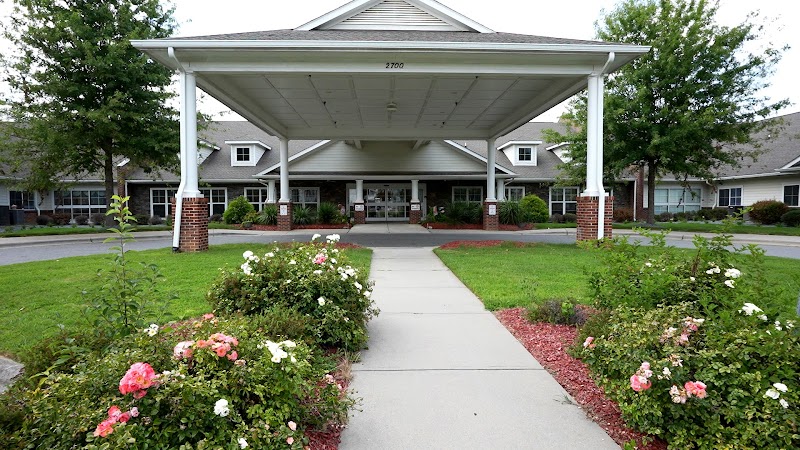
2700 Roal Commons Lane, Matthews, NC 28105 (704) 849-6990
For profit - Corporation 169 Beds LIBERTY SENIOR LIVING Data: November 2025 1 Immediate Jeopardy citation
Trust Grade
36/100
#191 of 417 in NC
Last Inspection: August 2024

Within standard 12-15 month inspection cycle. Federal law requires annual inspections.

Overview

Royal Park Rehabilitation & Health Center has received a Trust Grade of F, indicating significant concerns about the care provided, which is considered poor. In terms of ranking, they are #191 out of 417 nursing homes in North Carolina, placing them in the top half of facilities in the state, but this still suggests room for improvement. The facility's trend is worsening, with issues increasing from 7 in 2023 to 10 in 2024. Staffing is a weakness, earning only 2 out of 5 stars, though the turnover rate of 44% is slightly better than the state average. Additionally, the facility has faced $20,051 in fines, which is average but still indicates compliance issues. RN coverage is average, which means that while there is some oversight, it may not be sufficient to catch all problems. Specific incidents of concern include a critical failure to secure a resident properly during transport, resulting in injury and ongoing pain. There are also serious shortcomings in providing outdoor activities, leaving many residents feeling isolated and trapped. Finally, the facility has not provided necessary foot care services for residents, impacting their comfort and independence. Overall, while there are some strengths, the weaknesses and recent incidents raise significant red flags for families considering this nursing home.
Trust Score
F
36/100
In North Carolina
#191/417
Top 45%
Safety Record
High Risk
Review needed
Inspections
Getting Worse
7 → 10 violations
Staff Stability
○ Average
44% turnover. Near North Carolina's 48% average. Typical for the industry.
Penalties
✓ Good
$20,051 in fines. Lower than most North Carolina facilities. Relatively clean record.
Skilled Nurses
⚠ Watch
Each resident gets only 25 minutes of Registered Nurse (RN) attention daily — below average for North Carolina. Fewer RN minutes means fewer trained eyes watching for problems.
Violations
⚠ Watch
34 deficiencies on record. Higher than average. Multiple issues found across inspections.
★★★☆☆
3.0
Overall Rating
★★☆☆☆
2.0
Staff Levels
★★★★☆
4.0
Care Quality
★★★☆☆
3.0
Inspection Score
Stable
2023: 7 issues
2024: 10 issues

The Good

  • 4-Star Quality Measures · Strong clinical quality outcomes
  • Full Sprinkler Coverage · Fire safety systems throughout facility
  • No fines on record
  • Staff turnover below average (44%)

    4 points below North Carolina average of 48%

Facility shows strength in quality measures, fire safety.

The Bad

3-Star Overall Rating

Near North Carolina average (2.8)

Meets federal standards, typical of most facilities

Staff Turnover: 44%

Near North Carolina avg (46%)

Typical for the industry

Federal Fines: $20,051

Below median ($33,413)

Minor penalties assessed

Chain: LIBERTY SENIOR LIVING

Part of a multi-facility chain

Ask about local staffing decisions and management

The Ugly 34 deficiencies on record

1 life-threatening 2 actual harm
Aug 2024 2 deficiencies
CONCERN (D)

Potential for Harm - no one hurt, but risky conditions existed

Deficiency F0554 (Tag F0554)

Could have caused harm · This affected 1 resident

**NOTE- TERMS IN BRACKETS HAVE BEEN EDITED TO PROTECT CONFIDENTIALITY** Based on observations, record reviews and resident and staff interviews, the facility failed to assess the ability of a resident...

Read full inspector narrative →
**NOTE- TERMS IN BRACKETS HAVE BEEN EDITED TO PROTECT CONFIDENTIALITY** Based on observations, record reviews and resident and staff interviews, the facility failed to assess the ability of a resident to self-administer medications for 1 out of 1 sampled resident observed with medications left at bedside (Resident #42). The findings included: Resident #42 was admitted to the facility on [DATE]. The annual Minimum Data Set (MDS) dated [DATE] showed that Resident #42 was cognitively intact. Review of Resident #42's care plan dated 7/29/24 revealed there was no focus area for self-administering medications. Upon review of Resident #42's medical record, there was no Self Administration assessment for any prescribed medications. Resident #42's Medication Administration Record (MAR) revealed that Medication Aide #1 signed off administering the following medications to Resident #42 on 8/5/24 and 8/7/24 at 9:00 AM. Medication Aide #1 administered aspirin 81mg (milligrams), Flomax 0.4mg, loratadine 10mg, potassium chloride, vitamin C 5000mg, vitamin D3 2000 units, zinc 25mg, docusate sodium 100mg, Eliquis 5mg, furosemide 20mg and chlormadinone. On 8/05/24 at 10:41 AM an interview and observation were made of Resident #42. Resident #42 was in his bed, and he had a clear medication cup sitting on his bedside table full of pills. During the conversation Resident #42 picked up the cup and took his pills. Resident #42 stated that sometimes he was not ready to take his medication when the nurse brought them. Resident #42 stated that the nurse left the medicine for him to take. Resident #42 stated he always takes his medication and doesn't throw any out. Resident #42 stated he knows what medicine he takes and when. Resident #42 stated he has lived at the facility for a long time and doesn't remember being assessed to take his medications without supervision. On 8/06/24 at 2:35 PM an interview was conducted with Medication Aide #1. Medication Aide #1 stated that if a resident would like to be independent with medications they would need to get a physician's order from the doctor and would need to be assessed. If the resident refused to take medications the staff would mark refusal in computer. Medication Aide #1 stated that if Resident #42 refused or was not ready to take his medications she would need to hold the medications for a few minutes and then reapproach and offer the medications again. Medication Aide #1 stated that Resident #42 has told her in the past he was not ready for medications, this usually occurred in the morning when he was not awake all the way. When this happened staff would take his medications and hold them and then reapproach. Medication Aide #1 had not left medications with Resident #42 without supervision. Medication Aide #1 stated that currently she has no residents that take medications independently. On 8/07/24 at 9:30 AM a second observation and interview was made with Resident #42. Resident #42 again had a clear pill cup with pills. The cup was in Resident #42's hand. Resident #42 was observed taking his pills. No nurse or medication aide was present in or around the room. On 8/07/24 at 9:36 AM a second interview was conducted with Medication Aide #1. The Medication Aide stated that she remembered Resident #42 bringing the cup up to his mouth and she thought he had taken all his medicine. Medication Aide #1 stated that Resident #42 does need to be observed when taking his medications. Medication Aide #1 stated she should have stayed to make sure Resident #42 took all his medications. On 8/07/24 at 11:01 AM an interview was conducted with the Director of Nursing (DON). The DON stated that for a resident to be able to take medication independently a self-assessment would be completed to see if they can self-administer. The nurses would do the teaching, and the resident would demonstrate. If deemed able to self-administer the nurse staff would keep the medicine on the medication cart. Resident #42 had not been assessed to take his own medications and should be supervised. The staff should not walk away when administering medications.
CONCERN (D)

Potential for Harm - no one hurt, but risky conditions existed

Infection Control (Tag F0880)

Could have caused harm · This affected 1 resident

Based on record review, observations and staff interviews, the facility failed to implement their infection control policy when Nurse #1 did not perform hand hygiene after removing soiled dressings wi...

Read full inspector narrative →
Based on record review, observations and staff interviews, the facility failed to implement their infection control policy when Nurse #1 did not perform hand hygiene after removing soiled dressings with drainage and before donning new gloves to cleanse the wound for 3 of 3 wound care observations on 1 of 2 residents reviewed (Resident #25). The findings included: The facility's policy entitled Hand Hygiene last revised on 10/2022 indicated the following: Specific indications for hand hygiene included after contact with body fluids or excretions, non-intact skin, wound dressings, and after removing gloves. Gloves - If gloves are worn for a procedure, hand hygiene is to be completed before putting on gloves and after removal and deposit of gloves in appropriate container. The use of gloves does not replace hand hygiene. A continuous observation of wound care on 8/7/24 from 9:08 AM through 9:40 AM revealed Nurse #1 applying hand sanitizer to both hands, and putting on gloves and a gown before entering Resident #25's room. She removed the old dressing on Resident #25's wound to her left upper back. The old dressing had a large amount of drainage that was colored green and had a foul odor. Nurse #1 discarded the old dressing and removed her gloves. Without doing hand hygiene, she proceeded to put on a new pair of gloves, and cleaned the wound with a gauze soaked with wound cleanser. Nurse #1 removed her gloves and without doing hand hygiene, she put on a new pair of gloves to both hands. Nurse #1 packed the wound with a medicated packing strip, removed her gloves and put on new gloves. She then applied zinc oxide to the surrounding skin, removed her gloves and put on new gloves. She covered the wound with a dry gauze and a dry bordered dressing. Nurse #1 removed both gloves and without doing hand hygiene, put on a new pair of gloves to both hands. At 9:25 AM, Nurse #1 was observed to clean Resident #25's deep tissue injury to the right heel with a gauze that had been soaked with wound cleanser. She removed her gloves and without performing hand hygiene, she put new gloves on and applied skin prep to Resident #25's right heel. She discarded her gloves and put new gloves on. Nurse #1 proceeded to remove Resident #25's old dressing on her right upper back wound. The old dressing was moderately soaked with serosanguineous drainage (clear serous fluid and blood mixture). Nurse #1 removed her gloves and without doing hand hygiene, put on new gloves. She cleaned the wound with a gauze that had been moistened with wound cleanser and then wiped it with a dry gauze. She removed her gloves and put new gloves on. She packed the wound with a medicated packing strip, removed her gloves and put new gloves on. Nurse #1 applied zinc oxide to the surrounding skin, covered the wound with a dry gauze and a bordered dressing. She discarded any unused supplies including her gown and gloves, and washed her hands. An interview with Nurse #1 on 8/7/24 at 11:48 AM revealed she had been educated to wash her hands before getting started with wound care, and during wound care after changing her gloves. Nurse #1 stated that she knew that she was supposed to sanitize her hands after removing gloves and that she tried to carry a hand sanitizer with her, but she forgot to do so during the wound care observation on Resident #25. A phone interview with the Infection Preventionist (IP) on 8/7/24 at 12:12 PM revealed staff was supposed to wash hands before doing wound care, when removing dressings and after changing gloves. The IP stated that hand hygiene was supposed to be done after each glove change. The IP shared that in-services regarding infection control especially hand hygiene was a continuous process, and he last did an education with all staff on July 2024 wherein he covered topics such as the use of Personal Protective Equipment and handwashing. The IP further shared that he had not observed Nurse #1 perform wound care because she usually did the dressing changes in the early mornings when he was not in the facility, but he had not heard of any issues regarding wound care. He also stated that he had done an education with Nurse #1 on wound care and hand hygiene, but he could not remember the date when he did it. The IP further stated that it was a problem that Nurse #1 did not do hand hygiene in between changing gloves, and that she might have forgotten to do it during the observation. He also stated that if a resident had multiple wounds, he would advise to start with the least infected wound going to the most infected wound to prevent possible cross-contamination. An interview with the Director of Nursing (DON) on 8/7/24 at 11:55 AM revealed staff was supposed to wash their hands or perform hand hygiene every time gloves were removed. The DON stated that they often did education with all their staff regarding infection control and hand hygiene procedures.
Jun 2024 1 deficiency
CONCERN (D) 📢 Someone Reported This

A family member, employee, or ombudsman was alarmed enough to file a formal complaint

Potential for Harm - no one hurt, but risky conditions existed

Deficiency F0602 (Tag F0602)

Could have caused harm · This affected 1 resident

Based on record review and interviews with residents, staff, and physician, the facility failed to protect residents' rights to be free from misappropriation of controlled medications for 1 of 1 resid...

Read full inspector narrative →
Based on record review and interviews with residents, staff, and physician, the facility failed to protect residents' rights to be free from misappropriation of controlled medications for 1 of 1 resident (Resident #4) reviewed for misappropriation of residents' property. The findings included: The facility's Abuse, Neglect, or Misappropriation of Resident property policy, last revised in February 2024, revealed in part the facility would ensure all residents to remain free from abuse or misappropriation of their property. A review of the physician's order dated 11/22/23 revealed Resident #4 had an order to receive 1 tablet of oxycodone (a semi-synthetic narcotic analgesic for pain) 5 milligrams (mg) by mouth once daily in the morning for knee pain. A review of the medication administration records (MARs) revealed Resident #4 had received 1 tablet of oxycodone 5 mg once daily as ordered throughout the month of November 2023. The initial allegation report dated 11/27/23 revealed the facility became aware of the misappropriation of residents' property on 11/27/23 at 7:00 PM when Resident #4's oxycodone and its controlled medication count sheet could not be found in the medication cart. All medication carts were audited to locate the missing card of oxycodone. All residents were assessed for pain and alert and oriented residents were interviewed for concerns with pain medication administration. A review of the 5-day investigation report dated 12/04/23 revealed on 11/27/23, a blister card contained 24 tablets of oxycodone 5 mg and the controlled medication count sheet for Resident #4 were allegedly removed by Nurse #2. All nursing staff worked with the medication cart in the past 24 hours except Nurse #2 were interviewed and indicated that they did not remove any controlled medication sheet from the medication cart in that time frame. Nurse #2 who worked with the medication cart on the day the prescription numbers were written as being removed from the shift count controlled medication sheet did not return the calls. Several attempts to call Nurse #2 went unanswered. Further investigation by reviewing the camera footage revealed Nurse #2 was seen removing items from the medication cart during her shift on 11/26/23. The allegation of diversion of Residents' drugs was substantiated and Nurse #2 was terminated on 11/27/23. A review of the controlled medication count sheet for medication cart in C-halls indicated Medication Aide (MA) #1 had removed 2 medication cards from the controlled medication compartment during her shift on 11/26/23 with 36 cards remaining in the medication cart. However, further review of the handwriting and signature revealed they were inconsistent with MA #1's other handwriting documented in the controlled medication count sheets. An interview was conducted with the Medical Director on 06/05/24 at 5:01 PM. He stated he was made aware of the alleged drug diversion incident on the same day in November 2023. He added the affected resident (Resident #4) was assessed immediately without any adverse consequences noted. The missing pain medication was obtained from the Pyxis without any delays. He indicated all the missing medications were replaced and paid for by the facility later. During an interview conducted on 06/05/24 at 5:15 PM, Resident #4 stated she was notified of the alleged drug diversion on 11/27/23 and received oxycodone as ordered in a timely manner in that morning. The facility reordered and paid for the missing oxycodone. She did not have problems getting her pain medication as ordered in a timely manner so far. An interview was conducted with Unit Manager (UM) #1 on 06/05/24 at 5:35 PM. She recalled the former Director of Nursing (DON) called her on 11/27/23 morning to assist the investigation related to the alleged drug diversion. After she and the former DON audited all the pertinent pharmacy packing slips, MARs, prescription order tracking records, controlled medication return sheets, and comparing controlled medications in all the medication carts, they concluded that a total of 24 tablets of oxycodone 5 mg for Resident #4 were missing and Resident #4 was the only resident affected by this incident. She assisted the former DON assessing and interviewing residents for potential pain or concerns with medication administration. She did not find any issues for all the residents she handled that day. During a phone interview conducted on 06/05/24 at 6:35 PM, Nurse #1 stated she started her shift on 11/27/23 morning by counting the controlled medications in the double-locked compartment of medication cart with Nurse #2 and found that the quantity of controlled medication sheets and the number of blister card of controlled medications were matched. When she attempted to administer Resident #4's oxycodone around 9 AM, she found that the oxycodone was not in the cart. She could not find the oxycodone even though she had double-checked the entire medication cart. She called the DON and obtained instruction to retrieve 1 tablet of oxycodone 5 mg from the Pyxis. As she thought nurses who worked in the previous week did not re-order oxycodone for Resident #4, she called the pharmacy to reorder and was told that it was too early. When she called MA#1 who worked with the medication cart a day before, MA #1 confirmed a card of at least 20 tablets of oxycodone 5 mg for Resident #4 was in the medication cart when she worked. Then, he called the former DON and was told to recheck her medication cart again and check other medication carts if needed. She recalled she re-checked her entire medication cart again 3 more times and other medication carts at least once without having any success. When she checked the controlled medication count sheet in the narcotic book, she found that the count sheet for Resident #4's oxycodone 5 mg was missing. After she notified the former DON that she could not find the oxycodone and the controlled medication count sheet as well, the former DON told her that she would come to the facility to start the investigation. An interview was conducted with MA #1 on 06/06/24 at 10:19 AM. She recalled Nurse #2 relief her on 11/26/23 around 7:00 PM. When she counted the controlled medications in the medication cart for C-halls with Nurse #2, she recalled Nurse #2 asking her why there were 38 cards in the controlled medication compartment. She explained that the diabetic kit that was stored in the double-locked compartment was also counted as one item. Then both staff signed the controlled medication count sheet, and she handed over the medication cart key to Nurse #2. She did not recall signing out any controlled medications from the medication cart for C-halls that shift. The next day the former DON called her and wanted to know if she had signed out any card from the controlled medication compartment. She denied signing any cards that shift. Later, she found that the handwriting and signature documented in the controlled medication count sheet on 11/26/23 were not written by her. The former DON requested her to write a statement related to this incident. During a phone interview with Nurse #2 on 06/06/24 at 10:43 AM, she denied any involvement in the alleged drug diversion that occurred in November last year. She added the North Carolina Board of Nursing had cleared up the allegation and refused to provide any additional information. A phone interview was conducted with the former DON on 06/06/24 at 10:48 AM. She recalled Nurse #1 called her on 11/27/23 morning reporting problems locating Resident #4's oxycodone. When Nurse #1 called the pharmacy to reorder, she was told that the facility had just received 30 pills of oxycodone 5 mg about 2 weeks ago. She instructed Nurse #1 to check the entire medication cart as Nurse #2 who had worked the prior shift was an agency nurse, and she could have placed the oxycodone in the wrong compartment. When Nurse #1 called again to notify her that she was still unable to find the oxycodone, she told Nurse #1 to get the oxycodone 5 mg from Pyxis and then search all other medication carts with assistance from UM #1. Investigation revealed Nurse #2 had faked MA #1's signature signing out 2 cards. When she audited the pharmacy packing slips, MARs, controlled medication return sheets, prescription numbers, and the compared with the controlled medication in the medication cart, she found that Nurse #2 had taken 24 tablets of oxycodone 5 mg and its controlled medication count sheet at the same time. In addition, when she rolled back the video footage, she observed Nurse #2 took items from the medication cart covered with her clothing and walked out of the building. She interviewed all the nurses who worked 24 hours prior to the incident except Nurse #2 who would not answer or return the calls. She reported the incident to the Department of Health and Human Services (DHHS), law enforcement agent, North Carolina Board of Nursing, and the Adult Protective Services. In addition, the Medical Director, Resident #4, and her family were all notified. The missing oxycodone was reordered and paid for by the facility. All residents were assessed, and alert and oriented residents were interviewed for possible harm. In-service related to narcotic accountability and process was conducted to all the current employees, agency staff, and new hired. She audited at least one medication cart and 5 residents once weekly for 4 weeks and then monthly for 2 months. The audit report was presented to the weekly Quality Assurance Performance Improvement (QAPI) meeting for 3 months. After the incident, she did not recall having any additional incident related to controlled medication discrepancies or drug diversion. The facility provided the following corrective action plan with a completion date of 12/02/23: Corrective action for resident(s) affected by the alleged deficient practice: On 11/27/2023 Nurse #1 notified Director of Nursing that a card of oxycodone 5 milligrams (mg) tablets was missing that were prescribed for Resident #4. Nurse #1 assessed Resident #4 for pain and retrieved Resident #4's 9 am scheduled dose of oxycodone 5 mg from facility Pyxis to administer to Resident #4. The Director of Nursing initiated investigation and began to search for the oxycodone 5 mg medication card with Resident #4's name on the card. The Director of Nursing was unable to locate the narcotic card of Resident #4. Director of Nursing assessed Resident #4 for pain, no issues with pain were noted and she notified Medical Director of alleged narcotic diversion and to request new prescription for oxycodone 5 mg for Resident #4 be sent to pharmacy. Director of Nursing notified the Pharmacy that the facility was not able to locate the narcotic card for Resident #4 and she notified the pharmacy that Medical Director would be sending them a new prescription for oxycodone 5 mg to be filled and sent out with regular delivery on evening of 11/27/2023. Per pharmacy, 30 tablets of oxycodone 5 mg were last delivered on 11/13/2023. The Director of Nursing was able to determine approximately 24 of 30 tablets were missing of oxycodone 5 mg for Resident #4. The Director of Nursing made pharmacy aware to charge medication to the facility. On 11/27/2023, 90 tablets of oxycodone 5 mg were delivered to the facility for Resident #4. On 11/27/2023 at 6:45 pm the Administrator notified the Police Department and Adult Protective Services of alleged narcotic diversion and filed a report. On 11/27/2023 the facility self-reported with a 24-hour/5-day to the North Carolina Department of Health and Human Services of alleged diversion pertaining to Resident #4. Director of Nursing called Nurse #2 who had worked the 7 pm -7 am shift on 11/26/2023 to ask Nurse #2 to come into facility to submit to a drug screen and provide a statement. The Director of Nursing was unable to reach Nurse #2. She reached out to the Staffing Agency to inform them of the alleged drug diversion incident and instruct them to attempt to reach out to Nurse #2 regarding diversion and informed them of Nurse #2 suspension pending investigation. Nurse #2 did not work on or after 11/27/2023 and was deemed a do not return agency employee. On 11/29/2023, the Administrator completed the North Carolina Board of Nursing Complaint Evaluation Tool and submitted a complaint to the North Carolina Board of Nursing for Nurse #2. Corrective action for residents with the potential to be affected by the alleged deficient practice. On 11/27/2023 the Director of Nursing identified residents that were potentially impacted by this practice by completing interviews with residents with a Brief Interview for Mental Status (BIMS) score of 13 or higher and completed a pain assessment for residents with BIMS of 12 or less on all current residents. All narcotics were audited on all medication carts for discrepancies. This was completed on 11/29/2023. The results included: No other residents affected by this deficient practice. All narcotics accounted for on all medication carts. On 11/28/ 2023, incident reviewed with Quality Assurance Team to discuss investigation finding. Findings were medications unable to be accounted for only one resident (Resident #4). No other residents were affected by the alleged deficient practice. Resident #4 did not miss any medications and was not affected by the alleged deficient practice. Facility to monitor 5 residents for narcotic counts weekly for 4 weeks and monthly for 2 months with ongoing education. Measures/Systemic changes to prevent reoccurrence of alleged deficient practice: On 11/27/2023, the Director of Nursing began in-servicing for all full-time, part-time and PRN (as needed) registered nurses, licensed practical nurses, and medication aides including agency nursing staff on the Narcotic Process policy. This training included: Misappropriation of Resident Property and the Narcotic Process Policy. The Narcotic Process policy includes ordering, receipt, storage and record keeping of narcotics, this policy also includes systems to assist with prevention and recognition of diversion and what to do once diversion is suspected and corrective actions to take. As of 11/29/2023, 15% of staff members have not attended the in-service. The Director of Nursing will ensure that any of the above-identified staff who did not complete the in-service training by 11/30/2023 will not be allowed to work until the training is completed. This training will be included in the new hire orientation for any newly hired staff. Monitoring Procedure to ensure that the plan of correction is effective, and that specific deficiency cited remains corrected and/or in compliance with regulatory requirements. Beginning 12/1/2023, The Director of Nursing or designee began monitoring the controlled substance process using the QA Tool for Controlled Substances Process. This was completed weekly for 4 weeks then monthly for 2 months. Reports were presented to the weekly Quality Assurance Performance Improvement (QAPI) Committee by the Administrator or Director of Nursing to ensure corrective action initiated as appropriate. Compliance will be monitored, and an ongoing auditing program will be reviewed at the Quality Assurance Performance Improvement Weekly Meeting. The weekly QAPI Meeting was attended by the Administrator, Director of Nursing, Unit Managers, Minimal Data Set Coordinator, Therapy Manager, Health Information Manager, and the Dietary Manager. Date of Compliance: 12/02/2023 The facility's corrective action plan with a correction date of 12/02/23 was validated onsite on 06/06/24 by record review, observations, and interviews with nursing staff, DON, and the Administrator. Medication Administration observations were conducted from 06/05/24 through 06/06/24 and it consisted of 28 medications, 4 different residents, and 4 different Nurses. Controlled medication was pulled from the double-locked compartment in the medication cart during the medication pass observation. The nurse documented the retrieval of controlled medication in the controlled medication count sheet properly. Random samples of 3 controlled medications were pulled from each medication cart to verify accuracy and the controlled medication counts were consistent with the records in the count sheets. An observation was conducted during a shift transition. The arriving and the departing nurses started the process by counting the total number of blister cards containing controlled medication in the double-locked compartment to verify the total number of controlled medications in the count sheet. Then, they counted each blister card of controlled medication to ensure the quantity listed in the count sheet was consistent with the actual counts. The departing nurse read out the number of pills for each blister card from the controlled medication count sheets and the arriving nurse pulled the blister card to verify the quantity. After all the counts were completed without any discrepancies, the arriving nurse signed the controlled medication count sheet before the departing nurse passed the medication cart key to her. The nursing staff confirmed during the interviews that they had received in-service training related to Abuse, neglect, misappropriation, reporting, code of ethics, and diversion and The Control Substance Process. They were assigned to review the handouts for the in-service prior to the training. The training was conducted in-person by DON, and it included multiple examples and scenarios. A review of the in-service log revealed a total of 56 nursing staff had completed the training and signed in the in-service records. The training was completed on 11/30/23. A review of the audit records revealed 5 residents receiving controlled medications were randomly audited by the DON or designee once per week for 4 weeks by comparing controlled medication count sheets, MAR, and the controlled medication return sheets. At least one medication cart was randomly audited by the DON or designee once per week for 4 weeks to ensure all controlled medication counts were conducted properly and the count sheets were documented accordingly. In addition, the DON and designee had conducted pain assessments and interviews with 5 residents who receiving pain medication once weekly for 4 weeks to ensure all the pains were addressed and the facility was free of drug diversion. The DON presented the findings of the audit tools to the Quality Assurance Performance Improvement Committee (QAPI) for 3 months. Interview with the Administrator and DON revealed the former DON started the in-service related to controlled medication process and accountability immediately after the incident to re-educate all the licensed nurses and medication aides. The Administrator stated the interventions were successful as the facility did not have any similar drug diversion issues since then. The compliance date of 12/02/23 was validated.
Mar 2024 7 deficiencies 1 IJ
CRITICAL (J) 📢 Someone Reported This

A family member, employee, or ombudsman was alarmed enough to file a formal complaint

Immediate Jeopardy (IJ) - the most serious Medicare violation

Accident Prevention (Tag F0689)

Someone could have died · This affected 1 resident

**NOTE- TERMS IN BRACKETS HAVE BEEN EDITED TO PROTECT CONFIDENTIALITY** Based on observation, record review and Resident, transportation company staff, insurance manager, facility staff, Wound Physici...

Read full inspector narrative →
**NOTE- TERMS IN BRACKETS HAVE BEEN EDITED TO PROTECT CONFIDENTIALITY** Based on observation, record review and Resident, transportation company staff, insurance manager, facility staff, Wound Physician and Medical Director interviews, the facility failed to secure Resident #1 and her wheelchair to the vehicle according to the manufacturer's instructions to prevent her from sliding forward from the wheelchair during a contracted van transport. When the driver applied the brakes in traffic it caused Resident #1 to slide forward from the wheelchair, her face on the back of the driver's seat and pinning her right kneecap on the van floor. Resident #1 was taken to the hospital for evaluation and a computed tomography (CT) scan of her head and spine resulted negative and three x-ray views of the right knee resulted negative. The Resident was returned to the facility the same day. The Resident had moderate to severe pain and her right kneecap developed a blister that resulted in an open wound that continued to require treatment and had not healed as of the survey. This deficient practice had the likelihood of causing serious injury for 1 of 3 residents (Resident #1) reviewed for accidents. The findings included: The undated manufacturer's instructions for the securement system used in the contracted transportation service vans used to transport residents who were seated in the wheelchairs for transports was made up of four retractors, one occupant lap belt, one occupant shoulder belt and floor anchorages. The instructions read in part 9. Non WC19 Wheelchairs (A wheelchair that does not meet a voluntary industry standard that establishes minimum design and performance requirements for wheelchairs that are occupied by users traveling in motor vehicles.): attach shoulder belt pin connector to pin on rear retractor closest to wall. Occupant restraint shoulder and pelvic belt must not be held away from the occupant's body by wheelchair components. 10. Attach the pelvic belt pin connector to pin on rear retractor closest to the aisle. 11. Pull the shoulder belt over occupant's chest and buckle shoulder belt pelvic connector to removable pelvic belt. 12. Adjust shoulder belt height so that shoulder belt rests on shoulder. After the occupant and vehicle are secured, the occupant is ready for transportation. Resident #1 was admitted to the facility on [DATE] with diagnoses that included cerebral vascular accident with left side hemiplegia (paralysis of one side of the body) and left above the knee amputation, pain and diabetes mellitus. The quarterly Minimum Data Set (MDS) assessment dated [DATE] revealed Resident #1 was cognitively intact and had functional impairment of range of motion on one side of her upper and lower extremities. The MDS indicated the Resident also received routine and as needed pain medication. During an interview with Nurse Aide (NA) #5 on 03/20/24 at 11:45 AM the NA explained that she was the one who got Resident #1 ready for her doctor's appointment on 02/06/24 and the Resident had no complaints of feeling dizzy or sick or she would have informed the nurse. The NA continued to explain that she transferred Resident #1 into the manual wheelchair that she normally used when she had out of the facility appointments. A review of a Nurse Progress Note dated 02/06/24 at 1:22 PM written by Nurse #4 revealed, the Resident #1 left out of the facility for appointment in stable condition alert and oriented. An interview was conducted with Nurse #4 on 03/20/24 at 7:45 PM who reported that she was the Nurse on duty on 02/06/24 when Resident #1 went out of the facility for a doctor's appointment via the transportation van. The Nurse explained that she did not remember Resident #1 having any complaints of being dizzy or sick before she left for the appointment. She stated Van Driver #1 was always good about asking if the residents were okay for the transportation before he took them off the floor and she specifically remembered that the Van Driver asked her that day about Resident #1 before he took her off the floor and she told him that Resident #1 was okay to go to her appointment. A review of a written verbal statement from Resident #1 dated 02/08/24 witnessed and signed by the Director of Nursing revealed Resident #1 stated that she was correctly strapped in the wheelchair by the Van Driver. When she was questioned regarding the top strap being pulled across her and being secured in the wheelchair the Resident stated yes, the top strap was fastened and secured. The Resident stated she felt the Van Driver had secured her safely in the wheelchair and van. She stated the wheels were locked on the wheelchair. Resident #1 stated that at no time did she feel dizzy, and she was looking down because she had just made a phone call and was about to make another call. At that moment when she was looking through her contacts the Van Driver slammed on the brakes suddenly causing her to be thrown forward and pinned with the right side of her face hitting the back of the driver's seat. She stated her right knee was pinned on the floor of the van with her right leg turned backwards. The Resident stated she yelled to call 911. She continued, the Owner of the van service was the first to arrive on the scene and the Owner and the Van Driver started conversing in a language she did not understand. She stated the Owner and the Van Driver then cut the seatbelt and shortly after that the paramedics arrived and all of them removed her from the van then lowered her onto the ground and slid her onto the stretcher. The Resident stated the paramedics transported her to the hospital with no further issues. The Resident verbalized discomfort to her right lower extremity and the right side of her face in route to the hospital. On 03/20/24 at 10:00 AM an interview was conducted with Resident #1 who explained that she was being taken to her doctor's appointment by the transportation company van in a manual wheelchair and as far as she knew Van Driver #1 strapped her in with the seatbelt and shoulder harness and buckled the wheelchair down appropriately because she could not tell that anything was different. She stated she had ridden with the Van Driver before and had no problems with the transport, but she always thought that he drove too fast. The Resident continued to explain that she was looking down at her phone to call her family member when all the sudden the Van Driver slammed on the brakes and she and her phone flew up to the front of the van pinning the right side of her face against the back of the driver's seat and her right kneecap against the floor of the van with her leg bent behind her. The Resident stated she did not know why the Van Driver slammed on the brakes because she was looking down and he never said anything before he slammed on the brakes. Resident #1 reported she screamed to call 911 and let them know that she was in an accident, but the Van Driver called his boss (the Owner of the company), and the Owner showed up to the accident before the ambulance got to the accident. She stated they kept pulling on her coat collar saying let me see you, but she could not turn over because she was face forward and still strapped to the wheelchair. She stated the Owner finally cut the seatbelt that released her. The Resident continued to explain that the ambulance got to the accident about 20 minutes later and all the while her right knee was burning while pressing against the van floor. She reported when the ambulance got to the accident, they asked the Owner and Van Driver what happened, and the Owner stated she slid out of her wheelchair and the Van Driver was going to pull over to the side because she complained of being dizzy. She stated she knew that was not true, because why would she end up face forward up front if she just slid out of the wheelchair, but she did not say anything to the contrary. The Resident explained that they sat her up and laid her down and rolled her over on a slide pad then put her onto the stretcher. She stated they took her to the hospital where they did a CT scan of her head and right knee and there were no broken bones. She stated she returned to the facility late that night. Resident #1 reported that she did have pain in her knee and the facility was good to give her pain medication when she requested it to relieve the pain. During an interview with Van Driver #1 on 03/20/24 at 4:45 PM the Van Driver explained that on the afternoon of 02/06/24 he was scheduled to transport Resident #1 to a doctor's appointment and when he went to pick her up, she complained of being dizzy. He stated he checked with the Nurse before he took her off the hall and the nurse reported the Resident was okay to go to the appointment. The Van Driver reported that he secured Resident #1 into the van by the anchors and seatbelts the way he normally secured a resident in the van and started to the doctor's office. About 3 miles away he heard Resident #1 say, Help me and he pulled over off the road and when he got to where he could open the door, he saw that the Resident had slid out of the wheelchair and was pressing her head against the back of the driver's seat and her right leg was extended out to the side. He stated the wheelchair was still attached to her and the wheelchair was still anchored down. The Van Driver stated he called 911 and then he called the Owner of the company who arrived at the van before the emergency services arrived. He stated the Resident would not let them help her up, so the Owner cut the seatbelt off her and moved the wheelchair in order to be able to roll her over onto the stretcher when the emergency services got there. He stated they rolled her onto a cloth then transferred her over onto the stretcher and took her to the hospital. The Van Driver explained the facility immediately suspended the transport services by the company until the van could be inspected and the Van Drivers including the Owner were retrained by a representative of the facility. He indicated they endured weekly audits, and the audits were still going on. At 5:05 PM on 03/20/24 an interview and observation were made of Van Driver who reenacted how he secured Resident #1 into the van on 02/06/24 afternoon. The Van Driver utilized a random individual as a passenger in a wheelchair and secured the wheelchair to 4 floor anchors then applied a seatbelt and the shoulder strap to the individual. The Van Driver rocked the wheelchair to ensure it was safely secured to the anchors and ensured the individual could not slide out from under the seatbelt. When the Van Driver was asked how Resident #1 slid out of the wheelchair if she was securely strapped in the Van Driver brought his hands up to his chest and gestured that he did not know. The Van Driver was asked why he slammed on his brakes, and he stated he did not slam on his brakes because nothing was wrong. The Van Driver stated everything was fine until Resident #1 stated, Help me. When asked about the discrepancies in his explanation of the accident and Resident #1's explanation of the accident the Van Driver again brought his hands up to his chest and stated Ma'am, I don't know. Interviews were conducted with the Owner of the transportation company on 03/20/24 at 3:00 PM and 5:54 PM. The Owner stated that his transportation service for the facility was suspended on 02/06/24 immediately after the van incident for about 3 weeks when Resident #1 slid out of her wheelchair during a transport in one of his vans that was being driven by the Van Driver. He explained that before he could resume transportation for the facility, he along with his Van Drivers had to be retrained and the van that was used during the incident had to be inspected by the facility's Insurance Manager who did not find anything wrong with the seatbelts. He stated all the drivers of the vans had to be randomly audited for loading and unloading the passengers correctly and safely before the facility would reinstate their service and the random audits were still ongoing. The Owner continued to explain that the Van Driver had to perform a reenactment of how he secured Resident #1 in the wheelchair and the Insurance Manager determined that the driver did not secure the Resident in the wheelchair correctly. The Owner stated that he personally felt that the Van Driver secured Resident #1 in the wheelchair correctly because if he did not hook her up correctly, she would have fallen out of the wheelchair as they were driving out of the facility's parking lot because of so many turns they had to make in order to get to the doctor's office. The Owner explained that when he hired Van Driver #1 almost a year ago, the Van Driver was given 3 weeks of training before he was released to transport residents solo and there were no concerns with his performance. The Owner continued to explain that he remembered specifically that he told Van Driver #1 the morning of the transport to make sure Resident #1 was safely strapped in her wheelchair because she had a tendency to take naps and lean forward in the wheelchair. The Resident has even dropped her phone and had tried to pick it up during transport before. When the Van Driver was still at the facility, he called the Owner and reported that Resident #1 looked dizzy, and the Van Driver was told to check with the Nurse before he left with the Resident and the Resident told the Van Driver that she was only tired. Then about 3 miles into the transport the Van Driver called the Owner and reported that Resident #1 stated, Help me, help me and when he looked in the rear-view mirror she had started to slide out of the wheelchair and the Resident stated it was choking her. The Van Driver had to get through the traffic light and pull over. When the Van Driver pulled over, he got out and opened the side door of the van and found Resident #1 had already slid out of her wheelchair. The Van Driver called the Owner who told the Van Driver to call 911 which he did. The Owner stated that he arrived at the scene before the emergency services got there and found Resident #1 lying face forward on the van floor where she landed (she had not been moved from where she landed) and up against the back of the driver's seat and her seat belt was not on her it was lying underneath her. He stated he thought Resident #1 had removed the seatbelt that went across her belly because it was laying underneath her. He stated he had to cut the left front anchor strap to free the Resident up enough for them to roll her over and onto the stretcher. A review of an Incident Report dated 02/06/24 at 1:50 PM completed by Long Term Care Support Nurse revealed the Van Driver called this Nurse to report that while transporting Resident #1 to her doctor's appointment, the Resident complained of not being able to breathe and was feeling dizzy. The Van Driver pulled over and the Resident was leaning over in her chair. The Van Driver had to cut the seat belt to lower the Resident to the floor then called 911. The Resident was taken to the local hospital by ambulance. During an interview with the Long Term Care Support Nurse on 03/20/24 at 4:30 PM the Nurse explained that on the day of the accident she received a phone call from the Owner of the transportation company who reported that he was still trying to figure out what happened but there was a van accident and Resident #1 fell over forward out of her wheelchair and he had to cut the seatbelt because where the seatbelt was positioned on her, it was pressing into her. He said the Resident landed on one side and her knee landed on the floor of the van. The Nurse continued to explain that she immediately reported the accident to the Administrator. The Nurse stated a short while after that the owner of the transportation van came to the facility with the wheelchair that Resident #1 was sent to the appointment in. The Nurse reported the Owner of the transportation company explained that he received a phone call from the driver of the van who reported that he put the brakes on quickly and Resident #1 fell over face first. When the owner arrived at the van, he had to cut the seatbelt off her to relieve the pressure because she complained of the strap hurting her. The Nurse stated when Resident #1 returned to the facility she had a blister on her right kneecap that burst, and she was currently being seen by the Wound Physician. A review of Resident #1's emergency room visit on 02/06/24 3:02 PM revealed a CT scan of her head and spine resulted negative for injury and three x-ray views of the right knee resulted negative for fractures. A review of a Nurse Progress Note dated 02/07/24 at 6:32 AM written by Nurse #5 revealed, Resident #1 returned to the facility at 12:00 midnight via medic transport. The Resident was alert and oriented times three and verbally responsive. She was treated in the emergency room for a fall that included a CT scan of her head and x-ray to her right knee that showed negative fractures. The Resident complained of pain in the right knee of 9/10 with a rating of nine with the highest rating of ten and was relieved after pain medication was given. Her skin assessment revealed fluid filled blisters to her right kneecap and no other new areas noted. Attempts were made to interview Nurse #5, but the attempts were unsuccessful. A review of Resident #1's physician orders revealed: - an order on 02/06/24 for Oxycodone HCL 5 milligrams (mg) by mouth every 12 hours as needed for moderate to severe pain. A review of Resident #1's 02/2024 and 03/2024 Medication Administration Record indicated Resident required the as needed pain medication less than once a day. There were several days in a row when there was no pain medication administered. - an order on 03/06/24 to cleanse right knee with wound cleanser and apply a debriding agent and oil emulsion and cover with gauze border dressing once a day. On 03/20/24 at 10:20 AM an observation was made of Resident #1's right kneecap wound treatment and assessment conducted by the Wound Physician. When the dressing dated 03/19/24 was removed the entire right kneecap was an open wound that had brown necrotic tissue and yellow slough with a small amount of brown drainage. The wound measured 6.9 centimeters (cm) x 8.0 cm x 0.1 cm. The wound bed was 60% with 30% necrosis (dead tissue) and 10% granulation (healthy tissue). An interview was conducted with the Wound Physician on 03/20/24 at 10:30 AM. The Wound Physician explained that Resident #1's wound resulted from a fall that started out as a fluid filled blister and when he first consulted on the wound on 02/07/24 he ordered skin prep to be applied daily and keep pressure off the knee. He stated after a few visits the blister opened to a wound that required a daily dressing change and then required a daily debriding agent to soften the necrotic tissue so that it could be removed easier with the scalpel. During an interview with the Nurse Practitioner (NP) on 03/25/24 at 8:05 AM the NP confirmed that she was informed of the van incident that involved Resident #1 on the evening of 02/06/24. The NP explained that she was told that the Resident was being transported to a doctor's appointment and had come out of her wheelchair in the van and was taken to the emergency room. They determined that she had no fractures, but she had one intact blister to her right kneecap. The blister did eventually open and now she was being followed by the Wound Physician who consulted with her weekly. The NP stated that on 02/29/24 she had to increase Resident #1's pain medication from every 12 hours as needed to every 6 hours as needed and that seemed to manage her pain. An interview was conducted with the Director of Nursing (DON) on 03/20/24 at 3:20 PM. The DON explained that she was notified of the van accident involving Resident #1 by the Long-Term Care Support Nurse. She was told that Resident #1 would be transferred to the hospital for evaluation and that the family member and Physician were already notified. The DON reported that when she spoke with Resident #1 the following day the Resident explained that as far as she knew the van driver had strapped her in the wheelchair correctly but when he suddenly hit the brakes, she fell forward. Then, when she interviewed the Resident again on 02/08/24 for her statement the Resident reported the same thing that she fell forward out of the wheelchair and pinned her head up against the back of the driver's seat and pinned her right knee against the floor of the van. The Resident stated the van Owner was the first one to arrive at the accident and the van Owner cut the seatbelt off her before the emergency services arrived and took her to the hospital. The DON continued to explain that they did scans of her head and right knee and there were no fractures, but she did have a blister on her right kneecap that developed into an open wound and was currently being treated weekly by the Wound Physician. She reported the transportation service with that particular company was immediately halted pending investigation and training for several weeks. During an interview with the Administrator on 03/20/24 at 3:35 PM the Administrator explained that the Owner of the transportation company came into her office on the afternoon of 02/06/24 and reported that he received a phone call from Van Driver #1 who reported that Resident #1 was on the floor of the van, and he instructed the Van Driver to call 911. The Owner informed the Van Driver that he was close by, so the Owner arrived before the emergency services arrived at the scene. The Owner stated that when he arrived Resident #1 was leaning face down on the left side close to the driver's seat and he had to cut the seatbelt off to be able to lay the Resident down to release her from the wheelchair so the emergency services could get her on the stretcher to take her to the hospital. The Administrator stated Resident #1 returned to the facility the same day and did not have any fractures. The Administrator explained the corporate Insurance Manager who conducts the training for our company, conducted the investigation and determined through reenactment that the Van Driver did not properly place the retractors and the seatbelt system was not properly applied to Resident #1 for the transport. The Owner of the company and the Van Driver were retrained correctly on the securement system in the vans and weekly audits were done at random by the facility's medical supply clerk who is trained in van transportation, to ensure loading and unloading the residents were correctly done and was ongoing. The Administrator continued to explain that the residents who were transported by the van company before the incident were interviewed about the safety of the service and there were no complaints from the residents about their being unsafe for their transports. Residents who were currently transported by the transportation service continue to be interviewed about their safety and there have been no concerns brought forward. An interview was conducted with the Insurance Manager on 03/20/24 at 7:00 PM. The Manager explained that he had over 20 years of experience of training the company's van drivers as well as the incident investigator. He continued to explain that on 02/08/24 he met with the Owner of the company and the Van Driver and had the Van Driver reenact the incident using the exact same wheelchair that was used during the transport. The Van Driver demonstrated how he secured the resident in the wheelchair by the anchors and the seatbelts, and the Manager stated when the Van Driver finished, he determined that the Van Driver did not apply the seatbelt correctly by the standards of the company and the resident slid out from under the seatbelt. The Manager stated the seatbelt had to be applied correctly in order to restrain an individual in the seat and the individual slid out from under the seatbelt because it was not applied correctly. He stated the Resident did not release the seatbelt, she just slid out from underneath it. After that the Manager stated he showed the Van Driver how to set it up correctly and told the Owner to obtain the instruction manual for the securement system used in the van and retrain the drivers on the correct way to secure the individual in the wheelchair. The Manager explained the transportation service was immediately suspended for at least 3 weeks until they could produce a substantial training log to support the training in the correct way the seatbelt system should be applied, and weekly auditing was still being conducted by the facility. The Manager stated during the reenactment it was determined that the anchors were not placed properly but it did not have anything to do with the incident. The Administrator was informed of immediate jeopardy on 03/21/24 at 11:39 AM. The facility provided the following Corrective Action Plan with a compliance date of 02/16/24. Address how corrective action will be accomplished for those residents found to have been affected by the deficient practice: On 2/6/2024, around 1:25 pm, Facility transport driver (contracted) arrived at the facility to transport with Resident #1 to an endocrinology appointment. Resident was loaded into transport van via wheelchair. Wheelchair was secured, shoulder harness applied in addition the seatbelt was secured to her person. At approximately 1:35 pm, driver left facility with resident in route to appointment. At approximately 1:45 pm, driver slammed on brakes causing resident to fall forward from wheelchair and land in floor with face against back of driver's seat. Immediately driver pulled over vehicle and called emergency medical for assistance. Driver then called transport company and owner arrived and assisted driver in cutting seatbelt to provide resident comfort from seatbelt harness. At approximately 2:50 pm, Emergency Medical Services arrived and transported resident to hospital for evaluation and treatment. On 2/6/2024, the Administrator immediately suspended the transport driver and company pending investigation. During the re-enactment it was discovered that the seatbelt system was not properly applied and the wheelchair retractors were not properly placed. On 2/6/2024, the Director of Nurses notified Resident #1's responsible party and the Medical Director of the van incident. On 2/7/2024, facility scheduled all transports with outside transportation service for the following week. Also, Resident #1's wheelchair was taken out of use and placed in Administrator's office for inspection. On 2/7/2024 at 12:00 midnight, Resident #1 returned to facility with no new orders. On 2/14/2024, transport van and Resident #1's wheelchair was inspected by Risk Management Insurance Manager. The inspection revealed no malfunctioning components of van's seatbelts or wheelchair. On 2/14/2024, transport driver was re-educated on how to properly apply the seatbelt system and the wheelchair retractors according to the Restraint Manufacturer Manual and the need to make sure residents are fully secured prior to transport. On 2/14/2024, Administrator concluded the van incident investigation and based on investigation findings the root cause of incident was due to lack of knowledge of the contracted transport driver and not properly applying the seatbelt system and the wheelchair retractors, this was identified by the Risk Management Insurance Manager During re-enactment. On 2/14/2024, a Quality Assurance and Performance Improvement meeting was held with the Interdisciplinary Team to review findings of investigation with no additional findings. Address how the facility will identify other residents having the potential to be affected by the same deficient practice; Beginning 2/7/2024, the Administrator and Director of Nursing identified residents that would be potentially impacted by the deficient practice by completing facility transportation audits for all current resident that had appointments in the past three months that had been transported by the outside transport van and asked if they had any issues or concerns when the transport driver transported them to or from an appointment. The results of the audit revealed no other residents identified with any issues or concerns with transports to or from appointments and that they had been secured with a seatbelt and felt safe. On 2/7/2024, all appointments scheduled for the following week were scheduled with outside transportation service. On 2/14/2024, after concluding investigation, the Quality Assurance Committee convened to discuss the van incident and the status of the investigation. There were no additional findings at that time. Address what measures will be put into place or systemic changes made to ensure that the deficient practice will not recur: On 2/7/2024 the Administrator in-serviced the contracted transport driver on the facility transportation safety education policy and on how to properly apply the seatbelt system and the wheelchair retractors according to the Restraint Manufacturer Manual. On 2/14/2024, skills checkoff includes driver ensuring resident wears seatbelt, and how to apply seatbelt properly according to the facility transport education policy. Inservice was also done on securing the wheelchair and how to attach the retractors as well has how to apply the seatbelt properly this was derived from the Restraint Manufacturer Manual. This was completed with the Owner of the transportation company by our Risk Management Insurance Manager. The transportation company Owner will ensure that any newly hired transportation staff will receive this training prior to transporting residents. Indicate how the facility plans to monitor its performance to make sure that solutions are sustained; The Administrator/Designee will monitor 5 residents for safe transports using the Quality Assurance (QA) Tool for Van Safety starting 2/16/2024. This will be completed weekly for 4 weeks and monthly for 2 months. Reports will be presented to the weekly QA committee by the Administrator or Director of Nursing to ensure corrective action initiated as appropriate. Compliance will be monitored and ongoing auditing program reviewed at the weekly QA Meeting. Include dates when corrective action will be completed. 2/17/2024 Immediate jeopardy removal date is 2/14/2024. The Administrator is the individual responsible for compliance with this action plan. On 03/21/24 the facility's correction action plan for immediate jeopardy removal was validated by the following: The facility provided documentation to support their corrective action plan including education provided to the transportation owner and van driver that included return demonstration and weekly auditing logs that included safely loading and unloading resident transports. The plan included documentation of resident interviews of safe transport by the transportation company with no concerns identified. The documentation included information submitted to the Quality Assurance Committee and the monitoring is ongoing, which is now on a monthly basis. An observation was conducted of the Van Driver and the Owner of the company who both demonstrated the correct method of securing a wheelchair to the 4-point wheelchair securement system including the seatbelt and shoulder harness. The facility's date of 02/17/24 for the corrective action plan was validated on 03/21/24.
SERIOUS (G) 📢 Someone Reported This

A family member, employee, or ombudsman was alarmed enough to file a formal complaint

Actual Harm - a resident was hurt due to facility failures

Deficiency F0687 (Tag F0687)

A resident was harmed · This affected 1 resident

**NOTE- TERMS IN BRACKETS HAVE BEEN EDITED TO PROTECT CONFIDENTIALITY** Based on observations, record review, resident and staff interviews, the facility failed to provide podiatry services and/or toe...

Read full inspector narrative →
**NOTE- TERMS IN BRACKETS HAVE BEEN EDITED TO PROTECT CONFIDENTIALITY** Based on observations, record review, resident and staff interviews, the facility failed to provide podiatry services and/or toenail care for 2 of 2 sampled residents (Resident #3 and Resident #1) reviewed for foot care. Resident #3 reported difficulty getting his socks on every morning and having to walk differently due to the condition of his toenails and reported the big toenails on both feet were ingrown. The findings included: 1. Resident #3 was admitted to the facility on [DATE] with diagnoses which included hypertension and diabetes mellitus type II with complications. Resident #3's most recent quarterly Minimum Data Set (MDS) assessment dated [DATE] revealed he was cognitively intact and was independent with personal hygiene. Review of a visit summary dated 03/08/24 revealed Resident #3 was not seen by the podiatrist on that date and was not on the list of residents not seen on that date. An observation and interview with Resident #3 on 03/20/24 at 4:00 PM out in the courtyard revealed he needed to be seen by the podiatrist to have his toenails cut. Resident #3 described them as growing over the back of his toes and said he had a difficult time putting on his socks and was walking differently because the toenails were long and bothering the back of his toes. He stated he was admitted to the facility in October of 2023 and had not seen the podiatrist since he had been admitted to the facility. Review of Resident #3's electronic medical record revealed there were no progress notes from podiatry in his chart. An observation of Resident #3 on 03/21/24 at 8:55 AM revealed his toes on the left foot had nails that extended ¼ inch to ½ inch beyond the tip of his toe. The 2nd toenail had grown over the top of the toe and extended into the skin of the back of the toe on both feet. Resident #3 stated he had ingrown toenails of both big toes on both feet that were painful and affected the way he walked. He further stated the condition of his toenails was new since his admission to the facility and had steadily worsened. Observation of his big toes on both feet revealed both big toenails were curving, growing inward on the sides of both big toes and the nails had a yellowish tint. He stated he had mentioned it to the NA who takes care of him but could not recall her name. Resident #3 further stated he would love to see the podiatrist and get his toenails trimmed so he could walk without that pain and the pain from his ingrown toenails. He stated they only hurt when he walked but he still walked because he liked to be out of his room. A telephone interview with NA #3 on 03/21/24 at 6:18 PM who had taken care of Resident #3 on the 7:00 AM to 3:00 PM shift on 03/20/24 and 03/21/24 revealed she had noticed his toenails 2 weeks ago and mentioned it to Nurse #3 who said the podiatrist would be coming soon. NA #3 stated she did not cut anyone's toenails and especially not residents who were diabetic. An interview with Nurse #2 on 03/21/24 at 6:26 PM revealed she was the primary nurse for Resident #3 and frequently took care of him 7:00 AM to 7:00 PM. She stated no one had reported his toenails to her or if they had she couldn't remember it and said she had not noticed them being long. Nurse #2 observed Resident #3's toenails and agreed they needed to be trimmed and he needed to be seen by the podiatrist. She stated she would refer Resident #3 to the podiatrist to be seen on his next visit. A telephone interview with Nurse #3 on 03/21/24 at 6:48 PM revealed she didn't recall anyone mentioning Resident #3's long toenails to her and said if they had she didn't remember it. She stated she had not noticed his toenails or that they needed to be trimmed but said he should be seen by the podiatrist since he was diabetic. An interview with the Director of Nursing (DON) on 03/21/24 at 7:21 PM revealed that she thought it was the responsibility of the Social Worker to put diabetic residents on the list for the podiatrist. She stated these residents should be seen by the podiatrist every 3 months on a routine basis and said she would have expected Resident #3 to have been included on the list to be seen every 3 months. A follow-up telephone interview with the Social Worker on 03/21/24 at 8:11 PM revealed the podiatry office sees all long-term care residents admitted to the facility and accept referrals from nursing and residents who need to be seen. She stated once they are seen the podiatrist puts them in the rotation of residents to be seen every 3 months. The Social Worker stated she could not explain why Resident #3 had been left off the rotation but said she and the Administrator were in the process of setting up a conference call with the podiatry office about their concerns with residents not being seen during visits. An interview with the Administrator on 03/21/24 at 8:34 PM revealed she expected all diabetic residents and other residents with toenail concerns to be seen by the podiatrist. 2. Resident #1 was admitted to the facility on [DATE] and readmitted on [DATE] with diagnoses which included peripheral vascular disease, neuropathy, and diabetes mellitus type II with complications. Review of Resident #1's electronic medical record (EMR) revealed a note dated 11/22/23 and signed by the podiatrist on 11/26/23. The resident was seen by the podiatrist on 11/22/23 and he trimmed her nails to patient's tolerance. The note stated there were no signs of infection and non-professional treatment would be hazardous to the resident. There was a recommendation for follow-up as medically necessary but no sooner than 60 days. Resident #1's most recent quarterly Minimum Data Set (MDS) assessment dated [DATE] revealed she was cognitively intact and required substantial to maximal assistance of one staff member with personal hygiene. Review of Resident #1's care plan dated 03/07/24 revealed a focus area for the resident having diabetes mellitus type II and being at risk for complications. The interventions included inspecting feet daily for open areas, sores, pressure areas, blisters, edema or redness and report to nurse if noted, among others. Review of Resident #1's electronic medical record revealed she had been seen by podiatry on their visit on 11/22/23 but had not been included on the list of residents seen on 03/08/24 which had been 3 ½ months since she was last seen by podiatry. Review of a visit summary from the podiatrist dated 03/08/24 revealed Resident #1 was not seen by the podiatrist on that date and was not on the list of residents not seen on that date. An observation of Resident #1 on 03/20/24 at 11:39 AM revealed her lying in bed and her right leg was extended out of the covers and her right foot was observed with the 2nd through 4th toes noted with nails extending ¼ to ½ inch beyond the tip of her toes. The 5th toenail was noted to be so long that it had grown inverted past the front of her toe and onto the skin of her foot. The resident stated she did not feel the toenail digging into her skin because she had neuropathy and could not feel anything on her foot. Resident #1 further stated she had been seen by podiatry services several months ago but had not seen them since and was not sure when they had been back to the facility or why she had not seen by them since 11/22/23. An observation was made of Resident #1 on 03/21/24 at 9:43 AM and she was in bed with a gown on and her toenails remained long and the 5th toenail remained inverted and growing past her toe and onto the skin of the top of her foot. An interview with the Social Worker (SW) on 03/21/24 at 11:00 AM revealed she was responsible for setting up appointments with ancillary services for the residents. She stated the services included podiatry, dental, auditory and optometry. The Social Worker explained that the podiatry office had access to their resident population and diagnoses and devised and sent to her a list of residents that needed to be seen based on their diagnoses. She said she didn't know why Resident #1 had been left off the list but said if nursing had referred the resident to her, she could have added her to the list of residents to be seen but that had not happened before the visit on 03/08/24. The SW indicated once residents were on the list they should be in the rotation to see the podiatrist every 3 months and said she wasn't sure how Resident #1 had been left off the list for 03/08/24 and the list for 03/29/24. A phone interview with NA #2 on 03/21/24 at 6:06 PM revealed she had taken care of Resident #1 on 03/21/24 from 7:00 AM to 3:00 PM and said she saw the resident's foot out of the covers but really didn't notice her toenails. NA #2 stated no one had mentioned her toenails being long and needing cut to her but said she didn't cut toenails and especially not on residents with diabetes. An interview with Nurse #1 on 03/21/24 at 6:40 PM revealed she took care of Resident #1 from 7:00 AM to 7:00 PM on 03/20/24 and 03/21/24 and said no one had mentioned the resident's toenails needing cut to her. She stated they had a podiatrist who came in every 3 months and that Resident #1 should have been seen by the podiatrist since she was diabetic. Nurse #1 observed Resident #1's toenails and agreed they needed to be cut by the podiatrist. She further stated she would make sure the resident got added to the next podiatry visit scheduled. An interview with the Director of Nursing (DON) on 03/21/24 at 7:21 PM revealed that she thought it was the responsibility of the Social Worker to put diabetic residents on the list for the podiatrist. She stated these residents should be seen by the podiatrist every 3 months on a routine basis and said she would have expected Resident #1 to have been included on the list to be seen every 3 months. A follow-up telephone interview with the Social Worker on 03/21/24 at 8:11 PM revealed the podiatry office sees all long-term care residents admitted to the facility and accepts referrals from nursing and residents who need to be seen. She stated once they are seen the podiatrist puts them in the rotation of residents to be seen every 3 months. The Social Worker stated she could not explain why Resident #1 had been left off the rotation but said she and the Administrator were in the process of setting up a conference call with the podiatry office about their concerns with residents not being seen during visits. An interview with the Administrator on 03/21/24 at 8:34 PM revealed she expected all diabetic residents and other residents with toenail concerns to be seen by the podiatrist.
SERIOUS (H) 📢 Someone Reported This

A family member, employee, or ombudsman was alarmed enough to file a formal complaint

Actual Harm - a resident was hurt due to facility failures

Deficiency F0679 (Tag F0679)

A resident was harmed · This affected multiple residents

**NOTE- TERMS IN BRACKETS HAVE BEEN EDITED TO PROTECT CONFIDENTIALITY** Based on record review, activity calendar and resident and staff interviews, the facility failed to ensure group activities were...

Read full inspector narrative →
**NOTE- TERMS IN BRACKETS HAVE BEEN EDITED TO PROTECT CONFIDENTIALITY** Based on record review, activity calendar and resident and staff interviews, the facility failed to ensure group activities were planned for outside of the facility to meet the needs of residents who expressed that it was important to them to attend group activities outside of the facility for 6 of 7 residents reviewed for activities (Residents #1, #2, #3, #4, #5 and #6). The residents expressed not being able to leave the facility for over a year made them feel like they had lost some of their independence, felt terrible, isolated, confined, sad, trapped, and they missed getting out and socializing with a group and seeing people outside the facility. The findings included: A review of the March 2023 through March 2024 activity calendars revealed activities for inside of the facility during the week and on the weekends. There were no activities scheduled for outside of the facility for any of these months. Observation on 03/20/24 at 9:30 AM revealed the facility was located within a business and residential area and was within a 1 to 3-mile radius of shopping complexes with various retail stores, restaurants, local and commercial coffee shops, fast food restaurants, grocery stores and a commercial super center. a. Resident #1 was admitted to the facility on [DATE]. An annual Minimum Data Set (MDS) assessment dated [DATE] indicated Resident #1 felt that it was very important to have activities that included going outside of the facility and doing things in a group setting. The assessment further indicated Resident #1 was cognitively intact. An interview with Resident #1 on 03/20/24 at 11:39 AM revealed there had not been a scheduled group activity outside of the facility in years and they had discussed it during resident council meetings each month and were told there was no transportation for the residents to be taken on outings outside the facility. She stated group activities outside of the facility were important to the residents that were able to go and participate because it allowed them some independence, socialization with the group and outside world, and helped with their overall mental and physical health. Resident #1stated not being able to leave the facility in over a year and participate with a group in activities outside the facility had made her feel as though she had lost some of her own independence and was having to rely on someone else to do her personal shopping that she enjoyed doing herself. She further stated she had gone out from time to time on the municipal bus system but it wasn't the same going alone as going with a group and had friends at the facility that wanted to get out as well. Resident #1 said it was very important to her to be able to go out and socialize with a group outside the facility. b. Resident #2 was admitted to the facility on [DATE]. An annual MDS assessment dated [DATE] indicated Resident #2 felt that it was very important to have activities that included going outside of the facility and doing things in a group setting. The assessment further indicated Resident #2 was cognitively intact. An interview with Resident #2 on 03/20/24 at 4:29 PM revealed there had not been a scheduled group activity outside of the facility since she had been admitted and they had discussed it during resident council meetings several times and were told there was no transportation for the residents to be taken on outings outside the facility. She stated the residents had been told by administration but could not recall who, if they wanted to go on activities outside the facility, they would have to make the arrangements and secure transportation on their own for the activity. Resident #2 stated not being able to leave the facility since being admitted and participating with a group in activities outside the facility had made her feel sad and like she no longer had any independence in any aspect of her life. She further stated she had gone out from time to time with family but would love to be able to go out with friends at the facility as a group and enjoy the outside world if only for a couple of hours to feel like a normal person. Resident #2 explained that she was one of the younger residents at the facility and it was important to her to get out and shop and socialize with other residents and said it was very important to her to get out of the four walls of the facility and socialize with a group. c. Resident #3 was admitted to the facility on [DATE]. An admission MDS assessment dated [DATE] indicated Resident #3 felt that it was very important to have activities that included going outside of the facility and doing things in a group setting. The assessment further indicated Resident #3 was cognitively intact. An interview with Resident #3 on 02/20/24 at 4:00 PM revealed there had not been a scheduled group activity outside of the facility since he had been admitted and said he had attended resident council meetings occasionally and they had discussed it during the meetings and were told there was no transportation. He stated he used to compose music for symphonies all over the world and traveled to lots of different countries to hear his music played by the symphonies. Resident #3 further stated he would love to get out of the facility surroundings and be able to go with a group to a restaurant, movie or to listen to music or anything to get him out of the four walls of the facility. He said it had been difficult to be confined to a small space with four walls after traveling the world and said he was uplifted and encouraged by talking about getting out of the facility and socializing with a group and getting out in the real world with other people. d. Resident #4 was admitted to the facility on [DATE]. An Annual MDS assessment dated [DATE] indicated Resident #4 felt that it was very important to have activities that included going outside of the facility and doing things in a group setting. The assessment further indicated Resident #4 was cognitively intact. An interview with Resident #4 on 02/21/24 at 7:35 PM revealed there had not been a group activity outside of the facility in years and said she had attended resident council meetings monthly and they had discussed it during the meetings and were told there was no means of transportation for residents to go on outings. She stated she thought it would be wonderful to go out of the facility on group outings and said she felt like it would lift their spirits to get out of the same four walls they are confined to on a regular basis. Resident #4 further stated it was very important to her to get out and socialize with other residents in a group and was important to her to be able to go outside the facility to socialize with the outside world. e. Resident #5 was admitted to the facility on [DATE] and readmitted on [DATE]. An Annual MDS assessment dated [DATE] indicated Resident #5 felt that it was very important to have activities that included going outside of the facility and doing things in a group setting. The assessment further indicated Resident #5 was cognitively intact. An interview with Resident #5 on 03/21/24 at 7:00 PM revealed there had not been a group activity outside of the facility in years and said she had attended resident council meetings monthly and they had discussed it during the meetings and were told there was no means of transportation for residents to go on outings. She stated her roommate and she had brought it up themselves several times during meetings and other residents had brought it up as well and nothing had been done. Resident #5 further stated not being able to get out of the facility had made her feel sad and isolated from the outside world and said she would love to get out and go to a restaurant to eat or a coffee shop to have coffee and donuts or do anything just to be outside the facility and socialize with a group. f. Resident #6 was admitted to the facility on [DATE] and readmitted on [DATE]. An Annual MDS assessment dated [DATE] indicated Resident #6 felt that it was very important to have activities that included going outside of the facility and doing things in a group setting. The assessment further indicated Resident #6 was cognitively intact. An interview with Resident #6 on 03/21/24 at 7:00 PM revealed there had not been a group activity outside of the facility since her admission and said she had attended resident council meetings monthly and they had discussed it during the meetings and were told there was no means of transportation for residents to go on outings. She stated she knew for a fact that she had asked several times during meetings about going out with a group to a movie, coffee shop, or restaurant but said nothing was ever done about taking them out. Resident #6 said she would love to be able to get out and go with a group on an outing and said not being able to do so made her feel terrible and isolated from the outside world. She further stated she would love the opportunity to go out to eat or do anything outside the facility's four walls and would love to be able to do it with a group from the facility. Resident #6 indicated she thought it would be great for all of them mentally and emotionally to get out of the facility and enjoy themselves at a restaurant, theater, or coffee shop. A review of the Resident Council Meeting minutes from October 2023 through March 2024 revealed no indication in the minutes that group outings were discussed during the meetings. An interview with the Activity Director (AD) on 03/21/24 at 9:16 AM revealed she had been the director for 2 years. She stated she oversaw setting up the resident council meetings and usually recorded the minutes for the meeting. The AD stated the resident council met monthly and stated the residents in attendance were very vocal about their issues at the facility and would often seek her out in between meetings to let her know about issues affecting them at the facility. She stated a resident had just recently discussed activities being provided for them outside of the facility with her but it was not during the resident council meeting and she had reported this to the Administrator (could not remember exactly when). She further stated when she discussed it with the Administrator, she gave the AD some ideas for activities to inquire about and told her to let her know what she found out about the suggestions. The AD further said they had looked at activities right around the area where they were and had contacted a playhouse that offered live plays and musicals and were working on planning for the residents to attend an event in May but said none of the details had been finalized for the event. The AD indicated they did not have any activities planned outside of the facility for March or April of 2024, just the one they were working on for May. She further indicated before COVID in 2020 there were group outings outside of the facility at least monthly but since 2020 they had not been outside the facility on a group outing. The AD said there was a van at the facility but she was not sure if it was operational or if they had a driver for the van. She also said some of the residents had expressed an interest in getting out and shopping but said if they needed something she usually collected their money and did their shopping for them. The AD admitted she knew it was not the same but said she ordered out for them monthly at the restaurant of their choice, collected their money, and delivered their meals to them. An interview with the Administrator on 03/21/24 at 9:41 AM revealed she had been the Administrator since August 2023 and said the residents had just recently mentioned wanting to go and see a live play and that they were working on the details of the event in May but all the arrangements had not been finalized. She stated there were no group outings planned on the March or April calendars and to her knowledge had not been any group outings planned since she had been at the facility but said they could try to schedule something for the residents to do in April if they could work out the details. The Administrator further stated they had taken the residents outside but had not taken them off campus yet and said they would have to get consent from family, guardians, power of attorney for the residents that were not their own responsible party to see if they agreed for the residents to go on outings outside of the facility. She indicated it was just recently brought to her attention by one of the residents and the Activities Director that the residents wanted to go on group outings and she had made it a priority to plan a group outing for May. The Administrator further indicated it was her goal to provide the residents with outings of their choice but there were details that had to be resolved. The Administrator stated the facility had a van but she was not sure if it was in proper working condition and if they had a driver for the van and these were some of the details, they had to work out to provide the residents with group outings.
CONCERN (D) 📢 Someone Reported This

A family member, employee, or ombudsman was alarmed enough to file a formal complaint

Potential for Harm - no one hurt, but risky conditions existed

Comprehensive Care Plan (Tag F0656)

Could have caused harm · This affected 1 resident

**NOTE- TERMS IN BRACKETS HAVE BEEN EDITED TO PROTECT CONFIDENTIALITY** Based on observation, record review, staff and Resident interviews, the facility failed to implement care plan interventions by ...

Read full inspector narrative →
**NOTE- TERMS IN BRACKETS HAVE BEEN EDITED TO PROTECT CONFIDENTIALITY** Based on observation, record review, staff and Resident interviews, the facility failed to implement care plan interventions by not serving her food to her in large bowls for easier management for 1 of 3 residents reviewed for care plans (Resident #1). The finding included: Resident #1 was admitted to the facility on [DATE] with diagnoses that included cerebral vascular accident (CVA) with left hemiplegia. A review of Resident #1's physician orders revealed an order dated 09/15/22 to have all her meals served in bowls for independence in self-feeding since the Resident was unable to use her left upper extremity. A review of Resident #1's care plan revised on 03/15/23 revealed a self-care deficit related to left hemiplegia with the goal to maintain her current level of functioning. The goal would be attained by utilizing interventions which included allowing the Resident time to complete tasks and having all her meals served in large bowls due to inability to use her left upper extremity. A review of Resident #1's Care Area Assessment for Activity of Daily Living (ADL) dated 09/22/23 revealed the Resident could eat when her meals were served in bowls for independence in self-feeding due to her diagnoses of CVA. The quarterly Minimum Data Set (MDS) assessment dated [DATE] revealed Resident #1 was cognitively intact and had a functional limitation of range of motion of the upper extremity. The MDS also indicated the Resident required set up and clean up assistance for eating with the Resident completing the activity. A review of Resident #1's meal ticket for breakfast on 03/21/24 revealed all foods served in bowls/food in large bowls printed on the ticket. A review of Resident #1's [NAME] (a means of communication specifically for nurse aides to deliver care to the residents) dated 03/21/24 revealed directions I am unable to use my left upper extremity, please deliver all my meals served in bowls for independent in self-feeding. On 03/21/24 at 9:18 AM an interview and observation were conducted with Resident #1. The Resident was eating her breakfast of oatmeal in a small ceramic bowl and one fried egg on a plate. The Resident explained she did not receive her breakfast in large bowls, which was what she needed in order to feed herself. The Resident continued to explain that she could only use one hand and she needed her food put in large bowls with tall sides so that it was easier for her to be able to feed herself her meals. She stated the tall sides of the bowls allowed her to scoop the food on the spoon and it remained there while she brought the spoon to her mouth. The Resident stated it had taken her a while to eat one of the 2 fried eggs she received for breakfast. She stated it was hit or miss as to when she would receive her meals in the large bowls. On 03/21/24 at 9:20 AM an interview was conducted with [NAME] #1 who plated Resident #1's food on her breakfast tray on 03/21/24. The [NAME] explained that he was aware that Resident #1 required her meals to be put in large bowls and stated he just missed it that morning and did not put her food in large bowls. The [NAME] prepared Resident #1 another breakfast tray with large bowls. During an interview with the Assistant Food Service Director on 03/21/24 at 9:23 AM she explained that she was aware that Resident #1 required her meals to be served in large bowls and stated she did not notice that her food was not prepared in the large bowls that morning or she would have reminded the [NAME] to put her food in the bowls. An interview was conducted with the Occupational Therapist (OT) on 03/21/24 at 4:05 PM. The OT explained that Resident #1 had left sided hemiplegia and therefore could not use both her hands to feed herself therefore having her food served to her in large bowls would enable her to feed herself and increase her self-independence. During an interview with the Minimum Data Set Nurse on 03/21/24 at 4:20 PM the Nurse explained that when the care plan was written the interventions would be put on the [NAME] as well and the nurse aides and staff should adhere to the [NAME] for Resident #1's care and needs. On 03/21/24 at 5:50 PM during an interview with Nurse Aide (NA) #4 she stated she had only worked at the facility 5 or 6 times and was still getting used to the routine. The NA confirmed that she delivered Resident #1's breakfast tray to her and explained that she did not know that Resident #1 should have her meals served in large bowls. When asked if she read the Resident's meal ticket, the NA stated she had not because she could not rely on what was printed on the meal ticket. An interview conducted with the Director of Nursing (DON) on 03/21/24 at 7:15 PM who explained that she spent a lot of time with Resident #1 and knew that she needed her meals to be served in large bowls for her to be able to feed herself efficiently. The DON indicated if serving the Resident's meals in large bowls was written on the care plan then she expected the care plan to be followed.
CONCERN (D) 📢 Someone Reported This

A family member, employee, or ombudsman was alarmed enough to file a formal complaint

Potential for Harm - no one hurt, but risky conditions existed

Deficiency F0810 (Tag F0810)

Could have caused harm · This affected 1 resident

**NOTE- TERMS IN BRACKETS HAVE BEEN EDITED TO PROTECT CONFIDENTIALITY** Based on observation, record review, staff and Resident interviews the facility failed to serve her food to her in large bowls f...

Read full inspector narrative →
**NOTE- TERMS IN BRACKETS HAVE BEEN EDITED TO PROTECT CONFIDENTIALITY** Based on observation, record review, staff and Resident interviews the facility failed to serve her food to her in large bowls for easy management for 1 of 3 residents reviewed for choices. The finding included: Resident #1 was admitted to the facility on [DATE] with diagnoses that included cerebral vascular accident (CVA) with left hemiplegia. A review of Resident #1's physician orders revealed an order dated 09/15/22 to have all her meals served in bowls for independence in self-feeding since the Resident was unable to use her left upper extremity due to assist during the task of (eating). A review of Resident #1's care plan revised on 03/15/23 revealed a self-care deficit related to left hemiplegia with the goal to maintain her current level of functioning. The goal wound be attained by utilizing interventions which included allowing the Resident time to complete tasks and having all her meals served in large bowls due to inability to use her left upper extremity. A review of Resident #1's Care Area Assessment for Activity of Daily Living (ADL) dated 09/22/23 revealed the Resident could eat when her meals were served in bowls for independence in self-feeding due to her diagnoses of CVA. The quarterly Minimum Data Set (MDS) assessment dated [DATE] revealed Resident #1 was cognitively intact and had a functional limitation of range of motion of the upper extremity. The MDS also indicated the Resident required set up and clean up assistance for eating with the Resident completing the activity. A review of Resident #1's meal ticket for breakfast on 03/21/24 revealed all foods served in bowls/food in large bowls printed on the ticket. On 03/21/24 at 9:18 AM an interview and observation were conducted with Resident #1. The Resident was eating her breakfast of oatmeal in a small ceramic bowl and one fried egg on a plate. The Resident explained she did not receive her breakfast in large bowls, which was what she needed in order to feed herself. The Resident continued to explain that she could only use one hand and she needed her food put in large bowls with tall sides so that it was easier for her to be able to feed herself her meals. She stated the tall sides of the bowls allowed her to scoop the food on the spoon and it remained there while she brought the spoon to her mouth. The Resident stated it had taken her a while to eat one of the 2 fried eggs she received for breakfast. She stated it was hit or miss as to when she would receive her meals in the large bowls. On 03/21/24 at 9:20 AM an interview was conducted with [NAME] #1 who plated Resident #1's food on her breakfast tray on 03/21/24. The [NAME] explained that he was aware that Resident #1 required her meals to be put in large bowls and stated he just missed it that morning and did not put her food in large bowls. The [NAME] prepared Resident #1 another breakfast tray with large bowls. During an interview with the Assistant Food Service Director on 03/21/24 at 9:23 AM she explained that she was aware that Resident #1 required her meals to be served in large bowls and stated she did not notice that her food was not prepared in the large bowls that morning or she would have reminded the [NAME] to put her food in the bowls. An interview conducted with the Director of Nursing (DON) on 03/21/24 at 7:15 PM who explained that she spent a lot of time with Resident #1 and knew that she needed her meals to be served in large bowls for her to be able to feed herself efficiently. The DON stated if it is on her meal ticket then the bowls should have been utilized.
CONCERN (E) 📢 Someone Reported This

A family member, employee, or ombudsman was alarmed enough to file a formal complaint

Potential for Harm - no one hurt, but risky conditions existed

Deficiency F0804 (Tag F0804)

Could have caused harm · This affected multiple residents

**NOTE- TERMS IN BRACKETS HAVE BEEN EDITED TO PROTECT CONFIDENTIALITY** Based on observations, record reviews, resident and staff interviews, and test tray the facility failed to provide palatable foo...

Read full inspector narrative →
**NOTE- TERMS IN BRACKETS HAVE BEEN EDITED TO PROTECT CONFIDENTIALITY** Based on observations, record reviews, resident and staff interviews, and test tray the facility failed to provide palatable food that was appetizing in temperature for 2 of 3 residents on the 500 Hall (Resident #1 and Resident #8) reviewed for food palatability. This practice had the potential to affect other residents on the 500 Hall. The findings included: A kitchen observation of the breakfast meal before being plated on 03/21/24 at 8:15 AM along with the Food Service Director. On 03/21/24 at 8:35 AM the breakfast meal cart was delivered to 500 Hall from the kitchen. The first breakfast tray was removed from the enclosed cart at 8:40 AM and the last breakfast tray removed from the cart at 8:59 AM. The test tray which had an insulated dome lid and bottom was taken to the nearest nourishment room at 9:00 AM. A test tray of grits, scrambled eggs and sausage was tested along with the Food Service Director at 9:00 AM on 03/21/24. Butter was placed on the grits that did not melt. The taste test yielded the food was not hot and at best was room temperature. The Director remarked the food was cold because the food sat on the hall too long before it was passed out by the staff. When the Director was asked what could be done to ensure the food was hot when it was delivered to the residents, she stated the food could be passed out to the residents faster when the meal cart arrived on the halls. 1a. Resident #1 was admitted to the facility on [DATE]. Review of Resident #1's medical record revealed an order dated 06/16/22 for limited concentrated sweets, regular texture and regular liquids. The quarterly Minimum Data Set (MDS) assessment dated [DATE] revealed Resident #1 was cognitively intact. On 03/21/24 at 9:18 AM an interview and observation were conducted with Resident #1. The Resident was eating her breakfast of oatmeal in a small ceramic bowl and one fried egg on a plate. The Resident explained that her breakfast did not taste good because it was cold by the time the staff brought her tray to her. She reported that since her oatmeal was cold, she had the staff put some flavored creamer in it to give it flavor. The Resident continued to explain that she received her breakfast cold every morning. 1b. Resident #8 was admitted to the facility on [DATE]. A review of Resident #8's medical record revealed an order dated 08/12/16 for regular diet, regular consistency and regular liquids. The quarterly Minimum Data Set (MDS) assessment dated [DATE] revealed Resident #8 was cognitively intact. During an interview with Resident #8 on 03/21/24 at 9:12 AM the Resident was sitting up in bed feeding himself his oatmeal. The Resident explained that his breakfast was cold when he received it. The Resident stated that he felt the meal cart sat on the hall too long before the staff delivered his tray to him. He continued to explain that when the staff brought the meal cart to the hall, they parked it outside his room door, and he could hear them unloading the cart. He stated that because it took the staff so long to deliver his tray was why he thought his meals were almost always cold when he got his tray. An interview was conducted with the Director of Nursing (DON) at 7:15 PM on 03/21/24. The DON explained the nurse aides could have been in resident rooms when the meal cart was brought to the hall, but they should be aware when the meal cart was brought to the hall so that they could deliver the trays while the food was hot. She stated no one should have to eat cold food. During an interview with the Administrator on 03/21/24 at 8:31 PM she explained that she conducted test trays about every other month that included taking food temperatures and taste tests. She stated she had not encountered a problem with the procedure. The Administrator indicated the residents were entitled to receive hot meals.
CONCERN (E) 📢 Someone Reported This

A family member, employee, or ombudsman was alarmed enough to file a formal complaint

Potential for Harm - no one hurt, but risky conditions existed

QAPI Program (Tag F0867)

Could have caused harm · This affected multiple residents

Based on observations, record reviews, and staff interviews, the facility's Quality Assessment and Assurance (QAA) committee failed to maintain implemented procedures and monitor interventions the com...

Read full inspector narrative →
Based on observations, record reviews, and staff interviews, the facility's Quality Assessment and Assurance (QAA) committee failed to maintain implemented procedures and monitor interventions the committee put into place following the recertification and complaint investigation survey that occurred on 11/19/21, and the recertification and complaint investigation survey that occurred on 03/10/23 This failure was for two deficiencies that were originally cited in the areas of Development and Implementation of Comprehensive Care Plans (F656) and Nutritive Value/Appearance, Palatability/Preferred Temperature of Food (F804) and were subsequently recited on the current complaint investigation survey of 03/25/24. The repeat deficiencies during multiple surveys of record show a pattern of the facility's inability to sustain an effective QA program. The findings included: This tag is cross referred to: F656: Based on observation, record review, staff and Resident interviews, the facility failed to implement care plan interventions by not serving (Resident #1) her food to her in large bowls for easier management for 1 of 3 residents reviewed for care plans. During the recertification and complaint investigation survey conducted 11/19/21, the facility failed to develop a care plan for right-hand splint management for 1 of 1 resident reviewed for positioning. F804: Based on observations, record reviews, resident and staff interviews, and test tray the facility failed to provide palatable food that was appetizing in temperature for 2 of 3 residents on the 500 Hall (Resident #1 and Resident #8) reviewed for food palatability. This practice had the potential to affect other residents on the 500 Hall. During the recertification and complaint investigation survey conducted 03/10/23, the facility failed to provide meals that were palatable for 5 of 5 residents sampled for food palatability. The residents complained the food was cold, unseasoned, and overcooked. During the recertification and complaint investigation survey conducted 11/19/21, the facility failed to provide food that was appetizing for 8 of 8 residents reviewed for food palatability. The residents complained the food was cold, butter did not melt on food and food was hard. A telephone interview on 03/25/24 at 3:20 PM with the Administrator revealed the QAPI committee meets monthly with department heads, administrative staff, the Medical Director, and at least quarterly the Pharmacist and Registered Dietician attend in person or by phone. She reported she felt like the issues that kept occurring were a result of not having consistent staff in department head positions. The Administrator stated they had changes in administration, in MDS Coordinators and in other leadership positions but that had now stabilized and hopefully the Process Improvement Plans (PIPs) they were putting into place would reflect positive changes moving forward.
Oct 2023 2 deficiencies
CONCERN (D) 📢 Someone Reported This

A family member, employee, or ombudsman was alarmed enough to file a formal complaint

Potential for Harm - no one hurt, but risky conditions existed

Pharmacy Services (Tag F0755)

Could have caused harm · This affected 1 resident

**NOTE- TERMS IN BRACKETS HAVE BEEN EDITED TO PROTECT CONFIDENTIALITY** Based on record review and staff, resident interview, Pharmacy Technician, Nurse Practitioner, and Physician interviews, the fac...

Read full inspector narrative →
**NOTE- TERMS IN BRACKETS HAVE BEEN EDITED TO PROTECT CONFIDENTIALITY** Based on record review and staff, resident interview, Pharmacy Technician, Nurse Practitioner, and Physician interviews, the facility failed to acquire and provide medication to a resident as ordered by the Physician when staff failed reorder and administer an oral anti-diabetic medication for 1 of 3 residents reviewed for pharmaceutical services (Resident #5). This failure resulted in Resident #5 missing a daily dose of an oral anti-diabetic medication for 6 consecutive days. The findings included: Resident #5 was admitted to the facility on [DATE] with diagnoses that included diabetes, An annual Minimum Data Set, dated [DATE] for Resident #5 revealed she was cognitively intact with no behaviors or rejection of care. Physician's orders for Resident #5 revealed Glimepiride Tablet 4 milligrams (mg). Give 1 tablet by mouth one time a day for diabetes. Take with a meal, initiated on 1/5/23. The electronic Medication Administration Record (eMAR) for Resident #5 revealed a medication Glimepiride 4mg was not administered on June 10th,11th,12th,13th,14th or 15th. On June 10th through the14th the administration was coded as #9. #9 chart code read, other/see nurse notes. On June 15th the administration was coded as #5, #5 chart code read hold/see nurse notes. Review of an eMAR medication administration note for Resident #5's Glimepiride dated 6/10/23 at 2:24 PM was documented by Nurse #6, the note did not record a reason for the missed dose. During the investigation multiple unsuccessful attempts were made to contact Nurse #6. Review of an eMAR medication administration note for Resident #5's Glimepiride dated 6/11/23 at 1:16 PM was documented by Nurse #5 and read: medication not available. During an interview on 10/3/23 at 4:58 PM Nurse #5 revealed she worked for an agency and had only worked at the facility one time. She recalled caring for Resident #5. She stated the Glimepiride for Resident #5 was not in the cart. She stated she checked the entire cart but could not find the medication. She did not recall ordering the medication or notifying the provider. Review of an eMAR medication administration note for Resident #5's Glimepiride dated 6/12/23 at 11:44 AM was documented by Nurse #4 and read: awaiting delivery. During an interview on 10/3/23 at 4:14 PM Nurse #4 revealed she worked for an agency and had only provided care to Resident #5 once or twice. She did not recall a shift when Resident #5 missed her Glimepiride. She further stated she would document awaiting delivery if a medication had already been ordered and she was waiting for it to be delivered. Review of an eMAR medication administration note for Resident #5's Glimepiride dated 6/13/23 at 4:26 PM was documented by Unit Manager (UM) #1 and read: call pharmacy. An interview on 10/3/23 at 2:16 PM with UM #1 revealed she worked on the cart for the hall where Resident #5 resided on a shift in June when there was a call out. She further revealed Resident #5 could voice her concerns. She recalled that Resident #5 did not have a medication card for glimepiride on the cart. Resident #5 told her she had not received the medication for a couple of days, and she had asked the other nurses about it. Resident #5 told UM #1 she was told by another nurse that the medication was already ordered. UM #1 revealed she checked the other carts and could not find the medication; she then called the pharmacy. She was told by the pharmacy; they did not see where the medication had been ordered. UM #1 explained she ordered the medication, but it was not delivered on her shift. Pharmacy deliveries arrived on the evening shift. She stated she reported this to the Director of Nursing (DON) and the Nurse Practitioner. Review of an eMAR medication administration note for Resident #5's Glimepiride dated 6/14/23 at 9:47 AM was documented by Medication Aide (MA) #1, the note did not record a reason for the missed dose. During the investigation multiple unsuccessful attempts were made to contact MA #1. Review of an eMAR medication administration note for Resident #5's Glimepiride dated 6/15/23 at 11:45 AM was documented by Nurse #7 and read: medication on order. During the investigation multiple unsuccessful attempts were made to contact Nurse #7. During an interview on 10/3/23 at 11:54 AM Resident #5 revealed some time back in June of 2023 she missed her diabetic medication called Glimepiride. She stated during that time her regular nurse was out on leave related to a family emergency and the nurses that were working the cart were either agency or nurses that usually worked on other halls. She explained she was familiar with her medications and knew what they looked like. She thought the first day she noticed the Glimepiride was missing was a Saturday. She mentioned it to the nurse and the nurse told her there were none left. Resident #5 did not recall the name of the nurse, she thought she was from an agency. The nurse did not tell her if she ordered the medication or not. Resident #5 stated she mentioned this to each nurse that brought her medications for the 6 days. When she mentioned the missing medication, she was told they could not find it, or she they were waiting for pharmacy to send the medication. She revealed UM #2 told her she had ordered the medication, and it was supposed to be delivered that night. She stated the following day she did not think staff checked the pharmacy delivery because she did not receive her medication on that day either. The following day she received her Glimepiride. An interview on 10/3/23 at 4:56 PM with UM #2 revealed she was the UM for the unit where Resident #5 resided. She did not recall a time when Resident #5 ran out of Glimepiride or calling pharmacy about it. She stated if a resident was missing a medication in the cart, staff should look through the cart and in other carts, call the pharmacy to order the medication, use their back up pharmacy if needed and call the provider. During an interview on 10/3/23 at 5:09 PM the Certified Pharmacy Technician from the Pharmacy that serviced the facility revealed there was an order entered into the system for Glimepiride 4mg for Resident #5 on 6/13/23. The medication was delivered to the facility on 6/14/23. She stated she could not see the details of who entered the order. An interview was conducted on 10/4/23 at 1:30 PM with the Nurse Practitioner (NP). The NP stated one day in June when she was in the facility a nurse told her Resident #5 was out of her Glimepiride. She further stated she thought the resident had already missed two or three doses when she was notified. Staff assured her the medication had been ordered and the resident would receive her next dose. She later learned the resident had missed six doses before receiving the medication. The NP indicated if staff cannot obtain a medication for a resident or if a resident missed a medication dose, they should notify her as soon as possible. During an interview on 10/3/23 at 5:27 PM the former Medical Director revealed she did not recall Resident #5 not receiving her Glimepiride and she could not say whether she was notified or not. She stated a resident not receiving their Glimepiride for 6 consecutive doses could cause continuous elevated glucose levels and those glucose levels could potentially have significant effects, such as polyuria, and a hyperosmolar state (a complication of diabetes that occurs when the blood glucose is elevated for long periods of times leading to dehydration and confusion). She further stated she expected staff to order medication from the pharmacy, use the backup pharmacy if needed. Staff should administer all medications as they are ordered and notify her if they were unable to do so. During an interview on 10/4/23 at 12:30 PM the DON revealed she was not aware of a time when Resident #5 ran out of her medication Glimepiride. She did not recall anyone reporting this to her. The DON further revealed when the nurse removes the medications from the card appropriately there will be a blue strip on the card as a reminder to reorder. She stated if a resident's medication is not in the cart the nurses should ensure the entire cart is checked, they should also check other carts. If the medication was not found, they should reorder the medication from the Pharmacy. They should check to see if the medication could be pulled from their automated medication dispensing machine. If the medication could not be pulled from the pyxis and they were waiting for the medication to be delivered the staff should utilize the backup pharmacy. The DON further stated staff should always notify the provider if the Resident missed a medication.
CONCERN (E) 📢 Someone Reported This

A family member, employee, or ombudsman was alarmed enough to file a formal complaint

Potential for Harm - no one hurt, but risky conditions existed

Deficiency F0760 (Tag F0760)

Could have caused harm · This affected multiple residents

**NOTE- TERMS IN BRACKETS HAVE BEEN EDITED TO PROTECT CONFIDENTIALITY** Based on record review and staff, resident, Nurse Practitioner, and Physician interviews, the facility failed to ensure a reside...

Read full inspector narrative →
**NOTE- TERMS IN BRACKETS HAVE BEEN EDITED TO PROTECT CONFIDENTIALITY** Based on record review and staff, resident, Nurse Practitioner, and Physician interviews, the facility failed to ensure a resident was free from a significant medication error when staff failed to administer an oral anti-diabetic medication for 1 of 3 residents reviewed for significant medication errors (Resident #5). This failure resulted in Resident #5 missing a daily dose of an oral anti-diabetic medication for 6 consecutive days. The findings included: Resident #5 was admitted to the facility on [DATE] with diagnoses that included diabetes. An annual Minimum Data Set, dated [DATE] for Resident #5 revealed she was cognitively intact with no behaviors or rejection of care. A care plan for Resident #5 revised on 7/16/23 revealed the resident was care planned for diabetes with risk for complications. The interventions included diabetes medication as ordered by doctor. Report hypo/hyperglycemic episodes to the MD as needed. Report to the nurse any of the following signs and symptoms of hyperglycemia: increased thirst and appetite, frequent urination, weight loss, fatigue, dry skin, poor wound healing, muscle cramps, abdominal pain, acetone breath (smells fruity), stupor, or coma. Physician's orders for Resident #5 revealed the following: Glimepiride Tablet 4 milligrams (mg). Give 1 tablet by mouth once a day for diabetes. Take with a meal, initiated on 1/5/23. Finger stick blood sugar three times a day (TID). Call the Nurse Practitioner if the blood sugar is greater than 300 or less than 120, initiated on 12/14/22. Resident #5's blood glucose readings from 6/3/23 through 6/9/23 ranged from 123-309. The electronic Medication Administration Record (eMAR) for Resident #5 revealed a medication Glimepiride 4mg was not administered on June 10th, 11th, 12th, 13th, 14th or 15th. On June 10th through the14th the administration was coded as #9. #9 chart code read, other/see nurse notes. On June 15th the administration was coded as #5. #5 chart code read hold/see nurse notes. An eMAR medication administration note for Resident #5's Glimepiride dated 6/10/23 at 2:24 PM was documented by Nurse #6, the note did not record a reason for the missed dose. Resident #5's blood glucose readings for 6/10/23 revealed blood glucose levels of 155, 221, and 179 on that day. During the investigation multiple unsuccessful attempts were made to contact Nurse #6. An eMAR medication administration note for Resident #5's Glimepiride dated 6/11/23 at 1:16 PM was documented by Nurse #5 and read: medication not available. Resident #5's blood glucose readings for 6/11/23 revealed blood glucose levels of 152 and 189 on that day. During an interview on 10/3/23 at 4:58 PM Nurse #5 revealed she worked for an agency and had only worked at the facility one time. She recalled caring for Resident #5. She stated the Glimepiride for resident #5 was not in the cart. She stated she checked the entire cart but could not find the medication. She did not recall ordering the medication or notifying the provider. An eMAR medication administration note for Resident #5's Glimepiride dated 6/12/23 at 11:44 AM was documented by Nurse #4 and read: awaiting delivery. Resident #5's blood glucose readings for 6/12/23 revealed blood glucose levels of 173, 292, and 211 on that day. During an interview on 10/3/23 at 4:14 PM Nurse #4 revealed she worked for an agency and had only provided care to Resident #5 once or twice. She did not recall a shift when Resident #5 missed her Glimepiride An eMAR medication administration note for Resident #5's Glimepiride dated 6/13/23 at 4:26 PM was documented by Unit Manager (UM) #1 and read: call pharmacy. Resident #5's blood glucose readings for 6/13/23 revealed a blood glucose levels of 221, 359, and 191 on that day. An interview on 10/3/23 at 2:16 PM with UM #1 revealed she worked on the cart for the hall where Resident #5 resided on a shift in June when there was a call out. She further revealed Resident #5 could voice her concerns. She recalled that Resident #5 did not have a medication card for glimepiride on the cart. Resident #5 told her she had not received the medication for a couple of days, and she had asked the other nurses about it. Resident #5 told UM #1 she was told by another nurse that the medication was already ordered. An eMAR medication administration note for Resident #5's Glimepiride dated 6/14/23 at 9:47 AM was documented by Medication Aide (MA) #1, the note did not record a reason for the missed dose. Resident #5's blood glucose readings for 6/14/23 revealed blood glucose levels of 126, 248, and 192 on that day. During the investigation multiple unsuccessful attempts were made to contact MA #1. An eMAR medication administration note for Resident #5's Glimepiride dated 6/15/23 at 11:45 AM was documented by Nurse #7 and read: medication on order. Resident #5's blood glucose readings for 6/15/23 revealed blood glucose levels of 193, 206, and 149 on that day. During the investigation multiple unsuccessful attempts were made to contact Nurse #7. During an interview on 10/3/23 at 11:54 AM Resident #5 revealed some time back in June of 2023 she missed her diabetic medication called Glimepiride. She stated during that time her regular nurse was out on leave related to a family emergency and the nurses that were working the cart were either agency staff or nurses that usually worked on other halls. She explained she was familiar with her medications and knew what they looked like. She thought the first day she noticed the Glimepiride was missing was a Saturday. She mentioned it to the nurse and the nurse told her there was none left on the cart. Resident #5 stated she mentioned her missing Glimepiride to each nurse that brought her medications for the 6 days. Resident #5 revealed during the days she missed her Glimepiride she did not feel sick. She further revealed when she was not receiving her Glimepiride she did not eat any of the carbohydrates on her meal trays. She did not want her blood sugars to become very elevated. An interview was conducted on 10/4/23 at 1:30 PM with the Nurse Practitioner (NP). The NP stated one day in June when she was in the facility a nurse told her Resident #5 was out of her Glimepiride. She further stated she thought the resident had already missed 2 or three doses when she was notified. Staff assured her the medication had been ordered and the resident would receive her next dose. She later learned the resident had missed six doses before receiving the medication. She did feel Resident #5 had any adverse effects from her missed doses of Glimepiride. The NP indicated if staff cannot obtain a medication for a resident or if a resident missed a medication dose, they should notify her as soon as possible. During an interview on 10/3/23 at 5:27 PM the former Medical Director revealed she did not recall Resident #5 not receiving her Glimepiride and she could not say whether she was notified or not. She stated although Resident #5 did not experience any adverse effects, a resident not receiving their Glimepiride for 6 consecutive doses could potentially cause continuous elevated glucose levels and those glucose levels could potentially have significant effects, such as polyuria (abnormal production of large amounts of urine > 3 liters a day), and a hyperosmolar state (a complication of diabetes that occurs when the blood glucose is elevated for long periods of times leading to dehydration and confusion). Staff should administer all medications as they are ordered and notify her if they were unable to do so. During an interview on 10/4/23 at 12:30 PM the DON revealed she was not aware of a time when Resident #5 ran out of her medication Glimepiride. The DON further stated staff should always notify the provider if the Resident missed a medication.
Mar 2023 5 deficiencies
CONCERN (D)

Potential for Harm - no one hurt, but risky conditions existed

Deficiency F0688 (Tag F0688)

Could have caused harm · This affected 1 resident

**NOTE- TERMS IN BRACKETS HAVE BEEN EDITED TO PROTECT CONFIDENTIALITY** Based on observations, record reviews, resident, family, and staff interviews, the facility failed to utilize a left-hand splint...

Read full inspector narrative →
**NOTE- TERMS IN BRACKETS HAVE BEEN EDITED TO PROTECT CONFIDENTIALITY** Based on observations, record reviews, resident, family, and staff interviews, the facility failed to utilize a left-hand splint as ordered to maintain or improve range of motion/mobility for 1 of 3 residents (Resident #96) reviewed for range of motion. Findings included: Resident #96 was admitted to the facility on [DATE] with diagnoses inclusive of dysphagia and aphasia following a stroke, hemiplegia/ hemiparesis, and vascular dementia. A Review of the Treatment Administration Record revealed an order dated 12/5/22 for Resident #96 to wear left hand splint during the day for 6-8 hours, remove daily for skin check and hygiene, in the morning. The Functional Maintenance Program form, with a start date of 12/19/22, identified Resident #96 as dependent for activities of daily living (ADL); Should complete passive range of motion during morning ADL routine for upper extremities; Encourage participation in any exercise groups; Left hand splint to be worn during the day 8 hours to decrease fisting of left hand. Goals included: maintaining skin integrity, proper body alignment, avoiding skin breakdown and leaning in wheelchair. The form had two nursing staff signature entries indicating in-service/ training on how to don and doff the hand splint for the Resident. A quarterly Minimum Data Set (MDS) assessment dated [DATE] indicated Resident #96 had severe cognitive impairment and required extensive assistance for bed mobility, transfers, eating and toileting; She required total dependence for dressing, personal hygiene, and bathing. A care plan dated 3/1/23 indicated Resident #96 was on a Functional Maintenance Program, (post therapy discharge directions) for upper and lower extremities with the goal to complete upper extremities range of motion with the assistance of staff through the next review period. Interventions included: Observe for pain during performance of range of motion; Occupational therapy consult as needed; Report to nurse if more resistance than usual is met during range of motion exercises. During an observation on 3/6/23 at 3:15 PM, Resident #96 was not wearing left hand splint. The Resident stated she should be wearing it, but staff had not placed it on her and she wanted it on her hand. During an observation and interview on 3/7/23 at 2:40 PM, Resident #96 was not wearing left hand splint. The Resident stated staff don't put it on and that she had not declined it. During the observation and interview, the Resident's family member arrived for a visit and stated that she visits frequently and had not seen the resident wearing the left-hand splint in several visits. An interview on 3/7/23 at 2:47 PM with Nurse #3 revealed she worked the day shift 7am-7pm and that she was usually assigned to Resident #96 when she worked. She further revealed the left-hand splint was placed on Resident #96's left hand as tolerated. She could not recall the specifics of the order. She stated nurse aides and nurses were responsible for donning/ doffing hand splints. During an interview on 3/9/23 at 10:25 AM Nurse Aide #4 revealed she worked with Resident #96 on 7am-3pm on 3/8/23 and the previous week. She indicated Resident #96 was able to understand and respond appropriately. She further indicated she had never placed the hand splint on the Resident's hand because the nurse usually performed the task and the resident had never asked to apply the splint. She reported the resident had never asked to apply the splint. During an interview on 3/9/23 at 10:03 AM, Nurse #2 indicated she last worked with Resident #96 over the weekend (3/5/23-3/6/23 from 7am-7pm) and that the hand splint was in place during her day shift. She further indicated the nurse aides were responsible for placing the splint on Resident #96's hand. She stated that she provided left hand hygiene and placed the splint to Resident #96's hand on 3/8/23. During an interview on 3/9/23 at 8:54 AM, the Rehabilitation Director revealed a Functional Maintenance Program dated 12/19/23 was completed for Resident #96 when she was discharged from physical therapy services. She reported therapy staff trained nursing staff on donning/ doffing hand splints and photos/ diagrams were usually posted on the inside of resident's closet door. Nursing staff who were trained may or may not have signed the in-service sign-in sheet when they received training. During an interview on 3/9/23 at 9:37 AM, the Occupational Therapist (OT), who was assigned to Resident #96 for a few sessions, revealed nursing staff were trained on donning and doffing the hand splint during the last week that Resident #96 was on the therapy case load. She further revealed nursing staff were supposed to review the Functional Maintenance Program sheets that were located at the nursing station for nursing staff to determine who required range of motion care. The therapy department also provided copies of the Functional Maintenance Program sheets to the unit manager, medical records and MDS. An interview with the Director of Nursing on 3/9/23 at 3:24 PM revealed she expected staff to follow the order regarding the hand splints and that nurse aides were trained and tasked with donning and doffing hand splints.
CONCERN (D)

Potential for Harm - no one hurt, but risky conditions existed

Infection Control (Tag F0880)

Could have caused harm · This affected 1 resident

Based on observations and staff interviews, the Patient Advocate and Nurse Aide #3 failed to assist with or provide hand hygiene for residents prior to meal service for 5 of 5 residents (Resident #78,...

Read full inspector narrative →
Based on observations and staff interviews, the Patient Advocate and Nurse Aide #3 failed to assist with or provide hand hygiene for residents prior to meal service for 5 of 5 residents (Resident #78, #84, #226, #71 and #121) and perform hand hygiene between residents while distributing meal trays for 1 of 2 staff (Patient Advocate). The findings included: Review of the Hand Hygiene policy, revised 10/2022, stated in part, It is the policy of this facility that hand hygiene be regarded as the single most important means of preventing the spread of infections .Indications for hand hygiene: .if hands are not visibly soiled, use an alcohol-based hand rub for routinely decontaminating .before eating .before touching, preparing or serving food . a. During a continuous observation on 03/06/23 from 1:20pm to 1:30pm, the Patient Advocate was observed serving the lunch tray to Resident #78. She removed the tray from the meal cart, sat the meal tray on the overbed table. She removed the dome lid from the plate and set it aside. She returned to the meal cart and removed the meal tray for Resident #84. She sat the meal tray on the bedside table in front of the resident. She removed the dome lid from the plate and set it aside. The patient advocate did not ask the residents if someone had already cleaned their hands before serving their lnch tray. She did not assist with or provide hand hygiene to either resident when they were served their lunch tray. She also failed to perform hand hygiene between serving each of the residents. On 3/06/23 at 1:39pm, the Patient Advocate was interviewed. She stated she was not aware she should provide hand hygiene to each resident when serving the meal trays or clean her hands between serving each of the residents. b. During a continuous observation on 3/06/23 at 1:34pm to 1:43pm, Nurse Aide (NA) #3 was observed removing a meal tray from the meal cart, sat the meal tray on the bedside table in front Resident #226. She removed the dome lid from the plate and set it aside. She returned to the meal cart, removed the meal tray for Resident #71 and placed the tray on the bedside table. She removed the dome lid and opened the items on the tray, then assisted Resident #71 to the chair. She returned to the meal cart and removed the meal tray for Resident #121. She sat the meal tray on the bedside table in front of the resident, removed the dome lid and opened the items on the tray. She performed hand hygiene after she delivered each meal tray. She did not ask the residents if someone had already cleaned their hands and she failed to assist with or provide hand hygiene to each resident when they were served their lunch tray. On 3/06/23 at 1:44pm, NA #3 was interviewed. She stated she did not provide hand hygiene to each of the residents when serving their meal tray because there weren't enough hand wipes in the facility to wash each resident's hands before each meal. On 3/6/23 at 5:10pm, the Infection Preventionist was interviewed. He stated staff should clean their hands between each resident and clean the resident's hands when serving their meal tray. He further stated staff could use hand wipes or hand sanitizer to clean the residents' hands and to clean their hands between serving the residents. He stated the patient advocate and the nurse aide had been trained in proper hand hygiene. On 3/9/23 at 2:30pm, the Director of Nursing was interviewed. She stated staff should clean their hands between residents and clean each resident's hands with hand sanitizer or hand wipes when serving the meal trays.
CONCERN (E)

Potential for Harm - no one hurt, but risky conditions existed

Deficiency F0804 (Tag F0804)

Could have caused harm · This affected multiple residents

**NOTE- TERMS IN BRACKETS HAVE BEEN EDITED TO PROTECT CONFIDENTIALITY** Based on record review, observations, resident interviews, and staff interviews, the facility failed to provide meals that were ...

Read full inspector narrative →
**NOTE- TERMS IN BRACKETS HAVE BEEN EDITED TO PROTECT CONFIDENTIALITY** Based on record review, observations, resident interviews, and staff interviews, the facility failed to provide meals that were palatable for 5 of 5 sampled residents (Resident # 58, #26, #55, #109, #110). The findings included: a. Resident #58 was admitted to the facility on [DATE]. An admission Minimum Data Set (MDS) assessment dated [DATE], assessed Resident #58 with clear speech, adequate hearing/ vision, able to understand and be understood, intact cognition and required supervision with eating. On 3/7/23 at 11:16 AM Resident #58 indicated the food was usually cold and did not taste good. He further indicated staff had been made aware, but they did nothing. Therefore, his family brings him food. During an observation and interview on 3/8/23 at 1:25 PM, Resident was observed sitting in the dining room with other residents, eating his lunch. He stated the soup was cold and he did not want it reheated. b. Resident #26 was admitted to the facility on [DATE]. A quarterly MDS assessment dated [DATE] indicated Resident #26 was cognitively intact, able to understand and be understood, required extensive one-person assistance with ADLs (Activities of Daily Living) and was independent with eating. On 3/6/23 at 12:49 PM Resident #35 indicated the food was horrible, had no seasoning, and was always cold. She further indicated she frequently ordered take-out food and could not afford to continue ordering out. c. Resident #55 was admitted to the facility on [DATE]. A quarterly MDS assessment dated [DATE] indicated Resident #55 was cognitively intact and able to understand/be understood. He required extensive assistance with bed mobility, dressing, and toileting; Required supervision with eating and personal hygiene. On 3/6/23 at 10:54 AM Resident #55 revealed the pork and chicken were dry and difficult to cut. He further revealed he had many conversations with staff about the food. d. Resident #109 was admitted to the facility on [DATE] with diagnoses inclusive of type 2 diabetes. A quarterly MDS assessment dated [DATE] indicated Resident #109 was cognitively intact, had adequate hearing/vision, clear speech, and was able to understand and be understood. The Resident required supervision of one staff person with eating after meal set up. During an interview on 3/8/23 at 1:15 PM, Resident #109 received her lunch and stated her grilled cheese sandwich was cold and the broccoli was cold and overcooked. She did not want her lunch reheated and did not want an alternate food item. She further stated she reports her food concerns to staff at times. e. Resident #110 was admitted to the facility on [DATE] with diagnoses inclusive of type 2 diabetes, hyperlipidemia, and end stage renal disease. A significant change MDS assessment dated [DATE] indicated Resident #110 had moderately impaired cognition, adequate hearing/vision, clear speech, and was able to understand and be understood. The Resident was independent with eating after meal set up. During an interview on 3/8/23 at 1:17 PM, Resident #110 received his lunch took one bite of his grilled cheese sandwich and did not eat his steam zucchini. He revealed the sandwich was cold, disliked zucchini and did not want his sandwich reheated or an alternate food item. A review of Resident Council meeting minutes December 2022 showed residents had concerns about food palatability. A test tray was requested on 3/8/23 at lunch time and left the kitchen at 1:05 PM. The cart arrived on the 200 unit at 1:07 PM. All residents were served, and the test tray was served at 1:27 PM. The steamed zucchini was soft, mushy, and slightly warm not hot. An interview with Nurse Aide #1 on 3/8/23 at 11:26 AM revealed residents had recently complained about the texture (difficulty chewing the food) and temperature of the food. She further revealed she usually offered to reheat cold food and that the Unit Manager was made aware. During an interview on 3/8/23 at 1:30 PM with the Certified Dietary Manager she believed she fixed the issues with the mushy vegetables last summer and was unaware of any current issues regarding food palatability. An interview with the Unit Manager on 3/8/23 at 3:10 PM indicated residents had complained about cold food for a while and it was addressed in department head morning meetings. It was her understanding that the Administrator was handling it. During an interview on 3/9/23 at 3:56 PM the Director of Nursing (DON) revealed she was made aware of resident reports of cold foods and was in discussions with staff about finding a new way of distributing the trays. Her expectation was for staff to distribute meals in a timely manner, have a good taste and for the food not to be cold. An interview with the Administrator on 3/9/23 at 2:28 PM indicated he expected the contract company to provide foods at a palatable temperature. The Administrator further indicated he planned to discuss options for improvement with the contracted food provider.
CONCERN (E)

Potential for Harm - no one hurt, but risky conditions existed

Food Safety (Tag F0812)

Could have caused harm · This affected multiple residents

Based on 2 of 2 observations, staff interviews and record review, the facility failed to remove dried food stains on a wall, clean the doors and drip pans of two convection ovens, remove debris from c...

Read full inspector narrative →
Based on 2 of 2 observations, staff interviews and record review, the facility failed to remove dried food stains on a wall, clean the doors and drip pans of two convection ovens, remove debris from coils and the vent of the ice machine and a utensil storage rack in the kitchen. This had the potential to affect food served to residents. The findings included: A continuous observation of the kitchen occurred on 03/06/23 from 12:05 PM - 12:45 PM. During the observation, the following items were observed: a. The wall at the hand sink was observed with multiple dried red, and orange, colored splatters that extended above the hand sink to the baseboard. b. A double convection oven was observed in use. Each of the two doors to each oven was heavily soiled with black stains with a thick residue of debris. The drip pans of each oven had a thick layer of burned debris. c. The cook's utensil storage rack, positioned over the cook's prep table, and observed in use, was observed with serving utensils (spoons, spoodles and tongs) hanging from the rack. The rack had a thick buildup of debris with a visible layer of dust like debris. d. The coils and air vents of the ice machine were observed with a visible thick layer of dust like debris. Dietary staff were observed preparing tea for the lunch meal directly in front of the coils/air vents of the ice machine. A follow up continuous observation of the kitchen occurred on 03/08/23 from 12:01 PM until 1:05 PM. The soiled items observed on 03/06/23 were observed the same as previously described. The Certified Dietary Manager (CDM) stated in an interview on 03/08/23 at 1:02 PM that she assigned cleaning tasks to the dietary staff as she identified items that needed to be cleaned and followed up to make sure the items were cleaned. She stated that she noticed the red and orange splatters on the wall at the hand sink which she stated occurred when staff discarded trash in the trash can that was next to the wall, but that she had not asked dietary staff to clean the wall. The CDM stated that the double convection ovens were last cleaned 3 weeks ago but that the doors and the bottom of each oven was heavily soiled and needed to be cleaned. She had not asked dietary staff to clean the ovens. The CDM stated that the coils and vents of the ice machine were heavily soiled and that the vendor usually cleaned the ice machine each time it was serviced. She stated she was not sure the last time the vents/coils of the ice machine were cleaned, but that it was not due to be serviced until July 2023. The CDM stated she did not have the utensil rack on the cleaning schedule and had not asked dietary staff to clean it. During an interview with the Regional CDM on 3/08/23 at 4:00 PM, he stated that the cleaning schedule should be followed. The Administrator stated in an interview on 03/09/23 at 2:28 PM that the dietary staff should maintain items in the kitchen clean per the cleaning schedule.
CONCERN (E)

Potential for Harm - no one hurt, but risky conditions existed

QAPI Program (Tag F0867)

Could have caused harm · This affected multiple residents

Base on observations, staff interviews and record reviews the facility's Quality Assurance and Performance Improvement (QAPI) committee failed to maintain implemented procedures and monitor interventi...

Read full inspector narrative →
Base on observations, staff interviews and record reviews the facility's Quality Assurance and Performance Improvement (QAPI) committee failed to maintain implemented procedures and monitor interventions for Range of Motion/ Mobility, Palatable Foods, Food Procurement, Infection Control which were put in place for the recertification and complaint survey dated 11/19/21, Range of Motion/ Mobility which were put in place for the complaint investigation survey dated 1/24/22, and on the current recertification and complaint survey dated 3/6/23. The continued failure of the facility during three federal surveys of record showed a pattern of the facility's inability to sustain an effective QAPI program. Findings included: This tag is cross referenced to: F 688: Based on observations, record reviews, resident, family, and staff interviews, the facility failed to utilize a left-hand splint as ordered to maintain or improve range of motion/mobility for 1 of 3 residents (Resident #96) reviewed for range of motion. During the revisit and complaint investigation survey on 1/24/22, the facility failed to apply a hand splint for contracture management as ordered by the physician for 1 of 3 residents reviewed for choices. During the recertification and complaint investigation survey on 11/19/21, the facility failed to apply an arm splint as ordered to a resident following a stroke for 1 of 2 residents reviewed for range of motion. F 804: Based on record review, observations, resident interviews, and staff interviews, the facility failed to provide meals that were palatable and at an appetizing temperature for 5 of 5 sampled residents (Resident # 58, #26, #55, #109, #110). During the recertification and complaint investigation survey on 11/19/21, the facility failed to provide food that was appetizing for 8 of 8 residents reviewed for food palatability. F 812: Based on 2 of 2 observations, staff interviews and record review, the facility failed to remove dried food stains on a wall, clean the doors and drip pans of two convection ovens, remove debris from coils and the vent of the ice machine and utensil storage rack in the kitchen. This had the potential to affect food served to residents. During the recertification and complaint investigation survey on 11/19/21, the facility failed to remove fresh fruit, vegetables and thawed meat stored ready for use with signs of spoilage and undated in 1 of 1 walk-in cooler, 1 of 1 reach-in cooler, and the facility failed to remove expired nutritional supplements stored ready for use from two of two medication storage rooms (100/200 Hall Medication Room and the 300/400 Hall Medication Room). This practice had the potential to affect food and nutritional supplements served to residents. F 880: Based on observations and staff interviews, the Patient Advocate and Nurse Aide #3 failed to assist with or provide hand hygiene for residents prior to meal service for 5 of 5 residents (Resident #78, #84, #226, #71 and #121) and perform hand hygiene between residents while distributing meal trays for 1 of 2 staff (Patient Advocate). During a recertification and complaint investigation survey on 11/19/21, the facility failed to immediately implement Transmission Based Precautions (TBP) for 2 of 2 COVID-19 positive residents, failed to implement COVID-19 screening policy when 2 of 2 employees reported symptoms of COVID-19 (chills, muscle and body aches, headache, sore throat, cough, muscle and body aches) were allowed to work and then tested positive for Covid -19 during their shift, failed to follow CDC guidance regarding appropriate Personal Protective Equipment (PPE) for counties of substantial to high county transmission rates when 3 of 3 staff members failed to wear eye protection when entering resident rooms; additionally 3 of 3 staff failed to wear the appropriate PPE (gown, gloves and N-95 mask when entering Residents Rooms with Enhance Droplet Precautions (EDP), failed to utilize hand sanitizer or wash their hands when 2 of 2 staff were delivering meal trays for 18 of 18 residents. These practices had the potential to affect all residents who receive care from the facility staff. This failure occurred during a COVID-19 pandemic. During an interview on 3/9/23 at 4:18 PM the Administrator revealed there had not been any changes to the Quality Assurance (QA) policy and that the QA committee meets monthly or at least quarterly. The committee consisted of the Administrator, Director of Nursing, therapy department representative, pharmacy, Medical Director, Business Office Manager, Maintenance Director, nurse managers and Social Worker. The Administrator indicated the repeat deficiency for infection control did not require any adjustment in monitoring and that staff may forget the basics at times. He further indicated that the repeat palatable foods and kitchen deficiency would be addressed with the food provider contract. During a follow-up interview on 3/10/23 at 1:30 PM the Administrator explained that over the last 15 months the QA committee reviewed the QA and monitoring and were aware that the issues related to infection control, splint application, food palatability and kitchen were repeat deficiencies. Those repeated concerns would be addressed, and changes would be made.
Nov 2021 17 deficiencies
CONCERN (D)

Potential for Harm - no one hurt, but risky conditions existed

Resident Rights (Tag F0550)

Could have caused harm · This affected 1 resident

**NOTE- TERMS IN BRACKETS HAVE BEEN EDITED TO PROTECT CONFIDENTIALITY** Based on observations, resident and staff interviews, and record review, the facility failed to provide care in a manner to prot...

Read full inspector narrative →
**NOTE- TERMS IN BRACKETS HAVE BEEN EDITED TO PROTECT CONFIDENTIALITY** Based on observations, resident and staff interviews, and record review, the facility failed to provide care in a manner to protect a resident's dignity who required assistance with incontinent care for 1 of 4 residents (Resident #477) reviewed for dignity and respect. Resident #477 reported waiting for incontinent care made her feel horrible. Findings included: Resident #477 was admitted on [DATE]. A review of the admission Minimum Data Set (MDS) dated [DATE] revealed Resident # 477 was cognitively intact. A review of the care plan dated 10/29/2021 revealed Resident # 477 required assistance with activities of daily living (ADL) and was incontinent of bowel and bladder. Interventions included instructions to check on her frequently and provide incontinence care as needed. While touring the 400 hall and walking past Resident #477's room on 11/16/21 at 9:30 AM she was observed calling out for assistance and her call light was activated. NA #11 was observed passing breakfast trays to the residents on the 400- hall. A continuous observation and interview were completed from 9:31 AM until 9:43 AM of Resident #477. Resident #477 stated she needed to be cleaned up. She was observed sitting in bed with her breakfast meal on her bedside table. Resident #477 indicated she had been waiting for approximately 1 to 2 hours for staff to provide incontinence care. The room had noticeable and lingering odor of feces. At 9:43 AM NA #11 entered Resident #477's room and closed the room door. In a follow up interview on 11/18/2021 at 11:35 AM, Resident # 477 stated she had to sit in diarrhea until after breakfast on 11/16/2021. She stated that made me feel horrible. Sitting in diarrhea is terrible. Resident #477 further revealed staff response for help was frequently slow and she started trying to hold her bowl and bladder at mealtimes because there was no one available to assist her. In an interview on 11/16/21 at 2:24 PM NA #11 revealed she was the only nursing assistant on the hall on that shift. She stated that she had provided incontinence care for Resident #477 at 7:00 AM that morning. NA #11 revealed she and Nurse #10 were aware Resident #477 needed incontinence care prior to the breakfast meal service but she delivered the meal trays to all the residents on 400- hall before she assisted her with incontinence care. NA# 11 verbalized that if a resident requested incontinence care during a mealtime, she passed all the trays and then provided incontinence care. In an interview on 11/18/2021 at 7:56 AM the Regional Director of Operations explained resident care should take priority. He stated it was a delicate situation when a resident had an incontinent episode during meal service, but the incontinent resident should have been taken care of. In an interview on 11/18/2021 at 3:15 PM the Director of Nursing verbalized residents should be provided incontinence care during meal service, so they have a dignified meal experience.
CONCERN (D)

Potential for Harm - no one hurt, but risky conditions existed

Comprehensive Assessments (Tag F0636)

Could have caused harm · This affected 1 resident

**NOTE- TERMS IN BRACKETS HAVE BEEN EDITED TO PROTECT CONFIDENTIALITY** Based on record review and staff interviews, the facility failed to complete an admission Minimum Data Set (MDS) for 3 of 5 resi...

Read full inspector narrative →
**NOTE- TERMS IN BRACKETS HAVE BEEN EDITED TO PROTECT CONFIDENTIALITY** Based on record review and staff interviews, the facility failed to complete an admission Minimum Data Set (MDS) for 3 of 5 residents (Resident #475, #477, #383) reviewed for resident assessments. Findings included: 1. Resident #475 was admitted on [DATE] with diagnoses that included history of left knee replacement and hypertension. Review of Resident #475's admission MDS with an assessment reference date (ARD) of 11/1/2021 revealed the MDS was not completed. An interview with the MDS Nurse #1 on 11/16/2021 at 2:50 PM revealed the admission MDS assessments were not completed and were past the completion due date. She stated she was responsible for the long term care residents and MDS Nurse #2 completed the MDS assessments for the residents admitted for short term rehabilitation. MDS Nurse #1 explained the MDS department did not have staff in place to get the MDS assessments completed timely. An interview was completed with the MDS Nurse #2 on 11/17/2021 at 12:30 PM. MDS Nurse #2 explained she was part time. MDS Nurse #2 voiced the MDS assessments were behind due to not having staff in place to get the MDS assessments completed timely. She stated resident #475's admission MDS should have been completed on 11/7/2021 and it remained incomplete. An interview was conducted with the Regional Director of Operations on 11/18/21 at 7:56 AM. He stated the MDS assessments were behind. He communicated the MDS assessments should be completed timely. 2. Resident #477 was admitted [DATE] with diagnoses that included femur fracture, diabetes, and anxiety. Review of Resident #477's admission MDS with an assessment reference date (ARD) of 10/14/2021 revealed the MDS was not completed. An interview with the MDS Nurse #1 on 11/16/2021 at 2:50 PM revealed the admission MDS assessments were not completed and were past the completion due date. She stated she was responsible for the long term care residents and MDS Nurse #2 completed the MDS assessments for the residents admitted for short term rehabilitation. MDS Nurse #1 explained the MDS department did not have staff in place to get the MDS assessments completed timely. An interview was completed with the MDS Nurse #2 on 11/17/2021 at 12:30 PM. MDS Nurse #2 explained she was part time. MDS Nurse #2 voiced the MDS assessments were behind due to not having staff in place to get the MDS assessments completed timely. She stated the admission MDS for Resident #477 should have been completed on 10/21/2021 and it was completed on the evening of 11/16/2021. An interview was conducted with the Regional Director of Operations on 11/18/21 at 7:56 AM. He stated the MDS assessments were behind. He communicated the MDS assessments should be completed timely. 3. Resident #383 was admitted 11/1//2021 with diagnoses that included a recent history of COVID-19, diabetes, pressure ulcers, hypertension and atrial fibrillation. Review of Resident #383's admission Minimum Data Set (MDS) with an assessment reference date (ARD) of 11/14/2021 revealed the MDS was not completed. MDS Nurse #1 was interviewed on 11/18/21 at 11:52 AM regarding the admission MDS assessment for Resident #383. She noted they were behind on completing the assessments due to staffing. MDS Nurse #2 was interviewed on 11/18/21 at 12:03 PM regarding Resident #383's admission MDS not being completed by the required date. She stated they were behind on the MDS assessments and had been since September 2021. She noted the facility had a high volume of admissions and discharges and they could not keep up. An interview was conducted with the Regional Director of Operations on 11/18/21 at 7:56 AM. He stated the MDS assessments were behind. He communicated the MDS assessments should be completed timely.
CONCERN (D)

Potential for Harm - no one hurt, but risky conditions existed

MDS Data Transmission (Tag F0640)

Could have caused harm · This affected 1 resident

**NOTE- TERMS IN BRACKETS HAVE BEEN EDITED TO PROTECT CONFIDENTIALITY** Based on medical record reviews and staff interviews, the facility failed to complete quarterly Minimum Data Assessments (MDS) w...

Read full inspector narrative →
**NOTE- TERMS IN BRACKETS HAVE BEEN EDITED TO PROTECT CONFIDENTIALITY** Based on medical record reviews and staff interviews, the facility failed to complete quarterly Minimum Data Assessments (MDS) within 14 days of the Assessment Reference Dates (ARD) for 3 of 5 residents reviewed for quarterly MDS completion (Resident #2, Resident #13 and Resident #17). Findings included: 1. Resident #2 was readmitted to the facility on [DATE]. A review of the MDS assessments for Resident #2 revealed that a quarterly MDS with an ARD of 10/12/2021 was not marked as completed until 11/18/2021. An interview conducted with the MDS Nurse Coordinator on 11/18/2021 at 3:39 PM revealed that the MDS was completed late because she was the only full time MDS nurse and she was not able to complete the MDS assessments timely due to the rapid rate of resident admissions and discharges. On 11/18/2021 at 4:09 PM an interview conducted with the Director of Nurses (DON) revealed that the expectation was that all MDS assessments be completed timely and as require by the RAI (Resident Assessment Manual). 2. Resident #13 was admitted to the facility on [DATE]. A review of the MDS assessments for Resident #13 with an ARD of 10/14/2021 was not marked as completed and sections B,C,D,E and Q remained marked as in progress. An interview conducted with the MDS Nurse Coordinator on 11/18/2021 at 3:39 PM revealed that the MDS was completed late because she was the only full time MDS nurse and she was not able to complete the MDS assessments timely due to the rapid rate of resident admissions and discharges. On 11/18/2021 at 4:09 PM an interview conducted with the Director of Nurses (DON) revealed that the expectation was that all MDS assessments be completed timely and as require by the RAI (Resident Assessment Manual). 3. Resident # 17 was admitted to the facility on [DATE]. A review of the MDS assessments for Resident #17 revealed that a quarterly MDS with an ARD of 10/14/2021 was not marked as completed until 11/17/2021. An interview conducted with the MDS Nurse Coordinator on 11/18/2021 at 3:39 PM revealed that the MDS was completed late because she was the only full time MDS nurse and she was not able to complete the MDS assessments timely due to the rapid rate of resident admissions and discharges. On 11/18/2021 at 4:09 PM an interview conducted with the Director of Nurses (DON) revealed that the expectation was that all MDS assessments be completed timely and as require by the RAI (Resident Assessment Manual).
CONCERN (D)

Potential for Harm - no one hurt, but risky conditions existed

Deficiency F0655 (Tag F0655)

Could have caused harm · This affected 1 resident

**NOTE- TERMS IN BRACKETS HAVE BEEN EDITED TO PROTECT CONFIDENTIALITY** Based on record review and staff interviews, the facility failed to develop a baseline care plan within 48 hours of admission wi...

Read full inspector narrative →
**NOTE- TERMS IN BRACKETS HAVE BEEN EDITED TO PROTECT CONFIDENTIALITY** Based on record review and staff interviews, the facility failed to develop a baseline care plan within 48 hours of admission with the immediate needs, timelines and measurable objectives to address pressure ulcers, chest tube care and Transmission Based Precautions for 1 of 1 resident reviewed (Resident #383) for care post COVID-19 infection. The facility also failed to develop the baseline care plan within 48 hours of admission to address the immediate needs for dysphagia care and nutrition for 1 of 1 resident reviewed for weight loss (Resident #56). The findings included: 1. Resident #383 was admitted to the facility on [DATE] with diagnoses that included acute respiratory failure, diabetes, bronchopleural fistula, hypertension and pressure ulcers. The admission Minimum Data Set (MDS) assessment for Resident #383 was in progress and was not completed at the time of the investigation. Review of the Physician admission note dated 11/02/21 indicated the Resident #383 was alert and oriented. Record review of the History and Physical dated 11/02/21 indicated Resident #383 had a catheter in the left upper chest for a bronchopleural fistula and a sacral wound. The Wound Nurse was interviewed on 11/17/21 at 10:00 AM and stated Resident #383 was admitted with wounds that covered both buttocks. An interview was conducted with Resident #383 on 11/15/21 at 4:15 PM regarding the baseline care plan. He acknowledged there was a meeting shortly after admission with the Social Worker, but he had not signed or received a care plan or medication list. An interview was conducted with MDS nurse #1 on 11/18/21 at 11:52 AM regarding the baseline care plan for Resident #383. She stated that the MDS nurses were not involved in the baseline care plans for residents and did not participate in the 72 hour meeting. The 72 hour meeting was done routinely following admission with the resident and family/Responsible Party to review the plan of care An interview was conducted with MDS nurse #2 on 11/18/21 at 12:02 PM regarding baseline care plans. She stated they tried to initiate a care plan within 48 hours and may not get everything done because of the volume of admissions and discharges at the facility. She noted she did not participate in the 72 hour meetings. An interview was conducted on 11/18/21 at 2:35 PM with the Social Worker (SW). She said it was brought to her attention yesterday by other surveyors that the care plan and medication list should be given out to the resident or responsible party, and that was not part of the 72 hour meeting in the past. The SW noted these meetings usually consisted of the SW, Rehabilitation Director and typically they have a nurse in the meeting. She was asked about Resident #383 and said she recalled meeting with the resident and his family member. She noted they discussed resources for discharge. No care plan or medication list was shared in the 72 hour meetings per SW. However, if they requested a care plan or medication list, they directed them to nursing if they were not there. An interview was conducted with the Quality Assurance (QA) Nurse Consultant on 11/18/21 at 3:26 PM. She stated someone from the MDS department or the nursing team printed the baseline care plan out and the family or the Responsible Party(RP) would sign it and receive a copy. She was informed that the MDS nurses and Social Worker had stated the baseline care plan was not done or provided to the resident and/or RP. The QA nurse stated her expectation was that the baseline care plan was completed and shared with the family/RP. She further noted the pressure ulcer and chest tube for Resident #383 should have been included on the care plan. An interview with the Director of Nursing (DON) was done on 11/18/21 at 5:11 PM regarding baseline care plans. She stated she was aware that baseline care plans were not being done correctly, and they would have a new process of paper care plans soon. The DON added the residents and the RP had not been signing care plans, and the baseline care plan was the beginning of the comprehensive care plan and they were working to improve the process. 2. Resident #56 was admitted to the facility on [DATE] with diagnoses that included dysphagia, stroke, heart failure and diabetes. The Minimum Data Set (MDS) assessment completed on admission 9/8/21 indicated Resident #56 was cognitively impaired. He had weakness on his right side and was dependent on staff for assistance. For Activities of Daily Living (ADL) he required extensive assistance of 1 person with transfers, bed mobility, dressing, toileting and bathing. He was impaired on the right side and was unsteady on his feet. He was also assessed as needing limited assistance and 1 person to assist with meals and noted he would cough or choke with swallowing. An interview with The Support Nurse for the 600 unit was conducted on 11/18/21 at 11:44 AM and stated she assisted Resident #56 with lunch yesterday. She noted he needed to be fed as he could not feed himself. An interview was conducted with MDS nurse #1 on 11/18/21 at 11:52 AM regarding the baseline care plan for Resident #56. She stated that MDS was not involved in the baseline care plan for residents and did not participate in the 72 hour meeting. MDS nurse #2 was interviewed on 11/18/21 at 12:02 PM regarding baseline care plans. She stated she was part time and tried to initiate a care plan within 48 hours and may not get everything done because of the volume of admissions and discharges. An interview was conducted on 11/18/21 at 2:35 PM with the Social Worker (SW). She said it was brought to our attention yesterday by other surveyors that the care plan and medication list should be given out to the resident or responsible party, and that was not part of the 72 hour meeting in the past. The SW noted these meetings usually consisted of the SW, Rehabilitation Director and typically they have a nurse in the meeting. She was asked about Resident #56 and said she recalled meeting with the resident and his family member with the Therapy Director. She noted they discussed rehabilitation and resources for discharge. No care plan or medication list was shared in the 72 hour meetings she said, however if they requested a care plan or medication list they directed them to nursing. An interview was done with the Quality Assurance Nurse Consultant on 11/18/21 at 3:26 PM. She stated someone from the MDS department or the nursing team printed the baseline care plan out and the family or the Responsible Party would sign it and be given a copy. She was informed that the MDS nurses and Social Worker had stated the baseline care plan was not done and provided to the resident and/or RP. The QA nurse stated her expectation was that the baseline care plan was completed and shared with the family/RP. An interview with the Director of Nursing (DON) on 11/18/21 at 5:11 PM regarding baseline care plans. She stated she was aware that baseline care plans were not being done correctly, and they would have a new process of paper care plans soon. The DON added the residents and the RP had not been signing care plans, and the baseline care plan was the beginning of the comprehensive care plan and they were working to improve the process.
CONCERN (D)

Potential for Harm - no one hurt, but risky conditions existed

Comprehensive Care Plan (Tag F0656)

Could have caused harm · This affected 1 resident

**NOTE- TERMS IN BRACKETS HAVE BEEN EDITED TO PROTECT CONFIDENTIALITY** Based on record review and staff interviews, the facility failed to develop a care plan for right hand splint management for 1 o...

Read full inspector narrative →
**NOTE- TERMS IN BRACKETS HAVE BEEN EDITED TO PROTECT CONFIDENTIALITY** Based on record review and staff interviews, the facility failed to develop a care plan for right hand splint management for 1 of 1 resident (Resident #56) reviewed for positioning. The findings included: Resident #56 was admitted to the facility on [DATE] with diagnoses that included stroke and hemiplegia (paralysis on one side of his body) following a cerebral infarction. The Minimum Data Set (MDS) assessment completed on admission 9/8/21 indicated Resident #56 was cognitively impaired. He had weakness on one side and was dependent on staff for assistance. A Physician Order for Resident #56 dated 10/03/21 was written for the Certified Nurse Assistant to put the patient's right resting hand splint on during day hours as tolerated. Resident #56's care plan which was last reviewed on 11/11/21 and did not address Resident #56's use of the hand splint for contracture management. Support Nurse #1/Unit Manager for Resident #56's unit was interviewed on 11/18/21 at 11:44 AM and said he was moved to her unit last week and she had not had time to go through his orders. She noted the Unit Manager and the MDS nurse should have updated the care plan to include the splint. She said she was not aware of the splint and it should be on the care plan if ordered. An interview was done with MDS nurse #1 on 11/18/21 at 11:52 AM regarding the splint not being on the care plan for Resident #56. She stated if there was an order for a splint it should have been entered on the care plan. She noted it was her responsibility to check for new orders and she believed she missed that new order. An interview was done on 11/18/21 at 5:11 PM with the Director of Nursing (DON) regarding Resident #56's order to wear the arm splint and for the NAs to apply it during the day. She stated the splint should have been placed on the care plan and acknowledged it was not.
CONCERN (D)

Potential for Harm - no one hurt, but risky conditions existed

Deficiency F0688 (Tag F0688)

Could have caused harm · This affected 1 resident

**NOTE- TERMS IN BRACKETS HAVE BEEN EDITED TO PROTECT CONFIDENTIALITY** Based on observation, record review, and staff and Nurse Practitioner interviews, the facility failed to apply an arm splint as ...

Read full inspector narrative →
**NOTE- TERMS IN BRACKETS HAVE BEEN EDITED TO PROTECT CONFIDENTIALITY** Based on observation, record review, and staff and Nurse Practitioner interviews, the facility failed to apply an arm splint as ordered to a resident following a stroke for 1 of 2 residents (Resident #56) reviewed for range of motion. The findings included: Resident #56 was admitted to the facility on [DATE] with diagnoses that included stroke. The Minimum Data Set (MDS) assessment completed on admission 9/8/21 indicated Resident #56 was cognitively impaired. He had weakness on his right side and was dependent on staff for assistance. He required extensive assistance with his Activities of Daily Living (ADL). He had no behaviors or rejection of care. Review of the physician orders for Resident #56 revealed an order written on 10/03/21 for the Certified Nurse Assistant (CNA)/Nurse Aide (NA) to put patient's right resting hand splint on during day hours as tolerated. The care plan for Resident #56 initiated on 09/02/21 and revised on 11/11/21 did not include the splint. Resident #56's NA [NAME]/care guide did not include information about the splint application. An observation completed on 11/15/21 at 12:15 PM revealed the splint was not on. There was a sign at the head of Resident #56's bed that noted the splint was to be on his arm during the day. An interview was done on 11/15/21 at 3:18 PM with a family member of Resident #56 that visited frequently. She stated he was supposed to have the splint on, but they never had it on him when she came in to visit. An observation was done on 11/17/21 at 9:33 AM of Resident #56. He was lying in bed with no splint on his arm. NA #10 was interviewed on 11/17/21 at 9:33 AM regarding Resident #56. She stated she was not aware of the splint until she read the sign above his bed when she was feeding him breakfast. She noted she had not cared for him previously and was not given the information in change of shift report. The Rehabilitation Director/Occupational Therapist that worked with Resident #56 frequently was interviewed on 11/17/21 at 9:46 AM. She stated she had spent a lot of time with him when he was on the rehabilitation unit. She stated she did not know about any refusals of the splint and it should be on during the day as tolerated. Resident #56 was observed on 11/18/21 at 10:30 AM lying in bed, with no splint was on his arm. NA #12 was interviewed on 11/18/21 at 10:34 AM regarding Resident #56's splint. She stated she did not usually work with him and she had just read the sign and was going to put it on. The Support Nurse/Unit Manager for Resident #56's unit was interviewed on 11/18/21 at 11:44 AM regarding his order for the arm splint. She was informed he had been observed for 3 out of 4 days this week without the splint on. She said he was moved from the rehabilitation unit to long term care a week ago on 11/11/21 and they had not reviewed his orders yet. She added that usually they reviewed the orders faster, but it had been very busy with the COVID outbreak. She noted she was not aware of the order for the arm splint, and it should have been on the care plan if ordered. An interview was done on 11/18/21 at 5:11 PM with the Director of Nursing (DON) regarding Resident #56's order to wear the arm splint and for the NAs to apply it during the day. She stated the splint should have been placed on the care plan, and in the NA's documentation system so the NAs would see it. She reviewed both the care plan and the NA's documentation system and acknowledged it was not in either. She stated the NAs would not know to place it on the resident. She noted the splint should have been put on as ordered. An interview was done on 11/18/21 at 5:59 PM with the Nurse Practitioner regarding Resident #56's arm splint. She said the splint should be on his arm as it was ordered.
CONCERN (D)

Potential for Harm - no one hurt, but risky conditions existed

Incontinence Care (Tag F0690)

Could have caused harm · This affected 1 resident

**NOTE- TERMS IN BRACKETS HAVE BEEN EDITED TO PROTECT CONFIDENTIALITY** Based on record review, staff and nurse practitioner interviews the facility failed to provide the treatment needed for a urinar...

Read full inspector narrative →
**NOTE- TERMS IN BRACKETS HAVE BEEN EDITED TO PROTECT CONFIDENTIALITY** Based on record review, staff and nurse practitioner interviews the facility failed to provide the treatment needed for a urinary tract infection (UTI) by not administering one dose of a three-day prescription for 1 of 1 resident (Resident #61) reviewed for UTI's. The Findings included: Resident #61 was admitted to the facility on [DATE] with a diagnosis which included Alzheimer's Disease. The admission Minimum Data Set (MDS) dated [DATE] revealed Resident #61 had moderately impaired cognition and was occasionally incontinent of urine and did not require a urinary catheter. A record review revealed Resident #61 received an order by the Nurse Practitioner #1 (NP) on 11/5/21 for a UTI. The order read 'Ceftriaxone Sodium Solution (an antibiotic used to treat batcterial infections) Reconstituted 1 GM Inject 1 gram intramuscularly every 24 hours for UTI for 3 Days'. The order start date was 11/5/21 with an end date on 11/8/21. A further review showed that Nurse #3 confirmed the order on 11/6/21 at 10:26 AM. A review of the medication administration record (MAR) revealed Resident #61 received the medication for her UTI on 11/6/21 and 11/7/21. The MAR on 11/5/21 was blank with no X in the box and 11/6/21 and 11/7/21 had showed that the medication was given. 11/8/21 had an X in the box. A progress note dated 11/7/21 read; Resident on Intramuscular antibiotic therapy, second dose given with no reaction noted. Resident's temperature 97.8 and taking fluid well. An interview was completed with Nurse #2 on 11/8/21 at 10:28 AM who stated the order was to be started on 11/5/21 and indicated it was for three days. Nurse #2 further explained that because the order was confirmed on the 6th and not on the start date of 11/5/21, the third dose did not show up on the MAR and therefore an X is shown in the box for 11/8/21 as the order was only for three days. Nurse #2 reiterated it should have started on 11/5/21. An interview was completed with the DON on 11/18/21 at 4:53 PM who reviewed the medication in the electronic record and indicated the medication should have been started on 11/5/21. An interview was completed with NP #1 on 11/18/21 at 4:03 PM who was asked if Resident #61 only recieved two doses of the anitibiotic would that cause a problem? The NP stated, the medication for Resident #61's UTI was for three days and should have been given for three days. An interview was completed Nurse #3 on 11/18/21 at 5:19 PM who stated that she did not work on the hall that Resident #61 was on but saw the electronic physicians order that had not yet been processed and confirmed the order on 11/6/21. Nurse #3 stated that she confirmed the order so the medication would be available to administer. An interview was completed with the Director of Nursing (DON) on 11/19/21 at 1:05 PM who stated it was her expectation that if someone was to receive three doses of medication, they should get three doses. The DON further explained the process is that the nurse was to confirm all orders on their shift before they go home.
CONCERN (D)

Potential for Harm - no one hurt, but risky conditions existed

Deficiency F0692 (Tag F0692)

Could have caused harm · This affected 1 resident

**NOTE- TERMS IN BRACKETS HAVE BEEN EDITED TO PROTECT CONFIDENTIALITY** Based on observation, record review, staff and Nurse Practitioner interviews, the facility failed to reassess to determine if cu...

Read full inspector narrative →
**NOTE- TERMS IN BRACKETS HAVE BEEN EDITED TO PROTECT CONFIDENTIALITY** Based on observation, record review, staff and Nurse Practitioner interviews, the facility failed to reassess to determine if current weight loss interventions were effective for a resident with significant weight loss who continued to lose weight (Resident #56). This was for 1 of 2 residents reviewed for nutrition (Resident #56). The findings include: Resident #56 was admitted to the facility on [DATE] with diagnoses that included stroke, dysphagia, heart failure and diabetes. Record review indicated Resident #56's weight as 176.6 pounds (lbs.) on admission [DATE]. Review of the physician orders for Resident #56 revealed an order written 09/01/21 for a pureed cardiac diet with honey thick-moderately thickened liquids. The orders noted the resident was to be fed as needed and monitored during eating. The Minimum Data Set (MDS) assessment completed on admission 9/8/21 indicated Resident #56 was cognitively impaired. He had weakness on his right side and was dependent on staff for assistance. The MDS assessment indicated he required limited assistance of 1 person with eating. He also required extensive assistance with his Activities of Daily Living (ADL). It noted he would cough or choke with eating. He had no behaviors or rejection of care. Record review of the Dietician Nutritional Assessment completed on 09/13/21 indicated Resident #56 did not have significant weight loss, he ate 50-75% of his meals and the albumin/pre-albumin (protein) level was 2.5. The care plan for Resident #56 initiated on 09/13/21 identified a potential nutritional problem related to thickened liquids. Interventions included to serve supplements as ordered, monitor intake and record each meal, maintain weight for 90 days and the dietician was to evaluate and make diet change recommendations as needed. Record review indicated the weight recorded for Resident #56 on 09/17/21 was 176.0 lbs. Resident #56's weight on 09/29/21 was documented as 167.8 lbs. Record review of a weight alert note for Resident #56 was documented by the Director of Nursing (DON) on 10/7/21 at 12:21 PM following a weight loss meeting. It noted a weight alert from 09/29/21 for a -3% change from the last weight and a -3% change over 30 days. Interventions were to provide a frozen fortified ice cream each day. Review of the Physician orders indicated a frozen fortified ice cream was ordered once a day for weight loss on 10/07/21. No additional supplements were ordered. Review of the October 2021 and November 2021 Medication Administration Record indicated the resident was taking the frozen fortified supplement once each day. The weight for Resident #56 completed on 11/06/21 was 160.6 lbs. This indicated a 9% loss in 2 months. The care plan for Resident #56 was revised on 11/11/21. No care areas were noted for actual weight loss or interventions that he required feeding on the care plan. An interview was done on 11/18/21 at 5:59 PM with the Nurse Practitioner regarding Resident #56's weight loss. She stated initially when he was admitted his albumin (protein) level was 6.4 which indicated he was malnourished. She said she had ordered a liquid protein supplement three times a day. Review of the Medication Administration Record for October and November did not indicate liquid protein supplements three times a day were ordered or given. An interview was done with the Dietician on 11/18/21 at 11:13 AM about Resident #56's weight loss since admission. She stated she had completed an assessment on 09/13/21 and they had a weight loss meeting regarding him on 10/07/21. She added that a frozen fortified ice cream supplement was ordered once a day on 10/07/21. She was asked if she had completed any follow-up for Resident #56 since the 10/07/21 meeting, and she stated no. She said there was a weight meeting on 11/4/21 and Resident #56 was not discussed as his weight in November had not been done for the month at that time. The dietician stated that Resident #56 should have triggered for weight loss in the electronic record but did not since the November weight wasn't done prior to the meeting. She noted they would likely have a meeting before the end of November, but no date was set. She added that the weight meetings were done monthly or at least every other month. She was informed of the ongoing weight loss and asked if there should be any interventions with his continued weight loss. She noted she would have dietary ask his food preferences and would see if they would increase his daily frozen fortified ice cream. She was asked if she had not been contacted by the surveyor if she would have been aware of the weight loss for Resident #56. She stated if they had a weight loss meeting, she would have been. She was asked about the care plan not addressing the weight loss. She indicated that either she or a dietary technician should have updated the care plan. She said she was at the facility monthly and would come more if needed. An interview was conducted on 11/18/21 at 11:44 AM with the Unit Manager for Resident #56. She stated the resident had been moved from the rehabilitation unit to long term care a week ago and she was not too familiar with him and had not reviewed his orders yet. She said yesterday was the first time she assisted him with meals and fed him. The Unit Manager revealed she thought he could feed himself after his meal was set up, but he could not at all. She noted he needed to be fed and she made it known to others. She stated he ate all but a few bites of the frozen fortified ice cream. She said the weight loss should be on the care plan and she had not reviewed it. The Unit manager stated the Unit Manager from the rehabilitation unit and the MDS nurse should have updated the care plan to include the weight loss. An interview was done on 11/17/21 at 9:33 AM of Resident #56 with Nurse Aide (NA) #10. She stated he ate about 50% of his breakfast, which was within range of the dietitian's assessment. She noted she had not cared for him before and had brought his tray in for him. She was not aware he needed fed. An observation was done on 11/18/21 at 1:45 PM of Resident #56 eating lunch. The Unit Manager was feeding him pureed food and thickened liquids. The resident ate 90% of his meal. An interview was done on 11/18/21 at 5:11 PM with the Director of Nursing regarding Resident #56's weight loss and care plan. She stated normally the MDS nurses or nursing entered it on the care plan. The DON said the weight loss should display on the medical record dashboard to alert the dietitian and MDS nurses. She was asked if she would have expected the dietitian to follow up on the ongoing weight loss and the DON said she would expect the dietitian to intervene. The DON revealed there was a Performance Improvement Plan (PIP) in place for weight loss. She indicated they were doing audits and monitoring weights and had updated the QAPI (Quality Assessment and Performance Improvement) process. She stated the PIP did not work, it started 03/06/21 and had been extended now until 12/31/21. She stated there was no final completion date.
CONCERN (D)

Potential for Harm - no one hurt, but risky conditions existed

Deficiency F0761 (Tag F0761)

Could have caused harm · This affected 1 resident

Based on observations and staff interviews the facility failed to remove expired medications from one of two medication storage rooms inspected for medication storage (100/200 Hall Medication Room). F...

Read full inspector narrative →
Based on observations and staff interviews the facility failed to remove expired medications from one of two medication storage rooms inspected for medication storage (100/200 Hall Medication Room). Findings included: An observation of the 100/200 Hall Medication Room conducted on 11/18/21 at 4:45 PM revealed 2 1680 milliliter (ml) bottles of 10 gram (gm) per 15 ml of lactulose (a medication to treat constipation or liver disease) with an expiration date of 06/2021 (June of 2021). Further observation revealed a third 1680 ml bottle of lactulose with an expiration date of 04/2021 (April of 2021). During an interview conducted with the Director of Nursing (DON) on 11/18/21 at 5:42 PM she stated the lactulose was for a resident who received medications from a different pharmacy. She said the pharmacy would routinely send an excessive amount of medications and the resident did not utilize the volume of medication the pharmacy sent. She explained there was a cabinet full of medication for that resident from the pharmacy. She said they have requested to the pharmacy to not send such large quantities of medications for the resident and had even tried to return some of the medications, but the pharmacy keeps sending the medication and they had refused the facility's attempts to return the medications. She stated the lactulose was overstock for the resident and they would audit the other medications for the resident to make sure no other medications were expired and again attempt to return medications to the pharmacy which weren't being used. She further stated she expected for nurses to dispose of expired medications, and she will institute an audit process to make sure there were no further occurrences of expired medications in the medications rooms. An interview was conducted with the Corporate Quality Assurance (QA) Nurse on 11/18/21 at 5:50 PM. She stated the expired lactulose was a resident who had a different pharmacy. She explained the medications for that resident would be audited and the excess medications would be returned to the pharmacy. She further stated the medication rooms would be audited for expired medications and a process to remove medications which were going to expire would be put into place.
CONCERN (E)

Potential for Harm - no one hurt, but risky conditions existed

Deficiency F0561 (Tag F0561)

Could have caused harm · This affected multiple residents

**NOTE- TERMS IN BRACKETS HAVE BEEN EDITED TO PROTECT CONFIDENTIALITY** Based on record review and staff interviews the facility failed to provide showers for 2 of 6 residents, Resident #122 and Resid...

Read full inspector narrative →
**NOTE- TERMS IN BRACKETS HAVE BEEN EDITED TO PROTECT CONFIDENTIALITY** Based on record review and staff interviews the facility failed to provide showers for 2 of 6 residents, Resident #122 and Resident #42 reviewed for being allowed choices regarding bathing. Findings included: 1. Resident # 122 was admitted to the facility on [DATE] and her diagnoses included kidney disease, diabetes, and heart disease. A quarterly Minimum Data Set assessment dated [DATE] indicated Resident #122 was cognitively intact and required extensive assistance with bathing. Resident #122's Care Plan dated 5/22/2021 stated she required extensive assistance with personal care. Resident #122's electronic documentation of showers given for 11/2021 indicated she should receive a shower on Tuesdays and Fridays on the 3:00 pm to 11:00 pm shift. The documentation further indicated Resident #122 did not have showers documented on 11/12/2021 or 11/16/2021. An interview was conducted with Resident #122 on 11/15/2021 at 11:31 am and she stated she did not get her showers every Tuesday and Friday as they were scheduled. Resident #122 stated they did not usually have enough staff to give her a shower or provide incontinence care. Resident #122 stated she would like to have a shower on her shower days. On 11/18/2021 at 5:57 pm Nurse Aide #3 was interviewed and stated she had worked the 3:00 pm to 11:00 pm shift on the 200 hall on 11/16/2021. She stated she did not give Resident #122 a shower. She stated she did not arrive until 5:00 pm and she did not have time to give her a shower because she immediately started passing dinner trays. Nurse Aide #3 stated she was not sure how she was supposed to know which residents she should give a shower to and did not know if there was a shower list. An interview was conducted with the Director of Nursing on 11/18/2021 at 3:51 pm and she stated the Nursing Department was staffing challenged. The Director of Nursing stated she felt the staff were taking short cuts to get things done and Resident #122 should receive a shower on her scheduled shower days and whenever she requested a shower. 2. Resident #42 was admitted to the facility on [DATE]. Her diagnoses included kidney disease and heart disease. A quarterly Minimum Data Set assessment dated [DATE] indicated Resident #42 was cognitively intact and required total assistance with bathing. Resident #42's Care Plan dated 9/15/2021 indicated she required total assistance with bathing. Resident #42's electronic documentation of showers given for 11/2021 indicated she should receive a shower on Mondays and Thursdays on the 7:00 am to 3:00 pm shift. The documentation further indicated Resident #42 did not have showers documented as given on 11/4/2021, 11/8/2021 and 11/15/2021. On 11/15/2021 at 10:30 am an interview was conducted with Resident #42, and she stated she did not get her shower because the staff were so short staffed. Resident #42 stated she would like to get her showers on her scheduled shower days. During an interview with Nurse Aide #5 on 11/19/2021 at 1:16 pm she stated she had Resident #42 on her assignment frequently. Nurse Aide #5 stated she could remember one time she had not been able to give Resident #42 her shower because they did not have enough staff. Nurse Aide #5 stated Resident #42 had agreed to not having a shower on that occasion. Nurse Aide #5 stated she had every other Monday and Thursday off, and Resident #42 told her she did not get her shower when she was not working. An interview was conducted with the Director of Nursing on 11/18/2021 at 3:51 pm and she stated the Nursing Department was staffing challenged. The Director of Nursing stated she felt the staff were taking short cuts to get things done and that she did need more staff. The Director of Nursing stated Resident #42 should have received a shower on her scheduled shower days and whenever she requested a shower. Several attempts were made to reach the Nurse Aides that cared for Resident #42 on the dates she did not receive a shower without success.
CONCERN (E)

Potential for Harm - no one hurt, but risky conditions existed

Safe Environment (Tag F0584)

Could have caused harm · This affected multiple residents

**NOTE- TERMS IN BRACKETS HAVE BEEN EDITED TO PROTECT CONFIDENTIALITY** Based on observation, record review, and staff interviews the facility failed to maintain clean walls on 4 of 4 hallways (Hallwa...

Read full inspector narrative →
**NOTE- TERMS IN BRACKETS HAVE BEEN EDITED TO PROTECT CONFIDENTIALITY** Based on observation, record review, and staff interviews the facility failed to maintain clean walls on 4 of 4 hallways (Hallways 100, 200, 300, and 400), clean privacy curtains in 2 of 18 rooms (rooms [ROOM NUMBERS]), clean resident bathroom in 1 of 3 resident rooms (room [ROOM NUMBER]), functioning paper towel dispensers in 2 of 3 resident bathrooms (rooms [ROOM NUMBERS]), and dusting of the over the bed lights in 3 of 3 resident rooms (504, 507, and 514) reviewed for environment. The facility failed to maintain a clean environment for 5 of 6 hallways (100, 200, 300, 400 and 500 hallways). Findings included: 1. An observation of 200-hallway on 11/18/2021 at 10:25 am revealed there was a 4-inch dark brown stain to the door frame of room [ROOM NUMBER]; there were ten 1 to 3-inch splatters of a dark brown substance on the wall between rooms [ROOM NUMBERS]; and thirteen 3-inch splatters of a dark brown substance on the wall between rooms [ROOM NUMBERS]. During an observation of 100-hallway on 11/18/2021 at 10:55 am six 3-inch areas of dark brown substance were noted splattered o the wall at room [ROOM NUMBER]; one 2-inch area of dark brown substance was found on the lower wall at room [ROOM NUMBER] door; and four 2-inch areas of brown substance was observed on the wall between rooms [ROOM NUMBERS]. The wall and baseboards on 400 hall, outside room [ROOM NUMBER], were observed on 11/18/2021 at 11:07 am to have 12 areas of dark brown substance splattered on the wall. During an observation of the 300-hallway on 11/18/2021 at 11:10 am a 7-inch area of dark brown substance was noted on the wall at the entrance to the hallway and two 4-inch areas of a dark brown substance was noted between rooms [ROOM NUMBERS]. On 11/18/2021 at 11:04 am the Floor Technician was interviewed and stated he cleaned the hallways 3 weeks ago. He stated it was the Floor Technician's responsibility to clean the walls in the hallways. The Floor Technician stated he had not been able to clean the walls in the hallways due to a shortage of staff in the housekeeping department, he had been pulled from his job to work as a Housekeeper cleaning resident rooms. On 11/18/2021 at 11:11 am the Regional Director of Clinical Operations was toured the facility's 100, 200, 300 and 400 hallways. The areas of dark brown substance on the walls of each hall were observed during the tour. The Regional Director of Clinical Operations stated he was not sure how the housekeeping staff traced when the hallways were cleaned. He stated the Housekeeping Manager left the facility's employment 2 weeks ago and the facility was actively looking for someone to replace them. The Regional Director of Clinical Operations stated he had not been aware the hallways were not being cleaned. 2. During an observation of room [ROOM NUMBER] on 11/18/2021 at 10:19 am the privacy curtain for bed 209A had three 12-inch dark brown stains and the privacy curtain for bed 209B had two 5-inch dark brown stains and seven 3-inch dark brown stains. On 11/18/2021 at 10:22 am and observation of room [ROOM NUMBER] revealed there were five 2-inch dark brown stains to the privacy curtain. During an interview on 11/18/2021 at 11:11 am with the Regional Director of Clinical Services he indicated the facility's Housekeeping Manger had left the facility's employment 2 weeks ago. He stated the facility was actively looking for a replacement. The Regional Director of Clinical Services stated the facility had started replacing the privacy curtains in the facility today. He stated he had not been aware of the condition of the privacy curtains. 3. During an observation of room [ROOM NUMBER] on 11/18/2021 at 10:37 am three 2-inch areas of brown substance was found on the floor in front of the commode; one 1-inch area of brown substance was found on the wall beside the commode; and the commode had multiple areas of brown substance around the edge of the bowl. An interview was conducted with Nurse #4 on 11/18/2021 at 10:40 am and she stated the areas on the wall, floor, and the edge of the commode bowl looked like stool. The Nurse stated she would ask a housekeeper to clean the bathroom. On 11/18/2021 at 10:45 am an interview was conducted with Housekeeper #1. She stated she worked parttime and had not worked in the facility for over a week. She stated she cleans the rooms and bathrooms on her assignment two times during her shift and cleans up any spills between cleanings. Housekeeper #1 she had not gotten to room [ROOM NUMBER] during her shift that began at 7:00 am. She stated the brown substance on the wall, floor, and commode bowl in the bathroom of room [ROOM NUMBER] looked like stool to her. During an interview with the Regional Director of Clinical Services on 11/18/2021 at 11:11 am he stated the facility was actively looking for a replacement for the Housekeeping Manager that left the facility's employment 2 weeks ago. He stated staffing for housekeeping had been challenging but the facility would continue to actively seek new staff and had offered sign on bonuses. 4a. Observations of the bathroom in room [ROOM NUMBER] conducted on 11/15/21 at 3:46 PM, 11/16/21 at 1:47 PM, and 11/17/21 at 3:33 PM revealed the automatic paper towel dispenser did not dispense paper towels after multiple attempts were made to activate the motion sensor. Further observation revealed paper towels to be visible through the transparent cover of the paper towel dispenser. An interview and observation were conducted on 11/18/21 at 11:10 AM with Housekeeper #1. She stated she wasn ' t aware the paper towel dispenser wasn't working. The paper towel dispenser was observed to not dispense paper towels despite repeated attempts. She said she did not know how long the paper towel dispenser had not been working. She explained she believed the paper towel dispenser needed to have the batteries replaced but she did not have batteries to put into the paper towel dispenser. She said the maintenance department had the batteries for the paper towel dispensers. She further stated she had not contacted maintenance but would need to contact maintenance and inform the maintenance person batteries needed to be replaced in the towel dispenser in room [ROOM NUMBER]. She additionally explained she thought the floor technician checked all of the paper towels. 4b. Observations of the bathroom in room [ROOM NUMBER] conducted on 11/15/21 at 12:22 PM and 11/17/21 at 3:38 PM revealed the automatic paper towel dispenser did not dispense paper towels after multiple attempts were made to activate the motion sensor. Further observation revealed paper towels to be visible through the transparent cover of the paper towel dispenser. During an observation of Nurse #4 conducted on 11/17/21 at 11:54 AM she went into the bathroom of room [ROOM NUMBER] and could be heard washing her hands. She was then observed to exit room [ROOM NUMBER], with wet hands, and went into the adjacent room and came out of the bathroom in the adjacent room with dry hands. During an interview conducted on 11/18/21 at 11:22 AM with the Admissions Director, she stated she was helping to supervise the Housekeeping department due to a vacancy of the Housekeeping Director position. She explained housekeeping should let the maintenance department know if batteries were needed to be replaced in the towel dispensers, and then the maintenance person would replace the batteries in the paper towel dispenser. During an interview conducted on 11/18/21 with the Regional Director of Operation (RDO) he stated he expected for the paper towel dispensers to work so that staff could wash and dry their hands properly. Attempts to interview the Maintenance Director were unsuccessful. 5a. Observations of the over the bed lights in room [ROOM NUMBER] conducted on 11/15/21 at 3:04 PM and 11/16/21 at 2:19 PM revealed the top of the over the bed lights to have a gray dust build up which was visible on one's fingers when they were brushed along the top of the light. The dust which came off onto one's fingers was heavy enough that the dust would fall to the floor off the fingers. 5b. Observations of the over the bed lights in room [ROOM NUMBER] conducted on 11/15/21 at 3:46 PM, 11/16/21 at 1:47 PM, and 11/17/21 at 3:33 PM revealed the top of the over the bed lights to have a gray dust build up which was visible on one's fingers when they were brushed along the top of the light. The dust which came off onto one's fingers was heavy enough that the dust would fall to the floor off the fingers. An interview and observation were conducted on 11/18/21 at 11:10 AM with Housekeeper #1. She was observed cleaning room [ROOM NUMBER] and was sweeping the floor. She said she still had to wipe the room down. She said she did dust the top side of the lights when she did her high dusting, but she did not dust the top side of the lights while a resident was in the bed. An observation of the over the bed lights revealed the top of the lights to have a gray dust build up which was visible on one's fingers when they were brushed along the top of the over the bed light. The dust which came off onto one's fingers was heavy enough that the dust would fall to the floor off the fingers. Upon seeing the dust, the housekeeper said she did believe the over the bed lights needed to be dusted. 5c. Observations of the over the bed lights in room [ROOM NUMBER] conducted on 11/15/21 at 12:22 PM and 11/17/21 at 3:38 PM revealed the top of the over the bed lights to have a gray dust build up which was visible on one's fingers when they were brushed along the top of the light. The dust which came off onto one's fingers was heavy enough that the dust would fall to the floor off the fingers. During an interview conducted on 11/18/21 at 11:22 AM with the Admissions Director, she stated she was helping to supervise the Housekeeping department due to a vacancy of the Housekeeping Director position. She explained as part of routine housekeeping, she would expect for high dusting to be completed including dusting the top of the over the bed lights. She further stated each room received a routine monthly deep cleaning and during that deep cleaning extra attention is provided for detailed cleaning of the room for a more thorough clean. During an interview conducted on 11/18/21 with the RDO he stated he expected for high dusting, including dusting the over the bed lights, to be completed as part of routine housekeeping when the resident rooms were cleaned.
CONCERN (E)

Potential for Harm - no one hurt, but risky conditions existed

ADL Care (Tag F0677)

Could have caused harm · This affected multiple residents

**NOTE- TERMS IN BRACKETS HAVE BEEN EDITED TO PROTECT CONFIDENTIALITY** Based on observations, resident and staff interviews, and record review, the facility failed to provide incontinent care during ...

Read full inspector narrative →
**NOTE- TERMS IN BRACKETS HAVE BEEN EDITED TO PROTECT CONFIDENTIALITY** Based on observations, resident and staff interviews, and record review, the facility failed to provide incontinent care during meal service for 1 of 6 residents (Resident #477) and failed to provide routine incontinence care for 2 of 6 residents (Resident #122, and Resident #42) reviewed for activities of daily living (ADL). Findings included: 1. Resident #477 was admitted on [DATE]. Resident #477 had diagnoses that included femur fracture, diabetes, and anxiety. A review of the admission Minimum Data Set (MDS) dated [DATE] revealed Resident #477 was cognitively intact. Urinary and bowel continence status were not completed on the MDS. A review of the ADL care plan dated 10/29/2021 revealed Resident #477 required assistance with ADL care and was incontinent of bowel and bladder. Interventions included instructions to check on her frequently and provide incontinence care as needed. While touring the 400 hall and walking past Resident #477's room on 11/16/21 at 9:30 AM she was observed calling out for assistance and her call light was activated. NA #11 was observed passing breakfast trays to the residents on the 400- hall. A continuous observation and interview were completed from 9:31 AM until 9:43 AM of Resident #477. The room had noticeable and lingering odor of feces. Resident #477 stated she needed to be cleaned up. She was observed sitting in bed with her breakfast meal to the side on her bedside table. She voiced that she ate her breakfast meal while soiled and had not been assisted with incontinence care. Resident #477 indicated she had been waiting for approximately 1 to 2 hours for incontinence care. At 9:35 AM Nurse #10 was observed pushing the linen cart to Resident #477's room door. She entered Resident #477's room but did not provide incontinence care. Nurse #10 turned Resident #477's call light off. At 9:40 AM Resident #477 stated Nurse #10 told her she was getting someone to assist her with incontinence care. At 9:43 AM NA #11 entered Resident #477's room to provide incontinence care to Resident #477. In an interview on 11/16/21 at 2:24 PM NA #11 revealed she was the only aide on the hall that shift. She stated that she had provided incontinence care for Resident #477 at 7:00 AM that morning. She indicated she was frequently unable to complete all the required tasks in an 8-hour shift. NA #11 revealed she and Nurse #10 were aware Resident #477 needed incontinence care, but she delivered the meal trays to all the residents on 400-hall before she assisted Resident #477 with incontinence care. NA#11 verbalized that if a resident requested incontinence care during a mealtime, she passed all the trays and then provided incontinence care. A telephone interview was conducted with Nurse #10 on 11/19/2021 at 10:27 AM. She revealed she answered Resident #477's call light and did not provide incontinence care herself. Nurse # 10 stated she instructed NA #11 to provide the incontinence care because she was running behind on obtaining blood sugars and administering medications to the other residents on the hall. In an interview on 11/18/2021 at 7:56 AM the Regional Director of Oprations explained resident care should take priority. He stated it was a delicate situation when a resident had an incontinent episode during meal service, but the incontinent resident should have been taken care of. In an interview on 11/18/2021 at 3:15 PM the Director of Nursing verbalized residents should be provided incontinence care during meal service, so they have a dignified meal experience. 2. Resident # 122 was admitted to the facility on [DATE] and her diagnoses included kidney disease, diabetes, and heart disease. A quarterly Minimum Data Set assessment dated [DATE] indicated Resident #122 was cognitively intact and required total assistance with toileting. The assessment further revealed Resident #122 was always incontinent of bowel and bladder. Resident #122's Care Plan dated 5/22/2021 stated she was incontinent of bowel and bladder. An interview was conducted with Resident #122 on 11/15/2021 at 11:31 am and she stated she was not assisted with incontinence care from Sunday, 11/14/2021, morning until this morning, 11/15/2021. Resident #122 stated they did not usually have enough staff to provide incontinence care. During an interview with Nurse Aide #6 on 11/15/2021 at 12:07 pm she stated she started her shift at 7:00 am and found Resident #122's brief and bedding were soaked through with urine and Resident #122 told her she had not been changed since yesterday. An interview was conducted with Nurse #5 on 11/17/2021 at 5:05 am and he stated there was not enough Nurse Aides on the 11:00 pm to 7:00 am shift, but they did try to work together. He stated the residents were not changed as much as they should be because they only had time to complete 2 rounds. During an interview with Nurse #7 on 11/18/2021 at 2:01 pm she stated she was the nurse on the 200-hall on Sunday, 11/14/2021, on the 7:00 pm to 7:00 am shift. She stated she was not aware Resident #122 had not been changed during her shift, but she said the Nurse Aides were very short staffed. She stated they usually had 3 Nurse Aides caring for 90 residents. Nurse #7 stated they should be doing an incontinence round every two hours, but they usually were only able to complete 2 incontinence rounds on the 11:00 pm to 7:00 am shift. Nurse Aide #2 was interviewed on 11/18/2021 at 2:31 pm and stated she had worked Sunday, 11/14/2021, on the 3:00 pm to 11:00 pm and the 11:00 pm to 7:00 am shift on the 200 hall. She stated she did not work at the facility fulltime and only filled in when they need assistance. She stated she did not know Resident #122 that well. Nurse Aide #2 stated did 2 rounds during the 3:00 pm to 11:00 pm and 11:00 pm to 7:00 am shift that evening. She stated the residents who were incontinent should be changed every two hours, but they were short staffed, and it was a lot to get done. An interview was conducted with the Director of Nursing on 11/18/2021 at 3:51 pm and she stated the Nursing Department was staffing challenged. The Director of Nursing stated she felt the staff were taking short cuts to get things done and the staff should be providing incontinence care every 2 hours. 3. Resident #42 was admitted to the facility on [DATE]. Her diagnoses included kidney disease and heart disease. A quarterly Minimum Data Set assessment dated [DATE] indicated Resident #42 was cognitively intact and required total assistance with toileting. Resident #42's Care Plan dated 9/15/2021 indicated she required total assistance with toileting and was incontinent of bowel and bladder. On 11/15/2021 at 10:30 am an interview was conducted with Resident #42, and she stated she had to wait to be changed for up to 6 hours and she stated she did not get her shower because the staff were so short staffed. Resident #42 stated the staff not providing incontinence care happened daily. An interview was conducted with Nurse #5 on 11/17/2021 at 5:05 am and he stated there was not enough Nurse Aides on the 11:00 pm to 7:00 am shift, but they did try to work together. He stated the residents were not changed as much as they should be because they only had time to complete 2 rounds. An interview was conducted with the Director of Nursing on 11/18/2021 at 3:51 pm and she stated the Nursing Department was staffing challenged. The Director of Nursing stated she felt the staff were taking short cuts to get things done and that she did need more staff. The Director of Nursing stated Resident #42 should be assisted with incontinence care every 2 hours and whenever needed.
CONCERN (E)

Potential for Harm - no one hurt, but risky conditions existed

Deficiency F0725 (Tag F0725)

Could have caused harm · This affected multiple residents

Based on record review, observations, resident interviews, and staff interviews the facility failed to provide sufficient staff to ensure the 2 of 6 residents (Residents #122 and 142) were allowed a c...

Read full inspector narrative →
Based on record review, observations, resident interviews, and staff interviews the facility failed to provide sufficient staff to ensure the 2 of 6 residents (Residents #122 and 142) were allowed a choice regarding; failed to provide incontinence care due for 2 of 6 residents (Resident #122 and Resident #42) reviewed for activities of daily living; failed to complete an admission Minimum Data Set (MDS) for 3 of 5 residents (Resident #475, Resident #477, and Resident #383); and failed to complete a quarterly Minimum Data Set Assessment (MDS within 14 days of the Assessment Reference Dates (ARD) for 3 of 5 residents reviewed for quarterly MDS completion (Resident #2, Resident #13 and Resident #17). Findings included: This tag is cross referenced to: 1. F561: Based on record review and staff interviews the facility failed to provide showers for 2 of 6 residents, Resident #122 and Resident #42 reviewed for being allowed choices regarding bathing. 2. F677: Based on observation, resident and staff interviews, and record review the facility failed to provide incontinence care during meal service for 1 of 6 residents (Resident #477) and failed to provide routine incontinence care for 2 of 6 residents (Resident #122 and Resident #42) reviewed for activities of daily living (ADL). 3. F626: Based on record review and staff interviews the facility failed to complete an admission Minimum Data Set (MDS) for 3 of 5 residents (Resident #475, #477, #383) reviewed for resident assessments. 4. F640: Based on medical record review and staff interviews, the facility failed to complete a quarterly Minimum Data Assessments (MDS) within 14 days of the Assessment Reference Dates (ARD) for 3 of 5 residents reviewed for quarterly MDS completion (Resident #2, Resident #13 and Resident #17). On 11/17/2021 at 6:35 am the Director of Nursing was interviewed and stated the staff still think the facility can staff like they did before the pandemic but that was not possible anymore. The Director of Nursing stated she felt the facility was staffing challenged and she would like to have good staff to resident ratios and they constantly worked on bringing in new staff. During an interview with the Regional Director of Operations on 11/18/2021 at 11:11 am he stated the company approaches staff shortages by offering new hire bonuses, increasing the wage scales, recruiting, and employee staff appreciation celebrations. The Regional Director of Operations also stated the facility utilizes their therapy department to assist with getting residents up in the morning to help out the nursing staff.
CONCERN (E)

Potential for Harm - no one hurt, but risky conditions existed

Deficiency F0804 (Tag F0804)

Could have caused harm · This affected multiple residents

**NOTE- TERMS IN BRACKETS HAVE BEEN EDITED TO PROTECT CONFIDENTIALITY** Based on observations, a resident council meeting, a test tray, resident and staff interviews, the facility failed to provide fo...

Read full inspector narrative →
**NOTE- TERMS IN BRACKETS HAVE BEEN EDITED TO PROTECT CONFIDENTIALITY** Based on observations, a resident council meeting, a test tray, resident and staff interviews, the facility failed to provide food that was appetizing for 8 of 8 residents (Resident #45, Resident #112, Resident #26, Resident #55, Resident #114, Resident #101, Resident #91, and Resident #747) reviewed for food palatability. The findings included: A. Resident #747 was admitted to the facility on [DATE]. Resident #747 was interviewed on 11/15/2021 at 10:43 AM. She indicated that the food was served very cold. A follow up interview and observation was conducted on 11/15/2021 at 1:27 PM. Resident #747 was observed in her room with her lunch tray on the bedside table. Upon interview she stated that the chicken fingers and the sweet potato fries were lukewarm and dry. During an interview and observation on 11/16/21 at 8:39 AM, Resident #747 stated that her breakfast was delivered 7 minutes prior and the eggs were lukewarm and the sausage was cold. Resident #747 was observed adding butter to her grits. A hard dried film was observed on the grits and the butter did not melt. Minimal condensation was noted in the lid of the dome plate cover. B. A resident council meeting was held on 11/17/21 at 2:46 PM. The following residents, Resident #45, Resident #112, Resident #26, Resident #55, Resident #114, Resident #101, Resident #91, verbalized that the meals were cold. Resident #101 stated the grits were too cold to melt butter and were hard as a brick. C. A test tray was requested on 11/17/2021 at 8:00 AM from dietary staff as they plated 400 hall resident meal trays. At 8:08 AM the last resident tray was plated for 400 hall. The test tray was assembled and added to the food cart for the 400 hall. At 8:10 AM the food cart for the 400 hall left the kitchen and arrived on the 400 hall at 8:12 AM. The 400 hall food cart was observed to sit on the hall. The facility staff was then observed going to the food cart and started delivering meal trays to the residents until the last tray was delivered at 8:27 AM. The doors on the food cart were observed to be open throughout meal tray delivery. The test tray was removed and transported to the adjacent dining area to complete the test tray evaluation with the Dietary Manager (DM). At 8:30 AM the tray items were evaluated by the DM and Surveyor. The DM and Surveyor tasted the meal tray inclusive of eggs. The DM and Surveyor agreed the eggs were cool. In an interview on 11/17/2021 at 8:35 AM the DM revealed there were some food palatability concerns from residents when she resumed her duties as DM a few months ago but there were less more recently. She explained she did not develop a formal action plan to address the concerns of the residents. The DM indicated she tasted the food daily before it was served to the residents to ensure palatability. In an interview with the Regional Director of Operations on 11/18/2021 at 7:56 AM, he explained food palatability was tough. He stated cold food should not occur. He also indicated staff should pass trays out to residents while food was hot.
CONCERN (E)

Potential for Harm - no one hurt, but risky conditions existed

Food Safety (Tag F0812)

Could have caused harm · This affected multiple residents

Based on observations and staff interview, the facility failed to remove fresh fruit, vegetables and thawed meat stored ready for use with signs of spoilage and undated in 1 of 1 walk in cooler, 1 of ...

Read full inspector narrative →
Based on observations and staff interview, the facility failed to remove fresh fruit, vegetables and thawed meat stored ready for use with signs of spoilage and undated in 1 of 1 walk in cooler, 1 of 1 reach in cooler, and the facility failed to remove expired nutritional supplements stored ready for use from two of two medication storage rooms (100/200 Hall Medication Room and the 300/400 Hall Medication Room). This practice had the potential to affect food and nutritional supplements served to residents. The findings included: 1. An initial tour was completed on 11/15/2021 at 9:55 AM with the Dietary Manager (DM). The initial tour revealed the following problems • 4 small tomatoes observed in a storage box in the walk in cooler with signs of spoilage (darkbrown mushy spots). • 4 bananas observed in a storage box in the walk in cooler with signs of spoilage (large black, brown mushy areas). • 1 individual bag of pre-chopped raw potatoes with ¼ of bag remaining. The bag was in thewalk in cooler opened and undated. The remaining chopped potato pieces were observed to be submerged in a thick brown liquid. • 1 zip top bag of raw chicken breast resting on a sheet pan in the walk in cooler. The bag was open and undated. The chicken was submerged in a thick pink liquid. This liquid was also present outside the bag in the sheet pan. • 1 cut cucumber located in the reach in cooler was covered in plastic wrap was not labeled and dated. An interview 11/15/2021 at 10:00 AM with the DM revealed she last checked the walk-in refrigerators on 11/12/2021. She explained that staff were aware to check the refrigerators daily for signs of spoilage and to make sure items were labeled and dated. The DM expressed the cook on the weekend should have checked the refrigerator as well for signs of spoilage and made sure items were properly labeled and dated. The Administrator was not available for interview. 2a. An observation of the 100/200 Hall Medication Room conducted on 11/18/21 at 4:45 PM revealed a 30-ounce (oz) bottle of sugar free protein nutritional supplement with an expiration date of 10/23/21. 2b. An observation of the 300/400 Hall Medication Room conducted on 11/18/21 at 5:01 PM revealed 8 8 oz cartons of therapeutic nutritional supplement designed for residents who were on dialysis with an expiration date of 9/1/21. The cartons were contained in a box which was sitting on top of a box of non-expired supplements on the counter. An interview was conducted on 5/20/21 at 5:06 PM with the Central Supply Coordinator. She stated the there were no residents on the 300/400 hall who were on dialysis and she did not know how come they were in the medication room for that unit. She said it was a brand of supplement which they carried and due to there having been no residents on dialysis on the unit, she did not believe anyone was receiving it. She said it must have been in there from a past resident and it was not moved or discarded after the resident left the unit or facility. During an interview conducted with the Director of Nursing (DON) on 11/18/21 at 5:42 PM she stated the sugar free protein nutritional supplement should have been disposed of and there were no residents on dialysis on the 100/200 hall receiving dialysis and was not sure how come the nutritional supplement for dialysis residents was in the medication room. She further stated she expected for nurses to dispose of expired supplements, and she will institute an audit process to make sure there were no further occurrences of expired medications in the medications rooms. An interview was conducted with the Corporate Quality Assurance (QA) Nurse on 11/18/21 at 5:50 PM. She stated the medication rooms would be audited for expired supplements and a process to remove supplements which were going to expire would be put into place.
CONCERN (E)

Potential for Harm - no one hurt, but risky conditions existed

Administration (Tag F0835)

Could have caused harm · This affected multiple residents

**NOTE- TERMS IN BRACKETS HAVE BEEN EDITED TO PROTECT CONFIDENTIALITY** Based on observations, and staff interviews the facility failed to provide effective oversight to ensure there was sufficient ho...

Read full inspector narrative →
**NOTE- TERMS IN BRACKETS HAVE BEEN EDITED TO PROTECT CONFIDENTIALITY** Based on observations, and staff interviews the facility failed to provide effective oversight to ensure there was sufficient housekeeping staff to provide a clean and sanitary interior for 5 of 6 hallways (100, 200, 300, 400 and 500 Halls). Findings included: This tag is cross referenced to: F584- Based on observation, record review, and staff interviews the facility failed to maintain clean walls on 4 of 4 hallways (Hallways 100, 200, 300, and 400), clean privacy curtains on 2 of 18 rooms (rooms [ROOM NUMBERS]), clean resident bathrooms in 1 of 3 resident rooms (room [ROOM NUMBER]), functioning paper towel dispensers in 2 of 3 bathrooms (rooms [ROOM NUMBERS]) and dusting of the over the bed lights in 3 of 3 resident rooms (rooms [ROOM NUMBER]) reviewed for environment. The facility failed to maintain a clean environment for 5 of 6 hallways (Hallways 100, 200 300, 400 and 500). The Administrator was unavailable for interview during the survey. An interview was conducted with the Regional Director of Operations on 11/18/2021 at 11:11 am and he stated the Housekeeping Manager resigned two weeks ago. The Regional Director of Operations indicated he did not know the schedule for the housekeeping staff followed to clean the halls, but they should be kept clean. The Regional Director of Operations stated the facility was actively recruiting for a Housekeeping Manager and housekeeping staff.
CONCERN (F)

Potential for Harm - no one hurt, but risky conditions existed

Infection Control (Tag F0880)

Could have caused harm · This affected most or all residents

**NOTE- TERMS IN BRACKETS HAVE BEEN EDITED TO PROTECT CONFIDENTIALITY** 4. Review of the Facility policy revised 03/2021 'Infection Prevention and Control Standards' stated in part . all employees wil...

Read full inspector narrative →
**NOTE- TERMS IN BRACKETS HAVE BEEN EDITED TO PROTECT CONFIDENTIALITY** 4. Review of the Facility policy revised 03/2021 'Infection Prevention and Control Standards' stated in part . all employees will receive infection control training on appropriate technique for hand hygiene, when to use PPE and general infection control. The Centers for Disease Control and Prevention (CDC) guidelines updated 01/2020 stated in part The Core Infection Prevention and Control Practices for Safe Care Delivery in All Healthcare Settings include the following strong recommendations for hand hygiene in healthcare settings. Healthcare personnel should use an alcohol-based hand rub or wash with soap immediately before touching a patient and after touching a patient or the patient's immediate environment. The Centers for Disease Control and Prevention (CDC) guidelines updated 09/10/21 noted to ensure everyone is aware of recommended Infection Control Practices (IPC) in the facility, which included to post visual alert icons such as signs or posters at the entrance and in strategic places with instructions about current IPC recommendations. A walk through of the COVID-19 unit was done on 11/15/21 at 4:45 PM with the Director of Nursing (DON). There were no signs to indicate the Transmission-Based Precautions (TBP) on the zippered plastic wall entrances from either side. The DON stated they had put new walls up on Saturday 11/13/21 and the signs were on the plastic barriers, and she would ensure the signs were replaced. During the tour it was also noted that the TBP signs were not on the doors of residents' rooms that had tested positive for COVID-19 for Resident #119, #108 or #115. The Maintenance Director was interviewed on 11/16/21 at 9:40 AM. He stated the plastic wall barriers for the COVID-19 unit went up initially on Friday 11/12/21. He said the signs were put on the plastic barriers, but when he came to work on Monday 11/15/21 at 9:30 AM, there were no signs posted. An interview was done with the Director of Nursing on 11/17/21 at 2:36 PM regarding infection control. She noted the signs for TBP should be on the residents' doors or the entrances of the COVID-19 unit. 5. An observation was done on 11/15/21 at 1:06 PM of Nurse Aide (NA) #9 passing lunch trays on the 300 hall. NA #9 delivered the lunch trays to Residents #376 and #377. She then delivered the lunch tray and brought the partially eaten breakfast tray from Resident #377's room, placed it in the dietary cart and continued to deliver lunch trays to Resident # 378, Resident #374, Resident #116, Resident #381. NA #9 did not perform hand hygiene between the resident rooms. She then proceeded to go into Resident #383's room and deliver his lunch tray. Resident #383 was in Enhanced Droplet Precautions due to being a new admission that was not vaccinated for COVID-19. NA #9 had a surgical mask and eye protection on and did not wear gloves or a gown as she entered the room. She failed to perform hand hygiene upon exit from the room. She proceeded to take a lunch tray into Resident #387's room and did not perform hand hygiene upon exit. An interview was conducted with NA #9 on 11/15/21 at 1:20 PM regarding hand hygiene. She stated usually she did not do hand hygiene when passing trays. She acknowledged that she had not put a gown, N-95 mask or gloves when entering Resident #383's room with the Enhanced Droplet Precautions. She stated she had worn all the required personal protective equipment (PPE) when she performed patient care for him but not when passing meal trays. She stated there were not enough gowns available in the room for that. An observation was done of the PPE cart located inside Resident #383's room on 11/15/21 at 1:30 PM. There was a sleeve of N-95 masks which contained approximately 10 masks, a package of 5 gowns and the box of gloves was ½ full. A follow-up interview was completed on 11/15/21 at 3:07 PM with NA #9 about the availability of PPE. She stated she had 15 residents on the hall by herself and she said most of the time there was not enough staff. She said the gowns were stocked in the cart but frequently they ran out. She said the supplies were locked and the nurse had the key. An additional interview was completed with NA #9 on 11/16/21 at 3:08 PM regarding hand hygiene. She noted she would use the alcohol based hand sanitizer (ABHS) sometimes, but only when her hands were sticky, not with each tray delivered to the room. She said it was too hard to do hand hygiene with each tray passed with being short staffed and in a hurry. An interview was conducted with Support Nurse #1 and the DON on 11/17/21 at 2:36 PM, both who were responsible for Infection Control for the facility. The DON was asked about hand hygiene requirements and she stated it should be done going into every resident's room and coming out. She stated that a N-95 mask, gown and gloves should have been worn when entering the EDP isolation room. Based on observations, record review, staff interviews, facility policy review and the Centers for Disease Control (CDC) COVID-19 Tracker for [NAME] county transmission rate, the facility failed to immediately implement Transmission Based Precautions (TBP) for 2 of 2 COVID-19 positive residents (Resident #86 and Resident #31), failed to implement COVID-19 screening policy when 2 of 2 employees reported symptoms of COVID-19 (Receptionist #1 - chills, muscle and body aches, headache and sore throat, Nurse #1 - cough, muscle and body aches) were allowed to work and then tested positive for Covid -19 during their shift, failed to follow CDC guidance regarding appropriate Personal Protective Equipment (PPE) for counties of substantial to high county transmission rates when 3 of 3 staff members (Nurse #10, Nursing Assistant #2 (NA), Medication Technician #1) failed to wear eye protection when entering resident rooms (Resident #86, room [ROOM NUMBER] and Resident #19); additionally 3 of 3 staff (NA #6, NA #4 and NA #9) failed to wear the appropriate PPE (gown, gloves and N-95 mask when entering Residents Rooms (Resident #31 & Resident #383) with Enhance Droplet Precautions (EDP), failed to utilize hand sanitizer or wash their hands when 2 of 2 staff (NA #8 and NA #9) were delivering meal trays for 18 of 18 residents (Resident #4, Resident #12, Resident #43, Resident #78, Resident #82, Resident #93, Resident #100, Resident #109, Resident #111, Resident #118, Resident #116, Resident #374, Resident #376, Resident #377, Resident #378, Resident #381,Resident #387 and Resident #383. These practices had the potential to affect all residents who receive care from the facility staff. This failure occurred during a COVID-19 pandemic. The findings included: A review of the CDC titled Severe acute respiratory syndrome coronavirus 2 (SARS-CoV-2) Antigen Testing in Long Term Care Facilities updated January 7, 2021 indicated 'if an Antigen test is positive, perform confirmatory Nucleic acid amplifications tests (NAAT). Residents should be placed on TBD in a single room or, if single rooms are not available, remain in their current room pending results of confirmatory testing. Confirmatory testing refers to as reverse transcriptase polymerase chain reaction (RT-PCR) test'. A review of the vaccination status for staff and residents revealed 65% of staff were fully vaccinated and 88.4% of residents were fully vaccinated. 1. A record review revealed Resident #86 had a positive Antigen Covid-19 test on 11/16/21 at 1:49 PM. Resident #86 was fully vaccinated as well as Resident #86's roommate. A record review revealed Resident #86 results of the positive RT-PCR test was returned on the morning of 11/17/21. An observation on 11/16/21 at 2:48 PM of Resident #86 in room [ROOM NUMBER] B revealed Resident #86 was not placed on Enhanced Droplet Precautions and remained in her room with no sign on her door or PPE outside of room or on the door. An observation on 11/17/21 at 9:13 AM and 10:00 AM of room [ROOM NUMBER] revealed Resident #86 had not been placed on Enhanced droplet precautions with no sign on her door or PPE outside of room or on the door. An interview was completed on 11/17/21 at 9:53 AM with the Director of Nursing (DON) who stated that two residents one on the 100 hall and one on the 200 had a positive antigen test. The DON indicated that neither resident was symptomatic, and the facility was awaiting the RT-PCR test to come back. An interview on 11/17/21 at 10:02 AM with Nurse #8 who stated that we found out today that Resident #86 had Covid-19 An observation and interview on 11/17/21 at 10:04 AM with Nursing Assistant #7 (NA) observed hanging an Enhanced droplet precautions sign on the door of room [ROOM NUMBER]. NA #7 stated the Central Supply staff member had informed her 10 minutes ago to come and hang a sign on the door of room [ROOM NUMBER] and to get a cart with PPE supplies. An interview was completed on 11/17/21 at 10:13 AM with NA#1 who was asked if she was aware of any positive Covid-19 residents and replied that she was not aware of anyone today who had it but did know that Resident #86 had a pending RT-PCR test but did not know today that she had a confirmed test. An interview was completed on 11/17/21 at 10:14 AM with Nurse #9 who stated that lab results came back today that Resident #86 had a confirmed RT-PCR test. An interview was completed on 11/17/21 at 2:36 PM with the DON who stated that if a resident is positive with a rapid antigen test it was her expectation that EDP signs should have been put on the door with an Antigen positive test result. A telephone interview was completed on 11/17/21 at 7:21 PM with NA #2 who stated that she worked on 11/16/21 from 3-11 PM. NA #2 was asked if she was aware of any positive Covid-19 test on her hall and she stated that she was not aware of any positive Covid -19 tests. NA #2 was asked if she provided care to Resident #86 and she stated she had provided care to Resident #86 and there were no signs on Resident #86's door for EDP. An interview was completed with the DON on 11/19/21 at 1:05 PM who stated that EDP should have been initiated at the time of a positive Antigen test, and PPE would be placed outside of the rooms or on the door for each room. It was not done in this case as we were busy trying to get other rooms ready on the Covid hallway and it was a mistake amongst several staff. 2. A review of the policy titled Covid-19 Testing Policy revised 10/21/21 read in part, Healthcare Personnel who exhibit signs or symptoms should be tested within 24 hours of the onset of symptoms/signs. The employee should be excluded from work until results are obtained. On 11/18/21 a review of the screening from the electronic screening kiosk revealed Nurse #1 recorded Covid-19 symptoms of a cough, muscle, and body aches. Receptionist #1 recorded Covid-19 symptoms of a chills, Muscle or body aches, headache, and sore throat. Neither Nurse #1 nor Receptionist #1 had a fever. On 11/18/21 a review of Nurse #1's time stamped work hours for November 8, 2021 revealed Nurse #1 worked from 6:39 AM to 1:54 PM. A review of Receptionist #1's time stamped work hours revealed Receptionist #1 worked from 7:59 AM to 11:06AM. A review of Nurse #1 and Receptionist #1 Covid-19 tests revealed on November 8, 2021 during routine testing for unvaccinated staff, Nurse #1 and Receptionist #1 tested positive for Covid -19 and were sent home. An interview was completed with Nurse #1 on 11/17/21 at 8:37 PM who stated that she was tested on [DATE] as part of her routine testing. She stated that she recorded on the electronic screening kiosk that she had a cough, but specified, it was more of a tickle in her throat, and reported muscle aches as she had been feeling a little run down over the weekend. Nurse #1 stated the way she had been feeling was not something she would have called out of work for. Nurse #1 stated that no one came and spoke with her about her symptoms prior to her starting her shift and she began working. Nurse #1 stated when the facility learned her Antigen test was positive, she was immediately sent home. An interview was completed with Receptionist #1 on 11/17/21 at 8:13 PM who stated that she was tested on [DATE] as part of her routine testing. She stated that on 11/8/2021 she recorded on the electronic screening kiosk that she had nausea and a headache. Receptionist #1 stated no one had spoken to her regarding her symptoms prior to her starting her shift and she began working. She stated as soon as the Administrator learned of her positive Antigen test, she immediately locked the front door to stop all access of people coming in the front door and spoke to Receptionist #1 regarding her symptoms and inquired if she had been recently exposed to someone with Covid-19 and was sent home. An interview was completed with the DON on 11/18/21 at 2:31 PM who indicated when an employee enters symptoms on the electronic screening kiosk and alert goes to the Administrator and the DON which will state the employee (listing their name) attempted to check in and needs approval, and to please click on the hyperlink for more details. The Administrator or the DON would click on the hyperlink which would bring up the staff and the symptoms they recorded. The DON stated that we would call the employee and assess their symptoms, such as if they have been exposed to someone with Covid-19, when their last Covid-19 test was depending on the status of employee (if they were vaccinated or not or if we are testing due to an outbreak) and ask them about their symptoms. We can then approve or reject, have them tested and send them home if the test was positive. The DON stated she had not been getting the email alerts until the 9th of November and was not sure why. An observation of the DON's email alerts confirmed she had not gotten any emails on the 8th of November. A phone call was then placed to the Administrator during the DON interview. The Administrator was asked if she had gotten an email alert for Receptionist #1 or Nurse #1. The Administrator checked her email alerts and stated that she did not get an alert for Receptionist #1 but did get an alert for Nurse #1. The Administrator stated that she did approve Nurse #1 to work without speaking to her as she had been cleared by her Physician to return to work. The Administrator stated reporting of symptoms alone is not an exclusion to keep someone from working and that it requires additional information. For Nurse #1 the Physician note was the additional information. A review of the return-to-work note indicated Nurse #1 was cleared to come back to work on 10/21/21. An interview was completed with the DON on 11/19/21 at 1:05 PM who stated that if staff record symptoms prior to their shift they should be contacted right away and review their symptoms with administration and get tested right away. 3. On 11/15/21,11/16/2021 and 11/17/21 the Centers for Disease Control and Prevention (CDC) COVID-19 Data Tracker was reviewed. The CDC Covid-19 Data Tracker revealed that the county where the facility was located had a substantial to high level of community transmission for COVID-19. CDC guidance entitled, Interim Infection Prevention and Control Recommendations for Healthcare Personnel During the Coronavirus Disease 2019 (COVID-19) Pandemic updated on 9/10/2021 indicated the following information under the section Implement Universal Use of Personal Protective Equipment for Healthcare Personnel (HCP): * If SARS- CoV-2 infection is not suspected in a patient presenting for care (based on symptom and exposure history), Healthcare Personnel (HCP) working in facilities working in counties with substantial or high transmission should also use PPE (Personal Protective Equipment) as described below including: Eye protection (i.e., goggles or a face shield that covers the front and sides of the face) should be worn during all patient care encounters. An observation on 11/16/21 at 8:57 AM of Nurse #10 who was observed entering and administering medications to the Resident in room [ROOM NUMBER] without eye protection. An interview was completed with Nurse #10 revealed she thought her glasses were sufficient for eye protection. A telephone interview was completed on 11/17/21 at 7:21 PM with NA #2 who indicated she would not normally wear eye protection such as a face shield or goggles when in a resident's room and had not been told to wear eye protection unless there was a sign on the door for EDP. An Interview was completed with the DON on 11/17/21 at 2:37 PM who sated staff should wear eye protection or goggles during all patient care when in a resident's room. 6. On 11/15/2021, 11/16/2021 and 11/17/2021 the Centers for Disease Control and Prevention (CDC) COVID-19 Data Tracker was reviewed and revealed the county where the facility was located had a substantial to high level of community transmission for COVID-19. CDC guidance entitled, Interim Infection Prevention and Control Recommendations for Healthcare Personnel During the Coronavirus Disease 2019 (COVID-19) Pandemic updated on 9/10/2021 indicated the following information under the section Implement Universal Use of Personal Protective Equipment for Healthcare Personnel (HCP): If SARS-CoV-2 infection is not suspected in a patient presenting for care (based on symptoms and exposure history), Healthcare Personnel (HCP) working in facilities working in counties with substantial or high transmission should also use PPE (Personal Protective Equipment) as described below including: Eye Protection (i.e., goggles or a face shield that covers the front and sides of the face) should be worn during all patient care encounters. During an observation on 11/17/2021 at 12:11 pm Medication Technician #1 entered Resident #19's room and started a nebulizer breathing treatment without goggles or a face shield on. On 11/17/2021 at 12:22 pm Medication Technician #1 was interviewed and stated she did not wear goggles or a face shield because they hurt her face and she cannot see well with them on. During an interview with the Director of Nursing on 11/18/2021 at 3:56 pm she stated that all staff should wear the correct personal protective equipment when providing patient care. The Director of Nursing stated the Medication Technician should have worn goggles or a face shield when providing direct patient care. 7. A review of the CDC titled SARS-CoV-2 Antigen Testing in Long Term Care Facilities updated January 7, 2021 indicated 'if an Antigen test is positive, perform confirmatory Nucleic acid amplifications tests (NAAT). Residents should be placed on TBD in a single room or, if single rooms are not available, remain in their current room pending results of confirmatory testing. Confirmatory testing refers to as reverse transcriptase polymerase chain reaction (RT-PCR) test'. Resident #31's record review revealed she had a laboratory test on 11/16/2021 at 7:21 pm for a Positive SARS-CoV-2RNA PCR test. During an observation and interview on 11/17/2021 at 11:57 am resident room [ROOM NUMBER] had an enhanced droplet precautions sign on the door. An enhance droplet precautions sign had not been observed on the door to room [ROOM NUMBER] during observations made on 11/16/2021. Nurse Aide #6 was observed leaving room [ROOM NUMBER] without gloves or a gown. Nurse Aide #6 stated she had not seen the enhanced precautions sign on the door and no one had told her either resident in room [ROOM NUMBER] was on enhanced droplet precautions. Nurse Aide #6 stated she had been in the room before the observation also and had not donned a gown or gloves. On 11/17/2021 at 11:59 am an interview was conducted with Nurse #11 and she stated she was responsible for completing the rapid, Antigen COVID-19 tests on the residents. Nurse #11 stated she tested Resident #31, who resides in room [ROOM NUMBER], on 11/16/2021 at 2:53 pm and she was positive. Nurse #11 stated she immediately obtained a Polymerase Chain Reaction test (PCR) test for Resident #31, to confirm she was positive, and sent it to the laboratory. Nurse #11 stated she expected the results of the PCR test to be back from the laboratory today, 11/17/2021. Nurse #11 stated residents who have a positive rapid COVID-19 test are not quarantined until they move to the quarantine unit and they are not moved until the PCR test returns from the laboratory as a positive test. Nurse Aide #4 was observed on 11/17/2021 at 12:45 pm entering and leaving room [ROOM NUMBER] without donning a gown and gloves. When interviewed on 11/17/2021 at 12:46 am Nurse Aide #4 stated no one had told her Resident #31, who resided in room [ROOM NUMBER], had a positive Antigen COVID-19 test on 11/16/2021 and she did not see the enhanced droplet precautions sign on the door. Nurse Aide #4 stated she would have worn a gown and gloves while in room [ROOM NUMBER] if someone had told her Resident #31 had a positive Antigen COVID-19 test or if she had seen the enhanced droplet precautions sign on the door. During an interview with the Director of Nursing on 11/17/2021 at 2:37 pm and she stated the facility tested all residents 2 times a week using the Antigen COVID-19 test because the county positivity rate was 5.11 % and the facility had positive staff cases recently. The Director of Nursing stated Nurse #11 is responsible for obtaining the Antigen COVID-19 tests. The Director of Nursing indicated the facility obtains a PCR test if a resident or staff member has a positive Antigen COVID-19 test. The Director of Nursing stated the facility's policy was to wait until a positive PCR test before placing a resident on enhanced droplet precautions. She stated she usually has the staff place the enhanced droplet precautions sign on the resident's door after a resident has a positive Antigen COVID-19 test, although it is not the facility's policy, and she thought the staff placed a sign on room [ROOM NUMBER] door after Resident #31 had the positive Antigen COVID-19 test on 11/16/2021. On 11/17/2021 at 8:01 pm an interview with Nurse Aide #3 was conducted and she stated on 11/16/2021 she worked from 5:00 pm until 11:00 pm on the 200-hall. Nurse Aide #3 stated there was not an enhanced droplet precautions sign on Resident #31's door and she had entered the room several times to pick up her dinner meal tray, bring her towels and put ice in her cooler. Nurse Aide #3 stated she had entered Resident #31's room without donning a gown and gloves because she was not made aware of Resident #31 having a positive Antigen COVID-19 test. 8. A continuous observation was conducted of meal service for the 500 hall on 11/15/21 at 12:47 PM through 1:33 PM. Nursing Assistant (NA) #8 was observed to open the meal cart and remove the meal tray for room [ROOM NUMBER] bed B. No hand hygiene was observed. NA #8 did not wear gloves while passing trays. Nurse Aide #8 was observed to enter room [ROOM NUMBER] and began to set up the meal tray for bed B, Resident #4. Nurse Aide #6 rearranged personal items on the resident ' s over the bed tray, adjusted the resident ' s over the bed table to it would be positioned in front of the resident, and opened containers on the resident ' s meal tray. The NA left room [ROOM NUMBER]. No hand hygiene was observed. NA #8 was further observed to pass trays to rooms 503 (Resident #93), 505 (Resident #100), 507 (Resident #43), 510 (Resident #12 and Resident #111), 512 (Resident #109), 516 (Resident #82), and 514 (Resident #78 and Resident #118) on the 500 hall, pulling trays from the meal cart, going into resident's rooms, setting up meal trays, and then exiting the rooms to pass another meal tray. No hand hygiene was observed before or after passing the meal trays. NA #8 was observed to don disposable gloves. She then removed the disposable gloves and washed her hands after assisting to pull up a resident who was in bed in room [ROOM NUMBER]. No other hand hygiene or glove application was observed during the meal service by NA #8. During an interview conducted on 11/15/21 at 1:33PM with NA #8 she stated she had not washed her hands, nor used hand sanitizer, during the entire time she had been passing lunch trays up until the point she had washed her hands after assisting with positioning the resident in bed in room [ROOM NUMBER]. She stated she had touched resident personal items in their rooms, such as over the bed tables, controls to raise the head of the bed up and down, and other personal items on their over their over the bed tray, along with items on the residents ' meal trays. The NA stated she should have used hand sanitizer in between delivering, assisting, and setting up each resident for their meal tray. An interview on 11/18/21 at 5:42 PM with the Director of Nursing (DON) revealed staff should be washing their hands or using alcohol-based hand sanitizer or washing their hands between passing each tray for residents during meal pass. An interview on 11/18/21 at 5:50 PM with the Regional Director of Operation revealed the employee should have either washed their hands or used hand sanitizer between each meal tray and he expected staff would complete hand hygiene between residents when passing out meal trays.
Understanding Severity Codes (click to expand)
Life-Threatening (Immediate Jeopardy)
J - Isolated K - Pattern L - Widespread
Actual Harm
G - Isolated H - Pattern I - Widespread
Potential for Harm
D - Isolated E - Pattern F - Widespread
No Harm (Minor)
A - Isolated B - Pattern C - Widespread

Questions to Ask on Your Visit

  • "What changes have you made since the serious inspection findings?"
  • "Can I speak with families of current residents?"
  • "What's your RN coverage like on weekends and overnight?"

Our Honest Assessment

Strengths
  • • 44% turnover. Below North Carolina's 48% average. Good staff retention means consistent care.
Concerns
  • • Multiple safety concerns identified: 1 life-threatening violation(s), 2 harm violation(s). Review inspection reports carefully.
  • • 34 deficiencies on record, including 1 critical (life-threatening) violation. These warrant careful review before choosing this facility.
  • • $20,051 in fines. Higher than 94% of North Carolina facilities, suggesting repeated compliance issues.
  • • Grade F (36/100). Below average facility with significant concerns.
Bottom line: Trust Score of 36/100 indicates significant concerns. Thoroughly evaluate alternatives.

About This Facility

What is Royal Park Rehabilitation & Health Center's CMS Rating?

CMS assigns Royal Park Rehabilitation & Health Center an overall rating of 3 out of 5 stars, which is considered average nationally. Within North Carolina, this rating places the facility higher than 99% of the state's 100 nursing homes. This mid-range rating indicates the facility meets federal standards but may have areas for improvement.
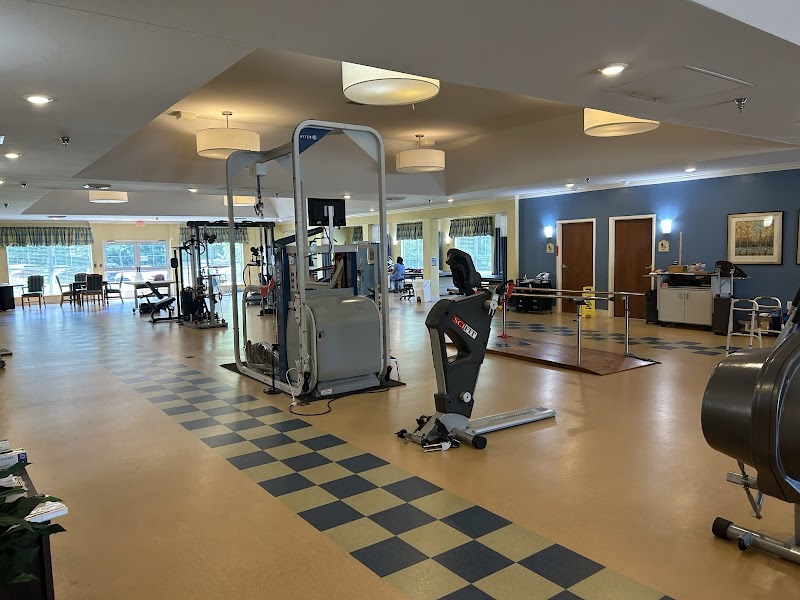
How is Royal Park Rehabilitation & Health Center Staffed?
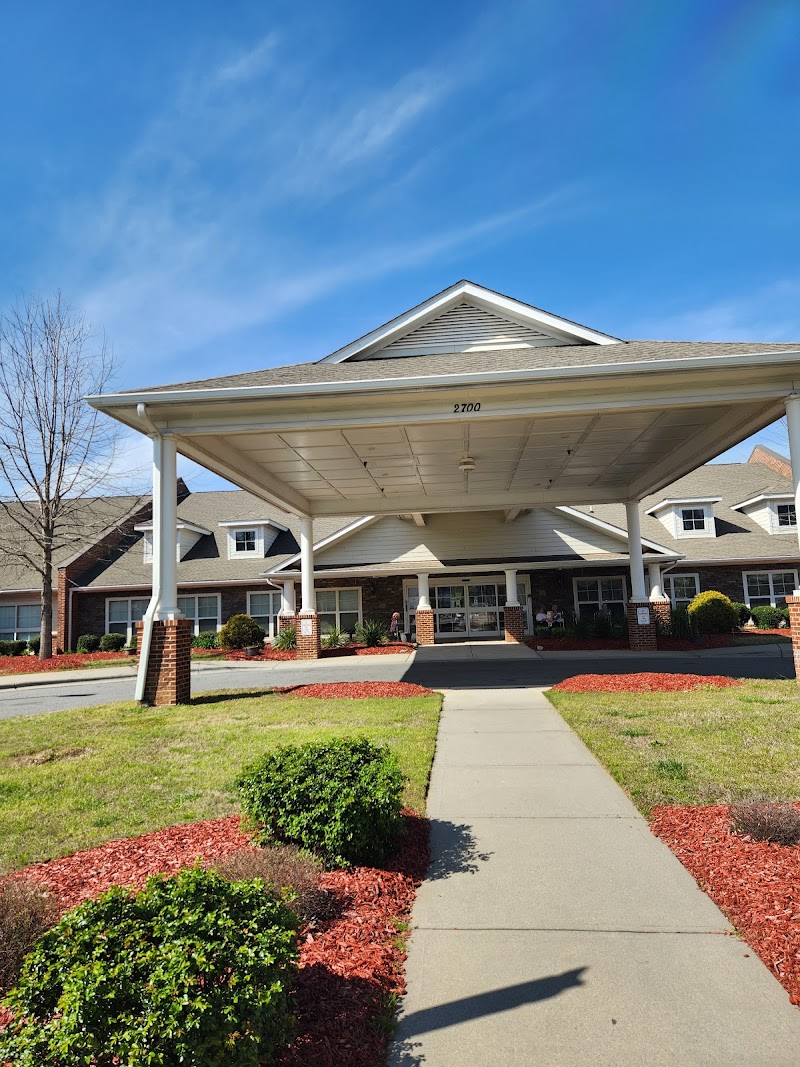
CMS rates Royal Park Rehabilitation & Health Center's staffing level at 2 out of 5 stars, which is below average compared to other nursing homes. Staff turnover is 44%, compared to the North Carolina average of 46%. This relatively stable workforce can support continuity of care. RN turnover specifically is 59%, which is notably high. RNs provide skilled clinical oversight, so turnover in this role can affect medical care quality.

What Have Inspectors Found at Royal Park Rehabilitation & Health Center?

State health inspectors documented 34 deficiencies at Royal Park Rehabilitation & Health Center during 2021 to 2024. These included: 1 Immediate Jeopardy (the most serious level, indicating potential for serious harm or death), 2 that caused actual resident harm, and 31 with potential for harm. Immediate Jeopardy findings are rare and represent the most serious regulatory concerns. They require immediate corrective action.

Who Owns and Operates Royal Park Rehabilitation & Health Center?

Royal Park Rehabilitation & Health Center is owned by a for-profit company. For-profit facilities operate as businesses with obligations to shareholders or private owners. The facility is operated by LIBERTY SENIOR LIVING, a chain that manages multiple nursing homes. With 169 certified beds and approximately 139 residents (about 82% occupancy), it is a mid-sized facility located in Matthews, North Carolina.

How Does Royal Park Rehabilitation & Health Center Compare to Other North Carolina Nursing Homes?

Compared to the 100 nursing homes in North Carolina, Royal Park Rehabilitation & Health Center's overall rating (3 stars) is above the state average of 2.8, staff turnover (44%) is near the state average of 46%, and health inspection rating (3 stars) is at the national benchmark.

What Should Families Ask When Visiting Royal Park Rehabilitation & Health Center?

Based on this facility's data, families visiting should ask: "What changes have been made since the serious inspection findings, and how are you preventing similar issues?" "Can you walk me through typical staffing levels on day, evening, and night shifts?" "Can I visit during a mealtime to observe dining assistance and food quality?" "How do you handle medical emergencies, and what is your hospital transfer rate?" These questions are particularly relevant given the facility's Immediate Jeopardy citations and the below-average staffing rating.

Is Royal Park Rehabilitation & Health Center Safe?

Based on CMS inspection data, Royal Park Rehabilitation & Health Center has documented safety concerns. Inspectors have issued 1 Immediate Jeopardy citation (the most serious violation level indicating risk of serious injury or death). The facility has a 3-star overall rating and ranks #1 of 100 nursing homes in North Carolina. Families considering this facility should ask detailed questions about what corrective actions have been taken since these incidents.

Do Nurses at Royal Park Rehabilitation & Health Center Stick Around?

Royal Park Rehabilitation & Health Center has a staff turnover rate of 44%, which is about average for North Carolina nursing homes (state average: 46%). Moderate turnover is common in nursing homes, but families should still ask about staff tenure and how the facility maintains care continuity when employees leave.

Was Royal Park Rehabilitation & Health Center Ever Fined?

Royal Park Rehabilitation & Health Center has been fined $20,051 across 2 penalty actions. This is below the North Carolina average of $33,279. While any fine indicates a compliance issue, fines under $50,000 are relatively common and typically reflect isolated problems that were subsequently corrected. Families should ask what specific issues led to these fines and confirm they've been resolved.

Is Royal Park Rehabilitation & Health Center on Any Federal Watch List?

Royal Park Rehabilitation & Health Center is not on any federal watch list. The most significant is the Special Focus Facility (SFF) program, which identifies the bottom 1% of nursing homes nationally based on persistent, serious quality problems. Not being on this list means the facility has avoided the pattern of deficiencies that triggers enhanced federal oversight. This is a positive indicator, though families should still review the facility's inspection history directly.