The Laurels of Chatham
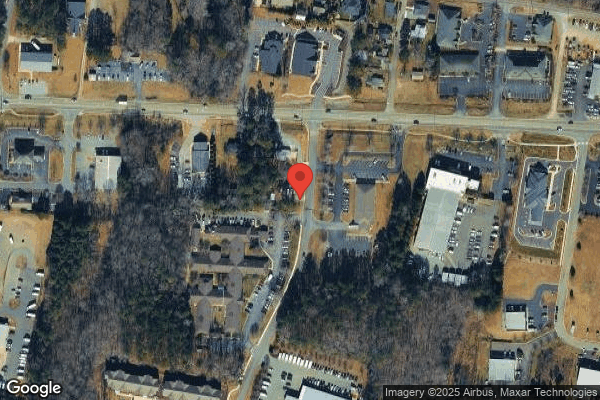

72 Chatham Business Park, Pittsboro, NC 27312 (919) 542-6677
For profit - Corporation 140 Beds CIENA HEALTHCARE/LAUREL HEALTH CARE Data: November 2025
Trust Grade
38/100
#296 of 417 in NC
Last Inspection: July 2025

Inspected within the last 6 months. Data reflects current conditions.

Overview

The Laurels of Chatham has received a Trust Grade of F, indicating significant concerns about the facility's quality of care. Ranked #296 out of 417 nursing homes in North Carolina, they are in the bottom half, and #2 out of 3 in Chatham County means only one local option is better. While the facility is improving with fewer reported issues, going from 11 in 2024 to 7 in 2025, it still faces serious shortcomings. Staffing receives a moderate rating of 3 out of 5 stars, with a turnover rate of 39% that is better than the state average, but the nursing home has less RN coverage than 83% of facilities in the state, which raises concerns about adequate oversight. Specific incidents include a resident falling from a shower bench after being left unattended while unresponsive and another resident not receiving timely assistance for toileting needs, highlighting serious issues with staff response times and care protocols. Overall, while there are strengths in staffing stability, the facility's poor trust grade and serious incidents warrant careful consideration.
Trust Score
F
38/100
In North Carolina
#296/417
Bottom 30%
Safety Record
Moderate
Needs review
Inspections
Getting Better
11 → 7 violations
Staff Stability
○ Average
39% turnover. Near North Carolina's 48% average. Typical for the industry.
Penalties
○ Average
$10,527 in fines. Higher than 70% of North Carolina facilities. Some compliance issues.
Skilled Nurses
⚠ Watch
Each resident gets only 23 minutes of Registered Nurse (RN) attention daily — below average for North Carolina. Fewer RN minutes means fewer trained eyes watching for problems.
Violations
⚠ Watch
31 deficiencies on record. Higher than average. Multiple issues found across inspections.
★★☆☆☆
2.0
Overall Rating
★★★☆☆
3.0
Staff Levels
★★★☆☆
3.0
Care Quality
★★☆☆☆
2.0
Inspection Score
Stable
2024: 11 issues
2025: 7 issues

The Good

  • Full Sprinkler Coverage · Fire safety systems throughout facility
  • No fines on record
  • Staff turnover below average (39%)

    9 points below North Carolina average of 48%

Facility shows strength in fire safety.

The Bad

2-Star Overall Rating

Below North Carolina average (2.8)

Below average - review inspection findings carefully

Staff Turnover: 39%

Near North Carolina avg (46%)

Typical for the industry

Federal Fines: $10,527

Below median ($33,413)

Minor penalties assessed

Chain: CIENA HEALTHCARE/LAUREL HEALTH CARE

Part of a multi-facility chain

Ask about local staffing decisions and management

The Ugly 31 deficiencies on record

2 actual harm
Jul 2025 7 deficiencies 1 Harm
SERIOUS (G) 📢 Someone Reported This

A family member, employee, or ombudsman was alarmed enough to file a formal complaint

Actual Harm - a resident was hurt due to facility failures

Accident Prevention (Tag F0689)

A resident was harmed · This affected 1 resident

**NOTE- TERMS IN BRACKETS HAVE BEEN EDITED TO PROTECT CONFIDENTIALITY** Based on record review, observation and interviews with staff and the Medical Director the facility failed to provide care safel...

Read full inspector narrative →
**NOTE- TERMS IN BRACKETS HAVE BEEN EDITED TO PROTECT CONFIDENTIALITY** Based on record review, observation and interviews with staff and the Medical Director the facility failed to provide care safely to a dependent resident (Resident #117). On 02/14/25 Resident #117 was sitting on a bath bench in the shower room while Nursing Assistant (NA) #1 was washing her hair when Resident #117's body suddenly went limp, and she went unresponsive. NA #1 laid Resident #117 onto the shower bench, ran approximately 10 feet away from her to yell for help, leaving Resident #117 with no staff support resulting in the resident falling off the shower bench. Resident #117 sustained a laceration to her right eyebrow with significant bleeding and bruising and a skin tear to her right elbow. Resident #117 was prescribed an anticoagulant (blood thinner) daily for blood clot prevention. This deficient practice affected 1 of 5 residents reviewed for supervision to prevent falls. The findings included: Resident #117 was admitted to the facility on [DATE]. Her diagnosis included fracture of sacrum, aneurysm of the ascending aorta without rupture, and radiculopathy (a nerve root in the spine is compressed or irritated, causing pain, numbness, or weakness) to lumbar region. Resident #117's physician orders for February 2025 revealed the following orders: -Enoxaparin Sodium Injection Solution Prefilled Syringe 40 milligrams (mg)/0.4 milliliter (ml). Inject 40 mg subcutaneously one time a day for blood clot prevention for 4 weeks. Resident #117 received this medication daily until 02/15/25. -No Cardiopulmonary Resuscitation/Do Not Resuscitate dated 02/05/25. Resident #117's care plan, dated 02/05/25, included a focus that she was at risk for abnormal bleeding/bruising related to medication use (Anticoagulant). The interventions included for staff to observe and report to physician signs/symptoms of complications: blood sudden severe headaches, nausea, lethargy, bruising, blurred vision, sudden changes in mental status, and significant or sudden changes in vital signs. Another focus was that Resident #117 was at risk for fall related injury and falls related to deconditioning, history of falls with fracture, and medication side effects. The interventions included for staff to observe for fatigue and/or unsteadiness and encourage rest periods as needed. Resident #117's 5-day Minimum Data Set (MDS) assessment dated [DATE] indicated her cognition was intact. Resident #117 required maximum assistance with toileting hygiene and moderate assistance with shower/bath and transfers. Resident #117's incident report dated 02/14/25 at 9:20 PM, completed by Nurse #6, indicated Resident #117 had a fall while being assisted by NA #1 in the shower room when she lost consciousness and collapsed onto floor. Nurse #6 assessed Resident #117, she had no breath sounds, but faint pulse and she was unable to obtain vital signs. Resident #117 had a laceration to her right eyebrow with significant bleeding and bruising and a skin tear was noted to her right elbow. Emergency Medical Services (EMS) were called. An interview was conducted with NA #1 on 07/02/25 at 3:26 PM. She stated she had Resident #117 sitting on a shower bench (approximately 1.5 feet (ft) deep x 2.5 ft in width, and 2.5 ft high and had no sides or railing) assisting her with her shower on 02/14/25 when Resident #117 suddenly took a large gasping breath and then went limp. NA #1 explained Resident #117 was talking to her as she was washing her hair saying how good it felt when suddenly she took a large gasping breath and then went limp. NA #1 then explained she laid her body across the bench, turned the water off, and ran to the door (approximately 10 ft) to get help. NA #1 explained she opened the shower room door and yelled a few times before someone heard her. NA #1 then explained when she turned around and witnessed Resident #117 sliding off the shower bench and onto the floor. The fall resulted in Resident #117 hitting her face on the floor which caused a laceration to her forehead. NA #1 explained that there was an emergency cord located at the shower stall that her and Resident #117 were in, but it was located behind her, and she did not think to utilize it. She stated she was thinking of getting help as fast as she could, which at the time was to yell for assistance. NA #1 did explain she should have pulled the emergency cord instead of leaving Resident #117 on the shower bench. An observation of the shower room was conducted on 07/02/25 at 3:26 PM. The shower room was located at the top of the 400 Hall, across from the nurses' station. The shower stall that NA #1 utilized when she assisted Resident #117 with her shower was approximately 3.5 feet (ft) wide. The shower bench (approximately 1.5 feet (ft) deep x 2.5 ft in width, and 2.5 ft high and had no sides or railing) was positioned against the shower stall wall long ways. The emergency call bell was located on the wall at the same shower stall and a divider curtain was in front of the call bell. The door leading out of the shower room was approximately 10 ft from the shower stall that they were utilizing. A phone interview was conducted with Nurse #6 on 07/02/25 at 5:20 PM. She verified she was the nurse for Resident #117 on 02/14/25. Nurse #6 stated she was coming up the 400 hall from doing her medication pass when she heard someone shouting. When she got to the top of the hall, she saw the staff was holding the door open to the shower room. Upon entering she observed Resident #117 nude, lying on her left side, head towards the door. Her face and upper body were face down to the floor, legs and feet were towards her back. She stated she saw blood on the floor by her head. Nurse #6 explained that NA #1 told her she was giving Resident #117 a shower when suddenly Resident #117 took a large gasping breath and then went limp. Nurse #6 indicated NA #1 explained to her that she laid Resident #117 across the bench and ran to the door (approximately 10 ft) to get help. When NA #1 turned around Resident #117 was sliding off the shower bench and onto the floor resulting in Resident #117 hitting her face on the floor which caused a laceration to her forehead. An interview was conducted with the Medical Director on 07/03/25 11:45 AM. She stated she remembered Resident #117. She stated she would expect staff to make sure the residents were in a safe position prior to leaving their side. She stated she wasn't at the facility when the incident occurred so she couldn't speculate on what might have caused the resident to go unresponsive, but she felt that something had to of occurred. Also, she felt there was always the potential for injuries when a resident was on blood thinners, but she felt it would also depend on where she hit her head, how she hit her head, and how much force was behind it. That would be a hard call to make, and she did not want to speculate. An interview was conducted with the Director of Nursing (DON) on 07/03/25 at 11:30 AM. She stated she expected staff to make sure a resident was in a safe position prior to walking away from them to prevent a fall or other injuries. The DON indicated NA #1 should not have laid Resident #117 across the shower bench prior to walking away from her and that she should have placed her on the floor.
CONCERN (D) 📢 Someone Reported This

A family member, employee, or ombudsman was alarmed enough to file a formal complaint

Potential for Harm - no one hurt, but risky conditions existed

Resident Rights (Tag F0550)

Could have caused harm · This affected 1 resident

**NOTE- TERMS IN BRACKETS HAVE BEEN EDITED TO PROTECT CONFIDENTIALITY** Based on record reviews and Paramedic and staff interviews, the facility failed to maintain a resident's (Resident #117) dignity...

Read full inspector narrative →
**NOTE- TERMS IN BRACKETS HAVE BEEN EDITED TO PROTECT CONFIDENTIALITY** Based on record reviews and Paramedic and staff interviews, the facility failed to maintain a resident's (Resident #117) dignity when her nude body was left uncovered until after Emergency Medical Services (EMS) arrived following a fall on the shower room floor. EMS covered the residents' body upon their arrival. A reasonable person would not want to be left with their nude body fully exposed and would have experienced feelings such as embarrassment or humiliation. This deficient practice affected 1 of 4 residents reviewed for dignity. The findings included: Resident #117 was admitted to the facility on [DATE]. Resident #117's 5-day Minimum Data Set (MDS) assessment dated [DATE] indicated her cognition was intact. Resident #117 required moderate assistance with shower/bath and transfers. Resident #117's incident report dated 02/14/25 at 9:20 PM, completed by Nurse #6, indicated Resident #117 had a fall while being assisted by Nurse Aide (NA) #1 in the shower room when she lost consciousness and collapsed onto floor. Nurse #6 assessed Resident #117, she had no breath sounds, but faint pulse and she was unable to obtain vital signs. Resident #117 had a laceration to her right eyebrow with significant bleeding and bruising and a skin tear was noted to her right elbow. EMS were called. An interview was conducted with NA #1 on 07/02/25 at 3:26 PM. She stated she was assisting Resident #117 with her shower on 02/14/25 when Resident #117 suddenly took a large gasping breath and then went limp. NA #1 explained Resident #117 slid off the shower bench and onto the floor. NA #1 stated Nurse #6 came into the shower room and touched Resident #117's wrist, checking for a pulse and that she did have a faint pulse. She indicated Nurse #6 left the shower room but told her not to touch Resident #117 until she returned. NA #1 explained that she nor the nurse put a sheet or towel over her exposed body. She stated she did not think about covering the resident up. NA #1 indicated Resident #117 was lying on the floor in the same position that she was in when she fell, no one moved her, and no one covered her up until Emergency Medical Services (EMS) arrived. EMS Paramedic covered her with a sheet and transferred Resident #117 to the stretcher. A phone interview was conducted with Nurse #6 on 07/02/25 at 5:20 PM. She verified she was the nurse for Resident #117 on 02/14/25. She stated staff made her aware Resident #117 had went unresponsive and had a fall in the shower room. Upon entering she observed Resident #117 nude, lying on her left side, and her face and upper body were face down to the floor. Nurse #6 indicated she checked Resident #117's wrist for a pulse and she noted a faint pulse, so she asked someone to call 911 for her. She explained she did not cover Resident #117 with a towel or sheet because she did not think to do so. She further stated she should have covered her with a sheet or towel after her fall. She explained that the resident should have been covered so everyone was not looking at her nude body. The EMS report dated 02/14/25 indicated the 911 call was received at 9:21 PM and they arrived on the scene with the resident at 9:28 PM. A phone interview was conducted on 06/30/25 at 9:05 AM with the Paramedic that responded to the call at the facility on 02/14/25. Upon entering the shower room Resident #117 lay face down on the shower room floor, she was nude and had no covering on her. Her skin was cold and pale and she had a laceration on her forehead. The Paramedic went on to say that there were 5 staff members in the shower room when he entered. He explained that he was embarrassed for the resident being left on the floor nude and uncovered. He stated that no one should be left like that. He reported that no one had covered her body up with a towel or sheet. He added that staff were just standing there. An interview was conducted with the Director of Nursing (DON) on 07/03/25 at 11:30 AM. The DON agreed that Resident #117 should have been covered with a covering to maintain dignity after the fall in the shower room. The DON indicated she expected staff to treat all residents with dignity.
CONCERN (D)

Potential for Harm - no one hurt, but risky conditions existed

PASARR Coordination (Tag F0644)

Could have caused harm · This affected 1 resident

**NOTE- TERMS IN BRACKETS HAVE BEEN EDITED TO PROTECT CONFIDENTIALITY** Based on record review and staff interviews the facility failed to ensure a Preadmission Screening and Resident Review (PASRR) l...

Read full inspector narrative →
**NOTE- TERMS IN BRACKETS HAVE BEEN EDITED TO PROTECT CONFIDENTIALITY** Based on record review and staff interviews the facility failed to ensure a Preadmission Screening and Resident Review (PASRR) level II referral was made after a resident was given new mental health diagnoses for 1 of 2 residents (Resident #68) reviewed for PASRR. The findings included: Review of Resident #68's medical record revealed the resident was originally admitted to the facility on [DATE] and a PASRR level I was completed. A level II PASRR was halted on 5/21/24 due to dementia being the primary diagnoses without a diagnosis of mental illness. The resident was diagnosed with unspecified psychosis not due to a substance or physiological condition on 10/03/24. He had been placed on Nuplazid (an antipsychotic medication) 34 milligrams with a start date of 09/30/24. There was no documentation regarding a new level II PASRR request in Resident #68's chart after the new mental health diagnosis. Review of Resident #68's most recent comprehensive Minimum Data Set (MDS) dated [DATE] assessed the resident to be moderately cognitively impaired and revealed the resident was not coded for a level II PASRR. During an interview with the Social Worker (SW) on 07/02/25 at 12:45 PM she revealed a PASRR level II referral was supposed to have been completed when a resident had a significant change of condition or a newly added mental health diagnosis. It was further revealed by the SW Resident #68 should have been assessed after his mental health diagnosis for a possible level II, and the facility failed to do so. The SW indicated the facility had a lot of residents for her to keep up with, and she was not aware that Resident #68 needed to have level II PASRR determination. An interview was conducted with the Administrator on 07/03/25 at 11:58 AM, and he stated the Social Worker was new to her role. He indicated he needed to educate the SW to look at the PASRR level of the residents to make sure the PASRR was correct.
CONCERN (D)

Potential for Harm - no one hurt, but risky conditions existed

Quality of Care (Tag F0684)

Could have caused harm · This affected 1 resident

**NOTE- TERMS IN BRACKETS HAVE BEEN EDITED TO PROTECT CONFIDENTIALITY** Based on record review, and interviews with staff and Medical Director, the facility failed to thoroughly assess Resident #117, ...

Read full inspector narrative →
**NOTE- TERMS IN BRACKETS HAVE BEEN EDITED TO PROTECT CONFIDENTIALITY** Based on record review, and interviews with staff and Medical Director, the facility failed to thoroughly assess Resident #117, who had a do not resuscitate order and was prescribed an anticoagulant (blood thinner) daily for blood clot prevention, after she went unresponsive during a shower and after a fall that resulted in injury. On [DATE] Resident #117 was sitting on a bath bench in the shower room while Nursing Aide (NA) #1 was washing her hair. Resident #117 took a deep breath, her body suddenly went limp, and she went unresponsive. NA #1 laid Resident #117 onto the shower bench, ran approximately 13 feet away from her to yell for help, leaving Resident #117 with no staff support resulting in the resident falling off the shower bench. In the minutes after the medical event and fall and before emergency medical services (EMS) arrived, Nurse #6 did not perform a head-to-toe assessment, check vital signs including pulse from the carotid artery, check range of motion or assess pain. Resident #117 was not turned over after the fall and pressure was not applied to the laceration. Resident #117 sustained a laceration to her right eyebrow with significant bleeding and bruising and a skin tear to her right elbow. This deficient practice was for 1 of 5 residents reviewed for accidents. The findings included: Resident #117 was admitted to the facility on [DATE] and expired in the facility on [DATE]. Her diagnosis included fracture of sacrum, aneurysm of the ascending aorta without rupture, and radiculopathy (a nerve root in the spine is compressed or irritated, causing pain, numbness, or weakness) to lumbar region. Resident #117's physician orders for February 2025 revealed the following orders: -Enoxaparin Sodium Injection Solution Prefilled Syringe 40 milligrams (mg)/0.4 milliliter (ml). Inject 40 mg subcutaneously one time a day for blood clot prevention for 4 weeks. Resident #117 received this medication daily until [DATE]. -No Cardiopulmonary Resuscitation/Do Not Resuscitate dated [DATE]. Resident #117's care plan, dated [DATE], included a focus that she was at risk for abnormal bleeding/bruising related to medication use (Anticoagulant). The interventions included for staff to observe and report to physician signs/symptoms of complications: blood sudden severe headaches, nausea, lethargy, bruising, blurred vision, sudden changes in mental status, and significant or sudden changes in vital signs. A focus that Resident #117 was at risk for fall related injury and falls related to deconditioning, history of falls with fracture, and medication side effects. The interventions included for staff to observe for fatigue and/or unsteadiness and encourage rest periods as needed. Resident #117's 5-day Minimum Data Set (MDS) assessment dated [DATE] indicated her cognition was intact. Resident #117 required maximum assistance with toileting hygiene and moderate assistance with shower/bath and transfers. Resident #117's incident report dated [DATE] at 9:20 PM, completed by Nurse #6, indicated Resident #117 had a fall while being assisted by NA #1 in the shower room when she lost consciousness and collapsed onto floor. Nurse #6 assessed Resident #117, she had no breath sounds, but faint pulse and she was unable to obtain vital signs. Resident #117 had a laceration to her right eyebrow with significant bleeding and bruising and a skin tear was noted to her right elbow. Emergency Medical Services (EMS) was called. The physician, Director of Nursing, and family were notified. An interview was conducted with NA #1 on [DATE] at 3:26 PM. She stated she had Resident #117 sitting on a shower bench (approximately 1.5 feet (ft) deep x 2.5 ft in width, and 2.5 ft high and had no sides or railing) assisting her with her shower on [DATE] when Resident #117 suddenly took a large gasping breath and then went limp. NA #1 explained she laid Resident #117 across the shower bench, turned the water off and ran to the door (approximately 10 ft) to get help. NA #1 explained she opened the shower room door and yelled a few times before someone heard her. NA #1 then explained when she turned around and witnessed Resident #117 sliding off the shower bench and onto the floor. The fall resulted in Resident #117 hitting her face on the floor which caused a laceration to her forehead. NA #1 then stated Nurse #6 came into the shower room and touched Resident #117's wrist, checking for a pulse and that she did have a faint pulse. NA#1 further explained that Nurse #6 did not have a stethoscope, did not take Resident #117's vital signs, listen for breath sounds, or perform any other type of assessment on Resident #117. She indicated Nurse #6 left the shower room but told her not to touch Resident #117 until she returned. She then explained that EMS arrived and transferred Resident #117 to the stretcher after they verified she did have a pulse. NA #1 explained that there was an emergency cord located at the shower stall that she and Resident #117 were in, but it was located behind her, and she did not think to utilize it. She stated she was thinking of getting help as fast as she could, which at the time was to yell for assistance. NA #1 did explain she should have pulled the emergency cord instead of leaving Resident #117 on the shower bench. A phone interview was conducted with Nurse #6 on [DATE] at 5:20 PM. She verified she was the nurse for Resident #117 on [DATE]. Nurse #6 stated she was coming up the 400 hall from doing her medication pass when she heard someone shouting. When she got to the top of the hall she saw staff holding the door open to the shower room. Upon entering she observed Resident #117 nude, lying on her left side, head towards the door, her face and upper body were face down to the floor, and her legs/feet were behind her back. She stated she saw blood on the floor by her head, and she checked her wrist for a pulse. She did have a faint pulse, and she asked someone to call 911 for her. She explained she tried to turn Resident #117 over but could not do it by herself and other staff members would not assist her. When asked why the other staff members would not assist her in turning Resident #117 over she stated, you know, they didn't want to touch her, you know. Nurse #6 stated she did not cover or apply pressure to the laceration on her forehead, did not obtain vital signs, and did not do any other assessments on her. Her body was limp, and she was not responding to her. She also stated she did not cover her up with anything because she did not have time. Nurse #6 explained that NA #1 told her she was giving Resident #117 a shower when suddenly Resident #117 took a large gasping breath and then went limp. Nurse #6 indicated NA #1 explained to her that she laid Resident #117 across the bench and ran to the door (approximately 10 ft) to get help. When NA #1 turned around Resident #117 was sliding off the shower bench and onto the floor resulting in Resident #117 hitting her face on the floor which caused a laceration to her forehead. She explained she checked Resident #117's wrist for a pulse and left out of the shower room to get more help. She asked another nurse to call 911 and she was gathering Resident #117's paperwork to be sent to the hospital. EMS showed up and were assessing Resident #117. They also had a faint pulse and took Resident #117 to the ambulance. Nurse #6 explained that the policy when a resident had a fall was to perform a head to toe assessment, check vital signs, check range of motion to extremities, ask about pain and then assist them to a safe position if the assessment was ok. A follow-up phone interview was conducted with Nurse #6 on [DATE] at 7:57 AM. When asked could she further explain what she meant when she said, you know, staff doesn't want to touch her she stated she thought it was because they didn't know if she had broken bone or anything like that, you know?. She indicated she did not know exactly when EMS was called after the incident occurred. Multiple unsuccessful attempts were made to contact Nurse # 8. An interview was conducted with Nurse #7 on [DATE] at 9:15 AM. She stated she was working in the building on the 300 hall and top of 200 hall on [DATE]. She stated Nurse # 8 was yelling and came to her while she was in a resident's room and stated they needed assistance in the shower room. Upon entering the shower room, Nurse #7 stated it appeared Resident #117 fell from the shower chair and that she was kind of on her side but face down on the floor and there was blood on the floor. Nurse #7 stated she did not stay in the shower room and did not assess Resident #117. She stated EMS showed up shortly after. The EMS report dated [DATE] revealed sinus bradycardia (heart rate below 60 beats a minute) reading from 12-lead (electrocardiogram) ECG (a non-invasive test that records the heart's electrical activity from 12 different viewpoints). Resident #117 was unresponsive, skin cold and pale, cardiac arrythmias, pulse rate 40, and laceration to right side of the head. Call received from the facility to 911 at 9:21 PM, dispatch notified at 9:22 PM, dispatched out at 9:26 PM, EMS in route 9:26 PM, EMS on scene at 9:26 PM, and EMS at the resident at 9:28 PM. The narrative read that EMS arrived at the facility and was led down the hall to the shower room at 400 Hall, right by the nurses' station where they were met by multiple staff members. It was unknown exactly how long Resident #117 was on the floor, but staff advised they called as soon as it happened. Nurse #6 advised they were unable to roll Resident #117 over as the floor was slippery, and the residents' limbs were flaccid. Nurse #6 did confirm with EMS that she felt a pulse and noted she was not breathing. EMS made contact with Resident #117, who was noted to be prone (face down) on the floor, and her head turned slightly to the left, with her right arm bent behind her back on the floor of the shower room. Her skin was cold, and pale and she had a laceration on her forehead. Resident #117 did have a faint carotid pulse noted but was not breathing. Resident #117 was positioned on the stretcher and was taken to the ambulance. A phone interview was conducted on [DATE] at 9:05 AM with the Paramedic that responded to the call at the facility on [DATE]. He stated staff directed him to the shower room on the 400 Hall. He explained that Nurse #6 advised him Resident #117 was being assisted by a staff member in the shower when she slipped and fell hitting her head during the fall. It was unknown how long the resident was on the floor and that Nurse #6 stated the Resident #117 had a pulse, but she was unable to roll her over. Her skin was cold, and pale and she had a laceration on her forehead. Resident #117 did have a faint carotid pulse. The Paramedic went on to say that there were 5 staff members in the shower room when he entered and it made him upset that Resident #117 was still in the position she was laying in when she fell. No one had turned her over or put pressure on the head injury. An interview was conducted with the Medical Director (MD) on [DATE] 11:45 AM. She indicated she remembered Resident #117. She stated she would expect the nurse to do a basic assessment such as apply pressure to a laceration and obtain vital signs after a resident falls. A follow-up phone interview was conducted on [DATE] at 5:42 PM with the Medical Director (MD). The MD explained that she wasn't at the facility when the incident occurred so she did not want to speculate on what might have caused Resident #117 to go unresponsive, but she felt that Resident #117 did experience a medical event that caused her to go limp and unresponsive. Also, she felt there was always the potential for injuries when a resident was on blood thinners, but she felt it would also depend on where she hit her head, how she hit her head, and how much force was behind it. The MD then stated that it would be a hard call to make, and she did not want to speculate. An interview was conducted with the Director of Nursing (DON) on [DATE] at 11:30 AM. She stated after a resident falls she expected staff to do an assessment on them. The assessment should include obtaining vital signs, assessing pain, and checking for bleeding, deformities, or any other obvious injuries.
CONCERN (D)

Potential for Harm - no one hurt, but risky conditions existed

Tube Feeding (Tag F0693)

Could have caused harm · This affected 1 resident

**NOTE- TERMS IN BRACKETS HAVE BEEN EDITED TO PROTECT CONFIDENTIALITY** Based on record review, observations and staff interviews, the facility failed to administer water flushes via a feeding tube at...

Read full inspector narrative →
**NOTE- TERMS IN BRACKETS HAVE BEEN EDITED TO PROTECT CONFIDENTIALITY** Based on record review, observations and staff interviews, the facility failed to administer water flushes via a feeding tube at the physician ordered flow rate for 1 of 1 resident reviewed with tube feedings (Resident #101). The findings included: Resident #101 was originally admitted to the facility on [DATE] with diagnoses that included unspecified severe protein-calorie malnutrition, cognitive communication deficit, dysphagia (difficulty swallowing) and presence of a feeding tube. A quarterly Minimum Data Set (MDS) assessment dated [DATE] indicated Resident #101 had moderate cognitive impairment with no behaviors noted. He was coded as receiving 51% or more of his total calories through a tube feeding and an average fluid intake of 501 cubic centimeters (cc) per day or more by tube feeding. Resident #101's active care plan, last reviewed 5/19/25, revealed a focus area for an enteral feeding tube to meet nutritional needs. The interventions included providing water as ordered. Resident #101's active physician orders included an order dated 6/20/25 to flush the feeding tube with 200 cubic centimeters (cc) of water every 6 hours during continuous feedings. The daily total amount equaled 800 cc. An observation of Resident #101 on 7/2/25 at 3:50 PM, revealed his feeding tube was connected to a continuous bottle of formula with a standby bag of water. The water flush was observed to be running at 100 cc and the setting on the pump for frequency of the water flush was set at every 4 hours. The daily total amount equaled 600 cc. Resident #101's lips were not dry or cracked in appearance. An observation was made with Nurse #4 on 7/2/25 at 3:57 PM, of Resident #101's water flush setting on the tube feed pump. She acknowledged the settings for the water flush were set at a rate that was at 100 cc and the frequency of the water flush was set at every 4 hours. After reviewing the physician orders, she verified the water flush order was for 200 cc every 6 hours. She was unable to state why the rate was different than the physician's order but would correct it on the feeding tube pump. The Director of Nursing was interviewed on 7/3/25 at 10:58 AM and stated she expected water flushes to be at the prescribed rate.
CONCERN (D)

Potential for Harm - no one hurt, but risky conditions existed

Respiratory Care (Tag F0695)

Could have caused harm · This affected 1 resident

**NOTE- TERMS IN BRACKETS HAVE BEEN EDITED TO PROTECT CONFIDENTIALITY** Based on observation, record review, and staff interviews, the facility failed to follow sterile technique when Nurse #5 failed ...

Read full inspector narrative →
**NOTE- TERMS IN BRACKETS HAVE BEEN EDITED TO PROTECT CONFIDENTIALITY** Based on observation, record review, and staff interviews, the facility failed to follow sterile technique when Nurse #5 failed to apply sterile gloves for suctioning while providing tracheostomy care for 1 of 2 residents observed for tracheostomy care (Resident #38). The findings included: Resident #38 was admitted to the facility on [DATE] with diagnoses of chronic respiratory failure, diffuse traumatic brain injury with loss of consciousness of unspecified duration, and tracheostomy. A review of the annual Minimum Data Set assessment tool dated 4/7/25 indicated Resident #38 was severely cognitively impaired. She was coded for using oxygen, a tracheostomy, and suctioning. A review of Resident #38's orders revealed an order dated 7/1/24 to deep suction the tracheostomy as needed for increased secretions and every shift. An observation was conducted on 7/2/25 at 10:50 AM of Nurse #5 as she provided suctioning and tracheostomy care for Resident #38. Nurse #5 washed her hands, applied clean gloves, and opened the sterile tracheostomy care kit on Resident #38's clean overbed table. She then removed the oxygen tubing from Resident #38's tracheostomy collar, removed her gloves, discarded them, and washed her hands. Nurse #5 then applied sterile gloves to both hands and picked up the unopened container that held the suction catheter that was lying on the overbed table outside of the sterile field. With both hands, Nurse #5 opened the packaging containing the suction catheter. Without washing her hands or applying a new sterile glove to her dominant hand, Nurse #5 then connected the suction catheter to the tubing using both hands. Nurse #5 then proceeded to use her dominant hand to advance the suction catheter, which was 40 centimeters long, into Resident #38's tracheostomy site. Once Resident #38 began to cough Nurse #5 applied suction with the catheter and withdrew it. After the task was completed, Nurse #5 replaced the inner cannula to Resident #38's tracheostomy and placed the oxygen tubing back to the tracheostomy collar, removed her gloves and washed her hands. Nurse #5 was immediately interviewed after performing suctioning and stated she was nervous being watched and forgot she needed to use sterile gloves to perform suctioning of a tracheostomy. She stated, I had another pair lying right there. On 7/2/25 at 12:11 PM the Unit Manager was interviewed who stated Nurse #5 did not correctly follow sterile technique for suctioning a tracheostomy. She stated she had spoken with Nurse #5 who told her she was nervous. The Director of Nursing was interviewed on 7/2/25 at 2:50 PM who stated she expected the nurses to follow the infection control policy when providing tracheostomy care. The Infection Preventionist was interviewed on 7/3/25 at 11:09 AM who stated Nurse #5 should have opened the suction catheter with clean gloves and dumped the contents onto the sterile field, washed her hands, and then applied sterile gloves to suction the resident because suctioning a tracheostomy was supposed to be a sterile procedure.
CONCERN (D)

Potential for Harm - no one hurt, but risky conditions existed

Deficiency F0757 (Tag F0757)

Could have caused harm · This affected 1 resident

**NOTE- TERMS IN BRACKETS HAVE BEEN EDITED TO PROTECT CONFIDENTIALITY** Based on record review, Nurse Practitioner and staff interviews, the facility failed to hold a blood pressure medication as orde...

Read full inspector narrative →
**NOTE- TERMS IN BRACKETS HAVE BEEN EDITED TO PROTECT CONFIDENTIALITY** Based on record review, Nurse Practitioner and staff interviews, the facility failed to hold a blood pressure medication as ordered by the physician for 1 of 6 residents whose medications were reviewed (Resident #32). The findings included: Resident #32 was admitted to the facility on [DATE] with diagnoses that included hypertensive heart disease with heart failure. Review of Resident #32's physician orders included an order dated 7/20/24 for losartan potassium-hydrochlorothiazide (a medication for high blood pressure which is also a diuretic) 50-12.5 milligrams (mg) one tablet by mouth every day. Hold for systolic blood pressure (SBP-the top number in the blood pressure reading) less than 110. The March 2025 Medication Administration Record (MAR) was reviewed and revealed Resident #32 had received losartan potassium-hydrochlorothiazide, despite the SBP below 110 on the following dates: 3/4/25 SBP was 105 administered by Nurse #1. 3/9/25 SBP was 101 administered by Nurse #1. 3/12/25 SBP was 109 administered by Nurse #1. 3/13/25 SBP was 100 administered by Nurse #1. An annual Minimum Data Set (MDS) assessment dated [DATE] indicated Resident #32 had severe cognitive impairment. A review of the April 2025, May 2025 and June 2025 MARs indicated Resident #32 received losartan potassium-hydrochlorothiazide, despite the SBP below 110 on the following dates: 4/3/25 SBP was 98 administered by Nurse #2. 5/19/25 SBP was 106 administered by Nurse #3. 5/22/25 SBP was 108 administered by Nurse #1. 6/14/25 SBP was 105 administered by Nurse #1. 6/30/25 SBP was 103 administered by Nurse #2. On 7/2/25 at 1:22 PM, an interview occurred with Nurse #1, who stated she was aware Resident #32 had parameters to hold the losartan potassium-hydrochlorothiazide further stating she took the blood pressure and recorded it on the MAR. Nurse #1 reviewed the March 2025, May 2025 and June 2025 MARs, verified the losartan potassium-hydrochlorothiazide was administered despite the SBP being below 110 when it should have been held and stated it was an oversight. Nurse #3 was interviewed on 7/2/25 at 2:22 PM. The May 2025 MAR was reviewed with him, but he was unable to recall why the losartan potassium-hydrochlorothiazide was administered outside the parameter other than to say it was an error on his part and the medication should have been withheld. Attempts to contact Nurse #2 were made without success. Nurse Practitioner #1 was interviewed via phone on 7/2/25 at 3:02 PM and didn't feel Resident #32 would have suffered any serious harm by receiving the losartan potassium-hydrochlorothiazide outside the parameter, however she would expected the nursing staff to follow the orders for the losartan potassium-hydrochlorothiazide parameter as written. The Director of Nursing was interviewed on 7/3/25 at 10:49 AM and stated she expected the nurses to follow physician orders including blood pressure medications with parameters to hold.
Apr 2024 11 deficiencies 1 Harm
SERIOUS (G)

Actual Harm - a resident was hurt due to facility failures

Pressure Ulcer Prevention (Tag F0686)

A resident was harmed · This affected 1 resident

**NOTE- TERMS IN BRACKETS HAVE BEEN EDITED TO PROTECT CONFIDENTIALITY** 2. Resident #92 was admitted to the facility on [DATE] with diagnosis that included proteus mirabilis (a species of bacteria tha...

Read full inspector narrative →
**NOTE- TERMS IN BRACKETS HAVE BEEN EDITED TO PROTECT CONFIDENTIALITY** 2. Resident #92 was admitted to the facility on [DATE] with diagnosis that included proteus mirabilis (a species of bacteria that infects the urinary tract of the human body) as the cause of diseases and moderate protein-calorie malnutrition (inadequate intake of food). The admission Minimum Data Set (MDS) assessment dated [DATE] indicated Resident #92 ' s cognition was moderately impaired with no behaviors or rejection of care. He required maximum assistance of 1 for toileting hygiene, shower/bath, and dressing and moderate assistance of 1 for personal hygiene. He had functional limitations with range of motion to both upper extremities. Residents #92 was coded for having two stage 2 and one stage 3 pressure ulcers that were present on admission that required treatment. Resident #92 ' s active care plan, last reviewed 02/23/24, revealed a that Resident #92 was at risk for further impaired skin integrity/pressure injury related to deconditioning, decline in mobility, fragile skin, incontinence, current wounds, and malnutrition. The interventions included for staff to follow facility policies/protocols for the prevention/treatment of impaired skin integrity. A wound provider progress note dated 04/11/24 revealed an open area to Resident #92 ' s right heel was healed and a recommendation for skin prep every shift for protection for at least 7 days was noted. A nursing progress note dated 04/11/24 written by the Wound Nurse revealed Resident #92 was seen by wound care provider. Per wound care provider, stage 4 wound to right heel has healed, and wound has been resolved. No further follow up or treatments needed at this time. A review of Resident #92's physician orders from 04/11/24 to 04/16/24 revealed no order for skin prep to right heel. An interview was conducted on 04/16/24 at 10:20 AM with Resident #92. He stated his pressure ulcers had healed as of last week and refused to allow observation of his right heel. He stated there was nothing there to look. He denied staff applying anything to it. An interview was conducted on 04/16/24 at 2:33 PM with the Wound Nurse. She verified the wound consultation note had a recommendation for skin prep every shift for protection for at least 7 days was noted. She also verified all new orders are noted on the wound care consult note, however, she stated she must have missed the order. She verified there was no active or discontinued order for skin prep to Resident #92 ' s right heel and she had not been applying it. An interview was conducted on 04/17/24 at 10:46 AM with the Director of Nursing (DON). She stated the Wound Nurse was responsible for transcribing all orders/recommendations noted by the Wound Care Physician Assistant (PA). She was unaware the order had not been transcribed. Based on record reviews, observations and interviews with the Orthopedic Physician Assistant, Orthopedic Nurse, Wound Physician Assistant, Medical Director, Hospice Aide, and staff, the facility failed to assess Resident #102's skin under an immobilizer used following a fractured distal femur (the area of the leg just above the knee joint). This resulted in the development of an unstageable (full thickness skin and tissue loss in which the extent of tissue damage within the ulcer cannot be confirmed because the wound bed is obscured by eschar (dry, dark scab of dead skin), slough (yellow tissue that is stringy and thick) and granulation tissue (part of the healing process in which lumpy, pink tissue containing new connective tissue and capillaries form around the edges of the wound) pressure ulcer to the right inner ankle. The facility also failed to transcribe and provide protective skin care to a recently healed pressure ulcer (Resident #92). This deficient practice affected 2 of 7 residents reviewed for pressure ulcers. The findings included: 1) Resident #102 was admitted to the facility on [DATE] with diagnoses that included fracture of the right femur, bullous pemphigoid (an autoimmune disorder that causes itchy raised rashes and large blisters) and psoriasis. She was admitted to the facility on hospice services. The hospital Discharge summary dated [DATE] indicated Resident #102 was to wear the well-padded knee immobilizer which could be removed for hygiene. A review of Resident #102's physician orders included an order dated 3/2/24 to 3/19/24 for right knee immobilizer to be worn at all times. Remove for hygiene, replace padding if removed every shift. The baseline care plan included a focus area initiated on 3/2/24 for being at risk for impaired skin integrity/pressure injury related to deconditioning, decline in mobility, incontinence, malnutrition, fragile skin, and end of life. A nursing progress note dated 3/8/24 revealed Resident #102's personal care was provided by the hospice aide and right knee immobilizer was present. The admission Minimum Data Set (MDS) assessment dated [DATE] indicated Resident #102 had severe cognitive impairment and limited range of motion to one lower extremity. She required maximum assistance with toileting hygiene, bathing, and bed mobility. There were no pressure ulcers, but she was coded for pressure reducing device to the bed, nutrition/hydration intervention to manage skin problems, application of nonsurgical dressing other than to feet and application of ointments/medications other than to feet. A review of the weekly skin assessment dated [DATE] and completed by Nurse #1 indicated that Resident #102 had no new wounds. An orthopedic provider progress note dated 3/14/24 indicated Resident #102 was to wear the right knee immobilizer and was okay to remove for hygiene. A review of the weekly skin assessments dated 3/16/24 and 3/25/24 and completed by the wound nurse indicated that Resident #102 had no new wounds identified. A review of Resident #102's physician orders included an order dated 3/19/24 for right knee immobilizer to be worn at all times. Remove for hygiene, check skin integrity, replace padding if removed every shift. A review of the weekly skin assessment dated [DATE] and completed by Nurse #2 read that Resident #102 had no new wounds identified. A physician progress note dated 4/3/24 and timed 11:26 AM stated Resident #102 was seen for her chronic conditions. He referenced that per nursing Resident #102 had recently completed an antibiotic for the treatment of bullous pemphigoid. It was noted she had sores to her chest and upper extremities but there was no mention of a new pressure ulcer to her right inner ankle. A nursing progress noted dated 4/3/24, timed 2:43 PM, and completed by Nurse #3 read that Resident #102 had a new unstageable wound to the ankle area. The wound care nurse and hospice were notified. A review of the weekly skin assessment dated [DATE] and completed by Nurse #3 read that Resident #102 had one new wound present. A skin/wound progress note dated 4/3/24, timed 6:01 PM and completed by the wound nurse indicated there was a sudden onset of a new unstageable wound to the right inner ankle. The area measured 3 centimeters (cm) in length, 2.3 cm in width and 0.3 cm in depth. There was 90% slough tissue and periwound was red. The hall nurse is to notify the family, hospice, and physician. Will have wound provider evaluate on 4/4/24. A wound provider progress note dated 4/4/24 indicated Resident #102 had an orthopedic prescribed leg brace that went down to her right ankle. A right inner ankle wound came on rapidly over the last few days and the facility had been treating the wound. The right inner ankle wound was an unstageable pressure ulcer due to the medical device brace. There was no odor to the wound, however there was drainage and necrotic tissue present. The area measured 4.5 cm in length, 3 cm in width and 0.2 cm in depth. 80% necrotic tissue was present to the wound. A review of the physician orders included an order dated 4/4/24 to clean the unstageable wound to the right inner ankle, pat dry, skin prep to the periwound, apply Medihoney, calcium alginate ( a dressing used for moderately draining wounds) and cover with a foam dressing every day and as needed if soiled. An orthopedic progress note dated 4/4/24 read that Resident #102 had a postop hinged knee brace that was to be removed for skin checks and hygiene purposes. There was no mention of a pressure ulcer to the right inner ankle. Resident #102's care plan included a focus area initiated on 4/6/24 for having actual impaired skin integrity related to unstageable to right medial ankle. A skin and wound evaluation dated 4/10/24 read that Resident #102 had an unstageable pressure ulcer to the right inner ankle that was acquired in-house. The area measured 4.6 cm in length and 2.2 cm in width. A wound provider progress note dated 4/11/24 indicated Resident #102's right inner ankle pressure wound measured 4 cm in length, 2.7 cm in width and 0.2 cm in depth. There was 60% necrotic tissue present. Resident being seen for right inner ankle wound (medical device related pressure) that had improved from last visit. On 4/16/24 at 9:52 AM, an interview occurred with Nurse #4 who explained that when Resident #102 was wearing the right knee immobilizer it was removed by the aide or hospice aide during her personal care tasks. They would have alerted her to any changes to the skin or pressure areas. Nurse Aide (NA) #1 was interviewed on 4/16/24 at 9:56 AM and stated that when she provided personal care to Resident #102, she loosened the right knee immobilizer to make sure her skin was clean and dry and that there were no open areas. She went onto explain she was caring for Resident #102 on 4/3/24 and noticed the open area to her right inner ankle. She notified the nurse duty of her findings. On 4/16/24 at 10:35 AM, a wound care observation occurred of Resident #102 with the wound care nurse. Resident #102 had been premedicated for pain prior to the dressing change. Yellow slough was present to the center of the right inner ankle pressure area with pink wound bed visible slightly. There was moderate drainage present and no odor to the wound. Wound care was completed as ordered without signs or symptoms of discomfort. Protective boots were present and alternating air mattress was functioning correctly. The wound care nurse was interviewed on 4/16/24 at 10:45 AM and stated she assessed the wound when it was first identified on 4/3/24 and saw where the right knee immobilizer ended at the ankle. Wound care was provided, and she was to be seen by the wound provider the following day. She stated the aides would have loosened the brace to look under it during personal care tasks. Any open areas would have been reported to the nurse on duty. The wound care nurse added the pressure area developed very fast on Resident #102. The Medical Director was interviewed on 4/16/24 at 11:39 AM and stated that Resident #102 had multiple co-morbidities that placed her at risk for pressure ulcers such as her age, fragile skin, pemphigus bullous diagnosis, and her hospice status. He felt the right knee immobilizer causing the pressure ulcer to the right inner ankle was avoidable. On 4/16/24 at 1:51 PM, a phone interview occurred with the wound care Physician Assistant (PA). She explained she had seen Resident #102 twice. The first time she assessed her right inner ankle wound was on 4/4/24. The immobilizer was off, but staff applied it which was observed to touch the ankle area. She felt the pressure ulcer came from the pressure of the right knee immobilizer. She couldn't say whether the area was avoidable or unavoidable, only that the pressure ulcer came from wearing the brace. She added that Resident #102 had risk for pressure ulcers due to her age, hospice status and diagnosis of bullous pemphigus. A phone interview occurred with UNC Orthopedic Nurse on 4/16/24 at 3:00 PM. She stated she had received a call from the facility today reporting Resident #102 had a pressure ulcer to her right inner ankle from the knee immobilizer. She added the clinic was unaware she had developed a pressure ulcer to the ankle on 4/3/24. She stated she asked the facility if the immobilizer was being taken off for hygiene and was told they were doing the best they could. An interview occurred with Nurse #5 on 4/16/24 at 3:42 PM who cared for Resident #102 on the second shift (3:00 PM to 11:00 PM). She stated she had never removed the right knee immobilizer to look at the skin under the brace but that would have bene done by the NAs and treatment nurse. A phone call was placed to Nurse #2 on 4/17/24 at 8:36 AM. She had completed a skin assessment on Resident #102 on 3/27/24. A message was left for a return call that was not received during the survey. A phone interview was completed with Nurse #1 on 4/17/24 at 8:37 AM who cared for Resident #102 on the night shift (11:00 PM to 7:00 AM). He completed the skin assessment on 3/10/24. Stated he believed he removed the knee immobilizer to complete the skin assessment but would not have removed it any other time. The NA's that provided her bath during the day and the treatment nurse would have removed the immobilizer any other time. An observation occurred with Unit Manager #1 of the application of the right knee immobilizer to Resident #102. Once the immobilizer was placed on correctly the end of the brace rested on the right ankle. On 4/17/24 at 9:50 AM, an interview occurred with Nurse #3 and stated that when the right knee immobilizer was loosened for personal care from the NA Resident #102's skin would be red around the closures of the brace. She explained that on 4/3/24 the NA came to her and told her about the new open area to the right inner ankle. It was reported to the wound nurse and to the hospice nurse. On 4/17/24 at 11:00 AM, an interview was completed with the hospice aide who comes into provide personal care assistance to Resident #102 on Monday and Wednesdays. She explained that she provided a bath, personal and oral care and assesses her skin condition. She added that she didn't remove or loosen the immobilizer to the right leg when she provided her care so was unable to assess her skin condition to that area. A phone interview occurred with NA #2 on 4/17/24 at 11:13 AM who provided scheduled baths and personal care to Resident #102 on the 7:00 AM to 3:00 PM shift. She stated she had not removed or loosened the right knee immobilizer when providing personal care or bathing assistance to Resident #102. On 4/17/24 at 5:00 PM, a phone interview occurred with the Orthopedic PA who was familiar with Resident #102. Stated he saw her last in the clinic on 4/4/24, assessed her skin where the brace would have been on the right leg and didn't see any open wounds, but she did have several areas with bandages present. He further stated that Resident #102 had a bad fracture to the right femur but due to her age and fragility conservative management with a knee immobilizer was chosen. She was at a high risk for pressure ulcers and had asked that the splint be removed for hygiene purposes as well as skin checks.
CONCERN (D) 📢 Someone Reported This

A family member, employee, or ombudsman was alarmed enough to file a formal complaint

Potential for Harm - no one hurt, but risky conditions existed

Resident Rights (Tag F0550)

Could have caused harm · This affected 1 resident

**NOTE- TERMS IN BRACKETS HAVE BEEN EDITED TO PROTECT CONFIDENTIALITY** Based on record review, observation, and staff and resident interviews, the facility failed to provide stool incontinence care o...

Read full inspector narrative →
**NOTE- TERMS IN BRACKETS HAVE BEEN EDITED TO PROTECT CONFIDENTIALITY** Based on record review, observation, and staff and resident interviews, the facility failed to provide stool incontinence care on night shift for a dependent resident which caused him to feel angry (Resident #59) and failed to communicate with a resident. A reasonable person expects to be provided communication during care and understand what to expect (Resident #15). This deficient practice affected 2 of 3 residents reviewed for dignity. Findings included: 1. Resident #59 was admitted to the facility on [DATE] with the diagnosis of liver failure. Resident #59's Minimum Data Set, dated [DATE] documented the resident had an intact cognition, was understood and understands others. The resident required staff assistance of one with all activities of daily living. The resident was incontinent of stool. Resident #59's care plan dated 3/29/24 documented he had an activity of daily living deficit. The resident was incontinent of stool and the interventions were to check during routine rounds and as needed for incontinence. On 4/15/24 at 11:47 am an interview was conducted with Resident #59. Resident #59 stated that the Nursing Assistants (NA) on night shift do not always round until the morning about 5:00 am or 6:00 am. The staff on night shift do not answer the call light or take hours to come when the sun is coming up. This happened just last night (4/14/24). I put the call light on and was sitting in stool for more than 2 hours because staff never rounded every 2 hours and had not answered the call light; this made me feel angry. The NA (NA #11) finally came about 5:00 am (was watching TV and could see the time) and helped me. Resident #59 also commented that he was receiving medication for his liver that caused frequent lose stools, and he had to have incontinence care regularly. The Resident stated his skin was fine, but I can smell stool. Sitting in stool that long caused the smell to remain. On 4/16/24 at 2:30 pm contact with NA #11 who was on staff assigned night shift 4/15/24 to Resident #59 was unsuccessful. On 4/17/24 at 12:15 pm an interview was conducted with the Director of Nursing (DON). The DON stated the facility has had a problem with night shift staff answering call lights and providing care. This was reported by residents individually and during the resident council meeting in March 2024. The DON stated, I thought this was addressed. We provided staff education. 2. Resident #15 was admitted to the facility on [DATE] with the diagnosis of seizure. Resident #15's quarterly Minimum Data Set documented the resident was unable to participate in the brief interview for mental status due to confusion. The resident was rarely understood and rarely understands. The resident had behaviors of yelling and screaming during the 7-day look back period. The active diagnosis was psychotic disorder with delusions. Resident # 15's care plan had a need for crying spells and yelling out. The interventions were to approach in a quiet, calm manner, encourage participation in activities of daily living, report changes in mood or behavior to include anger and harm to others and self, agitation, and feeling threatened by others. The resident was to have consistency in timing of care and caregivers. On 4/14/24 at 11:05 am an observation was done of Resident #15. The resident was receiving care from NA #5. NA #5 was observed to be attempting to place the resident's left arm into her sleeve and the resident was locking her elbow and yelled loud, non-intelligible words while looking at the NA. The resident appeared angry by facial expression and wide eyes. NA #5 had not talked to the resident to inform the resident what care was taking place during this time. The resident was yelling unintelligible words and slapped NA #5 with her hand on her arm after repeated attempts by the NA to place the arm in the sleeve. NA #5 continued to remain silent and had not informed the resident of what care was being provided and what to expect. The surveyor talked to the resident to distract, guide, and redirect. The resident stopped yelling and looked at the surveyor with softer eyes. On 4/14/24 at 12:55 pm an interview was conducted with NA #5. NA #5 stated she spoke to Resident #15 this morning at the start of care to direct her. NA #5 stated the resident talked to her normal. NA #5 stated when she tried to place the resident's left arm in the sleeve the resident resisted by locking her arm/elbow and hit her with that same arm/hand. NA #5 stated she had not further directed the resident at this time to cooperate, she had already let the resident know the care that was taking place and the resident talked to her but was not talking now, she was yelling. On 4/17/24 at 11:55 am an interview was conducted with the Director of Nursing (DON). The DON was informed of Resident #15's behavior and NA #5's lack of communication during care on 4/14/24. The DON stated that she was aware of Resident #15's behaviors and staff should direct the resident during care and if the resident resisted to stop providing care at that time.
CONCERN (D) 📢 Someone Reported This

A family member, employee, or ombudsman was alarmed enough to file a formal complaint

Potential for Harm - no one hurt, but risky conditions existed

Deficiency F0561 (Tag F0561)

Could have caused harm · This affected 1 resident

**NOTE- TERMS IN BRACKETS HAVE BEEN EDITED TO PROTECT CONFIDENTIALITY** Based on record review, observation, and staff interview, the facility failed to honor a resident's right to refuse care when Nu...

Read full inspector narrative →
**NOTE- TERMS IN BRACKETS HAVE BEEN EDITED TO PROTECT CONFIDENTIALITY** Based on record review, observation, and staff interview, the facility failed to honor a resident's right to refuse care when Nursing Assistant (NA) #5 attempted to dress the resident in a gown despite the resident's (Resident #15) physical and verbal behaviors resisting this care. This deficient practice affected 1 of 2 residents reviewed for choices. Findings included: Resident #15 was admitted to the facility on [DATE] with the diagnoses of seizure disorder and psychotic disorder with delusions. Resident #15's quarterly Minimum Data Set, dated [DATE] indicated the resident had severely impaired cognition. The resident had verbal behaviors 1 to 6 times per week during the 7-day look back period. The resident required assistance of one staff member for dressing. The resident was coded for refusal of care. Resident # 15's care plan had a need for crying spells and yelling out. The interventions were to approach in a quiet, calm manner, encourage participation in activities of daily living, report changes in mood or behavior to include anger and harm to others and self, agitation, and feeling threatened by others. The resident was to have consistency in timing of care and caregivers. On 4/14/24 at 11:05 am an observation was done of Resident #15 in her room during morning care. NA #5 was observed to be attempting to place the resident's left arm into her sleeve and the resident was locking her elbow and yelled loud, non-intelligible words while looking at the NA with wide eyes. The resident also appeared angry by facial expression. The resident was yelling unintelligible words and slapped NA #5 with an open hand on her right upper arm after repeated attempts by the NA to place the arm in the sleeve. NA #5 quickly placed the resident's arm in the gown. The resident looked at the NA with an angry stare and started yelling again. NA #5 then placed the sheet on the resident's bare legs and the resident kicked it off with her right leg. The NA placed the sheet again to cover the resident's bare legs and the resident kicked the sheet off her legs. On 4/14/24 at 12:00 pm an interview was conducted with Unit Supervisor #2. Unit Supervisor #2 was informed of the incident with Resident #15 regarding resisting care and verbal and physical behavior. Unit Supervisor #2 stated if the resident resisted care NA #5 should have waited and not dressed the resident at the time. From the incident, it sounded like the resident had not wanted care at the time. On 4/14/24 at 12:55 pm an interview was conducted with NA #5. NA #5 stated when she tried to place the resident's left arm in the sleeve the resident resisted by locking her arm/elbow and hit her with that same arm/hand. NA #5 stated the resident had resisted by body language and had not cooperated by refusing to bend her arm and slapped her. NA #5 stated she placed the sheet over the resident's bare legs and the resident kicked it off. NA #5 stated she attempted to place the sheet again for dignity. NA #5 stated once the care was done, the resident stopped hitting and yelling. NA #5 stated she continued with care because the resident was exposed, and visitors frequently came in the room. NA #5 stated the resident was resisting care and had not wanted to place her arm in the gown or have sheets on her legs. This was a form of communication that the resident had not wanted this care at the time. NA #5 stated the resident had the right to refuse care, but in NA #5's thinking, the resident had to be covered to prevent exposure and provide privacy. On 4/17/24 at 11:55 am an interview was conducted with the Director of Nursing (DON). The DON was informed of Resident #15's behavior and NA #5's response to the behavior during care on 4/14/24. The DON stated if any resident resisted care with resulting behaviors and hit staff, the staff member were expected to stop providing care and address why the behavior was occurring.
CONCERN (D) 📢 Someone Reported This

A family member, employee, or ombudsman was alarmed enough to file a formal complaint

Potential for Harm - no one hurt, but risky conditions existed

Notification of Changes (Tag F0580)

Could have caused harm · This affected 1 resident

**NOTE- TERMS IN BRACKETS HAVE BEEN EDITED TO PROTECT CONFIDENTIALITY** Based on record reviews, observations, and interviews with the Orthopedic nurse, Orthopedic Physician Assistant, Responsible Par...

Read full inspector narrative →
**NOTE- TERMS IN BRACKETS HAVE BEEN EDITED TO PROTECT CONFIDENTIALITY** Based on record reviews, observations, and interviews with the Orthopedic nurse, Orthopedic Physician Assistant, Responsible Party (RP) , and staff, the facility failed to notify the orthopedic provider of a newly acquired pressure ulcer caused by a knee immobilizer and that the knee immobilizer was not being worn as ordered for Resident #102's fractured distal femur (the area of the leg just above the knee joint). The facility also failed to notify the RP of the addition and increase of medication prescribed for Resident #173. This was for 2 of 2 residents reviewed for notification. The findings included: 1) Resident #102 was admitted to the facility on [DATE] with diagnoses that included fracture of the right femur, bullous pemphigoid (an autoimmune disorder that causes itchy raised rashes and large blisters) and psoriasis. The hospital Discharge summary dated [DATE] indicated Resident #102 was to wear the well-padded knee immobilizer which could be removed for hygiene. A review of Resident #102's physician orders included an order dated 3/2/24 to 3/19/24 for right knee immobilizer to be worn at all times. Remove for hygiene, replace padding if removed every shift. An orthopedic provider progress note dated 3/14/24 indicated Resident #102 was to wear the right knee immobilizer which could be removed for hygiene purposes. A review of Resident #102's physician orders included an order dated 3/19/24 for right knee immobilizer to be worn at all times. Remove for hygiene, check skin integrity. Replace padding if removed every shift. A nursing progress note dated 4/3/24, timed 2:43 PM, and completed by Nurse #3 read that Resident #102 had a new unstageable wound to the ankle area. The wound care nurse and hospice were notified. A skin/wound progress note dated 4/3/24, timed 6:01 PM and completed by the wound nurse indicated there was a sudden onset of a new unstageable wound to the right inner ankle. The area measured 3 centimeters (cm) in length, 2.3 cm in width and 0.3 cm in depth. There was 90% slough tissue and periwound was red. The hall nurse is to notify the family, hospice, and physician and would have the wound provider evaluate on 4/4/24. A wound provider progress note dated 4/4/24 indicated Resident #102 had an orthopedic prescribed leg brace that went down to her right ankle. A right inner ankle wound came on rapidly over the last few days and the facility had been treating the wound. The right inner ankle wound was an unstageable pressure ulcer due to the medical device brace. There was no odor to the wound, however there was drainage and necrotic tissue present. The area measured 4.5 cm in length, 3 cm in width and 0.2 cm in depth. 80% necrotic tissue was present to the wound. An orthopedic progress note dated 4/4/24 read that Resident #102 had a postop hinged knee brace that was to be removed for skin checks and hygiene purposes. There was no mention of a pressure ulcer to the right inner ankle. A nursing progress note dated 4/4/24 indicated that Resident #102 had been seen at the orthopedic clinic with recommendations for the knee immobilizer to stay on and only removed for hygiene and skin checks. The note read resident has new wound to right inner ankle so knee brace will not be worn. This is to encourage and maintain skin integrity. The note made no reference of contacting the orthopedic provider regarding the new wound or asking if the brace could be discontinued. A review of the April 2024 Treatment Administration Record (TAR) indicated the right knee immobilizer was not used on 4/3/24, 4/4/24, 4/9/24, 4/10/24, 4/11/24 and 4/12/24. A review of the nursing progress notes for Resident #102 from 4/1/24 to 4/15/24 indicated that the right knee immobilizer was not in use 4/3/24, 4/4/24, 4/9/24, 4/10/24, 4/11/24 and 4/12/24 for the following reasons: Held per management Held to maintain skin integrity Not in place per Director of Nursing (DON) Off per management due to wound An interview occurred with Nurse Aide (NA) #1 on 4/16/24 at 9:52 AM, who was assigned to care for Resident #102 on the 7:00 AM to 3:00 PM shift. She stated that the right knee immobilizer was not being used due to the pressure area on the right inner ankle and had been told by management to leave the brace off. An interview occurred with the wound nurse on 4/16/24 at 10:50 AM who stated that she had not called the orthopedic provider regarding the wound that was identified on 4/3/24 or the decision not to use the right knee immobilizer but had gotten the wound care provider involved. The wound nurse stated management decided it was in Resident #102's best interest not to wear the knee immobilizer due to the wound on her right ankle and the increased pressure it may have caused. She thought a note had been sent with Resident #102 to her orthopedic appointment on 4/4/24 by the floor nurse letting them know of the new wound caused by the right knee immobilizer. A phone interview occurred with UNC Orthopedic Nurse on 4/16/24 at 3:00 PM. She stated she had received a call from the facility today reporting Resident #102 had a pressure ulcer to her right inner ankle from the knee immobilizer and that the immobilizer was not being used. She added the clinic was unaware she had developed a pressure ulcer to the ankle on 4/3/24 or that the immobilizer was not being used consistently. On 4/17/24 at 9:25 AM, an interview occurred with Unit Manager #1 who stated she spoke with the orthopedic clinic on 4/16/24 regarding the new wound and decision not to place the immobilizer on the right leg. She was unable to state if the orthopedic provider had been notified verbally prior to 4/16/24. Nurse #3 was interviewed on 4/17/24 at 9:50 AM. She was the nurse on duty when the right inner ankle wound was identified on 4/3/24. She stated she notified the medical director, family, and hospice of the new wound. Resident #102 had a follow-up with the orthopedic provider on 4/4/24 and she sent a note about the new wound to her right ankle but did not call the provider to let him know. She further stated when Resident #102 returned from her appointment, the right knee immobilizer was in place, but the DON and wound nurse thought it was best for Resident #102 not to wear the splint due to the new pressure area on her ankle. The DON and Regional Nurse Consultant were interviewed on 4/17/24 at 10:03 AM and explained the orthopedic provider was notified on 4/16/24 regarding the new wound identified on 4/3/24 and that the right knee immobilizer was not being used. They were unable to state why the orthopedic provider had not been notified prior to 4/16/24, however the hospice nurse and wound care provider had been made aware when the area was first identified. The DON stated a decision was made not to use the knee immobilizer to prevent further pressure areas to the right leg and they should have inquired further with the orthopedic provider. On 4/17/24 at 5:00 PM, a phone interview occurred with the Orthopedic PA who was familiar with Resident #102. Stated he saw her last in the clinic on 4/4/24, assessed her skin where the brace would have been on the right leg and didn't see any open wounds, but she did have several areas with bandages present. He further stated that Resident #102 had a bad fracture to the right femur but due to her age and fragility conservative management with a knee immobilizer was chosen. He could not recall any communication from the facility regarding the pressure wound to Resident #102's right ankle nor the decision not to put the immobilizer prior to 4/16/24. 2. Resident #173 was admitted on [DATE] with cumulative diagnoses of Alzheimer's Disease, dementia with behaviors, and Bipolar Disease. The Quarterly Minimum Data Set, dated [DATE] indicated Resident #173 had severe cognitive Impairment and exhibited physical and wandering behaviors. Review of a Physician order dated 9/6/23 for Depakote (anticonvulsant) 125 mg I capsule twice daily for bipolar disorder and a current manic episode. There was no documentation in Resident #173's medical record by nursing or the Physician that Resident #173's RP was notified. Review of another Physician order dated 9/28 /23 for Depakote Extended Release 24 hour 250mg 1 tablet twice daily for bipolar disorder and a current manic episode. There was no documentation in Resident #173's medical record by nursing or the Physician that Resident #173's RP was notified of the increase in the Depakote dose. An interview was completed on 4/15/24 at 3:45 PM with Unit Manager #1. She recalled the incident involving a nurse not notifying Resident #173's RP of the addition of Depakote to her medications causing the RP to become upset and not allowing Resident #173 to return to the facility. She stated the nurse was re-educated at the time along with all the nurses on notification. An interview was completed on 4/16/24 at 11:45 AM with the Physician. He stated he did not recall speaking the Resident #173's RP but expected someone from the facility to have notified her RP of the addition of the Depakote. A telephone interview was completed on 4/16/24 at 2:45 PM with Resident #173's RP. She stated Resident #173 was diagnosed with drug induced delirium at the hospital when she went to the hospital for a fall on 10/8/23 and that was how she discovered the addition of the Depakote to Resident #173's medication regimen. The RP stated nobody from the facility notified her so she went to discuss her concerns with the Director of Nursing (DON) when she picked up Resident #173's belongings. The RP stated the DON would complete an investigation to see what failed and it was determined that the nurse did not follow procedure by letting her know of the addition of Depakote or the increase of the Depakote. The RP stated had she known about the new order for Depakote, she would have asked questions about the side effects along with her recently prescribed Seroquel (antipsychotic). An interview was completed on 4/17/24 at 11:00 AM with the Director of Nursing (DON) and the Regional Nurse Consultant. The Regional Nurse Consultant stated it was the expectation of the facility management that the floor nurses notify the RP anytime there was a new or change in a resident medication and then to ensure that it was documented in the residents medical record.
CONCERN (D) 📢 Someone Reported This

A family member, employee, or ombudsman was alarmed enough to file a formal complaint

Potential for Harm - no one hurt, but risky conditions existed

ADL Care (Tag F0677)

Could have caused harm · This affected 1 resident

**NOTE- TERMS IN BRACKETS HAVE BEEN EDITED TO PROTECT CONFIDENTIALITY** 2. Resident #92 was admitted to the facility on [DATE] with diagnosis that moderate protein-calorie malnutrition (inadequate int...

Read full inspector narrative →
**NOTE- TERMS IN BRACKETS HAVE BEEN EDITED TO PROTECT CONFIDENTIALITY** 2. Resident #92 was admitted to the facility on [DATE] with diagnosis that moderate protein-calorie malnutrition (inadequate intake of food). The admission Minimum Data Set (MDS) assessment dated [DATE] indicated Resident #92 ' s cognition was moderately impaired with no behaviors or rejection of care. He required maximum assistance of 1 for toileting hygiene, shower/bath, and dressing and moderate assistance of 1 for personal hygiene. He had functional limitations with range of motion to both upper extremities. Resident #92 ' s active care plan, last reviewed 02/23/24, revealed a focus that read Resident #92 had a functional ability deficit and required assistance with self-care/mobility related to deconditioning, decline in mobility, blindness, cognition, and wounds. The interventions included that staff were to keep fingernails trimmed and clean. A review of Resident #92's nursing progress notes from 02/15/24 to 04/15/24 revealed no refusals of nail care documented. An observation was conducted on 04/14/24 at 12:49 PM. Resident #92 ' s fingernails on his left hand were discolored (yellowish), thick, jagged, and long. His pointer and pinky nails extended 1/4 of an inch past the tip of finger. The fingernails on his right hand were discolored (yellowish), thick, jagged, and long. His thumb, pointer and pinky fingernails extended 1/4 of an inch past the tip of finger. An observation was conducted on 04/15/24 at 3:42 PM of Resident #92. He was observed in his room in his wheelchair with his bedside table pulled beside him. There were no observed changes in the resident ' s fingernails. The fingernails continued to appear untrimmed, jagged, thick, and discolored. An observation and interview were conducted on 04/16/24 at 10:20 AM with Resident #92. He was observed in his room in his wheelchair. He stated he would like his fingernails to be cut but no one had offered to do so. He stated if someone would offer to cut his fingernails, he would let them. An interview and observation were conducted on 04/16/24 at 10:25 AM with Unit Manager #2. She stated the Nursing Assistants (NAs) were responsible for cleaning and cutting residents nails during showers/baths and/or when they see nails needed to be trimmed. No one had reported Resident #92 ' s fingernails were long or that they needed to be trimmed. She verified Resident #92's nails were discolored (yellowish), thick, jagged, long, and needed to be cut. An interview was conducted on 04/16/24 at 12:11 PM with Nursing Assistant (NA) #4. She indicated she was the NA assigned to Resident #92 for that day and stated she did nail care daily with her residents. The protocol was to do nail care during baths and as needed. She also stated she reported to nursing that Resident #92's nails were too thick to cut on several occasions. An interview was conducted on 04/17/24 at 10:46 AM with the Director of Nursing (DON) and the Regional Nurse Consultant. The DON stated she was unaware Resident #92 ' s nail care had not been performed. She indicated Nursing Assistants (NAs), and Nurses were to perform nail care during showers and as needed. If they are uncomfortable in doing nail care they are to report it to the unit manager. Based on record review, observation, and staff and resident interviews, the facility failed to provide dependent residents nail care (Resident #s 59 and 92) and failed to provide hair care and facial hair shaving (Resident #59) for 2 of 7 residents reviewed for activities of daily living. Findings included: 1. Resident #59 was admitted to the facility on [DATE] with the diagnoses of post-traumatic stress disorder and depression. Resident #59's Minimum Data Set, dated [DATE] documented an intact cognition and no behaviors or rejection of care. The resident required staff assistance of one for bathing and personal care. Resident #59's care plan dated 3/29/24 documented he had an activity of daily living deficit and could refuse care, needs assistance with all activities of daily living, and to keep his nails trimmed. A review of Resident #59's Nursing Assistant (NA) documentation for personal care, including facial and nail care, were documented yes for each day for 4/1/24 through 4/16/24. On 04/15/24 at 11:47am Resident #59 was observed to be in his bed wearing a hospital gown. He had greasy, matted hair, long nails with black soil underneath, and long facial hair (approximately an inch). On 4/15/24 at 11:47 am an interview was conducted with Resident #59. Resident #59 stated he would like to have his hair washed, face shaved, and nail care. He commented he would rather stay in his bed for care. They can wash my hair in bed but had not offered ever in bed or were supposed to come back after morning care. Resident #59 stated it had been weeks since he had nail care. He had refused to take a shower in the past, so a bed bath was offered, and a partial bed bath was provided. His hair was not washed. The NA had no comment about the resident's hair or nails. NA #5 indicated the resident usually refused a shower but accepted all care in his bed. On 4/15/24 at 12:05 pm Unit Supervisor #2 was interviewed and informed of Resident #59's hair, nails, and facial hair and that the resident agreed to receive care in his bed. The Unit Supervisor stated she would have the NA assigned assist the resident with hair wash, nail care, and facial hair trim in his bed. The resident had depression and declined to leave his room. The Unit Supervisor had not observed the resident's hair, facial hair, or nails. On 4/16/24 at 9:30 am Resident #56 was lying in his bed and his hair appeared greasy and clumped. The resident stated he had not had his hair washed in the bed and his facial hair and nails remained the same. The resident stated he would accept care in his bed, he did not want a shower. Resident #56 stated he had not declined care in his bed, but he had asked staff to come back after breakfast. On 4/16/24 at 9:40 am Unit Supervisor #2 was interviewed. She stated Resident #59 had his hair washed by an NA in his bed yesterday. The Supervisor was not aware if staff offered facial hair or nail care. She stated the resident refused a shower but usually accepted care in his bed. On 4/16/24 at 9:55 am NA #7 was interviewed. NA #7 stated Resident #59 refused a shower but accepted care in his bed. NA #7 stated she noticed the resident's hair was greasy appearing today, but the resident had not wanted a shower. NA #7 stated the resident's hair could have been washed in the bed, but she had not offered. The NA did not comment why hair care was not offered. NA #7 stated the resident had not refused nail care or facial hair care before and she would ask him this morning. NA #7 was not sure why his facial hair was long, and his nails were long and had black soil underneath. On 4/17/24 at 9:30 am an observation was done of Resident #59. His hair was washed, but his facial hair and nails remained the same. On 4/17/24 at 9:50 am an interview was conducted with NA #6. NA #6 stated Resident #59 always accepted care. She explained it was about the approach and the resident's needs. NA #6 had not worked with the resident recently and was not aware of his hair and nails needing care. On 4/17/24 at 11:55 am an interview was conducted with the Director of Nursing (DON). The DON was not aware Resident #59 had not received nail care, facial shaving, and hair care. The DON stated residents that do not get out of their bed can have their care provided in the bed, including hair wash.
CONCERN (D) 📢 Someone Reported This

A family member, employee, or ombudsman was alarmed enough to file a formal complaint

Potential for Harm - no one hurt, but risky conditions existed

Quality of Care (Tag F0684)

Could have caused harm · This affected 1 resident

**NOTE- TERMS IN BRACKETS HAVE BEEN EDITED TO PROTECT CONFIDENTIALITY** 2. Resident #30 was admitted to the facility on [DATE] with diagnoses that included Alzheimer's Disease, Dementia, history of st...

Read full inspector narrative →
**NOTE- TERMS IN BRACKETS HAVE BEEN EDITED TO PROTECT CONFIDENTIALITY** 2. Resident #30 was admitted to the facility on [DATE] with diagnoses that included Alzheimer's Disease, Dementia, history of stroke, osteoporosis, and falls. The quarterly Minimum Data Set (MDS) assessment dated [DATE] indicated Resident #30 ' s cognition was severely Impaired. She was dependent on staff for eating, bed mobility, transfers, toilet hygiene, shower/bath, dressing, personal hygiene, and had limited range of motion impairment to both sides of upper and lower extremities. She was coded for having two or more falls with injury. She was always incontinent of bowel and bladder. Progress note dated 10/18/23 revealed Resident #30 was observed on the floor at 2:15 AM lying on her back. She was lifted back to bed by two staff members with noted pain in her right hip. They noticed Resident #30 ' s right hip was unlike the other hip and was misshaped. The physician was notified, and new orders received to obtain x-ray, administer Tylenol, and apply ice to area. Incident Report dated 10/18/23 revealed Resident #30 was observed on the floor at 2:15 AM lying on her back. Nurse #10 noted pain to right hip and the right hip appeared to be out of alignment and different from the other hip. Resident #30 was lifted back to bed, ice applied, and Tylenol given 650 milligrams (mg) was given. The physician was notified, and new orders received. The eInteract Situation, Background, Assessment, Recommendation (SBAR) dated 10/18/23 revealed Resident #30 was sent to the emergency room on [DATE] at 4:20 AM due to pain rated at a level 5 on a 1-10 scale with 10 being the worst pain to the right trochanter (hip) area. The physician stated that if Resident #30 was having a lot of pain to send out to the emergency department (ED) and if not much pain, then do hip x-ray stat. Hip x-ray ordered. A Post Falls Evaluation Form, dated 10/18/23, was completed by Nurse #10 indicated Resident #30 was found on the floor beside bed, lying on her back with arms by her side on 10/18/23. The report indicated Resident #30 had been provided incontinence care at 2:00 AM and was observed on the floor at 2:15 AM. It also indicated that she was turning or changing position in bed prior to the fall. An interview was conducted on 04/16/24 at 12:05 PM with the Medical Director (MD). He stated if a resident falls the nurse was to assess them on the floor and if there was pain voiced and/or deformity the resident was to be transferred to the hospital and not moved. A phone interview was conducted on 04/17/24 at 7:48 AM with Nurse #10. She stated she remembers Resident #30's fall on 10/18/23. She explained that the Nursing Assistant had changed the resident at approximately 2:15 AM. Nurse #10 then stated she came up the hall approximately 15 minutes later when she heard a noise coming from Resident #30's room. Upon entering Resident #30 ' s room she observed her lying on the floor on the left side of the bed in a supine position and voiced pain to her right hip area. She also stated she assessed the resident on the floor and noticed her right hip appeared to be out of alignment and looked different from the other hip. She then had the Nursing Assistant (NA) assist her in transferring Resident #30 back into the bed, each had one side of her body lifting her to the bed. Nurse #10 stated she was aware that moving the resident with a possible hip fracture could cause additional damage and pain. She further stated, I didn't want to leave her on the floor with a fractured hip. The physician stated if resident was having a lot of pain to send her to the emergency department (ED) and if not in much pain, then do hip x-ray STAT (order should be prioritized first as it's needed urgently). Nurse #10 indicated she ordered the STAT x-ray, although she did not know why she chose to do so considering the residents pain and hip/leg deformity. The x-ray company was not able to perform the x-ray STAT, so she was transferred to the hospital by emergency medical services (EMS). An interview was conducted on 04/17/24 at 10:46 AM with the Director of Nursing (DON) and the Regional Nurse Consultant. The DON stated If a resident falls the nurse was to assess the resident prior to moving them from the floor. If the resident complains of pain or has obvious deformity the nurse is to contact the Medical Director (MD) and call 911 for transfer and evaluation to the hospital. She was unaware Nurse #10 moved Resident #30 after she noted pain and deformity to the right hip. Multiple attempts were made to contact Nursing Assistant #3 (NA) on 04/16/24 and 04/17/24 with no success. NA #3 was on duty at the time of Resident #30 ' s fall on 3/18/23. Based on record reviews, observations and interviews with the Medical Director, Orthopedic nurse, Orthopedic Physician Assistant and staff, the facility failed to apply a right knee immobilizer for a resident with a fractured distal femur (the area of the leg just above the knee joint) as ordered (Resident #102). In addition, the facility transferred a resident with an obvious deformity and pain to the right hip/leg after a fall. (Resident #30). This was for 2 of 3 residents reviewed for well-being. The findings included: 1) Resident #102 was admitted to the facility on [DATE] with diagnoses that included fracture of the right femur. The hospital Discharge summary dated [DATE] indicated Resident #102 was to wear the well-padded knee immobilizer which could be removed for hygiene purposes. A review of Resident #102's physician orders included an order dated 3/2/24 to 3/19/24 for right knee immobilizer to be worn at all times. Remove for hygiene, replace padding if removed every shift. The admission Minimum Data Set (MDS) assessment dated [DATE] indicated Resident #102 had severe cognitive impairment and limited range of motion to one lower extremity. She required maximum assistance with toileting hygiene, bathing, and bed mobility. An orthopedic provider progress note dated 3/14/24 indicated Resident #102 was to wear the right knee immobilizer which could be removed for hygiene purposes. A review of Resident #102's physician orders included an order dated 3/19/24 for right knee immobilizer to be worn at all times. Remove for hygiene, check skin integrity. Replace padding if removed every shift. An orthopedic progress note dated 4/4/24 read that Resident #102 had a postop hinged knee brace that was to be removed for skin checks and hygiene purposes. A nursing progress note dated 4/4/24 indicated that Resident #102 had been seen at the orthopedic clinic with recommendations for the knee immobilizer to stay on and only removed for hygiene and skin checks. The note read resident has new wound to right inner ankle so knee brace will not be worn. This is to encourage and maintain skin integrity. A review of the April 2024 Treatment Administration Record (TAR) indicated the right knee immobilizer was not used on 4/3/24, 4/4/24, 4/9/24, 4/10/24, 4/11/24 and 4/12/24. A review of the nursing progress notes for Resident #102 from 4/1/24 to 4/15/24 indicated that the right knee immobilizer was not in use 4/3/24, 4/4/24, 4/9/24, 4/10/24, 4/11/24 and 4/12/24 for the following reasons: Held per management Held to maintain skin integrity Not in place per Director of Nursing (DON) Off per management due to wound An interview occurred with Nurse Aide (NA) #1 on 4/16/24 at 9:52 AM, who was assigned to care for Resident #102 on the 7:00 AM to 3:00 PM shift, stated that the right knee immobilizer was not being used due to the pressure area on the right inner ankle and had been told by management to leave the brace off. An interview occurred with the wound nurse on 4/16/24 at 10:50 AM who stated that she had not called the orthopedic provider regarding the decision not to use the right knee immobilizer due to a new wound on Resident #102's right inner ankle. The wound nurse stated management decided it was in Resident #102's best interest not to wear the knee immobilizer due to the wound on her right ankle and the increased pressure it may have caused. She thought a note had been sent with Resident #102 to her orthopedic appointment on 4/4/24 by the floor nurse letting them know of the new wound caused by the right knee immobilizer. A phone interview occurred with UNC Orthopedic Nurse on 4/16/24 at 3:00 PM. She stated she had received a call from the facility today (4/16/24) reporting Resident #102 had a pressure ulcer to her right inner ankle from the knee immobilizer and that the immobilizer was not being used. She added the clinic was unaware she had developed a pressure ulcer to the ankle on 4/3/24 or that the immobilizer was not being used consistently. On 4/17/24 at 9:25 AM, an interview occurred with Unit Manager #1 who stated she spoke with the orthopedic clinic on 4/16/24 regarding the new wound and decision not to place the immobilizer on the right leg. She was unable to state if the orthopedic provider had been notified verbally prior to 4/16/24. Nurse #3 was interviewed on 4/17/24 at 9:50 AM. She was the nurse on duty when the right inner ankle wound was identified on 4/3/24. She stated she notified the medical director, family, and hospice of the new wound. Resident #102 had a follow-up with the orthopedic provider on 4/4/24 and she sent a note about the new wound to her right ankle but did not call the provider to let him know. She further stated when Resident #102 returned from her appointment, the right knee immobilizer was in place, but the DON and wound nurse thought it was best for Resident #102 not to wear the splint due to the new pressure area on her ankle. She was unaware if the orthopedic provider had been made aware. The DON and Regional Nurse Consultant were interviewed on 4/17/24 at 10:03 AM and explained the orthopedic provider was notified on 4/16/24 regarding the right knee immobilizer not being used due to a wound on the right inner ankle. The DON stated a decision was made not to use the knee immobilizer to prevent further pressure areas to the right leg and they should have inquired further with the orthopedic provider. On 4/17/24 at 5:00 PM, a phone interview occurred with the Orthopedic PA who was familiar with Resident #102, and stated he saw her last in the clinic on 4/4/24. He further stated that Resident #102 had a bad fracture to the right femur but due to her age and fragility, conservative management with a knee immobilizer was chosen. He was made aware 4/16/24 that the facility was not applying the knee immobilizer to Resident #102 due to the pressure area on her right ankle. The Orthopedic PA stated the facility was notified today (4/17/24) the if Resident #102 was not getting out of bed it would be ok to leave the knee immobilizer to the right leg off but careful attention needed to be made when moving her right leg.
CONCERN (D) 📢 Someone Reported This

A family member, employee, or ombudsman was alarmed enough to file a formal complaint

Potential for Harm - no one hurt, but risky conditions existed

Drug Regimen Review (Tag F0756)

Could have caused harm · This affected 1 resident

Deficiency Text Not Available

Read full inspector narrative →
Deficiency Text Not Available
CONCERN (D) 📢 Someone Reported This

A family member, employee, or ombudsman was alarmed enough to file a formal complaint

Potential for Harm - no one hurt, but risky conditions existed

Medication Errors (Tag F0758)

Could have caused harm · This affected 1 resident

Deficiency Text Not Available

Read full inspector narrative →
Deficiency Text Not Available
CONCERN (D)

Potential for Harm - no one hurt, but risky conditions existed

Medical Records (Tag F0842)

Could have caused harm · This affected 1 resident

Based on record review and staff interviews, the facility failed to have complete and accurate medical records in the areas of wound care (Residents #273 and #274). This was for 2 of 7 closed records ...

Read full inspector narrative →
Based on record review and staff interviews, the facility failed to have complete and accurate medical records in the areas of wound care (Residents #273 and #274). This was for 2 of 7 closed records reviewed. The findings included: 1) A review of Resident #273's February 2024 Treatment Administration Record (TAR) revealed wound care to the left great toe amputation site was not signed as completed or refused by the resident on 2/8/24 and 2/15/24. A phone interview was completed with Nurse #6 on 4/16/24 at 2:51PM. She was assigned to care for Resident #273 on 2/8/24. Nurse #6 stated she recalled completing wound care as ordered for Resident #273 but must have gotten busy and forgot to sign off as completed. A phone interview occurred with Nurse #7 on 4/16/24 at 9:11 AM, who was assigned to care for Resident #273 on 2/15/24. Nurse #7 stated she completed wound care to her left great toe area as ordered but must have forgotten to sign off as complete. On 4/17/24 at 10:03 AM, an interview was conducted with the Director of Nursing (DON) who stated she expected documentation to be complete and accurate. 2) A review of the April 2023 to July 2023 Treatment Administration Records (TARs) revealed the wound care to the left lower extremity pin sites was not signed off as completed or refused by Resident #274 on 4/11/23, 4/12/24, 4/13/24, 4/15/24, 4/21/23, 6/19/23, 6/25/23, 7/14/23 and 7/17/23. A phone interview occurred with Nurse #6 on 4/16/24 at 2:51 PM. She was the nurse assigned to provide wound care to Resident #274 on 7/14/23. She recalled providing wound care to Resident #274's pin sites on her leg but must have forgotten to sign it off as completed. On 4/17/24 at 9:43 AM, an interview was completed with the wound nurse. She had been assigned to care for Resident #274 on 4/12/23 and 4/21/23. She stated she always made sure to do wound care but must have gotten busy and forgot to sign it off as completed. Multiple phone calls were made to Nurse #9 during the survey with no return call received. She was the nurse assigned to provide wound care to Resident #274 on 4/13/23 and 6/25/23. Multiple phone calls were made to Nurse #8 during the survey to no avail. She was the nurse assigned to provide wound care to Resident #274 on 4/11/23, 4/15/23, 6/19/23 and 7/17/23. On 4/17/24 at 10:03 AM, an interview was conducted with the Director of Nursing (DON) who stated she expected documentation to be complete and accurate
CONCERN (D)

Potential for Harm - no one hurt, but risky conditions existed

QAPI Program (Tag F0867)

Could have caused harm · This affected 1 resident

Based on observations, record review and staff interviews, the facility's quality assurance (QA) process failed to implement, monitor, and revise as needed the action plan developed for the recertific...

Read full inspector narrative →
Based on observations, record review and staff interviews, the facility's quality assurance (QA) process failed to implement, monitor, and revise as needed the action plan developed for the recertification survey dated 2/9/23 in order to achieve and sustain compliance. This was for recited deficiencies on a recertification survey on 4/14/24. The deficiencies were in the areas of dignity (550), activities of daily living, pressure ulcer, and accurate medical records. The continued failure during two federal surveys of record shows a pattern of the facility's inability to sustain an effective quality assurance program. The findings included: This tag is cross-referenced to: F550: Based on record review, observation, and staff and resident interviews, the facility failed to provide stool incontinence care on night shift for a dependent resident which caused him to feel angry (Resident #59) and failed to communicate with a resident. A reasonable person expects to be provided communication during care and understand what to expect (Resident #15). This deficient practice affected 2 of 3 residents reviewed for dignity. During the previous recertification survey on 2/9/23, the facility failed to provide a dignified dining experience by providing residents with disposable food containers and plastic utensils during three observed meals and referring to a resident who needed assistance with meals as a feeder. This was for 3 of 9 residents reviewed for dignity. Based on the reasonable person concept residents would expect to utilize regular plates and utensils regardless of how fast they eat and would not expect to be identified as a feeder. Requiring a resident to utilize disposable food containers and plastic utensils while other residents were not or being labeled a feeder has the potential for a reasonable person to experience a negative psychosocial outcome. F677: Based on record review, observation, and staff and resident interviews, the facility failed to provide dependent residents nail care (Resident #s 59 and 92) and failed to provide hair care and facial hair shaving (Resident #59) for 2 of 7 residents reviewed for activities of daily living. During the previous recertification survey on 2/9/23, the facility failed to trim and clean dependent residents' nails (Residents #66, #28, #114, #40, #116 and #58) and failed to assist with shaving (Resident #84). In addition, the facility failed to assist a resident with bathing (Resident #33). This was for 8 of 12 residents reviewed for Activities of Daily Living (ADLs). F686: Based on record reviews, observations and interviews with the Orthopedic Physician Assistant, Orthopedic Nurse, Wound Physician Assistant, Medical Director, Hospice Aide, and staff, the facility failed to assess Resident #102's skin under an immobilizer used following a fractured distal femur (the area of the leg just above the knee joint). This resulted in the development of an unstageable (full thickness skin and tissue loss in which the extent of tissue damage within the ulcer cannot be confirmed because the wound bed is obscured by eschar (dry, dark scab of dead skin), slough (yellow tissue that is stringy and thick) and granulation tissue (part of the healing process in which lumpy, pink tissue containing new connective tissue and capillaries form around the edges of the wound) pressure ulcer to the right inner ankle. The facility also failed to transcribe and provide protective skin care to a recently healed pressure ulcer (Resident #92). This deficient practice affected 2 of 7 residents reviewed for pressure ulcers. During the previous recertification survey on 2/9/23, the facility failed to ensure the alternating pressure reducing air mattress was set according to the resident's weight for 3 of 12 residents reviewed for pressure ulcers. F842: Based on record review and staff interviews, the facility failed to have complete and accurate medical records in the areas of wound care (Residents #273 and #274). This was for 2 of 7 closed records reviewed. During the previous recertification survey on 2/9/23, the facility failed to provide a dignified dining experience by providing disposable food containers and referring to a resident as a feeder, failed to provide nail care, facial hair shaving, and bathing, failed to assure the pressure reduction mattress was correctly set, and failed to maintain accurate medical records for wound care. On 4/17/24 at 12:30 pm an interview was conducted with the Administrator. The Administrator stated the facility had hired more staff to address the need for activities of daily living which affected the resident's dignity and care and the resident that acquired the pressure ulcer from the splint has had an improvement in her wound. The facility had hired a new wound care company to manage the facility's wounds and a new medical staff management firm to manage the medical care and would provide a nurse practitioner 5 weekdays. The Administrator had no comment regarding the inaccurate medical records. The Administrator had no comment regarding the inaccurate medical records. The facility has a quality assurance/performance improvement committee that meets once a month and as needed. The members include the Administrator, Medical Director, Director of Nursing, and all department heads. Plans of correction are presented at the monthly meetings by the Director of Nursing.
CONCERN (E)

Potential for Harm - no one hurt, but risky conditions existed

Deficiency F0565 (Tag F0565)

Could have caused harm · This affected multiple residents

Based on record review and staff and resident interviews, the facility failed to resolve resident council concerns regarding call bell responses on night shift. (Resident #s 23, 41, 77), and failed to...

Read full inspector narrative →
Based on record review and staff and resident interviews, the facility failed to resolve resident council concerns regarding call bell responses on night shift. (Resident #s 23, 41, 77), and failed to provide the residents a private resident council meeting without staff interference for 2 of 4 months reviewed (March 2024 and April 2024). Findings included: 1. Resident council meeting minutes/concern form dated 3/5/24 documented by the Activity Coordinator for new business revealed residents had to wait a long time on night shift for staff to answer call lights. The facility response was call bells were to be answered within 3 to 5 minutes. It was everyone's responsibility to answer call bells. If you cannot assist a guest, leave the light on. Resident council meeting minutes/concern form dated 4/2/24 documented by the Activity Coordinator for new business (brought forward from the month before) revealed the Nursing Assistants (NA) on night shift 11:00 pm to 7:00 am do not provide care and round regularly. Old business from last month's minutes: residents are waiting a long time for care on night shift. There was no documented response to the concern reported. On 4/16/23 at 2:15 pm during the resident council meeting, Resident #s 23, 41, and 77 voiced that night shift nursing assistants were not rounding and providing care and it was taking hours for staff to answer the call light. This had been going on since before March 2024. It had gotten better for a little while but was an ongoing problem at this time and discussed again at the 4/2/24 resident council meeting. On 4/16/24 at 2:55 pm an interview was conducted with the Activity Coordinator. The Activity Coordinator stated the concern during the resident council meeting that night shift nursing assistants were not rounding and providing care and taking hours to answer the call light was an ongoing issue. It was reported at the March 2024 meeting and was still reported as a problem at the April 2024 meeting. The Activity Coordinator stated that management was aware. On 4/17/24 at 12:15 pm an interview was conducted with the Director of Nursing (DON). The DON stated the facility has had a problem with night shift staff answering call lights and providing care/rounding. This was reported by residents and during the resident council meeting. The DON stated, I thought this was addressed. We provided staff education last month. The DON stated she was not aware this remained a problem and she was not informed this problem remained after the 4/2/24 resident council meeting. 2. On 4/16/24 at 2:15 pm a resident council meeting was held in the activity room. There were 4 residents in attendance and a sign was posted on the door announcing the meeting and not to disturb. NA #8 entered the activity room while the meeting was in progress, interrupted without asking, and asked for the Activity Coordinator. On 4/17/24 at 9:20 am an interview was conducted with NA #8. NA #8 stated she entered the resident council meeting unannounced when the sign was observed on the door in error. I know better not to enter and did not know what I was thinking and went ahead and interrupted to look for the Activity Coordinator. On 4/16/23 at 2:15 pm during the resident council meeting when NA #8 entered the activity room unannounced, Resident #s 23, 41, and 77 voiced that the meeting was private, and she was not supposed to do that. This was wrong. On 4/15/24 at 2:55 pm an interview was conducted with the Activity Coordinator. The Activity Coordinator stated the resident council meeting sign was posted not to enter and staff should not have entered during this time. On 4/17/24 at 11:55 am an interview was conducted with the Director of Nursing (DON). The DON was informed of NA #8's entry into the resident council meeting. The DON stated the meeting was private and no staff should enter while the meeting was in progress.
Feb 2023 13 deficiencies
CONCERN (D) 📢 Someone Reported This

A family member, employee, or ombudsman was alarmed enough to file a formal complaint

Potential for Harm - no one hurt, but risky conditions existed

Resident Rights (Tag F0550)

Could have caused harm · This affected 1 resident

**NOTE- TERMS IN BRACKETS HAVE BEEN EDITED TO PROTECT CONFIDENTIALITY** Based on observations, record reviews, and staff interviews, the facility failed to provide a dignified dining experience by pro...

Read full inspector narrative →
**NOTE- TERMS IN BRACKETS HAVE BEEN EDITED TO PROTECT CONFIDENTIALITY** Based on observations, record reviews, and staff interviews, the facility failed to provide a dignified dining experience by providing residents with disposable food containers and plastic utensils during three observed meals (Resident #89 and Resident #31) and referring to a resident who needed assistance with meals as a feeder (Resident #75). This was for 3 of 9 residents reviewed for dignity. Based on the reasonable person concept residents would expect to utilize regular plates and utensils regardless of how fast they eat and would not expect to be identified as a feeder. Requiring a resident to utilize disposable food containers and plastic utensils while other residents were not or being labeled a feeder has the potential for a reasonable person to experience a negative psychosocial outcome. The findings included: 1. Resident #89 was admitted to the facility on [DATE] with diagnoses which included unspecified dementia and hypertension. The quarterly Minimum Data Set (MDS) assessment dated [DATE] indicated Resident #89's cognition was coded as rarely/never understood and required supervision with eating by one person. A record review revealed no order indicating Resident #89 needed to utilize disposable food containers or plastic utensils. On 02/06/23 at 11:53 AM Resident #89 was observed to be utilizing disposable food containers and plastic utensils in the dining room while her other 3 tablemates were utilizing regular plates and utensils. On 02/07/23 at 11:47 AM Resident #89 was observed to be utilizing disposable food containers and plastic utensils in the dining room while her other 2 tablemates were utilizing regular plates and utensils. On 02/0/23 at 11:51 AM Resident #89 was observed to be utilizing disposable food containers and plastic utensils in the dining room while her other 2 tablemates were utilizing regular plates and utensils. During an interview with Nurse Aide #8 on 02/08/23 at 12:00 PM revealed Resident #89 eats slowly so the facility gave her disposable food containers and plastic utensils, so they do not have to keep the meal cart on the floor. On 02/08/23 at 12:05 PM the Dietary Manager was interviewed. He stated he was told by facility staff Resident #89 was a late riser and was instructed by staff to provide her with disposable food containers and plastic utensils for all meals. He indicated he requested speech therapy to obtain an order for these items. The Rehab Director was interviewed on 02/08/23 at 1:10 PM. She stated utilizing disposable food containers and plastic utensils were not a speech therapy treatment or intervention. This would not have been ordered by speech therapy. A joint interview with the Director of Nursing (DON) and the Administrator on 02/09/23 at 1:23 PM revealed Resident #89 should not have had disposable food containers or plastic utensils because this was a dignity concern. 2. Resident #31 was admitted to the facility on [DATE] with diagnoses that included unspecified dementia with other behavior disturbance and hypertension. The annual Minimum Data Set (MDS) dated [DATE] indicated Resident #31's cognition was severely impaired and was independent with eating requiring setup assistance. She was coded as not having hallucinations, delusions, or experienced physical or verbal behaviors. There was no documentation in Resident #31's Electronic Medical Chart indicating the rationale for Resident #31's needing disposable food containers or plastic utensils. On 02/06/23 at 11:53 AM Resident #31 was observed to be utilizing disposable food containers and plastic utensils in the dining room while her other 3 tablemates were utilizing regular plates and utensils. On 02/07/23 at 11:47 AM Resident #31 was observed to be utilizing disposable food containers and plastic utensils in the dining room while her other 2 tablemates were utilizing regular plates and utensils. On 02/0/23 at 11:51 AM Resident #31 was observed to be utilizing disposable food containers plate and plastic utensils in the dining room while her other 2 tablemates were utilizing regular plates and utensils. During an interview with Nurse Aide #8 on 02/08/23 at 12:00 PM revealed Resident #31 eats slowly so the facility gave her disposable food containers and plastic utensils, so they do not have to keep the meal cart on the floor. On 02/08/23 at 12:05 PM the Dietary Manager was interviewed. He stated he was told by facility staff Resident #31 was a late riser and was instructed by staff to provide her with disposable food containers and plastic utensils for all meals. He indicated he requested speech therapy to obtain an order for these items. The Rehab Director was interviewed on 02/08/23 at 1:10 PM. She stated utilizing disposable food containers and plastic utensils were not a speech therapy treatment or intervention. This would not have been ordered by speech therapy. A joint interview with the Director of Nursing (DON) and the Administrator on 02/09/23 at 1:23 PM revealed Resident #31 should not have had disposable food containers or plastic utensils because this was a dignity concern. 3. Resident #75 was admitted to the facility on [DATE] with diagnoses which included Unspecified dementia, hypertension, and anxiety. The quarterly Minimum Data Set, dated [DATE] indicated Resident #75's cognition was coded as rarely/never understood and had no hallucinations, delusions, or rejection of care. Resident #75 required extensive assistance with 1 person with dressing, eating, toilet use, and personal hygiene. During observation on 02/06/23 at 11:53 AM, Nurse Aide #9 was observed in the dining room of the memory care unit assisting with meal pass. Nurse Aide #9 stated Resident #75 was a feeder. The statement could be heard throughout the entire dining room where other residents were present. During an interview on 02/07/23 at 12:19 PM Nurse Aide #9 stated she remembered identifying Resident #75 as a feeder. She stated she called her a feeder because she needed help being fed her meals. She stated she called all residents feeders if they need assistance with meals. A joint interview with the Director of Nursing (DON) and the Administrator on 02/09/23 at 1:23 PM revealed it was their expectation that staff never utilize labels such as feeder to describe a resident and staff were to say a resident required assistance with eating.
CONCERN (D) 📢 Someone Reported This

A family member, employee, or ombudsman was alarmed enough to file a formal complaint

Potential for Harm - no one hurt, but risky conditions existed

Deficiency F0551 (Tag F0551)

Could have caused harm · This affected 1 resident

**NOTE- TERMS IN BRACKETS HAVE BEEN EDITED TO PROTECT CONFIDENTIALITY** Based on record reviews, interviews with staff, Responsible party, the facility failed to transfer a resident to the hospital wh...

Read full inspector narrative →
**NOTE- TERMS IN BRACKETS HAVE BEEN EDITED TO PROTECT CONFIDENTIALITY** Based on record reviews, interviews with staff, Responsible party, the facility failed to transfer a resident to the hospital when the Responsible Party's (RP) made the request for 1 of 1 (Resident #119) reviewed for choices. The findings included: Resident #119 was admitted to the facility on [DATE] with diagnosis that included dementia and fracture after a fall. The resident's admission Minimum Data Set (MDS) dated [DATE] indicated the resident was severely cognitively impaired and required extensive assistance with activities of daily living. The resident's medical record included a progress note dated 1/28/2023 by Nurse #10. The progress note indicated Resident #10 was found on the floor next to her bed. The nurse assessed the resident for injuries, notified the RP and the Medical Director, and placed the resident on neurological observations. Then at 2:35PM Nurse #10 documented a progress note that read in part, guest with continued labored breathing yet no signs or symptoms of pain. MD notified of clinical situation and new orders were written for Ativan every 6 hours. A phone interview was conducted with the resident's RP on 2/8/2023 at 4:00PM. The RP stated when she reached the facility on 1/29/2023 during the evening. She did not recall what time. She stated the resident was in obvious distress breathing rapidly and crying. The RP spoke with Nurse #10 and asked what was being done to make the resident more comfortable because if they could not make her comfortable, she wanted the resident transferred to the hospital. The RP stated Nurse #10 reported giving the resident pain medications and stated she would call the physician on call for additional orders if needed. The RP stated the resident received pain medications on two separate occasions and continued to be in distress. The RP stated she approached Nurse #10 again and stated she would like the resident transferred to the hospital. At that point, Nurse #10 stated she would call the physician on call back. The nurse then asked the RP to speak with the physician on call. The RP stated the physician asked her what her goal was in transferring the resident to the hospital. The RP stated she wanted the resident to be comfortable, she perceived the resident was in distress for several hours despite treatments provided by the facility. The RP told the physician that she would call 911 and have the resident transferred if the facility did not. The resident's medical record contained a progress note dated 1/29/2023 6:45PM by Nurse #10 that read as follows: Nurse assured family that comfort measures could be made at the facility and morphine and Ativan were comfort measures used in the plan of care. Progress note dated 1/29/2023 at 8:50PM by Nurse #10 read in part, daughter continues to request the resident be transferred. Received order to send resident out. On 2/8/2023 at 2:47PM and interview was conducted with Nurse #10. She stated she recalled the resident's fall from bed. She stated she notified the physician on call and the Resident's RP. She began neurological assessments on the resident 1/28/2023 at 3:30PM. Nurse #10 stated she was in the facility and assigned to the resident on 1/29/2023 when she displayed a change in condition. Nurse #10 stated she did speak with the RP on several occasions that night and the RP did request the resident be transferred to the hospital. She stated she informed the RP the facility could provide comfort measures and keep the resident comfortable, but the daughter did not believe the resident was comfortable. Nurse #10 stated she called the physician on call and had her speak to the RP. The resident was transferred to the hospital around 9:00PM. The nurse stated the resident was not on hospice services and there was not an order for comfort care. On 2/9/2021 at 1:00PM and interview was conducted with the Director of Nursing (DON) and Administrator. The Administrator stated the resident should have been sent to the hospital when the RP requested.
CONCERN (D)

Potential for Harm - no one hurt, but risky conditions existed

Deficiency F0561 (Tag F0561)

Could have caused harm · This affected 1 resident

**NOTE- TERMS IN BRACKETS HAVE BEEN EDITED TO PROTECT CONFIDENTIALITY** Based on record review, observations, resident and staff interviews, the facility failed to honor a resident's choice related to...

Read full inspector narrative →
**NOTE- TERMS IN BRACKETS HAVE BEEN EDITED TO PROTECT CONFIDENTIALITY** Based on record review, observations, resident and staff interviews, the facility failed to honor a resident's choice related to showers (Resident #66) for 1 of 2 residents reviewed for choices. The findings included: Resident #66 was admitted to the facility on [DATE] with diagnoses that included chronic obstructive pulmonary disease (COPD), congestive heart failure (CHF), and muscle weakness. A quarterly Minimum Data Set (MDS) assessment dated [DATE] indicated Resident #66 was cognitively intact and displayed no behaviors or rejection of care. He required total assistance from staff for bathing and personal hygiene. Resident #66's active care plan, last reviewed 1/20/23, included a focus area for ADL self-care performance deficit and requires assistance with ADLs and mobility related to decline in mobility and dementia. A review of Resident #66's nursing progress notes from 9/1/22 to 1/8/23 revealed no refusals of showers documented. A review of the facility's shower schedule indicted Resident #66 was scheduled to receive a shower on Wednesday and Saturday evening shift (3:00 PM to 11:00 PM). Resident #66's Nurse Aide Flow Record for December 2022, January 2023 and February 2023 were reviewed and revealed assistance with bathing was not documented as provided or refused by the resident on 12/31/22, 1/21/23 and 2/1/23. The form did not differentiate if showers or bed baths were provided to Resident #66. The form asked, Did the resident receive a shower/bath/bed bath and the answers were either yes, no, or not applicable. On 2/6/23 at 11:12 AM, an interview occurred with Resident #66 who stated he couldn't remember the last time he received a shower but would like one. He indicated staff provided him with a bed bath only. Resident #66 was clean and free from odors; however, his skin was dry and flaky in appearance at the time of the interview. An interview was conducted with Nurse Aide (NA) #3 on 2/8/23 at 11:36 AM who was familiar with Resident #66. Stated she has been working at the facility for the past two months and gave Resident #66 a shower when she first came to the facility. She recalled him saying he didn't like it, so she had never offered him a shower since. Stated on his scheduled shower days she provided him with a bed bath only. On 2/8/23 at 12:11 PM, an interview was held with NA #4 who was familiar with Resident #66 but stated she could not recall if she gave him a shower or bed bath on his scheduled shower days. NA #5 was interviewed on 2/8/23 at 2:52 PM and explained that in the past Resident #66 would often decline a shower when offered so she gave him a bed bath on his scheduled shower day. NA #5 denied asking him whether he would like a shower or not. She further explained the NA Flow Record for bathing didn't have a place to state which type of bath he received only whether he was bathed or not. Multiple attempts were made to contact NA #6 on 2/8/23 and 2/9/23, without success. She was the NA that had not marked if assistance with bathing was provided on 12/31/22 (Saturday), 1/21/23 (Saturday) or 2/1/23 (Wednesday). The Director of Nursing was interviewed on 2/9/23 at 1:01 PM and stated she would expect Resident #66 to be offered a shower on his scheduled shower day and if he refused then be provided with a bed bath. In addition, any refusals should be reported to the nursing staff so that documentation could be made in the nursing progress notes.
CONCERN (D)

Potential for Harm - no one hurt, but risky conditions existed

Assessment Accuracy (Tag F0641)

Could have caused harm · This affected 1 resident

**NOTE- TERMS IN BRACKETS HAVE BEEN EDITED TO PROTECT CONFIDENTIALITY** 4. Resident #89 was admitted to the facility on [DATE] with diagnoses that included unspecified dementia, anxiety disorder, and ...

Read full inspector narrative →
**NOTE- TERMS IN BRACKETS HAVE BEEN EDITED TO PROTECT CONFIDENTIALITY** 4. Resident #89 was admitted to the facility on [DATE] with diagnoses that included unspecified dementia, anxiety disorder, and hypertension. The quarterly Minimum Data Set (MDS) assessment dated [DATE] indicated Resident #89 had unclear speech, was sometimes understood, and sometimes understands. The Brief Interview for Mental Status (BIMS, used to screen and identify cognitive conditions) was noted as not completed because Resident #89 was rarely/never understood, and the staff assessment had not been completed. There were no Social Worker notes indicating any additional attempts had been made to interview Resident #89. An interview was conducted with Resident #89 on 02/07/23 at 11:30 AM. Resident #89 had mumbled speech and was slow to respond to questions. She was able to state her first name, how she was doing, and was able to sing a song. An interview was conducted with the SW Assistant on 02/08/23 at 10:17 AM. The SW Assistant revealed that she had attempted the BIMS assessment with Resident #89, but Resident #89 was not able to answer the questions; therefore, she indicated Resident #89 was rarely/never understood. She stated she attempted the assessment several times during the same interview, but Resident #89 did not respond. She stated she did not know she should have completed the staff interview or attempt the interview at 3 different times. She further stated she knows how to assess residents for cognition status but was new to MDS assessment process. The SW Assistant stated the MDS was coded inaccurately because Resident #89 could sometimes understand. The MDS Nurse was interviewed on 02/08/23 at 10:54 AM. She stated the SW Assistant did attempt to complete the interview several times with Resident #89. She stated Resident #89 was often confused and did not respond to questions appropriately. She stated the assessment should have been attempted 3 different times, and then the staff assessment should have been completed. A joint interview with the Director of Nursing (DON) and Administrator at 02/09/23 1:15 PM revealed it was their expectation for the MDS to be coded accurately. 5. Resident #19 was admitted to the facility on [DATE] with diagnoses that included type 2 diabetes, congestive heart failure, and hypertensive heart and chronic kidney disease. The quarterly Minimum Data Set (MDS) assessment dated [DATE] indicated Resident #19 had clear speech, was understood by others, and able understand others. The Brief Interview for Mental Status (BIMS, used to screen and identify cognitive conditions) was noted as not completed because Resident #89 was rarely/never understood, and the staff assessment had not been completed. There were no Social Worker notes indicating any additional attempts were made to interview Resident #19. An interview was conducted with Resident #19 on 02/06/23 at 11:18 AM. Resident #19 was alert, oriented, and had clear speech. She could answer questions accurately and without difficulty. An interview was conducted with the SW Assistant on 02/08/23 at 10:20 AM. The SW Assistant revealed that she had attempted the BIMS assessment with Resident #19, but Resident #19 refused to answer the questions and told her to go away; therefore, she indicated Resident #19 was rarely/never understood. She stated she did not return to re-interview Resident #19. She stated she did not do a staff interview, nor did she write a note addressing Resident #19's refusal. She stated she knew how to assess residents for cognitive status but was new to MDS assessment process. The SW Assistant stated the BIMS assessment was coded inaccurately as Resident #19 could understand and be understood. MDS Nurse was interviewed on 02/08/23 at 10:56 AM. She stated Resident #19 is cognitively intact, able to understand and be understood. The BIMS interview should have been completed by the SW Assistant and should have been attempted 3 different times. She stated SW Assistant was new to MDS and was still learning how to complete MDS assessments. A joint interview with the Director of Nursing (DON) and Administrator at 02/09/23 1:15 PM revealed it was their expectation for the MDS to be coded accurately. Based on record review and staff interview, the facility failed to code the Minimum Data Set (MDS) assessments accurately in the areas of cognition (Residents #89, #87 & #19), pressure ulcer (Resident #114) and diagnoses (Resident #28) for 5 of 31 residents whose MDS were reviewed. Findings included: 1. Resident #87 was admitted to the facility on [DATE]. The annual MDS assessment dated [DATE] indicated that Resident #87 had unclear speech, sometimes made self-understood and usually understood others. The Brief Interview for Mental Status (BIMS), used to screen and identify cognitive conditions, was noted as not completed because Resident #87 was rarely/never understood. The Social Worker (SW) Assistant was interviewed on 2/8/23 at 10:17 AM. The SW indicated that she was responsible for completing the BIMS assessment for the MDS assessment. She stated that she was new to the facility and was still learning the process. The MDS Nurse was interviewed on 2/9/23 at 10:50 AM. The MDS Nurse reported that Resident #87's speech was not clear, but he was able to understand. She stated that the BIMS interview should have been conducted for the resident by the SW. The Director of Nursing (DON) and the Administrator were interviewed on 2/9/23 at 12:58 PM. The DON stated that she expected the MDS assessments to be accurate. 2. Resident #114 was admitted to the facility on [DATE] and was readmitted on [DATE]. Resident #114 had a physician's order dated 1/12/23 for zinc oxide based and water absorbing cream (provides a moist wound environment facilitating the debridement of devitalized tissue) to the deep tissue injury (DTI) on the left buttock every shift. The Treatment Administration Records (TARs) for January 2023 revealed that Resident #114 had received treatment to the left buttock pressure ulcer from 1/12/23 through 1/24/23. The significant change in status Minimum Data Set (MDS) assessment dated [DATE] indicated that Resident #114 did not have a pressure ulcer. The Treatment Nurse was interviewed on 2/9/23 at 10:45 AM. She stated that Resident #114 was readmitted from the hospital with a DTI to her left buttock on 1/12/23. The MDS Nurse was interviewed on 2/9/23 at 10:50 AM. She reported that she was not aware that Resident #114 was readmitted with a pressure ulcer to her left buttock since there was no pressure ulcer assessment on admission. She stated that she didn't look at the orders nor the TARs when she completed the MDS assessment dated [DATE]. The Director of Nursing (DON) and the Administrator were interviewed on 2/9/23 at 12:58 PM. The DON stated that she expected the MDS assessments to be accurate. 3. Resident #28 was admitted to the facility on [DATE]. Resident #28 had physician's orders dated 9/30/22 for Levothyroxine 88 micrograms (mcg) 1 tablet by mouth daily for hypothyroidism and Apixaban 5 milligrams (mgs) 1 tablet by mouth twice a day for Atrial Fibrillation. The Medication Administration Records (MARs) for December 2023 revealed that Resident #28 had received Levothyroxine and Apixaban during the MDS look back period. Resident #28's significant change in status Minimum Data Set (MDS) assessment dated [DATE] did not indicate that the resident had diagnoses of Hypothyroidism and Atrial Fibrillation. The MDS Nurse was interviewed on 2/9/23 at 10: AM. She reviewed the physician's orders and the Medication Administration Records (MARs) for Resident #28 and verified that the resident had received Levothyroxine and Apixaban during the MDS look back period. The MDS Nurse indicated that she missed noting Hypothyroidism and Atrial Fibrillation on the 12/6/22 MDS assessment. The Director of Nursing (DON) and the Administrator were interviewed on 2/9/23 at 12:58 PM. The DON stated that she expected the MDS assessments to be accurate.
CONCERN (D)

Potential for Harm - no one hurt, but risky conditions existed

Deficiency F0658 (Tag F0658)

Could have caused harm · This affected 1 resident

**NOTE- TERMS IN BRACKETS HAVE BEEN EDITED TO PROTECT CONFIDENTIALITY** Based on record review, observation and staff interview, the facility failed to transcribe the correct medication administration...

Read full inspector narrative →
**NOTE- TERMS IN BRACKETS HAVE BEEN EDITED TO PROTECT CONFIDENTIALITY** Based on record review, observation and staff interview, the facility failed to transcribe the correct medication administration route for 1 (Resident #87) of 4 residents reviewed for gastric feeding tube and with orders for nothing by mouth (NPO). Findings included: Resident #87 was admitted to the facility on [DATE] with multiple diagnoses including dysphagia (difficulty swallowing) following cerebro vascular disease and severe protein calorie malnutrition. The annual Minimum Data Set (MDS) assessment dated [DATE] indicated that Resident #87 was receiving tube feeding. Resident #87 had a physician's order dated 11/10/22 for continuous enteral feeding at 60 milliliter (ml) per hour and NPO. On 11/11/22, the resident had an order for Melatonin 3 milligrams (mgs) 1 tablet by mouth at bedtime for insomnia. On 2/4/23, the resident had an order for Fluconazole (used to treat fungal infections) 150 mgs 1 tablet by mouth for infection. Resident #87 was observed on 2/6/23 at 11:24 AM. He was in bed and a continuous tube feeding was infusing at 60 ml per hour. Nurse #4, assigned to Resident #87, was interviewed on 2/8/23 at 9:30 AM. The Nurse reported that Resident #87 was NPO, and all his medications were administered through Gastrostomy (G) tube. She reviewed the physician's orders and verified that the Melatonin and Fluconazole were ordered to be given by mouth. She indicated that the nurse who received these orders should have transcribed it to be administered through G tube and not by mouth. Nurse #4 was observed to change the orders for the Melatonin and the Fluconazole to be given through G tube. The Treatment Nurse was interviewed on 2/8/23 at 9:38 AM. The Wound Nurse verified that she received the order for the Fluconazole and transcribed it to the electronic records. She stated that the resident was NPO, and she should have transcribed it to be given through G tube, but she did not, it was a mistake on her part. The Nurse Unit Manager #1 was interviewed on 2/9/23 at 11:30 AM. The Unit Manager verified that Resident #87 was NPO, and all his medications should be ordered and administered through G tube. The Director of Nursing (DON) and the Administrator were interviewed on 2/9/23 at 12:58 PM. The DON stated that she expected nursing staff to transcribe the correct administration route for residents with G tube.
CONCERN (D)

Potential for Harm - no one hurt, but risky conditions existed

Deficiency F0688 (Tag F0688)

Could have caused harm · This affected 1 resident

**NOTE- TERMS IN BRACKETS HAVE BEEN EDITED TO PROTECT CONFIDENTIALITY** Based on record review, observations, and staff interviews, the facility failed to apply the right-hand palm guard (Resident #87...

Read full inspector narrative →
**NOTE- TERMS IN BRACKETS HAVE BEEN EDITED TO PROTECT CONFIDENTIALITY** Based on record review, observations, and staff interviews, the facility failed to apply the right-hand palm guard (Resident #87) and bilateral elbow extension splints (Residents #58) as ordered for 2 of 3 residents reviewed for range of motion. The findings included: 1. Resident #58 was admitted to the facility on [DATE] with diagnoses that included contractures of the left elbow, right lower leg, ankle, hip, and knee, left lower leg, ankle, hip, knee and wrist, adhesive capsulitis of the right and left shoulders. Resident #58 had a physician ' s order dated 04/07/22 to position bilateral elbow extension (BUE) splints daily following AM care for up to 4 hours or as tolerated. Provide hygiene to BUE hand/creases of elbows with warm soapy water, rinse, and dry thoroughly. Provide slow gentle stretching to BUE at the shoulders, elbows, wrists, and hands as tolerated prior to application. Review of quarterly Minimum Data Set (MDS) assessment, dated 10-25-22, revealed Resident #58 ' s cognition was severely impaired, and range of movement impairment was noted on both sides of upper & lower extremities. Review of Resident #58 ' s care plan and [NAME] (a system of communication and organization used to document resident care summaries) last reviewed 01/27/23, included a focus area that read; at risk for further contracture development related to: traumatic brain injury (TBI), quadriplegia, and has actual multiple contractures. Interventions including Position bilateral elbow extension splints following AM care for up to 4 hours or as tolerated. Provide hygiene to both upper extremities (BUE) hand/creases of elbows with warm soapy water, rinse, and dry thoroughly. Provide slow gentle stretching to BUE at the shoulders, elbows, wrists, and hands as tolerated prior to application. Record review of Resident #58's active physician orders located on the Medication Administration Record (MAR) were reviewed. The MAR for January and February 2023 revealed nursing staff documented they positioned bilateral elbow extension splints daily on day shift for contractures, time for application read day shift. No refusals or documentation that splints had not been applied. Nurse #7 initialed the MAR on 2/6/23 and 2/7/23 and Nurse #5 initialed the MAR on 02/08/23 indicating the task had been completed. Record review of Resident #58's nursing notes from 10/01/22 through 02/07/23 revealed no documentation of splint refusal or intolerance of splint application. An observation occurred of Resident #58 on 02/06/23 at 02:40 PM. She was lying in bed with her eyes open. Her bilateral arms were bent at the elbows with hands by her face and there were no elbow splints noted. An observation occurred of Resident #58 on 02/07/23 at 09:56 AM, 10:28 AM and at 03:58 PM. She was lying in bed with her eyes open. Her bilateral arms were bent at the elbows with hands by her face and there were no elbow splints noted. An interview was conducted on 02/07/23 at 3:07 PM with Nurse #7. She confirmed she had signed the MAR for the application of Resident #58 ' s elbow splints on 2/6/23 and 2/7/23 but had not applied them. She indicated Resident #58 could not tolerate the splints and further stated it was difficult to apply them. As far as she knew Physical Therapy (PT) had not been informed. An interview with Unit Manager #2 and observation of Resident #58 were conducted on 02/08/23 at 09:45 AM. She was lying in bed with her eyes open without her ordered elbow splints applied. Unit Manager #2 stated they were not applied because Resident #58 was not tolerating them. She also stated she, and Nurse #7 had discussed it on 02/07/23 and Nurse #7 was to document that Resident #58 was not tolerating the splints. The interview further revealed staff were to report to therapy if the residents were not tolerating the splints. She was unaware if Physical Therapy (PT) had not been informed. An interview with Nurse #5 and observation were conducted on 02/08/23 at 09:52 AM. Nurse #5 confirmed she was the nurse caring for Resident #58. An order to apply the elbow splints was on the MAR and were signed off by Nurse #5. Nurse # 5 confirmed Resident #58 did not have elbow splints on and she did not know why she signed it prior to applying the splints. She did not know where the splints were located at time of interview. An interview with Nursing Assistant (NA) #12 and observation were conducted of Resident #58 on 02/08/23 at 10:00 AM. She stated she normally gets report from the off going NA as to what each resident can or cannot do. She also stated she can look at the care plan/[NAME], but she did not do so. She further stated she was unaware that Resident #58 was supposed to have splints applied because she had never seen them on her. An interview was conducted on 02/09/23 T 12:58 PM with the Director of Nursing (DON). She stated she expected splints to be applied per orders. She also stated if the resident cannot tolerate the splints, she expected nursing to document and Physical Therapy (PT) to be notified. She further stated if the resident refused the splint, she expected nursing to document the refusal. She was unaware the splints were not being applied to Resident #58. An interview was conducted on 02/09/23 at 01:08 PM with the Administrator. He stated his expectation was for splints to be applied per orders. 2. Resident # 87 was admitted to the facility on [DATE] with multiple diagnoses including hemiplegia/hemiparesis following cerebro vascular disease affecting right dominant side. The annual Minimum Data Set (MDS) assessment dated [DATE] indicated that Resident #87 had impairment in range of motion on both upper and lower extremities. Resident # 87 had a physician's order dated 11/11/22 to apply right palm guard to right hand after AM care as tolerated and to remove the palm guard from the right hand prior to PM care as tolerated. Resident #87's care plan updated on 1/24/23 was reviewed. One of the care plan problems was the resident was at risk for further contracture development related to right sided hemiplegia and contracture of right upper and lower extremities. The goal was for the resident not to develop any further contractures. The approaches included to apply right palm guard to right hand after AM care as tolerated, and to remove palm guard from right hand prior to PM care as tolerated. Resident #87 was observed on 2/6/23 at 11:24 AM, and on 2/7/23 at 11:05 AM in bed. His right hand was in fist position and there was no palm guard noted. Nurse #4, assigned to Resident #87, was interviewed on 2/7/23 at 11:06 AM. The Nurse observed the resident's right hand and stated that the resident was supposed to have the right palm guard on, but she could not find it in the room, it might be in the laundry. The Nurse indicated that that she had not known the resident to refuse the palm guard. Nurse Aide (NA) #10, assigned to Resident #87, was interviewed on 2/7/23 at 12:05 PM. The NA stated that she provided AM care to the resident. She reported that she had not seen the resident wearing a splint or palm guard on his right hand and she didn't know that the resident was supposed to be wearing a device on his right hand. Resident #87 was again observed on 2/7/23 at 2:05 PM. The resident was still not wearing a palm guard to his right hand. The Nurse Unit Manager #1 was interviewed on 2/9/23 at 11:30 AM. The Unit Manager verified that Resident #87 had a physician's order for the right-hand palm guard and stated that the palm guard should have been applied every day. She reported that she was not aware that the resident's palm guard was not in his room. The Director of Nursing (DON) and the Administrator were interviewed on 2/9/23 at 12:58 PM. The DON stated that she expected the palm guard to be applied as ordered.
CONCERN (D)

Potential for Harm - no one hurt, but risky conditions existed

Deficiency F0757 (Tag F0757)

Could have caused harm · This affected 1 resident

**NOTE- TERMS IN BRACKETS HAVE BEEN EDITED TO PROTECT CONFIDENTIALITY** Based on record review, Medical Director and staff interviews, the facility failed to transcribe vital sign parameters for a blo...

Read full inspector narrative →
**NOTE- TERMS IN BRACKETS HAVE BEEN EDITED TO PROTECT CONFIDENTIALITY** Based on record review, Medical Director and staff interviews, the facility failed to transcribe vital sign parameters for a blood pressure medication as ordered for 1 of 6 residents whose medications were reviewed (Resident #223). The findings included: Resident #223 was admitted to the facility on [DATE] with diagnoses that included atrial fibrillation, anxiety disorder, and muscle weakness. A nursing progress note dated 9/28/22 read, in part, that therapy had reported that Resident #223 was not doing well because her blood pressure dropped during therapy. The physician was in the building and was updated on Resident #223's condition. An order was provided with new parameters for Metoprolol (a blood pressure medication) 12.5 milligrams (mg). Hold the medication if blood pressure is less than 110/70 or heart rate less than 60. Review of the September 2022 physician orders revealed an order dated 9/20/22 for Metoprolol 12.5 mg by mouth twice a day for Hypertension. The parameters of when to hold the medication were not listed with the order. Review of the October 2022 Medication Administration Record (MAR) revealed the Metoprolol was being provided with no parameters of when to hold the medication listed. The November 2022 physician orders indicated the Metoprolol was changed to 12.5mg one time a day. There were no parameters of when to hold the medication as ordered 9/28/22. The December 2022 MAR was reviewed and revealed the Metoprolol was being provided with no parameters of when to hold the medication as ordered. A significant change in status Minimum Data Set (MDS) assessment dated [DATE] indicated Resident #223 had severe cognitive impairment. The January 2023 and February 2023 physician orders and MARs were reviewed and revealed the Metoprolol was being provided without the parameters of when to hold the medication as ordered on 9/28/22. On 2/8/23 at 10:03 AM, Nurse #1 was interviewed. She was the nurse that took the verbal order on 9/28/22 for the Metoprolol medication parameters of when to hold the medication. The 9/28/22 nursing note was reviewed as well as the September 2022 through February 2023 physician orders and MARs. She stated she must have forgotten to transcribe the hold parameters for the Metoprolol after receiving the verbal order. A phone interview occurred with the Medical Director on 2/9/23 at 11:34 AM and stated if a verbal order was provided with hold parameters for the Metoprolol, then he would have expected it to be transcribed and followed. He further stated he felt there was no serious harm caused as he has adjusted the medication and monitored her lab work very closely. The Director of Nursing was interviewed on 2/9/23 at 1:01 PM and stated she expected the nurses to transcribe any verbal orders that were received.
CONCERN (D) 📢 Someone Reported This

A family member, employee, or ombudsman was alarmed enough to file a formal complaint

Potential for Harm - no one hurt, but risky conditions existed

Deficiency F0761 (Tag F0761)

Could have caused harm · This affected 1 resident

Based on observation, interview with resident and staff, the facility failed to secure medication patches for 1 of 4 (Resident #16) residents observed for medication administration. The findings inclu...

Read full inspector narrative →
Based on observation, interview with resident and staff, the facility failed to secure medication patches for 1 of 4 (Resident #16) residents observed for medication administration. The findings included: On 2/7/2023 at 9:30AM Nurse #9 was observed administering medication to Resident #16. The resident asked Nurse #9 to apply her patch while she was in the room. Nurse #9 reached down in the draw of the bedside table, next to Resident #9's bed and pulled out two boxes of Asper creme patches (Lidocaine, topical analgesic). Nurse #9 pulled out a patch, placed the boxes back in the bedside table drawer, and applied patch she removed to Resident #16. After exiting the resident's room, the state surveyor questioned Nurse #9 regarding the storage of medication in Resident #16's bedside table. Nurse #9 stated the resident did not have an order to self-administer the patch and the patches should be secured somehow if kept in the resident's room. She further stated the resident did not like the patches the facility had, therefore she had her family bring the patches into the facility for her. At 9:15AM on 2/7/2023 and interview was conducted with Resident #16. She stated she prefers the asper cream patches over the generic ones the facility had. She also prefered the patches be kept in her room. She further stated the patches had been stored in her bedside table since her admission , a month and a half, and she did not understand why there was an issue with storage now. On 2/07/2023 at 10:31 AM a second interview was conducted with Nurse #9. She stated Resident #16's was provided education on medication storage and the patches were secured on the medication cart. An interview was conducted with the Director of Nursing on 29/2023 at 1:00PM. She stated residents should not have medication stored unsecure in their rooms.
CONCERN (D)

Potential for Harm - no one hurt, but risky conditions existed

Medical Records (Tag F0842)

Could have caused harm · This affected 1 resident

Based on record review and staff interviews, the facility failed to maintain accurate medical records for wound care (Resident #123), and respiratory care (Resident #123). This was for 1 of 7 closed r...

Read full inspector narrative →
Based on record review and staff interviews, the facility failed to maintain accurate medical records for wound care (Resident #123), and respiratory care (Resident #123). This was for 1 of 7 closed records reviewed. The findings included: 1a. Resident #123's physician orders included an order dated 3/23/22 for skin prep to the right foot blister every shift, monitor every shift for changes and report to physician and wound care nurse for treatment change. The April 2022 and May 2022 Treatment Administration Records (TARs) were reviewed and revealed the right foot blister wound care had not been documented as completed or refused by the resident for the following: - Day shift (7:00 AM to 3:00 PM) on 4/3/22, 4/6/22, 4/7/22, 4/9/22, 4/14/22, 4/22/22, 4/27/22, 4/29/22 and 5/1/22. - Evening shift (3:00 PM to 11:00 PM) on 4/8/22, 4/12/22 and 5/6/22. Review of the nursing progress notes from 3/1/22 to 5/9/22 did not reveal any refusals of wound care by Resident #123. On 2/8/23 at 10:17 AM, an interview occurred with the Nurse Unit Manager #1 who was familiar with Resident #123. She was scheduled for the day shift on 4/6/22, 4/9/22, 4/14/22, 4/27/22, and 4/29/22. She recalled completing the wound care to Resident #123's blister on her foot after medication pass had been completed. The Nurse Unit Manager #1 stated she had forgotten to document the wound care as completed on the TAR. A phone interview occurred with Nurse #2 on 2/9/23 at 11:45 AM, who was familiar with Resident #123. She was scheduled for the day shift on 4/7/22 and could not recall Resident #123 refusing wound care to her foot blister. She stated she completed the wound care but had forgotten to sign it was completed. The Director of Nursing was interviewed on 2/9/23 at 1:01 PM and indicated she expected the nursing staff to complete wound care as ordered as well as to document it was completed or refused by the resident. Multiple phone calls were made to Nurse #3 who was assigned to Resident #123 on the evening shift of 4/12/22 with no success. b. Resident #123's physician orders included an order dated 9/27/17 for tracheostomy care every shift, remove inner cannula, clean, and replace. Clean around tracheostomy area, pat dry and replace gauze. The April 2022 and May 2022 Treatment Administration Records (TARs) were reviewed and revealed the tracheostomy care had not been documented as completed or refused by the resident for the following: - Day shift (7:00 AM to 3:00 PM) on 4/3/22, 4/4/22, 4/6/22, 4/7/22, 4/9/22, 4/14/22, 4/22/22, 4/27/22, 4/29/22 and 5/1/22. - Evening shift (3:00 PM to 11:00 PM) on 4/8/22, 4/12/22 and 5/6/22. Review of the nursing progress notes from 3/1/22 to 5/9/22 did not reveal any refusals of tracheostomy care by Resident #123. On 2/8/23 at 10:17 AM, an interview occurred with the Nurse Unit Manager #1 who was familiar with Resident #123. She was scheduled for the day shift on 4/6/22, 4/9/22, 4/14/22, 4/27/22, and 4/29/22. She recalled completing tracheostomy to Resident #123 after medication pass had been completed. The Nurse Unit Manager #1 stated she had forgotten to document the tracheostomy care as completed on the TAR. A phone interview occurred with Nurse #2 on 2/9/23 at 11:45 AM, who was familiar with Resident #123. She was scheduled for the day shift on 4/7/22 and could not recall Resident #123 refusing tracheostomy care. She stated she completed the tracheostomy care but had forgotten to sign it was completed. The Director of Nursing was interviewed on 2/9/23 at 1:01 PM and indicated she expected the nursing staff to complete tracheostomy care as ordered as well as to document it was completed or refused by the resident. Multiple phone calls were made to Nurse #3 who was assigned to Resident #123 on the evening shift of 4/12/22 with no success.
CONCERN (D)

Potential for Harm - no one hurt, but risky conditions existed

QAPI Program (Tag F0867)

Could have caused harm · This affected 1 resident

Based on record reviews, observations, resident, and staff interviews, the facility's Quality Assurance and Performance Improvement (QAPI) committee failed to maintain implemented procedures and monit...

Read full inspector narrative →
Based on record reviews, observations, resident, and staff interviews, the facility's Quality Assurance and Performance Improvement (QAPI) committee failed to maintain implemented procedures and monitor interventions the committee put into place following the annual recertification and complaint survey completed on 1/24/20. This was for 3 deficiencies that were cited in the areas of Accuracy of Assessments, Services Provided Meet Professional Standards, and Increase/Prevent Decrease in Range of Motion/Mobility. In addition, one further deficiency was cited during the annual recertification and complaint survey on 3/17/22 in the areas of Resident Records. The duplicate citations during three federal surveys of record shows a pattern of the facility's inability to sustain an effective QAPI program. The findings included: This citation is cross referenced to: 1. F641- Based on record review and staff interview, the facility failed to code the Minimum Data Set (MDS) assessments accurately in the areas of cognition (Residents #89. #87 & #19), pressure ulcer (Resident #114) and diagnoses (Resident #28) for 5 of 31 residents whose MDS were reviewed. During the facility's recertification survey of 1/24/20, the facility failed to code the MDS assessment accurately in the areas of Activities of Daily Living (ADLs), active diagnosis, discharge, restraints, behaviors, medications and bowel and bladder for 9 of 31 sampled residents reviewed. In an interview with the Administrator on 2/9/23 at 1:30 PM, he felt the repeat citation in MDS accuracy was felt to be related to human error. 2. F658- Based on record review, observation and staff interview, the facility failed to transcribe the correct medication administration route for 1 (Resident #87) of 4 residents reviewed for gastric feeding tube and with orders for nothing by mouth (NPO). During the facility's recertification survey of 1/24/20, the facility failed to accurately transcribe physician orders for diabetic ulcers and a surgical wound for 1 of 6 residents reviewed with pressure ulcers. In an interview with the Administrator on 2/9/23 at 1:30 PM, he indicated the facility had experienced some staff turn-over and felt the information may not always be readily available to the MDS Nurse for proper coding of the MDS assessment. 3. F688- Based on record review, observations, and staff interviews, the facility failed to apply the right-hand palm guard (Resident #87) and bilateral elbow extension splints (Residents #58) as ordered for 2 of 3 residents reviewed for range of motion. During the facility's recertification survey of 3/17/22, the facility failed to apply splints as ordered for 1 of 2 residents reviewed for contractures and limited range of motion. An interview with the Administrator was conducted 2/9/23 at 1:30 PM, and he indicated there had been some staff turn-over to include management. The facility was utilizing agency staff and felt there was a lack in oversight and education to ensure the splints were applied as ordered. 4. F842- Based on record review and staff interviews, the facility failed to maintain accurate medical records for wound care (Resident #123), and respiratory care (Resident #123). This was for 1 of 7 closed records reviewed. During the facility's recertification survey of 1/24/20, the facility failed to have complete medical records in the areas of treatments, showers, accuchecks, sliding scale insulin and nursing assessment for 4 of 27 residents reviewed for complete and accurate medical records. An interview with the Administrator was conducted 2/9/23 at 1:30 PM and indicated the facility had experienced some challenges due to nursing staff, to include management turnover. The facility was utilizing agency staff and felt the repeat citation could be a result of the need for education and oversight.
CONCERN (E) 📢 Someone Reported This

A family member, employee, or ombudsman was alarmed enough to file a formal complaint

Potential for Harm - no one hurt, but risky conditions existed

ADL Care (Tag F0677)

Could have caused harm · This affected multiple residents

**NOTE- TERMS IN BRACKETS HAVE BEEN EDITED TO PROTECT CONFIDENTIALITY** 6. Resident #40 was admitted to the facility on [DATE] with diagnoses which included spinal stenosis, neuropathy, and chronic em...

Read full inspector narrative →
**NOTE- TERMS IN BRACKETS HAVE BEEN EDITED TO PROTECT CONFIDENTIALITY** 6. Resident #40 was admitted to the facility on [DATE] with diagnoses which included spinal stenosis, neuropathy, and chronic embolism and thrombosis of unspecified vein. The quarterly Minimum Data Set (MDS) assessment dated [DATE] indicated Resident #40's cognition was moderately impaired and he required extensive assistance of one person with toilet use, bed mobility, and personal hygiene. He was not coded as having hallucinations, delusions, or rejection of care. Resident #40's care plan dated 12/13/22 indicated, in part, he had an Activities of Daily Living (ADL) self-care performance deficit and required assistance with ADLs and mobility due to neuropathy, spinal stenosis, and reliance on staff for mobility. The goal included Resident #40 would improve current level of function in bed mobility, transfers, eating, dressing, and personal hygiene through the review date. Interventions included to encourage Resident #40 to participate to the fullest possible with each interaction and he required extensive assistance with personal hygiene and oral care. Staff were to check nail length and trim and clean on bath day and as necessary. A review of the Shower Schedule Sheet indicated Resident #40 was to receive showers every Monday and Thursday on the 3 PM - 11 PM shift. A review of the Nurse Aide Flow Record sheet documented Resident #40 refused a bath on 02/06/23. There were no other nurse progress notes after 10/04/22 indicating Resident #40 refused ADL care. An observation on 02/07/23 at 10:04 AM revealed Resident #40 had brown debris under all 10 of his nails. Resident #40 stated he would like his nails cleaned, but the staff have not gotten around to it. Another observation on 02/08/23 at 10:11 AM revealed Resident #40 continued to have brown debris under all 10 of his fingers. Resident #40 indicated he would like them cleaned. An interview and observation occurred on 02/08/23 at 10:26 AM with Nurse Aide #11 (NA) revealed Resident #40 had brown debris under all 10 of his fingers. NA #11 stated she is familiar with Resident #40 and had developed a rapport with him. She indicated his nails had brown debris under them and she would clean his nails when he received a bath in the afternoon. She stated she bathed Resident #40 every day at 2 PM. She indicated she bathed Resident #40 on 02/07/23, but did not look at his nails because he told her to hurry up. She stated Resident #40 refuses ADL care at times and she notified the nurse each time he refuses. In an interview with Nurse #6 at 02/08/23 at 2:50 PM, he stated he was familiar with Resident #40 and his care needs. He indicated Resident #40 would refuse care often and the Nurse Aides would inform him of his refusals. He indicated he typically documented Resident #40 refusals of ADL care but did not document as much as he should. A joint interview with the Director of Nursing and the Administrator on 02/09/23 at 1:08 AM revealed it was their expectation that residents' nails should be checked during baths and as needed. Residents' nails should be kept clean to ensure cleanliness and good hygiene. 7. Resident #116 was admitted to the facility on [DATE] with diagnoses which included Parkinson's disease, hypertension, and dementia with agitation. The 5-day Medicare Minimum Data Set (MDS) assessment dated [DATE] indicated Resident #116's cognition was moderately impaired and required extensive assistance with one person for bed mobility, dressing, eating, toilet use, and personal hygiene. He was coded as not having rejection of care. Resident #116's care plan dated 01/03/23 indicated he had an Activities of Daily Living (ADL) self-care performance deficit and required assistance with ADLs and mobility due to deconditioning decline, Parkinson's dementia, and vision abilities would fluctuate according to disabilities, health status, and time of day. The goal included Resident #116 would be able to wash his face and hands with setup and verbal cues. Interventions included to encourage resident to participate to the fullest extent possible with each interaction and check nail length and trim and clean on bath day and as necessary. Review of the shower scheduled revealed Resident #116's showers are scheduled on every Monday and Thursday on the 3 PM - 11 PM shift. An observation on 02/06/23 at 2:15 PM revealed Resident #116's all 10 fingernails were jagged and approximately 1/4 (one-quarter) inches long. An observation on 02/07/23 at 8:37 AM revealed Resident #116's all 10 fingernails were jagged and approximately 1/4 (one-quarter) inches long. During the observation, Resident #116 stated his nails were long and he wanted them cut. An observation on 02/08/23 at 8:25 AM revealed Resident #116's all 10 fingernails were jagged and approximately 1/4 (one-quarter) inches long. An observation and interview with the Nurse Unit Manager #2 was conducted on 02/08/23 at 9:39 AM. She stated Resident #116's nails were long, and they needed to be cut. She stated Resident #116 was not diabetic and NAs were able to cut his nails. Residents' nails are to be cut as needed and NAs are able to review each residents' [NAME] (software that gives a brief overview of each resident's care needs) to determine what type of care each resident requires. She stated she was not aware if Resident #116 had a history of refusing care. An observation and interview with Nurse Aide #8 (NA) were conducted on 02/08/23 at 9:41 AM. She stated she was familiar with Resident #116's care needs. She indicated that his nails were long, and they needed to be cut. She stated she had given Resident #116 a bath on 02/06/23, and she was going to cut his nails, but he refused. She indicated she would typically tell the nurse if Resident #116 refused ADL care. She stated she had not attempted to trim his nails since his last refusal on 02/06/23. A joint interview with the Director of Nursing and the Administrator on 02/09/23 at 1:08 AM revealed it was their expectation that residents' nails should be checked during baths and as needed. Residents' nails should be kept clean to ensure cleanliness and good hygiene. 8. Resident #58 was admitted to the facility on [DATE] with diagnoses that included contractures of the left elbow, right lower leg, ankle, hip, and knee, left lower leg, ankle, hip, knee and wrist, and adhesive capsulitis of the right and left shoulders. Review of Quarterly Minimum Data Set (MDS) assessment, dated 01/25/23, revealed Resident #58 ' s cognition was severely impaired. She required total dependence of one staff member for dressing, personal hygiene, and bathing. She was coded to have impairment on both sides of upper and lower extremities. No rejection of care coded. Review of Resident #58 ' s care plan last reviewed 01/27/23, included a focus area that read she has an Activities of Daily Living (ADL) Self Care Performance Deficit and requires assistance with ADL's. Interventions included Bathing: Check nail length and trim and clean on bath day and as necessary. Report any changes to the nurse. Provide Resident with a sponge bath when a full bath or shower cannot be tolerated. Keep fingernail trimmed and clean. A review of Resident #58's nursing progress notes from 10/1/22 to 1/8/23 revealed no refusals of nail care documented. An observation occurred of Resident #58 on 02/06/23 at 02:40 PM. She was lying in bed with her eyes open. Fingernails to both hands were medium in length, past the tips of fingers, and 6 out of 10 fingernails were jagged on the tips. An observation occurred of Resident #58 on 02/07/23 at 09:56 AM, 10:28 AM and at 03:58 PM. She was lying in bed with her eyes closed. Fingernails to both hands were medium in length, past the tips of fingers, and 6 out of 10 fingernails were jagged on the tips. An interview and observation on 02/08/23 at 09:45 AM of Resident #58. She was lying in bed with her eyes open. An interview was conducted with Unit manager #2. She confirmed that Resident #58 ' s fingernails were jagged and needed to be trimmed. She stated nail care was to be completed by Nursing Assistants (NAs) when there was a need. An interview on 02/08/23 at 09:50 AM was conducted with NA #14 who was not assigned to Resident #58 at the time stated she completes nail care when there was a need and during personal care tasks. An interview on 02/08/23 at 10:00 AM was conducted with Nursing Assistant (NA) #12. She reported that she was assigned to Resident #58 and that the resident was dependent on staff for personal hygiene care. NA #12 stated that the NAs were responsible for providing fingernail care to residents who needed assistance. Resident #58's fingernails were then observed by NA #12. She confirmed that Resident #58's fingernails needed to be trimmed. She stated she bathed Resident #58 this morning but did not trim or file her nails. She further stated she would need assistance performing nail care on Resident #58 because she would continuously move her hands about when doing so. An interview was conducted on 02/09/23 at 01:00 PM with the Director of Nursing (DON). She stated she expected for nail care to be performed at least weekly and as needed. An interview was conducted on 02/09/23 at 01:08 PM with the Administrator. He stated his expectation was for nail care to be performed as needed. Based on record reviews, observations, family member, resident and staff interviews, the facility failed to trim and clean dependent residents' nails (Residents #66, #28, #114, #40, #116 and #58) and failed to assist with shaving (Resident #84). In addition, the facility failed to assist a resident with bathing (Resident #33). This was for 8 of 12 residents reviewed for Activities of Daily Living (ADLs). The findings included: 1. Resident #66 was admitted to the facility on [DATE] with diagnoses that included chronic obstructive pulmonary disease (COPD), congestive heart failure (CHF), and muscle weakness. A quarterly Minimum Data Set (MDS) assessment dated [DATE] indicated Resident #66 was cognitively intact and displayed no behaviors or rejection of care. He required total assistance from staff for bathing and personal hygiene. Resident #66's active care plan, last reviewed 1/20/23, included the following areas of need: - ADL self-care performance deficit and requires assistance with ADLs and mobility related to decline in mobility and dementia. - Risk for impaired skin integrity/pressure ulcer related to decline in mobility, deconditioning, fragile skin. One of the interventions included to observe finger and toenails on shower days to see if they need to be trimmed. A review of Resident #66's nursing progress notes from 9/1/22 to 1/8/23 revealed no refusals of nail care documented. On 2/6/23 at 11:12 AM, an interview and observation of Resident #66 occurred while he was lying in bed. Fingernails to both hands were medium in length with dark substance noted under the nails to his right hand. Resident #66 stated his nails were longer than he like to have them. Resident #66 was observed on 2/7/23 at 9:30 AM, lying in bed watching TV. His nails were unchanged from prior observation. On 2/8/23 at 8:45 AM, Resident #66 was observed lying in bed watching TV. His fingernails remained medium length with dark substance under the nails to the right hand. An interview occurred with Nurse Aide (NA) #2 on 2/8/23 at 9:55 AM. She was the NA assigned to care for Resident #66. She stated nail care was completed when there was a need during a shower or personal care. An observation occurred with the NA #2 of Resident #66's nails who stated they were longer than he liked to have them. NA #2 confirmed a dark substance was under the nails to the right hand and stated she had not noticed the need for nail care during his morning care. NA #1 was interviewed on 2/8/23 at 11:10 AM and stated that nail care was performed when there was a need. On 2/8/23 at 2:52 PM, an interview occurred with NA #5 who was familiar with Resident #66 but not assigned to care for him. She explained nail care should be completed when there was a need during personal care tasks. The Director of Nursing was interviewed on 2/9/23 at 1:01 PM and stated she was not aware of any refusals of nail care from Resident #66 or that nail care was needed. She added that she would expect fingernails to be observed on shower days and during personal care with nail care rendered as needed. 2. Resident #33 was admitted to the facility on [DATE] with diagnoses that included type 2 diabetes, dementia, and osteoarthritis. A modification of a significant change in status Minimum Data Set (MDS) assessment dated [DATE] indicated Resident #33 had severe cognitive impairment but displayed no behaviors or rejection of care. He required total dependence on staff for personal hygiene and bathing. Resident #33's active care plan, last reviewed 12/27/22, included an area of need for Activities of Daily Living (ADL) self-care performance deficit and required assistance with ADL's and mobility related to decondition and decline in mobility. The nursing progress notes were reviewed from 12/1/22 until 2/8/23 and did not indicate any refusals of bathing assistance. Per the Director of Nursing, Resident #33 was to receive a shower every Wednesday and Saturday on the evening shift (3:00 PM to 11:00 PM). Resident #33's Nurse Aide Flow Record for December 2022, January 2023 and February 2023 were reviewed and revealed assistance with bathing was not documented as provided or refused by the resident on 12/3/22, 12/7/22, 12/10/22, 12/14/22, 12/31/22, 1/14/23, 1/18/23, 1/21/23, 1/25/23, 1/28/23, and 2/1/23. The form asked, Did the resident receive a shower/bath/bed bath and the answers were either yes, no or not applicable. On 2/6/23 at 10:56 AM, a family member of Resident #33 was interviewed and stated she was concerned that Resident #33 was not receiving a shower as scheduled or even consistent bathing but had not inquired about them. On 2/6/23 at 10:56 AM, Resident #33 stated he wasn't offered a shower only received a wash up in the bed. Resident #33 was free from odors, but his skin was very dry in appearance at the time of interview. A phone interview was conducted with Nurse Aide (NA) #3, who worked the evening shift, on 2/8/23 at 11:36 AM. She stated she didn't offer showers and only provided bed baths to Resident #33 because he refuses everything. NA #3 was assigned to Resident #33 as follows: - 1/14/23 (Saturday) and had marked Not Applicable on the NA flow record for bathing. - 1/18/23 (Wednesday) and had marked Not Applicable on the NA flow record for bathing. She explained if No or Not Applicable were marked on the NA flow record, she didn't provide a bath of any kind to Resident #33. She could not recall if she had reported Resident #33's refusal. A phone interview was held with NA #4 on 2/8/23 at 12:11 PM, who worked the evening shift, and stated she couldn't recall if she had provided showers or bed baths to Resident #33. NA #4 was assigned to Resident #33 on 12/14/22 (Wednesday) and had marked no on NA flow record for bathing. NA #4 stated that if No or Not Applicable were marked on the NA flow record that meant she had not provided a bath of any kind to Resident #33. On 2/8/23 at 2:52 PM, an interview occurred with NA #5 who was familiar with Resident #33 and worked the evening shift. She stated she had worked at the facility for the past two months and stated Resident #33 wasn't listed on the shower scheduled so she marked Not Applicable for 1/25/23 (Wednesday) and 1/28/23 (Saturday). She stated Not Applicable would mean no shower or bed bath was provided by herself on those days. A phone call was placed to NA #7 on 2/9/23 at 10:57 AM and was unable to leave a message. She was assigned to Resident #33 the evening shift on 1/18/23 (Wednesday) and had marked Not Applicable for bathing assistance. A phone call was placed to NA #6 on 2/9/23 at 10:58 AM and was unable to leave a message. She was assigned to Resident #33 as follows: - 12/31/22 (Saturday) and had not marked the NA flow record as a bath received. - 1/21/23 (Saturday) and had not marked the NA flow record as a bath received. - 2/1/23 (Wednesday) and had not marked the NA flow record as a bath received. The Director of Nursing was interviewed on 2/9/23 at 1:01 PM and stated she expected all residents to be offered and receive a shower as requested and scheduled. If a resident refused, the NA should alert the nurse so a progress note could be written, and alternate means of a bath provided. 3. Resident #28 was admitted to the facility on [DATE] with multiple diagnoses including altered mental status. The significant change in status Minimum Data Set (MDS) assessment dated [DATE] indicated that Resident #28 had severe cognitive impairment and was totally dependent on the staff for personal hygiene. The assessment further indicated that the resident had no behavior of rejection of care. Resident #28's current care plan that was initiated on 9/30/22 revealed that the resident had activity of daily living (ADL) self-care deficit and she required assistance with ADL. The approaches included resident requires extensive assistance with personal hygiene and to check nail length and trim and clean on bath day and as necessary. Resident #28 was observed on 2/6/23 at 12:50 PM in bed. Her fingernails were long and jagged, at least 1 inch from the tips of her fingers. There were brown substances noted underneath her fingernails. Resident #28 was again observed on 2/7/23 at 8:30 and 2:41 PM and her fingernails remained unchanged from the previous observation. Nurse Aide (NA) #15, assigned to Resident #28, was interviewed on 2/7/23 at 2:42 PM. The NA stated that she had noticed resident's fingernails were long and dirty, but she knew she would refuse nail care. She added that nail care was done during shower days and if needed. The NA further indicated that she would trim and clean resident's nails when she has the time. Resident #28 was observed on 2/8/23 at 8:50 AM. Her fingernails were short and clean. The Nurse Unit Manager #1 was interviewed on 2/9/23 at 11:30 AM. She stated that nail care was done during shower days but if the nails were long and dirty, staff should trim and clean the resident's nails and not to wait for shower days. The Director of Nursing (DON) and the Administrator were interviewed on 2/9/23 at 12:58 PM. The DON stated that personal hygiene including nail care should be provided when needed. 4. Resident # 114 was admitted to the facility on [DATE] with multiple diagnoses including hemiplegia/hemiparesis following cerebral infarction affecting the left non dominant side. The significant change in status Minimum Data Set (MDS) assessment dated [DATE] indicated that Resident #114's cognition was intact, and she needed extensive assistance with personal hygiene. The assessment further indicated that the resident had no behavior of rejection of care. Resident #114's current care plan that was initiated on 11/17/22 revealed that the resident had activity of daily living (ADL) self-care deficit and she required assistance with ADL. The approaches included resident requires extensive assistance with personal hygiene. Resident #114 was observed on 2/6/23 a 11:34 AM. Her fingernails were long and dirty, at least half an inch from the tips of her fingers. There were brown substances underneath her fingernails. She stated that she would like her nails short and clean. She reported that nobody had offered to trim and clean her nails and she was tired of asking. Resident #114 was again observed on 2/7/23 at 8:35 AM and 2:41 PM. Her fingernails remained the same from the previous observations. Nurse Aide (NA) #15, assigned to Resident #114, was interviewed on 2/7/23 at 2:41 PM. She reported that Resident #114 needed extensive assistance with personal hygiene including nail care. She stated that the resident did not refuse care. She stated that she would trim and clean resident's nails later when she had the time. Resident #114 was again observed on 2/8/23 at 8:51 AM. Her fingernails remained long and dirty. She stated that nobody had offered to trim and to clean them and she hate to keep asking the staff. NA #15 was interviewed on 2/8/23 at 9:30 AM. The NA reported that she didn't get the chance to trim and clean resident's nails yesterday, but she passed it on to the next shift to trim and clean her nails but that was not done either. The Nurse Unit Manager #1 was interviewed on 2/9/23 at 11:30 AM. She stated that nail care was done during shower days but if the nails were long and dirty, staff should trim and clean the resident's nails and not to wait for shower days. The Director of Nursing (DON) and the Administrator were interviewed on 2/9/23 at 12:58 PM. The DON stated that personal hygiene including nail care should be provided when needed. 5. Resident # 84 was admitted to the facility on [DATE] with multiple diagnoses including persistent vegetative state. The quarterly Minimum Data Set (MDS) assessment dated [DATE] indicated that Resident #84 had a tracheostomy tube and a feeding tube in place. Resident #84's current care plan that was dated 11/4/22 revealed that the resident had activity of daily living (ADL) self-care deficit and required total assistance with ADL. The approaches included resident requires total assistance with personal hygiene. Resident #84 was observed on 2/6/23 at 2:09 PM in bed and he was unshaven. The amount of facial hair seemed to be at approximately 3 days growth. Another observation was made on 2/7/23 at 8:46 AM, and 1:50 PM. The resident was in bed and was still unshaven. Nurse Aide (NA) #10, assigned to Resident #84, was interviewed on 2/7/23 at 1:51 PM. She reported that she provided AM care to the resident. When asked how often the resident should be shaved, she responded that she didn't know, she usually worked night shift and recently moved to day shift. The Director of Nursing (DON) was observed to enter Resident #84's room on 2/7/23 at 1:52 PM. She observed the resident and agreed that the resident needed to be shaved. The Director of Nursing (DON) and the Administrator were interviewed on 2/9/23 at 12:58 PM. The DON stated that personal hygiene including shaving should be provided when needed.
CONCERN (E)

Potential for Harm - no one hurt, but risky conditions existed

Pressure Ulcer Prevention (Tag F0686)

Could have caused harm · This affected multiple residents

**NOTE- TERMS IN BRACKETS HAVE BEEN EDITED TO PROTECT CONFIDENTIALITY** 2. Resident #14 was readmitted to the facility on [DATE] with diagnoses which included type 2 diabetes, unspecified dementia, ch...

Read full inspector narrative →
**NOTE- TERMS IN BRACKETS HAVE BEEN EDITED TO PROTECT CONFIDENTIALITY** 2. Resident #14 was readmitted to the facility on [DATE] with diagnoses which included type 2 diabetes, unspecified dementia, chronic kidney disease, and candidiasis of skin and nails. A physician's order dated 08/30/22 indicated Resident #14 was to have an air mattress on her bed for fragile skin. Setting based on weight every shift for wound care. A significant change Minimum Data Set (MDS) assessment dated [DATE] indicated Resident #14's cognition was moderately impaired and required extensive assistance with one person with bed mobility, dressing, and toilet use. She was coded as having a pressure ulcer/injury and had an unhealed pressure ulcer. Resident #14's care plan, dated 01/31/23, indicated a focus area of Resident #14 was at risk for impaired skin integrity/pressure injury due to decondition, decline in mobility, incontinence, poor food intake, and fragile skin. The goal included to minimize risk in an effort to reduce likelihood of pressure injury development through next review date. Interventions included for Resident #14 to have an air mattress on her bed and monitor settings for function and setting based on weight. Review of Resident #14's vital signs revealed Resident #14 weighed 112.6 pounds on 1/02/23 and 113.4 pounds on 02/07/23. An observation on 02/06/23 at 1:23 PM revealed Resident #14 was lying in bed. The alternating pressure reducing air mattress showed it was set to 150 lbs. An observation on 02/07/23 at 11:46 AM revealed Resident #14 was lying in bed. The alternating pressure reducing air mattress showed it was set to 150 lbs. An observation on 02/08/23 at 08:29 AM revealed Resident #14 was lying in bed. The alternating pressure reducing air mattress showed it was set to 150 lbs. Nurse #6 was interviewed on 02/08/23 at 2:03 PM. He stated he was familiar with Resident #14 and her care needs. He stated he tries to check the mattress settings every shift because, at times, the settings can be accidentally changed during personal care. He stated he saw the mattress was set to 150 pounds, and moved it to 120 pounds to match Resident #14's weight. He indicated he worked on 02/06/23, and could not recall if he changed the mattress settings during his shift. The Central Supply Coordinator was interviewed on 02/08/23 at 2:06 PM. She indicated Resident #14 received the alternating pressure reducing mattress in February 2022. Typically, the Durable Medical Equipment company sets up the mattress. Nurses can change the weight settings if a resident gains or loses weight. In a joint interview with the Director of Nursing (DON) and the Administrator on 02/09/23 at 1:11 PM revealed it was their expectation that alternating pressure reducing mattresses were to be set to the resident's weight. Based on record review, observations, and staff interviews, the facility failed to ensure the alternating pressure reducing air mattress was set according to the resident's weight for 3 of 12 residents reviewed for pressure ulcers (Resident #58, #87, and #14). The findings include: Review of the operational manual for the alternating air mattress revealed the following: Weight Setting Selection: The pressure of the mattress can be adjusted by choosing the patients ' corresponding weight setting using the weight setting buttons (+) and (-). Use the weight setting buttons to select the desired level. Pressure levels will range from 20 to 60 millimeters of mercury (mmHg). 1. Resident #58 was admitted to the facility on [DATE] with diagnoses that included post traumatic seizures, contractures of the left elbow, right lower leg, ankle, hip, and knee, left lower leg, ankle, hip, knee and wrist, and adhesive capsulitis of the right and left shoulders. Resident #58's active physician orders included an order dated 11/01/21 for nursing to monitor air mattress for proper function every shift. Review of Quarterly Minimum Data Set (MDS) assessment, dated 10/25/22, revealed Resident #58 ' s cognition was severely impaired, no current pressure ulcers, and a pressure reducing device to the bed. Review of Resident #58's care plan dated 11/01/21, last reviewed 01/27/23, included a focus area that read she was at risk for impaired skin integrity/pressure injury R/T: traumatic brain injury, inability to reposition self, altered nutrition status and incontinence. Intervention included: Pressure reduction air mattress to bed. A review of Resident #58's medical record revealed she had a history of pressure ulcers. Resident #58's weight on 02/07/23 was 139.2 pounds (lbs). The January 2023 Medication Administration Record (MAR) revealed nursing staff had been documenting daily the alternating pressure air mattress was functioning properly. An observation occurred of Resident #58 on 02/06/23 at 02:40 PM. She was lying in bed with her eyes open. The alternating air mattress was set on 700 pounds (lbs) and 10 min cycle intervals. An observation occurred of Resident #58 on 02/07/23 at 09:56 AM, 10:28 AM and at 03:58 PM. She was lying in bed with her eyes closed. The alternating air mattress was set on 700 pounds (lbs) and 10 min cycle intervals. An interview and observation on 02/08/23 at 09:45 AM of Resident #58's. She was lying in bed with her eyes open. The alternating air mattress was set on 700 pounds (lbs) and 10 min cycle intervals. An interview was conducted with Unit manager #2. She confirmed that the air mattress was set on 700 lbs and the nurses are to check setting every shift. She stated staff sometimes hit the buttons when giving care. She corrected the weight to 125lbs. An interview was conducted with Nurse #5 on 02/08/23 at 09:52 AM. She stated she checks air mattresses in the AM. She indicated she had not checked Resident #58's air mattress at that time. She then proceeded to pull the Medication Administration Record (MAR) up on the computer and then stated she had signed the task off as being done. She also stated she only checked to see if the lights were working on the machine, she did not check the actual settings. She confirmed she did not realize the mattress was set at 700lbs. An interview was conducted on 02/09/23 at 01:00 PM with the Director of Nursing (DON). She stated she expected the alternating air mattress machine to be set according to the resident ' s weight. An interview was conducted on 02/09/23 at 01:08 PM with the Administrator. He stated his expectation was for the air mattress to be set according to resident ' s weight. 3. Resident #5 was admitted to the facility 8/19/2024 with diagnoses that included contractures and pressure injuries. Interventions included pressure reducing air mattress to the bed. Resident #5's quarterly Minimum Data Set (MDS) dated [DATE] indicated the resident was severely cognitively impaired, dependent on staff for bed mobility and all activities of daily living. The resident was coded with three stage 3 injuries and two stage 4 injuries during the assessment period. The resident's medical record contained an order for the following: air mattress to bed for low Braden and wounds, settings based on weight, check every shift for function and settings. The order was dated 9/25/2022. Resident #5's medical record included a weight of 160.8 on 1/3/023 and 159 pounds (lbs) documented on 2/7/2023. On 2/6/2023 at 10:56AM the pressure reducing mattress was observed to be set on 220lbs. On 2/7/2023 at 2:01PM the pressure reducing mattress was observed to be set on 220lbs during an interview with the wound care nurse. The wound care nurse stated the mattress should not be set that high. She further stated the mattress should be set according to the resident's weight. The floor nurses assigned to the residents are responsible to check in the mattress for function and proper settings. An interview was conducted with Nurse #8 on 2/7/2023 at 2:15PM. She stated she checked the resident's mattress for function, but she did not check the settings. She stated she was not sure who was responsible for ensuring settings are accurate. On 2/9/2023 at 1:30PM an interview was conducted with the Director of Nursing. She stated Resident #5's alternating pressure reducing air mattress should be set according to his weight.
MINOR (B)

Minor Issue - procedural, no safety impact

Staffing Information (Tag F0732)

Minor procedural issue · This affected multiple residents

Based on record review and staff interviews, the facility failed to display accurate Posted Nurse Staffing Information as compared to the Staff Schedule/Assignment Sheets for 31 out of 31 days reviewe...

Read full inspector narrative →
Based on record review and staff interviews, the facility failed to display accurate Posted Nurse Staffing Information as compared to the Staff Schedule/Assignment Sheets for 31 out of 31 days reviewed. The findings included: A review of the Staff Schedule/Assignment Sheets and timecard reports compared to the daily Posted Nurse Staffing Information sheets from 01/06/23 through 02/06/23 revealed discrepancies in the areas of actual hours worked and actual nursing staff who worked including the licensed Registered Nurses (RNs) and Licensed Practical Nurses (LPNs), and the unlicensed Medication Aides (MAs), and Nursing Assistants (NAs). Review of the daily Posted Nurse Staffing Information sheets for 01/06/23 through 02/06/23 compared to timecard reports revealed there were no RNs noted on the Posted Nurse Staffing Information although RNs were working for the following days: 01/20/23, 01/25/23, 01/27/23, and 02/03/23. The number of licensed staff and actual hours worked of licensed staff on 1st shift were incorrect for the following days: 01/06/23, 01/07/23, 01/09/23, 01/10/23, 01/11/23, 01/12/23, 01/13/23, 01/14/23, 01/15/23, 01/16/23, 01/17/23, 01/18/23, 01/19/23, 01/20/23, 01/21/23, 01/22/23, 01/23/23, 01/24/23, 01/25/23, 01/26/23, 01/27/23, 01/30/23, 01/31/23, 02/01/23, 02/02/23, 02/03/23, and 02/06/23. The number of unlicensed staff and actual hours worked of unlicensed staff on 1st shift were incorrect for the following days: 01/07/23, 01/08/23, 01/09/23, 01/10/23, 01/11/23, 01/12/23, 01/13/23, 01/14/23, 01/15/23, 01/17/23, 01/18/23, 01/19/23, 01/20/23, 01/21/23, 01/22/23, 01/23/23, 01/24/23, 01/25/23, 01/26/23, 01/27/23, 01/29/23, 01/30/23, and 01/31/23, 02/01/23, 02/02/23, 02/03/23, and 02/06/23. The number of licensed and unlicensed staff and actual hours worked of licensed and unlicensed staff on 2nd shift were incorrect for the following days: 01/06/23, 01/07/23, 01/08/23, 01/11/23, 01/12/23, 01/13/23, 01/14/23, 01/16/23, 01/17/23, 01/18/23, 01/21/23, 01/22/23, 01/23/23, 01/25/23, 01/26/23, 01/27/23, 01/30/23, 01/31/23, 02/01/23, 02/02/23, 02/04/23, 02/05/23, and 02/06/23. The number of actual hours worked of unlicensed staff on 2nd shift was incorrect for the following days: 01/09/23 and 01/28/23 The number unlicensed staff and actual hours worked of unlicensed staff on 2nd shift were incorrect for the following days: 01/10/23, 01/24/23 and 01/29/23. The number of licensed and unlicensed staff and actual hours worked of licensed and unlicensed staff on 3rd shift were incorrect for the following days: 01/06/23, 01/07/23, 01/08/23, 01/11/23, 01/12/23, 01/13/23, 01/14/23, 01/16/23, 01/17/23, 01/18/23, 01/21/23, 01/22/23, 01/25/23, 01/26/23, 01/27/23, 01/30/23, 01/31/23,02/01/23, 02/02/23, 02/04/23, 02/05/23, and 02/06/23. The number unlicensed staff and actual hours worked of unlicensed staff on 3rd shift were incorrect for the following days: 01/09/23, 01/10/23, 01/15/23, 01/20/23, 01/24/23, and 01/29/23. An interview on 02/09/23 at 09:40 AM was conducted with the Central Supply Coordinator. She stated she was responsible for completing the daily Posted Nurse Staffing Information sheet based on the actual working assignment sheet for the day and posting them in a viewable area. The Central Supply Coordinator confirmed that when any nursing staff called out for the day, she was unaware she had to adjust the posting sheet and she was unaware Medication Aides (MAs) were unlicensed staff. She then stated she was unaware the Registered Nurses (RNs) were to be listed on the Posted Nurse Staffing Information sheet if they were not on a medication cart. An interview on 02/09/23 at 12:03 PM was conducted with the Director of Nursing (DON). She confirmed the daily Posted Nurse Staffing Information sheets were inaccurate and should have included the RNs working as unit managers. The DON further indicated the daily Posted Nurse Staffing Information sheets did not reflect the correct actual working hours or the correct number of staff for the days reviewed.
Understanding Severity Codes (click to expand)
Life-Threatening (Immediate Jeopardy)
J - Isolated K - Pattern L - Widespread
Actual Harm
G - Isolated H - Pattern I - Widespread
Potential for Harm
D - Isolated E - Pattern F - Widespread
No Harm (Minor)
A - Isolated B - Pattern C - Widespread

Questions to Ask on Your Visit

  • "Can I speak with families of current residents?"
  • "What's your RN coverage like on weekends and overnight?"

Our Honest Assessment

Strengths
  • • 39% turnover. Below North Carolina's 48% average. Good staff retention means consistent care.
Concerns
  • • 31 deficiencies on record, including 2 serious (caused harm) violations. Ask about corrective actions taken.
  • • $10,527 in fines. Above average for North Carolina. Some compliance problems on record.
  • • Grade F (38/100). Below average facility with significant concerns.
Bottom line: Trust Score of 38/100 indicates significant concerns. Thoroughly evaluate alternatives.

About This Facility

What is The Laurels Of Chatham's CMS Rating?

CMS assigns The Laurels of Chatham an overall rating of 2 out of 5 stars, which is considered below average nationally. Within North Carolina, this rating places the facility higher than 0% of the state's 100 nursing homes. A rating at this level reflects concerns identified through health inspections, staffing assessments, or quality measures that families should carefully consider.
How is The Laurels Of Chatham Staffed?

CMS rates The Laurels of Chatham's staffing level at 3 out of 5 stars, which is average compared to other nursing homes. Staff turnover is 39%, compared to the North Carolina average of 46%. This relatively stable workforce can support continuity of care.

What Have Inspectors Found at The Laurels Of Chatham?

State health inspectors documented 31 deficiencies at The Laurels of Chatham during 2023 to 2025. These included: 2 that caused actual resident harm, 28 with potential for harm, and 1 minor or isolated issues. Deficiencies causing actual harm indicate documented cases where residents experienced negative health consequences.
Who Owns and Operates The Laurels Of Chatham?

The Laurels of Chatham is owned by a for-profit company. For-profit facilities operate as businesses with obligations to shareholders or private owners. The facility is operated by CIENA HEALTHCARE/LAUREL HEALTH CARE, a chain that manages multiple nursing homes. With 140 certified beds and approximately 120 residents (about 86% occupancy), it is a mid-sized facility located in Pittsboro, North Carolina.

How Does The Laurels Of Chatham Compare to Other North Carolina Nursing Homes?

Compared to the 100 nursing homes in North Carolina, The Laurels of Chatham's overall rating (2 stars) is below the state average of 2.8, staff turnover (39%) is near the state average of 46%, and health inspection rating (2 stars) is below the national benchmark.

What Should Families Ask When Visiting The Laurels Of Chatham?

Based on this facility's data, families visiting should ask: "Can I visit during a mealtime to observe dining assistance and food quality?" "How do you handle medical emergencies, and what is your hospital transfer rate?" "Can I speak with family members of current residents about their experience?"

Is The Laurels Of Chatham Safe?

Based on CMS inspection data, The Laurels of Chatham has a clean safety record: no substantiated abuse findings (meaning no confirmed cases of resident harm), no Immediate Jeopardy citations (the most serious violation level indicating risk of serious injury or death), and is not on the Special Focus Facility watch list (a federal program monitoring the lowest-performing 1% of nursing homes). The facility has a 2-star overall rating and ranks #100 of 100 nursing homes in North Carolina. While no facility is perfect, families should still ask about staff-to-resident ratios and recent inspection results during their visit.

Do Nurses at The Laurels Of Chatham Stick Around?

The Laurels of Chatham has a staff turnover rate of 39%, which is about average for North Carolina nursing homes (state average: 46%). Moderate turnover is common in nursing homes, but families should still ask about staff tenure and how the facility maintains care continuity when employees leave.

Was The Laurels Of Chatham Ever Fined?

The Laurels of Chatham has been fined $10,527 across 1 penalty action. This is below the North Carolina average of $33,184. While any fine indicates a compliance issue, fines under $50,000 are relatively common and typically reflect isolated problems that were subsequently corrected. Families should ask what specific issues led to these fines and confirm they've been resolved.

Is The Laurels Of Chatham on Any Federal Watch List?

The Laurels of Chatham is not on any federal watch list. The most significant is the Special Focus Facility (SFF) program, which identifies the bottom 1% of nursing homes nationally based on persistent, serious quality problems. Not being on this list means the facility has avoided the pattern of deficiencies that triggers enhanced federal oversight. This is a positive indicator, though families should still review the facility's inspection history directly.