Signature Healthcare of Roanoke Rapids
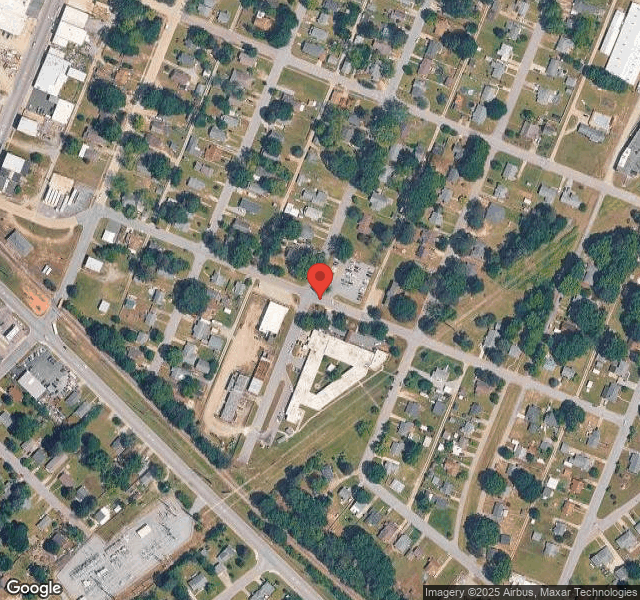

305 East Fourteenth Street, Roanoke Rapids, NC 27870 (252) 537-6181
For profit - Limited Liability company 108 Beds SIGNATURE HEALTHCARE Data: November 2025 1 Immediate Jeopardy citation
Trust Grade
21/100
#283 of 417 in NC
Last Inspection: January 2025

Within standard 12-15 month inspection cycle. Federal law requires annual inspections.

Overview

Signature Healthcare of Roanoke Rapids has received a Trust Grade of F, indicating significant concerns about the quality of care provided, which is among the poorest ratings available. Ranking #283 out of 417 facilities in North Carolina places it in the bottom half, and it is the lowest-rated facility in Halifax County. The trend is worsening, with issues increasing from 3 in 2023 to 11 in 2025, highlighting growing problems within the facility. Staffing is a significant concern, with a poor rating of 1 out of 5 stars and a 75% turnover rate, which is much higher than the state average. While the facility has average RN coverage, there have been serious incidents, including a resident developing a maggot infestation in a wound and another suffering a leg fracture due to improper transfer methods, raising serious alarms about safety and care standards.

Trust Score
F
21/100
In North Carolina
#283/417
Bottom 33%
Safety Record
High Risk
Review needed
Inspections
Getting Worse
3 → 11 violations
Staff Stability
⚠ Watch
75% turnover. Very high, 27 points above average. Constant new faces learning your loved one's needs.
Penalties
○ Average
$14,015 in fines. Higher than 53% of North Carolina facilities. Some compliance issues.
Skilled Nurses
⚠ Watch
Each resident gets only 25 minutes of Registered Nurse (RN) attention daily — below average for North Carolina. Fewer RN minutes means fewer trained eyes watching for problems.
Violations
⚠ Watch
21 deficiencies on record. Higher than average. Multiple issues found across inspections.
★★☆☆☆
2.0
Overall Rating
★☆☆☆☆
1.0
Staff Levels
★★★★★
5.0
Care Quality
★★☆☆☆
2.0
Inspection Score
Stable
2023: 3 issues
2025: 11 issues

The Good

  • 5-Star Quality Measures · Strong clinical quality outcomes
  • Full Sprinkler Coverage · Fire safety systems throughout facility
  • No fines on record

Facility shows strength in quality measures, fire safety.

The Bad

2-Star Overall Rating

Below North Carolina average (2.8)

Below average - review inspection findings carefully

Staff Turnover: 75%

29pts above North Carolina avg (46%)

Frequent staff changes - ask about care continuity

Federal Fines: $14,015

Below median ($33,413)

Minor penalties assessed

Chain: SIGNATURE HEALTHCARE

Part of a multi-facility chain

Ask about local staffing decisions and management

Staff turnover is very high (75%)

27 points above North Carolina average of 48%

The Ugly 21 deficiencies on record

1 life-threatening 1 actual harm
May 2025 1 deficiency 1 Harm
SERIOUS (G) 📢 Someone Reported This

A family member, employee, or ombudsman was alarmed enough to file a formal complaint

Actual Harm - a resident was hurt due to facility failures

Accident Prevention (Tag F0689)

A resident was harmed · This affected 1 resident

**NOTE- TERMS IN BRACKETS HAVE BEEN EDITED TO PROTECT CONFIDENTIALITY** Based on record review, resident interview, staff interview, and nurse consultant interview, the facility failed to perform a tr...

Read full inspector narrative →
**NOTE- TERMS IN BRACKETS HAVE BEEN EDITED TO PROTECT CONFIDENTIALITY** Based on record review, resident interview, staff interview, and nurse consultant interview, the facility failed to perform a transfer from the wheelchair to the bed according to the care plan for one (Resident #1) of three residents reviewed for accidents. Resident #1 sustained a left leg fracture above the knee with extreme pain requiring a visit to the emergency room at the hospital after being transferred without a mechanical lift. Findings included: Resident #1 had resided in the facility since 7/17/2019 and had multiple diagnoses some of which included cerebral vascular accident, hemiplegia, hemiparesis, heart failure, and diabetes mellitus. Documentation on a quarterly Minimum Data Set assessment dated [DATE] revealed that Resident #1 was coded as cognitively intact and dependent on staff for a chair-to-bed transfer. On the same assessment, she was also coded as having a range of motion impairment on one side of her upper and lower extremities. Documentation on the care plan initiated on 5/6/2024 under the problem area entitled Profile Care Guide revealed Resident #1 required the intervention of a mechanical lift for transfers. During an initial tour on 4/30/2025 at 9:03 AM, Resident #1 provided the following information. Resident #1 indicated a male nurse aide picked her up and threw her on the bed. Resident #1 told the male nurse aide that he couldn't pick her up knowing what she weighed. Resident #1 stated she hit the bed hard, and it hurt. Resident #1 revealed she was in a lot of pain, so she was transported to the hospital where they put a brace on her leg. An interview was conducted with Nurse #2 on 4/30/2025 at 11:09 AM. Nurse #2 was assigned to care for Resident #1 on 3/30/2025 for the 7:00 AM to 7:00 PM shift. Nurse #2 stated on 3/30/2025 after dinner Nurse Aide (NA) #1 put Resident #1 back to bed at the resident's request. Nurse #2 indicated she checked with Resident #1 at the end of her shift before going home and she was asleep. Nurse #2 revealed NA #1 did not tell her he transferred Resident #1 without a lift and Nurse #2 was not told Resident #1 had any pain. Attempts to contact NA #1 via the telephone during the survey were unsuccessful. The facility provided the following statement from NA #1 obtained on 4/1/2025 by the former Director of Nursing: The writer spoke with [NA #1] to obtain the details on what happened with the transfer of [Resident #1] Agency [Certified Nursing Assistant]. [NA #1] was oriented to the facility with the agency orientation binder. [NA #1] worked 3/30/2025 from 7:00 AM to 7:00 PM. [NA #1] was assigned to [Resident #1]. [NA #1] got [Resident #1] up to the wheelchair with no issues noted. Around 5:30 PM [Resident #1] requested to be put back into bed. [NA #1] states at 5:37 PM he performed a one-person assist from the wheelchair to the bed. [NA #1] wheeled the wheelchair beside the bed and locked it into place. The bed was lowered, and he did a single-person lift. The first lift was unsuccessful, so he placed [her] back into the wheelchair. The second lift was successful and placed [Resident #1] into the bed. [Resident #1] was low in the bed. [Resident #1] complained of mild pain. [Resident #1] stated [to NA #1] the pain was relieved with repositioning. [Resident #1] told [NA #1] Don't do that by yourself again. [NA #1] states that he told [Resident #1] he would not attempt again. [NA #1] states that [Resident #1's] leg made no contact with the wheelchair or the bed. [NA #1] states that there was no twisting of [Resident #1's] leg at the time of the transfer. [NA #1] was educated on the proper transfer process and the importance of timely reporting of resident pain. NA #2 was interviewed on 4/30/2025 at 11:32 AM and the following information was provided. NA #2 worked in the same hallway as NA #1 on 3/30/2025 from 7:00 AM to 7:00 PM. NA #1 was an agency nurse aide, so NA #2 specifically instructed NA #1 to transfer Resident #1 with a mechanical lift. NA #1 did not come to NA #2 to request help transferring Resident #1. NA #2 also revealed she told NA #1 she was available to answer questions and help during the shift. NA #2 stated all agency nurse aides are instructed how to use the kiosk with the care plan information for the residents, reiterating she was available to ask during the shift on 3/30/2025 if NA #1 did not know the resident care needs. NA #3 was interviewed on 4/30/2025 at 3:22 PM. NA #3 stated she worked in the facility on 3/30/2025 from 12:00 PM to 7:00 PM. NA #3 explained she was called into Resident #1's room sometime after dinner because NA #1 needed assistance pulling Resident #1 up in the bed. NA #3 indicated Resident #1 was very low in the bed, positioned toward the foot of the bed, and needed to be repositioned toward the head of the bed. NA #3 did not recall Resident #1 complaining of pain before leaving the room after assisting. Documentation in the nursing progress notes dated 3/30/2025 written by Nurse #1 at 10:32 PM revealed, Resident [complained of] left knee pain. Left knee noted with swelling and discomfort. Painful upon assessment. Received [an] order to obtain an x-ray of [the] left knee. Left voicemail for [Responsible party] to return call to facility. Nurse #1 was interviewed on 4/30/2025 at 4:35 PM. Nurse #1 confirmed she was assigned to care for Resident #1 on 3/30/2025 for the 7:00 PM to 7:00 AM shift. Nurse #1 indicated she did not receive any concerns regarding Resident #1 when she received a report regarding the residents from Nurse #2 at the end of her shift. Nurse #1 revealed that as soon as her shift began NA # 4 came to her while she was in another resident's room and requested, she come to see Resident #1. Nurse #1 stated she went immediately to the room of Resident #1 who told her she was thrown into the bed hurting her knee. Nurse #1 stated she assessed the left knee and observed it was swollen, and Resident #1 was in severe pain. Nurse #1 stated she called the resident's physician, and he requested a mobile x-ray of the left knee. Nurse #1 stated she received a call from the Mobile x-ray company stating they would be at the facility at 7:00 AM on 3/31/2025. Nurse #1 stated she gave Resident #1 650 milligrams of Acetaminophen for the pain, but Resident #1 remained awake on and off with complaints of pain. Nurse #1 revealed she called the physician back due to the continued complaints of pain from Resident #1 and the concern of giving her too much Acetaminophen due to her receiving the scheduled 500 mg of Acetaminophen at night as well as receiving the as-needed dose of 650 mg Acetaminophen for the knee pain. Nurse #1 revealed the physician ordered Resident #1 to receive 20 mg of Prednisone daily for pain and swelling for 5 days. Nurse #1 indicated she also put ice on her knee and elevated her left leg. Nurse #1 admitted the measures put in place to help alleviate pain for Resident #1 helped temporarily but Resident #1 was very upset as to what happened and did not get a lot of sleep. Documentation on the medication administration record (MAR) for 4/30/2025, revealed Resident #1 was administered the scheduled 500 mg of Acetaminophen by mouth on the night shift by Nurse #1 and an additional 650 mg of Acetaminophen by mouth on an as-needed basis at 10:36 PM. The 650 mg of Acetaminophen at 10:36 PM were documented as not effective. Nurse #1 documented the pain level for Resident #1 on 4/30/2025 on the night shift was an 8 on a scale from 1 to 10. An interview was conducted with Nurse #2 on 4/30/2025 at 11:09 AM. Nurse #2 revealed when she returned to the facility on 3/31/2025 for her 7:00 AM to 7:00 PM shift, she was informed by Nurse #1 that Resident #1 was transferred by NA #1 without a mechanical lift and Resident #1 had been complaining of pain on and off throughout the night. Nurse #2 additionally found out an x-ray of the left knee of Resident #1 was ordered for 7:00 AM on 3/31/2025 but they never arrived. Nurse #2 stated that Unit Manager #1 obtained orders for Resident #1 to be sent to the emergency department for x-rays due to the delay. Nurse #2 stated Resident #1's pain was relieved with Acetaminophen on the morning of 3/31/2025. Nurse #2 revealed she found out from the responsible party as she was leaving on 3/31/2024 at the end of her shift that Resident #1 had broken her leg and had to keep an immobilizer on her left leg. Documentation on the MAR for 4/31/2025 revealed Nurse #1 administered the scheduled 500 mg of Acetaminophen by mouth to Resident #1 on the day shift. Nurse #1 documented Resident #1's pain level on the day shift as a 3 on a scale of 1 out of 10. Documentation in the nursing progress notes dated 3/31/2025 at 3:39 PM written by Nurse #2 revealed Resident #1 was sent to the emergency room for further evaluation per the Unit Manager and transported via emergency medical services. Documentation on the emergency department course and medical decision-making dated 3/31/2025 revealed the following information. X-rays were obtained of the left knee and femur. Resident #1 sustained a comminuted and displaced fracture of the distal metaphysis of the left femur with some impaction of the fracture fragments. A comminuted and displaced fracture of the distal metaphysis of the left femur means the bone at the lower end of the thighbone (femur) near the knee was broken into multiple pieces (comminuted) and those pieces had shifted out of alignment (displaced). A knee immobilizer was placed to help stabilize her leg if she was being moved. The former Director of Nursing (DON) was interviewed on 4/30/2025 at 2:14 PM. The former DON stated she was a travel DON and was the DON at the facility from 3/10/2025 to 4/7/2025. The former DON confirmed she took immediate action when it was confirmed NA #1 had not used a mechanical lift to transfer Resident #1 resulting in a fracture. The former DON stated she worked closely with the SCC (facility nurse consultant) to provide education and training for the nursing staff to make sure all the residents were being safely transferred. The former DON stated for specific information on the corrective actions taken, the SCC could provide the details because the former DON was no longer in the facility. An interview was conducted with the facility nurse consultant (SCC) on 4/30/2025 at 2:44 PM. The SCC confirmed she assisted the former Director of Nursing with investigating the fracture sustained by Resident #1 on 3/30/2025. The SCC stated NA #1, an agency nurse aide, lifted Resident #1 from the wheelchair under her arms and placed her on the bed. The SCC noted the unit manager had made sure all the agency nurse aides knew how to access the care plans of each resident on the kiosk as well as making sure the agency staff were made aware binders on how to use the kiosk were located at each nursing station. The SCC stated that agency staff could have always asked another nursing staff member if assistance was needed. The SCC stated that NA #1 decided of his own volition that he would transfer Resident #1 without the assistance of a mechanical lift and another nurse aide causing Resident #1 to fracture her leg during a transfer. The SCC stated that the actions taken by NA #1 were not acceptable and he no longer will return to the facility. The facility provided the following corrective action plan with a completion date of 4/4/2025. Address how corrective action will be accomplished for those residents found to have been affected by the deficient practice. On 3/30/25 an Agency Certified Nursing Assistant #1 completed a one-person assist transfer with Resident #1, which required a Mechanical Lift. Resident #1 complained of pain during transfer however this was resolved with repositioning. On 3/30/2025 Resident #1 was assessed by Licensed Nurse #1 with noted swelling and 650mg of Acetaminophen was administered for pain with good effects. The Physician and the Responsible party were notified of Resident #1 change in condition and new orders were received for Mobile X-ray. On 3/31/25, the mobile X-ray company called and stated they would arrive at approximately 7:00 AM. On 3/31/25, Resident #1 complained of left knee pain and discomfort. Swelling remained. The Physician was made aware. New orders were received for Prednisone for 5 days and additional Acetaminophen was given with good effects. On 3/31/25 the Facility Mobile X-ray Company called Licensed Nurse #2 and stated there was a delay in their arrival. On 3/31/25 at 3:39 PM, Resident #1 was transported to the local emergency room with left knee pain and swelling. Resident #1 returned on 4/1/25 to the facility with x-ray results, of a closed fracture of the distal end of the femur, with an immobilizer in place. Orders were placed in the chart to assess pain every shift, immobilizer to the affected extremity, in addition to skin and circulation checks to be performed every 4 hours, and follow up appointments made with orthopedics on 4/9/2025 and 4/23/2025 for additional follow-up. On 4/1/25 the Director of Nursing ensured Agency Certified Nursing Assistant #1 was re-educated and placed on the do not return list. Address how the facility will identify other residents having the potential to be affected by the same deficient practice. All residents have the potential to be affected. On 4/1/25, in-house assessments of all residents with a BIMS (Basic Interview for Mental Status) of 8 or below were completed by Unit Manager #1. No concerns noted. All residents with BIMS above 8 were interviewed by Licensed Social Worker #1 to ensure all residents were treated with dignity and respect and the facility staff were following the care plan, including transfer status. No additional concerns were noted. On 4/4/25, the Clinical Reimbursement Nurse Consultant audited all residents' care assist profiles to ensure all transfer statuses were accurate and present. This was completed on 4/4/25. Address what measures will be put into place or systemic changes made to ensure that the deficient practice will not recur. On 4/1/25 All facility Nurses and Nursing assistants received the training below: All Licensed Nurses and Nursing Assistants should review the resident's transfer status before performing a transfer. This can be found easily in the resident profile in Care Assistance/Matrix Care Electronic Medical Record. If there is no transfer status on the resident see the nurse before attempting to transfer. Also, please be sure to report any complaints of pain, new or otherwise, to the nurse for assessment promptly. A stop and watch (Reporting method for resident changes in conditions) may be coupled with this as well. The Director of Nursing and Staff Development Coordinator made sure all nursing staff received and retained education as of 4/3/25. As of 4/3/25, 100% of Licenses Nurses and Certified Nursing Assistants have received the in-service on the above. The Director of Nursing and Staff Development Coordinator will ensure that any new nursing staff, including agency staff, will be in-serviced and not allowed to work until the training is completed. Indicate how the facility plans to monitor its performance to make sure that solutions are sustained. Include dates when corrective action will be completed. Quality Assurance Performance Improvement Plan initiated: 4/1/2025 The Facility Nurse Consultant will monitor five randomly selected transfers weekly to ensure proper resident transfers. This will be documented on a facility Quality Assurance tool. This will be completed weekly for 8 weeks, then monthly times 2. Reports will be presented to the weekly Quality Assurance committee by the Administrator or Director of Nursing to ensure corrective action is completed as appropriate. Compliance will be monitored and the ongoing auditing program reviewed at the weekly Quality Assurance Meeting. The weekly Quality Assurance Meeting is attended by the Administrator, Director of Nursing, Minimum Data Set Coordinator, Therapy, Health Information Manager, and Dietary Manager. Compliance date of 4/4/2025 Validation of the corrective action plan was completed on 5/1/2025. The Quality Assessment and Performance Improvement Plan was reviewed with corresponding documentation to support the actions taken by the facility. Interviews were conducted with a sample of nurses and nurse aides from all nursing shifts to verify education was provided for licensed nurses and certified nursing assistants regarding assuring the correct transfer method was being used before performing a transfer, as well as notification of any new changes in pain. The documentation for in-service records was reviewed. Social Worker #1 was interviewed to confirm all alert and oriented residents were interviewed to verify no other inappropriate transfers had occurred. The Clinical Reimbursement Nurse Consultant was interviewed to confirm the transfer status of each resident was present and accurate in each resident care guide. The audits were verified as well as the ongoing monitoring audits to ensure residents were being transferred with the appropriate transfer method for each resident. The compliance date of 4/4/2025 was validated.
Jan 2025 10 deficiencies
CONCERN (D)

Potential for Harm - no one hurt, but risky conditions existed

Deficiency F0637 (Tag F0637)

Could have caused harm · This affected 1 resident

**NOTE- TERMS IN BRACKETS HAVE BEEN EDITED TO PROTECT CONFIDENTIALITY** Based on record review and staff interviews, the facility failed to complete a Minimum Data Set (MDS) Significant Change in Stat...

Read full inspector narrative →
**NOTE- TERMS IN BRACKETS HAVE BEEN EDITED TO PROTECT CONFIDENTIALITY** Based on record review and staff interviews, the facility failed to complete a Minimum Data Set (MDS) Significant Change in Status Assessment for 1 of 23 residents whose MDS assessments were reviewed (Resident #56). Findings included: Resident# 56 had been admitted to the facility on [DATE] with diagnoses of malignant neoplasm. Resident #56s admission MDS was dated 10/20/24 and identified Resident #56 as cognitively intact had a tracheotomy (a surgical opening in the neck to provide air into the lungs) and revealed she was not receiving hospice services. Review of Resident# 56's medical record revealed a Physician order dated 11/21/24 to admit resident to Hospice related to the terminal diagnosis of malignant neoplasm, if the disease runs normal course life expectancy is 6 months or less. Review of Resident# 56's medical record revealed no documentation that a MDS significant change in status assessment had been completed to reflect Resident #56 was receiving Hospice Services. An interview was conducted on 1/08/24 at 9:00 AM with the MDS Nurse #1 who stated Resident #56 should have had a significant change in status assessment completed when she began Hospice Services. An interview was conducted on 1/08/24 at 11:06 PM with the Administrator who stated the MDS Nurse should have reviewed Resident #56 for a significant change in status assessment when she elected Hospice services.
CONCERN (D)

Potential for Harm - no one hurt, but risky conditions existed

Comprehensive Care Plan (Tag F0656)

Could have caused harm · This affected 1 resident

**NOTE- TERMS IN BRACKETS HAVE BEEN EDITED TO PROTECT CONFIDENTIALITY** Based on observations, record review, and staff and Responsible Party (RP) interviews, the facility failed to develop a person-c...

Read full inspector narrative →
**NOTE- TERMS IN BRACKETS HAVE BEEN EDITED TO PROTECT CONFIDENTIALITY** Based on observations, record review, and staff and Responsible Party (RP) interviews, the facility failed to develop a person-centered care plan for 1 of 1resident reviewed for activities (Resident #44). The findings included: Resident #44 was admitted to the facility on [DATE] with diagnoses which included stroke and dementia. Review of the Minimum Data Set (MDS) annual assessment dated [DATE] and completed by MDS Nurse #2 revealed Resident #44 had severe cognitive impairment. Resident #44 reported the following activity preferences were very important: books, newspapers, and magazines to read, listen to music, religious services, and be outdoors for fresh air when weather was good. Review of the Life Enrichment Record for October 2024 through January 2025 revealed Resident #44 refused participation in group activites when offered and one to one (1:1) room visits were conducted daily. Resident #44's 1:1 activities included sports and devotionals on television and listening to music. Resident #44's care plan last reviewed on 1/03/25 revealed no care plan related to activity preferences. Observations were conducted of Resident #44 on 1/05/25 at 1:46 pm, 1/06/25 at 1:14 pm, 1/07/25 at 8:07 am and 1:49 pm, and 1/08/25 at 10:30 am. Resident #44 was noted to be in the room with the television on during all observations. During an interview with Resident #44's Responsible Party (RP) on 1/05/24 at 2:41 pm she revealed she was not sure what kind of activities the facility provided for Resident #44. The RP stated she normally visited in the afternoons, and she did not observe Resident #44 involved in any activities when she was at the facility. An interview was conducted with the Activity Director on 1/06/25 at 2:59 pm who revealed she had worked at the facility for over one year. She stated she visited with Resident #44 daily and would offer to participate in the group activities but he would refuse. The Activity Director stated she completed 1:1 room visits for Resident #44 which included sports and devotionals on television, and he enjoyed music. The Activity Director stated she had not done resident care plans since she started working at the facility, but she was just shown how to create a care plan and will start doing the care plans. During an interview on 1/07/25 at 2:44 pm with MDS Nurse #2 who revealed the Activity Director was responsible for implementing the activity focused care plan for Resident #44. An interview was conducted with the Administrator on 1/08/25 at 11:22 am who revealed the Activity Director was responsible for creating the activity care plan for Resident #44, but she expected the MDS Nurses to assist with care plans when needed.
CONCERN (D)

Potential for Harm - no one hurt, but risky conditions existed

Respiratory Care (Tag F0695)

Could have caused harm · This affected 1 resident

**NOTE- TERMS IN BRACKETS HAVE BEEN EDITED TO PROTECT CONFIDENTIALITY** Based on observation, record review, and staff interviews, the facility failed to obtain a physician order for tracheostomy (a s...

Read full inspector narrative →
**NOTE- TERMS IN BRACKETS HAVE BEEN EDITED TO PROTECT CONFIDENTIALITY** Based on observation, record review, and staff interviews, the facility failed to obtain a physician order for tracheostomy (a surgical opening through the front of the neck into the windpipe for an air passage to help breathe) care for 1 of 2 residents reviewed for tracheostomy (Resident #35). The findings included: Resident #35 was admitted to the facility on [DATE] with diagnoses which included tracheostomy. The nursing progress note dated 11/23/24 revealed Resident #35 was transferred to the hospital on [DATE] and returned to the facility on [DATE]. Resident #35 had a physician order dated 12/04/24 for oxygen via tracheostomy collar at 28% humification with 5 liters per minute continuously. Resident #35 had a physician order dated 12/04/24 to assess for need of suctioning tracheostomy every shift. Review of Resident #35's physician orders revealed no physician order for tracheostomy site care. Review of the Treatment Administration Record (TAR) for December 2024 and January 2025 revealed no documentation for tracheostomy site care for Resident #35. Review of the care plan last reviewed 12/11/24 revealed Resident #35 was at risk for adverse outcomes related to tracheostomy with interventions which included tracheostomy stoma care per physician orders. The Minimum Data Set (MDS) quarterly assessment dated [DATE] revealed Resident #35 was coded for tracheostomy care, suctioning, and oxygen use. An observation was conducted on 1/05/25 at 11:37 am of Resident #35 who was noted to have a tracheostomy opening, without a tracheostomy tube, and oxygen at 5 liters per minute supplied via tracheostomy collar. An interview was conducted with Nurse #5 on 1/05/25 at 1:16 pm who was assigned to Resident #35. Nurse #5 revealed Resident #35 did not use a tracheostomy tube, but she has oxygen to the tracheostomy collar. Nurse #5 stated she provided tracheostomy care to Resident #35 which included cleaning around the tracheostomy site, and she stated the care was provided at least once a shift. Nurse #5 stated Resident #35 also received suctioning of the tracheostomy as needed. An interview was conducted with Nurse #3 on 1/08/25 at 9:21 am who revealed she performed tracheostomy care on her shift for Resident #35 which included cleaning the tracheostomy opening with sterile water and skin care around the tracheostomy site. Nurse #3 stated Resident #35 normally required suctioning once per shift dependent upon the amount of secretions present. During an interview on 1/08/25 at 10:14 am with Unit Manager #1 revealed Resident #35 received tracheostomy care once a shift. Unit Manager #1 confirmed Resident #35 did not have a physician order for the tracheostomy care but stated the order should have been entered when Resident #35 was admitted . Unit Manager #1 reported orders were reviewed in the clinical meetings, but she stated Resident #35's tracheostomy care order was just missed. An interview was conducted on 1/08/25 at 11:50 am with the Director of Nursing (DON) who revealed the Unit Manager was responsible to enter the initial admission orders and the admission packet was then reviewed in the clinical morning meeting. The DON was unable to state how Resident #35's tracheostomy care order was missed.
CONCERN (D)

Potential for Harm - no one hurt, but risky conditions existed

Deficiency F0698 (Tag F0698)

Could have caused harm · This affected 1 resident

**NOTE- TERMS IN BRACKETS HAVE BEEN EDITED TO PROTECT CONFIDENTIALITY** Based on record review and staff interviews, the facility failed to ensure a resident receiving dialysis had a physician's order...

Read full inspector narrative →
**NOTE- TERMS IN BRACKETS HAVE BEEN EDITED TO PROTECT CONFIDENTIALITY** Based on record review and staff interviews, the facility failed to ensure a resident receiving dialysis had a physician's order for dialysis. This was for 1 of 2 sampled residents reviewed for receiving dialysis. (Resident #70). The findings included: Resident # 70 was admitted to the facility on [DATE] with cumulative diagnosis that included end stage renal dialysis with dependence on renal dialysis. Resident # 70's care plan dated 11/12/24 noted he had a diagnosis of chronic renal failure and has the potential for complications from hemodialysis. Staff were to provide communication with dialysis center regarding medication, diet, and lab results. Coordinate resident's care in collaboration with dialysis center, check shunt site for signs/symptoms of infection, pain, or bleeding daily and as needed, Notify MD (Medical Doctor) to absence of thrill or bruit. Review of the nurse note dated 11/29/24 revealed Resident #70 was sent to Dialysis this morning and had not returned on his usual schedule. The nurse called the hospital and found out that the resident had been transferred from dialysis and admitted to the hospital for sepsis. The physician was made aware. Resident #70's readmission orders dated 12/03/24 did not include an order for dialysis. Review of Resident #70's Minimum Data Set assessment dated [DATE] did not indicate he had end stage renal disease or was receiving renal dialysis services. Review of the nurse's note dated 12/22/24 at 12:24 PM documented Resident #70 returned from dialysis via stretcher with no distress noted. The Resident was safely put back to bed, will continue plan of care. Able to make needs known to staff. An interview with Unit Manager #1 on 1/07/24 at 3:35 PM revealed there was no order for his dialysis. She indicated Resident #70 had gone out to the hospital and on his return his dialysis order was not picked back up. An interview was conducted on 1/07/24 at 3:33 PM with the Director of Nursing who revealed Resident #70, was listed as a Dialysis resident. She reported that staff failed to pull the dialysis order back up when he returned from the hospital. An interview was conducted on 1/08/24 at 11:06 PM with the Administrator who stated staff should have seen Resident #70's physician order for dialysis.
CONCERN (E)

Potential for Harm - no one hurt, but risky conditions existed

Assessment Accuracy (Tag F0641)

Could have caused harm · This affected multiple residents

**NOTE- TERMS IN BRACKETS HAVE BEEN EDITED TO PROTECT CONFIDENTIALITY** Based on record review, resident and staff interviews, the facility failed to accurately code the Minimum Data Set (MDS) assessm...

Read full inspector narrative →
**NOTE- TERMS IN BRACKETS HAVE BEEN EDITED TO PROTECT CONFIDENTIALITY** Based on record review, resident and staff interviews, the facility failed to accurately code the Minimum Data Set (MDS) assessment in the areas of dialysis (Resident #15 and Resident #70), use of a wander elopement alarm (Resident #57), use of hypoglycemic medication (medication that help lower blood sugar levels in people diagnosed with diabetes) (Resident #44), for 4 of 23 residents whose MDS assessments were reviewed. The findings included: 1. Resident # 15 was admitted to the facility on [DATE] with diagnoses which included end stage renal disease and dependence on dialysis (treatment to filter wastes and water from the blood). Review of the hospital Discharge summary dated [DATE] revealed Resident #15 was hospitalized on [DATE] for acute kidney injury. Resident #15 was seen by the Nephrology (a specialized physician focused on kidney function) and was noted to have improved kidney function and dialysis was discontinued. Resident #15 was discharged back to the facility on 9/10/24 with no orders for dialysis treatment. Resident #15 had an active physician order dated 9/14/24 to monitor for bruit (a whooshing sound heard at the fistula site with a stethoscope) and thrill (vibration caused by blood flow felt with fingers) to shunt every shift in right arm. A review of Resident #15's medical record revealed no physician order for dialysis. Review of the Nurse Practitioner (NP) progress note dated 10/02/24 revealed Resident #15 was hospitalized on [DATE] through 9/10/24 and was noted to have been seen by nephrology to have improved kidney function and no longer required hemodialysis. The Minimum Data Set (MDS) significant change assessment dated [DATE] and completed by MDS Nurse #1 revealed Resident #15 was coded for dialysis. An interview was conducted on 1/07/25 at 2:44 pm with MDS Nurse #1 who revealed she must have assumed Resident #15 received dialysis treatment because she saw the physician order for monitoring the shunt site. MDS Nurse #1 stated she coded Resident #15's MDS assessment in error. During an interview on 1/07/25 at 12:35 pm the Director of Nursing (DON) revealed Resident #15 had not received dialysis treatments while he resided at the facility and did not have physician orders for dialysis. An interview was conducted with the Administrator on 1/08/25 at 11:28 am who stated the MDS Nurse was responsible to ensure resident assessments were coded accurately. 2. Resident #57 was admitted to the facility on [DATE] with diagnoses which included vascular dementia. Resident #57 had an active physician order dated 6/04/24 for wander guard alarm placement to right wrist. Review of Resident #57's Medication Administration Record (MAR) for December 2024 revealed the wander guard alarm was in place as ordered. The Minimum Data Set (MDS) quarterly assessment dated [DATE] revealed Resident #57 was not coded for use of a wander or elopement alarm. An observation on 1/05/25 at 12:59 pm revealed Resident #57 was noted to have a wander guard alarm bracelet on the right wrist. An interview was conducted on 1/07/25 at 2:47 pm with MDS Nurse #1 who revealed she was aware Resident #57 was a wanderer and had a wander guard in place. MDS Nurse #1 stated she just missed it when she completed Resident #57's assessment. An interview was conducted with the Administrator on 1/08/25 at 11:28 am who stated the MDS Nurse was responsible to ensure resident assessments were coded accurately. 3. Resident #44 was admitted to the facility on [DATE] with diagnoses which included diabetes. Resident #44 had an active physician order dated 4/30/24 for insulin glargine (long-acting insulin) 100 units per milliliter (ml). Administer 24 units once a day at bedtime. Resident #44 had an active physician order dated 4/30/24 for insulin glargine100 units per ml. Administer 28 units once a day scheduled to be administered between 7:15 am through 11:00 am. Review of Resident #44's Medication Administration Record (MAR) for October 2024 revealed the insulin glargine was administered as ordered. The Minimum Data Set (MDS) quarterly assessment dated [DATE] revealed Resident #44 was not coded for use of hypoglycemic medication. An interview was conducted on 1/07/25 at 2:41 pm with MDS Nurse #1 who revealed the normal process she used to complete the assessment included reviewing the medical record for pertinent information needed to code the assessment. MDS Nurse #1 stated she just missed Resident #44's hypoglycemic medication when she completed the assessment. During an interview with the Administrator on 1/08/25 at 11:28 am who stated the MDS Nurse was responsible to ensure resident assessments were coded accurately. 4. Resident # 70 was re-admitted to the facility on [DATE] from a hospital. His cumulative diagnosis included end stage renal dialysis with dependence on renal dialysis. Review of the nurse note dated 11/29/24 revealed Resident #70 was sent to Dialysis this morning and has not returned on his usual schedule. The nurse called the hospital and found out that the resident has been transferred from dialysis and admitted to the hospital for sepsis. The physician was made aware. Resident #70 was discharged back to the facility on [DATE] with no orders for dialysis treatment. Review of Resident #70's Minimum Data Set (MDS) assessment dated [DATE] did not indicate he had end stage renal disease or was receiving renal dialysis services. An interview was conducted on 1/07/25 at 1:50PM with MDS Nurse #1 who revealed the MDS should have been coded to indicate Resident #70 was receiving dialysis. An interview was conducted on 1/07/24 at 3:33 PM with the Director of Nursing who revealed Resident #70, was listed as a resident who received Dialysis. She reported that staff failed to pull the dialysis order back up when he returned from the hospital. An interview was conducted on 1/08/24 at 11:06 PM with the Administrator who stated the MDS Nurse was responsible for ensuring resident assessments were coded accurately.
CONCERN (E)

Potential for Harm - no one hurt, but risky conditions existed

Deficiency F0761 (Tag F0761)

Could have caused harm · This affected multiple residents

Based on observations and staff interviews the facility failed to (1) label and date an open insulin injector pen and an open albuterol inhaler (Unit 3) and failed to refrigerate a medication accordin...

Read full inspector narrative →
Based on observations and staff interviews the facility failed to (1) label and date an open insulin injector pen and an open albuterol inhaler (Unit 3) and failed to refrigerate a medication according to the manufacturer's recommendation (Unit 1) for 2 of 2 medications carts reviewed, and (2) failed to ensure 1 of 3 wound treatment carts were secured while unattended (Unit 3). The findings included: 1.a. During an observation of the Unit 3 medication cart with Unit Manager #1 on 1/07/25 at 2:00 pm the following was observed. Unit Manager #1 confirmed all findings before the removal of the items. One insulin lispro (rapid-acting insulin used to manage diabetes) injector pen was in the back of the top drawer, open with no open date noted and no resident identifiers. The label read expires 14-days after opening. The insulin lispro injector pen was not stored in the same location as the current residents insulin injector pens. One albuterol (a medication to relax the muscles in the airways used for asthma and chronic obstructive pulmonary disease) 90 microgram inhaler was observed open, with no open date or resident identifiers. An immediate interview was conducted with Unit Manager #1 who revealed the insulin injector pen should not have been in the medication cart without resident identification and dated when opened. Unit Manager #2 and this surveyor confirmed the insulin lispro injector pen was opened but unused with the orange stopper at the base of the pen below the beginning line of insulin. Unit Manager #1 stated the albuterol inhaler may have been brought in from a resident's home because the facility did not use that type of inhaler, but she stated it should not have been in the medication cart. An interview was conducted on 1/07/25 at 3:41 pm with Nurse #1 who was assigned to Unit 3 medication cart who revealed she did not know the medications were in the cart and she stated she did not use any medications that were not labeled with a resident name. During an interview with the Director of Nursing (DON) on 1/08/25 at 11:44 am she revealed all nurses were responsible for making sure the medication carts did not have medications without resident identifiers and that all medications required an open date. She stated the Unit Managers conduct weekly audits, and the pharmacy also conducted auditing of the medication cart, so she was unable to state how the medications were missed in the cart. b. During an observation of the Unit 1 medication cart with Unit Manager #1 on 1/07/25 at 2:20 pm the following was observed. Unit Manager #1 confirmed the finding before the removal of the item. One squeeze bottle of netarsudil ophthalmic solution (eye drop used to lower pressure inside the eye, used treat glaucoma) unopened with a label on the container that read keep in refrigerator. The manufacturer's storage recommendations for an unopened netarsudil ophthalmic solution were to be stored in the refrigerator at 36 to 46 degrees Fahrenheit. An immediate interview was conducted with Unit Manager #1 who revealed the ophthalmic solution should have been stored in the refrigerator until it was ready to be used. During an interview on 1/08/25 at 11:44 am with the Director of Nursing she revealed the nurses were responsible for checking the medication carts to ensure all medications were stored as recommended. 2. An observation on 1/08/25 at 8:00 am on Unit 3 revealed the wound treatment cart was unattended and unlocked with the lock in the outward position. The wound treatment cart was located across from the nursing station and the facility vending machines. The Administrator and Nurse #2 were observed to be at the nursing station. The Administrator approached this surveyor, and an observation of the wound treatment cart was conducted in the presence of the Administrator. The wound treatment cart was noted to contain resident creams and ointments, medicated dressings, and treatment supplies. The Administrator stated she believed the wound treatment cart was left unlocked for the night shift in the event something was needed but she would check with the Director of Nursing. On 1/08/25 at 8:02 am the Administrator returned to the treatment cart and pushed the lock in to secure the wound treatment cart. The Administrator stated she would try to find out who left the wound treatment cart unlocked. An interview was conducted on 1/08/25 at 8:07 am with Nurse #2 who confirmed she was assigned to Unit 3 on 1/07/25 during the 7:00 pm through 7:00 am shift. Nurse #2 stated she did not use the wound treatment cart during her shift, but she stated another nurse did come over and took something from the wound treatment cart when she started her shift and must have left the cart unlocked. Nurse #2 stated had she had not gone over to the wound treatment cart during her shift and did not notice it was unlocked until reported by this surveyor. During an interview on 1/08/25 at 8:05 am the Director of Nursing (DON) stated the wound treatment cart was to be locked when unattended and all nursing staff knew to lock the cart.
CONCERN (E)

Potential for Harm - no one hurt, but risky conditions existed

Food Safety (Tag F0812)

Could have caused harm · This affected multiple residents

Based on observations, and staff interviews, the facility failed to maintain kitchen equipment clean and in a sanitary condition to prevent the potential cross contamination of food by failing to clea...

Read full inspector narrative →
Based on observations, and staff interviews, the facility failed to maintain kitchen equipment clean and in a sanitary condition to prevent the potential cross contamination of food by failing to clean 1 of 1 plate dispenser and failed to clean the shelf under the steam table for 1 of 1 steam tables observed. These practices had the potential to affect food served to residents. The findings included: 1. During the lunch meal observation on 1/6/25 at 12:14 PM the tray line area was observed. The two-cylinder plate dispenser was observed with dark dried food particles in the bottom of both cylinders and the plate tray had dried liquid stains. An observation on 1/07/25 at 3:14 PM revealed the two-cylinder plate dispenser was observed in the same condition. An interview was conducted with the District Dietary Manager on 1/08/24 at 9:45 AM. She indicated that the two-cylinder plated dispenser was kept plugged in at all times and staff overlooked cleaning inside the cylinders. 2. Observations of the kitchen were conducted on 1/07/25 at 3:14 PM, and 1/08/25 at 9:34 AM, and revealed the 6-foot shelf under the steam table was observed to be covered with dark dried food particles. An interview was conducted on 1/08/25 at 9:48 AM with the Certified Dietary Manager (CDM). She stated she had a weekly cleaning schedule, and the steam table was included in that schedule. An interview was conducted with the District Dietary Manager on 1/08/24 at 9:45 AM. She indicated that the two-cylinder plated dispenser was kept plugged in at all times and staff overlooked the weekly cleaning of the plate dispenser. An interview was conducted on 1/08/25 at 11:02 AM with the Administrator. She stated the dietary staff should keep all areas in the kitchen clean and include the plate dispenser and steam table shelves to the cleaning schedule.
CONCERN (E)

Potential for Harm - no one hurt, but risky conditions existed

Garbage Disposal (Tag F0814)

Could have caused harm · This affected multiple residents

Based on observations, and staff interviews, the facility failed to ensure garbage was contained in a closed dumpster and doors were kept closed for 1of 2 dumpsters observed. The findings included: An...

Read full inspector narrative →
Based on observations, and staff interviews, the facility failed to ensure garbage was contained in a closed dumpster and doors were kept closed for 1of 2 dumpsters observed. The findings included: An observation of the dumpster area was conducted on 1/07/24 at 8:07 AM. Dumpster #1 was observed with a large bag of garbage hanging out of the dumpster lid and 2 disposable gloves were on the ground behind the dumpster. An observation of the dumpster area with the Dietary District Manager was made on 1/07/24 at 3:03 PM. Dumpster #1 lid was open, and the right-side door was open. There were 3 disposable gloves, a soda bottle and straw papers loose on the ground surrounding Dumpster #1. In an interview on 1/07/24 at 3:29 PM the Dietary District Manager revealed the dumpster area had been cleaned that morning and the Waste company had emptied the trash and not picked up what was dropped. In an interview with the Administrator on 1/08/24 at 11:10 AM revealed all staff were responsible for the dumpster area and had been educated to keep the area clean. In an interview on 1/08/24 at 1:28 PM the Corporate Administrator indicated that a staff member should be assigned to inspect the dumpster area daily to keep the area clean and the doors closed.
CONCERN (F)

Potential for Harm - no one hurt, but risky conditions existed

Deficiency F0838 (Tag F0838)

Could have caused harm · This affected most or all residents

Based on record review and staff interviews, the facility failed to annually review and update the facility assessment, which had the potential to affect 80 of 80 residents in the facility, and to ens...

Read full inspector narrative →
Based on record review and staff interviews, the facility failed to annually review and update the facility assessment, which had the potential to affect 80 of 80 residents in the facility, and to ensure the facility assessment identified and addressed the care required for the population of residents with a tracheostomy (Resident #35 and #56). The findings included: Review of the most recent facility assessment revealed the assessment period was from January 1 through December 31, 2023. This facility assessment indicated there were no residents who required tracheostomy care. A review of the medical records revealed Resident #35 and Resident #56 had tracheostomies and required tracheostomy care. The facility could not provide documents to demonstrate it had reviewed and updated the facility assessment since 2023. An interview conducted with the Administrator on 1/6/25 at 9:42 a.m. revealed it was her responsibility to ensure a review of the facility assessment was conducted annually and updated to reflect accurate information to include the care required for the resident population. She stated she was not aware the facility assessment was not current and forgot to conduct a review of the assessment in 2024.
MINOR (B)

Minor Issue - procedural, no safety impact

Transfer Notice (Tag F0623)

Minor procedural issue · This affected multiple residents

**NOTE- TERMS IN BRACKETS HAVE BEEN EDITED TO PROTECT CONFIDENTIALITY** Based on record review, and staff and Ombudsman interviews, the facility failed to notify the Ombudsman in writing of a resident...

Read full inspector narrative →
**NOTE- TERMS IN BRACKETS HAVE BEEN EDITED TO PROTECT CONFIDENTIALITY** Based on record review, and staff and Ombudsman interviews, the facility failed to notify the Ombudsman in writing of a resident transfer for 2 of 3 residents reviewed for hospitalization (Resident #35 and Resident #11). The findings included: 1. Resident #35 was admitted to the facility on [DATE]. a. The nursing progress note dated 8/03/24 at 10:22 pm revealed Resident #35 was transferred to the hospital for further evaluation. Resident #35 was discharged from the facility on 8/03/24 and returned to the facility on 8/12/24. Review of the Ombudsman Discharge and Transfer report provided by the facility revealed the Ombudsman was not notified of Resident #35's transfer to the hospital on 8/03/24. b. The nursing progress note dated 9/16/24 at 4:29 am revealed Resident #35 was transferred to the hospital for further evaluation. Resident #35 was discharged from the facility on 9/16/24 and returned to the facility on 9/26/24. A review of the Ombudsman Discharge and Transfer report provided by the facility revealed the Ombudsman was not notified of Resident #35's transfer to the hospital on 9/16/24. A telephone interview was conducted on 1/07/25 at 9:44 am with the Ombudsman who revealed she did not receive notification from the facility of Resident #35's hospital transfers on 8/03/24 or 9/16/24. An interview was conducted with the Social Service Director on 1/07/25 at 10:06 am who revealed she started in the position in July 2024, and she stated she had been running the wrong report to send to the Ombudsman since that time. She stated when she ran the report to send to the Ombudsman, the report did not show any resident transfers or discharges from the facility. The Social Service Director stated she was recently shown how to run the correct report to send to the Ombudsman for resident transfers. A telephone interview was conducted on 1/08/25 at 9:34 am with the Corporate Social Service Director who revealed she provided education to the current Social Service Director which included how to pull the transfer report, when to submit the report, and who to submit the report to. The Corporate Social Service Director stated she was not aware the facility's Social Service Director did not know how to pull the correct report. During an interview on 1/08/25 at 11:29 am with the Administrator she revealed she was not aware the Social Service Director did not know how to run the correct report to send to the Ombudsman, but she stated education would be provided. 2. Resident #11 was admitted to the facility on [DATE]. a. The change in condition assessment dated [DATE] revealed Resident #11 was sent to the Emergency Department due to abnormal vital signs. Record review of the nursing progress notes revealed there was no documentation Resident #11's Ombudsman received written notification of the reason for transfer to the Emergency Department. b. The change in condition assessment dated [DATE] revealed Resident #11 was sent to the Emergency Department due to abnormal breathing and verbally responsive. Record review of the nursing progress notes revealed there was no documentation Resident #11's Ombudsman received written notification of the reason for transfer to the Emergency Department. An interview was conducted with the Social Services Director on 1/07/25 at 10:06 a.m. who revealed she started in the position in July 2024, and she stated she had been running the wrong report to send to the Ombudsman since that time. She stated that when she ran the report to send to the Ombudsman, the report did not show any resident transfers or discharges from the facility. The Social Service Director stated she was recently shown how to run the correct report to send to the Ombudsman for resident transfers In an interview with the Director of Nursing (DON) on 1/8/24 at 9:00 a.m. she stated it was the responsibility of the Social Services Director to send the notification of discharge for Resident #11 to the Ombudsman. She stated she was not aware the notification was not sent to the Ombudsman. During an interview with the interim Administrator on 1/8/24 at 11:38 a.m. he revealed it was the responsibility of the Social Services Director to send notification of discharges to the Ombudsman every month. He further stated the Social Services Director will receive retraining to ensure compliance with the requirement.
Nov 2023 3 deficiencies
CONCERN (D)

Potential for Harm - no one hurt, but risky conditions existed

PASARR Coordination (Tag F0644)

Could have caused harm · This affected 1 resident

**NOTE- TERMS IN BRACKETS HAVE BEEN EDITED TO PROTECT CONFIDENTIALITY** Based on record review, staff interviews, and Psychiatric Nurse Practitioner interviews, the facility failed to refer a resident...

Read full inspector narrative →
**NOTE- TERMS IN BRACKETS HAVE BEEN EDITED TO PROTECT CONFIDENTIALITY** Based on record review, staff interviews, and Psychiatric Nurse Practitioner interviews, the facility failed to refer a resident with newly evident serious mental health diagnoses for a Preadmission Screening and Annual Resident Review (PASARR) level II screening for 1 of 3 residents reviewed for PASARR (Resident #22). The findings included: Review of the hospital Discharge summary dated [DATE] revealed Resident #22's diagnoses included major depressive disorder and suicidal ideation. There was no diagnosis of bipolar disorder or anxiety documented in the hospital discharge summary. Resident #22 was admitted to the facility on [DATE] with diagnoses which included adjustment disorder with anxiety, major depressive disorder, and bipolar disorder. Review of Resident #22's active diagnosis list revealed the mental health diagnosis of anxiety was added on 12/31/21. The Psychiatric Nurse Practitioner (NP) visit note dated 11/10/22 revealed Resident #22 was seen for a follow-up evaluation, and it was documented that she had an extensive history of aggression and irritability toward staff. A telephone interview was conducted with the Psychiatric Nurse Practitioner (NP) on 11/09/23 at 11:24 pm who revealed Resident #22 was seen via telehealth visits were completed with the facility's Social Worker. The Psychiatric NP stated Social Worker #1 conducted the telehealth visit with Resident #22 on 11/10/22 and her behaviors were discussed during the visit. Review of the care plan initiated on 11/11/22 and last reviewed on 9/27/23 for behaviors revealed Resident #22 had verbally abusive behaviors towards staff, threatened to stab staff with utensils, and threatened to hit staff. The interventions included use of plastic utensils, intervene as needed to protect others, approach in calm manner, divert attention, and remove from situation as needed. Review of the nursing progress note dated 11/16/22 at 2:41 pm by the Unit Manager revealed Resident #22 threatened to hit staff member while in the hall and threatened another resident that entered her room. An interview was conducted with the Unit Manager on 11/9/23 at 10:00 am who revealed Resident #22 had several episodes of behavior directed towards staff and residents in November 2022. She stated Resident #22's behaviors were discussed during the morning clinical meetings and the Social Worker #1 was present during those meetings. Review of the Minimum Data Set (MDS) annual assessment dated [DATE] revealed Resident #22 was cognitively intact and did not have a PASARR Level II. Resident #22's diagnoses included anxiety, depression, and bipolar disorder and she was not coded for behaviors. During an interview on 11/08/23 at 11:32 am with Social Worker #2 she revealed Resident #22's PASARR Level I was dated 12/06/16 and did not list the diagnoses of anxiety or bipolar disorder. She stated when a resident was admitted to the facility the PASARR Level I was obtained prior to admission. She indicated Social Worker #1 was responsible to ensure the PASARR was up to date with all active mental health diagnoses. Social Worker #2 stated when the behaviors were noted for Resident #22 in November 2022 Social Worker #1 should have triggered a review of the current PASARR to ensure the current diagnoses were listed on the original PASARR and when a new diagnosis and her behaviors were noted a new PASARR level II review was to be completed for Resident #22. An attempted telephone interview with Social Worker #1 on 11/08/23 at 11:45 am and 1:50 pm were unsuccessful. An interview was conducted on 11/09/23 at 12:05 pm with the Administrator who revealed Social Worker #1 was employed by the facility at the time of Resident #22's aggressive behaviors. The Administrator stated Social Worker #1 was responsible to ensure Resident #22's PASARR was reviewed and referred for a PASARR level II screen when appropriate.
CONCERN (E)

Potential for Harm - no one hurt, but risky conditions existed

Deficiency F0727 (Tag F0727)

Could have caused harm · This affected multiple residents

Based on staff interviews and record review, the facility failed to have a Registered Nurse (RN) for at least eight consecutive hours a day, 7 days week for 17 of 192 days reviewed (5/7/23; 5/13/23, 6...

Read full inspector narrative →
Based on staff interviews and record review, the facility failed to have a Registered Nurse (RN) for at least eight consecutive hours a day, 7 days week for 17 of 192 days reviewed (5/7/23; 5/13/23, 6/4/23, 6/24/23, 7/1/23, 7/2/23, 7/8/23, 7/9/23, 7/15/23, 7/16/23, 7/29/23, 7/30/23, 8/5/23, 8/12/23, 8/13/23, 8/19/23, and 8/20/23). Findings included: The nursing staff schedule and the daily staff sheet was reviewed from 5/1/23 through 11/9/23. The nursing staff schedule and daily staffing sheet indicated a Registered Nurse (RN) was not scheduled for at least eight consecutive hours a day on the following dates: 5/7/23; 5/13/23, 6/4/23, 6/24/23, 7/1/23, 7/2/23, 7/8/23, 7/9/23, 7/15/23, 7/16/23, 7/29/23, 7/30/23, 8/5/23, 8/12/23, 8/13/23, 8/19/23, and 8/20/23. An interview was conducted on 11/8/23 at 2:39 P.M. with the Director of Nursing (DON). She revealed it was her responsibility to ensure RN coverage. She revealed she was aware of no RN coverage for at least eight consecutive hours a day on 5/7/23; 5/13/23, 6/4/23, 6/24/23, 7/1/23, 7/2/23, 7/8/23, 7/9/23, 7/15/23, 7/16/23, 7/29/23, 7/30/23, 8/5/23, 8/12/23, 8/13/23, 8/19/23, and 8/20/23. The DON revealed the contracted agency the facility utilized failed to have an RN scheduled for eight consecutive hours a day and instead had an RN scheduled from 6:45 P.M. to 7:15 A.M. During an interview with the Administrator on 11/08/23 2:32 P.M. she revealed it was the responsibility of the DON to ensure 8 hours of consecutive RN coverage daily was met.
MINOR (B)

Minor Issue - procedural, no safety impact

Transfer Notice (Tag F0623)

Minor procedural issue · This affected multiple residents

**NOTE- TERMS IN BRACKETS HAVE BEEN EDITED TO PROTECT CONFIDENTIALITY** Based on record review, staff interviews and Responsible Party (RP) interview, the facility failed to provide written notificati...

Read full inspector narrative →
**NOTE- TERMS IN BRACKETS HAVE BEEN EDITED TO PROTECT CONFIDENTIALITY** Based on record review, staff interviews and Responsible Party (RP) interview, the facility failed to provide written notification for reason of transfer to hospital to the Resident or Responsible Party (RP) for 3 of 3 residents reviewed for hospitalization (Resident #69, Resident #2, and Resident #72). The findings included: 1.a. Resident #69 was admitted to the facility on [DATE]. The nursing progress note dated 3/29/23 at 12:09 pm by Nurse #2 revealed Resident #69 was sent to the emergency department. Resident #69 was transferred from the facility to the hospital on 3/29/23 and returned to the facility on 4/10/23. An attempt to interview Nurse #2 via telephone on 11/08/23 at 12:30 pm and 11/09/23 at 9:30 am were unsuccessful. Record review of the nursing progress notes revealed there was no documentation Resident #69, or his RP received written notification of the reason for his transfer on 3/23/23. An interview was conducted with Resident #69's RP who revealed she did not receive a written notification of the reason for the transfer to the hospital. An interview was conducted on 11/08/23 at 3:03 pm with the Director of Nursing (DON) who revealed she was unable to locate a copy of the written notification of transfer or documentation that it was provided to Resident #69 or his RP. She stated she did not work at the facility at the time and was unable to state why the written notification of transfer was not provided to Resident #69 or his RP. b. Resident #69 was admitted to the facility on [DATE]. The Minimum Data Set (MDS) quarterly assessment dated [DATE] revealed Resident #69 had severe cognitive impairment. The nursing progress note dated 10/30/23 at 1:39 am by Nurse #1 revealed Resident #69 was sent to the emergency department for further evaluation of deep chest congestion and decreased responsiveness. Resident #69 was transferred from the facility to the hospital on [DATE] and returned to the facility on [DATE]. Review of the Notice of Transfer dated 10/30/23 revealed Resident #69 was sent to the hospital but the reason for his transfer was not documented on the form. An attempt to interview Nurse #1 on 11/08/23 at 2:36 pm and 11/09/23 at 9:55 am were unsuccessful. An interview was conducted with Resident #69's RP who revealed she did not receive written notification of the reason for the transfer to the hospital. During an interview on 11/08/23 at 3:03 pm with the Director of Nursing (DON) she revealed the nurse was responsible for completing the Notice of Transfer for Resident #69 and sending the form to the hospital with Resident #69. The DON stated the facility did not provide a copy of the Notice of Transfer to Resident #69 or his RP and she was unable to state how they were to obtain the document from the hospital. An interview was conducted on 11/09/23 at 12:02 pm with the Administrator who revealed the nurse was responsible for completing and sending the Notice of Transfer to the hospital for Resident #69. The Administrator was unable to state how Resident #69's RP would obtain the Notice of Transfer from the hospital. 2. Resident #2 was admitted to the facility on [DATE]. The 5-day Minimum Data Set (MDS) assessment dated [DATE] revealed Resident #2 was cognitively intact. A progress note dated 11/6/23 revealed Resident # 2 was transferred to the hospital with shortness of breath and abnormal vital signs. A review of the written Nursing Home Transfer form dated 11/6/23 indicated the reason for transfer from the facility was It was necessary for your welfare and your needs can not be can not be met in this facility. Record review of the nursing progress notes revealed there was no documentation Resident #2, or her Responsible Party (RP) received written notification of the reason for her transfer on 11/6/23. An attempt to interview Resident # 2's RP via telephone on 11/8/23 at 10:30 am and 11/9/23 at 10:05 am were unsuccessful. An interview was completed on 11/8/23 at 2:10 pm with Nurse #4. The Nurse stated the Nursing Home Transfer form was sent with the Resident to the hospital. The Nurse indicated she marked the statement on the Transfer form that best matched the reason for discharge. An interview was completed on 11/9/23 at 9:04am with the Director of Nursing (DON). The DON verified the Transfer form did not state why Resident #2 was transferred to the hospital. The DON was unable to state if Resident #2 or her RP received the written notification of transfer. 3. Resident #72 was admitted to the facility on [DATE]. Review of the admission Minimum Data Set completed on 7/17/23 identified Resident #72 as having moderately impaired cognition. The nurse note dated 8/25/23 revealed Resident #72 was sent to the emergency department for further evaluation after a fall. Resident #72 was transfered from the facility on 8/25/23 and returned to the facility on 8/31/23. The written notice of transfer indicated the reason for transfer as The safety of the individual in this facility is endangered due to the clinical or behavioral status of the resident. During an interview on 11/8/23 at 3:03 PM the Director of Nursing (DON) stated the form was prefilled with the ombudsman information and the nurse sending the resident out, completed the top portion and chooses the best reason for sending out the resident and checks the box. She stated she saw it did not say why the resident was sent out.
Dec 2022 2 deficiencies
CONCERN (D) 📢 Someone Reported This

A family member, employee, or ombudsman was alarmed enough to file a formal complaint

Potential for Harm - no one hurt, but risky conditions existed

Deficiency F0655 (Tag F0655)

Could have caused harm · This affected 1 resident

**NOTE- TERMS IN BRACKETS HAVE BEEN EDITED TO PROTECT CONFIDENTIALITY** Based on record review and staff interview the facility failed to complete a baseline care plan within 48 hours of admission for...

Read full inspector narrative →
**NOTE- TERMS IN BRACKETS HAVE BEEN EDITED TO PROTECT CONFIDENTIALITY** Based on record review and staff interview the facility failed to complete a baseline care plan within 48 hours of admission for 1 or 3 residents (Resident #1) reviewed for professional standards. The findings included: Resident #1 was admitted to the facility on [DATE] with diagnoses to include fractured femur, hypertension, and osteoporosis. Resident #1's Minimum Data Set (MDS) assessment, dated 11/25/2022 revealed severe cognitive impairment and required extensive to total staff assistance for activities of daily living. The resident had a surgical wound. No admission care plan was found in Resident #1's medical record. On 12/12/2022 at 1:45 PM, an interview was conducted with nurse #1 who stated she admitted Resident #1, but she was not used to admitting residents and she had asked the help of another nurse. The nurse stated she did not start an admission baseline care plan and assumed another nurse would do it. On 12/12/2022 at 3:54 PM, an interview was conducted with the Director of Nursing (DON). The DON stated she expected the MDS nurse to complete the admission care plan, but the admission nurse should have started it. On 12/12/2022 at 4:36 PM, an interview was conducted with the MDS nurse who stated she usually wrote the admission care plans when residents were admitted , but she was out for two weeks when Resident #1 was admitted . The MDS nurse stated a corporate nurse completed some of her duties while she was gone, but not all. On 12/12/2022 at 4:50 PM, an interview with the corporate consultant stated a procedure was in place to make sure the admission care plans were completed because new resident admissions were discussed at the morning meeting, however Resident #1 was missed.
CONCERN (D) 📢 Someone Reported This

A family member, employee, or ombudsman was alarmed enough to file a formal complaint

Potential for Harm - no one hurt, but risky conditions existed

Quality of Care (Tag F0684)

Could have caused harm · This affected 1 resident

**NOTE- TERMS IN BRACKETS HAVE BEEN EDITED TO PROTECT CONFIDENTIALITY** Based on record review and physician and staff interviews, the facility failed to inform the surgeon of the status of a surgical...

Read full inspector narrative →
**NOTE- TERMS IN BRACKETS HAVE BEEN EDITED TO PROTECT CONFIDENTIALITY** Based on record review and physician and staff interviews, the facility failed to inform the surgeon of the status of a surgical wound and obtain an order for dressing changes to the surgical wound for 1 of 3 residents (Resident #1) reviewed for professional standards. The findings included: Resident #1 was admitted to the facility on [DATE] with diagnoses to include fractured femur with surgical repair on 11/10/2022. The resident was discharged to the hospital on [DATE] and was found to have a contaminated open wound. Hospital discharge instructions dated 11/18/2022, included return office visits for Resident #1, but did not include orders for wound care or dressing changes. A review of the admission progress note dated 11/18/2022 at 13:40, by Nurse #1 revealed Resident #1's left hip dressing was saturated with blood. A review of the following progress note dated 11/18/2022 at 17:27 by Nurse #1 revealed the resident was found lying on the floor. The dressing had been pulled off and there was a small amount of bleeding at incision. The dressing was reapplied, and a message had been left for the physician. A review of a progress note dated 11/18/2022 at 18:52 by Nurse #1 revealed the dressing was dry to the left femur. There was no description of the wound included in the note. A review of a progress note dated 11/20/2022, by Nurse #2 revealed the left hip incision site was draining blood-tinged fluid. The site was cleansed, and a new bandage was applied. Resident #1 denied pain. A review of a progress note dated 11/21/2022 by Nurse #2 revealed Resident #1 continued to remove clothing and the wound dressing. There were no signs and symptoms of pain. There was no description of the wound included in the note. A review of a progress note dated 11/23/2022 by Nurse #2 revealed the left hip showed no signs or symptoms of infection. There were no complaints of pain or discomfort. There was no further description of the wound or dressing in the note. A review of a progress note dated 11/24/2022 by Nurse #3 revealed no signs or symptoms of pain or discomfort with resident #1. Resident #1's Minimum Data Set (MDS) assessment, dated 11/25/2022, revealed severe cognitive impairment and the need for extensive to total staff assistance for activities of daily living. The resident had a surgical wound. A review of a progress note dated 11/26/2022 by Nurse #4 revealed the left hip incision was cool to touch, no drainage noted, no redness noted. Resident #1 complained of pain earlier in the shift, but no more pain noted. A review of a progress note dated 11/27/2022 by Nurse #5 revealed Resident #1 complained of some hip pain this shift. A call was placed to the physician and a new order was received for Tylenol. Tylenol was given with positive results and no adverse reaction was noted. No description of the wound was included in the note. A review of a progress note dated 11/28/2022 by Nurse #6 revealed Resident #1 had no complaint of pain. No description of the wound was included in the note. No further description of the dressing or wound was found in the medical record. No treatment record for wound care was found in the medial record. No physician orders for wound care were found in the medical record. On 12/12/2022 at 1:45 PM, an interview was conducted with Nurse #1. The nurse stated when she observed Resident #1's skin on admission she could see the outline of blood under the bandage, but it had not soaked through the bandage. A short time after that, the resident tried to get up and was found on the floor with her dressing removed. The nurse stated she left a message to inform the physician, but she did not hear back from the physician prior to the end of her shift. On 12/12/2022 through 12/15/2022 multiple attempts were made to contact Nurse #2 without success. On 12/12/2022 through 12/15/2022 multiple attempts were made to contact Nurse #3 without success. On 12/12/2022 at 12:46 PM, an interview was conducted with Nurse #4. The nurse stated Resident #1 complained of pain to the left leg which was relieved by repositioning. The nurse observed the wound to be closed and without redness. The nurse stated she did not notify the physician because there was no need as she did not observe anything unusual with the wound. On 12/13/2022 at 9:27 AM, an interview was conducted with Nurse #5. The nurse stated Resident #1 was oriented to self only, and she had positioned the resident at the nurse station with her so she could keep an eye on her. The nurse stated Resident #1 had rubbed her hip area and said, Oh, so she thought the resident was experiencing pain, but could not verbalize that particular concern. The nurse stated she called the physician about the pain, but she did not remember saying anything to the physician about the wound, but there was nothing unusual about the wound that she would have reported. The nurse indicated she replaced the wound with a dry pad after the resident was transferred back to bed and there was a scant amount of clear drainage on the pad with no odors. On 12/13/2022 at 8:57 AM, an interview was conducted with Nurse #6. The nurse stated she could not recall the resident and would only be able to report what was in her note. On 12/13/2022 at 12:19 PM, an interview was conducted with Resident #1's physician. The physician stated he was informed of the status of the wound, but he did not interfere with surgical wounds and told staff to call the surgeon for wound instructions. The physician stated he addressed the pain concerns with Tylenol, but when he was called on 11/29/2022 with concerns of increased pain, he sent Resident #1 out to the hospital because he was concerned about possible infection or dehiscence. The physician stated Resident #1 was very confused and he thought the facility acted appropriately and concluded that the resident's confusion could have contributed to any concerns that the facility should have acted sooner. On 12/15/2022 at 9:32 AM, an interview was conducted with the surgeon. The surgeon stated Resident #1 had a massive decline in mental functioning and situational confusion after surgery to address her fractured hip. The surgeon stated he was not called and informed the wound had been draining, and wound care instructions should have been sent to the facility by the hospitalist. The surgeon stated the resident retuned to the hospital on [DATE] with a contaminated open wound, but she was not septic. The surgeon stated he would have liked to see Resident #1 sooner, if he had been notified, but did not know if that would have made any difference in her outcome. The surgeon stated ultimately Resident #1 did not have the reserves to undergo the trauma of the fracture, surgery, and aftercare.
Aug 2022 5 deficiencies 1 IJ
CRITICAL (J)

Immediate Jeopardy (IJ) - the most serious Medicare violation

Deficiency F0925 (Tag F0925)

Someone could have died · This affected 1 resident

**NOTE- TERMS IN BRACKETS HAVE BEEN EDITED TO PROTECT CONFIDENTIALITY** Based on record review, facility staff, Emergency Department Physician's Assistant, Outpatient Clinic Nurse, Dialysis Nurse Mana...

Read full inspector narrative →
**NOTE- TERMS IN BRACKETS HAVE BEEN EDITED TO PROTECT CONFIDENTIALITY** Based on record review, facility staff, Emergency Department Physician's Assistant, Outpatient Clinic Nurse, Dialysis Nurse Manager, and Medical Director interviews, the facility failed to control the presence of flies in the facility resulting in a maggot infestation of a resident's wound for 1 of 6 residents (Resident #263) reviewed for wound care. On 7/30/22 Resident #263's left lower leg wound was infested with maggots. She presented to the emergency department with approximately 60-65 maggots in her left lower extremity wound. The findings include: Resident #263 was admitted to the facility on [DATE] with diagnoses that included end stage renal disease (receiving dialysis 3 times weekly), cellulitis (skin infection) of the left lower extremity, diabetes, and peripheral vascular disease (reduced blow flow to limbs). A progress note dated 7/11/22 at 12:35 pm written by Nurse #3 revealed Resident #263 was transported to the emergency department for evaluation of altered mental status. A review of the Pest Control Logs indicated the Pest Control Company visited the facility on 7/18/22. All fly traps in resident hallways were checked. No abnormal findings were noted during the service call. A progress note dated 7/20/22 at 5:40 pm written by the facility's Corporate Nurse Consultant revealed Resident #263 was admitted back to the facility with an order for a cardiology appointment on 7/29/22. A Physician's order dated for 7/20/22 revealed an order to cleanse left lower extremity with an antiseptic cleaner, pat dry, apply a petroleum-based dressing to wound bed, and wrap with rolled dressing daily. The 5-day Minimum Data Set (MDS) assessment dated for 7/27/22 indicated Resident #263 was moderately impaired for cognition and required extensive assistance from 1-2 facility staff members to complete activities of daily living. The Resident was coded as receiving dialysis during the MDS assessment period. She was also coded as being diagnosed with venous ulcers (open areas on skin due to abnormal vein function). Resident #263's July 2022 Medication Administration Record revealed the wound dressing treatment for the left lower extremity was signed off by the Resident's assigned nurse once daily as ordered by the Physician from 7/20/22-7/30/22. An interview was completed on 8/24/22 at 3:00 pm with Nurse #4. She indicated she was assigned to Resident #263 on dayshift on 7/28/22. The Nurse stated she provided wound care as prescribed to the Resident's left lower extremity. She revealed she did not observe maggots in the wound during the dressing change. Nurse #4 revealed she did observe 2 flies in Resident #263's room. The Nurse stated she did not observe them in the room during the dressing change. She stated she made the Assistance Maintenance Director aware of the discovery after observing the flies. The Nurse stated he visited the room and used a fly swatter to get rid of them. An interview was completed on 8/24/22 at 3:06 pm with the Assistant Maintenance Director. He indicated he recalled a Nurse (Nurse #4) notifying him of flies in a resident's room around the week of 7/28/22. The Assistant Maintenance Director stated he went to the resident's room and used a fly swatter to rid the room of flies. He was unable to recall what room it was in. He further stated if there had been an abundance of flies, the facility would have had contacted pest control immediately to come into spray. An interview was completed on 8/22/22 at 11:05 am with Nurse #1. She revealed the nurses assigned to Resident #263 completed the Resident's daily wound dressing treatments because the facility did not have a Wound Treatment Nurse. Nurse #1 stated she completed the Resident's scheduled wound dressing treatment on 7/29/22 during the day shift. The Nurse revealed she did not observe maggots in the Resident's wound during the dressing change. She indicated the previous wound dressing was always intact and never loose prior to removing it to apply a new dressing. She further stated the wound bed contained dark colored tissue with minimal amount of drainage. She indicated she did not observe any flies in the room during the Resident's dressing change. Nurse #1 stated it took her approximately 10 minutes to complete the dressing change to Resident #263's left lower extremity. Nurse #1 stated when she provided wound care to the Resident, she had all supplies needed in the Resident's room, and closed the door during the dressing change. She indicated she observed the Resident's room prior to starting wound dressing changes for flies. The Nurse further stated Resident #263 only left her room to attend appointments or go to dialysis. Nurse #1 revealed the facility provided fly swatters at the nurse's station if needed. An interview was completed on 8/22/22 at 2:28 pm with Nurse #6. The Nurse indicated she was assigned to provide care to Resident #263 during nightshift beginning on 7/29/22 and ending in the morning on 7/30/22. She revealed when she prepared the Resident for transport to dialysis on the morning of 7/30/22 Resident #263's left lower extremity dressing was dry, intact, and secure prior to her leaving the facility. Nurse #6 indicated she did not observe flies in the Resident's room during her shift. She revealed the facility has fly swatters available throughout the facility to use if 1-2 flies are observed. Nurse #6 stated if an increase in flies were observed she notified the Administrator and placed the location in the Pest Control Company's logbook (binder located at each Nurse's station the Pest Control Technician checks each visit for any insect/pest activity). A progress note dated 7/29/22 at 4:04 pm written by Nurse #1 indicated the Resident was out of the facility at a Vascular appointment. An interview was completed on 8/23/22 at 9:30 am with a Nurse from a Heart and Vascular Care outpatient clinic. She indicated Resident #263 had an appointment on 7/29/22. The Nurse further revealed the Resident was being seen for a cardiology appointment. She stated Resident #263's wound was not visualized by the Physician. A progress note on 7/30/22 at 1:07 pm written by Nurse #3 revealed while prescribed wound dressing treatment was being provided larva (immature form of insect) was observed. The Physician was notified and advised the Nurse to call emergency medical services and send Resident #263 to the emergency department for evaluation and treatment. An interview was completed on 8/23/22 at 11:11 am with Nurse #3. She indicated she was assigned to provide care to Resident #263 during dayshift on 7/30/22. She stated after Resident #263 returned from dialysis; she went in to change her dressing. Nurse #3 indicated the previous wound dressing to the left lower extremity was dry, intact, and secure and stated when she removed the dressing, she observed 2-3 maggots in the wound bed. The Nurse revealed she cleaned the wound, provided the prescribed wound treatment, and contacted the Physician to make him aware of the Resident's change in condition. The Nurse stated the Physician gave her an order to send the Resident to the emergency department for evaluation and treatment. Nurse #3 indicated she had not observed flies in the Resident's room during her shift. A review of Resident #263's emergency room record revealed a progress note dated 7/30/22 indicating maggot infestation present to her left lower extremity wound. Resident #263 was treated at the hospital for an infection of the left lower extremity wound with intravenous fluids and antibiotics. An interview was completed on 8/22/22 at 7:30 pm with the admitting Physician Assistant (PA) at the emergency department. The PA indicated Resident #263 arrived at the emergency department with her bilateral wounds covered with dry, intact dressings. He stated when the dressings were removed 60-65 maggots were observed in the left lower extremity wound. The PA stated the maggots were removed, the wound was cleaned, and a wound dressing was applied. He indicated maggots invading a wound had the potential to cause an infection. A review of the Pest Control Logs indicated the Pest Control Company visited the facility on 8/1/22. The log indicated a fly spray was applied to all entrance/exit doorways and facility hallways. No sanitation issues or pest control concerns were noted during the visit. An interview was completed on 8/23/22 at 2:16 pm with the Administrator. She indicated the pest control company was contacted the next business day to visit to spray for flies. She stated the company visited on 8/1/22 and sprayed all entrance/exit doorways and facility hallways. The Administrator revealed the Pest Control company last visited on 7/18/22. The technician checked all fly traps in resident hallways. No abnormal findings were noted during the service call. She further indicated the pest control company was contracted to visit the facility monthly to spray for pests. The Administrator stated the facility hallways have fly lights located on all the hallways that attract and trap flies and fly swatters for immediate use. She indicated the facility management staff were assigned resident rooms and complete daily morning room rounds. The Administrator stated staff had been educated to immediately notify maintenance and herself of any increase in fly activity. She revealed these rounds consist of checking for insects and any items that would attract insects. The Administrator stated the findings from the room rounds were discussed during the facility's morning meeting and any concerns were handled immediately. An interview was completed on 8/23/22 at 4:47 pm with the Medical Director. He indicated Resident #263 was admitted to the facility with cellulitis (skin infection) in her left lower extremity and bilateral lower extremity venous ulcers. The Medical Director stated the left lower extremity wound had an odor and he felt this and the multiple trips the Resident made to dialysis, a fly may have been attracted to the dressing and flown under it. He further stated the Resident was diagnosed with venous and arterial insufficiency that had impeded the healing of the wound. The Medical Director indicated he felt the facility had provided proper wound care and had notified him of all changes in the wound and in the Resident's health. An interview was completed on 8/24/22 at 9:20 am with Nurse #5. She indicated she had observed Resident #263's dressing to her left lower extremity appeared loose once after receiving a dialysis treatment, but she stated it was not recently and was unable to recall the dates. Nurse #5 stated she had never observed the wound being exposed when she returned from dialysis. The Nurse continued to state she reinforced the dressing if she was able or removed the loose dressing and applied a new one. The Nurse indicated the Resident did not touch or attempt to remove her dressing. Nurse #5 stated she had never observed flies in Resident #263's room. An interview was completed on 8/22/22 at 4:28 pm with the Dialysis Nurse Manager. The Nurse indicated she had been able to observe the dressings to Resident #263's bilateral lower extremities during her dialysis treatments. She indicated the dressings were always dry, intact, and secure. The Nurse further stated due to the dialysis process, the Resident's swelling in her lower extremities lessens and may cause the dressings to loosen. She continued to state the wounds were never exposed during her dialysis treatments and she never observed the dressing to be loose. A review of Resident #263's electronic medical record revealed she resided on the 300 hall during her stay at the facility. An observation was completed on 8/25/22 at 12:05 pm and revealed it was located across from an entrance/exit door. An observation was completed on 8/25/22 at 12:10 pm of the fly fan above the entrance/exit door located across from the room Resident #263 resided. The fan was blowing out. An interview was completed on 8/22/22 at 3:30 pm with Resident #53. He indicated there were 2-3 days in the last month that 1-2 flies were in his room. He stated he did not notify staff because he felt it was not a problem. An interview was completed on 8/23/22 at 8:39 am with Resident #44. She stated she had 1-2 flies in her room in the last 1-2 months. The Resident indicated facility staff had a fly swatter to get rid of the fly. An observation was completed on 8/24/22 at 9:30 am of a fly flying out of room [ROOM NUMBER]. A second fly was also observed flying in the Resident hallway. A facility staff member was observed going to get a fly swatter to attend to the fly. An observation was completed on 8/25/22 at 1:40 pm of a fly swatter located at the 200 hall nurse's station and 300 hall nurse's station. During an interview on 8/24/22 at 3:06 pm with the Assistant Maintenance Director. The Assistant Maintenance Director stated the flies entered the facility through the entrance/exit doors. He indicated fly lights were located on all facility hallways and fly fans were placed above entrance/exit doors. The Assistant Maintenance Director revealed the Pest Control company visited monthly to inspect the fans and lights. He stated fly swatters were located throughout the facility for staff to use when needed. An interview was completed on 8/24/22 at 4:25 pm with the Regional Plant Operations Manager. He indicated fly lights were located on each resident hallway. He further stated pest control checks the traps when they visit monthly to determine if any additional spaying for insects needed to be performed during that visit. The Administrator was notified of Immediate Jeopardy on 8/24/22 at 8:44 am. The facility provided the following corrective action plan with a completion date of 8/3/22. On 7/30/22, Resident noted with foreign matter to the left leg wound bed that appeared to possibly be maggots. Resident had a cardiology appointment on 7/29/22 that she was transported to and from. Resident returned to the facility after the appointment with a progress note related to the visit with no documentation of any maggots being found during the examination. The Resident also goes out for dialysis treatments three days per week. Element 1 - (Resident(s) Affected) - On 07/30/22 this Resident had left lower extremity wound cleansed per Licensed Nurse, MD notified of findings and ordered resident to be examined at hospital. Resident was sent to the hospital as ordered on 07/30/22. The resident did not return to this facility. Element 2 - (Other Residents who could have been affected) a) On 07/30/22 current facility residents received a skin check and residents with skin integrity issues were assessed by licensed staff to visibly observe for any presence of foreign matter present to the impaired skin integrity areas. No concerns were identified. On 07/31/22 and again on 08/01/22 current facility residents received an additional skin check and residents with skin integrity issues were assessed by licensed staff to visibly observe for any presence of foreign matter present to the impaired skin integrity areas. No concerns were identified. b) On 07/30/22 the provision of treatments was validated through direct observation, by licensed staff for the current resident population who had skin integrity issues had treatment completed and ordered dressings intact. No concerns were identified. This was observations validated by the Director of Nursing, Assistant Director of Nursing, and the Unit Manager. Element 3 - (Action the entity will take to alter the process or system) a) Pest Control arrived at the facility per request of the facility Administrator for additional prophylactic treatment on 8/1/22. Pest Control did not find any pest activity during the onsite visit on 8/1/22. They also documented there were no sanitation issues that could cause pest control issues. Pest Control comes to the facility monthly for pest control inspection and treatment that is for flies and other insects and or pests. b) Education was provided to full-time, part time, agency, and as needed staff on 07/30/22 regarding the following: If anyone notices an abundance / increase (such as droppings, infestations, swarms) of insects, flies, gnats will notify maintenance and place in the pest control book and make the Administrator aware. Also, education was provided to full-time, part time, agency, and as needed staff regarding ensuring all foods are closed in containers or in plastic bags and education was provide on the origin of where maggots come from (flies laying eggs) and that it only takes one fly to cause maggots in a wound. This education was provided by the Director of Nursing, the Assistant Director of Nursing, and the Unit Manager. The pest control book is a book located on nursing station one that staff are to log information on any increased pest activity. The staff will log the pest, location, time, and person reporting. The pest control service looks at this book at each visit. Air curtains were already in place at the facility along with fly lights and fly traps. Element 4 - (Quality Assurance and Performance Improvement) a) Ad Hoc QAPI completed with Medical Director and the facility Administrator, Director of Nursing, and the Unit Manager on 08/01/22. b) Administrator reviewed audits of skin checks that were done on 07/30/22, 07/31/22, and 08/01/22. No concerns identified. c) The QAPI team, during monthly QAPI meetings, will discuss any concerns that arise related to (r/t) any maggots being observed or found in the facility and any pest control issues observed or voiced. d) All staff are alert for monitoring fly presence and will utilize the pest control book and notify the Administrator if any concerns are noted with fly presence. e) Pest Control comes to the facility monthly. During the monthly pest control visits the pest control service provides the following services r/t flies: observes and changes out the fly lights, observes and changes out glue boards, monitors for any increased sign of flies. The facility Administrator is responsible for implementing this plan. Alleged Date of compliance: 08/03/22 Onsite validation was completed on 8/25/22 through staff interviews, observations, and record reviews. Inservice was confirmed to be provided on identification of flies and areas of concern that would attract flies and notification process. Staff were interviewed to validate the in-service was completed on insect control. Review of education conducted with Nurse #7 regarding steps to take if an increase in flies were observed and what were areas in the facility that may attract flies was completed. Skin checks of residents on 7/30/22, 7/31/22, 8/1/22 were reviewed with no concerns noted. A review of the wound treatment audit completed on 7/30/22 revealed no concerns. An interview was completed on 8/25/22 at 10: 30 am with Nurse #8. She indicated if she observed a fly in a resident's room, she would use attempt to use a fly swatter to get rid of the fly, notify the maintenance department, and the Administrator. An interview was completed on 8/25/22 at 2:10 pm with Nursing Assistant #1. She stated the facility had fly swatters available for use. NA #1 indicated if she observed flies in the facility, she would immediately let the Administrator and the maintenance department know and write the location of the flies in the pest control logbook. An observation was completed on 8/25/22 at 3:00 pm of hallway 300. Fly lights were located on hallway and in working order. An observation was completed on 8/25/22 at 3:10 pm of hall 100's entrance/exit door. A fly fan was observed attached above the door and blowing out. An observation was completed on 8/25/22 at 3:15 pm of the Pest Control Logbook located at the 100 hall nurse's station. An interview was completed on 8/25/22 at 4:08 pm with Nurse #7. She indicated if she observed flies in a resident's room, she would immediately contact the maintenance department. Nurse #7 stated she would then attempt to locate the source that was attracting the flies (open food, drink) and attempt to remove it. The Nurse stated fly swatters were available for use to immediately get rid of the flies. Nurse #7 stated prior to completing a wound dressing change she would observe the room for flies and get rid of them if some were observed. The Nurse also stated she always closed the door during wound dressing changes. The facility's corrective action plan was validated to be completed as of 8/3/22.
CONCERN (D)

Potential for Harm - no one hurt, but risky conditions existed

Deficiency F0660 (Tag F0660)

Could have caused harm · This affected 1 resident

**NOTE- TERMS IN BRACKETS HAVE BEEN EDITED TO PROTECT CONFIDENTIALITY** Based on staff and resident interviews and record review the facility failed to implement an effective discharge planning proces...

Read full inspector narrative →
**NOTE- TERMS IN BRACKETS HAVE BEEN EDITED TO PROTECT CONFIDENTIALITY** Based on staff and resident interviews and record review the facility failed to implement an effective discharge planning process that incorporated the resident as an active participant in the development of a discharge plan that focused on the resident ' s discharge goals for 1 of 1 resident reviewed for discharge planning (Resident #4). The findings included: Resident #4 was admitted to the facility on [DATE]. Review of Resident #4 ' s plan of care last updated 7/13/22 revealed there was no care plan that addressed discharge planning. Resident #4 ' s most recent Minimum Data Set (MDS) assessment dated [DATE], a quarterly assessment revealed he was assessed as cognitively intact. He required set-up assistance with all activities of daily living. He was coded as planning on remaining in the facility. Review of the medical record revealed no documentation of discharge planning efforts. An interview was conducted with Resident #4 on 8/25/22 at 1:50 PM. He stated he found out the facility was planning to transfer him to another facility when he was approached by staff from another facility asking him questions and telling him about their facility. Resident #4 stated this occurred three separate times with different staff members from other facilities. He explained the first visit occurred approximately two weeks ago when two staff from another facility approached him at 8:00 in the morning. He stated he believe it was an error. The resident stated visitors from a second facility approached him last week and there were visitors from a 3rd facility on 8/22/22. He stated he was interested in discharging to the community rather than another facility. He stated he had attended his care conferences and discharge planning had not been discussed. An interview was conducted with the Social Worker on 8/25/22 at 2:15 PM. The Social Worker reported she informed Resident #4 that staff from other facilities would be making visits to discuss the possibility of him transferring to their facility. She indicated she provided this information to the resident prior to the first visit occurring. She stated Resident #4 was very high functioning and would do well in an assisted living facility. The Social Worker stated the resident informed her after the visit from the 3rd facility he would prefer to transfer to the community in his own apartment. She acknowledged that there was no care plan that addressed discharge planning and there was no documentation regarding discharge planning in his chart. The Social Worker stated she began her employment at the facility on 7/19/22. She reported typically discharge planning would begin upon admission to the facility. The Social Worker stated she was instructed by the Administrator to work with Resident #4 to find a more suitable placement as he no longer met the criteria for skilled nursing. During an interview with the Administrator on 8/25/22 at 2:30 PM she stated when she began employment at the facility on 7/1/22 she identified that Resident #4 no longer met the criteria for skilled nursing services. She reported the facility was assisting with finding him a more suitable placement. The Administrator stated she was not sure why discharge planning did not begin when Resident #4 was admitted to the facility. She stated efforts to find placement for Resident #4 should be reflected in his medical record and care plan. The Administrator indicated she expected Resident #4 would be involved in the discharge planning process and the resident ' s goals would be discussed.
CONCERN (E)

Potential for Harm - no one hurt, but risky conditions existed

Assessment Accuracy (Tag F0641)

Could have caused harm · This affected multiple residents

**NOTE- TERMS IN BRACKETS HAVE BEEN EDITED TO PROTECT CONFIDENTIALITY** Based on staff interviews and record review the facility failed to accurately code cognition (Resident #57 and Resident #52), di...

Read full inspector narrative →
**NOTE- TERMS IN BRACKETS HAVE BEEN EDITED TO PROTECT CONFIDENTIALITY** Based on staff interviews and record review the facility failed to accurately code cognition (Resident #57 and Resident #52), dialysis (Resident #40), and Preadmission Screening and Resident Review (Resident #36) for 4 of 21 Minimum Data Set (MDS) assessments reviewed. The findings included: 1. Resident #57 was admitted to the facility on [DATE] with diagnoses that included dementia. Resident #57 ' s quarterly Minimum Data Set (MDS) assessment dated [DATE] revealed she was rarely/never understood, and a Staff Assessment for Mental Status should be conducted but was not. During an interview with the MDS Coordinator on 8/24/22 at 3:10 PM she stated if a resident was not interviewable a staff assessment should be completed within the look-back period. She reported she had been on leave and the assessment was not completed while she was out. She further stated she was not able to complete the interview with the resident because the lookback period had already passed. An interview was conducted with the Administrator on 8/25/22 at 3:16 PM who stated staff should have completed the assessment for cognition to correctly complete Resident #57 ' s MDS assessment. 2. Resident #52 was admitted to the facility on [DATE] with diagnoses that included dementia. Resident #52 ' s Significant Change in Status Assessment Minimum Data Set (MDS) dated [DATE], revealed she was rarely/never understood, and a Staff Assessment for Mental Status should be conducted but was not. During an interview with the MDS Coordinator on 8/24/22 at 3:10 PM she stated if a resident was not interviewable a staff assessment should be completed. She stated the other MDS Nurse completed this assessment prior to her resignation from the facility. An interview was conducted with the Administrator on 8/25/22 at 3:16 PM who stated staff should have completed the assessment for cognition to correctly complete Resident #52 ' s MDS assessment. 3. Resident #40 was admitted to the facility on [DATE] with diagnoses that included chronic kidney disease. Resident #40 ' s medical record revealed an order dated 2/9/22 for dialysis Monday, Wednesday, and Friday. Record review revealed Resident #40 attended dialysis on 6/24/22, 6/27/22, 6/29/22, and 7/1/22. A quarterly Minimum Data Set assessment dated [DATE], did not indicate Resident #40 had received dialysis. An interview was conducted with the MDS Coordinator on 8/24/22 at 3:10 PM who stated Resident #40 ' s assessment should have included receiving dialysis. She stated it was an oversight. An interview was conducted with the Administrator on 8/25/22 at 3:16 PM who stated Resident #40 ' s assessment should have been completed accurately to reflect her dialysis treatment. 4. Resident #36 had been admitted on [DATE] with a diagnosis of schizophrenia. Preadmission Screening and Resident Review (PASRR, a resident identified as having a serious mental illness as defined by state and federal guidelines) Level II determination letters were observed in Resident #36's medical record. A PASRR Level II determination letter dated 2/23/2021 noted there was no expiration date. A care plan initiated on 8/31/2021 included information regarding Resident #36's PASRR Level II determination. A psychiatric follow up evaluation dated 10/15/2021 included a diagnosis of disorganized schizophrenia. Resident #36's November 2021 Medication Administration Record (MAR) indicated he had received risperidone (an antipsychotic medication) once daily for schizophrenia. Resident #36's most recent annual Minimum Data Set (MDS) assessment dated [DATE] did not indicate there was a PASRR Level II determination. Diagnoses included schizophrenia and noted he had received antipsychotic medication daily. An interview with the MDS Nurse was conducted on 8/24/2022 at 4:05 PM. The MDS Nurse stated PASRR information was part of the resident record and was available for staff to review if needed. She explained she had been aware of Resident #36's PASRR Level II determination, was unsure how she had overlooked it, and this had been an error. On 8/25/22 at 1:24 PM an interview with the Director of Nursing (DON) was conducted. The DON stated she would expect MDS assessments to be completed correctly.
CONCERN (E)

Potential for Harm - no one hurt, but risky conditions existed

QAPI Program (Tag F0867)

Could have caused harm · This affected multiple residents

Based on staff interviews and medical record review, the facility ' s Quality Assessment and Assurance (QAA) Committee failed to maintain implemented procedures and monitor those interventions the com...

Read full inspector narrative →
Based on staff interviews and medical record review, the facility ' s Quality Assessment and Assurance (QAA) Committee failed to maintain implemented procedures and monitor those interventions the committee put in place following the 10/2/19 recertification survey. This was for a recited deficiency in the areas of accuracy of assessments (F641) and discharge summary (F661). Accuracy of assessments was cited again on the complaint survey of 1/27/21, the complaint survey of 3/4/21, the recertification survey of 6/18/21, and the current recertification survey of 8/25/22. Discharge summary was cited again on the current recertification survey of 8/25/22. The continued failure of the facility during five federal surveys of record shows a pattern of the facility ' s inability to sustain an effective Quality Assessment and Assurance program. The findings included: This citation is crossed referenced to: F641 Accuracy of Assessments: Based on staff interviews and record review the facility failed to accurately code cognition (Resident #57 and Resident #52), dialysis (Resident #40), and Preadmission Screening and Resident Review (Resident #36) for 4 of 21 Minimum Data Set (MDS) assessments reviewed. During the recertification survey of 10/2/19 the facility was cited at F641 for failing to accurately code the Minimum Data Set (MDS) assessments for mental cognition for 4 of 27 residents, failed to accurately code for anticoagulants for 1 of 1 resident reviewed and failed to code the diagnosis 1 of 3 residents reviewed for indwelling catheters. During the compliant survey of 1/27/21 the facility was cited at F641 for failing to accurately code the Minimum Data Set (MDS) assessment in the area of behaviors for 2 of 11 residents whose MDS assessments were reviewed. During the complaint survey of 3/4/21 the facility was cited at F641 for failing to accurately code pressure ulcers and height on the admission Minimum Data Set assessment for 1 of 8 residents reviewed for accuracy of assessments. During the recertification survey of 6/18/21 the facility failed to accurately code the admission Minimum Data Set (MDS) assessment and the annual Minimum Data Set assessment in the areas of Preadmission Screening and Resident Review (PASARR) for 1 of 1 resident reviewed. F661 Discharge Summary: Based on record review and staff interviews the facility failed to complete a recapitulation of stay for 1 of 1 resident reviewed for a planned discharge from the facility (Resident #64). During the recertification survey 10/2/19 the facility was cited at F661 for failing to complete a recapitulation of stay discharge summary for 1 of 1 resident reviewed for discharge. An interview was conducted with the Administrator on 8/25/22 at 3:16 PM. She indicated she was head of the facility ' s QAA Committee. She reported she and the Director of Nursing recently started employment with the facility. She reported there had been some turnover in positions such as the social worker which may have led to the recapitulation of stay not being completed.
MINOR (B)

Minor Issue - procedural, no safety impact

Deficiency F0661 (Tag F0661)

Minor procedural issue · This affected multiple residents

**NOTE- TERMS IN BRACKETS HAVE BEEN EDITED TO PROTECT CONFIDENTIALITY** Based on record review and staff interviews the facility failed to complete a recapitulation of stay for 1 of 1 resident reviewe...

Read full inspector narrative →
**NOTE- TERMS IN BRACKETS HAVE BEEN EDITED TO PROTECT CONFIDENTIALITY** Based on record review and staff interviews the facility failed to complete a recapitulation of stay for 1 of 1 resident reviewed for a planned discharge from the facility (Resident #64). The findings included: Resident #64 was admitted to the facility on [DATE] with diagnoses that included hypertension and diabetes mellitus. He was discharged from the facility on 7/1/22 to the community. Review of Resident #64's record revealed he was discharged home on 7/1/22. Review of Resident #64 ' s recapitulation of stay revealed the area for diet and mood and behavior were not addressed. Goals listed in the recapitulation for stay read in part, Resident will verbalize understanding of dietary regimen and restrictions. A dietary progress note dated 6/23/22 revealed a recommendation for 30 millimeters of liquid protein to aid with protein replacement. An interview was conducted with the facility Social Worker on 8/23/22 at 2:56 PM who stated she was new to the facility and has not had a discharge since she started. She reported the Admissions Coordinator fulfilled the social work responsibilities while the facility was without a social worker. During an interview with the Admissions Coordinator on 8/23 at 3:00 PM she stated the interdisciplinary team completed the recapitulation of stay. She stated she was unsure who would complete the mood/behavior section of the form. An interview with the Unit Manager on 8/24/22 at 11:23 AM stated the reason the dietary recommendation was not placed in the recapitulation of stay was the physician had not reviewed them. She was unsure why there was no dietary information on the recapitulation of stay. The Unit Manager stated she believed the Social Worker would complete the mood/behavior area of the form. An interview was conducted with the Administrator on 8/25/22 at 3:16 PM who stated the recapitulation of stay should be completed for planned discharges. She reported they had some staff turnover and that could be why sections of Resident #64 ' s discharge recapitulation of stay form was not completed.
Understanding Severity Codes (click to expand)
Life-Threatening (Immediate Jeopardy)
J - Isolated K - Pattern L - Widespread
Actual Harm
G - Isolated H - Pattern I - Widespread
Potential for Harm
D - Isolated E - Pattern F - Widespread
No Harm (Minor)
A - Isolated B - Pattern C - Widespread

Questions to Ask on Your Visit

  • "What changes have you made since the serious inspection findings?"
  • "Why is there high staff turnover? How do you retain staff?"
  • "Can I speak with families of current residents?"
  • "What's your RN coverage like on weekends and overnight?"

Our Honest Assessment

Strengths
  • • Licensed and certified facility. Meets minimum state requirements.
Concerns
  • • Multiple safety concerns identified: 1 life-threatening violation(s), 1 harm violation(s). Review inspection reports carefully.
  • • 21 deficiencies on record, including 1 critical (life-threatening) violation. These warrant careful review before choosing this facility.
  • • $14,015 in fines. Above average for North Carolina. Some compliance problems on record.
  • • Grade F (21/100). Below average facility with significant concerns.
Bottom line: Trust Score of 21/100 indicates significant concerns. Thoroughly evaluate alternatives.

About This Facility

What is Signature Healthcare Of Roanoke Rapids's CMS Rating?

CMS assigns Signature Healthcare of Roanoke Rapids an overall rating of 2 out of 5 stars, which is considered below average nationally. Within North Carolina, this rating places the facility higher than 0% of the state's 100 nursing homes. A rating at this level reflects concerns identified through health inspections, staffing assessments, or quality measures that families should carefully consider.

How is Signature Healthcare Of Roanoke Rapids Staffed?

CMS rates Signature Healthcare of Roanoke Rapids's staffing level at 1 out of 5 stars, which is much below average compared to other nursing homes. Staff turnover is 75%, which is 29 percentage points above the North Carolina average of 46%. High turnover can affect care consistency as new staff learn residents' individual needs.

What Have Inspectors Found at Signature Healthcare Of Roanoke Rapids?

State health inspectors documented 21 deficiencies at Signature Healthcare of Roanoke Rapids during 2022 to 2025. These included: 1 Immediate Jeopardy (the most serious level, indicating potential for serious harm or death), 1 that caused actual resident harm, 16 with potential for harm, and 3 minor or isolated issues. Immediate Jeopardy findings are rare and represent the most serious regulatory concerns. They require immediate corrective action.

Who Owns and Operates Signature Healthcare Of Roanoke Rapids?

Signature Healthcare of Roanoke Rapids is owned by a for-profit company. For-profit facilities operate as businesses with obligations to shareholders or private owners. The facility is operated by SIGNATURE HEALTHCARE, a chain that manages multiple nursing homes. With 108 certified beds and approximately 78 residents (about 72% occupancy), it is a mid-sized facility located in Roanoke Rapids, North Carolina.

How Does Signature Healthcare Of Roanoke Rapids Compare to Other North Carolina Nursing Homes?

Compared to the 100 nursing homes in North Carolina, Signature Healthcare of Roanoke Rapids's overall rating (2 stars) is below the state average of 2.8, staff turnover (75%) is significantly higher than the state average of 46%, and health inspection rating (2 stars) is below the national benchmark.

What Should Families Ask When Visiting Signature Healthcare Of Roanoke Rapids?

Based on this facility's data, families visiting should ask: "What changes have been made since the serious inspection findings, and how are you preventing similar issues?" "How do you ensure continuity of care given staff turnover, and what is your staff retention strategy?" "Can you walk me through typical staffing levels on day, evening, and night shifts?" "Can I visit during a mealtime to observe dining assistance and food quality?" These questions are particularly relevant given the facility's Immediate Jeopardy citations, the facility's high staff turnover rate, and the below-average staffing rating.

Is Signature Healthcare Of Roanoke Rapids Safe?

Based on CMS inspection data, Signature Healthcare of Roanoke Rapids has documented safety concerns. Inspectors have issued 1 Immediate Jeopardy citation (the most serious violation level indicating risk of serious injury or death). The facility has a 2-star overall rating and ranks #100 of 100 nursing homes in North Carolina. Families considering this facility should ask detailed questions about what corrective actions have been taken since these incidents.

Do Nurses at Signature Healthcare Of Roanoke Rapids Stick Around?

Staff turnover at Signature Healthcare of Roanoke Rapids is high. At 75%, the facility is 29 percentage points above the North Carolina average of 46%. High turnover means new staff may not know residents' individual needs, medications, or preferences. It can also be disorienting for residents, especially those with dementia who rely on familiar faces. Families should ask: What is causing the turnover? What retention programs are in place? How do you ensure care continuity during staff transitions?

Was Signature Healthcare Of Roanoke Rapids Ever Fined?

Signature Healthcare of Roanoke Rapids has been fined $14,015 across 1 penalty action. This is below the North Carolina average of $33,219. While any fine indicates a compliance issue, fines under $50,000 are relatively common and typically reflect isolated problems that were subsequently corrected. Families should ask what specific issues led to these fines and confirm they've been resolved.

Is Signature Healthcare Of Roanoke Rapids on Any Federal Watch List?

Signature Healthcare of Roanoke Rapids is not on any federal watch list. The most significant is the Special Focus Facility (SFF) program, which identifies the bottom 1% of nursing homes nationally based on persistent, serious quality problems. Not being on this list means the facility has avoided the pattern of deficiencies that triggers enhanced federal oversight. This is a positive indicator, though families should still review the facility's inspection history directly.