Scotland Manor Health and Rehabilitation Center
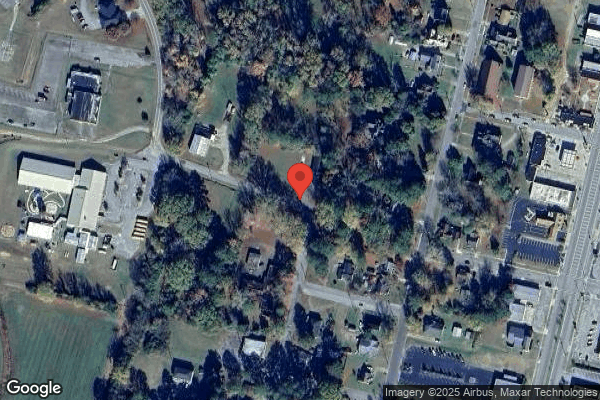

920 Jr High School Road, Scotland Neck, NC 27874 (252) 826-5146
For profit - Corporation 62 Beds Independent Data: November 2025
Trust Grade
78/100
#119 of 417 in NC
Last Inspection: September 2024

Within standard 12-15 month inspection cycle. Federal law requires annual inspections.

Overview

Scotland Manor Health and Rehabilitation Center has a Trust Grade of B, which indicates that it is a good facility and a solid choice for care. It ranks #119 out of 417 nursing homes in North Carolina, placing it in the top half of facilities statewide, and #3 out of 4 in Halifax County, meaning there is only one local option that rates better. The facility is improving, with the number of issues decreasing from six in 2023 to two in 2024. Staffing is average, with a 3/5 rating and a turnover rate of 41%, which is better than the state average of 49%, suggesting that staff members tend to stay longer and build relationships with residents. However, the facility has faced some concerns, including failing to label and date food items properly and allowing expired items to remain in refrigerators, indicating issues with food safety practices.

Trust Score
B
78/100
In North Carolina
#119/417
Top 28%
Safety Record
Low Risk
No red flags
Inspections
Getting Better
6 → 2 violations
Staff Stability
○ Average
41% turnover. Near North Carolina's 48% average. Typical for the industry.
Penalties
○ Average
$7,361 in fines. Higher than 60% of North Carolina facilities. Some compliance issues.
Skilled Nurses
○ Average
Each resident gets 30 minutes of Registered Nurse (RN) attention daily — about average for North Carolina. RNs are the most trained staff who monitor for health changes.
Violations
○ Average
10 deficiencies on record. Average for a facility this size. Mostly minor or procedural issues.
★★★★☆
4.0
Overall Rating
★★★☆☆
3.0
Staff Levels
★★★★☆
4.0
Care Quality
★★★★☆
4.0
Inspection Score
Stable
2023: 6 issues
2024: 2 issues

The Good

  • 4-Star Quality Measures · Strong clinical quality outcomes
  • Full Sprinkler Coverage · Fire safety systems throughout facility
  • No fines on record
  • Staff turnover below average (41%)

    7 points below North Carolina average of 48%

Facility shows strength in quality measures, fire safety.

The Bad

Staff Turnover: 41%

Near North Carolina avg (46%)

Typical for the industry

Federal Fines: $7,361

Below median ($33,413)

Minor penalties assessed

The Ugly 10 deficiencies on record

Sept 2024 2 deficiencies
CONCERN (D)

Potential for Harm - no one hurt, but risky conditions existed

Deficiency F0698 (Tag F0698)

Could have caused harm · This affected 1 resident

**NOTE- TERMS IN BRACKETS HAVE BEEN EDITED TO PROTECT CONFIDENTIALITY** Based on record review, and staff and Dialysis Charge Nurse interviews, the facility failed to maintain ongoing communication wi...

Read full inspector narrative →
**NOTE- TERMS IN BRACKETS HAVE BEEN EDITED TO PROTECT CONFIDENTIALITY** Based on record review, and staff and Dialysis Charge Nurse interviews, the facility failed to maintain ongoing communication with the dialysis treatment center for 1 of 1 resident reviewed for dialysis (Resident #18). The findings included: Resident #18 was admitted to the facility on [DATE] with diagnoses which included end stage renal disease (ESRD) and dependence on dialysis (treatment to filter wastes and water from the blood). Resident #18 had an active physician order dated 2/22/21 for dialysis on Monday, Wednesday, and Friday. Review of Resident #18's care plan last reviewed 7/09/24 revealed the need for dialysis related to renal failure with an intervention to communicate with the dialysis center by the dialysis communication form. Review of Resident #18's dialysis communication forms, located in the dialysis communication notebook at the nursing station, dated 8/01/24 through 9/09/24 revealed 8 of the 17 dialysis communications forms were not completed by the facility staff prior to dialysis for Resident #18. The reviewed dialysis communication forms did not have the following information noted from the facility: medications administered prior to dialysis, arteriovenous (catheter access area for delivery of hemodialysis) access site type, dialysis access type observation including signs or symptoms of infection, access site assessment including bruit (a whooshing sound heard at the fistula site with a stethoscope) and thrill (vibration caused by blood flow felt with fingers), resident pain, and time of transfer to dialysis center. A telephone interview was conducted on 9/10/24 at 1:46 pm with Medication Aide #1, who was assigned to Resident #18 on the dates the dialysis communication forms were not completed, revealed the only information she entered prior to Resident #18 leaving for dialysis were the vital signs (blood pressure, pulse, temperature, and respiratory rate), resident name, resident room number, the date, and the name of the physician. Medication Aide #1 stated she was not aware of any other information that was needed on the dialysis communication form for Resident #18 prior to the dialysis appointment. An attempt to conduct a telephone interview on 9/11/24 at 1:33 pm with Nurse #2, who was the nurse assigned to oversee Medication Aide #1 on the dates the dialysis communication forms were not completed, was unsuccessful. A telephone interview was conducted on 9/11/24 at 8:57 am with the Dialysis Charge Nurse who revealed the dialysis communication forms were sent with the resident from the facility. The Dialysis Charge Nurse stated the facility was to complete their portion of the form before the resident left the facility with information that included vital signs, any medications that were administered, any issues or concerns with the dialysis access site, and if any pain was reported. The Dialysis Charge Nurse stated the dialysis communication form was reviewed by staff at the dialysis center in the event there was a concern that needed to be addressed prior to starting treatment. The Dialysis Charge Nurse stated if any concerns were identified when Resident #18 arrived at the dialysis center a call would be placed to the facility for any additional information that was needed. An interview was conducted with the Director of Nursing (DON) on 9/10/24 at 1:08 pm who revealed the facility was responsible to complete the dialysis communication form prior to the resident being sent to dialysis center. The DON stated Medication Aide #1 was able to complete the non-assessment portions but was unable to complete the assessment portion of the form because Medication Aide #1 was not a licensed nurse. The DON stated Nurse #2, who was assigned to Medication Aide #1 should have completed the assessment portion of Resident #18's dialysis communication forms and made sure the forms were completed prior to dialysis. The DON stated she conducted random audits of the dialysis communication forms to ensure they were being completed, but she stated she just missed Resident #18's incomplete dialysis communication forms. During an interview on 9/11/24 at 10:33 am the Administrator reported the dialysis communication forms for Resident #18 should have been completed prior to his dialysis appointments. The Administrator stated the DON was responsible to ensure the dialysis communication forms for Resident #18 were completed.
CONCERN (D)

Potential for Harm - no one hurt, but risky conditions existed

Infection Control (Tag F0880)

Could have caused harm · This affected 1 resident

Based on observation, record review, and staff interviews, the facility failed to implement their infection prevention program policies and procedures when Nurse Aide (NA) #1 failed to perform hand hy...

Read full inspector narrative →
Based on observation, record review, and staff interviews, the facility failed to implement their infection prevention program policies and procedures when Nurse Aide (NA) #1 failed to perform hand hygiene after performing bathing and incontinence care for 1 of 2 residents observed for incontinence care (Resident #26). The findings included: The facility policy titled Infection Control, no date noted, revealed the purpose of the policy was to provide guidelines for the prevention of infection control in the facility. The policy stated in part that gloves were worn by all staff when providing care such as suctioning, bathing, care of perineal area, and wound care to prevent cross-contamination of infectious waste to hands. The facility policy titled Handwashing/Hand Hygiene dated 11/02/21 revealed hand hygiene was the primary means to prevent the spread of infections and that all staff shall follow the handwashing/hand hygiene procedures to help prevent the spread of infections to other personnel, residents, and visitors. The policy further stated that hand hygiene was to be performed before moving from a contaminated body site to a clean body site during resident care. A continuous observation on 9/09/24 at 1:25 pm through 1:34 pm revealed NA #1 prepared to provide bathing and incontinence care to Resident #26. NA #1 performed hand hygiene and donned clean gloves and prepared a wash basin and wash cloth and proceeded to clean Resident #26's front side of her body including the perineal area (pelvic area located between the legs), placed Resident #26's gown on, without removing her gloves and performing hand hygiene, and assisted Resident #26 to turn onto her left side. NA #1 then removed the urine soiled incontinence brief from under Resident #26 and continued to wash Resident #26's back side and in between her buttocks. NA #1 removed the urine soiled bed pad from under Resident #26 and, without removing her gloves and performing hand hygiene, placed a new incontinence brief and clean sheet under Resident #26. NA #1 removed her gloves, performed hand hygiene and exited the Resident #26's room with the soiled linen and trash bags. An interview was conducted with NA #1 on 9/09/24 at 1:55 pm who revealed she did not change her gloves during the incontinence care and bathing that was performed for Resident #26. NA #1 stated she always used the same gloves for entire process of bathing and incontinence care without putting on new gloves. NA #1 stated she did not know she had to take off the gloves before putting on the clean sheet and clothes for Resident #26. During an interview on 9/10/24 at 1:04 pm with the Infection Preventionist she revealed gloves were to be removed and hand hygiene performed before moving from dirty to clean tasks during resident care. The Infection Preventionist stated NA #1 should have removed her gloves and performed hand hygiene before putting on the clean brief and linens for Resident #26. An interview was conducted on 9/11/24 at 1:12 pm with the Administrator who revealed NA #1 should have removed her gloves and performed hand hygiene before touching the clean brief and linens during Resident #26's bathing and incontinence care.
May 2023 6 deficiencies
CONCERN (D)

Potential for Harm - no one hurt, but risky conditions existed

Deficiency F0637 (Tag F0637)

Could have caused harm · This affected 1 resident

**NOTE- TERMS IN BRACKETS HAVE BEEN EDITED TO PROTECT CONFIDENTIALITY** Based on record review and staff interviews, the facility failed to complete a significant change assessment for a resident's ad...

Read full inspector narrative →
**NOTE- TERMS IN BRACKETS HAVE BEEN EDITED TO PROTECT CONFIDENTIALITY** Based on record review and staff interviews, the facility failed to complete a significant change assessment for a resident's admission to hospice services for 1 of 1 resident reviewed for hospice services. (Resident #151). The findings included: Resident #151 was admitted to the facility on [DATE] with diagnoses which included stroke, depressive disorder, and anxiety. The Minimum Data Set (MDS) quarterly assessment dated [DATE] revealed Resident #151 had moderately impaired cognition and was not on hospice services. Review of the Hospice admission record revealed Resident #151 was admitted to hospice services on 4/26/23 with a diagnosis of stroke. Review of the Minimum Data Set (MDS) assessments revealed no significant change assessment was completed for Resident #151's admission to hospice services. An interview was conducted on 5/23/23 at 2:42 pm with the MDS Nurse who revealed she was new in the position, and she was not aware of Resident #151's admission to hospice services. She stated she was not notified by nursing of the hospice admission for Resident #151. The MDS Nurse stated a significant change assessment was required for Resident #151's hospice admission but it was an oversight on her part. During an interview on 5/24/23 at 12:30 pm the Social Worker revealed Resident #151's hospice admission was discussed in the morning meeting for all management staff, the clinical morning meeting, and was documented on the 24-hour report. The Social Worker stated that when there was a change in the payor source it was discussed in the next morning meeting and if the change affected the plan of care, it would be further discussed in the clinical morning meeting as well as written on the 24-hour report. An interview was conducted on 5/25/23 at 8:52 am with the Director of Nursing (DON) who revealed all admissions, including hospice admissions, were discussed in the morning meeting. She stated Resident #151's admission would have been discussed during the morning meeting and the clinical meeting after signing onto hospice services. The DON stated the MDS Nurse was responsible to complete and submit an MDS significant change assessment for Resident #151's hospice admission. An interview with the Administrator was conducted on 5/25/23 at 10:12 am who revealed hospice admissions were discussed in the morning meeting and the MDS Nurse participated in the meetings. She stated the MDS Nurse was responsible for the completion of the MDS significant change assessment for Resident #151's admission to hospice service.
CONCERN (D)

Potential for Harm - no one hurt, but risky conditions existed

Assessment Accuracy (Tag F0641)

Could have caused harm · This affected 1 resident

**NOTE- TERMS IN BRACKETS HAVE BEEN EDITED TO PROTECT CONFIDENTIALITY** Based on record review, observations, and staff interviews, the facility failed to accurately code the Minimum Data Set (MDS) as...

Read full inspector narrative →
**NOTE- TERMS IN BRACKETS HAVE BEEN EDITED TO PROTECT CONFIDENTIALITY** Based on record review, observations, and staff interviews, the facility failed to accurately code the Minimum Data Set (MDS) assessments for 4 of 24 sampled residents whose MDS were reviewed (Resident #3, Resident #18, Resident #23, and Resident #31). The findings included: 1. Resident # 3 was admitted to the facility on [DATE]. A physician order dated 8/31/23 for fentanyl patch (opioid medication for pain) 72 hour 50 micrograms/hour (mcg/hr). Apply 1 patch every 72 hours for pain remove per schedule. Review of the Medication Administration Record (MAR) for April 2023 revealed the fentanyl patch was administered as ordered. The Minimum Data Set (MDS) annual assessment dated [DATE] revealed Resident #3 was not coded for opioid medication. During an interview on 5/24/23 at 12:48 pm the MDS Nurse revealed she was new to the position and was still learning and it was an oversight of the medication when she completed the annual assessment for Resident #3. An interview was conducted on 5/25/23 at 8:56 am with the Director of Nursing (DON) who revealed the MDS was responsible to accurately complete Resident #3's MDS assessments. An interview with the Administrator on 5/25/23 at 10:12 am revealed the MDS Nurse was responsible to accurately code Resident #3's MDS assessments. 2. Resident #18 was admitted to the facility on [DATE] with a diagnosis which included dementia. a. A physician order dated 12/11/20 to check wander guard placement every day shift and night shift for wander guard placement. The quarterly wandering assessment completed on 1/17/23 revealed Resident #18 was a high risk to wander. The Minimum Data Set (MDS) quarterly assessment dated [DATE] revealed Resident #18 was not coded for wander/elopement alarm. An interview on 5/23/23 at 2:39 pm with the MDS Nurse revealed she was new to the position and was not notified by nursing staff that Resident #18 had a wander guard in place. She stated it was an oversight. An interview was conducted with the Director of Nursing (DON) on 5/25/23 at 9:05 am who revealed the MDS Nurse was responsible to accurately complete Resident #18's MDS assessments. An interview with the Administrator on 5/25/23 at 10:12 am revealed the MDS Nurse was responsible for Resident #18's MDS assessments to be completed correctly. b. The Minimum Data Set (MDS) quarterly assessment dated [DATE] revealed Resident #18 was coded for use of anticoagulant (used to prevent clotting) and antipsychotic (used to treat psychotic disorders) medications. Review of the physician orders for April 2023 revealed Resident #18 did not have an order for an anticoagulant or an antipsychotic medication. During an interview on 5/23/23 at 2:39 pm the MDS Nurse revealed she completed the medication section of the MDS assessment from Resident #18's physician orders. The MDS Nurse confirmed Resident #18 did not have an order for an anticoagulant or antipsychotic medications. The MDS Nurse stated it was an oversight and she incorrectly coded Resident #18 for an anticoagulant and antipsychotic medications. An interview was conducted with the Director of Nursing (DON) on 5/25/23 at 9:05 am who revealed the MDS Nurse was responsible to accurately complete Resident #18's MDS assessments. An interview with the Administrator on 5/25/23 at 10:12 am revealed the MDS Nurse was responsible to accurately complete the MDS assessments. The Administrator stated the MDS Nurse had multiple consultants available to her if she had any questions about how to complete the assessments correctly. 3. Resident # 23 was admitted to the facility on [DATE]. The Minimum Data Set (MDS) annual assessment dated [DATE] revealed Resident #23 was coded for an anticoagulant (used to prevent blood clotting) medication. Review of the physician orders for the month of March 2023 revealed Resident #23 did not have an order for an anticoagulant medication. During an interview on 5/23/23 at 2:39 pm the MDS Nurse confirmed Resident #23 did not have an order for an anticoagulant medication during the period the MDS assessment was completed. The MDS Nurse stated she incorrectly coded Resident #23 for an anticoagulant medication. An interview was conducted with the Director of Nursing (DON) on 5/25/23 at 9:05 am who revealed the MDS Nurse was responsible to accurately complete the MDS assessments for Resident #23. An interview with the Administrator on 5/25/23 at 10:12 am revealed the MDS Nurse was responsible to accurately complete the MDS assessments and she had multiple consultants available if she had any questions regarding Resident #23's medications. 4. Resident #31 was admitted to the facility on [DATE]. Review of the Minimum Data Set (MDS) quarterly assessment dated [DATE] revealed Resident #31 was coded for a stage 3 pressure ulcer which was not present upon admission. Review of Resident #31's physician orders revealed there were no orders for treatment of a stage 3 pressure ulcer. Resident #31 had a care plan which was last reviewed 5/19/23 for potential for pressure ulcer development related to decreased mobility and incontinence. During an interview on 5/23/23 at 2:40 pm the MDS Nurse stated she thought she saw a note in Resident #31's record regarding a stage 3 pressure ulcer so she coded him for a pressure ulcer. The MDS Nurse stated she was not provided with a list of residents from the nursing department of those residents that have pressure ulcers, so she reviewed the progress notes. During an interview on 5/23/23 at 1:43 pm Nurse #1 revealed Resident #31 did not have a pressure ulcer and did not have an order for pressure ulcer treatment. An interview was conducted on 5/23/23 at 3:05 pm with the Director of Nursing (DON) who revealed Resident #31 did not have a stage 3 pressure ulcer. An observation on 5/24/23 of personal care revealed Resident #31 did not have a pressure ulcer. During an interview on 5/25/23 at 10:16 am the Administrator revealed the MDS Nurse was able to reach out to nursing staff or her consultant when she had questions about completing an MDS assessment. The Administrator stated the MDS Nurse was required to ensure the assessments were completed accurately.
CONCERN (D)

Potential for Harm - no one hurt, but risky conditions existed

Deficiency F0645 (Tag F0645)

Could have caused harm · This affected 1 resident

**NOTE- TERMS IN BRACKETS HAVE BEEN EDITED TO PROTECT CONFIDENTIALITY** 3. Resident # 35 was admitted to the facility on [DATE] with diagnoses which included bipolar II disorder and borderline persona...

Read full inspector narrative →
**NOTE- TERMS IN BRACKETS HAVE BEEN EDITED TO PROTECT CONFIDENTIALITY** 3. Resident # 35 was admitted to the facility on [DATE] with diagnoses which included bipolar II disorder and borderline personality disorder. The PASRR Level II Determination Notification dated [DATE] revealed Resident #35's nursing facility placement was appropriate for a 60-day period. The PASRR Level II expiration date was [DATE]. No additional PASRR Level II Determination Notification was found in the medical record. During an interview on [DATE] at 4:45 pm the Director of Nursing (DON) and the [NAME] President of Clinical Services revealed the PASRR Level II re-evaluation for Resident #35 had not been sent. An interview was conducted on [DATE] at 10:03 am with the DON who revealed the Social Worker was responsible to monitor the PASRR's and send the required information for re-evaluation when it was needed. The DON was unable to state why the PASRR Level II re-evaluation for Resident #35 was not completed. During an interview on [DATE] at 10:44 am the Social Worker revealed she did not understand the PASRR process and did not realize Resident #35's PASRR Level II had expired and she was required to be re-evaluated. An interview with the Administrator on [DATE] at 10:22 am revealed the Social Worker was to ensure Resident #35's PASRR Level II was re-evaluated as required. Based on staff interviews and record reviews, the facility failed to obtain a Level II Preadmission Screening and Resident Review (PASRR) after the initial approval for nursing home placement expired for 3 of 3 residents reviewed for PASRR (Resident #16, Resident #36, and Resident #35). The findings included: 1. Resident #16 was admitted to the facility on [DATE] with diagnoses that included metabolic encephalopathy (a disorder in the brain caused by a chemical imbalance in the blood). The quarterly Minimum Data Set (MDS) assessment dated [DATE] revealed Resident #16 had moderately impaired cognition. The MDS further revealed the Resident required extensive assistance from 2 staff members to complete activities of daily living and exhibited no behaviors during the assessment period. A review of the PASRR Level II Determination Notification document dated [DATE] revealed nursing facility placement was appropriate for a limited stay of no more than 30 days. The notification further explained if the resident was expected to extend beyond that 30-day period ([DATE]) further approval and screening must be obtained within 5 days of the PASRR expiration date. No additional PASRR Level II Determination Notifications were found the medical record. An interview was completed on [DATE] at 10:44am with the Social Worker. The Social Worker stated she was new to the position and did not understand the PASRR process. She revealed she was not aware PASRR level II's were at times issued with an expiration date. An interview was completed [DATE] 10:22am with the Administrator. She indicated the Social Worker was responsible for ensuring the PASRR's were reviewed and updated as needed. The Administrator stated the Social Worker or Admissions were expected to discuss during the facility's clinical meeting but was unable to recall if PASRR's were discussed. An interview was completed on [DATE] at 10:51am with the Director of Nursing (DON). The DON verified the PASRR level II had expired for Residents #16. She indicated it was the Social Worker's responsibility to review and update PASSR's. The DON stated the Social Worker was new to the position and did not understand the PASSR level 2 process. 2. Resident #36 was admitted to the facility on [DATE] with diagnoses that included adjustment disorder with anxiety and depression. The annual MDS dated [DATE] revealed Resident #36 was cognitively intact. A review of the PASRR Level II Determination Notification document dated [DATE] revealed nursing facility placement was appropriate for a limited stay of no more than 30 days. The notification further explained if the resident was expected to extend beyond that 30-day period ([DATE]) further approval and screening must be obtained within 5 days of the PASRR expiration date. No additional PASRR Level II Determination Notifications were found the medical record. An interview was completed on [DATE] at 10:44am with the Social Worker. The Social Worker stated she was new to the position and did not understand the PASRR process. She revealed she was not aware PASRR level II's were at times issued with an expiration date. An interview was completed [DATE] 10:22am with the Administrator. She indicated the Social Worker was responsible for ensuring the PASRR's were reviewed and updated as needed. The Administrator stated the Social Worker or Admissions were expected to discuss during the facility's clinical meeting but was unable to recall if PASRR's were discussed. An interview was completed on [DATE] at 10:51am with the Director of Nursing (DON). The DON verified the PASRR level II had expired for Residents #36. She indicated it was the Social Worker's responsibility to review and update PASSR's. The DON stated the Social Worker was new to the position and did not understand the PASSR level 2 process.
CONCERN (D)

Potential for Harm - no one hurt, but risky conditions existed

Medication Errors (Tag F0758)

Could have caused harm · This affected 1 resident

**NOTE- TERMS IN BRACKETS HAVE BEEN EDITED TO PROTECT CONFIDENTIALITY** Based on record review, staff interviews, and Pharmacy Consultant interview, the facility failed to ensure Physician orders for ...

Read full inspector narrative →
**NOTE- TERMS IN BRACKETS HAVE BEEN EDITED TO PROTECT CONFIDENTIALITY** Based on record review, staff interviews, and Pharmacy Consultant interview, the facility failed to ensure Physician orders for as needed (PRN) psychotropic medications were time limited in duration for 1 of 1 resident reviewed for hospice services (Resident #151). The findings included: Resident #151 was admitted to the facility on [DATE] with diagnoses which included stroke, anxiety, and major depressive disorder. Resident #151 was discharged to the hospital on 4/17/23 and returned to the facility on 4/25/23 and was placed on hospice services. A physician order dated 4/25/23 for lorazepam (a medication used to treat anxiety) 1 milligram (mg) every four hours as needed (PRN) for agitation without a stop date. Record review of the Medication Administration Record (MAR) for April 2023 and May 2023 revealed Resident #151 had not been administered the lorazepam PRN. An interview was conducted on 5/23/23 at 3:06 pm with the Nurse Unit Manager who revealed she entered the lorazepam PRN order for Resident #151. She stated the lorazepam PRN order required a stop date but stated the Physician Assistant or the Pharmacy Consultant would normally find the error and the order would be changed. The Nurse Unit Manager stated new orders were to be checked the next day by another nurse for accuracy, but she was unable to state how the lorazepam PRN order without a stop date was missed for Resident #151. During an interview on 5/25/23 at 8:49 am the Director of Nursing (DON) revealed Resident #151's lorazepam PRN order required a 14-day stop date unless otherwise directed for a longer stop date by the doctor, but it required a stop date. The DON stated new orders were checked in the morning meeting with nursing management and was unable to state how the lorazepam PRN order without a stop date was missed for Resident #151. An attempt to interview the Physician Assistant on 5/25/23 at 10:00 am was unsuccessful. An interview on 5/25/23 at 10:10 am with the Administrator revealed physician orders were reviewed in the clinical meetings and it as the nursing management teams responsibility to ensure the 14-day stop date was in place for Resident #151's lorazepam PRN order. A telephone interview with the Pharmacy Consultant was conducted on 5/25/23 at 10:28 am who revealed he had not completed the monthly medication review for the facility and had not yet reviewed the new orders for Resident #151. The Pharmacy Consultant stated his normal practice was when he completed the monthly review of medications, he notified the facility of the need for a stop date for as needed psychotropic medications if found. The Pharmacy Consultant stated Resident #151's lorazepam as needed medication was required to have a stop date. An attempt to interview the Medical Director on 5/25/23 at 10:48 am was unsuccessful.
CONCERN (E)

Potential for Harm - no one hurt, but risky conditions existed

Food Safety (Tag F0812)

Could have caused harm · This affected multiple residents

Based on observations and staff interviews, the facility failed to 1) label and date opened items in 2 kitchen refrigerators (refrigerator #1 located in the stock room, and refrigerator #2 located nea...

Read full inspector narrative →
Based on observations and staff interviews, the facility failed to 1) label and date opened items in 2 kitchen refrigerators (refrigerator #1 located in the stock room, and refrigerator #2 located near the tray line counter) and the kitchen wall freezer located in the stock room and 2) failed to remove expired items from the residents' refrigerator, failed to label and date food items in the residents' refrigerator, and keep 1 of 1 freezer used for residents' personal food items, free from ice build-up. The findings included: 1. During an observation of the kitchen on 5/22/23 at 10:14 am with the cook the following items were observed: a. The kitchen refrigerator #1, located in the stock room, was observed to have the following: 2 one-gallon containers of mayonnaise open and without a date, a container of tartar sauce open and without a date, a half empty jar of maraschino cherries open and without a date, and an open container of ranch dressing without a date. b. The kitchen wall freezer, located in the stock room, was observed to have 1 large clear plastic bag of frozen pizza slices with multiple holes in the bag and tied at the top without a date, and a clear zipper storage bag of pork chops (as determined by the Cook) without a label or date. c. The kitchen refrigerator #2, located near the tray line counter, was observed to have the following: 1/2 box of blueberry muffins partially covered with plastic wrap that was not dated, and 2 large meal serving trays with peanut butter and jelly sandwiches in individual bags without a date. An interview was conducted on 5/22/23 at 10:16 am with the [NAME] who revealed all staff were educated to place a date on anything open in the refrigerators or freezers, but she was unable to state why the open items were not dated. The [NAME] stated she thought the peanut butter and jelly sandwiches were made the day prior but since there was not a date on them, she would remove them from the refrigerator. During an interview on 5/23/23 at 2:55 pm the Dietary Consultant revealed all open items, premade sandwiches, and unused items placed in freezer were required to have a date they were made or placed for storage. She stated she had provided education in the past to all staff regarding labeling and dating all open items in the refrigerator or freezers and she would re-educate all staff immediately. An interview was conducted with the Dietary Manager on 5/24/23 at 11:30 am who revealed she was new to the facility but stated any item that was opened was required to be labeled with the date of opening, leftovers must be labeled and dated before going into the refrigerator or freezer, and the premade sandwiches were to be dated when they were made. During an interview on 5/25/23 at 10:19 am the Administrator revealed it was the Dietary Managers responsibility to ensure items in the kitchen refrigerator and kitchen freezer were labeled and dated as required. 2. During an observation on 5/24/23 at 2:05 pm of the residents' refrigerator/freezer, which was in the break room and used for residents' personal food items, with the Director of Nursing (DON) and Administrator #2 the following was observed: a. The freezer compartment was opened and observed to have freezer frost throughout the entire freezer which was unable to be penetrated by DON's hand or the surveyor's pen. No visualization of the interior of the freezer was possible due to the freezer frost buildup which filled the entire freezer compartment. b. The refrigerator compartment was opened and observed to have the following: 2 individual cartons of white milk unopened with expiration date of 2/13/23, 1 half-gallon bottle of orange juice open and not dated, 1 plastic bag with grapes without a resident name or date, 1 food plate covered with aluminum foil with date of 2/8/23, 1 white paper bag of homemade cookies with date of 2/8/23, 1 plastic bag with plate inside of leftover food dated 4/18/23, and 2 plastic bags with open food items without a resident name or date. An interview was completed on 5/24/23 at 2:10 pm with Administrator #2 in the presence of the DON who revealed all open food items in the residents' refrigerator were to be dated and labeled with the residents' name and were to be removed after 3 days. Administrator #2 stated the dietary department was responsible to monitor and remove expired foods from the residents' personal refrigerator. During an interview on 5/25/23 at 9:02 am the DON stated the cart nurse had the key to the residents' refrigerator/freezer, but any staff member was able to put the residents' items in the refrigerator. She stated staff were educated to label with resident name and date when items were placed in the refrigerator/freezer, but she was unable to state why this did not occur. The DON stated the dietary department was required to clean the refrigerator. During an interview on 5/25/23 at 11:32 am the Dietary Consultant revealed she was not notified of the responsibility to manage the resident refrigerator/freezer. She stated she covered the facility as an interim Dietary Manager and had not cleaned out the resident refrigerator/freezer or monitored the residents' refrigerator during her time at the facility. During an interview on 5/25/23 at 11:34 am the Dietary Manager revealed she was new to the facility but reported she was not notified she was responsible for the monitoring of the resident refrigerator/freezer. The Dietary Manager stated she had not monitored the resident refrigerator/freezer during her time at the facility. An interview was conducted on 5/25/23 at 11:38 am with the Maintenance Director who revealed he had not been instructed that he was responsible to defrost the resident freezer. He stated he was instructed to put a lock on both the refrigerator and freezer before but had not been informed he was responsible for monitoring or defrosting the freezer. An interview was conducted on 5/25/23 at 10:08 am with the Administrator who revealed she failed to notify the correct department of the requirement to monitor the resident refrigerator/freezer. She stated the Maintenance Director was responsible for defrosting the freezer when needed and the dietary department was responsible for disposal of the expired food items. The Administrator was unable to state when the resident refrigerator/freezer was last checked.
CONCERN (E)

Potential for Harm - no one hurt, but risky conditions existed

QAPI Program (Tag F0867)

Could have caused harm · This affected multiple residents

Based on observations and staff interviews, the facility's Quality Assessment and Assurance (QAA) Committee failed to maintain implemented procedures and monitor interventions the committee put in pla...

Read full inspector narrative →
Based on observations and staff interviews, the facility's Quality Assessment and Assurance (QAA) Committee failed to maintain implemented procedures and monitor interventions the committee put in place following the recertification survey conducted on 1/07/22. This was for a recited deficiency on the current recertification and complaint survey in the area of food procurement, store, prepare, and serve in a sanitary manner. The continued failure during two surveys shows a pattern of the facility's inability to sustain an effective QAA program. The findings included: This tag is cross referenced to: F812: Based on observations and staff interviews, the facility failed to 1) label and date opened items in 2 kitchen refrigerators (refrigerator #1 located in the stock room, and refrigerator #2 located near the tray line counter) and the kitchen wall freezer located in the stock room and 2) failed to remove expired items from the residents' refrigerator, failed to label and date food items in the residents' refrigerator, and keep 1 of 1 freezer used for residents' personal food items, free from ice build-up. An interview was completed on 5/25/23 at 12:04 pm with the Administrator. The Administrator indicated the QAA committee met monthly to discuss the facility's ongoing performance improvement plans. The Administrator indicated there were no current monitoring plans in place for the area the food procurement, store, prepare, and serve in a sanitary manner. The Administrator indicated it was her expectation the facility continued to follow the QAA process and monitor those issues within the facility so they would not receive a recited deficiency.
Jan 2022 2 deficiencies
CONCERN (D)

Potential for Harm - no one hurt, but risky conditions existed

Incontinence Care (Tag F0690)

Could have caused harm · This affected 1 resident

**NOTE- TERMS IN BRACKETS HAVE BEEN EDITED TO PROTECT CONFIDENTIALITY** Based on observation, record review and staff interviews, the facility failed to keep the urinary catheter drainage bag from tou...

Read full inspector narrative →
**NOTE- TERMS IN BRACKETS HAVE BEEN EDITED TO PROTECT CONFIDENTIALITY** Based on observation, record review and staff interviews, the facility failed to keep the urinary catheter drainage bag from touching the floor to reduce the risk of infection or injury for 1 of 3 residents (Resident #13) reviewed for urinary catheter care. The findings included: Resident #13 was admitted to the facility on [DATE] with diagnoses that included neuromuscular dysfunction of bladder and urine retention. A review of the Minimum Data Set (MDS) dated [DATE] revealed Resident #13 had severe cognitive impairment and was coded for an indwelling catheter. Resident #13's care plan last revised 12/22/21 revealed a focus area of urinary catheter with a goal that he would be free from catheter related trauma. The interventions for the goal included position urinary catheter bag and tubing below the level of the bladder. An observation of Resident #13's catheter on 1/4/22 at 12:50 PM revealed the resident was laying on the bed and the urinary catheter drainage bag was laying on the floor. An interview was conducted with NA# 7 on 1/4/22 at 12: 53 PM. The NA stated the urinary drainage bag was supposed to be hanging below the bladder and not touching the floor. NA #7 stated she was not aware of how the urinary catheter drainage bag ended up on the floor. NA # 7 retrieved gloves and hung the urinary drainage bag on the foot of the bed. An observation of Resident #13's urinary catheter bag on 1/6/22 at 9:35 AM revealed the resident was lying in bed with head of bed elevated. The urinary catheter drainage bag was hung at the foot of the bed and drainage bag was touching the floor. An observation of Resident #13's catheter bag on 1/6/2022 at 1:08 PM revealed the resident was lying in bed and the urinary drainage bag was hanging at the foot of the bed touching the floor. An interview was conducted with NA# 8 on 1/6/2022 at 1:10 PM. NA #8 stated that the urinary catheter bag should not have been touching the floor. NA #8 stated that it was difficult to place the bed in the lowest position and keep the catheter bag off the floor. An interview was conducted with the Director of Nursing (DON) on 1/6/22 at 1:20 PM. The DON stated the urinary catheter bag should not have been touching the floor. The DON stated that she would initiate education about urinary catheter bags touching the floor.
CONCERN (E)

Potential for Harm - no one hurt, but risky conditions existed

Food Safety (Tag F0812)

Could have caused harm · This affected multiple residents

Based on observations, policy review and staff interview the facility failed to prevent cross contamination by one of one staff who failed to wear a beard net during meal service. The findings include...

Read full inspector narrative →
Based on observations, policy review and staff interview the facility failed to prevent cross contamination by one of one staff who failed to wear a beard net during meal service. The findings included: A review of the Next Level Hospitality Services policy, under Staff Attire policy statement reads as: It is the center policy that all Dining Services employees wear approved attire for the performance of their duties. Action Steps: 1. The Dining services Director ensures that all staff members have their hair off the shoulders, confined in a hair net or cap, and facial hair properly restrained. During the meal observation on 1/06/22 at 11:36 AM the dietary manager was observed taking the meal temperatures. The dietary manager wore a face mask and was observed to have an uncovered two-inch beard that protruded below his face mask. In an interview on 1/06/22 at 12:39 PM the dietary manager stated he usually kept his beard trimmed and was working extra hours to cover for staff out on medical leave. He revealed beard nets were available in the diet office and he would put one on. In an interview on 1/07/21 at 1:33 PM the Director of Nursing stated they would want the dietary manager to wear a beard net. The DON stated she would check to make sure beard nets were available for staff use.
Understanding Severity Codes (click to expand)
Life-Threatening (Immediate Jeopardy)
J - Isolated K - Pattern L - Widespread
Actual Harm
G - Isolated H - Pattern I - Widespread
Potential for Harm
D - Isolated E - Pattern F - Widespread
No Harm (Minor)
A - Isolated B - Pattern C - Widespread

Questions to Ask on Your Visit

  • "Can I speak with families of current residents?"
  • "What's your RN coverage like on weekends and overnight?"

Our Honest Assessment

Strengths
  • • No major safety red flags. No abuse findings, life-threatening violations, or SFF status.
  • • 41% turnover. Below North Carolina's 48% average. Good staff retention means consistent care.
Concerns
  • • No major red flags. Standard due diligence and a personal visit recommended.
Bottom line: Generally positive indicators. Standard due diligence and a personal visit recommended.

About This Facility

What is Scotland Manor Health And Rehabilitation Center's CMS Rating?

CMS assigns Scotland Manor Health and Rehabilitation Center an overall rating of 4 out of 5 stars, which is considered above average nationally. Within North Carolina, this rating places the facility higher than 99% of the state's 100 nursing homes. This rating reflects solid performance across the metrics CMS uses to evaluate nursing home quality.

How is Scotland Manor Health And Rehabilitation Center Staffed?

CMS rates Scotland Manor Health and Rehabilitation Center's staffing level at 3 out of 5 stars, which is average compared to other nursing homes. Staff turnover is 41%, compared to the North Carolina average of 46%. This relatively stable workforce can support continuity of care.

What Have Inspectors Found at Scotland Manor Health And Rehabilitation Center?

State health inspectors documented 10 deficiencies at Scotland Manor Health and Rehabilitation Center during 2022 to 2024. These included: 10 with potential for harm.

Who Owns and Operates Scotland Manor Health And Rehabilitation Center?

Scotland Manor Health and Rehabilitation Center is owned by a for-profit company. For-profit facilities operate as businesses with obligations to shareholders or private owners. The facility operates independently rather than as part of a larger chain. With 62 certified beds and approximately 46 residents (about 74% occupancy), it is a smaller facility located in Scotland Neck, North Carolina.

How Does Scotland Manor Health And Rehabilitation Center Compare to Other North Carolina Nursing Homes?

Compared to the 100 nursing homes in North Carolina, Scotland Manor Health and Rehabilitation Center's overall rating (4 stars) is above the state average of 2.8, staff turnover (41%) is near the state average of 46%, and health inspection rating (4 stars) is above the national benchmark.

What Should Families Ask When Visiting Scotland Manor Health And Rehabilitation Center?

Based on this facility's data, families visiting should ask: "Can I visit during a mealtime to observe dining assistance and food quality?" "How do you handle medical emergencies, and what is your hospital transfer rate?" "Can I speak with family members of current residents about their experience?"

Is Scotland Manor Health And Rehabilitation Center Safe?

Based on CMS inspection data, Scotland Manor Health and Rehabilitation Center has a clean safety record: no substantiated abuse findings (meaning no confirmed cases of resident harm), no Immediate Jeopardy citations (the most serious violation level indicating risk of serious injury or death), and is not on the Special Focus Facility watch list (a federal program monitoring the lowest-performing 1% of nursing homes). The facility has a 4-star overall rating and ranks #1 of 100 nursing homes in North Carolina. While no facility is perfect, families should still ask about staff-to-resident ratios and recent inspection results during their visit.

Do Nurses at Scotland Manor Health And Rehabilitation Center Stick Around?

Scotland Manor Health and Rehabilitation Center has a staff turnover rate of 41%, which is about average for North Carolina nursing homes (state average: 46%). Moderate turnover is common in nursing homes, but families should still ask about staff tenure and how the facility maintains care continuity when employees leave.

Was Scotland Manor Health And Rehabilitation Center Ever Fined?

Scotland Manor Health and Rehabilitation Center has been fined $7,361 across 2 penalty actions. This is below the North Carolina average of $33,152. While any fine indicates a compliance issue, fines under $50,000 are relatively common and typically reflect isolated problems that were subsequently corrected. Families should ask what specific issues led to these fines and confirm they've been resolved.

Is Scotland Manor Health And Rehabilitation Center on Any Federal Watch List?

Scotland Manor Health and Rehabilitation Center is not on any federal watch list. The most significant is the Special Focus Facility (SFF) program, which identifies the bottom 1% of nursing homes nationally based on persistent, serious quality problems. Not being on this list means the facility has avoided the pattern of deficiencies that triggers enhanced federal oversight. This is a positive indicator, though families should still review the facility's inspection history directly.