The Carrolton of Nash
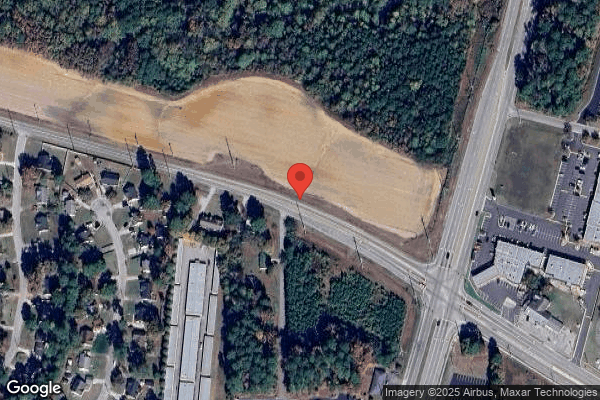
7369 Hunter Hill Road, Rocky Mount, NC 27804 (252) 443-0867
For profit - Partnership 141 Beds CARROLTON NURSING HOMES Data: November 2025
Trust Grade
65/100
#199 of 417 in NC
Last Inspection: October 2024

Within standard 12-15 month inspection cycle. Federal law requires annual inspections.

Overview

The Carrolton of Nash has a Trust Grade of C+, indicating it is decent and slightly above average among nursing homes. It ranks #199 out of 417 facilities in North Carolina, placing it in the top half, and #2 out of 3 in Nash County, with only one local option rated higher. Unfortunately, the facility's performance is worsening, with issues increasing from 7 in 2023 to 8 in 2024. Staffing is a concern, rated at 2 out of 5 stars, but the turnover rate is relatively low at 38%, which is better than the state average. While there have been no fines, which is positive, the facility has less RN coverage than 97% of other North Carolina facilities, meaning fewer registered nurses are available to catch potential problems. Specific incidents reported during inspections included failure to maintain cleanliness around the grease bin, which posed a sanitation risk, and a lack of documentation for advance directives for numerous residents. Additionally, there were multiple breaches in infection control practices, such as staff not performing hand hygiene between glove changes, which could increase the risk of infection. Overall, while there are some strengths, such as low fines and reasonable staff turnover, the facility has notable weaknesses in compliance and infection control that families should consider.

Trust Score
C+
65/100
In North Carolina
#199/417
Top 47%
Safety Record
Low Risk
No red flags
Inspections
Getting Worse
7 → 8 violations
Staff Stability
○ Average
38% turnover. Near North Carolina's 48% average. Typical for the industry.
Penalties
✓ Good
No fines on record. Clean compliance history, better than most North Carolina facilities.
Skilled Nurses
⚠ Watch
Each resident gets only 13 minutes of Registered Nurse (RN) attention daily — below average for North Carolina. Fewer RN minutes means fewer trained eyes watching for problems.
Violations
⚠ Watch
18 deficiencies on record. Higher than average. Multiple issues found across inspections.
★★★☆☆
3.0
Overall Rating
★★☆☆☆
2.0
Staff Levels
★★☆☆☆
2.0
Care Quality
★★★☆☆
3.0
Inspection Score
Stable
2023: 7 issues
2024: 8 issues

The Good

  • Full Sprinkler Coverage · Fire safety systems throughout facility
  • No fines on record
  • Staff turnover below average (38%)

    10 points below North Carolina average of 48%

Facility shows strength in fire safety.

The Bad

3-Star Overall Rating

Near North Carolina average (2.8)

Meets federal standards, typical of most facilities

Staff Turnover: 38%

Near North Carolina avg (46%)

Typical for the industry

Chain: CARROLTON NURSING HOMES

Part of a multi-facility chain

Ask about local staffing decisions and management

The Ugly 18 deficiencies on record

Oct 2024 8 deficiencies
CONCERN (D)

Potential for Harm - no one hurt, but risky conditions existed

Transfer Notice (Tag F0623)

Could have caused harm · This affected 1 resident

**NOTE- TERMS IN BRACKETS HAVE BEEN EDITED TO PROTECT CONFIDENTIALITY** Based on record review, and staff and Ombudsman interviews, the facility failed to notify the Ombudsman in writing of a resident...

Read full inspector narrative →
**NOTE- TERMS IN BRACKETS HAVE BEEN EDITED TO PROTECT CONFIDENTIALITY** Based on record review, and staff and Ombudsman interviews, the facility failed to notify the Ombudsman in writing of a resident transfer for 2 of 5 residents reviewed for hospitalization (Resident #2 and Resident #42). The findings included: 1a. Resident #2 was admitted to the facility on [DATE]. The nursing progress note dated 7/02/24 at 3:00 pm revealed Resident #2 was transferred to the hospital for evaluation of change in mental status. Resident #2 was discharged from the facility on 7/02/24 and returned to the facility on 7/08/24. Record review of the Ombudsman Discharge and Transfer report provided by the facility revealed the Ombudsman was notified of Resident #2's 7/02/24 transfer to the hospital on [DATE]. b. The nursing progress note dated 8/12/24 at 3:38 pm revealed Resident #2 was transferred to the hospital for evaluation of altered mental status. Resident #2 was discharged from the facility on 8/12/24 and returned to the facility on 8/23/24. Record review of the Ombudsman Discharge and Transfer report provided by the facility revealed the Ombudsman was notified of Resident #2's 8/12/24 transfer to the hospital on [DATE]. 2a. Resident #42 was admitted to the facility on [DATE]. The nursing progress note dated 7/21/24 at 9:00 am revealed Resident #42 was transferred to the hospital for evaluation. Resident #42 was discharged from the facility on 7/21/24 and returned to the facility on 7/25/24. Record review of the Ombudsman Discharge and Transfer report provided by the facility revealed the Ombudsman was notified of Resident #42's 7/21/24 transfer to the hospital on [DATE]. b. The physician progress note dated 8/20/24 revealed Resident #42 was transferred to the hospital for further evaluation. Resident #42 was discharged from the facility on 8/20/24 and returned to the facility on 8/23/24. Record review of the Ombudsman Discharge and Transfer report provided by the facility revealed the Ombudsman was notified of Resident #42's 8/20/24 transfer to the hospital on [DATE]. A telephone interview was conducted on 10/23/24 at 03:29 pm with the Ombudsman who revealed she had not received written notification of hospitalization discharges for the last 6 months. An interview was conducted with Social Worker #1 on 10/23/24 at 3:49 pm who revealed she started working at the facility in April 2024 and she was educated at that time to send the transfers and discharges to the Ombudsman. Social Worker #1 stated she had not sent any discharge and transfer information to the Ombudsman since she started at the facility because she forgot the information was to be sent monthly. Social Worker #1 reported it was her fault that she had not sent the information to the Ombudsman prior to today (10/23/24). During an interview on 10/24/23 at 10:24 am with the Interim Administrator she revealed she was not sure why Social Worker #1 had not sent any information to the Ombudsman. The Interim Administrator stated Social Worker #1 was educated upon hire, but she felt Social Worker #1 just forgot to send the lists to the Ombudsman monthly.
CONCERN (D)

Potential for Harm - no one hurt, but risky conditions existed

Incontinence Care (Tag F0690)

Could have caused harm · This affected 1 resident

**NOTE- TERMS IN BRACKETS HAVE BEEN EDITED TO PROTECT CONFIDENTIALITY** Based on observation, record reviews, staff interviews, the facility failed to ensure there was a physician's order in place for...

Read full inspector narrative →
**NOTE- TERMS IN BRACKETS HAVE BEEN EDITED TO PROTECT CONFIDENTIALITY** Based on observation, record reviews, staff interviews, the facility failed to ensure there was a physician's order in place for the size of an indwelling urinary catheter and frequency to change the indwelling urinary catheter for 1 of 1 resident reviewed for catheters (Resident #49). The findings included: Resident #49 was admitted to the facility on [DATE] with diagnoses that included disorder of kidney and ureter. Review of the admission Minimum Data Set (MDS) assessment dated [DATE] revealed resident had severe cognitive impairment with no behaviors present. He was coded as dependent on staff for toileting and had an indwelling urinary catheter. A review of a care plan dated 10/5/24 revealed Resident #49 was care planned for an indwelling urinary catheter. The goal was for Resident #49 to be/remain free from catheter-related trauma and have no signs and symptoms of urinary tract infection through review date. The interventions included monitor and document sign and symptoms of infection. Review of a physician's order revealed an order dated 10/7/24 for a size 20 French (FR) urinary indwelling catheter. Review of a physician progress note dated 10/8/24 revealed Resident #49 had a chronic catheter and was admitted to the hospital for possible infection. Review of a health status note dated 10/17/24 revealed Resident #49 was out to a urology appointment and returned with no new orders. A review of the consultation progress notes for urology dated 10/17/24 revealed an order to change 16 FR indwelling urinary catheter every month and call office with issues. A review of the electronic health record revealed no order in place for 16 FR indwelling urinary catheter change every month. An observation was conducted of Resident #49 with Nurse Aide #4 on 10/23/24 at 09:45 AM. Resident #49 had a 16 French indwelling urinary catheter that was connected to a urinary drainage bag. An interview was conducted with Unit Manager #2 on 10/23/24 at 03:39 PM. She stated Medical Records was out during the week of October 17th. The Unit Manager stated she was responsible for taking off the orders. She reported that Medical Records Clerk normally scanned in the information from consults and would either call on the phone to let her know to review or she would bring her a stack of consults for her to review. An interview was conducted with the Medical Records Clerk on 10/23/24 at 3: 48 PM. She stated she reviewed the information from consults when a resident returned for an appointment. The Medical Record Clerk stated she scanned the consults into the electronic medical records then gave the hard copy of the consult to the unit manager. An interview was conducted on 10/23/24 at 3:59 PM. The Interim Administrator verified the medical records clerk scanned the consults into the system. The Administrator stated the unit managers were responsible for entering the orders into the electronic medical record when the residents returned from appointments.
CONCERN (D)

Potential for Harm - no one hurt, but risky conditions existed

Respiratory Care (Tag F0695)

Could have caused harm · This affected 1 resident

**NOTE- TERMS IN BRACKETS HAVE BEEN EDITED TO PROTECT CONFIDENTIALITY** Based on observations, record review, and staff, resident, Respiratory Therapist, and Nurse Practitioner interviews, the facilit...

Read full inspector narrative →
**NOTE- TERMS IN BRACKETS HAVE BEEN EDITED TO PROTECT CONFIDENTIALITY** Based on observations, record review, and staff, resident, Respiratory Therapist, and Nurse Practitioner interviews, the facility failed to obtain a physician order for liters of oxygen and the fraction of inspired oxygen (FiO2) for a resident with a tracheostomy for 1 of 1 resident reviewed for respiratory care (Resident #112). The findings included: Review of the hospital speech therapy consultation provided by the facility dated 9/05/24 revealed Resident #112 had a tracheostomy (a surgical opening through the front of the neck into the windpipe for an air passage to help breathe) and was on a trach collar (a soft plastic mask that fits over the tracheostomy) with 5 liters of oxygen with 28% FiO2 (percentage of oxygen in the air that a person inhales). Review of the hospital Discharge summary dated [DATE] revealed no orders were noted for Resident #112's oxygen or FiO2 settings. Resident #112 was readmitted to the facility on [DATE] with diagnoses which included acute respiratory failure with hypercapnia (carbon dioxide retention), pneumonia, and tracheostomy. Review of the nursing progress note dated 9/08/24 at 11:08 am by Nurse #3 revealed Resident #112 was scheduled to return to the facility from the hospital in the afternoon. Nurse #3 further noted that Resident #112 had a tracheostomy and would be returning to the facility on 5 liters of oxygen at 28% FiO2. An attempt to interview Nurse #3 on 10/24/24 at 12:30 pm was unsuccessful. The Minimum Data Set (MDS) annual assessment dated [DATE] revealed Resident #112 had clear speech and was cognitively intact. Resident #112 was coded for oxygen therapy, suctioning, and tracheostomy. The care plan dated 9/21/23 and last reviewed on 10/03/24 revealed Resident #112 had a care plan in place for tracheostomy related to impaired breathing mechanics with an intervention of oxygen settings via trach at 5 liters continuous with 28% humidity. A record review conducted on 10/21/24 of the physician orders revealed no orders for oxygen or FiO2 settings for Resident #112's tracheostomy. An observation and interview conducted with Resident #112 on 10/21/24 at 10:45 am revealed Resident #112's oxygen concentrator (a machine that gives extra oxygen) was set to 5 liters and the compressor's (machine that pushes air through a bottle of water to pick up moisture) FiO2 was set to 35%. The oxygen tubing was noted to be connected to the concentrator water humidification bottle which was connected to the tracheostomy tubing and Resident#112's trach collar. Resident #112 was observed in bed with no respiratory distress noted. Resident #112 stated she had the tracheostomy for about one year and had just been in the hospital. During an interview on 10/22/24 at 2:01 pm with Medication Aide #1 she revealed she was assigned to Resident #112's hall but she was not able to do the respiratory care since she was not a nurse. Medication Aide #1 stated Unit Manager #2 was responsible for Resident #112's care due to the tracheostomy. An observation of Resident #112's room with Unit Manager #2 was conducted on 10/22/24 at 2:07 pm. Resident #112 was noted to be in bed with the trach collar in place. Unit Manager #2 confirmed Resident #112's oxygen was set to 5 liters and the FiO2 was set to 35%. An interview with Unit Manager #2 was conducted on 10/22/24 at 2:18 pm. Unit Manager #2 revealed Resident #112's settings for the oxygen at 5 liters and 35% FiO2 were her normal settings since returning from the hospital, and the physician order should be in the computer. Unit Manager #2 confirmed no physician orders were in place for Resident #112's 5 liters of oxygen or 35% FiO2 for the tracheostomy. She stated she recalled being told in report from the hospital that Resident #112 was coming back to the facility with 5 liters of oxygen and the FiO2 was at 35% but she would have to look for the discharge information to review and confirm. Unit Manager #2 stated she was responsible for entering Resident #112's physician orders and was unable to state why the oxygen and FiO2 orders were not put back in place when Resident #112 returned to the facility from the hospital. An interview was conducted on 10/24/24 at 9:27 am with the Nurse Practitioner (NP) who revealed the provider did not determine the settings required for Resident #112's tracheostomy. The NP stated it was the facility's standard practice to obtain Resident #112's tracheostomy oxygen and FiO2 settings when she returned to the facility and once obtained the provider would confirm and sign the order. A telephone interview was conducted on 10/24/24 at 9:52 am with the Respiratory Therapist (RT) who revealed she last saw Resident #112 on 10/09/24 for a tracheostomy change only and she did not review any orders at that time. The RT stated Resident #112's settings would normally come from the hospital discharge record or if needed she could provide. The RT stated she was fine with the setting of 35% for the FiO2 for Resident #112 because the FiO2 setting was for humidification purpose only. The RT stated when a trach collar was used for Resident #112's tracheostomy, the oxygen order and FiO2 settings were needed. An interview was conducted with the previous Director of Nursing (DON) on 10/24/24 at 9:06 am who revealed Resident #112's oxygen and FiO2 settings would have been received by the hospital or given in report from the hospital. The previous DON stated Unit Manager #2 was responsible to obtain Resident #112's orders and confirm the orders with the NP. The previous DON stated admission orders were reviewed during the clinical meetings, and she stated the missed orders for Resident #112's oxygen and FiO2 settings should have been identified when reviewed during the clinical meeting. The previous DON was unable to state how the orders for Resident #112 were missed for so long.
CONCERN (D)

Potential for Harm - no one hurt, but risky conditions existed

Deficiency F0761 (Tag F0761)

Could have caused harm · This affected 1 resident

Based on observation, staff interviews, the facility failed to dispose/discard expired medications in 2 of 4 medication carts (200 Hall, 700 Hall medication cart) observed for medication storage. The...

Read full inspector narrative →
Based on observation, staff interviews, the facility failed to dispose/discard expired medications in 2 of 4 medication carts (200 Hall, 700 Hall medication cart) observed for medication storage. The findings included: 1a. An observation was conducted of the 700 Hall medication cart on 10/22/24 at 11:43 AM. One opened bottle of Simethicone 80 milligrams (mg) had an expiration date of July 2024. An interview was conducted with Medication Aide #2. Mediation Aide #2 stated the medication should have been discarded. Medication Aide #2 stated the medication aide/nurse assigned to the cart was responsible for checking for expired medications each shift. 1b. An observation of the 200 Hall medication cart on 10/22/24 at 11:43 AM revealed an open bottle of Moxifloxacin 0.5% eye drops with a prescription filled date of 9/20/24 and had an open date of 9/20/24. The bottle was labeled by the pharmacy: Administer 3 drops to right eye 3 times a day for 3 days. The manufacturer's package insert indicated any unused ophthalmic moxifloxacin should be discarded 30 days after you first opened the bottle to avoid getting another eye infection. The moxifloxacin medication was outdated and not discarded from the medication cart. An interview was conducted with Medication Aide # 3. Medication Aide #3 stated the medication should have been discarded once the resident completed the doses. Medication Aide #3 stated the medication aide/nurse assigned to the cart was responsible for checking for expired medications each shift An interview was conducted with the Interim Director of Nursing and Interim Administrator on 10/22/24 at 3:28 PM. The interim Administrator stated the medication aides and nurses assigned to the medication cart were responsible for checking carts for expired medication. The Administrator stated expired medications were to be removed from the cart immediately.
CONCERN (D) 📢 Someone Reported This

A family member, employee, or ombudsman was alarmed enough to file a formal complaint

Potential for Harm - no one hurt, but risky conditions existed

Medical Records (Tag F0842)

Could have caused harm · This affected 1 resident

Based on record review and staff interviews, the facility failed to sign off documentation for physician orders of cleansing area to right ankle and applying Calcium Alginate and Cleanse left lateral ...

Read full inspector narrative →
Based on record review and staff interviews, the facility failed to sign off documentation for physician orders of cleansing area to right ankle and applying Calcium Alginate and Cleanse left lateral ankle and apply Santyl ointment daily, in the Treatment Administration Records (TAR) for 1 of 2 reviewed residents for treatment (Resident #94). Resident #94's TAR had blanks where staff were to indicate if treatment was administered or an indication that the treatment was not administered with an explanation on the reverse side of the TAR for 1 of 2 residents reviewed for documentation (Resident #94). The findings included: Physician orders for Resident #94 dated 9/20/24 revealed orders for cleansing area to right lateral ankle and applying of calcium alginate with silver cover with superabsorbent gelling fiber with silicone border to promote wound healing daily. Physician orders for Resident #94 dated 9/27/24 revealed an order for cleansing left lateral ankle and apply Santyl ointment to plain calcium alginate daily. During a telephone interview with Nurse #1 on 10/24/24 at 8:10 A.M. she revealed she provided care to Resident #94 regularly but was not aware she did not sign off on the TAR on 10/3/24, 10/5/24, 10/6/24, 10/10/24, 10/13/2024, 10/19/24, and10/20/24. During an interview with Nurse #2 on 10/24/2024 at 8:17 A.M. She revealed she provided Resident #94's wound care on 10/19/24 at 10 P.M. but could not remember why she did not document the treatment on the TAR. A telephone interview with Unit Manager #1 on 10/24/24 at 8:30 A.M. revealed she was not sure why nursing staff failed to document wound care provided to Resident #94 on the TAR on 10/3/24, 10/5/24, 10/6/24, 10/10/24, 10/13/2024, 10/19/24, and10/20/24. She further stated nursing staff are required to document whether Resident #94 agreed to or declined care. In an interview with the Director of Nursing (DON) on 10/24/24 at 9:11 A.M. she revealed nursing staff were required to document medication administration even when there is a refusal. During an interview with the Administrator on 10/24/24 at 9:15 A.M. she stated that nursing staff are required to document the care provided to residents.
CONCERN (E)

Potential for Harm - no one hurt, but risky conditions existed

Deficiency F0578 (Tag F0578)

Could have caused harm · This affected multiple residents

**NOTE- TERMS IN BRACKETS HAVE BEEN EDITED TO PROTECT CONFIDENTIALITY** Based on record review, and resident and staff interviews the facility failed to provide written advance directive information a...

Read full inspector narrative →
**NOTE- TERMS IN BRACKETS HAVE BEEN EDITED TO PROTECT CONFIDENTIALITY** Based on record review, and resident and staff interviews the facility failed to provide written advance directive information and/or an opportunity to formulate an advance directive for 10 of 33 residents reviewed for advance directives (Residents #2, #14, #22, #42, #45, #49, #72, #80, #109, and #427). The findings included: a. Review of Resident #2's medical record revealed the Resident was admitted to the facility on [DATE] with diagnoses that included heart failure, chronic obstructive pulmonary disease, and a history of a stroke. The review revealed a full code Physician order dated 8/23/24. There was no documentation in the record for education regarding formulation of an advance directive and/or an opportunity to formulate an advance directive was offered. b. Review of Resident #14's medical record revealed the Resident was admitted to the facility on [DATE] with diagnoses that included diabetes, heart failure, and kidney failure. The review revealed a full code Physician order dated 10/18/24. There was no documentation in the record for education regarding a formulation of an advance directive and/or an opportunity to formulate an advance directive was offered. c. Review of Resident #22's medical record revealed the Resident was admitted to the facility on [DATE] with diagnoses that included heart disease and chronic obstructive pulmonary disease. The review revealed a do not resuscitate Physician order dated 7/10/24. There was no documentation in the record for education regarding a formulation of an advance directive and/or an opportunity to formulate an advance directive was offered. d. Review of Resident #42's medical record revealed the Resident was admitted to the facility on [DATE] with diagnoses that included a history of a stroke and diabetes. The review revealed a do not resuscitate Physician order dated 8/24/24. There was no documentation in the record for education regarding a formulation of an advance directive and/or an opportunity to formulate an advance directive was offered. e. Review of Resident #45's medical record revealed the Resident was admitted to the facility on [DATE] with diagnoses that included a history of a stroke, heart failure, and diabetes. The review revealed a full code Physician order dated 7/26/24. There was no documentation in the record for education regarding a formulation of an advance directive and/or an opportunity to formulate an advance directive was offered. f. Review of Resident #49's medical record revealed the Resident was admitted to the facility on [DATE] with diagnoses that included high blood pressure and seizure disorder. The review revealed a do not resuscitate Physician order dated 10/4/24. The was no documentation in the record for education regarding a formulation of an advance directive and/or the opportunity to formulate an advance directive was offered. g. Review of Resident #72's medical record revealed the Resident was admitted to the facility on [DATE] with diagnoses that included heart disease and diabetes. The review revealed a do not resuscitate Physician order dated 1/17/22. There was no documentation in the record for education regarding the formulation of an advance directive and/or an opportunity to formulate an advance directive was offered. h. Review of Resident #80's medical record revealed the Resident was admitted to the facility on [DATE] with diagnoses that included heart disease, diabetes, and a history of a stroke. The review revealed a full code Physician order dated 4/12/23. There was no documentation in the record for education regarding the formulation of an advance directive and/or an opportunity to formulate an advance directive was offered. i. Review of Resident #109's medical record revealed the Resident was admitted to the facility on [DATE] with diagnoses that included heart disease and diabetes. The review revealed a do not resuscitate Physician order dated 7/1/24. There was no documentation in the record for education regarding the formulation of an advance directive and/or an opportunity to formulate an advance directive was offered. j. Review of Resident #427's medical record revealed the Resident was admitted to the facility on [DATE] with diagnoses that included heart disease and kidney failure. The review revealed a do not resuscitate Physician order dated 10/9/24. There was no documentation in the record for education regarding the formulation of an advance directive and/or the opportunity to formulate an advance directive was offered. An interview was completed on 10/22/24 at 1:30pm with the facility's Administrator. She revealed at this time the facility only discussed the resident's code status with the resident and/or their responsible party. An interview was completed on 10/23/24 at 11:37am with the facility's Admission's Director. The Admission's Director stated she only discussed code status with the resident and/or their responsible party. An interview was completed on 10/23/24 at 12:07pm with the facility's Social Worker. The Social Worker stated she only reviewed the resident's code status with the resident and/or responsible party. A follow-up interview was completed on 10/24/24 at 11:41am with the facility's Administrator. The Administrator stated the Social Worker was new to the position. She stated the Social Worker was unaware of the requirement for providing education regarding the formulation of an advance directive, not just regarding a resident's code status.
CONCERN (E)

Potential for Harm - no one hurt, but risky conditions existed

Infection Control (Tag F0880)

Could have caused harm · This affected multiple residents

**NOTE- TERMS IN BRACKETS HAVE BEEN EDITED TO PROTECT CONFIDENTIALITY** Based on observations, record review, and staff interviews, the facility failed to implement their infection prevention program ...

Read full inspector narrative →
**NOTE- TERMS IN BRACKETS HAVE BEEN EDITED TO PROTECT CONFIDENTIALITY** Based on observations, record review, and staff interviews, the facility failed to implement their infection prevention program policies and procedures when 1) Unit Manager #2 failed to wear a gown and did not perform hand hygiene between glove changes while performing tracheostomy care for a resident on Enhanced Barrier Protection (EBP) (Resident #112), 2) when the Wound Treatment Nurse failed to perform hand hygiene between glove changes during the observation of wound treatment (Resident #115), and 3) when Nurse Aide #1 was observed carrying uncontained dirty linen in the hallway. The facility also failed to implement its hand hygiene policy when Nurse Aide #1 failed to perform hand hygiene and remove gloves before entering and exiting 2 of 2 resident rooms (room [ROOM NUMBER], room [ROOM NUMBER]) observed for infection control practices. The findings included: The facility's Infection Prevention and Control Program policy last updated 10/01/23 indicated all staff should assume that all residents were potentially infected or colonized with an organism that could be transmitted while providing resident care services. The policy stated hand hygiene shall be performed in accordance with the facility's established hand hygiene procedures. The policy further noted all staff shall use personal protective equipment (PPE) according to the established policy governing the use of PPE. Further review of the Infection Prevention and Control Program policy revealed in part soiled linen shall be collected at the bedside and placed in a linen bag. When the task is complete, the bag shall be closed securely and placed in the soiled linen room. The facility's Enhanced Barrier Precautions (EBP) policy dated 4/01/24 revealed EBP was an infection control intervention designed to reduce transmission of multidrug-resistant organisms that used targeted gown and glove use during high contact resident care. The policy further stated EBP would be initiated for any resident with indwelling medical devices (such as tracheostomy tubes and feeding tubes) and wounds (such as pressure ulcers). The policy noted that personal protective equipment (PPE) for EBP was only necessary when performing high-contact care activities which included wound care and device care such as tracheostomy care. Review of the facility's Hand Hygiene policy last updated 10/01/22 indicated hand hygiene was to be conducted before resident care procedures, before and after handling clean or soiled linens, before applying and after removing personal protective equipment (PPE), including gloves. 1a. Resident #112 had signage posted on the door that alerted staff that the resident was on EBP. The signage noted that providers and staff must wear gloves and gown for the following high-contact resident care activities which included device care or use including tracheostomy. A large double door cabinet was observed in the hall stocked with PPE, which included disposable gowns. A continuous observation was conducted on 10/23/24 from 9:48 am through 10:35 am of tracheostomy care for Resident #112. Unit Manager #2 was observed to enter Resident #112's room, perform hand hygiene with hand sanitizer, and prepare supplies for tracheostomy care. Unit Manager #2 was observed to perform hand hygiene, don sterile gloves and began tracheostomy care for Resident #112 without a disposable gown in place. Unit Manager #2 was observed to touch the sterile supplies with her dirty glove and stopped tracheostomy care, removed supplies, removed gloves, completed hand hygiene, and left Resident #112's room to obtain more supplies. At 10:02 am Unit Manager #2 returned to Resident #112's room with additional supplies, performed hand hygiene, donned gloves, and prepared supplies. Unit Manager #2 was observed to perform hand hygiene, donned sterile gloves, and began tracheostomy care for Resident #112 without a disposable gown in place. #2 Unit Manager #2 completed Resident #112's tracheostomy care at 10:35 am, which included suctioning, without a disposable gown in place throughout the observation. An interview was conducted with Unit Manager #2 on 10/23/24 at 3:05 pm. Unit Manager #2 confirmed Resident #112 was on EBP for the tracheostomy, and staff were required to wear a disposable gown when tracheostomy care and suctioning were performed for Resident #112. She stated she did not realize she did not wear one until she was asked by this surveyor if Resident #112 was on EBP. Unit Manager #2 stated disposable gowns were readily available for use and it should have been used during the tracheostomy care observation. An interview was conducted with the Infection Preventionist (IP) on 10/24/23 at 8:55 am who revealed all staff, which included Unit Manager #2, had been educated on the use of proper PPE for residents on EBP. The IP stated PPE supplies including disposable gowns were available outside of Resident #112's room and the gown should have been on when Unit Manager #2 performed tracheostomy care. b. A continuous observation was conducted on 10/23/24 from 9:48 am through 10:35 am of tracheostomy care for Resident #112. At 10:23 am Unit Manager #2 was observed to place a sterile suction kit on Resident 112's overbed table, perform hand hygiene, open the sterile kit and attempt to don the sterile gloves. Unit Manager #2 was unable to don the sterile gloves fully and removed the sterile gloves and placed the gloves in the trash. Unit Manager #2 then opened Resident #112's bottom dresser drawer and obtained a new sterile suction kit and placed the kit on the overbed table. Unit Manager #2 was observed to open the sterile suction kit and place the sterile gloves from inside the kit onto her hands without performing hand hygiene after obtaining supplies from Resident #112's drawer. Unit Manager #2 was observed to complete Resident #112's tracheostomy care and suctioning, removed gloves and performed hand hygiene. During an interview on 10/23/24 at 3:05 pm with Unit Manager #2 she revealed she was required to perform hand hygiene between glove changes when she performed Resident #112's tracheostomy care. Unit Manager #2 stated she changed the gloves so often during the observation that she just forgot to do hand hygiene after getting more supplies from the drawer and before she put on the sterile gloves to suction Resident #112's tracheostomy. An interview was conducted with the Infection Preventionist (IP) on 10/24/23 at 8:55 am who revealed all staff, which included Unit Manager #2, had received education on hand hygiene and the education was completed yearly and as needed. She stated hand hygiene was to be completed before gloves were donned and again when gloves were removed. The IP stated Unit Manager #2 was required to perform hand hygiene before donning the sterile gloves from the suction kit when tracheostomy care was provided to Resident #112. During an interview on 10/24/24 at 10:48 am with the Interim Administrator she revealed all staff were required to follow the facility's infection prevention and control program policies. 2. During a continuous observation of a pressure ulcer treatment on 10/23/24 at 3:39 pm through 3:54 pm the Wound Treatment Nurse was observed to perform hand hygiene, don clean gloves, and remove Resident #115's soiled dressing from the right hip. The Wound Treatment Nurse then removed the soiled gloves, and donned clean gloves without performing hand hygiene. The Wound Treatment Nurse then cleansed the right hip wound bed with gauze and normal saline and prepared and placed the wound dressing on Resident #115's right hip wound. The Wound Treatment Nurse did not remove the dirty gloves or perform hand hygiene after cleansing the wound bed or before preparing and placing the wound treatment dressing on Resident #115's right hip wound. Resident #115 then turned onto the right side and the Wound Treatment Nurse removed the soiled dressing from the left hip. The Wound Treatment Nurse then removed the soiled gloves and without performing hand hygiene, donned clean gloves and cleansed the left hip wound with gauze and normal saline. The Wound Treatment Nurse prepared the new dressing and placed the dressing on Resident #115's left hip without removing the dirty gloves or performing hand hygiene after cleansing the wound bed and before placing the new wound dressing on Resident #115's left hip. The Wound Treatment Nurse then removed the soiled gloves and performed hand hygiene. An interview was conducted on 10/23/24 at 3:55 pm with the Wound Treatment Nurse who revealed the dirty gloves should have been removed after the wound bed was cleansed and hand hygiene should have been completed between the glove changes. The Wound Treatment Nurse stated she just realized that she did not change gloves and perform hand hygiene in between glove changes during the observation. The Wound Treatment Nurse was unable to say why she did not change her gloves when moving from dirty to clean or perform hand hygiene between glove changes, but she confirmed she had received education on proper PPE use and handwashing. During an interview on 10/24/24 at 9:03 am with the Infection Preventionist (IP) she stated hand hygiene education was completed for all staff annually and as needed. The IP stated the Wound Treatment Nurse was educated to complete hand hygiene between glove changes and to change gloves when moving from dirty to clean tasks. During an interview on 10/24/24 at 10:48 am with the Interim Administrator she revealed all staff were required to follow the facility's infection prevention and control program policies. 3. A continuous observation was conducted on 10/24/24 at 9:01 AM. Nurse Aide #1 was observed to exit room [ROOM NUMBER] with gloved hands. Nurse Aide #1 removed the gloves and walked across the hall to room [ROOM NUMBER] without performing hand hygiene. Nurse Aide #1 returned to room [ROOM NUMBER] without performing hand hygiene. Nurse Aide #1 was observed exiting room [ROOM NUMBER] with gloved hands and carrying dirty linen that was not contained in a plastic bag. Nurse Aide #1 was observed to walk down the 700 hall and turn the doorknob to the dirty laundry room door. An interview was conducted with Nurse Aide #1 on 10/24/24 at 9:07 AM. Nurse Aide #1 stated she was aware that she was supposed to carry dirty linen in a plastic bag and remove her gloves when exiting a resident's room. Nurse Aide #1 stated she did not have any plastic bags, so she carried the linen to the dirty laundry room with her gloves on. Nurse Aide #1 stated she was unaware that she had not performed hand hygiene after removing her gloves and before entering room [ROOM NUMBER]. An interview was conducted with the Director of Nursing (DON) on 10/24/24 at 9:32 AM. The DON stated Nurse Aide #1 should have had plastic bags available, taken off her gloves and immediately washed her hands before leaving the room. The DON further stated Nurse Aide #1 should have performed hand hygiene between resident rooms.
MINOR (B) 📢 Someone Reported This

A family member, employee, or ombudsman was alarmed enough to file a formal complaint

Minor Issue - procedural, no safety impact

Safe Environment (Tag F0584)

Minor procedural issue · This affected multiple residents

**NOTE- TERMS IN BRACKETS HAVE BEEN EDITED TO PROTECT CONFIDENTIALITY** Based on observations and staff interviews, the facility failed to maintain a clean and sanitary homelike environment as evidenc...

Read full inspector narrative →
**NOTE- TERMS IN BRACKETS HAVE BEEN EDITED TO PROTECT CONFIDENTIALITY** Based on observations and staff interviews, the facility failed to maintain a clean and sanitary homelike environment as evidenced by dried substance on the top and front of an oxygen concentrator and dried enteral feeding on the floor for 1 of 4 rooms reviewed for environment (room [ROOM NUMBER]). The findings included: An observation was conducted on 10/21/24 at 11:02 am in room [ROOM NUMBER] the oxygen concentrator was observed to have a dried beige substance on the top and multiple dried lines down the front of the concentrator. The floor had multiple round, dime sized, brown hardened substance on the floor near the feeding tube pole and resident bed. Observations of room [ROOM NUMBER] conducted on 10/22/24 at 1:59 pm and 10/23/24 at 9:38 am revealed the oxygen concentrator was observed to have multiple dried, beige, substance on the top and dried in lines down the front of the concentrator. The floor had multiple round in shape, dime sized, brown hardened substance on the floor near the feeding tube pole and resident bed. An observation and interview were conducted with the Housekeeping Manager on 10/23/24 at 11:22 am. The Housekeeping Manager revealed that all resident rooms were cleaned daily using the 5 and 7 step method which included sweeping, mopping, wiping outer surfaces of furniture and equipment used such as the concentrator and wheelchair. The Housekeeping Manager confirmed the oxygen concentrator was something that should have been wiped down daily by the housekeeping staff and the floor where the dried enteral feeding was observed was to be mopped every day. The Housekeeping Manager stated he did random checks of resident rooms to ensure the cleaning was being completed, but he had not checked room [ROOM NUMBER] to ensure it was done properly. During an interview on 10/23/24 at 11:39 am with Housekeeper #1 who confirmed she was assigned to room [ROOM NUMBER] on 10/20/24, 10/22/24, and 10/23/24. Housekeeper #1 stated she cleaned room [ROOM NUMBER] on 10/20/24 but was unable to get the dried substance off the floor in the room, but she did not see the concentrator was dirty. She stated she did not notify the manager regarding room [ROOM NUMBER]'s floor, but she stated she should have reported that she was unable to get the floor clean. Housekeeper #1 stated she went into room [ROOM NUMBER] on 10/22/24 to clean but did not clean the room because the nurses were doing something with the tube feeding. She stated she should have gone back to room [ROOM NUMBER] to clean later but she never went back. Housekeeper #1 stated she told the resident when she went in the room today (10/23/24) that she would be back later to clean the room but had not been to room [ROOM NUMBER] to clean yet. An interview was conducted on 10/24/24 at 12:10 pm with the Interim Administrator who stated resident rooms were to be cleaned daily.
Mar 2023 7 deficiencies
CONCERN (D) 📢 Someone Reported This

A family member, employee, or ombudsman was alarmed enough to file a formal complaint

Potential for Harm - no one hurt, but risky conditions existed

Deficiency F0554 (Tag F0554)

Could have caused harm · This affected 1 resident

**NOTE- TERMS IN BRACKETS HAVE BEEN EDITED TO PROTECT CONFIDENTIALITY** Based on observation, record review and staff interviews, the facility failed to assess a resident for self-administration of me...

Read full inspector narrative →
**NOTE- TERMS IN BRACKETS HAVE BEEN EDITED TO PROTECT CONFIDENTIALITY** Based on observation, record review and staff interviews, the facility failed to assess a resident for self-administration of medication for 1 of 1 resident (Resident #47) reviewed for self-administration of medication. The findings included: Resident #47 was admitted to the facility on [DATE] with diagnoses that included end stage renal disease. The resident ' s care plan dated 1/16/23 did not include the self-administration of medication. There was not an assessment for Resident #47 in the medical record to determine if it was safe for the resident to self -administer medication. A review of the Quarterly Minimum Data Set (MDS) assessment dated [DATE] revealed Resident #47 was cognitively intact. On 3/26/23 at 11:13 AM Resident #47 was observed lying on the bed with a cup containing 7 tablets sitting on the bedside table. Resident #47 was resting on the bed with his eyes closed. An interview was conducted with Medication Aide #1 on 3/26/23 at 11:15 AM. Medication Aide #1 stated she had left Resident #47 ' s medication at the bedside because he was not awake. The Medication Aide stated she had been told by other staff she could leave Resident #47 ' s medication at the bedside and he would take it when he woke up. Further interview with Medication Aide #1 revealed that she had been educated not to leave resident ' s medication at the bedside. During an interview with the Director of Nursing on 3/28/23 at 3:44 PM. The DON stated the Medication Aide should have made sure Resident #47 took his medication or attempted to offer the medication at a later time. The DON stated medication should never be left at a resident ' s bedside.
CONCERN (D) 📢 Someone Reported This

A family member, employee, or ombudsman was alarmed enough to file a formal complaint

Potential for Harm - no one hurt, but risky conditions existed

Respiratory Care (Tag F0695)

Could have caused harm · This affected 1 resident

**NOTE- TERMS IN BRACKETS HAVE BEEN EDITED TO PROTECT CONFIDENTIALITY** Based on observations, record review, staff interviews, and Nurse Practitioner interview, the facility failed to obtain physicia...

Read full inspector narrative →
**NOTE- TERMS IN BRACKETS HAVE BEEN EDITED TO PROTECT CONFIDENTIALITY** Based on observations, record review, staff interviews, and Nurse Practitioner interview, the facility failed to obtain physician orders for supplemental oxygen (Resident #74) and tracheostomy care and suctioning (Resident #82) for 2 of 5 residents reviewed for respiratory care. Findings included: 1. Resident #74 was re-admitted to the facility on [DATE] and had cumulative diagnoses which included asthma, low blood oxygen, and stroke. Record review of the hospital discharge record dated 2/13/23 revealed Resident #74 was diagnosed with COVID-19, acute hypoxic (low blood oxygen) failure, and he did not have an order for supplemental oxygen upon discharge. The care plan dated 2/15/23 revealed Resident #74 had a care plan for oxygen therapy related to respiratory illness with intervention to provide oxygen 2 L via nasal canula (NC) continuous humidified. The Minimum Data Set (MDS) annual assessment dated [DATE] revealed Resident #74 had severe cognitive impairment and was coded for oxygen use. Observations on 3/26/23 at 10:51 am and 3/27/23 at 1:51 pm revealed Resident #74 had oxygen at 3 L via NC in use. A record review conducted on 3/27/23 of the physician orders revealed no order for supplemental oxygen use for Resident #74. During an interview on 3/27/23 at 2:50 pm Nurse #2 confirmed Resident #74 had oxygen at 3 LNC in place. She stated a physician order was required for Resident #74's oxygen but she was unable to find the order. Nurse #2 was unable to state why the order for Resident #74's supplemental oxygen was not in place. An interview was conducted on 3/29/23 at 9:20 am with Nurse #3, who was assigned to Resident #74 upon return from hospital, revealed she completed Resident #74's readmission and was given in report from the transportation staff that Resident #74 was on oxygen at 2L via NC. She stated she was unable to state why the order for supplemental oxygen for Resident #74 was not entered but stated the oxygen did require a physician order. During an interview on 3/28/23 at 12:30 pm the Nurse Practitioner (NP) revealed she was not aware Resident #74 was on supplemental oxygen, but she stated a physician order was required. An interview was conducted on 3/29/23 at 11:29 am with the Director of Nursing (DON) who revealed the supplemental oxygen for Resident #74 required a physician order. The DON stated Resident #74's supplemental oxygen order was just missed. 2. Resident #82 was readmitted on [DATE] with diagnoses that included chronic respiratory failure, coronary artery disease, and tracheostomy status. Review of the quarterly Minimum Data Set completed on 12/5/22 revealed Resident # 82 was severely cognitively impaired. The MDS coded the resident as receiving oxygen use, suctioning and tracheostomy care. The care plan dated 5/27/20 and updated on 10/8/22 revealed Resident #82 had a care plan for tracheostomy care related to respiratory illness with intervention to provide suctioning and change tracheostomy inner cannula every day. Record review of the physician orders dated 6/22/22 revealed Resident #82 had an order to suction the tracheostomy every shift for respiratory distress/ increased secretion. The order was discontinued on 11/25/22. Record review of the physician orders revealed an order dated 8/24/22. Review of the order revealed Resident #82 had an order to change tracheostomy inner cannula every day every evening shift. The order was discontinued on 11/25/22. A record review conducted on 3/28/23 of the physician orders revealed no order for suctioning tracheostomy for Resident #82. A record review conducted on 3/28/23 of the physician orders revealed no order for provide trach care for Resident #82. An interview was conducted on 3/29/23 at 11:02 AM with the Director of Nursing (DON) who revealed the Nurse managers would read over the physician orders and treatments from the Discharge Summary orders and put the orders into the record. She revealed if there were no physician orders the nurse manager should call the physician or hospital to get their discharge orders. She indicated Resident #82 should have orders for tracheostomy care and suctioning.
CONCERN (D) 📢 Someone Reported This

A family member, employee, or ombudsman was alarmed enough to file a formal complaint

Potential for Harm - no one hurt, but risky conditions existed

QAPI Program (Tag F0867)

Could have caused harm · This affected 1 resident

Based on observations, staff interviews and record review, the facility's Quality Assessment and Assurance (QAA) Committee failed to maintain implemented procedures and monitor these interventions the...

Read full inspector narrative →
Based on observations, staff interviews and record review, the facility's Quality Assessment and Assurance (QAA) Committee failed to maintain implemented procedures and monitor these interventions the committee put into place following the 1/14/22 complaint and recertification survey. This was for a recited deficiency on the current recertification survey in the area of respiratory/tracheostomy care and suctioning and dispose garbage and refuse properly. The continued failure during two federal surveys shows a pattern of the facility's inability to sustain an effective QAA program. The findings included: This tag is cross referenced to: F814 Based on observations and staff interviews, the facility failed to maintain the area surrounding the grease bin free of grease buildup and debris. This included 1 of 1 grease bin observed. During the recertification and complaint survey on 1/14/22 the facility was cited for failure to maintain the area around the dumpster free of debris. F695 Based on observations, record review, staff interviews, and Nurse Practitioner interview, the facility failed to obtain physician orders for supplemental oxygen (Resident #74) and tracheostomy care and suctioning (Resident #82) for 2 of 5 residents reviewed for respiratory care. During the recertification and complaint survey on 1/14/22 the facility was cited for failure to obtain a Physician's order for use of supplemental oxygen. An interview was completed on 3/29/23 at 1:45pm with the Director of Nursing (DON) and Administrator. The DON indicated the QAA committee meets monthly to discuss the facility's ongoing performance improvement plans. The DON revealed there were no ongoing performance improvement plans regarding respiratory care or maintaining the cleanliness of the area surrounding the dumpster. The DON and Administrator stated it was their expectation that the facility identify deficient practice and create performance improvement plans to correct the deficient practice.
CONCERN (F) 📢 Someone Reported This

A family member, employee, or ombudsman was alarmed enough to file a formal complaint

Potential for Harm - no one hurt, but risky conditions existed

Garbage Disposal (Tag F0814)

Could have caused harm · This affected most or all residents

Based on observations and staff interviews, the facility failed to maintain the area surrounding the grease bin free of grease buildup and debris. This included 1 of 1 grease bin observed. The finding...

Read full inspector narrative →
Based on observations and staff interviews, the facility failed to maintain the area surrounding the grease bin free of grease buildup and debris. This included 1 of 1 grease bin observed. The findings included. During an observation of the dumpster area on 3/27/23 at 9:45 AM the grease bin was observed. The 4 foot lip of the grease bin was observed with grease dripping down and the ground was soiled with thick black layers of grease buildup. On 3/28/23 at 3:37 PM an observation was conducted with the Dietary Manager and the grease bin was observed to be in the same condition. An interview was conducted with the District Dietary Manger on 3/28/23 at 4:11 PM. She revealed the maintenance director had removed the grease and would pressure wash the area. In an interview on 3/29/23 at 9:08 AM, the Maintenance Director indicated he had noticed the grease bin and planned to contact the company to replace it. He revealed he had shoveled up the grease, power washing was unable to clean the stain off the cement pad and he would find a compatible chemical to clean the area. An interview was conducted with the Interim Administrator on 3/28/23 at 4:24 PM. He revealed they would get the area cleaned up.
MINOR (B)

Minor Issue - procedural, no safety impact

Assessment Accuracy (Tag F0641)

Minor procedural issue · This affected multiple residents

**NOTE- TERMS IN BRACKETS HAVE BEEN EDITED TO PROTECT CONFIDENTIALITY** Based on record review and staff interviews, the facility failed to code the Minimum Data Set (MDS) assessment accurately for 2 ...

Read full inspector narrative →
**NOTE- TERMS IN BRACKETS HAVE BEEN EDITED TO PROTECT CONFIDENTIALITY** Based on record review and staff interviews, the facility failed to code the Minimum Data Set (MDS) assessment accurately for 2 of 27 residents whose MDS was reviewed (Resident #67 and Resident #107). Findings included: 1. Resident #67 was admitted to the facility on [DATE] with diagnoses which included stroke and dysphagia (difficulty swallowing). The Minimum Data Set (MDS) quarterly assessment dated [DATE] revealed Resident #67 was coded as comatose, and he required oxygen, suctioning, and tracheostomy (surgical airway to assist with breathing) care. Resident #67's cognition was not assessed related to him being rarely/never understood. An observation on 3/26/23 at 2:00 pm revealed Resident #67 was awake and alert, did not have oxygen in use, and did not have a tracheostomy. An interview on 3/26/23 at 2:30 pm Nurse #2 revealed Resident #67 was awake and alert with periods of confusion but was able to make his needs known. She stated he did not have a tracheostomy, use oxygen, or require suctioning. Nurse #2 stated she reviewed Resident #67's previous physician orders and documentation and confirmed he was awake and alert since admission and never had a tracheostomy, he never required suctioning, and had not been on oxygen. During an interview on 3/27/23 at 2:53 pm the MDS Nurse reviewed Resident #67's health record and confirmed Resident #67 was not comatose, he did not have a tracheostomy or require oxygen and suctioning. The MDS Nurse stated she coded Resident #67 in error. An interview was conducted on 3/29/23 at 11:26 am with the Director of Nursing (DON) who revealed Resident #67 was never comatose, he never had a tracheostomy, and he did not require suctioning. The DON stated the MDS Nurse was responsible to complete an accurate assessment for Resident #67 based on observation and record review. 2. Resident #107 was admitted to the facility on [DATE] with an unstageable pressure ulcer injury to his sacrum. The Skin/Wound/Treatment note dated 1/25/23 revealed Resident #107 had an unstageable pressure ulcer injury to his sacrum. A physician order dated 1/25/23 for sacrum cleanse with wound cleaner, apply silver alginate (wound treatment) and cover with folded pad secured with tape every evening shift and as needed for unstageable pressure ulcer. The Minimum Data Set (MDS) 5-day admission assessment dated [DATE] revealed Resident #107 had an unstageable pressure ulcer injury which was present upon admission to the facility. The Weekly Wound Observation Tool dated 2/01/23 revealed Resident #107 had an unstageable pressure ulcer injury to his sacrum. A nursing progress note dated 2/01/23 revealed Resident #107 was sent to the hospital for hematuria (blood in urine) and was admitted . a. The MDS discharge return anticipated assessment dated [DATE] revealed Resident #107 did not have an unstageable pressure ulcer injury. The Skin/Wound/Treatment note dated 2/07/23 revealed Resident #107 returned to the facility and had an unstageable pressure ulcer injury to his sacrum/left buttock. b. The MDS 5-day admission assessment dated [DATE] revealed Resident #107 did not have an unstageable pressure injury. The Weekly Wound Observation Tool dated 2/17/23 revealed Resident #107 had an unstageable pressure ulcer injury to his sacrum/left buttock. The Weekly Wound Observation Tool dated 2/23/23 revealed Resident #107 had an unstageable pressure ulcer injury to his sacrum/left buttock. The Skin/Wound/Treatment note dated 2/28/23 revealed Resident #107 had an unstageable pressure ulcer injury to his sacrum/left buttock. A Physician Progress note dated 3/02/23 revealed Resident #107 was sent to the hospital for declining respiratory status and sacral pressure ulcer infection and was admitted . c. The MDS discharge return anticipated assessment dated [DATE] revealed Resident #107 did not have an unstageable pressure ulcer injury. During an interview on 3/27/23 at 3:00 pm the MDS Nurse revealed she completed the wound section based on the weekly wound report provided by the Wound Nurse. The MDS Nurse confirmed Resident #107 had an unstageable pressure ulcer injury on 2/01/23, 2/13/23, and 3/02/23 when she completed the assessments based on the weekly wound report. The MDS Nurse stated she must have just missed it and coded Resident #107 incorrectly regarding his unstageable pressure ulcer injury. An interview was conducted on 3/28/23 at 9:54 am with the Wound Nurse who revealed Resident #107 had an unstageable pressure ulcer injury to his sacrum when he admitted to the facility and received treatment daily. The Wound Nurse stated she provided the MDS Nurse with a weekly wound report and Resident #107 was included on the weekly wound report. During an interview on 3/29/23 at 11:26 am the Director of Nursing (DON) revealed the MDS Nurse was responsible to ensure the assessments were accurate for Resident #107. The DON stated the MDS Nurse was to physically see each resident to confirm the assessment was accurate and if any question regarding the resident status she was able to ask questions before submitting the assessments for Resident #107.
MINOR (B)

Minor Issue - procedural, no safety impact

Comprehensive Care Plan (Tag F0656)

Minor procedural issue · This affected multiple residents

**NOTE- TERMS IN BRACKETS HAVE BEEN EDITED TO PROTECT CONFIDENTIALITY** Based on record review and staff interviews, the facility failed to develop a comprehensive, individualized care plan that addre...

Read full inspector narrative →
**NOTE- TERMS IN BRACKETS HAVE BEEN EDITED TO PROTECT CONFIDENTIALITY** Based on record review and staff interviews, the facility failed to develop a comprehensive, individualized care plan that addressed Hospice services for 2 of 2 sampled residents reviewed for Hospice services (Resident #102 and Resident #56). Findings included: 1. Resident #102 was admitted to the facility on [DATE]. A review of Resident #102's medical record revealed the Resident's family signed the consent for hospice services to begin on 12/19/22. The quarterly Minimum Data Set (MDS) assessment dated [DATE] revealed Resident #102 was coded as receiving Hospice services. A review of the Resident #102's comprehensive care plan most recently reviewed on 3/27/23 revealed no identification or incorporation of Hospice services. An interview was completed on 3/29/23 at 8:40am with the MDS Coordinator. She confirmed Resident #102 was receiving hospice services. The comprehensive care plan was reviewed with the MDS Coordinator, and she confirmed there was no inclusion of the Resident's hospice services in her care plan. The MDS Coordinator stated hospice services should have been included in Resident #102's comprehensive care plan. An interview was completed on 3/29/23 at 12:22pm with the Director of Nursing (DON). The DON indicated Resident #102's comprehensive care plan included a terminal illness care plan, and it should have been customized to include hospice services. 2.Resident #56 was admitted to the facility on [DATE]. A Significant Change in Status Minimum Data Set (MDS) assessment dated [DATE] revealed Resident #56 was admitted to Hospice care. A review of Resident #56's comprehensive care plan last reviewed 3/10/23 did not reveal a care plan related to Hospice services. During an interview with MDS Coordinator on 3/29/23 at 9:40 AM she confirmed Resident #56 was receiving hospice services. A review of the comprehensive care plan with the MDS Coordinator revealed there were no hospice services included in Resident #56's care plan. The MDS Coordinator stated hospice care should have been included in the Resident's care plan. An interview was conducted with the Director of Nursing (DON) on 3/29/23 at 1:30 PM. The DON stated Resident #56's comprehensive care plan should have included a hospice care plan. She further stated the care plan should have been customized to include hospice services.
MINOR (C)

Minor Issue - procedural, no safety impact

Transfer Notice (Tag F0623)

Minor procedural issue · This affected most or all residents

**NOTE- TERMS IN BRACKETS HAVE BEEN EDITED TO PROTECT CONFIDENTIALITY** 5. Resident # 74 was admitted to the facility on [DATE]. A Nursing Progress Note dated 2/5/23 revealed Resident #74 was sent to ...

Read full inspector narrative →
**NOTE- TERMS IN BRACKETS HAVE BEEN EDITED TO PROTECT CONFIDENTIALITY** 5. Resident # 74 was admitted to the facility on [DATE]. A Nursing Progress Note dated 2/5/23 revealed Resident #74 was sent to the emergency department for further evaluation. The medical record revealed Resident #74 was discharged to the hospital on 2/05/23 and returned to the facility on 2/13/23. Review of the medical record revealed no evidence that Resident #74 and/or his Responsible Party (RP) received written notification of the reason for transfer to hospital. During an interview with the Director of Nursing on 3/28/23 at 11:49 AM, she stated when a resident was sent out to the hospital the facility notified the physician and Responsible Party (RP). The DON stated the bed hold policy and discharge/transfer form were sent to the hospital with the resident. She stated that the facility notified the RP by phone but there was no written notification sent to the resident or RP. 6. Resident #46 was admitted to the facility on [DATE]. A Nursing Progress Note dated 1/20/23 revealed Resident #46 was sent to the emergency department for further evaluation. The medical record revealed Resident #46 was discharged to the hospital on 1/0/23 and returned to the facility on 1/22/23. Review of the medical record revealed no evidence that Resident #46 and/or his Responsible Party (RP) received written notification of the reason for transfer to the hospital. During an interview with the Director of Nursing on 3/28/23 at 11:49 AM, she stated when a resident was sent out to the hospital the facility notified the physician and Responsible Party (RP). The DON stated the bed hold policy and discharge/transfer form were sent to the hospital with the resident. She stated that the facility notified the RP by phone but there was no written notification sent to the resident or RP. 3. Resident #3 was admitted to the facility on [DATE]. The quarterly Minimum Data Set (MDS) assessment dated [DATE] revealed Resident #3 was cognitively intact. A Health Status Note dated 9/3/22 revealed Resident #3 was transferred to the emergency department for further evaluation. The medical record indicated Resident #3 was discharged to the hospital on 9/3/22 and returned to the facility on 9/7/22. Review of the medical record revealed no evidence that Resident #3 and his Responsible Party received written notification of the reason for transfer to the hospital. During an interview with the Director of Nursing on 3/28/23 at 11:49 AM, she stated when a resident was sent out to the hospital the facility notified the physician and Responsible Party (RP). The DON stated the bed hold policy and discharge/transfer form were sent to the hospital with the resident. She stated that the facility notified the RP by phone but there was no written notification sent to the resident or RP. 4. Resident #96 was admitted to the facility on [DATE]. The quarterly Minimum Data Set (MDS) assessment dated [DATE] revealed Resident #96 had severe cognitive impairment. A Health Status Note dated 1/24/23 revealed Resident #96 was sent to the emergency department for further evaluation. The medical record indicated Resident #96 was discharged to the hospital on 1/24/23 and he returned to the facility on 1/27/23. Review of the medical record revealed Resident #96 revealed no evidence the Responsible Party received written notification of the reason for transfer to the hospital. During an interview with the Director of Nursing on 3/28/23 at 11:49 AM, she stated when a resident was sent out to the hospital the facility notified the physician and Responsible Party (RP). The DON stated the bed hold policy and discharge/transfer form were sent to the hospital with the resident. She stated that the facility notified the RP by phone but there was no written notification sent to the resident or RP. Based on record review and staff interviews, the facility failed to provide written notification for reason of discharge to hospital to the Resident and/or Responsible Party (RP) for 6 of 6 residents reviewed for hospitalization (Resident #69, Resident #82, Resident #3, Resident #96, Resident #74, and Resident #46). The findings included: 1. Resident #69 was admitted to the facility on [DATE]. The admission Minimum Data Set, dated [DATE] revealed Resident #69 was cognitively intact. Review of Resident # 69's medical record revealed hospital stays from 1/17/23 through 1/21/23 and 2/5/23 through 2/9/23. No written notice of transfer was documented to have been provided to the resident or her responsible party. During an interview with the Director of Nursing on 3/28/23 at 11:49 AM, she stated when a resident was sent out to the hospital the facility notified the physician and Resident Party (RP). The DON stated the bed hold and transfer/discharge to hospital form were sent to the hospital with the resident. She stated that the facility notified the RP by phone but there was no written notification sent to the resident or RP. 2. Resident #82 was admitted to the facility on [DATE]. The quarterly Minimum Data Set, dated [DATE] revealed Resident # 82 was severely cognitively impaired. Review of Resident #82's medical record revealed she was transferred to the hospital on [DATE] through 11/28/22. No written notice of transfer was documented to have been provided to the resident or her responsible party. During an interview with the Director of Nursing on 3/28/23 at 11:49 AM, she stated when a resident was sent out to the hospital the facility notified the physician and Responsible Party (RP). The DON stated the bed hold and transfer/discharge to hospital form were sent to the hospital with the resident. She stated that the facility notified the RP by phone but there was no written notification sent to the resident or RP.
Jan 2022 3 deficiencies
CONCERN (D)

Potential for Harm - no one hurt, but risky conditions existed

Deficiency F0578 (Tag F0578)

Could have caused harm · This affected 1 resident

**NOTE- TERMS IN BRACKETS HAVE BEEN EDITED TO PROTECT CONFIDENTIALITY** Based on record review and staff interviews, the facility failed to clarify code status orders for 1 of 2 residents reviewed for...

Read full inspector narrative →
**NOTE- TERMS IN BRACKETS HAVE BEEN EDITED TO PROTECT CONFIDENTIALITY** Based on record review and staff interviews, the facility failed to clarify code status orders for 1 of 2 residents reviewed for advanced directives. (Resident #21). Findings included: Resident #21 was admitted to the facility on [DATE] with diagnoses which included dementia. Record review of the advanced directive care plan dated 10/6/21 and revised on 10/25/21 revealed Resident #21 was a full code. Record review of hard copy code status book revealed Resident #21 had a full code order dated 10/6/21. Resident #21 ' s Quarterly Minimum Data Set (MDS) assessment dated [DATE] revealed he had severe cognitively impairment. Record review of MDS Discharge Return Anticipated assessment dated [DATE] revealed Resident #21 was discharged from the facility to an acute hospital. Record review of MDS Entry Tracking assessment dated [DATE] revealed Resident #21 returned to the facility from an acute hospital. A physician order dated 12/23/21 for full code was entered in the electronic medical record by Nurse #2. A physician order dated 12/28/21 for Do Not Resuscitate (DNR) entered in electronic medical record by the Social Worker. During an interview on 1/13/22 at 8:33 AM Nurse #1 revealed that the Social Worker was responsible to obtain and enter Resident #21 ' s code status in the electronic record and place a paper copy in code status book located at the nursing station. Nurse #1 stated that if a discrepancy of code status orders were found the resident would be a full code until the order was clarified. During an interview on 1/13/22 at 9:26 AM the Social Worker revealed she confirmed code status with the resident or responsible party (RP) if resident was cognitively impaired upon admission to the facility or when a code status change was requested while a resident. She stated she entered the code status order in the electronic medical record and placed a written copy in the code status book at the nurse station. The Social Worker reported she reviewed the physician orders in the electronic record before she entered the code status order, but she did not remember seeing the full code order when she entered the DNR order on 12/28/21. The Social Worker was unable to state how she missed the full code order for Resident #21. During an interview on 1/13/22 at 9:59 AM the Director of Nursing (DON) revealed the Social Worker was responsible for confirmation and electronic order entry of code status. She stated Resident #21 ' s RP had considered hospice care and a DNR order was discussed but RP decided not to pursue hospice care and the code status was not changed. The DON was unable to state how Resident #21 ' s conflicting code status orders were missed. During an interview on 1/14/22 at 11:19 AM the Administrator revealed the Social Worker was responsible to obtain the code status order and enter in electronic medical record. She stated the Social Worker was expected to ensure the code status was correct and if discrepancy to clarify before entering a new code status order.
CONCERN (D)

Potential for Harm - no one hurt, but risky conditions existed

Respiratory Care (Tag F0695)

Could have caused harm · This affected 1 resident

**NOTE- TERMS IN BRACKETS HAVE BEEN EDITED TO PROTECT CONFIDENTIALITY** Based on record review, observation, resident interview, and staff interviews, the facility failed to obtain a physician order f...

Read full inspector narrative →
**NOTE- TERMS IN BRACKETS HAVE BEEN EDITED TO PROTECT CONFIDENTIALITY** Based on record review, observation, resident interview, and staff interviews, the facility failed to obtain a physician order for the use of supplemental oxygen for 1 of 4 residents reviewed for oxygen. (Resident #38). Findings included: Resident #38 was admitted to the facility on [DATE] with diagnoses which included obstructive sleep apnea and chronic respiratory failure. Resident #38 ' s Annual Minimum Data Set (MDS) assessment dated [DATE] revealed he was cognitively intact and was on oxygen. Record review of care plan dated 10/23/18 with revisions on 3/4/19, 8/23/19, and 2/6/20, revealed care plan for ineffective breathing pattern related to chronic respiratory failure and obstructive sleep apnea. Record review of physician orders revealed Resident #38 did not have a physician order for oxygen. During an observation on 1/11/22 at 3:10 PM Resident #38 with oxygen via nasal cannula at 2 Liters and oxygen in use sign on resident door. Record review of Oxygen Saturation Summary Report for the month of January revealed resident had oxygen saturation levels between 96%-99% with oxygen via nasal cannula. During an interview on 1/13/22 at 8:33 AM Nurse #1 revealed that Resident #38 was on oxygen and that a physician order was required for the oxygen. Nurse #1 reported that orders were entered by floor nurse or the unit nurse. She was unable to state why the physician order for oxygen was not entered for Resident #38. During an interview on 1/13/21 at 8:36 AM Nurse Aide (NA) #2 revealed that Resident #38 was on oxygen. During an interview on 1/13/22 at 1:39 PM NA #1 revealed that Resident #38 was on oxygen, and he would put on and take off as he wanted. During an interview on 1/13/22 at 9:56 AM the Director of Nursing (DON) revealed that Resident #38 required a physician order for oxygen. She stated that the orders were entered by the floor or unit nurse. She stated physician orders were reviewed in the clinical meeting but was unable to state how the oxygen order was missed for Resident #38. During an interview on 1/14/22 at 11:15 AM the Administrator revealed the DON or unit nurse were responsible to confirm orders were entered. She stated physician orders were reviewed in clinical meeting and was unable to state why the order was missed for Resident #38.
CONCERN (E)

Potential for Harm - no one hurt, but risky conditions existed

Garbage Disposal (Tag F0814)

Could have caused harm · This affected multiple residents

Based on observations and staff interviews the facility failed to maintain the area surrounding the dumpster free of debris for 2 of 2 dumpsters observed. The findings included: During an observation...

Read full inspector narrative →
Based on observations and staff interviews the facility failed to maintain the area surrounding the dumpster free of debris for 2 of 2 dumpsters observed. The findings included: During an observation of the dumpster area on 1/11/22 at 10:46 AM, 2 disposable gloves were observed behind dumpster # 1, assorted papers, and a jelly cup were between dumpster #1 and dumpster # 2. Broken glass from a fluorescent light bulb was observed between dumpster #2 and the grease disposal container. During a second observation on 1/13/22 at 9:54 AM 2 disposable gloves were behind dumpster # 2, a jelly cup and clear broken glass were between dumpster #1 and dumpster # 2. Broken glass from a fluorescent light bulb was observed between dumpster #2 and the grease disposal container. A third observation of the dumpster area on 1/14/22 at 9:26 AM 4 disposable gloves and assorted papers were observed on the ground behind dumpster # 2. a jelly cup and clear broken glass were between dumpster #1 and dumpster # 2. Broken fluorescent light bulb was observed between dumpster #2 and the grease disposal container. An observation of the dumpster area was conducted with the regional dietary manager on 1/14/22 at 10:17 AM revealed the dumpster area to be in the same condition. During an interview 1/14/22 at 10:19 AM the regional dietary manager stated all departments, including dietary used the dumpster every day and the kitchen staff did their part to keep the area clean. She indicated she would get the area cleaned up. In an interview on 1/14/22 at 10:22 AM the housekeeping manager stated the garbage truck driver should have cleaned up the area. He indicated they would no longer rely on the garbage truck driver and his staff would sweep and clean the area daily. In an interview on 1/14/22 at 12:01 PM the administrator indicated staff would begin making daily rounds to check and clean the dumpster area.
Understanding Severity Codes (click to expand)
Life-Threatening (Immediate Jeopardy)
J - Isolated K - Pattern L - Widespread
Actual Harm
G - Isolated H - Pattern I - Widespread
Potential for Harm
D - Isolated E - Pattern F - Widespread
No Harm (Minor)
A - Isolated B - Pattern C - Widespread

Questions to Ask on Your Visit

  • "Can I speak with families of current residents?"
  • "What's your RN coverage like on weekends and overnight?"

Our Honest Assessment

Strengths
  • • No major safety red flags. No abuse findings, life-threatening violations, or SFF status.
  • • No fines on record. Clean compliance history, better than most North Carolina facilities.
  • • 38% turnover. Below North Carolina's 48% average. Good staff retention means consistent care.
Concerns
  • • 18 deficiencies on record. Higher than average. Multiple issues found across inspections.
Bottom line: Mixed indicators with Trust Score of 65/100. Visit in person and ask pointed questions.

About This Facility

What is The Carrolton Of Nash's CMS Rating?

CMS assigns The Carrolton of Nash an overall rating of 3 out of 5 stars, which is considered average nationally. Within North Carolina, this rating places the facility higher than 99% of the state's 100 nursing homes. This mid-range rating indicates the facility meets federal standards but may have areas for improvement.

How is The Carrolton Of Nash Staffed?

CMS rates The Carrolton of Nash's staffing level at 2 out of 5 stars, which is below average compared to other nursing homes. Staff turnover is 38%, compared to the North Carolina average of 46%. This relatively stable workforce can support continuity of care.

What Have Inspectors Found at The Carrolton Of Nash?

State health inspectors documented 18 deficiencies at The Carrolton of Nash during 2022 to 2024. These included: 14 with potential for harm and 4 minor or isolated issues.

Who Owns and Operates The Carrolton Of Nash?

The Carrolton of Nash is owned by a for-profit company. For-profit facilities operate as businesses with obligations to shareholders or private owners. The facility is operated by CARROLTON NURSING HOMES, a chain that manages multiple nursing homes. With 141 certified beds and approximately 111 residents (about 79% occupancy), it is a mid-sized facility located in Rocky Mount, North Carolina.

How Does The Carrolton Of Nash Compare to Other North Carolina Nursing Homes?

Compared to the 100 nursing homes in North Carolina, The Carrolton of Nash's overall rating (3 stars) is above the state average of 2.8, staff turnover (38%) is near the state average of 46%, and health inspection rating (3 stars) is at the national benchmark.

What Should Families Ask When Visiting The Carrolton Of Nash?

Based on this facility's data, families visiting should ask: "Can you walk me through typical staffing levels on day, evening, and night shifts?" "Can I visit during a mealtime to observe dining assistance and food quality?" "How do you handle medical emergencies, and what is your hospital transfer rate?" "Can I speak with family members of current residents about their experience?" These questions are particularly relevant given the below-average staffing rating.

Is The Carrolton Of Nash Safe?

Based on CMS inspection data, The Carrolton of Nash has a clean safety record: no substantiated abuse findings (meaning no confirmed cases of resident harm), no Immediate Jeopardy citations (the most serious violation level indicating risk of serious injury or death), and is not on the Special Focus Facility watch list (a federal program monitoring the lowest-performing 1% of nursing homes). The facility has a 3-star overall rating and ranks #1 of 100 nursing homes in North Carolina. While no facility is perfect, families should still ask about staff-to-resident ratios and recent inspection results during their visit.

Do Nurses at The Carrolton Of Nash Stick Around?

The Carrolton of Nash has a staff turnover rate of 38%, which is about average for North Carolina nursing homes (state average: 46%). Moderate turnover is common in nursing homes, but families should still ask about staff tenure and how the facility maintains care continuity when employees leave.

Was The Carrolton Of Nash Ever Fined?

The Carrolton of Nash has no federal fines on record. CMS issues fines when nursing homes fail to meet care standards or don't correct problems found during inspections. The absence of fines suggests the facility has either maintained compliance or corrected any issues before penalties were assessed. This is a positive indicator, though families should still review recent inspection reports for the full picture.

Is The Carrolton Of Nash on Any Federal Watch List?

The Carrolton of Nash is not on any federal watch list. The most significant is the Special Focus Facility (SFF) program, which identifies the bottom 1% of nursing homes nationally based on persistent, serious quality problems. Not being on this list means the facility has avoided the pattern of deficiencies that triggers enhanced federal oversight. This is a positive indicator, though families should still review the facility's inspection history directly.