The Lodge at Rocky Mount Health and Rehabilitation
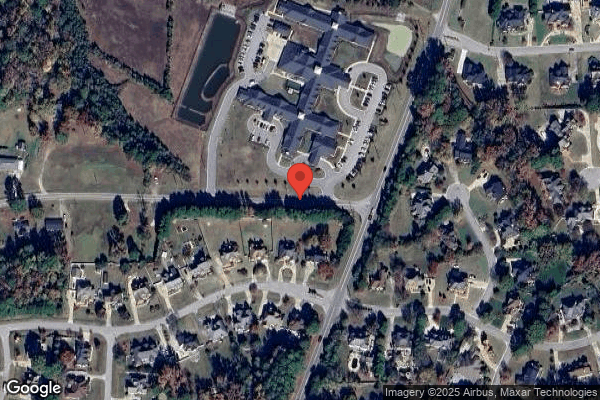
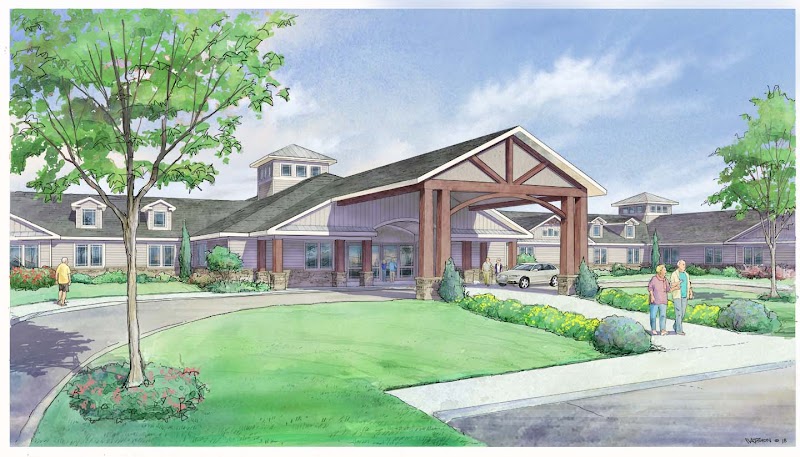
3322 Village Road, Rocky Mount, NC 27804 (252) 442-4156
For profit - Limited Liability company 100 Beds SANSTONE HEALTH & REHABILITATION Data: November 2025 3 Immediate Jeopardy citations
Trust Grade
24/100
#204 of 417 in NC
Last Inspection: February 2025

Within standard 12-15 month inspection cycle. Federal law requires annual inspections.

Overview

The Lodge at Rocky Mount Health and Rehabilitation has received a Trust Grade of F, indicating significant concerns about the quality of care provided, as this grade represents poor performance. While it ranks #204 out of 417 facilities in North Carolina, placing it in the top half of the state, it is the lowest-ranked facility in Edgecombe County at #3 out of 3. The facility's trend is stable, with the same number of issues reported in both 2023 and 2025, but the number of critical incidents, including injuries from falls during transportation and inadequate supervision leading to serious injuries, raises serious red flags. Staffing is a weakness, earning a 2 out of 5 stars, with a turnover rate of 48%, which is just below the state average. Additionally, the facility has incurred $40,651 in fines, which is concerning and suggests there may be ongoing compliance problems.
Trust Score
F
24/100
In North Carolina
#204/417
Top 48%
Safety Record
High Risk
Review needed
Inspections
Holding Steady
7 → 7 violations
Staff Stability
⚠ Watch
48% turnover. Above average. Higher turnover means staff may not know residents' routines.
Penalties
✓ Good
$40,651 in fines. Lower than most North Carolina facilities. Relatively clean record.
Skilled Nurses
○ Average
Each resident gets 30 minutes of Registered Nurse (RN) attention daily — about average for North Carolina. RNs are the most trained staff who monitor for health changes.
Violations
⚠ Watch
17 deficiencies on record. Higher than average. Multiple issues found across inspections.
★★★☆☆
3.0
Overall Rating
★★☆☆☆
2.0
Staff Levels
★★★★★
5.0
Care Quality
★★☆☆☆
2.0
Inspection Score
Stable
2023: 7 issues
2025: 7 issues

The Good

  • 5-Star Quality Measures · Strong clinical quality outcomes
  • Full Sprinkler Coverage · Fire safety systems throughout facility
  • No fines on record

Facility shows strength in quality measures, fire safety.

The Bad

3-Star Overall Rating

Near North Carolina average (2.8)

Meets federal standards, typical of most facilities

Staff Turnover: 48%

Near North Carolina avg (46%)

Higher turnover may affect care consistency

Federal Fines: $40,651

Above median ($33,413)

Moderate penalties - review what triggered them

Chain: SANSTONE HEALTH & REHABILITATION

Part of a multi-facility chain

Ask about local staffing decisions and management

The Ugly 17 deficiencies on record

3 life-threatening
Jun 2025 2 deficiencies 2 IJ
CRITICAL (J) 📢 Someone Reported This

A family member, employee, or ombudsman was alarmed enough to file a formal complaint

Immediate Jeopardy (IJ) - the most serious Medicare violation

Quality of Care (Tag F0684)

Someone could have died · This affected 1 resident

**NOTE- TERMS IN BRACKETS HAVE BEEN EDITED TO PROTECT CONFIDENTIALITY** Based on record review, observation, and interviews with staff, resident, and the physician, the facility failed to have Residen...

Read full inspector narrative →
**NOTE- TERMS IN BRACKETS HAVE BEEN EDITED TO PROTECT CONFIDENTIALITY** Based on record review, observation, and interviews with staff, resident, and the physician, the facility failed to have Resident #1 assessed for injury by a qualified professional prior to moving the resident following a fall in the transportation van. On 6/05/25 when Transportation Driver #1 made an abrupt stop to avoid a collision, Resident #1 slid out of her wheelchair and her left foot wedged under the driver's seat. Transportation Driver #1 stopped the van to check on the resident, she pulled the resident's left foot out from under the driver's seat, repositioned Resident #1 in her wheelchair, and then continued to the hospital for the resident's appointment. Upon arrival at the hospital, the resident had again slid out of the wheelchair, her back was against the legs of the wheelchair, and the rest of her body was on the floor of the van. The resident's ankle was visibly swollen and she was in pain. Hospital staff instructed Transportation Driver #1 to take the resident to the Emergency Department (ED). The resident was identified with a nondisplaced trimalleolar fracture of the left ankle (involves a fracture of three parts of the ankle). There was a high likelihood of further injury from moving a resident after a fall prior to a clinical assessment of injury. This deficient practice affected 1 of 3 residents reviewed for accidents (Resident #1). The findings included: Resident #1 was admitted to the facility on [DATE] with diagnoses which included stroke with right sided hemiparesis (weakness on one side of the body), end stage renal disease with dependence on dialysis, anxiety and depression. The Minimum Data Set (MDS) quarterly assessment dated [DATE] revealed Resident #1 was cognitively intact. Resident #1 was assessed as having upper and lower extremities impairment on one side and she was dependent upon staff for transfers and wheelchair mobility. An Incident/Accident Event report completed by the Director of Nursing (DON) dated 6/05/25 revealed Resident #1 was out to an appointment when the brakes on the van were put on suddenly to avoid an accident. The resident was taken to the emergency room (ER) due to ankle swelling and was diagnosed with a left ankle fracture. An undated statement completed by Transportation Driver #1 revealed on 6/05/25 while transporting Resident #1 she had to swerve and slam on her brakes to avoid a collision. She indicated she was looking in the mirror and heard Resident #1 say my foot, noted that the resident had slid down in the wheelchair. Transportation Driver #1 indicated she noticed Resident #1's foot was cramped up under the driver's seat. She went to back of the van, undid Resident #1's straps, and took the seatbelt off of the resident to readjust. Transportation Driver #1 pulled the resident up in the wheelchair by getting behind the resident and pulling her up with her arms. She strapped Resident #1's chair back in, replaced the resident's seatbelt and continued to drive. When they arrived at the hospital Transportation Driver #1 noted that the resident had slid down again but was too far down in her chair for her (Transportation Driver #1) to pull her back up. Transportation Driver #1 called the Administrator and made her aware of the situation. Transportation Driver #1 lowered the resident to the ground and then went into the building and asked for assistance. Hospital staff provided a sling to get Resident #1 back into the chair. Registration staff at the hospital stated that the resident should go to the ER for imaging. Transportation Driver #1 and hospital staff took the resident to the ER. An interview was conducted with Transportation Driver #1 on 6/24/25 at 1:31 PM. Transportation Driver #1 stated that she was driving Resident #1 to an appointment on 6/05/25 when a car flew in front of her, slammed on their brakes and she slammed hard on her brakes to avoid hitting the other car. She revealed she could not see Resident #1 in her rear-view mirror, so she stopped the van at the exit ramp to check on the resident. She observed Resident #1 had slid down in her wheelchair, the seat belt was above her chest and across her neck. She reported the resident was yelling my foot, my foot when she saw her foot was caught up under the driver's seat. Transportation Driver #1 stated she pulled the resident's foot out from under the driver's seat then unstrapped the seatbelt, unsecured the tie down straps to move the wheelchair back so she could put her arms under the resident's arms and pulled the resident back into the wheelchair. She indicated she made sure the wheelchair was secured, fastened the resident's seatbelt and continued to the appointment as they were approximately one mile from the hospital. When they arrived at the hospital Transportation Driver #1 noted that the resident had slid down again, her back was against the legs of the wheelchair and the rest of her body was on the floor of the van. Transportation Driver #1 lowered Resident #1 to the ground and went into the hospital's colonoscopy facility to request help with repositioning the resident. She revealed the hospital staff assisted Resident #1 back into her wheelchair and told her the resident needed go to the ER for x-rays. Transportation Driver #1 indicated she called the Administrator and made her aware of the situation. She reported the Administrator told her to take Resident #1 to the ER and not her appointment. Transportation Driver #1 revealed she was a Nursing Assistant (NA) and Medication Assistant (MA). She stated she had no training on what to do in a driving emergency. She revealed the incident happened so fast, she forgot her NA training and wanted to find help for the Resident, so she drove on to the colonoscopy appointment at the hospital. The ER documentation dated 6/5/25 indicated Resident #1 slipped out of her wheelchair when the driver had to slam on the breaks. Her left ankle became wedged under the seat in front of her resulting in left ankle swelling and pain. X-rays demonstrated a non-displaced trimalleolar fracture. Orthopedics reviewed images and recommended a posterior splint with ankle stirrups due to the fracture being non-displaced and the resident being non-ambulatory. She was noted with severe pain and was given a dose of liquid oxycodone (opioid pain medication) to help with pain control. The discharge instructions indicated the splint was to be kept on and dry until evaluated by orthopedics and the resident's leg was to be elevated for swelling. Ice was to be applied over the splint material for 15 to 20 minutes at a time 6 times daily. Resident #1 could continue her regularly prescribed acetaminophen and a prescription for oxycodone was given to take every 6 hours as needed (PRN) for severe breakthrough pain symptoms. The resident was discharged back to the facility the same day (6/5/25). An interview and observation of Resident #1 was conducted on 6/24/25 at 10:44 AM. Resident #1 verified on 6/05/25, enroute to an appointment at the hospital she slid out of her wheelchair and her left foot was wedged under the driver's seat. Resident #1 stated when Transportation Driver #1 stopped the van and came to her she was screaming due to the intense pain in her foot and her foot was swollen. She reported the Transportation Driver pulled her foot out, got behind her and pulled her up into her wheelchair. Resident #1 indicated they were at the highway exit ramp to the hospital at the time of the incident so Transportation Driver #1 drove on to the appointment. Resident #1 stated when they stopped at the colonoscopy location at the hospital, she had slid down in the wheelchair again and her buttocks was resting on the footrests. She stated her foot was swollen, she was in a lot of pain and could not feel her left foot. Resident #1 indicated Transportation Driver #1 ran inside the hospital and came out with hospital staff who put her (Resident #1) into the wheelchair and one of the staff took her to the emergency department. Resident #1 reported her leg was X-rayed and she learned her ankle was broken and had a splint placed on her lower leg. She was observed with the splint in place. In an interview on 6/24/25 at 2:00 PM the Administrator stated Transportation Driver #1 called on 6/05/25 to notify her of the van incident. Transportation Driver #1 reported Resident #1 had a swollen ankle, wanted to continue to her colonoscopy appointment and the Administrator instructed Transportation Driver #1 to take the resident to the ER for evaluation. During their phone conversation on 6/05/25 the Administrator reported she instructed Transportation Driver #1 anytime she was involved in a motor vehicle accident or an emergency to call 911 and herself (the Administrator) immediately. She stated Transportation Driver #1 should have called the facility first to notify them of the van incident and report if Resident #1 had any pain or injuries. In an interview conducted on 6/24/25 at 4:10 PM the Physician stated the Director of Nursing (DON) called him on 6/05/25 to notify him that Resident #1 was in a van incident and had a broken ankle. The Physician stated residents should always be assessed after a fall by a licensed medical professional prior to moving them. The Physician stated the resident could have experienced additional injury without a clinical assessment prior to being moved. On 6/24/25 at 5:02 pm the Administrator was notified of immediate jeopardy. The facility provided the following corrective action plan: Address how corrective action will be accomplished for those residents found to have been affected by the deficient practice: On June 5, 2025, at approximately 9:00 AM, Resident #1 was being transported by Transportation Driver #1 to a scheduled medical appointment. During the trip, Transportation Driver #1 made a sudden stop due to a vehicle in front abruptly braking. As a result, Resident #1, who was seated in a wheelchair, slid forward and landed on the footrests of the wheelchair. Resident #1's left foot lodged under the driver's seat. Her left foot twisted inward, resulting in a fracture of the left ankle. Transportation Driver #1 immediately pulled the van over to a safe location, entered the back of the van through the side door, and repositioned Resident #1. Transportation Driver #1 failed to have resident assessed by a qualified professional prior to moving the resident. Transportation Driver #1 ensured the wheelchair was locked, secure, and that the seatbelt was fastened. Resident #1 stated she felt fine but did have some foot/ankle pain, but she requested that the trip to the appointment continue. Transportation Driver #1 did not contact the facility to inform of the incident at this time. Upon arrival at the appointment, Transportation Driver #1 identified that Resident #1 had slid down in the wheelchair in a squatting position on the footrests of the wheelchair. Transportation Driver #1 unsecured Resident #1 from the seatbelt and lowered Resident #1 to a safe position onto the floor of the van. Transportation Driver #1 and two on-site hospital staff members lifted Resident #1 back into the wheelchair. Resident #1 was transferred via wheelchair to the emergency room, where she was diagnosed with a trimalleolar fracture of the left ankle. Transportation Driver #1 did not contact the facility about the incident until Resident #1 was at the hospital when she was being assessed in the Emergency Room. On June 5, 2025, at approximately 11:00 AM, the Director of Nursing arrived at the emergency room to assist with Resident #1's return to the facility. On June 5, 2025, the Administrator placed Transportation Driver #1 on administrative leave pending re-education and return-to-duty competency checks. An ad hoc Quality Assurance and Performance Improvement (QAPI) was held on June 5th 2025 to discuss deficient practice and implement a plan of correction with monitoring tools. In attendance were the Administrator, Regional Operations Manager, Maintenance Director, Director of Nursing, Marketing and Admissions Coordinator, and Transportation Driver #2. It was determined the root cause analysis for the deficient practice was Transportation Driver #1 did not call the facility to report the incident and therefore Resident #1 was not assessed before Transportation Driver #1 moved the resident and resumed the drive to the appointment. Transportation Driver #1 should have immediately notified the facility of the incident and waited with the resident for a facility nurse or the Emergency Medical Services (EMS) to assess the resident before resuming the transfer. Transportation Driver #1 should not have moved Resident #1 before she was assessed. Address how the facility will identify other residents having the potential to be affected by the same deficient practice: On June 5, 2025, an audit was completed by the Administrator and Regional Operations Manager of all alert and oriented residents for the past 30 days that were transferred by the facility to determine if there were any falls during transport. No new issues were identified. The audit included the following: - Review of the medical record to ensure there were no falls during transport. - Interviews with all transportation drivers to ensure there were no unreported falls during transport. On June 5, 2025, the Unit Manager performed skin checks on any non-alert and oriented residents that were transported to appointment in the past 30 days. Reviews indicated no issues related to transport. On June 5, 2025, the Regional Operations manager interviewed all van drivers to determine if any other van incidents, falls, or accidents had occurred ever. No other incidents, falls, or accidents were reported. The facility does not utilize outside transportation services. Address what measures will be put into place or systemic changes made to ensure that the deficient practice will not recur: On June 5, 2025, the Administrator and Maintenance Director provided education to the transportation drivers on the following: - If the facility van is involved in any type of incident the driver should pull over immediately to a safe place and call the facility to inform them of what happened. - They were instructed to wait until a nurse or EMS could assess the resident before moving the resident. Only trained staff can transfer residents. Transport drivers had to complete a post-test and pass after the education was received before they could transport residents. On June 5, 2025, the Administrator was informed by the Regional Operator that the above education will be added to the New Hire orientation for Transportation Drivers and they will not be allowed to work until education has been completed. Indicate how the facility plans to monitor its performance to make sure solutions are sustained: Beginning June 5, 2025, the Maintenance Director or designee will conduct ride-along audits to ensure if there is any incident of a resident falling or sliding out of the wheelchair in the van that the driver pulls over immediately, contacts the facility, and waits on staff or EMS to arrive before moving the resident with five residents per week for 3 weeks then 3 resident ride-along audits per week for 3 weeks, and then one resident ride along audit per week for 3 weeks. As of June 5th 2025, it was determined all findings will be reviewed and reported to the facility's QAPI committee monthly for a period of three months by the Administrator. Any concerns identified will be addressed promptly with corrective actions and follow-up education as needed. Alleged Date of Immediate Jeopardy Removal and Compliance: 6/6/2025 The corrective action plan was validated onsite on 6/26/25. Interviews with alert and oriented residents transported by the facility in the past 30 days did not reveal any concerns with their transportation. Review of staff education materials and sign-in sheets for the education were reviewed to determine that education was provided to all transportation drivers, if involved in any accident, to include wait until a nurse or EMS could assess the resident before moving the resident. Review of the facility documents revealed initial audits and ongoing ride-along monitoring audits were done per the facility's corrective action plan. Interviews were conducted with the transport drivers who confirmed they received education and completed a post-test regarding if involved in any accident to pull over safely, call the facility and wait until a nurse or EMS could assess the resident before moving the resident. The 6/06/25 immediate jeopardy removal date and compliance date was validated.
CRITICAL (J) 📢 Someone Reported This

A family member, employee, or ombudsman was alarmed enough to file a formal complaint

Immediate Jeopardy (IJ) - the most serious Medicare violation

Accident Prevention (Tag F0689)

Someone could have died · This affected 1 resident

**NOTE- TERMS IN BRACKETS HAVE BEEN EDITED TO PROTECT CONFIDENTIALITY** Based on record review, observation, and interviews with staff, resident, and the Physician, the facility failed to ensure a res...

Read full inspector narrative →
**NOTE- TERMS IN BRACKETS HAVE BEEN EDITED TO PROTECT CONFIDENTIALITY** Based on record review, observation, and interviews with staff, resident, and the Physician, the facility failed to ensure a resident was safely secured in accordance with the manufacturer's instructions in the facility transportation van during a trip to a medical appointment at the hospital. On 6/05/25 when Transportation Driver #1 made an abrupt stop to avoid a collision Resident #1 slid out of her wheelchair and her left foot wedged under the driver's seat. Transportation Driver #1 stopped the van to check on the resident, she pulled the resident's left foot out from under the driver's seat, repositioned Resident #1 in her wheelchair, and then continued to the hospital for the resident's appointment. On arrival at the hospital, Resident #1 had again slid out of the wheelchair, her back was against the legs of the wheelchair, and the rest of her body was on the floor of the van. She was taken to the Emergency Department (ED) and identified with a nondisplaced trimalleolar fracture of the left ankle (involves a fracture of three parts of the ankle). Her ankle was swollen, she required a splint, and she suffered pain rated up to a 10 (on a scale of 0-10 with 10 being the worst pain possible) requiring opioid medication for pain management. This deficient practice affected 1 of 3 residents reviewed for accidents (Resident # 1). The findings included: The transportation van's manufacturer's instructions for securing the passenger indicated the following information: - The lap belts utilize integrated stiffeners to feed belts through openings between seat backs and bottoms and/or armrests to ensure proper fit around the occupant. The lap belt attaches to the rear tie down pin connector (attached into the floor anchors to secure the wheelchair) ensuring the buckle rests on the passenger's hip. - The shoulder belt extends over the passenger's shoulder and across the upper torso, and fastens to the lap belt via a pin connector. - Ensure belts are adjusted as firmly as possible, but consistent with user comfort. The manufacturer's instructions also included the following warnings: - Lap and shoulder belt should not be held away from passenger's body by wheelchair components or parts such as the wheelchair's wheels, armrests, panels or frame. - Occupants belts should always bear upon the bony structure of the passenger's body and be worn low across the front of the pelvis, with the junction between lap and shoulder belts located near passenger's hip. Resident #1 was admitted to the facility on [DATE] with diagnoses which included stroke with right sided hemiparesis (weakness on one side of the body), end stage renal disease with dependence on dialysis, anxiety and depression. The Minimum Data Set (MDS) quarterly assessment dated [DATE] revealed Resident #1 was cognitively intact. Resident #1 was assessed as having upper and lower extremities impairment on one side and she was dependent upon staff for transfers and wheelchair mobility. Resident #1 had no pain. An Incident/Accident Event report completed by the Director of Nursing (DON) dated 6/05/25 revealed Resident #1 was out to an appointment when the brakes on the van were put on suddenly to avoid an accident. The resident was taken to the emergency room (ER) due to ankle swelling and was diagnosed with a left ankle fracture. An undated statement completed by Transportation Driver #1 revealed on 6/05/25 she escorted Resident #1 into the facility van for transport. Transportation Driver #1 noted that Resident #1 rests her foot on top of footrest instead of placing her foot correctly on the footrest of wheelchair. She indicated all straps were in place and tightened, with Resident #1's seat belt in place correctly. On the highway a car came off the exit and slammed on the brakes in front of the facility van, cutting Transportation Driver #1 off who had to swerve and slam on her brakes to avoid a collision. Transportation Driver #1 was looking in mirror and heard Resident #1 say my foot, noted that the resident had slid down in the wheelchair, but was still in wheelchair. Transportation Driver #1 indicated she noticed Resident #1's foot was cramped up under the driver's seat. She went to back of the van, undid Resident #1's straps, and took the seatbelt off of the resident to readjust. Transportation Driver #1 pulled the resident up in the wheelchair by getting behind the resident and pulling her up with her arms. She strapped Resident #1's chair back in, replaced the resident's seatbelt and continued to drive. When they arrived at the hospital Transportation Driver #1 noted that the resident had slid down again but was too far down in her chair for her (Transportation Driver #1) to pull her back up. Transportation Driver #1 called the Administrator and made her aware of the situation. Transportation Driver #1 lowered the resident to the ground by standing behind the resident and pushed the wheelchair out of the way. Transportation Driver #1 went into the building and asked for assistance and someone arrived to assist, but they needed another person to assist with getting Resident #1 back into the chair. Hospital staff called for another set of hands for assistance. Hospital staff provided a sling for getting Resident #1 back into the chair. The hospital staff took Resident #1 into the building with the help of Transportation Driver #1 and then Transportation Driver #1 left to go park the van. Resident #1 stayed with hospital staff while Transportation Driver #1 parked. Registration staff at the hospital stated that the resident should go to the ER for imaging and reschedule appointment for colonoscopy. Transportation Driver #1 and hospital staff took the resident to the ER. An interview was conducted with Transportation Driver #1 on 6/24/25 at 1:31 PM. Transportation Driver #1 stated that she was driving Resident #1 to an appointment on 6/05/25 when a car flew in front of her, slammed on their brakes and she slammed hard on her brakes to avoid hitting the other car. She revealed she could not see Resident #1 in her rear-view mirror, so she stopped the van at the exit ramp to check on the resident. She observed Resident #1 had slid down in her wheelchair, the seat belt was above her chest and across her neck. She reported the resident was yelling my foot, my foot when she saw her foot was caught up under the driver's seat. Transportation Driver #1 stated she pulled the resident's foot out from under the driver's seat then unstrapped the seatbelt, unsecured the tie down straps to move the wheelchair back so she had room to put her arms under the resident's arms and pulled the resident back into the wheelchair. She indicated she made sure the wheelchair was secured, fastened the resident's seatbelt and continued to the appointment as they were approximately one mile from the hospital. Transportation Driver #1 reported when she arrived at the hospital for Resident #1's colonoscopy appointment, Resident #1 had slid down in her wheelchair again. Resident #1 had her back against the legs of the wheelchair and the rest of her body was on the floor of the van with the seat belt above her chest and across her neck. Transportation Driver #1 indicated she removed the seatbelt, unsecured the wheelchair and moved the wheelchair backwards so she had room to lower Resident #1 to the floor of the van and went into the hospital's colonoscopy facility to request help with repositioning the resident. Two hospital staff helped the resident back up into wheelchair and one staff member took her into the colonoscopy appointment, while she (Transportation Driver #1) went to park the facility van and called the Administrator. Transportation Driver #1 reported when she called the facility the Administrator told her to take Resident #1 to the ER. The ER documentation dated 6/5/25 indicated Resident #1 slipped out of her wheelchair when the driver had to slam on the breaks. Her left ankle became wedged under the seat in front of her resulting in left ankle swelling and pain. X-rays demonstrated a non-displaced trimalleolar fracture. Orthopedics reviewed images and recommended a posterior splint with ankle stirrups due to the fracture being non-displaced and the resident being non-ambulatory. She was noted with severe pain and was given a dose of liquid oxycodone (opioid pain medication) to help with pain control. The discharge instructions indicated the splint was to be kept on and dry until evaluated by orthopedics and the resident's leg was to be elevated for swelling. Ice was to be applied over the splint material for 15 to 20 minutes at a time 6 times daily. Resident #1 could continue her regularly prescribed acetaminophen and a prescription for oxycodone was given to take every 6 hours as needed (PRN) for severe breakthrough pain symptoms. A nursing progress note dated 6/05/25 at 6:10 PM written by Nurse #1 revealed Resident #1 returned from an appointment and was noted to have an ace bandage wrapped on the left ankle. Her ankle was fractured and she had a new order for oxycodone. A phone interview was conducted on 6/24/25 at 12:53 PM with Nurse #1 who was assigned to Resident #1 on 6/05/25. Nurse #1 stated that Resident #1 was returned to her room by the DON who reported that Resident #1 had been in a van accident. The DON reported Resident #1 had been to the hospital and diagnosed with a broken ankle. Nurse #1 revealed Resident #1 had not been on any pain killers prior to that day and had returned from the ED with a prescription for oxycodone due to her ankle fracture. Physician's orders for Resident #1 included the following: - An active order (initiated on 2/19/25) for acetaminophen 325 mg; administer 2 tablets four times a day for pain. - An order dated 6/05/25 for oxycodone 5 mg (milligrams) tablet; administer 1 tablet every 6 hours for pain PRN. - An order dated 6/06/25 for ice and elevation to the left ankle every 6 hours and as needed as resident will allow. Review of the Medication Administration Record for June 2025 revealed from 06/05/25 through 06/07/25 Resident #1 received PRN oxycodone 4 times. Resident #1's pain level varied going up to a pain rating of 10 between 6/05/25 through 6/07/25. The as needed oxycodone was discontinued on 6/09/25. The nursing progress note dated 6/12/25 at 6:10 PM written by the Administrator revealed Resident #1 returned from an orthopedic appointment with recommendations to maintain her splint for 4 weeks and return for follow up x-rays. An interview and observation of Resident #1 was conducted on 6/24/25 at 10:44 AM. She revealed on 6/05/25 she was on the way to a colonoscopy appointment when Transportation Driver #1 was cut off in traffic and had to make a sudden stop to avoid hitting a car that braked in front of them. Resident #1 stated when Transportation Driver #1 stopped the van she slid out of her wheelchair onto the wheelchair's footrest, the seat belt was loose at her waist and her left foot was wedged under the driver's seat. Resident #1 stated the Transportation Driver had strapped her in the best she could and tied the seatbelt across her the best she could. Resident #1 stated when Transportation Driver #1 stopped the van and came to her she was screaming due to the intense pain in her foot and her foot was swollen. She reported the Transportation Driver pulled her foot out, got behind her and pulled her up into her wheelchair. Resident #1 indicated they were at the highway exit ramp to the hospital at the time of the incident so Transportation Driver #1 drove on to the appointment. Resident #1 stated when they stopped at the colonoscopy location at the hospital, she had slid down in the wheelchair again and her buttocks was resting on the footrests, and the seat belt was loose at her waist. She stated her foot was swollen, she was in a lot of pain and could not feel her left foot. Resident #1 indicated Transportation Driver #1 ran inside the hospital and came out with hospital staff who put her (Resident #1) into the wheelchair and one of the staff took her to the emergency department. Resident #1 reported her leg was X-rayed and she learned her ankle was broken and had a splint placed on her lower leg. She was observed with the splint in place. In an interview on 6/24/25 at 1:53 PM the Regional Operations Director revealed that on 6/05/25 Transportation Driver #1 had to slam on her brakes to avoid hitting a car that had cut her off. Transportation Driver #1 stopped the van to check on Resident #1 and noted the resident had slid down in her wheelchair and the resident's foot was caught up under the driver's seat. Transportation Driver #1 pulled the resident's foot out from underneath the driver's seat, unbuckled the seatbelt, repositioned the resident in her wheelchair, secured the wheelchair and fastened the seatbelt. The Regional Operations Director stated the accident happened due to Resident #1 not being strapped in securely per the manufacturer's guidelines. A re-enactment was conducted on 6/24/25 at 2:08 PM in the transportation van with the Regional Operations Director and Maintenance Director to demonstrate how Resident #1 was able to slide out of the wheelchair on 06/05/25. The Regional Operations Director explained the accident happened due to Resident #1's wheelchair's armrest preventing Resident #1 from being strapped in securely per the manufacturer's instructions. The Regional Operations Director was seated in a wheelchair behind the driver's seat in the same location that Resident #1's wheelchair was positioned on 6/05/25. The Maintenance Director secured the wheelchair to the van floor following the manufacturer's instructions. He then demonstrated that the combination lap/shoulder belt was positioned over the wheelchair's arm on 06/05/25. This resulted in the lap belt not being firmly pressed against the resident's lap and allowing the resident to be able to slide out of the wheelchair's seat and her left foot getting wedged under the driver's seat. On 6/26/25 at 11:00 AM Transportation Driver #2 explained in interview that the combination lap/shoulder belt should be latched under the wheelchair's armrest in order for the belt to firmly secure the resident. In an interview on 6/24/25 at 2:00 PM the Administrator stated Transportation Driver #1 called to notify her of the van incident after colonoscopy hospital staff assisted Resident #1 into the hospital. The Administrator revealed Transportation Driver #1 reported that Resident #1 had slid under her seatbelt onto the floor of the van. She revealed during the reenactment they realized the wheelchair's armrest prevented the seat belt from correctly securing the resident. An interview was conducted on 6/24/25 at 4:10 PM with the Physician. The Physician stated the DON called him on 6/05/25 to notify him that Resident #1 had a broken ankle with swelling and a new order for Oxycodone for pain. On 6/24/25 at 5:02 pm the Administrator was notified of immediate jeopardy. The facility provided the following corrective action plan: Address how corrective action will be accomplished for those residents found to have been affected by the deficient practice: The facility failed to safely secure Resident #1 per manufacturer's instructions in her wheelchair in the facility transport van. On June 5, 2025, at approximately 9:00 AM, Resident #1 was being transported by Transportation Driver #1 to a scheduled medical appointment. During the trip, Transportation Driver #1 made a sudden stop due to a vehicle in front abruptly braking. As a result, Resident #1, who was seated in a wheelchair, slid forward and landed on the footrests of the wheelchair. Resident #1's left foot lodged under the driver's seat. Her left foot twisted inward, resulting in an injury. Transportation Driver #1 immediately pulled the van over to a safe location, entered the back of the van through the side door, and repositioned Resident #1 safely. Transportation Driver #1 ensured the wheelchair was locked, secure, and that the seatbelt was fastened. Resident #1 stated that she felt fine and requested that the trip to the appointment continue. Upon arrival at the appointment, Transportation Driver #1 identified that Resident #1 had slid down in the wheelchair in a squatting position on the footrests of the wheelchair. Transportation Driver #1 unsecured Resident #1 from the seatbelt and lowered Resident #1 to a safe position onto the floor of the van. Transportation Driver #1 and two on-site hospital staff members lifted Resident #1 back into the wheelchair. Resident #1 was transferred via wheelchair to the emergency room, where she was diagnosed with a trimalleolar fracture of the left ankle. At approximately 11:00 AM, the Director of Nursing arrived at the emergency room to assist with Resident #1's return to the facility. On June 5, 2025, the Administrator placed Transportation Driver #1 on administrative leave pending re-education and return-to-duty competency checks. An ad hoc Quality Assurance and Performance Improvement (QAPI) was held on June 5, 2025, to discuss deficient practice and implement a plan of correction with monitoring tools. In attendance were the Administrator, Regional Operations Manager, Maintenance Director, Director of Nursing, Marketing and Admissions Coordinator, and Transportation Driver #2. It was determined the root cause analysis for Resident #1 sliding out of the wheelchair was the transportation driver did not secure her in the wheelchair per the manufacturer's instructions. Address how the facility will identify other residents having the potential to be affected by the same deficient practice: On June 5, 2025, an audit was completed by the Administrator and Regional Operations Director of all alert and oriented residents for the past 30 days that were transferred by the facility to determine if there were any concerns with their transport. No new issues were identified. The audit included the following: Did your chair move during the transport? Did you feel unsafe or have a fall during transport? Did you have any concerns about your safety during transport? On June 5, 2025, the Unit Manager performed skin checks and on any non-alert and oriented residents that were transported to appointments in the past 30 days. Reviews indicated no issues related to transport. On June 5, 2025, the Regional Clinical Manager completed medical records reviews on any non-alert and oriented residents that were transported to appointments in the past 30 days. Reviews indicated no issues related to transport. On June 5, 2025, all van drivers were interviewed to determine if any other van incidents, falls or accidents had occurred ever. No other incidents, falls, or accidents were reported. The facility does not utilize outside transportation services. Address what measures will be put into place or systemic changes made to ensure that the deficient practice will not recur: On June 5, 2025, the Administrator and Regional Operations Director conducted immediate education with Driver #1 on the importance of ensuring the resident is properly secured in the van and not moving the van if the resident is not fully secure. On June 5, 2025, the Administrator and Maintenance Director began re-educating all facility transportation drivers on transportation safety protocols including proper securement and not moving the van if the resident is not fully secure. This includes hands-on return demonstrations and a post-test. No driver was permitted to operate the transportation van until they successfully completed both components. On June 5, 2025, the Administrator was informed by the Regional Operator that the above education will be added to the New Hire orientation for Transportation Drivers and they will not be allowed to work until education has been completed. Indicate how the facility plans to monitor its performance to make sure solutions are sustained: Beginning June 5, 2025, the Maintenance Director or designee will conduct ride-along audits that include ensuring the resident is safely secured in the wheelchair per the manufacturer instructions before the van leaves the parking lot, they will also ensure the wheelchair does not move during transport with five residents per week for 3 weeks then 3 resident ride-along audits per week for 3 weeks, and then one resident ride-along audit per week for 3 weeks. As of June 5, 2025, it was determined all findings will be reviewed and reported to the facility's QAPI committee monthly for a period of three months by the Administrator. Any concerns identified will be addressed promptly with corrective actions and follow-up education as needed. Alleged Date of Immediate Jeopardy Removal and Compliance: 6/6/2025 The corrective action plan was validated onsite on 6/26/25. Review of staff education materials and sign-in sheets for the education were reviewed to determine that education was provided to all transportation drivers on safety protocols including proper securement and not moving the van if the resident is not fully secure. This included a hands-on return demonstration and a post-test. Review of the facility documents revealed initial audits and ongoing monitoring audits were done per the facility's corrective action plan. Interviews were conducted with the transport drivers who confirmed they received education regarding safety protocols and the proper use of the facility van seatbelt. Observations were conducted of transport staff connecting the securement system and properly securing a resident in a wheelchair. The 6/06/25 immediate jeopardy removal date and compliance date was validated.
Feb 2025 5 deficiencies
CONCERN (D)

Potential for Harm - no one hurt, but risky conditions existed

Comprehensive Care Plan (Tag F0656)

Could have caused harm · This affected 1 resident

**NOTE- TERMS IN BRACKETS HAVE BEEN EDITED TO PROTECT CONFIDENTIALITY** Based on observations, record review, and resident and staff interviews, the facility failed to develop a person-centered care p...

Read full inspector narrative →
**NOTE- TERMS IN BRACKETS HAVE BEEN EDITED TO PROTECT CONFIDENTIALITY** Based on observations, record review, and resident and staff interviews, the facility failed to develop a person-centered care plan for 1 of 1 resident reviewed for hearing impairment (Resident #75). The findings included: Resident #75 was admitted to the facility on [DATE]. Resident #75 was hospitalized on [DATE] and returned to the facility on 1/13/25. Review of the Minimum Data Set (MDS) admission assessment dated [DATE] revealed Resident #75 had moderate cognitive impairment and was coded for minimal hearing difficulty with the use of hearing aids. Review of the care plan revealed no care plan related to Resident #75's hearing impairment and use of hearing aids. An interview and observation were conducted on 2/03/25 at 2:15 pm with Resident #75. This surveyor had to move close and speak loudly within one to three inches of the right ear for Resident #75 to hear questions. Resident #75 reported she was very hard of hearing, and she did not have her hearing aids today. Resident #75's hearing aids were observed charging on the bedside table. An interview was conducted on 2/05/25 at 3:33 pm with MDS Nurse #1 who revealed the Social Worker was responsible to implement Resident #75's hearing impairment care plan because she completed that portion of the MDS assessment. MDS Nurse #1 stated she would not have reviewed Resident #75's care plan to make sure care plans were implemented in the areas of the assessments she did not complete. During an interview on 2/05/25 at 3:38 pm with the Social Worker she revealed she was responsible for implementing Resident #75's hearing impairment care plan. The Social Worker stated she normally implemented the care plan after she completed the MDS assessment, but she must have missed Resident #75's hearing impairment care plan. An interview was conducted with the Administrator on 2/06/25 at 3:39 pm who revealed the Social Worker or the MDS Nurses were responsible for implementing resident care plans. The Administrator stated care plans were reviewed in the daily clinical meetings, but she was unable to recall if Resident #75's hearing impairment care plan was reviewed.
CONCERN (D) 📢 Someone Reported This

A family member, employee, or ombudsman was alarmed enough to file a formal complaint

Potential for Harm - no one hurt, but risky conditions existed

Incontinence Care (Tag F0690)

Could have caused harm · This affected 1 resident

**NOTE- TERMS IN BRACKETS HAVE BEEN EDITED TO PROTECT CONFIDENTIALITY** Based on observation, record review, and resident and staff interviews, the facility failed to secure indwelling urinary cathete...

Read full inspector narrative →
**NOTE- TERMS IN BRACKETS HAVE BEEN EDITED TO PROTECT CONFIDENTIALITY** Based on observation, record review, and resident and staff interviews, the facility failed to secure indwelling urinary catheter tubing to prevent tugging or pulling for 1 of 2 residents reviewed for indwelling urinary catheters (Resident #53). The findings included: Resident #53 was admitted to the facility on [DATE] with diagnoses that included neurogenic bladder (a condition that occurs when the nervous system connection to the bladder is disrupted) with urinary retention. Review of a physician's order dated 12/4/24 read in part; Check placement of catheter securement every shift. Resident #53's admission Minimum Data Set (MDS) assessment dated [DATE] revealed she had moderate cognitive impairment. She was coded as having an indwelling urinary catheter. An interview was conducted with Resident #53 on 02/03/25 at 11:35 AM. Resident #53 stated she had experienced pain from her urinary catheter when she was up in the chair. Resident #53 stated a leg strap was placed to secure the catheter tubing which helped with the pain. Resident #53 pulled back the sheet to expose catheter tubing that was not secure. Resident #53 denied any pain from the catheter tubing at that time. An observation of Resident #53's catheter tubing was conducted on 02/04/25 at 03:08 PM that revealed the urinary catheter tubing was not secured. An interview was conducted with Resident #53 on 02/05/25 at 01:31 PM. Resident #53 stated staff did not consistently secure the catheter tubing. Resident #53 pulled back her cover to expose catheter tubing that was not secured. There was no leg strap observed in the room. An interview was conducted on 02/05/25 at 01:37 PM with Nurse Aide #1. NA #1 stated she was assigned to Resident #53 and had provided care for this resident. NA #1 stated the nurse caring for the resident was responsible for making sure that the indwelling catheter had a securement device. An interview was conducted with Nurse #1 on 02/06/25 at 09:23 AM. Nurse #1 stated nurses were responsible for making sure indwelling catheter tubing was secured. Nurse #1 stated she had forgotten to place the urinary catheter securement device on Resident #53 that morning. An interview was conducted with Unit Manager #1 on 2/12/25. Unit Manager #1 stated she expected that the nurse assigned to the resident would check each shift to make sure the urinary catheter securement device was in place. An interview was conducted on 2/12/25 at 10:45 AM with the Administrator. The Administrator stated she expected staff to follow the physician order and make sure the urinary catheter securement device was in place each shift.
CONCERN (E) 📢 Someone Reported This

A family member, employee, or ombudsman was alarmed enough to file a formal complaint

Potential for Harm - no one hurt, but risky conditions existed

Deficiency F0760 (Tag F0760)

Could have caused harm · This affected multiple residents

**NOTE- TERMS IN BRACKETS HAVE BEEN EDITED TO PROTECT CONFIDENTIALITY** Based on record review, and staff, Nurse Practitioner and Medical Director interviews, the facility failed to clarify a physicia...

Read full inspector narrative →
**NOTE- TERMS IN BRACKETS HAVE BEEN EDITED TO PROTECT CONFIDENTIALITY** Based on record review, and staff, Nurse Practitioner and Medical Director interviews, the facility failed to clarify a physician order for phenytoin (a medication used to treat epilepsy and manage seizures) for a resident with a diagnosis of generalized epilepsy (a brain disorder that causes seizures) which resulted in the phenytoin not being administered for 19 days. This deficient practice was identified for 1 of 1 residents reviewed for significant medication error (Resident #287). The findings included: Resident #287 was admitted to the facility on [DATE] with diagnoses which included generalized epilepsy and stroke. Resident #287 had a physician order dated 4/11/24 for phenytoin sodium extended 100 milligram (mg) capsule. Give 100 mg by mouth twice a day on Monday, Tuesday, Wednesday, Friday, Saturday, and Sunday for generalized epilepsy. The Minimum Data Set (MDS) quarterly assessment dated [DATE] revealed Resident #287 had moderate cognitive impairment. Resident #287 had a care plan in place, last reviewed 10/24/24, for risk for injury related to seizure disorder and history of phenytoin toxicity (high levels of phenytoin in body which can cause slurred speech, vomiting, or lethargy). The care plan had Interventions in place which included to monitor for adverse effects of medications. Review of Resident #287's laboratory results dated [DATE] revealed a phenytoin level of 8.7 micromole/liter. The therapeutic level of phenytoin is 10-20 micromole/liter. Resident #287 had a physician order dated 10/30/24 at 12:15 pm to discontinue phenytoin 100 mg twice a day for generalized epilepsy. The discontinued order was verified by Unit Manager #1 on 10/30/24 at 2:00 pm. Resident #287 had a physician order entered into electronic medical record by NP #1 on 10/30/24 at 12:16 pm for phenytoin 100 mg tablet three times a day on Monday, Tuesday, Wednesday, Friday, Saturday, and Sunday for generalized epilepsy. Resident #287's phenytoin order was verified and discontinued by Unit Manger #1 on 10/30/24 at 2:00 pm. Review of the end-of-day communication email dated 10/30/24 sent from NP #1 to members of the facility management team which included the Administrator, Director of Nursing, and Unit Manager #1 revealed the notification that Resident #287's phenytoin medication was increased due to a low therapeutic level. A telephone interview was conducted on 2/06/25 at 9:43 am with Nurse Practitioner #1 who revealed she wrote an order on 10/30/24 to increase Resident #287's phenytoin medication from twice a day to three times a day due to the therapeutic level of the medication being low. She stated Resident #287 was hospitalized for an unrelated incident on 11/19/24 and she was not aware Resident #287's phenytoin medication had been discontinued by facility staff or that the medication was not administered from 10/30/24 through 11/19/24. NP #1 stated she had a facility visit with Resident #287 on 11/18/24 and no acute issues or concerns were identified or reported. NP #1 stated Resident #287 did not have any seizure activity noted at the facility. An interview was conducted on 2/06/25 at 8:40 am with Unit Manager #1 who revealed she accidentally discontinued Resident #287's new phenytoin order written by NP #1 on 10/30/24 because she thought it was a duplicate order or may not have clicked to discontinue the medication when the order first showed to be verified. She was unable to state exactly what happened but stated she did discontinue both orders. Unit Manager #1 stated she did not speak to NP #1 regarding the change in Resident #287's phenytoin medication on 10/30/24. She confirmed she received the end of day communication emails from NP #1, but she was unable to recall if the email was reviewed on 10/30/24. Unit Manager #1 stated the normal process was to review all physician orders, which included discontinued orders, the next day during the clinical meeting, but she stated she did not recall if Resident #287's phenytoin orders were discussed. Unit Manager #1 stated she was responsible to ensure Resident #287's medication orders were reviewed, accurate, and verified. Review of Resident #287's electronic medical record from 10/30/24 through 11/19/24 revealed no observations or reports of seizure activity noted. The nursing progress note dated 11/19/24 at 10:18 pm written by Nurse #1 revealed Resident #287 was difficult to arouse and reported she did not feel good. Resident #287's vital signs were noted as follows: blood pressure 112/64 mm/Hg (millimeters of mercury), heart rated 59 beats per minute, respiratory rate of 16, and blood sugar of 164 mmol/L (millimoles per liter). Nurse #1 notified the provider via telemedicine regarding the observed change in condition and received an order for Resident #287 to be transferred to the hospital for further evaluation. Resident #287's Responsible Party (RP) was notified, and Resident #287 left the facility at approximately 10:30 pm. During an interview on 2/05/25 at 2:38 pm with Nurse #1 she revealed she was assigned to Resident #287 for both the 7:00 am-3:00 pm and 3:00 pm-11:00 pm shifts on 11/19/24. Nurse #1 stated Resident #1 had been hard to arouse during the end of 3:00 pm -11:00 pm shift, she notified the on-call provider and received the order to send Resident #287 to the hospital. Nurse #1 stated she did notice that the phenytoin medication was no longer listed to be administered to Resident #287, but she was not sure why the medication was discontinued. She stated she did not discontinue or verify Resident #287's phenytoin orders on 10/30/24. Nurse #1 stated she was normally assigned to Resident #287 and had not witnessed any seizure activity during the time she was at the facility. Review of the hospital summary dated 11/19/24 through 11/22/24 revealed Resident #287 was sent to the hospital for change in mental status and unresponsiveness and was admitted to the hospital for altered mental status, metabolic acidosis (a condition when the body accumulates too much acid with symptoms which included lethargy, nausea, and vomiting), vomiting, and pneumonia. An electroencephalography (EEG, a test that measures electrical activity in the brain) was completed on 11/20/24 and showed no seizure activity. Resident #287 was discharged from the hospital to another facility on 11/22/24 with a discharge diagnosis of pneumonia. A telephone interview was conducted with the Medical Director #2 on 2/06/25 at 2:08 pm. Medical Director #2 confirmed she was responsible for the medical care provided by the facility at the time Resident #287's phenytoin medication was discontinued. Medical Director #2 stated she was not aware at the time the medication was discontinued but she was notified of the error when the facility determined what had occurred. Medical Director #2 stated that Resident #287's hospitalization on 11/19/24 was not related to the phenytoin medication being discontinued. Medical Director #2 stated the concern when discontinuing phenytoin would be breakthrough seizures that were continuous, but she stated Resident #287 had no seizure activity at the facility. An interview with the DON was conducted on 2/06/25 at 10:25 am who revealed she was not aware Resident #287's phenytoin medication was discontinued by Unit Manager #1 until after Resident #287 was hospitalized on [DATE]. The DON stated Unit Manager #1 was responsible for reviewing all resident orders for the unit she was assigned to manage. She stated she did not confirm, nor did she verify, that the Unit Manager #1 reviewed the end-of-day communication sent by NP #1 to ensure that all orders were reviewed and in place. The DON stated the normal process was that the provider would see a resident, enter any orders relevant to the resident, and the Unit Manager was then responsible for verifying the orders so they would be active. The DON stated although orders were normally reviewed in the morning clinical meeting, she stated they did not discuss each individual medication order during the meeting. The DON stated she did not recall talking about Resident #287's phenytoin orders during the clinical meetings. The DON stated Unit Manager #1 discontinued the new order for Resident #287's phenytoin medication accidentally because she thought it was a duplicate order. During an interview on 2/06/25 at 11:41 am with the Administrator she revealed that Unit Manager #1 was responsible for making sure Resident #287's physician orders were in place as written by the providers. She stated that normally during the stand-down meeting, which was held at the end of the day, physician orders were verbally reviewed to ensure they were in place. The Administrator stated she was unable to recall Resident #287's phenytoin orders were discussed at the meeting on 10/30/24. The Administrator confirmed she did receive the end-of-day summary from NP #1, but she did not review the information because she had managers in place to make sure the orders were followed. The Administrator stated the facility did not have a triple check process in place to make sure all orders were in place and correct at that time, but she stated the facility had since implemented that process. The facility provided the following corrective action plan with a completion date of 11/21/2024. 1. Address how corrective action will be accomplished for those residents found to have been affected by the deficient practice: Resident #287 no longer resides in the facility. On 11/20/24 a root cause analysis was completed by the Director of Nursing (DON) and the Administrator regarding omission of seizure medication administration for Resident #287. It was determined that Unit Manager #1 misunderstood the NP order to increase Resident #287's seizure medication and discontinued the order without a physician order to discontinue. On 11/20/24 the DON provided education to Unit Manager #1 on not discontinuing medication orders without a written or verbal order from the Nurse Practitioner or physician. 2. Address how the facility will identify other residents having the potential to be affected by the same deficient practice. An audit was conducted on 11/20/24 of all new orders for the past 30 days by the Director of Nursing and Staff Development Coordinator (SDC) Nurse to ensure all new orders were verified and administered as per physician orders. Any errors were corrected at the time of the audit. On 11/20/24 an ad hoc Quality Assurance and Performance Improvement (QAPI) meeting was held to discuss deficient practice and implement a plan of correction. 3. Address what measures will be put into place or systematic changes made to ensure that the deficient practice will not reoccur. On 11/20/24 the Director of Regulatory Compliance provided education to the Administrator and the DON on the new process of ensuring the Nurse Practitioner/Physician discuss any new orders with the nurse, Unit Manager, or DON before leaving the building to ensure the orders are entered correctly and understood by staff. They were also educated that upon receiving new medication orders they are to be verified with the provider for accuracy. The nurse will then repeat the order back to the provider and enter the order into the electronic medical record (EMR). The receiving nurse will then write a progress noted into the EMR stating the order was received from the provider for the specific medication, state the order was read back to the provider for accuracy, order entered into EMR, and the Responsible Party was notified with all questions answered. On 11/20/24 the DON and Staff Development Coordinator provided education to all nurses regarding the new process of the NP/Medical Doctor to discuss any new orders with he nurse, Unit Manager, or DON before leaving the building to ensure they are entered correctly and understood by staff. They (nurses) were also educated that upon receiving new medication orders they are to be verified with the provider for accuracy. The nurse will then repeat the order back to the provider and enter the order into the electronic medical record (EMR). The receiving nurse will then write a progress noted into the EMR stating the order was received from the provider for the specific medication, state the order was read back to the provider for accuracy, order entered into EMR, and the Responsible Party was notified with all questions answered. The DON will be responsible for ensuring nursing staff will not be allowed to work until education has been completed. On 11/20/24 the SDC was informed by the Administrator that the education would be added to the new hire orientation, and she will be responsible for ensuring new staff do not work until the education has been completed. 4. Indicate how the facility plans to monitor its performance to make sure that solutions are sustained. To prevent this from recurring, the DON, SDC Nurse, or designee will audit new orders daily for four weeks, then 3 days weekly for four weeks, then weekly for four weeks to ensure no medication errors are made. The findings of these audits will be reported to the QAPI committed by the Administrator for further review or need to continue audits. The corrective action plan completion date was 11/21/24. The facility's corrective action plan was verified on 2/06/25 by the following: A record review was conducted of the facility education provided to all licensed nursing staff which included regularly scheduled agency staff and was noted to be completed on 11/20/24. Licensed nursing staff were interviewed and confirmed education had been received which included review of physician orders with the provider prior to the provider leaving the facility to make sure understanding of the order and that it was accurate, entering orders into the electronic medical record when applicable, and documentation of the new order and Responsible Party notification in the medical record. Record reviews of the physician order audits, end-of-day summary, and nursing progress notes were conducted and confirmed that auditing was completed as noted and was ongoing at the of the review. The compliance date of 11/21/24 was validated.
CONCERN (E)

Potential for Harm - no one hurt, but risky conditions existed

Food Safety (Tag F0812)

Could have caused harm · This affected multiple residents

Based on observations and staff interviews, the facility failed to maintain kitchen equipment clean and in a sanitary condition to prevent cross contamination by failing to clean seven of nine baking ...

Read full inspector narrative →
Based on observations and staff interviews, the facility failed to maintain kitchen equipment clean and in a sanitary condition to prevent cross contamination by failing to clean seven of nine baking sheets. These practices had the potential to affect food served to residents. The findings included: During an observation of the kitchen dish drying rack on 2/05/25 at 11:37 AM, seven stacked baking sheets with dark dried grease built up under the rim. A second observation on 2/06/25 at 10:35 AM revealed 7 baking sheets stacked ready for use on the rolling food preparation rack were in the same condition. In an interview with the Dietary Manager on 2/06/25 at 10:42 AM he revealed staff should have cleaned and gotten all the grease built up off the baking sheets. In an interview on 2/06/25 at 10:53 AM the Administrator stated that dietary should maintain their cleaning schedule and deep clean the baking sheets.
CONCERN (E)

Potential for Harm - no one hurt, but risky conditions existed

Infection Control (Tag F0880)

Could have caused harm · This affected multiple residents

**NOTE- TERMS IN BRACKETS HAVE BEEN EDITED TO PROTECT CONFIDENTIALITY** Based on observations, record review, and staff interviews, the facility failed to implement their infection prevention program ...

Read full inspector narrative →
**NOTE- TERMS IN BRACKETS HAVE BEEN EDITED TO PROTECT CONFIDENTIALITY** Based on observations, record review, and staff interviews, the facility failed to implement their infection prevention program policies and procedures when 1) the Social Worker failed to remove her surgical mask after exiting a resident room that was on droplet precautions (room [ROOM NUMBER]), 2) when the Maintenance Director failed to wear a surgical mask in a resident room that was on droplet precautions (room [ROOM NUMBER]), and 3) Nurse Aide #1 failed to remove her surgical mask after exiting a resident room on droplet precautions (room [ROOM NUMBER]). This deficient practice was observed for 3 of 3 staff members (Social Worker, Maintenance Director, and NA #1) that failed to follow droplet precaution procedures for residents on isolation for influenza. The findings included: The facility's policy titled Infection Prevention and Control Program last revised June 2023 noted the program was a facility-wide effort involving all disciplines and individuals and is an integral part of the quality assurance and performance improvement program. The policy further noted the elements of the infection prevention and control program included the outbreak management process to manage affected residents and prevent the spread to other residents. The facility's Droplet Precautions policy and signage last revised 1/20/22 revealed the following instructions: everyone must clean their hands before entering and leaving room and wear surgical mask when entering the room and remove after exiting the room. The policy further stated common conditions for droplet precautions included influenza virus. The droplet precautions signage with instructions were posted on each affected resident room for review prior to entering. 1. A continuous observation was conducted on 2/04/25 at 9:00 am through 9:03 am when the Social Worker was observed to perform hand hygiene and enter room [ROOM NUMBER] with a surgical mask in place. The Social Worker was observed to exit room [ROOM NUMBER], perform hand hygiene, and walk down the hall towards the nursing desk without removing the surgical mask. room [ROOM NUMBER] had a droplet precaution sign on door frame due to influenza and a plastic drawer container of personal protective equipment (PPE) which included surgical masks. An immediate interview was conducted on 2/04/25 at 9:03 am with the Social Worker who confirmed the resident in room [ROOM NUMBER] was on droplet precaution for influenza. She stated she had been educated on infection control measures for droplet precaution rooms which included performing hand hygiene and wearing an appropriate mask when entering and perform hand hygiene when you exited the room but that was all she was able to remember. This surveyor and the Social Worker reviewed the droplet precaution instructions posted outside room [ROOM NUMBER]. The Social Worker confirmed that she did not remove the surgical mask when she exited room [ROOM NUMBER] because she was not aware that it was part of the education she received. During an interview on 2/04/25 at 9:05 am with the Infection Preventionist (IP) she revealed staff were to remove the surgical mask when they left a room that was on droplet precautions. An interview was conducted on 2/06/25 at 3:32 pm with the Administrator who revealed all staff had received education regarding the requirements for droplet precautions and the facility had initiated facility-wide education again on 2/04/25. 2. An observation was conducted on 2/05/24 at 8:26 am when the Maintenance Director was observed inside room [ROOM NUMBER] without a surgical mask on and was observed to exit the room and proceed down the hall. room [ROOM NUMBER] had a droplet precaution sign on door frame due to influenza and a plastic drawer container of personal protective equipment (PPE) which included surgical masks. An immediate interview was conducted with the Maintenance Director who stated he did not put on a surgical mask because he just went into the room to move the bedside table from the doorway so the table would be next to the resident bed in room [ROOM NUMBER]. The Maintenance Director confirmed room [ROOM NUMBER] was on droplet precautions for influenza and he should have worn a surgical mask when he went into the room. An interview was conducted on 2/06/25 at 10:01 am with the Infection Preventionist (IP) who revealed all staff had received education regarding droplet precautions and the instructions were posted on each resident room that stated surgical masks were to be on before entering the room. An interview was conducted on 2/06/25 at 3:32 pm with the Administrator who revealed all staff had received education regarding the requirements for droplet precautions and the facility had initiated facility-wide education again on 2/04/25. 3. An observation was conducted on 2/05/25 at 8:35 am when Nurse Aide (NA) #1 was observed to exit room [ROOM NUMBER], perform hand hygiene and proceed to walk down the hall without removing the surgical mask. room [ROOM NUMBER] had a precaution sign on door frame and a plastic drawer container of personal protective equipment (PPE) which included surgical masks. An immediate interview was conducted with NA #1 reported room [ROOM NUMBER] was on droplet precautions for influenza and stated she had received education when she arrived at work today (2/05/25) which included to remove the surgical mask when she exited the room. NA #1 stated she was going to tell the nurse that the resident in room [ROOM NUMBER] wanted to talk to the nurse and she just forgot to take off the surgical mask. An interview was conducted on 2/06/25 at 10:01 am with the Infection Preventionist (IP) who revealed all staff had received education regarding droplet precautions and the instructions were posted on each resident room that stated surgical masks were to be worn when in the room and removed when exiting the room. The IP stated that all residents and staff were offered and provided with the influenza vaccine in October 2024 and the facility continued to offer the vaccine to new residents and staff as needed. The IP stated that once a resident was identified to have influenza, the resident was placed on droplet precautions and oseltamivir (a medication to treat and prevent influenza) was started. She also stated that when a resident was exposed to either a positive staff member or positive resident (such as a roommate), those residents were monitored for signs and symptoms of influenza and oseltamivir was offered. The IP stated the facility attempted to minimize the risk of spreading the influenza virus by education of staff and visitors on signs and symptoms of influenza, hand hygiene, minimized resident room changes, management of staff assignments to avoid staff movement from one unit to another, and communication with the local health department for additional guidance as needed. An interview was conducted on 2/06/25 at 3:32 pm with the Administrator who revealed all staff had received education regarding the requirements for droplet precautions and the facility had initiated facility-wide education again on 2/04/25.
Dec 2023 6 deficiencies
CONCERN (D)

Potential for Harm - no one hurt, but risky conditions existed

Assessment Accuracy (Tag F0641)

Could have caused harm · This affected 1 resident

**NOTE- TERMS IN BRACKETS HAVE BEEN EDITED TO PROTECT CONFIDENTIALITY** Based on record review and staff interviews, the facility failed to accurately complete the Minimum Data Set (MDS) for dialysis ...

Read full inspector narrative →
**NOTE- TERMS IN BRACKETS HAVE BEEN EDITED TO PROTECT CONFIDENTIALITY** Based on record review and staff interviews, the facility failed to accurately complete the Minimum Data Set (MDS) for dialysis for 1 of 20 residents reviewed for MDS assessments. (Resident #61) Findings Included: Resident #61 was admitted to the facility on [DATE] with diagnosis that included end stage renal disease. Physician order dated 10/31/23 read dialysis days are Monday Wednesday, and Friday. Review of the admission Minimum Data Set (MDS) dated [DATE] indicated Resident #61 did not receive dialysis. An interview was conducted on 12/12/23 at 11:32 A.M. with the MDS nurse. The MDS nurse reviewed the admission MDS and confirmed it was inaccurate. The MDS nurse stated when she completed Resident #61 admission MDS, she overlooked Resident #61 received dialysis and she stated Resident #61's admission MDS should have been marked to show Resident #61 received dialysis treatment. An interview was conducted on 12/13/23 at 10:11 A.M. with the Director of Nursing (DON). During the interview, the DON confirmed Resident #61 had a physician order dated 10/31/23 that showed Resident #61 received dialysis treatment three times a week since her admission. The DON further stated Resident #61's MDS should reflect Resident #61 received dialysis treatments and she felt it was an oversite on the part of the MDS nurse when she completed Resident #61's admission MDS. An interview was conducted on 12/13/23 at 1:42 P.M. with the Administrator. During the interview, the Administrator stated Resident #61's MDS should be documented to show Resident #61 received dialysis treatment. The Administrator further stated she felt the MDS nurse made a mistake when she completed Resident #61's admission MDS.
CONCERN (D)

Potential for Harm - no one hurt, but risky conditions existed

Deficiency F0657 (Tag F0657)

Could have caused harm · This affected 1 resident

**NOTE- TERMS IN BRACKETS HAVE BEEN EDITED TO PROTECT CONFIDENTIALITY** Based on record review and staff interviews, the facility failed to update a resident's care plan for a resident with impaired s...

Read full inspector narrative →
**NOTE- TERMS IN BRACKETS HAVE BEEN EDITED TO PROTECT CONFIDENTIALITY** Based on record review and staff interviews, the facility failed to update a resident's care plan for a resident with impaired swallowing for 1 of 20 residents whose care plans were reviewed (Resident #7). The findings included: Resident #7 was admitted to the facility on [DATE] with diagnosis that included acute respiratory disease and dysphagia (difficulty swallowing foods or liquids). Resident #7's physician order dated 8/11/23 read NPO (nothing by mouth). Review of the quarterly Minimum Data Set (MDS) dated [DATE] showed Resident #7 was severely cognitively impaired, he had a swallowing disorder of loss of liquids/solids when eating, coughing/choking when eating, and received 51% or more through a feeding tube. Review of Resident #7's care plan last updated 11/16/23 showed a focus area Resident #7 had impaired swallowing related to dysphagia with potential for aspiration. Interventions included to encourage resident to eat/drink slowly, encourage resident to eat meals out of his room, monitor and report difficulties swallowing, use aspiration precautions, and refer to speech therapy as indicated. An interview was conducted on 12/12/23 at 11:32 A.M. with the MDS nurse. The MDS nurse stated Resident #7 was eating pleasure food by mouth before a feeding tube was placed. The MDS nurse indicated when the physician ordered Resident #7 to be nothing by mouth, his care plan should have been updated at that time to reflect the change. When the MDS nurse reviewed Resident #7's care plan she stated it appeared Resident #7's care plan was not updated. The MDS nurse stated the dietary manager was response for updating Resident #7's care plan. An interview was conducted on 12/13/23 at 12:50 P.M. with the Dietary Manager. During the interview, the Dietary Manager stated he updates resident care plans when he completed MDS assessments or when something was brought to his attention that needed correcting. The Dietary Manager stated Resident #7's interventions about eating should have been removed from his plan of care when the physician created an order Resident #7 was not to eat anything by mouth or when the MDS quarterly assessment review was completed. The Dietary Manager stated he was unsure why Resident #7's care plan was not updated. An interview was conducted on 12/13/23 at 11:11 A.M. with the Director of Nursing (DON). The DON stated when the physician wrote an order Resident #7 was to receive nothing by mouth was reviewed during a morning meeting, that included the MDS nurse and the Dietary Manager, Resident #7's care plan should have been updated to show the change in his eating ability and the interventions about eating deleted from his plan of care. The DON stated Resident #7's care plan not being updated was an oversite.
CONCERN (E)

Potential for Harm - no one hurt, but risky conditions existed

Food Safety (Tag F0812)

Could have caused harm · This affected multiple residents

Based on observations, and staff interviews the facility failed to maintain kitchen equipment clean by failing to clean 1 of 1 plate warmer and 1 of 1 knife holder observed. This practice has the pote...

Read full inspector narrative →
Based on observations, and staff interviews the facility failed to maintain kitchen equipment clean by failing to clean 1 of 1 plate warmer and 1 of 1 knife holder observed. This practice has the potential for cross contamination of food served to residents. The findings included: a. Observations of the kitchen were conducted on 12/1023 at 10:05 AM, and 12/12/23 at 12:18 PM the three cylinder well plate warmer was observed with dark black dried food particles inside each well. b. Observations of the kitchen conducted on 12/12/23 at 12:18 PM and 12/13/23 at 9:07AM revealed a buildup of dried food particles on top of the wall mounted magnetic knife holder. During an interview with the Dietary Manager on 12/13/23 at 9:08 AM he stated he would add the plate warmer to the cleaning schedule and start daily cleaning audits. In an interview on 12/13/23 at 9:15 AM the Administrator stated she would have the kitchen do daily audits and keep the plate warmer clean.
CONCERN (E)

Potential for Harm - no one hurt, but risky conditions existed

QAPI Program (Tag F0867)

Could have caused harm · This affected multiple residents

Based on record review, observations, and staff interviews, the facility's Quality Assessment and Assurance (QAA) Committee failed to maintain implemented procedures and monitor interventions that the...

Read full inspector narrative →
Based on record review, observations, and staff interviews, the facility's Quality Assessment and Assurance (QAA) Committee failed to maintain implemented procedures and monitor interventions that the committee had previously put in place following the recertification and complaint investigations on 4/15/21 and 11/10/22. The deficiencies included: Care Plan Timing and Revision (F657) and Food Procurement/Store/Prepare/Serve Sanitary (F812). The continued failure during two or more federal surveys of record showed a pattern of the facility's inability to sustain an effective Quality Assurance Program. Findings included: This tag is cross-referenced to: F657: Based on record review and staff interviews, the facility failed to update a resident's care plan for a resident with impaired swallowing for 1 of 20 residents whose care plans were reviewed (Resident #7). During the recertification and complaint survey of 4/15/21, the facility was cited for failure to update a resident's Care Plan to include transfers with a mechanical lift. An interview was conducted on 12/13/23 at 1:41 P.M. with the Administrator. The Administrator stated an additional Minimum Data Set (MDS) nurse was recently hired and in training. The newly hired MDS nurse was responsible for assisting with MDS assessments and care plans. She explained resident care plans were extensive and things get missed. During the interview, the Administrator further explained the facility should increase auditing to ensure the resident care plans are double checked for accuracy. F812: Based on observations, and staff interviews the facility failed to keep kitchen equipment clean by failing to clean 1 of 1 plate warmer and 1 of 1 knife holder observed. This practice has the potential for cross contamination of food served to residents. During the recertification and complaint survey of 11/10/22, the facility was cited for failure to maintain 2-chef salads with egg, at 41 degrees Fahrenheit (F) or below on the lunch meal tray line.
MINOR (B)

Minor Issue - procedural, no safety impact

MDS Data Transmission (Tag F0640)

Minor procedural issue · This affected multiple residents

**NOTE- TERMS IN BRACKETS HAVE BEEN EDITED TO PROTECT CONFIDENTIALITY** Based on record review and staff interviews the facility failed to transmit the discharge Minimum Data Set (MDS) assessments for...

Read full inspector narrative →
**NOTE- TERMS IN BRACKETS HAVE BEEN EDITED TO PROTECT CONFIDENTIALITY** Based on record review and staff interviews the facility failed to transmit the discharge Minimum Data Set (MDS) assessments for 11 of 13 residents reviewed for discharge. (Resident #77, Resident #38, Resident #11, Resident #52, Resident #55, Resident #33, Resident #34, Resident #73, Resident #26, Resident #22, Resident #4). The findings included: a) Resident #77 was admitted to the facility on [DATE]. On 12/13/23 Resident # 77's discharge assessment with an Assessment Reference Date (ARD, the last day of the 7-day lookback period) of 6/15/23 was observed in the electronic medical record as completed and not transmitted. b) Resident #38 was admitted to the facility on [DATE]. On 12/13/23 Resident # 38's discharge assessment with an Assessment Reference Date (ARD, the last day of the 7-day lookback period) of 8/3/23 observed in the electronic medical record as completed and not transmitted. c) Resident #11 was admitted to the facility on [DATE]. On 12/13/23 Resident # 11's discharge assessment with an Assessment Reference Date (ARD, the last day of the 7-day lookback period) of 8/3/23 observed in the electronic medical record as completed and not transmitted. d) Resident #52 was admitted to the facility on [DATE]. On 12/13/23 Resident # 52's discharge assessment with an Assessment Reference Date (ARD, the last day of the 7-day lookback period) of 7/27/23 observed in the electronic medical record as completed and not transmitted. e) Resident #55 was admitted to the facility on [DATE]. On 12/13/23 Resident # 55's discharge assessment with an Assessment Reference Date (ARD, the last day of the 7-day lookback period) of 8/4/23 observed in the electronic medical record as completed and not transmitted. f) Resident #33 was admitted to the facility on [DATE]. On 12/13/23 Resident # 33's discharge assessment with an Assessment Reference Date (ARD, the last day of the 7-day lookback period) of 8/12/23 observed in the electronic medical record as completed and not transmitted. g) Resident #34 was admitted to the facility on [DATE]. On 12/13/23 Resident # 34's discharge assessment with an Assessment Reference Date (ARD, the last day of the 7-day lookback period) of 8/5/23 observed in the electronic medical record as completed and not transmitted. h) Resident #73 was admitted to the facility on [DATE]. On 12/13/23 Resident # 73's discharge assessment with an Assessment Reference Date (ARD, the last day of the 7-day lookback period) of 8/26/23 observed in the electronic medical record as completed and not transmitted. i) Resident #26 was admitted to the facility on [DATE]. On 12/13/23 Resident # 34's discharge assessment with an Assessment Reference Date (ARD, the last day of the 7-day lookback period) of 7/21/23 observed in the electronic medical record as completed and not transmitted. j) Resident #22 was admitted to the facility on [DATE]. On 12/13/23 Resident # 34's discharge assessment with an Assessment Reference Date (ARD, the last day of the 7-day lookback period) of 8/17/23 observed in the electronic medical record as completed and not transmitted. k) Resident #4 was admitted to the facility on [DATE]. On 12/13/23 Resident # 34's discharge assessment with an Assessment Reference Date (ARD, the last day of the 7-day lookback period) of 8/8/23 observed in the electronic medical record as completed and not transmitted. An interview was conducted with MDS (Minimum Data Set) Nurse #1 on 12/13/23 at 11:00 AM, she stated the assessments were completed and signed on time but were not transmitted. The MDS Nurse revealed it was an error. In an interview with the Director of Nursing (DON) on 12/13/23 at 1:48 PM she revealed they now had two MDS Nurses and would do more tracking of resident's assessments. An interview was conducted with the Administrator on 12/13/23 at 2:01 PM. She stated that they would pull the weekly validation report and check that the MDS assessments were transmitted.
MINOR (B)

Minor Issue - procedural, no safety impact

Deficiency F0655 (Tag F0655)

Minor procedural issue · This affected multiple residents

**NOTE- TERMS IN BRACKETS HAVE BEEN EDITED TO PROTECT CONFIDENTIALITY** Based on record review and staff interviews the facility failed to develop a baseline care plan within 48 hours after admission ...

Read full inspector narrative →
**NOTE- TERMS IN BRACKETS HAVE BEEN EDITED TO PROTECT CONFIDENTIALITY** Based on record review and staff interviews the facility failed to develop a baseline care plan within 48 hours after admission for 2 of 20 residents (Resident #7 and Resident #78) for care planning. The findings included: 1. Resident #7 was admitted to the facility on [DATE] with diagnoses that included acute respiratory disease, dysphagia (difficulty swallowing foods or liquids), and acute kidney failure. Resident #7's electronic medical record revealed a baseline care plan was developed on 2/6/23 and showed completed on 2/7/23. An interview was conducted on 12/12/23 at 11:23 A.M. with the MDS nurse. During the interview, the MDS nurse stated the baseline care plan was completed by the nursing staff within 48 hours from the time a resident was admitted into the facility. The MDS nurse was unable to provide a reason why Resident #7's baseline care plan was not developed within 48 hours of admission. An interview was conducted on 12/13/23 at 11:03 A.M. with Nurse #1 who admitted Resident #7. During the interviews, Nurse #1 stated she had never initiated a baseline care plan for a newly admitted resident, and she believed the unit manager was responsible for initiating the baseline care plan. Nuse #1 stated she did not complete an initial care plan for Resident #7. An interview was conducted on 12/12/13 at 9:32 A.M. with the Unit Manager. The Unit Manager stated when a resident was admitted to the facility, most of the time the nurses on the floor would develop the baseline care plan. If there were a lot of admissions, then the Unit Manager would develop the baseline care plan the following day. The Unit Manager was unable to provide a reason why Resident #7's care plan was not developed within 48 hours from admission. An interview was conducted on 12/13/23 at 11:11 A.M. with the Director of Nursing (DON). The DON stated the admitting nurse was responsible to start the baseline care plan when a resident was admitted to the facility and if the admitting nurse had not started the baseline care plan, then the next nurse who took over the resident's care would complete the task. The DON explained the baseline care plan should be initiated and completed within 48 hours of admission into the facility. During the interview, the DON stated Resident #7's care plan was overlooked and was initiated when staff identified the care plan had not been started. 2. Resident #78 was admitted to the facility on [DATE] with diagnoses that included cancer, type two diabetes mellitus, atrial fibrillation, and dementia. Resident #78's electronic medical record revealed a baseline care plan was developed on 7/20/23 and showed completed on 7/21/23. An interview was conducted on 12/12/23 at 11:23 A.M. with the MDS nurse. During the interview, the MDS nurse stated the baseline care plan was completed by the nursing staff within 48 hours from the time a resident was admitted into the facility. The MDS nurse was unable to provide a reason why Resident #78's initial care plan was not developed within 48 hours of admission. An interview was conducted on 12/13/23 at 11:07 A.M. with Nurse #2 who admitted Resident #78. During the interviews, Nurse #2 stated when Resident #78 was admitted she completed the required head to toe assessments, but she did not begin the baseline care plan. Nurse #2 stated she believed the Unit Manager was responsible for developing the baseline care plan for residents. An interview was conducted on 12/12/13 at 9:32 A.M. with the Unit Manager. The Unit Manager stated when a resident was admitted to the facility, most of the time the nurses on the floor would initiate the baseline care plan. If there were a lot of admissions, then the Unit Manager would initiate the baseline care plan the following day. The Unit Manager was unable to provide a reason why Resident #78's care plan was not initiated within 48 hours from admission. An interview was conducted on 12/13/23 at 11:11 A.M. with the Director of Nursing (DON). The DON stated the admitting nurse was responsible to start the baseline care plan when a resident was admitted to the facility and if the admitting nurse had not started the baseline care plan, then the next nurse who took over the resident's care would complete the task. The DON explained the baseline care plan should be initiated and completed within 48 hours of admission into the facility. During the interview, the DON stated Resident #78's care plan was overlooked and was developed when staff identified the care plan had not been started.
Jun 2023 1 deficiency 1 IJ
CRITICAL (J) 📢 Someone Reported This

A family member, employee, or ombudsman was alarmed enough to file a formal complaint

Immediate Jeopardy (IJ) - the most serious Medicare violation

Accident Prevention (Tag F0689)

Someone could have died · This affected 1 resident

**NOTE- TERMS IN BRACKETS HAVE BEEN EDITED TO PROTECT CONFIDENTIALITY** Based on observation, record review, staff and Medical Director interviews the facility failed to provide ADL (activities of dai...

Read full inspector narrative →
**NOTE- TERMS IN BRACKETS HAVE BEEN EDITED TO PROTECT CONFIDENTIALITY** Based on observation, record review, staff and Medical Director interviews the facility failed to provide ADL (activities of daily living) care safely for a dependent resident for 1 of 3 residents reviewed for supervision to prevent accidents (Resident #1). On [DATE] Resident #1 fell off the bed face first onto the floor, when Nurse Aid #1 stepped away from the bed to get more supplies. Resident #1's bed was left up, in the waist height level position, and the resident fell off the oscillating air mattress/bed face first onto the floor. An oscillating air mattress redistributes air throughout the mattress creating movement within the mattress. Resident #1 sustained a moderate/large volume right cerebral subarachnoid hemorrhage (bleeding in the space that surrounds the brain), small volume left cerebral subarachnoid hemorrhage, and large right scalp hematoma (a pool of mostly clotted blood that forms in an organ, body tissue or body space). Resident #1 was seen at local emergency department, but required higher level of care and was transferred to a trauma center due to intercranial hemorrhage and hypotension. At the trauma center, Resident #1 suffered multiple seizures, computerized tomography (CT) scans (x-ray images from different angles) revealed the intercranial hemorrhage continued to increase from 1-2 mm (millimeter) to 6mm. Resident #1 was intubated due to respiratory failure, continued to have seizures, entered palliative care and expired on [DATE] in the hospital. The findings included: Resident #1 was readmitted to the facility on [DATE] with diagnoses that included paraplegia, peripheral vascular disease, dementia, and history of seizure disorder. Resident #1's Minimum Data Set, dated [DATE] revealed she was severely cognitively impaired and was assessed as having upper and lower extremities impairment on both sides. Resident #1 was not coded for any falls since the prior assessment. Review of Resident #1's undated Care Guide revealed she was dependent on staff for bathing, dressing, toileting, personal hygiene and required one physical assistance with positioning. Review of the Nurse Note written by Nurse #1 and dated [DATE] read in part: called to resident room by Nurse Aid (NA #1). Observed Resident lying on floor near bedside. NA #1 states she fell out of bed face down. Occurred when the resident was being repositioned by NA. Small amount of blood noticed from mouth. Some swelling to left side of face. Resident unable to verbalize. Transferred to hospital for evaluation by emergency medical services (EMS). Review of the facility Event Report (falls incident report) completed by Nurse #1 on [DATE] revealed Resident #1 fell face down off the bed and occurred when resident was being repositioned by NA. Message was sent to the MD (Medical Doctor) via (physicians' medical group). The Resident left facility alert and responsive via stretcher with county EMS. Immediate Actions taken: included Resident #1 was transferred to the ER for evaluation and staff were to ensure proper bed positioning during care. An Emergency Department report dated [DATE] revealed Resident #1 presented to hospital as a trauma from fall at nursing facility. Patient was being moved when she fell face down and struck her head. Resident was noted to be paraplegic and non-verbal at baseline. A CT scan of her head showed subarachnoid hemorrhage with 1-2mm midline shift (MLS) (being a sign of increased intracranial pressure, MLS is also an indicator of reduced brain perfusion caused by an intracranial mass or mass effect). Resident #1 was transferred to trauma hospital for higher level of care. Hospital #1's record dated [DATE] indicated Resident #1 was initially accepted as a Trauma [NAME] patient. She was upgraded to Trauma Red due to hypotension and acute injuries that posed a threat to life and sent to a secondary hospital (Hospital #2) for intercranial hemorrhage with mass effect. Hospital #2's record revealed that on [DATE] the initial CT scan performed there on Resident #1 noted subarachnoid hemorrhage increased from previous with 4 mm midline shift. There had been an interval increase in extent of the moderate to large volume right cerebral subarachnoid hemorrhage. There was associated left midline shift on the order of 6 mm, increased from previously 4 mm. The subdural hemorrhages estimated to measure approximately 10 mm in greatest thickness, dated [DATE]. An EEG (electrocardiogram) of the resident on [DATE] indicated seizure activity throughout the 24-hour monitoring period. On [DATE] Resident #1 was intubated due to respiratory distress, respiratory failure and the need for air way protection. Hospital #2's records documented on [DATE] Resident #1's seizures continued at the frequency of two -five seizures an hour. Further EEG testing from [DATE] through [DATE] documented Resident #1 continued to experience seizure activity. On [DATE] the LPDs (lateralized periodic discharges) (are seen in acute cerebral lesion) lab value indicative of heightened risk of seizures from the area as well as the potential acute to subacute brain injury. The Discharge summary dated [DATE] revealed the resident continued to require ventilator support during admission. Due to poor overall prognosis, family decided to transition to comfort care. Palliative Care team was consulted to assist with transition to comfort care. The resident was transferred to palliative care unit on [DATE] and plan was to compassionately withdrawal life prolonging measures today. However, patient died prior to withdrawal. Death pronounced on [DATE] at 4:28 am. A phone interview was conducted with NA #1 on [DATE] at 12:42 pm. She revealed she was ready to give Resident #1 a bath the morning of [DATE] when she found the resident was soiled with bowel movement. NA #1 indicated the bed was at waist height as she rolled the resident towards her to clean her and realized she needed more washcloths to complete her care. NA #1 stated she rolled the resident onto her back and left the resident to go to the door to ask for help. She indicated the air mattress had shifted and by the time she realized the resident was falling, she was on the floor. Nurse #1 was interviewed on [DATE] at 3:21 pm. She indicated she was called to the room and found Resident #1 face down on the floor with a small amount of blood near her mouth. Nurse #1 revealed she assessed the resident and prepared to send her out for evaluation. The Nurse indicated NA #1 thought she had positioned the resident in the center of the bed before going to the door to request more washcloths. NA #1 stated she checked the Resident Care Guide, before providing care and Resident #1 was a one person assist with activities of daily living. In an interview with the Administrator on [DATE] at 1:34 pm, she indicated after the fall nursing immediately assessed Resident #1, called their medical doctor group and sent the resident to the ER for evaluation. She revealed NA #1 received immediate education to not leave a resident during care, have all supplies that are needed, and ready for patient care. An interview with the Director of Nursing (DON) on [DATE] at 2:15 pm she revealed Resident #1's care guide coded her as one-person physical assistance with positioning. The DON revealed from NA #1 's description of the incident it seemed the resident was on the edge of the bed and not quite centered, when the fall occurred. She indicated that staff should have lowered the residents' bed before she stepped away to get more supplies. A telephone interview was conducted with the Medical Director on [DATE] at 10:36 am. He revealed If the hospital could not control or stop her intercranial bleeding, it could worsen her seizures and hasten her death. The Administrator was notified of Immediate Jeopardy on [DATE] at 12:48 PM. The facility provided the following corrective action plan with a completion date of [DATE]: 1.Resident #1 was immediately assessed after the fall by a licensed nurse and transported to the emergency room for further evaluation. Nursing Assistant (NA) #1 was provided immediate education on not leaving a resident while providing care and appropriate bed height. 2. On [DATE], Nursing Administration, to include Director of Nursing (DON), Assistant Director of Nursing, Unit Managers, and Staff Development Coordinator audited all residents to ensure appropriate bed height. 100% of all residents who require assistance with Activities of Daily Living care while in the bed were observed for bed safety to include height and to ensure all supplies were readily available. All residents on an alternating air mattress were included in audit. Any discrepancy was corrected, and education provided by Director of Nursing or Designee. Completed [DATE]. 3. On [DATE], the Director of Nursing and Staff Development Nurse provided education to all nursing department (active nurses and NAs) on proper Turning and Repositioning of residents. Included was bed safety (height), ensuring you have all your supplies before starting tasks; and Certified Nursing Assistants to check their care guide before the start of the shift. Any nursing staff who did not complete education prior to [DATE] would not be allowed to work as of [DATE] until the education is completed. This education was added to the new hire orientation by the Staff Development Coordinator on [DATE]. 4. DON and/or designee will conduct random weekly observations and audits included checking that supplies were readily available; bed height was appropriate; and bed safety with alternating pressure air mattress. Any non-compliance will be addressed, and further education provided as needed. The frequency of the weekly observations is: Ten residents weekly for each unit times four weeks followed by ten residents' weekly times four weeks and then five residents weekly for four weeks. Each week to include a minimum of two residents on alternating pressure air mattress for bed safety. 5.The Administrator and Quality Assurance/Performance Improvement (QAPI) committee analyzed the data for any patterns/trends. Findings will be reported to the QAPI committee monthly for three months to ensure continued compliance and any further recommendations. Onsite validation was completed on [DATE] through staff interviews, observation, and record review. Staff were interviewed to validate in-services completed on not leaving a resident while providing care, turning and repositioning and bed height safety. Observation of a transfer with mechanical lift onto an air mattress for Resident #2 revealed no issues. A review of audits for bed height and supplies gathered as required for residents needing ADL assistance. Review of residents audited for bed safety and resident interviews verified no additional issues were identified. The facility's action plan was validated to be completed as of [DATE].
Nov 2022 3 deficiencies
CONCERN (D)

Potential for Harm - no one hurt, but risky conditions existed

Comprehensive Care Plan (Tag F0656)

Could have caused harm · This affected 1 resident

**NOTE- TERMS IN BRACKETS HAVE BEEN EDITED TO PROTECT CONFIDENTIALITY** Based on record review, resident interviews, and staff interviews, the facility failed to develop a personalized care plan relat...

Read full inspector narrative →
**NOTE- TERMS IN BRACKETS HAVE BEEN EDITED TO PROTECT CONFIDENTIALITY** Based on record review, resident interviews, and staff interviews, the facility failed to develop a personalized care plan related to personal preference for 1 of 23 residents reviewed for care plan (Resident #28). The findings included: Resident #28 was admitted to the facility on [DATE]. Record review of the Grievance Report dated 7/27/22 revealed Resident #28 reported he was often getting out of bed either earlier or later than requested. The resolution was to have staff get Resident #28 out of bed as early as preference except on wound rounds day. The education was signed by nursing staff. Record review of the Minimum Data Set (MDS) Quarterly assessment dated [DATE] revealed Resident #28 had moderate cognitive impairment, had clear speech, and was able to be understood. Resident #28 was total dependence for transfers by 2-person physical assist. Record review of Resident #28's care plan last revised on 10/07/22 revealed no care plan for Resident #28's preference to be out of bed early. During an interview on 11/07/22 at 11:22 am Resident #28 stated he had asked the staff to have him out of bed before 10:00 am. Resident #28 stated he understood that on wound round days he would have to wait longer to get out of bed but on the other days of the week he would like to be out of bed before 10:00 am and the facility was aware of his request. During an interview on 11/09/22 12:26 pm the MDS Nurse revealed she was not sure if Resident #28's preference to be out of bed early was required to be added to the care plan. During an interview on 11/10/22 at 9:59 am Nurse Aid (NA) #1 revealed she was aware of Resident #28's preference to be out of bed early because she is assigned to his care often but did not know where to locate the information. NA #1 stated Resident #28 does become upset when he cannot get out of bed early. During an interview on 11/10/22 at 10:25 am the Director of Nursing (DON) revealed she was unsure if a personal preference for Resident #28 was care planned. The DON was unable to state why Resident #28's personal preference for getting up early was not included in the care plan.
CONCERN (E)

Potential for Harm - no one hurt, but risky conditions existed

Food Safety (Tag F0812)

Could have caused harm · This affected multiple residents

Based on observations and staff interviews the facility failed to: 1) maintain 2-chef salads with egg, at 41 degrees fahrenheit (F) or below on the lunch meal tray line. Both salad items could be pote...

Read full inspector narrative →
Based on observations and staff interviews the facility failed to: 1) maintain 2-chef salads with egg, at 41 degrees fahrenheit (F) or below on the lunch meal tray line. Both salad items could be potentially hazardous if not served at the appropriate temperatures. The findings include: An observation of the lunch meal tray line on 11/07/22 at 11: 20 AM and 12:15 PM. Temperature monitoring, with the Dietary Manager on 11/07/22 at 12:20 PM revealed the following temperatures: chef salads 52 degrees F. During an interview with the Dietary Manager on 11/07/22 at 12:35 PM, she stated that she expected dietary staff to serve cold foods 41 degrees F. or below. and if cold foods were higher than 41-degrees F., the food items should be discarded prior to serving. She also stated the chef salads should have been kept cool below 41 degrees F. just prior to serving and was not. During an interview with the Director of Dietary Services on 10/08/21 at 8:20 AM, she revealed hot food temperatures were required to be below 41 degrees F. when served from the tray line. During an interview with the Administrator and Director of Nursing (DON) on 10/09/21 at 12:15M, they both reported it was their expectation the facility's kitchens follow all regulatory guidelines for food and kitchen sanitation safety.
MINOR (B)

Minor Issue - procedural, no safety impact

Deficiency F0625 (Tag F0625)

Minor procedural issue · This affected multiple residents

**NOTE- TERMS IN BRACKETS HAVE BEEN EDITED TO PROTECT CONFIDENTIALITY** Based on record review, staff interviews, and Responsible Party interview, the facility failed to notify the Resident or Residen...

Read full inspector narrative →
**NOTE- TERMS IN BRACKETS HAVE BEEN EDITED TO PROTECT CONFIDENTIALITY** Based on record review, staff interviews, and Responsible Party interview, the facility failed to notify the Resident or Resident Representative of the facility bed hold policy for 1 of 3 residents reviewed for hospitalization (Resident #84). The findings included: Resident #84 was admitted to the facility on [DATE]. Record review of Resident #84's medical record revealed he was discharged to the hospital on 5/16/22, 6/01/22, and 10/10/22. During an interview on 11/08/22 at 8:30 am Resident #84's Responsible Party (RP) revealed she had not received a notice of the bed hold policy when Resident #84 was discharged to the hospital. During an interview on 11/08/22 at 3:24 pm the Administrator stated the facility had not provided the bed hold policy to the Resident or the RP upon discharge to the hospital for Resident #25 and Resident #84. The Administrator stated the facility was not aware of the requirement to provide the bed hold policy when a resident was discharged to the hospital. During an interview on 11/10/22 at 10:23 am the Director of Nursing (DON) stated when a resident was discharged to the hospital a face sheet and continuity of care document which included diagnoses, code status, and medications was sent with the resident. The DON stated the facility was not aware the bed hold policy was required to be sent for discharges to the hospital for Resident #84.
Understanding Severity Codes (click to expand)
Life-Threatening (Immediate Jeopardy)
J - Isolated K - Pattern L - Widespread
Actual Harm
G - Isolated H - Pattern I - Widespread
Potential for Harm
D - Isolated E - Pattern F - Widespread
No Harm (Minor)
A - Isolated B - Pattern C - Widespread

Questions to Ask on Your Visit

  • "What changes have you made since the serious inspection findings?"
  • "Can I speak with families of current residents?"
  • "What's your RN coverage like on weekends and overnight?"

Our Honest Assessment

Strengths
  • • Licensed and certified facility. Meets minimum state requirements.
Concerns
  • • Multiple safety concerns identified: 3 life-threatening violation(s), $40,651 in fines. Review inspection reports carefully.
  • • 17 deficiencies on record, including 3 critical (life-threatening) violations. These warrant careful review before choosing this facility.
  • • $40,651 in fines. Higher than 94% of North Carolina facilities, suggesting repeated compliance issues.
  • • Grade F (24/100). Below average facility with significant concerns.
Bottom line: This facility has 3 Immediate Jeopardy findings. Serious concerns require careful evaluation.

About This Facility

What is The Lodge At Rocky Mount Health And Rehabilitation's CMS Rating?

CMS assigns The Lodge at Rocky Mount Health and Rehabilitation an overall rating of 3 out of 5 stars, which is considered average nationally. Within North Carolina, this rating places the facility higher than 99% of the state's 100 nursing homes. This mid-range rating indicates the facility meets federal standards but may have areas for improvement.
How is The Lodge At Rocky Mount Health And Rehabilitation Staffed?

CMS rates The Lodge at Rocky Mount Health and Rehabilitation's staffing level at 2 out of 5 stars, which is below average compared to other nursing homes. Staff turnover is 48%, compared to the North Carolina average of 46%. RN turnover specifically is 60%, which is notably high. RNs provide skilled clinical oversight, so turnover in this role can affect medical care quality.

What Have Inspectors Found at The Lodge At Rocky Mount Health And Rehabilitation?

State health inspectors documented 17 deficiencies at The Lodge at Rocky Mount Health and Rehabilitation during 2022 to 2025. These included: 3 Immediate Jeopardy (the most serious level, indicating potential for serious harm or death), 11 with potential for harm, and 3 minor or isolated issues. Immediate Jeopardy findings are rare and represent the most serious regulatory concerns. They require immediate corrective action.
Who Owns and Operates The Lodge At Rocky Mount Health And Rehabilitation?

The Lodge at Rocky Mount Health and Rehabilitation is owned by a for-profit company. For-profit facilities operate as businesses with obligations to shareholders or private owners. The facility is operated by SANSTONE HEALTH & REHABILITATION, a chain that manages multiple nursing homes. With 100 certified beds and approximately 83 residents (about 83% occupancy), it is a mid-sized facility located in Rocky Mount, North Carolina.

How Does The Lodge At Rocky Mount Health And Rehabilitation Compare to Other North Carolina Nursing Homes?

Compared to the 100 nursing homes in North Carolina, The Lodge at Rocky Mount Health and Rehabilitation's overall rating (3 stars) is above the state average of 2.8, staff turnover (48%) is near the state average of 46%, and health inspection rating (2 stars) is below the national benchmark.

What Should Families Ask When Visiting The Lodge At Rocky Mount Health And Rehabilitation?

Based on this facility's data, families visiting should ask: "What changes have been made since the serious inspection findings, and how are you preventing similar issues?" "Can you walk me through typical staffing levels on day, evening, and night shifts?" "Can I visit during a mealtime to observe dining assistance and food quality?" "How do you handle medical emergencies, and what is your hospital transfer rate?" These questions are particularly relevant given the facility's Immediate Jeopardy citations and the below-average staffing rating.

Is The Lodge At Rocky Mount Health And Rehabilitation Safe?

Based on CMS inspection data, The Lodge at Rocky Mount Health and Rehabilitation has documented safety concerns. Inspectors have issued 3 Immediate Jeopardy citations (the most serious violation level indicating risk of serious injury or death). The facility has a 3-star overall rating and ranks #1 of 100 nursing homes in North Carolina. Families considering this facility should ask detailed questions about what corrective actions have been taken since these incidents.

Do Nurses at The Lodge At Rocky Mount Health And Rehabilitation Stick Around?

The Lodge at Rocky Mount Health and Rehabilitation has a staff turnover rate of 48%, which is about average for North Carolina nursing homes (state average: 46%). Moderate turnover is common in nursing homes, but families should still ask about staff tenure and how the facility maintains care continuity when employees leave.

Was The Lodge At Rocky Mount Health And Rehabilitation Ever Fined?

The Lodge at Rocky Mount Health and Rehabilitation has been fined $40,651 across 3 penalty actions. The North Carolina average is $33,485. While any fine indicates a compliance issue, fines under $50,000 are relatively common and typically reflect isolated problems that were subsequently corrected. Families should ask what specific issues led to these fines and confirm they've been resolved.

Is The Lodge At Rocky Mount Health And Rehabilitation on Any Federal Watch List?

The Lodge at Rocky Mount Health and Rehabilitation is not on any federal watch list. The most significant is the Special Focus Facility (SFF) program, which identifies the bottom 1% of nursing homes nationally based on persistent, serious quality problems. Not being on this list means the facility has avoided the pattern of deficiencies that triggers enhanced federal oversight. This is a positive indicator, though families should still review the facility's inspection history directly.