Edgecombe Health Center by Harborview
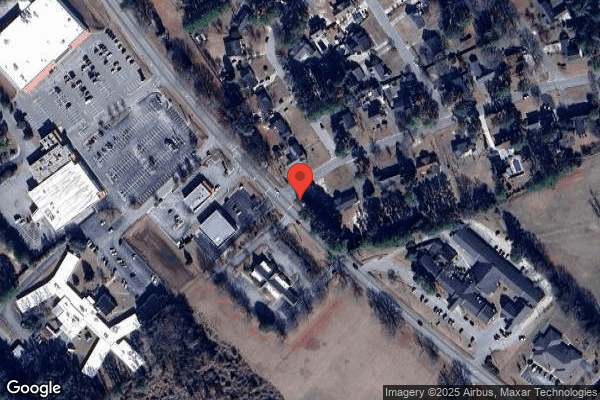
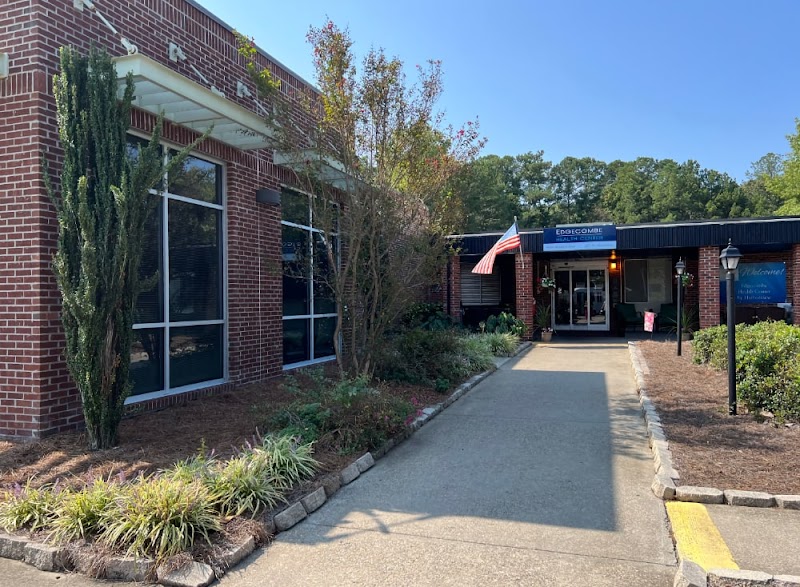
1000 Western Boulevard, Tarboro, NC 27886 (252) 823-0401
For profit - Individual 159 Beds HARBORVIEW HEALTH SYSTEMS Data: November 2025
Trust Grade
58/100
#158 of 417 in NC
Last Inspection: March 2025

Within standard 12-15 month inspection cycle. Federal law requires annual inspections.

Overview

Edgecombe Health Center by Harborview has a Trust Grade of C, indicating it is average and in the middle of the pack among nursing homes. It ranks #158 out of 417 facilities in North Carolina, placing it in the top half, and #2 out of 3 in Edgecombe County, meaning there is only one local option rated higher. The facility's performance has been stable, with the same number of issues reported in both 2024 and 2025. Staffing is a concern, with a below-average rating of 2 out of 5 stars and a turnover rate of 52%, which is close to the state average. Notably, there have been serious incidents, including a resident who fell and suffered a fractured femur due to inadequate fall precautions, and documentation errors regarding advance directives for residents, highlighting areas where improvement is needed despite some stability in overall operations.
Trust Score
C
58/100
In North Carolina
#158/417
Top 37%
Safety Record
Moderate
Needs review
Inspections
Holding Steady
6 → 6 violations
Staff Stability
⚠ Watch
52% turnover. Above average. Higher turnover means staff may not know residents' routines.
Penalties
✓ Good
$7,901 in fines. Lower than most North Carolina facilities. Relatively clean record.
Skilled Nurses
○ Average
Each resident gets 30 minutes of Registered Nurse (RN) attention daily — about average for North Carolina. RNs are the most trained staff who monitor for health changes.
Violations
⚠ Watch
19 deficiencies on record. Higher than average. Multiple issues found across inspections.
★★★☆☆
3.0
Overall Rating
★★☆☆☆
2.0
Staff Levels
★★☆☆☆
2.0
Care Quality
★★★☆☆
3.0
Inspection Score
Stable
2024: 6 issues
2025: 6 issues

The Good

  • Full Sprinkler Coverage · Fire safety systems throughout facility
  • No fines on record

Facility shows strength in fire safety.

The Bad

3-Star Overall Rating

Near North Carolina average (2.8)

Meets federal standards, typical of most facilities

Staff Turnover: 52%

Near North Carolina avg (46%)

Higher turnover may affect care consistency

Federal Fines: $7,901

Below median ($33,413)

Minor penalties assessed

Chain: HARBORVIEW HEALTH SYSTEMS

Part of a multi-facility chain

Ask about local staffing decisions and management

The Ugly 19 deficiencies on record

1 actual harm
Mar 2025 6 deficiencies
CONCERN (D)

Potential for Harm - no one hurt, but risky conditions existed

Deficiency F0578 (Tag F0578)

Could have caused harm · This affected 1 resident

**NOTE- TERMS IN BRACKETS HAVE BEEN EDITED TO PROTECT CONFIDENTIALITY** Based on record review, resident responsible party (RP) and staff interviews, the facility failed to include documentation in th...

Read full inspector narrative →
**NOTE- TERMS IN BRACKETS HAVE BEEN EDITED TO PROTECT CONFIDENTIALITY** Based on record review, resident responsible party (RP) and staff interviews, the facility failed to include documentation in the medical record that the facility staff had spoken with the responsible party (RP) or resident regarding advance directives (Resident #110). This was for 1 of 5 residents reviewed for advance directive. The findings included: A review of the facility's policy titled Residents' rights Regarding Treatment and Advance Directives dated 3/1/22 and reviewed/revised on 3/1/24 revealed it is the policy of this facility to support and facilitate a residents' right to formulate an advance directive. On admission the facility will determine if the resident has executed an advance directive, and if not determine whether the resident would like to formulate an advance directive. Upon admission, should the resident have an advance directive, copies will be made and placed on the chart as well as communicated to the staff. Resident #110's medical record revealed Resident #110 was admitted to the facility on [DATE] with diagnoses that included stroke, hypertension, and thyroid disorder. The review also revealed the resident code status was a full code. There was no documentation in the record for education regarding formulation of an advanced directive and/or an opportunity to formulate an advance directive was offered. An interview with Resident #110's RP was held in the facility on 3/13/25 at 9:21 AM, at which time he stated, Resident #110 does not have an advanced directive in place. He went on to say a facility employee talked to him about advanced directives, but he was not interested at that time. He did not recall who spoke with him regarding advanced directives. An interview was completed on 3/13/25 at 8:48 AM with the facility admission Director. She revealed she does not discuss advance directives with residents or responsible parties (RP) as that task would be the responsibility of the Admissions Nurse. An interview with the admission Nurse was held on 3/13/25 at 9:05 AM, she stated she speaks to code status only as the Social Worker was responsible for discussing advance directives with residents and their RP. An interview with the Social Worker was held on 3/13/25 at 9:45 AM in which she stated typically the Admissions Director would be responsible for the advance directive discussion with residents and RPs. She would not have addressed advanced directives unless a coworker asked her to do so. An interview was completed with the facility Administrator on 3/13/25 at 9:55 AM. At that time, she revealed her expectation would have been that the Social Worker follows up with families that did not have advance directives in place upon admission to educate them and offer assistance and education to establish advance directives if desired. She went on to further state her expectation would have also been that the Social Worker document those conversations in the resident's chart.
CONCERN (D)

Potential for Harm - no one hurt, but risky conditions existed

Deficiency F0582 (Tag F0582)

Could have caused harm · This affected 1 resident

**NOTE- TERMS IN BRACKETS HAVE BEEN EDITED TO PROTECT CONFIDENTIALITY** Based on record review and staff and Responsible Party (RP) interviews, the facility failed to provide a Centers for Medicare an...

Read full inspector narrative →
**NOTE- TERMS IN BRACKETS HAVE BEEN EDITED TO PROTECT CONFIDENTIALITY** Based on record review and staff and Responsible Party (RP) interviews, the facility failed to provide a Centers for Medicare and Medicaid (CMS) Form 10123-Notice of Medicare Non-Coverage (NOMNC) within the required time frame. This was for 1 of 4 residents (Resident #129) reviewed for Beneficiary Notices. Findings included: Resident #129 was admitted to the facility on [DATE]. Review of Resident #129's NOMNC form revealed the effective date coverage of his current skilled nursing and therapy services service would end was 3/11/25. It further revealed Medicare would probably not pay for his skilled nursing and therapy services after that effective date, and Resident #129 might have to pay for any services he received. The form included Resident #129's rights to appeal the decision. It was dated as signed by Resident #129's RP on 3/12/25. On 3/12/25 at 9:43 AM an interview with the Social Worker (SW) indicated Resident #129 was being discharged from the facility that day. She stated she had multiple conversations with Resident #129's RP throughout Resident #129's stay in the facility regarding his discharge plan. She stated she had not had a chance to provide Resident #129's RP with a NOMNC until 3/12/25. She reported every time she went to provide the form to Resident #129's RP and have it signed, the RP had already left the facility. On 3/12/25 at 10:05 AM an interview with Resident #129's RP indicated she had multiple conversations with the SW regarding Resident #129's discharge from the facility and had caregivers in place for Resident #129 when he got home. She reported she would have liked to have been informed of her rights regarding Resident #129's discharge from the facility before the day of discharge. On 3/12/25 at 10:46 AM a follow up interview with Resident #129's RP indicated she had just spoken with the Business Office Manager, had all her questions answered, and would proceed with taking Resident #129 home that day. On 3/12/25 at 3:40 PM an interview with the Administrator indicated the SW should have ensured Resident #129's RP was provided with the NOMNC form prior to the day of Resident #129's discharge from the facility.
CONCERN (D)

Potential for Harm - no one hurt, but risky conditions existed

Comprehensive Care Plan (Tag F0656)

Could have caused harm · This affected 1 resident

**NOTE- TERMS IN BRACKETS HAVE BEEN EDITED TO PROTECT CONFIDENTIALITY** 3. Resident #129 was admitted to the facility on [DATE] with a diagnosis of atrial flutter (an irregular heartbeat). A review of...

Read full inspector narrative →
**NOTE- TERMS IN BRACKETS HAVE BEEN EDITED TO PROTECT CONFIDENTIALITY** 3. Resident #129 was admitted to the facility on [DATE] with a diagnosis of atrial flutter (an irregular heartbeat). A review of a physician's order for Resident #129 dated 2/1/25 revealed to administer Eliquis (an anticoagulant/blood thinning medication) 5 milligrams (mg) to Resident #129 by mouth twice daily for atrial flutter. A review of Resident #129's admission Minimum Data Set (MDS) assessment dated [DATE] revealed Resident #129 was taking anticoagulant medication and an indication for the medication was noted. A review of Resident #129's Medication Administration Record February 2025 (MAR) revealed documentation Eliquis 5mg was administered to Resident #129 as ordered by his physician. A review of Resident #129's comprehensive care plan dated last revised on 3/5/25 did not reveal a focus area for or address the risk of bleeding related to receiving anticoagulant/blood thinning medication. On 3/13/25 at 9:23 AM an interview with MDS Coordinator #2 indicated she completed the medication section of Resident #129's admission MDS dated [DATE]. She stated she coded this section to indicate Resident #129 was taking anticoagulant medication. She reported she would have been responsible for ensuring his comprehensive care plan reflected his use of this medication and she had not. She stated this was an error on her part. In an interview on 3/13/25 at 10:18 AM the Director of Nursing stated anticoagulants were high risk medications that required additional safety monitoring. She reported Resident #129's care plan should have reflected his use of the medication so all staff would be aware he was receiving it. Based on observation, record review and staff interviews the facility failed to develop an individualized, person-centered comprehensive care plan to include the use of side rails (Resident #82 and Resident #119) and an anticoagulant (blood thinning) medication (Resident #129). This was for 3 of 27 residents whose comprehensive care plans were reviewed. Findings included: 1. Resident #82 was admitted to the facility on [DATE] with diagnoses including history of cerebral infarction (stroke). A review of Resident #82's record revealed an assessment titled side rail/entrapment risk evaluation dated 2/22/25 and completed by Nurse #1 revealed bilateral one quarter length side rails were to be used. A quarterly Minimum Data Set (MDS) dated [DATE] revealed Resident #82 was cognitively intact. The MDS indicated Resident #82 required partial to moderate assistance with bed mobility, transfers, and was non-ambulatory. The MDS revealed Resident #82 had impairment of one side of upper extremities and impairment of both lower extremities. The MDS indicated Resident #82's siderails were not used as a restraint. A care plan with the latest review date of 3/3/25 revealed no reference to use of side rails for Resident #82. An observation on 3/10/25 at 11:54 AM revealed Resident #82 lying in bed with bilateral one-quarter length side rails in the up position on the bed. An interview with the MDS nurse was conducted on 3/13/25 at 9:08 AM. The MDS nurse stated she was responsible for updating care plans with information she received from other departments such as Nursing. The MDS nurse revealed she was not aware side rails needed to be addressed in a resident's care plan. In an interview with the Director of Nursing (DON) on 3/13/25 at 9:16 AM she stated she was not aware side rails needed to be addressed in a resident's care plan. In an interview with the Administrator on 3/12/25 at 1:15 PM she stated she was unaware side rail usage needed to be addressed in a resident's care plan. 2. Resident #119 was admitted to the facility on [DATE] with diagnoses that included cerebral infarction (stroke). A review of Resident #119's record revealed an assessment titled side rail/entrapment risk evaluation dated 2/7/25 and completed by UM #1 revealed the resident was using bilateral quarter length side rails. A quarterly Minimum Data Set (MDS) dated [DATE] revealed Resident #119 was severely cognitively impaired and was dependent on staff for bed mobility. The MDS indicated Resident #119's siderails were not used as a restraint. A care plan with the latest review date 1/10/25 revealed no reference to side rail usage for Resident #119. An observation on 3/11/25 at 1:17 PM revealed Resident #119 lying in bed with bilateral one quarter length side rails in the raised position. An observation on 3/12/25 at 11:39 AM revealed Resident #119 in bed with the one quarter length side rails in the raised position. An interview with the MDS nurse was conducted on 3/13/25 at 9:08 AM. The MDS nurse stated she was responsible for updating care plans with information she received from other departments such as Nursing. The MDS nurse revealed she was not aware side rails needed to be addressed in a resident's care plan. In an interview with the Director of Nursing (DON) on 3/13/25 at 9:16 AM she stated she was not aware side rails needed to be addressed in a resident's care plan. In an interview with the Administrator on 3/12/25 at 1:15 PM she stated she was unaware side rail usage needed to be addressed in a resident's care plan.
CONCERN (D)

Potential for Harm - no one hurt, but risky conditions existed

Deficiency F0700 (Tag F0700)

Could have caused harm · This affected 1 resident

**NOTE- TERMS IN BRACKETS HAVE BEEN EDITED TO PROTECT CONFIDENTIALITY** Based on observations, staff interviews, and record review the facility failed to attempt to use alternatives prior to installin...

Read full inspector narrative →
**NOTE- TERMS IN BRACKETS HAVE BEEN EDITED TO PROTECT CONFIDENTIALITY** Based on observations, staff interviews, and record review the facility failed to attempt to use alternatives prior to installing side rails for 2 of 3 residents (Resident #82 and Resident #119) reviewed for side rails. Findings included: 1. Resident #82 was admitted to the facility on [DATE] with diagnoses including seizure disorder and history of cerebral infarction (stroke). A review of Resident #82's record revealed an assessment titled side rail/entrapment risk evaluation dated 2/22/25 and completed by Nurse #1 revealed there was no question on the evaluation regarding attempts to use alternatives before using side rails. Nurse #1 was not able to be reached for interview. A quarterly Minimum Data Set (MDS) dated [DATE] revealed Resident #82 was cognitively intact. The MDS indicated Resident #82 required partial to moderate assistance with bed mobility, transfers, and was non-ambulatory. The MDS revealed Resident #82 had impairment of one side of upper extremities and impairment of both lower extremities. The MDS indicated Resident #82's siderails were not used as a restraint. A care plan with the latest review date of 3/3/25 revealed no reference to use of side rails for Resident #82. An observation on 3/10/25 at 11:54 AM revealed Resident #82 lying in bed with bilateral one-quarter length side rails in the up position on the bed. An observation on 3/12/25 at 11:40 AM revealed Resident #82 sitting in his bed with the head raised at a 45-degree angle. The side rails were observed to be in the raised position. An interview with Unit Manager (UM) #1 on 3/11/25 at 2:02 PM revealed the Unit Managers completed the quarterly side rail/entrapment risk evaluations. UM #1 stated they did not attempt alternatives before using side rails. She further stated she was unaware this was a requirement. In an interview with the Director of Nursing (DON) on 3/13/25 at 9:16 AM she stated they did not try interventions before using side rails as she was not aware this was a requirement. In an interview with the Administrator on 3/12/25 at 1:15 PM she stated alternative interventions to side rails were not tried before implementation as she was unaware that this was a requirement. 2. Resident #119 was admitted to the facility on [DATE] with diagnoses that included cerebral infarction (stroke). A review of Resident #119's record revealed an assessment titled side rail/entrapment risk evaluation dated 2/7/25 and completed by UM #1 revealed no questions regarding attempting alternatives to side rails before implementing them. A quarterly Minimum Data Set (MDS) dated [DATE] revealed Resident #119 was severely cognitively impaired and was dependent on staff for bed mobility. The MDS indicated Resident #119's siderails were not used as a restraint. A care plan with the latest review date 1/10/25 revealed no reference to side rail usage for Resident #119. An observation on 3/11/25 at 1:17 PM revealed Resident #119 lying in bed with bilateral one quarter length side rails in the raised position. An observation on 3/12/25 at 11:39 AM revealed Resident #119 in bed with the one quarter length side rails in the raised position. An interview with Unit Manager (UM) #1 on 3/11/25 at 2:02 PM revealed the Unit Managers completed the quarterly side rail/entrapment risk evaluations. UM #1 stated she completed the quarterly evaluation on 2/27/25 for Resident #119. She further stated they did not attempt alternatives before using side rails. She further stated she was unaware this was a requirement. In an interview with the Director of Nursing (DON) on 3/13/25 at 9:16 AM she stated they did not try interventions before using side rails as she was not aware this was a requirement. In an interview with the Administrator on 3/12/25 at 1:15 PM she stated alternative interventions to side rails were not tried before implementation as she was unaware that this was a requirement.
CONCERN (D)

Potential for Harm - no one hurt, but risky conditions existed

Deficiency F0757 (Tag F0757)

Could have caused harm · This affected 1 resident

**NOTE- TERMS IN BRACKETS HAVE BEEN EDITED TO PROTECT CONFIDENTIALITY** Based on record review and staff interviews, the facility failed to obtain a baseline thyroid function test for a resident who w...

Read full inspector narrative →
**NOTE- TERMS IN BRACKETS HAVE BEEN EDITED TO PROTECT CONFIDENTIALITY** Based on record review and staff interviews, the facility failed to obtain a baseline thyroid function test for a resident who was taking Levothyroxine Sodium for 1 of 5 residents reviewed for unnecessary medications (Resident #123). Findings included: Resident #123 was admitted to the facility on [DATE]. Her active diagnoses included hypothyroidism. Review of Resident #123's physician order dated 11/1/24 revealed the resident was ordered Levothyroxine Sodium oral tablet 25 micrograms, give 1 tablet by mouth in the morning for hypothyroidism. Review of a consultant pharmacist recommendation to the physician dated 11/26/24 revealed the pharmacist recommended a baseline thyroid function test to be completed and repeated yearly while Resident #123 was taking Levothyroxine Sodium. The nurse practitioner wrote an order to obtain the lab as recommended. Review of a consultant pharmacist recommendation to nursing dated 12/18/24 revealed the pharmacist again recommended nursing obtain a baseline thyroid function test for Resident #123 per the order from the previous recommendation on 11/26/24 and place them in Resident #123's medical record. Review of Resident #123's medical record on 3/13/25 at 9:30 AM revealed Resident #123 did not have any thyroid function test results documented in the medical record. During an interview on 3/13/25 at 9:42 AM the Director of Nursing stated pharmacy recommendations come to her, and she places them in the physician's box to have the physician or designee respond to the recommendation. The baseline thyroid function test for Resident #123 was scheduled for 12/4/24 as a response to the 11/26/24 pharmacy recommendation and subsequent order from the nurse practitioner. It was ordered and placed in the lab book scheduled for 12/4/24. About a month later, the next recommendation on 12/18/24 came to her from pharmacy and she noted Resident #123's lab was not done on 12/4/24 and she did not know why. She rescheduled the lab for 12/23/24 and the appointment was placed in the lab book as well. She stated this lab was also not obtained and she did not know the reason why. She stated she expects labs like these, which are not stat labs, to be obtained within a few days of the order being written. She concluded this lab was missed and she did not know why. During an interview on 3/13/25 at 9:58 AM the Nurse Practitioner stated the turnaround for a routine lab should be 1 to 2 weeks. These were routine labs and there were no current reasons to think the thyroid-stimulating hormone level was off. He concluded there was no negative outcome for Resident #123 for these labs being missed. During an interview on 3/13/25 at 10:21 AM the Administrator stated labs should be completed as ordered.
CONCERN (E)

Potential for Harm - no one hurt, but risky conditions existed

Assessment Accuracy (Tag F0641)

Could have caused harm · This affected multiple residents

**NOTE- TERMS IN BRACKETS HAVE BEEN EDITED TO PROTECT CONFIDENTIALITY** 4. Resident #139 was admitted to the facility on [DATE]. The discharge Minimum Data Set (MDS) assessment dated [DATE] revealed R...

Read full inspector narrative →
**NOTE- TERMS IN BRACKETS HAVE BEEN EDITED TO PROTECT CONFIDENTIALITY** 4. Resident #139 was admitted to the facility on [DATE]. The discharge Minimum Data Set (MDS) assessment dated [DATE] revealed Resident #139 was discharged to a short-term general hospital. A progress note written by the Social Worker on 1/22/25 at 2:44 PM stated Resident #139 was discharged from the facility at 12:45 PM and was transported home by his friend. During an interview with the MDS Coordinator on 3/12/25 at 1:15 PM, she stated the MDS should have been coded to home and her coding was an error. An interview with the Director of Nursing was held on 3/12/25 at 1:23 PM, at that time she stated the resident was discharged home. During an interview on 3/12/25 at 1:26 PM, the Administrator stated her expectation would have been the MDS information was coded accurately. 3. Resident #80 was admitted to the facility on [DATE]. A review of Resident #80's physician's orders revealed an order dated 1/3/25 for aspirin (an antiplatelet medication) 81 milligrams (mg) one tablet by mouth daily for transient ischemic attack (disrupted blood flow to the brain), venous insufficiency (impaired blood flow in the veins), and atrial fibrillation (an irregular heartbeat). A review of Resident #80's February 2025 Medication Administration Record (MAR) revealed documentation aspirin 81 mg was administered to Resident #80 on 2/27/25 and 2/28/25. A review of Resident #80's March 2025 MAR revealed documentation aspirin 81 mg was administered to Resident #80 on 3/1/25 through 3/5/25. A review of Resident #80's quarterly Minimum Data Set (MDS) assessment dated [DATE] revealed she was not coded as taking any antiplatelet medications. On 3/13/25 at 8:22 AM an interview with the MDS Coordinator indicated she coded the medication section of Resident #80's MDS assessment dated [DATE]. She stated she did not code Resident #80 as taking antiplatelet medication on this MDS assessment because she had been instructed not to code aspirin as an antiplatelet medication unless the dosage was 325 mg. On 3/13/25 at 10:18 AM an interview with the Director of Nursing indicated the MDS Coordinator would know more about the coding of MDS assessments than she did. She stated MDS assessments should be an accurate reflection of the medications a resident was taking. On 3/13/25 at 10:23 AM an interview with the Administrator indicated MDS assessments should be coded accurately. Based on record review and staff interviews, the facility failed to accurately code a Minimum Data Set (MDS) assessment for anticoagulant use, antiplatelet use, and discharge status for 4 of 27 resident assessments reviewed (Resident #109, Resident #138, Resident #80, and Resident #139). Findings included: 1. Resident #109 was admitted to the facility on [DATE]. Review of Resident #109's MDS assessment dated [DATE] revealed the resident was assessed as having received an anticoagulant medication during the lookback period. Review of Resident #109's medication administration record for December 2024 revealed the resident did not take an anticoagulant medication during the lookback period. During an interview on 3/11/25 at 11:24 AM the MDS Coordinator stated Resident #109 was not on an anticoagulant and the MDS dated [DATE] was coded incorrectly. During an interview on 3/11/25 at 11:46 AM the Administrator stated MDS assessments should accurately reflect the resident's status. 2. Resident #138 was admitted to the facility on [DATE]. Review of Resident #138's discharge planning progress note dated 1/9/25 revealed the social worker spoke with the responsible party and resident regarding resident's discharge and discharge planning. Resident #138 was being discharged from her managed care insurance on 1/10/25 and would be discharged home on 1/11/25. Review of Resident #138 discharge minimum data set assessment dated [DATE] revealed the discharge assessment was coded as an unplanned discharge. During an interview on 3/11/25 at 11:18 AM the MDS Coordinator stated Resident #138 had a planned discharge on [DATE] and it was coded incorrectly on the 1/11/25 discharge MDS. During an interview on 3/11/25 at 11:46 AM the Administrator stated MDS assessments should accurately reflect the resident's status.
Jan 2024 6 deficiencies
CONCERN (D)

Potential for Harm - no one hurt, but risky conditions existed

Deficiency F0553 (Tag F0553)

Could have caused harm · This affected 1 resident

**NOTE- TERMS IN BRACKETS HAVE BEEN EDITED TO PROTECT CONFIDENTIALITY** Based on record review and interviews with the resident, Responsible Party (RP), and staff, the facility failed to facilitate th...

Read full inspector narrative →
**NOTE- TERMS IN BRACKETS HAVE BEEN EDITED TO PROTECT CONFIDENTIALITY** Based on record review and interviews with the resident, Responsible Party (RP), and staff, the facility failed to facilitate the inclusion of a cognitively intact resident and her RP in the care planning process for 1 of 1 residents reviewed for the care planning process. The findings included: Resident #57 was admitted to the facility on [DATE]. The medical record indicated Resident #57's family member was her RP. The quarterly Minimum Data Set (MDS) dated [DATE] indicated Resident #57 was cognitively intact. A review of the care plan for Resident #57 on 1/22/24 at 1:00 PM revealed it was last revised on 2/28/23. A record review for Resident #57 revealed the last care plan meeting note was dated 6/6/23. This note indicated the Social Worker and the Rehabilitation Manager spoke with the Resident's RP and updated her on the Resident's progress. There were no other care planning meeting notes after this date. The record further revealed no evidence the resident or RP were incorporated in the care planning process after 6/6/23. In an interview with Resident #57 on 1/22/24 at 11:13 AM the Resident stated she hadn't been invited to a care plan meeting since last Spring. She believed they were to be held quarterly and was very interested in being involved. She further stated she wanted her RP to be involved as well. On 1/23/24 at 1:13 PM an interview with Resident #57's RP revealed she had received care plan notices in the mail every 3 months. She stated they were always scheduled for 11:30 AM and she could not attend due to work. When she would call back to reschedule for a more convenient time, the Social Worker would tell her she didn't have to attend and it was just a courtesy to invite her, or that there were no other times available. The Resident's RP further stated she had been trying to reschedule each care plan meeting invitation for over a year and they were rarely rescheduled. The last meeting she attended was by phone on 6/6/23. The facility called her for other care such as permission to give the Resident a flu shot, or notification of medical appointments. An interview with the Social Worker on 1/24/24 at 12:21 PM revealed she held care plan meetings upon admission, approximately every three months in conjunction with the MDS assessment schedule and in the event of a significant change in the Resident's health. These meetings were to be documented in care plan notes section of the electronic medical record including everyone that attended the meeting and what was discussed. She further stated any contact, or attempted contact with the Resident or their RP regarding care plan meetings would be documented as well. The Social Worker was unable to state why there were no notes for Resident #57 about care plan meetings since 6/6/23. She further indicated Resident #57 wanted to know when her care plan meetings were scheduled, and she took a written invitation to her room to speak with her about them. The Social Worker stated the Resident declined to attend. She further stated she would leave a voicemail message for the Resident's RP but would not receive a call back, so they were not rescheduled for her to attend. The Social Worker was unable to state the dates of any meetings held since 6/6/23. On 1/24/24 at 1:42 PM an interview with the Administrator revealed Care Plan meetings were held quarterly and annually and were to be documented including all who attended, and the topics discussed. Any contact with the Resident or RP would have been documented in the care plan section of the electronic record. She was unaware there was no documentation related care plan meetings for Resident #57 since 6/6/23.
CONCERN (D)

Potential for Harm - no one hurt, but risky conditions existed

Assessment Accuracy (Tag F0641)

Could have caused harm · This affected 1 resident

**NOTE- TERMS IN BRACKETS HAVE BEEN EDITED TO PROTECT CONFIDENTIALITY** 2. Resident #41 was admitted to the facility on [DATE] with diagnoses of chronic obstructive pulmonary disease (COPD) and chroni...

Read full inspector narrative →
**NOTE- TERMS IN BRACKETS HAVE BEEN EDITED TO PROTECT CONFIDENTIALITY** 2. Resident #41 was admitted to the facility on [DATE] with diagnoses of chronic obstructive pulmonary disease (COPD) and chronic respiratory failure with hypoxia (low oxygen saturation). A review of a physician's order for Resident #41 dated 8/4/23 revealed may apply oxygen (O2) at 2 liters (l) via nasal cannula as needed (prn) to keep O2 saturation above 90 percent (%). A review of Resident #41's comprehensive care plan revealed a focus area initiated on 10/3/23 of at risk for alteration in respiratory status related to COPD. The goal was for Resident #41 to remain free from COPD exacerbation. An intervention was to administer oxygen as ordered by the physician. A review of Resident #41's quarterly Minimum Data Set (MDS) assessment dated [DATE] revealed in part he was cognitively intact. He did not use oxygen therapy while a resident. On 1/23/24 a review of the vital signs section of Resident #41's electronic medical record revealed in part the following documentation: 12/8/23 11:13 PM 97.0% Oxygen via Nasal Cannula 12/9/23 11:38 AM 97.0% Oxygen via Nasal Cannula 12/9/23 10:14 PM 98.0% Oxygen via Nasal Cannula 12/10/23 2:04 AM 96.0% Oxygen via Nasal Cannula 12/10/23 9:44 AM 96.0% Oxygen via Nasal Cannula 12/11/23 6:28 AM 95.0% Oxygen via Nasal Cannula 12/11/23 6:29 PM 97.0% Oxygen via Nasal Cannula 12/12/23 5:59 AM 97.0% Room Air 12/12/23 5:42 PM 99.0% Oxygen via Nasal Cannula 12/13/23 1:46 AM 95.0% Oxygen via Nasal Cannula 12/13/23 9:07 AM 96.0% Oxygen via Nasal Cannula 12/14/23 2:41 AM 95.0% Oxygen via Nasal Cannula 12/14/23 5:05 PM 96.0% Oxygen via Nasal Cannula On 1/23/24 at 1:45 PM an interview with MDS Nurse #1 indicated she coded the Special Treatments and Programs section of Resident #41's MDS assessment dated [DATE]. She stated the look-back period for coding this section was 14 days. She went on to say she coded the section to indicate Resident #41 did not use oxygen because when she saw Resident #41 on 12/20/23, he was not wearing oxygen. On 1/23/24 at 2:21 PM an interview with Nurse #1 indicated she was the Unit Manager. She stated the documentation in the vital signs section of Resident #41's medical record reflected Resident #41's oxygen saturation and whether or not he was receiving oxygen at the time the oxygen saturation was obtained. On 1/25/24 at 9:35 AM an interview with the Administrator indicated Resident #41's MDS assessment should have been coded accurately. She stated because Resident #41 had not been wearing oxygen when he was observed by MDS Nurse #1, that might explain why she coded that MDS section the way she had. Based on record review and staff interviews, the facility failed to accurately code the Minimum Data Set (MDS) in the areas of Preadmission Screening and Resident Review Level II (Resident #18) and oxygen therapy (Resident #41) for 2 of 26 residents reviewed for MDS accuracy. Findings included: 1. Resident #18 was admitted to the facility on [DATE] with diagnoses which included hypertension and depression. The resident's medical record contained a halted Preadmission Screening and Resident Review (PASRR) Level II determination notification dated 9/23/18 with no end date. The annual MDS dated [DATE] indicated Resident #18 was not coded for Level II PASRR. An interview on 1/23/24 at 1:14 PM with MDS Nurse #1 and MDS Nurse #2 revealed they were aware that Resident #18 had a level II PASRR. MDS Nurse #1 stated that it should have been coded as level II PASRR. She also stated that there had been confusion in the past and that the level II halted had been coded as level I in error. An interview on 1/25/24 at 9:35 AM with the Administrator revealed that she expected the MDS to be coded accurately and felt the error was due to staffing changes.
CONCERN (D) 📢 Someone Reported This

A family member, employee, or ombudsman was alarmed enough to file a formal complaint

Potential for Harm - no one hurt, but risky conditions existed

Quality of Care (Tag F0684)

Could have caused harm · This affected 1 resident

**NOTE- TERMS IN BRACKETS HAVE BEEN EDITED TO PROTECT CONFIDENTIALITY** Based on observation, record review, staff, family, and resident interview the facility failed to complete an assessment with wo...

Read full inspector narrative →
**NOTE- TERMS IN BRACKETS HAVE BEEN EDITED TO PROTECT CONFIDENTIALITY** Based on observation, record review, staff, family, and resident interview the facility failed to complete an assessment with wound measurements when a reopened wound was identified and to transcribe standing orders for wound care into the resident's treatment record to ensure the orders were implemented. This deficient practice was for 1 of 1 resident (Resident #29) reviewed for skin conditions. The findings included: Resident #29 was admitted to the facility on [DATE] with diagnoses that included hemiplegia and hemiparesis following cerebral infarction (stroke) affecting left side, Type II Diabetes Mellitus, and dementia. The standing orders for a skin tear stated clean with normal saline, apply xeroform (a petroleum saturated gauze product) and cover with a dry dressing daily. A review of the care plan dated 1/8/24 revealed there was no care plan for alteration in skin integrity or risk for alteration in skin integrity. A unsigned skin check for Resident #29 completed on 1/16/24 indicated there was some bruising noted to both upper extremities only noted. A review of the quarterly Minimum Data Set (MDS) dated [DATE] revealed Resident #29 was severely cognitively impaired and had no skin impairment. On 1/22/24 at 4:28 PM it was observed that Resident #29 had a wound dressing to her right upper arm that was initialed and dated 1/21/24 by Nurse #3 who applied the dressing. The dressing was white, and blood could be seen having soaked the center. During an interview with Resident #29 on 1/22/24 at 4:30 PM, she stated her skin was very fragile and she got a skin tear. She could not recall how or when the wound happened. The medical record for Resident #29 through 1/21/24 revealed no evidence of any documentation related to the wound that was dressed on her right upper arm. On 1/22/24 at 4:30 PM an interview with Resident #29's husband, who was also a resident and was alert and oriented to person, place, time, and situation, revealed Resident #29 got up and walked around alone, although she was supposed to ask for help with walking. He further stated she often bumped into things and got bruises and skin tears, and this also happened when they lived at home. He did not recall how or when Resident #29 got the wound to her right upper arm. On 1/23/24 at 9:00 AM it was observed that Resident #29 had a wound dressing to her right upper arm that was initialed and dated 1/22/24 by Nurse #3 that applied the dressing. The dressing was white, and blood could be seen having soaked the center. An interview with the Unit Manager on 1/23/24 at 3:44 PM revealed the process for documenting new wounds. The Nurse was to use the communication book to look at standing orders and choose the appropriate treatment from the list on the front of the book. They would document the date, time, Resident, type of wound and treatment in the communication book for the treatment Nurse (Nurse #1) to follow up on. The Nurse would then treat the wound and write the chosen standing order in the electronic record to alert other Nurses to the new wound. The Unit Manager further stated the Nurse was to write a nurses note in the electronic record regarding the wound and its treatment. Nurse #1 would follow up by measuring and assessing the wound, assuring the correct treatment was started, and would follow the wound until healed. A review of Resident #29's chart with the Unit Manager on 1/23/24 at 3:50 PM revealed no documentation of the new wound to Resident #29's right upper arm. During an interview with Nurse #1 on 01/23/24 at 02:35 PM, she revealed she did the wound management for the facility (treatment Nurse), and she was not aware Resident #29 had a wound. She further stated the nurses were to document new wounds in the communication book at the Nurse's station, or the one hanging on her office door and they wrote orders based on the list of standing orders in the book so that she could follow up. She revealed that she did not find documentation for Resident #29's wound care. She further stated when a wound was not documented in the communication book, she would not have known a wound assessment needed to be completed and a dressing change needed to be done. She added that a wound could become infected over time if not treated properly. A review of the communication books on 01/23/24 at 2:45 PM with Nurse #1, both at the Nurse's station and hanging on her door revealed Resident #29's wound had not been reported. An observation of Resident #29's dressing change was made on 1/23/24 at 3:15 PM with Nurse #1. Nurse #1 stated it was the initials of Nurse #3 on the dressing. Nurse #1 stated the wound appeared to be in the beginning stages of healing, as the wound bed was a yellow color but still had blood-tinged drainage. She further stated it was about one inch by one inch in size and appeared to be a skin tear. On 01/23/24 at 04:04 PM an interview with Nurse #3 revealed she did not document an assessment with measurements, or a progress note when she identified the new wound for Resident #97 on 1/21/24. Her reasoning was she forgot. She further stated she did do wound care on 1/21/24 and 1/22/24 and that it was an old wound that had reopened. Nurse #3 noticed the wound on the night of 1/21/24 and stated it was a skin tear. She revealed she knew the process was to write it in the communication book, write an order in the electronic record, write a nurse's note regarding the wound, and notify the Responsible Party and the Physician. She further revealed she understood Nurse #1 would not be able to assess the wound and change the dressing since she was not made aware of the wound. During an interview on 1/25/24 at 11:03 AM, the Administrator stated Nursing staff were trained to document all wounds including orders, and notification of Responsible Party and Physician, as soon as possible after a new wound is discovered.
CONCERN (D)

Potential for Harm - no one hurt, but risky conditions existed

Respiratory Care (Tag F0695)

Could have caused harm · This affected 1 resident

**NOTE- TERMS IN BRACKETS HAVE BEEN EDITED TO PROTECT CONFIDENTIALITY** Based on observations, record review, resident, staff and Medical Director interviews the facility failed to obtain a physician'...

Read full inspector narrative →
**NOTE- TERMS IN BRACKETS HAVE BEEN EDITED TO PROTECT CONFIDENTIALITY** Based on observations, record review, resident, staff and Medical Director interviews the facility failed to obtain a physician's order for the use of supplemental oxygen for 1 of 3 residents reviewed for respiratory care (Resident #101). The findings included: Resident #101 was admitted to the facility on [DATE] with diagnoses that included heart failure and oxygen dependent. Review of the medication administration record (MAR) and physician orders revealed that Resident #101 did not have an order for oxygen and oxygen was not listed on the MAR as being administered. Review of the quarterly Minimum Data Set (MDS) assessment dated [DATE] revealed that Resident #101 was cognitively intact and had a diagnosis of oxygen dependent but was not coded for oxygen use. An observation of Resident #101 was made on 1/23/24 at 8:43 AM, she was resting in bed watching television. Resident #101 had an oxygen canula in her nose with oxygen being delivered at 2 liters per minute. In an interview with Resident #101 on 1/23/24 at 8:43 AM, she stated that she had used oxygen since admission and that she took it off and on by herself when she wanted to. She stated that she thought she received oxygen at 2 liters per minute. In an interview with the Medical Director on 1/24/24 at 11:58 AM he revealed that he was the attending physician for Resident #101. He stated that Resident #101 received oxygen at 2 liters per minute. He further added she received oxygen when she was originally admitted to the facility and attempts to wean her were unsuccessful. The interview further revealed that the Medical Director would expect that a resident would have an order for oxygen use and that it would be on the MAR for continued monitoring. He reviewed Resident #101's order list and stated that there was not an order for oxygen. At 12:19 PM on 1/24/24 an interview with Medication Aide #1 revealed that Resident #101 received oxygen per nasal cannula at 2 liters per minute. He stated that she did not have an order for oxygen use, and it was not listed on her MAR. He stated that it should be on her MAR and there should have been an order for it. On 1/24/24 at 12:21 PM in an interview with Nurse #1 revealed that Resident #101 received oxygen. She stated that when a physician wrote an order for oxygen, the nurse transcribed (transferred) the order to the MAR. She further indicated there was no oxygen order for Resident #101 on the physician order list and it was not listed on the MAR. She stated that Resident #101's oxygen should have been on the MAR and it would be signed by the nurse on each shift to indicate oxygen was administered. The Administrator was interviewed on 1/24/24 at 1:00 PM, she stated that she was not aware that Resident #101 did not have an order for oxygen until the physician made her aware today. She further stated that residents that received oxygen should have a physician's order for oxygen, and it should be on the MAR for nurses to sign off on.
CONCERN (D)

Potential for Harm - no one hurt, but risky conditions existed

QAPI Program (Tag F0867)

Could have caused harm · This affected 1 resident

Based on observations, record review, and staff, family and resident interviews the facility's Quality Assessment and Assurance (QAA) committee failed to maintain implemented procedures and monitor in...

Read full inspector narrative →
Based on observations, record review, and staff, family and resident interviews the facility's Quality Assessment and Assurance (QAA) committee failed to maintain implemented procedures and monitor interventions that the committee put into place following the recertification and complaint investigation surveys of 12/02/21 and 12/22/22. This was for two deficiencies in the areas of Accuracy of Assessments (F641) and Quality of Care (F684) that were subsequently recited on the current recertification and complaint investigation. The continued failure of the facility during 2 or more federal surveys of record showed a pattern of the facility's inability to sustain an effective Quality Assurance Program. Findings included: This tag is cross-referenced to: F641: Based on record review and staff interviews, the facility failed to accurately code the Minimum Data Set (MDS) in the areas of Preadmission Screening and Resident Review Level II (Resident #18) and oxygen therapy (Resident #41) for 2 of 26 residents reviewed for MDS accuracy. During the recertification and complaint investigation survey on 12/02/21 the facility was cited for failing to accurately code the Preadmission Screening and Resident Review (PASRR) and hospice status of residents. During the recertification and complaint investigation survey on 12/22/22 the facility was cited for failing to accurately code the PASRR. F684: Based on observation, record review, staff, family, and resident interview the facility failed to complete an assessment with wound measurements when a reopened wound was identified and to transcribe standing orders for wound care into the resident's treatment record to ensure the orders were implemented. This deficient practice was for 1 of 1 resident (Resident #29) reviewed for skin conditions. During the recertification and complaint investigation survey on 12/02/21 the facility was cited for failing to obtain daily weights as ordered by the physician and for abruptly discontinuing an antidepressant medication. An interview with the Administrator on 1/25/24 at 10:06AM revealed that staff turnover had resulted in the MDS coding errors, and she did not know what had caused the quality of care repeat deficiency.
CONCERN (D)

Potential for Harm - no one hurt, but risky conditions existed

Infection Control (Tag F0880)

Could have caused harm · This affected 1 resident

Based on observations, record review, and staff interviews the facility failed to implement their infection control policy when Nurse Aide (NA) #1 did not perform hand hygiene during meal delivery and...

Read full inspector narrative →
Based on observations, record review, and staff interviews the facility failed to implement their infection control policy when Nurse Aide (NA) #1 did not perform hand hygiene during meal delivery and set-up after handling bed linens and moving the overbed table for 1 of 2 NAs observed passing meal trays on 1 of 8 halls. This had the potential to result in the cross contamination of microorganisms between residents. Findings included: A review of the facility's policy titled Hand Hygiene dated last revised on 7/1/23 revealed in part the following: Policy: All staff will perform proper hand hygiene procedures to prevent the spread of infection to other personnel, residents, and visitors. This applies to staff working in all locations within the facility. Policy Explanation and Compliance Guidelines: 2. Hand hygiene is indicated and will be performed under the conditions listed in, but not limited to, the attached hand hygiene table. A review of the attached hand hygiene table revealed in part the following: Between resident contacts, After handling contaminated objects, Before and after handling clean or soiled dressings, linens, etc. On 1/22/24 from 12:59 PM to 1:04 PM a continuous observation of the lunch meal tray delivery service was conducted in the facility on the 900 Hall. Hand sanitizing dispensers were observed in place at intervals on the wall of this hall. During this observation NA #1 removed a meal tray from the meal cart, entered Resident #122's room, placed the meal tray on the resident's overbed table, removed the resident's blanket from the resident's legs, and repositioned the resident's overbed table in front of the resident. NA #1 was then observed to exit the room and returned to the meal cart without performing hand hygiene. NA #1 pushed the meal cart farther down the 900 Hall and removed Resident #102's meal tray from the cart. NA #1 was stopped in the doorway of Resident #102's room before she could deliver the meal tray to the resident. On 1/22/24 at 1:04 PM an interview with NA #1 indicated she should have performed hand hygiene after contact with a resident's linen and environment before removing another meal tray from the meal cart. She stated there was hand sanitizer available. She went on to say she had been educated on doing this to prevent the spread of infection. She further indicated she just hadn't been thinking. On 1/22/24 at 1:29 PM an interview with the Assistant Director of Nursing indicated she was the facility's Infection Preventionist. She stated the facility standard was that hand hygiene should be performed after touching a resident's environment and in between passing meal trays to decrease the risk of cross contamination. She went on to say NA #1 participated in a skills fair in November 2023 that included hand hygiene. On 1/25/24 at 9:35 AM an interview with the Administrator indicated NA #1 should have performed hand hygiene in accordance with the facility's policy. She went on to say NA #1 had been educated on this and should have known better.
Dec 2022 7 deficiencies 1 Harm
SERIOUS (G)

Actual Harm - a resident was hurt due to facility failures

Accident Prevention (Tag F0689)

A resident was harmed · This affected 1 resident

**NOTE- TERMS IN BRACKETS HAVE BEEN EDITED TO PROTECT CONFIDENTIALITY** Based on record review and staff interviews the facility failed to assess Resident #29's ability to be safely seated in a regula...

Read full inspector narrative →
**NOTE- TERMS IN BRACKETS HAVE BEEN EDITED TO PROTECT CONFIDENTIALITY** Based on record review and staff interviews the facility failed to assess Resident #29's ability to be safely seated in a regular wheelchair prior to transfer from the resident's reclining wheelchair. While receiving service from the Beautician, Resident #29 suddenly moved forward and fell hitting her head on the air conditioning unit. Resident #29 was sent to the hospital for evaluation and was diagnosed with a displaced intertrochanteric fracture of the left femur. This deficient practice affected one of one resident reviewed for accidents (Resident #29). Findings included: Resident #29 was admitted to the facility on [DATE]. Her diagnoses included Parkinson disease and Alzheimer's disease, and cervical spinal stenosis. Resident #29's care plan dated 3/6/22 revealed she was care planned to be at a risk for falls related to confusion, deconditioning, gait/balance problems, and diseases of musculoskeletal system. The interventions included to anticipate and meet the resident's needs, be sure the resident's call light is within reach and encourage the resident to use it for assistance as needed, and the resident needs prompt response to all requests for assistance. Resident #29's Occupational Therapy Discharge summary dated [DATE] revealed Resident #29 was recommended a specialty chair due to resident becoming uncomfortable in a regular wheelchair and fidgeting resulting in the resident falling from a regular chair. The specialty chair was in place when the resident discharged from occupational therapy on 9/1/22. Resident #29's Minimum Data Set assessment dated [DATE] revealed she was assessed as severely cognitively impaired. She had no behaviors and was totally dependent on staff for bed mobility and transfers only occurred once or twice in the lookback period. There was no update to the care plan after the occupational therapy discharge summary and the last MDS with regards to the use of the specialty chair prior to 11/2/22. A nursing note written by Charge Nurse #1 and dated 11/2/22 revealed the Beautician informed this nurse resident fell out of the regular wheelchair. Resident #29 was found on the floor and the Beautician stated resident had appeared to be reaching and slipped out of the wheelchair. The Beautician told the nurse Resident #29 hit her head on the air conditioner unit. Resident #29 was assessed and noted with cut to left eye and no other injuries. Resident #29 was looking around and presented at baseline. Resident #29 was sent to the emergency department for evaluation. The family member, who was in the facility, was notified before the resident left. Review of the discharge summary from the hospital dated 11/7/22 revealed Resident #29 sustained a displaced intertrochanteric fracture (a type of hip fracture) of the left femur (thigh bone). During an interview on 12/21/22 at 8:32 AM the Therapy Director stated when a resident is recommended customized seating per therapy it was their expectation that the staff not alter the intervention without clinical evaluation. She concluded the nurse aide should have notified a clinician for an evaluation from therapy if changes needed to be made to the resident's seating for the resident to get her hair done. During an interview on 12/21/22 at 8:40 AM Nurse Aide #1 stated the [NAME] would inform her what specialty equipment was to be used for each resident and therapy in-services the staff regarding specialty equipment required by residents and this had been done for Resident #29. She stated she knew the resident needed to be in the specialty chair for safety which was why she remained with the resident after she placed the resident in the regular wheelchair until the beautician was ready for the resident. She would then transfer the resident back into her specialty chair after her hair was done. She had done this a few times with the resident due to family request as the beautician could not reach the back of the resident's hair in the specialized chair. She stated she did not check with anyone prior to transferring the resident out of her specialty chair and into a regular wheelchair. On 11/2/22, per family request, she ensured the line was short at the beautician and then transferred the resident to a regular wheelchair from her specialty chair. She then took the resident to the beautician and stayed with the resident until it was the resident's turn. She positioned the resident for the beautician and then sat in front of the resident. The resident reached for something in the air in front of her that did not exist which resulted in her falling forwards out of her chair. It happened so fast the nurse aide was unable to react to prevent the fall. The resident fell forwards and to the right of the resident, hitting the air-conditioning unit next to her chair, landing on the floor. The resident had a small laceration above the right eye. The resident's mental status was at baseline and did not display signs of pain following the fall. Per facility protocol with a fall with head injury, the resident was sent to the emergency room for evaluation. She stated she was asked to participate in the fall investigation and provided her witness statement. Following the investigation, she was educated about not altering specialty safety equipment without ensuring the resident had been assessed to be safe with the change. She stated she now knew if a family member requests a resident to be placed into a different chair from what the resident was recommended by therapy, she would alert her supervisor to resolve the issue and see what changed could be made to the resident's seating safely. During an interview on 12/21/22 at 9:05 AM the Beautician stated Resident #29 came to the beauty shop in a regular wheelchair as she always did, and she was unaware of any discussions about which chair should be used for Resident #29. The nurse aide then left the resident in the beauty shop with the beautician, and it was just the two of them in the room. She stated she was curling the resident's hair and the resident started reaching her hands out in front of her. The resident was not verbal, so she thought perhaps the resident was trying to communicate something to her and asked the resident to wait a second as she finished placing a roller in her hair. Then, the resident's body suddenly went forward, and she reached out to the resident, placing her hand behind the resident's head as the resident fell. The resident hit the air-conditioning unit with the right side of her head and landed on the floor. She stated it was just her and the resident in the beauty shop at that time. The nurse aide who brought the resident had left the room, but the door was open to the beauty shop, so she yelled for help. Charge Nurse #1 was the first to respond to the fall and took over from there. Resident #29 did not display any signs or symptoms of pain. She concluded by saying she was educated to get help from staff if any resident developed behaviors or was not safe to proceed due to such behaviors and Resident #29 now was to have her hair done in bed. During an interview on 12/21/22 at 9:21 AM Charge Nurse #1 stated she was the charge nurse on the hall at the time Resident #29 sustained her fall in the beauty shop. She stated on 11/2/22 she was walking in the direction of the nursing station when she heard the beautician yell out for help. She immediately responded to the call for help and found Resident #29 was on the floor and the beautician appeared to have been attempting to prevent the resident from hitting her head. Resident #29 had a laceration above her right eye which indicated to the charge nurse that the resident had hit her head during the fall. She stated when she first got there it was just the beautician and the resident in the room. She asked what happened and if the resident had hit her head. The beautician told her the resident fell forward out of the chair and hit her head on the air-conditioning unit. She stated due to the head injury she immediately called 911 to have the resident sent to the emergency department for evaluation following the fall. She stated the resident was smiling and did not display any signs of pain at that time though she was non-verbal. She concluded the resident was sent out for evaluation and found to have sustained a fracture of the left femur from the fall. She stated the chair she observed in the beauty shop was a regular wheelchair and Resident #29 was supposed to be in a specialty chair for safety related to falls. She stated she did not know why the resident was in a regular chair at that time and had been unaware until the fall investigation that Resident #29 had been going to the beautician in a regular wheelchair instead of the specialty chair. She concluded in a situation where a family is requesting a nurse aide alter specialty equipment for the resident, the nurse aide should bring this to her attention so she could address the situation with the family and see what could be done clinically to ensure the resident's safety and accommodate the family request. During a follow up interview on 12/21/22 at 9:37 AM Nurse Aide #1 again stated she was in the beautician's room when the resident sustained her fall and had not left the room until after the fall occurred. During an interview on 12/21/22 at 8:07 AM the Director of Nursing and the Corporate Clinical Director stated on 9/1/22 Resident #29 was discharged from therapy with a recommendation for a specialty chair for comfort. Resident #29 would become uncomfortable in a regular wheelchair which resulted in her fidgeting and ultimately falling from the chair. During the investigation of the fall, it was determined Resident #29 had been transferred to a regular wheelchair from her specialty chair by Nurse Aide #1 per family request to get Resident #29's hair done. Resident #29 had successfully been to the beauty shop a few times without incident in this way, but the specialty chair was the recommendation for her seating and the nurse aide should not have altered the recommended seating. The facility initiated a plan of correction focused on making sure in the future, residents in customized seating had an evaluation to determine if they were safe to alter their seating to go to the beauty shop. She concluded the nurse aide should not have altered the recommended customized seating per family request without ensuring that a clinician had evaluated the resident as to safety. During observation on 12/21/22 at 10:34 AM, Resident #29 was observed in her specialty chair. No concerns were identified. During an interview on 12/21/22 at 11:11 AM Physician #1 stated his understanding was that nurse aides should get an evaluation completed by therapy prior to placing a resident in a chair that was not recommended for them. He concluded falls would be the biggest concern with moving a resident from their recommended chair to a regular wheelchair without getting a clinician to evaluate the resident for safety. The facility provided the following corrective action plan with a completion date of 11/12/22. 1. Resident was in a specialized chair receiving beautician services. Family requested resident to be put in a regular wheelchair to be able to reach her hair better. Nursing assistant accommodated the family request by putting resident in a regular wheelchair and taking her to the beauty shop and handing her off to the beautician. Nursing assistant never left resident alone in her wheelchair and stayed with her until beautician was ready for the resident. Nursing assistant interview revealed resident had completed this task successfully 7-8 times. Today (11/2/22) while beautician was doing the resident's hair resident made a quick and sudden movement by lunging up and fell before the beautician was able to do anything. Root cause: Nursing assistant altered specialized seating per family request without clinical evaluation for safety. 2. All residents that use specialized seating that go to the beauty shop are at risk. 3. Inservice to all nursing staff to not alter specialized seating even if this is a family request without clinician approval. Inservice with beautician to seek assistance if any resident demonstrates restlessness or is not safe to proceed due to such behaviors. Also, in-serviced beautician if resident demonstrates restlessness or is not safe to proceed due to such behaviors. Also, in-serviced beautician if resident in a specialized wheelchair to use extra towels and [NAME] to help keep resident as dry as possible. 4. Facility will monitor resident in specialized seating for four weeks to ensure no alterations or residents receive services in bed. Special Notes: Update Care plans for residents that are in specialized seating and for residents getting hair done in bed. Date of compliance is 11/12/22. This corrective action plan was in place on 11/12/22 by the Administrator. The corrective action plan was verified through record review of the education and monitoring of residents who required specialized seating while receiving beautician services, interviews with facility staff, and observations of Resident #29. Based on observations, interviews, and record reviews the facility's compliance date of 11/12/22 was verified.
CONCERN (D)

Potential for Harm - no one hurt, but risky conditions existed

Resident Rights (Tag F0550)

Could have caused harm · This affected 1 resident

**NOTE- TERMS IN BRACKETS HAVE BEEN EDITED TO PROTECT CONFIDENTIALITY** Based on observations, resident and staff interviews and record review the facility failed to maintain a resident's dignity when...

Read full inspector narrative →
**NOTE- TERMS IN BRACKETS HAVE BEEN EDITED TO PROTECT CONFIDENTIALITY** Based on observations, resident and staff interviews and record review the facility failed to maintain a resident's dignity when incontinent care for a bowel movement was not provided when requested. This allowed the resident to remain laying in stool and caused the resident to feel bad for 1 of 1 resident (Resident # 105) reviewed for dignity. The findings included: Resident #105 was admitted to the facility on [DATE]. Her diagnoses included chronic idiopathic constipation and Alzheimer's disease. The admission Minimum Data Set assessment dated [DATE] revealed Resident #105 was severely cognitively impaired. She required limited assistance for her activities of daily living including transfers and toilet use. She was occasionally incontinent of urine and always continent of bowel. On 12/20/22 at 9:49 AM Resident #105 was observed in bed leaning to her left side with her head resting on the left bed rail. She was moaning and said, I wish they would hurry up. Resident #105 said she had a bowel movement and had activated the call light. During the observation Resident #105's roommate said from behind the partially drawn privacy curtain, they told her they would get to her after they finished giving baths for the residents going to the singing this morning. She has already waited 10 minutes. During this observation the call light was not activated. A record review revealed Resident #77 (Resident #105's roommate) was assessed as cognitively intact on her most recent MDS assessment dated [DATE]. On 12/20/22 at 9:52 AM Resident #105 was heard from outside her room making a moaning sound. On 12/20/22 at 9:55 AM Resident #105 was again heard moaning and said Oh, I wish they would hurry up. Upon entering her room Resident #105 was interviewed. The resident was informed her call light was not activated. She responded she could not reach the call light from her current position. The observation revealed she was laying on her left side with her head resting on the left side bed rail. The call light was attached to the right bed rail. Resident #105 indicated she did not want to roll over because she was soiled. After the surveyor exited the room the call light activated. On 12/20/22 at 9:57 AM the Activities Director was observed to enter Resident #105's room. She exited the room within a few seconds. On 12/20/22 at 10:05 AM the Rehabilitation Director was observed to enter the room. She spoke to the resident and turned the call light off. At 10:06 AM on 12/20/22 upon exiting the room the Rehabilitation Director was interviewed. She explained she turned the call light off because she was going to get the Nurse Aide (NA) assigned to the resident. On 12/20/22 at 10:06 AM Resident # 105 was again heard moaning loudly and could be heard from the hallway. On 12/20/22 at 10:07 AM the Rehabilitation Director reentered Resident #105's room. During the observation on 12/20/22 at 10:07 AM the Rehabilitation Director stated she was unable to find the NA assigned to Resident #105. She closed the door to the resident's room. At 10:26 AM on 12/20/22 the Rehabilitation Director was observed to exit Resident #105's room. She obtained a gown for the resident and returned to the room. On 12/20/22 at 10:34 AM the Rehabilitation Director exited the room and was again interviewed. She reported the resident had a bowel movement, so she provided incontinent care for her. On 12/20/22 at 3:09 PM Resident #105 said being left soiled for so long made her feel bad. She added it felt like a long time to be laying in stool. A review of the staffing assignment sheet for 12/20/22 revealed NA #2 was assigned to Resident #105. Attempts to interview NA #2 were unsuccessful. The Rehabilitation Director was interviewed again on 12/22/22 at 11:03 AM. She reported she responded to Resident #105's room due to the call light being activated on 12/20222. The Rehabilitation Director said Resident #105 had a bowel movement while in bed. She added she went to get NA #2, but she could not find the NA, so she returned to the room and provided incontinent care for the resident. On 12/22/22 at 11:44 AM the Director of Nursing (DON) said the Rehabilitation Director reported to her that she did not see anyone to help with incontinent care for Resident #105 on 12/20/22, so she provided the care. She said she was unsure of the length of time Resident #105 had to wait to receive incontinent care. The DON said NA #2 was assigned to 2 rooms (4 residents) on the 800 hall and 5 rooms (10 residents) on the 900 hall. (The 900 hall was around the corner from the 800 hall and call lights were not visible from the other hall.)
CONCERN (D)

Potential for Harm - no one hurt, but risky conditions existed

Deficiency F0655 (Tag F0655)

Could have caused harm · This affected 1 resident

**NOTE- TERMS IN BRACKETS HAVE BEEN EDITED TO PROTECT CONFIDENTIALITY** Based on record review and resident, staff and Resident Representative (RP) interviews the facility failed to develop a baseline...

Read full inspector narrative →
**NOTE- TERMS IN BRACKETS HAVE BEEN EDITED TO PROTECT CONFIDENTIALITY** Based on record review and resident, staff and Resident Representative (RP) interviews the facility failed to develop a baseline care plan within 48 hours of admission that included the diagnosis of diabetes mellitus (DM) and insulin administration and failed to provide a written summary of the baseline care plan for 1 of 1 resident (Resident #69) reviewed for baseline care plans. Findings included: Resident #69 was admitted to the facility on [DATE] with diagnoses of diabetes mellitus (DM) and long term (current) use of insulin. A review of admission Minimum Data Set (MDS) assessment dated [DATE] revealed he was moderately cognitively impaired. He received insulin injections 4 look back days of the assessment. A physician's order dated 11/2/22 revealed insulin glargine (a long-acting synthetic version of human insulin) inject 10 units (u) subcutaneously (sub-q) at bedtime. A review of Resident #69's Medication Administration Record (MAR) revealed documentation 10 u of insulin glargine was administered to him sub-q on 11/2/22 at 9:00 PM. On 12/19/22 at 11:08 AM an interview with Resident #69 indicated he did not recall receiving any written copy of his baseline care plan. On 12/20/22 at 3:13 PM a telephone interview with Resident #69's RP indicated she did not recall ever receiving any written copy of Resident #69's baseline care plan A review of Resident #69's medical record revealed a document titled Nursing Interim Care Plan dated 11/2/22 signed by Nurse #2. Neither the diagnosis of DM nor insulin administration were included on this document. The section on the form indicating a written copy was provided to Resident #69 and/or his RP was left blank. A further review of Resident #69's medical record did not reveal any evidence he or his RP were provided with a written summary of his baseline care plan. On 12/22/22 at 7:44 AM a telephone interview with Nurse #2 indicated she completed the document titled Nursing Interim Care Plan dated 11/2/22. She stated this was Resident #69's baseline care. Nurse #2 went on to say there was not a place on the form to include DM with insulin administration, so she hadn't included it. She stated nurses would have access to this information in Resident #69's physician orders. She further indicated she had not provided Resident #69 or his RP with a written summary. She stated the admitting nurse completed the baseline care plan, but she did not know who was responsible for providing anything in writing. Nurse #2 went on to say maybe the social worker (SW) did that. In an interview on 12/20/22 at 4:04 PM the MDS Director stated MDS did not provide residents or their RPs with a written summary their care plan. She stated the admitting nurse completed the baseline care plan, but she did not know who was responsible for providing anything in writing. On 12/20/22 at 4:14 PM an interview with SW #1 indicated SWs did not ever provide residents or RPs with a written summary of the baseline care plan. On 12/21/22 at 10:46 AM an interview with the Director of Nursing (DON) indicated a written summary of the baseline care plan should be provided to resident's and/or their RPs. She stated the document titled Nursing Interim Care Plan dated 11/2/22 signed by Nurse #2 was Resident #69's baseline care plan. She went on to say Nurse #2 would have been responsible for providing the written summary to him and/or his RP. The DON further indicated while the diagnosis of DM and insulin administration would be important information, she did not know if nurses were including it on resident's baseline care plans. She stated nurses would have access to this information in a resident's physician's orders. On 12/22/22 at 8:44 PM an interview with the Administrator indicated residents and/or their RP should be provided with a written summary of their baseline care plan.
CONCERN (D)

Potential for Harm - no one hurt, but risky conditions existed

Deficiency F0657 (Tag F0657)

Could have caused harm · This affected 1 resident

**NOTE- TERMS IN BRACKETS HAVE BEEN EDITED TO PROTECT CONFIDENTIALITY** Based on record review and resident, staff and Resident Representative (RP) interviews the facility failed to ensure the timely ...

Read full inspector narrative →
**NOTE- TERMS IN BRACKETS HAVE BEEN EDITED TO PROTECT CONFIDENTIALITY** Based on record review and resident, staff and Resident Representative (RP) interviews the facility failed to ensure the timely review and revision of the comprehensive care plan by the interdisciplinary team (IDT) for 2 of 5 (Resident #45 and Resident #37) residents reviewed for care planning. Findings included: 1. Resident #45 was admitted to the facility on [DATE]. A review of the annual comprehensive Minimum Data Set (MDS) assessment for Resident #45 dated 10/28/22 revealed she was cognitively intact. A review of Resident #45's current comprehensive care plan revealed 14 goals with a target date of 8/11/22. The interventions for these goals were last revised on 6/14/22. In an interview on 12/19/22 at 2:32 PM Resident #45 indicated she did not recall being invited to or participating in a care plan meeting. On 12/21/22 at 8:29 AM an interview with the MDS Coordinator indicated the Social Worker (SW) scheduled care plan meetings for residents, sent the invitation letter to RPs, and provided MDS staff with a copy of the scheduled care plan meetings. She stated these meetings were arranged to coincide with the timing of the MDS assessments at least quarterly. On 12/21/22 at 8:33 AM an interview with SW #1 indicated Resident #45 had a care plan meeting scheduled for 10/28/22. She stated she had not heard back from Resident #45's RP regarding the invitation to participate so she went to Resident #45's room and had a meeting with her. She went on to say she did not recall the exact date she had done that. She stated she had not documented the meeting anywhere. She went on to say she did not recall what she and Resident #45 discussed at this meeting. SW #1 stated normally the IDT would be involved in a resident's care plan meeting and there would be a sign in sheet documenting which disciplines participated. She went on to say she did not have this for Resident #45's October 2022 care plan meeting. She stated she did not know why. She further indicated she had not updated Resident #45's comprehensive care plan after this meeting because there must not have been any changes. On 12/21/22 at 10:26 AM an interview with the Director of Nursing (DON) indicated the IDT should have been involved in Resident #45's care plan meeting. She went on to say there should have been a sign in sheet indicating which disciplines participated in the meeting and the meeting should have been documented in Resident #45's medical record. On 12/22/22 at 8:44 AM an interview with the Administrator indicated care plan meetings should include the participation of the IDT. She went on to say there should have been a sign in sheet to indicate which disciplines participated in Resident #45's October 2022 care plan meeting. She further indicated if a meeting occurred, it should have been documented in Resident #45's medical record. 2. Resident #37 was admitted to the facility on [DATE]. A review of the annual comprehensive Minimum Data Set (MDS) assessment for Resident #37 dated 10/12/22 revealed she was cognitively intact. A review of the current comprehensive care plan for Resident #37 revealed 22 goals with a target date of 10/26/22. The interventions for these goals were last revised on 7/29/22. On 12/19/22 at 11:50 AM an interview with Resident #37 revealed she did not recall ever being invited to or participating in a care plan meeting. On 12/21/22 at 9:21 AM a telephone interview with Resident #37's RP indicated she last received an invitation to participate in a care plan meeting for Resident #37 in July or August 2022. She stated she participated in a care plan meeting in August 2022 via telephone. She went on to say she had not received an invitation to or participated in a care plan meeting since then. She stated it was important to her to participate in these meetings because while some staff would call her with updates, other times she felt she had to call herself or visit to remain informed about Resident #37's status. On 12/21/22 at 8:29 AM an interview with the MDS Coordinator indicated the Social Worker (SW) scheduled care plan meetings for residents, sent the invitation letters, and provided MDS staff with a copy of the scheduled care plan meetings. She stated these meetings were arranged to coincide with the timing of the MDS assessments at least quarterly. On 12/21/22 at 8:33 AM an interview with SW #1 indicated Resident #37 last had a care plan meeting on 8/18/22. She stated Resident #37 had an annual MDS assessment on 10/12/22 and should have had a care plan meeting around the time of that assessment. She stated it must have gotten missed. She went on to say Resident #37's next care plan meeting was scheduled for January 2023. SW #1 further indicated she was getting ready to send those invitations out. She stated from August until January was too long for Resident #37 to go without a care plan meeting. On 12/21/22 at 10:26 AM an interview with the Director of Nursing (DON) indicated care plan meetings normally went along with the MDS assessments. She went on to say if Resident #37 had an annual MDS assessment done on 10/12/22, she should have had a care plan meeting around the time of that assessment. The DON stated from August 2022 until January 2022 was too long for Resident #37 to go without having a care plan meeting. On 12/22/22 at 8:44 AM an interview with the Administrator indicated Resident #37 should have had a care plan meeting that coincided with her 10/12/22 MDS assessment. She stated from August 2022 until January 2022 was too long for Resident #37 to go without having a care plan meeting.
CONCERN (D) 📢 Someone Reported This

A family member, employee, or ombudsman was alarmed enough to file a formal complaint

Potential for Harm - no one hurt, but risky conditions existed

ADL Care (Tag F0677)

Could have caused harm · This affected 1 resident

**NOTE- TERMS IN BRACKETS HAVE BEEN EDITED TO PROTECT CONFIDENTIALITY** Based on observations, resident and facility staff interviews and record review the facility failed to provide incontinent care ...

Read full inspector narrative →
**NOTE- TERMS IN BRACKETS HAVE BEEN EDITED TO PROTECT CONFIDENTIALITY** Based on observations, resident and facility staff interviews and record review the facility failed to provide incontinent care when requested for 1(Resident #105) of 2 residents reviewed for activities of daily living. The findings included: Resident #105 was admitted to the facility on [DATE]. Her diagnoses included chronic idiopathic constipation and Alzheimer's disease. The admission Minimum Data Set assessment dated [DATE] revealed Resident #105 was severely cognitively impaired. She required limited assistance for her activities of daily living including transfers and toilet use. She was occasionally incontinent of urine and always continent of bowel. The care plan dated 11/29/22 indicated Resident #105 needed assistance with grooming, bathing and personal hygiene related to self-care impairment. The care plan also indicated Resident #105 had a pressure ulcer due to assistance required for bed mobility and bowel incontinence and the pressure injury was dated 12/3/22. On 12/20/22 at 9:49 AM Resident #105 was observed in bed leaning to her left side with her head resting on the left bed rail. She was moaning and said, I wish they would hurry up. Resident #105 said she had a bowel movement and had activated the call light. During the observation Resident #105's roommate said from behind the partially drawn privacy curtain, they told her they would get to her after they finished giving baths for the residents going to the singing this morning. She has already waited 10 minutes During this observation the call light was not activated. A record review revealed Resident #77 (Resident #105's roommate) was assessed as cognitively intact on her most recent MDS assessment dated [DATE]. On 12/20/22 at 9:55 AM Resident #105 was again heard moaning and said Oh, I wish they would hurry up. Upon entering her room Resident #105 was interviewed. The resident was informed her call light was not activated. She responded she could not reach the call light from her current position. The observation revealed she was laying on her left side with her head resting on the left side bed rail. The call light was attached to the right bed rail. Resident #105 indicated she did not want to roll over because she was soiled. After the surveyor exited the room the call light activated. On 12/20/22 at 10:05 AM the Rehabilitation Director was observed to enter the room. She spoke to the resident and turned the call light off. On 12/20/22 at 10:06 AM Resident # 105 was again heard moaning loudly and could be heard from the hallway. On 12/20/22 at 10:07 AM the Rehabilitation Director reentered Resident #105's room. During the observation on 12/20/22 at 10:07 AM the Rehabilitation Director stated she was unable to find the NA assigned to Resident #105. She closed the door to the resident's room. At 10:26 AM on 12/20/22 the Rehabilitation Director was observed to exit Resident #105's room. She obtained a gown for the resident and returned to the room. On 12/20/22 at 10:34 AM the Rehabilitation Director exited the room and was again interviewed. She reported the resident had a bowel movement, so she provided incontinent care for her. A review of the staffing assignment sheet for 12/20/22 revealed NA #2 was assigned to Resident #105. Attempts to interview NA #2 were unsuccessful. The Rehabilitation Director was interviewed again on 12/22/22 at 11:03 AM. She reported she responded to Resident #105's room due to the call light being activated on 12/20/222. The Rehabilitation Director said Resident #105 had a bowel movement while in bed. She added she went to get NA #2, but she could not find the NA, so she returned to the room and provided incontinent care for the resident. She added Resident #105 had a dressing on her buttock, but it was not soiled so she did not change the dressing. The Rehabilitation Director stated Resident #105 was sometimes continent of bowel and would get assistance to get into the bathroom, but at times the resident had leg pain and did not want to get out of bed. She added Resident #105 was less mobile now than when she was in therapy and if she had pain she would not stand. On 12/22/22 at 11:44 AM the Director of Nursing (DON) said the Rehabilitation Director reported to her that she did not see anyone to help with incontinent care for Resident #105 on 12/20/22, so she provided the care, and the resident had a loose stool. She said she was unsure of the length of time Resident #105 had to wait to receive incontinent care. The DON said NA #2 was assigned to 2 rooms (4 residents) on the 800 hall and 5 rooms (10 residents) on the 900 hall. (The 900 hall was around the corner from the 800 hall and call lights were not visible from the other hall.) The DON said she was aware Resident #105 had a pressure wound on her buttock and was receiving dressing changes. The DON was not able to explain how the assigned NA (NA#2) was able to monitor the call light for Resident #105's room when the call light was not visible from the other hall NA #2 was assigned.
CONCERN (D)

Potential for Harm - no one hurt, but risky conditions existed

QAPI Program (Tag F0867)

Could have caused harm · This affected 1 resident

Based on observations, record review, and staff interviews the facility's Quality Assessment and Assurance (QAA) committee failed to maintain implemented procedures and monitor interventions that the ...

Read full inspector narrative →
Based on observations, record review, and staff interviews the facility's Quality Assessment and Assurance (QAA) committee failed to maintain implemented procedures and monitor interventions that the committee had previously put into place following the recertification and complaint investigation survey of 12/02/21. The deficiencies were in the area of Accuracy of Assessments (F641) and Care Plan Timing and Revision (F657). The continued failure during 2 federal surveys of record showed a pattern of the facility's inability to sustain an effective Quality Assurance Program. Findings included: This tag is cross-referenced to: F641: Based on record review and staff interviews the facility failed to accurately code the Preadmission Screening and Resident Review (PASRR) on an annual minimum data set assessment for 1 of 1 resident reviewed for PASRR (Resident #20). During the recertification and complaint investigation survey of 12/02/21, the facility was cited for the failure to accurately code the PASRR and the hospice status. F657: Based on record review and resident, staff and Resident Representative (RP) interviews the facility failed to ensure the timely review and revision of the comprehensive care plan by the interdisciplinary team (IDT) for 2 of 5 (Resident #45 and Resident #37) residents reviewed for care planning. During the recertification and complaint investigation survey of 12/02/21, the facility was cited for the failure to invite a moderately cognitively impaired resident to a care plan meeting and failure to revise a care plan. An interview on 12/22/22 at 8:15 AM with the Administrator revealed she did not know what caused the repeat deficiencies with MDS assessments and care planning.
MINOR (C)

Minor Issue - procedural, no safety impact

Deficiency F0582 (Tag F0582)

Minor procedural issue · This affected most or all residents

**NOTE- TERMS IN BRACKETS HAVE BEEN EDITED TO PROTECT CONFIDENTIALITY** Based on record review and staff interviews, the facility failed to provide a completed Centers for Medicare and Medicaid Servic...

Read full inspector narrative →
**NOTE- TERMS IN BRACKETS HAVE BEEN EDITED TO PROTECT CONFIDENTIALITY** Based on record review and staff interviews, the facility failed to provide a completed Centers for Medicare and Medicaid Services (CMS) Skilled Nursing Facility Advance Beneficiary Notice of Non-coverage (SNFABN) (Form CMS-10055) which included the estimated cost prior to discharge from the Medicare Part A skilled services for 3 of 3 residents reviewed for beneficiary protection notification. (Resident # 110, Resident #278, and Resident #280) Findings included: 1. Resident #110 was admitted to the facility on [DATE] with Medicare Part A. Review of Resident #110's quarterly Minimum Data Set assessment dated [DATE] revealed she had severe cognitive impairment. Review of Resident #110's Advance Beneficiary Notice of Non-coverage (ABN) form dated 5/21/22 revealed the form number being used by the facility was CMS-R-131 instead of CMS-10055. It also revealed that the care section, reason Medicare may not pay section and the estimated cost sections were not completed. There was a check by Option 3 (I don't want the care listed above. I understand with this choice I am not responsible for payment, and I cannot appeal to see if Medicare would pay.) The signature section had spoke with [Responsible Party (RP)] via phone written in. Resident #110's Medicare Part A coverage ended on 5/24/22 and the resident remained in the facility. An interview on 12/21/22 at 8:24 AM with the Social Worker (SW) confirmed she was responsible for completing the ABN forms. She stated she understood that the form should be completed but did not know what was supposed to be put in the Medicare may not pay section or the estimated cost sections of the form. An interview on 12/22/22 at 8:15 AM with the Administrator revealed she was unaware the form had not been completed correctly. 2. Resident #278 was admitted to the facility on [DATE] with Medicare Part A. Review of Resident #278's admission Minimum Data Set assessment dated [DATE] revealed she was cognitively intact. Review of Resident #278's Advance Beneficiary Notice of Non-coverage (ABN) form dated 9/23/22 revealed the form number being used by the facility was CMS-R-131 instead of CMS-10055. It also revealed that the care section, reason Medicare may not pay section and the estimated cost sections were not completed. There was a check by Option 3 (I don't want the care listed above. I understand with this choice I am not responsible for payment, and I cannot appeal to see if Medicare would pay.) The signature section had spoke with [Responsible Party (RP)] via phone written in. Resident #278's Medicare Part A coverage ended on 9/25/22 and the resident was discharged home on 9/26/22. An interview on 12/21/22 at 8:24 AM with the Social Worker (SW) confirmed she was responsible for completing the ABN forms. She stated she understood that the form should be completed but did not know what was supposed to be put in the Medicare may not pay section or the estimated cost sections of the form. An interview on 12/22/22 at 8:15 AM with the Administrator revealed she was unaware the form had not been completed correctly. 3. Resident #280 was admitted to the facility on [DATE] with Medicare Part A. Review of Resident #280's admission Minimum Data Set, dated [DATE] revealed she was cognitively intact. Review of Resident #280's Advance Beneficiary Notice of Non-coverage (ABN) form undated revealed the form number being used by the facility was CMS-R-131 instead of CMS-10055. It also revealed that the care section, reason Medicare may not pay section and the estimated cost sections were not completed. There was a check by Option 3 (I don't want the care listed above. I understand with this choice I am not responsible for payment, and I cannot appeal to see if Medicare would pay.) The signature section had spoke with [Responsible Party (RP)] via phone written in. Resident #280's Medicare Part A coverage ended on 6/27/22 and the resident was discharged home on 6/28/22. An interview on 12/21/22 at 8:24 AM with the Social Worker (SW) confirmed she was responsible for completing the ABN forms. She stated she understood that the form should be completed but did not know what was supposed to be put in the Medicare may not pay section or the estimated cost sections of the form. An interview on 12/22/22 at 8:15 AM with the Administrator revealed she was unaware the form had not been completed correctly.
Understanding Severity Codes (click to expand)
Life-Threatening (Immediate Jeopardy)
J - Isolated K - Pattern L - Widespread
Actual Harm
G - Isolated H - Pattern I - Widespread
Potential for Harm
D - Isolated E - Pattern F - Widespread
No Harm (Minor)
A - Isolated B - Pattern C - Widespread

Questions to Ask on Your Visit

  • "Can I speak with families of current residents?"
  • "What's your RN coverage like on weekends and overnight?"

Our Honest Assessment

Strengths
  • • Licensed and certified facility. Meets minimum state requirements.
Concerns
  • • 19 deficiencies on record, including 1 serious (caused harm) violation. Ask about corrective actions taken.
  • • Grade C (58/100). Below average facility with significant concerns.
Bottom line: Mixed indicators with Trust Score of 58/100. Visit in person and ask pointed questions.

About This Facility

What is Edgecombe Health Center By Harborview's CMS Rating?

CMS assigns Edgecombe Health Center by Harborview an overall rating of 3 out of 5 stars, which is considered average nationally. Within North Carolina, this rating places the facility higher than 99% of the state's 100 nursing homes. This mid-range rating indicates the facility meets federal standards but may have areas for improvement.
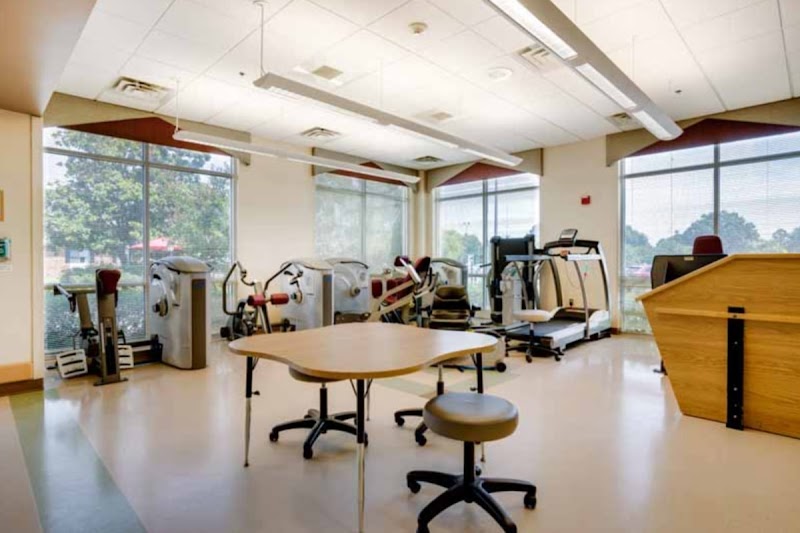
How is Edgecombe Health Center By Harborview Staffed?

CMS rates Edgecombe Health Center by Harborview's staffing level at 2 out of 5 stars, which is below average compared to other nursing homes. Staff turnover is 52%, compared to the North Carolina average of 46%.

What Have Inspectors Found at Edgecombe Health Center By Harborview?

State health inspectors documented 19 deficiencies at Edgecombe Health Center by Harborview during 2022 to 2025. These included: 1 that caused actual resident harm, 17 with potential for harm, and 1 minor or isolated issues. Deficiencies causing actual harm indicate documented cases where residents experienced negative health consequences.
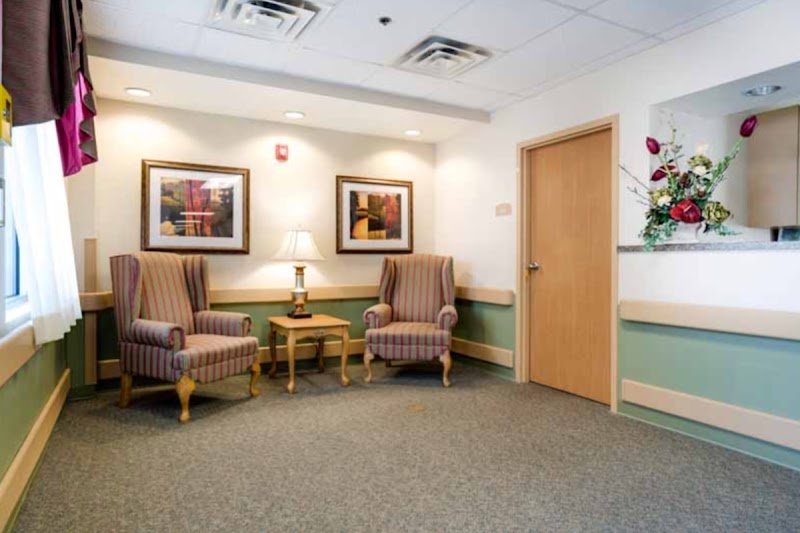
Who Owns and Operates Edgecombe Health Center By Harborview?

Edgecombe Health Center by Harborview is owned by a for-profit company. For-profit facilities operate as businesses with obligations to shareholders or private owners. The facility is operated by HARBORVIEW HEALTH SYSTEMS, a chain that manages multiple nursing homes. With 159 certified beds and approximately 134 residents (about 84% occupancy), it is a mid-sized facility located in Tarboro, North Carolina.

How Does Edgecombe Health Center By Harborview Compare to Other North Carolina Nursing Homes?

Compared to the 100 nursing homes in North Carolina, Edgecombe Health Center by Harborview's overall rating (3 stars) is above the state average of 2.8, staff turnover (52%) is near the state average of 46%, and health inspection rating (3 stars) is at the national benchmark.

What Should Families Ask When Visiting Edgecombe Health Center By Harborview?

Based on this facility's data, families visiting should ask: "Can you walk me through typical staffing levels on day, evening, and night shifts?" "Can I visit during a mealtime to observe dining assistance and food quality?" "How do you handle medical emergencies, and what is your hospital transfer rate?" "Can I speak with family members of current residents about their experience?" These questions are particularly relevant given the below-average staffing rating.

Is Edgecombe Health Center By Harborview Safe?

Based on CMS inspection data, Edgecombe Health Center by Harborview has a clean safety record: no substantiated abuse findings (meaning no confirmed cases of resident harm), no Immediate Jeopardy citations (the most serious violation level indicating risk of serious injury or death), and is not on the Special Focus Facility watch list (a federal program monitoring the lowest-performing 1% of nursing homes). The facility has a 3-star overall rating and ranks #1 of 100 nursing homes in North Carolina. While no facility is perfect, families should still ask about staff-to-resident ratios and recent inspection results during their visit.

Do Nurses at Edgecombe Health Center By Harborview Stick Around?

Edgecombe Health Center by Harborview has a staff turnover rate of 52%, which is 6 percentage points above the North Carolina average of 46%. Moderate turnover is common in nursing homes, but families should still ask about staff tenure and how the facility maintains care continuity when employees leave.

Was Edgecombe Health Center By Harborview Ever Fined?

Edgecombe Health Center by Harborview has been fined $7,901 across 1 penalty action. This is below the North Carolina average of $33,158. While any fine indicates a compliance issue, fines under $50,000 are relatively common and typically reflect isolated problems that were subsequently corrected. Families should ask what specific issues led to these fines and confirm they've been resolved.

Is Edgecombe Health Center By Harborview on Any Federal Watch List?

Edgecombe Health Center by Harborview is not on any federal watch list. The most significant is the Special Focus Facility (SFF) program, which identifies the bottom 1% of nursing homes nationally based on persistent, serious quality problems. Not being on this list means the facility has avoided the pattern of deficiencies that triggers enhanced federal oversight. This is a positive indicator, though families should still review the facility's inspection history directly.