Hilltop Health and Rehabilitation

188 Oscar Justice Road, Rutherfordton, NC 28139 (828) 286-9001
For profit - Limited Liability company 80 Beds ASCENT HEALTHCARE MANAGEMENT Data: November 2025 2 Immediate Jeopardy citations
Trust Grade
16/100
#254 of 417 in NC
Last Inspection: January 2025

Within standard 12-15 month inspection cycle. Federal law requires annual inspections.

Overview

Hilltop Health and Rehabilitation has received a Trust Grade of F, indicating significant concerns about the quality of care provided. It ranks #254 out of 417 facilities in North Carolina, placing it in the bottom half of all nursing homes in the state, and #4 out of 5 in Rutherford County, meaning there is only one local facility that performs worse. The facility is showing signs of improvement, with issues decreasing from 10 in 2023 to 2 in 2025, but there are still serious concerns, including two critical incidents involving staff misconduct and failure to protect residents from abuse. Staffing ratings are average, with a turnover rate of 55%, which is about the state average, but the facility has received $25,812 in fines, suggesting ongoing compliance issues. On a positive note, the facility maintains average RN coverage, which is crucial for identifying problems that less experienced staff might miss.

Trust Score
F
16/100
In North Carolina
#254/417
Bottom 40%
Safety Record
High Risk
Review needed
Inspections
Getting Better
10 → 2 violations
Staff Stability
⚠ Watch
55% turnover. Above average. Higher turnover means staff may not know residents' routines.
Penalties
✓ Good
$25,812 in fines. Lower than most North Carolina facilities. Relatively clean record.
Skilled Nurses
⚠ Watch
Each resident gets only 23 minutes of Registered Nurse (RN) attention daily — below average for North Carolina. Fewer RN minutes means fewer trained eyes watching for problems.
Violations
⚠ Watch
14 deficiencies on record. Higher than average. Multiple issues found across inspections.
★★☆☆☆
2.0
Overall Rating
★★☆☆☆
2.0
Staff Levels
★★☆☆☆
2.0
Care Quality
★★☆☆☆
2.0
Inspection Score
Stable
2023: 10 issues
2025: 2 issues

The Good

  • Full Sprinkler Coverage · Fire safety systems throughout facility
  • No fines on record

Facility shows strength in fire safety.

The Bad

2-Star Overall Rating

Below North Carolina average (2.8)

Below average - review inspection findings carefully

Staff Turnover: 55%

Near North Carolina avg (46%)

Higher turnover may affect care consistency

Federal Fines: $25,812

Below median ($33,413)

Moderate penalties - review what triggered them

Chain: ASCENT HEALTHCARE MANAGEMENT

Part of a multi-facility chain

Ask about local staffing decisions and management

The Ugly 14 deficiencies on record

2 life-threatening 2 actual harm
Jan 2025 2 deficiencies
CONCERN (D)

Potential for Harm - no one hurt, but risky conditions existed

Infection Control (Tag F0880)

Could have caused harm · This affected 1 resident

Based on observations, record review and staff interviews, the facility failed to implement their infection control policies and procedures when Nurse #1 failed to wear gloves while performing a capil...

Read full inspector narrative →
Based on observations, record review and staff interviews, the facility failed to implement their infection control policies and procedures when Nurse #1 failed to wear gloves while performing a capillary blood glucose test for Resident #36. This deficient practice occurred for 1 of 3 staff members observed for infection control practices. The findings included: The facility policy (undated) entitled Personal Protective Equipment read in part: Personal Protective Equipment, or PPE refers to a variety of barriers used alone or in combination to protect skin, from contact with infection agents. It includes gloves. 1. All staff who have contact with residents must wear PPE as appropriate during resident care activities in which exposure to blood is likely. The facility policy (undated) entitled Blood Glucose Monitoring read in part: Procedure: 2. Obtain needed equipment and supplies: Gloves, 3. don gloves. 17. Remove and discard gloves. An observation was completed on 1/7/2025 at 3:33pm of Nurse #1 performing a blood glucose test on Resident #36. After entering Resident #36's room, Nurse #1 located Resident #36's glucometer which was stored in a top drawer. Nurse #1 was observed opening an alcohol pad with her bare hands and wipe Resident #36's finger with the alcohol pad. When asked if she normally wore gloves when she checked residents blood sugars Nurse #1 stated, I do with some people. Nurse #1 continued to use a lancet to obtain a drop of blood from Resident #36's finger and applied the blood to the test strip inserted into the glucometer without wearing gloves. Once the blood glucose results were obtained, Nurse #1 placed the glucometer into the plastic bag and back into Resident #36 s top drawer. Nurse #1 collected all trash and used supplies, holding the used test strip and gauze from Resident #36 in a paper towel. Nurse #1 returned to the medication cart, disposed of lancet in the sharps container, threw away trash, cleansed her hands with alcohol-based hand sanitizer. During an interview on 01/07/25 at 4:17pm the Director of Nursing (DON) stated she expected the nurses to follow proper guidelines for performing blood glucose monitoring. The DON expected nurses to perform hand hygiene before putting on gloves, then for the nurses to perform blood glucose monitoring per facility protocol, then to take gloves off and perform hand hygiene. During an interview on 1/9/2025 at 12:25pm the Administrator stated he expected nurses to wear gloves when completing blood sugar checks, and to follow the facility's Personal Protective Equipment and Blood Glucose Monitoring policies.
CONCERN (E)

Potential for Harm - no one hurt, but risky conditions existed

Deficiency F0679 (Tag F0679)

Could have caused harm · This affected multiple residents

**NOTE- TERMS IN BRACKETS HAVE BEEN EDITED TO PROTECT CONFIDENTIALITY** Based on record review, facility activity calendar, and resident and staff interviews, the facility failed to ensure group activ...

Read full inspector narrative →
**NOTE- TERMS IN BRACKETS HAVE BEEN EDITED TO PROTECT CONFIDENTIALITY** Based on record review, facility activity calendar, and resident and staff interviews, the facility failed to ensure group activities were planned for outside of the facility to meet the needs of residents who expressed that it was important to them to attend group activities outside of the facility for 7 of 7 residents reviewed for activities (Resident #1, #17, #26, #29, #37, #39 and #58). The residents expressed not being able to leave the facility for over a year made them feel sad, at times lonely or depressed and they missed going out with the group to engage in activities, eat at restaurants, shop and socialize. The findings included: A review of the 2024 and January 2025 activity calendars revealed activities for inside of the facility during the week and on the weekends. There were no activities scheduled for outside of the facility. Observation on 1/06/25 at 10:00 AM revealed the facility was located in a rural area that was within 10-to-15-minute driving distance to numerous local and commercial shops, grocery stores, fast food, and sit-down restaurants. a. Resident #1 was admitted to the facility on [DATE]. A significant Change Minimum Data Set (MDS) dated [DATE] indicated Resident #1 felt that it was very important to have activities that included going outside of the facility and doing things in a group setting. The assessment further indicated Resident #1 was cognitively intact. An interview was conducted with Resident #1 on 1/07/25 at 2:00 PM during Resident Council meeting revealed there had not been a scheduled group activity outside of the facility over the past year at least. She agreed with the other Resident Council members that they had discussed this during some of their Resident Council meetings, but they only had one van that held only two people, and not enough transportation to accommodate everyone. Resident #1 was also in agreement with the other Resident Council members that not being able to leave the facility and participate in group activities made her feel sad and sometime depressed and that her family was not always able to come and visit with her and she would enjoy being able to go to a restaurant and order her own food, socialize with other people outside of the facility, go bowling or to look at Christmas lights, and shop for her own personal items. b. Resident #17 was admitted to the facility on [DATE]. An annual Minimum Data Set (MDS) dated [DATE] indicated Resident #35 felt that it was very important to have activities that included going outside of the facility and doing things in a group setting. The assessment further indicated Resident #17 was cognitively intact. An interview was conducted with Resident #17 on 1/07/25 at 2:00 PM during Resident Council meeting revealed she had been at the facility for the past couple years and believed their last scheduled group activity outside of the facility was during Christmas 2023. She was observed nodding her head in agreement with the other Resident Council members that they had discussed this during some of their Resident Council meetings, but they only had one van that held only two people. Resident #17 also nodded her head and stated yes in agreement with the other Resident Council members that not being able to leave the facility and participate in group activities made her feel sad and unhappy and she would also enjoy being able to go to a restaurant, socialize with other people outside of the facility, shop for her own personal items, and to look at Christmas lights. c. Resident #26 was admitted to the facility on [DATE]. An admission Minimum Data Set (MDS) dated [DATE] indicated Resident #26 felt that it was very important to have activities that included going outside of the facility and doing things in a group setting. The assessment further indicated Resident #26 was cognitively intact. An interview was conducted during the Resident Council meeting on 01/07/25 at 2:00 PM with Resident #26 who was also the Resident Council President. She revealed during the meeting there had been no scheduled activities outside of the facility since December 2023 when they were able to go and look at Christmas lights. She stated during their resident council meetings they had discussed with the Activities Director about scheduling activities outside of the facility, but the current van only held two people, and it was hard to find transportation that could accommodate everyone. She revealed not having scheduled activities outside of the facility made her feel sad and sometimes depressed and she was in agreement with other Resident Council members that she would also like to have scheduled activities that included going out to eat at a restaurant, looking at Christmas lights, going to the movies or bowling, going shopping, and socializing with other people outside of the facility. d. Resident #29 was admitted to the facility on [DATE]. An annual Minimum Data Set (MDS) dated [DATE] indicated Resident #29 felt that it was very important to have activities that included going outside of the facility and doing things in a group setting. The assessment further indicated Resident #29 was cognitively intact. An interview was conducted with Resident #29 on 1/07/25 at 2:00 PM during the Resident Council meeting revealed since she had been at the facility there had been no scheduled activities outside of the facility since Christmas 2023. She stated they had discussed this with the Activities Director during their Resident Council meetings about scheduling activities outside of the facility and she believed the AD went and spoke with the Administration about it, but they currently only had one van that held two people in wheelchairs, so they didn't have enough transportation to accommodate everyone. Resident #29 stated not having the opportunity to participate in activities outside of the facility made her feel sad and sometimes depressed especially since she didn't have family that visited with her that often, and ordering items online was not the same as shopping for them in-person. She revealed she felt like the facility could do something to assist with them being able to leave the facility on a group activity even once every other month or once a quarter. Resident #29 stated she would like to be able to go to a restaurant and order her own meals and socialize with other people, go to the store shopping, go to a Christmas parade or to look at Christmas lights. e. Resident #37 was admitted to the facility on [DATE]. An annual Minimum Data Set (MDS) dated [DATE] indicated Resident #37 felt that it was very important to have activities that included going outside of the facility and doing things in a group setting. The assessment further indicated Resident #37 was cognitively intact. An interview was conducted with Resident #37 on 1/07/25 at 2:00 PM during Resident Council meeting revealed since she had been at the facility there had been no scheduled activities outside of the facility over the past year. She was observed nodding her head in agreement with the other Resident Council members that they had discussed this during some of their Resident Council meetings, but they only had one van that held only two people. Resident #37 was also in agreement with the other Resident Council members that not being able to leave the facility and participate in group activities made her feel sad and sometimes depressed and she would also enjoy being able to go to a restaurant and order her own food, socialize with other people outside of the facility, watch a Christmas parade, or to look at Christmas lights. f. Resident #39 was admitted to the facility on [DATE]. An annual Minimum Data Set (MDS) dated [DATE] indicated Resident #39 felt that it was very important to have activities that included going outside of the facility and doing things in a group setting. The assessment further indicated Resident #39 was cognitively intact. An interview was conducted with Resident #39 on 1/07/25 at 2:00 PM during Resident Council meeting revealed since she had been at the facility there had been no scheduled activities outside of the facility in over a year. She was observed nodding her head in agreement with the other Resident Council members that they had discussed this during some of their Resident Council meetings, but they only had one van that held only two people. Resident #39 also nodded her head in agreement with the other Resident Council members that not being able to leave the facility and participate in group activities made her feel sad and sometimes depressed and she would also enjoy being able to go to a restaurant and order her own food, socialize with other people outside of the facility, go bowling, shop for her own personal items, and to look at Christmas lights. g. Resident #58 was admitted to the facility on [DATE]. An admission Minimum Data Set (MDS) dated [DATE] indicated Resident #58 felt that it was very important to have activities that included going outside of the facility and doing things in a group setting. The assessment further indicated Resident #58 was cognitively intact. An interview was conducted with Resident #58 on 1/07/25 at 2:00 PM during Resident Council meeting revealed since she had been to the facility there had been no scheduled activities outside of the facility. She agreed with the other Resident Council members that they had discussed with the Activities Director during Resident Council meetings about scheduling activities outside of the facility, but their current van only held two people, and they didn't have a way to accommodate or transport everyone. Resident #58 stated not having the opportunity to participate in activities outside of the facility made her feel sad and sometimes lonely and she would like the opportunity to go to a restaurant and order her own meal and socialize with other people, go to the store shopping, go bowling or to the movies, and to look at Christmas lights An interview was conducted with the Activity Director (AD) on 1/07/25 at 2:15 PM during the Resident Council meeting revealed she had been working as the AD at the facility for the past 3 years and part of her responsibilities was scheduling and implementing resident activities inside and outside of the facility for each month. She stated since she began working at the facility as the AD, she had not been able to schedule any resident group activities outside of the facility consistently due to transportation issues. She revealed the last scheduled outing was in December 2023 and believed they were able to use their transportation and a contracted transportation company that is no longer available. She stated currently the facility only had one van which could only accommodate two wheelchair residents at a time and was primarily used for medical appointments. The AD revealed she had brought the issue to Administration and believed they were trying to work on a solution with transportation so they could schedule activities outside of the facility and be able to accommodate everyone. She stated she had been doing personal shopping for residents so they could continue to receive their preferences and assisting residents with on0line shopping, but understood that was not the same as residents being able to leave the facility and shop for themselves, eat a meal together at a restaurant, go bowling, or to go on an outing to see the Christmas parade or the lights. She revealed she felt like activities outside of the facility for those residents who could participate were important for their overall well- being and allowed them some independence and socialization outside of the facility. During an interview conducted with the Administrator on 1/09/25 at 12:30 PM revealed he had been employed at the facility as the Administrator since September 2023 and believed the last scheduled activity outside of the facility was probably in December 2023. He stated the facility currently only had one van that was only able to accommodate two residents at a time and was primarily used for medical appointments. He revealed they had looked at non-emergent transportation for scheduled outings, but currently the only transportation offered in their county was either emergency transport or non-emergent transport for medical appointments only. The Administrator stated he agreed that activities outside of the facility were important for residents and allowed them to keep some of their independence and normalcy and he would be speaking with corporate about purchasing them a second van that could accommodate more residents especially those that were ambulatory and in the meantime would be contacting transport companies to see if they could contract with them for some scheduled outside of the facility activities.
Sept 2023 8 deficiencies 2 Harm
SERIOUS (G) 📢 Someone Reported This

A family member, employee, or ombudsman was alarmed enough to file a formal complaint

Actual Harm - a resident was hurt due to facility failures

Resident Rights (Tag F0550)

A resident was harmed · This affected 1 resident

**NOTE- TERMS IN BRACKETS HAVE BEEN EDITED TO PROTECT CONFIDENTIALITY** Based on observation, record review and interviews with the resident and staff, the facility failed to treat a resident in a dig...

Read full inspector narrative →
**NOTE- TERMS IN BRACKETS HAVE BEEN EDITED TO PROTECT CONFIDENTIALITY** Based on observation, record review and interviews with the resident and staff, the facility failed to treat a resident in a dignified manner by ensuring a dependent resident could access and activate the call light to request assistance from staff for 1 of 1 resident reviewed for dignity (Resident #122). Resident #122 stated having to yell out for assistance made her feel upset, aggravated and mad. The findings included: Resident #122 was admitted to the facility on [DATE] with diagnoses which included quadriplegia (paralysis of all four limbs) and hemiplegia (paralysis of one side of the body). An admission Minimum Data Set (MDS) dated [DATE] revealed Resident #122 was moderately cognitively intact and dependent upon two staff members for bed mobility, eating, toilet use, personal hygiene, and bathing. The resident was coded as having upper and lower extremity impairment on both sides of the body. The MDS revealed Resident #122 had clear speech and was able to make herself understood. On 09/11/23 an observation was conducted of Resident #122 at 11:01 AM. Resident #122 was sitting in a chair with her neck resting back on the chair and a grimace on her face. A square metal flat call bell was placed in the middle of the residents two hands that were lying flat to her side. Resident#122's call light was observed to be off. An interview conducted on 09/11/23 with Resident #122 at 11:01 AM revealed she was having discomfort due to her neck not having a pillow placed underneath. She stated, I need a drink of water, nobody will help me. The interview revealed Resident #122 could not move her arms to press the call bell that was lying between her arms on her abdomen. The surveyor left the room and told Nurse Aide (NA) #1 Resident #122 needed assistance. An observation was conducted on 09/11/23 at 11:10 AM of NA #1 placing a pillow under the resident's neck for support and obtaining Resident #122's water so she could drink. NA #1 was observed placing the residents call bell back onto her abdomen in between her arms before she left the room. After NA #1 left the room, Resident #122 stated, Do you see what I mean, they just don't understand. On 09/11/23 at 11:15 AM an interview was conducted with NA #1. She stated Resident #122 normally would not use her call bell when she needed something. She stated the resident would just yell out if she needed assistance. NA #1 stated she went into Resident #122's room to complete rounding every 2 hours. The interview revealed the last time she had walked into the room with Resident #122 was to assist her with the breakfast meal around 9:00 AM. An interview was conducted on 09/12/23 at 11:10 AM with Family Member #1 and Resident #122. Family Member #1 stated when he came to the facility that day, Resident #122 was yelling out that she needed assistance. He stated he felt like the facility could get a whistle or call bell the resident could blow into to turn the light on for assistance, so she did not have to yell. Resident #122 stated she could not move her arms to press the call bell, and she refused to have the cord draped over her when she was unable to press the call bell. She stated having to yell for staff made her upset, aggravated and mad with staff. Resident #122 stated she often had to wait in a soiled brief and was left without water because she could not get staff into her room. The interview revealed Resident #122 felt like the staff were not listening to her because she had told them she would be able to use a call bell that you could blow into however they had not ordered it. On 09/12/23 at 10:20 AM an observation was conducted of Resident #122's call bell located behind her on the bedside dresser. Resident #122 stated she needed her blinds closed and a drink of water during the observation. The surveyor left the room and notified NA #2. An interview conducted on 09/12/23 at 12:13 PM with NA #2 revealed Resident #122 had been yelling out if she needed assistance since the time she was admitted . She stated the resident was yelling out every 20-30 minutes because she could not use her call bell. NA #2 stated she had witnessed Resident #122 become frustrated with staff because she was unable to use her call bell and had trouble expressing her needs. An interview conducted on 09/12/23 at 2:25 PM with Nurse #1 revealed Resident #122 would yell out if she needed assistance and could not use her call bell because she could not move her arms. She stated she did not recall NA #2 telling her the resident could not use her call bell, but she knew it anyway. The interview revealed she had not reported it to the Director of Nursing because she felt he was aware. An interview conducted on 09/12/23 at 10:33 AM with Certified Occupational Therapist Assistant (COTA) #1 revealed she had been working with Resident #122 and she had spoken with staff, and they were placing her call light behind her shoulder at one time, but the resident said it was uncomfortable. She stated the staff placed the call light under her chin after, but the resident stated that was also uncomfortable. The interview revealed the resident was yelling out to staff when they passed by to obtain assistance. An interview was conducted on 09/12/23 at 11:30 AM with Physical Therapy Assistant (PTA) #1 revealed she had been working with Resident #122 for therapy. The interview revealed PTA #1 had overheard Resident #122 yelling out for assistance on occasions. She stated she thought the resident just refused her call bell and preferred to yell. An interview was conducted on 09/12/23 at 11:45 AM with the Director of Nursing (DON). During the interview he stated Resident #122 had tried two different call bells. He stated he was aware the resident was not using the call bell and thought another call bell had been ordered by the Business Office Manager because he was aware Resident #122 was yelling out into the hall for staff assistance. The DON stated no resident should have to yell for assistance. An interview conducted on 09/13/23 at 3:00 PM with the Administrator revealed he was new to the facility and had just started the week prior. He stated he was not aware of Resident #122 being unable to use her call bell and the facility had a new bell on order since the survey started. He stated no resident should have to yell for assistance from staff.
SERIOUS (G)

Actual Harm - a resident was hurt due to facility failures

Deficiency F0558 (Tag F0558)

A resident was harmed · This affected 1 resident

**NOTE- TERMS IN BRACKETS HAVE BEEN EDITED TO PROTECT CONFIDENTIALITY** Based on observation, record review and interviews with the resident and staff, the facility failed provide an adaptive call bel...

Read full inspector narrative →
**NOTE- TERMS IN BRACKETS HAVE BEEN EDITED TO PROTECT CONFIDENTIALITY** Based on observation, record review and interviews with the resident and staff, the facility failed provide an adaptive call bell the resident could activate to call for assistance. This resulted in the resident relying on her voice to yell for assistance. This deficient practice occurred for 1 of 1 resident reviewed for accommodation of needs (Resident #122). The findings included: Resident #122 was admitted to the facility on [DATE] with diagnosis which included quadriplegia (paralysis of all four limbs) and hemiplegia (paralysis of one side of the body). An admission Minimum Data Set (MDS) dated [DATE] revealed Resident #122 was moderately cognitively intact and dependent upon two staff members for bed mobility, eating, toilet use, personal hygiene, and bathing. The resident was coded as having upper and lower extremity impairment on both sides of the body. On 09/11/23 an observation was conducted of Resident #122 at 11:01 AM. Resident #122 was sitting in a chair with her neck resting back on the chair and a grimace on her face. A square metal flat call bell was placed in the middle of the resident's two hands that were lying flat to her side. Resident#122's call light was observed to be off. An interview conducted on 09/11/23 with Resident #122 at 11:01 AM revealed she was having discomfort due to her neck not having a pillow placed underneath. She stated, I need a drink of water, nobody will help me. The interview revealed Resident #122 could not move her arms to press the call bell that was lying between her arms on her abdomen. She stated, they need to get me a call bell I can blow into. She stated she had expressed to staff she could not use the call bell, but nothing had changed. The surveyor left the room and told Nurse Aide (NA) #1 Resident #122 needed assistance. An observation was conducted on 09/11/23 at 11:10 AM of NA #1 placing a pillow under the resident's neck for support and obtaining Resident #122's water so she could drink. NA #1 was observed placing the residents call bell back onto her abdomen in between her arms before she left the room. On 09/11/23 at 11:15 AM an interview was conducted with NA #1. She stated Resident #122 normally would not use her call bell when she needed something. She stated the resident would just yell out if she needed assistance. NA #1 stated she went into Resident #122's room to complete rounding every 2 hours. The interview revealed she placed the call light back onto her abdomen because she thought she had seen her arm move in the past. The interview revealed the last time she had assisted the resident was to assist her with the breakfast meal around 9:00 AM. She stated she did have access to the resident's care plan but did not look at it prior to entering the resident's room. An interview was conducted on 09/12/23 at 11:10 AM with Family Member #1 and Resident #122. Family Member #1 stated when he came to the facility that day Resident #122 was yelling out for assistance. He stated he felt like the facility could get a whistle or call bell the resident could blow into to turn the light on for assistance, so she did not have to yell. Resident #122 stated she could not move her arms to press the call bell, and she refused to have the cord draped over her when she was unable to press the call bell. Resident #122 stated she often had to wait in a soiled brief and was left without water because she could not get staff into her room. On 09/12/23 at 10:20 AM an observation was conducted of Resident #122's call bell located behind her on the bedside dresser. Resident #122 stated she needed her blinds closed and a drink of water during the observation. The surveyor left the room and notified NA #2. Resident #122's call light was not on nor was she yelling when the surveyor entered the room. An interview conducted on 09/12/23 at 12:13 PM with NA #2 revealed Resident #122 had been yelling out if she needed assistance since the time she was admitted . She stated the resident was yelling out every 20-30 minutes because she could not use her call bell. NA #2 stated even if the call bell was placed beside her head the resident still could not turn her neck enough to press the button. She stated she had told Nurse #1 a few weeks ago the resident was unable to use the call bell but never heard anything else. An interview conducted on 09/12/23 at 2:25 PM with Nurse #1 revealed Resident #122 would yell out if she needed assistance and could not use her call bell because she could not move her arms. She stated she did not recall NA #2 telling her the resident could not use her call bell, but she knew it anyway. The interview revealed she had not reported it to the Director of Nursing because she felt he was aware. An interview conducted on 09/12/23 at 10:33 AM with Certified Occupational Therapist Assistant (COTA) #1 revealed she had been working with Resident #122 on stretching and contracture prevention. She stated the resident's muscles were very tight and she had been moving the resident's arms to stretch them during the treatment encounters. She stated the only movement she had seen from the resident's arms was when she actively moved them outward, and the muscle tone would move them back in. She stated the resident was unable to actively move her arms or legs herself. She stated she had spoken with staff, and they were placing her call light behind her shoulder at one time, but the resident said it was uncomfortable. She stated the staff placed the call light under her chin after, but the resident stated that was also uncomfortable. The interview revealed the resident was yelling out to staff when they passed by to obtain assistance. She stated the therapy department had not explored other options for a call bell for Resident #122 and was unsure of the call bell options available. An interview was conducted on 09/12/23 at 11:30 AM with Physical Therapy Assistant (PTA) #1 revealed she had been working with Resident #122 for therapy. She stated they were working on range of motion on her knees and gentle stretching of both legs. The interview revealed she had completed caregiver training with bed positioning to prevent skin breakdown. She stated Resident #122 could not move her legs or arms. The interview revealed normally did not pay attention to the call bell when she entered the room. She stated she knew the resident did not like the call bell on her or below her chin. She stated she had not looked into getting the resident another type of call bell and the therapy department could investigate further into getting the resident a call bell she could activate. An interview was conducted on 09/12/23 at 11:45 AM with the Director of Nursing (DON). During the interview he stated Resident #122 had tried two different call bells. He stated the first one was a flat pancake style bell that she could not use so they switched to a larger square hard metal call bell that sat up onto the bedside table. He stated he was aware the resident was not using the call bell and thought another call bell had been ordered by the Business Office Manager. He stated he did not know a date but would check the invoices. The interview revealed the DON was aware Resident #122 was yelling out into the hall for staff assistance. An interview conducted on 09/13/23 at 3:00 PM with the Administrator revealed he was new to the facility and had just started the week prior. He stated he was not aware of Resident #122 being unable to use her call bell and the facility had a new bell on order since the survey started.
CONCERN (D)

Potential for Harm - no one hurt, but risky conditions existed

QAPI Program (Tag F0867)

Could have caused harm · This affected 1 resident

Based on observations, record review and staff interviews, the facility's Quality Assessment and Assurance (QAA) Committee failed to maintain implemented procedures and monitor interventions previousl...

Read full inspector narrative →
Based on observations, record review and staff interviews, the facility's Quality Assessment and Assurance (QAA) Committee failed to maintain implemented procedures and monitor interventions previously put in place following the recertification survey of 4/27/2022. The repeat deficiency was cited on the current recertification survey of 9/13/2023 in the area of Infection Control (F880). The facility's continued failure during two Federal Surveys showed a pattern of the facility's inability to sustain an effective QAA program. The findings included: F-880: Based on record review, observations and staff interviews, the facility failed to implement their infection control policies for Covid-19 when Nurse #5 failed to change into full Personal Protective Equipment (PPE), to include changing out of her surgical mask and applying a N95 mask, prior to entering a room that was on enhanced droplet precautions for Covid-19. This observation occurred during an active outbreak of Covid-19 for 1 of 2 rooms on enhanced droplet precautions for positive Covid-19. During the recertification and complaint survey on 4/27/2022 the facility was cited for failure to implement their infection control policies and the Centers for Disease Control and Prevention (CDC) recommended practices for Covid-19 when 1 of 3 staff members failed to wear full Personal Protective Equipment (PPE) when entering a resident's room on enhanced droplet precautions. The Administrator was interviewed on 9/13/2023 at 2:00 PM: The Administrator stated he was the head of the QAA committee which met monthly. He revealed he completed a QA assessment tool monthly to determine if an issue needed to be addressed. He indicated if an issue was identified he put a Performance Improvement Plan in place and identify a root cause of the failure. Education would be completed with staff and audits conducted. The audits would be brought to him and reviewed, and he would then bring to the monthly QAA meeting. Any changes to the plan would be corrected at that time and implemented. The audits are kept in a notebook, and he was responsible for bringing the binder to the QAA meeting. The Administrator stated he felt the root cause of the repeated infection control deficiency was lack of education, and that the facility had to utilize agency staff for licensed nurses. He stated he was responsible for ensuring staff education was completed and that staff understood their responsibility in the QAA process.
CONCERN (D)

Potential for Harm - no one hurt, but risky conditions existed

Infection Control (Tag F0880)

Could have caused harm · This affected 1 resident

**NOTE- TERMS IN BRACKETS HAVE BEEN EDITED TO PROTECT CONFIDENTIALITY** Based on record review, observations and staff interviews, the facility failed to implement their infection control policies for...

Read full inspector narrative →
**NOTE- TERMS IN BRACKETS HAVE BEEN EDITED TO PROTECT CONFIDENTIALITY** Based on record review, observations and staff interviews, the facility failed to implement their infection control policies for Covid-19 when Nurse #5 failed to change into full Personal Protective Equipment (PPE), to include changing out of her surgical mask and applying a N95 mask, prior to entering a room that was on enhanced droplet precautions for Covid-19. This observation occurred during an active outbreak of Covid-19 for 1of 2 resident rooms on enhanced droplet precautions for positive Covid-19. The findings included: The facility's policy entitled Covid-19 Prevention, Response and Reporting implemented 5/15/2023 and revised on 8/5/2023 indicated under #9 Source control measures: Source control options for HCP include: A NIOSH-approved particulate respirator with N95 filters or higher. A respirator approved under standards used in other countries that are like NIOSH-approved N95 filtering facepiece respirators. A barrier face covering that meets ASTM F302-21 requirements including Workplace Performance and Workplace Performance Plus masks. A well-fitting face mask. Source control can be used for an entire shift unless they become soiled, damaged, or hard to breathe through. If source control is used during the care of a resident for which a NIOSH-approved particulate respirator or facemask is indicated for PPE, they should be removed and discarded after the resident care encounter and a new one donned. Source control is recommended for individuals in healthcare settings who: Have suspected or confirmed SARS-CoV-2 infection or other respiratory infection. Upon entering the facility on 9/11/2023 there were 2 residents on the 500 hall with diagnoses of Covid-19, the residents were in room [ROOM NUMBER] and #509. Both residents had enhanced droplet precaution signs on the front of the door, that stated, All Healthcare Personnel must: Clean hands before entering and when leaving room. Wear a gown when entering the room and remove before leaving the room. Wear N95 or higher-level respirator before entering the room and remove after exiting. Wear Protective eye wear (face shield or goggles). Wear gloves when entering room and remove before leaving. Place in a private room. Keep door closed (if safe to do so). An observation on 9/11/2023 at 10:40 AM revealed Nurse #1 applying PPE to include, gown, gloves, and a face shield. She was observed wearing a surgical mask, in the hall and prior to entering Resident #226's room. Nurse #1 did not apply an N95 mask prior to entering the room. An enhanced droplet precaution sign was on the outside of the door and a caddy containing PPE of gowns, gloves, N95 masks and face shields was available on the door. Nurse #1 entered room [ROOM NUMBER] and assisted Resident #226. When Nurse #1 exited the room, she had already removed her PPE and placed in a trash can provided in the room by the door. She kept on her surgical mask and continued down the hall to the nurses station. An interview was conducted with Nurse #5 on 9/11/2023 at 11:38 AM revealed she was aware that Resident #226 had an active diagnosis of Covid-19. She stated the resident had an enhanced droplet precaution sign on the front of the door. She stated she was in a hurry and did not remove her surgical mask prior to entering the room and apply a N95 as was instructed by the enhanced droplet precaution sign. Nurse #1 stated it was her mistake and she knew to apply the N95 mask before entering the room and she should have removed it and applied another mask when exiting the room. She stated she had been trained on infection control and prevention and knew she should wear full PPE, including an N95 mask when taking care of a Covid-19 patient. An interview was conducted with Director of Nursing (DON)/Infection Preventionist on 9/11/2023 at 11:42 AM: He stated staff should have known to wear full PPE in Resident #226's room, to include changing out of the surgical mask and applying a N95 mask prior to entering Resident #226's room. He revealed Covid-19 positive residents each had an enhanced droplet precaution sign on their door and a caddy with PPE. The DON stated staff had instructions on the door that instructed staff on what PPE was needed to enter the room, this guidance included wearing a N95 mask or higher before entering a room with enhanced droplet precautions. The instructions included wear gown, gloves, eye protection and N95 mask prior to entering the room. He indicated he would re-educate staff regarding the use of PPE for residents with special droplet contact precautions. He stated that all staff are instructed on infection control on hire, annually and anytime there is a need. The DON stated he would re-educate Nurse #1 one on one.
CONCERN (E)

Potential for Harm - no one hurt, but risky conditions existed

Drug Regimen Review (Tag F0756)

Could have caused harm · This affected multiple residents

**NOTE- TERMS IN BRACKETS HAVE BEEN EDITED TO PROTECT CONFIDENTIALITY** Based on record review and interviews with the resident, staff, Consultant Pharmacist, and the Medical Director (MD), The Consul...

Read full inspector narrative →
**NOTE- TERMS IN BRACKETS HAVE BEEN EDITED TO PROTECT CONFIDENTIALITY** Based on record review and interviews with the resident, staff, Consultant Pharmacist, and the Medical Director (MD), The Consultant Pharmacist failed to identify drug irregularities and provide recommendations for 2 of 6 residents reviewed for unnecessary medications (Resident #10 and #40). The findings included: 1. Resident #10 was admitted to the facility on [DATE] with diagnoses that included diabetes mellitus (DM). The care plan initiated on 04/28/23 indicated Resident #10 was at risk of fluctuating blood sugars due to diabetes. The goal was to remain free of complications related to diabetes through the next review date. Intervention included to administer medications as ordered. The significant change in status Minimum Data Set (MDS) assessment dated [DATE] coded Resident #10 with intact cognition and indicated he was receiving insulin daily during the 7-day assessment period. Review of physician's orders dated 07/05/23 revealed Resident #10 had an order to receive 10 units of Novolog insulin subcutaneously 3 times daily with meals for diabetes. The order specified to hold the insulin when Resident #10's capillary blood glucose (CBG) was lower than 200 milligrams per deciliter (mg/dL). On 08/17/23, the Novolog order changed to 10 units subcutaneously once daily in the morning with the same parameter of holding the insulin when the CBG was lower than 200 mg/dl. A review of medication administration records (MARs) on 09/11/23 indicated Resident #10 had received 10 unit of Novolog insulin subcutaneously erroneously from 5 different nurses for 19 times within 69 days (from 07/05/23 through 09/11/23) when his CBGs were less than 200 mg/dL prior to the insulin injections for the following doses: - 07/06/23 noon when CBG = 182 mg/dL - 070/7/23 morning when CBG = 176 mg/dL - 07/08/23 morning when CBG = 161 mg/dL - 07/08/23 noon when CBG = 172 mg/dL - 07/08/23 evening when CBG = 147 mg/dL - 07/09/23 noon when CBG = 137 mg/dL - 07/10/23 evening when CBG = 116 mg/dL - 07/11/23 evening when CBG = 171 mg/dL - 07/16/23 morning when CBG = 120 mg/dL - 07/16/23 noon when CBG = 100 mg/dL - 07/16/23 evening when CBG = 132 mg/dL - 07/20/23 morning when CBG = 173 mg/dL - 07/20/23 noon when CBG = 82 mg/dL - 07/20/23 evening when CBG = 188 mg/dL - 07/22/23 evening when CBG = 191 mg/dL - 08/06/23 morning when CBG = 197 mg/dL - 08/06/23 evening when CBG = 178 mg/dL - 08/29/23 morning when CBG = 94 mg/dl - 09/07/23 morning when CBG = 106 mg/dl Review of medical records revealed Resident #10's CBGs were stable at the baselines ranged from 76 to 280 mg/dl over the past 3 months. Review of medical record revealed the Consultant Pharmacist had conducted monthly medication regimen reviews for Resident #10 in the past 5 months on 04/20/23, 05/21/23, 06/25/23, 07/21/23, and 08/22/23. However, he did not identify any drug irregularities related to unnecessary insulin and did not make any specified recommendations to the physician or nursing staff to correct the error. During an interview conducted on 09/11/23 at 12:34 PM, Resident #10 stated his CBGs were stable in the past 3 months. 2. Resident #40 was admitted to the facility on [DATE] with diagnoses included diabetes mellitus (DM). The care plan initiated on 03/12/23 revealed Resident #40 was at risk for fluctuating blood sugars due to diabetes. The goal was to remain free of complications related to diabetes through the next review date. Intervention included to administer medications as ordered. Review of physician's orders dated 06/17/23 revealed Resident #40 had an order to receive 20 units of Humalog insulin subcutaneously 3 times daily before meals. The physician did not set any parameters for this order. The quarterly MDS assessment dated [DATE] coded Resident #10 with intact cognition and indicated she was receiving insulin daily during the 7-day assessment period. Review of medical records revealed the Consultant Pharmacist had conducted monthly medication regimen reviews for Resident #40 in the past 7 months on 02/20/23, 03/21/23, 04/20/23, 05/20/23, 06/25/23, 07/21/23, and 08/21/23. The Consultant Pharmacist did not identify any drug irregularities related to the incorrect holding of insulin and did not make any specified recommendations to the physician or nursing staff to correct the error. During an interview conducted on 09/11/23 at 1:04 PM, Resident #40 stated she was not getting her insulin as ordered at times. A review of MARs on 09/13/23 revealed Resident #40's Humalog had been held incorrectly by 2 different nurses for 14 times within 74 days (from 07/01/23 through 09/12/23) for the following doses due to either held per parameters or Insulin not required: - 07/07/23 noon - 07/12/23 noon - 07/17/23 noon - 07/22/23 noon - 07/26/23 evening - 07/31/23 evening - 08/10/23 noon - 08/23/23 evening - 08/24/23 evening - 09/02/23 noon - 09/03/23 noon - 09/03/23 evening - 09/11/23 noon - 09/12/23 evening Review of medical records revealed Resident #40's CBGs were stable at the baselines. It ranged mostly from 100s to low 300s mg/dl in the past 3 months. During a phone interview conducted on 09/13/23 at 11:06 AM, the Consultant Pharmacist stated it was an error to administer Novolog insulin without following the parameters for Resident #10 and added the nurse should have at least consulted the physician before holding Resident #40's Humalog insulin. He explained he had to cover multiple areas when he performed the monthly medication regimen reviews. The Consultant Pharmacist further stated his failure to identify the drug irregularities related to insulin administration for Resident #10 and Resident #40 was an oversight. A joint interview was conducted with the Interim Director of Nursing (IDON) and the Administrator on 09/13/23 at 1:37 PM. Both expected the Consultant Pharmacist to identify and report the drug irregularities in a timely manner when performing the monthly medication regimen reviews. During a phone interview conducted on 09/13/23 at 2:17 PM, the Medical Director (MD) expected the Consultant Pharmacist to identify, document, and report the drug irregularities in a timely manner when performing the monthly medication regimen reviews. It was her expectation for nurses to follow the order and check the set parameter carefully before administering insulin for Resident #10, and to consult her before making any changes to the insulin order for Resident #40.
CONCERN (E)

Potential for Harm - no one hurt, but risky conditions existed

Deficiency F0760 (Tag F0760)

Could have caused harm · This affected multiple residents

**NOTE- TERMS IN BRACKETS HAVE BEEN EDITED TO PROTECT CONFIDENTIALITY** Based on record review and interviews with the resident, staff, Consultant Pharmacist, and the Medical Director (MD), the facili...

Read full inspector narrative →
**NOTE- TERMS IN BRACKETS HAVE BEEN EDITED TO PROTECT CONFIDENTIALITY** Based on record review and interviews with the resident, staff, Consultant Pharmacist, and the Medical Director (MD), the facility failed to prevent significant medication errors when nurses failed to follow the physician's parameter as ordered during insulin administration. As a result, Resident #10 had received 19 doses of unnecessary Novolog insulin within 69 days, and Resident #40 had missed 14 doses of Humalog insulin within 73 days. This affected 2 of 6 residents reviewed for unnecessary medications (Resident #10 and #40). The findings included: 1.Resident #10 was admitted to the facility on [DATE] with diagnoses included diabetes mellitus (DM). The care plan initiated on 04/28/23 indicated Resident #10 was at risk of fluctuating blood sugars due to diabetes. The goal was to remain free of complications related to diabetes through the next review date. Intervention included to administer medications as ordered. The significant change in status Minimum Data Set (MDS) assessment dated [DATE] coded Resident #10 with intact cognition and indicated he was receiving insulin daily during the 7-day assessment period. Review of physician's orders dated 07/05/23 revealed Resident #10 had an order to receive 10 units of Novolog insulin subcutaneously 3 times daily with meals for diabetes. The order specified to hold the insulin when Resident #10's capillary blood glucose (CBG) was lower than 200 milligrams per deciliter (mg/dL). On 08/17/23, the Novolog order changed to 10 units subcutaneously once daily in the morning with the same parameter of holding the insulin when the CBG was lower than 200 mg/dl. A review of medication administration records (MARs) on 09/11/23 indicated Resident #10 had received 10 unit of Novolog insulin subcutaneously erroneously from 5 different nurses for 19 times within 69 days (from 07/05/23 through 09/11/23) when his CBGs were less than 200 mg/dL prior to the insulin injections for the following doses: - 07/06/23 noon when CBG = 182 mg/dL - 070/7/23 morning when CBG = 176 mg/dL - 07/08/23 morning when CBG = 161 mg/dL - 07/08/23 noon when CBG = 172 mg/dL - 07/08/23 evening when CBG = 147 mg/dL - 07/09/23 noon when CBG = 137 mg/dL - 07/10/23 evening when CBG = 116 mg/dL - 07/11/23 evening when CBG = 171 mg/dL - 07/16/23 morning when CBG = 120 mg/dL - 07/16/23 noon when CBG = 100 mg/dL - 07/16/23 evening when CBG = 132 mg/dL - 07/20/23 morning when CBG = 173 mg/dL - 07/20/23 noon when CBG = 82 mg/dL - 07/20/23 evening when CBG = 188 mg/dL - 07/22/23 evening when CBG = 191 mg/dL - 08/06/23 morning when CBG = 197 mg/dL - 08/06/23 evening when CBG = 178 mg/dL - 08/29/23 morning when CBG = 94 mg/dl - 09/07/23 morning when CBG = 106 mg/dl Review of medical records revealed Resident #10's CBGs were stable at the baselines ranged from 76 to 280 mg/dl in the past 3 months. During an interview conducted on 09/11/23 at 12:34 PM, Resident #10 stated he had received insulin as ordered in timely manner and added his CBGs were stable in the past 3 months. An interview was conducted on 09/12/23 at 2:51 PM. Nurse #2 confirmed she had administered Novolog insulin for Resident #10 several times when his CBGs were lower than 200 mg/dl and acknowledged that it was an error. She explained that she had forgotten to check the parameter set by the physician before administering the insulin. . During an interview conducted on 09/12/23 at 3:15 PM, Nurse #3 confirmed she had administered Novolog insulin for Resident #10 several times when his CBGs were less than 200 mg/dl and acknowledged that it was an error. She stated that she could have been distracted during medication pass and forgotten to follow the parameter with the Novolog order. An interview was conducted with the Unit Manager (UM) on 09/12/23 at 3:21 PM. She expected nursing staff to follow physician's order and review the parameter before administering medication. She stated Resident #10's Novolog should be held when his CBGs were less than 200 mg/dl and acknowledged that it was an error. 2. Resident #40 was admitted to the facility on [DATE] with diagnoses included diabetes mellitus (DM). The care plan initiated on 03/12/23 revealed Resident #40 was at risk for fluctuating blood sugars due to diabetes. The goal was to remain free of complications related to diabetes through the next review date. Intervention included to administer medications as ordered. Review of physician's orders dated 06/17/23 revealed Resident #40 had an order to receive 20 units of Humalog insulin subcutaneously 3 times daily before meals. The physician did not set any parameters for this order. The quarterly MDS assessment dated [DATE] coded Resident #10 with intact cognition and indicated she was receiving insulin daily during the 7-day assessment period. During an interview conducted on 09/11/23 at 1:04 PM, Resident #40 stated she was not getting her insulin as ordered at times. A review of MARs on 09/13/23 revealed Resident #40's Humalog had been held incorrectly by 2 different nurses for 14 times within 74 days (from 07/01/23 through 09/12/23) for the following doses due to either held per parameters or Insulin not required: - 07/07/23 noon - 07/12/23 noon - 07/17/23 noon - 07/22/23 noon - 07/26/23 evening - 07/31/23 evening - 08/10/23 noon - 08/23/23 evening - 08/24/23 evening - 09/02/23 noon - 09/03/23 noon - 09/03/23 evening - 09/11/23 noon - 09/12/23 evening Review of medical records revealed Resident #40's CBGs were stable at the baselines ranged mostly from 100s to low 300s mg/dl in the past 3 months. During an interview conducted on 09/13/23 at 9:11 AM, Nurse #3 confirmed she had held Resident #40's Humalog 13 times since July and acknowledged that it was an error. She thought Resident #40 had a parameter to hold the Humalog when her CBGs were below 200 mg/dl and added she should have reviewed each order carefully before administering or holding the insulin. An interview was conducted with the UM on 09/13/23 at 9:25 AM. She expected the nurse to follow physician's order and consult the physician before holding Resident #40's insulin. During a phone interview conducted on 09/13/23 at 11:06 AM, the Consultant Pharmacist stated it was an error to administer Novolog insulin without following the parameters for Resident #10 and added the nurse should have at least consulted the physician before holding Resident #40's Humalog insulin. He was unsure the above incidents would be considered as a significant medication error. A joint interview was conducted with the Interim Director of Nursing (IDON) and the Administrator on 09/13/23 at 1:37 PM. Both expected nursing staff to follow physician's order when performing medication pass and contact the physician before making any changes to the order. The IDON and the Administrator acknowledged that it was a medication error but denied it was a significant medication error. During a phone interview conducted on 09/13/23 at 2:17 PM, the Medical Director (MD) expected nurses to follow the order and check the parameter carefully before administering insulin for Resident #10 and to consult her before making any changes to the insulin order for Resident #40. She was unclear about the definition of significant medication error and unable to determine it was a significant medication error.
CONCERN (E)

Potential for Harm - no one hurt, but risky conditions existed

Deficiency F0761 (Tag F0761)

Could have caused harm · This affected multiple residents

Based on observation, staff interviews, and record reviews, the facility failed to remove expired over the counter (OTC) medications in accordance with the manufacturer's expiration date for 1 or 2 me...

Read full inspector narrative →
Based on observation, staff interviews, and record reviews, the facility failed to remove expired over the counter (OTC) medications in accordance with the manufacturer's expiration date for 1 or 2 medication rooms observed during medication storage checks (Medication Room B). The findings included: A medication storage audit was conducted on 09/12/23 at 5:45 PM for Medication Room B in the presence of the Unit Manager (UM). The following expired medications were found in Medication Room B and ready to be used: a. 9 unopened bottles of Senna syrup expired on 07/31/22. Each bottle contained 237 milliliters (ml) of syrup. b. 1 opened bottle contained 100 tablets of Calcium 600 milligrams (mg) with Vitamin D3 expired on 10/31/22. c. 5 unopened bottles of Geri-Lanta antacid suspension expired on 06/30/23. Each bottle contained 335 ml of suspension. During an interview conducted on 09/12/23 at 5:51 PM, the UM acknowledged that the above medications had expired and needed to be discarded. She stated the central supply clerk was responsible to check and rotate the OTC medications on regular basis. She audited medication storage at times as a follow-up to ensure compliance. In addition, the Consultant Pharmacist would spot check medication storage during his monthly visits. An interview was conducted with the Central Supply Clerk on 09/12/23 at 5:57 PM. He denied it was his responsibility to check the expiration and rotate the OTC medications as he did not even have the key to access the medication rooms in the facility. A joint interview was conducted on 09/13/23 at 2:17 PM with the Interim Director of Nursing (IDON) and the Administrator. Both stated the UM was responsible to oversee medication storage in the facility. It was their expectation for all the nursing staff to follow facility's medication storage policy and procedure to ensure the facility was free of expired medication.
CONCERN (E)

Potential for Harm - no one hurt, but risky conditions existed

Food Safety (Tag F0812)

Could have caused harm · This affected multiple residents

Based on observations, record review and staff interviews, the facility failed to remove expired food items in 2 of 2 nourishment rooms. These practices had the potential to affect food served to resi...

Read full inspector narrative →
Based on observations, record review and staff interviews, the facility failed to remove expired food items in 2 of 2 nourishment rooms. These practices had the potential to affect food served to residents. Findings included: An observation and interview conducted with Nurse Aide (NA) #3 in nourishment room on hall 200 on 09/11/23 at 11:00 AM revealed two fat free milk cartons with expiration date of 09/09/23, pimento cheese sandwich with discard date 08/20/23, and tuna sandwich with discard date 09/10/23. NA #3 further revealed staff had been educated to throw away expired food and drinks and should have been thrown away already. An observation and interview conducted with Nurse #4 in nourishment room on hall 100 on 09/11/23 at 11:15 AM revealed a tuna salad sandwich with discard date 08/29/23. Nurse #4 further revealed dietary was responsible for checking nourishment rooms daily, but nursing staff was also educated to throw away expired food and drinks. Nurse #4 indicated the expired sandwich should have already been discarded. An interview conducted with Dietary Manager (DM) on 09/12/23 at 11:45 AM revealed dietary was primarily responsible for checking the nourishment rooms twice a day. The DM further revealed nursing staff were also educated on discarding expired food if observed in the nourishment rooms. The DM stated she expected expired food to not be in the nourishment rooms and should have been discarded. An interview conducted with the Administrator and Director of Nursing (DON) on 09/13/23 at 2:15 PM revealed they were not aware expired food and drink were observed in both nourishment rooms. The DON further revealed nursing staff had been educated during orientation to throw away discarded food and drink and had been educated by dietary staff. The Administrator indicated he expected the expired food or drinks to be discarded from the nourishment rooms.
Mar 2023 2 deficiencies 2 IJ (1 affecting multiple)
CRITICAL (J) 📢 Someone Reported This

A family member, employee, or ombudsman was alarmed enough to file a formal complaint

Immediate Jeopardy (IJ) - the most serious Medicare violation

Free from Abuse/Neglect (Tag F0600)

Someone could have died · This affected 1 resident

**NOTE- TERMS IN BRACKETS HAVE BEEN EDITED TO PROTECT CONFIDENTIALITY** Based on observations, record review, and resident, family, staff, Nurse Practitioner (NP), Medical Director (MD), and Law Enfor...

Read full inspector narrative →
**NOTE- TERMS IN BRACKETS HAVE BEEN EDITED TO PROTECT CONFIDENTIALITY** Based on observations, record review, and resident, family, staff, Nurse Practitioner (NP), Medical Director (MD), and Law Enforcement interviews the facility failed to protect residents' rights to be free from sexual abuse for 1 of 3 residents sampled for abuse (Resident #1). The allegation of abuse occurred on 3/22/23 at approximately 5:30 AM when an agency staff member was rough, causing pain to the resident and inserted his finger into the vagina of Resident #1 while performing incontinence care. Resident #1 felt fearful, dirty, humiliated, violated, and borderline raped. The immediate jeopardy began on 3/22/23 when an agency staff member inserted his finger into Resident #1's vagina and was rough during incontinence care causing the resident pain. The immediate jeopardy was removed on 3/29/23 when the facility implemented a credible allegation of immediate jeopardy removal. The facility will remain out of compliance at a lower scope and severity of D (no actual harm with a potential for minimal harm that is not Immediate Jeopardy) to ensure monitoring systems put into place are effective. The findings included: Resident #1 was re-admitted to the facility on [DATE] with diagnoses that included chronic pulmonary embolism, senile degeneration of the brain, adult failure to thrive, epilepsy, anxiety, depression, and a personal history of traumatic brain injury. A quarterly Minimum Data Set (MDS) dated [DATE] indicated Resident #1 was moderately cognitively impaired and was able to be understood and understands. She required extensive assistance of two staff for bed mobility, toileting, and personal hygiene. The assessment further indicated Resident #1 had no behaviors such as resistive to care or physical or verbal aggression, hallucinations, or delusions. The assessment indicated Resident #1 was always incontinent of bladder and frequently incontinent of bowel. A review of a hospice note dated 3/10/23 revealed Resident #1 had been admitted to hospice services on 10/14/22 for a primary diagnosis of idiopathic epilepsy. The medical record did not reflect a note for a formal discharge from hospice services during the week of 3/19/23 through 3/35/23. A Brief Interview of Mental Status dated 3/22/23 indicated Resident #1 was cognitively intact. A facility internal allegation report document dated 3/22/23 provided by the facility indicated on 3/22/23 Resident #1 reported to staff that the third shift male nurse aide stuck his finger in her vagina when he was cleaning her from a bowel movement. It indicated the Administrator and Unit Manager #1 interviewed Resident #1 and was told by Resident #1 that the male NA was cleaning her from a bowel movement and his finger went into her vagina. It further indicated, during the interview, Resident #1 told the Administrator and the Unit Manager she asked NA #1 to finish her care and not provide any further care to her and was told by NA #1 that he needed to clean her thoroughly and that it was not his intent to make her uncomfortable. The document indicated Resident #1 stated that she believed that it happened because he needed to clean the feces off her and that it was not intentional. An observation and interview with Resident #1 on 3/27/23 at 9:15 AM revealed Resident #1 reported on 3/22/23; then she paused and tears began to roll down her cheeks, and stated discussing that morning bothered her because it made her feel fearful, dirty, humiliated, violated, and borderline raped when in NA #1 inserted a finger from his right hand into her vagina while performing incontinence care. While continuing to be tearful, Resident #1 stated at approximately 5:30 AM on the morning of 3/22/23 she had pressed her call light for pain medication. Resident #1 stated after the nurse had administered her pain medication and was leaving the room, NA #1 entered her room and asked if he could help her because the light was still on. Resident #1 stated she told NA #1 that she needed to be changed due to an incontinent episode. NA #1 stated he would provide incontinence care to her as he approached the right side of her bed. Resident #1 indicated NA#1 pulled back the covers to the foot of the bed, removed her soiled brief, then he told her to roll on her left side, but she needed a little physical assistance, so he placed his left hand on her right shoulder to hold her in place. Resident #1 verbalized as NA #1 began incontinence care, he ran his entire hand between her legs in a rough manner, which made her feel uncomfortable and she said ouch. Resident #1 continued to indicate while NA #1 provided incontinence care he inserted a finger into her vagina and Resident #1 said she told NA #1, no one else cleans me so roughly or puts their fingers there, neither should you, before telling him to put her brief on and not come back to her room. Resident #1 said NA #1 left the room after placing her brief on and she did not see him again that morning until right before 7:00 AM when he asked Resident #1 if she needed anything else before he left. Resident #1 stated she was frightened while lying in bed in her room alone and when a Nurse Aide (NA #2) entered her room to check on her around breakfast time, she recalled NA #2 asking her if she was ok and told her she was not acting like herself and encouraged her to share what was bothering her that morning. Resident #1 confirmed that she began telling NA #2 what had happened and then NA #2 told her to wait because she needed another staff member (NA#3) to hear what Resident #1 had to say. NA #3 entered the room and Resident #1 told both NA #2 and NA #3 that an African American male Nurse Aide (NA #1) on night shift had inserted his finger into her vagina while providing incontinence care shortly before night shift ended. An interview on 3/27/23 at 11:40 AM with NA #1 revealed he had been employed through an agency at the facility to work night shift as a NA. During the initial interview, NA #1 indicated he did not recall Resident #1 at all and stated he typically did not work on the unit which Resident #1 resided. He also indicated he had worked in the facility from 7:00 PM to 7:00 AM on Thursday, 3/23/23, but was not assigned to Resident #1. On 3/27/23 at 12:39 PM, a follow up interview was conducted with NA #1 which revealed NA #1 stated he had called the facility to reach the survey team and was directed to the Administrator who then informed him of the allegation being investigated by the state agency. NA #1 then stated the Administrator had notified him that Resident #1 had made an allegation of sexual abuse against him for inserting his finger into her vagina during incontinence care on the morning of 3/22/23 and he would be suspended pending the facility's investigation. NA #1 indicated he did not recall this or Resident #1 telling him not to provide care to her on that morning; however, if he was assigned to this resident, he would have provided incontinence care to her at 1:00 AM, 3:00 AM, and 5:00 AM that morning and he would never intentionally had done that during care. An interview on 3/27/23 at 12:12 PM with NA #2 revealed she was assigned to Resident #1's care from 7:00 AM to 3:00 PM on 3/22/23. NA #2 stated shortly after she began her shift (close to breakfast time) she entered Resident #1's room and noticed Resident #1 was very upset and NA #2 asked Resident#1 what was wrong. NA #2 explained as Resident #1 began to cry and started to tell her that a 3rd shift male NA had hurt her. NA #2 immediately yelled in to the hallway for NA #3 to come in the room because she was an agency NA and felt an employee of the facility needed to also hear any allegations made by Resident #1. NA #2 stated when NA #3 entered the room, Resident #1 remained crying and told both her and NA #3 that a 3rd shift male NA placed his finger into her vagina during incontinence care and that it hurt badly. NA #2 stated she stayed with Resident #1 while NA #3 went to tell the Unit Manager. NA #2 attempted to deliver Resident #1's breakfast tray while they waited, but NA #2 indicated Resident #1 was too upset to eat that morning. NA #2 continued explaining she told both the Unit Manager and the Administrator what Resident #1 had alleged and then went to finish delivering breakfast trays to the remainder of the unit. NA #2 stated she cared for Resident #1 along with NA #3 for the remainder of the shift and noticed that Resident #1 did not eat lunch that day as well and continued to cry intermittently throughout the day. NA #2 stated Resident #1 was hesitant and somewhat guarded each time she and NA #3 attempted to provide incontinence care to Resident #1 on 3/22/23. An interview on 3/27/23 at 12:02 AM with NA #3 revealed she was not normally assigned to Resident #1 but frequently passed breakfast trays on that unit. NA #3 stated on the morning of 3/22/23 she was passing breakfast trays and overheard NA #2 yell for her to come into the room. NA #3 stated when she entered the room of Resident #1, with NA #2, Resident #1 was very tearful and began telling her and NA #2 that a male NA on 3rd shift had inserted his finger into her vagina during incontinence care and that it made her feel uncomfortable. NA #3 stated she immediately left the room and went to the Unit Manager to notify her of what Resident #1 had alleged. NA #3 stated the Unit Manager was entering the facility and she went to her office to explain how upset Resident #1 appeared and how she was tearful when talking about the allegation. NA #3 explained after speaking to the Unit Manager, she returned to the unit and began passing breakfast trays to the remainder of the hall. NA #3 stated she recalled Resident #1 being a bit guarded when she and NA #2 attempted to provide incontinence care to her the remainder of the day on 3/22/2. NA #3 also noticed when she attempted to provide a bath to Resident #1 today (on 3/27/23), Resident #1 was again tearful and slightly hesitant to allow her to provide bathing assistance. An interview on 3/27/23 at 1:32 PM with the Unit Manager revealed she arrived to the facility on 3/22/22 at approximately 8:00 AM she was approached by NA #3 who indicated she needed to notify her immediately of a concern for Resident #1 who had made her aware of accusations of sexual abuse by NA #1 during 3rd shift. The Unit Manager stated she took NA #3 into an office close by where NA #3 told her Resident #1 had made allegations that NA #1 head inserted his finger into her vagina during incontinence care at approximately 5:30 AM on the morning of 3/22/22 and was upset about it. The Unit Manager stated she initially attempted to telephone the Administrator but was unsuccessful due to low signal in the facility and therefore initiated a text service to contact the Administrator. The Unit Manager indicated the Administrator immediately returned a text notifying her he was entering the facility and would be to speak to her momentarily. The Unit Manager stated upon arrival the Administrator came to her office and NA #3 notified him of the allegations made by Resident #1 against NA #1. The Unit Manager indicated while the Administrator spoke with NA #2 and NA #3, she proceeded to Resident #1's room where she found her tearful and upset. The Unit Manager stated she assessed Resident #1's skin (arms, legs, and perineal area) and found there to be no redness, irritation, or obvious discomfort to touch noted by Resident #1 during the exam. The Unit Manager indicated she provided her assessment findings directly to the Administrator following the exam. The Unit Manager and the Administrator went to interview Resident #1 in her room and found her less tearful when she told them that NA #1 had inserted his finger into her vagina during incontinence care on the morning of 3/22/22 and thought it was because he had to get her clean and not necessarily intentional. The Unit Manager also verified Resident #1 had been discharged from hospice services during the week of 3/19-3/25; however, she was not able to verify the exact date. An observation and interview with Resident #1's Family Member on 3/27/23 at 9:55 AM revealed Family Member stated she received a phone call from the Administrator on 3/22/23 while she was at work who said he needed to make her aware of a sensitive topic. Family Member stated the Administrator called her in the afternoon to tell her Resident #1 had made an allegation that a nurse aide (NA #1) had inserted his finger into her vagina while performing incontinence care and that he felt it was not intentional and Resident #1 had reported NA #1 told her during care it was not done intentionally and that she did not want male NAs to provide peri-care for her after this incident. Family Member stated the Administrator said he would have NA #1 not provide further care to Resident #1 and place an intervention on Resident #1's care plan of her preference to have female NAs to provide peri-care. She stated she arrived at the facility around 6 PM on the evening of 3/22/23 and noticed Resident #1 was tearful and not of her normal demeanor. Family Member asked Resident #1 about the occurrence that happened on night shift regarding NA #1 and stated Resident #1 became increasingly tearful explaining she was frightened by NA #1 and felt like he had likely done it on purpose, and she did not want him care for her again. She stated Resident #1 described how rough NA #1 cleaned her and about NA #1 inserting his finger into her vagina which caused discomfort. The Family Member reported her friend contacted law enforcement and reported what happened to Resident #1 for her on 03/23/23. Family Member stated following the conversation the friend requested the family member provide a name of the accused (NA#1) so the report could be filed with local law enforcement. Family Member explained the following morning she called the facility and spoke to someone in Administration requesting the name of the alleged perpetrator, but the facility was unwilling to provide a name at the time. The Family Member stated she returned to the facility around 6:30 PM on 3/23/23 to visit Resident #1. The Family Member went on to explain at approximately 7:30 PM, she was sitting at the bedside of Resident #1 and noticed a gentleman in the hallway entering the closet which was located diagonally across the hallway from Resident #1's door. She stated NA #1 glanced into Resident #1's room. The Family Member immediately asked Resident #1 if this gentleman in the hallway was the staff member she had described who had touched her inappropriately during care. The Family Member stated at the time Resident #1 was positioned in a manner that she was unable to visualize NA #1; however, when he exited the door across the hall and began speaking to a staff member outside of Resident #1's room, Resident #1 immediately spoke up and identified this gentleman to be NA #1. Family Member stated at the time she was concerned but fearful to confront the gentleman and therefore after visiting for approximately three to four hours that evening, she again contacted the friend who informed her the local law enforcement had been contacted and would handle the concern without her having to cause confrontation with the facility employees. A review of the police report dated 3/23/23 at 2:00 PM revealed the Sheriff's Department filed a intake report for an incident labeled as 14-27.5 11AM, Attempt 2nd Degree Sex Offense which included details [Resident #1] was touched in her genital area with a hand and fingers inserted into her vagina. Page 2 of the report included the following narrative: [Resident #1] a [AGE] year old female is a patient of the [facility]. [Resident #1] reported to the facility staff that her nighttime (3rd shift) CNA/Care provider (name unknown at time of this report). [Resident #1] asked for changing due to a toileting need. A male CNA came in and rolled her over, took his hand, ran it up her private area in an uncomfortable way and then inserted his finder in her vagina. [Resident #1] told her [family member] that she yelled out to him that he was hurting her. [Resident #1] told the family member that no other staff had ever cleaned her that way. The facility Administrator notified the [family member]. [Resident #1] has been in the facility since September 2022 and wears briefs for her toileting. She is mentally competent but needs physical assistance. An interview with local law enforcement detectives on 3/27/23 at 3:30 PM revealed Detective #1 and Detective #2 had been assigned to this case and indicated they had interviewed Resident #1 just prior to this interview on 3/27/23 and found her to be very tearful as she explained on 3/22/23 a male NA (NA #1) on night shift had provided her incontinence care in a manner that made her feel uncomfortable and inserted his finger into her vagina. Detective #1 indicated he and Detective #2 would be conducting a full investigation including background check and criminal record checks on NA #1 and the local law enforcement's investigation would be ongoing. An interview on 3/27/23 at 10:20 AM with the Administrator revealed he was made aware of the allegation of potential sexual abuse related to Resident #1 on the morning of 3/22/23 when he received a text from the Unit Manager. The Administrator indicated he proceeded to the Unit Manager's office upon arriving at the facility at approximately 8:00 AM. When he arrived at the unit manager's office, he was notified that Resident #1 had alleged that NA #1 had inserted his finger into her vagina while providing incontinence care and that she was upset about the situation. The Administrator indicated he spoke to the NA's whom Resident #1 had talked about the incident with that morning. The Administrator also stated after he was notified of the incident, he and the Unit Manager went to Resident #1's room to interview her regarding the allegation. The Administrator stated Resident #1 informed him the incident occurred while NA #1 was providing incontinence care. The Administrator stated on 3/22/23, he contacted Resident #1's Responsible party by telephone to notify her of her mother's allegation. The Administrator explained he thought both Resident #1 and her Responsible party where in agreement with the resolution to add an intervention to Resident #1's care plan to include the preference to have female nurse aides provide incontinence care and therefore no other actions were taken by the facility. An interview with the Nurse Practitioner on 3/28/23 at 8:30 AM revealed she was not aware of the allegation made by Resident #1 on 3/22/23. The NP stated she had a telehealth visit with her on 3/27/23 and felt Resident #1 to be cognitively intact and able to make her needs known with no known history of delusions or hallucinations. The NP indicated Resident #1 had been discharged from hospice services the week prior due to improvement. The Administrator was notified of immediate jeopardy via telephone on 3/28/23 at 12:30 PM. The facility provided the following Credible Allegation of Immediate Jeopardy removal: F600: Identify those residents who have suffered, or likely to suffer, a serious adverse outcome as a result of the noncompliance: The facility failed to protect a resident's right to be free from abuse when a resident (Resident #1) alleged on 3/22/23, a male Nurse Aide (NA #1) on night shift inserted his finger into her vagina during incontinence care. On 3/22/23, Resident #1 was interviewed by the Administrator and Unit Manager and it was determined that abuse did not occur and then Resident #1 was re-interviewed on 3/27/23 when statement was changed to indicate abuse. On 3/27/23 at 11:00am, the licensed nurse reported to the Administrator that Resident #1 was observed in her room with her daughter and was tearful and appeared emotionally distressed. On 3/27/23 at 11:15am, the licensed nurse completed a body audit for Resident #1 and no visual signs of injury were observed. On 3/27/23, the Social Worker (SW) completed a Psychosocial Assessment, and a trauma care plan was implemented. On 3/27/23 at 6:15pm, the Nurse Practitioner (NP) assessed Resident #1 and gave new orders for Trazodone 50mg at bedtime for insomnia. On 3/28/23, Psychiatry Services were provided and will be providing ongoing as needed. On 3/27/23 at 11:30am, the Administrator notified Nurse Aide #1, who was not in facility at time of notification, and the contracted staffing agency that Nurse Aide #1 is immediately suspended and will not be allowed back in the facility. Effective 3/28/23, the Social Worker completed abuse questionnaires and abuse education with cognitively intact residents to include identification and reporting without fear of retaliation. No additional concerns reported. Effective 3/28/23, the licensed nurses completed body audits on cognitively impaired residents to identify any signs of abuse. No concerns observed. On 3/28/2023, the Quality Assurance Process Improvement (QAPI) Committee (Administrator, Director of Nursing (DON), Regional Director of Clinical Services (RDCS), Social Worker (SW), [NAME] President of Operations (VPO), [NAME] President of Clinical and Quality (VPCQ) and Medical Director (MD) held an Ad Hoc meeting to discuss root cause analysis of the facility's failure to protect a resident right to be free from abuse. Root cause analysis reflects that the facility was unable to determine the cause for the alleged abuse. The following plan was formulated by the facility to address the identified issues: Effective 3/28/23, all current facility staff and agency staff were in-serviced on the Abuse, Neglect and Exploitation Policy by the Regional Director of Clinical Services, Director of Nursing, Social Worker and Administrator. Training topics included 1) prohibiting, preventing and recognizing what constitutes abuse (Examples included; resident, staff or family report of abuse, physical marks such as bruises appearing as hand or belt marks, injury of unknown source, sudden unexplained changes in behavior such as withdrawal from care, fear of certain persons or expressions of guilt or shame), 2) recognizing and understanding behavioral symptoms of residents that may increase the risk of abuse such as aggressive wandering or elopement, resistance to care, outbursts, yelling, difficulty adjusting to new routines or staff and 3) that there is zero tolerance for resident abuse in the facility. Abuse questionnaires were also completed with current facility and agency staff to validate competency of education received and to identify any additional allegations of abuse. No additional concerns reported. The Administrator and Director of Nursing will be responsible for ensuring all staff are trained by tracking and reviewing the new hire and agency orientation packets for evidence of abuse training and signed acknowledgement of receipt during the daily reconciliation process. The daily reconciliation process is completed by the Administrator, Director of Nursing and Scheduler to validate actual staff hours worked and to ensure that newly hired facility and agency staff have received abuse education during the orientation and prior to first shift worked. Newly hired facility and agency staff and staff not receiving education by 3/28/23, will receive education prior to first worked shift by the Administrator and/or Director of Nursing. The contracted staffing agency currently sends background screens for all agency staff 24 hours a day, 7 days a week and the scheduler and DON were responsible for reviewing before staff were allowed to work. Effective 3/28/23 the Administrator and the DON will review these documents before allowing agency staff to work their first shift at the facility. Effective 3/28/23, the Administrator and/or DON will complete abuse questionnaires with facility and agency staff to ensure understanding of the Abuse, Neglect and Exploitation Policy and to identify and prevent resident abuse and to validate understanding that the facility has a zero tolerance for resident abuse. Effective 3/28/23, agency orientation will be conducted by the Administrator or Director of Nursing and will include an abuse questionnaire along with abuse education to ensure staff competency. Effective 3/28/23, the Administrator is ultimately responsible for the implementation and completion of this removal plan. Alleged Date of IJ Removal: 3/29/23 On 3/31/23, the facility's corrective action plan for immediate jeopardy removal effective 3/29/23 was validated by the following: Staff interviews revealed they had received education on the Abuse, Neglect and Exploitation Policy. All staff were educated on prohibiting, preventing and recognizing what constitutes abuse, recognizing and understanding behavioral symptoms of abuse and that there is zero tolerance of abuse in the facility. Abuse questionnaires were reviewed and competency validation of education.
CRITICAL (K) 📢 Someone Reported This

A family member, employee, or ombudsman was alarmed enough to file a formal complaint

Immediate Jeopardy (IJ) - the most serious Medicare violation

Abuse Prevention Policies (Tag F0607)

Someone could have died · This affected multiple residents

**NOTE- TERMS IN BRACKETS HAVE BEEN EDITED TO PROTECT CONFIDENTIALITY** Based on record review and interviews with the resident and staff, the facility failed to protect residents when contracted Nurs...

Read full inspector narrative →
**NOTE- TERMS IN BRACKETS HAVE BEEN EDITED TO PROTECT CONFIDENTIALITY** Based on record review and interviews with the resident and staff, the facility failed to protect residents when contracted Nurse Aide (NA) #1 was allowed to work an entire 12 hour shift providing resident care after Resident #1 reported the NA stuck his finger in her vagina when he was cleaning her from a bowel movement and they failed to implement their abuse policy for reporting when the allegation of sexual abuse was not reported to local law enforcement, and Adult Protective Services (APS) within 2 hours. In addition, the facility failed to notify the state agency of an allegation of sexual abuse within 2 hours. This was for 1 of 3 residents (Resident #1) reviewed for abuse and the deficient practice had the potential to affect other facility residents. The immediate jeopardy began on 03/22/23 when the facility allowed NA #1 to work a resident care assignment after Resident #1 reported that NA #1 inserted his finger into her vagina during incontinence care. The immediate jeopardy was removed on 03/29/23 when the facility implemented a credible allegation of jeopardy removal. The facility will remain out compliance at a lower scope and severity E (no actual harm with potential for harm) to ensure education is completed and monitoring systems put into place are effective. Example #2 for Resident #1 was cited at a lower scope and severity of D. Findings included: A review of the facility's policy titled, Abuse, Neglect, and Exploitation dated revised 03/02/2023 indicated all alleged violations involving abuse are reported immediately to the Administrator, state agency, and to all other required agencies (e.g., Adult Protective Services (APS) and local law enforcement when applicable) within the specified timeframes: a) immediately, but no later than 2 hours after the allegation is made, if the event that cause the allegation involved abuse or result in serious bodily injury or b) not later than 24 hours if the event cause the allegation do not involve abuse or do not result in serious bodily injury. Resident #1 was re-admitted to the facility on [DATE]. A quarterly Minimum Data Set (MDS) dated [DATE] indicated Resident #1 was moderately cognitively impaired. An internal facility document titled allegation report dated 3/22/23 written by the Administrator indicated on 3/22/23 [Resident #1] reported to staff that the third shift male nurse aide [NA #1] stuck his finger in her vagina when he was cleaning her from a bowel movement. It indicated the Administrator and Unit Manager #1 interviewed Resident #1 and were told by Resident #1 that the male NA was cleaning her from a bowel movement and his finger went into her vagina. It further indicated, during the interview, Resident #1 told the Administrator and the Unit Manager she asked NA #1 to finish her care and not provide any further care to her. A review of the facility's Facility Reported Incident (FRI) log indicated the incident between Resident #1 and Nurse Aide #1 on 3/22/23 was not reported to the local law enforcement or APS during the required timeframes for submission of the initial report. The allegation was not reported by the facility to APS or local law enforcement until 3/27/23. The facility was unable to provide evidence of interventions taken to identify and protect other facility residents who could have been affected by abuse following the allegation of staff to resident abuse involving NA #1 and Resident #1 on 3/22/23. An interview with Resident #1 on 3/27/23 at 9:15 AM revealed on 3/22/23 Nurse Aide (NA #2) entered her room to check on her around breakfast time. She recalled NA #2 asking her if she was ok and told her she was not acting like herself and encouraged her to share what was bothering her that morning. Resident #1 confirmed that she began telling NA #2 what had happened and then NA #2 told her to wait because she needed another staff member (NA #3) to hear what Resident #1 had to say. NA #3 entered the room and Resident #1 described the physical appearance of a male NA (NA #1) who worked the night shift and told both NA #2 and NA #3 that he had inserted his finger into her vagina while providing incontinence care shortly before night shift ended that morning. An interview on 3/27/23 at 1:32 PM with the Unit Manager revealed she arrived to the facility on 3/22/22 at approximately 8:00 AM when she was approached by NA #3 who indicated she needed to notify her immediately of a concern for Resident #1 who had made to her aware of accusations of sexual abuse by NA #1 during 3rd shift. The Unit Manager stated she took NA #3 into an office close by where NA #3 told her Resident #1 had made allegations that NA #1 inserted his finger into her vagina during incontinence care at approximately 5:30 AM on the morning of 3/22/22 and was upset about it. The Unit Manager stated she initially attempted to telephone the Administrator but was unsuccessful due to low cellular signal in the facility and therefore initiated a text message to contact the Administrator via an internal text system utilized for staff communication. The Unit Manager indicated the Administrator immediately returned a text notifying her he was entering the facility and would be to speak to her momentarily. The Unit Manager stated upon arrival the Administrator came to her office and NA #3 notified him of the allegations made by Resident #1 against NA #1. The Unit Manager indicated while the Administrator spoke with NA #2 and NA #3, she proceeded to Resident #1's room where she found her tearful and upset. The Unit Manager stated she assessed Resident #1's skin (arms, legs, and perineal area) and found there to be no redness, irritation, or obvious discomfort to touch noted by Resident #1 during the exam. The Unit Manager indicated she provided her assessment findings directly to the Administrator following the exam. The Unit Manager and the Administrator went to interview Resident #1 in her room and found her less tearful when she told them that NA #1 had inserted his finger into her vagina during incontinence care on the morning of 3/22/23 and thought it was because he had to get her clean and not necessarily intentional. A review of the timecard for NA #1 revealed he worked from 7:03 PM on 3/23/23 through 7:00 AM on 3/24/23. A review of the daily nurse staffing schedule dated 3/23/23 revealed NA #1 was assigned a resident care assignment which covered rooms 302, 304, 305, and the entire 500 hall from 7:00 PM until 11:00 PM. It further revealed NA #1 was assigned to a resident care assignment which covered all rooms on the 400 and 500 hall unit from 11:00 PM on 3/23/23 until 7:00 AM on 3/24/23. An interview on 3/27/23 at 11:40 AM with NA #1 revealed he had been employed through an agency at the facility to work night shift (7:00 PM to 7:00 AM) as an NA. During the initial interview, NA #1 indicated he did not recall Resident #1 at all and stated he typically did not work on the unit which Resident #1 resided. During the interview, NA #1 indicated he had not been contacted by the facility regarding the allegation made by Resident #1. He also indicated he had worked a resident care assignment in the facility from 7:00 PM to 7:00 AM on 3/23/23 into the morning of 3/24/23 but was not assigned to Resident #1. He stated he had not worked in the facility since the morning of 3/24/23; however, was scheduled to work later in the week. A follow-up interview with the Unit Manager on 3/28/23 at 10:58 AM revealed she was asked later in the day by the Administrator on 3/22/23 to interview two female residents on the assignment completed by NA #1 on 3/22/23 which resulted in no further concerns from care noted and had she no further involvement in the investigation. The Unit Manager stated she was not asked to interview all alert and oriented residents in the facility regarding potential abuse or whether they felt safe in the facility. The Unit Manager stated there were no physical body exams performed on any other resident in the facility on 3/22/23 when the allegation was made with the exception of Resident #1 and body checks were not conducted on any other resident until another allegation of abuse was made on the following day which was not related to NA #1. She also indicated she was asked by Administration not to make any documentation into the medical record of the physical assessment or allegations because the Administrator needed to speak to the family of Resident #1 about the occurrence. The Unit Manager stated she had never been asked to make any documentation after the family was notified of the allegation. An interview on 3/27/23 at 10:20 AM with the Administrator revealed he was made aware of the allegation of potential sexual abuse related to Resident #1 on the morning of 3/22/23 when he received a text from the Unit Manager. The Administrator indicated he proceeded to the Unit Manager's office upon arriving to the facility at approximately 8:00 AM. When he arrived at the Unit Manager's office, he was notified that Resident #1 had alleged that NA #1 had inserted his finger into her vagina while providing incontinence care and that she was upset about the situation. The Administrator indicated he spoke to the NAs (NA #2 and NA #3) whom Resident #1 had talked with about the incident that morning. The Administrator also stated after he was notified of the incident, he and the Unit Manager went down to Resident #1's room to interview her regarding the allegation. The Administrator stated Resident #1 informed him the incident occurred while NA #1 was providing incontinence care. The Administrator explained during his interview, Resident #1 indicated she believed the situation happened due to NA #1 having to clean her. The Administrator stated because Resident #1 had not believed the incident was intentional, the facility filed the concern as a grievance instead of investigating the allegation for potential sexual abuse. The Administrator stated on 3/22/23, he contacted Resident #1's Responsible Party by telephone to notify her of the allegation. The Administrator explained he thought both Resident #1 and her Responsible Party were in agreement with the resolution to add an intervention to Resident #1's care plan to include the preference to have female nurse aides provide incontinence care and therefore no other actions were taken by the facility to protect Resident #1 or other residents at risk for sexual abuse. The Administrator acknowledged had the allegation been handled as a potential sexual abuse, he would have been responsible for notifying the local law enforcement and APS, but neither were notified due to the allegation not determined to be intentional by the facility. He further stated NA #1 was not prevented from working a resident care assignment following the allegation made by Resident #1. An interview with Resident #1's Family Member on 3/27/23 at 9:55 AM revealed she left the facility that evening of 3/22/23 around 8:00 PM and she contacted a friend about what Resident #1 had told her. Resident #1's Family Member reported the friend she contacted told her the incident needed to be reported to local law enforcement and that she would handle this on Resident #1's behalf. The Family Member reported her friend contacted law enforcement and reported what happened to Resident #1 for her on 3/23/23. A review of the police report dated 3/23/23 at 2:00 PM revealed Rutherfordton County [NAME] Department filed a intake report for an incident labeled as 14-27.5 11A, Attempt 2nd Degree Sex Offense which included details [Resident #1] was touched in her genital area with a hand and fingers inserted into her vagina. Page 2 of the report included the following narrative: [Resident #1] a [AGE] year old female is a patient of the [facility]. [Resident #1] reported to the facility staff that her nighttime (3rd shift) CNA/Care provider (name unknown at time of this report). [Resident #1] asked for changing due to a toileting need. A male CNA came in and rolled her over, took his hand, ran it up her private area in an uncomfortable way and then inserted his finder in her vagina. [Resident #1] told her [family member] that she yelled out to him that he was hurting her. [Resident #1] told the family member that no other staff had ever cleaned her that way. The facility Administrator notified the [family member]. [Resident #1] has been in the facility since September 2022 and wears briefs for her toileting. She is mentally competent but needs physical assistance. An interview with local law enforcement detectives on 3/27/23 at 3:30 PM revealed Detective #1 and Detective #2 had been assigned to this case and indicated they had interviewed Resident #1 just prior to this interview on 3/27/23 and found her to be very tearful as she explained on 3/22/23 a male NA (NA #1) on night shift had provided her incontinence care in a manner that made her feel uncomfortable and inserted his finger into her vagina. Detective #1 indicated he and Detective #2 would be conducting a full investigation including background check and criminal record checks on NA #1 and the local law enforcement's investigation would be ongoing. On 3/27/23 at 12:39 PM, a follow up interview was conducted with NA #1 which revealed NA #1 stated he had called the facility to reach the survey team on 3/27/23 and was directed to the Administrator who then informed him of the allegation being investigated by the state agency. NA #1 then stated the Administrator had notified him that Resident #1 had made an allegation of sexual abuse against him for inserting his finger into her vagina during incontinence care on the morning of 3/22/23 and he would be suspended pending the facility's investigation. NA #1 indicated he did not recall this or Resident #1 telling him not to provide care to her on that morning; however, if he was assigned to this resident, he would have provided incontinence care to her at 1:00 AM, 3:00 AM, and 5:00 AM that morning and he would never intentionally had done that during care. The Administrator was notified of immediate jeopardy via telephone on 3/28/23 at 12:30 PM. The facility provided the following immediate jeopardy removal plan. F607: Identify those residents who have suffered, or likely to suffer, a serious adverse outcome as a result of the noncompliance: The facility failed to protect all residents after a resident (Resident #1) alleged a male Nurse Aide (NA #1) on night shift inserted his finger into her vagina during incontinence care and the NA #1 continued to work in the facility after the allegation was made. The facility further failed to assess all residents for abuse and failed to report the allegation to the facility's Medical Director (MD) and/or Nurse Practitioner (NP). The facility failed to report a crime against a resident of alleged sexual abuse to local law enforcement and Adult Protective Services (APS) when on 3/22/23, Resident #1 reported Nurse Aide (NA) #1 put his finger in her vagina during incontinent care. Resident #1 admitted to the facility for long-term care on 8/27/22 with diagnosis of senile degeneration of the brain, traumatic brain injury, depression, anxiety, epilepsy, gastritis, and adult failure to thrive and recently discharged from hospice services on 3/24/23. On 3/22/23, after initial interviews, assessments and investigation, the facility determined that resident abuse did not occur, and care plan updated to reflect resident preference for female caregiver during incontinence care. On 3/27/23 at 11:00am, the licensed nurse reported to the Administrator that Resident #1 was observed in her room with her daughter and was tearful and appeared emotionally distressed. Administrator and Nurse Manager immediately interviewed Resident #1 and documented her verbal statement of 3/22/23 incident with an allegation of abuse and emotional distress. Nurse aide #1 was immediately suspended pending investigation. On 3/27/23 at 11:15am, the licensed nurse completed a body audit for Resident #1 and no visual signs of injury were observed. On 3/27/23, the Social Worker (SW) completed a Psychosocial Assessment, and a trauma care plan was implemented. On 3/27/23 at 6:15pm, the Nurse Practitioner (NP) assessed Resident #1 and gave new orders for Trazodone 50mg at bedtime for insomnia. On 3/28/23, Psychiatry Services were provided and will be providing ongoing as needed. On 3/27/23 at 11:00am, the licensed nurse reported to the Administrator that Resident #1 was observed in her room with her daughter and was tearful and appeared emotionally distressed. Administrator and Nurse Manager immediately interviewed Resident #1 and documented her verbal statement of 3/22/23 incident with an allegation of abuse and emotional distress. Nurse aide #1 was immediately suspended pending investigation. The Administrator completed an initial two-hour Abuse report and submitted it to the North Carolina State Agency, notified Adult Protective Services (APS), local law enforcement and the facility Medical Director within 2 hours of the allegation being made. On 3/28/23, the Administrator and Regional Director of Clinical Services reviewed resident grievances between 1/1/23-3/28/23 to identify any potential allegations of abuse for appropriate investigation and for appropriate reporting to local law enforcement and Adult Protective Services. No additional concerns identified. Effective 3/28/23, the Social Worker completed abuse questionnaires and abuse education with cognitively intact residents to include identification and reporting without fear of retaliation. No additional concerns reported. Effective 3/28/23, the licensed nurses completed body audits on cognitively impaired residents to identify any signs of abuse. No concerns observed. On 3/28/2023, the Quality Assurance Process Improvement (QAPI) Committee (Administrator, Director of Nursing (DON), Regional Director of Clinical Services (RDCS), Social Worker (SW), [NAME] President of Operations (VPO), [NAME] President of Clinical and Quality (VPCQ) and Medical Director (MD) held an Ad Hoc meeting to discuss root cause analysis of the facility's failure to1) protect all residents after an allegation of sexual abuse was made and; 2) assess all other residents and; 3) report the allegation to the facility's MD and/or NP. Root cause analysis determined that appropriate resident protection, assessment and reporting was not completed due to the facility's failure to properly identify what constitutes an allegation of abuse during the interview process and initiate appropriate steps following an abuse allegation. Actions taken to alter the process or system failure to prevent a serious adverse outcome from occurring or recurring, and when the action will be complete: Effective 3/28/23, the Regional Director of Clinical Services (RDCS) completed education with the Administrator, DON, Social Worker and Nurse Managers on completing a comprehensive investigation and quality interview to fully analyze and properly identify and respond to potential abuse. Education included protection of residents from physical and psychosocial harm during and after the investigation, immediate response by removing the alleged staff from resident care to ensure resident safety, assessing all other residents for abuse, reporting to Administrator, Medical Director and/or Nurse Practitioner, state agencies, examining the alleged victim for any signs of injury, increasing supervision, protection from retaliation and providing emotional support and counseling to the resident during and after the investigation as needed. Newly hired Administrators, Director of Nursing, Social Workers, and Nurse Managers will receive education during orientation and prior to first worked shift. The RDCS or [NAME] President of Operations (VPO) will be responsible for providing and tracking completion of leadership training. Effective 3/28/23, all current facility staff and agency staff were in-serviced on the Abuse, Neglect and Exploitation Policy by the Regional Director of Clinical Services, Director of Nursing, Social Worker and Administrator. Training topics included 1) prohibiting, preventing and recognizing what constitutes abuse (Examples included; resident, staff or family report of abuse, physical marks such as bruises appearing as hand or belt marks, injury of unknown source, sudden unexplained changes in behavior such as withdrawal from care, fear of certain persons or expressions of guilt or shame), 2) recognizing and understanding behavioral symptoms of residents that may increase the risk of abuse such as aggressive wandering or elopement, resistance to care, outbursts, yelling, difficulty adjusting to new routines or staff, 3) immediately ensuring resident safety by removing accused individual from residents' care and 4) reporting allegations of abuse to the Administrator and/or the Director of Nursing in-person or verbally immediately following resident protection and 5) a zero tolerance for resident abuse in the facility. Abuse questionnaires were also completed to validate staff competency of education received and to identify any additional allegations of abuse. No additional concerns reported. The Administrator and Director of Nursing will be responsible for ensuring all staff are trained by tracking and reviewing new hire and agency orientation packets for evidence of abuse training and signed acknowledgement of receipt during the daily reconciliation process. The daily reconciliation process is completed by the Administrator, Director of Nursing and Scheduler to validate actual staff hours worked and to ensure that newly hired facility and agency staff have received abuse education during the orientation and prior to first shift worked. Newly hired facility and agency staff and staff not receiving education by 3/28/23, will receive education prior to next worked shift by the Administrator and/or Director of Nursing. Effective 3/28/23, the Administrator and/or Director of Nursing completed abuse questionnaires with current facility and agency staff to ensure understanding of the Abuse, Neglect and Exploitation Policy and to identify and prevent resident abuse and to validate understanding that the facility has a zero tolerance for resident abuse. Effective 3/28/23, the [NAME] President of Operations, [NAME] President of Clinical and Quality and/or Regional Director of Clinical Services will provide regional oversight to the facility in-person or via telephone for any allegation of resident abuse to ensure all residents are protected after an allegation of abuse is made to include immediate removal of alleged perpetrator, assessment of all residents and notification to the Medical Director or Nurse Practitioner. Effective 3/28/23, the Regional Director of Clinical Services (RDCS) completed education with the Administrator and Director of Nursing on reporting allegations of abuse to local law enforcement and Adult Protective Services immediately, but not later than 2 hours after the allegation is made if the allegations involve abuse or result in serious bodily injury per the facility Abuse, Neglect and Exploitation policy and CMS guidelines. Newly hired Administrators and Directors of Nursing will receive education during orientation and prior to the first worked shift. The RDCS or [NAME] President of Operations (VPO) will be responsible for providing and tracking completion of abuse reporting. Effective 3/28/23, the Regional Director of Clinical Services, Director of Nursing, Administrator and Social Worker provided education to current facility and agency staff of the requirement of reporting abuse allegations to Adult Protective Services and Law Enforcement immediately, but not later than 2 hours after the allegation is made if the allegations involve abuse or result in serious bodily injury per the facility Abuse, Neglect and Exploitation policy and CMS guidelines. It is the responsibility of the Administrator to ensure appropriate reporting. Effective 3/28/23, the Administrator is ultimately responsible for the implementation and completion of this removal plan. Alleged Date of IJ Removal: 3/29/23 On 3/31/23, the facility's immediate jeopardy removal plan effective 3/29/23 was validated by the following: Administrative staff interviews revealed they had received education on completing a comprehensive investigation and quality interview to fully analyze and properly identify and respond to potential abuse as well as removal of alleged staff from resident care assignments to ensure resident safety. All staff were educated on reporting abuse allegations to Adult Protective Services and Law Enforcement immediately, but not later than 2 hours after the allegation is made. The Abuse, Neglect and Exploitation policy were reviewed with all staff. 2. An internal facility document titled allegation report dated 3/22/23 written by the Administrator indicated on 3/22/23 Resident #1 reported to staff that the third shift male nurse aide stuck his finger in her vagina when he was cleaning her from a bowel movement. It indicated the Administrator and Unit Manager #1 interviewed Resident #1 and was told by Resident #1 that the male NA was cleaning her from a bowel movement and his finger went into her vagina. It further indicated, during the interview, Resident #1 told the Administrator and the Unit Manager she asked NA #1 to finish her care and not provide any further care to her. A review of the facility's Facility Reported Incident (FRI) log indicated the incident between Resident #1 and Nurse Aide #1 on 3/22/23 was not reported to the state agency during the required timeframes for submission of the initial report. The allegation was not reported by the state agency until 3/27/23. An interview on 3/27/23 at 10:20 AM with the Administrator revealed he was made aware of the allegation of potential sexual abuse related to Resident #1 on the morning of 3/22/23 when he received a text from the Unit Manager. The Administrator indicated he proceeded to the Unit Manager's office upon arriving at the facility at approximately 8:00 AM. When he arrived at the unit manager's office, he was notified that Resident #1 had alleged that NA #1 had inserted his finger into her vagina while providing incontinence care and that she was upset about the situation. The Administrator stated Resident #1 informed him the incident occurred while NA #1 was providing incontinence care. The Administrator explained during his interview, Resident #1 indicated she believed the situation happened due to NA #1 having to clean her. The Administrator stated because Resident #1 had not believed the incident was intentional, the facility filed the concern as a grievance instead of investigating the allegation for potential sexual abuse. The Administrator acknowledged had the allegation been handled as a potential sexual abuse, he would have been responsible for notifying the state agency, but the state agency was not notified due to the allegation not determined to be intentional by the facility.
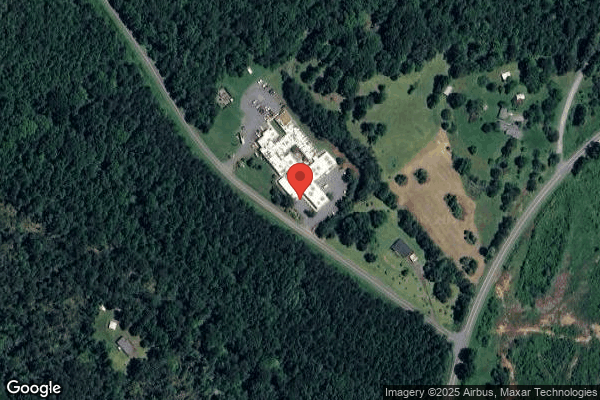
Apr 2022 2 deficiencies
CONCERN (D)

Potential for Harm - no one hurt, but risky conditions existed

Assessment Accuracy (Tag F0641)

Could have caused harm · This affected 1 resident

**NOTE- TERMS IN BRACKETS HAVE BEEN EDITED TO PROTECT CONFIDENTIALITY** Based on record review and staff interview the facility failed to accurately code the Minimum Data Set (MDS) assessment in the a...

Read full inspector narrative →
**NOTE- TERMS IN BRACKETS HAVE BEEN EDITED TO PROTECT CONFIDENTIALITY** Based on record review and staff interview the facility failed to accurately code the Minimum Data Set (MDS) assessment in the area of Hospice (Resident #37 and Resident #19). This was for 2 of 3 resident MDS assessments reviewed for Hospice. Findings included: 1. Resident #37 was admitted to the facility on [DATE] with diagnosis which included non-Alzheimer's dementia and diabetes mellitus. Resident #37's significant change Minimum Data Set (MDS) dated [DATE] revealed she was severely cognitively impaired requiring extensive assistance of two staff members for most activities of daily living (ADL). Resident #37 was not coded for Hospice. A progress note dated 03/03/22 revealed Resident #37's family had requested the resident be transitioned into full Hospice care. A new order was received from the Physician for Resident #37 to be under Hospice care on this date. An interview conducted on 04/27/22 at 9:04 AM with MDS Nurse #1 revealed Resident #37 was transitioned into Hospice care on 03/03/22 and a significant change MDS was completed for Hospice on that date. She stated Resident #37 was not coded on the MDS for Hospice care by mistake because that was the reason the MDS was completed. The interview revealed an outside source had completed the MDS to assist the facility and had coded the MDS in error. On 04/27/2022 at 2:19 PM an interview with the Director of Nursing (DON) indicated Resident #37's MDS assessment should be an accurate reflection of her status. 2. Resident #19 was admitted to the facility on [DATE] with diagnosis which included non-Alzheimer's dementia. Review of a Physician order dated 06/02/21 revealed Resident #19 was admitted under Hospice services. Resident #19's most recent quarterly Minimum Data Set (MDS) dated [DATE] revealed she was severely cognitively impaired requiring extensive assistance of two staff members for most activities of daily living (ADL). Resident #19 was not coded for Hospice. An interview conducted on 04/27/22 at 9:04 AM with MDS Nurse #1 revealed Resident #19 was had been on Hospice care since 06/02/21. She stated Resident #19 was not coded on the MDS for Hospice care and should have been. The interview revealed an outside source had completed the MDS to assist the facility and had coded the MDS in error. On 04/27/2022 at 2:19 PM an interview with the Director of Nursing (DON) indicated Resident #19's MDS assessment should be an accurate reflection of her status.
CONCERN (D)

Potential for Harm - no one hurt, but risky conditions existed

Tube Feeding (Tag F0693)

Could have caused harm · This affected 1 resident

**NOTE- TERMS IN BRACKETS HAVE BEEN EDITED TO PROTECT CONFIDENTIALITY** Based on observations, record review, resident interview, and staff interviews the facility failed to provide a tube feeding as ...

Read full inspector narrative →
**NOTE- TERMS IN BRACKETS HAVE BEEN EDITED TO PROTECT CONFIDENTIALITY** Based on observations, record review, resident interview, and staff interviews the facility failed to provide a tube feeding as ordered by the physician for 1 of 2 residents (Resident #6). The findings included: Resident #6 was admitted to the facility on [DATE] with diagnoses that included aphasia, stroke, hemiplegia, and cerebral infarction. A physician order dated 12/23/21 read, Jevity (enteral feeding) 1.2 per tube via G-Tube at 80 milliliters (ml) per hour (hr) continuously for 15 hours starting at 4 PM and to end at 7 AM. The quarterly Minimum Data Set (MDS) dated [DATE] indicated Resident #6 was cognitively intact for daily decision making and was extensive to total assistance with activities of daily living (ADL). The MDS further indicated that Resident #6 had a feeding tube and received 51% or more of her daily calories via G-Tube. No weight gain or loss was noted during the observation period. The MDS revealed Resident #6 was coded for no speech. An observation and interview were conducted with Resident #6 on 4/26/22 at 2:00 PM revealed Resident #6's tube feeding was running at 80 ml and Resident #6 was signaling for the tube feeding to be turned off. Resident #6 was unable to speak and had a note pad and pen available but did not want to use it to communicate. Resident #6 nodded yes that the tube feeding was turned on this morning and had been running. It was observed the label on the tube and bag dated 4/26/22 at 3:45 AM and only an estimated two inches of content was left the bag. An interview conducted with Nurse #1 on 4/26/22 at 2:10 PM revealed she started her shift at 7 AM and Resident #6's tube feeding was turned off. Nurse #1 further revealed approximately 11:00 Am to 11:30 AM she turned Resident #6's tube feeding on and did not look at the resident's order. Nurse #2 observed Resident #6's tube feeding order and stated the order read for Resident #6's tube feedings to run from 4 PM to 7 AM. Nurse #2 indicated she should have reviewed Resident #6's orders before turning on the tube feeding, and would turn off Resident #6's feed tubing immediately. An interview conducted with the Director of Nursing (DON) on 4/26/22 at 2:17 PM revealed she was not aware Resident #6's tube feeding was running. The DON pulled up Resident #6's orders and read Resident #6's tube feeding was ordered to run from 4 PM to 7 AM. The DON stated she would advise Nurse #1 to stop Resident #6's tube feeding and would contact the Nurse Practitioner (NP). The DON indicated it was expected for staff to read orders and follow them as ordered. An interview conducted with Nurse #2 on 4/26/22 at 3:45 PM confirmed she had worked third shift on 4/25/22 at 7 PM until 4/26/22 at 7 AM. Nurse #2 revealed Resident #6's tube feeding had run out at 3:45 AM and a new tube and bag was hung. Nurse #2 indicated at 7 AM she had turned off the tube feeding and left the facility. A phone interview conducted with the Nurse Practitioner (NP) on 4/26/22 at 4:00 PM revealed Resident #6 had received tube feeding during the day when not ordered. The NP further revealed she advised the facility to assess Resident #6's abdomen, listen to bowel sounds, and check the resident's residual. The NP indicated she did not believe Resident #6 would have any adverse side effects but would contact the facility to follow up. An interview conducted with Administrator at 4/26/22 at 6:00 PM she believed Resident #6's tube feeding had been turned on after morning medicines were given but expected for nursing staff to review and follow orders. A new order was obtained to start the next tube feeding on 4/26/22 from 11:45 PM to 7 AM. The Administrator revealed Resident #6 was assessed for bowel sounds, residual, and abdominal checks by a Nurse and no issues were identified.
Understanding Severity Codes (click to expand)
Life-Threatening (Immediate Jeopardy)
J - Isolated K - Pattern L - Widespread
Actual Harm
G - Isolated H - Pattern I - Widespread
Potential for Harm
D - Isolated E - Pattern F - Widespread
No Harm (Minor)
A - Isolated B - Pattern C - Widespread

Questions to Ask on Your Visit

  • "What changes have you made since the serious inspection findings?"
  • "Can I speak with families of current residents?"
  • "What's your RN coverage like on weekends and overnight?"

Our Honest Assessment

Strengths
  • • Licensed and certified facility. Meets minimum state requirements.
Concerns
  • • Multiple safety concerns identified: 2 life-threatening violation(s), 2 harm violation(s), $25,812 in fines. Review inspection reports carefully.
  • • 14 deficiencies on record, including 2 critical (life-threatening) violations. These warrant careful review before choosing this facility.
  • • $25,812 in fines. Higher than 94% of North Carolina facilities, suggesting repeated compliance issues.
  • • Grade F (16/100). Below average facility with significant concerns.
Bottom line: Trust Score of 16/100 indicates significant concerns. Thoroughly evaluate alternatives.

About This Facility

What is Hilltop Health And Rehabilitation's CMS Rating?

CMS assigns Hilltop Health and Rehabilitation an overall rating of 2 out of 5 stars, which is considered below average nationally. Within North Carolina, this rating places the facility higher than 0% of the state's 100 nursing homes. A rating at this level reflects concerns identified through health inspections, staffing assessments, or quality measures that families should carefully consider.

How is Hilltop Health And Rehabilitation Staffed?

CMS rates Hilltop Health and Rehabilitation's staffing level at 2 out of 5 stars, which is below average compared to other nursing homes. Staff turnover is 55%, compared to the North Carolina average of 46%. RN turnover specifically is 62%, which is notably high. RNs provide skilled clinical oversight, so turnover in this role can affect medical care quality.

What Have Inspectors Found at Hilltop Health And Rehabilitation?

State health inspectors documented 14 deficiencies at Hilltop Health and Rehabilitation during 2022 to 2025. These included: 2 Immediate Jeopardy (the most serious level, indicating potential for serious harm or death), 2 that caused actual resident harm, and 10 with potential for harm. Immediate Jeopardy findings are rare and represent the most serious regulatory concerns. They require immediate corrective action.

Who Owns and Operates Hilltop Health And Rehabilitation?

Hilltop Health and Rehabilitation is owned by a for-profit company. For-profit facilities operate as businesses with obligations to shareholders or private owners. The facility is operated by ASCENT HEALTHCARE MANAGEMENT, a chain that manages multiple nursing homes. With 80 certified beds and approximately 76 residents (about 95% occupancy), it is a smaller facility located in Rutherfordton, North Carolina.

How Does Hilltop Health And Rehabilitation Compare to Other North Carolina Nursing Homes?

Compared to the 100 nursing homes in North Carolina, Hilltop Health and Rehabilitation's overall rating (2 stars) is below the state average of 2.8, staff turnover (55%) is near the state average of 46%, and health inspection rating (2 stars) is below the national benchmark.

What Should Families Ask When Visiting Hilltop Health And Rehabilitation?

Based on this facility's data, families visiting should ask: "What changes have been made since the serious inspection findings, and how are you preventing similar issues?" "Can you walk me through typical staffing levels on day, evening, and night shifts?" "Can I visit during a mealtime to observe dining assistance and food quality?" "How do you handle medical emergencies, and what is your hospital transfer rate?" These questions are particularly relevant given the facility's Immediate Jeopardy citations and the below-average staffing rating.

Is Hilltop Health And Rehabilitation Safe?

Based on CMS inspection data, Hilltop Health and Rehabilitation has documented safety concerns. Inspectors have issued 2 Immediate Jeopardy citations (the most serious violation level indicating risk of serious injury or death). The facility has a 2-star overall rating and ranks #100 of 100 nursing homes in North Carolina. Families considering this facility should ask detailed questions about what corrective actions have been taken since these incidents.

Do Nurses at Hilltop Health And Rehabilitation Stick Around?

Hilltop Health and Rehabilitation has a staff turnover rate of 55%, which is 9 percentage points above the North Carolina average of 46%. Moderate turnover is common in nursing homes, but families should still ask about staff tenure and how the facility maintains care continuity when employees leave.

Was Hilltop Health And Rehabilitation Ever Fined?

Hilltop Health and Rehabilitation has been fined $25,812 across 2 penalty actions. This is below the North Carolina average of $33,337. While any fine indicates a compliance issue, fines under $50,000 are relatively common and typically reflect isolated problems that were subsequently corrected. Families should ask what specific issues led to these fines and confirm they've been resolved.

Is Hilltop Health And Rehabilitation on Any Federal Watch List?

Hilltop Health and Rehabilitation is not on any federal watch list. The most significant is the Special Focus Facility (SFF) program, which identifies the bottom 1% of nursing homes nationally based on persistent, serious quality problems. Not being on this list means the facility has avoided the pattern of deficiencies that triggers enhanced federal oversight. This is a positive indicator, though families should still review the facility's inspection history directly.