Willow Ridge Of NC

237 Tryon Road, Rutherfordton, NC 28139 (828) 286-7200
For profit - Corporation 150 Beds CCH HEALTHCARE Data: November 2025 6 Immediate Jeopardy citations
Trust Grade
0/100
#413 of 417 in NC
Last Inspection: February 2025

Within standard 12-15 month inspection cycle. Federal law requires annual inspections.

Overview

Willow Ridge of NC has received a Trust Grade of F, indicating significant concerns about the care provided. With a state rank of #413 out of 417, they are in the bottom half of North Carolina facilities, and they rank last in Rutherford County. The facility is worsening, with issues increasing from 2 in 2024 to 12 in 2025, and has a concerning staffing turnover rate of 60%, which is higher than the state average. Despite having average RN coverage, the facility has faced serious fines totaling $146,939, which is higher than 84% of other North Carolina facilities. Specific incidents include a resident being found inappropriately with another resident and a resident sustaining injuries during transport due to improper securement. While the staffing rating is average, the overall quality and safety of care at Willow Ridge of NC raise significant red flags for families considering this facility for their loved ones.

Trust Score
F
0/100
In North Carolina
#413/417
Bottom 1%
Safety Record
High Risk
Review needed
Inspections
Getting Worse
2 → 12 violations
Staff Stability
⚠ Watch
60% turnover. Above average. Higher turnover means staff may not know residents' routines.
Penalties
✓ Good
$146,939 in fines. Lower than most North Carolina facilities. Relatively clean record.
Skilled Nurses
○ Average
Each resident gets 30 minutes of Registered Nurse (RN) attention daily — about average for North Carolina. RNs are the most trained staff who monitor for health changes.
Violations
⚠ Watch
34 deficiencies on record. Higher than average. Multiple issues found across inspections.
★☆☆☆☆
1.0
Overall Rating
★★★☆☆
3.0
Staff Levels
★★★☆☆
3.0
Care Quality
★☆☆☆☆
1.0
Inspection Score
Stable
2024: 2 issues
2025: 12 issues

The Good

  • Full Sprinkler Coverage · Fire safety systems throughout facility
  • No fines on record

Facility shows strength in fire safety.

The Bad

1-Star Overall Rating

Below North Carolina average (2.8)

Significant quality concerns identified by CMS

Staff Turnover: 60%

14pts above North Carolina avg (46%)

Frequent staff changes - ask about care continuity

Federal Fines: $146,939

Well above median ($33,413)

Significant penalties indicating serious issues

Chain: CCH HEALTHCARE

Part of a multi-facility chain

Ask about local staffing decisions and management

Staff turnover is elevated (60%)

12 points above North Carolina average of 48%

The Ugly 34 deficiencies on record

6 life-threatening 1 actual harm
Feb 2025 12 deficiencies 1 IJ
CRITICAL (J) 📢 Someone Reported This

A family member, employee, or ombudsman was alarmed enough to file a formal complaint

Immediate Jeopardy (IJ) - the most serious Medicare violation

Free from Abuse/Neglect (Tag F0600)

Someone could have died · This affected 1 resident

**NOTE- TERMS IN BRACKETS HAVE BEEN EDITED TO PROTECT CONFIDENTIALITY** Based on record review, observations, and interviews with residents, facility staff, the Medical Director, the Lieutenant from t...

Read full inspector narrative →
**NOTE- TERMS IN BRACKETS HAVE BEEN EDITED TO PROTECT CONFIDENTIALITY** Based on record review, observations, and interviews with residents, facility staff, the Medical Director, the Lieutenant from the Police Department, resident's family friend, and the resident's responsible person (RP), the facility failed to protect the resident's right to be free from resident-to-resident abuse for 2 of 3 residents reviewed for abuse (Resident #15 and Resident #57). On 4/12/24 while completing morning rounds, Nurse Aide (NA) #6 found Resident #366 in Resident #15's room, lying on top Resident #15 while she was asleep in her bed, with his brief pulled down and his penis exposed. Resident #15's brief appeared to be sideways, undone on the left side, but was in place between her legs. Resident #366 was placed on one-to-one supervision at this time due to wandering and sexualized behaviors. Both residents were severely cognitively impaired. On 12/18/24 Resident #57 and Resident #36 (Resident #57's roommate) had their call light on and motioned for NA #1 to come into the room. Resident #36 spoke first and reported to NA #1 that Resident #366 came into the room took his pants off and got on top of Resident #57 and raped her. Resident #57 nodded her head in agreement and stated she told them to get off of her and get out of her room and they left. Both residents were assessed as cognitively intact. Resident #366 was supposed to be under one-to-one supervision at the time of the incident on 12/18/24 due to his continued wandering and sexualized behaviors and NA #2 left him unattended. A reasonable person would expect to be free from abuse in their own home and could experience altered mental condition, fear, anxiety, and depressed mood. The findings included: A. Resident #15 was admitted to the facility on [DATE]. Diagnosis included Alzheimer's disease, dementia, and muscle weakness. Review of the annual Minimum Data Set (MDS) dated [DATE] revealed Resident #15 was severely cognitively impaired and required substantial assistance for mobility and dependent on staff for transfers and toileting due to being incontinent of bladder and bowel. Resident #15 was also coded for having adequate hearing and vision, usually able to make herself understood, and usually able to understand others. Resident #366 was a [AGE] year-old male admitted to the facility on [DATE]. Diagnosis included a traumatic brain injury (TBI), altered mental status, and cognitive communication deficit. Review of Resident #366's facility face sheet dated 4/14/23 revealed Cleveland County Department of Social Services as his responsible person and guardian. Review of quarterly MDS dated [DATE] revealed Resident #366 was severely cognitively impaired, independent for mobility, supervision for transfers, partial assistance with toileting as he was always continent for bowels with frequent urinary incontinence. Resident #366 was also ambulatory, utilized a wheelchair for long distances, able to make himself understood, able to understand others, adequate vision, and no hearing deficits. Resident #366 was not coded for any wandering or behaviors. A telephone interview with NA #6 on 1/30/25 at 8:30 AM revealed she typically worked 11:00 PM to 7:00 AM on the locked memory care unit and was familiar with Resident #15 and the incident regarding Resident #366. She stated in April 2024 she worked in the locked memory care unit and while completing her morning rounds, she had entered Resident #15's room and saw Resident #366 on top of Resident #15 who was sleeping in her bed. NA #6 revealed Resident #366's pants and brief were pulled down with his penis exposed and Resident #15's brief was sideways, undone on the left side but still in place between her legs, her gown was pulled down, and her breasts were covered. NA #6 stated she immediately removed Resident #366 from Resident #15's bed, called for Nurse #6 to come to Resident #15's room, explained to Nurse #6 what happened and was then instructed for Resident #366 to be placed on one-to-one supervision. NA #6 revealed she assisted Resident #366 back to his room and stayed with him while Nurse #6 assessed Resident #15 and notified the Administrator. NA #6 stated after the incident, Resident #366 was moved from the memory care unit to a room on the regular hall and to her knowledge remained on one-to-one supervision. NA #6 revealed that prior to the incident with Resident #15, she was not aware of Resident #366 having any type of behavior and had never witnessed him display those types of sexualized behaviors. Attempted to contact Nurse #6 who was unable to be reached. Review of interdisciplinary team (IDT) progress note dated 4/12/24 revealed on the morning of 4/12/24 staff found Resident #366 in a severely cognitively impaired female resident's room (Resident #15). Resident #366 was observed lying on top of Resident #15 with his brief pulled halfway down and his penis exposed. Resident #15 was asleep at the time, but her brief was noted to be sideways, undone on the left side, but still in place between her legs. Resident #366 was immediately placed on one-to-one supervision which required him to always be in the staff's line of sight due to the sexualized and wandering behaviors. Resident #366 was also moved off the locked memory care unit to room [ROOM NUMBER] on B hall and one-to-one supervision to remain on-going. Review of the Medical Director progress noted dated 4/12/24 for Resident #15 revealed the following: Examination of Resident #15 due to history of a male resident [Resident #366] being on top of Resident #15 while she was in her bed. The Medical Director noted apparently around 6:30 AM a male resident [Resident #366] was found on top of Resident #15; his penis was out and Resident #15's brief was pulled to the side. According to the nursing staff, Resident #15 was asleep when they found her, was asleep when Medical Director went to see her, and remained asleep during Medical Director exam. Resident #15 had severe dementia. The Medical Director revealed to the best of his knowledge it did not seem that Resident #15 was penetrated at all, there were no scratch marks or other marks visible on Resident #15's hands, body, or in her vaginal area. Review of the Medical Director progress note dated 4/12/24 for Resident #366 revealed the following: Around 6:30 AM, Resident #366 was found on top of a female resident [Resident #15] with his penis exposed and Resident #15's diaper was also possibly pulled to the side. Resident #366 was pulled off Resident #15 immediately and apparently placed on one-to-one. This had never happened with Resident #366 before; he did not seem agitated at the time, and there had been no knowledge of any behaviors leading up to this problem. Resident #366 did have a long mental health history he was being treated for with no recent changes to his medications. Hospital evaluation recommended by psychiatric (psych) services. Resident #366 returned from his evaluation from the local hospital and per their report, Resident #366's computed tomography (CT) scan and bloodwork showed no evidence of any acute abnormalities, and his urinalysis was negative. The Medical Director noted Resident #366 exposed himself on the way back from the hospital which was totally abnormal behavior. Resident #366 presently has one-to-one supervision for safety risks for both residents and staff. The Medical Director revealed he spoke with the psych provider who recommended new medications and agreed with Resident #366's one-to-one supervision for his and other residents' safety. Review of facility 5-day investigation report completed by the previous Administrator dated 4/18/24 revealed their investigative findings included the following: On the morning of 4/12/24 while NA #6 was making her rounds on the locked memory care unit when she entered Resident #15's room and found Resident #366 on top of Resident #15 who was sleeping, with his pants and brief pulled halfway down exposing his penis. Resident #15's gown was on, her breasts were covered, and her brief was sideways, appeared to be undone on the left side, but still in place between her legs. NA #6 notified Nurse #6 and Resident #366 was removed from Resident #15's room, taken back to his room, and immediately placed on one-to-one supervision. Resident #15 was assessed by Nurse #6 with no findings and continued sleeping. Law enforcement, Department of Social Services, State, Medical Director, and Resident #15's RP was notified of the incident. The facility Medical Director completed a physical examination of Resident #15 that included thorough examination of the vaginal and peri areas and found no indication that any sexual contact had occurred. Resident #15's RP declined the facilities offer to send her out to the hospital for any further evaluations. Both Resident #15 and Resident #366 were severely cognitively impaired and resided in the facility locked memory care unit. Resident #366 was not admitted with this type of behavior and prior to this incident had not displayed any types of behaviors that would cause staff to be aware of the potential for this type of behavior. Resident #366 was sent out to the hospital emergency department for evaluation and returned with no issues noted. Resident #366 was removed from the locked memory care unit into a room on a regular hall, remained on one-to-one supervision, monitored by the Medical Director, and was being evaluated and treated by psych services. Resident #15 was monitored for any psychosocial changes, mental anguish, change in her demeanor, or alterations in her daily activities and no issues were noted and Resident #15 remained pleasant and cooperative and appeared to have no negative impact. All facility staff were educated on abuse and neglect policies and procedures, wandering residents, new behaviors, and one-to-one supervision process. The facility was not able to substantiate abuse or neglect against any residents, and the residents involved remained without any physical injury, mental harm, pain, or anguish. Review of Resident #366's care plan initiated on 4/12/24 revealed Resident #366 had exhibited inappropriate sexualized behaviors and was noted to continue sexualized behaviors such as masturbating while in bed with a goal to not exhibit any of these sexual behaviors any further through the next review. Interventions for Resident #366 included allowing privacy for masturbation in his room, new medications ordered for sexual behaviors and send out to emergency room for medical and psych clearance. Resident #366 also had a care plan approach for being an elopement risk and wanderer with goals of not leaving the facility unattended and maintaining his safety through the next review. Interventions for Resident #366 included one-to-one observation, monitoring locations, and documenting wandering behaviors. Attempted to contact the previous Administrator who was unable to be reached. B. Resident #36 was admitted to the facility on [DATE]. Diagnosis included chronic pulmonary obstructive disease (COPD) and muscle weakness. Review of quarterly MDS dated [DATE] revealed Resident #36 was cognitively intact with adequate vision and hearing, able to make herself understood, and able to understand others. Resident #57 was admitted to the facility on [DATE]. Diagnoses included mild dementia, Alzheimer's disease, chronic obstructive pulmonary disease (COPD), and muscle weakness. Review of admission Minimum Data Set MDS dated [DATE] revealed Resident #57 was cognitively intact and required partial assistance with mobility, substantial assistance with transfers, and substantial assistance with toileting as she was always incontinent for both bladder and bowel. Resident #57 was also coded for oxygen use and utilized a wheelchair for mobility, adequate vision and hearing, able to make herself understood, and able to understand others. Resident #102 was admitted to the facility on [DATE]. Diagnosis included COPD and type 2 diabetes. Review of admission MDS dated [DATE] revealed Resident #102 was cognitively intact with adequate vision and hearing, able to make herself understood, and able to understand others. Resident #366 was a [AGE] year-old male admitted to the facility on [DATE]. Diagnosis included a traumatic brain injury (TBI), altered mental status, and cognitive communication deficit. Review of Resident #366's facility face sheet dated 4/14/23 revealed Cleveland County Department of Social Services as his responsible person and guardian. Review of Resident #366's care plan revised on 6/11/24 revealed Resident #366 had exhibited inappropriate sexualized behaviors and was noted to continue sexualized behaviors such as masturbating while in bed with a goal to not exhibit any of these sexual behaviors any further through the next review. Interventions for Resident #366 included allowing privacy for masturbation in his room, new medications ordered for sexual behaviors and send out to emergency room for medical and psych clearance. Resident #366 also had a care plan approach for being an elopement risk and wanderer with goals of not leaving the facility unattended and maintaining his safety through the next review. Interventions for Resident #366 included one-to-one observation, monitoring locations, and documenting wandering behaviors. Review of quarterly MDS dated [DATE] revealed Resident #366 was severely cognitively impaired, independent for mobility, supervision for transfers, partial assist with toileting as he was always continent for bowels with frequent urinary incontinence. Resident #366 was also ambulatory, utilized a wheelchair for long distances, able to make himself understood, able to understand others, adequate vision, and no hearing deficits. Resident #366 was also coded for wandering and for physical and verbal behaviors towards others such as scratching, grabbing, threatening, screaming, cursing, or abusing others sexually. Review of facility incident report completed by the Administrator revealed on 12/19/24 at 1:30 AM the following information was reported: [Resident #36] rang her call bell to alert staff that someone had wandered into their room and attempted to climb onto the bed with her roommate [Resident #57]. [Resident #57] had a BIMS (brief interview for mental status) of 15 and stated no inappropriate touching had taken place. Investigation was underway. [Resident #57] was being placed on one-on-one temporarily. Nursing Home Administrator (NHA) and the Director of Nursing (DON) were in the facility to conduct full investigation and ensure resident's safety. [Resident #57] stated that she felt safe at the facility. The incident report also revealed law enforcement had been contacted on 12/19/24 at 3:00 AM. An interview with Resident #57 on 01/30/2025 at 4:09 PM revealed one night a black woman [Resident #366] had come into Resident #57's room, got on top of her, and tried to feel of her. When Resident #57 told the black woman [Resident #366] to get off and get the hell out of her room initially she would not get off her so Resident #57 used her hands fight to get her off and to leave. Resident #57 stated on that night she was wearing her gown but could not remember if her gown was pulled up or was down and Resident #57 did not recall if she was wearing a brief or not. A telephone interview was conducted with Nursing Aide (NA) #1 on 1/30/25 at 8:49 AM and revealed she was familiar with Resident #57 and the alleged incident regarding Resident #366. She stated on the evening of 12/18/24 she was scheduled to work 11:00 PM to 7:00 AM and was assigned to the A hall which included Resident #57's room. She revealed while reviewing her room assignments at the A hall nurse desk she observed Resident #366 sitting in his wheelchair at the desk with his assigned one on one (NA #3). NA #1 stated when she went down the A hall, she saw that three resident call lights were on including Resident #57's room. She revealed after answering the first two call lights, she went in to answer Resident #57's call light around 11:17 PM and upon entering the doorway to the room she observed both Resident #57 and her roommate Resident #36 to be alert and awake and were motioning for her to come into their room. She stated when she entered the room, she noticed there was a brief lying on the floor near the trash can and a brief lying at the end of Resident #57's bed and she asked both residents what was going on in there. NA #1 revealed Resident #36 then informed her that she saw Resident #366 come into their room, took off his pants, got on top of Resident #57 and raped her and that Resident #57 told Resident #366 to get off of her and get the hell out of their room, so he got up and left. She stated Resident #57 was shaking her head in agreement with what her roommate Resident #36 was saying and then stated, I told them to get off of me and get the hell out of the room and they left. NA #1 revealed she pulled back Resident #57's comforter and observed Resident #57 was not wearing a brief, so she immediately stopped and began yelling out for assistance from the other nursing staff to stay with the residents while she went to inform the nurse what was just reported to her. She stated she was not able to get any other staff to come into the room at that time, so she called the Director of Nursing (DON), which she believed to be around 11:30 PM to let her know what had been reported to her by both residents and that Resident #57 was not wearing a brief. She stated while on the telephone with the DON, she informed her that she was on her way and for NA #1 to stay with the residents, not to leave the room, not to touch anything in the room, and not to provide any type of personal care or incontinence care to Resident #57. She revealed the DON also inquired where Resident #366 was, and she informed her the last time she had seen Resident #366 he was sitting in his wheelchair at the nurse's desk with his assigned one to one. NA #1 stated she stayed in the resident's room until the DON and Administrator arrived and they asked her to step out of the room while they spoke with both residents privately. She revealed as she was leaving the resident's room, Resident #366's roommate (Resident #102) whose room was located directly across from Resident #57 room, motioned for her to come into their room. She stated Resident #102 informed her that earlier in the evening his roommate Resident #366's one on one had left the room and Resident #366 had gotten up out of his bed and attempted to get into bed with him. NA #1 revealed Resident #102 stated he asked Resident #366 what he was doing which seemed to startle Resident #366 and he got up from Resident #102's bed and watched him walk across the hall to Resident #57's room. She stated Resident #102 revealed he saw Resident #366 bend down, remove his pajama pants, get on top of Resident #57 and was moving around. She revealed Resident #102 stated he then heard Resident #57 yell get off of me and to get out of her room and saw Resident #366 get off the bed, put his pajama pants back on, leave Resident #57's room and walk down the hall. NA #1 stated after speaking with Resident #102 she finished her rounds with her other residents, went to the nurse station and notified NA #3 what Resident #57, Resident #36, and Resident #102 had reported and NA #3 informed her that when she had come back from her break a little before 11:00 PM, she had observed Resident #366 walking down the hallway unattended without his one to one. She revealed while at the nurse's station she began writing her handwritten statement about what had been reported to her by the residents and what she had observed, when she was asked to go back into Resident #57 room to sit with her. She revealed when she arrived back at the room, Resident #57 was still not wearing her brief, had used the bathroom on herself and was complaining about feeling wet and her gown and bedding being wet. NA #1 stated she then contacted the DON who was still in the building and asked if she could provide Resident #57 incontinence care and the DON and the Administrator came back into Resident #57 room. She revealed she was asked to step out of the room again but assumed the DON had cleaned and provided Resident #57 incontinence care, because when she returned to Resident #57 room afterwards, she was wearing a clean brief, and her gown and bedding had been changed. Attempted to contact NA #2 by telephone and was unable to be reached. A telephone interview was conducted with NA #3 on 1/30/25 at 9:23 AM revealed she was familiar with Resident #57 and the alleged incident regarding Resident #366. On 12/18/24, NA #3 was scheduled to work 7:00 PM to 7:00 AM on the A hall and her shift assignment was to provide one-to-one supervision for Resident #366. NA #3 revealed resident one-to-one supervision included being within arm's reach while the resident was up or ambulating around the facility and while the resident was in their room or sleeping the one-to-one was to sit outside the room and maintain line of sight. NA #3 stated on the evening of 12/18/24 she had assisted Resident #366 with turning on his TV and getting ready for bed and then asked NA #2 who was agency staff but had worked at the facility for several months and was aware of the one-to-one supervision protocol to come down and relieve her for her break which NA #2 agreed. NA #3 revealed that as she was leaving to go to break at 10:27 PM according to her watch and the time clock she notified the A hall nurse who was sitting at the nurse's desk that she was going on break and NA #2 was covering Resident #366's one-to-one supervision. NA #3 stated when she returned from her break at 10:51 PM and rounded the corner to A hall she observed Resident #366 three doors down from his room, walking the hallway unattended, wearing his pajama pants and a t-shirt. NA #3 revealed she did not see NA #2 anywhere in sight, so she assisted Resident #366 back to his room where she noticed he was not wearing a brief which was not uncommon because he would take them on and off, got him into his wheelchair and took him to sit with her at the A hall nurse's desk. NA #3 stated right after the 11:00 PM shift change while she and Resident #366 were sitting at the nurse's desk, NA #2 came up to the desk and she informed NA #2 that upon her return from break she had found Resident #366 walking around the A hall unattended and NA #2 apologized stating that she had gone to answer another resident's call light and had left Resident #366 unattended. NA #3 revealed that sometime around midnight while she and Resident #366 continued to sit at the nurse's desk, the Administrator and DON came in and went down the A hall and a few minutes later NA #1 came up to her and told her that Resident #36 had reported to her that Resident #366 had come into her and Resident #57's room, removed his pajama pants, got on top of Resident #57 while she was lying in her bed and raped her, Resident #57 yelled at Resident #366 to get off her and to get out of her room and Resident #366 left the room and walked down the hall. NA #3 stated NA #1 reported that Resident #57 had agreed with everything her roommate, Resident #36, was saying. NA #3 reported that as NA #1 was leaving Resident #36 and Resident #57's room, was when Resident #366's roommate (Resident #102) had motioned for NA #1 to come into his room. Resident #102 then reported to NA #1 that when Resident #366's one-on-one left the room, Resident #366 attempted to get into his bed and when he asked him what he was doing he got up and left. Resident #102 stated he saw Resident #366 walk across the hall into Resident #57's room, remove his pants, get on top of Resident #57 who was lying in her bed, move around on top of Resident #57, and when he heard Resident #57 yell at Resident #366 to get off of her and to get out of her room, Resident #102 saw Resident #366 get off Resident #57, put his pants back on, leave the room, and walk down the hall. NA #3 revealed she then informed NA #1 that when she had returned from her break earlier that evening, she had witnessed Resident #366 walking around the A hall unattended 3 doors down from his room. NA #3 also informed NA #1 that NA #2 was supposed to be covering her break and providing one-to-one supervision for Resident #366 but had left him attended while she went to answer a call light. NA #3 recalled a few minutes later after speaking with NA #1, was when NA #1 was asked to go back into Resident #57's room. NA #3 revealed while the Administrator and DON were walking back up the hallway from Resident #57's room was when she informed both about when she had returned from her break, she found Resident #366 walking around the A hall three doors down from his room, he was unattended wearing only his pajama pants, t-shirt, and no brief. NA #3 also reported to the Administrator and the DON that NA #2 was supposed to be covering her break and providing one-to-one supervision to Resident #366, and while providing Resident #366's one-to-one supervision NA #2 went to answer a call light and left Resident #366 unattended. NA #3 stated that after she was informed what Resident #57 had reported, she asked Resident #366 what had happened while he had been walking around the hall, and he stated that he had gone in to get into bed with his wife and he was touching and kissing on her but she didn't like it and told him to get out, so he left. An interview with Resident #36 who on 1/29/25 at 12:40 PM revealed she recalled being roommates with Resident #57. When asked if anything had ever happened while she and Resident #57 had been roommates, she stated she did remember this one time where a black man had come into their room, got on top of Resident #57, she told them to get out and they left. She stated after that she believed Resident #57 moved rooms and nothing ever happened again. Resident #36 could not recall who she had spoken with on the night of the incident or any further details about the incident. A telephone interview with Resident #102 on 1/30/25 at 3:08 PM revealed on the evening of 12/18/24 he was lying in his bed, and his roommate Resident #366 was lying in his bed, when Resident #366's one-to-one staff left the room, Resident #366 got up out of his bed and tried to get into bed with him. Resident #102 stated it seemed to startle Resident #366 when he asked him what he was doing, and that was when Resident #366 got up from Resident #102's bed, left their room, walked across the hall, and into Resident #57's room. Resident #102 stated Resident #57's room was dark, but he was still able to see into the room with the hallway lights. Resident #102 revealed he saw Resident #366 remove his pants, get on top of Resident #57 while she was lying in her bed, and witnessed Resident #366 moving around on top of Resident #57. Resident #102 reported he could not tell if Resident #366 was wearing his brief or not while on top of Resident #57. Resident #102 stated he then heard Resident #57 tell Resident #366 to get off of her and get the hell out of her room and he saw Resident #366 exit off the left side of Resident #57's bed, walk around the end of the bed, put his pants back on, exit Resident #57's room, and walk down the hall. Resident #102 stated he would have used his call light to let staff know what had happened, but his call light had gotten tangled up and he couldn't find it. Resident #102 reported a few minutes later Resident #366's one-to-one came back into their room to get Resident #366's wheelchair, and appeared frazzled, so he did not tell her about what he had witnessed either. Resident #102 revealed a few minutes after Resident #366 one-to-one had come into his room, he saw NA #1 go into Resident #57's room and when he saw her leaving Resident #57 room was when he motioned for NA #1 to come into his room, and he told NA #1 what he had witnessed between Resident #366 and Resident #57, and then repeated this same information to the Administrator, and law enforcement. A telephone interview with Resident #57's friend on 01/30/2025 at 3:50 PM revealed she had been Resident #57 previous caretaker prior to her coming to the facility and continued to visit with her often. She stated on 12/26/24 she was visiting with Resident #57 when she suddenly became quiet, looked at her and said, I have something to tell you. Resident #57's friend stated she asked Resident #57 what she needed to tell her, and she said, I was raped. When asked what she was talking about, Resident #57 stated I was raped by a black woman [Resident #366], she got on top of me, and I had to tell her to get off me and out of my room. Resident #57's friend then asked if anyone had come into her room when this was going on and she said no. When she asked Resident #57 if she was ok and felt safe at the facility she said yes. Resident #57's friend stated she did not ask any further questions about the incident and Resident #57 had seemed fine, but it bothered her to think Resident #57 had gone through something like this. Review of physician progress note written by the Medical Director on 12/20/24 indicated he was asked to see Resident #57 for questions about an incident that happened the night before and was unclear whether Resident #366 had assaulted her. While the Medical Director was talking with Resident #57, she stated that nothing happened, but someone did come into her room. It was really unclear to the Medical Director whether she knew exactly what happened, but the incident was being investigated. Resident #57 did not seem to be more anxious now or change in her mental status from previous. In speaking with Resident #57 today, it did not appear like there had been any trauma that he could think of but obviously the whole incident had to be anxiety provoking, however, he could not get a real history of what happened. Again, there were no signs of believed trauma but certainly wanted her seen by mental health provider and discussed all of this with Resident #57's RP. During an interview with the Medical Director on 1/28/25 at 11:09 AM he stated that he was aware of the alleged incident with Resident #57 and Resident #366. He stated the date of his progress note 12/20/24 was when he was notified, and he assumed the incident had occurred the night before on 12/19/24 and was not made aware the incident had occurred on the evening of 12/18/24. He revealed he did speak with Resident #57's RP on 12/19/24 regarding a sleep medication the RP wanted stopped, but he could not recall if she had mentioned anything to him about the incident, he only recalled that he discontinued Resident #57's sleep medication as requested. The Medical Director stated he was asked on 12/20/24 regarding an incident where Resident #366 had come into Resident #57's room and gotten onto her bed, she asked him to leave her room and he did, and it was unclear if any type of assault had occurred. He revealed that when he saw Resident #57 on 12/20/24 he only attempted to speak with her about the incident, but did not complete any type of physical exam. He stated Resident #57 would not really give him any details about the incident, only that someone had come into her room, but he did not feel that she was showing any signs or symptoms that any type of trauma or injuries had occurred. The Medical Director revealed to his knowledge Resident #57 had never showed any signs of increased anxiety or changes to her mental status and she was followed by psych services, and he was not aware of them noting any issues or concerns stemming from the incident. He stated Resident #366 was supposed to always be on one-to-one supervision due to sexualized behaviors, wandering, and an incident that occurred with another female resident earlier in the year. He revealed it appeared the one-on-one process failed allowing Resident #366 the opportunity to go into Resident #57's room which should have never been allowed to happen, Resident #366 was not suitable for skilled nursing level and not matter how much his medications were increased he would continue to require one-on-one super[TRUNCATED]
SERIOUS (G) 📢 Someone Reported This

A family member, employee, or ombudsman was alarmed enough to file a formal complaint

Actual Harm - a resident was hurt due to facility failures

Safe Transfer (Tag F0626)

A resident was harmed · This affected 1 resident

**NOTE- TERMS IN BRACKETS HAVE BEEN EDITED TO PROTECT CONFIDENTIALITY** Based on record review, Medical Director, Hospital Case Manager, Resident's Legal Guardian, and staff interviews, the facility f...

Read full inspector narrative →
**NOTE- TERMS IN BRACKETS HAVE BEEN EDITED TO PROTECT CONFIDENTIALITY** Based on record review, Medical Director, Hospital Case Manager, Resident's Legal Guardian, and staff interviews, the facility failed to allow a resident to return to the first available bed at the facility after being sent to the hospital for a medical and psychiatric evaluation. The resident remained in the hospital for over a month despite being cleared to return to the nursing home after 3 days. A reasonable person would expect once they were medically cleared from the hospital to be allowed back into their home and not being allowed back into their home could cause them to experience altered mental condition, fear, anxiety, and depressed mood. This deficient practice was evidenced for 1 of 3 residents reviewed for transfer and discharge (Resident #366). Findings included: Resident #366 was admitted to the facility on [DATE] with diagnoses including traumatic brain injury (TBI), altered mental status, and cognitive communication deficit. Review of Resident #366's facility face sheet dated 4/14/23 revealed a local Department of Social Services was appointed as his legal guardian. Review of the Medical Director order dated 12/20/24 revealed Resident #366 was to be sent out to hospital in South Carolina (SC) for evaluation and treatment. Review of discharge Minimum Data Set (MDS) dated [DATE] revealed Resident #366 was severely cognitively impaired with wandering, verbal, and physical behaviors towards others. Resident #366's discharge was coded as an unplanned discharge with return anticipated. Review of hospital case manager notes for Resident #366 dated 12/20/24 through 1/22/25 revealed the following: 12/20/24- Resident #366 was brought to the hospital emergency room in SC by his current facility located in North Carolina (NC) for a psychiatric (psych) evaluation regarding his hypersexualized behavior and a complaint from another resident. Resident #366 who had a history of TBI had gotten into bed with another resident thinking she was his wife. 12/21/24- Tele psych consult completed, and initial recommendation was for involuntary commitment (IVC) and psych placement in behavioral unit. 12/23/24- Follow up psych note documented, Psych inpatient facility considered and currently NOT indicated cleared psychiatrically and medically. 12/24/24 - Hospital psych liaison, contacted the Director of Nursing (DON) at Resident #366's current facility of him being cleared by psych and inquired what time for the hospital to bring him back to the facility. The DON referred to the facility Administrator. The hospital psych liaison informed the Administrator Resident #366 was ready to return to the facility, the Administrator stated Resident #366 had been immediately discharged from their facility and was accepted to another facility in NC. 12/26/24 - Hospital case manager spoke with Admissions at the other facility who stated were unable to offer Resident #366 a bed and they had notified his current facility of this fact. 1/7/25 - Resident #366 was transferred from their hospital behavioral unit to a regular hall on their main campus until placement could be found. 1/9/25 - Hospital case manager spoke with Resident #366's guardian who communicated that his current facility was refusing to accept him back and she was working on a new placement in North Carolina. 1/10/25 - Resident #366 was agitated and wandering into other patient rooms; transferred to their only secured unit in the hospital, the Intensive Care Unit (ICU). 1/10/25 - Following transfer to the ICU, the hospital case manager questioned why the nursing home brought Resident #366 across state lines to their hospital in SC. The hospital case manager contacted the hospital in NC to inquire if they offer psych services. The facility Administrator then explained they did not send Resident #366 to their local hospital because they knew he would be evaluated and sent right back to their facility. The hospital case manager explained and advocated Resident #366's needs to return to their facility, but the Administrator continued to refuse to accept him back. 1/13/25- The hospital case manager spoke with Resident #366's guardian and stated Resident #366 current facility transported him across the state lines to their hospital for a psych evaluation which Resident #366's guardian agreed was inappropriate and stated she had filed a report with the State Agency regarding this and the facility's refusal to readmit the resident. 1/17/25- The hospital case manager noted the facility was still unwilling to accept Resident #366 back and the hospital was currently awaiting placement. 1/20/25- Resident #366 was medically stable, ready for discharge, and awaiting placement. A telephone interview with Resident #366's Guardian on 1/27/25 at 3:15 PM revealed she was Resident #366's Guardian through the Department of Social Services. She stated Resident #366 had a history of wandering and sexual behaviors over the past year while at his current facility and some incidents of going into other female resident's rooms and getting into their beds which had required him to be on one-to-one supervision. She revealed after the last incident on 12/18/24 of Resident #366 wandering into a female resident's room and getting into her bed, she received a telephone call on 12/20/24 from the Administrator at the facility stating Resident #366 would be moving to another skilled nursing facility within the day. Resident #366's Guardian stated she informed the Administrator that Resident #366 could not be moved so quickly without her speaking with and touring the other facility. She revealed she contacted the other facility and after discussing Resident #366 with them, the other facility refused to take him on that day and stated they would need to come and assess Resident #366 in person the following week. Resident #366's Guardian stated she contacted the Administrator at Resident #366's current facility and let her know the other facility would not be able to take Resident #366 on 12/20/24 but would be able to assess him in person the following week, and the Administrator stated Resident #366 would not be at their facility next week he would be leaving that day. Resident #366's Guardian revealed a few hours later on 12/20/24, she received a telephone call from the Administrator stating Resident #366 had been taken to the hospital in SC for an in-patient psychiatric hold and evaluation. She stated after that she began communicating with the hospital, Resident #366 was evaluated and on 12/23/24 was psychiatrically and medically cleared and recommended for discharge back to his current facility but the Administrator refused to take him back. Resident #366's guardian revealed both she and the hospital spoke with the Administrator at the facility on numerous occasions begging for them to take Resident #366 back until they could find a more appropriate placement for him and the Guardian offered that the Department of Social Services would pay for a private one-to-one for the resident and the Administrator continued to refuse to take him back. She stated during Resident #366's hospital stay, the hospital had to place him in the intensive care unit because it was the only locked unit in the hospital, and he was trying to wander in and out of patient rooms. Resident #366's Guardian revealed she contacted the State Agency for help with placement for Resident #366 and believed the state must have contacted the Administrator at the facility because a few days after she had spoken with the State Agency, she received a telephone call from the facility stating they would be readmitting Resident #366 to the facility. A telephone interview with the hospital case manager on 1/31/25 at 4:00 PM revealed she was familiar with Resident #366. She stated Resident #366's current facility brought him to their hospital emergency room in SC on 12/20/24 requesting an in-patient psych evaluation. She revealed Resident #366 was admitted to their behavioral unit on 12/21/24 for completion of a psych evaluation. The hospital case manager stated the follow-up recommendations from the behavioral unit on 12/23/24 revealed in-patient psych placement had been considered for Resident #366 and was not indicated. Resident #366 was psychiatrically and medically cleared for discharge. She revealed the hospital contacted Resident #366's current facility and spoke with the Administrator and advised that Resident #366 had been cleared and was ready for discharge and the hospital needed to know when they could schedule transport back to the facility. She stated the Administrator informed the hospital Resident #366 would not be returning to their facility that he had been discharged from their facility and had been accepted to another skilled nursing facility. The hospital case manager revealed the hospital contacted the other skilled nursing facility about Resident #366 and were informed that they had notified Resident #366's current facility they were unable to offer him a bed and would not be admitting him. She stated the hospital also spoke with Resident #366's guardian who informed her Resident #366's current facility was refusing to take him back. The hospital case manager revealed that during Resident #366's hospital stay she contacted Resident #366's current facility numerous times and spoke with the Administrator about Resident #366 needing to return to their facility, and the Administrator continued to refuse to allow Resident #366 to come back to their facility. The hospital case manager stated on 1/20/25 the hospital received a call from Resident #366's current facility stating they would be coming to assess Resident #366 to see if they would be able to accept him back to their facility. She revealed to the Administrator, and the Admissions Director came to the hospital to speak with Resident #366 and then agreed he could come back, and he was discharged back on 1/22/25 after being left at the hospital for over a month. An interview conducted with the Director of Nursing (DON) on 1/30/25 at 4:03 PM revealed she was familiar with Resident #366 and that he required one-to-one supervision due to his wandering and sexual behaviors. She stated there had been an incident on 12/18/24 where Resident #366's one-to-one supervision had left him unattended and he wandered into another female's residents' room, got into her bed.The DON revealed on 12/20/24, Resident #366 was supposed to be transferred to another skilled nursing facility, but that placement apparently fell through. The DON stated that she and the Administrator notified the facility Medical Director about Resident #366's placement to the other facility had fallen through and discussed with the Medical Director about Resident #366 being sent out to the hospital for a psych evaluation. She revealed the Medical Director agreed for Resident #366 to be sent out to the hospital in SC due to the local hospital not having a psych unit. The DON stated that she only spoke with the hospital in SC once which she believed was on 12/21/24, when the doctor from the hospital was requesting information on Resident #366 and stated they would be admitting him for a psych evaluation. The DON revealed she was not aware of the hospital staff or the guardian calling the facility multiple times to notify them Resident #366 was ready to return to the facility and she was not aware of the facility ever refusing to take him back. She stated she believed the facility did receive a telephone call from the State Agency regarding Resident #366's discharge and return to the facility, but to her knowledge the plan had been for him to return to their facility once they were able to assess him and make sure his psych evaluation and recommendations had been completed. She revealed that the facility had been trying to find a more appropriate placement for Resident #366 since last year due to his TBI and his behaviors. An interview was conducted with the Administrator on 1/30/25 at 5:34 PM revealed she was familiar with Resident #366. She stated Resident #366 had a history of wandering and sexual behaviors and had been on one-to-one supervision for safety. She also stated that on 12/18/24, Resident #366's one-to-one supervision had left him unattended, and he wandered into a female resident's room, got into her bed. The Administrator revealed on 12/20/24 Resident #366 was scheduled to transfer to another skilled nursing facility, but that placement fell through, and in the meantime the other facility residents had heard about the incident on 12/18/24 and had started calling Resident #366 a rapist. The Administrator revealed she and the DON had discussed their fears for Resident #366 safety and felt it might be best for him to be sent out to the hospital for a psych consultation due to his wandering and sexual behaviors. She stated she and the DON spoke with the facility Medical Director, they notified him that the other skilled nursing placement for Resident #366 had fallen through and discussed sending Resident #366 out to the hospital for a psych evaluation due to his behavior and for his safety. She revealed the Medical Director agreed for Resident #366 to be sent out to the hospital for an in-patient psych evaluation based on his sexual behaviors and for his own safety. The Administrator stated the facility transported Resident #366 to the hospital in SC because they have a geriatric psych unit, and their local hospital did not have a psych unit and would only provide him with a tele psych visit and send him back to the facility. She revealed while Resident #366 was at the hospital in SC she did speak with the hospital over the telephone and provided them with some diversion activities she thought would help with his behaviors and informed them the facility would assist them with finding other placement. She denied ever refusing to take Resident #366 back and did not have an explanation as to why the hospital had documented the facility's refusals to take him back. The Administrator stated she did receive a telephone call from the State Agency she believed on 1/17/24 advising her of the facility's responsibility to readmit Resident #366. She revealed prior to the State Agency calling the facility, she had already planned to go to the hospital and assess Resident #366 for him to return and was just waiting to make sure his recommended treatment from his psych evaluation had been completed. An interview was conducted with the facility Director of Marketing and Admissions on 1/29/25 at 11:07 AM revealed he was familiar with Resident #366. He stated he was not involved with Resident #366 discharge to the hospital and never spoke with anyone at the hospital regarding Resident #366 not being allowed to return. He revealed on 1/20/25 he was notified by the Administrator to contact the hospital in SC to let them know they would be coming to the hospital to assess Resident #366 to see if they would be able to allow him to return. The Director of Marketing and Admissions stated he accompanied the Administrator to the hospital on 1/20/25 where they assessed Resident #366 and agreed for him to return to the facility, and he assisted with scheduling Resident #366's admission and transport back to the facility on 1/22/25. An interview was conducted with the Medical Director on 1/28/25 at 11:09 AM revealed he was familiar with Resident #366. He stated Resident #366 had a history of wandering and sexual behaviors and required one-to-one staff supervision for his safety. He revealed on 12/20/24, Resident #366 was supposed to be transferred to another skilled nursing facility, but that placement fell through. The Medical Director stated after Resident #366's placement fell through; the Administrator and DON spoke with him about concerns for Resident #366's safety facility along with the safety of the other's residents given his sexual behaviors and asked if he could be sent out to the hospital for a psychiatric evaluation. He revealed he agreed with the Administrator and the DON for Resident #366 to be sent out for an evaluation to the hospital in SC. The Medical Director stated that because their local hospital would more than likely have briefly evaluated Resident #366 and sent him back to the facility, he felt the behavioral unit at the hospital in SC would be able to evaluate and assist with locating a more appropriate placement for Resident #366. The Medical Director stated he did not feel Resident #366's current placement was the most appropriate for him given his age, TBI, and his behaviors and was told when he was sent out that he would not be returning to his current facility. He revealed he did speak with the hospital in SC on 12/21/24 to give some medical and background information on Resident #366 but was not aware of any further details of his stay at the hospital. He stated as far as Resident #366 being readmitted to the facility; it was his understanding the facility had received a call from the State Agency saying the facility had to allow him to return until they found him a more appropriate placement.
CONCERN (D) 📢 Someone Reported This

A family member, employee, or ombudsman was alarmed enough to file a formal complaint

Potential for Harm - no one hurt, but risky conditions existed

Deficiency F0551 (Tag F0551)

Could have caused harm · This affected 1 resident

**NOTE- TERMS IN BRACKETS HAVE BEEN EDITED TO PROTECT CONFIDENTIALITY** Based on record review, and Legal Guardian and staff interviews, the facility failed to communicate with the Resident's Legal Gu...

Read full inspector narrative →
**NOTE- TERMS IN BRACKETS HAVE BEEN EDITED TO PROTECT CONFIDENTIALITY** Based on record review, and Legal Guardian and staff interviews, the facility failed to communicate with the Resident's Legal Guardian and obtain authorization from the Legal Guardian prior to the Resident being transferred across state lines to a hospital in South Carolina (SC) for 1 of 3 residents reviewed for discharge (Resident #366). The findings included: Resident #366 was admitted to the facility on [DATE]. Review of Resident #366's facility face sheet dated 4/14/23 revealed a local Department of Social Services was appointed as his legal guardian. Review of the Medical Director order dated 12/20/24 revealed Resident #366 was to be sent out to hospital in South Carolina (SC) for evaluation and treatment. Review of Resident #366's discharge Minimum Data Set (MDS) dated [DATE] revealed the discharge was coded as an unplanned discharge to hospital with return anticipated. Review of Resident #366's electronic medical record revealed no written notification to Resident #366's Legal Guardian of his transfer to the hospital in SC. A telephone interview was conducted with Resident #366's Legal Guardian on 1/27/25 at 3:15 PM revealed she was Resident #366's legal guardian through the Department of Social Services. She stated she received a telephone call on 12/20/24 from the Administrator at the facility stating Resident #366 would be moving to another skilled nursing facility within the day. Resident #366's Legal Guardian stated she informed the Administrator that Resident #366 could not be moved so quickly without her speaking with and touring the other facility. Resident #366's Legal Guardian revealed a few hours later on 12/20/24, she received a telephone call from the Administrator stating Resident #366 had been taken to a hospital in SC for an in-patient psychiatric hold and evaluation. She stated she did not receive any notification in writing or verbal notification prior to Resident #366 being transferred to the hospital in SC. Resident #366's Legal Guardian revealed she would like to have been notified prior to Resident #366 being transferred to the hospital but especially to a hospital across state lines when there was a local hospital a few minutes away that was equipped to treat him. The Administrator was interviewed on 1/30/25 at 5:30 PM. The Administrator reported on 12/20/24 that the facility felt it would be best for Resident #366's safety due to his wandering and sexualized behavior to be sent out to the hospital for an in-patient psychiatric evaluation and treatment. She stated the facility transported Resident #366 to the hospital in SC because they have a geriatric psych unit, and their local hospital did not have a psychiatric unit and would only have provided him with a tele psychiatric visit and sent him back to the facility. The Administrator revealed she did not notify Resident #366's legal guardian prior to his transfer to the hospital in SC but did notify the Legal Guardian by telephone after Resident #366 had left the facility.
CONCERN (D) 📢 Someone Reported This

A family member, employee, or ombudsman was alarmed enough to file a formal complaint

Potential for Harm - no one hurt, but risky conditions existed

Report Alleged Abuse (Tag F0609)

Could have caused harm · This affected 1 resident

Based on record review and staff interviews, the facility failed to provide report an allegation of resident to resident abuse to the State Agency, law enforcement, and Adult Protective Services (APS)...

Read full inspector narrative →
Based on record review and staff interviews, the facility failed to provide report an allegation of resident to resident abuse to the State Agency, law enforcement, and Adult Protective Services (APS) within the required timeframe and to ensure the report to all agencies included accurate information. The facility learned of an allegation of rape on 12/19/24, did not provide the information to law enforcement, and did not report the information to the State Agency until the investigation report was submitted on 12/26/24. This deficient practice affected 1 of 3 residents reviewed for abuse (Residents #57). Findings included: A review of the facility's abuse policy entitled Abuse, Neglect, Exploitation, and Misappropriation, last revised 6/13/21 revealed if an incident of suspected abuse occurs, the facility shall report immediately, but not later than 2 hours after forming the suspicion, if the events that caused the suspicion resulted in bodily harm, and no later than 24 hours if the events that caused the suspicion did not result in bodily harm to designated state agencies. Review of facility initial report completed by the Administrator indicated the incident date was 12/19/24 and the facility became aware of the incident on 12/19/24 at 1:30 AM. The fax date and time revealed the report was submitted on 12/19/24 at 3:24 AM. The initial report revealed the following information: [Resident #36] rang her call bell to alert staff that someone had wandered into their room and attempted to climb onto the bed with her roommate [Resident #57]. [Resident #57] has a BIMS [brief interview for mental status] of 15 and states no inappropriate touching took place. Investigation underway. [Resident #57] is being placed on [one-on-one] temporarily. [The Administrator] and [the Director of Nursing] were in facility to conduct full investigation and ensure resident's [safety]. The report indicated Resident #57 stated that she felt safe at the facility and that law enforcement had been contacted on 12/19/24 at 3:00 AM. It did not indicate if APS had been contacted. An interview was conducted with the Director of Nursing (DON) on 1/30/25 at 4:03 PM. She indicated she received a telephone call from nursing staff around 11:34 PM on 12/18/24 stating Resident #57 and her roommate (Resident #36) had alleged a Resident #366 came into their room, sat down on Resident #57 bed, and when Resident #57 asked him to get out of the room he (Resident #366) left. She stated she immediately notified the Administrator and they both agreed to come into the facility to start their investigation and begin interviewing both residents and staff. The DON revealed she and the Administrator arrived at the facility sometime between 12:30 AM and 1:00 AM on 12/19/24 and immediately began interviewing residents so they could determine what type of incident had occurred and to begin their investigation. Review of the Police Department report dated 12/24/24 revealed on 12/22/24 detectives responded to the facility in reference to a past tense assault. Upon arrival they spoke with the Administrator who advised they had an incident that occurred on 12/19/24 around 3:00 AM and they had contacted the police department and spoke with a patrolman regarding the incident of a male resident entering the room of a female resident, sitting on the female resident's bed, and then leaving the room. The Administrator advised there was no nudity and no contact between the male (Resident #366) and female (Resident #57) resident. The Administrator stated the female resident had instructed the male resident to leave when he entered the room, and he left. As the detectives continued to receive the story of the incident from the rest of the staff there, as well as speaking with the patrolman about what was initially reported to him, it was concluded the male resident had crawled into bed with the female resident prior to getting him out of her room. This was information the Administrator did not mention to law enforcement during the initial interview about the situation. An interview conducted with the Lieutenant at the Police Department on 1/30/25 at 3:30 PM revealed on 12/19/24 at 3:00 AM they received a report from the Administrator at the facility regarding resident-to-resident abuse. The Administrator reported Resident #366 had walked into Resident #57's room, sat down on the bed, and then left the room. The Lieutenant revealed he was later notified on 12/22/24 by Resident #57's responsible person that Resident #57 had alleged she was raped. He stated he then went to the facility to take the report regarding Resident #57's allegation of rape. The Lieutenant revealed he interviewed the Administrator, and she stated on the evening on 12/18/24, Resident #366 had entered Resident #57's room, removed his pants, and got on top of Resident #57 while she was lying asleep in her bed. The Administrator revealed Resident #57 told Resident #366 to get off of her and to get out of her room, Resident #366 put his pants back on and left the room. The Lieutenant revealed this was a different story than what was initially reported on 12/19/24. He stated he attempted to interview Resident #57, but she would not really speak with him about the matter, and he also attempted to contact the staff that were working that night but none of them would return his call. He revealed the Administrator denied Resident #57 reporting to her that she was raped and the first time she had heard that word was when Resident #57's responsible person had mentioned it. Review of facility 5-day investigation report completed by the Administrator dated 12/26/24 revealed their investigative findings included the following information: Resident #102 witnessed the entire incident citing Resident #366's confusion and wandering behaviors. There was no willful intent noted on behalf of Resident #366 as evidenced by the fact that he also attempted to get into his roommate's bed just prior to the incident. There was no evidence of sexual intercourse observed during completed skin assessment and per resident reports. Resident #57's responsible person (RP) alleged Resident #57 had stated to her (the RP) that she (Resident #57) was raped. The Administrator and law enforcement attempted to interview Resident #57 about the allegation of rape, but she was not able to provide any further information. There were no reports that indicate abuse from staff interviews, or other resident interviews. The facility did not substantiate abuse, and Resident #57 remained without any physical injury, mental harm, pain, or anguish. Review of an intake letter from Adult Protective Services (APS) dated 12/31/24 revealed they had received the facility's 5-day investigation report on 12/26/24 related to the incident involving Resident #57 and Resident #366. The letter also revealed APS would not be following up on the intake report and were sending the report to the state for further review. An interview conducted with the Administrator on 1/30/25 at 5:34 PM revealed she had completed the initial and 5-day investigation reports regarding the incident between Resident #57 and Resident #366. She stated she was contacted by the DON around midnight on 12/18/24 informing her of an alleged incident that occurred regarding Resident #57 and a male resident, who was later identified as Resident #366, coming into the room, sitting on Resident #57's bed, and then leaving the room. The Administrator revealed she and the DON arrived at the facility she believed between 12:30 AM and 1:00 AM on 12/19/24 to begin interviewing the residents. She stated that was why the initial report had was dated for 12/19/24 at 1:30 AM because that was when she was able to arrive at the facility, begin interviewing the residents, and receive the information needed for the report. The Administrator revealed based on the initial information that was provided to her by Resident #57 she did not have reason to believe anything further had happened than Resident #366 coming into Resident #57's room, getting on top of her bed, touching her shoulder area, Resident #57 telling him (Resident #366) to get out, and him leaving. She revealed the information that was initially provided to law enforcement on 12/19/24 was the information she had received after interviewing Resident #57 and the staff who were working that night. The Administrator stated it was not until later into the day on 12/19/24, after the incident had occurred on 12/18/24, that Resident #57's RP notified her that Resident #57 had said she was raped. The Administrator revealed Resident #57's RP did not provide her with any further information and when she attempted to interview Resident #57 again, she would not give her any further information. She revealed she addressed the rape allegation in the 5-day report and was not aware that she should have sent in a new report regarding that information and was also not aware that she should have contacted APS prior to the 5-day investigation since they had no information to show any alleged abuse had taken place.
CONCERN (D) 📢 Someone Reported This

A family member, employee, or ombudsman was alarmed enough to file a formal complaint

Potential for Harm - no one hurt, but risky conditions existed

Investigate Abuse (Tag F0610)

Could have caused harm · This affected 1 resident

**NOTE- TERMS IN BRACKETS HAVE BEEN EDITED TO PROTECT CONFIDENTIALITY** Based on record review and staff interviews, the facility failed to complete a thorough investigation of an allegation of reside...

Read full inspector narrative →
**NOTE- TERMS IN BRACKETS HAVE BEEN EDITED TO PROTECT CONFIDENTIALITY** Based on record review and staff interviews, the facility failed to complete a thorough investigation of an allegation of resident-to-resident abuse for 1 of 3 residents reviewed for abuse (Residents #57). Findings included: The facility's Abuse Investigation and Reporting policy revised 6/13/21 indicated: All reports of resident abuse, neglect, exploitation, misappropriation of resident property, mistreatment and/ or injuries of unknown source (abuse) shall be promptly reported to local, state and federal agencies (as defined by current regulations) and thoroughly investigated by facility management. Findings of abuse investigations will also be reported. The role of the investigator included: - Review the completed documentation forms. - Resident the residents medical record to determine events leading up to the incident. - Interview the person reporting the incident. - Interview any witnesses to the incident. - Interview the resident. - Interview the residents Attending Physician as needed to determine the resident's current level of cognitive function. - Interview the resident's roommate, family members and visitors. - Interview other residents to whom the accused employee provided care or services. - Review all events leading up to the alleged incident. The following guidelines will be used when conducting interviews: - Each interview will be conducted separately in a private location. - Witness reports will be obtained in writing. Either the witness will write his/her statement and sign and date it, or the investigator may obtain a statement, read it back to the member and have him/her sign and date it. Resident #57 was admitted to the facility on [DATE]. Resident #57's admission Minimum Data Set (MDS) assessment dated [DATE] revealed she was cognitively intact. Resident #366 was admitted to the facility on [DATE]. Resident #366's quarterly MDS assessment dated [DATE] revealed he was severely cognitively impaired. Resident #36 was admitted to the facility on [DATE]. Resident #36's quarterly MDS assessment dated [DATE] revealed she was cognitively intact. Review of Nurse Aide (NA) #1's signed statement typed by the Administrator dated 12/18/24 revealed NA #1 answered call light from Resident #36's room, she (Resident #36) called her to her bedside and stated she had seen someone come into the room and get on her roommates Resident #57's bed. Resident #36 stated it had been a black person that looked like a man. Review of NA #2's verbal statement via telephone and typed by the Administrator dated 12/18/24 revealed NA #3 asked me to watch Resident #366 while she went on break. NA #2 was sitting at the nurse's station so she could see the hall, she did however answer a few call lights while NA #3 was on break. Review of NA #3's signed statement typed by the Administrator dated 12/19/24 revealed NA #3 went to break around 10:25 PM (12/18/24) and asked NA #2 to take over one-to-one with Resident #366. When NA #3 returned she saw Resident #366 walking down the hallway near the A station dining room. Review of facility initial report completed by the Administrator indicated the incident date was 12/19/24 and the facility became aware of the incident on 12/19/24 at 1:30 AM. The fax date and time revealed the report was submitted on 12/19/24 at 3:24 AM. The initial report revealed the following information: [Resident #36] rang her call bell to alert staff that someone had wandered into their room and attempted to climb onto the bed with her roommate [Resident #57]. [Resident #57] has a BIMS [brief interview for mental status] of 15 and states no inappropriate touching took place. Investigation underway. [Resident #57] is being placed on [one-on-one] temporarily. [The Administrator] and [the Director of Nursing] were in facility to conduct full investigation and ensure resident's [safety]. Review of facility 5-day investigation report completed by the Administrator dated 12/26/24 revealed their investigative findings indicated Resident #102 witnessed the entire incident citing Resident #366's confusion and wandering behaviors. There was no willful intent noted on behalf of Resident #366 as evidenced by the fact that he also attempted to get into his roommate's bed just prior to the incident. There was no evidence of sexual intercourse during thorough skin assessment or per resident reports, and there were no reports that indicate abuse from the two resident eyewitnesses, staff interviews, or other resident interviews. Typed statements for Resident #57 and her roommate, Resident #36, were included in the investigation. The investigation did not include a resident statement from Resident #366 and no assessments were documented for either Resident #57 or Resident #366. On 1/30/25 at 4:03 PM an interview was conducted with the Director of Nursing (DON). The DON stated she assisted the Administrator with the investigation regarding the incident that occurred on 12/18/24 between Resident #57 and Resident #366. She stated she did not have anything to do with collecting the nursing staff's witness statements. She explained that the Administrator handled those statements. She stated she believed the Administrator had stated that due to the staff's written statements being hard to read, the Administrator had re-typed the staff statements and had staff to sign them. The DON revealed she had no knowledge of Resident #366 being interviewed and she was never asked to assess Resident #366. She stated she had completed a skin assessment on Resident #57 and was not aware that she needed to complete and document a more thorough physical assessment. A review of the facility investigation file and interview with the Administrator were conducted on 1/30/25 at 5:35 PM. The Administrator stated she was aware of and had completed the incident and 5-day investigation reports regarding the incident that occurred on 12/18/24 between Resident #57 and Resident #366. She revealed that two of the three nursing staff from that night provided her with their handwritten statements. She indicated after reviewing those statements, she explained to staff that some of the statements were not legible, had too much detail, only needed to include the facts, and did not need to include any resident interviews. She explained she then took the nursing staff's hand-written statements and typed up new statements and then had the staff to sign them. She stated she did offer the staff to come into her office with her while she typed up the statements and they declined. The Administrator revealed she did not keep the staff's original handwritten statements. The Administrator further revealed Resident #366 was not assessed, but she did speak with him about the incident with Resident #57, and he told her that he was going to see his wife to give her a back massage. She stated she was not aware that she needed to type up an interview statement for Resident #366 or that he should have been assessed. She revealed the DON assessed Resident #57 and completed a skin assessment, but she was not aware the DON needed to complete and document a more thorough physical assessment.
CONCERN (D) 📢 Someone Reported This

A family member, employee, or ombudsman was alarmed enough to file a formal complaint

Potential for Harm - no one hurt, but risky conditions existed

Transfer Notice (Tag F0623)

Could have caused harm · This affected 1 resident

**NOTE- TERMS IN BRACKETS HAVE BEEN EDITED TO PROTECT CONFIDENTIALITY** Based on record review, legal guardian, and staff interviews, the facility failed to notify the Resident's legal guardian in wri...

Read full inspector narrative →
**NOTE- TERMS IN BRACKETS HAVE BEEN EDITED TO PROTECT CONFIDENTIALITY** Based on record review, legal guardian, and staff interviews, the facility failed to notify the Resident's legal guardian in writing of a transfer to the hospital in South Carolina for 1 of 3 residents reviewed for discharge (Resident #366). The findings included: Resident #366 was admitted to the facility on [DATE]. Review of Resident #366's facility face sheet dated 4/14/23 revealed a local Department of Social Services was appointed as his legal guardian. Review of the Medical Director order dated 12/20/24 revealed Resident #366 was to be sent out to hospital in South Carolina (SC) for evaluation and treatment. Review of Resident #366's discharge Minimum Data Set (MDS) dated [DATE] revealed the discharge was coded as an unplanned discharge to hospital with return anticipated. Review of Resident #366's electronic medical record revealed no written notification to Resident #366's Guardian of his transfer to the hospital in SC. A telephone interview was conducted with Resident #366's Legal Guardian on 1/27/25 at 3:15 PM revealed she was Resident #366's legal guardian through the Department of Social Services. She stated she received a telephone call on 12/20/24 from the Administrator stating Resident #366 had been taken to the hospital in SC for an in-patient psychiatric hold and evaluation. She stated she did not receive any notification in writing prior to Resident #366 being transferred to the hospital in SC. The Administrator was interviewed on 1/30/25 at 5:30 PM. The Administrator reported on 12/202/4 the facility felt it would be best for Resident #366's safety due to his wandering and sexualized behavior to be sent out to the hospital for an in-patient psychiatric evaluation and treatment. She stated she did not send Resident #366's legal guardian notification in writing regarding Resident #366's transfer to the hospital in SC but did notify her by telephone.
CONCERN (D)

Potential for Harm - no one hurt, but risky conditions existed

Comprehensive Assessments (Tag F0636)

Could have caused harm · This affected 1 resident

**NOTE- TERMS IN BRACKETS HAVE BEEN EDITED TO PROTECT CONFIDENTIALITY** Based on record review and staff interviews, the facility failed to complete the Care Area Assessment Summary (CAAS) of the Mini...

Read full inspector narrative →
**NOTE- TERMS IN BRACKETS HAVE BEEN EDITED TO PROTECT CONFIDENTIALITY** Based on record review and staff interviews, the facility failed to complete the Care Area Assessment Summary (CAAS) of the Minimum Data Set (MDS) comprehensively to address the underlying causes and contributing factors of the triggered areas for 2 of 6 sampled residents reviewed for unnecessary medications (Residents #48 and Resident #82). The findings included: a. Resident #48 was admitted to the facility on [DATE] with diagnoses including dementia, anxiety disorder, and depression. The MDS assessment dated [DATE] coded Resident #48 with moderately impaired cognition. A review of the CAAS revealed 8 care areas were triggered for Resident #48. Other than listing medications received by Resident #48, the facility did not provide any information in analysis of findings for 6 of the 8 triggered areas to describe the nature of Resident 48's problems, possible causes, contributing factors, risk factors related to the care areas, and reasons to proceed with care planning for the following triggered care areas: 1. Cognitive loss/dementia 2. Activities of daily livings functional/Rehabilitation potential 3. Falls 4. Dental care 5. Pressure ulcer/injury 6. Psychotropic drug usage b. Resident # 82 was admitted to the facility on [DATE] with diagnoses including Alzheimer's disease, bipolar disorder, and chronic pain. The quarterly MDS assessment dated [DATE] coded Resident #82 with intact cognition. A review of the CAAS of the annual MDS assessment date 03/29/24 revealed 5 care areas were triggered for Resident #82. Other than listing medications received by Resident #82, the facility did not provide any information in analysis of findings for all 5 triggered areas to describe the nature of Resident 82's problems, possible causes, contributing factors, risk factors related to the care areas, and reasons to proceed with care planning for the following triggered care areas: 1. Activities of daily livings functional/Rehabilitation potential 2. Falls 3. Nutritional status 4. Pressure ulcer/injury 5. Psychotropic drug use During an interview conducted on 01/29/25 at 1:19 PM, MDS Coordinator #2 confirmed 6 of the 8 triggered care areas for Resident #48's MDS dated [DATE] and all 5 triggered care areas for Resident #82's MDS dated [DATE] were submitted without providing pertinent information in the analysis of findings in the CAAS. She explained she started to work as the MDS Coordinator last July and both MDS assessments were submitted by the former MDS Coordinator. She did not know how both incidents occurred and acknowledged that it was an error to submit an annual MDS without completing analysis of findings for all the triggered areas comprehensively. An interview was conducted with the Administrator on 01/29/25 at 1:25 PM. She stated it was her expectation for all the CAAS to be completed comprehensively to include at least the underlying causes, contributing factors, and reasons to proceed with care planning. On 01/29/25 at 1:33 PM an interview was conducted with the Director of Nursing. She stated all the CAAS must be individualized and completed comprehensively. It was her expectation for the MDS Coordinators to complete the analysis of findings for all the triggered areas in the CAAS before submission.
CONCERN (D)

Potential for Harm - no one hurt, but risky conditions existed

Drug Regimen Review (Tag F0756)

Could have caused harm · This affected 1 resident

**NOTE- TERMS IN BRACKETS HAVE BEEN EDITED TO PROTECT CONFIDENTIALITY** Based on record review, and interviews with the staff, Consultant Pharmacist, and Medical Director (MD), the Consultant Pharmaci...

Read full inspector narrative →
**NOTE- TERMS IN BRACKETS HAVE BEEN EDITED TO PROTECT CONFIDENTIALITY** Based on record review, and interviews with the staff, Consultant Pharmacist, and Medical Director (MD), the Consultant Pharmacist failed to identify drug irregularities related to the use of as needed (PRN) psychotropic drug (drug that affects mental state) and provide recommendations for 1 of 7 residents reviewed for unnecessary medications (Residents #25). The findings included: Resident #25 was admitted to the facility on [DATE] with diagnoses that included anxiety disorder. The quarterly Minimum Data Set (MDS) dated [DATE] assessed Resident #25 with moderately impaired cognition and indicated she had received antianxiety medications in the 7-day assessment periods. A physician's order dated 11/26/24 indicated- 1 tablet of Ativan 0.5 milligrams (mg) by mouth every twelve hours as needed for anxiety was ordered for Resident #25. This active order did not have a stop date and the rationales for extended therapy beyond 14 days were not found in Resident #25's medical records. A review of the medication administration record (MAR) revealed Resident #25 had received 4 doses of PRN Ativan in January 2025. A review of medical records revealed the Consultant Pharmacist had conducted a medication regimen review (MRR) for Resident #25 on 11/18/24 and 12/30/24. She did not identify any drug irregularities. The only recommendation from 12/30/24 MRR was to discontinue PRN meds due to non-use which included Ativan, Senna, Preparation H, and albuterol. During a phone interview conducted on 01/28/25 at 4:08 PM, the Consultant Pharmacist confirmed she had completed MRRs for Resident #25 on 11/18/24 and 12/30/24. She stated she did not notice the drug irregularities related to the PRN Ativan order without a stop date and attributed the error to her oversight. During an interview conducted on 01/28/24 at 11:50 AM, the Medical Director was familiar with Resident #25 but did not remember the specifics of the exact order. The Medical Director stated he did not write stop dates on his orders, and stated he wrote his orders with no refills then reviewed the medication when a refill was requested before a new order was given. He stated he wrote his orders that way they would not last more than 30 days. He stated he was bad at writing stop dates. He stated he was not aware of a 14-day duration for PRN psychotropic medication. An interview was conducted with the Director of Nursing (DON) on 01/29/25 at 2:16 PM. She expected the Consultant Pharmacist to identify the drug irregularities and report the findings to the facility and provider in a timely manner. During an interview conducted on 01/29/25 at 2:37 PM, the Administrator stated it was her expectation for the Consultant Pharmacist to identify the drug irregularities and report it in a timely manner.
CONCERN (D)

Potential for Harm - no one hurt, but risky conditions existed

Medication Errors (Tag F0758)

Could have caused harm · This affected 1 resident

**NOTE- TERMS IN BRACKETS HAVE BEEN EDITED TO PROTECT CONFIDENTIALITY** Based on record review and interviews with residents, staff, and the Medical Director (MD), the facility failed to ensure physic...

Read full inspector narrative →
**NOTE- TERMS IN BRACKETS HAVE BEEN EDITED TO PROTECT CONFIDENTIALITY** Based on record review and interviews with residents, staff, and the Medical Director (MD), the facility failed to ensure physician's orders for as needed (PRN) psychotropic drug (drug that affects mental state) was time limited in duration and provided rationales for therapy exceeding 14 days for 1 of 7 sampled residents reviewed for unnecessary medications (Resident #25). The findings included: Resident #25 was admitted to the facility on [DATE] with diagnoses that included anxiety disorder. The quarterly Minimum Data Set (MDS) dated [DATE] assessed Resident #25 with moderately impaired cognition and indicated she had received antianxiety in the 7-day assessment periods. A physician's order dated 11/26/24 indicated 1 tablet of Ativan 0.5 milligrams (mg) by mouth every twelve hours as needed for anxiety was ordered for Resident #25. This active order did not have a stop date and the rationales for extended therapy beyond 14 days were not found in Resident #25's medical records. Attempts to interview Nurse #4 who confirmed the order on 11/26/2024 were unsuccessful. A review of the December 2024 and January 2025 Medication Administration Records (MARs) revealed Resident #25 had received 4 doses of PRN Ativan in January 2025. 1/11/25 - 2 doses 1/14/25- 1 dose 1/17/25- 1 dose On 01/27/25 02:24 PM an attempt to interview Resident #25 was unsuccessful. She was unable to engage in the interview. During an interview on 01/29/25 at 12:17 PM Nurse #1 stated PRN orders for psychotropic medications were to be written for 14 days. Nurse #1 stated she would ask the Doctor for clarification if PRN psychotropic medications were written without a stop date. An interview was conducted with the Director of Nursing (DON) on 01/29/25 at 2:16 PM. The DON stated she expected orders for PRN psychotropic medications to be written per the facilities policy. The DON expected the orders to be reviewed by 3rd shift nurses for accuracy. The DON also stated during morning management meetings all orders were reviewed by being read off and double checked. The DON was unsure how the order for a PRN psychotropic with no stop date was not caught during the review process. During a telephone interview on 01/30/25 at 09:20 AM Nurse #2, who worked 3rd shift after the order on 11/26/2024 was written, stated she did know she was supposed to, and had never reviewed the orders for accuracy while working third shift at the facility. During a telephone interview on 01/30/25 at 09:43 AM Nurse #3, who worked 3rd shift after the order on 11/26/2024 was written, stated she had never reviewed orders for accuracy while working third shift, and stated she did not know that was expected. During an interview conducted on 01/29/25 at 2:37 PM, the Administrator stated she expected orders for PRN psychotropic meds to be written per the facilities policy. During an interview conducted on 01/28/24 at 11:50 AM, the Medical Director was familiar with Resident #25 but did not remember the specifics of the exact order. The Medical Director stated he did not write stop dates on his orders, and stated he wrote his orders with no refills then reviewed the med when a refill was requested before a new order was given. He stated he wrote his orders so they would not last more than 30 days. He stated he was bad at writing stop dates. He stated he was not aware of a 14 day duration for PRN psychotropic medication.
CONCERN (D)

Potential for Harm - no one hurt, but risky conditions existed

Deficiency F0761 (Tag F0761)

Could have caused harm · This affected 1 resident

**NOTE- TERMS IN BRACKETS HAVE BEEN EDITED TO PROTECT CONFIDENTIALITY** Based on observation, record review, and staff interviews, the facility failed to secure an opened tube of topical paste for 1 o...

Read full inspector narrative →
**NOTE- TERMS IN BRACKETS HAVE BEEN EDITED TO PROTECT CONFIDENTIALITY** Based on observation, record review, and staff interviews, the facility failed to secure an opened tube of topical paste for 1 of 1 Resident reviewed for medication storage. (Resident #99). The findings included: Resident #99 was admitted to the facility on [DATE]. The admission Minimum Data Set (MDS) assessment dated [DATE] coded Resident #99 with severely impaired cognition. During an observation conducted on 01/27/25 at 12:32 PM, one opened tube of zinc oxide paste (a topical paste for treating or preventing skin irritation) with the concentration of 15% was left unattended on top of the left bedside table in Resident #99's room. It contained approximately 75 grams of zinc oxide and was ready to be used. An interview was conducted with Resident #99 on 01/27/25 at 12:35 PM. She did not know how long the tube of zinc oxide paste had been left unattended in her room. She could not provide any additional information related to the zinc oxide paste. During an interview conducted on 01/27/25 at 12:39 PM, Nurse #5 stated the zinc oxide paste should be kept in the medication cart instead of leaving unattended in Resident #99's room. She did not notice the tube of zinc oxide paste was in Resident #99's room when she did medication pass on 01/27/25 in the morning. An interview was conducted with Nurse Aide #4 on 01/27/25 at 12:41 PM. She stated she had provided care for Resident #99 frequently in the past few weeks. She did not notice the tube of zinc oxide was left unattended on Resident #99's bedside table when she rounded her on 01/27/25 in the morning. During an interview conducted with the Director of Nursing (DON) on 01/27/25 at 12:55 PM, she stated Resident #99's daughter could have brought the zinc oxide paste to the facility for Resident #99. She stated zinc oxide paste should be kept in the medication cart. It was her expectation for all the nursing staff to be more attentive to residents' room when providing care to ensure none of the medications were left unattended in the facility. An interview was conducted with the Administrator on 01/27/25 at 4:02 PM. She expected nursing staff to pay attention to residents' room when providing care. It was her expectation for the facility to remain free of unattended medications at all time.
CONCERN (E) 📢 Someone Reported This

A family member, employee, or ombudsman was alarmed enough to file a formal complaint

Potential for Harm - no one hurt, but risky conditions existed

Deficiency F0558 (Tag F0558)

Could have caused harm · This affected multiple residents

**NOTE- TERMS IN BRACKETS HAVE BEEN EDITED TO PROTECT CONFIDENTIALITY** Based on observation, record review, and interviews with residents and staff, the facility failed to ensure residents could acce...

Read full inspector narrative →
**NOTE- TERMS IN BRACKETS HAVE BEEN EDITED TO PROTECT CONFIDENTIALITY** Based on observation, record review, and interviews with residents and staff, the facility failed to ensure residents could access their light switch located behind the bed for 3 of the 3 residents reviewed for accommodation of needs (Resident #76, Resident #364, and Resident #54). The findings included: a. Resident #76 was admitted to the facility on [DATE]. The admission Minimum Data Set (MDS) assessment dated [DATE] coded Resident #76 with intact cognition and indicated walking between locations inside the room for more than 10 feet was not attempted during the assessment period due to medical condition or safety concerns. During an observation conducted on 01/27/25 at 11:45 AM, the switch for the light fixture behind Resident #76's bed was attached with a broken cord 10 inches in length. It was 5 feet from the floor and 6 feet from Resident #76's bed. Resident #76 was unable to reach the switch cord from the bed if needed. An interview was conducted with Resident #76 on 01/27/25 at 11:48 AM. He could not recall how long the switch cord had been broken. He stated he wanted to switch on the light fixture behind his bed at times, but he could not reach the switch cord. It was very inconvenient for him, and he wanted the switch cord to be fixed immediately. Subsequent observation conducted on 01/28/25 at 10:46 AM revealed the switch cord for the light fixture behind Resident #76's bed remained inaccessible. During joint observation and subsequent interview with Nurse Aide #4 (NA #4) and Nurse #1 on 01/28/25 at 2:33 PM, both nursing staff stated they provided care for Resident #76 frequently in the past few weeks, but they did not notice the switch cord was broken and inaccessible for Resident #76. Both nursing staff acknowledged that it needed to be fixed as soon as possible. b. Resident #364 was admitted to the facility on [DATE]. The admission MDS assessment dated [DATE] coded Resident #364 with intact cognition and impairment on one side of her lower extremity. The MDS indicated Resident #364 required supervision or touching assistance to walk for more than 10 feet between locations inside the room. During an observation conducted on 01/27/25 at 11:55 AM, the switch for the light fixture behind Resident #364's bed was attached with a broken cord 3 inches in length. It was 5 feet from the floor and 4 feet from the bed. Resident #364 was unable to reach the switch cord from the bed if needed. An interview was conducted with Resident #364 on 01/27/25 at 11:58 AM. Resident #364 stated when she wanted to switch on the light fixture behind her bed at times, she could not stand up to reach the switch cord as she had knee surgery recently. It was very frustrating and inconvenient for her as she had to depend on the staff to switch it on each time. She hoped it could be fixed as soon as possible. Subsequent observation conducted on 01/28/25 at 10:49 AM revealed the switch cord for the light fixture behind Resident #364's bed remained inaccessible. During joint observation and subsequent interview with NA #4 and Nurse #1 on 01/28/25 at 2:33 PM, both nursing staff stated they provided care for Resident #364 frequently in the past few days and added they did not notice the switch cord was broken and inaccessible for Resident #364. Both nursing staff acknowledged that it needed to be fixed as soon as possible. c. Resident #54 was admitted to the facility on [DATE]. The quarterly MDS assessment dated [DATE] coded Resident #54 with moderately impaired cognition. The MDS indicated she could walk in between locations in the corridor up to 150 feet independently. During an observation conducted on 01/27/25 at 3:30 PM, the switch for the light fixture behind Resident #54's bed was attached with a broken cord 10 inches in length. It was 5 feet from the floor and 4 feet from Resident # 54's bed. Resident #54 was unable to reach the switch cord from the bed if needed. An interview was conducted with Resident #54 on 01/27/25 at 3:31 PM. She did not know how long the switch cord had been broken. She could not reach the cord when she was lying in her bed, and it was very inconvenient to her. Subsequent observation conducted on 01/28/25 at 10:51 AM revealed the switch cord for the light fixture behind Resident #54's bed remained inaccessible. During joint observation and subsequent interview with NA #5 and Nurse #5 on 01/28/25 at 2:45 PM, both nursing staff stated they provided care for Resident #54 frequently in the past few weeks. NA #5 stated she did not notice the switch cord was broken and unreachable for Resident #54. Nurse #5 stated she noticed the switch cord was unreachable for Resident #54 on 01/28/25 in the morning and had notified the maintenance staff verbally. She did not know why the issue was not being addressed. Both nursing staff stated the cord needed to be fixed to ensure full accessibility for Resident #54. An interview was conducted with the Maintenance Director on 01/29/25 at 9:43 AM. He stated he walked through the facility at least once daily to identify repair needs. He also depended on nursing staff to report repair needs either verbally or via facility website electronically. He could not recall if he had fixed Resident #54's switch cord on 01/28/25 in the morning. He explained some of the switch cords could be broken again after he had fixed them. He acknowledged that all the broken cords needed to be fixed immediately to accommodate residents' needs. During an interview conducted on 01/29/25 at 1:25 PM, the Administrator expected the staff to be more attentive to residents' living environment and reported repair needs in a timely manner to accommodate residents' needs and ensure full accessibility to their light fixture. An interview was conducted with the Director of Nursing on 01/29/25 at 1:33 PM. She stated it was her expectation for all the residents to have full accessibility to their light fixture all the time to accommodate their needs.
MINOR (C)

Minor Issue - procedural, no safety impact

Staffing Information (Tag F0732)

Minor procedural issue · This affected most or all residents

Based on observations and staff interviews the facility failed to post daily nurse staffing in a prominent location that was readily accessible to residents on 4 of 5 days during the survey (01/27/202...

Read full inspector narrative →
Based on observations and staff interviews the facility failed to post daily nurse staffing in a prominent location that was readily accessible to residents on 4 of 5 days during the survey (01/27/2025, 01/28/2025, 01/29/2025, and 01/30/2025). The findings included: An observation on 01/27/2025 at 9:00 AM revealed the daily nurse staff posting was located on the wall in the front lobby. The daily nurse staffing sheet was a white, 8 by 10-inch piece of paper enclosed in a hard plastic display holder. The lobby was only accessible to the residents by entering through a closed door which had a keypad access. The facility staff had the access code for the keypad. The daily nurse staff posting was not readily visible or accessible for the residents to view. Additional observations on 01/28/2025 at 8:15 AM, 01/29/2025 at 8:15 AM, and 01/30/2025 at 7:45 AM of the facility's daily nurse staff posting revealed it was located on the wall in the front lobby and was not readily visible or accessible for residents to view. An interview was conducted with the Scheduler on 01/30/2025 at 11:34 AM. The Scheduler revealed that she had worked in her current role for 12 years and she was responsible for posting the daily nurse staffing. The Scheduler also stated the daily staff posting had been located in the lobby for quite a long while. An interview was conducted with the Director of Nursing (DON) on 01/30/2025 at 12:30 PM. The DON revealed that the residents could view the daily staff posting if they entered the lobby. She further stated the residents had to ask a staff member to enter the keypad code to unlock the door for the residents to enter the lobby and view the daily staff posting. An interview was conducted with the Administrator on 01/30/2025 at 1:40 PM. The Administrator revealed the facility's daily staff posting should be placed in an area that was readily accessible and visible for residents to view. She also stated the daily staff posting had been displayed in this area since she had been with the facility and was not readily accessible to residents.
Jan 2024 2 deficiencies 1 IJ
CRITICAL (J) 📢 Someone Reported This

A family member, employee, or ombudsman was alarmed enough to file a formal complaint

Immediate Jeopardy (IJ) - the most serious Medicare violation

Accident Prevention (Tag F0689)

Someone could have died · This affected 1 resident

**NOTE- TERMS IN BRACKETS HAVE BEEN EDITED TO PROTECT CONFIDENTIALITY** Based on observations, record review and resident, family member (RP), staff and Medical Director (MD) interviews, the facility ...

Read full inspector narrative →
**NOTE- TERMS IN BRACKETS HAVE BEEN EDITED TO PROTECT CONFIDENTIALITY** Based on observations, record review and resident, family member (RP), staff and Medical Director (MD) interviews, the facility failed to ensure safe securement per manufacturer recommendations of a resident during a van transport. Resident #1 flipped backwards in his wheelchair, hitting the van floor while being transported in the facility's transportation van when the transportation van drove over a speedbump located along the steep driveway leading to the facility. Resident #1 sustained a hematoma to the back of his head, a skin tear to his right hand and skin tear to his right wrist. This practice had the high likelihood of causing serious injury for 1 of 3 residents reviewed for accidents (Resident #1). The immediate jeopardy began on 12/21/23 when Resident #1 flipped backwards in his wheelchair hitting the transportation van floor. The immediate jeopardy was removed on 1/6/24 when the facility implemented a credible allegation of immediate jeopardy removal. The facility will remain out of compliance at lower scope and severity D (no actual harm that is immediate jeopardy) to ensure monitoring systems are put into place are effective. The findings included: Review of the manufacturer's instructions for the 4-point wheelchair securement system (the system used on the facility's transport van to secure residents who are seated in wheelchairs during transport) indicated the following instructions were to be followed: 1)center the wheelchair facing forward in the securement zone and lock wheelchair brakes, 2) attach 4 retractors into floor anchorage points and lock them in place with an approximate distance of 48-54 between the front and rear retractors. 3) completely pull out the arch webbing and attach J-hooks and compliant chair securement points near seat level at a 45-degree angle. 4) move wheelchair forward and backwards to remove webbing slack or manually tension webbing with retractor knobs. 5) make sure the chair's pelvic belt is buckled over the occupants hips 6) attach shoulder belt pin connector to pin located on the shoulder belt height adjuster 7) pull shoulder belt over occupants chest and attach shoulder belt pelvic connector to pin on pelvic belt and adjust shoulder belt height so it rest on the shoulder belt. 8) attach shoulder belt pin connector to pin on rear retractor closest to the wall 9) attach the removeable pelvic belt pin connector to pin on rear retractor closest to the aisle. 10) Pull the shoulder belt over the occupant's chest and buckle shoulder belt pelvic connector to remove pelvic belt. Resident #1 was admitted to the facility on [DATE] with diagnoses that included aftercare following surgery for acquired absence of the left lower extremity below the knee (surgical amputation), osteoarthritis and diabetes. A quarterly Minimum Data Set (MDS) dated [DATE] indicated Resident #1 was cognitively intact and required assistance for transfers and locomotion of his wheelchair. A nurse progress note dated 12/20/23 indicated Resident #1 was scheduled for a follow-up visit with the general surgeon on 12/21/23 at 4:40 PM. A nurse progress note dated 12/21/23 written by Nurse #1 indicated following the completion of a full body assessment, post a fall in the facility van, the on-call provider was notified of the injuries to Resident #1's head and right upper extremity. The on-call provider provided Nurse #1 with new orders to contact Resident #1's responsible party (RP) to determine if he/she wished to have further evaluation of Resident #1's injuries to include a computed tomography (CT) or be sent to the emergency room (ER). The note further indicated after Nurse #1 spoke to Resident #1 and his RP about the orders from the on-call provider, they both agreed to have Resident #1 monitored in the facility and not transfer him to the ER at that time. An incident report completed by Nurse #1 dated 12/21/23 at 5:30 PM indicated Resident #1 had returned to the facility following transport from an appointment. The report revealed Nurse #1 was notified that Resident #1 fell back in his wheelchair and landed on his back while in the parking lot of the facility. It further indicated Resident #1 notified Nurse #1 he fell out of his wheelchair backwards when something that held his wheelchair inside the van snapped out. The report detailed that Resident #1 was placed in a lift sling and placed back into his wheelchair and transported into the facility for further evaluation. A skin note dated 12/21/23 written by Nurse #2 indicated Resident #1 was assessed by herself and Nurse #1 which revealed a raised area at lower back of head that measured 2cm x 1.5cm without discoloration. A 2.5cm x2cm x 0.1cm superficial skin tear on top of his right hand that had scant amount of bleeding and a 1cm x 0.5cm x 0.1cm skin tear above right wrist area. Medication nurse aware and treatment was initiated. A document titled investigation questions handwritten by Nurse #2 dated 12/21/23 indicated Resident #1 fell while on the van on 12/21/23. It revealed Nurse #2 was in her car in the parking lot when the transportation van pulled up and she was notified by the Transportation Aide that Resident #1 had fallen due to the seatbelt on van which had snapped. An interview with Nurse #2 on 1/5/24 at 11:59 AM revealed she was present in her car in the facility parking lot speaking to Resident #1's RP and another staff member (she could not recall the staff member's identity) when the facility van containing Resident #1 pulled up near the traditional van parking spot outside the front door of the facility where she noticed the Transportation Aide exited the driver side of the van and yelled for her assistance when she stated, he fell. Nurse #2 stated she exited her car and quickly approached the facility van where she saw Resident #1 lying on his back with his wheelchair tipped backwards onto the van floor and his right foot dangling in the air. Nurse #2 indicated she started to assess Resident #1 and saw and felt a raised hematoma on the back of Resident #1's head near the base of his skull but saw no bleeding present at the time along with a skin tear to Resident #1's right hand and another skin tear to his wrist with minimal bleeding present. Nurse #2 explained following her assessment of Resident #1 she requested Nurse #1's assistance in the van. Then, she removed the wheelchair from beneath Resident #1's body and sat it in an upright position in the van. Nurse #2 indicated she finished her assessment before Nurse #1 arrived and requested the total body mechanical lift be brought to the van, then both she and Nurse #1 placed the lift sling under Resident #1's body, slid him to the edge of the van, secured his body in the mechanical lift and placed him back into his wheelchair then lowered him from the lift gate in his wheelchair and wheeled him to his room where a thorough assessment was completed and treatments were initiated, followed by notification of the on-call provider. Nurse #2 stated Resident #1 remained alert and oriented during the entire assessment and was assuring his RP that he was going to be okay and was not in any pain related to the fall. Nurse #2 stated while she was in the van, she was focused on performing an assessment of Resident #1's condition and did not notice the floor securement device placement but noticed the rear straps were loosely attached to the rear of the wheelchair (which she removed); however, she did notice a seatbelt looking thing hanging down from the top of the van that was not attached to the resident or his wheelchair. An interview with Nurse #1 on 1/5/24 at 11:59 PM revealed a staff member whom she could not identify notified her that Resident #1 had fallen in the transportation van and Nurse #2 had requested her assistance. Nurse #1 indicated she went to the front of the building and approached the transportation van where she saw Resident #1 lying on his back with Nurse #2 next to him. Nurse #1 stated Nurse #2 notified her Resident #1 had a knot (hematoma) on the back of his head and needed to be transferred via total body mechanical lift back to his room for further examination. Nurse #1 explained she and Nurse #2 placed the lift sling under Resident #1 and using the mechanical lift placed Resident #1 back into his wheelchair and transported him to his room and placed him in the bed. Nurse #1 stated she obtained Resident #1's vital signs and began neurological checks then notified the on-call provider. Nurse #1 explained the on-call provider gave orders that Resident #1 could have a CT performed or be transferred to the ER if Resident #1 or his RP requested further evaluation or if a change of condition occurred. Nurse #1 clarified the instructions with Resident #1 and his RP who chose not to go to the ER at that time. Nurse #1 further explained she stayed with Resident #1 for approximately 30 minutes following the incident without any change of condition, complaints of pain, or abnormal neuro checks. An interview with the Transportation Aide on 1/5/24 at 1:00 PM revealed she was the primary staff assigned for all resident transports for the facility since late November 2023. The Transportation Aide recalled on the early evening of 12/21/23, she transported Resident #1 from a surgical follow-up appointment to the facility; however, while driving up the inclined driveway to the facility, she passed over a speedbump and heard a clink and Resident #1 yell out. The Transportation Aide stated she immediately looked in her mirror located above her head and noticed Resident #1was no longer secured upright in his wheelchair but was lying on his back with his foot in the air. The Transportation Aide explained she asked Resident #1 if he saw any bleeding and when Resident #1 notified her, he did not see any obvious blood present, she told him she would move the transportation van closer to get assistance. The Transportation Aide stated without exiting the van to visualize Resident #1, she pulled the van to the top of the hill just outside the facility's front door where she saw Nurse #2 sitting in her parked car. The Transportation Aide stated she yelled at Nurse #2 for assistance and stated Nurse #2 immediately exited her car and approached the van where she began assessing Resident #1 who had a raised hematoma on the back of his head and a couple bleeding skin tears to his right hand and arm. The Transportation Aide stated when she got to the back of the van where Resident #1 was lying on his back, partially in his wheelchair, she noticed the floor securement straps were no longer attached to Resident #1's wheelchair and Resident #1 had partially came out of his wheelchair and was leaning on his side. The Transportation Aide indicated she thought, but could not be certain, before she began the transportation back to the facility, she had secured all straps (both shoulder and floor straps) tightly and that Resident #1's wheelchair was secured to the van. An observation with the Transportation Aide on 1/5/24 at 1:00 PM The Transportation Aide attempted to perform a reenactment of the steps that occurred which led to Resident #1's fall in the facility van on 12/21/23. The Transportation Aide made an attempt to secure a wheelchair (identified not to be Resident #1's personal wheelchair used on 12/21/23) containing a state surveyor to the van floor of which revealed the floor securement straps were placed on a declining bar along the bottom of the wheelchair in the front and back with difficulty as she struggled to be able to get around the lower extremities of the surveyor which were placed on the wheelchair pedals in order to reach the securement straps on the right side. The Transportation Aide attempted to attach the rear right strap from the left front portion of the wheelchair instead of from behind the chair. and she did not lock the right hand break which was obstructed by a folded bench seat on the right side of the wheelchair which allowed the front wheels of the wheelchair to be elevated off the floor with minimal force. A demonstration of how Resident #1 was positioned on the floor in the van reenacted by the Transportation Aide revealed Resident #1's wheelchair had tilted completely on its back pad and Resident #1's head was located near a metal locking groove strip near the lift gate at the rear of the van. The Transportation Aide acknowledged the wheelchair should not move when it is properly secured per manufacturers' guidelines. The Transportation Aide indicated her training was provided by a Former Transportation Aide briefly back in August 2023; however, she had not transported for several months following her training before she took over as the primary transpiration aide and she had not received any formal training with manufacturer's guidelines included. An interview with Resident #1 on 1/4/23 at 4:15 PM revealed he was lying in his bed following a urology appointment where he had been transported in the facility van by the Transportation Aide. Resident #1 elaborated that he had been transported by the Transportation Aide to a urology appointment since the incident on 12/21/23 and verified that an additional nurse aide (or another facility staff member) per IDT recommendations had not been present for the transport. Resident #1 explained he recalled the fall in the facility van on 12/21/23 following his follow-up visit to the surgeon office. Resident #1 stated when the van began to start up the incline hill outside the facility, it hit a speed bump going too fast and the straps from his wheelchair fell off the chair and he fell backwards striking his head on the floor of the facility van. An Interdisciplinary Team (IDT) progress note written by Nurse #2 dated 12/22/23 indicated the van was inspected by maintenance and the Administrator following the incident on 12/21/23. IDT recommended a nurse aide be with the transporter while transporting to all appointments. A typed note dated 12/21/23 signed by the Maintenance Assistant indicated he inspected the van and the securement devices in the van and did not find any deficiencies in the integrity of the equipment. An observation and interview with the Maintenance Assistant on 1/5/24 at 2:15 PM revealed he was present on 12/21/23 after the fall by Resident #1 occurred. The Maintenance Assistant indicated he made an observation of the van and the securement equipment for functioning on 12/21/23. The Maintenance Assistant indicated he did not find any concerns about the equipment and believed human error (straps were not placed in proper position and secured per manufacturer's guidelines by the Transportation Aide) in the attachment had occurred during the transport which caused the incident. The Maintenance Assistant demonstrated the proper attachment of the device to the wheelchair used on the date of the incident. The Maintenance Assistant ensured bilateral hand brakes on the wheelchair were firmly locked in place, then he tightly secured four locking straps to the bottom frame of the wheelchair then placed a seatbelt like wrapping device across the surveyor and locked it to an extension belt near the rear floor of the van. When all straps were secured, the wheelchair did not allow for movement by the surveyor who was seated to represent Resident #1 for demonstration. The Maintenance Assistant indicated he had provided driver training to both the Transportation Aide and the Maintenance Director following the incident on 12/21/23. The Maintenance Assistant said he was trained by the former Transportation Aide on how to place the securement system to a wheelchair. An interview with the Maintenance Director on 1/5/24 at 3:45 PM revealed he had been the Maintenance Director since November 2023 but had no direct involvement in the incident which occurred on 12/21/23 involving Resident #1. The Maintenance Director stated he did not inspect the van for proper function following the incident and had not been asked to ride with the Transportation Aide before nor after the incident on 12/21/23 to monitor her driving or passenger securement safety. The Maintenance Director indicated that he received his driver and securement training from the Maintenance Assistant and had watched videos on the proper application of the securement system a week following the incident which occurred on 12/21/23. An interview with the Administrator on 1/5/24 at 2:15 PM revealed she was present at the facility on 12/21/23 when the incident involving Resident #1 occurred. The Administrator indicated she was immediately made aware of the incident and notified the Maintenance Assistant so proper inspection could be completed. The Administrator stated she and the interdisciplinary team (IDT) determined the accident was caused by an error in securement of each strap per the manufacturer's guidelines by the Transportation Aide. She indicated she expected all transports to be performed in a safe and secure manner. The Administrator indicated she was unaware that the intervention was included that a NA would be on all transports with the van driver and thought since the Transportation Aide was a NA that was sufficient. An interview with Resident #1's Responsible Party (RP) on 1/16/24 at 9:00 AM revealed she was present in the facility parking lot when the facility transport van returned Resident #1 from his surgical follow-up appointment on the evening of 12/21/23 as she was present at the appointment. Resident #1's RP stated she noticed the van begin up the driveway outside the facility and abruptly stop before it reached the normal parking area located adjacent to the front lobby of the building. The RP said she initially thought it was a little unusual but then the van proceeded on towards the top of the hill as normal. The RP explained when the van arrived and began to proceed towards the turn in just before reaching the front entrance, the van again abruptly stopped and she saw the Transportation Aide get out of the van and yell across the parking lot at a staff nurse who was in the parking lot. Resident #1's RP said she heard the Transportation Aide screaming He fell, Help, He fell. Resident #1's RP said she and the staff nurse both ran towards the facility van asking if Resident #1 was hurt. Resident #1's RP said she was on the phone with her daughter when the nurse opened the rear lift gate so she could get to Resident #1. Resident #1's RP said Resident #1 was lying on his back with his wheelchair partially under him with his one leg in the air. She said Resident #1's right portion of his torso was located adjacent to the metal lift gate and she stated his head was lying on the floor of the facility van but could not give details as to the location or recall the positioning upon her visualization. The RP stated she recalled snapping a picture of Resident #1 immediately following the accident and sending it to another family member, but the photo had since been deleted from her telephone. Resident #1's RP stated the staff nurses looked him over, then put him in his chair and took him to his room to put him to bed. Resident #1's RP said Resident #1 had a raised place on the back of his head and a couple gashes to his right hand, but he made the decision not to go for further evaluation and she respected his decision at that time. An interview with the Medical Director (MD) on 1/10/23 at 5:37 PM revealed he was made aware on 1/9/24 of the fall in the transportation van which occurred on 12/21/23. The MD indicated Resident #1 had the potential to sustain significant injury when involved in a motor vehicle accident (MVA). The facility Administrator was notified of immediate jeopardy on 1/5/24 at 12:21 PM. The facility provided the following plan for IJ removal. Credible Allegation of IJ Removal Plan for F 689 Accident and Hazards - Identify those recipients who have suffered, or are likely to suffer, a serious adverse outcome as a result of the noncompliance. On 12/21/23 at approximately 5:00 p.m. Resident #1 was on the facility van returning from an appointment, when the Van Driver was coming up the hill of the parking lot when she went over the speed bump resident #1 went over backward in his wheelchair. Charge Nurse was notified that resident fell back in his wheelchair in the facility van. Van was sitting in the parking lot stopped. Resident was on his back with the wheelchair under his back and legs. The securement straps were noted to be loose at this time. The wheelchair was unlocked at base from van hooks then the wheelchair was gently moved out from under resident. Resident then assessed for injuries. He was alert and oriented x 3 the entire time. Resident was transferred back into the wheelchair with use of total lift, while on the van. Then Resident # 1 was assisted off the van and into his room, to bed for full body assessment. Resident assessed by nurse and suffered a skin tear to right hand measuring 2.5cm X 2.0cm x 0.1cm and a skin tear to his right wrist measuring 1.0 cm x 0.5 cm x 01 cm as well as a knot to the back of his head measuring 2 cm x 1.5 cm. First aid provided. Neuro checks were initiated on 12/21/23 at approximately 5:30 p.m. and continued until 12/25/23 without any negative findings. The physician was notified of the incident on 12/21/23 by the staff nurse. Recommendations received to continue to monitor, send resident to emergency department with condition change. Resident # 1 had a provider assessment completed on 12/28/23 with no new orders. Resident's responsible party was notified of the incident on 12/21/23 by staff nurse. The transport van was removed from service on 12/21/23 at 5:00 pm until it could be checked to ensure no broken parts or failures and a road test with the same wheelchair was conducted. The Maintenance Assistant completed this evaluation and road test immediately following the incident and found no issues or deficits noted with the securement system. No damage was noted to the straps of the securement system. The van was put back into service on 12/21/23 at approximately 6:00 pm. Immediately following the incident on the evening of 12/21/23 a return demonstration was completed with the Van Driver and the Administrator; it was determined that the root cause of the event was that the driver had failed to apply the securement system straps in the proper location on the wheelchair. Immediately following the incident on 12/21/23, the Van Driver received 1:1 education from the Maintenance Assistant, who is an alternate trained driver on proper resident securement, and she provided return demonstration of procedure (process for applying the securement system straps to the wheelchair). Training was per the manufacturer's driver training modules and included applying the securement system straps in the proper location on the wheelchair as outlined in the driver training modules. All residents that are transported in the facility van are at risk. An audit was completed on December 22, 2023, by DON of all residents who were transported in the last 30 days. Residents with BIMs greater than 11 were interviewed regarding transportation and any concerns related to safety during wheelchair van transportation. All residents who were transported within the last 30 days with a BIMs of 10 or lower had skin checks completed to ensure no injuries were noted. No concerns were identified through these interviews/audits. No other residents or concerns were identified as having any circumstances resulting in falls in the van. - Specify the action the entity will take to alter the process or system failure to prevent a serious adverse outcome from occurring or recurring, and when the action will be complete. On 12/22/23, The Maintenance Assistant trained the Van Driver and the Maintenance Director on proper resident securement and resident safety. Training was per the manufacturer's driver training modules and included applying the securement system straps in the proper location on the wheelchair. All drivers (Van Driver, Maintenance Director and Maintenance Assistant) completed the Driver Training Program on 12/22/2023. Training was provided by the Regional Director of Operations. Training included review of policy and procedure for resident securement, proper handling of vehicles, use of safety equipment on board the vehicle, passenger safety and securement of passengers in vehicle. Training was per the manufacturer's driver training modules. The Van Driver resumed her duties after training and return demonstration on 12/21/23, however, on 1/5/24, the Van Driver completed return demonstration of resident securement and during this demonstration, sufficient securement was not ascertained due to the securing straps not being tight and the resident chair still moving while restrained with safety equipment. Following this failed return demonstration, the driver was removed from her responsibilities of driving the facility van. On 1/5/24, the two remaining drivers (The Maintenance Director and Maintenance Assistance) were educated by the Administrator on the process of securing a wheelchair into the van. This procedure now includes a 2-step process for ensuring the chair is immobile when preparing for transport. The 2 steps are as follows: - Test each of 5 straps by pulling on both the top and bottom of each strap to confirm that the strap is taut. - Attempt to move wheelchair forward, backward, and side to side to confirm that wheelchair does not move. If during either of the 2 steps the chair is mobile, the driver will cinch the securing straps to create more tension and complete the 2-step process again to ensure that the chair does not move prior to placing the vehicle in motion. The two remaining drivers (the Maintenance Director and Maintenance Assistant) were able to complete the new 2-step process effectively on 1/5/24. This was verified by the Administrator. No transportation occurred until the completion and validation of this training. Administrator will validate 5 resident transports weekly X 8 weeks to ensure the new 2-step process is utilized correctly and that proper securing of residents/wheelchairs in the transport van occurs prior to departure from the center. Alleged date of IJ removal: 1/6/24. On 1/16/24, the corrective action plan for immediate jeopardy removal effective 1/6/24 was validated by the following: Interviews with the Maintenance Staff revealed they were performing facility transports when additional assistance was needed, and an outside transportation company was now scheduled due to the former Transportation Aide being relived from her duties as Transportation Aide. The Maintenance Staff indicated they had received formal training on how to properly secure residents for a safe transport for manufacturer's guidelines and for each transport conducted by a member of the Maintenance Staff a Nurse Aide has been required to ride in the facility van for additional safety reasons. An observation was made of the local transportation company pick up a resident from the facility and a nurse aide accompanied the resident to their appointment. Transportation audit tools were reviewed and confirmed resident safety and securement in the transport van were completed by the Administrator.
CONCERN (D) 📢 Someone Reported This

A family member, employee, or ombudsman was alarmed enough to file a formal complaint

Potential for Harm - no one hurt, but risky conditions existed

QAPI Program (Tag F0867)

Could have caused harm · This affected 1 resident

Based on observations, record reviews and staff interviews, the facility's Quality Assessment and Assurance (QAA) Committee failed to maintain implemented procedures and monitor interventions the comm...

Read full inspector narrative →
Based on observations, record reviews and staff interviews, the facility's Quality Assessment and Assurance (QAA) Committee failed to maintain implemented procedures and monitor interventions the committee put into place following recertification and complaint investigation surveys completed on 11/12/21 and 11/3/23. This failure was for one deficiency in the area of supervision to prevent accidents that was subsequently recited on the current complaint investigation and revisit survey of 01/16/24. The repeat deficiency during three federal surveys of record shows a pattern of the facility's inability to sustain an effective Quality Assessment and Assurance Program. The findings included: This tag is cross referred to: F689- Based on observations, record review, Medical Director (MD), resident, family member (RP), and staff interviews, the facility failed to ensure safe securement per manufacturer recommendations of a resident during a van transport. Resident #1 flipped backwards in his wheelchair, hitting the van floor while being transported in the facility's transportation van. The transportation van drove over a speedbump located along the steep driveway leading to the facility when the wheelchair flipped backwards. Resident #1 sustained a hematoma to the back of his head, a skin tear to his right hand and skin tear to his right wrist. This practice had the high likelihood of causing serious injury for 1 of 3 residents reviewed for accidents (Resident #1). During the recertification and complaint investigation survey conducted on 11/3/23, the facility failed to safely assist a resident without causing injury to 1 of 5 residents reviewed for accidents. The Resident was left standing without assistance in her room and fell. The Resident sustained a laceration to the head and a right fractured hip. During the recertification and complaint investigation survey conducted on 11/12/21, the facility failed to secure smoking materials, failed to provide a smoking apron, and failed to supervise 1 of 2 residents reviewed for smoking. During an interview with the Administrator on 1/16/24 at 10:00 AM, she reported her quality assurance team met monthly and included the Medical Director, Director of Nursing, Assistant Director of Nursing, Treatment Nurse, Dietary Manager, Pharmacist (quarterly), Registered Dietician (quarterly), Social Worker, Activities Director, and a rotating staff member. The Administrator stated she felt like they had resolved the issue of supervision to prevent accidents because she had no further falls with major injuries from being left unattended and did not think to include the potential for a fall in a motor vehicle in the plan.
Nov 2023 8 deficiencies 1 IJ
CRITICAL (J) 📢 Someone Reported This

A family member, employee, or ombudsman was alarmed enough to file a formal complaint

Immediate Jeopardy (IJ) - the most serious Medicare violation

Accident Prevention (Tag F0689)

Someone could have died · This affected 1 resident

**NOTE- TERMS IN BRACKETS HAVE BEEN EDITED TO PROTECT CONFIDENTIALITY** Based on observation, record review, staff and physician assistant interviews, the facility failed to safely assist a resident w...

Read full inspector narrative →
**NOTE- TERMS IN BRACKETS HAVE BEEN EDITED TO PROTECT CONFIDENTIALITY** Based on observation, record review, staff and physician assistant interviews, the facility failed to safely assist a resident without causing injury to 1 of 5 residents (Resident #86) reviewed for accidents. Resident #86 was left standing without assistance in her room and fell. Resident #86 sustained a laceration to the head and a right fractured hip. The findings included: Resident #86 was admitted to the facility on [DATE] with diagnoses that included Alzheimer ' s, hypertension, anxiety, age related osteoporosis, muscle weakness, and adult failure to thrive. Resident #86 resided in the facility ' s memory care unit. Review of Resident #86's care plan revised on 02/21/23 revealed the resident was at increased risk for falls due to deconditioning, poor communication, psychoactive drug use, and unaware of safety needs. The goal was for Resident #86 to not sustain serious injury through the review date. Interventions included anticipate and meet the resident's needs, ensure that the resident is wearing appropriate footwear when ambulating, and follow facility fall protocol. Review of Resident #86's quarterly Minimum Data Set (MDS) dated [DATE] revealed Resident #86 was severely cognitively impaired and required extensive assistance with one person assist for bed transfers, walk in corridor, and walk in room. The MDS further revealed that under balance during transitions and walking Resident #86 was coded for not being steady but able to stabilize without staff assistance. Review of Resident #86's undated [NAME] (a written plan of care for staff to know the needs of a resident). revealed Resident #86 was extensive assistance with one person assist for transfer and mobility. Review of incident report completed by Nurse #3 dated 10/25/23 revealed NA #3 ambulated Resident #86 to her room when NA #3 turned to shut the door and Resident #86 lost balance and fell on her right side. The report further revealed Resident #86 sustained a cut above right eyebrow measuring approximately 3 centimeters (CM) by 1/2 CM. The cut had a small amount of bleeding with light purple bruising and was cleaned and strips were applied. The report indicated Resident #86 remained at her baseline neurological status and unable to voice pain due to cognition during assessment. The note revealed Resident #86 was assessed and assisted to bed and neurological checks were initiated. The responsible party and Assistant Director of Nursing (ADON) were notified, and the resident was placed in the book to be followed up by the provider the next day. The report revealed immediate action taken was Resident #86 was assessed for injuries, wound care applied to laceration above right eye, and neurological check initiated. Predisposing physiological factors indicated Resident #86 was confused and had impaired memory. Review of progress note completed by Nurse #3 dated 10/25/23 revealed Nurse Aide #3 ambulated Resident #86 to her room when NA #3 turned to shut the door and Resident #86 lost balance and fell on her right side. The note further revealed Resident #86 sustained a cut above right eyebrow measuring approximately 3 centimeters (CM) by 1/2 CM. The cut had a small amount of bleeding with light purple bruising and was cleaned and strips were applied. The note indicated Resident #86 remained at her baseline neurological status and unable to voice pain due to cognition during assessment. The note revealed resident #86 was assessed and assisted to bed and neurological checks were initiated. The RP, on call provider, and Assistant Director of Nursing (ADON) were notified. The indicated Resident #86 was not sent out but was placed in the book to be followed up by the provider the next day. Review of progress note completed by the ADON dated 10/26/23 revealed Resident #86 was assessed by the provider and was ordered an x-ray of right arm and shoulder and was sent to the hospital. The note further revealed IDT recommended educating staff about safe transfers. Review of the x-ray results completed at the hospital on [DATE] revealed Resident #96 sustained a transverse fracture at the right femoral neck seen at its base with slight angulation and displacement. The note further revealed osteopenia is noted, bony pelvic structures appear intact, and left hip appeared to be normal. Review of hospital progress note dated 10/27/23 revealed Resident #86 was admitted to the hospital and was diagnosed with a right femur fracture and laceration above the right eye. The note further revealed Resident #86 ' s resident representative (RR) indicated Resident #86 was not ambulatory before the fall. Review of progress note dated 10/27/23 revealed Resident #86 was transferred back to the facility from the hospital and the resident sustained a hip fracture and urinary tract infection (UTI). The note further revealed Resident #86 is in bed and had a follow up appointment in 4 to 6 weeks with orthopedic. Review of progress note dated 10/29/23 revealed Resident #86 was admitted to hospice. Review of progress note completed by the Medical Director (MD) on 10/30/23 revealed Resident #86 was transported to the hospital for a fall. The note further revealed the resident was found to have a right sided hip fracture and would not be managed operatively and would return to the facility. The note indicated Resident #86 would be followed by hospice and all medicines had been discontinued other than comfort measures. An observation was conducted on 10/30/23 at 11:00 AM revealed Resident #86 was in bed with with her eyes closed. Observation further revealed laceration over the resident ' s right eyebrow to have green and purple bruising with three steri strips on it. An interview conducted with NA #3 on 11/02/23 at 3:50 PM revealed on 10/25/23 she had assisted Resident #86 back to her room to put her in the bed. NA #3 further revealed Resident #86 had a good day and was walking with little assistance. NA #3 was an extensive assistance with one person support which meant to have hands on the resident assisting them. NA #3 indicated she walked Resident #86 into her room and stopped at the sink and left Resident #86 unattended to close the bedroom door because the resident had a good day and seemed stable to stand alone. NA #3 indicated she does not recall why she did not assist Resident #86 to the bed before shutting the bedroom door. NA #3 stated as she closed the door Resident #86 lost balance and fell to the ground on her right side. NA #3 revealed Nurse #3 assessed Resident #86 and the resident showed no signs of pain or injury other than the laceration above the right eye. NA #3 on 10/26/23 Resident #86 was assessed by the provider in the facility and Resident #86 started to show signs of discomfort and was sent to the hospital to be further assessed. An interview conducted with Nurse #3 on 11/01/23 at 11:10 AM revealed Resident #86 was an extensive assist with one person for ambulating. Nurse #3 indicated Resident #86 ' s health and memory had declined in the last couple months. Nurse #3 further revealed on 10/25/23 NA #3 had assisted resident #86 to her room and left Resident #86 unassisted standing when shutting the resident's door. Nurse #3 indicated at that time Resident #86 fell to the floor on her right side. Nurse #3 revealed she was called to Resident #86's room and observed Resident #86 on her right side near the bathroom door. Nurse #3 revealed she assessed Resident #86, and the resident sustained a laceration above the right eyebrow but did not show indications of pain or other injuries. Nurse #3 indicated Resident #86 was assisted back to bed and the Medical Director (MD), RR, and ADON were notified. Nurse #3 stated Resident #86 did not complain of pain and neurological assessments were completed. An interview conducted with the ADON on 11/01/23 at 11:10 AM revealed she was not present at the time of the incident. The ADON further revealed Resident #86 was extensive assistance with one person assist for ambulating and transfers. The ADON stated NA#3 should have not left the resident unattended in her room. The ADON indicated prior to the incident on 10/25/23 Resident #85's health was declining and had become weaker. An interview conducted with the Director of Nursing (DON) on 11/01/23 at 1:45 PM revealed Resident #86 was unstable and required extensive assistance with one person for ambulation and transfers. The DON further revealed NA #3 should have not left Resident #86 unassisted while closing the bedroom door. An interview conducted with the Physician Assistant (PA) on 11/03/23 at 12:25 PM revealed Resident #86 ' s health had declined rapidly since the residents fall on 10/25/23. The PA further revealed Resident #86 had been admitted to hospice before and could not state the fall had caused the resident ' s rapid health decline. The PA indicated Residents #86's weakness and dementia had progressed prior to the incident on 10/25/23. An interview conducted with the Administrator on 11/03/23 at 12:25 PM revealed if Resident #86 was coded and documented for extensive with one person assist then NA #3 should not have left the resident unattended. The Administrator indicated she expected nursing staff to follow the [NAME] and what each Resident was coded for.
CONCERN (D)

Potential for Harm - no one hurt, but risky conditions existed

Deficiency F0554 (Tag F0554)

Could have caused harm · This affected 1 resident

**NOTE- TERMS IN BRACKETS HAVE BEEN EDITED TO PROTECT CONFIDENTIALITY** Based on observations, record review and resident and staff interviews, the facility allowed a resident that had been assessed a...

Read full inspector narrative →
**NOTE- TERMS IN BRACKETS HAVE BEEN EDITED TO PROTECT CONFIDENTIALITY** Based on observations, record review and resident and staff interviews, the facility allowed a resident that had been assessed as unable to self-administer medications to self-administer medications via a gastrostomy tube (G-tube). This occurred for 1 out of 1 resident reviewed for medication administration (Resident #227). The findings included: Resident #227 was admitted to the facility on [DATE] with diagnoses which included malnutrition. Resident #227's physician orders since her admission on [DATE] were reviewed and did not reveal an order to self-administer medication. Resident #227's entry Minimum Data Set (MDS) dated [DATE] revealed she was moderately cognitively impaired requiring supervision of one staff member for most activities of daily living (ADL). A self- medication assessment dated [DATE] revealed Resident #227 was assessed as being unable to administer her own medication. On 11/01/23 at 10:40 AM an observation was conducted of Nurse #2 removing Resident #227's medication from the medication cart, crushing, and placing the pills into a cup. Nurse #2 handed the cup of crushed pills to Resident #227 and left the room. Resident #227 was then observed picking up a large syringe and placing it into her G-tube. She proceeded to pour a nutritional supplement in a cup and mix the crushed medication while Nurse #2 remained out of sight. Resident #227 began to pour the nutritional supplement and medication down the large syringe into her G-tube. Once the cup was empty, Resident #227 began to pour a 240 milliliter (ml) cup of water into her G-tube. Nurse #2 never re-entered the room. An interview was conducted on 11/1/23 at 10:47 AM with Resident #227. During the interview she stated most of the nurses would administer the medication themselves however Nurse #2 would usually just let her do her own medication. Resident #227 stated, I don't know how much water I am supposed to pour into the tube I just keep pouring until it is clear. The interview revealed she had never had any issues with her G-tube in the past. An interview was conducted on11/1/23 at 10:55 AM with Unit B Coordinator. During the interview she stated no residents in the building have an order to self-administer their own medication. She stated Resident #227 was unable to self-administer her medication and had been assessed for it. An interview was conducted on 11/1/23 at 11:10 AM with the Director of Nursing (DON). She stated no residents in the facility had orders to self-administer their medication. She stated she expected nurses to administer the resident's medication and remain in the room with the resident until they took all of the medication that was ordered. The DON stated if a resident were to request to self-administer their medication, they would need to sign a form prior to doing so and be assessed as safe to self-administer their medication. An interview was conducted on 11/1/23 at 2:47 PM with Nurse #2. She stated she had worked in the building for 2 months and thought Resident #227 could self-administer her medication. The interview revealed Resident #227 had told her she could administer her medication herself. Nurse #2 stated she had provided Resident #227 a cup of water that was 240ml, she stated she didn't know the order for the resident's flush was 60 ml before and after the administration of the medication. She stated she just made a mistake.
CONCERN (D) 📢 Someone Reported This

A family member, employee, or ombudsman was alarmed enough to file a formal complaint

Potential for Harm - no one hurt, but risky conditions existed

Notification of Changes (Tag F0580)

Could have caused harm · This affected 1 resident

**NOTE- TERMS IN BRACKETS HAVE BEEN EDITED TO PROTECT CONFIDENTIALITY** Based on resident, staff, responsible party, and family interviews, and record reviews the facility failed to notify the Respons...

Read full inspector narrative →
**NOTE- TERMS IN BRACKETS HAVE BEEN EDITED TO PROTECT CONFIDENTIALITY** Based on resident, staff, responsible party, and family interviews, and record reviews the facility failed to notify the Responsible Party of a new wound (Resident #17) and the Power of Attorney (POA) or family of a fall and being sent out to the hospital for evaluation (Resident #95) for 2 of 2 sampled residents reviewed for notification of changes. The findings included: 1. Resident #17 was admitted to the facility on [DATE] with diagnoses including dementia, high blood pressure, congestive heart failure (CHF), atrial fibrillation, pulmonary embolism, and embolism of left lower extremity with long term anticoagulant use. The quarterly Minimum Data Set (MDS) dated [DATE] revealed Resident #17 had severely impaired cognition and required total dependence for all activities of daily living (ADLs). She was incontinent of bowel and bladder and was identified as being high risk for pressure ulcer development. Review of Resident #17's care plan dated 8/24/2023 revealed Resident #17 was at high risk for skin breakdown; a revision to her care plan dated 10/31/2023 reveal Resident #17 had an open wound to her right heel with interventions to encourage intake, monitor wound and provide wound care as ordered by physician. A review of the wound assessment report dated 10/18/2023 completed by the wound treatment nurse revealed Resident #17 was assessed to have a new wound during nursing rounds and the wound care provider was notified. A right heel intact blister which measured 10.0 centimeters in length and 11.2 centimeters in width was identified. Treatment was initiated with daily liquid dressing application. The wound assessment report did not indicate the responsible party was notified of the new wound. During an interview with the responsible party (RP) on 11/01/2023, the RP revealed the facility did not notify her of the right heel wound. During an interview with the wound care treatment nurse on 11/2/2023 at 3:46 PM, the wound treatment nurse stated the wound was identified by the nursing staff on 10/18/2023 and was reported to her on 10/18/2023. She initiated treatment and notified the wound care provider on 10/18/2023. She further stated she did not contact Resident #17's responsible party to notify them of the new wound. Wound care provider evaluated Resident #17's right heel wound on 10/20/2023 with no necrotic tissue observed. Wound care provider continued daily liquid dressings (a dressing which forms a film on the skin to help reduce friction) to right heel. An interview was conducted with the Director of Nursing (DON) on 11/3/2023 at 11:50 AM. The DON indicated all families should be notified anytime there was a change in a resident's condition. An interview was conducted with the Administrator on 11/3/2023 at 11:50AM. The administrator indicated her expectation was for all responsible parties to be updated on all clinical changes. 2) Resident #95 was admitted to the facility on [DATE] from the hospital after an aortic heart valve replacement and to continue intravenous (IV) antibiotic infusion in the facility. Record review of the SBAR (Situation, Background, Assessment, and Recommendation) report dated 10/2/23 at 11:30 PM revealed that Resident #95 fell on [DATE] at 11:20 PM. The recommendation of the Primary Care Provider (PCP) was to send Resident #95 to the emergency room (ER) for evaluation. Nurse #5 completed the SBAR report. Review of the admission Minimum Data Set (MDS) dated [DATE] revealed Resident #95 was moderately cognitively impaired. The nursing progress note dated 10/3/23 at 1:40 PM written by the Unit B Coordinator revealed Resident #95 was sent to the ER after the fall for evaluation due to being on blood thinner medication. The note revealed Resident #95 came back to the facility via the facility van on 10/3/23. Interview with Resident #95 and the family member who was in the room was conducted on 10/30/23 at 11:20 AM. The family member stated that Resident #95 was sent to the hospital after he fell on [DATE] and that the family and the POA (Power of Attorney) were not notified of the fall. Resident #95 stated he called his family from ER. Attempts to interview Resident #95's POA were not successful. Interview with the Unit B Coordinator was conducted on 11/2/23 at 10:58 AM. She stated that she closed the incomplete SBAR documentation that was left open by Nurse #5. Unit B Coordinator stated that she could not find documentation that Nurse #5 notified the POA or the family member. Nurse #5 was called via phone several times and did not return the call for an interview. Interview with the interim Director of Nursing (DON) was conducted on 11/3/23 at 11:53 AM. She stated the nurse should have notified Resident #95's POA and family just after the time of the fall and being sent to the hospital. An interview with the Administrator on 11/3/23 at 12:17 PM was conducted. She stated that the POA and the family should have been notified of the fall.
CONCERN (D)

Potential for Harm - no one hurt, but risky conditions existed

Assessment Accuracy (Tag F0641)

Could have caused harm · This affected 1 resident

**NOTE- TERMS IN BRACKETS HAVE BEEN EDITED TO PROTECT CONFIDENTIALITY** Based on observations, resident interviews, staff interviews and record reviews the facility failed to code the Minimum Data Set...

Read full inspector narrative →
**NOTE- TERMS IN BRACKETS HAVE BEEN EDITED TO PROTECT CONFIDENTIALITY** Based on observations, resident interviews, staff interviews and record reviews the facility failed to code the Minimum Data Set (MDS) assessment accurately in the area of oral and dental status (Resident #97) for 1 of 2 sampled residents. The findings included: Resident #97 was admitted to the facility on [DATE]. The annual Minimum Data Set (MDS) dated [DATE] revealed Resident #97 had intact cognition and was independent with activities of daily living (ADL's). The MDS also indicated Resident #97 had no dental issues. An observation and interview was conducted with Resident #97 on 10/30/2023 at 1:30 PM. Resident #97 stated he had no upper or lower teeth, and he has been waiting to see the dentist since he was admitted . He also indicated he had a dental appointment in July but was sick and could not go. He stated he was frustrated with waiting so long to see a dentist and does not understand what is taking so long. An interview was conducted with both MDS Coordinators on 10/31/2023 at 4:45 PM. The MDS Coordinators stated the MDS was coded incorrectly and should have indicated Resident #97 had no teeth. The MDS Coordinators also stated an assessment of the resident's mouth is completed to determine dental status and the MDS Coordinators were aware Resident # 97 had no teeth. An interview was conducted with the Administrator on 11/2/2023 at 4:45 PM. The administrator indicated her expectation was for the MDS to be completed accurately.
CONCERN (E)

Potential for Harm - no one hurt, but risky conditions existed

Deficiency F0761 (Tag F0761)

Could have caused harm · This affected multiple residents

Based on observations, record review, and staff interviews, the facility failed to store medications according to manufacturer's guidelines on acceptable temperature range for 2 of 3 medication refrig...

Read full inspector narrative →
Based on observations, record review, and staff interviews, the facility failed to store medications according to manufacturer's guidelines on acceptable temperature range for 2 of 3 medication refrigerators (Unit A Station Medication Room), failed to date an opened Tuberculin Purified Protein Derivative (PPD) for 1 of 3 medication refrigerators (Unit A Station Medication Room) and failed to store unopened insulin in the medication refrigerator as specified by manufacturer's guidelines for 1 of 6 medication carts (Unit C Station Medication Cart #2) reviewed for medication storage. Findings included: Review of the facility policy for medication storage dated April 2019 handed by the Assistant Director of Nursing (ADON) read in part, Drugs and biologicals used in the facility are stored in locked compartments under proper temperature, light and humidity control. Review of the manufacturer's package insert indicated the Alteplase and insulin lispro should be stored between 36*F to 46*F. Review of the manufacturer's package insert indicated the flu vaccines should be stored between 35*F to 46*F. Review of the manufacturer package insert for Tuberculin Purified Protein Derivative (PPD) indicated to store in refrigerator at 35*F to 46*F. Do not freeze and discard product if exposed to freezing. Protect from light and a vial of PPD which has been entered and in use for 30 days should be discarded. Review of manufacturer package insert for insulin glargine injection indicated unopened pen should be stored in refrigerator at 36*F to 46*F until expiration and kept away from direct heat and light. Once the insulin was opened, it could be stored at room temperature below 86*F or under refrigeration for under 28 days. 1) An observation of the Unit A medication room on 11/3/23 at 8:58 AM with the presence of the Unit B Coordinator revealed there were two refrigerators to store vaccines and insulins. The refrigerator/freezer temperature log sheet where they documented the temperature readings daily indicated clearly on the top that the temperature should be 36*F to 45*F. The following were observed from the temperature log in front of the refrigerator. a. The gray refrigerator with the thermometer inside showed 38*F. It contained Alteplase (use to dissolve blood clots that have formed in the blood vessel) and insulin lispro was seen with the temperature log that was below 36*F. The temperature log was in front door of the refrigerator. For the month of September 2023 log, there was one day with 32*F recorded (9/18/23) and for the month of October 2023 log, there were 17 days of 32*F to 34*F recorded (10/1, 10/13, 10/14, 10/17, 10/18, 10/19, 10/20, 10/21, 10/22, 10/23, 10/24, 10/25, 10/27, 10/28, 10/29, 10/30, 10/31). b. The black refrigerator with the thermometer inside showed 32*F. It contained flu vaccines and glargine insulin was seen with the temperature log that was below 35*F. The temperature log was in front door of the refrigerator. For the month of September 2023 log, there were 12 days of temperature of 32*F (9/5, 9/7, 9/8, 9/9, 9/10, 9/11, 9/12, 9/13, 9/15, 9/16, 9/17, 9/19). For the month of October 2023 log, there were 13 days of temperature between 32*F to 34*F (9/15, 9/17, 9/18, 9/19, 9/20, 9/21, 9/22, 9/26, 9/27, 9/28, 9/29, 9/30, 9/31). And for the first week of November 2023 log, there was 1 day of 34*F (11/1). Interview with the Unit A coordinator was conducted on 11/3/23 at 9:10 AM. The Unit A Coordinator stated that she checked the refrigerator every day at around 7:45 AM and just recorded the temperature without paying attention to the reading. She stated that she did not ask for the maintenance to fix the issue. 2) An observation on the Unit A station medication room refrigerator with the presence of the Unit A Coordinator revealed a Tuberculin PPD with the expiration date of June 2024 was open with no date when opened. The Unit A Coordinator stated that the ADON was the one giving the PPD and would have the information when it was opened. 3) An observation on Unit C medication cart #2 on 11/3/23 at 9:50 AM with the presence of Medication Aide #1 revealed an unopened insulin glargine injection delivered by the pharmacy on 11/1/23 was in the medication cart. Interview with the Medication Aide (MA) #1 on 11/3/23 at 9:54 stated that the insulin glargine injection should be stored in the refrigerator when not opened for use. Interview with the Assistant Director of Nursing (ADON) on 11/3/23 at 09:56 AM was conducted. The ADON stated that the refrigerator temperature should follow the manufacturer's recommendations. The ADON stated that she opened the PPD but forgot to write the date of opening in the PPD bottle. She was supposed to date it before storing it back in the refrigerator. Interview with Director of Nursing (DON) on 11/3/23 at 10:01 AM was conducted. The DON stated that the medication in the storage should be checked daily by the nurses and the unit coordinator. She stated that the refrigerator temperature should be within 36*F to 46*F as specified on the refrigerator log sheet. The DON said that she was not made aware of temperature issues and if she had known about it, she would have asked the maintenance to fix it. The DON also stated that unopened insulin should be stored in the refrigerator. Interview with the Administrator on 11/3/23 at 12:04 PM was conducted. She stated that the medication refrigerator's temperature should be within the acceptable range of temperature.
CONCERN (E) 📢 Someone Reported This

A family member, employee, or ombudsman was alarmed enough to file a formal complaint

Potential for Harm - no one hurt, but risky conditions existed

Dental Services (Tag F0791)

Could have caused harm · This affected multiple residents

**NOTE- TERMS IN BRACKETS HAVE BEEN EDITED TO PROTECT CONFIDENTIALITY** Based on observations, resident interviews, staff interviews and record reviews the facility failed to provide dental services f...

Read full inspector narrative →
**NOTE- TERMS IN BRACKETS HAVE BEEN EDITED TO PROTECT CONFIDENTIALITY** Based on observations, resident interviews, staff interviews and record reviews the facility failed to provide dental services for a resident who desired dentures. This was evident for 1 of 2 residents reviewed for dental services (Resident #97). The findings included: Resident #97 was admitted to the facility on [DATE] with diagnoses including diabetes mellitus (DM), diabetic neuropathy, chronic obstructive pulmonary disease (COPD), high blood pressure, and post-traumatic stress disorder (PTSD). The annual Minimum Data Set (MDS) dated [DATE] revealed Resident #97 had intact cognition and was independent with activities of daily living (ADL's). The MDS also indicated Resident #97 had no dental issues. Review of Resident #79's current care plan revealed no care plan for addressing dental concerns. A review of the facility's dental schedules showed Resident #97 was scheduled for a dental visit on 07/11/2023. Resident #97 was unable to go to the dental appointment on 07/11/2023. There were no other dental appointments scheduled for Resident #97 from his admission date of 05/13/2023 to 10/31/2023. A review of Resident #97's admission information revealed he was his own responsible party. A review of Resident #97's weight revealed no weight loss since admission. An observation and interview was conducted with Resident #97 on 10/30/2023 at 1:30 PM. Resident #97 stated he had no upper or lower teeth and he had been waiting to see the dentist since he was admitted . He also revealed he had no upper or lower teeth when he was admitted to the facility. He also indicated he had a dental appointment in July but was sick and could not go. He stated he was frustrated with waiting so long to see a dentist and does not understand what is taking so long. He further stated he was on a regular diet and had not experienced any weight loss. An interview with the Business Office Manager on 11/1/2023 at 10:45 AM revealed Resident #97 had qualified for Medicaid eligible services. An interview with the Social Worker (SW) was conducted on 11/1/2023 at 11:03 AM. The SW stated she did not have Resident #97 on the list to see the dentist and she was not aware he needed fitting for dentures. An interview was conducted with the Administrator on 11/2/2023 at 4:45 PM. The administrator indicated her expectation was for all residents to receive dental services timely and appropriately.
CONCERN (E)

Potential for Harm - no one hurt, but risky conditions existed

Food Safety (Tag F0812)

Could have caused harm · This affected multiple residents

Based on observations and staff interviews the facility failed to ensure staff wore hair coverings when working in food production areas for 1 of 1 meal production observations. This practice had the ...

Read full inspector narrative →
Based on observations and staff interviews the facility failed to ensure staff wore hair coverings when working in food production areas for 1 of 1 meal production observations. This practice had the potential to affect food served to residents. The findings included: An observation and interview conducted on 11/01/23 at 5:15 PM revealed dietary aide #1 had a beard and did not have a facial covering on. The Dietary Aide was observed pouring and handling tea and drinks. The dietary aide stated he was not aware he had to wear a facial covering. An observation and interview conducted on 11/01/23 at 5:20 PM revealed dietary aide #2 had a beard and did not have a facial covering on. The Dietary Aide was observed prepping food on the meal line. The dietary aide stated he was not aware he had to wear a facial covering. An interview with the Dietary Manager (DM) on 11/01/23 and 5:25 PM revealed she was used to dietary staff wearing masks during covid and had not thought to have the dietary aides wear facial coverings that have facial hair. The DM further revealed she had not educated the dietary aides. An interview conducted with the Administrator on 11/03/23 at 3:30 PM revealed all kitchen staff were expected to wear hair coverings and facial coverings if needed. The Administrator further revealed she was not aware dietary aides were not wearing facial coverings but expected them to be for sanitary reasons.
CONCERN (E) 📢 Someone Reported This

A family member, employee, or ombudsman was alarmed enough to file a formal complaint

Potential for Harm - no one hurt, but risky conditions existed

QAPI Program (Tag F0867)

Could have caused harm · This affected multiple residents

Based on observations, record reviews, and staff interviews, the facility's Quality Assessment and Assurance (QAA) committee failed to maintain implemented procedures and monitor interventions the com...

Read full inspector narrative →
Based on observations, record reviews, and staff interviews, the facility's Quality Assessment and Assurance (QAA) committee failed to maintain implemented procedures and monitor interventions the committee put into place following the recertification and complaint investigation surveys that occurred on 10/28/22 and 11/12/21. This failure was for three deficiencies cited in the areas of Free of Accidents/Hazards, Labeling and Storing of Drugs and Biologicals, and Food Procurement and Storage which were subsequently recited on the current recertification and complaint investigation survey of 11/03/23. The repeat deficiencies during multiple surveys of record show a pattern of the facility's inability to sustain an effective QA program. The findings included: This tag is cross referred to: 1. F689: Based on observation, record review, staff and physician assistant interviews, the facility failed to safely assist a resident without causing injury to 1 of 5 residents (Resident #86) reviewed for accidents. Resident #86 was left standing without assistance in her room and fell. Resident #86 sustained a laceration to the head and a right fractured hip. During the recertification and complaint investigation survey conducted on 11/12/21, the facility failed to secure smoking materials, provide a smoking apron, and supervise 1 of 2 residents reviewed for smoking. During an interview on 11/03/23 at 1:00 PM with the Administrator, she reported her quality assurance (QA) team met monthly and ad hoc as needed. She stated the team included the Medical Director, the Nurse Practitioner, administrative staff, department heads, and the Registered Dietician and Pharmacist by phone. She reported they currently had Process Improvement Plans (PIPs) addressing agency personnel and providing them more education regarding processes at the facility but said this PIP had just been put into place and still had work to be done. She further reported there were PIPs on falls and preventive measures for falls, but obviously they needed a more extensive PIP to educate Nurse Aides and Nurses on properly assisting residents according to their documented need for assistance. 2. F761: Based on observations, record review, and staff interviews, the facility failed to store medications according to manufacturer's guidelines on acceptable temperature range for 2 of 3 medication refrigerators (Unit A Station Medication Room), failed to date an opened Tuberculin Purified Protein Derivative (PPD) for 1 of 3 medication refrigerators (Unit A Station Medication Room) and failed to store unopened insulin in the medication refrigerator as specified by manufacturer's guidelines for 1 of 6 medication carts (Unit C Station Medication Cart #2) reviewed for medication storage. During the recertification and complaint investigation survey conducted on 10/28/22, the facility failed to date opened breathing treatment foiled pouches on 2 of 5 med carts (B-2 hall and 300 hall) and failed to remove loose pills from 1 of 5 med carts (300 hall). During the recertification and complaint investigation survey conducted on 11/12/21, the facility failed to discard expired medication from 5 of 5 med carts (C hall, A1 hall, A1B hall, B1 hall and B2 hall) and 2 of 3 medication rooms (Med room A and Med room C) and failed to properly discard controlled medications from 2 of 5 med carts (B1 hall and B2 hall). During an interview on 11/03/23 at 1:00 PM with the Administrator, she reported her quality assurance (QA) team met monthly and ad hoc as needed. She stated the team included the Medical Director, the Nurse Practitioner, administrative staff, department heads, and the Registered Dietician and Pharmacist by phone. She reported they currently had Process Improvement Plans (PIPs) addressing agency personnel and providing them more education regarding processes at the facility but said this PIP had just been put into place and still had work to be done. She further reported there were PIPs on falls and preventive measures for falls, abuse, medication administration, and fire and safety for employees and residents. She further stated the PIPs were ongoing and they would be adding another PIP on labeling and storing medications and it would be monitored extensively to ensure future compliance. 3. F812: Based on observations and staff interviews the facility failed to ensure staff wore hair coverings when working in food production areas for 1 of 1 meal production observations. This practice had the potential to affect food served to residents. During the recertification and complaint investigation survey conducted on 10/28/22, the facility failed to remove unlabeled and undated foods in the nourishment room refrigerators in 2 of 3 nourishment rooms (B and C station) and failed to clean and remove rust from inside a microwave oven in a nourishment room (A station) for 3 or 3 nourishment rooms reviewed. During an interview on 11/03/23 at 1:00 PM with the Administrator, she reported her quality assurance (QA) team met monthly and ad hoc as needed. She stated the team included the Medical Director, the Nurse Practitioner, administrative staff, department heads, and the Registered Dietician and Pharmacist by phone. She reported they currently had Process Improvement Plans (PIPs) addressing agency personnel and providing them more education regarding processes at the facility but said this PIP had just been put into place and still had work to be done. She further reported there were PIPs on falls and preventive measures for falls, abuse, medication administration, and fire and safety for employees and residents. She further stated the PIPs were ongoing and they would be adding another PIP on proper use of personal protective equipment (PPE) in the kitchen to ensure the kitchen staff abide by wearing hair nets to cover all head and facial hair while providing meal service to residents. .
Oct 2022 12 deficiencies 3 IJ
CRITICAL (J)

Immediate Jeopardy (IJ) - the most serious Medicare violation

Free from Abuse/Neglect (Tag F0600)

Someone could have died · This affected 1 resident

**NOTE- TERMS IN BRACKETS HAVE BEEN EDITED TO PROTECT CONFIDENTIALITY** Based on observations, record review, resident and facility staff interviews, the facility failed to protect a cognitively impai...

Read full inspector narrative →
**NOTE- TERMS IN BRACKETS HAVE BEEN EDITED TO PROTECT CONFIDENTIALITY** Based on observations, record review, resident and facility staff interviews, the facility failed to protect a cognitively impaired resident from physical abuse from an employee when a nurse aide (NA #5) put her hands on the resident's shoulders to get her to a seated position and slapped the resident on the side of her shoulder for 1 of 2 residents reviewed for abuse (Resident #57). NA #5 slapped Resident #57 in response to Resident #57 slapping at NA #5 resulting in Resident #57 holding her left arm as NA #5 walked away stating, I'm not going to take this off anyone. Immediate Jeopardy began on 08/11/22 when Resident #57, who had severe cognitive impairment, was physically abused by NA #5. The immediate jeopardy was removed on 10/26/22 when the facility provided and implemented an acceptable credible allegation. The facility remains out of compliance at a lower scope and severity of a D (isolated with no actual harm with potential for more than minimal harm that is not immediate jeopardy) to complete education and ensure monitoring systems put into place are effective. The findings included: Resident #57 was admitted to the facility on [DATE] with diagnoses that included dementia without behaviors. A review of Resident #57's quarterly Minimum Data Set assessment dated [DATE] revealed her to be severely impaired with no psychosis, behaviors, rejection of care, or instances of wandering. Resident #57 was coded as requiring extensive assistance with bed mobility, dressing, toilet use, and personal hygiene. She needed limited assistance with transfers, walking in the room, walking in the corridors, locomotion on and off the unit, eating, and bathing. Resident #57 was coded as having had 2 or more falls with no injury since her previous assessment. A review of the facility's investigation completed on 08/12/22 revealed Housekeeper #1 came to the Administrator on 08/12/22 stating she had witnessed NA #5 slap Resident #5 after trying to get her to sit down for the evening meal service on 08/11/22. The facility's investigation indicated the allegation to be unsubstantiated due to Housekeeper #1's lack of knowledge regarding Resident #57's behaviors and fall risks and that NA #5 was trying to get Resident #57 to sit down for her own safety. Review of Housekeeper #1's written statement from the investigation dated 08/12/22 read [Resident #57] was in the dining room at around 5:30 [PM] was standing up in the dining room. [NA #5], the CNA [Certified Nursing Assistant] told [Resident #57] to sit down. [Resident #57] stated she didn't want to sit down. [NA #5] assisted [Resident #57] in sitting down. [Resident #57] reached back and slapped [NA #5]'s arm [NA #5] then slapped [Resident #57] on the arm. During a telephone interview with Housekeeper #1 on 10/24/22 at 3:20 PM, she reported she was working on the hall where Resident #57 resided on the evening of 08/11/22. She stated she had walked into the dining room to gather trash and noticed NA #5 assisting Resident #57 in sitting down. She stated Resident #57 was telling NA #5 she did not want to sit down but eventually did and once Resident #57 sat down, she slapped NA #5. She stated NA #5 immediately slapped Resident #57 on the side of her left shoulder. Housekeeper #1 reported she heard the slap and stated she observed Resident #57 to hold her left arm. She stated NA #5 then walked out of the room and stated aloud, I'm not going to take that off of anybody. She reported she went home, was upset about what she had witnessed, spoke with a family member who worked at the facility who told her she needed to report it and stated she reported the incident the following day to the Administrator. During an interview with NA #5 on 10/20/22 at 3:18 PM, she reported she usually worked on the locked unit where Resident #57 resided. She stated she was aware of the allegation against her and denied slapping Resident #57. NA #5 reported she did try to encourage Resident #57 to remain seated due to her behaviors of attempting to get up and wander. She stated Resident #57 had a history of falling, so all staff had to keep a close eye on her. NA #5 reported Resident #57 had been up and down a lot that day and was refusing verbal requests by NA #5 to sit down and stay seated. She stated in trying to get Resident #57 to remain seated, she placed her hands on Resident #57's shoulders and stated, Come on [Resident #57], let's sit down. NA #5 reported Resident #57 sat down and swung her hand at her so NA #5 reported she thought to herself forget it and walked away and told Nurse #3 about the behavior. NA #5 provided a hands-on reenactment of the incident. During this reenactment NA #5 started by saying [Resident #57] time to sit down for dinner. She then proceeded to walk over to the surveyor, place both her hands on top of each of the surveyor's shoulders, tapping on the left shoulder and saying, Come on [Resident #57], let's sit down. NA #5 then reported Resident #57 sat down and slapped at her at which time, NA #5 reported thinking to herself, forget this and then stated she walked out of the dining room. During an interview with Nurse #3 on 10/20/22 at 6:43 PM, she verified she was working at the time the incident occurred. She reported she was unaware about the incident until the following day when she was questioned by the Administrator. She also reported NA #5 never reported any behaviors regarding Resident #57 to her on 08/11/22. During an interview with the Administrator on 10/20/22 at 1:53 PM, she reported she was made aware of the allegation on 08/12/22 in the afternoon when Housekeeper #1 came to her with the previous Environmental Services Director. She stated Housekeeper #1 reported she believed she had seen NA #5 slap Resident #57, however, the Administrator reported there were inconsistencies in the slap portion of the reported allegation. She stated she immediately began an investigation into the incident and unsubstantiated the allegation based on an interview with NA #5, the inability to find anyone else to corroborate what Housekeeper #1 had reported, and Housekeeper #1's lack of knowledge regarding Resident #57, her behaviors, and fall risk. The Administrator was notified of the immediate jeopardy on 10/24/22 at 7:30 PM The facility provided the following Credible Allegation of immediate jeopardy removal. o Identify those recipients who have suffered, or are likely to suffer, a serious adverse outcome as a result of the noncompliance * On 8/11/22 the facility failed to protect a resident with severe cognitive impairment from physical abuse during an interaction in the dining room. * Housekeeper #1 reported on 8/12/22 that in the dining room, she observed Resident #57 hitting Nurse Aide #5. Housekeeper #1 also reported that she then observed Nurse Aide #5 slap Resident #57 on the arm. *All other residents are at risk from suffering from the deficient practice, and residents with dementia and behaviors are at increased risk for abuse. On 10/24/22, all staff in all departments were interviewed by members of the interdisciplinary team (IDT) that consists of Administrator, Director of Nursing (DON), Assistant Director of Nursing, Unit Managers (ADON), Social Worker, Activities Director, Business Office Manager, Admissions Director, Rehab Manager, and Office Assistant, to determine if any other resident may have been affected and if they had observed and not reported any resident abuse. The interview included questioning whether staff members have any knowledge of resident abuse - (defined as the willful infliction of injury, unreasonable confinement, intimidation, or punishment with resulting physical harm, pain, or mental anguish) and that they understand the immediate reporting requirements to the Administrator and the Director of Nursing (DON) in the Administrator's absence. On 10/24/22, an audit of all residents with a Brief Interview of Mental Status (BIMS) of 10 or above, was completed by the Social Worker of designee to determine if they have experienced any type of resident abuse. No concerns were found. On 10/21/22 - 10/25/22, an audit consisting of thorough skin assessment of all residents with a BIMS of 9 or less was completed by licensed nurses to determine if there is evidence of abuse. No concerns were found. o Specify the action the entity will take to alter the process or system failure to prevent a serious adverse outcome from occurring or recurring, and when the action will be complete 0n 10/24/22, education was provided to the Administrator and DON by the Corporate Consultant, District Director of Operations, regarding the definition of abuse as defined in the abuse policy, the resident's right to be free from abuse. On 10/24/22, after being reeducated as outlined above, education for all staff was completed in person and via phone by the Administrator and DON. The education consisted of the following: The definition of abuse, neglect and misappropriation of property and the need to immediately notify their supervisor of all issues related to these infractions. Supervisors must inform the Administrator or DON immediately in person by phone and immediately separate the victim from and perpetrator, and that dementia residents are at increased risk of being the victim of these problems. Progressive characteristics of dementia (disorientation, withdrawal, mood and personality changes, and anxiety about symptoms), clinical challenges such as identifying pain, hunger, thirst, inability to express needs/wants, and other communication related symptoms of dementia that could cause a resident to have negative behaviors In addition to identification of these challenges, the education focused on tactics to deal with difficult behavior such as walking away to allow for de-escalation, providing time/place orientation, using a soothing tone of voice, providing gentle tactile cueing, use of gestures, offering distractions such activities, music, or person-centered strategies (pictures, personal memorabilia) Signs and symptoms of abuse in a dementia resident such as physical abnormality, withdrawal, loss of appetite, and general changes in patterns and psychosocial well-being Identification of caregivers who appear stressed or need a break from working in the dementia environment should also be brought to the immediate attention of the supervisor This training will be provided by the Administrator or the Human Resource Director to all agency staff and new employees upon hire during orientation. All facility staff in all departments, including as-needed and agency staff, received this training on 10/24/22-10/25/22 and all staff will continue to receive the training yearly thereafter. The Administrator and Human Resource Director were notified by the Regional Director of Operations of the need to provide this training to new hires on 10/25/22. Alleged IJ removal date is 10/26/22. On 10/27/22, the credible allegation of Immediate Jeopardy removal date of 10/26/22 was validated by onsite verification through facility staff interviews. The interviewed staff across all disciplines including nursing, office, housekeeping, dietary, and therapy revealed they had received in-service training regarding spotting, identifying, and reporting abuse. The also received in-service training regarding dementia care and how to handle adverse or difficult behaviors from residents with diagnoses of dementia.
CRITICAL (J)

Immediate Jeopardy (IJ) - the most serious Medicare violation

Abuse Prevention Policies (Tag F0607)

Someone could have died · This affected 1 resident

**NOTE- TERMS IN BRACKETS HAVE BEEN EDITED TO PROTECT CONFIDENTIALITY** Based on record review and staff interview the facility failed to implement their abuse policies and procedures when a housekeep...

Read full inspector narrative →
**NOTE- TERMS IN BRACKETS HAVE BEEN EDITED TO PROTECT CONFIDENTIALITY** Based on record review and staff interview the facility failed to implement their abuse policies and procedures when a housekeeper observed physical abuse of a resident by nurse aide (NA) #5 and did not immediately report the abuse to a supervisor or any member of the administrative team, failed to protect the residents by allowing NA #5 to work the remainder of that shift and the following day, failed to complete a thorough of investigation of an allegation of abuse, and failed to report the allegation of abuse to the State Agency, local law enforcement, and adult protective services within the required timeframe for 1 of 2 residents reviewed for abuse (Resident #57). Immediate jeopardy began on 08/11/22 when Housekeeper #1 failed to report abuse to her supervisor or administrative team immediately after she observed NA #5 slap Resident #57. The immediate jeopardy was removed on 10/26/22 when the facility provided and implemented an acceptable credible allegation. The facility remains out of compliance at lower scope and severity of a D (isolation with no actual harm with potential for more than minimal hard that is not immediate jeopardy) to complete education and ensure monitoring system put into place are effective. Example 1.b. below is cited at lower scope and severity of a D. The findings included: 1a. Review of the facility's policy titled Abuse and Neglect Protocol last revised on 06/13/21 revealed the following steps to be taken in the event potential abuse was observed: Any staff member or personal affiliated with this facility who has witnessed or who believes that a resident has been a victim of mistreatment, abuse, neglect, or any other criminal offense shall immediately report, or cause a report to be made of, the mistreatment or offense. The policy further stated, Employees of this facility who have been accused of resident abuse shall be suspended from duty until the results of the investigation have been reviewed by the Director of Nursing/Designee or Administrator. The facility's abuse policy further stated Upon receiving reports of physical or sexual abuse, a licensed nurse or physician shall immediately examine the resident. Findings of an examination must be recorded in the resident's medical record. Regarding the investigation, the facility's policy stated The individual conducting the investigation will, at a minimum: e. Review the completed documentation forms; f. Review the resident's medical record to determine events leading up to the incident; g. Interview the person(s) reporting the incident; h. Interview any witnesses to the incident; i. Interview the resident as medically appropriate); j. Interview the resident's attending physician as needed to determine the resident's current level of cognitive function and medical condition; k. Interview staff members (on all shifts) who have had contact with the resident during the period of the alleged incident; l. Interview the resident's roommate, family members, and visitors; m. Interview other residents to whom the accused employee provides care or services; and n. Review all events leading up to the alleged incident. o. Preserve all audio and video recordings of incident, if available/applicable. Resident #57 was admitted to the facility on [DATE] with diagnoses that included history of falling, muscle weakness, and dementia without behaviors. A review of the facility's investigation completed on 08/12/22 revealed Housekeeper #1 came to the Administrator on 08/12/22 stating she had witnessed NA #5 slap Resident #5 after trying to get her to sit down for the evening meal service on 08/11/22. The facility's investigation indicated the allegation to be unsubstantiated due to Housekeeper #1's lack of knowledge regarding Resident #57's behaviors and fall risks and that NA #5 was trying to get Resident #57 to sit down for her own safety. There was no documented assessment of Resident #57, or any other resident NA #5 had contact with on 08/11/22. There was a lack of interviews and statements from staff and residents regarding NA #5 and any other potential abuse that may have occurred. The investigation also failed to include statements or interviews from Resident #57's family and visitors. Review of Housekeeper #1's written statement from the investigation dated 08/12/22 read; [Resident #57] was in the dining room at around 5:30 [PM] was standing up. NA #5 told [Resident #57] to sit down. [Resident #57] stated she didn't want to sit down. [NA #5] assisted [Resident #57] in sitting down. [Resident #57] reached back and slapped [NA #5]'s arm [NA #5] then slapped [Resident #57] on the arm. An interview with Housekeeper #1 on 10/24/22 at 3:20 PM, she reported she saw NA #5 slap Resident #57 on 08/11/22 after Resident #57 slapped NA #5 around 5:30 PM. She stated she did not report the incident until the following day because she did not know she needed to. She stated once she got home from her shift, she spoke with her daughter who told her she needed to tell the Administrator what she observed. Housekeeper #1 stated she informed the Administrator the following day when she came in for her shift at 2:00 PM about the incident. She stated she had not received any training prior to the incident regarding reporting guidelines for allegations of abuse. Review of in-service logs for Housekeeper #1 provided by the facility revealed she completed an in-service training titled Patient/Residents' Rights Abuse Neglect and Elder Justice Act Inservice in May of 2022. During an interview with NA #5 on 10/20/22 at 3:18 PM, she reported she usually worked on the locked unit where Resident #57 resided. She stated she was aware of the allegation against her and denied slapping Resident #57. NA #5 reported she did try to encourage Resident #57 to remain seated due to her behaviors of attempting to get up and wander. She stated Resident #57 had a history of falling, so all staff had to keep a close eye on her. NA #5 reported Resident #57 had been up and down a lot that day and was refusing verbal requests by NA #5 to sit down and stay seated. She stated in trying to get Resident #57 to remain seated, she placed her hands on Resident #57's shoulders and stated, Come on [Resident #57], let's sit down. NA #5 reported Resident #57 sat down and swung her hand at her so NA #5 reported she thought to herself forget it and walked away and told Nurse #3 about the behavior. During a follow up interview with NA #5 on 10/24/22 at 4:39 PM, she verified she finished her shift on 08/11/22 which ended at 11:00 PM. She also reported she worked the following day (08/12/22) from 3:00 PM until 11:00 PM. Review of NA #5's statement within the investigation dated 08/12/22 read I was trying to get [Resident #57] to sit down for supper several times. One of the times [Resident #57] elbowed me. I put my hands on her shoulders to get her to sit down, that's when she elbowed me, and I walked off. During an interview with the Director of Nursing on 10/20/22 at 10:47 AM, she reported the facility was made aware on 08/12/22 of an allegation by Housekeeper #1 that NA #5 was observed being a little rough with Resident #57. She reported she was not a part of the investigation and that it was completed by the Administrator. The Director of Nursing reported she believed the allegation was unsubstantiated and referred to the Administrator for further information. During an interview with the Administrator on 10/20/22 at 1:53 PM, she reported she was initially informed of the allegation when Housekeeper #1 came to her office with the previous Environmental Services Director on the afternoon of 08/12/22. The Administrator stated Housekeeper #1 informed her she had observed NA #5 slap Resident #57 on 08/11/22 at the dinner meal service after trying to get her to sit down. The Administrator stated she began an investigation immediately after being informed of the incident taking a statement from Housekeeper #1, NA #5, and speaking with Nurse #3. She also had the facility staff complete an in-service education on reporting guidelines and timeframes since the alleged slap occurred on 08/11/22 and was not reported until the following afternoon. The Administrator reported she asked Housekeeper #1 why she waited to report what she saw and was told that Housekeeper #1 went home, thought about the incident further and then decided she needed to report what she saw when she arrived for her shift on 08/12/22. She reported she investigated the allegation as an incident, and indicated it was not investigated as an allegation of abuse. The Administrator reported she was able to complete the investigation before NA #5 returned to the facility for her shift on 08/12/22 and stated she unsubstantiated the allegation due to Housekeeper #1 wavering in her description of the incident and the Administrator's belief that Housekeeper #1 was not aware of Resident #57's care needs and behaviors. The Administrator verified she did not report the allegation to local law enforcement or adult protective services and NA #5 completed her shift on 08/11/22 until 11:00 PM. An interview with the Housekeeping Director at the time of the incident was attempted by telephone call due to them being out of the facility at the time of the investigation but was unsuccessful. During an interview with Nurse #3 on 10/20/22 at 6:43 PM, she verified she was working on the hall where Resident #57 resided on 08/11/22 when the incident occurred. She reported no one came to her at any time and reported the alleged abusive behavior by NA #5 towards Resident #57. She stated any allegations of that nature should immediately be reported to her, the Director of Nursing, or the Administrator. The Administrator was notified of the immediate jeopardy on 10/24/22 at 7:30 PM On 10/26/22 at 5:27 PM, the facility provided the following Credible Allegation of Compliance: F607 o Identify those recipients who have suffered, or are likely to suffer, a serious adverse outcome as a result of the noncompliance On 8/11/22, the facility failed to follow the abuse policy in the areas of prevention, protection, reporting and training. *The facility failed to implement their abuse policies and procedures for preventing, reporting, protection, and training when in the dining room, Housekeeper #1 observed Resident #57 hitting Nurse Aide #5. Housekeeper #1 also stated that she then observed Nurse Aide #5 slap Resident #57 on the arm but did not report this incident to her supervisor until the next day. The perpetrator continued to work her shift in the special care unit. *All residents are at risk from suffering from the deficient practice, and residents with dementia and behaviors are at increased risk for abuse. On 10/24/22, an audit was completed by interviewing all residents with a Brief Interview of Mental Status (BIMS) of 10 or above by social worker and designees to determine who could alert staff to instances of abuse. Residents were interviewed for unreported abuse occurrences. No other residents were identified as being abused and not reported. On 10/21/22 - 10/25/22, an audit consisting of thorough skin assessment of all residents with a BIMS of 9 or less was completed by licensed nurses and designees to determine if there is evidence that they have experienced any abuse, including bruises of unknown origin or other unknown skin impairments. o Specify the action the entity will take to alter the process or system failure to prevent a serious adverse outcome from occurring or recurring, and when the action will be complete On 10/24/2022, all staff in all departments were interviewed by members of the interdisciplinary team (IDT) that consists of Administrator, Director of Nursing (DON), Assistant Director of Nursing, Unit Managers (ADON), Social Worker, Activities Director, Business Office Manager, Admissions Director, Rehab Manager, and Office Assistant, to determine if any other resident may have been affected and if they had observed and not reported any abuse. No concerns identified. Administrator was also reeducated on all components of the facility's abuse policy and how to identify abuse on 10/24/2022 by the District Director of Operations. Education included the definition of abuse, reporting requirements, the need to identify if other cognitively impaired residents had been abused, the need to protect other cognitively impaired residents by implementing skin assessments and monitoring for psychosocial changes by qualified individuals, as well as immediately separating the victim from the alleged abuser. The administrator was also educated on the progressive characteristics of dementia (disorientation, withdrawal, mood and personality changes, and anxiety about symptoms), clinical challenges such as identifying pain, hunger, thirst, inability to express needs/wants, and other communication related symptoms of dementia that could cause a resident to have negative behaviors. In addition to identification of these challenges, the education focused on tactics to deal with difficult behavior such as walking away to allow for de-escalation, providing time/place orientation, using a soothing tone of voice, providing gentle tactile cueing, use of gestures, offering distractions such activities, music, or person-centered strategies (pictures, personal memorabilia). Identification of caregivers who appear stressed or need a break from working in the dementia environment should also be brought to the immediate attention of the supervisor. The administrator was educated that this training should be completed with all new employees during the orientation process and with all staff on a yearly basis. On 10/24/22 and 10/25/22, after being reeducated as outlined above education for all staff was completed by the Administrator and DON. The education consisted of the following: The definition of abuse, neglect and misappropriation of property and the need to immediately notify the Administrator or DON of all issues related to these infractions. If Administrator or DON are not present in facility, supervisors must be notified, and they must inform the Administrator or DON immediately in person or by phone Staff members who observe situations of abuse should immediately intervene to prevent continued potential abuse to residents. The perpetrator should be removed from the situation and placed under 1:1 supervision until they can be removed from premises. Any individual observing an incident of resident abuse or suspecting resident abuse must immediately report such incident to the Administrator or Director of Nursing. The following information should be reported: a. The name(s) of the resident(s) to which the abuse or suspected abuse occurred b. The date and time that the incident occurred c. Where the incident took place d. The name(s) of the person(s) allegedly committing the incident, if known e. The name(s) of any witnesses to the incident f. The type of abuse that was committed (i.e., verbal, physical, sexual, neglect, etc.) g. Any other information that may be requested by management. Signs and symptoms of abuse in a dementia resident such as physical abnormality, withdrawal, loss of appetite, and general changes in patterns and psychosocial well-being The progressive characteristics of dementia (disorientation, withdrawal, mood and personality changes, and anxiety about symptoms), clinical challenges such as identifying pain, hunger, thirst, inability to express needs/wants, and other communication related symptoms of dementia that could cause a resident to have negative behaviors. In addition to identification of these challenges, the education focused on tactics to deal with difficult behavior such as walking away to allow for de-escalation, providing time/place orientation, using a soothing tone of voice, providing gentle tactile cueing, use of gestures, offering distractions such activities, music, or person-centered strategies (pictures, personal memorabilia). Identification of caregivers who appear stressed or need a break from working in the dementia environment should also be brought to the immediate attention of the supervisor. This training will be provided by the Administrator or the Human Resource Director to all agency staff and new employees upon hire during orientation. All facility staff in all departments, including as-needed and agency staff, received this training on 10/24/22-10/25/22 and all staff will continue to receive the training yearly thereafter. The Administrator and Human Resource Director were notified by the Regional Director of Operations of the need to provide this training to new hires on 10/25/22. Alleged IJ removal date is 10/26/22. On 10/27/22, the credible allegation of Immediate Jeopardy removal date of 10/26/22 was validated by onsite verification through facility staff interviews. The interviewed staff across all disciplines including nursing, front office, housekeeping, dietary, therapy, and maintenance, revealed the had all received in-service training regarding identifying and reporting allegations of abuse immediately. The facility had completed skin assessments of cognitively impaired residents and had completed interviews with cognitively intact residents. 1b. Review of the facility's policy titled Abuse and Neglect Protocol last revised on 06/13/21 revealed the following steps to be taken in the event potential abuse was observed: Any staff member or personal affiliated with this facility who has witnessed or who believes that a resident has been a victim of mistreatment, abuse, neglect, or any other criminal offense shall immediately report, or cause a report to be made of, the mistreatment or offense. The policy also specified reporting times, stating If an incident of suspected abuse occurs, facility shall report immediately, but not later than 2 hours after forming the suspicion, if the events that cause the suspicion result in serious bodily injury, or not later than 24 hours if the events that cause the suspicion do not result in serious bodily injury to the state agency. An immediate investigation will be made and a copy of the findings of such investigation will be provided to the state agency within 5 working days or as designated by state law. During an interview with the Administrator on 10/20/22 at 1:53 PM, she reported she was informed by a staff member that NA #5 had been aggressive towards Resident #57 and had slapped her. She reported she believed the Housekeeper was not aware of Resident #57's behaviors of constantly trying to stand up and pace, along with her fall risk, and may have misinterpreted NA #5's actions. The Administrator stated she investigated the allegation as an incident and not an allegation of abuse. She also verified she did not complete an initial report to send in, to the State Agency. The Administrator stated because she investigated the allegation as an incident and had resolved it, she did not believe she needed to notify the State Agency, law enforcement, or adult protective services, in writing, of the allegation.
CRITICAL (J)

Immediate Jeopardy (IJ) - the most serious Medicare violation

Quality of Care (Tag F0684)

Someone could have died · This affected 1 resident

**NOTE- TERMS IN BRACKETS HAVE BEEN EDITED TO PROTECT CONFIDENTIALITY** Based on record review and staff, Nurse Practitioner, Medical Director #1, and Medical Director #2 interviews, the facility fail...

Read full inspector narrative →
**NOTE- TERMS IN BRACKETS HAVE BEEN EDITED TO PROTECT CONFIDENTIALITY** Based on record review and staff, Nurse Practitioner, Medical Director #1, and Medical Director #2 interviews, the facility failed to provide necessary medical attention when staff were aware of signs and symptoms of a possible cardiac event. Medical Director #1 instructed Nurse #1 to administer a pain medication along with his regular scheduled morning medications. The resident experienced cardiac arrest and subsequently passed away. This occurred for 1 of 2 resident reviewed for death (Resident #407). Immediate jeopardy began on [DATE] when Resident #407 experienced signs and symptoms of a cardiac event and necessary emergent medical interventions were not provided. The immediate jeopardy was removed on [DATE] when the facility provided and implemented an acceptable credible allegation of immediate jeopardy removal. The facility will remain out of compliance at a lower scope and severity of Level D (no actual harm with the potential for more than minimal harm that is not immediate jeopardy) to ensure education was in place and monitoring systems that were put into place were effective. The findings included: Resident #407 was admitted to the facility on [DATE]. His diagnoses included fracture of T9-T10 (T= thoracic, the area of the body between the neck and abdomen) vertebra (small bones forming the backbone), atherosclerotic (build-up of fat, cholesterol, and other substances in and on the artery walls) heart disease and pain. He was admitted for rehabilitation services. Review of the medical record revealed Resident #407 had an order dated [DATE] for full code cardiopulmonary resuscitation (CPR). Review of Resident #407's hospital Discharge summary dated [DATE] revealed Resident #407 had a past medical history of coronary artery disease and a past surgical history of 3 vessel coronary artery bypass grafting (CABG) and cardiac stents. He was discharged on the following blood pressure, blood thinner and pain medications: clopidogrel (blood thinner) 75 milligrams (mg) by mouth once a day, lisinopril (used to decrease blood pressure) 20mg by mouth once a day, and metoprolol succinate (used to lower blood pressure) 100mg by mouth every night at bedtime and tramadol for pain. The discharge summary indicated that Resident #407 had fallen at home and fractured his thoracic vertebra and was discharged to the facility for therapy Review of Resident #407's admission Minimum Data Set (MDS) dated [DATE] revealed he was moderately cognitively impaired. Resident #407 was also coded for having no pain and no oxygen therapy was used during the assessment reference period. Review of Resident #407's care plan revealed he had a care plan in place for coronary artery disease and hypertension initiated on [DATE]. Interventions included monitor vital signs and administer medications as ordered. A telephone interview was conducted with Nurse #1 on [DATE] at 1:11 PM. Nurse #1 stated she remembered Resident #407 and recalled he had fallen at home prior to coming to the facility and fractured his back. Resident #407 was at the facility for therapy and had to wear a back brace when he was out of the bed. She revealed on the day Resident #407 coded ([DATE]) she had been passing medications on her hall, at approximately 9:30 AM, and the Receptionist advised her that Resident #407's family had called the facility and said that he was having difficulty breathing. Nurse #1 stated she immediately got her vital sign equipment and went to Resident #407's room where Resident #407 was on the telephone and did not appear to be in any distress. She took his vital signs, and his blood pressure was 140's over 80's, his respirations were a little high at 22, his pulse was 103 and his oxygen levels were low at 86-88%. Nurse #1 stated that Resident #407 had normal color to his skin, he was not diaphoretic and said that he felt like he couldn't breathe. He was grimacing a little bit, but was not clutching his chest, rubbing his arm or his jaw. Resident #407 told Nurse #1 that his back brace was uncomfortable. Nurse #1 stated to Resident #407 that she was going to speak to Medical Director #1 (MD) and was anything bothering him. Resident #407 stated that he had chest pressure that felt like an elephant was sitting on his chest. Nurse #1 stated she reported to Medical Director #1 and Nurse Practitioner (NP), who were both in the building, what Resident #407 had told her along with his vital signs that she had taken and the reports of having trouble breathing. She stated Medical Director #1 and NP discussed among themselves and Medical Director #1 asked her if Resident #407 had any pain medication. Nurse #1 stated she told Medical Director #1 that Resident #407 had an order for Tramadol for pain as needed. Medical Director #1 instructed Nurse #1 to give Resident #407 a Tramadol and monitor him. Nurse #1 stated she asked for clarification twice from Medical Director #1 that he only wanted her to give Resident #407 a Tramadol and both times was told yes, by Medical Director #1. She stated she told Medical Director #1 again that Resident #407 stated he felt like an elephant was sitting on his chest and again Medical Director #1 stated to give Resident #407 the Tramadol and he would see him later that day. Nurse #1 stated she heard the NP state to Medical Director #1 that this was the resident Nurse #1 was talking about, the NP was pointing at a name on the list of patients that needed to be seen that day and that instructed Medical Director #1 to go and see Resident #407. Nurse #1 stated she went back to the medication cart and got Resident #407's morning medications, and a Tramadol and administered them to Resident #407, he took them without difficulty. Nurse #1 stated that she again took Resident #407's vital signs and his respirations had come down a little bit to 21. She stated that Resident #407 told her that he felt better. He was not grimacing or sweating or complaining of pain. Nurse #1 asked Resident #407 if he could use his call light if he needed her and he said yes, and she told him that she would be outside his room and would watch for the call light as she passed medications to other residents. Nurse #1 revealed that around 11:00 AM the Physical Therapy Assistant (PTA) and Occupational Therapy Assistant (COTA) came to her medication cart and advised her that Resident #407 had a large emesis, but they had cleaned him up and assisted him back to bed and that Resident #407 felt better after he vomited. Nurse #1 stated she had charted the emesis and about 5-10 minutes later she had finished her medication pass and passed his room, she could see that he was breathing, his color was normal, he was not sweating, and his call bell was next to him. She stated she went to the nursing station and was charting when a family member came to the desk at around 12:00 PM and informed her that Resident #407 would not wake up and he was cold. She immediately got up and went to Resident #407's room. Upon entering the room, she felt Resident #407's chest, he was not breathing, and she listened to his heart with a stethoscope, and she could not hear a heartbeat. She stated she left the room and the Director of Nursing (DON) and Assistant Director of Nursing (ADON) were coming out of a room, next door to Resident #407's room. She advised them that Resident #407 did not have a heartbeat. They immediately checked his code status, obtained the crash cart, and Cardiopulmonary Resuscitation (CPR) was initiated. Code Blue (called when resident is without heartbeat) was announced overhead and 911 was called. She stated she did not see Medical Director #1 go into Resident #407's room prior to the Code blue. She did see the NP respond to the code blue and talk to the family. Nurse #1 stated Medical Director #1 called off the code blue after talking to the family in the hallway. Nurse #1 indicated that she was 100% sure that she had told both Medical Director #1 and the NP that Resident #407 had chest pain that felt like an elephant was sitting on his chest. Nurse #1 revealed if Medical Director #1 or NP had not been in the facility at the time that Resident #407 had complained of chest pain, she would have called 911 and sent him to the emergency room to be evaluated, but she had followed her chain of command. An interview was conducted with Nurse #2 on [DATE] at 11:04 AM. Nurse #2 stated she had completed her morning medication pass on her residents and went to assist Nurse #1 with her medication pass on [DATE]. She revealed during the medication pass a Nurse Aide came and advised her and Nurse #1 that Resident #407 had chest pain. Nurse #1 went and notified the NP and Medical Director #1, who were both in the facility. Nurse #1 stated that she had received an order from Medical Director #1 to administer Resident #407's regular medications and Tramadol. Nurse #2 stated she asked Nurse #1 why they were not administering nitroglycerin (common cardiac medication) to Resident #407, because it was her understanding if someone was experiencing chest pain a nitroglycerin was usually administered. Nurse #1 told her, The Doctor said to give tramadol and his routine medications. The routine medications and the Tramadol were administered between 10:30 AM- 11:00 AM. Nurse #2 stated she was not aware of Resident #407's medical history and had not taken care of him. She stated she went back to her hall after the medication pass was completed. An interview was conducted with the Physical Therapy Assistant (PTA) and Certified Occupational Therapy Assistant (COTA) on [DATE] at 11:21 AM. The PTA stated that he and the COTA had gotten Resident #407 up for the first time since his admission for therapy on [DATE] around 9:30 AM. They assisted him from laying down to sitting on the side of the bed. They applied his back brace and then Resident #407 transferred from the side of the bed to the wheelchair. He required very little assistance. Resident #407 did not complain of chest pain or shortness of breath at that time. Resident #407 was advised by the PTA that he and the COTA would be back in about an hour to assist Resident #407 back to bed. When they returned to the room approximately 30-45 minutes later, they observed a large amount of emesis on the floor. The PTA and COTA assisted Resident #407 back to bed, cleaned him up and positioned him for comfort. Resident #407 never complained of chest pain or shortness of breath. His color was normal, and he was not sweating. Resident #407 stated he felt better after he had vomited. The PTA and COTA notified Nurse #1 of Resident #407's emesis and she came in and took his vital signs, which were all normal. Review of the progress notes revealed a note dated [DATE] at 12:30 PM by Nurse #1, Patient not feeling well after therapy got him up this morning for the first time. Vital signs obtained and Nurse #1 spoke with the (former) Nurse Practitioner and Medical Director #1. Received an order to give regular medications and Tramadol (non-narcotic pain reliever) for discomfort from brace and getting up. Approximately 15-20 minutes later Nurse #1 rechecked Resident #407 and he advised Nurse #1 that he was not in pain. At approximately 11:00 AM, therapy advised Nurse #1 that Resident #407 had an emesis (vomit) and they laid him back down. Review of the progress note by the DON dated [DATE] at 1:03 PM revealed, During this shift at approximately 12 noon, called to Resident #407's room due to code blue status. Upon entering the room, resident found to be pulseless and non-breathing. CPR initiated immediately. Respirations being delivered via ambu-bag (self-inflating bag to provide positive pressure ventilation to patients who are not breathing) with high flow oxygen. NP in and aware of current situation. Family in building are aware of situation. CPR stopped at 12:19 PM after confirmation to stop CPR by NP. Resident pronounced dead at this time. Medical Director (Medical Director #1) in house and spoke with family regarding same. An interview was conducted with the DON on [DATE] at 3:24 P. The DON stated she remembered Resident #407 as she had admitted him to the facility on [DATE]. She stated she had been at a meeting when she heard code blue called over the loudspeaker, she responded to the code blue in Resident #407's room. His code status was verified, and he was a full code and CPR was initiated. The DON stated that the NP had come into the room during the code and was relaying messages from the family to the team that was performing the code blue. 911 was called and they responded but were not needed as the family decided to stop CPR. Medical Director #1spoke to the family after the code, she did not remember seeing Medical Director #1 in the room during the code. The DON stated per Nurse #1's written statement, Nurse #1 had told the MD #1 and NP that Resident #407 was experiencing chest pain that felt like an elephant was sitting on his chest, and that Nurse #1 had heard the NP tell the MD #1 that Resident #407 was on his list of residents to be seen that day. The DON indicated that routine practice was if someone had a significant cardiac history and was experiencing chest pain, that she would immediately call for help, apply oxygen and call for an ambulance. An interview was conducted with the ADON on [DATE] at 11:12 AM and confirmed she was familiar with Resident #407. The ADON revealed she had been in a meeting in a room next to Resident #407's room on the morning of [DATE] when Nurse #1 came in the room and asked her to come to his room, that she was unable to find a pulse on Resident #407. Upon entering Resident #407's room, she observed a male visitor attempting to find a pulse on Resident #407. She stated she checked for a pulse and was not able to auscultate (hear) a pulse. She checked Resident #407's code status and he was a full code, CPR was initiated. ADON indicated that the NP was present during CPR and spoke with the family. She stated she did not see the MD #1 during CPR. A telephone interview was conducted with Medical Director #1 on [DATE] at 10:03 AM. He stated he had been the Medical Director for the facility since [DATE] through [DATE]. Medical Director #1 stated he made rounds at the facility once a week and had been at the facility on [DATE] when Resident #407 had a cardiac arrest but had not evaluated Resident #407 prior to the code. He stated that Resident #407 was on his list to be seen that day for an admission assessment. Medical Director #1 stated he had reviewed Resident #407's medical record after the code and he had a significant cardiac history but had no cardiac notes or evaluation of his cardiac history. Medical Director #1 revealed when Nurse #1 came and told him that Resident #407 had pain, he was not the only resident that had to be seen, and that he had thought the pain was coming from the back brace and getting up with therapy. He stated, I was not the first person that the Nurse should have reported Resident #407's pain to, there was the DON, NP, other Nurses, and Nurse Aides that she should have reported to first. Medical Director #1 stated that all the residents in a nursing home had pain and he had other residents to see. He revealed he could not recall the exact events of Resident #407's cardiac event, but remembered he had a back brace. Medical Director #1 revealed he could not remember if Nurse #1 had told him that Resident #407 had chest pain that felt like an elephant was sitting on his chest and had emesis but recalled back pain. He stated he did not address every pain because he had a lot to do, and he was only there once a week. Medical Director #1 further stated he saw Resident #407 during the code and after, but not before, and spoke to the family twice after the code. He revealed if he had known prior to Resident #407's cardiac arrest that he had a significant cardiac history, he would have had the nurse call 911, because there was very little he could do outside of the hospital during a cardiac arrest, there was no epinephrine (cardiac drug) in the facility to use in a code, but he would have got Emergency Medical Services (EMS) involved and sent him to the hospital. Review of the Nurse Practitioner (NP) note dated [DATE] revealed Code Blue initiated at approximately 12:00 PM due to patient having no pulse or respirations. Facility staff performed CPR (cardio-pulmonary resuscitation) and EMS (Emergency Medical Services) were requested. After approximately 15 minutes of CPR, while family members that were present spoke with patient's responsible party via telephone, it was requested that facility staff stop CPR. A telephone interview was conducted with the Nurse Practitioner (NP) on [DATE] at 11:12 AM. The NP stated she had been the facility's Nurse Practitioner for about a year and saw residents in the facility Monday-Friday. She stated she thought she had seen Resident #407 at least once prior to his cardiac event on [DATE]. She explained that upon Resident #407's admission she had briefly seen him and reconciled his medication, but it was the Medical Directors responsibility to conduct a History and Physical on Resident #407. She stated on [DATE], while she and Medical Director #1 were discussing which residents had to be seen that day, Nurse #1 came into the room and advised them that Resident #407 was having chest pain, what his vital signs were and that he had just gotten up for the first time with therapy with a back brace on. The NP stated Medical Director #1 advised Nurse #1 to give him some pain medication and that he would see Resident #407 that day. She revealed she did not evaluate Resident #407 prior to his cardiac event, because she had her own list of residents to see that day and she thought Medical Director #1 was going to evaluate him. She stated she pointed to the list of resident names and to Resident #407's name, and said, see this is the man she is talking about, you need to see him first. The NP stated she believed that Resident #407 needed to be seen immediately and pointed to the list of resident's names. The NP stated she left to go and see her assigned residents and responded to the code blue when it was an overhead page. The NP stated she had wrongly assumed Medical Director #1 would go see Resident #407 first, and since they were in the building, they should have gone to Resident #407's bedside and evaluated him. The NP stated that Nurse #1 had responded appropriately to Resident #407's chest pain, by reporting it to the Medical Director #1 and NP that were in the building. The NP stated that the classic signs of a cardiac event was chest pain, diaphoresis (sweating profusely) and emesis. NP revealed these signs or symptoms could have been a side effect of the tramadol, but that either way, it required a bedside evaluation of the resident and listening to the resident's heart with a stethoscope. Review of a statement the NP executed on [DATE] indicated that the NP was working at the facility on [DATE] and was familiar with Resident #407 who had been admitted to the facility for rehabilitation following a vertebral fracture. The NP confirmed she was present when Nurse #1 reported Resident #407 was expressing that he had unspecified pain. The NP declared that Nurse #1 did not convey to her on [DATE] that Resident #407 had chest pain or pain that felt like an elephant was sitting on his chest. The NP confirmed that she was interviewed by state surveyor on [DATE]. During the interview with the state surveyor the NP explained it had not been conveyed that Resident #407 was complaining of chest pain specifically and could not offer an opinion on whether Resident #407's outcome could have been different if he would have been seen immediately. In the declaration the NP stated that Nurse #1 or other staff did not alert her to the urgency of Resident #407's pain complaints. The NP indicated no one at the facility asked for Resident #407 to be sent out to the hospital for further evaluation or treatment. An interview was conducted with Medical Director #2, by telephone, on [DATE] at 12:26 PM. The MD stated she had only been the Medical Director for a few days, and she was not familiar with Resident #407. She revealed that one of the first things that needed to be done when a resident complained of chest pain was to go and do a bedside assessment. Medical Director #2 stated she would have checked his blood pressure, pulse, oxygen saturation level, and description of his pain. If the resident was hemodynamically stable, then she would send the resident to the emergency room for an evaluation and if not, then provide urgent care at the bedside. Medical Director #2 further stated the best procedure was to send the resident to the emergency room for an evaluation. She stated the resident needed to be assessed well, and that it depended on the resident, their medical history, the assessment on whether to administer nitroglycerin or another pain medication. The Administrator was notified of the immediate jeopardy (IJ) on [DATE] at 6:54 PM. The facility provided the IJ removal plan: Identify those recipients who have suffered, or are likely to suffer, a serious adverse outcome as a result of the noncompliance. On [DATE] at approximately 9:00am, Resident #407 complained of heaviness in chest and trouble breathing. The licensed nurse notified the medical providers that were in the facility. Pain medication was given as ordered by the medical provider. Shortly after medication given, the resident expressed that he felt better. Approximately 9:20am, the physical therapist placed the residents TLSO -Thoracis Lumbar Sacral Orthoses (Back brace) on and the resident was assisted out of bed by the physical therapist and the resident tolerated the transfer without complaints. 10:50am the licensed nurse observed that the resident had vomited. The resident was assisted back to bed by the licensed nurse and the physical therapist and the TLSO brace was removed. The resident was repositioned in bed with head of bed elevated and the resident's upper body and face were bathed. At approximately 11:04am, the licensed nurse left the room, and the resident was resting comfortably with no further complaints of pain or discomfort. The family came to visit at approximately 12 noon and notified the nurse that the resident would not wake up. The licensed nurse assessed the resident and determined that he was not breathing and did not have a pulse. CPR (Cardio/Pulmonary Resuscitation) was initiated by the licensed nurses and the resident subsequently passed away and pronounced at 12:19pm. - All residents who exhibited a decline in condition at the facility and were not sent out who expired were at risk of being affected by the alleged deficient practice. An audit of all residents who had expired at the facility was completed by the Regional Director of Clinical Services at 7:44 pm. 3 other residents were identified as expiring at the facility in the 30 days prior to the incident and through today. [DATE] through [DATE]. A review of the medical record of those residents revealed that two were hospice residents and one with general decline refusing dialysis with significant past medical history. There are no current residents exhibiting cardiac symptoms. This reveals no other residents have been affected by the alleged deficient practice. Specify the action the entity will take to alter the process or system failure to prevent a serious adverse outcome from occurring or recurring, and when the action will be complete. - All facility physicians and extenders, Nurse Practitioner and physician assistants received training on [DATE] by the Chief Medical Officer, to include how to respond and initiate medical treatment for residents that express and exhibit signs and symptoms of a cardiac event including an assessment by provider when possible or a transfer to another level of care. Medical Practitioners hired after [DATE] will receive education upon hire during new hire orientation by the physicians group Associate Director of Quality and Education. Regional Director of Clinical Services educated the Director of Nursing on [DATE], to include how to respond and initiate medical treatment for residents that express and exhibit signs and symptoms of a cardiac event such as chest pain that may feel like pressure, tightness, pain, squeezing or aching, pain or discomfort that spreads to the shoulder, arm, back, neck, jaw, teeth or sometimes the upper belly, cold sweat, and nausea/vomiting, including an assessment by provider when possible or a transfer to another level of care. The nurse may act independently and send the resident to the hospital in an emergency. All licensed personnel including Licensed Practical nurses and registered nurses were provided the information to include Identifying signs and symptoms of a possible cardiac event such as chest pain that may feel like pressure, tightness, pain, squeezing or aching. pain or discomfort that spreads to the shoulder, arm, back, neck, jaw, teeth or sometimes the upper belly, cold sweat, and nausea/vomiting, including an assessment by provider when possible or a transfer to another level of care. The nurse may act independently and send the resident to the hospital in an emergency. This education was completed on [DATE] by the Director of Nursing. Licensed nurses, to include agency staff and newly hired nurses will be educated prior to accepting assignment and/or during new hire orientation. The Director of Nursing was advised by the Regional Director of Clinical Services on [DATE] that all staff who had not been educated would need to be required to have the above in-service education prior to the start of their next scheduled shift. The Director of Nursing will be required to monitor and ensure all licensed staff receive this education by maintaining a log of education. All nurse aides and non-nursing staff to include contracted and agency staff present were educated by the Director of Nursing, ADON and nursing supervisor on [DATE], to continue to immediately report any complaints of pain or changes in condition to the licensed nurse. Contracted staff, nurse aides and agency staff will be educated prior to accepting assignment and/or during new hire orientation. The Director of Nursing was advised by the Regional Director of Clinical Services on [DATE] that all staff who had not been educated would need to be required to have the above in-service education prior to the start of their next scheduled shift. The Director of Nursing will be required to monitor and ensure all licensed staff receive this education by maintaining a log of education. Alleged date of IJ removal: [DATE]. Medical Practitioner interviews revealed they had been re-educated on how to appropriately respond to cardiac situations and watched a video again reiterating the steps to take when a resident was experiencing cardiac issues. All clinical staff and non-clinical staff verbalized understanding of signs and symptoms of residents experiencing cardiac issues. All staff were able to verbalize the signs of symptoms and who to report them to if a resident should experience them and how to respond if the appropriate medical attention was not delivered to call emergency medical services. The education sign in sheets were reviewed as well as the audits conducted to ensure no other residents were affected by the deficient practice. The facility's IJ removal date of [DATE] was validated.
CONCERN (D)

Potential for Harm - no one hurt, but risky conditions existed

Deficiency F0578 (Tag F0578)

Could have caused harm · This affected 1 resident

**NOTE- TERMS IN BRACKETS HAVE BEEN EDITED TO PROTECT CONFIDENTIALITY** Based on observations, record reviews, and staff interviews the facility failed to ensure code status available for use was accu...

Read full inspector narrative →
**NOTE- TERMS IN BRACKETS HAVE BEEN EDITED TO PROTECT CONFIDENTIALITY** Based on observations, record reviews, and staff interviews the facility failed to ensure code status available for use was accurate for 2 of 2 residents reviewed for Advanced Directives (Resident #21 and Resident #98). The findings included: 1. Resident #21 was admitted to the facility on [DATE]. Review of Resident #21's electronic medical record (EMR) revealed he had an order for DO NOT resuscitate. Order dated [DATE]. Review of Resident #21's most recent Minimum Data Set (MDS), a quarterly assessment, dated [DATE], revealed Resident #21 had severly impaired cognition. Review of Resident #21's care plan revealed he had a care plan in place for at risk for alteration in code status, the resident is a DO NOT resuscitate (DNR), revised on [DATE]. Review of Resident #21's hard chart, located at B hall nursing station revealed no DNR form and no order for DNR. Review of the code status book located at B hall nursing station, where all residents on B hall had their DNR forms and orders for code status, located for quick access in a code blue situation, revealed Resident #21 had no DNR form and no hard copy order for DNR. Resident #21 resided on B hall. An interview was conducted with the Assistant Director of Nursing (ADON) on [DATE] at 11:46 AM. She revealed that each nursing unit had a code status book, and that book had the hard copy order for code status such as full code or DNR. If the order changed, then it was the nurse's responsibility to update the code status book and the electronic medical record (EMR) for the current code status. In the event there was no order or DNR form, then the resident became a full code. The ADON stated the order, the EMR, and the code status book must match, so there would be no confusion during a code situation. An interview was conducted with the Director of Nursing (DON) on [DATE] at 12:05 PM. The DON stated that the Nurse that received the order for a resident's code status was responsible for updating the code status book when the order changed. DON revealed the process during a code situation was for the nurse to check the resident's code status in the EMR, if it said DNR, the nurse would then need to check the code status book for the DNR form, if there is no DNR form in the code status book, then the resident would be treated as a full code even if the EMR stated DNR. She stated the resident's desire for code status started on admission to the facility and the Admissions Department had the first conversation with the resident regarding their wishes for code status. The Admissions Department documented the resident's wishes, and the document was scanned into the EMR for the Nurse to know the code status. Once the resident was admitted , we have them sign a consent for code status, the consent was brought to the Nurse by the Social Worker and the Nurse obtained an order from the medical provider. The code status book would then be updated. The DON stated it was her responsibility to make sure the code status books had been updated and was correct. 2. Resident #98 was admitted to the facility on [DATE]. Review of a physician order located in the electronic medical record dated [DATE] read; Do Not Resuscitate (DNR). Review of care plan revised on [DATE] read in part; Resident #98 is a DNR. The goal read; Resident #98 will not have initiated any aggressive life sustaining technology if it does not meet the goals agreed upon by the resident/family/physician ongoing through the review date. The interventions included: effectively communicate the DNR wishes by placing it in front of the chart and/or when resident must be transferred outside the facility and provide comfort measures and symptoms of palliation to allow the dying process to occur as comfortably as possible. Review of the most recent Minimum Data Set (MDS) dated [DATE] indicated that Resident #98 was had severely impaired cognition. Review of the DNR book located at Station B where Resident #98 resided revealed a physician order dated [DATE] that read DNR. In this same book there was a physician order dated [DATE] that read full code with a full code agreement dated [DATE]. The Assistant Director of Nursing (ADON) was interviewed on [DATE] at 12:01 PM. The ADON stated that the previous Unit Manager (UM) who had vacated her position about a month ago was responsible for keeping the code status books at each nursing station up to date and accurate. The ADON stated that in the event of an emergency the nursing staff were supposed to check the code status in the electronic medical record then go to code status book and verify the information. She stated that if there was a discrepancy at all the patient would become a full code and cardiopulmonary resuscitation (CPR) would be initiated. The Admissions Director and Social Worker were interviewed on [DATE] at 12:23 PM. The Admissions Director confirmed that she obtained code status on admission and uploaded the information into the electronic medical record for the nursing staff to do their part. She added that in addition to uploading the documents she also emailed them to all department managers for informational purposes. The Social Worker stated that her only involvement in the code status process was if a resident wished to change their code status she would ensure the medical provider was aware and complete the appropriate paperwork and give that information to the nursing department. The Director of Nursing (DON) was interviewed on [DATE] at 12:04 PM. The DON confirmed that the former UM was responsible for ensuring the accuracy of the code status book located at each nursing station. Since the former UM had vacated the position, she and Nurse #5 were responsible for ensuring the accuracy of the code status book, but Nurse #5 had been on vacation, and she had been busy with all the other responsibilities. The DON further stated that the Admissions Director generally obtained code status on admission and upload the documents into the electronic medical record where the nursing staff would obtain the information and obtain the proper signatures and orders from the medical providers. The DON stated that in an emergency the nursing staff would go to either the code status book or the electronic medical record to find the residents code status.
CONCERN (D)

Potential for Harm - no one hurt, but risky conditions existed

Deficiency F0655 (Tag F0655)

Could have caused harm · This affected 1 resident

**NOTE- TERMS IN BRACKETS HAVE BEEN EDITED TO PROTECT CONFIDENTIALITY** Based on record review and staff interviews, the facility failed to complete a baseline care plan to include a pressure injury a...

Read full inspector narrative →
**NOTE- TERMS IN BRACKETS HAVE BEEN EDITED TO PROTECT CONFIDENTIALITY** Based on record review and staff interviews, the facility failed to complete a baseline care plan to include a pressure injury and the use of antipsychotic medications for 1 of 4 residents reviewed for pressure ulcers and 1 of 5 residents reviewed for unnecessary medications (Resident #63). Findings included: a. Resident #63 was readmitted to the facility on [DATE] with diagnosis that included a left femoral neck fracture. An admission nursing progress note dated 4/4/22 indicated resident #63 had a surgical incision to the left hip contained a dry dressing; however, it did not indicate any skin breakdown/injury to Resident #63's left heel. A nursing progress note written by Wound Care Nurse #1 dated 4/5/22 indicated Resident #63 had a deep tissue injury (DTI) on the left heel which measured 4.5cm (centimeters) by 3.2cm. The note further indicated the DTI to be community acquired (present on admission) and a treatment was initiated. A baseline care plan completed 04/05/22 did not include skin breakdown/injury or treatments for a deep tissue injury (DTI) on Resident #63's left heel. The April 2022 Treatment Administration Record (TAR) indicated Resident #63 had received skin prep to her left heel every shift for a DTI and heel lift boots while in bed beginning on 04/05/22. An admission Minimum Data Set Assessment (MDS) dated [DATE] indicated Resident #63 was cognitively impaired for decision making. The assessment further indicated Resident #63 did not have any pressure ulcers/injuries. An interview with Nurse #2 on 10/21/22 at 8:38 PM revealed she was the nurse who completed the baseline care plan on Resident #63's readmission to the facility. Nurse #2 Indicated she had completed the baseline care plans before but was not sure if she had ever included skin conditions on the baseline care plan. An interview with the Director of Nursing (DON) on 10/20/22 at 3:16 PM revealed she expected all baseline care plans to be accurate and completed within 72 hours of an admission. b. Resident #63 was readmitted to the facility on [DATE] with diagnosis that included a left femoral neck fracture. A hospital Discharge summary dated [DATE] indicated Resident #63 had physician orders for Quetiapine and Risperidone by mouth (medications used to treat mental/mood disorders). A baseline care plan completed 04/05/22 indicated Resident #63 did not receive psychotropic medications. The April 2022 Medication Administration Record (MAR) indicated Resident #63 had received Quetiapine 25 mg (milligrams) daily for depression and Risperidone 0.25mg twice daily for Schizophrenia. There were no behavior or side effect monitoring initiated during the month of April. An admission Minimum Data Set Assessment (MDS) dated [DATE] indicated Resident #63 was cognitively impaired for decision making. It also indicated Resident #63 received 7 days of antipsychotic medications. An interview with Nurse #2 on 10/21/22 at 8:38 PM revealed she was the nurse who completed the baseline care plan on Resident #63's readmission to the facility. Nurse #2 Indicated she had completed the baseline care plans before but did not recall ever completing the section regarding psychotropic medication usage. An interview with the Director of Nursing (DON) on 10/20/22 at 3:16 PM revealed she expected all baseline care plans to be accurate and completed within 72 hours of an admission.
CONCERN (D)

Potential for Harm - no one hurt, but risky conditions existed

ADL Care (Tag F0677)

Could have caused harm · This affected 1 resident

**NOTE- TERMS IN BRACKETS HAVE BEEN EDITED TO PROTECT CONFIDENTIALITY** Based on observations, record review, and staff interviews the facility failed to provide activity of daily living care that inc...

Read full inspector narrative →
**NOTE- TERMS IN BRACKETS HAVE BEEN EDITED TO PROTECT CONFIDENTIALITY** Based on observations, record review, and staff interviews the facility failed to provide activity of daily living care that included cleaning a resident up after he had a large bowel movement and/or vomited for 1 of 3 residents reviewed for activities of daily living (Resident #27). The findings included: Resident #27 was readmitted to the facility on [DATE] with diagnoses that included metabolic encephalopathy, and others. Review of a care plan updated on 07/06/22 read in part; Resident #27 has an activities of daily living performance deficit related to quadriplegia, seizure disorder, cerebral palsy, metabolic encephalopathy, aphasic, contractures, non-ambulatory, and decreased mobility and requires staff assistance to complete activity of daily living task. The goal read; Resident #27 will maintain current level of function through the review period. The interventions included: bathing with assistance of one to two staff members and personal hygiene with assistance of one to two staff members. Review of the annual Minimum Data Set (MDS) dated [DATE] revealed that Resident #27 was severely cognitively impaired for daily decision making and required extensive to total assistance with activities of daily living. An observation of Resident #27 was made on 10/19/22 at 3:21 PM. Resident #27 was resting in bed wearing a brief and was covered with a sheet. The bottom sheet on Resident #27's bed had a dried brown ring that extended from the nape of his neck and extended down to his lower legs. There was a dried light brown substance on his left forearm that extended from his wrist almost to his elbow. The top sheet also had a dried brown ring on it that extended across the sheet. Once removed Resident #27 was observed lying in a brown liquid substances with particles noted. The brief that Resident #27 had on was swollen 2-3 times the normal size due to the amount of liquid it contained. Resident #27 did not have any dried substances noted to his face or mouth and the room had a foul odor that was noted. Nurse Aide (NA) #1 was interviewed at Resident #27's bedside on 10/19/22 at 3:26 PM and confirmed that she had just came on shift and had not started her care round yet. She stated she did not get any report but was gathering her supplies and would get some assistance because after observing Resident #27's current condition stated, he will need a bed change. An observation and interview were conducted with NA #1 and NA #2 at Resident #27's bedside on 10/19/22 at 3:37 PM. NA #2 confirmed that she cared for Resident #27 on first shift and had not given him a bath because it was not his shower day. She stated that she rounded at 1:30 PM and removed the insert that was in Resident #27's brief and he was not wet and certainly not in the condition he was presently. NA #2 stated that at 1:30 PM there was no brown ring on the sheet and Resident #27 had no dried vomit or feces on his arm. NA #1 and NA #2 removed the top sheet from Resident #27 and turned him onto his right side. Again, the bottom sheet had a ring of brown liquid that was dried around his shoulder area but remained wet under his buttocks. The dried brown substance was also noted on the back of Resident #27's left shoulder. NA #1 and NA #2 removed the soiled brief that Resident #27 was wearing which was full and dripping liquid as they pulled it out from under him and [NAME] it in a trash bag. NA #2 stated Resident #27 was not a heavy wetter and believed the brown liquid was both feces and vomit. NA #1 and NA #2 removed the bottom sheet to reveal a large wet area on the mattress. The mattress was dark blue and where it was wet was very shiny with liquid present. NA #2 had to clean the mattress as well. NA #2 had to scrub Resident #27's left forearm to remove the dried substances as well as his left shoulder that also contained the dried brown substance. During the change Resident #27 hollered and made non-coherent noises which NA #2 stated he generally does not do that. NA #1 and NA #2 proceeded to clean Resident #27 and his bed and placed clean sheets and dry brief on Resident #27 before exiting the room. Resident #27 was observed to calm down and appeared more relaxed after being changed. Nurse #2 was interviewed on 10/20/22 at 3:58 PM who confirmed that she cared for Resident #27 on 10/19/22 on day shift. She stated that she had been in Resident #27's room around 1:30-2:00 PM on 10/19/22 administering his medications and she noted that he has some dried mucus on his mouth and was heavily soiled. She stated she pulled back the sheet and his brief was very swollen and she could tell he needed to be changed, she stated she informed NA #2 that Resident #27 needed to be changed. She stated she did not follow up to ensure that had occurred and around 3:30 PM NA #1 approached her and stated she needed some assistance in getting Resident #27 cleaned up and his bed changed. The Director of Nursing (DON) was interviewed on 10/20/22 at 3:04 PM and stated that routine incontinent care was to be provided every two hour or sooner if needed. The DON stated that NA #2 should have immediately gone to Resident #27's room and provided the care he needed when instructed to by Nurse #2. The DON stated that the staff should also not being using the inserts on residents that could not request them and they were strictly for the few resident who would ask for them. The Administrator was interviewed on 10/20/22 at 6:39 PM and stated that she was aware of the situation and stated it was obvious that the staff need reteaching because Nurse #2 could have assisted at the time the need for care was discovered.
CONCERN (D)

Potential for Harm - no one hurt, but risky conditions existed

Deficiency F0698 (Tag F0698)

Could have caused harm · This affected 1 resident

**NOTE- TERMS IN BRACKETS HAVE BEEN EDITED TO PROTECT CONFIDENTIALITY** Based on observations, record review and staff, Dialysis Clinical Manager and Medical Director interviews the facility failed to...

Read full inspector narrative →
**NOTE- TERMS IN BRACKETS HAVE BEEN EDITED TO PROTECT CONFIDENTIALITY** Based on observations, record review and staff, Dialysis Clinical Manager and Medical Director interviews the facility failed to obtain a physician order for a resident to receive dialysis and for the monitoring of the resident's dialysis access site and failed to have a communication system in place to communicate information between the dialysis provider and the facility for 1 of 1 resident reviewed for dialysis (Resident #31). The findings included: Resident #31 was admitted to the facility on [DATE] with diagnoses that included end stage renal disease. Review of the comprehensive significant change Minimum Data Set (MDS) dated [DATE] revealed that Resident #31 was cognitively intact and required extensive assistance with activities of daily living. The MDS further revealed that Resident #31 received dialysis during the assessment reference period. Review of a care plan updated on 10/11/22 read in part; Resident #31 needs hemodialysis three times a week due to end stage renal disease. The goal read; Resident #31 will have no signs or symptoms of complications from dialysis. The interventions included check and change dressing at access site as ordered, do not draw blood, or take blood pressure in arm with graft, monitor and report any signs of infection at access site, and monitor for signs and symptoms of bleeding at access site. Review of Resident #31's active orders revealed no order for dialysis that included frequency and no order for the monitoring of Resident #31's access site. Review of Resident #31's electronic medical record and hard copy medical record revealed no communication between the dialysis provider and the facility. An observation of Resident #31 was made on 10/17/22 at 2:50 PM. Resident #31 was resting in bed with family at bedside. There was a dressing noted to her right subclavian (upper chest area) area that was clean, dry, and intact. The Assistant Director of Nursing (ADON) was interviewed on 10/20/22 at 12:26 PM and stated there was no formal communication paperwork that was sent with Resident #31 when she went to dialysis. She stated they communicated via phone if there were any concerns and if Resident #31 had new orders the dialysis center staff generally called the facility. An interview was conducted with Nurse #4 on 10/20/22 at 1:50 PM. Nurse #4 stated that he worked at the facility only as needed and confirmed he was caring for Resident #31. Nurse #4 stated he was not sure if Resident #31 went to dialysis or not, he thought there may be a check list that they completed before dialysis, but he was not sure and relied on the other facility staff to help him if he had a resident that went to dialysis. The Transportation Aide was interviewed on 10/20/22 at 1:53 PM. He confirmed that he transported Resident #31 to/from dialysis three times a week. He also confirmed that there was no communication paperwork that he took with Resident #31 when he transported her to dialysis. He stated he would just relay any information to the staff at the facility when he returned with Resident #31. A follow up interview was conducted with the ADON ON 10/20/22 at 1:58 PM. The ADON stated that Resident #31 went to dialysis three times a week and she relied on the Transportation Aide to relay any information from the dialysis center to the facility staff. She confirmed that the Medical Director had asked her recently about Resident #31's dialysis and she could not find the information in her chart, so she had asked the Transportation Aide and he was able to tell her how often and what days Resident #31 went to dialysis. The Director of Nursing (DON) was interviewed on 10/20/22 at 2:06 PM. The DON stated that the facility did not enter orders for dialysis that included their frequency or their days and added that they did not do any dressing changes to Resident #31's access site which was in her right subclavian area. However, the DON stated that they should be monitoring Resident #31's access site for bleeding and infection and that would require a physician order. The DON stated that at one time they had a form that they filled out and sent with the resident to dialysis, but they staff at the dialysis clinic never returned it so they just quite using them. The DON confirmed that they relied on the Transportation Aide to relay information between the dialysis center and the facility staff. The Medical Director (MD) was interviewed on 10/20/22 at 12:38 PM. The MD stated that she had only been the MD at the facility for about 2 weeks. She stated that she had met Resident #31 and her family during her visit at the facility and explained that Resident #31 had a right subclavian line that was used to dialyze Resident #31 and stated the facility should have a protocol for monitoring the site for bleeding and infection, but she was not sure what that was. The MD stated she spoke to the ADON on her recent visit to the facility and had inquired about Resident #31's dialysis days because there was no order. The MD stated the ADON spoke to the Transportation Aide to find out the information and the MD stated I thought that was odd and concerned me because the facility should not rely on the Transportation Aide to relay medical information. The MD stated she had looked up the needed information and imagined the ADON would have entered a physician order for Resident #31's dialysis and monitoring of her access site. The Clinical Manager at the local dialysis center was interviewed on 10/21/22 at 9:54 AM. The Clinical Manager confirmed that Resident #31 came to the dialysis center three times a week and they communicated with the Transportation Aide that brought her to the clinic. She also confirmed that there was no communication sheet or book that was brought with Resident #31 when she came for treatment. The Clinical Manager stated due to Resident #31's lab work she continued to receive dialysis three times a week. She stated that Resident #31 had a right subclavian access line because she was deemed not safe for surgery to have a permanent access fistula created. The Clinical Manager also stated that the dialysis staff performed the routine dressing changes to the right subclavian line and was changed with each dialysis treatment. She added the facility staff should certainly be monitoring the access site for any bleeding or infection.
CONCERN (D)

Potential for Harm - no one hurt, but risky conditions existed

Medication Errors (Tag F0758)

Could have caused harm · This affected 1 resident

**NOTE- TERMS IN BRACKETS HAVE BEEN EDITED TO PROTECT CONFIDENTIALITY** Based on observations, record review, staff and Medical Director's interviews, the facility failed to ensure a resident was free...

Read full inspector narrative →
**NOTE- TERMS IN BRACKETS HAVE BEEN EDITED TO PROTECT CONFIDENTIALITY** Based on observations, record review, staff and Medical Director's interviews, the facility failed to ensure a resident was free from unnecessary medications when a resident was prescribed psychotropic medications (medication that affects the brain with mental processing and behaviors) with a diagnosis of dementia and no other mental illness related diagnosis and failed to ensure gradual dose reductions (GDR) were addressed per pharmacy recommendations when the pharmacy requested a GDR be done for a psychotropic medication in September 2022 for 1 of 5 residents reviewed for unnecessary medications (Resident #63). Findings included: Review of the transferring facilities documents for Resident #63 included the following documentation: A history and physical report dated 2/22/22 which indicated Resident #63 was being seen to excessive somnolence and included a diagnosis of dementia. Under the heading assessment and plan the document indicated Resident #63 had dementia and was awaiting a mental health consultation while on routine antipsychotic utilization with somnolence noted. The document further indicated Risperdal was added in the hospital due to delirium and will likely be considered for discontinuation pending a mental health consult. The H&P included the following orders: Quetiapine 25mg daily with a start date and clinical indication for usage not listed Risperdal 0.25mg twice daily with a start date and clinical indication for usage not listed An order summary report which indicated orders active as of 3/22/22 were as follows: 2/14/22: Psychology as needed 2/14/22: Psychiatry as needed 2/14/22: Behavior and side effect for psychotropic medications monitoring every shift 2/14/22: Risperdal 0.25 mg twice daily for antipsychotics Resident #63 was admitted to the facility on [DATE] with diagnosis that included a left femoral neck fracture and dementia without behaviors. A review of Resident #63's physician's orders revealed the following two orders were entered by Nurse #5 on 03/28/22: Quetiapine (antipsychotic) 25mg (milligrams) by mouth daily for depression. Risperdal (antipsychotic) 0.25mg twice daily for schizophrenia. An Abnormal Involuntary Movement (AIMS- a test scored to determine the severity of tardive dyskinesia in patients prescribed antipsychotic medications) assessment was completed on 03/28/22 which indicated no abnormalities. A review of the History and Physical (H&P) dated 3/29/22 indicated Resident #63 had diagnosis that included unspecified dementia without behavioral disturbance: The note further detailed Resident #63 was to continue supportive care and had no reported resistance to care or behavioral disturbance. The H & P did not list depression and schizophrenia as diagnoses identified by the MD. A review of the March 2022 Medication Administration Record (MAR) revealed Resident #63 received Quetiapine on 2 days and Risperdal on 3 days. There were no behavior or side effect monitoring conducted during March 2022. A review of the medical record indicated Resident #63 was discharged to the hospital on [DATE] with a left hip fracture and was readmitted to the facility on [DATE] with no changes in medication orders included. The hospital discharge summary included the following orders: Quetiapine 25mg daily with no indicator for usage listed. Risperdal 0.25mg twice daily with no indicator for usage listed. A nurse readmission note dated 04/04/22 did not indicate if a medications review was completed and orders from her previous stay remained in place. This note was entered by Nurse #5. A review of the April 2022 MAR revealed Resident #63 received Quetiapine on 3 days and was discontinued on 04/07/22. It also indicated Resident #63 received Risperdal on 26 days. There were no behavior or side effect monitoring conducted during April 2022. A history and physical dated 4/5/22 written by the MD indicated Resident #63 has dementia without behavioral disturbances and was currently on Risperdal with no reported resistance to care or behavioral disturbances. A progress note written by the Nurse Practitioner dated 04/07/22 indicated resident had dementia without behaviors and unspecified mood affective disorder. The note gave plans to discontinue Quetiapine and continue Risperdal. A Pharmacy Medication Reconciliation (a form provided by pharmacy to document a medical record review and suggest corrections) dated 04/14/22 revealed the pharmacy's request to add behavioral and side effect monitoring to the MAR for Risperdal for Resident #63. The DON signed off on it on 5/3/22 and added the order to the MAR. A review of the May 2022 MAR revealed Resident #63 received Risperdal on 31 days. There were no behavior or side effect monitoring initiated until 05/03/22. The MAR further indicated Resident exhibited a behavior of agitation or restlessness on 05/26/22 during the evening shift. A review of nurse progress notes dated 05/26/22 did not indicate Resident #63 experienced any behaviors to clarify the behavior documented on the May MAR. A review of the June 2022 MAR revealed Resident #63 received Risperdal on 30 days. The MAR further indicated Resident exhibited no behaviors during the month. A review of the progress notes dated April 2022 through June 2022 written by NP indicated Resident #63 had exhibited no depressed or anxious moods. A review of the July 2022 MAR revealed Resident #63 received Risperdal on 31 days. The MAR further indicated Resident exhibited no behaviors during the month. A progress note dated May 2022 through July 2022 written by the SW indicated Resident #63 had not exhibited any behaviors per staff report. A review of the August 2022 MAR revealed Resident #63 received Risperdal on 31 days. The MAR further indicated Resident exhibited no behaviors during the month. A progress note dated 8/9/22 written by the MD indicated she was seen for a dementia in other diseased classified elsewhere without behavioral disturbances. The note further indicated Resident #63 would continue with supportive care and had no reported episodes of resistance to care or behavioral disturbances. A review of the September 2022 MAR revealed Resident #63 received Risperdal on 28 days. The MAR further indicated Resident exhibited no behaviors during the month.
CONCERN (D)

Potential for Harm - no one hurt, but risky conditions existed

Deficiency F0761 (Tag F0761)

Could have caused harm · This affected 1 resident

Based on observations, record reviews and staff interviews, the facility failed to date the breathing treatment medications when the foiled pouches were opened on 2 of 5 medication carts (medication c...

Read full inspector narrative →
Based on observations, record reviews and staff interviews, the facility failed to date the breathing treatment medications when the foiled pouches were opened on 2 of 5 medication carts (medication carts B-2 and 300 Hall) and failed to remove loose pills from 1 of 5 medication carts (300 Hall medication cart) reviewed for medication storage. The findings include: A review of the facility's pharmacy guide sheet titled Medications with Shortened Expiration Dates dated 02/11/21 revealed the following a) Albuterol Sulfate use within 7 days after opening foil pouch, b) Budesonide discard 2 weeks after opening foil pouch and c) Ipratropium Bromide and Albuterol Sulfate use within 7 days after opening foil pouch. 1. On 10/17/22 12:11 PM an inspection of medication cart B-2 was conducted along with Nurse #2. The medication cart contained: one box with the delivery date of 09/12/22 of Albuterol Sulfate Inhalation Solution (a bronchodilator) 2.5 milligrams (mg) and 3 milliliters (ml) per plastic vial. There were 2 foil pouches that were open and undated in the box. The medication cart also contained one box with the delivery date of 06/16/22 of Budesonide Inhalation Suspension (a corticosteroid) 0.5 mg and 3 ml per plastic vial. There were 2 foil pouches that were open and undated in the box. During the inspection Nurse #2 acknowledged the undated medications and stated she did not know that the identified medications needed to be used in a timely manner therefore she did not know they needed to be dated when opened. The Nurse explained that each nurse assigned to the cart was responsible for keeping the medication cart clean and orderly which included dating medications when they were opened. The Nurse did not know how long the medications were good for after opening. An interview was conducted with the Director of Nursing (DON) on 10/20/22 11:30 AM. The DON explained that it was the responsibility of the third shift nurses to clean and organize the medication carts. The DON also stated each nurse should date medications when they open them and refer to the pharmacy guide for information as to when to discard the medications. At 12:23 on 10/20/22 an interview was conducted with the Administrator who explained the third shift nurses' responsibility to clean the medication carts and look for undated and outdated medications. 2. a. On 10/18/22 10:47 AM an inspection of 300 Hall medication cart was conducted along with Nurse #3. The medication cart contained: a box with the delivery date of 09/28/22 of Ipratropium Bromide and Albuterol Sulfate Inhalation Solution (a combination medication that helps relax and open the airways in the lungs) 0.5 mg and 3 mg per 3 ml in each plastic vial. There were 2 open and undated foil pouches. During the inspection Nurse #3 indicated that the third shift nurses should keep the medication carts clean and orderly since they had more down time than the nurses on the day shift. An interview was conducted with the Director of Nursing (DON) on 10/20/22 11:30 AM. The DON explained that it was the responsibility of the third shift nurses to clean and organize the medication carts which included removing the loose pills from the cart. She indicated the pills could have pushed through the back thin layer of the card. The DON also stated each nurse should date medications when they open them and refer to the pharmacy legend for information as to when to discard the medications. At 12:23 on 10/20/22 an interview was conducted with the Administrator who explained the third shift nurses' responsibility to clean the medication carts and look for undated and outdated medications. b. On 10/18/22 10:47 AM an inspection of 300 Hall medication cart was conducted along with Nurse #3. The medication cart contained 15 loose pills of various shapes, colors and sizes laying in the bottom of the cart drawers. During the inspection the Nurse indicated the third shift nurses should keep the medication carts clean and orderly since they had more down time than the nurses on the day shift. An interview was conducted with the Director of Nursing (DON) on 10/20/22 11:30 AM. The DON explained that it was the responsibility of the third shift nurses to clean and organize the medication carts. At 12:23 on 10/20/22 an interview was conducted with the Administrator who explained the third shift nurses' responsibility to clean the medication carts.
CONCERN (E)

Potential for Harm - no one hurt, but risky conditions existed

Food Safety (Tag F0812)

Could have caused harm · This affected multiple residents

Based on observations and interviews the facility failed to remove unlabeled and undated foods from the nourishment room refrigerators (B and C Station) and failed to clean and remove rust from the in...

Read full inspector narrative →
Based on observations and interviews the facility failed to remove unlabeled and undated foods from the nourishment room refrigerators (B and C Station) and failed to clean and remove rust from the inside of the microwave of the nourishment room (A Station) for 3 of 3 nourishment rooms reviewed for kitchen. The findings include: 1. On 10/17/22 11:18 AM an inspection of the A Station nourishment room was conducted accompanied by [NAME] #1. The microwave was dirty with several areas of food particles stuck to the inside casing and glass plate and a large rust area on the front inside casing near the door. The [NAME] explained that the dietary department was only responsible for putting snacks and supplements in the residents' refrigerator and removing the old snacks from the refrigerator, they were not responsible for cleaning the microwave. The [NAME] stated she assumed that would be done by the housekeeping department. On 10/18/22 at 11:00 AM an interview was conducted with the Housekeeper #2 and the Assistant Housekeeping Supervisor (AHS) in nourishment room Station A. The microwave remained with food stains and rust. The Housekeeper explained that she only wiped the outside of the refrigerator off and did not remove food from the refrigerators. She also stated that she was never informed that she needed to clean the microwaves therefore, she does not clean them. An interview with the AHS revealed the AHS acknowledged the condition of the microwave and stated it was nasty and should be replaced. He explained the housekeepers were supposed to clean the refrigerators daily, but he did not know about the microwaves. An interview was conducted with the Director of Nursing on 10/20/22 11:34 PM who explained it was the responsibility of the dietary department to clean the nourishment room refrigerators and that included the microwaves. During an interview with the Administrator on 10/20/22 12:24 PM she explained it was now the responsibility of the housekeeping department to clean the microwaves in the nourishment rooms. 2. On 10/17/22 11:23 AM an inspection of the B Station nourishment room was conducted accompanied by [NAME] #1. An observation was made of the residents' refrigerator with the following items found: 1 unlabeled and undated half consumed salad 1 unlabeled and undated meal that included an unidentifiable meat and corn that had mold spots 1 unlabeled and undated tray of mixed peppers 1 unlabeled dessert 1 dirty empty plastic container 1 unlabeled bottle of steak sauce 1 unlabeled bottle of salad dressing 1 undated dried and molded sandwich 1 unlabeled and undated open flavored water 1 unlabeled flavored water The [NAME] explained that the dietary department was only responsible for putting snacks and supplements in the residents' refrigerator and removing the old snacks from the refrigerator. The [NAME] stated she assumed that would be done by the housekeeping department. On 10/18/22 at 11:00 AM an interview was conducted with the Housekeeper #2 and the Assistant Housekeeping Supervisor (AHS) in nourishment room Station B. The Housekeeper explained that she only wiped the outside of the refrigerator off and did not remove food from the refrigerators. An interview with the AHS revealed the housekeepers should clean out the nourishment room refrigerators daily but was not sure about removing the unlabeled and undated foods from the refrigerators or how long prepared foods could stay in the refrigerators. An interview was conducted with the Dietary District Manager on 10/18/22 2:55 PM who explained the dietary department was responsible for removing the old foods from the residents' refrigerators in the nourishment rooms, but the housekeepers were responsible for daily cleaning of the refrigerators. During an interview with the Dietary Manager (DM) on 10/19/22 1:42 PM she explained that the dietary checks the temps of the nourishment room refrigerators and keeps them stocked with supplements and snacks every day. She continued to explain that residents' names and dates should be written on the food items put in the refrigerators and the food should not be kept any longer than 3 days. She stated the dietary department has never been responsible for cleaning out the residents' refrigerators. An interview was conducted with the Director of Nursing on 10/20/22 11:34 PM who explained it was the responsibility of the dietary department to clean the nourishment room refrigerators and that included removing outdated, undated, and unlabeled foods from the refrigerators. During an interview with the Administrator on 10/20/22 12:24 PM she explained it was now the responsibility of the housekeeping department to clean the refrigerators in the nourishment rooms and that included removing outdated, undated, and unlabeled foods. 3. An inspection of the C Station nourishment room was conducted on 10/17/22 11:30 AM accompanied by [NAME] #1. The observation yielded 1 unlabeled chicken dinner in the residents' refrigerator freezer. The [NAME] explained that the dietary department was only responsible for putting snacks and supplements in the residents' refrigerator and removing the old snacks from the refrigerator. The [NAME] stated she assumed that would be done by the housekeeping department. On 10/18/22 at 11:00 AM an interview was conducted with the Housekeeper #2 and the Assistant Housekeeping Supervisor (AHS) in nourishment room Station B. The Housekeeper explained that she only wiped the outside of the refrigerator off and did not remove food from the refrigerators. An interview with the AHS revealed the housekeepers should clean out the nourishment room refrigerators daily but was not sure about removing the unlabeled and undated foods from the refrigerators or how long prepared foods could stay in the refrigerators. An interview was conducted with the Dietary District Manager on 10/18/22 2:55 PM who explained the dietary department was responsible for removing the old foods from the residents' refrigerators in the nourishment rooms, but the housekeepers were responsible for daily cleaning of the refrigerators. During an interview with the Dietary Manager (DM) on 10/19/22 1:42 PM she explained that the dietary checks the temps of the nourishment room refrigerators and keeps them stocked with supplements and snacks every day. She continued to explain that residents' names and dates should be written on the food items put in the refrigerators and the food should not be kept any longer than 3 days. She stated the dietary department has never been responsible for cleaning out the residents' refrigerators. An interview was conducted with the Director of Nursing on 10/20/22 11:34 PM who explained it was the responsibility of the dietary department to clean the nourishment room refrigerators and that included removing outdated, undated, and unlabeled foods from the refrigerators. During an interview with the Administrator on 10/20/22 12:24 PM she explained it was now the responsibility of the housekeeping department to clean the refrigerators in the nourishment rooms and that included removing outdated, undated, and unlabeled foods.
CONCERN (E)

Potential for Harm - no one hurt, but risky conditions existed

Deficiency F0883 (Tag F0883)

Could have caused harm · This affected multiple residents

**NOTE- TERMS IN BRACKETS HAVE BEEN EDITED TO PROTECT CONFIDENTIALITY** Based on record reviews and staff interviews, the facility failed to include documentation in the medical record of education re...

Read full inspector narrative →
**NOTE- TERMS IN BRACKETS HAVE BEEN EDITED TO PROTECT CONFIDENTIALITY** Based on record reviews and staff interviews, the facility failed to include documentation in the medical record of education regarding the benefits and potential side effects of the Pneumococcal immunization and if residents received the Pneumococcal immunization or did not receive the Pneumococcal immunization due to medical contraindication or refusal for 5 of 5 residents reviewed for infection control (Resident #21, #31, #73, #84 and #95). The findings include: 1. Resident #21 was admitted to the facility on [DATE]. The quarterly Minimum Data assessment dated [DATE] revealed Resident #21's cognition was moderately impaired, and his Pneumococcal vaccination status was not up to date, and it was not offered. A review of Resident #21's medical record revealed there was no information in the medical record that the Resident or his legal representative was provided education regarding the benefits and potential side effects of the Pneumococcal vaccine. There was also no documentation in the medical record that the Resident was offered, received, or declined the Pneumococcal vaccination. On 10/19/22 at 8:28 AM during an interview with the Infection Control Preventionist (ICP), stated she has been the ICP since December 2020, and acknowledged that there was no information in Resident #21's medical record regarding the benefits or potential side effects of the Pneumococcal vaccine. The ICP stated she did not know that the facility was required to maintain the information in the Resident's medical record. The ICP also stated she thought the Pneumococcal vaccine was only supposed to be offered once a year when the Influenza vaccines were offered. An interview was conducted with the Director of Nursing (DON) on 10/20/22 at 11:17 AM. The DON explained that Resident #21 or his legal representative should have been educated on the benefits or potential side effects of the Pneumococcal vaccine and the information should have been in his medical record. She continued to explain that the Pneumococcal vaccine could be given year round and it should be determined on admission. During an interview with the Administrator on 10/20/22 at 12:14 PM she stated if the policy stated the Pneumococcal vaccination information should be maintained on the Resident's medical record, and the residents should be offered the vaccine series on admission then her expectation was for it to be done. 2. Resident #31 was admitted to the facility on [DATE]. The quarterly Minimum Data Set assessment dated [DATE] revealed Resident #31 was cognitively intact, and her Pneumococcal vaccination status was not up to date, and it was not offered. A review of Resident #31's medical record revealed there was no information in the medical record that the Resident or the legal representative was provided education regarding the benefits and potential side effects of the Pneumococcal vaccine. There was also no documentation in the medical record that the Resident was offered, received, or declined the Pneumococcal vaccination. On 10/19/22 at 8:28 AM during an interview with the Infection Control Preventionist (ICP), stated she has been the ICP since December 2020, and acknowledged that there was no information in Resident #31's medical record regarding the benefits or potential side effects of the Pneumococcal vaccine. The ICP stated she did not know that the facility was required to maintain the information in the Resident's medical record. The ICP also stated she thought the Pneumococcal vaccine was only supposed to be offered once a year when the Influenza vaccines were offered. An interview was conducted with the Director of Nursing (DON) on 10/20/22 at 11:17 AM. The DON explained that Resident #31 or her legal representative should have been educated on the benefits or potential side effects of the Pneumococcal vaccine and the information should have been in his medical record. She continued to explain that the Pneumococcal vaccine could be given year round and it should be determined on admission. During an interview with the Administrator on 10/20/22 at 12:14 PM she stated if the policy stated the Pneumococcal vaccination information should be maintained on the Resident's medical record, and the residents should be offered the vaccine series on admission then her expectation was for it to be done. 3. Resident #73 was admitted to the facility on [DATE]. The quarterly Minimum Data Set assessment dated [DATE] revealed Resident #73's cognition was moderately impaired, and the Pneumococcal vaccination was not up to date, and it was not offered. A review of Resident #73's medical record revealed there was no information in the medical record that the Resident or her legal representative was provided education regarding the benefits and potential side effects of the Pneumococcal vaccine. There was also no documentation in the medical record that the Resident was offered, received, or declined the Pneumococcal vaccination. On 10/19/22 at 8:28 AM during an interview with the Infection Control Preventionist (ICP), stated she has been the ICP since December 2020, and acknowledged that there was no information in Resident #73's medical record regarding the benefits or potential side effects of the Pneumococcal vaccine. The ICP stated she did not know that the facility was required to maintain the information in the Resident's medical record. The ICP also stated she thought the Pneumococcal vaccine was only supposed to be offered once a year when the Influenza vaccines were offered. An interview was conducted with the Director of Nursing (DON) on 10/20/22 at 11:17 AM. The DON explained that Resident #73 or her legal representative should have been educated on the benefits or potential side effects of the Pneumococcal vaccine and the information should have been in his medical record. She continued to explain that the Pneumococcal vaccine could be given year round and it should be determined on admission. During an interview with the Administrator on 10/20/22 at 12:14 PM she stated if the policy stated the Pneumococcal vaccination information should be maintained on the Resident's medical record, and the residents should be offered the vaccine series on admission then her expectation was for it to be done. 4. Resident #84 was admitted to the facility on [DATE]. The quarterly Minimum Data Set assessment dated [DATE] revealed Resident #84's cognition was intact and the Resident's Pneumococcal vaccination status was not up to date and the Resident was not offered the vaccine. A review of Resident #84's medical record revealed there was no information in the medical record that the Resident or his legal representative was provided education regarding the benefits and potential side effects of the Pneumococcal vaccine. There was also no documentation in the medical record that the Resident was offered, received, or declined the Pneumococcal vaccination. On 10/19/22 at 8:28 AM during an interview with the Infection Control Preventionist (ICP), stated she has been the ICP since December 2020, and acknowledged that there was no information in Resident #84's medical record regarding the benefits or potential side effects of the Pneumococcal vaccine. The ICP stated she did not know that the facility was required to maintain the information in the Resident's medical record. The ICP also stated she thought the Pneumococcal vaccine was only supposed to be offered once a year when the Influenza vaccines were offered. An interview was conducted with the Director of Nursing (DON) on 10/20/22 at 11:17 AM. The DON explained that Resident #84 or his legal representative should have been educated on the benefits or potential side effects of the Pneumococcal vaccine and the information should have been in his medical record. She continued to explain that the Pneumococcal vaccine could be given year round and it should be determined on admission. During an interview with the Administrator on 10/20/22 at 12:14 PM she stated if the policy stated the Pneumococcal vaccination information should be maintained on the Resident's medical record, and the residents should be offered the vaccine series on admission then her expectation was for it to be done. 5. Resident #95 was admitted to the facility on [DATE]. The admission Minimum Data Set assessment dated [DATE] revealed Resident #95's cognition was severely impaired and the Resident's Pneumococcal vaccination status was not up to date and it was not offered. A review of Resident #95's medical record revealed there was no information in the medical record that the Resident or her legal representative was provided education regarding the benefits and potential side effects of the Pneumococcal vaccine. There was also no documentation in the medical record that the Resident was offered, received, or declined the Pneumococcal vaccination. On 10/19/22 at 8:28 AM during an interview with the Infection Control Preventionist (ICP), stated she has been the ICP since December 2020, and acknowledged that there was no information in Resident #95's medical record regarding the benefits or potential side effects of the Pneumococcal vaccine. The ICP stated she did not know that the facility was required to maintain the information in the Resident's medical record. The ICP also stated she thought the Pneumococcal vaccine was only supposed to be offered once a year when the Influenza vaccines were offered. An interview was conducted with the Director of Nursing (DON) on 10/20/22 at 11:17 AM. The DON explained that Resident #95 or her legal representative should have been educated on the benefits or potential side effects of the Pneumococcal vaccine and the information should have been in his medical record. She continued to explain that the Pneumococcal vaccine could be given year round and it should be determined on admission. During an interview with the Administrator on 10/20/22 at 12:14 PM she stated if the policy stated the Pneumococcal vaccination information should be maintained on the Resident's medical record, and the residents should be offered the vaccine series on admission then her expectation was for it to be done.
CONCERN (E)

Potential for Harm - no one hurt, but risky conditions existed

Deficiency F0887 (Tag F0887)

Could have caused harm · This affected multiple residents

**NOTE- TERMS IN BRACKETS HAVE BEEN EDITED TO PROTECT CONFIDENTIALITY** Based on record reviews and staff interviews, the facility failed to include documentation in the medical record of education re...

Read full inspector narrative →
**NOTE- TERMS IN BRACKETS HAVE BEEN EDITED TO PROTECT CONFIDENTIALITY** Based on record reviews and staff interviews, the facility failed to include documentation in the medical record of education regarding the benefits and potential side effects of the COVID-19 immunization for 5 of 5 residents reviewed for infection control (Resident #21, Resident #31, Resident #73, Resident #84, and Resident #95). The findings included: 1. Resident #1 was admitted to the facility on [DATE]. A review of Resident #21's medical record revealed there was no information documented in the Resident's medical record that the Resident or legal representative was provided information about the benefits and potential side effects of the COVID-19 vaccine. On 10/19/22 at 8:28 AM during an interview with the Infection Control Preventionist (ICP), stated she has been the ICP since December 2020, and acknowledged that there was no information in Resident #21's medical record regarding the benefits or potential side effects of the COVID vaccine. The ICP stated she did not know that the facility was required to maintain the information in the Resident's medical record. An interview was conducted with the Director of Nursing (DON) on 10/20/22 at 11:17 AM. The DON explained that Resident #21 or legal representative should have been educated on the benefits or potential side effects of the COVID-19 vaccine and the information should have been in the medical record. During an interview with the Administrator on 10/20/22 at 12:14 PM she stated if the policy stated the COVID-19 vaccination information should be maintained on the Resident's medical record, then her expectation was for it to be done. 2. Resident #31 was admitted to the facility on [DATE]. A review of Resident #31's medical record revealed there was no information documented in the Resident's medical record that the Resident or legal representative was provided information of the benefits or potential side effects of the COVID-19 vaccine. On 10/19/22 at 8:28 AM during an interview with the Infection Control Preventionist (ICP), stated she has been the ICP since December 2020, and acknowledged that there was no information in Resident #31's medical record regarding the benefits or potential side effects of the COVID vaccine. The ICP stated she did not know that the facility was required to maintain the information in the Resident's medical record. An interview was conducted with the Director of Nursing (DON) on 10/20/22 at 11:17 AM. The DON explained that Resident #31 or legal representative should have been educated on the benefits or potential side effects of the COVID-19 vaccine and the information should have been in the medical record. During an interview with the Administrator on 10/20/22 at 12:14 PM she stated if the policy stated the COVID-19 vaccination information should be maintained on the Resident's medical record, then her expectation was for it to be done. 3. Resident #73 was admitted to the facility on [DATE]. A review of Resident #73's medical record revealed there was no information documented in the Resident's medical record that the Resident or legal representative was provided information of the benefits or potential side effects of the COVID-19 vaccine. On 10/19/22 at 8:28 AM during an interview with the Infection Control Preventionist (ICP), stated she has been the ICP since December 2020, and acknowledged that there was no information in Resident #73's medical record regarding the benefits or potential side effects of the COVID vaccine. The ICP stated she did not know that the facility was required to maintain the information in the Resident's medical record. An interview was conducted with the Director of Nursing (DON) on 10/20/22 at 11:17 AM. The DON explained that Resident #73 or legal representative should have been educated on the benefits or potential side effects of the COVID-19 vaccine and the information should have been in the medical record. During an interview with the Administrator on 10/20/22 at 12:14 PM she stated if the policy stated the COVID-19 vaccination information should be maintained on the Resident's medical record, then her expectation was for it to be done. 4. Resident #84 was admitted to the facility on [DATE]. A review of Resident #84's medical record revealed there was no documentation in the Resident's medical record that the Resident or legal representative was provided information of the benefits and potential side effects of the COVID-19 vaccine. On 10/19/22 at 8:28 AM during an interview with the Infection Control Preventionist (ICP), stated she has been the ICP since December 2020, and acknowledged that there was no information in Resident #84's medical record regarding the benefits or potential side effects of the COVID vaccine. The ICP stated she did not know that the facility was required to maintain the information in the Resident's medical record. An interview was conducted with the Director of Nursing (DON) on 10/20/22 at 11:17 AM. The DON explained that Resident #84 or the legal representative should have been educated on the benefits or potential side effects of the COVID-19 vaccine and the information should have been in the medical record. During an interview with the Administrator on 10/20/22 at 12:14 PM she stated if the policy stated the COVID-19 vaccination information should be maintained on the Resident's medical record, then her expectation was for it to be done. 5. Resident #95 was admitted to the facility on [DATE]. A review of Resident #95's medical record revealed there was no documentation in the medical record that the Resident or legal representative was provided information of the benefits and potential side effects of the COVID-19 vaccine. On 10/19/22 at 8:28 AM during an interview with the Infection Control Preventionist (ICP), stated she has been the ICP since December 2020, and acknowledged that there was no information in Resident #95's medical record regarding the benefits or potential side effects of the COVID vaccine. The ICP stated she did not know that the facility was required to maintain the information in the Resident's medical record. An interview was conducted with the Director of Nursing (DON) on 10/20/22 at 11:17 AM. The DON explained that Resident #95 or legal representative should have been educated on the benefits or potential side effects of the COVID-19 vaccine and the information should have been in the medical record. During an interview with the Administrator on 10/20/22 at 12:14 PM she stated if the policy stated the COVID-19 vaccination information should be maintained on the Resident's medical record, then her expectation was for it to be done.
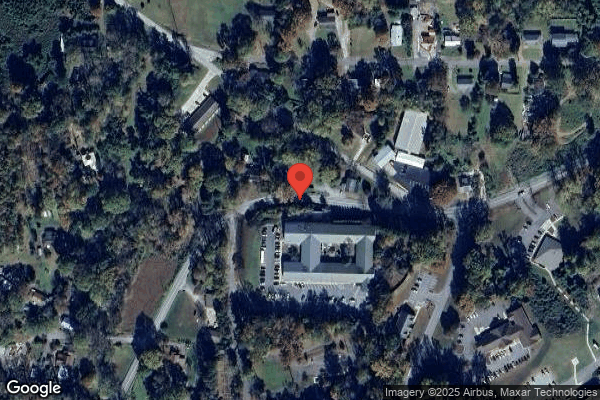
Understanding Severity Codes (click to expand)
Life-Threatening (Immediate Jeopardy)
J - Isolated K - Pattern L - Widespread
Actual Harm
G - Isolated H - Pattern I - Widespread
Potential for Harm
D - Isolated E - Pattern F - Widespread
No Harm (Minor)
A - Isolated B - Pattern C - Widespread

Questions to Ask on Your Visit

  • "What changes have you made since the serious inspection findings?"
  • "What safeguards are in place to prevent abuse and neglect?"
  • "Why is there high staff turnover? How do you retain staff?"
  • "Can I speak with families of current residents?"
  • "What's your RN coverage like on weekends and overnight?"

Our Honest Assessment

Strengths
  • • Licensed and certified facility. Meets minimum state requirements.
Concerns
  • • Multiple safety concerns identified: Federal abuse finding, 6 life-threatening violation(s), 1 harm violation(s), $146,939 in fines, Payment denial on record. Review inspection reports carefully.
  • • 34 deficiencies on record, including 6 critical (life-threatening) violations. These warrant careful review before choosing this facility.
  • • $146,939 in fines. Extremely high, among the most fined facilities in North Carolina. Major compliance failures.
  • • Grade F (0/100). Below average facility with significant concerns.
Bottom line: This facility has a substantiated abuse finding. Extreme caution advised. Explore alternatives.

About This Facility

What is Willow Ridge Of Nc's CMS Rating?

CMS assigns Willow Ridge Of NC an overall rating of 1 out of 5 stars, which is considered much below average nationally. Within North Carolina, this rating places the facility higher than 0% of the state's 100 nursing homes. A rating at this level reflects concerns identified through health inspections, staffing assessments, or quality measures that families should carefully consider.

How is Willow Ridge Of Nc Staffed?

CMS rates Willow Ridge Of NC's staffing level at 3 out of 5 stars, which is average compared to other nursing homes. Staff turnover is 60%, which is 14 percentage points above the North Carolina average of 46%. High turnover can affect care consistency as new staff learn residents' individual needs.

What Have Inspectors Found at Willow Ridge Of Nc?

State health inspectors documented 34 deficiencies at Willow Ridge Of NC during 2022 to 2025. These included: 6 Immediate Jeopardy (the most serious level, indicating potential for serious harm or death), 1 that caused actual resident harm, 26 with potential for harm, and 1 minor or isolated issues. Immediate Jeopardy findings are rare and represent the most serious regulatory concerns. They require immediate corrective action.

Who Owns and Operates Willow Ridge Of Nc?

Willow Ridge Of NC is owned by a for-profit company. For-profit facilities operate as businesses with obligations to shareholders or private owners. The facility is operated by CCH HEALTHCARE, a chain that manages multiple nursing homes. With 150 certified beds and approximately 125 residents (about 83% occupancy), it is a mid-sized facility located in Rutherfordton, North Carolina.

How Does Willow Ridge Of Nc Compare to Other North Carolina Nursing Homes?

Compared to the 100 nursing homes in North Carolina, Willow Ridge Of NC's overall rating (1 stars) is below the state average of 2.8, staff turnover (60%) is significantly higher than the state average of 46%, and health inspection rating (1 stars) is much below the national benchmark.

What Should Families Ask When Visiting Willow Ridge Of Nc?

Based on this facility's data, families visiting should ask: "What changes have been made since the serious inspection findings, and how are you preventing similar issues?" "What safeguards and monitoring systems are in place to protect residents from abuse or neglect?" "How do you ensure continuity of care given staff turnover, and what is your staff retention strategy?" "Can I visit during a mealtime to observe dining assistance and food quality?" These questions are particularly relevant given the facility's Immediate Jeopardy citations, the substantiated abuse finding on record, and the facility's high staff turnover rate.

Is Willow Ridge Of Nc Safe?

Based on CMS inspection data, Willow Ridge Of NC has documented safety concerns. The facility has 1 substantiated abuse finding (meaning confirmed case of resident harm by staff or other residents). Inspectors have issued 6 Immediate Jeopardy citations (the most serious violation level indicating risk of serious injury or death). The facility has a 1-star overall rating and ranks #100 of 100 nursing homes in North Carolina. Families considering this facility should ask detailed questions about what corrective actions have been taken since these incidents.

Do Nurses at Willow Ridge Of Nc Stick Around?

Staff turnover at Willow Ridge Of NC is high. At 60%, the facility is 14 percentage points above the North Carolina average of 46%. High turnover means new staff may not know residents' individual needs, medications, or preferences. It can also be disorienting for residents, especially those with dementia who rely on familiar faces. Families should ask: What is causing the turnover? What retention programs are in place? How do you ensure care continuity during staff transitions?

Was Willow Ridge Of Nc Ever Fined?

Willow Ridge Of NC has been fined $146,939 across 4 penalty actions. This is 4.3x the North Carolina average of $34,548. Fines at this level are uncommon and typically indicate a pattern of serious deficiencies, repeated violations, or failure to correct problems promptly. CMS reserves penalties of this magnitude for facilities that pose significant, documented risk to resident health or safety. Families should request specific documentation of what issues led to these fines and what systemic changes have been implemented.

Is Willow Ridge Of Nc on Any Federal Watch List?

Willow Ridge Of NC is not on any federal watch list. The most significant is the Special Focus Facility (SFF) program, which identifies the bottom 1% of nursing homes nationally based on persistent, serious quality problems. Not being on this list means the facility has avoided the pattern of deficiencies that triggers enhanced federal oversight. This is a positive indicator, though families should still review the facility's inspection history directly.