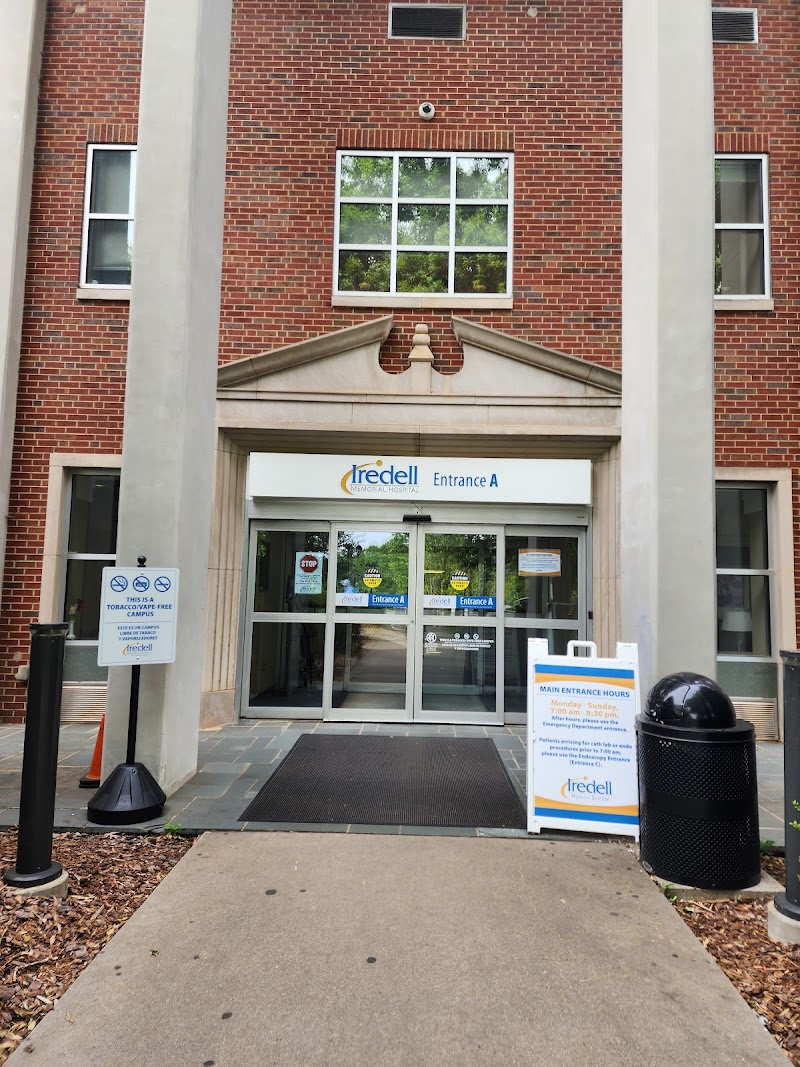
IREDELL MEMORIAL HOSPITAL INC
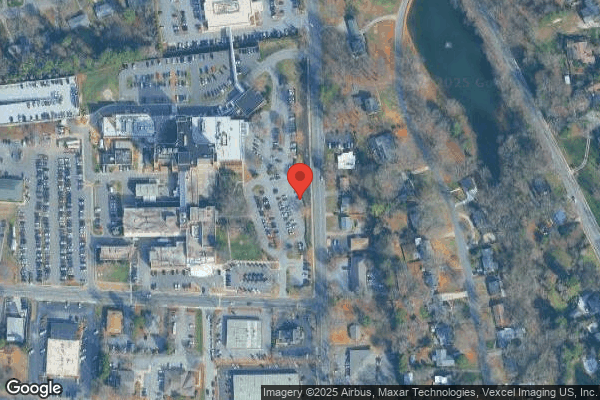
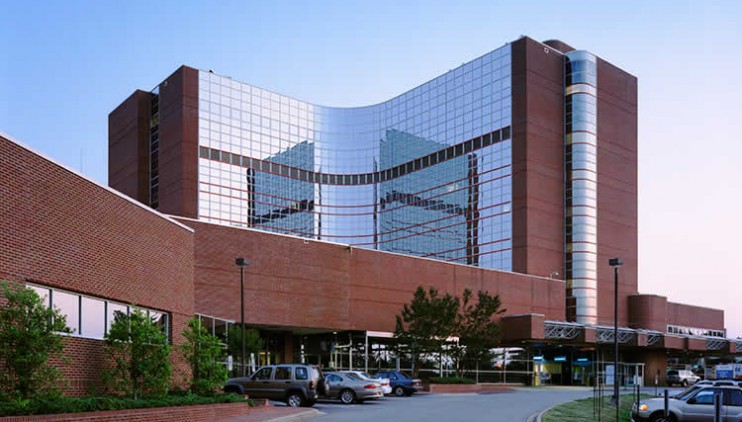
557 BROOKDALE DRIVE, STATESVILLE, NC 28677 (704) 878-4541
Non profit - Corporation 48 Beds Independent Data: November 2025
Trust Grade
90/100
#41 of 417 in NC
Last Inspection: January 2025

Within standard 12-15 month inspection cycle. Federal law requires annual inspections.

Overview

Iredell Memorial Hospital Inc has received a Trust Grade of A, indicating it is an excellent facility that is highly recommended. It ranks #41 out of 417 nursing homes in North Carolina, placing it in the top half of the state, and is the best option among 5 facilities in Iredell County. The facility's trend is stable, with only one issue reported both in 2023 and 2025, suggesting consistent quality management. While staffing is a weakness with a rating of 2 out of 5 stars and a turnover rate of 35%-which is below the state average-there is more RN coverage than 99% of North Carolina facilities, ensuring better oversight for residents. Notably, there have been no fines; however, specific incidents of concern include a failure to document diagnoses for a resident's antipsychotic medication and a lack of monitoring for a resident's dialysis access points, which could lead to potential harm if not addressed. Overall, while there are some areas for improvement, the facility has several strengths, including excellent RN coverage and no fines.

Trust Score
A
90/100
In North Carolina
#41/417
Top 9%
Safety Record
Low Risk
No red flags
Inspections
Holding Steady
1 → 1 violations
Staff Stability
○ Average
35% turnover. Near North Carolina's 48% average. Typical for the industry.
Penalties
✓ Good
No fines on record. Clean compliance history, better than most North Carolina facilities.
Skilled Nurses
○ Average
Each resident gets 31 minutes of Registered Nurse (RN) attention daily — about average for North Carolina. RNs are the most trained staff who monitor for health changes.
Violations
✓ Good
Only 4 deficiencies on record. Cleaner than most facilities. Minor issues only.
★★★★★
5.0
Overall Rating
★★☆☆☆
2.0
Staff Levels
★★★★☆
4.0
Care Quality
★★★★★
5.0
Inspection Score
Stable
2023: 1 issues
2025: 1 issues

The Good

  • 4-Star Quality Measures · Strong clinical quality outcomes
  • Full Sprinkler Coverage · Fire safety systems throughout facility
  • No fines on record
  • Staff turnover below average (35%)

    13 points below North Carolina average of 48%

Facility shows strength in quality measures, fire safety.

The Bad

Staff Turnover: 35%

11pts below North Carolina avg (46%)

Typical for the industry

The Ugly 4 deficiencies on record

Jan 2025 1 deficiency
CONCERN (D)

Potential for Harm - no one hurt, but risky conditions existed

Medication Errors (Tag F0758)

Could have caused harm · This affected 1 resident

**NOTE- TERMS IN BRACKETS HAVE BEEN EDITED TO PROTECT CONFIDENTIALITY** Based on record review, and staff, Nurse Practitioner, and Pharmacy Clinical Director interviews, the facility failed to have a ...

Read full inspector narrative →
**NOTE- TERMS IN BRACKETS HAVE BEEN EDITED TO PROTECT CONFIDENTIALITY** Based on record review, and staff, Nurse Practitioner, and Pharmacy Clinical Director interviews, the facility failed to have a documented diagnosis for the use of an antipsychotic medication (Seroquel/quetiapine) for 1 of 5 residents reviewed for unnecessary medications (Resident #54). The findings included: Resident #54 was admitted to the facility on [DATE] with diagnoses that included anxiety and hypertension. Review of Resident #54's care plan initiated on 12/02/24 revealed she had a care plan for the use of psychotropic medications. A physician order dated 12/02/24 read; quetiapine (an antipsychotic medication) 25mg - give 1 tablet at bedtime. The order was discontinued on 12/08/24. A physician progress note dated 12/08/24 written by Nurse Practitioner #1 read in part; Patient is requesting scheduled extra strength [acetaminophen] for chronic back pain. She is also requesting something more for insomnia. Seroquel (quetiapine) increased . A physician order dated 12/08/24 read; quetiapine 50mg - give 1 tablet at bedtime. The order was discontinued on 12/16/24. Review of Resident #54's admission Minimum Data Set assessment dated [DATE] revealed Resident #54 was cognitively intact with no delusions, behaviors, rejection of care, or instances of wandering. Resident #54 was coded as taking antipsychotic medication on a routine basis, a gradual dose reduction had not been attempted and was not clinically contraindicated. A physician progress note dated 12/16/24 written by Nurse Practitioner #2 read in part: Patient reports she is feeling great today. She denies any increase dyspnea or cough. She reports difficulty with sleep since previous admission. Seroquel increased. A physician order dated 12/16/24 read; quetiapine 100mg - give 1 tablet at bedtime. An interview with Nurse #1 on 01/09/25 at 8:55 AM revealed she was familiar with Resident #54 and reported she was aware that she was receiving scheduled quetiapine and stated she was being monitored for potential side effects of the medication. Nurse #1 indicated that she did not see a psychological condition listed in Resident #54's diagnoses that would indicate a reason for her to take quetiapine but reported she was aware that some of the physicians in the hospital used it as a sleep aide. Nurse #1 indicated it appeared as though Resident #54 was being prescribed quetiapine as a sleep aide. An interview with Nurse Practitioner #1 on 01/09/24 at 09:06 AM revealed she was familiar with Resident #54 and stated she was also aware Resident #54 was prescribed a scheduled dose of quetiapine. Nurse Practitioner #1 revealed she believed that Resident #54 had been taking the quetiapine at home prior to her admission to the hospital as a sleep aide. Nurse Practitioner #1 stated she would not typically use quetiapine as a sleep aide but since Resident #54 had admitted to the facility already taking it for help with sleep, she just continued it. She continued, stating that typically, when a resident transitioned from the acute care side of the hospital to the long-term care side, the pharmacy staff reviewed the resident's medications and would flag any medications that did not have supporting diagnoses for so they can be discontinued, or the resident could be reevaluated for a supporting diagnosis. She stated based on the records she could see in her charting system; it did not appear as though the pharmacy had sent that initial medication review to her with the quetiapine flagged for not having a supporting diagnosis. Nurse Practitioner #1 indicated there did not appear to be an appropriate supporting diagnosis for the continued use of Resident #54's quetiapine. An interview with Pharmacy Clinical Director on 01/09/24 at 11:02 AM revealed that when a resident transitions from acute care to long-term care, they reviewed their medications and flagged any medications that did not have supporting diagnoses so the clinicians could adjust, discontinue, or reevaluate the residents. She stated according to her records, a review was completed on 12/03/24 and they flagged Resident #54's quetiapine for not having a supporting diagnosis. She reported her records indicated the alert was emailed to Nurse Practitioner #1. She stated once they flag the medication, they have no follow-up procedures to ensure the recommendation was addressed and stated if it was not addressed, they would not know until the following monthly medication review was completed. An interview with the Director of Nursing on 01/09/24 at 12:52 PM revealed she was aware of federal regulation that required appropriate diagnoses for the use of antipsychotic medications and the hospital would occasionally prescribe quetiapine as a sleep aide. She also reported most of the time, the residents admitted to her unit were only there for a very short period and so they continue the medications they were admitted with. She stated the pharmacy usually notified them, along with the physicians, when there was a lack of a supporting diagnosis for the use of antipsychotics. She stated if the facility would be notified that there was a lack of a supporting diagnosis for the use of antipsychotics, it would be solely up to the attending physicians to address the discrepancy. The Director of Nursing indicated she was unsure whether the initial medication review occurred and reported the lack of a supporting diagnosis should have been caught by pharmacy and or the physician and addressed.
Oct 2023 1 deficiency
CONCERN (D)

Potential for Harm - no one hurt, but risky conditions existed

Deficiency F0698 (Tag F0698)

Could have caused harm · This affected 1 resident

**NOTE- TERMS IN BRACKETS HAVE BEEN EDITED TO PROTECT CONFIDENTIALITY** Based on record review, staff interviews, Assistant Director of Dialysis and Medical Director interview, the facility failed to ...

Read full inspector narrative →
**NOTE- TERMS IN BRACKETS HAVE BEEN EDITED TO PROTECT CONFIDENTIALITY** Based on record review, staff interviews, Assistant Director of Dialysis and Medical Director interview, the facility failed to monitor and assess the right subclavian catheter (temporary or permanent, simple, tunneled, or connected to a port under the skin to provide dialysis treatment) and the left arteriovenous dialysis fistula (AVF is a fistula created between an artery and a vein to provide dialysis treatments) for a resident receiving hemodialysis for 1 of 1 sampled resident (Resident #7). Findings included: Resident #7 was admitted to the facility on [DATE] with a diagnosis of renal insufficiency and treatment with renal dialysis. A review of the physician orders dated 7/19/23 stated that hemodialysis on Monday, Wednesday, and Friday, and for dialysis nurse to change dialysate based on morning Potassium levels. A review of the most recent care plan last updated 7/20/23 indicated scheduled dialysis treatments on Monday, Wednesday, and Fridays. The interventions were to provide dialysis treatments as scheduled, monitor abdomen for signs of infection, daily weights, and evaluate access sites for signs of infection. The quarterly Minimum Data Set (MDS) assessment dated [DATE] revealed no cognitive impairment with memory problem. The resident was coded as limited assistance for bed mobility and required extensive assistance with activities of daily living. An undated document titled, Dialysis training (a document used by nurses that explained all possible sites, assessments, adverse reactions, and when to contact the doctor), specified to check the bruit and thrill (a thrill was a vibration caused by blood flowing through the fistula and can be felt by placing your fingers just above your incision line. A bruit was the whooshing sound while auscultating with a stethoscope) daily and to notify patient nephrologist immediately with decreased or absent. Record review of Resident #7's electronic record, the medical chart, nursing notes, and spreadsheets revealed no documentation or evidence of the monitoring of the right subclavian catheter and the left arteriovenous dialysis fistula by the facility nursing staff. An interview on 10/26/23 at 9:00AM with Nurse #1 stated she was not tasked to check the dialysis accesses. She had never had an order or task to check an AVF or a subclavian catheter. She stated that the bruit and thrill was checked by dialysis. She revealed she had training on the dialysis site assessment when she was hired and was aware to check the condition of the dialysis access (s). She stated the required task appeared on the chart to complete. Tasks that do not appear on the task list, do not get completed. Nurse #1 reported she was routinely assigned to Resident #7. An interview on 10/26/23 at 4:00PM Director of Nursing stated the nurse should check the thrill and bruit of the AVF or the subclavian catheter at least once a day and document in the medical record. An interview 10/27/23 at 9:00AM Assistant Director (AD) of the dialysis unit indicated the standard of care after dialysis was to monitor access(s) for bleeding, swelling, and patency. The dialysis nursing staff or physician were contacted after treatments, with any bleeding or change to the access site. An interview with the Medical Director on 10/27/23 at 11:16AM revealed the nursing staff assessed every resident who received dialysis. Check the bruit and thrill at least daily a complete set of vital signs and monitor for any signs of infection every shift.
Jul 2022 2 deficiencies
MINOR (B)

Minor Issue - procedural, no safety impact

Deficiency F0582 (Tag F0582)

Minor procedural issue · This affected multiple residents

**NOTE- TERMS IN BRACKETS HAVE BEEN EDITED TO PROTECT CONFIDENTIALITY** Based on record review and staff interviews, the facility failed to provide a Centers for Medicare and Medicaid Services (CMS) S...

Read full inspector narrative →
**NOTE- TERMS IN BRACKETS HAVE BEEN EDITED TO PROTECT CONFIDENTIALITY** Based on record review and staff interviews, the facility failed to provide a Centers for Medicare and Medicaid Services (CMS) Skilled Nursing Facility Advanced Beneficiary Notice prior to discharge from Medicare Part A skilled services to 2 of 3 residents reviewed for beneficiary protection notification review (Residents #3 and #31). Findings included: 1. Resident #3 was admitted to the facility on [DATE]. A review of the medical record revealed a CMS-10123 Notice of Medicare Non-Coverage letter (NOMNC) was issued on 2/3/2022 to Resident #3 which explained Medicare Part A coverage for skilled services would end on 2/19/2022. Resident #3 remained in the facility at the time the survey was being performed from 7/19/2022 through 7/22/2022. A review of the medical record revealed a CMS-10055 Skilled Nursing Facility Advanced Beneficiary Notice (SNF-ABN) was not provided to Resident #3. The SNF-ABN form advises residents of the potential cost they will need to pay for skilled services that Medicare will not cover. An interview was completed with the Lead Unit Discharge Coordinator on 7/22/2022 at 9:13 AM. She stated she was not aware a SNF-ABN had to be issued if Medicare Part A days were remaining. She revealed that she had no training with SNF-ABN. An interview was completed with the Director of Nursing (DON) on 7/22/2022 at 9:20 AM. She stated that the lead unit discharge coordinator would handle SNF-ABN notices. She revealed that the notices have not been given out for remaining days and the residents should have been given a SNF-ABN notice. An interview was completed with the Administrator on 7/22/2022 at 10:23 AM. She stated the facility should have issued the SNF-ABN to Resident #3. She explained this was an oversight by staff and that education would be provided immediately. 2. Resident #31 was admitted to the facility on [DATE]. A review of the medical record revealed a CMS-10123 Notice of Medicare Non-Coverage letter (NOMNC) was issued on 7/1/2022 to Resident #31 which explained Medicare Part A coverage for skilled services would end on 7/13/2022. Resident #31 remained in the facility at the time the survey was being performed from 7/19/2022 through 7/22/2022. A review of the medical record revealed a CMS-10055 Skilled Nursing Facility Advanced Beneficiary Notice (SNF-ABN) was not provided to Resident #31. The SNF-ABN form advises residents of the potential cost they will need to pay for skilled services that Medicare will not cover. An interview was completed with the Lead Unit Discharge Coordinator on 7/22/2022 at 9:13 AM. She stated she was not aware a SNF-ABN notice had to be issued if Medicare Part A days were remaining. She revealed that she had no training with SNF-ABN. An interview was completed with the Director of Nursing (DON) on 7/22/2022 at 9:20 AM. The DON stated that the lead unit discharge coordinator handled SNF-ABN. She revealed that the notices had not been given out for remaining days and the residents should have been given a SNF-ABN notice. An interview was completed with the Administrator on 7/22/2022 at 10:23 AM. She stated the facility should have issued the SNF-ABN to Resident #31. She explained this was an oversight by staff and that education would be provided immediately.
MINOR (C)

Minor Issue - procedural, no safety impact

Staffing Information (Tag F0732)

Minor procedural issue · This affected most or all residents

Based on record review and staff interview, the facility failed to include the resident census information on the posted nurse staffing sheets for 14 of 14 days reviewed for sufficient nurse staffing....

Read full inspector narrative →
Based on record review and staff interview, the facility failed to include the resident census information on the posted nurse staffing sheets for 14 of 14 days reviewed for sufficient nurse staffing. Findings included: Review of the posted nurse staffing sheets from 7/8/2022 through 7/21/2022 revealed there was no documentation of the resident census information. An interview was completed on 7/22/2022 at 9:55 AM with the Director of Nursing (DON). The DON explained she would review the posted nurse staffing sheets but did not include the total census information. The DON expressed the hall nurses should update the census information on the posted nurse staffing sheet on each shift when there were changes. The DON stated it was an oversight and she would begin looking for the total census information section to be completed and updated with changes.
Understanding Severity Codes (click to expand)
Life-Threatening (Immediate Jeopardy)
J - Isolated K - Pattern L - Widespread
Actual Harm
G - Isolated H - Pattern I - Widespread
Potential for Harm
D - Isolated E - Pattern F - Widespread
No Harm (Minor)
A - Isolated B - Pattern C - Widespread

Questions to Ask on Your Visit

  • "Can I speak with families of current residents?"
  • "What's your RN coverage like on weekends and overnight?"

Our Honest Assessment

Strengths
  • • Grade A (90/100). Above average facility, better than most options in North Carolina.
  • • No major safety red flags. No abuse findings, life-threatening violations, or SFF status.
  • • No fines on record. Clean compliance history, better than most North Carolina facilities.
  • • Only 4 deficiencies on record. Cleaner than most facilities. Minor issues only.
Concerns
  • • No significant concerns identified. This facility shows no red flags across CMS ratings, staff turnover, or federal penalties.
Bottom line: Generally positive indicators. Standard due diligence and a personal visit recommended.

About This Facility

What is Iredell Memorial Hospital Inc's CMS Rating?

CMS assigns IREDELL MEMORIAL HOSPITAL INC an overall rating of 5 out of 5 stars, which is considered much above average nationally. Within North Carolina, this rating places the facility higher than 99% of the state's 100 nursing homes. This rating reflects solid performance across the metrics CMS uses to evaluate nursing home quality.
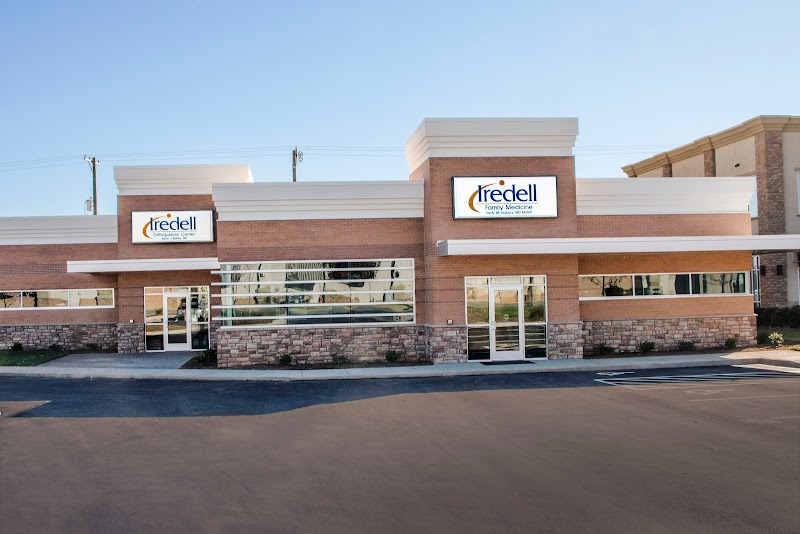
How is Iredell Memorial Hospital Inc Staffed?

CMS rates IREDELL MEMORIAL HOSPITAL INC's staffing level at 2 out of 5 stars, which is below average compared to other nursing homes. Staff turnover is 35%, compared to the North Carolina average of 46%. This relatively stable workforce can support continuity of care.

What Have Inspectors Found at Iredell Memorial Hospital Inc?

State health inspectors documented 4 deficiencies at IREDELL MEMORIAL HOSPITAL INC during 2022 to 2025. These included: 2 with potential for harm and 2 minor or isolated issues.
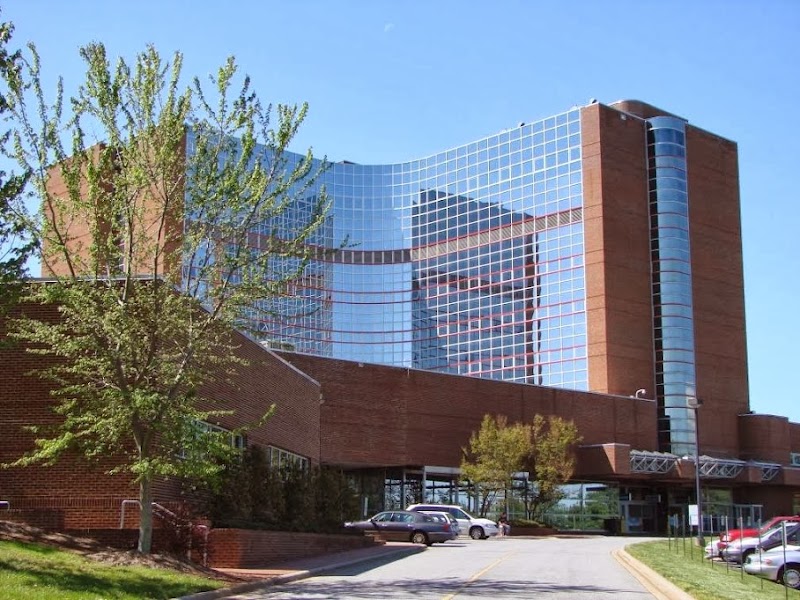
Who Owns and Operates Iredell Memorial Hospital Inc?

IREDELL MEMORIAL HOSPITAL INC is owned by a non-profit organization. Non-profit facilities reinvest revenue into operations rather than distributing to shareholders. The facility operates independently rather than as part of a larger chain. With 48 certified beds and approximately 161 residents (about 335% occupancy), it is a smaller facility located in STATESVILLE, North Carolina.
How Does Iredell Memorial Hospital Inc Compare to Other North Carolina Nursing Homes?

Compared to the 100 nursing homes in North Carolina, IREDELL MEMORIAL HOSPITAL INC's overall rating (5 stars) is above the state average of 2.8, staff turnover (35%) is significantly lower than the state average of 46%, and health inspection rating (5 stars) is much above the national benchmark.

What Should Families Ask When Visiting Iredell Memorial Hospital Inc?

Based on this facility's data, families visiting should ask: "Can you walk me through typical staffing levels on day, evening, and night shifts?" "Can I visit during a mealtime to observe dining assistance and food quality?" "How do you handle medical emergencies, and what is your hospital transfer rate?" "Can I speak with family members of current residents about their experience?" These questions are particularly relevant given the below-average staffing rating.

Is Iredell Memorial Hospital Inc Safe?

Based on CMS inspection data, IREDELL MEMORIAL HOSPITAL INC has a clean safety record: no substantiated abuse findings (meaning no confirmed cases of resident harm), no Immediate Jeopardy citations (the most serious violation level indicating risk of serious injury or death), and is not on the Special Focus Facility watch list (a federal program monitoring the lowest-performing 1% of nursing homes). The facility has a 5-star overall rating and ranks #1 of 100 nursing homes in North Carolina. While no facility is perfect, families should still ask about staff-to-resident ratios and recent inspection results during their visit.

Do Nurses at Iredell Memorial Hospital Inc Stick Around?

IREDELL MEMORIAL HOSPITAL INC has a staff turnover rate of 35%, which is about average for North Carolina nursing homes (state average: 46%). Moderate turnover is common in nursing homes, but families should still ask about staff tenure and how the facility maintains care continuity when employees leave.

Was Iredell Memorial Hospital Inc Ever Fined?

IREDELL MEMORIAL HOSPITAL INC has no federal fines on record. CMS issues fines when nursing homes fail to meet care standards or don't correct problems found during inspections. The absence of fines suggests the facility has either maintained compliance or corrected any issues before penalties were assessed. This is a positive indicator, though families should still review recent inspection reports for the full picture.

Is Iredell Memorial Hospital Inc on Any Federal Watch List?

IREDELL MEMORIAL HOSPITAL INC is not on any federal watch list. The most significant is the Special Focus Facility (SFF) program, which identifies the bottom 1% of nursing homes nationally based on persistent, serious quality problems. Not being on this list means the facility has avoided the pattern of deficiencies that triggers enhanced federal oversight. This is a positive indicator, though families should still review the facility's inspection history directly.