Pine Ridge Health and Rehabilitation Center
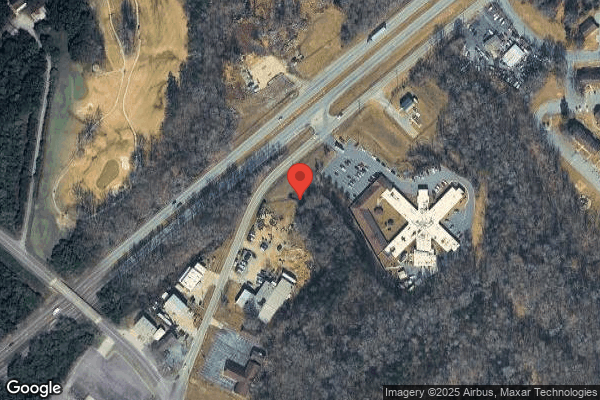
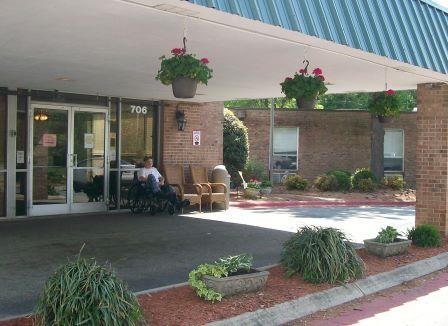
706 Pineywood Road, Thomasville, NC 27360 (336) 475-9116
For profit - Corporation 140 Beds PRINCIPLE LONG TERM CARE Data: November 2025
Trust Grade
60/100
#181 of 417 in NC
Last Inspection: June 2025

Inspected within the last 6 months. Data reflects current conditions.

Overview

Pine Ridge Health and Rehabilitation Center in Thomasville, North Carolina has a Trust Grade of C+, indicating it is slightly above average but not exceptional. It ranks #181 out of 417 facilities in the state, placing it in the top half, and #4 out of 9 in Davidson County, meaning only one local option is better. The facility is showing improvement, reducing its issues from 8 in 2024 to 7 in 2025. Staffing ratings are average, with a turnover rate of 69%, which is concerning compared to the state average of 49%. There have been no fines reported, which is a positive sign, and it has average RN coverage, ensuring some level of professional oversight. However, specific incidents raise concerns, such as a failure to place caution signs for a resident receiving oxygen therapy and administering blood pressure medication despite the resident having low blood pressure readings. Additionally, there were issues with expired medications not being discarded properly, highlighting areas where the facility needs to improve. Overall, while there are strengths, such as no fines and a decent quality measure rating, families should be aware of both the weaknesses and the ongoing improvements at this facility.

Trust Score
C+
60/100
In North Carolina
#181/417
Top 43%
Safety Record
Low Risk
No red flags
Inspections
Getting Better
8 → 7 violations
Staff Stability
⚠ Watch
69% turnover. Above average. Higher turnover means staff may not know residents' routines.
Penalties
✓ Good
No fines on record. Clean compliance history, better than most North Carolina facilities.
Skilled Nurses
○ Average
Each resident gets 40 minutes of Registered Nurse (RN) attention daily — about average for North Carolina. RNs are the most trained staff who monitor for health changes.
Violations
⚠ Watch
17 deficiencies on record. Higher than average. Multiple issues found across inspections.
★★★☆☆
3.0
Overall Rating
★★★☆☆
3.0
Staff Levels
★★★★☆
4.0
Care Quality
★★★☆☆
3.0
Inspection Score
Stable
2024: 8 issues
2025: 7 issues

The Good

  • 4-Star Quality Measures · Strong clinical quality outcomes
  • Full Sprinkler Coverage · Fire safety systems throughout facility
  • No fines on record

Facility shows strength in quality measures, fire safety.

The Bad

3-Star Overall Rating

Near North Carolina average (2.8)

Meets federal standards, typical of most facilities

Staff Turnover: 69%

23pts above North Carolina avg (46%)

Frequent staff changes - ask about care continuity

Chain: PRINCIPLE LONG TERM CARE

Part of a multi-facility chain

Ask about local staffing decisions and management

Staff turnover is elevated (69%)

21 points above North Carolina average of 48%

The Ugly 17 deficiencies on record

Jun 2025 7 deficiencies
CONCERN (D)

Potential for Harm - no one hurt, but risky conditions existed

Deficiency F0658 (Tag F0658)

Could have caused harm · This affected 1 resident

**NOTE- TERMS IN BRACKETS HAVE BEEN EDITED TO PROTECT CONFIDENTIALITY** Based on record review and Medical Director and staff interviews, the facility failed to prevent Resident #83 from receiving a d...

Read full inspector narrative →
**NOTE- TERMS IN BRACKETS HAVE BEEN EDITED TO PROTECT CONFIDENTIALITY** Based on record review and Medical Director and staff interviews, the facility failed to prevent Resident #83 from receiving a dose of Lyrica (a medication used to treat nerve and muscle pain) that was prescribed for Resident #13. This affected 1 of 6 residents whose medications were reviewed (Resident #83). The findings included: Resident #83 was admitted to the facility on [DATE] with diagnoses that included neuralgia and neuritis (pain and inflammation of the nerves). An admission Minimum Data Set (MDS) assessment dated [DATE] indicated that Resident #83 had severely impaired cognition. Review of Resident #83's May 2025 physician orders included an order dated 2/18/25 for Pregabalin (Lyrica) 25 milligrams (mg) 1 capsule by mouth twice a day for neuropathic pain. Resident #13 was admitted to the facility on [DATE] with diagnoses that included radiculopathy of the cervical region, bursitis of the left shoulder, and chronic pain syndrome. A quarterly MDS assessment dated [DATE] indicated that Resident #13 was cognitively intact. A review of Resident #13's May 2025 physician orders included an order dated 8/22/24 for Lyrica 100 mg one tablet by mouth three times a day for neuropathic pain. A facility investigational summary dated 5/15/25 indicated that Nurse #2 completed a narcotic count on 5/15/25 at 11:00 PM and found a discrepancy with the count for Resident #83 and Resident #13. Both residents received a dose of Lyrica at 8:00 PM, however there had not been a Lyrica 25 mg removed from Resident #83's blister pack for the 8:00 PM dose and two pills had been removed from Resident #13's Lyrica 100 mg blister pack. The incident was reported to the Medical Director and Resident #83's Resident Representative (RR). A review of Resident #83's May 2025 Medication Administration Record (MAR) indicated Lyrica was provided at 8:00 PM. The MAR didn't indicate the medication was not provided to Resident #83. A nursing progress note dated 5/16/25, written by Nurse #2, revealed that a medication count discrepancy was noted with Residents #83 and #13's Lyrica. The note read that both residents received Lyrica at the same time but at different dosages. Nurse #2 indicated he couldn't recall if had given Resident #83 Lyrica 100 mg that was ordered for Resident #13 but immediately notified the former Assistant Director of Nursing (ADON), began evaluations of Resident #83 and notified the Medical Director and RR. A phone interview was completed with Nurse #2 on 6/4/25 at 9:35 PM who recalled the medication error incident. He explained that he had provided medications at 8:00 PM as ordered to Resident #83 and #13. A narcotic count was completed at 11:00 PM and it was noted that Resident #13 had an extra dose of Lyrica 100 mg removed from the medication card while Resident #83's Lyrica 25 mg had the same count as when he started the shift at 7:00 PM. Nurse #2 stated he failed to look at the medication label to ensure the correct medication was pulled for the correct resident. Nurse #2 stated that when he found the discrepancy, he went to assess Resident #83 who was at her baseline, contacted the former ADON, Medical Director and Resident #83's RR. The Medical Director stated to continue monitoring Resident #83 for any side effects. Nurse #2 stated that Resident #83's vital signs remained within normal limits, and she displayed no side effects from receiving the incorrect dosage of Lyrica during the remainder of the night. A review of Resident #83's vital signs from 5/16/25 indicated that at 12:44 AM, 3:04 AM and 6:23 AM they were all within normal limits. On 6/4/25 at 10:57 AM, an interview occurred with the Director of Nursing (DON). She explained that on 5/15/25 Nurse #1 had two residents that received Lyrica at the same time but at different dosages. Resident #83 received 25 mg and Resident #13 received 100 mg at 8:00 PM. Nurse #1 completed his medication pass and completed a narcotic count at 11:00 PM where he found a discrepancy for Lyrica. During the narcotic count he noted that Lyrica 25 mg had not been utilized at 8:00 PM for Resident #83 and two pills had been used out of the Lyrica 100 mg pack for Resident #13. The DON stated that Nurse #2 self-reported the discrepancy, the Medical Director and Resident #83's RR were notified, and Resident #83 was monitored for the rest of the shift. The DON further stated that education was provided to Nurse #2 regarding medication errors and a medication pass observation was completed. A phone interview occurred with the Medical Director on 6/5/25 at 9:00 AM and stated he was notified of the medication error, but didn't feel there would have been any harm caused to Resident #83 from receiving Lyrica 100 mg instead of Lyrica 25 mg one time. He recalled instructing the nurse to monitor Resident #83 throughout the remainder of the shift. Multiple attempts were made to contact the former ADON without success. The facility provided the following corrective action plan: Address how corrective action will be accomplished for those residents found to have been affected by the deficient practice: On 5/15/25 the nurse noted there was a narcotic count discrepancy on two residents' Lyrica with different dosages. The nurse assessed both residents with no noted adverse outcome identified. The residents and/or responsible party as well as the physician were notified. The nurse received one-to-one education on the Rights of Medication Administration on 5/16/25. Address how the facility will identify other residents having the potential to be affected by the same deficient practice: On 5/16/25 the DON/designee initiated a 100% audit of all current residents who receive Lyrica to ensure the right dosage was administered to the resident as per physician order. The DON/designee will notify the physician of all areas of concern identified during the audit. On 5/17/25 the DON/designee initiated an audit of all incident reports for the past 30 days to identify trends and identify any incidents related to medication administration to ensure appropriate interventions were initiated, physician notified, and resident assessed as indicated. Address what measures will be put into place or systemic changes made to ensure that the deficient practice will not recur: All nursing staff to include Registered Nurses (RNs), Licensed Practical Nurses (LPNs) and Medication Aides received education regarding Rights of Medication Administration on 5/16/25 by the former ADON. Education will be provided to any agency nursing staff before taking an assignment and will be incorporated in the new hire process. Indicate how the facility plans to monitor its performance to make sure that solutions are sustained. Include dates when correction action will be completed: The DON/designee will complete random audits of medication administration weekly for 12 weeks. The physician will be notified of any identified areas of concern, and the staff will receive re-training of the Rights of Medication Administration. The Administrator or DON will present the findings of the audit tools to the Quality Assurance Performance Improvement (QAPI) committee monthly for two months. The QAPI committee will meet monthly for two months and review the audit tools to determine trends and/or issues that may need further interventions and the need for additional monitoring. This was reviewed in the QAPI meeting on 5/22/25. The plan alleged compliance on 5/22/25. As part of the validation process, the plan of correction was reviewed and verified through review of audit sheets, education records and staff interviews. Education was provided all licensed nursing staff and Medication Aides on the Rights of Medication Administration. A review of the monitoring audits revealed they were completed as stated in the corrective action plan with no concerns identified. Interviews conducted with licensed nurses and Medication Aides revealed they had received education on proper medication administration. Medication Administration was observed as part of the recertification survey and no errors were noted. The compliance date of 5/22/25 for the corrective action plan was validated.
CONCERN (D) 📢 Someone Reported This

A family member, employee, or ombudsman was alarmed enough to file a formal complaint

Potential for Harm - no one hurt, but risky conditions existed

Quality of Care (Tag F0684)

Could have caused harm · This affected 1 resident

**NOTE- TERMS IN BRACKETS HAVE BEEN EDITED TO PROTECT CONFIDENTIALITY** Based on record review, and resident and staff interviews, the facility failed to provide treatments as ordered by the physician...

Read full inspector narrative →
**NOTE- TERMS IN BRACKETS HAVE BEEN EDITED TO PROTECT CONFIDENTIALITY** Based on record review, and resident and staff interviews, the facility failed to provide treatments as ordered by the physician for a non-pressure wound for 1 of 4 residents reviewed for non-pressure skin integrity (Resident #292). The findings included: Resident #292 was admitted to the facility on [DATE] with diagnoses which included non-pressure chronic ulcer of other part of left foot with unspecified severity, diabetes mellitus with other skin complications, and cellulitis of both right and lower limb. Review of Resident #292's initial nursing assessment dated [DATE] revealed Resident #292 was alert and oriented. Review of Resident #292's care plan initiated 05/27/25 revealed the resident was at risk of skin breakdown related to peripheral vascular disease, chronic venous stasis, changes of lower extremities, diabetic, problems with mobility, and fragile skin. Interventions included observations for changes in skin integrity or skin impairment left great toe ulcer and notify physician as necessary and skin care per facility protocol. Review of physician order dated 05/28/25 revealed Resident #292 was ordered to cleanse left foot second toe with wound cleanser and apply dry gauze daily. A progress note dated 06/04/25 made by Wound Nurse #1 indicated Resident #292's treatment was not completed over the weekend 05/31/25 through 06/01/25. The note further revealed that the Director of Nursing (DON) and the Medical Director (MD) were notified. Review of Resident #292's Treatment Administration Record (TAR) revealed on 05/31/25 and 06/01/25 the resident was checked off for receiving treatment. An interview was conducted with Resident #292 on 06/02/25 at 2:30 PM revealed from 05/31/25 through 06/01/25 the resident did not receive treatment for his toe. It was further revealed he was supposed to have his toe cleaned and new bandage applied daily. Resident #292 stated Wound Nurse #1 was aware because when she changed Resident #292's bandage on 06/02/25 he still had the bandage on that Wound Nurse #1 had applied and dated on 05/30/25. An interview conducted with Wound Nurse #1 on 06/04/25 at 10:15 AM revealed Resident #292 did not receive wound treatment as ordered 5/31/25 through 06/01/25. It was further revealed Resident #292 was supposed to have his ulcer cleaned and bandaged changed over the weekend by the assigned Nurse. Wound Nurse #1 indicated Resident #292 had the same bandage that she had put on 05/30/25. An interview conducted with Nurse #5 on 06/04/25 at 2:30 PM revealed she was assigned to Resident #292 on 05/31/25 and 06/01/25 to complete treatments. It was further revealed she thought she had completed all treatments, but had accidentally overlooked Resident #292 and did not do his. A joint interview conducted with the DON and Administrator on 06/05/25 at 12:00 PM revealed they were made aware that Resident #292 had not received treatment on his toe and they expected orders to be followed.
CONCERN (D) 📢 Someone Reported This

A family member, employee, or ombudsman was alarmed enough to file a formal complaint

Potential for Harm - no one hurt, but risky conditions existed

Accident Prevention (Tag F0689)

Could have caused harm · This affected 1 resident

**NOTE- TERMS IN BRACKETS HAVE BEEN EDITED TO PROTECT CONFIDENTIALITY** Based on record review and staff interviews, the facility failed to provide effective supervision for residents with severely im...

Read full inspector narrative →
**NOTE- TERMS IN BRACKETS HAVE BEEN EDITED TO PROTECT CONFIDENTIALITY** Based on record review and staff interviews, the facility failed to provide effective supervision for residents with severely impaired cognition that resided on the memory care unit. Resident #91 had a history of wandering and wandered into Resident #92's room and Resident #91 hit Resident #92 in the nose, which caused Resident #92 to sustain a closed fracture of the nasal bone. This was for 1 of 3 residents reviewed for accidents (Resident #92). The findings included: Resident #92 was admitted to the facility on [DATE] and discharged on 07/11/24. Diagnoses included age related osteoporosis, osteoarthritis, dementia, and other behavioral disturbances. Review of Resident #92's quarterly Minimum Data Set (MDS) dated [DATE] revealed the resident was severely cognitively impaired and required limited assistance for most activities of daily living (ADL). The MDS further revealed the resident was not coded for behaviors or wandering. Review of Resident #92's care plan initiated 02/23/24 revealed the resident was at risk expressing emotion, sharing information, and decrease and lack of speech related to impaired memory. Also, the resident was at risk of difficulty understanding speech, difficulty forming thoughts, and requiring cues and directions. The goal was for Resident #92's needs to be met through the next review. Resident #91 was admitted to the facility on [DATE] and discharged [DATE]. Diagnoses included abnormalities of gait and mobility, dementia, anxiety, and cognitive communication deficit. Review of Resident #91's care plan initiated on 12/17/24 revealed the resident had a problematic manner in which resident had ineffective coping such as wandering and wandering into other residents' beds. The goal was Resident #91 would have no episodes through the next review. Interventions included document episodes of wandering per facility protocol, approach wandering resident in non-threatening manner, orient to surrounding and room number as frequently as needed, place familiar objects, furniture, pictures in resident surroundings, and provide assistance in locating own room. Review of Resident #91's quarterly MDS dated [DATE] revealed the resident was severely cognitively impaired. The MDS further revealed the resident was not coded for behaviors or wandering. Review of progress note dated 07/10/24 created by Nurse #4 revealed Resident #92 was in her doorway to her room yelling for help and stated she had been hit in the nose by another resident. Moderate amounts of blood were observed coming from Resident #92's nose and mouth. A compression (pressure on the nose) was used to stop the bleeding followed by cleansing of mouth to check for further injury. The note indicated the Medical Director (MD) was notified and Resident #92 was sent out to the hospital to be further assessed. The note revealed Resident #92's Responsible Party (RP) was notified. A phone interview conducted with Nurse #4 on 06/05/25 at 9:00 AM revealed she was assigned to both Resident #91 and Resident #92 on 7/10/24 when the incident occurred. Nurse #4 indicated Resident #91 had prior behaviors of wandering but had never been aggressive towards other residents. It was further revealed on 07/10/25 around 3:00 AM she was assisting another staff member and Resident #91 wandered across the hall into Resident #92's room. Nurse #4 indicated she had just checked resident rooms 15 minutes prior and Resident #91, and Resident #92 were both asleep in their bed. Nurse #4 indicated she heard Resident #92 yell and found her standing in her doorway with her nose and mouth bleeding. Nurse #4 revealed Resident #91 was in Resident #92's bed asleep. Nurse #4 stated Resident #92's nose was bleeding, there was some swelling, and it appeared to be disfigured. Nurse #4 indicated she contacted the prior DON, MD, and RP and Resident #92 was sent to the hospital to be further assessed. Nurse #4 revealed Resident #91 was directed back to his bed and was assessed and no injuries were found. The Nurse indicated Resident #91 was put on one-to-one care. An initial facility report dated 07/10/24 indicated Resident #91 hit another resident in the face and was removed immediately. It further revealed Resident #92 was observed yelling out and bleeding from her nose. Review of hospital Discharge summary dated [DATE] revealed Resident #92 was seen in the emergency room for a facial injury and was assessed and diagnosed with a closed fracture to the nasal bone. The summary further revealed Resident #92 was to schedule a follow up appointment with an ear, throat, and nose doctor. Review of progress note dated 07/10/24 revealed later that day Resident #92 returned to the facility and was diagnosed with a fracture to the nasal bone. Review of progress note dated 07/12/24 revealed a psychiatrist referral was completed for Resident #91 date and the RP was notified. A 5-day investigation was completed by the facility dated 07/12/24 and revealed Resident #91 had a history of wandering behaviors and will lay down in whatever bed he finds. It was believed Resident #91 got into Resident #92's bed confused and startled Resident #91 which resulted in Resident #91 hitting Resident #92 and injured Resident #92's nose. The investigation indicated nursing staff had left Resident #92's room [ROOM NUMBER] minutes prior to the incident and did not witness Resident #91 wandering. The investigation concluded that staff did not witness the incident but had Resident #91 on one to one for observations of behaviors. A phone interview conducted with the prior Director of Nursing (DON) dated 06/05/25 at 8:50 AM revealed she was the DON at the time of the incident between Resident #91 and Resident #92. The DON further revealed she was not at the facility when the incident occurred but was notified by Nurse #4. The DON indicated she received a call from Nurse #4 that Resident #91 had wandered into Resident #92's room while nursing staff were giving care to another resident. The DON stated she believed Resident #92 yelled at Resident #91 and Resident #91 got startled and struck out at Resident #92. It was reported to her that Resident #92's nose was bleeding, and the RP and MD were notified, and Resident #92 was sent to the hospital. DON revealed Resident #91 had not had aggressive behaviors prior to the incident but was put on one to one for observations and a psychiatrist referral was made. An interview conducted with the current DON and Administrator on 06/05/25 at 11:50 AM revealed neither one of them worked in the facility at the time of the incident. The interview further revealed they both expected staff to monitor and watch residents in the memory care unit to prevent accidents. The facility provided the following corrective action plan: 1. What corrective action will be accomplished for each resident found to be affected. On 7/10/24 Resident # 91 wandered into Resident # 92's room and was resting on the bed. Resident # 92 came into the room and awakened Resident # 91 startling the resident. Resident # 91 experienced a startle response which resulted in the resident making physical contact with Resident # 92's nose. The facility staff responded immediately by separating Resident # 91 and Resident # 92 and placing Resident # 91 on one-to-one supervision while an investigation of the accident was initiated. A pain and skin assessment on Resident # 92 was completed on 7/10/24. The resident was noted to have a bloody nose and was transferred to the hospital for evaluation. A pain and skin assessment completed on 7/10/24 Resident # 91 revealed the resident had no pain or injury. 2. What corrective action will be accomplished for those residents who have the potential to be affected by the same deficient practice. On 7/10/24 100% of residents progress notes and behavior alerts in the electronic medical record (EMR) were audited by the Quality Assurance Nurse to identify any behavior, to include wandering, that occurred in the last 14 days. The audit was to ensure interventions were in place to address behaviors and interventions were in place on the resident care plan. The audit was completed on 7/10/24. Any identified concerns were addressed during the audit to include updating the care plan and notification of the medical practitioner and resident representative. On 7/10/24 100% skin checks were initiated by the hall nurse for signs and symptoms of injury not previously identified. No signs of injuries were indicated from the assessments. On 7/10/24 the Director or Nursing (DON) reviewed incident reports related to resident-to-resident altercations for the past 30 days to identify patterns and trends. No new areas of concern were identified. 3. What measures are put in place or systemic changes are made to ensure the deficient practice will not re-occur. On 7/10/24 an in-service was initiated, to all staff, by the DON and Staff Development Coordinator (SDC) regarding managing residents with behaviors, utilization of non-pharmacological interventions for behaviors, prevention of resident-to-resident altercations, providing as needed medications/interventions as appropriate to help reduce behavior escalation, and documentation. On 07/10/24 a QAPI meeting was held to discuss resident to resident altercations and residents on the memory care unit with dementia. Multiple people including department heads and the Medical Director participated. The in-service was completed by 7/12/24. After 7/12/24 staff that had not completed the in-service were provided with the in-service on their next scheduled shift. This education is provided to newly hired staff ongoing. 4. Indicate how the facility plans to monitor its performance to make sure that solutions are sustained. 100% of all progress notes and behaviors alerts were reviewed by the DON, Unit Manager (UM), Unit Coordinator, SDC and Quality Assurance Nurse 5 days a week for 4 weeks during the daily interdisciplinary team meeting utilizing the Behavior Audit Tool. The purpose of the review was to ensure all behaviors were being addressed to include notification of the medical practitioner, responsible party and that care plans were reviewed/revised as appropriate. The Administrator or DON reviewed and initialed the audits weekly x 4 weeks, then monthly x 1 month to ensure all areas of concern were addressed appropriately. The Administrator and DON presented the findings of the Behavior Audit Tool to the Quality Assurance and Process Improvement (QAPI) committee monthly for 2 months. The QAPI committee met monthly for 2 months and reviewed the Behavior Audit Tool to determine trends and/or issues that needed further interventions and the need for additional monitoring. Corrective Action Plan completion date: 07/13/24 As part of the validation process conducted on 06/04/25, the plan of correction was reviewed and verified through review of audit sheets, education records and staff interviews. Education was provided for all nursing staff. A review of the monitoring audits revealed they were completed as stated in the corrective action plan with no concerns identified. Interviews conducted with nursing staff revealed they had received education. The compliance date of 07/13/24 for the corrective action plan was validated.
CONCERN (E)

Potential for Harm - no one hurt, but risky conditions existed

Respiratory Care (Tag F0695)

Could have caused harm · This affected multiple residents

**NOTE- TERMS IN BRACKETS HAVE BEEN EDITED TO PROTECT CONFIDENTIALITY** 2. Resident #2 was admitted to the facility 10/17/2009 with diagnoses including heart failure and diabetes. The most recent qua...

Read full inspector narrative →
**NOTE- TERMS IN BRACKETS HAVE BEEN EDITED TO PROTECT CONFIDENTIALITY** 2. Resident #2 was admitted to the facility 10/17/2009 with diagnoses including heart failure and diabetes. The most recent quarterly Minimum Data Set assessment dated [DATE] assessed Resident #2 to be moderately cognitively impaired and she received oxygen therapy. A physician order dated 4/3/25 specified for oxygen to be administered at 2 liters per minute by nasal cannula. Resident #2 was observed on 6/2/25 at 1:54 PM. She had oxygen administered by nasal cannula at 2 liters per minute. No oxygen cautionary sign was noted on the door to her room or in her room. Resident #2 was observed with oxygen administered by nasal cannula at 2 liters per minute on 6/3/25 at 8:53 AM. No cautionary oxygen sign was observed. An observation of Resident #2 oxygen administered by nasal cannula at 2 liters per minute was conducted on 6/4/25 at 2:58 PM and no cautionary oxygen sign was observed. Resident #2 was observed with oxygen administered by nasal cannula at 2 liters per minute on 6/5/25 at 8:26 AM with Nurse #3. There was no oxygen cautionary sign observed. Nurse #3 was interviewed at the time of the observation and explained that a sign should be posted outside of the room, and she did not know why there was no oxygen sign for Resident #2. The Director of Nursing (DON) was interviewed on 6/5/25 at 10:14 AM and she reported the facility had completed an audit of all residents using oxygen, and part of the audit was to make certain cautionary signs were posted for oxygen. The DON reported she did not know why there was no sign for Resident #2's oxygen. The Administrator was interviewed on 6/5/25 at 12:52 PM. The Administrator explained the facility had completed a check of residents using oxygen on 6/2/25 and part of the check was ensuring the cautionary signs were in place. The Administrator reported that she did not know why there was no oxygen cautionary sign posted for Resident #2. Based on record reviews, observations, and Medical Director, resident and staff interviews, the facility failed to discontinue an order for the use of supplemental oxygen when a new order was received (Resident #1). In addition, the facility failed to display a cautionary sign indicating the use of oxygen for residents with supplemental oxygen (Residents #2, #18 and #22) and secure a oxygen tank in a Resident's room (Resident #18). This was for 4 of 4 residents reviewed for respiratory care. The findings included: 1. Resident #1 was initially admitted to the facility on [DATE] with diagnoses that included chronic respiratory failure, coronary artery disease, chronic obstructive pulmonary disease (COPD), and congestive heart failure (CHF). A review of Resident #1's active physician orders included the following orders: - An order dated 8/18/24 for oxygen at 3 liters per minute via nasal cannula. - An order dated 4/3/25 for oxygen at 2 liters per minute via nasal cannula. Keep oxygen saturations greater than 90%. The annual Minimum Data Set (MDS) assessment dated [DATE] indicated that Resident #1 was cognitively intact and received oxygen therapy. A review of Resident #1's active care plan, last reviewed 4/21/25, included a focus area for potential for or actual ineffective breathing pattern related to COPD, reflux, dysphagia, asthma, CHF, and hiatal hernia. Interventions included oxygen therapy as ordered. A nursing progress note dated 5/11/25 read that Resident #1 used oxygen at 2 liters per minute via nasal cannula. A review of the May 2025 and June 2025 Medication Administration Records (MARs) revealed an entry for oxygen at 3 liters per minute via nasal cannula. The MARs had a check mark and staff initials for day and night shift. In addition, the MARs had entry for oxygen at 2 liters per minute via nasal cannula. Keep oxygen saturations greater than 90%. The MARs had a check mark and staff initials for day and night shift. On 6/2/25 at 11:40 AM, an observation and interview occurred with Resident #1. She had oxygen flowing at 2 liters per minute via nasal cannula and stated that she used oxygen at 2 liters. Another observation occurred of Resident #1 on 6/4/25 at 9:32 AM who had oxygen flowing at 2 liters. On 6/4/25 at 9:35 AM, an interview occurred with Medication Aide #1 who was familiar with Resident #1 and was assigned to provide medications to her. She stated Resident #1 used oxygen continuously at 2 liters per minute via nasal cannula. After reviewing the June 2025 MAR, MA #1 indicated she checked and initialed both entries for oxygen use but couldn't say why she had not noticed an entry for 2 liters of oxygen and an entry for 3 liters of oxygen. Unit Manager #1 was interviewed on 6/4/25 at 9:43 AM and had been the nurse that created the order for oxygen at 2 liters per minute on 4/3/25. She reviewed Resident #1's active physician orders and verified that there was an order for oxygen at 3 liters and an order for oxygen at 2 liters that were showing as active. She stated when she received the order for oxygen at 2 liters per minute via nasal cannula on 4/3/25 she should have discontinued the order for oxygen at 3 liters per minute via nasal cannula. She felt this was an oversight. The Medical Director was interviewed via phone on 6/5/25 at 9:00 AM and stated that he was aware Resident #1 was using 2 liters of oxygen currently and would have expected the nurse who received the order for oxygen at 2 liters per minute on 4/3/25 to have discontinued the previous order for oxygen at 3 liters per minute. The Administrator and Director of Nursing were interviewed on 6/5/25 at 9:29 AM and stated they would have expected Unit Manager #1 to discontinue the order for oxygen at 3 liters per minute when the new order for oxygen at 2 liters per minute was received on 4/3/25. 3. Resident #18 was admitted to the facility on [DATE] with diagnoses which included hypertension and congestive heart failure. Review of resident #18's quarterly Minimum Data Set (MDS) dated [DATE] revealed the resident was moderately cognitively impaired. Review of a physician order dated 05/21/25 revealed Resident #18 was ordered to start oxygen at 2 liters per minute per nasal cannula for respiratory distress or when oxygen saturation drops under 92%. An observation on 06/02/25 at 11:50 AM revealed Resident #18 had gone to dialysis, but a free-standing (unsecured) oxygen tank, not in a holster or wheeled rack, was sitting in the corner of the resident's room behind his bed. It was further revealed there was no oxygen signage outside of the room or in the room. An observation was conducted in conjunction with an interview with Resident #18 on 06/03/25 at 10:00 AM. The observation revealed there was still a free-standing oxygen tank in Resident #18's room. Resident #18 stated he sometimes used oxygen if he was having issues breathing. It was further observed there was no signage hanging outside of the room, or inside of the room, for oxygen use. An interview conducted with the Unit Manager (UM) on 06/04/25 at 2:00 PM revealed Resident #18 used oxygen as needed. It was further revealed she was not aware Resident #18 did not have oxygen in use signage outside of his room. UM #1 indicated she and all nursing staff were responsible for posting signage, and all oxygen users were expected to have signage posted. An interview conducted with the Director of Nursing (DON) and Administrator on 06/05/25 at 11:50 AM revealed they were unaware Resident #18 did not have oxygen in use signage posted outside of his room. The DON indicated she was aware Resident #18's tank was stored in the corner of his room. It was further revealed both the DON and the Administrator expected staff to ensure signage was posted when there was oxygen in use, or in resident rooms. 4. Resident #22 was admitted to the facility on [DATE] with diagnoses which included chronic obstructive pulmonary disease. Review of Resident #22's quarterly Minimum Data Set (MDS) dated [DATE] revealed the resident was cognitively intact. Review of a physician order dated 05/22/25 revealed Resident #22 was ordered oxygen at 3 liters per minute via nasal cannula. It further read to keep the oxygen saturation greater than 90% every day and night shift. An observation on 06/02/25 at 11:55 AM revealed Resident #22 had gone to dialysis. An oxygen concentrator was observed in the resident's room. It was further revealed no signage of oxygen was posted outside of, or inside, the resident's room. An observation on 06/03/25 at 9:45 AM revealed Resident #22 in his wheelchair with oxygen on and receiving oxygen via a nasal canula and was in the hall talking to another resident. An interview conducted with the Unit Manager (UM) on 06/04/25 at 2:00 PM revealed Resident #22 used oxygen continuously. It was further revealed she was not aware Resident #22 did not have oxygen in use signage outside of his room. UM #1 indicated she and all nursing staff were responsible for posting signage, and all oxygen users were expected to have signage posted. An interview conducted with the Director of Nursing (DON) and Administrator on 06/05/25 at 11:50 AM revealed they were unaware Resident #22 did not have oxygen in use signage posted outside of his room. It was further revealed both the DON and the Administrator expected staff to ensure signage was posted when there was oxygen in use, or in resident rooms.
CONCERN (E)

Potential for Harm - no one hurt, but risky conditions existed

Deficiency F0757 (Tag F0757)

Could have caused harm · This affected multiple residents

**NOTE- TERMS IN BRACKETS HAVE BEEN EDITED TO PROTECT CONFIDENTIALITY** Based on record reviews and Medical Director and staff interviews, the facility failed to hold blood pressure medications as ord...

Read full inspector narrative →
**NOTE- TERMS IN BRACKETS HAVE BEEN EDITED TO PROTECT CONFIDENTIALITY** Based on record reviews and Medical Director and staff interviews, the facility failed to hold blood pressure medications as ordered by the physician (Resident #13). This was for 1 of 5 residents reviewed for unnecessary medications. The findings included: Resident #13 was admitted to the facility on [DATE] with diagnoses that included congestive heart failure (CHF), coronary artery disease (CAD), and hypertension. A quarterly Minimum Data Set (MDS) assessment dated [DATE] indicated Resident #13 was cognitively intact. a. Review of Resident #13's active physician orders included an order dated 4/30/25 for Amlodipine (a blood pressure medication) 5 milligrams (mg). Give one tablet by mouth one time a day for hypertension. Hold for systolic blood pressure (SBP) less than 100, diastolic blood pressure (DBP) less than 60 and pulse less than 60. The May 2025 Medication Administration Record (MAR) was reviewed and revealed Resident #13 had received Amlodipine, despite the SBP less than 100 and DBP less than 60. - 5/14/25 SBP was 96 and DBP was 49. - 5/15/25 SBP was 96 and DBP was 49. - 5/28/25 SBP was 97 and DBP was 51. b. Review of Resident #13's active physician orders included an order dated 4/26/25 for Isosorbide Mononitrate Extended Release (a blood pressure medication) 30 mg. Give one tablet by mouth one time a day for CAD. Hold for SBP less than 110 and DBP less than 60. The May 2025 MAR was reviewed and revealed Resident #13 had received Isosorbide Mononitrate Extended Release, despite the SBP less than 110 and DBP less than 60. - 5/7/25 SBP was 102 and DBP was 52 - 5/14/25 SBP was 96 and DBP was 49. - 5/15/25 SBP was 96 and DBP was 49. - 5/16/25 SBP was 96 and DBP was 49. c. Review of Resident #13's active physician orders included an order dated 4/25/25 for Carvedilol (a blood pressure medication) 25 mg. Give one tablet by mouth two times a day for hypertension. Hold for SBP less than 110 and DBP less than 60. The May 2025 MAR was reviewed and revealed Resident #13 had received Carvedilol, despite the SBP less than 110 and DBP less than 60. - 5/7/25 SBP was 102 and DBP was 52 for the 8:30 AM dose. - 5/14/25 SBP was 96 and DBP was 49 for the 4:30 PM dose. - 5/15/25 SBP was 96 and DBP was 49 for the 8:30 AM dose and SBP was 96 and DBP was 49 for the 4:30 PM dose. - 5/16/25 SBP was 96 and DBP was 49 for the 8:30 AM dose. - 5/28/25 SBP was 97 and DBP was 51 for the 4:30 PM dose. On 6/4/25 at 10:49 AM, a phone call was placed to Medication Aide #2. He had provided medications to Resident #13 on 5/14/25 at 8:30 AM and 4:30 PM. A message was left for a return call that was not received during the survey. On 6/4/25 at 10:50 AM, a phone call was placed to Medication Aide #3. She had provided medications to Resident #13 on 5/28/25 at 8:30 AM and 4:30 PM. A message was left for a return call that was not received during the survey. An interview occurred with Medication Aide #4 on 6/4/25 at 2:44 PM. She had provided medications to Resident #13 on 5/7/25 and 5/14/25. She reviewed the May 2025 MAR and verified Isosorbide Mononitrate Extended Release was signed off as given outside the parameter on 5/7/25 and 5/14/25 as well as Carvedilol on 5/7/25. She felt it was an oversight. On 6/4/25 at 5:20 PM, a phone call was placed to Nurse #1. She had provided medications to Resident #13 on 5/15/25 and 5/16/25. A message was left for a return call that was not received. The Medical Director was interviewed by phone on 6/5/25 at 9:00 AM and stated if Resident #13 had received a few dosages of Amlodipine, Isosorbide Mononitrate Extended Release and Carvedilol outside the parameters it should not have caused any serious harm. The Medical Director added he would expect the nurses to follow the orders for the blood pressure medications parameters as written. The Administrator and Director of Nursing were interviewed on 6/5/25 at 9:30 AM, and stated they expected the nursing staff to follow parameters to hold blood pressure medications per physician orders.
MINOR (B)

Minor Issue - procedural, no safety impact

Medical Records (Tag F0842)

Minor procedural issue · This affected multiple residents

**NOTE- TERMS IN BRACKETS HAVE BEEN EDITED TO PROTECT CONFIDENTIALITY** 2. Resident #1 was initially admitted to the facility on [DATE]. A review of Resident #1's active physician orders included the...

Read full inspector narrative →
**NOTE- TERMS IN BRACKETS HAVE BEEN EDITED TO PROTECT CONFIDENTIALITY** 2. Resident #1 was initially admitted to the facility on [DATE]. A review of Resident #1's active physician orders included the following orders: - An order dated 8/18/24 for oxygen at 3 liters per minute via nasal cannula. - An order dated 4/3/25 for oxygen at 2 liters per minute via nasal cannula. Keep oxygen saturations greater than 90%. A review of the May 2025 and June 2025 Medication Administration Records (MARs) revealed an entry for oxygen at 3 liters per minute via nasal cannula. The MARs had a check mark and staff initials for day and night shift. In addition, the MARs had entry for oxygen at 2 liters per minute via nasal cannula. Keep oxygen saturations greater than 90%. The MARs had a check mark and staff initials for day and night shift. On 6/4/25 at 9:35 AM, an interview occurred with Medication Aide #1 who was familiar with Resident #1 and was assigned to provide medications to her. She stated Resident #1 used oxygen continuously at 2 liters per minute via nasal cannula. After reviewing the June 2025 MAR, MA #1 indicated she checked and initialed both entries for oxygen use but couldn't say why she had not noticed an entry for 2 liters of oxygen and an entry for 3 liters of oxygen. Unit Manager #1 was interviewed on 6/4/25 at 9:43 AM and had been the nurse that created the order for oxygen at 2 liters per minute on 4/3/25. She reviewed Resident #1's active physician orders and verified that there was an order for oxygen at 3 liters and an order for oxygen at 2 liters that were showing as active. She stated when she received the order for oxygen at 2 liters per minute via nasal cannula on 4/3/25 she should have discontinued the order for oxygen at 3 liters per minute via nasal cannula. She felt this was an oversight. The Administrator and Director of Nursing (DON) were interviewed on 6/5/25 at 9:29 AM and stated they would have expected Resident #1's medical record to be accurate. The DON stated the nursing staff should have asked for clarification when they observed the two active orders for oxygen. Based on record review, and resident and staff interviews, the facility failed to maintain complete and accurate medical records related to a resident's wound when a nurse documented the completion of wound care inaccurately for another nurse (Resident #292) and oxygen administration (Resident #1) for 2 of 4 residents reviewed for complete and accurate medical records. The findings included: 1. Resident #292 was admitted to the facility on [DATE]. Review of Resident #292's initial nursing assessment dated [DATE] revealed Resident 292 was alert and oriented. Review of physician order dated 05/28/25 revealed Resident #292 was ordered was to cleanse left foot second toe with wound cleanser and apply dry gauze daily. Review of Resident #292's Medication Administrator Report dated 05/31/25 and 06/01/25 indicated Unit Manager #1 checked that treatment was completed on Resident #292's toe. Review of progress note dated 06/04/25 revealed Wound Nurse #1 revealed Resident #292 completed the resident's treatment and it was reported that the treatment was not completed on 05/31/25 and 06/01/25. The note further revealed that the Director of Nursing (DON) and the Medical Director (MD) were notified. An interview was conducted with Resident #292 on 06/02/25 at 2:30 PM revealed over the weekend, give dates the resident did not receive treatment for his toe. It was further revealed he was supposed to have it cleaned and new bandage applied daily. Resident #292 stated Wound Nurse #1 was aware because she changed Resident #292's bandage on 06/02/25 and it still had date and the initials on the bandage that she applied on 05/30/25. An interview conducted with Wound Nurse #1 on 06/04/25 at 10:15 AM revealed Resident #292 did not receive wound treatment as ordered. It was further revealed Resident #292 was supposed to have his ulcer cleaned and bandaged changed over the weekend by the assigned Nurse. Wound Nurse #1 indicated Resident #292 had the same bandage that she had put on 05/30/25, but did not see any outcome of it not being changed, but did notify the DON. An interview conducted with Unit Manager (UM) 1 on 06/04/25 at 2:00 PM revealed on 06/02/25 when she checked treatments, she saw that Resident #292 was not checked off on the MAR. It was further revealed she contacted Nurse #5 who indicated that she had completed all treatments. UM #1 stated she checked off the resident for Nurse #5 but should not have done that because she was not aware the residents' treatment was not completed. UM #1 stated she rarely documented for other nursing staff, but would not do it anymore. An interview conducted with Nurse #5 on 06/04/25 at 2:30 PM revealed she was assigned to Resident #292 on 05/31/25-06/01/25 to complete treatments. It was further revealed she thought she had completed all treatments, but had accidentally overlooked Resident #292 and did not do his. Nurse #5 stated she had told UM #1 she had completed the treatment. An interview conducted with the DON and Administrator on 06/05/25 at 12:00 PM revealed they were made aware that Resident #292 had not received treatment on his toe from Wound Nurse #1 on 06/04/25. It was further revealed they expected documentation to be documented correctly and not to document for other staff.
MINOR (C)

Minor Issue - procedural, no safety impact

Deficiency F0628 (Tag F0628)

Minor procedural issue · This affected most or all residents

**NOTE- TERMS IN BRACKETS HAVE BEEN EDITED TO PROTECT CONFIDENTIALITY** 3. Resident #63 was admitted to the facility 7/30/24 with her most recent readmission on [DATE]. Diagnoses for Resident # 63 inc...

Read full inspector narrative →
**NOTE- TERMS IN BRACKETS HAVE BEEN EDITED TO PROTECT CONFIDENTIALITY** 3. Resident #63 was admitted to the facility 7/30/24 with her most recent readmission on [DATE]. Diagnoses for Resident # 63 included stroke and feeding tube. a. Review of the medical record for Resident # 63 revealed a nursing change of condition note dated 10/30/24 at 11:53 PM. The note documented a change of condition for Resident #63 and a physician order was received to transfer her to the hospital for evaluation and treatment. A nursing progress note dated 11/4/24 documented Resident #63 was readmitted to the facility. Review of the medical record revealed no notice of transfer was in the record for the hospitalization from 10/30/24 to 11/4/24. b. Review of the medical record for Resident #63 revealed a nursing progress note dated 11/11/24 at 9:15 PM documented a change in status for Resident #63 and noted a physician order to send Resident #63 to the hospital for evaluation and treatment. A nursing note dated 12/9/24 documented Resident #63 was readmitted to the facility after hospitalization. Review of the medical record revealed no notice of transfer was in the record for the hospitalization from 11/11/24 to 12/9/24. Resident #63's Responsible Party was interviewed by phone on 6/5/25 at 9:40 AM. The Responsible Party reported she had not received a written notice of transfer anytime Resident #63 has been admitted to the hospital. On 6/4/25 at 9:43 AM, an interview was conducted with Unit Manager #1, who explained that when a resident was transferred to the hospital a copy of the face sheet, medication administration record, any Do Not Resuscitate (DNR) information if present, change in condition form, transfer form and bed hold policy was sent with the resident. She added that the Responsible Party was notified by phone of the reason for the transfer. On 6/4/25 at 12:15 PM, the Director of Nursing and Administrator stated the transfer information for the hospital was sent with the resident when they were discharged to the hospital and they did not have anything in writing that was sent to the Responsible Party. The Director of Nursing was interviewed again on 6/5/25 at 10:14 AM and she reported she did not know that a written notice of transfer was required to be sent to the residents and the Responsible Party. The Administrator was interviewed again on 6/5/25 at 12:52 PM and she reported she did not know why the written notice of transfer was not sent to Resident #63 or her Responsible Party, but she expected a written notice to be sent. 4. Resident #87 was admitted to the facility 4/22/25 with diagnoses including hypertension and dementia. Resident #87 was discharged home on 5/27/25. Review of the medical record revealed no discharge summary including a recapitulation of Resident #87's stay. The Social Worker was interviewed on 6/4/25 at 12:01 PM and she reported she did not know who was responsible for completing the discharge summary for residents leaving the facility. The Social Worker explained she did not think she was responsible for the discharge summary. Resident #87's Responsible Party was interviewed by phone on 6/4/25 at 1:24 PM. The Responsible Party reported she had not received a discharge summary for Resident #87 when she was discharged from the facility. The Director of Nursing was interviewed on 6/5/25 at 10:14 AM and she reported she was not aware the facility was not completing a discharge summary. The Administrator was interviewed on 6/5/25 at 12:52 PM and she reported that any resident and Responsible Party should receive a written discharge summary. Based on record reviews and interviews with Resident Representatives (RR) and staff, the facility failed to provide the resident or RR written notification of the reason for a hospital transfer for 3 of 3 residents reviewed for hospitalization (Residents #32, #59 and #63). In addition, the facility failed to provide a discharge summary to Resident #87 when they were discharged home or complete a recapitulation of a resident stay after discharge for 1 of 1 resident reviewed for a planned discharge. The findings included: 1. Resident #32 was initially admitted to the facility on [DATE]. Her medical record indicated that a family member was her RR. Resident #32 was transferred to the hospital on 3/23/25 for vomiting and on 5/30/25 for respiratory distress. On 6/4/25 at 9:43 AM, an interview occurred with Unit Manager #1, who explained that when a resident was transferred to the hospital a copy of the face sheet, medication administration record, any Do Not Resuscitate (DNR) information if present, change in condition form, transfer form and bed hold policy was sent with the resident. She added that the RR was notified by phone of the reason for the transfer. On 6/4/25 at 12:15 PM, the Director of Nursing and Administrator stated the transfer notice was sent with the resident when they were discharged to the hospital and they did not have anything in writing that was sent to the RR. A phone call was placed to Resident #32's RR on 6/4/25 at 12:34 PM. He stated that he was called when Resident #32 was discharged to the hospital, but he had never received anything in writing regarding the reason for the hospital transfers. An interview was conducted with the Social Worker (SW) on 6/4/25 at 1:30 PM. She stated she had been employed at the facility since the end of February 2025. The SW stated she was unaware a written reason for hospital transfer was to be provided to the resident or mailed to the RR. On 6/4/25 at 1:48 PM, another interview was completed with the Administrator who had been employed at the facility since March 2025. She verified the RR was notified by phone when a resident was transferred to the hospital and a copy of the transfer form was sent in the packet going to the hospital. She was unaware a written reason for the hospital transfer was required to be provided to the resident or RR. 2. Resident #59 was initially admitted to the facility on [DATE]. Her medical record indicated that she had a guardian for her medical and financial concerns. Resident #59 was transferred to the hospital on 2/28/25 for altered mental status. On 6/4/25 at 9:43 AM, an interview occurred with Unit Manager #1, who explained that when a resident was transferred to the hospital a copy of the face sheet, medication administration record, any Do Not Resuscitate (DNR) information if present, change in condition form, transfer form and bed hold policy was sent with the resident. She added that the RR was notified by phone of the reason for the transfer. On 6/4/25 at 12:15 PM, the Director of Nursing and Administrator stated the transfer notice was sent with the resident when they were discharged to the hospital and they did not have anything in writing that was sent to the RR. A phone call was placed to Resident #59's guardian on 6/4/25 at 12:17 PM. She stated that she was called when Resident #59 was discharged to the hospital, but she had never received anything in writing regarding the reason for the hospital transfer. An interview was conducted with the Social Worker (SW) on 6/4/25 at 1:30 PM. She stated she had been employed at the facility since the end of February 2025. The SW stated she was unaware a written reason for hospital transfer was to be provided to the resident or mailed to the RR. On 6/4/25 at 1:48 PM, another interview was completed with the Administrator who had been employed at the facility since March 2025. She verified the RR was notified by phone when a resident was transferred to the hospital and a copy of the transfer form was sent in the packet going to the hospital. She was unaware a written reason for the hospital transfer was required to be provided to the resident or RR.
Apr 2024 8 deficiencies
CONCERN (D) 📢 Someone Reported This

A family member, employee, or ombudsman was alarmed enough to file a formal complaint

Potential for Harm - no one hurt, but risky conditions existed

Resident Rights (Tag F0550)

Could have caused harm · This affected 1 resident

**NOTE- TERMS IN BRACKETS HAVE BEEN EDITED TO PROTECT CONFIDENTIALITY** Based on record review, resident, staff interviews and student interviews, the facility failed to treat a resident in a dignifie...

Read full inspector narrative →
**NOTE- TERMS IN BRACKETS HAVE BEEN EDITED TO PROTECT CONFIDENTIALITY** Based on record review, resident, staff interviews and student interviews, the facility failed to treat a resident in a dignified manner for 1 of 23 residents reviewed for dignity (Resident #17). Nurse #2 told Resident #17, in a loud and demeaning tone, to get back in her room and stop stalking her. Resident #17 stated Nurse #2's statement made her feel embarrassed and humiliated to be spoken to as if she were a child. Findings included: Resident #17 was admitted to the facility on [DATE] with the most recent readmission on [DATE]. Her diagnoses included, in part, stroke, hemiplegia, diabetes mellitus and arthritis. An annual Minimum Data Set assessment dated [DATE] revealed Resident #17 cognitively intact and she required substantial to maximal assistance with her activities of daily living. She was independent in her wheelchair for ambulation. On 04/11/24 at 10:20 AM, while preparing to enter room acroos from Resident #17, this surveyor and Nurse #3 overheard Nurse #2 speak to Resident #17 in a demeaning manner. Nurse #2 told Resident #17 to get back in her room and to stop stalking her. Nurse #2 further told Resident #17 she would not attend to her any faster because she was sitting and watching her. Nurse #2 told Resident #17 her priority was the diabetics. The nurse was positioned a few rooms away on the same side of the hall as Resident #17. There was approximately 40 feet of distance between Nurse #2 and the Resident. Resident #17 blushed and backed her wheelchair back into her room. An interview was conducted with Resident #17 on 04/11/24 at 10:50 AM and she stated when Nurse #2 yelled down the hall and told her to go to her room she felt embarrassed and humiliated. She said Nurse #2 spoke to her like a child and she was not a child. She said it was demeaning to be spoken to in that manner. She stated she was not stalking Nurse #17; she was just sitting in the hall waiting for her medications because she did not want to miss getting her as needed pain medication. She stated she had not asked the nurse for anything prior to the nurse telling her to get back in her room. Resident #17 stated she was just watching for Nurse #2 because she had chronic pain and had to stay ahead of her pain, or it was too hard to control. On 04/11/24 at 11:12 AM an interview was conducted with Nurse #3, and she stated she heard Nurse #2 tell Resident #17 loudly, from between room [ROOM NUMBER] and 208, to go back in her room, stop stalking me, I'm not coming to you yet. Nurse #3 stated Nurse #2 talked to Resident#17 in an unprofessional and harsh manner. Nurse #3 stated Nurse #2's tone was too loud and was demeaning. Nurse #3 stated Nurse #2 had been sent home immediately. Nurse #3 added it was not common practice for the facility staff to speak to the residents in that manner. She stated the facility did not tolerate bad customer service. An interview was conducted with Nurse #2 on 04/11/24 at 1:00 PM and she stated she and Resident #17 always spoke to each other in that manner. Nurse #2 stated Resident #17 liked her and knew that was how she talked. She stated Resident #17 was a smoker and wanted her medications before she went to smoke. Nurse #2 stated she told Resident #17 that she had to administer medications to the diabetics and administer blood pressure medications first. She further stated she had to provide for residents going to dialysis and appointments and administer important medications before she could attend to Resident #17. Nurse #2 said Resident #17 was rushing her and she did not want to make a medication error. Nurse #2 stated Resident #17 sat and watched her from her bedroom door. Nurse #2 stated it was not about pain for Resident #17, it was about getting her medications prior to her smoke break. She stated she could not prioritize a cigarette break over diabetics and dialysis residents and other important matters. She further stated That's just how I sound, I don't speak like a Southerner, and I think everyone thinks I am talking harshly and nasty. Nobody is culturally competent in the south about my accent. People don't understand Northerners and now I look like the bad guy. On 04/11/24 at 1:35 PM an interview was conducted with the Director of Nursing (DON) and she stated Nurse #2 received a final written warning due to her unprofessional language with Resident #17. The DON stated Nurse #2 had not had any disciplinary action prior, but the unprofessional behavior necessitated a final level of disciplinary action. She stated the facility did not tolerate staff speaking to residents in such a manner. An interview was conducted with the Administrator on 04/11/24 at 1:49 PM and she stated she wrote the incident between Nurse #2 and Resident #17 up as a grievance and followed up with the Resident. She stated she expected staff to provide good customer service and to treat residents with dignity and respect.
CONCERN (D)

Potential for Harm - no one hurt, but risky conditions existed

Deficiency F0553 (Tag F0553)

Could have caused harm · This affected 1 resident

**NOTE- TERMS IN BRACKETS HAVE BEEN EDITED TO PROTECT CONFIDENTIALITY** 3. Resident #80 was admitted to the facility on [DATE]. Her cumulative diagnoses included respiratory disease and dementia. A qu...

Read full inspector narrative →
**NOTE- TERMS IN BRACKETS HAVE BEEN EDITED TO PROTECT CONFIDENTIALITY** 3. Resident #80 was admitted to the facility on [DATE]. Her cumulative diagnoses included respiratory disease and dementia. A quarterly Minimum Data Set assessment dated [DATE] indicated Resident #80 was severely cognitively impaired. During an interview with the Family Member on 4/9/2024 at 1:13 pm she stated she had not been invited to a care plan meeting. During an interview with the Social Worker on 4/11/2024 at 1:19 pm she stated she had worked at the facility for the past 8 months. She stated Resident #80 did not have a care plan meeting since 2/2023. She stated she met with Resident #80's Family Members informally but had not scheduled a formal care plan meeting where other members of the interdisciplinary team met with them. She stated she normally sets a care plan meeting and therapy, dietary, nursing, and activities departments were invited to the care plan for each resident. The Social Worker stated she sends out a mailed invitation to the Family Member and the resident is notified of a scheduled care plan meeting. The Social Worker stated since she meets with Resident #80's Family Member frequently she failed to schedule a formal care plan meeting with other disciplines available. The Administrator was interviewed on 4/11/2024 at 6:37 pm and she stated Resident #80 should have a scheduled care plan meeting every 3 months and the resident and the resident representatives should be invited to the care plan meeting. The Administrator stated the Social Worker was responsible for scheduling the care plan meeting. Based on record reviews, residents, family and staff interviews the facility failed to offer 2 residents (Resident #47 and Resident #49) and 1 family member (Resident #80) the opportunity to participate in care plan meetings. This was discovered for 3 of 5 sampled residents reviewed for care planning Findings included: 1. Resident #47 was admitted to the facility on [DATE] with diagnoses which included: hemiplegia affecting her left nondominant side. The quarterly minimum data set (MDS) dated [DATE] indicated Resident #47 was cognitively intact. There was no documentation in the medical record or provided by the social worker indicating Resident #47 attended or refused to attend her care plan meetings. During an interview on 4/9/24 at 1:13 p.m., Resident #47 revealed she was not invited to, or participated in any of her care plan meetings in over a year. On 4/11/24 at 10:05 a.m., during a telephone interview, Resident #47's family member (the resident is her own responsible party) expressed concern that the resident had not had a care plan meeting with the facility in over a year. During an interview on 4/13/24 at 10:16 a.m., the Social Worker (SW) stated she began working at the facility on August 1, 2023, and her responsibilities included scheduling the care plan meetings for all the facility residents. The SW revealed she scheduled the care plan meetings with the residents and/or their Responsible Party (RP) 2-3 days in advance, in person and/or via telephone. When a resident and/or the resident's RP preferred not to attend the upcoming care plan meeting, she would document the refusal in the resident's medical record. The SW also revealed she was responsible for maintaining each resident's care plan meeting participation sign in sheets but was unable to locate any participation sheets for Resident #47. After reviewing her files and the resident's medical records, the SW stated the most recent documentation of Resident #47's participation in her care plan meeting was on 9/14/22. The SW acknowledged Resident #47's most recent MDS was in January 2024, and the resident should have been invited to the care plan meeting. 2. Resident #49 was admitted to the facility on [DATE] with diagnoses which included secondary Parkinsonism. The quarterly minimum data set (MDS) dated [DATE] indicated Resident #49 was cognitively intact. There was no documentation in the medical record or provided by the social worker indicating Resident #49 attended or refused to attend her care plan meetings. On 4/10/24 at 12:02 p.m., during an interview Resident #49 revealed she had not been invited to or attended her care plan meetings. During an interview on 4/13/24 at 10:16 a.m., the Social Worker (SW) stated she began working at the facility on August 1, 2023, and her responsibilities included scheduling the care plan meetings for all the facility residents. The SW revealed she scheduled the care plan meetings with the residents and/or their responsible party (RP) 2-3 days in advance, in person and/or via telephone. When a resident and/or the resident's RP preferred not to attend the upcoming care plan meeting, she would document the refusal in the resident's medical record. The SW also revealed she was responsible for maintaining each resident's care plan meeting participation sign in sheets. The SW confirmed there was a care plan meeting for Resident #49 in March 2024 but she there was no available documentation indicating the resident was invited to or participated in any care plan meetings since her admission to the facility in June 2023.
CONCERN (D)

Potential for Harm - no one hurt, but risky conditions existed

Comprehensive Care Plan (Tag F0656)

Could have caused harm · This affected 1 resident

**NOTE- TERMS IN BRACKETS HAVE BEEN EDITED TO PROTECT CONFIDENTIALITY** 2. Resident #75 was admitted to the facility on [DATE] with diagnoses of a progressive neurological disease, seizure disorder, a...

Read full inspector narrative →
**NOTE- TERMS IN BRACKETS HAVE BEEN EDITED TO PROTECT CONFIDENTIALITY** 2. Resident #75 was admitted to the facility on [DATE] with diagnoses of a progressive neurological disease, seizure disorder, and dementia. A Significant Change Minimum Data Set assessment was completed 3/21/2024 and indicated Resident #75 was severely cognitively impaired, required extensive assistance with eating, and had a significant weight loss. During a review of Resident #75's Care Plan dated 3/26/2024 no care plan for nutrition was found. Resident #75 had a Dietician's Progress Note dated 3/26/2024 that indicated he had a significant weight loss, received a medication to stimulate his appetite, and had increased nutritional needs related to the weight loss. Nurse #5 was interviewed on 4/9/2024 at 5:39 pm and she stated Resident #75 will only eat a few bites of a meal but will eat snacks. She stated she was not aware he did not have a care plan for nutrition and dietary would be responsible for developing a nutrition care plan. The facility's Dietary Manager was not available for an interview. On 4/11/2024 at 11:48 am the Consultant Registered Dietician was interviewed by phone, and she stated she saw Resident #75 on 3/25/2024 and he presented with significant weight loss. She stated the Dietary Manager is responsible for the nutritional care plans. The Administrator was interviewed by phone on 4/11/2024 at 6:38 pm and she stated Resident #75 should have a care plan for significant weight loss and she thought it must have been overlooked by the Dietary Manager. Based on record review and staff interviews, the facility failed to develop a comprehensive care plan which included an area of focus related to nutrition for 2 of 5 residents (Resident #90 and Resident #75) reviewed for nutrition. The findings included: 1. Resident #90 was admitted to the facility on [DATE] with cumulative diagnoses which included cancer, dementia, and Type 2 diabetes. His admission orders included a diet order for a Cardiac, Consistent Carbohydrate Diet with regular textures. The resident's weight history was reported to include a weight of 151.5 pounds (#) on 2/2/24 and 149.0# on 2/14/24. A progress note authored by the facility's consultant Registered Dietitian (RD) was dated 2/14/24. The RD note reported the resident's meal intake was 50-100 percent (%) meals. She indicated the cardiac dietary restriction was not appropriate at that time and recommended Resident #90's diet be liberalized to a Consistent Carbohydrate Diet with regular textures. A physician's diet order was received in accordance with this recommendation to provide Consistent Carbohydrate Diet with regular textures (initiated 2/14/24) for Resident #90. Further review of the resident's weight history included the following: --On 2/28/24, the resident weighed 146.5#; --His weight was reported to be 141.0# on 3/12/24, which was indicative of a significant weight loss of 5.37% in one month (from 2/14/24 to 3/12/24). An RD progress note dated 3/13/24 reported Resident #90 experienced a significant weight loss of 5% over the previous 30 days. He was noted to have increased nutritional needs related to this significant weight loss. A recommendation was made to initiate 120 milliliters (ml) of Med Pass 2.0 (a high calorie, high protein liquid nutritional supplement) to be given to Resident #90 twice daily. A physician's order was received on 3/13/24 for initiation of 120 ml of Med Pass 2.0 given twice daily in accordance with the RD's recommendation. Review of Resident #90's electronic medical record (EMR) revealed his most recent Minimum Data Set (MDS) was a quarterly assessment dated [DATE]. The MDS indicated the resident had moderately impaired cognition. He was assessed as being independent with eating. Resident #90 was reported to be 72 inches tall and weighed 141 pounds (#). He received a therapeutic diet. The MDS assessment indicated the resident had a significant weight loss of 5% or more in the last month or loss of 10% or more in the last 6 months but was not on a physician-prescribed weight-loss regimen. Resident #90's current Care Plan (last revised on 2/12/24) was reviewed. The care plan did not include a Nutrition area of focus with dietary orders, goals, and/or interventions to provide for Resident #90's nutritional care. The facility's Dietary Manager was not available for an interview. A telephone interview was conducted on 4/11/24 at 11:55 AM with the facility's consultant RD. During the interview, the RD reported it was the Dietary Manager's responsibility to initiate and revise the nutrition care plans. When asked if she would expect a nutrition care plan to be completed for Resident #90, she stated, Any nutrition intervention should be care planned. An interview was conducted on 4/11/24 at 3:19 PM with the facility's MDS Nurse. Upon inquiry as to who was responsible to complete a Nutrition care plan for a resident with a significant weight loss, she stated, someone from dietary. During a follow-up interview conducted on 4/11/24 at 3:40 PM with the MDS Nurse, the nurse reported the Nutrition care plan had apparently been missed for Resident #90 prior to 4/11/24. An interview was conducted on 4/11/24 at 3:49 PM with the facility's Regional Dietary Consultant. During the interview, the Consultant was informed there wasn't a Nutrition area of focus for Resident #90, who had experienced a significant weight loss. She stated the Dietary Manager was responsible for completing the Nutrition area of focus in the residents' care plans. When asked if she would expect a Nutrition area of focus to be included in a care plan for a resident with a significant weight loss, she nodded her head to indicate she would expect it. An interview was conducted on 4/13/24 at 9:26 AM with the facility's Director of Nursing (DON). During the interview, the DON stated the Dietary Manager may not have been aware that it was her responsibility to complete the Nutrition care plan.
CONCERN (D)

Potential for Harm - no one hurt, but risky conditions existed

Medication Errors (Tag F0758)

Could have caused harm · This affected 1 resident

**NOTE- TERMS IN BRACKETS HAVE BEEN EDITED TO PROTECT CONFIDENTIALITY** Based on staff and consultant pharmacist interviews and record reviews, the facility failed to limit the duration of psychotropi...

Read full inspector narrative →
**NOTE- TERMS IN BRACKETS HAVE BEEN EDITED TO PROTECT CONFIDENTIALITY** Based on staff and consultant pharmacist interviews and record reviews, the facility failed to limit the duration of psychotropic medications (any drug that affects brain activities associated with mental processes and behavior) ordered on an as needed (PRN) basis to 14 days and/or indicate the duration and rationale for the PRN order to be extended beyond 14 days, when appropriate. This occurred for 2 of 7 residents whose medications were reviewed (Resident #71 and Resident #73). The findings included: 1. Resident #71 was admitted to the facility on [DATE] with re-entry from a hospital on 7/2023. His cumulative diagnoses included a history of a stroke and anxiety disorder. A review of the resident's electronic medical record (EMR) revealed a physician's order dated 2/27/23 was received for 0.5 milligram (mg) lorazepam (an antianxiety medication) to be given as one tablet by mouth three times daily for anxiousness. Lorazepam is a psychotropic medication and a controlled substance medication. Further review of Resident #71's EMR revealed a physician's order was received on 9/8/23 for 2 mg / milliliter (ml) lorazepam to be given as 1 mg intramuscularly (IM) every 12 hours as needed (PRN) for agitation until oral lorazepam arrived, then discontinue. The resident's most recent Minimum Data Set (MDS) was a quarterly assessment dated [DATE]. Resident #71 was reported to have severely impaired cognition with no behaviors nor rejection of care. He was dependent on staff for all of his Activities of Daily Living (ADLs), except for requiring only supervision or touching assistance for eating. The Medication section of the MDS revealed Resident #71 received an antianxiety medication during the 7-day look back period. Resident #71's EMR indicated the physician's orders for both the scheduled lorazepam (initially ordered on 2/27/23) and the PRN injectable lorazepam (initially ordered on 9/8/23) continued as active orders up through the date of the review on 4/10/24. A review of Resident #71's Medication Administration Records (MARs) revealed no doses of PRN lorazepam were documented as having been administered to the resident from 9/8/23 through 4/10/24. A telephone interview was conducted on 4/12/24 at 1:47 PM with the facility's consultant pharmacist. During the interview, the pharmacist reported she was addressing the use of PRN psychotropic medications with the facility. Most recently, the pharmacist reported a statement included in the Executive Summary Comments from her April 2024 Consultant Report indicated there were still some psychotropic medications ordered PRN with no stop date. The consultant pharmacist stated she requested the facility please make sure that this was observed for all residents, including Hospice. An interview was conducted on 4/13/24 at 9:26 AM with the facility's Director of Nursing (DON). Upon inquiry, the DON reported nursing staff was aware that PRN psychotropic medications must have a stop date. The DON stated she thought Resident #71's order for the PRN lorazepam had inadvertently been left on the resident's current orders. 2. Resident #73 was admitted to the facility on [DATE]. Her cumulative diagnoses included Alzheimer's disease. She was admitted to Hospice on 3/12/24. A review of the resident's electronic medical record (EMR) revealed a physician's order dated 3/21/24 was received for 1 milligram (mg) lorazepam (an antianxiety medication) to be given as one tablet under the tongue (sublingually) every 4 hours as needed (PRN) for end of life care / anxiety / agitation. The end date for the PRN lorazepam order in Resident #73's EMR was Indefinite. Lorazepam is a psychotropic medication and a controlled substance medication. Resident #73's most recent Minimum Data Set (MDS) was a Significant Change assessment dated [DATE]. The resident was reported to have severely impaired cognition with no behaviors nor rejection of care. She was dependent on staff for all of her Activities of Daily Living (ADLs). The Medication section of the MDS revealed Resident #73 did not receive an antianxiety medication during the 7-day look back period. A review of the controlled substance declining inventory sheets for Resident #73 was conducted on 4/12/24 at 3:00 PM. This review revealed 12 tablets of 1 mg lorazepam were dispensed from the pharmacy on 3/21/24 and stored on the medication cart for this resident. None of the lorazepam tablets were documented as having been removed from the inventory. Documentation on Resident #73's March 2024 and April 2024 Medication Administration Records (MARs) revealed no doses of PRN lorazepam were administered to the resident through the date of the review. A telephone interview was conducted on 4/12/24 at 1:47 PM with the facility's consultant pharmacist. During the interview, the pharmacist reported she was addressing the use of PRN psychotropic medications with the facility. Most recently, the pharmacist reported a statement included in the Executive Summary Comments from her April 2024 Consultant Report indicated there were still some psychotropic medications ordered PRN with no stop date. The consultant pharmacist stated she requested the facility please make sure that this was observed for all residents, including Hospice. An interview was conducted on 4/13/24 at 9:26 AM with the facility's Director of Nursing (DON). Upon inquiry, the DON reported nursing staff was aware that PRN psychotropic medications must have a stop date. She stated these medications were typically limited to 14 days or extended up to 90 days with a stop date designated in the order.
CONCERN (D)

Potential for Harm - no one hurt, but risky conditions existed

Deficiency F0887 (Tag F0887)

Could have caused harm · This affected 1 resident

**NOTE- TERMS IN BRACKETS HAVE BEEN EDITED TO PROTECT CONFIDENTIALITY** Based on record review and staff interviews the facility failed to provide consents with the benefits and risks of receiving the...

Read full inspector narrative →
**NOTE- TERMS IN BRACKETS HAVE BEEN EDITED TO PROTECT CONFIDENTIALITY** Based on record review and staff interviews the facility failed to provide consents with the benefits and risks of receiving the influenza vaccine for 2 of 5 residents (Resident #64 and Resident #80). Resident #64 did not receive the influenza vaccine at the Responsible Party's request and Resident #80 was not offered the influenza vaccine. Findings included: a. Resident #64 was admitted to the facility on [DATE] with diagnoses of dementia with anxiety and stroke. A quarterly Minimum Data Set assessment dated [DATE] indicated Resident #64 was severely cognitively impaired. During a review of Resident #64's medical record a consent with benefits and risks was not found for an influenza vaccine for the last year. The Director of Nursing was interviewed on 4/11/2024 at 4:49 pm and she stated she could not find consents with the benefits and risks of taking the influenza vaccine for 2023 that should have been reviewed with Resident #64's Responsible Party. The Director of Nursing stated before residents were given a vaccine the nursing staff should obtain a signed copy of the consent which included the risks and benefits of the vaccine and if they could not get a signed consent two nurses should witness a verbal consent with the Responsible Party by phone if the resident was cognitively impaired and cannot give consent. The Director of Nursing stated Resident #64 was not given the influenza vaccine at the Responsible Party's request. b. Resident #80 was admitted to the facility on [DATE] with diagnoses of respiratory disease and dementia with agitation. A quarterly Minimum Data Set assessment dated [DATE] indicated Resident #80 was severely cognitively impaired. During a review of Resident #80's medical record a consent with benefits and risks was not found for an influenza vaccine for the last year. On 4/11/2024 at 4:53 pm an interview was conducted with the Director of Nursing, and she stated she could not find a consent with the benefits and risks of taking the influenza vaccine for 2023 for Resident #80. The Director of Nursing stated they had issues with getting consent signed by the family members of residents that are cognitively impaired and unable to sign for themselves. The Director of Nursing stated Resident #80 did not receive the influenza vaccine. The Administrator was interviewed by phone on 4/11/2024 at 6:37 pm and stated Resident #64 and Resident #80 should have been provided the benefits and risks of receiving the influenza vaccine and if a resident is not cognitively intact the Family Member should be contacted for consent for the influenza vaccine.
CONCERN (E)

Potential for Harm - no one hurt, but risky conditions existed

Deficiency F0761 (Tag F0761)

Could have caused harm · This affected multiple residents

Based on observations and staff interviews, the facility failed to: 1) Discard expired medications stored on 1 of 2 medication (med) carts (200 Hall Med Cart) and in 1 of 1 Med Storeroom (100/200/300 ...

Read full inspector narrative →
Based on observations and staff interviews, the facility failed to: 1) Discard expired medications stored on 1 of 2 medication (med) carts (200 Hall Med Cart) and in 1 of 1 Med Storeroom (100/200/300 Hall Medication Storeroom); 2) Date injectable medications as to when they were opened to allow for the determination of its shortened expiration date for medications stored on 1 of 2 med carts (200 Hall Med Cart) and in 1 of 1 Med Storeroom (100/200/300 Hall Medication Storeroom); and 3) Store medications in accordance with the manufacturer's storage instructions on 1 of 2 med carts (200 Hall Med Cart). The findings included: 1. An observation was conducted on 4/9/24 at 3:15 PM of the 200 Hall Medication (Med) Cart in the presence of Nurse #1. The observation revealed the following medications were stored on the med cart: a. According to the manufacturer, in-use vials of Lantus insulin should be stored under refrigeration or at room temperature and used within 28 days. An opened vial of Lantus insulin (100 units/ml) dispensed from the pharmacy on 2/10/24 for Resident #19 was dated as opened on 3/1/24 (39 days prior to the date of the observation). A pharmacy auxiliary sticker placed on the medication vial containing the insulin read in part, Expires 28 days after opening. b. According to the manufacturer, in-use vials of Lantus insulin should be stored under refrigeration or at room temperature and used within 28 days. An opened vial of Lantus insulin (100 units/ml) dispensed from the pharmacy on 3/1/24 for Resident #30 was dated as opened on 3/1/24 (39 days prior to the date of the observation). A pharmacy auxiliary sticker placed on the medication vial containing the insulin read in part, Expires 28 days after opening. c. According to the manufacturer, in-use vials of Novolog insulin should be stored under refrigeration or at room temperature and used within 28 days. An opened vial of Novolog insulin (100 units/ml) dispensed from the pharmacy on 3/1/24 for Resident #30 was dated as opened on 3/2/24 (38 days prior to the date of the observation). d. According to the manufacturer, in-use vials of Lantus insulin should be stored under refrigeration or at room temperature and used within 28 days. An opened vial of Lantus insulin (100 units/ml) dispensed from the pharmacy on 2/13/24 for Resident #18 was dated as opened on 3/4/24 (36 days prior to the date of the observation). e. According to the manufacturer, in-use vials of Humalog insulin should be stored under refrigeration or at room temperature and used within 28 days. An opened vial of Humalog insulin (100 units/ml) dispensed from the pharmacy on 3/1/24 for Resident #18 was dated as opened on 3/6/24 (34 days prior to the date of the observation). f. According to the manufacturer, in-use vials of Lantus insulin should be stored under refrigeration or at room temperature and used within 28 days. An opened vial of Lantus insulin (100 units/ml) dispensed from the pharmacy on 3/9/24 for Resident #5 was not dated as to when it had been opened to allow for the determination of its shortened expiration date. The insulin vial was dispensed 31 days prior to the date of the observation. g. The Center for Disease Control and Prevention (CDC) Injection Safety Guidelines include information on when multi-dose vials (MDVs) should be discarded. The Guidelines state, Medication vials should always be discarded whenever sterility is compromised or cannot be confirmed. In addition, the United States Pharmacopeia (USP) General Chapter 797 recommends the following for multi-dose vials of sterile pharmaceuticals: If a multi-dose [vial] has been opened or accessed (e.g., needle-punctured) the vial should be dated and discarded within 28 days unless the manufacturer specifies a different (shorter or longer) date for that opened vial. An opened 20 milliliter (ml) multi-dose vial of 1% lidocaine solution was stored on the med cart. The vial of 1% lidocaine was not dated as to when it had been opened to allow for the determination of its shortened expiration date. h. The Center for Disease Control and Prevention (CDC) Injection Safety Guidelines include information on when single-dose vials (SDVs) should be discarded. The Guidelines state, Vials that are labeled as single-dose or single-use should be used for only a single patient as part of a single case, procedure, injection . Even if a single-dose or single-use vial appears to contain multiple doses or contains more medication than is needed for a single patient, that vial should not be used for more than one patient nor stored for future use on the same patient. An opened 10 ml single-dose vial of sterile water for injection dispensed for Resident #26 was stored on the med cart. The vial of sterile water for injection was labeled for single use only. i. According to the manufacturer, intact (unopened) bottles of latanoprost eye drops should be stored under refrigeration at 36 degrees Fahrenheit (o F) to 46 o F. An unopened bottle of latanoprost eye drops dispensed from the pharmacy on 4/7/24 for Resident #19 was stored on the med cart. A blue pharmacy auxiliary sticker placed on the bottle read, Refrigerate until opened. An interview was conducted with Nurse #1 on 4/9/24 at 3:45 PM. During the interview, the nurse reviewed each vial of expired insulin and confirmed the dating of (or failure to date) each of the vials. Upon inquiry, the nurse reported she would need to contact the pharmacy to request replacement vials of insulin for those that were identified as expired. Additionally, the hall nurse reported the multi-dose vial of 1% lidocaine needed to be discarded since she could not determine when it had been opened and the single-dose vial of sterile water for injection should have been discarded after the first use. When asked, Nurse #1 acknowledged the latanoprost eye drops should have been stored in the refrigerator until opened. An interview was conducted with the facility's Director of Nursing (DON) on 4/9/24 at 4:00 PM. At that time, the DON confirmed Nurse #1 had shown her the expired insulin vials and the vials of lidocaine and sterile water for injection. The DON reported she was surprised by the findings of the 200 Hall Med Cart observation because the med carts had been inspected the previous week to ensure proper storage of the medications. A follow-up interview was conducted with the DON on 4/13/24 at 9:43 AM. During the interview, the DON reported she would have expected nursing staff to date the vials of insulin as to when they had been opened, remove any expired medications from the medication carts, and notify the pharmacy of the need to replace these medications so they were available when needed for the resident. Additionally, the DON stated a single-use vial of sterile water for injection should have been discarded immediately after it was used for the first time. She also noted the unopened bottle of latanoprost eye drops should have been refrigerated until needed. 2. Accompanied by Nurse #1, an observation was conducted on 4/9/24 at 3:46 PM of the 100/200/300 Hall Medication Storeroom. The observation revealed the following medications were stored in the Medication Storeroom: a. A manufacturer's box of 650 milligrams (mg) acetaminophen suppositories with 9 suppositories remaining in the box were observed to be stored in the Med Storage Room. The manufacturer's expiration date for the suppositories was June of 2023. b. According to the manufacturer labeling, a vial of PPD solution in use for more than 30 days should be discarded. One (1) opened multi-dose vial of Tuberculin PPD injectable solution (used for skin testing in the diagnosis of tuberculosis) was stored in the med room refrigerator. The PPD solution was labeled as having been opened on 3/7/24 (33 days prior to the date of the observation). c. Three (3) unopened bottles of 80 milligrams (mg) simethicone chew tablets (each containing 100 tablets) were expired with a manufacturer's expiration date of March 2024. Simethicone is an over-the-counter medication used to prevent or reduce excessive intestinal gas. d. One (1) - 8 ounce, unopened bottle of Kaopectate medication was expired with a manufacturer expiration date of March 2024. Kaopectate is an over-the-counter medication used to treat occasional upset stomach, heartburn, and nausea. An interview was conducted with the DON on 4/13/24 at 9:43 AM. During the interview, the DON reported she would expect the nursing staff to date everything as to when it was opened and to discard expired medications in accordance with the manufacturer's instructions. She stated the hall nurses were responsible to check the facility's stock medications in the Med Storeroom to ensure they were not expired.
CONCERN (E)

Potential for Harm - no one hurt, but risky conditions existed

QAPI Program (Tag F0867)

Could have caused harm · This affected multiple residents

**NOTE- TERMS IN BRACKETS HAVE BEEN EDITED TO PROTECT CONFIDENTIALITY** Based on observations, record review and staff interview, the facility's Quality Assessment and Assurance (QAA) committee failed...

Read full inspector narrative →
**NOTE- TERMS IN BRACKETS HAVE BEEN EDITED TO PROTECT CONFIDENTIALITY** Based on observations, record review and staff interview, the facility's Quality Assessment and Assurance (QAA) committee failed to maintain implemented procedures and monitor the interventions that the committee put into place following the recertification and complaint surveys completed on 6/17/21 and a complaint investigation completed on 2/24/22. This was for 4 deficiencies that were cited in the areas of: Resident Rights/Exercise of Rights (550) which was cited on 6/17/21, 2/24/22 and recited on the current recertification and complaint survey of 4/13/24; Right to Participate in Planning Care (553) which was cited on 6/17/21 and recited on the current recertification and complaint survey of 4/13/24; Develop/Implement Comprehensive Care Plan (656) which was cited on 6/17/21 and recited on the current recertification and complaint survey of 4/13/24; and Safe/Clean/Comfortable/Homelike Environment (584) which was cited on 2/24/22 and recited on the current recertification and complaint survey of 4/13/24. The continued failure of the facility during three federal surveys showed a pattern of the facility's inability to sustain an effective Quality Assessment and Assurance Program (QAA). The findings included: This citation is cross-referenced to: F550: Based on record review, resident, staff interviews and student interviews, the facility failed to treat a resident in a dignified manner for 1 of 23 residents reviewed for dignity (Resident #17). Nurse #2 told Resident #17, in a loud and demeaning tone, to get back in her room and stop stalking her. Resident #17 stated Nurse #2's statement made her feel embarrassed and humiliated to be spoken to as if she were a child. During the recertification and complaint survey on 6/17/21, the facility failed to treat a resident in a respectful and dignified manner for 1 of 1 resident reviewed for dignity when the Speech Therapist and a Nursing Assistant referred to a resident as a feeder. During the complaint investigation survey on 2/24/22, the facility failed to treat residents in a dignified manner when residents did not receive incontinent care for several hours during a period when there was just one Licensed Practical Nurse and two Nursing Assistants in the facility to provide care for 98 residents. 2 of 5 interviewed residents stated the lack of incontinent care for an extended period of time made them feel like they were defeated, not treated with dignity, neglected, dirty, mad, sad, helpless, and abandoned. Emergency personnel reported that residents were observed crying. This deficient practice negatively impacted residents in the facility. F553: Based on record reviews, residents, family and staff interviews the facility failed to offer 3 of 5 residents (Residents #47, #49 and #80) reviewed for care planning, the opportunity to participate in care plan meetings. During the recertification and complaint survey on 6/17/21, the facility failed to invite 2 of 2 residents reviewed for care plan meeting invitations. F584: Based on observations and staff interviews, the facility failed to maintain walls (Rooms 111 B, 114 B, and 115 A) and a door (room [ROOM NUMBER]B) in good repair for 3 of 15 rooms (rooms [ROOM NUMBER]) on the 100-hall reviewed for environment. During a complaint investigation survey on 2/24/22, the facility failed to provide a clean environment for 2 of 2 days investigated for environment. Interviews with first responders who arrived at the facility described and provided photographic evidence bags of garbage in the hallways and an observation on 1/17/22 revealed a room with overflowing garbage, garbage on the floor, garbage under the bed, and spilled fluids. F656: Based on record review and staff interviews, the facility failed to develop a comprehensive care plan which included an area of focus related to nutrition for 2 of 5 residents (Resident #90 and Resident #75) reviewed for nutrition. During a recertification and complaint survey on 6/17/21, the facility failed to develop a care plan for discharge plans for 2 of 4 residents reviewed for discharge planning. During an interview on 4/13/24 at 3:37 p.m., the Administrator stated the QA (Quality Assurance) committee met monthly and consisted of the Administrator, Director of Nursing, Medical Director and the Directors of the facility's departments. When an area of concern was identified during an IDT (Interdisciplinary Team) meeting, a PIP (performance improvement project), including audits with results was submitted to the QA committee every month until the concern was resolved. She further revealed that as oversight, the corporate consultants also have access to this information via SharePoint to audit, submit recommendations, and follow-up to the QA Committee.
MINOR (B) 📢 Someone Reported This

A family member, employee, or ombudsman was alarmed enough to file a formal complaint

Minor Issue - procedural, no safety impact

Safe Environment (Tag F0584)

Minor procedural issue · This affected multiple residents

**NOTE- TERMS IN BRACKETS HAVE BEEN EDITED TO PROTECT CONFIDENTIALITY** Based on observations and staff interviews, the facility failed to maintain walls (Rooms 111 B, 114 B, and 115 A) and a door (ro...

Read full inspector narrative →
**NOTE- TERMS IN BRACKETS HAVE BEEN EDITED TO PROTECT CONFIDENTIALITY** Based on observations and staff interviews, the facility failed to maintain walls (Rooms 111 B, 114 B, and 115 A) and a door (room [ROOM NUMBER]B) in good repair for 3 of 15 rooms (rooms [ROOM NUMBER]) on the 100-hall reviewed for environment. Findings included: 1a. Observations of room [ROOM NUMBER] B on 04/09/24 at 12:32 PM and on 04/10/24 at 12:34 PM revealed areas of gouged drywall to the left of the bathroom door. A 3-to-4-inch triangular section of the bottom corner of the bathroom door was broken completely off from the hinge side of the door. 1b. Observations of room [ROOM NUMBER] B's bathroom on 04/09/24 at 11:30 AM, and on 04/10/24 at 12:30 PM revealed the vinyl baseboard molding had separated from the wall on the right side from the commode in the bathroom. The 12-inch section of baseboard molding was attached to the bottom of the wall but hung loose from the wall at the top. 1c. Observations of room [ROOM NUMBER] A on 04/09/24 at 4:35 PM and on 04/12/24 at 5:20 PM revealed a section of gouged drywall behind the head of the bed. The section of gouged drywall was 3 feet wide and 3 feet long with multiple vertical gouges from top to bottom. During an interview and room observations with the Maintenance Director on 4/12/24 at 3:32 PM he stated he had been the Maintenance Director for a short time. He further stated facility staff notified him of repairs that were needed in residents' rooms. The Maintenance Director shared he was aware that there were many areas in the facility that needed repairs, and they were prioritizing the areas as they identified concerns. He explained he prioritized repairs by working on those which impacted resident safety first. He stated he used a web-based software to manage building tasks and work orders. On 04/13/24 at 3:25 PM an interview was conducted with the Administrator, and she stated she expected the Maintenance Director to complete repairs that impacted patient safety first and then attend to cosmetic repairs.
Jan 2023 2 deficiencies
CONCERN (D)

Potential for Harm - no one hurt, but risky conditions existed

Incontinence Care (Tag F0690)

Could have caused harm · This affected 1 resident

**NOTE- TERMS IN BRACKETS HAVE BEEN EDITED TO PROTECT CONFIDENTIALITY** Based on record review, observations, and staff interviews, the facility failed to have written physician orders for the continu...

Read full inspector narrative →
**NOTE- TERMS IN BRACKETS HAVE BEEN EDITED TO PROTECT CONFIDENTIALITY** Based on record review, observations, and staff interviews, the facility failed to have written physician orders for the continued care of the indwelling urinary catheter for 1 of 3 residents reviewed for indwelling urinary catheter care (Resident #8). Findings included: An after-visit summary dated 12/5/2022 documented an emergency room visit on 12/5/2022 with the insertion of an indwelling urinary catheter. Resident #8 was admitted to the facility on [DATE] with diagnosis to include retention of urine. A nursing admission assessment dated [DATE] documented the indwelling urinary catheter. The admission Minimum Data Set (MDS) assessment dated [DATE] assessed Resident #8 to be moderately cognitively impaired. The MDS documented the use of an indwelling urinary catheter. The MDS care area assessment dated [DATE] documented Resident #8 was unable to urinate while she was at home and the indwelling urinary catheter was placed during her hospitalization. A physician admission visit note dated 12/8/2022 documented the presence of an indwelling urinary catheter that was inserted due to her inability to urinate. A care plan dated 12/8/2022 addressed Resident #8's potential for a urinary tract infection (UTI) related to the indwelling urinary catheter. Interventions included to change the indwelling urinary catheter per the physician orders. Resident #8's medical record was reviewed and there were no physician orders for indwelling urinary catheter care. A nursing note dated 1/5/2023 written by Nurse #3 documented Resident #8 was seen by the facility physician and a urinalysis with culture and sensitivity (a test to determine infection of the urinary tract) was ordered. A physician order dated 1/6/2023 ordered a urinalysis for pain in the bladder. The urinalysis results on 1/8/2023 showed positive bacteria growth. A physician order dated 1/9/2023 ordered sulfamethoxazole/trimethoprim (an antibiotic) 800/160 milligrams by mouth twice per day for 10 days for UTI. Resident #8 was observed on 1/9/2023 at 10:41 AM. An indwelling urinary catheter was noted to be draining cloudy yellow urine. Resident #8 was interviewed at the time of the observation. Resident #8 reported she had a UTI and was going to start antibiotics. Resident #8 reported she felt generally poor, without specific complaints and hoped the antibiotics helped her. An interview was conducted with Nurse #1 on 1/11/2023 at 2:37 PM. The nurse reported that catheter orders would be entered upon admission to the facility if a resident had a catheter inserted at the hospital. Nurse #1 reported the physician would provide the orders, including the diagnosis for the indwelling urinary catheter use, the frequency of changing the catheter, and the type of catheter to use. Nurse #1 reported she was not aware Resident #8 did not have orders for the catheter. The Unit Manager (UM) was interviewed on 1/11/2023 at 3:08 PM. The UM explained that the nursing staff entered admission orders for new admissions after calling and talking to the physician. The UM reported that she was not aware Resident #8 did not have indwelling urinary catheter orders. The UM reported because the MDS captured the indwelling urinary catheter, a care plan was developed, and a standard of care was implemented. The UM reported Resident #8 started to feel bad a few days ago and a urinalysis was obtained. The UM reported Resident #8 had bacterial growth that showed an infection, and she was started on an oral antibiotic. The physician (MD) was interviewed on 1/11/2023 at 3:56 PM. The MD reported he was not aware Resident #8 did not have orders for the care and management of the catheter. The MD reported that the indwelling urinary catheter should be changed every 30 days. The MD reported that that an indwelling urinary catheter increased the risk of a UTI, but he did not feel that Resident #8 developed the UTI because the catheter was not changed. Nurse #2 was interviewed on 1/12/2023 at 1:10 PM. Nurse #2 reported she completed the admission assessment for Resident #8, but she did not enter the admission orders.
CONCERN (D)

Potential for Harm - no one hurt, but risky conditions existed

Unnecessary Medications (Tag F0759)

Could have caused harm · This affected 1 resident

**NOTE- TERMS IN BRACKETS HAVE BEEN EDITED TO PROTECT CONFIDENTIALITY** Based on record review, observation, and staff interviews the facility failed to maintain a medication administration error rate...

Read full inspector narrative →
**NOTE- TERMS IN BRACKETS HAVE BEEN EDITED TO PROTECT CONFIDENTIALITY** Based on record review, observation, and staff interviews the facility failed to maintain a medication administration error rate of less than 5% as evidenced by a medication rate of 8% (2 out of 25 opportunities) (Resident #69). Findings included: 1. Resident #69 admitted to the facility on [DATE] with diagnoses of stroke and difficulty swallowing. a. A review of Resident #69's medication orders revealed he had an order dated 12/20/2022 for Famotidine (a medication that reduces stomach acid)20 milligrams two times a day for gastric reflux to be given by gastrostomy tube. During an observation of Resident #69's medication administration on 1/11/2023 at 8:35 am Nurse #1 gave Resident #69 Famotidine 20 mg 1 tablet. Nurse #1 crushed the medication and mixed it in applesauce and gave the medication orally. b. Resident #69's orders were reviewed and revealed an order for Folbee (Vitamin B Complex Supplement) 5 milligrams for a supplement to be given by gastrostomy tube. During an observation of Resident #69's medication administration on 1/11/2023 at 8:35 am Nurse #1 gave Resident #69 Folbee Plus 1 tablet mixed in applesauce orally. Nurse #1 was interviewed on 1/11/2023 at 10:08 am and she stated she gave Resident #69's Famotidine 20 mg and Folbe Plus crushed in applesauce by mouth because his diet had changed to mechanical soft with thin liquids. An interview was conducted with the Unit Manager on 1/12/2023 at 1:25 pm and she stated Nurse #1 should have looked at the order and given Resident #69 his Famotidine 20 mg and Folbee Plus according to the Physician's orders. The Unit Manager also stated Nurse #1 should have notified the Physician of the change in Resident #69's diet orders and asked the Physician if he wanted to change the orders for his medication route. On 1/12/2023 at 11:24 am the Physician was interviewed and stated Nurse #1 did not request a change in the route of Resident #69's medications when his diet was changed to Mechanical Soft with thin liquids. During an interview with the Administrator on 1/12/2023 at 3:16 pm she stated Nurse #1 should have followed the orders written by the Physician when she gave Resident #69 his medications.
Understanding Severity Codes (click to expand)
Life-Threatening (Immediate Jeopardy)
J - Isolated K - Pattern L - Widespread
Actual Harm
G - Isolated H - Pattern I - Widespread
Potential for Harm
D - Isolated E - Pattern F - Widespread
No Harm (Minor)
A - Isolated B - Pattern C - Widespread

Questions to Ask on Your Visit

  • "Why is there high staff turnover? How do you retain staff?"
  • "Can I speak with families of current residents?"
  • "What's your RN coverage like on weekends and overnight?"

Our Honest Assessment

Strengths
  • • No major safety red flags. No abuse findings, life-threatening violations, or SFF status.
  • • No fines on record. Clean compliance history, better than most North Carolina facilities.
Concerns
  • • 17 deficiencies on record. Higher than average. Multiple issues found across inspections.
  • • 69% turnover. Above average. Higher turnover means staff may not know residents' routines.
Bottom line: Mixed indicators with Trust Score of 60/100. Visit in person and ask pointed questions.

About This Facility

What is Pine Ridge Health And Rehabilitation Center's CMS Rating?

CMS assigns Pine Ridge Health and Rehabilitation Center an overall rating of 3 out of 5 stars, which is considered average nationally. Within North Carolina, this rating places the facility higher than 99% of the state's 100 nursing homes. This mid-range rating indicates the facility meets federal standards but may have areas for improvement.

How is Pine Ridge Health And Rehabilitation Center Staffed?

CMS rates Pine Ridge Health and Rehabilitation Center's staffing level at 3 out of 5 stars, which is average compared to other nursing homes. Staff turnover is 69%, which is 23 percentage points above the North Carolina average of 46%. High turnover can affect care consistency as new staff learn residents' individual needs. RN turnover specifically is 76%, which is notably high. RNs provide skilled clinical oversight, so turnover in this role can affect medical care quality.

What Have Inspectors Found at Pine Ridge Health And Rehabilitation Center?

State health inspectors documented 17 deficiencies at Pine Ridge Health and Rehabilitation Center during 2023 to 2025. These included: 14 with potential for harm and 3 minor or isolated issues.

Who Owns and Operates Pine Ridge Health And Rehabilitation Center?

Pine Ridge Health and Rehabilitation Center is owned by a for-profit company. For-profit facilities operate as businesses with obligations to shareholders or private owners. The facility is operated by PRINCIPLE LONG TERM CARE, a chain that manages multiple nursing homes. With 140 certified beds and approximately 89 residents (about 64% occupancy), it is a mid-sized facility located in Thomasville, North Carolina.

How Does Pine Ridge Health And Rehabilitation Center Compare to Other North Carolina Nursing Homes?

Compared to the 100 nursing homes in North Carolina, Pine Ridge Health and Rehabilitation Center's overall rating (3 stars) is above the state average of 2.8, staff turnover (69%) is significantly higher than the state average of 46%, and health inspection rating (3 stars) is at the national benchmark.

What Should Families Ask When Visiting Pine Ridge Health And Rehabilitation Center?

Based on this facility's data, families visiting should ask: "How do you ensure continuity of care given staff turnover, and what is your staff retention strategy?" "Can I visit during a mealtime to observe dining assistance and food quality?" "How do you handle medical emergencies, and what is your hospital transfer rate?" "Can I speak with family members of current residents about their experience?" These questions are particularly relevant given the facility's high staff turnover rate.

Is Pine Ridge Health And Rehabilitation Center Safe?

Based on CMS inspection data, Pine Ridge Health and Rehabilitation Center has a clean safety record: no substantiated abuse findings (meaning no confirmed cases of resident harm), no Immediate Jeopardy citations (the most serious violation level indicating risk of serious injury or death), and is not on the Special Focus Facility watch list (a federal program monitoring the lowest-performing 1% of nursing homes). The facility has a 3-star overall rating and ranks #1 of 100 nursing homes in North Carolina. While no facility is perfect, families should still ask about staff-to-resident ratios and recent inspection results during their visit.

Do Nurses at Pine Ridge Health And Rehabilitation Center Stick Around?

Staff turnover at Pine Ridge Health and Rehabilitation Center is high. At 69%, the facility is 23 percentage points above the North Carolina average of 46%. Registered Nurse turnover is particularly concerning at 76%. RNs handle complex medical decisions and coordinate care — frequent RN changes can directly impact care quality. High turnover means new staff may not know residents' individual needs, medications, or preferences. It can also be disorienting for residents, especially those with dementia who rely on familiar faces. Families should ask: What is causing the turnover? What retention programs are in place? How do you ensure care continuity during staff transitions?

Was Pine Ridge Health And Rehabilitation Center Ever Fined?

Pine Ridge Health and Rehabilitation Center has no federal fines on record. CMS issues fines when nursing homes fail to meet care standards or don't correct problems found during inspections. The absence of fines suggests the facility has either maintained compliance or corrected any issues before penalties were assessed. This is a positive indicator, though families should still review recent inspection reports for the full picture.

Is Pine Ridge Health And Rehabilitation Center on Any Federal Watch List?

Pine Ridge Health and Rehabilitation Center is not on any federal watch list. The most significant is the Special Focus Facility (SFF) program, which identifies the bottom 1% of nursing homes nationally based on persistent, serious quality problems. Not being on this list means the facility has avoided the pattern of deficiencies that triggers enhanced federal oversight. This is a positive indicator, though families should still review the facility's inspection history directly.