White Oak Manor - Tryon
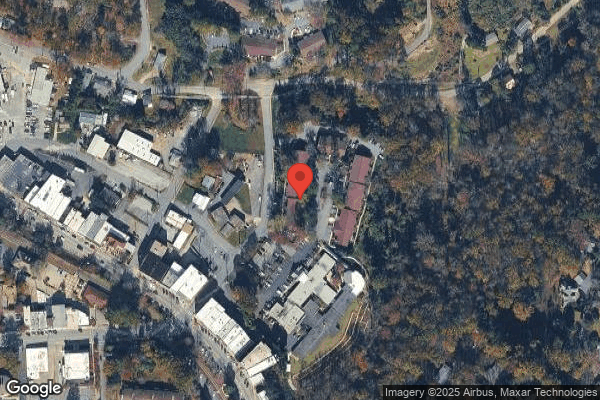
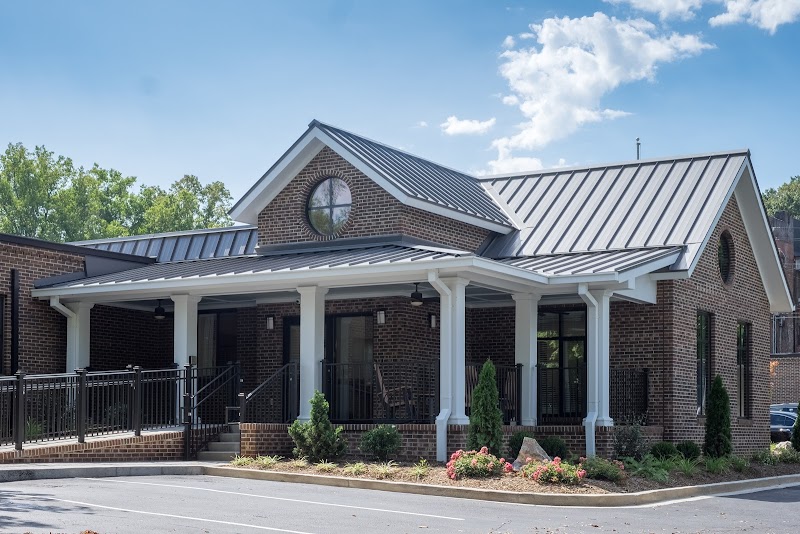
70 Oak Street, Tryon, NC 28782 (828) 859-9161
For profit - Corporation 70 Beds WHITE OAK MANAGEMENT Data: November 2025
Trust Grade
80/100
#138 of 417 in NC
Last Inspection: July 2025

Inspected within the last 6 months. Data reflects current conditions.

Overview

White Oak Manor in Tryon, North Carolina has a Trust Grade of B+, which means it is above average and recommended for families looking for care. It ranks #138 out of 417 nursing facilities in the state, placing it in the top half, and #2 out of 3 in Polk County, indicating it is one of the better local options. However, the facility is experiencing a worsening trend, with reported issues increasing from 1 in 2024 to 8 in 2025. Staffing is rated 4 out of 5 stars, which is good, but the turnover rate is 51%, slightly above the state average, suggesting some instability. Notably, there have been some concerns, such as staff treating residents without dignity during meals and failing to assess a resident's ability to manage their own medications, which may affect the quality of care. On the positive side, the facility has not incurred any fines, indicating compliance with regulations, but families should weigh these strengths against the reported issues when making a decision.

Trust Score
B+
80/100
In North Carolina
#138/417
Top 33%
Safety Record
Low Risk
No red flags
Inspections
Getting Worse
1 → 8 violations
Staff Stability
⚠ Watch
51% turnover. Above average. Higher turnover means staff may not know residents' routines.
Penalties
✓ Good
No fines on record. Clean compliance history, better than most North Carolina facilities.
Skilled Nurses
○ Average
Each resident gets 35 minutes of Registered Nurse (RN) attention daily — about average for North Carolina. RNs are the most trained staff who monitor for health changes.
Violations
○ Average
10 deficiencies on record. Average for a facility this size. Mostly minor or procedural issues.
★★★★☆
4.0
Overall Rating
★★★★☆
4.0
Staff Levels
★★★☆☆
3.0
Care Quality
★★★★☆
4.0
Inspection Score
Stable
2024: 1 issues
2025: 8 issues

The Good

  • 4-Star Staffing Rating · Above-average nurse staffing levels
  • Full Sprinkler Coverage · Fire safety systems throughout facility
  • No fines on record

Facility shows strength in staffing levels, fire safety.

The Bad

Staff Turnover: 51%

Near North Carolina avg (46%)

Higher turnover may affect care consistency

Chain: WHITE OAK MANAGEMENT

Part of a multi-facility chain

Ask about local staffing decisions and management

The Ugly 10 deficiencies on record

Jul 2025 8 deficiencies
CONCERN (D)

Potential for Harm - no one hurt, but risky conditions existed

Deficiency F0554 (Tag F0554)

Could have caused harm · This affected 1 resident

**NOTE- TERMS IN BRACKETS HAVE BEEN EDITED TO PROTECT CONFIDENTIALITY** Based on observations, record review, staff and resident interviews, the facility failed to assess a resident's ability to self-...

Read full inspector narrative →
**NOTE- TERMS IN BRACKETS HAVE BEEN EDITED TO PROTECT CONFIDENTIALITY** Based on observations, record review, staff and resident interviews, the facility failed to assess a resident's ability to self-administer medications for 1 of 1 resident reviewed for self-administration (Resident #40).The findings included:Resident #40 was admitted to the facility on [DATE] with multiple diagnoses that included dry eye syndrome and dry mouth.The quarterly Minimum Data Set (MDS) assessment dated [DATE] revealed Resident #40 was cognitively intact and was independent with eating, oral hygiene, and personal hygiene.Review of Resident #40's current and active care plan dated 7/21/25 revealed no goals or interventions for self-administering medications.A review of Resident #40's medical record revealed there was no self-administration assessment or a Physician order for Resident #40 to self-administer her medications. During an interview and observation with Resident #40 on 7/21/25 at 10:51am, the resident was observed sitting up in her recliner next to her bed fully clothed. On the bed next to Resident #40 there was a bottle of Systane (for dry eyes) eyedrops with the direction label faded and partially removed, a bottle of Olopatadine (eye drops to treat itchy eyes) eyedrops with directions to administer 1 drop each eye daily, and a bottle of Biotene (mouth spray for dry mouth) mouth moistening spray with directions to spray in the mouth twice a day. Resident #40 explained the nurse gave her these medications this morning (7/21/25) to self-administer. The resident was unable to state what the medications were for other than they were for her eyes and mouth or how often she needed to administer them. Resident #40 stated the nurse left the medications with her every morning and then would come back and pick them up. Resident #40 stated she had already administered her eyedrops and mouth spray by herself.A second observation was made of Resident #40's room on 7/21/25 at 2:42pm. The observation showed the Systane eyedrops, Olopatadine eye drops and the Biotene were still present on Resident #40's bed.On 7/22/25 at 9:30am, a third observation was made of Resident #40's room which showed the Systane eyedrops, Olopatadine eyedrops and the Biotene were present on Resident #40's bed.Resident #40 was interviewed on 7/22/25 at 11:35am. Resident #40 confirmed the nurse had left her eyedrops and mouth spray for her this morning (7/22/25) but stated she must have come and got them because they are no longer on my bed.During an interview with Medication Aide (MA) #2 on 7/22/25 at 1:29pm, the MA explained there were no residents on the skilled unit who self-administered medication. She stated she was unaware of the policy for self-administration of medication because there were no residents who self-administered their medication. MA #2 confirmed there was no order for Resident #40 to self-administer her own medication and explained Resident #40 liked to put her own eyedrops in so she would stand next to Resident #40 while the resident administered her own eyedrops. She explained on 7/21/25 and this morning (7/22/25) were very stressful and she left the medication in Resident #40's room for her to administer herself when she was ready and then forgot to pick up the medication on 7/21/25.Nurse #2 was interviewed on 7/22/25 at 3:06pm. The nurse explained if a resident wanted to self-administer their medication a Physician order was needed, and an assessment of the resident, and a care plan completed. She stated Resident #40 was not a resident who could self-administer her own medication and MA #2 should have informed nursing that Resident #40 wanted to self-administer her own medication so proper steps could be taken. Nurse #2 stated medications should not be left with a resident who was not approved to self-administer their medication.The Director of Nursing (DON) was interviewed on 7/22/25 at 1:36pm. The DON discussed the policy for self-administration of medication including an assessment, the resident's representative would need to agree, the Doctor would need to be notified, and a care plan completed. She stated she did not know if there were any residents on the skilled units who self-administered their own medication. The DON discussed not being aware if Resident #40 had an order to self-administer her own medication and that MA #2 should not have left the medication in Resident #40's room.The Administrator was interviewed by telephone on 7/24/25 at 2:00pm. The Administrator discussed that there was a procedure for residents to self-administer their medication. She explained she did not know if Resident #40 could self-administer her medication but stated if there was not an order, an assessment, and/or care plan then the medication should not have been left in Resident #40's room.
CONCERN (D) 📢 Someone Reported This

A family member, employee, or ombudsman was alarmed enough to file a formal complaint

Potential for Harm - no one hurt, but risky conditions existed

Deficiency F0583 (Tag F0583)

Could have caused harm · This affected 1 resident

Based on observations and staff interviews the facility failed to protect residents' healthcare information by leaving confidential medication information unattended, visible, and accessible to others...

Read full inspector narrative →
Based on observations and staff interviews the facility failed to protect residents' healthcare information by leaving confidential medication information unattended, visible, and accessible to others on the computer screen for 1 of 4 medication carts observed (Medication cart for hall 300).A continuous observation of 300 hall medication cart occurred on 7/21/25 from 1:50pm to 1:52pm. The medication cart was in the hallway unattended, and it was observed to have the computer screen showing resident information such as medications, date of birth , room number, and diagnosis. The medication cart was observed for 2 minutes and during that time 2 staff members and 2 residents walked past the medication cart.Medication Aide (MA) #2 was interviewed at 1:53pm. MA #2 explained the computer screen containing resident information should be placed on the privacy setting when the medication cart was unattended. MA #2 confirmed she had left the computer screen open to resident information when she walked away to care for another resident. She stated she was in a hurry and just forgot. A continuous observation of 300 hall medication cart occurred on 7/22/25 from 3:18pm to 3:26pm. The medication cart was unattended in the hallway, and it was observed to have the computer screen open to resident information such as date of birth , allergies, and diagnosis. The medication cart was observed for 8 minutes and during that time several residents, visitors, and staff walked past the medication cart.During an interview with MA #2 on 7/22/25 at 3:26pm, MA #2 confirmed the computer screen had been opened to resident information and stated she thought she had locked the screen prior to walking away from the medication cart. MA #2 explained she was nervous and should have made sure the computer screen was locked prior to walking away from the medication cart.Nurse #2 was interviewed on 7/22/25 at 3:12pm. The nurse explained that anyone working on a medication cart should fold the computer lid down or have the privacy screen showing prior to walking away from the medication cart. Nurse #2 discussed that all staff received resident privacy training yearly and that MA #2 should have had her privacy screen showing prior to walking away from her medication cart.The Director of Nursing (DON) was interviewed on 7/21/25 at 2:17pm. The DON explained the process for the nurses or Medication Aides was to make sure their computer screens were locked to the privacy window prior to leaving the medication cart. She stated MA #2 had yearly training on the medication cart which included keeping the computer screen locked on the privacy window. The DON discussed MA #2 being aware of the requirements and should have locked her computer screen on the privacy window prior to stepping away from her medication cart.The Administrator was interviewed by telephone on 7/24/25 at 2:00pm. The Administrator discussed that computer screens should show the privacy screen whenever the medication cart was unattended. She stated she did not know why MA #2 had left the computer screens showing resident information when she was not at her medication cart. The Administrator stated MA #2 should have placed the computer screen to the privacy screen prior to walking away from her medication cart.
CONCERN (D) 📢 Someone Reported This

A family member, employee, or ombudsman was alarmed enough to file a formal complaint

Potential for Harm - no one hurt, but risky conditions existed

Deficiency F0602 (Tag F0602)

Could have caused harm · This affected 1 resident

**NOTE- TERMS IN BRACKETS HAVE BEEN EDITED TO PROTECT CONFIDENTIALITY** Based on observations, record review, staff, and law enforcement officer interviews, the facility failed to protect the resident...

Read full inspector narrative →
**NOTE- TERMS IN BRACKETS HAVE BEEN EDITED TO PROTECT CONFIDENTIALITY** Based on observations, record review, staff, and law enforcement officer interviews, the facility failed to protect the resident's right to be free of misappropriation of medication for 1 of 3 residents reviewed for misappropriation (Resident #53).The findings included:Resident #53 was admitted to the facility on [DATE] and most recently readmitted on [DATE] with diagnoses that included hypertension.A physician order dated [DATE] read; Lisinopril 20 milligrams (mg) by mouth every day. Hold for systolic blood pressure less than 100. The order was discontinued on [DATE].A physician order dated [DATE] read; Lisinopril 10 mg by mouth every day. Hold for systolic blood pressure less than 100. The order was discontinued on [DATE].A physician order dated [DATE] read; Lisinopril 5 mg by mouth every day. Hold for systolic blood pressure less than 110. The order was discontinued on [DATE].A quarterly Minimum Data Set (MDS) assessment dated [DATE] revealed that Resident #53 was severely cognitively impaired.An interview with the local Law Enforcement Officer was conducted in person on [DATE] at 1:30 PM. The Law Enforcement Officer stated that on [DATE] Medication Aide (MA) #1 called the police station and requested a wellness check on her significant other because she had been unable to reach him. When the responding officer responded to the address, MA #1's significant other was found deceased . Law Enforcement Officer stated that there was nothing suspicious with the death and the death certificate was signed off immediately. However, on [DATE] the significant others family came to the police station to turn in a bottle of medication that was prescribed for Resident #53. Law Enforcement Officer stated that he took the information and started an investigation. He contacted MA #1 several times and asked her to give a statement and on [DATE] or [DATE] he reached out to the former Director of Nursing (DON) at the facility and did not get a return call. On [DATE] Law Enforcement Officer stated he sent an email to the former DON asking for assistance with the investigation and was met with great resistance. Law Enforcement Officer stated the former DON would not confirm or deny that MA #1 worked at the facility and kept saying via text message that the medication for Resident #53 was not a controlled substance. Law Enforcement Officer stated that he conveyed via text message to the former DON that it did not matter that it was still larceny (unlawful taking and carrying away of personal property with the intent to deprive the rightful owner of it permanently) and that he was going to press charges against MA #1. Law Enforcement Officer stated that on [DATE] he visited Resident #53 who was unaware that her medication had been stolen. Law Enforcement Officer stated that on [DATE] MA #1 returned his call and was informed that she was being charged with larceny, and she stated she would turn herself in which she ultimately did. MA #1 admitted to Law Enforcement Officer that she had taken the medication but stated she was not the only one that took medications from the facility. Law Enforcement Officer concluded by saying that MA #1 had an upcoming court date on [DATE].An attempt to speak to MA #1 via phone and email were attempted on [DATE] at 11:16 AM and were unsuccessful.A picture provided by Law Enforcement Officer was reviewed on [DATE]. The picture revealed a bottle of medication labelled with Resident #53's name and contained the medication name Lisinopril 20 mg and direction to take one by mouth every morning. The bottle contained a previous address that belonged to the Independent Living Apartments located next to the skilled facility. The name of the pharmacy (mail order pharmacy not the facility pharmacy) that filled the prescription was noted on the bottle along with a phone number. In the picture you could see pills in the bottom of the bottle that were visible around the large white medication label that was on the bottle.Review of an evidence log provided by the local Law Enforcement Officer revealed that they had a bottle of Lisinopril 20 mg that contained 103 pills prescribed for Resident #53. The pills were verified by the Law Enforcement officer using a pill identifier application and confirmed that they were the labeled medication.An observation and interview were conducted with Resident #53 on [DATE] at 3:41 PM. Resident #53 was sitting in a wheelchair in the doorway of her room. She was pleasantly confused and could not recall anyone stealing her medications.An attempt to speak to Resident #53's responsible party was conducted on [DATE] at 8:14 PM to confirm Resident #53's previous address and was unsuccessful.An interview was conducted via phone on [DATE] at 8:24 AM with the pharmacy that had filled the Lisinopril 20 mg for Resident #53. The pharmacy staff indicated that they were a mail order pharmacy and confirmed the name and date of birth for Resident #53 and indicated that they had last fill the prescription in [DATE] and sent it to the member via mail. An interview conducted with Human Resources Manager on [DATE] at 11:26 AM revealed that MA #1 was a former employee who had worked at the facility for well over 12 years. She stated that one evening MA #1 could not reach her significant other and called law enforcement for a wellness check and when they arrived at his address he was found deceased . The officer that responded noted pill bottles that had the facility name (the bottle for Resident #53 did not contain the nursing home name) on them and reached out to the former Administration and wanted them to press charges for stealing medication. The Human Resources Manager stated that the former Administrator investigated, and MA #1 was suspended and then terminated. She stated at first MA #1 stated she did not know anything about the medication and then stated that she used to take empty pill bottles home to store things in. The Human Resources Manager stated that it could not be proven that MA #1 stole any actual medication and the resident did not miss any medication, so they proceeded with termination and to her knowledge no charges were ever filed.An attempt to speak to the former DON was conducted on [DATE] at 4:24 PM and was unsuccessful.The former Administrator was interviewed via phone on [DATE] at 4:05 PM. The former Administrator stated the local LEO contacted the former DON to notify her that they responded to a death in the community and had found bottles of medication with the facility information on it and the deceased 's significant other worked at the facility. The former Administrator did not recall the medications involved or the residents involved but stated that the facility did not use medication bottles, they use unit dose packs. The former Administrator stated that when the former DON notified him, he suspended MA #1 and contacted the Nurse Consultant for advice on how to proceed and the former DON ensured the residents had no missing medications. We spoke with MA #1 who stated she would take empty pill bottles home to store things in and eventually the decision was made to separate employment with her.The Nurse Consultant was interviewed via phone on [DATE] at 4:27 PM and reported that she was contacted by the former Administrator who had been contacted by local Law Enforcement Office who reported that MA #1's significant other had passed away and there was bottles of medication with the facility information on them found at his residence. At the time Law Enforcement Officer would not send anything or come to the facility to discuss the issue it was basically a cold call to the former DON. There were bottles that had resident names on them and some of the bottles had no names on them. The Nurse Consultant recalled that the one bottle had a pharmacy name on it that filled prescriptions to their assisted living residents but through the investigation they realized that they had no missing medications. MA #1 was interviewed and stated she used to take empty pill bottles home to store things in, so the facility considered it a privacy issue and terminated MA #1.The current DON was interviewed on [DATE] at 3:16 PM who stated she started her employment in February 2025 and had no knowledge of the investigation and was not involved with the investigation.
CONCERN (D) 📢 Someone Reported This

A family member, employee, or ombudsman was alarmed enough to file a formal complaint

Potential for Harm - no one hurt, but risky conditions existed

Abuse Prevention Policies (Tag F0607)

Could have caused harm · This affected 1 resident

**NOTE- TERMS IN BRACKETS HAVE BEEN EDITED TO PROTECT CONFIDENTIALITY** Based on record review, staff, and Law Enforcement Officer interviews, the facility failed to implement their abuse policy and p...

Read full inspector narrative →
**NOTE- TERMS IN BRACKETS HAVE BEEN EDITED TO PROTECT CONFIDENTIALITY** Based on record review, staff, and Law Enforcement Officer interviews, the facility failed to implement their abuse policy and procedures by failing to thoroughly investigate an allegation of misappropriation of resident medication and report to the State Survey Agency and Adult Protective Services for 1 of 3 residents reviewed for misappropriation (Resident #53).The findings included:Review of a facility policy titled, Plan for the Prevention of Elder Abuse with no date noted read in part, Investigation-all reports of resident abuse, neglect, and injuries of unknown source shall be promptly and thoroughly investigated by facility management. Reporting- it is the responsibility of our employees, workforce, facility consultants, physicians, family members, etc to promptly report any incident or suspected incident of neglect or resident abuse including injuries of unknown course, theft, or misappropriation of resident property to facility management. Upon receipt of an allegation of abuse or neglect, the Administrator or designee will notify the appropriate State agency immediately but not later than 2 hours after the allegation is made if the events that cause the allegation involve abuse or result in serious bodily injury.An interview with Nurse Consultant #1 on [DATE] at 2:23 PM revealed that their policy titled Plan for the Prevention of Elder Abuse had been updated most recently [DATE] and was the only policy they had and used. Nurse Consultant #1 stated that the policy was used for Abuse, neglect, and misappropriation for each allegation that was brought to the attention of management for a thorough investigation to be completed.An interview with the local Law Enforcement Officer was conducted in person on [DATE] at 1:30 PM. The Law Enforcement Officer stated that on [DATE] Medication Aide (MA) #1 called the police station and requested a wellness check on her significant other because she had been unable to reach him. When the responding officer responded to the address, MA #1's significant other was found deceased . Law Enforcement Officer stated that there was nothing suspicious with the death and the death certificate was signed off immediately. However, on [DATE] the significant others family came to the police station to turn in a bottle of medication that was prescribed for Resident #53. Law Enforcement Officer stated that he took the information and started an investigation. On [DATE] or [DATE] he reached out to the former Director of Nursing (DON) at the facility and did not get a return call. On [DATE] Law Enforcement Officer stated he sent an email to the former DON asking for assistance with the investigation and was met with great resistance. Law Enforcement Officer stated the former DON would not confirm or deny that MA #1 worked at the facility and kept saying via text message that the medication for Resident #53 was not a controlled substance. Law Enforcement Officer stated that he conveyed via text message to the former DON that it did not matter that it was still larceny (unlawful taking and carrying away of personal property with the intent to deprive the rightful owner of it permanently) and that he was going to press charges against MA #1.An interview conducted with Human Resources Manager on [DATE] at 11:26 AM revealed that MA #1 was a former employee who had worked at the facility for well over 12 years. She stated that one evening MA #1 could not reach her significant other and called law enforcement for a wellness check and when they arrived at his address he was found deceased . The officer that responded noted pill bottles that had the facility name (the bottle for Resident #53 did not contain the nursing home name) on them and reached out to the former Administration and wanted them to press charges for stealing medication. The Human Resources Manager stated that the former Administrator investigated, and MA #1 was suspended and then terminated.An attempt to speak to the former DON was conducted on [DATE] at 4:24 PM and was unsuccessful.The former Administrator was interviewed via phone on [DATE] at 4:05 PM. The former Administrator stated the local LEO contacted the former DON to notify her that they responded to a death in the community and had found bottles of medication with the facility information on it and the deceased 's significant other worked at the facility. The former Administrator stated that when the former DON notified him, he suspended MA #1 and contacted the Nurse Consultant for advice on how to proceed and the former DON ensured the residents had no missing medications. The former Administrator indicated they spoke with MA #1 who stated she would take empty pill bottles home to store things in and eventually the decision was made to separate employment with her. The former Administrator stated that there should be an investigation file in the facility or with the current Administrator but could not recall what was in the investigation file. The Administrator also stated that after discussion with the Nurse Consultant the decision was made that this did not need to be reported to the State Survey Agency or Adult Protective Services and so no report was made.The Nurse Consultant was interviewed via phone on [DATE] at 4:27 PM and reported that she was contacted by the former Administrator who had been contacted by local Law Enforcement Officer who reported that MA #1's significant other had passed away and there were bottles of medication with the facility information on them found at his residence. At the time Law Enforcement Officer would not send anything or come to the facility to discuss the issue it was basically a cold call to the former DON. There were bottles that had resident names on them and some of the bottles had no names on them. The Nurse Consultant recalled that the one bottle had a pharmacy name on it that filled prescriptions to their assisted living residents but through the investigation they realized that they had no missing medications. The Nurse Consultant indicated MA #1 was interviewed and stated she used to take empty pill bottles home to store things in, so the facility considered it a privacy issue and terminated MA #1. The Nurse Consultant stated that they discussed reporting the issue to the State Survey Agency to Adult Protective Services, but they had no information that was connected to our residents, so no report was made. The Nurse Consultant added that the investigation file was with the former Administrator but could not say where it landed since he no longer works at the facility.The current DON was interviewed on [DATE] at 3:16 PM who stated she started her employment in February 2025 and had no knowledge of the investigation and was not involved with the investigation.The current Administrator was interviewed on [DATE] at 4:27 PM who stated she could not locate any investigation file or report to the State Survey agency on the incident. The Administrator was shown the investigation provided by Law Enforcement Officer and the investigation he had conducted. The Administrator stated if she had all the information she would have started an investigation into the missing medications and reported the occurrence to the appropriate entities.
CONCERN (D)

Potential for Harm - no one hurt, but risky conditions existed

Respiratory Care (Tag F0695)

Could have caused harm · This affected 1 resident

**NOTE- TERMS IN BRACKETS HAVE BEEN EDITED TO PROTECT CONFIDENTIALITY** Based on observations, record review, and resident and staff interviews, the facility failed to administer oxygen via nasal canu...

Read full inspector narrative →
**NOTE- TERMS IN BRACKETS HAVE BEEN EDITED TO PROTECT CONFIDENTIALITY** Based on observations, record review, and resident and staff interviews, the facility failed to administer oxygen via nasal canula as prescribed for 1 of 1 resident reviewed for respiratory care (Resident #66).The findings included:Resident #66 was admitted to the facility on [DATE] with diagnoses that included pneumonia, heart failure, sleep apnea, and acute/chronic respiratory failure.The admission Minimum Data Set (MDS) assessment dated [DATE] revealed that Resident #66 was cognitively intact and used oxygen. The MDS also revealed that during the assessment reference period Resident #66 experienced shortness of breath with exertion and when lying flat.A physician order dated 07/14/25 read: oxygen at 4 liters via nasal canula while walking and oxygen at 1 liter via nasal canula while sitting/resting. An observation and interview with Resident #66 were conducted on 07/21/25 at 1:51 PM. Resident #66 was resting in bed watching television. He had oxygen via nasal canula being administered via oxygen concentrator that was set at 3 liters per minute. Resident #66 denied any shortness of breath at the moment and stated that the nurses kept a close eye on his oxygen and oxygen levels, and he did not touch his concentrator and let the nurses do what was necessary. An observation of Resident #66 was conducted on 07/23/25 at 9:19 AM. Resident #66 was resting in bed in no acute distress with oxygen via nasal canula being administered via oxygen concentrator at 3 liters per minute.Nurse #1 was interviewed on 07/23/25 at 1:58 PM and confirmed that she cared Resident #66 on 07/21/25 and 07/23/25. Nurse #1 stated that when Resident #66 was resting in bed he was on 2 liters of oxygen via nasal canula, but if he walked or with exertion, they could increase it to 4 liters of oxygen via nasal canula. Nurse #1 explained that over the last week therapy had been titrating his oxygen during therapy but currently remained on 2 liters at rest and 4 liters with exertion. Nurse #1 added Resident #66 was very complaint with his continuous oxygen and never bothered his oxygen concentrator.An observation of Resident #66 was made on 07/23/25 at 3:40 PM. Resident #66 was resting in bed with his eyes closed on his right side. He had oxygen via nasal canula that was being administered via oxygen concentrator set to deliver 2 liters per minute.A follow up interview with Nurse #1 was conducted on 07/23/25 at 4:56 PM. Nurse #1 was asked to review Resident #66's oxygen orders for accuracy. When she came to the oxygen order she stated, 1 liter when did they change that, it was 2 liters. Nurse #1 stated she wanted to get confirmation that was correct but that it appeared that Resident #66 should be on 1 liter of oxygen via nasal canula when at rest.An interview with Nurse #1 was conducted on 07/23/25 at 4:59 PM. Nurse #1 stated she had verified with the medical provider that Resident #66 should be at 1 liter per minute via nasal cannula when at rest.An interview with the Director of Nursing (DON) was conducted on 07/24/25 at 11:36 AM. The DON stated that the nurse on the hall was responsible for ensuring the correct dose of oxygen was being delivered after reviewing the residents' orders each shift.
CONCERN (D)

Potential for Harm - no one hurt, but risky conditions existed

Deficiency F0761 (Tag F0761)

Could have caused harm · This affected 1 resident

Based on record review, observations, and staff interviews, the facility failed to secure medications on an unattended medication cart that was unlocked and a drawer partially opened for 1 of 4 medica...

Read full inspector narrative →
Based on record review, observations, and staff interviews, the facility failed to secure medications on an unattended medication cart that was unlocked and a drawer partially opened for 1 of 4 medication carts (hall 300).A continuous observation occurred on 7/21/25 from 11:58am to 12:00pm of the medication cart on hall 300. The medication cart was in the hallway unattended, unlocked, and with a drawer partially opened that contained resident medications. The observation occurred for 2 minutes with the staff member returning to the cart at 12:00pm. During the 2-minute observation 2 staff members were observed to walk past the medication cart. No residents were near or passed by the cart during the observation.Medication Aide (MA) #2 was interviewed on 7/21/25 at 1:53pm. The MA discussed that when she was not present at her medication cart the cart should be locked with all the drawers closed. She confirmed right before 12:00pm she had walked away from her medication cart leaving a drawer open containing resident medication and that her cart was unlocked. MA #2 stated she was in a hurry and just forgot to close the drawer and lock her cart.During an interview with Nurse #2 on 7/22/25 at 3:16pm, Nurse #2 explained that medication carts should be locked with all the drawers closed if they were unattended. She stated MA #2 had yearly training on the importance of keeping the medication cart locked for safety. Nurse #2 discussed that MA #2 became distracted and forgot to lock her medication cart, but that MA #2 should have ensured all the drawers were closed and the medication cart was locked.The Director of Nursing (DON) was interviewed on 7/21/25 at 2:17pm. The DON explained when a nurse or Medication Aide was not at their medication cart the cart should be locked and all the drawers closed. She further explained that anyone assigned to a medication cart had yearly training which included ensuring unattended medication carts were locked and all the drawers closed. The DON discussed that MA #2 had the training and did not know why she would have left her cart unlocked or a drawer open.The Administrator was interviewed by telephone on 7/24/25 at 2:00pm. The Administrator discussed that all medication carts were to be locked, and drawers closed when unattended. She discussed not knowing why MA #2 had not locked her medication cart or left a drawer open but stated MA #2 should have ensured the drawers were closed and the medication cart was locked prior to walking away.
MINOR (B)

Minor Issue - procedural, no safety impact

Staffing Information (Tag F0732)

Minor procedural issue · This affected multiple residents

Based on record review and staff interviews, the facility failed to ensure daily posted nurse staffing sheets were filled out completely and everyday for 6 of 61 days reviewed for daily posted nurse s...

Read full inspector narrative →
Based on record review and staff interviews, the facility failed to ensure daily posted nurse staffing sheets were filled out completely and everyday for 6 of 61 days reviewed for daily posted nurse staffing (5/5/25, 5/6/25, 5/8/25, 5/23/25, 6/16/25, and 6/23/25).The findings included:Review of the facility's daily posted nurse staffing sheets from 5/1/25 through 6/30/25 revealed the following:-On 5/5/25, 5/6/25, and 5/8/25 the daily posted staffing sheets revealed no number of hours worked for the Nurse Aides or the Nurses.-The daily posted nurse staffing sheet for 5/23/25 was not present.-The 6/16/25 daily posted nurse staffing sheet showed no hours were documented for the Nurse Aides or the Nurses.-On 6/23/25 the daily posted nurse staffing sheets revealed RN hours as 4 for the 7:00am to 3:00pm shift.During an interview with the Director of Nursing (DON) on 7/23/25 at 5:15pm, the DON discussed being responsible for making sure the daily posted nurse staffing sheets were present and correct. She explained either the nightshift (11:00pm to 7:00am) nurse or the dayshift (7:00am to 3:00pm) nurse filled out the daily posted nurse staffing sheets and she checked them for accuracy each morning when she entered the building. The DON stated she had not noticed on 5/5/25, 5/6/25, or 5/8/25 that there were no hours entered. She explained she attempted to find the daily posted nurse staffing sheet for 5/23/25 but was unable to locate the sheet. The DON discussed being unaware that the RN hours needed to show 8 consecutive hours. She stated she was not aware that on 6/16/25 the daily posted nurse staffing sheets did not contain any hours for the Nurse Aides or Nurses. The DON discussed on 6/23/25 the daily posted nurse staffing sheets were written incorrectly. She stated there were four (4) RNs on duty not that one (1) RN worked 4 hours. She stated the nurses on the nightshift and the nurses on the dayshift were educated on how to fill out the daily posted nurse staffing sheet but that it was her responsibility to make sure they were accurate.The Administrator was interviewed by telephone on 7/24/25 at 2:00pm. The Administrator discussed the DON being responsible for the daily posted nurse staffing sheets and did not know why there were errors. She stated something went wrong but would expect the daily posted nurse staffing sheets to be correct.
MINOR (C)

Minor Issue - procedural, no safety impact

Deficiency F0727 (Tag F0727)

Minor procedural issue · This affected most or all residents

Based on record review and staff interviews, the facility failed to provide Registered Nurse (RN) coverage for at least 8 consecutive hours for 1 of 82 days reviewed for staffing (7/20/25).The finding...

Read full inspector narrative →
Based on record review and staff interviews, the facility failed to provide Registered Nurse (RN) coverage for at least 8 consecutive hours for 1 of 82 days reviewed for staffing (7/20/25).The findings included:The July 2025 daily posted nurse staffing sheets revealed there was no RN coverage for 7/20/25.The Director of Nursing (DON) was interviewed on 7/23/25 at 5:15pm. The DON explained she was responsible for checking the daily posted staffing sheets everyday Monday through Friday. She discussed checking the weekend daily posted staffing sheets on Monday. The DON stated either the nightshift (11:00pm to 7:00am) nurse or the dayshift (7:00am to 3:00pm) nurse would fill out the posted daily staffing sheets and she would look at it as she entered the building. She stated she was unaware the RN time needed to be 8 consecutive hours. The 7/20/25 daily posted staffing sheets were reviewed. The DON explained the facility had a regular RN that worked the weekends but that she was on vacation 7/19/25 and 7/20/25. She further explained 7/19/25 was covered and thought 7/20/25 was covered but when the DON looked at the schedule, she realized the RN scheduled would not have come to work on 7/20/25. The DON stated there was no RN coverage on 7/20/25.During an interview with the Scheduler on 7/24/25 at 10:35am, the Scheduler stated she had only been in her position for a couple of months. She explained she was informed that an RN needed to be in the facility for at least 8 consecutive hours. The Scheduler discussed the facility using contract staff when there was no RN in house to fill the need. The Scheduler explained for the weekend of 7/19/25 she was able to find RN coverage for 7/19/25 but on 7/20/25 she could not find an RN to work. She stated she had informed the DON.A follow-up interview with the DON occurred on 7/24/25 at 10:45am. The DON stated the Scheduler may have told her there was no RN coverage for 7/20/25 but she was not sure. She explained it was rare for the facility not to have an RN but if she had known there was not an RN available, she would have assisted in finding one for 7/20/25.A telephone interview occurred with the Administrator on 7/24/25 at 2:00pm. The Administrator discussed DON being responsible for checking the daily posted staffing sheets for accuracy and coverage. She also discussed being aware that an RN needed to be present in the building for at least 8 consecutive hours. The Administrator stated she was unaware there was not an RN in the building on 7/20/25 and did not know why there was not an RN present.
Jul 2024 1 deficiency
CONCERN (D) 📢 Someone Reported This

A family member, employee, or ombudsman was alarmed enough to file a formal complaint

Potential for Harm - no one hurt, but risky conditions existed

Deficiency F0645 (Tag F0645)

Could have caused harm · This affected 1 resident

**NOTE- TERMS IN BRACKETS HAVE BEEN EDITED TO PROTECT CONFIDENTIALITY** Based on record review and staff interviews the facility failed to submit a request for a re-evaluation for Preadmission Screeni...

Read full inspector narrative →
**NOTE- TERMS IN BRACKETS HAVE BEEN EDITED TO PROTECT CONFIDENTIALITY** Based on record review and staff interviews the facility failed to submit a request for a re-evaluation for Preadmission Screening and Resident Review (PASRR) determination for a resident who was diagnosed with a new mental health disorder and received a change in treatment (Resident #6) for 1 of 1 resident reviewed for PASRR. The findings included: Record review of the North Carolina Medicaid Uniform Screening Tool (NC MUST) inquiry document dated 05/08/21 revealed Resident #6 had a Level I PASRR effective 05/03/16. There were no requests for a Level II PASRR evaluation submitted or completed since 05/03/16. Resident #6 was admitted to the facility on [DATE] with a diagnosis that included mood disorder due to known psychological condition. Review of the annual minimum data set (MDS) dated [DATE] revealed Resident #6 had not been evaluated by Level II PASRR and determined to have a serious mental illness, intellectual disability or other related condition. Resident #6 received antianxiety, antidepressant medication on a routine. Review of Resident #6 cumulative medical diagnosis list revealed a new diagnosis of delusional disorder on 6/19/24. Record review of the physicians' orders for Resident #6 revealed in part an order dated 06/19/24 for Risperidone 0.25 milligram (MG) tablet (antipsychotic medication) for delusional disorder. Record review of the medication administration records (MAR) from June 2024 to July 2024 revealed it was documented that Resident #6 was administered Risperidone 0.25 milligram (MG) tablet per the physician's order. An interview with the Social Service Director on 07/10/24 at 1:39 PM revealed that she was trained the focus was on schizophrenia and Huntington's only for a level 2 PASARR evaluation. She stated that she was not aware that any new mental health diagnosis needed a request for level 2 PASARR. She stated that the only PASARR they had for Resident #6 was the one dated 05/03/2016. An interview with the Administrator on 07/10/24 at 2:16 PM revealed that his expectation was that all residents have a current PASARR and at the level that was appropriate for their current diagnosis and condition.
Mar 2023 1 deficiency
CONCERN (E) 📢 Someone Reported This

A family member, employee, or ombudsman was alarmed enough to file a formal complaint

Potential for Harm - no one hurt, but risky conditions existed

Resident Rights (Tag F0550)

Could have caused harm · This affected multiple residents

**NOTE- TERMS IN BRACKETS HAVE BEEN EDITED TO PROTECT CONFIDENTIALITY** Based on record review, observations and staff interviews, the facility failed to treat residents in a dignified manner by stand...

Read full inspector narrative →
**NOTE- TERMS IN BRACKETS HAVE BEEN EDITED TO PROTECT CONFIDENTIALITY** Based on record review, observations and staff interviews, the facility failed to treat residents in a dignified manner by standing over them while assisting with eating and/or referring to residents as feeders. This practice affected 5 of 5 residents reviewed for dignity (Residents #206, #21, #31, #16, and #42). The reasonable person concept was applied to this deficiency as individuals have the expectation of being treated with dignity while dining. The findings included: 1. Resident #206 was admitted to the facility on [DATE]. The admission Minimum Data Set (MDS) assessment dated [DATE] indicated Resident #206 was moderately cognitively impaired and required extensive assistance with eating. During a lunch observation in the resident dining room on 3/13/23 at 12:05 PM, the Quality Improvement Manager was observed standing over Resident #206 while providing feeding assistance for the duration of the meal from 12:05 PM to 12:26 PM. There were empty chairs in the dining room that were available for use. An interview was conducted with the Quality Improvement Manager on 3/14/23 at 11:04 AM. The Quality Improvement Manager stated that she usually assisted with meals whenever asked. She explained that she normally asked staff about which residents needed assistance with eating. The Quality Improvement Manager stated that she watched a training video on feeding assistance and that it did not include whether to sit or stand while providing assistance. She stated that whether to stand or sit beside the resident depended on whatever the staff assisting with the meal preferred. The Quality Improvement Manager stated she was supposed to sit beside the resident but that there was not enough room at the table on 3/13/23. She revealed that she typically assisted residents while standing over them. An interview with the Director of Nursing (DON) was conducted on 3/16/23 at 4:26 PM. The DON stated that the Quality Improvement Manager was new and that she had already spoken to her regarding feeding assistance. 2. During a dinner meal observation on the 200 hall on 3/15/23 at 6:07 PM, Nurse Aide (NA) #3 was observed telling the other nurse aides on the 200 hall that the rest are feeders, as he was assisting with passing out dinner trays. The doors to residents' rooms were open to the hallway and Residents #206, #21, #42, and #31 were all in their rooms and within hearing distance of NA #3. An interview with NA #3 on 3/15/23 at 6:08 PM revealed he did not typically call the residents feeders and that he only meant to say it to the other nurse aides. An interview with the Director of Nursing (DON) was conducted on 3/16/23 at 4:26 PM. The DON stated that it was inappropriate to refer to residents as feeders and that they should be referred to as residents who require feeding assistance. An interview was conducted with the Administrator on 3/17/23 at 4:15 PM. The Administrator stated that he never wanted to hear the word feeder used to describe residents. He stated he talked to some staff individually and that an in-service email had been sent out to all staff. 3a. Resident #16 was admitted to the facility on [DATE]. The most recent quarterly Minimum Data Set (MDS) dated [DATE] revealed Resident #16 had severe cognitive impairment and required supervision with eating. 3b. Resident #42 was admitted to the facility on [DATE]. The most recent quarterly MDS dated [DATE] showed that Resident #42 had severe cognitive impairment and required extensive assistance with eating. During an observation of lunch in the facility dining room on 03/13/23 from 12:18 PM to 12:25 PM, Nurse Aide (NA) #2 was observed standing at a table assisting Resident #16 and Resident #42 with eating while standing over them for about 5 minutes. There were empty chairs in the dining room that were available for use. During a phone interview on 03/13/23 at 4:13 PM with NA #2, she described how a resident who needed assistance should be helped with meals. NA #2 said she would position herself seated, in a chair to assist and would face the resident while feeding. She said she was standing next to Resident #16 and Resident #42 to assist with feeding during lunch because there were too many residents at the table. NA #2 further stated the nurse aides typically sat between two residents and did not stand when assisting with feeding. If the table was too crowded with residents needing assistance and there was no room to put a chair between two residents, NA #2 said she would normally move a resident to a separate table to assist. During an interview on 03/16/23 at 4:26 PM with the Director of Nursing (DON), she stated that staff had been educated to sit next to the residents while assisting them to eat and not stand over them. The DON reported that she had spoken with staff about feeding assistance. The DON stated that standing over a resident when assisting with eating was not appropriate. During an interview on 03/17/23 at 4:22 PM with the Administrator, he reported standing over residents while assisting them to eat was not acceptable.
Understanding Severity Codes (click to expand)
Life-Threatening (Immediate Jeopardy)
J - Isolated K - Pattern L - Widespread
Actual Harm
G - Isolated H - Pattern I - Widespread
Potential for Harm
D - Isolated E - Pattern F - Widespread
No Harm (Minor)
A - Isolated B - Pattern C - Widespread

Questions to Ask on Your Visit

  • "Can I speak with families of current residents?"
  • "What's your RN coverage like on weekends and overnight?"

Our Honest Assessment

Strengths
  • • Grade B+ (80/100). Above average facility, better than most options in North Carolina.
  • • No major safety red flags. No abuse findings, life-threatening violations, or SFF status.
  • • No fines on record. Clean compliance history, better than most North Carolina facilities.
Concerns
  • • No significant concerns identified. This facility shows no red flags across CMS ratings, staff turnover, or federal penalties.
Bottom line: Generally positive indicators. Standard due diligence and a personal visit recommended.

About This Facility

What is White Oak Manor - Tryon's CMS Rating?

CMS assigns White Oak Manor - Tryon an overall rating of 4 out of 5 stars, which is considered above average nationally. Within North Carolina, this rating places the facility higher than 99% of the state's 100 nursing homes. This rating reflects solid performance across the metrics CMS uses to evaluate nursing home quality.

How is White Oak Manor - Tryon Staffed?

CMS rates White Oak Manor - Tryon's staffing level at 4 out of 5 stars, which is above average compared to other nursing homes. Staff turnover is 51%, compared to the North Carolina average of 46%.

What Have Inspectors Found at White Oak Manor - Tryon?

State health inspectors documented 10 deficiencies at White Oak Manor - Tryon during 2023 to 2025. These included: 8 with potential for harm and 2 minor or isolated issues.

Who Owns and Operates White Oak Manor - Tryon?

White Oak Manor - Tryon is owned by a for-profit company. For-profit facilities operate as businesses with obligations to shareholders or private owners. The facility is operated by WHITE OAK MANAGEMENT, a chain that manages multiple nursing homes. With 70 certified beds and approximately 63 residents (about 90% occupancy), it is a smaller facility located in Tryon, North Carolina.

How Does White Oak Manor - Tryon Compare to Other North Carolina Nursing Homes?

Compared to the 100 nursing homes in North Carolina, White Oak Manor - Tryon's overall rating (4 stars) is above the state average of 2.8, staff turnover (51%) is near the state average of 46%, and health inspection rating (4 stars) is above the national benchmark.

What Should Families Ask When Visiting White Oak Manor - Tryon?

Based on this facility's data, families visiting should ask: "Can I visit during a mealtime to observe dining assistance and food quality?" "How do you handle medical emergencies, and what is your hospital transfer rate?" "Can I speak with family members of current residents about their experience?"

Is White Oak Manor - Tryon Safe?

Based on CMS inspection data, White Oak Manor - Tryon has a clean safety record: no substantiated abuse findings (meaning no confirmed cases of resident harm), no Immediate Jeopardy citations (the most serious violation level indicating risk of serious injury or death), and is not on the Special Focus Facility watch list (a federal program monitoring the lowest-performing 1% of nursing homes). The facility has a 4-star overall rating and ranks #1 of 100 nursing homes in North Carolina. While no facility is perfect, families should still ask about staff-to-resident ratios and recent inspection results during their visit.

Do Nurses at White Oak Manor - Tryon Stick Around?

White Oak Manor - Tryon has a staff turnover rate of 51%, which is about average for North Carolina nursing homes (state average: 46%). Moderate turnover is common in nursing homes, but families should still ask about staff tenure and how the facility maintains care continuity when employees leave.

Was White Oak Manor - Tryon Ever Fined?

White Oak Manor - Tryon has no federal fines on record. CMS issues fines when nursing homes fail to meet care standards or don't correct problems found during inspections. The absence of fines suggests the facility has either maintained compliance or corrected any issues before penalties were assessed. This is a positive indicator, though families should still review recent inspection reports for the full picture.

Is White Oak Manor - Tryon on Any Federal Watch List?

White Oak Manor - Tryon is not on any federal watch list. The most significant is the Special Focus Facility (SFF) program, which identifies the bottom 1% of nursing homes nationally based on persistent, serious quality problems. Not being on this list means the facility has avoided the pattern of deficiencies that triggers enhanced federal oversight. This is a positive indicator, though families should still review the facility's inspection history directly.