Warsaw Nursing and Rehabilitation Center
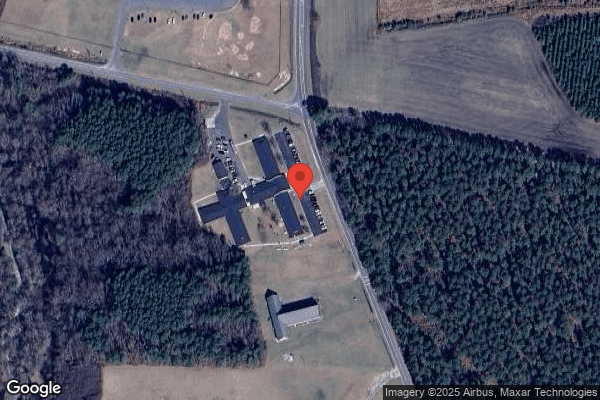
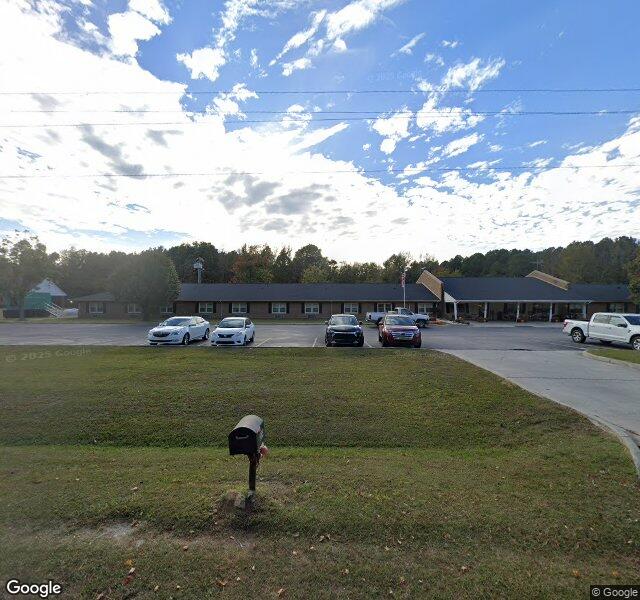
214 Lanefield Road, Warsaw, NC 28398 (910) 293-3144
For profit - Limited Liability company 100 Beds KISSITO HEALTHCARE Data: November 2025 2 Immediate Jeopardy citations
Trust Grade
0/100
#411 of 417 in NC
Last Inspection: March 2025

Within standard 12-15 month inspection cycle. Federal law requires annual inspections.

Overview

Warsaw Nursing and Rehabilitation Center has received a Trust Grade of F, which indicates significant concerns about the care quality at this facility. Ranking #411 out of 417 in North Carolina places them in the bottom half, and #3 out of 3 in Duplin County suggests there are no better local options available. Unfortunately, the facility is worsening, with issues increasing from 4 in 2024 to 10 in 2025. Staffing is a below-average concern at 2 out of 5 stars, but they do have a relatively good turnover rate of 38%, lower than the state average. However, they have faced $43,924 in fines, which is concerning, and they also have less RN coverage than 96% of facilities in the state. Specific incidents highlight serious weaknesses; a resident fell while being transferred from the facility's van, and staff failed to ensure the resident was safely secured during transport. Additionally, there was a serious incident of suspected staff-to-resident abuse, resulting in visible injuries to another resident. These findings illustrate significant risks and challenges that families should consider when evaluating this nursing home.

Trust Score
F
0/100
In North Carolina
#411/417
Bottom 2%
Safety Record
High Risk
Review needed
Inspections
Getting Worse
4 → 10 violations
Staff Stability
○ Average
38% turnover. Near North Carolina's 48% average. Typical for the industry.
Penalties
✓ Good
$43,924 in fines. Lower than most North Carolina facilities. Relatively clean record.
Skilled Nurses
⚠ Watch
Each resident gets only 15 minutes of Registered Nurse (RN) attention daily — below average for North Carolina. Fewer RN minutes means fewer trained eyes watching for problems.
Violations
⚠ Watch
19 deficiencies on record. Higher than average. Multiple issues found across inspections.
★☆☆☆☆
1.0
Overall Rating
★★☆☆☆
2.0
Staff Levels
★★★☆☆
3.0
Care Quality
★☆☆☆☆
1.0
Inspection Score
Stable
2024: 4 issues
2025: 10 issues

The Good

  • Full Sprinkler Coverage · Fire safety systems throughout facility
  • No fines on record
  • Staff turnover below average (38%)

    10 points below North Carolina average of 48%

Facility shows strength in fire safety.

The Bad

1-Star Overall Rating

Below North Carolina average (2.8)

Significant quality concerns identified by CMS

Staff Turnover: 38%

Near North Carolina avg (46%)

Typical for the industry

Federal Fines: $43,924

Above median ($33,413)

Moderate penalties - review what triggered them

Chain: KISSITO HEALTHCARE

Part of a multi-facility chain

Ask about local staffing decisions and management

The Ugly 19 deficiencies on record

2 life-threatening 1 actual harm
Mar 2025 7 deficiencies 1 Harm
SERIOUS (G) 📢 Someone Reported This

A family member, employee, or ombudsman was alarmed enough to file a formal complaint

Actual Harm - a resident was hurt due to facility failures

Free from Abuse/Neglect (Tag F0600)

A resident was harmed · This affected 1 resident

**NOTE- TERMS IN BRACKETS HAVE BEEN EDITED TO PROTECT CONFIDENTIALITY** Based on observation, record reviews, and interviews with Police Officer, staff, Resident, Psychiatric Nurse Practitioner, and P...

Read full inspector narrative →
**NOTE- TERMS IN BRACKETS HAVE BEEN EDITED TO PROTECT CONFIDENTIALITY** Based on observation, record reviews, and interviews with Police Officer, staff, Resident, Psychiatric Nurse Practitioner, and Physician, the facility failed to protect a Resident's right to be free from staff to resident abuse perpetrated by Nurse Aide (NA) #3 while giving care to a resident with a history of being combative. On 03/08/2025 during morning rounds, Medication Aide #2 observed Resident #9 in his bed with scratches on the left side of his forehead, side of face, nose and left eye redness (bruising). This affected 1 of 4 Residents reviewed for abuse (Resident #9). The findings included: Resident #9 was admitted to the facility on [DATE] with diagnoses including cerebral infarct (stroke). The quarterly Minimum Data Set (MDS) dated [DATE] had Resident #9 coded as cognitively intact and needed total care with activities of daily living (ADL). There were no behaviors or moods reported. His vision was severely impaired, and he was also always incontinent with bowel and bladder. The care plan dated 01/24/2025 had a focus of Resident #9 needing total assistance with ADL, was incontinent of bowel and bladder, had a history of behaviors: verbal insults towards staff, will refuse medication at times, verbal aggression towards staff during ADL care, behaviors (striking out at staff and roommate) and cussing at staff during care. Review of the Initial Allegation Report (2-hour report) dated 03/08/2025 revealed an allegation of abuse. The incident was reported at 7:15 AM. The details of the report stated Nurse #1 was informed that Resident #9 had an injury to his forehead, nose, and left eye. Visible injuries include scratches to the forehead, side of head, and left eye redness noted (initial stages of bruising). He complained of pain with palpitation to nose and left eye. Resident #9 stated that this morning around 6:45 AM, She told me to turn on the bed and I did not want to, then she hit me in the face. The resident denied any other injuries or complaints of pain other than his nose and left eye. The incident was reported to the local law enforcement. Immediate interventions include suspension of the accused nurse aide, facial x- ray, and neurological checks. Currently, there was no ongoing risk to other residents. We are conducting a thorough investigation to ensure the safety and well-being of everyone in our care. A review of a witness statement from Nurse #1 dated 03/08/2025 revealed at around 6:45 AM Medication Aide #2 came to her and reported Resident #9 had visible injuries to his forehead, side of head and left eye. The resident complained of pain from his nose and left eye area. She asked what happened and he stated, she hit me. The Nurse asked when it happened and if he knew her name. The Resident stated it just happened this morning. She told me to turn in the bed and he did not want to then she hit him in the face. The resident stated just his head and face hurt. A telephone interview with Nurse #1 was conducted on 03/19/2025 at 9:43 AM. The nurse stated she worked the night shift from 7:00 PM to 7:00 AM and worked in facility that night but was not Resident #9's nurse. On 03/08/2025, around 6:45 AM, Med Aide #2 reported to her to look in on Resident #9 because he had scratches on head and believed he was hit. She went to Resident #9's room and saw he had small scratches to the left side of his forehead, nose and eye. His eye was swollen and it would not fully open. She told Resident #9 he had an injury to his head and asked if he remembered what happened and he said, she hit me. The Nurse also asked if he remembered who hit him and stated, she told him to roll over in bed and he did not want too and then she hit me. She did not know if it was a slap or punch. He could not say a name but stated, she worked with him that night. The Nurse also stated his injuries were fresh because the scratches had not clotted yet and were easy to clean. The Nurse asked Resident #9 if she could touch the areas, and he allowed. She used normal saline to clean his face and offered a cold pack, but he refused. He said he was not in pain. The areas stopped bleeding when cleaned. The wounds did not look as if he could inflict them on himself and he never had a history of making anything up. He can be combative at times. The NA that worked with him that night was NA #3. The Nurse stated she asked if it was okay to leave him and if he felt safe, he stated he did. She went to find NA #3 and she had left the building. She then called the Unit Manager on-call supervisor. A review of a witness statement from Medication Aide (Medication Aide #2) no date revealed on March 08, 2025, as she was in the middle of her morning med pass and giving medicine to a resident. She heard Resident #9 yelling and then he stopped. When this Med Aide went into his room, she noticed blood and cuts on his face. She immediately notified Nurse #1 on duty. A telephone interview with Medication Aide #2 was conducted on 03/19/2025 at 4:11 PM. Medication Aide #2 stated she was the med aide on 03/07/2025 at 11:00 PM to 03/08/2025 at 7:00 AM. On 03/08/2025 at approximately 5:45 to 6:00 AM, she and NA #2 were getting supplies from the supply room. As they passed Resident #9's room, his roommate, Resident #69, yelled out for help. He wanted his television turned on. She observed Resident #9 at that time, and he was fine and did not have any scratches or bruises. She went to get the medications for Resident #69 and came back to the room and while giving him his medications, NA #3 came in and told Resident #9 she was there to change his brief. Resident #9 and NA#3 were calm, and he allowed her to assist him. She left the room and went to another resident's room to give medications. While in the Residents room, she heard Resident #9 yell out but could not understand what he was saying. It was not out of the ordinary for him to yell out and he did not yell after that. She exited the resident's room and saw NA #3 walk by and figured she took care of Resident #9's needs. NA #3 looked normal and did not seem angry. She went to her next resident room to administer medications and after she finished administering medications to that resident, she went to peek in on Resident #9. She observed scratches on his face and forehead, he had scratches on his left side of his eye and left inner eye. The scratches were fresh, and she noticed blood on his face. She asked the resident what happened to his face, and he did not say anything. She then went to get Nurse #1. The nurse went into Resident #9's room and took care of the resident, and she went back to administering medications. The Medication Aide also stated Resident #9 was alert and oriented and he cannot see very well. To her knowledge, he had never made false allegations against staff and his nails were short and neat. The Medication Aide further stated she worked with Resident #9 regularly after the incident and he had not had any behavior changes. He did not appear to be afraid, had not had any sleeping changes and he still yells out if he needed something. A telephone interview with NA #2 was conducted on 03/19/2025 at 12:31 PM. The NA stated he worked 7:00 PM o 3/07/25 to 7:00 AM on 03/08/2025 and he was familiar with the care for Resident #9. Resident #9 needed total assistance with activities of daily living (ADL) care. The morning of 03/08/2025 he saw NA #3 walk in the room and within a minute he heard her tell Resident #9 to roll over to be changed and she did sound agitated. Within another minute he heard sounds like a hand hitting a hand and was walking away from the room. He would usually go in and see what was going on, but NA #3 was not the type of person that you confront when she was upset. When she (NA #3) left the room, he and Medication Aide #2 went in and observed blood coming down Resident #9's left or right temple. Medication Aide #2 asked if he was okay, but he did not hear what the Resident said because they left to find a nurse and went in opposite directions. The NA also stated he had not observed NA #3 abusing residents or treating them roughly in the past. A review of the witness statement from NA #3 dated 03/08/2025 revealed she was assigned to rooms 64-70 and she did her roll call at 11:30 PM. All of her residents were accounted for and did her 1st round at 12:30 AM. Resident #9 was not soiled at all, and he doesn't like to be bothered throughout the night. She doesn't get too close to him because he is a fighter and he can't see and is afraid at times, but she checked on him every round. At 5:30am she asked if she could check him to see if he needed to be changed and he said, Yes. As she was changing him, she talked with him, so he knew what she was doing, so he didn't get afraid and fight her. He let her change him and she left the room. She didn't see anything on him because he didn't let anybody get close to him. He wasn't upset at all when she changed him. A telephone interview with NA #3 was conducted on 03/19/2025 at 2:28 PM. The NA stated she came in on overtime on 03/07/2025 for a 11-7 shift. It was a pleasant night. She was in a good mood and Resident #9 was in good spirits as well. She went in to do her rounds and the last round was around 5:30 AM. He was fine when she left the room around 5:45 AM. The NA also stated she would always announce what she was going to do and loud enough for him to hear her. The Resident is half blind, so you must tell him what you are there for. She told him she was there to check and change his brief and he allowed it. There were no other interactions with the Resident. She left and she did not return to the room. The NA also stated she feels she was being set up at the facility because she and Resident #9 got along well, and she would never do anything like this. A review of an x-ray dated 03/08/2025 revealed a history of injury and pain, 4 views of facial bones with no prior studies. There were no definite displaced or depressed facial fractures. A review of the local Police Department incident/investigation report dated 03/08/2025 revealed on 03/08/2025 the Police Officer #1 was dispatched to [name of the facility] in reference to an elderly man who was assaulted by an employee. When he arrived, he and Officer #2 walked to Resident #9's room where he spoke to the resident. Resident #9 stated that earlier that morning a he-she hit him in the face and scratched his head. He asked the resident who it was and what they were doing. He was having a hard time communicating but was able to inform me that she was there to give him a bath and when she asked him to sit up, he didn't move fast enough for her, and she struck him. Officer #1 asked Resident #9 if it was possible that it was an accident and if she apologized and doctored him up afterwards and he stated No, she was mean. I observed a bruised left cheek below his eye, a small amount of dried blood in his tear duct, and a long scratch going from the top of his left eye to the top of his head. It was easy to see due to the resident not having hair on his head. A telephone interview with Police Officer #2 was conducted on 03/18/2025 at 2:49 PM. Officer #2 stated they were called in on 03/08/2025 for alleged abuse of a Resident from a staff member. They went to the Residents room and asked if he could tell them what happened and he stated he was hit by a he/she, because he did not move fast enough and that it just happened. The Resident just said he was hit and did not explain how he was hit. The Resident also showed signs of an altercation with bruises and scratches that were visible on his face. There was no arrest yet and the case was still open. A telephone interview with Nurse #2, the 7:00 PM to 7:00 AM nurse on 03/08/2025 was conducted on 03/19/2025 at 1:42 PM. The nurse stated she did work the night shift when the incident occurred and was Resident #9's nurse. That morning (3/08/25), she was completing her night rounds and did not see or hear anything but was told about it after it happened. The Nurse stated the last time she was in Resident #9's room was in the middle of her shift around 1:00 AM. Resident #9 did not have any bruising or scratches. A review of a witness statement from Nurse #3, no date, revealed at the start of my shift on 03/08/2025, as charge nurse (7:00 AM to 7:00 PM), it was reported to him a potential abuse involving Resident #9. Upon going to assess Resident #9, he was adamant he was hit. He had visible injuries to forehead, left eye and head. When asked when and by whom, the Resident stated, early this morning by this girl. Emotional support was offered to Resident #9, and first aid was offered. A telephone interview with Nurse #3 was conducted on 03/19/2025 at 9:23AM. The Nurse stated he still worked at the facility as 7:00 AM to 7:00 PM charge nurse. An incident happened on Saturday morning, 03/08/2025 at end of the night shift. Nurse #1 reported to him that suspected abuse may have happened to Resident #9 and went to his room a little after 7:00 AM to assess him. He noticed he had injuries including and a bruise on his left eye and scratches on his face. He did not complain of pain at that time. Resident #9 allowed him to apply an ice pack to the bruise on his face. He did a full assessment and body check and there were no other issues found. The resident stated, That girl hit me, when asked what girl he said it was the girl working with him that night. He could not give her name. The Resident worked with NA #3 that night shift. The Nurse also stated he had not seen NA #3 treat or had any reports of her treating the residents any other residents ruff or would have reported it. The Nurse also stated Resident #9 had dementia and got agitated at times and refuses his care. The Resident's behavior had not changed since the incident and, he had not complained about the pain. An interview with the Unit Manager was conducted on 03/20/2025 at 1:01 PM. She stated the incident was reported to her by phone between 7:00 AM and 7:30 AM because she was the on-call Nurse that weekend. Nurse #1 reported Resident #9 had a developing bruise on the inner left eye and small scratches on his forehead, left side of nose and face. Resident #9 had a history of being combative with staff in the past. The Unit Manager also stated she told Nurse #1 to start neurological checks and then she contacted the provider and DON. The provider gave orders for a facial x-ray and there were no fractions found. She also contacted the Responsible Party (RP) to say that there was an alleged abuse involving Resident #9. The DON completed the reports and notified authorities. The DON stated she would handle the investigation. The Unit Manager further stated the Resident had not had any change of behavior or sleep habits. When she went to visit him on that Monday, 03/10/2025, he was his normal self and stated he was okay and did not have any pain or discomfort. An observation and interview with Resident #9 were conducted on 03/18/25 at 02:03 PM. Resident #9's face was observed to be free from bruising and scratches. He stated he did not have any pain. The Resident stated he was hit by a girl that worked at the facility. She asked him to lie down so she could change him, and he guessed it wasn't fast enough for her, and she started hitting him in the face and head. He did not remember who she was, but it was the person that was working with him that night. He stated he feels safe at the facility, he was mad, but the incident did not bother him at all anymore because she must have been crazy. He has not seen the NA at the facility since the incident. He was already seeing psychiatric services but not for this issue. He also stated he still can sleep without any issues and his moods had not changed. An interview with Resident #69, Resident #9's roommate was conducted on 03/18/2025 at 02:13 PM. The Resident stated he did not hear or see anything because he was asleep. A follow up interview with Resident #9 was conducted on 03/19/2025 at 12:02 PM. The Resident stated he could not see how she was hitting him but knew she was hitting him. The Resident also stated there was no need to go to the hospital when it happened, and he was fine. A review of the Trauma Informed Screen completed 03/11/2025 revealed Resident #9 was in a recent confrontation with a staff member. Resident #9 stated he was, OK. There were no anxiety issues, the Resident denied any mental anguish or anxiety. X-ray of face was obtained and is included. The resident was also followed up by the provider and that note is also included. A review of a social services note dated 03/11/2025 revealed he met with Resident #9 in his room. Questions concerning Trauma Inform Screen and discussions of altercation with staff member. Resident #9 stated he was, OK and has no anxiety issues. The Resident also stated he was not in need of any other psychological services at present and was thankful for his visit. An interview with the Social Worker (SW) was conducted on 03/21/2025 at 9:09 AM. The SW stated he was made aware of the incident with Resident #9 that happened the past weekend (03/08/2025). He went down to Resident #9's room to check on him and to make sure he was not in any distress or suffering from trauma. He completed the screen for trauma, and it did not show any trauma. He stated he was okay; he was not fearful or in any pain. A telephone interview with the Psychiatric Nurse Practitioner was conducted on 03/20/2025 at 10:36 AM. She stated she visits Resident #9 twice a month on Wednesdays for his combative behaviors and diagnosis of vascular dementia with behavioral disturbances. On 03/12/2025 Resident #9 had a scheduled chronic visit and med review. He was in his bed, asleep and easily aroused. He was calm and content, alert and oriented. He stated he did not have any anxiety or issues sleeping and eating well. When asked if there were any issues, he wanted to discuss, he stated, no, and did not mention the incident. On 02/26/2025, he was ordered a new as needed (PRN) order for 0.5 milligrams Ativan for agitation prior to the incident and it was not administered within that look back period of 14 days. He had a history of being agitated and striking out at times during care. He can identify people by voices. Resident #9 had not had a history of fabrications. He was still alert and oriented even though he is blind. The Nurse Practitioner also stated Resident #9 did not have any notable bruising or scratches visible or complained of pain on 03/12/2025 when she visited him. A review of a physician note dated 03/12/2025 revealed Resident #9 was stable and there were no new complaints. His skin was normal temperature and normal color. Summary from 03/08/2025 revealed resident noted with multiple scratches to forehead, left side of scalp, and on the inner corner of his left eye. Bruising was noted to left eye and nose as well. When asked what happened the resident stated that he was told by a nursing assistant to turn over and he did not want to and when he said that he did not want to she hit me in the face. The resident reported pain to the left side of face and nose. The area was cleansed with wound cleanser and patted dry. The provider was notified and gave telephone order for an x-ray of nose and left orbit and neurological checks were implemented. A telephone interview with the Physician was conducted on 03/20/2025 at 1:44 PM. The Physician stated she was new to the facility but did visit Resident #9 on 03/12/2025 as her note indicated. She did not observe any facial bruises or scratches on his face and there were no complaints of pain. If there was, she would have addressed it in her note. She also stated she could not say if the scratches could have been self-inflicted due to the incident because she did not see the areas when the incident happened. The physician also stated she would expect all residents at the facility to be free from abuse. A review of the investigation Report (5-day report) dated 03/14/2025 revealed the alleged employee (NA#3) was suspended starting 03/08/2025 through the duration of the investigation. After investigation, NA #3 was terminated. Skin audits were completed on the residents with BIMS scores less than or equal to 11. Interviews completed with resident with BIMS greater than and equal to 12. Statements were received from the resident, resident's roommate, and other staff that were present during the day of the incident. Staff were re-educated on the abuse policy. Employees were re-educated about abuse and the importance of timely notification to management. Weekly skin checks will be continued on in-house residents. No other residents were noted to be in any immediate danger. An interview with the Director of Nursing (DON) was conducted on 03/20/2025 at 1:31 PM. The DON stated she received a call from her Unit Manager a little after 7:00 AM on 03/08/2025 and reported Resident #9 had been hit in the face and had some scratches and bruise under the left eye forming with fresh blood. The DON asked which NA was scheduled and was told NA #3 and her shift ended at 7:00 am and she had already left the facility. The DON had the Unit Manager take NA #3 off the schedule and look for a replacement. She then called NA #3 and asked if she had Resident #9 the last shift and if anyone was in the room with her. She stated she did have him last night and no one else was in the room with her when she finished his care. She said he can fight you and be combative at times, but it went ok and there were no issues. NA #3 emailed her the statement. The DON called her back and told her he was hit in the face and was observed with fresh blood and a bruise that was forming. The DON informed the NA #3 she would investigate the incident and get back to her. The DON had the Unit Manager contact the physician and got an order for an x-ray and no fractures were found. Skin was assessed for Resident #9 and no other issues aside from the face scratches and redness, bruise to left eye. He did not require treatment for his face, it resolved on its own. He also did not require pain medication, just an ice pack. The DON stated she completed the Initial Report and called 911 and reported it to police and their investigation was ongoing. The DON received a statement from Nurse #1. The abuse and neglect education began on 03/08/2025 by Nurse #3. Resident #9 or any other resident were not in immediate danger. He was not showing any emotional distress and stated he was fine and did have a psychiatric visit on 03/12/2025. He has not complained of pain since the incident and did not require further treatment for his face. The DON indicated she reported the incident to the Administrator. The DON also stated she called NA #3 and let her know the allegation was substantiated and had to let her go. There were no previous issues with Resident #9 and NA #3 ever reported. The Resident did have a history of striking out at staff but that was no excuse. The DON stated she expected her staff not to abuse residents and for her residents to be free of abuse and feel safe at the facility. An interview with the Administrator was conducted on 03/20/2025 at 3:52 PM. The Administrator stated he was called by the DON on 03/08/2025 who reported there was a situation with Resident #9 and NA #3. She stated it looked like the NA, that worked that night, may have abused the resident. The nurses evaluated the resident for any other issues to his body and skin. There were scratches and a bruise on his left eye and there were x-rays completed and there were no fractures found. The resident did not complain of pain after the day of the incident and his bruising and scratches went away quickly. The Administrator also stated he made sure the DON completed the initial review and reported the incident to the police who were in the building while he was on the phone with her. He also reminded the DON that the NA could not work there until the investigation was completed. The NA had not been in the facility since that morning at 6:50 AM. The Administrator also stated the RP was made aware. The investigation was substantiated. The staff member was fired but there were no prior issues with NA #3 before the incident and there were no problems between her and Resident #9. There was no abuse found by the alert and oriented Residents that completed questionnaires and interviews. The staff were questioned about what happened and they received witnesses' statements. They educated the staff that they must report abuse as soon as possible and that abuse is not supposed to happen and will continue to educate staff about abuse. The Administrator stated he expected the residents to be free from abuse.
CONCERN (D)

Potential for Harm - no one hurt, but risky conditions existed

Deficiency F0582 (Tag F0582)

Could have caused harm · This affected 1 resident

Based on record review and staff interviews, the facility failed to provide a CMS-10055 (Center for Medicare and Medicaid Services) Skilled Nursing Facility Advance Beneficiary notice of Non-Coverage ...

Read full inspector narrative →
Based on record review and staff interviews, the facility failed to provide a CMS-10055 (Center for Medicare and Medicaid Services) Skilled Nursing Facility Advance Beneficiary notice of Non-Coverage (SNF ABN) prior to discharge from Medicare part A services for 2 of 3 residents (Residents #27 and #280) reviewed for SNF Beneficiary Protection Notification Review. The findings included: 1. Resident #27 was admitted to the facility under part A Medicare Services on 12/3/24. A review of Resident #27's medical record revealed a CMS 10123 Notice of Medicare Non-Coverage letter (NOMNC) was signed by Resident #27's court appointed designee on 12/20/24. The notice indicated that Medicare coverage for skilled services were to end on 12/22/24 and the resident would remain in the facility. A review of Resident #27's medical record revealed that a CMS-10055 SNF ABN was not provided to Resident #27, or his court appointed designee. An interview conducted with the Business Office Manager on 3/21/25 at 10:00 AM indicated that she was confused over the SNF ABN process and did not realize she had to administer one to every Medicare Part A resident who had days remaining when discharged from Medicare Part A services. She now understood the process and will ensure an SNF ABN was provided appropriately. An interview conducted with the Administrator on 3/21/25 at 10:30 AM indicated that SNF ABNs should have been issued and would be discussed at the morning meeting with therapy when they were getting ready to discharge a Medicare part A resident to ensure the SNF ABN was issued. 2. Resident #280 was admitted to the facility under part A Medicare Services on 2/11/25. A review of Resident #280's medical record revealed a CMS 10123 Notice of Medicare Non-Coverage letter (NOMNC) was signed by his responsible party on 2/28/25. The notice indicated that Medicare coverage for skilled services were to end on 3/2/25 and the resident would return home on 3/3/25. A review of Resident #280's medical record revealed that a CMS-10055 SNF ABN was not provided to Resident #280 or his responsible party. An interview conducted with the Business Office Manager on 3/21/25 at 10:00 AM indicated that she was confused over the SNF ABN process and did not realize she had to administer one to every Medicare Part A resident who had days remaining when discharged from Medicare Part A services. She now understood the process and will ensure an SNF ABN was provided appropriately. An interview conducted with the Administrator on 3/21/25 at 10:30 AM indicated that SNF ABNs should have been issued and would be discussed at the morning meeting with therapy when they were getting ready to discharge a Medicare part A resident to ensure the SNF ABN was issued.
CONCERN (D) 📢 Someone Reported This

A family member, employee, or ombudsman was alarmed enough to file a formal complaint

Potential for Harm - no one hurt, but risky conditions existed

Abuse Prevention Policies (Tag F0607)

Could have caused harm · This affected 1 resident

Based on record review and staff interviews, the facility failed to follow and implement abuse policies for identifying and intervening in situations of abuse for 1 of 4 residents reviewed for abuse (...

Read full inspector narrative →
Based on record review and staff interviews, the facility failed to follow and implement abuse policies for identifying and intervening in situations of abuse for 1 of 4 residents reviewed for abuse (Resident #9). When Nurse Aide (Nurse Aide) #2 thought he heard a physical altercation between NA #3 and Resident # 9, NA #2 did not enter the room, did not intervene, or report NA #3. Resident #9 was observed with scratches to his forehead, nose and eye. His eye was swollen and it would not fully open. The findings included: A review of the abuse policy revised/reviewed 04/29/2024 revealed III. Prevention of abuse neglect and exploitation. The facility will implement policies and procedures to prevent and prohibit all types of abuse neglect misappropriation or resident property and exploitation that achieves: B. Identifying correcting and intervening in situations in which abuse neglect exploitation and or misappropriation of resident property is more likely to occur with the deployment of trained and qualified registered licensed and certified staff on each shift. Review of the investigation completed by the Director of Nursing (DON) related to Resident #9's incident revealed the following: A review of a witness statement from NA #2 dated 03/12/2025 revealed at around 5:00 to 6:00 AM (03/08/2025) in the morning when he was able to see NA #3 walk into Resident #9's room to change him. He was waiting for time to pass to do a shower for a resident closer to 6:30 AM to accommodate the resident. At that time Medication Aide #2 was still passing meds, so she would pop in and out of rooms. He heard NA #3 say something along the lines of Roll over [Resident #9], I'm trying to change you in a very agitated tone, soon after I was able to hear what sounded like a physical altercation between her and Resident #9. In that moment I began to move away from the room. It wasn't long after that, NA #3 stepped out of the room in a hurried manner, she disappeared up the hall. He and Medication Aide #2 walked into the room, when she needed to give his roommate, Resident #69 his medicine. He followed in, that's when he and Med Aide #2 saw blood on Resident #9's right temple, bruising at the time wasn't visible but the blood was a clear indication of the severity of the situation. Soon after, Med Aide #2 asked Resident #9 if he was feeling alright, and they left the room. A telephone interview with NA #2 was conducted on 03/19/2025 at 12:31 PM. The NA stated he worked 7:00 PM o 3/07/25 to 7:00 AM on 03/08/2025 and he was familiar with the care for Resident #9. Resident #9 needed total assistance with activities of daily living (ADL) care. The morning of 03/08/2025 he saw NA #3 walk in the room and within a minute he heard her tell Resident #9 to roll over to be changed and she did sound agitated. Within another minute he heard sounds like a hand hitting a hand and was walking away from the room. He would usually go in and see what was going on, but NA #3 was not the type of person that you confront when she was upset. When she (NA #3) left the room, he and Medication Aide #2 went in and observed blood coming down Resident #9's left or right temple. Medication Aide #2 asked if he was okay, but he did not hear what the Resident said because they left to find a nurse and went in opposite directions. The NA also stated he had not observed NA #3 abusing residents or treating them roughly in the past. An interview with the DON was conducted on 03/20/2025 at 1:31 PM. The DON stated Med Aide #2 reported the incident immediately after she observed Resident #9's face. NA #2 was educated on abuse and neglect, and he should have gone to find someone as soon as he thought abuse was happening. The DON stated she expected to have an abuse free facility and if abuse is suspected then the staff is to intervene immediately. An interview with the Administrator was conducted on 03/20/2025 at 3:52 PM. The Administrator stated NA #3 had been out of the facility since 03/08/2025 at 6:50 AM. NA #2 was educated and should have known to go get help when he suspected abuse. Staff have been educated on reporting and intervening when abuse is suspected and will continue to be educated. The Administrator stated he expected his staff to intervene if they believe a resident is being abused.
CONCERN (D)

Potential for Harm - no one hurt, but risky conditions existed

Assessment Accuracy (Tag F0641)

Could have caused harm · This affected 1 resident

**NOTE- TERMS IN BRACKETS HAVE BEEN EDITED TO PROTECT CONFIDENTIALITY** Based on record review and staff interviews, the facility failed to code the Minimum Data Set (MDS) assessment accurately in the...

Read full inspector narrative →
**NOTE- TERMS IN BRACKETS HAVE BEEN EDITED TO PROTECT CONFIDENTIALITY** Based on record review and staff interviews, the facility failed to code the Minimum Data Set (MDS) assessment accurately in the area of level II Preadmission Screening and Resident Review (PASRR) for 1 of 3 residents (Resident #57) reviewed for PASRR. The findings included: Resident #57 was admitted to the facility on [DATE] with diagnoses that included major depressive disorder, generalized anxiety disorder and bipolar disorder. Record review indicated Resident #57 had a level II PASRR number issued 12/13/24. The annual MDS assessment dated [DATE] indicated a No to question A1500 which asked if Resident #57 had been evaluated by a level II PASRR and determined to have a serious mental illness and/or intellectual disability or a related condition. During an interview with the MDS Coordinator on 3/19/25 at 3:38 PM, he confirmed that Resident #57 had a level II PASRR. The MDS Coordinator verbalized that the MDS was coded inaccurately and that it was an oversight. An interview was conducted with the facility Administrator on 3/20/25 at 2:29 PM. He indicated Resident #57's MDS should have been completed accurately to reflect level II PASRR.
CONCERN (D)

Potential for Harm - no one hurt, but risky conditions existed

Deficiency F0688 (Tag F0688)

Could have caused harm · This affected 1 resident

**NOTE- TERMS IN BRACKETS HAVE BEEN EDITED TO PROTECT CONFIDENTIALITY** Based on observation, record review, resident, and staff interviews, the facility failed to apply a left-hand splint for 1 of 3 ...

Read full inspector narrative →
**NOTE- TERMS IN BRACKETS HAVE BEEN EDITED TO PROTECT CONFIDENTIALITY** Based on observation, record review, resident, and staff interviews, the facility failed to apply a left-hand splint for 1 of 3 sampled residents reviewed for limited range of motion (Resident #3). Findings included: Resident #3 was admitted to the facility on [DATE] with diagnoses that included contracture of left-hand muscle, hemiplegia (a condition that causes paralysis or weakness on one side of the body) and hemiparesis (muscle weakness or partial paralysis). Resident #3's annual Minimum Data Set Assessment (MDS) dated [DATE] coded the resident as moderately cognitively impaired. She was coded as dependent with toileting and transfers. She required setup/clean-up assistance with eating and required substantial assistance with bathing and rolling in bed. Her functional limitation in range of motion indicated she had impairment on one side to her upper extremity and lower extremity. A review of Resident #3's medical record revealed an Occupational Therapy (OT) discharge summary note dated 10/18/24 that indicated a splint/brace program had been established, and a left-hand splint was to be worn 6 hours daily. The summary note also indicated the prognosis to maintain Resident #3's level of function at that time was good with consistent staff follow-through. The note further indicated that nursing staff had been trained and demonstrated the ability to don and doff the splint to ensure carryover of splinting schedule after OT discharge. A review of Resident #3's [NAME] (care card) revealed a task under devices that indicated apply resting hand splint to the left arm. Resident #3 was observed on 3/18/25 at 11:27 AM without a splint to the left hand and the left hand was noted to be flaccid (limp and lacking voluntary movement). During an interview, Resident #3 stated she was supposed to have a splint to her left hand, but nursing staff did not put it on most of the days. During an interview conducted in conjunction with an observation with Nurse #4 on 3/19/25 at 1:43 PM. Resident #3 was observed in bed without a splint to her left hand. Nurse #4 found the splint in Resident #3's bedside drawer and stated she was not sure if Resident #3 was still supposed to utilize the left-hand splint, and she would find out from OT. Nurse #4 stated it would be noted on the [NAME] (care guide) if nursing assistants were supposed to put the splint on. During an interview with Medication Aide (MA) #1 on 3/19/25 at 1:46 PM she stated therapy staff normally put the splint on Resident #3. MA #1 stated she could not recall if she had seen Resident #3's care card indicating to apply the splint. During an interview on 3/19/25 at 1:55 PM with the Assistant Director of Nursing (ADON), she stated that Resident #3's splint should have been applied as indicated and nursing staff should have reached out to OT if they were having any difficulties putting the splint on. An interview was conducted on 3/20/25 at 12:37 PM with the Occupational Therapist. She stated when she discharged Resident #3 from OT services on 10/18/24 the resident had built up a tolerance to wear the left-hand splint for up to 6 hours. The Occupational Therapist indicated she had trained nursing staff at that time, and they had demonstrated the ability to don and doff the splint and were to continue utilizing the splint for at least 6 hours a day. The Occupational Therapist stated if nursing staff had any issues applying the splint or needed more training, they should have notified her, and she would have retrained or provided the assistance the staff needed. She further stated the splint was for joint protection to prevent injury because Resident #3's left hand was flaccid, and to prevent any potential contractures and skin breakdown. The Occupational Therapist indicated she had just evaluated Resident #3 prior to the interview and Resident #3's left hand mobility had not gotten worse since the last evaluation on 10/18/24 and she had not developed any skin breakdown or new injury to the left-hand. During an interview on 3/20/25 at 1:19 PM with the Director of Nursing (DON), she stated if the splint was noted on Resident #3's care card then nursing staff should ensure that they put it on. The DON stated it was her expectation for nursing assistants to apply the splint and if they had any difficulties then they should have informed their supervising nurse or OT so they could be retrained. During an interview on 3/20/25 at 3:58 PM with the facility Administrator, he stated the nursing staff should have applied the splint as indicated.
CONCERN (D)

Potential for Harm - no one hurt, but risky conditions existed

Medication Errors (Tag F0758)

Could have caused harm · This affected 1 resident

**NOTE- TERMS IN BRACKETS HAVE BEEN EDITED TO PROTECT CONFIDENTIALITY** Based on record review, and staff, Pharmacist, Nurse Practitioner and Medical Director interviews the facility failed to documen...

Read full inspector narrative →
**NOTE- TERMS IN BRACKETS HAVE BEEN EDITED TO PROTECT CONFIDENTIALITY** Based on record review, and staff, Pharmacist, Nurse Practitioner and Medical Director interviews the facility failed to document the continuing need of a psychotropic medication in the Electronic Medical Record for 1 of 2 residents reviewed for psychotropic medication (Resident #34). The findings included: A review of Resident #34's discharge summary from the hospital dated 12/6/23 indicated she was admitted to the hospital due to visual hallucinations and sundowning (increased agitation, confusion, disorientation, and anxiety that typically occurs in the late afternoon or evening). She was started on an Seroquel (a medication that helps regulate mood, behaviors, and thought) 50 mg at bedtime while at the hospital and discharged to the facility. Resident #34 was admitted into the facility on [DATE] with diagnoses of unspecified dementia unspecified severity without behavioral, psychotic, or mood disturbance and anxiety. A review of Resident #34's annual Minimum Data Set, dated [DATE] indicated she was cognitively intact, exhibited no signs of delirium, had no mood indicators, no hallucinations or delusions, no rejection of care and no behavioral symptoms. She had active diagnoses of non-Alzheimer's dementia and depression and had received an antipsychotic with no gradual dose reduction attempted and the physician had not documented a gradual dose reduction as clinically contraindicated. A review of Resident #34's Physician orders for December 2024 revealed an order for Seroquel 50 milligrams (mg) at bedtime for behaviors with a start date of 9/6/2024. A review of Resident #34's quarterly Minimum Data Set, dated [DATE] indicated she was severely cognitively impaired, exhibited no signs of delirium, had no mood indicators, no hallucinations or delusions, no rejection of care and no behavioral symptoms. She had an active diagnoses of non-Alzheimer's dementia and depression and had received an antipsychotic with no gradual dose reduction attempted and the physician had not documented a gradual dose reduction as clinically contraindicated. A review of Resident #34's comprehensive care plan revised on 2/19/25 included a focus problem of: Resident has displayed behaviors of fall allegations and false claims against staff. She rejects care by pulling away from staff while staff is giving care. Interventions include, in part: gently inform her that false accusations against staff or other residents will not be tolerated, Social Worker to speak with resident about her behavior, investigate resident claim with her encouraging her to speak honestly remembering details, psychiatric consult as needed, take her to a calm quite place if she became upset to allow her to calm down. A review of Resident #34's Physician orders for March 2025 revealed an order for Seroquel 50 mg at bedtime for behaviors with a start date of 12/6/2024. A review of Resident #34's nursing and physician progress notes from 1/1/25 through 1/31/25 revealed there were no behaviors or symptoms documented related to her psychiatric diagnosis. A review of Resident #34's MAR for 2/25 revealed no behaviors related to the use of psychoactive medication. The MAR did reflect non-pharmacological interventions to deter behaviors or symptoms related to her psychiatric diagnosis. A review of Resident #34's nursing and physician progress notes from 2/1/25-2/28/25 indicated there were no behaviors or symptoms documented related to her psychiatric diagnosis. A review of Resident #34's MAR for 3/25 noted on 3/6/25 a behavior of compulsive behavior was indicated and 3/17/25 a behavior of striking out was noted. The MAR did reflect non-pharmacological interventions to deter behaviors or symptoms related to her psychiatric diagnosis. A review of the nursing notes for 3/1/25 through 3/21/25 revealed there were no behaviors or symptoms related to her psychiatric diagnosis. Specifically, on 3/6/25 there was no documentation as to what the compulsive behavior was, where the behavior occurred, what interventions were used to deter the behavior and the effectiveness of those interventions, and on 3/17/25 there was no documentation of what caused the documented behavior on the MAR, who did Resident #34 strike out at, where the behavior occurred, what interventions used and the effectiveness of those interventions. The physician progress notes indicated there were no behaviors or symptoms documented related to her psychiatric diagnosis. Observations of Resident #34 on 3/19/25 at different times during the day noted no behaviors. An interview conducted on 3/19/25 at 2:00 PM with Nurse Assistant #1 indicated that she was unaware of any behavioral issues related to Resident #34. An interview conducted on 3/19/25 at 12:30 PM with Medication Aide #2 indicated that she was unaware of any behavioral issues related to Resident #34. A telephone interview was conducted with the Pharmacy Consultant on 3/20/25 at 8:23 AM revealed that he had requested a gradual dose reduction (GDR) in September of 2024 which was declined by the Physician due to Resident #34 was stable and a change in medication would risk decompensation. He stated that he does medication reconciliation reviews monthly and noted for Resident #34 that there had been marked non-pharmacological interventions used which meant (to him) that she was having a behavior of some type, and he had not noticed the behavior monitoring had reflected no behaviors. He further stated that he does not look at the Minimum Data Set assessment for behaviors. He indicated that he had sent another gradual dose reduction request to the physician for the month of March 2025 but had not received it back yet. A telephone interview with the Nurse Practitioner on 3/20/25 at 10:13 AM indicated she had only been at this facility for a couple of months; however, she had no concerns regarding Resident #34's behaviors the three times that she had seen her. She was unable to answer why a GDR was not attempted or why the psychoactive medication was still ordered in light of no behaviors were exhibited. An interview conducted on 03/20/25 at 11:14 AM with the Corporate Nurse Consultant stated that if the interventions were being used to prevent a behavior the documentation would be correct on the Medication Administration Record however, with the word deter the interventions are inappropriate because there are no behaviors marked. The MDS coding was correct due to the nurses coding no behaviors on the Medication Administration Record. She further stated that there were times when if the resident was not in distress related to a behavior they were exhibiting, then an intervention is not needed. An interview conducted on 3/20/25 at 11:45 AM with the Director of Nursing revealed education to the staff regarding documentation has taken place and the team will look at the MAR to decide how the documentation of non-pharmacological interventions will be documented. She further revealed she had planned to educate the staff on documentation of what the behavior is, why it occurred (as best they could), what interventions were used, and if the interventions were effective. She further stated that she had only been the Director of Nursing for a month and was unaware of Resident #34 having any behaviors. A telephone interview with the Medical Director on 3/20/25 at 2:37 PM indicated that the nursing staff had not informed her of any behavioral issues related to Resident #34. She stated that she had not been the Medical Director for long, approximately 4 months, and was unable to state why a gradual dose reduction of Resident #34's psychoactive medication had not been completed or state the reason for the psychoactive medication. An interview conducted on 3/20/25 at 2:15 PM with the Administrator revealed that Resident #34 should have been being seen by the psychiatric services and he was aware that a consultation request had been issued today. He further stated that he was unaware of any behaviors of Resident #34 other than when she was first admitted . He further stated that the process for all new admissions with a psychoactive medication was to ensure a psychiatric consult was made, that the reason for the medication still existed after the physician and psychiatric services had seen and evaluated the resident, and that if appropriate a gradual dose reduction be conducted or possibly a discontinuation of the medication. He indicated that Resident #34 had some how fallen between the cracks when she was admitted .
CONCERN (E)

Potential for Harm - no one hurt, but risky conditions existed

Deficiency F0565 (Tag F0565)

Could have caused harm · This affected multiple residents

**NOTE- TERMS IN BRACKETS HAVE BEEN EDITED TO PROTECT CONFIDENTIALITY** Based on record review, and staff and resident interviews, the facility failed to act upon grievances that were reported by the ...

Read full inspector narrative →
**NOTE- TERMS IN BRACKETS HAVE BEEN EDITED TO PROTECT CONFIDENTIALITY** Based on record review, and staff and resident interviews, the facility failed to act upon grievances that were reported by the Resident Council, resolve repeat grievances, and to communicate the facility's efforts to address grievances voiced during Resident Council meetings for 6 of 6 consecutive months: October 2024, November 2024, December 2024, January 2025, February 2025 and March 2025. The findings included: A review of the Resident Council minutes completed by the Activities Director dated 10/10/24 revealed it was attended by Residents #20, #14, #21, #30, #3, #61, #48, #32, #38, #23 and #39. The following grievances were expressed: the need to provide locks for the nightstands, a better verbal response to patients in need from the nursing assistants, a timelier response to call lights, and bed baths were not being completed. A review of the Resident Council minutes completed by the Activities Director dated 11/14/24 indicated it was attended by Residents #34, #21, #61, #3, #38, #56, #48, #32, #58, and #20. There was no indication in the 11/14/24 minutes that the grievances voiced during the 10/10/24 Resident Council meeting were addressed. The following grievances were expressed: ice was not passed on Saturdays or Sundays, and no snacks were available at night. A review of the Resident Council minutes completed by the Activities Director dated 12/5/24 revealed it was attended by Residents #30, #14, #10, #48, #6, #23, #38, #56, #32, #39, #61, #58, #19, and #27. The minutes indicated there had been no improvement in the prior months' grievances. The following grievances were expressed: coverage for when staff took breaks, not receiving showers only bed baths, the need of a better showerhead in back, having healthy snacks for the snack cart, ice was not passed on Saturdays or Sundays (repeat grievance from the previous month's meeting), no snacks available at night (repeat grievance from the previous month's meeting), more activities geared towards men, better salads, more bacon and breaded fish on the menu, staff was forgetting to pick up food trays after meals. A review of the Resident Council minutes completed by the Activities Director dated 1/9/25 indicated it was attended by Residents #48, #14, #10, #21, #20, #51, #12, #30, #39, #38, #23, #6, #32, and #56. The minutes indicated there was no improvement regarding the snack cart or ice being passed on Saturdays and Sundays. The following grievances were expressed during the meeting: nursing assistants with bad attitudes, staff forgetting to pick up food trays after meals, the bed control not replaced on bed 52-B, the television remote for room [ROOM NUMBER] was missing, the television remote for room [ROOM NUMBER] was not working, staff was not setting up residents to eat breakfast, and staff not getting a resident up when requested. A review of the Resident Council minutes completed by the Activities Director dated 2/6/25 revealed it was attended by Residents #32, #39, #38, #23, #33, #14, #49, #21, #20, #10, #34, #36, and #58. The minutes indicated the following for grievances voiced during the previous month's meeting: ice being passed was somewhat improved and verbal responses from the staff were somewhat improved. There was no indication the other grievances from the previous month's meeting were addressed. The following grievances were expressed during the meeting: there was no cleaning after housekeeping left for the day, they would like to have more salad toppings, and the staff needed to be quieter during the night when assisting other residents. A review of the Resident Council minutes completed by the Activities Director dated 3/12/25 indicated it was attended by Residents #38, #48, #32, #36, #39, #61, #60, #58, #48, #34, #14, #10, #21, #54, and #23. There was no indication in the 3/12/25 minutes that the grievances voiced during the 2/6/25 Resident Council meeting were addressed. The following grievances were expressed during the meeting: call light response time. A Resident Council meeting was held on 3/20/25 at 3:00 PM with Residents #48, #23, #38, #59, #20, #58 and #56. During the meeting, Resident #58 expressed that the Resident Council was not informed of resolutions or progress of grievances voiced at the previous meeting. Resident #48 stated it was if what the Resident Council said did not matter. All of the residents present agreed with Resident #48's statement. The members present at the Resident Council meeting expressed their collective frustration regarding the feeling of powerlessness in attempting to get their voices heard. Resident #38 stated that it seemed pointless to express any grievances because nothing was ever done about them, which the members present collectively agreed with. An interview with the Activities Director on 3/20/25 at 3:30 PM revealed that she did not fill out a grievance form for issues brought up in Resident Council. She stated she gave the department heads a copy of the minutes of the meeting after she completed them and waited for a response to the concerns. She further indicated that she was not sure what process she was supposed to follow and was unaware of whether or not a grievance form should have been filled out with the grievances brought forth by the Resident Council. She stated that if she did not receive a response from the department head(s) within a week or two then she either went to that department head or mentioned it in the morning meeting. She added that she did not always get a response from the department head. The Activity Director revealed that she had not reported to the Administrator or Director of Nursing if she received no response from a department head. She further revealed that if she had received a response she just noted it in the notes and did not inform Resident Council of the response. An interview with the Administrator on 03/21/25 at 08:48 AM revealed he was the Grievance Official, and he had not received a grievance form related to grievances brought up in the monthly Resident Council meeting. The Administrator stated that moving forward, he will check with the Activities Director on the day of the Resident Council meetings to ensure that a grievance is filled out with each concern and the grievance form is completed and reviewed at the next Resident Council meeting. He further stated that the process was for a grievance form to be filled out with each individual grievance voiced by the Resident Council and the Resident Council updated on the solution or progress to the solution for each grievance.
Jan 2025 3 deficiencies
CONCERN (D) 📢 Someone Reported This

A family member, employee, or ombudsman was alarmed enough to file a formal complaint

Potential for Harm - no one hurt, but risky conditions existed

Deficiency F0602 (Tag F0602)

Could have caused harm · This affected 1 resident

**NOTE- TERMS IN BRACKETS HAVE BEEN EDITED TO PROTECT CONFIDENTIALITY** Based on record review, staff, pharmacist, and police interviews the facility failed to protect residents right to be free from ...

Read full inspector narrative →
**NOTE- TERMS IN BRACKETS HAVE BEEN EDITED TO PROTECT CONFIDENTIALITY** Based on record review, staff, pharmacist, and police interviews the facility failed to protect residents right to be free from the diversion of a controlled narcotic pain reliever on three occasions for 2 out of 3 residents (Resident #1 and #6) reviewed for narcotic diversion. The findings included: 1a. The facility Administrator, during an interview on 1/8/25 at 9:45 AM, stated he was informed by the Assistant Director of Nursing on 7/24/24 that Resident #6's Oxycodone 5 milligrams (mg)medication cards had holes where it appeared medication was removed with tape covering the holes on the back of the card and it also appeared to her that a different medication had been placed in the card. One full card was sent back to the pharmacy for identification and the remaining pills on the other card were destroyed at the facility. He further stated that on 7/25/24 the Administrator was emailed by the facilities pharmacist that the card returned on 5/31/24 for Resident #6's Oxycodone 7.5 mg tablets had the Oxycodone 7.5 mg replaced with another medication. A review of the narcotic sheet dated 5/31/24 for Resident #6 for Oxycodone 7.5 mg noted Nurse #1 and Nurse #2 had both counted and sent back this medication to the pharmacy for destruction due to the order being changed on 5/17/24. A review of the written statement dated 7/24/25 by the Assistant Director of Nursing indicated she had called the facility pharmacy and informed them during shift count Resident #6's Oxycodone 5 mg medication cards it was noticed the cards had tape on the back and had possibly been tampered with. She was instructed to send one back for the pharmacy for identification and to destroy the medication remaining in the other card. The Administrator stated during an interview on 1/8/25 at 9:45 AM that on 7/25/24 the former Director of Nursing conducted an audit of all four of the medication carts to ensure no other controlled medications had signs of tampering, interviews were conducted with the staff, and with residents receiving controlled medications. The result of the audit indicated no issues with the blister packs in the medication carts, no residents were missing any medication, and no residents had complaints of pain or pain not being controlled. A review of interviews with the staff indicated they had no knowledge of tampering or replacement of medication. A telephone interview was attempted with the former Director of Nursing, but she was unavailable. An interview with the Assistant Director of Nursing on 1/7/25 at 8:30 AM indicated that on 7/24/24 Nurse #2 approached her with an issue with the narcotic cards. She stated that Nurse #2 showed her two cards of Oxycodone 5 mg belonging to Resident #6 with tape on the back. She stated upon further inspection it was noted that there were holes in the back of the card covered with tape and it appeared to her that the medication was not Oxycodone 5 mg. She stated she informed the Director of Nursing of the issue and called the pharmacy who instructed her to destroy the remaining pills on one card and to send the full card back to the pharmacy. She further stated that she made the pharmacy aware that the cards were a controlled medication. She also indicated that she could not legally determine what the medication in the card was and was waiting to hear from the pharmacy if the medication was Oxycodone 5 mg or something else before a diversion could be established, she was not aware of the results as of 1/7/25. A telephone interview with Nurse #2 on 1/7/25 at 10:15 AM revealed that during the narcotic count on 7/24/24 she noted tape on the back of Resident #6's Oxycodone 5 mg cards, she asked Nurse #3, who worked the prior shift, about the tape, and she responded that the cards were crowded together and something else that she could not remember. After the count was completed Nurse #2 went to find the Assistant Director of Nursing and informed her of tape on the back of the two cards, when she went back to the medication cart Nurse #3 was gone. A telephone interview was attempted to Nurse #3, but she was unavailable. An interview with the facility Administrator on 1/8/24 at 9:45 AM indicated he was informed on 7/24/24 during narcotic count between Nurse #2 and Nurse #3 that two medication cards of Oxycodone 5 mg for Resident #6 had tape on the back of the card. Upon examination of the cards, it was noted that the blisters had been punctured, and it appeared the medication had been replaced with a different medication. He further indicated that one of the cards had been returned to the pharmacy so the medication could be identified. He also revealed he had received an email from the facility pharmacy on 7/25/24 which revealed the Oxycodone 7.5 mg for Resident #6 sent back to the pharmacy on 5/31/24 for destruction had been identified as having the Oxycodone 7.5 milligrams (mg) replaced with another medication, later determined by the pharmacy to be an over-the-counter medication. The Administrator notified the Division of Health Service Regulation and the police department on 7/25/24 of the diversion and an immediate investigation was started. A telephone interview conducted on 1/8/24 at 4:04 PM with the General Manager of the Pharmacy revealed that when she emailed the facility on 7/25/24 Resident #6 medication card returned on 5/31/24 had 8 tablets of Oxycodone 7.5 mg replaced with an over-the-counter medication. 1b. On 7/31/24 a narcotic sheet for Resident #6 was filled out by Nurse #3 for the removal of one Oxycodone 5 mg pill at 8:25 AM. It was determined Nurse #3 worked night shift and was not in the facility at 8:25 AM on 7/31/24. It was further determined that Resident #6 did not have a medication card for Oxycodone 5 milligrams, or a pharmacy labeled narcotic count sheet at the time of the audit. A review of the former Director of Nursing's (DON) written statement dated 8/1/24 revealed she had been approached by Nurse #2 and informed that Nurse #3 had documented she had given Resident #6 a dose of Oxycodone 5 milligrams (mg) at 8:25 AM on 7/31/24. It was determined that Nurse #3 worked the night shift and was not at the facility at 8:25 AM on 7/31/24. The former DON conducted a random narcotic count and noted that Resident #6 did not have a medication card for Oxycodone 5 mg, or a narcotic count sheet labeled by the pharmacy. When she asked Nurse #5 why Resident #6 did not have a card of Oxycodone Nurse #5 stated it would be later that day it was delayed due to an authorization issue. The former DON requested Nurse #3 to wait in her office and when the former DON went back to her office Nurse #3 had left the facility. She attempted to contact Nurse #3 via phone calls and text messages, on the 2nd text message Nurse #3 responded that she was at an appointment and would call when it was over. The former DON did not hear from Nurse #3 again and Nurse #3 did not respond to calls from Human Resources. Nurse #3 was terminated and the facility pressed charges against Nurse #3. A review of the narcotic sheet with Nurse #3's signature revealed she gave Resident #6 one tablet of Oxycodone 5mg at 8:25 AM with 30 pills remaining. A review of the delivery slip revealed Resident #6's Oxycodone 5 mg was sent out on 7/31/24 and was received by the facility at 1:45 PM. A telephone interview with the former DON was attempted on 1/7/25 and 1/8/25 but she was not available. An interview with the Administrator on 1/8/24 at 9:45 AM indicated he was aware of Nurse #3 had signed off Resident #6's Oxycodone 5 mg for a time she was not in the building. He stated that both the former DON had attempted to contact her, but she never called the former DON back and did not answer other calls made by the facility. He stated he had notified the Department of Health Service Regulation, local authorities, and Department of Social Services on 8/1/24. He further stated that when Nurse #3 did not answer calls or messages after the initial contact with the former DON, Nurse #3 was terminated on 8/1/24. A telephone interview with Nurse #3 was attempted but she was not available. 2. During the interview on 1/8/25 at 9:45 the Administrator revealed he was notified on 12/6/24 of a potential missing blister pack of Oxycodone 10 milligrams (mg) that belonged to Resident #1. The initial sweep of the facility found no issues with medication cart locks and the blister pack of Oxycodone was not found. The facility immediately began an investigation and notified the Division of Health Service Regulation, County Department of Social Services, and local law enforcement. The investigation included identifying staff who had previous access to the medication cart and narcotic drawer, staff statements and drug tested the staff identified. A review of Nurse #4 written statement on 12/6/24 included she had notified the Unit Supervisor of Resident #1 required a refill of his Oxycodone 10 mg. The Unit Supervisor told her that the medication could not be refilled as it was to early and she (the Unit Supervisor) notified the Administrator. A telephone interview was attempted on 1/8/25 with Nurse #4, but she was unavailable. A review of the Unit Supervisors written statement dated 12/6/24 revealed Nurse #4 had requested a refill of Oxycodone 10 mg be made for Resident #1 because he had 4 tablets remaining. She contacted the pharmacy to request the refill and per the pharmacy staff Resident #1 had 120 tablets delivered on 11/13/24. The Unit Supervisor then checked the medication cart to ensure it had not been overlooked but was unable to find the medication or a narcotic sheet for the missing card. She then checked all the other medication carts, and no medication cards were found for Resident #1. She then informed the regional nurse consultant and the Administrator of the missing medication. A review of the delivery slip dated 11/13/24 indicated 120 tablets of Oxycodone 10 mg for Resident #1 was delivered. An interview with the Unit Supervisor on 1/8/25 at 1:30 PM indicated that she had no further information to add to her written statement. An interview with the Administrator on 1/8/25 at 9:45 AM revealed he was informed on 12/6/24 of a missing Oxycodone 10 mg medication card and after a sweep of the facility it was still missing. He revealed that after the card was not found he contacted the local law authorities, the Division of Health Service Regulation, and the County Department of Social Services and an immediate investigation began. The investigation included identifying who had access to the medication cart, obtained their statements, and performed a drug test on those identified individuals, all the drug tests were negative. He further indicated a new process where two nurses signed in all controlled medications when they are delivered was initiated. The Administrator stated as of 1/8/25 the medication card had not been found. A review of the identified staff statements dated 12/6/24-12/9/24 revealed that no one knew what had happened to the card of Oxycodone 10 mg for Resident #1. A telephone interview with the General Manager of the pharmacy on 1/8/25 at 4:04 PM revealed each medication card had a unique bar code and all controlled medication was verified by either her or the other pharmacist prior to being sent to facilities. She further revealed that each medication was scanned prior to being placed in the controlled medication bag to ensure the correct amount was sent to the facilities. She stated that the scan showed 4 cards of Oxycodone 10mg for Resident #1 were sent to the facility on [DATE].
CONCERN (D) 📢 Someone Reported This

A family member, employee, or ombudsman was alarmed enough to file a formal complaint

Potential for Harm - no one hurt, but risky conditions existed

Deficiency F0657 (Tag F0657)

Could have caused harm · This affected 1 resident

**NOTE- TERMS IN BRACKETS HAVE BEEN EDITED TO PROTECT CONFIDENTIALITY** Based on observation, record review and staff interviews the facility failed to update the care plan to address a resident who w...

Read full inspector narrative →
**NOTE- TERMS IN BRACKETS HAVE BEEN EDITED TO PROTECT CONFIDENTIALITY** Based on observation, record review and staff interviews the facility failed to update the care plan to address a resident who was known to keep medication in his room and did not have an order or assessment for self-administration of medication for 1 of 7 (Resident #1) residents reviewed for care plans. The findings included: Resident #1 was admitted into the facility on 9/21/21 with most recent readmission on [DATE] with diagnoses of non-Alzheimer's dementia, constipation, nasal congestion and hypertension. Resident #1's annual Minimum Data Set (MDS) assessment dated [DATE] revealed he was cognitively intact. Resident #1's comprehensive care plan revised on 11/27/24 noted there was not a care plan for self-administration of medication or the potential for the family to continue to bring medications to Resident #1. On 1/8/25 at 8:00 AM an observation of Resident #1's room noted there were two medications on his bedside table and an undetermined number of medications in a clear box on his bedside table. Resident #1 was in bed with his bedside table located beside his bed. The Assistant Director of Nursing went to Resident #1's room on 1/8/25 at 8:10 AM, after being notified of the medications being observed, and found 1 box of nasal decongestant, 1 bottle of eye drops, 1 bottle of throat spray, and 1 bottle of stool softener and removed these medications from the room. An interview with the Assistant Director of Nursing on 1/8/25 at 8:30 AM indicated that she was not aware Resident #1 had medication in his room. She further indicated that she was aware Resident #1 had a history of keeping medications in his room in the past and the Unit Manager had spoken to the family regarding bringing medication into the building. Resident #1 declined to be interviewed. An interview with the Unit Manager on 1/8/25 at 8:50 AM revealed she had been aware that Resident #1 had medication in his room in the past but not on this date. She stated the nursing assistants had usually reported when Resident #1 had medication in his room. An interview with the MDS Coordinator on 1/8/25 at 9:30 AM revealed that she was not aware that Resident #1 had medications in his room in the past or that he had medication in his room on this date. The MDS Coordinator further revealed that it had not been care planned because she was not made aware of the issue and the potential for it to happen again. The MDS Coordinator stated that the issue should have been care planned. An interview with the Administrator on 1/8/25 at 9:15 AM indicated he was not aware Resident #1 had medications on his bedside table on this date. The Administrator stated he was not aware that Resident #1 did not have a care plan regarding the issue, and it should have been addressed in the care plan.
CONCERN (D) 📢 Someone Reported This

A family member, employee, or ombudsman was alarmed enough to file a formal complaint

Potential for Harm - no one hurt, but risky conditions existed

Deficiency F0761 (Tag F0761)

Could have caused harm · This affected 1 resident

**NOTE- TERMS IN BRACKETS HAVE BEEN EDITED TO PROTECT CONFIDENTIALITY** Based on observations, record review and staff interviews the facility failed secure medications observed at bedside for 1 of 1 ...

Read full inspector narrative →
**NOTE- TERMS IN BRACKETS HAVE BEEN EDITED TO PROTECT CONFIDENTIALITY** Based on observations, record review and staff interviews the facility failed secure medications observed at bedside for 1 of 1 resident reviewed for medication storage (Resident #1). The findings included: Resident #1 was re-admitted to the facility on [DATE] with diagnoses of non-Alzheimer's dementia, hypertension, constipation and nasal congestion. A review of Resident #1's most recent annual Minimum Data Set, dated [DATE] revealed he was cognitively intact. On 1/8/25 at 8:00 AM an observation was made of medication in Resident #1's room noted there were two medications on his bedside table and an undetermined number of medications in a clear box on his bedside table. Resident #1 was in bed with his bedside table located beside his bed. The Assistant Director of Nursing went to Resident #1's at 8:10 AM, room after being notified of the medications being observed, and found 1 box of nasal decongestant, 1 bottle of eye drops, 1 bottle of throat spray, and 1 bottle of a stool softener and removed these medications from the room Resident #1 declined to be interviewed. A review of Resident #1's January 2025 physician orders revealed on 12/7/24 an order for stool softener 2 tablets two times a day and nasal decongestant one tab twice a day. The review also revealed there were no orders found for the throat spray or eye drops. An interview with the Assistant Director of Nursing on 1/8/25 at 8:30 AM indicated that she was not aware Resident #1 had medication in his room. She further indicated that she was aware of Resident #1 had a history of keeping medications in his room in the past and the Unit Manager had spoken to the family regarding bringing medication into the building. An interview with the Unit Manager on 1/8/25 at 8:50 AM revealed she had been aware of Resident #1 having medication in his room in the past but not on this date. She stated the nursing assistants will usually report when the Resident has medication in his room. The Unit Manager stated that she had spoken to the family member who was bringing in the medication regarding any medication had to have a physician's order and to not bring in any medication for Resident #1. The Unit Supervisor stated the family member stated she understood. The Unit Manager further stated that Resident #1 was probably okay mentally to have the medications but was unsure if he could manipulate the containers due to his arthritis. An interview with the Administrator on 1/8/25 at 9:15 AM indicated he was not aware Resident #1 had medications on his bedside table on this date. He stated he knew the Unit Manager had talked to a family member in the past regarding she could not bring medications in for Resident #1 and no resident should have medications at the bedside unless ordered by the physician.
Dec 2024 2 deficiencies 2 IJ
CRITICAL (J) 📢 Someone Reported This

A family member, employee, or ombudsman was alarmed enough to file a formal complaint

Immediate Jeopardy (IJ) - the most serious Medicare violation

Quality of Care (Tag F0684)

Someone could have died · This affected 1 resident

**NOTE- TERMS IN BRACKETS HAVE BEEN EDITED TO PROTECT CONFIDENTIALITY** Based on record review, and resident, Physician, Surgical Technician, and staff interviews, the facility failed to leave Residen...

Read full inspector narrative →
**NOTE- TERMS IN BRACKETS HAVE BEEN EDITED TO PROTECT CONFIDENTIALITY** Based on record review, and resident, Physician, Surgical Technician, and staff interviews, the facility failed to leave Resident #4 in place to be assessed by a medical professional following a fall in the facility ' s transportation van. Resident #4 was transported to a medical appointment in the facility transport van and when Transporter #1 arrived at the appointment site and parked, Resident #4 stated he was sliding from his wheelchair. Transporter #1 was not trained for transferring residents and went to back of van and transferred Resident #4 from the floor of the van back into his wheelchair. Transporter #1 did not inform the facility about the fall until he returned Resident #4 to the facility from his follow up appointment with the surgeon for a left leg above the knee amputation completed on 10/12/24. Resident #4 ' s right hand became swollen and painful later in the day and x-ray results were negative. There was a high likelihood of a serious adverse outcome including further injury when moving a resident after a fall prior to being assessed by a licensed medical professional. This occurred for 1 of 3 residents reviewed for falls (Resident #4). Immediate jeopardy began on 11/15/24 when Transporter #1 lifted Resident #4 from the floor of the transportation van without being assessed by a medical professional. Immediate jeopardy was removed when 12/5/24 when the facility implemented a credible allegation of immediate jeopardy removal. The facility will remain out of compliance at a lower scope and severity of D (no actual harm with potential for more than minimal harm that is not immediate jeopardy) to complete education and ensuring monitoring systems put into place for resident assessment following a fall. The findings included: Resident # 4 was admitted to the facility on [DATE] with a most recent readmission on [DATE]. His diagnoses included type 2 diabetes mellitus, right leg below the knee amputation and left leg above the knee amputation (10/12/24). A care plan initiated 10/4/24 revealed a focus that Resident #4 required assistance with ADL (activities of daily living) related to: cognition, muscle weakness, bilateral BKA (below the knee amputation). The interventions included transfer with one-person physical assistance and reposition with one-person physical assistance as needed. Review of a physician ' s order dated 10/21/24 revealed an order for Hydrocodone 5mg-Acetaminophen 325 mg (milligrams)- Take 1 tablet by mouth every 6 hours as needed for pain. The admission Assessment Minimum Data Set (MDS) dated [DATE] indicated Resident #4 had moderate cognitive impairment. He required extensive assistance plus one-person physical assistance for transfers and bed mobility. Resident #4 had functional limitation of range of motion to both lower extremities and used a wheelchair as a mobility device. Resident #4 weighed 114 pounds. Review of a statement by Transporter #1 dated 11/15/24 revealed he had taken Resident #4 to a medical appointment in the transportation van. When he got to the destination, Resident #4 stated he was sliding. Transporter #1 reported he went to the back of the van and put his arm in front of the resident to support him. The note said the transport driver removed the van shoulder belt and Resident #4 slid down slowly off his wheelchair. The note said the transport driver was right beside Resident #4 and partially supporting him. The note said Transporter #1 instructed Resident #4 to put his arms around his neck and he assisted him back into the chair by lifting him up by the waist of his pants. An interview was conducted with Transporter #1 on 12/2/24 at 2:22 PM. Transporter #1 reported that on the morning of 11/15/24, Resident #4 wasn ' t ready when it was time to leave, so he was sent without his prosthesis. Transporter #1 stated when he arrived at the medical appointment and stopped the van, Resident #4 stated he was starting to slip. Transporter #1 indicated he went to the resident and unbuckled the seatbelt securement system, and the resident was assisted to the floor of the van. Transporter #1 stated Resident #4 ' s buttocks were almost at the very edge of the wheelchair seat when he went to assist, and he felt that Resident #4 would have continued to slide if the seatbelt securement system had not been removed. Transporter #1 stated he had one arm in front of the resident and was standing to the side and he slowly assisted him to the floor of the van. Transporter #1 described he instructed Resident #4 to put his arms around his neck and he picked up resident by his belt loops to lift him back up into the wheelchair. Transporter #1 stated Resident #4 had no complaints of pain at that time and the surgeon ' s office staff came out and pushed the resident inside. Transporter #1 picked the resident up after the appointment and returned to the facility. Transporter #1 stated he would have called back to the facility if the resident was hurt but since the resident stated he was not hurt he reported the fall to Nurse #1 when he returned to the facility. Transporter #1 confirmed he had no training in transferring residents. An interview was conducted with Surgical Technician #1 and Surgical Technician #2 on 12/3/24 at 12:52 PM. Surgical Technician #1 stated 12/3/24 she was asked to go the Resident #4 ' s medical exam room to assist with repositioning him and Surgical Technician #2 assisted. Surgical Technician #2 stated Resident #4 mentioned he had slipped from his chair to the floor in the transportation van. Surgical Technician #2 stated she did not assess Resident #4 for injury because that was outside of her scope of practice. A review of Transporter #1 ' s education completion history revealed no module for safe transfer of residents. Transporter #1 completed the online Falls training required for all staff on 1/21/24 which included residents were to be assessed by a nurse before moving the resident. Transporter #1 completed online training titled Provide Safe Transportation on 12/14/23. Review of the videos revealed there was no content regarding not moving the resident if there was a fall or accident or calling the facility if there was an accident or incident immediately. A nurse ' s note written by Nurse #1 dated 11/15/24 at 11:02 AM indicated Resident #4 was on the transport van and slid out of wheelchair onto the floor. Resident #4 did not complain of pain and had no injury at that time. The transport driver reported Resident #4 had not hit his head and the resident was unable to keep his balance in chair. A nurse ' s note written by Nurse#1 dated 11/15/24 at 4:21 PM indicated Resident #4 ' s right hand was swollen, warm to touch and painful. Resident #4 was unable to recall if he had hurt his hand when he slid out of the wheelchair in the transport van. The on-call health provider was notified and an order a new order for a stat (urgent order) x-ray was given. Resident #4 received as needed pain medication which was effective. An interview was conducted with Nurse #1 on 12/3/24 at 9:00 AM. Nurse #1 stated she was working on Unit 3 on 11/15/24 and she spoke with Transporter #1 when he returned with Resident #4. Nurse #1 stated she was informed Resident #4 had slid out of the wheelchair when Transporter #1 stopped at the appointment. Nurse #1 stated Resident #4 reported that he was sliding when Transporter #1 went to assist him. Resident #4 reported Transporter #1 unbuckled the seat belt and assisted the resident to slide to the floor. Resident #4 reported he did not hit his head. Nurse #1 indicated she assessed Resident #4 and did not find any injury. Nurse #1 reported at 4:30 PM on 11/15/24 Medication Aide #1 reported Resident #4 ' s right hand was warm and swollen. Nurse #1 stated she asked Resident #4 if he had hurt his hand while on the van and the resident could not remember being on the van at that time. Nurse #1 stated she notified the physician and received an order for an x-ray. Review of an on-call physician ' s service Triage Note dated 11/15/24 revealed Resident #4 was seen due to a fall injury that happened on 11/15/24. The note indicated Resident #4 ' s right hand was swollen and warm to the touch. Orders were given for stat x-ray of right hand and prn (as needed) hydrocodone (a narcotic pain medication). Resident #4 was to be seen by his primary physician for follow up. Review of a physician order dated 11/15/24 revealed an order for a stat x-ray to be completed on Resident #4 ' s right hand. The x-ray results dated 11/15/24 revealed no acute fracture or dislocation. There was mild osteopenia and a mild degree of osteoarthritis. An interview was conducted with Resident #4 on 12/2/24 at 1:56 PM. Resident #4 stated he had a fall on the transportation van on the way to the surgeon ' s office a few weeks ago. He reported he was strapped in his wheelchair when he began to slide out of the wheelchair. Resident #4 recalled calling out to Transporter #1 he was sliding. Resident #4 stated he slid onto his buttocks onto the transport van floor. Resident #4 stated the transport driver assisted him back up into the wheelchair. Resident #4 recalled he did not have any pain at that time, but his hand became swollen and painful a few hours later. Resident #4 stated during previous transports he felt himself sliding in the wheelchair but was able to reposition himself back up using his prosthetic leg. The interview further revealed Transporter #1 was a different driver, not the ladies that usually took him to appointments. Review of a physician progress note dated 11/18/24 revealed Resident #4 was evaluated with concerns of pain and swelling in the right hand. The note indicated Resident #4 was complaining of pain and swelling on the dorsum (the back or the top of the hand) of his right hand but stated his symptoms were better. Resident # 4 reported he had an x-ray and was told the results came back negative. Resident #4 stated the pain, and swelling had improved a lot but had not completely resolved. The note further indicated Resident #4 was on hydrocodone for pain as needed. An interview was conducted with the Physician on 12/4/24 at 1:11PM. The Physician stated residents should always be assessed after a fall by a licensed medical professional prior to moving them. The Physician stated the resident could have experienced additional injury without a clinical assessment prior to being moved. The Physician further stated he did not feel that Resident #4 ' s fall would have been prevented with his prosthetic leg in place. An interview was conducted with the Administrator on 12/3/24 at 3:51PM. The Administrator stated he was not made aware of the fall until the next day (11/16/24) and he went to see Resident #4 on Monday 11/18/24. The Administrator stated Resident #4 indicated he did not have his prosthetic leg on, so he fell once he got to his appointment. Resident #4 reported that he did not get hurt when he fell. The Administrator stated Resident #4 reported the transport driver took off his seatbelt and had to catch him. The Administrator stated Transporter #1 had not been trained in transferring residents. The Administrator further stated Resident #4 was assessed by the nurse when he arrived back at the facility, and he had no known injury at that time. The Administrator stated all three transporters had received education on falls, providing safe transportation and viewed the manufacturer ' s videos on use of the van ' s securement system prior to transporting any residents. The Administrator indicated the falls training included residents being assessed for injury by the nurse/MD before moving them. The Administrator stated Transporter #1 had asked the resident if he was hurt prior to moving him and the transporter did what any other person would have done. He felt that the resident was alright because he went to his appointment and back to the facility without any complaints of pain or injury. The facility Administrator was notified of immediate jeopardy on 12/3/24 at 12:04 PM. The facility provided the following Immediate Jeopardy removal plan. o Identify those recipients who have suffered, or are likely to suffer, a serious adverse outcome as a result of the noncompliance: o Resident #4 slid from his wheelchair on 11/15/24 while being transported to an outside physician appointment. Resident was noted to be sliding down in his wheelchair and when Transporter #1 removed the securement device, he was assisted to the floor of the van by Transporter #1. When he complained of no distress or injury, Transporter #1 assisted him to his chair by instructing Resident #4 to place both arms around Transporter #1 ' s neck and then Transporter #1 grabbed Resident #4 ' s pant belt loops to lift him back up into the wheelchair. After returning Resident #4 to his chair Transporter #1 proceeded into the physician ' s office. Resident #4 was assisted with repositioning in his chair by two surgical techs in the physician ' s office. Transporter #1 is not a medical professional and does not have specific training on transferring or assessing a resident. After returning to the facility, Transporter #1 notified the nurse on duty of the incident and the resident was immediately assessed by the licensed nurse on duty. Upon initial assessment the resident denied any type of pain or injury. The facility nurse practitioner was notified of the fall by the nurse on duty, later the same day when the nurse was notified by the CNA that the resident ' s hand was reddened, swollen and painful. An x-ray was ordered and obtained that same day. Resident #4 complained of pain 3 out of 10 and was administered one dose of hydrocode-acetaminophen 5-325 at 3:49 PM which was documented as effective at 6:36 PM. Results of the x-ray showed no acute fracture or dislocation, mild osteopenia and osteoarthritis. The resident was assessed in person by the physician on 11/18/24 and per the physician note Resident #4 was found to have mild swelling and Resident #4 stated that his symptoms were better. o Residents experiencing a fall have potential to be affected. o Unit Manager and Assistant Director of Nursing reviewed facility falls for the previous 30 days to ensure proper assessment, trained staff transferring, proper notification and intervention prior to moving resident. No issues were found. (12/3/24) o Specify the action the entity will take to alter the process or system failure to prevent a serious adverse outcome from occurring or recurring, and when the action will be complete: · Direct 1:1 education was provided by the Administrator to staff currently working in the facility that should a resident experience a fall, they must not be moved before being assessed by a nurse or physician. Those not currently on shift shall be educated prior to the start of their next shift. (Completed 12/3/24) · Current staff, including agency staff, were educated by the Administrator that only staff who are trained to transfer a resident may do so. Those not currently working will be educated prior to the start of their next shift. (12/3/24) · Current staff, including agency staff, were educated by the Administrator that following a fall, facility staff who are qualified to perform clinical assessments for injury must be notified, if none are present at the time of the fall. Those not currently working will be educated prior to the start of their next shift. (12/3/24) · New hire staff will be educated on the process for staff notification of falls, safely transferring residents, and qualifications of clinical assessment through online education platform learning and 1:1 education by the Administrator during orientation. · The Corporate Nurse/Consultant Nurse then educated Director of Nursing, Assistant Director of Nursing and Unit Managers on the facility fall related policies, how to properly assess a resident prior to being mobilized after a fall. (Completed 12/3/24) · Moving forward, a Certified Nursing Assistant (CNA) or nurse will be present on transportations provided by the facility. Should the driver of the facility van not be a certified or licensed medical professional, a CNA or Nurse will accompany the resident and transport driver for the appointment. All staff including agency staff were notified of this change through the proprietary software system as well as in person education provided to transport staff by the Administrator. The transport coordinator will be responsible for ensuring a CNA or a nurse is present on all transports. (Completed 11/14/24) · The Regional Director of Clinical Compliance provided 1:1 education with the Transport Coordinator that all facility transports will be accompanied by a CNA or nurse. (12/4/24) · In the event of a new hire transport coordinator, the Administrator will be responsible for 1:1 education regarding the responsibility to ensure a CNA/nurse is present on all transports. This will be completed in orientation. · Moving forward, should a resident experience a fall outside of the facility while under the care of facility staff, if a licensed nurse is not present, the resident will be made safe. If not in imminent danger, 911 will be activated to assess the resident prior to transferring/mobilizing. If a licensed nurse qualified for clinical assessment is present, that nurse will assess the resident and determine the need to call 911. All staff, including agency staff were educated on this through in person education by the Assistant Director of Nursing. (Completed 12/3/24). The Director of Nursing/designee will be responsible for providing this education to new hire transport staff. · The Administrator/designee will track and provide education to those staff not present prior to their next shift to ensure completion. Alleged date of IJ removal: 12/05/24 The IJ removal plan was validated on 12/9/24 and it concluded the facility had implemented an acceptable corrective action plan on 12/05/24. Review of staff education materials and sign-in sheets for the education were reviewed to determine that education was provided to all transportation staff including Transporter #1, nursing and nursing assistant staff that a resident who experiences fall must not be moved without being assessed by a nurse, physician or a licensed medical professional. The education also included only staff trained to transfer residents may do so and if there is no one qualified to perform a clinical assessment when a resident has a fall outside the facility, then 911will be activated to assess the resident prior to transferring/mobilization. Review of the facility documents revealed audits were done per the facility ' s plan of correction. Interviews were conducted with the nursing staff and nurse aides who confirmed they received education regarding a licensed medical professional needing to assess a resident prior to transferring them after a fall and call 911 if the fall happens outside of the facility before moving
CRITICAL (J) 📢 Someone Reported This

A family member, employee, or ombudsman was alarmed enough to file a formal complaint

Immediate Jeopardy (IJ) - the most serious Medicare violation

Accident Prevention (Tag F0689)

Someone could have died · This affected 1 resident

**NOTE- TERMS IN BRACKETS HAVE BEEN EDITED TO PROTECT CONFIDENTIALITY** Based on observation, record review, and resident, staff and physician interviews, the facility failed to ensure Resident #4 was...

Read full inspector narrative →
**NOTE- TERMS IN BRACKETS HAVE BEEN EDITED TO PROTECT CONFIDENTIALITY** Based on observation, record review, and resident, staff and physician interviews, the facility failed to ensure Resident #4 was safely secured in the transportation van. During transport on 11/15/24 Resident #4 reported to the driver, Transporter #1, he felt like he was sliding out of his wheelchair. Transporter #1 had arrived at the resident's doctor's office and came to a complete stop at the front entrance to the appointment location at the time the resident reported this to him. Transporter #1 got into the back of the van and removed the seatbelt securement system. Resident #4 continued to slide down from wheelchair and onto the floor of the van with Transporter #1's assistance. Transporter #1 stated Resident #4 was almost at the very edge of the wheelchair when he went to assist, and he felt that Resident #4 would have continued to slide if the seatbelt had not been removed. Transporter #1 stated he secured the resident the same way on the return trip to the facility. Later that day, Resident #4's right hand was swollen, warm to touch, and painful requiring narcotic pain medication. There was a high likelihood of serious harm, injury, or death from unsafe securement in the transportation van. This deficient practice affected 1 of 3 residents reviewed for accidents. The findings included: The manufacturer's instructional video indicated to Pull the seat belt over the occupants' chest and buckle seat belt to removable pelvic belt. Adjust the seat belt height so that belt rest on occupant's shoulder. Resident # 4 was admitted to the facility on [DATE] with a most recent readmission on [DATE]. His diagnoses included type 2 diabetes mellitus, right leg below the knee amputation and left leg above the knee amputation (10/12/14). The admission Assessment Minimum Data Set (MDS) dated [DATE] indicated Resident #4 had moderate cognitive impairment. He required extensive assistance plus one-person physical assistance for transfers and bed mobility. Resident #4 had functional limitation of range of motion to both lower extremities and used a wheelchair as a mobility device. Resident #4 weighed 114 lbs. A nurse's note written by Nurse #1 dated 11/15/24 at 11:02 AM indicated Resident #4 was on the transport van and slid out of wheelchair onto the floor. Resident #4 did not complain of pain and had no injury at that time. The transport driver reported Resident #4 had not hit his head and the resident was unable to keep his balance in chair. A nurse's note written by Nurse #1 dated 11/15/24 at 11:40 AM indicated Resident #4 returned from his follow up appointment related to his left above the knee amputation (AKA) with no new orders. The note further indicated the surgical wound had satisfactory healing. A nurse's note written by Nurse#1 dated 11/15/24 at 4:21 PM indicated Resident #4's right hand was swollen, warm to touch and painful. Resident #4 was unable to recall if he had hurt his hand when he slid out of the wheelchair in the transport van. The on-call health provider was notified and an order a new order for a stat (urgent order) x-ray was given. Resident #4 received as needed pain medication which was effective. Review of a Fall Note dated 11/15/24 at 5:01 PM indicated Resident #4 was on transport van and Resident # 4 slid out of wheelchair to floor. Resident #4 was buckled in but continued to slide. Resident #4 did not complain of pain. There was no apparent injury noted at that time. The transport driver noted Resident #4 did not hit his head. Resident could not keep balance in chair. The fall interventions that were in place at the time of the fall was the wheelchair was to be locked. The immediate intervention to prevent recurrence was to transport Resident #4 with 2 staff. Review of a statement by Transporter #1 dated 11/15/24 revealed he had taken Resident #4 to a medical appointment in the transportation van. When he got to the destination, Resident #4 stated he was sliding. Transporter #1 reported he went to the back of the van and put his arm in front of the resident to support him. The note said the transport driver removed the van seat belt and Resident #4 slid down slowly off his wheelchair. The note said the transport driver was right beside Resident #4 and partially supporting him. The note said Transporter #1 instructed Resident #4 to put his arms around his neck and he assisted him back into the chair by lifting him. An interview was conducted with Transporter #1 on 12/2/24 at 2:22 PM. Transporter #1 reported that on the morning of 11/15/24, Resident #4 wasn't ready when it was time to leave, so he was sent without his prosthesis. Transporter #1 stated when he arrived at the medical appointment and stopped the van, Resident #4 stated he was starting to slip. Transporter #1 indicated he went to the resident and unbuckled the seatbelt securement system, and the resident was assisted to the floor of the van. Transporter #1 stated Resident #4's buttocks was almost at the very edge of the wheelchair when he went to assist, and he felt that Resident #4 would have continued to slide if the securement belt had not been removed. Transporter #1 stated he had one arm in front of the resident and was standing to the side and he slowly assisted him to the floor. Transporter #1 described he instructed Resident #4 to put his arms around his neck and picked up resident by his belt loops to lift him back up into the wheelchair. Transporter #1 stated Resident #4 had no complaints of pain at that time. Transporter #1 stated when he got back to the facility, he reported the fall to Nurse #1. An interview was conducted with Resident #4 on 12/2/24 at 1:56 PM. Resident #4 stated he had a fall on the transportation van on the way to the surgeon's office a few weeks ago. He reported he was strapped in his wheelchair when he began to slide out of wheelchair. Resident #4 recalled calling out to Transporter #1 he was sliding. Resident #4 stated he slid onto his buttocks onto the transport van floor. Resident #4 stated the transport driver assisted him back up into the wheelchair. Resident #4 recalled he did not have any pain at that time, but his hand became swollen a painful a few hours later. Resident #4 stated during previous transports he felt himself sliding in the wheelchair but was able to reposition himself back up using his prosthetic leg. An interview was conducted with Resident #4 on 12/3/24 at 12:45 PM. Resident #4 stated he did not touch the seat belt because he knew it was there for his safety. Review of a statement by Medication Aide #1 dated 11/15/24 revealed Resident #4 went out to an appointment, and they did not have time to get his prosthetic leg on as he was already late for his appointment. Medication Aide #1 reported when Resident #4 came back she went to check his blood sugar and noticed his right hand was swollen. Medication Aide #1 notified the nurse immediately. An interview was conducted with Medication Aide #1 on 12/2/24 at 3:14 PM. Medication Aide #1 stated she was asked by Transporter #1 if Resident #4 was ready for his appointment. Medication Aide #1 stated she was being rushed and she had not looked at the appointment log that morning. She reported the nurse assistant that was assisting Resident #4 was new, so she went in and assisted her. Medication Aide #1 stated they were having difficulty getting Resident #4's prosthetic leg in place that morning and she did not want him to be late or miss his appointment. Medication Aide #1 stated she decided to send Resident #4 without his prosthetic leg. Nurse Aide #1 that assisted with getting Resident #4 ready on 11/15/24 was not available for interview. An interview was conducted with Nurse #1 on 12/3/24 at 9:00 AM. Nurse #1 stated she was working on Unit 3 and Medication Aide #1 was working on Unit 4. Nurse #1 stated she was not notified that the aides were having difficulty placing Resident #4's prosthetic leg until after he had left the building. Nurse #1 stated she spoke with Transporter #1 when resident returned. Nurse #1 stated she was informed Resident #4 had slid out of the wheelchair when he stopped and at the appointment. Nurse #1 stated Resident #4 reported that he was sliding when Transporter #1 went to assist him. Transporter #1 unbuckled the restraint and assisted the resident to slide to the floor. Resident #4 reported he did not hit his head. When Resident #4 came back to the facility, she assessed him and he stated he was not hurt. Nurse #1 reported at 4:30PM on 11/15/24 Medication Aide #1 reported Resident #4's right hand was warm and swollen. Nurse #1 stated she asked Resident #4 if he had hurt his hand while on the van and the resident could not remember being on the van at that time. Nurse #1 stated she notified the physician and received an order for an x-ray. A review of the x-ray results dated 11/15/24 revealed no evidence of fracture or dislocation. Mild osteopenia and mild degree of osteoarthritis. Review of a statement by the Administrator dated 11/18/24 revealed Resident #4 had a fall from his wheelchair and the transport driver was there to help him. Resident #4 indicated he did not have his prosthetic leg on, so he fell once he got there. Resident #4 reported that he did not get hurt and did not hit the ground when he fell. Resident #4 reported the transport driver took off his belt and had to catch him. Resident #4 stated he did not know what happened to his hand. Resident #4 was unable to state whether he hurt his hand when he slid out of the chair. An interview was conducted with the Administrator on 12/3/24 at 3:51PM. The Administrator stated he was not made aware of the fall until the next day 11/16/24. The Administrator stated he prompted the former Director of Nursing on the steps that she needed to take to complete the fall investigation. The Administrator stated the facility had put a full plan of correction in place related to the resident's fall. An interview was conducted with the physician that followed up with Resident #4 on 12/4/24 at 1:11PM. The physician stated he saw Resident #4 on 11/18/24 and he reported that his hand was better. The physician stated Resident #4 was unable to state what had happened to his hand. The physician further stated he did not feel that Resident #4's fall would have been prevented with his prosthetic leg in place. The Administrator was notified of immediate jeopardy on 12/3/24 at 12:07PM The facility provided the following corrective action plan with a completion date of 11/19/24. Address how corrective action will be accomplished for those residents found to have been affected the deficient practice. On 11/15/24 Transporter #1 failed to safely secure Resident #4 in his wheelchair in the facility transport van. During the transport, Resident #4 reported to Transporter #1 that he felt like he was sliding out of his wheelchair. When arriving to the appointment location, Transporter #1 got into the back of the van and removed the securement system. Resident #4 continued to slide down from the wheelchair and Transporter #1 assisted him to the floor of the van. After returning to the facility, Transporter #1 notified the nurse on duty of the incident and the resident was immediately assessed by the licensed nurse on duty. Upon initial assessment resident denied any type of pain or injury. The facility nurse practitioner was notified of the fall by the nurse on duty, later the same day when the nurse was notified by the CNA that the resident's hand was reddened, swollen and painful. An x-ray was ordered and obtained that same day. Resident #4 complained of pain 3 out of 10 and was administered one dose of hydrocode-acetaminophen 5-325 at 3:49 PM which was documented as effective at 6:36 PM. Results of the x-ray showed no acute fracture or dislocation, mild osteopenia and osteoarthritis. The resident was assessed in person by the physician on 11/18/24 and per the physician note Resident #4 was found to have mild swelling and Resident #4 stated that his symptoms were better. Address how the facility will identify other residents having the potential to be affected by the same deficient practice All residents who are transported by the facility have the potential to be affected. An audit of all transports for the last 30 days was completed by the Administrator and the Transport Coordinator. No deficient practice was identified (Completed 11/18/24) Address what measure will be put into place or systemic changes made to ensure that the deficient The Maintenance Director inspected all securement devices in facilities transport buses. All were found to be in proper working order. (11/15/24) All policies and procedures specific to resident transports were reviewed by Regional Director of Clinical Services to ensure compliance with manufacturer's recommendations and guidelines. No revisions were warranted. (11/18/24) The Administrator facilitated transport staff education through a manufacturer's video on the use of the bus securement system, return demonstration and a validation checklist. The Transport Coordinator, the Maintenance Director, and Maintenance Assistants were included in this education. (11/18/24). Prior to transports, all residents' securements will be checked by 2 separate staff who have current transportation skills validation checklist completed with return demonstration. This may include transport staff, Transport Coordinator, Maintenance Director, Maintenance Assistants, and Administrator. Transport staff will have a competency completed upon hire and annually to ensure knowledge of proper procedures. This will include the manufacturer's video on the bus's securement system, return demonstration, and validation check off sheet. The Maintenance Director will be responsible for observing return demonstration and validation check off sheets. Indicate how the facility plans to monitor its performance to make sure that solutions are sustained Plan of correction was reviewed and discussed by the Quality Assurance (QA) committee. In attendance were the Administrator, Assistant Director of Nursing/Infection Prevention Coordinator, Unit Managers (2), Maintenance Director, Human Resources, Activities Director, MDS Coordinator, Dietary Manager and Director of Rehab. The Medical Director was notified of the plan of correction via phone conversation. (11/18/24) The Maintenance Director/Designee will inspect each transport vehicle ' s securement system monthly to ensure proper functioning. Five residents will be observed weekly by Administrator or Transport Coordinator to ensure proper securement prior to leaving facility x 4 weeks then the plan of correction will be reassessed by the Administrator to determine if further monitoring is required. The results will be reported to the QA Committee by the Administrator monthly for review and discussion. Alleged date of IJ removal: 11/19/24 The correction date of 11/19/24 was validated on 12/9/24. Review of staff education materials and sign in sheets for the education were reviewed to determine that education was provided to Maintenance staff and Transportation drivers, and a return demonstration and validation check off had been conducted. Review of the facility documents revealed audits were done per the facility's plan of correction. Interviews were conducted with the transport drivers who confirmed they received education regarding the proper use of the facility bus seatbelt system and that 2 separate staff would check the resident's securement system prior to transport. Observations were conducted of transport staff connecting the securement system and properly securing a resident in a wheelchair. The 11/19/24 completion date for the corrective action plan was validated.
Apr 2024 2 deficiencies
CONCERN (E) 📢 Someone Reported This

A family member, employee, or ombudsman was alarmed enough to file a formal complaint

Potential for Harm - no one hurt, but risky conditions existed

Menu Adequacy (Tag F0803)

Could have caused harm · This affected multiple residents

Based on a lunch meal tray line observation, staff interviews and record review the facility failed to follow the approved menu in that pureed bread was not served to 6 of 6 residents on a minced and ...

Read full inspector narrative →
Based on a lunch meal tray line observation, staff interviews and record review the facility failed to follow the approved menu in that pureed bread was not served to 6 of 6 residents on a minced and moist diet and 5 of 5 residents on a pureed diet. Residents on a pureed diet only received one scoop of pureed meat instead of 2 scoops per the menu. This had the potential to affect 11 residents with diet orders for minced and moist and pureed texture diets. The findings included: 1. Review of the diet Resident Listing Report dated 4/10/24 revealed 5 residents received pureed foods and 6 residents received minced and moist textured foods. Review of the Daily Spreadsheet Menus revealed residents on a pureed diet were to receive a cheeseburger pureed (PU), including cheese and bun. The menu noted residents on a minced and moist diet were to receive a pureed burger bun (PU). The menu also listed mashed potatoes instead of French fries and vegetables. An observation on 04/10/24 at 9:51 AM revealed [NAME] #1 prepare pureed foods. [NAME] #1 put 7 burger patties into the food blender and added beef gravy. [NAME] #1 pureed the patties, then added 5 more patties into the blender with more gravy and blended. [NAME] #1 put 3 teaspoons of food thickener into the blender. [NAME] #1 did not add bread or cheese to the blender to puree with the patties. [NAME] #1 said she pureed vegetables and was also serving mashed potatoes. A continuous observation of the lunch meal tray line on 11/28/23 from 12:00 - 12:33 PM revealed cheeseburgers were available to serve. There was no pureed bread on the tray line. Observations of service revealed minced and moist diets were served ground burger patties and pureed diets were served the pureed patties. No pureed bread was served to pureed diet trays or to minced and moist diet trays. One 4-ounce scoop was used to serve mashed potatoes on each tray. In an interview on 4/10/24 at 12:33 PM, [NAME] #1 confirmed bread was not served and was not pureed with the patties. [NAME] #1 said the mashed potatoes, which was served instead of French fries, also took the place of the starch on the menu and counted as bread being served. In an interview on 4/10/24 at 12:41 PM the Certified Dietary Manager (CDM) of the serving error. The CDM confirmed that there was no bread served and the mashed potatoes took the place of the bread. The CDM confirmed the menu included bread for each diet that was not served. The CDM was unable to provide the recipe for the pureed cheeseburger. 2. Review of the diet Resident Listing Report dated 4/10/24 revealed 5 residents received pureed foods. Review of the Daily Spreadsheet Menus revealed residents on a pureed diet were to receive two #8 (4 ounces) scoops of pureed cheeseburger. A continuous observation of the lunch meal tray line on 11/28/23 from 12:00 - 12:33 PM revealed a pan of the pureed beef patties were available to serve. Observation of service revealed [NAME] #1 served residents on a pureed diet one #8 scoop of the pureed patties. In an interview on 4/10/24 at 12:33 PM, [NAME] #1 stated she used one scoop of meat for regular sized portions and one-and-a half or two scoops for residents on large or double portions. She stated she knew who would eat the amount served and who would not. In an interview on 4/10/24 at 2:41 PM the Certified Dietary Manager (CDM) of the serving error. The CDM confirmed the menu called for 2 scoops of the pureed meat and that [NAME] #1 should have followed the menu. An interview was conducted with the Administrator on 4/10/24 at 3:00 PM. He confirmed kitchen staff should serve the foods and portions of the meal according to the diet spreadsheet.
CONCERN (E) 📢 Someone Reported This

A family member, employee, or ombudsman was alarmed enough to file a formal complaint

Potential for Harm - no one hurt, but risky conditions existed

Deficiency F0804 (Tag F0804)

Could have caused harm · This affected multiple residents

**NOTE- TERMS IN BRACKETS HAVE BEEN EDITED TO PROTECT CONFIDENTIALITY** Based on record review, observations, staff and resident interviews, and test tray, the facility failed to provide palatable foo...

Read full inspector narrative →
**NOTE- TERMS IN BRACKETS HAVE BEEN EDITED TO PROTECT CONFIDENTIALITY** Based on record review, observations, staff and resident interviews, and test tray, the facility failed to provide palatable food to residents on a regular diet that was appetizing in temperature for 1 of 1 meal reviewed for food palatability. This failure had the potential to affect 58 residents on a regular diet. The findings included: Review of the diet Resident Listing Report dated 4/10/24 revealed that 58 residents received regular diets. Review of Resident #40's Minimum Data Set, dated [DATE] revealed the resident was cognitively intact and required set-up assistance for eating. During an interview with Resident #40 on 04/08/24 at 10:07 AM, revealed she answered questions appropriately. She reported that the food was so-so and was served lukewarm daily. Resident #40 stated she ate her meals both in her room and in the dining room. A test tray was completed for the lunch meal on 04/10/24. The test tray was plated in the kitchen at 12:33 PM. At 12:35 PM, the test tray left the kitchen and headed to a hall adjacent to the hall where Resident #40 resided. At 12:38 PM, the last hall tray was served. The test tray consisted of a cheeseburger on bun, French fries, lettuce and tomato, and ambrosia. Upon removal of the lid, there was no visible steam coming from the food on the tray. At 12:39 PM the surveyor and Certified Dietary Manager (CDM) tasted the cheeseburger, French fries, and ambrosia. The cheeseburger was tepid and lukewarm. The CDM confirmed the burger was lukewarm. During an interview with the Administrator on 04/10/24 at 3:00 PM revealed he expected food to be served to residents that was hot, fresh, and palatable.
Mar 2023 5 deficiencies
CONCERN (D)

Potential for Harm - no one hurt, but risky conditions existed

Deficiency F0578 (Tag F0578)

Could have caused harm · This affected 1 resident

**NOTE- TERMS IN BRACKETS HAVE BEEN EDITED TO PROTECT CONFIDENTIALITY** Based on staff and resident interview and record reviews, the facility failed to obtain advanced directives for 2 of 18 resident...

Read full inspector narrative →
**NOTE- TERMS IN BRACKETS HAVE BEEN EDITED TO PROTECT CONFIDENTIALITY** Based on staff and resident interview and record reviews, the facility failed to obtain advanced directives for 2 of 18 residents reviewed (Resident #18 and Resident #62). Findings included: 1. Resident #18 was admitted to the facility on [DATE]. His admission Minimum Data Set (MDS) dated [DATE] indicated he was cognitively intact. Record review did not indicate advanced directives for Resident #18. During an interview on 03/21/2023 at 3:30 PM, the Admissions Coordinator revealed she went over advanced directives in the admission packet in the past, but the form was no longer in the admission packet. She was unsure why the form was removed. During an interview on 03/22/2023 at 3:00 PM, Resident #18 indicated that the facility had not asked him about his preferences regarding advanced directives. He indicated his code status was do not resuscitate. During an interview on 03/23/2023 at 10:10 AM, the Administrator revealed that advanced directives were discussed in the admission packet in the past, but with turnover it must have been missed. She was not aware it was not discussed with the admission packet. 2. Resident #62 was admitted to the facility on [DATE]. Review of the admission entrance forms dated 08/24/2022 in Resident #62's medical record provided no indication if the resident wanted to formulate an advance directive or if he refused one. Quarterly Minimum Data Set (MDS) dated [DATE] indicated Resident #62's cognition was moderately impaired. Review of the computerized medical record for Resident #62 revealed no advanced directive noted in the resident's medical record. During the interview with admission Coordinator (AC) on 03/21/2023 at 03:30 PM, she stated after the residents were admitted they review advance directives as part of the admission process. She stated she did not see an Advanced Directive Form for Resident #62. She stated she saw a note from the hospital mentioning an advanced directive, but the facility did not have a copy of any advanced directive decisions in the record. During the interview with Director of Nursing (DON) on 03/23/2023 at 08:30 AM, she stated that the Admission's Coordinator (AC) usually reviewed the advance directive forms with the residents or responsible party during the admission to the facility. The DON further indicated she did not find the advance directive in Resident #62's medical record and there was no documentation found that stated the resident refused. During the interview with Administrator on 03/23/2023 at 8:30 AM, she stated the advanced directives should have been in Resident #62's medical record or a note indicating refusal. The Administrator further stated the admission Coordinator should have ensured the residents' advanced directives were placed in the medical records if a resident had formulated one. She added that the advanced directive should have been scanned in Resident #62's computerized medical record and/or a note indicating the resident's refusal to formulate an advance directive.
CONCERN (D)

Potential for Harm - no one hurt, but risky conditions existed

PASARR Coordination (Tag F0644)

Could have caused harm · This affected 1 resident

**NOTE- TERMS IN BRACKETS HAVE BEEN EDITED TO PROTECT CONFIDENTIALITY** Based on record review and staff interview the facility failed to refer residents for a Preadmission Screening and Annual Reside...

Read full inspector narrative →
**NOTE- TERMS IN BRACKETS HAVE BEEN EDITED TO PROTECT CONFIDENTIALITY** Based on record review and staff interview the facility failed to refer residents for a Preadmission Screening and Annual Resident Review (PASRR) after a newly evident serious mental health diagnosis for 1 of 3 residents sampled for PASRR (Resident # 22). Findings included: Resident #22 was admitted to the facility on [DATE] with diagnoses that included bipolar disorder, generalized anxiety disorder, delirium due to known physiological condition, schizophrenia, and psychosis. The significant change Minimum Data Set (MDS) dated [DATE] had Resident #22 coded as cognitively intact and not considered by the state level II PASRR process to have serious mental illness and/or intellectual disability or a related condition. On 10/1/2022 a new onset diagnosis of major depressive disorder was added to Resident #22's medical record. The care plan dated 01/12/2023 had a focus of resident's behaviors of hysteria, and verbal insults towards staff members due to vascular dementia with behavioral disturbance, bipolar disorder, delirium, and unspecified psychosis. A review of the March 2023 Medication Administration Record (MAR) revealed an order for Escitalopram Oxalate (Antidepressant) tablet 20 milligrams (MG). Give 1 tablet by mouth one time a day related to major depressive disorder, Remeron (Antidepressant) tablet 30 MG. Give 1.5 tablet by mouth at bedtime for appetite/anxiety, and Buspirone (Antianxiety) tablet 5 MG. Give 1 tablet by mouth two times a day for anxiety. An interview with the Administrator was conducted on 03/21/2023 at 4:02 PM. The Administrator stated the admission Coordinator that was responsible for the PASRRs, no longer worked at the facility. They had a new admission Coordinator and she will be trained to complete screening that will include new screening when there is a new diagnosis of mental health. Resident #22 did have a new mental health diagnosis of major depressive disorder 10/01/2022. The new diagnosis should have been screened again for a level I PASRR. The Administrator also stated they had been working on the PASRRs since the last recertification and will work together to get the proper training to make sure the PASRRs are accurate and up to date to ensure residents are placed properly to receive the proper care.
CONCERN (D)

Potential for Harm - no one hurt, but risky conditions existed

Deficiency F0657 (Tag F0657)

Could have caused harm · This affected 1 resident

**NOTE- TERMS IN BRACKETS HAVE BEEN EDITED TO PROTECT CONFIDENTIALITY** Based on resident and staff interviews and record review, the facility failed to ensure residents were offered the opportunity t...

Read full inspector narrative →
**NOTE- TERMS IN BRACKETS HAVE BEEN EDITED TO PROTECT CONFIDENTIALITY** Based on resident and staff interviews and record review, the facility failed to ensure residents were offered the opportunity to participate in the review of their comprehensive care plans for 2 of 24 residents reviewed for Care Plans (Resident #38 and Resident #42). Findings included: 1. Resident #38 was admitted to the facility on [DATE] with diagnoses that included anxiety disorder. His quarterly Minimum Data Set (MDS) dated [DATE] indicated he was cognitively intact. Resident #38's Care Plan indicated it was last reviewed on 03/02/2023. Resident #38's medical record did not indicate he had been invited to his Care Plan review or that he had participated in the Care Plan review. During an interview on 03/20/2023 at 10:40 AM, Resident #38 revealed he had not been invited to his Care Plan review. 2. Resident #42 was admitted to the facility on [DATE] with diagnoses that included heart failure. Her quarterly Minimum Data Set (MDS) Date 01/17/2023 indicated she was cognitively intact. During an interview on 03/22/2203 at 2:50 PM, Resident #42 revealed she had not had a Care Conference in several months. She indicated she was planning to discharge to Assisted Living and was unsure of the status. She indicated she would like to attend if she knew when they were held. Resident #42's Care Plan indicated it was last reviewed on 01/24/2023. Resident #42's medical record did not indicate she was invite to her Care Plan review or that she had participated in the Care Plan review. During an interview on 03/22/2023 at 12:20 PM, the MDS Nurse indicated she was responsible for planning and carrying out quarterly Care Conferences. She indicated that she had not been conducting Care Conferences consistently since December 2022 due to being too busy. She revealed that the corporate MDS had recognized the issue during a visit on 03/08/2023 and a plan was put into place to schedule and carry out the Care Conferences. During an interview on 03/23/2023 at 10:05 AM, the Administrator revealed she was not aware Care Conferences were not being conducted until the Corporate MDS Nurse notified her at the beginning of the month. She indicated a plan was in place to ensure they were being completed.
CONCERN (D)

Potential for Harm - no one hurt, but risky conditions existed

Deficiency F0847 (Tag F0847)

Could have caused harm · This affected 1 resident

**NOTE- TERMS IN BRACKETS HAVE BEEN EDITED TO PROTECT CONFIDENTIALITY** Based on a review of the facility arbitration agreement, resident interview, residents' family members interviews and staff inte...

Read full inspector narrative →
**NOTE- TERMS IN BRACKETS HAVE BEEN EDITED TO PROTECT CONFIDENTIALITY** Based on a review of the facility arbitration agreement, resident interview, residents' family members interviews and staff interviews, the facility failed to 1. explicitly inform the resident or their representative of the right to rescind the agreement within 30 days of signing it; 2. explicitly inform the resident or their representative they were not required to sign an agreement as a condition of admission to the facility; and 3. explicitly inform the resident or their representative they were giving up their rights to a jury trial for 3 or 3 residents sampled for arbitration agreements. The findings included: A review of the facility arbitration agreement policy revised October 2022, titled, Binding Arbitration Agreement, was conducted. The policy indicated the facility asks all residents to enter into an agreement for binding arbitration, but they do not require binding arbitration agreements for admission. The resident or their representative had the right to rescind the agreement in 30 days. 1a. Resident #13 was admitted to the facility on [DATE] and readmitted on [DATE]. The quarterly Minimum Data Set (MDS) dated [DATE] revealed Resident #13 was cognitively intact. An interview with Resident #13, who had signed the Binding Arbitration Agreement on 06/23/2021, was conducted on 03/20/2023 at 2:01 PM. The resident stated she understands what arbitration was and she did not know she was signing her rights away to a jury trial if something went wrong at the facility. She would not have signed the agreement if she knew that it wasn't referring to the grievances. Resident #13 also stated she was not told she could rescind the agreement within 30 days and wanted to rescind the agreement and was told to sign the areas where it stated resident signature. 1b. Resident #275 was admitted to the facility on [DATE]. The admission Minimum Data Set (MDS) dated [DATE] revealed Resident #275 was severely cognitively impaired. An interview with a family member for Resident #275, who had signed the Binding Arbitration Agreement on 02/23/2023, was conducted on 03/21/2023 at 9:22 AM. The family member stated arbitrations were mediations out of court. The family member also stated they thought it was a grievance acknowledgement when signing the agreement and would not have signed an agreement that would give up their rights to a jury trial. The family member was not told they had 30 days to rescind the agreement. The family member also stated he wanted the agreement rescinded. 1c. Resident #276 was admitted to the facility on [DATE]. The admission Minimum Data Set (MDS) dated [DATE] revealed Resident #276 was severely cognitively impaired. An interview with a family member of Resident #276, who signed the Binding Arbitration Agreement on 03/09/2023, was conducted on 03/21/2023 at 3:33 PM. The family member stated she did not know she was signing over rights to a jury trial. She would not have signed the agreement if it was clear and thought it was about grievances. The family member also stated she wanted the agreement rescinded. An interview with the admission Coordinator (AC) was conducted on 03/21/2023 at 2:27 PM. The AC stated arbitrations are used instead of going to court to settle a dispute between facility and resident or residents' responsible party. She explained the residents are required to sign the arbitration agreements on admission. The agreements were explained in the language they understood and when a resident or residents' responsible party signs the agreement, it states they understood the agreement. She further stated the grievances and arbitration forms were next to each other on the admission forms, and the residents' or residents' responsible party may have gotten confused. The AC also stated she did tell residents' or their resident responsible party, they were giving up their rights to a jury trial but did not know the residents are not required to sign the arbitration agreement, and did not know or they had 30 days to rescind the agreement. The AC further stated she was following her training to complete the admission packet and required further training. An interview with the Social Worker (SW) was conducted on 03/22/2023 at 11:19 AM. The SW stated if he must complete a new admission then he went over the admission forms with the new admit and had them sign the areas that need to be signed. The packet included the arbitration agreement. He read over the agreement with the resident or responsible party and did not know they had 30 days to rescind the agreement. The SW stated he was not aware they did not need to sign the agreement as a term for admission. An interview with the Administrator was conducted on 03/22/2023 at 12:07 PM. The Administrator stated the arbitration agreements are part of the admission packet and even though the facility never had an actual arbitration, the residents did sign the agreements. Residents have a right to refuse the agreement, but the agreement was located close to grievances in the admission packet, so, she understands why there may be confusion as to what was being signed. Corporate was updating the arbitration agreements to ensure residents know they are signing the arbitration agreement and the AD and SW are going to be educated concerning arbitration agreements to ensure it will corrected.
CONCERN (D)

Potential for Harm - no one hurt, but risky conditions existed

QAPI Program (Tag F0867)

Could have caused harm · This affected 1 resident

Based on record review and staff interviews the facility's Quality Assessment and Assurance Committee (QAA) failed to maintain implemented procedures and monitoring interventions that the committee ha...

Read full inspector narrative →
Based on record review and staff interviews the facility's Quality Assessment and Assurance Committee (QAA) failed to maintain implemented procedures and monitoring interventions that the committee had previously put into place following the recertification and complaint investigation survey of 12/10/2021. The deficiency was in the area of Coordination of Pre-admission Screening and Resident Review (F644). The continued failure during two federal surveys of record showed a pattern of the facility's inability to sustain an effective Quality Assurance Program. The findings included: This tag is cross referenced to: F 644: Based on record review and staff interview the facility failed to refer residents for a Preadmission Screening and Annual Resident Review (PASRR) after a newly evident serious mental health diagnosis for 1 of 3 residents sampled for PASRR (Resident # 22). During the recertification and complaint survey on 12/10/2021, the facility was cited for not referring a resident who had a new mental health diagnosis for a PASSR evaluation. An interview with the Administrator was conducted on 03/23/2023 at 11:44 AM. The Administrator stated they were working on PASSRs from the last recertification survey. They will work with the psychiatric team to make sure they are informed of all new mental health diagnoses.
Understanding Severity Codes (click to expand)
Life-Threatening (Immediate Jeopardy)
J - Isolated K - Pattern L - Widespread
Actual Harm
G - Isolated H - Pattern I - Widespread
Potential for Harm
D - Isolated E - Pattern F - Widespread
No Harm (Minor)
A - Isolated B - Pattern C - Widespread

Questions to Ask on Your Visit

  • "What changes have you made since the serious inspection findings?"
  • "What safeguards are in place to prevent abuse and neglect?"
  • "Can I speak with families of current residents?"
  • "What's your RN coverage like on weekends and overnight?"

Our Honest Assessment

Strengths
  • • 38% turnover. Below North Carolina's 48% average. Good staff retention means consistent care.
Concerns
  • • Multiple safety concerns identified: Federal abuse finding, 2 life-threatening violation(s), 1 harm violation(s), $43,924 in fines, Payment denial on record. Review inspection reports carefully.
  • • 19 deficiencies on record, including 2 critical (life-threatening) violations. These warrant careful review before choosing this facility.
  • • $43,924 in fines. Higher than 94% of North Carolina facilities, suggesting repeated compliance issues.
  • • Grade F (0/100). Below average facility with significant concerns.
Bottom line: This facility has a substantiated abuse finding. Extreme caution advised. Explore alternatives.

About This Facility

What is Warsaw Nursing And Rehabilitation Center's CMS Rating?

CMS assigns Warsaw Nursing and Rehabilitation Center an overall rating of 1 out of 5 stars, which is considered much below average nationally. Within North Carolina, this rating places the facility higher than 0% of the state's 100 nursing homes. A rating at this level reflects concerns identified through health inspections, staffing assessments, or quality measures that families should carefully consider.

How is Warsaw Nursing And Rehabilitation Center Staffed?

CMS rates Warsaw Nursing and Rehabilitation Center's staffing level at 2 out of 5 stars, which is below average compared to other nursing homes. Staff turnover is 38%, compared to the North Carolina average of 46%. This relatively stable workforce can support continuity of care. RN turnover specifically is 67%, which is notably high. RNs provide skilled clinical oversight, so turnover in this role can affect medical care quality.

What Have Inspectors Found at Warsaw Nursing And Rehabilitation Center?

State health inspectors documented 19 deficiencies at Warsaw Nursing and Rehabilitation Center during 2023 to 2025. These included: 2 Immediate Jeopardy (the most serious level, indicating potential for serious harm or death), 1 that caused actual resident harm, and 16 with potential for harm. Immediate Jeopardy findings are rare and represent the most serious regulatory concerns. They require immediate corrective action.

Who Owns and Operates Warsaw Nursing And Rehabilitation Center?

Warsaw Nursing and Rehabilitation Center is owned by a for-profit company. For-profit facilities operate as businesses with obligations to shareholders or private owners. The facility is operated by KISSITO HEALTHCARE, a chain that manages multiple nursing homes. With 100 certified beds and approximately 77 residents (about 77% occupancy), it is a mid-sized facility located in Warsaw, North Carolina.

How Does Warsaw Nursing And Rehabilitation Center Compare to Other North Carolina Nursing Homes?

Compared to the 100 nursing homes in North Carolina, Warsaw Nursing and Rehabilitation Center's overall rating (1 stars) is below the state average of 2.8, staff turnover (38%) is near the state average of 46%, and health inspection rating (1 stars) is much below the national benchmark.

What Should Families Ask When Visiting Warsaw Nursing And Rehabilitation Center?

Based on this facility's data, families visiting should ask: "What changes have been made since the serious inspection findings, and how are you preventing similar issues?" "What safeguards and monitoring systems are in place to protect residents from abuse or neglect?" "Can you walk me through typical staffing levels on day, evening, and night shifts?" "Can I visit during a mealtime to observe dining assistance and food quality?" These questions are particularly relevant given the facility's Immediate Jeopardy citations, the substantiated abuse finding on record, and the below-average staffing rating.

Is Warsaw Nursing And Rehabilitation Center Safe?

Based on CMS inspection data, Warsaw Nursing and Rehabilitation Center has documented safety concerns. The facility has 1 substantiated abuse finding (meaning confirmed case of resident harm by staff or other residents). Inspectors have issued 2 Immediate Jeopardy citations (the most serious violation level indicating risk of serious injury or death). The facility has a 1-star overall rating and ranks #100 of 100 nursing homes in North Carolina. Families considering this facility should ask detailed questions about what corrective actions have been taken since these incidents.

Do Nurses at Warsaw Nursing And Rehabilitation Center Stick Around?

Warsaw Nursing and Rehabilitation Center has a staff turnover rate of 38%, which is about average for North Carolina nursing homes (state average: 46%). Moderate turnover is common in nursing homes, but families should still ask about staff tenure and how the facility maintains care continuity when employees leave.

Was Warsaw Nursing And Rehabilitation Center Ever Fined?

Warsaw Nursing and Rehabilitation Center has been fined $43,924 across 4 penalty actions. The North Carolina average is $33,518. While any fine indicates a compliance issue, fines under $50,000 are relatively common and typically reflect isolated problems that were subsequently corrected. Families should ask what specific issues led to these fines and confirm they've been resolved.

Is Warsaw Nursing And Rehabilitation Center on Any Federal Watch List?

Warsaw Nursing and Rehabilitation Center is not on any federal watch list. The most significant is the Special Focus Facility (SFF) program, which identifies the bottom 1% of nursing homes nationally based on persistent, serious quality problems. Not being on this list means the facility has avoided the pattern of deficiencies that triggers enhanced federal oversight. This is a positive indicator, though families should still review the facility's inspection history directly.