Ridgewood Living & Rehabilitation Center
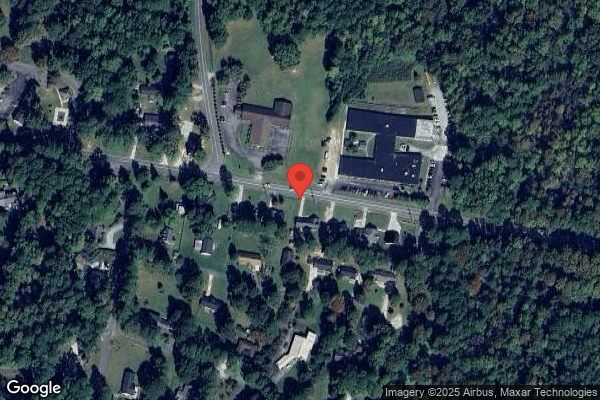

1624 Highland Drive, Washington, NC 27889 (252) 946-9570
For profit - Corporation 128 Beds CCH HEALTHCARE Data: November 2025
Trust Grade
55/100
#280 of 417 in NC
Last Inspection: September 2025

Inspected within the last 6 months. Data reflects current conditions.

Overview

Ridgewood Living & Rehabilitation Center has received a Trust Grade of C, which means it is average and sits in the middle of the pack among nursing homes. In North Carolina, it ranks #280 out of 417 facilities, placing it in the bottom half, but it is #1 out of 2 in Beaufort County, indicating limited local options. The facility is showing improvement, with issues decreasing from 10 in 2024 to just 1 in 2025. Staffing is rated at 3 out of 5 stars, with a turnover rate of 36%, which is better than the state average, suggesting that staff tend to stay and are familiar with the residents. While there have been no recent fines, the facility has faced concerns including pest control failures, inaccurate medical coding for residents requiring oxygen, and not honoring bathing preferences for some residents, indicating areas that still need attention.
Trust Score
C
55/100
In North Carolina
#280/417
Bottom 33%
Safety Record
Low Risk
No red flags
Inspections
Getting Better
10 → 1 violations
Staff Stability
○ Average
36% turnover. Near North Carolina's 48% average. Typical for the industry.
Penalties
✓ Good
No fines on record. Clean compliance history, better than most North Carolina facilities.
Skilled Nurses
⚠ Watch
Each resident gets only 25 minutes of Registered Nurse (RN) attention daily — below average for North Carolina. Fewer RN minutes means fewer trained eyes watching for problems.
Violations
⚠ Watch
19 deficiencies on record. Higher than average. Multiple issues found across inspections.
★★☆☆☆
2.0
Overall Rating
★★★☆☆
3.0
Staff Levels
★★★★☆
4.0
Care Quality
★★☆☆☆
2.0
Inspection Score
Stable
2024: 10 issues
2025: 1 issues

The Good

  • 4-Star Quality Measures · Strong clinical quality outcomes
  • Full Sprinkler Coverage · Fire safety systems throughout facility
  • No fines on record
  • Staff turnover below average (36%)

    12 points below North Carolina average of 48%

Facility shows strength in quality measures, fire safety.

The Bad

2-Star Overall Rating

Below North Carolina average (2.8)

Below average - review inspection findings carefully

Staff Turnover: 36%

10pts below North Carolina avg (46%)

Typical for the industry

Chain: CCH HEALTHCARE

Part of a multi-facility chain

Ask about local staffing decisions and management

The Ugly 19 deficiencies on record

Jan 2025 1 deficiency
CONCERN (E) 📢 Someone Reported This

A family member, employee, or ombudsman was alarmed enough to file a formal complaint

Potential for Harm - no one hurt, but risky conditions existed

Deficiency F0925 (Tag F0925)

Could have caused harm · This affected multiple residents

**NOTE- TERMS IN BRACKETS HAVE BEEN EDITED TO PROTECT CONFIDENTIALITY** Based on observations, staff interviews, resident interviews, physician interview, and a pest control supervisor interview the f...

Read full inspector narrative →
**NOTE- TERMS IN BRACKETS HAVE BEEN EDITED TO PROTECT CONFIDENTIALITY** Based on observations, staff interviews, resident interviews, physician interview, and a pest control supervisor interview the facility failed to maintain an effective pest control program that was free of German cockroaches for 4 (Resident #3, Resident #4, Resident #5, and Resident #6) of 4 residents reviewed for pest control services. Findings included: Documentation on the facility pest control company contract initiated on 6/27/2022 indicated that both interior and exterior pest control services, including cockroaches, were provided weekly to all rooms located on one wing of the facility. Pest control services rotated accordingly, so all wings and facility rooms were serviced at least once per quarter. Documentation on a pest control contract signed on 12/11/2024 revealed that a Roach Cleanout was negotiated for Rooms 409, 413, 415, 417, 419, and 421. Documentation on an unsigned pest control contract revealed a Roach Cleanout was being considered for Rooms 301, 302, 303, 305, 307, and 317. a. An observation was conducted of Resident #4 in room [ROOM NUMBER] and Housekeeper #1 on 1/16/2025 at 1:29 PM. Resident #4 was observed lying on her back in bed with the head of her bed slightly elevated. Resident #4 was still finishing her lunch meal which sat on a bedside table in front of her. A cockroach crawled out from under the mattress and started crawling across the sheet toward the head of Resident #4. Resident #4 became alarmed and spoke out requesting for the cockroach to be removed. Housekeeper #1, who was in the doorway of the room, came into the room. Housekeeper #1 responded and flicked the cockroach off the bed to the floor. Housekeeper #1 then left the room. Housekeeper #1 was interviewed on 1/16/2025 at 1:29 PM. Housekeeper #1 stated she just flicked the cockroaches off the bed when she saw them. Houskeeper #1 revealed she often saw cockroaches in the resident rooms while cleaning. Housekeeper #1 further revealed she did not tell anyone about the cockroaches because she was sure they knew. Resident #4 was interviewed on 1/16/2024 at 1:31 PM. Resident #4 stated cockroaches frequently crawled in her bed, on the walls, and around the television. She said everyone knew they were there. b. An observation was made of Resident #4 in room [ROOM NUMBER] and the Director of Housekeeping on 1/16/2025 at 1:34 PM. The Director of Housekeeping observed a cockroach crawling up the wall behind the bed of Resident #4 and he took a facial tissue and squashed the insect, ultimately depositing the insect in the garbage can. The Director of Housekeeping was interviewed on 1/16/2025 at 1:34 PM. The Director of Housekeeping knew that the facility had the pest control company super treat some of the rooms in the 400 hallway and that the pest control company sprayed the whole building once a week. The Director of Housekeeping stated the only thing that could be done was to kill the cockroaches when they saw them and sweep them up. c. The following observation was made of room [ROOM NUMBER] on 1/16/2025 at 1:50 PM. Twenty cockroaches of various sizes crawled around on the room floor and under the bed. Three cockroaches were crawling up the wall behind the bed. Seven cockroaches were crawling around the door frame of the closet next to the bed. Two cockroaches were on the resident's bedside table. Nurse #1 was interviewed on 1/16/2024 at 2:13 PM. Nurse #1 stated he wrote out a work order that morning for maintenance to spray for the cockroaches in room [ROOM NUMBER]. An observation was made of room [ROOM NUMBER] on 1/16/2025 at 5:47 PM. Five cockroaches were crawling around the door frame of the closet next to the bed. An additional observation was made of room [ROOM NUMBER] on 1/17/2025 at 9:48 AM. Three cockroaches were crawling along the door frame of the closet next to the bed. Resident #5 in room [ROOM NUMBER] was interviewed on 1/17/2025 at 9:48 AM. Resident #5 stated that at night, cockroaches crawled on the ceiling and came from behind his television on the wall. d. Resident #3 in room [ROOM NUMBER] was interviewed on 1/16/2025 at 11:55 AM. Resident #3 stated she saw cockroaches all the time in her room, and she had to call someone into the room to either help her or her roommate kill them. e. An interview was conducted with NA #2 on 1/16/2025 at 1:40 PM and the following information was provided. NA #2 stated that morning she was in the room of Resident #6 assisting him with morning care when she moved the bed slightly. NA #2 stated that 30 cockroaches came out of the wheel well on the bed, crawling in all directions across the floor. NA #2 explained there was a part underneath the bed frame which was a small cylinder for which insects could hide. NA #2 stated everyone knew cockroaches were everywhere. NA #2 explained that Resident #6 did not see the cockroaches and could not understand. The facility Administrator was interviewed on 1/16/2025 at 1:52 PM. The Administrator stated the facility determined the only effective way to get rid of the cockroaches was for the Pest Control company to provide a clean out which involved a two-step process of removing the residents from the rooms, treating the room for cockroaches, and then returning two weeks later to treat the rooms again. The Administrator stated the cleaning out process had already been performed for some of the rooms in the 400 hallway but getting rid of the cockroaches was a work in progress. A Supervisor with the pest control company was interviewed on 1/16/2024 at 2:43 PM and the following information was provided. The Supervisor has been out to the facility on three occasions in the last year to have meetings with the Administrator and the Director of Maintenance to discuss how to address the cockroaches in the facility. The Supervisor did not recall the dates of the meetings with the facility. The facility has German cockroaches. The German cockroaches are very invasive and the best way to handle an infestation is with the clean out process. The room needs to have all personal items removed, the resident removed for 4 to 5 hours, and the room needs to be cleaned. The pest control company then uses an aerosol spray, bait, and dust to kill the cockroaches in the room. The whole process was repeated after 2 weeks. It was proposed that every room in each hallway receive the clean out service, with one-half of the hallway completed at a time. In December 2024 six rooms were approved by the facility to receive the clean out service. There was another contract to perform the clean out service for rooms in the 300 hallway but it was not yet signed or agreed upon by the facility. If one German cockroach was visualized, there were likely a hundred cockroaches in the room. The German cockroach can multiply from two to two hundred in one month. The food, crumbs, and clutter exacerbate the problem of cockroaches. Certain respiratory issues or asthma can be exacerbated due to the pheromones and fecal matter of the German cockroach. The facility Administrator was interviewed again on 1/16/2024 at 4:12 PM. The Administrator revealed that room [ROOM NUMBER] and Resident #6's room had been added to the list of rooms to undergo the clean out service. The Administrator did not recall the dates of the meetings with the pest control company to discuss cockroaches but acknowledged that three meetings had been held. The Director of Maintenance was interviewed on 1/17/2025 at 10:42 AM. The Director of Maintenance stated he did not know the cause of the cockroaches in the facility. The Director of Maintenance explained the cockroach problem was significant at one time, but it seemed to get better after the 400 hall was treated by the pest control company. The Director of Maintenance revealed that the charger for the electric wheelchair in room [ROOM NUMBER] was full of cockroaches but was cleaned. The Director of Maintenance thought the facility residents and family needed to address the clutter and the snacks in the rooms, so the cockroaches did not have a food source. The Director of Maintenance stated the contract for the clean out service for some of the rooms in the 300 hallway had been signed and was to be completed the following week. The facility's Medical Director was interviewed on 1/17/2025 at 12:15 PM. The Medical Director stated he had not seen cockroaches while visiting the facility's residents and did not think cockroaches caused any medical harm or created any medical issues.
Jun 2024 10 deficiencies
CONCERN (D) 📢 Someone Reported This

A family member, employee, or ombudsman was alarmed enough to file a formal complaint

Potential for Harm - no one hurt, but risky conditions existed

Deficiency F0558 (Tag F0558)

Could have caused harm · This affected 1 resident

**NOTE- TERMS IN BRACKETS HAVE BEEN EDITED TO PROTECT CONFIDENTIALITY** Based on observations, record review, and resident and staff interviews the facility failed to keep the call light within reach ...

Read full inspector narrative →
**NOTE- TERMS IN BRACKETS HAVE BEEN EDITED TO PROTECT CONFIDENTIALITY** Based on observations, record review, and resident and staff interviews the facility failed to keep the call light within reach for 1 of 1 resident (Resident #54) reviewed for accommodation of needs. Findings included: Resident #54 was admitted to the facility on [DATE] with a diagnosis of intracerebral hemorrhage (bleeding in the brain). A review of Resident #54's care plan revealed in part a focus area initiated on 5/7/2019 of at risk for falls. The goal, last revised on 3/15/24, was for Resident #54 not to sustain any injuries related to falls through the next review. An intervention was to be sure Resident #54's call light was within reach and encourage Resident #54 to use it for assistance as needed as Resident #54 required prompt response to all requests for assistance. A review of Resident #54's quarterly Minimum Data Set (MDS) assessment dated [DATE] revealed she was moderately cognitively impaired. She had functional limitation in range of motion of her upper extremities on one side. On 6/10/24 at 1:22 PM Resident #54 was observed in her room seated in her recliner chair on the left side of her bed. Her call light was observed on the right side of her bed hanging from the headboard of her bed. Resident #54 was not able to reach her call light. An interview with Resident #54 at that time indicated she needed some assistance. Resident #54 stated she could not reach her call light, and she couldn't yell for help because her voice was not loud enough. She reported there had been other times when her call bell was left where she couldn't reach it, and she just had to wait for someone to come into her room to help her. She went on to say this was frustrating. On 6/10/24 at 1:55 PM Resident #54 was observed to be asleep in her recliner chair. Her call light was still observed to be out of reach. On 6/10/24 at 2:08 PM Resident #54 was observed to be asleep in her recliner chair. Her call light was still observed to be out of reach. On 6/10/24 at 2:47 PM an observation of Resident #54 with Nurse Aide (NA) #6 revealed Resident #54 was seated in her recliner chair with her call light out of her reach hanging on the right side of her bed from the headboard. An interview with NA #6 at that time indicated she was assigned to Resident #54. NA #6 reported Resident #54 could not reach her call light where it was now. She stated she had last been in Resident #54's room between 1:00 PM and 1:30 PM that day picking up lunch meal trays. She reported she had not made sure Resident #54 had her call bell in reach when she left Resident #54's room. NA #6 went on to say residents should have their call lights within reach at all times. She confirmed Resident #54 was able to use her call light. On 6/12/24 at 10:59 AM an interview with the Director of Nursing indicated Resident #54 was able to use her call light to obtain assistance. She reported residents should have their call light within their reach at all times. She stated when any staff member left a resident's room, they should always make sure the resident had their call light within their reach. On 6/12/24 at 11:13 AM an interview with the Administrator indicated the facility had longer call light cords if needed. She stated residents should have their call light within reach at all times. She went on to say before any staff member left a residents room, they should make sure that resident had their call light within reach.
CONCERN (D) 📢 Someone Reported This

A family member, employee, or ombudsman was alarmed enough to file a formal complaint

Potential for Harm - no one hurt, but risky conditions existed

Deficiency F0578 (Tag F0578)

Could have caused harm · This affected 1 resident

**NOTE- TERMS IN BRACKETS HAVE BEEN EDITED TO PROTECT CONFIDENTIALITY** Based on record review and staff interviews the facility failed to provide the opportunity to establish advanced directives and ...

Read full inspector narrative →
**NOTE- TERMS IN BRACKETS HAVE BEEN EDITED TO PROTECT CONFIDENTIALITY** Based on record review and staff interviews the facility failed to provide the opportunity to establish advanced directives and document this in the medical record for 1 of 2 residents (Resident #100) reviewed for advanced directives. Findings included: A review of the facility's policy titled Advanced Directives dated last revised September 2022 revealed, in part, the following: 1. If the resident or resident representative indicates that he or she has not established advanced directives, the facility staff will offer assistance in establishing advanced directives. A. The resident or representative is given the option to accept or decline assistance, and care will not be contingent on either decision. B. Nursing staff will document in the medical record the offer to assist and the resident's decision to accept or decline assistance. Resident #100 was admitted to the facility on [DATE] with a diagnosis of stroke (disrupted blood supply to the brain). A review of Resident #100's quarterly Minimum Data Set (MDS) assessment dated [DATE] revealed she was cognitively intact. On 6/9/24 at 4:05 PM an interview with Resident #100 indicated she understood that advanced directives included a living will and a power of attorney. She stated she did not have either of these things. She went on to say she did not recall ever being offered the opportunity or assistance with establishing them. Resident #100 stated she would like more information. On 6/11/24 a review of Resident 100's record did not reveal any evidence Resident #100 wanted to establish advanced directives or refused. On 6/11/24 at 2:31 PM an interview with Social Worker (SW) #2 indicated she was currently Resident #100's SW. She stated she started in this role in May 2023. She further indicated Resident #100 was her own representative. SW #2 reported she did not recall ever having a conversation with Resident #100 about whether or not she would like to establish advanced directives. On 6/11/24 at 3:23 PM an interview with the Admissions Director indicated she assisted residents with completing the admission paperwork. She reported she had been doing this when Resident #100 was first admitted to the facility. She stated she spoke with residents and/or their representatives regarding code status and asked if they had a living will and/or a power or attorney on admission. She went on to say if a resident had either of these things, a copy was requested to place in the resident's record. The Admissions Director reported if residents did not have these things, she did not ask if they would like to establish them or offer any assistance with doing this. On 6/12/24 at 8:42 AM an interview with SW #1 indicated he had been the SW at the facility from September 2022 through September of 2023. He stated he did not recall ever having a conversation with Resident #100 about whether or not she would like to establish advanced directives. On 6/12/24 at 10:00AM an interview with the Assistant Director of Nursing indicated there was no documentation in Resident #100's record that Resident #100 wanted to establish advanced directives or refused. On 6/12/24 at 10:59 AM an interview with the Director of Nursing indicated the Admissions Director asked residents whether or not they had advanced directives in a verbal conversation on admission. She reported regarding whether or not a resident or representative wished to establish advanced directives, there had not been any documentation of this in the record. On 6/12/24 at 11:13 AM an interview with the Administrator indicated she did not know why there was no documentation in Resident #100's record regarding whether or not she wanted to establish advanced directives.
CONCERN (D)

Potential for Harm - no one hurt, but risky conditions existed

Deficiency F0657 (Tag F0657)

Could have caused harm · This affected 1 resident

**NOTE- TERMS IN BRACKETS HAVE BEEN EDITED TO PROTECT CONFIDENTIALITY** Based on resident and staff interviews and record review the facility failed to have a quarterly interdisciplinary care plan mee...

Read full inspector narrative →
**NOTE- TERMS IN BRACKETS HAVE BEEN EDITED TO PROTECT CONFIDENTIALITY** Based on resident and staff interviews and record review the facility failed to have a quarterly interdisciplinary care plan meeting for 1 of 6 residents reviewed for care planning. (Resident #8) Findings included: Resident #8 was admitted to the facility on [DATE]. Her active diagnoses included hemiplegia affecting left nondominant side, diabetes mellitus, unsteadiness on feet, cerebrovascular disease, muscle weakness, hyperlipidemia, and hypertension. Review of Resident #8's minimum data set assessment dated [DATE] revealed she was assessed as cognitively intact. Review of Resident #8's medical record revealed her last care plan meeting was held on 2/13/24. During an interview on 6/9/24 at 10:37 AM Resident #8 stated she had not had a care plan meeting in a long time and could not remember the date of her last care plan meeting. During an interview on 6/11/24 at 9:28 AM Social Worker #2 stated the last care plan meeting for Resident #8 was on 2/13/24. She stated care plan meetings were supposed to be completed quarterly. She concluded she did not have a reason Resident #8 had not had another care plan meeting since 2/13/24. During an interview on 6/11/24 at 9:37 AM the Administrator stated care plan meetings were to be held quarterly for residents.
CONCERN (D) 📢 Someone Reported This

A family member, employee, or ombudsman was alarmed enough to file a formal complaint

Potential for Harm - no one hurt, but risky conditions existed

Deficiency F0688 (Tag F0688)

Could have caused harm · This affected 1 resident

**NOTE- TERMS IN BRACKETS HAVE BEEN EDITED TO PROTECT CONFIDENTIALITY** Based on observation, staff interviews, and record review the facility failed to apply a hand splint to a resident as ordered fo...

Read full inspector narrative →
**NOTE- TERMS IN BRACKETS HAVE BEEN EDITED TO PROTECT CONFIDENTIALITY** Based on observation, staff interviews, and record review the facility failed to apply a hand splint to a resident as ordered for 1 of 4 residents reviewed for positioning and mobility. (Resident #51) Findings included: Resident #51 was admitted to the facility on [DATE]. His active diagnoses included muscle weakness, unspecified sequelae (an aftereffect of a disease, condition, or injury) of cerebral infarction, pain in left shoulder, and flaccid hemiplegia affecting left nondominant side. Review of Resident #51's Minimum Data Set assessment dated [DATE] revealed he was assessed as moderately cognitively impaired. He was documented to have no rejection of evaluation or care. He had impairment on one side of his upper extremities. He required set-up or clean-up assistance with eating and was dependent on staff for oral hygiene, toileting hygiene, upper and lower body dressing, putting on and taking off footwear, and personal hygiene. Review of an order dated 3/27/23 revealed Resident #51 was ordered for staff to apply left hand splint after breakfast and remove after supper for contracture prevention. Review of Resident #51's care plan dated 4/12/24 revealed he was care planned for activities of daily living self-care performance deficit related to flaccid hemiplegia of the left side, generalized weakness, and immobility. The interventions included applying his left-hand splint as directed for contracture prevention and left hemiplegia. During an interview on 6/9/24 at 11:38 AM Resident #51 stated he was supposed to get his splint applied to his left hand daily, but it was not on his left hand today. He concluded sometimes staff do not put his splint on him. During observation on 6/9/24 at 11:39 AM Resident #51 was observed to not have his splint on his left hand. During an interview on 6/10/24 at 8:54 AM Resident #51 stated he finished breakfast but had no one had put his left-hand splint on that morning. During observation on 6/10/24 at 8:54 AM Resident #51 was observed to not have his splint on his left hand. During an interview on 6/10/24 at 12:13 PM Resident #51 stated no staff had placed his splint on his left hand yet. During observation on 6/10/24 at 12:13 PM Resident #51 was observed to not have his splint on his left hand. During an interview on 6/10/24 at 12:56 PM Nurse #5 stated the nurse aides should place Resident #51's splint to his left hand in the mornings. Upon observing the resident, she concluded the splint was not placed on Resident #51's left hand and it should have been. Nurse #5 then retrieved the splint from Resident #51's dresser and placed it on the resident. During an interview on 6/10/24 at 12:59 PM Nurse Aide #4 stated she forgot to place Resident #51's splint on his left hand that morning. She stated she knew he was to get his splint on in the morning because the information was on the resident's care guide at the nurse aide's kiosk. During an interview on 6/10/24 at 1:18 PM the Director of Nursing stated if a resident is ordered to have a splint placed then staff should have put the splint on as ordered or documented a refusal.
CONCERN (D)

Potential for Harm - no one hurt, but risky conditions existed

Deficiency F0692 (Tag F0692)

Could have caused harm · This affected 1 resident

**NOTE- TERMS IN BRACKETS HAVE BEEN EDITED TO PROTECT CONFIDENTIALITY** Based on observations, record review, and staff interviews the facility failed to provide a nutritional supplement as ordered by...

Read full inspector narrative →
**NOTE- TERMS IN BRACKETS HAVE BEEN EDITED TO PROTECT CONFIDENTIALITY** Based on observations, record review, and staff interviews the facility failed to provide a nutritional supplement as ordered by the physician. This was for 1 of 1 residents (Resident #25) reviewed for nutrition. Findings included: Resident #25 was admitted to the facility on [DATE] with a diagnosis of diabetes mellitus. A care plan focus area initiated on 11/3/23 was at risk for nutritional problems related to poor oral intake. The goal, last revised on 4/22/24, was for Resident #25 to maintain stable weight through the next review. An intervention was to provide nutritional supplements as needed. A review of Resident #25's weight record revealed in part on 2/13/24 he weighed 188 pounds. On 6/11/24 Resident #25 weighed 196.4 pounds. A current active physician's order with a start date of 2/13/24 was for a nutritional shake three times a day with meals for weight loss prevention. A review of Resident #25's quarterly Minimum Data Set (MDS) assessment dated [DATE] revealed he was severely cognitively impaired. He rejected care on 4 to 6 days of the look back period for the assessment. He was 71 inches tall. Resident #25 weighed 191 pounds. He had no or unknown weight loss of 5 percent or more in one month or 10 percent or more in 6 months. On 6/11/24 at 8:53 AM the Unit Manager was observed to deliver Resident #25's breakfast meal tray to him and leave his room. Resident #25 began eating his toast. His meal tray ticket was observed to list a nutritional shake; however, no nutritional shake was present on his tray. On 6/11/24 at 9:09 AM Nurse Aide (NA) #5 was observed to remove Resident #25's breakfast tray. An interview with NA #5 at that time indicated Resident #25 did not receive a nutritional shake on his breakfast tray. She stated he was getting nutritional shakes at one time, but he had been refusing them. NA #5 reported she thought these had been discontinued. On 6/11/24 at 10:33 a review of Resident #25's Medication Administration Record (MAR) revealed in part documentation by Nurse #4 that Resident #25 took 50 percent of his nutritional shake with his breakfast meal. On 6/11/24 at 10:50 AM an interview with Nurse #4 indicated she was caring for Resident #25 on 6/11/24. She stated Resident #25 drank 50 percent of his nutritional shake this morning with his breakfast on 6/11/24. She reported she had not seen the shake, it came from the kitchen with his breakfast tray, but she asked NA #5 how much of it Resident #25 drank. On 6/11/24 at 1:09 PM in a follow-up interview NA #5 confirmed Resident #25 had not received a nutritional shake with his breakfast on 6/11/24. She stated she had not realized it was still listed on his meal ticket. She reported she was supposed to look at meal tickets and compare what was on the tray to what was on the meal ticket. NA #5 went on to say if an item was missing, she was supposed to call to the kitchen and get a replacement. She reported she had not done this for Resident #25's nutritional shake. NA #5 further indicated Nurse #4 had not asked her how much nutritional shake Resident #25 drank. On 6/11/24 at 1:29 PM an interview with the Unit Manager indicated she delivered Resident #25's breakfast meal tray on 6/11/24. She stated she had not seen a nutritional shake on Resident #25's breakfast tray, but she had not looked at the meal ticket either. She reported after she delivered Resident #25's breakfast, NA #5 had taken over. On 6/11/24 at 4:16 PM an interview with the Dietary Manager indicated the kitchen was not perfect. She stated Resident #25's nutritional shake was missing from his breakfast tray on 6/11/24. She reported as a safeguard the person who delivered Resident #25's breakfast tray should be calling the kitchen to obtain a replacement. On 6/12/24 at 10:59 AM an interview with the Director of Nursing (DON) indicated if a resident had a physician's order for a nutritional supplement, then the nurse should ensure that the resident received this as this was something the nurse needed to document on the MAR. The DON went on to say whoever delivered a resident's meal tray should be checking the tray to ensure all items listed on the meal ticket were present. She stated if an item was missing, a replacement should be obtained. On 6/12/24 at 11:13 AM an interview with the Administrator indicated the kitchen should be making sure that nutritional shakes were present on the meal tray for residents who had them listed on their meal tray tickets. She went on to say if the shake is missing from the tray, whoever delivered the tray should contact the kitchen for a replacement.
CONCERN (D)

Potential for Harm - no one hurt, but risky conditions existed

Tube Feeding (Tag F0693)

Could have caused harm · This affected 1 resident

**NOTE- TERMS IN BRACKETS HAVE BEEN EDITED TO PROTECT CONFIDENTIALITY** Based on observation, staff interviews, and record review the facility failed to clean and store a syringe for enteral feeding w...

Read full inspector narrative →
**NOTE- TERMS IN BRACKETS HAVE BEEN EDITED TO PROTECT CONFIDENTIALITY** Based on observation, staff interviews, and record review the facility failed to clean and store a syringe for enteral feeding with the plunger separately to dry for 1 of 1 resident reviewed for tube feeding. (Resident #57) Findings included: Resident #57 was admitted to the facility on [DATE]. His active diagnoses included muscle weakness, persistent vegetative state, and anoxic brain damage. Review of Resident #57's Minimum Data Det assessment dated [DATE] revealed he was assessed as having a persistent vegetative state/no discernible consciousness. He was assessed to have a feeding tube in place and 51% or more of total calories the resident received through parenteral or tube feeding, and 501 cubic centimeters or more of fluid intake per day by IV or tube feeding. Review of Resident #57's care plan dated 4/8/24 revealed he was care planned to require tube feeding related to persistent vegetative state. The interventions included to keep the head of the bed elevated 45 degrees during and thirty minutes after tube feed, follow physician's orders for current feeding orders, check for tube placement and gastric contents/residual volume per facility protocol, and record, monitor, document, and report as needed any signs or symptoms of aspiration fever, shortness of breath, tube dislodged, infection at tube site, tube dysfunction or malfunction. During observation on 6/9/24 at 10:45 AM the enteral feeding syringe for Resident #57 was observed with the plunger stored in syringe and was in a plastic bag hanging beside the resident's bed and dated 6/9/24. [NAME] debris and liquid were observed at the base of plunger, inside of the syringe. During an interview on 6/9/24 at 10:46 AM Nurse #6 stated she stored the enteral feeding syringe for Resident #57 the way it was observed by the surveyor and reused it for medication pass. She further stated the white debris was left over medication and water from this morning when she gave his medication via feeding tube. During observation on 6/10/24 at 12:03 PM the enteral feeding syringe for Resident #57 was observed with the plunger stored in syringe and was in a plastic bag hanging beside the resident's bed and dated 6/10/24. [NAME] debris and liquid were observed at the base of plunger, inside of the syringe. During an interview on 6/10/24 at 12:08 PM Nurse #5 stated she used the enteral feeding syringe to check residual as well as provide medications that morning to Resident #57. The nurse stated after using it, she rinsed the syringe and plunger and then placed the plunger in the syringe and placed them in a bag hung next to the bed to dry and to be reused. Upon observing the syringe, she stated there was white debris and water must have been crushed medication remnants and water from the morning medication pass. During an interview on 6/11/24 at 7:58 AM the Director of Nursing stated the syringe, and the plunger were to be cleaned with soap and water and dried with a paper towel and then the plunger and the syringe were to remain separate as they dry hanging in the bag next to the resident's bed.
CONCERN (D)

Potential for Harm - no one hurt, but risky conditions existed

Menu Adequacy (Tag F0803)

Could have caused harm · This affected 1 resident

**NOTE- TERMS IN BRACKETS HAVE BEEN EDITED TO PROTECT CONFIDENTIALITY** Based on observations, record review and staff interviews, the facility failed to honor residents' food preferences for 2 of 2 r...

Read full inspector narrative →
**NOTE- TERMS IN BRACKETS HAVE BEEN EDITED TO PROTECT CONFIDENTIALITY** Based on observations, record review and staff interviews, the facility failed to honor residents' food preferences for 2 of 2 residents reviewed for food preferences (Resident #27, and Resident #117). Findings include: a.Resident #27 was admitted on [DATE] and readmitted on [DATE]. Review of the admission MDS assessment dated [DATE] for Resident #27 revealed she was cognitively intact. During an interview with Resident #27 on 6/9/24 at 11:39 am she stated that she did not like green beans or carrots but had been served green beans and carrots up to three times a week since her admission on [DATE]. During an interview with Resident #27 on 6/9/24 at 12:21 pm she stated that she was served mixed vegetables that included large amounts of green beans and carrots. She indicated that she did not like carrots and green beans, and she wished the kitchen would stop sending them. Observation of Resident #27's meal tray on 6/9/24 at 12:21 pm a bowl of mixed vegetables that included green beans and carrots had been served to Resident #27. Review of Resident #27's meal ticket on her meal tray revealed that green beans and carrots were listed as disliked foods. During an interview on 6/10/24 at 12:57 pm Resident #27 stated that she got a bowl of carrots on her lunch tray. She further indicated that she was served a bowl of green beans with her dinner on 6/9/24. She stated that she had not spoken to anyone from the dietary department since she was readmitted on [DATE] because the dietary staff already had her dislikes from her prior admission on [DATE]. She stated that her dislikes were listed on her meal ticket and the kitchen staff should honor what was on her meal ticket. Observation of Resident #27's meal tray on 6/10/24 at 12:57 pm a bowl of carrots had been served to Resident #27. Review of Resident #27's tray meal ticket dated 6/10/24 revealed her dislikes were listed. Her dislikes included carrots and green beans. b.Resident #117 was admitted on [DATE] with diagnoses that included heart failure and diabetes. Review of the annual MDS assessment dated [DATE] for Resident #117 revealed she was moderately cognitively impaired. In an interview with Resident #117 on 6/9/24 at 1:48 pm she stated that she did not like milk, eggs, or fish but was served eggs every few weeks, fish every Friday, and milk about once a month. Review of Resident #117's meal ticket on her tray revealed that her dislikes listed on the meal ticket included milk, scrambled eggs, and fish. Observation of Resident #117's meal tray on 6/10/24 at 7:45 am scrambled eggs had been served to Resident #117. Review of Resident #117's meal ticket on her tray revealed that her dislikes listed on the meal ticket included scrambled eggs. In an interview with Resident #117 on 6/11/24 at 9:30 am she stated that she received milk on her breakfast meal tray and before she could tell someone that she did not like or want milk it that it was opened, so it was wasted. During an interview with the Certified Dietary Manager (CDM) on 6/10/24 at 01:04 pm she stated that she meets with all residents after they were admitted and asked them about their food likes and dislikes and recorded the information in the computer system and when she printed out tray meal tickets dislikes were listed on the ticket. She stated that if a resident had a dislike that an alternative would have been provided to that resident and the disliked food would not have been placed on the meal tray to be served to the resident. The interview further revealed that the dietary aide viewed the meal tickets when meal plates were prepared and called out any disliked foods to the cook before the food was plated so the disliked food would not be placed on the resident's plate. The CDM stated that residents should not get food on their plate that was listed as a dislike on their meal ticket. She indicated that dietary staff were educated that diets must be followed and if there was a dislike listed on the meal ticket that the food should not be served to the resident. The CDM did not know why Resident #27 and #117 received disliked foods on their meal trays. During an interview with the [NAME] Aide on 6/10/24 at 1:15 pm she stated that she read the disliked foods listed on the meal ticket to the cook who plated the meal, and the cook would substitute the disliked food with an alternate food of the same food group. She further indicated that Resident #27 had a dislike of the alternate vegetable on 6/10/24 so she did not read the dislikes to the cook because she thought that a vegetable had to be served with the meal. She further indicated that she did not know why Resident #27 and Resident #112 received food that was listed on their meal ticket as disliked food on the other dates. In an interview with the Evening [NAME] on 6/10/24 at 1:22 pm she stated that she served the lunch meal every day after the morning cook prepared the food. She stated that the [NAME] Aide read the meal ticket to her and told her if a resident had a dislike and if they did, she would not put that food on the plate. She stated that if a resident had a dislike that she would serve an alternate food item and if a resident disliked the main and alternative food that she prepared and served a third option. The interview further revealed that the [NAME] did not look at the meal ticket and if the [NAME] Aide did not tell her of a disliked foods that she served the food that was on the menu. In an interview with the Director of Nursing on 6/10/24 at 1:53 pm she stated that if residents received food that was listed as disliked on their meal ticket that someone did not pay attention. She further stated that Resident #27 and #117 should not have received food that they disliked. In an interview with the Administrator on 6/10/24 at 3:36 pm she stated that Resident #27 and Resident # 117 should not have been served food that they disliked if it was marked on the meal ticket as disliked.
CONCERN (D)

Potential for Harm - no one hurt, but risky conditions existed

Medical Records (Tag F0842)

Could have caused harm · This affected 1 resident

2. A physician's order with a start date of 2/13/24 was for a nutritional shake three times a day with meals for weight loss prevention. On 6/11/24 at 8:53 AM the Unit Manager was observed to deliver...

Read full inspector narrative →
2. A physician's order with a start date of 2/13/24 was for a nutritional shake three times a day with meals for weight loss prevention. On 6/11/24 at 8:53 AM the Unit Manager was observed to deliver Resident #25's breakfast meal tray to him and leave his room. His meal tray ticket was observed to list a nutritional shake; however, no nutritional shake was present on his tray. On 6/11/24 at 10:33 a review of Resident #25's Medication Administration Record (MAR) revealed in part documentation by Nurse #4 that Resident #25 drank 50 percent of his nutritional shake with his breakfast meal. On 6/11/24 at 10:50 AM an interview with Nurse #4 indicated she was caring for Resident #25 on 6/11/24. She stated Resident #25 drank 50 percent of his nutritional shake this morning with his breakfast on 6/11/24. She reported she asked NA #5 how much of it Resident #25 drank. On 6/11/24 at 1:09 PM in an interview NA #5 confirmed Resident #25 had not received a nutritional shake with his breakfast on 6/11/24. NA #5 further indicated Nurse #4 had not asked her how much nutritional shake Resident #25 drank. On 6/11/24 at 1:19 PM a follow-up interview with Nurse #4 indicated she realized that Resident #25 did not receive a nutritional shake on his breakfast tray on 6/11/24, and her documentation that he consumed 50 percent of it was not accurate. She stated she had not seen the shake on Resident #25's breakfast tray, but thought she asked Nurse Aide (NA) #5 how much of the shake Resident #25 drank. Nurse #4 reported there must have been a miscommunication with NA #5 about which resident she was asking about. She went on to say she would correct her documentation now. On 6/12/24 at 10:59 AM an interview with the Director of Nursing (DON) indicated Nurse #4 should have made sure Resident #25 received his nutritional shake before she documented how much he drank on the MAR. The DON went on to say documentation in residents records should be accurate. On 6/12/24 at 11:13 AM an interview with the Administrator indicated documentation in resident's records should be accurate. Based on observation, staff interviews, and record review the facility failed to accurately document the use of splints on a resident's Treatment Administration Record (TAR) for 1 of 3 residents reviewed for positioning and mobility and failed to accurately document nutrition supplement intake on the Medication Administration Record (MAR) for 1 of 1 resident reviewed for nutrition. (Resident #51 Resident #25) Findings included: 1. Review of an order dated 3/27/23 revealed Resident #51 was ordered for staff to apply left hand splint after breakfast and remove after supper for contracture prevention. Review of Resident #51's treatment administration record for June 2024 revealed it was documented by the nurse that the resident's left-hand splint had been applied at 8 AM on 6/10/24. During an interview on 6/10/24 at 8:54 AM Resident #51 stated he finished breakfast but had no one had put his left-hand splint on that morning. During observation on 6/10/24 at 8:54 AM Resident #51 was observed to not have his splint on his left hand. During an interview on 6/10/24 at 12:13 PM Resident #51 stated no staff had placed his splint on his left hand yet. During observation on 6/10/24 at 12:13 PM Resident #51 was observed to not have his splint on his left hand. During an interview on 6/10/24 at 12:56 PM Nurse #5 stated she did not check this morning to see if Resident #51's left-hand splint was on. She further stated she documented the splint as applied in his treatment administration record at 8 AM that morning. She concluded she should have checked to ensure it was put on him, but usually staff placed it on him so she documented it as on and should not have. During an interview on 6/10/24 at 1:18 PM the Director of Nursing stated the nurse should not document an intervention or treatment as completed without first checking that the treatment was in place to have accurate medical records.
CONCERN (D) 📢 Someone Reported This

A family member, employee, or ombudsman was alarmed enough to file a formal complaint

Potential for Harm - no one hurt, but risky conditions existed

Infection Control (Tag F0880)

Could have caused harm · This affected 1 resident

Based on observations and staff interviews, the facility failed to handle soiled linen in a manner to prevent the spread of infection for 1 of 1 resident reviewed for infection control and prevention ...

Read full inspector narrative →
Based on observations and staff interviews, the facility failed to handle soiled linen in a manner to prevent the spread of infection for 1 of 1 resident reviewed for infection control and prevention (Resident #44). Findings included: Review of facility policy entitled Laundry and Bedding, Soiled read in part soiled laundry/bedding shall be handled according to best practices for infection prevention and control. Contaminated laundry is placed in a bag or container at the location where it is used. During an observation of incontinence care for Resident #44 on 6/10/24 at 2:11 pm NA #1 laid soiled bath cloths and towels directly on the floor. She then removed her soiled gloves, placed them in the trash receptacle, washed her hands, and left the room. She returned with plastic bags. NA#1 then put on clean gloves and picked the soiled towels and wash cloths up off the floor and placed them in a plastic bag and tied the bag closed, removed her soiled gloves, placed them in the trash receptacle in the room, washed her hands, and disposed the soiled items in a dirty laundry hamper outside of the resident's room. In an interview with NA #1 on 6/10/24 at 2:30 pm she stated that she should have put the soiled towels and cloths in a plastic bag and should not have put it on the floor, but she forgot to bring a plastic bag with her that time. She further indicated that the soiled towels and wash cloths were dirty, and the floor was dirty and that increased the risk for the spread of infection. She stated that the facility protocol was to place the soiled linen directly into a plastic bag after use. In an interview with Nurse #1 on 6/10/24 at 2:36 pm she stated dirty linens to include towels and wash cloths should not have been placed directly on the floor after it had been used. She stated it should have been placed directly into a plastic bag, tied closed, and removed from the room. The interview further revealed that soiled linens placed directly on the floor created a concern of cross contamination because the linen could transfer germs to the floor and staff walked on it and spread germs to other areas of the building. She further indicated that the floor was considered dirty, and germs could have contaminated the linen on the floor and when handled by staff germs could be spread. In an interview with the Staff Development Coordinator/Infection Control Nurse on 6/10/24 at 3:51 pm she stated that after incontinence care was provided for Resident #44 that disposable items should have been placed in the trash and reusable wash cloths and towels should have been placed in a plastic bag and taken to the dirty hamper. She further indicated that was not appropriate to put the soiled towels and wash cloths directly on the floor before it had been placed into a plastic bag because that created infection control concerns and that germs could have been spread throughout the building on peoples' shoes. In an interview with the Director of Nursing on 06/11/24 at 10:37 am she stated soiled towels and cloths should not have been placed on the floor without a barrier and should have been placed directly into a plastic bag. She further indicated that staff had been educated in infection control to include how to handle soiled linen.
CONCERN (E)

Potential for Harm - no one hurt, but risky conditions existed

Assessment Accuracy (Tag F0641)

Could have caused harm · This affected multiple residents

**NOTE- TERMS IN BRACKETS HAVE BEEN EDITED TO PROTECT CONFIDENTIALITY** Based on record review and staff interviews, the facility failed to accurately code the Minimum Data Set (MDS) for oxygen for 4 ...

Read full inspector narrative →
**NOTE- TERMS IN BRACKETS HAVE BEEN EDITED TO PROTECT CONFIDENTIALITY** Based on record review and staff interviews, the facility failed to accurately code the Minimum Data Set (MDS) for oxygen for 4 of 28 residents reviewed for MDS assessments (Resident #3, Resident #75, Resident #121, and Resident #328). Findings include: a.Resident #3 was admitted on [DATE] and readmitted on [DATE] with diagnoses that included chronic obstructive pulmonary disease, congestive heart failure, oxygen dependence, and hypoxemia (low levels of oxygen in body tissues). Review of physician orders dated 5/5/22 revealed an order for Resident #3 to receive continuous oxygen three liters per minute via nasal cannula (oxygen delivery method) to maintain oxygen saturation (measurement of oxygen in the blood.) above 90%. Review of the annual MDS assessment dated [DATE] for Resident #3 revealed she was cognitively intact. Resident #3 had not been coded for oxygen use on the assessment. Review of Resident #3's June 2024 Medication Administration Record (MAR) revealed that she received continuous oxygen via nasal cannula delivered at 3 liters per minute. b.Resident #75 was admitted on [DATE] with diagnoses that included chronic obstructive pulmonary disease, and diabetes. Review of physician orders dated 2/20/24 revealed an order for Resident #75 to receive oxygen two liters per minute via nasal cannula (oxygen delivery method) every bedtime and while napping to maintain oxygen saturation (measurement of oxygen in the blood.) above 90%. Review of the annual MDS assessment dated [DATE] for Resident #75 revealed she was cognitively intact. Resident #75 had not been coded for oxygen use on the assessment. Review of Resident #75's June 2024 Medication Administration Record (MAR) revealed that she received oxygen via nasal cannula delivered at 2 liters per minute at bedtime and when she napped. c. Resident #121 was admitted on [DATE] with diagnoses that included chronic obstructive pulmonary disease. Review of Resident #121's physician orders dated 4/28/24 revealed an order for oxygen at two liters per minute via nasal cannula (oxygen delivery method). Review of the five-day MDS assessment dated [DATE] for Resident #121 revealed he was moderately cognitively impaired. The Resident had not been coded for oxygen use on the assessment. Review of Resident #121's Medication Administration Record (MAR) dated June 2024 revealed he received continuous oxygen delivered at two liters per minute via nasal cannula. d. Resident #328 was admitted to the facility on [DATE] with diagnoses that included fracture of the right femur and asthma. Review of physician orders dated 5/22/24 revealed an order for Resident #328 to receive continuous oxygen at four liters per minute via nasal cannula (oxygen delivery). Review of the five-day MDS assessment dated [DATE] for Resident #328 revealed she was mildly cognitively impaired. Resident #328 had not been coded for oxygen use on the assessment. Review of Resident #328's Medication Administration Record (MAR) dated June 2024 revealed she received oxygen via nasal cannula delivered at four liters per minute continuously. In interviews with the MDS coordinator on 6/11/24 at 9:38 AM and 12:59 PM she stated that Resident #121, Resident #328, Resident #3, and Resident #75 were not coded for oxygen use because she did not code a resident for oxygen use unless the physician used the word hypoxia (low levels of oxygen in the blood) in the physician's order for oxygen. An interview with the Director of Nursing on 6/11/24 at 1:45 PM revealed all physician orders were reviewed by the MDS Coordinator and she coded based on the physician order. She stated that Resident #121, Resident #328, Resident #3, and Resident #75 should have been coded for oxygen by the MDS nurse. In interviews with the Administrator and the Director of Operations on 6/11/24 at 2:00 PM and 2:40 PM they stated that the MDS for Resident #121, Resident #328, Resident #3, and Resident #75 should have been coded for oxygen.
May 2023 8 deficiencies
CONCERN (D)

Potential for Harm - no one hurt, but risky conditions existed

Resident Rights (Tag F0550)

Could have caused harm · This affected 1 resident

**NOTE- TERMS IN BRACKETS HAVE BEEN EDITED TO PROTECT CONFIDENTIALITY** Based on observations, interviews with residents and staff and record review the facility failed to respond to a call bell for 1...

Read full inspector narrative →
**NOTE- TERMS IN BRACKETS HAVE BEEN EDITED TO PROTECT CONFIDENTIALITY** Based on observations, interviews with residents and staff and record review the facility failed to respond to a call bell for 1 of 4 residents review for dignity (Resident #11). The findings included: Resident #11 was admitted to the facility on [DATE] with diagnoses which included cerebral infarction, high blood pressure and cardiac arrhythmia. The quarterly Minimum Data Set (MDS) dated [DATE] documented Resident #11 was cognitively intact. She was coded as independent with bed mobility, walking in room and in corridors supervision for transfers. She needed limited assistance with toilet use. She had no range of motion limitations. She used a wheelchair. Resident #11s care plan revised on 4/24/23 included a focus area of activities of daily living self-care performance deficit related to a history of stroke with hemiplegia and generalized weakness. The interventions included supervision to limited assistance with toileting and transfers. She also had a focus area of increased risk for falls related to gait/balance problems. Resident #97 was admitted to the facility on [DATE]. The admission MDS dated [DATE] documented Resident #97 was cognitively intact. A review of Resident #11's electronic medical record revealed a note written by Nurse #2 on 4/20/23 at 10:43 PM. The note documented Resident #11's call light was on, she went into the room, noted the bed was to the lowest position and the resident was sitting on the floor in front of the bed No apparent injuries at the time. Minutes later called me back to the room, stated right hip hurting. [name brand acetaminophen] given effective .Resident sleeping. On 5/21/23 at 3:10 PM Resident #97 stated about 4 weeks ago her roommate fell and no one came to help her. She said Resident #11 was calling out for help for almost an hour. On 5/22/23 at 10:25 AM Resident #11 stated she slipped off her bed during the night when she was trying to go to the bathroom. She said she was on the floor for an hour hollering for help. She said she remained on the floor until her roommate got someone to help. On 5/22/23 at 1:50 PM Resident #11 said she was laying on her bed and had dozed off then woke up and needed to go to the bathroom. She said she sat up on the edge of the bed and then slid off the bed onto the floor. She said she was on the floor for an hour hollering out for help. Resident #11 reported her roommate (Resident #97) called a family member and the family member called the facility telephone to tell them she had fallen. Resident #11 said that when they came into her room to get her up off the floor 3 staff members came into her room. On 5/22/23 at 3:40 PM Nurse Aide (NA) #11 said she was in another resident's room when Resident #11 fell. She said she heard Resident #11 had fallen and she went to help due to the fall. On 5/22/23 at 3:48 PM Nurse #2 reported she saw the call light on and when she went into the room Resident #11 was sitting on the floor in front of her bed. Nurse #2 said she assessed Resident #11 and found no injuries and no pain. She said she went to get help. Nurse #2 added NA #11 and Nurse #1 were working when the fall occurred. She added she had just provided medications for Resident #97 and after that was when she saw the call light. On 5/23/23 at 9:43 AM Resident #97's family member said she remembered she received a telephone call from Resident #97, but she did not remember exactly what day or if the call came on her home telephone or her cellular telephone. She stated Resident #97 asked her to call the facility to get help for Resident #11 because she was on the floor. She said Resident #97 told her she had activated the call light, but no one was responding, and it had been a long time. The family member said she called the facility's main phone number and told the person who answered the telephone that Resident #11 had fallen. The family member did not know who she talked to when she called the facility that evening. On 5/23/23 at 3:25 PM Nurse # 1 stated she received a telephone call while she was at station 1. She said the call was from Resident #97 who stated her roommate (Resident #11) had fallen and needed help getting up. She said she received the call between 9:45 and 10:15 PM. Nurse #1 said she walked to Resident #11's room and 2 other staff members joined her as she walked from Station 1 to Resident #11's room. She said the staff who joined her were Nurse #2 and NA #11. She said Resident #11 was seated on the floor with her back towards her bed with her feet facing outward toward the door. Nurse #1 said Resident #11 reported she was trying to get to her wheelchair to go to the bathroom when she slid off the bed. Nurse #1 stated she assessed Resident #11 who had no injuries. She said she and NA #11 assisted the Resident to sit on the side of the bed. She said Nurse #2 obtained vital signs and she went to call the doctor. She added the call light for Resident #11's room alarms at Station 2 and can not be heard at Station 1. On 5/24/23 at 10:24 AM NA #1 stated she was assigned all the rooms on the hall where Residents #11 and #97 were assigned during the 3:00 PM to 11:00 PM shift. She reported she was in another room on 4/20/23 and would not have been able to see or respond to a call light while she was in another room. On 5/24/232 at 11:44 AM Resident #97 stated she was in her bed and could see the clock on the wall from her bed. She said her roommate fell just before 9:00 PM and it was around 10:00 PM before anyone came to help her. Resident #97 said she currently had a new cellular telephone and did not have the call history from the day Resident #11 fell. She said she had activated the call light and not one came. She said Resident #11 was calling out help, help but no one came. She said she could not get out of bed without assistance so she could not help. Resident #97 said she called her family member and asked her to call the facility because no one was responding to the call light or Resident #11's calls for help. Resident #97 said she did not know what else to do and did not know the phone number for the facility, so she called her family member and asked her to call the facility phone to get help. During an additional interview with Resident #11 on 5/24/23 at 4:15 PM she said she felt scared when she was on the floor for such a long time calling out for help. She said her gown was above her knees, so she was not comfortable just sitting there for so long. She said she wondered if anyone was ever going to help her and she was glad she had a roommate who could get her help. She felt she may have to just get a pillow and sleep on the floor while waiting for help to arrive.
CONCERN (D)

Potential for Harm - no one hurt, but risky conditions existed

Deficiency F0583 (Tag F0583)

Could have caused harm · This affected 1 resident

**NOTE- TERMS IN BRACKETS HAVE BEEN EDITED TO PROTECT CONFIDENTIALITY** Based on observations, interviews with residents and staff and record review the facility failed to offer or provide privacy dur...

Read full inspector narrative →
**NOTE- TERMS IN BRACKETS HAVE BEEN EDITED TO PROTECT CONFIDENTIALITY** Based on observations, interviews with residents and staff and record review the facility failed to offer or provide privacy during a bed bath for 1 of 4 residents reviewed for dignity (Resident #7). Findings included: Resident #7 was admitted to the facility on [DATE]. Resident #7's minimum data set assessment dated [DATE] revealed he was assessed as moderately cognitively impaired and had verbal behavioral symptoms directed towards others 1 to 3 days of the lookback period. He required extensive assistance with bed mobility, dressing, toilet use, and personal hygiene. Resident #7's care plan dated 4/4/23 revealed he was care planned for activities of daily living self-care performance deficit related to activity intolerance and impaired mobility. The interventions included to provide one aide to assist Resident #7 to perform bathing, dressing, personal hygiene. During observation on 5/22/23 at 10:51 AM Nurse Aide (NA) #8 was observed providing a bed bath to Resident #7. Upon arriving at the room, the door to Resident #7's room was observed to be all the way opened, and the privacy curtain was drawn ¼ of the run (the length of the track for the curtain.). Resident #7's head and shoulders were obscured by the curtain, but from his chest down to his feet he was visible from the hall. He had a t-shirt and socks on, and the rest of his body was uncovered. He was lying on his back and his sheets and blanket were underneath his feet and legs. He was not wearing a brief. NA #8 entered Resident #7's room and began to provide care without adjusting the curtain or door for privacy of Resident #7. On 5/22/23 at 10:54 AM another resident walked past the open door and could see all the resident except the area of his head and shoulders which were obscured by the curtain and the area covered by his socks and t-shirt The other resident spoke with NA #8 briefly at the doorway and the NA then closed the door and completed Resident #7's bath. During an interview on 5/22/23 at 11:02 AM Resident #7 stated being uncovered and exposed to the hall made him feel unimportant but he was used to it. He concluded it would be his preference that he was covered but had become accustomed to it. During an interview on 5/22/23 at 11:03 AM Nurse Aide #8 stated she had set Resident #7 up for his bath as he could clean his torso himself. She then was going to complete his bath with the surveyor. She stated she did not leave the door open. She concluded she did not notice the door was open when she returned to the room. During an interview on 5/22/23 at 11:22 AM the Administrator stated the nurse aide should have provided the resident privacy when she entered the room and the door was open, and the resident was visible from the hallway unclothed. During an interview on 5/22/23 at 12:05 PM the Director of Nursing stated the nurse aide should have provided or offered privacy to the resident when she entered the resident's room to complete his bath.
CONCERN (D)

Potential for Harm - no one hurt, but risky conditions existed

Assessment Accuracy (Tag F0641)

Could have caused harm · This affected 1 resident

**NOTE- TERMS IN BRACKETS HAVE BEEN EDITED TO PROTECT CONFIDENTIALITY** Based on observations, record review, and staff interviews the facility failed to accurately code the Minimum Data Set (MDS) Ass...

Read full inspector narrative →
**NOTE- TERMS IN BRACKETS HAVE BEEN EDITED TO PROTECT CONFIDENTIALITY** Based on observations, record review, and staff interviews the facility failed to accurately code the Minimum Data Set (MDS) Assessment in the areas of dental (Resident #102) and Pre-admission Screening and Resident Review (PASRR) (Resident #2) for 2 of 18 resident assessments reviewed. Findings included: 1. Resident #102 was admitted to the facility on [DATE] A review of the Nursing admission Assessment for Resident #102 dated 4/20/23 revealed she had broken or carious (decayed) teeth. A review of her admission MDS assessment dated [DATE] revealed she had no obvious or likely cavity or broken natural teeth. The Care Area Assessment (CAA) for dental care was not triggered. On 5/21/23 at 2:07 PM an observation of Resident #102 revealed she had multiple black and broken natural teeth. On 5/24/23 at 10:11 AM an interview with MDS Nurse #1 indicated she completed the dental section of Resident #102's MDS assessment dated [DATE]. She stated she normally went to the resident, had them open their mouth, and observed their dental status when she completed the section. She went on to say Resident #102 did have broken and decayed teeth and she coded the dental section of her MDS inaccurately. MDS Nurse #1 stated it was possible she had just gotten distracted when she was coding this MDS and had made a mistake. On 5/24/23 at 2:09 PM an interview with the Director of Nursing (DON) indicated the dental section of Resident #102's MDS assessment dated [DATE] should have accurately captured her dental status. 2. Resident # 2 was admitted to the facility on [DATE] with diagnoses including bipolar disorder and major depressive disorder. A review of the PASRR (Preadmission Screening Resident Review) Level II Determination Notification dated 2/12/19 revealed nursing facility placement was appropriate. A review of the annual MDS dated [DATE] revealed it was coded that Resident #2 was not a level II PASRR. On 5/24/23 at 9:55 AM MDS Nurse #1 stated the annual MDS dated [DATE] had an error and the PASRR was coded wrong. On 5/24/23 at 2:30 PM the Administrator stated MDS Nurse #1 informed her of the coding error, and it was just a mistake.
CONCERN (D)

Potential for Harm - no one hurt, but risky conditions existed

ADL Care (Tag F0677)

Could have caused harm · This affected 1 resident

**NOTE- TERMS IN BRACKETS HAVE BEEN EDITED TO PROTECT CONFIDENTIALITY** Based on record review, observation, staff, and resident interviews the facility failed to provide incontinence care (Resident #...

Read full inspector narrative →
**NOTE- TERMS IN BRACKETS HAVE BEEN EDITED TO PROTECT CONFIDENTIALITY** Based on record review, observation, staff, and resident interviews the facility failed to provide incontinence care (Resident #85) and mouth care (Resident #46) to residents who were dependent on staff for activities of daily living (ADL) care for 2 of 5 residents reviewed for ADL care. Findings included: 1. Resident #85 was admitted to the facility on [DATE] with multiple diagnoses that included congestive heart failure. The quarterly Minimum Data Set (MDS) dated [DATE] revealed Resident #85 was cognitively intact and required total assistance with one person for toileting. The MDS documented Resident #85 as always being incontinent of urine and bowel. The MDS did not have documentation of any behaviors. Resident #85's care plan dated 4-20-23 revealed the resident had an ADL self-care deficit related to generalized weakness. The goal for Resident #85 was to maintain the current level of function in ADLs. The intervention for the goal was toileting required total dependence with one person. Resident #85 was interviewed on 5-21-23 at 11:42am. The resident discussed having to sit in her urine and feces for up to six hours. She explained this happened every day and that she had informed the nurses on duty (she was unable to recall any names). Resident #85 stated she knew how long she had to wait because there was a clock on the wall that she could see the time. Resident #85 was interviewed on 5-22-23 at 1:35pm. Upon entering the resident's room there was a smell of urine and a pile of sheets and under pad laying on the floor between the resident's bed and her roommate's bed. The sheets and under pad were observed to be saturated with urine. The resident stated she was very upset and explained she had gone from 6:15am to 12:15pm without being provided incontinence care. Resident #85 stated she kept putting her call light on starting at 7:30am and people would come in turn off her light and tell her they would send someone in to change her, but she stated no one ever came. The resident said she saw NA #5 walk past her room, and she hollered for her to come in her room. She stated NA #5 provided her with incontinence care at 12:15pm. Resident #85 confirmed the sheets and under pad on the floor were from her bed when NA #5 had provided her care. NA #5 was interviewed on 5-22-23 at 1:45pm. NA #5 discussed being assigned to another hall and not being assigned to Resident #85 today (5-22-23) but stated the resident had asked her to provide incontinence care. The NA confirmed the sheets and under pad laying on the floor in Resident #85's room were the linens she had removed while providing incontinence care. She stated Resident #85 was soaked all the way down to her feet so she had to change the linen. NA #5 discussed seeing dark yellow/brown rings on the sheet while providing care. The NA explained she left the sheets and under pad because she thought NA #10 was going to provide the resident with a bath and that NA #10 would pick up all the linen at that time. An interview with NA #10 occurred on 5-22-23 at 1:52pm. NA #10 confirmed she was assigned to Resident #85 and indicated she had not entered Resident #85's room until 20-30 minutes ago (around 1:30pm) to offer the resident a bath but she stated the resident had refused. She stated she had not seen the resident's call light on but said she was informed the resident needed incontinence care. NA #10 then said, I have too many residents to care for and was not able to get to Resident #85. The NA confirmed she had not asked for assistance, nor had she provided any care to Resident #85 since she started her shift at 7:00am. NA #10 did not recall what time or who had told her Resident #85 needed incontinence care. The Director of Nursing (DON) was interviewed on 5-22-23 at 2:19pm. The DON discussed speaking with the NAs last week to do initial rounds on all their assigned residents at the start of their shift and assess for any immediate needs. She stated she expected the NAs to do their rounds together at the start of a shift and for any NA who was struggling to complete their assignment to request help. The DON discussed Resident #85 should have been assisted with incontinence care when she turned on her call light and she stated NA #10 was a new NA and was unaware she could have asked for assistance. The Administrator was interviewed on 5-24-23 at 9:35am. The Administrator stated she expected the NAs to request assistance if needed and for the NAs to be providing incontinence care when needed. She explained NA #10 was a new NA and may not have known she could request help. 2. Resident #46 was admitted to the facility on [DATE]. Her diagnoses included dementia, adult failure to thrive and Alzheimer's disease. The quarterly Minimum Data Set (MDS) assessment dated [DATE] indicated she was severely cognitively impaired. She was totally dependent on staff for bed mobility, toileting and bathing. She required extensive assistance with eating and personal hygiene. She had range of motion limitations of both lower extremities. The care plan for Resident #46 revised 3/28/23 indicated she had ADL (activities of daily living) self-care performance deficit related to weakness and cognitive status. Resident required staff assistance to complete ADL tasks daily. The care plan also indicated she had potential for decline in condition and received hospice services. An observation and attempted interview of Resident #46 was conducted on 5/21/23 at 11:25 AM. Resident #46 attempted to respond to questions, but her words were not understandable. She had a buildup of cream to tan colored debris on her teeth and she had tan colored liquid in and around her mouth. Her breath had a foul odor. On 5/22/23 at 2:19 PM Nurse Aide (NA) #12 stated she observed Resident #46's teeth were dirty this morning when she was bathing her. She said Resident #46 was the first resident she bathed this morning. She said since Resident #46 had buildup on her teeth, she brushed the resident's teeth 2 times. NA #12 said because her mouth smelled bad, she went to the Charge Nurse to obtain sponge tipped mouth swabs. She said she also cleaned Resident #46's mouth with the sponge tipped mouth swabs dipped in mouthwash. On 5/23/23 at 2:37 PM Resident #46 was sitting up in a reclined geriatric chair. The Hospice NA was observed in Resident #46's room. During the observation the Hospice NA reported she usually saw this resident on Mondays, Wednesdays and Fridays but she was not able to come on Monday this week (5/22/23), so she came today. She added she arrived today at 1:50 PM and noted mouth care had not been provided today. She said she brought her own supplies to provide mouth care as she had noticed no toothbrush or sponged tipped mouth swabs in the resident's room on her last visit on Friday (5/19/23). On 5/24/23 at 2:00 PM the Director of Nursing (DON) reported the facility NAs assumed the Hospice NA was providing all the care of the residents who were on hospice services, so the staff were educated to provide care for all residents including those who received hospice services. On 5/24/23 at 2:22 PM the Administrator said the facility NAs should be doing oral care for all residents.
CONCERN (D)

Potential for Harm - no one hurt, but risky conditions existed

Deficiency F0947 (Tag F0947)

Could have caused harm · This affected 1 resident

Based on record review and staff interviews the facility failed to ensure Nurse Aide (NA) #9 received at least 12 hours of in-service training in one year. This was for 1 of 5 NA in-service training r...

Read full inspector narrative →
Based on record review and staff interviews the facility failed to ensure Nurse Aide (NA) #9 received at least 12 hours of in-service training in one year. This was for 1 of 5 NA in-service training records reviewed. Findings included: On 5/24/23 at 1:25 PM a review of NA #9's in-service training record from 2/1/22 through 5/24/23 provided by the facility's Staff Development Coordinator (SDC) revealed NA #9 had a total of 7 hours and 45 minutes of in-service training which included dementia management and abuse prevention. On 5/24/23 at 2:03 PM an interview with the SDC indicated NA's received their in-service training in person at the facility. She stated because NA #9 was only an as needed (prn) staff member she was not always present in the facility when in-service training was provided. She stated as a result, NA #9 did not have the required 12 hours of annual in-service training. On 5/24/23 at 2:04 PM an interview with the Administrator indicated because NA #9 was a prn employee, she was not always present in the facility when in-service training was provided. She stated as a result, NA #9 did not have the required 12 hours of annual in-service training.
CONCERN (E) 📢 Someone Reported This

A family member, employee, or ombudsman was alarmed enough to file a formal complaint

Potential for Harm - no one hurt, but risky conditions existed

Deficiency F0561 (Tag F0561)

Could have caused harm · This affected multiple residents

**NOTE- TERMS IN BRACKETS HAVE BEEN EDITED TO PROTECT CONFIDENTIALITY** Based on record review, staff, and resident interviews the facility failed to honor a residents bathing preference for 2 of 9 re...

Read full inspector narrative →
**NOTE- TERMS IN BRACKETS HAVE BEEN EDITED TO PROTECT CONFIDENTIALITY** Based on record review, staff, and resident interviews the facility failed to honor a residents bathing preference for 2 of 9 residents (Resident #55 and Resident #67) reviewed for choices. Findings included: 1. Resident #55 was admitted to the facility on [DATE] with multiple diagnoses that included hemiplegia affecting the left nondominant side. The annual Minimum Data Set (MDS) dated [DATE] revealed Resident #55 was cognitively intact and required total assistance with one person for bathing. The MDS also documented the resident did not have any behaviors. Resident #55's care plan dated 5-17-23 revealed the resident had an ADL (activites of daily living) self-care deficit due to left sided hemiplegia. The goal for Resident #55 was to maintain the current level of functioning in ADL's. The interventions for the goal included bathing/showering required total assistance with one person explaining all steps of bathing during showers. A review of Resident #55's shower documentation from March 2023 through May 2023 revealed the resident was to receive showers on Mondays and Thursdays. Upon review there was no documentation of Resident #55 receiving a shower on the following days: March 2023, 9, 13, 20, 23, 27, and 30. April 2023, 6, 10, 13, 17, 24, and 27. May 2023, 4, 8, 15, and 18. Review of nursing documentation from March 2023 through May 2023 revealed no documentation of Resident #55 refusing his showers on the days listed. Resident #55 was interviewed on 5-21-23 at 10:55am. The resident discussed not having a shower in three weeks. He stated the staff tell him there are not enough staff to provide him with a shower. Resident #55 explained he was scheduled for a shower on Mondays and Thursdays but did not receive showers as he was scheduled and stated he would like to have his showers. An interview with a Nursing Assistant (NA) #1 occurred on 5-23-23 at 10:05am. The NA discussed Resident #55 being scheduled for a shower on the 7:00am to 3:00pm shift on Mondays and Thursdays. She confirmed she had been assigned to Resident #55 on 3-20-23, 5-4-23, and 5-9-23. NA #1 explained when she provided a resident with a shower, she would fill out a shower sheet and turn it in to the charge nurse either at the end of the shower or the end of the day. She stated she had always filled out a shower sheet when she completed a shower. The NA said if there was not a shower sheet for the above dates then she did not complete a shower for Resident #55 and stated she could not remember why a shower was not provided. NA #4 was interviewed on 5-23-23 at 12:10pm. The NA confirmed she had been assigned to Resident #55 on 4-24-23. She stated she did not provide the resident with a shower. The NA began to explain there were not enough staff but then stated the resident had refused. NA #4 stated she had not documented the refusal. During an interview with NA #5 on 5-23-23 at 12:15pm, the NA confirmed she had been assigned to Resident #55 on 3-9-23. She explained she had not provided a shower to Resident #55 on that day because she stated she had 20 residents assigned to her and did not have time to complete showers. A telephone interview occurred on 5-23-23 at 3:40pm with NA #6. The NA confirmed she had been assigned to Resident #55 on 4-6-23. She stated she could not remember if she had provided the resident with a shower but said if she had there would be a shower sheet. During an interview with the Director of Nursing (DON) on 5-24-23 at 9:21am, the DON explained the charge nurse would assign the showers for the day and provide the NAs with the shower sheets. She stated once the shower sheets were completed by the NA, the NA would return the shower sheet to the charge nurse who would place the shower sheets into her box. The DON stated she would then file the shower sheets into her filing cabinet. She also explained the charge nurse was responsible for monitoring the showers. The DON stated she was not aware that Resident #55 had not been receiving his showers but said she would not expect a NA to provide a shower if they were assigned over 15 residents. She explained she would expect a bed bath and incontinence care to be completed. The Administrator was interviewed on 5-24-23 at 9:35am. The Administrator stated she was aware there had been issues with residents receiving showers but stated she thought the showers were improving. She explained she expected the NAs to ask for help if they were not able to complete their assignments. 2. Resident #67 was admitted to the facility on [DATE] with multiple diagnoses that included cerebrovascular disease. The quarterly Minimum Data Set (MDS) dated [DATE] revealed Resident #67 was cognitively intact and required total assistance with one person for bathing. The MDS did not document Resident #67 as having any behaviors. Resident #67's care plan dated 4-10-23 revealed the resident had an ADL self-care deficit due to spastic hemiplegia affecting the left nondominant side. The goal for Resident #67 was to maintain the current level of ADL function. The interventions for the goal included resident was totally dependent with one person for showering and was to receive showers two times a week and as needed. A review of Resident #67's shower documentation from March 2023 through May 2023 revealed the resident was to receive showers on Mondays and Thursdays. Upon review there was no documentation of Resident #67 receiving a shower on the following days: March 2023, 9, 13, 16, 20, 23, and 30. April 2023, 6, 10, 13, 20, 24, and 27. May 2023, 4, 8, 15, and 18. Review of nursing documentation from March 2023 through May 2023 revealed no documentation of Resident #67 refusing his showers on the days listed. Resident #67 was interviewed on 5-21-23 at 11:00am. The resident stated he was not being provided a shower on his shower days. Resident #67 explained his shower days were Monday and Thursday and stated he was not receiving showers consistently and wanted a shower twice a week. An interview with a Nursing Assistant (NA) #1 occurred on 5-23-23 at 10:05am. The NA discussed Resident #55 being scheduled for a shower on the 7:00am to 3:00pm shift on Mondays and Thursdays. She confirmed she had been assigned to Resident #67 on 3-20-23, 5-4-23, and 5-9-23. NA #1 explained when she provided a resident with a shower, she would fill out a shower sheet and turn it in to the charge nurse either at the end of the shower or the end of the day. She stated she had always filled out a shower sheet when she completed a shower. The NA said if there was not a shower sheet for the above dates then she did not complete a shower for Resident #67 and stated she could not remember why a shower was not provided. NA #4 was interviewed on 5-23-23 at 12:10pm. The NA confirmed she had been assigned to Resident #67 on 4-24-23. She stated she did not provide the resident with a shower. The NA began to explain there were not enough staff that day and she was unable to complete the showers. She stated she had not asked for help. During an interview with NA #5 on 5-23-23 at 12:15pm, the NA confirmed she had been assigned to Resident #67 on 3-9-23. She explained she had not provided a shower to Resident #55 on that day because she stated she had 20 residents assigned to her and did not have time to complete showers. The NA explained she had not asked for help. A telephone interview occurred on 5-23-23 at 3:40pm with NA #6. The NA confirmed she had been assigned to Resident #67 on 4-6-23. She stated she could not remember if she had provided the resident with a shower but said if she had there would be a shower sheet. During an interview with the Director of Nursing (DON) on 5-24-23 at 9:21am, the DON explained the charge nurse would assign the showers for the day and provide the NAs with the shower sheets. She stated once the shower sheets were completed by the NA, the NA would return the shower sheet to the charge nurse who would place the shower sheets into her box. The DON stated she would then file the shower sheets into her filing cabinet. She also explained the charge nurse was responsible for monitoring the showers. The DON stated she was not aware that Resident #67 had not been receiving his showers but said she would not expect a NA to provide a shower if they were assigned over 15 residents. She explained she would expect a bed bath and incontinence care to be completed. The Administrator was interviewed on 5-24-23 at 9:35am. The Administrator stated she was aware there had been issues with residents receiving showers but stated she thought the showers were improving. She explained she expected the NAs to ask for help if they were not able to complete their assignments.
CONCERN (E)

Potential for Harm - no one hurt, but risky conditions existed

Deficiency F0565 (Tag F0565)

Could have caused harm · This affected multiple residents

Based on resident interviews, staff interviews and review of the Resident Council meeting minutes the facility failed to resolve a repeat grievance related to call bell responses which was reported du...

Read full inspector narrative →
Based on resident interviews, staff interviews and review of the Resident Council meeting minutes the facility failed to resolve a repeat grievance related to call bell responses which was reported during the Resident Council meetings for 3 of 6 months of meeting minutes reviewed (December 2022, February 2023 and May 2023). The findings included: A review of the Resident Council meeting minutes dated 12/1/22 revealed one of the items listed in the section titled old business was residents voiced a grievance related to staff not responding to the call bells or responding and turning the call bell off without providing the care requested. The written response to the Resident Council dated 12/8/22 documented the corrective action was 12/2 in-service held for nursing department addressing answering call lights and not cutting the call light off until the care has been provided. One of the items listed as new business was not getting changed from 11:00 PM-7:00 AM. Resident #3, Resident #2 and Resident #11 were among the residents present for the meeting. A review of the Resident Council meeting minutes dated 2/3/23 revealed one of the items listed under new business was call lights are not being answered or they get turned off without any help. The written response addressed to the resident council dated 2/15/23 documented the corrective action taken as Resident right in-service for all staff completed on 2/10/23. Resident #3 and Resident #2 were among the residents in attendance at the meeting. The Resident Council meeting minutes dated 5/3/23 revealed one of the items listed under new business was staff are not answering call lights, or they will come in and cut the call light off without helping. Resident #3, Resident #2 and Resident #11 were among those who attended. The response dated 5/8/23 reported the corrective actions taken was Staff educated on answering call bell timely. An interview was conducted with the Resident Council President, Resident #3 on 5/23/23 at 10:04 AM. Resident #3 was alert, oriented and interviewable. Resident #3 stated it did not do any good to report grievances during the Resident Council meetings because they were never resolved, and the corrective action shared with the Resident Council was always the same thing. She explained the corrective was always that an in-service was completed. Resident #3 said the in-service was not working because the complaints were always the same thing. The number one concern was always the call lights not being answered or if answered they only turned the call light off and did not provide the needed care. On 5/23/23 at 3:14 PM during a follow up interview with Resident #3 (the Resident Council President) she explained the process for responses to grievances discussed during the Resident Council meetings. She reported a grievance response letter was read in the next month's meeting to address any reported grievances. Resident #3 stated she received the grievance response letter indicated the facility investigated and conducted an in-service, but the next meeting was the same grievance was reported, so the grievance was not getting resolved. Resident #3 said she talked to the new Director of Nursing (DON) and told her the in-services were not solving the problem. Resident #3 said she did not remember when she talked to the new DON. An interview was conducted on 5/21/23 at 3:56 PM with Resident #2. Resident #2 was alert, oriented and interviewable She stated she had received the grievance response letters which said the facility investigated the concerns from Resident Council but there was not a true resolution because the problems continued. Staff were still not responding to call lights or were not providing the care requested but turned the call light off. Resident #2 said she was the Resident Council [NAME] President. An interview was conducted on 5/23/23 at 8:45 AM Resident #11. Resident # 11 was alert, oriented and interviewable. She stated the call lights were still not being answered although this problem was discussed in the Resident Council meeting. Resident #11 said she had to wait about an hour for staff to respond to assist her from the floor when she slid off her bed about 4 weeks ago. During an interview with the DON on 5/24/23 at 2:00 PM she reported grievances including those from the Resident Council were written up on a grievance form and based on the what the grievance was it was sent to the assigned department. She said within 5 days a response was written and a letter was sent back to the person or people who filed the grievance. She stated she just started working here in April 2023. On 5/24/23 at 2:42 PM the Administrator stated the facility tried to respond to the Resident Council grievances and had educated staff about responding to call bells in a timely manner and providing care in a timely manner, but she did not know the answer for why this continued to be a problem.
CONCERN (E)

Potential for Harm - no one hurt, but risky conditions existed

Deficiency F0725 (Tag F0725)

Could have caused harm · This affected multiple residents

Based on record review, observations, staff, and resident interviews the facility failed to provide sufficient nursing staff resulting in residents not having their choices honored for bathing for 2 o...

Read full inspector narrative →
Based on record review, observations, staff, and resident interviews the facility failed to provide sufficient nursing staff resulting in residents not having their choices honored for bathing for 2 of 9 residents (Resident #55 and Resident #67). Findings included: This tag is cross referenced to: F561: Based on record review, staff, and resident interviews the facility failed to honor a residents bathing preference for 2 of 9 residents (Resident #55 and Resident #67) reviewed for choices. During an interview with a Nursing Assistant (NA) #10 on 5-22-23 at 1:52pm, the NA discussed having too many residents assigned to her and was unable to complete all her assigned tasks. The NA discussed having 15 residents assigned to her and she was not able to complete shower tasks assigned but was able to complete bed baths. The NA discussed she was assigned 15 or more residents three to four times a week. The Scheduler was interviewed on 5-24-23 at 8:53am. The Scheduler stated she was responsible for scheduling the nurses and NAs but requested help from the Administrator if she was unable to find enough staff for one of the shifts. The Scheduler stated she scheduled the staff by census not acuity but clarified if the facility needed extra staff, the Administrator provided her with the information related to how many extra staff were needed. The Scheduler could not remember why there had not been enough staff scheduled to meet resident choices. During an interview with the Director of Nursing (DON) on 5-24-23 at 9:21am, the DON discussed any NA who had more than 15 residents assigned to them would not be able to complete all their tasks such as showers. She also discussed there had been days when the NAs were assigned 20 or more residents, but she expected the NA to ask for assistance from the nurse or management staff. She explained she had met with the NAs last week and discussed asking for help if needed and even though the NA was assigned 20 residents, the management staff was available to assist. The DON explained the facility had been hiring staff and that the facility had a hospitality aide program where the facility was providing educational opportunities for the hospitality aides to obtain their NA certificate. The Administrator was interviewed on 5-24-23 at 9:35am. The Administrator discussed the facility struggling with having enough staff but stated the facility had been hiring more staff and providing programs for staff to further their education. The Administrator stated she expected the NAs to request assistance from the nurse or management staff to ensure residents were receiving care.
Understanding Severity Codes (click to expand)
Life-Threatening (Immediate Jeopardy)
J - Isolated K - Pattern L - Widespread
Actual Harm
G - Isolated H - Pattern I - Widespread
Potential for Harm
D - Isolated E - Pattern F - Widespread
No Harm (Minor)
A - Isolated B - Pattern C - Widespread

Questions to Ask on Your Visit

  • "Can I speak with families of current residents?"
  • "What's your RN coverage like on weekends and overnight?"

Our Honest Assessment

Strengths
  • • No major safety red flags. No abuse findings, life-threatening violations, or SFF status.
  • • No fines on record. Clean compliance history, better than most North Carolina facilities.
  • • 36% turnover. Below North Carolina's 48% average. Good staff retention means consistent care.
Concerns
  • • 19 deficiencies on record. Higher than average. Multiple issues found across inspections.
  • • Grade C (55/100). Below average facility with significant concerns.
Bottom line: Mixed indicators with Trust Score of 55/100. Visit in person and ask pointed questions.

About This Facility

What is Ridgewood Living & Rehabilitation Center's CMS Rating?

CMS assigns Ridgewood Living & Rehabilitation Center an overall rating of 2 out of 5 stars, which is considered below average nationally. Within North Carolina, this rating places the facility higher than 0% of the state's 100 nursing homes. A rating at this level reflects concerns identified through health inspections, staffing assessments, or quality measures that families should carefully consider.

How is Ridgewood Living & Rehabilitation Center Staffed?
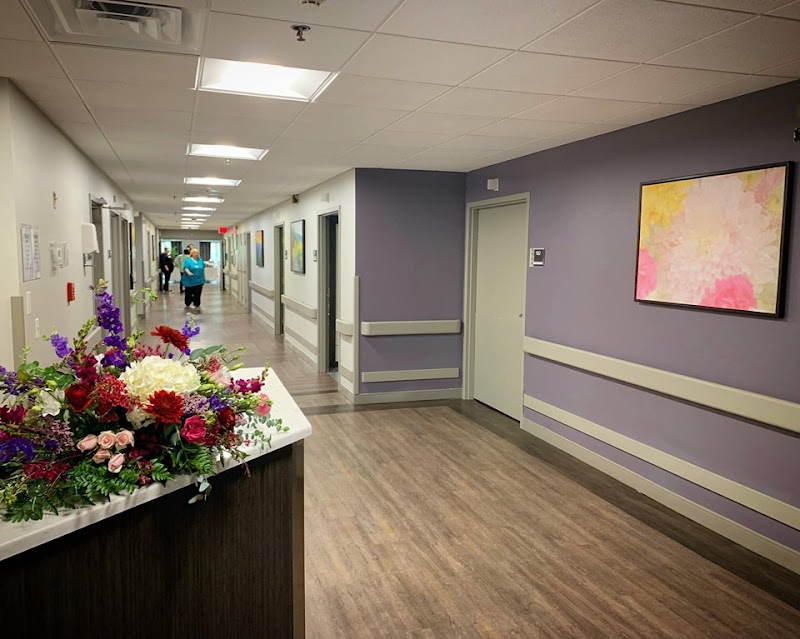
CMS rates Ridgewood Living & Rehabilitation Center's staffing level at 3 out of 5 stars, which is average compared to other nursing homes. Staff turnover is 36%, compared to the North Carolina average of 46%. This relatively stable workforce can support continuity of care.

What Have Inspectors Found at Ridgewood Living & Rehabilitation Center?

State health inspectors documented 19 deficiencies at Ridgewood Living & Rehabilitation Center during 2023 to 2025. These included: 19 with potential for harm.

Who Owns and Operates Ridgewood Living & Rehabilitation Center?

Ridgewood Living & Rehabilitation Center is owned by a for-profit company. For-profit facilities operate as businesses with obligations to shareholders or private owners. The facility is operated by CCH HEALTHCARE, a chain that manages multiple nursing homes. With 128 certified beds and approximately 116 residents (about 91% occupancy), it is a mid-sized facility located in Washington, North Carolina.

How Does Ridgewood Living & Rehabilitation Center Compare to Other North Carolina Nursing Homes?

Compared to the 100 nursing homes in North Carolina, Ridgewood Living & Rehabilitation Center's overall rating (2 stars) is below the state average of 2.8, staff turnover (36%) is significantly lower than the state average of 46%, and health inspection rating (2 stars) is below the national benchmark.

What Should Families Ask When Visiting Ridgewood Living & Rehabilitation Center?

Based on this facility's data, families visiting should ask: "Can I visit during a mealtime to observe dining assistance and food quality?" "How do you handle medical emergencies, and what is your hospital transfer rate?" "Can I speak with family members of current residents about their experience?"

Is Ridgewood Living & Rehabilitation Center Safe?

Based on CMS inspection data, Ridgewood Living & Rehabilitation Center has a clean safety record: no substantiated abuse findings (meaning no confirmed cases of resident harm), no Immediate Jeopardy citations (the most serious violation level indicating risk of serious injury or death), and is not on the Special Focus Facility watch list (a federal program monitoring the lowest-performing 1% of nursing homes). The facility has a 2-star overall rating and ranks #100 of 100 nursing homes in North Carolina. While no facility is perfect, families should still ask about staff-to-resident ratios and recent inspection results during their visit.

Do Nurses at Ridgewood Living & Rehabilitation Center Stick Around?

Ridgewood Living & Rehabilitation Center has a staff turnover rate of 36%, which is about average for North Carolina nursing homes (state average: 46%). Moderate turnover is common in nursing homes, but families should still ask about staff tenure and how the facility maintains care continuity when employees leave.

Was Ridgewood Living & Rehabilitation Center Ever Fined?

Ridgewood Living & Rehabilitation Center has no federal fines on record. CMS issues fines when nursing homes fail to meet care standards or don't correct problems found during inspections. The absence of fines suggests the facility has either maintained compliance or corrected any issues before penalties were assessed. This is a positive indicator, though families should still review recent inspection reports for the full picture.

Is Ridgewood Living & Rehabilitation Center on Any Federal Watch List?

Ridgewood Living & Rehabilitation Center is not on any federal watch list. The most significant is the Special Focus Facility (SFF) program, which identifies the bottom 1% of nursing homes nationally based on persistent, serious quality problems. Not being on this list means the facility has avoided the pattern of deficiencies that triggers enhanced federal oversight. This is a positive indicator, though families should still review the facility's inspection history directly.