Skyland Terrace and Rehabilitation
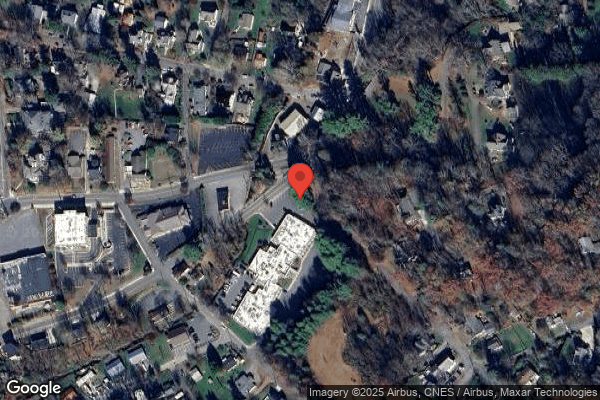
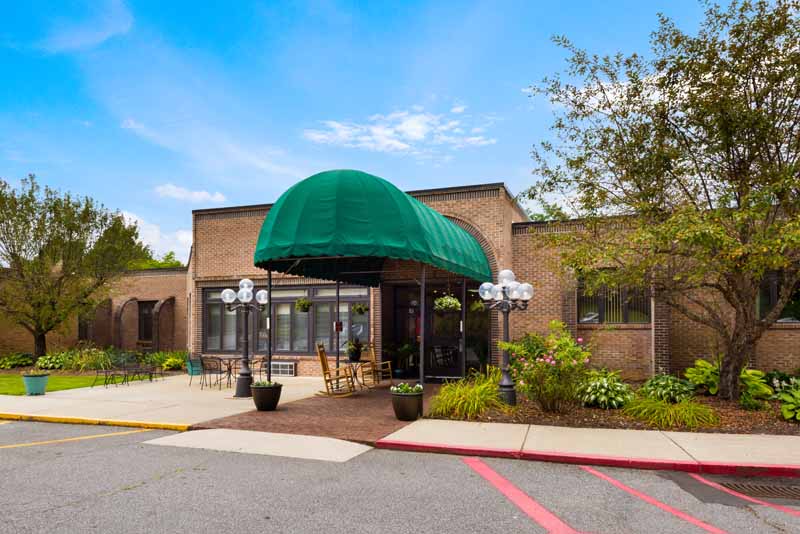
516 Wall Street, Waynesville, NC 28786 (828) 452-3154
For profit - Corporation 90 Beds Independent Data: November 2025
Trust Grade
48/100
#196 of 417 in NC
Last Inspection: December 2024

Within standard 12-15 month inspection cycle. Federal law requires annual inspections.

Overview

Skyland Terrace and Rehabilitation has received a Trust Grade of D, indicating below-average performance with some concerns. Ranking #196 out of 417 facilities in North Carolina places them in the top half, while being #2 out of 5 in Haywood County suggests they are one of the better local options. The facility is improving, as issues noted in inspections decreased from four in 2024 to one in 2025. Staffing is a strength, with a rating of 4 out of 5 stars, although turnover is at 55%, which is average for the state. However, there are concerning incidents, such as failing to schedule necessary neurology appointments for a resident suffering from severe tremors and not providing adequate staff assistance during a transfer, which resulted in a fall and fractures. Overall, while there are strengths in staffing and a positive trend in issues, families should also be aware of the serious lapses in care.
Trust Score
D
48/100
In North Carolina
#196/417
Top 47%
Safety Record
Moderate
Needs review
Inspections
Getting Better
4 → 1 violations
Staff Stability
⚠ Watch
55% turnover. Above average. Higher turnover means staff may not know residents' routines.
Penalties
○ Average
$8,512 in fines. Higher than 67% of North Carolina facilities. Some compliance issues.
Skilled Nurses
○ Average
Each resident gets 34 minutes of Registered Nurse (RN) attention daily — about average for North Carolina. RNs are the most trained staff who monitor for health changes.
Violations
⚠ Watch
16 deficiencies on record. Higher than average. Multiple issues found across inspections.
★★★☆☆
3.0
Overall Rating
★★★★☆
4.0
Staff Levels
★★★☆☆
3.0
Care Quality
★★★☆☆
3.0
Inspection Score
Stable
2024: 4 issues
2025: 1 issues

The Good

  • 4-Star Staffing Rating · Above-average nurse staffing levels
  • Full Sprinkler Coverage · Fire safety systems throughout facility
  • No fines on record

Facility shows strength in staffing levels, fire safety.

The Bad

3-Star Overall Rating

Near North Carolina average (2.8)

Meets federal standards, typical of most facilities

Staff Turnover: 55%

Near North Carolina avg (46%)

Frequent staff changes - ask about care continuity

Federal Fines: $8,512

Below median ($33,413)

Minor penalties assessed

Staff turnover is elevated (55%)

7 points above North Carolina average of 48%

The Ugly 16 deficiencies on record

2 actual harm
Apr 2025 1 deficiency
CONCERN (D) 📢 Someone Reported This

A family member, employee, or ombudsman was alarmed enough to file a formal complaint

Potential for Harm - no one hurt, but risky conditions existed

Free from Abuse/Neglect (Tag F0600)

Could have caused harm · This affected 1 resident

**NOTE- TERMS IN BRACKETS HAVE BEEN EDITED TO PROTECT CONFIDENTIALITY** Based on observations, record review, and resident, family, and staff interviews, the facility failed to protect a resident's ri...

Read full inspector narrative →
**NOTE- TERMS IN BRACKETS HAVE BEEN EDITED TO PROTECT CONFIDENTIALITY** Based on observations, record review, and resident, family, and staff interviews, the facility failed to protect a resident's right to be free from abuse when a family member (Family Member #1) hit Resident #1 on the leg, covered her mouth with her hand, and told her to shut up. This affected 1 of 3 residents reviewed for abuse (Resident #1). Findings included: Resident #1 was admitted to the facility on [DATE]. Her diagnoses included: hemiplegia (paralysis on one side of the body) and hemiparesis (weakness on one side of the body) following cerebral infarction (stoke) affecting left non-dominant side. The annual Minimum Data Set (MDS) assessment dated [DATE] revealed Resident #1 was cognitively intact. She was not documented on the MDS as having behaviors or rejection of care. The MDS indicated she used a wheelchair, had function limitations in range of motion to her upper and lower extremities on one side, and was dependent on staff for toileting, dressing, personal hygiene, transfers, and mobility. Review of a facility submitted investigation report specified an allegation of abuse for Resident #1 was reported to the facility Administrator on 2/19/25. The report indicated a Nurse Aide (NA #1) observed Family Member #1 hitting her [Resident #1] on the leg, covering her mouth and nose with her hand, and telling her to shut up. The investigation reported that NA #1 immediately intervened and reported the incident to the Unit Coordinator (UC #1). The investigation report further revealed that UC #1 removed Family Member #1 from Resident #1's room, interviewed Family Member #1 regarding the incident, and informed Family Member #1 of the investigation process for when an abuse allegation was made. Family Member #1 was informed she could not visit Resident #1 until the investigation was completed. UC #2 escorted Family Member #1 to obtain her belongings from Resident #1's room and then escorted Family Member #1 out of the facility. The allegation of abuse involving Resident #1 was immediately reported to the Administrator by UC #1. The investigation report revealed the facility reported the incident to the local law enforcement agency, the local department of social services, and to the department of health and human services. The facility investigation revealed the facility substantiated the abuse allegation due to NA #1 witnessing the alleged abuse incident. The investigation indicated the perpetrating Family Member #1 was contacted by the Administrator on 2/21/25 and a care plan meeting was arranged for 2/24/25 to establish a supervised visitation schedule for Resident #1's Family Member #1 to visit. An interview was conducted with NA #1 on 4/29/25 at 12:50 PM. NA #1 recalled the incident from 2/19/25 with Resident #1 and Family Member #1. NA #1 said she had been standing in Resident #1's doorway to pass drinks for lunch. NA #1 reported Resident #1 had been talking to someone on the phone. She remembered Family Member #1 kept telling Resident #1 to hush and stop talking to whoever was on the phone. She reported she heard Resident #1 say have you talked to [Family Member #1] about letting me come stay with you. NA #1 reported that was when Family Member #1 became upset and hit Resident #1 with an open hand on her right thigh. NA #1 stated she was able to hear the noise from the smack when Family Member #1 hit Resident #1 on the leg. NA #1 reported she then saw Family Member #1 put her hand over Resident #1's mouth and nose with enough force to push Resident #1's head back and told her to shut up. NA #1 said she walked into the room and told Family Member #1 to stop. NA #1 reported Family Member #1 stopped and immediately started crying. NA #1 said Family Member #1 told her to mind her business, it's okay. NA #1 reported she immediately stuck her head out of the room door and called for NA #2 and asked her to go get the supervisor. NA #1 stated she stayed in the room with Resident #1 and Family Member #1 until the supervisor came to the room. NA #1 said Family Member #1 did not say anything else to Resident #1. She reported that UC #1 and UC #2 came to Resident #1's room and removed the family from the room. NA #1 recalled Resident #1 had been calm and then when she asked the question about going and staying with the other person that was when Family Member #1 burst out. NA #1 said she had not heard or seen Family Member #1 do anything like that before. An interview was conducted with Resident #1 on 4/29/25 at 9:40 AM. Resident #1 recalled the incident with Family Member #1. She said Family Member #1 was upset that day. Resident #1 explained she had called Family Member #3 to ask them to come and take her to see a friend so they could pray for her. She explained Family Member #1 had been upset because she had called Family Member #3 asking them to come and get her. She said Family Member #1 got emotional and was crying. Resident #1 said the staff had thought it was upsetting her but that Family Member #1 was not physically hurting her. Resident #1 explained she and Family Member #1 were talking loudly that day. Resident #1 recalled Family Member #1 had said, Mother you know you can't go out of here unless they take you in the van. Resident #1 did not remember Family Member #1 yelling at her loudly. She said Family Member #1 was fussing at her because she had called Family Member #3. Resident #1 said Family Member #1 loves me and wants what is best for me. Resident #1 stated Family Member #1 put her hand over my mouth because she just wanted me to stop talking about it I guess but she was not trying to smother me. She put her hand over my mouth like saying hush Mom, but she did not do it to hurt me. Resident #1 did not recall Family Member #1 hitting her on her leg. Resident #1 reported she did not remember if Family Member #1 had told her to shut up. Resident #1 said Family Member #1 had never physically hurt her. She reported it did not bother her how Family Member #1 talked to her or when she fussed at her. Resident #1 stated they just don't know what a loving child is. An interview was conducted with UC #1 on 4/29/25 at 11:35 AM. UC #1 recalled the incident from 2/19/25 with Resident #1 and Family Member #1. UC #1 explained it was reported NA #1 had witnessed Family Member #1 hit Resident #1 on the leg, cover her mouth and nose, and tell her to shut up. UC #1 stated she had been with UC #2 when the incident was reported to her and UC #2 went with her to Resident #1's room. UC #1 reported when she and UC #2 entered Resident #1's room she asked Family Member #1 to leave Resident #1's room to go talk. She remembered Family Member #1 started arguing. She said Family Member #1 was not yelling but was loud and aggressive in tone and stated Resident #1 needed to hear this too. UC #1 reported she told Family Member #1 they needed to discuss it outside of the room. UC #1 stated she and UC #2 took Family Member #1 to her office to talk. UC #1 explained Family Member #1 and Resident #1 had been arguing because the night before Resident #1 had called Family Member #3 wanting them to come and pick her up and take her to go see a friend to pray over her. She recalled Family Member #1 expressed she was frustrated because she felt Resident #1 knew not to call people to come get her because they could not come get her and it had been the middle of the night when Resident #1 had called them. UC #1 said Family Member #1 was upset Resident #1 had called them. UC #1 reported Family Member #1 denied hitting Resident #1. UC #1 stated Family Member #1 said she had grabbed Resident #1 by the shoulders but had denied covering her mouth with her hand. UC #1 recalled Family Member #1 said she did not remember if she had told Resident #1 to shut up. UC #1 said she explained to Family Member #1 she could not touch Resident #1 in an aggressive and negative way. UC #1 stated she told Family Member #1 she needed to leave the facility until further instruction was received by the Administrator. UC #1 recalled UC #2 accompanied Family Member #1 to obtain her belongings from Resident #1's room and escorted her out of the facility. UC #1 stated she called the Administrator immediately and reported the incident while UC #2 escorted Family Member #1 out of the facility. UC #1 stated after the incident she completed a skin assessment on Resident #1 and did not find any marks. UC #1 recalled she interviewed Resident #1 after the incident. She reported Resident #1 denied Family Member #1 hit her but did say Family Member #1 had told her to shut up. UC #1 stated Resident #1 said she could not remember if Family Member #1 covered her mouth. UC #1 stated after the incident Resident #1 seemed upset and said, I know better than to call others and ask for things, I know [Family Member #1] takes care of things. UC #1 reported Family Member #1 now had scheduled supervised visits with Resident #1. She voiced there had not been any further issues since the supervised visits were put into place. An interview was conducted with UC #2 on 4/29/25 at 12:00 PM. UC #2 said she had been with UC #1 when it was reported NA #1 had witnessed Family Member #1 slap Resident #1 on the leg and covered her mouth. UC #2 explained she had gone to Resident #1's room with UC #1 after the incident was reported. She recalled when they went to the room Family Member #1 was upset and seemed to know there was an issue. She said Family Member #2 was also visiting and present in the room but did not say much. UC #1 said Resident #1's Family Member #1 was frustrated because Resident #1 called people and asked them to take her places and Resident #1 did not understand she could not get in or out of a car and they could not come get her. She said Family Member #1 was frustrated because Resident #1 kept doing this. UC #2 reported she and UC #1 removed Family Member #1 from Resident #1's room and took her to UC #1's office to ask her what happened. She recalled Family Member #1 said she did not hit Resident #1 and denied covering her mouth. UC #2 reported after talking to Family Member #1 they told her the incident would be investigated but that she needed to leave the facility. UC #1 explained she took Family Member #1 back to get her things from Resident #1's room and then escorted her out of the building. An interview was conducted with Family Member #1 and Family Member #2 on 4/29/25 at 2:00 PM. Family Member #1 explained Resident # 1 had been sitting with her head hanging down. Family Member #1 said she picked up Resident #1's head at her chin and tilted her head up, but not violently to get Resident #1 to look at her. She stated Resident #1 would have screamed if it had hurt her. She reported Resident #1 was talking on the phone and she had not been responding to the person on the phone. Family Member #1 said she did not slap or hit Resident #1 on her leg. She explained in the past she had patted Resident #1 on the leg to get her to lift her leg to get her feet back on the footrest of her wheelchair. Family Member #1 explained she did that often but did not remember specifically if she did it that day. Family Member #1 said she did not remember putting her hand over Resident #1's mouth. When asked if she remembered telling Resident #1 to shut up, Family Member #1 said, I don't know. Family Member #1 stated she did not have a habit of telling Resident #1 to shut up and did not recall telling her to shut up. Family Member #1 reported when NA #1 came into Resident #1's room NA #1 said that is not acceptable get your hands off her. Family Member #1 stated she told NA #1 it was none of her business because she had not perceived the situation as her doing something that was harmful to Resident #1. Family Member #1 reported she had not been arguing with Resident #1 that she had just been trying to get her to pay attention. She stated UC #1 and UC #2 came and talked to her and asked her to leave that day. Family Member #1 reported that the Administrator called and talked to her after the incident and set up a care plan meeting for 2/24/25 to set up supervised visits. Family Member #2 was present during the interview and said Family Member #1 had been trying to get Resident #1 to pay attention that day. Family Member #2 said Family Member #1 would never hurt Resident #1. Family Member #2 did not provide any additional details from the incident. An interview was conducted with the Director of Nursing (DON) on 4/29/25 at 5:05 PM. The DON recalled the incident with Resident #1 and Family Member #1 that occurred on 2/19/25. She reported the Administrator had completed most of the abuse investigation. The DON stated Resident #1 had said it did not happen when they talked to her. The DON reported she thought Resident #1 said it did not happen because Resident #1 was trying to protect Family Member #1. The DON explained the facility substantiated the abuse allegation because the incident had been witnessed by NA #1. She reported NA #1 had witnessed Family Member #1 hit Resident #1 on the leg, cover her mouth, and tell her to shut up. She said Family Member #1 had denied all allegations when they spoke with her. The DON stated Resident #1 did not act afraid of Family Member #1 and wanted her to visit. She reported after the incident a care plan meeting was held with Family Member #1 to set up scheduled supervised visits. The DON reported there had not been any further issues since supervised visits had been implemented. An interview was conducted with the Administrator on 4/30/25 at 11:54 AM. The Administrator said on 2/19/24 she received a phone call from UC #1 reporting the allegation of abuse to Resident #1 by Family Member #1. She stated it was reported that NA #1 was at Resident #1's door looking into the room and saw Family Member #1 put her hand over Resident #1's mouth, pushed her head back while covering her nose and mouth, and saying shut up stop talking. The Administrator said it was also reported that Family Member #1 hit Resident #1 on the leg, she was not sure if it was with an open hand or how hard the hit was. The Administrator stated NA #1 intervened, and the incident was reported to UC #1. The Administrator said Family Member #1 was escorted out of the building after the incident. She reported UC #1 had immediately called her after the incident happened to report it. The Administrator stated she called Family Member #1 the same day on 2/19/25. She reported Family Member #1 said she would never hurt Resident #1 and denied it happened. The Administrator stated they had substantiated the abuse allegation due to the incident being witnessed by NA #1. The Administrator said a care plan meeting was set up with Family Member #1 to establish a supervised visitation schedule to preserve Resident #1's visitation rights.
Dec 2024 4 deficiencies 1 Harm
SERIOUS (G)

Actual Harm - a resident was hurt due to facility failures

Deficiency F0745 (Tag F0745)

A resident was harmed · This affected 1 resident

**NOTE- TERMS IN BRACKETS HAVE BEEN EDITED TO PROTECT CONFIDENTIALITY** Based on record review, observations, and resident, staff, Physician, Nurse Practitioner (NP), Physician Assistant (PA) and neur...

Read full inspector narrative →
**NOTE- TERMS IN BRACKETS HAVE BEEN EDITED TO PROTECT CONFIDENTIALITY** Based on record review, observations, and resident, staff, Physician, Nurse Practitioner (NP), Physician Assistant (PA) and neurology office Scheduler interviews the facility failed to ensure a neurology appointment was scheduled for a resident (Resident #14). The Physician ordered a neurology referral for Resident #14 first on 8/23/24 for evaluation of her tremors. A second neurology consult was ordered by the NP on 11/5/24 again for evaluation of her tremors. Resident #14 had tremors to her upper and lower extremities, including her hands and feet. Resident #14 reported her tremors had worsened, were unmanageable, made her feel awful, and like she could not do anything. Resident #14 reported the tremors made her not want to leave her room because she did not want people to see her in that state. She stated she felt isolated every day and felt down, depressed, and hopeless all the time because nothing was getting better. This occurred for 1 of 1 resident reviewed for medically related social services (Resident #14). Findings included: Resident #14 was admitted to the facility on [DATE] with diagnoses that included depression, anxiety, mood disorder (depression/ mania), essential tremor (involuntary shaking typically in arms/ hands), drug induced secondary Parkinson's disease (a movement disorder that is caused by medications and causes Parkinson's disease symptoms). The quarterly Minimum Data Set (MDS) assessment dated [DATE] revealed Resident #14 was cognitively intact. She was not documented as having behaviors or rejection of care. A history and physical dated 8/23/24 by the Medical Director (MD) read in part: Patient today is complaining of significant ongoing worsened tremors. She reports she has been evaluated by multiple neurologists in the past however no significant improvement has been made. She reports primidone (a medication used to treat tremors) has been helpful. She was previously on a higher dose. She has trialed Sinemet (a medication used to treat symptoms of Parkinson's such as tremors) with no relief of the symptoms. Reports the tremors are giving her some difficulty completing activity of daily living (ADL) including self-feeding. She does report some ongoing increased mood symptoms. Will refer back to neurology services for further recommendations. Resident #14's active physician orders revealed an order dated 8/23/24 entered by the Medical Director (MD) that read: Please refer back to neurology for tremor. Review of Resident #14's electronic medical record revealed there were no records of a neurology appointment being scheduled. A telephone interview was conducted with the MD on 12/5/24 at 1:21 PM. The MD said Resident #14's neurology appointment should have been scheduled by the facility when she had ordered the referral in August. The MD stated she was not aware a neurology appointment had not been scheduled for Resident #14 after she had given the order for the referral in August. She explained she was not surprised Resident #14 had not been seen yet by neurology because a new patient referral with neurology could take a long time. The MD indicated it was hard to say 100% if there were any negative effects from Resident #14 being seen later by neurology. She explained she did not know if neurology would make a huge difference but that it was good to get a specialist's opinion because they knew more about it. The MD said she was not sure if neurology would be able to help improve Resident #14's tremors but having a neurologist input was an important part of the puzzle. A progress note dated 8/27/24 by NP #1 read in part: She [Resident #14] reports her tremors are interfering with her desire to be around others. Patient is anxious and becoming upset as she discusses her tremors. A psychiatric progress note dated 8/29/24 by PA #1 read in part: She is taking Primidone which interacts with Latuda (antipsychotic medication) and causing extrapyramidal symptoms (EPS) (movement disorders that can occur as a side effect of certain medications), involving significant generalized tremor and muscle twitching. Changes included stopping Latuda, starting Risperidone (antipsychotic medication) 1 milligram (mg) every morning and 2 mg every night for schizoaffective disorder (mental health condition), and starting Benztropine (a medication used to treat movement problems) 0.5 mg every 8 hours as needed (PRN) for tremors/ EPS. A psychiatric progress note dated 9/5/24 by PA #1 indicated Resident #14 had seen an improvement in EPS since Latuda was switched to Risperidone and PRN Benztropine was added. A progress note dated 9/13/24 by NP #1 said Resident #14 reported shaking in her knees and she had tremors to her bilateral upper extremities and jaw that were tardive dyskinesia (TD) (a movement disorder typically caused by taking certain medications, such as antipsychotic medications) or essential tremors. The note stated, it is wondered if the shaking in her knee is part of these known tremors. A progress note dated 9/24/24 by NP #1 read in part: Today her chief complaint is her anxiety and her tremors. She states her tremors are worse today than yesterday. Yesterday her Benztropine was discontinued as her tremors had escalated with the three times daily dosing. She is asking to be placed back on her regimen where it was dosed twice daily, and her tremors were better managed. Today her anxiety seems to be driven by her tremors. A psychiatric progress note dated 9/26/24 by PA #1 indicated Resident #14 reported her tremors were worse on Benztropine. The note stated she had tremors present primarily to her bilateral upper extremities. The Benztropine was stopped and Artane (a medication used to treat tremors) 1 mg twice daily was added for EPS. A psychiatric progress note dated 10/11/24 by PA #1 indicated Resident #14 reported some benefit from the Artane but the effects waned midday. Artane orders were changed to 1 mg three times daily for EPS. A psychiatric progress note dated 10/31/24 by PA #1 indicated the Artane three times daily dosing was reported to have caused an increase in Resident #14's tremors. The note said Resident #14 had been refusing the medication because she felt it was causing her tremors to increase. She had also refused her antipsychotic medication. The note revealed Resident #14 denied any return of psychosis symptoms and reported she had only had a single episode of psychosis in her lifetime in the context of grief related to a significant death and questions the validity of the diagnosis. The note revealed Resident #14 no longer wanted to take an antipsychotic medication at all but agreed with allowing the medication to be tapered. Artane was stopped and Risperidone was decreased to 1mg nightly. A progress note dated 11/5/24 by NP #1 read in part: She is very discouraged today and frustrated by her tremors. She reports she has been evaluated by neurology in the past regarding her tremors and that she was told there was nothing that could done about them. When asking if she would like to have a second opinion regarding her tremors she responded to the affirmative. Review of Resident #14's active physician orders revealed an order dated 11/5/24 entered by NP #1 read: neurology consult for tremor, make appointment with a [local] neurologist. A psychiatric progress note dated 11/14/24 by PA #1 read in part: Resident #14 EPS seems worse since stopping both the Artane and Risperidone. She is in some distress over this, feeling frustrated and pessimistic about the future. She is experiencing marked tremulousness in her upper extremities and has been confining herself to her bed most of the time. We discussed treatment options for tardive dyskinesia, and she is receptive to trial of Ingrezza (a medication used to treat tardive dyskinesia). Ingrezza 40 mg daily was added for TD. A psychiatric progress note dated 11/21/24 by PA #1 read in part: Resident #14 presented in a markedly irritable manner today, raising her voice in anger, as she has continued to have symptoms of TD. She has been markedly shaking in her upper extremities, essentially unchanged from when she was last seen and has been spending time in her room much of the time as a result. We discussed the etiology of this, but she was not receptive, and it is not clear to what degree she understood due to her angry state. Changes were made to her medications. Carbidopa-levodopa (a medication used to treat Parkinson's symptoms) 25-100 mg twice daily was added for EPS and Trazodone (a medication used to treat anxiety) 25 mg twice daily was added for anxiety. An interview was conducted with NP #1 on 12/5/24 at 12:40 PM. She explained the psychiatric PA followed Resident #14 for monitoring and management of her tremors. NP #1 stated she had recently seen Resident #14 and had asked her if she had ever been seen by a neurologist. She recalled Resident #14 told her she had been seen by a neurologist in Waynesville and had been told there was not anything else they could do for her tremors. NP #1 explained Resident #14 had preferred to go see a neurologist in Asheville for a second opinion. NP #1 stated she had made the referral for neurology for Resident #14 because her tremors had not gotten better. She explained several different medications had been trialed for Resident #14 to help with her tremors. NP #1 further explained, some of the medications that were trialed may have made the tremors worse, so those had been stopped and now Resident #14's tremors were back to baseline but not getting better. NP #1 said Resident #14's tremors bothered her and affected her quality of life. She said Resident #14 had told her she does like to go to activities much because of her tremors. NP #1 explained Resident #14's tremors did not impact her ability to perform task such as eating but that it was more of a self-image issue and caused her not to want to socialize. She said Resident #14 tremors affects her depression symptoms because of how they affect her life, she explained Resident #14 was followed by psychiatry services to address her psychiatric diagnoses and symptoms. NP #1 stated Resident #1's tremors were not basic essential tremors. She explained there was a psychiatric component to her tremors that needed to be managed by psychiatry and neurology. NP #1 was not aware a neurology referral had previously been made for Resident #14 in August, she said I just knew she needed to go. NP #1 explained she did not think there was physical harm from Resident #14 being seen later by neurology but that maybe there was emotional harm related to anxiety/ depression being worse. NP #1 stated emotionally it would have been better if Resident #14 would have been seen sooner by neurology for her to have some answers. A telephone interview was conducted with PA #1 on 12/5/24 at 12:14 PM. He said he followed Resident #14 for psychiatric services. He explained he provided monitoring and management for her tremors. He explained that had been the focus since Resident #14 had been admitted to the facility. PA #1 further explained Resident #14 had been admitted with a diagnosis of schizoaffective disorder. He said her Latuda and Primidone interacted and caused an increase in EPS. PA #1 stated he had tried different medications for Resident #14 to manage her tremors but that they did not work. He said Resident #14's tremors had waxed and waned since she had been admitted to the facility. PA #1 said the tremors made Resident #14 anxious and when she was anxious it caused them to worsen. He recalled the last time he had seen Resident #14 she had yelled at him and that was new. He said he had stopped her antipsychotic entirely and she had not had new psychosis. PA #1 said Resident #14's was irritable due to not sleeping well and shaking all the time. He said her tremors sometimes interfered with her sleep and that affected her concentration and mood too. PA #1 explained there were times Resident #14's tremors seemed to get a litter better and then they would get worse again. He said he was unaware of how long or to what degree she was shaking prior to coming to the facility. He said he was aware of the neurology referral and had asked a nurse a couple of weeks ago if there had been a neurology referral put in for Resident #14. He explained at first, he had thought he could manage Resident #14's tremors but when they did not get better, he had thought she would need a neurology referral. He stated he could not remember which nurse he had asked about the neurology referral. PA #1 stated he had not been aware a neurology referral had been made previously for Resident #14 in August. PA #1 said he was not sure if Resident #14's tremors could ever go away but was hopeful they could get to a manageable level where she would be able to hold a cup of coffee. PA #1 explained he thought Resident #14 had drug induced parkinsonian symptoms and a neurologist would be appropriate and beneficial for her. He said Resident #14 had feelings of hopelessness, was irritable, and anxious because the tremors were not getting any better. An interview and observation were conducted with Resident #14 on 12/5/24 at 2:30 PM. Resident #14 was observed in her room, laying on her bed, with the lights off. She was observed to have significant shaking of both her hands and arms at rest and with movement. Shaking was also noted in her legs and feet. Resident #14 said she had tremors before she had been admitted to the facility but not like this. She explained she now had shaking in her legs and feet. She said her tremors had gotten worse since being at the facility and over the last 3-4 weeks they had become unmanageable. Resident #14 explained different medications had been tried since she had been at the facility to help with her tremors. She said every time her medications were changed it makes me worse and that makes me feel anxious. Resident #14 stated her tremors made her feel awful and like she could not do anything. She explained they made her not want to leave her room and stated, I just don't want people to see me in that state. Resident #14 said she felt isolated every day and felt down, depressed, and hopeless all the time because nothing was getting better. Resident #14 was not aware a neurology referral had been ordered for her in August and that no one had come to talk to her about it. She explained she had been seen by a neurologist but that it had been several years since she had been seen. Resident #14 said she would have been okay going to an appointment with same neurologist office if she could have been seen sooner. An interview was conducted with the facility Scheduler on 12/5/24 at 11:00 AM. The facility Scheduler stated if there was an order written for a referral she would fax the appointment referral to the medical office. She explained she would give the office a week or two to call her to schedule the appointment and then if she did not hear from the office, she would call the office to schedule the appointment. The facility Scheduler stated she saved the referrals and 1 to 2 times a month she would sit down and go through the referrals. She explained she would discard the referral if the appointment had been made and would call the office for the ones that had not been scheduled. She stated she did not remember if she had called the neurology office or followed up on the neurology appointment ordered in August for Resident #14 specifically. The facility Scheduler explained she had been working on the floor, helping stock supplies, and had not been at her desk as much to give appointments attention. The facility Scheduler stated she had gotten behind on appointments and had not kept up with them as good as she should have. She explained that the Director of Nursing (DON) and Administrator had talked to her about the appointment process and how it was not working in October. The facility Scheduler stated she needed a new process to keep track of appointments, and she was now using a spread sheet to keep up with appointments. She explained she had faxed the referral for Resident #14 to the neurology office on 8/30/24 and had not heard back from the office to schedule the appointment. She said she did not receive any missed calls or messages from the neurology office regarding scheduling the appointment. The facility Scheduler stated she did not remember if she had called the neurology office to follow up on scheduling the appointment for Resident #14. She said she had faxed the neurology referral ordered on 11/5/24 for Resident #14 to the neurologist's office on 11/6/24. She explained she called them on 11/27/24 to follow up on the referral and the office stated they had not received the referral. She stated she had faxed the referral to the office again on 11/27/24. The facility Scheduler said she had called the office this morning and they had scheduled Resident #14 for an appointment on 2/20/25. A telephone interview was conducted with the neurology office Scheduler at the neurology office on 12/5/24 at 11:00 AM. She stated the neurology referral had been faxed to the office on 8/30/24 by the facility and the office had made multiple attempts to contact the facility to schedule a neurology appointment for Resident #14. She explained the office had called the facility's Scheduler at the number provided on the faxed referral. She provided the number the neurology office had called to attempt to schedule the appointment. The phone number had matched the number present on the faxed referral sheet by the facility that had been confirmed as the correct number by the facility's Scheduler. The neurology office stated they had called and left messages on 9/4/24, 9/11/24, 9/12/24, and 9/16/24 for the facility's Scheduler to call back to schedule an appointment for Resident #14. She stated she knew the dates the office had called and left messages on the phone number provided by the facility, because there were notes about the phone calls, dates, and messages in their system. She explained after the fourth attempt on 9/16/24 the office had closed the referral because they had been unable to reach anyone to schedule the appointment. The neurology office scheduler stated Resident #14 had been an established patient with the office but had not been seen since February of 2022. She explained if the office had called the facility, it was because they had an appointment and could get Resident #14 in to be seen. She said the neurology office booked appointments for about 3-4 months out and that most likely Resident #14 would have been seen in November or December if the facility had followed up on the referral sent on 8/30/24. An interview was conducted with the DON on 12/5/24 at 3:25 PM. The DON stated Resident #14 should have had a neurology appointment scheduled after the first order had been given in August. She stated the Appointment Scheduler should have talked with Resident #14 to see if she already had a neurologist she had seen previously or what Neurologist she wanted to go to see. The DON said she was not sure what happened and why the appointment was not made. The DON stated the Appointment Scheduler should have followed up with the neurology office if she had not heard back from them in a week. She explained an issue had been noticed in October with appointments not being followed up on and tracked. The DON stated before October there was not a process in place for following up on appointments, tracking appointments/ referrals, or accountability. She stated there had not been a schedule book and appointments had been logged in the Appointment Scheduler's phone. The DON explained the process the facility now had for referrals/ appointments. She said when an order was entered by a provider for a referral the order was pending and had to be confirmed by a nurse. She further, explained when a referral order was confirmed, the order was printed, and given to facility Scheduler either by placing it on her desk or putting it in her box. The DON said the referral should be faxed to the office when the facility Scheduler received the referral order. She stated if the facility Scheduler had not heard back from the office within a week about a referral, she should call the office to follow up. She stated the facility Scheduler made a list of appointments for the week and she reviewed them on Fridays and checked them against referral orders on the computer. The DON was not aware the neurology appointment ordered on 11/5/24 had not been scheduled until today. She was not sure why there had been a delay in scheduling the 11/5/24 neurology appointment or why the referral had not been followed up on for 3 weeks. The DON explained Resident #14 needed to go to neurology to have their input on the tremors and hopefully give her some improvement in her quality of life. She said even if going to neurology eased Resident #14's mind then it was worth it. An interview was conducted with the Administrator on 12/5/24 at 5:01 PM. The Administrator stated she was not sure about what happened with the neurology appointment that had been ordered in August or how it had been missed being scheduled. She did not say who had been responsible for appointments when the facility Scheduler had been out. She stated she would expect that if the facility Scheduler had not heard back from the office in a week that she would call the office to see why. The Administrator said there had not been a process for appointments, follow up, or accountability before October 2024.
CONCERN (D) 📢 Someone Reported This

A family member, employee, or ombudsman was alarmed enough to file a formal complaint

Potential for Harm - no one hurt, but risky conditions existed

Deficiency F0602 (Tag F0602)

Could have caused harm · This affected 1 resident

**NOTE- TERMS IN BRACKETS HAVE BEEN EDITED TO PROTECT CONFIDENTIALITY** Based on record review, and resident, staff, and Senior Police Officer interviews, the facility failed to protect the resident's...

Read full inspector narrative →
**NOTE- TERMS IN BRACKETS HAVE BEEN EDITED TO PROTECT CONFIDENTIALITY** Based on record review, and resident, staff, and Senior Police Officer interviews, the facility failed to protect the resident's right to be free from misappropriation of resident property. This deficient practice was for 1 of 1 resident reviewed for misappropriation of resident property (Resident #78). The findings included: Resident #78 was admitted to the facility on [DATE] with diagnoses which included gastrointestinal hemorrhage and hypertension. The admission Minimum Data Set, dated [DATE] revealed Resident #78 was cognitively intact. Review of the initial facility report dated 11/30/24 at 10:30 AM documented that Resident #78 reported her wedding rings and mother's ring were missing. An interview with Resident #78 12/05/24 at 9:56 AM revealed that there were 5 rings missing. She stated that her family had taken her out on Wednesday, 11/27/24, to get a manicure for Thanksgiving. At that time, her family had given her 5 rings to wear for Thanksgiving on 11/28/24. She stated that she wore them out with her family on 11/28/24 and had them in her possession when she returned to the facility. She wore them at the facility on Friday, 11/29/24 and took them off at bedtime. Resident #78 stated she put them in a plastic bag when getting ready for bed on 11/29/24 and put the bag on her bedside table. When she got up the next morning on Saturday, 11/30/24, she got dressed and ready for the day. She got the bag from her bedside table to put her rings on and the rings that were in bag were not her rings. There were 4 cheap replacements rings. She stated she reported to staff about her missing rings. She stated she feels sad that her rings are missing as they were gifts from her husband, and she had bequeathed them to her family. An interview on 12/05/24 at 12:13 PM with Medication Aide (MA) #1 revealed she was assigned to provide medications for Resident #78 on Wednesday, Thursday, and Friday (11/27/28 through 11/29/24) day shift. She stated she saw the resident's nails on Thursday and observed she was wearing rings. She stated she remembered one looked like an engagement or wedding ring and that there was more than one ring, but did not remember specifically what they looked like. An interview on 12/05/24 at 11:41 AM with Nursing Assistant (NA) #5 revealed she was assigned to provide care for Resident #78 on the day shift Wednesday, Thursday, and Friday (11/27/28 through 11/29/24) as well as the evening shift of Friday. She stated she had not observed if the resident was wearing rings or not. She stated she had helped Resident #78 to bed on Friday evening and had not noticed any rings. An interview on 12/05/24 at 5:40 PM with NA #2 revealed she was assigned to provide care for Resident #78 on Friday 11/29/24 from 3 PM until Saturday 11/30/24 at 7 AM. She stated she did not recall any rings. She stated she did not remember that night specifically, if she assisted the resident to bed, or anything about jewelry. An interview on 12/05/24 at 3:27 PM with NA #4 revealed she was assigned to provide care for Resident #78 on Saturday, 11/30/24. She stated as she was assisting resident to get up, the resident was crying and told her that her rings were missing. She notified the nurse. An interview on 12/05/24 at 1:28 PM with Nurse #1 revealed she was assigned to provide care for Resident #78 on Saturday, 11/30/24. She stated NA #4 notified her that resident was missing some jewelry. Nurse #1 stated she talked with the resident and then notified the Weekend Supervisor. Resident #78 showed her the 4 cheap costume jewelry rings and told her that someone had taken her rings and replaced them with the cheap rings. Nurse #1 indicated she called the family to verify what rings the resident had. Nurse #1 stated she had never seen the actual rings and had no other knowledge about the missing jewelry. An interview on 12/05/24 at 1:35 PM with the Weekend Supervisor revealed she was notified of Resident #78's missing rings on 11/30/24. The Weekend Supervisor stated the resident told her that she had taken her rings off the night before and placed them in a plastic bag on her bedside table. The Weekend Supervisor stated Resident #78 told her when she got up the next morning (11/30/24), she washed up and when she went to put her rings on, there were other rings in the bag that weren't hers. The Weekend Supervisor notified the Administrator, the police, and the family. She stated she had no idea what happened to them. The Weekend Supervisor recalled the resident got up around 9:30 AM and she talked to the resident between 10 AM and 11 AM. She also stated the resident told her she went to bed on Friday night right after supper between 6 PM and 7 PM. An interview on 12/05/24 at 4:55 PM with the Senior Police Officer revealed he had talked with the resident, her family, and the facility Administrator. He stated he would file a report which would be reviewed by the detectives but there was not much they could do. He stated the family estimated the cost of the missing rings between $4,000 and $5,000. An interview on 12/05/24 at 10:25 AM with the Administrator revealed she was investigating Resident #78's missing rings and had not yet completed her investigation. Review of the facility investigation report dated 12/06/24 at 3:48 PM documented there were 5 rings missing. These rings were described as white gold bands, one was a diamond cluster, one was a mother's ring with different colored stones across the top, and the others were bands with smaller diamonds. A police report was filed. The allegation was substantiated as the rings were missing but there were no accused employees or individuals.
CONCERN (D) 📢 Someone Reported This

A family member, employee, or ombudsman was alarmed enough to file a formal complaint

Potential for Harm - no one hurt, but risky conditions existed

Pressure Ulcer Prevention (Tag F0686)

Could have caused harm · This affected 1 resident

**NOTE- TERMS IN BRACKETS HAVE BEEN EDITED TO PROTECT CONFIDENTIALITY** Based on observations, record review, resident, staff, and wound care center Nurse Practitioner (NP) interviews the facility fai...

Read full inspector narrative →
**NOTE- TERMS IN BRACKETS HAVE BEEN EDITED TO PROTECT CONFIDENTIALITY** Based on observations, record review, resident, staff, and wound care center Nurse Practitioner (NP) interviews the facility failed to follow physician orders from the wound care center for the treatment of a stage II pressure ulcer (partial thickness open wound) for 1 of 2 residents reviewed for services to prevent and treat pressure ulcers (Resident #233). The findings included: Resident #233 was admitted to the facility on [DATE] with diagnoses that included peripheral vascular disease (narrowing of peripheral blood vessels that can cause a disruption in blood flow) with chronic bilateral lower extremity wounds and eczema (a condition that causes red, dry, itchy skin). Resident #233 was discharged from the facility on 6/14/24. The quarterly Minimum Data Set (MDS) assessment dated [DATE] revealed Resident #233 was cognitively intact. She was not coded on the MDS for an unhealed pressure ulcer. She was documented on the MDS as having venous and arterial ulcers present. Resident #233 had a care plan dated as initiated on 10/12/23 and revised last on 5/10/24 for potential and actual impaired skin issues related to groin red and chapped, extensive venous stasis wounds to bilateral lower extremities. The care plan goals were for Resident #233's skin to remain intact without signs of breakdown and for her wounds to remain stable without signs of infection through next review. The care plan interventions included to provide wound care as ordered and noted she was followed by the wound care center. A physician order details page from the wound care center dated 4/12/24 for Resident #233 revealed a pressure ulcer of left lower back, stage II listed under the diagnosis section. Under wound treatment it listed wound #6 to the left posterior back with instructions that read: cleansing: cleanse with normal saline one time daily; dressing: Optifoam gentle SA (silicone adhesive foam dressing that absorbs drainage and helps evenly disperse pressure) one time daily. Review of Resident #233's treatment administration record (TAR) for April 2024 and May 2024 was reviewed and revealed there were no wound care orders for Resident #233's stage II pressure ulcer on her lower left back. A wound care center progress note dated 4/19/24 by the wound care center Nurse Practitioner (NP) noted on 4/12/24 Resident #233 had complained about a sore on her left lower back, and they had discovered a large stage II pressure ulcer. The note indicated on 4/19/24 stage II pressure ulcer to her left lower back was still present and very painful and Resident #233 had told the wound care center the area had not received care until yesterday. The wound care center note specified the wound needed to be cared for regularly according to the wound care directions. The stage II pressure ulcer was identified in the note as wound #6. The wound was described as open and being in treatment for 1 week. The wound care center note identified the wound classification as a category/ stage II wound with etiology of pressure ulcer located on the left, posterior back. The note provided the measurements and a description of the wound stating it measured 4.5-centimeter (cm) length x 4.9 cm width x 0.1 cm depth, the wound margin was distinct with the outline attached to the wound base, there was no granulation (new tissue) within the wound bed, and no necrotic (dead/dying tissue) tissue within the wound bed. The progress note indicated the following wound care instructions for the left posterior back wound: primary dressing-foam dressing, adhesive 7x7 three times per week. A physician orders detail page from the wound care center for Resident #233 dated 5/3/24 was present in the electronic medical record and a pressure ulcer of left lower back, stage II was listed under the diagnosis section. Under wound treatment it listed wound #6 to the left posterior back with instructions for an Aquacel foam dressing adhesive (self-adherent foam dressing that decreases bacteria, absorbs drainage, and improves comfort) three times per week. A progress note dated 5/24/24 from the wound care center by the wound care center NP noted the stage II pressure ulcer to Resident #233's left lower back had resolved. A telephone interview was conducted on 12/6/24 at 8:51 AM with the wound care center NP. The NP stated the Stage II pressure injury to Resident #233's left lower back had been identified at the wound care center during her visit on 4/12/24. The NP stated she had classified the wound as a stage II pressure injury and had given wound care orders for the facility to provide wound care. The NP explained she had given orders for a foam dressing to off load and protect the area. The NP recalled when she had seen Resident #233 on 4/19/24 the wound to her left lower back had been painful and Resident #233 had commented no one at the facility had provided wound care to the area. The NP said she had made it clear in her notes the wound needed to be cared for every day. The NP further recalled, when Resident #233 had come to the wound care center on 5/3/24 she had not had a dressing in place to the pressure ulcer to her left lower back. The wound care center NP said she put it again in her notes that the wound needed care every day. The wound care center NP said she had seen Resident #233 again on 5/24/24 and the wound had resolved. The wound care center NP explained the wound to Resident #233's lower back could not have been a psoriasis plaque area (raised, red, scaly patch of skin). She explained a psoriasis plaque would have looked different. She recalled Resident #233 sometimes had areas to her arms and face that looked like psoriasis but that the wound to her left lower back was a pressure ulcer and the skin was not dry or flaky. The wound care center NP explained the wound care notes and orders had been faxed to the facility after each visit. She said they were usually faxed to the facility with in 24 hours. She did not recall the facility ever calling the wound care center to ask about Resident #233's wounds, notes, or wound care orders. A progress note dated 5/8/24 by the Medical Director (MD) said nursing had requested an evaluation of a new left flank skin lesion. The note indicated Resident #233 was followed by outpatient wound care providers for her wounds and at the last visit they had noted a left flank new skin lesion injury. The note said Resident #233 had areas throughout her trunk and had previous psoriatic plaques that had responded well to triamcinolone (a steroid cream) in the past. The note stated Resident #233 had a new Psoriasis Plaque to the left posterior trunk with some flaking and that it was not over a bony surface. The note said to initiate triamcinolone. A telephone interview was conducted with the Medical Director (MD) on 12/6/24 at 10:09 AM. The MD stated she did not remember specifically looking at Resident #233's wounds. The MD explained Resident #233 was followed by the wound care center and deferred to the wound care center for treatment of Resident #233's wounds. The MD said the facility should have followed wound care orders given by the wound care center for all of Resident #233's wounds. The MD thought Resident #233 may have had a reddened area to her back and there was a question about what it was. She did not remember who had asked her to look at the area. She explained she recalled the wound care center had called the area a stage II pressure ulcer, but it was not in a pressure area over a boney area. The MD stated she had ordered triamcinolone cream to the area to see if it healed. The MD said she had felt the area had looked more like Psoriasis. An interview was conducted with Unit Coordinator #1 on 12/5/24 at 2:49 PM. She explained she had worked as a floor nurse during May 2024. She stated she had cared for Resident #233 during that time and had not recalled Resident #233 having a stage II pressure ulcer to her back. She said she recalled Resident #233 had areas of psoriasis that had been treated with a cream. An interview was conducted with Nurse #2 on 12/5/24 at 4:44 PM. Nurse #2 did not recall Resident #233 having a pressure ulcer to her left lower back. He said he did not remember her having any wounds except for the wounds to her legs. He recalled she had a rash to her body and said he thought it had maybe been psoriasis that had been treated with a cream. He did not remember there ever being any wound care orders for a pressure ulcer to Resident #233's left lower back. An interview was conducted with Nurse #3 on 12/5/24 at 4:45 PM. She explained she had been the wound care nurse but had left that position in February 2024. She stated she now worked at the facility as a floor nurse. Nurse #3 said she had cared for Resident #233, and she did not remember Resident #233 having a stage II pressure ulcer to her left back. She said Resident #233 had eczema and had dry bumpy skin but did not recall her having any wounds other than the wounds to her legs. An interview was conducted with the Director of Nursing (DON) on 12/5/24 at 3:36 PM. The DON had not recalled Resident #233 having a pressure ulcer to her left lower back. She only recalled Resident #233 having wounds to her legs and areas of eczema while she had been at the facility. The DON reviewed the April 2024 and May 2024 TAR for Resident #233 and verified there were no wound care orders present for a pressure ulcer to her left lower back. The DON explained there had been an issue with the notes from appointments being reviewed for new/updated orders. She explained it had been a facility wide problem she had become aware of in October 2024. The DON further explained, appointment notes had been scanned into the electronic records without first being reviewed for orders, changes, or follow up needs by a nurse. The DON said she thought Resident #233's wound care notes/orders had been scanned into the electronic record without first being reviewed for changes or new/ updated orders and that was why the facility had missed the orders and the information about the stage II pressure ulcer to her left lower back. The DON stated the facility had done a complete audit of all appointment notes but had not gone back to look at the notes for residents who had been discharged from the facility. The DON said the orders from the wound care center should have been implemented and followed by the facility, but that facility would not have known what those orders were if no one had reviewed the notes/ orders from the wound care center. An interview was conducted with the Administrator on 12/5/24 at 4:59 PM. The Administrator said the facility had discovered things had been scanned into the electronic chart of residents without being reviewed for orders, follow up needs, or orders being entered not the electronic computer system. The Administrator explained she thought this is what happened and why the wound care orders for Resident #233 had been missed. The Administrator stated the wound care center notes should have been reviewed for orders and the orders should have been implemented and followed by the facility for Resident #233.
CONCERN (D)

Potential for Harm - no one hurt, but risky conditions existed

Food Safety (Tag F0812)

Could have caused harm · This affected 1 resident

Based on observations and staff interviews the facility failed to remove expired nutritional supplement from 1 of 2 nourishment room refrigerators. This practice had the potential to affect residents ...

Read full inspector narrative →
Based on observations and staff interviews the facility failed to remove expired nutritional supplement from 1 of 2 nourishment room refrigerators. This practice had the potential to affect residents who received nutritional supplements. Findings included: On 12/4/24 at 2:12 PM an observation of the north nourishment room refrigerator was conducted with the Dietary Manager. The door shelf of the refrigerator contained one container of nutritional supplement dated with 11/25 received date and an additional date of 11/25 open date. The nutritional supplement container was approximately 25% full. The Dietary Manager stated during the observation that opened and stored refrigerator items should be discarded after 7 days. The Dietary Manager immediately discarded the nutritional supplement. The Dietary Manager stated the nourishment room refrigerator was checked two times daily, once in the morning and once in the evening by the dietary staff for expired items, dated and labeled open items, and items to restock. The Dietary Manager stated the nutritional supplement was placed in the refrigerator by a nurse and was unsure of when it was placed in the refrigerator. The Administrator stated on 12/5/24 at 5:17 PM that open nutritional supplements or opened food items should be disposed of when expired.
Jul 2023 5 deficiencies
CONCERN (D)

Potential for Harm - no one hurt, but risky conditions existed

Assessment Accuracy (Tag F0641)

Could have caused harm · This affected 1 resident

**NOTE- TERMS IN BRACKETS HAVE BEEN EDITED TO PROTECT CONFIDENTIALITY** Based on record review and staff interviews, the facility failed to accurately code the Minimum Data Set (MDS) regarding smoking...

Read full inspector narrative →
**NOTE- TERMS IN BRACKETS HAVE BEEN EDITED TO PROTECT CONFIDENTIALITY** Based on record review and staff interviews, the facility failed to accurately code the Minimum Data Set (MDS) regarding smoking for 1 of 1 resident reviewed for smoking (Resident #58). Findings included: Resident #58 was admitted to the facility on [DATE]. The smoking care plan initiated on 01/31/23 for Resident #58 revealed she was an unsafe smoker. The goal was to remain free of injury from unsafe smoking practices through the review date. Interventions included instructing Resident #58 about smoking risks and policy of smoking, monitoring for unsafe smoking with oxygen, and providing supervision when while smoking. Review the smoking assessment for Resident #58 on 04/28/23 revealed she was assessed as an unsafe smoker and required direct supervision during smoking. Review of the admission MDS dated [DATE] revealed Resident #58 was coded as a non-tobacco user under Section J 1300. During an interview conducted on 07/11/23 at 3:03 PM, Resident #58 stated she had smoked cigarettes from the day she had been admitted to the facility. During an observation conducted on 07/12/23 at 1:27 PM, Resident #58 was seen smoking in the courtyard with 3 other residents under the supervision of 1 facility staff. During an interview conducted on 07/14/23 at 9:45 AM, the MDS Coordinator stated Resident #58 had been a tobacco user since she admitted to the facility late last year. He confirmed he was responsible for Resident #58's MDS and it was an error to code her as a non-tobacco user due to his oversight. He added the error would be corrected and the MDS re-submitted as soon as possible. During a joint interview conducted on 07/14/23 at 10:59 AM, the Director of Nursing and the Administrator expected all the MDS assessments to be coded accurately.
CONCERN (D)

Potential for Harm - no one hurt, but risky conditions existed

Deficiency F0757 (Tag F0757)

Could have caused harm · This affected 1 resident

**NOTE- TERMS IN BRACKETS HAVE BEEN EDITED TO PROTECT CONFIDENTIALITY** Based on record reviews and interviews with Resident, staff, Consultant Pharmacist, and Medical Director (MD), the facility fail...

Read full inspector narrative →
**NOTE- TERMS IN BRACKETS HAVE BEEN EDITED TO PROTECT CONFIDENTIALITY** Based on record reviews and interviews with Resident, staff, Consultant Pharmacist, and Medical Director (MD), the facility failed to monitor cholesterol level for 1 of 7 residents reviewed for unnecessary medications (Resident #24). The findings included: Review of lipid guidelines published in 2019 by American College of Cardiology and American Heart Association indicated a lipid panel should be conducted at baseline, then 4 to 12 weeks after statin therapy was started or when a dosage was adjusted. Afterwards, a lipid panel test should be repeated once every 3 to 12 months or as needed. Resident #24 was admitted to the facility on [DATE] with diagnoses that included hyperlipidemia. Review of medical records for Resident #24 revealed a lipid panel had not been completed since she was admitted to the facility on [DATE]. Review of physician's orders dated 11/12/21 revealed an order for Resident #24 to receive 1 tablet of atorvastatin 20 milligrams (mg) by mouth once daily at bedtime for hyperlipidemia. A review of the medication administration record (MARs) indicated Resident #24 had received atorvastatin as ordered for the past 12 months. The quarterly Minimum Data Set (MDS) dated [DATE] assessed Resident #24 with intact cognition. During an interview conducted on 07/13/23 at 9:37 AM, Resident #24 stated she had been taking atorvastatin for more than 2 years in the facility. However, she could not recall the facility had ever checked her cholesterol level. An interview was conducted with the Medical Record Coordinator on 07/13/23 at 11:11 AM. She confirmed she could not find any records of lipid panel being completed for Resident #24 since her admission. During an interview conducted on 07/13/23 at 1:35 PM, the Consultant Pharmacist explained the facility did not have an electronic lab protocol that would trigger lab orders automatically as indicated at certain time interval on a regular basis. She added she had alerted the physician to order a lipid panel for other residents as indicated but she did not know why Resident #24 was excluded. A phone interview was conducted with the MD on 07/13/23 at 2:01 PM. She stated she expected the facility to conduct a lipid panel for Resident #24 at least once per year or as needed according to the published lipid guidelines. During a joint interview conducted on 07/14/23 at 10:59 AM, the Director of Nursing and the Administrator expected the facility to conduct lipid panels as indicated per the published lipid guidelines for all the residents with statin therapy for cholesterol monitoring.
CONCERN (E)

Potential for Harm - no one hurt, but risky conditions existed

Drug Regimen Review (Tag F0756)

Could have caused harm · This affected multiple residents

**NOTE- TERMS IN BRACKETS HAVE BEEN EDITED TO PROTECT CONFIDENTIALITY** Based on record review and interviews with the resident, staff, Consultant Pharmacist, and Medical Director (MD), the Consultant...

Read full inspector narrative →
**NOTE- TERMS IN BRACKETS HAVE BEEN EDITED TO PROTECT CONFIDENTIALITY** Based on record review and interviews with the resident, staff, Consultant Pharmacist, and Medical Director (MD), the Consultant Pharmacist failed to identify drug irregularities and provide recommendations for 2 of 7 residents reviewed for unnecessary medications (Residents #24 and Resident #38). The findings included: 1.Resident #24 was admitted to the facility on [DATE] with diagnoses that included hyperlipidemia. Review of the medical record for Resident #24 revealed a lipid panel had not been completed since she was admitted to the facility on [DATE]. Review of the physician orders dated 11/12/21 revealed an order for Resident #24 to receive 1 tablet of atorvastatin 20 milligrams (mg) by mouth once daily at bedtime for hyperlipidemia. A review of medication administration records (MARs) indicated Resident #24 had received atorvastatin as ordered for the past 12 months. Review of Resident #24's vital signs revealed her blood pressure was stable and within the normal limits for the past 6 months. The quarterly Minimum Data Set (MDS) dated [DATE] assessed Resident #24 with intact cognition. A further review of medical records revealed the Consultant Pharmacist had completed medication regimen reviews for Resident #24 on the following dates in the past 12 months: 07/11/22, 08/05/22, 09/11/22, 10/19/22, 11/20/22, 12/17/22, 01/31/23, 02/20/23, 03/19/23, 04/20/23, 05/19/23, and 06/20/23. The Consultant Pharmacist had made several recommendations to the physician in the past 12 months. However, none of the recommendations were related to cholesterol level monitoring. During an interview conducted on 07/13/23 at 9:37 AM, Resident #24 stated she had been taking atorvastatin for more than 2 years in the facility. However, she could not recall the facility had ever checked her cholesterol level so far. She added her blood pressure in the past 6 months was stable and within the normal limits. An interview was conducted with the Medical Record Coordinator on 07/13/23 at 11:11 AM. She confirmed she could not find any records related to lipid panel for Resident #24 since her admission. 2. Resident #38 was admitted to the facility on [DATE] with diagnoses included diabetes mellitus. The diabetic care plan initiated on 06/18/22 for Resident #38 revealed she was diagnosed with diabetes mellitus with risk for complications. The goal was to remain free from signs and symptoms of hypoglycemia through the next review period. Intervention included administering insulin as ordered by the physician. Review of the physician's orders dated 03/27/23 revealed Resident #38 had an order to receive 3 units of Novolog insulin subcutaneously before meals for diabetes. The order specified to hold the insulin when Resident #38's CBG was lower than 150 mg/dL. The quarterly Minimum Data Set (MDS) dated [DATE] assessed Resident #38 with intact cognition. A review of the MARs for June and July 2023 revealed Resident #38 had received 3 units of Novolog insulin subcutaneously outside of the perimeter 34 times in June 2023 and 13 times in July 2023 when her CBGs were less than 150 mg/dL prior to insulin administration on the following occasions: - 06/01/23 in the evening when CBG = 111 mg/dL - 06/02/23 in the evening when CBG = 133 mg/dL - 06/04/23 in the morning when CBG = 137 mg/dL - 06/05/23 in the evening when CBG = 108 mg/dL - 06/06/23 in the morning when CBG = 128 mg/dL - 06/06/23 in the evening when CBG = 145 mg/dL - 06/08/23 in the morning when CBG = 114 mg/dL - 06/09/23 in the morning when CBG = 119 mg/dL - 06/10/23 in the morning when CBG = 133 mg/dL - 06/10/23 in the evening when CBG = 110 mg/dL - 06/11/23 in the morning when CBG = 107 mg/dL - 06/11/23 in the evening when CBG = 123 mg/dL - 06/12/23 in the morning when CBG = 106 mg/dL - 06/12/23 in the evening when CBG = 149 mg/dL - 06/13/23 in the evening when CBG = 139 mg/dL - 06/14/23 in the morning when CBG = 145 mg/dL - 06/15/23 in the morning when CBG = 141 mg/dL - 06/16/23 in the evening when CBG = 113 mg/dL - 06/18/23 in the morning when CBG = 117 mg/dL - 06/19/23 in the evening when CBG = 111 mg/dL - 06/20/23 in the morning when CBG = 137 mg/dL - 06/20/23 in the evening when CBG = 120 mg/dL - 06/21/23 in the morning when CBG = 107 mg/dL - 06/21/23 in the evening when CBG = 129 mg/dL - 06/22/23 in the evening when CBG = 144 mg/dL - 06/24/23 in the morning when CBG = 127 mg/dL - 06/24/23 in the evening when CBG = 106 mg/dL - 06/25/23 in the morning when CBG = 121 mg/dL - 06/25/23 in the evening when CBG = 108 mg/dL - 06/27/23 in the morning when CBG = 122 mg/dL - 06/27/23 in the evening when CBG = 134 mg/dL - 06/28/23 in the morning when CBG = 122 mg/dL - 06/29/23 in the evening when CBG = 117 mg/dL - 06/30/23 in the morning when CBG = 122 mg/dL - 07/01/23 in the morning when CBG = 99 mg/dL - 07/03/23 in the morning when CBG = 116 mg/dL - 07/03/23 in the evening when CBG = 117 mg/dL - 07/04/23 in the morning when CBG = 129 mg/dL - 07/05/23 in the morning when CBG = 124 mg/dL - 07/05/23 in the midday when CBG = 101 mg/dL - 07/06/23 in the morning when CBG = 114 mg/dL - 07/09/23 in the morning when CBG = 119 mg/dL - 07/09/23 in the midday when CBG = 139 mg/dL - 07/10/23 in the morning when CBG = 132 mg/dL - 07/11/23 in the morning when CBG = 94 mg/dL - 07/11/23 in the midday when CBG = 112 mg/dL - 07/12/23 in the morning when CBG = 116 mg/dL Review of medical records revealed the Consultant Pharmacist had completed medication regimen reviews for Resident #38 on the following dates in the past 12 months: 07/13/22, 08/13/22, 09/07/22, 10/20/22, 11/23/22, 12/18/22, 01/31/23, 02/21/23, 03/20/23, 04/23/23, 05/21/23, and 06/22/23. The Consultant Pharmacist had made several recommendations to the physician in the past 12 months. However, none of the recommendations were related to concerns over administering Novolog without following the perimeter. During an interview conducted on 07/13/23 at 1:35 PM, the Consultant Pharmacist explained the facility did not have an electronic lab protocol that would trigger lab orders automatically as indicated at certain time interval on regular basis. She added she had alerted the physician to order lipid panel for other residents as indicated but she did not know why Resident #24 was excluded. The Consultant Pharmacist stated she did not notice that nurses had been administering Novolog to Resident #38 without following the physician's perimeter repeatedly when she performed the monthly medication regimen reviews. A phone interview was conducted with the MD on 07/13/23 at 2:01 PM. She expected the Consultant Pharmacist to identify and report all drug irregularities related to Novolog and recommend lipid panel when it had not been in place for more than 1 year. During a joint interview conducted on 07/14/23 at 10:59 AM, the Director of Nursing and the Administrator expected the Consultant Pharmacist to identify and report all drug irregularities as indicated and provide recommendations to the physician in timely manner.
CONCERN (E)

Potential for Harm - no one hurt, but risky conditions existed

Deficiency F0760 (Tag F0760)

Could have caused harm · This affected multiple residents

**NOTE- TERMS IN BRACKETS HAVE BEEN EDITED TO PROTECT CONFIDENTIALITY** Based on record review and interviews with the resident, staff, Consultant Pharmacist, and the Medical Director (MD), the facili...

Read full inspector narrative →
**NOTE- TERMS IN BRACKETS HAVE BEEN EDITED TO PROTECT CONFIDENTIALITY** Based on record review and interviews with the resident, staff, Consultant Pharmacist, and the Medical Director (MD), the facility failed to prevent a significant medication error when nurses failed to follow physician's perimeter setting as ordered during insulin administration. As a result, Resident #24 received 2 doses of unnecessary Novolog insulin within 1 day, and Resident #38 had received 34 doses of unnecessary Novolog insulin in June 2023, 13 doses of unnecessary Novolog insulin in July 2023. This affected 2 of 7 residents reviewed for significant medication errors (Resident #24 and Resident #38). The findings included: 1.Resident #24 was admitted to the facility on [DATE] with diagnoses included diabetes mellitus. The diabetic care plan initiated on 05/24/21 for Resident #24 revealed she was diagnosed with diabetes mellitus. The goal was to remain free of complications related to diabetes through the next review period. Intervention included to administer diabetes medications as ordered by the physician. The quarterly Minimum Data Set (MDS) dated [DATE] assessed Resident #24 with intact cognition. Review of the physician's orders dated 07/10/23 revealed Resident #24 had an order to receive 4 units of Novolog insulin subcutaneously before meals and at bedtime for diabetes. The order specified to hold the insulin when Resident #24's capillary blood glucose (CBG) was lower than 150 milligrams per deciliter (mg/dL). A review of the medication administration records (MARs) for July 2023 revealed Resident #24 had received 4 units of Novolog insulin subcutaneously 2 times outside of the perimeter within 1 day in July 2023 when her CBGs were less than 150 mg/dL prior to insulin administration on the following occasions: - 07/11/23 in the morning when CBG = 130 mg/dL - 07/11/23 at bedtime when CBG = 110 mg/dL 2. Resident #38 was admitted to the facility on [DATE] with diagnoses included diabetes mellitus. The diabetic care plan initiated on 06/18/22 for Resident #38 revealed she was diagnosed with diabetes mellitus with risk for complications. The goal was to remain free from signs and symptoms of hypoglycemia through the next review period. Intervention included administering insulin as ordered by the physician. Review of the physician's orders dated 03/27/23 revealed Resident #38 had an order to receive 3 units of Novolog insulin subcutaneously before meals for diabetes. The order specified to hold the insulin when Resident #38's CBG was lower than 150 mg/dL. The quarterly MDS dated [DATE] assessed Resident #38 with intact cognition. A review of the MARs for June and July 2023 revealed Resident #38 had received 3 units of Novolog insulin subcutaneously outside of the perimeter 34 times in June 2023 and 13 times in July 2023 when her CBGs were less than 150 mg/dL prior to insulin administration on the following occasions: - 06/01/23 in the evening when CBG = 111 mg/dL - 06/02/23 in the evening when CBG = 133 mg/dL - 06/04/23 in the morning when CBG = 137 mg/dL - 06/05/23 in the evening when CBG = 108 mg/dL - 06/06/23 in the morning when CBG = 128 mg/dL - 06/06/23 in the evening when CBG = 145 mg/dL - 06/08/23 in the morning when CBG = 114 mg/dL - 06/09/23 in the morning when CBG = 119 mg/dL - 06/10/23 in the morning when CBG = 133 mg/dL - 06/10/23 in the evening when CBG = 110 mg/dL - 06/11/23 in the morning when CBG = 107 mg/dL - 06/11/23 in the evening when CBG = 123 mg/dL - 06/12/23 in the morning when CBG = 106 mg/dL - 06/12/23 in the evening when CBG = 149 mg/dL - 06/13/23 in the evening when CBG = 139 mg/dL - 06/14/23 in the morning when CBG = 145 mg/dL - 06/15/23 in the morning when CBG = 141 mg/dL - 06/16/23 in the evening when CBG = 113 mg/dL - 06/18/23 in the morning when CBG = 117 mg/dL - 06/19/23 in the evening when CBG = 111 mg/dL - 06/20/23 in the morning when CBG = 137 mg/dL - 06/20/23 in the evening when CBG = 120 mg/dL - 06/21/23 in the morning when CBG = 107 mg/dL - 06/21/23 in the evening when CBG = 129 mg/dL - 06/22/23 in the evening when CBG = 144 mg/dL - 06/24/23 in the morning when CBG = 127 mg/dL - 06/24/23 in the evening when CBG = 106 mg/dL - 06/25/23 in the morning when CBG = 121 mg/dL - 06/25/23 in the evening when CBG = 108 mg/dL - 06/27/23 in the morning when CBG = 122 mg/dL - 06/27/23 in the evening when CBG = 134 mg/dL - 06/28/23 in the morning when CBG = 122 mg/dL - 06/29/23 in the evening when CBG = 117 mg/dL - 06/30/23 in the morning when CBG = 122 mg/dL - 07/01/23 in the morning when CBG = 99 mg/dL - 07/03/23 in the morning when CBG = 116 mg/dL - 07/03/23 in the evening when CBG = 117 mg/dL - 07/04/23 in the morning when CBG = 129 mg/dL - 07/05/23 in the morning when CBG = 124 mg/dL - 07/05/23 in the midday when CBG = 101 mg/dL - 07/06/23 in the morning when CBG = 114 mg/dL - 07/09/23 in the morning when CBG = 119 mg/dL - 07/09/23 in the midday when CBG = 139 mg/dL - 07/10/23 in the morning when CBG = 132 mg/dL - 07/11/23 in the morning when CBG = 94 mg/dL - 07/11/23 in the midday when CBG = 112 mg/dL - 07/12/23 in the morning when CBG = 116 mg/dL During an interview conducted on 07/13/23 at 9:07 AM, Nurse #1 acknowledged that she was working on 06/01/23, 06/05/23, 06/11/23, 06/16/23, 06/19/23, 06/24/23, 06/25/23, 06/29/23, and 07/03/23 and confirmed she had administered Novolog to Resident #38 repeatedly when her CBGs were less than 150 mg/dL. She was aware of the perimeter set by the physician to hold the Novolog if the CBG was less than 150 mg/dL. She explained most of the times when she told Resident #38 her CBG level, she would request to have the Novolog as she planned to have some snacks soon. Nurse #1 stated Resident #38 had the right to have the insulin and added she did not consult the physician prior to administering Novolog outside of the perimeter. An interview was conducted with the Unit Manager on 07/13/23 at 9:34 AM. She expected the nurse to consult the physician to obtain order to administer Novolog outside of the perimeter. It was her expectation all the nurses to follow physician's order and the perimeter all the time. During an interview conducted on 07/13/23 at 9:37 AM, Resident #24 could not recall if she had ever requested to have Novolog from the nurse when her glucose level was less than 150 mg/dL. An interview was conducted with Nurse #2 on 07/13/23 at 10:06 AM. She acknowledged that she worked on 06/06/23. 06/08/23, 06/12/23, 06/21/23, 07/05/23, and 07/11/23 and confirmed she had administered Novolog to Resident #24 and Resident #38 repeatedly when their CBGs were less than 150 mg/dL. She was aware of the perimeter attached to the Novolog order. Nurse #2 explained both Resident #24 and Resident #38 would request to have the Novolog when they were notified of CBG below 150 mg/dL as they planned to have some snacks within a short period of time. She stated she should have consulted the physician before administering the Novolog outside of the perimeter. During an interview conducted on 07/13/23 at 11:29 AM, Resident #38 confirmed she had requested the nurse to give her Novolog frequently when her CBG was below 150 mg/dL as she planned to have some snacks very soon after the CBG checks. During an interview conducted on 07/13/23 at 1:35 PM, the Consultant Pharmacist stated she did not notice that nurses had been administering Novolog to Resident #38 repeatedly without following physician's perimeter when she performed the monthly medication regimen reviews. She added the incident was a significant medication error as it involved insulin. A phone interview was conducted with the MD on 07/13/23 at 2:01 PM. She stated the nurse should not administer the Novolog when the CBGs were less than 150 mg/dL. It was her expectation for all nurses to follow the physician's order and its perimeter all the time. She was not sure if the incident would be considered as a significant medication error. During a joint interview conducted on 07/14/23 at 10:59 AM, the Director of Nursing and the Administrator acknowledged that the incident was a significant medication error as it involved insulin with the potential of triggering low blood glucose level. Both expected all nursing staff to follow physician's order and the set perimeters fully when administering medications.
CONCERN (E)

Potential for Harm - no one hurt, but risky conditions existed

Food Safety (Tag F0812)

Could have caused harm · This affected multiple residents

Based on observations and staff interviews the facility failed to maintain a walk-in refrigerator from an accumulation of thick, clumpy grayish matter on the circulatory fan cover and thick, clumpy da...

Read full inspector narrative →
Based on observations and staff interviews the facility failed to maintain a walk-in refrigerator from an accumulation of thick, clumpy grayish matter on the circulatory fan cover and thick, clumpy darkish buildup on the floor of 1 of 2 walk-in refrigerators. In addition, the facility failed to discard 2 opened loaves of expired bread. This practice had the potential to affect foods served to residents. Findings included: 1.On 07/11/23 at 9:32 AM an observation of the kitchen prep table revealed 2 opened loaves of bread sitting next to the toaster and ready to be used. The label on the plastic wrap of the white sandwich bread indicated it was expired on 07/08/23 and the whole wheat bread revealed it was expired on 07/09/23. Further observation revealed half of both loaves of bread had been used. During an interview conducted on 07/11/23 at 9:37 AM, [NAME] #1 stated she had used one slice of bread from both loaves of bread this morning to make toasts for residents. She explained it was her oversight as she did not pay attention to the expiration dates of the breads prior to using it. She acknowledged that both loaves of bread should be discarded as they were expired. 2. On 07/11/23 at 10:11 AM an observation of one of the two walk-in refrigerators revealed the entire floor was covered with rubber mat approximately 1 inch in thickness. Further observation revealed the floor had an accumulation of thick, clumpy, darkish matter underneath the rubber mat. In addition, the air vents in the same walk-in refrigerator were observed with a buildup of thick, clumpy grayish matter on the circulatory fan cover, around the light, and electrical cords. During an interview conducted on 07/11/23 at 10:20 AM, the Kitchen Manager stated she did not know why [NAME] #1 did not check the expiration date of the breads before using it. It was her expectation for the kitchen staff to check the expiration date of each food items before using it. She was aware of the dirty floor and dirty air vents in one of the walk-in refrigerators and planned to assign a kitchen staff to clean it. She explained she had just started the role as the kitchen manager about 1 month ago and there were a lot of issues to be addressed. It was her expectation for the floor and the air vents in the walk-in refrigerator to remain clean all the time. During a joint interview conducted on 07/14/23 at 10:59 AM, the Director of Nursing and the Administrator expected the kitchen to remain clean and free of expired foods.
Dec 2021 6 deficiencies 1 Harm
SERIOUS (G)

Actual Harm - a resident was hurt due to facility failures

Accident Prevention (Tag F0689)

A resident was harmed · This affected 1 resident

**NOTE- TERMS IN BRACKETS HAVE BEEN EDITED TO PROTECT CONFIDENTIALITY** Based on medical record review, resident and staff interviews, the facility failed to provide 2 staff members when using a sit-t...

Read full inspector narrative →
**NOTE- TERMS IN BRACKETS HAVE BEEN EDITED TO PROTECT CONFIDENTIALITY** Based on medical record review, resident and staff interviews, the facility failed to provide 2 staff members when using a sit-to-stand mechanical lift for 1 of 2 residents (Resident #21) as per the care plan which resulted in a fall with fractures of the distal tibia (shin bone) and fibula (calf bone) with displacement. The findings included: Resident #21 was admitted to the facility on [DATE] with diagnoses that included muscle weakness, charcot's joint of the right ankle and foot (a complication which affects the bones, joints, and soft tissues of the foot and ankle causing the bones to become weak and break, or the joints to dislocate), type 2 diabetes, and lumbago with sciatica (pain that radiates along the sciatic nerve which runs down one or both legs from the lower back). Review of the quarterly Minimum Data Set, dated [DATE] for Resident #21 revealed he was cognitively intact and required extensive assist of 1 person for transfers. Resident #21 had a care plan dated 12/16/20 in place for falls and activities of daily living where it stated he required a mechanical lift assist with 2 staff members for transfers. Interview on 12/13/21 at 10:14 AM with Resident #21 revealed he had a fall in March 2021 from a nurse aide not using the stand-up lift with 2 people. Resident #21 stated a few days later he thought his sciatica was acting up, he went to the hospital, and found out his left leg was broken. Review of the incident report dated 3/12/21 for Resident #21 revealed the nurse stated she was called into the shower room by the nurse aide and saw Resident #21 had slid down from the sit-to-stand lift. The nurse reported Resident #21 stated he slid down in the sit-to-stand lift during a transfer with his left foot and leg under him. Review of the nurse note dated 3/12/21 for Resident #21 revealed he had experienced leg weakness and slid down in the sit-to-stand lift. Resident #21 was assessed by the nurse, had no apparent injury, and did not complain of any pain or discomfort. Review of the nurse note dated 3/16/21 for Resident #21 revealed the nurse was called to therapy to look at Resident #21's left ankle. Resident #21 told the nurse he had rolled his ankle in the shower a few days prior on Friday when transferring to the wheelchair, but he had no pain, discomfort, or swelling with the ankle over the weekend. Resident #21 told the nurse he had rolled his left ankle again in therapy and the ankle was now painful, bruised, and swollen. Review of the physician orders dated 3/16/21 for Resident #21 revealed and order for x-ray to left ankle/foot due to swelling, bruising, and pain, and an order to transfer to the emergency room for evaluation and treatment of left tibia/fibula fractures. Review of the radiology results report dated 3/16/21 for Resident #21 revealed acute fractures of the distal tibia and fibula with displacement. The hospital Discharge summary dated [DATE] revealed Resident #21 presented to the emergency department on 3/16/21 after experiencing a fall, resulting in the fracture of his left ankle. In addition, the x-rays noted a displaced left distal tibial fracture with a comminuted (breakage of bone into more than two fragments) distal fibula fracture. Resident #21 had an intramedullary nail fixation ( permanent nail/rod is placed in the center of the bone) on 3/18/21 and due to the amount of bruising and swelling the fibula could not be repaired at that time. It was noted this would be addressed at the outpatient follow-up in approximately two weeks. Review of a progress note dated 3/22/21 revealed Resident #21 was seen by the physician assistant to review overall status upon readmission following surgical fixation of the left distal tibia/fibula fracture. It was documented Resident #21 complained of ankle pain in the facility last week after a fall in the shower room. Interview on 12/15/21 at 5:53 PM with Nurse Aide #1 revealed she had assisted Resident #21 out of the shower and back into his wheelchair on 03/12/21. Nurse Aide #1 stated she had Resident #21 in the sit-to-stand mechanical lift and his right knee gave out on him and she lowered him to the floor. Nurse Aide #1 revealed she asked Resident #21 if he was hurting anywhere and he said no. Nurse Aide #1 stated she went and got the nurse who also asked Resident #21 if he was hurting which he again denied any pain, so they assisted Resident #21 up to his wheelchair. Nurse Aide #1 revealed she was not aware she was to use 2 staff with the sit-to-stand mechanical lift. Interview on 12/15/21 at 4:35 PM with Nurse #4 revealed the nurse aide had came and told me Resident #21 had slid down from the sit-to-stand lift. Nurse #4 stated Resident #21 had said his left leg hurt a little bit but there was no swelling or discoloration. Nurse #4 revealed Resident #21 was his usual self, laughing with her and the nurse aide and they had assisted Resident #21 back to the wheelchair. Nurse #4 stated Resident #21 did not complain of any pain to her after that. Nurse #4 also stated she did not think there was another nursing staff member assisting the nurse aide with the sit-to-stand lift with Resident #21. Interview on 12/16/21 at 1:21 PM with the Director of Nursing (DON) revealed staff should follow the facility's mechanical lift policy and she expected staff would use a 2 person assist with a mechanical lift. Interview on 12/16/21 at 1:45 PM with the Administrator revealed staff should follow the policy for mechanical lift usage and he expected staff would use 2 people with the mechanical lift at all times.
CONCERN (D)

Potential for Harm - no one hurt, but risky conditions existed

Deficiency F0655 (Tag F0655)

Could have caused harm · This affected 1 resident

**NOTE- TERMS IN BRACKETS HAVE BEEN EDITED TO PROTECT CONFIDENTIALITY** Based on record review and staff interviews, the facility failed to develop a baseline care plan in all areas within 48 hours of...

Read full inspector narrative →
**NOTE- TERMS IN BRACKETS HAVE BEEN EDITED TO PROTECT CONFIDENTIALITY** Based on record review and staff interviews, the facility failed to develop a baseline care plan in all areas within 48 hours of admission for 1 of 1 resident (Resident #59) reviewed for closed record. The findings included: Resident #59 was admitted to the facility on [DATE]. Her diagnoses included congestive heart failure, chronic respiratory failure, and kidney disease. Resident #59's admission evaluation dated 09/30/21 revealed Resident #59 was dependent with activities of daily living and mobility. An interview with the Director of Nursing (DON) on 12/15/21 at 2:50 PM revealed no baseline care plan was developed for Resident #59. An interview with the Unit Manager on 12/15/21 at 4:00 PM about the baseline care plan for Resident #59 revealed the admission evaluation triggered the baseline care plan and nurses and unit managers were responsible for developing the baseline care plan within three days of admission. She had no knowledge of why a baseline care plan was not developed for Resident #59 or why the admission evaluation did not trigger a baseline care plan. The MDS Coordinator was interviewed on 12/15/21 at 3:34 PM about the baseline care plan for Resident #59. She revealed no baseline care plan was developed for Resident #59. She stated the admission evaluation triggered the baseline care plan and nursing was responsible for completing the baseline care plan. The DON was interviewed on 12/16/21 at 11:54 AM about the process for baseline care plans. She revealed the admission evaluation triggered a baseline care plan for nursing to complete within 48 hours. She was not sure why a baseline care plan would not be completed for a resident or Resident #59. The Administrator was interviewed on 12/16/21 at 11:33 AM about the process for baseline care plans. He knew each resident was supposed to have a baseline care plan within 72 hours and had no knowledge of why a resident would not have a baseline care plan.
CONCERN (D)

Potential for Harm - no one hurt, but risky conditions existed

Deficiency F0726 (Tag F0726)

Could have caused harm · This affected 1 resident

Based on record review and staff interviews the facility failed to train 1 of 1 nurse aides on the sit to stand mechanical lift (Nurse Aide #1). The findings included: Interview on 12/15/21 at 5:52 P...

Read full inspector narrative →
Based on record review and staff interviews the facility failed to train 1 of 1 nurse aides on the sit to stand mechanical lift (Nurse Aide #1). The findings included: Interview on 12/15/21 at 5:52 PM with Nurse Aide #1 revealed she knew staff were to use 2 people when using the Hoyer mechanical lift but was not aware staff were to use 2 people when using the Sit-To-Stand mechanical lift. Review of the policy for Lift, Transfer, and Repositioning dated 2010 revealed the facility required 2 staff members to assist when lifting with mechanical lifting devices. Interview on 12/16/21 at 11:27 AM with the District Director of Clinical Services revealed all new employees including agency personal received training on resident safety and lift training upon hire and then quarterly through the year. The District Director of Clinical Services stated she was unable to locate Nurse Aide #1's orientation competency paperwork. Review of the materials covered in the Orientation Competency nurse aide packet revealed there was a competency required for mechanical lift use as well as an acknowledgement stating staff must watch a 2-part video and complete a return demonstration for each mechanical lift of the Hoyer mechanical lift and the Sit-To-Stand mechanical lift. The Orientation Competency paperwork also stated a mechanical lift always required 2 nursing staff members. Interview on 12/16/21 at 1:21 PM with the Director of Nursing (DON) revealed staff should follow the facility's policy for mechanical lift usage. The DON stated she expected staff would use 2 people to assist with any mechanical lift. The DON revealed all nursing staff should possess the competencies and skill sets necessary to provide care to meet the residents' needs. The DON also revealed she was responsible for assuring these competencies were completed for nursing staff. Interview on 12/16/21 at 1:45 PM with the Administrator revealed staff should follow the facility's policy for mechanical lift usage and 2 staff should use the mechanical lift at all times. The Administrator stated he expected all staff to possess the competencies and skill sets necessary to provide care to meet the residents' needs.
CONCERN (E)

Potential for Harm - no one hurt, but risky conditions existed

Deficiency F0761 (Tag F0761)

Could have caused harm · This affected multiple residents

Based on observation and staff interviews, the facility failed to remove expired medication from 3 of 4 medication carts (South medication cart, South Blue medication cart, South [NAME] medication car...

Read full inspector narrative →
Based on observation and staff interviews, the facility failed to remove expired medication from 3 of 4 medication carts (South medication cart, South Blue medication cart, South [NAME] medication cart) and 1 of 2 medication storage rooms (North medication storage room). Findings included: 1. a. Observation on 12/15/21 at 10:30 AM with Nurse #2 of the North medication storage room revealed the following expired medications unopened and available for use: - Silvasorb Gel 1.5 fluid ounces (oz) expired 10/2021 - Skin Integrity Hydrogel 4 oz expired 2/2021 Interview on 12/15/21 at 10:56 AM with the Unit Manager revealed the nurses were all responsible for making sure wound care supplies were not expired. b. Observation on 12/15/21 at 11:46 AM with Nurse #3 of the South medication cart revealed the following expired medications labeled for a resident and available for administration: - Loperamide hydrochloride (HCL) 2 milligram (mg) capsule medication card expired 10/31/2021 - Divalproex 250 mg tablet medication card expired 11/30/2021 - Divalproex 250 mg tablet medication card expired 11/30/2021 - Liquid Pain Relief Acetaminophen 160 mg/ 5 milliliter (ml) 16 fluid oz, stock medication ¾ full, expired 8/2021 Interview on 12/15/21 at 11:46 AM with Nurse #3 revealed the night nurses should be going through the medication cart to remove expired medications monthly. c. Observation on 12/15/21 at 12:46 PM with Medication Aide #1 of the South Blue medication cart revealed the following expired medications were available for administration: - Donepezil HCL 10 mg tablet medication card, labeled for a resident, expired 10/31/2021 - 3 fuchsia-colored tablets in a medication cup with the word cranberry handwritten on the cup, no expiration date present Interview with Medication Aide #1 revealed the fuchsia-colored tablets in the medication cup with the word cranberry handwritten on the cup were the only cranberry tablets she knew of in the facility. Medication Aide #1 stated she did not know who should be checking for expiration dates on medications. d. Observation on 12/15/21 at 12:46 PM with Medication Aide #1 of the South [NAME] medication cart revealed the following expired medications labeled for a resident and available for administration: - Allopurinol 100 mg tablet medication card expired 11/30/21 - Bupropion HCL Slow Release 150 mg tablet medication card expired 11/30/21 Interview on 12/15/21 at 3:19 PM with the Unit Manager revealed the nurses should be doing quarterly medication expiration cart audits. The Unit Manager stated the Unit Managers should go through the carts every week or 2 to ensure all expired medications were removed, all narcotics were current, and all medications were ordered. The Unit Manger revealed every nurse on every shift should be looking at the medication cart for expired medications. Interview on 12/16/21 at 1:21 PM with the Director of Nursing (DON) revealed the night shift nurses should check for expired medications every night when they completed their medication cart checks and cleaned the medication carts. The DON stated all nurses were responsible for checking expiration dates of medications. The DON also stated the 3 fuchsia-colored tablets in a medication cup with the word cranberry handwritten on the cup should have not been in the medication cart. The DON revealed she expected the night nurses would check the medication carts for expired medications nightly.
CONCERN (E)

Potential for Harm - no one hurt, but risky conditions existed

Deficiency F0887 (Tag F0887)

Could have caused harm · This affected multiple residents

**NOTE- TERMS IN BRACKETS HAVE BEEN EDITED TO PROTECT CONFIDENTIALITY** Based on record review and resident, staff, and resident representative (RP) interviews the facility failed to offer 3 of 5 resi...

Read full inspector narrative →
**NOTE- TERMS IN BRACKETS HAVE BEEN EDITED TO PROTECT CONFIDENTIALITY** Based on record review and resident, staff, and resident representative (RP) interviews the facility failed to offer 3 of 5 residents (Residents #1, #14, and #41) the COVID-19 vaccine. These failures occurred during a COVID-19 pandemic. Findings included: Review of the facility COVID-19 vaccination policy for residents updated October 2021 indicated all residents of the center should be offered the COVID-19 vaccine unless there was a documented medical contraindication, or the resident had already been fully vaccinated. The center would educate residents or RPs, if applicable, regarding the benefits and potential side effects associated with receiving the COVID-10 vaccine and offer the COVID-19 vaccine, unless it is medically contraindicated, or the resident has already been immunized. The center will maintain proper documentation in the resident's MR to reflect the resident was provided the required COVID-19 vaccine education, and whether the resident received the vaccine. The center will track which residents received the vaccine, as well as those who refused or did not get vaccinated. 1. Resident #1 was admitted to the facility on [DATE] with diagnoses including stroke and hypertension. A review of a quarterly minimum data set assessment (MDS) for Resident #1 dated 9/8/21 indicated he was cognitively intact. A review of the immunization section of Resident #1's medical record did not indicate any information regarding the offer or refusal of the COVID-19 vaccine since his admission. A review of Resident #1's medical record did not reveal any information indicating he was offered or refused the COVID-19 vaccine since his admission. On 12/13/21 at 12:26 PM an interview with Resident #1 stated he was not offered the COVID-19 vaccine since he was admitted . He further indicated he would have accepted one if it had been offered to him. On 12/15/21 at 7:52 AM an interview with the Infection Preventionist (IP) indicated she could not find any information in Resident #1's medical record regarding the offer or refusal of the COVID-19 vaccine. She stated there should have been documentation in Resident #1's record that he was educated on the risks versus the benefits of this vaccine and either a signed consent form and record of administration or a refusal of the vaccine. The IP stated Resident #1 received the first dose of the Moderna COVID-19 vaccine on 12/14/21, which was after surveyor intervention. On 12/15/21 at 3:01 PM an interview with the Administrator indicated there should have been documentation in Resident #1's record that he was educated on the risks versus the benefits of the COVID-19 vaccine and either a signed consent form and record of administration or a refusal of the vaccine. 2. Resident #14 was admitted to the facility on [DATE] with diagnoses including dementia. A review of a quarterly MDS assessment for Resident #14 dated 10/11/21 indicated she was moderately cognitively impaired. A review of the immunization section of Resident #14's medical record did not indicate any information related to the COVID-19 vaccine. A review of Resident #14's medical record did not reveal any information indicating she was offered or refused the COVID-19 vaccine since her admission. On 12/16/21 at 11:51 AM an interview with Resident #14 stated she was not offered the COVID-19 vaccine since she was admitted . She further indicated she would have accepted one if it had been offered to her. She stated she was unsure why she didn't get it prior to a few days ago. Multiple attempts for a telephone interview with Resident #14's Responsible Party (RP) were made, but he was not able to be reached. On 12/15/21 at 7:52 AM an interview with the Infection Preventionist (IP) indicated she could not find any information in Resident #14's medical record regarding the offer or refusal of the COVID-19 vaccine. She stated there should have been documentation in Resident #14's record that she and her RP were educated on the risks versus the benefits of this vaccine and either a signed consent form and record of administration or a refusal of the vaccine. The IP stated Resident #14 received the one-dose Johnson and Johnson COVID-19 vaccine on 12/14/21, which was after surveyor intervention. On 12/15/21 at 3:01 PM an interview with the Administrator indicated there should have been documentation in Resident #14's record that she and her RP were educated on the risks versus the benefits of the COVID-19 vaccine and either a signed consent form and record of administration or a refusal of the vaccine. 3. Resident #41 was admitted to the facility on [DATE] with diagnoses including dementia and diabetes mellitus (DM). A review of the significant change MDS assessment for Resident #41 dated 11/17/21 indicated Resident #41 was severely cognitively impaired. A review of the immunization section of Resident #41's medical record indicated no information regarding any education, offer or refusal of the COVID-19 vaccine. On 12/16/21 at 11:26 AM a telephone interview with Resident #41's RP indicated she and Resident #41 requested the COVID-19 vaccine from various nurses (names unknown). She stated she could not recall if the vaccine was discussed during the admission process. Resident #41's RP inquired with a nurse (name unknown) about the vaccine one month ago, they said they would look into it, and no one got back to her. On 12/15/21 at 7:52 AM an interview with the Infection Preventionist (IP) indicated she could not find any information in Resident #41's medical record regarding the offer or refusal of the COVID-19 vaccine. She stated there should have been documentation in Resident #41's record that she and his RP were educated on the risks versus the benefits of this vaccine and either a signed consent form and record of administration or a refusal of the vaccine. The IP stated Resident #41 received the first dose of the Moderna COVID-19 vaccine on 12/14/21, which was after surveyor intervention. On 12/15/21 at 3:01 PM an interview with the Administrator indicated there should have been documentation in Resident #41's record that he and his RP were educated on the risks versus the benefits of the COVID-19 vaccine and either a signed consent form and record of administration or a refusal of the vaccine.
CONCERN (F)

Potential for Harm - no one hurt, but risky conditions existed

Infection Control (Tag F0880)

Could have caused harm · This affected most or all residents

Based on observations and staff interviews the facility failed to implement a Legionella prevention program that could have affected 55 of 55 residents. The facility also failed to have hand sanitizer...

Read full inspector narrative →
Based on observations and staff interviews the facility failed to implement a Legionella prevention program that could have affected 55 of 55 residents. The facility also failed to have hand sanitizer or a functioning hand washing station available in 1 of 2 laundry rooms that could have affected 43 of 55 residents reviewed for infection control. 1. Review of the Emergency Preparedness workbook with the Administrator on 12/16/21 at 11:27 AM revealed no information on water safety management for Legionella. He explained he would speak with the Director of Maintenance to acquire about the information. The water safety plan workbook for Legionella dated 09/23/2018 was reviewed. There were no updated facility risk assessments or monitoring logs since 2018. An interview with the Director of Maintenance on 12/16/21 at 12:55 PM revealed he was not aware that he was supposed to complete a yearly facility risk assessment or log his checks and procedures for his water safety plan. An interview with the Administrator on 12/16/21 at 1:57 PM revealed his expectation was for the facility to be in compliance with the Legionella policy. 2. An observation of the South hall laundry room on 12/14/21 at 9:10 AM revealed there was no hand sanitizer available. LA #1 was interviewed at the time of the observation and indicated there was no hand sanitizer in the laundry room. He stated he went outside the laundry room door and sanitized his hands in the resident hallway every time he changed gloves. On 12/14/21 at 9:25 AM, LA #1 stated the sink with the hand soap above it did not work and water could not flow through the pipes. He further stated he was hired a year ago never washed his hands in that sink. An interview with the Environmental Services Manager (ESM) on 12/14/21 at 9:21 AM revealed LA #1 usually cleaned his hands at the sink in the laundry room. On 12/14/21 at 10:42 AM, it was observed that no water flowed out of the sink faucet in the South hall laundry room when the sink handles were used. On 12/14/21 at 10:50 AM, the ESM further stated he was unsure how long the sink had been inoperable. The ESM was not aware until it was brought to his attention on 12/14/21. An interview with the Director of Nursing (DON) on 12/15/21 at 7:47 AM revealed the sink with the hand soap should have been working and hand sanitizer should have been available in the laundry rooms.
Understanding Severity Codes (click to expand)
Life-Threatening (Immediate Jeopardy)
J - Isolated K - Pattern L - Widespread
Actual Harm
G - Isolated H - Pattern I - Widespread
Potential for Harm
D - Isolated E - Pattern F - Widespread
No Harm (Minor)
A - Isolated B - Pattern C - Widespread

Questions to Ask on Your Visit

  • "Why is there high staff turnover? How do you retain staff?"
  • "Can I speak with families of current residents?"
  • "What's your RN coverage like on weekends and overnight?"

Our Honest Assessment

Strengths
  • • Licensed and certified facility. Meets minimum state requirements.
Concerns
  • • 16 deficiencies on record, including 2 serious (caused harm) violations. Ask about corrective actions taken.
  • • Grade D (48/100). Below average facility with significant concerns.
  • • 55% turnover. Above average. Higher turnover means staff may not know residents' routines.
Bottom line: Trust Score of 48/100 indicates significant concerns. Thoroughly evaluate alternatives.

About This Facility

What is Skyland Terrace And Rehabilitation's CMS Rating?

CMS assigns Skyland Terrace and Rehabilitation an overall rating of 3 out of 5 stars, which is considered average nationally. Within North Carolina, this rating places the facility higher than 99% of the state's 100 nursing homes. This mid-range rating indicates the facility meets federal standards but may have areas for improvement.
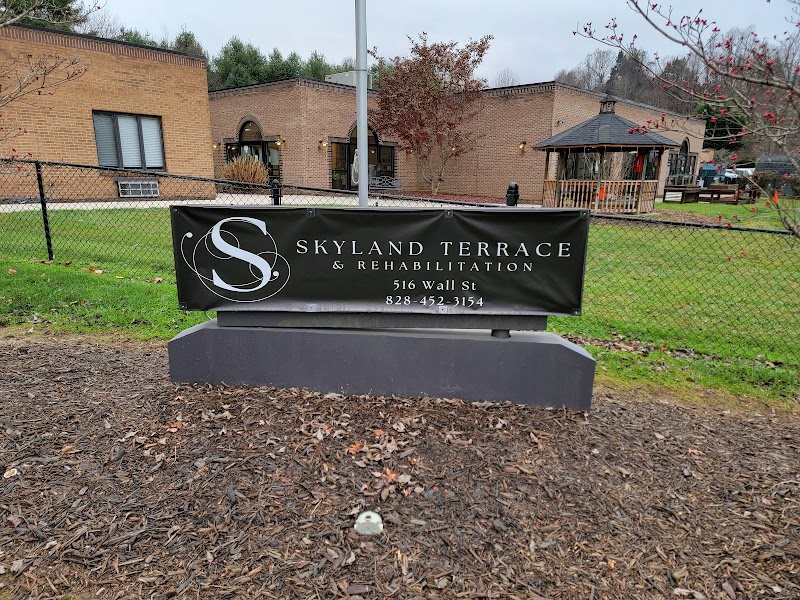
How is Skyland Terrace And Rehabilitation Staffed?

CMS rates Skyland Terrace and Rehabilitation's staffing level at 4 out of 5 stars, which is above average compared to other nursing homes. Staff turnover is 55%, which is 9 percentage points above the North Carolina average of 46%. High turnover can affect care consistency as new staff learn residents' individual needs.

What Have Inspectors Found at Skyland Terrace And Rehabilitation?

State health inspectors documented 16 deficiencies at Skyland Terrace and Rehabilitation during 2021 to 2025. These included: 2 that caused actual resident harm and 14 with potential for harm. Deficiencies causing actual harm indicate documented cases where residents experienced negative health consequences.
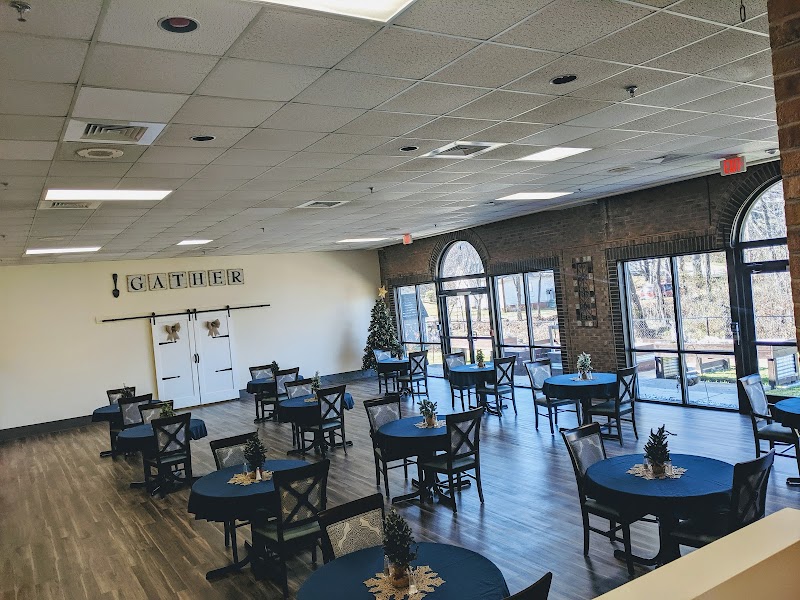
Who Owns and Operates Skyland Terrace And Rehabilitation?

Skyland Terrace and Rehabilitation is owned by a for-profit company. For-profit facilities operate as businesses with obligations to shareholders or private owners. The facility operates independently rather than as part of a larger chain. With 90 certified beds and approximately 81 residents (about 90% occupancy), it is a smaller facility located in Waynesville, North Carolina.

How Does Skyland Terrace And Rehabilitation Compare to Other North Carolina Nursing Homes?

Compared to the 100 nursing homes in North Carolina, Skyland Terrace and Rehabilitation's overall rating (3 stars) is above the state average of 2.8, staff turnover (55%) is near the state average of 46%, and health inspection rating (3 stars) is at the national benchmark.

What Should Families Ask When Visiting Skyland Terrace And Rehabilitation?

Based on this facility's data, families visiting should ask: "How do you ensure continuity of care given staff turnover, and what is your staff retention strategy?" "Can I visit during a mealtime to observe dining assistance and food quality?" "How do you handle medical emergencies, and what is your hospital transfer rate?" "Can I speak with family members of current residents about their experience?" These questions are particularly relevant given the facility's high staff turnover rate.

Is Skyland Terrace And Rehabilitation Safe?

Based on CMS inspection data, Skyland Terrace and Rehabilitation has a clean safety record: no substantiated abuse findings (meaning no confirmed cases of resident harm), no Immediate Jeopardy citations (the most serious violation level indicating risk of serious injury or death), and is not on the Special Focus Facility watch list (a federal program monitoring the lowest-performing 1% of nursing homes). The facility has a 3-star overall rating and ranks #1 of 100 nursing homes in North Carolina. While no facility is perfect, families should still ask about staff-to-resident ratios and recent inspection results during their visit.

Do Nurses at Skyland Terrace And Rehabilitation Stick Around?

Staff turnover at Skyland Terrace and Rehabilitation is high. At 55%, the facility is 9 percentage points above the North Carolina average of 46%. High turnover means new staff may not know residents' individual needs, medications, or preferences. It can also be disorienting for residents, especially those with dementia who rely on familiar faces. Families should ask: What is causing the turnover? What retention programs are in place? How do you ensure care continuity during staff transitions?

Was Skyland Terrace And Rehabilitation Ever Fined?

Skyland Terrace and Rehabilitation has been fined $8,512 across 1 penalty action. This is below the North Carolina average of $33,164. While any fine indicates a compliance issue, fines under $50,000 are relatively common and typically reflect isolated problems that were subsequently corrected. Families should ask what specific issues led to these fines and confirm they've been resolved.

Is Skyland Terrace And Rehabilitation on Any Federal Watch List?

Skyland Terrace and Rehabilitation is not on any federal watch list. The most significant is the Special Focus Facility (SFF) program, which identifies the bottom 1% of nursing homes nationally based on persistent, serious quality problems. Not being on this list means the facility has avoided the pattern of deficiencies that triggers enhanced federal oversight. This is a positive indicator, though families should still review the facility's inspection history directly.