Liberty Commons Nursing and Rehabilitation Center
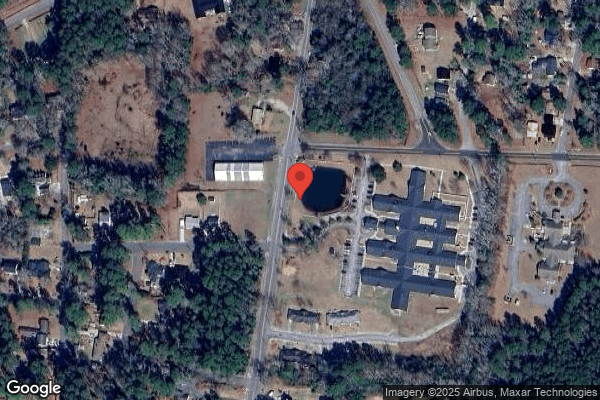
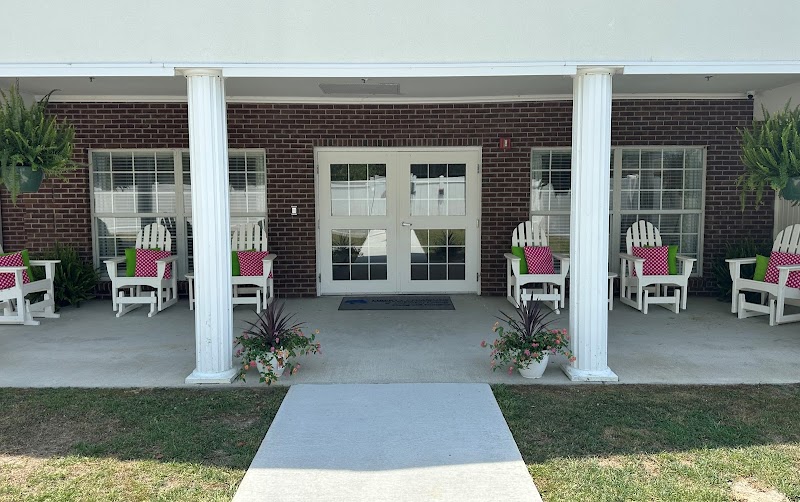
1402 Pinckney Street, Whiteville, NC 28472 (910) 642-4245
For profit - Corporation 107 Beds LIBERTY SENIOR LIVING Data: November 2025 2 Immediate Jeopardy citations
Trust Grade
0/100
#349 of 417 in NC
Last Inspection: July 2025

Inspected within the last 6 months. Data reflects current conditions.

Overview

Liberty Commons Nursing and Rehabilitation Center has received a Trust Grade of F, indicating significant concerns about the quality of care provided. Ranking #349 out of 417 nursing homes in North Carolina places it in the bottom half, and it is #2 out of 3 in Columbus County, meaning there is only one local option that is better. The facility's trend shows improvement, with issues declining from 11 in 2024 to 5 in 2025, but it still has a concerning history, having accumulated $135,234 in fines, which is higher than 89% of facilities in the state. Staffing is rated average, with a turnover rate of 53%, which is slightly above the state average, and it has average RN coverage, which is essential for catching potential problems. However, there have been critical incidents, including failing to notify a physician about a resident showing signs of Clostridium Difficile for an extended period and not assessing another resident properly, leading to serious skin injuries. Overall, while there are improvements in some areas, families should weigh these serious deficiencies against the strengths of the facility.
Trust Score
F
0/100
In North Carolina
#349/417
Bottom 17%
Safety Record
High Risk
Review needed
Inspections
Getting Better
11 → 5 violations
Staff Stability
⚠ Watch
53% turnover. Above average. Higher turnover means staff may not know residents' routines.
Penalties
✓ Good
$135,234 in fines. Lower than most North Carolina facilities. Relatively clean record.
Skilled Nurses
⚠ Watch
Each resident gets only 28 minutes of Registered Nurse (RN) attention daily — below average for North Carolina. Fewer RN minutes means fewer trained eyes watching for problems.
Violations
⚠ Watch
27 deficiencies on record. Higher than average. Multiple issues found across inspections.
★☆☆☆☆
1.0
Overall Rating
★★★☆☆
3.0
Staff Levels
★★☆☆☆
2.0
Care Quality
★☆☆☆☆
1.0
Inspection Score
Stable
2024: 11 issues
2025: 5 issues

The Good

  • Full Sprinkler Coverage · Fire safety systems throughout facility
  • No fines on record

Facility shows strength in fire safety.

The Bad

1-Star Overall Rating

Below North Carolina average (2.8)

Significant quality concerns identified by CMS

Staff Turnover: 53%

Near North Carolina avg (46%)

Higher turnover may affect care consistency

Federal Fines: $135,234

Well above median ($33,413)

Significant penalties indicating serious issues

Chain: LIBERTY SENIOR LIVING

Part of a multi-facility chain

Ask about local staffing decisions and management

The Ugly 27 deficiencies on record

2 life-threatening 6 actual harm
Jul 2025 5 deficiencies
CONCERN (D)

Potential for Harm - no one hurt, but risky conditions existed

Assessment Accuracy (Tag F0641)

Could have caused harm · This affected 1 resident

**NOTE- TERMS IN BRACKETS HAVE BEEN EDITED TO PROTECT CONFIDENTIALITY** Based on record review and staff interviews, the facility failed to code the Minimum Data Set (MDS) accurately in the areas of f...

Read full inspector narrative →
**NOTE- TERMS IN BRACKETS HAVE BEEN EDITED TO PROTECT CONFIDENTIALITY** Based on record review and staff interviews, the facility failed to code the Minimum Data Set (MDS) accurately in the areas of fluid intake per day by intravenous (IV) or tube feeding and the use of antipsychotic medication on a daily basis for 1 of 24 residents whose MDS assessments were reviewed (Residents #91).The findings included:Resident #91 was admitted to the facility on [DATE] with diagnoses that included, in part, Alzheimer's disease, dementia without psychotic disturbance or mood disturbance, anorexia, and dysphagia.Review of Resident #91's quarterly Minimum Data Set assessment dated [DATE] documented she had an average fluid intake per day by IV or tube feeding of 501 cc (cubic centimeter)/day or more while a resident and also during the entire 7 days (of the look back period). It also noted antipsychotic medications were received on a routine basis.Review Resident #91's May 2025 and June 2025 electronic Medication Administration Records (eMAR's) revealed she had not been administered an antipsychotic medication and had not received fluids by IV or tube feeding during the assessment look back period.In an interview with the MDS Coordinator on 07/08/25 at 1:05 PM she stated she had reviewed the 06/02/25 MDS assessment and the resident's medical records. She concluded that Resident #91 had not received fluids by IV or tube feeding and had not taken any antipsychotic medications during the assessment look back period. She stated a float nurse had completed this particular assessment.In an interview with the Director of Nursing on 7/10/25 at 2:23 PM she stated data entered into an MDS assessment should always be accurate.
CONCERN (D)

Potential for Harm - no one hurt, but risky conditions existed

Deficiency F0692 (Tag F0692)

Could have caused harm · This affected 1 resident

**NOTE- TERMS IN BRACKETS HAVE BEEN EDITED TO PROTECT CONFIDENTIALITY** Based on record review, and staff, Registered Dietitian and Nurse Practitioner interviews, the facility failed to address a Regi...

Read full inspector narrative →
**NOTE- TERMS IN BRACKETS HAVE BEEN EDITED TO PROTECT CONFIDENTIALITY** Based on record review, and staff, Registered Dietitian and Nurse Practitioner interviews, the facility failed to address a Registered Dietitian recommendation to obtain weekly weights for 1 of 4 residents reviewed for nutrition (Resident # 75). Findings included: Resident #75 was admitted on [DATE] with medical diagnosis including chronic kidney disease, hypertension, and prostate cancer. Review of Resident #75's physician orders revealed an order dated 5/1/25 for Cardiac diet, Soft & Bite Sized texture with thin consistency liquids. Review of Resident #75's electronic health record revealed the following weights recorded: 5/2/25 194.8 pounds (Lb.)5/3/25 196.6 lb.5/10/25 No weight recorded Review of Resident #75's care plan dated 5/5/25 indicated a nutritional problem or potential nutritional problem related to receives a therapeutic, mechanically altereddiet, chronic kidney disease and dementia. Interventions included observe for, record and report to the physician as needed significant weight loss (3lbs in 1 week, greater than 5% in 1 month, greater than7.5% in 3 months, greater than10% in 6 months), Registered Dietitian to evaluate and make diet change recommendations as needed and weight per protocol and as needed. Review of a Registered Dietitian (RD) note dated 5/13/2025 at 12:07 PM indicated Resident #75 had a weight of 196.6 lb. recorded on 5/3/25. The note indicated the plan was obtain a new weekly weight and monitor weights weekly, per policy and follow up as needed. 5/13/25 No weight recorded. 5/20/25 No weight recorded.5/27/25 No weight recorded.6/4/25 No weight recorded.6/11/25 181.2 lb. incorrect documentation standing6/11/25 189.2 lb.6/18/25 No weight recorded6/25/25 No weight recorded7/2/25 184 lb. An interview with the Minimum Data Set (MDS) Coordinator on 7/10/25 at 9:55 AM revealed that residents were weighed weekly for 4 weeks following admission and then monthly. The MDS Coordinator stated that the RD sent an email to the interdisciplinary team with her recommendations. The MDS Coordinator stated that she and the Assistant Director of Nursing (ADON) were responsible for implementing the RD's recommendations. The MDS Coordinator was unable to state why the recommendation for weekly weights was not implemented and why Resident #75 was not weighed weekly per the facility protocol. An interview with the Registered Dietician (RD) was conducted on 7/10/25 at 12:35 PM. The RD stated that she expected that weekly weights would be obtained for 4 weeks for all new admissions and readmissions and then as specified. The RD stated that Resident #75's weights should have been obtained weekly per protocol. The RD indicated that weekly weights were important for monitoring the resident's status and evaluating the medical condition. An interview with the Nurse Practitioner (NP) on 7/10/25 at 1:08 PM revealed that she expected that weekly weights would be obtained for 4 weeks at least and then as indicated. The NP stated that weights were important for monitoring. Weight loss was to be tracked and evaluated. The NP stated that she was not aware that Resident #75 lost weight. An interview was conducted with the ADON on 7/10/25 at 2:30 PM. The ADON indicated that she was in the role of acting Director of Nursing for the past several months. The ADON revealed that weekly weights were to be obtained for 4 weeks after admission and as indicated. The ADON stated she and the MDS Coordinator received the RD recommendations and were responsible for implementing them. The ADON stated it was an oversight that the recommendation for Resident # 75 to be weighed weekly was not implemented and that the weekly weights on admission were not obtained.
CONCERN (D)

Potential for Harm - no one hurt, but risky conditions existed

Deficiency F0698 (Tag F0698)

Could have caused harm · This affected 1 resident

**NOTE- TERMS IN BRACKETS HAVE BEEN EDITED TO PROTECT CONFIDENTIALITY** Based on observations, record review, and staff and Nurse Practitioner interviews, the facility failed to: remove an ordered pre...

Read full inspector narrative →
**NOTE- TERMS IN BRACKETS HAVE BEEN EDITED TO PROTECT CONFIDENTIALITY** Based on observations, record review, and staff and Nurse Practitioner interviews, the facility failed to: remove an ordered pressure dressing to a newly inserted arterial/venous (A/V) dialysis shunt site 4-6 hours after the resident returned from dialysis, check the resident's arterial/venous dialysis shunt when resident returned from dialysis and clarify orders that were entered inaccurately. This was for 1 of 1 resident (Resident #55) reviewed for dialysis. Findings included: Resident #55 was admitted to the facility on [DATE]. Diagnoses included end stage renal disease requiring hemodialysis (a treatment needed for residents with poor kidney function), and insertion of A/V dialysis shunt (a passage that is inserted in the body to allow fluid from one part of the body to another and used as an access port to dialyze residents) to left arm. A review of the physician orders revealed an order written on 03/20/25 for hemodialysis on Tuesday, Thursday, Saturday at 5:30 AM and an order to check Permacath (a special intravenous device inserted into a blood vessel and used over an extended period of time for dialysis treatments) on right side of chest for bleeding and signs and symptoms of infection. On 06/21/25, new physician orders were written to remove pressure dressing over shunt site 4-6 hours after returning from dialysis every day shift on Monday, Thursday, and Saturday, check right upper arm shunt site for bleeding, signs and symptoms of infection, bruit (a sound that can be heard when assessing an A/V dialysis shunt) and thrill (a sensation you can feel when assessing an A/V dialysis shunt) and document adverse findings in nursing notes. The Minimum Data Set annual assessment dated [DATE] revealed Resident #55 was cognitively intact and he demonstrated no behaviors. He was coded as receiving hemodialysis services. A review of Resident #55's care plan updated on 06/25/25 revealed a plan of care for receiving hemodialysis 3 times per week with interventions that included to monitor newly inserted A/V dialysis shunt for complications such as infection, fluid imbalances, and hemorrhage from dialysis vascular access port, apply firm and direct pressure using 2 fingers to bleeding shunt site, maintain firm pressure for at least 10 minutes, do not draw blood or take blood pressure in arm with shunt, keep dressing on site as ordered, no intravenous or blood draws in left arm, observe, document, and report to the physician any signs or symptoms of infection to access site. The Medication Administration Record (MAR) for June 2025 revealed the following: - The order to remove the pressure dressing over shunt site 4-6 hours after returning from dialysis every day shift on Monday, Thursday and Saturday revealed Nurse #5 recorded a checkmark and her initials on 06/26/25 (Thursday) and Nurse #7 recorded a checkmark and her initials on 06/30/25 (Monday) indicating the nurses removed the pressure dressing to Resident 55's shunt site. - The order to check Resident #55's right upper arm shunt site for bleeding, signs and symptoms of infection, and bruit and thrill every shift revealed Nurse #5 recorded a checkmark and her initials on 06/26/25 indicating she checked the shunt site. The MAR for July 2025 revealed the following: - The order to remove the pressure dressing over shunt site 4-6 hours after returning from dialysis every day shift on Monday, Thursday and Saturday revealed Nurse #5 recorded a checkmark and her initials on 07/05/25 (Saturday) and Nurse #7 recorded a checkmark and her initials on 07/07/25 (Monday) indicating the nurses removed the pressure dressing to Resident 55's shunt site. - The order to check Resident #55's right upper arm shunt site for bleeding, signs and symptoms of infection, and bruit and thrill every shift revealed Nurse #5 recorded a checkmark and her initials on 07/05/25 indicating she checked the shunt site. An observation of Resident #55 on 07/09/25 (Wednesday) at 10:30 AM, revealed Resident #55 had a pressure dressing in place to his left arm over his A/V dialysis shunt. There were no signs or symptoms of bleeding noted on the outside of the dressing. An interview with Resident #55 on 07/09/25 at 10:30 AM. Resident #55 stated he was supposed to have the dressing removed from his shunt site on his dialysis days which he stated were Tuesday, Thursday, and Saturday. Resident #55 stated he did not know why the dressing was not removed on Tuesday 07/08/25. Resident #55 added, sometimes the nurses would remove it the next day or so. An interview was conducted with Nurse #5 on 07/09/25 at 3:30 PM. Nurse #5 confirmed Resident #55 dialyzed on Tuesday, Thursday, and Saturdays. She stated when Resident #55 returned from dialysis usually around 12:30 PM, she would review the communication sheet that was provided to the Dialysis Center for any new orders, she would obtain Resident #55's vital signs and check the dressing site to be sure it was dry and intact with no signs or symptoms of bleeding. She stated she would not remove the dressing to the A/V dialysis shunt and that when Resident #55 went back to dialysis on his next scheduled day, the dialysis nurse would remove it. Nurse #5 reviewed the orders written in the MAR to check the right upper arm shunt for bleeding, signs and symptoms of infection and bruit and thrill and to remove the pressure dressing 4-6 hours after returning from dialysis. Nurse #5 stated she never removed the dressing to check the A/V shunt and that the A/V shunt was on Resident #55's left arm not the right arm as the order was written. She added, she thought the Dialysis Nurse removed the dressing when Resident #55 returned for his next scheduled visit. Nurse #5 stated Resident #55 had a newly inserted A/V dialysis shunt and she should have been checking it when he returned back from dialysis on his scheduled days to be sure there was no occlusion (clotting) or signs of infection. Nurse #5 added, she should have clarified the order to indicate it was Resident's left arm that had the A/V dialysis shunt and not the right arm. An interview was conducted with Nurse #7 via phone on 07/10/25 at 10:12 AM. Nurse #7 reported the way she understood the order to be was to remove the pressure dressing from the shunt site on his left arm on dialysis days, and she stated she signed off that she removed it on Monday 06/30/25 and Monday 07/05/25 as it was indicated to be done on the MAR because the dressing was still on Resident #55. Nurse #7 stated the order did not make sense to remove the dressing on a Monday, Thursday, and Saturday and the order should have read to remove the pressure dressing on Tuesday, Thursday and Saturday when he dialyzed. Nurse #7 confirmed the order for checking the arm each shift should have read left arm and not right arm. She stated she should have clarified the order with the Assistant Director of Nursing (ADON). Nurse #7 verified she was assigned to Resident #55 on Tuesday 07/08/25 and that Resident #55 went to dialysis as scheduled. Nurse #7 stated the resident returned back around 1:00 PM. Nurse #7 stated she did not remove the dressing 4-6 hours after his return from dialysis as the order indicated. She further stated she did not remove the dressing on Tuesday 07/08/25 because it was not ordered to remove it on Tuesdays. She explained that she understood that Resident #55 dialyzed on Tuesday and had a dressing in place that should have been removed per the order (4-6 hours after dialysis). Nurse #7 stated that although she did not remove the pressure dressing on Tuesday 07/08/25 she looked at the resident's hand for swelling and looked at the intact dressing for any bleeding. Nurse #7 stated she did not check for bruit and thrill, but that she knew how to check for a bruit and thrill. An interview was conducted with the ADON on 07/10/25 at 2:10 PM. The ADON reviewed the orders that she entered on 06/21/25 and stated she entered the orders incorrectly and it should have read to remove the pressure dressing over shunt 4-6 hours after dialysis on Tuesday, Thursday and Saturday and to check the left arm not the right arm each shift. She reported she entered the orders incorrectly and it was a human error. The ADON corrected the orders at this time. She stated that the nursing staff were aware that Resident #55 dialyzed on Tuesdays, Thursdays, and Saturdays and that he had a left arm A/V dialysis shunt, and they should have questioned the inaccuracy of the entered orders. The ADON reported her expectation for the assigned nurses post dialysis was to remove the dressing 4-6 hours after dialysis, check the site and feel for thrill and listen for bruit. The ADON added Resident #55's A/V dialysis shunt was new and not mature yet and it should be assessed each shift for clotting or signs or infection. An interview was conducted with the Nurse Practitioner on 07/10/25 at 1:30 PM. The Nurse Practitioner stated she expected the orders to remove the A/V shunt pressure dressing 4-6 after dialysis and to check the left arm (not the right) to be entered correctly. She state that the nursing staff who were assigned to Resident #55 on dialysis days should have read the orders, clarified the orders and removed the dressing that was in place 4-6 hours after his dialysis on Tuesdays, Thursdays, and Saturdays. The Nurse Practitioner added, Resident #55 had a newly inserted A/V dialysis shunt and that shunt should be getting assessed whenever the dressing was removed to ensure it was patent (no blockage or clotting) and had no signs of infection.
CONCERN (E)

Potential for Harm - no one hurt, but risky conditions existed

Deficiency F0761 (Tag F0761)

Could have caused harm · This affected multiple residents

Based on observations, record review and staff interviews, the facility failed to discard expired medications stored for use and discard loose pills observed in 3 of 5 medication (med) carts (the 200 ...

Read full inspector narrative →
Based on observations, record review and staff interviews, the facility failed to discard expired medications stored for use and discard loose pills observed in 3 of 5 medication (med) carts (the 200 hall, 400 hall and 600 hall medication carts) and failed to discard expired medications stored in 2 of 3 medication storage rooms (100 hall and 300 hall) reviewed for medication storage. Findings included:a. An observation was conducted on 7/9/25 at 8:39 AM of the 200 hall med cart in the presence of Medication Aid (MA #1), The observation revealed the following medications were stored on the cart. - A fluticasone propionate/salmeterol inhaler opened on 6/2/25 and expired 30 days after opening on the box. - There were 3 loose pills in the drawers of the cart (1 white oblong pill and 2 white round pills).An interview was conducted with MA #1 on 7/9/25 at 8:39 AM. MA #1 stated there should not be any expired medications or loose pills on the chart.b. An observation was conducted on 7/9/25 at 11:51 AM of the 400 hall cart in the presence of Nurse #5. The observation revealed there were 2 loose pills in the drawers of the cart (1 white oblong pill and 1 round pill).An interview was conducted with Nurse #5 on 7/9/25 at 11:51 AM. Nurse #5 stated there should not be loose pills in the drawers of the cart.c. An observation was conducted on 7/9/25 of the 600 hall med cart in the presence of MA #2. The observation revealed:- An opened bottle of stock Vitamin C with the expiration date of 10/24.- A loose small oval yellow pill was found in the drawer of the cart.An interview was completed with MA #2 on 7/9/25 at 12:24 PM. MA #2 stated there was not supposed to be any expired medication on the cart or loose pills on the cart.d. An observation was conducted on 7/9/25 at 2:12 PM of the 100/200 hall medication storage room in the presence of MA #3. The observation revealed an opened package of promethazine hydrochloride 25 milligrams (mg) suppositories with expiration date of 6/11/25.An interview was conducted on MA #3 on 7/9/25 at 2:12 PM. MA #3 stated she thought the night shift nurses were supposed to check for expired medications in the medication rooms. She further stated there should not be any expired medications in the medication storage room e. An observation of was conducted on 7/9/25 at 2:15 PM of the 300 hall medication storage room in the presence of Nurse #1. The observation revealed an unopened bottle of Gas Relief tablet (simethicone 80mg) with the expiration date of 11/24.An interview was completed with Nurse #1 on 7/9/25 at 2:15 PM. Nurse #1 explained that there was not supposed to be expired medications in the medication storage rooms.An interview was completed with the Director of Nursing (DON) on 7/10/25 at 11:36 AM. The DON stated there was a process in place for checking the medication storage rooms and the med cart for expired pills. She stated the night shift nurses and the Unit Managers were responsible for checking the carts and medication storage rooms. She stated that it was obvious they were not doing a very thorough job, and they needed to pay more attention to the expiration dates. The DON explained that she knows they are looking at the med carts and medication storage rooms because the nurses brought her expired medications all the time. She indicated the nursing staff needed to pay more attention to expired medications and loose pills in the carts and medication storage rooms.
CONCERN (E)

Potential for Harm - no one hurt, but risky conditions existed

Medical Records (Tag F0842)

Could have caused harm · This affected multiple residents

**NOTE- TERMS IN BRACKETS HAVE BEEN EDITED TO PROTECT CONFIDENTIALITY** Based on record review, and staff, Wound Physician, and Nurse Practitioner interviews, the facility failed to maintain accurate ...

Read full inspector narrative →
**NOTE- TERMS IN BRACKETS HAVE BEEN EDITED TO PROTECT CONFIDENTIALITY** Based on record review, and staff, Wound Physician, and Nurse Practitioner interviews, the facility failed to maintain accurate medical records by 1.) not documenting the administration of wound care to an unstageable sacral wound on the Treatment Administration Record (TAR) or in the electronic medical record and not accurately documenting the assessment of an implanted device (a device placed under the skin typically in the chest wall and used for long term intravenous (IV) access) for Resident #49. 2.) not accurately documenting that an antihypertensive medication (Hydralazine 25 milligrams) was held for systolic blood pressure less than 125 mmHg (millimeters of mercury) according to the physician orders (Resident #28). 3.) not accurately documenting the removal of a dressing from an arterial/venous (A/V) dialysis shunt (Resident #55). This occurred for 3 of 3 residents whose medical records were reviewed. Findings included: 1a.) A physician’s order dated 1/3/25 for Resident #49 revealed Dakins solution 0.5% (Sodium Hypochlorite). Apply to sacrum topically every day shift for wound care. Pack wound with iodoform packing strips mixed with Santyl (a debriding agent) and cover with dry padded dressing. Review of Resident #49’s TAR dated March 2025 and April 2025 revealed Dakins solution 0.5%. Apply to sacrum topically every day shift for wound care. Pack wound with iodoform packing strips mixed with Santyl and cover with dry padded dressing was not signed by a nurse as administered on the following dates: 3/1/25 3/7/25 3/8/25 3/15/25 3/16/25 4/12/25 4/22/25 Review of Resident #49’s progress notes from 3/1/25 through 4/22/25 revealed no documentation that wound care was administered by the assigned nurse or wound treatment nurse. During a phone interview on 7/10/25 at 9:00 AM Nurse #6 the assigned day shift nurse on 3/1/25, 3/8/25, 3/15/25, and 3/16/25 stated the nurses were responsible for wound care when the treatment nurse was not available. She stated she recalled administering wound care to Resident #49 during March 2025 and recalled the wound treatment nurse during that time (Nurse #9) also administered wound treatments to Resident #49. Nurse #6 stated the wound care was done and it was a documentation error, and the treatments should have been signed off on the TAR as completed. During a phone interview on 7/10/25 at 10:00 AM Nurse #7 the assigned day shift nurse on 3/7/25, 4/12/25, and 4/22/25 stated the nurses were responsible for wound care when the treatment nurse was not available. She stated she was certain the wound care was completed each day by either her or the treatment nurse. Nurse #7 stated the wound care was not signed off as administered in error. b. A physician’s order dated 4/30/25 for Resident #49 revealed Gentamicin sulfate (antibiotic) external cream 0.1%. Apply to sacrum topically every day and evening shift for wound care. Pack with Gentamicin and packing strips and cover with dry dressing. Review of Resident #49’s TAR dated May 2025 revealed Gentamicin sulfate (antibiotic) external cream 0.1%. Apply to sacrum topically every day and evening shift for wound care. Pack with Gentamicin and packing strips and cover with dry dressing was not signed as administered on the following dates and shift: 5/3/25 day shift 5/6/25 evening shift 5/9/25 day shift 5/17/25 day shift 5/18/25 day shift 5/21/25 day shift 5/26/25 day shift During a phone interview on 7/10/25 at 9:00 AM Nurse #6 the assigned day shift nurse on 5/17/25 and 5/18/25 stated she recalled administering wound care to Resident #49 during May 2025 and recalled that the wound treatment nurse during that time (Nurse #9) also administered wound treatments to Resident #49. Nurse #6 stated it was a documentation error, and the treatments should have been signed off on the TAR as completed. During a phone interview on 7/10/25 at 10:00 AM Nurse #7 the assigned day shift nurse on 5/6/25, 5/9/25, and 5/26/25 stated she was certain the wound care was completed by either her or the treatment nurse on the dates listed. Nurse #7 stated the wound care was not signed off as administered in error. Attempts were made on 7/10/25 at 10:20 AM to contact the assigned nurse on 5/3/25 with no response. During a phone interview on 7/10/25 at 10:33 AM Nurse #1 the assigned nurse on 5/21/25 stated the wound treatment nurse administered Resident #49’s treatment on 5/21/25 and did not sign it off on the TAR. During a phone interview on 7/10/25 at 11:00 AM the wound treatment nurse during the months of March 2025 through May 2025 stated she did administer the wound treatments to Resident #49 on the days that she worked in the facility. She stated when she was not working it was the responsibility of the assigned nurse to do the wound care. She indicated the wound care not being signed off in Resident #49’s medical record by her or the assigned nurse was done in error. An interview was conducted on 7/10/25 at 8:30 AM with the Wound Physician. She stated she was in the facility weekly for Resident #49’s wound evaluation. The Wound Physician stated Resident #49 had multiple significant comorbidities and a chronic sacral wound that may never completely heal. The Wound Physician stated according to her weekly evaluations and measurements that the wound had not shown signs of worsening or deterioration, and she believed the wound treatments were being administered. An interview was conducted on 7/10/25 at 1:00 PM with the Director of Nursing (DON). She stated wound care should be administered according to the physician orders and accurately documented in the resident’s electronic medical record. c.) A physician’s order dated 3/27/25 for Resident #49 revealed to monitor the implanted device site for signs and symptoms of infection every shift for prevention. During an interview on 7/10/25 at 11:30 AM Nurse #5 the assigned nurse stated she did not think Resident #49 had an implanted device. Nurse #5 assessed Resident #49 and found the location of the implanted device and then stated she was not aware Resident #49 had the device. Review of Resident #49’s TAR dated June 2025 and July 2025 revealed Nurse #5 signed off on the TAR during the day shift that the implanted device was monitored for signs and symptoms of infection on the following dates: 6/11/25 6/12/25 6/18/25 6/25/25 6/26/25 6/27/25 7/2/25 7/5/25 7/9/25 During a follow up interview on 7/10/25 at 12:00 PM Nurse #5 stated she was an agency nurse and started her contract with the facility in June 2025. She stated she had completed full body assessments on Resident #49 each day that she was the assigned nurse. Nurse #5 stated the implanted device was under the skin in the upper right chest wall and Resident #49’s skin was smooth with no signs of redness or irritation at the site therefore you could not tell that the device was even there. She stated if there had been any signs of redness or superficial infection she would have seen it during her physical assessment each day and Resident #49 had not had a fever or other symptoms. Nurse #5 stated she should have paid closer attention when signing off on Resident #49’s Treatment Administration Record and should have accurately documented on the TAR. During an interview on 7/10/25 at 1:20 PM the Nurse Practitioner stated there had been no concerns reported to her regarding Resident #49’s implanted device. She stated the site should be monitored every shift for signs and symptoms of infection and expected that the nurses were accurately documenting the assessment of the device in the medical record. During an interview on 7/10/25 at 12:55 PM the Director of Nursing (DON) along with the Assistant Director of Nursing (ADON) stated Resident #49 had the implanted device for an extended period of time due to having a history of cancer and received outpatient medications through the device at one time. The ADON stated Resident #49 had no issues related to the device. The DON stated the nurses were required to assess the site for signs or symptoms of infection and accurately document the assessment on the TAR. 2.) Physician orders dated 8/23/24 for Resident #28 included Hydralazine (antihypertensive medication) 25 milligrams (mg). Give one tab by mouth three times a day and hold if the systolic blood pressure was less than 125. Review of Resident #28’s Medication Administration Record (MAR) dated May 2025 revealed Hydralazine 25 mgs. Give one tab by mouth three times a day and hold if the systolic blood pressure was less than 125 was signed off as administered on the following dates and times: 5/9/25 at 9:00 PM signed as administered by Medication Aide #2 5/14/25 at 9:00 AM signed as administered by Nurse #11 5/14/25 at 2:00 PM signed as administered by Nurse #11 5/14/25 at 9:00 PM signed as administered by Nurse #11 5/28/25 at 9:00 AM signed as administered by Nurse #11 During an interview on 7/10/25 at 9:30 AM Nurse #11 stated she was aware of the order to hold Resident #28’s hydralazine if the systolic blood pressure was less than 125. Nurse #11 stated the medication was held on the dates listed and it was documented as administered in error. During an interview on 7/10/25 at 1:10 PM Medication Aide #2 stated she routinely provided care to Resident #28 and was aware to hold the Hydralazine if the systolic blood pressure was less than 125. She stated the hydralazine was held and not administered on 5/9/25 and it was documented as administered in error. Review of Resident #28’s Medication Administration Record (MAR) dated July 2025 revealed Hydralazine 25 mgs. Give one tab by mouth three times a day and hold if the systolic blood pressure was less than 125 was signed off as administered on the following dates and times: 7/4/25 at 2:00 PM signed as administered by Nurse #7 7/5/25 at 9:00 AM signed as administered by Nurse #5 7/7/25 at 2:00 PM signed as administered by Nurse #7 7/9/25 at 9:00 AM signed as administered by Nurse #5 7/9/25 at 2:00 PM signed as administered by Nurse #5 During a phone interview on 7/10/25 at 10:00 AM Nurse #7 stated she was aware of the order to hold Resident #28’s hydralazine if the systolic blood pressure was less than 125. Nurse #7 stated the medication was held on the dates listed and was documented as administered in error. During an interview on 7/10/25 at 12:00 PM Nurse #5 stated she held Resident #28’s hydralazine on the dates listed and it was documented as administered in error. An interview was conducted on 7/10/25 at 12:30 PM with Resident #28. She was alert and oriented to person, place, and time. She stated staff held the hydralazine at times, but she was not sure of what days the medication was held. Resident #28 stated she had no concerns with her medications. During an interview on 07/10/25 at 12:53 PM the Director of Nursing (DON) along with the Assistant Director of Nursing (ADON) stated the nursing staff were to follow the physician orders to hold the hydralazine as needed and accurately document if the medication was held on the Medication Administration Record (MAR). 3. Resident #55 was admitted to the facility on [DATE] with multiple diagnoses that included end stage renal disease requiring hemodialysis (a treatment needed for residents with poor kidney function) and insertion of A/V dialysis shunt (a passage that is inserted in the body to allow fluid from one part of the body to another and used as an access port to dialyze residents) to left arm. A review of the physician orders revealed an order written on 03/20/25 for hemodialysis on Tuesday, Thursday, Saturday at 5:30 AM. On 06/21/25, new physician orders were written to; apply direct pressure with gauze and gloved fingertips if bleeding occurs to A/V dialysis shunt; if direct pressure did not control blood loss, apply tourniquet above the site and contact emergency personnel, remove pressure dressing over shunt site 4-6 hours after returning from dialysis every day shift on Monday, Thursday, and Saturday, and check left upper arm shunt site for bleeding, signs and symptoms of infection, bruit (a sound that can be heard when assessing an A/V dialysis shunt) and thrill (a sensation you can feel when assessing an A/V dialysis shunt) and document adverse findings in nursing notes. The Medication Administration Record (MAR) for June 2025 revealed the following: - The order to remove the pressure dressing over shunt site 4-6 hours after returning from dialysis every day shift on Monday, Thursday and Saturday revealed Nurse #5 recorded a checkmark and her initials on 06/26/25 (Thursday) and Nurse #7 recorded a checkmark and her initials on 06/30/25 (Monday) indicating the nurses removed the pressure dressing to Resident 55’s shunt site. - The order to check Resident #55’s right upper arm shunt site for bleeding, signs and symptoms of infection, and bruit and thrill every shift revealed Nurse #5 recorded a checkmark and her initials on 06/26/25 indicating she checked the shunt site. The MAR for July 2025 revealed the following: - The order to remove the pressure dressing over shunt site 4-6 hours after returning from dialysis every day shift on Monday, Thursday and Saturday revealed Nurse #5 recorded a checkmark and her initials on 07/05/25 (Saturday) and Nurse #7 recorded a checkmark and her initials on 07/07/25 (Monday) indicating the nurses removed the pressure dressing to Resident 55’s shunt site. - The order to check Resident #55’s right upper arm shunt site for bleeding, signs and symptoms of infection, and bruit and thrill every shift revealed Nurse #5 recorded a checkmark and her initials on 07/05/25 indicating she checked the shunt site. An observation of Resident #55 on 07/09/25 (Wednesday) at 10:30 AM, revealed Resident #55 had a pressure dressing in place to his left arm over his A/V dialysis shunt. There were no signs or symptoms of bleeding noted on the outside of the dressing. An interview was conducted with Resident #55 on 07/09/25 at 10:30 AM. Resident #55 stated he was supposed to have the dressing removed from his shunt site on his dialysis days which he stated were Tuesday, Thursday, and Saturday. Resident #55 stated he did not know why the dressing was not removed on Tuesday 07/08/25. Resident #55 added, sometimes the nurses would remove it the next day or so. An interview was conducted with Nurse #5 on 07/09/25 at 3:30 PM. Nurse #5 confirmed Resident #55 dialyzed on Tuesday, Thursday, and Saturdays. She stated when Resident #55 returned from dialysis usually around 12:30 PM, she would review the communication sheet that was provided to the Dialysis Center for any new orders, she would obtain Resident #55’s vital signs and check the dressing site to be sure it was dry and intact with no signs or symptoms of bleeding. She stated she would not remove the dressing to the A/V dialysis shunt and that when he went back to dialysis on his next scheduled day, the dialysis nurse would remove it. Nurse #5 reviewed the order written in the MAR and confirmed that it read to remove pressure dressing 4 – 6 hours after dialysis. Nurse #5 stated “I guess I have been doing it wrong.” Nurse #5 stated she should not have signed off in the Medication Administration Record that she removed the dressing on 06/26/25 or on 07/05/25 since she did not remove the dressing as ordered. Nurse #5 stated she needed slow down and to read the orders more clearly. Nurse #5 stated she should not have signed off in the MAR that she checked the site on 06/26/25 and 07/05/25 since she never removed the dressing. An observation with Nurse #5 on 07/09/25 at 3:45 PM revealed Nurse #5 checked Resident #55’s left arm and noted the dressing was still on from 07/08/25 (Tuesday). Nurse #5 removed the pressure dressing from Resident #55’s left A/V shunt site. The site was noted to be clean, dry and intact. An interview was conducted with Nurse #7 via phone on 07/10/25 at 10:12 AM. Nurse #7 reported the way she understood the order to be was to remove the pressure dressing from the shunt site on his left arm on dialysis days, but she stated she signed off that she removed it on Monday 06/30/25 and Monday 07/05/25 as it was indicated to be done on the MAR because the dressing was still on Resident #55. Nurse #7 stated she should have clarified the order with the Director of Nursing so that it read to remove the dressing on Tuesday, Thursday and Saturday. An interview was conducted with the Assistant Director of Nursing (ADON) on 07/09/25 4:05 PM. The ADON reviewed the order that she entered on 06/21/25 and stated she entered the order incorrectly and it should have read to remove the pressure dressing over shunt 4-6 hours after dialysis on Tuesday, Thursday and Saturday. The ADON corrected the order at this time. A follow up interview was conducted with the ADON on 07/10/25 at 2:10 PM. The ADON reported she entered the order incorrectly and it was a human error. She stated that the nursing staff were aware that Resident #55 dialyzed on Tuesdays, Thursdays, and Saturdays and they should have questioned the inaccuracy of the entered ordered. An interview was conducted with the Director of Nursing on 07/10/25 at 2:10 PM. She stated further education and in service was needed for all nursing staff to read the orders carefully for medication administration and completing ordered tasks. The DON stated nursing staff should not be documenting a task that they did not complete as that was inaccurate documentation.
Jul 2024 6 deficiencies 2 IJ (2 affecting multiple)
CRITICAL (K) 📢 Someone Reported This

A family member, employee, or ombudsman was alarmed enough to file a formal complaint

Immediate Jeopardy (IJ) - the most serious Medicare violation

Notification of Changes (Tag F0580)

Someone could have died · This affected multiple residents

**NOTE- TERMS IN BRACKETS HAVE BEEN EDITED TO PROTECT CONFIDENTIALITY** Based on record review and interviews with staff, Medical Director (MD) and Physician Assistant (PA), the facility failed to not...

Read full inspector narrative →
**NOTE- TERMS IN BRACKETS HAVE BEEN EDITED TO PROTECT CONFIDENTIALITY** Based on record review and interviews with staff, Medical Director (MD) and Physician Assistant (PA), the facility failed to notify the physician when a resident had signs of Clostridium Difficile (C. difficile) that included persistent loose, watery, mushy, and odorous stool. From 2/9/24 through 2/27/24 the resident experienced these abnormal stools. The physician was notified on 2/13/24 of the abnormal stools, but was not made aware of the ongoing issue until 2/27/24 when it was brought to the nurse's attention by the resident's family member. Upon discharge from the facility on 2/28/2024, the resident was immediately transported by a family member directly to her Primary Care Physician's office where she was tested for C. Difficile, and the lab test was positive for C. Difficile on 2/29/2024. This deficient practice placed Resident #86 at risk for developing complications from C. difficile such as dehydration, skin breakdown, and death. The facility also failed to notify the physician when a resident was receiving insulin outside the parameters to administer insulin. This deficient practice was for 2 of 2 residents reviewed for notification (Residents #86 and #59). Immediate Jeopardy began on 2/15/2024 when the physician was not notified that Resident #86 was continuing to have multiple loose and watery stools for more than 48 hours. Immediate Jeopardy was removed on 7/27/2024 when the facility implemented an acceptable plan of Immediate Jeopardy removal. The facility remains out of compliance at a lesser scope and severity of E (no harm with the potential for more than minimal harm that is not Immediate Jeopardy) to ensure education was completed and monitoring systems put in place are effective. Resident #59 was cited at scope and severity D. Findings included: 1. The CDC indicates the following : C. difficile is a highly contagious bacteria that causes diarrhea and inflammation of the colon and can be life-threatening; symptoms include 3 or more foul smelling watery stools a day lasting longer than 1 day, and abdominal cramping. Common complications include dehydration and inflammation of the colon. One in 11 people over age [AGE] diagnosed with a healthcare-associated C. diff infection die within one month. The facility's Physician's Standing Orders (Standing Orders are a means for physician or Advanced Practice Provider to legally convey to a nurse, the ability to provide routine medical interventions to a resident based on subjective and objective findings) revealed the following: bismuth subsalicylate (antidiarrheal medication) 15 cc (cubic centimeters) after each diarrhea stool. Check for impaction before giving. Notify Physician if no improvement after 8 hours or in the morning if stable. Resident #86 was admitted to the facility on [DATE]. The medical record indicated Resident #86 was [AGE] years old in February of 2024. Resident #86's bowel movement documentation and medication administration record (MAR) revealed the following: - 2/9/2024 Nurse Aide (NA) #9 documented 1 large and loose and watery stool at 1:49 PM and 1 medium loose and watery stool at 5:40 PM. No medication was documented as given for loose stools per the MAR. - 2/10/2024 NA #9 documented 1 large and formed/normal stool at 1:16 PM, 1 large loose and mushy stool at 4:16 PM, and NA #11 documented one large loose and watery stool at 11:49 PM. No medication was documented as given for loose stools per the MAR. - 2/11/2024 NA #12 documented 1 large loose and mushy stool at 12:26 PM, 1 large loose and watery stool at 3:18 PM, and NA #11 documented 1 medium loose and watery stool at 11:39 PM. No medication was documented as given for loose stools per the MAR. - 2/12/2024 NA #12 documented 1 medium loose and mushy stool at 11:30 AM and NA #13 documented 1 small and putty like stool at 7:57 PM. No medication was documented as given for loose stools per the MAR. A nurse's note written by Minimum Data Set (MDS) Nurse #2 for Resident #86 revealed the following secure conversation text messages (secure text message from the nurse to the provider that is saved and uploaded to the progress notes in the electronic medical record) from MDS Nurse #2 to the Medical Director on 2/13/2024 at 11:44 AM which read in part, Resident has had diarrhea since admitting and we have no [brand name of medication-bismuth subsalicylate, an antidiarrheal medication] on hand. Can we have an order for loperamide [antidiarrheal medication]? Please advise. Thanks. The Medical Director responded back on 2/13/2024 at 11:46 AM with an order for loperamide hydrochloride (HCL) 2 milligrams (mg) three times a day as needed for diarrhea. The physician's orders for Resident # 86 revealed an order for loperamide hydrochloride (HCL) 2mg tablets; give 1 tablet by mouth three times a day as needed (prn) for diarrhea was ordered on 2/13/2024. An interview with MDS Nurse #2 was completed on 7/25/2024 at 9:44 AM. MDS Nurse #2 stated she was unable to recall Resident #86 or why she was the nurse that sent the text message to the Medical Director on 2/13/2024 regarding her diarrhea. MDS #2 stated that the nurse working that hall must have told her about the diarrhea and that the facility was out of the medication bismuth subsalicylate that were on the Physician's Standing Orders. MDS Nurse #2 stated that if a resident was having diarrhea and loperamide was given and it was ineffective, the nurses should have assessed them for signs and symptoms of C. difficile. She further stated that she was positive that none of the staff members reported that Resident #86's stools had a foul odor, because that would have been a sign that she might have a C. difficile infection. She indicated that if C. difficile was left untreated it could lead to skin breakdown and dehydration. On 2/13/2024 NA #13 documented 1 large and loose and watery stool at 6:10 AM, 1 large loose and watery stool 10:56 AM, and NA #9 documented 1 large loose and watery stool at 6:44 PM. Loperamide HCL oral tablet 2 mg was administered by Nurse #8 at 8:07 PM and it was documented as having been effective. A telephone interview was completed with Nurse #8 on 7/25/2024 at 8:21 AM. Nurse #8 stated Resident #86's name sounded familiar, but she was not able to recall any information about her. She indicated if she administered loperamide HCL to Resident #86 on 2/13/2024 at 8:07 PM., then the NA or the resident must have reported the resident having diarrhea to her. Resident #86's bowel movement documentation and MAR revealed the following: - 2/14/2024 at NA #9 documented 1 large loose and watery stool at 11:04 AM, 1 medium loose and watery stool 5:26 PM, and NA #14 documented 1 small loose and watery stool at 11:34 PM. No medication was documented as given for loose stools per the MAR. - 2/15/2024 NA #10 documented 1 medium formed/normal stool at 10:42 AM and 1 large loose and mushy stool and at 3:24 PM. No medication was documented as given for loose stools per the MAR. On 2/16/24 Nurse #9 initiated the standing physician's order for Resident #86 for bismuth subsalicylate oral suspension 262 milligrams mg/15 ml; give 15 ml by mouth as needed (prn) for diarrhea. Give 15 ml after each loose stool. Check for impaction first. Notify the physician if there is no improvement after 8 hours or in the morning if stable. On 2/16/24 the bowel movement record and the MAR indicated NA #13 documented 1 medium loose and mushy stool at 3:26 AM, 1 medium loose and mushy stool at 8:58 PM, and NA #9 documented 1 medium loose and mushy stool at 11:58 AM. Bismuth subsalicylate prn 15 ml was administered by Nurse #9 at 5:05 PM and was documented as effective. Nurse #9 was unable to be interviewed during the survey. Resident #86's bowel movement documentation and MAR revealed the following: - 2/17/24 the bowel movement record and the MAR indicated NA #13 documented 1 medium loose and mushy stool at 4:44 AM and NA #10 documented 1 large formed/normal stool at 5:15 PM. No medication was documented as given for loose stools per the MAR. - 2/18/2024 NA #15 documented 1 small putty like stool at 2:53 PM, 1 medium loose and watery stool at 12:14 PM, and NA #9 documented 1 large loose and watery stool at 3:19 PM. No medication was documented as given for loose stools per the MAR. - 2/19/2024 NA #15 documented 1 large loose and watery stool at 6:27 AM. NA #15 documented 1 large loose and mushy stool and 1 large and formed/normal stool at 11:33 AM. Bismuth subsalicylate prn 15 ml was administered by Nurse #10 at 9:14 PM and was documented as effective. A telephone interview was completed with Nurse #10 on 7/25/2024 at 4:00 PM. She stated that she did not recognize Resident #86's name or recall anything about her. Nurse #10 explained that she was just not familiar with Resident #86 and didn't know if she was having diarrhea or not or if the physician was notified. Resident #86's bowel movement documentation and MAR revealed the following: - 2/20/2024 at 4:43 AM NA #13 documented 1 large loose and watery stool, at 11:44 AM NA #1 documented 1 large loose and watery stool, at 9:05 PM NA #13 documented 1 large loose and mushy stool, and at 11:14 PM NA #13 documented 1 small loose and mushy stool. Loperamide HCL 2 mg tablet prn was administered by Nurse #10 at 5:09 AM and was documented as effective; bismuth subsalicylate prn 15 ml was administered by Nurse #11 at 8:47 AM and was documented as effective; and loperamide HCL 2 mg tablet prn was administered by Nurse #11 at 1:48 PM and was documented as effective. - 2/21/2024 NA #1 documented 1 large loose and watery stool and 1 large loose and mushy stool at 9:15 AM. NA #13 documented and 1 medium loose and mushy stool at 11:11 PM. Loperamide HCL 2 mg tablet prn was administered by Nurse #12 at 6:13 AM and was documented as effective. - 2/22/2024 NA #9 documented 1large loose and watery stool at 2:59 PM and one large loose and watery stool at 5:03 PM. Loperamide HCL 2 mg tablet prn was administered by Nurse #13 at 3:01 PM and was documented as effective. A telephone interview was conducted with Nurse #13 on 7/25/2024 at 1:28 PM. Nurse #13 stated she worked at the facility prn (as needed) and had not worked in at least 3-4 months. Nurse #13 indicated that she was unable to recall anything about Resident #86 and did not remember if she was having diarrhea or was taking antidiarrheal medication. Resident #86's bowel movement documentation and MAR revealed the following: - 2/23/2024 NA #13 documented 1 medium loose and mushy stool at 12:08 AM, 1 large loose and watery stool at 12:03 PM, and NA #9 documented 1 large loose and mushy stool at 4:57 PM. No medication was documented as given for loose stools per the MAR. - 2/24/2024 NA #9 documented 1 large loose and mushy stool at 10:48 AM and NA #19 documented 1 large loose and watery stool at 9:53 PM. Loperamide 2 mg tablet prn was administered by Nurse #14 at 2:00 PM and was documented as effective. A telephone interview was completed with Nurse #14 on 7/25/2024 at 3:00 PM. Nurse #14 stated that she worked at the facility as needed, and she could not remember anything about Resident #86. Resident #86's bowel movement documentation and MAR revealed the following: - 2/25/2024 NA #9 documented 1 medium loose and mushy stool at 2:59 PM and NA #1 documented 1 large loose and mushy stool. No medication was documented as given for loose stools per the MAR. - 2/26/2024 NA #9 documented 1 large loose and watery stool at 10:37 AM and NA #1 large loose and mushy stool at 8:26 PM. Two doses of loperamide 2mg tablet prn were administered by the Staff Development Coordinator (SDC) Nurse one dose at 8:37 AM and was documented as effective and the dose at 7:06 PM the effectiveness was documented as unknown. - 2/27/2024 NA #13 documented 1 medium formed/normal stool at 1:32 AM. NA #1 documented 1 large loose and watery stool at 11:05 AM and 1 large loose and mushy stool at 9:18 PM. Two doses of loperamide 2 mg tablet prn were administered by the Staff Development Coordinator (SDC) Nurse at 8:29 AM and 4:38 PM and they were documented as effective. A nurse's note for Resident #86 revealed the following secure conversation text message from Nurse #15 to the Medical Director dated 2/27/2024 at 3:33 PM which read in part, Daughter is concerned that resident is having a lot of loose BMs [bowel movements]. I looked through her chart and she does have a lot of watery stools but also a lot of mushy stools. May we have an order to test for C. difficile? The daughter also wants to know what else could be causing it if it were not C. difficile because her medications are the same as they were at home. Please advise. The Medical Director responded back to Nurse #15 on 2/27/2024 at 4:35 PM with the following message, if not watery they will not do a C. diff. Nurse #14 responded back that she would inform the daughter. A telephone interview was conducted with Nurse #15 on 7/24/2024 at 9:13 AM. Nurse #15 stated that she was a unit manager at the facility in February 2024, but that she was no longer currently employed by the facility. She stated she was unable to recall messaging the Medical Director or the reason she had contacted him. An interview was completed with the Staff Development Coordinator (SDC) Nurse on 7/23/2024 at 8:29 AM. The SDC Nurse reported Resident #86 was only in the facility for 20 days and that she could not recall anything about her. She stated she was unable to recall if a nurse aide (NA) had reported the diarrhea to her or if Resident #86 had requested the antidiarrheal medication herself. The SDC Nurse indicated she was unable to remember if Resident #86 was having a lot of loose stools or if it had any foul odors. The bowel movement record and the MAR for 2/28/2024 indicated NA #13 documented 1 medium loose and mushy stool at 12:06 AM and NA #9 documented 1 large formed/normal stool. No medication was documented as given for loose stools per the MAR. Resident #86 was discharged to the community on 2/28/2024. A telephone interview was completed with the PA at Resident #86's Primary Care Physician's office on 7/25/2024 3:40 PM. The PA stated that on 2/28/2024 the family had called requesting Resident #86 be seen in the office due to having diarrhea when she was in the facility. She further stated that when Resident #86 was discharged from the facility her family had brought her straight to her office. The PA stated that a stool sample was obtained and sent to the lab and the results were positive for C. difficile infection on 2/29/2024. The lab results for Resident #86 dated 2/29/2024 revealed she was positive for C. difficile infection. Resident #86's bowel movement documentation sheets from the date of admission, 2/8/24, through the date of discharge, 2/28/24, revealed she was coded as having 23 loose and watery stools, 19 loose and mushy stools, 1 putty like stool and 5 normal stools. Resident #86's MAR for February 2024 revealed she was administered 3 doses of bismuth subsalicylate and 10 doses of loperamide HCL from 2/13/2024 through 2/27/2024. The bowel movement documentation sheets and the daily assignment sheet revealed NA #9 was assigned to care for Resident #86 on 2/9/2024, 2/10/2024, 2/14/2024, 2/16/2024, 2/22/2024, 2/24/2024, 2/25/2024, 2/26/2024, and 2/28/2024. An interview was conducted with NA #9 on 7/23/2024 at 1:50 PM. NA #9 stated she was frequently assigned to care for Resident #86 when Resident #86 was residing in the facility. She further stated Resident #86 was having frequent loose and mushy/watery stools with a foul odor and the resident kept asking why she was having so many bowel movements. NA #9 indicated she did report the frequent stools to the nurse, but she was unable to remember which one, because there was usually a different agency nurse assigned to the unit. The bowel movement documentation sheets and the daily assignment sheet revealed Resident #86 was assigned to NA #10 on 2/15/2024, 2/17/2024, and 2/24/2024. An interview was conducted with NA #10 on 7/23/2024 at 2:00 PM. NA #10 stated she was able to remember Resident #86 and the resident was incontinent of her bowels and was having frequent large loose foul-smelling stools when the resident was at the facility. NA #10 reported that while the bowel movements did have a terrible odor, she did not believe it smelt like the C. difficile odor she had smelled before when a resident had C. difficile. She indicated she did report the diarrhea to the nurse, but she was not able to remember which one. Review of the bowel movement documentation sheets and daily assignment sheet revealed NA #1 was assigned to care for Resident #86 on 2/19/2024, 2/20/2024, 2/21/2024, 2/25/2024, and 2/26/2024. An interview was conducted with NA #1 on 7/25/2024 at 12:05 PM. NA #1 stated Resident #86 was incontinent of stool and was having very frequent and large loose bowel movements with a foul odor when she was a resident in the facility and the odor was even identifiable in the hallway outside her room. NA #1 stated anytime a resident had more than 1 bowel movement during the shift he would notify the nurse. NA #1 indicated Nurse #16 had been informed Resident #86 was having loose foul-smelling bowel movements but could not recall the date. A telephone interview was completed with Nurse #16 on 7/25/2024 at 2:34 PM. Nurse #16 stated she was no longer working at the facility, and she could not recall Resident #86 or anything about her. She indicated she was unable to recall if NA #1 reported to her that Resident #86 was having diarrhea. An interview was conducted with the Medical Director (MD) on 7/24/2024 at 10:31 AM. The Medical Director stated that whenever he was informed by the nursing staff that a resident was having loose stools, he typically did not immediately order a C. difficile test. He further stated he would first look at the medications they were taking to see if they could be having an effect on the bowels, such as laxatives or stool softeners, and stop them for a couple of days to see if the diarrhea stopped. The Medical Director reported that constipation with overflow was the most common cause of loose stools in a nursing facility, so a C. difficile test and precautions would not be indicated, unless they had other symptoms. He stated that he was first informed Resident #86 was having diarrhea on 2/13/2024 when MDS Nurse #2 requested an order for loperamide HCL. The Medical Director indicated that if the resident was continuing to have loose stools and antidiarrheal medications were ineffective, he would have expected the nursing staff to contact him within 24-48 hours (2/14/24 or 2/15/24). He further indicated that part of the diarrhea protocol was if the antidiarrheal medication was ineffective then he would order an abdominal x-ray to check for constipation with overflow. The Medical Director stated that there was clearly a communication problem because he had no idea that she was having so many loose and watery stools and that the antidiarrheal medications were ineffective. He further stated that just by looking at Resident #86's bowel movement documentation sheets and the amount and frequency of loose and watery stools she was having, that this was a clear indication that she had C. difficile infection. A follow-up telephone interview was completed with the Medical Director on7/25/2024 at 10:36 AM. The Medical Director stated that he depended on the nursing staff to make him aware of any changes or concerns involving the residents. The Medical Director indicated that this was clearly a communication problem because Resident #86 was having a lot of stools, and he wasn't made aware of this by the nursing staff. He indicated that he would have expected to have multiple messages from multiple nurses in the 2 weeks between the notifications on 2/13/2024 and 2/27/2024. The Medical Director stated if he was unaware she was having any problems there would be no reason to see her and assess her. An interview was completed with the Director of Nursing (DON)/Infection Control Preventionist (ICP) on 7/24/2024 at 1:51 PM. The DON/ICP stated that she was unfamiliar with Resident #86 and was not aware that she was having loose stools when she was residing in facility. The DON/ICP indicated she expected the nursing staff to provide the Medical Director with an accurate description of the situation, such as the number and amount of loose watery stools and that the antidiarrheal medications were ineffective. A follow-up interview was conducted with the DON/IPC Nurse on 7/25/2024 at 9:55 AM. She stated the information the nursing staff provided the Medical Director was not sufficient to accurately describe or paint a clear picture of the situation, and they should have told him the amount and frequency of the stools. The Administrator was notified of the Immediate Jeopardy on 7/25/2024 at 4:45 PM. The Administrator submitted the following credible allegation of immediate jeopardy removal: Identify those recipients who have suffered, or are likely to suffer, a serious adverse outcome as a result of the noncompliance. The facility failed to notify the physician when a resident (Resident #86) repeatedly had loose watery stools or mushy stools from 2/9/24 through 2/27/24 despite the administration of anti-diarrhea medication. The facility did not implement effective systems to ensure the physician is notified of significant changes. The physician revealed he was not notified that the resident was having loose stools until 2/27/24. He further revealed when he was notified on 2/27/24 he was not made aware there were repetitive loose stools for greater than 2 weeks with anti-diarrheal medication being ineffective. He indicated this was indicative of c-diff and he would have initiated the diarrhea protocol to include reviewing the medications and discontinue any medications that could contribute to diarrhea, order bismuth subsalicylate if that was ineffective, he would obtain an abdominal x-ray and if x-ray was negative, he would obtain a stool sample to check for C-diff. Resident #86 was discharged to home 02/28/2024 and is no longer a resident of the facility. No further corrective action could be completed specific to Resident #86 All residents are at risk for harm related to the deficient practice requiring a comprehensive assessment for signs and symptoms of C. difficile (Clostridium difficile). Signs and symptoms for C. difficile include: watery diarrhea, fever, loss of appetite, nausea, malodorous stool and abdominal pain/tenderness. On 07/25/2024 the Director of Nursing met with all direct care nurses who were working to initiate an assessment of 100% of current residents. Beginning on 07/25/2024, the Registered Nurse Managers and Licensed Practical Support Nurses completed an audit of all residents. This audit consisted of an assessment of each resident for the following signs and symptoms: watery diarrhea, fever, loss of appetite, nausea, malodorous stool and abdominal pain/tenderness in the last 7 days. Included in this assessment was a review of each resident's bowel movement documentation for the last 7 days to identify symptoms of watery diarrhea. If a resident had 3 or more loose watery stools in 24 hours the MD/Nurse Practitioner (NP)/PA will be notified for evaluation of C. difficile. If any residents were identified with any signs and symptoms of C. difficile the medical record was reviewed to identify if the MD/NP/PA had been notified. If the MD/NP/PA had not been notified, the nurse would then make the notification to the MD/NP/PA. This audit was completed on 07/25/2024. The audit identified that 2 of 80 residents had signs or symptoms of C. difficile which are: watery diarrhea, fever, loss of appetite, nausea, malodorous stool and abdominal pain/tenderness. On 07/25/2024, a corrective action was completed for 2 of 80 residents identified as having signs and symptoms of C. difficile when the provider was notified of the change in condition and orders for the change in condition were carried out by the direct care staff. Specify the actions the entity will take to alter the process or system failure to prevent a serious adverse outcome from occurring or reoccurring and when the action will be completed. On 07/25/2024 the Director of Nursing and the Registered Nurse Managers began in servicing all licensed nurses, Registered Nurses (RN) and Licensed Practical Nurses (LPN) and certified nursing assistants (CNA) (full time, part time, and prn including agency) on signs and symptoms of C. difficile including watery diarrhea, fever, loss of appetite, nausea, abdominal pain/tenderness. The above staff were educated on the importance of documenting bowel movements including consistency of bowel movements accurately. In addition, the CNA's were educated to report any changes in condition including diarrhea to the nurse when noted. RN's and LPN's were additionally educated on if a resident has 3 or more loose watery stools in 24 hours then notify the MD for evaluation of C. difficile, initiate Enteric Contact Isolation when C. difficile is known or suspected, when to report changes in condition, completing an assessment, and notifying the MD/NP/PA when interventions are not effective. The DON will ensure that all licensed nurses, RN's, LPN's, and CNA's (full time, part time, and prn including agency) who do not complete the in-service training by 07/26/2024 will not be allowed to work until the training is completed. This in-service was incorporated into the new employee facility and agency orientation for all licensed nurses and certified nursing assistants (full time, part time, and prn including agency.) Alleged date of IJ removal 07/27/2024 The immediate jeopardy removal plan of 7/26/2024 was validated on 7/26/2024. The audit of 100% of current residents for signs and symptoms of C. difficile was conducted by the nursing staff on 7/25/2024. The education sign in sheets were reviewed for the in-services conducted on 7/25/2024 for all nursing staff (NA's and nurses) regarding the signs and symptoms of C. difficile. In addition, the licensed nursing staff were educated regarding checking the clinical dashboard in the electronic medical record for alerts, initiating Enteric Contact Isolation when C. difficile is known or suspected, and assessing residents for signs and symptoms of C. difficile and notifying the physician. Staff interviews confirmed education was received on recognizing the signs and symptoms of C. difficile, assessing the residents for signs and symptoms, enteric isolation precautions, and the clinical dashboard alerts. Staff interviews with the nurses confirmed that education was received regarding signs and symptoms of C. difficile and notifying the physician. The facility's immediate jeopardy removal date of 7/27/2024 was validated. 2) Resident #59 was admitted to the facility on [DATE]. Diagnoses included type 2 diabetes mellitus. The Minimum Data Set quarterly assessment dated [DATE] revealed Resident 359 was cognitively intact and she received insulin and hypoglycemic (medications to treat diabetes) medications. A review of the physician's order revealed an order was written for Novolog Insulin, inject 10 units subcutaneously with meals and hold if glucose is less than 120 mg/dl. A review of the June 2024 Medication Administration Record revealed Resident #59's blood sugar reading was 109 mg/dl on 06/22/24. The medication administration record revealed Resident #59 received the Novolog Insulin on 06/22/24 as evidenced by a checkmark and nursing initials. A review of the July 2024 Medication Administration Record revealed Resident #59's blood sugar reading was 107 mg/dl on 07/01/24, 113 mg/dl on 07/03/24, and 109 mg/dl on 07/06/24, 114 on 07/10/24, 117 on 07/21/24, 100 on 07/22/24, and 116 on 07/24/24. The medication administration record revealed Resident #59 received the Novolog Insulin on 07/01/24, 07/03/24, 07/10/24, and 07/24/24 as evidenced by a checkmark and nursing initials. An interview was conducted with Nurse #1 on 07/24/24 at 9:45 AM. Nurse #1 confirmed the initials on the Medication Administration Record on 06/22/24, 07/01/24, 07/03/24, 07/10/24, and 07/24/24 were hers. She stated the checkmark under each of the dates meant that the medication was administered. Nurse #1 stated she administered the Novolog Insulin even though the order read to hold the insulin if the blood sugar level was less than 120 mg/dl because the resident stated she wanted it. Nurse #1 stated the resident had rights and if she wanted the medication, then she would administer it. Nurse #1 stated she did not notify the physician that the resident was requesting to receive the 10 units of insulin even though her blood sugar was less than 120 mg/dl. An interview was conducted with the facility Physician on 07/24/24 at 10:17 AM. The Physician stated he had the parameter for administering the insulin in place because he did not want Resident #59's blood sugar level to get too low. He stated he was not notified that Resident #59 was requesting to receive her insulin even though her blood sugar level was below 120 mg/dl. He stated had he been notified he would have changed the parameter to hold the insulin to a lower number. Additionally, the Physician stated if nursing had notified him he could follow the resident's blood sugar results to determine if he needed to change the order or discontinue the order. An interview with the Director of Nursing (DON) on 07/26/24 at 3:00 PM revealed she would have expected the nursing staff to notify the physician and that it was not up to nursing to decide whether or not to administer a medication if it was not ordered without discussing the order with the Physician.
CRITICAL (K) 📢 Someone Reported This

A family member, employee, or ombudsman was alarmed enough to file a formal complaint

Immediate Jeopardy (IJ) - the most serious Medicare violation

Quality of Care (Tag F0684)

Someone could have died · This affected multiple residents

**NOTE- TERMS IN BRACKETS HAVE BEEN EDITED TO PROTECT CONFIDENTIALITY** Based on record review and family, staff, Medical Director, and Physician Assistant interviews, the facility failed to comprehen...

Read full inspector narrative →
**NOTE- TERMS IN BRACKETS HAVE BEEN EDITED TO PROTECT CONFIDENTIALITY** Based on record review and family, staff, Medical Director, and Physician Assistant interviews, the facility failed to comprehensively assess a resident who was presenting with signs of Clostridium Difficile (C. difficile) (According to the Centers for Disease Control and Prevention (CDC): C. difficile-is a highly contagious bacteria that causes diarrhea and inflammation of the colon and can be life-threatening; symptoms include 3 or more foul smelling watery stools a day lasting longer than 1 day, and abdominal cramping), to determine the cause of the watery stools, identify the seriousness of the symptoms, and implement effective interventions to treat repeat watery stools which started on 2/09/2024. Resident #86's bowel movement documentation sheets from the date of admission, 2/8/24, through the date of discharge, 2/28/24, revealed she was coded as having 23 loose and watery stools, 19 loose and mushy stools, 1 putty like stool and 5 normal stools. The resident was administered 13 doses of anti-diarrheal medication through the 20 days the resident was at the facility despite administration of anti-diarrheal medication being contra-indicated for C. Difficile or when C. Difficile symptoms persist. On 2/27/2024 Nurse #15 notified the Medical Director the resident's family member was requesting a C. difficile test for loose, watery, mushy stools, and a test was not ordered. Resident #86 was discharged on 2/28/2024 and was transported by a family member directly to her Primary Care Physician's office where she was tested for C. Difficile, and the lab test was positive for C. Difficile on 2/29/2024. This deficient practice placed Resident #86 at risk for developing complications from C. difficile such as dehydration, skin breakdown, and in extreme cases death. This deficient practice was discovered for 1 of 3 residents reviewed for professional standards (Resident #86); and the nursing staff failed to perform complete neurological checks for 1 of 1 resident reviewed for falls (Resident #2) which was cited at a lower scope and severity. Immediate Jeopardy began on 02/15/2024 when Resident #86 was not assessed to determine possible cause or effective interventions for continued loose and watery stools after the administration of an anti-diarrheal medication. Immediate Jeopardy was removed on 7/27/2024 when the facility implemented an acceptable plan of Immediate Jeopardy removal. The facility remains out of compliance at a lesser scope and severity of E (no harm with the potential for more than minimal harm that is not Immediate Jeopardy) to ensure education was completed and monitoring systems put in place are effective. Resident #2 was cited at scope and severity E. Findings included: Per an article by the National Institute in Health (NIH), from the Mayo Clinic, dated November 2012: The use of antimotility agents such as narcotics and loperamide in active C difficile infection is discouraged because use of these agents may result in more severe colitis. The facility's Clostridium Difficile policy last reviewed on 12/2023 read in part, The following measures are guidelines to prevent the spread of C. difficile infection, clinical features include watery diarrhea, fever, loss of appetite, nausea, abdominal pain/tenderness. General diagnostic testing ordered by the MD [Medical Director] involves 3 or more watery diarrhea in 24 hours. Suspect C. difficile if the resident has symptoms and has been in the hospital and/or recently received antibiotics. The facility's Physician's Standing Orders (Standing Orders are a means for physician or Advanced Practice Provider to legally convey to a nurse, the ability to provide routine medical interventions to a resident based on subjective and objective findings) revealed the following: bismuth subsalicylate (antidiarrheal medication) 15 cc (cubic centimeters) after each diarrhea stool. Check for impaction before giving. Notify Physician if no improvement after 8 hours or in the morning if stable. The hospital history and physical dated 2/1/2024 revealed Resident #86 was admitted to the hospital with diagnoses to include right hip pain, rhabdomyolysis (a rare life-threatening muscle injury where muscles breakdown and lead to muscle death. When this occurs, toxic components of the muscle fibers enter the blood circulation system and kidneys, resulting in kidney damage; this dangerous muscle condition can result from overexertion, trauma (such as fall), or medications), a ground-level fall at home, and acute kidney injury superimposed on chronic kidney disease, and generalized muscle weakness. According to the hospital medication list Resident #86 was not administered any antibiotics while she was in the hospital. She was discharged from the hospital on 2/8/2024 to the facility. Resident #86 was admitted to the facility on [DATE], with diagnoses to include Type 2 diabetes mellitus with chronic kidney disease, muscle weakness, and urinary retention. She had a planned discharge to home on [DATE]. The admission Minimum Data Set (MDS) assessment dated [DATE] revealed Resident #86 was cognitively intact, had an indwelling catheter, and was frequently incontinent of bowels. The baseline Care Plan initiated on 2/8/2024 for Resident #86 revealed a plan of care for activities of daily living (ADL) self-care performance deficit. Interventions included allowing plenty of time to complete tasks, providing incontinence care as needed, and monitoring/documenting/reporting to the nurse as needed any changes in ADL abilities and reasons for self-care deficit/decline. Resident #86's bowel movement documentation and medication administration record (MAR) revealed the following: 2/9/2024 NA #9 documented1 large and loose and watery stool at 1:49 PM and 1 medium loose and watery stool at 5:40 PM. No medication was documented as given for loose stools per the MAR. 2/10/2024 NA #9 documented 1 large and formed/normal stool at 1:16 PM, 1 large loose and mushy stool at 4:16 PM, and NA #11 documented one large loose and watery stool at 11:49 PM. No medication was documented as given for loose stools per the MAR. 2/11/2024 NA #12 documented 1 large loose and mushy stool at 12:26 PM, 1 large loose and watery stool at 3:18 PM, and NA #11 documented 1 medium loose and watery stool at 11:39 PM. No medication was documented as given for loose stools per the MAR. 2/12/2024 NA #12 documented 1 medium loose and mushy stool at 11:30 AM and NA #13 documented 1 small and putty like stool at 7:57 PM. No medication was documented as given for loose stools per the MAR. A nurse's note written by MDS Nurse #2 for Resident #86 revealed the following secure conversation text messages (secure text message from the nurse to the provider that is saved and uploaded to the progress notes in the electronic medical record) from MDS Nurse #2 to the Medical Director on 2/13/2024 at 11:44 AM which read in part, Resident has had diarrhea since admitting and we have no [brand name of medication-bismuth subsalicylate, an antidiarrheal medication] on hand. Can we have an order for loperamide [antidiarrheal medication]? Please advise. Thanks. The Medical Director responded back on 2/13/2024 at 11:46 AM with an order for loperamide hydrochloride (HCL) 2 milligrams (mg) three times a day as needed for diarrhea. The physician's orders for Resident # 86 revealed an order for loperamide (HCL) 2mg tablets; give 1 tablet by mouth three times a day as needed (prn) for diarrhea was initiated by MDS Nurse #2 on 2/13/2024. An interview with MDS Nurse #2 was completed on 7/25/2024 at 9:44 AM. MDS Nurse #2 stated she was a unit manager at the facility in February of 2024. She further stated she was not Unit Manager for the hall where Resident #86 resided. MDS Nurse #2 stated she was unable to recall Resident #86 or why she was the nurse that sent the text message to the Medical Director on 2/13/2024 regarding her diarrhea. MDS #2 stated that the nurse working that hall must have told her about the diarrhea and that the facility was out of bismuth subsalicylate the medication on the Physician's Standing Orders. MDS Nurse #2 explained that loperamide hydrochloride 2 mg was not on the facility's Standing Orders sheet and if the facility was out of bismuth subsalicylate that must have been the reason she contacted the Medical Director. MDS Nurse #2 stated that if a resident was having diarrhea and loperamide was given and it was ineffective, the nurses should have assessed them for signs and symptoms of C. difficile. She further stated that she was positive that none of the staff members reported that Resident #86's stools had a foul odor, because that would have been a sign that she might have a C. difficile infection. MDS Nurse #2 reported that if a resident was positive for C. difficile, they were to be placed on enteric precautions, and placed in a private room because it was very contagious. She indicated that if C. difficile was left untreated it could lead to skin breakdown and dehydration. 2/13/2024 NA #13 documented 1 large and loose and watery stool at 6:10 AM, 1 large loose and watery stool 10:56 AM, and NA #9 documented 1 large loose and watery stool at 6:44 PM. Loperamide HCL oral tablet 2 mg was administered by Nurse #8 at 8:07 PM and it was documented as having been effective. A telephone interview was completed with Nurse #8 on 7/25/2024 at 8:21 AM. Nurse #8 stated Resident #86's name sounded familiar, but she was not able to recall any information about her. She indicated if she administered loperamide HCL to Resident #86 on 2/13/2024 at 8:07 PM., then the NA or the resident must have reported the resident having diarrhea to her. She stated if a NA reported a resident was having loose stools, she would administer an antidiarrheal medication and follow-up to make sure it was effective. Nurse #8 stated if a NA reported a resident's stool had a foul odor, she would assess them for C. difficile. Nurse #8 further stated the facility's protocol for C. difficile was to collect a stool specimen and request an order for a lab culture from the Medical Director because it was a serious infection. She indicated she was unable to remember administering loperamide HCL to Resident #86 on 2/13/2024 at 8:07 PM or recall NA # 9 informing her of the diarrhea. Further review of Resident #86's bowel movement documentation and MAR revealed the following: 2/14/2024 at NA #9 documented 1 large loose and watery stool at 11:04 AM, 1 medium loose and watery stool 5:26 PM, and NA #14 documented 1 small loose and watery stool at 11:34 PM. No medication was documented as given for loose stools per the MAR. 2/15/2024 NA #10 documented 1 medium formed/normal stool at 10:42 AM and 1 large loose and mushy stool and at 3:24 PM. No medication was documented as given for loose stools per the MAR. Resident #86's physician's orders further revealed a standing order for bismuth subsalicylate oral suspension 262 mg/15 milliliters (ml) was initiated by Nurse #9 on 2/16/2024. Bismuth subsalicylate oral suspension 262 mg/15 ml; give 15 ml by mouth as needed (prn) for diarrhea. Give 15 ml after each loose stool. Check for impaction first. Notify the physician if there was no improvement after 8 hours or in the morning if stable. Further review of Resident #86's bowel movement documentation and MAR revealed the following: 2/16/2024 NA #13 documented 1 medium loose and mushy stool at 3:26 AM, 1 medium loose and mushy stool at 8:58 PM, and NA #9 documented 1 medium loose and mushy stool at 11:58 AM. Bismuth subsalicylate prn 15 ml was administered by Nurse #9 at 5:05 PM and was documented as effective. 2/17/2024 NA #13 documented 1 medium loose and mushy stool at 4:44 AM and NA #10 documented 1 large formed/normal stool at 5:15 PM. No medication was documented as given for loose stools per the MAR. 2/18/2024 NA #15 documented 1 small putty like stool at 2:53 PM, 1 medium loose and watery stool at 12:14 PM, and NA #9 documented 1 large loose and watery stool at 3:19 PM. No medication was documented as given for loose stools per the MAR. 2/19/2024 NA #15 documented 1 large loose and watery stool at 6:27 AM. NA #15 documented 1 large loose and mushy stool and 1 large and formed/normal stool at 11:33 AM. Bismuth subsalicylate prn 15 ml was administered by Nurse #10 at 9:14 PM and was documented as effective. 2/20/2024 at 4:43 AM NA #13 documented 1 large loose and watery stool, at 11:44 AM NA #1 documented 1 large loose and watery stool, at 9:05 PM NA #13 documented 1 large loose and mushy stool, and at 11:14 PM NA #13 documented 1 small loose and mushy stool. Loperamide HCL 2 mg tablet prn was administered by Nurse #10 at 5:09 AM and was documented as effective; bismuth subsalicylate prn 15 ml was administered by Nurse #11 at 8:47 AM and was documented as effective; and loperamide HCL 2 mg tablet prn was administered by Nurse #11 at 1:48 PM and was documented as effective. A telephone interview was completed with Nurse #10 on 7/25/2024 at 4:00 PM. Nurse # 10 stated she usually did not work on the unit where Resident #86 resided when she was at the facility. She further stated she did not recognize Resident #86's name or recall anything about her. Nurse #10 explained she was just not familiar with Resident #86 and didn't know if she was having diarrhea or not. She stated she did not remember administering bismuth subsalicylate on 2/19/2024 or loperamide HCL 2 mg tablet on 2/20/2024 to Resident #86. 2/21/2024 NA #1 documented 1 large loose and watery stool and 1 large loose and mushy stool at 9:15 AM. NA #13 documented and 1 medium loose and mushy stool at 11:11 PM. Loperamide HCL 2 mg tablet prn was administered by Nurse #12 at 6:13 AM and was documented as effective. 2/22/2024 NA #9 documented 1 large loose and watery stool at 2:59 PM and one large loose and watery stool at 5:03 PM. Loperamide HCL 2 mg tablet prn was administered by Nurse #13 at 3:01 PM and was documented as effective. A telephone interview was conducted with Nurse #13 on 7/25/2024 at 1:28 PM. Nurse #13 stated she worked at the facility as needed. She further stated that she did not typically work the unit where Resident #86 resided and only worked 1 day every couple of weeks. Nurse #13 indicated that she had been assigned the unit where Resident #86 resided a few times but did not recall anything about Resident #86 and did not recall administering loperamide HCL 2 mg tablet to her on 2/22/2024 for diarrhea. 2/23/2024 NA #13 documented 1 medium loose and mushy stool at 12:08 AM, 1 large loose and watery stool at 12:03 PM, and NA #9 documented 1 large loose and mushy stool at 4:57 PM. No medication was documented as given for loose stools per the MAR. 2/24/2024 NA #9 documented 1 large loose and mushy stool at 10:48 AM and NA #19 documented 1 large loose and watery stool at 9:53 PM. Loperamide 2 mg tablet prn was administered by Nurse #14 at 2:00 PM and was documented as effective. A telephone interview was completed with Nurse #14 on 7/25/2024 at 3:00 PM. Nurse #14 stated she worked at the facility as needed, and she could not remember anything about Resident #86. She further stated she couldn't recall the resident's name. Nurse #14 stated she was unable to recall administering loperamide HCL 2 mg tablet to Resident #86 for diarrhea on 2/24/2024. 2/25/2024 NA #9 documented 1 medium loose and mushy stool at 2:59 PM and NA #1 documented 1 large loose and mushy stool. No medication was documented as given for loose stools per the MAR. 2/26/2024 NA #9 documented 1 large loose and watery stool at 10:37 AM and NA #1 large loose and mushy stool at 8:26 PM. Two doses of loperamide 2mg tablet prn were administered by the Staff Development Coordinator (SDC) Nurse one dose at 8:37 AM and was documented as effective and the dose at 7:06 PM the effectiveness was documented as unknown. 2/27/2024 NA #13 documented 1 medium formed/normal stool at 1:32 AM. NA #1 documented 1 large loose and watery stool at 11:05 AM and 1 large loose and mushy stool at 9:18 PM. Two doses of loperamide 2 mg tablet prn were administered by the SDC Nurse at 8:29 AM and 4:38 PM and they were documented as effective. An interview was completed with the Staff Development Coordinator (SDC) Nurse on 7/23/2024 at 8:29 AM. The SDC Nurse stated she was working the 7 AM to 7 PM shift on the hall where Resident #86 resided on 2/26/2024 and 2/27/2024. The SDC Nurse reported Resident #86 was only in the facility for 20 days and that she could not recall anything about her. She stated she was unable to recall if a nurse aide (NA) had reported the diarrhea to her or if Resident #86 had requested the antidiarrheal medication herself. The SDC Nurse explained the electronic medical record the facility used for documentation had an alert system on the residents' dashboard (screen with pertinent information), it would display a red bell if the resident was having diarrhea or constipation, but she was unable to recall if the alert had been on the screen. The SDC Nurse indicated she was unable to remember if Resident #86 was having a lot of loose stools or if it had any foul odors. The SDC Nurse was unable to recall why Nurse #15 had contacted the Medical Director instead of her on 2/27/2024, because she was the charge nurse on the hall. She stated she was certain Resident #86's family member had never informed her she thought her mother had C. difficile, and she had not requested her to contact the Medical Director for a C. difficile test. A follow-up interview was completed with the SDC Nurse on 7/25/2024 at 9:10 AM. The SDC Nurse indicated if she administered the loperamide HCL to Resident #86 on 2/26/2024 and 2/27/2024, the NA must have told her she was having loose stools, or the resident requested it. She stated Nurse #15 was the unit manager in February and if Nurse #15 spoke to Resident #86's daughter regarding a C. difficile test, she was not made aware. The SDC Nurse explained if she suspected a resident was positive for C. difficile, she would first contact the Medical Director and get an order to obtain a stool specimen for a stool test. She further explained since C. difficile was highly contagious, she would place the resident in a private room and initiate enteric precautions. The SDC Nurse stated if the stool test was positive the Medical Director would order antibiotics, and the resident would remain on isolation precautions until they completed the course of antibiotics and was not having loose watery stools. 2/28/2024 NA #13 documented 1 medium loose and mushy stool at 12:06 AM and NA #9 documented 1 large formed/normal stool. No medication was documented as given for loose stools per the MAR. Resident #86's bowel movement documentation sheets from the date of admission, 2/8/24, through the date of discharge, 2/28/24, revealed she was coded as having 23 loose and watery stools, 19 loose and mushy stools, 1 putty like stool and 5 normal stools. The bowel movement documentation sheets and the daily assignment sheet revealed Resident #86 was assigned to NA #10 on 2/15/2024, 2/17/2024, and 2/24/2024. An interview was conducted with NA #10 on 7/23/2024 at 2:00 PM. NA #10 stated she was able to remember Resident #86 and the resident was incontinent of her bowels and was having frequent large loose foul-smelling stools when the resident was at the facility. NA #10 reported that while the bowel movements did have a terrible odor, she did not believe it smelt like the C. difficile odor she had smelled before when a resident had C. difficile. She indicated she did report the diarrhea to the nurse, but she was not able to remember which one. The bowel movement documentation sheets and the daily assignment sheet revealed NA #9 was assigned to care for Resident #86 on 2/9/2024, 2/10/2024, 2/14/2024, 2/16/2024, 2/22/2024, 2/24/2024, 2/25/2024, 2/26/2024, and 2/28/2024. An interview was conducted with NA #9 on 7/23/2024 at 1:50 PM. NA #9 stated she was frequently assigned to care for Resident #86 when Resident #86 was residing in the facility. She reported Resident #86 was unable to ambulate and was receiving physical therapy. NA #9 stated Resident #86 was incontinent of bowels and had an indwelling catheter. She further stated Resident #86 was having frequent loose and mushy/watery stools with a foul odor and the resident kept asking why she was having so many bowel movements. NA #9 indicated she did report the frequent stools to the nurse, but she was unable to remember which one, because there was usually a different agency nurse assigned to the unit. Review of the bowel movement documentation sheets and daily assignment sheet revealed NA #1 was assigned to care for Resident #86 on 2/19/2024, 2/20/2024, 2/21/2024, 2/25/2024, and 2/26/2024. An interview was conducted with NA #1 on 7/25/2024 at 12:05 PM. NA #1 stated Resident #86 was incontinent of stool and was having very frequent and large loose bowel movements with a foul odor when she was a resident in the facility and the odor was even identifiable in the hallway outside her room. NA #1 stated anytime a resident had more than 1 bowel movement during the shift he would notify the nurse. NA #1 indicated Nurse #16 had been informed Resident #86 was having loose foul-smelling bowel movements but could not recall the date. A telephone interview was completed with Nurse #16 on 7/25/2024 at 2:34 PM. Nurse #16 stated she was no longer working at the facility, and she could not recall Resident #86 or anything about her. She further stated when she was employed at the facility, she had worked on different halls all the time and she just could not remember the resident or if she was having any issues with diarrhea. Nurse #16 indicated she was unable to recall if NA #1 reported to her that Resident #86 was having diarrhea, because she just couldn't remember that far back. Resident #86's MAR for February 2024 revealed she was administered 3 doses of bismuth subsalicylate and 10 doses of loperamide HCL from 2/13/2024 through 2/27/2024. A nurse's note for Resident #86 revealed the following secure conversation text message from Nurse #15 to the Medical Director dated 2/27/2024 at 3:33 PM which read in part, [family member] is concerned that resident is having a lot of loose BMs [bowel movements]. I looked through her chart and she does have a lot of watery stools but also a lot of mushy stools. May we have an order to test for C. difficile? The daughter also wants to know what else could be causing it if it were not C. difficile because her medications are the same as they were at home. Please advise. The Medical Director responded back to Nurse #15 on 2/27/2024 at 4:35 PM with the following message, if not watery they will not do a C. difficile test. Nurse #15's responded back to the Medical Director she would inform the family member. A telephone interview was conducted with Nurse #15 on 7/24/2024 at 9:13 AM. Nurse #15 stated she was a unit manager at the facility in February 2024, but that she was no longer employed by the facility. She further stated Resident #86's name sounded familiar, but she was unable to recall any information about her. Nurse #15 indicated she did not recall Resident #86's family member asking her to request a C. difficile test or recall Resident #86 having frequent loose stools. She stated she was unable to recall messaging the Medical Director or the reason she had contacted him. Nurse #15 stated she did not remember anything about Resident #86. Review of the EMR revealed no documentation in the nurses' progress notes regarding Resident #86's diarrhea for the duration of her stay at the facility. There was also no discovered mention of a family member expressing concern about the resident's diarrhea and inquiring about a test for C. difficile. An interview was completed with the Director of Nursing (DON)/Infection Control Preventionist (ICP) on 7/24/2024 at 1:51 PM. The DON/ICP stated she was unfamiliar with Resident #86 and was not aware that Resident #86 was having loose stools when she was residing in facility. She further stated the facility's standing order for diarrhea was for bismuth subsalicylate and that loperamide HCL required an order from the Medical Director. The DON/ICP indicated after examining the bowel movement documentation sheet, the nursing progress notes, and the MAR for Resident #86, the nursing staff should have assessed the resident for other symptoms of C. difficile infection such as cramping, abdominal pain, and foul-smelling stools. The DON/ICP indicated she expected the nursing staff to provide the Medical Director with an accurate description of the situation, such as the number and amount of loose watery stools and that the antidiarrheal medications were ineffective. A follow-up interview was conducted with the DON/IPC on 7/25/2024 at 9:55 AM. The DON/IPC stated it appeared Resident #86 was having diarrhea from the time she was admitted to the facility, and the nursing staff might have thought that was her normal routine. She further stated MDS Nurse #2, and Nurse #15 were the unit managers at the time, and they were also the staff members that were communicating with the Medical Director. The DON/IPC explained if she was made aware of the loose watery stools, she would have assessed the resident for other signs and symptoms of a C. difficile infection such as abdominal pain and cramping, fever, and foul-smelling stools. The DON/IPC stated the nursing staff had not followed the facility's Clostridium. Difficile Infection Control Policy by not assessing her for other symptoms such as fever, abdominal pain/tenderness, recent hospitalization or antibiotic use, and by not contacting the Medical Director for testing order after she had 3 or more watery stools in 24 hours. She further stated Resident #86's risk factors for C. difficile included she was recently discharged from the hospital, and she was having loose and watery stools. The DON indicated alerts for diarrhea and constipation light up a red bell on the residents' dashboard in the facility's electronic medical record and should have triggered the nursing staff to assess the resident for more information. She stated the text message sent by the MDS Nurse #2, and Nurse #15 to the Medical Director should have been more detailed and informed him of the number of stools she was having, and the antidiarrheal medication was ineffective. Resident #86's electronic medical record (EMR) revealed an admission History and Physical which was completed by the Medical Director on 2/9/2024 and a progress noted dated 2/23/2024 regarding discharge. There was no mention of diarrhea in the History and Physical or progress note for discharge. There were no other progress notes written by the Medical Director or another health care provider. An interview was conducted with the Medical Director on 7/24/2024 at 10:31 AM. The Medical Director stated that whenever he was informed by the nursing staff that a resident was having loose stools, he would not usually immediately order a C. difficile test. He further stated he would first look at the medications they were taking to see if they could be having an effect on the bowels, such as laxatives or stool softeners, and he would stop the medications for a couple of days to see if the loose stools would clear up. The Medical Director confirmed Resident #86 was not administered any medications that could cause diarrhea during her stay at the facility. The Medical Director reported that constipation with overflow was the most common cause of loose stools in a nursing facility, so a C. difficile test and precautions would not be indicated, unless they had other symptoms. He stated that he was first informed Resident #86 was having diarrhea on 2/13/2024 when MDS Nurse #2 requested an order for loperamide HCL. The Medical Director indicated that if the resident was continuing to have loose stools and antidiarrheal medications were ineffective, he would have expected the nursing staff to contact him within 24-48 hours. He further indicated that part of the diarrhea protocol was if the medication were ineffective then he would order an abdominal x-ray to check for constipation with overflow. The Medical Director stated that there was clearly a communication problem because he had no idea that she was having so many loose and watery stools and the antidiarrheal medications were ineffective. He further stated that just by looking at Resident #86's bowel movement documentation sheets and the amount and frequency of loose and watery stools she was having, that this was a clear indication that she had C. difficile infection. The Medical Director stated that he was unaware that Resident #13 was continuing to have diarrhea after 2/13/ 2024 when he had ordered the loperamide HCL, because the nursing staff had not contacted him until 2/27/2024. A follow-up telephone interview was completed with the Medical Director on 7/25/2024 at 10:36 AM. The Medical Director stated he depended on the nursing staff to make him aware of any changes or concerns involving the residents. He further stated he would have expected the nursing staff to assess the resident for signs of infection if she was continuing to experience diarrhea and the antidiarrheal medications were ineffective. The Medical Director further stated that his protocol for diarrhea was to discontinue any medications that could be contributing to loose stools, and then the next step would be to order antidiarrheal medications, and if they were ineffective, he would order an abdominal x-ray to rule out constipation with overflow. The Medical Director further stated that if the x-ray was negative for constipation, he would then order a C. difficile test. He reported that people with healthy immune systems were usually able eradicate C. difficile infection on their own, and that most C. difficile infections were usually treated with a 10-day course of antibiotics. The Medical Director indicated the risk factors for developing a C. difficile infection was a recent hospitalization, post antibiotic use, and being immunocompromised. The Medical Director stated that if a C. difficile infection was left untreated, it could develop into pseudomembranous colitis and toxic megacolon (large), and in extreme cases rupture the colon and death. He further stated it just depends on whether the resident was immunocompromised with other comorbidities. The Medical Director indicated that isolation was not necessary unless they had other signs and symptoms of C. difficile infection. The facility's infection Tracking and Trending information for 2024 was reviewed with the DON on 7/24/2024 at 1:51 PM. The Tracking and Trending information revealed no record of residents who were diagnosed with C. difficile during the time of Resident #86 or after up through the date of the review. A telephone interview was completed with Resident #86's Responsible Party (RP) on 7/25/2024 at 3:23 PM. The RP stated when Resident #86 was at the facility the resident was having diarrhea. She further stated when Resident #86 was discharged on 2/28/2024 she had already made an appointment to take her straight to her Primary Care Physician's (PCP) office because of the continued diarrhea. The RP explained the Physician's Assistant (PA) at the PCP's office had ordered a C. difficile test based on the resident's report of diarrhea and the RP's report of the frequent stools with foul odor. She further stated at the appointment a stool sample was obtained and sent to the lab. She said the results were reported as positive on 2/29/2024 and the PA ordered 10 days of antibiotics for Resident #86. A telephone interview was completed with the PA at Resident #86's Primary Care Physician's office on 7/25/2024 3:40 PM. The PA stated that on 2/28/2024 the family had called on 2/27/2024 requesting Resident #86 be seen in the office due to having loose watery stools when she was in the facility. She further stated when Resident #86 was discharged from the facility her family had brought her straight to her office from the
CONCERN (E)

Potential for Harm - no one hurt, but risky conditions existed

Drug Regimen Review (Tag F0756)

Could have caused harm · This affected multiple residents

**NOTE- TERMS IN BRACKETS HAVE BEEN EDITED TO PROTECT CONFIDENTIALITY** Based on record review, staff interviews, Pharmacist Consultant and Physician interviews the Pharmacy Consultant failed to ident...

Read full inspector narrative →
**NOTE- TERMS IN BRACKETS HAVE BEEN EDITED TO PROTECT CONFIDENTIALITY** Based on record review, staff interviews, Pharmacist Consultant and Physician interviews the Pharmacy Consultant failed to identify that a resident (Resident #59) received 10 units of Novolog Insulin before meals for diabetes for an order to hold if glucose (blood sugar level) was less than 120 milligrams per deciliter (mg/dl) 10 times during two monthly drug regimen reviews (June 2024 and July 2024) for 1 of 5 residents reviewed for unnecessary medications. Findings included: Resident #59 was admitted to the facility on [DATE]. Diagnoses included type 2 diabetes mellitus. The Minimum Data Set quarterly assessment dated [DATE] revealed Resident #59 was cognitively intact and she received insulin and hypoglycemic (medications to treat diabetes) medications. A review of the Physician's order revealed an order was written for Novolog Insulin, inject 10 units subcutaneously with meals and hold if glucose is less than 120 mg/dl. A review of the June 2024 Medication Administration Record revealed an order Novolog Insulin, inject 10 units subcutaneously with meals and hold if glucose is less than 120 mg/dl. Resident #59's blood sugar reading was 109 mg/dl on 06/22/24, 104 mg/dl on 06/24/24, and 114 mg/dl on 06/30/24. The Medication Administration Record revealed Resident #59 was documented as receiving the Novolog Insulin 10 units on 06/22/24, 06/24/24, and 06/30/24 as evidenced by a checkmark and nursing initials. A review of the June 2024 drug regimen review conducted by the Consultant Pharmacist revealed there was no recommendation recognizing that the Novolog Insulin order to hold if blood glucose was less than 120 mg/dl was administered even though the blood sugar reading was less than 120 mg/dl on 06/22/24, 06/24/24, and 06/30/24. A review of the July 2024 Medication Administration Record revealed an order for Novolog Insulin, inject 10 units subcutaneously with meals and hold if glucose is less than 120 mg/dl. Resident #59's blood sugar reading was 107 mg/dl on 07/01/24, 113 mg/dl on 07/03/24, and 109 mg/dl on 07/06/24, 114 mg/dl on 07/10/24, 117 mg/dl on 07/21/24, 100 mg/dl on 07/22/24, and 116 mg/dl on 07/24/24. The Medication Administration Record revealed Resident #59 was documented as receiving the Novolog Insulin 10 units on 07/01/24, 07/03/24, 07/06/24, 07/10/24, 07/21/24, 07/22/24, and 07/24/24 as evidenced by a checkmark and nursing initials. A review of the July 2024 drug regimen review conducted by the Consultant Pharmacist revealed there was no recommendation recognizing that the Novolog Insulin order to hold if blood glucose was less than 120 mg/dl was administered even though the blood sugar reading was less than 120 mg/dl on 07/01/24, 07/03/24, 07/06/24, 07/10/24, 07/21/24, 07/22/24, and 07/24/24. A phone interview was conducted with the facility's Pharmacist Consultant on 07/24/24 at 1:28 PM. The Pharmacist Consultant reported she was at the facility on 07/23/24 and completed the medication regimen review for the month of July for Resident #59. The Pharmacist reviewed Resident #59's electronic record for June and July and noticed that the nursing staff had documented they had administered the ordered insulin on 10 occasions even though the order stated to hold if the blood glucose level was less than 120 mg/dl. She stated she had overlooked that the medication was documented as being given despite the order to hold it when she was doing her drug regimen reviews and as a result, she did not alert the nursing staff regarding the error. The Pharmacist Consultant stated it was important for the nursing staff to follow the prescribed order when administering insulin to prevent the resident from getting hypoglycemia (a fall in blood sugar to levels below normal). An interview was conducted with the facility Physician on 07/24/24 at 10:17 AM. The Physician stated he had the parameter for holding the insulin in place because he did not want Resident #59's blood sugar level to get too low. The Physician stated if the facility was alerted to this order not being followed than the resident may not have received the insulin unnecessarily.
CONCERN (E)

Potential for Harm - no one hurt, but risky conditions existed

Deficiency F0757 (Tag F0757)

Could have caused harm · This affected multiple residents

**NOTE- TERMS IN BRACKETS HAVE BEEN EDITED TO PROTECT CONFIDENTIALITY** Based on record review, staff interviews, Pharmacist Consultant and Physician interviews the facility failed follow a physician'...

Read full inspector narrative →
**NOTE- TERMS IN BRACKETS HAVE BEEN EDITED TO PROTECT CONFIDENTIALITY** Based on record review, staff interviews, Pharmacist Consultant and Physician interviews the facility failed follow a physician's order when a resident (Resident #59) received 10 units of Novolog Insulin before meals for diabetes when the order read to hold if glucose (blood sugar level) was less than 120 milligrams per deciliter (mg/dl). Resident received the medication 6 times between June 22, 2024, and July 24, 2024, for 1 of 5 residents reviewed for unnecessary medications. Findings included: Resident #59 was admitted to the facility on [DATE]. Diagnoses included type 2 diabetes mellitus. The Minimum Data Set quarterly assessment dated [DATE] revealed Resident #59 was cognitively intact and she received insulin and hypoglycemic (medications to treat diabetes) medications. A review of the physician's order revealed an order was written for Novolog Insulin, inject 10 units subcutaneously with meals and hold if glucose is less than 120 mg/dl. A review of the June 2024 Medication Administration Record revealed an order for Novolog Insulin, inject 10 units subcutaneously with meals and hold if glucose is less than 120 mg/dl. Resident #59's blood sugar reading was 109 mg/dl on 06/22/24. The Medication Administration Record revealed Resident #59 received the Novolog Insulin on 06/22/24 as evidenced by a checkmark and nursing initials. A review of the July 2024 Medication Administration Record revealed an order for Novolog Insulin, inject 10 units subcutaneously with meals and hold if glucose is less than 120 mg/dl. Resident #59's blood sugar reading was 107 mg/dl on 07/01/24, 113 mg/dl on 07/03/24, and 109 mg/dl on 07/06/24, 114 mg/dl on 07/10/24, and 116 mg/dl on 07/24/24. The Medication Administration Record revealed Resident #59 received the Novolog Insulin on 07/01/24, 07/03/24, 07/06/24, 07/10/24, and 07/24/24 as evidenced by a checkmark and nursing initials. An interview was conducted with Nurse #1 on 07/24/24 at 9:45 AM. Nurse #1 confirmed the initials on the Medication Administration Record on 06/22/24, 07/01/24, 07/03/24, 07/10/24, and 07/24/24 were hers. She stated the checkmark under each of the dates meant that the medication was administered. Nurse #1 stated she administered the Novolog Insulin even though the order read to hold the insulin if the blood sugar level was less than 120 mg/dl because the resident stated she wanted it. Nurse #1 stated the resident had rights and if she wanted the medication, then she would administer it. An interview with Nurse #2 on 07/26/24 at 10:10 AM. Nurse #2 confirmed the initials on the Medication Administration Record on 07/06/24 was hers. She stated the checkmark under the date the medication was administered meant that the medication was administered. She stated she could not remember if she administered the medication or not and she may have signed it as given in error. She was not certain if she held the insulin or not. An interview was conducted with the facility Physician on 07/24/24 at 10:17 AM. The Physician stated he had the parameter for holding the insulin in place because he did not want Resident #59's blood sugar level to get too low. He stated he would have expected the nursing staff to follow the order as written and hold the insulin when the glucose reading was below 120 mg/dl so that the resident would not receive a medication unnecessarily.
CONCERN (E)

Potential for Harm - no one hurt, but risky conditions existed

Infection Control (Tag F0880)

Could have caused harm · This affected multiple residents

2) A blue Enhanced Barrier Precautions sign was noted outside Resident 37's door. The sign read in part, Perform hand hygiene with alcohol based handrub or wash with soap and water before entering and...

Read full inspector narrative →
2) A blue Enhanced Barrier Precautions sign was noted outside Resident 37's door. The sign read in part, Perform hand hygiene with alcohol based handrub or wash with soap and water before entering and leaving room .Wear gown and gloves for the following High-Contact Resident Care Activities which include: Dressing, bathing/showering, Transferring, Changing linens, changing briefs or assisting with toileting, and Device Care or use: central line, urinary catheter, feeding tube, tracheostomy, Wound Care: any skin opening requiring a dressing. An observation of Nurse #5 performing bolus feeding for Resident #37 was conducted on 7/22/2024 at 11:59 AM. Nurse #5 applied gloves and was observed providing bolus feeding through Resident #37's gastrostomy tube without a protective gown on. An interview with Nurse #5 was completed on 7/22/2024 at 12:20 PM. Nurse #5 stated that she was supposed to have worn a protective gown when performing tube feeding. She further stated that she just forgot because she was nervous, and the use of enhanced barrier precautions was new. An interview with the Staff Development Coordinator (SDC) Nurse was conducted on 7/23/2024 at 8:30 AM. The SDC stated the facility staff were educated multiple times regarding the Enhance Barrier Precautions that went into effect on 4/1/2024. She further stated that the prior SDC Nurse had educated the staff on Enhanced Barrier Precautions on 3/2/2024 and that the education was continued on 3/21/2024 and 3/26/2024. The SDC Nurses indicated that the Assistant Director of Nursing (ADON) had assisted her in providing additional staff in-services regarding Enhanced Barrier Precautions on 4/24/2024, 4/25/2024, 5/8/2024 and 5/31/2024. She further indicated that she was continuing to monitor the progress of the staff by conducting audits and providing continuing education regarding Enhanced Barrier Precautions. The SDC Nurse stated that Nurse #5 was supposed to have been wearing a gown while performing bolus feeding for Resident #37. An interview with Director of Nursing (DON) and the Assistant Director of Nursing was completed on 7/24/2024 at 2:09 PM. The DON stated that Nurse #5 was supposed to follow the Enhanced Barrier Precautions that were put in place 4/1/2024 while performing bolus tube feeding for Resident #37. She further stated that Nurse #5 was supposed to have worn a gown while performing hands on care for a resident with feeding tube. The DON and the ADON indicated the staff had received multiple in-services and that they would have to continue auditing for compliance. An interview with Administrator was completed on 7/26/2024 at 12:51 PM. The Administrator stated that Enhanced Barrier Precautions were new to the facility and that she felt Nurse #5 was just nervous and forgot to apply her gown while administering bolus tube feeding to Resident #37. She further stated that at the end of the day, she expected the staff to follow policies and procedures, and the proper use of personnel protective equipment (PPE). Based on record review, observations and staff interviews, the facility failed to maintain infection control prevention by: (1) touching medications with bare hands during medication preparation for 1 of 3 medication administration observations completed; and (2) failed to follow enhanced barrier precautions while caring for a resident ' s feeding tube for 1 of 2 residents observed for tube feeding care (Resident #37 ). Finding Included: The facility policy for Medication Administration effective 12/2023 under Administration of Oral Medications reads: Never touch pills or tablets with bare hands. 1) During an observation of a medication administration pass on 07/23/24 at 8:46 am Medication Aide #4 was observed handling the following medications with her bare hands: Lasix, Protonix, Docusate, Carvedilol, Micro K, Preservision, and Zoloft. She popped the pills out of the bubble packs into her bare hand then placed them in a medication cup. She was not observed to use hand sanitizer or wash her hands prior to preparing the medications. During medication preparation she touched the computer keyboard, and multiple pill bottles and bubble packs. She was stopped after she crossed the threshold of the door into the resident ' s room. In an interview with Medication Aide #4 on 07/23/24 at 8:55 am she stated she intended to administer the medications to the resident. She reported she usually used her bare hands to handle medications and she was not aware she should not because she always did. She concluded she thought it was fine to handle the pills and tablets without wearing gloves and that she had seen others do it as well. The Director of Nursing (DON) was in the hallway and present during the interview with Medication Aide #4. In an interview with the DON on 7/23/24 at 9:40 am she stated nurses are taught in orientation to pop medications into the cap of the bottle or into the medication cup, not into a bare hand. She explained because Medication Aide #4 was hired as a Nurse Aide and not a Medication Aide, she did not get the same orientation as a Medication Aide. She concluded medications should never be handled with bare hands then given to a resident. In an additional interview with the DON on 07/23/24 at 10:00 am she recanted her statement that Medication Aide #4 had not been trained on how to handle medications and provided documentation that showed Medication Aide #4 had been educated to not touch pills or tablets with her bare hands and had passed a return demonstration skills test. Review of the Medication Aide Technician (SNF) Skills Checklist revealed that on 8/15/23 Medication Aide #4 was observed one time in a return demonstration to administer PO medications per the facility policy successfully. Medication Aide #4 had signed the facility policy that stated to never touch pills or tablets with bare hands on 08/15/23. In an interview with the facility physician on 07/24/24 at 10:50 am he stated he would not expect staff to handle medications with their bare hands prior to administration to a resident in an effort to prevent the spread of infection.
CONCERN (F)

Potential for Harm - no one hurt, but risky conditions existed

Deficiency F0727 (Tag F0727)

Could have caused harm · This affected most or all residents

Based on record reviews and staff interview, the facility failed to schedule a Registered Nurse (RN) for at least 8 consecutive hours 12 of 122 days reviewed. The days included 06/10/23, 06/11/23, 06/...

Read full inspector narrative →
Based on record reviews and staff interview, the facility failed to schedule a Registered Nurse (RN) for at least 8 consecutive hours 12 of 122 days reviewed. The days included 06/10/23, 06/11/23, 06/24/23, 07/02/23, 07/09/23, 07/23/23, 10/29/23, 11/11/23, 11/12/23, 11/18/23, 11/19/23, and 11/26/23. Findings included: A review of the facility's daily schedules for the month of June 2023, July 2023 and from October 1, 2023, through November 30, 2023, was conducted on 07/26/24. The daily schedules indicated the resident census ranged from 75 to 88 from June 2023 through November 2023. The daily schedules revealed a Registered Nurse (RN) was not scheduled for at least 8 consecutive hours a day on the following dates: 06/10/23, 06/11/23, 06/24/23, 07/02/23, 07/09/23, 07/23/23, 10/29/23, 11/11/23, 11/12/23, 11/18/23, 11/19/23, and 11/26/23. An interview was conducted on 07/26/24 at 12:55 PM with the facility 's Administrator. During the interview, inquiry was made in regards to the RN hours indicated on the staffing schedule. The Administrator reported she was aware RN coverage was a problem at the facility and confirmed there were multiple days in 2023 where no RN coverage was provided and that the facility was not meeting the expectation to be in compliance with the regulations. The Administrator stated as of January 2024 the facility had been able to provide RN coverage 8 consecutive hours each day.
Feb 2024 5 deficiencies 3 Harm
SERIOUS (G) 📢 Someone Reported This

A family member, employee, or ombudsman was alarmed enough to file a formal complaint

Actual Harm - a resident was hurt due to facility failures

Pressure Ulcer Prevention (Tag F0686)

A resident was harmed · This affected 1 resident

**NOTE- TERMS IN BRACKETS HAVE BEEN EDITED TO PROTECT CONFIDENTIALITY** Based on record review, staff and the Senior Director of Compliance for the Orthopedic Office/Registered Nurse (RN) and Physicia...

Read full inspector narrative →
**NOTE- TERMS IN BRACKETS HAVE BEEN EDITED TO PROTECT CONFIDENTIALITY** Based on record review, staff and the Senior Director of Compliance for the Orthopedic Office/Registered Nurse (RN) and Physician interviews, the facility failed to contact the Orthopedic office for clarification and instructions for removal of the orthopedic pneumatic (air pressure) boot, dressing changes and skin assessments on a resident's left ankle (Resident #7) after her follow-up appointment with the physician's assistant on 12/21/2023. Resident #7 developed deep tissue injuries (DTI) to the bottom of her left great toe, left lateral foot and left heel. This was for 1 of 3 residents reviewed for pressure ulcers. The findings included: The hospital discharge instructions for Resident #7 dated 12/14/2023 by the hospital Physician read in part that Resident #7 was admitted to the hospital with a displaced bimalleolar fracture (ankle fracture) of left lower extremity (LLE) and underwent a surgical repair on 12/5/2023 with a splint, with large bulky dressing and ace wrap applied postoperatively. She was scheduled for a post operative follow up visit on 12/21/2023. Resident #7 was admitted to the facility on [DATE]. Her current diagnosis was fracture of the left displaced bimalleolar (type of ankle fracture that involve both the distal ends of the tibia and fibula) with an open reduction internal fixation surgical repair (ORIF) on 12/5/2023. She was discharged home on 1/22/2024. There was not an admission Skin Assessment completed on 12/14/2023. The Care Plan for Resident #7 dated 12/14/2023 revealed a plan of care problem for alteration in musculoskeletal status related to fracture of the left lower extremity, and pain with a goal of the wound will heal and progress without complications through the review date. Interventions included anticipating and meeting needs and following physician orders for weight bearing status. There was a plan of care for pressure ulcer development risk related to decreased ability to assist with repositioning with a goal to minimize the risk for development of pressure ulcers through current interventions for the next 90 days. Interventions included to apply moisture barrier with each brief change and prn (as needed), encourage resident to shift weight frequently when sitting up in chair, and weekly full body assessments. The Weekly Skin Checks assessment dated [DATE] revealed no skin issues or risk factors were identified. The left foot dressing was not addressed. The admission Minimum Data Set assessment for Resident #7 dated 12/18/2023 revealed she was moderately cognitively impaired, had a surgical dressing on left lower extremity, and was receiving routine pain medications. She was coded for receiving therapy and a planned discharge back to the community. She was coded as not having any pressure ulcers or skin issues. A one-page handwritten document written by the Orthopedic Physician Assistant was provided to the facility after the 12/21/2023 post operative appointment. The document read in part that the staples were out, tall boot to LLE, TDWB (touch down weight bearing -when the ball of the foot can touch the ground, but no weight supported on it) LLE, and to follow up in 3 weeks in the office. There were no orders to remove the boot or for dressing changes on that note. An interview with the DON was completed on 2/20/2024 at 3:18 PM. The DON explained the large bulky dressing Resident #7 was wearing on her left foot when she was admitted to the facility was not to be removed until the postoperative visit on 12/21/2023. She stated that Resident #7 was transported by the Facility Transporter to her follow up orthopedic appointment on 12/21/2023 and that the RP had met her at the appointment. The DON indicated that when Resident #7 had returned she had provided the facility with a one-page document handwritten by the Physician's Assistant (PA). The DON stated the only documentation the facility received following the Orthopedic Physician Assistant appointment on 12/21/2023 was a hand written document that read in part that the staples were out, tall boot to LLE, TDWB (touch down weight bearing -when the ball of the foot can touch the ground, but no weight supported on it) LLE, and to follow up in 3 weeks in the office. She stated there were no instructions for removing the tall boot and performing skin assessments on the sheet. The Weekly Skin Checks assessment dated [DATE] revealed no skin issues or risk factors were identified. The left foot dressing was not addressed in the skin assessment. An interview was completed with the Wound Nurse on 2/21/2024 at 12:38 PM. The Wound Nurse stated that Resident #7 was admitted to the facility on [DATE] with a splint and a large bulky dressing wrapped in an ace wrap to her left foot. The Wound Nurse indicated that the Responsible Party (RP) had approached her on 12/22/2023 about Resident #7's right heel was getting soft (sign of tissue injury) and that she wanted her to wear heel protectors while in bed. She further stated that the RP had mentioned removing the tall boot on the LLE and she had told her they did not have a physician's order to remove the boot. She stated that she had checked Resident #7's right heel and it felt like it could be getting soft, so she had spoken to the Physician, and he had ordered Sure prep (a skin protectant) applied daily and covered with the heel protector. The Wound Nurse further stated the Orthopedic Office faxed an order to the facility on [DATE] at 11:23 AM by the Physician Assistant that was dated 12/21/2023 at 8:42 AM to remove boot from left lower extremity daily /cleanse area/ assess for wounds/ apply dry 4x4 gauze dressing to area as needed, Status post ORIF of fracture of ankle. She further stated that she had initiated the treatment to Resident #7's left ankle on 12/282023, but that she had not completely removed the boot. The Wound Nurse indicated that she had opened the boot and checked for drainage, the circulation status, and then she had cleansed the foot and applied dry gauze and closed the boot. She stated that the wounds were not visible because the boot was on the leg. The Wound Nurse further stated that when the DON had removed the boot on 12/29/2023, they had identified 3 suspected deep tissue injuries (SDTI) on the left foot. She stated there was one SDTI to the left heel, the left lateral side, and the bottom of the left great toe. The Wound Nurse indicated the wound assessments had been completed by the DON on 12/29/2023. The following order written by the Orthopedic Physician Assistant dated 12/21/23 was faxed to the facility on [DATE]: Remove boot from left lower extremity daily/cleanse area/assess wounds/apply dry dressing to area as needed. Status post ORIF of fracture ankle. The Physician's orders revealed an order written on 12/22/2023 for Sure prep to right heel and cover with heel protector one time a day for skin protection. The December 2023 Treatment Administration Record for Resident #7 revealed there were no treatments ordered for her left foot until 12/27/2023. The treatment order read in part to remove to remove boot from left lower extremity daily, cleanse area, assess for wounds and apply dry dressing to areas as needed one time a day and was documented as completed by the Wound Nurse on 12/28/2023 and 12/29/2023. There was a treatment order dated 12/22/2023 for Sure prep to right heel. Cover with heel protector once a day. The treatment was signed off as completed by a nurse every day from 12/22/2023-12/31/2023 except 12/24/2023 which was blank. There was a grievance filed on 12/29/2023 by the Responsible Party (RP) regarding the physician orders not being followed and that causing her to get behind in her therapy from 12/21/2023 until 12/29/2023. The following response was given by the Director of Nursing (DON) on 12/29/2023, Have been in close communication with the family regarding discharge status and weight bearing status, order clarification and current condition. An interview was completed with the DON on 2/22/2024 at 11:28 AM. The DON stated that she was unaware there were any problems with Resident #7's care until Resident #7's RP had filed a grievance on 12/29/2023. She further stated the allegation was that the facility was not following physician's orders by not removing the pneumatic tall boot and performing skin assessments on the left ankle. The DON stated an investigation was immediately started. The DON indicated the RP had called the Orthopedic Office on 12/26/2023 regarding clarification orders for the left tall boot but the office was closed, due to the holidays and she had left a message. She stated that the Orthopedic Office had faxed an order to the facility on [DATE] at 11:23 AM by the Physician Assistant that was dated 12/21/2023 at 8:42 AM to remove boot from left lower extremity daily /cleanse area/ assess for wounds/ apply dry 4x4 gauze dressing to area as needed, Status post ORIF of fracture of ankle. The DON stated the Orthopedic Office had not faxed any other paperwork to the facility on [DATE]. The Weekly Skin Checks assessment completed by the Director of Nursing (DON) on 12/29/2023 read, in part, that new skin conditions were identified, the type of skin condition was listed as bruising to the left foot and top of toes, and SDTI (suspected deep tissue injury) to bottom of left great toe, left lateral foot and left heel. The type of treatment started: betadine (skin protectant) to all areas. No new risk factors were identified. The Weekly Pressure Ulcer Review for Resident #7 was completed by the DON on 12/29/2023. There were 3 suspected deep tissue injuries (SDTI) (bruising) noted on Resident #7's left foot. Wound #1 was a SDTI on the left heel that was 1.1 centimeter (cm) long and 0.5 cm wide and no depth. Wound #2 was a SDTI on the bottom of the left great toe that was 1.2 cm long and 1.2 cm wide with no depth. Wound #3 was documented as a SDTI to the left lateral foot that was 2.9 cm long x 2.1 cm wide and no depth. The skin around the area was intact with no odor or drainage. The Physician's orders revealed an order dated 12/29/2023 to remove boot from left lower extremity daily. Cleanse area, assess and treat wounds and apply dry dressing to surgical areas as needed. There was also a physician's order dated 12/29/2023 to apply betadine to left great toe (bottom), left heel, and left lateral foot every shift for treatment. An interview was completed with the DON on 2/22/2024 at 11:28AM. The DON stated Resident #7's pneumatic tall boot on the left foot was removed on 12/29/2023 and she had performed the skin assessments with the family present. She further stated when she removed the boot on 12/29/2023 to assess the foot there was bruising to the top of the foot and 3 SDTI were noted. There was one on her left great toe, left heel, and the left lateral aspect of the foot. The DON indicated she had performed the wound treatment prdered by the Physician with the Wound Nurse on 12/29/2023. The DON stated that she had immediately reached out to the Orthopedic Office on 1/2/2024 regarding their routine orders following orthopedic surgery and had received clarification on not to remove the large bulky surgical dressing until after the first post op visit, and instructions for boots and immobilizers. She further stated that if a resident returned from a physician's office or was admitted with a dressing or orthopedic device and does not have orders for care the nurses were to call the office immediately for instructions. The DON indicated the facility received the Orthopedic Office Clinic Note and Office Plan when the RP picked it up from the Orthopedic Office and brought them to the facility 12/29/2023. During the interview the DON confirmed the following reports were brought to the facility by the RP on 12/29/23: 1. The Office Clinic Note/Physician Progress note written by the PA at the Orthopedic Office for Resident #7's appointment on 12/21/2023 read in part, She has been non-weightbearing to the left lower extremity. Her left ankle shows well-healed surgical incision with no sign of infection. Surgical staples in place. No surrounding erythema or drainage noted. Moderate tenderness to palpation noted medial lateral malleolus (ankle), Achilles tendon is intact (thick tendon in the back of the ankle). 2. The Orthopedic Office Plan note written by the PA on 12/21/2023 read in part that the staples were removed and steri-strips (strips of adhesive that secure the incision together) were applied. The Patient was placed in a tall walking boot to the left lower extremity. The patient was fitted with a pneumatic walking boot to stabilize and support the ankle/foot. She was instructed on the use of the device and how and when to wear it, and weightbearing status. The patient was to be touchdown weightbearing to the left lower extremity using a walker for assistance with ambulation and she will follow-up in the office in 3 weeks. A telephone interview was completed with the Senior Director of Compliance, Risk, and Quality/Registered Nurse for the Orthopedic Office on 2/21/2024 at 2:37 PM. She stated that Resident #7 was admitted on to the hospital with left ankle fracture and the Orthopedic Physician had performed an ORIF on 12/5/2023 and she was discharged to the facility on [DATE]. The Senior Director of Compliance, Risk, and Quality Assurance/RN indicated the Physician Assistant had provided handwritten instructions and he had documented that he provided verbal instructions for donning and doffing, proper use of the device and weight bearing status to the patient and RP. She further stated that the PA had documented in the in the physical exam on 12/21/2023 that the left ankle surgical incision was well healed without signs of infection and there were no wounds on her left foot. The Senior Director of Compliance, Risk, and Quality Assurance/RN stated that there was an order sheet written by the Orthopedic Physician dated 12/21/20 at 08:42 AM that read in part to remove the boot from left lower extremity daily/cleanse area/assess for wounds/apply dry dressing to area as needed. Status post ORIF of fracture of ankle that was provided at the 12/21/2023 visit. She further stated that she did not know why the facility had not received the order on 12/21/2023, but the Orthopedic Office had faxed the order to the facility on [DATE] after the RP had called the office and left a message on 12/26/2023. An interview was conducted with the Physician on 2/22/2024 at 1:00 PM. The Physician stated that anytime a resident has a brace or other orthopedic device that it puts them at risk for skin breakdown and especially if they were not very mobile like Resident #7. He further stated that the facility had initiated treatment as soon as the wounds were discovered, and they had improved while at the facility. An interview was completed with the Administrator on 2/22/2024 at 4:21 PM. The Administrator stated that when families go with the residents to doctor's appointments, they usually will bring the paperwork back to the facility and if they go by facility transportation the Transporter will bring the paperwork back. She further stated that Resident #7 was alert and therefore the facility had not sent anyone with her to the Orthopedic Office visit on 12/21/2023. The Administrator indicated that she did not expect residents to develop wounds while wearing an orthopedic device and the breakdown in the system was the nurses not calling the physician's office for care orders for Resident #7 when she returned from the appointment. An interview was completed with the DON on 2/22/2024 at 1:53 PM. The DON stated that the root cause analyses of Resident #7's wounds were determined to be that the nursing staff had not contacted the Orthopedic office for clarification and instructions for removal of Resident #7's left ankle tall boot, and dressing changes; and skin assessments were not completed with the boot off after her follow-up appointment with the physician's assistant on 12/21/2023. She further stated the nursing staff and admission staff were provided education regarding splints, boots, and immobilizers, and the importance of making sure orders were in place for care and maintenance, that the skin checks were completed, and the care plan was updated. The facility provided the following Corrective Action Plan with a completion date of 1/8/2024. Root cause analysis: Treatment orders were not clarified on admission and after postoperative visit, no admission wound assessment was completed, and the device was not removed for skin assessments. 1. Corrective action for the Resident involved, Resident #7: On 12/27/2023 the facility received and initiated clarification orders from the Physician for Orthopedic boot and skin care that were initiated. On 12/29/2023 the Director of Nursing (DON) completed a follow-up assessment with removal of the orthopedic boot per order and completed skin assessment. Areas of suspected deep tissue injury (SDTI) were identified with notification to Physician for treatment and monitoring. Orders initiated on 12/29/2023. The Responsible Party (RP) was made aware of treatment orders. On 1/8/2024 the DON went with Resident #7 to the orthopedic appointment to discuss current treatment plan for this resident. The family was also in attendance. Resident #7 was admitted to the facility with a bulky dressing that remained in place until the return visit on 12/21/2023. On 12/21/2023 Resident #7, then had another device that remained until the clarification for removal on 1/29/2023, then that is when the skin issues monitoring, and treatment plan was initiated with the DON involvement. 2. Corrective action for potentially impacted residents: On 12/29/2023 the Nurse Management team completed an audit of all new and readmissions for the last 7 days to ensure treatments were entered according to the new admission orders per Discharge Summary and or orders were clarified for continuing care for residents such as but not limited to: post op surgical site care, orders for care of orthopedic boots/immobilizers/braces to include skin and wound assessments, and weight bearing status. This audit was completed by nurse management on 1/7/2024. The results included: 1 out of 15 residents without treatment orders and orders for splint. On 1/7/2024 the DON implemented corrective action for those residents which included: clarification of orders, implementation of orders, and notification of the RP. On 1/7/2024 the DON reviewed the past 7 days of new admissions/readmissions to include bedside validation assessment to ensure appropriate assessment was completed to include but not limited to: Weekly skin assessment, pressure ulcer assessment and/or non-pressure wound assessment. This was completed on 1/7/2024. The results included: 1 out of 13 without all assessments. On 1/8/2024 the nursing staff implemented corrective actions for those residents which included: Completion of assessments. On 1/5/2024 the Assistant Director of Nursing (ADON) reviewed all residents that have had a follow-up appointment or out of facility consultation in the past 7 days to ensure post visit summary reports were received and that all new/changed orders were implemented or clarification orders were received for continued plan of care and implemented to include orders for but not limited to: orthopedic boots/braces/immobilizers, surgical care, and weight bearing status. This was completed on 1/8/2024. The results included: 4 of 11 without post appointment visit notes. On 1/8/2024 the ADON implemented corrective action for those residents which included: Post visit summary obtained and verified that there were no follow-up notes. No missed orders were found. 3. Education: On 12/29/2023 the DON began in-servicing all full time, part time and as needed registered nurses (RN), licensed practical nurses (LPN) to include agency on Admission/readmission and Consultation Order process. The training included: Admission/readmission order entry. Preventing transcription errors during admission/readmission process. Reviewing admission paperwork to identify all necessary orders/treatments. Obtaining clarification orders for treatments and medications. Assessments/UDA (user defined assessment-eliminates paper assessments and puts them in the electronic record) /Documentation/Report Utilizing batch orders. Assessing documents after consultations/appointments/ER visits/and hospital visits. On 12/29/2023 the Director of Nursing began in-servicing all full time, part time and as needed RN, LPN, Medication Aide, and Nurse Aide staff including agency on Brace/Immobilizer/Ortho boot process. This training included all current staff including agency staff. This training included: Various reasons Splints/Braces/Ortho boots are used. Nurse Aide role with management of splints/immobilizers/braces/ortho boots. Nurses role in management of splints/immobilizers/braces/ortho boots. Potential complications that may occur related to splints/immobilizers/braces/ortho boots. The education was completed on 1/8/2024. 4. Quality Assurance: The DON or designee will monitor to ensure orders are in place for splints/braces/immobilizers/ortho boots, and admission/readmission/consultation orders and office notes, and the skin and wound process assessments weekly for 2 weeks and monthly for 3 months or until resolved. Reports will be presented to the weekly QA meeting by the Administrator or DON to ensure corrective action initiated as appropriate. Compliance will be monitored, and the ongoing auditing program will be reviewed at the weekly QA meeting and the quarterly QA meeting. The weekly QA meeting is attended by the Administrator, DON, MDS Coordinator, Therapy, Health Information Management, and the Dietary Manager. 5. Allegation of Compliance Date: 1/8/2024 The Corrective Action Plan was validated on 2/22/2024 and concluded the facility had implemented an acceptable action plan on 1/8/2024. Interviews with nursing staff, including agency staff revealed the facility had provided education and training on clarification of orders for new admissions and readmissions and after out of facility consultations and doctors' appointments, the importance of completing skin assessments, and managing braces/immobilizers/splints/and ortho boots.
SERIOUS (G) 📢 Someone Reported This

A family member, employee, or ombudsman was alarmed enough to file a formal complaint

Actual Harm - a resident was hurt due to facility failures

Accident Prevention (Tag F0689)

A resident was harmed · This affected 1 resident

**NOTE- TERMS IN BRACKETS HAVE BEEN EDITED TO PROTECT CONFIDENTIALITY** Based on record review, observations, staff and Physician interviews, the facility failed to provide incontinence care safely fo...

Read full inspector narrative →
**NOTE- TERMS IN BRACKETS HAVE BEEN EDITED TO PROTECT CONFIDENTIALITY** Based on record review, observations, staff and Physician interviews, the facility failed to provide incontinence care safely for a resident who was dependent on staff assistance for 1 of 4 residents reviewed for falls (Resident #1). On 1/2/24 Nurse Aide (NA) #6 was attempting to pull the brief out from under Resident #1 by turning him onto his side and pressing on his back for him to roll over resulting in the resident rolling off the side of the bed and landing on the floor on his left shoulder and neck. Resident #1 experienced pain on the left side of his neck at a level of 8 out of 10 (with 10 being the worst pain possible), cervicogenic headaches (a pain that develops in the neck and is felt in the head), and sustained a cervical neck strain of the left trapezius muscle (injury to the large muscle in the back that supports the head and neck caused from overstretching or trauma). The findings included: Resident #1 was admitted to the facility on [DATE]. His diagnoses included chronic combined systolic and diastolic congestive heart failure, dementia, atrial fibrillation (abnormally fast pulse rate) and anemia. He was discharged from the facility on 11/26/2023 and was readmitted from the hospital to the facility on [DATE]. The quarterly Minimum Data Set (MDS) assessment dated [DATE] revealed Resident #1 was moderately cognitively impaired, with no behaviors. He was coded as being incontinent of bowel and bladder, receiving anticoagulant therapy, weighing 239 pounds and was 68 inches tall, with 2 or more falls. He was coded as receiving physical therapy (PT) and occupational therapy (OT). Resident #1 was not coded for frequent complaints of pain or for taking routine or as needed pain medications. Resident #1's functional ability for toileting was coded as Dependent - Helper does ALL of the effort . The Care Plan for Resident #1 initiated 7/13/2023 and reviewed 12/16/2023 revealed a plan of care for actual falls with risk for further falls related to unsteady gait with a goal of minimizing fall risk for 90 days. Interventions included: anticipate my needs as much as possible; encourage to wear nonslip socks when not wearing shoes; ensure bilateral wedges in place when resident is in bed to establish parameters; ensure call light is within reach; keep bed locked in low position at all times; keep frequently used objects within reach; low bed mattress on floor to left side bed when resident's bed in position; and staff to perform hourly rounding on resident. A plan of care for activities of daily living (ADL) self-care deficit r/t dementia, unsteady gait, and frequent falls with a goal of his needs would be met for next 90 days. Interventions included: to anticipate resident's needs as much as possible; limited assistance of 1staff person for bed mobility, transfers, and toilet use; encourage resident to use call light and to wait for assistance before transferring. A physician's order dated 12/31/2023 revealed Resident #1 was receiving Eliquis (Apixaban) Tablet (a blood thinner) 2.5 milligrams (mg), give 1 tablet two times a day for atrial fibrillation; lower dosage because of anemia. Resident #1's active physician's orders as of 1/1/24 included an order initiated on 12/28/2023 for Acetaminophen tablet 325 mg, give 2 tablets by mouth every 4 hours as needed (PRN) for general discomfort and Resident #1 had not received any prior to 1/2/2024. A Fall Report completed by Nurse #6 on 1/2/2024 at 1:15 AM revealed the following information: Nursing Description: Resident noted on the floor between his bed and the wall. Resident Description: He rolled over. Immediate Action taken: Resident assessed, vital signs taken, 2 persons assist transfer with mechanical lift back to bed. Resident taken to hospital: No Injuries observed at time of incident: No injuries observed at the time of the incident. Level of consciousness: Alert Mobility: Ambulatory with assistance Mental Status: Oriented to person, place, situation Injuries Reported Post Incident: No injuries observed post incident Level of Pain: there was not a pain level documented Predisposing physiological factors: Confused, incontinent, impaired memory. Witnesses: Nurse Aide (NA) #6 The physician notification was documented in the chart. A telephone interview was completed with NA #6 on 2/21/2024 at 11:00 AM. NA #6 stated that when she was changing Resident #1's brief in bed on 1/2/24 at approximately 1:00 AM, she had moved the bed away from the wall to get the covers off the bed and had only raised it to about knee high level. She further stated that residents generally required more assistance with bed mobility at night because they were drowsy from being woken up for care. NA #6 stated that when she had attempted to pull the brief out from under his body that she had gently pressed on his back for him to roll over just a little more and his leg rolled off the bed and he fell onto the floor. NA #6 stated that she had reported the fall immediately to Nurse #6. She further stated that the nurse had assessed Resident #1 and they had transferred him back to bed with the mechanical lift. NA # 6 stated it was just an accident and that she had not intentionally pushed Resident #1 out of the bed. She further stated that he did not complain of pain at the time. A nurse's note for Resident #1 revealed the following secure conversation text message (text message from the nurse to the provider that is uploaded into the progress notes) from Nurse #6 to the Physician on 1/2/2024 at 2:31 AM which read in part, Resident had a witnessed fall. Resident assessed, no injury noted, VSWNL [vital signs within normal limits], 2 persons assist with transfer using the [mechanical] lift back to bed. Currently resting in bed, call light within reach, bed in lowest position. Nurse #6 sent another secure conversation text message to the Physician on 1/2/2024 at 6:49 AM, which read in part, Resident is now complaining of left sided neck pain, he is able to turn his head and move his head up and down, nontender to touch, please advise. The Physician responded back to Nurse #6 on 1/2/2024 at 7:19 AM with the following response, Follow. A telephone interview was conducted with Nurse #6 on 2/22/2024 at 1:00 PM. Nurse #6 stated that the first thing she did when a resident fell was to ask them if they were in pain anywhere. She further stated that she checked their vital signs and completed neurological checks if they hit their head. Nurse #6 indicated that if the resident was not having any pain, and their vitals were stable she would use the mechanical lift to put them back to bed. Nurse #6 stated that she was an agency nurse and traveled to many different facilities and she could not recall the details of Resident #1's fall. Nurse #6 indicated she was unable to recall if Resident #1 was provided with any pharmacological or non-pharmacological interventions for pain management on 1/2/24. A nurse's note for Resident #1 revealed a secure conversation text message dated 1/4/2024 at 9:49 AM from Unit Manager #1 to the physician. The note read in part, I know you have already been made aware of resident's neck pain, however resident is still complaining and stating that it is getting worse, and he wants to go to the ER [emergency room] or see a specialist. Please advise. The Physician responded back on 1/4/2024 with the following response, ER does not have a specialist. He would be wasting his time and our time. I will see him today, An order for a 2-view cervical spine x-ray for neck pain was ordered on 1/5/2024 by the Physician. The mobile x-ray report dated 1/5/2024 for a 2-view cervical spine x-ray revealed in part, 1. Mild degenerative changes of the cervical spine are present. 2. No acute fracture is identified. However, the lower cervical spine is excluded from examination by the patient's shoulder. Follow-up examination may yield additional information. A nurse's note written by Nurse #10 on 1/5/2024 at 8:12 PM, read in part, Pt [patient] observed on the floor of room at his bedside after unwitnessed fall. Pt states he fell asleep in wheelchair. Pt fully physically assessed. No injuries found. The Physician responded back on 1/5/2024 at 11:15 PM with the following response, follow. A Fall Report completed by Nurse #10 on 1/5/2024 at 8:12 PM revealed the following information: Nursing Description: Patient observed on the floor of room at his bedside. Patient stated he fell asleep. Patient fully physically assessed. No injuries found. Resident Description: Patient stated he fell asleep. Immediate Action Taken: Patient was fully assessed. No injuries found. Resident taken to hospital? No Injury Type: No injuries observed at time of incident Level of Consciousness: Alert Mobility: Ambulatory with assistance. Mental Status: Oriented to Person, Place, Situation Injuries Report Post Fall: No injuries post incident. Predisposing Factors: Drowsy Predisposing Situation Factors: Other/asleep in wheelchair. No witnesses The Physician was notified on 1/5/2024 at 8:25 PM. The January 2024 Medication Administration Record (MAR) for Resident #1 revealed he was administered acetaminophen 325 mg 2 tablets on 1/6/2024 at 7:55 AM for neck pain level of 6 out 10 pain scale (0= no pain and 10= worst pain you have ever felt) and it was effective. The January 2024 MAR revealed Resident #1 was administered acetaminophen 325 mg 2 tablets by mouth on 1/7/2024 at 1:57 PM for complaint of neck pain 6 out of 10 on the pain scale and it was effective. A nurse's note written by Nurse #6 on 1/7/2024 at 2:00 PM indicated it was reported that resident had a fall recently and had been complaining of neck pain. He was administered acetaminophen 325 tablet 2 tablets for complaint of neck pain. The January 2024 MAR revealed Resident #1 was administered acetaminophen 325 mg 2 tablets by mouth on 1/9/2024 at 6:41 AM for complaint of neck pain 6 out 10 on the pain scale and it was effective. A nurse's note written by Nurse #10 on 1/9/2024 at 7:40 AM indicated acetaminophen tablet 325 milligrams (mg), give 2 tablets by mouth every 4 hours as needed was administered for complaints of neck pain. Unit Manager #1 wrote in a secure conversation text message with the Physician on 1/9/2024 at 10:32 AM, .resident continues to complain of neck pain and wants to know if he can go to a specialist or have something to help with the pain such as a cream/ointment. Please advise. Thanks. The Physician responded back to Unit Manager #1 on 1/9/2024 at 2:04 PM with the following response, [Resident #1] needs to get PT [physical therapy]; specialist won't do anything for his neck; He has dementia/PT [physical therapy] needs to be done for ROM [range of motion] exercises and his neck will get better. The physician's orders did not reveal an order for physical therapy for his neck. The January 2024 MAR for Resident #1 revealed he was administered acetaminophen 325 mg tablet 2 tablets by mouth on 1/9/2024 at 1:44 PM for complaint of neck pain 8 out of 10. A written statement by Unit Manager #1 was provided by the facility on 2/22/2024 regarding the secure conversation text messages between her and the Physician regarding Resident #1's neck pain and physical therapy order. The statement dated 2/21/2024 read in part, On 1/9/2024, MD [Physician] was notified that Resident #'s x-ray was completed and uploaded for him to review. MD was made aware that he continued to complain of pain, and he requested to see a specialist. The MD responded back and gave an order for PT consult for ROM [range-of-motion] exercises. spoke with the resident about his pain and the MD's response and he told me that he just came off of therapy and I also verified he was on restorative [therapy]. He kept stating that he wanted to go somewhere and see somebody about his neck. I asked him if thought PT would help with his pain and he stated the computer had to work before the body would work. Therapy was not notified at this time because the resident was not interested in therapy due to his wanting to go out of this facility and see another doctor. On 2/11/2024, Resident #1 requested to go to the ER to be evaluated. A CT of the neck and head was done at that time. MD reviewed the results with no added follow-up .I asked him if he took anything for pain and he stated that he takes 2 [acetaminophen] tablets. I asked him if it helped and he stated that it does ease the pain off. An interview was completed with Unit Manager #1 and the DON on 2/22/2024 at 10:17 AM. The DON stated the secure conversation text message from Unit Manager #1 to the Physician on 1/9/2024 at 2:02 PM regarding Resident #1 needing to get PT done for ROM (range of motion) exercises and his neck will get better, was a physician's order and should have been entered into his record as an order. She further stated that when the Unit Manager spoke to Resident #1 on 1/9/2024 he had stated that he did not want therapy, he had wanted to see a specialist and he still did. Unit Manager #1 indicated Resident #1 would not take anything stronger than acetaminophen for the pain. An interview completed with the Certified Occupational Therapy Assistant (COTA) was completed on 2/21/2024 at 3:39 PM. The COTA explained that Resident #1 was discharged from skilled therapy on 12/28/2023 and he was currently working with the restorative nursing program. She stated that the therapy department had not received an order for physical therapy for neck pain in January 2024. A secure text message written on 1/11/2024 at 9:53 AM by Nurse #8 indicated, He and family are adamant on him going to the ER [emergency room] because of his ongoing head and neck pain. He is leaving now. The Physician responded back to Nurse #8 on 1/11/2024 at 10:03 AM with the following response, It is not a prison so he can do what he wants. An interview was completed with Nurse #8 on 2/22/2024 at 2:26 PM. Nurse #8 stated that she was the nurse assigned to care for Resident #1 on 1/11/2024 on the 7am to 7pm shift. She further stated that Resident #1 was complaining of neck pain and he and his family insisted that he be sent to the emergency room for evaluation. Nurse #8 indicated that Resident #1 had a CT (computed tomography scan-medical imaging technique that is used to obtain detailed internal images of the body) in the ER and was sent back to the facility. The ER Triage notes written by the ER physician revealed Resident #1's chief complaint was that he fell off the bed one week ago now with neck pain, headache, dizziness. The plan was to obtain a CT (computed tomography scan is a medical imaging technique used to obtain detailed internal images of the body) of the head and cervical spine. The CT of the head and cervical spine report for Resident #1 dated 1/11/2024 at 1:38 PM revealed there were no acute intracranial (inside the skull) abnormalities or cervical spine fractures. The hospital ER discharge instructions dated 1/11/2024 at 3:46 PM for Resident #1 listed the following diagnosis: 1. Strain of cervical portion of left trapezius muscle; 2. cervicogenic headache; 3. Osteoarthritis of shoulders bilateral; and 4. acute cystitis (bladder infection) with hematuria (blood in the urine). The discharge instructions included cervical strain and sprain rehab stretching and range-of-motion exercises. An interview and observation were conducted with Resident #1 on 2/20/2024 at 11:28 AM. Resident #1 was observed in his room, and he was sitting up in his wheelchair propelling around the room with his feet. Resident #1's head of the bed was up against the far side of the wall near the window and the right side of the bed against another wall, there was a fall mat rolled up at the end of the bed, and the bed was in low position, and the call light within reach of the resident. Resident #1 stated that he has had several falls while residing in the facility and most of them were his fault for trying to get to the bathroom by himself. He further stated that he was supposed to push the call light button and wait for a staff member to respond, but sometimes he just could not wait. Resident #1 indicated that on the night of 1/2/2024 at around 1:00 AM NA #6 was providing incontinence care and had raised the bed up to provide care and asked him to roll over facing the wall on his right side, and he had rolled over on his side. Resident #1 indicated he needed assistance with turning in bed at night because of the arthritis in his left shoulder and he was a hard sleeper. He stated that when he felt NA #6 push on his back to roll him over a to get his brief out from under him, his left leg rolled off the bed, and he fell and hit the floor with his head and neck. Resident #1 stated that he did not want to get NA #6 in trouble and did not think she had pushed him out of bed on purpose. He further stated that he felt that it was an accident and that she had been trying to help him. Resident #1 indicated that he had told the nurses several times that his neck was hurting after the incident. He further stated that on 1/5/2024 he had fallen asleep in his wheelchair and slid out of his chair and landed on his buttocks but he was not injured. A follow-up interview was conducted with Resident #1 on 2/21/2024 at 9:25 AM. Resident #1 stated that he just wanted to clarify that after NA #6 had raised the bed up to provide care and he had rolled over on his right side, that she had pushed him over a little further to get the brief out from underneath him and that's when he rolled out of the bed and hit his head and neck. He stated that the nurse on duty had come and assessed him and helped NA #6 assist him back to bed with the mechanical lift. Resident #1 further stated that the physician had determined that he did not need to be sent to the ER for evaluation. He indicated that his neck was not hurting very bad at the time of the 1/2/24 fall, but when he woke up a couple of hours later his neck was hurting. Resident #1 stated he had complained to the nurse and that she had given him acetaminophen for pain. He explained that the neck pain had kept getting worse to almost where he couldn't stand it anymore and it was affecting his neck movement. Resident #1 stated that he would only take acetaminophen for pain because he did not want to get addicted to drugs and they made him feel confused. He indicated acetaminophen was usually effective. He explained that he had kept asking to be sent to the ER and was told he could not go. Resident #1 stated that he had finally gotten so frustrated that he had told his family and they had demanded he be sent to the ER. Resident #1 stated that he had not been offered PT on his neck and had not received PT for his neck pain. He further stated that he was receiving restorative therapy and ambulated with his walker and the Restorative Therapy Aid at least 4 times a week and that it was not helping his neck. Resident #1 indicated that he continued to have neck pain and that he would be willing to try therapy if it would help his neck pain. An interview was completed with the Restorative Aide/NA on 2/22/2024 at 09:01 AM. The Restorative Aide/NA stated that she had been providing ambulatory therapy with Resident #6 since December 2023. The Restorative Aide indicated that Resident #6 was complaining of pain in his neck frequently in January, but he was not complaining as much now. She explained that he had really progressed in therapy in the last few weeks. An interview was completed with the Physician on 2/22/2024 at 12:48 PM. The Physician stated that when a resident that was receiving anticoagulant therapy and had a fall and hit their head, he would usually send them to the ER. He further stated that it depended on the situation of the fall and if the resident seemed appropriate then he might not send them to the ER. The Physician stated that for a low risk fall to the head or neck he usually ordered neurochecks and vital signs per the facility protocol and if they continued to complain of pain, he would send them to the ER. The Physician further stated that Resident #1 was certainly at risk for falls and had a lot of falls, and the facility followed their protocol. He indicated that Resident #1 had refused PT on 1/9/2024 and that a specialist (neurologist or neurosurgeon) would not see him unless he had tried therapy. The Physician stated that Resident #1's neck and shoulders had arthritic changes due to his age and his cognitive function was at baseline when he had assessed him on 2/20/2024. An interview was completed with the Director of Nursing (DON) on 2/22/2024 at 1:10 PM. The DON stated that the facility had investigated the fall that occurred on 1/2/2024 involving Resident #1 falling out bed while receiving care from NA #6 and determined the root cause to be improper positioning during care. She further stated that Resident #1 was positioned too close to the edge of the bed when he rolled over causing his left leg to slide off the bed and his body fell on the floor. The DON indicated that Resident #1 required assistance from 1 staff member for incontinence care in bed, because he could follow commands and roll over by himself. She further stated that the facility had immediately suspended NA #6 pending the investigation. The facility provided and implemented the following Corrective Action Plan with a completion date of 1/9/2024. 1. On 1/2/2024 while performing incontinence care, NA #6 asked Resident #1 to roll over so she could change his brief. When Resident #1 rolled over he was too close to the edge of the bed and when NA #6 attempted to pull the brief out she just lightly touched his back to roll over a little more and his left leg slid off the bed and he fell onto the floor. Nurse #6 assessed Resident #1 for injuries and performed neurochecks and obtained his vital signs and determined he was uninjured. NA #6 and Nurse #5 assisted Resident #1 back to bed with the mechanical lift. 2. On 1/2/2024 NA #6 was immediately suspended pending investigation and educated regarding appropriate bed positioning safety. NA #6 was brought in for return demonstration of how the incident occurred and the root cause analysis of the fall was determined to be that the resident had been positioned too close to the edge of the bed prior to rolling over. The DON met with NA #6 and education was provided on Preventing Falls from Bed and Bed Positioning Safety with return demonstration. On 1/4/2024 the DON and Support Nurse interviewed all alert and oriented residents on the assignment for any concerns related to falls and provision of care. The results included: There were no identified concerns. On 1/4/2024 the DON and assigned nurses completed head to toe assessments on all residents that were alert and oriented (BIMS above 12) for alterations in skin integrity and any s/s of injuries. The results included: There were no identified concerns. On 1/7/2024 the Nurse Consultant identified residents that were potentially impacted by this practice by auditing all current residents with falls in the last 7 days to ensure no similar events and to ensure there were appropriate interventions in place to prevent a reoccurrence. The results included: There were no identified concerns. 3. On 1/5/2024, the DON and the Staff Development Coordinator began in-servicing all full time, part time, and as needed registered nurses (RN), licensed practical nurses (LPN), Medication Aides, Medical Technicians staff (including agency) on Preventing Falls from Bed and Bed Positioning Safety. The education will be provided in the new hires orientation and the agency staff orientation. The training included: a. How do I know how to best assist a resident while they are in the bed? b. Preventing falls from bed during care. c. Positioning reminders. d. What are common causes of falls? e. Identifying falls risk f. General fall prevention strategies g. How to access the [NAME] from the IPAD. h. Nursing immediate actions. 4. The Quality Assurance (QA) monitoring tool for bed positioning safety was implemented on 1/7/2024. The DON will review 4 residents positioning in bed during care weekly x 2 weeks and monthly times x 3 months for positioning safety or until resolved. Reports will be presented to the weekly Quality of Life-QA committee and the quarterly Quality Assurance and Performance Improvement committed meetings. 5. Allegation of Compliance Date 1/9/2024. The corrective action plan was validated on 2/22/2024 and concluded the facility had implemented an acceptable plan of correction on 1/9/2024. Interviews with nursing staff including agency staff, revealed the facility had provided education on preventing falls in bed and bed positioning safety and where to locate the information on resident bed mobility status in the [NAME]. Staff interviewed all verbalized they were provided education on preventing falls in bed and bed positioning safety prior to working. Review of the monitoring tools for bed positioning safety that began on 1/7/2024 were completed weekly as outlined in the corrective action plan.
SERIOUS (G) 📢 Someone Reported This

A family member, employee, or ombudsman was alarmed enough to file a formal complaint

Actual Harm - a resident was hurt due to facility failures

QAPI Program (Tag F0867)

A resident was harmed · This affected 1 resident

Based on observations, record review, and staff, resident and Physician interviews the facility's Quality Assurance and Performance Improvement (QAPI) Program failed to maintain implemented procedures...

Read full inspector narrative →
Based on observations, record review, and staff, resident and Physician interviews the facility's Quality Assurance and Performance Improvement (QAPI) Program failed to maintain implemented procedures and effective monitoring of interventions the committee put into place following the recertification and complaint investigation survey of 5/4/2023 and the complaint investigation survey of 9/15/23. This was for one recited deficiency in the area of supervision to prevent accidents (F689). During the 5/4/2023 recertification and complaint investigation survey, deficient practice was cited for failing to provide incontinence care safely to a dependent resident when the resident fell off the bed during care and fractured her right femur (thighbone) in two places. During the complaint investigation survey of 9/15/2023, deficient practice was cited for failing to provide a bed bath safely to a dependent resident when the resident fell off the bed during care and fractured her left femur and tibia (shinbone). During the current complaint investigation survey of 2/29/2024, deficient practice was cited for failing to provide incontinence care safely to a dependent resident when the resident rolled off the bed resulting in Resident #1 experiencing pain on the left side of his neck at a level of 8 out of 10 (with 10 being the worst pain possible), cervicogenic headaches (a pain that develops in the neck and is felt in the head), and sustaining a cervical neck strain of the left trapezius muscle (injury to the large muscle in the back that supports the head and neck caused from overstretching or trauma). The continued failure during three federal surveys of record shows a pattern of the facility's inability to sustain an effective Quality Assurance (QA) program. This tag is cross referenced to: F689: Based on record review, observations, staff and Physician interviews, the facility failed to provide incontinence care safely for a resident who was dependent on staff assistance for 1 of 4 residents reviewed for falls (Resident #1). On 1/2/24 Nurse Aide (NA) #6 was attempting to pull the brief out from under Resident #1 by turning him onto his side and pressing on his back for him to roll over resulting in the resident rolling off the side of the bed and landing on the floor on his left shoulder and neck. Resident #1 experienced pain on the left side of his neck at a level of 8 out of 10 (with 10 being the worst pain possible), cervicogenic headaches (a pain that develops in the neck and is felt in the head), and sustained a cervical neck strain of the left trapezius muscle (injury to the large muscle in the back that supports the head and neck caused from overstretching or trauma). During the recertification and complaint survey on 5/4/2023 deficient practice was cited at F689 for failing to provide incontinence care safely to a dependent resident when the resident fell off the bed during care and fractured her right femur (thighbone) in two places. During the complaint investigation survey of 9/15/2023, deficient practice was cited at F689 for failing to provide a bed bath safely to a dependent resident when the resident fell off the bed during care and fractured her left femur and tibia (shinbone). An interview was completed with the Administrator on 2/22/2024 at 4:14 PM. The Administrator stated that the facility's Quality Assessment and Assurance (QAA) Committee was continuing to focus on preventing falls from bed and bed positioning safety. She further stated the QAA committee had met on 1/4/2024 to review the fall that occurred on 1/2/2024 involving Resident #1, and that they had developed a QA tool for bed positioning safety. The Administrator indicated that the QAA committee was conducting audits for QA weekly x 2 weeks and monthly x 3 or until resolved. A follow-up interview with the Administrator was completed on 2/27/2024 at 10:00 AM. The Administrator stated that the plan of corrective (POC) she provided to the State Survey Agency was the current plan because the QAPI team met on 1/9/2024 and updated the QA: Post Fall Process tool and the QA: Tool for Bed Positioning Safety. She further stated that the QA tool for QAPI was different from the monitoring tool they had been using for the 9/15/2023 QAPI tag. The Administrator stated that due to Resident #1's fall from bed the QA committee had implemented the new monitoring tool extended the audit for QA x weeks and monthly x 3. She indicated that the POC had been reviewed in the Quarterly Assurance Committee meeting with all members present on 1/24/2024. The facility provided and implemented the following Corrective Action Plan with a compliance date of 2/9/2024. 1. Corrective Action for resident affected by the alleged deficient practice: The facility's Quality Assessment and Assurance (QAA) failed to maintain procedures and effective monitoring of interventions the committee put into place following the complaint investigation survey on 9/7/2023 in which the facility failed to provide a bed bath safely for a dependent resident as the resident fell off the bed during care with resultant fractures, and the recertification and complaint survey conducted on 5/4/2023 in which a resident fell during incontinent care from the bed resulting in femur fractures. On 1/2/2024 the facility failed to provide incontinence care safely for a dependent resident as the resident fell off the bed during care with resultant neck strain and pain. The root cause analysis to reduce the risk of harmful events was conducted on 1/4/2024 with QAA committee members to include the nurse consultant, and the director of clinical services and with corrective action plan. 2. Corrective action for residents with the potential to be affected by the alleged deficient practice: The Quality Assurance Performance committee held a meeting on 9/12/2023 to review the deficiencies from the May 1, 2023 to May 4, 2023 annual recertification survey, CI survey, and reviewed the citations. On 9/12/2023, Regional Clinical Consultant in-serviced the facility Administrator and The Quality Assessment and Assurance committee on the appropriate functioning of the QAPI committee and the purpose of the committee to include identifying issues and correcting repeat deficiencies. 3. Measures/Systemic changes to prevent occurrence of alleged deficient practice. Education: On 9/12/2023 the Administrator completed in-servicing with the QAPI team members that included the Administrator, Director of Nurses, Minimum Data Set Coordinator, Therapy Manager, Health Information Manager, and Dietary Manager on the appropriate functioning of the QAPI Committee and the purpose of the committee to include identifying any issues identified including correcting repeat deficiencies. On 9/27/2023 the Nurse Consultant, the Director of Clinical Services and the Director of Operations provided education to the QAPI team members on root cause analysis process to include a way to identify breakdowns in processes and systems that contribute to an event and how to prevent future events. 4. Monitoring Procedure to ensure that the plan of correction is effective and that specific deficiency cited remains corrected and/or in compliance with regulatory requirements. The Administrator or designee will monitor compliance utilizing the F867 Quality Assurance Tool weekly x 2 weeks and monthly x3. The tool will monitor facility identified concerns that to be addressed by the QAA committee. Reports will be presented to the weekly Quality Assurance Committee by the Director of Nurses to ensure corrective action is initiated as appropriate. Compliance will be monitored and the ongoing auditing program reviewed at the weekly Quality Assurance Meeting, indefinitely or until deemed necessary for compliance. The nurse consultant will review the tool weekly x 4 weeks then monthly x 6 months to ensure root cause analysis and to monitor for any patterns of deficient practice. Date of Compliance: 1/9/2024 The above corrective action plan was not acceptable to the State Survey Agency. The facility did not develop components of an F867 corrective action plan that addressed how the facility would identify other residents having the potential to be affected and for measures but into place or systemic changes made to ensure the deficient practice would not recur following the 1/2/24 fall that resulted in a repeat deficiency at F689. The corrective action plan did not demonstrate sufficient evidence to ensure the QAPI Program would be effective and that compliance would be sustained.
CONCERN (D) 📢 Someone Reported This

A family member, employee, or ombudsman was alarmed enough to file a formal complaint

Potential for Harm - no one hurt, but risky conditions existed

Administration (Tag F0835)

Could have caused harm · This affected 1 resident

**NOTE- TERMS IN BRACKETS HAVE BEEN EDITED TO PROTECT CONFIDENTIALITY** Based on record review, staff and resident interviews, the facility administration failed to provide effective leadership and ov...

Read full inspector narrative →
**NOTE- TERMS IN BRACKETS HAVE BEEN EDITED TO PROTECT CONFIDENTIALITY** Based on record review, staff and resident interviews, the facility administration failed to provide effective leadership and oversight to ensure residents were protected from potential misappropriation of property by having no system in place to account for purchases made by staff for residents with resident funds, credit cards, debit cards or Electronic Benefit Transfer (EBT) card. This failure affected 1 of 3 residents reviewed for misappropriation of property and had the potential to affect other facility residents. Findings included: Resident #5 was admitted to the facility on [DATE] with diagnosis which included in part dementia and delusions. Review of Resident #5's 1/15/24 Annual Minimum Data Set (MDS) revealed resident was cognitively intact with no behaviors exhibited. Review of the facility's initial 24-hour allegation report submitted to the Division of Health Service Regulation dated 2/12/24 revealed the facility became aware at 12:30 PM on 2/12/24 that Resident #5 was missing an Electronic Balance Transfer (EBT) card. Law enforcement was made aware. The EBT card was later found. Purchases on the card were made which the resident stated he did not make or authorize. The accused person, the Assistant Director of Nursing (ADON), was suspended pending the investigation. All cognitively intact residents were interviewed by the facility leadership team on 2/13/24 to inquire if they experienced misappropriation. All residents that were not cognitively intact had skin audits completed by staff nurses to identify any signs of abuse. Staff education was initiated on 2/13/24. Review of the 5-day allegation report dated 2/19/24 revealed the Resident #5 reported to the Administrator on 2/12/24 that he was unable to locate his EBT card. An investigation was initiated. The missing card was located by the Assistant Director of Nursing (ADON). Resident #5 stated the last time he recalled using the EBT card was around Christmas and that he had not given the card to anyone to use. The ADON acknowledged she purchased items frequently for Resident #5 utilizing his United Health Care (UHC) card and EBT cards. The ADON indicated she made purchases for Resident #5 at several stores in the past week using his cards. The ADON acknowledged some of her personal items, frozen pizzas and onions, were accidentally billed to Resident #5's UHC card and she offered to make retribution. The ADON stated she typically returned receipts with purchases made on his cards however the receipts for the recent purchases were not located. On 2/15/24 and 2/16/24, the Administrator and Director of Nursing (DON) reviewed camera footage for dates of transactions made with Resident #5's cards. The camera footage was unable to visualize specific items brought into Resident #5's room on the dates that purchases were made. The allegation report concluded that technically the facility substantiated the allegation however the facility felt the staff member made a mistake in judgment using the resident's cards to make purchases. Interview with Resident #5 on 2/21/24 at 3:20 PM revealed he kept valuables including his EBT and UHC cards in a locked drawer in his room. Resident #5 stated the (EBT) card had money on it, several hundred dollars the last he knew, and the United Healthcare (UHC) card had money on it to spend on healthcare items and food. Resident #5 stated he did not give the cards to the ADON to purchase items for him recently and he did not know the cards were used. Resident #5 stated he had the Social Worker (SW) check the balances on his cards and found the following transactions: 2/1/24 UHC $106.54, 2/4/24 UHC $74.42, 2/8/24 EBT $23.24, 2/8/24 EBT $7.58, 2/9/24 EBT 18.00, 2/9/24 UHC $21.45. Resident #5 stated he had not made or authorized someone else to make the transactions. Resident #5 stated he was upset and frustrated by this. An interview was conducted on 2/21/24 at 4:15 PM with the Administrator. The Administrator revealed she technically substantiated the allegation of misappropriation but felt the investigation indicated the staff member made a mistake in judgment using the resident's cards to purchase items. The Administrator further revealed she had no reason to believe there was misappropriation in the facility until this incident occurred. The Administrator stated previously there was not a policy that indicated that employees were not to purchase items for residents with resident funds, credit cards, debit cards or EBT cards. Following this incident, the Administrator stated a new process was enacted to ensure a system was in place to account for purchases made, to designate specific staff allowed to make purchases and a tracking of funds used with receipts attached. The Administrator stated all staff were in-serviced on the new process. An interview was conducted on 2/22/24 at 11:25 AM with the detective from the Whiteville Police Department. The detective stated he was notified of the missing cards and the transactions. The detective stated he was informed staff frequently made purchases for residents. The detective stated he presented the information to the District Attorney who determined no further investigation was required as it was considered a civil matter versus criminal. An interview was conducted with the Social Worker (SW) on 2/22/24 at 1:25 PM. The SW indicated Resident #5 came to her office on 2/12/24 stating he could not find his EBT and UHC cards. The SW immediately went to Resident #5's room with another staff member as a witness and searched for the cards but were unable to locate them. SW stated she took Resident #5 back to her office to call the automated system for EBT and UHC cards to find out the balance on the cards. SW stated the ADON then came to her office and stated she found the cards. When the SW informed Resident #5 of the balances, Resident #5 became upset and stated he had not made or authorized the transactions. SW stated the UHC card can be used by scanning a bar code and did not require a PIN (personal identification number) or identification. Attempts were made on 2/21/24 and 2/22/24 via phone to contact the ADON with no answer received and no return call. The ADON was no longer employed at the facility due to other reasons. The facility provided and implemented the following Corrective Action Plan with a completion date of 2/19/24. 1. Immediate retribution to Resident #5 was made by the facility on 2/19/24 with funds placed in a trust account. The conclusion of the facility's investigation revealed the ADON admitted erroneously purchasing personal items with Resident #5's personal EBT card including frozen pizzas and onions. The ADON confirmed she utilized Resident #5's EBT and UHC cards for numerous transactions. The root cause analysis indicated there was not a process in place for use of resident credit, debit, EBT or UHC cards for purchases made by a staff member for a resident. 2. The ADON was immediately suspended pending investigation. At the conclusion of the investigation, the ADON was terminated for other reasons. Resident #5 received retribution from the facility. Resident #5's EBT and UHC cards were placed in the safe in the office. On 2/13/24, the facility leadership team interviewed all cognitively intact residents if they experienced any misappropriation of funds, and the residents were informed of the new policy for designated staff only to purchase items for residents. 3. Education was completed by 2/19/24 by the Administrator and Staff Development Coordinator for all employees regarding what to do if a resident requested that a staff member purchase items utilizing personal cash, bank card, credit card, EBT, UHC or other personal funds the staff member should under no circumstances complete such transactions or take into their possession the items. The staff should immediately report this request to the Administrator or Director of Nursing for further guidance. The Administrator will contact the residents' family to make purchases for the resident. If a family member is unable to do so, the Administrator will designate the SW or other staff member to take resident funds, make the purchases and return the receipt for items purchased. The resident and staff member will sign for the funds received, funds returned, items purchased, and receipt provided. The documentation for this and receipts will be maintained in the business office. Education is ongoing for newly hired staff and agency staff. 4. Initial concerns regarding staff use of resident funds to purchase items for residents and the new policy were reviewed by the Quality Assurance and Performance Improvement (QAPI) committee on 2/16/24. The facility will no longer allow staff to take personal funds to purchase items for residents. A form was initiated for resident requests for the facility to make purchases for them. The Administrator will designate a leadership team member to purchase requested items for the resident, ensure that all funds are accounted for and receipts for purchases are maintained by the Business Office Manager. Weekly audits will be completed with 5 staff members interviewed regarding misappropriation and the new policy regarding personal funds. Monitoring of the weekly audits will be completed by the Administrator or designee for a minimum of 3 months or until no longer deemed necessary by the QAPI committee. Weekly audits will be completed by The Administrator and or the Director of Nursing (DON) by reviewing the facility form used for resident requests for personal purchases. The forms will be reviewed for the resident's name, date of purchase, amount of funds taken, amount of funds returned, items purchased, signatures of the resident and the staff member that made the purchases along with the receipt. The forms and receipts for purchases were to be retained in the business office. This will be monitored weekly for 3 months or until no longer deemed necessary by the QAPI committee. Weekly audits of 5 cognitively intact residents will be completed regarding concerns of misappropriation. The weekly audits will be monitored for 3 months or until no longer deemed necessary by the QAPI committee. 5. Allegation of Compliance Date: 02/19/24. The Corrective Action Plan was validated on 2/22/24 and concluded the facility had implemented an acceptable corrective action plan on 2/19/24. Interviews with staff revealed the facility had provided education on the new policy for purchasing items for residents with resident funds, EBT or debit cards. Review of the monitoring tool revealed it was started the week of 2/19/24 as outlined in the corrective action plan with no concerns identified.
CONCERN (E) 📢 Someone Reported This

A family member, employee, or ombudsman was alarmed enough to file a formal complaint

Potential for Harm - no one hurt, but risky conditions existed

Quality of Care (Tag F0684)

Could have caused harm · This affected multiple residents

**NOTE- TERMS IN BRACKETS HAVE BEEN EDITED TO PROTECT CONFIDENTIALITY** Based on observation, record review, staff, and Nurse Practitioner (NP) interviews, the facility failed to assess, monitor, docu...

Read full inspector narrative →
**NOTE- TERMS IN BRACKETS HAVE BEEN EDITED TO PROTECT CONFIDENTIALITY** Based on observation, record review, staff, and Nurse Practitioner (NP) interviews, the facility failed to assess, monitor, document progress, and provide treatment for an open wound (skin tear) on the top of Resident #11's right foot for 1 of 5 residents reviewed for skin concerns. Weekly skin checks did not include the existence of a dressing to the right foot from the end of November 2023 through the end of February 2024. Observation on 2/27/24 revealed a dressing dated 11/17 on the top of the right foot. Once the dressing was removed from the top of the right foot, a wound with a dark hard perimeter and a soft yellow center was noted. Findings included: Resident #11 was admitted to the facility on [DATE] with diagnoses which included Alzheimer's dementia, colostomy, and peripheral vascular disease. Review of Resident #11's care plan indicated a 4/27/23 focus of at risk for pressure ulcer development with interventions which indicated to report to the nurse immediately redness, open areas, or irritation on the skin and to complete weekly full body skin assessments. Review of Resident #11's electronic health record revealed a 10/9/23 Nurse Practitioner progress note which indicated resident had an open wound to unspecified foot. The note indicated the goal of care was to prevent infection and promote healing. The note further indicated the wound had no signs of infection and status was reviewed with nursing. Record review indicated a physician order dated 10/10/23 for mupirocin 2% ointment apply to right foot topically every 72 hours for infection prevention. Order was discontinued on 11/17/23. Review of Resident #11's care plan revealed a 10/12/23 focus of skin tear to top of right foot with a goal of the area will be healed by next review date. Interventions indicated: If a skin tear occurs, treat per facility protocol, and notify physician and family. Keep skin clean and dry. Monitor/document location, size, and treatment of skin tear. Report abnormalities, failure to heal, signs or symptoms of infection, or maceration to the physician. Perform skin tear treatments as ordered by the physician. Review of Resident #11's November physician orders revealed there was no order for a dressing to resident's right foot. Review of Resident #11's electronic health record revealed an 11/10/23 Nurse Practitioner progress note which indicated resident had an open wound of the foot. The note indicated to continue daily monitoring of the wound and the status was reviewed with nursing. Review of Resident #11's electronic health record revealed no progress note on or around 11/17/23 regarding the condition of a skin tear to resident's foot. Review of Resident #11's electronic health record revealed weekly skin checks were completed on the following dates with no new skin area concerns identified: 11/27/23, 12/3/23, 12/10/23, 12/17/23, 12/24/23, 12/31/23, and 1/4/24. Review of Resident #11's December 2023 physician orders revealed there was no order for a dressing to resident's right foot. Review of Resident #11's January 2024 physician orders revealed there was no order for a dressing to resident's right foot. Review of Resident #11's 1/10/24 quarterly Minimum Data Set (MDS) assessment revealed resident had severe cognitive impairment with no behaviors and did not resist care. Resident #11 was at increased risk of developing pressure ulcers or injuries, had no unhealed pressure ulcers and no lesions on the foot. The MDS assessment indicated Resident #11 had no dressings and no ointment or medication applied to the feet. Resident #11 required extensive assistance with bed mobility and transfers, and total assistance with dressing and toileting. Review of Resident #11's electronic health record revealed weekly skin check assessments were completed on the following dates with no skin area concerns identified: 1/19/24, 1/25/24, 2/2/24, 2/9/24, 2/16/24 and 2/23/24. Attempts were made to interview Nurse #3, the nurse that completed Resident #11's weekly skin check assessment on 2/23/24. Message was left for Nurse #3 with no return call received. An observation of a skin assessment was completed with MDS Nurse #2 and Unit Manager #1 on 2/27/24 at 10:20 AM. Observation indicated Resident #11 had a gauze dressing with a clear dressing covering it to the top of her right foot. There was dried dark drainage visible on the gauze dressing and it appeared to be dated 11-17. Unit Manager #1 attempted to remove the dressing but was unable to do so. Unit Manager #1 applied spray wound cleanser to the dressing and was able to remove it. Underneath the dressing an open area with a dark hard perimeter and a soft yellow center was observed. Interview on 2/27/24 at 10:20 AM with MDS Nurse #2 indicated a date written on the dressing appeared to be 11/17 and she did not know why the dressing was there. Interview on 2/27/24 at 10:30 AM with Unit Manager #1 revealed she was unaware Resident #11 had an open area on her skin and could not explain why the dressing was left in place with a date that appeared to indicate it was placed on 11/17/23. Review of Resident #11's electronic health record revealed a non-pressure weekly wound review assessment dated [DATE] completed by the Wound Care Nurse. The assessment indicated Resident #11 had a wound to the top of the right foot with peri wound raised scabbing and an opened area of 1.5 x 2 centimeters with light yellow tissue present. The assessment indicated no drainage or induration. Interview on 2/27/24 at 1:10 PM with Nurse #4 revealed she worked at the facility for 4 years and was frequently assigned to Resident #11. Nurse #4 stated she completed a head-to-toe assessment of the resident's skin when the weekly scheduled skin check assessment came up. The assessment consisted of observations for skin breakdown or any new areas of concern. Nurse #4 stated anything not documented in the medical record with a current active treatment required documentation, notification of the physician and new orders. Nurse #4 indicated if she observed a dressing on a resident she would check for a physician order for the treatment. Nurse #4 further indicated she was unsure if she would remove the dressing and assess the area or inform the physician or NP to assess the area and order treatment. Nurse #4 stated she recalled Resident #11 had an ostomy and a foot cradle to keep pressure off the top of her feet. Nurse #4 could not recall if Resident #11 had any wounds, if she observed a dressing or assessed resident's feet when she completed the recent skin check. Interview with the Director of Nursing (DON) on 2/27/24 at 2:00 PM revealed weekly skin observations were scheduled through the computer. The DON stated she expected the nurses to complete head-to-toe assessments of each resident's skin on the weekly scheduled skin observation. The DON stated she expected socks to be removed prior to skin assessment of the feet. The physician and family were to be notified of any identified concerns. The DON stated she expected if a dressing was observed the nurse was to check for a physician order for treatment of the area. If there was no order in the electronic medical record, the nurse was to remove the dressing, assess the area and notify the physician and family. The DON indicated she did not know how the dressing was in place without a physician order. Review of Resident #11's physician orders revealed a 2/27/24 order for 2 view x ray of right foot related to re-opening of the wound. A 2/27/24 physician order indicated apply betadine to area surrounding the wound to the top of the right foot, cleanse the wound and apply triple antibiotic ointment to the re-opened wound. A 2/28/24 Nurse Practitioner progress note indicated Resident #11 had a reopening of a wound to the dorsum of the right foot. A foot x-ray was ordered as the wound was full thickness and the goal was to assess the bone for baseline condition and any erosion associated with infection. There was no evidence of any changes in the bone near the wound area. The progress note further indicated Resident #11 had decreased pulse in the right foot with no tenderness, redness or swelling. The right foot had a wound with a dry loosely attached ring on the perimeter and a full thickness small area with a pink moist smooth bed in the center. Resident #11 remains at risk for poor healing due to peripheral arterial disease. Interview with the Nurse Practitioner (NP) on 2/28/24 at 11:50 AM revealed there should be an order for dressings. The NP stated she did not document Resident #11's skin condition in her January assessment, so she did not know if a dressing was in place. The NP stated she evaluated Resident #11 in November, but the resident had socks on, so she did not assess her feet. The NP stated she expected the nurses to inform her of any concerns, assess open areas regularly and inform her of any changes. The NP stated she ordered an x ray due to possible bone involvement and to have a baseline of the area. The NP stated the x ray revealed no changes to the bone surrounding Resident #11's wound. The NP stated she observed the wound on 2/28/24 and it required treatment for an active wound with an open area. Interview with the Administrator on 2/28/24 at 12:35 PM revealed she did not understand how Resident #11 had a dressing on with no order. The Administrator stated she had no explanation for why a dressing was on the resident with no order or documentation. The Administrator stated the nurses were to assess and document all wounds and complete weekly head to toe skin assessments.
Sept 2023 2 deficiencies 2 Harm
SERIOUS (G) 📢 Someone Reported This

A family member, employee, or ombudsman was alarmed enough to file a formal complaint

Actual Harm - a resident was hurt due to facility failures

Accident Prevention (Tag F0689)

A resident was harmed · This affected 1 resident

**NOTE- TERMS IN BRACKETS HAVE BEEN EDITED TO PROTECT CONFIDENTIALITY** Based on record review, observations, staff and Physician interviews, the facility failed to provide a bed bath safely for a dep...

Read full inspector narrative →
**NOTE- TERMS IN BRACKETS HAVE BEEN EDITED TO PROTECT CONFIDENTIALITY** Based on record review, observations, staff and Physician interviews, the facility failed to provide a bed bath safely for a dependent resident for residents reviewed for falls. Resident #2 sustained a fall off the bed during care, fracturing her left femur (thighbone) and tibia (shinbone) for 1 of 2 residents reviewed for falls (Resident #2). The findings included: Resident #2 was admitted to the facility on [DATE] with diagnoses which included in part: history of stroke, blindness, right below knee amputation, left sided paralysis and left lower extremity contracture. Review of the care plan initiated on 11/15/18 and revised on 4/13/23 for Resident #2 revealed a plan of care for activities of daily living (ADL) self-care performance deficit related to dependence. The following intervention was listed for Resident # 2's care plan: I am totally dependent on staff with 2-person assistance for repositioning and turning in bed. Review of the 7/19/23 quarterly Minimum Data Set (MDS) assessment revealed Resident # 2 was severely cognitively impaired, had impaired vision and required extensive assistance of 2 people with bed mobility, transfers, and toileting, and required extensive assistance of 1 staff member for bed bath and personal hygiene. Resident # 2's height was listed as 68 inches (5 feet 8 inches) and her weight was 245 pounds. Resident had functional limitations in range of motion of the upper extremity on 1 side and lower extremity impairment on both sides. Review of the electronic medical record for Resident #2 revealed a Nursing Health Status Note on 9/6/23 at 8:28 PM written by Nurse #1 which stated in part: nurse was called to resident's room by the nursing assistant (NA). Resident #2 was noted to be lying on her back on the floor in the middle of the room with her head on the base of the roommate's bedside table. Resident #2's bed was noted to be in the high position at this time. Assessment performed. No visible injuries were noted. Resident #2 complained of head pain. Emergency Medical Services were called, and the resident was transported to the hospital. Review of a witness statement completed on 9/7/23 by NA #1 revealed she provided care to Resident #2 prior to the incident. NA #1 stated she went to take the water in the bathroom and by the time she came back Resident #2 was falling on the floor. An interview was conducted with NA #1 on 9/14/23 at 2:25 PM. NA #1 stated she worked at the facility for about 13 years, left and then returned about a year ago. NA#1 stated she knew Resident #2 from when she worked at the facility previously but had not worked with her much recently. NA #1 stated on the evening of 9/6/23 she had not checked the [NAME] for Resident #2 to see her care needs because she knew her from before and stated she was not aware that she was expected to do so. NA #1 stated she was instructed after the incident on 9/6/23 that she was supposed to check the [NAME] for the residents daily. NA #1 stated on 9/6/23 Resident #2 had not received her bath on day shift as she was scheduled, so she gave her a bed bath that evening by herself. NA #1 stated she raised the bed up to a high level to not have to bend while she provided care to the resident. NA#1 stated she walked out of the room while providing care to get a brief. NA #1 stated she came back in, was providing the bath and walked into the bathroom to pour out the basin of bath water leaving Resident #2 unattended on her right side. NA #1 stated Resident #2 was in the middle of the bed and had her hand on the small loop grab rail at the head of the bed on the right side. NA#1 stated she was coming out of the bathroom when Resident #2 fell out of the bed. NA#1 stated she was unable to stop Resident #2 from falling. NA #1 stated she left the bed in the high position when she went to pour out the water because she was not done providing care. NA#1 stated she usually put the bed down to the lowest position after providing care, but she was not thinking when she went to pour the water out in the bathroom. Review of the witness statement completed on 9/7/23 by Nurse #1 revealed it was her first night working at the facility on 9/6/23. Nurse #1stated she was at the medication cart preparing medications when NA #1 came to the doorway and said Resident #2 was on the floor. Nurse #1 stated she entered the room and observed Resident #2 on the floor on her back with her head towards the roommates' side of the bed on the bedside table and her legs were positioned towards the window. Resident #2 was without clothing. The bed was in the high position above waist level. Nurse #1 stated NA #1 was not present in the room when Resident #2 fell. Nurse #1stated she heard someone say, Don't move I don't want you to fall. and then NA #1 walked out of the room and left. When NA #1 went back in she called out to the nurse and told her Resident #2 was on the floor. Interview was conducted on 9/14/23 at 10:50 AM with Nurse # 1. Nurse # 1 stated she was an agency nurse; it was her first time at the facility the night of 9/6/23 and she was assigned to Resident #2. Nurse # 1 stated she was outside Resident #2's room at the medication cart when NA #1 was in the room giving the resident a bed bath. Nurse #1 stated she heard NA #1 state to Resident #1, You stay right there and don't you fall now. I'll be right back. NA #1 then exited Resident #2's room. NA #1 went back into the room, came out and stated to Nurse #1 that Resident #2 was on the floor. Nurse #1 stated she entered the room and observed the bed in the high position and Resident #2 was on the floor on her back facing the bed. Nurse #1 stated Resident #2 was yelling in pain, holding her head, and stating it hurt. Nurse #1 assessed Resident #2 and determined she needed to be evaluated at the hospital due to the unwitnessed fall with possible head injury complaint of head pain. Nurse #1 stated Resident #2 was yelling that her head hurt and that was what she was concerned about at the time. An interview was completed with NA #2 on 9/14/23 at 11:15 AM. NA #2 revealed she was assigned to the 200- hall on 9/6/23 on 3PM-11PM shift. NA #2 recalled her coworker NA # 1 yelled for her, so she entered Resident #2's room to see what the matter was. NA #2 observed Resident # 2 on the floor with the bed in the high position. Resident # 2 was yelling that her head hurt. NA #2 stated NA #1 told her she went to get something from the cart and when she went back into the room Resident #2 was on the floor. Review of the electronic medical record for Resident #2 revealed the following entries: 9/7/23 at 6:37 AM resident returned to the facility from the hospital with no new orders. Head CT was completed and was negative. 9/7/23 at 10:00 AM resident assessed by the Assistant Director of Nursing (ADON) and Director of Nursing (DON). Resident #2 verbalized pain to multiple areas. Range of motion to all joints revealed discomfort to the right arm, right hip and leg and left knee. Swelling was observed to the left leg and knee region. The physician was made aware and ordered x-rays of the right elbow, right femur, right hip, left knee and right knee. The physician changed the order for acetaminophen from as needed to scheduled for pain management. Resident #2's responsible party was made aware of assessment findings and new orders. 9/7/23 Physician order for acetaminophen extra strength 500 milligrams. Give 2 tablets every 8 hours for acute pain concerns for 7 days. 9/7/23 Medication Administration Record (MAR) entry initiated for pain assessment every shift. Ask the resident if she is in pain according to a 1-10 scale every shift. Review of the MAR from 9/6/23 through 9/8/23 revealed Resident #2's pain was monitored and documented every shift. Acetaminophen was administered every 8 hours as ordered and was effective at managing Resident #2's pain. Resident #2 also continued to receive her routine gabapentin 100 milligrams for diabetic nerve pain and diclofenac sodium topical gel 1% to her left knee three times per day as ordered. 9/7/23 at 6:30 PM Interact summary change in condition note indicated Resident #2 was sent to the hospital due to a fracture noted on the x ray. Further review of the electronic medical record for Resident #2 revealed the final mobile x ray report dated 9/7/23 at 8:21 PM which indicated x rays of the right elbow, right femur, right hip, left knee and right knee were completed. The result of the left knee x ray indicated in part examination was significantly limited by the patient rotation. There is a moderately displaced fracture of the left femur of indeterminate age. Clinical follow up is recommended. 9/7/23 at 6:35 PM A change in condition progress note indicated Resident #2 was sent to the hospital for evaluation of a fracture to the left leg. Review of the emergency department note with admission date of 9/7/23 and discharge date of 9/8/23 indicated Resident #2 presented due to left hip pain from the fall on 9/6/23. Emergency department note indicated Resident #2 demonstrated left hip pain and x rays of the left elbow, left hip, left humerus, and left shoulder were completed. X ray of the left hip was suboptimal with the impression listed as inadequate evaluation and CT scan of the left hip upper femur was performed with no acute fracture observed. X rays of the left elbow and left shoulder were negative, and no new orders were written. 9/8/23 at 1:47 AM Health Status Note indicated Resident #2 returned to the facility from the hospital with no orders. Resident #2 was medicated with acetaminophen due to pain all over. Review of the 9/8/23 Nurse Practitioner comprehensive encounter note for Resident #2 revealed resident was seen for follow up after 2 recent emergency room visits following a fall. Resident #2 complained of persistent left knee pain. The NP's physical exam indicated Resident #2 had tenderness of the left upper knee area with mild swelling and right shoulder swelling and discomfort. The NP indicated the distal femur was not imaged during the recent emergency room visits. Results of the mobile x rays were faxed to a local orthopedic physician for review with request for consult stat. The local orthopedic physician reviewed the x rays and advised another visit to the hospital for further evaluation of the left distal femur fracture. A telephone interview was conducted with the Nurse Practitioner (NP) on 9/14/23 at 3:50 PM. The NP indicated Resident #2 required total assistance with all care including bathing, hygiene, toileting, and bed mobility. The NP stated she did not know how Resident #2 could have fallen from bed with her limited mobility. The NP stated she was informed that Resident #2 fell while being bathed. The NP stated Resident #2 was sent to the hospital initially due to head pain and returned with a negative exam. The NP revealed she examined Resident #2 on 9/7/23, ordered x rays due to pain and swelling of her left leg and right shoulder. The NP stated she was concerned about the pain and swelling of Resident #2's left leg and followed up on 9/8/23 reviewing the x rays and consulting a local orthopedic specialist who determined resident had a femur and tibia fracture. On 9/8/23 the Nurse Practitioner gave an order to transfer Resident #2 to the emergency department due to a left distal femur fracture and continued left leg pain. Review of the hospital records for Resident # 2 revealed resident presented to the emergency room on 9/8/23 with left leg and thigh pain following a fall from bed during a bed bath at 9/6/23 at the skilled nursing facility. Resident had an outpatient x ray at the skilled nursing facility that showed a distal femur fracture and was sent to the hospital for further evaluation and management. X rays were repeated at the hospital on 9/8/23 which revealed an acute distal left femur fracture and proximal tibial fracture. As interventions for managing the fractures Resident #2 was placed in a long leg molded splint and medicated with intravenous morphine for pain management in the emergency room. Resident #2 had lab studies obtained in the emergency room and was admitted to the hospital for further evaluation and management. Resident #2 remained in the hospital as of 9/15/23. An interview was conducted with Medication Aide (Med Aide) # 1 on 9/14/23 at 12:20 PM. Med Aide #1 stated she was assigned to Resident #2 from 7:00 AM to 7:00 PM on 9/7/23 and 9/8/23. Med Aide #1 recalled Resident #2 complained of pain all over and she administered acetaminophen as ordered which was effective. Med Aide #1 stated Resident #2 was normally alert with confusion, impaired vision and required total care of 2 people assist with bathing, bed mobility and transfers. Med Aide #1 stated the [NAME] listed the amount of assistance each resident required, and Resident #2 was listed as a 2 person assist. Med Aide #1 stated the Nursing Assistants were to check the [NAME] daily for each of the residents they were assigned. Med Aide #1 stated that the beds were not to be left in high position for any resident after care was provided due to safety risk. An interview was conducted with NA #4 on 9/14/23 at 1:30 PM. NA #4 stated she was working the night of 9/6/23 but was not assigned to Resident #2. NA #4 stated she was familiar with Resident #2's care and was assigned to her sometimes. NA #4 stated Resident #2 required 2- person assist with bed mobility, transfers, bathing, and hygiene. An interview was conducted on 9/14/23 at 9:56 A.M. with the Director of Nursing (DON). The DON revealed she was in the position of DON for 2 weeks but had been working at the facility in the position of Assistant Director of Nursing prior to that. The DON revealed she was informed of Resident #2's fall during care on 9/6/23 and assisted with the investigation beginning on 9/7/23. The DON stated she and the ADON met with Resident #2's daughter on the morning of 9/7/23. Resident #2's daughter expressed concern regarding the resident's pain level. The DON stated she and the ADON assessed Resident #2 on 9/7/23. The physician was notified of the findings and ordered x-rays and scheduled acetaminophen for pain. The DON indicated that on 9/7/23 immediate reeducation of all nursing staff regarding preventing falls during care and from bed and following the [NAME]. The DON stated the root cause analysis of the incident was not utilizing 2- person assist as the [NAME] indicated and leaving the resident unattended while the NA stepped away during care. During an interview on 9/15/23 at 12:40 PM with the Administrator she revealed she was notified on 9/7/23 of Resident #2's fall during care. The Administrator stated NA #1 made a poor judgment call by not having another staff member assist her and by leaving the resident unattended during care with the bed in the high position. The Administrator stated a resident should not fall during care. The Administrator stated NA #1 was immediately suspended pending the investigation. The facility provided the following Corrective Action Plan with a completion date of 9/12/23: 1. The facility identified the following system issue regarding falls from bed: Resident care plan indicated 2-person assistance required for bed mobility. NA #1 failed to utilize the [NAME] to safely provide care to the resident and failed to utilize safety measures when care was being provided. 2. An audit was conducted by the DON of all residents' care needs to assess the need for additional interventions such as 2-person assistance with bed mobility. All concerns including update of the care plan and [NAME] were completed by 9/8/23. 3. The DON and Unit Manager audited all incident reports for the last 14 days for any similar incidents with no identified concerns. 4. On 9/7/23 the DON educated all nurses, medication aides, and nursing assistants on preventing falls from bed, accessing the [NAME], positioning, gathering supplies and ensuring residents are in a safe position prior to leaving the resident. This education was completed by 9/11/23 with all current staff and was added to the orientation for all new hires. 5. On 9/7/23 it was determined that as part of the plan of correction, an audit completed by the DON or designee including observation of at 3 NAs for provision of care to prevent falls will be conducted on all different shifts. The audits will be conducted weekly for 2 weeks and then monthly for 3 months or until resolved. The results of the audits will be reviewed at the weekly Quality Assurance meeting. The Corrective Action Plan was validated on 9/15/23 and concluded the facility had implemented an acceptable corrective action plan with a completion date of 9/12/23. Interviews with the nursing staff, DON and Administrator revealed the facility had provided education and training regarding prevention of falls from bed, accessing and following the [NAME]. Review of the monitoring tools for audits that began on 9/7/23 revealed the tools were completed as outlined in the corrective action plan. All concerns with preventing falls, accessing, and utilizing the [NAME] were identified and addressed. The facility's correcive action completion date of 9/12/23 was verified.
SERIOUS (G) 📢 Someone Reported This

A family member, employee, or ombudsman was alarmed enough to file a formal complaint

Actual Harm - a resident was hurt due to facility failures

QAPI Program (Tag F0867)

A resident was harmed · This affected 1 resident

Based on record review, observations, and staff and physician interviews, the facility's Quality Assurance and Performance Improvement (QAPI) Program failed to maintain implemented procedures and effe...

Read full inspector narrative →
Based on record review, observations, and staff and physician interviews, the facility's Quality Assurance and Performance Improvement (QAPI) Program failed to maintain implemented procedures and effective monitoring of interventions the committee put into place following the recertification and complaint investigation survey of 5/4/23. This was for one recited deficiency in the area of supervision to prevent accidents (F689). During the 5/4/23 survey, deficient practice was cited for failing to provide incontinence care safely to a dependent resident when the resident fell off the bed during care and fractured her right femur (thighbone) in two places. During the current complaint investigation survey of 9/15/23, deficient practice was cited for failing to provide a bed bath safely to a dependent resident when Resident #2 fell off the bed during care and fractured her left femur and tibia (shinbone). The continued failure during two federal surveys of record shows a pattern of the facility's inability to sustain an effective Quality Assurance program. Findings included: This tag is cross referenced to: F689 Based on record review, observations, staff and Physician interviews, the facility failed to provide a bed bath safely for a dependent resident for residents reviewed for falls. Resident #2 sustained a fall off the bed during care, fracturing her left femur (thighbone) and tibia (shinbone) for 1 of 2 residents reviewed for falls (Resident #2). During the 5/4/23 recertification and complaint investigation survey, the facility failed to provide incontinence care safely to a dependent resident. The resident fell out of bed during care and fractured her right femur in 2 places. An interview on 9/15/23 at 12:40 PM with the Administrator revealed ongoing monitoring and education was required to ensure that residents did not sustain falls during resident care. The Administrator stated the required audits and monitoring from the plan of correction for the previous citation had just recently ended. The Administrator indicated maybe the audits and monitoring should have continued for longer to ensure the change had been sustained.
May 2023 9 deficiencies 1 Harm
SERIOUS (G) 📢 Someone Reported This

A family member, employee, or ombudsman was alarmed enough to file a formal complaint

Actual Harm - a resident was hurt due to facility failures

Accident Prevention (Tag F0689)

A resident was harmed · This affected 1 resident

**NOTE- TERMS IN BRACKETS HAVE BEEN EDITED TO PROTECT CONFIDENTIALITY** Based on record review, observations, staff and Physician interviews, the facility failed to provide incontinence care safely fo...

Read full inspector narrative →
**NOTE- TERMS IN BRACKETS HAVE BEEN EDITED TO PROTECT CONFIDENTIALITY** Based on record review, observations, staff and Physician interviews, the facility failed to provide incontinence care safely for a dependent resident (Resident #59) for 1 of 2 residents reviewed for falls. Resident #59 rolled off the bed during care, fracturing her right femur in two places. The findings included: Resident #59 was admitted to the facility on [DATE] with diagnoses to include cerebral infarction (stroke), vascular dementia, and severe aphasia (language disorder caused by damage in a specific area of the brain that controls language expression and comprehension). Review of the care plan initiated on 06/21/2019 and reviewed on 01/31/2023 for Resident #59 revealed a plan of care for activities of daily living (ADL) self-care performance deficit related to stroke. The following intervention was listed for Resident #59: I am totally dependent on staff for repositioning and turning in bed. Review of the Minimum Data Set (MDS) assessment dated [DATE] revealed Resident #59 was severely cognitively impaired. She was totally dependent on the assistance of 2 staff with bed mobility, transfers, and toileting, and was totally dependent on the assistance of 1 staff member for bed bath and personal hygiene. Resident # 59's height was listed as 68 inches (5 feet 8 inches) and her weight was 179 pounds. Review of the electronic medical record for Resident #59 revealed a Nursing Health Status Note written by Nurse #5 on 07/17/2022. The note read in part, Medication Aide called this nurse to room at 7:30 P.M., Nurse Aide (NA) stated that she was changing her (Resident #59) and accidentally rolled her too far and she fell onto the floor, NA stated that she didn't hit her head when she fell, head to toe assessment complete, vital signs: BP132/70 Pulse 68 Respirations 20 Pulse oximetry (Oxygen saturation level) 97%, no injuries noted visually to head, no visual injuries noted during head to toe, when nurse asked resident if she was hurt she stated only my arm resident was left in place on the floor with NA with her and 911 was called at 7:40 P.M. MD (Physician) made aware, Emergency Medical System (EMS) arrived at 8:00 P.M via EMS with stretcher x 2 attendants. Resident continued to be alert. Responsible Party (RP) notified. Review of NA #11's written statement dated 07/17/2022 revealed NA#11 was giving Resident #59 a bed bath. NA #11 finished washing the front of Resident #59's body and had turned her on her left side to wash her back. Resident #59 had some bowel movement on her so NA #11 pushed on the resident's right hip to get all of the bowel movement off of her. NA #11 let go of Resident #59 and was grabbing some more wipes that were at the foot of the bed. NA #11 indicated the next thing she knew Resident #59 was rolling off the bed. NA #11 wrote. I was trying to grab Resident #59 to keep her from falling out of bed, but it didn't work. Review of the hospital records for Resident # 59 revealed she was admitted to the hospital on [DATE] with diagnosis of comminuted fracture (bone broken in at least 2 places) of the distal right femur. The report read in part, [AGE] year-old female who has a history of residing in a local skilled nursing facility was getting cleaned and accidentally fell hitting the floor with marked facial grimacing. Resident winces in pain with knee range of motion or palpation. Orthopedic surgery evaluated Resident #59 and discussed surgical versus nonsurgical interventions with her family. It was determined to be in the best interest of Resident #59 to hold off on surgery and to fit her with a hinged brace and pain management. She was readmitted to the facility on [DATE]. Attempts were made 3 times by phone and text to interview Nurse #5 and NA #11 on 05/02/23 and 05/04/23 without success. An observation of Resident #59 occurred on 05/02/2023 at 2:38 P.M. Resident was lying in a bariatric bed on left side with bilateral half rails intact to upper half of bed. Resident #59 did not open her eyes or respond to verbal stimuli. An interview was conducted with Medication Aide (Med Aide) #2 on 05/02/2023 at 3:20 P.M. Med Aide #2 stated she was working the night that Resident #59 fell out of bed. She further stated that Resident #59 was not on a bariatric bed and did not have side rails on the bed at that time. An interview was conducted with the Physician on 05/03/2023 at 10:49 A.M. The Physician stated that he could not remember the exact circumstances of Resident #59's fall. He further stated that based on her being totally dependent and her weight that at least 2 staff members if not 3 would be indicated when turning and repositioning her. The Physician indicated that pain would be a key factor to go by because the fractured femur was unable to be surgically corrected with a pin because of her comorbidities, and therefore she may still have pain when turned and repositioned. A telephone interview was conducted on 05/03/23 at 12:56 P.M. with the Director of Nursing (DON) that was working at the facility at the time of the incident in July 2022. The former DON stated that NA #11 was providing incontinence care when the fall occurred. She further stated that staff were educated on determining if a resident was a 2 person assist and when to call for help. The former DON indicated that she could not remember the specific dates or topics of the education that were provided. An interview was completed with NA #6 on 05/03/2023 at 5:00 P.M. NA #6 stated that she always has another person help her when she is providing care for Resident #59. She further stated that she usually works 11-7 shift. She indicated that she was working the night that Resident #59 fell. NA# 6 stated that she had told NA #11 to wait for her to help her that night and she hadn't waited, and Resident #59 fell on the floor. An interview was conducted with the Administrator on 05/04/2023 at 08:30 A.M. The Administrator stated that the facility had a plan of correction that was completed at the time of the fall. She further stated the root cause analysis had been determined to be the bed was not large enough for Resident #59 to turn in safely, and so the facility replaced the bed with a bariatric bed with half rails. The Administrator indicated that Resident #59 did not require the assistance of 2 staff members for care. She stated that some of the nurse aides worked together as a team and teamwork was encouraged, but there were plenty of seasoned nurse aides at the facility that did not require assistance when providing care for Resident #59. The Administrator further stated that audits and education had been provided by the facility at the time of the incident. The audit for dependent residents to determine whether they required 2 persons assist or 1 person assist was conducted on 07/18/2022. The inservice education that was provided by the facility was dated 07/18/22-07/19/22. The Administrator stated the IDT (Interdisciplinary Team) had met on 07/18/2022, 07/19/2022, and 07/20/2022 to discuss the incident and the interventions. The Administrator stated that the facility had not conducted ongoing monitoring because she didn't think NA #11 had done anything wrong. She further stated that the fall was an unfortunate accident that had occurred, but the bariatric bed and the side rails were working because Resident #59 had not had any more falls.
CONCERN (D)

Potential for Harm - no one hurt, but risky conditions existed

Deficiency F0638 (Tag F0638)

Could have caused harm · This affected 1 resident

**NOTE- TERMS IN BRACKETS HAVE BEEN EDITED TO PROTECT CONFIDENTIALITY** Based on record review and staff interviews, the facility failed to complete quarterly assessments within the required 14-day ti...

Read full inspector narrative →
**NOTE- TERMS IN BRACKETS HAVE BEEN EDITED TO PROTECT CONFIDENTIALITY** Based on record review and staff interviews, the facility failed to complete quarterly assessments within the required 14-day timeframe for 5 of 19 residents reviewed for Minimum Data Set (MDS) assessments (Resident #45, Resident #59, Resident #41, Resident #62, and Resident #60). Findings included: 1. Resident #45's quarterly Minimum Data Set (MDS) dated [DATE] was completed on 4/20/23. An interview on 5/4/23 at 1:49 PM with the MDS Nurse revealed she had been in the position since November 2022. She stated she was aware of the time frames for completion of assessments and explained when the previous MDS Nurse left several months ago, assessments remained incomplete and late. The MDS Nurse stated she was trying to catch up while learning the position. An interview with the Administrator on 5/4/23 at 2:41 PM revealed the current MDS Nurse was new to the position and to the MDS process. The Administrator stated she was aware of the situation with MDS assessments not completed within the regulatory timeframe and the corporate MDS Nurse was coming to assist the new MDS Nurse. 2. Resident #59's quarterly MDS assessment dated [DATE] was completed on 4/20/23. An interview on 5/4/23 at 1:49 PM with the MDS Nurse revealed she had been in the position since November 2022. She stated she was aware of the time frames for completion of assessments and explained when the previous MDS Nurse left several months ago, assessments remained incomplete and late. The MDS Nurse stated she was trying to catch up while learning the position. An interview with the Administrator on 5/4/23 at 2:41 PM revealed the current MDS Nurse was new to the position and to the MDS process. The Administrator stated she was aware of the situation with MDS assessments not completed within the regulatory timeframe and the corporate MDS Nurse was coming to assist the new MDS Nurse. 3. Resident #41's quarterly MDS dated [DATE] was completed on 2/13/23. An interview on 5/4/23 at 1:49 PM with the MDS Nurse revealed she had been in the position since November 2022. She stated she was aware of the time frames for completion of assessments and explained when the previous MDS Nurse left several months ago, assessments remained incomplete and late. The MDS Nurse stated she was trying to catch up while learning the position. An interview with the Administrator on 5/4/23 at 2:41 PM revealed the current MDS Nurse was new to the position and to the MDS process. The Administrator stated she was aware of the situation with MDS assessments not completed within the regulatory timeframe and the corporate MDS Nurse was coming to assist the new MDS Nurse. 4. Resident #62's quarterly MDS assessment dated [DATE] was completed on 4/20/23. An interview on 5/4/23 at 1:49 PM with the MDS Nurse revealed she had been in the position since November 2022. She stated she was aware of the time frames for completion of assessments and explained when the previous MDS Nurse left several months ago, assessments remained incomplete and late. The MDS Nurse stated she was trying to catch up while learning the position. An interview with the Administrator on 5/4/23 at 2:41 PM revealed the current MDS Nurse was new to the position and to the MDS process. The Administrator stated she was aware of the situation with MDS assessments not completed within the regulatory timeframe and the corporate MDS Nurse was coming to assist the new MDS Nurse. 5. Resident # 60 's quarterly MDS dated [DATE] was completed on 5/1/23. An interview on 5/4/23 at 1:49 PM with the MDS Nurse revealed she had been in the position since November 2022. She stated she was aware of the time frames for completion of assessments and explained when the previous MDS Nurse left several months ago, assessments remained incomplete and late. The MDS Nurse stated she was trying to catch up while learning the position. An interview with the Administrator on 5/4/23 at 2:41 PM revealed the current MDS Nurse was new to the position and to the MDS process. The Administrator stated she was aware of the situation with MDS assessments not completed within the regulatory timeframe and the corporate MDS Nurse was coming to assist the new MDS Nurse.
CONCERN (D) 📢 Someone Reported This

A family member, employee, or ombudsman was alarmed enough to file a formal complaint

Potential for Harm - no one hurt, but risky conditions existed

Assessment Accuracy (Tag F0641)

Could have caused harm · This affected 1 resident

**NOTE- TERMS IN BRACKETS HAVE BEEN EDITED TO PROTECT CONFIDENTIALITY** 2. Resident #41 was admitted to the facility on [DATE] with diagnoses which included in part: cognitive communication deficit, c...

Read full inspector narrative →
**NOTE- TERMS IN BRACKETS HAVE BEEN EDITED TO PROTECT CONFIDENTIALITY** 2. Resident #41 was admitted to the facility on [DATE] with diagnoses which included in part: cognitive communication deficit, cerebrovascular accident, and dementia. Review of Resident #41's medical record revealed an evaluation by a hearing instrument specialist on 1/12/23 which indicated moderate to severe hearing loss in both ears. The resident had over the counter hearing aids and a recommendation was made for new hearing aids. Resident #41's quarterly MDS assessment dated [DATE] indicated the resident was alert, oriented, and had adequate hearing with no hearing aids. An interview was conducted on 5/4/23 at 12:52 PM with Resident #41. She indicated she had hearing loss and wore bilateral hearing aids. Resident #41 stated she did not wear them all the time because staff didn't help her. Resident #41 stated she required assistance to put in and maintain her hearing aids. Hearing aids were observed on Resident #41's bedside table. A sign was posted her room regarding applying and maintaining the hearing aids. An interview on 5/4/23 at 1:43 PM with Med Aide #2 revealed that Resident #41 had trouble with hearing and required bilateral hearing aids. Med Aide #2 stated that sometimes the resident wore the hearing aids and sometimes she didn't. An interview with the MDS Nurse on 5/4/23 at 1:54 PM revealed that she was new to the MDS process. The MDS Nurse stated that hearing loss and hearing aids should be coded on the MDS. An interview on 5/4/23 at 3:21 PM with NA #5 revealed Resident #41 sometimes wore hearing aids and sometimes she didn't. NA#5 further indicated hearing aids and hearing loss weren't on Resident #41's care guide but should be. An interview on 5/4/23 at 3:38 PM with the Administrator revealed that MDS assessments should be accurate and reflect the needs of the residents. 3. Resident #60 was admitted to the facility on [DATE] with diagnoses which included in part: cerebrovascular accident and nicotine dependence. Review of Resident #60's care plan initiated on 3/14/22 revealed a problem of at risk for injuries related to preference to smoke with a goal of risk for smoking related injuries will be minimized through current interventions through the next 90 days. Interventions included: make sure resident wears clothing that is appropriate for current weather conditions, instruct resident to smoke only in designated areas, provide resident with smoking items upon request, report to the nurse and Social Worker if resident refused to follow safe smoking interventions. Review of Resident #60's medical record revealed a 9/14/22 smoking assessment which indicated the resident was able to smoke independently. Resident #60's annual MDS assessment dated [DATE] indicated the resident was alert, oriented, and current tobacco use was coded as no. An interview with Resident #60 on 5/02/23 at 1:06 PM revealed she was a smoker. Resident #60 stated she handled her own smoking materials. Resident #60 stated she had a locked drawer in her room where she kept her smoking materials, she went outside to smoke any time she wanted and was aware of where the smoking area was. An interview with the MDS Nurse on 5/4/23 at 1:53 PM indicated she was new to the MDS process. The MDS Nurse indicated tobacco use should be listed in Resident #60's assessment. An interview with the Administrator on 5/4/23 at 3:39 PM revealed that assessments were to be accurate and reflect the needs of the residents. Based on record review, resident and staff interviews, and observation the facility failed to code the Minimum Data Set (MDS) assessment accurately in the areas of 1.) bed rails (Resident #59); 2). vision and hearing (Resident #41) and 3). tobacco use (Resident #60) for 3 of 19 residents reviewed for accuracy of MDS assessments. The findings included: 1.) Resident #59 was admitted to the facility on [DATE]. Review of the quarterly MDS assessment dated [DATE] revealed Resident #59 was severely cognitively impaired and was totally dependent on staff for activities of daily living (ADL) care. The assessment for side rail use was coded no. An interview was conducted with the Nurse Consultant and the Administrator on 05/03/2023 at 11:17 A.M. The Nurse Consultant stated the facility had decided to change Resident #59's bed to a bariatric bed with half rails after a fall in July 2022. An interview was completed with the MDS Nurse on 05/04/2023 at 12:21 P.M. The MDS Nurse stated that she was unaware that bed rails were supposed to be coded on the MDS assessment. An interview was conducted with the Director of Nursing (DON) on 05/04/2023 at 3:52 P.M. The DON stated that the MDS Nurse was new and still learning the process. She further stated that the MDS was supposed to be coded accurately and the side rails should have been coded as yes for being used by the resident.
CONCERN (D) 📢 Someone Reported This

A family member, employee, or ombudsman was alarmed enough to file a formal complaint

Potential for Harm - no one hurt, but risky conditions existed

Comprehensive Care Plan (Tag F0656)

Could have caused harm · This affected 1 resident

**NOTE- TERMS IN BRACKETS HAVE BEEN EDITED TO PROTECT CONFIDENTIALITY** 2. Resident #41 was admitted to the facility on [DATE] with diagnoses which included in part: cognitive communication deficit, c...

Read full inspector narrative →
**NOTE- TERMS IN BRACKETS HAVE BEEN EDITED TO PROTECT CONFIDENTIALITY** 2. Resident #41 was admitted to the facility on [DATE] with diagnoses which included in part: cognitive communication deficit, cerebrovascular accident, and dementia. Review of Resident #41's care plan dated 1/10/23 revealed communication problem with hearing deficit and use of hearing aids was not included. Resident #41's quarterly MDS assessment dated [DATE] indicated the resident was cognitively intact and had adequate hearing with no hearing aids. An interview was conducted on 5/4/23 at 12:52 PM with Resident #41. She indicated she had hearing loss and wore bilateral hearing aids. Resident #41 stated she did not wear them all the time because staff didn't help her. Resident #41 stated she required assistance to put in and maintain her hearing aids. Hearing aids were observed on Resident #41's bedside table. A sign was posted in her room regarding applying and maintaining the hearing aids. An interview on 5/4/23 at 1:43 PM with Med Aide #2 revealed that Resident #41 had trouble with hearing and required bilateral hearing aids. Med Aide #2 stated that sometimes the resident wore the hearing aids and sometimes she didn't. An interview with the MDS Nurse on 5/4/23 at 1:54 PM revealed that she was new to the MDS process. The MDS Nurse stated that hearing loss and hearing aids should be included in Resident #41's care plan. The MDS Nurse indicated that areas addressed on the care plan were also listed on the care guide that the Nursing Assistants (NAs) used to provide care. An interview on 5/4/23 at 3:21 PM with NA #5 revealed Resident #41 sometimes wore hearing aids and sometimes she didn't. NA#5 further indicated hearing aids and hearing loss weren't on Resident #41's care guide but should be. An interview on 5/4/23 at 3:38 PM with the Administrator revealed that resident care plans should be accurate and reflect the needs of the residents. Based on record review and staff interviews the facility failed to develop a comprehensive person-centered care plan in the areas of 1.) bed rails (Resident #59) and 2.) hearing loss (Resident #41) for 2 of 19 residents reviewed for comprehensive care plans. Findings included: 1. Resident #59 was admitted to the facility on [DATE]. Review of the quarterly Minimum Data Set (MDS) assessment dated [DATE] revealed Resident #59 was severely cognitively impaired and totally dependent on staff for activities of daily living (ADL) care. The assessment for bed rail use was coded no. Review of Resident #59's care plan last reviewed on 01/31/2023 did not include the use of bed rails to prevent falls. An interview with the Nurse Consultant occurred on 05/03/2023 at 11:17 A.M. The Nurse Consultant stated the facility had implemented the use of bed rails in July 2022 to prevent her from falling out of bed. An interview with the MDS Nurse was completed on 05/04/2023 at 12:21 P.M. The MDS Nurse stated that she did not know that bed rails were supposed to be included in the care plan. An interview with the Administrator occurred on 05/04/2023 at 12:43 P.M. The Administrator stated that the MDS Nurse was new and inexperienced and may not have realized that the use of bed rails needed to be reflected in the care plan.
CONCERN (E)

Potential for Harm - no one hurt, but risky conditions existed

Comprehensive Assessments (Tag F0636)

Could have caused harm · This affected multiple residents

**NOTE- TERMS IN BRACKETS HAVE BEEN EDITED TO PROTECT CONFIDENTIALITY** Based on record review and staff interview the facility failed to complete comprehensive assessments within the 14-day required ...

Read full inspector narrative →
**NOTE- TERMS IN BRACKETS HAVE BEEN EDITED TO PROTECT CONFIDENTIALITY** Based on record review and staff interview the facility failed to complete comprehensive assessments within the 14-day required timeframe for 7 of 19 residents (Resident #82, Resident #32, Resident #75, Resident #81, Resident #71, Resident #28 and Resident #37) reviewed for comprehensive Minimum Data Set (MDS) assessments. Findings included: 1. Resident #82 was admitted to the facility on [DATE]. Resident #82's admission MDS dated [DATE] was completed on 3/27/23. An interview on 5/4/23 at 1:49 PM with the MDS Nurse revealed she had been in the position since November 2022. She stated she was aware of the time frames for completion of assessments and explained when the previous MDS Nurse left several months ago, assessments remained incomplete and late. The MDS Nurse stated she was trying to catch up while learning the position. An interview with the Administrator on 5/4/23 at 2:41 PM revealed the current MDS Nurse was new to the position and to the MDS process. The Administrator stated she was aware of the situation with MDS assessments not completed within the regulatory timeframe and the corporate MDS Nurse was coming to assist the new MDS Nurse. 2. Resident #32 was admitted to the facility on [DATE]. Resident #32's admission assessment dated [DATE] was completed on 3/2/23. An interview on 5/4/23 at 1:49 PM with the MDS Nurse revealed she had been in the position since November 2022. She stated she was aware of the time frames for completion of assessments and explained when the previous MDS Nurse left several months ago, assessments remained incomplete and late. The MDS Nurse stated she was trying to catch up while learning the position. An interview with the Administrator on 5/4/23 at 2:41 PM revealed the current MDS Nurse was new to the position and to the MDS process. The Administrator stated she was aware of the situation with MDS assessments not completed within the regulatory timeframe and the corporate MDS Nurse was coming to assist the new MDS Nurse. 3. Resident #75 was admitted to the facility on [DATE]. Resident #75's annual MDS assessment dated [DATE] was completed on 1/2/23. An interview on 5/4/23 at 1:49 PM with the MDS Nurse revealed she had been in the position since November 2022. She stated she was aware of the time frames for completion of assessments and explained when the previous MDS Nurse left several months ago, assessments remained incomplete and late. The MDS Nurse stated she was trying to catch up while learning the position. An interview with the Administrator on 5/4/23 at 2:41 PM revealed the current MDS Nurse was new to the position and to the MDS process. The Administrator stated she was aware of the situation with MDS assessments not completed within the regulatory timeframe and the corporate MDS Nurse was coming to assist the new MDS Nurse. 4. Resident #81 was originally admitted to the facility on [DATE]. Resident #81's admission MDS assessment dated [DATE] was completed on 1/30/23. An interview on 5/4/23 at 1:49 PM with the MDS Nurse revealed she had been in the position since November 2022. She stated she was aware of the time frames for completion of assessments and explained when the previous MDS Nurse left several months ago, assessments remained incomplete and late. The MDS Nurse stated she was trying to catch up while learning the position. An interview with the Administrator on 5/4/23 at 2:41 PM revealed the current MDS Nurse was new to the position and to the MDS process. The Administrator stated she was aware of the situation with MDS assessments not completed within the regulatory timeframe and the corporate MDS Nurse was coming to assist the new MDS Nurse. 5. Resident #71 was admitted to the facility on [DATE]. Resident #71's annual MDS assessment dated [DATE] was completed on 11/23/22. An interview on 5/4/23 at 1:49 PM with the MDS Nurse revealed she had been in the position since November 2022. She stated she was aware of the time frames for completion of assessments and explained when the previous MDS Nurse left several months ago, assessments remained incomplete and late. The MDS Nurse stated she was trying to catch up while learning the position. An interview with the Administrator on 5/4/23 at 2:41 PM revealed the current MDS Nurse was new to the position and to the MDS process. The Administrator stated she was aware of the situation with MDS assessments not completed within the regulatory timeframe and the corporate MDS Nurse was coming to assist the new MDS Nurse. 6. Resident # 28 was admitted to the facility on [DATE]. Resident #28's admission MDS assessment dated [DATE] was completed on 12/28/22. An interview on 5/4/23 at 1:49 PM with the MDS Nurse revealed she had been in the position since November 2022. She stated she was aware of the time frames for completion of assessments and explained when the previous MDS Nurse left several months ago, assessments remained incomplete and late. The MDS Nurse stated she was trying to catch up while learning the position. An interview with the Administrator on 5/4/23 at 2:41 PM revealed the current MDS Nurse was new to the position and to the MDS process. The Administrator stated she was aware of the situation with MDS assessments not completed within the regulatory timeframe and the corporate MDS Nurse was coming to assist the new MDS Nurse. 7. Resident #37 was admitted to the facility on [DATE]. Resident #37's admission MDS assessment dated [DATE] was completed on 3/2/23. An interview on 5/4/23 at 1:49 PM with the MDS Nurse revealed she had been in the position since November 2022. She stated she was aware of the time frames for completion of assessments and explained when the previous MDS Nurse left several months ago, assessments remained incomplete and late. The MDS Nurse stated she was trying to catch up while learning the position. An interview with the Administrator on 5/4/23 at 2:41 PM revealed the current MDS Nurse was new to the position and to the MDS process. The Administrator stated she was aware of the situation with MDS assessments not completed within the regulatory timeframe and the corporate MDS Nurse was coming to assist the new MDS Nurse.
CONCERN (E)

Potential for Harm - no one hurt, but risky conditions existed

Deficiency F0761 (Tag F0761)

Could have caused harm · This affected multiple residents

Based on observations, record review and staff interviews the facility failed to follow the manufacturer's guidelines to discard oral inhaler vial solutions after one week of being exposed to light an...

Read full inspector narrative →
Based on observations, record review and staff interviews the facility failed to follow the manufacturer's guidelines to discard oral inhaler vial solutions after one week of being exposed to light and to record an opened date on the package (100 hall cart), failed to secure and label loose pills (100, 200 and 400 hall carts), failed to record an opened date on two insulin (medication to treat diabetes) pens (200 hall cart), failed to store the correct resident's insulin pens in the assigned storage devices for Resident #28 and #68 (200 hall cart), failed to discard expired medication (400 hall cart), and failed to keep unattended medications in a locked medication cart (100 hall cart). These observations were for 3 of 6 medication carts observed for medication storage. Findings included: 1. The manufacturers' guidelines for Ipratropium Bromide and Albuterol Sulfate inhalers stated to keep out of light and dispose after one week if exposed to light. An observation of the 100 hall medication cart on 05/03/23 at 8:10 AM along with Medication Aide (MA) #1 revealed there were 3 doses of oral inhaler vial solutions, Ipratropium Bromide and Albuterol Sulfate (a treatment for chronic obstructive pulmonary disease) exposed to light in an opened foil package with no opened date labeled. Further observation of the 100 hall medication cart revealed there were more than could be counted unidentifiable loose pills observed at the bottom of 3 of 3 medication cart drawers. An interview with MA #1 at 8:12 AM on 05/03/23 revealed she believed the night shift nursing staff was supposed to check the carts for expired medications and cleaning the carts. She stated she was not aware the Ipratropium Bromide and Albuterol Sulfate inhaler solutions should not have been exposed to light. MA #1 stated she should have dated the package of inhalers when she opened them and secured the unused inhalers in the foil pack provided. MA #1 stated she did not know the unidentified loose pills were at the bottom of drawers in the medication cart. An interview was conducted with the Director of Nursing (DON) on 05/04/23 at 3:37 PM. The DON reported all nursing staff should be checking to be sure the oral inhaler vial solutions are stored according to the manufactures' guidelines and the medication carts should be cleaned on a daily basis. 2. Review of the manufacturer's instructions for Lantus Insulin and Glargine Insulin revealed to discard after 28 days after opening. An observation of the 200 hall medication cart on 05/03/23 at 8:35 AM along with Unit Manager #1 revealed: a Lantus (long acting insulin) pen was opened with no recorded opened date, more than could be counted unidentified loose pills at the bottom of 3 of 3 medication drawers of the medication cart, and Resident #28's Glargine (long acting insulin) pen was found to be stored in Resident #68's cylinder storage container and Resident #68's Glargine was stored in Resident #28's cylinder storage container. Both Glargine Insulin pens for Resident #28 and #68 were opened and dated 05/02/23. An interview with Unit Manager #1 on 05/03/23 at 8:35 AM revealed that all nursing staff should be checking their medications carts for expired meds, ensuring all products were dated when opened and making sure the carts were clean and organized. She stated she was helping out Nurse #1 at this time and she was not usually on a medication cart. She stated whoever opened the Lantus insulin pen should have dated it because it was only good for 28 days after opening. The Unit Manager stated with regard to the Glargine Insulin pens that neither Resident #28 nor Resident #68 had received any insulin today. The Unit Manager confirmed that there was a mix up when storing the Glargine Insulin pens back in the cylinders. The Unit Manager revealed the Glargine Insulin pens were noted to be full and they were both opened on 05/02/23. She disposed of both insulin pens immediately in the needle dispensing container. An interview was conducted with the DON on 05/04/23 at 3:37 PM. The DON reported all nursing staff should be checking to be sure all medications and insulin pens that were opened should be dated, the medication carts should be cleaned on a daily basis and she expected nursing staff to be responsible when storing insulin pens and ensuring they have the right drug for the right resident to avoid medication errors. 3. Review of the manufacturer's instructions for Lispro Insulin revealed to discard after 28 days after opening. An observation of the 400 hall medication cart on 05/03/23 at 9:50 AM along with MA #2 revealed: a Lispro (long acting insulin) pen was opened with no recorded date, a ½ bottle of acetaminophen (pain relieving medication) was expired on 03/23/23, two unidentified pills stored loosely in a medication cup in the top drawer of the medication cart, and more than could be counted unidentified loose pills at the bottom of the 3 of 3 of the medication drawers. An interview with MA #2 on 05/03/23 at 9:50 AM revealed she had no idea who put the loosely stored unidentified pills in the medication cup and left them in the top drawer. She stated she did not notice them sitting in the cup. MA #2 also stated she did not notice the acetaminophen bottle had expired. MA #2 reported she did not administer any acetaminophen from that bottle today. She stated she did not administer insulin because she was a Medication Aide and added that a nurse would have to be asked about the insulin and about how often medication carts were cleaned out. She stated she did not clean out the medication cart. An interview was conducted with Nurse #2 on 05/03/23 at 10:00 AM. Nurse #2 reported she believed the medication carts were cleaned and checked once a month by the night nurses. She stated whenever she opened any insulin pens she would put a date on the insulin pen when it was opened. Nurse #2 stated she was not sure if she opened the Lispro Insulin or not, but the date should have been written on the pen because it would need to be discarded 28 days after opening. An interview was conducted with the DON on 05/04/23 at 3:37 PM. The DON stated all nursing staff should be checking to be sure there were no expired medications, all medications and insulin pens that were opened should be dated, and the medication carts should be getting cleaned on a daily basis. 4. A continuous observation of the medication cart on the 100 hall on 05/03/23 at 1:00 PM until 1:07 PM revealed the medication cart was unlocked and stationed in the hallway. Five staff members were observed walking pass the medication cart. An interview was conducted with Medication Aide #1 on 05/03/23 at 1:07 PM. She stated she usually locked the cart whenever she stepped away from it and she forgot to lock it this time. An interview was conducted with the DON on 05/04/23 at 3:37 PM. The DON stated all nursing staff should be securing their medications carts whenever they were not in use.
CONCERN (E)

Potential for Harm - no one hurt, but risky conditions existed

Food Safety (Tag F0812)

Could have caused harm · This affected multiple residents

Based on record review, observations and staff interviews the facility failed to remove expired and spoiled food items stored for use in the walk-in refrigerator and failed to label, date leftover foo...

Read full inspector narrative →
Based on record review, observations and staff interviews the facility failed to remove expired and spoiled food items stored for use in the walk-in refrigerator and failed to label, date leftover food and remove expired food items for 1 of 2 nourishment rooms observed (400 Hall nourishment room). This practice had the potential to affect the food served to the residents. The findings included: 1. Observation in the kitchen on 5/01/23 at 11:58 AM revealed the following in the walk-in refrigerator: an opened container of honey thick apple juice with a label on it which indicated prep date of 4/11/23 and use by date 4/12/23. Manufacturer label indicated after opening, may be kept up to 7 days under refrigeration. an opened box of red peppers with large patches of visible white, fuzzy mold on 3 of the peppers. The opened date on the box was 4/6/23. an opened package of ham with a prep date of 4/25/23 with no discard or expiration date on the label. Interview on 5/1/23 at 12:05 PM with the Dietary Manager (DM) revealed she thought the opened containers of thickened liquids were good for 3 months after opened and that her staff had put the wrong date on the container. DM stated she did not realize the peppers had mold on them and did not know why there was not a discard date on the package of ham. DM stated that items in the walk-in refrigerator were to be checked daily and expired items were to be removed immediately. DM further stated the procedure for labeling food to store once opened was that it was to be wrapped in plastic and labeled with an opened and a discard date. 2. Observation of the 400 hall Nourishment Room on 5/2/23 at 2:15 PM revealed the following: an opened container of nectar thick water with no opened or discard date on it. an opened container of nectar thick apple juice with no opened or discard date on it. an opened container of vanilla almond coffee Creamer with an opened date of 3/2/23. an opened gallon plastic container of iced tea with printed expiration date on the container of April 17, 23 with no opened date. a plastic container with visibly old food item that was unidentifiable with no name or date on the container. Notice on the refrigerator in the nourishment room indicated: No employee items should be placed in the nourishment room refrigerators. All resident items placed in refrigerator should have name and date. All items should be taken out of boxes prior to placing in the refrigerators. Interview on 5/2/23 at 2:15 PM with Nursing Assistant (NA) #4 revealed when a family brought in food for a resident the nursing staff labeled and dated it before putting it in the nourishment room refrigerator. NA #4 further stated she was not exactly sure how long food was stored in the refrigerator. NA #4 stated she was not sure who discarded foods that were expired and was responsible for cleaning out the nourishment room refrigerator. Interview on 5/2/23 at 3:37 PM with NA #5 indicated when food was brought in by family or visitors it was to be labeled and dated prior to placing it in the nourishment room refrigerator. NA #5 further stated she thought housekeeping cleaned out the refrigerators, but she was not sure. She stated she thought food stayed in the refrigerator for 7 days before it was discarded but stated she was not sure. Interview on 5/2/23 at 4:31 PM with the Dietary Manager revealed she did not check the nourishment rooms for expired items. Dietary Manager stated the nursing staff were reminded to label all items that were brought in, and they were to be dated when opened. Dietary Manager stated housekeeping was supposed to check the dates on the items in the nourishment room refrigerator and discard any expired items. The Dietary Manager stated if an item was not labeled or dated housekeeping staff were instructed to discard it. Interview on 5/4/23 at 3:41 PM with the Administrator revealed the refrigerators should be free from expired items. The Administrator further stated she expected that all out of date items would be discarded immediately.
CONCERN (E)

Potential for Harm - no one hurt, but risky conditions existed

QAPI Program (Tag F0867)

Could have caused harm · This affected multiple residents

Based on observations, record review and staff and resident interviews, the facility's Quality Assurance and Performance Improvement Program (QAPI) failed to maintain implemented procedures and monito...

Read full inspector narrative →
Based on observations, record review and staff and resident interviews, the facility's Quality Assurance and Performance Improvement Program (QAPI) failed to maintain implemented procedures and monitor interventions that the committee put into place following the focused infection control and complaint investigation survey of 12/10/20 and a recertification and complaint investigation survey of 4/5/22. This was for 3 recited deficiencies on the current recertification and complaint investigation survey of 5/4/23 in the areas of resident assessments (F641), label/store drugs and biologicals (F761) and food storage (F812). The continued failure during two or more federal surveys of record shows a pattern of the facility's inability to sustain an effective Quality Assurance program. Findings included: This tag is cross referenced to: F641 Based on record review, resident and staff interviews, and observation the facility failed to code the Minimum Data Set (MDS) assessment accurately in the areas of 1.) bed rails (Resident #59); 2). vision and hearing (Resident #41) and 3). tobacco use (Resident #60) for 3 of 19 residents reviewed for accuracy of MDS assessments. During the 12/10/20 focused infection control and complaint investigation, the facility failed to code the MDS assessment accurately in the area of lower extremity impairment status. During the 4/5/22 recertification and complaint investigation survey the facility failed to accurately code the MDS assessment in the areas of behaviors for refusal of care, speech, and falls. An interview on 5/4/23 at 3:38 PM with the Administrator revealed that MDS assessments should be accurate and reflect the needs of the residents. The Administrator indicated that the MDS Nurse was new to the MDS process and further education was needed. F761 Based on observations, record review and staff interviews the facility failed to follow the manufacturer's guidelines to discard oral inhaler vial solutions after one week of being exposed to light and to record an opened date on the package (100 hall cart), failed to secure and label loose pills (100, 200, 400 hall carts), failed to record an opened date on two insulin (medication to treat diabetes) pens (200 hall cart), failed to store the correct resident's insulin pens in the assigned storage devices for Resident #28 and #68 (200 hall cart), failed to discard expired medication (400 hall cart), and failed to keep unattended medications in a locked medication cart (100 hall cart). These observations were for 3 of 6 medication carts observed for medication storage. During the 4/5/22 recertification and complaint investigation survey the facility failed to dispose of 7 individual packages of expired medications and failed to properly store 4 tablets in the original package to indicate what the expiration date was. An interview on 5/4/23 at 3:30 PM with the Administrator revealed it was an ongoing process to be sure there were no expired medications on the medication carts. She stated the Director of Nursing (DON) was new to her position at the facility. Administrator further stated the facility needed to improve systems currently in place and determine the reason why the previous systems did not work. F812 Based on record review, observations and staff interviews the facility failed to remove expired and spoiled food items stored for use in the walk-in refrigerator and failed to label, date leftover food, and remove expired food items for 1 of 2 nourishment rooms observed (400 Hall nourishment room). This practice had the potential to affect the food served to the residents. During the 4/5/22 recertification and complaint investigation survey the facility failed to ensure the sanitization solution strength used in a three-compartment sink and in 3 red buckets used to sanitize the kitchen countertops was within the manufacturer's recommendation. An interview on 5/4/23 at 3:30 PM with the Administrator revealed ongoing monitoring and education was required to ensure that expired items were not in the refrigerators or freezers and that they were not served to residents.
MINOR (C)

Minor Issue - procedural, no safety impact

Staffing Information (Tag F0732)

Minor procedural issue · This affected most or all residents

Based on observations, record review and staff interviews the facility failed to record the correct resident census (number of residents in a certified bed) for 18 out 18 daily nursing staff posting f...

Read full inspector narrative →
Based on observations, record review and staff interviews the facility failed to record the correct resident census (number of residents in a certified bed) for 18 out 18 daily nursing staff posting forms reviewed. Findings included: The daily nursing staff posting forms from 04/17/23 through 05/04/23 revealed the following census numbers were recorded: Date Census # 4/17 95 4/18 96 4/19 97 4/20 97 4/21 98 4/22 99 4/23 99 4/24 99 4/25 102 4/26 100 4/27 99 4/28 100 4/29 100 4/30 100 5/01 102 5/02 102 5/03 103 5/04 103 An interview with the Administrator on 05/01/23 at 4:00 PM revealed the total number of certified beds in the facility was 89. A phone interview was conducted with the Scheduler on 05/04/23 at 3:00 PM. The Scheduler reported she always put the total number of all of the beds on the daily nursing staff posting form which included assisted living beds. She stated she received an email daily from the Admissions Nurse each day with the total number of residents and she used that number to record on the daily nursing staff posting form. She stated she did not know that she was supposed to separate assisted living beds and the certified beds. An interview was conducted with the Administrator on 05/04/23 at 3:22 PM. The Administrator confirmed the daily nursing staff posting form was inaccurate and should have only included the residents in certified beds. She stated she would need to provide additional education and training on completing the daily nursing staff posting accurately to reflect only the staffing needs for certified beds.
Understanding Severity Codes (click to expand)
Life-Threatening (Immediate Jeopardy)
J - Isolated K - Pattern L - Widespread
Actual Harm
G - Isolated H - Pattern I - Widespread
Potential for Harm
D - Isolated E - Pattern F - Widespread
No Harm (Minor)
A - Isolated B - Pattern C - Widespread

Questions to Ask on Your Visit

  • "What changes have you made since the serious inspection findings?"
  • "Can I speak with families of current residents?"
  • "What's your RN coverage like on weekends and overnight?"

Our Honest Assessment

Strengths
  • • Licensed and certified facility. Meets minimum state requirements.
Concerns
  • • Multiple safety concerns identified: 2 life-threatening violation(s), 6 harm violation(s), $135,234 in fines. Review inspection reports carefully.
  • • 27 deficiencies on record, including 2 critical (life-threatening) violations. These warrant careful review before choosing this facility.
  • • $135,234 in fines. Extremely high, among the most fined facilities in North Carolina. Major compliance failures.
  • • Grade F (0/100). Below average facility with significant concerns.
Bottom line: Trust Score of 0/100 indicates significant concerns. Thoroughly evaluate alternatives.

About This Facility

What is Liberty Commons Nursing And Rehabilitation Center's CMS Rating?

CMS assigns Liberty Commons Nursing and Rehabilitation Center an overall rating of 1 out of 5 stars, which is considered much below average nationally. Within North Carolina, this rating places the facility higher than 0% of the state's 100 nursing homes. A rating at this level reflects concerns identified through health inspections, staffing assessments, or quality measures that families should carefully consider.
How is Liberty Commons Nursing And Rehabilitation Center Staffed?

CMS rates Liberty Commons Nursing and Rehabilitation Center's staffing level at 3 out of 5 stars, which is average compared to other nursing homes. Staff turnover is 53%, compared to the North Carolina average of 46%.

What Have Inspectors Found at Liberty Commons Nursing And Rehabilitation Center?

State health inspectors documented 27 deficiencies at Liberty Commons Nursing and Rehabilitation Center during 2023 to 2025. These included: 2 Immediate Jeopardy (the most serious level, indicating potential for serious harm or death), 6 that caused actual resident harm, 18 with potential for harm, and 1 minor or isolated issues. Immediate Jeopardy findings are rare and represent the most serious regulatory concerns. They require immediate corrective action.
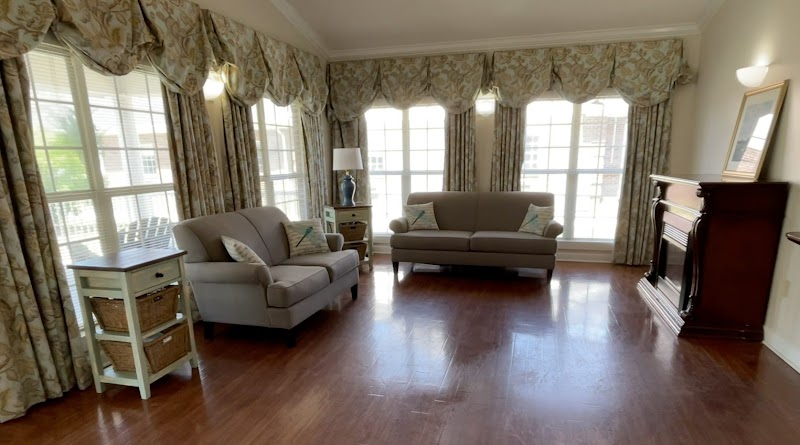
Who Owns and Operates Liberty Commons Nursing And Rehabilitation Center?

Liberty Commons Nursing and Rehabilitation Center is owned by a for-profit company. For-profit facilities operate as businesses with obligations to shareholders or private owners. The facility is operated by LIBERTY SENIOR LIVING, a chain that manages multiple nursing homes. With 107 certified beds and approximately 96 residents (about 90% occupancy), it is a mid-sized facility located in Whiteville, North Carolina.

How Does Liberty Commons Nursing And Rehabilitation Center Compare to Other North Carolina Nursing Homes?

Compared to the 100 nursing homes in North Carolina, Liberty Commons Nursing and Rehabilitation Center's overall rating (1 stars) is below the state average of 2.8, staff turnover (53%) is near the state average of 46%, and health inspection rating (1 stars) is much below the national benchmark.

What Should Families Ask When Visiting Liberty Commons Nursing And Rehabilitation Center?

Based on this facility's data, families visiting should ask: "What changes have been made since the serious inspection findings, and how are you preventing similar issues?" "Can I visit during a mealtime to observe dining assistance and food quality?" "How do you handle medical emergencies, and what is your hospital transfer rate?" "Can I speak with family members of current residents about their experience?" These questions are particularly relevant given the facility's Immediate Jeopardy citations.

Is Liberty Commons Nursing And Rehabilitation Center Safe?

Based on CMS inspection data, Liberty Commons Nursing and Rehabilitation Center has documented safety concerns. Inspectors have issued 2 Immediate Jeopardy citations (the most serious violation level indicating risk of serious injury or death). The facility has a 1-star overall rating and ranks #100 of 100 nursing homes in North Carolina. Families considering this facility should ask detailed questions about what corrective actions have been taken since these incidents.

Do Nurses at Liberty Commons Nursing And Rehabilitation Center Stick Around?

Liberty Commons Nursing and Rehabilitation Center has a staff turnover rate of 53%, which is 7 percentage points above the North Carolina average of 46%. Moderate turnover is common in nursing homes, but families should still ask about staff tenure and how the facility maintains care continuity when employees leave.

Was Liberty Commons Nursing And Rehabilitation Center Ever Fined?

Liberty Commons Nursing and Rehabilitation Center has been fined $135,234 across 5 penalty actions. This is 3.9x the North Carolina average of $34,431. Fines at this level are uncommon and typically indicate a pattern of serious deficiencies, repeated violations, or failure to correct problems promptly. CMS reserves penalties of this magnitude for facilities that pose significant, documented risk to resident health or safety. Families should request specific documentation of what issues led to these fines and what systemic changes have been implemented.

Is Liberty Commons Nursing And Rehabilitation Center on Any Federal Watch List?

Liberty Commons Nursing and Rehabilitation Center is not on any federal watch list. The most significant is the Special Focus Facility (SFF) program, which identifies the bottom 1% of nursing homes nationally based on persistent, serious quality problems. Not being on this list means the facility has avoided the pattern of deficiencies that triggers enhanced federal oversight. This is a positive indicator, though families should still review the facility's inspection history directly.