Shoreland Health Care and Retirement Center Inc
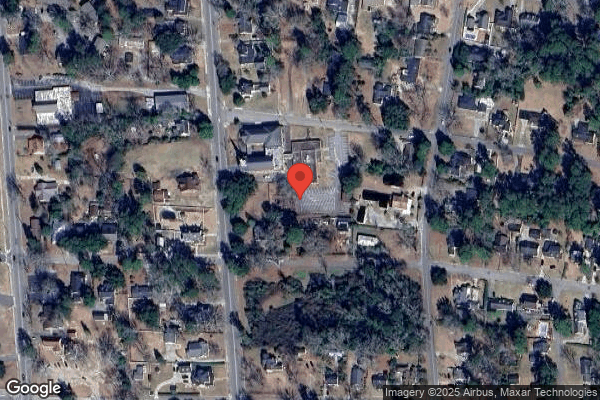
200 Flower-Pridgen Drive, Whiteville, NC 28472 (910) 642-4300
For profit - Limited Liability company 89 Beds LIBERTY SENIOR LIVING Data: November 2025
Trust Grade
73/100
#122 of 417 in NC
Last Inspection: December 2024

Within standard 12-15 month inspection cycle. Federal law requires annual inspections.

Overview

Shoreland Health Care and Retirement Center in Whiteville, North Carolina, has a Trust Grade of B, indicating it is a solid choice, but not without its concerns. It ranks #122 out of 417 facilities in the state, placing it in the top half, and is the best option among the three facilities in Columbus County. The facility is showing improvement, having reduced its issues from five in 2023 to just one in 2024. However, staffing is a significant weakness, with a low rating of 1 out of 5 stars and a high turnover rate of 62%, which is concerning compared to the state average of 49%. While the facility has received an average of $5,077 in fines, these are not unusually high. Unfortunately, it has less RN coverage than 86% of state facilities, meaning residents might miss critical care. Inspectors noted specific concerns, such as the failure to establish proper infection control measures for Legionella bacteria, which could pose a risk to all residents, and incomplete assessments for several residents, indicating issues with timely care planning. Overall, while there are strengths in certain areas, families should weigh these concerns seriously when considering this nursing home.

Trust Score
B
73/100
In North Carolina
#122/417
Top 29%
Safety Record
Low Risk
No red flags
Inspections
Getting Better
5 → 1 violations
Staff Stability
⚠ Watch
62% turnover. Above average. Higher turnover means staff may not know residents' routines.
Penalties
○ Average
$5,077 in fines. Higher than 65% of North Carolina facilities. Some compliance issues.
Skilled Nurses
⚠ Watch
Each resident gets only 19 minutes of Registered Nurse (RN) attention daily — below average for North Carolina. Fewer RN minutes means fewer trained eyes watching for problems.
Violations
⚠ Watch
11 deficiencies on record. Higher than average. Multiple issues found across inspections.
★★★★☆
4.0
Overall Rating
★☆☆☆☆
1.0
Staff Levels
★★☆☆☆
2.0
Care Quality
★★★★★
5.0
Inspection Score
Stable
2023: 5 issues
2024: 1 issues

The Good

  • Full Sprinkler Coverage · Fire safety systems throughout facility
  • No fines on record

Facility shows strength in fire safety.

The Bad

Staff Turnover: 62%

16pts above North Carolina avg (46%)

Frequent staff changes - ask about care continuity

Federal Fines: $5,077

Below median ($33,413)

Minor penalties assessed

Chain: LIBERTY SENIOR LIVING

Part of a multi-facility chain

Ask about local staffing decisions and management

Staff turnover is elevated (62%)

14 points above North Carolina average of 48%

The Ugly 11 deficiencies on record

Dec 2024 1 deficiency
CONCERN (D) 📢 Someone Reported This

A family member, employee, or ombudsman was alarmed enough to file a formal complaint

Potential for Harm - no one hurt, but risky conditions existed

Accident Prevention (Tag F0689)

Could have caused harm · This affected 1 resident

**NOTE- TERMS IN BRACKETS HAVE BEEN EDITED TO PROTECT CONFIDENTIALITY** Based on record review, staff interviews and observations, the facility failed to provide supervision to prevent a moderately co...

Read full inspector narrative →
**NOTE- TERMS IN BRACKETS HAVE BEEN EDITED TO PROTECT CONFIDENTIALITY** Based on record review, staff interviews and observations, the facility failed to provide supervision to prevent a moderately cognitively impaired resident (Resident #9) from being outside alone without nursing staff's knowledge when the Nursing Assistant Instructor entered the code on the wander guard system without ensuring there were no residents with wander guard alarms that had passed the threshold and exited the facility. This deficient practice was identified for 1 of 4 residents reviewed for supervision to prevent accidents. Findings included: Resident #9 was admitted on [DATE] with diagnosis which included dementia with behavioral disturbance, epilepsy and history of falls. Review of Resident #9's quarterly Minimum Data Set (MDS) assessment dated [DATE] revealed resident had moderate cognitive impairment, wandering was not exhibited, and he used a wheelchair for mobility. Review of Resident #9's electronic health record revealed a health status note written by Nurse #1 dated 11/1/24 at 7:10 PM. The note revealed Resident #9 was found having exited the building, wandered into the parking lot and then positioned himself into an unlocked vehicle and claimed it was his own. The note indicated Resident #9 was assisted out of the vehicle and helped back into the building. A wander guard was placed on his right lower extremity. Review of an elopement incident report dated 11/1/24 at 7:10 PM prepared by the Director of Nursing (DON) revealed Resident #9 was found having exited the building and was sitting in an unlocked private vehicle. Resident #9 claimed the vehicle was his. Resident #9 was assisted out of the vehicle and brought back into the facility uninjured. The physician and responsible party were notified. Resident #9 stated he did not recall what had occurred. The incident report indicated predisposing factors were impaired memory. Medical record review indicated Resident #9 was able to propel himself independently in the wheelchair. The root cause was determined to be Resident #9's impaired cognition. The intervention implemented to prevent further elopement was to place a wander guard on the resident. An interview was conducted with Nurse #1 on 12/17/24 at 11:55 AM. Nurse #1 indicated he was assigned to Resident #9 on 11/1/24 from 7:00 PM to 7:00 AM. Nurse #1 indicated he was getting report from the 7:00 AM to 7:00 PM nurse when a family member called the facility and reported a resident was outside. Nurse #1 stated she and another nurse, he could not recall which nurse, went outside and Resident #9 was found outside the facility sitting in an unlocked car parked on the first row of cars outside the building. Resident #9 was in the back passenger seat of the car. No injuries were observed, and the resident was assisted back into the building. Prior to this incident the nurse indicated Resident #9 had not attempted to exit the building that he was aware of. Nurse #1 stated a wander guard device was applied to Resident #9. Nurse #1 stated the wander guard was checked to see ensure it was functioning properly. An interview was conducted with Nurse #2 on 12/17/24 at 2:40 PM. Nurse #2 stated she was working on 11/1/24 from 7:00 AM to 7:00 PM. Nurse #2 stated on 11/1/24, a family member called the facility and informed her that a resident was outside the building. Nurse #2 stated she and Nurse #1 who was coming on for 7:00 PM to 7:00 AM shift went outside and brought the resident back into the facility. After the incident that occurred on 11/1/24, Nurse #2 stated a wander guard was placed on Resident #9 and it was checked that it was working properly. After the incident on 11/1/24, Resident #9 continued to exhibit exit seeking behavior by going to the front door repeatedly and sounding the alarm. A review of Resident #9's electronic health record revealed a nursing progress note dated 11/2/24 at 3:11 PM written by Nurse #2 indicated resident had confusion and was trying to go out the front door numerous times but the wander guard was alarming. Staff redirected the resident several times to his room. A review of Resident #9's electronic health record revealed a health status note dated 11/3/2024 at 2:50 PM written by Nurse #2 which indicated a staff member assisted resident back into the facility from outside of the facility. The resident had a wander guard bracelet on, and the note indicated the wander guard alarm did not sound. Resident #9's wander guard bracelet was checked following the incident and was working. Resident #9 stated that he was going home. Resident #9 made no further attempts to go out of the building since the incident. Review of an incident report completed by Nurse #2 dated 11/3/24 at 2:50 PM revealed a staff member stated she was returning from her break when she observed Resident #9 outside the facility unsupervised and she brought him back in. The incident report indicated the wander guard alarm did not sound and Resident #9 stated to the Nursing Assistant (NA) that he was going home. Immediate action was taken. The wander guard was checked and was working. Resident #9 was brought to his room and was asked why he exited the building and resident stated he was going home. Resident #9 was assessed, and no injuries were noted. The root cause was the Nursing Assistant (NA) Instructor silenced the wander guard alarm without checking the surroundings for residents that were identified as high risk for wandering or elopement. One on one (1:1) was initiated for the resident and education was initiated for all staff and the NA Instructor and students on the elopement process/policy. An interview was conducted with NA #1 on 12/17/24 at 2:09 PM. NA #1 stated Resident #9 talked about wanting to go home before the elopement incident on 11/1/24 but he was not actively exit seeking. NA #1 indicated she knew Resident #9 eloped on 11/1/24, had a wander guard placed on him after the incident and was able to propel his wheelchair independently. NA #1 stated as she was returning from her break, she observed Resident #9 sitting in his wheelchair on the sidewalk to the left of the building a short distance from the driveway at the entrance to the facility. NA #1 stated Resident #9 was not near the road. NA #1 stated she brought Resident #9 back into the building when she saw him outside as she was returning from her break. NA #1 stated she knew Resident #9 was not supposed to be outside unsupervised. NA #1 stated the front door had a wander guard alarm sensor that sounds when a resident with a wander guard approaches the door. An interview was conducted via phone with the Nursing Assistant (NA) Instructor on 12/17/24 at 2:17 PM. The NA Instructor stated she was bringing students to the facility for clinical instruction for several months but stated she did not know about all the policies. The NA Instructor stated she instructed the NA students to stop and act when they heard an alarm sounding in the facility. The NA Instructor stated she recalled the incident on 11/3/24 in which the wander guard alarm was sounding near the front door and she entered the code on the key pad to silence and reset the alarm. The NA Instructor stated she was explaining to the NA students about how to silence and reset the alarm. She indicated she did not look around to ensure there was not a resident near or exiting the facility. The NA Instructor stated she could have done more to prevent a resident from eloping and that she should have gotten a facility employee to check for a resident that was high risk for elopement that might have been in the area. The NA Instructor stated she had been given the code to reset the keypad for the wander guard system, but she could not recall by whom. The NA Instructor stated she should not have silenced and reset the alarm. An interview with the Administrator on 12/17/24 at 3:05 PM revealed the facility had video surveillance that she and the DON reviewed following the elopement on 11/3/24 but the video footage storage did not go back that far. The Administrator stated she and the Director of Nursing (DON) reviewed the video surveillance immediately after the elopement incident occurred and determined that the NA Instructor had silenced the wander guard alarm thus staff were not aware that Resident #9 exited the building unsupervised. An interview and observation conducted with the Maintenance Director on 12/17/24 at 3:20 PM indicated there are three wander guard sensors in the building that sound the alarm and have keypads in place. The Maintenance Director used a transmitter device to demonstrate the sounding of the first wander guard sensor that was positioned at the threshold of the lobby at the front of the building. The alarm sounded when the transmitter device was in close proximity to the sensor and was silenced when a code was entered into the key pad. The Maintenance Director demonstrated the activation of the wander guard sensor positioned just before the sliding exterior exit door. The alarm sounded and was silenced when the code was entered on the key pad. The Maintenance Director demonstrated the activation of the wander guard sensor located at the back door using the transmitter device. The alarm sounded and was silenced when the code was entered on the key pad. The Maintenance Director stated he was called on 11/3/24 to come out and check the wander guard sensor alarms following the incident. He indicated that the doors were working properly. The Maintenance Director stated normally, when the wander guard sensor in the lobby just before the sliding door is activated, the sliding exterior door will not open. The Maintenance Director stated if people were standing in front of the sliding door, the door remains open and does not lock. An interview and reenactment of Resident #9's elopement incident that occurred on 11/3/24 was conducted on 12/17/24 at 3:45 PM with the Director of Nursing (DON). The DON provided the reenactment of what occurred with Resident #9 during the incident on 11/3/24 based on her review of the video footage. The DON demonstrated that Resident #9 propelled his wheelchair up the hallway and into the lobby. As he passed the first wander guard sensor that is at the threshold to the lobby, the alarm sounded. The Nursing Assistant Instructor was close to the keypad at the threshold to the lobby. The NA Instructor went to the keypad and entered the code silencing the wander guard alarm. Resident #9 continued to propel his wheelchair to the front sliding exterior door which was open due to a group of NA students standing in front of the door thus causing the door to remain open and not lock down when Resident #9's wander guard was sensed. The DON indicated that if someone is standing in front of the sliding door it remains open and will cause the wander guard sensor to not sound the alarm. The DON stated the video footage revealed that Resident propelled his wheelchair out the sliding exterior door. The video footage indicated 9 minutes later at 2:02 PM, Resident #9 was assisted back into the facility by a nursing assistant that was walking up towards the facility returning from her break. The DON stated the NA walked up and observed Resident #9 outside and realized he should not be outside unsupervised and assisted him back inside. An interview was conducted with the Physician Assistant (PA) on 12/19/24 at 11:30 AM. The PA stated Resident #9 had moderate dementia, impaired communication and seizure disorder. The PA stated Resident #9 should not be outside unattended. The PA indicated Resident #9 had potential for medical issues related to seizure disorder and required supervision from staff when going outside. The facility provided the following Corrective Action Plan with a completion date of 11/15/24: 1. On 11/3/24 at 1:53 PM Resident #9 approached the first wander guard alarm sensor. Resident #9 continued to the front exit door where another wander guard sensor was located. The Nursing Assistant (NA) Instructor from the local community college was seen entering the code into the keypad for the wander guard alarm without checking for a resident with a wander guard bracelet that wandered too close to the sensor or eloped the facility. Root cause analysis indicated the NA Instructor did not check the area for a resident with a wander guard alarm that triggered the alarm, and this action allowed the resident to pass through the door. NA students were standing outside the front sliding door in a way that kept the door from closing and the resident was able to propel himself outside. 2. A head-to-toe assessment of Resident #9 was completed to ensure the resident sustained no injuries after he was returned from outside the facility. On 11/3/24 following Resident #9's elopement incident, the staff nurses identified residents that were potentially impacted by this by completing a head count of all current residents and ensuring wander guards were present and functioning properly for all residents at risk for wandering. On 11/4/24, the Director of Nursing (DON) identified the residents that were potentially impacted by ensuring all residents had an accurate elopement risk assessment. 7 of 77 residents required updated risk assessments. In addition, the DON completed interviews with staff to identify residents with exit seeking behaviors or wandering not previously identified. No other residents were identified. On 11/4/24, the Maintenance Director conducted a 100 percent audit on all doors to ensure the doors were functioning and closing properly. There were no identified concerns with the doors or the wander guard system. 3. On 11/4/24, the reeducation on the Elopement Process policy was completed with the NA Instructor, NA students and all full, part-time and as needed staff. The training included all facility and agency staff. The training included: the difference between wandering, elopement, near miss and missing resident, how to identify residents at risk for elopement, what are exit seeking behaviors, what to do for residents that are high risk for elopement, what to do if the wander guard system alarm sounds and what to do if a resident is missing. The DON will monitor Elopement Prevention and Elopement System Review and Door Functioning weekly for 2 weeks and then monthly for 3 months or until resolved for signs of exit seeking behavior as well as risk scores and proper functioning of the wander guard system. Reports will be presented weekly at the Quality Assurance committee by the Administrator or DON to ensure corrective action was initiated as appropriate. 4. The results of the elopement and door functioning audits will be discussed at the monthly Quality Assurance and Performance Improvement (QAPI) meeting for 3 months to sustain substantial compliance. 5. Allegation of Compliance Date: 11/15/24. The Corrective Action plan was validated on 12/19/24 by the following: Review of Resident #9's care plan revealed the care plan was updated and included a care plan dated 11/4/24 which indicated resident was at risk for elopement related to exit seeking behaviors and episodes of confusion. Interventions dated 11/4/24 included check wander guard transmitter for placement, education initiated for all staff, the NA instructor and students on the elopement process, encourage family to visit as much as possible, especially during episodes of exit seeking behavior, notify the DON of exit seeking behaviors, notify nurse immediately if resident spends long periods of time close to the door/exits, notify nurse immediately if resident verbalizes desire to leave, and re-direct away from exits as needed. An interview with NA #1 on 12/17/24 at 2:09 PM revealed she received in-service training regarding the wander guard system and the elopement policy following the incident on 11/3/24. An interview with the NA Instructor on 12/17/24 PM at 2:17 PM revealed that following the incident on 11/3/24 she and the nursing assistant students received an in-service education regarding the wander guard system and elopement. The NA Instructor stated she was informed of the facility elopement policy. An interview with the Maintenance Director on 12/17/24 at 3:20 PM revealed on 11/4/24 all wander guard sensor alarms on the doors were functioning properly. The Maintenance Director further stated he checked the door alarm sensors weekly. Logs were reviewed which indicated the doors were checked weekly starting on 11/4/24 with no issues noted. Further interviews with nursing staff revealed the facility had provided education and training on the elopement process policy, exit seeking behaviors and the wander guard system alarm. Staff interviewed all verbalized they received reeducation prior to starting their next shift. Review of the monitoring tools that began on 11/4/24 revealed that audits were completed weekly as outlined in the corrective action plan with no concerns identified. The completion date of 11/15/24 for the corrective action plan was validated.
Oct 2023 5 deficiencies
CONCERN (D)

Potential for Harm - no one hurt, but risky conditions existed

Deficiency F0761 (Tag F0761)

Could have caused harm · This affected 1 resident

Based on observations, manufacturer's recommendations review, and staff interviews, the facility failed to 1) securely store medication on an unattended medication cart for 1 of 2 (200 hall) medicatio...

Read full inspector narrative →
Based on observations, manufacturer's recommendations review, and staff interviews, the facility failed to 1) securely store medication on an unattended medication cart for 1 of 2 (200 hall) medication carts observed for medication pass and 2) failed to dispose of 2 expired inhalers on the 300-hall medication cart for 1 of 2 medication carts reviewed for medication storage. Findings included: 1) A continuous observation on 10/18/23 from 9:05 AM to 9:10 AM revealed a white paper medication cup with a white capsule on top of the 200-hall medication cart unattended in an area where residents and staff could access. The medication cart was not within direct observation of a nurse. Housekeeper #1 and Nursing Assistant (NA) #1 passed the unattended medication cart in the hallway several times at the time the medication was observed on top of the medication cart. There were cognitively impaired residents as well as visitors in the vicinity of the medication cart. At 9:10 AM Nurse #1 came out of a resident room down the hallway and returned to the unattended 200 hall medication cart. Nurse #1 stated she was assigned to the 200-hall medication cart. Nurse #1 observed the medication in the white paper medicine cup, stated it was medication for a resident and she must not have seen it when she went to give the other medications. The medication was identified as gabapentin, a medication used to treat seizures and nerve pain. During an interview on 10/18/23 at 9:01 AM Nurse #1 revealed the medication should not have been left unattended on top of the medication cart and she must not have seen it when she administered medications to one of the residents. An interview was conducted on 10/19/23 at 5:10 PM with the Corporate Nurse Consultant, in the presence of the Administrator. The Corporate Nurse Consultant further stated Nurse #1 made a mistake and should not have left medication unattended on top of the medication cart. 2). An observation of the 300-hall medication cart and interview with Nurse #2, the nurse assigned, on 10/18/23 at 10:53 AM revealed the following: a. The manufacturer's recommendations indicated the Stiolto Aero Respimat inhaler expired 90 days after assembly of the device (cartridge into the dispensing unit). An observation of Resident #19's Stiolto Aero Respimat inhaler had a pharmacy label which indicated the medication was delivered on 7/3/23 and had an expiration date of 10/1/23. An interview on 10/18/23 at 10:53 AM with Nurse #2 revealed the label on Resident #19's inhaler indicated the medication was expired and it should have been discarded. Nurse #2 stated she had administered the Stiolto inhaler to Resident #19 that morning and did not recall checking the expiration day prior to administration. b. The manufacturer's recommendations indicated the Trelegy Ellipta inhaler expired 6 weeks after it was opened. Resident #16's Trelegy Ellipta 100 microgram inhaler had a label on the inhaler which indicated the date opened was 8/21/23 and to discard the medication 6 weeks after it was opened. The printed label from the pharmacy, on the bag indicated an expiration date of 10/2/23. An interview on 10/18/23 at 10:55 AM with Nurse #2 revealed the labels on Resident #19 and Resident #16's inhalers indicated the medications were expired and should have been discarded. Nurse #2 stated all nurses were expected to check the expiration dates when administering medications. Nurse #2 explained she thought the medication carts were checked by someone regularly, but she was not sure who did this or when. Nurse #2 further indicated she had administered the inhalers to Resident #19 and Resident #16 that morning and had not noticed that the medications were expired. An interview on 10/19/23 at 5:00 PM with the Director of Nursing (DON) revealed expired medications should be discarded and medications should be securely stored on the medication carts. An interview was conducted on 10/19/23 at 5:10 PM with the Administrator and the Corporate Nurse Consultant. The Administrator revealed the facility was working to ensure there were no expired medications on the medication cart. The Corporate Nurse Consultant stated it was a human error that the facility did not discard the expired medications from the medication cart, and it was a problem that required constant staff reminders and auditing.
CONCERN (D)

Potential for Harm - no one hurt, but risky conditions existed

QAPI Program (Tag F0867)

Could have caused harm · This affected 1 resident

Based on record review, observations and staff interviews the facility's Quality Assessment and Assurance (QAA) program failed to maintain implemented procedures and monitor interventions the committe...

Read full inspector narrative →
Based on record review, observations and staff interviews the facility's Quality Assessment and Assurance (QAA) program failed to maintain implemented procedures and monitor interventions the committee put in place following the recertification and complaint investigation survey completed on 6/24/22 and the recertification survey completed on 3/12/21. This was for three repeat deficiencies originally cited in the areas of comprehensive assessments (F636), quarterly assessments (F638) and labeling and storing of medication (F761) recited on the current recertification and complaint investigation survey of 10/19/23. The continued failure during two or more federal surveys of record shows a pattern of the facility's inability to sustain an effective QA program. Findings included: This tag is cross-referenced to: F636: Based on record review and staff interviews the facility failed to complete comprehensive Minimum Data Set (MDS) assessments within the regulatory timeframes as specified in the Resident Assessment Instrument (RAI) manual for 3 of 20 residents reviewed for MDS assessments (Resident #47, Resident #46, Resident #4). During the recertification and complaint investigation survey of 6/24/22, the facility failed to 1) complete Minimum Data Set (MDS) admission assessments within the required timeframe for 2 of 9 residents 2) failed to complete a discharge with return anticipated assessment within the required timeframe for 1 of 9 residents and 3) failed to complete a 14-day MDS assessment within the required timeframe for 1 of 9 residents reviewed for Resident Assessments. Interview with the Administrator on 10/19/23 at 5:10 PM revealed the QAA program for MDS assessments did not work due to it not being continued long enough. The Administrator further revealed there were changes in the facility that have caused the measures implemented to not be sustained. The Administrator indicated closer monitoring and evaluation of the interventions implemented was necessary to sustain the QAA program. F638: Based on record review and staff interview, the facility failed to complete quarterly Minimum Data Set (MDS) assessments within the regulatory timeframe as specified in the Resident Assessment Instrument (RAI) manual for 7 of 20 residents reviewed for MDS assessments (Resident #21, Resident #11, Resident #27, Resident #1, Resident #32, Resident #25, Resident #31). During the recertification and complaint investigation survey completed on 6/24/22, the facility failed to complete quarterly MDS assessments within 14-calendar days of the Assessment Reference Date (ARD, the last day of the look-back period) for 5 of 9 residents reviewed for resident assessments. Interview with the Administrator on 10/19/23 at 5:10 PM revealed the QAA program for MDS assessments did not work due to changes in the facility that caused the measures implemented to not be sustained. The Administrator further revealed that the facility needed to improve systems that were implemented and investigate why the previous program did not work. F761 Based on observations and staff interviews, the facility failed to 1) securely store medication on an unattended medication cart for 1 of 2 (200 hall) medication carts observed for medication pass and 2) failed to dispose of 2 expired inhalers on the 300-hall medication cart for 1 of 2 medication carts reviewed for medication storage. During the recertification survey of 3/12/21, the facility failed to keep unattended treatment medications (creams and ointments) secured in a locked treatment cart for 1 of 1 treatment carts observed. During the recertification and complaint investigation survey of 6/24/22, the facility 1) failed to remove expired medications from 2 of 3 medication carts (100 hall and 200 hall medication carts), 2) failed to record an opened date for a narcotic located in the locked box in 1 of 1 medication refrigerators and 3) failed to secure medications stored on top of 1 of 3 unattended medication carts. (Medication storage cart 300 Hall) Interview with the Administrator on 10/19/23 at 5:10 PM revealed the QAA program should have investigated the deficient practice related to labeling and storage of medication more closely and the interventions implemented should have been revised as needed to be successful at maintaining the program. The Administrator further stated ongoing monitoring and education was required to ensure that expired or unsecured medications were not observed on the medication carts.
MINOR (B)

Minor Issue - procedural, no safety impact

Comprehensive Assessments (Tag F0636)

Minor procedural issue · This affected multiple residents

**NOTE- TERMS IN BRACKETS HAVE BEEN EDITED TO PROTECT CONFIDENTIALITY** Based on record review and staff interviews the facility failed to complete comprehensive Minimum Data Set (MDS) assessments wit...

Read full inspector narrative →
**NOTE- TERMS IN BRACKETS HAVE BEEN EDITED TO PROTECT CONFIDENTIALITY** Based on record review and staff interviews the facility failed to complete comprehensive Minimum Data Set (MDS) assessments within the regulatory timeframes as specified in the Resident Assessment Instrument (RAI) manual for 3 of 20 residents reviewed for MDS assessments (Resident #47, Resident #46, Resident #4). Findings included: a. Resident #47 was admitted to the facility on [DATE] with diagnoses which included in part diabetes and chronic kidney disease. Review of Resident #47's 9/28/23 annual assessment revealed a completion date of 10/13/23. b. Resident #46 was admitted to the facility on [DATE] with diagnoses which included in part diabetes and dementia. Review of Resident #46's 9/14/23 Significant Change Minimum Data Set (MDS) assessment revealed a completion date of 9/29/23. c. Resident #4 was admitted to the facility on [DATE] with diagnoses which included in part diabetes and Alzheimer's dementia. Review of Resident #4's 9/15/23 Significant Change MDS assessment revealed a completion date of 10/2/23. Interview on 10/18/23 at 4:50 PM with the MDS Nurse revealed there were different people completing MDS assessments including some who worked remotely. The MDS Nurse stated she was aware of the timing of the MDS assessments and that MDS assessments were to be completed per the Resident Assessment Instrument (RAI) manual. The MDS Nurse stated she did not know why some of the assessments were completed late. A follow up interview with the MDS Nurse on 10/19/23 at 10:30 AM revealed she was aware the assessments were not completed during the 14-day allotted time from the Assessment Reference Date (ARD) date established. The MDS Nurse stated corporate nurses were helping her complete assessments remotely. The MDS Nurse indicated she was assigned to work as a staff nurse when needed and was on call every third week of the month for the entire week. During the week on call she worked the floor or completed other tasks if needed. The MDS Nurse further stated she had a high volume of admissions and discharges, and this made it difficult to complete the assessments within the required timeframes. The MDS Nurse stated there were other nurses that worked remotely to assist with completing assessments. Interview with the Administrator and the Corporate Nurse Consultant on 10/19/23 at 5:10 PM revealed they were aware of the situation with the MDS assessments not completed within the regulatory timeframe and the corporate nurses assisted the MDS Nurse with completion of the assessments. The Administrator stated the facility was implementing new procedures to check the timeliness of assessments and hoped to see improvement.
MINOR (B)

Minor Issue - procedural, no safety impact

Deficiency F0638 (Tag F0638)

Minor procedural issue · This affected multiple residents

**NOTE- TERMS IN BRACKETS HAVE BEEN EDITED TO PROTECT CONFIDENTIALITY** Based on record review and staff interview, the facility failed to complete quarterly Minimum Data Set (MDS) assessments within ...

Read full inspector narrative →
**NOTE- TERMS IN BRACKETS HAVE BEEN EDITED TO PROTECT CONFIDENTIALITY** Based on record review and staff interview, the facility failed to complete quarterly Minimum Data Set (MDS) assessments within the regulatory timeframe as specified in the Resident Assessment Instrument (RAI) manual for 7 of 20 residents reviewed for MDS assessments (Resident #21, Resident #11, Resident #27, Resident #1, Resident #32, Resident #25, Resident #31). Findings included: a. Resident #21 was admitted to the facility on [DATE] with diagnoses which included in part chronic kidney disease, failure to thrive and dementia. Review of Resident #21's 7/18/23 quarterly Minimum Data Set assessment revealed the assessment was completed on 8/2/23. b. Resident #11 was admitted to the facility on [DATE] with diagnoses which included diabetes. Review of Resident #11's 9/8/23 quarterly MDS revealed the assessment was completed on 9/24/23. c. Resident #27 was admitted to the facility on [DATE] end stage renal disease and dialysis. Review of Resident #27's 9/26/23 quarterly MDS revealed the assessment was completed on 10/11/23. d. Resident #1 was admitted to the facility on [DATE] with diagnoses which included dementia and contractures. Review of Resident #1's 8/20/23 quarterly MDS revealed the assessment was completed on 9/7/23. e. Resident #32 was admitted to the facility on [DATE] with diagnosis which included in part arthritis, diabetes and heart failure. Review of Resident # 32's 8/19/23 quarterly MDS revealed the assessment was completed on 9/7/23. f. Resident #25 was admitted to the facility on [DATE] with diagnosis which included hip fracture. Review of Resident #25's 8/22/23 quarterly MDS revealed the assessment was completed on 9/8/23. g. Resident #31 was admitted to the facility on [DATE] with diagnosis which included in part lumbar disc degeneration, chronic pain and dementia. Review of Resident #31's 9/14/23 quarterly MDS revealed the assessment was completed on 9/29/23. Interview with the MDS Nurse on 10/19/23 at 10:30 AM revealed she was aware the assessments were late, and they were not completed during the 14-day allotted time from the Assessment Reference Date (ARD). The MDS Nurse said there were corporate nurses that assisted remotely with the completion of assessments. The MDS Nurse stated she was pulled to the floor to work an assignment if needed; was on call every third week of the month for the entire week and if needed she worked the floor or did other tasks as needed; and stated there was a high volume of admissions and discharges. Interview with the Administrator and the Corporate Nurse Consultant on 10/19/23 at 5:10 PM revealed she was aware of the situation with the MDS assessments not completed within the regulatory timeframe. The Administrator stated the corporate nurses assisted the MDS Nurse with completion of the assessments, but they had other duties also. The Administrator further revealed the MDS Nurse was required to work the floor as a staff nurse and was required to be on call for the nursing department. The Administrator stated the facility was implementing new procedures to check the timeliness of assessments and hoped to see improvement.
MINOR (B)

Minor Issue - procedural, no safety impact

Assessment Accuracy (Tag F0641)

Minor procedural issue · This affected multiple residents

**NOTE- TERMS IN BRACKETS HAVE BEEN EDITED TO PROTECT CONFIDENTIALITY** Based on observation, staff interviews, and record review the facility failed to accurately code Minimum Data Set (MDS) assessme...

Read full inspector narrative →
**NOTE- TERMS IN BRACKETS HAVE BEEN EDITED TO PROTECT CONFIDENTIALITY** Based on observation, staff interviews, and record review the facility failed to accurately code Minimum Data Set (MDS) assessments to reflect ostomy status and use of assistive devices for ambulation, (Resident #47); and failed to accurately assess a resident's cognition and participation in the assessment and goal setting, (Resident #38), for 2 of 23 residents reviewed for MDS assessments. 1. a. Resident #47 was admitted to the facility on [DATE] with diagnoses that included, in part: Type 2 Diabetes Mellitus, Stage 3 chronic kidney disease, right knee pain, frequent bowel and bladder incontinence, and a history of falls. An observation of Resident #47 was made on 10/16/23 at 2:30 PM. She was sitting in her wheelchair self-propelling in the hallway. An additional observation was made on 10/18/23 in the afternoon when Resident #47 attended the Resident Council meeting using a wheelchair. Review of an annual MDS assessment completed on 09/28/23 documented Resident #47 did not use any assistive devices for ambulation. An interview with the MDS Nurse on 10/19/23 at 10:30 AM revealed Resident #47 had used a wheelchair for ambulation during the assessment period in September 2023. She noted the assessment had been completed by a corporate MDS nurse remotely. She reported it had been clearly documented in the electronic record that Resident #47 used a wheelchair for ambulation during the assessment period. She concluded she did not know why the corporate MDS Nurse did not document Resident #47 used a wheelchair for ambulation and that she had modified the assessment to accurately document how Resident #47 ambulated. b. The bowel and bladder section of the quarterly MDS assessment dated [DATE] for Resident #47 documented she had an ostomy. Review of all progress notes in June 2023 revealed Resident #47 did not have an ostomy. An interview with the MDS Nurse on 10/19/23 at 10:30 AM revealed Resident #47 never had an ostomy. She reported the assessment had been completed by a corporate MDS Nurse remotely. She stated when she reviewed the data, she discovered the task section in the computer system that is completed by Nurse Aides was completed incorrectly documenting that the resident had an ostomy. This information auto populated into the assessment dated [DATE]. She concluded the nurse who completed the assessment should have reviewed the information that auto populated and changed the assessment to reflect Resident #47 did not have an ostomy. She stated she modified the assessment to accurately document Resident #47 did not have an ostomy. An interview was conducted with the Administrator on 10/19/23 at 4:30 PM. The Administrator stated she expected MDS assessments to be accurate. 2) Resident #38 was admitted to the facility on [DATE]. Diagnoses included, in part, dementia with anxiety. The MDS quarterly assessment dated [DATE] revealed section C for cognition was coded as not assessed and section Q for participation in assessment and goal setting was coded as not assessed. An interview was conducted with the Social Worker (SW) on 10/19/23 at 10:45 AM. The SW revealed she was usually responsible for completing section C and section Q of the MDS assessments, but she was out of facility at the time the assessment was due. She stated the Activities Director would have been responsible for completing the assessment for any MDS portions the SW was responsible for if she was unavailable. An interview with the Activities Director on 10/19/23 at 2:00 PM revealed on the quarterly assessment dated [DATE], she was responsible for completing Resident #38's assessment in section C and Q. The Activities Director stated she could not remember why she did not complete the assessment and added it was an oversite. An interview was conducted with the Administrator on 10/19/23 at 4:55 PM. The Administrator stated her expectation of the staff was to complete the MDS assessments accurately and in their entirety to reflect the current care of the residents.
Jun 2022 5 deficiencies
CONCERN (E)

Potential for Harm - no one hurt, but risky conditions existed

Comprehensive Assessments (Tag F0636)

Could have caused harm · This affected multiple residents

**NOTE- TERMS IN BRACKETS HAVE BEEN EDITED TO PROTECT CONFIDENTIALITY** Based on record review and staff interviews the facility failed to 1) complete and transmit Minimum Data Set (MDS) admission ass...

Read full inspector narrative →
**NOTE- TERMS IN BRACKETS HAVE BEEN EDITED TO PROTECT CONFIDENTIALITY** Based on record review and staff interviews the facility failed to 1) complete and transmit Minimum Data Set (MDS) admission assessments within the required timeframe for 2 of 9 residents (Resident #203, #1), 2) failed to complete a discharge with return anticipated assessment within the required timeframe for 1 of 9 residents (Resident #47) and 3) failed to complete a 14-day MDS assessment within the required timeframe for 1 of 9 residents reviewed for Resident Assessments (Resident #103). Findings included. 1) Resident #203 was admitted to the facility on [DATE]. Her diagnoses included hip fracture and diabetes. A review on 06/24/22 of Resident #203's admission assessment with the ARD (assessment reference date) of 05/18/22 revealed the assessment was incomplete and was in progress. Resident #1 was admitted to the facility on [DATE]. His diagnoses included Parkinson's and seizures. A review on 06/24/22 of Resident # 1's admission assessment with the ARD of 06/06/22 revealed the assessment was incomplete and was in progress. 2) Resident #47 was admitted to the facility on [DATE]. Her diagnoses included diabetes, and epilepsy. A review on 06/24/22 of Resident # 47's discharge with return anticipated assessment with the ARD of 05/31/22 revealed the assessment was incomplete and was in progress. An interview was conducted on 06/24/22 at 10:39 AM with the MDS nurse. She stated she transitioned from the Director of Nursing to the MDS position in January 2022, and she continued helping to do other roles. She stated she had to fill in for the wound nurse during the month of May and filled in for the Staff Development Coordinator nurse and also had resident care assignments including passing medications due to short staffing. She stated the MDS assessments were behind due to staffing and having to help with other roles in the facility. An interview was conducted with the DON on 06/24/22 at 4:00 PM. She indicated she was aware the MDS assessments were behind. She stated she expected MDS assessments to be completed and transmitted within the required timeframes. An interview was conducted on 06/24/22 at 3:45 PM with the Administrator. She stated the facility was looking to hire additional staff. She acknowledged that the MDS assessments were behind and stated corporate was going to send someone to assist the MDS Nurse to get the assessments caught up. 3) Resident #103 was admitted to the facility on [DATE]. A review on 06/21/22 of the MDS assessments for Resident #103 revealed a 5-day MDS was not completed by ARD due date 06/14/22, being 7-days overdue. During an interview on 06/21/22 at 4:00 PM MDS Nurse #1 stated the 5-day MDS assessment should have been completed by 06/14/22/22. The MDS Nurse indicated the reason the assessment was late was because the facility was short staffed, and she being the only MDS nurse was often pulled from her duties to work on the floor as the wound nurse or work passing medications on one of their medication carts. Nurse #1 said their corporate MDS Nurse was scheduled to help remotely one-day a week to complete all resident MDS assessments, which was not enough time, resulting in the facility having late MDS assessments. She indicated the facility was currently in the process of hiring new nurses. An interview on 06/21/22 at 4:15 PM with the Administrator and Director of Nursing (DON) stated they expected all the MDS assessments to be completed in a timely manner per the regulation.
CONCERN (E)

Potential for Harm - no one hurt, but risky conditions existed

Deficiency F0638 (Tag F0638)

Could have caused harm · This affected multiple residents

**NOTE- TERMS IN BRACKETS HAVE BEEN EDITED TO PROTECT CONFIDENTIALITY** Based on record review and staff interviews, the facility failed to complete quarterly Minimum Data Set (MDS) assessments within...

Read full inspector narrative →
**NOTE- TERMS IN BRACKETS HAVE BEEN EDITED TO PROTECT CONFIDENTIALITY** Based on record review and staff interviews, the facility failed to complete quarterly Minimum Data Set (MDS) assessments within 14-calendar days of the Assessment Reference Date (ARD, the last day of the look-back period) for 5 of 9 residents reviewed for resident assessments (Resident #5, #6, #7, #8, and #12). Findings included: 1. Resident #5 was admitted to the facility on [DATE]. The most recent quarterly MDS assessment for Resident #5 was reviewed. The assessment had an ARD of 02/15/22 and a completion date of 05/18/22. In an interview conducted with the MDS Nurse on 06/21/22 at 4:00 PM she stated she had not been able to complete the MDS assessments on time, because she had been frequently assigned to work as a staff nurse. She remarked she was currently the only MDS Nurse at the facility and in the past, there had been two MDS nurses to do the same amount of work. She indicated the facility was currently in the process of hiring new nurses. An interview on 06/21/22 at 4:15 PM with the Administrator and Director of Nursing (DON) stated they expected all the MDS assessments to be completed on time. 2. Resident #6 was admitted to the facility on [DATE]. The most recent quarterly MDS assessment for Resident #6 was reviewed. The assessment had an ARD of 02/15/22 and a completion date of 05/18/22. In an interview conducted with the MDS Nurse on 06/21/22 at 4:00 PM she stated she had not been able to complete the MDS assessments on time, because she had been frequently assigned to work as a staff nurse. She remarked she was currently the only MDS Nurse at the facility and in the past, there had been two MDS nurses to do the same amount of work. She indicated the facility was currently in the process of hiring new nurses. An interview on 06/21/22 at 4:15 PM with the Administrator and Director of Nursing (DON) stated they expected all the MDS assessments to be completed on time. 3. Resident #7 was admitted to the facility on [DATE]. The most recent quarterly MDS assessment for Resident #7 was reviewed. The assessment had an ARD of 02/15/22 and a completion date of 05/18/22. In an interview conducted with the MDS Nurse on 06/21/22 at 4:00 PM she stated she had not been able to complete the MDS assessments on time, because she had been frequently assigned to work as a staff nurse. She remarked she was currently the only MDS Nurse at the facility and in the past, there had been two MDS nurses to do the same amount of work. She indicated the facility was currently in the process of hiring new nurses. An interview on 06/21/22 at 4:15 PM with the Administrator and Director of Nursing (DON) stated they expected all the MDS assessments to be completed on time. 4. Resident #8 was admitted to the facility on [DATE]. The most recent quarterly MDS assessment for Resident #8 was reviewed. The assessment had an ARD of 02/16/22 and a completion date of 05/19/22. In an interview conducted with the MDS Nurse on 06/21/22 at 4:00 PM she stated she had not been able to complete the MDS assessments on time, because she had been frequently assigned to work as a staff nurse. She remarked she was currently the only MDS Nurse at the facility and in the past, there had been two MDS nurses to do the same amount of work. She indicated the facility was currently in the process of hiring new nurses. An interview on 06/21/22 at 4:15 PM with the Administrator and Director of Nursing (DON) stated they expected all the MDS assessments to be completed on time. 5. Resident #12 was admitted to the facility on [DATE]. The most recent quarterly MDS assessment for Resident #12 was reviewed. The assessment had an ARD of 03/02/22 and a completion date 06/02/22. In an interview conducted with the MDS Nurse on 06/21/22 at 4:00 PM she stated she had not been able to complete the MDS assessments on time, because she had been frequently assigned to work as a staff nurse. She remarked she was currently the only MDS Nurse at the facility and in the past, there had been two MDS nurses to do the same amount of work. She indicated the facility was currently in the process of hiring new nurses. An interview on 06/21/22 at 4:15 PM with the Administrator and Director of Nursing (DON) stated they expected all the MDS assessments to be completed on time.
CONCERN (E)

Potential for Harm - no one hurt, but risky conditions existed

Deficiency F0725 (Tag F0725)

Could have caused harm · This affected multiple residents

Based on record review and staff interviews the facility failed to provide sufficient staff resulting in the Minimum Data Set (MDS) nurse having to perform other duties to include wound care treatment...

Read full inspector narrative →
Based on record review and staff interviews the facility failed to provide sufficient staff resulting in the Minimum Data Set (MDS) nurse having to perform other duties to include wound care treatments and resident care assignments which resulted in failure to complete and transmit timely MDS assessments for 9 of 9 residents (#203, #1, #47, #5, #6, #7, #8, #12, #103) whose MDS assessments were reviewed. Findings included. This tag is cross referenced to F636-E and F638-E. Based on record review and staff interviews the facility failed to 1) complete and transmit MDS admission assessments within the required timeframe for 2 of 9 residents (Resident #203, #1), 2) failed to complete a discharge with return anticipated assessment within the required timeframe for 1 of 9 residents (Resident #47) and 3) failed to complete a 14-day MDS assessment within the required timeframe for 1 of 9 residents reviewed for Resident Assessments (Resident #103). Based on record review and staff interviews, the facility failed to complete quarterly Minimum Data Set (MDS) assessments within 14-calendar days of the Assessment Reference Date (ARD, the last day of the look-back period) for 5 of 9 residents reviewed for resident assessments (Resident #5, #6, #7, #8, and #12). An interview was conducted on 06/24/22 at 10:39 AM with the MDS Nurse. She stated she transitioned from the Director of Nursing to the MDS position in January 2022, and she continued helping to do other roles. She stated she had to fill in for the wound nurse during the month of May and filled in for the Staff Development Coordinator and also had resident care assignments including passing medications due to short staffing. She stated the MDS assessments were behind due to staffing and having to help with other roles in the facility. An interview was conducted on 06/24/22 at 3:45 PM with the Administrator. She stated the facility was looking to hire additional staff. She acknowledged that the MDS assessments were behind and stated corporate was going to send someone to assist the MDS Nurse to get the assessments caught up. She stated it was difficult to retain staff.
CONCERN (E)

Potential for Harm - no one hurt, but risky conditions existed

Deficiency F0761 (Tag F0761)

Could have caused harm · This affected multiple residents

Based on observations and staff interviews the facility 1) failed to remove expired medications from 2 of 3 medication carts (100 hall and 200 hall medication carts), 2) failed to record an opened dat...

Read full inspector narrative →
Based on observations and staff interviews the facility 1) failed to remove expired medications from 2 of 3 medication carts (100 hall and 200 hall medication carts), 2) failed to record an opened date for a narcotic located in the locked box in 1 of 1 medication refrigerators and 3) failed to secure medications stored on top of 1 of 3 unattended medication carts. (Medication storage cart 300 Hall) Findings included: 1) An observation was conducted on 06/20/22 at 12:20 PM along with Nurse #1 of the 100 hall and 200 hall medications carts. The following expired medications were observed: Geri Tussin (Guaifenesin- an expectorant used to treat cough and colds) with a manufacturer's expiration date of 05/22/22. GI (gastrointestinal) cocktail (liquid antacid) with an expiration date of 06/10/22. An opened Advair discus dated 05/10/22 with manufacturer's instructions to discard 30 days after removal from its foiled pouch. 2) An observation was conducted on 06/20/22 at 12:30 PM along with Nurse #1 of the medication storage refrigerator. The locked narcotic box was observed in the refrigerator with Lorazepam liquid in the locked box that was opened with no opened date recorded with the label stating the medication would expire 90 days after opening. An interview was conducted on 06/20/22 at 12:30 PM with Nurse #1. She stated she was the Unit Manager and the nurses checked for expired medications at least once weekly. She stated the expired medications should have been removed from the medication carts and stated the nurse should have recorded an opened date on the Lorazepam liquid and discarded it after 90 days. An interview was conducted on 06/24/22 at 4:07 PM with the Director of Nursing. She stated she expected expired medications to be removed from the medication carts, and medications should be dated when opened. She stated the nurse should check the carts when taking over the keys to the cart. 3) An observation of an unattended medication cart on the 300 Hall on 06/22/22 at 4:30 PM revealed there were 3 medication cups each containing loose pills stacked upon each other. During the observation, one resident passed the unsecured medications located on top of the medication cart. The resident was in a wheelchair and propelled herself pass the medication cart. The resident did not notice the medications on top of the cart and the medications were out of her reach. Nurse #6 was not in view of the medication cart. An interview with Nurse #6 on 06/22/22 at 4:36 PM revealed she had dispensed the medication to be administered for another Resident and separated his medications into 3 cups per his choice. Nurse #6 stated she did not mean to leave them unattended on the medication cart. She stated she had gone into another room to assist another resident and accidently left the medication on the medication storage cart. Nurse #6 stated she should not have left the medications unsecured because anyone passing by could take them including a resident. An interview was conducted with the Director of Nursing on 06/24/22 at 4:17 PM. The DON reported she expected all the nursing staff who were on a medication cart to secure all medications for the safety of the residents.
CONCERN (F)

Potential for Harm - no one hurt, but risky conditions existed

Infection Control (Tag F0880)

Could have caused harm · This affected most or all residents

Based on observations, record review, and staff interviews, the facility failed to establish infection control policies, reports, testing procedures, to reduce the risk and growth and spread of Legion...

Read full inspector narrative →
Based on observations, record review, and staff interviews, the facility failed to establish infection control policies, reports, testing procedures, to reduce the risk and growth and spread of Legionella in the building water systems that could affect 56 of 56 residents. Findings included: Review of the facility's Emergency Preparedness Plan and Water Safety Policy (effective 12/2021) revealed no information related to a facility water safety management program to minimize the risk of transmission of Legionella Disease (LD) to the residents, staff and visitors. In an interview on 06/23/22 at 1:30 PM. The Administrator stated she was unaware of the requirement to develop a program to minimize the risk of transmission of Legionella through the facility's water system. She stated that she spoke with the facility Maintenance Director, and he was also unaware of the requirement. She further revealed the facility's water was supplied by the city and no water testing had been completed by the facility. In an interview on 06/24/22 at 3:00 PM. The Maintenance Director stated that he had spoken with their local Hospital's Maintenance Director who told him that they sent weekly water samples to a lab that tested for Legionella. He further explained that the nursing facility could get a CDC-toolkit and test their facility's water system himself or send it off to a lab, like they do. The Facility's Maintenance Director stated he was planning to set up a meeting with the Administrator to determine how best to test their water system for Legionella, and not to rely solely on their city water department for testing.
Understanding Severity Codes (click to expand)
Life-Threatening (Immediate Jeopardy)
J - Isolated K - Pattern L - Widespread
Actual Harm
G - Isolated H - Pattern I - Widespread
Potential for Harm
D - Isolated E - Pattern F - Widespread
No Harm (Minor)
A - Isolated B - Pattern C - Widespread

Questions to Ask on Your Visit

  • "Why is there high staff turnover? How do you retain staff?"
  • "Can I speak with families of current residents?"
  • "What's your RN coverage like on weekends and overnight?"

Our Honest Assessment

Strengths
  • • No major safety red flags. No abuse findings, life-threatening violations, or SFF status.
Concerns
  • • 11 deficiencies on record. Higher than average. Multiple issues found across inspections.
  • • 62% turnover. Above average. Higher turnover means staff may not know residents' routines.
Bottom line: Mixed indicators with Trust Score of 73/100. Visit in person and ask pointed questions.

About This Facility

What is Shoreland Health Care And Retirement Center Inc's CMS Rating?

CMS assigns Shoreland Health Care and Retirement Center Inc an overall rating of 4 out of 5 stars, which is considered above average nationally. Within North Carolina, this rating places the facility higher than 99% of the state's 100 nursing homes. This rating reflects solid performance across the metrics CMS uses to evaluate nursing home quality.

How is Shoreland Health Care And Retirement Center Inc Staffed?

CMS rates Shoreland Health Care and Retirement Center Inc's staffing level at 1 out of 5 stars, which is much below average compared to other nursing homes. Staff turnover is 62%, which is 16 percentage points above the North Carolina average of 46%. High turnover can affect care consistency as new staff learn residents' individual needs. RN turnover specifically is 57%, which is notably high. RNs provide skilled clinical oversight, so turnover in this role can affect medical care quality.

What Have Inspectors Found at Shoreland Health Care And Retirement Center Inc?

State health inspectors documented 11 deficiencies at Shoreland Health Care and Retirement Center Inc during 2022 to 2024. These included: 8 with potential for harm and 3 minor or isolated issues.

Who Owns and Operates Shoreland Health Care And Retirement Center Inc?

Shoreland Health Care and Retirement Center Inc is owned by a for-profit company. For-profit facilities operate as businesses with obligations to shareholders or private owners. The facility is operated by LIBERTY SENIOR LIVING, a chain that manages multiple nursing homes. With 89 certified beds and approximately 80 residents (about 90% occupancy), it is a smaller facility located in Whiteville, North Carolina.

How Does Shoreland Health Care And Retirement Center Inc Compare to Other North Carolina Nursing Homes?

Compared to the 100 nursing homes in North Carolina, Shoreland Health Care and Retirement Center Inc's overall rating (4 stars) is above the state average of 2.8, staff turnover (62%) is significantly higher than the state average of 46%, and health inspection rating (5 stars) is much above the national benchmark.

What Should Families Ask When Visiting Shoreland Health Care And Retirement Center Inc?

Based on this facility's data, families visiting should ask: "How do you ensure continuity of care given staff turnover, and what is your staff retention strategy?" "Can you walk me through typical staffing levels on day, evening, and night shifts?" "Can I visit during a mealtime to observe dining assistance and food quality?" "How do you handle medical emergencies, and what is your hospital transfer rate?" These questions are particularly relevant given the facility's high staff turnover rate and the below-average staffing rating.

Is Shoreland Health Care And Retirement Center Inc Safe?

Based on CMS inspection data, Shoreland Health Care and Retirement Center Inc has a clean safety record: no substantiated abuse findings (meaning no confirmed cases of resident harm), no Immediate Jeopardy citations (the most serious violation level indicating risk of serious injury or death), and is not on the Special Focus Facility watch list (a federal program monitoring the lowest-performing 1% of nursing homes). The facility has a 4-star overall rating and ranks #1 of 100 nursing homes in North Carolina. While no facility is perfect, families should still ask about staff-to-resident ratios and recent inspection results during their visit.

Do Nurses at Shoreland Health Care And Retirement Center Inc Stick Around?

Staff turnover at Shoreland Health Care and Retirement Center Inc is high. At 62%, the facility is 16 percentage points above the North Carolina average of 46%. Registered Nurse turnover is particularly concerning at 57%. RNs handle complex medical decisions and coordinate care — frequent RN changes can directly impact care quality. High turnover means new staff may not know residents' individual needs, medications, or preferences. It can also be disorienting for residents, especially those with dementia who rely on familiar faces. Families should ask: What is causing the turnover? What retention programs are in place? How do you ensure care continuity during staff transitions?

Was Shoreland Health Care And Retirement Center Inc Ever Fined?

Shoreland Health Care and Retirement Center Inc has been fined $5,077 across 1 penalty action. This is below the North Carolina average of $33,130. While any fine indicates a compliance issue, fines under $50,000 are relatively common and typically reflect isolated problems that were subsequently corrected. Families should ask what specific issues led to these fines and confirm they've been resolved.

Is Shoreland Health Care And Retirement Center Inc on Any Federal Watch List?

Shoreland Health Care and Retirement Center Inc is not on any federal watch list. The most significant is the Special Focus Facility (SFF) program, which identifies the bottom 1% of nursing homes nationally based on persistent, serious quality problems. Not being on this list means the facility has avoided the pattern of deficiencies that triggers enhanced federal oversight. This is a positive indicator, though families should still review the facility's inspection history directly.