Longleaf Neuro-Medical Treatment Center
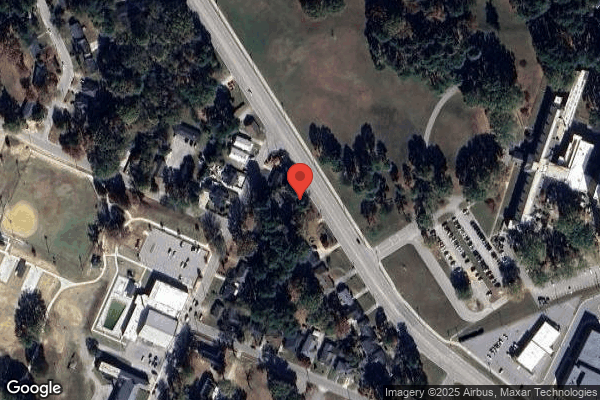
4761 Ward Boulevard, Wilson, NC 27893 (252) 399-2112
Government - State 248 Beds Independent Data: November 2025 4 Immediate Jeopardy citations
Trust Grade
12/100
#107 of 417 in NC
Last Inspection: June 2025

Inspected within the last 6 months. Data reflects current conditions.

Overview

Longleaf Neuro-Medical Treatment Center has a Trust Grade of F, indicating significant concerns about the quality of care provided. They rank #107 out of 417 facilities in North Carolina, placing them in the top half of all nursing homes but still reflecting serious issues that need addressing. The facility is improving, having reduced critical issues from five in 2024 to none in 2025, which is a positive sign. Staffing is a strength, with a 5-star rating and a turnover rate of 37%, better than the state average, suggesting that staff are stable and familiar with the residents. However, the facility has incurred $125,015 in fines, which is concerning as it is higher than 75% of North Carolina facilities, indicating potential compliance problems. Specific incidents have raised red flags, such as a resident becoming entrapped in bed rails, leading to injuries, and another resident falling during a transfer due to improper lift use, which caused significant harm. These incidents highlight ongoing safety concerns that families should consider. While there are strengths in staffing and some improvement trends, the serious deficiencies and fines present a mixed picture for potential residents and their families.

Trust Score
F
12/100
In North Carolina
#107/417
Top 25%
Safety Record
High Risk
Review needed
Inspections
Getting Better
5 → 0 violations
Staff Stability
○ Average
37% turnover. Near North Carolina's 48% average. Typical for the industry.
Penalties
✓ Good
$125,015 in fines. Lower than most North Carolina facilities. Relatively clean record.
Skilled Nurses
✓ Good
Each resident gets 137 minutes of Registered Nurse (RN) attention daily — more than 97% of North Carolina nursing homes. RNs are the most trained staff who catch health problems before they become serious.
Violations
⚠ Watch
18 deficiencies on record. Higher than average. Multiple issues found across inspections.
★★★★☆
4.0
Overall Rating
★★★★★
5.0
Staff Levels
★★★☆☆
3.0
Care Quality
★★★☆☆
3.0
Inspection Score
Stable
2024: 5 issues
2025: 0 issues

The Good

  • 5-Star Staffing Rating · Excellent nurse staffing levels
  • Full Sprinkler Coverage · Fire safety systems throughout facility
  • No fines on record
  • Staff turnover below average (37%)

    11 points below North Carolina average of 48%

Facility shows strength in staffing levels, fire safety.

The Bad

Staff Turnover: 37%

Near North Carolina avg (46%)

Typical for the industry

Federal Fines: $125,015

Well above median ($33,413)

Significant penalties indicating serious issues

The Ugly 18 deficiencies on record

4 life-threatening
Mar 2024 5 deficiencies 2 IJ (1 affecting multiple)
CRITICAL (J) 📢 Someone Reported This

A family member, employee, or ombudsman was alarmed enough to file a formal complaint

Immediate Jeopardy (IJ) - the most serious Medicare violation

Free from Abuse/Neglect (Tag F0600)

Someone could have died · This affected 1 resident

**NOTE- TERMS IN BRACKETS HAVE BEEN EDITED TO PROTECT CONFIDENTIALITY** Based on record review, observation, and interviews with police, psychologist, physician, resident, and staff, the facility fail...

Read full inspector narrative →
**NOTE- TERMS IN BRACKETS HAVE BEEN EDITED TO PROTECT CONFIDENTIALITY** Based on record review, observation, and interviews with police, psychologist, physician, resident, and staff, the facility failed to protect Resident #21 from physical abuse perpetrated by Nurse Aide (NA) #1. On [DATE] Resident #21 was attempting to leave a common area of the facility by lifting his walker up over his head to get past two residents who were seated. NA #1 prevented his exit by placing her hands on the walker to position it back on the floor. Resident #21 hit NA #1 and told her to shut up followed by the use of profanity. NA #1 then struck Resident #21 with a closed fist twice in the face and pushed him down to the floor. The resident sustained a small scratch on his face. He indicated the incident made him mad. A reasonable person would have been traumatized by being physically abused by their caregiver in their home environment. This deficient practice affected 1 of 3 residents reviewed for abuse. Findings included: Resident #21 was admitted to the facility on [DATE] with diagnoses that included dementia and intermittent explosive disorder. Resident #21's most recent Minimum Data Set (MDS) assessment dated [DATE] revealed he was assessed to be cognitively intact. He was assessed as not having any behaviors during the 7-day lookback period. Resident #21 utilized a walker. Resident #21's care plan last reviewed [DATE] revealed he was care planned for behaviors. His behaviors on his care plan included aggression, pacing, cursing, anger at staff/others, violence, decreased impulse control and impatience. The care plan revealed his behavior was not easily redirected. Interventions included: remain unhurried and calm, stand to the side when talking with, do not invade his personal space, do not overwhelm with excessive noise or stimulation, if resistive attempt conversation and distraction and try to lead into the task, and if he cannot be redirected then provide for his safety. Review of a facility reported incident report completed by the Risk Manager dated [DATE] revealed Resident #21 allegedly hit Nurse Aide (NA) #1 on the left side of her face twice while NA #1 was trying to redirect resident. Resident #21 attempted to hit NA #1 again and NA #1 put her arms up to brace herself and pushed back at Resident #21. Resident #21 fell backwards to the floor. There were no injuries noted. On [DATE] the report was revised to indicate the police were notified. Review of the police report dated [DATE] and revised on [DATE] related to the [DATE] incident with NA #1 and Resident #21 was reviewed. Under the heading of Crime/Incident the report noted Simple Assault Individual [with] Disability. The case status was noted as Further Investigation. The narrative indicated that an incident described as an alleged assault occurred between NA #1 and Resident #21 on [DATE]. A [DATE] supplement to the initial report noted that witness statements were reviewed and indicated NA #1 did swing at the resident and pushed the resident down as well. The report revealed the following: Based on new information, it appears that [NA #1] pushed off of [Resident #21] resulting in his fall. Other witnesses described [NA #1] as hitting [Resident #21]. Witnesses [NA #3, NA #2, NA #4, and NA #5] have been labeled as Direct Witnesses to the incident. [NA #2] described [NA #1] swinging back against [Resident #21]. [NA #3] described a push back. [NA #4] described [NA #1] as hitting back. Most of the witness statements describe [NA #1] as saying that the next time he hits her she will lose her job. A phone interview was conducted with the Chief of Police for the facility on [DATE] who stated he planned to go to the local District Attorney's office to press charges against NA #1. A facility reported investigation completed by the Event Review Specialist dated [DATE] revealed staff who witnessed the incident reported NA #1 pushed the resident and did swing out at him but were not sure if contact was made. The allegation was substantiated for abuse. Charges for assault were pending. An interview was conducted with Resident #21 on [DATE] at 2:44 PM who stated on [DATE] NA #1 shoved him, so he shoved her back. He then stated she hit and pushed him, and he fell on the floor. Resident #21 stated NA #1's fingernail scratched his face. There were no other injuries. Resident #21 stated it made him mad. He further stated he was not afraid of her. NA #1's written statement dated [DATE] revealed on [DATE] at 11:10 AM the residents were waiting to be moved to the 5th floor. All residents were in the dayroom as the furniture had been moved from the unit. The statement indicated Resident #21 got up to go to his room. NA #1 informed him there was no furniture in his room and he had to remain in the day room. He put his walker over the top of other residents and attempted to climb over their wheelchairs. NA #1 reported she told Resident #21 was being unsafe and tried to move the walker off another resident. He shouted, shut the f*** up and punched her in her face. NA #1 stated he was coming to punch her again and she pushed him to the floor. She stated he was getting up to hit her again and she walked to the nurse's station to report it. I NA #1 provided a second statement on [DATE] which stated Resident #21 decided he was going back to his room and proceeded to climb over two other residents risking one of them getting hurt. She reported she told Resident #21 to wait. He then shouted at her and punched her in the face. She reported she pushed him back not with the intent to hurt him or make him fall but for separation. He fell back between the chair and the dining table and immediately proceeded to get up while threatening to hit her again. A phone interview was conducted with NA #1 on [DATE] at 9:27 AM. She reported staff and residents were in the 2nd floor dayroom on [DATE] because residents were being moved to the 5th floor. NA #1 explained some construction needed to be completed on the 2nd floor. She reported Resident #21 wanted to go back to his room. NA #1 stated he picked his walker up and tried to lift it over two residents (Resident #38 and Resident #49) to go back to his room. They were sitting in front of him, and the space was too small to fit his walker between the residents. She reported she grabbed the walker and placed it on the floor to prevent one of the other residents from getting hurt. NA #1 stated Resident #21 was standing close to her. She reported he shouted, shut the f*** up and hit her on the left side of her face. NA #1 stated she pushed him on his shoulders with both hands to put distance between the two of them. She stated Resident #21 fell between the table and chair on his back. NA #1 reported Resident #21 stated when I get up, I'm going to hit you again. She stated she went to the Nurse Manager and was sent to the facility employee health department for her injuries. Her injuries included a split lip and a cracked tooth. She stated she had only worked with the resident since December. NA #1 stated she had been trained in Crisis Prevention Institute (CPI) techniques (CPI techniques are verbal de-escalation strategies that emphasize physical interventions as a last resort to protect residents and staff.); however, she was so shocked Resident #21 hit her that she acted instinctively. She indicated she should not have pushed him. Resident #38 was not able to be interviewed. An interview was conducted with Resident #49, who was alert and oriented to person, place, time and situation on [DATE] at 3:33 PM who stated NA #1 tried to take Resident #21's walker away and he punched her in the face on [DATE]. He stated NA #1 then pushed Resident #21 down. Review of NA #4's written statement revealed on [DATE] all residents were waiting in the dayroom to be moved to the 5th floor. She reported she witnessed Resident #21 swing and hit NA #1. NA #1 hit him back in the face. She further reported she was unsure if Resident #21 tripped or was pushed to the floor. During an interview with NA #4 on [DATE] at 3:20 PM NA #4 stated she was sitting in the dayroom on the 2nd floor on [DATE] while the residents and staff were waiting for the move to the 5th floor. She reported she saw Resident #21 get up and lift his walker above his head to get past two other residents. NA #4 stated she was sitting approximately 15 feet away and could not hear the conversation. She stated NA #1 spoke to Resident #21 and Resident #21 swung at NA #1. NA #4 stated NA #1 punched Resident #21 twice on his face and he ended up on the floor on his back. She reported Resident #21 did not say anything or express nonverbal indications of pain. Review of NA #2' s written statement revealed on [DATE] all the residents had been moved to the dayroom. Resident #21 was between two other residents and tried to move between them with his walker above his head. NA #1 got up from her chair and grabbed Resident #21's walker. Resident #21 swung his fist and she stated she was not sure if he hit NA #1. She reported NA #1 swung back twice and pushed Resident #21 on the floor between the table and another resident. She stated Resident #21 looked embarrassed and didn't respond to anyone's efforts to help. When Resident #21 was getting up NA #1 was yelling next time you hit me I won't have a job. An interview was conducted with NA #2 on [DATE] who stated all the residents were in the dayroom on [DATE]. She stated Resident #21 was stating the move to the 5th floor was taking too long and tried to move past the two residents in front of him. NA #2 stated Resident #21 put his walker above the other residents' heads. She stated NA #1 went up to him and tried to take the walker. NA #2 stated she heard Resident #21 tell NA #1 to shut the f*** up b**** and drew back. She stated Resident #21 punched NA #1. NA #2 stated NA #1 punched Resident #21 with a closed fist twice in the face. NA #2 stated NA #1 then grabbed Resident #21's arms and pushed him to the floor. She further reported NA #1 stated to Resident #21 that if he hit her again she would lose her job. NA #2 reported Resident #21 looked embarrassed and would not talk when staff tried to engage him. NA #3's written statement revealed on [DATE] Resident #21 was trying to get through a crowd of people with his walker and NA #1 said something to him. He replied, could you shut the f*** up and hit her. She pushed him to the floor and stated, next time I will lose my job. During an interview with NA #3 on [DATE] she stated she was working with another resident on a 1:1 basis and saw the [DATE] incident out of the corner of her eye. She reported she saw NA #1 punch Resident #21. NA #3 stated she was approximately 5 feet away from the incident and was unsure where NA #1's punch landed on Resident #21. She reported he landed on his back and did not indicate he was injured. Review of Nurse #1's written statement revealed on [DATE] NA #1 came to the nurse's station and stated she needed to go to the hospital because Resident #21 punched her twice in the face. NA #1 stated Resident #21 wanted to go to his room and she told him that due to the furniture being moved out he could not. Resident #21 then punched her (NA #1) in the face. She reported she (NA #1) put her hands up to block the resident. NA #1 was sent to the facility Employee Health department. After NA #1 left unit NA #2 and NA#3 reported the resident was on the floor on his buttocks after the incident. NA #2 and NA #3 reported NA #1 pushed Resident #21 after being hit. She (Nurse #1) assessed the resident and found no injury. He had no signs, symptoms, or complaints of pain. On [DATE] at 12:04 PM an interview was conducted with Nurse #1. She stated NA #1 came to her on [DATE] and stated Resident #21 had hit her in the face. She stated after NA #1 had left the area to go to Employee Health she was told by NA #2 that NA #1 had punched Resident #21 and pushed him to the floor. Nurse #1 stated Resident #21 spoke to Psychologist #1 after the incident. She stated she assessed Resident #21 for injuries when she was made aware he was struck by NA #1. She stated he did not have any injuries. Psychologist #1's written statement revealed on [DATE] he was on the 2nd floor of the facility to assist with the resident move to the 5th floor. He indicated the residents were sitting in close proximity in south end of hall and staff were close together. Psychologist #1 reported he went to the nurse's station to discuss a way to intervene. He stated NA #1 came to the desk and stated she had been punched twice in the face by Resident #21. She stated he pushed Resident #21 to get him away from her. Psychologist #1 stated he saw Resident #21 walk by the nurse's station and went out to monitor him. He stated he sat with Resident #21 in the dayroom and he stated he was tired of waiting for the move and impatient. Psychologist #1 stated he apologized for the inconvenience and offered to get him a drink. He reported Resident #21 refused the drink but had calmed down. A phone interview was conducted with Psychologist #1 on [DATE] at 3:13 PM. He stated he was at the nurse's station on [DATE] when NA #1 came in and stated she was struck by Resident #21. Psychologist #1 stated he spoke with Resident #21 after the incident. He reported Resident #21 was frustrated by the amount of time the move to the 5th floor was taking. Psychologist #1 further stated Resident #21 reported he was tired of waiting and lunchtime was approaching. He stated he worked with Resident #21 frequently. Psychologist #1 stated Resident #21 was easily provoked and got angry very quickly. He reported Resident #21 did not react well to confrontation. Psychologist #1 stated the move was taking longer than planned and only one elevator was available for use. He reported he took Resident #21 down to his room to wait after the incident which seemed to work well. An interview was conducted with Physician #1 on [DATE] at 2:46 PM who stated Resident #21 had no injuries from the incident that occurred on [DATE]. He stated anyone who was pushed backwards would have potential for harm but Resident #21 did not have any additional risk for harm. An interview was conducted with the Assistant Administrator on [DATE] at 3:15 PM. She reported NA #1 should not have struck or pushed Resident #21. The Assistant Administrator stated staff receive training on de-escalation techniques, such as avoiding confrontation, and NA #1 should have utilized those techniques. She stated the facility did not tolerate resident abuse. The Assistant Administrator stated having all residents and staff in the dayroom awaiting the move to the 5th floor may have led to the incident. She reported the facility was developing an alternative plan for the residents' return to the 2nd floor. The Assistant Administrator was notified of immediate jeopardy on [DATE] at 4:37 PM. On [DATE] the facility provided the following corrective action plan with a completion date of [DATE]: Identify those recipients who have suffered, or are likely to suffer, a serious adverse outcome as a result of the noncompliance: Summary of deficient practice on 2-15-24. Interviews with staff who witnessed an altercation between Resident #21 and NA #1 revealed Resident #21 attempted to leave the dining room and lifted his walker to maneuver between two residents. NA #1 stopped him by grabbing his walker. Resident #21 punched NA #1 and told her to shut the f . up, b . NA #1 then punched Resident #21 twice and pushed him to the floor. She then said, if you hit me again, they will have my job. Immediately following the event on 2-15-24, Resident #21 was assessed by Registered Nurse (RN) #1. Resident #21 denied/had no signs or symptoms of pain or injury. Resident #21 was placed on nursing assessment every shift for 24 hours and level of supervision was increased to Special Observation Every 30-Minute Checks. The Psychologist was on the unit at the time of the incident and assessed and monitored Resident #21 with no residual negative effects. Resident #21 was relocated to the 5th floor as planned for unit temporary relocation from [NAME] 2, along with the other residents residing on [NAME] 2. A psychiatric consult for Resident #21 was also ordered 2-20-24 for 2-21-24 and was completed. It was noted, No changes recommended at this time, though would continue to monitor. Note pharmacokinetic interactions may cause fluctuation in his effective serum concentration of medications. May consider reduction in Zyprexa [antipsychotic] if patient remains stable or if bradykinesia worsens or other parkinsonian symptoms develop. NA #1 (agency staff) was sent home for the remainder of the shift on 2-15-24. The staffing agency was notified by Director of Nursing (DON) that an investigation was in progress involving NA #1 and she was not to return to work at this time. Initial 24-hour report initiated within 2 hours for suspected abuse on 2-15-24. On 2-16-24 the Center's Police were notified of the suspicion of a crime. It was determined by the Police there was sufficient evidence of a crime for prosecution. On 2-16-24, NA #1 reported to the facility at 7:12 AM even though her agency had been instructed to remove her from the schedule. When the administrator was informed NA #1 was immediately removed from the floor at 9:30 AM and interviewed regarding the alleged abuse at 9:43AM in the standards office of the facility. Resident #21 was not on her assignment, and she monitored residents in the day area. Immediately following the interview the staffing agency called NA #1 at Longleaf Neuro Medical Treatment Center (LNMTC) and notified her that she could not work due to the current investigation. NA #1 is not allowed to return to work at the facility. On 2-19-24 [NAME] County Adult Protective Services was notified of the alleged abuse. To identify other residents that may have been impacted by the suspected abuse, the Psychologist interviewed all (9) residents that reside in the same location as Resident #21 with a (Brief Interview for Mental Status) BIMS score of 8 or more on 2-16-24. These residents were asked Are you troubled or bothered by any events you have seen over the past few days? All residents indicated No The facility also asked the residents Has anyone touched you without your permission? to assess to see if they experienced abuse and all responded, No. Nurses and NA's caring for 5 residents residing on Resident #21's unit with a BIMS score of less than 8 were interviewed by RN House Supervisor on 2-16-24 (evening shift), 2-17-24 (day shift), and 2-18-24 (evening shift) and asked, Have there been any behavior changes since time of incident? All responses were No. Residents with a BIMS of less than 8 were not capable of answering the question, Have you been abused or hurt by staff. Skin assessments were completed for all residents with a BIMS of less than 8 and were noted to be free from signs evidence or injury of physical abuse on 2-20-24. On 2-20-24, to continue to identify other residents that might have been impacted, all residents (25) throughout the facility with a BIMS score of 8 or higher were interviewed on 2-20-24 by the Psychologist. They were asked the following question: Has anyone touched you without your permission? Residents (13) that were not interviewed on 2-16-24 were also asked :Are you troubled or bothered by any events you have seen over the past few days? All residents indicated No to these questions. Also, on 2-20-24, RN #2, RN #3, and RN #4 assessed all residents (67) throughout the facility with a BIMS score 8 or below by conducting skin assessments and no residents showed any sign of injury or abuse. Specify the action the entity will take to alter the process or system failure to prevent a serious adverse outcome from occurring or recurring, and when the action will be complete: To prevent any additional occurrence of this incident staff re-trained as follows on Resident Rights and prevention of abuse: Resident Rights and Abuse Prohibition Training Each resident has the right to be free from all types of abuse, including physical, mental, sexual and verbal abuse. The staff of LLTC are responsible for intervening and responding promptly and appropriately to protect residents in the event of alleged, suspected, or observed abuse. All known or suspected incidents shall be reported, investigated, documented, and addressed . Abuse is the willful infliction of injury, unreasonable confinement; intimidation or punishment with resulting physical harm, pain, or mental anguish. Instances of abuse of all residents, irrespective of any mental or physical condition, cause physical harm, pain, or mental anguish. It includes verbal abuse, sexual abuse, physical abuse, and mental abuse including abuse facilitated or enabled through the use of technology. Willful as used in this definition of abuse means the individual must have acted deliberately, not that the individual must have intended to inflict injury or harm. Retaliation by staff is abuse regardless of whether harm was intended. Physical Abuse: The infliction of physical discomfort, pain, or injury through the use of physical force by other than accidental means. Examples of physical abuse include but are not limited to: a. Hitting, biting, slapping, punching, kicking, pushing b. Corporal punishment to control or correct behavior including pinching, spanking, slapping of hands, flicking, or hitting with an object Staff to Resident Abuse: a. All allegations/occurrences of all types of staff-to-resident abuse must be reported to Advocate, supervisor, and Center Director immediately. b. Includes, but is not limited to: 1) all allegations/occurrences of physical, sexual, mental, and verbal abuse, including deprivation of goods and services by staff, and involuntary seclusion. 2) staff taking or distributing demeaning or humiliating photographs or recordings of residents through social media or multimedia messaging. 3) reports from residents of abuse perpetrated by staff; allegations will not be dismissed on the basis of a resident's cognitive impairment(s) c. Accidents that may not be considered to be abuse include instances such as a staff member tripping and falling onto a resident or a staff member quickly turning around or backing into a resident they know was there. Staff are required to intervene to protect residents engaged in altercations utilizing diversion, distraction, redirection, verbal cues, or assisting in separating and relocating residents and to report all resident- to- resident altercations to the nurse/supervisor immediately for immediate assessment and actions. Staff are also responsible for intervening to assist with residents who have escalating behavior, and assist with redirecting residents to prevent staff or other resident harm. Allegations/reporting reasonable suspicion of a crimes: a) All staff shall report any reasonable suspicion of a crime against a resident to the nurse/supervisor and Advocate. The Center Director/designee is responsible for reporting to the HCPR, local law enforcement and adult protective services. b) Cases of abuse of serious bodily harm are reported immediately but not later than 2 hours after forming suspicion c) Cases that result in no serious bodily harm and cases of neglect, exploitation, or misappropriation of resident property are reported no later than 24 hours. Immediately after ensuring the safety of the resident(s), staff who observe, discover, or hear about suspected rights infringements (including abuse, neglect, exploitation, and misappropriation of resident property) will report all incidents to the designated supervisory staff on duty and to an internal Advocate. In the event that the designated supervisory staff on duty is suspected or known to have been involved in the present situation, the next level supervisor/manager and the Advocate will be contacted. Protective Intervention 1. Upon observing, discovering, or hearing about suspected rights infringements (including abuse, neglect, exploitation, and misappropriation of resident property), all staff will immediately intervene, within the scope of their ability, to protect the health and safety of the resident(s) involved. 2. In instances where an injury is suspected, Resident Event Response Policy AM 11-7 will be followed to ensure that /resident(s) receive immediate medical assessment and treatment. 3. It is Department Managers'/ designated Center Management staff's responsibility to determine the need for, and implement, a plan of protection to safeguard the resident(s) involved in the incident, and other residents as indicated. a. Protective measures may include but are not limited to Investigative Status placements. b. Other residents are interviewed (if interviewable as defined by BIMS score on current MDS) or assessed for potential like abuse (including resident to resident), neglect, exploitation or mistreatment including injuries of unknown source, and misappropriation of resident property as a part of the investigation process. If additional potential victims are identified during this assessment and interview process, those cases will be also be reported and investigated. 4. Department Managers/ designated Center Management will notify Advocacy of the plan of protection that has been implemented. Advocacy will make the Department Manager/designated Center Management staff aware if they have continued concerns regarding the safety of the resident(s) involved and/or other residents as indicated. Resident Rights Tips: 1. Avoid contradicting or arguing with residents. 2. Be conscious of how you are speaking with the residents. 3. Ask the residents questions rather than ordering them to do things. 4. Do not take things personally. 5. Be aware of your emotions, tone of voice, and body language. 6. Do not initiate physical contact if the resident's behavior is escalating. 7. If a resident is becoming violent, assess the surrounding areas and move other residents to a safer location and, where possible, remove objects the resident could use to harm themselves or others. 8. Be team players, when incidents arise, work together to ensure the safety of everyone that is involved. Staff Fingernail Requirements In accordance with AM 10-3, Staff Dress Code Policy for all staff, please be reminded: Fingernails, whether natural or artificial, are to be no longer than one-quarter of an inch beyond the ends of the fingers to prevent danger of scratches and abrasion to residents. Fingernails must always be clean to avoid dangers of cross-contamination. Nail polish and artificial nails, if used must be intact. Grossly chipped/lifting nail polish/artificial nails are a potential infection risk. All staff including agency staff were required to complete in-person mandatory Resident Rights re-training conducted by Staff Development Instructors/department managers/supervisors 2-19-24 -2-20-24. On 2-19-24 the Nursing Home Administrator /Interim Assistant Director instructed department managers to provide this training to staff that were not on-duty upon their return to work and that they could not work until education was completed. The Nursing Home Administrator/Interim Assistant Director is responsible for ensuring this training is completed. This Resident Rights training is included in New Employee Orientation for all new hires including agency staff. Staff Development Director/designee is responsible for ensuring all new hires and agency personnel receive this training effective 2-19-24. On 2-19-24 an Ad-HOC QI Committee convened to review an immediate plan of correction for immediate jeopardy to the incident on 2-15-24. During the Ad-Hoc meeting a decision was made to utilize a staff observation tool to be completed by the house supervisor or designee as well as, a staff quiz that includes questions that relate to resident rights and physical abuse. The observation checklist includes observations of staff interactions with residents including appropriate behaviors, and actions to facilitate communication response to residents and procedure explanations. Both tools will be completed by the House Supervisor or designee 3 times per unit each week for 5 weeks to include all shifts. Monitoring will continue weekly thereafter for 8 weeks. Results will be brought monthly to the Quality Assurance Committee for continued Quality Improvement and Compliance and ongoing monitoring. Alleged date of Compliance was 2-20-24. Onsite validation of the corrective action plan was completed on [DATE]. Interviews confirmed all staff were educated on resident rights and abuse prohibition. Education included reporting of suspected abuse and guidelines for staff fingernails. Observations were made of House Supervisors completing the staff observation tool. Review of audits of staff quizzes and observation tools were conducted. Due to interventions within the corretive action being completed on 2-20-24 the complaince date was verified as 2-21-24.
CRITICAL (K) 📢 Someone Reported This

A family member, employee, or ombudsman was alarmed enough to file a formal complaint

Immediate Jeopardy (IJ) - the most serious Medicare violation

Investigate Abuse (Tag F0610)

Someone could have died · This affected multiple residents

Based on record review and staff interviews the facility failed to protect residents from the accused staff during an investigation of staff to resident abuse. On 2/15/24 staff observed Nurse Aide (NA...

Read full inspector narrative →
Based on record review and staff interviews the facility failed to protect residents from the accused staff during an investigation of staff to resident abuse. On 2/15/24 staff observed Nurse Aide (NA) #1 strike Resident #21 with a closed fist twice in the face and push him down on the floor. An abuse investigation was initiated on 2/15/24. On 2/16/24, during the abuse investigation, NA #1 arrived at the facility, clocked in at 6:56 AM and was given a resident care assignment. NA #1 clocked out at 10:56 AM. This deficient practice was for 1 of 3 residents (Resident #21) reviewed for abuse and had the high likelihood of serious injury/harm for other residents. Immediate Jeopardy began on 2/16/24 when Nurse Aide #1 provided direct care to residents following witnessed physical abuse of Resident #21 on 2/15/24. Immediate Jeopardy was removed on 3/15/24 when the facility provided and implemented an acceptable credible allegation of Immediate Jeopardy removal. The facility remains out of compliance at a lower level and severity of E (no harm with the potential for more than minimal harm that is not Immediate Jeopardy) to ensure monitoring systems put in place were effective. Findings included: Review of the facility policy dated 7/26/23 entitled Protecting Patients/Residents from Rights Infringements, revealed it is management staff member's responsibility to determine the need for, and implement a plan of protection to safeguard the involved resident and others as indicated. Part of plan may include investigative leave for involved employees. Review of a facility reported incident report completed by the Risk Manager dated 2/15/24 revealed Resident #21 allegedly hit Nurse Aide (NA) #1 on the left side of her face twice while NA #1 was trying to redirect resident. Resident #21 attempted to hit NA #1 again and NA #1 put her arms up to brace herself and pushed back at Resident #21. Resident #21 fell backwards to the floor. There were no injuries noted. On 2/16/24 the report was revised to indicate the police were notified. The report made no mention of NA #1 being suspended. Review of the police report dated 2/16/24 and revised on 2/21/24 related to the 2/15/24 incident with NA #1 and Resident #21 was reviewed. Under the heading of Crime/Incident the report noted Simple Assault Individual [with] Disability. The case status was noted as Further Investigation. The narrative indicated that an incident described as an alleged assault occurred between NA #1 and Resident #21 on 2/15/24. A 2/21/24 supplement to the initial report noted that witness statements were reviewed and indicated NA #1 did swing at the resident and pushed the resident down as well. The report further indicated that multiple staff indicated NA #1 stated that the next time he (Resident #21) hits her she will lose her job. An interview was conducted with the Advocate on 2/29/24 at 10:45 AM who stated after NA #1 was interviewed on 2/15/24 she was instructed to leave the facility and not return until contacted by the Director of Nursing. Review of an email sent by the Director of Nursing (DON) dated 2/15/24 at 3:54 PM to NA #1's staffing agency read, in part Please make sure she [NA#1] is contacted to not report to work tomorrow .We will reach out to her on Monday regarding her schedule. Review of the written 24-hour report dated 2/16/24 revealed Resident #21 had fallen the previous day but there was no mention of NA #1's involvement. The document did not indicate which of the house supervisors made the notation. Review of NA #1's timecard for 2/16/24 revealed she worked from 6:56 AM until 10:56 AM. A phone interview was conducted with NA #1 on 2/29/24 at 9:27 AM. She reported staff and residents were in the 2nd floor dayroom on 2/15/24 because residents were being moved to the 5th floor. NA #1 explained some construction needed to be completed on the 2nd floor. She reported Resident #21 wanted to go back to his room. NA #1 stated he picked his walker up and tried to lift it over two residents (Resident #38 and Resident #49) to go back to his room. They were sitting in front of him, and the space was too small to fit his walker between the residents. She reported she grabbed the walker and placed it on the floor to prevent one of the other residents from getting hurt. NA #1 stated Resident #21 was standing close to her. She reported he shouted, shut the f*** up and hit her on the left side of her face. NA #1 stated she pushed him on his shoulders with both hands to put distance between the two of them. She stated Resident #21 fell between the table and chair on his back. NA #1 reported Resident #21 stated when I get up, I'm going to hit you again. She stated she went to the Nurse Manager and was sent to the facility employee health department for her injuries. Her injuries included a split lip and a cracked tooth. She stated she returned to work the next day (2/16/24) and Resident #21 apologized to her for hitting her. NA #1 stated he was not on her assignment, so she did not respond to him. She stated she was contacted on 2/16/24 while she was on the unit and interviewed by the Advocate and the Director of Standards about the 2/15/24 incident with Resident #21. She reported after the interview she was instructed to leave the facility and placed on leave. During an interview with the Director of Standards on 3/14/24 at 9:30 AM she reported she interviewed NA #1 on 2/16/24. She stated NA #1 was working with residents prior to the interview. Review of the staffing schedule dated 2/16/24 revealed NA #1 was assigned three residents (Resident #55, Resident # 86, and Resident #5). Resident #5 was not able to be interviewed. During an interview on 3/14/22 at 10:11 AM Resident #55 stated he did not recall who worked with him on 2/16/24. Resident #86 was unavailable for interview. An interview was conducted with Resident #21 on 2/27/24 at 2:44 PM who reported he had not seen NA #1 since the incident on 2/15/24. He stated he did not apologize to the nurse aide for his actions. An interview was conducted with the Assistant Director of Nursing (ADON) on 2/29/24 at 2:41 PM who stated she was asked by the Advocate on 2/16/24 if she (the ADON) knew how to get in touch with NA #1. She stated the DON was out of the facility on 2/16/24 but she was aware that the DON had sent an email to NA #1's agency for her to not return. The ADON stated she contacted staff on the floor and discovered NA #1 was present. She stated she removed NA #1 from the floor and escorted her to the Advocate's office. She stated after NA #1 completed her interview with the Advocate and the Director of Standards her keys and badge were taken. The ADON stated NA #1 was informed by the Advocate to not return until she was notified. An interview was conducted with the Director of Nursing (DON) 3/14/24 at 9:45 AM who stated had NA #1 been an employee of the facility she would have gone ahead and taken NA #1's keys and badge on 2/15/24 so she could not have re-entered the building until notified to return to work. She stated there was a leave with pay process for facility employees but there was not one at that time for agency employees. She stated she was not in the facility on 2/16/24. The DON stated the charge nurses on the floor made the assignments for nurse aides. The DON stated the scheduled charge nurse called out on 2/16/24. She reported Nurse #3 stayed over and made the assignments. Attempts were unsuccessful to contact Nurse #3 who made the assignments and gave NA #1 an assignment on 2/16/24. A phone interview was conducted with House Supervisor #2 on 3/14/24 at 11:23 AM. She stated she recalled on 2/16/24 she was in the Nursing office when someone called down and spoke with House Supervisor #3. She reported the person on the other end of the call stated NA #1 was on the 5th floor and she was not on the schedule. House Supervisor #2 stated she was unsure who was on the other end of the call. House Supervisor #2 indicated she and House Supervisor #3 checked the master schedule and NA #1 was on it as scheduled to work. She reported she learned from other employees about the incident with NA #1 and Resident #21 at approximately 10:15 AM. House Supervisor #2 stated she ensured NA #1 was no longer on the floor at that time. She reported if a house supervisor received a call asking if someone was able to work she would check the master schedule. A phone interview was conducted with House Supervisor #3 on 3/14/24 at 4:20 PM. She stated she did not remember the phone call on 2/16/24 related NA #1. House Supervisor #3 stated it was protocol for the House Supervisor to check the master schedule to ensure who was scheduled to work. Unless it was changed on the master schedule, she would not have had any knowledge of an abuse investigation involving NA #1. An interview was conducted with Nurse # 1 on 3/14/24 at 11:02 AM who stated if she made the assignments for nurse aides on her floor and someone was present who was not scheduled to work, she would contact the house supervisor on duty. She stated she worked on 2/16/24 but did not recall NA #1. She started she was unaware of any issue with NA #1. During an interview with Nurse #2 on 3/14/24 at 11:04 AM she stated when she normally made the schedule for nurse aides if someone was present who was not on the schedule, she contacted the house supervisor on duty. The Administrator was notified of immediate jeopardy on 3/14/24 at 12:20 PM. The facility provided the following credible allegation of Immediate Jeopardy removal: Identify those recipients who have suffered, or are likely to suffer, a serious adverse outcome as a result of the noncompliance; and The facility failed to protect all residents from abuse when NA #1 worked on the floor of the facility for approximately 4 hours the day following an incident where NA#1 struck resident # 21 with a closed fist twice in the face and pushed him down to the floor. The timecard for NA #1 revealed she worked from 6:56 AM-10:56AM. Interview with NA #1 and review of assignment sheet indicated she had an assignment for three residents. The DON and ADON met with NA #1 on 2/15/24 immediately after the incident and NA #1 was interviewed and was told to leave pending an investigation. The staffing agency was also notified by DON on 2/15/24 immediately after the incident. NA #1 did not have her badge removed at the time of the incident and she returned the following day to work. On 2/16/24, NA #1 had been removed from the schedule and the House Supervisor was unaware of the incident and put her back on the schedule for 3 residents. The agency did not respond to the phone message or email that was sent out. The ADON noticed that NA #1 was working at approximately 9:30 AM and removed her from the floor and brought her into 1st floor standards office for further interview and removal from the premises. All residents of the facility had the potential to suffer adverse outcomes due to this non-compliance. Specify the action the entity will take to alter the process or system failure to prevent a serious outcome from occurring or recurring, and when the action will be complete: To prevent any additional occurrence of this incident the management team including Social Work Director, Medical Director, Director of Information Management, Director of Pharmacy, Safety Officer, Business Manager, Director of Plant Operations, Supervisor of Environmental Services, Supervisor of Nutritional Services, Chief of Police, Director of Standards, Director of Psychology, Director of Risk Management, Director of Advocacy, House Supervisors, Event Review Specialist, Center Director, Human Resources Director, Director of Professional Services and nursing leadership team Unit Nurse Managers, ADON, Director of Nursing, Nurse Consultant, who are responsible for reporting allegations of abuse, neglect and misappropriation as well as placing employees on investigative leave were educated by the Administrator, Assistant Care Center Director on 3/14/24 on the update to the policy Protecting Patients and Residents from Rights infringement which includes the protective interventions of the facility as detailed below: C. Protective Intervention (Updates to the policy are reflected in item # 3 listed below) 1. Upon observing, discovering, or hearing about suspected rights infringements (including abuse, neglect, exploitation, and misappropriation of resident property), all staff will immediately intervene, within the scope of their ability, to protect the health and safety of the resident(s) involved. 2. It is Department Managers'/ designated Center Management staff's responsibility to determine the need for, and implement, a plan of protection to safeguard the resident(s) involved in the incident, and other residents as indicated. a. Protective measures include but are not limited to Investigative Status placements (state employees are placed on this status when they are on investigative leave with pay) and immediate suspension for all other contracted personnel. b. Department Managers, who are responsible for the supervision of the alleged perpetrator, will be notified by the Standards Department or designee by email and verification of receipt of the email of the allegation of abuse and the protection plan of the resident at the time of the incident. If no email response is received, the Standards Director or designee will contact the Department Manager responsible for the alleged perpetrator by phone. It is the responsibility of the department manager to inform all other managers in the department immediately via phone, email or direct contact to ensure the protection of all residents. 3. The manager that oversees the alleged perpetrator will retrieve the employee's ID Badge and keys so they no longer have access to the facility. The manager that oversees the alleged perpetrator will also be responsible for agency personnel and will contact the appropriate agency representative at the time of the incident by phone and/ or email. The employee/ or agency personnel may not return to the facility until they are notified by the department manager/designee that the investigation has been completed and that they are cleared to return to the facility. Department Managers/ designated Center Management will notify a member of Advocacy (Advocacy personnel are hired by the Division of State Operated Healthcare facilities to be a third party representative or advocate for the residents in this facility) immediately of the plan of protection that has been implemented. Advocacy will make the Department Manager/designated Center Management staff aware if they have continued concerns regarding the safety of the resident(s) involved and/or other residents as indicated. Immediate Jeopardy Removal date: 3/15/2024 Onsite validation of the immediate jeopardy removal plan was completed on 3/14/24. Interviews confirmed members of the facility management team were educated on the updated policy which detailed the employee's manager is responsible for retrieving the badge and keys of any employee who was accused of mistreatment of a resident by the Assistant Administrator of the facility. The manager is responsible for notifying the appropriate agency representative of any incident via phone and/or email. Education included all nursing supervisors; floor shift supervisors and house supervisors will be notified if nursing staff members are placed on leave. The Director of Standards will be responsible for notifying security that the employee's badge is not to be reissued unless further notification is received. The immediate jeopardy removal date of 3/15/24 was validated.
CONCERN (D) 📢 Someone Reported This

A family member, employee, or ombudsman was alarmed enough to file a formal complaint

Potential for Harm - no one hurt, but risky conditions existed

Abuse Prevention Policies (Tag F0607)

Could have caused harm · This affected 1 resident

Based on record review, observation, staff interviews, and resident interviews the facility failed to implement their abuse policy in the area of reporting related to notifying Adult Protective Servic...

Read full inspector narrative →
Based on record review, observation, staff interviews, and resident interviews the facility failed to implement their abuse policy in the area of reporting related to notifying Adult Protective Services (APS) and law enforcement of an allegation of staff physical abuse towards a resident for 1 of 3 residents investigated for abuse (Resident #21). Findings included: Review of the facility policy entitled Protecting Patients/Residents from Rights Infringements, dated 7/26/23 revealed an immediate report will be made to local Adult Protective Services when there is reason to believe a resident has been abuse, or exploited. Review of the facility policy entitled Reporting Reasonable Suspicion of a Crime in a Long-Term Care Facility, dated 4/6/23 revealed a suspected crime must be reported to the facility's Police Chief within two hours. Review of a facility reported incident initial report completed by the Risk Manager dated 2/15/24 revealed on 2/15/24 at 12:19 PM Resident #21 allegedly hit Nurse Aide (NA) #1 on the left side of her face twice while NA #1 was trying to redirect resident. Resident #21 attempted to hit NA #1 again and NA #1 put her arms up to brace herself and pushed back at Resident #21. Resident #21 fell backwards to the floor. There were no injuries noted. This report was resubmitted on 2/16/24 to reflect the police had been notified on 2/16/24 at 11:35 AM. An interview was conducted with the Risk Manager on 2/29/24 at 10:31AM. She reported she did not contact the police on 2/15/24 regarding the incident because she did not have all the information. The facility Risk Manager reported she completed the report based on the initial statement given by Nurse Aide #1 that Resident #21 hit her and she placed her arms up to brace herself in a defensive motion. She stated when she was made aware of the reasonable suspicion of a crime she reported the incident to the facility police department and the initial report was revised on 2/16/24. The facility reported incident investigation report dated 2/21/24 related to the 2/15/24 allegation of staff (NA #1) to resident (Resident #21) physical abuse was completed by the Event Review Specialist. The report revealed notification to adult protective services was made 2/19/24. The allegation was substantiated for abuse. During a follow up interview with the Risk Manager she indicated she was unaware APS needed to be notified until she was instructed by her supervisor, the Director of Standards, to make the report to APS on 2/19/24. During an interview with the Event Review Specialist on 2/29/24 at 10:33 AM she reported she normally completed the facility reported incident reports and made the necessary notifications to law enforcement and APS. She reported the facility Risk Manager was helping her by completing the initial report on 2/15/24. The Event Review Specialist stated the facility was made aware of the reasonable suspicion of a crime on 2/15/24 but the Risk Manager was not aware. The Director of Standards was unavailable for interview. An interview was conducted with the Assistant Administrator on 2/28/24 at 3:15 PM. She stated the facility police department and APS should have been notified by the Risk Manager within 2 hours when the allegation was made that NA #1 had struck Resident #21. The Assistant Administrator reported she planned to ensure strategies were put in place to ensure that the required notifications are completed. The facility provided and implemented the following corrective action plan with a completion date of 2/20/24. 1. The police report was filed regarding abuse investigation for Resident #21 on 2/16/24. Reporting to APS for the purpose of Abuse reporting was completed 2/19/24. 2. All other residents were not affected by this incident. The facility developed a checklist and went over the list of investigations for the prior 3 months and ensured reports were made to Adult Protective Services and the Police. 3. Staff members responsible for reporting Initial Allegation of Abuse (Center Director, Assistant Center Director, Director of Standards, Event Review Specialist and Director of Nursing) were educated during the Ad-hoc committee meeting on 2/19/24 to notify the police and APS (Adult Protective Services) of all incidences of initial allegations. The Director of Nursing will ensure that all initial allegations submitted after hours will include a report to APS and the Police. 4. Monitoring tools were created to monitor that all allegations and Investigation Reports will be reviewed by Care Center Director or Designee to ensure that APS and the Police have been notified of the initial allegation of abuse weekly on an on-going basis. An Ad-hoc QAPI meeting was conducted on 2/16/24 and it was determined ongoing monitoring and results will be presented to the QAPI committee for review. The corrective action plan was validated on 3/14/24. Interviews confirmed all staff responsible for reporting initial allegations of abuse were educated to notify the Police and APS of allegations of abuse. The Assistant Administrator stated if the DON was not available after hours another member of management would be available to ensure those reports were made. Review of the monitoring tools revealed that notifications had been made as required. The corrective action was verified as completed on 2/20/24.
CONCERN (E)

Potential for Harm - no one hurt, but risky conditions existed

QAPI Program (Tag F0867)

Could have caused harm · This affected multiple residents

Based on record review and staff interviews, the facility's Quality Assurance and Performance Improvement (QAPI) committee failed to maintain implemented procedures and monitor the interventions the c...

Read full inspector narrative →
Based on record review and staff interviews, the facility's Quality Assurance and Performance Improvement (QAPI) committee failed to maintain implemented procedures and monitor the interventions the committee put into place following the complaint investigation survey of 6/29/23. This was for one deficiency in the area of investigate/prevent/correct alleged violation (F610) that was recited on the current recertification and complaint investigation survey of 3/14/24. The continued failure during two federal surveys of record shows a pattern of the facility's inability to sustain an effective Quality Assurance Program. Findings included: This tag is cross referenced to: F610: Based on record review and staff interviews the facility failed to protect residents from the accused staff during an investigation of staff to resident abuse. On 2/15/24 staff observed Nurse Aide (NA) #1 strike Resident #21 with a closed fist twice in the face and push him down on the floor. An abuse investigation was initiated on 2/15/24. On 2/16/24, during the abuse investigation, NA #1 arrived at the facility, clocked in at 6:56 AM and was given a resident care assignment. NA #1 clocked out at 10:56 AM. This deficient practice was for 1 of 3 residents (Resident #21) reviewed for abuse and had the high likelihood of serious injury/harm for other residents. During the complaint investigation survey of 6/29/23 the facility was cited for failing to implement measures to safeguard other residents during an investigation into an allegation of abuse.
MINOR (C) 📢 Someone Reported This

A family member, employee, or ombudsman was alarmed enough to file a formal complaint

Minor Issue - procedural, no safety impact

Deficiency F0843 (Tag F0843)

Minor procedural issue · This affected most or all residents

**NOTE- TERMS IN BRACKETS HAVE BEEN EDITED TO PROTECT CONFIDENTIALITY** Based on record review and staff interviews, the facility failed to have a transfer agreement in place for transferring resident...

Read full inspector narrative →
**NOTE- TERMS IN BRACKETS HAVE BEEN EDITED TO PROTECT CONFIDENTIALITY** Based on record review and staff interviews, the facility failed to have a transfer agreement in place for transferring residents to the local hospital for evaluation and treatment, which had the potential to effect 89 of 89 residents who resided in the facility. The findings included: A review of the Resident Care: Medical Emergency policy dated 3/1/2018 indicated residents were transported to [NAME] Medical Center emergency room (a local hospital) as warranted by the physician. A review of the facility contracts with local entities revealed the facility had not executed a transfer agreement with the local hospital. On 2/29/2024 at 5;30 p.m. in an interview with the Interim Administrator and the Administrative Nurse Consultant, they both stated the facility did not have a written transfer agreement with the local hospital to transfer the residents for treatment as needed. They both stated they did not know the facility was to have a transfer agreement with the local hospital and explained residents had been transported and accepted at the local hospital for evaluation and treatment as needed.
Jun 2023 1 deficiency
CONCERN (D) 📢 Someone Reported This

A family member, employee, or ombudsman was alarmed enough to file a formal complaint

Potential for Harm - no one hurt, but risky conditions existed

Investigate Abuse (Tag F0610)

Could have caused harm · This affected 1 resident

**NOTE- TERMS IN BRACKETS HAVE BEEN EDITED TO PROTECT CONFIDENTIALITY** Based on record review and staff interviews, the facility failed to implement measures to safeguard other residents during an in...

Read full inspector narrative →
**NOTE- TERMS IN BRACKETS HAVE BEEN EDITED TO PROTECT CONFIDENTIALITY** Based on record review and staff interviews, the facility failed to implement measures to safeguard other residents during an investigation into an allegation of abuse that was initially identified as an injury of unknown origin for 1 of 3 residents (Resident #1) reviewed for abuse. Findings included: The Residents Rights Policy with the subject Protecting Patients/Residents from Rights Infringements dated April 6, 2023, read in part that The staff of [facility] are responsible for responding promptly and appropriately to protect residents in the event that rights infringements are alleged or suspected. All known or suspected rights infringements shall be reported, investigated, documented, and addressed in accordance with this policy. It further read in part that It is Department Managers'/designated [facility] staff's responsibility to determine the need for, and implement, a plan of protection to safeguard the resident(s) involved in the incident, and other residents as indicated. Resident #1 was admitted to the facility on [DATE] with diagnoses which included non-Alzheimer's dementia. The initial allegation report with a fax date and time stamp of 5/30/23 at 4:55 PM revealed an injury of unknown source. The allegation details read that Resident #1's left hand/fingers noted with swelling from unknown origin. The details of physical or mental injury/harm read in part that x-ray reports left 2nd and 3rd proximal phalanx fractures (broken fingers) with mild displacement and soft tissue swelling noted. The investigation report with a fax date and time stamp of 6/04/23 11:48 PM revealed a summary of the facility's investigation which read in part that there were no witnesses to an incident resulting in the fracture of Resident #1's fingers. The resident shared conflicting statement during her interview, saying at first that she injured her hand herself. She then said that someone was with her when it happened, beating her on the hips and chest. The investigation report did not indicate if other residents were assessed as part of the investigation. The investigation report was completed by the Event Review Specialist. On 6/28/23 at 2:30 PM an interview with the Event Review Specialist revealed she had completed the investigation into the injury of unknown origin for Resident #1. She indicated she based her investigation on the Advocacy Director's and Administrator's instructions. The Event Review Specialist reported that nursing staff would have been responsible for assessing or interviewing other residents. On 6/28/23 at 5:14 PM an interview with the Standards Director revealed she felt Resident #1's injury was an isolated incident that was caused by the resident herself while pulling on her abdominal binder and gastric tubing and that no other residents were interviewed or assessed. On 6/28/23 at 5:18 PM an interview with the Assistant Director of Nursing revealed it was determined Resident #1's injury was an isolated incident and that no other residents were interviewed or assessed as part of this investigation to ensure other residents had not been abused. She was unable to explain why it had been determined to be an isolated incident. On 6/28/23 at 5:31 PM an interview with the Director of Nursing revealed no other residents were interviewed or assessed during this investigation. She stated the facility staff's perception of the incident was that it was an isolated incident. She was unable to explain why this was determined to be an isolated incident. On 6/28/23 at 5:49 PM an interview with the Interim Administrator revealed that the investigation did not include other resident assessments or resident interviews to ensure other residents were protected from abuse.
Sept 2022 12 deficiencies 2 IJ (2 affecting multiple)
CRITICAL (K)

Immediate Jeopardy (IJ) - the most serious Medicare violation

Accident Prevention (Tag F0689)

Someone could have died · This affected multiple residents

**NOTE- TERMS IN BRACKETS HAVE BEEN EDITED TO PROTECT CONFIDENTIALITY** Based on observation, record review, resident, staff and Physician interviews the facility failed to safeguard a resident from e...

Read full inspector narrative →
**NOTE- TERMS IN BRACKETS HAVE BEEN EDITED TO PROTECT CONFIDENTIALITY** Based on observation, record review, resident, staff and Physician interviews the facility failed to safeguard a resident from entrapment when Resident #21's half side rail was in the up position, he fell out of bed, his right arm became caught between the side rail and the mattress, and he was unable to free himself. Resident #21 sustained 2 abrasions to his knee and was at high likelihood of suffering serious injury or death as a result of the entrapment. The facility also failed to follow the manufacturer's instructions for a mechanical lift when transferring Resident #8 out of bed resulting in the resident falling out of the lift face first to the floor. Resident #8 experienced pain and sustained soft tissue swelling, a scalp hematoma, and a laceration to the forehead. This deficient practice affected 2 of 6 residents reviewed for accidents. Immediate Jeopardy for example #1 began on 8-16-22 when Resident #21's right arm became entrapped in the side rail of his bed when he fell out of bed and example #2 began on 1-20-22 when health care tech (HCT) #1 and HCT #2 failed to place mechanical lift straps according to manufacturer's instructions causing Resident #8 to fall out of the lift face first. Immediate Jeopardy was removed on 9-10-22 when the facility provided and implemented an acceptable credible allegation of Immediate Jeopardy removal. The facility remains out of compliance at a lower scope and severity of an E (no actual harm with potential for more than minimal harm that is not immediate jeopardy) to complete education and ensure monitoring systems put into place are effective. Findings included: 1.Resident #21 was admitted to the facility on [DATE] with multiple diagnoses that included hemiplegia and hemiparesis following cerebral infarction affecting dominant right side. An Occupational Therapy assessment was conducted for Resident #21 on 3-3-22. Review of the assessment revealed Resident #21 was assessed for the continued use of his side rails. The Occupational Therapist documented the resident was no longer able to use the side rails for assistance in bed mobility and required two people to assist with bed mobility. The Occupational Therapist recommended discontinuation of Resident #21's side rails. Physician order dated 3-3-22 revealed an order for Resident #21's side rails to be discontinued. The Minimum Data Set (MDS) dated [DATE] revealed Resident #21 was moderately cognitively impaired and required extensive assistance with two people for bed mobility, transfers and dressing. The MDS documented Resident #21 as having impairment on one side for upper and lower extremities and unsteady, only able to steady with staff assistance with transfers. Documentation in the MDS revealed resident had one fall without injury since his previous MDS assessment on 6-14-22. Resident #21 was not documented for side rails. Resident #21's care plan dated 6-15-22 revealed a goal that he will be free from falls or injury. The interventions associated with the goal were in part increase observations during periods of agitation, assist with mobility, resident with a history of not using his call light so provide frequent observation. Resident #21 was not care planned for side rails. Review of the facility's side rail monitoring tool revealed the facility had begun weekly random monitoring for the use of side rails on 5-15-22. The monitoring tool, completed by Restorative Aide #1 also revealed continued issues with residents having side rails used when there was an active physician order to have the side rails discontinued. During an interview with Restorative Aide #1 on 9-7-22 at 2:38pm, the Restorative Aide stated she had been conducting side rail monitoring once weekly on random residents since May 2022. The aide stated the monitoring tool was started when the facility had decided to discontinue resident side rail use throughout the facility until the residents were assessed by therapy and identified with a need for side rails. She explained she would choose 5-6 residents randomly to assess if residents who were not to have side rails, had their side rails in the up position. The Restorative Aide said there continued to be an issue with residents having their side rails placed in the up position when they were not supposed to have them. The aide stated the issue would occur about two times out of a four-week period. She explained if the side rail was in the up position, she would put it down and document on the monitoring sheet that the side rail was in the up position and she had put it down. She stated even though there continued to be issues with the side rails, she was not instructed to increase the monitoring. The aide also explained giving the completed monitoring tool each week to the nurse assigned to the unit. HCT #5 was interviewed by telephone on 9-7-22 at 5:08pm. HCT #5 confirmed he had worked the 11:00pm to 7:00am shift on 8-15-22 and was assigned to Resident #21. He explained he had last provided care to Resident #21 between 6:30am and 7:00am on 8-16-22. The HCT stated Resident #21's side rail was in the down position. Review of the Nurse #1's documentation dated 8-16-22 at 9:30am revealed documentation of Resident #21 being found sitting on the floor beside the bed with his head resting on the side of the mattress and his right arm trapped between the resident's side rail and mattress. The nurse documented the resident denied any pain but had 2 scrapes on his left knee. Review of the mobile x-rays of Resident #21's right arm and left side dated 8-17-22 revealed no remarkable findings. Review of the facility's investigation report dated 8-26-22 completed by the facility's Risk Manager revealed Resident #21 fell on 8-16-22 from his bed. The report documented Resident #21 had side rails on his bed which the facility determined should not have been present. The investigation reported the facility conducted a re-enactment of Resident #21's fall showing the resident was sitting on the floor with his back against the bed and his right arm was caught between the side rail and the mattress. During an interview with Resident #21 on 9-7-22 at 9:35am, the resident was observed sitting up in his wheelchair. He stated the day he fell out of bed (8-16-22) he was trying to get up in his wheelchair. Resident #21 was not able to verbalize how he caught his arm in the side rail but was able to gesture that his arm became caught between the side rail and mattress. The resident denied he had been hurt. An interview with Health Care Tech (HCT) #3 occurred on 9-7-22 at 9:40am. HCT #3 stated she was assigned to Resident #21 on 8-16-22 for the 7:00am to 3:00pm shift. She explained she had not seen the resident that morning until she heard him calling for help a little after 9:00am. HCT said she entered Resident #21's room and saw him sitting on the floor positioned in the middle area of the bed with his back against the bed. She stated she left the room to find help. The HCT discussed seeing Nurse #1 in the hall and requested she come to Resident #21's room. She stated once the nurse had assessed the resident, she assisted in helping the resident into his wheelchair. HCT #3 said she did not see that Resident #21 had his right arm trapped in the side rail until she returned with the nurse. Nurse #1 was interviewed on 9-7-22 at 11:30am. Nurse #1 confirmed she was assigned to Resident #21 on 8-16-22 during the 7:00am to 3:00pm shift. She explained HCT #3 had walked down the hall and requested she come to the resident's room. The nurse stated when she walked into the room, she saw Resident #21 sitting on the floor positioned in the middle area of the bed with his head against the mattress on the bed and his right arm was caught between the side rail and the bed. She said Resident #21 could not have raised the side rails himself due to his hemiplegia. She explained she assisted in removing the resident's right arm from the side rail and stated when the arm was no longer caught between the side rail and the bed, the resident began to slide into a lying position. Nurse #1 said she assisted Resident #21 to a flat position on the floor and assessed him for any wounds, pain and fractures. She stated once the assessment was complete and no injuries were found, HCT #3 assisted the resident by a mechanical lift into his wheelchair. Once in the wheelchair the nurse stated she saw 2 small abrasions to Resident #21's left knee but explained the abrasions were not bleeding and the resident had denied any pain. Nurse #1 stated Physician #2 assessed the resident later that afternoon and the resident complained of pain to his left rib area. She discussed the Physician ordered an x-ray of Resident #21's left side as well as his right arm. The nurse said she had reported the incident to the Unit Manager #3 and the house supervisor. Observation of a reenactment of Resident #21's entrapment occurred on 9-8-22 at 9:28am with HCT #3 and Nurse #1. The reenactment included the same bed Resident #21 occupied on 8-16-22 with the same half rails that were permanently affixed to the bed. The side rails could be moved up and down but were unable to be removed from the bed. During the reenactment Nurse #1 stated Resident #21's head of the bed was raised approximately 30 degrees when the entrapment occurred on 8-16-22. Neither Nurse #1 nor HCT #3 could remember if the bed was raised. HCT #3 sat on the floor with her back against the bed and placed her right arm between the side rail and the bed. She explained the resident had slid down more so he was in a slouched position with his head resting against the mattress. On 9-7-22 at 10:53am, the Director of Patient Advocacy was interviewed. She explained when a resident's rights had been violated, she would open her own investigation. She discussed being informed by the DON on 8-24-22 of the fall on 8-16-22 with Resident #21 and was informed by the facility Resident #21's resident's rights may had been violated due to the use of the side rails. The Director of Patient Advocacy stated she would interview staff and residents as part of her investigation but explained she had not interviewed any other residents or Resident #21 during her investigation of the 8-16-22 fall and arm entrapment in the side rails. She stated she could not remember why she had not interviewed other residents but had found Resident #21's rights were violated because he should not have had the side rails in place. The Director of Standards was interviewed on 9-7-22 at 11:15am. The Director of Standards stated she had assisted the facility in the investigation of Resident #21 becoming trapped in his side rail on 8-16-22. She explained through her part of the investigation she was unable to determine how the side rail became raised but was able to determine Resident #21 was not to have side rails. During an interview with Physician #2 on 9-7-22 at 1:20pm, the Physician discussed Resident #21's condition and stated he did have some use of his right leg but that the right leg was weaker than his left, so the resident possibly had moved his right leg off the bed causing him to slide off the bed. She confirmed she saw Resident #21 the afternoon of 8-16-22 after his fall that morning. Physician #2 stated she could not find anything wrong with the resident during her assessment but stated the resident complained of pain on his left side in the rib area, so she ordered an x-ray of Resident #21's left side and as a precaution ordered an x-ray of his right arm. The Physician said the x-rays showed no injury to the resident's right arm or left side. She explained there was a possibility the resident could have broken his arm when he fell out of the bed and became trapped between the side rail and bed. During an interview with Restorative Aide #1 on 9-7-22 at 2:38pm she revealed that after Resident #21's fall on 8-16-22 in which his arm became entrapped between his half side rail and his mattress she continued completing the side rail monitoring tool at the same frequency (once weekly on random residents selecting 5-6 residents for review per week) and was not instructed to increase the monitoring or begin monitoring all residents. The Director of Nursing (DON) was interviewed on 9-9-22 at 8:30am. The DON stated she would have expected HCT #3 to have rounded on Resident #21 when she started her shift at 7:00am and not wait until after 9:00am. She also said she would have expected HCT #3 to have used the call light or called out for help instead leaving the resident alone in his room. The DON explained she was aware there were on going issues with residents' side rails being left in the up position but stated the Assistant Director of Nursing #1 reviewed the monitoring tools and discussed any on going issues with the Unit Managers. The DON stated there were no formal actions taken to resolve the ongoing issues with the side rails being left in the up position. 2. The operating manual for the mechanical lift used by the facility dated 12/2019 revealed to use the crossed loop connection of the loops for the lift, cross the leg loops for one leg support through the leg loop closest to the leg support on the other side of the sling. To transfer a person from a bed or stretcher the individual operating the lift should make sure they understand which size sling and which method of connecting the sling to the hanger bars was to be used. To position the leg supports, staff were to lift one of the resident's legs and pull the leg support under the leg, being sure not to twist or fold the leg support. Lay the leg support loops across the resident's thigh and repeat for the resident's other leg. Staff were to connect the sling loops to the hanger bar hooks to transfer the resident in the desired sitting, half-sitting or lying position and with the leg supports in the required position (crossed loop or crossed leg support). Staff were to double check the sling loop connection to the hanger bar hooks to make sure the sling was securely attached with the loops in the bottom of the hanger bar hooks. The Nursing Policy T-7A, Mechanical Lifts/Vander-Lift dated 5/1/18 revealed when using the crossed loop connection cross the leg loops for one leg support through the leg loop closest to the leg support on the other side of the sling. This method is comfortable for most residents. Prior to lifting the resident, check the leg support underneath each thigh to make sure it is not twisted or bunched up and is smooth. Make necessary adjustments by lifting the resident's legs. Once the sling is securely attached to the hanger bar assembly, use the control to lift the resident just clear of the object. This should be approximately 2 inches above the object you are lifting from. Check one more time and smooth out and remaining wrinkles. After the resident has been lifted clear of the bed, chair, etc., position the resident so that he/she is facing the lift column. Resident #8 was admitted to the facility on [DATE]. Her active diagnoses included dysphagia, osteoporosis, intracranial injury of other and unspecified nature, and hypertension. Resident #8's Minimum Data Set assessment dated [DATE] revealed she was assessed as moderately cognitively impaired. She had no moods or behaviors. She was totally dependent on 2 staff for transfers. Resident #8's care plan dated 12/21/21 revealed she was care planned to be totally dependent on staff for transfers via lift. The interventions included to follow facility protocol for use of the mechanical lift. Review of a nursing note dated 1/20/22 revealed the Wound Care Nurse was called Resident #8's room at approximately 8 AM due to a fall from the lift during transfer. The nurse found the resident lying prone with the lift leg underneath the resident's abdomen and head and face down. Resident #8 had blood coming from her face. The resident was calmed, and Physician #3 was called for as well as 911 as the nurse did not feel comfortable moving the resident due to the increased possibility of serious injury. Multiple staff came to assist and assessed the resident and attended to the resident until emergency medical services arrived. Review of a hospital CT head scan without contrast dated 1/20/22 revealed Resident #8 had soft tissue swelling, scalp hematoma, and laceration overlaying the forehead. There was no acute intracranial pathology. No evidence for intracranial hemorrhage. Review of a hospital CT cervical spine scan without contrast dated 1/20/22 revealed Resident #8 had no evidence for acute fractures or subluxation (a slight misalignment of the vertebrae). Resident #8 was not admitted to the hospital and returned to the facility with three stiches on 1/20/22. Review of a nursing note dated 1/21/22 revealed Resident #8 was assessed by the Wound Care Nurse and new orders were written to apply bacitracin twice a day to the forehead laceration until healed and leave open to air. Remove stitches per physician orders. Review of the Medication Administration Record for January 2022 revealed she was ordered on 1/21/22 oxycodone 5 milligrams by mouth every 8 hours for 48 hours. The resident received all 6 doses of the medication at 1:30 PM, and 10 PM on 1/21/22, at 6 AM, 1:30 PM, and 10 PM on 1/22/22, and at 6 AM on 1/23/22. On 1/24/22 she was ordered oxycodone 5 milligrams by mouth every 8 hours as need for 48 hours and then discontinue. No doses of this order were administered. Review of a written statement dated 1/20/22 revealed HCT #1 wrote the HCTs were getting Resident #8 ready for her shower. The resident was alert and aware of the procedure. HCT #2 put the lift pad underneath Resident #8. HCT #1 put straps on to the lift after HCT #2 told her to hook the straps on. She then began to lift and remove Resident #8 from the bed to roll to shower bed in Resident #8's room taking all precautions. HCT #2 was holding Resident #8's legs to put on the shower bed. Resident #8 began to shift her weight. HCT #1 was not told if anything on the lift pad was twisted. HCT #1 noted as Resident #8 shifted her weight the resident slipped out of the lift pad. HCT #1 told HCT #2 the resident was falling out of the sling. Resident #8 fell from lift pad onto the floor face down. HCT #1 stayed after noting blood from Resident #8's head on floor. HCT #1 asked Resident #8 if she hurt anywhere, and Resident #8 indicated her head. HCT #2 went to get help from the nurse and staff to report the incident. HCT #1 stayed until emergency medical services arrive to move Resident #8 and be checked out. HCT #1 indicated she hooked the 2 top straps and 1 bottom right strap to the lift. During an interview on 9/7/22 at 12:40 PM HCT #1 stated Resident #8 was her resident and HCT #2 came to help move her from the bed. She stated she and HCT #2 placed the lift straps on the resident. She thought she placed the front straps and HCT #2 placed the back straps to the best of her memory. She stated the strap on the right back clip was placed in a way that the right side of the lift pad was looser than the left. She was not aware of this until the resident fell. She was pushing the lift and HCT #2 was in front of the resident guiding the resident. She stated she noted the resident was sliding to the right and fell. She stated it happened so fast all she could remember was Resident #8 ' s head hit the floor. The way the clips were placed on the lift left the right side too loose. She stated she noted this about the straps after she fell. The resident shifted to the right which caused her to slide out of the looser right side. She saw the resident was bleeding from the head and told HCT #2 to get help and put towels around the resident ' s head and did not move the resident until nursing arrived. The resident had a goose bump to her forehead, complaints of pain to her head, and a laceration that was bleeding. She stayed with the resident and nursing until emergency medical services arrived. Both HCTs were then called down to The Director of Patient Advocacy and were interviewed by her. HCT #1 told her what she had witnessed including that the resident was shifting her body and slid out. They did their investigation and concluded it was faulty equipment. They had HCT #1 demonstrate how they had placed the resident in the lift pad with the use of a dummy and everything she did was correct. When asked, HCT #1 thought they might have spoken to her about how the resident had been placed in the lift pad and double checking the straps but could not remember. Review of a written statement dated 1/20/22 revealed HCT #2 wrote she and HCT #1 were preparing Resident #8 for shower in the morning. HCT #2 put the lift pad under the resident while HCT #1 hooked Resident #8 to the lift. HCT #2 held Resident #8's legs while other HCT was pulling the lift from the bed to place Resident #8 on the shower bed. HCT #1 turned the lift slightly to the right side and Resident #8 slipped out of the lift headfirst and hit the floor. They were using a large lift pad and the pad was properly put under her before hooking the pad to the lift. Resident #8 did not state any unusual discomfort while being lifted off the bed. HCT #2 wrote that they noted the lift pad was positioned incorrectly after the fact and it was too late to correct. During an interview on 9/7/22 at 3:12 PM HCT #2 stated she was assisting HCT #1 with showers and Resident #8 was getting her shower. She stated the lift pad they had placed under her and to the lift. Stated the face hit the floor first and she was in the lift about 3 to 4 feet from the floor when she fell, and it was a hard fall as the resident did not have the capacity to break the fall. The resident was facing away from the lift. She started to slide to the right side and fell. HCT #1 stated something was wrong with one of the straps. She stated they reenacted how they placed Resident #8 in the sling with the dummy doll and Occupational Therapist #1 was present to observe. She concluded she had completed the demonstration correctly and had not done anything wrong. HCT #1 had applied the bottom straps wrong because the sling looked wrong after the resident fell from it but she was not sure why. Review of a written statement dated 1/20/22 revealed the Wound Care Nurse wrote she was called to Resident #8's room and found the resident lying prone (face down) with the lift leg underneath her stomach. Blood was noted around her head and swelling and laceration to her forehead were also noted. Resident #8 was yelling and crying. The Wound Care Nurse advised HCT #1 and HCT #2 not to move resident or lift. She then called for help and to get the Physician #3 and call 911 as well. She then tried to calm Resident #8 down and make sure she was not being moved. Other staff arrived to help. She advised them to call 911 as soon as possible as the resident was still bleeding. Upon looking at the lift pictures, she noted the leg strap on the right side was twisted and possibly the leg straps were not hooked on the same loop, but the picture did not show both sides clearly. Resident #8 did have a fear of heights and falling. During an interview on 9/7/22 at 3:44 PM the Wound Care Nurse stated 1/20/22 she was on the unit when Resident #8 sustained her fall from the lift. Someone called out for help and when she walked into the room the resident was lying prone on the floor over the lift legs with her face down on the floor. There was blood from the wound to her forehead on the floor. She stated she would not let anyone move her until Physician #3 was present and told them to go ahead and call 911. She stayed with the resident to comfort the resident as she was very upset. The resident had a prior history of fear of falling from surfaces including the lift and the best way to describe her state at that time was hysterical. She was crying, and saying things like, I told you I was going to fall. She always made statements she was going to fall no matter what surfaces she was on, which was why she was very difficult to console at that time. In addition, the Wound Care Nurse was concerned about spinal damage and was trying to keep Resident #8 still to avoid further possible injures to the resident and this added to the resident ' s anxiety. She calmed once emergency medical services arrived and the resident was turned over to the supine position. The resident was in distress for the 7 to 10 minutes it took for emergency medical services to arrive. She stated one of the leg straps appeared to be twisted or not placed correctly. She stated while she was trying to calm Resident #8, she observed the lift pad, and it just did not look right like the left side of the sling was higher than the right side. She and ADON #2 who is now retired both discussed the appearance of the sling and ADON #2 then took photos of the sling. She stated she then gave a statement of what had occurred from her point of view and that concluded her involvement in the incident. Review of a written statement dated 1/20/22 revealed ADON #2 wrote she was told Resident #8 had fallen from the lift around 8:10 AM. When she arrived in Resident #8's room, the resident was lying face down with arm under her stomach and on top of the lift legs. There was a large amount of blood around her head. Physician #3 arrived and ADON #2, HCT #2, and the Wound Care Nurse, repositioned the resident so they could assess the injury. Resident #8 obtained a laceration to her forehead and abrasion to her nose. When emergency medical services arrived ADON #2 pointed out the lift sling was hung wrong. It was facing the wrong way (away from the trunk of the lift) and one lower strap was twisted. She took a picture when she arrived on the scene but did not discuss it until the resident was on her way to the hospital. ADON #2 no longer worked at the facility and was unavailable for interview. Review of a written statement dated 1/20/22 revealed Occupational Therapist #1 wrote lifts required at least two staff members. The sling is placed and positioned with consideration to resident weight. The sling size is determined by the trim. The sling strap located at the lower extremities should be placed under each thigh and crossed only at the top. Once the resident is up in the lift, the resident should be facing the staff driving (moving) the lift. In review of photos presented, the sling appeared not hooked correctly on the lift and neither HCT applied the lift sling correctly in the demonstration. It was suggested to complete an inspection of the equipment used. During an interview on 9/7/22 at 1:48 PM Occupational Therapist #1 stated following the incident on 1/20/22 with Resident #8 she was asked to be present during the reenactment of the incident as she was with occupational therapy and provided expertise about lifts in the facility. She stated upon observing the reenactment, she observed the staff had incorrectly crossed the bottom lift pad straps through the sling positioning handle instead of through the sling loops per manufactures instructions. She stated the sling positioning handle is only used to hold and stabilize the resident during transfers and should never be used to cross the bottom straps. She stated this resulted in the sling being uneven and allowed Resident #8 to fall from the lift pad when she shifted her weight. Also, the staff had positioned the resident to be facing away from the person operating the lift which was the opposite of the manufactures recommendations as the weight not distributed as evenly as if the resident had been facing the person operating the lift. After observing these concerns, she was then asked to come and do a demonstration for the HCTs. She walked them through the correct procedure for lift pad placement including instructing both not to cross the bottom straps through the sling position strap as well as having the resident face the person operating the lift. Both things she had observed them do incorrectly. Review of a facility management event investigation signed 2/3/22 revealed ADON #2 stated she had taken a picture of the lift upon entering Resident #8's room and noticed that the lift sling was twisted. She denied discussing this with HCT #1 and HCT #2. The Wound Care Nurse shared during the investigation that it appeared the leg strap on the right side was twisted and noted that the leg straps were not hooked on the same loop onto the lift. HCT #1 and HCT #2 completed a reenactment of the using of the lift independently from one another as part of the investigation. Pictures were taken demonstrating how each of the HCTs used the lift including attaching the loops. HCT #1 was the lead HCT operating the lift who attached all the loops except for the bottom left loop which she stated was attached by HCT #2. HCT #1 did not demonstrate that she stopped the lift to double check the loops after it was attached to the lift after starting to lift Resident #8. HCT #2 stated she did not attach any of the loops but did place the lift pad underneath Resident #8. The investigation report continued and read that both HCTs were responsible to ensure the safety of the resident and following the lift procedures. Resident #8 was injured during the incident with a hematoma, laceration to forehead, and abrasion to her nose. She made complaints of pain. Resident #8 was assessed by the Wound Care Nurse, and the Physician #3 prior to being sent out to the hospital immediately for a CT scan without contrast and CT scan of cervical spine without contrast. The scan revealed no acute intracranial pathology. No evidence for intracranial hemorrhage. There was soft tissue swelling, scalp hematoma, and laceration overlying the frontal calvarium (Forehead and scalp). Resident #8 received three stitches for the laceration. An order was written to apply bacitracin twice a day to laceration until healed. Pain medication was prescribed for 48 hours as needed. Resident #8 was placed on 30-minute checks on all shifts and implemented neuro checks. Management agreed with advocacy findings of substantiation for neglect of Resident #8 by HCT #1 and HCT #2. The Director of Patient Advocacy investigated the allegation of neglect. The investigation description of management outcomes and action plan signed 2/3/22 revealed staff human error was the cause and both staff HCT #1 and HCT #2 were re-trained on the lift and policy on 1/22/22. HCT #2 was hired on 7/8/19 and initially trained on the lift policy on 7/16/19 and attended a re-in-service on 2/14/20. HCT #1 was hired on 7/6/21 and completed a lift demonstration and training on the lift policy on 12/17/21. During an interview on 9/7/22 at 9:16 AM the Director of Patient Advocacy services stated her department kept a different case record than the facility as their focus was resident rights. She stated she became aware of the incident on 1/20/22 at 8:39 AM. ADON #2 contacted the Director of Patient Advocacy and told her Resident #8 was inappropriately placed in a lift by staff. The two employees involved were HCT #1 and HCT #2. She stated once she was notified of the incident, she began by notifying the nursing home Administrator. The initial discussions about cases that are going to be open must happen with the Administrator or designee to begin the investigation. She then spoke with Quality Assurance Specialist #1 and coordinated the beginning of the case and arranged to meet and compile information associated with the case and arrange interviews. They met with both HCTs in the classroom to get a sense of what happened and, in addition to their interviews, they had the HCTs reenact the incident from their perspective separately. HCT #1 and HCT #2 did not demonstrate correct application of the lift pad. She stated based on the information provided and the interviews of staff who were on the scene, they found the straps were not appropriately applied to the lift by the HCTs. She stated the way the HCTs described what they did in their reenactment and the photographs received regarding how the lift pad had been applied verified this. Occupational Therapist #1 provided her expertise on how the lift pad should have been applied by the HCTs and also how the way the two HCTs did actually apply
CRITICAL (K)

Immediate Jeopardy (IJ) - the most serious Medicare violation

Administration (Tag F0835)

Someone could have died · This affected multiple residents

Based on observations, record review resident staff, and Physicain interviews the facility failed to provide oversight to ensure effective systems were in place for ongoing monitoring after concerns w...

Read full inspector narrative →
Based on observations, record review resident staff, and Physicain interviews the facility failed to provide oversight to ensure effective systems were in place for ongoing monitoring after concerns were identified with side rails and mechanical lift transfers placing other residents at risk for entrapment with side rails and accidents involving mechanical lifts. In addition, Administration failed to act or revise measures implemented for the use of side rails when auditing revealed the system implemented was ineffective. Immediate Jeopardy for example #1 began on 8-16-22 when the facility failed to act and revise the ongoing monitoring of side rails and a resident was found entrapped in his half side rail. Example #2 began on 1-20-22 when the facility failed to have ongoing monitoring of staff after a resident's fall from a mechanical lift. Immediate Jeopardy was removed on 9-10-22 when the facility provided and implemented an acceptable credible allegation of Immediate Jeopardy removal. The facility remains out of compliance at a lower scope and severity of an E (no actual harm with potential for more than minimal harm that is not immediate jeopardy) to complete education and ensure monitoring systems are put into place are effective. Findings included: This tag is cross referenced to: F689 Based on observation, record review, resident, staff and Physician interviews the facility failed to safeguard a resident from entrapment when Resident #21's half side rail was in the up position, he fell out of bed, his right arm became caught between the side rail and the mattress, and he was unable to free himself. Resident #21 sustained 2 abrasions to his knee and was at high likelihood of suffering serious injury or death as a result of the entrapment. The facility also failed to follow the manufacturer's instructions for a mechanical lift when transferring Resident #8 out of bed resulting in the resident falling out of the lift face first to the floor. Resident #8 experienced pain and sustained soft tissue swelling, a scalp hematoma, and a laceration to the forehead. This deficient practice affected 2 of 6 residents reviewed for accidents. During an interview with the Administrator on 9-8-22 at 10:10am, the Administrator explained the facility had been monitoring the side rails but realized increased monitoring should have been completed since there were ongoing issues. The Administrator also commented staff were educated on the mechanical lifts but realized monitoring should have been completed. The Director of Nursing (DON) was interviewed on 9-9-22 at 8:30am. The DON stated there were no formal actions taken to resolve the ongoing issues with the side rails being left in the up position after concerns had been identified. The Administrator was notified of Immediate Jeopardy on 9-8-22 at 10:10am. The facility provided the following credible allegation of Immediate Jeopardy removal: Administration accepts and understands the deficient practice cited. Executive Leadership Team will immediately be trained on CMS QAPI Guidance for Performing Root Cause Analysis (RCA) with Performance Improvement Projects (PIP) by COB 9/9/22. Leadership staff will be trained by DHHS/DSOHF Chief of Medical Services and Quality and Patient Safety Manger. Effective today, Facility Administration will conduct root cause analysis for all accidents, conducting a thorough investigation, and protecting other residents from similar situations, and ongoing monitoring to prevent accidents. Ongoing monitoring will be conducted by Standards Management, Administration and Nursing Department leadership. 5 observations per shift per unit according to resident's care needs for a month. 3 observations per shift per unit for 2 weeks. 1 observation per shift per unit for 1 week. Ongoing monitoring will continue at observations for 3 months. Effective today, performing purposeful rounding by nurses to ensure all resident care needs are met for safety. Rounds will be made based on need but no more than every 2 hours. A Root Cause Analysis has been initiated by the Director of Standards (Quality Improvement) 9/8/22 on both the resident that was affected by the side rail entrapment and the resident affected by mechanical deficient practice. Quality Improvement Committee had a called meeting on 9/8/22 to review the facilities' protocol for corrective actions regarding all accidents. The committee determined that the current system needed to be revised to include root cause analysis of all accidents to further develop action planning from investigation protocol. In addition, all action plans in the future will include identification of like residents with potential for serious adverse outcomes actions to prevent the occurrence or reoccurrence, and monitoring to ensure process changes were made and sustained, reducing the potential for recurrent events. Administration will identify additional personnel resources to conduct the required investigations and root cause analysis. This will be completed by 9/9/22. Training for identified personnel will be conducted by Director of Standards Management (Quality Improvement) using QAPI Guidance for Performing Root Cause Analysis (RCA) with Performance Improvement Projects (PIPs) by 9/9/22. Events that meet definition of an accident defined as an unintended or unexpected event leading to the injury or potential/suspected injury of an individual served should immediately be elevated to Administration. Nurses will be educated on definition of an accident and the process of identifying and elevating accidents on 9/9/22 by Unit Nurse Managers and Assistant Directors of Nursing. Administration will assure RCA is initiated. Completed RCAs are reviewed by Facility Administrator effective 9/9/22. Immediate Jeopardy will be removed as of 9/10/22 The facility's credible allegation of immediate jeopardy removal was validated onsite on 9-9-22 through interviews with facility staff including nursing staff, Director of Nurses and the Administrator. The staff verbalized receiving education on 9-8-22 that included the use of side rails, entrapment, danger of entrapment and how to prevent entrapment. Education was also completed on the mechanical lift with a return demonstration prior to any staff reporting for work. Management also attended a training on 9-9-22 at 1:00pm that included using QAPI guidance with performance improvement projects. The facility's date of immediate jeopardy removal of 9-10-22 was validated.
CONCERN (D)

Potential for Harm - no one hurt, but risky conditions existed

Assessment Accuracy (Tag F0641)

Could have caused harm · This affected 1 resident

**NOTE- TERMS IN BRACKETS HAVE BEEN EDITED TO PROTECT CONFIDENTIALITY** Based on record review and staff interviews the facility failed to accurately complete the Minimum Data Set (MDS) assessment in ...

Read full inspector narrative →
**NOTE- TERMS IN BRACKETS HAVE BEEN EDITED TO PROTECT CONFIDENTIALITY** Based on record review and staff interviews the facility failed to accurately complete the Minimum Data Set (MDS) assessment in the areas of anticoagulant medication (Resident #49) and ventilator or respirator (Resident #67) for 2 of 23 residents whose MDS assessments were reviewed. Findings included: 1. Resident #49 was admitted to the facility on [DATE] with diagnoses including dementia and type 2 diabetes. A review of the quarterly Minimum Data Set (MDS) assessment for Resident #49 dated 07/12/2022 revealed he received anticoagulant (blood thinning) medication on 7 of 7 look back period days. A review of his July 2022 Medication Administration Record (MAR) did not reveal any evidence Resident #49 received anticoagulant medication. On 09/08/2022 at 8:48 AM an interview with MDS Nurse #2 indicated she completed the medications section of Resident #49's MDS assessment dated [DATE]. She reviewed his MAR and physician orders for July 2022 and indicated she could not see where he had received anticoagulant medication. She explained he had received an antiplatelet medication, but this was not an anticoagulant. She stated she completed the section inaccurately. On 09/09/2022 at 12:01 PM an interview with the Administrator indicated Resident #49's MDS assessments should be accurate. 2. Resident #67 was admitted to the facility on [DATE] The annual Minimum Data Set (MDS) dated [DATE] revealed Resident #67 was moderately cognitively impaired and was documented as having a mechanical vent. Review of Resident #67's medical record revealed no documentation of the resident having mechanical ventilation. An observation of Resident #67 occurred on 9-6-22 at 10:35am. The observation revealed Resident #67 did not have mechanical ventilation. The MDS supervisor was interviewed on 9-8-22 at 1:30pm. The MDS supervisor reviewed Resident #67's MDS dated [DATE] and stated it was a mistake that the resident was documented as having mechanical ventilation. She said Resident #67 had never had mechanical ventilation and should not have been documented. During an interview with the Director of Nursing (DON) on 9-9-22 at 8:30am, The DON stated Resident #67 should not have been documented as having mechanical ventilation and that it was a human error. She also stated she expected residents MDS documentation to be accurate.
CONCERN (D)

Potential for Harm - no one hurt, but risky conditions existed

Comprehensive Care Plan (Tag F0656)

Could have caused harm · This affected 1 resident

**NOTE- TERMS IN BRACKETS HAVE BEEN EDITED TO PROTECT CONFIDENTIALITY** Based on record review and staff interviews the facility failed to develop and implement an individualized person-centered care ...

Read full inspector narrative →
**NOTE- TERMS IN BRACKETS HAVE BEEN EDITED TO PROTECT CONFIDENTIALITY** Based on record review and staff interviews the facility failed to develop and implement an individualized person-centered care plan for 1 of 1 resident (Resident #41) reviewed for care plans. Findings included: Resident #41 was admitted to the facility on [DATE] with multiple diagnoses that included inhalant abuse, dysphagia and aphasia. Physician order dated 5-27-22 revealed an order for Resident #41 to receive 2 liters of oxygen daily. The quarterly Minimum Data Set (MDS) dated [DATE] revealed Resident #41 was cognitively intact and was coded for the use of oxygen. Review of Resident #41's care plan dated 7-12-22 revealed no goals or interventions for oxygen. During an interview with the MDS supervisor on 9-8-22 at 1:30pm, The MDS supervisor reviewed Resident #41's care plan and stated he was not care planned for his oxygen. She also reviewed Resident #41's MDS dated [DATE] and said Resident #41 should have been care planned for his oxygen. The MDS supervisor stated it was an oversite when the resident's care plan was developed. The Director of Nursing (DON) was interviewed on 9-9-22 at 8:30am. The DON stated if Resident #41 was ordered and receiving oxygen daily then she would have expected the resident to have been care planned for his oxygen.
CONCERN (D)

Potential for Harm - no one hurt, but risky conditions existed

Deficiency F0658 (Tag F0658)

Could have caused harm · This affected 1 resident

**NOTE- TERMS IN BRACKETS HAVE BEEN EDITED TO PROTECT CONFIDENTIALITY** Based on observations, record review and facility staff interviews, the facility failed to ensure a physician's order was obtain...

Read full inspector narrative →
**NOTE- TERMS IN BRACKETS HAVE BEEN EDITED TO PROTECT CONFIDENTIALITY** Based on observations, record review and facility staff interviews, the facility failed to ensure a physician's order was obtained for the use of a personal alarm for 1 of 5 residents reviewed for falls (Resident #72). The findings included: Resident #72 was admitted to the facility on [DATE]. His diagnoses included Parkinsonism and vitamin D deficiency. The quarterly Minimum Data Set (MDS) assessment dated [DATE] indicated Resident #72 was moderately cognitively impaired. He had no behaviors. He required extensive assistance for all activities of daily living except was total dependent for dressing and toileting. He had range of motion impairment on 1 upper extremity and both lower extremities. Resident #72 was coded as having no falls and no alarms. Resident #72's care plan updated 8/9/22 revealed a care plan for falls related to visual impairment, mental illness, abnormal gait, and poor safety awareness. There was not a care plan for a personal alarm. A review of the August 2022 and September 2022 physician's orders revealed no order for a chair alarm. An observation on 9/7/22 at 9:31 AM revealed Resident #72 was sitting in his wheelchair. A chair alarm was present on the left upper back of the wheelchair. There were 3 staff members present and 2 were observed to test the function of the chair alarm. On 9/8/22 at 2:16 PM MDS nurse #3 stated if a resident had a chair alarm there should be a physician's order for the alarm. On 9/8/22 at 2:23 PM MDS nurse #3 observed Resident #72 sitting in his wheelchair and a chair alarm was present on the upper right back of the wheelchair. She stated it would have been an intervention for a fall, but she was not sure why Resident #72 had a chair alarm, and it was not present when she completed his last MDS assessment. On 9/8/22 at 3:36 PM MDS nurse #3 said she could not find a reason for the chair alarm, but the alarm would require a physician's order and there was not a physician's order for the alarm. On 9/9/22 at 1:36 PM Restorative Aide #2 stated she remembered walking Resident #72 because he was scheduled to receive restorative walking 3 times per week. She added she and another restorative aide along with the transportation aide walked Resident #72 on Tuesday (9/6/22), Wednesday (9/7/22) and Thursday (9/8/22). Restorative Aide #2 said she checked the chair alarm to make sure it was working. On 9/9/22 at 1:42 PM Restorative Aide #3 stated she remembered walking Resident #72 and when he was back in his wheelchair, she made sure the chair alarm was working properly. She said she did not know why Resident #72 had a chair alarm. On 9/9/22 at 1:48 PM MDS Nurse #3 stated there should have been an order for the chair alarm but there was no order, so she did not know why he had an alarm on his wheelchair. On 9/9/22 at 3:05 PM the Director of Nursing stated Resident #72 should not have had an alarm on his chair. She stated there should be a physician's order for an alarm.
CONCERN (D)

Potential for Harm - no one hurt, but risky conditions existed

Food Safety (Tag F0812)

Could have caused harm · This affected 1 resident

Based on observations and staff interviews the facility failed to discard a refrigerated food item prior to the use by date on the label for 1 (walk-in #2) of 2 walk-in refrigerators observed during t...

Read full inspector narrative →
Based on observations and staff interviews the facility failed to discard a refrigerated food item prior to the use by date on the label for 1 (walk-in #2) of 2 walk-in refrigerators observed during the initial tour of the kitchen. The findings included: An observation of walk-in refrigerator #2 on 9/6/22 at 10:33 AM revealed a rolling rack containing opened food items. On the rack was a 1/3 size steam table pan which contained strawberries. The label on the plastic wrap covering the pan read preparation date 9/1/22 & use by date 9/4/22. No outward signs of spoilage were observed. During an interview with the Director of Nutritional Services on 9/6/22 at 10:40 AM he stated the strawberries should have been discarded on 9/4/22. He said he was not sure who should have discarded the strawberries on 9/4/22 but he would review the schedule and educate that person. During an interview with the Administrator on 9/9/22 at 2:30 PM she stated foods should be discarded prior to the use by date.
CONCERN (D)

Potential for Harm - no one hurt, but risky conditions existed

QAPI Program (Tag F0867)

Could have caused harm · This affected 1 resident

Based on observations, record review, and staff interviews the facility's Quality Assessment and Assurance (QAA) committee failed to maintain implemented procedures and monitor interventions that the ...

Read full inspector narrative →
Based on observations, record review, and staff interviews the facility's Quality Assessment and Assurance (QAA) committee failed to maintain implemented procedures and monitor interventions that the committee had previously put into place following the focused infection control survey of 6/3/20 and the recertification and complaint survey on 8/12/21. This was for 1 recited deficiency in the area of infection control (F880). The continued failure during 3 federal surveys of record showed a pattern of the facility's inability to sustain an effective Quality Assurance Program. Findings included: This tag is cross-referenced to: F880: Based on observations, record review, and staff interviews the facility failed to wear Personal Protective Equipment (PPE) while providing care to a resident who was unvaccinated for COVID-19 while in outbreak status for 1 of 4 residents reviewed for isolation precautions (Resident #57). During the focused infection control survey of 6/3/20 the facility was cited for the failure to disinfect oral thermometers between resident uses and to remove gloves and perform hand hygiene between monitoring temperatures of residents. During the recertification and complaint survey of 8/12/21 the facility was cited for the failure to ensure staff were wearing the required PPE on the quarantine unit. An interview on 9/09/22 at 2:57 PM with the Administrator revealed she did not know what caused the repeat deficiency.
CONCERN (D)

Potential for Harm - no one hurt, but risky conditions existed

Infection Control (Tag F0880)

Could have caused harm · This affected 1 resident

Based on observations, record review, and staff interviews the facility failed to wear Personal Protective Equipment (PPE) while providing care to a resident (Resident #57) who was unvaccinated for CO...

Read full inspector narrative →
Based on observations, record review, and staff interviews the facility failed to wear Personal Protective Equipment (PPE) while providing care to a resident (Resident #57) who was unvaccinated for COVID-19 while in outbreak status for 1 of 1 Health Care Technician (HCT #4) who was observed in a room where PPE was required. Findings included: Review of the facility infection control policy and procedure dated 7/29/22 revealed during outbreak investigation testing any not up to date residents were to be placed on quarantine as identified through contact tracing of positive individual or on room restriction and staff wear full PPE when unit/department-based or whole facility-based investigation is conducted. Review of a COVID-19 vaccination declination form dated 1/5/21 revealed the legally responsible party for Resident #57 declined the COVID-19 vaccine for Resident #57. During observation on 9/6/22 at 12:00 PM the door to Resident #57's room had signage which indicated the resident was on Enhanced Droplet Precaution. Staff were to perform hand hygiene, wear a N95 mask, eye protection, gown, and gloves when entering the resident's room. The Personal Protective Equipment (PPE) was available in a container next to the door. During observation on 9/6/22 at 12:01 PM Health Care Tech (HCT) #4 was observed assisting Resident #57 with their meal. The HCT was observed to enter the room wearing a face shield and N95 mask. The HCT did not don a gown or gloves prior to entering the room. HCT #4 placed Resident #57's tray beside the resident and placed a chair next to the resident and prepared the food. She then attempted to wake the resident by rubbing their back. Resident #57 was not wearing a mask. The HCT placed a clothing protector on Resident #57 and continued touching Resident #57's shoulder and back to wake the resident up. The HCT then placed a pillow behind the resident's head holding the back of Resident #57's neck as she did so. The HCT then sat down and began to assist the resident with their meal. During an interview on 9/6/22 at 12:06 PM HCT #4 stated she should have worn a gown and gloves while providing care for the unvaccinated residents during outbreak status and forgot. During an interview on 9/6/22 at 10:01 AM the Director of Nursing stated residents who were not up to date had to be on room restriction during outbreak status and the HCT should have applied a gown and gloves in addition to her N95 and face shield prior to patient care which included assisting the resident with their meals. During an interview on 9/9/22 at 8:13 AM the Infection Preventionist stated the facility was in outbreak status and the residents who were not up to date were restricted to their rooms and cared for using all PPE. She concluded, during outbreak status, staff entering a room for a resident not vaccinated to provide care including assisting a resident with meals should wear a gown and gloves as well as N95 Mask and face shield.
CONCERN (D)

Potential for Harm - no one hurt, but risky conditions existed

Deficiency F0883 (Tag F0883)

Could have caused harm · This affected 1 resident

**NOTE- TERMS IN BRACKETS HAVE BEEN EDITED TO PROTECT CONFIDENTIALITY** Based on record review and staff, Guardian of Person (GOP), Physician (MD) and Doctor of Pharmacy (PharmD) interviews the facili...

Read full inspector narrative →
**NOTE- TERMS IN BRACKETS HAVE BEEN EDITED TO PROTECT CONFIDENTIALITY** Based on record review and staff, Guardian of Person (GOP), Physician (MD) and Doctor of Pharmacy (PharmD) interviews the facility failed to either administer a pneumococcal vaccine or document the provision of education which included the risks versus benefits of the vaccine and a refusal in the medical record for 1 of 5 residents (Resident #49) reviewed for immunizations. Findings included: A review of the facility's policy titled Pneumococcal Vaccinations Policy and Procedure for Residents dated 10/1/2018 revealed in part, The Advisory Committee on Immunization Practices (ACIP) recommends vaccinating persons at high risk for serious complications from pneumococcal pneumonia including those 65 years and older and all residents of nursing homes. It further revealed, All residents with undocumented or unknown pneumococcal vaccine status will be offered the recommended vaccine per established criteria. Competent residents may refuse vaccinations. The legally responsible person for incompetent residents may refuse vaccinations. A review of the ACIP recommendations titled Use of 15-Valent Pneumococcal Conjugate Vaccine (PCV) and 20-Valent PCV Among U.S. Adults: Updated Recommendations of the Advisory Committee on Immunization Practices dated 1/28/2022 revealed in part, Recommendations for use of 15-valent PCV in series with 23-valent pneumococcal polysaccharide vaccine (PPSV) or 20-valent PCV in PCV-naïve adults aged greater than or equal to 19 years; Adults aged greater than or equal to 65 years who have not previously received PCV or whose previous vaccination history is unknown should receive 1 dose of PCV (either PCV20 or PCV15). When PCV15 is used, it should be followed by a dose of PPSV23. Resident #49 was admitted to the facility on [DATE] with diagnoses including dementia and type 2 diabetes. A review of the admission Nurse's Assessment for Resident #49 dated 02/17/2021 revealed no documentation of his pneumococcal vaccine status. A review of the quarterly Minimum Data Set (MDS) assessment for Resident #49 dated 07/12/2022 revealed he was greater thna [AGE] years old. He was moderately cognitively impaired. His pneumococcal vaccine status was not up to date because the vaccine had been offered and declined. A review of Resident #49's Immunization Record did not reveal any documentation of education, offer, refusal or history of the pneumococcal vaccine. On 09/09/2022 at 8:13 AM an interview with the Infection Preventionist (IP) indicated she had no information regarding Resident #49 having received a pneumococcal vaccine historically or since his admission to the facility. She further indicated she had no information regarding the refusal of the pneumococcal vaccine by Resident #49 or his GOP after education on the risks versus the benefits of the vaccine. She stated a resident's pneumococcal vaccine status was normally documented on the admission referral form and there was also a place on the admission Nurse's Assessment to document this status. She stated Resident #49's admission referral form indicated his pneumococcal vaccine status was unknown. She went on to say she periodically received a list from each nursing unit in the facility regarding which residents received the vaccine. She stated she documented this information on the Hospital Wide Pneumococcal Vaccine spreadsheet which she used to follow-up on any resident who was missing a vaccine. The IP further indicated the pharmacy also assisted with making sure residents remained up to date with their pneumococcal vaccine. A review of the Hospital Wide Pneumococcal Vaccines spreadsheet provided by the IP revealed Resident #49's pneumococcal vaccine history was unknown. On 09/09/2022 at 10:42 AM a telephone interview with Resident #49's GOP indicated Resident #49's Social Worker (SW) called her yesterday to see if Resident #49 had the pneumococcal vaccine in the past and whether she wanted Resident #49 to receive the pneumococcal vaccine now. She stated she did not recall anyone from the facility ever discussing a pneumococcal vaccine for Resident #49 with her prior to that. On 09/09/2022 at 11:14 AM an interview with MD #4 indicated he was Resident #49's physician. He stated there was no reason Resident #49 could not receive a pneumococcal vaccine. He went on to say Resident #49 should have been offered the opportunity to receive the vaccine as he was eligible. On 09/09/2022 at 11:47 AM an interview with the Director of Nursing (DON) indicated a resident's SW would communicate with the GOP if there was one to obtain consent or refusal for administration of the pneumococcal vaccine. She stated this information should be documented in the resident's medical record. On 09/09/2022 at 12:01 PM an interview with the Administrator indicated she would expect the facility to be following the facility policy for administration of pneumococcal vaccines. On 09/09/2022 at 1:24 PM an interview with MDS Nurse #2 indicated she completed the MDS section of Resident #49's quarterly assessment dated [DATE]. She stated Resident #49 would be eligible for a pneumococcal vaccine based his unknown history of the vaccine, his age, and his residing in a communal living situation. She went on to say on 07/11/2022 she had a conversation with Resident #49 about getting a pneumococcal vaccine but he told her he didn't want one. She further indicated she had not documented the conversation in his medical record. MDS Nurse #2 stated she did not provide Resident #49 with any education on the risks versus the benefits of the vaccine. She further indicated she did not have any conversation with Resident #49's GOP about the pneumococcal vaccine. MDS Nurse #2 stated she did not recall passing the information about his refusal on to his SW. On 09/09/2022 at 2:24 PM in an interview PharmD #1 stated pharmacy records indicated Resident #49's pneumococcal vaccine history was unknown. She went on to say he had not received one since his admission to the facility. She further indicated Resident #49 was eligible to receive a pneumococcal vaccine. She stated an opportunity to receive one should have been provided to Resident #49 and documented in his medical record but the ball had been dropped. PharmD #1 went on to say she thought the reason for this was Resident #49 had been in and out of the hospital and it had just gotten missed. On 09/09/2022 at 2:25 PM an interview with SW #1 indicated she had been Resident #49's SW since his admission to the facility. She stated Resident #49 was adjudicated incompetent and had a GOP who was legally responsible for making his health care decisions which would include vaccinations. She stated a consent or refusal for a pneumococcal vaccine would have needed to be obtained from his GOP and this should have been documented in his medical record. SW #1 further indicated she had not spoken to Resident #49's GOP about a pneumococcal vaccine since his admission to the facility until yesterday.
CONCERN (D)

Potential for Harm - no one hurt, but risky conditions existed

Deficiency F0947 (Tag F0947)

Could have caused harm · This affected 1 resident

Based on record review and staff interviews the facility failed to provide required dementia management training for 1 of 3 current nursing staff (Health Care Tech (HCT) #7) reviewed for annual educat...

Read full inspector narrative →
Based on record review and staff interviews the facility failed to provide required dementia management training for 1 of 3 current nursing staff (Health Care Tech (HCT) #7) reviewed for annual education. Findings included: HCT #7 was hired on 8-27-18. The facility provided HCT #7's new hire education and education she had completed since her hire date. Upon review, it was noted that HCT #7 had not completed her annual dementia management training. During an interview with the Director of Nursing (DON) on 9-9-22 at 12:25pm, the DON stated, other than new hires, the facility did not have an annual dementia management training program for current employees. She explained prior to COVID, the facility had a special training group to come to the facility yearly to provide the dementia management training. She said since COVID the facility had not had the special training group and had not developed their own training education for dementia management. The DON stated the facility should have had annual training on dementia management for their current employees.
CONCERN (E)

Potential for Harm - no one hurt, but risky conditions existed

Drug Regimen Review (Tag F0756)

Could have caused harm · This affected multiple residents

**NOTE- TERMS IN BRACKETS HAVE BEEN EDITED TO PROTECT CONFIDENTIALITY** Based on record reviews, staff, facility Pharmacist, and Physicians' interviews, the Pharmacist failed to identify drug irregula...

Read full inspector narrative →
**NOTE- TERMS IN BRACKETS HAVE BEEN EDITED TO PROTECT CONFIDENTIALITY** Based on record reviews, staff, facility Pharmacist, and Physicians' interviews, the Pharmacist failed to identify drug irregularities and provide recommendations for the use of as needed (PRN) psychotropic (drug that affect the mental state) for 4 of 5 residents reviewed for unnecessary medications (Residents #7, #32, #69 and #5). Findings included: 1. Resident #7 was admitted to the facility on [DATE] with diagnoses which included schizophrenia. A Physician's order dated 3/21/22 read in part for Lorazepam (antianxiety medication) 2 milligrams (mg) by mouth every 6 hours PRN for agitation and may give intramuscularly (IM) if refuse by mouth. A Physician's order dated 7/22/22 read in part for Lorazepam 2 mg by mouth or tube every 6 hours PRN for agitation and may give IM if refuse by mouth or tube. Reviews of the monthly drug regimen reviews for April through August completed by Pharmacist #1 for Resident #7 revealed no recommendations for a stop date for the Lorazepam. An interview on 9/08/22 at 11:22 AM with Pharmacist #1 revealed she was aware of the need for a stop date for PRN psychotropic medications but thought it pertained only to antipsychotic medications. She stated she had not recommended a stop date for the Lorazepam due to lack of awareness of the regulation. An interview on 9/08/22 at 1:38 PM with Physician #4 revealed he was aware of the need for a stop date for PRN psychotropic medications and did not know why Resident #7's Lorazepam did not have a stop date. He stated the monthly drug regimen review by the Pharmacist should have identified it and he did not know why they had not. An interview on 9/09/22 at 8:07 AM with the Administrator revealed she was aware of the need for a stop date for as needed psychotropic medications and did not know why the Pharmacist had not identified it during the monthly drug regimen reviews. 2. Resident #32 was admitted to the facility on [DATE] with diagnoses which included non-Alzheimer's dementia. A Physician's order dated 12/28/21 read in part for Lorazepam (antianxiety medication) 1 milligrams (mg) by mouth every 8 hours PRN for breakthrough agitation and may give intramuscularly (IM) if refuse by mouth. A Physician's order dated 7/06/22 read in part for Lorazepam 2 mg by mouth every 6 hours PRN for agitation and may give IM if refuse by mouth. A Physician's order dated 7/20/22 read in part for Lorazepam 2 mg by mouth every 6 hours PRN for agitation. Reviews of the monthly drug regimen reviews for January through August completed by Pharmacist #1 for Resident #32 revealed no recommendations for a stop date for the Lorazepam. An interview on 9/08/22 at 11:22 AM with Pharmacist #1 revealed she was aware of the need for a stop date for PRN psychotropic medications but thought it pertained only to antipsychotic medications. She stated she had not recommended a stop date for the Lorazepam due to lack of awareness of the regulation. An interview on 9/08/22 at 1:38 PM with Physician #4 revealed he was aware of the need for a stop date for PRN psychotropic medications and did not know why Resident #32's Lorazepam did not have a stop date. He stated the monthly drug regimen review by the Pharmacist should have identified it and he did not know why they had not. An interview on 9/09/22 at 8:07 AM with the Administrator revealed she was aware of the need for a stop date for as needed psychotropic medications and did not know why the Pharmacist had not identified it during the monthly drug regimen reviews. 3. Resident #69 was admitted to the facility on [DATE] with diagnoses which included schizophrenia. A Physician's order dated 4/15/22 read in part for Lorazepam (antianxiety medication) 1 milligrams (mg) by mouth every 8 hours PRN for breakthrough agitation and may give intramuscularly (IM) if refuse by mouth. A Physician's order dated 6/06/22 read in part for Lorazepam 2 mg by mouth every 6 hours PRN for agitation and may give IM if refuse by mouth. Reviews of the monthly drug regimen reviews for April through August completed by Pharmacist #1 for Resident #69 revealed no recommendations for a stop date for the Lorazepam. An interview on 9/08/22 at 11:22 AM with Pharmacist #1 revealed she was aware of the need for a stop date for PRN psychotropic medications but thought it pertained only to antipsychotic medications. She stated she had not recommended a stop date for the Lorazepam due to lack of awareness of the regulation. An interview on 9/08/22 at 1:38 PM with Physician #4 revealed he was aware of the need for a stop date for PRN psychotropic medications and did not know why Resident #69's Lorazepam did not have a stop date. He stated the monthly drug regimen review by the Pharmacist should have identified it and he did not know why they had not. An interview on 9/09/22 at 8:07 AM with the Administrator revealed she was aware of the need for a stop date for as needed psychotropic medications and did not know why the Pharmacist had not identified it during the monthly drug regimen reviews. 4. Resident #5 was admitted to the facility 8/17/20 with diagnoses which included dementia with behavioral disturbances and major depressive disorder with psychotic features. A physician's order dated 4/14/22 for clonazepam (an antianxiety medication) 1 milligram (MG) by mouth every 8 hours as needed for agitation. There was no end or stop date for the order. The annual Minimum Data Set, dated [DATE] revealed Resident #5 was rarely understood and rarely understands with severely impaired cognitive skills. She received antianxiety and antidepressants 7 days during the look back period. Reviews of the monthly drug regimen reviews for May 2022 through August 2022 revealed no recommendations for a stop date for the as needed clonazepam. The drug regimen reviews were completed by Pharmacist #1. An interview on 9/08/22 at 11:22 AM with Pharmacist #1 revealed she was aware of the need for a stop date for PRN psychotropic medications but thought it pertained only to antipsychotic medications. She stated she had not recommended a stop date for the as needed clonazepam due to lack of awareness of the regulation. An interview with Physician #5 on 9/9/22 at 10:49 AM revealed he was not aware Resident #5 had an order for an as needed antianxiety medication without a stop date. Physician #5 stated the pharmacist should have corrected it. An interview on 9/09/22 at 8:07 AM with the Administrator revealed she was aware of the need for a stop date for as needed psychotropic medications and did not know why Pharmacist #1 had not identified it during the monthly drug regimen reviews.
CONCERN (E)

Potential for Harm - no one hurt, but risky conditions existed

Medication Errors (Tag F0758)

Could have caused harm · This affected multiple residents

**NOTE- TERMS IN BRACKETS HAVE BEEN EDITED TO PROTECT CONFIDENTIALITY** Based on record reviews, staff, facility Pharmacist, and Physician interviews, the facility failed to ensure Physician's orders ...

Read full inspector narrative →
**NOTE- TERMS IN BRACKETS HAVE BEEN EDITED TO PROTECT CONFIDENTIALITY** Based on record reviews, staff, facility Pharmacist, and Physician interviews, the facility failed to ensure Physician's orders for as needed (PRN) psychotropic (drug that affect the mental state) were time limited in duration for 4 of 5 residents reviewed for unnecessary medications (Residents #7, #32, #69, and #5). Findings included: 1. Resident #7 was admitted to the facility on [DATE] with a diagnosis which included schizophrenia. The quarterly Minimum Data Set, dated [DATE] revealed Resident #7 had severe cognitive impairment. Resident #7's care plan last revised on 9/07/22 revealed a focus for psychoactive medication to manage symptoms associated with mood disorder and residual schizophrenia. The interventions included monitoring for adverse side effects and documentation of behaviors to establish medication effectiveness. A Physician's order dated 3/21/22 read in part for Lorazepam (antianxiety medication) 2 milligrams (mg) by mouth every 6 hours PRN for agitation and may give intramuscularly (IM) if refuse by mouth. There was no stop date. A Physician's order dated 7/22/22 read in part for Lorazepam 2 mg by mouth or tube every 6 hours PRN for agitation and may give IM if refuse by mouth or tube. There was no stop date. Reviews of the monthly drug regimen reviews for April through August completed by the Pharmacist for Resident #7 revealed no recommendations for a stop date for the Lorazepam. An interview on 9/08/22 at 11:22 AM with Pharmacist #1 revealed she was aware of the need for a stop date for PRN psychotropic medications but thought it pertained only to antipsychotic medications and she had not recommended a stop date for the Lorazepam due to lack of awareness of the regulation. An interview on 9/08/22 at 1:38 PM with Physician #4 revealed he was aware of the need for a stop date for PRN psychotropic medications and did not know why Resident #7's Lorazepam did not have a stop date. An interview on 9/09/22 at 8:07 AM with the Administrator revealed she was aware of the need for a stop date for as needed psychotropic medications and did not know why there was no stop date. 2. Resident #32 was admitted to the facility on [DATE] with a diagnosis which included non-Alzheimer's dementia. The quarterly Minimum Data Set, dated [DATE] revealed Resident #32 had severe cognitive impairment. Resident #32's care plan last revised on 7/13/22 revealed a focus for psychoactive medication to manage symptoms associated with dementia and behaviors that disrupt the environment. The interventions included monitoring for adverse side effects and control of behaviors. A Physician's order dated 12/28/21 read in part for Lorazepam (antianxiety medication) 1 milligrams (mg) by mouth every 8 hours PRN for breakthrough agitation and may give intramuscularly (IM) if refuse by mouth. A Physician's order dated 7/06/22 read in part for Lorazepam 2 mg by mouth every 6 hours PRN for agitation and may give IM if refuse by mouth. A Physician's order dated 7/20/22 read in part for Lorazepam 2 mg by mouth every 6 hours PRN for agitation. Reviews of the monthly drug regimen reviews for January through August completed by the Pharmacist for Resident #32 revealed no recommendations for a stop date for the Lorazepam. An interview on 9/08/22 at 11:22 AM with Pharmacist #1 revealed she was aware of the need for a stop date for PRN psychotropic medications but thought it pertained only to antipsychotic medications and she had not recommended a stop date for the Lorazepam due to lack of awareness of the regulation. An interview on 9/08/22 at 1:38 PM with Physician #4 revealed he was aware of the need for a stop date for PRN psychotropic medications and did not know why Resident #32's Lorazepam did not have a stop date. An interview on 9/09/22 at 8:07 AM with the Administrator revealed she was aware of the need for a stop date for as needed psychotropic medications and did not know why it did not have a stop date. 3. Resident #69 was admitted to the facility on [DATE] with a diagnosis which included schizophrenia. The significant change Minimum Data Set, dated [DATE] revealed Resident #69 had moderately impaired cognition. Resident #69's care plan last revised on 8/12/22 revealed a focus for psychoactive medication to manage symptoms associated with schizophrenia. The interventions included monitoring for adverse side effects. A Physician's order dated 4/15/22 read in part for Lorazepam (antianxiety medication) 1 milligrams (mg) by mouth every 8 hours PRN for breakthrough agitation and may give intramuscularly (IM) if refuse by mouth. A Physician's order dated 6/06/22 read in part for Lorazepam 2 mg by mouth every 6 hours PRN for agitation and may give IM if refuse by mouth. Reviews of the monthly drug regimen reviews for January through August completed by the Pharmacist for Resident #69 revealed no recommendations for a stop date for the Lorazepam. An interview on 9/08/22 at 11:22 AM with Pharmacist #1 revealed she was aware of the need for a stop date for PRN psychotropic medications but thought it pertained only to antipsychotic medications and she had not recommended a stop date for the Lorazepam due to lack of awareness of the regulation. An interview on 9/08/22 at 1:38 PM with Physician #4 revealed he was aware of the need for a stop date for PRN psychotropic medications and did not know why Resident #69's Lorazepam did not have a stop date. An interview on 9/09/22 at 8:07 AM with the Administrator revealed she was aware of the need for a stop date for as needed psychotropic medications and did not know why there was no stop date. 4. Resident #5 was admitted to the facility 8/17/20 with diagnoses which included dementia with behavioral disturbances and major depressive disorder with psychotic features. A physician ' s order dated 4/14/22 read in part clonazepam (an antianxiety medication) 1 milligram (MG) by mouth every 8 hours as needed for agitation. There was no end or stop date for the order. The annual Minimum Data Set, dated [DATE] revealed Resident #5 was rarely understood and rarely understands with severely impaired cognitive skills. She received antianxiety and antidepressants 7 days during the look back period. The care plan updated 7/8/22 indicated Resident #5 required psychoactive medication to manage symptoms associated with major neurocognitive disorder, psychotic depression, and anxiety. Resident #5 was at risk for adverse side effects and negative mood/behavior changes. The interventions included administer psychoactive medications as ordered, taper/change/discontinue medications as ordered, and monitor for adverse side effects of medications and report to the physician. A review of the monthly drug regimen review from May 2022 through August 2022 completed by Pharmacist #1 for Resident #5 revealed no recommendations for a stop date for the clonazepam. The August 2022 monthly drug regimen review was signed by Physician #5. An interview with Pharmacist #1 on 9/8/22 at 11:22 AM revealed she was aware of the need for a stop date for PRN psychotropic medications but thought it pertained only to antipsychotic medications and she had not recommended a stop date for the clonazepam due to lack of awareness of the regulation. An interview on 9/09/22 at 8:07 AM with the Administrator revealed she was aware of the need for a stop date for as needed psychotropic medications and did not know why there was no stop date. An interview with Physician #5 on 9/9/22 at 10:49 AM revealed he was not aware Resident #5 had an order for an as needed antianxiety medication without a stop date. Physician #5 stated the pharmacist should have corrected it.
Understanding Severity Codes (click to expand)
Life-Threatening (Immediate Jeopardy)
J - Isolated K - Pattern L - Widespread
Actual Harm
G - Isolated H - Pattern I - Widespread
Potential for Harm
D - Isolated E - Pattern F - Widespread
No Harm (Minor)
A - Isolated B - Pattern C - Widespread

Questions to Ask on Your Visit

  • "What changes have you made since the serious inspection findings?"
  • "Can I speak with families of current residents?"
  • "What's your RN coverage like on weekends and overnight?"

Our Honest Assessment

Strengths
  • • 37% turnover. Below North Carolina's 48% average. Good staff retention means consistent care.
Concerns
  • • Multiple safety concerns identified: 4 life-threatening violation(s), $125,015 in fines. Review inspection reports carefully.
  • • 18 deficiencies on record, including 4 critical (life-threatening) violations. These warrant careful review before choosing this facility.
  • • $125,015 in fines. Extremely high, among the most fined facilities in North Carolina. Major compliance failures.
  • • Grade F (12/100). Below average facility with significant concerns.
Bottom line: This facility has 4 Immediate Jeopardy findings. Serious concerns require careful evaluation.

About This Facility

What is Longleaf Neuro-Medical Treatment Center's CMS Rating?

CMS assigns Longleaf Neuro-Medical Treatment Center an overall rating of 4 out of 5 stars, which is considered above average nationally. Within North Carolina, this rating places the facility higher than 99% of the state's 100 nursing homes. This rating reflects solid performance across the metrics CMS uses to evaluate nursing home quality.

How is Longleaf Neuro-Medical Treatment Center Staffed?

CMS rates Longleaf Neuro-Medical Treatment Center's staffing level at 5 out of 5 stars, which is much above average compared to other nursing homes. Staff turnover is 37%, compared to the North Carolina average of 46%. This relatively stable workforce can support continuity of care.

What Have Inspectors Found at Longleaf Neuro-Medical Treatment Center?

State health inspectors documented 18 deficiencies at Longleaf Neuro-Medical Treatment Center during 2022 to 2024. These included: 4 Immediate Jeopardy (the most serious level, indicating potential for serious harm or death), 13 with potential for harm, and 1 minor or isolated issues. Immediate Jeopardy findings are rare and represent the most serious regulatory concerns. They require immediate corrective action.

Who Owns and Operates Longleaf Neuro-Medical Treatment Center?

Longleaf Neuro-Medical Treatment Center is owned by a government entity. Government-operated facilities are typically run by state, county, or municipal agencies. The facility operates independently rather than as part of a larger chain. With 248 certified beds and approximately 86 residents (about 35% occupancy), it is a large facility located in Wilson, North Carolina.

How Does Longleaf Neuro-Medical Treatment Center Compare to Other North Carolina Nursing Homes?

Compared to the 100 nursing homes in North Carolina, Longleaf Neuro-Medical Treatment Center's overall rating (4 stars) is above the state average of 2.8, staff turnover (37%) is near the state average of 46%, and health inspection rating (3 stars) is at the national benchmark.

What Should Families Ask When Visiting Longleaf Neuro-Medical Treatment Center?

Based on this facility's data, families visiting should ask: "What changes have been made since the serious inspection findings, and how are you preventing similar issues?" "Can I visit during a mealtime to observe dining assistance and food quality?" "How do you handle medical emergencies, and what is your hospital transfer rate?" "Can I speak with family members of current residents about their experience?" These questions are particularly relevant given the facility's Immediate Jeopardy citations.

Is Longleaf Neuro-Medical Treatment Center Safe?

Based on CMS inspection data, Longleaf Neuro-Medical Treatment Center has documented safety concerns. Inspectors have issued 4 Immediate Jeopardy citations (the most serious violation level indicating risk of serious injury or death). The facility has a 4-star overall rating and ranks #1 of 100 nursing homes in North Carolina. Families considering this facility should ask detailed questions about what corrective actions have been taken since these incidents.

Do Nurses at Longleaf Neuro-Medical Treatment Center Stick Around?

Longleaf Neuro-Medical Treatment Center has a staff turnover rate of 37%, which is about average for North Carolina nursing homes (state average: 46%). Moderate turnover is common in nursing homes, but families should still ask about staff tenure and how the facility maintains care continuity when employees leave.

Was Longleaf Neuro-Medical Treatment Center Ever Fined?

Longleaf Neuro-Medical Treatment Center has been fined $125,015 across 1 penalty action. This is 3.6x the North Carolina average of $34,329. Fines at this level are uncommon and typically indicate a pattern of serious deficiencies, repeated violations, or failure to correct problems promptly. CMS reserves penalties of this magnitude for facilities that pose significant, documented risk to resident health or safety. Families should request specific documentation of what issues led to these fines and what systemic changes have been implemented.

Is Longleaf Neuro-Medical Treatment Center on Any Federal Watch List?

Longleaf Neuro-Medical Treatment Center is not on any federal watch list. The most significant is the Special Focus Facility (SFF) program, which identifies the bottom 1% of nursing homes nationally based on persistent, serious quality problems. Not being on this list means the facility has avoided the pattern of deficiencies that triggers enhanced federal oversight. This is a positive indicator, though families should still review the facility's inspection history directly.