Wilson Pines Nursing and Rehabilitation Center
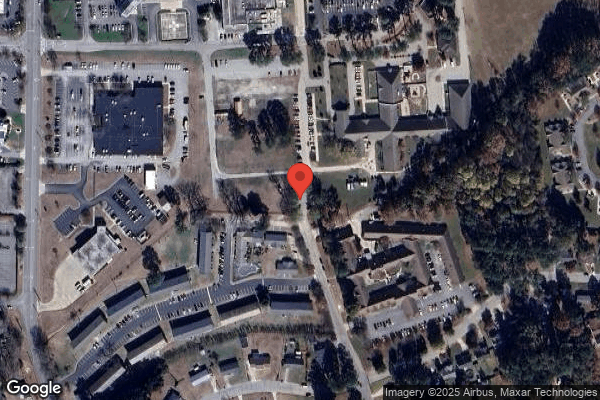

403 Crestview Avenue, Wilson, NC 27893 (252) 237-0724
For profit - Limited Liability company 108 Beds PRINCIPLE LONG TERM CARE Data: November 2025
Trust Grade
88/100
#78 of 417 in NC
Last Inspection: April 2025

Within standard 12-15 month inspection cycle. Federal law requires annual inspections.

Overview

Wilson Pines Nursing and Rehabilitation Center has a Trust Grade of B+, which means it is recommended and above average compared to other facilities. It ranks #78 out of 417 in North Carolina, placing it in the top half of nursing homes in the state, and is the best option out of five facilities in Wilson County. The facility's trend is stable, with 14 issues noted over the years, including 3 concerns in both 2024 and 2025. Staffing is rated average with a turnover rate of 27%, which is better than the state average, but it has less RN coverage than 98% of other facilities, potentially impacting the quality of care. While there have been no fines reported, which is a positive sign, there are areas for improvement, such as food safety practices. Specifically, inspections found that expired food items were not discarded, and food containers lacked proper labeling, which could affect residents' health. Additionally, the facility has struggled to implement effective fall prevention measures for residents with a history of falls, indicating some gaps in care. Overall, while Wilson Pines has strengths in staffing stability and no fines, it needs to address these food safety and care planning issues to enhance resident safety and well-being.
Trust Score
B+
88/100
In North Carolina
#78/417
Top 18%
Safety Record
Low Risk
No red flags
Inspections
Holding Steady
3 → 3 violations
Staff Stability
✓ Good
27% annual turnover. Excellent stability, 21 points below North Carolina's 48% average. Staff who stay learn residents' needs.
Penalties
✓ Good
No fines on record. Clean compliance history, better than most North Carolina facilities.
Skilled Nurses
⚠ Watch
Each resident gets only 11 minutes of Registered Nurse (RN) attention daily — below average for North Carolina. Fewer RN minutes means fewer trained eyes watching for problems.
Violations
⚠ Watch
14 deficiencies on record. Higher than average. Multiple issues found across inspections.
★★★★★
5.0
Overall Rating
★★★☆☆
3.0
Staff Levels
★★★★★
5.0
Care Quality
★★★★☆
4.0
Inspection Score
Stable
2024: 3 issues
2025: 3 issues

The Good

  • 5-Star Quality Measures · Strong clinical quality outcomes
  • Low Staff Turnover (27%) · Staff stability means consistent care
  • Full Sprinkler Coverage · Fire safety systems throughout facility
  • No fines on record
  • Staff turnover is low (27%)

    21 points below North Carolina average of 48%

Facility shows strength in quality measures, staff retention, fire safety.

The Bad

Chain: PRINCIPLE LONG TERM CARE

Part of a multi-facility chain

Ask about local staffing decisions and management

The Ugly 14 deficiencies on record

Apr 2025 3 deficiencies
CONCERN (D)

Potential for Harm - no one hurt, but risky conditions existed

Deficiency F0582 (Tag F0582)

Could have caused harm · This affected 1 resident

**NOTE- TERMS IN BRACKETS HAVE BEEN EDITED TO PROTECT CONFIDENTIALITY** Based on record review and Responsible Party (RP) and staff interviews, the facility failed to provide a Centers for Medicare an...

Read full inspector narrative →
**NOTE- TERMS IN BRACKETS HAVE BEEN EDITED TO PROTECT CONFIDENTIALITY** Based on record review and Responsible Party (RP) and staff interviews, the facility failed to provide a Centers for Medicare and Medicaid Services (CMS) Form 10055- Skilled Nursing Facility (SNF) Advanced Beneficiary Notification (ABN) and Form 10123-Notice of Medicare Non-Coverage (NOMNC) when the facility initiated discharge from Medicare Part A Services when benefit days were not exhausted. This was for 1 of 3 residents (Resident #31) reviewed for beneficiary notice protection. Findings included: Resident #31 was admitted to the facility on [DATE] under Medicare Part A covered skilled services. Resident #31's Medicare Part A covered skilled services ended on 1/22/25. He remained in the facility. A review of Resident #31's medical record revealed no evidence Resident #31 was provided with a CMS SNF-ABN and a CMS NOMNC form. On 4/8/25 at 1:49 PM an interview with the Business Office Manager (BOM) indicated Resident #31's Medicare Part A covered skilled services began on 11/20/24. She stated when these covered services ended on 1/22/25, Resident #31 had used 64 of his 100 covered days. She reported Resident #31 had remained in the facility. On 4/8/25 at 1:22 PM a telephone interview with Resident #31's Responsible Party (RP) indicated she was somewhat familiar with CMS SNF-ABN and CMS NOMNC forms. She stated she did not receive a CMS SNF-ABN and a CMS NOMNC for Resident #31 when his Medicare part A services ended on 1/22/25. On 4/8/25 at 1:26 PM an interview with the Social Worker (SW) indicated she would have been responsible for providing Resident #31 with a CMS SNF-ABN and a CMS NOMNC form when he was discharged from his Medicare Part A covered services on 1/22/25. She reported she had been new to her position in January 2025, and although she had received training on her position duties, she did not recall issuing the forms to Resident #31. She stated at some point the Director of Nursing (DON) had come to her and asked her if she was issuing the CMS SNF-ABN and CMS NOMNC forms, she had not been, and so she began issuing them at that time. In an interview on 4/8/25 at 1:34 PM the DON stated at some point someone came to her and let her know they didn't think the CMS SNF-ABNs and CMS NOMNCs were being issued. She reported she could not recall who notified her, or exactly when this was. She went on to say she had gone to the SW and let her know she was supposed to be issuing these for Medicare Part A residents. On 4/10/25 at 8:48 AM an interview with the Administrator indicated the SW had been relatively new to her position in January 2025, and as a result of this, had not issued the CMS SNF-ABN and CMS NOMNC forms to Resident #31 like she should have.
CONCERN (D)

Potential for Harm - no one hurt, but risky conditions existed

Assessment Accuracy (Tag F0641)

Could have caused harm · This affected 1 resident

**NOTE- TERMS IN BRACKETS HAVE BEEN EDITED TO PROTECT CONFIDENTIALITY** 2. Resident #46 was admitted to the facility on [DATE] with diagnoses that included end stage renal disease. A review of a Phys...

Read full inspector narrative →
**NOTE- TERMS IN BRACKETS HAVE BEEN EDITED TO PROTECT CONFIDENTIALITY** 2. Resident #46 was admitted to the facility on [DATE] with diagnoses that included end stage renal disease. A review of a Physician order dated 3/12/25 revealed an order for Resident #46 to receive dialysis Monday, Wednesday, and Friday at an offsite dialysis clinic. The admission Minimum Data Set (MDS) assessment dated [DATE] was not coded for dialysis. In an interview with the MDS Coordinator on 4/9/25 at 11:39 am she stated she was aware Resident #46 received dialysis. The interview further revealed that the MDS Coordinator routinely reviewed hospital discharge summaries and coded the MDS based on the reviews. The MDS Coordinator stated Resident #46 should have been coded for dialysis on the 3/13/25 MDS and the failure to do so had been an oversight. In an interview with the Administrator on 4/9/25 at 3:06 pm he stated the MDS completed on 3/13/25 should have captured that Resident #46 received dialysis. Based on record review and staff and Responsible Party interviews, the facility failed to accurately code Minimum Data Set (MDS) assessments in the areas of discharge (Resident #99) and dialysis (Resident #46) for 2 of 20 residents reviewed for MDS accuracy. The findings included: 1. Resident #99 was admitted to the facility on [DATE]. A review of Resident #99's electronic health record revealed a discharge MDS assessment was completed on 3/3/25 and indicated the resident was discharged to the hospital. A nurse's note written by Nurse #2 dated 3/3/25 indicated Resident #99 was discharged with his medications, discharge paperwork and all his belongings. The note stated he was picked up by a transportation company. The note did not state Resident #99's discharge location. In an interview with Nurse #2 on 4/9/25 at 9:21 AM she stated Resident #99 was discharged home on 3/3/25. A telephone interview with Resident #99's Responsible Party (RP #1) was conducted on 4/9/25 at 8:18 AM. RP #1 stated Resident #99 was discharged home from the facility on 3/3/25. In an interview with MDS Nurse #1 on 4/9/25 at 9:42 AM she stated Resident #99's discharge MDS should have been coded as discharged home, not the hospital. She further stated the resident was supposed to be discharged on 3/4/25, but was picked up on 3/3/25. Due to him leaving a day earlier than expected, the discharge MDS was coded as an unplanned discharge which usually meant a resident went to the hospital and was miscoded as such. In an interview with the Administrator on 4/9/25 at 9:53 AM she stated the MDS completed on 3/3/25 should have captured that Resident #99 was discharged home, not the hospital.
CONCERN (D) 📢 Someone Reported This

A family member, employee, or ombudsman was alarmed enough to file a formal complaint

Potential for Harm - no one hurt, but risky conditions existed

Infection Control (Tag F0880)

Could have caused harm · This affected 1 resident

Based on observations, record review and staff interviews the facility failed to implement their infection control practices and procedures when the facility Staff Development Coordinator (SDC) failed...

Read full inspector narrative →
Based on observations, record review and staff interviews the facility failed to implement their infection control practices and procedures when the facility Staff Development Coordinator (SDC) failed to don a gown before entering the room of a resident on Contact Precautions. The facility also failed to implement their policy for Enhanced Barrier Precautions (EBP) when Nurse #1 failed to wear a gown before entering a resident's room to provide medications via a gastrostomy tube (tube inserted directly into the stomach through a small hole in the abdomen to administer hydration, nutrition and medication). The deficient practice occurred for 2 of 20 staff (SDC and Nurse #1) observed for infection control practices. Findings included: 1. Review of the facility policy titled Contact Precautions dated 4/2023 and revised on 6/13/24 stated in part: contact precaution recommendations include wearing a gown when entering room and caring for the resident. Review of the signage on the door to Resident #36's room read in part, Contact precautions, everyone must: wear a gown when entering the room and remove before leaving. During observation on 4/8/25 at 3:45 PM the Staff Development Coordinator (SDC) entered Resident #36's room wearing gloves and no gown. While in the room she helped the resident get comfortable in bed and took a soiled tissue from her to throw away. The SDC removed her gloves and washed her hands before leaving the room. During an interview with the SDC on 4/8/25 at 3:48 PM she stated she thought it was an Enhanced Barrier Precaution room. After reviewing the contact precautions signage on the door, she stated she should have donned a gown before entering the room. An interview with the Director of Nursing (DON), who was also the Infection Preventionist, was conducted on 4/8/25 at 3:56 PM. The DON stated the SDC should have donned a gown before entering the room of Resident #36. She further stated all staff were educated on infection prevention practices upon hire, yearly and as needed. In an interview with the Administrator on 4/8/25 at 4:10 PM he stated infection prevention practices must be followed at all times and the SDC should have donned a gown before entering Resident #36's room. He further stated all residents on contact precautions have an orange sign attached to their door so staff could easily know which precautions were required for which task. 2. Review of the facility policy titled Enhanced Barrier Precautions dated 4/2023 and revised on 6/13/2024 stated in part; Enhanced Barrier Precautions (EBP) are used in conjunction with standard precautions to reduce the risk of Multidrug Resistant Organisms (MDRO) transmission during high-contact resident care activities. Includes the use of both gowns and gloves. The (EBP) apply to residents with the presence of indwelling medical devices with or without the presence of an MDRO infection or colonization. An example of indwelling medical devices includes feeding tubes. During an observation of medication administration on 4/9/25 at 9:53 AM, Nurse #1 entered resident #50's room which had an EBP sign posted on the exterior of the door, to administer medication via gastrostomy tube (a hollow tube inserted directly through the skin of the abdomen into the stomach to deliver nutrition, hydration and medication). Nurse #1 performed hand hygiene prior to entering the room and donned (put on) a clean pair of gloves but did not don a gown. Nurse #1 administered the medication using a feeding syringe (a large 2-part syringe used to administer oral medications) through a gastrostomy tube. In an interview with Nurse #1 on 4/9/25 at 10:15 AM she stated the hall nurse told her she didn't need to wear a gown; she could not remember the name of the nurse. An interview was conducted with the Quality Improvement Nurse on 4/9/25 at 10:25 AM. During the interview she stated the nurse should have worn a gown into a room with an EBP sign posted when administering medications through a gastrostomy tube. During an interview with the Director of Nursing (DON) on 4/9/25 at 10:40 AM, she stated she would have expected the nurse to wear a gown when administering medication through a gastrostomy tube and an EBP sign was posted on the door. An interview was held with the Administrator on 4/9/25 at 12:34 AM, at which time he stated when an EBP sign was posted, he would expect the nurse to wear a gown when administering medications through a gastrostomy tube.
Mar 2024 3 deficiencies
CONCERN (D)

Potential for Harm - no one hurt, but risky conditions existed

Deficiency F0657 (Tag F0657)

Could have caused harm · This affected 1 resident

**NOTE- TERMS IN BRACKETS HAVE BEEN EDITED TO PROTECT CONFIDENTIALITY** Based on record review and staff interviews the facility failed to revise the care plan to reflect the discontinuation of hospic...

Read full inspector narrative →
**NOTE- TERMS IN BRACKETS HAVE BEEN EDITED TO PROTECT CONFIDENTIALITY** Based on record review and staff interviews the facility failed to revise the care plan to reflect the discontinuation of hospice care. This was for 1 of 2 residents (Resident #30) reviewed for hospice and end of life care. Findings included: Resident #30 was admitted to the facility on [DATE] with a diagnosis of dementia. A review of the significant change Minimum Data Set (MDS) assessment for Resident #30 dated 12/15/23 revealed he was not receiving hospice care. A review of Resident #30's care plan dated last revised on 12/28/23 revealed in part a focus area initiated on 9/5/23 and last revised on 12/27/23 for hospice care. The goal was for Resident #30 to be free from pain through the next review. An intervention was spiritual care consult. On 3/4/24 at 2:40 PM an interview with Nurse #1 indicated she was the resource nurse. She stated Resident #30 had been receiving hospice care, but this had been discontinued on 12/8/23. On 3/4/24 at 3:04 PM an interview with MDS Nurse #1 indicated she completed Resident #30's significant change MDS dated [DATE] because his hospice care was discontinued. She went on to say Resident #30's last care plan review was done on 12/28/23. MDS Nurse #1 stated she would have been responsible for ensuring the hospice care focus area was removed from Resident #30's care plan at that time. She went on to say she had missed this. She further indicated she had a check list that she used for updating care plans which included hospice status. MDS Nurse #1 stated this had been an oversight on her part. On 3/6/24 at 9:19 AM an interview with the Director of Nursing indicated Resident #30's care plan should be an accurate reflection of the care he was receiving. She went on to say when Resident #30 had a care plan review and revision on 12/28/24, hospice care should have been removed from his care plan if he was no longer receiving it. On 3/6/24 at 9:26 AM an interview with the Administrator indicated Resident #30's hospice care focus area should have been removed from his care plan if he was no longer receiving it. He stated that's what the checklist was for.
CONCERN (E)

Potential for Harm - no one hurt, but risky conditions existed

Food Safety (Tag F0812)

Could have caused harm · This affected multiple residents

Based on observations and staff interviews the facility failed to dry dishes individually by nesting (stacking dishes/utensils of the same size without an air gap) 4 deep dish pans and 2 large metal m...

Read full inspector narrative →
Based on observations and staff interviews the facility failed to dry dishes individually by nesting (stacking dishes/utensils of the same size without an air gap) 4 deep dish pans and 2 large metal mixing bowls, while still wet, on the drying rack for 1 of 3 kitchen observations. Findings included: During observation on 3/3/24 at 10:24 AM 4 deep dish pans and 2 large metal mixing bowls were observed nested on the drying rack. Upon requesting Dietary [NAME] #1 to remove the top dish, water was visible on the surfaces of the dishes nested together. During an interview on 3/3/24 at 10:24 AM Dietary [NAME] #1 stated the 4 deep dish pans, and 2 large metal mixing bowls were left over from last night to dry on the drying rack. She did not know why they had been nested in each other. Upon observing the stack of deep-dish pans and large metal mixing bowls, and separating them, she stated the dishes were still wet from last night because they were nested. She further stated staff should not nest dishes that were drying because moisture could be trapped and could cause contamination. During an interview on 3/4/24 at 8:50 AM the Dietary Manager stated when dishes were placed on the drying rack and were wet, they were not to be nested due to the risk of bacterial growth. He concluded the 4 deep dish pans, and 2 large metal mixing bowls should not have been nested the night before while on the drying rack which caused them to still be wet on the morning of 3/3/24. During an interview on 3/5/24 at 2:18 PM the Administrator stated dishes were not to be nested while drying due to the risk of bacterial growth.
CONCERN (E)

Potential for Harm - no one hurt, but risky conditions existed

QAPI Program (Tag F0867)

Could have caused harm · This affected multiple residents

Based on observation and staff interview the facility's Quality Assessment and Assurance Committee failed to maintain implemented procedures and monitor interventions that the committee had previously...

Read full inspector narrative →
Based on observation and staff interview the facility's Quality Assessment and Assurance Committee failed to maintain implemented procedures and monitor interventions that the committee had previously put in place following the recertification and complaint surveys of 8/27/21 and 2/16/23. This was for a recited deficiency in the area of Food and Nutrition Services (F812). The continued failure during three federal surveys of record showed a pattern of the facility's inability to sustain an effective Quality Assurance Program. The findings included: This tag is cross referenced to: F812: Based on observations and staff interviews the facility failed to dry dishes individually by nesting (stacking dishes/utensils of the same size without an air gap) 4 deep dish pans and 2 large metal mixing bowls, while still wet, on the drying rack for 1 of 3 kitchen observations. During the recertification and complaint survey of 8/27/21 the facility failed to maintain sanitary conditions in the kitchen by: 1. failing to ensure the dishwasher was rinsing dishes at the correct temperature to sanitize the dishes; 2. by failing to discard expired food and to date opened resealable food items stored in the walk-in refrigerator; 3. by not properly storing and dating open dry food items; and by failing to store food items off the floor. During the recertification and complaint survey of 2/16/23 the facility failed to (1) label foods items with an open and expiration date and discard expired food items stored for use in 1 of 1 walk-in refrigerator for 1 of 2 kitchen observations and (2) label food items with an open and expiration date stored for use in 1 of 1 walk-in freezer. In an interview with the Administrator on 3/6/24 at 9:38 am he indicated he felt the continued issue with Food Safety Requirements was because the previous issues differed from the current issue. He further stated the current issue occurred because an employee did not pay attention and moved to fast to complete a task. He stated the facility in-serviced the staff weekly, monthly, and as needed if issues arose. The Administrator stated the facility would review its process and would focus on the whole kitchen and put corrective action in place.
Feb 2023 8 deficiencies
CONCERN (D) 📢 Someone Reported This

A family member, employee, or ombudsman was alarmed enough to file a formal complaint

Potential for Harm - no one hurt, but risky conditions existed

Resident Rights (Tag F0550)

Could have caused harm · This affected 1 resident

**NOTE- TERMS IN BRACKETS HAVE BEEN EDITED TO PROTECT CONFIDENTIALITY** Based on resident, family and staff interviews the facility failed to treat a resident with dignity and respect by speaking hars...

Read full inspector narrative →
**NOTE- TERMS IN BRACKETS HAVE BEEN EDITED TO PROTECT CONFIDENTIALITY** Based on resident, family and staff interviews the facility failed to treat a resident with dignity and respect by speaking harshly to her and asking the resident if she had been playing in her poop for 1 of 5 residents reviewed for dignity (Resident #346). Findings included: Resident #346 was admitted to the facility on [DATE] with diagnosis of hypertensive chronic kidney disease Stage 5 and a history of falls. Review of an admission Minimum Data Set (MDS) assessment dated [DATE] documented Resident #346 had moderately impaired cognition. She required extensive assistance from staff with toileting. She was frequently incontinent of bowel and bladder. Review of the care plan dated 02/10/23 for Resident #346 included, in part, the following focal area: At risk for unmet needs and/or compromised dignity. The goals for Resident #346 were to maintain dignity and have decreased episodes of anxiety. Interventions included, in part, to talk with resident in a low pitch, calm voice. In an interview with Resident #346 on 2/14/23 at 2:30 PM she stated a nurse aide came in on third shift to answer her call bell and she took the residents hands and said, Let me see your hands. Are you playing in your poop? The resident stated the nurse aide spoke harshly to her, made her feel like a child, and she felt humiliated. She said she felt like the nurse aide on third shift was aggravated when she provided care to her and spoke harshly to her. She did not know the name of the staff member but commented it was only one nurse aide who spoke harshly to her, and the rest of the staff were sweet. She stated when that nurse aide was on, she would try to hold her bowel movements and not ring the bell, but she couldn't. She described the nurse aide as small and cute and not someone you would think was mean because she was so small and cute. She could not recall the exact date when the nurse aide asked her if she had been playing in her poop but she noted it was after the day she had fallen (01/31/23) and it was not on a dialysis day, so it had to have been on a Tuesday, Thursday, or weekend night shift. In an interview with a family member on 2/14/23 at 4:00 PM she stated the resident had told her a nurse aide spoke harshly to her. She said she had not reported it to the facility because she had already complained 3 times about [Resident #346] not getting lunch on dialysis days and she didn't want her to be tagged by staff as a problem resident. In an interview with the QA Nurse on 02/15/23 at 8:15AM she reported facility staff had met after the survey team left the day before, and it was decided to discontinue some of the fall interventions for Resident #346 because her cognition had improved since admission. On 02/15/23 at 3:36 PM a telephone interview was conducted with Nurse Aide #6. She confirmed she had cared for Resident #345 on 3rd shift on 02/01/23 as documented on the working schedule. She stated she had never spoken harshly to Resident #346 or asked her if she had been playing in her poop. She had never heard any other staff member speak harshly to residents. She stated she would tell the nurse if she did. On 02/15/23 at 4:00 PM a telephone interview was conducted with Nurse Aide #4. She confirmed she had cared for Resident #346 on 3rd shift on 02/03/23, 02/07/23, 02/09/23 and 02/12/23 as documented on the working schedule. She stated she had never spoken harshly to Resident #346 or asked her if she had been playing in her poop. She reported she had never heard any staff speak harshly to Resident #346 or any other resident. She concluded if she ever did, she would call the administrator on call or the supervisor. On 02/15/23 at 4:16 PM a telephone interview was conducted with Nurse Aide #5. She confirmed she had cared for Resident #346 on 3rd shift on 02/10/23 as documented on the working schedule. She stated she had never spoken harshly to Resident #346 or asked her if she had been playing in her poop. She reported she had never heard other staff members speak harshly to Resident #346 or any other resident. She concluded she would tell the nurse if she ever did. On 02/15/23 at 4:20 PM a telephone interview was conducted with Nurse Aide #8. She stated she worked at the facility through an agency. She confirmed she had cared for Resident #346 on 3rd shift on 02/04/23. She stated she had never spoken harshly to Resident #346 or asked her if she had been playing in her poop. She reported she had never heard any other staff member speak harshly to Resident #346 or any other resident. She concluded she would report it immediately to the nurse if she ever did. On 02/15/23 at 4:47 PM a telephone interview was conducted with Nurse Aide #7. She stated she worked at the facility through an agency. She confirmed she had cared for Resident #346 on 3rd shift on 02/02/23, 02/05/23, and on 02/08/23 as documented on the working schedule. She stated she had never spoken harshly to Resident #346 or asked her if she had been playing in her poop. She reported she had never heard any other staff speak harshly to any resident. If she ever did, she would tell the nurse. In an interview with the Administrator on 02/15/23 at 4:10 PM he stated it was never acceptable for a staff member to speak harshly to any resident. He declared no resident at the facility had ever been branded as a problem resident for reporting a concern and never would be.
CONCERN (D)

Potential for Harm - no one hurt, but risky conditions existed

Deficiency F0582 (Tag F0582)

Could have caused harm · This affected 1 resident

**NOTE- TERMS IN BRACKETS HAVE BEEN EDITED TO PROTECT CONFIDENTIALITY** Based on record review and staff interviews, the facility failed to provide a Centers for Medicare and Medicaid Services (CMS) S...

Read full inspector narrative →
**NOTE- TERMS IN BRACKETS HAVE BEEN EDITED TO PROTECT CONFIDENTIALITY** Based on record review and staff interviews, the facility failed to provide a Centers for Medicare and Medicaid Services (CMS) Skilled Nursing Facility Advanced Beneficiary Notice and CMS-10123 Notice of Medicare Non-Coverage (NOMNC) (Resident #65) and failed to provide a Centers for Medicare and Medicaid Services (CMS) Skilled Nursing Facility Advanced Beneficiary Notice (Resident #15) prior to discharge from Medicare Part A skilled services for 2 of 3 residents reviewed for beneficiary protection notification review. The findings included: 1. Resident #65 was admitted to the facility on [DATE]. Resident #65's Medicare Part A skilled services ended on 12/9/22. She remained in the facility. Record review revealed that Resident #109 was not given the CMS-10555 Skilled Nursing Facility Advanced Beneficiary Notice (SNF-ABN) or CMS-10123 Notice of Medicare Non-Coverage (NOMNC). During an interview with the Business Office Manager on 2/13/23 at 3:04 PM she reported she was unable to locate the required forms for Resident #65. An interview was conducted with the Administrator on 2/13/23 at 3:30 PM who indicated Resident #65 should have received the CMS-10555 and CMS-10123 as required by Federal guidelines. 2. Resident #15 was admitted to the facility on [DATE]. Resident #15 received Medicare Part A skilled services beginning on 10/6/22 and ending on 11/18/22 . She remained in the facility. Record review revealed that Resident #427 was not given the CMS-10555 Skilled Nursing Facility Advanced Beneficiary Notice (SNF-ABN). During an interview with the Business Office Manager on 2/13/23 at 3:04 PM she reported the facility was not using the correct form. She stated she had was notified a few weeks ago the facility was using the wrong form and was now using the correct form. An interview was conducted with the Administrator on 2/13/23 at 3:30 PM who indicated Resident #15 should have received the CMS-10555 SNF-ABN as required by Federal guidelines.
CONCERN (D)

Potential for Harm - no one hurt, but risky conditions existed

Assessment Accuracy (Tag F0641)

Could have caused harm · This affected 1 resident

**NOTE- TERMS IN BRACKETS HAVE BEEN EDITED TO PROTECT CONFIDENTIALITY** 3. Resident #58 was admitted to the facility on [DATE]. Review of Resident #58's medical record showed a nurse practitioner's n...

Read full inspector narrative →
**NOTE- TERMS IN BRACKETS HAVE BEEN EDITED TO PROTECT CONFIDENTIALITY** 3. Resident #58 was admitted to the facility on [DATE]. Review of Resident #58's medical record showed a nurse practitioner's note dated 6/20/22. The note indicated Resident #58 had been seen by a neurologist and was reportedly diagnosed with early symptoms of dementia. Review of Resident #58's medical record showed a psychiatry progress note dated 7/18/22. The note read Dementia: patient seen by neuro since last visit and diagnosed with MNC (Mild Neurocognitive disorder) due to Alzheimer's dementia. Review of the quarterly Minimum Data Set (MDS) dated [DATE] did not include or Alzheimer's Disease or Non-Alzheimer's Dementia diagnoses. An interview was conducted on 2/16/23 at 9:43 A.M. with the MDS Nurse. During the interview the MDS nurse reviewed her worksheet she used to complete Resident #58's quarterly MDS, the medical record, physician progress notes, and the MDS assessments dated 8/1/22. The MDS nurse indicated she had noted Resident #58 had a diagnosis for dementia, the MDS should have been marked to include the dementia diagnosis, and this had been overlooked. An interview was conducted on 2/16/22 at 2:24 P.M. with the Administrator. The Administrator indicated he was told by the MDS nurse Resident #58's dementia diagnosis was not marked when it was identified during the survey. He further indicated the MDS nurse made a mistake and overlooked the diagnosis when she completed the MDS assessment. Based on record review, observations and staff interviews, the facility failed to accurately complete the Minimum Data Set (MDS) assessment for isolation (Resident #243), use of a wander guard (Resident #6), diagnosis of dementia (Resident #58) and discharge status (Resident #90) for 4 of 25 residents whose MDS assessments were reviewed. Findings included: 1. Resident #243 was admitted to the facility on [DATE]. Nursing documentation dated 1/30/2023 at 9:37 p.m. revealed the physician and the Resident #243's representative was notified Resident #243 tested positive for COVID-19. Resident #243's care plan dated 1/30/2023 included a focus for an infection related to COVID-19 that was resolved on 2/13/2023. Physician notes dated 1/31/2023 indicated Resident #243 was diagnosed with COVID-19. An infection note documented in Resident #243's medical record dated 1/31/2023 at 9:40 a.m. indicated the day of onset for COVID-19 was 1/30/23, and the type of transmission based precautions (isolation) required was contact and droplet precautions. A COVID-19 laboratory test collected at 11:00 p.m. on 1/31/2023 reported Resident #243 tested positive for COVID-19 on 1/31/2023 at 11:15 p.m. The 5-day admission MDS assessment dated [DATE] indicated Resident #243 was cognitively intact and diagnoses included COVID-19. There was no indication on the MDS Resident #243 was on isolation. Signage for special droplet and contact precautions was observed on 2/13/2023 at 10:47 a.m. outside Resident #243's door. In an interview with MDS Nurse #1, she stated the look back period for Resident #243's MDS assessment was from 1/30/2023 to 2/5/2023. She said the resident had tested positive for COVID-19, and the 5-day MDS did not reflect he was on isolation. She implied isolation was marked on the MDS assessment when documentation reflected residents were provided all services in the room. She further stated at the time of the completion of Resident #243's MDS assessment, COVID-19 restricted Resident #243 to his room, and he should have been coded for isolation. In an interview with the Administrator on 2/16/2023 at 3:46 p.m., he did not have an explanation for why Resident #243 was not coded for isolation on the 5-day MDS assessment and stated Resident #243 should have been coded for isolation. 2. Resident #6 was admitted to the facility on [DATE] with diagnoses that included dementia. A progress note dated 10/28/22 revealed Resident #6 was found propelling to the door of the facility and a wander alarm was placed on her ankle. Resident #6's quarterly Minimum Data Set (MDS) assessment dated [DATE] indicated she did not use a wander alarm. During an interview with the MDS nurse on 2/15/23 at 1:22 PM she stated Resident #6's assessment should have been coded to reflect her use of a wander alarm and the error was an oversight. An interview was conducted with the Administrator on 2/16/23 at 3:24 PM. He stated Resident #6's MDS assessment should have been coded accurately to reflect her use of a wander alarm. 4. Resident #90 was admitted to the facility on [DATE]. She was discharged on 01/03/23. Review of a progress note written on 01/03/23 documented Resident #90 was discharged at 5:30 PM and left the facility by wheelchair with her husband. Discharge instructions, medication administration, and medications were sent with the resident. Review of the facility Discharge Instructions and Plan of Care Report dated 01/03/23 documented the resident was discharged to home. Review of the discharge MDS assessment dated [DATE] documented Resident #90 was discharged from the facility to an acute hospital, Line A2000. In an interview with MDS Nurse #3 on 02/16/23 at 11:13 AM she stated, after reviewing the records, the MDS assessment should have been coded as the resident went home, not to the hospital. She thought she just clicked on the wrong button when completing the assessment.
CONCERN (D)

Potential for Harm - no one hurt, but risky conditions existed

Accident Prevention (Tag F0689)

Could have caused harm · This affected 1 resident

**NOTE- TERMS IN BRACKETS HAVE BEEN EDITED TO PROTECT CONFIDENTIALITY** Based on observation, staff interview and record review the facility failed to implement interventions for fall prevention for a...

Read full inspector narrative →
**NOTE- TERMS IN BRACKETS HAVE BEEN EDITED TO PROTECT CONFIDENTIALITY** Based on observation, staff interview and record review the facility failed to implement interventions for fall prevention for a resident with a history of falls for 1 of 2 residents reviewed for accidents (Resident #346). Findings included: Resident #346 was admitted to the facility on [DATE] with diagnoses that included falls, osteoarthritis, and restless leg syndrome. Review of a health status note written on 01/31/23 at 12:52 AM documented: PT [Physical Therapy] walked past resident's room and found resident on the bathroom floor . [Resident #346 was] reeducated to use call bell when needing to ambulate, to lock (wheelchair) when transferring, and to wear non-skid footwear. Quality Assurance-Falls Review (at risk for or actual) dated 2/2/23 was reviewed and documented Resident #346 had a fall on 01/03/23. Resident had non-skid (gripper) socks to feet when she fell. She was reminded to call for assistance. Interventions included to place call bell within reach, place bed in lowest position, and continue current fall interventions. Review of an admission Minimum Data Set (MDS) assessment dated [DATE] documented Resident #346 had moderately impaired cognition. She required extensive assistance with most activities of daily living. She required limited assistance from staff with walking in room using a walker or a wheelchair. She had a fall prior to admission and fell after admission to the facility with injury (not major). Review of the care plan for Resident #346 dated 02/10/23 documented a focal area of: Risk for falls characterized by history of falls multiple risk factors related to, in part, weakness, impaired balance, impaired vision, disrobing, removal of brief, frequent incontinence of bowel and bladder, impaired short and long term memory. The goal was for Resident #346 to be free of falls through the next review. Interventions included, in part, bed in lowest position and ensure roll bolster (roll guard) is in place to outer edge of bed. An observation of fall precautions in place was made at 2:30 PM on 02/14/23. Resident #346 was laying on her bed awake. She had socks on that were not non-skid, the roll guard was standing in the corner of the room, and the bed was in a high position (chest high). The resident revealed a large healing skin tear on her left leg and on her left arm she had sustained from a fall at the facility. The Quality Assurance (QA) Nurse was interviewed in the resident ' s room on 02/14/23 at 3:05 PM. She stated the resident should have had the bed in the lowest position and acknowledged it was in a high position, the roll guard should have been on the bed and it was not, and the resident should have had non-skid socks on and she did not. She opened the resident ' s closet door and pointed out the Care [NAME] that listed instructions for caregivers that included non-skid socks, bed in lowest position and roll guard to edge of bed. During the interview the QA Nurse lowered the resident ' s bed to a low position and the resident sat up and put her legs over the side of the bed. She stated she would put non-skid socks on the resident. A follow-up observation on 02/14/23 at 3:30 PM revealed the resident was lying in bed that was in the lowest position, non-skid socks were on the resident's feet and the roll guard was on the outside edge of the bed.
CONCERN (D)

Potential for Harm - no one hurt, but risky conditions existed

Deficiency F0698 (Tag F0698)

Could have caused harm · This affected 1 resident

**NOTE- TERMS IN BRACKETS HAVE BEEN EDITED TO PROTECT CONFIDENTIALITY** Based on observation, resident interview, family interview, staff interviews and record review, the facility failed to provide a...

Read full inspector narrative →
**NOTE- TERMS IN BRACKETS HAVE BEEN EDITED TO PROTECT CONFIDENTIALITY** Based on observation, resident interview, family interview, staff interviews and record review, the facility failed to provide a lunchtime meal to a dialysis resident on 02/01/23, 02/03/23, 02/06/23, 02/08/23, 02/10/23 and 02/13/23 for 1 of 2 residents reviewed for dialysis (Resident #346). Findings included: Resident #346 was admitted to the facility on [DATE] with diagnoses that included hypertensive chronic kidney failure Stage 5. Review of an admission Minimum Data Set (MDS) assessment dated [DATE] documented Resident #346 had moderately impaired cognition. She received hemodialysis. In an interview with Resident #346 on 02/14/23 at 2:30 PM she stated she had not gotten a lunch meal either at the facility or boxed to go since her admission on [DATE]. She reported she went to dialysis every Monday, Wednesday, and Friday. She explained her chair time at dialysis was 11:30 and she was usually transported between 10:30 and 11:00 each dialysis day. She reported her family had told staff she was not receiving a lunch on dialysis days, but she still had not gotten a box lunch to take with her. She complained she was already weak from dialysis but going from breakfast to dinner without any food made her feel weaker. In a telephone interview with a family member on 02/14/23 at 4:00 PM she stated she had told 3 separate staff members on 3 separate occasions that her mom was very hungry when she returned from dialysis because she was not being provided a lunch on dialysis days and went from 7:00 AM to after 5:00 PM without any food. She reported she had a care plan meeting at the facility earlier that day and told the Social Worker again that her mom was not being fed lunch on dialysis days. She stated the Social Worker told her it was not appropriate to go without lunch. In an interview with the Social Worker on 02/15/23 at 2:36 PM she stated she had a two week care plan meeting on 02/14/23 with the family of Resident #346. She acknowledged she had been told by the family the resident had not been receiving lunch on dialysis days. She stated she had attempted to call the Kitchen Manager twice on 02/14/23 who didn ' t answer or call her back and as the day went on she forgot about it. She did not process the concern. In an interview with Resident #346 on 02/15/23 at 10:25 she stated she went to the nurse ' s station and got a bag of chips and a pack of peanut butter crackers out of the snack box to take to dialysis with her. She had not been provided a box lunch to go. She revealed the chips and crackers when she opened her dialysis duffle bag. There was no other food observed in her dialysis bag. The resident was observed from 10:25 AM to 11:40 AM and no lunch bag was brought to the resident. The transport company was late to pick her up for dialysis. At 11:40 AM Nurse #4 brought the resident a lunch tray. In an interview with Nurse #1 on 02/15/23 at 11:45 AM she stated she walked past Resident #346 ' s room and noticed she had not left for dialysis, so she asked the resident if she had had lunch. She went to the kitchen and got a lunch tray for the resident and also had asked the kitchen staff for a sandwich the resident could take with her. She stated it was her understanding no box lunches went with dialysis residents because the dialysis center would not let them eat there anymore. She stated she did not think the kitchen made box lunches anymore. In an interview with the Kitchen Manager on 02/15/23 at 12:15 PM she stated the kitchen made generic box lunches with no names on them each day for residents to use. She reported she had made 3 box lunches that day and none had been used. She explained each box lunch contained a sandwich, chips, and a drink. The box lunches were available for nurse aides to pick up and give to any resident going to dialysis. She stated it was the responsibility of the nurse aides to come to the kitchen and get a box lunch if a resident needed one. In an interview with Nurse Aide #1 on 02/15/23 at 12:30 PM she stated she provided care to Resident #346 on day shift. She reported she had never gone to the kitchen to get a box lunch for the resident and didn ' t know she was supposed to get the box lunch from the kitchen. In an interview with the Administrator on 02/15/23 at 4:15 PM he stated all dialysis residents were to receive a box lunch to take to dialysis if gone during a meal time. He explained there was a period when the dialysis center would not allow the facility to send food but that was a while ago and no longer applied. He reported he didn ' t realize Resident #346 was going from breakfast to supper with no lunchtime meal. He stated he would look at the process and fix it immediately.
CONCERN (D)

Potential for Harm - no one hurt, but risky conditions existed

Deficiency F0761 (Tag F0761)

Could have caused harm · This affected 1 resident

Based on observation and staff interviews the facility failed to keep medications secured by storing opened and unlabeled medications in four different medications cups in the medication cart on the 6...

Read full inspector narrative →
Based on observation and staff interviews the facility failed to keep medications secured by storing opened and unlabeled medications in four different medications cups in the medication cart on the 600 hall for 1 of 2 medication carts inspected. Findings included: An inspection of the 600 hall medication cart on 02/16/23 at 9:45 AM revealed four separate medications cups stored in a drawer on the cart that contained the following unlabeled items: a cup containing 9 pills, a cup of a white liquid, a cup with brown applesauce, and a cup of clear gel. In an interview with Medication Aide #1 on 02/16/23 at 9:45 AM she stated she had opened some of the medications to administer to a resident who refused to take the medications at that time. She reported the resident had told her he was going to the store and would be back in a minute. She stated she finished opening the rest of the medications due at that time and placed the unlabeled mediations in the drawer to administer when the resident returned. She was not able to identify the pills in the cup without looking at the Medication Administration Record in the computer. She explained the applesauce had the medication, Revela, mixed in it. She noted she knew she was supposed to dispose of the medications when the resident refused to take them, and she knew it was not alright to store unlabeled medications in a medication cart, but she thought the resident was coming right back. She took the unlabeled medications to the medication storage room and properly disposed of them. In an interview with the 600 Hall Resource Nurse on 02/16/23 at 9:50 AM she stated it was not acceptable to store unlabeled medications in a medication cart. She noted she would have tried to encourage the resident to take the medications that had been prepared and if unsuccessful, she would have destroyed them.
CONCERN (F)

Potential for Harm - no one hurt, but risky conditions existed

Food Safety (Tag F0812)

Could have caused harm · This affected most or all residents

Based on record review, observations and staff interviews, the facility failed to (1) label foods items with an open and expiration date and discard expired food items stored for use in 1 of 1 walk-in...

Read full inspector narrative →
Based on record review, observations and staff interviews, the facility failed to (1) label foods items with an open and expiration date and discard expired food items stored for use in 1 of 1 walk-in refrigerator for 1 of 2 kitchen observations and (2) label food items with an open and expiration date stored for use in 1 of 1 walk-in freezer. These practices had the potential to affect food served to 99 of the 99 residents. Finding included: 1. On 2/13/2023 at 9:48 a.m. in the initial tour of the kitchen accompanied by Dietary Manager (DM), the following items were observed in the walk-in refrigerator: Two containers of frozen solid puree bacon in a box with no date indicating when opened or an expiration date. The Dietary Manager discarded the item. A large, opened container of ranch buttermilk dressing dated open 12/1/2022. There was no expiration date on the manufacture's label or the container. The Dietary Manager stated opened containers of dressing expired one month after opening and discarded the ranch buttermilk dressing. An unopened 12-pack of boiled eggs indicating no date indicating delivery or an expiration date. The Dietary Manager stated the unopened 12-pack of boiled eggs was pulled out of a box and should have been labeled with the date the box was opened. Dietary Manager discarded the unopened 12-pack of boiled eggs. In an interview with Dietary Aide #1 on 2/16/2023 at 2:20 p.m., she stated she helped put up the food items in the walk-in refrigerator when delivered. She stated food boxes were rotated to the back of the shelves and dated when the box was opened. Boxes of food items without a date were to be discard. She said when she found food boxes without a date, she would write a date on the food item box. In an interview with Assistant Dietary Supervisor on 2/16/2023 at 2:28 p.m., he stated he was responsible for placing new stock on the shelves in walk-in refrigerator. He explained food boxes were to be dated when opened. He further stated dietary staff should relabel any food items removed from the box since those food items need to be used within seven days. He was unable to give a reason why food boxes were found not labeled with dates. 2. On 2/13/2023 at 10:03 a.m. in the initial tour of the kitchen accompanied by the Dietary Manager, the following items were observed in the walk-in freezer: Frozen sliced ham in a box with no date on the box or package indicating delivery or an expiration date. Two unopened packages of frozen waffles with no date indicating a delivery, opening or expiration date. An open box of frozen puree deli meat trays with no date on the package or box indicating the delivery, open or expiration date. An unopened package of frozen hot dogs with no date on the package indicating a delivery date, open date or expiration date. The Dietary Manager discarded the unlabeled items in the freezer and stated staff were to date the boxes of food items when delivered and opened. In an interview with Dietary Aide #1 on 2/16/2023 at 2:20 p.m., she stated she helped put up the food items in the walk-in freezer when delivered. She stated food boxes were rotated to the back of the shelves when delivered and were to be dated when the box was opened. Boxes of food items without a date were to be discard. She said when she found food boxes without a date, she would write a date on the food item box. In an interview with Assistant Dietary Supervisor on 2/16/2023 at 2:28 p.m., he stated he was responsible for placing new stock on the shelves in walk-in freezer. He explained food boxes were to be dated when opened. He further stated dietary staff should relabel any food items removed from the box since those food items need to be used within seven days. He was unable to give a reason why food boxes and packaged were found not labeled with dates.
CONCERN (F)

Potential for Harm - no one hurt, but risky conditions existed

QAPI Program (Tag F0867)

Could have caused harm · This affected most or all residents

Based on record review and staff interview the facility's Quality Assessment and Assurance Committee failed to maintain implemented procedures and monitor interventions that the committee had previous...

Read full inspector narrative →
Based on record review and staff interview the facility's Quality Assessment and Assurance Committee failed to maintain implemented procedures and monitor interventions that the committee had previously put in place following the recertification and complaint survey of 8/27/21. The deficiencies are in the areas of Accuracy of Assessments (641), Accidents (689), Label/Store Drugs and Biologicals (761), and Food Procurement (812). The continued failure during two federal surveys of record showed a pattern of the facility's inability to sustain an effective Quality Assurance Program. Findings included: This tag is cross referenced to: F641: Based on record review, observations and staff interviews, the facility failed to accurately complete the Minimum Data Set (MDS) assessment for isolation (Resident #243), use of a wander guard (Resident #6), for dementia (Resident #58) and discharge status (Resident #90) for 4 of 25 residents whose MDS assessments were reviewed. During the recertification and complaint survey of 8/27/21, the facility was cited for accurately coding an admission Minimum Data Set for smoking. F689: Based on observation, staff interview and record review the facility failed to implement interventions for fall prevention for a resident with a history of falls for 1 of 2 residents reviewed for accidents (Resident #346). During the recertification and complaint survey of 8/27/21, the facility was cited for failing to implement interventions to prevent a resident for smoking in his room and failed to complete a smoking evaluation. F761: Based on observation and staff interviews the facility failed to keep medications secured by storing opened and unlabeled medications in four different medications cups in the medication cart on the 600 hall for 1 of 2 medication carts inspected. During the recertification and complaint survey of 8/27/21, the facility was cited for not discarding expired medications and failing to keep topical medications contained in a resident's room. F812: Based on record review, observations and staff interviews, the facility failed to (1) label foods items with an open and expiration date and discard expired food items stored for use in 1 of 1 walk-in refrigerator for 1 of 2 kitchen observations and (2) label food items with an open and expiration date stored for use in 1 of 1 walk-in freezer. These practices had the potential to affect food served to 99 of the 100 residents. During the recertification and complaint survey of 8/27/21, the facility was cited for failing to maintain sanitary conditions in the kitchen by: failing to ensure the dishwasher was rinsing dishes at the correct temperature to sanitize the dishes; by failing to discard expired food and to date opened resealable food items stored in the walk-in refrigerator; by not properly storing and dating open dry food items and by failing to store food items off the floor. An interview with the Administrator was conducted on 10/16/23 at 3:24 PM. He reported the facility attempted to correct any on-going issues that were identified. The Administrator further stated the facility had some turnover in staff which may have contributed to the repeated citations.
Understanding Severity Codes (click to expand)
Life-Threatening (Immediate Jeopardy)
J - Isolated K - Pattern L - Widespread
Actual Harm
G - Isolated H - Pattern I - Widespread
Potential for Harm
D - Isolated E - Pattern F - Widespread
No Harm (Minor)
A - Isolated B - Pattern C - Widespread

Questions to Ask on Your Visit

  • "Can I speak with families of current residents?"
  • "What's your RN coverage like on weekends and overnight?"

Our Honest Assessment

Strengths
  • • Grade B+ (88/100). Above average facility, better than most options in North Carolina.
  • • No major safety red flags. No abuse findings, life-threatening violations, or SFF status.
  • • No fines on record. Clean compliance history, better than most North Carolina facilities.
  • • 27% annual turnover. Excellent stability, 21 points below North Carolina's 48% average. Staff who stay learn residents' needs.
Concerns
  • • 14 deficiencies on record. Higher than average. Multiple issues found across inspections.
Bottom line: Generally positive indicators. Standard due diligence and a personal visit recommended.

About This Facility

What is Wilson Pines Nursing And Rehabilitation Center's CMS Rating?

CMS assigns Wilson Pines Nursing and Rehabilitation Center an overall rating of 5 out of 5 stars, which is considered much above average nationally. Within North Carolina, this rating places the facility higher than 99% of the state's 100 nursing homes. This rating reflects solid performance across the metrics CMS uses to evaluate nursing home quality.
How is Wilson Pines Nursing And Rehabilitation Center Staffed?

CMS rates Wilson Pines Nursing and Rehabilitation Center's staffing level at 3 out of 5 stars, which is average compared to other nursing homes. Staff turnover is 27%, compared to the North Carolina average of 46%. This relatively stable workforce can support continuity of care.

What Have Inspectors Found at Wilson Pines Nursing And Rehabilitation Center?

State health inspectors documented 14 deficiencies at Wilson Pines Nursing and Rehabilitation Center during 2023 to 2025. These included: 14 with potential for harm.

Who Owns and Operates Wilson Pines Nursing And Rehabilitation Center?

Wilson Pines Nursing and Rehabilitation Center is owned by a for-profit company. For-profit facilities operate as businesses with obligations to shareholders or private owners. The facility is operated by PRINCIPLE LONG TERM CARE, a chain that manages multiple nursing homes. With 108 certified beds and approximately 93 residents (about 86% occupancy), it is a mid-sized facility located in Wilson, North Carolina.

How Does Wilson Pines Nursing And Rehabilitation Center Compare to Other North Carolina Nursing Homes?

Compared to the 100 nursing homes in North Carolina, Wilson Pines Nursing and Rehabilitation Center's overall rating (5 stars) is above the state average of 2.8, staff turnover (27%) is significantly lower than the state average of 46%, and health inspection rating (4 stars) is above the national benchmark.

What Should Families Ask When Visiting Wilson Pines Nursing And Rehabilitation Center?

Based on this facility's data, families visiting should ask: "Can I visit during a mealtime to observe dining assistance and food quality?" "How do you handle medical emergencies, and what is your hospital transfer rate?" "Can I speak with family members of current residents about their experience?"

Is Wilson Pines Nursing And Rehabilitation Center Safe?

Based on CMS inspection data, Wilson Pines Nursing and Rehabilitation Center has a clean safety record: no substantiated abuse findings (meaning no confirmed cases of resident harm), no Immediate Jeopardy citations (the most serious violation level indicating risk of serious injury or death), and is not on the Special Focus Facility watch list (a federal program monitoring the lowest-performing 1% of nursing homes). The facility has a 5-star overall rating and ranks #1 of 100 nursing homes in North Carolina. While no facility is perfect, families should still ask about staff-to-resident ratios and recent inspection results during their visit.

Do Nurses at Wilson Pines Nursing And Rehabilitation Center Stick Around?

Staff at Wilson Pines Nursing and Rehabilitation Center tend to stick around. With a turnover rate of 27%, the facility is 19 percentage points below the North Carolina average of 46%. Low turnover is a positive sign. It means caregivers have time to learn each resident's needs, medications, and personal preferences. Consistent staff also notice subtle changes in a resident's condition more quickly. Registered Nurse turnover is also low at 20%, meaning experienced RNs are available to handle complex medical needs.

Was Wilson Pines Nursing And Rehabilitation Center Ever Fined?

Wilson Pines Nursing and Rehabilitation Center has no federal fines on record. CMS issues fines when nursing homes fail to meet care standards or don't correct problems found during inspections. The absence of fines suggests the facility has either maintained compliance or corrected any issues before penalties were assessed. This is a positive indicator, though families should still review recent inspection reports for the full picture.

Is Wilson Pines Nursing And Rehabilitation Center on Any Federal Watch List?

Wilson Pines Nursing and Rehabilitation Center is not on any federal watch list. The most significant is the Special Focus Facility (SFF) program, which identifies the bottom 1% of nursing homes nationally based on persistent, serious quality problems. Not being on this list means the facility has avoided the pattern of deficiencies that triggers enhanced federal oversight. This is a positive indicator, though families should still review the facility's inspection history directly.