Three Rivers Health and Rehabilitation Center
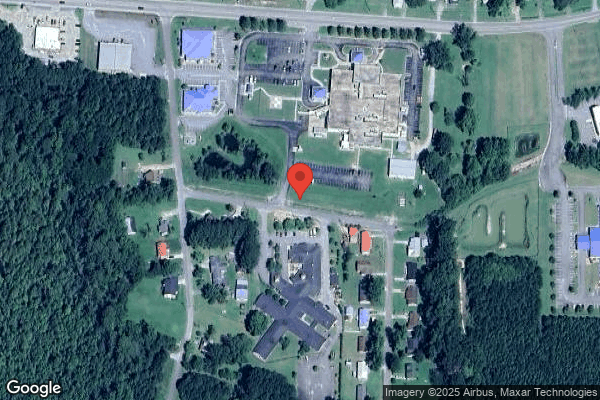
1403 Conner Drive, Windsor, NC 27983 (252) 794-4441
For profit - Corporation 60 Beds LIBERTY SENIOR LIVING Data: November 2025
Trust Grade
85/100
#64 of 417 in NC
Last Inspection: November 2024

Within standard 12-15 month inspection cycle. Federal law requires annual inspections.

Overview

Three Rivers Health and Rehabilitation Center in Windsor, North Carolina has a Trust Grade of B+, indicating it is above average and recommended for families considering care options. It ranks #64 out of 417 facilities in the state, placing it in the top half, and is the best option among the two facilities in Bertie County. The facility is improving, with issues decreasing from 8 in 2022 to 3 in 2024. However, staffing is a concern with a rating of 2 out of 5 stars and a high turnover rate of 61%, which is above the state average. Notably, the center has no fines on record, which is a positive sign, and it offers more RN coverage than most facilities in the state, helping to ensure residents receive appropriate care. There are some weaknesses to consider, including recent incidents where the facility failed to maintain proper safeguards for controlled medications for several residents and did not act on pharmacy recommendations for one resident’s unnecessary medications. Additionally, there were issues with food storage and handling in the kitchen that could affect residents' health. Overall, while Three Rivers has strengths such as a strong overall rating and a lack of fines, families should be aware of the staffing challenges and recent care concerns.

Trust Score
B+
85/100
In North Carolina
#64/417
Top 15%
Safety Record
Low Risk
No red flags
Inspections
Getting Better
8 → 3 violations
Staff Stability
⚠ Watch
61% turnover. Above average. Higher turnover means staff may not know residents' routines.
Penalties
✓ Good
No fines on record. Clean compliance history, better than most North Carolina facilities.
Skilled Nurses
⚠ Watch
Each resident gets only 25 minutes of Registered Nurse (RN) attention daily — below average for North Carolina. Fewer RN minutes means fewer trained eyes watching for problems.
Violations
⚠ Watch
11 deficiencies on record. Higher than average. Multiple issues found across inspections.
★★★★★
5.0
Overall Rating
★★☆☆☆
2.0
Staff Levels
★★★★★
5.0
Care Quality
★★★★☆
4.0
Inspection Score
Stable
2022: 8 issues
2024: 3 issues

The Good

  • 5-Star Quality Measures · Strong clinical quality outcomes
  • Full Sprinkler Coverage · Fire safety systems throughout facility
  • No fines on record

Facility shows strength in quality measures, fire safety.

The Bad

Staff Turnover: 61%

15pts above North Carolina avg (46%)

Frequent staff changes - ask about care continuity

Chain: LIBERTY SENIOR LIVING

Part of a multi-facility chain

Ask about local staffing decisions and management

Staff turnover is elevated (61%)

13 points above North Carolina average of 48%

The Ugly 11 deficiencies on record

Nov 2024 3 deficiencies
CONCERN (D) 📢 Someone Reported This

A family member, employee, or ombudsman was alarmed enough to file a formal complaint

Potential for Harm - no one hurt, but risky conditions existed

Deficiency F0757 (Tag F0757)

Could have caused harm · This affected 1 resident

**NOTE- TERMS IN BRACKETS HAVE BEEN EDITED TO PROTECT CONFIDENTIALITY** Based on record review and staff, Responsible Party (RP), and Physician interviews the facility failed to ensure a resident had ...

Read full inspector narrative →
**NOTE- TERMS IN BRACKETS HAVE BEEN EDITED TO PROTECT CONFIDENTIALITY** Based on record review and staff, Responsible Party (RP), and Physician interviews the facility failed to ensure a resident had an indication and a diagnosis for the use of an anti-psychotic medication. This was for 1 of 5 residents (Resident #157) reviewed for unnecessary medications. Findings included: A review of Resident #157's hospital Discharge summary dated [DATE] did not reveal a history or a diagnosis of schizophrenia. The list of her discharge medications included Seroquel (an antipsychotic medication) 25 milligrams (mg) give 0.5 tablet by mouth every evening. Resident #157 was admitted to the facility on [DATE] with a diagnosis of schizophrenia (a serious mental health condition that affects how people think, feel, and behave). A review of Resident #157's physician's orders revealed an order initiated on 10/23/24 for Seroquel 25 milligrams (mg) give 0.5 tablet by mouth every evening for schizophrenia. A review of Physician #1's admission Note for Resident #157 dated 10/25/24 revealed she had been sent to the facility from the hospital on her current medications which included low dose Seroquel for a brief psychotic episode during the hospitalization which was as expected with advanced dementia. Physician #1 indicated he would titrate her off this medication. A review of Resident #157's care plan revealed a focus area dated initiated on 10/28/24 for anti-psychotic medication related to a diagnosis of schizophrenia with risk of adverse side effects. The goal was for Resident #157's risk for adverse reactions related to the use of anti-psychotic medication would be minimized through the next review. An intervention was to discuss possible side effects of the medication with the resident and her RP. Her admission Minimum Data Set (MDS) assessment dated [DATE] was in progress. On 10/29/24 at 2:55 PM in a telephone interview Resident #157's RP stated Resident #157 did not have a history of schizophrenia and he was not aware that she had been given a diagnosis of schizophrenia when she was admitted to the nursing facility. He reported this would not be accurate. He went on to say while she was in the hospital prior to being admitted to the facility Resident #157 did have some delirium. He reported this was not unusual for Resident #157 after she received anesthesia. Resident #157's RP stated he had stayed with Resident #157 in the hospital, and when the delirium had not resolved after a couple of hours, he spoke with her hospital physician. Resident #157's RP reported the hospital physician told him they could start Resident #157 on Seroquel, and he agreed. He stated his understanding was this medication would be used for a short period only. On 10/29/24 at 3:45 PM an interview with Nurse #1 indicated she entered the facility admission medication orders for Resident #157 on 10/23/24. She stated she was being trained to do this, and this was the first admission she had completed. She reported the Director of Nursing (DON) had been helping her with Resident #157's admission process. Nurse #1 stated she used Resident #157's hospital Discharge summary dated [DATE] to enter Resident #157's admission orders which included Seroquel 25 mg give 0.5 tablet by mouth every evening. She reported the hospital discharge summary didn't have a diagnosis associated with the medication, and the facility medication order entry system asked her for a diagnosis when she entered the order. She went on to say when she asked the DON what Seroquel was used for, the DON told her schizophrenia, so that is the diagnosis she entered into the order system. On 10/31/24 at 10:43 AM an interview with the DON indicated Nurse #1 had been in her office when Nurse #1 was entering Resident #157's admission orders into the system. She stated when Nurse #1 asked her what the medication Seroquel was for, she answered schizophrenia, but she had just taken this as a general question and had not realized Nurse #1 was asking specifically about what diagnosis was associated with Resident #157's use of the medication. The DON went on to say she herself had not looked at Resident #157's hospital discharge summary or anything else because Nurse #1 was sitting right beside her when Nurse #1 was entering Resident #157's admission orders into the order entry system. On 10/29/24 at 4:29 PM an interview with the Corporate Quality Nurse Consultant indicated Physician #1 had been contacted, and Resident #157's diagnosis of schizophrenia had been removed. On 10/31/24 at 10:15 AM an interview with Physician #1 indicated Resident #157 had some delirium (a confused or disoriented mental state) in the hospital and had been started on Seroquel. He stated Resident #157 did not have a diagnosis of schizophrenia. He reported if there had been a question about what the Seroquel for Resident #157 was being used for, someone should have called him. Physician #1 stated when the facility made him aware on 10/29/24 that a diagnosis of schizophrenia had been added as the reason Resident #157 was receiving Seroquel, he corrected this immediately and had discontinued the medication. On 10/31/24 at 10:33 AM an interview with MDS Nurse #1 indicated she had not yet completed Resident #157's admission MDS assessment. She stated when she did these admission MDS assessments the facility had a process in place whereby if there was a mental health diagnosis such as schizophrenia for a resident, she would research it thoroughly. She reported she routinely reached out to the mental health provider to obtain supporting historical documentation to ensure that the mental health diagnosis was correct. She went on to say if there had not been any supporting information for Resident #157's schizophrenia diagnosis, she would have contacted Physician #1 immediately. On 11/1/24 at 9:37 AM an interview with the Administrator indicated during the training process the DON had Nurse #1 sitting right next to her in her office when Nurse #1 entered Resident #157's admission orders into the order entry system. She stated Nurse #1 asked the DON what Seroquel was for, and the DON replied to her schizophrenia, but had not realized Nurse #1 was entering this as a diagnosis into Resident #157's medical record. The Administrator reported what should have happened was that the DON and Nurse #1 should have gone back to Resident #157's hospital discharge summary to find out why the hospital had actually been using the medication.
CONCERN (D)

Potential for Harm - no one hurt, but risky conditions existed

Deficiency F0761 (Tag F0761)

Could have caused harm · This affected 1 resident

**NOTE- TERMS IN BRACKETS HAVE BEEN EDITED TO PROTECT CONFIDENTIALITY** Based on observations and staff interviews, the facility failed to secure resident medications stored in an unattended medicatio...

Read full inspector narrative →
**NOTE- TERMS IN BRACKETS HAVE BEEN EDITED TO PROTECT CONFIDENTIALITY** Based on observations and staff interviews, the facility failed to secure resident medications stored in an unattended medication cart (200 hall medication cart) for 1 of 3 medication carts. Findings included: A continuous observation was conducted of the 200 hall medication cart on 10/31/24 from 5:40 AM to 5:49 AM. The cart was parked between rooms [ROOM NUMBERS], facing out into the hallway. The cart was not visible from the nurses' station. There was one Nurse Aide (NA) working on the hall and one resident sitting next to the medication cart in her wheelchair. The medication cart was observed to have the red dot on the push lock visible, which meant the push lock was not engaged. There was no staff member with the medication cart. Medication Aide #1 came out of room [ROOM NUMBER] at 5:44 AM and prepared the next resident's medications. Medication Aide #1 then left the hall, leaving the cart unlocked and the resident sitting next to it. She returned to the cart at 5:49 AM. During an interview with Medication Aide #1 at 5:50 AM she stated she left the medication cart unlocked both times she had walked away. She further stated the cart should be locked any time she was not using it. An interview with the Administrator on 10/31/24 at 6:45 AM revealed medication carts should not be unlocked unless the Medication Aide was using it. The Administrator stated the Medication Aide assigned to the medication cart was responsible for them for their entire shift. In an interview with the Director of Nursing (DON) on 10/31/24 at 8:11 AM she stated the medication cart should be locked when the Medication Aide was not using it.
CONCERN (E) 📢 Someone Reported This

A family member, employee, or ombudsman was alarmed enough to file a formal complaint

Potential for Harm - no one hurt, but risky conditions existed

Pharmacy Services (Tag F0755)

Could have caused harm · This affected multiple residents

**NOTE- TERMS IN BRACKETS HAVE BEEN EDITED TO PROTECT CONFIDENTIALITY** Based on record review, staff interview, Medical Director/Physician interview, and Pharmacist interview the facility failed to h...

Read full inspector narrative →
**NOTE- TERMS IN BRACKETS HAVE BEEN EDITED TO PROTECT CONFIDENTIALITY** Based on record review, staff interview, Medical Director/Physician interview, and Pharmacist interview the facility failed to have effective safeguards and systems in place to account for, and periodically reconcile controlled medications to protect the residents right to be free from potential drug diversion. This was for 7 of 14 residents reviewed for pharmacy services for controlled medication (Resident #9, Resident #205, Resident #210, Resident #211, Resident #212, Resident #213 and Resident #221). Findings included: a. Resident #205 was admitted to the facility on [DATE] with diagnoses that included aftercare for joint replacement surgery. Documentation on the [DATE] Medication Administration Record (MAR) revealed Resident #205 had an active physician's order for Oxycodone 5 milligrams (mg) tablets to be administered as 1 tablet by mouth every 4 hours as needed for pain. The MAR further revealed Oxycodone 5 mg tablets were discontinued on [DATE] when the resident discharged home. Resident #205 was administered 4 doses of Oxycodone 5 mg tablets during her stay. Documentation on the Packing Slip Proof of Delivery from the Pharmacy revealed 28 tablets of Oxycodone 5 mg were delivered on [DATE]. Documentation provided by the facility on [DATE] revealed there was no narcotic count sheet, or card of Oxycodone 5 mg capsules found when DON #1 and Nurse #2 attempted to reconcile the discontinued controlled medications for Resident #205 to return to the pharmacy for disposal. This left 24 doses of Oxycodone 5mg tablets unaccounted for. b. Resident #9 was admitted to the facility on [DATE] with diagnoses including dementia, osteoarthritis and osteoporosis. Documentation on the [DATE] MAR revealed Resident #9 had an active physician's order for Oxycodone 5 mg capsules to be administered as 1 tablet by mouth every 4 hours as needed for moderate to severe pain. The MAR further revealed Oxycodone 5 mg capsules were discontinued on [DATE]. Resident #9 was administered 28 doses of Oxycodone 5 mg capsules. Documentation on the Packing Slip Proof of Delivery from the Pharmacy revealed 90 capsules of Oxycodone 5 mg were delivered on [DATE]. Documentation provided by the facility on [DATE] revealed there was no narcotic count sheet, or card of Oxycodone 5 mg capsules found when DON #1 and Nurse #2 attempted to reconcile the discontinued controlled medications for Resident #9 to return to the pharmacy for disposal. This left 62 capsules of Oxycodone 5 mg capsules unaccounted for. c. Resident #210 was admitted to the facility on [DATE] with a diagnosis of aftercare following right knee replacement surgery. Documentation on the [DATE] MAR revealed Resident #210 had an active physician's order for Hydrocodone-Acetaminophen 5/325 mg to be administered as 1 tablet by mouth every 6 hours as needed for pain. The MAR further revealed Hydrocodone-Acetaminophen 5/325 mg were discontinued on [DATE]. Resident #210 had been administered 17 doses. Documentation on the Packing Slip Proof of Delivery from the Pharmacy revealed 60 tablets of Hydrocodone-Acetaminophen 5/325 mg were delivered on [DATE] for Resident #210. Documentation provided by the facility on [DATE] revealed there was no narcotic count sheet, or card of Hydrocodone-Acetaminophen 5/325 mg found when DON #1 and Nurse #2 attempted to reconcile the discontinued controlled medications for Resident #210 to return to the pharmacy for disposal, leaving 43 tablets unaccounted for. d. Resident #211 was admitted to the facility on [DATE] with diagnoses that included malignant neoplasm of ovary (ovarian cancer). Documentation on the [DATE] MAR revealed Resident #211 had an active physician's order for Oxycodone 5 mg to be administered as 1 tablet by mouth every 4 hours as needed for severe pain. The MAR further revealed Oxycodone 5 mg were discontinued on [DATE]. Resident #211 had been administered 1 dose. Documentation on the Packing Slip Proof of Delivery from the Pharmacy revealed 10 tablets of Oxycodone 5 mg were delivered on [DATE] for Resident #211. Documentation provided by the facility on [DATE] revealed there was no narcotic count sheet, or card of Oxycodone 5 mg found when DON #1 and Nurse #2 attempted to reconcile the discontinued controlled medications for Resident #211 to return to the pharmacy for disposal, leaving 9 tablets unaccounted for. e. Resident #212 was admitted to the facility on [DATE] with a diagnosis of aftercare following right knee replacement surgery. Documentation on the [DATE] MAR revealed Resident #212 did not have an active physician's order for Hydrocodone-Acetaminophen 5/325 mg. Documentation on the Packing Slip Proof of Delivery from the Pharmacy revealed 120 tablets of Hydrocodone-Acetaminophen 5/325 mg were delivered on [DATE] for Resident #212. Documentation provided by the facility on [DATE] revealed there was no narcotic count sheet, or card of Hydrocodone-Acetaminophen 5/325 mg found when DON #1 and Nurse #2 attempted to reconcile the discontinued controlled medications for Resident #212 to return to the pharmacy for disposal, leaving 117 tablets unaccounted for. f. Resident #213 was admitted to the facility on [DATE] with a diagnosis of aftercare for joint replacement surgery. Documentation on the [DATE] MAR revealed Resident #213 had an active physician's order for Oxycodone 5 mg to be administered as 1 tablet by mouth every 6 hours as needed for pain level between 1-5 (mild to moderate pain). The MAR further revealed Oxycodone 5 mg were discontinued on [DATE]. Resident #213 had been administered 5 doses. Documentation on the Packing Slip Proof of Delivery from the Pharmacy revealed 120 tablets of Oxycodone 5 mg were delivered on [DATE] for Resident #213. Documentation provided by the facility on [DATE] revealed there was no narcotic count sheet, or card of Oxycodone 5 mg found when DON #1 and Nurse #2 attempted to reconcile the discontinued controlled medications for Resident #213 to return to the pharmacy for disposal, leaving 115 tablets unaccounted for. g. Resident #221 was admitted to the facility on [DATE] with a diagnosis of dementia. Documentation on the [DATE] MAR revealed Resident #221 had an active physician's order for Ativan 0.5 mg (Lorazepam) to be administered as 1 tablet by mouth every 8 hours as needed for anxiety for 7 days. The MAR further revealed Ativan 0.5 mg was discontinued on [DATE] when the Resident died. Resident #221 had been administered 14 doses. Documentation on the Packing Slip Proof of Delivery from the Pharmacy revealed 90 tablets of Ativan 0.5 mg were delivered for Resident #221 with no delivery date noted. Documentation provided by the facility on [DATE] revealed there was no narcotic count sheet, or card of Ativan 0.5 mg found when DON #1 and Nurse #2 attempted to reconcile the discontinued controlled medications for Resident #221 to return to the pharmacy for disposal, leaving 76 tablets unaccounted for. Nurse #3, a witness named during the facility investigation, was interviewed on [DATE] at 3:03 PM. She stated DON #2 came into the facility at approximately 6:00 PM on [DATE]. Nurse #3 stated she thought it was unusual as it was after her working hours and she thought DON #2 was on Family Medical Leave (FMLA) and did not expect her to be in the building. Nurse #3 further stated DON #2 approached her at the medication cart and asked if she had any controlled medication that needed to be returned to pharmacy and she gave DON #2 two cards of Oxycodone 5 mg prescribed to Resident #205 that had been discontinued. Nurse #3 revealed she held both cards up separately so the cameras could see what she was giving DON #2. Nurse #3 indicated DON #2 went to the medication storage room where the controlled medication return box was kept, she then came out with something under her arm, went to her office and then left. Nurse #3 stated a short time later the Administrator called her to ask what DON #2 was doing in the building so she explained that DON #2 had taken two cards of discontinued Oxycodone #5 out of her cart to put in the controlled medication return box and that DON #2 was the only person who had the keys to do this. An interview with the Administrator and Director of Clinical Services on [DATE] at 4:15 PM revealed DON #2 had a Doctors appointment on [DATE] for documentation to take FMLA. The Administrator asked her to bring her keys into her after her appointment. DON #2 had the only keys to the controlled medication return box. DON #2 couldn't come into the facility until after 5:00 PM and asked if she could put the keys in the Administrators office, to which she agreed. At about 6:15 PM on [DATE] the Administrator received a call from SW #1 notifying her DON #2 was in the building with her child and had gone onto 400 hall. The Administrator and Director of Clinical Services further stated that up until [DATE] the process for discarding discontinued controlled medications was solely done by DON #2. She would collect the discontinued controlled medications and their count sheets from the medication carts and put them in the double locked controlled medication return box to be reconciled and returned to pharmacy approximately every 6 months, when DON #2 called them to come. Furthermore, there was no tracking of the medication between when it was taken off the medication cart to when it was put in the controlled medication return box. They felt that this system led to the medications being easily misappropriated from the facility. The Administrator revealed DON #2 had been employed at the facility since [DATE] and she resigned on [DATE] after she refused to be involved in the investigation into the missing controlled medications. DON #2 was reported to the North Carolina Board of Nursing on [DATE]. The Administrator and Director of Clinical Services indicated changes had been made to the controlled medication removal system: 1. There are now two keyholders, DON #1 and Nurse #2. 2. Two licensed nurses must sign for the removal of the controlled medication from the medication cart. Documentation of the removal would consist of reconciliation of the number of pills left on the card against the controlled medications card count sheet and a return to pharmacy carbon copy form completed at the time of removal. DON #2 was not able to be reached for interview. In an interview with the Social Worker (SW #1) on [DATE] at 8:54 AM she stated she was working late on [DATE] and saw DON #2 come into the building with one of her children and she called the Administrator to let her know DON #2 was in the building after normal working hours. In an interview with Nurse #2 on [DATE] at 3:41 PM she stated she and DON #1 conducted a reconciliation of controlled medications located in the pharmacy return box on [DATE] at the request of the Administrator. They completed a 100% audit of all discontinued controlled medication from [DATE] to [DATE] to determine if the medications were in the controlled medication return box or if they had been sent home with residents upon discharge. They discovered controlled medications and their count sheets missing from the return box for Resident #9, Resident #205, Resident #210, Resident #211, Resident #212, Resident #213 and Resident #221. All medications had been discontinued when a resident went to the hospital, discharged home, discontinued during the residents stay or died in the facility. An interview was conducted with the facility pharmacist on [DATE] at 9:08 AM. He stated controlled medications needed to be returned to the pharmacy for destruction and could not be destroyed in the facility. He further stated the pharmacy did not know when a medication was discontinued and moved to the controlled medication return box, they only knew what was returned to them. The process was for DON #2 to call the pharmacy for a pickup, the driver would reconcile the controlled medications being returned against the list DON #2 gave him. The Pharmacist indicated that the process the facility had at that time left too many opportunities for diversion. He further indicated that the facility had changed the process after this incident so that when controlled medications were taken off the cart it was now signed off by two licensed nurses. In addition, DON #1 and Nurse #2 have received two separate keys to unlock the controlled medication return box so that they must be together to open it. The Medical Director, who was also the physician for Resident #9, Resident #205, Resident #210, Resident #211, Resident #212, Resident #213 and Resident #221 , was interviewed on [DATE] at 10:30 AM. He stated he was aware that controlled medications were discovered to be missing in October of 2023 and he felt the process of DON #2 having sole control of discontinued medications was part of the problem. The Physician further stated the facility had changed the process so that DON #1 and Nurse #2 had the keys to open the controlled medication return box, one has the key for the inside lock and one for the outside lock so that it is never opened by just one person. Additionally, signatures by two licensed Nurses are needed to remove the controlled medication from the medication cart. The facility provided the following corrective action plan: - On [DATE] the DON and support nurse (Nurse #2) began interviewing all alert and oriented residents asking questions related to medication administration concerns, pain related concerns, or misappropriation of property. This was completed on [DATE] with no concerns voiced. - Non-interviewable residents were assessed by DON #1 and Unit Manager for any acute changes in condition related to pain beginning [DATE] with review of the pain assessments recorded on the MAR. This was completed on [DATE] with no concerns related to changes in pain. - On [DATE] each medication carts narcotics were audited by the interim DON and Nurse #2. No discrepancies were found. A new narcotic count sheet was established for each medication cart. - On [DATE] DON #1, Nurse #2 and Director of clinical services initiated random audits on any discontinued controlled substance between [DATE] and [DATE]. If the discontinued medication was not listed on the destruction sheet on [DATE] return to pharmacy report, the facility attempted to locate the packing slip and the controlled count sheet for the medication to account for the medication. - On [DATE] the Director of Clinical Services, DON #1 and Nurse #2 started a 100% audit of all discontinued controlled medications from [DATE] to [DATE] to determine if the medications were in the controlled medications return cabinet or if the medication was sent with the resident upon discharge. These audits were completed on [DATE]. Facility identified additional missing controlled medication count sheets and unclear disposition of the controlled medication. The audits did not identify missing controlled doses scheduled that impacted the resident. The residents went to the hospital, discharged from the facility or the controlled medication was discontinued during the residents stay. The facility has been unable to locate these missing medications. - On [DATE] Nurse #2 and DON #1 began inservicing all licensed nurses and medication aides/techs, including agency, on the narcotic policy and process. - The facility process to reconcile discontinued controlled substances removed from the medication cart until pharmacy pickup or when given to the resident upon discharge includes: controlled substances requires two licensed nurses to remove and secure the medications being stored until pharmacy pickup for destruction. The disposition of the medications will be indicated on the count sheet and the return to pharmacy carbon copy form. A copy of this form will be placed in the secured box with the count sheet and medication until pharmacy pick up for destruction. The card count sheet will show the change that the card was removed. Controlled substances given to residents upon discharge will be witnessed by two licensed nurses indicating disposition on the controlled substance count sheet and the count sheet will be updated. The carbon copy form indication medication was sent home with the resident will be completed and a copy will be given to the resident and the other copy will be uploaded into the medical record after review by DON #1, Nurse #2 or Administrator. - The two keys required to get into the controlled substances pending pharmacy pickup for destruction will not be kept by the same person. One key is in the possession of DON #1 and one by Nurse #2. - Controlled substances will have to be removed by two nurses from the medication cart, two nurses will have to be present to put the medications in the return to pharmacy locked cabinet along with the narcotic count sheet and the carbon copy of the form titled drugs returned to pharmacy or released to the patient. - Two nurses will have to validate when controlled medications are sent home with the resident by indicating such on the count sheet and carbon copy of the form titled drugs return to pharmacy or released to resident. The card count sheet will reflect the removal of the cards. - The carbon copy form of stored medications will then be given to the Administrator so she can reconcile the controlled drugs are accounted for in the locked return to pharmacy box or were sent home. This will be in partnership with DON #1 or Nurse #2. - The controlled medication card count sheets will be maintained on each medication cart. - DON #1 will ensure that any of the above identified staff who did not complete the inservice training by [DATE] will not be allowed to work until the training is completed. Quality Assurance started [DATE]. - DON #1 and Administrator will monitor the narcotic process weekly for 4 weeks and monthly for 2 months or until compliance is achieved. - The audit tool will include: Audits to ensure the narcotic count sheets and the narcotic card count sheets are being signed off each shift. Audits to show that discontinued controlled substance count sheets, card count sheets and return to pharmacy sheets are completed each time a narcotic is removed from the medication cart. Audits to reconcile controlled substance items that have been discontinued are stored in the controlled substance return to pharmacy box or were returned home with the resident. Audits to interview at least three residents weekly regarding any concerns regarding their medication administration and availability or misappropriation. Quality Assurance Performance and Improvement (QAPI) meeting was held on [DATE] with the Medical Director and QAPI team. Reports will be presented to the weekly Quality Assurance (QA) committee by the Administrator or DON #1 to ensure corrective action is initiated as appropriate. Compliance will be monitored and ongoing auditing program reviewed at the weekly QA meeting. The weekly QA meeting is attended by the Administrator, DON #1, Nurse #2, MDS coordinator, Therapy department and Dietary department manager. Onsite validation of the facility Plan of Correction was completed on [DATE]. Confirmed date of compliance was [DATE]. Staff interviews confirmed the facility provided education on the updated narcotic handling procedures. Record reviews indicated education was initiated on [DATE] regarding implementation of the controlled substance count sheet, regarding the policy on controlled substances and on facility misappropriation/abuse policy. Records further indicated the facility completed the stated QA monitoring. The compliance date of [DATE] was validated.
Jun 2022 8 deficiencies
CONCERN (D)

Potential for Harm - no one hurt, but risky conditions existed

Deficiency F0554 (Tag F0554)

Could have caused harm · This affected 1 resident

**NOTE- TERMS IN BRACKETS HAVE BEEN EDITED TO PROTECT CONFIDENTIALITY** Based on observations, record review, resident, staff and Physician interviews, the facility failed to assess and document a res...

Read full inspector narrative →
**NOTE- TERMS IN BRACKETS HAVE BEEN EDITED TO PROTECT CONFIDENTIALITY** Based on observations, record review, resident, staff and Physician interviews, the facility failed to assess and document a resident's ability to self-administer medication for 1 of 1 resident (Resident #1) who was observed to have medications at bedside. Findings included: Resident #1 was admitted to the facility on [DATE] with diagnoses which included Diabetes Mellitus, bipolar disorder, and congestive heart failure. Resident #1's annual Minimum Data Set, dated [DATE] indicated she was cognitively intact and was independent or supervision only for most activities of daily living. Record review indicated Resident #1 had no self-administration of medication assessment. Review of Physician's orders revealed no orders for self-administration of medications or for medications to be kept at bedside. The active physician's orders for Resident #1 included, in part, the following medications: - Risperidone (antipsychotic) - Cymbalta (antidepressant) - Linzess (constipation) - Magnesium (supplement) - Multi-vitamin (supplement) - Plaquenil (auto-immune) - Spironolactone (diuretic) - Demadex (diuretic) - Glucophage (antidiabetic) - Otezla (antirheumatic) - Protonix (stomach acid suppressant) - Topiramate (anticonvulsant/antimigraine) - Buspirone (antianxiety) - Keflex (antibiotic) - Phenazopyridine (urinary tract analgesic) - Potassium (supplement) Review of Resident #1's care plan revealed no mention of self-administration of medications. Observation of Resident #1 and an interview were conducted on 5/31/22 at 11:54 AM and revealed 2 medication cups with pills in them on her bedside table by her recliner. Resident #1 stated one cup was her morning medications (Cardizem, Cymbalta, Linzess, Magnesium, Multi-Vitamin, Plaquenil, Risperidone, Spironolactone, Demadex, Glucophage, Otezla, Protonix, Topiramate, Buspirone, Keflex, and Phenazopyridine) and the other was her morning potassium pills. An interview on 5/31/22 at 2:24 PM with Nurse #3 revealed her normal medication administration process for Resident #1 was that she made 3 medication cups for Resident #1's morning medications. She stated she put the narcotic pills in one, potassium pills in one, and all other morning pills in the 3rd. Nurse #3 stated she observed Resident #1 taking the narcotic pills from the cup but left the other 2 medication cups at the resident's bedside for her to take on her own. She stated the resident took a large number of pills and she did this for time management as the resident spent more than 30 minutes taking her morning medications. She also stated that she had not notified the physician or completed a self-administration assessment. An interview on 5/31/22 at 5:51 PM with the Director of Nursing (DON) revealed that residents should be observed while taking medications unless they were assessed for self-administration of medications. She confirmed that Resident #1 did not have a self-administration assessment or a Physician's order for self-administration of medications. An interview on 6/02/22 at 2:57 PM with the Physician revealed that he believed Resident #1 should be observed when she took her medications. An interview on 6/2/22 at 8:56 AM with the Administrator revealed that Resident #1's medications should not have been left in her room and the nurse should have observed her taking her medications to ensure they were taken.
CONCERN (D)

Potential for Harm - no one hurt, but risky conditions existed

PASARR Coordination (Tag F0644)

Could have caused harm · This affected 1 resident

**NOTE- TERMS IN BRACKETS HAVE BEEN EDITED TO PROTECT CONFIDENTIALITY** Based on record review, staff and Physician interviews, the facility failed to provide the specialized services in accordance wi...

Read full inspector narrative →
**NOTE- TERMS IN BRACKETS HAVE BEEN EDITED TO PROTECT CONFIDENTIALITY** Based on record review, staff and Physician interviews, the facility failed to provide the specialized services in accordance with Pre-admission Screening and Resident Review (PASARR) report recommendations for 1 of 1 resident (Resident #9) reviewed for PASARR level II. Findings included: Review of Resident #9's PASARR level II Determination Notification dated 11/12/19 revealed he was assessed to be a PASARR level II resident. It further revealed this PASARR level II determination had no expiration date. The notification indicated Resident #9 was to receive individual/group psychotherapy, follow-up psychiatric services by a psychiatrist, and restorative nursing when not in active Physical Therapy (PT). Resident #9 was admitted to the facility on [DATE] with diagnosis of schizophrenia. Resident #9's quarterly Minimum Data Set (MDS) dated [DATE] indicated he had moderately impaired cognition and required extensive assistance or total dependence for most activities of daily living. Review of Resident #9's electronic health record revealed he was currently receiving psychiatric services by a psychiatrist. Further review revealed he was not receiving any individual or group psychotherapy, restorative nursing or PT. An interview on 6/02/22 at 3:44 PM with the Social Worker (SW) revealed she reviewed the PASARR's for transfer and admission residents. She stated that since this resident was transferred from a sister facility she did not review his PASARR to see if he was supposed to receive specialized services. An interview on 6/02/22 at 2:57 PM with the Physician revealed that the residents should receive the specialized services determined by the PASARR or the facility should have the PASSAR reevaluated. An interview on 6/02/22 at 8:53 AM with the Administrator confirmed that Resident #9 was not currently receiving individual or group psychotherapy, restorative or PT. She stated she was unaware that he required specialized services as determined by the PASARR and they had been missed when he was transferred to the facility.
CONCERN (D)

Potential for Harm - no one hurt, but risky conditions existed

Deficiency F0655 (Tag F0655)

Could have caused harm · This affected 1 resident

**NOTE- TERMS IN BRACKETS HAVE BEEN EDITED TO PROTECT CONFIDENTIALITY** Based on record review and staff interviews the facility failed to develop a baseline care plan within 48 hours of admission for...

Read full inspector narrative →
**NOTE- TERMS IN BRACKETS HAVE BEEN EDITED TO PROTECT CONFIDENTIALITY** Based on record review and staff interviews the facility failed to develop a baseline care plan within 48 hours of admission for one of two new admissions reviewed. (Resident #198) Findings included: Resident #198 was admitted to the facility on [DATE] with diagnoses including long term use of insulin, major depressive disorder, and anxiety. A review of Resident #198's medical record did not reveal any evidence a baseline care plan was completed within 48 hours of her admission to the facility. On 06/01/2022 at 3:47 PM an interview with the Social Worker (SW) indicated either the floor nurse or the Minimum Data Set (MDS) Nurse completed resident's baseline care plans. On 06/02/2022 at 2:25 PM an interview with Nurse #1 indicated she was assigned to care for Resident #198 on 05/27/2022 and 05/28/2022 on the 7AM-7PM shift. She stated nurses entered physician orders and completed a nursing admission assessment for new residents. She further indicated nurses did not complete residents' baseline care plans. Nurse #1 stated she did not know who did those. On 06/03/2022 at 9:26 AM an interview with Nurse #6 indicated she was assigned to care for Resident #198 on 05/26/2022 when she was admitted to the facility. She stated the MDS Nurse completed residents' baseline care plans. She went on to say based on the physician's orders and nursing admission assessment, nurse aides were provided information by the nurse in report on how to care for newly admitted residents. On 06/02/2022 at 2:33 PM an interview with MDS Nurse #1 indicated she had been in training since 05/05/2022. She stated she had not completed any residents' baseline care plans. She went on to say MDS Coordinator #2 had been doing what she couldn't do and may have been doing this. On 06/02/2022 at 3:19 PM a telephone interview with MDS Nurse #2 indicated she did not complete residents' baseline care plans. She stated she was a corporate employee working remotely for the facility. She went on to say someone from the facility completed residents' baseline care plans. On 06/02/2022 at 3:50 PM in an interview the Director of Nursing (DON) confirmed Resident #198 had no completed baseline care plan. She stated she thought MDS Nurse #2 was doing them. She went on to say the facility would need to come up with a new process to ensure residents had baseline care plans completed within 48 hours of admission. On 06/03/2022 at 10:23 AM an interview with the Administrator indicated residents should have a baseline care plan completed within 48 hours of admission to the facility. She stated in the past the MDS Nurse had done those. She went on to say the facility would be implementing a new process to ensure they were completed.
CONCERN (D)

Potential for Harm - no one hurt, but risky conditions existed

Incontinence Care (Tag F0690)

Could have caused harm · This affected 1 resident

**NOTE- TERMS IN BRACKETS HAVE BEEN EDITED TO PROTECT CONFIDENTIALITY** Based on observation, record review and staff and Physician interviews, the facility failed to have Physician's orders for the u...

Read full inspector narrative →
**NOTE- TERMS IN BRACKETS HAVE BEEN EDITED TO PROTECT CONFIDENTIALITY** Based on observation, record review and staff and Physician interviews, the facility failed to have Physician's orders for the use of a urinary catheter for 1 of 2 residents reviewed for urinary catheter (Resident #9). Findings included: Resident #9 was admitted to the facility on [DATE] with diagnoses which included urinary retention. Resident #9's quarterly Minimum Data Set (MDS) dated [DATE] indicated he had moderately impaired cognition and required extensive assistance or total dependence for most activities of daily living. Review of nurse's progress noted dated 5/22/22 at 10:27 PM indicated that Resident #9 had no urine output during the shift. Review of nurse's progress note dated 5/23/22 at 6:35 AM indicated the urinary catheter was inserted due to urinary retention. Observation of Resident #9 on 5/31/22 at 11:30 AM revealed he had a urinary catheter. Observation of Resident #9 on 6/02/22 at 9:30 AM revealed he had a urinary catheter. Review of Resident #9's Physician's orders revealed no orders for a urinary catheter. An interview on 6/02/22 at 8:59 AM with the Director of Nursing confirmed Resident #9 did not have an order for a urinary catheter. She stated there should have been a Physician's order for the urinary catheter, but it had just been missed. An interview on 6/02/22 at 2:57 PM with the Physician revealed that Resident #9 should have an order for a urinary catheter which included orders for the urinary catheter to be changed and flushed. An interview on 6/02/22 at 9:00 AM with the Administrator confirmed that Resident #9 should have had an order for a urinary catheter.
CONCERN (D)

Potential for Harm - no one hurt, but risky conditions existed

Medication Errors (Tag F0758)

Could have caused harm · This affected 1 resident

**NOTE- TERMS IN BRACKETS HAVE BEEN EDITED TO PROTECT CONFIDENTIALITY** Based on record review and staff and physician interviews the facility failed to obtain an Abnormal Involuntary Movement Scale (...

Read full inspector narrative →
**NOTE- TERMS IN BRACKETS HAVE BEEN EDITED TO PROTECT CONFIDENTIALITY** Based on record review and staff and physician interviews the facility failed to obtain an Abnormal Involuntary Movement Scale (AIMS) prior to the initiation of an antipsychotic medication. This was for one of five residents reviewed for unneccesary medication. (Resident #34) Findings included: Resident #34 was admitted to the facility on [DATE] with diagnoses including dementia with behaviors, schizoaffective disorder (a mental health disorder) and drug induced subacute dyskinesia (uncontrolled involuntary muscle movements). A review of the quarterly Minimum Data Set (MDS) assessment for Resident #34 dated 04/29/2022 revealed she was moderately cognitively impaired. No antipsychotic medications were used during the seven day look back period of the assessment. A review of a psychiatric follow up note for Resident #34 dated 05/16/2022 revealed Resident #34 was hallucinating and having delusions. This was extremely upsetting to Resident #34. The plan was to begin Seroquel (an antipsychotic medication) 25 milligrams (mg) at bedtime daily for schizoaffective disorder and dementia with delusions and hallucinations. The note further revealed the recommendations were provided to Resident #34's facility physician (MD) on 05/19/2022 and he agreed with the plan. A review of the May 2022 Medication Administration Record (MAR) for Resident #34 revealed a physician's order dated 05/19/2022 for Seroquel 25 mg at bedtime daily for schizoaffective disorder. It further revealed Resident #34 received this medication at bedtime on 05/20/2022 through 05/31/2022. Behavior monitoring for delusions and antipsychotic medication side effect monitoring was completed each shift. A review of Resident #34's medical record did not reveal evidence an AIMS test was conducted prior to starting the antipsychotic medication on 05/20/2022. On 06/01/2022 at 4:19 PM an interview with Nurse #5 indicated she entered the physician's order dated 05/19/2022 for Seroquel 25 mg at bedtime daily for Resident #34. She stated she knew she should have completed an AIMS for Resident #34 when the medication was ordered but she missed it. She stated an AIMS should have been done prior to starting this medication to establish a baseline for Resident #34's involuntary movements so if Resident #34 developed any new or worsening symptoms the facility would be aware of them. On 06/02/2022 at 11:03 AM a telephone interview with the facility's Registered Pharmacist (RPh) indicated the purpose of a baseline AIMS was to establish whether the resident had any abnormal involuntary movements prior to starting an antipsychotic medication. She stated she did not think a week or two of Resident #34 receiving the antipsychotic medication prior to a baseline AIMS would have any impact on the accuracy of the testing. On 06/02/2022 at 11:48 AM a follow up telephone interview with the RPh indicated the facility had been monitoring for side effects of the antipsychotic medication since initiating it. She stated typically it would take some time after initiating an antipsychotic medication for any involuntary movement side effects to develop. She went on to say a week or two of receiving antipsychotic medication prior to a baseline AIMS did not put Resident #34 at risk for any harm. She went on to say she would expect the facility to conduct a baseline AIMS as soon as possible after starting an antipsychotic medication and then every 6 months thereafter. On 06/02/2022 at 1:21 PM an interview with the Director of Nursing (DON) indicated the facility should be following it's Antipsychotic Drugs policy which was to obtain an AIMS prior to starting an antipsychotic medication. On 06/02/2022 at 3:04 PM an interview with Resident #34's physician (MD) indicated the facility should be following it's Antipsychotic Drugs policy for obtaining an AIMS prior to starting an antipsychotic medication unless the medication was ordered on an emergent basis. He stated if the medication was ordered emergently, he would expect the AIMS to be done as soon as possible after. He went on to say Resident #34's antipsychotic medication was not ordered emergently. On 06/03/2022 at 10:23 AM an interview with the Administrator indicated the facility should be following it's Antipsychotic Drugs policy for obtaining an AIMS.
CONCERN (D)

Potential for Harm - no one hurt, but risky conditions existed

Deficiency F0761 (Tag F0761)

Could have caused harm · This affected 1 resident

Based on observations, record review and staff interviews the facility failed to store an unopened Insulin Lispro Injection Kwik Pen according to the manufacturer's guidelines and the facility's polic...

Read full inspector narrative →
Based on observations, record review and staff interviews the facility failed to store an unopened Insulin Lispro Injection Kwik Pen according to the manufacturer's guidelines and the facility's policy. This was for one (400 Hall) of two medication storage rooms reviewed. Findings included: A review of the manufacturer's instructions for use of the Insulin Lispro Injection Kwik Pen revealed in part Store unused pens in the refrigerator between 36 degrees Fahrenheit and 46 degrees Fahrenheit. An undated facility policy titled Medication Storage in the Facility, provided by the facility, read in part Medications requiring refrigeration or temperatures between 36 degrees Fahrenheit and 46 degrees Fahrenheit are kept in a refrigerator with a thermometer to allow temperature monitoring. On 06/01/2022 at 9:33 AM an observation of the 400 Hall medication storage room was conducted with Nurse #1. A refrigerator in the medication room which was not plugged in or functioning was observed to contain an unopened Insulin Lispro Injection Kwik Pen labeled Refrigerate until opened. A pharmacy label on the Kwik Pen indicated it was dispensed on 05/31/2022. An interview with Nurse #1 at that time indicated pharmacy delivery of medication occurred on the 11PM-7AM shift. She stated she did not know why the unopened Kwik Pen was in the non-functional refrigerator. She stated it should have been stored in the 400 Hall medication refrigerator which was plugged in and had temperature monitoring in place. She went on to say she could not say how long the Kwik Pen had been in the non-functional refrigerator. Nurse #1 further indicated the Kwik Pen did not feel cool to the touch. On 06/01/2022 at 9:51 AM observation of the 400 Hall medication storage room was conducted with the Maintenance Director. An interview at that time indicated he did not know why the non-functional refrigerator was in the 400 Hall medication room. He stated it was not plugged in. He went on to say he did not perform any routine maintenance or inspection of medication storage refrigerators. He further indicated he had not received any work orders for the 400 Hall medication room. On 06/01/2022 at 1:01 PM a telephone interview with Nurse #2 indicated she received the Insulin Lispro Injection Kwik Pen dispensed by the pharmacy on 05/31/2022 on the 11PM-7AM shift on that date. She stated she knew unopened insulin pens required refrigeration. She went on to say the 400 Hall medication storage room had two refrigerators. She further indicated one was plugged in, functional and had a thermometer for monitoring the temperature. She stated the second refrigerator was not plugged in. Nurse #2 went on to say this second refrigerator used to be for storing resident food items but was no longer being used. She further indicated she remembered placing the Kwik Pen in the functional refrigerator. Nurse #2 stated she did not know how it got into the other refrigerator. On 06/01/2022 at 2:16 PM an interview with the Director of Nursing (DON) indicated if the label on the insulin Kwik Pen instructed to refrigerate until it was opened then it should have been refrigerated. She stated she was familiar with the 400 Hall medication room. She went on to say there were two refrigerators but only one was being monitored for temperature and used for storing medications. She further indicated the facility would remove the other refrigerator now to avoid any confusion in the future. On 06/03/2022 an interview with the Administrator indicated the insulin Kwik Pen should not have been in the non-functioning 400 Hall medication room refrigerator.
CONCERN (E)

Potential for Harm - no one hurt, but risky conditions existed

Drug Regimen Review (Tag F0756)

Could have caused harm · This affected multiple residents

**NOTE- TERMS IN BRACKETS HAVE BEEN EDITED TO PROTECT CONFIDENTIALITY** Based on record review and facility staff and consultant pharmacist (CP) interviews, the facility failed to act upon pharmacy re...

Read full inspector narrative →
**NOTE- TERMS IN BRACKETS HAVE BEEN EDITED TO PROTECT CONFIDENTIALITY** Based on record review and facility staff and consultant pharmacist (CP) interviews, the facility failed to act upon pharmacy recommendations for 1 of 5 residents reviewed for unnecessary medications (Resident #1). Findings included: Resident #1 was admitted to the facility on [DATE] with diagnoses which included bipolar disorder. Review of the electronic health record revealed an Abnormal Involuntary Movement Scale (AIMS) had been completed on Resident #1 on 5/20/21. AIMS is used to assess abnormal body movements in residents taking antipsychotic medications. Resident #1's annual Minimum Data Set, dated [DATE] indicated she received an antipsychotic medication for 7 days during the look back period. The consultant pharmacist (CP) monthly drug regimen review for Resident #1 dated 12/28/21 included a recommendation for an Abnormal Involuntary Movement Scale (AIMS) to be completed. The CP monthly drug regimen review for Resident #1 dated 1/30/22 included a recommendation for an Abnormal Involuntary Movement Scale (AIMS) to be completed. The CP monthly drug regimen review for Resident #1 dated 2/25/22 included a recommendation for an Abnormal Involuntary Movement Scale (AIMS) to be completed. The CP monthly drug regimen review for Resident #1 dated 3/26/22 included a recommendation for an Abnormal Involuntary Movement Scale (AIMS) to be completed. Review of the electronic health record revealed an AIMS had been completed on Resident #1 on 5/20/21. An interview on 6/03/22 at 10:12 AM with the CP confirmed she had recommended an AIMS be completed for Resident #1 on her Medication Regimen Reviews completed on 12/28/21, 1/30/22, 2/25/22, and 3/26/22. She stated an AIMS should be completed on Resident #1 every 6 months to monitor medication side effects and it should have been completed in November 2021. The CP explained she provided a copy of her recommendations as well as discussed the recommendations with nursing staff during each visit. An interview on 6/02/22 at 8:59 AM with the Director of Nursing (DON) confirmed Resident #1 did not have an AIMS assessment completed every 6 months. She stated she was responsible for ensuring the CP recommendations were completed. She stated she had recently established a process to ensure the pharmacy recommendations were acted on in a timely manner. The DON stated their electronic health record system did not automatically flag the staff to complete an AIMS every 6 months and she had not ensured it was done. An interview on 6/02/22 at 10:45 AM with the Administrator confirmed that Resident #1 should have had an AIMS completed every 6 months and it had just been missed.
CONCERN (E)

Potential for Harm - no one hurt, but risky conditions existed

Food Safety (Tag F0812)

Could have caused harm · This affected multiple residents

Based on observations, interviews with the Dietary Manager and record review the facility failed to store foods in the refrigerator after opening, failed to discard an expired food item, and failed to...

Read full inspector narrative →
Based on observations, interviews with the Dietary Manager and record review the facility failed to store foods in the refrigerator after opening, failed to discard an expired food item, and failed to maintain pasta salad at or below 41 degrees Fahrenheit during 2 of 3 kitchen observations. This had the potential to affect 43 residents who received meal trays out of 45 total residents. The findings included: 1. On 5/31/22 at 9:25 AM an opened gallon size container of diced pickles was observed stored in the room temperature storage room. An open date was not observed on the container. The manufacturer label read the product was to be refrigerated after opening. On 5/31/22 at 9:26 AM an opened gallon size container of Bar B Que sauce was observed stored at room temperature in the storage room. The container had an open date of 3/23/22. The label read the product was to be refrigerated after opening. On 5/31/22 at 9:30 AM an unopened box of pancake mix was observed stored for use on the shelf with other foods. The pancake mix had an expiration date of 2/18/22. On 5/31/22 at 9:25 AM the Dietary Manager stated the diced pickles, the Bar B Que sauce and the pancake mix were not properly stored and needed to be discarded. 2. On 6/1/22 at 11:45 AM [NAME] #1 used a calibrated thermometer when she checked the temperature of the large stainless steel bowl of pasta salad. The temperature on the thermometer read 60 degrees Fahrenheit. The cook stated she made the pasta salad earlier that morning and stored it in the walk-in refrigerator. During an interview with the Dietary Manager on 6/1/22 at 11:50 AM she was unaware the pasta salad was too warm. She added the pasta salad should have been prepared the previous day so it would be properly cooled. A review of the recipe for the pasta salad provided by the Dietary Manager on 6/2/22 at 3:30 PM read to serve the pasta salad chilled. The critical control point read, Hold or serve cold food at or below 40 degrees Fahrenheit. During an interview with the Administrator on 5/2/22 at 4:30 PM she indicated she was aware of the food safety concerns. She did not provide any additional information.
Understanding Severity Codes (click to expand)
Life-Threatening (Immediate Jeopardy)
J - Isolated K - Pattern L - Widespread
Actual Harm
G - Isolated H - Pattern I - Widespread
Potential for Harm
D - Isolated E - Pattern F - Widespread
No Harm (Minor)
A - Isolated B - Pattern C - Widespread

Questions to Ask on Your Visit

  • "Why is there high staff turnover? How do you retain staff?"
  • "Can I speak with families of current residents?"
  • "What's your RN coverage like on weekends and overnight?"

Our Honest Assessment

Strengths
  • • Grade B+ (85/100). Above average facility, better than most options in North Carolina.
  • • No major safety red flags. No abuse findings, life-threatening violations, or SFF status.
  • • No fines on record. Clean compliance history, better than most North Carolina facilities.
Concerns
  • • 11 deficiencies on record. Higher than average. Multiple issues found across inspections.
  • • 61% turnover. Above average. Higher turnover means staff may not know residents' routines.
Bottom line: Generally positive indicators. Standard due diligence and a personal visit recommended.

About This Facility

What is Three Rivers Health And Rehabilitation Center's CMS Rating?

CMS assigns Three Rivers Health and Rehabilitation Center an overall rating of 5 out of 5 stars, which is considered much above average nationally. Within North Carolina, this rating places the facility higher than 99% of the state's 100 nursing homes. This rating reflects solid performance across the metrics CMS uses to evaluate nursing home quality.

How is Three Rivers Health And Rehabilitation Center Staffed?

CMS rates Three Rivers Health and Rehabilitation Center's staffing level at 2 out of 5 stars, which is below average compared to other nursing homes. Staff turnover is 61%, which is 15 percentage points above the North Carolina average of 46%. High turnover can affect care consistency as new staff learn residents' individual needs.

What Have Inspectors Found at Three Rivers Health And Rehabilitation Center?

State health inspectors documented 11 deficiencies at Three Rivers Health and Rehabilitation Center during 2022 to 2024. These included: 11 with potential for harm.

Who Owns and Operates Three Rivers Health And Rehabilitation Center?

Three Rivers Health and Rehabilitation Center is owned by a for-profit company. For-profit facilities operate as businesses with obligations to shareholders or private owners. The facility is operated by LIBERTY SENIOR LIVING, a chain that manages multiple nursing homes. With 60 certified beds and approximately 52 residents (about 87% occupancy), it is a smaller facility located in Windsor, North Carolina.

How Does Three Rivers Health And Rehabilitation Center Compare to Other North Carolina Nursing Homes?

Compared to the 100 nursing homes in North Carolina, Three Rivers Health and Rehabilitation Center's overall rating (5 stars) is above the state average of 2.8, staff turnover (61%) is significantly higher than the state average of 46%, and health inspection rating (4 stars) is above the national benchmark.

What Should Families Ask When Visiting Three Rivers Health And Rehabilitation Center?

Based on this facility's data, families visiting should ask: "How do you ensure continuity of care given staff turnover, and what is your staff retention strategy?" "Can you walk me through typical staffing levels on day, evening, and night shifts?" "Can I visit during a mealtime to observe dining assistance and food quality?" "How do you handle medical emergencies, and what is your hospital transfer rate?" These questions are particularly relevant given the facility's high staff turnover rate and the below-average staffing rating.

Is Three Rivers Health And Rehabilitation Center Safe?

Based on CMS inspection data, Three Rivers Health and Rehabilitation Center has a clean safety record: no substantiated abuse findings (meaning no confirmed cases of resident harm), no Immediate Jeopardy citations (the most serious violation level indicating risk of serious injury or death), and is not on the Special Focus Facility watch list (a federal program monitoring the lowest-performing 1% of nursing homes). The facility has a 5-star overall rating and ranks #1 of 100 nursing homes in North Carolina. While no facility is perfect, families should still ask about staff-to-resident ratios and recent inspection results during their visit.

Do Nurses at Three Rivers Health And Rehabilitation Center Stick Around?

Staff turnover at Three Rivers Health and Rehabilitation Center is high. At 61%, the facility is 15 percentage points above the North Carolina average of 46%. High turnover means new staff may not know residents' individual needs, medications, or preferences. It can also be disorienting for residents, especially those with dementia who rely on familiar faces. Families should ask: What is causing the turnover? What retention programs are in place? How do you ensure care continuity during staff transitions?

Was Three Rivers Health And Rehabilitation Center Ever Fined?

Three Rivers Health and Rehabilitation Center has no federal fines on record. CMS issues fines when nursing homes fail to meet care standards or don't correct problems found during inspections. The absence of fines suggests the facility has either maintained compliance or corrected any issues before penalties were assessed. This is a positive indicator, though families should still review recent inspection reports for the full picture.

Is Three Rivers Health And Rehabilitation Center on Any Federal Watch List?

Three Rivers Health and Rehabilitation Center is not on any federal watch list. The most significant is the Special Focus Facility (SFF) program, which identifies the bottom 1% of nursing homes nationally based on persistent, serious quality problems. Not being on this list means the facility has avoided the pattern of deficiencies that triggers enhanced federal oversight. This is a positive indicator, though families should still review the facility's inspection history directly.