WEDGEWOOD MANOR

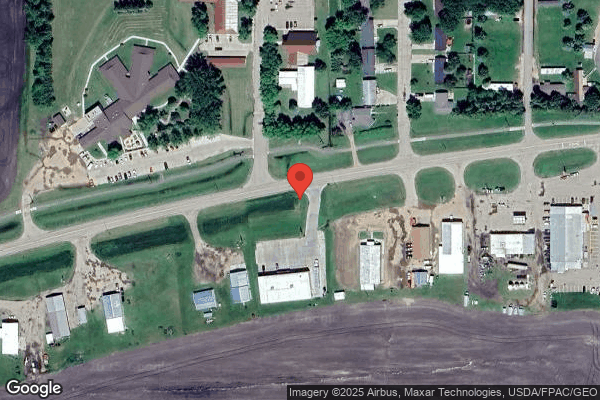
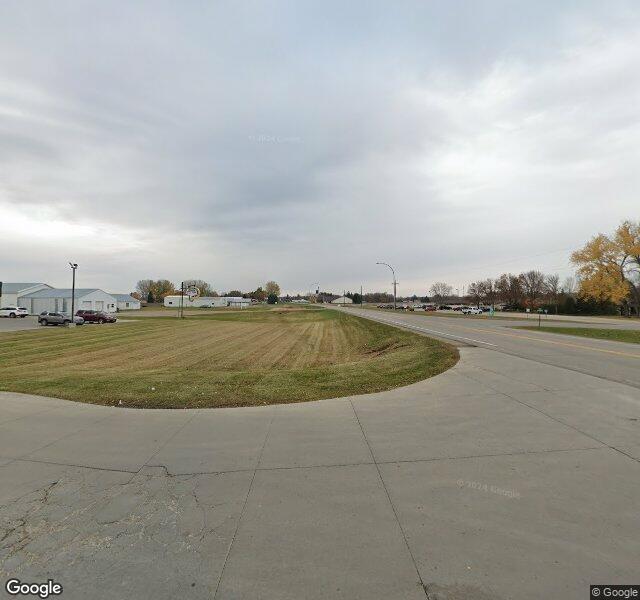
804 MAIN ST W, CAVALIER, ND 58220 (701) 265-8453
Non profit - Other 40 Beds Independent Data: November 2025 3 Immediate Jeopardy citations
Trust Grade
4/100
#71 of 72 in ND
Last Inspection: June 2025

Inspected within the last 6 months. Data reflects current conditions.

Overview

Wedgewood Manor in Cavalier, North Dakota, has received a Trust Grade of F, indicating significant concerns about the facility's operations and care quality. It ranks #71 out of 72 facilities in the state, placing it in the bottom half overall, and is the second of two options in Pembina County, meaning only one local facility is rated higher. The facility has seen some improvement in issues, decreasing from six in 2024 to three in 2025. Staffing is a relative strength, rated at 4 out of 5 stars with a turnover rate of 39%, which is better than the state average. However, serious concerns arise from the $54,925 in fines-higher than 90% of North Dakota facilities-and critical incidents, including failures to prevent and investigate potential sexual abuse, which placed residents at immediate risk. While the staffing levels are a positive aspect, the severe issues related to resident safety and care cannot be overlooked.

Trust Score
F
4/100
In North Dakota
#71/72
Bottom 2%
Safety Record
High Risk
Review needed
Inspections
Getting Better
6 → 3 violations
Staff Stability
○ Average
39% turnover. Near North Dakota's 48% average. Typical for the industry.
Penalties
○ Average
$54,925 in fines. Higher than 60% of North Dakota facilities. Some compliance issues.
Skilled Nurses
✓ Good
Each resident gets 51 minutes of Registered Nurse (RN) attention daily — more than average for North Dakota. RNs are trained to catch health problems early.
Violations
⚠ Watch
12 deficiencies on record. Higher than average. Multiple issues found across inspections.
★☆☆☆☆
1.0
Overall Rating
★★★★☆
4.0
Staff Levels
★★☆☆☆
2.0
Care Quality
★☆☆☆☆
1.0
Inspection Score
Stable
2024: 6 issues
2025: 3 issues

The Good

  • 4-Star Staffing Rating · Above-average nurse staffing levels
  • Full Sprinkler Coverage · Fire safety systems throughout facility
  • No fines on record
  • Staff turnover below average (39%)

    9 points below North Dakota average of 48%

Facility shows strength in staffing levels, fire safety.

The Bad

1-Star Overall Rating

Below North Dakota average (3.1)

Significant quality concerns identified by CMS

Staff Turnover: 39%

Near North Dakota avg (46%)

Typical for the industry

Federal Fines: $54,925

Above median ($33,413)

Moderate penalties - review what triggered them

The Ugly 12 deficiencies on record

3 life-threatening
Jun 2025 3 deficiencies
CONCERN (D)

Potential for Harm - no one hurt, but risky conditions existed

Assessment Accuracy (Tag F0641)

Could have caused harm · This affected 1 resident

**NOTE- TERMS IN BRACKETS HAVE BEEN EDITED TO PROTECT CONFIDENTIALITY** Based on record review, review of the Long-Term Care Facility Resident Assessment Instrument (RAI) 3.0 User's Manual (Version 1....

Read full inspector narrative →
**NOTE- TERMS IN BRACKETS HAVE BEEN EDITED TO PROTECT CONFIDENTIALITY** Based on record review, review of the Long-Term Care Facility Resident Assessment Instrument (RAI) 3.0 User's Manual (Version 1.19.1), and staff interview, the facility failed to ensure accurate coding of the Minimum Data Set (MDS) for 2 of 12 sampled residents (Resident #19 and #31). Failure to accurately complete the MDS does not allow each resident's assessment to reflect their current status/needs and may affect the accurate development of a comprehensive care plan and the care provided to the residents. Findings include: SECTIONS N: MEDICATIONS The Long-Term Care Facility RAI User's Manual, revised October 2024, page N-6 to N-8, stated, . Code all high-risk drug class medications according to their pharmacological classification . N0415: High-Risk Drug Classes . Coding Instructions: . N0415B1. Antianxiety: Check if an anxiolytic [antianxiety] medication was taken by the resident at any time during the 7-day look-back period . - Review of Resident #19's medical record occurred on all days of survey. A quarterly MDS, dated [DATE], showed facility staff coded an antianxiety medication during the seven-day look back period. The medical record failed to identify an antianxiety medication administered in the look-back period. During an interview on the afternoon of 06/03/25, an administrative nurse (#1) confirmed staff failed to code the MDS correctly. SECTION P: RESTRAINTS AND ALARMS The Long-Term Care Facility RAI User's Manual, revised October 2024, pages P1-P5, stated, . PHYSICAL RESTRAINTS: Any manual method or physical or mechanical device, material or equipment attached or adjacent to the resident's body that the individual cannot remove easily, which restricts freedom of movement or normal access to one's body. P0100: Physical Restraints . Coding Instructions: . After determining whether or not an item . is a physical restraint and was used during the 7-day look-back period, code the frequency of use: Code 0, not used: if the item was not used during the 7-day look-back or it was used but did not meet the definition. Code 2, used daily: if the item met the definition and was used on a daily basis during the look-back period. - Review of Resident #31's medical record occurred on all days of survey. An admission MDS, dated [DATE], showed facility staff coded section P0100A, bed rail as 2 used daily. Observation showed no bed rails present. During an interview on 06/02/25 at 5:00 p.m., an administrative nurse (#1) confirmed Resident #31 does not have bed rails and staff failed to code the admission MDS correctly.
CONCERN (D)

Potential for Harm - no one hurt, but risky conditions existed

Infection Control (Tag F0880)

Could have caused harm · This affected 1 resident

1. Based on observation, record review, review of facility policy, and staff interview, the facility failed to follow standards of infection control and prevention for 2 of 3 sampled residents (Reside...

Read full inspector narrative →
1. Based on observation, record review, review of facility policy, and staff interview, the facility failed to follow standards of infection control and prevention for 2 of 3 sampled residents (Resident #14 and #32) observed during wound care. Failure to practice infection control standards related to enhanced barrier precautions (EBP) has the potential to spread infection throughout the facility. Findings include: Review of the facility policy titled Enhanced Barrier Precautions occurred on 06/04/25. This policy, dated March 2023, stated, . Enhanced barrier precautions refer to the use of gown and gloves for high-contact resident care activities for residents known to be colonized or infected with a MDRO (multidrug resistant organism) as well as those at increased risk of MDRO acquisition (e.g., residents with wounds or indwelling medical devices). High-contact resident care activities include: . Wound care: any skin opening requiring a dressing . - Review of Resident #14's medical record occurred on all days of survey and identified a pressure ulcer on the inner buttocks and dressing changes every three days and as needed. The resident's room failed to identify EBP. Observation on 06/03/25 at 9:08 a.m. showed a certified nurse aide (CNA) (#4) and a nurse (#3) applied gloves and assisted Resident #14 off the toilet. The nurse cleansed the pressure ulcer area and applied a dressing. The nurse (#3) and the CNA (#4) failed to wear a gown during high-contact resident care for toileting and wound care. - Review of Resident #32's medical record occurred on all days of survey. The record identified an indwelling urinary catheter, heel ulcers to both heels, and dressing changes to the heels two times a day. Observation on 06/03/25 at 12:27 p.m. showed Resident #32's room with signage for EBP and a supply cart located at the entrance of the room. Two nurses (#2 and #3) entered the room, applied gloves, removed the wound dressings, cleansed the wounds, and applied new dressings to both the right and left heels. The nurses failed to apply a gown during the high-contact resident care for wound treatment and dressing changes. During interviews on 06/04/25, an administrative staff member (#1) reported she expected Resident #14 to be in EBP and staff to wear gowns when providing wound cares. 2. Based on observation, review of facility policy, and staff interview, the facility failed to follow standards of infection control and prevention for 1 of 6 sampled residents (Resident #32) observed during medication pass. Failure to practice infection control standards during medication pass has the potential to spread infection to residents. Findings include: Review of the facility policy titled Medication Administration- General Guidelines occurred on 06/04/25. This policy, dated October 2022, stated, . If the integrity or sanitation of a medication is in question (e.g. [for example] . inadvertently touched by a staff member . The compromised medication shall be destroyed per facility policies . Observation on 06/03/25 at 1:06 p.m. showed a nurse (#3) prepared Resident #32's medications for administration. The nurse dropped the Vitamin B complex capsule on the medication cart and, with a bare hand, picked up the capsule and placed it into the medication cup for administration. During an interview on 06/04/25 at 10:00 a.m., an administrative nurse (#1) reported she expected staff to discard a medication dropped on the medication cart.
CONCERN (F)

Potential for Harm - no one hurt, but risky conditions existed

Food Safety (Tag F0812)

Could have caused harm · This affected most or all residents

Based on observation and staff interview, the facility failed to maintain a clean and sanitary kitchen environment for 1 of 1 facility kitchen. Failure to ensure the sanitizer test strips used to meas...

Read full inspector narrative →
Based on observation and staff interview, the facility failed to maintain a clean and sanitary kitchen environment for 1 of 1 facility kitchen. Failure to ensure the sanitizer test strips used to measure the concentration of sanitizing solution are not expired has the potential for inadequate sanitization and may result in foodborne illness. Findings include: Observation in the kitchen on 06/03/25 at 1:35 p.m. showed a dietary staff member (#5) measured the concentration of a premixed bucket of sanitizing solution with expired test strips, dated 05/15/2021. During an interview on 06/03/25 at 4:25 p.m., a dietary staff member (#5) stated staff should not use expired test strips.
Oct 2024 3 deficiencies 3 IJ (3 affecting multiple)
CRITICAL (K) 📢 Someone Reported This

A family member, employee, or ombudsman was alarmed enough to file a formal complaint

Immediate Jeopardy (IJ) - the most serious Medicare violation

Free from Abuse/Neglect (Tag F0600)

Someone could have died · This affected multiple residents

**NOTE- TERMS IN BRACKETS HAVE BEEN EDITED TO PROTECT CONFIDENTIALITY** Based on review of the facility reported incident (FRI) investigation, review of facility policy, and staff interviews, the faci...

Read full inspector narrative →
**NOTE- TERMS IN BRACKETS HAVE BEEN EDITED TO PROTECT CONFIDENTIALITY** Based on review of the facility reported incident (FRI) investigation, review of facility policy, and staff interviews, the facility failed to immediately implement safeguards for all residents after suspected sexual abuse occurred for 1 of 1 sampled resident (Resident #1). Failure to immediately protect all residents from the potential of sexual abuse placed them at risk for mental and emotional distress, and/or physical injury. During the on-site FRI survey, the team consulted with the State Survey Agency (SSA) and determined an Immediate Jeopardy (IJ) situation existed on 10/07/24. The IJ was identified during an interview with three administrative staff members (#1, #2, and #5) and a staff nurse (#4) on 10/07/24 at approximately 9:55 p.m. The interview confirmed the results of a urinalysis sample, collected 09/30/24, from Resident #1, an [AGE] year old female who was not sexually active, contained non-motile sperm, confirmed by three laboratorians and a Medical Doctor (MD). The interview also confirmed the facility had not provided adequate protection from all potential perpetrators. This finding placed all residents at risk for mental and emotional distress, and/or physical injury. *10/08/24 at 11:08 a.m. The survey team notified the Chief Executive Officer and Director of Nursing (DON) of the IJ situation, provided the IJ template, and requested a plan for removal of the immediate jeopardy. *10/08/24 at 2:30 p.m. The survey team reviewed and accepted the facility's removal plan for the IJ. The removal plan contained the following: - No additional male travelers will be utilized for staffing until investigation is completed. - In addition, all male staff on duty or scheduled, including non direct care staff, certified nurse aides (CNAs), and licensed staff will have a female staff member with them while in a resident's room. - All staff meeting held on 10/08/24 at 2:00 p.m. informed staff of the changes in procedures for care provided by male caregivers and reviewed the abuse and neglect policy. Staff not present at the meeting will read, review, and sign the information provided prior to their next shift. *10/08/24 at 2:45 p.m. The survey team verified the implementation of the removal plan as of 10/08/24 and the IJ removal. The deficient practice remained at a G scope and severity following the removal of the immediate jeopardy. Findings include: Review of the facility policy titled Resident Abuse & Neglect occurred on 10/08/24. This policy, revised 06/23/21, stated, . No resident shall be subjected to abuse by anyone, including, but not limited to, facility staff, other residents, consultants or volunteers, staff or other agencies serving the resident . Abuse: is defined as the willful infliction of injury . with resulting physical harm, pain or mental anguish. It includes . sexual abuse . Sexual Abuse: is defined as non-consensual sexual contact of any type with a resident. Ongoing education on abuse will be offered no less that [sic] yearly. Should it be necessary, it will be offered more frequently. Investigation of Alleged Abuse . Any employee who sees or suspects abuse will report immediately to the charge nurse . The charge nurse will assure immediate safety and mental well-being of the resident; investigate the extent of harm to the resident; and provide facts through the investigation. The charge nurse will contact the DON . The . DON . will contact the Administrator . ND [North Dakota] Dept. [Department] of Health . Physician . Responsible Party . Police Department . No attempt is made to disturb the area in anyway. If it is an employee who is being suspected for abuse, the employee is informed and suspended while the investigation is conducted by the DON . Local authorities will direct further follow-up and investigations . Written Report Identify person sending report and/or contact person, facility sending report, all information listed above in initial report, describe measures taken to protect the resident during investigation, describe measures taken to prevent re-occurrence of the incident . Review of the facility's final investigation occurred on 10/07/24 and identified facility staff collected a urine specimen on 09/30/24 at 12:20 p.m. The description of the event stated, . CNA [#6] stated, I heard [Resident #1] screaming for help and I went into the room to help her. [Resident #1] was trying to get out of bed and stated she had to go pee. I assisted [Resident #1] to the bathroom . I remembered she needed her urine collected. I took the hat that was in the room and placed it on the toilet. After she did the sample into the hat, I finished washing her up and assisted her to the nurse's station. I informed the nurse of the sample, and she went in and got the sample. Nurse [#9] . states the hat was full of urine and sitting in the toilet. I grabbed a clean new specimen cup and poured urine into the cup. The urine was transferred to the lab, and I received a call from the lab stating the specimen cup was not labeled. Nurse [#9] . went to the lab and labeled the specimen with [Resident #1's] name. Nurse [#9] reports, I then got a call from Laboratorian [#7] at the lab requesting another specimen because they had concerns with the first specimen. Administrative staff [#2] . contacted Laboratorian [#7] at the lab and Laboratorian [#7] reported that sperm was found in the urine specimen. Administrative staff [#2] . contacted [Resident #1's] PCP [primary care provider] and the PCP requested [Resident #1] be brought to the clinic for further evaluation. CNA [#6] was removed from service at this time. During an interview on 10/07/24 at approximately 9:55 p.m., three administrative staff members (#1, #2, and #5) and a staff nurse (#4) confirmed they terminated the male CNA (#6) who assisted Resident #1 to the toilet but continued to allow other male staff members to provide personal cares to all residents in the facility by themselves except for Resident #1, who required two staff members present. The facility failed to ensure all residents were protected from sexual abuse. When the facility received notification of sperm identified in Resident #1's urine sample, the facility failed to implement measures to protect residents from sexual abuse by all potential male perpetrators and follow established policies and procedures.
CRITICAL (K) 📢 Someone Reported This

A family member, employee, or ombudsman was alarmed enough to file a formal complaint

Immediate Jeopardy (IJ) - the most serious Medicare violation

Report Alleged Abuse (Tag F0609)

Someone could have died · This affected multiple residents

**NOTE- TERMS IN BRACKETS HAVE BEEN EDITED TO PROTECT CONFIDENTIALITY** Based on review of the facility reported incident (FRI) investigation, review of facility policy, and staff interviews, the faci...

Read full inspector narrative →
**NOTE- TERMS IN BRACKETS HAVE BEEN EDITED TO PROTECT CONFIDENTIALITY** Based on review of the facility reported incident (FRI) investigation, review of facility policy, and staff interviews, the facility failed to report potential sexual abuse to law enforcement for 1 of 1 sampled resident (Resident #1) with cognitive impairment. Failure to report potential sexual abuse placed Resident #1 and all other residents at risk for possible abuse and/or injury. During the on-site survey, the team consulted with the State Survey Agency (SSA) and determined an Immediate Jeopardy (IJ) situation existed on 10/07/24. The IJ was identified during an interview with three administrative staff members (#1, #2, and #5) and a staff nurse (#4) on 10/07/24 at approximately 9:55 p.m. The interview confirmed the results of a urinalysis sample, collected 09/30/24, from Resident #1, an [AGE] year old female who was not sexually active, contained non-motile sperm, confirmed by three laboratorians and a Medical Doctor (MD). The interview confirmed the facility failed to notify law enforcement. These findings placed all residents in immediate danger for abuse, mental and emotional distress, and/or physical injury. *10/08/24 at 11:08 a.m. The survey team notified the Chief Executive Officer and Director of Nursing (DON) of the IJ situation, provided the IJ template, and requested a plan for removal of the immediate jeopardy. *10/08/24 at 2:30 p.m. The survey team reviewed and accepted the facility's removal plan for the IJ. The removal plan contained the following: - Chief of Police notified via phone at 11:24 a.m. on 10/08/24 of potential sexual abuse of resident regarding potential improper contents of female urine specimen. - Facility will cooperate with reporting and investigation per law enforcement. - All staff meeting held on 10/08/24 at 2:00 p.m. informed staff of the changes in procedures for care provided by male caregivers and reviewed the abuse and neglect policy. Staff not present at the meeting will read, review, and sign the information provided prior to their next shift. *10/08/24 at 2:45 p.m. The survey team verified the implementation of the removal plan as of 10/08/24 and the IJ removal. The deficient practice remained at an E scope and severity following the removal of the immediate jeopardy. Findings include: Review of the facility policy titled Resident Abuse & Neglect occurred on 10/08/24. This policy, revised 06/23/21, stated, . Investigation of Alleged Abuse/Neglect . The . DON . will contact . the . Police Department . No attempt is made to disturb the area in anyway. Local authorities will direct further follow-up and investigations . Review of the facility's final investigation occurred on 10/07/24. A progress note, dated 09/30/24, stated . An order from MD [#12] was obtained for a urinalysis Sunday night, 9/29. A urine sample was brought to the lab, without a name on it. Nurse [#9] . had poured the urine from the hat, to the collection cup, and forgot to place a label on it. The nurses' aide had gotten the urine from [Resident #1] . The urine sample showed bacteria, and sperm, which were non-motile, seen by all 4 personnel in the lab, and myself [MD #13]. During an interview on 10/07/24 at approximately 9:55 p.m., an administrative staff member (#5) confirmed the facility failed to notify law enforcement regarding the alleged sexual abuse.
CRITICAL (K) 📢 Someone Reported This

A family member, employee, or ombudsman was alarmed enough to file a formal complaint

Immediate Jeopardy (IJ) - the most serious Medicare violation

Investigate Abuse (Tag F0610)

Someone could have died · This affected multiple residents

**NOTE- TERMS IN BRACKETS HAVE BEEN EDITED TO PROTECT CONFIDENTIALITY** Based on review of the facility reported incident (FRI) investigation, review of facility policy, and staff interviews, the faci...

Read full inspector narrative →
**NOTE- TERMS IN BRACKETS HAVE BEEN EDITED TO PROTECT CONFIDENTIALITY** Based on review of the facility reported incident (FRI) investigation, review of facility policy, and staff interviews, the facility failed to conduct a thorough investigation of potential sexual abuse for all residents after suspected sexual abuse for 1 of 1 sampled resident (Resident #1). Failure to investigate alleged violations of sexual abuse and ensure all residents were protected during the investigation, placed Resident #1 and all other residents at risk for possible abuse, mental and emotional distress, and/or physical injury. During the on-site survey, the team consulted with the State Survey Agency (SSA) and determined an Immediate Jeopardy (IJ) situation existed on 10/07/24. The IJ was identified during an interview with three administrative staff members (#1, #2, and #5) and a staff nurse (#4) on 10/07/24 at approximately 9:55 p.m. following the submission of the final investigation report. The report contained the results of a urinalysis sample, collected 09/30/24, from Resident #1, an [AGE] year old female who was not sexually active. The urinalysis sample contained non-motile sperm, confirmed by three laboratorians and a Medical Doctor (MD). The interview confirmed the following: - Male facility staff members continued to provide cares to all residents, except Resident #1, - Male residents, visitors, and non-resident care staff members were not included in the facility's investigation, and - Education had not been provided by the facility to all staff regarding sexual abuse. The facility failed to thoroughly investigate an incident of potential sexual abuse for Resident #1 which placed all residents at risk for abuse, mental and emotional distress, and/or physical injury. *10/08/24 at 11:08 a.m. The survey team notified the Chief Executive Officer and Director of Nursing (DON) of the IJ situation, provided the IJ template, and requested a plan for removal of the immediate jeopardy. *10/08/24 at 2:30 p.m. The survey team reviewed and accepted the facility's removal plan for the IJ. The removal plan contained the following: - During investigation all male staff will be accompanied by another female at all times during cares and behind closed doors. - A camera was placed in Resident #1's room on 09/28/24 and is stationed at the nurses station. - All staff meeting held on 10/08/24 at 2:00 p.m. informed staff of the changes in procedures for care provided by male caregivers and reviewed the abuse and neglect policy. Staff not present at the meeting will read, review, and sign the information provided prior to their next shift. *10/08/24 at 2:45 p.m. The survey team verified the implementation of the removal plan as of 10/08/24 and the IJ removal. The deficient practice remained at an E scope and severity following the removal of the immediate jeopardy. Findings include: Review of the facility policy titled Resident Abuse & Neglect occurred on 10/08/24. This policy, revised 06/23/21, stated, . Investigation of Alleged Abuse/Neglect . Any employee who sees or suspects abuse will report immediately to the charge nurse . The charge nurse will assure immediate safety and mental well-being of the resident; investigate the extent of harm to the resident; and provide facts through the investigation. No attempt is made to disturb the area in anyway. The charge nurse will complete a variance report. The report will be reviewed by the DON and Administrator to determine the direction of the investigation, and to identify occurrences for patterns, and trends that constitute abuse. The investigation will include interviews with the resident reported to have been abused . anyone witnessing the abuse, the individual suspected of committing the abuse, or other pertinent persons. A report of the investigation is written, including summaries of all interviews, and any other investigation activities . When the investigation is finished, the investigator will meet with Administrator, and a decision shall be made regarding the validity of the reported abuse or need for further investigation. Local authorities will direct further follow-up and investigations as needed. Written Report Identify person sending report and/or contact person, facility sending report, all information listed above in initial report, describe measures taken to protect the resident during investigation, describe measures taken to prevent re-occurrence of the incident, include a written statement clearly identifying the result of the investigation and actions taken, include copies of written and signed statements of CNA, witness(es), and resident, include copies of any other documents, or pictures . resulting from investigation. Review of the facility's final investigation occurred on 10/07/24. A progress note, dated 09/30/24, stated . An order from MD [#12] was obtained for a urinalysis Sunday night, 9/29. A urine sample was brought to the lab, without a name on it. Nurse [#9] . had poured the urine from the hat, to the collection cup, and forgot to place a label on it. The nurses' aide had gotten the urine from [Resident #1] . The urine sample showed bacteria, and sperm, which were non-motile, seen by all 4 personnel in the lab, and myself [MD #13]. During an interview on 10/07/24 at approximately 9:55 p.m., three administrative staff members (#1, #2, and #5) and a staff nurse (#4) confirmed male direct care staff performed cares alone on all residents with the exception of Resident #1. The staff members confirmed the investigation failed to include wandering male residents. The facility lacked evidence of investigations of all potential perpetrators of sexual abuse and failed to protect all residents during the investigation.
May 2024 3 deficiencies
CONCERN (D) 📢 Someone Reported This

A family member, employee, or ombudsman was alarmed enough to file a formal complaint

Potential for Harm - no one hurt, but risky conditions existed

Deficiency F0657 (Tag F0657)

Could have caused harm · This affected 1 resident

**NOTE- TERMS IN BRACKETS HAVE BEEN EDITED TO PROTECT CONFIDENTIALITY** - Observation throughout the survey showed Resident #15 with a wanderguard (roam alert device) on his leg and wheelchair frame a...

Read full inspector narrative →
**NOTE- TERMS IN BRACKETS HAVE BEEN EDITED TO PROTECT CONFIDENTIALITY** - Observation throughout the survey showed Resident #15 with a wanderguard (roam alert device) on his leg and wheelchair frame and frequently wandering throughout the building. Review of Resident #15's medical record occurred on all days of survey. Diagnoses included dementia with behavior disturbance. Resident #15's Elopement Risk Assessment, dated 11/13/19, identified the resident at risk for elopement/wandering with interventions of personal safety alarms, frequent monitoring, music, personalization of room, staff aware of wander risk, and initiation of roam alert. Resident #15's nurses' notes included episodes of exit seeking and/or elopement on at least nine occasions from 01/27/24 to 05/16/24. The facility failed to update the care plan to include interventions to address wandering/elopement. During an interview on 05/16/24 at 10:06 a.m., an administrative nurse (#2) agreed Resident #15's care plan lacked interventions related to wandering/elopement. - Review of Resident #28's medical record occurred on all days of survey. The quarterly MDS, dated [DATE], identified the resident received anticoagulant and diuretic medications, and failed to identify the resident was in isolation for an active infection. The current care plan identified the resident was in isolation related to a communicable disease. The facility failed to update Resident #28's care plan to include side effects and/or interventions related to anticoagulant and diuretic medications and failed to remove isolation after the resident recovered from the disease in December 2023. Based on observation, record review, review of facility policy, and staff interview, the facility failed to review and revise the comprehensive care plan to reflect the current status for 2 of 12 sampled residents (Resident #15 and #28). Failure to review and revise the care plan limited staff's ability to communicate needs and ensure continuity of care. Findings include: Review of the facility policy titled Wedgewood Manor Comprehensive Care Plans occurred on 05/16/24. This policy, dated 10/05/22, stated, It is the policy of this facility to develop and implement a comprehensive person-centered care plan for each resident, consistent with resident rights, that includes measurable objectives and timeframes to meet a resident's medical, nursing, and mental and psychosocial needs that are identified in the resident's comprehensive assessment. The comprehensive care plan will be reviewed and revised by the interdisciplinary team after each comprehensive and quarterly MDS [Minimum Data Set] assessment.
CONCERN (D) 📢 Someone Reported This

A family member, employee, or ombudsman was alarmed enough to file a formal complaint

Potential for Harm - no one hurt, but risky conditions existed

Deficiency F0658 (Tag F0658)

Could have caused harm · This affected 1 resident

2. Based on record review, review of facility policy, and staff interview, the facility failed to provide care in accordance with professional standards for 1 of 4 sampled residents (Resident #30) who...

Read full inspector narrative →
2. Based on record review, review of facility policy, and staff interview, the facility failed to provide care in accordance with professional standards for 1 of 4 sampled residents (Resident #30) who experienced a fall. Failure to perform neurological assessments following a fall with actual or suspected head injury may result in delayed identification and treatment of a resident's medical condition. Findings include: Review of the facility policy titled Neurochecks occurred on 05/16/24. This policy, dated 05/29/14, stated, Neurochecks will be initiated in case of actual or suspected head injury to assess changes in vitals, level of consciousness, pupil response and motor function to help identify any nervous system damage. Neurological flow sheet will be completed . The attached Neurological Flow Sheet identified the timeframe for staff to complete vital signs and neurological checks as follows: - q [every] 15 min [minutes] X [times] (1) hr [hour] - q 30 min X (1) hr - q 1 hr X (4) hr - q 2 hr X (4) hr - q 4 hr X (4) hr - q 8 hr X (8) hr - 3 days after occ. [occurrence] Review of Resident #30's medical record occurred on all days of survey. Diagnoses included dementia, other abnormalities of gait and mobility, and repeated falls. Resident #30's nurses' notes showed the following: * 02/28/24 at 8:12 p.m., Resident found on his back in his room. VS [vital signs] taken. Neuros [neurological checks] completed. States he did remember if he hit his head. On left upper buttock a red area had formed with a bruise starting . * 03/01/24 at 7:11 p.m., Resident is alert and orient to person. Able to follow commands. Neuros WNL [within normal limits]. Able to move all extremities. The record lacked documentation of the results of the initial [02/28/24] and subsequent neurological checks except the entry on 03/01/24 above. * 03/20/24 at 4:40 a.m., Fall notes 3/19/24 [03/18/24 per the incident report]: Resident was found in the bathroom of another resident. Suspected head trauma from position after fall. Resident also claims to have hit his head. The neurological flow sheet, started 03/18/24 at 8:30 p.m., identified staff failed to complete eight of the required neurological checks. During an interview on 05/16/24 at 10:05 a.m., an administrative nurse (#2) stated Resident #30's record lacked a neurological flow sheet for the resident's fall on 02/28/24. The nurse verified staff failed to complete all the required neurological checks for the resident's fall on 03/18/24. 1. Based on record review, facility policy review, and staff interview, the facility failed to follow professional standards of care regarding physician orders for 1 of 5 sampled residents (Resident #17) selected for medication review. Failure to follow professional standards and contact the physician when blood glucose levels are higher than the practitioner's parameter has the potential to prevent the provider from altering medications to control residents blood sugar and/or result in adverse events. Findings include: Review of the facility policy title Notification of Changes occurred on 05/16/24. This policy, dated 12/11/23, stated, The purpose of this policy is to ensure the facility promptly informs the resident, consults the resident's physician . when there is a change requiring notification. Potential to require physician intervention. Circumstances that require a need to alter treatment. Record review for Resident #17 occurred on all days of survey. A physician's order, dated 04/09/24, stated, Accucheck [a test for blood sugar] - Obtain accucheck three times daily. Update physician if blood sugar is greater than 400 and if less than 70. Review of Resident #17's blood sugar levels from 05/01/24 to 05/15/24 showed the following: * 05/03/24 at 11:46 a.m. blood sugar 454 milligrams per deciliter (mg/dl) * 05/04/24 at 11:25 a.m. blood sugar 408 mg/dl * 05/04/24 at 4:39 p.m. blood sugar 501 mg/dl * 05/05/24 at 4:00 p.m. blood sugar 401 mg/dl * 05/07/24 at 12:00 p.m. blood sugar 412 mg/dl * 05/08/24 at 11:30 a.m. blood sugar 401 mg/dl * 05/08/24 at 4:38 p.m. blood sugar High * 05/11/24 at 5:04 p.m. blood sugar 430 mg/dl The medical record lacked documentation facility staff notified the provider of blood sugar results over 400 mg/dl. During an interview on the morning of 05/16/24, an administrative nurse (#1) identified the policy provided is the one the administrator expected nursing staff to follow regarding blood sugar levels outside the provider's parameters.
CONCERN (E) 📢 Someone Reported This

A family member, employee, or ombudsman was alarmed enough to file a formal complaint

Potential for Harm - no one hurt, but risky conditions existed

Assessment Accuracy (Tag F0641)

Could have caused harm · This affected multiple residents

**NOTE- TERMS IN BRACKETS HAVE BEEN EDITED TO PROTECT CONFIDENTIALITY** - Review of Resident #30's medical record occurred all days of survey. The annual MDS, dated [DATE], showed the facility coded o...

Read full inspector narrative →
**NOTE- TERMS IN BRACKETS HAVE BEEN EDITED TO PROTECT CONFIDENTIALITY** - Review of Resident #30's medical record occurred all days of survey. The annual MDS, dated [DATE], showed the facility coded other alarm used daily. The record lacked evidence the resident used an alarm the RAI manual defined as other. During an interview on 05/16/24 at 09:49 a.m., an administrative nurse (#1) stated staff coded other alarm for the alarm triggered on an exit door when a resident with a wander guard got too close to the exit. The nurse (#1) agreed the exit alarm did not meet the definition of an other alarm. Based on record review, review of the Long-Term Care Facility Resident Assessment Instrument (RAI) 3.0 User's Manual (Version 1.18.11), and staff interview, the facility failed to ensure accurate coding of the Minimum Data Set (MDS) for 5 of 12 sampled residents (#3, #10, #15, #28, and #30). Failure to accurately complete the MDS does not allow each resident's assessment to reflect their current status/needs and may affect the development of a comprehensive care plan and the care provided to the residents. Findings include: SECTION J: FALLS The Long-Term Care Facility RAI Manual, revised October 2023, page J-37, states, . If this is not the first assessment . the review period is from the day after the ARD [assessment reference date] of the last MDS assessment to the ARD of the current assessment. Determine the number of falls that occurred since . prior assessment . and code the level of fall-related injury for each. - Review of Resident #30's medical record occurred all days of survey. The record identified a fall with injury (bruising) on 02/28/24 and falls without injury on 02/24/24, 03/18/24, and 03/23/24. Resident #30's annual MDS, dated [DATE], identified no falls since the previous assessment on 01/04/24. During an interview on 05/16/24 at 09:30 a.m., an administrative nurse (#1) agreed Resident #30's 04/04/24 MDS lacked documentation of his falls. SECTION P: RESTRAINTS AND ALARMS The Long-Term Care Facility RAI User's Manual, revised October 2023, pages P-9 through P-11, stated, An alarm is any physical or electronic device that monitors resident movement and alerts the staff when movement is detected. Code 2, used daily: if the device was used daily during the look-back period [seven days]. Other alarm includes devices, such as alarms on the resident's bathroom and/or bedroom door, toilet seat alarms or seatbelt alarms. - Review of Resident #3's medical record occurred on all days of survey. The quarterly MDS, dated [DATE], showed the facility coded other alarm used daily. The record lacked evidence the resident used an alarm the RAI manual defined as other. - Record review for Resident #10 occurred on all days of survey. The quarterly MDS, dated [DATE], showed the facility coded other alarm used daily. The record lacked evidence the resident used an alarm the RAI manual defined as other alarm during the MDS assessment. - Review of Resident #15's medical record occurred on all days of survey. The annual MDS, dated [DATE], showed the facility coded other alarm used daily. The record lacked evidence the resident used an alarm the RAI manual defined as other during the look-back period. - Record review for Resident #28 occurred on all days of survey. The quarterly MDS, dated [DATE], showed the facility coded other alarm used daily. The record lacked evidence the resident used an alarm the RAI manual defined as other alarm during the MDS assessment.
Apr 2023 3 deficiencies
CONCERN (D) 📢 Someone Reported This

A family member, employee, or ombudsman was alarmed enough to file a formal complaint

Potential for Harm - no one hurt, but risky conditions existed

Resident Rights (Tag F0550)

Could have caused harm · This affected 1 resident

Based on observation, record review, and staff interview, the facility failed to provide care in a manner and environment that maintained, enhanced, and respected the resident's dignity for 1 of 2 sam...

Read full inspector narrative →
Based on observation, record review, and staff interview, the facility failed to provide care in a manner and environment that maintained, enhanced, and respected the resident's dignity for 1 of 2 sampled residents (Resident #17) who used a urinal. Failure to provide privacy when using a urinal does not preserve the residents' dignity or enhance their quality of life. Findings include: Review of Resident #17's medical record occurred on all days of survey. The current care plan stated, Uses urinal independently. likes [sic] to stay in nightgown or has his pants around ankles. Provide privacy. pull [sic] curtain or close door halfway. Observation on 04/10/23 at 3:33 p.m. showed a certified nurse aide (CNA) (#1) transferred Resident #17 with a mechanical lift from the wheelchair to the resident's recliner. Prior to lowering the resident into the recliner, the CNA pulled the resident's pants down to the ankles exposing the resident's lower half of the body. The CNA failed to close the resident's door or pull the privacy curtain upon exiting the resident's room. Observation on 04/11/23 at 3:28 p.m. showed two CNAs (#1 and #2) transferring Resident #17 with a mechanical lift from the wheelchair to the resident's recliner. Prior to lowering the resident into the recliner, both CNAs pulled the resident's pants down to the ankles exposing the resident's lower half of the body. The CNAs failed to close the resident's door or pull the privacy curtain upon exiting the resident's room. When asked if it is the resident's preference to have the resident's pants pulled down to the ankles while sitting in the recliner, the CNA (#2) reported the resident prefers it that way for using the urinal. Observation on 04/11/23 at 3:58 p.m. showed Resident #17 sitting in the recliner with the resident's pants down to the ankles. Staff failed to close the door half ways or pull the privacy curtain. During an interview on the evening of 04/12/23 two administrative staff members (#4 and #5) confirmed there was an issue with the privacy of the resident during urinal use and reported they have been working on implementing new measures to ensure the privacy of the resident during urinal use.
CONCERN (D) 📢 Someone Reported This

A family member, employee, or ombudsman was alarmed enough to file a formal complaint

Potential for Harm - no one hurt, but risky conditions existed

Infection Control (Tag F0880)

Could have caused harm · This affected 1 resident

Based on observation, record review, review of facility policy, and staff interview, the facility failed to follow standards of infection control for 2 of 5 sampled residents (Resident #2 and #8) obse...

Read full inspector narrative →
Based on observation, record review, review of facility policy, and staff interview, the facility failed to follow standards of infection control for 2 of 5 sampled residents (Resident #2 and #8) observed during personal care. Failure to perform hand hygiene and remove gloves after perineal care and follow enhanced barrier precautions guidelines may result in the spread of infection to other residents. Findings include: Review of the facility policy titled Enhanced Barrier Precautions occurred on 04/12/23. This policy, dated 03/20/23, stated, . Enhanced barrier precautions refer to the use of gown and gloves for use during high-contact resident care activities for residents known to be colonized or infected with a MDRO [multi-drug resistant organism] as well as those at increased risk of MDRO acquisition . High-contact resident care activities include: . providing hygiene . changing briefs or assisting with toileting . - Observation on 04/11/23 at 10:48 a.m. identified enhanced barrier precautions for Resident #8, including the use of gowns and gloves during high-contact resident care activities. Observation showed two certified nurse aides (CNAs) (#1 and #3) donned gloves but failed to put on gowns. A CNA (#3) changed Resident #8's brief and performed perineal care while the resident was in bed. Without removing her gloves, the CNA (#3) placed a new brief, pulled up the resident's pants, placed a mechanical lift sling under the resident, and transferred the resident into the wheelchair. The CNA (#3) then combed the resident's hair, made the bed, and placed the resident's call light and overbed table within reach before removing her gloves and performing hand hygiene. - Observation on 04/11/23 at 11:07 a.m. identified enhanced barrier precautions for Resident #2, including the use of gowns and gloves during high-contact resident care activities. Observation showed two CNAs (#1 and #3) donned gloves but failed to put on gowns. A CNA (#3) changed Resident #2's brief and performed perineal care while the resident was in bed. Without removing her gloves, the CNA (#3) placed a new brief, pulled up the resident's pants, placed a mechanical lift sling under the resident, and transferred the resident into the wheelchair. The CNA (#3) then placed a pillow between the resident's knees, combed the resident's hair, and assisted her with applying lipstick before removing her gloves and performing hand hygiene. During an interview on 04/12/23 at 4:39 p.m., an infection control nurse (#4) stated she expected staff to wear gowns when providing care to Resident #2 and #8 and remove their gloves after perineal care, use hand sanitizer, and put on new gloves.
CONCERN (E) 📢 Someone Reported This

A family member, employee, or ombudsman was alarmed enough to file a formal complaint

Potential for Harm - no one hurt, but risky conditions existed

Deficiency F0888 (Tag F0888)

Could have caused harm · This affected multiple residents

Based on review of facility policy, and staff interview, the facility failed to include the required elements intended to mitigate the transmission and spread of Covid-19 for all staff who are not ful...

Read full inspector narrative →
Based on review of facility policy, and staff interview, the facility failed to include the required elements intended to mitigate the transmission and spread of Covid-19 for all staff who are not fully vaccinated for Covid-19. Failure to implement additional precautions for staff who are not fully vaccinated may lead to increased transmission and spread of Covid-19 among residents, staff, and visitors. Findings include: Review of the policy titled Covid-19 Vaccination occurred on 04/13/23. This policy, dated 09/29/22, stated, . It is the policy of this facility to minimize the risk of acquiring, transmitting, or experiencing complications from Covid-19 (SARS-CoV-2) by educating and offering our residents and staff the Covid-19 vaccine . This policy lacked the required elements to mitigate the transmission, spread, and additional precautions of Covid-19, for staff who are not fully vaccinated. During an interview on 04/13/23 at 3:20 p.m., an administrative staff member (#5) confirmed the policy for Covid-19 vaccination lacked the mitigation strategies for transmission, spread, and additional precautions of unvaccinated staff.
Understanding Severity Codes (click to expand)
Life-Threatening (Immediate Jeopardy)
J - Isolated K - Pattern L - Widespread
Actual Harm
G - Isolated H - Pattern I - Widespread
Potential for Harm
D - Isolated E - Pattern F - Widespread
No Harm (Minor)
A - Isolated B - Pattern C - Widespread

Questions to Ask on Your Visit

  • "What changes have you made since the serious inspection findings?"
  • "Can I speak with families of current residents?"
  • "What's your RN coverage like on weekends and overnight?"

Our Honest Assessment

Strengths
  • • 39% turnover. Below North Dakota's 48% average. Good staff retention means consistent care.
Concerns
  • • Multiple safety concerns identified: 3 life-threatening violation(s), $54,925 in fines. Review inspection reports carefully.
  • • 12 deficiencies on record, including 3 critical (life-threatening) violations. These warrant careful review before choosing this facility.
  • • $54,925 in fines. Extremely high, among the most fined facilities in North Dakota. Major compliance failures.
  • • Grade F (4/100). Below average facility with significant concerns.
Bottom line: This facility has 3 Immediate Jeopardy findings. Serious concerns require careful evaluation.

About This Facility

What is Wedgewood Manor's CMS Rating?

CMS assigns WEDGEWOOD MANOR an overall rating of 1 out of 5 stars, which is considered much below average nationally. Within North Dakota, this rating places the facility higher than 0% of the state's 100 nursing homes. A rating at this level reflects concerns identified through health inspections, staffing assessments, or quality measures that families should carefully consider.

How is Wedgewood Manor Staffed?

CMS rates WEDGEWOOD MANOR's staffing level at 4 out of 5 stars, which is above average compared to other nursing homes. Staff turnover is 39%, compared to the North Dakota average of 46%. This relatively stable workforce can support continuity of care.

What Have Inspectors Found at Wedgewood Manor?

State health inspectors documented 12 deficiencies at WEDGEWOOD MANOR during 2023 to 2025. These included: 3 Immediate Jeopardy (the most serious level, indicating potential for serious harm or death) and 9 with potential for harm. Immediate Jeopardy findings are rare and represent the most serious regulatory concerns. They require immediate corrective action.

Who Owns and Operates Wedgewood Manor?

WEDGEWOOD MANOR is owned by a non-profit organization. Non-profit facilities reinvest revenue into operations rather than distributing to shareholders. The facility operates independently rather than as part of a larger chain. With 40 certified beds and approximately 32 residents (about 80% occupancy), it is a smaller facility located in CAVALIER, North Dakota.

How Does Wedgewood Manor Compare to Other North Dakota Nursing Homes?

Compared to the 100 nursing homes in North Dakota, WEDGEWOOD MANOR's overall rating (1 stars) is below the state average of 3.1, staff turnover (39%) is near the state average of 46%, and health inspection rating (1 stars) is much below the national benchmark.

What Should Families Ask When Visiting Wedgewood Manor?

Based on this facility's data, families visiting should ask: "What changes have been made since the serious inspection findings, and how are you preventing similar issues?" "Can I visit during a mealtime to observe dining assistance and food quality?" "How do you handle medical emergencies, and what is your hospital transfer rate?" "Can I speak with family members of current residents about their experience?" These questions are particularly relevant given the facility's Immediate Jeopardy citations.

Is Wedgewood Manor Safe?

Based on CMS inspection data, WEDGEWOOD MANOR has documented safety concerns. Inspectors have issued 3 Immediate Jeopardy citations (the most serious violation level indicating risk of serious injury or death). The facility has a 1-star overall rating and ranks #100 of 100 nursing homes in North Dakota. Families considering this facility should ask detailed questions about what corrective actions have been taken since these incidents.

Do Nurses at Wedgewood Manor Stick Around?

WEDGEWOOD MANOR has a staff turnover rate of 39%, which is about average for North Dakota nursing homes (state average: 46%). Moderate turnover is common in nursing homes, but families should still ask about staff tenure and how the facility maintains care continuity when employees leave.

Was Wedgewood Manor Ever Fined?

WEDGEWOOD MANOR has been fined $54,925 across 1 penalty action. This is above the North Dakota average of $33,628. Fines in this range indicate compliance issues significant enough for CMS to impose meaningful financial consequences. Common causes include delayed correction of deficiencies, repeat violations, or care failures affecting resident safety. Families should ask facility leadership what changes have been made since these penalties.

Is Wedgewood Manor on Any Federal Watch List?

WEDGEWOOD MANOR is not on any federal watch list. The most significant is the Special Focus Facility (SFF) program, which identifies the bottom 1% of nursing homes nationally based on persistent, serious quality problems. Not being on this list means the facility has avoided the pattern of deficiencies that triggers enhanced federal oversight. This is a positive indicator, though families should still review the facility's inspection history directly.