DUNSEITH COM NURSING HOME
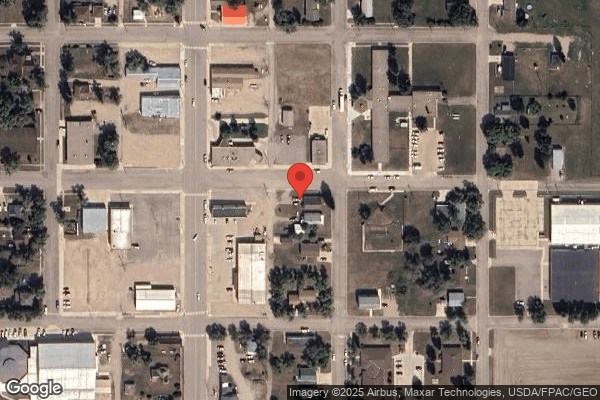
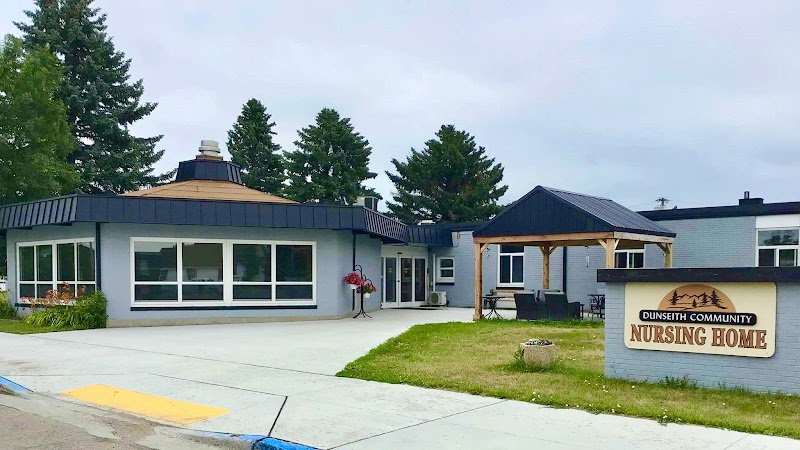
15 1ST ST NE, DUNSEITH, ND 58329 (701) 244-5495
Government - City 30 Beds Independent Data: November 2025
Trust Grade
25/100
#57 of 72 in ND
Last Inspection: May 2025

Inspected within the last 6 months. Data reflects current conditions.

Overview

Dunseith Community Nursing Home holds a Trust Grade of F, indicating serious concerns about the quality of care provided. Ranking #57 out of 72 facilities in North Dakota places it in the bottom half, although it is #1 out of 2 in Rolette County, meaning only one other local option is available. The facility is showing improvement, with issues decreasing from 10 in 2024 to 6 in 2025, but significant challenges remain. Staffing is a strength with a 4 out of 5-star rating and a turnover rate of 35%, much lower than the state average, which suggests that staff are experienced and familiar with residents. However, they have incurred $47,928 in fines, which is higher than 93% of facilities in North Dakota, and there are concerns about RN coverage, which is less than 98% of other facilities in the state. Specific incidents include the failure to provide appropriate dementia care for a resident with wandering and inappropriate behaviors, as well as not addressing significant weight loss in another resident, indicating a need for better monitoring and care interventions.

Trust Score
F
25/100
In North Dakota
#57/72
Bottom 21%
Safety Record
Moderate
Needs review
Inspections
Getting Better
10 → 6 violations
Staff Stability
○ Average
35% turnover. Near North Dakota's 48% average. Typical for the industry.
Penalties
○ Average
$47,928 in fines. Higher than 53% of North Dakota facilities. Some compliance issues.
Skilled Nurses
○ Average
Each resident gets 30 minutes of Registered Nurse (RN) attention daily — about average for North Dakota. RNs are the most trained staff who monitor for health changes.
Violations
⚠ Watch
28 deficiencies on record. Higher than average. Multiple issues found across inspections.
★☆☆☆☆
1.0
Overall Rating
★★★★☆
4.0
Staff Levels
★☆☆☆☆
1.0
Care Quality
★★☆☆☆
2.0
Inspection Score
Stable
2024: 10 issues
2025: 6 issues

The Good

  • 4-Star Staffing Rating · Above-average nurse staffing levels
  • Full Sprinkler Coverage · Fire safety systems throughout facility
  • No fines on record
  • Staff turnover below average (35%)

    13 points below North Dakota average of 48%

Facility shows strength in staffing levels, fire safety.

The Bad

1-Star Overall Rating

Below North Dakota average (3.1)

Significant quality concerns identified by CMS

Staff Turnover: 35%

11pts below North Dakota avg (46%)

Typical for the industry

Federal Fines: $47,928

Above median ($33,413)

Moderate penalties - review what triggered them

The Ugly 28 deficiencies on record

2 actual harm
May 2025 6 deficiencies
CONCERN (D) 📢 Someone Reported This

A family member, employee, or ombudsman was alarmed enough to file a formal complaint

Potential for Harm - no one hurt, but risky conditions existed

Deficiency F0568 (Tag F0568)

Could have caused harm · This affected 1 resident

Based on review of facility policy and family and staff interviews, the facility failed to provide the resident's representative a copy of quarterly financial statements for 1 of 1 sampled resident (R...

Read full inspector narrative →
Based on review of facility policy and family and staff interviews, the facility failed to provide the resident's representative a copy of quarterly financial statements for 1 of 1 sampled resident (Resident #19) reviewed for personal fund accounts. Failure to provide quarterly statements to the individual designated by the resident to make financial decisions on their behalf prevented the representative from verifying transactions and fund balances. Findings include: Review of facility policy titled Resident Personal Funds occurred on 05/29/25. This policy, dated May 2024, stated, . The individual financial record must be available to the resident through quarterly statements . During an interview on 05/27/25 at 6:00 p.m., Resident #19's financial power of attorney (POA) stated she had not received any quarterly financial statements. During an interview on 05/29/25 at 8:50 a.m., a business office staff member (#6) confirmed staff failed to send quarterly statements to Resident #19's financial POA.
CONCERN (D) 📢 Someone Reported This

A family member, employee, or ombudsman was alarmed enough to file a formal complaint

Potential for Harm - no one hurt, but risky conditions existed

Infection Control (Tag F0880)

Could have caused harm · This affected 1 resident

Based on observation, record review, review of facility policy, and staff interview, the facility failed to follow standards of infection control and prevention for 1 of 1 sampled resident (Resident #...

Read full inspector narrative →
Based on observation, record review, review of facility policy, and staff interview, the facility failed to follow standards of infection control and prevention for 1 of 1 sampled resident (Resident #1) observed during wound care. Failure to practice infection control standards related to dressing changes has the potential to spread infection throughout the facility. Findings include: Review of the facility policy titled Clean Dressing Change occurred on 05/29/25. This policy, dated November 2024, stated, . Set up clean field on the overbed table with needed supplies for wound cleansing and dressing application: If the table is soiled, wipe clean. Place a disposable cloth or linen saver on the overbed table. Wash hands and put on clean gloves. Loosen the tape and remove the existing dressing . Discard into appropriate receptacle. Remove gloves . Wash hands and put on clean gloves. Cleanse the wound as ordered . pat dry with gauze. remove gloves and wash hands . put on clean gloves. Secure dressing. Discard disposable items and gloves into appropriate trash receptacle and wash hands. Findings include: Review of Resident #1's medical record occurred on all days of survey. A physician's order stated, Mepilex Transfer [a type of wound dressing] over open wound areas, apply ABD [dressing for wound drainage], and tape. Change daily and as needed. The current care plan stated, . Resident has impaired skin integrity r/t [related to] chronic posterior [back of] left thigh and bilateral [both] buttocks . Dressing changes as ordered by MD . Observation on 05/28/25 at 10:20 a.m. showed a nurse (#8) performed hand hygiene, applied a gown and gloves, and placed supplies for Resident #1's dressing change on the bedside table without sanitizing the table and placing a barrier between the suppleis and table. The nurse (#8) removed the soiled dressings, cleansed the wounds, and applied clean dressings without changing gloves or performing hand hygiene between steps. The nurse (#8) removed her gown and gloves, performed hand hygiene, and exited the room. During an interview on 05/29/25 at 10:20 a.m., an administrative nurse (#2) confirmed staff failed to follow infection control practices when completing Resident #1's dressing change.
CONCERN (E) 📢 Someone Reported This

A family member, employee, or ombudsman was alarmed enough to file a formal complaint

Potential for Harm - no one hurt, but risky conditions existed

Deficiency F0658 (Tag F0658)

Could have caused harm · This affected multiple residents

Based on observation, record review, review of facility policy, and staff interview, the facility failed to ensure staff followed professional standards of practice for 4 of 4 supplemental residents (...

Read full inspector narrative →
Based on observation, record review, review of facility policy, and staff interview, the facility failed to ensure staff followed professional standards of practice for 4 of 4 supplemental residents (Resident #8, #9, #10, and #17) observed during insulin preparation and 1 of 1 supplemental resident (Resident #10) reviewed for insulin use. Failure to properly prime an insulin pen and follow physician's orders regarding out-of-range blood sugar levels, may result in residents receiving an inaccurate dose of insulin and/or possible adverse events. Findings include: Review of the facility policy titled Insulin Pen occurred on 05/28/25. This policy, dated 07/14/23, stated, . screw the pen needle onto the insulin pen. Twist open and remove outer cover from the pen needle. With the needle pointing up, push the plunger, and watch to see that at least a drop of insulin appears on the tip of the needle. - Observation on 05/27/25 at 11:50 a.m. showed nurse (#3) primed Resident #9's insulin pen with the needle cap on. - Observation on 05/28/25 at 7:25 a.m. showed a nurse (#4) primed Resident #17's insulin pen holding the pen downward. - Observation on 05/28/25 at 7:38 a.m. showed a nurse (#4) primed Resident #8's insulin pen holding the pen downward. - Observation on 05/28/25 at 7:48 a.m. showed a nurse (#4) primed Resident #10's insulin pen holding the pen downward. During an interview on 05/28/25 at 2:08 p.m., an administrative nurse (#2) stated she expected staff to prime an insulin pen with the needle cap off and the needle pointing up. Review of the facility policy titled Blood Glucose Monitoring occurred on 05/29/25. This policy, dated 09/22/23, stated, . Report critical/out of range results to physician. Review of Resident #10's medical record occurred on 05/29/25. Diagnoses included Type 2 diabetes mellitus. A physician's order stated, Fiasp U-100 Insulin [long acting insulin] per Sliding Scale; If Blood Sugar is less than 100 milligrams per deciliter [mg/dl], call MD [physician]. If Blood Sugar is greater than 450 mg/dl, call MD. Review of the resident's blood sugar levels from March 1 through May 28, 2025 identified the following: * 03/05/2025 at 6:30 a.m.: 73mg/dL * 03/11/2025 07:20 a.m.: 72mg/dL. * 05/07/2025 11:57 a.m.: 492 mg/dL Resident #10's medical record lacked documentation staff notified the physician regarding out-of-range blood sugars. During an interview on 05/09/25 at 12:52 p.m., an administrative nurse (#2) confirmed staff failed to notify the physician regarding the out-of-range blood sugars.
CONCERN (F) 📢 Someone Reported This

A family member, employee, or ombudsman was alarmed enough to file a formal complaint

Potential for Harm - no one hurt, but risky conditions existed

Deficiency F0801 (Tag F0801)

Could have caused harm · This affected most or all residents

Based on staff interview, the facility failed to ensure 1 of 1 dietary manager (#1) obtained the proper qualifications to serve as the director of food and nutrition services. Failure to ensure the fa...

Read full inspector narrative →
Based on staff interview, the facility failed to ensure 1 of 1 dietary manager (#1) obtained the proper qualifications to serve as the director of food and nutrition services. Failure to ensure the facility had a qualified dietary management to carry out the functions of food and nutrition services may result in foodborne illness to residents, staff, and visitors. Findings include: During an interview on the afternoon of 05/27/25, the dietary manager (#1) stated she had not completed the certified dietary manager course and received an extension to complete the course. The facility failed to ensure the dietary manager (#1) completed the required education for a certified dietary manager, certified food service manager, or a national certification for food service management and safety from a national certifying body.
CONCERN (F) 📢 Someone Reported This

A family member, employee, or ombudsman was alarmed enough to file a formal complaint

Potential for Harm - no one hurt, but risky conditions existed

Food Safety (Tag F0812)

Could have caused harm · This affected most or all residents

Based on observation, review of dishwasher temperature log, review of professional reference, and staff interview, the facility failed to ensure the high temperature dishwasher provided adequate heat ...

Read full inspector narrative →
Based on observation, review of dishwasher temperature log, review of professional reference, and staff interview, the facility failed to ensure the high temperature dishwasher provided adequate heat sanitization for dishes and utensils washed in 1 of 1 kitchen (main kitchen). Failure to monitor the dish temperatures during the high temperature dishwash cycle may result in inadequate sanitation of dishware and foodborne illness. Findings include: The Food and Drug Administration (FDA) Food Code 2022, Annex 3 Public Health Reasons/Administrative Guidelines, page 169 states, 4-302.13 Temperature Measuring Devices . Water temperature is critical to sanitization in warewashing operations. This is particularly true if the sanitizer being used is hot water. mechanical hot water sanitization occurs when the surface temperatures of utensils passing through the warewashing machine meet or exceed the required . (160°F) [degress Fahrenheit]. Although the Food Code requires integral temperature measuring devices and a pressure gauge for hot water mechanical warewashers, the measurements displayed by these devices may not always be sufficient to determine that the surface temperatures of utensils are reaching 71°C [celsius] (160°F). The regular use of irreversible registering temperature indicators provides a simple method to verify that the hot water mechanical sanitizing operation is effective in achieving a utensil surface temperature of . (160ºF) . Observation in the main kitchen on 05/27/25 at 1:20 p.m. showed a high temperature dishwasher in use. Review of the May 2025 dishwasher temperature log showed dietary staff documented the morning and evening temperature readings of the external temperature gauge/dial for the dishwasher. When asked, dietary staff member (#5) placed the surveyor's dish thermometer in with the tray of plates to be washed. It took up to five wash/rinse cycles before the dish thermometer registered 160 degrees Fahrenheit (F) and above. The dietary manager (#1) reported the dietary staff do not check dishwash temperatures at the plate level during a wash/rinse cycle. When asked about the availability of a thermometer, the dietary manager retrieved the dish plate thermometer and stated it was not functioning and needed the battery replaced. The facility failed to have a process or a functioning dish thermometer to monitor adequate heat sanitization of dishware.
CONCERN (F) 📢 Someone Reported This

A family member, employee, or ombudsman was alarmed enough to file a formal complaint

Potential for Harm - no one hurt, but risky conditions existed

Deficiency F0868 (Tag F0868)

Could have caused harm · This affected most or all residents

Based on review of the facility's Quality Assurance Performance Improvement (QAPI) program committee minutes, review of facility policy, and staff interview, the facility failed to ensure the QAA (Qua...

Read full inspector narrative →
Based on review of the facility's Quality Assurance Performance Improvement (QAPI) program committee minutes, review of facility policy, and staff interview, the facility failed to ensure the QAA (Quality Assessment and Assurance) Committee, and all the required members met at least quarterly for 2 of 5 quarters (June 2024 and September 2024) reviewed. Failure to meet quarterly and have the medical director participate in the facility's quality assurance activities may result in an ineffective QAPI program and deprives the committee of the physician's unique contributions for analysis of quality concerns and assisting with decision making based on identified concerns. Findings include: Review of the facility policy titled Quality Assurance and Performance Improvement (QAPI) occurred on 05/29/25. This policy, dated December 2024, stated, . The QAA Committee shall be interdisciplinary and shall . a. Consist at a minimum of: The Director of Nursing Services; The Medical Director or his/her designee . b. Meet at least quarterly and as needed to coordinate and evaluate activities under the QAPI program. Review of the QAA Committee meeting minutes from March 2024 to March 2025 showed the committee failed to meet in June and September of 2024. The medical director failed to attend any of the meetings. During an interview on 05/29/25 at 12:10 p.m., an administrative staff member (#7) confirmed the QAA committee had not met on a quarterly basis and failed to ensure the required quarterly attendance of the medical director.
May 2024 10 deficiencies 1 Harm
SERIOUS (G) 📢 Someone Reported This

A family member, employee, or ombudsman was alarmed enough to file a formal complaint

Actual Harm - a resident was hurt due to facility failures

Deficiency F0744 (Tag F0744)

A resident was harmed · This affected 1 resident

**NOTE- TERMS IN BRACKETS HAVE BEEN EDITED TO PROTECT CONFIDENTIALITY** Based on observation, record review, review of resident council minutes, resident interview, and staff interview, the facility f...

Read full inspector narrative →
**NOTE- TERMS IN BRACKETS HAVE BEEN EDITED TO PROTECT CONFIDENTIALITY** Based on observation, record review, review of resident council minutes, resident interview, and staff interview, the facility failed to provide appropriate dementia care and services for 1 of 1 sampled resident (Resident #23) with wandering behaviors and a history of inappropriate sexual behaviors. Failure to adequately assess for necessary care and services and implement effective behavior management interventions resulted in a decreased level of psychosocial well-being for Resident #23 and had a negative impact on other residents. Findings include: Review of Resident #23's medical record occurred on all days of survey. Diagnoses included dementia, agitation, and insomnia. A provider visit note, dated 02/29/24, stated, . Advanced dementia with history of behavioral issues including aggressive behaviors with other residents and sexually inappropriate behaviors. Resident #23's current medication orders included: * Seroquel (an antipsychotic) 100 milligrams (mg) at bedtime, start date 08/07/23. * Seroquel 50 mg once a day at 3:00 p.m., start date 10/26/23. * Trazodone (an antidepressant) 50 mg at bedtime, start date 11/30/23. * Melatonin (treats insomnia) 5 mg at bedtime, start date 08/02/23. Resident #23's current care plan included the following: Problem start date 08/09/23 . Behavioral Symptoms: Resident is at risk for elopement related to Hx [history] of elopement and diagnosis of Dementia as evidenced by exit-seeking behavior. Problem start date 12/03/23. Resident is at risk for harming others R/T [related to] diagnosis of severe dementia with agitation as evidenced by having a few incidents of hitting staff members and verbally threatening them. Problem start date 08/09/23 . Cognitive Loss / Dementia: Resident's cognition is impaired related to diagnosis of Dementia as evidenced by limited ability to make decisions and short/long-term memory deficits. Review of Resident #23's nursing progress notes showed the following: * 08/06/23 at 2:15 a.m., resident took apart call light and walked into another residents room and continued to argue with the other resident. resident than [sic] told staff [sic] quit touching him or he was going to poke out an eye. * 08/07/23 at 5:52 a.m., resident turned off bed alarm and went into another resident room. other resident reported that he was tickling his feet and then proceeded to sit in the other residents recliner. other resident yelled for nurse. went got [sic] the wheelchair and resident hit writer and kicked at writer. writer went got [sic] other staff to see if he would cooperate with them. resident hit and kicked at staff. other resident stated get him of my room. * 08/13/23 at 7:37 p.m., . Resident has been wondering [sic] into other resident rooms. * 08/17/23 at 9:25 p.m., Resident was beginning to wander into other resident's rooms and was trying to disrobe in front of other residents and staff. resident also argued with staff as they were redirecting them out of other resident's rooms and was telling staff they were 'out of their damn minds.' . * 08/30/23 at 8:45 p.m., Behavior: Staff notified Nurse that resident had wandered into room [ROOM NUMBER] and used the toilet while resident in this room was present and was watching them. Staff then redirected resident out of [sic] room as staff was [sic] going to perform HS [bedtime] cares on resident in room [ROOM NUMBER]. After a few minutes, resident then wandered into [sic] room and attempted to watch staff perform cares on resident in room [ROOM NUMBER]. Staff then asked resident repeatedly to leave the room. Resident became upset with staff and stated they 'just wanted to watch.' Staff asked resident to leave again, and resident did finally leave room. * 10/18/23 at 9:04 a.m., Last evening, Resident had become combative with staff and had grabbed the breast of a staff member. * 12/07/23 at 7:48 a.m., Resident up all night, using the bathroom or wanting to walk the hallways. Resident also had been sexually inappropriate with staff last evening and also during the night. * 02/11/24 at 6:04 p.m., Behavior: Resident started to swing his arms at another resident thinking she [the other resident] was in his room. Resident orientated to his own room . * 04/20/24 at 9:39 p.m., Resident became aggressive with an aide when asked to leave another resident room. The resident room he was in was upset he was in there. Resident hit [sic] CNA [certified nurse aide] 2 times when she asked to leave. Observations of Resident #23 showed the following: * 04/29/24 at 4:22 p.m., attempted to enter room [ROOM NUMBER], a room of another resident. * 04/30/24 at 9:28 a.m., attempted to exit the south doors of the building. The doors locked and unable to exit. * 04/30/24 at 1:23 p.m., exited room [ROOM NUMBER], a room of another resident located in a different hallway. During a resident interview on all days of survey, Resident #6 reported Resident #23 wanders into his/her room and Sometimes I find him laying in my bed. The resident stated he/she asked for a lock on their room door or some safety thing. I don't feel safe with him here. He walks into my room all the time. He lays on my bed all sprawled out. He even said 'come lay with me' and 'starts playing with himself. I told him to get the [explicit] out of my room. I mean he's a real nice guy. I'm afraid of him now. During an interview on 05/01/24 at 10:55 a.m., when asked about Resident #23's behaviors, a CNA (#7) confirmed the resident wanders into other resident rooms and can be difficult to redirect If he is laying in a bed and is asleep. The CNA (#7) confirmed Resident #23's behaviors affect other residents, including Resident #6. Review of the Resident Council Minutes, dated 12/28/23, identified Resident #6 attended the meeting and brought up another resident who wanders. During an interview on 05/01/24 at 11:00 a.m. with a social service member (#13), when asked if she was aware of Resident #6's concerns of Resident #23 entering his/her room and/or laying in his/her bed, the staff member (#13) stated, Only once in Resident Council. When asked about corrective actions implemented, the staff (#13) stated, We put a picture of him [Resident #23] on his door so he can locate his room more easily and further stated, [Resident #6] said it got better. When asked if she was aware Resident #23 displayed sexual behaviors towards residents, the staff member (#13) stated she was not aware. The facility failed to assess and monitor patterns/trends of Resident #23's behaviors, develop an effective behavior management program, implement a person-centered care plan to include interventions to address the resident's wandering into other resident rooms and sexual behaviors. The facility failed to modify the physical environment within the facility to ensure the dignity, privacy, and safety of Resident #6 and other residents. This failure resulted in Resident #23's inability to achieve the highest level of functioning and infringed upon the rights of other residents affected by the behaviors to achieve their highest level of physical, mental, and psychosocial well-being.
CONCERN (D) 📢 Someone Reported This

A family member, employee, or ombudsman was alarmed enough to file a formal complaint

Potential for Harm - no one hurt, but risky conditions existed

Deficiency F0583 (Tag F0583)

Could have caused harm · This affected 1 resident

**NOTE- TERMS IN BRACKETS HAVE BEEN EDITED TO PROTECT CONFIDENTIALITY** 2. Based on observation and review of a professional reference, the facility failed to promote privacy and confidentiality of th...

Read full inspector narrative →
**NOTE- TERMS IN BRACKETS HAVE BEEN EDITED TO PROTECT CONFIDENTIALITY** 2. Based on observation and review of a professional reference, the facility failed to promote privacy and confidentiality of the electronic medication administration records (eMAR) on 1 of 1 treatment carts observed. Failure to promote resident privacy and lock computer screens may result in unauthorized viewing of resident records by other residents, visitors, or unlicensed staff. Findings include: Kozier & Erb's Fundamentals of Nursing, Concepts, Process and Practice, 11th Edition eText, 2021, Pearson, Boston, Massachusetts, page 234, stated, . ensure the privacy and confidentiality of client information stored in computers. Do not leave client information displayed on the monitor where others may see it. Observations on 04/29/24, between 4:17 p.m. and 4:50 p.m., showed a staff nurse (#2) left the treatment cart unattended with residents' eMARs visible on four separate occasions. The facility failed to promote privacy and confidentiality of residents' eMARs when unattended by staff. 1. Based on observation, review of facility policy, and resident interview, the facility failed to ensure dignity and provide privacy during personal cares for 2 of 9 sampled residents (Resident #1 and #6) observed during personal cares. Failure to maintain a resident's privacy during cares is a violation of residents' rights and may decrease their quality of life. Findings include: Review of the facility policy titled Promoting/Maintaining Resident Dignity occurred on 05/02/24. This policy, dated 09/19/23, stated, It is the policy of the [NAME] Community Nursing Home (DNCH) to protect and promote resident rights and treat each resident with respect and dignity as well as care for each resident in a manner and in an environment, that maintains or enhances resident's quality of life . Compliance Guidelines . Maintain resident privacy and knock before entering resident's rooms. Observations during resident cares showed the following: * 04/29/24 at 3:33 p.m., during an interview with Resident #6 and the room door closed, a certified nurse aide (CNA) (#8) entered the resident's room without knocking or announcing him/herself. When asked if staff enter his/her room without announcing/knocking on a frequent basis, Resident #6 stated, They [staff] do that a lot. Everybody just walks into my room. The CNA (#8) failed to knock, announce him/herself, and wait for acknowledgment before he/she entered Resident #6's room. * 04/30/24 at 12:55 p.m., two CNAs (#4 and #7) provided cares for Resident #1 while in bed. A CNA (#3) knocked on the resident's room door and entered at the same time during the cares. The CNA (#3) failed to announce him/herself and wait for acknowledgment before he/she entered Resident #1's room.
CONCERN (D) 📢 Someone Reported This

A family member, employee, or ombudsman was alarmed enough to file a formal complaint

Potential for Harm - no one hurt, but risky conditions existed

Safe Environment (Tag F0584)

Could have caused harm · This affected 1 resident

**NOTE- TERMS IN BRACKETS HAVE BEEN EDITED TO PROTECT CONFIDENTIALITY** Based on observation, record review, review of facility policy, review of facility housekeeping logs, and staff interview, the f...

Read full inspector narrative →
**NOTE- TERMS IN BRACKETS HAVE BEEN EDITED TO PROTECT CONFIDENTIALITY** Based on observation, record review, review of facility policy, review of facility housekeeping logs, and staff interview, the facility failed to ensure a safe, clean, comfortable, and homelike environment for 1 of 15 sampled residents (Resident #1) observed during survey. Failure to maintain a clean, comfortable, and sanitary environment does not provide a homelike living area for residents and fails to promote quality of life. Findings include: Review of the facility policy titled Routine Cleaning and Disinfection occurred on 05/02/24. This policy, dated 12/30/23, stated, It is the policy of the [NAME] Community Nursing Home (DNCH) to ensure the provision of routine cleaning and disinfection in order to provide a safe, sanitary environment and to prevent the development and transmission of infections to the extent possible. Routine cleaning and disinfection of frequently touched or visibly soiled surfaces will be performed in . resident rooms . Horizontal surfaces with infrequent hand contact (window sills and hard surface flooring) in routine resident-care areas should be cleaned: a. On a regular basis b. When soiling and spills occur . Cleaning of walls, blinds, and curtains will be conducted when visibly soiled. Observations on 04/29/24 and 04/30/24 in Resident #1's room and bathroom showed the following: * A strong urine odor in the bathroom. The bathroom floor sticky with rust colored substance around the base of the toilet and floor. * A square foam wheelchair cushion located on the floor between two nightstands with visible sticky substance on the cushion and built-up dried debris on the floor around the cushion. * The wall beside the resident's bed with dried food/drink spills in several areas. * A second wheelchair cushion with dried drink/food spills on it propped against the wall on top of the square cushion. * A layer of dust on a shelf located on the wall above the head of the resident's bed. * Approximately 10 paper straw wrappers located behind the wheelchair cushion along the wall. * Two empty uncovered water bottles on the floor between the resident's bed and the wall. * The room floor unclean and dirty. Review of the housekeeping logs and Resident #1's medical record lacked evidence the resident refused housekeeping services. During an interview on 04/30/24 at 1:32 p.m., when asked about the wheelchair cushions on the floor in Resident #1's room, two CNAs (#4 and #7) stated the Resident (#1) did not like the cushions from physical therapy, so he threw them on the floor. The CNAs stated the cushions should have been returned to physical therapy. The CNA (#7) attempted to remove the square cushion from the floor, the cushion adhered to the floor with a dried sticky substance and difficult to remove. Loose debris and a sticky dried substance remained in the area where the cushions were removed and under the nightstands. When asked about the overall cleanliness of Resident #1's room, both CNAs agreed the room needed attention. During an interview on 04/30/24 at 1:45 p.m., an administrative nurse (#1) agreed room [ROOM NUMBER] needed cleaning attention.
CONCERN (D) 📢 Someone Reported This

A family member, employee, or ombudsman was alarmed enough to file a formal complaint

Potential for Harm - no one hurt, but risky conditions existed

Assessment Accuracy (Tag F0641)

Could have caused harm · This affected 1 resident

**NOTE- TERMS IN BRACKETS HAVE BEEN EDITED TO PROTECT CONFIDENTIALITY** Based on record review, review of the Long-Term Care Facility Resident Assessment Instrument (RAI) 3.0 User's Manual (Version 1....

Read full inspector narrative →
**NOTE- TERMS IN BRACKETS HAVE BEEN EDITED TO PROTECT CONFIDENTIALITY** Based on record review, review of the Long-Term Care Facility Resident Assessment Instrument (RAI) 3.0 User's Manual (Version 1.18.11), and staff interview, the facility failed to ensure accurate coding of the Minimum Data Set (MDS) for 2 of 15 sampled residents (Resident #21 and #27). Failure to accurately complete the MDS does not allow each resident's assessment to reflect their current status/needs and may affect the accurate development of a comprehensive care plan and the care provided to the residents. Findings include: The Long-Term Care Facility RAI User's Manual, revised October 2023, page K5 stated, . K0300: Weight Loss (cont.) . Coding Instructions . Code 1, yes on physician-prescribed weight-loss regimen: if the resident has experienced a weight loss of 5% or more in the past 30 days or 10% or more in the last 180 days, and the weight loss was planned and pursuant to a physician's order. Page K-11 stated, K0520: Nutritional Approaches (cont.) . Coding Instructions Check all that apply . K0510D, therapeutic diet (e.g., low salt, diabetic, low cholesterol). THERAPEUTIC DIET . a diet intervention prescribed by a physician . - Review of Resident #21's medical record occurred on all days of survey. A physician's order, dated 04/27/23, stated, . Low potassium diet. An annual MDS, dated [DATE], identified the facility failed to code section K0510D as resident receiving a therapeutic diet. During an interview on the afternoon of 05/02/24, a dietary manager (#9) acknowledged Resident #21's low potassium diet since 04/27/23 and the facility failed to accurately code section K0510D on the annual MDS dated [DATE]. - Review of Resident #27's medical record occurred on all days of survey and included the diagnoses of adult failure to thrive. Review of the resident's weights showed an admission weight of 125 lbs (pounds) on 01/25/24 and a weight of 111.8 lbs on 04/24/24 (a 10% weight loss in three months). The medical record lacked indication/orders the physician prescribed a weight loss regimen. The admission MDS, dated [DATE], identified section K0300 coded yes indicating Resident #27 on physician-prescribed weight-loss regimen. During an interview on 05/01/24, a nurse manager (#12) confirmed Resident #27 is not on a physician prescribed weight-loss regimen and the admission MDS was not coded accurately.
CONCERN (D) 📢 Someone Reported This

A family member, employee, or ombudsman was alarmed enough to file a formal complaint

Potential for Harm - no one hurt, but risky conditions existed

Deficiency F0657 (Tag F0657)

Could have caused harm · This affected 1 resident

**NOTE- TERMS IN BRACKETS HAVE BEEN EDITED TO PROTECT CONFIDENTIALITY** - Review of Resident #23's medical record occurred on all days of survey. The nursing progress notes, dated 08/05/23 through 04/...

Read full inspector narrative →
**NOTE- TERMS IN BRACKETS HAVE BEEN EDITED TO PROTECT CONFIDENTIALITY** - Review of Resident #23's medical record occurred on all days of survey. The nursing progress notes, dated 08/05/23 through 04/29/24, identified the resident wandered around the facility, including into other resident rooms. A provider's note, dated 02/29/24, stated, . Advanced Dementia with history of behavioral issues including aggressive behaviors with other residents and sexually inappropriate behaviors. A provider's note, dated 03/27/24, stated, . Nursing reports . decreased inappropriate sexual behaviors . Observations of Resident #23 showed the following: * 04/29/24 at 4:22 p.m., attempted to enter room [ROOM NUMBER], another resident's room. * 04/30/24 at 9:28 a.m., attempted to exit the south doors of the building. The doors locked and unable to exit. * 04/30/24 at 1:23 p.m., exited room [ROOM NUMBER], another resident's room located in a different hallway. During an interview on 05/01/24 at 10:55 a.m., a certified nurse aide (CNA) (#7) confirmed Resident #23 wanders in and out of other resident rooms. Resident #23's care plan lacked a problem, goal, or interventions related to wandering into resident rooms and a history of sexual behaviors. - Review of Resident #179's medical record occurred on all days of survey. The record identified the resident had a fall resulting in a right elbow fracture prior to admission. A provider order, dated 04/24/24, stated, Max fall precautions for resident, due to fall risk. Observations on all days of survey showed Resident #179 with a cast and sling to the right arm and a chair alarm attached to the resident's wheelchair. Resident #179's care plan lacked interventions related to fall precautions. During an interview on 05/02/24 at 8:35 a.m., an administrative nurse (#1) stated a resident's care plan should indicate what they [staff] are supposed to be doing [for resident specific fall precautions]. Based on observation, record review, review of facility policy, and staff interview, the facility failed to review and revise care plans for 3 of 15 sampled residents (Resident #13, #23, and #179). Failure to review and revise the care plan limited staff's ability to communicate needs, ensure continuity of care, and may negatively impact the care provided to residents. Findings include: Review of the facility policy titled Comprehensive Care Plans occurred on 05/01/24. This policy, dated 10/10/23, stated, Policy: It is the policy of the [NAME] Community Nursing Home (DCNH) to develop and implement a comprehensive person-centered care plan for each resident, consistent with resident rights . to meet a resident's medical, nursing, and mental and psychosocial needs that are identified in the resident's comprehensive assessment. Policy Explanation and Compliance Guidelines: 1. The care planning process will include an assessment of the resident's strengths and needs . 5. The comprehensive care plan will be reviewed and revised by the interdisciplinary team after each comprehensive and quarterly assessment. - Review of Resident #13's medical record occurred on all days of survey. Elopement Assessments completed 10/24/23 and 01/20/24, identified the resident as At Risk for elopement. A physician's order, dated 09/13/22, stated, Wanderguard check TID [three times a day] . Observations on 04/29/24 through 05/01/24 showed a wanderguard on Resident #13's ankle. Resident #13's current care plan lacked a problem, goal, or interventions related to wandering or the use of a wanderguard.
CONCERN (D) 📢 Someone Reported This

A family member, employee, or ombudsman was alarmed enough to file a formal complaint

Potential for Harm - no one hurt, but risky conditions existed

Deficiency F0658 (Tag F0658)

Could have caused harm · This affected 1 resident

Based on record review, review of professional reference, and staff interview, the facility failed to follow professional standards of practice for 1 of 2 sampled residents (Resident #21) reviewed wit...

Read full inspector narrative →
Based on record review, review of professional reference, and staff interview, the facility failed to follow professional standards of practice for 1 of 2 sampled residents (Resident #21) reviewed with orders for specific parameters for weight and blood pressure. Failure to notify the physician of weight gain/loss and low systolic blood pressures as ordered placed the resident at risk for delayed treatment and adverse health events. Findings include: Kozier & Erb's Fundamentals of Nursing, Concepts, Process and Practice, 11th Edition eText, 2021, Pearson, Boston, Massachusetts, page 63, stated, Nurses are expected to analyze procedures and medications ordered by the physician or primary care provider. If the order is neither ambiguous nor apparently erroneous, the nurse is responsible for carrying it out. Review of Resident #21's medical record occurred on all days of survey. Diagnoses included chronic obstructive pulmonary disease (progressive breathlessness and cough), chronic bronchitis (inflammation of air passages), hypertension (high blood pressure), renal failure (kidney failure-unable to filter wastes from the body), and anemia (deficiency of red blood cells in the blood). A physician's order, dated 05/25/23, stated, Call MD [medical doctor] if systolic blood pressure [the top number of a blood pressure reading] is < [less than]100 [mmHg (millimeters of mercury)]. A physician's order, dated 03/27/24, stated, Call MD if 4 lb [pounds] weightgain [sic] or decrease fromcurrent [sic] weight. Review of Resident #21's blood pressure results from 05/25/23 through 05/01/24 showed 12 occurrences of the systolic blood pressure below 100 mmHg and four occurrences of the systolic blood pressure below 90 mmHg. Review of Resident #21's weights from 03/27/24 through 04/24/24 showed the following: * 04/17/24: 219.6 lbs (loss of 8 lbs from the prior weight on 04/10/24). * 04/24/2024: 226 lbs (gain of 6.4 lbs from the prior weight on 04/17/24). The record showed the facility failed to notify the physician of the changes in Resident #21's systolic blood pressure readings and weights. During an interview on the afternoon of 05/02/24, an administrative nurse (#1) confirmed the staff failed to notify the provider of the changes in Resident #21's blood pressures and weights.
CONCERN (D) 📢 Someone Reported This

A family member, employee, or ombudsman was alarmed enough to file a formal complaint

Potential for Harm - no one hurt, but risky conditions existed

Incontinence Care (Tag F0690)

Could have caused harm · This affected 1 resident

Based on observation, record review, review of facility policy, review of a professional reference, and staff interview, the facility failed to provide appropriate treatment and services for 1 of 8 sa...

Read full inspector narrative →
Based on observation, record review, review of facility policy, review of a professional reference, and staff interview, the facility failed to provide appropriate treatment and services for 1 of 8 sampled residents (Resident #18) who required staff assistance with toileting. Failure to provide assistance with toileting may result in a loss of dignity and placed residents at risk for skin breakdown, poor grooming/hygiene, decreased self-esteem, urinary tract infections, and risk for fall and/or injuries. Findings include: Review of the facility policy titled Helping a Resident with Toileting Needs occurred on 05/01/24. This policy, revised 02/19/24, stated, . Assist resident with toileting or incontinence care every two hours or as needed. Kozier & Erb's Fundamentals of Nursing: Concepts, Process and Practice, 11th Edition eText, 2021, Pearson, Boston, Massachusetts, page 892, stated, . any accumulation of secretions or excretions is irritating to the skin, harbors microorganisms, and makes an individual prone to skin breakdown and infection. Page 1221 stated, Managing Urinary Incontinence . Habit training, also referred to as timed or prompted voiding and scheduled toileting, attempts to keep clients dry by having them void at regular intervals, such as every 2 to 4 hours. The goal is to keep the client dry . Review of Resident #18's medical record occurred on all days of survey. The care plan stated, . Resident is incontinent of bladder . Staff will assist X2 [two staff members] with resident for toileting every 2-3 hours . and as needed for incontinent episodes. Observation on 04/29/24 at 2:40 p.m. showed Resident #13 in a wheelchair. The front edges of the resident's shirt and front of pants were wet with a strong odor. Observation on 04/30/24 at 10:21 a.m. showed two certified nurse aides (CNAs) (#3) and (#4) utilized a mechanical lift to assist Resident #13 to the toilet. The resident's pants and wheelchair seat saturated through with urine. Review of Resident #13's toileting record, dated April 1, 2024 through April 30, 2024, identified 20 occasions where staff failed to assist the resident with toileting every two - three hours as care planned. The record showed gaps of approximately 7 to 16 hours between staff assistance with toileting. During an interview on 04/30/24 at 10:30 a.m., the CNAs (#3) and (#4) confirmed Resident #13 should be toileted every two to three hours.
CONCERN (E) 📢 Someone Reported This

A family member, employee, or ombudsman was alarmed enough to file a formal complaint

Potential for Harm - no one hurt, but risky conditions existed

Food Safety (Tag F0812)

Could have caused harm · This affected multiple residents

**NOTE- TERMS IN BRACKETS HAVE BEEN EDITED TO PROTECT CONFIDENTIALITY** Based on observation, review of facility policy, review of professional reference, and staff interview, the facility failed to e...

Read full inspector narrative →
**NOTE- TERMS IN BRACKETS HAVE BEEN EDITED TO PROTECT CONFIDENTIALITY** Based on observation, review of facility policy, review of professional reference, and staff interview, the facility failed to ensure food is stored in accordance with professional standards for food service sanitation in 1 of 1 kitchen (main kitchen). Failure to ensure food is safe from contamination from ice/condensation, dirt, and rust has the potential to result in a foodborne illness or adverse effects for patients, visitors, and staff. Findings include: Review of the policy titled, Sanitation Inspection occurred on 05/02/24. This policy, dated 03/01/24 stated, Policy: It is the policy of the [NAME] Community Nursing Home (DCNH), as part of the department's sanitation program, to conduct inspections to ensure food service areas are clean, sanitary and in compliance with applicable state and federal regulations. Policy Explanation and Compliance Guidelines: . 4. Sanitation inspections will be conducted in the following manner: a. Daily: Food service staff shall inspect refrigerators/coolers, freezers . daily. b. Weekly: The dietary manager shall inspect all food service areas weekly to ensure the areas are clean and comply with sanitation and food service regulations. The 2022 Food and Drug Administration (FDA) Food Code, Annex 3 page 100 states, . Preventing contamination from the premises . 3-305.11 Food Storage. 3-305.12 Food Storage, Prohibited Areas. Pathogens can contaminate and/or grow in food that is not stored properly. Drips of condensate . can be sources of microbial contamination for stored food. . (page155) Chapter 4 Equipment . 4-101.11 Characteristics . equipment is subject to deterioration because of its nature, i.e., intended use over an extended period of time. Surfaces that are unable to be routinely cleaned and sanitized because of the materials used could harbor foodborne pathogens. Deterioration of the surfaces of equipment such as pitting may inhibit adequate cleaning of the surfaces of equipment . Inability to effectively wash, rinse and sanitize the surfaces of food equipment may lead to the buildup of pathogenic organisms transmissible through food. Observation of the kitchen on 04/29/24 at 12:30 p.m. showed the following: - Walk-in Cooler: Food storage racks with several rusty areas and rough surfaces. When asked about cleaning the racks, a dietary staff member (#10) stated they are hard to get clean. Observation also showed a build-up of black debris on the grate of the fan on the ceiling. - Walk-in Freezer: Large amount of ice build-up on a pipe, on the back north wall, back east wall, and on the ceiling. Observation showed ice build-up in an open box of sherbet cups, on packages of coffee, and ice build-up on the ceiling above a bag of garlic toast and other boxes of food. Observation of the kitchen on 05/02/24 at 10:00 a.m. showed the same conditions as observed above, except the open box of sherbet had been removed.
CONCERN (E) 📢 Someone Reported This

A family member, employee, or ombudsman was alarmed enough to file a formal complaint

Potential for Harm - no one hurt, but risky conditions existed

Infection Control (Tag F0880)

Could have caused harm · This affected multiple residents

Based on observation, record review, review of facility policy, and staff interview, the facility failed to follow standards of infection control for 5 of 15 sampled residents (#1, #9, #15, #18, and #...

Read full inspector narrative →
Based on observation, record review, review of facility policy, and staff interview, the facility failed to follow standards of infection control for 5 of 15 sampled residents (#1, #9, #15, #18, and #22) observed during medication administration and resident cares. Failure to follow infection control standards related to hand hygiene and glove use has the potential to transmit infections to residents, staff, and visitors. Findings include: Review of the facility policy titled Personal Protective Equipment occurred on 05/02/24. This policy, dated 02/19/23, stated, . Gloves . Perform hand hygiene before donning gloves and after removal. Gloves are not a substitute for hand hygiene. Change gloves and perform hand hygiene between clean and dirty tasks, when moving from one body part to another . The outside of gloves are contaminated. Do not reuse gloves. - Observation on 04/29/24 at 4:17 p.m. showed a nurse (#2) performed hand hygiene, donned gloves, entered Resident #22's room, and performed a blood sugar check. Without removing her gloves, the nurse exited Resident #22's room, disinfected the accucheck machine (used to check blood sugar levels), placed the supplies back into the medication cart, and typed on the computer. The nurse (#2) failed to remove her gloves and perform hand hygiene prior to exiting Resident #22's room. - Observation on 04/29/24 at 4:29 p.m. showed a nurse (#2) performed hand hygiene, donned gloves, entered Resident #15's room, and performed a blood sugar check. Without removing her gloves, the nurse exited Resident #15's room, disinfected the accucheck machine, placed the supplies back into the medication cart, and typed on the computer. With the same gloves on, the nurse (#2) gathered supplies for Resident #15's insulin administration from the medication cart, entered the resident's room, and administered the insulin. The nurse exited Resident #15's room, placed the insulin supplies back into the medication cart, and typed on the computer. The nurse (#2) failed to remove her gloves and perform hand hygiene prior to exiting Resident #15's room and in between the blood sugar check and insulin administration. - Observation on 04/29/24 at 4:43 p.m. showed a nurse (#2) performed hand hygiene, donned gloves, entered Resident #9's room, and performed a blood sugar check. Without removing her gloves, the nurse exited Resident #9's room, disinfected the accucheck machine, placed the supplies back into the medication cart, and typed on the computer. The nurse (#2) failed to remove her gloves and perform hand hygiene prior to exiting Resident #9's room. - Observation on 04/29/24 at 4:50 p.m. showed a nurse (#2) performed hand hygiene, donned gloves, entered Resident #18's room, and administered insulin. The nurse exited Resident #18's room, placed the insulin supplies back into the medication cart, and typed on the computer. The nurse (#2) failed to remove her gloves and perform hand hygiene prior to exiting Resident #18's room. - Review of Resident #1's medical record occurred on all days of survey. The record identified diagnoses of chronic ulcers to both upper back of legs and sacral/coccyx areas and a history of Methicillin-resistant Staphylococcus aureus (MRSA) and Vancomycin-resistant enterococci (VRE) infections (infections resistant to many antibiotics). The record also identified the resident on enhanced barrier precautions (EBP). Observation on 04/30/24 at 1:55 p.m. showed a nurse (#11) put on a gown, donned gloves, donned a second pair of gloves over the first pair of gloves (double gloved) and applied a pain-relieving cream to the resident's upper back. The nurse doffed the soiled outer pair of gloves, donned a clean second pair of gloves, and cleansed the resident's wounds. The nurse doffed the soiled outer pair of gloves, donned a clean pair of second gloves, applied the wound medications, and dressed the wounds. The nurse then removed both pairs of gloves and completed hand hygiene. The nurse (#11) failed to remove gloves and perform hand hygiene before and after the wound cleansed and the medications applied. During an interview on the afternoon of 04/30/24, and administrative nurse (#12) confirmed double gloving is not the practice of the facility.
MINOR (C) 📢 Someone Reported This

A family member, employee, or ombudsman was alarmed enough to file a formal complaint

Minor Issue - procedural, no safety impact

Deficiency F0567 (Tag F0567)

Minor procedural issue · This affected most or all residents

Based on review of resident trust account information and staff interview, the facility failed to deposit residents' funds in an interest-bearing account for 2 of 2 resident fund accounts reviewed (Re...

Read full inspector narrative →
Based on review of resident trust account information and staff interview, the facility failed to deposit residents' funds in an interest-bearing account for 2 of 2 resident fund accounts reviewed (Resident #12 and #17). Failure to maintain resident funds in an interest-bearing account does not allow residents to earn interest and receive credit for the interest earned. This practice has the potential to affect all residents who have funds in an account. Findings include: Review of a quarterly statement from the pooled account showed a non-interest-bearing account. During an interview on 05/01/24 at 3:45 p.m., two business office employees (#5 and #6) stated they keep petty cash available for residents on the weekends. The staff members also stated they keep money for each resident in a pooled checking account at the bank. A staff member (#6) showed individual account sheets for Resident's #12 and #17, and stated the money is in a non-interest checking account.
Mar 2023 12 deficiencies 1 Harm
SERIOUS (G)

Actual Harm - a resident was hurt due to facility failures

Deficiency F0692 (Tag F0692)

A resident was harmed · This affected 1 resident

**NOTE- TERMS IN BRACKETS HAVE BEEN EDITED TO PROTECT CONFIDENTIALITY** Based on record review, review of facility policy, and staff interview, the facility failed to ensure acceptable parameters of n...

Read full inspector narrative →
**NOTE- TERMS IN BRACKETS HAVE BEEN EDITED TO PROTECT CONFIDENTIALITY** Based on record review, review of facility policy, and staff interview, the facility failed to ensure acceptable parameters of nutritional status for 1 of 3 sampled resident (Resident #18) with significant weight loss. Failure to implement interventions, adequately assess the effectiveness of existing interventions, ensure consistent implementation, and re-evaluate the need for updated or additional interventions resulted in a significant weight loss. Findings include: Review of the facility policy titled DCNH ([NAME] Community nursing Home) Weight Monitoring occurred on 03/23/23. This policy, dated 09/22/22, stated, . 1. The facility will utilize a systemic approach to optimize a resident's nutritional status. This process includes: a. Identifying and assessing each resident's nutritional status and risk factors. b. Evaluating/analyzing the assessment information. c. Developing and consistently implementing pertinent approaches. d. Monitoring the effectiveness of interventions and revising them as necessary . 6. A significant change in weight is defined as: a. 5% [percent] change is weight in 1 month (30 days) b. 7.5% change in weight in 3 months (90 days) c. 10% change in weight in 6 months (180 days) . Review of Resident #18's medical record occurred on all days of survey. The care plan stated, . Resident is risk for impaired nutrition . as evidence as resident has involuntary movements causing his food to miss his mouth . Staff to weigh me per DCNH policy and monitor for stability of my weight. Implement interventions as needed. Resident will maintain a healthy weight. Physician orders included the following: * 01/06/21 Mighty Shake Special Instructions: 6 times a day, 1 each with meals and snacks * 02/02/23 Nectar Thickened Liquids Three Times A Day * 03/20/23 Pureed diet A quarterly Minimum Data Set (MDS), dated [DATE], identified Resident #18 had a significant weight loss that was not physician prescribed. The record identified the following weights: * 07/08/22 - 175.6 pounds (lbs) * 12/07/22 - 177.2 lbs * 01/04/23 - 163.6 lbs (7.67 % weight loss in 1 month) * 03/14/23 - 160.4 lbs (9.48% weight loss in 3 months) Meal intake records included percentages of all fluids consumed by Resident #18, but did not show specifically the percentage of the mighty shakes he consumed. Resident #18's progress notes stated the following: * 01/08/23 3:15 p.m., Dietary: Resident eats ruffly [sic] 26-50% of his meals when he does eat. Has had a weight change, talk with nurse. Current weight is 163.6 lbs. BMI [body mass index] 23.47. Will continue to monitor. * 01/08/2023 5:59 p.m., Nursing: Sat with resident and tried to assist with feeding. Allowed a couple spoons of potatoes . Dietary manager assured me he is getting enough calories via mighty shakes, and ice creams, etc. * 02/20/23 4:16 p.m., Nursing: Discussed with Dietary Supervisor her concerns with resident having a hard time swallowing his liquids lately. Phone call to [Dr's name] to discuss. New order: Nectar Thickened liquids. Will further discuss on DCNH Rounds 02/28/23. * 03/10/23 2:30 p.m., Nursing: Resident did have a choking episode this afternoon. Was given a banana for snack and choked on a piece. Was able to dislodge per self. No adverse side effects noted. * 03/11/23 7:44 p.m., Nursing; did feed resident this morning. Noted when taking bites of pureed eggs and sausage, resident was not able to swallow without liquids. When giving a bite of oatmeal with milk, resident was able to swallow on his own. Will continue to monitor. No further concerns. * 03/20/2023 7:04 p.m., Nursing: This writer fed resident all meals on 7am-7pm shift. Resident has not been able to eat finger food or chopped foods without having hard time swallowing. Resident has been tolerating pureed foods well. Resident refuses to grab his food per self. Discussed with [name of doctor]. New order: Pureed Diet at all times. Resident is tolerating thickened liquids well. No further concerns at this time. * 03/23/23 8:53 a.m., Dietician: Spoke with food service manger 03/20/23 regarding (Resident #18's name) increasing difficulty tolerating current diet consistency. Continue with previous nutrition plan of mighty shake supplements at all meals and snacks for calories, protein, vitamins & minerals due to previous weight change. Calorie needs higher due to constant uncontrolled movements. Weight 3/14/23 160.4#, 3/8/23 162.4# without significant change over 2-3 months. Note the resident had a significant weight loss in the past three months. The last dietary assessment was completed on 03/24/21, two years ago. During an interview on 03/23/23 at 10:30 a.m., an administrative nurse (#1) confirmed the facility failed to re-assess interventions put in place, document intake of supplements (mighty shake), care plan previous and/or current weight loss interventions, and recognize continued weight loss for Resident #18. The facility failed to: * Complete a nutritional assessment by the dietician routinely or in a timely manner related to weight loss. * Document and assess supplement intake of supplements * Recognize continued weight loss despite receiving supplements and initiate/monitor additional interventions * Care plan the various interventions they had attempted, identifying if they were successful or needed to be modified.
CONCERN (D)

Potential for Harm - no one hurt, but risky conditions existed

Deficiency F0578 (Tag F0578)

Could have caused harm · This affected 1 resident

**NOTE- TERMS IN BRACKETS HAVE BEEN EDITED TO PROTECT CONFIDENTIALITY** 2. Based on record review, review of facility policy, and staff interview, the facility failed to ensure the residents' right to...

Read full inspector narrative →
**NOTE- TERMS IN BRACKETS HAVE BEEN EDITED TO PROTECT CONFIDENTIALITY** 2. Based on record review, review of facility policy, and staff interview, the facility failed to ensure the residents' right to request, refuse, and/or discontinue treatment for 2 of 15 sampled residents (Resident #17 and #28) reviewed for advance directives. Failure to ensure the medical record accurately reflected each resident's code status limited the facility's ability to communicate to direct care staff and emergency personnel the residents' choice in the event of a medical emergency. Findings include: Review of the facility policy titled Communication of Code Status occurred on [DATE]. This policy, revised [DATE], stated, . When an order is written pertaining to a resident's presence or absence of an Advance Directive, the directions will be clearly documented in designated sections of the medical record. Examples of directions to be documented include, but are not limited to a. Full Code b. Do Not Resuscitate . The nurse who notates the physician order is responsible for documenting the directions in all relevant sections of the medical record. - Review of Residents #17's medical record occurred all days of survey. The resident's face sheet and physician orders showed Code Status: Full Code. The record showed the resident has a Code Status document signed and dated on [DATE] as code level I (All available reasonable technology will be used in the event of cardiac or respiratory arrest). A Physician Orders for Life Sustaining Treatment (POLST) signed and dated by the resident on [DATE] and attested by the resident's physician on [DATE] showed Do Not Attempt Resuscitation (DNR). The medical record lacked the current code status for Resident #17. -Review of Resident #28's medical record occurred on all days of survey. The physician's order summary showed Code Status: [blank]. The medical record showed a POLST signed on [DATE] and attested by the physician on [DATE] designating full code. The medical record the current code status for Resident #28. During an interview on [DATE] at 10:41 a.m., an administrative staff member (#1) confirmed staff failed to update the medical record to accurately reflect Resident #17 and #28's code status. 1. Based on observation, record review, review of facility policy, and family and staff interviews, the facility failed to ensure the residents' right for legal representation for 2 of 15 sampled residents (Resident #17 and #24) reviewed for power of attorney/guardianship. Failure to ensure the medical record accurately reflected each resident's legal guardian limited the facility's ability to communicate and obtain authorization for care. Findings include: Review of the facility policy titled Resident Rights Regarding Treatment and Advance Directives occurred on [DATE]. This policy, dated [DATE] stated, . It is the policy of this facility to support and facilitate a resident's right to request, refuse and/or discontinue medical or surgical treatment and to formulate an advance directive. 5. The facility will identify or arrange for an appropriate representative for the resident to serve as primary decision maker if the resident is assessed as unable to make relevant health care decisions. - Review of Residents #17's medical record occurred all days of survey and identified diagnoses of bi-polar disorder and cerebral infarction. The current care plan stated, . Resident has impaired cognition r/t [related to] bipolar disorder and hx [history of] CVA [cerebrovascular accident-a type of stroke] as E/B [evidenced by] resident has impaired decision making and has a guardian for decision making. Observation on [DATE] at 1:31 p.m. showed a sign on Resident #17's door that stated Visitors please go to the nurse's station before visiting. When asked, a certified nursing assistant (CNA) (#7) stated, The resident's daughter was her guardian and she wanted her Mom's visitors to be screened. But her daughter passed away and I don't know if she has another guardian yet. A review of the resident's face sheet lists the deceased daughter as legal guardian. During an interview on [DATE] at 11:06 a.m., an administrative staff member (#2) stated, The resident's daughter was her guardian and passed away. The staff member confirmed the resident does not have a guardian since the daughter passed away in [DATE] and the facility may need to contact a guardianship agency. - Review of Resident #24's medical record occurred on all days of survey and identified a diagnosis of dementia. The current care plan stated, . Resident has impaired cognitive process r/t [related to]diagnosis of dementia. The medical record included a contact name for emergencies and noted the contact was the resident's cousin. During a phone interview on [DATE] at 1:33 p.m., Resident #24's emergency contact/family (#A) stated, I am not looking after him [Resident #24]. They [the facility] just listed me because I go visit him sometimes. I have told them I do not want to be assigned as his representative. The medical record for Resident #24 included the following progress notes: * [DATE] 1:02 p.m., Social Services: In regard to the appointment scheduled for [DATE]th, 2022, for cataract surgery, it was observed by physician and placed on hold for now as physician does not believe the resident has the capacity to make this decision for themselves. Social Worker will work on finding family to either act as a Representative for resident or guardian. * [DATE] 11:53 a.m., MDS [minimum data set] quarterly interview . Residents BIMS [Brief Interview for Mental Status] score is a 3, which indicates severe impairment. During an interview on [DATE] at 11:00 a.m, an administrative staff member (#2) stated, About a month ago I was updating the resident's POLST [Physicians Orders for Life sustaining Treatment] and the physician would not sign it because he does not feel the resident is capable of making his own decisions. The staff member (#2) stated she is aware the emergency contact listed does not want to be the resident's guardian, agreed Resident #24 is not capable of making his own decisions and agreed the facility failed to obtain a representative for the resident.
CONCERN (D)

Potential for Harm - no one hurt, but risky conditions existed

Notification of Changes (Tag F0580)

Could have caused harm · This affected 1 resident

**NOTE- TERMS IN BRACKETS HAVE BEEN EDITED TO PROTECT CONFIDENTIALITY** Based on record review, policy review, and staff interview, the facility failed to notify the physician of a change in the resid...

Read full inspector narrative →
**NOTE- TERMS IN BRACKETS HAVE BEEN EDITED TO PROTECT CONFIDENTIALITY** Based on record review, policy review, and staff interview, the facility failed to notify the physician of a change in the resident's weight for 1 of 1 sampled resident (Resident #18) with weight loss. Failure to notify the physician may result in a delay of treatment and further weight loss for Resident #18. Findings include: Review of the facility policy titled DCNH [[NAME] Community Nursing Center] Weight Monitoring occurred on 03/23/23. This policy, dated 09/22/22, stated, . a. The physician should be informed of a significant change in weight and may order nutritional interventions. Review of Resident #18's medical record occurred on all days of survey. The care plan stated, . Resident is risk for impaired nutrition . as evidence as resident has involuntary movements causing his food to miss his mouth . Staff to weigh me per DCNH [[NAME] Community Nursing Home] policy and monitor for stability of my weight. Implement interventions as needed. Resident will maintain a healthy weight. A quarterly Minimum Data Set (MDS), dated [DATE], identified Resident (#18) had a significant weight loss that was not physician prescribed. The record identified a 7.67 percent (%) significant weight loss in one month on 01/04/23 and a 9.48% significant weight loss in three months on 03/14/23, with a weight of 160.4 pounds. See F692. Resident #18's progress notes stated the following: * 01/08/23 3:15 p.m. Dietary: Resident eats ruffly [sic] 26-50% of his meals when he does eat. Has had a weight change, talk with nurse. Current weight is 163.6 lbs. BMI [body mass index] 23.47. Will continue to monitor. During an interview on 03/23/23 at 10:30 a.m., an administrative nurse (#1) confirmed the facility had not notified the physician of Resident #18's significant weight loss.
CONCERN (D)

Potential for Harm - no one hurt, but risky conditions existed

Report Alleged Abuse (Tag F0609)

Could have caused harm · This affected 1 resident

**NOTE- TERMS IN BRACKETS HAVE BEEN EDITED TO PROTECT CONFIDENTIALITY** Based on record review, review of facility policy, and staff interviews, the facility failed to ensure a possible violation invo...

Read full inspector narrative →
**NOTE- TERMS IN BRACKETS HAVE BEEN EDITED TO PROTECT CONFIDENTIALITY** Based on record review, review of facility policy, and staff interviews, the facility failed to ensure a possible violation involving verbal abuse was reported to the State Survey Agency and the results of the investigation were reported within five working days for 1 of 1 sampled resident (Resident #19) with an allegation of verbal abuse. Failure to report the incident within two hours and report the results of the facility's investigation to the State Survey Agency placed Resident #19 and other residents at risk of potential abuse. Findings include: Review of the facility policy titled Abuse, Neglect, Exploitation occurred on 03/23/23. This policy, revised 01/30/23, stated, . Reporting of all alleged violations to the . state agency . Immediately, but not later than 2 hours after the allegation is made, if the events that cause the allegation involve abuse . Review of Resident #19's medical record occurred on all days of survey. A quarterly Minimum Data Set (MDS), dated [DATE], identified the resident had a Brief Interview for Mental Status (BIMS) score of 14 indicating intact cognition. A progress note, dated 03/14/23 at 8:54 a.m., stated, Social worker visited with parties involved in incident that got reported to social worker on 2-28-23 . Staff interviews on 03/22/23 identified the following: * At 10:39 a.m., an administrative staff member (#2) indicated she was notified of the incident involving possible verbal abuse and began her investigation the same date as my progress note [dated 03/02/23 at 8:50 a.m., two days after the incident occurred]. This directly conflicts with the progress note listed above, dated 03/14/23 at 8:54 a.m., which indicated the incident got reported to social worker on 2-28-23. * At 11:34 a.m., an administrative staff member (#1) stated she did not think the incident needed to be reported to the State Agency as Resident #19 was unharmed, the CNA (#13) no longer cared for Resident #19, and the resident seemed satisfied. The administrative staff members (#1 and #2) confirmed they failed to report the allegation of verbal abuse to the State Agency within two hours on the day they were made aware of the incident.
CONCERN (D)

Potential for Harm - no one hurt, but risky conditions existed

Investigate Abuse (Tag F0610)

Could have caused harm · This affected 1 resident

**NOTE- TERMS IN BRACKETS HAVE BEEN EDITED TO PROTECT CONFIDENTIALITY** Based on record review, review of facility policy, and resident and staff interviews, the facility failed to thoroughly investig...

Read full inspector narrative →
**NOTE- TERMS IN BRACKETS HAVE BEEN EDITED TO PROTECT CONFIDENTIALITY** Based on record review, review of facility policy, and resident and staff interviews, the facility failed to thoroughly investigate an allegation of verbal abuse for 1 of 1 resident (Resident #19) with an allegation of verbal abuse. Failure to thoroughly investigate all abuse allegations, ensure residents are protected, and implement safety measures during the investigation placed all residents at risk for possible abuse. Findings include: Review of the facility policy titled Abuse, Neglect, Exploitation occurred on 03/23/23. This policy, revised 01/30/23, stated, . An immediate investigation is warranted when suspicion of abuse . occur[s] . Identifying and interviewing all involved persons, including the alleged victim, alleged perpetrator, witnesses, and others who might have knowledge of the allegations . Providing complete and thorough documentation of the investigation. Responding immediately to protect the alleged victim . Staffing changes . to protect the resident(s) from the alleged perpetrator . Review of Resident #19's medical record occurred on all days of survey. Diagnoses included cerebral infarction (stroke) and aphasia (difficulty comprehending and expressing language). A quarterly Minimum Data Set (MDS), dated [DATE], identified the resident had a Brief Interview for Mental Status (BIMS) score of 14 indicating intact cognition. The resident's care plan stated, . He is able to make needs known. The progress notes identified the following: * 03/02/23 at 8:50 a.m., Social worker got a written letter from Residents [sic] daughter about an incident that happened on 2-28-23. In regard to a [sic] having an incident with a CNA [certified nurse aid], residents' [sic] daughter has requested that this specific CNA can no longer work with resident. * 03/02/23 at 11:01 a.m., Social worker visited with resident about incident. * 03/02/23 at 3:15 p.m., Residents [sic] daughter wanted the Social worker and DON [Director of Nursing] to call her and discuss the incident. * 03/14/23 at 8:54 a.m., Social worker visited with parties involved in incident that got reported to social worker on 2-28-23, Visited with CNA and got a written statement about situation. Charge Nurse assigned Abuse Neglect training to all the CNA [sic]/LPNs [License Practical Nurses]/and RNs [Registered Nurses]. The facility provided a copy of the letter Resident #19's daughter submitted to them. This letter, dated 03/01/23, identified the following: * The resident was crying when she entered the room. * The resident described a CNA (#13) as being mean, man handling, and being really rough with him. * When Resident #19 told the CNA (#13) to be careful he was in pain, the CNA told him to shut up and stated, that's why no one wants to come help you in here. Your [sic] always crying around and your room smells like [feces]! She also told him no one wants to come clean him up because you get [urine] all over your bed. * When the resident asked the CNA (#13) to leave his room, she responded, good I dont [sic] want to be in here anyway it stinks and Why do you think no one visits you? * Resident #19's daughter stated, To me? that is Abuse. No one deserves to be treated that way and I don't want her [CNA #13] anywhere near my father if that can be possible. Interviews on 03/22/23 identified the following: * At 10:39 a.m., an administrative staff member (#2) indicated she was notified of the incident involving possible verbal abuse and began her investigation the same date as my progress note [03/02/23 at 8:50 a.m., two days after the incident occurred]. The staff member (#2) also indicated she interviewed both CNAs (#13 and #14) involved in the incident and only one of them (#13) provided a written statement. * At 10:52 a.m., Resident #19 confirmed his daughter accurately described the incident that occurred on 02/28/23. During the interview, a CNA entered the room to deliver a snack and as the CNA exited the room, the resident stated, That's her [CNA #13]. When asked if he was comfortable with the CNA (#13) entering his room, the resident shrugged his shoulders. The facility failed to ensure the CNA (#13) did not enter Resident #19's room as family requested. * At 11:34 a.m., When asked when she started her investigation, an administrative staff member (#1) stated, It started the same day [as the incident, on 02/28/23]. When asked if she had any supporting documentation, she replied, No. The only documentation is what staff member (#2) put in her progress notes [on 03/02/23]. The staff member (#1) confirmed the nurse (#4) failed to write a progress note, the nurse (#4) and one of the CNAs (#14) failed to submit a written statement regarding the incident, and the facility allowed the accused CNA (#13) to provide resident cares during the five-day investigation period. Review of the staff schedule confirmed the CNA (#13) worked on all five days of the investigation period (February 28-March 4, 2023). During the investigation, the facility failed to implement staffing changes to protect residents from the alleged perpetrator. During an interview on 03/23/23 at 8:54 a.m., a nurse (#4) confirmed she worked the morning the incident occurred, overheard parts of the conversation between the Resident #19 and the CNA #13, and briefly spoke with administrative staff member (#1) about the incident. When asked why she did not write a progress note, the nurse (#4) replied, I'm not sure why I didn't. The nurse (#4) failed to document the events related to the incident between the Resident #19 and the CNA (#13) and failed to prevent possible further abuse from occurring when she allowed the CNA to continue providing cares throughout the shift. During an interview the afternoon of 03/23/23, the administrative staff (#1) stated they placed the CNA (#13) on administrative leave today while we do the investigation the right way. The facility failed to complete the following: * Document/report the allegation of verbal abuse within two hours of being notified. * Immediately begin an abuse investigation. * Protect Resident #19 and other residents by implementing staffing changes/removing the accused CNA (#13) from resident cares on the day of the incident and throughout the five-day investigation period. * Thoroughly investigate the allegation of verbal abuse. * Ensure the CNA (#13) did not enter Resident #19's room as family requested.
CONCERN (D)

Potential for Harm - no one hurt, but risky conditions existed

Deficiency F0658 (Tag F0658)

Could have caused harm · This affected 1 resident

Based on observation, record review, review of facility policy, and family and staff interviews, the facility failed to follow professional standards of practice for 1 of 1 sampled resident (Resident ...

Read full inspector narrative →
Based on observation, record review, review of facility policy, and family and staff interviews, the facility failed to follow professional standards of practice for 1 of 1 sampled resident (Resident #8) observed with a continuous glucose monitor (CGM). Failure to monitor blood glucose levels according to the attending physician's orders and/or obtain a physician's order for the CGM may result in inconsistency of obtaining blood glucose levels and potential errors in the amount of insulin required. Findings include: Review of the facility policy titled Blood Glucose Monitoring occurred on 03/23/23. This policy, dated 09/20/22, stated, . Policy Explanation and Compliance Guidelines: 1. The facility will perform blood glucose monitoring as per physician's orders. 2. The nurse will perform the blood glucose test utilizing the facility's glucometer as per manufacturer's instructions. The policy failed to include the use of a continuous blood glucose monitor. During a phone interview on 03/21/23 at 10:14 a.m., Resident #8's family member (B) indicated the resident has a continuous blood glucose monitoring (CGM) device in her arm since 04/22/22 when the resident was admitted to the facility. The family member (B) also stated she changes out the CGM device when it is due, Because the facility doesn't do that and the doctor doesn't like them. Review of Resident #8's medical record occurred on all days of survey and included a diagnosis of type II diabetes mellitus. Physician's orders included sliding scale insulin four times a day and Accu Check [glucometer monitoring device] PRN [As Needed] . Observation on all days of survey showed a CGM device present to Resident #8's left upper arm. Observation on 03/22/23 at 11:43 a.m., showed a licensed nurse (#6) obtained a blood glucose check on Resident #8 using the CGM device in the resident's left upper arm and administered the resident's sliding scale insulin based on the result of the CGM device. During an interview on 03/23/23 at 9:15 a.m., an administrative nurse (#1) stated, We don't use the CGM devices here and that is why the resident's family member is changing the CGM device. The administrative nurse (#1) also stated Resident #8's doctor Does not feel the CGM devices are accurate and he doesn't like to order them. The facility failed to notify the physician of Resident #8's use of the CGM device, obtain a physician's order for the CGM device, educate and train staff on the use of the CGM device, and document when the CGM device is changed.
CONCERN (D)

Potential for Harm - no one hurt, but risky conditions existed

Pressure Ulcer Prevention (Tag F0686)

Could have caused harm · This affected 1 resident

**NOTE- TERMS IN BRACKETS HAVE BEEN EDITED TO PROTECT CONFIDENTIALITY** Based on observation, record review, review of facility policy, review of professional reference, and resident and staff intervi...

Read full inspector narrative →
**NOTE- TERMS IN BRACKETS HAVE BEEN EDITED TO PROTECT CONFIDENTIALITY** Based on observation, record review, review of facility policy, review of professional reference, and resident and staff interview, the facility failed to provide appropriate treatment and services to promote healing and prevent deterioration of pressure ulcers for 1 of 2 sampled residents (Resident #1) reviewed with pressure ulcers. Failure to follow physician's orders, accurately apply wound treatment/dressings, and ensure adequate assessment of the ulcers may result in delayed healing. Findings include: Kozier & Erb's Fundamentals of Nursing, Concepts, Process and Practice, 11th Edition eText, 2021, Pearson, Boston, Massachusetts, page 894, stated, Stages of pressure injuries [ulcers]. Stage 1: skin is unbroken and reddened, but does not blanch. Stage 2: partial-thickness skin loss. Stage 3: full-thickness skin loss and damage that may reach as deeply as the fascia [connective tissue that surrounds and holds every organ, blood vessel, bone, nerve fiber and muscle in place]. Page 902 stated, . Pressure Injuries: When a pressure injury is present, the nurse notes the following: Location of the injury . Size of injury in centimeters. Measure greatest length, width, and depth. Stage of the injury . Page 914 stated, . Securing Dressings: The nurse tapes the dressing over the wound, ensuring that the dressing covers the entire wound . The tape should adhere to intact skin. Review of the facility policy titled TREATMENT OF PRESSURE SORES occurred on 03/23/23. This policy, revised in 2005, stated, . Equipment . treatment medication ordered by MD [medical doctor]. Safe Clens [wound cleanser] or Normal Saline [mixture of sodium chloride (salt) and water] . Procedure . Rinse reddened or excoriated areas with Normal Saline or Safe Clens and apply medication or trmt [treatment] per order of MD. Review of the facility policy titled Skin Condition occurred on 03/23/23. This policy, updated April 2001, stated, To determine the condition of the resident's skin, identify the presence, stage, type, and number of ulcers, and document other problematic skin conditions. During an interview on 03/20/23 at 1:29 p.m., Resident #1 stated he has open areas behind both of his upper legs and his left leg bleeds more than his right. Review of Resident #1's medical record occurred on all days of survey. Diagnoses included paraplegia (paralyzed from the waist down); pressure ulcer of unspecified buttock, unspecified stage; and pressure ulcer of sacral region, unspecified stage. Physician's orders stated, Cleanse with Normal Saline, Apply Ostomy Powder [a non-medicated powder that is designed to absorb moisture from raw or broken skin] to bilateral [both] thighs, then apply [NAME] [calmoseptine - a moisture barrier ointment] and silvadene [medication used to help prevent and treat wound infections], cover with telpha (sic) [a non-absorbent, dry dressing pad that won't stick to the wound] BID [Twice A Day] . and Complete Wound Measurements on all wounds and document under wound management every Friday. A quarterly Minimum Data Set (MDS0, dated 01/01/23, identified three Stage 2 pressure ulcers. Review of the most recent wound assessments, dated 03/16/23, identified two right thigh abrasions, three left thigh abrasions, and two gluteal fold abrasions. Observation on 03/21/23 at 11:14 a.m. showed a staff nurse (#4) entered Resident #1's room to perform wound care. The resident rolled to the left side and showed large open areas with varying degrees of skin/subcutaneous tissue loss to the back of both legs extending up to both buttocks. With a gloved hand, the nurse (#4) mixed calmoseptine, silvadene, and bag balm together in a plastic cup, and without cleansing the wounds, applied it over the visible affected areas. The nurse covered the visible wounds with large pieces of telfa secured with paper tape. Two certified nurse aids (CNAs) (#7 and #9) then assisted Resident #1 to standing position which showed part of the wounds on the residents left buttock lacked medication/ointment and telfa from the wound treatment just provided by the nurse (#4). Tape that secured the existing telfa ran across a portion of the left buttock wound (tape on the wound). During an interview on 03/23/23 at 8:52 a.m., the nurse (#4) stated she added bag balm to the calmoseptine and silvadene to increase the spreadability, when performing the wound assessments she did not really know what to call them [wounds], and she did not measure depth of the wounds because It [the electronic wound assessment program] doesn't ask for that. The nurse (#4) confirmed she did not contact the physician and/or pharmacist regarding the addition of bag balm to the treatment regimen. The facility failed to follow physician's orders for wound care and altered the wound treatment without notifying the provider. The facility also failed to ensure all areas of the wounds received the ordered treatment, apply tape only to intact skin, and complete accurate wound assessments.
CONCERN (D)

Potential for Harm - no one hurt, but risky conditions existed

Tube Feeding (Tag F0693)

Could have caused harm · This affected 1 resident

Based on observation, record review, review of professional reference, and staff interview, the facility failed to provide the necessary care and services to prevent complications for 1 of 1 sampled r...

Read full inspector narrative →
Based on observation, record review, review of professional reference, and staff interview, the facility failed to provide the necessary care and services to prevent complications for 1 of 1 sampled resident (Resident #10) observed with a feeding tube. Failure to flush a gastrostomy (gastric) tube (tube surgically inserted into the stomach) as ordered before and after administration of medications and/or start of a feeding may result in adverse effects. Findings include: Nursing skills information found at https://med.libretexts.org/@go/page/44641, updated February 2022, stated, 15.6: Checklist for Enteral [intake of food via the gastrointestinal (GI) tract] Tube Medication Administration . flush the tube with at least 15 mL [milliliters] of water to verify patency. Administer diluted medication. After all medications are administered, flush the tube with at least 15 mL of tepid [moderately warm] water. it is essential to flush the tube when beginning and ending medication administration to prevent tube clogging. Review of Resident #10's medical record occurred on all days of survey. The resident's care plan stated, . requires a feeding tube R/T [related to] dysphagia (difficulty in swallowing). Physician's orders included Isosource [liquid nutrition] . 4x [times] a day. and May Crush all medications and give at one time via peg [feeding] tube as long as dissolved in warm water . Observation on 03/21/23 at 11:50 a.m. showed a staff nurse (#4) prepared and crushed five oral medications, placed them into a paper cup, and then diluted the medications with warm tap water. The nurse administered the medications via the feeding tube and then started the resident's Isosource. The nurse (#4) failed to flush the feeding tube with water before and after administering the medications. During an interview on 03/23/23 at 11:46 a.m., an administrative nurse (#1) stated she expects nursing staff to flush feeding tubes with water before and after medication administration and before starting tube feedings.
CONCERN (D)

Potential for Harm - no one hurt, but risky conditions existed

Infection Control (Tag F0880)

Could have caused harm · This affected 1 resident

**NOTE- TERMS IN BRACKETS HAVE BEEN EDITED TO PROTECT CONFIDENTIALITY** Based on observation, record review, facility policy review, and staff interview, the facility failed to follow standard infecti...

Read full inspector narrative →
**NOTE- TERMS IN BRACKETS HAVE BEEN EDITED TO PROTECT CONFIDENTIALITY** Based on observation, record review, facility policy review, and staff interview, the facility failed to follow standard infection control practices for 1 of 1 sampled resident (Resident #8) on isolation. Failure to follow infection control practices related to proper procedure for personal protective equipment (PPE) usage and isolation signage may result in the spread of infection to residents, staff, and/or visitors. Findings include: Review of the facility policy titled DCNH [[NAME] Community Nursing Home] Transmission-Based (Isolation) Precautions occurred on 03/23/23. This policy, revised 09/20/22, stated, . It is our policy to take appropriate precautions to prevent transmission of pathogens. 8. Contact Precautions- . c. Healthcare personnel caring for residents on Contact Precautions wear a gown and gloves for all interactions that may involve contact with the resident . Review of Resident #8's medical record occurred on all days of survey and included a diagnosis of Methicillin-resistant Staphylococcus aureus (MRSA) right heel wound. - Observation on 03/20/23 at 1:15 p.m. showed Resident #8's door open with an isolation cart by the room but no sign on the door to indicate what type of isolation the resident required or PPE to be worn by staff. During an interview on 03/20/23 at 2:21 p.m., an administrative nurse (#1) stated Resident #8 was on contact precautions for MRSA in her heel wounds. - Observation on 03/21/23 at 8:50 a.m., showed two CNAs (#8 and #9) entered Resident #8's room without hand sanitizing and only wearing a surgical mask. The CNAs then donned gloves and transferred Resident #8 from the specialized wheelchair to the bed using a full body mechanical lift. Prior to exiting the room, the CNAs removed their gloves and performed hand hygiene. The CNAs failed to hand sanitize, and donn an isolation gown and gloves prior to entering the resident's room. During an interview on 03/21/23 at 2:22 p.m. a wound nurse (#4) stated Resident #8 is on contact precautions and staff are expected to wear a surgical mask, gown and gloves when entering the resident's room for any cares, not just when doing wound care. During an interview on 03/22/23 at 4:12 p.m., a staff nurse (#5) when asked what kind of precautions staff used with Resident #8 stated, I think It's contact precautions but let's ask [staff nurse #6] to make sure. During an interview on 03/22/23 at 4:45 p.m., an administrative nurse (#1) stated she expected staff to wear a surgical mask, gown and gloves anytime they enter Resident #8's room and agreed the facility failed to have appropriate signage posted on the outside of the resident's door identifying what type of isolation precautions and the type of PPE to be worn in the room.
CONCERN (E)

Potential for Harm - no one hurt, but risky conditions existed

Deficiency F0657 (Tag F0657)

Could have caused harm · This affected multiple residents

**NOTE- TERMS IN BRACKETS HAVE BEEN EDITED TO PROTECT CONFIDENTIALITY** Based on observation, record review, review of facility policy, and resident, family, and staff interview, the facility failed t...

Read full inspector narrative →
**NOTE- TERMS IN BRACKETS HAVE BEEN EDITED TO PROTECT CONFIDENTIALITY** Based on observation, record review, review of facility policy, and resident, family, and staff interview, the facility failed to review and revise comprehensive care plans to reflect the residents' current status for 5 of 15 sampled residents (Residents #1, #8, #10, #18, and #24). Failure to review/revise the care plans to reflect the residents' current status limited the staff's ability to communicate needs and ensure continuity of care for each resident. Findings include: Review of the facility policy titled [NAME] Community Nursing Home Comprehensive Care Plans occurred on 03/23/23. This policy, dated July 2018, stated, . The comprehensive care plan will be reviewed and revised by the interdisciplinary team after each comprehensive and quarterly MDS [Minimum Data Set] assessment. - Observation on 03/20/23 at 1:29 p.m. in Resident #1's room showed a soiled mechanical lift sling, a soiled wheelchair with a missing right arm pad and right brake handle topper, a glued crack on the left pedal frame, and torn outer covering on the wheelchair cushion. The resident stated concern the staff send the sling to laundry and never return the sling. During interviews on the morning of 03/23/23, an administrative staff member (#3) stated Resident #1 removed the wheelchair arm rest himself, refused a new wheelchair cushion and a new wheelchair the facility ordered for him, and the resident is a fixer and doesn't like when things are taken out of his room,. During an interview on the afternoon on 03/20/23, administrative staff members (#1 and #3) stated facility staff believe Resident #1 is inflicting self-harm to the chronic wounds to the back of both legs and sacral area. Resident #1's care plan failed to address the resident's behaviors related to inflicting self-harm to his wounds, fears surrounding items being removed from his room, wanting to fix his own equipment, and refusal of new equipment offered. - Review of Resident #8's medical record occurred on all days of survey and included a diagnosis of type II diabetes mellitus. The current care plan stated, Resident will have blood glucose levels assessed bid [twice a day] with alternating times and as needed . During a phone interview on 03/21/23 at 10:14 a.m., Resident #8's family member (B) indicated the resident has a continuous blood glucose monitoring (CGM) device inserted in her arm. Observation on 03/22/23 at 11:43 a.m., showed a licensed nurse (#6) obtained a blood glucose check on Resident #8 using the CGM device in the resident's left upper arm. During an interview on 03/23/23 at 9:15 a.m., an administrative nurse (#1) confirmed Resident #8 does have a CGM device in the left arm and the staff are using the CGM device for monitoring the resident's blood glucose levels. Resident #8's care plan failed to address the CGM device. - Review of Resident #10's medical record occurred on all days of survey and identified a diagnosis of dysphagia (difficulty swallowing). Provider's orders, dated 12/30/22, stated, Special Instructions: May have small sips if [sic] nectar thick liquid throughout the day. Resident #10's care plan stated, Problem Start Date: 03/26/2021 . Resident is a risk for aspiration and requires a feeding tube R/T [related to] dysphagia. Approach Start Date: 05/20/2021: NPO [nothing by mouth] except glycerin swabs [relieves dry mouth]. Resident #10's care plan failed to reflect the change in NPO status. - Review of Resident #18's medical record occurred on all days of survey. The current care plan stated, . 04/09/19 . Nutritional Status. Resident is [sic] risk for impaired nutrition . Staff will provide resident with a regular diet with half finger foods, half pureed foods, due to choking. Staff will offer fluids with and between meals. Observation on all days of survey showed Resident #18 received a pureed diet and nectar thickened liquids. Physician orders included Nectar thickened liquids three times a day, start date 02/02/23, and Pureed diet, start date 03/20/23. Review of Resident #18's quarterly MDS, dated [DATE], identified a significant weight loss that was not physician prescribed. Resident #18's care plan failed to address weight loss, nectar thickened liquids, and the current diet order. - Review of Resident #24's medical record occurred on all days of survey and included a diagnosis of dementia. The current care plan included the following: * 09/22/2022, . Resident will follow the DCNH [[NAME] Community Nursing Home] smoking policy over the next 90 days. Resident will keep all smoking materials at nurses station per DCNH smoking policy. * 03/05/21, . Independent with ambulation and locomotion on/off unit with use of FWW [front wheeled walker]. * 07/20/21, . Encourage assist x 1 [with one staff member] with FWW in the hallways. Observation on 03/21/23 at 12:03 p.m. showed Resident #24 in the wheelchair with a gait belt on, FWW in front of him and two CNAs (#11 and #12) attempting to assist the resident with ambulation. The resident refused to ambulate. The CNA (#12) stated, He [Resident #24] requires extensive assist with two staff for ambulation. We try to encourage him to ambulate to meals. Observation on all days of survey showed Resident #24 using the wheelchair as his primary mode of transportation. During an interview on 03/23/23 at 8:20 am., an administrative staff nurse (#1) confirmed Resident #24 had not smoked cigarettes for several months and staff failed to revise the care plan to reflect this. Resident #24's care plan failed to accurately reflect the level of assistance required with ambulation, his primary mode of locomotion with the wheelchair, and nonsmoking status.
CONCERN (E)

Potential for Harm - no one hurt, but risky conditions existed

Accident Prevention (Tag F0689)

Could have caused harm · This affected multiple residents

**NOTE- TERMS IN BRACKETS HAVE BEEN EDITED TO PROTECT CONFIDENTIALITY** Based on observation, record review, review of facility policy, review of professional reference, and resident and staff intervi...

Read full inspector narrative →
**NOTE- TERMS IN BRACKETS HAVE BEEN EDITED TO PROTECT CONFIDENTIALITY** Based on observation, record review, review of facility policy, review of professional reference, and resident and staff interview, the facility failed to ensure resident safety for 5 of 15 sampled residents (Residents #10, #12, #18, #19 and #24). Failure to ensure the safety of residents with exit-seeking behavior and residents who smoke and failure to properly dispose of narcotic patches placed the residents at risk for adverse events and injury. Findings include: ELOPEMENT - Review of Resident #18's medical record occurred on all days of the survey. The quarterly Minimum Data Set (MDS), dated [DATE], identified the resident required supervision with walking in room and corridor. The current care plan stated, . Resident has a history of elopement and exit seeking. Resident continuously walks by entrance of door setting off wander guard alarms. The progress notes for Resident #18 included the following: * 10/29/22 at 3:04 p.m., Post Elopement: Resident had just left bingo, had been walking towards his room. Charge nurse had got a call 5-10 minutes later that the resident was sprinting towards [name of local restaurant] and the caller was attempting to get him in her vehicle to return him. Med aid [sic] took off to assist returning resident, resident was escorted by police to return to nursing home. No injures noted upon arrival. - Review of Resident #24's medical record occurred on all days of the survey and identified the facility placed a wanderguard on the resident's walker and wheelchair on 09/17/2022. The quarterly MDS, dated [DATE], identified the resident requiring supervision with walking in room and corridor. The current care plan stated, . Resident has a history of behavioral issues r/t [related to] history of elopements as evidence by resident attempts to go to store to get cigarettes or smokeless tobacco. Wander guard placed on walker and wheelchair . Progress notes for Resident #24 included the following: * 09/19/22 at 2:25 p.m. Resident was found in the town at [local business]. Resident was found by staff . Resident was in a pleasant mood and no injuries were observed. Resident was then picked up by another staff member with facility van and resident willingly entered van to return to facility. * 09/20/22 at 8:17 p.m. Resident was observed trying to leave facility grounds and staff did have difficulty redirecting at first. About 15 min later, resident did come back to facility. * 10/05/22 at 6:15 p.m. : Resident left facility before 15 min elopement check. Resident found across the road at post office, trying to go to the store . Resident redirected back into facility. Agitated when telling him he couldn't be outside by himself. On 03/22/23 at 11:53 a.m., two administrative staff (#1 and #3) demonstrated the wanderguard door alarm system was operational. During an interview on 03/22/23 at 11:13 a.m., two administrative staff members (#1 and #3) stated they felt the above elopements occurred due to another resident with a wander guard in close proximity to the door and staff reset the wanderguard alarm prior to checking the perimeter for potential other resident elopements. Administrative staff member (#1) states she expects staff to check the perimeter/grounds of the facility prior to re-setting the wanderguard alarm. The administrative staff member (#1) stated she educated the staff scheduled when the above elopements occurred, did not document that education and did not educate all staff. SMOKING During an interview on the afternoon of 03/20/23, an administrative staff member (#3) stated the facility had one resident (Resident #12) who smoked independently in a designated smoking area. During an interview on 03/20/23 at 3:39 p.m., Resident #12 stated she smokes out back in a shed and indicated she has to ask the nurses for her cigarettes and lighter. Review of the facility policy titled RESIDENT SMOKING POLICY occurred on 03/23/23. This policy, dated September 2022, stated, . Residents who choose to smoke will be allowed to smoke in a designated smoking area that is located outside of the facility. Residents who chose to smoke will be evaluated on their ability to smoke independently. If the resident can smoke independently, they will be allowed to smoke without supervision in the designated smoking area . Review of Resident #12's medical record occurred on all days of survey. The resident's care plan stated, . Resident is an unsupervised smoker. Smoking schedule as follows 8am-8pm every two hours weather permitting. Resident will frequently try to go outside throughout the day to try to smoke during unscheduled times. Resident has been observed taking butts off ground . A smoking assessment completed on 10/18/22 indicated Resident #12 can safely smoke independently. Observation on 03/21/22 at 10:03 a.m. showed Resident #12 obtain a container with a cigarette and lighter inside from a nurse. The resident walked down a back hallway, entered a code on a keypad located beside the door, exited the building, and walked to a shed. The resident applied a smoking apron, sat down in one of the three chairs, smoked her cigarette, and reentered the building using a code on a keypad next the door. The resident returned her container with the lighter to a nurse. During an interview on 03/23/23 at 8:43 a.m., when asked how the facility staff ensure Resident #12 returns to building in a timely manner, an administrative staff member (#3) stated, She has to return her smoking materials to the nurse. When asked what processes were in place to call for help if Resident #12 suffered a fall or medical emergency while outside or in the shed, the staff member (#3) stated, I have no answer for that. The facility's smoking plan/policy lacked a method/procedure or call system to ensure Resident's #12's safety while outside the building/smoking. NARCOTIC DISPOSITION Review of the Fentanyl Transdermal [delivery of medication through the skin usually through a patch] System prescribing information found at https://dailymed.nlm.nih.gov/dailymed/fda/fdaDrugXsl.cfm?setid=e15a7e9b-8025-49dd-9a6d-bafcccf1959f&type=display, stated, . Disposal Instructions. A considerable amount of active fentanyl remains in fentanyl transdermal system even after used as directed. Placing fentanyl transdermal system in mouth, chewing it, swallowing it, or using it in ways other than indicated . has resulted in accidental exposures and deaths. Disposing of a fentanyl transdermal system. Fold the used fentanyl transdermal system in half so that the sticky side sticks to itself . Flush the used fentanyl transdermal system down the toilet right away . Observations of fentanyl patch removal showed the following: * 03/21/23 at 11:50 a.m., a nurse (#4) removed a fentanyl patch from Resident #10's upper arm, folded it in half, and disposed of it in a sharps container attached to the nurse's medication cart. * 03/22/23 at 11:08 a.m., a nurse (#5) removed a fentanyl patch from Resident #19's upper back, folded it in half, handed it to a nurse (#6) who rolled the patch inside her glove when she doffed it. Prior to exiting the room, the nurse (#6) handed the glove with the patch in it to the nurse (#5) who placed the glove in a sharps container attached to the nurse's medication cart. The nurse (#6) stated, I always put them [fentanyl patches] in the sharps container. I am not sure if that's right or not. During an interview on 03/22/23 at 11:23 a.m., an administrative nurse (#1) stated the facility did not have a policy for the disposal of fentanyl patches.
CONCERN (E)

Potential for Harm - no one hurt, but risky conditions existed

Food Safety (Tag F0812)

Could have caused harm · This affected multiple residents

**NOTE- TERMS IN BRACKETS HAVE BEEN EDITED TO PROTECT CONFIDENTIALITY** Based on observation, review of facility policy, and staff interview, the facility failed to ensure food is stored, prepared, an...

Read full inspector narrative →
**NOTE- TERMS IN BRACKETS HAVE BEEN EDITED TO PROTECT CONFIDENTIALITY** Based on observation, review of facility policy, and staff interview, the facility failed to ensure food is stored, prepared, and served in a sanitary manner for 2 of 2 kitchens (Main and Utility Room C also known as the small kitchenette) and 1 Dry Storage Room. Failure to store food properly, use food by the use by date, and label food may result in the spread of foodborne illness to residents, staff, and visitors. Findings include: Review of the facility policy titled, Use and Storage of Food Brought in by Family of Visitors occurred on 03/20/23. This policy, revised February 2023, stated, . All food items . brought in must be labeled with content and dated. The facility may refrigerate labeled and dated prepared items in the nourishment refrigerator. The prepared food must be consumed by the resident within 3 days. If not consumed within 3 days, food will be thrown away . The facility failed to provide further food storage and labeling policies upon request. Observation of the main kitchens and dry storage area occurred on 03/20/23 at 12:10 p.m. with a dietary staff member (#10) and showed the following: Main Kitchen Walk-In Cooler: - Undated and un-labeled - An approximately five cup plastic container with a red meat sauce, identified by the dietary manager as Chili from the previous week-end, a container of cooked sausage links, a container of cooked carrots, and a container of cooked mixed vegetables. - Large grey tubs labeled with the corresponding food item containing large frozen bags of unopened chicken nuggets and chicken patties with no use by or expiration dates. *Storage shelves: - Undated covered plastic containers identified by the dietary manager as containing dry cereal. - A box with an opened multi-use bag of taco seasoning with no opened date. The dietary staff member (#10) stated staff brought the bags of cereal from the dry storage room and poured them into the plastic tubs and agreed the bulk seasoning should be dated when opened. * Utility Room C/Small Kitchenette: - Two 4-ounce containers the dietary manager identified as Ham Spread with a use by date of 03/18/23, two days prior to observation. - One 4-ounce container of orange slices with a use by date of 03/19/23, one day prior to observation. - The freezer compartment contained an undated plastic bag of what was identified as Corn Dogs with frost build-up in the bag. The dietary staff member (#10) stated snacks prepared by the kitchen and items brought in by family, must be labeled and dated and must be thrown away after 3 days. *Dry Storage Room - A chest type freezer containing numerous bags of frozen vegetables. The temperature log shows only one temperature taken on 02/17/23 since the end of December 2022. A layer of frost approximately one inch thick is observed on the sides and top ledge of the freezer where the freezer door shuts. Observation also showed the presence of spilled vegetables on the bottom of the freezer. - A one-gallon can of La [NAME] Salsa dented near the top seam. - Four of six bags of dry cereal lacked expiration dates. A dietary staff member (#10) stated staff removed the bags from the shipping box with the expiration date to save space. The dietary staff member (#10) confirmed the freezer lacked temperature logs and should have been defrosted, and the dented can of salsa should have been returned per their policy.
Understanding Severity Codes (click to expand)
Life-Threatening (Immediate Jeopardy)
J - Isolated K - Pattern L - Widespread
Actual Harm
G - Isolated H - Pattern I - Widespread
Potential for Harm
D - Isolated E - Pattern F - Widespread
No Harm (Minor)
A - Isolated B - Pattern C - Widespread

Questions to Ask on Your Visit

  • "Can I speak with families of current residents?"
  • "What's your RN coverage like on weekends and overnight?"

Our Honest Assessment

Strengths
  • • 35% turnover. Below North Dakota's 48% average. Good staff retention means consistent care.
Concerns
  • • 28 deficiencies on record, including 2 serious (caused harm) violations. Ask about corrective actions taken.
  • • $47,928 in fines. Higher than 94% of North Dakota facilities, suggesting repeated compliance issues.
  • • Grade F (25/100). Below average facility with significant concerns.
Bottom line: Trust Score of 25/100 indicates significant concerns. Thoroughly evaluate alternatives.

About This Facility

What is Dunseith Com's CMS Rating?

CMS assigns DUNSEITH COM NURSING HOME an overall rating of 1 out of 5 stars, which is considered much below average nationally. Within North Dakota, this rating places the facility higher than 0% of the state's 100 nursing homes. A rating at this level reflects concerns identified through health inspections, staffing assessments, or quality measures that families should carefully consider.

How is Dunseith Com Staffed?

CMS rates DUNSEITH COM NURSING HOME's staffing level at 4 out of 5 stars, which is above average compared to other nursing homes. Staff turnover is 35%, compared to the North Dakota average of 46%. This relatively stable workforce can support continuity of care.

What Have Inspectors Found at Dunseith Com?

State health inspectors documented 28 deficiencies at DUNSEITH COM NURSING HOME during 2023 to 2025. These included: 2 that caused actual resident harm, 25 with potential for harm, and 1 minor or isolated issues. Deficiencies causing actual harm indicate documented cases where residents experienced negative health consequences.

Who Owns and Operates Dunseith Com?

DUNSEITH COM NURSING HOME is owned by a government entity. Government-operated facilities are typically run by state, county, or municipal agencies. The facility operates independently rather than as part of a larger chain. With 30 certified beds and approximately 27 residents (about 90% occupancy), it is a smaller facility located in DUNSEITH, North Dakota.

How Does Dunseith Com Compare to Other North Dakota Nursing Homes?

Compared to the 100 nursing homes in North Dakota, DUNSEITH COM NURSING HOME's overall rating (1 stars) is below the state average of 3.1, staff turnover (35%) is significantly lower than the state average of 46%, and health inspection rating (2 stars) is below the national benchmark.

What Should Families Ask When Visiting Dunseith Com?

Based on this facility's data, families visiting should ask: "Can I visit during a mealtime to observe dining assistance and food quality?" "How do you handle medical emergencies, and what is your hospital transfer rate?" "Can I speak with family members of current residents about their experience?"

Is Dunseith Com Safe?

Based on CMS inspection data, DUNSEITH COM NURSING HOME has a clean safety record: no substantiated abuse findings (meaning no confirmed cases of resident harm), no Immediate Jeopardy citations (the most serious violation level indicating risk of serious injury or death), and is not on the Special Focus Facility watch list (a federal program monitoring the lowest-performing 1% of nursing homes). The facility has a 1-star overall rating and ranks #100 of 100 nursing homes in North Dakota. While no facility is perfect, families should still ask about staff-to-resident ratios and recent inspection results during their visit.

Do Nurses at Dunseith Com Stick Around?

DUNSEITH COM NURSING HOME has a staff turnover rate of 35%, which is about average for North Dakota nursing homes (state average: 46%). Moderate turnover is common in nursing homes, but families should still ask about staff tenure and how the facility maintains care continuity when employees leave.

Was Dunseith Com Ever Fined?

DUNSEITH COM NURSING HOME has been fined $47,928 across 2 penalty actions. The North Dakota average is $33,558. While any fine indicates a compliance issue, fines under $50,000 are relatively common and typically reflect isolated problems that were subsequently corrected. Families should ask what specific issues led to these fines and confirm they've been resolved.

Is Dunseith Com on Any Federal Watch List?

DUNSEITH COM NURSING HOME is not on any federal watch list. The most significant is the Special Focus Facility (SFF) program, which identifies the bottom 1% of nursing homes nationally based on persistent, serious quality problems. Not being on this list means the facility has avoided the pattern of deficiencies that triggers enhanced federal oversight. This is a positive indicator, though families should still review the facility's inspection history directly.