LUTHERAN SUNSET HOME
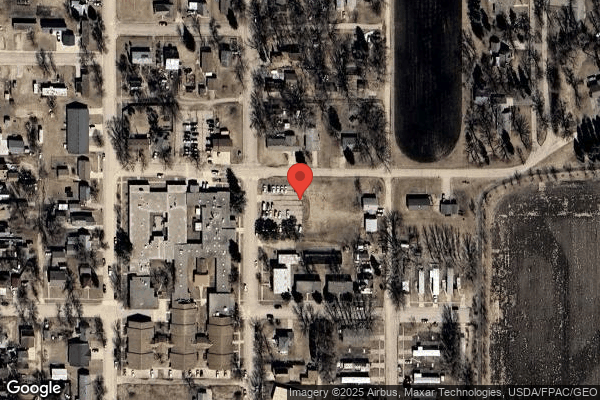

333 EASTERN AVE, GRAFTON, ND 58237 (701) 352-1901
Non profit - Church related 87 Beds Independent Data: November 2025
Trust Grade
58/100
#41 of 72 in ND
Last Inspection: December 2024

Within standard 12-15 month inspection cycle. Federal law requires annual inspections.

Overview

Lutheran Sunset Home in Grafton, North Dakota, has a Trust Grade of C, indicating it is average and in the middle of the pack compared to other facilities. It ranks #41 out of 72 in the state, placing it in the bottom half, although it is #1 out of 2 in Walsh County, meaning it is the best local option. The facility's performance is worsening, with the number of reported issues increasing from 4 in 2023 to 9 in 2024. Staffing is a strong point, with a perfect 5/5 star rating and a turnover rate of 46%, slightly below the state average, but RN coverage is concerning, as it is lower than 83% of facilities in North Dakota. Recent inspections revealed serious concerns, including a resident being injured during a transfer due to improper use of a lift, infection control violations that could spread illness, and food safety issues in the kitchen, highlighting both strengths and weaknesses in the home's overall care.

Trust Score
C
58/100
In North Dakota
#41/72
Bottom 44%
Safety Record
Moderate
Needs review
Inspections
Getting Worse
4 → 9 violations
Staff Stability
⚠ Watch
46% turnover. Above average. Higher turnover means staff may not know residents' routines.
Penalties
○ Average
$11,057 in fines. Higher than 58% of North Dakota facilities. Some compliance issues.
Skilled Nurses
○ Average
Each resident gets 41 minutes of Registered Nurse (RN) attention daily — about average for North Dakota. RNs are the most trained staff who monitor for health changes.
Violations
⚠ Watch
17 deficiencies on record. Higher than average. Multiple issues found across inspections.
★★★☆☆
3.0
Overall Rating
★★★★★
5.0
Staff Levels
★☆☆☆☆
1.0
Care Quality
★★★☆☆
3.0
Inspection Score
Stable
2023: 4 issues
2024: 9 issues

The Good

  • 5-Star Staffing Rating · Excellent nurse staffing levels
  • Full Sprinkler Coverage · Fire safety systems throughout facility
  • No fines on record

Facility shows strength in staffing levels, fire safety.

The Bad

3-Star Overall Rating

Near North Dakota average (3.1)

Meets federal standards, typical of most facilities

Staff Turnover: 46%

Near North Dakota avg (46%)

Higher turnover may affect care consistency

Federal Fines: $11,057

Below median ($33,413)

Minor penalties assessed

The Ugly 17 deficiencies on record

1 actual harm
Dec 2024 7 deficiencies
CONCERN (D)

Potential for Harm - no one hurt, but risky conditions existed

Assessment Accuracy (Tag F0641)

Could have caused harm · This affected 1 resident

**NOTE- TERMS IN BRACKETS HAVE BEEN EDITED TO PROTECT CONFIDENTIALITY** Based on record review, review of the Long-Term Care Facility Resident Assessment Instrument (RAI) 3.0 User's Manual (Version 1....

Read full inspector narrative →
**NOTE- TERMS IN BRACKETS HAVE BEEN EDITED TO PROTECT CONFIDENTIALITY** Based on record review, review of the Long-Term Care Facility Resident Assessment Instrument (RAI) 3.0 User's Manual (Version 1.19.1), and staff interview, the facility failed to ensure accurate coding of the Minimum Data Set (MDS) for 2 of 18 sampled residents (Resident #24 and #35) and 1 supplemental resident (Resident #40). Failure to accurately code the MDS does not allow each resident's assessment to reflect their current status/needs and may affect the accurate development of a comprehensive care plan and the care provided to the residents. Findings include: SECTION N: MEDICATIONS The Long-Term Care Facility RAI 3.0 User's Manual, revised October 2024, page N-7 stated, . N0415G1. Diuretic: Check if a diuretic medication was taken by the resident at any time during the 7-day look-back period . - Review of Resident #24's medical record occurred on all days of survey. Medications included and identified Furosemide (a diuretic) daily. Review of the quarterly MDS, dated [DATE], showed the facility failed to code diuretic use. SECTION O: SPECIAL TREATMENTS, PROCEDURES, AND PROGRAMS The Long-Term Care Facility RAI User's Manual, revised October 2024, pages O-3, O-4, and O-7, stated, . Coding Instructions for Column b. While a resident. Check all treatments, procedures, and programs that the resident received or performed . within the last 14 days. O0110C1, Oxygen therapy. Code continuous or intermittent oxygen administered via mask, cannula, etc. O0110K1, Hospice care. Code residents identified as being in a hospice program . - Review of Resident #24's medical record occurred on all days of survey. A physician's order, dated 03/13/24, stated, admitted to Hospice . Review of the significant change MDS, dated [DATE], showed the facility failed to code hospice services. - Review of Resident #40's medical record occurred on all days of survey. Physician's orders identified the resident admitted to hospice services on 10/21/24. Review of the significant change MDS, dated [DATE], showed the facility failed to code hospice services. - Review of Resident #35's medical record occurred on all days of survey. A physician's order, dated 05/31/24, stated, . Oxygen 2L [liters per minute] via NC [nasal cannula] PRN [as needed] to keep sats [oxygen saturation level] greater than 90% . A quarterly MDS, dated [DATE], showed the facility failed to code oxygen use. The resident's medication administration record (MAR), dated 10/30/24 to 11/13/24, identified oxygen use. During an interview on 12/18/24 at 4:25 p.m., an administrative nurse (#3) confirmed staff miscoded the MDS's.
CONCERN (D)

Potential for Harm - no one hurt, but risky conditions existed

Deficiency F0657 (Tag F0657)

Could have caused harm · This affected 1 resident

**NOTE- TERMS IN BRACKETS HAVE BEEN EDITED TO PROTECT CONFIDENTIALITY** Based on record review, review of facility policy, and staff interview, the facility failed to review and revise care plans to r...

Read full inspector narrative →
**NOTE- TERMS IN BRACKETS HAVE BEEN EDITED TO PROTECT CONFIDENTIALITY** Based on record review, review of facility policy, and staff interview, the facility failed to review and revise care plans to reflect the residents' current status for 2 of 18 sampled residents (Resident #1 and #35). Failure to update care plans limited the staffs' ability to communicate needs and ensure continuity of care. Findings include: Review of the facility policy titled Comprehensive Care Plans occurred on 12/19/24. This policy, dated 11/17/16, stated, . The comprehensive care plan will be reviewed and revised by the interdisciplinary team after each comprehensive and quarterly MDS [Minimum Data Set] assessment . - Review of Resident #1's medical record occurred on all days of survey. The current care plan stated, . Potential for bleeding related to anticoagulant [medicine that increases the time for blood to clot] use. Apixaban [blood thinner] as ordered by MD [medical doctor] . Review of the October 2024 Electronic Medication Administration Record (eMAR) showed the provider discontinued Apixaban on 10/30/24. During an interview on 12/18/24 at 10:26 a.m., an administrative nurse (#2) confirmed staff failed to revise Resident #1's care plan following the discontinuation of the anticoagulant. - Review of Resident #35's medical record occurred on all days of survey. Diagnoses included chronic obstructive pulmonary disorder (COPD) (restricted airflow in the lungs), shortness of breath, and chronic heart failure (CHF). A physician's order, dated 05/31/24, stated, Oxygen 2L [liters per minute] via NC [nasal cannula] PRN [as needed] to keep sats [oxygen saturation level] greater than 90% . A quarterly MDS, dated [DATE], identified the resident as cognitively intact and independent with activities of daily living. During an interview on 12/17/24 at 9:23 a.m., Resident #35 stated he/she uses oxygen when I feel winded. The resident confirmed he/she independently uses the oxygen concentrator and portable oxygen tank, and stated, I sometimes turn it [the meter flow] up until it pops to clear out the tube and then turn it back down. Resident #35's care plan failed to include Resident #35's independent use of oxygen and education on the risks of this practice. During an interview on 12/17/24 at 4:31 p.m., an administrative nurse (#2) confirmed Resident #35 removes and applies their own oxygen, and stated, They [facility staff] have educated [resident] on oxygen.
CONCERN (D)

Potential for Harm - no one hurt, but risky conditions existed

Deficiency F0658 (Tag F0658)

Could have caused harm · This affected 1 resident

Based on observation, record review, review of manufacturer's instructions for use, and staff interview the facility failed to ensure staff followed standards of practice for 2 of 2 residents (Residen...

Read full inspector narrative →
Based on observation, record review, review of manufacturer's instructions for use, and staff interview the facility failed to ensure staff followed standards of practice for 2 of 2 residents (Resident #33, and #235) who required rapid acting insulin. Failure to administer rapid acting insulin within the time specified by the manufacturer may result in a hypoglycemic (low blood sugar) reaction. Findings include: Prescribing information for Humalog insulin (a raid acting insulin), found at https://www.humalog.com, stated, Administer HUMALOG . within 15 minutes before a meal or immediately after a meal. Prescribing information for Novolog insulin, found at https://www.novolog.com, stated, Novolog is a rapid-acting insulin . Novolog starts acting fast. Eat a meal within 5-10 minutes after taking it. - Review of Resident #235's medical record occurred on 12/18/24. Current physician's order included Humalog insulin 50 units three times a day. During an interview on 12/18/24 at 5:16 p.m., a nurse (#15) stated she checked Resident #235's blood sugar at 4:45 p.m., obtained a blood glucose reading of 125 milligrams/deciliter (mg/dl), and administered 50 units of Humalog. Observation on 12/18/24 of Resident #235 showed the following: * 5:17 p.m., at a table in the dining room. * 5:37 p.m., received two glasses of juice at the table. (52 minutes later) * 5:48 p.m., received the evening meal (one hour and 3 minutes after receiving a rapid acting insulin). - Review of Resident #33's medical record occurred on all days of survey. Current physician's order included, Aspart (Novolog Insulin) 30 units in the evening and hold if resident does not eat. Observations on 12/18/24 showed the following: * 5:00 p.m., a nurse (#15) administered 30 units of Novolog to Resident #33. * 5:28 p.m., Resident #33 received her evening meal. (28 minutes after receiving a rapid acting insulin). During an interview on 12/19/24 at 10:26 a.m., an administrative nurse (#2) stated she expected staff to serve a meal within 15 minutes of administering a rapid acting insulin.
CONCERN (D)

Potential for Harm - no one hurt, but risky conditions existed

Accident Prevention (Tag F0689)

Could have caused harm · This affected 1 resident

Based on observation, record review, and review of facility policy, the facility failed to properly utilize assistive devices necessary to prevent accidents and/or injury for 1 of 3 sampled residents ...

Read full inspector narrative →
Based on observation, record review, and review of facility policy, the facility failed to properly utilize assistive devices necessary to prevent accidents and/or injury for 1 of 3 sampled residents (Resident #75) observed during transfers. Failure to utilize a gait belt during transfers placed the resident at risk for falls and/or injury. Findings include: Review of the policy titled Gait belt For Transfers occurred on 12/19/24. This policy, dated September 2002, stated, . Gait belts are provided to assist staff to safely transfer or ambulate residents. Observation on 12/18/24 at 8:44 a.m., showed a certified nurse aide (CNA) (#11) provided personal cares to Resident #75. After personal cares were provided, the CNA (#11) placed both hands on the resident's buttocks to assist the resident to sit in the wheelchair. The CNA failed to utilize a gait belt during the transfers. Review of Resident #75's medical record occurred on all days of survey. The care plan, dated 11/16/24, stated, . Assist of 1 with gait belt for transfers. The facility failed to ensure staff followed Resident #75's plan of care and use a gait belt during transfers.
CONCERN (D)

Potential for Harm - no one hurt, but risky conditions existed

Food Safety (Tag F0812)

Could have caused harm · This affected 1 resident

Based on observation, review of facility policy, review of professional reference, and staff interview, the facility failed to ensure food is served and stored in accordance with professional standard...

Read full inspector narrative →
Based on observation, review of facility policy, review of professional reference, and staff interview, the facility failed to ensure food is served and stored in accordance with professional standards for food service sanitation in 1 of 1 kitchen (main kitchen). Failure to ensure a reach-in freezer remains free of frozen water/condensation and ensure proper glove usage when serving ready-to-eat foods has the potential to result in foodborne illness and may result in adverse consequences for residents, visitors, and staff. Findings include: Review of the facility policy titled USE OF PLASTIC GLOVES occurred on 12/19/24. This policy, dated 2005, stated, . If used, single use gloves shall be used for only one task . used for no other purpose, and discarded when damaged or soiled, or when interruptions occur in the operation. ANYTIME A CONTAMINATED SURFACE IS TOUCHED, THE GLOVES MUST BE CHANGED. The 2022 Food and Drug Administration (FDA) Food Code, page 81, stated, . 3-305.11 Food Storage. FOOD shall be protected from contamination by storing the FOOD: (1) In a clean, dry location; (2) Where it is not exposed to splash, dust, or other contamination . Annex 3 Page 384, stated, . 3-305.12 Food Storage, Prohibited Areas. Pathogens can contaminate and/or grow in food that is not stored properly. Drips of condensate . can be sources of microbial contamination for stored food. Observation on 12/16/24 at 1:37 p.m. showed a large amount of ice build-up on the back wall of a reach in freezer extending from the top to the bottom floor of the freezer, ice accumulation on top of a box containing ice cream bars and several closed boxes placed on top of the ice build-up on the bottom of the freezer. When asked about the ice accumulation, a dietary manager (#12) stated, I am not sure why this happens. Maintenance takes care of this for us. I guess it's that time again. Observation of the tray line in the main kitchen on 12/17/24 at 12:00 p.m. showed a dietary staff member (#13) wore gloves while using utensils to dish food onto residents' plates. The staff member removed a food item from a warming oven, pushed a plate warmer cart out of his/her way, and without changing gloves, reached into a bag and placed bread onto a resident plate. The staff member (#13) failed to change gloves after touching non-food areas and before handling ready-to-eat food.
CONCERN (E)

Potential for Harm - no one hurt, but risky conditions existed

Infection Control (Tag F0880)

Could have caused harm · This affected multiple residents

Based on observation, record review, policy review, and staff interview, the facility failed to follow standards of infection control and prevention for 4 of 18 sampled residents (Resident #2, #33, #7...

Read full inspector narrative →
Based on observation, record review, policy review, and staff interview, the facility failed to follow standards of infection control and prevention for 4 of 18 sampled residents (Resident #2, #33, #75, and #236) and 2 supplemental residents (#9 and #43) observed. Failure to practice infection control standards related to enhanced barrier precautions (EBP), transmission-based precautions (TBP), and hand hygiene has the potential to spread infection throughout the facility. Findings include: Review of the facility policy titled Enhanced Droplet Precautions occurred on 12/19/24. This policy, dated July 2022, stated, Residents suspected of or confirmed to have COVID-19 will be placed on Enhanced Droplet Precautions . Doffing [removing] PPE [personal protective equipment] . Remove gloves immediately outside the room. Take care to not touch the contaminated surface of the glove. Perform hand hygiene. Remove gown . Remove goggles. Remove N95 mask. Perform hand hygiene . Review of the facility policy titled Enhanced Barrier Precautions occurred on 12/19/24. This policy, dated April 2024, stated, . PPE for enhanced barrier precautions is only necessary when performing high-contact care activities . High-contact resident care activities include: . dressing . transferring . changing briefs . Review of the facility policy titled Standard Precautions occurred on 12/19/24. This policy, dated December 1996, stated, Standard Precautions incorporates previous CDC [Centers for Disease Control] recommendations for universal precautions, patient care equipment . The major emphasis is on the use of gloves and other protective equipment, devices, and controls to prevent or reduce hand, skin, and mucous membrane contact with blood and other potentially infectious materials. Standard Precautions should be used for all residents at all times . The precautions apply to . feces .Gloves should be worn for . handling items or surfaces soiled with these substances . Hands should be washed immediately after gloves are removed. Gowns should be worn during procedures . when soiling with these substances is likely . -Review of Resident #2, #43, and #236's medical records occurred on all days of survey and identified diagnoses of Covid-19 infection. Observation on 12/16/24 at 2:30 p.m., showed a certified nurse aide (CNA) (#9) exited Resident #43 and #236's shared room wearing PPE and carrying two used drinking glasses. The CNA (#9) set the two glasses on a table outside of the residents' room, removed her PPE and placed the glasses in the container with the dirty dishes. The CNA applied PPE and returned to the resident's room. The CNA failed to perform hand hygiene after removing PPE and before re-entering the resident's room. Observation on 12/18/24 at 10:20 a.m., showed a CNA (#10) exited Resident #2's room wearing PPE, and carried a meal tray down the hall, past the nurse's station and another resident, and placed the tray on a cart designated for dirty dishware. The CNA returned to the bin located outside the resident's room, removed her PPE and completed hand hygiene. During an interview on 12/19/24 at 10:55 a.m., an administrative staff member (#2) confirmed she expected staff to remove PPE and perform hand hygiene after leaving a Covid-19 positive room and before completing other tasks. - Review of Resident #75's medical records occurred on all days of survey. The care plan stated, Potential for UTI [urinary tract infection] related to indwelling foley catheter. Enhanced Barrier Precautions in place. Observation on 12/18/24 at 8:44 a.m., showed a CNA (#11) providing high-contact resident cares including changing the resident's brief, dressing, and transferring Resident #75. The CNA failed to wear a gown during the high-contact resident care. - Review of Resident #9's medical record occurred on 12/17/24 and identified EBP. Observation on 12/17/24 at 2:35 p.m. showed two CNAs (#10 and #11) performed hand hygiene, applied gowns and gloves, and changed Resident #9's brief soiled with bowel movement (BM). The CNA (#10) removed the resident's brief, cleansed the perineal area, removed her gloves and without performing hand hygiene, applied clean gloves. The CNA (#11) cleansed the resident's hands of BM, removed her gloves and without performing hand hygiene, applied clean gloves. Both CNAs applied a clean brief and clean linens to the resident's bed. The CNAs (#10 and #11) failed to perform hand hygiene after removing soiled gloves and before performing other tasks. - Observation on 12/19/24 at 5:00 p.m. showed a nurse (#15) entered Resident #33's room and without performing hand hygiene, donned gloves, checked the resident's blood sugar, removed the gloves, and again without performing hand hygiene, exited the resident's room. At the nurses' station, the nurse (#15) placed the glucometer on top of the medication cart, obtained an alcohol wipe and gloves from the cart, and returned to Resident #33's room. The nurse donned gloves without performing hand hygiene, administered insulin, exited the room and threw the gloves in the trash can. The nurse failed to perform hand hygiene throughout the observation. During an interview on 12/19/24 at 10:55 a.m., an administrative staff member (#2) confirmed staff should perform hand hygiene between glove changes.
MINOR (C)

Minor Issue - procedural, no safety impact

Deficiency F0570 (Tag F0570)

Minor procedural issue · This affected most or all residents

Based on record review, review of facility policy, and staff interview, the facility failed to ensure the coverage of 1 of 1 surety bond provided the required coverage of all personal funds for reside...

Read full inspector narrative →
Based on record review, review of facility policy, and staff interview, the facility failed to ensure the coverage of 1 of 1 surety bond provided the required coverage of all personal funds for residents who deposited money with the facility. Failure to ensure the security bond covered all funds entrusted to the facility may result in the residents suffering financial losses secondary to the facility failing to hold, safeguard, manage, and/or account for their funds. Findings included: Review of the facility policy titled Resident Trust Funds occurred on 12/19/24. This policy, dated November 2000, stated, . The facility maintains a security bond to protect the resident's funds. During an interview on 12/18/24 at 3:33 p.m., a business office staff member (#14) reported the residents' trust fund account currently contained $10,138.13. An administrative staff member (#1) showed the surveyor an insurance document, with an effective date of 03/11/23, which showed a bond limit of $10,000.00. The facility failed to implement a system ensuring they maintained a surety bond that covered all personal funds entrusted to the facility.
May 2024 1 deficiency 1 Harm
SERIOUS (G) 📢 Someone Reported This

A family member, employee, or ombudsman was alarmed enough to file a formal complaint

Actual Harm - a resident was hurt due to facility failures

Accident Prevention (Tag F0689)

A resident was harmed · This affected 1 resident

**NOTE- TERMS IN BRACKETS HAVE BEEN EDITED TO PROTECT CONFIDENTIALITY** 1. Based on record review, resident and staff interviews, and review of a facility reported incident, the facility failed to pre...

Read full inspector narrative →
**NOTE- TERMS IN BRACKETS HAVE BEEN EDITED TO PROTECT CONFIDENTIALITY** 1. Based on record review, resident and staff interviews, and review of a facility reported incident, the facility failed to prevent accidents for 1 of 1 sampled resident (Resident #1) reviewed for an accident with subsequent injury. Failure to follow facility policy for proper use of a stand-lift resulted in injury. Findings include: Review of Resident #1's medical record identified diagnoses of osteoarthritis and abnormalities of gait (walking). The care plan identified, . Self-care deficit with mobility related to decreased mobility, . and other risk factors. Assist of 1 with stand aid lift for all transfers. Record review occurred on 05/21/24. The nurse's notes identified the following: 4/30/24 4:08 p.m. CNA [certified nurse aide] called nurse into resident's room @ [at] 6:30 AM. Showed nurse resident's bruise to right rib area and right breast area. Nurse assessed and measured bruise. Resident was being transferred from chair to bed with stand aid lift when bruise occurred. Resident denied pain @ this time. Assessed and measured resident [bruised area]. 18 cm (L) [centimeters in length] X 26 cm (W) [centimeters in width] dark purple bruise to right rib area and right breast area. Reported to . Nurse Manager . COTA [certified occupational therapy assistant] . checked lift for proper functioning. Machine cleared. Pain assessment completed. Resident denied pain throughout shift. During an interview with Resident #1 on 05/21/24 at 11:00 a.m., the resident stated she has been a resident at the facility for eight years. When asked about the incident that caused the bruises she described, I was all bruised along my chest and down my leg. She [CNA] had that lift backwards. It was so painful, and I told her it was wrong, and I was hurting but she ignored me. The resident explained she had never had that happen to her before or since the episode on 4/28/24. The resident acknowledged the bruises did not show up until a couple of days later and the two nurses that came to check on me were so upset and said, 'what in the world happened here?' So, I told them . During an interview with a staff member (#8) on 05/21/24 at 1:00 p.m., the staff member stated she observed bruises on the resident's chest area while assisting the resident on the morning of 04/30/24. The staff member said she was stunned to see the bruising and wondered what happened. She immediately reported it to the charge nurse. The staff member said the resident often talks about being scared now when being lifted and she had not expressed that fear before. Review of the Facility Reported Incident investigation identified, . It was noted on 4-30-24 during AM [morning] cares that [resident] has a very large bruise to her right breast mid nipple line and down and to the side area that is black /blue in color. Bruised area measures 18 x 26 cm. When [resident] was asked about the bruise, [resident] stated that two evenings ago (04/28/24) she kept telling the new CNA that the lift was hurting her, but the CNA wouldn't listen to her and kept talking over her as she proceeded with the transfer despite [resident's] continued complaints of pain. During an interview on 05/21/24 at 2:45 p.m., two administrative staff members (#1 and #2) confirmed they expected staff to follow the proper procedure for stand lift transfers. The facility failed to ensure staff followed appropriate procedure for a transfer with a sit to stand lift. 2. Based on record review, staff interviews, review of facility policy, and review of a facility reported incident, the facility failed to prevent accidents for 1 of 1 sampled resident (Resident #3) reviewed for an accident with subsequent injury. Failure to follow facility policy for proper use of a maxi-lift (mechanical full body lift) resulted in injury. Findings include: Review of the facility policy titled Mechanical Lift - Total Lift occurred on 05/21/24. This policy, revised December 2022, stated, Purpose: A mechanical lift is used appropriately to facilitate transfer of residents. *The mechanical lift is used by nursing staff. *Two persons are needed to use mechanical lift unless indicated by resident's care plan. Procedure: 3. Place lift sling under the resident; position lift over resident. 4. Attach sling clips to lift, making sure they are attached snugly. Review of Resident #3's medical record identified diagnoses of dementia and muscle weakness. The current care plan identified, . Self-care deficit related to osteoarthritis, . and other risk factors. Assist X 2 [two staff people] with maxi lift for all transfers. Record review occurred on 05/21/24. The nurse's notes identified the following: *02/23/24 at 10:32 a.m. CNA's states [sic] while lifting resident in maxi lift didn't realize straps were not properly attached causing resident to fall back and hit her head on the floor causing laceration [cut] 1 cm [centimeter] x 0.1 cm. Assist x 2 to lift resident up off floor back into her wheelchair. Writer and treatment nurse assessed resident's laceration, cleansed with NS [normal saline] applied steri strips [a type of band aid used to hold wound edges together]. Writer called [providers office] spoke to Nurse [name] states to monitor, neuro [neurological] checks every two hours and call if any other concerns. Education given to staff in prevention of future falls, to assure maxi lift sling is properly in place when attempting to lift resident. *2/27/24 11:00 a.m. f/u [follow up] to fall on 2/23/24: 2 CNAs were assisting [resident] to use the commode per maxi lift. Lift sling was properly connected between [resident's] legs, but the top hooks were not connected; neither CNA confirmed correct placement prior to lifting [resident] into the air and as she was being lift [sic], [resident's] body weight shifted her backward on her w/c [wheelchair], causing her to fall back and hit her head on the floor. [Resident] sustained a 1 cm x 0.1 cm laceration to the back of her scalp . During an interview on 05/21/24 at 1:15 p.m., a staff member (#4) stated she thought the other CNA in the room said, I hooked the back clips, but instead she said, you need to hook the back clips. She said they miscommunicated. Review of the Facility Reported Incident investigation identified, . [Resident] was being transferred from her wheelchair with the use of the maxi lift. CNA used the remote on the maxi lift to lift [resident] up in the maxi lift while [other] CNA was elsewhere in the room. Bottom lift sling clips were clipped, but upper lift sling clips were not clipped causing [resident's] wheelchair to tip backward and [resident] to fall backward and hit head on the floor. [resident] sustained a 0.1 x 1 cm laceration to the back of head. During an interview on 5/21/24 at 2:45 PM, two administrative staff members (#1 and #2) confirmed they expected staff to follow the proper procedure for mechanical full body lift transfers. The facility failed to ensure staff followed mechanical lift procedures which resulted in injury. Based on the following information, non-compliance at F689 is considered past non-compliance. The facility implemented the corrective action for the resident affected by the deficient practice by: *Completing an investigation with interviews of staff who assisted with the transfer on 02/23/24. *Determining staff failed to follow the Maxi-lift policy and resulted in a resident's fall with injury. *Providing 1 on 1 education immediately after the incident with involved staff regarding proper use of Maxi-lift and sling with return demonstration to the rehabilitation manager. The facility addressed measures put in place and implemented systemic changes to ensure the deficient practice does not recur by: *Providing education to all nursing staff on proper mechanical lift transfers on 04/09/24. The survey team determined a deficient practice existed on 02/23/24. The facility implemented corrective action on 02/23/24 and completed nursing education on 04/09/24.
Jan 2024 1 deficiency
CONCERN (D) 📢 Someone Reported This

A family member, employee, or ombudsman was alarmed enough to file a formal complaint

Potential for Harm - no one hurt, but risky conditions existed

Report Alleged Abuse (Tag F0609)

Could have caused harm · This affected 1 resident

Based on record review, review of facility policy, and staff interview, the facility failed to report alleged violations involving neglect to the State Survey Agency (SSA) for 1 of 1 sampled resident ...

Read full inspector narrative →
Based on record review, review of facility policy, and staff interview, the facility failed to report alleged violations involving neglect to the State Survey Agency (SSA) for 1 of 1 sampled resident (Resident #1) who eloped from the facility. Failure to report allegations and submit investigation results placed all residents at risk for neglect. Findings include: Review of the facility policy titled Abuse, Neglect and Exploitation occurred on 01/25/24. This policy, dated 11/17/16, stated, . Neglect means failure of the facility, its employees, or services providers to provide goods and services to a resident that are necessary to avoid physical harm, pain, mental anguish, or emotional distress. Response and Reporting of Abuse, Neglect and Exploitation - Anyone in the facility can report suspected abuse. When abuse, neglect or exploitation is suspected, the Licensed Nurse should: . Contact the State Agency and the local Ombudsman office to report the alleged abuse. In response to allegations of abuse, neglect, exploitation or mistreatment, the facility must: a. Ensure that all alleged violations . are reported immediately, but not later than 2 hours after the allegation is made, if the events that cause the allegation involve abuse or result in serious bodily injury . to the Administrator of the facility and to other official [sic] (including the State Survey Agency .) in accordance with State law. Review of Resident #1's medical record occurred on 01/25/24. Nurses' notes identified the following: *01/23/24 at 2:32 a.m., . CNA [certified nurse aide] was doing rounds at 12:05 [a.m.] and resident was not in his room. While searching rooms down the hallway CNA heard banging on a window outside door number 8. He was sitting in a patio chair outside the first apt [apartment]. CNA helped him back inside. He stated he was going out for gas and got locked out. He had fallen outside and was very cold. He was brought to his room and changed into warm, dry clothes and covered with warm blankets. He sustained an abrasion to the top of his left forehead and to the outer side of his left hand and both knees were red. As he was warming up his hand and fingers continued to be very cold and all his fingertips on both hands had darkened. Call placed to ER [emergency room] and informed ER nurse and aware that resident was coming to the ER. Ambulance here and picked up resident at 1:30 am and was transferred to [medical facility]. *01/23/24 at 6:53 a.m., . Call received from [medical facility], resident is being transferred to [burn center]. *01/23/24 at 4:02 p.m., . Did call [burn center] . and received update that [Resident #1] will be there for at least 2 more days trying to get circulation improved to fingers. The record lacked evidence the facility reported the above incident to the SSA as possible neglect. During an interview on the morning of 01/25/24, an administrative staff member (#1) confirmed the facility did not report the above incident to the SSA.
Nov 2023 4 deficiencies
CONCERN (D) 📢 Someone Reported This

A family member, employee, or ombudsman was alarmed enough to file a formal complaint

Potential for Harm - no one hurt, but risky conditions existed

Deficiency F0578 (Tag F0578)

Could have caused harm · This affected 1 resident

**NOTE- TERMS IN BRACKETS HAVE BEEN EDITED TO PROTECT CONFIDENTIALITY** Based on observation, record review, review of facility policy, and staff interview, the facility failed to ensure the resident'...

Read full inspector narrative →
**NOTE- TERMS IN BRACKETS HAVE BEEN EDITED TO PROTECT CONFIDENTIALITY** Based on observation, record review, review of facility policy, and staff interview, the facility failed to ensure the resident's right to request, refuse, and/or discontinue treatment for 1 of 20 sampled residents (Resident #132) reviewed for advance directives. Failure to ensure the medical record accurately reflected the resident's code status limited the facility's ability to communicate to direct care staff and emergency personnel the resident's choice in the event of a medical emergency. Findings include: Review of the facility policy titled Code Blue occurred on [DATE]. This policy, dated [DATE], stated, . Code Level 1 residents are identified at LSH [Lutheran Sunset Home] by a red heart on the spine end of the paper medical record. Review of Resident #132's medical record occurred on all days of survey. The ND POLST: Physician Orders for Life Sustaining Treatment, signed by Resident #132 on [DATE] and the physician on [DATE], indicated CPR (cardiopulmonary resuscitation)/Attempt Resuscitation. During an interview on [DATE] at 9:55 a.m., a licensed nurse (#4) stated full code residents have a red heart on the chart. Observation on [DATE] at 10:00 a.m. showed Resident #132's medical record lacked a red heart at the spine end of the chart. The licensed nurse (#4) confirmed the chart lacked the red heart. During an interview on [DATE] at 3:25 p.m., an administrative nurse (#1) stated she expected staff to place a red heart on the chart of a resident who elected full code/CPR as soon as the resident completed the form.
CONCERN (D) 📢 Someone Reported This

A family member, employee, or ombudsman was alarmed enough to file a formal complaint

Potential for Harm - no one hurt, but risky conditions existed

Deficiency F0657 (Tag F0657)

Could have caused harm · This affected 1 resident

Based on observation, record review, review of a facility reported incident, review of facility policy, and staff interview, the facility failed to review and revise comprehensive care plans to reflec...

Read full inspector narrative →
Based on observation, record review, review of a facility reported incident, review of facility policy, and staff interview, the facility failed to review and revise comprehensive care plans to reflect the residents' current status for 3 of 20 sampled residents (Resident #12, #30, and #50). Failure to review and revise the care plan limited staffs' ability to communicate needs and ensure continuity of care. Findings include: Review of the facility policy titled Reviewing and Revising the Care Plan occurred on 11/01/23. This policy, dated September 2022, stated, . The purpose of this procedure is to provide a consistent process for reviewing and revising the care plan for those residents experiencing a status change. The care plan will be updated with the new or modified interventions. - Review of Resident #12's medical record occurred on all days of survey. The facility reported incident (FRI) identified the resident displayed inappropriate physical behavior with a female resident on 10/26/23. The FRI also identified the facility updated Resident #12's care plan. Resident #12's medical record failed to identify any information related to the incident that occurred on 10/26/23. Review of Resident #12's care plan, updated 10/17/23, stated, . does make inappropriate comments towards female staff at times . The care plan failed to identify any update regarding inappropriate physical behavior with female residents or any interventions. During an interview on 11/02/23 at 9:37 a.m., an administrative staff member (#1) confirmed she expected staff to update Resident #12's care plan with information to reflect behaviors of inappropriate touching with a female resident. - Review of Resident #30's medical record occurred on all days of survey. Diagnoses included Parkinson's disease and CVA (cerebral vascular accident). A restorative nursing note, dated 06/28/23, stated, . Provided resident with a pommel anti trust (sic) wheelchair cushion to improve upright seated posture. Observation on all days of survey showed Resident #30's wheelchair with a pommel cushion in place. Resident #30's care plan lacked information related to the pommel cushion. During an interview on 11/01/23 at 1:43 p.m., an administrative nurse (#1) confirmed Resident #30's care plan lacked information related to the pommel cushion. - Review of Resident #50's medical record occurred on all days of survey. The medical record showed Resident #50 signed a Self-Administration of Medication Consent and Waiver Form on 04/20/22. This form stated, I assume the responsibility of taking my medications without direct observation. I do not wish to store medications in my room. By assuming this responsibility I agree to comply with the facilities policies and procedures for medication self -administration. I further understand that failure to comply with facility policy may result in the rescinding of my right to administer my medications. Resident #50's care plan lacked problem, goals, and interventions related to self-administration of medications. During an interview on 11/02/23 at 10:50 a.m., an administrative nurse (#1) stated she expected staff to include self-administration of medications on the care plan.
CONCERN (D) 📢 Someone Reported This

A family member, employee, or ombudsman was alarmed enough to file a formal complaint

Potential for Harm - no one hurt, but risky conditions existed

Deficiency F0868 (Tag F0868)

Could have caused harm · This affected 1 resident

Based on review of Quality Assurance and Performance Improvement (QAPI) meeting minutes, facility policy, and staff interview, the facility failed to ensure participation by the medical director for 2...

Read full inspector narrative →
Based on review of Quality Assurance and Performance Improvement (QAPI) meeting minutes, facility policy, and staff interview, the facility failed to ensure participation by the medical director for 2 of 4 quarterly meetings (February 16, 2023 and August 17, 2023) reviewed. Failure to ensure the medical director participates in the facility's Quality Assurance activities deprived the committee of the physician's unique contributions for analyzing and correcting problems with identified resident care areas. Findings include: Review of the facility policy titled Quality Assurance and Performance Improvement Program occurred on 11/02/23. This undated policy, stated, . Framework: The administrator, the director of resident services, infection control & [and] prevention officer, medical director . will provide QAPI leadership by being on the QAA [quality assurance and assessment] committee. The QAA committee will meet quarterly. Review of QAPI meeting minutes occurred on 11/02/23 and identified the QAPI committee met on a quarterly basis between November 2022-August 2023. The QAPI meeting minutes identified the medical director failed to attend the meetings on February 16, 2023 and August 17, 2023. During an interview on 11/023 23 at 10:23 a.m., an administrative staff member (#1) confirmed the Medical Director failed to attend the QAPI meetings held February 16, 2023 and August 17, 2023.
CONCERN (E) 📢 Someone Reported This

A family member, employee, or ombudsman was alarmed enough to file a formal complaint

Potential for Harm - no one hurt, but risky conditions existed

Food Safety (Tag F0812)

Could have caused harm · This affected multiple residents

Based on observation, facility documentation, and staff interview, the facility failed to serve, prepare, and store food in a safe and sanitary manner for 1 of 1 kitchen. Failure to discard spoiled fo...

Read full inspector narrative →
Based on observation, facility documentation, and staff interview, the facility failed to serve, prepare, and store food in a safe and sanitary manner for 1 of 1 kitchen. Failure to discard spoiled food and protect dishware from contamination has the potential to result in foodborne illness to residents, staff, and visitors. Findings include: Observation of the main kitchen and walk-in cooler occurred on 10/30/23 at 12:40 p.m. and showed the following: * Two unopened containers of strawberries, with visible mold present. * One unopened container of cherry tomatoes, shriveled and covered with dark spots. * One open, undated bag of shredded lettuce, with visible browning present. * A tabletop fan visibly soiled with dust blowing in the direction of clean dishes. Review of the facility document titled Food Rotation Chart occurred on 11/02/23. This undated document listed various fruits and vegetables with guidance for their optimal length of storage as follows: * Tomatoes - Use by date; assess quality * Lettuce-shredded - Use by date; assess quality * Strawberries-5 days; assess quality A fan cleaning schedule provided by maintenance showed a kitchen fan initialed as cleaned on September 14, 2023. During an interview on 11/02/23 at 10:15 a.m., two dietary administrative staff (#2 and #3) stated they expected all kitchen staff to monitor the walk in cooler and discard spoiled food. A dietary administrative staff (#3) stated it is the maintenance department's responsibility to clean fans monthly and staff should not direct fans toward dishes or food preparation areas.
Sept 2022 4 deficiencies
CONCERN (D)

Potential for Harm - no one hurt, but risky conditions existed

Quality of Care (Tag F0684)

Could have caused harm · This affected 1 resident

Based on observation, record review, facility policy review, and staff interview, the facility failed to provide care and services to ensure proper skin care for 1 of 1 sampled resident (Resident #58)...

Read full inspector narrative →
Based on observation, record review, facility policy review, and staff interview, the facility failed to provide care and services to ensure proper skin care for 1 of 1 sampled resident (Resident #58) with non-pressure related skin impairment. Failure to obtain, clarify, follow physician's and standing orders related to skin impairments, and complete dressing changes as per standing orders may result in worsening skin impairment and delay change in treatment. Findings include: Review of the Facility policy titled . Standing Orders occurred on 09/14/22. This undated policy stated, .Apply . Mepilex [absorbent foam] dressing . Check dressing every day and change every 3-7 days or when drainage is 2 times the size of the wound. Then change dressing following this protocol until area is healed. Review of the facility policy titled Medication Orders occurred on 09/14/22. This policy, dated August 2018, stated . STANDING ORDERS . Professional judgement is used in the initiation and administration of standing orders. The order is written following the procedure for verbal prescriber orders in accordance with the policy on prescriber medication orders. In indicating the source of the order, the abbreviation s.o. [standing order] is used to indicate a standing order . The authorized prescriber countersigns all standing orders . New Verbal Orders: . Obtain prescriber signature within 48 hours. Place the signed copy on the designated page in resident's medical record. During an observation on 09/13/22 at 1:35 p.m., a licensed nurse (#7) completed a dressing change to Resident #58's left shin. The Mepilex dressing lacked a date to identify when staff placed it. The skin under the Mepilex showed two areas of red, excoriated skin. The nurse measured the red/excoriated area and documented a size of 8 cm (centimeters) x 3.5 cm. Review of Resident #58's medical record occurred on all days of survey. The current record lacked a physician's order for Mepilex. Resident #58's electronic treatment administration record (ETAR) identified apply Mepilex to left shin weeping for protection with documentation time of 2:00 p.m. and 10:00 p.m. The ETAR failed to identify frequency of dressing change. The facility failed to initiate a standing order for the dressing change, obtain a physician signature for the standing order, clarify the frequency of the dressing change per the standing order, and failed to document when previous dressing was applied. During an interview on 09/13/22 at 4:30 p.m., an administrative nurse (#1) confirmed Resident #58's medical record lacked an order for the Mepilex and a complete standing order in the ETAR.
CONCERN (D)

Potential for Harm - no one hurt, but risky conditions existed

Menu Adequacy (Tag F0803)

Could have caused harm · This affected 1 resident

Based on observation, facility policy review, review of menus, and staff and resident interview, the facility failed to serve food according to prepared menus during 1 of 2 meals observed (the evening...

Read full inspector narrative →
Based on observation, facility policy review, review of menus, and staff and resident interview, the facility failed to serve food according to prepared menus during 1 of 2 meals observed (the evening of 09/13/22). Failure to serve food according to menus may result in inadequate nutrition and weight loss. Findings include: Review of the facility policy titled Portioning of Food occurred on 09/14/22. This policy, dated August 2022, stated, . The menus specify the size of portions. Portions are served as indicated to ensure adequate nutritional intake of the residents. Regarding the evening meals, confidential resident interviews identified the portions were lean, and residents did not feel they got enough food. Observation of tray line in the unit 3 dining room on the evening of 09/13/22 identified staff served macaroni hotdish to residents using a 1/2 cup scoop. The menu identified the portion as 2/3 cup. During an interview on the morning of 09/14/22, a dietary supervisor (#3) stated residents have brought this issue up before, and staff should have used a 2/3 cup scoop.
CONCERN (D)

Potential for Harm - no one hurt, but risky conditions existed

Food Safety (Tag F0812)

Could have caused harm · This affected 1 resident

Based on observation, review of facility policy, and staff interview, the facility failed to store food under sanitary conditions in 1 of 4 nutrition stations (Station 2). Failure to monitor refrigera...

Read full inspector narrative →
Based on observation, review of facility policy, and staff interview, the facility failed to store food under sanitary conditions in 1 of 4 nutrition stations (Station 2). Failure to monitor refrigerator and freezer temperatures, and label, both resident snacks and food brought into the facility, with discard dates has the potential to result in foodborne illness to residents. Findings include: Review of the facility policy titled Resident Food Storage occurred on 09/14/22. This undated policy stated Policy: Food or beverage brought in from outside sources for storage in facility pantries, refrigeration units, or resident's personal room refrigeration units will be monitored by designated facility staff for spoilage and safety. Procedure: . Food or beverages brought into the facility for resident consumption will be labeled and dated for monitoring food safety. Foods in unmarked or unlabeled containers will be scrutinized and marked by designated facility staff with the current date the food item was brought to the facility for storage. Any suspicious or obviously contaminated food or beverage will be thrown away immediately. Designated facility staff will be assigned to monitor . refrigeration units for food or beverage disposal. All refrigeration units will have internal thermometers to monitor safe food storage temperatures. Units must maintain safe internal temperatures in accordance with state and federal standards for safe food storage temperatures. Observation of facility nutrition stations occurred on the morning of 09/14/22. Station 2's nutrition refrigerator/freezer log lacked temperatures for the following dates: *August 12th through August 21st *August 23rd through August 31st *September 1st through September 11th. Observation of the freezer showed a dessert dish of ice cream with an improper sized lid and a restaurant sandwich wrapped in paper inside a plastic restaurant bag. The ice cream and sandwich lacked a name and date. During an interview on 09/14/22 at 11:00 a.m., a dietary staff member (#2) stated the nutrition staff checked the temperatures and stocked the nutrition station fridges every day. When asked if the ice cream and sandwich should be labeled with a date and name the staff member responded yes.
CONCERN (E)

Potential for Harm - no one hurt, but risky conditions existed

Infection Control (Tag F0880)

Could have caused harm · This affected multiple residents

Based on observation, review of facility policy, and staff interview, the facility failed to ensure staff followed infection control practices during observations on 3 of 3 days of survey (September 1...

Read full inspector narrative →
Based on observation, review of facility policy, and staff interview, the facility failed to ensure staff followed infection control practices during observations on 3 of 3 days of survey (September 12-14, 2022). Failure to follow infection control practices may result in the spread of infection within the facility. Findings include: Review of the facility policy titled Enhanced Droplet Precautions occurred on 9/14/22. This policy, dated July 2022, stated, . Policy: . Residents suspected of or confirmed to have COVID-19 will be placed on Enhanced Droplet Precautions . Procedure: . [NAME] an N95 facemask-cup mask in hand, place both straps to the front of the mask, place mask over face covering both nose and mouth. Adjust nose piece to form a seal. Test seal by taking a deep breath, if mask collapses slightly, it is on correctly. Adjust as necessary . Doffing PPE [personal protective equipment] . Remove gloves immediately outside the room . taking care to not touch surfaces with the contaminated surface of the glove . perform hand hygiene . remove gown, break ties by pulling the neck area . place one hand on the neckline of the opposite shoulder and remove by turning it inside out taking care not to touch the contaminated outer surface of the gown . remove goggles . perform hand hygiene . PERSONAL PROTECTIVE EQUIPMENT USE - Observation on 09/12/22 at 1:38 p.m. showed a certified nurse aide (CNA) (#5) exited Resident #41's room in full PPE. The CNA wore her N95 mask over a surgical mask. The CNA removed and discarded her gloves and performed hand hygiene. She then pulled the sleeves of the gown over her hands, untied gown, rolled it into itself and discarded. After performing hand hygiene, the CNA removed her N95 by the straps, placed it into a paper bag and placed it on a table outside the resident's room. The CNA performed hand hygiene but failed to remove the surgical mask or sanitize her eye goggles before proceeding to another resident's room. During an interview on 09/14/22 at 2:35 p.m., an administrative nurse (#1) stated it is her expectation that N95 masks are to be applied directly to the staff members face, positioned tightly over the nose and mouth and not over a surgical mask, and that goggles should be sanitized upon exiting an isolation room. - Observation on 09/14/22 at 08:43 a.m. showed a CNA (#4) enter Resident (#4 and #47's) room with enhanced droplet precautions in full PPE.The CNA (#4) exited the room in PPE carrying a meal tray and placed the meal tray on a cart outside the room then reentered the room wearing the same PPE and repeated the process with the other residents meal tray and failed to change PPE before reentering the room. During an interview on 09/14/22 at 09:05 a.m., an administrative nurse (#1) stated staff are expected to request assitance from another staff to remove trays from the residents rooms with enhanced droplet precautions. PERSONAL CARES Review of the facility policy titled Bathing occurred on 9/14/22. This undated policy stated, Policy: It is the practice of this facility to assist residents with full body bathing to maintain proper hygiene and help reduce the risks of skin concerns and infectious processes. Procedure: Bed Bath: . Using a basin of warm water, wet washcloth and allow resident to wash his/her own face, if able. Assist as needed. Dry area with towel . Move to the torso . Wash hands, arms, underarms, and chest and stomach areas. Assist resident to turn to their side, wash back . Expose, wash, dry and lotion legs and feet. Expose peri area. Wash and dry area. Assist resident to turn onto side, wash and dry buttock area. Assist resident to dress. - Observation on 09/13/22 at 9:18 a.m., showed a CNA (# 4) perform a bed bath for Resident #70. The CNA performed hand hygiene and donned gloves. The CNA prepared a wash basin and placed the basin and clean wash cloths on the overbed table. After emptying the resident's catheter and without removing gloves or performing hand hygiene the CNA bathed the resident first washing and drying the resident's legs. The CNA returned the washcloth to the wash basin, removed the gloves, failed to perform hand hygiene, left the resident's room and returned with a tube of lotion. Without performing hand hygiene, the CNA donned gloves and applied lotion to the resident's legs. The CNA removed the resident's brief and performed perineal cares using a wet cloth from the wash basin, placed the cloth on the overbed table and applied barrier cream. The resident turned on his right side, the CNA washed the resident's buttocks, placed all washcloths into the wash basin, applied barrier cream to the buttocks, applied a clean brief, and pulled up the resident's pants. Using the same water and wash cloths from the wash basin, the CNA washed Resident #70's face, took a new cloth, wetted it in the wash basin, rinsed the resident's face and returned the cloths to the wash basin. Using the same cloths from the wash basin, the CNA completed the bed bath. The CNA failed to perform cares in the correct order (head to toe) and used the same basin of water to complete the bath. During an interview on 9/14/22 at 2:35 p.m., an administrative nurse (#1) stated she expected staff to perform bed baths from head to toe and follow facility policy. HAND HYGIENE Review of the facility policy titled Hand Hygiene occurred on 09/14/22. This policy, revised in February 2010, stated, . All personnel are required to perform hand hygiene after each direct or indirect resident contact for which hand hygiene is indicated by accepted professional practice. - Observation on 09/12/22 1:14 p.m. showed a CNA (#8) donned gloves without performing hand hygiene. The CNA completed perineal cares, and without removing gloves or performing hand hygiene, applied a clean brief, dressed the resident, and assisted putting the resident back into the wheelchair. The CNA (#8) exited the room without removing the soiled gloves and performing hand hygiene HYGIENE CARES Review of the facility policy titled Policy and Procedure occurred on 09/14/22. This undated policy stated, . Separate the labia . Clean from front to back with one stroke starting at the labia and moving outward. Use a clean area of disposable wash cloth for each stroke . - Observation on 09/13/22 at 7:57 a.m. showed Resident #16 sitting on the toilet and CNA (#4) without gloves performing oral cares on resident. The CNA left the room without performing hand hygiene to retrieve deodorant. The CNA returned to the resident's room, and failed to perform hand hygiene and applied deodorant for Resident #16. The CNA (#4) failed to perform hand hygiene, donned gloves and performed perineal care. The CNA wiped from front to back, then back to front several times with the same washcloth. The CNA removed the gloves and exited room failing to perform hand hygiene. The CNA returned to the resident's room and failed to perform hand hygiene and applied a brief. Failure to perform proper hand hygiene and proper perineal care can lead to the spread of infections and urinary tract infections. MEDICATION ADMINISTRATION During observation of medication administration on 09/14/2022 at 11:07 a.m., a facility nurse (#6) dropped a medication on the medication cart during preparation. The nurse picked up the pill with a spoon, placed the pill into a medication cup and administered it to the resident. The facility nurse (#6) failed to discard and replace the contaminated pill. During an interview on 09/14/2022 at 11:20 a.m., an administrative nurse (#1) stated she expected staff to discard medication that fell on top of the cart.
Understanding Severity Codes (click to expand)
Life-Threatening (Immediate Jeopardy)
J - Isolated K - Pattern L - Widespread
Actual Harm
G - Isolated H - Pattern I - Widespread
Potential for Harm
D - Isolated E - Pattern F - Widespread
No Harm (Minor)
A - Isolated B - Pattern C - Widespread

Questions to Ask on Your Visit

  • "Can I speak with families of current residents?"
  • "What's your RN coverage like on weekends and overnight?"

Our Honest Assessment

Strengths
  • • Licensed and certified facility. Meets minimum state requirements.
Concerns
  • • 17 deficiencies on record, including 1 serious (caused harm) violation. Ask about corrective actions taken.
  • • $11,057 in fines. Above average for North Dakota. Some compliance problems on record.
  • • Grade C (58/100). Below average facility with significant concerns.
Bottom line: Mixed indicators with Trust Score of 58/100. Visit in person and ask pointed questions.

About This Facility

What is Lutheran Sunset Home's CMS Rating?

CMS assigns LUTHERAN SUNSET HOME an overall rating of 3 out of 5 stars, which is considered average nationally. Within North Dakota, this rating places the facility higher than 0% of the state's 100 nursing homes. This mid-range rating indicates the facility meets federal standards but may have areas for improvement.
How is Lutheran Sunset Home Staffed?

CMS rates LUTHERAN SUNSET HOME's staffing level at 5 out of 5 stars, which is much above average compared to other nursing homes. Staff turnover is 46%, compared to the North Dakota average of 46%.

What Have Inspectors Found at Lutheran Sunset Home?

State health inspectors documented 17 deficiencies at LUTHERAN SUNSET HOME during 2022 to 2024. These included: 1 that caused actual resident harm, 15 with potential for harm, and 1 minor or isolated issues. Deficiencies causing actual harm indicate documented cases where residents experienced negative health consequences.
Who Owns and Operates Lutheran Sunset Home?

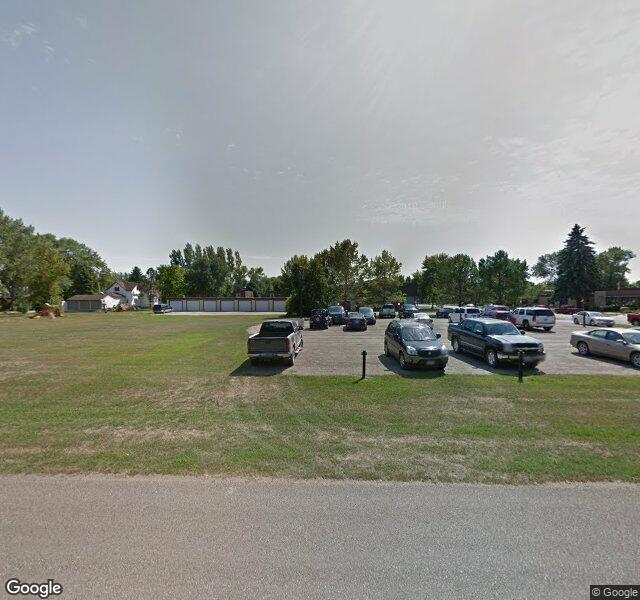
LUTHERAN SUNSET HOME is owned by a non-profit organization. Non-profit facilities reinvest revenue into operations rather than distributing to shareholders. The facility operates independently rather than as part of a larger chain. With 87 certified beds and approximately 82 residents (about 94% occupancy), it is a smaller facility located in GRAFTON, North Dakota.
How Does Lutheran Sunset Home Compare to Other North Dakota Nursing Homes?

Compared to the 100 nursing homes in North Dakota, LUTHERAN SUNSET HOME's overall rating (3 stars) is below the state average of 3.1, staff turnover (46%) is near the state average of 46%, and health inspection rating (3 stars) is at the national benchmark.

What Should Families Ask When Visiting Lutheran Sunset Home?

Based on this facility's data, families visiting should ask: "Can I visit during a mealtime to observe dining assistance and food quality?" "How do you handle medical emergencies, and what is your hospital transfer rate?" "Can I speak with family members of current residents about their experience?"

Is Lutheran Sunset Home Safe?

Based on CMS inspection data, LUTHERAN SUNSET HOME has a clean safety record: no substantiated abuse findings (meaning no confirmed cases of resident harm), no Immediate Jeopardy citations (the most serious violation level indicating risk of serious injury or death), and is not on the Special Focus Facility watch list (a federal program monitoring the lowest-performing 1% of nursing homes). The facility has a 3-star overall rating and ranks #100 of 100 nursing homes in North Dakota. While no facility is perfect, families should still ask about staff-to-resident ratios and recent inspection results during their visit.

Do Nurses at Lutheran Sunset Home Stick Around?

LUTHERAN SUNSET HOME has a staff turnover rate of 46%, which is about average for North Dakota nursing homes (state average: 46%). Moderate turnover is common in nursing homes, but families should still ask about staff tenure and how the facility maintains care continuity when employees leave.

Was Lutheran Sunset Home Ever Fined?

LUTHERAN SUNSET HOME has been fined $11,057 across 1 penalty action. This is below the North Dakota average of $33,189. While any fine indicates a compliance issue, fines under $50,000 are relatively common and typically reflect isolated problems that were subsequently corrected. Families should ask what specific issues led to these fines and confirm they've been resolved.

Is Lutheran Sunset Home on Any Federal Watch List?

LUTHERAN SUNSET HOME is not on any federal watch list. The most significant is the Special Focus Facility (SFF) program, which identifies the bottom 1% of nursing homes nationally based on persistent, serious quality problems. Not being on this list means the facility has avoided the pattern of deficiencies that triggers enhanced federal oversight. This is a positive indicator, though families should still review the facility's inspection history directly.