VALLEY SENIOR LIVING ON COLUMBIA
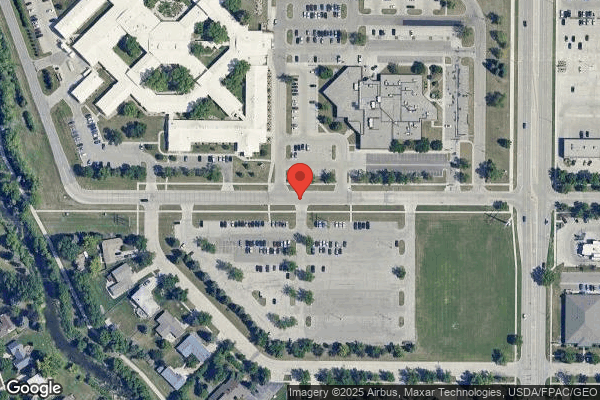
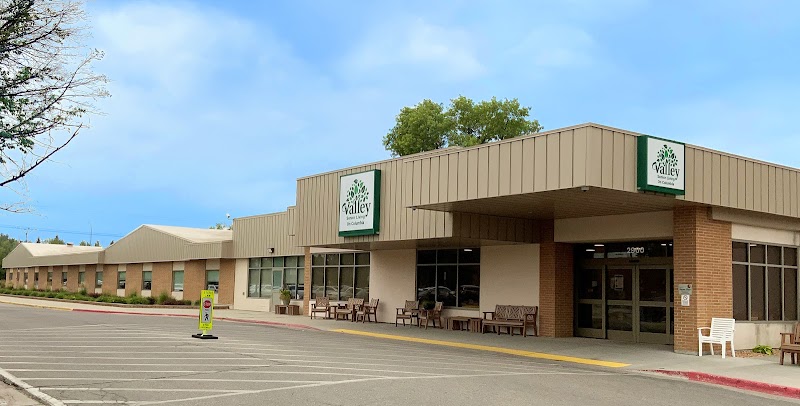
2900 14TH AVE S, GRAND FORKS, ND 58201 (701) 787-7900
Non profit - Church related 196 Beds Independent Data: November 2025
Trust Grade
65/100
#32 of 72 in ND
Last Inspection: June 2025

Inspected within the last 6 months. Data reflects current conditions.

Overview

Valley Senior Living on Columbia has a Trust Grade of C+, indicating it is slightly above average. It ranks #32 out of 72 nursing homes in North Dakota, placing it in the top half of facilities in the state, and #2 out of 3 in Grand Forks County, meaning only one other local option is better. The facility is improving, having reduced issues from 6 in 2024 to 3 in 2025. Staffing is a strong point, with a 5-star rating and a turnover rate of 42%, which is lower than the state average of 48%. However, the facility has faced some serious concerns, including a resident who fell during a transfer due to improper use of a gait belt and another resident who was not supervised during meals, which put them at risk for choking. Overall, while there are strengths in staffing and care, families should be aware of the recent incidents that highlight areas for improvement.

Trust Score
C+
65/100
In North Dakota
#32/72
Top 44%
Safety Record
Moderate
Needs review
Inspections
Getting Better
6 → 3 violations
Staff Stability
○ Average
42% turnover. Near North Dakota's 48% average. Typical for the industry.
Penalties
✓ Good
$27,119 in fines. Lower than most North Dakota facilities. Relatively clean record.
Skilled Nurses
✓ Good
Each resident gets 80 minutes of Registered Nurse (RN) attention daily — more than 97% of North Dakota nursing homes. RNs are the most trained staff who catch health problems before they become serious.
Violations
⚠ Watch
12 deficiencies on record. Higher than average. Multiple issues found across inspections.
★★★★☆
4.0
Overall Rating
★★★★★
5.0
Staff Levels
★★★☆☆
3.0
Care Quality
★★★☆☆
3.0
Inspection Score
Stable
2024: 6 issues
2025: 3 issues

The Good

  • 5-Star Staffing Rating · Excellent nurse staffing levels
  • Full Sprinkler Coverage · Fire safety systems throughout facility
  • No fines on record
  • Staff turnover below average (42%)

    6 points below North Dakota average of 48%

Facility shows strength in staffing levels, fire safety.

The Bad

Staff Turnover: 42%

Near North Dakota avg (46%)

Typical for the industry

Federal Fines: $27,119

Below median ($33,413)

Moderate penalties - review what triggered them

The Ugly 12 deficiencies on record

2 actual harm
Jun 2025 3 deficiencies 1 Harm
SERIOUS (G) 📢 Someone Reported This

A family member, employee, or ombudsman was alarmed enough to file a formal complaint

Actual Harm - a resident was hurt due to facility failures

Accident Prevention (Tag F0689)

A resident was harmed · This affected 1 resident

Based on record review, review of the facility reported incident (FRI) investigation, and review of facility policy, the facility failed to properly utilize assistive devices necessary to prevent acci...

Read full inspector narrative →
Based on record review, review of the facility reported incident (FRI) investigation, and review of facility policy, the facility failed to properly utilize assistive devices necessary to prevent accidents for 1 of 1 sampled resident (Resident #150) who fell during a staff assisted transfer. Failure to utilize the gait belt resulted in Resident #150's fall/fracture and placed all residents transferred with a gait belt at risk for injury. This citation is considered past non-compliance based on review of the corrective actions the facility implemented immediately following the incident. Findings include: The surveyor determined a deficient practice existed on 02/26/25. The facility implemented corrective action immediately, completed corrective action on 03/03/25, and continues with staff education and monitoring. Review of the facility policy titled Gait Belt Use occurred on 06/19/25. This policy, revised August 2023, stated, . Use an underhand grasp to hold on to the gait belt . Review of Resident #150's medical record occurred on all days of survey. Diagnoses included right femur fracture. The care plan stated, . TRANSFER: assist by 1 staff with gait belt . I am at risk for falls r/t [relate to] cognitive impairments, gait/balance problems, deconditioning . I have parkinsonism affecting my balance and mobility. A FRI investigation, dated 03/03/25, stated, . [Resident #150] was being assisted by [CNA [#3] in her room. [The] Resident is care planned as assist of one with [a] gait belt for transfers and ambulation. [CNA #3] had the gait belt in place and had assisted [the] resident from the bathroom to the sink in her room. LBSW [Licensed Baccalaureate Social Worker #4] came into the room and was talking to resident [#150]. At that time, [CNA #3] let go of the gait belt to throw trash in the bathroom. LBSW [#4] noted [the] resident starting to tip backward and yelled to notify [CNA [#3]. [The] Resident then fell backwards, hitting her head on the sink and fell to the ground. Resident [#150] complained of pain, was transferred to the ER [emergency room], and subsequently diagnosed with a displaced, right femur fracture. She required surgical repair. The facility failed to ensure staff utilized the gait belt while assisting Resident #150. Based on the following information, non-compliance at F689 is considered past non-compliance. The facility implemented the following corrective actions to ensure all residents affected by the deficient practice were transferred in an appropriate manner: * Completed an investigation into Resident #150's fall/right femur fracture. * Suspended CNA (#3) following the incident and terminated him/her after completing the investigation. * Provided staff education regarding staff-assisted transfers/gait belt use via electronic messages and/or posted memos. * Completed competency testing to ensure staff met the requirements for staff-assisted transfers/gait belt use. * Updated resident care plans as necessary. * Updated policies and procedures addressing staff-assisted transfer/gait belt use. * Initiated a four-stage (plan-do-study-act) quality improvement plan.
CONCERN (D) 📢 Someone Reported This

A family member, employee, or ombudsman was alarmed enough to file a formal complaint

Potential for Harm - no one hurt, but risky conditions existed

Assessment Accuracy (Tag F0641)

Could have caused harm · This affected 1 resident

**NOTE- TERMS IN BRACKETS HAVE BEEN EDITED TO PROTECT CONFIDENTIALITY** Based on record review, review of the Long-Term Care Facility Resident Assessment Instrument (RAI) 3.0 User's Manual (Version 1....

Read full inspector narrative →
**NOTE- TERMS IN BRACKETS HAVE BEEN EDITED TO PROTECT CONFIDENTIALITY** Based on record review, review of the Long-Term Care Facility Resident Assessment Instrument (RAI) 3.0 User's Manual (Version 1.19.1), and staff interview, the facility failed to ensure accurate coding of the Minimum Data Set (MDS) for 1 of 35 sampled residents (Resident #36). Failure to accurately complete the MDS does not allow each resident's assessment to reflect their current status/needs and may affect the accurate development of a comprehensive care plan and the care provided to the residents. Findings include: The Long-Term Care Facility RAI User's Manual, revised October 2024, page A-32, stated, . Coding Instructions. Code A, Serious mental illness: if resident has been diagnosed with a serious mental illness . Review of Resident #36's medical record occurred on all days of survey. The record included diagnoses of bipolar disorder, Tourette's disorder, and autistic disorder. A comprehensive MDS, dated [DATE], showed the facility failed to code Section A1500 for a serious mental illness. During an interview on 06/19/25 at 10:12 a.m., an administrative nurse (#1) confirmed staff failed to accurately code section A on Resident #36's MDS.
CONCERN (D) 📢 Someone Reported This

A family member, employee, or ombudsman was alarmed enough to file a formal complaint

Potential for Harm - no one hurt, but risky conditions existed

Infection Control (Tag F0880)

Could have caused harm · This affected 1 resident

**NOTE- TERMS IN BRACKETS HAVE BEEN EDITED TO PROTECT CONFIDENTIALITY** Based on observation, record review, review of facility policy, and staff interview, the facility failed to follow standards of ...

Read full inspector narrative →
**NOTE- TERMS IN BRACKETS HAVE BEEN EDITED TO PROTECT CONFIDENTIALITY** Based on observation, record review, review of facility policy, and staff interview, the facility failed to follow standards of infection control and prevention for 3 of 12 sampled residents (Resident #30, #153, and #275) observed during cares/wound care. Failure to practice infection control standards related to enhanced barrier precautions (EBP), perineal care, catheter cares, dressing changes, and hand hygiene, has the potential to spread infection throughout the facility. Findings include: Review of the facility policy titled Dressings: Dry and Moist-to-Dry occurred on 06/18/25. This policy, dated April 2022, stated, . Apply antiseptic ointment (if ordered) with sterile cotton-tipped swab or gauze . Dispose of gloves and perform hand hygiene. Review of the facility policy titled Enhanced Barrier Precautions occurred on 06/19/25. This policy, dated April 2025, stated, . EBPs apply when: A resident . has a wound. Indwelling medical devices include . urinary catheters . EBPs employ targeted gown and glove use in addition to standard precautions during high-contact resident care activities . Examples of high-contact resident care activities . providing hygiene or grooming; changing briefs or assisting with toileting; transferring; bed mobility; wound care . Review of the facility policy titled Handwashing/Hand Hygiene occurred on 06/19/25. This policy, dated October 2024, stated, . Hand hygiene is indicated: after contact with . body fluids or contaminated surfaces; after touching a resident; after touching the resident's environment . - Review of Resident #30 medical record occurred on all days of survey. Diagnoses included us of a urinary device. The quarterly Minumum Data Set (MDS), dated [DATE], identified an indwelling catheter. The care plan stated, . I require the use of Enhanced Barrier Precautions d/t [due to] indwelling medical device. Observation on 06/16/25 at 2:28 p.m. showed two certified nurse aides (CNAs) (#6 and #7) applied a gown and gloves before entering Resident #30's room. One of the CNAs (#6) repositioned the resident's wheelchair, touched the resident's personal items, and without removing her gown and gloves exited the room to obtain an incontinence pad. The CNA (#6) returned to the room, transferred Resident #30 into bed, obtained a graduate, placed the resident's urinary catheter leg bag into the graduate, allowing the bag and the tip to touch the sides of the graduate, and drained the urine. Without removing the soiled gloves the CNA (#6) removed the resident's pants, ace wraps, and compression stockings. The CNA (#6) then removed the soiled gloves, applied new gloves, transferred the resident to a shower chair, exited the room, and transported Resident #30 to the shower room. The CNA failed to follow proper infection control standards for draining a urinary catheter bag, failed to remove her gown/gloves, and failed to complete hand hygiene. - Review of Resident #275's medical record occurred on all days of survey. Diagnoses included a left heel ulcer with a physician's order for Silvadene cream (topical ointment), xeroform (mesh gauze), absorbent dressing, and gauze. Observation on 06/17/25 at 8:13 a.m. showed the nurse (#2) applied gloves and applied Silvadene ointment to the Resident's 275's wound with a gloved finger, covered the wound with xeroform, and an absorbent dressing, and wrapped the area with gauze. The nurse (#2) failed to change gloves after applying ointment with gloved finger. - Review of Resident #153 medical record occurred on all days of survey. Diagnosis included a pressure injury to the left heel with a physician's order for xeroform, absorbent dressing, and wrap every day and evening shift. Observation on 06/17/25 at 10:25 a.m. showed two nurses (#2 and #5) performed Resident #153's dressing change. During the dressing change the nurses placed the bottle of wound cleanser and hand sanitizer directly on the floor and returned the items to the basin of supplies a few minutes later. The nurses failed to set the items on a clean barrier. During an interview on the afternoon of 06/18/25 an administrative nurse (#1) confirmed she expected staff to utilize a barrier for clean supplies and follow infection control policies.
May 2024 6 deficiencies 1 Harm
SERIOUS (G) 📢 Someone Reported This

A family member, employee, or ombudsman was alarmed enough to file a formal complaint

Actual Harm - a resident was hurt due to facility failures

Accident Prevention (Tag F0689)

A resident was harmed · This affected 1 resident

**NOTE- TERMS IN BRACKETS HAVE BEEN EDITED TO PROTECT CONFIDENTIALITY** 2. Based on observation, record review, review of facility policy, and staff interview, the facility failed to provide adequate ...

Read full inspector narrative →
**NOTE- TERMS IN BRACKETS HAVE BEEN EDITED TO PROTECT CONFIDENTIALITY** 2. Based on observation, record review, review of facility policy, and staff interview, the facility failed to provide adequate supervision necessary to prevent accidents for 1 of 1 sampled resident (Resident #165) who required one to one supervision with meals. Failure to stay with the resident while eating as care planned places the resident at risk for choking. Findings include: Review of the facility policy titled Care Plan, Comprehensive Interdisciplinary occurred on 05/16/24. This policy, dated March 2017, stated, . The services provided or arranged by the facility will meet professional standards of quality, be provided by qualified persons, and be culturally-competent and trauma-informed. Review of Resident #165's medical record occurred on all days of survey. The current care plan stated, . EATING: I am to eat all my meals out of bed in the upright position. Encourage me to go to the family room. I require 1:1 assist for meals d/t [due to] hx [history of] coughing with meals. I am at increased nutrition risk r/t [related to] h/o [history of] CVA [cerebrovascular accident/stroke], aphasia, dysphasia [language disorder that affects speech production and comprehension], and FTT [failure to thrive]. Provide and serve Regular diet with regular texture/thin liquids, breads and straws are ok per SLP [speech language pathology] 12/8/23. Resident does require assistance/observance at meals h/o of choking. I have a history of swallowing problems. Report to the dietitian if I have any difficulty with chewing/swallowing my food. A task that is completed by care staff stated NUTRITION - Snacks PM [afternoon] -encourage high calorie item; HS [bedtime] -choc milk or ice cream *needs 1:1 supervision-high choking risk. During an observation on 05/14/24 at 10:55 a.m., the certified nurse aide (CNA) (#7) placed a supplement shake with a straw on the resident's bedside table and left the resident unattended. During an interview on 05/15/24 at 1:51 p.m., the nurse (#5) stated the resident could reach the protein shake independently but would expect the CNA who gave the shake to stay with the resident. 1. Based on record review and review of facility reported incident documents, the facility failed to provide adequate supervision and assistance devices to prevent accidents for 1 of 1 closed record (Resident #285) reviewed for a fall. Failure to use a gait belt and to provide adequate supervision resulted Resident #285 sustaining a fracture. Findings include: Review of Resident #285's medical record occured on 05/16/24. The care plan identified the following: . Focus: I have an ADL [activities of daily living] self-care performance deficit r/t [related to] Activity intolerance following a hospital stay for weekend, near syncope . and chronic back pain r/t degenerative disc disease (Initiated on 07/12/23). Interventions: AMBULATION: I am able to ambulate with assist of 1 staff with gait belt and FWW [front wheeled walker] . PERSONAL HYGIENE: I require assistance by 1 staff with person hygiene, perineal and oral care. TOILET USE: I need assist of 1 with toileting. TRANSFER: I am able to transfer with assist of 1 with gait belt and my FWW. Focus: I am at risk for falls r/t Deconditioning, incontinence, near syncope . Goal: I will not sustain serious injury . Interventions: Be sure my call light is in reach and encourage me to use it for assistance as needed. I need a safe environment with even floors free from the spills and /or clutter, adequate reduced glare lighting . Review of Resident #285's nurses notes identified the following: * 11/29/24 at 9:03 p.m.; Resident was transferring to bed and lost balance fell and hit top of head. No injuries noted. Denies pain. Neuro [neurological] checks initiated. * 11/29/23 at 11:32 p.m.; . Resident fell at 2016 [8:16 p.m.] . [Name of physician] notified of fall and aware resident hit head. Neuro checks initiated. No injuries noted. Resident Alert and Oriented. Primary decision maker . notified of fall. * 11/30/23 at 2:30 a.m.; . Resident got up to go to the bathroom around 1:30am. Reported pain 10 out of 10. When resident sat in wheelchair she started gagging and spitting up thick sputum. Reported of feeling funny but couldn't explain. Action: Gave Tylenol 500 mg [milligrams] PRN [as needed]. Called [Name of physician] and notified of change in status. Resident primary decision maker [name] was notified. Resident sent to ER [emergency room] via wheelchair at 0208 [2:08 a.m.] . Response: [Name of physician] stated, Send her in. [name of primary decision maker] stated, 'I'll go to the ER.' '' * 11/30/23 at 7:23 a.m.; . Resident returned from ER at this time. Per report from ER resident has TLSO [thoracic-lumbo-sacral orthosis] brace. * 11/30/23 at 11:22 a.m.; Resident Concern Progress Note . Resident had fall in room last evening and did not have gait belt on as care planned. Resident and CNA [certified nurse aide] reported that resident hit her head. No visible injury noted. At 1:30AM, resident woke up and vomited, provider updated and resident was sent to ER. RN [registered nurse] notified daughter of fall and notified her of change in status when she went to the ER. Daughter met resident in ER. Initial findings regarding Resident concern: CNA did not follow care plan for transfer/ambulation. Resident was assessed in ER, CT scan showed compression fracture of T-9. Resident returned to [nursing home]. Review of the Facility Reported Incident investigation identified a staff member assisted resident to the bathroom and the resident put the call light on when done. The staff member returned and assisted to pull her brief and pants up, then walked behind the resident to the sink where she was removed her dentures and put them away. The staff member left resident at the sink and moved to open the covers on resident's bed and set up her pillows. As the staff member turned around, the resident started to lean back and fell before he/she could get to her. The staff member did not have a gait belt on resident and reports that he/she didn't think the resident needed it. The facility failed to ensure staff followed Resident #285's plan of care by utilizing a gait belt and this failure resulted in a fall and fracture.
CONCERN (D) 📢 Someone Reported This

A family member, employee, or ombudsman was alarmed enough to file a formal complaint

Potential for Harm - no one hurt, but risky conditions existed

Comprehensive Care Plan (Tag F0656)

Could have caused harm · This affected 1 resident

**NOTE- TERMS IN BRACKETS HAVE BEEN EDITED TO PROTECT CONFIDENTIALITY** Based on observation, record review, review of the facility policy, and staff interview, the facility failed to develop a compre...

Read full inspector narrative →
**NOTE- TERMS IN BRACKETS HAVE BEEN EDITED TO PROTECT CONFIDENTIALITY** Based on observation, record review, review of the facility policy, and staff interview, the facility failed to develop a comprehensive care plan for 2 of 5 sampled residents on oxygen (Resident #32 and #47). Failure to develop a comprehensive care plan limited staffs' ability to communicate needs and ensure the continuity of care. Findings include: Review of the facility policy titled Care Plan, Comprehensive Interdisciplinary occurred on 05/16/24. This policy, dated 03/2017, stated, . The comprehensive care plan must describe the following: 1. Services that are to be furnished to attain or maintain the resident's highest practicable physical, mental and psychosocial well-being. - Review of Resident #32's medical record occurred on all days of survey. Diagnoses included chronic obstructive pulmonary disease, heart disease, and palliative care. Physician's orders stated the following: . O2 [oxygen] PRN [as needed] 1.5 Liters per nasal cannula for comfort as needed and every day shift daily. O2 sat [saturation] when PRN O2 orders are in place . O2 tubing to be changed every night shift . Change nasal cannula every night shift every 14 day(s) . and as needed . Observations on all days of survey showed Resident #32 with oxygen on per nasal cannula at all times. Resident #32's current plan of care failed to identify oxygen use related to respiratory/cardiac diagnoses and palliative care. - Review of Resident #47's medical record occurred on all days of survey. Diagnoses included chronic obstructive pulmonary disease. Physician's orders stated the following: . Check O2 sats every shift for prn oxygen use . 1 L/min [liter per minute] oxygen via nasal cannula continuously as needed for For [sic] O2 less than 90 or SOB [shortness of breath] . Observations on 05/13/24 at 1:33 p.m. and 05/14/24 at 10:16 a.m. showed Resident #47 with oxygen. Review of Resident #47's annual Minimum Data Set (MDS), dated [DATE], identified oxygen use. The resident's current plan of care failed to identify O2 use. During an interview on 05/16/24 at 11:00 a.m., an administrative nurse (#1) confirmed staff are expected to include residents' use of oxygen on the plan of care.
CONCERN (D) 📢 Someone Reported This

A family member, employee, or ombudsman was alarmed enough to file a formal complaint

Potential for Harm - no one hurt, but risky conditions existed

Pressure Ulcer Prevention (Tag F0686)

Could have caused harm · This affected 1 resident

Based on observation, record review, and review of facility policy, the facility failed to provide care and services to prevent the development of pressure ulcers for 1 of 8 sampled residents (Residen...

Read full inspector narrative →
Based on observation, record review, and review of facility policy, the facility failed to provide care and services to prevent the development of pressure ulcers for 1 of 8 sampled residents (Resident #165) with prevalon boots (used for pressure relief) as ordered by the provider. Failure to apply the pressure relief boots as ordered may result in the development/worsening of pressure ulcers. Findings include: Review of the facility policy titled Standards of Care occurred on 05/16/24. This policy, dated 05/01/24, stated, . Additional pressure relief measures will be maintained for residents who are considered at risk for pressure injury. Review of Resident #165's medical record occurred on all days of survey. Diagnoses included a stage three pressure ulcer on the right ankle. The current care plan stated, I have a potential impairment to skin integrity r/t [related to] Impaired [sic] mobility . I need assistance to apply bilateral prevalon boots, on while in bed. A provider's order, dated 11/13/23, stated, Prevalon boot to BLE [bilateral lower extremities] for potential for high risk skin breakdown r/t immobility to be worn when in bed. Observations on 05/14/24 at 10:55 a.m. and 05/15/24 at 12:00 p.m. showed Resident #165 in bed without prevalon boots in place. The facility failed to implement pressure relief interventions for Resident #165 as ordered.
CONCERN (D) 📢 Someone Reported This

A family member, employee, or ombudsman was alarmed enough to file a formal complaint

Potential for Harm - no one hurt, but risky conditions existed

Incontinence Care (Tag F0690)

Could have caused harm · This affected 1 resident

**NOTE- TERMS IN BRACKETS HAVE BEEN EDITED TO PROTECT CONFIDENTIALITY** Based on observation, record review, and staff interview, the facility failed to provide appropriate toileting for 1 of 29 sampl...

Read full inspector narrative →
**NOTE- TERMS IN BRACKETS HAVE BEEN EDITED TO PROTECT CONFIDENTIALITY** Based on observation, record review, and staff interview, the facility failed to provide appropriate toileting for 1 of 29 sampled residents (Resident #98) who required staff assistance with toileting. Failure to provide toileting may result in a loss of dignity and placed residents at risk for skin breakdown, poor grooming/hygiene, decreased self-esteem, urinary tract infections, and risk for fall and/or injuries. Findings include: Review of Resident #98's medical record occurred on all days of survey. Diagnoses included skin breakdown. The quarterly Minimum Data Set (MDS), dated [DATE], identified frequently incontinent of urine, extensive assist of two for toileting, and at risk for pressure ulcers. The current care plan stated, . at risk for alterations to skin integrity . TOILET USE: I need assist of 2 with total lift . I am incontinent of bowel and bladder . * Observation on 05/13/24 at 4:09 p.m. showed Resident #98 sitting in the wheelchair in her room with urine on the floor under the wheelchair. * Observation on 05/13/24 at 5:24 p.m. showed two certified nurse aides (CNAs) (#10 and #11) entered Resident #98's room and observed the resident's clothing, wheelchair, and floor wet with urine. The CNAs assisted Resident #98 with incontinence cares. Resident #98 stated she felt wet and uncomfortable. Review of the CNA toileting task report stated, staff need to assist Resident #98 with toileting every 3 hours from 4:00 a.m. to 10:00 p.m. Review of Resident #98's toileting task report, dated March 1st through May 15th, 2024, identified 76 occasions where staff failed to assist the resident with toileting every three hours from 4:00 a.m. to 10:00 p.m. The log showed gaps of approximately 3.5 to 7 hours between staff assistance with toileting. During an interview on 05/14/24 at 2:49 p.m., an administrative nurse (#1) confirmed staff are expected to provide toileting assistance to all residents.
CONCERN (D) 📢 Someone Reported This

A family member, employee, or ombudsman was alarmed enough to file a formal complaint

Potential for Harm - no one hurt, but risky conditions existed

Deficiency F0849 (Tag F0849)

Could have caused harm · This affected 1 resident

Based on record review and staff interview, the facility failed to ensure residents' records contained the hospice election form for 1 of 5 sampled residents (Resident #79) receiving hospice services....

Read full inspector narrative →
Based on record review and staff interview, the facility failed to ensure residents' records contained the hospice election form for 1 of 5 sampled residents (Resident #79) receiving hospice services. Failure to obtain this document limits staff's ability to ensure coordination of care between the facility and the hospice. Findings include: Review of Resident #79's medical record occurred on all days of survey and identified Resident #79 elected Hospice services on 04/29/24. The medical record lacked the hospice election form. During an interview on 05/15/24 at 5:07 p.m., an administrative nurse (#1) confirmed the medical record for Resident #79 lacked the hospice election form.
CONCERN (D) 📢 Someone Reported This

A family member, employee, or ombudsman was alarmed enough to file a formal complaint

Potential for Harm - no one hurt, but risky conditions existed

Infection Control (Tag F0880)

Could have caused harm · This affected 1 resident

Based on observation, review of facility policy, and staff interview, the facility failed to follow standards of infection control for (2 of 21) sampled residents (Resident #49, and #154) and one supp...

Read full inspector narrative →
Based on observation, review of facility policy, and staff interview, the facility failed to follow standards of infection control for (2 of 21) sampled residents (Resident #49, and #154) and one supplemental resident (Resident #56) observed during personal cares. Failure to follow infection control standards related to hand hygiene and emptying of a urinary bag has the potential to spread infection throughout the facility and could transmit those infections to residents, staff, and visitors. Findings Include: Review of the facility policy titled Handwashing/Hand Hygiene occurred on 05/15/24. This policy, revised in May 2023, stated, . all personnel shall follow the handwashing/hand hygiene procedures . 2. Before and after direct contact with residents. Review of the facility skills validation titled Emptying Urinary Drainage Bag occurred in 05/15/24. This skills validation, revised on February 2022, stated, . 8. Place graduate on paper towel. 9. Do not let spout or clamp touch the graduate. 11. Place graduate on a paper towel on a flat surface. - Observation on 05/13/24 at 2:09 p.m., showed a certified nurse aide (CNA) (#2) carried his/her soiled gown out of an unidentified resident's room and placed it on a table outside of Resident #56's room. The CNA (#2) entered Resident 56's room to answer the call light, removed the resident's shoes, and exited the room. The CNA (#2) re-entered the room with a mechanical lift and transferred the resident into bed. The CNA adjusted Resident #56's socks and blanket, placed the call light and a stuffed animal next the resident, offered the resident a drink then exited the room. The CNA (#2) failed to perform hand hygiene before entering and before exiting Resident #56's room. - Observation on 05/14/24 at 10:19 a.m., showed a CNA (#3) placed a graduated container on Resident #154's bedding and failed to place a paper towel barrier under the container. The CNA held the entire urine collection bag inside the container and the spout, clamp, and leg bag touched the urine contents and the sides of the container. The CNA (#3) emptied the urine, rinsed and dried the graduate container, and placed it on Resident #154's dresser without a barrier between the container and dresser. The CNA (#3) failed to disinfect the catheter spout after it had touched the inside of the container. During an interview on 05/16/24 at 12:32 p.m., an administrative nurse (#1) confirmed staff should have performed hand hygiene and followed proper procedures for emptying the catheter drainage bag. - During an observation on 05/14/24 at 9:08 a.m., a CNA (#6) transferred Resident #49 from the recliner to the bath chair. Without wearing gloves, the CNA (#6) removed a wet brief from the resident and discarded it in the garbage. The CNA stated, I should have had gloves on. Without performing hand hygiene, the CNA then wrapped a blanket around the resident, opened the resident's door, and wheeled the resident to the tub room. During an interview on 05/16/24 at 11:00 a.m. administrative nurse (#1) confirmed staff should perform hand hygiene after handling a wet brief.
Jun 2023 3 deficiencies
CONCERN (D) 📢 Someone Reported This

A family member, employee, or ombudsman was alarmed enough to file a formal complaint

Potential for Harm - no one hurt, but risky conditions existed

Deficiency F0658 (Tag F0658)

Could have caused harm · This affected 1 resident

Based on observation, record review, and resident and staff interview, the facility failed to follow a physician's order for removal of a foley catheter for 1 of 7 sampled residents with a catheter (R...

Read full inspector narrative →
Based on observation, record review, and resident and staff interview, the facility failed to follow a physician's order for removal of a foley catheter for 1 of 7 sampled residents with a catheter (Resident #147). Failure to follow physician orders for the removal of the foley catheter and to attempt voiding trials may result in an increased risk of catheter associated urinary tract infections (CAUTI) and decreased quality of life. Findings Include: The facility failed to provide a copy of their policy addressing physician orders. During an interview on 06/06/23 at 03:50 p.m., Resident (#147) complained of having a catheter and stated, I want it out. Physician orders on 04/27/2023 at 7:23 a.m., stated, Attempt voiding trial with next scheduled catheter change (5-16-2023). Remove catheter in the morning. Leave out for 4 hours and push fluids. Resident to void immediately before bladder scan. Replace 16 Fr [French] foley catheter with 10 mL [milliliter] balloon if bladder scan amount 250 mL or greater. Update urology if he passed or failed voiding trial. Review of the resident's medical record occurred on all days of survey and lacked information/documentation the facility followed physician orders and completed a voiding trial. During an interview on 06/08/23 at 09:47 a.m., an administrative staff member (#3) confirmed the physician orders were not followed.
CONCERN (D)

Potential for Harm - no one hurt, but risky conditions existed

Deficiency F0761 (Tag F0761)

Could have caused harm · This affected 1 resident

Based on observation, review of facility policy, record review, and staff interview, the facility failed to ensure accurate labeling of medications for 1 of 3 residents (Resident #56) observed during ...

Read full inspector narrative →
Based on observation, review of facility policy, record review, and staff interview, the facility failed to ensure accurate labeling of medications for 1 of 3 residents (Resident #56) observed during insulin administration. Failure to obtain an accurate label for an insulin pen following an order change may result in residents receiving too much/little insulin and/or having a negative reaction. Findings include: Review of the facility policy Medication Labeling occurred on 06/08/23. This policy, revised May 2016, stated, . All legend resident medications regardless of source shall be properly labeled as follows . If necessary, a signal type label shall be placed on the medication indicating that there has been a change order affecting the administration of the medication and that the nurse should turn to the resident's health record for correct information . Review of Resident #56's medical record occurred on 06/07/23. A physician's order, dated 04/28/23, included Lantus 10 units subcutaneous every morning. Observation on 06/07/23 at 8:16 a.m. showed Resident #56's Lantus Solostar Pen (type of inulin) with a label that read Administer 40 units subcutaneous every am. The nurse (#1) stated I will give what the MAR [medication administration record] says. When questioned on the process for order changes and relabeling the nurse identified that staff notifies pharmacy and pharmacy brings up a new label. The nurse (#1) stated We notified the pharmacy, I don't know why there isn't a new label. During an interview on 06/07/23 at 10:00 a.m., an administrative nurse (#2) stated she expected staff to notify the pharmacy and apply a see order change sticker to the insulin pen label until pharmacy can replace with a new label.
CONCERN (D)

Potential for Harm - no one hurt, but risky conditions existed

Food Safety (Tag F0812)

Could have caused harm · This affected 1 resident

**NOTE- TERMS IN BRACKETS HAVE BEEN EDITED TO PROTECT CONFIDENTIALITY** Based on observation, review of facility policy, and staff interview the facility failed to store dietary supplements under safe...

Read full inspector narrative →
**NOTE- TERMS IN BRACKETS HAVE BEEN EDITED TO PROTECT CONFIDENTIALITY** Based on observation, review of facility policy, and staff interview the facility failed to store dietary supplements under safe and sanitary conditions in 2 of 5 medication carts (Riverside Long Hall and [NAME] Short Hall) observed. Failure to remove scoops in dietary supplements may result in contamination of supplements or spread of infection to residents. Findings include: Review of the facility policy, Dining Services Policy, occurred 06/08/23. This policy, revised 2017, stated, . Sufficient storage facilities are provided to keep food safe . and by methods designed to prevent contamination. Scoops are not to be stored in food or ice containers. - Observation on 06/06/23 at 3:10 p.m. of the Riverside Long Hall medication cart showed a container of PUSH Collagen Dipeptide Concentrate powder (a wound healing dietary supplement) for Resident #70 with a scoop in the container. - Observation on 06/06/23 at 4:30 p.m. of the [NAME] Short Hall medication cart showed a container of PUSH Collagen Dipeptide Concentrate powder labeled STOCK with a scoop in the container. During an interview on the morning of 06/08/23, an administrative nurse (#2) confirmed nursing staff failed to remove the scoops from the supplement containers.
Understanding Severity Codes (click to expand)
Life-Threatening (Immediate Jeopardy)
J - Isolated K - Pattern L - Widespread
Actual Harm
G - Isolated H - Pattern I - Widespread
Potential for Harm
D - Isolated E - Pattern F - Widespread
No Harm (Minor)
A - Isolated B - Pattern C - Widespread

Questions to Ask on Your Visit

  • "Can I speak with families of current residents?"
  • "What's your RN coverage like on weekends and overnight?"

Our Honest Assessment

Strengths
  • • 42% turnover. Below North Dakota's 48% average. Good staff retention means consistent care.
Concerns
  • • 12 deficiencies on record, including 2 serious (caused harm) violations. Ask about corrective actions taken.
  • • $27,119 in fines. Higher than 94% of North Dakota facilities, suggesting repeated compliance issues.
Bottom line: Mixed indicators with Trust Score of 65/100. Visit in person and ask pointed questions.

About This Facility

What is Valley Senior Living On Columbia's CMS Rating?

CMS assigns VALLEY SENIOR LIVING ON COLUMBIA an overall rating of 4 out of 5 stars, which is considered above average nationally. Within North Dakota, this rating places the facility higher than 99% of the state's 100 nursing homes. This rating reflects solid performance across the metrics CMS uses to evaluate nursing home quality.
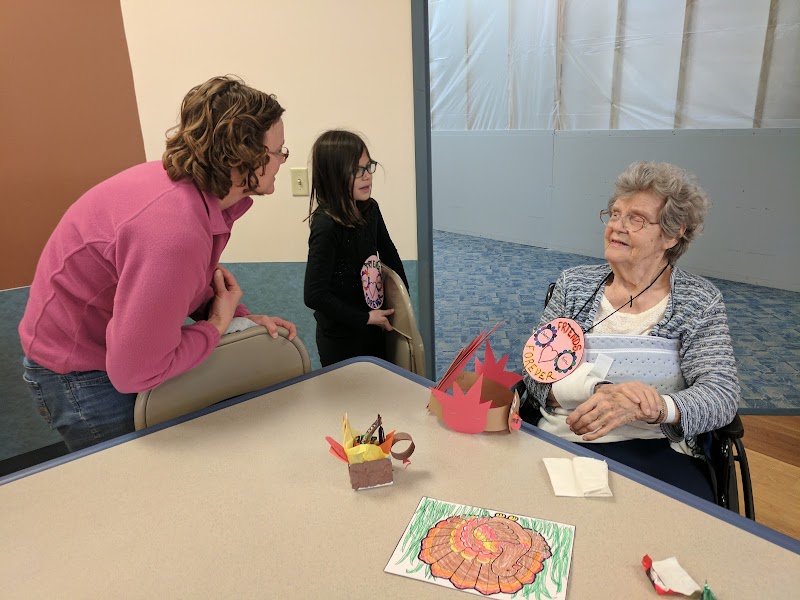
How is Valley Senior Living On Columbia Staffed?

CMS rates VALLEY SENIOR LIVING ON COLUMBIA's staffing level at 5 out of 5 stars, which is much above average compared to other nursing homes. Staff turnover is 42%, compared to the North Dakota average of 46%. This relatively stable workforce can support continuity of care.

What Have Inspectors Found at Valley Senior Living On Columbia?

State health inspectors documented 12 deficiencies at VALLEY SENIOR LIVING ON COLUMBIA during 2023 to 2025. These included: 2 that caused actual resident harm and 10 with potential for harm. Deficiencies causing actual harm indicate documented cases where residents experienced negative health consequences.

Who Owns and Operates Valley Senior Living On Columbia?

VALLEY SENIOR LIVING ON COLUMBIA is owned by a non-profit organization. Non-profit facilities reinvest revenue into operations rather than distributing to shareholders. The facility operates independently rather than as part of a larger chain. With 196 certified beds and approximately 184 residents (about 94% occupancy), it is a mid-sized facility located in GRAND FORKS, North Dakota.
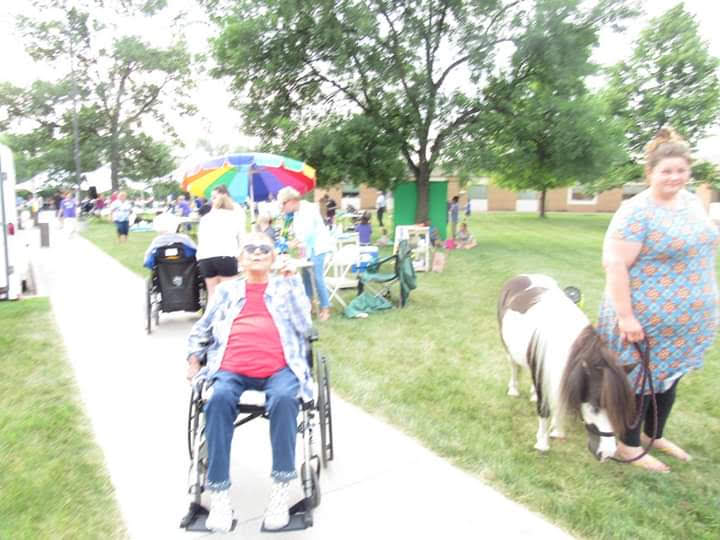
How Does Valley Senior Living On Columbia Compare to Other North Dakota Nursing Homes?

Compared to the 100 nursing homes in North Dakota, VALLEY SENIOR LIVING ON COLUMBIA's overall rating (4 stars) is above the state average of 3.1, staff turnover (42%) is near the state average of 46%, and health inspection rating (3 stars) is at the national benchmark.

What Should Families Ask When Visiting Valley Senior Living On Columbia?

Based on this facility's data, families visiting should ask: "Can I visit during a mealtime to observe dining assistance and food quality?" "How do you handle medical emergencies, and what is your hospital transfer rate?" "Can I speak with family members of current residents about their experience?"

Is Valley Senior Living On Columbia Safe?

Based on CMS inspection data, VALLEY SENIOR LIVING ON COLUMBIA has a clean safety record: no substantiated abuse findings (meaning no confirmed cases of resident harm), no Immediate Jeopardy citations (the most serious violation level indicating risk of serious injury or death), and is not on the Special Focus Facility watch list (a federal program monitoring the lowest-performing 1% of nursing homes). The facility has a 4-star overall rating and ranks #1 of 100 nursing homes in North Dakota. While no facility is perfect, families should still ask about staff-to-resident ratios and recent inspection results during their visit.

Do Nurses at Valley Senior Living On Columbia Stick Around?

VALLEY SENIOR LIVING ON COLUMBIA has a staff turnover rate of 42%, which is about average for North Dakota nursing homes (state average: 46%). Moderate turnover is common in nursing homes, but families should still ask about staff tenure and how the facility maintains care continuity when employees leave.

Was Valley Senior Living On Columbia Ever Fined?

VALLEY SENIOR LIVING ON COLUMBIA has been fined $27,119 across 2 penalty actions. This is below the North Dakota average of $33,350. While any fine indicates a compliance issue, fines under $50,000 are relatively common and typically reflect isolated problems that were subsequently corrected. Families should ask what specific issues led to these fines and confirm they've been resolved.

Is Valley Senior Living On Columbia on Any Federal Watch List?

VALLEY SENIOR LIVING ON COLUMBIA is not on any federal watch list. The most significant is the Special Focus Facility (SFF) program, which identifies the bottom 1% of nursing homes nationally based on persistent, serious quality problems. Not being on this list means the facility has avoided the pattern of deficiencies that triggers enhanced federal oversight. This is a positive indicator, though families should still review the facility's inspection history directly.