NORTH DAKOTA VETERANS HOME
1600 VETERANS DRIVE, LISBON, ND 58054 (701) 683-6500
Government - State 52 Beds Independent Data: November 2025 1 Immediate Jeopardy citation
Trust Grade
38/100
#52 of 72 in ND
Last Inspection: June 2024

Within standard 12-15 month inspection cycle. Federal law requires annual inspections.

Overview

The North Dakota Veterans Home has received a Trust Grade of F, indicating significant concerns about the quality of care provided. It ranks #52 out of 72 facilities in North Dakota, placing it in the bottom half overall, and #3 out of 3 in Ransom County, meaning only one local option is deemed better. While the facility is showing improvement in overall issues, going from 2 in 2024 to 1 in 2025, it still has serious deficiencies, including a critical incident where a resident suffered burns from excessively hot coffee and water temperatures. Staffing is a strength, with a good 4 out of 5 stars and a turnover rate of 0%, meaning staff are stable and familiar with residents. However, the facility has been fined $32,128, which is concerning; it indicates some level of ongoing compliance issues that families should consider.

Trust Score
F
38/100
In North Dakota
#52/72
Bottom 28%
Safety Record
High Risk
Review needed
Inspections
Getting Better
2 → 1 violations
Staff Stability
○ Average
Turnover data not reported for this facility.
Penalties
⚠ Watch
$32,128 in fines. Higher than 86% of North Dakota facilities, suggesting repeated compliance issues.
Skilled Nurses
✓ Good
Each resident gets 75 minutes of Registered Nurse (RN) attention daily — more than 97% of North Dakota nursing homes. RNs are the most trained staff who catch health problems before they become serious.
Violations
⚠ Watch
12 deficiencies on record. Higher than average. Multiple issues found across inspections.
★★☆☆☆
2.0
Overall Rating
★★★★☆
4.0
Staff Levels
★★★☆☆
3.0
Care Quality
★★☆☆☆
2.0
Inspection Score
Stable
2024: 2 issues
2025: 1 issues

The Good

  • 4-Star Staffing Rating · Above-average nurse staffing levels
  • Full Sprinkler Coverage · Fire safety systems throughout facility
  • No fines on record

Facility shows strength in staffing levels, fire safety.

The Bad

2-Star Overall Rating

Below North Dakota average (3.1)

Below average - review inspection findings carefully

Federal Fines: $32,128

Below median ($33,413)

Moderate penalties - review what triggered them

The Ugly 12 deficiencies on record

1 life-threatening 1 actual harm
Mar 2025 1 deficiency 1 Harm
SERIOUS (G) 📢 Someone Reported This

A family member, employee, or ombudsman was alarmed enough to file a formal complaint

Actual Harm - a resident was hurt due to facility failures

Quality of Care (Tag F0684)

A resident was harmed · This affected 1 resident

Based on record review, review of facility policy, and staff interview, the facility failed to ensure 1 of 1 sampled resident (Resident #1) received the care and services necessary to attain the highe...

Read full inspector narrative →
Based on record review, review of facility policy, and staff interview, the facility failed to ensure 1 of 1 sampled resident (Resident #1) received the care and services necessary to attain the highest degree of safety possible during mealtime. Failure to ensure staff served Resident #1 food items consistent with his prescribed diet resulted in his choking episode/death. This citation is considered past non-compliance based on review of the corrective actions the facility implemented immediately following the incident. Findings include: Review of the facility policy titled Diets Available on Skilled Care Unit occurred on 03/13/25. This policy, revised 03/12/25, stated, . Consistency adjustments are determined based on swallow studies, physician orders, and speech therapy evaluations. Menu cards are used to ensure the correct diet and consistency are provided for each resident. The following Consistencies are offered in the facility . Dental Soft (Mechanical Soft) . the diet consists of food of nearly regular textures but eliminates very hard, sticky, crunchy or hard to chew foods. Foods should be moist and fork tender. Meat is ground . and should be held with a minimal amount of prepared broth, gravy, or other type of moistening agent . to keep the product moist. Hot ground meats should be topped with gravy or sauce at the point of service. Review of the facility policy titled Menu Cards occurred on 03/13/25. This policy, revised 03/12/25, stated, . Selective menu cards will be used to guide meal service, ensuring that residents receive meals that meet their prescribed diets . Each resident's menu card will include their prescribed diet, texture modifications, and any special notes related to dietary needs or restrictions. Menu cards will list foods that align with the resident's prescribed diet. Review of the facility policy titled Feeding a Resident occurred on 03/13/25. This policy, revised 03/13/25, stated, . Staff delivering meals will confirm that: The correct resident receives the correct meal. Any diet modifications are properly followed. If an error is identified, the plate will be returned to the cook for correction. Review of Resident #1's medical record occurred on all days of survey. Diagnoses included adult failure to thrive, Alzheimer's disease, dementia, dysphagia (swallow disorder), functional quadriplegia, and weakness. A Speech Therapy Evaluation and Plan of Care, dated 12/10/24, stated, . SLP [speech language pathologist] completed bedside swallowing evaluation during meal. Mechanical soft: prolonged mastication, slow AP [anterior/posterior] transit, suspected premature loss [of bolus] over tongue base. Reduced elevation, no overt s/s [signs/symptoms] of penetration [food/liquid entering the airway above the vocal folds]. Mildly thick liquids: Suspected premature loss [of bolus] over tongue base, suspected delay of onset of swallow, no overt s/s of penetration. SLP recommends diet of mechanical soft solids, ground meats, mildly thick liquids. Pt does have risk of aspiration [food/liquid entering the airway below the vocal folds], as VFSS [videofluoroscopic swallow study] did reveals [sic] deep laryngeal penetration without reaction [silent aspiration]. A physician's order, dated 12/12/24, stated, . Mechanical Soft, Nectar Thickened Liquids . Ground meat . The nutrition care plan stated, . [Resident #1's] Nutritional status is altered due to his decline. [Resident #1] needs 1:1 [one-on-one] assist with feeding . [Resident #1] was hospitalized with a diagnosis of aspiration pneumonia . Resident #1's Lunch Menu Card for 03/10/25 stated, . Ground Marinated Sirloin Steak w [with]/Gravy . The Facility Reported Incidents Reporting Form, dated 03/10/25, stated, . Resident began choking. Staff attempted the heimlich maneuver and were unsuccessful in dislodging the item. They also used [a] life vac to attempt to dislodge [the] item. Unable to remove [the] item. Resident passed away. An attached written statement indicated a dietary staff member (#2) spoke to an administrative dietary staff member (#1) after the dinner service. The dietary staff member (#2) . noted that she got the tray card and plated the food for [Resident #1]. She noted to us that she said that this needs to be chopped, then stated [certified nurse aide (CNA) (#3)] said it was fine. [CNA (#3)] left the kitchen. [Dietary staff member (#2)] did note . that she did not follow the diet, and did not grind the food and the plate left the kitchen uncompleted. During an interview on 03/12/25 at 4:00 p.m., four administrative staff members (#1, #4, #5, and #6) reported they reeducated everyone who worked on Monday, before supper was served, and reeducated everyone [nurses, CNAs, and Dietary staff] who has worked since. We have a nurses' meeting tomorrow and a Dietary staff meeting next week. We will be going over the whole process, menu cards again. They [nurses, CNAs, and Dietary staff] were also assigned a [name of company] online course. We are also going to finish tweaking our policies before the meeting. The four administrative staff members (#1, #4, #5, and #6) also confirmed monitoring the residents' tray cards/plated food items, stating, Yes. We only have one resident on a modified diet right now. The resident is on a pureed diet. As per facility policy and Resident #1's physician's orders, the facility failed to ensure Resident #1 received food items consistent with his prescribed diet. Based upon the following information, non-compliance at F684 is considered past non-compliance. The facility implemented corrective actions for other residents who may be affected by the deficient practice by: * Completing an investigation into Resident #1's choking episode/death. * Updating facility policies regarding modified diets on 03/12/25, menu cards on 03/12/25, and meal assistance on 03/13/25. * Educating staff regarding modified diets, menu cards, and meal assistance immediately and all staff that have worked since. * Completing audits on prescribed diets/meal service.
Jun 2024 2 deficiencies
CONCERN (D)

Potential for Harm - no one hurt, but risky conditions existed

Assessment Accuracy (Tag F0641)

Could have caused harm · This affected 1 resident

**NOTE- TERMS IN BRACKETS HAVE BEEN EDITED TO PROTECT CONFIDENTIALITY** Based on record review and review of the Long-Term Care Facility Resident Assessment Instrument (RAI) 3.0 User's Manual (Version...

Read full inspector narrative →
**NOTE- TERMS IN BRACKETS HAVE BEEN EDITED TO PROTECT CONFIDENTIALITY** Based on record review and review of the Long-Term Care Facility Resident Assessment Instrument (RAI) 3.0 User's Manual (Version 1.18.11), the facility failed to ensure accurate coding of the Minimum Data Set (MDS) for 1 of 15 sampled residents (Resident #34). Failure to accurately complete the MDS does not allow each resident's assessment to reflect their current status/needs and may affect the accurate development of a comprehensive care plan and the care provided to the residents. Findings include: The Long-Term Care Facility RAI User's Manual, revised October 2023, page A6, stated, . Coding Instructions for A0310E, Is This Assessment the First Assessment (OBRA, Scheduled PPS, or OBRA Discharge) since the Most Recent Admission/Entry or Reentry? . Code 1, yes: if this assessment is the first of these assessments since the most recent admission/entry or reentry. Pages J-30 and J-31, stated, . J1700. Fall History on Admission/Entry or Reentry. Complete only if . A0310E = 1 . Coding Instructions for J1700A, Did the Resident Have a Fall Any Time in the Last Month Prior to Admission/Entry or Reentry? . Code 1, yes: if resident or family report or transfer records or medical records document a fall in the month preceding the resident's entry date item (A1600). Review of Resident #34's medical record occurred on all days of survey and identified the facility transferred the resident to the hospital after a fall on 05/06/24. The resident returned to the facility on [DATE]. Review of Resident #34's MDSs showed the facility completed the following: * 05/06/24, Discharge Return Anticipated (an OBRA assessment) * 05/10/24, Entry (back to the facility) * 05/17/24, Significant Change (an OBRA assessment) Review of the 05/17/24 significant change MDS identified the facility coded A0310E as 0, no rather than 1 yes as the first assessment since reentry on 05/10/24. Review of J1700A identified the facility coded 0, no falls in the last month prior to reentry. Resident #34's medical record identified a fall on 05/06/24. The facility failed to accurately code A0310E and J1700A on Resident #34's significant change MDS.
CONCERN (D)

Potential for Harm - no one hurt, but risky conditions existed

Infection Control (Tag F0880)

Could have caused harm · This affected 1 resident

Based on observation, review of facility policy, and staff interview, the facility failed to follow infection control practices for 1 of 1 sampled resident (Resident #32) observed during a dressing ch...

Read full inspector narrative →
Based on observation, review of facility policy, and staff interview, the facility failed to follow infection control practices for 1 of 1 sampled resident (Resident #32) observed during a dressing change. Failure to perform hand hygiene during and after a dressing change may result in an infection or worsening of the affected area and a delay in healing. Finding include: Review of the facility policy titled CLEAN DRESSING CHANGE occurred on 06/27/24. This policy, dated May 2023 stated, . 9. Loosen the tape and remove existing dressing. 10. Remove gloves . 11. Complete hand hygiene and put on clean gloves. 16. Discard disposable items and gloves into appropriate trash receptacle and wash hands. Observation on 06/25/24 at 9:49 a.m. showed a nurse (#2) performed hand hygiene and donned gloves. The nurse removed the old dressing from the resident's foot, cleansed the wound with saline, applied a barrier cream and rubbed lotion on the resident's legs. The nurse (#2) then removed the soiled gloves, and without performing hand hygiene donned new gloves, applied a clean dressing to the wound, and wrapped the resident's foot with a protective dressing. The nurse, removed her gloves, and without performing hand hygiene exited the resident's room. During an interview on 06/27/24 10:16 a.m., an administrative staff member (#1) stated she expected staff to follow infection control practices and perform hand hygiene after removing dirty gloves and applying new gloves and following a dressing change.
Aug 2023 6 deficiencies 1 IJ (1 affecting multiple)
CRITICAL (K)

Immediate Jeopardy (IJ) - the most serious Medicare violation

Accident Prevention (Tag F0689)

Someone could have died · This affected multiple residents

**NOTE- TERMS IN BRACKETS HAVE BEEN EDITED TO PROTECT CONFIDENTIALITY** Based on observation, record review, and staff interview, the facility failed to ensure an environment free of accident hazards ...

Read full inspector narrative →
**NOTE- TERMS IN BRACKETS HAVE BEEN EDITED TO PROTECT CONFIDENTIALITY** Based on observation, record review, and staff interview, the facility failed to ensure an environment free of accident hazards for 4 of 4 coffee/hot water machines located in various areas within the facility (Town Hall, and Freedom Ridge, Honor Hill, and Peace Garden households). Failure to ensure appropriate coffee/water temperatures resulted in serving temperatures above the acceptable range and resulted in one resident acquiring burns to the left thigh, forearm, and hand, and may result in serious burns to other residents. During the standard survey, the team determined an Immediate Jeopardy (IJ) situation existed on 07/27/23 at 3:07 p.m. The IJ resulted from temperature readings obtained from coffee/hot water machines, a lack of temperature monitoring by staff, and an injury to a resident. This finding placed residents in immediate danger due to hot temperatures and the potential for serious burns. * 07/27/23 at 4:03 p.m., The survey team notified the administrator and director of nursing of the IJ and requested they develop a plan for removal of the immediate jeopardy. * 07/27/23 at 4:46 p.m., The survey team reviewed and accepted the facility's removal plan for the IJ. The removal plan contained the following: * Shut off all automatic coffee machines. * Remove from households. * Cooks will brew coffee, temp it to make sure it is below 150F and place it into a carafe. * New machines will be obtained that operate at a safe temperature. * 07/27/23 at 6:25 p.m., The team notified the administrator of the IJ removal. * On 07/27/23, the survey team verified the implementation of the facility's removal plan and removed the IJ. The deficient practice remained at an E scope and severity following the removal of the immediate jeopardy. Findings include: Review of Resident #3's medical record occurred on all days of survey. The Minimum Data Set (MDS), dated [DATE], identified moderate cognitive impairments. The current care plan stated, . [Resident #3] was deemed incompetent to make his own medical decisions. Coffee burn to left anterior mid-thigh . Encourage resident to ask for assistance when wanting fresh coffee . Resident has history of frequent spilling of drinks. Resident does have shaker cups with lids. Resident should have lids on all drinks out of dining room area . [Resident #3] has been noted to get his own coffee at nights and burn himself with the hot liquids. At this time his household (Peace Garden) will be removing coffee from the machine and turning off the machine at night or shutting off the machine, the door between the households will be closed to deter him from going to the other house to get coffee. Staff are to monitor him and make sure that coffee has ice added to help decrease the risk for burns. A progress note, date 01/15/23 at 9:30 p.m., identified, Resident sustained a coffee burn to L [left] anterior mid thigh discovered at 1925 [7:25 p.m.]. Noted full, uncovered cup of coffee he was carrying from kitchen, while propelling to living room in w/c [wheelchair]. Assisted to room, changed clothing, observed area to be 8 cm [centimeters] x 5 cm, oval shaped with medium pink coloring. No raised of [sic] blistering of skin at that time. Area is tender to touch, Some relief with cool, wet compress. Renewed cool compress, observed site at 2130 [9:30 p.m.] to be reduced to area approx [approximately] 3 cm oval. Does appear to be starting to blister, will continue to monitor, renew cool pack through night as needed. Advised to please ask for assistance for hot beverages in the future. The record showed the coffee burn resulted in a blister that resolved 18 days later. An incident report, dated 01/15/23, also identified, . large, wet coffee stain on L thigh sweat pants. 'I spilled really hot coffee on it and it hurts.' . Coffee burn to L anterior thigh. Resident is independent to obtain own drinks as wishes. Asked resident to request help and covered cup for coffee. Education provided, but with resident unable to identify his limitations continues at risk for future incidents. Staff are reminded to assist resident with his drinks . A progress note, dated 02/23/23 at 8:32 p.m., identified, Resident reported to staff that he spilled hot coffee on his leg. On assessment, left upper thigh without redness or blistering. Skin cool to touch at this time, pants are damp. Full cup of coffee on end table next to him that was cool. Resident denies pain at this time. The record showed the coffee burn resulted in a 1 cm light red area that resolved four days later. An incident report, dated 02/23/23, also identified, . Resident in living room watching tv, states it [coffee] spilled during transfer . 'I can't learn.' . Educated Resident to allow staff to help him. noted . spills occurring on PM and night shift. Discussion held with dietary with plan of unplugging coffee machine after supper meal and replug in the morning prior to breakfast. Staff and residents have access to the coffee machine on honor during time of machine being unplugged. Additional progress notes identified the following: * 03/02/23 at 1:33 a.m., . resident was attempting to clean something off of dining room floor. When this nurse offered to help, resident stated he had spilled 'hot, hot' coffee on his left forearm. Resident did have fresh cup of coffee sitting on counter near him and sleeve of shirt was wet. No redness or blistering noted to arm or hand. Resident was assisted to take his coffee to his recliner and was reminded he needed to call for help so that he didn't get burned. Resident stated 'I know. Seems like every week.' . * 04/23/23 at 10:33 p.m., This nurse noted resident cleaning coffee off of floor. Nurse assisted resident with cleaning up coffee and asked if he had spilled any on himself. Resident stated 'yes, hot, hot'. When asked, resident stated he had spilled coffee on his left hand. Hand was dry and cool to touch. No redness or blistering noted. Coffee machine locked and resident reminded to ask for staff assistance with coffee to prevent accidental burns. The record showed the coffee burn resulted in a pink area that resolved two days later. An incident report, dated 04/23/23, also identified, . resident indicated he had spilled coffee on his left hand. Resident likes to maintain as much independence as possible and does not ask for assistance. Coffee machine buttons locked at this time. Discussion held with dietary on machine being turned off at end of cooks shift and turned back on when the cook arrives in the morning. Staff will be closing the door between honor and peace households to detour resident from coming to honor to fill his coffee mug during the night. Temperature readings were obtained from various coffee/hot water machines on the afternoon of 07/27/23 and showed the following: * Town Hall: 176.7 degrees Fahrenheit (F) * Freedom: 173.2 degrees F * Honor: 174.2 degrees F * Peace Garden: 176.0 degrees F Observation showed staff posted a fact sheet on each of the coffee/hot water machines informing the residents of the coffee/hot water temperatures and warning them these temperatures could cause 3rd degree burns. During interviews on 07/27/23 at 2:15 p.m. and 2:31 p.m., an administrative nurse (#3) confirmed the facility failed to monitor the coffee/hot water temperatures resulting in injuries.
CONCERN (D)

Potential for Harm - no one hurt, but risky conditions existed

Deficiency F0554 (Tag F0554)

Could have caused harm · This affected 1 resident

**NOTE- TERMS IN BRACKETS HAVE BEEN EDITED TO PROTECT CONFIDENTIALITY** Based on observation, record review, review of facility policy, and staff interview, the facility failed to ensure the interdisc...

Read full inspector narrative →
**NOTE- TERMS IN BRACKETS HAVE BEEN EDITED TO PROTECT CONFIDENTIALITY** Based on observation, record review, review of facility policy, and staff interview, the facility failed to ensure the interdisciplinary team assessed the appropriateness to self-administer medications (SAM) for 1 of 2 sampled residents (Resident #51) with medications observed in the resident's room. Failure to determine whether SAM is a safe practice has the potential to limit a resident's right to SAM or result in a medication error and/or harm to a resident. Findings include: Review of the facility policy titled Self-Administration of Medications occurred on 07/27/23. This policy, reviewed/revised 03/04/16, stated, . To initiate and continue self-administration, the resident must meet all of the criteria for safe administration. Brief Interview for Mental Status [BIMS] Score >=13 [greater than/equal to]. If the resident wishes to self-administer medication, the following steps will be taken for the initiation and monitoring of self-administration. Brief Interview for Mental Status will be conducted with the resident. Specific orders from the attending physician will be obtained to include: a) name of the medication/treatment b) dosages, route, frequency c) that the medication/treatment is to be self-administered. Any medication a resident should purchase on their own, needs to be reviewed by a nurse prior to use. Observation on the afternoon of 07/26/23 showed bottles of Super Silver dietary supplement and Protocel (dietary supplement) in Resident #51's bathroom. Review of Resident #51's medical record occurred on all days of survey. A Minimum Data Set (MDS), dated [DATE], identified moderate cognitive impairment. The resident's care plan stated, . Resident chooses to take several supplements, per self. These are purchased per self. The record lacked physician orders for the dietary supplements and a SAM assessment indicating Resident #51 can safely self-administer medications. During an interview on 07/26/23 at 5:18 p.m., an administrative nurse (#3) confirmed staff failed to complete the SAM assessment for Resident #51.
CONCERN (D)

Potential for Harm - no one hurt, but risky conditions existed

Assessment Accuracy (Tag F0641)

Could have caused harm · This affected 1 resident

**NOTE- TERMS IN BRACKETS HAVE BEEN EDITED TO PROTECT CONFIDENTIALITY** Based on observation, record review, review of the Long-Term Care Facility Resident Assessment Instrument (RAI) 3.0 User's Manua...

Read full inspector narrative →
**NOTE- TERMS IN BRACKETS HAVE BEEN EDITED TO PROTECT CONFIDENTIALITY** Based on observation, record review, review of the Long-Term Care Facility Resident Assessment Instrument (RAI) 3.0 User's Manual (Version 1.17.1), and staff interview, the facility failed to ensure accurate coding of the Minimum Data Set (MDS) for 2 of 20 sampled residents (Resident #16 and #26). Failure to accurately complete the MDS does not allow each resident's assessment to reflect their current status/needs and may affect the accurate development of a comprehensive care plan and the care provided to the residents. Findings include: SECTION I: ACTIVE DIAGNOSES IN THE LAST 7 DAYS The Long-Term Care Facility RAI User's Manual, revised October 2019, page I-8, stated, . Item I2300 Urinary tract infection (UTI): The UTI has a look-back period of 30 days for active disease instead of 7 days. Code only if both of the following are met in the last 30 days: It was determined that the resident had a UTI using evidence-based criteria such as McGeer, NHSN, or Loeb in the last 30 days, AND A physician documented UTI diagnosis (or by a nurse practitioner, physician assistant, or clinical nurse specialist if allowable under state licensure laws) in the last 30 days. Review of Resident #16's medical record occurred on all days of survey. The annual Minimum Data Set (MDS), dated [DATE] identified under Section I: Active Diagnoses included a UTI within the last 30 days. Resident #16's medical record failed to identify a diagnosis of a UTI. During an interview on 07/26/23 at 1:15 p.m., an administrative nurse (#1) confirmed that the facility incorrectly coded Resident #16's MDS for a diagnosis of a UTI. SECTION P: PHYSICAL RESTRAINTS The Long-Term Care Facility RAI User's Manual, revised October 2019, pages P-1 and P-5, stated, . PHYSICAL RESTRAINTS: Any manual method or physical or mechanical device, material or equipment attached or adjacent to the resident's body that the individual cannot remove easily, which restricts freedom of movement or normal access to one's body. Coding Instructions: . After determining whether or not an item . is a physical restraint and was used during the 7-day look-back period, code the frequency of use: Code 0, not used: if the item was not used during the 7-day look-back or it was used but did not meet the definition. Code 2, used daily: if the item met the definition and was used on a daily basis during the look-back period. - An observation on 07/25/23 at 8:38 a.m. showed Resident #26 without a restraint. Review of Resident #26's medical record occurred on all days of survey. The quarterly MDS, dated [DATE] identified other as the type of restraint used by the resident. Resident #26's medical record failed to identify the use of a restraint. During an interview on 07/25/23 at 10:06 a.m., an administrative staff (#2) confirmed the facility incorrectly coded Resident #26's MDS for a restraint.
CONCERN (D)

Potential for Harm - no one hurt, but risky conditions existed

Deficiency F0742 (Tag F0742)

Could have caused harm · This affected 1 resident

**NOTE- TERMS IN BRACKETS HAVE BEEN EDITED TO PROTECT CONFIDENTIALITY** Based on record review, review of facility policy, and staff interview, the facility failed to ensure 3 of 4 sampled residents (...

Read full inspector narrative →
**NOTE- TERMS IN BRACKETS HAVE BEEN EDITED TO PROTECT CONFIDENTIALITY** Based on record review, review of facility policy, and staff interview, the facility failed to ensure 3 of 4 sampled residents (Resident #12, #15, and #41) diagnosed with post-traumatic stress disorder (PTSD) received appropriate treatment and services to meet their assessed needs. Failure to provide clinically appropriate, person-centered treatment and services may result in the residents' inability to attain their highest practicable mental and psychosocial well-being. Findings include: Review of the facility policy titled Trauma Informed Care occurred on 07/26/23. This policy, reviewed/revised 08/28/20, stated, .The facility will account for residents' experiences, preferences, and cultural differences in order to eliminate or mitigate triggers that may cause re-traumatization . care plan will be updated to reflect known trauma, potential triggers, and interventions for management. - Review of Resident #12's medical record occurred on all days of survey. The annual Minimum Data Set (MDS), dated [DATE], identified a diagnosis of PTSD. Current medications included an antidepressant. A trauma screening, dated 06/23/22, identified Resident #12 had experiences that were frightening, horrible, and/or upsetting, [he had] tried hard not to think about it [the trauma] or went out of [his] way to avoid situations that reminded [him] of it, and felt numb or detached from others, activities, [and his] surroundings. Resident #12 did not wish to talk about it [the trauma]. The screening indicated Resident #12 is triggered by loud noises . Resident #12's current care plan failed to reflect the clinically appropriate and person-centered interventions addressing his known trigger (loud noises) and interventions used to eliminate or mitigate re-traumatization. During an interview on 07/27/23 at 10:25 a.m., an administrative nurse (#1) confirmed the current care plan failed to address Resident #12's emotional/psychosocial needs related to his previously identified PTSD triggers. - Review of Resident #15's medical record occurred on all days of survey. The quarterly MDS, dated [DATE], identified a diagnosis of PTSD. Current medications included an antidepressant and antipsychotics. A psychiatry provider note, dated 06/02/23, identified PTSD symptoms including nightmares, flashbacks, startle response, and intrusive thought/memories . significant panic attacks when these occur, which is disabling . The current care plan failed to address Resident #15's emotional/psychosocial needs related to his trauma/PTSD diagnosis and failed to include clinically appropriate and person-centered interventions used to avoid re-traumatization. During an interview on 07/25/23 at 2:49 p.m., an administrative nurse (#4) agreed, the current LTC [Long Term Care] trauma/PTSD assessment and care plan lacked known trauma, potential triggers, and interventions. - Review of Resident #41's medical record occurred on all days of survey. The quarterly MDS, dated [DATE], identified a diagnosis of PTSD. Current medications included an antidepressant. A trauma screening, dated 06/30/22, identified Resident #41 had experiences that were frightening, horrible, and/or upsetting, and indicated he previously saw psychiatry through [a veteran's affairs facility]. He is open to this again related to high PAQ-9 [a depression scale] score. As well as referral to psychologist/therapist. The screening failed to identify Resident #41's expressions or indications of distress, identified triggers that may cause re-traumatization, and/or preferences. The current care plan failed to reflect Resident #41's identified triggers and the clinically appropriate and person-centered interventions used to eliminate or mitigate re-traumatization. During an interview on 07/27/23 at 10:45 a.m., a social services staff member (#4) confirmed the current care plan failed to identify Resident #41's triggers and/or address his emotional/psychosocial needs related to his PTSD.
CONCERN (E)

Potential for Harm - no one hurt, but risky conditions existed

Deficiency F0657 (Tag F0657)

Could have caused harm · This affected multiple residents

Based on record review, review of facility policy, and staff interviews, the facility failed to review and revise comprehensive care plans to reflect the current status for 4 of 20 sampled residents (...

Read full inspector narrative →
Based on record review, review of facility policy, and staff interviews, the facility failed to review and revise comprehensive care plans to reflect the current status for 4 of 20 sampled residents (Residents #12, #15, #41, and #50). Failure to review and revise the care plan limited the staffs' ability to communicate needs and ensure continuity of care. Findings include: Review of the facility policy titled CARE PLAN, Baseline and Comprehensive occurred on 07/27/23. This policy, dated 04/30/18, stated, . Care plan will be updated with resident condition or per their choice. - Review of Resident #12's medical record occurred on all days of survey and identified a diagnosis of post traumatic stress disorder (PTSD). The current care plan failed to reflect the clinically appropriate and person-centered interventions used to eliminate or mitigate re-traumatization. During an interview on 07/27/23 at 10:25 a.m., an administrative nurse (#1) confirmed the current care plan failed to address Resident #12's emotional/psychosocial needs related to his identified PTSD triggers. - Review of Resident #15's medical record occurred on all days of survey and identified a diagnosis of PTSD. The current care plan failed to reflect Resident #15's identified triggers and the clinically appropriate and person-centered interventions used to eliminate or mitigate re-traumatization. During an interview on 07/25/23 at 2:49 p.m., a social services staff member (#4) confirmed the current care plan failed to identify Resident #15's triggers and/or address his emotional/psychosocial needs related to his PTSD. - Review of Resident #41's medical record occurred on all days of survey and identified a diagnosis of PTSD. The current care plan failed to reflect Resident #41's identified triggers and the clinically appropriate and person-centered interventions used to eliminate or mitigate re-traumatization. During an interview on 07/27/23 at 10:45 a.m., a social services staff member (#4) confirmed the current care plan failed to identify Resident #41's triggers and/or address his emotional/psychosocial needs related to his PTSD. - Review of Resident #50's medical record occurred on all days of survey. An emergency department note, dated 06/13/23, stated, . after having near syncopal episode . Need for IV Hydration Symptom Documentation: Dehydration . The current care plan lacked goals and interventions to monitor Resident #50's fluid intake after the emergency room (ER) visit on 06/13/23. During an interview on 07/26/23 at 5:07 p.m., an administrative nurse (#3) agreed a hydration observation should have been added to Resident #50's care plan after the ER visit.
CONCERN (E)

Potential for Harm - no one hurt, but risky conditions existed

Food Safety (Tag F0812)

Could have caused harm · This affected multiple residents

Based on observation, review of manufacture instructions, review of facility policy, review of facility sanitizer logs, and staff interview, the facility failed to prepare and serve food under sanitar...

Read full inspector narrative →
Based on observation, review of manufacture instructions, review of facility policy, review of facility sanitizer logs, and staff interview, the facility failed to prepare and serve food under sanitary conditions in 1 of 1 kitchen (main kitchen) and 2 of 2 kitchenettes (Courage/Freedom and Honor/Peace). Failure to monitor the concentration of the quaternary solution may result in unsafe preparation of food and foodborne illness. Findings include: Review of the manufacturer instructions for Smart Power Sink and Surface Cleaner Sanitizer posted above the kitchen dishwasher sinks occurred on 07/27/23 at 2:03 p.m., stated, EPA-registered cleaner sanitizer for pre-cleaned use on hard, non-porous food prep surfaces and wares, kills foodborne organisms . it is a no-rinse sanitizer that is effective across a dilution range of 0.27 to 0.55 oz.[ounce] per gallon of water. Sanitization Range Testing: Testing solution should be at or above room temperature: 65F [Fahrenheit]. Withdraw a test strip from the canister. Dip test strip for 5 seconds in test solution. Shake off excess solution. Compare colors after 10 seconds with colors on the test strip canister to determine concentration (oz/gal) [ounces/gallon] . Testing solution should be between 272-700 ppm [parts per million] DDBSA [dodecylbenzene sulfonic acid] . Review of the facility policy Dietary Services Sink & Surface Sanitizer occurred on 07/27/23. This policy dated 03/01/22 stated, . Fill spray bottles with sanitizer, change out as needed per concentration level. Monitor the strength of the sanitizer and document every week. Report any problems with the machine or the strength of the chemical to the CDM [certified dietary manager] . Review of the facility high temp dishwasher and sanitizer logs stated, . Sanitizer should be 272-700 ppm . if not proper strength notify supervisor. Test Weekly. Observation of the kitchenettes occurred on 07/27/23 at 9:05 a.m. with dietary manager (#5) and showed a dietary staff member tested the concentration of the sanitizer buckets that identified the following: * Courage/Freedom kitchenette: 848 (high) * Honor/Peace kitchenette: 848 (high) Observation of the main kitchen occurred on 07/27/23 at 9:35 a.m. with dietary manager (#5) and showed a dietary staff member tested the concentration of a sanitizer bottle and identified a concentration of 848 (high). Interview with a dietary manager (#5) on 07/27/23 at 10:00 a.m. confirmed that the testing solution was not within the acceptable range.
Apr 2022 3 deficiencies
CONCERN (D)

Potential for Harm - no one hurt, but risky conditions existed

Deficiency F0637 (Tag F0637)

Could have caused harm · This affected 1 resident

**NOTE- TERMS IN BRACKETS HAVE BEEN EDITED TO PROTECT CONFIDENTIALITY** Based on record review, staff interview, and review of the Long-Term Care Facility Assessment Instrument (RAI) 3.0 User's Manual...

Read full inspector narrative →
**NOTE- TERMS IN BRACKETS HAVE BEEN EDITED TO PROTECT CONFIDENTIALITY** Based on record review, staff interview, and review of the Long-Term Care Facility Assessment Instrument (RAI) 3.0 User's Manual, the facility failed to complete a significant change in status assessment (SCSA) for 1 of 12 sampled residents (Resident #21). Failure to identify the need for and complete a SCSA may limit the facility's ability to accurately assess the resident's status and develop an appropriate care plan. Findings include: The Long-Term Care Facility RAI 3.0 User's Manual (Version 1.15), dated October 2019, page 2-22 stated, . A 'significant change' is a major decline or improvement in a resident's status that: 1. Will not normally resolve itself without staff intervention . 2. Impacts more than one area of the resident's health status; and 3. Requires interdisciplinary review and/or revision of the care plan. and page 2-25 stated, A SCSA is appropriate if there are either two or more areas of decline or two or more areas of improvement. This may include two changes within a particular domain (e.g., [for example] two areas of ADL [Activities of Daily Living] decline or improvement mobility, transfers, walking in corridor and toileting. Review of Resident #21's medical record occurred on all days of survey. The admission Minimum Data Set (MDS), dated [DATE], identified independent with bed mobility, locomotion on and off the unit, and toilet use, independent with set up assist for transfers, supervision with limited assist for walking in room, dressing, and personal hygiene, independent walking in the corridor occurred 1-2 times, and weighed 236 pounds. The quarterly MDS, dated [DATE], identified Resident #21 required extensive assist of two persons for bed mobility, transfers, and toileting, extensive assist of one person for dressing and personal hygiene, dependent on one person for locomotion on/off the unit, the resident did not walk in room or corridor, and weighed 222 pounds (a significant weight loss). The record lacked evidence the staff identified and/or completed a SCSA following Resident #21's decline in health status. During an interview on 04/06/22 at 10:55 a.m., an administrative staff (#3) was not able to show why the facility failed to complete a SCSA and agreed they should have.
CONCERN (D)

Potential for Harm - no one hurt, but risky conditions existed

PASARR Coordination (Tag F0644)

Could have caused harm · This affected 1 resident

Based on record review, review of the North Dakota Provider Manual Preadmission Screening and Resident Review (PASARR) and Level of Care Screening Procedures for Long Term Care Services, and staff int...

Read full inspector narrative →
Based on record review, review of the North Dakota Provider Manual Preadmission Screening and Resident Review (PASARR) and Level of Care Screening Procedures for Long Term Care Services, and staff interview, the facility failed to complete a status change assessment for 1 of 1 sampled residents (Resident #39) reviewed for PASARR. Failure to complete a change in status assessment with a newly diagnosed mental illness may result in the delivery of care and services that are inconsistent with the resident's needs. Findings include: The North Dakota PASARR Provider Manual states, . Change in Status Process . Whenever the following events occur, nursing facility staff must contact Ascend to update the Level I screen for determination of whether a first time or updated Level II evaluation must be performed. These situations suggest that a significant change in status has occurred: . If an individual with MI, ID, and/or RC (mental illness, intellectual disability, and conditions related to intellectual disability [referred to in regulatory language as related conditions or RC]) was not identified at the Level I screen process, and that condition later emerged or was discovered. Review of Resident #39's medical record occurred on all days of survey. A Level 1 PASARR, dated 08/08/19, identified a diagnosis of major depressive disorder. A psychology clinician's note, dated 02/30/20, included a new diagnosis of post traumatic stress disorder (PTSD). The record lacked evidence of an updated PASARR which included the diagnosis of PTSD. During an interview on 04/07/22 at 10:02 a.m., a social services staff member (#1) confirmed the facility should have submitted a new Level 1 when Resident #39 was diagnosed with PTSD and stated, We really don't have a process in place to notify myself when a resident receives a new diagnosis.
CONCERN (D)

Potential for Harm - no one hurt, but risky conditions existed

Infection Control (Tag F0880)

Could have caused harm · This affected 1 resident

Based on observation, review of facility policy and staff interview, the facility failed to follow infection control practices for 2 of 7 sampled residents (Resident #24 and #39) observed during toile...

Read full inspector narrative →
Based on observation, review of facility policy and staff interview, the facility failed to follow infection control practices for 2 of 7 sampled residents (Resident #24 and #39) observed during toileting cares. Failure to follow infection control practices related to hand hygiene has the potential to transmit infections to other residents, staff, and visitors. Findings include: Review of the facility policy titled HAND WASHING & HAND HYGIENE occurred on 04/07/22. This policy, revised August 2006, stated, . Handwashing is the single most important means of preventing the spread of infections . The following is a list of some situations that require hand hygiene: . Before and after assisting a resident with toileting . Observation on 04/05/22 at 8:43 a.m. showed a certified nursing assistant (CNA) (#5) assisted Resident #39 to the bathroom, donned gloves, and performed perineal cares. Using the same gloves, the CNA applied a protective ointment to the resident's perineal area and removed the gloves. Without performing hand hygiene, the CNA removed the resident's hearing aid from the drawer, assisted the resident with putting in the hearing aid, opened the curtains, and made the bed. The CNA exited the room with the garbage bag in her hand, threw it away in the soiled utility room and washed her hands at the sink in the hallway. The CNA (#5) failed to perform hand hygiene after removing her gloves and before completing other tasks. Observation on 04/05/22 at 9:54 a.m. showed a CNA (#4) assisted Resident #24 to the bathroom, donned gloves, performed perineal cares after the resident had a bowel movement, and removed the gloves. Without performing hand hygiene, the CNA applied toothpaste to the resident's toothbrush, handed the toothbrush to the resident for her to brush her teeth, and combed the resident's hair. The CNA then donned new gloves, emptied the garbage, doffed her gloves, and used hand sanitizer. The CNA (#4) failed to perform hand hygiene after removing her gloves and before completing other tasks. During an interview on 04/07/22 at 9:45 a.m., an administrative nurse (#2) confirmed she expected staff to follow the facility policy regarding performing hand hygiene.
Understanding Severity Codes (click to expand)
Life-Threatening (Immediate Jeopardy)
J - Isolated K - Pattern L - Widespread
Actual Harm
G - Isolated H - Pattern I - Widespread
Potential for Harm
D - Isolated E - Pattern F - Widespread
No Harm (Minor)
A - Isolated B - Pattern C - Widespread

Questions to Ask on Your Visit

  • "What changes have you made since the serious inspection findings?"
  • "Can I speak with families of current residents?"
  • "What's your RN coverage like on weekends and overnight?"

Our Honest Assessment

Strengths
  • • Licensed and certified facility. Meets minimum state requirements.
Concerns
  • • Multiple safety concerns identified: 1 life-threatening violation(s), 1 harm violation(s), $32,128 in fines. Review inspection reports carefully.
  • • 12 deficiencies on record, including 1 critical (life-threatening) violation. These warrant careful review before choosing this facility.
  • • $32,128 in fines. Higher than 94% of North Dakota facilities, suggesting repeated compliance issues.
  • • Grade F (38/100). Below average facility with significant concerns.
Bottom line: Trust Score of 38/100 indicates significant concerns. Thoroughly evaluate alternatives.

About This Facility

What is North Dakota Veterans Home's CMS Rating?

CMS assigns NORTH DAKOTA VETERANS HOME an overall rating of 2 out of 5 stars, which is considered below average nationally. Within North Dakota, this rating places the facility higher than 0% of the state's 100 nursing homes. A rating at this level reflects concerns identified through health inspections, staffing assessments, or quality measures that families should carefully consider.
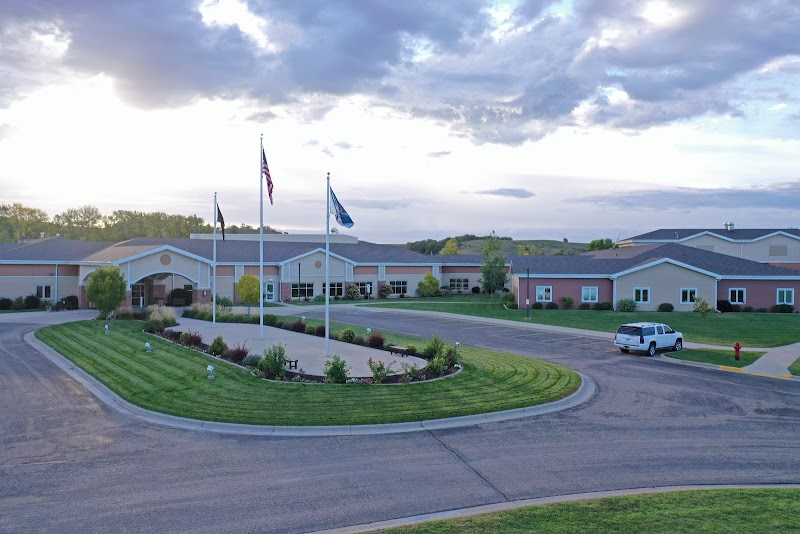
How is North Dakota Veterans Home Staffed?

CMS rates NORTH DAKOTA VETERANS HOME's staffing level at 4 out of 5 stars, which is above average compared to other nursing homes.

What Have Inspectors Found at North Dakota Veterans Home?

State health inspectors documented 12 deficiencies at NORTH DAKOTA VETERANS HOME during 2022 to 2025. These included: 1 Immediate Jeopardy (the most serious level, indicating potential for serious harm or death), 1 that caused actual resident harm, and 10 with potential for harm. Immediate Jeopardy findings are rare and represent the most serious regulatory concerns. They require immediate corrective action.
Who Owns and Operates North Dakota Veterans Home?

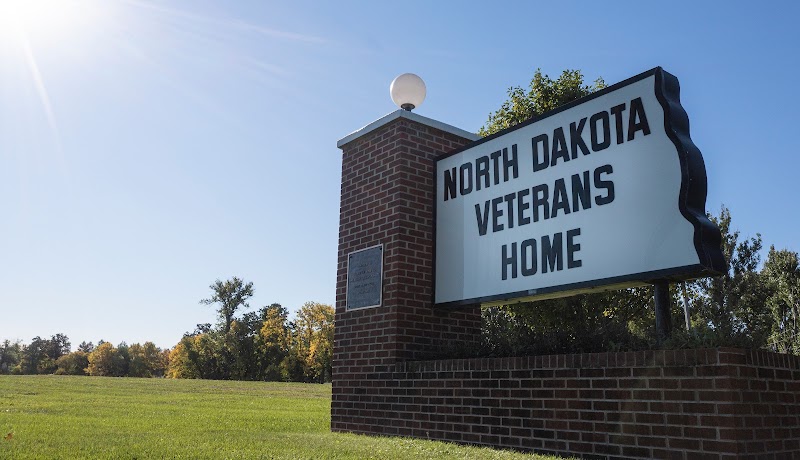
NORTH DAKOTA VETERANS HOME is owned by a government entity. Government-operated facilities are typically run by state, county, or municipal agencies. The facility operates independently rather than as part of a larger chain. With 52 certified beds and approximately 50 residents (about 96% occupancy), it is a smaller facility located in LISBON, North Dakota.
How Does North Dakota Veterans Home Compare to Other North Dakota Nursing Homes?

Compared to the 100 nursing homes in North Dakota, NORTH DAKOTA VETERANS HOME's overall rating (2 stars) is below the state average of 3.1 and health inspection rating (2 stars) is below the national benchmark.

What Should Families Ask When Visiting North Dakota Veterans Home?

Based on this facility's data, families visiting should ask: "What changes have been made since the serious inspection findings, and how are you preventing similar issues?" "Can I visit during a mealtime to observe dining assistance and food quality?" "How do you handle medical emergencies, and what is your hospital transfer rate?" "Can I speak with family members of current residents about their experience?" These questions are particularly relevant given the facility's Immediate Jeopardy citations.

Is North Dakota Veterans Home Safe?

Based on CMS inspection data, NORTH DAKOTA VETERANS HOME has documented safety concerns. Inspectors have issued 1 Immediate Jeopardy citation (the most serious violation level indicating risk of serious injury or death). The facility has a 2-star overall rating and ranks #100 of 100 nursing homes in North Dakota. Families considering this facility should ask detailed questions about what corrective actions have been taken since these incidents.

Do Nurses at North Dakota Veterans Home Stick Around?

NORTH DAKOTA VETERANS HOME has not reported staff turnover data to CMS. Staff turnover matters because consistent caregivers learn residents' individual needs, medications, and preferences. When staff frequently change, this institutional knowledge is lost. Families should ask the facility directly about their staff retention rates and average employee tenure.

Was North Dakota Veterans Home Ever Fined?

NORTH DAKOTA VETERANS HOME has been fined $32,128 across 2 penalty actions. This is below the North Dakota average of $33,400. While any fine indicates a compliance issue, fines under $50,000 are relatively common and typically reflect isolated problems that were subsequently corrected. Families should ask what specific issues led to these fines and confirm they've been resolved.

Is North Dakota Veterans Home on Any Federal Watch List?

NORTH DAKOTA VETERANS HOME is not on any federal watch list. The most significant is the Special Focus Facility (SFF) program, which identifies the bottom 1% of nursing homes nationally based on persistent, serious quality problems. Not being on this list means the facility has avoided the pattern of deficiencies that triggers enhanced federal oversight. This is a positive indicator, though families should still review the facility's inspection history directly.