PARKSIDE LUTHERAN HOME
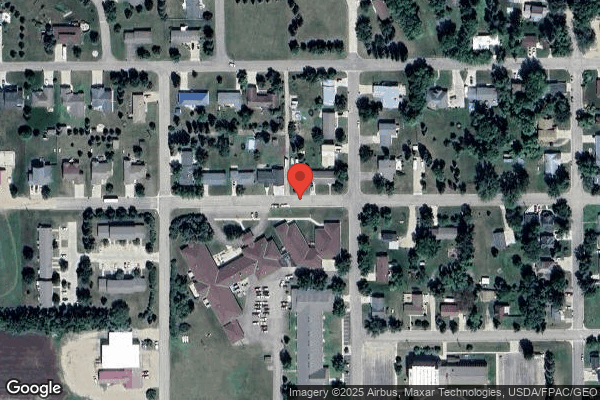
501 3RD AVE W, LISBON, ND 58054 (701) 683-5239
Non profit - Corporation 40 Beds Independent Data: November 2025
Trust Grade
85/100
#7 of 72 in ND
Last Inspection: August 2024

Within standard 12-15 month inspection cycle. Federal law requires annual inspections.

Overview

Parkside Lutheran Home in Lisbon, North Dakota, has a Trust Grade of B+, which means it is above average and recommended for families considering care options. The facility ranks #7 out of 72 in the state, placing it in the top half, and is #1 out of 3 in Ransom County, indicating it is the best local choice. However, the trend is concerning as the number of issues has worsened from 4 in 2023 to 9 in 2024. Staffing is a strong point, with a 5/5 rating and a turnover rate of 36%, which is better than the state average of 48%. Notably, the facility has not incurred any fines, which is a positive indicator. Despite these strengths, there are weaknesses to consider. Recent inspections revealed failures in infection control for several residents, including not using proper precautions and not ensuring that call lights were within reach, which increases the risk of falls. Additionally, there was a lack of written notice regarding a resident's hospital transfer, which could hinder informed decision-making for families. Overall, while Parkside Lutheran Home offers excellent staffing and no fines, the recent increase in reported issues raises concerns that families should weigh carefully.

Trust Score
B+
85/100
In North Dakota
#7/72
Top 9%
Safety Record
Low Risk
No red flags
Inspections
Getting Worse
4 → 9 violations
Staff Stability
○ Average
36% turnover. Near North Dakota's 48% average. Typical for the industry.
Penalties
✓ Good
No fines on record. Clean compliance history, better than most North Dakota facilities.
Skilled Nurses
○ Average
Each resident gets 38 minutes of Registered Nurse (RN) attention daily — about average for North Dakota. RNs are the most trained staff who monitor for health changes.
Violations
⚠ Watch
17 deficiencies on record. Higher than average. Multiple issues found across inspections.
★★★★★
5.0
Overall Rating
★★★★★
5.0
Staff Levels
★★★★★
5.0
Care Quality
★★★☆☆
3.0
Inspection Score
Stable
2023: 4 issues
2024: 9 issues

The Good

  • 5-Star Staffing Rating · Excellent nurse staffing levels
  • 5-Star Quality Measures · Strong clinical quality outcomes
  • Full Sprinkler Coverage · Fire safety systems throughout facility
  • No fines on record
  • Staff turnover below average (36%)

    12 points below North Dakota average of 48%

Facility shows strength in staffing levels, quality measures, fire safety.

The Bad

Staff Turnover: 36%

Near North Dakota avg (46%)

Typical for the industry

The Ugly 17 deficiencies on record

Aug 2024 9 deficiencies
CONCERN (D)

Potential for Harm - no one hurt, but risky conditions existed

Deficiency F0558 (Tag F0558)

Could have caused harm · This affected 1 resident

Based on observation, record review, review of facility policy, and resident and staff interviews, the facility failed to ensure care and services were provided according to accepted standards of qual...

Read full inspector narrative →
Based on observation, record review, review of facility policy, and resident and staff interviews, the facility failed to ensure care and services were provided according to accepted standards of quality for 1 of 2 sampled residents (Resident #5) observed during stand-pivot transfers. Failure to ensure staff place call lights within the resident's reach placed residents at risk for falls and/or injury. Findings include: Review of the policy titled Answering the Call Light occurred on 08/08/24. This policy, revised October 2010, stated, . When the resident is in bed or confined to a chair be sure the call light is within easy reach of the resident. - During interviews on 08/05/24 at 1:36 p.m. and 08/06/24 at 9:15 a.m., Resident #7 voiced her concerns regarding staff's interaction with her roommate (Resident #5). She stated, She [Resident #5] asks to go to the bathroom often. They tell her, 'You just went.' So many times, the light is not within her reach. At night, she'll call out and I turn on my light. What if I am not here? - Observation on 08/05/24 at 1:40 p.m., showed Resident #5 sitting in her wheelchair with the call light attached to the bed, out of the resident's reach. Resident #5 stated, I have to go to the bathroom. I'm looking for my call light. Review of Resident #5's medical record occurred on all days of survey. Diagnoses included Alzheimer's disease, dementia, osteoarthritis, and history of left femur fracture. The care plan identified, . I need assist for locomotion of w/c [wheelchair] . I need assist with transfers, assist prn [as needed] . During an interview on the afternoon of 08/08/24, an administrative nurse (#3) confirmed she expected staff to ensure call lights are within reach of the residents.
CONCERN (D)

Potential for Harm - no one hurt, but risky conditions existed

Transfer Notice (Tag F0623)

Could have caused harm · This affected 1 resident

**NOTE- TERMS IN BRACKETS HAVE BEEN EDITED TO PROTECT CONFIDENTIALITY** Based on record review and staff interview, the facility failed to provide the resident or the resident's representative a writt...

Read full inspector narrative →
**NOTE- TERMS IN BRACKETS HAVE BEEN EDITED TO PROTECT CONFIDENTIALITY** Based on record review and staff interview, the facility failed to provide the resident or the resident's representative a written notice of transfer for 1 of 3 residents (Resident #8) reviewed for hospital transfer. Failure to provide a written copy of the transfer notice does not allow the resident and/or their representative to make an informed decision regarding their rights. Finding include: Review of Resident #8's medical record occurred on all days of survey and identified Resident #8 transferred to a hospital on [DATE]. The medical record lacked documentation the facility provided the resident and/or representative with a written notice of transfer. During an interview on 08/08/24 at 11:17 a.m., an administrative staff member (#3) stated she expected staff to provide a notice of transfer to the resident and/or representative any time the resident is hospitalized .
CONCERN (D)

Potential for Harm - no one hurt, but risky conditions existed

Deficiency F0625 (Tag F0625)

Could have caused harm · This affected 1 resident

**NOTE- TERMS IN BRACKETS HAVE BEEN EDITED TO PROTECT CONFIDENTIALITY** Based on record review and staff interview, the facility failed to provide the resident or the resident's representative a writt...

Read full inspector narrative →
**NOTE- TERMS IN BRACKETS HAVE BEEN EDITED TO PROTECT CONFIDENTIALITY** Based on record review and staff interview, the facility failed to provide the resident or the resident's representative a written notice of bed hold for 1 of 3 residents (Resident #8) reviewed for hospital transfer. Failure to provide a written copy of the bed hold notice does not allow the resident and/or their representative to make an informed decision regarding their rights. Finding include: Review of Resident #8's medical record occurred on all days of survey and identified Resident #8 transferred to a hospital on [DATE]. The medical record lacked documentation the facility provided the resident and/or representative with a written bed hold notice. During an interview on 08/08/24 at 11:17 a.m., an administrative staff member (#3) stated she expected staff to provide a bed hold notice to the resident and/or representative any time the resident is out of the facility overnight.
CONCERN (D)

Potential for Harm - no one hurt, but risky conditions existed

Deficiency F0657 (Tag F0657)

Could have caused harm · This affected 1 resident

**NOTE- TERMS IN BRACKETS HAVE BEEN EDITED TO PROTECT CONFIDENTIALITY** Based on observation, record review, review of facility policy, and staff interview, the facility failed to review and revise th...

Read full inspector narrative →
**NOTE- TERMS IN BRACKETS HAVE BEEN EDITED TO PROTECT CONFIDENTIALITY** Based on observation, record review, review of facility policy, and staff interview, the facility failed to review and revise the comprehensive care plans to reflect the current status for 1 of 13 sampled residents (Resident #5) and 2 supplemental residents (Resident #7 and #30). Failure to review and revise the care plans limited staff's ability to communicate needs and ensure continuity of care. Findings include: Review of the facility policy titled Care Planning - Interdisciplinary Team occurred on 08/08/24. This policy, revised December 2008, stated, . The care plan is based on the resident's comprehensive assessment and is developed by the Care Planning/Interdisciplinary Team . The resident, the resident's family and/or the resident's legal representative/guardian are encouraged to participate in the development of and revisions to the resident's care plan. - Review of Resident #5's medical record occurred on all days of survey. The quarterly Minimum Data Set (MDS), dated [DATE], identified Resident #5 received a diuretic medication. The current physician's orders showed she received Lasix (a diuretic medication) daily. Resident #5's care plan failed to address the use of a diuretic medication. - Review of Resident #7's medical record occurred on all days of survey. The quarterly MDS, dated [DATE], identified Resident #7 received an anticoagulant medication. The current physician's orders showed she received Eliquis (an anticoagulant medication) daily. Resident #7's care plan failed to address the use of an anticoagulant medication. - Review of Resident #30's medical record occurred on all days of survey. The quarterly MDS, dated [DATE], identified Resident #30 received an antidepressant medication. The current physician's orders showed she received Mirtazapine (an antidepressant medication) daily. Resident #30's care plan failed to address the use of an antidepressant medication.
CONCERN (D)

Potential for Harm - no one hurt, but risky conditions existed

Deficiency F0658 (Tag F0658)

Could have caused harm · This affected 1 resident

Based on observation, record review, review of facility policy, and staff interview, the facility failed to follow professional standards of practice regarding physician's orders for 1 of 1 sampled re...

Read full inspector narrative →
Based on observation, record review, review of facility policy, and staff interview, the facility failed to follow professional standards of practice regarding physician's orders for 1 of 1 sampled resident (Resident #139) with a catheter. Failure to ensure physician's orders are clearly understood, correctly transcribed, and entered in a timely manner may result in a resident receiving an inappropriate medication, test, treatment, and/or other intervention. Findings include: Review of the facility policy titled Orders (Verbal, Written, Telephone) occurred on 08/08/24. This policy, revised December 2008, stated, . Orders may only be received by licensed personnel (RN [registered nurse], LPN [licensed practicing nurse]) . faxed orders from primary care providers . will be reviewed and electronically signed by the ordering provider . Observation on 08/05/24 at 1:25 p.m. showed Resident #139 with a catheter bag under her wheelchair. Review of Resident #139's medical record occurred on all days of survey and identified a return from the hospital on dated 07/30/24 at 2:39 p.m. The care plan stated, . I have a foley catheter . The current physician's orders failed to include an order for Resident #139's foley catheter. During an interview on 08/07/24 at 2:40 p.m., an administrative nurse (#3) confirmed staff failed to enter an order for Resident #139's catheter. She indicated staff missed transcribing the order when Resident #139 returned from the hospital.
CONCERN (D)

Potential for Harm - no one hurt, but risky conditions existed

Accident Prevention (Tag F0689)

Could have caused harm · This affected 1 resident

Based on observation, record review, review of facility policy, and staff interview, the facility failed to properly utilize assistive devices necessary to prevent accidents and/or injury for 1 of 2 s...

Read full inspector narrative →
Based on observation, record review, review of facility policy, and staff interview, the facility failed to properly utilize assistive devices necessary to prevent accidents and/or injury for 1 of 2 sampled residents (Resident #14) observed during stand-pivot transfers. Failure to utilize a gait-belt during stand-pivot transfers placed residents at risk for falls and/or injury. Findings include: Review of the policy titled Gait Belts occurred on 08/08/24. This undated policy stated, . A gait belt will be utilized with all residents who require assistance with transfers and ambulation. To ensure safety from injury for both resident and nursing staff . Place the gait belt around the resident's waist and snug enough so it won't slip up . Snug the gait belt as the resident stands . - Observation on 08/05/24 at 1:40 p.m., showed a certified nurse aide (CNA) (#7) placed a gait belt around Resident #5's waist, tightened the belt, locked the brakes on the wheelchair, and assisted her to stand by pulling upward on the back of her pants. Review of Resident #5's medical record occurred on all days of survey. Diagnoses included Alzheimer's disease, dementia, osteoarthritis, and history of left femur fracture. The care plan identified, . I need assist with transfers . - Observation on the afternoon of 08/06/24 showed two CNAs (#7 and #8) toileted Resident #14. One of the CNAs (#8) placed a gait belt around Resident #14's waist, tightened the belt, locked the brakes on the wheelchair, and assisted her to stand by pulling upward on the back of her pants. Review of Resident #14's medical record occurred on all days of survey. Diagnoses included abnormalities of gait/mobility, disorders of bone density/structure, right hemiplegia following a cerebral infarction, and severe vascular dementia. The care plan identified, . I need assist of 1 to transfer . During an interview on the afternoon of 08/08/24, an administrative nurse (#3) confirmed she expected staff to utilize a gait belt when transferring residents.
CONCERN (D)

Potential for Harm - no one hurt, but risky conditions existed

Deficiency F0699 (Tag F0699)

Could have caused harm · This affected 1 resident

Based on record review and staff interview, the facility failed to assess residents with a history of trauma and identify known triggers for 1 of 1 sampled resident (Resident #33) reviewed for Post-Tr...

Read full inspector narrative →
Based on record review and staff interview, the facility failed to assess residents with a history of trauma and identify known triggers for 1 of 1 sampled resident (Resident #33) reviewed for Post-Traumatic Stress Disorder (PTSD). Failure to ensure staff assess residents with PTSD upon admission, identify known triggers, and provide appropriate person-centered treatment/services may result in re-traumatization. Findings include: The facility failed to provide a copy of a policy addressing PTSD. Review of Resident #33's medical record occurred on all days of survey. A psychiatry note, dated 06/04/24, identified, [Resident #33] . with a complex psychiatric history whose previous diagnoses include . PTSD . The medical record failed to include an assessment addressing past traumas. The current care plan identified, . I have diagnosis of . PTSD . Observe for s/sx [signs/symptoms] of depression and/or anxiety . document all mood symptoms and report to CN [charge nurse]. The care plan failed to identify known triggers and/or list interventions the facility put in place to prevent re-traumatization. During an interview on 08/07/24 at 1:20 p.m., an administrative nurse (#3) confirmed staff failed to assess residents with PTSD, identify their known triggers, and/or list interventions they put in place to prevent re-traumatization.
CONCERN (D)

Potential for Harm - no one hurt, but risky conditions existed

Medication Errors (Tag F0758)

Could have caused harm · This affected 1 resident

Based on record review, review of facility policy, and staff interview, the facility failed to ensure each resident's entire drug regimen is managed and monitored to promote or maintain the resident's...

Read full inspector narrative →
Based on record review, review of facility policy, and staff interview, the facility failed to ensure each resident's entire drug regimen is managed and monitored to promote or maintain the resident's highest practicable mental, physical, and psychosocial well-being for 1 of 5 sampled residents (Resident #14) reviewed for unnecessary medications. Failure to complete an Abnormal Involuntary Movement Scale (AIMS) screening for any resident receiving an antipsychotic medication may result in the resident experiencing an adverse reaction to the medication such as tardive dyskinesia [an involuntary movement disorder]. Findings include: Review of the facility's policy titled AIMS Screening occurred on 08/08/24. This policy, revised 04/23/02, stated, . It is the policy of Parkside Lutheran Home to do an AIMS screening on all residents using a neruoleptic (Antipsychotic) and other specified medications. AIMS screening . shall be the testing tool used to assess the absence or presence of tardive dyskinesia . While resident continues med [medication], testing shall be done every 6 months. Review of Resident #14's medical record occurred on all days of survey. The current physician's orders revealed Resident #14 received the antipsychotic medication Abilify daily for major depression and psychosis. The care plan stated, . Administer PSYCHOTROPIC medications as ordered by physician. Monitor for side effects . adverse reactions of PSYCHOTROPIC medications . tardive dyskinesia . An AIMS, dated 07/07/23, identified no abnormal facial, trunk, or extremity movements at the time of the assessment. The medical record failed to include a January 2024 and July 2024 re-assessment. During an interview on the afternoon of 08/08/24, an administrative nurse (#3) confirmed she expected staff to reassess any resident receiving an antipsychotic medication every six months.
CONCERN (E)

Potential for Harm - no one hurt, but risky conditions existed

Infection Control (Tag F0880)

Could have caused harm · This affected multiple residents

Based on observation, record review, review of facility policy, and staff interview, the facility failed to follow standards of infection control and prevention for 5 of 13 sampled residents (Resident...

Read full inspector narrative →
Based on observation, record review, review of facility policy, and staff interview, the facility failed to follow standards of infection control and prevention for 5 of 13 sampled residents (Resident #11, #14, #25, #90, and #139) observed during cares. Failure to practice infection control standards related to enhanced barrier precautions, urinary catheters, and hand hygiene has the potential to spread infection throughout the facility. Findings include: ENHANCED BARRIER PRECAUTIONS Review of the facility's policy titled Enhanced Barrier Precautions occurred on 08/08/24. This undated policy stated, . 'Enhanced barrier precautions' (EBP) refer to an infection control intervention designed to reduce transmission of multidrug-resistant organisms [MDRO] that employs targeted gown and gloves [sic] use during high contact resident care activities. An order for enhanced barrier precautions will be obtained for residents with any of the following . Wounds . chronic venous stasis ulcers . and/or indwelling medical devices . feeding tubes . catheters . even if the resident is not known to be infected or colonized with a MDRO . Make gowns and gloves available immediately near or outside of the resident's room. PPE [personal protective equipment] for enhanced barrier precautions is only necessary when performing high-contact care activities . High-contact resident care activities include . Device care or use . feeding tubes . urinary catheters . Wound care: any skin opening requiring a dressing . - Review of Resident #11's medical record occurred all days of survey. The medical record identified the following physician's orders for stasis ulcer dressing changes: * 03/28/24, Left Lower ankle wound one time a day for leg wound Wash w [with]/soap, water, and washcloth; Promogran [type of wound treatment] in wound; cover w/gauze pad and hold with rolled gauze. * 03/28/24, Right Lower Leg Wounds-daily one time a day for Wounds r/t [related to] Cellulitis of Rt LE [right lower extremity] Change daily; wash w/soap & H2O [water], protective oint [ointment] to lower leg, promogran to wounds--roll between fingers & poke into wounds w/Q tip; cover w/gauze & [and] tubigrip [a multi-purpose, elastic tubular bandage] size F single layer from toes to knees for compression; may wear at noc [night] if comfortable. * 07/24/24, Flush R [right] Hip wound with saline jet twice daily as needed. Poke & gently pack 14 inch idofor [sic] packing strip into deep tunneling (2.5cm) into wound with end of qtip [sic]. do not over stuff. Cover with gauze and tape as desired. two times a day for R groin wound. Observation on all days of survey showed Resident #11 with dressings to both lower extremities. The facility failed to place Resident #11 on EBP and failed to make PPE readily available to staff. During an interview on 08/08/24 at 10:40 a.m., a nurse (#6) reported gloves are commonly used when changing Resident #11's dressings. She further stated staff will wear a gown, gloves, mask, and eye protection if the facility suspects something [due to reddened skin or drainage]. - Review of Resident #90's medical record occurred all days of survey. The medical record indicated Resident #90 had an indwelling medical device - a feeding tube. Observation on 08/07/24 at 11:42 a.m. showed a nurse (#6) donned gloves and then flushed Resident #90's feeding tube. The facility failed to place Resident #90 on EBP and failed to make PPE readily available to staff. - Review of Resident #139's medical record occurred all days of survey. The medical record indicated Resident #139 had an indwelling medical device - a urinary catheter. Observation on 08/06/24 at 10:57 a.m. showed a certified nurse aide (CNA) (#9) donned gloves and performed Resident #139's catheter cares. The facility failed to place Resident #139 on EBP and failed to make PPE readily available to staff. During an interview on 08/08/24 at 11:17 a.m., an administrative nurse (#3) confirmed residents with an indwelling medical device need to be placed on EBP. CATHETER CARES/HAND HYGIENE Review of the facility's policy titled Catheter Care, Urinary occurred on 08/08/24. This policy, revised October 2010, stated, . Maintain clean technique when handling or manipulating the catheter, tubing, or drainage bag. Be sure the catheter tubing and drainage bag are kept off the floor. Review of the facility's policy titled Hand Hygiene occurred on 08/08/24. This undated policy stated, . Hand hygiene continues to be the primary means of preventing the transmission of infection. The following is a list of some situations that require hand hygiene . Before and after assisting a resident with toileting . After handling soiled equipment . After removing gloves . Observations showed the following: * 08/05/24 at 1:25 p.m., two CNAs (#7 and #10) donned gloves and laid Resident #139's urinary drainage bag on the floor while they placed the sling around the resident and attached it to the full body lift. The CNAs failed to keep the urinary drainage bag off the floor. * 08/06/24 at 10:57 a.m., a CNA (#9) donned gloves, drained Resident #139's urinary drainage bag, sanitized the drainage port, reconnected the tubing to the bag, and removed his gloves. Without performing hand hygiene, the CNA (#9) donned gloves and attempted to place the urinary drainage bag into a privacy bag. When the drainage bag got caught under the wheelchair, the CNA (#9) disconnected the drainage tube from the bag, dropped the end of the tube on the floor, picked it up, and reconnected it to the bag without sanitizing the end. Without performing hand hygiene, the CNA (#9) donned gloves, disconnected, sanitized, and reconnected the end of the tube to the bag, removed his gloves, and washed his hands prior to exiting the room. The CNA failed to keep the catheter bag and tubing off the floor, failed to sanitize the end of the tube prior to reconnecting it to the bag, and failed to sanitize his hands after handling soiled equipment. * On the afternoon of 08/06/24, two CNAs (#7 and #8) donned gloves and transferred Resident #14 into the bathroom. After the resident voided, one of the CNAs (#8) performed peri-cares, removed her gloves, transferred the resident into the wheelchair and then into bed, covered her with a blanket, placed the call light within reach, and exited the room without performing hand hygiene. The CNA (#8) failed to sanitize her hands after providing toileting cares and prior to exiting the room. * 08/06/24 at 4:20 p.m., two CNAs (#7 and #8) donned gloves and transferred Resident #25 into the bathroom. After the resident voided, one of the CNAs (#8) performed peri-cares, removed her gloves, transferred the resident into the wheelchair, and without performing hand hygiene, placed the call light within reach. The CNA failed to sanitize her hands after providing toileting cares and prior to performing other tasks.
Aug 2023 4 deficiencies
CONCERN (D)

Potential for Harm - no one hurt, but risky conditions existed

Deficiency F0657 (Tag F0657)

Could have caused harm · This affected 1 resident

Based on record review, review of facility policy, and resident and staff interview, the facility failed to review and revise comprehensive care plans to reflect the current status for 2 of 12 sampled...

Read full inspector narrative →
Based on record review, review of facility policy, and resident and staff interview, the facility failed to review and revise comprehensive care plans to reflect the current status for 2 of 12 sampled residents (Resident #13 and #16). Failure to review and revise the care plan limited staffs' ability to communicate needs and ensure continuity of care. Findings include: Review of the facility policy titled Care Plan - Comprehensive occurred on 08/01/23. This undated policy stated, . care plans are revised as information about the resident and the resident's condition change. - During an interview on 07/30/23 at 2:19 p.m., Resident #13 stated, They used to use the stand lift now they use the hoyer [full body mechanical lift] because they say the stand lift isn't safe. When asked when the change was made Resident #13 stated about 3 weeks ago. Review of Resident #13's medical record occurred on all days of survey. The current care plan stated, . I need assist of 2 staff to transfer in & [and] out of bed with the Standup lift. A progress note dated 07/06/23, stated, . transfer eval [evaluation] completed today with 2 CNAs [certified nurse aides] transferring pt [patient] with a standing lift. Concerns raised by staff re [regarding] safety of the lift for pt. guidelines to use a standing lift pt needs to be able to bear weight thru LE [lower extremities] as well as have UE [upper extremities] strength. If these guidelines are not met then a standing lift not indicated and pt should be transferred via hoyer full body sling. Pt does not have adequate UE strength . He cannot appropriately and safely bear wt [weight] thru LE. During an interview on 08/01/23 at 5:00 p.m., administrative staff (#1 and #2) confirmed the change in transfer methods for Resident #13 due to safety concerns and agreed they expected the care plan to reflect the appropriate transfer method. - Review of Resident #16's medical record occurred on all days of survey and included a diagnosis of Diabetes Mellitus. The physician's orders included long and short-acting insulin, blood glucose monitoring, and diabetic nail care. Resident #16's current care plan lacked problem, goals and interventions related to diabetes mellitus. During an interview on 08/01/23 at 5:40 p.m., an administrative nurse (#1) confirmed staff failed to update Resident #16's care plan.
CONCERN (D)

Potential for Harm - no one hurt, but risky conditions existed

Pressure Ulcer Prevention (Tag F0686)

Could have caused harm · This affected 1 resident

Based on record review, review of facility policy, and staff interview, the facility failed to provide the necessary treatment/services to promote the healing of pressure ulcers for 1 of 1 sampled res...

Read full inspector narrative →
Based on record review, review of facility policy, and staff interview, the facility failed to provide the necessary treatment/services to promote the healing of pressure ulcers for 1 of 1 sampled resident (Resident #35) and 1 of 1 closed record (Resident #38) identified with a pressure ulcer. Failure to routinely assess, monitor, and measure pressure ulcers may result in delayed healing of the pressure ulcer. Findings include: Review of the facility policy titled Pressure Sores - General occurred on 08/01/23. This undated policy stated, . 3. Document wound in IDP [interdisciplinary plan] notes and initiate a weekly pressure ulcer record; with all treatment recorded in the treatment sheets. 8. All pressure sores with be monitored weekly by wound care nurse . Review of the facility policy titled, Skin Assessment occurred on 08/01/23. This undated policy stated, . 1. A full body, or head to toe, skin assessment will be conducted by a licensed or registered nurse upon admission/re-admission. and weekly there after. Review of Resident #35's medical record occurred on all days of survey. Medical diagnosis included a stage 4 pressure ulcer to the sacral region. The care plan stated, . Follow facility policies/protocols for the prevention/treatment of skin breakdown. The medical record showed the facility staff completed a weekly wound record on 06/29/23 and again on 07/30/23, four weeks later. Review of Resident #38's medical record occurred on 08/01/23. Medical diagnosis included a stage 3 pressure ulcer to the sacral region. The care plan stated, . Dressing change as ordered. Reposition every 2hrs [hours] or more freq [frequently]. When in bed position side to side. The medical record showed the facility staff completed a weekly wound record on 04/24/23 and again on 06/08/23, six weeks later. The facility staff failed to complete weekly pressure ulcer documentation for Resident's # 35 and #38. During interview on 08/01/23 at 5:45 p.m., an administrative nursing staff member (#1) stated she expected staff to follow facility policy and complete weekly wound records with measurements and documentation for all residents with pressure ulcers.
CONCERN (D)

Potential for Harm - no one hurt, but risky conditions existed

Accident Prevention (Tag F0689)

Could have caused harm · This affected 1 resident

Based on observation, record review, review of facility policy, and staff interview, the facility failed to provide adequate assistance for 1 of 1 sampled resident (Resident #17) observed during a sit...

Read full inspector narrative →
Based on observation, record review, review of facility policy, and staff interview, the facility failed to provide adequate assistance for 1 of 1 sampled resident (Resident #17) observed during a sit-to-stand mechanical lift transfer and failed to provide adequate assistive devices for 1 of 8 sampled resident (#33) and one supplemental resident (#30) requiring staff assistance to transport/transfer. Failure to properly use the lift and use proper assistive devices placed the residents at risk for accidents with/without injury. Findings include: Review of the facility policy titled WHEELCHAIR occurred on 08/01/23. This undated policy, stated, . PURPOSE: To provide safe and comfortable transportation for the sick and mobility impaired residents . Foot pedals if resident unable to propel per self. - Review of Resident #17's medical record occurred on all days of survey and included a diagnosis of dementia. The current care plan stated, . I need assist of 2 to transfer & [and] use of lift . Observations showed the following: * On 07/30/23 at 4:58 p.m., two certified nurse aides (CNAs) (#4 and #5) assisted Resident #17 from the recliner using the sit-to-stand lift. The CNA (#4) placed the resident's left hand on the lift's handle. Due to an adaptive device on the resident's right hand he could not hold onto the lift's handles. The resident did not bear weight and hung from the harness in a semi-seated position. As the harness straps pulled upward into the axillae, Resident #17's shoulders raised to ear level and elbows extended horizontally. * On 07/31/23 at 9:08 a.m., two CNAs (#8 and #9) assisted Resident #17 from the recliner to the toilet using the sit-to-stand lift. The CNA (#8) placed the resident's left hand on the lift's handle. Due to an adaptive device on the resident's right hand he could not hold onto the lift's handles. The resident did not bear weight and hung from the harness in a semi-seated position. As the harness straps pulled upward into the axillae, Resident #17's shoulders raised to ear level and elbows extended horizontally. * On 07/31/23 at 5:12 p.m., two CNAs (#6 and #7) assisted Resident #17 from the recliner to the toilet using the sit-to-stand lift. The CNA (#6) placed the resident's left hand on the lift's handle. Due to an adaptive device on the resident's right hand he could not hold onto the lift's handles. The resident did not bear weight and hung from the harness in a semi-seated position. As the harness straps pulled upward into the axillae, Resident #17's shoulders raised to ear level and elbows extended horizontally. - Review of Resident #33's medical record occurred on all days of survey. The current care plan stated, . I use a w/c [wheelchair] for long distances with assist of 1 . Observation on 07/31/23 at 9:51 a.m., showed a CNA (#3) transported Resident #33 in the wheelchair to the whirlpool room. The CNA cued the resident to lift her feet. The resident stated, I can't. The CNA (#3) then pushed the resident from her room down the hallway while both feet slid along the surface of the floor, making an audible noise. The CNA failed to place foot pedals on Resident #33's wheelchair. Observation on 07/31/23 at 8:30 a.m., showed an unidentified activity aide transferred Resident #30 by wheelchair to the dining room. The wheelchair lacked foot pedals for Resident #30's feet. During an interview on 08/01/19 at 5:53 p.m., an administrative nurse (#1) agreed Resident #17 should not be hanging in a semi-seated position while using the sit-to-stand lift and stated she expected staff to use foot pedals for residents who needed assistance when transported in a wheelchair.
CONCERN (D)

Potential for Harm - no one hurt, but risky conditions existed

Unnecessary Medications (Tag F0759)

Could have caused harm · This affected 1 resident

Based on observation, record review, review of facility policy, and staff interview, the facility failed to ensure a medication error rate of less than five percent for 1 of 7 residents (Resident #10)...

Read full inspector narrative →
Based on observation, record review, review of facility policy, and staff interview, the facility failed to ensure a medication error rate of less than five percent for 1 of 7 residents (Resident #10) observed during medication administration. Three medication errors occurred during staff administration of 37 medications, resulting in an 8% error rate. Failure to properly prepare and administer medications may result in residents receiving an ineffective dose and experiencing adverse reactions. Findings include: Review of the facility policy titled Insulin Pen occurred on 08/01/23. This policy, dated March 2021, stated, . iii. Twist open and remove outer cover from safety pen needle. iv. Screw the pen safety needle onto the insulin pen. h. Prime the insulin pen: . ii. With the needle pointing up, push the plunger, and watch to see that at least one drop of insulin appears on the tip of the needle. Review of Resident #10's medical record occurred on 08/01/23. Physician's orders included Humalog insulin pen 10 units with meals. Observation of medication administration on 08/01/23 at 8:45 a.m., showed a nurse (#2) prepared a Humalog insulin pen for Resident #10. The nurse (#2) wiped the tip of the insulin pen with an alcohol swab, applied a needle, and without removing the needle cap dialed the pen to two units and held the pen horizontally to prime the pen. Observation of medication administration on 08/01/23 at 12:30 p.m. for Resident #10, showed a nurse (#2) prepared a Humalog insulin pen. The nurse (#2) wiped the tip of the insulin pen with an alcohol swab, applied a needle, and without removing the needle cap dialed the pen to two units to prime the pen. The nurse failed to prime the insulin pens without removing the needle cap on two observations and failed to hold the insulin pen vertically. During an interview on 08/01/23 at 5:45 p.m., an administrative staff member (#1) confirmed the nurse failed to prime the insulin pens correctly.
Apr 2022 4 deficiencies
CONCERN (D)

Potential for Harm - no one hurt, but risky conditions existed

Deficiency F0554 (Tag F0554)

Could have caused harm · This affected 1 resident

Based on observation, record review, staff and resident interview, the facility failed to ensure the interdisciplinary team assessed the appropriateness to self-administer medications (SAM) for 1 of 1...

Read full inspector narrative →
Based on observation, record review, staff and resident interview, the facility failed to ensure the interdisciplinary team assessed the appropriateness to self-administer medications (SAM) for 1 of 1 resident (Resident #86) with medications observed on the bedside table. Failure to determine whether SAM is a safe practice has the potential to limit a resident's right to SAM or result in a medication error and/or harm to a resident. Findings include: Observation on 04/26/22 at 1:50 p.m. showed a medication cup located on Resident #86's bedside table contained three 1/2 pills. Resident #86 identified the medications as gabapentin(for nerve pain), a water pill (Bumex, antidiuretic), and hydralazine (for hypertension). The resident stated they were her 2:00 o'clock pills and she would take them. When asked, at 2:15 p.m., Resident #86 stated she would take the medication at 2:30 p.m. Review of Resident #86's medical record occurred on all days of survey. The record lacked a SAM assessment, a provider order, and documentation on the care plan indicating Resident #86 can safely self-administer medications. The current care plan stated, Nsg [nursing] to give meds. During interviews on 04/28/22 at 9:20 a.m. and 12:15 p.m., an administrative nurse (#1) stated [Resident #86] does not do her own medications. The nurse (#1) stated staff should not leave medications with the resident, they do not have a policy for SAM, and they have not completed SAM assessments in the over four years she has been with the facility. The facility failed to provide the necessary process to assess Resident #86's ability to self-administer medications.
CONCERN (D)

Potential for Harm - no one hurt, but risky conditions existed

Assessment Accuracy (Tag F0641)

Could have caused harm · This affected 1 resident

**NOTE- TERMS IN BRACKETS HAVE BEEN EDITED TO PROTECT CONFIDENTIALITY** Based on record review, review of the Long-Term Care Facility Resident Assessment Instrument (RAI) 3.0 User's Manual (Version 1....

Read full inspector narrative →
**NOTE- TERMS IN BRACKETS HAVE BEEN EDITED TO PROTECT CONFIDENTIALITY** Based on record review, review of the Long-Term Care Facility Resident Assessment Instrument (RAI) 3.0 User's Manual (Version 1.17.1) and staff interview, the facility failed to complete a Minimum Data Set (MDS) that accurately reflected the residents' status for 1 of 12 sampled residents (Resident #20). Failure to accurately code the MDS may negatively affect the development of a comprehensive care plan and the care provided to the residents. Findings include: Section I: Active Diagnosis The Long-Term Care Facility RAI Manual, revised October 2019, page I-8, stated, . I: Active Diagnoses in the last 7 days . Code diseases that have a documented diagnosis in the last 60 days and have a direct relationship to the resident's current functional status, cognitive status, mood or behavior status, medical treatments, nursing monitoring, or risk of death during the 7-day look-back period . Review of Resident #20's medical record occurred on all days of survey. A quarterly MDS, dated [DATE], identified an active diagnosis of wound infection (other than foot). Resident #20's record lacked a diagnosis and/or documentation of an active infection in the seven-day look-back period (March 22 - 28, 2022). During an interview on 04/28/22 at 9:45 a.m., a nurse coordinator (#3) confirmed staff incorrectly coded Section I of the MDS for Resident #20.
CONCERN (D)

Potential for Harm - no one hurt, but risky conditions existed

PASARR Coordination (Tag F0644)

Could have caused harm · This affected 1 resident

Based on record review and staff interview, the facility failed to complete a Preadmission Screening and Resident Review (PASARR) for 1 of 1 sampled resident (Resident #1) with diagnoses of major ment...

Read full inspector narrative →
Based on record review and staff interview, the facility failed to complete a Preadmission Screening and Resident Review (PASARR) for 1 of 1 sampled resident (Resident #1) with diagnoses of major mental illness. Failure to complete the PASARR screening with the current list of diagnoses may result in the residents not receiving necessary psychiatric services. Findings include: Review of the medical record for Resident #1 occurred on all days of survey. Diagnoses included anxiety disorder, major depressive disorder, and delusional disorders. A Level 1 PASARR screening completed on 04/20/21 failed to identify Resident #1's diagnosis of delusional disorders. The record lacked evidence facility staff completed a PASARR at the time of the diagnosis or any time thereafter. During an interview on the morning of 04/28/22, a social service staff member (#4) acknowledged the delusional disorders had not been captured on the 04/20/21 Level 1 PASARR or any time thereafter.
CONCERN (D)

Potential for Harm - no one hurt, but risky conditions existed

Deficiency F0868 (Tag F0868)

Could have caused harm · This affected 1 resident

Based on record review and staff interview, the facility failed to ensure the Medical Director (physician) actively participated on the Quality Assurance (QA) committee for 3 of 4 quarters (July 2021-...

Read full inspector narrative →
Based on record review and staff interview, the facility failed to ensure the Medical Director (physician) actively participated on the Quality Assurance (QA) committee for 3 of 4 quarters (July 2021-April 2022). Failure to ensure the medical director participated in the facility's QA activities deprived the committee of the physician's unique contributions for analyzing and correcting problems with identified resident care areas. Findings include: The facility provided documentation showing the QA committee met on a quarterly basis between July 2021 and April 2022. The documentation showed the Medical Director failed to attend the October 2021-April 2022 meetings. During an interview on the morning of 04/28/22, an administrative staff member (#5) reported he failed to locate the attendance roster for the meeting on 10/28/21. The Medical Director failed to attend the meeting on 01/24/22 and attended but failed to sign the attendance roster for the meeting on 04/11/22.
Understanding Severity Codes (click to expand)
Life-Threatening (Immediate Jeopardy)
J - Isolated K - Pattern L - Widespread
Actual Harm
G - Isolated H - Pattern I - Widespread
Potential for Harm
D - Isolated E - Pattern F - Widespread
No Harm (Minor)
A - Isolated B - Pattern C - Widespread

Questions to Ask on Your Visit

  • "Can I speak with families of current residents?"
  • "What's your RN coverage like on weekends and overnight?"

Our Honest Assessment

Strengths
  • • Grade B+ (85/100). Above average facility, better than most options in North Dakota.
  • • No major safety red flags. No abuse findings, life-threatening violations, or SFF status.
  • • No fines on record. Clean compliance history, better than most North Dakota facilities.
  • • 36% turnover. Below North Dakota's 48% average. Good staff retention means consistent care.
Concerns
  • • 17 deficiencies on record. Higher than average. Multiple issues found across inspections.
Bottom line: Generally positive indicators. Standard due diligence and a personal visit recommended.

About This Facility

What is Parkside Lutheran Home's CMS Rating?

CMS assigns PARKSIDE LUTHERAN HOME an overall rating of 5 out of 5 stars, which is considered much above average nationally. Within North Dakota, this rating places the facility higher than 99% of the state's 100 nursing homes. This rating reflects solid performance across the metrics CMS uses to evaluate nursing home quality.

How is Parkside Lutheran Home Staffed?

CMS rates PARKSIDE LUTHERAN HOME's staffing level at 5 out of 5 stars, which is much above average compared to other nursing homes. Staff turnover is 36%, compared to the North Dakota average of 46%. This relatively stable workforce can support continuity of care.

What Have Inspectors Found at Parkside Lutheran Home?

State health inspectors documented 17 deficiencies at PARKSIDE LUTHERAN HOME during 2022 to 2024. These included: 17 with potential for harm.

Who Owns and Operates Parkside Lutheran Home?

PARKSIDE LUTHERAN HOME is owned by a non-profit organization. Non-profit facilities reinvest revenue into operations rather than distributing to shareholders. The facility operates independently rather than as part of a larger chain. With 40 certified beds and approximately 37 residents (about 92% occupancy), it is a smaller facility located in LISBON, North Dakota.

How Does Parkside Lutheran Home Compare to Other North Dakota Nursing Homes?

Compared to the 100 nursing homes in North Dakota, PARKSIDE LUTHERAN HOME's overall rating (5 stars) is above the state average of 3.1, staff turnover (36%) is near the state average of 46%, and health inspection rating (3 stars) is at the national benchmark.

What Should Families Ask When Visiting Parkside Lutheran Home?

Based on this facility's data, families visiting should ask: "Can I visit during a mealtime to observe dining assistance and food quality?" "How do you handle medical emergencies, and what is your hospital transfer rate?" "Can I speak with family members of current residents about their experience?"

Is Parkside Lutheran Home Safe?

Based on CMS inspection data, PARKSIDE LUTHERAN HOME has a clean safety record: no substantiated abuse findings (meaning no confirmed cases of resident harm), no Immediate Jeopardy citations (the most serious violation level indicating risk of serious injury or death), and is not on the Special Focus Facility watch list (a federal program monitoring the lowest-performing 1% of nursing homes). The facility has a 5-star overall rating and ranks #1 of 100 nursing homes in North Dakota. While no facility is perfect, families should still ask about staff-to-resident ratios and recent inspection results during their visit.

Do Nurses at Parkside Lutheran Home Stick Around?

PARKSIDE LUTHERAN HOME has a staff turnover rate of 36%, which is about average for North Dakota nursing homes (state average: 46%). Moderate turnover is common in nursing homes, but families should still ask about staff tenure and how the facility maintains care continuity when employees leave.

Was Parkside Lutheran Home Ever Fined?

PARKSIDE LUTHERAN HOME has no federal fines on record. CMS issues fines when nursing homes fail to meet care standards or don't correct problems found during inspections. The absence of fines suggests the facility has either maintained compliance or corrected any issues before penalties were assessed. This is a positive indicator, though families should still review recent inspection reports for the full picture.

Is Parkside Lutheran Home on Any Federal Watch List?

PARKSIDE LUTHERAN HOME is not on any federal watch list. The most significant is the Special Focus Facility (SFF) program, which identifies the bottom 1% of nursing homes nationally based on persistent, serious quality problems. Not being on this list means the facility has avoided the pattern of deficiencies that triggers enhanced federal oversight. This is a positive indicator, though families should still review the facility's inspection history directly.