TRINITY HOMES

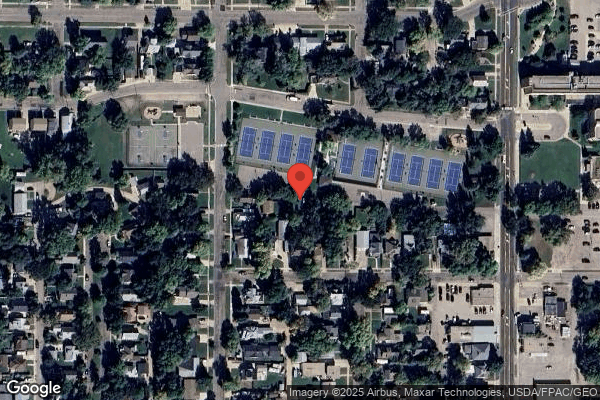
305 8TH AVE NE, MINOT, ND 58703 (701) 857-5800
Non profit - Corporation 161 Beds Independent Data: November 2025
Trust Grade
0/100
#70 of 72 in ND
Last Inspection: August 2024

Within standard 12-15 month inspection cycle. Federal law requires annual inspections.

Overview

Trinity Homes in Minot, North Dakota, has received a Trust Grade of F, indicating significant concerns about the facility's performance, which is among the lowest ratings. It ranks #70 out of 72 nursing homes in the state, placing it in the bottom half, and #2 out of 2 in Ward County, meaning there is only one other option nearby that is better. While the trend is improving, with issues dropping from 13 in 2024 to just 1 in 2025, the facility still has serious problems, including reports of verbal and physical abuse from a resident that went unaddressed, affecting the safety and well-being of others. Staffing is a relative strength with a rating of 4 out of 5 stars, but the turnover rate of 60% is concerning, as it is higher than the state average. The facility has incurred $65,253 in fines, which is average but indicates some ongoing compliance issues, and RN coverage is at an average level, meaning that while there are nurses present, there may not be enough to catch all potential problems.

Trust Score
F
0/100
In North Dakota
#70/72
Bottom 3%
Safety Record
High Risk
Review needed
Inspections
Getting Better
13 → 1 violations
Staff Stability
⚠ Watch
60% turnover. Above average. Higher turnover means staff may not know residents' routines.
Penalties
✓ Good
$65,253 in fines. Lower than most North Dakota facilities. Relatively clean record.
Skilled Nurses
✓ Good
Each resident gets 61 minutes of Registered Nurse (RN) attention daily — more than 97% of North Dakota nursing homes. RNs are the most trained staff who catch health problems before they become serious.
Violations
⚠ Watch
25 deficiencies on record. Higher than average. Multiple issues found across inspections.
★☆☆☆☆
1.0
Overall Rating
★★★★☆
4.0
Staff Levels
★★☆☆☆
2.0
Care Quality
★☆☆☆☆
1.0
Inspection Score
Stable
2024: 13 issues
2025: 1 issues

The Good

  • 4-Star Staffing Rating · Above-average nurse staffing levels
  • Full Sprinkler Coverage · Fire safety systems throughout facility
  • No fines on record

Facility shows strength in staffing levels, fire safety.

The Bad

1-Star Overall Rating

Below North Dakota average (3.1)

Significant quality concerns identified by CMS

Staff Turnover: 60%

14pts above North Dakota avg (46%)

Frequent staff changes - ask about care continuity

Federal Fines: $65,253

Above median ($33,413)

Moderate penalties - review what triggered them

Staff turnover is elevated (60%)

12 points above North Dakota average of 48%

The Ugly 25 deficiencies on record

5 actual harm
May 2025 1 deficiency
CONCERN (D) 📢 Someone Reported This

A family member, employee, or ombudsman was alarmed enough to file a formal complaint

Potential for Harm - no one hurt, but risky conditions existed

Free from Abuse/Neglect (Tag F0600)

Could have caused harm · This affected 1 resident

**NOTE- TERMS IN BRACKETS HAVE BEEN EDITED TO PROTECT CONFIDENTIALITY** Based on observation, record review, review of a facility reported incident, policy review, and staff interview, the facility fa...

Read full inspector narrative →
**NOTE- TERMS IN BRACKETS HAVE BEEN EDITED TO PROTECT CONFIDENTIALITY** Based on observation, record review, review of a facility reported incident, policy review, and staff interview, the facility failed to ensure residents remained free from abuse for 2 of 2 sampled residents (Resident #1 and #2) with impaired cognition who displayed sexual behaviors towards each other. Failure to protect residents from sexual abuse may result in fear, anxiety, mental anguish, and physical injury. This citation is considered past non-compliance based on review of the corrective action the facility implemented immediately following the incident. Findings include: The surveyor determined a deficient practice existed on 05/18/25. The facility implemented corrective action immediately, completed corrective action on 05/19/25, and continues with staff education and monitoring. Review of the facility policy titled Abuse, Neglect and Exploitation occurred on 05/20/25. This policy, revised August 2023, stated, . Sexual abuse is defined as non-consensual sexual contact of any type with a resident. Sexual Abuse-all residents have the right to initiate a relationship with another individual . The determination of capacity to consent to a sexual relationship will be reviewed by a team that will include the provider and social worker at a minimum . If capacity for consent is not evident, the team will update the plan for the resident(s) to prevent any sexual abuse. Review of a facility reported incident, dated 05/18/25, indicated a certified nurse aide (CNA) (#1) entered Resident #2's room and observed Resident #1 laying on Resident #2's bed with her shirt pulled up and Resident #2 touching her breasts. The report stated, . [Resident #2's name] was not hurting her . and she [Resident #1] was not showing any signs up [sic] being upset. It was stopped and both residents were removed from the room. Both have very poor short-term memories and are on the secured unit. - Review of Resident #1's medical record occurred on 05/20/25. Diagnoses included Alzheimer's disease and dementia with agitation. The care plan stated, . Her behaviors can be very unpredictable, and she has a hx [history] of becoming very angry and abusive. She also has a hx of wandering at home and has also been wandering since she was admitted looking for a way out and going into other resident's rooms . Will also remove her clothes and come walking down the hall and an episode of being found in a male resident's room with her shirt pulled up, exposing her breasts. Monitor her when she is ambulating around the unit. Offer female CNA's to intervene as men seem to agitate her worse. Assist her to her room and assist her to put her clothes back on when needed. Monitor her whereabouts and remove her from other residents' rooms. Resident #1's progress notes included the following: * 05/18/25 at 7:45 p.m., Resident was found in another resident's room. She was laying in the bed with her shirt pulled up. She was letting the male resident feel her breasts. She has a history of being combative if it's something she does not want to do. She was redirected out of the room and brought to the dining room. No further contact between the two were made. * 05/19/25 at 11:49 a.m., Social Services visited with [Resident #1's] son [name] this morning about the incident that happened last evening with a male resident on the unit. It appears to be an isolated incident, as it is the first time there have been any kind of relations between the two of them. Staff will be monitoring both residents very close to avoid any future physical interactions between the two of them. - Observation on 05/20/25 at 10:52 a.m. showed Resident #2 asleep on his bed with a stop sign hung across his open door. Review of Resident #2's medical record occurred on 05/20/25. Diagnoses included Alzheimer's disease and dementia. A quarterly MDS, dated [DATE], identified severe cognitive impairment. The care plan stated, . has made inappropriate comments to female staff. Occasional episodes of cursing/screaming at CNA, rejection of cares and false beliefs. Episode of touching a female residents' breasts. Let [Resident #2] know when comments are not appropriate. Leave and return later, try another caregiver. Remove any female residents from [Resident #2]'s room as needed and explain he cannot have any sexual relations with any of the female residents. Review of Resident #2's progress noted included the following: * 05/18/2025, [Recorded as Late Entry on 05/19/2025 10:44 AM] 19:45 [7:45 p.m.] Resident was found in his room. There was a female resident laying on his bed with her shirt pulled up. He was feeling her breasts. He was redirected out of his room. He was brought to the nurses' station. He has not made contact with the other resident again. During an interview on 05/20/25 at 11:05 a.m., a nurse manager (#2) stated Resident #1 will hit and kick if she doesn't want to do something and showed no distress upon discovery with Resident #2. She stated the staff monitored Resident #1 and #2 closely after the incident and observed no signs of distress. The nurse stated neither resident has mentioned this incident since it happened, staff don't believe the residents remember the incident as both have very short-term memories, and there has never been an incident like this before with either of these two residents. Sexual contact is nonconsensual if a resident appears to want the contact to occur but lacks the cognitive ability to consent. Therefore, the facility failed to ensure Residents #1 and #2, both lacking the cognitive ability to consent, remained free from sexual abuse, defined as non-consensual sexual contact of any type. Based on the following information, non-compliance at F600 is considered past non-compliance. The facility implemented corrective actions to ensure the deficient practice does not recur by: * completed an investigation following the incident * implemented measures immediately after the incident to separate the two residents * required staff to be located in/observing the hallway as much as possible * increased rounding checks on all residents from every hour to every half hour * educated the staff on duty on 05/18/25 and at the start of each shift thereafter, regarding the incident and monitoring the residents' location closely * added WATCH HALLS TO MAKE SURE RESIDENTS ARE NOT WANDERING INTO OTHER RESIDENTS' ROOMS to the CNA care cards * updated the residents' care plans * staff meeting on 05/20/25 to further educate staff regarding vulnerable adults, reporting requirements, monitoring the hallway, and 30-minute rounding on all residents.
Sept 2024 2 deficiencies 2 Harm
SERIOUS (G) 📢 Someone Reported This

A family member, employee, or ombudsman was alarmed enough to file a formal complaint

Actual Harm - a resident was hurt due to facility failures

Free from Abuse/Neglect (Tag F0600)

A resident was harmed · This affected 1 resident

**NOTE- TERMS IN BRACKETS HAVE BEEN EDITED TO PROTECT CONFIDENTIALITY** Based on record review, review of the facility reported incident, review of facility policy, and staff interviews, the facility ...

Read full inspector narrative →
**NOTE- TERMS IN BRACKETS HAVE BEEN EDITED TO PROTECT CONFIDENTIALITY** Based on record review, review of the facility reported incident, review of facility policy, and staff interviews, the facility failed to ensure residents remained free from abuse from 1 of 1 sampled resident (Resident #1) with verbal, physical, and sexual behaviors towards other residents. Failure to assess, care plan, and operationalize a plan/process resulted in fear, anxiety, pain, and an unsafe environment for all residents residing in the memory care unit. Findings include: Review of the facility policy titled Abuse, Neglect and Exploitation Policy occurred on 09/05/24. This policy, revised August 2023, stated, . Abuse: the willful infliction of injury, unreasonable confinement, intimidation . with resulting physical harm, pain, or mental anguish. It includes verbal abuse, sexual abuse, physical abuse and mental abuse . Residents who mistreat, are aggressive towards . other residents . must have a care plan in place that addresses the behavior(s) in question and those residents that have had aggressive behavior directed at them . must be protected from further injury or mental anguish. Documentation must be in place to identify the steps taken to identify the problems, the corrective action taken, and follow-up monitoring. In a situation where there is an aggressive resident or a catastrophic event such as pushing, hitting, throwing objects, etc. the following steps should be taken . Re-direct resident and take to a quiet area if possible. Contact resident provider, follow provider's orders, and update family. Social Services to monitor for trends or patterns and update the residents Care Plan as needed. A facility reported incident, received by the state agency on 08/23/24, stated Resident #1 kicked a female resident in the stomach which cause her to fall. Review of Resident #1's medical record occurred on all days of survey. Diagnoses included anxiety, dementia, mood disturbance, and psychotic disturbance. The quarterly Minimum Data Set (MDS), dated [DATE], indicated severe cognitive deficits and behaviors. The progress notes identified the following: * 07/02/24 at 7:06 p.m., Resident [#1] is calling another resident a piece of [explicit word]. He then got into an altercation with another resident. * 07/07/24 at 5:32 p.m., Resident went down to end of hall and blocked another resident against the wall and was swearing at him. Other [sic] resident was begging him to just leave him alone. A cna [certified nurse aid] got them seperated [sic] . He then came up behind the other resident swearing at him and kicked him in the back. Got them seperated [sic] again and he went after him again and kicked his hand. The other resident then punched him [Resident #1] in the chest. * 07/07/24 at 11:20 p.m., Resident is growling at another resident and trying to get close to other resident to kick him. Residents kept seperated [sic]. * 07/09/24 at 11:44 p.m., Resident went up to another resident and grabbed her breasts. Both residents were separated and redirected immediately. * 07/11/24 at 7:21 p.m., The resident kicked another resident's wheelchair. He was taken to another room . * 07/14/24 at 4:54 p.m., Resident moving around dining room [NAME] [sic] other residents pieces of [explicit word]. * 07/18/24 at 12:45 a.m., Resident was blocking door from another resident, Did not verbal [sic] respond to resident when she was yelling at him. Resident did come with me to a different spot and had an HS [hour of sleep] snack. * 07/20/24 at 7:13 p.m., Resident kicked the back of another resident's wheelchair. He also yelled, 'You stupid [explicit word]' to a different resident. He was redirected each time to another area. * 07/22/24 at 5:55 p.m., Resident yelling and cursing at other residents. * 07/27/24 at 8:15 p.m., . Female residents afraid of going near resident. * 07/28/24 at 3:05 a.m., Resident [#1] grabbed another female resident by her arm. No injuries noted at this time. Resident is immediately redirected away from the other resident. * 07/29/24 at 10:37 p.m., Resident is trying to pinch resident [sic] breast after supper. Unable to redirect him away from the females. * 07/30/24 at 2:17 p.m., Resident was glaring at another resident. He was redirected away from her before anything happened. * 07/30/24 at 4:59 p.m., . He was grabbing female resident [sic] breast [sic] or talking sexual to them. He would not let a female resident go by him so staff had to get the resident by him . * 07/30/24 at 11:20 p.m., Resident sat at the main door after supper. Cussed at other residents. * 08/01/24 at 9:32 p.m., before supper started to get near female residents. Then he proceeded to kick another male resident [sic] wheelchair and call him '[explicit word].' when taking residents to the table for supper [Resident #1] would go and stare at the female resident and call her '[explicit word]' and stare at her . [Resident #1] would then try and quickly get near another female resident if staff looked away. Informed [Resident #1] that he needs to stay away from other residents especially the ladies. It is not appropriate for him to touch other residents or call them names. The minute we turned our back he was headed to a table with female residents. * 08/02/24 at 11:16 a.m., Nursing staff called Social Services last evening to report [Resident #1] was having a lot of behaviors. Some changes have been made to his psychotropic medications and he is being monitored closely. * 08/03/24 at 10:54 a.m., The resident would not let another resident's family leave by blocking the exit door. He also tried to grab one of their breast [sic] as they tried to leave. Staff redirected the resident to another area. * 08/03/24 at 9:49 p.m., resident kicked at female resident when she was walking past him after supper. * 08/04/24 at 1:59 p.m., CNA reported . she tried to redirect him [Resident #1] from hitting another resident. She directed him to another room. * 08/04/24 at 9:30 p.m., Resident going up to other female resident [sic], stares at them then calls them [explicit word]. Unable to redirect as he goes to another resident and tries to kick them [sic], grab them [sic] or call them [sic] names. Resident assisted to bed. * 08/07/24 at 11:01 a.m., Resident grabbed a female resident's left breast after breakfast. Female resident yelled at him and walked away and came to the nurses' desk. Resident's breast was red, no bruising. * 08/07/24 at 6:51 p.m., Resident was making faces at another resident in the dining room. Other resident told him to stop looking at her and then she threw her apple juice on him. Both residents were separated . * 08/08/24 at 6:53 p.m., The resident propels his wheelchair fast towards other residents and he changes the look on his face, which scares them. One resident threw food at him. Staff redirected him to his room . * 08/08/24 at 11:10 p.m., The nurse was walking up the hallways on the unit, when she observed resident stomping his feet as he was propelling fast in his wheelchair towards a female resident who was quietly sitting in her wheelchair in the hallways [sic]. There was no physical interaction. The female resident appeared frightened and the suggestion was made to go to her room and she complied and was taken to her room. As the nurse was prepared to leave, the resident stated, 'he is creepy.' * 08/11/24 at 3:48 a.m., Resident [#1] went up to a female resident and said 'your [sic] a [explicit word].' He was calling . residents 'pieces of shit' and saying '[explicit word] you.' Resident very difficult to redirect. * 08/11/24 at 1:50 p.m., Resident was wandering around the halls most of shift. He was in a confrontation with another resident. * 08/12/24 at 6:59 p.m., [Physician] here for rounds. Updated her on the residents' behaviors. Called pharmacy requesting medication combination side effects. Carbidopa-levodopa [Parkinson's medication] can cause increased labito [sic] [sexual drive]. * 08/12/24 at 11:14 p.m., Resident pedaled himself quickly toward another resident at the door. Tried to grab the resident. [Resident #1] moved away from the door, then turned and went right back to the door. Other resident left the dining room. [Resident #1] kicked and attempted to hit at another resident in the dining room. [Resident #1] taken to his room . [Family Nurse Practitioner] called. Update given on behaviors. New orders received. Will update family in the morning. * 08/13/24 at 1:35 p.m., Resident was blocking the hall not letting other residents go by. * 08/13/24 at 9:36 p.m., [Sic] was calling another resident inappropriate names after supper. * 08/18/24 at 6:45 p.m., Resident propelling towards a resident and grabbed both her breast [sic]. He was taken to his room where [sic] sat peacefully. * 08/22/24 at 1:00 p.m., The CNA called out for this nurse at [1:00 p.m.] She said she witnessed the resident propelling quickly down the hall towards another resident. The other resident was moving towards the wall to move out of his way. Everywhere the other resident moved he would block her. Then he kicked her in the stomach. The other resident fell to the ground. This nurse and CNA took him to his room . * 08/25/24 at 9:16 p.m., After supper resident [#1] was kicking another resident's wheelchair and saying '[explicit word] you.' able to redirect. Then went to another resident and called him an [explicit word]. Told resident if he continued to kick other residents wheelchairs and call people names then he would need to go to bed. * 08/27/24 at 6:25 a.m., . Resident is very agitated and aggressive towards . residents tonight. He pinched another resident on her face, no injuries noted. He ran into the back of another resident's heels, no injuries noted at this time. He is going up to . residents growling at them and calling them '[explicit words].' He is trying to kick . resident. He is blocking people so they can't get by him. Resident followed this nurse into a female resident's room and refused to leave. Tylenol was given and ice cream for a snack. This nurse called the social worker about his behaviors. [Physician] was notified about resident's behaviors and a one time order for Ativan was given. * 08/30/24 at 1:18 p.m., Resident was following female . resident around, hard to redirect, resident removed from common area from other residents . * 08/31/24 at 12:38 a.m., Resident was kicking other resident [sic] wheelchair after supper. Also calling other resident [sic] '[explicit word].' . * 08/31/24 at 2:22 p.m., Resident propelling his wheelchair fast towards other residents and telling them to move. * 08/31/24 at 9:18 p.m., Resident continue to move his wheelchair fast around the dining room. Stops at different residents and calls them '[explicit word]' or says '[explicit word] You.' Also kicked a couple wheelchairs of different residents. * 09/01/24 at 2:03 p.m., Resident propelled quickly towards other residents. CNA . tried to redirect . * 09/04/24 at 6:04 a.m., Resident is going up to residents and saying '[explicit word] You.' Attempts made to redirect . Resident #1's care plan stated, . At times becomes physically and verbally abusive when he can't communicate his need. If [Resident #1] is upset, allow time for him to calm down, then re-approach. Distract him from behaviors by offering food, beverage or activity. Remove [Resident #1] from area if he is calling other residents names, growling, or if agitated. Assess any changes in . behavior and report to . Social Services. [Resident #1] receives psychotropic medication . Monitor for changes in . behaviors and report to MD [medical doctor]/NP [nurse practitioner] as needed. The current care card also stated, . Observe and report any changes in mental status caused by situational stressor . Provide opportunities for expression of feelings related to situational stressor . The care plan failed to identify the situational stressors affecting Resident #1 and failed to address his sexually abusive behaviors towards the female residents. During an interview on 09/04/24 at 4:50 p.m., a managerial nurse (#2) indicated staff remove Resident #1 from the area whenever he behaves aggressively towards other residents. During an interview of 09/04/24 at 5:15 p.m., an administrative staff member (#1) reported the memory care unit staff failed notify her when Resident #1 grabbed the breasts of female residents. The facility failed to assess and monitor patterns and trends of behaviors in an effort to protect other residents from abuse and minimize Resident #1's physical aggression towards other residents. The facility failed to ensure Resident #1 did not infringe upon the rights of other residents to be free from verbal, mental, physical, and/or sexual abuse.
SERIOUS (G) 📢 Someone Reported This

A family member, employee, or ombudsman was alarmed enough to file a formal complaint

Actual Harm - a resident was hurt due to facility failures

Deficiency F0744 (Tag F0744)

A resident was harmed · This affected 1 resident

**NOTE- TERMS IN BRACKETS HAVE BEEN EDITED TO PROTECT CONFIDENTIALITY** Based on record review, review of facility policy, and staff interviews, the facility failed to provide adequate dementia care a...

Read full inspector narrative →
**NOTE- TERMS IN BRACKETS HAVE BEEN EDITED TO PROTECT CONFIDENTIALITY** Based on record review, review of facility policy, and staff interviews, the facility failed to provide adequate dementia care and services for 1 of 1 sampled resident (Resident #1) with dementia and verbal, physical, and sexual abusive behaviors. Failure to adequately assess for necessary care and services and implement effective behavior management interventions resulted in a decreased level of psychosocial well-being for Resident #1 and had a negative impact on other residents. Findings include: The facility failed to provide a policy on dementia care. Review of the facility policy titled Abuse, Neglect and Exploitation Policy occurred on 09/05/24. This policy, revised August 2023, stated,. Residents who mistreat, are aggressive towards . other residents . must have a care plan in place that addresses the behavior(s) in question . In a situation where there is an aggressive resident or a catastrophic event such as pushing, hitting, throwing objects, etc. the following steps should be taken . Social Services to monitor for trends or patterns and update the residents Care Plan as needed. Review of Resident #1's medical record occurred on all days of survey. Diagnoses included anxiety, dementia, mood disturbance, and psychotic disturbance. The current physician's orders included: * Two 125 milligram (mg) Depakote Sprinkles capsules daily for mood stabilization started 08/31/23, * 20 mg Escitalopram Oxalate daily for major depressive disorder started 08/06/24, * 25 mg Hydroxyzine HCI daily for anxiety started 07/27/24, and * 0.5 mg Risperdal twice daily for agitation started 08/23/24. The current care plan stated, . At times becomes physically and verbally abusive when he can't communicate his need. Exit seeking. Calls other residents and staff vulgar names. Growls at . other residents. If [Resident #1] is upset, allow time for him to calm down, then re-approach. Distract him from behaviors by offering food, beverage or activity. He used to like to sort cards, work jigsaw puzzles and play with dominos. Remove [Resident #1] from area if he is calling other residents names, growling, or if agitated. Assess any changes in his mood or behavior and report to nurse and Social Services. [Resident #1] receives psychotropic medication . Monitor for changes in mood/behaviors and report to MD [medical doctor]/NP [nurse practitioner] as needed. The care card also stated, . Observe and report any changes in mental status caused by situational stressor . Provide opportunities for expression of feelings related to situational stressor . The care plan failed to identify the situational stressors affecting Resident #1 and failed to address his sexually abusive behaviors towards female residents. The progress notes identified the following: * 07/02/24 at 7:06 p.m., Resident [#1] is calling another resident a piece of [explicit word]. He then got into an altercation with another resident. * 07/07/24 at 5:32 p.m., Resident went down to end of hall and blocked another resident against the wall and was swearing at him. Other [sic] resident was begging him to just leave him alone. A cna [certified nurse aid] got them seperated [sic] . He then came up behind the other resident swearing at him and kicked him in the back. Got them seperated [sic] again and he went after him again and kicked his hand. The other resident then punched him [Resident #1] in the chest. * 07/07/24 at 11:20 p.m., Resident is growling at another resident and trying to get close to other resident to kick him. Residents kept seperated [sic]. * 07/09/24 at 11:44 p.m., Resident went up to another resident and grabbed her breasts. Both residents were separated and redirected immediately. * 07/11/24 at 7:21 p.m., The resident kicked another resident's wheelchair. He was taken to another room . * 07/14/24 at 4:54 p.m., Resident moving around dining room [NAME] [sic] other residents pieces of [explicit word]. * 07/18/24 at 12:45 a.m., Resident was blocking door from another resident, Did not verbal [sic] respond to resident when she was yelling at him. Resident did come with me to a different spot and had an HS [hour of sleep] snack. * 07/20/24 at 7:13 p.m., Resident kicked the back of another resident's wheelchair. He also yelled, 'You stupid [explicit word]' to a different resident. He was redirected each time to another area. * 07/22/24 at 5:55 p.m., Resident yelling and cursing at other residents. * 07/27/24 at 8:15 p.m., . Female residents afraid of going near resident. * 07/28/24 at 3:05 a.m., Resident [#1] grabbed another female resident by her arm. No injuries noted at this time. Resident is immediately redirected away from the other resident. * 07/29/24 at 10:37 p.m., Resident is trying to pinch resident [sic] breast after supper. Unable to redirect him away from the females. * 07/30/24 at 2:17 p.m., Resident was glaring at another resident. He was redirected away from her before anything happened. * 07/30/24 at 4:59 p.m., . He was grabbing female resident [sic] breast [sic] or talking sexual to them. He would not let a female resident go by him so staff had to get the resident by him . * 07/30/24 at 11:20 p.m., Resident sat at the main door after supper. Cussed at other residents. * 08/01/24 at 9:32 p.m., before supper started to get near female residents. Then he proceeded to kick another male resident [sic] wheelchair and call him '[explicit word].' when taking residents to the table for supper [Resident #1] would go and stare at the female resident and call her '[explicit word]' and stare at her . [Resident #1] would then try and quickly get near another female resident if staff looked away. Informed [Resident #1] that he needs to stay away from other residents especially the ladies. It is not appropriate for him to touch other residents or call them names. The minute we turned our back he was headed to a table with female residents. * 08/02/24 at 11:16 a.m., Nursing staff called Social Services last evening to report [Resident #1] was having a lot of behaviors. Some changes have been made to his psychotropic medications and he is being monitored closely. * 08/03/24 at 10:54 a.m., The resident would not let another resident's family leave by blocking the exit door. He also tried to grab one of their breast [sic] as they tried to leave. Staff redirected the resident to another area. * 08/03/24 at 9:49 p.m., resident kicked at female resident when she was walking past him after supper. * 08/04/24 at 1:59 p.m., CNA reported . she tried to redirect him [Resident #1] from hitting another resident. She directed him to another room. * 08/04/24 at 9:30 p.m., Resident going up to other female resident [sic], stares at them then calls them [explicit word]. Unable to redirect as he goes to another resident and tries to kick them [sic], grab them [sic] or call them [sic] names. Resident assisted to bed. * 08/07/24 at 11:01 a.m., Resident grabbed a female resident's left breast after breakfast. Female resident yelled at him and walked away and came to the nurses' desk. Resident's breast was red, no bruising. * 08/07/24 at 6:51 p.m., Resident was making faces at another resident in the dining room. Other resident told him to stop looking at her and then she threw her apple juice on him. Both residents were separated . * 08/08/24 at 6:53 p.m., The resident propels his wheelchair fast towards other residents and he changes the look on his face, which scares them. One resident threw food at him. Staff redirected him to his room . * 08/08/24 at 11:10 p.m., The nurse was walking up the hallways on the unit, when she observed resident stomping his feet as he was propelling fast in his wheelchair towards a female resident who was quietly sitting in her wheelchair in the hallways [sic]. There was no physical interaction. The female resident appeared frightened and the suggestion was made to go to her room and she complied and was taken to her room. As the nurse was prepared to leave, the resident stated, 'he is creepy.' * 08/11/24 at 3:48 a.m., Resident [#1] went up to a female resident and said 'your [sic] a [explicit word].' He was calling . residents 'pieces of shit' and saying '[explicit word] you.' Resident very difficult to redirect. * 08/11/24 at 1:50 p.m., Resident was wandering around the halls most of shift. He was in a confrontation with another resident. * 08/12/24 at 6:59 p.m., [Physician] here for rounds. Updated her on the residents' behaviors. Called pharmacy requesting medication combination side effects. Carbidopa-levodopa [Parkinson's medication] can cause increased labito [sic] [sexual drive]. * 08/12/24 at 11:14 p.m., Resident pedaled himself quickly toward another resident at the door. Tried to grab the resident. [Resident #1] moved away from the door, then turned and went right back to the door. Other resident left the dining room. [Resident #1] kicked and attempted to hit at another resident in the dining room. [Resident #1] taken to his room . [Family Nurse Practitioner] called. Update given on behaviors. New orders received. Will update family in the morning. * 08/13/24 at 1:35 p.m., Resident was blocking the hall not letting other residents go by. * 08/13/24 at 9:36 p.m., [Sic] was calling another resident inappropriate names after supper. * 08/18/24 at 6:45 p.m., Resident propelling towards a resident and grabbed both her breast [sic]. He was taken to his room where [sic] sat peacefully. * 08/22/24 at 1:00 p.m., The CNA called out for this nurse at [1:00 p.m.] She said she witnessed the resident propelling quickly down the hall towards another resident. The other resident was moving towards the wall to move out of his way. Everywhere the other resident moved he would block her. Then he kicked her in the stomach. The other resident fell to the ground. This nurse and CNA took him to his room . * 08/25/24 at 9:16 p.m., After supper resident [#1] was kicking another resident's wheelchair and saying '[explicit word] you.' able to redirect. Then went to another resident and called him an [explicit word]. Told resident if he continued to kick other residents wheelchairs and call people names then he would need to go to bed. * 08/27/24 at 6:25 a.m., . Resident is very agitated and aggressive towards . residents tonight. He pinched another resident on her face, no injuries noted. He ran into the back of another resident's heels, no injuries noted at this time. He is going up to . residents growling at them and calling them '[explicit words].' He is trying to kick . resident. He is blocking people so they can't get by him. Resident followed this nurse into a female resident's room and refused to leave. Tylenol was given and ice cream for a snack. This nurse called the social worker about his behaviors. [Physician] was notified about resident's behaviors and a one time order for Ativan was given. * 08/30/24 at 1:18 p.m., Resident was following female . resident around, hard to redirect, resident removed from common area from other residents . * 08/31/24 at 12:38 a.m., Resident was kicking other resident [sic] wheelchair after supper. Also calling other resident [sic] '[explicit word].' . * 08/31/24 at 2:22 p.m., Resident propelling his wheelchair fast towards other residents and telling them to move. * 08/31/24 at 9:18 p.m., Resident continue to move his wheelchair fast around the dining room. Stops at different residents and calls them '[explicit word]' or says '[explicit word] You.' Also kicked a couple wheelchairs of different residents. * 09/01/24 at 2:03 p.m., Resident propelled quickly towards other residents. CNA . tried to redirect . * 09/04/24 at 6:04 a.m., Resident is going up to residents and saying '[explicit word] You.' Attempts made to redirect . The Behavioral Health Clinic Notes stated the following: * 07/26/24, . one day he was grabbing breasts and arms of female staff . He has been telling other residents that they are pieces of [explicit word] . Staff noted he had been watching the door . it was reported by staff that they have been taking him outside and that he enjoys this. He does say yes to watching the door hoping to go outside. * 08/09/24, . I did speak with staff who reported . one day . he was pretty rude in the evening to staff and other residents but that otherwise he has been doing ok. Staff noted that he does still enjoy going outside and that they noticed improvement in his mood when he is able to go outside. * 08/23/24, . patient [Resident #1] was in his wheelchair in front of the door when I arrived I did have to ask him to move in order to open the door enough to get in. Received a call from the nurses at the nursing home regarding behavior of [Resident #1]. Cornering staff, sexually inappropriate, mean comments and door watching he did just have a dose of Sinemet 25-100 added which can cause increase in sexual attention, this dose was added as well as adding Seroquel 50 mg in the am. Documentation failed to show staff reported Resident #1's intimidating and verbally, physically, and sexually abusive behaviors towards other residents on the unit. During an interview on 09/04/24 at 4:50 p.m., when asked if staff attempted to identify the situational stressors/triggers that lead to Resident #1's aggressive/abusive behaviors towards other residents, a managerial nurse (#2) responded, No. During an interview of 09/04/24 at 5:15 p.m., an administrative staff member (#1) acknowledged staff failed to notify her of Resident #1's behaviors towards female residents, such as grabbing their breasts. The facility failed to assess and monitor patterns and trends of behaviors in an effort to minimize these behaviors, recognize unmet needs, and prevent situations/triggers which may lead to behaviors and verbal, physical, or sexual abuse toward other residents. The facility failed to develop an effective behavior management program, consistently implement purposeful and meaningful activities, such as going outside, in an attempt to manage the behaviors exhibited by Resident #1, evaluate the behavior management program on an on-going basis, and modify interventions as needed. The facility failed to ensure Resident #1 did not infringe upon the rights of others while still allowing him to achieve his highest level of well-being. These failures resulted in verbal, physical, and sexual abuse from Resident #1 towards other residents and residents experiencing fear and anxiety related to Resident #1's abusive behaviors.
Aug 2024 9 deficiencies 2 Harm
SERIOUS (G)

Actual Harm - a resident was hurt due to facility failures

Pressure Ulcer Prevention (Tag F0686)

A resident was harmed · This affected 1 resident

**NOTE- TERMS IN BRACKETS HAVE BEEN EDITED TO PROTECT CONFIDENTIALITY** Based on observation, record review, review of facility policy, and staff interview, the facility failed to provide appropriate ...

Read full inspector narrative →
**NOTE- TERMS IN BRACKETS HAVE BEEN EDITED TO PROTECT CONFIDENTIALITY** Based on observation, record review, review of facility policy, and staff interview, the facility failed to provide appropriate treatment and services to prevent the development of a pressure ulcer for 1 of 5 sampled residents (Resident #68) with pressure ulcers. Failure to implement interventions as ordered, and ensure adequate monitoring/assessment resulted in an avoidable facility acquired pressure ulcer. Findings include: Review of the facility policy titled Skin Management -[NAME] Homes occurred on 08/08/24. This policy revised, December 2022, stated, . Nursing will follow the skin care procedures outlined below to . 2. Maintain the integrity of the resident's skin through monitoring and timely interventional skin care management . 8. Braden Scale will be repeated upon resident changes in condition . The resident's care plan will be updated by the nurse to include goals for prevention and management of pressure injuries with appropriate interventions. The care plan will be reviewed . at change of condition . Appropriate pressure reduction/relief devices: 1. Turn and positioning system 2. Heel protectors, therapeutic boots, or items ordered by provider . Floor nurse will observe wound daily . If dressing is soiled or not intact at any point . the dressing will be replaced . Review of Resident #68's medical record occurred on all days of survey. Diagnoses included end stage renal disease, diabetes mellitus, peripheral vascular disease, a Stage 2 pressure ulcer on the left heel. An admission Minimum Data Set (MDS), dated [DATE], identified moderate to maximum assistance with activities of daily living, dependent for transfers, a Stage 1 pressure ulcer. The current care plan stated, . is at risk for skin break down and for developing a pressure ulcer due to impaired mobility, diabetes, ESRD [end stage renal disease], CHF [congestive heart failure] . will have intact skin, free of redness, blisters, or discoloration . Pressure Ulcer Care/Prevention: Pressure relieving mattress & [and] pressure relieving wheelchair cushion. Notify nurse of new or changes in skin breakdown, redness, blisters, bruises, discoloration. Turn and reposition every 2 to 4 hours and prn [as needed]. Float heels off mattress. refuses to wear prevalon boots [pressure reducing boots] . The care plan failed to include the left heel pressure ulcer. Review of nurse's notes identified the following: * 04/23/24 at 11:20 p.m., . Dressing changed on her toes on both feet, noticed a foul smell with greenish discharge on the old dressing, complained too that her left heel is sore, on assessment they are red, intact, blanchable, applied calmoseptine [skin protectant]. Updated [provider name] by fax about the wound and the left heel. * 05/30/24 at 9:58 a.m., Resident stated to PT [physical therapist], the CNA [certified nurse aide] says 'my left heel is black'. PT removed ace wrap and found that resident has what appears to be a deep tissue injury on the left heel. PT encouraged resident to wear prevalon boots day and night. Resident . she is not doing any standing or walking, and prevalon boots would be better. PT informed nurse of this . PT also suggested perhaps a mepilex [protective dressing] over the left heel. * 07/18/24 at 2:47 p.m., . she is to be NWB [non-weight bearing] on her L [left] foot for fear of wound and bone damage. [Resident] will be a hoyer [full-body mechanical] lift for transfers until her next follow up. Review of podiatry progress notes/consultation form identified the following: * 06/14/24 . This patient is high risk for other potential complications and infections. She needs to continue with offloading to protect her heels from decubitus (injury to skin and underlying tissue resulting from prolonged pressure on the skin) ulcerations. * 07/16/24 . She has decubitus ulceration on the left heel . She apparently is not doing [sic] enough pressure off her left foot . she will need to be protected at the nursing home otherwise she will lose her legs. * 07/16/24 podiatry consult form, . new decub (decubitus) stage 3 . KEEP on Prevalon boots BIL (bilateral) . Review of wound management documentation/Braden Skin Risk Assessments (scale to determine pressure ulcer risk)/Focused Skin Observations identified the following: * 05/05/24 . Focused observation skin - left heel red and sore . * 05/09/24 . Focused observation skin - left heel, red, sore . * 06/07/24 . Braden Skin Risk Score 15 at risk [of developing pressure ulcers]. * 07/16/24 . Wound Location Left heel . Length . 1.3 cm [centimeter] Width . 1.3 cm . * 07/29/24 . Wound Location Left heel . Length . 1 cm Width . 1 cm . * 08/04/24 . Wound Location Left heel . Length . 1 cm Width . 1 cm . Exudate Amount . light . Exudate color and consistency . serosanguinous (pale red to pink, thin and watery [drainage]) . A physician's order dated 07/16/24, stated, Prevalon Boots to bilateral feet @ [at] all times. Daily Betadine [skin disinfectant] and bandages to all wounds. Observations of Resident #68 showed the following: * 08/05/24 at 2:49 p.m., Seated in a recliner in her room with the foot rest elevated and wearing ankle socks, and the Prevalon boots in a chair across the room. * 08/06/24 at 7:56 a.m., Out of facility for dialysis, and the Prevalon boots in a chair in her room. * 08/06/24 at 2:00 p.m. and 4:47 p.m., Seated in a wheelchair in her room, feet on the foot pedals, ankle socks on, and not wearing Prevalon boots. * 08/07/24 at 7:53 a.m., Laying in bed, feet directly on the mattress, and the Prevalon boots in a chair across the room. The resident stated she wore Prevalon boots during the night but takes them off when she wakes up because I just can't function with them. * 08/07/24 at 8:11 a.m., Two certified nurse aides (CNAs) (#25 and #28) transferred the resident from bed to the wheelchair with a full-body mechanical lift. The resident wore no socks or shoes, no dressing to the left heel. The CNAs failed to apply the Prevalon boots to the resident's feet. The resident's bare feet with open wound to the left heel rested directly on the carpeted floor. The CNA (#25) stated the resident doesn't wear the Prevalon boots during the day. The CNA (#25) spoke to the nurse but failed to inform her of the absence of Resident #68's dressing to her left heel. * 08/07/24 at 11:11 a.m. and 2:22 p.m., Seated in the wheelchair in her room with her bare feet directly on the carpeted floor. * 08/07/24 at 2:22 p.m., The nurse (#24) applied a dressing to the ulcer but failed to apply Prevalon boots. During an interview on 08/07/24 at 1:54 p.m., an administrative nurse (#1) stated Resident #68 intermittently refused to wear the Prevalon boots, confirmed he expected staff to document patient refusals of care or treatments, to follow infection control measures during wound care, and to cover open wounds. The facility failed to follow through after the development of a pressure injury to Resident #68's left heel. The facility lacked regular assessments of the size and condition of the wound including care planning interventions to aid in healing. observation showed staff failed to implement the use of preventative devices and document the resident's refusal. Due to the resident's risk factors which can cause a delay in healing and this resident to develop a pressure injury and may cause future complications.
SERIOUS (G)

Actual Harm - a resident was hurt due to facility failures

Accident Prevention (Tag F0689)

A resident was harmed · This affected 1 resident

**NOTE- TERMS IN BRACKETS HAVE BEEN EDITED TO PROTECT CONFIDENTIALITY** - Review of Resident #36's medical record occurred on all days of survey. Diagnoses included muscle weakness and difficulty walk...

Read full inspector narrative →
**NOTE- TERMS IN BRACKETS HAVE BEEN EDITED TO PROTECT CONFIDENTIALITY** - Review of Resident #36's medical record occurred on all days of survey. Diagnoses included muscle weakness and difficulty walking. The current care plan stated, . [Resident] is not able to do his own ADL's or activities of daily living due to weakness . Power wheelchair for locomotion. [Resident] is at risk for bleeding and bruising related to blood thinner medication. [Resident] is at risk for falls due to weakness. Edited: 08/05/2024 When going out for an appointment, communicate with transport to only use lift system and not ramp when getting in/out the van. During an interview on 08/05/24 at 12:46 p.m., when asked about the large bruises on right arm, Resident #36 stated, I was coming back from a doctor's appointment and the transportation van had a ramp instead of a lift. The ramp was too steep, and my power wheelchair doesn't have brakes. I started going down too fast, and I tipped over and fell out. The resident indicated bruises on his legs and knees. Review of Resident #36's progress notes showed the following: *07/29/24 at 1:55 p.m. Resident states he was coming down the ramp in his electric scooter, off of the bus after returning from his appointment. Resident states the entire wheelchair tipped over and fell off the ramp. Resident states he hit his head, his right elbow, has a small abrasion, and his right outer calf has a large hematoma. Provider and care giver were notified. *07/29/24 at 11:29 p.m. Resident has bruise on the right elbow due to fall. No new bruise observed, no complain of pain, alert and oriented. *07/30/24 at 8:11 a.m. [Resident] requested PRN [as needed] Tylenol last night for c/o [complaints of] being sore and his right hamstring and leg were hurting him from the fall. He also requested some ice to put on his hamstring. He showed staff all his bruises on his right elbow and sore areas. He slept all night and this morning after 0630 [6:30 a.m.] he said that he was 'very sore' this morning and he was slower because of it. He told staff all about what happened and about using a ramp to get off the bus and how he had no brakes with his electric wheelchair and everything that happened after that. *7/30/24 at 9:36 a.m. Resident alert, no changes noted in mentation. Hematoma [swollen bruise] to R [right] leg appears stable, but tender to the touch. Bruising to R arm also stable. All skin areas are intact. *07/31/24 at 11:58 p.m. Continues on fall monitoring r/t [related to] recent fall with multicolored bruising to right upper arm / elbow and right outer shin. *08/05/24 at 8:14 a.m. Falls committee meeting on 7/30/24. Recommendation: communicate with transport to only use lift system and not ramp when getting in/out [sic] the van. Care plan has been reviewed. No other concerns/issues raised. During an interview on 08/07/24 at 10:00 a.m., two administrative staff mambers (#1 and #11) confirmed Resident #36 fell out of his wheelchair when exiting a transport van, the transport company completed an incident report, and the facility did not complete an incident report or investigation. The facility failed to evaluate the transfer requirements and safety needs of Resident #36 during van transportation. 1. Based on observation, record review, review of facility investigation, and resident and staff interview the facility failed to provide adequate supervision to prevent accidents for 1 of 1 sampled resident (Resident #61) who required surgical intervention for an injury. Failure to provide adequate supervision during a transfer from the shower resulted in Resident #61 experiencing severe pain, a hematoma (collection of blood in a tissue) which required three hospitalizations and surgical intervention, cellulitis (infection of the skin), and increased anxiety and depression. Findings include: Review of the facility reported incident form occurred on 08/05/24. The form, dated 07/25/24, stated, . On 07/16/24 at 5:00 p.m. after [Resident #61's] shower was complete, [certified nurse aide name] [CNA] (#27) went to pull her out in the shower chair and [Resident #61's] left leg hit the shower wall . [Resident #61] immediately complained of pain to the area . Review of Resident #61's medical record occurred on all days of survey. Diagnoses include atrial fibrillation, anemia, long term use of anticoagulants, cellulitis of left lower limb, and contusion of left lower leg. A quarterly Minimum Data Set (MDS), dated [DATE], identified intact cognition, and dependent on staff for shower transfers. Observation on 08/05/24 at 11:33 a.m. showed Resident #61 resting in bed with a wound VAC (vacuum-assisted closure device) to her lower left leg. During an interview at this time, the resident indicated the wound vac is for the injury that occurred when the CNA transferred her from the shower room and hit her leg on the wall. The resident stated her leg immediately started hurting after it hit the wall, the pain continued to get worse. The resident indicated during the week between the injury and her final hospitalization her leg worsened, and it was horrendously painful. She stated she went to the hospital three times, underwent surgery to debride [remove damaged tissue] my leg, and resulted in the need for a the wound vac. She indicated being frustrated with the incident and results because she was progressing in her therapy prior to the injury and now is unable to stand. She stated her blood thinners had been stopped and now every time I feel a flutter or twinge in my, chest I worry about a heart attack or a stroke. Review of nurse's notes identified the following: * 07/16/24 at 5:00 p.m., . The attention of this nurse was called because according to her the resident is in severe pain due to a bump on her lateral lower leg, on assessment noticed a hematoma measuring about 4cm [centimeter] x [by] 4 cm in diameter. Asked what happened and she and the CNA relayed that she bumped her leg on the wall when they were wheeling her out of the shower room. Applied ice, elevated her leg, and gave PRN [as needed] Tyl;enol [sic] [pain relieving medication] 1000 mg [milligram]. After supper around 1800 [6:00 p.m.], she was crying and said she's still in a lot of pain, her hematoma became bigger with the surrounding area red. Paged [provider name] the on call and gave an order to sent [sic] her to the ER [emergency room]. * 07/17/24 at 3:13 a.m., Received resident from EMT [emergency medical technician]; Alert and oriented complaining of Left leg pain; with new Doctor's order for pain. Left leg with ace wrap and swollen with hematoma noted. * 07/17/24 at 3:53 p.m., Resident complained of having pain on the left leg with ace wrap and swollen with hematoma, PRN tab Tramadol [narcotic pain medication] 50mg was given with good effect . * 07/18/24 at 11:34 a.m., I visited with [Resident #61] about the hematoma to her left lower leg. She explained to me that when she was in the shower chair on 7-16-24 the CNA pulled her sideways and her left lower leg hit the corner of the shower wall. [Resident #61] is not able to bend her legs completely. * 07/20/24 at 2:15 p.m., Resident insisted she go to the emergency room today for her left lower leg hematoma. She states was previously at the ER, however, states her condition has changed and hasn't been assessed. I did inform her I spoke with the on-call provider who declined to send the patient to the emergency and recommended that the patient take her pain medication. * 07/20/24 at 10:23 p.m., The NP [nurse practitioner] went to see the resident and measured the swollen left leg with hematoma and still intact at 10X12 cm; ordered to send the resident to E.R. for treatment and further evaluation. After 10 mins [minutes] resident was calling and that she is scarred [sic] that her left left [sic] is draining fluids and dried blood. Resident was sent to E.R. immediately. * 07/24/24 at 3:00 p.m., Resident was brought back to the facility by the ambulance, alert, oriented, responsive, and not in pain. Left leg still swollen and with purplish discoloration, wound kept open and with ace wrap from left ankle to left foot. * 07/26/24 at 1:53 p.m.,. OT [occupational therapist] expressed concern for hematoma to L [left] lower leg is now open and draining . After observing hematoma . contacted NP . * 07/26/24 at 3:19 p.m., . Pt [physical therapist] notified this nurse of open area to posterior Lt [left]leg, stated large amount eschar [dead tissue] to area, looked at wound, hematoma open with a large amount coagulated [clotted] dark blood escaping, call to NP [name], stated she would stop and look at area and speak with resident, remains on antibiotic without adverse reaction. * 07/26/24 at 8:08 p.m., NP [name] came to review the resident and ordered that Resident should be sent to ER for Evaluation of worsening left lower extremity hematoma with necrotic tissue. Resident was taken to ER by EMT at 7pm. * 07/31/24 at 3:30 p.m., Resident was brought back to this facility by ambulance . wound back [sic] intact draining bloody discharge . *08/06/24 at 11:51 p.m., Writer visited with resident on Monday afternoon. She is worried about her bill . She owns a home and wants to be able to return to it. We had a good discussion about how she is holding up mentally. She was hoping to be home by now and now feels like she is starting over. [Resident #61] verbalized being depressed and having a lot on her mind that makes it hard to sleep, she stopped her blood thinner so now whenever she feels something strange, she worries it may be a stroke or heart attack. [Resident #61] said she does not want to die and has no plans to harm herself but feels like she is going to die in here. I asked [Resident #61] if she is interested in speaking to someone and she is, she has an order for a psych consult and is on the list to see the psychiatrist. Review of provider notes identified the following: * 07/16/24 at 9:09 p.m., . presents because of pain and swelling of her left lower leg. She was being brought out of the shower room in a wheelchair when the aide ran her leg into the door frame. She had immediate pain and it began swelling right away . There is a raised 7 x 6 cm x 2 cm raised ecchymotic [bruised] soft/fluctuant [unstable] area on the . left lower leg. she states that after the third dose of morphine [narcotic pain medication] she has finally get [sic] pain relief . * 07/20/24 at 5:00 p.m., . being seen today for evaluation of worsening swelling and pain to left lower extremity. Skin: Measured 12 cm x 10 cm . Surrounding skin appears to have swelling, mild erythema [redness], warmth, and tenderness. Assessment and plan 1. Worsening pain and swelling to LLE [left lower extremity] due to recent trauma. Large intact fluid filled blister with hematoma noted. There is concern for cellulitis - send to ER for evaluation and treatment. * 07/24/24 at 12:00 a.m., . HPI [history of present illness] presented back to the emergency room . with worsening pain swelling and acute drainage from the hematoma. In the emergency room she had a CT scan [computerized tomography] which showed enlarging hematoma measuring 16 cm x 25 cm x 4.7 cm. * 07/26/24 at 5:23 p.m., . evaluated at bedside today for concerns by nursing staff today for worsening left lower extremity hematoma and cellulitis. She was recently sent to the ER and admitted from 7/20/2024 to 7/24/2024 for acute traumatic enlarging left lower extremity hematoma, left lower extremity cellulitis, and acute blood loss anemia [not enough healthy red blood cells to carry oxygen]. She was treated with antibiotics and given blood transfusions. SKIN: large area of necrotic tissue to posterior [back] left lower extremity with large open area and covered with clotted blood. Hematoma measures 25.5 cm x 25 cm. Assessment and plan Hematoma with necrotic skin tissue - There is a concern for developing large necrotic tissue, and worsening cellulitis send to ER for evaluation and treatment. * 07/31/24 at 11:00 a.m., . presented to . hospital 07/26/24 due to large left lower extremity hematoma. Underwent debridement of wound, lower lateral left hematoma 20 cm x 20 cm on 07/28/24 . Wound vac to LLE . wound bed measures approximately 19 cm x 20 cm x 0.3 cm . positive cultures obtained in OR [operating room]. Placed on oral abx [antibiotics] . Review of the facility investigation contained a written statement from the CNA (#27), dated 07/22/24, and stated I, [CNA #27] was giving [Resident #61] a shower on 7/16/24. When we was [sic] finished I had pushed her sideways out the shower door due to her showering in a bari [bariatric] chair, which was a small area, and opening the door at the same time. As I was pushing her out the shower door I didn't realize she had put her leg out & her leg hit the corner of the wall. The facility failed to ensure the CNA (#27) provided a safe transfer for Resident #61 from the shower room which resulted in an injury to the resident's lower leg and lead to a hematoma, increased pain, three hospitalizations, surgical debridement, and placement of a wound vac. 2. Based on observation, record review, review of facility policy, review of manufacturer's instructions, and staff interview, the facility failed to ensure residents received adequate supervision/assistance to prevent accidents for 2 of 3 sampled residents (Resident #4) observed during a sit-to-stand lift transfer and (Resident #36) observed with bruises. Failure to use a mechanical lift properly and/or re-evaluate the suitability of a mechanical lift transfer, and monitor/ensure safe transfer methods placed Residents #4 and #36 at risk for injury. Findings include: Review of the EZ Way Smart Stand [type of sit-to-stand mechanical lift] 400, 500 & 800 lb [pound] Capacities Operator's Instructions, revised 09/29/23, pages 2-6, stated, . As patients do vary in size, shape, weight and temperament, these conditions must be taken in to [sic] consideration when deciding if the EZ Way Smart Stand is suitable for their needs. Patients should be able to bear some weight, have upper body strength and be able to follow simple commands. Attach harness 1) Position the harness around the upper body of the patient so the sides of the harness are between the patient's torso and arm, resting 2-3 inches below the underarm. 2) For the safety of the patient, securely fasten the safety strap around the patient's torso. 3) Secure the buckle and pull the strap to tighten. Raise the patient . As the patient is being raised, simultaneously tighten the safety strap buckled around their torso. Stop lifting when the patient is in a standing position. Review of the facility policy titled Transporting Resident For Care Outside The Facility occurred on 08/08/24. This policy, revised February 2023, stated . If there is no family available for transport [NAME] Home will provide a transporter [employee that accompanies residents]. Arrangements can be made with [name of transport company for transportation by bus or van with wheelchair lift. If [transport company] is not available, contact Plan Operations and complete a work order . Notify nursing staff on the Unit of transport. Documentation in Nurses' Notes includes the date, time, who is accompanying the resident, the time of their return and any changes noted upon return. The facility failed to provide a policy for transportation via ambulance van. - Review of Resident #4's medical record occurred on all days of survey. Diagnoses included Alzheimer's disease, muscle weakness, and repeated falls. The quarterly Minimum Data Set (MDS), dated [DATE], identified moderate cognitive impairment, verbal and other behaviors, functional limitation in range of motion to bilateral lower extremities, dependent with chair-to-bed-to-chair transfers and toilet transfers. The care plan, revised 11/17/23, stated, . Toileting: . Staff assist of 2 and PAL [Portable Aquatic Lift - type of sit-to-stand mechanical lift] to transfer to toilet. Transferring: Assist of 2 and PAL . Resident #4's nurses' notes stated the following: * 01/19/24 at 1:24 p.m., [Resident #4] seen 1/18/24 for re-evaluation for RNP [restorative nursing program]. [Resident #4] requires training with standing and transfers. She is transferring with PAL and 2 staff. Upper body exercises continue as tolerated as well as XBOX [type of workout game]. * 02/26/24 at 1:21 p.m., [Resident #4] was discontinued from the RNP. She will continue to transfer via PAL and 2 staff. Observation on 08/05/24 at 4:56 p.m. showed two certified nurse aides (CNAs) (#6 and #7) transferred Resident #4 with an EZ Way sit-to-stand mechanical lift from the bed to her wheelchair, to the bathroom toilet, and back to her wheelchair. The resident yelled loudly as the CNAs assisted her to sit at the edge of the bed, then placed the lift harness, safety strap, and shin strap, and instructed the resident to hold the handles. As the CNAs (#6 and #7) lifted Resident #4 to a semi-standing position, she yelled loudly as the safety strap slid up her torso, and the CNAs lowered her back to the bed to adjust the safety strap. As the CNAs raised Resident #4 from the bed and encouraged her to stand up straight, her right arm/elbow rose to a nearly horizontal position. The resident whined, moaned, and/or yelled throughout the transfer to the toilet and again while the CNAs raised her from the toilet, provided perineal cares, and changed her brief. Resident #4's right shoulder, upper arm, and elbow rose above a horizontal position and the left arm/elbow nearly to a horizontal position as the CNAs transferred her from the bathroom to her wheelchair. The CNAs (#6 and #7) instructed the resident throughout the transfer to stand up straight as she sagged against the harness and safety strap, with the harness pushing up into her axilla. One CNA (#7) stated Resident #4 is declining with how she stands in the stand lift. Observation on 08/06/24 at 09:08 a.m. showed two CNAs (#8 and #9) transferred Resident #4 from her wheelchair to the bathroom toilet, back to her wheelchair and then to bed. The CNAs placed the EZ Way harness, safety strap (loosely around her torso), and shin strap, then cued the resident to hold the lift handles and stand up straight as she sagged against the harness which pulled up on her axilla. As the CNAs (#8 and #9) raised Resident #4 with the lift, her right arm/elbow moved up and away from her body in a horizontal position, throughout the transfer. Observation on 08/07/24 at 4:41 p.m. showed two CNAs (#6 and #7) applied the EZ Way stand harness, safety strap, and shin strap, while the resident frequently hollered oh boy, ouwwhh. The CNAs cued Resident #4 to hold the lift handles and placed her feet on the foot plate. A CNA (#6) tightened the safety strap as they raised the resident up, and the resident hollered [Explicit word], ouwwhh, do you have to have that so damn tight? Resident #4 failed to bear weight as the CNAs transferred her into the bathroom. During the transfer, the resident's right arm/elbow rose to a horizontal position and her left arm/elbow close to a horizontal position. As the CNAs (#6 and #7) lowered Resident #4 on the toilet, she hollered loudly ouch, that hurts indicating her breast. A CNA (#6) removed the safety strap which had pulled up under her breast. Upon standing the resident from the toilet to provide perineal cares, the CNAs attached the safety strap loosely with the resident's right upper arm/elbow in a horizontal position and the left arm/elbow nearly horizontal. The CNAs failed to tighten the safety strap during the transfer. The CNAs watched the resident's elbows which stuck out and upward, as they exited the bathroom to prevent the resident's elbows from hitting the door frame. When asked about elbow position during transfers, the CNA (#6) stated, I would want my arms down at my sides. A CNA (#7) stated she believed the resident used the stand lift about six months and doesn't feel like she bears her weight in the lift. When asked, a CNA (#6) stated staff should tell the nurse if concerns noted with a transfer, and the nurse would have physical therapy evaluate the use of the lift. During an interview on 08/08/24 at 12:01 p.m., a staff nurse (#20) agreed a resident's arms should not be in a horizontal position during a sit-to-stand mechanical lift transfer. Staff failed to provide safe transfers with the mechanical sit-to-stand lift. The facility failed to monitor Resident #4's upper/lower body strength and appropriate use of the stand lift and failed to periodically monitor and re-evaluate the suitability of the stand lift to meet Resident #4's needs and ensure safe transfers.
CONCERN (D)

Potential for Harm - no one hurt, but risky conditions existed

Deficiency F0658 (Tag F0658)

Could have caused harm · This affected 1 resident

Based on observation, record review, review of professional reference, and staff interview, the facility failed to provide care in accordance with professional standards for 2 of 2 sampled residents (...

Read full inspector narrative →
Based on observation, record review, review of professional reference, and staff interview, the facility failed to provide care in accordance with professional standards for 2 of 2 sampled residents (Resident #29 and #41). Failure to obtain physician's orders and notify the physician of refusal of treatments may result in adverse health effects. Findings include: Kozier & Erb's Fundamentals of Nursing, Concepts, Process and Practice, 11th Edition eText, 2021, Pearson, Boston, Massachusetts, page 63, stated, Nurses are expected to analyze procedures . ordered by the physician or primary care provider. If the order is neither ambiguous nor apparently erroneous, the nurse is responsible for carrying it out. Findings include: Observation on 08/06/24 at 10:00 a.m., showed a nurse (#18) applied Ready wraps (compression wrap to control swelling) to Resident #29's legs. The resident refused to wear the sock liners under the ready wraps. A physical therapy (PT) note, dated, 7/15/2024 stated, . [Resident] is agreeable to try the thin sock liners under the Ready wraps. Therapist explained that her skin is too fragile to wear the Ready wraps without the liners and it could cause skin tears. Review of Resident #29's medical record showed the record lacked a physician's order for Ready wraps and notification to the provider of the resident's refusal to wear the protective liners. During an interview on 08/07/24 at 11:45 a.m., a PT staff member (#26) stated they expected Resident #29 to wear the liners under the ready wraps to protect the resident's skin and to be notified by nursing staff if the resident refuses. During an interview on 08/07/24 at 2:10 p.m., an administrative staff member (#10) confirmed she expected a recommendation from PT be sent to the physician for an order and the physician or therapy be notified if the resident refuses treatment, or part of the treatment. - Review of Resident #41's medical record occurred on all days of survey. Physician's orders included, Monitor lower (R) [right] leg hematoma - Measure Q [every] shift until resolved. Observation on the afternoon of 08/06/24 showed Resident #41 in a wheelchair with a dressing to her right lower leg. Observation of a dressing change occurred on 08/07/24 at 11:10 a.m. A nurse (#23) removed a dressing from Resident #41's right lower leg and applied a non-adhesive dressing and a protective wrap to the lower leg. During an interview on 08/07/24 at 3:04 p.m., an administrative nurse (#2) stated the facility failed to get an order for Resident #41's dressing change to the right leg.
CONCERN (D)

Potential for Harm - no one hurt, but risky conditions existed

Tube Feeding (Tag F0693)

Could have caused harm · This affected 1 resident

Based on observation, record review, review of professional reference, and staff interview, the facility failed to restore, if possible, oral eating skills for 1 of 1 sampled resident (Resident #33) w...

Read full inspector narrative →
Based on observation, record review, review of professional reference, and staff interview, the facility failed to restore, if possible, oral eating skills for 1 of 1 sampled resident (Resident #33) with a gastrostomy tube (tube inserted into the stomach for feeding) and orders for oral intake. Failure to clarify orders and evaluate oral intake may have the potential to result in adverse events, such as aspiration pneumonia. Findings include: Kozier & Erb's Fundamentals of Nursing, Concepts, Process and Practice, 11th Edition eText, 2021, Pearson, Boston, Massachusetts, page 1185, stated, The four levels of semi-solid or solid foods are pureed, mechanically altered, mechanically soft, and regular. In consultation with the dietitian, occupational therapist, swallowing specialist, speech-language pathologist, and primary care provider, these levels can be used to determine a consistent approach to a particular client's dysphagia. Review of Resident #33's medical record occurred on all days of survey and showed diagnoses of dysphagia (difficulty swallowing) following other cerebrovascular disease (stroke), and gastrostomy status. The current care plan identified the following: . [Resident] presents with severe oropharyngeal [middle part of the throat] dysphagia secondary to multiple medical complexities. [Resident] can have ice cream 2x [two times] per day up in his wheelchair if he would like it. [Resident] is at nutritional risk r/t [related to] need for enteral [tube feeding] nutrition due to severe oropharyngeal dysphagia and is unable to meet nutritional needs through oral intake. NPO [nothing by mouth] diet. Pleasure feedings of Pureed & [and] Nectar thick liquids by spoon 2 times daily. Afternoon snack of ice cream and nectar thick liquids daily. A physician's orders dated 06/10/22 identified Diet: Regular, pureed Special Instructions: pleasure meal 2x/day [two times per day] consisting of pureed item & 1 glass of nectar thickened liquids [NTL] (lunch) by spoon and 09/21/22, Order NPO [nothing by mouth], Mildly Thick (Nectar), Pureed. Special Instructions: afternoon snack of ice cream & nectar thick liquids no meals at this time. Pleasure feedings 2x/day of pureed and nectar thick by spoon. A physician's note, dated 05/28/24, stated, . Today [Resident] is seen lying in his room and states he has been well. He continues to eat snacks orally in bed. ASSESSMENT AND PLAN: Protein calorie malnutrition, improving, continues on tube feedings, discussed avoiding feeds by mouth to prevent aspiration. A Nutrition Support Assessment, completed by a licensed registered dietitian on 06/11/24, identified the following: *Diet Order - Include supplements and snacks *NPO, pleasure feeds of pureed solids and nectar thick liquids by spoon twice daily *Resident is NPO and receives 100% of his nutritional needs via enteral feeding *[Resident] will take pleasure feedings twice daily of pureed solids and nectar thick liquids by spoon. *Nutritional Intervention-Continue with current tube feeding regimen. *Encourage compliance to NPO recommendations due to resident's high risk of aspiration. A Speech Therapy (ST) Treatment and Evaluation note dated, 06/15/22, stated, . Treatment diagnosis: Pneumonitis due to inhalation of food and vomit (03/08/2022) . ST Patient Discharge Instructions: Discharge planned for this patient. Recommendations discussed with patient and caregivers include recommendations for consumption of items for pleasure x2- ice cream and NTL by spoon. The record lacked an updated speech therapy evaluation since 06/15/22. During an interview on 08/08/24 at 9:55 a.m., a staff nurse (#19) verified staff supervised Resident #33 at the nurse's station during afternoon snack due to a history of aspiration and failed swallowing exam. The facility failed to clarify conflicting oral intake orders and obtain a speech therapy/swallowing evaluation for two years.
CONCERN (D)

Potential for Harm - no one hurt, but risky conditions existed

Respiratory Care (Tag F0695)

Could have caused harm · This affected 1 resident

**NOTE- TERMS IN BRACKETS HAVE BEEN EDITED TO PROTECT CONFIDENTIALITY** Based on observation, record review, review of professional reference, and staff interview, the facility failed to ensure approp...

Read full inspector narrative →
**NOTE- TERMS IN BRACKETS HAVE BEEN EDITED TO PROTECT CONFIDENTIALITY** Based on observation, record review, review of professional reference, and staff interview, the facility failed to ensure appropriate infection control practices for 1 of 1 resident (Resident #54) receiving oxygen via a tracheostomy. Failure to maintain cleanliness of respiratory supplies by ensuring appropriate storage could result in adverse effects for the resident. Finding include: Review of professional reference Kozier & Erb's Fundamentals of Nursing, Concepts, Process and Practice, 11th Edition eText, 2021, Pearson, Boston, Massachusetts, pages 1294-1295, stated, Administering Oxygen by Cannula, Face Mask, or Face Tent .Perform hand hygiene and observe other appropriate infection prevention procedures. Review of professional reference [NAME], [NAME], M.B.B.S, MD. Risks and Complications of Tracheostomy. The John Hopkins University 2024. https://www.hopkinsmedicine.org/health/treatment-tests-and-therapies/tracheostomy. Accessed 13 August 2024, stated Risks and Complications of Tracheostomy . A clean tracheostomy site, good tracheostomy tube care . should minimize the chances of complications. Review of Resident #54's medical record occurred on all days of survey and showed diagnoses of paralysis of vocal cords and larynx (voice box), acute respiratory failure with hypoxia (lack of oxygen), and tracheostomy (artificial opening into the windpipe) status. Physician's orders included oxygen at 4L (liters) through trach shield with humidification. The current care plan stated [Resident] has a tracheostomy that could cause further infectious problems. Contact precautions. Use good hand washing, gown and glove while providing cares in residents room .[Resident] requires oxygen therapy R/T [related to] trach placement and chronic respiratory failure. oxygen per trach collar mask . - Observation on 08/06/24 at 1:25 p.m. showed Resident #54's oxygen humidifier connected to the concentrator, resting on the floor along with the tracheostomy collar mask oxygen tubing. The certified nurse aide (CNA) (#8) took the oxygen tubing off the floor and connected it to the resident's tracheostomy collar mask. When asked if the oxygen tubing was on the floor, the CNA (#8) stated, Yes. We've tried to put it in different places, hanging it on the bed rail or bedside table but it would never stay and always fell down. During an interview on 08/08/24 at 12:15 p.m. an administrative member (#1) confirmed he expected oxygen supplies in the resident's room to be stored in a bag and off the floor. The facility failed to follow appropriate infection control practices for administration of oxygen via a tracheostomy.
CONCERN (D)

Potential for Harm - no one hurt, but risky conditions existed

Medication Errors (Tag F0758)

Could have caused harm · This affected 1 resident

Based on record review and staff interview, the facility failed to ensure the resident's medication regimen remained free of unnecessary medications for 3 of 5 sampled residents (Resident #21, #66, an...

Read full inspector narrative →
Based on record review and staff interview, the facility failed to ensure the resident's medication regimen remained free of unnecessary medications for 3 of 5 sampled residents (Resident #21, #66, and #68) reviewed for antipsychotic medications. Failure to establish a baseline by assessing for abnormal involuntary movements before starting an antipsychotic and to monitor periodically while on the medication may result in the resident experiencing adverse consequences related to the antipsychotic medication. Findings include: - Review of Resident #21's medical record occurred on August 5-7, 2024. Physician's orders included risperidone (antipsychotic medication) daily, initiated in August 2023. The medical record identified an Abnormal Involuntary Movement Scale (AIMS) assessment completed on 12/13/23. After a request for documentation of further assessments, an administrative nurse (#1) stated on the morning of 08/07/24 the unit manager completed an AIMS on 08/06/24 per the nurse's (#1) request. Resident #21's record lacked an AIMS assessment every six months. - Review of Resident #66's medical record occurred on all days of survey. The physician's orders identified the resident received olanzapine (antipsychotic medication), initiated on 06/04/24. Resident #66's record identified an AIMS assessment completed 08/07/24, approximately two months after the start of the medication. - Review of Resident #68's medical record occurred on all days of survey. The physician's orders identified the resident received chlorpromazine (antipsychotic medication) three times daily, initiated on 05/07/24. The record lacked an AIMS assessment completed at the start of the medication. During an interview on 08/07/24 at 1:46 p.m., an administrative nurse (#1) stated, We have no policy for AIMS assessments. The nurse (#1) stated he expected staff to complete a baseline AIMS when a resident started on an antipsychotic medication and then every six months.
CONCERN (E)

Potential for Harm - no one hurt, but risky conditions existed

Deficiency F0657 (Tag F0657)

Could have caused harm · This affected multiple residents

Based on observation, record review, review of facility policy, and staff interview, the facility failed to review and revise the comprehensive care plan to reflect the current status for 6 of 25 samp...

Read full inspector narrative →
Based on observation, record review, review of facility policy, and staff interview, the facility failed to review and revise the comprehensive care plan to reflect the current status for 6 of 25 sampled residents (Residents #29, #33, #66, #68, #88, and #317). Failure to review and revise the care plan limited staff's ability to communicate needs and ensure continuity of care. Findings include: Review of facility policy titled Care Planning occurred on 08/08/24. This policy, revised February 2023, stated, . a written plan of care be developed and maintained for each resident in coordination with all services . involved in the care of the resident. Each nursing unit. is responsible for the reviewing and updating of the resident care plans. OBJECTIVES: A. To develop a concise. plan of care for each resident. E. To assure optimum levels of care for each resident are being provided. PROGRESS RECORD-documentation in appropriate area. as condition warrants. A. Each department has the responsibility that. the individual's plan is implemented and maintained. C. The progress and outcome. is recorded on the careplan. If an approach or plan proves unsatisfactory, it is deleted and the problem and new approach are typed in . CARE PLAN REVIEW-Monthly on all nurse units. a. On each shift the CNA's and Nurse review care plans. so that each resident's care plan is reviewed monthly adding or deleting problems, goals, and approaches. - Review of Resident #29's medical record occurred on all days of survey. Diagnoses included lymphedema (swelling caused by fluid), osteomyelitis (inflammation and swelling in the bone). A physician's order, dated 06/19/24, stated, PT [physical therapy] eval [evaluation] and tx [treatment] Lymphedema lower extremities. A physical therapy evaluation, completed on 07/02/24 stated, PT evaluation completed today and [Resident] is willing to try the Ready wraps [compression wrap to control swelling] vs [versus] the ace wraps. The foot portion of the ace wrap is rolling up and causing discomfort and then her foot is swelling. Resident #29's care plan lacked a problem, goals, and interventions to control lymphedema. During an interview on 08/07/24, an administrative staff member (#17) stated the facility typically does not address edema, because orders change so often. - Review of Resident #33's medical record occurred on all days of survey. Diagnoses included dysphagia (difficulty swallowing) following cerebrovascular disease (stroke), gastrostomy (tube feeding). The current care plan stated, [Resident] is at nutritional risk r/t [related to] need for enteral [tube feeding] nutrition due to severe oropharyngeal [middle of the throat] dysphagia and is unable to meet nutritional needs through oral intake. NPO [nothing by mouth] diet. Pleasure feedings of Pureed & Nectar thick liquids by spoon 2 times daily. Afternoon snack of ice cream and nectar thick liquids daily. A nutrition note, dated 06/11/24, stated, Encourage compliance to NPO recommendations due to resident's high risk of aspiration [ingestion of food/liquids into the lungs]. During an interview on 08/08/24 at 9:55 a.m., a staff nurse (#19) stated facility staff supervise Resident #33 at the nurse's station during afternoon snack due to a history of aspiration and failed swallowing exam. Resident #33's care plan lacked the intervention for supervision of oral feedings to avoid aspiration. - Review of Resident #66's medical record occurred on all days of survey. A nurse's note, dated 04/25/24 at 6:41 p.m., stated, Skin assessment done: Wounds noted on abdomen . sutures on right anterior knee . Review of Resident #66's Wound Observation Forms, dated 08/03/24, identified the following: * Surgical incision to abdomen measuring 13 cm (centimeters) x (by) 7 cm. * Surgical incision to right knee measuring 2 cm x 5 cm. The current care plan failed to address the surgical incisions. - Review of Resident #68's medical record occurred on all days of survey. A podiatry consult note, dated 07/16/24, stated, . There is an ulceration on the posterior left heel, which is a stage III decubitus ulceration of the left heel measuring 1.3 cm in diameter, 2 mm [millimeter] in depth . Review of Resident #68's Wound Observation Forms, dated 08/04/24, identified a left heel ulcer measured at 1 cm x 1 cm. The current care plan failed to address Resident #68's left heel pressure ulcer. - Observations of Resident #88 on 08/05/24 at 3:28 p.m. and 08/06/24 at 9:31 a.m. showed Resident #88 ambulated with a four wheeled walker and an Unna boot (zinc impregnated compression wrap) to right lower extremity and a Coflex (a flexible bandage) wrap to the left lower extremity. Review of Resident #88's medical record occurred on all days of survey. The current care plan stated, . [Resident] has chronic edema in. lower extremities. calf ready wrap compression garments on LE's [lower extremities]. [Resident] is at risk [for] alterations in her skin R/T fragile skin and venous statis [sic] dermatitis to bilateral lower extremities. A physician's order, dated 07/31/24, stated, Start Unna Boot to Rt leg, Coflex wrap (two layers) to L [left] leg Once A Day on Sun, Wed, Fri [Sundays, Wednesdays, and Fridays]. The current care plan failed to address the Unna boot to the right extremity and the Coflex wrap to the left extremity. - Review of Resident #317's medical record occurred on all days of survey. Diagnoses included heart failure, and chronic kidney disease. Physician's orders included Furosemide (a medication to treat fluid retention). A hospital discharge note, dated 07/29/24, identified discharge diagnoses of acute kidney injury) and chronic kidney disease secondary to dehydration. Resident #317's current care plan lacked interventions for use of a diuretic and interventions to prevent dehydration.
CONCERN (E)

Potential for Harm - no one hurt, but risky conditions existed

Food Safety (Tag F0812)

Could have caused harm · This affected multiple residents

Based on observation and staff interview, the facility failed to store food in a sanitary manner in 1 of 1 main kitchen. Failure to maintain freezing systems has the potential to affect food quality/p...

Read full inspector narrative →
Based on observation and staff interview, the facility failed to store food in a sanitary manner in 1 of 1 main kitchen. Failure to maintain freezing systems has the potential to affect food quality/preparation and may result in the spread of foodborne illness to residents, staff, and visitors. Findings include: Observation of the main kitchen on 08/05/24 at 11:20 a.m. with a nutrition assistant (#13) and showed the following: Walk in freezer: *Noted frost build up on shelves and packages. Three fans covered with frost. One fan with a drip tray beneath it and the presence of icicles. Two separate fans showed icicles with no drip tray beneath it and ice/frost build up on three unopened boxes of crinkle cut carrots directly below the fans. Per the dietary assistant, she thought parts were ordered for a needed repair. During an interview and observation of the main kitchen on 08/07/24 at 9:05 a.m., with an administrative dietary staff member (#12), the walk-in freezer continued to have frost buildup and no drip trays under the second and third fans. The dietary staff member (#12) confirmed a part for the condenser is still needed.
CONCERN (E)

Potential for Harm - no one hurt, but risky conditions existed

Infection Control (Tag F0880)

Could have caused harm · This affected multiple residents

Based on observation, record review, review of facility policy, and staff interview, the facility failed to follow standards of infection control and prevention for 6 of 25 sampled residents (Resident...

Read full inspector narrative →
Based on observation, record review, review of facility policy, and staff interview, the facility failed to follow standards of infection control and prevention for 6 of 25 sampled residents (Resident #11, #41 #68, #69, #80, and #317) and one supplemental resident (Resident #60) observed during cares and one supplemental resident (Resident #43) with a foley catheter. Failure to practice infection control standards related to use of enhanced barrier precautions (EBP), personal protective equipment (PPE), and hand hygiene has the potential to spread infection throughout the facility. Findings include: Review of the facility policy titled Handwashing/Hand Hygiene occurred on 08/07/24. This policy dated May 2022, stated, . When is Hand Hygiene (Alcohol Hand Sanitizer) necessary? . Immediately after glove removal . Review of the facility policy titled Enhanced Barrier Precautions occurred on 08/07/24. This undated policy stated, . Enhanced Barrier Precautions involve gown and glove use during high-contact resident care activities . those that have indwelling devices such as; foley catheter, feeding tube, central line, tracheotomy or open wound that requires a dressing. - Observation on 08/05/24 at 2:47 p.m. showed two certified nurse aides (CNAs) (#21 and #22) transferred Resident #60 to the toilet. A CNA (#22) completed perineal cares after a bowel movement. The CNA removed her gloves and, without performing hand hygiene, applied clean gloves, applied the resident's brief, pulled up her pants and transferred the resident to her chair with a stand lift. The CNA (#22) put the lift sling away, moved the resident's overbed table, and positioned the resident's call light. The CNA (#22) failed to perform hand hygiene after removing soiled gloves and before applying clean gloves. - Review of Resident #80's medical record occurred on all days of survey. Diagnoses included history of MDRO (multidrug resistant organism) infection and pressure ulcers of the coccyx and gluteal (buttocks) fold. Observation on 08/06/24 on 10:19 a.m. showed Resident #80 in bed and EBP in place. A nurse (#24) donned a gown and gloves and entered the room to perform catheter cares and a dressing change to the coccyx and gluteal fold. Observation showed the nurse (#24) did the following: * Flushed the resident's catheter, removed gloves, and applied new gloves without performing hand hygiene. * Completed the dressing change, changing gloves without performing hand hygiene multiple times throughout, applied medicated cream directly to the wound with a gloved finger, spreading blood from her gloved hand to packaging of gauze and laying the soiled packaging on the resident's bedside table. * Emptied the resident's colostomy bag, and set the graduate containing stool on the resident's bedside table, which held the resident's personal items including a water glass. The nurse (#24) failed to perform hand hygiene between glove changes, after emptying the colostomy bag and before touching other surfaces, and placed objects contaminated with bodily fluids on Resident #80's bedside table and failed to disinfect the table. - Observation on 08/06/24 at 10:58 a.m. showed a CNA (#3) completed perineal cares for Resident #11 after an incontinent bowel movement. During the cares, the CNA (#3) failed to remove her soiled gloves before opening the cabinet to get more supplies. After the cares the CNA (#3) removed her gloves, lowered the bed, placed the call light, collected the garbage, and left the room without performing hand hygiene. - Observation on 08/06/24 at 4:15 p.m. showed a staff nurse (#6) changed Resident #69's duoderm (protective dressing) on her buttocks. The nurse (#6) donned gloves and removed both dressings, cleansed the rectal area with a perineal wipe, and applied two new duoderm dressings. The nurse (#6) failed to remove her gloves and perform hand hygiene after removing the old dressing, cleansing the rectal area, and applying the new dressing. - Review of Resident #68's medical record occurred on all days of survey. Diagnosis included MDRO infection and Stage III ulcer of the left heel. Observation on 08/07/24 at 2:22 p.m. showed Resident #68 seated in a wheelchair in her room with no socks, shoes or covering to the left heel ulcer, and EBP in place. The nurse (#24) performed a dressing change to the resident's bilateral feet. Observation showed the nurse did the following: * Entered the resident room, lifted the resident left foot with her bare hand and placed it on the resident's bed. * Entered and exited the resident's room without properly wearing gown/gloves to obtain supplies from the medication cart. * Changed gloves without hand hygiene several times during the course of the dressing change. The nurse (#24) failed to wear PPE when performing tasks for a resident with EBP and perform hand hygiene between glove changes. During an interview on 08/07/24 at 5:09 p.m., two administrative nurses (#1 and #11) stated they expected staff to perform hand hygiene after removing gloves and before applying new gloves and to wear appropriate PPE when performing close contact tasks for residents with EBP. - Observation on 08/05/24 at 12:15 p.m. showed Resident #41 without EBP in place. Observation later in the afternoon showed EBP in place. During an interview at this time a staff nurse (#4) stated Resident #41's hematoma (a mass of clotted blood) started to drain today and staff placed her in EBP. Record review for Resident #41 occurred on all days of survey. Nursing progress notes stated the following: * 07/31/24 at 4:35 p.m. Hematoma measures 4X4 [four by four centimeters]. Draining a little bit. * 08/03/24 at 11:03 p.m. Hematoma measuring 3.5 X 4 [centimeters] bloody drainage . Review of Resident #41's treatment administration record (TAR) identified drainage from the hematoma on 08/04/24 day shift and evening shift. The facility failed to place Resident #41 on EBP when the hematoma started to drain. - Observation on 08/05/24 at 4:38 p.m. showed Resident #43 with a foley catheter and no EBP in place. During an interview at this time, an administrative nurse (#2) confirmed Resident #43 has a foley catheter and staff failed to take appropriate precautions by using EBP. - Observation on 08/06/24 at 8:05 a.m. showed Resident #317 with an PICC (type of intravenous line for administering medication) and EBP in place. Observation showed the resident in bed and two CNAs (#14 and #15) provided morning cares and dressed the resident. When questioned when staff are required to wear PPE, a CNA (#15) stated, We weren't sure if we needed to. During an interview on 08/07/24 at 10:00 a.m., an administrative nurse (#1) stated she expected staff to wear the appropriate PPE when a resident is on EBP.
Jul 2024 2 deficiencies
CONCERN (D) 📢 Someone Reported This

A family member, employee, or ombudsman was alarmed enough to file a formal complaint

Potential for Harm - no one hurt, but risky conditions existed

Report Alleged Abuse (Tag F0609)

Could have caused harm · This affected 1 resident

**NOTE- TERMS IN BRACKETS HAVE BEEN EDITED TO PROTECT CONFIDENTIALITY** Based on review of State Survey Agency reports, record review, review of facility policy, and staff interview, the facility fail...

Read full inspector narrative →
**NOTE- TERMS IN BRACKETS HAVE BEEN EDITED TO PROTECT CONFIDENTIALITY** Based on review of State Survey Agency reports, record review, review of facility policy, and staff interview, the facility failed to report an incident of serious bodily injury for 1 of 1 sampled resident (Resident #1) who experienced serious injury after a fall from a lift to the State Survey Agency (SSA). Failure to report an event that resulted in serious bodily injury in the prescribed time frame does not comply with regulations established to protect residents. Findings include: Review of the facility policy titled Abuse, Neglect and Exploitation occurred on 07/31/24. This policy, revised August of 2023, stated, . Definitions: . Mistreatment: inappropriate treatment . of a resident . Adverse Event: an untoward, undesirable, and usually unanticipated event that causes death or serious injury, or the risk thereof. Serious bodily injury: an injury involving extreme physical pain, . requiring medical intervention such as surgery, hospitalization . All actual or alleged incidents of . Catastrophic events will be reported immediately to the supervisor, charge nurse, department manager, or manager on call. The supervisor notified is responsible to initiate protective approaches . The supervisor will then contact the Director of nursing and/or Director of Social Services to initiate the investigation process. The Director of Nursing and/or Director of Social Services will report . to the Administrator and/or their designee and the State Health Department. All alleged violations involving abuse, neglect . or mistreatment . are reported immediately, but not later than 2 hours after the allegation is made, if the events that cause the allegation involve abuse or result in serious bodily injury, or not later than 24 hours . Review of Resident #1's medical record occurred on all days of survey. A quarterly Minimum Data Set (MDS), dated [DATE], identified the resident had severely impaired cognition. A nurse's note, dated 07/27/24 at 10:09 a.m., stated, GNA [sic] called this nurse and stated in the process of transferring the resident with the hoyer [full body mechanical] lift, the resident fell out of the sling falling onto the floor and hitting her head. This nurse observed resident on her left side lying over one of the legs of the hoyer lift sustaining two lacerations to her face. MD [medical doctor] . made aware and give new order to send resident to the ER [emergency room] . Resident picked up at 2035 [8:35] pm. During an interview on 07/30/24 at 10:30 a.m., an administrative nurse (#1) explained the fall occurred on 07/26/24 at approximately 7:00 p.m. During an interview on 07/30/24 at 11:44 a.m., a social service director (#3) indicated the house supervisor contacted her on 07/27/24 at 1:54 p.m. to ask about reporting the incident. She further stated the house supervisor submitted the initial report to the SSA. The SSA received the initial allegation report on 07/27/24 at 2:10 p.m., approximate 19 hours after the fall resulting in serious injury. The facility staff failed to report the incident of serious bodily injury to the facility administration and SSA within 2 hours.
CONCERN (D) 📢 Someone Reported This

A family member, employee, or ombudsman was alarmed enough to file a formal complaint

Potential for Harm - no one hurt, but risky conditions existed

Quality of Care (Tag F0684)

Could have caused harm · This affected 1 resident

**NOTE- TERMS IN BRACKETS HAVE BEEN EDITED TO PROTECT CONFIDENTIALITY** Based on record review, review of facility policy, and staff interview, the facility failed to provide the necessary care and se...

Read full inspector narrative →
**NOTE- TERMS IN BRACKETS HAVE BEEN EDITED TO PROTECT CONFIDENTIALITY** Based on record review, review of facility policy, and staff interview, the facility failed to provide the necessary care and services to maintain the highest practicable physical well-being for 1 of 1 sampled resident (Resident #1) who had a fall from a mechanical lift with facial laceration. Failure to document the fall assessment timely, ensure post-fall follow up is performed and documented. Failure to perform and document neurological assessments following a fall with facial laceration has the potential to delay identification and treatment of further or worsening signs/symptoms of injury. Findings include: Review of the facility policy titled Injuries, Skin Tears And Falls occurred on 07/31/24. This policy, revised January 2023, stated, . Falls documentation will be completed and vitals will be documented . If the resident sustains a fall, an event will be completed . If there is a head injury . an initial neuro [neurological] check will be completed and further neuro checks will be scheduled. Neuro checks will be completed every 15 minutes x [times] 4, then every two hours x 12, for a total of 24 hours, unless otherwise ordered by provider. Review of the facility policy titled Neurological Assessment (post fall/head injury) occurred on 07/31/24. This policy, revised May 2021, stated, . Documentation of the neurological assessment must be completed under the observation 'Neurological Checks' in the . EHR [electronic health record]. Review of the Facility Reported Incidents Reporting Form occurred on 07/30/24. This form, dated 07/27/24, stated . Date of the allegation (incident) 07/26/24 . Time of the allegation 1900 [7:00 p.m.] . Was the Resident injured? Yes . Injury Type . Severe Injury Need for suture . Briefly describe the alleged incident and/or injury Two CNAs [certified nurse aides] were transferring resident by hoyer [full body mechanical lift] . Review of Resident #1's medical record occurred on all days of survey. Diagnoses included dementia, anxiety, osteoarthritis, and weakness. A quarterly Minimum Data Set (MDS), dated [DATE], indicated severe cognitive impairment. The care plan, reviewed 05/01/24, stated, . requires the use of a mechanical lift hoyer and 2 staff to transfer due to Dementia and degenerative disc disease . At risk for falls . Review of nursing progress notes identified the following: * 07/27/24 at 10:09 a.m., GNA [sic], called this nurse and stated in the process of transferring the resident with the hoyer lift, the resident fell out of the sling falling onto the floor and hitting her head. This nurse observed resident on her left side lying over one of the legs of the hoyer lift sustaining two lacerations to her face. Resident assessed and transfer [sic] to her bed. neuro checks initiated. MD [medical doctor] . made aware and give new order to send resident to the ER [emergency room] for evaluation. Call placed to 911. POA, [Power of Attorney] [name] made aware. Resident picked up at 2035 [8:35] pm. The medical record showed documentation of the fall occurred 15 hours after the fall occurred and lacked a date and time of the incident. * 07/27/24 at 10:41 a.m., Call from ER, resident given 2 Tylenol for pain , CT [computerized tomography] scan to the head, negative, Baseline, no vocal . Resident returned to facility at 0110am [1:10 a.m.]. Skin glue to face laceration. Resident baseline. Documented nine and a half hours after resident returned from ER. Review of the Fall Event form, dated 07/27/24 at 9:29 a.m., showed one neurological check completed, with the resident complaint of headache, but failed to identify the date/time the neurological assessment completed. Resident #1's medical record lacked documentation of vital signs and neurological assessment at the time of the fall, lacked documentation of further neurological assessment post fall and/or orders to discontinue neurological assessments. During an interview on 07/30/24 at 2:45 p.m., an administrative nurse (#1) stated the house supervisor or supervisory nurse is expected to be notified of all falls and ensure all documentation is completed per policy, and he expected staff to document timely, correctly and perform neurological assessments after a fall with head injury for 24 hours unless discontinued by the provider. The administrative nurse (#1) confirmed the medical record lacked documentation of neurological assessments for Resident #1. During an interview on 07/31/24 at 7:00 a.m., a staff nurse (#7) indicated she completed three neurological assessments immediately following Resident #1's fall and one neurological assessment upon Resident #1's return from the ER but failed to document them in the EHR, and confirmed she failed to complete additional neurological assessments per policy.
Aug 2023 4 deficiencies 1 Harm
SERIOUS (G) 📢 Someone Reported This

A family member, employee, or ombudsman was alarmed enough to file a formal complaint

Actual Harm - a resident was hurt due to facility failures

Accident Prevention (Tag F0689)

A resident was harmed · This affected 1 resident

Based on record review, review of facility investigation, and review of facility policy, the facility failed to ensure adequate supervision and assistance for 1 of 2 sampled residents (Resident #68) w...

Read full inspector narrative →
Based on record review, review of facility investigation, and review of facility policy, the facility failed to ensure adequate supervision and assistance for 1 of 2 sampled residents (Resident #68) who required staff assistance with transfers and experienced a fall with fracture injury. Findings include: Review of the facility policy titled Fall prevention policy occurred on 08/23/23. This policy, dated May 2022, stated, . residents will be assessed for risks of falling and will receive care and services in accordance with the level of risk to minimize the likelihood of falls . provide additional interventions as directed by the resident's assessment . rounding to be performed hourly . ambulation and toileting assistance . the plan of care will be revised and updated as needed . Review of Resident #68's medical record occurred on all days of survey. The care plan at the time of the fall showed Resident #68 transferred and ambulated with the assist of one. Nursing progress notes identified the following: *06/28/2023 at 11:39 p.m., . was on the other other side of the hall, when this nurse heard someone calling 'help' from the other side of the hall, asked one of the CNAs [certified nurse aide] to see where the yell was coming from . found resident lying on her right side on the floor in her room . asked what happened . resident stated she went to get her shirt from her closet and when she was going back to her bed she fell . *06/29/2023 at 01:15 a.m., Resident continuously complaining of severe left shoulder pain after the fall . stated she fell and landed on her left side . On call provider notified with order to send the resident to the ER [emergency room] for evaluation . *06/29/2023 at 6:58 a.m., Resident back to facility at 5:35 a.m. has a fracture on left upper arm . wearing a splint on the affected arm . Physician Progress Notes, dated 07/06/23, stated, . had a fall one week prior and found to have displaced left humeral shaft fracture . having quite a bit of pain . medications for pain . Review of the facility's investigation of the incident identified the following: * . [Resident #68] suffered a fall last night around 11:30 p.m., was sent to the ER, and returned early this morning with a diagnosis of a fractured left upper arm. When the day staff were asking [Resident #68] about her fall this morning, after she woke up, she said she got up alone, to get a shirt out of her closet and fell on her way back to bed. She reported that she asked the CNA [#7] to assist her to get a clean shirt and CNA [#7] told her she didn't need a clean shirt and didn't assist her. That is when [Resident #68] did it herself. She had an accident and wanted her PJ's [pajamas] to match . * The facility investigative team completed the following summary, dated 06/29/23, with a CNA [#7], a witness to the incident. The CNA stated, . [Resident #68] requested to change her shirt so it matched her pajama pants . [CNA #7] admitted saying, 'it is not going to kill you to wear the shirt you have on.' . [CNA #7] said she had to go and left [Resident #68] standing at her dresser. [Resident #68] fell right after [CNA #7] left the room. During an interview on 08/24/23 at 11:43 a.m., an administrative staff (#1) confirmed Resident #68 required the assistance of one staff member for transfers/ambulating and stated she expected staff to follow the care plan. The facility failed to ensure Resident #68 received care and services necessary to attain the highest degree of safety possible during cares to prevent a fall with injury.
CONCERN (D) 📢 Someone Reported This

A family member, employee, or ombudsman was alarmed enough to file a formal complaint

Potential for Harm - no one hurt, but risky conditions existed

Deficiency F0692 (Tag F0692)

Could have caused harm · This affected 1 resident

Based on record review and staff interview, the facility failed to ensure acceptable parameters of nutritional status for 1 of 1 sampled resident (Resident #315) with documented weight variances indic...

Read full inspector narrative →
Based on record review and staff interview, the facility failed to ensure acceptable parameters of nutritional status for 1 of 1 sampled resident (Resident #315) with documented weight variances indicating severe weight loss. Failure to reassess weight variances may delay needed treatment for weight loss/gain and alter the resident's ability to maintain a sufficient health/nutritional status. Findings include: Review of Resident #315's medical record occurred on all days of survey. Diagnoses included cerebral infarction (stroke), dysphagia (difficulty swallowing) and gastrostomy tube (a tube inserted into the stomach to provide nutrition). Resident #315's admission orders, dated 08/17/23, included TwoCal HN + Banatrol for enteral nutrition (which Resident #315 was receiving in the hospital). Due to unavailability of the TwoCal, the dietician ordered Osmolite + Banatrol on 08/17/23. Review of Resident #315's weights from 08/17/23 through 08/21/23 showed the following: 08/17/23: 287.2 lbs (pounds) - admission weight 08/18/23: 292 lbs 08/19/23: 270.5 lbs (22.5 pound weight loss from 08/18) 08/20/23: 262 lbs (8.5 pound weight loss from 08/19) 08/21/23: 259 lbs The documented weights indicate a 28.2 pound weight loss since admission. Resident #315's medical record failed to show the facility staff notified the provider or dietician of the weight loss. During an interview on 08/23/23 at 1:19 p.m., administrative staff member (#1) confirmed the documented weights are off and need to be addressed to figure out why.
CONCERN (D) 📢 Someone Reported This

A family member, employee, or ombudsman was alarmed enough to file a formal complaint

Potential for Harm - no one hurt, but risky conditions existed

Unnecessary Medications (Tag F0759)

Could have caused harm · This affected 1 resident

Based on observation, record review, review of facility policy, and staff interview, the facility failed to ensure a medication error rate of less than five percent during administration of medication...

Read full inspector narrative →
Based on observation, record review, review of facility policy, and staff interview, the facility failed to ensure a medication error rate of less than five percent during administration of medications for 1 of 7 residents (Resident #315) observed. Four medication errors occurred during staff administration of 32 medications, resulting in a 12% error rate. Failure to properly prepare and administer medications may result in residents receiving an ineffective dose and experiencing adverse reactions. Findings include: Review of the facility policy titled Gastric Tube Residual Assessment, Medication Administration, and Tube Feeding Administration occurred on 08/23/23. This policy, revised January 2023, stated, . J. Remove the bulb or plunger of syringe and reinsert into gastric tube K. Administer each medication [per gravity] flushing with . water after each dose. Review of Resident #315's medical record occurred on all days of survey. Diagnoses included cerebral infarction (stroke), dysphagia (difficulty swallowing), hypertension, and a gastrostomy tube (a tube inserted into the stomach to provide nutrition). The following physicians' orders for Resident #315 stated to administer the medications via gastric tube and flush with 25 milliliters (ml) of water before and after each medication: * Clonidine HCl 0.2 mg tablet twice a day (treats high blood pressure) * Hydrochlorothiazide 50 mg tablet twice a day (treats high blood pressure) * Losartan 50 mg tablet twice a day (treats high blood pressure) * Metoprolol tartrate 50 mg tablet twice a day (treats high blood pressure) Observation on 08/22/23 at 5:17 p.m. showed a nurse (#6) prepared the clonidine and placed it into a 30 ml plastic medication cup. The nurse carried the cup into Resident #315's room, set the cup on a paper towel placed on the overbed table, and poured water into the medication cup. As the nurse mixed the medication and water to dissolve the medication, the cup overflowed/splashed over the cup. The nurse (#6) used a syringe to draw up the contents in the cup, placed the tip of the syringe into the residents feeding tube port, pushed the plunger of the syringe to administer the medication through the feeding tube, and removed the syringe. A visible ring of medication remained at the bottom of the medication cup. The nurse closed the port to the feeding tube, threw the medication cup into the garbage can, and left the residents room to prepare the next medication. The nurse (#6) utilized the same process when preparing/administering the remaining three medications, again with water overflowing/splashing out of the medication cups onto the paper towel. After administering the hydrochlorothiazide and losartan, a visible ring of medication remained on the bottom of the medication cup; and after administering the metoprolol, observation showed two pieces of the metoprolol at the bottom of the cup. The nurse (#6) failed to administer the medications per facility policy (per gravity) and failed to administer the full prescribed dose of the clonidine, hydrochlorothiazide, losartan, and metoprolol to Resident #315.
CONCERN (D) 📢 Someone Reported This

A family member, employee, or ombudsman was alarmed enough to file a formal complaint

Potential for Harm - no one hurt, but risky conditions existed

Deficiency F0761 (Tag F0761)

Could have caused harm · This affected 1 resident

Based on observation and staff interview, the facility failed to ensure safe and secure storage of medications for 1 of 4 medication carts (4 East wing) observed during medication pass. Failure to sto...

Read full inspector narrative →
Based on observation and staff interview, the facility failed to ensure safe and secure storage of medications for 1 of 4 medication carts (4 East wing) observed during medication pass. Failure to store all medications securely may result in unauthorized access to medications. Findings include: Observation on 08/22/23 at 5:17 p.m. showed 17 closed bottles of stock medications and a large pile of Refresh eye drop vials on top of the medication cart. The nurse (#6) left the cart unattended with the medications on top of the cart on five different occasions over a period of 25 minutes while performing medication administration. The cart was located in a high traffic area where numerous residents, staff, and visitors pass by. During an interview on 08/23/23 at 1:31 p.m., an administrative nurse (#1) stated she expects no medications left on top of any carts when the cart is not in sight of the nurse.
Apr 2022 7 deficiencies
CONCERN (D)

Potential for Harm - no one hurt, but risky conditions existed

Assessment Accuracy (Tag F0641)

Could have caused harm · This affected 1 resident

**NOTE- TERMS IN BRACKETS HAVE BEEN EDITED TO PROTECT CONFIDENTIALITY** Based on observation, record review, review of the Long-Term Care Facility Resident Assessment Instrument (RAI) 3.0 User's Manua...

Read full inspector narrative →
**NOTE- TERMS IN BRACKETS HAVE BEEN EDITED TO PROTECT CONFIDENTIALITY** Based on observation, record review, review of the Long-Term Care Facility Resident Assessment Instrument (RAI) 3.0 User's Manual (Version 1.17.1), and staff interview, the facility failed to complete Minimum Data Sets (MDSs) that accurately reflected the residents' status for 2 of 25 sampled residents (Resident #18 and #38). Failure to accurately code the MDS may negatively affect the development of a comprehensive care plan and the care provided to the residents. Findings include: Section H: Bladder and Bowel The Long-Term Care Facility RAI Manual, revised October 2019, pages H1-H2, and H-8 - H-11, stated, . H100: Appliances . Coding Instructions . Check next to each appliance that was used at any time in the past 7 days. H0100A, indwelling catheter . H0300: Urinary Continence . Steps for Assessment . Review the medical record for bladder or incontinence records or flow sheets, nursing assessments and progress notes, physician history, and physical examination. Coding instructions . Code 9, not rated: if during the 7-day look-back period the resident had an indwelling bladder catheter, condom catheter, ostomy . H0400: Bowel Continence . Steps for Assessment . Review the medical record for bowel records and incontinence flow sheets, nursing assessments and progress notes, physician history and physical examination. Coding instructions . Code 9, not rated: if during the 7-day look-back period the resident had an ostomy. - Review of Resident #18's medical record occurred on all days of survey. Current diagnoses included neuromuscular dysfunction of the bladder and colostomy. The care plan identified Resident #18 had an indwelling suprapubic urinary catheter and colostomy. A quarterly MDS, dated [DATE], identified the resident as always incontinent of urine and always incontinent of bowel. During an interview on 04/20/22 at 3:45 p.m., two administrative nurses (#6 and #7) confirmed the staff inaccurately coded the MDS. - Observation on 04/18/22 at 1:16 p.m., showed Resident #38 sitting in a wheelchair with a urinary catheter in a dignity bag. Review of Resident #38's medical record occurred on all days of survey. Diagnoses included bladder-neck obstruction and other retention of urine. A physician's order, dated 12/22/21, stated Catheter change monthly along with drainage bag . A quarterly MDS, dated [DATE], failed to include coding for a urinary catheter and identified Resident #38 as always incontinent of urine. During an interview on 04/21/22 at 8:55 a.m., an administrative nurse (#2) agreed staff failed to include the urinary catheter on the 02/04/22 MDS and correctly code for the urinary continence.
CONCERN (D)

Potential for Harm - no one hurt, but risky conditions existed

Deficiency F0657 (Tag F0657)

Could have caused harm · This affected 1 resident

**NOTE- TERMS IN BRACKETS HAVE BEEN EDITED TO PROTECT CONFIDENTIALITY** Based on observation, record review, and review of facility policy, the facility failed to review and revise the comprehensive c...

Read full inspector narrative →
**NOTE- TERMS IN BRACKETS HAVE BEEN EDITED TO PROTECT CONFIDENTIALITY** Based on observation, record review, and review of facility policy, the facility failed to review and revise the comprehensive care plan to reflect the residents' current status for 2 of 25 sampled residents (Resident #93 and #109). Failure to revise the care plans may limit staff's ability to communicate care needs and ensure continuity of care for each resident. Findings include: Review of the facility policy titled Care Planning occurred on 04/21/22. This policy, revised January 2020, stated, OBJECTIVES: . To assure optimum levels of care for each resident are being provided. CARE PLAN REVIEW On each shift the CNAs [Certified Nursing Assistant] and Nurse review care plans and care guides so that each resident's care plan is reviewed monthly adding or deleting problems, goals, and approaches as appropriate. - Review of Resident #93's medical record occurred on all days of survey. Diagnoses included unspecified atrial fibrillation. Medications included Warfarin (an anticoagulant-blood thinner) daily. The most recent Minimum Data Set (MDS), dated [DATE], identified the use of an anticoagulant medication. Resident #93's care plan failed to address the use of an anticoagulant and the appropriate monitoring and interventions associated with the use of that medication. - Review of Resident #109's medical record occurred on all days of survey. Diagnosis included right posterior leg abscess post right knee replacement with new incision and drainage. A progress note, dated 03/11/22 at 9:30 p.m., stated, admitted resident . have surgical incision on her right leg assessed with wound care nurse. Observation on 04/19/22 at 2:22 p.m., showed a wound nurse (#5) completed a dressing change to Resident #109's right upper calf wound. Resident #109's care plan failed to identify a surgical wound to the resident's right upper calf area.
CONCERN (D)

Potential for Harm - no one hurt, but risky conditions existed

ADL Care (Tag F0677)

Could have caused harm · This affected 1 resident

**NOTE- TERMS IN BRACKETS HAVE BEEN EDITED TO PROTECT CONFIDENTIALITY** Based on observation, review of professional reference, record review and staff interview, the facility failed to provide assist...

Read full inspector narrative →
**NOTE- TERMS IN BRACKETS HAVE BEEN EDITED TO PROTECT CONFIDENTIALITY** Based on observation, review of professional reference, record review and staff interview, the facility failed to provide assistance with activities of daily living (ADL's) for 1 of 15 sampled residents (Resident #52) dependent on staff for personal care. Failure to assist a resident who cannot perform the task independently may result in decreased self-esteem and poor hygiene. Findings include: Review of professional reference Perry & [NAME] Clinical Nursing Skills and Techniques. PROCEDURAL GUIDELINE 18.1 Perineal Care. Perineal care for a female: . Clean from the perineum to the rectum [front to back] . Review of Resident #52's medical record occurred on all days of survey. Diagnoses included Alzheimer's disease and Overactive bladder. The current care plan stated, .Category: ADL Functional / Rehabilitation Potential. [Resident #52] is not able complete her own ADLs due to dementia and weakness. Toileting: Frequently incontinent of bowel and bladder. A current physician's order, dated 07/07/21 stated, .PLEASE provide frequent and thorough peri-care per daughter's request. Every Shift; Night , Day, Evening. Observation on 04/19/22 at 11:06 a.m., showed a certified nursing assistant (CNA) (#10) toileted Resident #52. The CNA performed perineal care and started to place a new brief. The surveyor identified Resident #52 still had stool in her gluteal folds. The CNA (#10) then cleaned the gluteal folds and applied a clean brief. During an interview on 04/21/22 at 11:15 a.m., an administrative nurse (#2) stated her expectation is that staff clean residents properly after they had a bowel movement.
CONCERN (D)

Potential for Harm - no one hurt, but risky conditions existed

Tube Feeding (Tag F0693)

Could have caused harm · This affected 1 resident

**NOTE- TERMS IN BRACKETS HAVE BEEN EDITED TO PROTECT CONFIDENTIALITY** Based on observation, record review, review of professional reference, policy and procedure review, and staff interview, the fac...

Read full inspector narrative →
**NOTE- TERMS IN BRACKETS HAVE BEEN EDITED TO PROTECT CONFIDENTIALITY** Based on observation, record review, review of professional reference, policy and procedure review, and staff interview, the facility failed to ensure care and services to prevent complications of enteral feeding for 1 of 2 sampled residents (Resident #95) observed with gastric tube (a tube inserted through the belly that brings nutrition directly to the stomach) feedings. Failure to ensure staff administer the correct formula by labeling it with name/concentration, administration rate, and the date and time opened may lead to weight loss, allergic reactions, and other complications. Findings include: Review of the facility policy titled Gastric Tube: Insertion, verification, feeding and assessment of feeding tolerance occurred on 04/21/22. This policy, revised January 2020, stated, . Enteral Feeding . The primary indication for gastric tube feedings is the inability to eat or insufficient oral intake in a compromised patient . Procedure: 1. Observe provider's order . ready-to-hang formula: 1. Obtain ready-to-hang container and appropriate piercing pin feeding set . 3. Fill in information on label (i.e. patient name, room, date, start time, and rate) . 6. Do not touch end of piercing pin or spike port . (to prevent contamination). Kozier & Erb's Fundamentals of Nursing, Concepts, Process, and Practice, 11th Edition eText, 2021, Pearson, Boston, Massachusetts, Page 1199, stated, . Before administering a tube feeding, the nurse must determine any food allergies of the client and assess tolerance to previous feedings. The nurse must also check the expiration date on a commercially prepared formula or the preparation date and time of agency-prepared solution, discarding any formula that has passed the expiration date or that was prepared more than 24 hours previously. Review of Resident #95's medical record occurred on all days of survey. Diagnoses included dysphagia (difficulty swallowing) and pneumonitis due to inhalation of food (inflammation of the lungs). The quarterly Minimum Data Set, dated [DATE], indicated Resident #95 received greater than 51% of total calories and fluid intake through tube feeding. A physician's order, dated 11/19/21, stated, Osmolite 1.5 Cal [calorie] (nutritional supplements) 0.06 gram-1.5 kcal/ml [kilocalorie/milliliter] 300 ml/1hr [milliliter/hour] Bolus Three Times A Day . Observations of Resident #95 showed the following: * 04/18/22 at 1:31 p.m., a feeding bag containing approximately 900 ml of formula hanging on a pole. The bag identified Osmolite, but lacked the formula concentration, time of preparation, and rate of administration. * 04/19/22 at 8:28 a.m., a feeding bag hanging on a pole with a date and time of 04/19/22 at 4:30 a.m. The bag lacked the formula name, concentration, and rate. The tubing had no cover and drops of formula were visible on the tip of the tubing which may lead to contamination. The feeding was not running. * 04/19/22 at 4:30 p.m., the same feeding bag hanging from the morning. A staff nurse (#1) prepared to administer the scheduled feeding. When asked How do you know what formula and strength was in the bag? The staff nurse (#1) stated, That's a good question. It's always hanging and I administer what is here. The nurse then administered the prepared formula that was not labeled. * 04/20/22 at 8:08 a.m., a feeding bag hanging containing approximately 800 ml of formula. The bag lacked the formula name, concentration, and rate. During an interview on 04/19/22 at 4:54 p.m., an administrative nurse (#2) stated her expectation is staff label all formulas with the correct name/strength, date and time, and the nurse does not administer a formula without proper labeling.
CONCERN (D)

Potential for Harm - no one hurt, but risky conditions existed

Food Safety (Tag F0812)

Could have caused harm · This affected 1 resident

Based on observation, record review, review of facility policy, and staff interview, the facility failed to properly store foods and/or consistently monitor/record refrigerator/freezer temperatures in...

Read full inspector narrative →
Based on observation, record review, review of facility policy, and staff interview, the facility failed to properly store foods and/or consistently monitor/record refrigerator/freezer temperatures in 3 of 4 kitchens (Main, 2 East, and 3 East) and 1 of 2 nutrition rooms (2 West). Failure to discard food by the use-by dates and monitor/record refrigerator and freezer temperatures has the potential to affect food quality and may result in foodborne illness to residents, staff, and visitors. Findings include: FOOD STORAGE Review of the facility policy titled Rotation/Storage of Foods/Nutritional Services occurred on 04/18/22. This policy, approved March 2022, stated, . PURPOSE: To assure that foods served are wholesome and not out dated. POLICY: All foods rotated by date and stored properly. PROCEDURE: All foods are covered, dated, and labelled [sic]. COLD STORAGE: Milk open or closed-Date of Manufacture . Mighty shakes (milk-based supplement) . 14 days from removal of freezer . Observations during a dietary tour on 04/18/22 at 12:45 p.m. showed the following: * Main Kitchen - A snack cart located in the dessert cooler contained Mighty Shake supplements with a number 3 handwritten on the cartons. Further observation showed several more Mighty Shakes with 3 handwritten on them in an adjacent cooler. A dietary staff member (#13) stated the 3 indicated staff removed the shakes from the freezer on 04/03/22. The staff member (#13) stated facility staff were to deliver the shakes to the residents later that day and confirmed the kitchen staff should have discarded the shakes on 04/17/22, one day prior. * Main Kitchen - Cooks cooler, three cartons of liquid egg whites with 4/6 handwritten on the cartons and a manufacturer stamped use-by date of March 29, 2022. The dietary staff member (#13) stated 4/6 indicated the date staff received the eggs at the facility and stated, We must have received these already expired. * Main Kitchen - Produce cooler, a large unopened package of cheese with a manufacturer stamped use-by date of 10/23/21 (177 days prior). * Three East Kitchenette - Silver fridge, an open carton of half and half cream with a manufacturer stamped use-by date of 04/13/22 and Open 4/18 handwritten on the carton (opened five days after the use-by date). REFRIGERATOR/FREEZER TEMPERATURES Review of the facility policy titled Monitoring Of Cooler and Freezer Temperature Policy occurred on 04/18/22. This policy, revised October 2021, stated, . It is the policy of this facility to maintain temperatures of coolers and freezers at the appropriate temperature to promote food safety. Temperatures will be checked and logged twice a day per day by designated personnel. - Review of the April 2022 records titled COOLER/FREEZER TEMPERATURE CHART on 04/18/22 showed the records lacked the following entries: * Main Kitchen - No temperatures logged for 17 of 17 possible entries on the evening shifts for the reach-in cooler, unit freezer, and dessert cooler. * Two East Kitchenette - No temperatures logged on 04/11/22 evening shift for the silver fridge and the white fridge and freezer. * Two [NAME] Nutrition Room - No temperatures logged on 04/11/22 evening shift for the white fridge and freezer. * Three East Kitchenette - No temperatures logged on 04/05/22 and 04/11/22 evening shift and on 04/13/22 day shift for the silver fridge and the white fridge and freezer. During an interview on the afternoon of 04/18/22, the dietary staff member (#13) agreed the kitchen staff failed to consistently monitor/record refrigerator/freezer temperatures and confirmed the staff are to obtain/record the temperatures twice a day, once on the day shift and once on the evening shift.
CONCERN (D)

Potential for Harm - no one hurt, but risky conditions existed

Infection Control (Tag F0880)

Could have caused harm · This affected 1 resident

Based on observation, record review, review of facility policy, and staff interview, the facility failed to follow infection control practices for 3 of 15 sampled residents (Resident #25, #57, and #11...

Read full inspector narrative →
Based on observation, record review, review of facility policy, and staff interview, the facility failed to follow infection control practices for 3 of 15 sampled residents (Resident #25, #57, and #115) observed during cares. Failure to practice infection control during catheter care, perineal care, and wound care has the potential for transmission of communicable diseases and infections to residents, staff, and visitors. Findings include: Review of facility policy titled Catheter Bags-leg bag vs [versus] drainage bag and catheter cares occurred on 04/21/22. This policy, dated March 2022, stated, .2. Use an alcohol swab to clean drainage spigot after emptying. Review of the facility policies titled Handwashing-Hand Hygiene and Dressing Change Guideline occurred on 04/21/22. The Handwashing policy, revised February 2018, stated, . Handwashing has long been considered the most important measure to prevent the transmission of disease causing [sic] microorganisms. When is Hand Hygiene .necessary?: . When moving from a contaminated body site to a clean site during cares. (Peri-care and then oral care - even when gloves are worn) . After handling soiled equipment or utensils (e.g., used linens, dressings, bedpans, catheters, and urinals) . The Dressing Change Guideline, April 2018, stated, . Using gloved hands, remove soiled dressings. Place soiled dressings in garbage bag. Remove gloves and perform hand hygiene. Cleansing or Irrigating wounds: . Put on new gloves. CATHETER CARE -Review of Resident #25's medical record occurred on all days of survey. Diagnoses include Obstructive and reflux uropathy. The current care plan stated, .[name of resident] requires an indwelling foley catheter. During an observation on the afternoon of 04/20/22, a certified nursing assistant (CNA) (#11) unhooked the drainage tube from Resident #25's catheter bag, drained the urine into the graduate, took a skin incontinence cleansing wipe out of the package and wiped the spigot before securing it to the leg bag. During an interview on 04/21/22 at 11:10 a.m., an administrative nurse (#2) stated she expected staff to use alcohol wipes to clean off the catheter tube as per policy. HAND HYGIENE - Observation on 04/19/22 at 8:27 a.m. showed a CNA (#8) performed hand hygiene, donned gloves, and provided perineal cares to Resident #115 after the resident had an incontinent bowel movement. Without removing her gloves, the CNA placed a new incontinence brief on the resident and a new under pad on the bed, straightened the bed linens, partially dressed the resident, and moved the overbed table. CNA (#8) failed to remove gloves and perform hand hygiene before completing other tasks. During an interview on 04/21/22 at 11:00 a.m., an administrative nurse (#2) stated she expected staff to remove gloves and perform hand hygiene after performing perineal cares. WOUND CARE - Observation on 04/19/22 at 10:26 a.m. showed a staff nurse (#9) performed wound care and dressing changes to multiple sites on Resident #57. The nurse (#9) performed hand hygiene, donned gloves, and opened/arranged supplies. The nurse (#9) cleansed abrasions on the bridge of the resident's nose, discarded the 2x2, dried the area with a new 2x2, and applied antibiotic ointment with a cotton tipped applicator. The nurse failed to remove the gloves and perform hand hygiene. The nurse (#9) removed and discarded the soiled dressing from Resident #57's left arm. Without removing the gloves or performing hand hygiene, the nurse moistened additional 2x2's with normal saline, cleansed the wounds, applied a clean dressing, and wrapped the arm with a gauze wrap. The nurse (#9) removed the dressing on Resident #57's left thigh, and without removing gloves or performing hand hygiene cleansed the wound with a 2x2 moistened with normal saline, dried the wound with a clean 2x2, applied a new dressing, and placed three vials of unopened normal saline and a bandage scissors in her uniform pocket. The nurse then removed the gloves and performed hand hygiene. - Observation on 04/19/22 at 9:11 a.m. showed a staff nurse (#9) applied an absorbent dressing to Resident #115's right buttock as the previous dressing fell off. The nurse (#9) performed hand hygiene, donned gloves, and opened/arranged supplies. She moistened a 2x2 gauze with normal saline, cleansed the wound, then dried the wound with a new 2x2. Without removing the gloves and performing hand hygiene, the nurse (#9) applied the new dressing. The nurse (#9) then removed the gloves and performed hand hygiene before leaving the room. During an interview on 04/21/22 at 11:00 a.m., an administrative nurse (#2) stated she expected staff to follow the dressing change policy and remove gloves and perform hand hygiene after removing soiled dressings and applying new dressings and when moving between wound sites.
CONCERN (E)

Potential for Harm - no one hurt, but risky conditions existed

Deficiency F0761 (Tag F0761)

Could have caused harm · This affected multiple residents

Based on observation, record review, review of facility policy, and staff interview, the facility failed to ensure accurate labeling of multi-dose insulin pens for 3 of 3 sampled residents (#58, #87, ...

Read full inspector narrative →
Based on observation, record review, review of facility policy, and staff interview, the facility failed to ensure accurate labeling of multi-dose insulin pens for 3 of 3 sampled residents (#58, #87, and #103) observed during medication administration and storage review. Failure to correctly label insulin pens increases the risk of residents receiving inaccurate doses of medications. Findings include: Review of the facility policy titled Medication Administration occurred on 04/20/22. This policy, revised October 2021 stated, . Only the pharmacist changes labels . when administering medication . you must always follow the 6 Rights of Medication Administration, which includes . right medication-does the medication match the order . Does the medication match the name on the Medication Administration Record (MAR) . right dose-check the dose and strength . right time-make sure you are giving the medication at the right time . Review of the facility policy titled Medication-Returning to a Pharmacy for Relabeling and Destroying Unused Medications occurred on 04/20/22. This policy, revised February 2019, stated, . Nursing staff is not permitted to change any dosing information on a label . [name of pharmacy] will send a pharmacist to affix label changes . - Observation during medication administration for Resident #58 on 04/19/22 at 8:51 a.m. with a staff nurse (#12) identified the following: * The Levemir insulin pen label stated 48 units subcutaneous (SQ) in the morning and 15 units at bedtime. The resident's MAR stated to administer 35 units of Levemir insulin in the morning and no insulin dosage at bedtime. * The Novolog insulin pen label read, give 12 units SQ three times a day (TID) with meals, breakfast, lunch and supper. The resident's MAR stated to administer Novolog insulin per sliding scale (based on resident's blood glucose reading). - Observation during medication storage review on 04/19/22 at 8:55 a.m. with a staff nurse (#12) identified the following: * Resident #87's Levemir insulin pen label stated 35 units SQ in the morning and 5 units at bedtime. The resident's MAR stated to administer Levemir insulin 37 units in the morning and 5 units at bedtime. * Resident #87's Novolog insulin pen label stated 12 units SQ twice daily at 8:00 a.m. and 18:00 (6:00 p.m.) and 10 units daily at lunch. The resident's MAR stated to give Novolog 10 units three times a day with meals. * Resident #103's Lantus insulin pen stated 30 units SQ at bedtime. The resident's MAR stated to administer 32 units of Lantus insulin at bedtime. * Resident #103's Novolog insulin pen read 5 units SQ at bedtime. The resident's MAR stated to administer Novolog insulin 4 units with meals. During an interview on 04/19/22 at 3:13 p.m., an administrative nurse (#2) confirmed the insulin pens lacked the correct physician orders.
Understanding Severity Codes (click to expand)
Life-Threatening (Immediate Jeopardy)
J - Isolated K - Pattern L - Widespread
Actual Harm
G - Isolated H - Pattern I - Widespread
Potential for Harm
D - Isolated E - Pattern F - Widespread
No Harm (Minor)
A - Isolated B - Pattern C - Widespread

Questions to Ask on Your Visit

  • "What safeguards are in place to prevent abuse and neglect?"
  • "Why is there high staff turnover? How do you retain staff?"
  • "Can I speak with families of current residents?"
  • "What's your RN coverage like on weekends and overnight?"

Our Honest Assessment

Strengths
  • • Licensed and certified facility. Meets minimum state requirements.
Concerns
  • • Multiple safety concerns identified: Federal abuse finding, 5 harm violation(s), $65,253 in fines. Review inspection reports carefully.
  • • 25 deficiencies on record, including 5 serious (caused harm) violations. Ask about corrective actions taken.
  • • $65,253 in fines. Extremely high, among the most fined facilities in North Dakota. Major compliance failures.
  • • Grade F (0/100). Below average facility with significant concerns.
Bottom line: This facility has a substantiated abuse finding. Extreme caution advised. Explore alternatives.

About This Facility

What is Trinity Homes's CMS Rating?

CMS assigns TRINITY HOMES an overall rating of 1 out of 5 stars, which is considered much below average nationally. Within North Dakota, this rating places the facility higher than 0% of the state's 100 nursing homes. A rating at this level reflects concerns identified through health inspections, staffing assessments, or quality measures that families should carefully consider.

How is Trinity Homes Staffed?

CMS rates TRINITY HOMES's staffing level at 4 out of 5 stars, which is above average compared to other nursing homes. Staff turnover is 60%, which is 14 percentage points above the North Dakota average of 46%. High turnover can affect care consistency as new staff learn residents' individual needs.

What Have Inspectors Found at Trinity Homes?

State health inspectors documented 25 deficiencies at TRINITY HOMES during 2022 to 2025. These included: 5 that caused actual resident harm and 20 with potential for harm. Deficiencies causing actual harm indicate documented cases where residents experienced negative health consequences.

Who Owns and Operates Trinity Homes?

TRINITY HOMES is owned by a non-profit organization. Non-profit facilities reinvest revenue into operations rather than distributing to shareholders. The facility operates independently rather than as part of a larger chain. With 161 certified beds and approximately 129 residents (about 80% occupancy), it is a mid-sized facility located in MINOT, North Dakota.

How Does Trinity Homes Compare to Other North Dakota Nursing Homes?

Compared to the 100 nursing homes in North Dakota, TRINITY HOMES's overall rating (1 stars) is below the state average of 3.1, staff turnover (60%) is significantly higher than the state average of 46%, and health inspection rating (1 stars) is much below the national benchmark.

What Should Families Ask When Visiting Trinity Homes?

Based on this facility's data, families visiting should ask: "What safeguards and monitoring systems are in place to protect residents from abuse or neglect?" "How do you ensure continuity of care given staff turnover, and what is your staff retention strategy?" "Can I visit during a mealtime to observe dining assistance and food quality?" "How do you handle medical emergencies, and what is your hospital transfer rate?" These questions are particularly relevant given the substantiated abuse finding on record and the facility's high staff turnover rate.

Is Trinity Homes Safe?

Based on CMS inspection data, TRINITY HOMES has documented safety concerns. The facility has 1 substantiated abuse finding (meaning confirmed case of resident harm by staff or other residents). The facility has a 1-star overall rating and ranks #100 of 100 nursing homes in North Dakota. Families considering this facility should ask detailed questions about what corrective actions have been taken since these incidents.

Do Nurses at Trinity Homes Stick Around?

Staff turnover at TRINITY HOMES is high. At 60%, the facility is 14 percentage points above the North Dakota average of 46%. High turnover means new staff may not know residents' individual needs, medications, or preferences. It can also be disorienting for residents, especially those with dementia who rely on familiar faces. Families should ask: What is causing the turnover? What retention programs are in place? How do you ensure care continuity during staff transitions?

Was Trinity Homes Ever Fined?

TRINITY HOMES has been fined $65,253 across 2 penalty actions. This is above the North Dakota average of $33,731. Fines in this range indicate compliance issues significant enough for CMS to impose meaningful financial consequences. Common causes include delayed correction of deficiencies, repeat violations, or care failures affecting resident safety. Families should ask facility leadership what changes have been made since these penalties.

Is Trinity Homes on Any Federal Watch List?

TRINITY HOMES is not on any federal watch list. The most significant is the Special Focus Facility (SFF) program, which identifies the bottom 1% of nursing homes nationally based on persistent, serious quality problems. Not being on this list means the facility has avoided the pattern of deficiencies that triggers enhanced federal oversight. This is a positive indicator, though families should still review the facility's inspection history directly.