BETHEL LUTHERAN NURSING & REHABILITATION CENTER
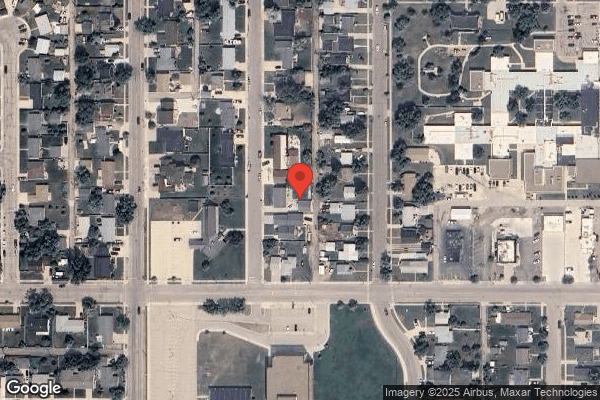

1515 2ND AVE WEST, WILLISTON, ND 58801 (701) 572-6766
Non profit - Corporation 95 Beds Independent Data: November 2025 1 Immediate Jeopardy citation
Trust Grade
28/100
#46 of 72 in ND
Last Inspection: February 2025

Within standard 12-15 month inspection cycle. Federal law requires annual inspections.

Overview

Bethel Lutheran Nursing & Rehabilitation Center has received a Trust Grade of F, indicating poor performance with significant concerns about care quality. They rank #46 out of 72 facilities in North Dakota, placing them in the bottom half, but they are the only option in Williams County, ranking #1 of 2. The facility's situation is worsening, with issues increasing from 1 in 2024 to 2 in 2025. Staffing is a relative strength, rated 4 out of 5 stars; however, turnover is 57%, which is higher than the state average, suggesting some instability among staff. Notably, there have been critical incidents, such as failure to ensure proper sanitization of dishware, which could lead to illness, and inadequate assistance for a resident requiring transfers, which poses a risk of injury. Despite the absence of fines, the overall quality of care raises concerns for potential residents and their families.

Trust Score
F
28/100
In North Dakota
#46/72
Bottom 37%
Safety Record
High Risk
Review needed
Inspections
Getting Worse
1 → 2 violations
Staff Stability
⚠ Watch
57% turnover. Above average. Higher turnover means staff may not know residents' routines.
Penalties
✓ Good
No fines on record. Clean compliance history, better than most North Dakota facilities.
Skilled Nurses
✓ Good
Each resident gets 47 minutes of Registered Nurse (RN) attention daily — more than average for North Dakota. RNs are trained to catch health problems early.
Violations
⚠ Watch
21 deficiencies on record. Higher than average. Multiple issues found across inspections.
★★☆☆☆
2.0
Overall Rating
★★★★☆
4.0
Staff Levels
★★★☆☆
3.0
Care Quality
★★☆☆☆
2.0
Inspection Score
Stable
2024: 1 issues
2025: 2 issues

The Good

  • 4-Star Staffing Rating · Above-average nurse staffing levels
  • Full Sprinkler Coverage · Fire safety systems throughout facility
  • No fines on record

Facility shows strength in staffing levels, fire safety.

The Bad

2-Star Overall Rating

Below North Dakota average (3.1)

Below average - review inspection findings carefully

Staff Turnover: 57%

11pts above North Dakota avg (46%)

Frequent staff changes - ask about care continuity

Staff turnover is elevated (57%)

9 points above North Dakota average of 48%

The Ugly 21 deficiencies on record

1 life-threatening 1 actual harm
Feb 2025 2 deficiencies
CONCERN (D) 📢 Someone Reported This

A family member, employee, or ombudsman was alarmed enough to file a formal complaint

Potential for Harm - no one hurt, but risky conditions existed

Deficiency F0578 (Tag F0578)

Could have caused harm · This affected 1 resident

**NOTE- TERMS IN BRACKETS HAVE BEEN EDITED TO PROTECT CONFIDENTIALITY** Based on record review, policy review, and staff interview, the facility failed to ensure the resident's right to request, refus...

Read full inspector narrative →
**NOTE- TERMS IN BRACKETS HAVE BEEN EDITED TO PROTECT CONFIDENTIALITY** Based on record review, policy review, and staff interview, the facility failed to ensure the resident's right to request, refuse, and/or discontinue treatment for 2 of 18 sampled residents (Resident #78 and Resident #285) reviewed for advanced directives. Failure to ensure all methods of communication and/or documentation of code status accurately reflected the resident/resident representative wishes has the potential to limit access to life-sustaining services or unwanted treatment. Findings include: Review of the facility policy titled Advanced Directives occurred [DATE]. This policy, revised [DATE], stated, . In view of its [sic] mission to respect the life and dignity of each person, Bethel Lutheran Nursing & [and] Rehabilitation Center recognizes that every competent adult has the right and responsibility to control the decisions relating to their own health care. Bethel Lutheran Nursing & Rehabilitation Center is transitioning forward using the North Dakota POLST (Physician Order for Life sustaining Treatment). Review of the facility policy titled CPR Directive . occurred [DATE]. This policy, revised [DATE], stated, . will inform residents and/or significant others about the choices available regarding cardiopulmonary resuscitation. The code level will be scanned and entered on the physician order sheet. During an interview on [DATE] at 8:49 a.m., a nurse (#2) stated she would look on the resident profile in the electronic health record (EHR) for a resident's code status. - Review of Resident #78's medical record occurred on all days of survey. A POLST form, dated [DATE], indicated Full Code. The EHR lacked a physician's order for a code level status and failed to display the resident's code status in an area direct care staff would access prior to providing life sustaining treatment. - Review of Resident #285's medical record occurred on all days of survey. A POLST form, dated [DATE], stated DNR [do not resuscitate]/Limited interventions. The EHR lacked a physician's order for a code level status and failed to display the resident's code status in an area direct care staff would access prior to providing unwanted treatment. During an interview on [DATE] at 4:05 p.m., an administrative nurse (#1) confirmed the EHR lacked a physician's order which triggers the code status to display in the resident's profile, agreed she expected the resident's code status to be displayed in the resident profile of the EHR, and confirmed Resident #78 and #285's EHR profiles lacked a code status.
CONCERN (E) 📢 Someone Reported This

A family member, employee, or ombudsman was alarmed enough to file a formal complaint

Potential for Harm - no one hurt, but risky conditions existed

Deficiency F0657 (Tag F0657)

Could have caused harm · This affected multiple residents

Based on record review, review of facility policy, and resident and staff interview, the facility failed to review and revise care plans to reflect the residents' current status for 3 of 18 sampled re...

Read full inspector narrative →
Based on record review, review of facility policy, and resident and staff interview, the facility failed to review and revise care plans to reflect the residents' current status for 3 of 18 sampled residents (Residents #50, #55, and #63) and 1 supplemental resident (Resident #81). Failure to update care plans limited the staffs' ability to communicate needs and ensure continuity of care. Findings include: Review of the facility policy titled Comprehensive Care Plans occurred on 02/05/25. This undated policy stated, . 5. The comprehensive care plan will be reviewed and revised by the interdisciplinary team after each comprehensive, quarterly MDS [Minimum Data Set] assessment, and PRN [as needed] when changes in the resident condition dictates. - During an interview on 02/03/25 at 3:59 p.m., Resident #50 stated she had pain to both knees. Review of Resident #50's medical record occurred on all days of survey and identified a diagnosis of right and left knee pain with a physician's order, dated 06/11/23, for Biofreeze (topically pain reliever) gel two times a day for bilateral knee pain. The current care plan failed to address Resident #50's bilateral knee pain. - Review of Resident #55's medical record occurred on all days of survey with a physician's orders, dated 12/05/24 and 01/03/25, stated, . Regular. diet Pureed texture, Honey consistency, Small bites with spoon for Mod [moderate]-severe pharyngeal-esophageal dysphagia [swallowing difficulty] . Vanilla Boost+/Ensure [a high calorie nutritional drink] . Magic Cup [a high calorie protein ice cream] one time a day Alternate w [with]/pudding. The care plan failed to address the changes made to Resident #55's diet. - Review of Resident #63's medical record occurred on all days of survey and identified a diagnosis of diabetes. The current physician's orders included an order for insulin at bedtime. The care plan failed to address the resident's use of insulin and the signs and symptoms of hypoglycemia (low blood sugar) or hyperglycemia (high blood sugar). - Review of Resident #81's medical record occurred on all days of survey and identified a diagnosis of insomnia. Physician's orders included Ambien (hypnotic) at bedtime for insomnia, initiated 11/21/24. The current care plan failed to address the resident's insomnia and use of a hypnotic medication. During an interview on 02/05/25 at 3:21 p.m., an administrative nurse (#1) stated the care plans are reviewed and updated prior to the resident's care conference, with the minimum data set (MDS), and with any daily care changes.
Feb 2024 1 deficiency 1 Harm
SERIOUS (G) 📢 Someone Reported This

A family member, employee, or ombudsman was alarmed enough to file a formal complaint

Actual Harm - a resident was hurt due to facility failures

Accident Prevention (Tag F0689)

A resident was harmed · This affected 1 resident

**NOTE- TERMS IN BRACKETS HAVE BEEN EDITED TO PROTECT CONFIDENTIALITY** Based on record review, review of facility investigation, review of the facility policies, and staff interviews, the facility fa...

Read full inspector narrative →
**NOTE- TERMS IN BRACKETS HAVE BEEN EDITED TO PROTECT CONFIDENTIALITY** Based on record review, review of facility investigation, review of the facility policies, and staff interviews, the facility failed to ensure adequate supervision and assistance for 1 of 3 sampled residents (Resident #3) who required staff assistance and sit to stand mechanical lift transfers. Failure to provide adequate assistance as care planned for transfers may have resulted in Resident #3's fracture and placed all residents requiring assistance for transfers at risk for injuries. Findings include: Review of the facility policy titled Comprehensive Care Plans occurred on 02/07/24. This undated policy, stated, . It is the policy of [Facility Name] to develop and implement a comprehensive person-centered care plan for each resident, . to meet a resident's medical, nursing, and mental . needs . 3. The comprehensive care plan will describe, at a minimum, the following: a. The services that are to be furnished to attain or maintain the resident's highest practicable physical, mental, and psychosocial well-being. f. Resident specific interventions that reflect the resident's needs . 8. Qualified staff responsible for carrying out interventions specified in the care plan will be notified of their roles and responsibilities for carrying out the interventions, initially and when changes are made. Review of the facility policy titled Nursing Practice Guidelines - Nursing Service Department occurred on 02/07/24. This undated policy, stated, . II. Activity of each resident will be maintained at a maximal level. a. Ambulation of residents will be carried out: 1. According to individual needs . 2. Using proper . transfer techniques. 3. Assisting residents to use adaptive equipment . XI. Other Therapy. a. Provisions should be made to insure [sic] safe and proper therapeutic use of equipment such as: mechanical lifts . Review of Resident #3's medical record occurred on 02/06/24. The current care plan stated, .TRANSFER: PAL [mechanical sit to stand lift] LIFT TRANSFER . revision on 01/25/24 . A nursing progress note, dated 02/01/24 at 4:20 a.m., stated, . PAL lift in the bathroom during transfer with 2 assist . Once toileting complete she was being lifted in PAL lift and she removed her left hand from the left handle. She was easily redirected by staff to place hand back to handle, removed x2 [two times] during transfer. Yelling out with transfer and nothing heard or seen by staff during transfer . CNA [certified nurse aide] [name] noticed that left hand was uneven and called the nurse. Upon assessment, noted resident in pain upon movement of left arm. Pain scale 10/10 upon movement. Limited ROM [range of motion] left arm. Noted swelling on left upper arm. Left arm looks uneven. Informed on-call [administrative nurse] . Informed on-call doctor . and got an order to send resident to ED [emergency department] for evaluation . Transferred resident to her wheelchair using hoyer [full body mechanical lift] with 4 assist. Maintained support on left arm. Resident was brought to ED per wheelchair in stable condition with arm sling on left arm, accompanied by CNA . An emergency room physician's progress note, dated 02/01/24 at 5:38 a.m., stated . presents to emergency department with left arm deformity . Very obvious fracture on her x-ray . Review of the facility's investigation of the incident identified the following: * Resident #3's care plan revised for transfers on 01/25/24 * The change was communicated through report and placed in the communication book * The facility staff failed to update the CNA paper assignment sheet with the change in Resident #3's transfer status * The facility conducted interviews with staff working 01/31/24 and 02/01/24 The facility's investigation report stated, . It was noted in [CNA #2's name] statement she had transferred the resident earlier in the evening in the shower room bathroom with assist of 1, gait belt, and grab bar. Then got the resident toileted and ready for bed, placed back to the lounge for a bit . she used a two person PAL lift assist to transfer the resident to bed at bedtime, but did the transfer herself in the shower room to assist the resident with toileting and bedtime cares. In review of all information, it is likely the injury was more likely to have occurred during that assist of 1 transfer in the shower room bathroom with the resident standing with the grab bar, turning and putting herself backwards to the toilet by still holding the grab bar to her right. Placing that left arm in a twisted, akward [sic] position, across her body, with the weight of her body going back and down. During an interview on 02/06/24 at 1:39 p.m., the CNA (#2) confirmed she transferred Resident #3 with a gait belt and assist of 1 on the evening of 01/31/24. She stated she was unaware of the care plan change for Resident #3 to PAL lift for all transfers, did not review care plans on a routine basis, and relied on the paper CNA assignment sheet for transfer status. During an interview on 02/06/24 at 2:45 p.m., an administrative nurse (#1) stated she expected staff to be aware of resident care plans and changes to them. She confirmed the facility staff failed to update the paper CNA assignment sheet with the change to Resident #3's transfer status, and the CNA (#2) failed to follow Resident #3's care plan for transfers that likely resulted in Resident #3 sustaining a fractured left arm.
Dec 2023 8 deficiencies
CONCERN (D)

Potential for Harm - no one hurt, but risky conditions existed

Deficiency F0625 (Tag F0625)

Could have caused harm · This affected 1 resident

**NOTE- TERMS IN BRACKETS HAVE BEEN EDITED TO PROTECT CONFIDENTIALITY** Based on record review and staff interview, the facility failed to provide a bed hold notice to 2 of 5 sampled residents (Reside...

Read full inspector narrative →
**NOTE- TERMS IN BRACKETS HAVE BEEN EDITED TO PROTECT CONFIDENTIALITY** Based on record review and staff interview, the facility failed to provide a bed hold notice to 2 of 5 sampled residents (Residents #15 and #79) reviewed with a hospital transfer. Failure to provide a bed hold notice does not allow the residents and/or their representatives to make an informed decision regarding their rights. Findings include: - Review of Resident #15's medical record occurred on all days of survey and identified a transfer to the hospital on [DATE]. The record lacked a bed hold notice for the hospital transfer. - Review of Resident #79's medical record occurred on all days of survey and identified a transfer to the hospital on [DATE]. The record lacked a bed hold notice for the hospital transfer. During an interview on 12/07/23 at 9:05 a.m., an administrative staff member (#2) confirmed Resident #15 and #79's medical records lacked a copy of the bed hold notices.
CONCERN (D)

Potential for Harm - no one hurt, but risky conditions existed

PASARR Coordination (Tag F0644)

Could have caused harm · This affected 1 resident

Based on record review, review of the North Dakota Provider Manual for Preadmission Screening and Resident Review (PASRR) and Level of Care Screening Procedures for Long Term Care Services, and staff ...

Read full inspector narrative →
Based on record review, review of the North Dakota Provider Manual for Preadmission Screening and Resident Review (PASRR) and Level of Care Screening Procedures for Long Term Care Services, and staff interview, the facility failed to complete a status change assessment for 2 of 4 sampled residents (Resident #2 and Resident #63) reviewed for PASRR. Failure to complete a change in status assessment for a newly diagnosed mental illness may result in the delivery of care and services that are inconsistent with residents' needs. Findings include: The North Dakota PASRR Provider Manual, revised December 2020, page 13, states, . Change in Status Process: Whenever the following events occur, nursing facility staff must contact [the contracted agency] to update the Level I screen for determination of whether a first time or updated Level II evaluation must be performed. These situations suggest that a significant change in status has occurred: . If an individual with MI, ID, and/or RC [mental illness, intellectual disability, and conditions related to intellectual disability (referred to in regulatory language as related conditions or RC)] was not identified at the Level I screen process, and that condition later emerged or was discovered. - Review of Resident #2's medical record occurred on all days of survey. The record showed an initial PASRR completed on 03/30/01. The resident's diagnosis list identified a new diagnosis of psychotic disorder with delusions due to known physiological condition, dated 08/14/20. The record lacked evidence the facility completed a Level I screening/change in status assessment with the new diagnosis. During an interview on 12/06/23 at 4:00 p.m., an administrative staff member (#2) confirmed the facility failed to submit another PASRR for Resident #2 following the new diagnosis. - Review of Resident #63's medical record occurred on all days of survey and identified a Level I PASARR completed on 05/27/22. The record showed Resident #63 received a new diagnosis of psychotic disorder with hallucinations on 08/15/23. The record lacked evidence the facility completed an updated Level I screening/change in status assessment with the new diagnosis. During an interview on 12/06/23 at 5:16 p.m., an administrative staff member (#2) confirmed the facility failed to submit another PASRR for Resident #63 following the new diagnosis.
CONCERN (D)

Potential for Harm - no one hurt, but risky conditions existed

Deficiency F0657 (Tag F0657)

Could have caused harm · This affected 1 resident

**NOTE- TERMS IN BRACKETS HAVE BEEN EDITED TO PROTECT CONFIDENTIALITY** Based on record review, review of facility policy, and staff interview, the facility failed to review and revise comprehensive c...

Read full inspector narrative →
**NOTE- TERMS IN BRACKETS HAVE BEEN EDITED TO PROTECT CONFIDENTIALITY** Based on record review, review of facility policy, and staff interview, the facility failed to review and revise comprehensive care plans to reflect the current status for 3 of 21 sampled residents (Resident #1, #43, and #89). Failure to review and revise the care plan limited staffs' ability to communicate needs and ensure continuity of care and safety. Findings include: Review of the facility policy titled Comprehensive Care Plans occurred on 12/07/23. This policy, dated August 2022, stated, . develop and implement a comprehensive person-centered care plan for each resident consistent with resident rights, that includes measurable objectives and timeframes to meet a resident's medical, nursing, and mental and psychosocial needs that are identified in the resident's comprehensive assessment. The comprehensive care plan will be reviewed and revised by the interdisciplinary team after each comprehensive assessment and quarterly MDS [Minimum Data Set] assessment. - Review of Resident #1's medical record occurred on all days of survey. Diagnoses included a Stage 2 pressure ulcer of the sacral region. A physician's order, dated 11/26/23, stated, Clean open areas to coccyx and right buttocks with wound cleanser pat dry apply oil emulsion and cover with Mepilex dressing [an adhesive absorbent foam dressing] and monitor every shift and notify MD [medical doctor] if worsen. Resident #2's care plan lacked a problem, goals, and interventions related to a Stage 2 pressure ulcer of the sacral region. - Review of Resident #43's care plan identified, I am on Contact precautions [additional precautions for patients known or suspected to be infected with microorganisms] related to [names of several types of bacteria]. I am currently taking antibiotics . via PICC line [a type of intravenous catheter]. Date Initiated: 08/04/2023 . During an interview on the afternoon of 12/07/23, an administrative staff member (#6) stated the PICC line and contact precautions were discontinued on 08/17/23 after Resident #43's antibiotic course completed. - Review of Resident #89's medical record occurred on all days of survey. Diagnoses included acute respiratory failure [impaired oxygen exchange between the lungs and the blood] with hypoxia [low level of oxygen in the body tissues]. A quarterly MDS, dated [DATE], identified oxygen therapy. A physician's order, dated 11/18/23, stated, Oxygen at 2L/NC [liters per nasal cannula] as needed for sho1tness [sic] of breath, chest pain, hypoxia. May titrate oxygen to keep saturations greater than 90%. Contact MD on initiation of oxygen therapy/current flow rate to obtain continued use and other pertinent orders two times a day. Resident #89's care plan lacked a problem, goals, and interventions related to oxygen therapy use. During an interview on the afternoon of 12/07/23, an administrative staff member (#1) stated they expected staff to update care plans with new diagnoses and orders.
CONCERN (D)

Potential for Harm - no one hurt, but risky conditions existed

Pressure Ulcer Prevention (Tag F0686)

Could have caused harm · This affected 1 resident

**NOTE- TERMS IN BRACKETS HAVE BEEN EDITED TO PROTECT CONFIDENTIALITY** Based on record review, review of facility policy, and staff interview, the facility failed to provide the necessary treatment/s...

Read full inspector narrative →
**NOTE- TERMS IN BRACKETS HAVE BEEN EDITED TO PROTECT CONFIDENTIALITY** Based on record review, review of facility policy, and staff interview, the facility failed to provide the necessary treatment/services to promote the healing of pressure ulcers for 1 of 3 sampled residents (Resident #64) identified with a pressure ulcer. Failure to routinely assess, monitor, and measure pressure ulcers may result in delayed healing of the pressure ulcer. Findings include: Review of the facility policy titled Pressure Ulcer Management & [and] Surveillance occurred on 12/07/23. This undated policy stated, . 2. The facility shall establish and utilize a systematic approach for pressure injury prevention and management, including prompt assessment and treatment . monitoring the impact of the interventions . 4. Interventions for Prevention and to Promote Healing . ii. Treatment decisions will be based on the characteristics of the wound, including the stage, size, exudate (if present), presence of pain, signs of infections, wound bed, wound edge and surrounding tissue characteristics. Review of the facility policy titled Skin Injury Prevention Guidelines occurred on 12/07/23. This policy, dated August 2022, stated, . The facility is committed to the prevention of avoidable skin injuries . 8. b. For residents who have an injury present: . weekly wound summary charting . Review of Resident #64's medical record occurred on all days of survey. The quarterly Minimum Data Set (MDS), dated [DATE], identified one unstageable pressure ulcer. A skin assessment, dated 10/04/23, stated, . L [left] 3rd toe Pressure 0.5 x 0.5 [centimeters (cm)] unstageable, r [right] 4th top top [sic] Pressure 0.5 x 0.4 [cm] . Current physician's orders stated, Daily Dressing Left Foot: Clean left third (3rd) toe with Saline. Apply dry gauze after thin film of BACITRACIN [antibiotic ointment] to TIP third (3rd) toe. Wrap with 3 pieces of gauze around toes 2,3,4 secure with conforming gauze roll, one time a day . Apply dry band aid to right fourth (4th) toe, one time a day. Review of the nursing progress notes identified the following: * 10/20/23 at 2:28 p.m., . Pressure ulcer/ injury. Location: Left toe(s). Length (cm): 0.5 Width (cm): 0.5 Peri wound: Normal. Dressing saturation: None 0% [percent]. Wound odor: No. Tunneling: No. Undermining: No. Treatment schedule: Daily. Pressure ulcer staging: Deep tissue pressure ulcer / injury - persistent nonblanchable deep red, maroon or purple discoloration. Painful: No. * 10/20/23 at 4:39 p.m., MDS Nursing Noted . Clarified with nurse manager that resident has one SDTI [suspected deep tissue injury] to left 3rd toe. * 11/17/23 at 4:31 p.m., . Skin Only Evaluation . Issue type: Pressure ulcer/ injury. Location: Left toe(s). Length (cm): 1 Width (cm): 0.8 Wound bed: Epithelial. Wound exudate: None. Wound odor: No. Tunneling: No. Treatment schedule: Daily. Pressure ulcer staging: Unstageable pressure ulcer / injury - obscured full thickness skin and tissue loss. Painful: No. Skin note: area to front of 3rd left toe unblanching and appears as a callous. podiatry following . The facility failed to document the wound size and appearance during the week between October 4-20 and the three weeks between October 20-November 17, 2023. During an interview on 12/06/23 at 10:37 a.m., an administrative nurse (#1) confirmed the medical record lacked weekly documentation of measurement and monitoring of Resident #64's toe ulcer.
CONCERN (D)

Potential for Harm - no one hurt, but risky conditions existed

Medication Errors (Tag F0758)

Could have caused harm · This affected 1 resident

Based on record review, review of facility policy, and staff interview, the facility failed to ensure residents remained free from unnecessary psychotropic medications for 1 of 3 sampled resident (Res...

Read full inspector narrative →
Based on record review, review of facility policy, and staff interview, the facility failed to ensure residents remained free from unnecessary psychotropic medications for 1 of 3 sampled resident (Resident #9) who received an as needed (PRN) psychotropic. Failure to limit PRN psychotropic use to 14 days unless reevaluated by a practitioner placed the resident as risk of receiving unnecessary medications and experiencing adverse drug effects. Findings include: Review of the facility policy titled PRN Orders for Phsychotropic [sic] Medications occurred on 12/07/23. This policy, dated August 2022, stated, . PRN orders for psychotropic drugs will be limited to 14 days. The attending physician or prescribing practitioner may extend the duration of the order . beyond 14 days provided their rationale is documented in the resident's medical record and duration for the PRN order is specified. Review of Resident #9's medical record occurred on all days of survey. A physician's order, dated 07/25/23, included Ativan (antianxiety) 0.5 milligrams every twelve hours PRN. The facility failed to obtain an order to extend the psychotropic medication beyond the original 14 days and failed to include the rationale/specific circumstances for its extended use and a stop date established by the prescriber. During an interview on 12/06/23 at 10:37 a.m., an administrative nurse (#1) confirmed the facility failed to obtain a new order for the extended use of Resident #9's Ativan.
CONCERN (D)

Potential for Harm - no one hurt, but risky conditions existed

Deficiency F0849 (Tag F0849)

Could have caused harm · This affected 1 resident

Based on record review and staff interview, the facility failed to ensure residents records contained the hospice election form and the certification of a terminal illness for 1of 1 supplemental resid...

Read full inspector narrative →
Based on record review and staff interview, the facility failed to ensure residents records contained the hospice election form and the certification of a terminal illness for 1of 1 supplemental resident (Resident #74) receiving hospice services. Failure to obtain these documents limits staff's ability to ensure coordination of care between the facility and the hospice. Findings include: Review of Resident #74's medical record occurred on 12/06/23 and identified Resident #74 elected Hospices services on 11/07/23. The medical record lacked the hospice election form and the physician's certification of the terminal illness. During an interview on 12/07/23 at 7:50 a.m., an administrative nurse (#1) confirmed the medical record for Resident #74 lacked the certification of terminal illness and the hospice election form.
CONCERN (D)

Potential for Harm - no one hurt, but risky conditions existed

Infection Control (Tag F0880)

Could have caused harm · This affected 1 resident

Based on observation, review of facility policy, and staff interview, the facility failed to follow standards of infection control for 3 of 6 sampled residents (Resident #32, #43 and #54) on precautio...

Read full inspector narrative →
Based on observation, review of facility policy, and staff interview, the facility failed to follow standards of infection control for 3 of 6 sampled residents (Resident #32, #43 and #54) on precautions. Failure to practice infection control standards related to use of personal protective equipment (PPE) and perineal cares has the potential to spread infection throughout the facility. Findings Include: PERSONAL PROTECTIVE EQUIPMENT - Observation on 12/05/23 at 9:16 a.m. showed a sign outside Resident #43's room door that stated, Entering the room: Hand hygiene with sanitizer; Isolation gown; Use N-95 [type of mask]; Place tear away goggles on; gloves; enter room. Observation showed two certified nurse aides (CNAs) (#12 and #13) entered Resident #43's room without an isolation gown, N-95 mask, or goggles. Staff failed to wear PPE upon entering Resident #43's room. - An Enhanced Barrier Precaution sign outside Resident #54's room door stated, EVERYONE MUST: Clean their hands, including before entering and when leaving the room. PROVIDERS AND STAFF MUST ALSO: Wear gloves and a gown for the following High-Contact Resident Care Activities. Dressing; Bathing/Showering; Transferring; Changing Linens; Providing Hygiene; Changing briefs or assisting with toileting; Device care or use: central line, urinary catheter, feeding tube, tracheostomy; Wound Care: any skin opening requiring dressing. Observation on 12/05/23 at 11:20 a.m. showed a CNA (#7) performed hand hygiene, donned a gown and gloves, entered Resident #54's room, and provided morning cares. A second CNA (#8) entered the room and wore a gown, gloves, and a surgical mask. After the CNAs dressed Resident #54, the CNA (#7) removed all PPE and assisted the other CNA (#8) to transfer the resident from the bed to the wheelchair with a mechanical lift. The CNA (#7) performed hand hygiene, donned gloves, and then shaved and performed oral cares for Resident #54. Staff failed to use the appropriate PPE while providing care to Resident #54. During an interview on 12/07/23 at 9:15 a.m., two administrative nurses (#1 and #6) stated they expected staff to use appropriate PPE in rooms requiring enhanced barrier precautions. PERINEAL CARE Review of the facility policy titled Perineal Care occurred on 12/07/23. This policy, revised January 2022, stated, . Males . Begin cleansing tip of penis at urethral meatus using a circular motion and working outward . Cleanse the shaft of the penis, using downward strokes toward the scrotum. Observation on 12/05/23 at 10:18 a.m. showed a CNA (#11) performed Resident #32's perineal cares while in bed. The CNA (#11) used a washcloth to cleanse the shaft of the penis, used upward strokes, and then cleansed the penis tip. During an interview on 12/07/23 at 10:16 a.m., an administrative nurse (#1) stated she expects staff to provide male perineal cares clean to dirty (tip of penis first).
CONCERN (E)

Potential for Harm - no one hurt, but risky conditions existed

Deficiency F0761 (Tag F0761)

Could have caused harm · This affected multiple residents

Based on observation, and review of facility policy, the facility failed to ensure safe and secure storage of narcotic medications for 2 of 4 medication carts (Harmony and Wheatland Units). Failure to...

Read full inspector narrative →
Based on observation, and review of facility policy, the facility failed to ensure safe and secure storage of narcotic medications for 2 of 4 medication carts (Harmony and Wheatland Units). Failure to store medications securely may result in unauthorized access to medications and/or medication errors. Findings include: Review of the facility policy titled Controlled Medication Storage occurred on 12/06/23. This policy, dated August 2022, stated, . B. Scheduled II medications are stored in a separate area under double lock. Observation on 12/05/23 at 8:22 a.m. showed a staff nurse (#4) assigned to the medication cart for the Harmony Unit showed narcotics/controlled medications (Schedule II-V), located in the bottom left-hand drawer not double locked. Observation on 12/05/23 at 4:10 p.m. showed a staff nurse (#5) assigned to the medication cart for the Wheatland Unit showed narcotics/controlled medications (Schedule II-V), located in the bottom left-hand drawer not double locked.
Nov 2022 10 deficiencies 1 IJ (1 facility-wide)
CRITICAL (L) 📢 Someone Reported This

A family member, employee, or ombudsman was alarmed enough to file a formal complaint

Immediate Jeopardy (IJ) - the most serious Medicare violation

Food Safety (Tag F0812)

Someone could have died · This affected most or all residents

⚠️ Facility-wide issue

Based on observation, review of facility policy, review of manufacturer's guidelines, review of professional reference, and staff interview, the facility failed failure to ensure sanitization of dishw...

Read full inspector narrative →
Based on observation, review of facility policy, review of manufacturer's guidelines, review of professional reference, and staff interview, the facility failed failure to ensure sanitization of dishware (utensils, dishes, pots/pan) used to serve residents, staff, and visitors in 1 of 1 kitchen. Failure to ensure the mechanical dishwashing machine maintains the correct hot water temperature required by manufacturer's directions to destroy pathogens may result in the spread of illness and/or foodborne illness to residents, visitors, or staff During the on-site recertification survey, the team determined a potential Immediate Jeopardy (IJ) situation existed on 11/16/22 at 9:50 a.m. The IJ potential resulted from observation of the dishwashing machine temperatures not being maintained at the manufacturer's recommendations. This finding placed residents in immediate danger due to the potential of spread of illness and/or foodborne illnesses from improper sanitization. * 11/16/22 at 10:02 a.m. - The survey team notified the director of nursing and dietary management of the IJ situation and requested they develop a plan for removal of the immediate jeopardy. * 11/16/22 at 10:10 a.m. During an interview with a dietary director (#6) she stated, Unfortunately our machine temperatures may have been wrong for some time. * 11/16/22 at 10:15 a.m. The survey team contacted the State Survey Agency (SSA) to report the findings and to discuss IJ. * 11/16/22 at 10:26 a.m. An administrative nurse (#8) verified the facility did not have any gastrointestinal illnesses in the facility. * 11/16/22 at 10:45 a.m. The facility submitted a written immediate action plan. * 11/16/22 at 5:05 p.m. - The facility provided a revised written plan of correction for the IJ. * 11/16/22 at 5:30 p.m. - The survey team reviewed and accepted the facility's version of the written plan of correction for the IJ. * 11/16/22 at 5:35 p.m. - The survey team removed and reduced the IJ situation from a scope/severity of L to a scope and severity of F. * 11/16/22 at 5:40 p.m. - The SSA notified the Centers for Medicare and Medicaid Services location of the immediate jeopardy was removed. Findings include: The FDA Food Code 2017 Annex 3 - Public Health Reasons, page 506, stated, 4-501.112 Mechanical Warewashing Equipment, Hot Water Sanitization Temperatures. The temperature of hot water delivered from a warewasher sanitizing rinse manifold must be maintained according to the equipment manufacturer's specifications and temperature limits . to ensure surfaces of multi-use utensils such as kitchenware and tableware accumulate enough heat to destroy pathogens that may remain on such surfaces after cleaning. The surface temperature must reach at least . 160 degrees F [Fahrenheit] as measured by an irreversible registering temperature measuring device to affect sanitization. Manufacturer's guidelines (page 24) for dishwashing machine model CLCS66eN states . Minimum Temperatures Using High-Temperature Sanitizing for wash tank is 160 degrees Fahrenheit and for final rinse is 180 degrees Fahrenheit. Review of the facility policy titled, Cleaning Dishes/Dish Machine occurred on 11/16/22, and stated .Check the dish machine gauges throughout the cycle to assure proper temperatures. Observations of the mechanical dishwasher currently in use in the main kitchen showed the following: * 11/16/22 at 9:25 a.m., Upon the completion of the rinse cycle, the plate simulator (a type of irreversible temperature registering device) indicated a food-contact surface temperature of 152.4 degrees F (Fahrenheit). The temperature display on the outside of the dishwasher showed 157 degrees F during the wash cycle and 128 F during the rinse cycle. * 11/16/22 at 9:35 a.m., wash temperature 155 degrees F and rinse temperature 135 degrees F; and plate simulator 152.4 degrees F. * 11/16/22 at 9:51 p.m., wash temperature 155 F and rinse temperature 135 degrees F; plate simulator 152.5 degrees F. The facility's plate simulator registered 153.3 degrees F. During an interview on 11/16/22 at 10:00 a.m., an administrative staff (#4) and two dietary administrative staff (#6 and #7) agreed the dishwasher temperatures were a concern and the facility immediately implemented to paper and plasticware and the three-compartment sink method for dishwashing, rinsing, and sanitizing until the facility could resolve the issue. An administrative staff member (#7) demonstrated the correct use of the three-compartment sink method.
CONCERN (D) 📢 Someone Reported This

A family member, employee, or ombudsman was alarmed enough to file a formal complaint

Potential for Harm - no one hurt, but risky conditions existed

Incontinence Care (Tag F0690)

Could have caused harm · This affected 1 resident

Based on observation, record review, review of facility policy, and staff interview, the facility failed to provide perineal/catheter care in a manner consistent with standards of practice to prevent ...

Read full inspector narrative →
Based on observation, record review, review of facility policy, and staff interview, the facility failed to provide perineal/catheter care in a manner consistent with standards of practice to prevent urinary tract infections (UTIs) for 2 of 2 sampled residents (Resident #37 and #42) observed receiving inappropriate perineal care. Failure to provide perineal care according to acceptable standards of practice placed residents at risk of developing urinary tract infections. Findings include: Review of the facility policy titled Catheter Care occurred on 11/17/22. This policy, reviewed January 2022, stated, . clean the tube first at the urethral opening [opening where urine leaves the body], and away from the opening. Use only one downward stroke at a time, use a clean area of the cloth each time. Remainder of perineal care is done as usual . Review of the facility policy titled Perineal Care occurred on 11/17/22. This policy, reviewed January 2022, stated, . Females . cleanse perineum . Clean urethral meatus [opening] and vaginal orifice [opening] using clean portion of washcloth . with each stroke. Males . Begin cleansing tip of penis and working outward. Cleanse the shaft of the penis, using downward strokes toward the scrotum. Use separate section of washcloth . with each stroke. - Review of Resident #37's medical record occurred on all days of survey. Diagnoses included a history of UTIs. The resident's care plan identified the resident as always incontinent of bowel and bladder and required extensive assistance of two staff members for toileting needs. Observation on 11/16/22 at 4:13 p.m. showed a certified nurse assistant (CNA) (#2) provided perineal cares to Resident #37 while in bed. The resident incontinent of urine. The CNA removed the resident's brief, used a washcloth to cleanse the resident's groin, and without folding the washcloth or obtaining a new washcloth, cleansed the frontal pubic area. The CNA (#2) failed to cleanse the urethral/vaginal areas. - Review of Resident #42's medical record occurred on all days of survey. Diagnoses included obstructive uropathy (obstruction of urine flow) and a history of UTIs. The resident's care plan identified the resident with an indwelling catheter, always incontinent of bowel, and required extensive assistance of two staff members for toileting needs. Review of Resident #42's medical record, from December 2021 through November 2022, showed the resident hospitalized with a UTI with urosepsis (infection of the bloodstream caused by a UTI) on 12/10/21, 01/23/22, 05/04/22 and 11/02/22. Observation on 11/16/22 at 9:15 a.m. showed a CNA (#2) provided catheter/perineal cares to Resident #42 while in bed. The CNA used a washcloth to wipe the resident's catheter tubing, and without folding the washcloth or obtaining a new washcloth, wiped the penis tip, the scrotum/groin area, and then the penis shaft. During an interview on 11/17/22 at 9:03 a.m., an administrative nurse (#1) agreed staff failed to perform cares for Residents #37 and #42 according to the facility's policy or acceptable standards of practice.
CONCERN (D) 📢 Someone Reported This

A family member, employee, or ombudsman was alarmed enough to file a formal complaint

Potential for Harm - no one hurt, but risky conditions existed

Respiratory Care (Tag F0695)

Could have caused harm · This affected 1 resident

**NOTE- TERMS IN BRACKETS HAVE BEEN EDITED TO PROTECT CONFIDENTIALITY** Based on observation, record review, review of professional reference, review of facility policy, resident interview, and staff ...

Read full inspector narrative →
**NOTE- TERMS IN BRACKETS HAVE BEEN EDITED TO PROTECT CONFIDENTIALITY** Based on observation, record review, review of professional reference, review of facility policy, resident interview, and staff interview, the facility failed to provide proper respiratory treatment and care consistent with standards of practice and physician's orders for 2 of 4 sampled residents (Resident #40 and #56) receiving tracheostomy cares, suction, oxygen therapy, and nebulizer treatments. Failure to follow respiratory standards of practice may result in complications and compromise of the residents' respiratory status. Findings included: Kozier & Erb's Fundamentals of Nursing, Concepts, Process and Practice, 11th Edition eText, 2021, Pearson, Boston, Massachusetts, pages 1308 & 1310, stated, . Suctioning a Tracheostomy . Purposes: To maintain a patent airway and prevent airway obstructions. To promote respiratory function (optimal exchange of oxygen and carbon dioxide into and out of the lungs). To prevent pneumonia that may result from accumulated secretions. Document relevant data. Record the suctioning . Kozier & Erb's Fundamentals of Nursing, Concepts, Process and Practice, 11th Edition eText, 2021, Pearson, Boston, Massachusetts, page 62, stated, . Carrying Out a Physician's Order. Nurses are expected to analyze procedures and medications ordered by the physician or primary care provider. It is the nurse's responsibility to seek clarification of ambiguous or seemingly erroneous orders from the prescriber . Kozier & Erb's Fundamentals of Nursing, Concepts, Process and Practice, 11th Edition eText, 2021, Pearson, Boston, Massachusetts, pages 1311-1313, stated, . Providing Tracheostomy Care . Equipment . Cotton twill ties or Velcro collar . Velcro Collar Method . Take the second piece of the collar around the back of the client's neck, keeping it flat. Have the client flex the neck and secure the two pieces of the collar together with the Velcro, allowing space for one to two fingers between the collar and the client's neck. Review of the facility policy titled [NAME] Tube Care occurred on 11/17/22. This policy, dated August 2020, stated, . ensure that residents who need respiratory care are provided such care consistent with professional standards of practice . Cleaning the [NAME] Tube [a tube to maintain an airway after a laryngectomy (surgical removal of the larynx)] . scrub the tube with a . soft bristle brush with warm water and mild soap. Rinse clean. With insertion, only use a water-soluble lubricant to aid with placement. Review of the facility policy titled Oxygen Concentrator occurred on 11/17/22. This policy, reviewed January 2022, stated, . Obtain physician's orders for the rate of flow and route of administration of oxygen . Turn the unit on to the desired flow rate . Cannulas and masks should be changed weekly or as necessary . Review of the facility policy titled Nebulizer Therapy occurred on 11/17/22. This policy, dated May 2022, stated, . Care of the Equipment. Clean after each use. Disassemble parts after every treatment. Rinse the nebulizer cup and mouth piece [mask for Resident #40] with tap water. Shake excess water. Air dry on an absorbent towel. Once completely dry, store the nebulizer cup and mouth piece in a zip lock bag. - Review of Resident #40's medical record occurred on all days of survey. Diagnoses included tracheostomy status (a surgically created hole (stoma) in your windpipe), chronic respiratory failure (failure of lungs to oxygenate the blood), chronic obstructive pulmonary disease (COPD) (obstructive airflow in the lungs), and dependence on supplemental oxygen. Physician's orders included the following: * 02/04/22, Larytube care: Remove tube from stoma and rinse with water then insert it back. every 4 hours and as needed. * 06/11/22, stated, Oxygen at (2) L/min [liters per minute] with humidity via trach at bedtime and PRN as needed . * 06/11/22, Albuterol Sulfate HFA Aerosol Solution . 1 inhalation via trach every 4 hours as needed for Shortness of breath . * 06/11/22, Budesonide Suspension . 1 vial via trach two times a day related to CHRONIC OBSTRUCTIVE PULMONARY DISEASE . * 07/26/22, PRN [as needed] suctioning per residents request as needed for secretions . During an interview on 11/14/22 at 3:08 p.m., Resident #40 stated the following: * Some nurses don't use enough lubrication when they change it [[NAME] Tube] and it hurts when this happens. * Some nurses don't clean off all the soap when they clean it. * Reported staff suctioned her last night with her evening medications, around midnight, and again around 4:00 a.m. Observations of Resident #40 showed the following: * 11/14/22 at 3:08 p.m., two large bottles of clear liquid soap in the resident's bathroom with a sign on the mirror indicating only use to clean the [NAME] Tube. A Velcro collar used to secure the [NAME] Tube in the stoma folded up behind the resident's neck and secured with a safety pin. When asked how long the facility staff have been using safety pins on her collar, the resident stated, For quite a while. * 11/15/22 at 9:11 a.m., A nurse (#10) removed, cleaned, and replaced the [NAME] Tube. The nurse failed to clean the tube with liquid soap and failed to use lubrication prior to inserting the tube into the resident's stoma. The nurse attached a new Velcro collar to the [NAME] Tube, folded the collar behind the resident's neck and secured it with a safety pin. The nurse provided suction per the resident's request. Observation prior to a nebulizer treatment showed a disassembled nebulizer cup and mask located directly on the bedside table. The staff failed to place the nebulizer equipment on an absorbent towel barrier and place the equipment in a zip-lock bag once dry. * 11/16/22 at 8:19 a.m., The resident rested in bed attached to an oxygen concentrator with the liter flow set at 4L. When asked if she applies oxygen and/or adjusts the liter flow on the concentrator by herself, the resident stated, No. * 11/16/22 at 8:58 a.m., A nurse (#11) removed, cleaned, and replaced the [NAME] Tube. The nurse failed to clean the tube with liquid soap. The nurse attached the same Velcro collar to the [NAME] Tube, folded the collar behind the resident's neck and secured it with a safety pin. The nurse provided suction per the resident's request. Observation prior to a nebulizer treatment showed an assembled nebulizer cup and mask located directly on the bedside table. The staff failed to disassemble and rinse the nebulizer cup, rinse the mask, place the equipment on an absorbent towel barrier, and place the equipment in a zip-lock bag once dry. Review of Resident #40's November Medication Administration (MAR) lacked documentation for the suction the nursing staff provided on 11/14/22, 11/15/22 and 11/16/22. The MAR also lacked documentation for the PRN oxygen used on 11/16/22. The facility failed to complete the following for Resident #40: * Contact the prescriber regarding the order, dated 02/04/22, Larytube care: Remove tube from stoma and rinse with water . to ensure the order followed the facility's policy to cleanse the [NAME] Tube with mild soap. * Follow the physician's order for the correct oxygen flow rate and failed to document the residents PRN oxygen use and suctioning. * Provide a properly fitted tracheostomy collar. * Disassemble, rinse, place on an absorbent towel, air-dry the nebulizer medication cup and mask, and place the nebulizer equipment into a zip lock bag once dry. - Review of Resident #56's medical record occurred on all days of survey. Diagnoses included COPD. Physician orders included the following: * 02/15/21, O2 [oxygen] via NC [nasal cannula] 3L/min, titrate to maintain sats [oxygen saturations] > [greater than] 90% every shift. * 02/28/22, Change oxygen tubing, masks and label with date every Sunday night shift. Observation on all days of survey showed Resident #56's oxygen tubing/nasal cannula labeled 10/31 (indicating the date the staff changed the tubing). The facility failed to change the oxygen tubing/nasal cannula per policy. During an interview on 11/17/22 at 10:23 a.m., an administrative nurse (#1) stated she expected staff to change oxygen tubing per facility policy.
CONCERN (D) 📢 Someone Reported This

A family member, employee, or ombudsman was alarmed enough to file a formal complaint

Potential for Harm - no one hurt, but risky conditions existed

Deficiency F0729 (Tag F0729)

Could have caused harm · This affected 1 resident

**NOTE- TERMS IN BRACKETS HAVE BEEN EDITED TO PROTECT CONFIDENTIALITY** Based on review of employee files and staff interview, the facility failed to ensure 1of 5 employees (Employee #1) reviewed comp...

Read full inspector narrative →
**NOTE- TERMS IN BRACKETS HAVE BEEN EDITED TO PROTECT CONFIDENTIALITY** Based on review of employee files and staff interview, the facility failed to ensure 1of 5 employees (Employee #1) reviewed completed nurse aide certification renewal every two years. Failure to verify certified nurse assistant (CNA) certification renewal has the potential to affect resident care. Findings include: Review of CNA employee files occurred on the morning of [DATE] and identified an expiration date of [DATE] on the Nurse Aide Registry form for Employee #1. During an interview on [DATE] at 10:30 a.m., an administrative staff member (#5) confirmed Employee #1's certification expired in 2020. The facility staff failed to ensure Employee #1 completed the certification renewal process prior to the expiration date and allowed a CNA to provide resident cares for over two years beyond the expiration date.
CONCERN (D) 📢 Someone Reported This

A family member, employee, or ombudsman was alarmed enough to file a formal complaint

Potential for Harm - no one hurt, but risky conditions existed

Pharmacy Services (Tag F0755)

Could have caused harm · This affected 1 resident

Based on record review, the facility failed to obtain routine, regularly scheduled medications for 1 of 21 sampled residents (Resident #40). Failure to ensure each resident receives routine, regularly...

Read full inspector narrative →
Based on record review, the facility failed to obtain routine, regularly scheduled medications for 1 of 21 sampled residents (Resident #40). Failure to ensure each resident receives routine, regularly scheduled medications has the potential for residents to suffer adverse health events and failure to establish and implement an effective policy/procedure regarding unavailable medications resulted in Resident #40 missing 61 doses of a scheduled inhaler and 3 doses of a scheduled oral medication. Findings include: The facility failed to provide a policy/procedure related to provider notification when a scheduled medication is not available from the pharmacy. Review of Resident #40's medical record occurred on all days of survey. Diagnoses included chronic respiratory failure (failure of the lungs to oxygenate the blood), chronic obstructive pulmonary disease (COPD) (obstructed airflow in the lungs), shortness of breath, and hypothyroidism (underactive thyroid). Review of Resident #40's physician's orders identified the following: * 11/30/21, Albuterol Sulfate . Aerosol Solution [inhaler] . 1 puff . every 4 hours for COVID 19/pneumonia . D/C [discontinue] Date - 06/11/2022 * 12/02/21, Levothyroxine Sodium Tablet Give 150 mcg [micrograms] by mouth one time a day for hypothyroidism . D/C Date - 01/17/2022 * 01/18/22, Levothyroxine Sodium Tablet Give 175 mcg by mouth one time a day . D/C Date - 05/02/2022 Review of Resident #40's January 2022 - April 2022 medication administration record (MAR) and nursing progress notes showed the following: * 61 missed doses of Albuterol (16 doses from January 16-18, 35 doses from February 10-15, and 10 doses from April 26-28). The progress notes identified the medication as unavailable and too soon to refill per pharmacy. * Three missed doses of Levothyroxine on January 18-20. The progress notes stated, medication no longer in the [medication] cart, new dose increased by MD [medical doctor], awaiting delivery from pharmacy. The facility failed to notify Resident #40's provider or the prescribing provider when the albuterol inhaler and levothyroxine were unavailable from the pharmacy.
CONCERN (D) 📢 Someone Reported This

A family member, employee, or ombudsman was alarmed enough to file a formal complaint

Potential for Harm - no one hurt, but risky conditions existed

Deficiency F0757 (Tag F0757)

Could have caused harm · This affected 1 resident

**NOTE- TERMS IN BRACKETS HAVE BEEN EDITED TO PROTECT CONFIDENTIALITY** Based on record review, review of facility policy, and staff interview, the facility failed to ensure adequate monitoring of a m...

Read full inspector narrative →
**NOTE- TERMS IN BRACKETS HAVE BEEN EDITED TO PROTECT CONFIDENTIALITY** Based on record review, review of facility policy, and staff interview, the facility failed to ensure adequate monitoring of a medication for 1 of 2 sampled residents (Resident #44) who received coumadin (blood thinner). Failure to monitor a PT/INR level (prothrombin time and international normalized ratio-A blood test to measure a person's blood clotting time) may result in a blood level out of therapeutic range and does not allow the resident to maintain the highest practicable level of well-being. Findings include: Review of the facility policy titled Physician Order-Ancillary Services occurred on 11/16/22. This policy, revised February 2013, stated, . When the physician Order is obtained . the order will be entered into . [electronic medical record (EMR)]. After the Telephone/Verbal order from [sic] has been signed by the physician this will be scanned into the [EMR] and placed under the misc [miscellaneous] tab of the Resident's electronic medical record. Review of Resident #44's medical record occurred on all days of survey. Diagnoses included atrial fibrillation (irregular heart rhythm). A faxed physician's order, dated 11/04/22, stated, Take 3 mg [milligrams] of warfarin [coumadin] Nov [November] 5 & [and] [DATE] and then resume regular warfarin dosing of 1.5 mg daily on Monday [DATE]. Recheck INR/PT in 1 week. The physician's orders in the EMR, dated 10/20/22, identified PT/INR every 14 days and the medication administration record (MAR) indicated the PT/INR to be completed on 11/17/22. The physician orders and MAR in the EMR lacked the 11/04/22 order to recheck PT/INR in one week. The medical record lacked evidence of a completed PT/INR in one week as ordered. During an interview on 11/15/22 at 4:37 p.m., a staff nurse (#9) stated the next PT/INR is scheduled for 11/17/22. When asked about the faxed physician's order dated 11/04/22, the nurse stated the PT/INR recheck should have been completed in one week, on 11/11/22. Facility staff failed to adequately monitor a medication and obtain a PT/INR on the date ordered by the physician.
CONCERN (D) 📢 Someone Reported This

A family member, employee, or ombudsman was alarmed enough to file a formal complaint

Potential for Harm - no one hurt, but risky conditions existed

Deficiency F0761 (Tag F0761)

Could have caused harm · This affected 1 resident

Based on observation, manufacturer's instructions, and staff interview, the facility failed to ensure the safe and secure storage of drugs and biologicals in 1 of 2 medication carts (Harmony unit) rev...

Read full inspector narrative →
Based on observation, manufacturer's instructions, and staff interview, the facility failed to ensure the safe and secure storage of drugs and biologicals in 1 of 2 medication carts (Harmony unit) reviewed. Failure to lock the medication cart when unattended may result in unauthorized access to medications. Findings include: Review of the programming guide for the M-Series Tech-Ready Medication Cart occurred on occurred on 11/17/22. The guide stated, . To open: press user/supervisor code then the ENTER key. To close: Press the LOCK key . The locking system . is set to automatically re-lock after 5 minutes . Changing the Auto Re-lock open time . The new OPEN TIME will be active the next time you open the cart . Observation on 11/16/22 at 9:25 a.m. of the medication cart on the Harmony unit showed a nurse (#11) opened the cart via a keypad on top of the cart, prepared a resident's medications, and without pressing the cart's lock key, walked into the resident's room. After exiting the room, when asked if she locked the medication cart, the nurse stated, It [the medication cart] automatically locks within a few seconds. When asked to check if the cart locked, the nurse (#11) pulled on a drawer, and confirmed the cart was unlocked. During an interview on 11/17/22 at 10:23 a.m., an administrative nurse (#1) stated it took three minutes for the medication cart on the Harmony unit to automatically lock when she checked it.
CONCERN (E) 📢 Someone Reported This

A family member, employee, or ombudsman was alarmed enough to file a formal complaint

Potential for Harm - no one hurt, but risky conditions existed

Safe Environment (Tag F0584)

Could have caused harm · This affected multiple residents

Based on observation, review of facility policy and resident and staff interview, the facility failed to ensure a safe, clean, comfortable, and homelike environment for 3 of 21 sampled residents (Resi...

Read full inspector narrative →
Based on observation, review of facility policy and resident and staff interview, the facility failed to ensure a safe, clean, comfortable, and homelike environment for 3 of 21 sampled residents (Resident #21, #37 and #70) and 5 supplemental residents (#12, #18, #45, #46 and #60) observed during the survey. Failure to maintain a clean, comfortable, and sanitary environment does not provide a homelike living area for residents and fails to promote dignity Findings include: Review of the facility policy titled Wheelchair Cleaning occurred on 11/17/22. This policy, dated August 2022, stated, Resident wheelchairs will be cleaned by staff weekly on bath days per CNA [certified nurse assistant] electronic tasking and prn [as needed]. Review of the facility policy titled Supplies and Equipment, Nursing Services occurred on 11/17/22. This policy, dated August 2022, stated, . Equipment must be ready for use at all times of the day and night to serve the residents' needs. Care should be exercised in the handling and in the use of our equipment to prevent damage or breakage. For repair of equipment, pull all faulty equipment and place work order on the intranet marking it as high priority. Observation on all days of survey showed the following: - Resident #12's inside room door handle fell off when used to open and closed, the handle needed to be placed back onto the door with each use. A hole in the wall where the door handle meets the wall. - Resident #18's right hip wheelchair bolster cushion worn with peeled/missing material on the outer covering. - Resident #21's wheelchair with white debris on the upper right top of chair, dry liquid streaks on the right armrest/cushion, and dry debris on the footrest cushion. - Resident #37's left arm bolster and right back positioning wedge on the resident's wheelchair worn with peeled/missing material on the outer covering, the repair patch on the wheelchair seat cushion peeling off, cracks present to the upper wheelchair back, both wheelchair wheels soiled, and purple dried liquid drips on the wall adjacent to the resident's head of bed. - Resident #45's wheelchair with dust and debris on the lower metal frame and both wheelchair wheels with white splatters that appeared as dried spilled milk. The vinyl of the wheelchair back and right arm rest with cracks. - Resident #46's room showed paint scuffed and scratched off the wall next to the bed. During an interview the morning of 11/16/22, Resident #46 stated, I don't know what those marks are on the wall. - Resident #60's white chuck/draw sheet on top of his blankets with a dried gray colored stain and a fresh brown smear stain. - Resident #70's wheelchair with layer of dust on the spokes of the wheels, one spoke on the right wheel had dry liquid debris, and the metal frame under the wheelchair seat contained dust and debris. During an interview the morning of 11/17/22, an administrative staff (#1) reported staff are expected to clean resident wheelchairs and assistive devices weekly.
CONCERN (E) 📢 Someone Reported This

A family member, employee, or ombudsman was alarmed enough to file a formal complaint

Potential for Harm - no one hurt, but risky conditions existed

ADL Care (Tag F0677)

Could have caused harm · This affected multiple residents

Based on information provided by the complainant, observation, record review, review of facility policy, and staff interview, the facility failed to provide the necessary services for 2 of 21 sampled ...

Read full inspector narrative →
Based on information provided by the complainant, observation, record review, review of facility policy, and staff interview, the facility failed to provide the necessary services for 2 of 21 sampled residents (Resident #37 and #42) and 10 supplemental residents (#2, #4, #14, #18, #39, #49, #52, #53, #82 and #83) who required assistance with activities of daily living (ADLs). Failure of facility staff to provide needed assistance for toileting/hygiene of residents may result in low self-esteem, skin breakdown, and/or urinary tract infections. Findings include: Information provided by the complainant indicated staff failed to provide toileting assistance for residents. Review of the facility policy titled Incontinence Care occurred on 11/17/22. This policy, reviewed January 2022, stated, Residents who are incontinent are checked for toileting and changed according to their individualized toileting schedule and/or plan of care. Perineal care is provided to residents after each incontinent episode. Review of Resident's #2, #4, #14, #18, #37, #39, #42, #49, #52, #53, #82, and #83's medical records identified extensive to total assistance of one to two staff required for transfer, toileting, and personal hygiene. Observation on 11/15/22 of Resident's #2, #4, #14, #18, #37, #39, #42, #49, #52, #53, #82, and #83 showed the following: * The residents served breakfast, which began at 7:30 a.m. and ended at 9:00 a.m. * After breakfast, the resident's seated in their wheelchairs and pushed out to the Harmony unit lounge facing the television. * At 10:31 a.m., all 12 residents remained in their wheelchairs in the same location in the Harmony lounge. Nine of the 12 residents slept with their heads hanging down. * At 11:13 a.m., all 12 residents remained in their wheelchairs in the same location in the Harmony lounge facing the television. Without toileting, the staff began to take the residents to the dining room for lunch. During an interview on 11/16/22 at 5:15 p.m., an administrative nurse (#1) stated she expected facility staff to complete rounds every two hours including check/change and toileting of residents. During an interview the morning of 11/17/22, the administrative nurse (#1) stated she reviewed video footage on 11/15/22, after breakfast until lunch, and failed to confirm staff checked/changed or toileted Residents #2, #4, #14, #18, #37, #39, #42, #49, #52, #53, #82, and #83.
CONCERN (E) 📢 Someone Reported This

A family member, employee, or ombudsman was alarmed enough to file a formal complaint

Potential for Harm - no one hurt, but risky conditions existed

Infection Control (Tag F0880)

Could have caused harm · This affected multiple residents

Based on review of facility policy and staff interview, the facility failed to complete a water risk assessment for 1 of 1 year reviewed (2022). Failure to conduct the water risk assessment to identif...

Read full inspector narrative →
Based on review of facility policy and staff interview, the facility failed to complete a water risk assessment for 1 of 1 year reviewed (2022). Failure to conduct the water risk assessment to identify where Legionella and other opportunistic waterborne pathogens could grow and spread in the facility water system placed staff, residents, and visitors at risk of developing Legionella and other opportunistic infections. Findings include: Review of the facility policy titled Bethel Lutheran Home Water Management Policy occurred on 11/17/22. This policy, dated October 2022, stated, . A risk assessment will be conducted . annually to identify where Legionella and other opportunistic waterborne pathogens could grow and spread in the facility's water systems. Data to be used for completing the risk assessment may include, but are not limited to . Legionella environmental assessment . Based on the risk assessment, control points will be identified. The effectiveness of the water management program shall be evaluated no less than annually. Upon request on 11/17/22, the facility failed to provide a completed risk assessment for Legionella and other opportunistic waterborne pathogens as per the water management policy. During an interview on 11/17/22 at 10:36 a.m., administrative staff member (#4) confirmed the facility failed to complete the Legionella environmental assessment.
Understanding Severity Codes (click to expand)
Life-Threatening (Immediate Jeopardy)
J - Isolated K - Pattern L - Widespread
Actual Harm
G - Isolated H - Pattern I - Widespread
Potential for Harm
D - Isolated E - Pattern F - Widespread
No Harm (Minor)
A - Isolated B - Pattern C - Widespread

Questions to Ask on Your Visit

  • "What changes have you made since the serious inspection findings?"
  • "Why is there high staff turnover? How do you retain staff?"
  • "Can I speak with families of current residents?"
  • "What's your RN coverage like on weekends and overnight?"

Our Honest Assessment

Strengths
  • • No fines on record. Clean compliance history, better than most North Dakota facilities.
Concerns
  • • Multiple safety concerns identified: 1 life-threatening violation(s), 1 harm violation(s). Review inspection reports carefully.
  • • 21 deficiencies on record, including 1 critical (life-threatening) violation. These warrant careful review before choosing this facility.
  • • Grade F (28/100). Below average facility with significant concerns.
  • • 57% turnover. Above average. Higher turnover means staff may not know residents' routines.
Bottom line: Trust Score of 28/100 indicates significant concerns. Thoroughly evaluate alternatives.

About This Facility

What is Bethel Lutheran Nursing & Rehabilitation Center's CMS Rating?

CMS assigns BETHEL LUTHERAN NURSING & REHABILITATION CENTER an overall rating of 2 out of 5 stars, which is considered below average nationally. Within North Dakota, this rating places the facility higher than 0% of the state's 100 nursing homes. A rating at this level reflects concerns identified through health inspections, staffing assessments, or quality measures that families should carefully consider.

How is Bethel Lutheran Nursing & Rehabilitation Center Staffed?

CMS rates BETHEL LUTHERAN NURSING & REHABILITATION CENTER's staffing level at 4 out of 5 stars, which is above average compared to other nursing homes. Staff turnover is 57%, which is 11 percentage points above the North Dakota average of 46%. High turnover can affect care consistency as new staff learn residents' individual needs.

What Have Inspectors Found at Bethel Lutheran Nursing & Rehabilitation Center?

State health inspectors documented 21 deficiencies at BETHEL LUTHERAN NURSING & REHABILITATION CENTER during 2022 to 2025. These included: 1 Immediate Jeopardy (the most serious level, indicating potential for serious harm or death), 1 that caused actual resident harm, and 19 with potential for harm. Immediate Jeopardy findings are rare and represent the most serious regulatory concerns. They require immediate corrective action.
Who Owns and Operates Bethel Lutheran Nursing & Rehabilitation Center?

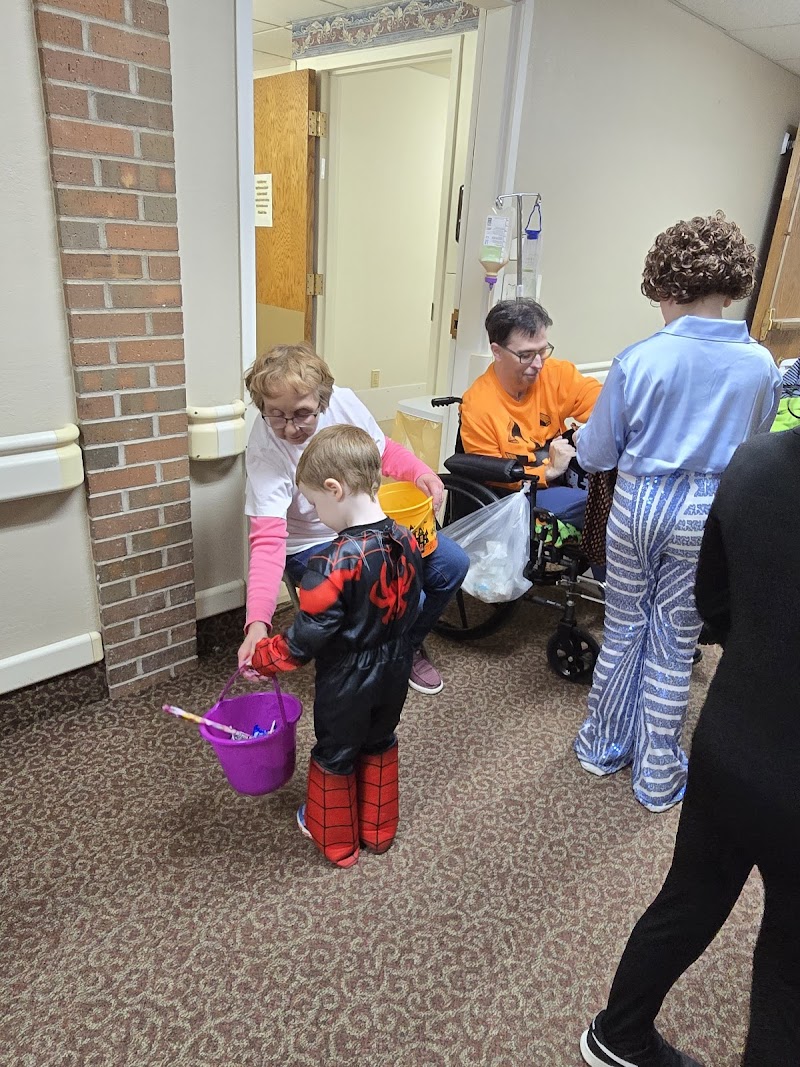
BETHEL LUTHERAN NURSING & REHABILITATION CENTER is owned by a non-profit organization. Non-profit facilities reinvest revenue into operations rather than distributing to shareholders. The facility operates independently rather than as part of a larger chain. With 95 certified beds and approximately 83 residents (about 87% occupancy), it is a smaller facility located in WILLISTON, North Dakota.
How Does Bethel Lutheran Nursing & Rehabilitation Center Compare to Other North Dakota Nursing Homes?

Compared to the 100 nursing homes in North Dakota, BETHEL LUTHERAN NURSING & REHABILITATION CENTER's overall rating (2 stars) is below the state average of 3.1, staff turnover (57%) is significantly higher than the state average of 46%, and health inspection rating (2 stars) is below the national benchmark.

What Should Families Ask When Visiting Bethel Lutheran Nursing & Rehabilitation Center?

Based on this facility's data, families visiting should ask: "What changes have been made since the serious inspection findings, and how are you preventing similar issues?" "How do you ensure continuity of care given staff turnover, and what is your staff retention strategy?" "Can I visit during a mealtime to observe dining assistance and food quality?" "How do you handle medical emergencies, and what is your hospital transfer rate?" These questions are particularly relevant given the facility's Immediate Jeopardy citations and the facility's high staff turnover rate.

Is Bethel Lutheran Nursing & Rehabilitation Center Safe?

Based on CMS inspection data, BETHEL LUTHERAN NURSING & REHABILITATION CENTER has documented safety concerns. Inspectors have issued 1 Immediate Jeopardy citation (the most serious violation level indicating risk of serious injury or death). The facility has a 2-star overall rating and ranks #100 of 100 nursing homes in North Dakota. Families considering this facility should ask detailed questions about what corrective actions have been taken since these incidents.

Do Nurses at Bethel Lutheran Nursing & Rehabilitation Center Stick Around?

Staff turnover at BETHEL LUTHERAN NURSING & REHABILITATION CENTER is high. At 57%, the facility is 11 percentage points above the North Dakota average of 46%. High turnover means new staff may not know residents' individual needs, medications, or preferences. It can also be disorienting for residents, especially those with dementia who rely on familiar faces. Families should ask: What is causing the turnover? What retention programs are in place? How do you ensure care continuity during staff transitions?

Was Bethel Lutheran Nursing & Rehabilitation Center Ever Fined?

BETHEL LUTHERAN NURSING & REHABILITATION CENTER has no federal fines on record. CMS issues fines when nursing homes fail to meet care standards or don't correct problems found during inspections. The absence of fines suggests the facility has either maintained compliance or corrected any issues before penalties were assessed. This is a positive indicator, though families should still review recent inspection reports for the full picture.

Is Bethel Lutheran Nursing & Rehabilitation Center on Any Federal Watch List?

BETHEL LUTHERAN NURSING & REHABILITATION CENTER is not on any federal watch list. The most significant is the Special Focus Facility (SFF) program, which identifies the bottom 1% of nursing homes nationally based on persistent, serious quality problems. Not being on this list means the facility has avoided the pattern of deficiencies that triggers enhanced federal oversight. This is a positive indicator, though families should still review the facility's inspection history directly.