ALTERCARE OF ALLIANCE CTR FOR REHAB & NC INC
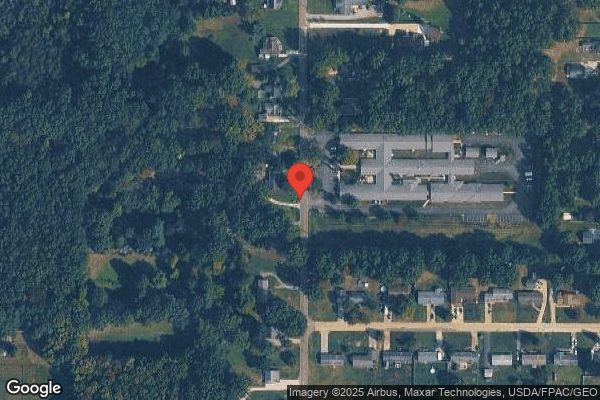

11750 KLINGER AVENUE NE, ALLIANCE, OH 44601 (330) 823-8263
For profit - Corporation 97 Beds ALTERCARE Data: November 2025
Trust Grade
65/100
#207 of 913 in OH
Last Inspection: April 2025

Within standard 12-15 month inspection cycle. Federal law requires annual inspections.

Overview

Altercare of Alliance Center for Rehab and Nursing has a Trust Grade of C+, indicating that it is slightly above average but not exceptional. It ranks #207 out of 913 facilities in Ohio, placing it in the top half of the state, and #8 out of 33 in Stark County, suggesting that only a few local options are better. Unfortunately, the facility is experiencing a worsening trend in compliance issues, increasing from 3 in 2024 to 4 in 2025. Staffing is a concern, with a rating of 2 out of 5 stars and a turnover rate of 56%, which is higher than the state average. On the positive side, there are no fines recorded, which is a good sign. However, RN coverage is below average, with less coverage than 81% of Ohio facilities, which raises concerns about the level of nursing oversight. Specific incidents reported include failures to keep the kitchen sanitary, with food debris and splatters observed, and issues with medication storage temperatures that could potentially affect resident safety. Overall, while there are strengths in terms of no fines and decent state ranking, there are significant weaknesses that families should carefully consider.

Trust Score
C+
65/100
In Ohio
#207/913
Top 22%
Safety Record
Low Risk
No red flags
Inspections
Getting Worse
3 → 4 violations
Staff Stability
⚠ Watch
56% turnover. Above average. Higher turnover means staff may not know residents' routines.
Penalties
✓ Good
No fines on record. Clean compliance history, better than most Ohio facilities.
Skilled Nurses
⚠ Watch
Each resident gets only 26 minutes of Registered Nurse (RN) attention daily — below average for Ohio. Fewer RN minutes means fewer trained eyes watching for problems.
Violations
⚠ Watch
28 deficiencies on record. Higher than average. Multiple issues found across inspections.
★★★★☆
4.0
Overall Rating
★★☆☆☆
2.0
Staff Levels
★★★★★
5.0
Care Quality
★★★☆☆
3.0
Inspection Score
Stable
2024: 3 issues
2025: 4 issues

The Good

  • 5-Star Quality Measures · Strong clinical quality outcomes
  • Full Sprinkler Coverage · Fire safety systems throughout facility
  • No fines on record

Facility shows strength in quality measures, fire safety.

The Bad

Staff Turnover: 56%

10pts above Ohio avg (46%)

Frequent staff changes - ask about care continuity

Chain: ALTERCARE

Part of a multi-facility chain

Ask about local staffing decisions and management

Staff turnover is elevated (56%)

8 points above Ohio average of 48%

The Ugly 28 deficiencies on record

Apr 2025 4 deficiencies
CONCERN (D)

Potential for Harm - no one hurt, but risky conditions existed

Deficiency F0569 (Tag F0569)

Could have caused harm · This affected 1 resident

**NOTE- TERMS IN BRACKETS HAVE BEEN EDITED TO PROTECT CONFIDENTIALITY** Based on interview and record review, the facility failed to ensure resident funds were disbursed to the resident's estate withi...

Read full inspector narrative →
**NOTE- TERMS IN BRACKETS HAVE BEEN EDITED TO PROTECT CONFIDENTIALITY** Based on interview and record review, the facility failed to ensure resident funds were disbursed to the resident's estate within 30 days as required. This affected one (Resident #79) of six residents reviewed for personal funds. The facility census was 73. Findings include: Review of Resident #79's medical record revealed an admission date of [DATE] and diagnoses including dysphagia, weakness, cerebral infarction, dementia without behavioral disturbance and anemia. Resident #79's son was listed as his emergency contact. Resident #79 expired in the facility on [DATE]. Review of the facility resident funds report dated [DATE] revealed Resident #79 had a balance of $92.51. There was a notation that Resident #79 had expired on [DATE] on the report. Review of Resident #79's resident fund statement for [DATE] through [DATE] revealed Resident #79 had an ending balance of $92.51 as of [DATE]. Interview on [DATE] at 4:19 P.M. with Lead Receptionist (LR) #875 revealed the facility's corporate office was responsible for disbursing an expired or discharged resident's funds to their estate or other designated location. LR #875 stated she could not complete that part of the resident funds process and confirmed Resident #79's funds had not been disbursed to his estate as of the time of the interview. Follow-up interview on [DATE] at 4:54 P.M. with Registered Nurse (RN)/ Regional #802 verified Resident #79's funds were not disbursed within 30 days of his death as required and shared there was not a facility policy specific to resident funds.
CONCERN (D)

Potential for Harm - no one hurt, but risky conditions existed

Notification of Changes (Tag F0580)

Could have caused harm · This affected 1 resident

Based on interview, record review, and facility policy, the facility failed to ensure the physician and/or nurse practitioner and family of Resident #78 were notified of a change in condition. This af...

Read full inspector narrative →
Based on interview, record review, and facility policy, the facility failed to ensure the physician and/or nurse practitioner and family of Resident #78 were notified of a change in condition. This affected one resident (#78) out of 20 residents reviewed for notification of change in condition. The facility census was 73. Findings include: Review of closed medical record for Resident #78 revealed an admission date of 02/07/25 and an expiration date of 02/17/25. Diagnoses included cognitive communication deficit, chronic obstructive pulmonary disease (COPD), complete traumatic amputation of one right lesser toe, essential hypertension (high blood pressure), and dementia. Review of the baseline care plan located in the facility document Clinical admission Documentation 0419-U, dated 02/07/25, revealed Resident #78 had respiratory issues due to history of smoking, pulmonary effusion (collection of fluid around the lungs), and need for oxygen. Approaches included keep head of bed up as tolerated, check pulse oxygen level per order, provide oxygen therapy per order, routine monitoring and note resident compliance, provide medications per order, report any wheezing, shortness of breath, rales (crackles)/rhonchi (low pitched sound that resembles snoring and indicates blockage in the airways) with breath sound checks to physician or nurse practitioner. Further review of medical record revealed from 02/08/25 until 02/16/25 Resident #78's oxygen saturation readings were between 90 and 95 percent. On 02/17/25, at 8:33 A.M., it was recorded by Licensed Practical Nurse (LPN) #895 Resident #78's oxygen saturation level had dropped to 78 percent and at 10:13 A.M. Resident #78's oxygen saturation level was 78 percent. On 02/17/25 at 8:23 P.M. it was documented by LPN #932 Resident #78's oxygen saturation level was 79 percent and at 8:37 P.M. the oxygen saturation level remained low at 79 percent. There was nothing documented in the progress notes indicating the physician/nurse practitioner or the family was notified of the low oxygen saturation levels on 02/17/25. Interview on 04/02/25 at 2:16 P.M. with Nurse Practitioner (NP) #933 revealed she could not recall having a conversation with the facility regarding Resident #78 having low oxygen levels. NP #933 stated Resident #78 was a pretty sick lady. NP #933 said if she had been notified and if the family wanted additional medical intervention, she would have ordered the resident to be sent to the hospital. Interview on 04/03/25 at 11:53 A.M. with the Power of Attorney for Resident #78 revealed the facility had never told him Resident #78's oxygen levels were declining on 02/17/25. Interviews on 04/02/25 at 1:53 P.M. and on 04/03/25 at 8:47 A.M. with the Director of Nursing (DON) revealed if she had been taking care of Resident #78, she would have notified the physician and/or the nurse practitioner and family when the resident's oxygen levels had fallen below 88 percent. The DON stated when a nurse practitioner was notified, there should be a progress note in the medical record. The DON confirmed there was no documentation in the medical record that the nurse practitioner/physician or family had been notified of Resident #78's low oxygen levels on 02/17/25. Review of the undated facility policy Change in Residents Condition or Status revealed the nurse would immediately consult with the resident's attending physician or on-call physician and notify the resident's authorized representative when there was a significant change in the resident's physical, mental, or psychosocial status, which included a deterioration in health, mental, or psychosocial status. The nurse would record in the resident's medical record information relative to changes in the medical/mental condition or status which included assessment, appropriate notifications, interventions, and response.
CONCERN (D)

Potential for Harm - no one hurt, but risky conditions existed

Respiratory Care (Tag F0695)

Could have caused harm · This affected 1 resident

**NOTE- TERMS IN BRACKETS HAVE BEEN EDITED TO PROTECT CONFIDENTIALITY** Based on observation, record review, interview, facility policy review, and review of the National Institute of Health guidance,...

Read full inspector narrative →
**NOTE- TERMS IN BRACKETS HAVE BEEN EDITED TO PROTECT CONFIDENTIALITY** Based on observation, record review, interview, facility policy review, and review of the National Institute of Health guidance, the facility failed to ensure reusable resident nebulizer masks were bagged to prevent the potential for cross contamination of the nebulizer mask. This affected two (Residents #3 and #46) of three residents (Residents #3, #17 and #46) reviewed for respiratory therapy. The facility census was 73. Findings include: 1. Review of Resident #3's medical record revealed the resident was readmitted on [DATE] with diagnoses including chronic obstructive pulmonary disease (COPD), acute on chronic diastolic congestive heart failure (CHF) and chronic respiratory failure with hypoxia (insufficient oxygen supply at the tissue level). Review of Resident #3's Annual Minimum Data Set (MDS) 3.0 assessment dated [DATE] revealed the resident exhibited intact cognition and had no rejection of care. Review of physician orders revealed an order dated 08/25/24 for albuterol sulfate solution (bronchodilator that works by relaxing and opening the airways of the lungs) for nebulization (a process where liquid medication is converted into a fine mist and inhaled allowing for direct delivery of medications to the lungs and airways), 5 milligrams (mg)/milliliter (ml), one bullet inhalation every two hours as needed for shortness of breath. Observation on 03/31/25 at 3:33 P.M. revealed Resident #3's nebulizer mask was sitting on top of the resident's continuous positive airway pressure (CPAP) machine on the bedside table. Interview on 03/31/25 at 3:43 P.M. with Licensed Practical Nurse (LPN) #861 confirmed Resident #3's nebulizer mask was uncovered and should be covered when not in use to prevent cross contamination of the nebulizer mask. Observation on 04/03/25 at 6:57 A.M. revealed Resident #3's nebulizer mask was sitting on top of the nebulizer machine uncovered with an empty plastic bag sitting next to it on the bedside table. Interview on 04/03/25 at 7:00 A.M. with Certified Nursing Assistant (CNA) #815 confirmed Resident #3's nebulizer mask was uncovered and should be covered when not in use to prevent cross contamination of the nebulizer mask. 2. Review of Resident #46's medical record revealed the resident was readmitted on [DATE] with diagnoses including chronic respiratory failure, major depressive disorder and Alzheimer's disease. Review of Resident #46's Quarterly Minimum Data Set (MDS) 3.0 assessment dated [DATE] revealed the resident exhibited moderate cognitive impairment. Review of Resident #46's physician orders revealed an order dated 11/21/23 for ipratropium-albuterol solution (used for treatment or prevention of tightening of muscles that line the airway), 0.5 mg-3 ml one unit dose inhalation four times a day. Observation on 03/31/25 at 3:30 P.M. revealed Resident #46's nebulizer mask was uncovered and sitting on top of a baseball cap on the bedside table. Interview on 03/31/25 at 3:42 P.M. with LPN #861 confirmed Resident #46's nebulizer mask was uncovered and should have been covered when not in use to prevent cross contamination of the nebulizer mask. Review of facility policy Specific Medication Administration Procedures, dated May 2009, revealed after the administration of medications through a small volume nebulizer was completed, the parts should be dissembled, cleaned, and stored in a clean plastic bag with the resident's name and date. Review of the National Institute of Health guidance for cleaning and storage of nebulizer parts between uses, dated October 2021, revealed Store nebulizer parts in a dry, clean plastic storage bag. If the nebulizer is used by more than one person, keep each person's medicine cup, mouthpiece or mask, and tubing in a separate, labeled bag to prevent the spread of germs.
CONCERN (D)

Potential for Harm - no one hurt, but risky conditions existed

Pharmacy Services (Tag F0755)

Could have caused harm · This affected 1 resident

**NOTE- TERMS IN BRACKETS HAVE BEEN EDITED TO PROTECT CONFIDENTIALITY** THE FOLLOWING DEFICIENCY REPRESENTS AN INCIDENT OF PAST NON-COMPLIANCE THAT WAS SUBSEQUENTLY CORRECTED PRIOR TO THIS SURVEY. Bas...

Read full inspector narrative →
**NOTE- TERMS IN BRACKETS HAVE BEEN EDITED TO PROTECT CONFIDENTIALITY** THE FOLLOWING DEFICIENCY REPRESENTS AN INCIDENT OF PAST NON-COMPLIANCE THAT WAS SUBSEQUENTLY CORRECTED PRIOR TO THIS SURVEY. Based on record review and interview, the facility failed to ensure an accurate accounting and administration of opioid medications. This affected two (Residents #25 and #58) of two residents identified during review of a Self-Reported Incident (SRI) investigation. Findings include: Review of Resident #25's medical record revealed the resident was admitted on [DATE] with diagnoses including bilateral primary osteoarthritis of the knee, other chronic pain and depression. Review of Resident #25's Minimum Data Set (MDS) 3.0 assessment dated [DATE] revealed the resident exhibited intact cognition. Review of Resident #25's physician orders revealed an order dated 02/10/25 for oxycodone 10 mg (milligrams) three times a day to be administered at 9:00 A.M., 1:00 P.M. and 6:30 P.M. Review of SRI Tracking Number #258409 dated 03/19/25 revealed there was a medication discrepancy. On 03/19/25 during a record review at 4:00 P.M. it was discovered policy was not followed for medication destruction and medication administration. The SRI indicated after a thorough investigation the facility could not conclude misappropriation occurred. The deliberate misplacing or taking of the resident's property without the resident's consent could not be determined as a result of there were no witnesses to misappropriation and the nurse denied any misappropriation. It was found during the investigation that Licensed Practical Nurse (LPN) #801 did not follow the facility policy regarding wasting narcotics and two residents (Residents #25 and #58) received additional doses of narcotics. The investigative findings indicated misappropriation of narcotics was unsubstantiated. Review of the SRI Witness Statement form dated 03/19/25 authored by LPN #801 revealed Resident #25's evening dose came up at 5:30 P.M. on the medication administration record (MAR). When the resident was not in her room or in the dining room, the medication (oxycodone) was wasted and if the resident was located, the medication was administered. When LPN #801 was the only nurse on the hall, LPN #801 did not have a staff member to witness the waste of the oxycodone narcotic pain medication that was not administered When LPN #801 was the only nurse for the hall she was busy. Resident #25 was administered her pain medication when she was in pain because LPN #801 thought Resident #25 had a physician order for as needed oxycodone. Review of the undated SRI investigation form revealed Resident #25's medical record showed the resident received an additional dose of oxycodone narcotic pain medication on 01/15/25 at 11:00 A.M.; 01/16/25 at 3:00 P.M.; 01/18/25 at 3:00 P.M.; 01/29/25 at 8:00 A.M., 02/12/25 at 8:00 A.M.; 02/24/25 at 6:00 A.M. or 9:00 P.M.; 03/01/25 at 12:00 P.M. and an extra dose on 03/01/25 at 1:00 P.M. (two pills); 03/10/25 at 11:00 A.M.; and on 03/12/25 at 7:00 P.M. an additional oxycodone narcotic pain medication was signed off as administered. Review of Resident #58's medical record revealed the resident was admitted on [DATE] with diagnoses including senile degeneration of the brain, age-related osteoporosis and generalized anxiety disorder. Review of Resident #58's MDS 3.0 assessment dated [DATE] revealed the resident exhibited severe cognitive impairment. Review of Resident #58's physician orders revealed an order dated 10/29/24 for oxycodone 5 mg twice a day to be administered between 6:00 A.M. to 11:00 A.M. and between 6:00 P.M. to 10:00 P.M. Review of the SRI Witness Statement form dated 03/19/25 authored by LPN #801 revealed when administering Resident #58's bedtime medications, at times the family did not want Resident #58 to have medications until the niece came which was anywhere from 7:30 P.M. or beyond. LPN #801 threw away the cup of crushed medications she had placed in pudding. For the waste of the narcotic pain medications, when LPN #801 was the only nurse, LPN #801 had no staff to witness the waste of the narcotic pain medications. LPN #801 was not sure about the extra morning dose of narcotic pain medications except sometimes the narcotic pain medications would get dropped or flung out of the pack. Review of the undated SRI investigation form revealed Resident #58's medical record showed the resident had four pills signed out of the narcotic flow record on 01/16/25 including two oxycodone at 8:00 A.M., one at 2:00 P.M. and one at 8:00 P.M. (two 5 mg tablets were given at 8:00 A.M. when one tablet was ordered, no dose was ordered at 2:00 P.M., and two 5 mg tablets were given at 8:00 P.M. when only one tablet was ordered); on 01/19/25, Resident #58 received an additional dose at 2:00 P.M. (no dose was ordered to be administered at that time); on 01/31/25, documentation revealed two oxycodone narcotic pain medications were removed at 8:00 A.M. and 8:00 P.M. (only one 5 mg tablet was ordered). Interview on 03/31/25 at 1:00 P.M. with Resident #25 denied concerns with pain management or narcotic pain medication administration. Interview on 03/31/25 at 3:00 P.M. with Regional Registered Nurse (RN) #802 confirmed Residents #25 and #58 had approximately 30 oxycodone narcotic pain medications that LPN #801 erroneously administered or wasted without a witness. LPN #801 denied any misappropriation. RN #802 stated LPN #801 had an answer for every question that she was presented and the narcotic drug screen for LPN #801 was negative. It was determined the medications had not been misappropriated, LPN #801 used poor nursing practice. Interview on 03/31/25 at 3:34 P.M. with Resident #58 revealed she had no concerns with pain management or narcotic pain medication administration. Interview on 04/02/25 at 8:54 A.M. with LPN #801 indicated she felt there was a lack of nursing staff and that was the reason she did not get another nurse to waste the narcotics for Residents #25 and #58. She stated she was aware that she was not doing things by protocol and it was lazy. Interview on 04/02/25 at 9:23 A.M. with the Consultant Pharmacist indicated she spot checked the narcotic flow records and was not aware of any diversion of narcotics in the facility. Review of the staffing schedules from 03/09/25 to 03/15/25 revealed RN #801 worked from 6:00 A.M. to 6:00 P.M. and there were multiple nurses in the building during these dates. Review of the Disposal of Medications and Medication-Related Supplies policy dated May 2020 revealed when a dose of a controlled medication was removed from the container for administration but refused by the resident or not administered for any reason, it was not placed back in the container. It was destroyed in the presence of two licensed nurses, and the disposal was documented in the destruction log book. The deficient practice was corrected on 03/21/25 when the facility implemented the following corrective actions: • On 03/19/25 at approximately 3:30 P.M. LPN #801 was suspended (her last shift worked was 03/15/25) and would not be returning to work at the facility. • On 03/19/25 LPN #801 went for a toxicology screen and the results were returned to the facility on [DATE] at 6:00 P.M. The results were negative. • On 03/19/25, Regional RN #802 completed an audit of all current controlled narcotic flow records on all units and the controlled narcotic sheets on the unit LPN #801 worked. No other narcotic discrepancies except Residents #25 and #58 were identified. • On 03/19/25, Regional RN #802 completed an audit of all residents narcotic flow records for North one and North two from 01/01/25 to 03/19/25. No other narcotic discrepancies except Residents #25 and #58 were identified. • On 03/19/25, the Director of Nursing (DON) educated staff members on General Medication Administration policy and the residents five rights regarding medication administration; Controlled Medication Disposal policy (specific to wasting narcotics); and the Abuse Misappropriation policy. In attendance were RNs #817, #863, #893; LPNs #809, #828, #835, #836, #848, #861, #877, #889, #895, #909, #930; and Certified Medication Aides (CMAs) #811, #858, #866. Attendance was verified by nurse education sign-in sheets. • On 03/19/25, a quality improvement meeting was held with Regional RN #802, the Administrator, DON and Medical Director (via telephone) regarding the findings of the missing narcotics investigation and steps moving forward. • Beginning on 03/20/25 the DON or designee would educate all agency licensed nurses prior to the nurses working their shift on the floor regarding medication administration and controlled medication disposal policy. The facility did not have any agency staff working from 03/20/25 to 03/31/25. • Beginning on on 03/21/25, the DON or designee would audit all current controlled narcotic count sheets two times a week for four weeks to ensure that controlled medications were wasted per facility policy. • Beginning on 03/21/25 the DON or designee would audit three random residents three times a week for four weeks to ensure that controlled medications were administered per the physician order. • Beginning on 03/21/25 the DON or designee would educate all new staff including LPN #833 (first date of training on medication administration cart on 03/24/25), RN #847 (first date of training on medication administration cart on 03/22/25) and RN #873 (first date of training on the medication administration cart on 03/30/25) during their orientation on the medication administration cart. New staff were required to have supervision on the medication administration cart for a minimum of fourteen 12-hour shifts (or more) on a medication administration cart based on experience. The DON would meet with the new hires prior to the nurses starting on their own to educate the nursing staff on the policies including administering and wasting narcotic pain medications.
Jul 2024 2 deficiencies
CONCERN (D) 📢 Someone Reported This

A family member, employee, or ombudsman was alarmed enough to file a formal complaint

Potential for Harm - no one hurt, but risky conditions existed

Report Alleged Abuse (Tag F0609)

Could have caused harm · This affected 1 resident

Based on medical record review, facility self reported incident review, interview and policy review the facility failed to report an allegation of medication misappropriation to the Administrator and ...

Read full inspector narrative →
Based on medical record review, facility self reported incident review, interview and policy review the facility failed to report an allegation of medication misappropriation to the Administrator and state survey agency. This affected one (Resident #18) of three residents reviewed for misappropriation. The facility census was 85. Findings include: Review of Resident #18's medical record revealed an admission date of 05/29/24 with admission diagnoses that included cervical radiculopathy, spinal stenosis and chronic pain. An admission Minimum Data Set (MDS) 3.0 assessment with a reference date of 06/05/24 indicated Resident #18 had an intact and independent cognition level. Review of the physician orders revealed the use of tramadol 50 mg every eight hours as needed for pain control. There was no evidence of a physician order for the use of cetirizine noted. Interview with Resident #18 on 07/22/24 at 10:01 A.M. revealed approximately one month ago a nurse provided him a different pill than his prescribed narcotic analgesic medication. Resident #18 further added that he kept the pill and advised the Assistant Director of Nursing, Registered Nurse (RN) #121 of the issue the following day. Resident #18 indicated the pill administered was cetirizine (allergy medication) 10 milligram (mg) rather than tramadol (narcotic analgesic) 50 mg. Interview with RN #121 on 07/22/24 at 10:17 A.M. revealed that last month she was notified Resident #18 had a concern with receiving the wrong medication. She and the unit co-coordinator went to talk with the resident and were provided the pill . RN #121 indicated the pill was identified as a cetirizine tablet. RN #121 indicated the Director of Nursing was on vacation and she did not inform or report the concern to anyone. RN #121 verified the allegation of misappropriation of medication was not investigated. Interview with the Director of Nursing on 07/22/24 at 10:30 A.M. revealed she had no knowledge of Resident #18's medication misappropriation allegation. Interview with the Administrator on 07/22/24 at 11:16 A.M. revealed he had no knowledge of Resident #18's medication misappropriation allegation. Interview with the Administrator and Director of Nursing on 07/22/24 at 11:35 A.M. verified staff failed to follow facility policy and report Resident #18's allegation of misappropriation of medication so an investigation could be initiated. Review of facility self-reported incidents revealed no evidence of any reporting to the state survey agency regarding Resident #18's allegation of misappropriation of medication. Review of the facility policy titled Abuse, Mistreatment, Neglect, Misappropriation of Resident Property and Exploitation dated 2016 indicated to investigate all allegations, suspicions and incidents of abuse, mistreatment, neglect, misappropriation of resident property and exploitation and staff should immediately report all such allegations to the Administrator. This deficiency represents non-compliance investigated under Complaint Number OH00155160.
CONCERN (D) 📢 Someone Reported This

A family member, employee, or ombudsman was alarmed enough to file a formal complaint

Potential for Harm - no one hurt, but risky conditions existed

Investigate Abuse (Tag F0610)

Could have caused harm · This affected 1 resident

Based on medical record review, facility self reported incident review, interview and policy review the facility failed to investigate an allegation of medication misappropriation. This affected one (...

Read full inspector narrative →
Based on medical record review, facility self reported incident review, interview and policy review the facility failed to investigate an allegation of medication misappropriation. This affected one (Resident #18) of three residents reviewed for misappropriation. The facility census was 85. Findings include: Review of Resident #18's medical record revealed an admission date of 05/29/24 with admission diagnoses that included cervical radiculopathy, spinal stenosis and chronic pain. An admission Minimum Data Set (MDS) 3.0 assessment with a reference date of 06/05/24 indicated Resident #18 had an intact and independent cognition level. Review of the physician orders revealed the use of tramadol 50 mg every eight hours as needed for pain control. There was no evidence of a physician order for the use of cetirizine noted. Interview with Resident #18 on 07/22/24 at 10:01 A.M. revealed approximately one month ago a nurse provided him a different pill than his prescribed narcotic analgesic medication. Resident #18 further added that he kept the pill and advised the Assistant Director of Nursing, Registered Nurse (RN) #121 of the issue the following day. Resident #18 indicated the pill administered was cetirizine (allergy medication) 10 milligram (mg) rather than tramadol (narcotic analgesic) 50 mg. Interview with RN #121 on 07/22/24 at 10:17 A.M. revealed that last month she was notified Resident #18 had a concern with receiving the wrong medication. She and the unit co-coordinator went to talk with the resident and were provided the pill. RN #121 indicated the pill was identified as a cetirizine tablet. RN #121 indicated the Director of Nursing was on vacation and she did not inform or report the concern to anyone and therefore, the allegation was never investigated Interview with the Director of Nursing on 07/22/24 at 10:30 A.M. revealed she had no knowledge of Resident #18's medication misappropriation allegation and no investigation had been completed. Interview with the Administrator on 07/22/24 at 11:16 A.M. revealed he had no knowledge of Resident #18's medication misappropriation allegation and no investigation had been completed. Interview with the Administrator and Director of Nursing on 07/22/24 at 11:35 A.M. verified staff failed to follow facility policy and report Resident #18's allegation of misappropriation of medication so an investigation could be initiated. Review of facility self-reported incidents revealed no evidence of any reporting to the state survey agency regarding Resident #18's allegation of misappropriation of medication. Review of the facility policy titled Abuse, Mistreatment, Neglect, Misappropriation of Resident Property and Exploitation dated 2016 indicated to investigate all allegations, suspicions and incidents of abuse, mistreatment, neglect, misappropriation of resident property and exploitation. This deficiency represents non-compliance investigated under Complaint Number OH00155160.
Mar 2024 1 deficiency
CONCERN (F) 📢 Someone Reported This

A family member, employee, or ombudsman was alarmed enough to file a formal complaint

Potential for Harm - no one hurt, but risky conditions existed

Staffing Data (Tag F0851)

Could have caused harm · This affected most or all residents

THE FOLLOWING DEFICIENCY REPRESENTS AN INCIDENT OF PAST NONCOMPLIANCE THAT WAS SUBSEQUENTLY CORRECTED PRIOR TO THIS SURVEY. Based on review of the facility Payroll Based Journal (PBJ) submission data ...

Read full inspector narrative →
THE FOLLOWING DEFICIENCY REPRESENTS AN INCIDENT OF PAST NONCOMPLIANCE THAT WAS SUBSEQUENTLY CORRECTED PRIOR TO THIS SURVEY. Based on review of the facility Payroll Based Journal (PBJ) submission data and staff interview, the facility failed to ensure submission of the Payroll Based Journal data as required. This had the potential to affect all 85 residents residing in the facility. Findings include: Review of the facility Payroll Based Journal (PBJ) submission data report revealed no evidence of data submitted by the facility for fiscal year 2023 for the third quarter (April 1 to June 30). Interview with the facility Administrator on 03/14/24 at 10:40 A.M. revealed the facility corporate office submits the PBJ data. The Administrator verified the lack of PBJ submission and this had been identified by the facility. The facility implemented the following corrective actions: As a result of the incident, the facility took the following actions to correct the deficient practice on 10/31/23: - Corporate Human Resources staff were educated on PBJ submission by the corporation president on 08/23/23. - Evidence of PJ submission for 2023 4th quarter on 10/31/23 and 2024 1st quarter was verified. - Monitoring of PBJ submission was completed by corporate Human Resources staff and reviewed by the supervisor to ensure PBJ submission was completed.
Oct 2023 1 deficiency
CONCERN (E) 📢 Someone Reported This

A family member, employee, or ombudsman was alarmed enough to file a formal complaint

Potential for Harm - no one hurt, but risky conditions existed

Deficiency F0761 (Tag F0761)

Could have caused harm · This affected multiple residents

**NOTE- TERMS IN BRACKETS HAVE BEEN EDITED TO PROTECT CONFIDENTIALITY** Based on observation, interview, record review, and facility policy review the facility failed to store medications properly for...

Read full inspector narrative →
**NOTE- TERMS IN BRACKETS HAVE BEEN EDITED TO PROTECT CONFIDENTIALITY** Based on observation, interview, record review, and facility policy review the facility failed to store medications properly for Residents #5, #20, #22, and #55 in the medication cart on the South and Speret units. This affected four residents (#5, #20, #22, and #55) of 12 residents (#4, #5, #8, #20, #22, #23, #24, #26, #32, #55, #64, and #69) the South and Speret units who receive narcotic medications. The facility census was 72. Findings include: 1. Review of the medical record for Resident #5 revealed an admission date of 03/16/20. Diagnoses included Alzheimer's disease, antisocial behavior, and major depressive disorder. Review of care plan for Resident #5 dated 06/14/22 revealed he had aggressive behaviors. Interventions included administering medications as ordered and redirecting Resident #5 from unsafe situations. Review of the quarterly Minimum Data Set (MDS) assessment dated [DATE] revealed Resident #5 had severe cognitive impairment with a memory problem. Resident #5 required extensive one-person assistance for bed mobility, dressing, transfers, toilet use, and personal hygiene; and supervision with set-up help only for eating. Review of a physician's order dated 10/26/23 revealed an order for Ativan (controlled antianxiety medication) 0.5 milligram (mg) every two hours as needed for behaviors. 2. Review of the medical record for Resident #20 revealed an admission date of 03/14/23. Diagnoses included dementia, hypothyroidism, and hypertension. Review of physician's order dated 03/29/23 revealed an order for Resident #20 for Ativan 0.5 mg three times daily. Review of the care plan dated 03/30/23 for Resident #20 revealed she had anxiety. Interventions included administering medications as ordered and encouraging her to participate in activities. Review of the quarterly MDS assessment dated [DATE] revealed Resident #20 had severe cognitive impairment. Resident #20 required cueing assistance for activities of daily living. 3. Review of the medical record for Resident #22 revealed an admission date of 10/22/10. Diagnoses included Alzheimer's disease, anxiety disorder, and osteoarthritis. Review of the care plan dated 08/09/19 revealed Resident #22 had a potential for an alteration in comfort. Interventions included administering medications as ordered and offering nonpharmacological interventions as needed. Review of the physician's order dated 09/01/22 for Resident #22 revealed an order for tramadol (controlled pain medication) 25 mg twice daily. Review of the quarterly MDS assessment dated [DATE] revealed Resident #22 had moderate cognitive impairment. Resident #22 required supervision with set up help only for bed mobility and eating; supervision with one-person assistance for transfers; and extensive one-person assistance for dressing, toileting, and personal hygiene. 4. Review of the medical record for Resident #55 revealed an admission date of 10/02/23. Diagnoses included hypertension, anxiety disorder, and anemia. Review of physician's order dated 10/02/23 revealed an order for Exelon (memory medication) 3 mg twice daily. Review of the care plan dated 10/02/23 revealed Resident #55 had impaired cognition. Interventions included administering mediations as ordered and reporting any changes in his status to the physician. Review of admission MDS assessment dated [DATE] revealed Resident #55 had severe cognitive impairment. Functional abilities were not documented at the time of the assessment. Observation on 10/27/23 at 8:15 A.M. during medication pass of the narcotic drug book on the medication cart for the South and Speret units revealed Resident #22 was to have 26 tablets in her blister pack of tramadol medication. When Licensed Practical Nurse (LPN) #502 removed the pack from the narcotic drawer there were only 25 tablets in it. LPN #502 confirmed the discrepancy and popped a pill out leaving 24 tablets in the pack and administered the medication to Resident #22. When LPN #502 returned to the cart she reported she had prefilled the medication at the beginning of her shift. LPN #502 then reached into her narcotic drawer and removed four medication cups with pills in them for four different residents. LPN #502 confirmed the pills were the tramadol for Resident #22, Exelon for Resident #55, Ativan for Resident #20, and Ativan for Resident #5. Comparisons with the pills in the cups matched the medications inside with packs for each resident. LPN #502 confirmed the medication cups were not listed with pill identification or the resident names listed on them, and she had prefilled them at the beginning of her shift. Review of the facility-controlled medication storage, dated May 2020, revealed controlled medication accountability sheets are maintained in the designated book. All medications received must state the name of the resident, prescription number, drug name, strength and dosage form of medication, and quantity received. Review of the undated facility policy guidelines for medication administration undated revealed medications are administered at the time they are prepared. Medications are not pre-poured.
Feb 2023 2 deficiencies
CONCERN (E) 📢 Someone Reported This

A family member, employee, or ombudsman was alarmed enough to file a formal complaint

Potential for Harm - no one hurt, but risky conditions existed

Safe Environment (Tag F0584)

Could have caused harm · This affected multiple residents

**NOTE- TERMS IN BRACKETS HAVE BEEN EDITED TO PROTECT CONFIDENTIALITY** Based on observation, interview, and facility policy, the facility failed to ensure residents' rooms were clean. This affected 1...

Read full inspector narrative →
**NOTE- TERMS IN BRACKETS HAVE BEEN EDITED TO PROTECT CONFIDENTIALITY** Based on observation, interview, and facility policy, the facility failed to ensure residents' rooms were clean. This affected 18 rooms (#105, #108, #202, #203, #205, #206, #210, #212, #215, #218, #220, #222, #303, #307, #310, #402, #509, and #520) out of 21 rooms observed. The facility census was 81. Findings include: Interview on 02/06/23 at 12:21 P.M. with family of Resident #63 revealed the housekeeping at the facility was not good. The family members have walked into Resident #63's bathroom and found dried urine over the floor, which resulted in the family cleaning the floor. The family members of Resident #63 hadn't felt Resident #63's room was being swept as it should be. They had asked for a broom and dustpan in the past and were told they were locked up in the janitor's closet. Interview on 02/06/23 at 12:31 P.M. with Resident #54 revealed her room needed swept and was unsure the last time the room was swept. The bathroom wasn't always cleaned. The base of the overbed table was never cleaned, and she hadn't seen housekeeping wipe her overbed tabletop down. Interview on 02/06/23 at 12:42 P.M. with Licensed Practical Nurse (LPN) #384 and State Tested Nursing Assistants (STNAs) #315 and #318 revealed the residents' rooms were not cleaned as thoroughly as they should. Interview on 02/06/23 at 1:06 P.M. with Housekeeper #360 revealed she was responsible for cleaning over 30 rooms a day, and she confirmed she was unable to clean the rooms like they should be cleaned. She was not able to clean high touch areas in the residents' rooms, clean the residents' bathrooms, and sweep and mop the residents' room floors daily. Housekeeper #360 stated she was not able to do the extra cleaning, which included wiping down the overbed bases, ever. Interview on 02/07/23 at 8:10 A.M. with Housekeeping/Laundry Supervisor #359 revealed the housekeepers were cleaning over 30 residents' rooms a day in six and a half hours. She confirmed residents' rooms should be cleaned on a daily basis, which would include the bathroom being cleaned, the room swept and mopped, and high touch areas wiped down. Housekeeping/Laundry Supervisor #359 agreed that it was almost impossible for a housekeeper to correctly clean over 30 residents' rooms in six and a half hours. Interview on 02/07/23 at 8:29 A.M. with Housekeeper #314 affirmed it was physically impossible to correctly clean the residents' rooms in six and a half hours, and she had to clean what was a priority or was in the worst shape. Housekeeper #314 felt the housekeeping department was spread too thin. Interview on 02/07/23 at 11:04 A.M. with Resident #25 revealed the room was cleaned once a week and she cleaned the sink and the shelf over the sink herself. Observations on 02/07/23 from 11:36 A.M. to 11:59 A.M. with Housekeeping/Laundry Supervisor #359 of the environment revealed the following findings: • room [ROOM NUMBER]: debris under the unoccupied bed against the wall closest the hallway; a build buildup of debris around the left-hand side of the toilet base; and multiple dried white spots under sink • room [ROOM NUMBER]: dried debris on the base of the overbed table; buildup of debris to the left-hand side of the bedside table; debris buildup around both bolts of the toilet base; and a film of debris around the left handle of the bathroom faucet • room [ROOM NUMBER]: numerous food crumbs under the dresser; and one dried tomato and other food dried debris on the base of the overbed table • room [ROOM NUMBER]: buildup of debris on the base of the toilet • room [ROOM NUMBER]: one large white spot on floor underneath the sink pipe; dried debris around both toilet base bolts; a film of debris around the bathroom faucet: the toilet lid had dust and debris; and flecks of white drywall on the floor under the head of the bed located to the right of the window • room [ROOM NUMBER]: buildup of debris on the floor next to the baseboard to right of toilet • room [ROOM NUMBER]: two large circular dried brown spots and one small circular brown spot on the middle of the floor; and dried splashed marks in front of the toilet • room [ROOM NUMBER]: dried splash marks on the base of the overbed table • room [ROOM NUMBER]: buildup of debris around toilet base and both bolts of the toilet base • room [ROOM NUMBER]: buildup of dirt around the base of the baseboard to the left of the toilet; buildup of debris around the right hand bolt of the toilet; and dried white splash marks on the splash guard behind the bathroom sink • room [ROOM NUMBER]: buildup of brown debris around the left base of the toilet • room [ROOM NUMBER]: one blue strip of what appeared to be toothpaste down the lower wall to the right of the sink • room [ROOM NUMBER]: one crumbled salt packet, one dried round piece of dry cereal, and a build up of debris on the floor between the chair and folded mat against the wall; and buildup of debris along the bottom of the baseboard located between the wardrobe cabinet and the bathroom door • room [ROOM NUMBER]: buildup of debris on the floor around the left hand base of the wardrobe cabinet; one dried spill on the floor to the left hand side of the bedside table; and a buildup of dust on top of the toilet tank cover • room [ROOM NUMBER]: six dried white spots on the floor between the bedside table and the wardrobe cabinet; and one long and one short white line of debris on top of the bedside table. • room [ROOM NUMBER]: a buildup of debris on the floor under the bed closest to the hallway • room [ROOM NUMBER]: film of debris behind the bathroom faucet • room [ROOM NUMBER]: a film of debris around the bathroom faucet Review of facility policy titled General Environmental Policies, updated November 2019, revealed residents rooms would be cleaned routinely and the facility would be maintained in a clean sanitary manner. This deficiency represents non-compliance investigated under Complaint Number OH00139370.
CONCERN (F) 📢 Someone Reported This

A family member, employee, or ombudsman was alarmed enough to file a formal complaint

Potential for Harm - no one hurt, but risky conditions existed

Food Safety (Tag F0812)

Could have caused harm · This affected most or all residents

Based on observation, interviews, and facility policy, the facility failed to ensure the kitchen was clean and sanitary, and failed to ensure Dietary #314 was not wearing false nails. The facility had...

Read full inspector narrative →
Based on observation, interviews, and facility policy, the facility failed to ensure the kitchen was clean and sanitary, and failed to ensure Dietary #314 was not wearing false nails. The facility had identified all 81 residents received meals through the kitchen. Findings include: 1. Observation of the kitchen on 02/06/23 from 9:08 A.M. to 9:29 A.M. with Dietary #314 revealed: • The inside of the microwave, beside the two-compartment sink, had food splatters on the sides and top of the microwave. • The bottom shelf of the sandwich reach in refrigerator had food debris, a bread twist tie, and a buildup of a white substance at the back of the shelf. • The inside of the microwave, on the table by the shelf with seasonings, had red splatters on the top of of the unit. • The oven's third drip tray would not come out and burnt food debris and eggshells were observed under the third row of burners next to the griddle. All of six burner areas had food splashes and debris. The entire top shelf of the oven had a film of grease upon touch. The splash guard on the back of the cook top of the oven had white splatter marks, and there were dried food drips down the outside left side of the oven. • The walk-in cooler had one square plastic storage container with a green lid of coleslaw that had a sticker on top of the lid of a date of 01/26/23 and use by date of 02/01/23, one open and resealed half a bag of shredded mozzarella cheese without a date, and the condenser fan cover was observed to have numerous back dots of dust over it. • The walk-in freezer had one unopened box of croissants sitting on the floor with food debris observed on the back and right-hand side of the floor. • The dry storage room had one half bag of penne pasta opened and resealed without a date and one full case of six cans of cheddar cheese sitting on the floor. At the time of kitchen observation on 02/06/23 from 9:08 A.M. to 9:29 A.M., Dietary #314 confirmed the cleanliness concerns and stated it was obvious the dietary staff were not completing their cleaning assignments. Interview on 02/06/23 with Dietitian #408 revealed she hadn't been completing sanitation audits regularly, and the last one she had completed was before Christmas 2022. Interview on 02/06/23 with Dietary Coordinator #364 confirmed she had not been doing the sanitation audits weekly that the facility policy titled Operation and Cleaning Procedures, revised March 2022, said would be done. She stated there were a lot of new employees in the kitchen and confirmed cleaning assignments were not getting done. Dietary Coordinator #364 was working on developing a cleaning checklist. Review of facility policy titled Refrigerated Storage, dated November 2017, revealed refrigerated items would be dated when used or first opened and all refrigerator units would be clean. Review of facility policy titled Frozen Storage, dated January 2015, revealed food would be arranged in the freezer to allow circulation of air. Review of facility policy titled Operation and Cleaning Procedures, revised on March 2022, revealed all areas of the kitchen would be cleaned on a daily basis, daily cleaning lists for each position would be in place and monitored by the Director of Food and Nutrition, and the Director of Food and Nutrition would conduct weekly audits of all areas of the dietary department to ensure that proper sanitation was followed. Review of undated facility policy titled Dry Storage and Supplies food items would be stored on storeroom shelving which was no less than six inches from the floor, and opened food items would be stored in resealed containers/food bags that were labeled and dated. 2. Observation during the kitchen tour on 02/06/23 from 9:08 A.M. to 9:29 A.M. revealed Dietary #314 was observed wearing long pink false nails on both thumbs and fifth fingers. Interview on 02/06/23 at 12:55 P.M. with Dietary Coordinator #364 stated no one should be wearing false nails in the kitchen. Interview on 02/06/23 at 1:05 P.M. with Dietary #397 confirmed Dietary #314 had false nails on. Interview on 02/07/23 at 8:29 A.M. with Dietary #314 confirmed she had worn false nails the day before, and they had since been taken off. Review of the facility personal appearance for dietary staff located in the dietary job description, dated 12/10/12, revealed no artificial nails were to be worn on a regular basis. Review of ServSafe Manager, 7th edition, revealed false nails were not to be worn in foodservice since they were hard to keep clean and could break off into food. This deficiency represents non-compliance investigated under Complaint Number OH00138868.
Oct 2022 15 deficiencies
CONCERN (D)

Potential for Harm - no one hurt, but risky conditions existed

Notification of Changes (Tag F0580)

Could have caused harm · This affected 1 resident

Based on medical record review and staff interview, the facility failed to provide resident representative notification after a significant weight loss was found. This affected one (Resident #44) of f...

Read full inspector narrative →
Based on medical record review and staff interview, the facility failed to provide resident representative notification after a significant weight loss was found. This affected one (Resident #44) of four residents reviewed for nutritional services. The facility census was 78. Findings include: Review of Resident #44's medical record revealed an admission date of 08/03/20 with diagnoses that included vascular dementia with behaviors, cerebrovascular accident and schizoaffective disorder. Review of Resident #44's weights revealed on 09/07/22 the resident weight was 131.2 pounds. On 09/14/22 the weight was recorded as 115.8 pounds, indicating a 15.4 pound or 13.3% weight loss in a one week period. Review of the medical record including progress notes revealed no evidence of resident representative notification of weight loss on 09/14/22 until the facility was asked about the notification on 10/26/22. Interview with the Director of Nursing on 10/26/22 at 1:05 P.M. verified there was no documentation of resident representative notification of a significant weight loss for Resident #44.
CONCERN (D)

Potential for Harm - no one hurt, but risky conditions existed

Transfer Notice (Tag F0623)

Could have caused harm · This affected 1 resident

**NOTE- TERMS IN BRACKETS HAVE BEEN EDITED TO PROTECT CONFIDENTIALITY** Based on medical record review and interview, the facility failed to provide written notification of reasons for transfers to th...

Read full inspector narrative →
**NOTE- TERMS IN BRACKETS HAVE BEEN EDITED TO PROTECT CONFIDENTIALITY** Based on medical record review and interview, the facility failed to provide written notification of reasons for transfers to the hospital. This affected one (Resident #59) of three residents reviewed for hospitalization. Findings include: On 10/24/22 at 11:48 A.M., during interview Resident #59 reported she had been in and out of the hospital multiple times, usually related to respiratory issues. Resident #59 stated for a while she was being hospitalized every month. Review of Resident #59's medical record revealed diagnoses including acute and respiratory failure, chronic congestive heart failure, chronic obstructive pulmonary disease, type two diabetes mellitus, iron deficiency anemia and stage three chronic kidney disease. Review of progress notes revealed Resident #59 was sent to the hospital by the facility and admitted [DATE] to 01/14/22, 04/27/22 to 05/02/22, 06/01/22 to 06/08/22, and 07/08/22 to 07/12/22. Resident #59 was also sent to the hospital per her request on 06/17/22. No transfer notices were able to be located. On 10/26/22 at 9:42 A.M., Lead Receptionist #105 stated no transfer notices had been provided because she was unaware it was required.
CONCERN (D)

Potential for Harm - no one hurt, but risky conditions existed

Deficiency F0625 (Tag F0625)

Could have caused harm · This affected 1 resident

**NOTE- TERMS IN BRACKETS HAVE BEEN EDITED TO PROTECT CONFIDENTIALITY** Based on medical record review, review of bed hold notices, and interview, the facility failed to provide required bed hold noti...

Read full inspector narrative →
**NOTE- TERMS IN BRACKETS HAVE BEEN EDITED TO PROTECT CONFIDENTIALITY** Based on medical record review, review of bed hold notices, and interview, the facility failed to provide required bed hold notices in a timely manner. This affected one (Resident #59) of three residents reviewed for hospitalization. Findings include: Review of Resident #59's medical record revealed diagnoses including acute and respiratory failure, chronic congestive heart failure (CHF), chronic obstructive pulmonary disease (COPD), type two diabetes mellitus, iron deficiency anemia and stage three chronic kidney disease. A nursing note dated [DATE] at 9:00 A.M. indicated Resident #59 was sent to the emergency room due to abnormal laboratory values, abnormal lung sounds, increased edema, tremors, change in mental status and thrombocytopenia (abnormally low level of platelets). A nursing note dated [DATE] at 3:26 A.M. revealed Resident #59 returned to the facility on [DATE] at 9:00 P.M. Review of a Notification of Bed Hold Days form revealed Resident #59 left the faciity on [DATE] to [DATE] and as of that date had 30 remaining days available in the calendar year in which the facility would hold Resident #59's bed. Resident #59 signed the notification on [DATE]. A nursing note dated [DATE] at 4:01 P.M. indicated a staff member from the cardiovascular center notified the facility Resident #59 was being admitted to the hospital but was unable to provide a diagnosis. A nursing note dated [DATE] at 10:38 A.M. indicated the hospital was contacted for an update and reported Resident #59 had been admitted with CHF. A nursing note dated [DATE] at 7:00 P.M. indicated Resident #59 returned to the facility. Review of a Notification of Bed Hold Days form revealed Resident #59 left the faciity on [DATE] to [DATE] and as of that date had 23 remaining days available in the calendar year in which the facility would hold Resident #59's bed. Resident #59 signed the notification on [DATE]. A certified mail receipt copied with the notice indicated the date of delivery of the notice was [DATE]. Nursing notes on [DATE] between 6:03 P.M. and 6:42 P.M. indicated Resident #59 had a low oxygen saturation level (even after an oxygen concentrator was changed) and deterioration in condition. An order was received to send Resident #59 to the hospital and the emergency squad arrived at 6:42 P.M. A nursing note on [DATE] at 12:54 P.M. indicated the hospital reported Resident #59 had been admitted to the intensive care unit for respiratory failure, pneumonia and CHF. Resident #59 returned to the facility on [DATE]. Review of bed hold notifications revealed no notification for the days away from the facility between [DATE] to [DATE]. A Hospitalization observation form dated [DATE] indicated Resident #59 was transferred to the hospital at 6:04 P.M. for shortness of breath with an oxygen saturation level of 74% on four liters of oxygen. Resident #59 returned to the facility [DATE]. Review of a Notification of Bed Hold Days form revealed Resident #59 left the faciity on [DATE] and of that date had 11 remaining days in which the facility would hold the bed. A certified mail receipt had a hand written notation of [DATE] in the postmark area. A hospital observation form dated [DATE] indicated Resident #59 was transferred to the hospital at 6:15 A.M. due to shortness of breath, increased respiratory rate of 26, use of accessory muscles for breathing and a low oxygen saturation of 76% on four liters. A nursing note dated [DATE] at 10:25 A.M., the emergency department nurse reported Resident #59 was given a breathing treatment and intravenous diuretics. Diagnoses of CHF and COPD were provided. Resident #59 returned to the facility on [DATE] at 11:43 A.M. and continued to complain of shortness of breath and using accessory muscles. An order was received to increase breathing treatments to every four hours. A nursing note on [DATE] at 6:00 P.M. indicated Resident #59 complained of shortness of breath and chest tightness and requested she be returned to the hospital. A nursing note dated [DATE] at 6:28 A.M. indicated Resident #59 was admitted to the hospital with diagnoses of CHF and COPD. Resident #59 was readmitted to the facility on [DATE]. Review of a Notification of Bed Hold Days form revealed Resident #59 left the faciity on [DATE] and of that date had three remaining days in which the facility would hold the bed. A certified mail receipt had a date stamp of [DATE] and was addressed to Resident #59 at the facility's address. A nursing note dated [DATE] at 7:08 A.M. indicated Resident #59 was short of breath and had an oxygen saturation level of 85%. Resident #59 was transferred to the hospital and admitted for pleural effusion and fluid retention. Resident #59 returned to the facility [DATE]. Review of a Notification of Bed Hold Days form revealed Resident #59 left the faciity on [DATE] and had no remaining bed hold days available for the calendar year. The notice was unsigned and a certified mail receipt copied with the notice had no date stamp but was sent to Resident #59 at the facility's address. A nursing note dated [DATE] at 5:09 P.M. indicated Resident #59 was direct admitted to the hospital from the cardiology office for exacerbation of CHF. Resident #59 returned to the facility on [DATE] at 9:00 P.M. Review of a Notification of Bed Hold Days form revealed Resident #59 left the faciity on [DATE] and had no remaining bed hold days available for the calendar year. The notice was unsigned and a certified mail receipt copied with the notice had no date stamp but was sent to Resident #59 at the facility's address. On [DATE] at 9:42 A.M., during interview, Lead Receptionist #105 stated she was responsible for providing bed hold notices. Lead Receptionist #105 verified the bed hold notices were provided after Resident #105 returned from the hospital and not at the time of transfer so Resident #59 would be more informed of the number of days her bed would be held. Lead Receptionist #105 verified even those sent via certified mail were sent to the facility's address and would not be received until after Resident #59 returned from the hospital. Lead Receptionist #105 stated when she was not working there was nobody else assigned to provide the notifications. On [DATE] at 2:25 P.M., Lead Receptionist #105 verified she had not sent a bed hold notice for the hospitalization from [DATE] to [DATE], stating that one slipped by her. Lead Receptionist #105 was unable to explain how residents were notified when their bed hold days expired when in the hospital if not notified before. Lead Receptionist #105 was unable to state how the facility determined if a resident wanted to hold the bed or if they were charged after the bed hold coverage ended. The Administrator who was in the room did not know either.
CONCERN (D)

Potential for Harm - no one hurt, but risky conditions existed

Comprehensive Assessments (Tag F0636)

Could have caused harm · This affected 1 resident

**NOTE- TERMS IN BRACKETS HAVE BEEN EDITED TO PROTECT CONFIDENTIALITY** Based on medical record review and interview, the facility failed to ensure comprehensive assessments were completed a minimum o...

Read full inspector narrative →
**NOTE- TERMS IN BRACKETS HAVE BEEN EDITED TO PROTECT CONFIDENTIALITY** Based on medical record review and interview, the facility failed to ensure comprehensive assessments were completed a minimum of annually. This affected one (Resident #36) of 21 residents reviewed for assessments. The census was 79. Findings include: Review of Resident #36's medical record revealed diagnoses including dementia, chronic pain syndrome, depression, insomnia, schizoaffective disorder, arthritis, anxiety disorder, and irritable bowel syndrome. Resident #36 was admitted to the facility 07/17/20. Only one comprehensive assessment dated [DATE] was completed. On 10/27/22 at 2:54 P.M., during interview Registered Nurse (RN) #112 stated the last comprehensive assessment done for Resident #36 prior to 09/21/22 was during a previous admission on [DATE].
CONCERN (D)

Potential for Harm - no one hurt, but risky conditions existed

Deficiency F0688 (Tag F0688)

Could have caused harm · This affected 1 resident

**NOTE- TERMS IN BRACKETS HAVE BEEN EDITED TO PROTECT CONFIDENTIALITY** Based on medical record review, review of therapy notes, observations, and interviews the facility failed to ensure the resident...

Read full inspector narrative →
**NOTE- TERMS IN BRACKETS HAVE BEEN EDITED TO PROTECT CONFIDENTIALITY** Based on medical record review, review of therapy notes, observations, and interviews the facility failed to ensure the resident had a plan of care for contracture and failed to ensure the resident performed independent range of motion (ROM) exercises to prevent decline and maintain function of the contractures. This affected one (Resident #55) of two residents reviewed for position/mobility. Findings included: Record review revealed Resident #55 was admitted to the facility on [DATE] with diagnoses including contracture of right lower leg and right upper arm, osteomyelitis, diabetes, cognitive communication deficit, muscle weakness, need for assistance with personal care, hemiplegia and hemiparesis, lack of coordination, anxiety, schizophrenia, right foot pain, dementia with behavioral disturbance, restlessness and agitation, disorientation, depression with severe psychotic symptoms, and psychotic disorder with delusions. There was no evidence of a right-hand contracture diagnosis. Review of Resident #55's restorative task dated 09/25/22 to 10/25/22 revealed no documentation was entered. Observation and interview on 10/24/22 at 11:30 A.M., of Resident #55 revealed the resident's right hand was contracted. The resident was not able to open her fingers to a neutral position. The resident reported her right shoulder was contracted as well due to a stroke she had years ago. The resident reported she was not receiving range of motion exercises or had splints. Observation on 10/25/22 at 4:35 P.M., of Resident #55 with the Director of Nursing (DON) revealed the resident was not able to extend fingers. The DON was able to physically extend the pinky and thumb to a neutral position; however, the other three fingers were not able to be extended to a neutral position. The resident reported she was not receiving therapy or ROM exercises. The resident was not able to move right shoulder as well. Review of Resident #55's current plan of care and minimum data set (MDS) dated [DATE] with the DON revealed no evidence the plan of care for leg, arm, shoulder, or hand contractures and the MDS indicated the resident had limited ROM on one side of the upper and lower extremity and had not received restorative therapy. The resident had required more assistance with eating and walking in the room compared to the prior quarterly MDS dated [DATE]. Review of therapy notes dated 04/05/22 revealed the resident had right hand contracture and orthosis would benefit the resident. The resident was agitated and stated her hand isn't usually contracted and she doesn't want an orthosis. Educated on risk for skin breakdown, however patient is disinterested. Patient instructed in self ROM exercises with RUE including stretching of the fingers/wrist requiring verbal/visual cues for proper techniques. Physical Therapy (PT) educated on the importance of self ROM/stretching to prevent contractures with fingers unable to be opened all the way and resident stating they just have some tension today. Discharge planning indicated to refer to nursing for restorative. Review of Resident #55's occupational therapy (OT) notes dated 06/16/22 revealed the resident was referred to evaluate and treat weight bearing status to right lower extremity. The resident declines assessment of passive range of motion and declines orthosis for right hand. The evaluation was to provide the resident with a bedside commode for over toilet to increase ease of toilet transfers. Review of Resident #55's physical therapy notes dated 06/30/22 revealed the resident was discharged with a home exercise program. Interview on 10/26/22 at 10:06 A.M., with the DON revealed there was no plan of care for the resident contractures. The DON wasn't sure if the resident was on restorative and would have to check due to there was no documentation under the restorative task. Interview on 10/26/22 at 10:11 A.M., with Corporate Nurse (CN) #410 confirmed there was no care plan or restorative program for Resident #55 for her contractors. CN #410 confirmed the OT and PT discharge for restorative indicated to refer to nursing. Nursing updated the plan of care today to include contractures but did not update the interventions to include activities/exercise the resident was to perform to prevent declines or maintain function. Interview on 10/26/22 at 11:15 A.M., with Resident #55 with the DON revealed the resident had a hard time focusing and was switching conversation. The surveyor had to ask the resident several times about ROM. At first, she reported her ROM exercise was just pulling her arm up. She could not recall how frequently or number of repetitions. Then when asked again she said she was to pick up her legs, then she was asked again she said she was to kick her feet and bend ankles. Then the surveyor asked about her hands, and she said probably should stretch her fingers. Then the surveyor asked how many times should you do that, and she said 20 times and then asked how many times a week and she said every week. The surveyor asked if she meant every day and she responded yes. The resident reported she was not doing ROM every day and then started to talk about the keys in her apartment and then went back to saying it's been on her mind to do. Interview on 10/26/22 at 12:00 P.M., with Certified Occupation Therapy Assistant (COTA) #126 reported she had last seen the resident in April 2022 and was asked to write a statement today that reflected the resident's cognition level in April. The COTA reported she didn't think the resident needed nursing restorative at that time because the resident could perform restorative independently. The COTA reviewed the therapy notes and confirmed she could not provide evidence of what the resident's independent program entailed. The COTA then reported she was not the one that wrote the discharge plan so she could not answer what the resident discharge plans were. Interview on 10/26/22 at 12:42 P.M., with State Tested Nursing Aide (STNA) #150 confirmed Resident #55 was not a restorative program and does her own care, dressing, etc. that she was aware of. There was not a restorative aide and floor staff were responsible for providing restorative care. Most of the residents refuse restorative on the North Hall.
CONCERN (D)

Potential for Harm - no one hurt, but risky conditions existed

Incontinence Care (Tag F0690)

Could have caused harm · This affected 1 resident

**NOTE- TERMS IN BRACKETS HAVE BEEN EDITED TO PROTECT CONFIDENTIALITY** Based on medical record review and interview the facility failed to ensure urinary output levels were monitored per orders. This...

Read full inspector narrative →
**NOTE- TERMS IN BRACKETS HAVE BEEN EDITED TO PROTECT CONFIDENTIALITY** Based on medical record review and interview the facility failed to ensure urinary output levels were monitored per orders. This affected one (Resident #65) of one resident reviewed for hydration. Findings included: Record review revealed Resident #65 was admitted to the facility on [DATE] with diagnoses including neuromuscular dysfunction of bladder, diabetes, and chronic kidney disease. Review of Resident #65's current orders dated 10/2022 revealed indwelling catheter to straight drain and to record urinary foley output every shift (three times a day). The resident's orders indicated the resident was at risk for fluid imbalance. Review of Resident #65's medication and treatment administration records dated 10/2022 revealed no evidence of urinary output level. Further review of the records revealed the resident received intravenous (IV) fluids on 10/22/22, 10/24/22 and 10/25/22. Review of Resident #65's foley urinary output levels in the vital report dated 10/01/22 to 10/27/22 revealed the resident's urinary output level amounts were only recorded 24 shifts out of the 81 shifts. Further review of Resident #65's urinary output levels on the dates she received IV fluids revealed on 10/22/22 there was only one urinary output that was documented on afternoon shift of 550 milliliters (ml), on 10/24/22 there was no documentation of urinary output, and 10/25/22 the only documented urinary output amount was on afternoon shift of 600 ml. Interview on 10/27/22 at 12:12 P.M. with the Director of Nursing (DON) verified the only documentation of the urinary output levels was documented in the vitals report. The DON verified there were several missing amounts of urinary output level.
CONCERN (D)

Potential for Harm - no one hurt, but risky conditions existed

Deficiency F0694 (Tag F0694)

Could have caused harm · This affected 1 resident

**NOTE- TERMS IN BRACKETS HAVE BEEN EDITED TO PROTECT CONFIDENTIALITY** Based on medical record review, observation, and interview the facility failed to ensure intravenous (IV) fluids were administer...

Read full inspector narrative →
**NOTE- TERMS IN BRACKETS HAVE BEEN EDITED TO PROTECT CONFIDENTIALITY** Based on medical record review, observation, and interview the facility failed to ensure intravenous (IV) fluids were administered per orders. This affected one (Resident #65) of one resident reviewed for hydration. Findings included: Record review revealed Resident #65 was admitted to the facility on [DATE] with diagnoses including hallucination, schizoaffective disorder, diabetes, and chronic kidney disease. 1. Review of Resident #65's orders dated 10/21/22 revealed to administer Sodium Chloride 0.9% parenteral solution one liter intravenous. There were special instruction to administer one-liter normal saline, run at 75 cubic centimeters (cc) an hour. Review of Resident #65's medication and treatment administration records dated 10/2022 revealed the resident received intravenous (IV) fluids on 10/22/22. There was no evidence of the amount of IV fluids administered. Review of Resident #65's nursing progress notes dated 10/21/22 to 10/27/22 with the Director of Nursing (DON) and Corporate Nurse (CN) #410 on 10/27/22 at 12:45 P.M., revealed on 10/21/22 at 10:42 P.M., the Nurse Practitioner (NP) ordered IV Normal Saline (NS) at 75cc/hr. for one liter. On 10/22/22 at 1:06 A.M. an IV was started at 75cc an hour. On 10/22/22 at 7:03 P.M. (18 hours later) the NP was notified the IV would not flush and new orders were received to pull the IV. The DON and CN #410 verified the one liter should have been completely infused in 13 hours and 19 minutes. There was no documented evidence of the amount of IV fluid administered. Interview on 10/27/22 at 3:10 P.M., interview with Licensed Practical Nurse (LPN) #189 and the DON revealed on 10/22/22 only 800 cc of the 1000 cc had infused over the 18 hours and the entire 1000 cc should have infused in a little over 13 hours, however they were using a control a flow (dial flowed) instead of IV pump. The DON reported the LPN should have monitored the IV closer to ensure the fluid was infused within the time frame ordered. 2. Review of Resident #65's orders dated 10/23/22 revealed to administer Sodium Chloride 0.9% parenteral solution one liter intravenous. There were special instruction to administer one-liter normal saline, run at 75 cubic centimeters (cc) an hour. Observation on 10/25/22 at 7:27 A.M., of Resident #65 with the Director of Nursing (DON) revealed the resident was receiving 0.9% of Sodium Chloride via an IV pumping running at 75 cc/hr. The DON reported she would have to investigate the order and see why there was not a stop date and the reason the resident was receiving IV fluids. Review of Resident #65's progress note revealed on 10/23/22 at 12:09 P.M., a second NP was notified the resident remained confused and hallucinating. The NP ordered a midline catheter to be placed and one dose of Rocephin (antibiotics) Intra-muscular (IM), then six days of IV Rocephin. There was no evidence to administer or re-initiate IV fluids. On 10/24/22 at 8:38 A.M. the midline was placed, and IV fluids were started. Interview on 10/25/22 at 4:35 P.M., with the DON revealed the resident was started on IV fluids for dehydration as evidence of an elevated blood urea nitrogen (BUN). The DON confirmed the IV fluids were only ordered for one liter to be administered. She had called the Medical Director for clarification of the IV orders, and he reported that the extra fluids did not harm the resident and to complete the current bag of fluids and discontinue them. Interview on 10/27/22 at 12:45 P.M. and 2:21 P.M., with the DON revealed the facility just interviewed the nurse that was working on 10/22/22 and 10/23/22 and she had reported the NP on 10/23/22 ordered fluid to be re-initiated, however the nurse did not clarify the orders. The fluids were not started until 10/24/22 at 8:28 A.M. even though the midline catheter was ordered on 10/23/22 at 12:09 P.M. (20 hours after originally ordered), due to the facility was waiting for an outside agency to place the midline catheter instead of sending the resident to the hospital to have the midline catheter placed. Interview on 10/27/22 at 3:10 P.M., with Licensed Practical Nurse (LPN) #189 and the DON revealed she did not clarify the order with the NP. The NP just told her to re-initiate the IV fluids. The new order written on 10/23/22 was written for one liter and should have been completed in a little over 13 hours (9:57 P.M.). The LPN reported she had written a telephone order today to reflect the order that was given to re-initiate IV fluids.
CONCERN (D)

Potential for Harm - no one hurt, but risky conditions existed

Deficiency F0698 (Tag F0698)

Could have caused harm · This affected 1 resident

Based on medical record review, staff interview, and policy review, the facility failed to provide evidence of ongoing communication with the dialysis provider regarding dialysis care and services. Th...

Read full inspector narrative →
Based on medical record review, staff interview, and policy review, the facility failed to provide evidence of ongoing communication with the dialysis provider regarding dialysis care and services. This affected one (Resident #64) of one resident reviewed for dialysis care. The facility identified one resident receiving dialysis services. Findings include: Review of Resident #64's medical record revealed an admission date of 05/06/22 with diagnoses including chronic renal disease with hemodialysis, chronic obstructive pulmonary disease, malignant lung neoplasm, pneumonia, and muscle weakness. Review of Resident #64's Care Plan, dated 05/19/22, revealed resident will receive renal dialysis without complications in coordination with the dialysis center. Review of physician orders, dated October 2022, revealed hemodialysis to be provided three times weekly at the dialysis provider. Further review of the medical record and the dialysis binder revealed no communication documentation with the dialysis provider. During interview on 10/27/22 at 10:10 A.M., Registered Nurse (RN) #204 confirmed there was no evidence of communication with the dialysis provider located in Resident #64's medical record or located in a separate dialysis binder. RN #204 stated she is unsure where dialysis communication between the facility and the dialysis provider is kept. During interview on 10/27/22 at 10:20 A.M., the Director of Nursing (DON) confirmed no evidence of dialysis communication between the facility and the dialysis provider for Resident #64. Review of the facility's policy, Dialysis Policy, dated November 2017, revealed it is the facility's policy that all residents utilizing dialysis receive comprehensive interdisciplinary monitoring to ensure residents safety and support of dialysis services. The facility will document in the resident's medical record and/plan of care updates or changes with the resident's renal dialysis. The dialysis center will send reports from resident dialysis treatments to the facility after each visit.
CONCERN (D)

Potential for Harm - no one hurt, but risky conditions existed

Laboratory Services (Tag F0770)

Could have caused harm · This affected 1 resident

**NOTE- TERMS IN BRACKETS HAVE BEEN EDITED TO PROTECT CONFIDENTIALITY** Based on medical record review, observation, and interview the facility failed to ensure stat laboratory tests were performed ti...

Read full inspector narrative →
**NOTE- TERMS IN BRACKETS HAVE BEEN EDITED TO PROTECT CONFIDENTIALITY** Based on medical record review, observation, and interview the facility failed to ensure stat laboratory tests were performed timely. This affected one (Resident #65) of two residents reviewed for infection. Findings included: Record review revealed Resident #65 was admitted to the facility on [DATE] with diagnoses including hallucination, schizoaffective disorder, diabetes, and chronic kidney disease. Review of Resident #65's progress notes dated 10/20/22 to 10/23/22 revealed on 10/20/22 at 8:30 P.M. agency was there to collect stat labs for urinalysis and culture and blood cultures. On 10/21/22 at 10:42 P.M., stat labs (Basic Metabolic Panel (BMP) and Complete Blood Count (CBC) were reviewed with Nurse Practitioner (NP) and new orders received to start IV with normal saline to run at 75 cc/hr., Rocephin one gram time one dose, and obtain vital signs every shift. Review of Resident #65's order dated 10/20/22 revealed one order that indicated BMP and CBC and then in parenthesis was typed blood culture times two and UA to be completed STAT-immediately for change in mental status. Further review of Resident #65's orders revealed on 10/23/22 one order for a STAT urine with culture and sensitivity and a separate order for blood cultures times two for altered mental status. Review of Resident #65's laboratory results dated [DATE] revealed a basic metabolic panel and complete blood count results were received and urine was extra. The resident's BUN was 49, which was down from 09/13/22 when it was 61. The sodium and white blood count levels were within normal limits. Further review of Resident #65's laboratory results revealed no evidence the stat urine or blood cultures were obtained on 10/20/22. Review of Resident #65's laboratory results dated [DATE] revealed the resident had urine test completed on 10/23/22, 07/06/21, and 07/03/21. There was no evidence a urine was result on 10/20/22. Further review revealed the blood cultures were obtained on 10/23/22. Review of Resident #65's NP note dated 10/25/22 revealed the resident was a poor historian due to cognitive/psychiatric impairment. The resident had a urine sample obtained on 10/23/22 that had no bacteria growth and blood cultures had no growth after one day. There was no evidence the resident had blood cultures or urine test dated on 10/20/22. Interview on 10/27/22 at 12:45 P.M. and 2:55 P.M., with the Director of Nursing (DON) confirmed the stat labs were not obtained on 10/20/22 and the NP was notified on 10/23/22 and recorded the test.
CONCERN (D)

Potential for Harm - no one hurt, but risky conditions existed

Dental Services (Tag F0791)

Could have caused harm · This affected 1 resident

Based on medical record review and interview, the facility failed to provide timely extraction of teeth for one (Resident #59) of two residents reviewed for dental status. Findings include: On 10/24/2...

Read full inspector narrative →
Based on medical record review and interview, the facility failed to provide timely extraction of teeth for one (Resident #59) of two residents reviewed for dental status. Findings include: On 10/24/22 at 11:37 A.M., Resident #59 stated the dentist had visited and received approval for her to have her last two teeth pulled but there had been a lack of follow through. Review of Resident #59's medical record revealed diagnoses including congestive heart failure, chronic obstructive pulmonary disease, and type 2 diabetes mellitus. A report from the dentist dated 09/30/21 indicated a plan for extraction of teeth #6 and #11. A consent for dental surgery was signed by Resident #59 and dated 10/04/21. A nursing note dated 10/22/21 at 8:08 A.M. indicated the consent for dental surgery was forwarded to the dental provider. Notes from a dental visit dated 04/12/22 indicated Resident #59 continued to need to have teeth #6 and #11 extracted to make dentures. A progress note dated 07/26/22 at 2:13 P.M. indicated the nurse contacted a dental clinic to request orders and information from an appointment on 07/25/22 be provided to the facility. No other documentation was located. On 10/26/22 at 9:12 A.M., Licensed Social Worker (LSW) #110 reported Resident #59's teeth could be extracted at the facility. LSW #110 stated Resident #59's physician gave physical clearance for the extraction of the teeth on 04/21/22. LSW #110 stated the dental company had visited 08/02/22 and 10/11/22 but she did not yet have a date for the next visit. LSW #110 was unable to provide rationale for it being more than a year since the extractions were recommended and Resident #59 had signed the consent form but the teeth not yet being pulled. On 10/26/22 at 1:54 P.M., Dental Operations Director #225 from the dental provider confirmed Resident #59 had a dental appointment 09/30/21 in which extraction of teeth #6 and #11 were discussed. Dental Operations Director #225 stated as of 04/12/22 during the next visit, the dental company did not have physician clearance. In order for a resident to have teeth extracted the dental company needed both the signed consent of the resident or responsible party and physician clearance. Dental Operations Director #225 stated the dental company's treatment plan indicated they were awaiting paper work so Resident #59 was not provided services to extract her teeth. After looking up information outside the treatment plan, Dental Operations Director #225 verified Resident #59 had received physician clearance 04/21/22 and they had a copy of the resident consent signed 10/04/21. The reason Resident #59 would not have been seen when the dentist visited 08/02/22 and 10/11/22 was because their treatment plan indicated they were still awaiting the necessary paperwork (physician clearance and consent). Dental Operations Director #225 stated Resident #59 would be added to the list for the dentist to see on his planned visit 12/01/22. However, since it had been greater than one year since Resident #59 signed the consent form it was outdated and a new one would need signed. Dental Operations Director #225 verified payment was not an issue as Resident #59 received Medicaid.
CONCERN (D)

Potential for Harm - no one hurt, but risky conditions existed

Medical Records (Tag F0842)

Could have caused harm · This affected 1 resident

**NOTE- TERMS IN BRACKETS HAVE BEEN EDITED TO PROTECT CONFIDENTIALITY** Based on medical record review and interview the facility failed to ensure new orders were written, medication documented on the...

Read full inspector narrative →
**NOTE- TERMS IN BRACKETS HAVE BEEN EDITED TO PROTECT CONFIDENTIALITY** Based on medical record review and interview the facility failed to ensure new orders were written, medication documented on the medication administration records, and ensure nurses did not sign the Nurse Practitioner name on new orders. This affected one (Resident #65) of two residents reviewed for infections. Findings included: Record review revealed Resident #65 was admitted to the facility on [DATE] with diagnoses including diabetes, chronic kidney disease, anemia, and neuromuscular dysfunction of the bladder. Review of Resident #65's progress notes dated 10/23/22 revealed new orders were received for Rocephin (antibiotic) intramuscular (IM) times one dose, then intravenously for six days. Review of Resident #65's medication administration records (MAR) and orders revealed no evidence the Rocephin IM order was written or administered. Interview on 10/27/22 at 12:45 A.M., with the Director of Nursing (DON) and Corporate Nurse (CN) #410 verified there was no evidence the Rocephin IM order received on 10/23/22 was written or documented it was administered on the MAR. Interview on 10/27/22 at 3:10 P.M., with Licensed Practical Nurse (LPN) #189 and DON confirmed the order for the Rocephin IM was not written or documented on the MAR. The LPN reported she did administer the Rocephin IM on 10/23/22. The LPN and DON reported the facility had the LPN write the new telephone order today and had her document the administration of the Rocephin IM on a paper MAR. Review of the orders revealed the nurse had signed the Nurse Practitioners (NP) name in the area where the NP was to sign. The DON and LPN confirmed the signature wasn't the NP and the DON told the LPN she should write per verbal order and not sign the NP in the signature box where the NP was to sign.
CONCERN (D)

Potential for Harm - no one hurt, but risky conditions existed

Antibiotic Stewardship (Tag F0881)

Could have caused harm · This affected 1 resident

**NOTE- TERMS IN BRACKETS HAVE BEEN EDITED TO PROTECT CONFIDENTIALITY** Based on medical record review, observation, and interview the facility failed to ensure ordered antibiotics met criteria prior ...

Read full inspector narrative →
**NOTE- TERMS IN BRACKETS HAVE BEEN EDITED TO PROTECT CONFIDENTIALITY** Based on medical record review, observation, and interview the facility failed to ensure ordered antibiotics met criteria prior to administration. This affected one (Resident #65) of two residents reviewed for infection. Findings included: Record review revealed Resident #65 was admitted to the facility on [DATE] with diagnoses including hallucination, schizoaffective disorder, diabetes, and chronic kidney disease. Review of Resident #65's progress notes dated 10/20/22 to 10/25/22 revealed on 10/20/22 at 8:30 P.M. agency was there to collect stat labs for urinalysis (UA) and culture and blood cultures. On 10/21/22 at 10:42 P.M., stat labs (Basic Metabolic Panel (BMP) and Complete Blood Count (CBC) were reviewed with Nurse Practitioner (NP) and new orders received to start IV with normal saline to run at 75 cc/hr., Rocephin one gram time one dose, and obtain vital signs every shift. There was no evidence the UA or blood cultures were obtained per orders. On 10/23/22 at 2:16 P.M., a different NP ordered Rocephin IM times one, then IV for six days. Review of Resident #65's laboratory results dated [DATE] revealed a basic metabolic panel and complete blood count results were received urine was extra. The resident's BUN was 49, which was down from 09/13/22 when it was 61. The sodium and white blood count levels were within normal limits. Further review of Resident #65's laboratory results revealed no evidence a urine culture or blood cultures were obtained on 10/20/22. Review of Resident #65's laboratory results dated [DATE] revealed urine were collected on 10/23/22, 07/06/21, and 07/03/21. There was no evidence a urine was resulted on 10/20/22. Further review revealed on 10/26/22 the blood and urine culture had no growth. The resident's white blood cells were within normal limits. Review of Resident #65's medication administration record revealed the resident received one dose of Rocephin on 10/21/22. There was no evidence the Resident received the second dose of Rocephin IM on 10/23/22. Review of Resident #65's NP note dated 10/25/22 revealed the resident was a poor historian due to cognitive/psychiatric impairment. The resident had urine culture obtained on 10/23/22 that had no bacteria growth and blood cultures had no growth after one day. There was no evidence the resident had blood cultures or urine on 10/20/22. Further review revealed the resident had received one dose of Rocephin IM time one. The resident received IV fluids for hypotension. She had no evidence of sepsis type changes. Review of Resident #65's events revealed no evidence the McGeer's criteria was completed for the resident to ensure she met criteria for antibiotic treatments. Review of the infection control log dated 10/2022 revealed no evidence Resident #65 was listed on the infection control log. Interview on 10/24/22 at 2:21 P.M. and 2:55 P.M., interview with the Director of Nursing (DON) verified the McGeer's criteria form wasn't completed for the resident, and she didn't meet criteria for treatment. The DON reported she had interviewed the nurse (Licensed Practical Nurse (LPN) #189) that provided care to the resident on 10/23/22 and she reported she had administered the Rocephin IM on 10/23/22, however she did not write the order for the Rocephin IM or document she had administered the Rocephin. Interview on 10/27/22 at 3:10 P.M., with LPN #189 confirmed she did not write an order or document the Rocephin IM she had administered on 10/23/22. The facility had her write an order today (10/27/22) and document the administration on a paper medication administration record as well today.
CONCERN (E)

Potential for Harm - no one hurt, but risky conditions existed

Deficiency F0725 (Tag F0725)

Could have caused harm · This affected multiple residents

**NOTE- TERMS IN BRACKETS HAVE BEEN EDITED TO PROTECT CONFIDENTIALITY** Based on medical record review, staffing document review, review of resident council notes, observation, and interviews the faci...

Read full inspector narrative →
**NOTE- TERMS IN BRACKETS HAVE BEEN EDITED TO PROTECT CONFIDENTIALITY** Based on medical record review, staffing document review, review of resident council notes, observation, and interviews the facility failed to ensure adequate staffing levels to meet the resident's needs. This affected Residents #2, #31, #55, #59, #65 and had the potential to affect all residents residing in the facility. The facility census was 79. Findings included: 1. Interview on 10/24/22 at 11:29 A.M., with Resident #59 revealed sometimes there was only one staff member per hall. The resident reported she had to wait long periods of time for them to get help especially on night shift and evening shift varied due to she required a hoyer lift (mechanical lift). Resident #59 reported that on Saturday it took four hours to get help to be placed on a bedpan on day shift and two hours on afternoon shift. The resident reported she was usually continent, but was incontinent twice Saturday because she had to wait so long, and it became painful. Interview on 10/24/22 at 11:37 A.M. with Resident #55 revealed there was not enough staff to meet her needs. Resident #55 reported it takes an hour for staff to answer her call light especially on afternoon and nights. Interview on 10/24/22 at 1:44 P.M., with Resident #31 revealed there was not enough staff to meet her needs timely. The resident reported she was bedfast and was not able to sit up long periods and she must wait 45 minutes to 90 minutes for staff to assist her back to bed. Resident #31 revealed the staff have too much to do. Interview on 10/25/22 at 7:58 A.M. with Resident #2 revealed there was not enough staff on night shift to meet his needs. There is usually one aide on night shift, and they are not able to get him up early like he likes. Resident #2 reported that today night shift didn't get him up even though there was two of them because one of the aides was an agency aide and the one was a regular staff member, but they did not work together. Each one started at the opposite ends of the hall and worked down to the middle. Resident #2 stated that he requires a sit to stand lift for transfers and it takes two staff members to use the lift. When there is only one aide scheduled to work, he usually doesn't get out of bed until day shift arrives. He likes to get up around 4:30 to 5:00 A.M. and day shift doesn't get there until 6:00 A.M. and by the time they get report and get to him it's usually 7:00 A.M. or after. Observation on 10/26/22 at 5:35 A.M. revealed Licensed Practical Nurse (LPN) #130 answered the door when the surveyor had to call the facility to be let in due to no one answered the doorbell and the front door was locked. LPN #130 reported she was responsible for North Hall and there was another Agency Registered Nurse (ARN) #400 that was responsible for the other three units. There were four aides, one for each unit. Three were State Tested Nurses Aide's (STNA's) (#190, #183, #141) and one Certified Nursing Assisting (CNA) #144. CNA #144 was on North Hall. STNA #190 was on South (secured unit), STNA #183 was on Spirit (secured unit) and STNA #141 was on Novartis. LPN #130 reported they had a call off last night and apparently the call off was not replaced. Review of the daily staffing post dated 10/25/22 revealed the census was 80 and there were six STNA's and two LPN's for 10:00 P.M. to 6:00 A.M. Anonymous interviews on 10/26/22 from 5:35 A.M. to 2:00 P.M., revealed: Anonymous Staff Member #401 reported there were residents who like to get up on night shift but because of staffing shortages the resident's have to wait for day shift to arrive to get up. Night shift will have them dressed and ready to get up usually. Anonymous Staff Member #402 revealed there was not enough staff on night shift. If there were residents with behaviors on the secure unit one staff member was not enough to provide care to the other residents there had to be one on one with the resident with behaviors. The nurse for the unit has to float between three units and is busy with her own work. Staff are required to get so many residents up in the morning and they are not provided all the morning care for example teeth brushed and hair combed. They are basically given a quick bed bath, dressed, and put in chair. There was not enough staff on nights to assist residents up that require two assist, hoyer lifts, or sit to stands upon their request as well. Anonymous Staff Member #403 revealed there was not enough staff on night shift to meet the residents needs. If there was a resident with behaviors, you cannot provide one on one care for that resident plus take care of the other residents on the unit by yourself. The staff member reported she can't do transfers if the resident requires a hoyer lift, sit to stand, or two assist. The Agency staff are not knowledgeable about the transfer equipment. There was one resident on North that was not appropriate for a sit to stand, and she refuses to help staff transfer him. The facility doesn't have a restorative program. Anonymous Staff Member #407 revealed staffing was short everywhere. On nights there was only one aide for each unit and the nurses on South were responsible for three units. The nurses try to help but if there was an event the staff are not able to meet the residents needs with just one staff member. Anonymous Staff Member #404 reported there was not enough staff on Midnight shift to meet the needs of the residents. The night before last there was only one staff member for both secure units (South and Spirit). The staff member reported it is difficult to encourage COVID positive residents to stay in their room while trying to provide care to the other residents on the secure units. Showers are not getting done and residents are not getting up that require a hoyer or sit to stand lift because they require two staff members. There are residents on North that like to get up on Midnight shift and they are not able to assist them up upon their request because they required two staff members to get up. There is a list of residents that nightshift staff are required to get up before dayshift starts and staff has got in trouble for not having those residents up and ready. You must fight to get staff from other units to help because they are busy and have their own residents to provide care for. The nurses try to help but they are busy as well. Sometime the facility was short staffed because of call offs, but sometimes they just don't have enough staff scheduled. It was also hard to turn and reposition residents by yourself. Sometimes they have hospitality aids work on night shift, but they can't provide direct care and that's what they need help with. Anonymous Staff Member #405 revealed North Hall was very stressful. There are two residents that like to get up early, but she can't get them up because she can't use the sit to stand or hoyer lift by herself. Both residents were still in bed this morning. This had happened a few times this week that night shift was not able to get residents up upon their request. Resident #2 was one of the residents that likes to get up early and was still in bed this morning, but he was dressed and ready. Anonymous Staff Member #406 revealed staff are unable to provide sufficient supervision to prevent falls on the secure units due to once one resident starts screaming and yelling it gets the others going especially on afternoon shift. There was one resident that needed one on one supervision for months and the facility was not able to provide one on one supervision so staff had to do the best they could sharing the responsibility of trying to keep an eye on her. She would get into altercations with other residents and take other residents' items. The family was spending a lot of time at the facility to help with the resident. This resident has since had COVID and medication changes and does not have the same problems she was having. Often there is no nurse on the dementia units at night. The nurse must share halls. Interviews and observation on 10/26/22 at 6:08 A.M., with Resident #2 revealed the resident was dressed but still in bed. The resident confirmed there was only one aide working the North Hall last night and she could not get him up this morning and he must wait for dayshift to arrive. The resident reported he usually like to get out of bed around 4:30 A.M. to 5:00 A.M., every day. The Resident reported this happens frequently due to there not being enough staff on midnight shift. Interview on 10/26/22 at 6:49 A.M., 8:47 A.M., and 10:42 A.M., with the Administrator revealed the daily posting was inaccurate and there were 78 residents not 80, three STNA's one CNA, one LPN and one RN. The Administrator reported that one staff member was on the schedule in error and one staff member was supposed to work 2:00 P.M. to 6:00 A.M. but did not stay for the second shift (10:00 P.M. to 6:00 A.M.). Interview on 10/26/22 at 12:42 P.M. with LPN #197 and STNA #150 confirmed Resident #2 requests to get up around 4:30 A. M to 5:00 A.M. every morning and he was still in bed when day shift arrived today. Interview on 10/27/22 at 3:10 P.M., with LPN #189 and the Director of Nursing (DON) revealed on 10/23/22 and 10/24/22 LPN #189 did not enter orders or document all medication administration on Resident #65 due to it was a busy day and she was trying to help the aides and make phone calls to the providers and was not able to perform her job duties and enter orders and document. Record review revealed Resident #2 was admitted to the facility on [DATE] with diagnoses including multiple sclerosis, chronic fatigue, and drop foot. Review of Resident #2's quarterly Minimum Data Set (MDS) dated [DATE] revealed the resident required extensive assistance of two or more for bed mobility, transfers, dressing, toilet use, and personal hygiene. He was total dependent for bathing. 2. Review of Resident Council Minutes dated 10/14/22 revealed afternoon and midnight shifts need more help. The solution was staffing levels presented to resident council. The president of Resident Council (Resident #2) reported on 10/20/22 that staffing had greatly improved recently and hoped it stays that way. Only three residents had attended the meeting. Interview on 10/25/22 at 2:23 P.M., with Resident #2 revealed he felt like he had to sign the resident council form, he did say staffing had improved because hospitality aides could get water, etc., however they can't assist with hands on care such as assisting residents to bed. He had gone to the Administrator the next day after he signed the form and voiced concerns about only having one STNA on night shift.
CONCERN (F)

Potential for Harm - no one hurt, but risky conditions existed

Deficiency F0761 (Tag F0761)

Could have caused harm · This affected most or all residents

Based on observation, interview, review of temperature logs, and policy review the facility failed to ensure medications were stored wth proper temperature controls. This had the potential to affect a...

Read full inspector narrative →
Based on observation, interview, review of temperature logs, and policy review the facility failed to ensure medications were stored wth proper temperature controls. This had the potential to affect all residents residing in the facility. Findings included: 1. Observation on 10/24/22 at 10:02 A.M., with Licensed Practical Nurse (LPN) #197 revealed the medication refrigerator was 26 degrees Fahrenheit. There were insulins (Levemir (1), Trulicity (3), Lantus (18), Humalog (2), acetaminophen suppository (22), Latanoprost eye drops (1), and one vial of tuberculosis that was stored in the refrigerator door. Observation on 10/25/22 at 7:16 A.M., of the North and Novartis medication refrigerators with the Director of Nursing (DON) revealed the North refrigerator was 32 degrees Fahrenheit and the Novartis was 28-degree Fahrenheit. The DON reported the refrigerated temperatures should be 35 to 41 degrees Fahrenheit according to the refrigerator temperature logs. The Novartis refrigerator contained acetaminophen and bisacodyl suppository, Latanoprost eye drops, insulins (Humalog, Lantus, Basgalar, Trulicity, Novolog, Levemir, Humulin, Novolin), flu vaccine, Promethegan, and Pantoprazole. The North refrigerator had Levemir, tuberculosis, Bravada, pneumovax 23, bisacodyl, Humalog, Lantus, Trulicity, Promethegan, and Novolog. Interview on 10/25/22 at 12:37 P.M., with the Maintenance Director reported he was still having trouble regulating the temperatures on the South and Novartis refrigerators. He was able to get the North refrigerator regulated. 2. Review of the South medication refrigerator temperature log dated 06/2022 to 10/2022 revealed in June there was 24 days the temperature was not checked twice daily and three days it was not checked at all. In July there was nine days the temperature wasn't checked twice daily. In August there was seven days the temperature wasn't checked twice daily, 11 days the temperature wasn't checked at all, and two times the temperatures were below 30 degrees Fahrenheit. In September there was 20 days the temperature wasn't checked twice daily, eight days the temperature wasn't checked at all, and six times the temperature was under 35 degrees Fahrenheit. In October there was thirteen days the temperature wasn't checked twice daily, four days the temperature wasn't checked at all, and 20 days the temperature was below 35 degrees Fahrenheit. The log indicated if the temperature was above 41 degrees to contact the Dietary Manager or Maintenance. It did not indicate what to do if temperatures were below 34 degrees. Review of the Novartis refrigerator temperature log dated 08/2022 to 10/2022 revealed in August there was 17 days the temperature wasn't checked twice daily and six days it wasn't checked at all. In September there was 26 days the temperature wasn't checked twice daily. Review of the North refrigerator temperature log dated 08/2002 to 10/2022 revealed 19 days the temperature wasn't checked twice daily, four days there wasn't any temperature taken, and four days the temperature was under 35 degrees. In September there was 18 days the temperature wasn't checked twice daily, two days the temperature wasn't checked at all, and five times the temperature was below 35 degrees. In October there were 11 times the temperature wasn't checked twice daily. Interview on 10/24/22 at 4:00 P.M., with the DON revealed the medication refrigerators temperatures should be checked twice daily per the facility's policy and recommendations. Review of the facility's temperature list for each medication that were observed in South medication refrigerator on 10/24/22 revealed all the medications should have been stored in temperatures ranging form 36 degrees to 46 degrees Fahrenheit. Review of the Medication Storage in the Facility policy and procedure (dated May 2020) revealed all medications are maintained within the temperature ranges noted in the USP and by the Centers for Disease Control (CDC). Refrigerated 36 degrees Fahrenheit to 46 degrees Fahrenheit with a thermometer to allow temperature monitoring. Medications requiring refrigeration are kept in a refrigerator at temperatures between 36 degrees Fahrenheit to 46 degrees Fahrenheit with a thermometer to allow temperature monitoring. The facility should maintain a temperature log in the storage area to record temperature at least once daily. The facility should check the refrigerator or freezer in which vaccines are stored, at least two times a day per the CDC guidelines.
CONCERN (F)

Potential for Harm - no one hurt, but risky conditions existed

Menu Adequacy (Tag F0803)

Could have caused harm · This affected most or all residents

**NOTE- TERMS IN BRACKETS HAVE BEEN EDITED TO PROTECT CONFIDENTIALITY** Based on observation, review of menus, and interview, the facility failed to ensure the appropriate amount of food was served in...

Read full inspector narrative →
**NOTE- TERMS IN BRACKETS HAVE BEEN EDITED TO PROTECT CONFIDENTIALITY** Based on observation, review of menus, and interview, the facility failed to ensure the appropriate amount of food was served in accordance with menus. This had the potential to affect 72 (Residents #1, #2, #3, #4, #5, #6, #7, #8, #11, #12, #13, #14, #15, #16, #17, #18, #19, #20, #21, #22, #23, #24, #25, #27, #28, #29, #30, #31, #32, #33, #34, #35, #37, #38, #39, #40, #41, #42, #44, #45, #46, #47, #48, #49, #51, #52, #53, #54, #55, #56, #57, #58, #59, #60, #61, #62, #63, #64, #65, #66, #67, #68, #69, #70, #71, #72, #73, #127, #277, #329, #330, #331) of 79 residents who had orders for regular or mechanical soft texture. The census was 79. Findings include: Review of the menu and spreadsheet for lunch on 10/26/22 revealed items to be served included eight ounces of broccoli chicken [NAME] for all diets except small portion orders (four ounces) and puree (2/3 cup). On 10/26/22 observation of tray line between 12:05 P.M. and 12:11 P.M. revealed staff had four ounce scoops in the broccoli chicken [NAME] (both regular texture and mechanical soft texture). [NAME] #191 verified the scoop sizes. At 12:11 P.M., after seven trays were prepared and placed on the cart marked North hall, [NAME] #191 verified she was serving four ounces of the broccoli chicken [NAME]. [NAME] #191 stated she was supposed to use a #8 scoop (four ounces), not eight ounces. [NAME] #191 continued to prepare additional trays serving four ounces of broccoli chicken [NAME]. On 10/26/22 at 12:15 P.M., Dietary Manager (DM) #174 verified the menu indicated eight ounces of the broccoli chicken [NAME] were to be served and she informed [NAME] #191 who continued to prepare trays but started serving 8 ounces. On 10/26/22 at 12:23 P.M. the first cart left the kitchen without any additional broccoli chicken [NAME] being added to the trays that had already been prepared with the incorrect portion sizes. This was verified by the dietary manager at that time. On 10/27/22 at 8:33 A.M. DM #174 identified first seven residents who received four ounces of broccoli chicken [NAME] on 10/26/22 as Residents #15, #31, #37, #54, #58, #59, and #69. The facility identified an additional 65 residents who received regular or mechanical soft textures (Residents #1, #2, #3, #4, #5, #6, #7, #8, #11, #12, #13, #14, #16, #17, #18, #19, #20, #21, #22, #23, #24, #25, #27, #28, #29, #30, #32, #33, #34, #35, #38, #39, #40, #41, #42, #44, #45, #46, #47, #48, #49, #51, #52, #53, #55, #56, #57, #60, #61, #62, #63, #64, #65, #66, #67, #68, #70, #71, #72, #73, #127, #277, #329, #330, and #331).
Oct 2019 3 deficiencies
CONCERN (D)

Potential for Harm - no one hurt, but risky conditions existed

Accident Prevention (Tag F0689)

Could have caused harm · This affected 1 resident

**NOTE- TERMS IN BRACKETS HAVE BEEN EDITED TO PROTECT CONFIDENTIALITY** Based on observation, medical record review, review of Material Safety Data sheets (MSDS) and interview the facility failed to s...

Read full inspector narrative →
**NOTE- TERMS IN BRACKETS HAVE BEEN EDITED TO PROTECT CONFIDENTIALITY** Based on observation, medical record review, review of Material Safety Data sheets (MSDS) and interview the facility failed to supervise the whereabouts of a resident on the dementia unit resulting in Resident #29 being located in a storage room unsupervised. This affected one resident (#29) of 22 residents residing on the unit. Findings include: Review of Resident #29's medical record revealed an admission date of 08/01/17. Diagnoses included cognitive communication deficit, history of suicidal ideation, difficulty walking, depression, dementia, history of falling, and cerebrovascular disease. Resident #29 resided in a secured dementia unit. A quarterly Minimum Data Set (MDS)3.0 assessment dated [DATE] indicated Resident #29 was sometimes able to make himself understood and was sometimes able to understand others. Resident #29 was assessed with impaired vision (able to see large print). An assessment of his mental status revealed Resident #29 was severely cognitively impaired. The MDS indicated Resident #29 wandered 4-6 days of the assessment reference period. Resident #29 was assessed as requiring extensive assistance with transfers and locomotion on the unit. Resident #29 did not walk. Resident #29 used a wheelchair for mobility. Review of Resident #29's care plan revealed behaviors included wandering at times, jiggling random door handles, wandering in and out of other resident rooms, and using. other residents' restrooms. On 10/22/19 at 11:45 A.M., while a Safety and Health Consultant was touring the facility, Resident #29 was observed in a storage room (which locked from the corridor side) unattended on the secure dementia unit. The door had a key code which Maintenance Staff #302 had to enter to unlocked the door from the outside. The door also had a self-closing device. Resident #29 was sitting in his wheelchair with his leg positioned in front of the door making it difficult to open. The room contained shelves with multiple wash basins with personal care products in them including mouth wash, toothpaste, and body wash. Behind Resident #29's wheelchair was an unlocked cabinet with items including hand sanitizer, perineal cleaner, moisturizing cream, mouth wash, toothpaste, shave cream and body wash. Maintenance Staff #302 tested the door function three times after Resident #29 was removed from the room with no problems noted with its functioning. On 10/24/19 at 1:35 P.M., Maintenance Staff #302 stated he had worked at facility since April 2019 and had never been told there was a problem with the lock or closure of the storage room on the secure unit where Resident #29 was located unsupervised. Review of MSDS sheets for the products in the storage room were reviewed. The MSDS for Dawnmist [NAME] Gel fluoride toothpaste revealed if the product was ingested the material was to be removed from the mouth and the mouth rinsed. Call a physician or Poison Control Center immediately. The MSDS for DawnMist mouth rinse indicated if the product came into contact with eyes the eyes were to be rinsed immediately with plenty of water for at least 15 minutes. If the product was ingested, a physician or Poison Control Center were to be contacted. The MSDS for Dawnmist Brushless Shave Cream indicated if the product was ingested a physician or the Poison Control Center should be contacted immediately. The MSDS for Secura Personal Cleanser indicated if the product was ingested, the Poison Control Center or physician should be contacted immediately for instructions. The MSDS for the Secura Personal Cleanser revealed the product was harmful if swallowed, caused skin irritation, could cause an allergic skin reaction, and caused serious eye damage and eye irritation. The MSDS for Secura Protective Cream revealed if ingested, a Poison Control Center or physician should be contacted immediately if ingested.
CONCERN (D)

Potential for Harm - no one hurt, but risky conditions existed

Infection Control (Tag F0880)

Could have caused harm · This affected 1 resident

Based on observation, policy review, manufacturer guidelines review and interview the facility failed to maintain adequate infection control practices related to the use of a shared glucometer to prev...

Read full inspector narrative →
Based on observation, policy review, manufacturer guidelines review and interview the facility failed to maintain adequate infection control practices related to the use of a shared glucometer to prevent the spread of infection. This had the potential to affect four residents (#34, #57, #58 and #89) of four residents identified to be diabetic and who could use glucometer testing on the 211-222 rooms medication cart. Findings include: On 10/22/19 at 11:30 A.M. Licensed Practical Nurse (LPN) #301 was observed using a glucometer to obtain Resident #34's blood glucose level. The blood glucose level was obtained and LPN #301 returned to the medication cart in the hallway. At 11:33 A.M., LPN #301 used one Clorox wipe to clean the glucometer. LPN #301 wiped the glucometer for approximately three seconds and placed the glucometer back into the top drawer of the medication cart, failing to ensure the glucometer maintained an appropriate contact time with the Clorox wipe. At 11:37 A.M., review of the Clorox wipes with LPN #301 indicated proper disinfection of surfaces required a contact time of three minutes for Clostridium difficile (C-Diff), 30 seconds for bacteria, one minute for viruses and one minute for blood borne pathogens. On 10/22/19 at 11:38 A.M., interview with LPN #301 verified the glucometer was wiped for three seconds and did not maintain contact time with the Clorox wipe as per the manufacturer's recommendations. Review of the undated facility policy and procedure titled Fingerstick Glucose Level revealed to follow bleach germicidal wipe contact time list. Review of the Clorox Healthcare Bleach Germicidal Wipes Manufacturer's Instructions revealed: To disinfect, all surfaces were to remain wet for contact time listed: bacteria 30 seconds, viruses 1 minute, C-Diff 3 minutes.
CONCERN (E)

Potential for Harm - no one hurt, but risky conditions existed

Assessment Accuracy (Tag F0641)

Could have caused harm · This affected multiple residents

**NOTE- TERMS IN BRACKETS HAVE BEEN EDITED TO PROTECT CONFIDENTIALITY** 3. Review of Resident #90's medical record revealed an admission date of [DATE] with admission diagnoses of bladder cancer, myoc...

Read full inspector narrative →
**NOTE- TERMS IN BRACKETS HAVE BEEN EDITED TO PROTECT CONFIDENTIALITY** 3. Review of Resident #90's medical record revealed an admission date of [DATE] with admission diagnoses of bladder cancer, myocardial infarction and congestive heart failure. Resident #90 was discharged to home on [DATE]. Further review of the medical record found no evidence of hospital readmission during admission to the facility. Review of the MDS 3.0 discharge assessment completed on [DATE] indicated Resident #90 was discharged to an acute hospital. On [DATE] at 3:55 P.M. interview with RN #300 verified the MDS 3.0 assessment for Resident #90 was incorrectly coded as the resident being discharged to an acute hospital when the discharge location was home. 4. Review of Resident #1's medical record revealed an admission date of [DATE]. Further review of the medical record revealed Resident #1 expired in the facility on [DATE]. Review of Resident #1's MDS 3.0 assessments revealed the last assessment completed was a quarterly MDS 3.0 comprehensive assessment with a reference date of [DATE]. There was no evidence an MDS assessment was completed to identify Resident #1 expired in the facility. On [DATE] at 11:50 A.M. interview with RN #300, verified no MDS 3.0 assessment was completed after Resident #1 expired. Based on medical record review and interview the facility failed to ensure Minimum Data Set (MDS) 3.0 assessments were accurately completed. This affected four residents (#1, #38, #56 and #90) of 28 residents whose MDS 3.0 assessments were reviewed. Findings include: 1. Review of Resident #38's medical record revealed diagnoses including cerebral palsy, type 2 diabetes, moderate intellectual disabilities, and chronic obstructive pulmonary disease. On [DATE], a physician's order was written to admit Resident #38 to Hospice with end stage senile degeneration of the brain. A significant change in status Minimum Data Set (MDS) 3.0 assessment dated [DATE] did not reveal Resident #38 was receiving hospice. On [DATE] at 9:46 A.M., Registered Nurse (RN) #300 verified the significant change MDS 3.0 assessment, dated [DATE] was coded incorrectly and should have indicated Resident #38 was receiving Hospice services and had a life expectancy less than six months. 2. Review of Resident #56's medical record revealed diagnoses including generalized muscle weakness, difficulty walking, legal blindness, and chronic obstructive pulmonary disease. A nursing note dated [DATE] at 6:03 A.M. indicated Resident #56 was observed on the floor in her room. An incident reassessment summary dated [DATE] indicated Resident #56 stated she going to the bathroom and slipped and fell. An annual MDS 3.0 assessment, dated [DATE] indicated Resident #56 was cognitively intact and required supervision for walking in her room and in the corridor. The MDS indicated Resident #56 had no falls since the prior assessment completed on [DATE]. On [DATE] at 2:05 P.M., RN #300 verified the [DATE] MDS 3.0 assessment for falls was coded incorrectly as Resident #56 did have a fall.
Understanding Severity Codes (click to expand)
Life-Threatening (Immediate Jeopardy)
J - Isolated K - Pattern L - Widespread
Actual Harm
G - Isolated H - Pattern I - Widespread
Potential for Harm
D - Isolated E - Pattern F - Widespread
No Harm (Minor)
A - Isolated B - Pattern C - Widespread

Questions to Ask on Your Visit

  • "Why is there high staff turnover? How do you retain staff?"
  • "Can I speak with families of current residents?"
  • "What's your RN coverage like on weekends and overnight?"

Our Honest Assessment

Strengths
  • • No major safety red flags. No abuse findings, life-threatening violations, or SFF status.
  • • No fines on record. Clean compliance history, better than most Ohio facilities.
Concerns
  • • 28 deficiencies on record. Higher than average. Multiple issues found across inspections.
  • • 56% turnover. Above average. Higher turnover means staff may not know residents' routines.
Bottom line: Mixed indicators with Trust Score of 65/100. Visit in person and ask pointed questions.

About This Facility

What is Altercare Of Alliance Ctr For Rehab & Nc Inc's CMS Rating?

CMS assigns ALTERCARE OF ALLIANCE CTR FOR REHAB & NC INC an overall rating of 4 out of 5 stars, which is considered above average nationally. Within Ohio, this rating places the facility higher than 99% of the state's 100 nursing homes. This rating reflects solid performance across the metrics CMS uses to evaluate nursing home quality.
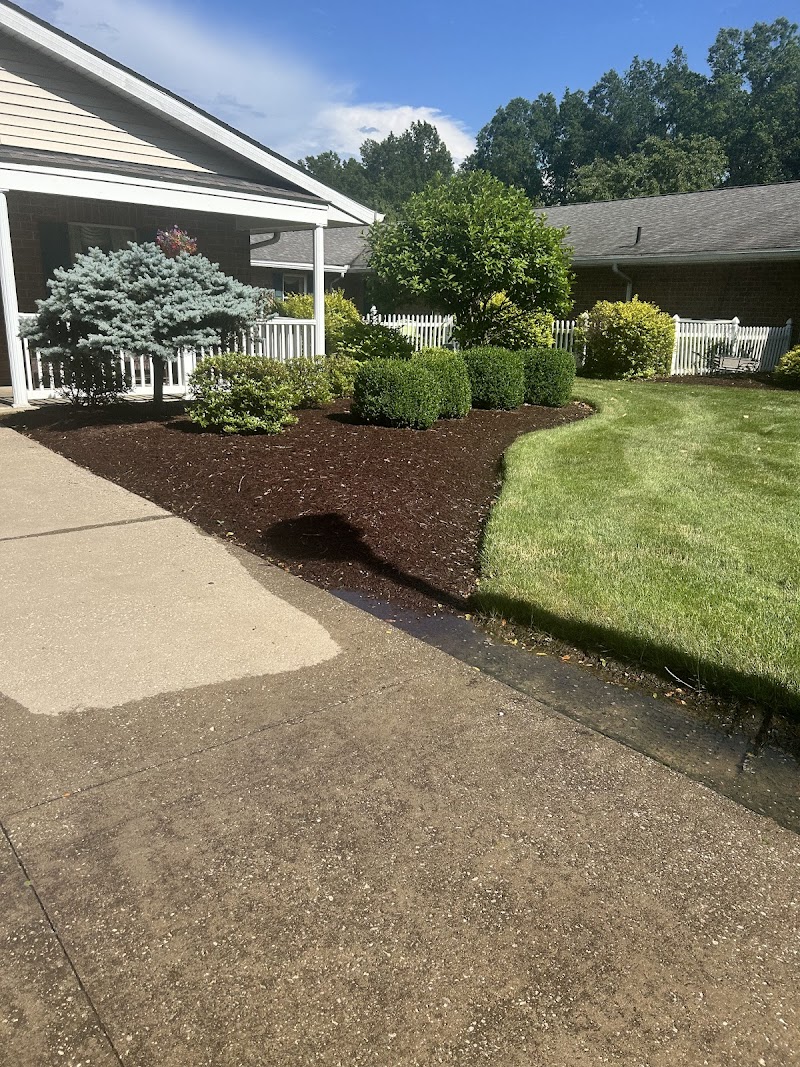
How is Altercare Of Alliance Ctr For Rehab & Nc Inc Staffed?

CMS rates ALTERCARE OF ALLIANCE CTR FOR REHAB & NC INC's staffing level at 2 out of 5 stars, which is below average compared to other nursing homes. Staff turnover is 56%, which is 10 percentage points above the Ohio average of 46%. High turnover can affect care consistency as new staff learn residents' individual needs. RN turnover specifically is 57%, which is notably high. RNs provide skilled clinical oversight, so turnover in this role can affect medical care quality.

What Have Inspectors Found at Altercare Of Alliance Ctr For Rehab & Nc Inc?

State health inspectors documented 28 deficiencies at ALTERCARE OF ALLIANCE CTR FOR REHAB & NC INC during 2019 to 2025. These included: 28 with potential for harm.
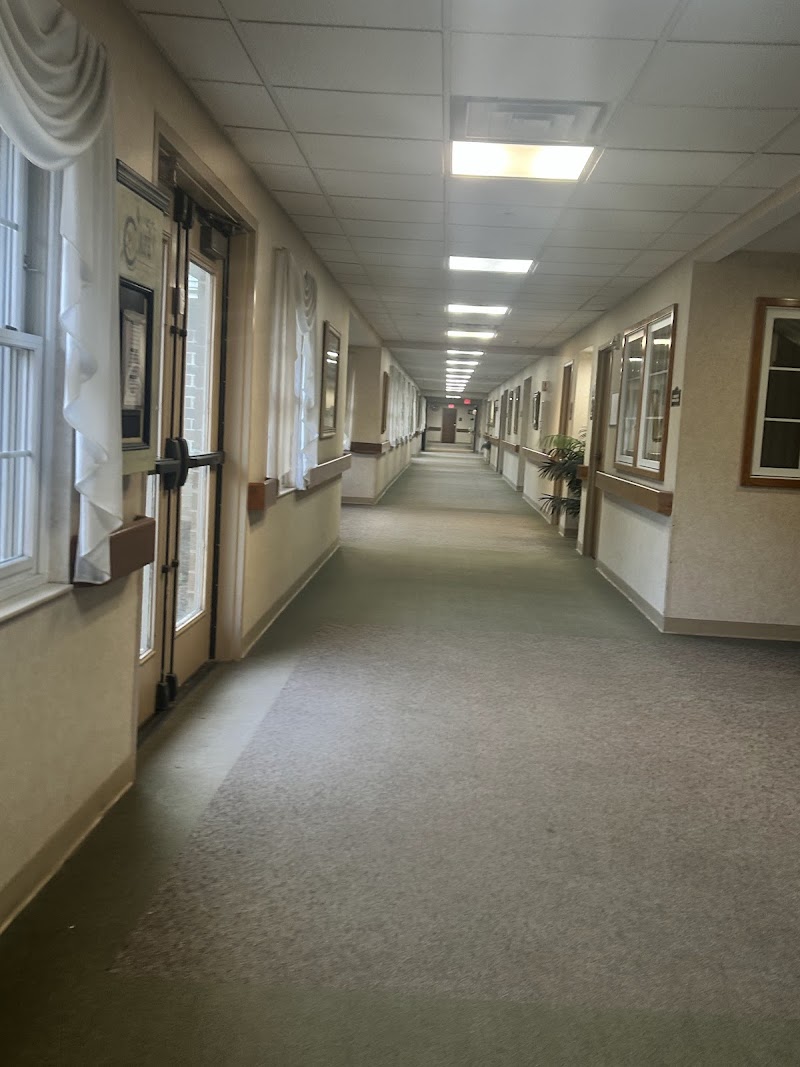
Who Owns and Operates Altercare Of Alliance Ctr For Rehab & Nc Inc?

ALTERCARE OF ALLIANCE CTR FOR REHAB & NC INC is owned by a for-profit company. For-profit facilities operate as businesses with obligations to shareholders or private owners. The facility is operated by ALTERCARE, a chain that manages multiple nursing homes. With 97 certified beds and approximately 73 residents (about 75% occupancy), it is a smaller facility located in ALLIANCE, Ohio.
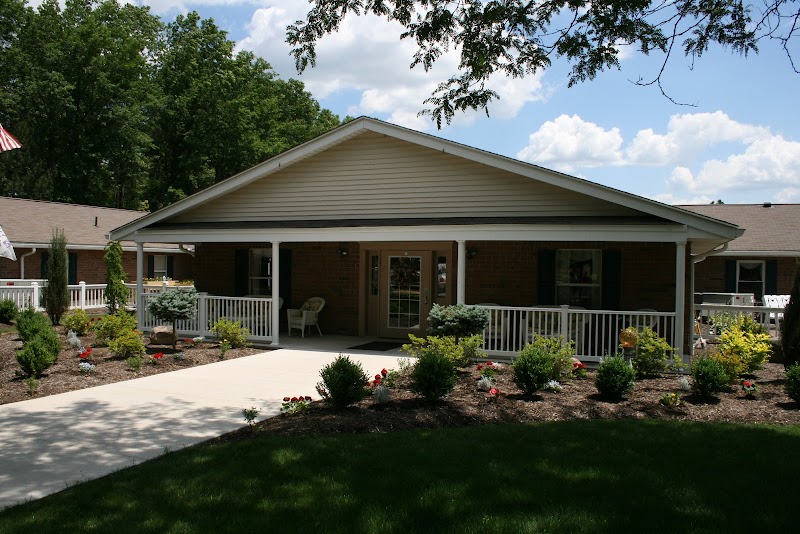
How Does Altercare Of Alliance Ctr For Rehab & Nc Inc Compare to Other Ohio Nursing Homes?

Compared to the 100 nursing homes in Ohio, ALTERCARE OF ALLIANCE CTR FOR REHAB & NC INC's overall rating (4 stars) is above the state average of 3.2, staff turnover (56%) is significantly higher than the state average of 46%, and health inspection rating (3 stars) is at the national benchmark.

What Should Families Ask When Visiting Altercare Of Alliance Ctr For Rehab & Nc Inc?

Based on this facility's data, families visiting should ask: "How do you ensure continuity of care given staff turnover, and what is your staff retention strategy?" "Can you walk me through typical staffing levels on day, evening, and night shifts?" "Can I visit during a mealtime to observe dining assistance and food quality?" "How do you handle medical emergencies, and what is your hospital transfer rate?" These questions are particularly relevant given the facility's high staff turnover rate and the below-average staffing rating.

Is Altercare Of Alliance Ctr For Rehab & Nc Inc Safe?

Based on CMS inspection data, ALTERCARE OF ALLIANCE CTR FOR REHAB & NC INC has a clean safety record: no substantiated abuse findings (meaning no confirmed cases of resident harm), no Immediate Jeopardy citations (the most serious violation level indicating risk of serious injury or death), and is not on the Special Focus Facility watch list (a federal program monitoring the lowest-performing 1% of nursing homes). The facility has a 4-star overall rating and ranks #1 of 100 nursing homes in Ohio. While no facility is perfect, families should still ask about staff-to-resident ratios and recent inspection results during their visit.

Do Nurses at Altercare Of Alliance Ctr For Rehab & Nc Inc Stick Around?

Staff turnover at ALTERCARE OF ALLIANCE CTR FOR REHAB & NC INC is high. At 56%, the facility is 10 percentage points above the Ohio average of 46%. Registered Nurse turnover is particularly concerning at 57%. RNs handle complex medical decisions and coordinate care — frequent RN changes can directly impact care quality. High turnover means new staff may not know residents' individual needs, medications, or preferences. It can also be disorienting for residents, especially those with dementia who rely on familiar faces. Families should ask: What is causing the turnover? What retention programs are in place? How do you ensure care continuity during staff transitions?

Was Altercare Of Alliance Ctr For Rehab & Nc Inc Ever Fined?

ALTERCARE OF ALLIANCE CTR FOR REHAB & NC INC has no federal fines on record. CMS issues fines when nursing homes fail to meet care standards or don't correct problems found during inspections. The absence of fines suggests the facility has either maintained compliance or corrected any issues before penalties were assessed. This is a positive indicator, though families should still review recent inspection reports for the full picture.

Is Altercare Of Alliance Ctr For Rehab & Nc Inc on Any Federal Watch List?

ALTERCARE OF ALLIANCE CTR FOR REHAB & NC INC is not on any federal watch list. The most significant is the Special Focus Facility (SFF) program, which identifies the bottom 1% of nursing homes nationally based on persistent, serious quality problems. Not being on this list means the facility has avoided the pattern of deficiencies that triggers enhanced federal oversight. This is a positive indicator, though families should still review the facility's inspection history directly.