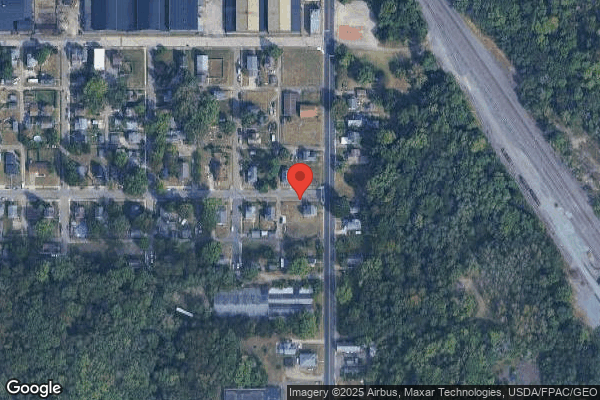
BEL AIR CARE CENTER

2350 SOUTH CHERRY STREET, ALLIANCE, OH 44601 (330) 821-3939
For profit - Individual 45 Beds Independent Data: November 2025
Trust Grade
85/100
#23 of 913 in OH
Last Inspection: March 2025

Within standard 12-15 month inspection cycle. Federal law requires annual inspections.

Overview

Bel Air Care Center in Alliance, Ohio has a Trust Grade of B+, which means it is above average and generally recommended for families considering care options. It ranks #23 out of 913 facilities in the state of Ohio, placing it in the top half, and #3 out of 33 in Stark County, indicating only two local facilities are rated higher. The facility's performance is stable, with a consistent number of issues reported over the past few years. Staffing is a strong point, with a 5-star rating and a turnover rate of 34%, which is lower than the state average, suggesting that staff members are experienced and familiar with the residents. However, there are some concerns, including a history of incidents where food was stored alongside chemicals and staff not wearing proper personal protective equipment during a COVID-19 outbreak, which could have put residents at risk. Additionally, the facility failed to maintain resident funds in interest-bearing accounts, affecting several residents' finances. Overall, while Bel Air Care Center has strengths in staffing and overall ratings, families should be aware of these compliance issues when making their decision.

Trust Score
B+
85/100
In Ohio
#23/913
Top 2%
Safety Record
Low Risk
No red flags
Inspections
Holding Steady
5 → 5 violations
Staff Stability
○ Average
34% turnover. Near Ohio's 48% average. Typical for the industry.
Penalties
✓ Good
No fines on record. Clean compliance history, better than most Ohio facilities.
Skilled Nurses
✓ Good
Each resident gets 52 minutes of Registered Nurse (RN) attention daily — more than average for Ohio. RNs are trained to catch health problems early.
Violations
⚠ Watch
14 deficiencies on record. Higher than average. Multiple issues found across inspections.
★★★★★
5.0
Overall Rating
★★★★★
5.0
Staff Levels
★★★☆☆
3.0
Care Quality
★★★★☆
4.0
Inspection Score
Stable
2022: 5 issues
2025: 5 issues

The Good

  • 5-Star Staffing Rating · Excellent nurse staffing levels
  • Full Sprinkler Coverage · Fire safety systems throughout facility
  • No fines on record
  • Staff turnover below average (34%)

    14 points below Ohio average of 48%

Facility shows strength in staffing levels, fire safety.

The Bad

Staff Turnover: 34%

12pts below Ohio avg (46%)

Typical for the industry

The Ugly 14 deficiencies on record

Mar 2025 5 deficiencies
CONCERN (D)

Potential for Harm - no one hurt, but risky conditions existed

Deficiency F0582 (Tag F0582)

Could have caused harm · This affected 1 resident

Based on record review and interview, the facility failed to provide the Notice of Medicare Non-Coverage (NOMNC) and Advanced Beneficiary Notice (ABN) at least two days in advance for Residents #28, #...

Read full inspector narrative →
Based on record review and interview, the facility failed to provide the Notice of Medicare Non-Coverage (NOMNC) and Advanced Beneficiary Notice (ABN) at least two days in advance for Residents #28, #91, and #92. This affected three residents (#28, #91, and #92) of five residents reviewed for beneficiary notices. The facility census was 32. Findings include: 1. Review of the medical record for Resident #28 revealed an admission date of 02/10/25 with diagnoses including schizoaffective disorder bipolar type, night terrors, atrial fibrillation, anxiety, and post-traumatic stress disorder. Resident #28 was discharged on 03/03/25. Review of the NOMNC for Resident #28 revealed the last covered day of 03/03/25. The NOMNC and ABN were signed by Resident #28 on 03/03/25. 2. Review of the medical record for Resident #91 revealed an admission date of 12/18/24 with diagnoses including spinal stenosis, prostate cancer, hyperlipidemia, dementia, schizoaffective disorder, and hypertension. Resident #91 was discharged on 01/31/25. Review of the NOMNC for Resident #91 revealed the last covered day of 01/06/25. The NOMNC and ABN were signed by Resident #91 on 01/07/25. 3. Review of the medical record for Resident #92 revealed an admission date of 11/15/24 with diagnoses including cerebral infarction, chronic kidney disease stage four, hyperlipidemia, and hypertension. Resident #92 was discharged on 11/15/24. Review of the NOMNC for Resident #92 revealed the last covered day of 11/13/24. The NOMNC and ABN were signed by Resident #92 on 11/13/24. On 03/10/25 at 5:32 P.M., interview with Social Services Designee (SSD) verified the NOMNC and ABN forms were not provided at least two days in advance for Residents #28, #91, and #92. SSD said she had only been in her position for one week and she did not know NOMNC and ABN forms had to be provided two days in advance.
CONCERN (E)

Potential for Harm - no one hurt, but risky conditions existed

Deficiency F0567 (Tag F0567)

Could have caused harm · This affected multiple residents

Based on record review and interview, the facility failed to ensure resident funds in excess of $100 were maintained in an interest-bearing account. This affected eight residents (#1, #15, #19, #21, #...

Read full inspector narrative →
Based on record review and interview, the facility failed to ensure resident funds in excess of $100 were maintained in an interest-bearing account. This affected eight residents (#1, #15, #19, #21, #22, #23, #29, and #33) of ten residents reviewed for personal funds. The facility identified ten residents with personal funds managed by the facility. The facility census was 32. Findings include: a. Review of Resident #1's personal fund account statements for January 2025 and Feburary 2025 revealed a balance of $1,193.96 and no evidence any interest had been earned. b. Review of Resident #15's personal fund account statements for January 2025 and Feburary 2025 revealed a balance of $126.00 and no evidence any interest had been earned. c. Review of Resident #19's personal fund account statements for January 2025 and Feburary 2025 revealed a balance of $725.57 and no evidence any interest had been earned. d. Review of Resident #21's personal fund account statements for January 2025 and Feburary 2025 revealed a balance of $305.18 and no evidence any interest had been earned. e. Review of Resident #22's personal fund account statements for January 2025 and Feburary 2025 revealed a balance of $145.39 and no evidence any interest had been earned. f. Review of Resident #23's personal fund account statements for January 2025 and Feburary 2025 revealed a balance of $750.18 and no evidence any interest had been earned. g. Review of Resident #29's personal fund account statements for January 2025 and Feburary 2025 revealed a balance of $418.36 and no evidence any interest had been earned. h. Review of Resident #33's personal fund account statements for January 2025 and Feburary 2025 revealed a balance of $573.91 and no evidence any interest had been earned. Interview on 03/13/25 at 10:00 A.M. with Social Service Designee/Multi-Media Specialist confirmed resident funds were not maintained in an interest-bearing account. Residents' funds were in a simple checking account that was not interest-bearing. Review of the facility policy, Resident Accounts (Resident Trust Funds), dated 06/01/22 revealed a key requirement was that if a resident's balance was more than $50, the facility must place those funds in an interest-bearing account.
CONCERN (E)

Potential for Harm - no one hurt, but risky conditions existed

Safe Environment (Tag F0584)

Could have caused harm · This affected multiple residents

**NOTE- TERMS IN BRACKETS HAVE BEEN EDITED TO PROTECT CONFIDENTIALITY** Based on record review, observation, resident interview, staff interview, and review of facility correspondence, and facility po...

Read full inspector narrative →
**NOTE- TERMS IN BRACKETS HAVE BEEN EDITED TO PROTECT CONFIDENTIALITY** Based on record review, observation, resident interview, staff interview, and review of facility correspondence, and facility policy review, the facility failed to maintain the upper level shower in proper working order which resulted in Residents #5 and #6 not being able to receive showers per their preferences and had the potential to affect all 13 residents (#1, #5, #6, #8, #11, #13, #18, #20, #21, #24, #27, #35, and #140) residing on the upper level. Additionally, the facility failed to maintain comfortable temperatures in the bathrooms of Residents #2 and #14. The facility census was 32. Findings include: 1. Review of the medical record for Resident #5 revealed an admission date of 09/02/21 with diagnoses including age-related osteoporosis, fibromyalgia, and multiple sclerosis. Review of the Minimum Data Set (MDS) annual assessment, dated 08/15/24, revealed Resident #5 reported it was very important to her to be able to choose between a tub bath, shower, bed bath, and sponge bath. Review of the quarterly MDS assessment, dated 01/23/25, revealed Resident #5 was cognitively intact, was dependent for tub and shower transfers, and required substantial or maximal assistance for showering or bathing self. Review of the activities of daily living (ADLs) care plan, revised 02/09/25, revealed Resident #5 had a self-care deficit related to weakness, decreased mobility, balance/gait problems, decreased safety awareness, right sided rigidity, and incontinence. Interventions included provide bathing/hygiene with substantial assistance of one staff, maintain resident privacy during care, and Resident #5 had a preference for showers twice per week on day shift. Review of the nurse aide documentation for bathing revealed Resident #5 received a shower on one day (02/11/25 at 9:59 P.M.) out of the previous 30 days. No other showers were documented. Interview on 03/10/25 at 10:10 A.M., interview with Resident #5 stated the upper level shower had been broken for two months and the facility was not fixing it. Resident #5 said it had been brought up in Resident Council and the facility's solution was to use the shower on the lower level. She stated that was too much because staff would undress her in her room, then transport her down the elevator to the lower level, give her a shower, and then transport her back up the elevator to the upper level while she was soaking wet. Resident #5 said the facility needed to fix the upstairs shower instead of putting residents through all that. 2. Review of the medical record for Resident #6 revealed an admission date of 03/04/21 with diagnoses including cerebral infarction, transient cerebral ischemic attack, dementia, and hemiplegia and hemiparesis following cerebrovascular disease affecting left non-dominant side. Review of the annual MDS assessment, dated 01/02/25, revealed Resident #6 reported it was very important to her to be able to choose between a tub bath, shower, bed bath, and sponge bath. Review of the quarterly MDS assessment, dated 01/24/25, revealed Resident #6 had moderate cognitive impairment and required substantial or maximal assist for transfers to the tub or shower and for showering or bathing self. Review of the activities of daily living (ADLs) care plan, revised 02/06/25, revealed Resident #6 had a self-care deficit related to weakness, decreased mobility, balance/gait problems, decreased safety awareness, confusion, and decreased autonomy with ADLs. Interventions included provide bathing/hygiene with partial assistance of one staff, maintain resident privacy during care, and Resident #6 had a preference for showers three times weekly in the mornings. Review of the nurse aide documentation for bathing revealed Resident #6 received showers on five days (02/14/25 at 9:44 P.M., 02/17/25 at 7:50 P.M., 02/21/25 at 3:13 P.M., 02/24/25 at 3:42 P.M., and 03/03/25 at 9:59 P.M.) out of the previous 30 days. No other showers were documented. Review of the text message quote from a contractor, dated 01/03/25 at 12:26 P.M., revealed the facility was quoted $7,500 to $8,500 to replace the upper level shower with an estimated completion time of two days. Interview on 03/10/25 at 11:24 A.M. with Resident #6 said the upper level shower had not worked in months. On 03/10/25 at 11:40 A.M., interview with Maintenance Director #200 confirmed the facility had to shut off the upper level shower because it was leaking into the lower level bathroom. He further stated he had a contractor come and give an estimate for replacement, the quote was too expensive, and he was working with the Administrator to figure out a plan for fixing it. On 03/10/25 at 12:05 P.M., interview with Maintenance Director #200 verified they got the quote for the shower replacement via text message on 01/03/25 at 12:26 P.M., the estimate was not approved by the Administrator because it was too expensive. Maintenance Director #200 said the facility's solution was for upper level residents to use the lower level shower. On 03/11/25 at 8:42 A.M., observation of upper level shower room with Maintenance Director #200 revealed the shower had a gray rubber flexible raised border along bottom edge. Maintenance Director #200 said they don't use the shower because the bottom edge of the shower doesn't seal properly and he pointed along edge where gray rubber border was. He said none of the sealant products they had tried worked to correct the issue and the shower was not used due to continued leaking. Maintenance Director #200 said the Administrator wanted to get a seamless shower installed and that's what they got the quote for, but it was too expensive. Review of the Resident Council meeting minutes, dated 01/27/25, revealed Residents expressed concerns about the upstairs shower being broken and they did not want to go downstairs to shower. The facility's response was that the quote for replacing the shower was too high and Maintenance Director #200 and the Administrator agreed to have residents use the downstairs shower until a resolution was found for the upstairs shower (despite residents voicing they did not want to use the downstairs shower). Review of the facility's policy titled Resident Bathing or Showering, dated 01/01/17, revealed the facility would provide an individualized and resident-centered approach to bathing, residents could request a bed bath or shower per their choice, and efforts would be made to schedule bed baths or showers at a time of the resident's choosing. 3. Record review revealed Resident #2 was admitted to the facility on [DATE]. Diagnoses include spinal stenosis of lumbar region (spine disease of the lower back), congestive heart failure, atherosclerotic heart disease (plaque build up in heart arteries), chronic pain syndrome, and chest pain. Interview on 03/10/25 at 12:42 P.M. with Resident #2 revealed they felt the room temperature was continuously too cold. The resident stated they had mentioned to facility staff the room temperature being uncomfortable. The resident stated the bathroom was even colder. 4. Record review revealed Resident #14 was admitted to the facility on [DATE]. Diagnoses include malignant neoplasm of tongue (tongue cancer), major depressive disorder, malignant neoplasm of floor of mouth (mouth cancer), heart failure, alcoholic cirrhosis of liver without ascites (liver disease), Type II diabetes, anxiety disorder, chronic kidney disease stage 3, and chronic obstructive pulmonary disease (lung and airway disease that restricts breathing). Interview on 03/10/25 at 12:50 P.M. with Resident #14 revealed they felt the room was too cold. The resident stated they had mentioned to facility staff the room temperature being uncomfortable. The resident stated the bathroom was even colder. On 03/13/25 at 10:00 A.M. observation with Maintenance Assistant #150 for room temperature checks revealed the shared bathroom for Resident #2 and Resident #14 read 69.9 degrees Fahrenheit. Maintenance Assistant #150 confirmed the bathroom felt cold. On 03/13/25 at 10:08 A.M. interview with Maintenance Assistant #150 confirmed the temperature read outs and verified the thermometer was the one used for room temperature spot checks. Review of the resident handbook, undated, included in the resident admission packet revealed the following statement: Our Maintenance personnel ensure that resident rooms and the entire facility are in good repair at all times. Their goal is to provide an environment that is safe and functional for our residents.
CONCERN (E)

Potential for Harm - no one hurt, but risky conditions existed

Deficiency F0679 (Tag F0679)

Could have caused harm · This affected multiple residents

Based on record review, observation, resident interview, staff interview, and review of the activity participation logs, the facility failed to provide activities on all days, including evenings and w...

Read full inspector narrative →
Based on record review, observation, resident interview, staff interview, and review of the activity participation logs, the facility failed to provide activities on all days, including evenings and weekends, to meet the needs and preferences of residents. This affected five residents (#2, #5, #6, #30, and #36) of six residents reviewed for activities. The facility census was 32. Findings include: 1. Review of the medical record for Resident #2 revealed an admission date of 07/28/22 with diagnoses including congestive heart failure, chronic pain syndrome, major depressive disorder, and hypertension. 2. Review of the medical record for Resident #5 revealed an admission date of 09/02/21 with diagnoses including age-related osteoporosis, fibromyalgia, and multiple sclerosis. 3. Review of the medical record for Resident #6 revealed an admission date of 03/04/21 with diagnoses including cerebral infarction, transient cerebral ischemic attack, dementia, and hemiplegia and hemiparesis following cerebrovascular disease affecting left non-dominant side. 4. Review of the medical record for Resident #30 revealed an admission date of 07/12/21 with diagnoses including occlusion and stenosis of bilateral carotid arteries, anxiety disorder, dementia, major depressive disorder, and schizoaffective disorder. 5. Review of the medical record for Resident #36 revealed an admission date of 08/30/24 with diagnoses including major depressive disorder, anxiety, dementia, and hypertension. Review of the facility's activity participation records for November 2024 through March 2025 revealed there was no documentation for any group activities on Saturday 11/02/24, Sunday 11/03/24, Saturday 11/09/24, Sunday 11/10/24, Saturday 11/16/24, Sunday 11/17/24, Sunday 11/24/24, Thursday 11/28/24 (Thanksgiving Day), Friday 11/29/24, Saturday 11/30/24, Sunday 12/01/24, Saturday 12/07/24, Sunday 12/08/24, Saturday 12/14/24, Sunday 12/15/24, Saturday 12/21/24, Sunday 12/22/24, Tuesday 12/24/24 (Christmas Eve), Wednesday 12/25/24 (Christmas Day), Saturday 12/28/24, Sunday 12/29/24, Wednesday 01/01/25 (New Year's Day), Saturday 01/04/25, Sunday 01/05/25, Saturday 01/11/25, Sunday 01/12/25, Saturday 01/18/25, Sunday 01/19/25, Saturday 01/25/25, Sunday 01/26/25, Saturday 02/01/25, Sunday 02/02/25, Saturday 02/08/25, Sunday 02/09/25, Saturday 02/15/25, Sunday 02/16/25, Saturday 02/22/25, Sunday 02/23/25, Saturday 03/01/25, Sunday 03/02/25, Saturday 03/08/25, and Sunday 03/09/25. Review of the posted activities calendars for November 2024 through March 2025 revealed there were no activities scheduled after 4:00 P.M. daily, there were no activities scheduled on Sundays, there were only one to two activities scheduled between 1:00 P.M. and 2:30 P.M. on Saturdays in November 2024 and December 2024, and there were no weekend activities scheduled in January 2025, February 2025, and March 2025. Review of the schedules for activities staff revealed all activities staff were scheduled to work Monday through Friday from 8:00 A.M. to 4:00 P.M. There was no activities staff scheduled to work after 4:00 P.M. or on Saturdays and Sundays. On 03/10/25 at 10:05 A.M., interview with Activities Assistant confirmed activities staff left daily at 4:00 P.M. and there were no activities scheduled for the evenings. She also confirmed the scheduled activity for 03/10/25 at 4:00 P.M. was take a nap. On 03/10/25 at 10:13 A.M., interview with Resident #5 stated there were no activities on the weekends because the activities staff did not work on the weekends. On 03/10/25 at 10:39 A.M., interview with Resident #36 stated there were no activities on the weekends. On 03/10/25 at 10:41 A.M., interview with Resident #30 stated there were no weekend activities and said the facility did not offer alternate activities when she was unable to participate due to the function in her hands. On 03/10/25 at 11:22 A.M., interview with Resident #6 stated there were no activities in the evenings or on the weekends. On 03/10/25 at 12:32 P.M., interview with Resident #2 stated activities could be better because they only have bingo once per week and sometimes had no activities at all. On 03/11/25 at 2:08 P.M., interview with Activities Director confirmed there was a lack of activities, and stated she had recently taken over the role of Activities Director. On 03/11/25 at 2:26 P.M., interview with Activities Director confirmed activities staff worked daily until 4:00 P.M. and there were no activities planned for after 4:00 P.M. The facility was unable to provide a policy for the activities program.
MINOR (C)

Minor Issue - procedural, no safety impact

Deficiency F0680 (Tag F0680)

Minor procedural issue · This affected most or all residents

Based on personnel file review and staff interview, the facility failed to ensure the Activities Director was qualified for the position. This had the potential to affect all 32 residents residing in ...

Read full inspector narrative →
Based on personnel file review and staff interview, the facility failed to ensure the Activities Director was qualified for the position. This had the potential to affect all 32 residents residing in the facility. Findings include: Review of the personnel file for Activities Director revealed no evidence of training or certification to be an Activities Director. Review of the receipt for Modular Education Program for Activities Professionals revealed registration for an upcoming training course was completed on 03/12/25. On 03/11/25 at 2:26 P.M., interview with Activities Director confirmed she was new to her position as Activities Director and was still learning the role. On 03/12/25 at 11:17 A.M., interview with Human Resources (HR) Director confirmed Activities Director did not have any formal training or education to be an Activities Director. HR Director further stated it was planned for Activities Director to complete the training but it had not been completed yet. On 03/12/25 at 3:21 P.M., interview with the Director of Nursing (DON) verified Activities Director enrolled in the training course on 03/12/25.
Jul 2022 5 deficiencies
CONCERN (D)

Potential for Harm - no one hurt, but risky conditions existed

Transfer Notice (Tag F0623)

Could have caused harm · This affected 1 resident

**NOTE- TERMS IN BRACKETS HAVE BEEN EDITED TO PROTECT CONFIDENTIALITY** Based on medical record review and staff interview, the facility failed to provide written notification of transfer to the hospi...

Read full inspector narrative →
**NOTE- TERMS IN BRACKETS HAVE BEEN EDITED TO PROTECT CONFIDENTIALITY** Based on medical record review and staff interview, the facility failed to provide written notification of transfer to the hospital to the resident and/or the resident's representative. This affected two (Resident's #9 and #37) of two residents reviewed for hospitalization. The facility census was 38. Findings include: 1. Review of the medical record for Resident #37 revealed an admission date of 07/07/22. Diagnoses included type two diabetes, hyperlipidemia, major depressive disorder, and anxiety disorder. Review of the quarterly Minimum Data Set (MDS) 3.0 assessment dated [DATE] revealed a Brief Interview for Mental Status (BIMS) score of 5, indicating severely impaired cognitive impairment. Resident #37 required extensive assistance of one staff member for bed mobility, dressing, toilet use, and person hygiene. She was frequently incontinent of bowel and bladder. Review of the nursing progress note dated 04/17/22 revealed Resident #37 was transferred to the hospital via ambulance. Upon request, the facility did not provide evidence of written notification of transfer to the hospital to Resident #37's representative. On 07/06/22 at 9:52 A.M., interview with the Social Service Designee #536 verified no written notification of transfer to the hospital was given to Resident #37's representative. 2. Review of Resident #9's medical record revealed diagnoses including neuromuscular dysfunction of the bladder, chronic kidney disease, and multiple sclerosis. An annual MDS 3.0 assessment dated [DATE] indicated Resident #9 was cognitively intact and required extensive assistance for toilet use and personal hygiene. A nursing note dated 12/03/21 at 1:30 P.M. indicated the nurse spoke to someone from a clinic who reported Resident #9 was transferred to the emergency room for evaluation and treatment. Resident #9 was lethargic (abnormally drowsy) and his blood pressure was low (82/54). A nursing note dated 12/03/21 at 6:47 P.M. indicated the hospital reported Resident #9 was being admitted with a urinary tract infection sepsis. No transfer notice information was able to be located. Resident #9 returned to the facility 12/17/21. On 07/06/22 at 9:55 A.M., SSD #536 revealed she was unaware the facility was required to provide transfer notices when residents were sent to the hospital. SSD #536 verified Resident #9 was at the hospital from [DATE] to 12/17/22.
CONCERN (D)

Potential for Harm - no one hurt, but risky conditions existed

Deficiency F0645 (Tag F0645)

Could have caused harm · This affected 1 resident

Based on record review and interview, the facility failed to ensure an accurate Pre-admission Screening and Record Review (PASRR) was completed prior to admission. This affected one (Resident #23) of ...

Read full inspector narrative →
Based on record review and interview, the facility failed to ensure an accurate Pre-admission Screening and Record Review (PASRR) was completed prior to admission. This affected one (Resident #23) of four residents reviewed for PASRR. The facility census was 38. Findings include: Review of Resident #23's medical record revealed an admission date of 06/19/18. Diagnoses on admission included schizoaffective disorder, major depressive disorder (recurrent), vascular dementia without behavioral disturbance, mood disorder, and delusional disorders. Review of a PASRR record dated 12/09/14 revealed dementia nor any of the mental illness diagnoses were listed. On 07/06/22 at 9:10 A.M., Registered Nurse (RN) #505 stated when Resident #23 was admitted he had a PASRR from the previous facility which came with him. When it was discussed the PASRR from 2014 did not reflect mental illness diagnoses, no explanation was provided as to why Resident #23 was not reassessed to determine if he could benefit from specialized services. On 07/06/22 at 12:03 P.M., the Administrator stated Resident #23 had been in a different facility between the one who provided the PASRR and this facility. The Administrator stated Resident #23 had been a long-term resident at the first facility and had no psychiatric diagnoses. The Administrator indicated he was not sure why Resident #23 had multiple psychiatric diagnoses added at the facility he resided in prior to being admitted to this facility.
CONCERN (E)

Potential for Harm - no one hurt, but risky conditions existed

Deficiency F0567 (Tag F0567)

Could have caused harm · This affected multiple residents

Based on record review and interview, the facility failed to ensure residents provided written authorization for management of resident accounts. This affected all 18 (Residents #1, #2, #4, #7, #11, #...

Read full inspector narrative →
Based on record review and interview, the facility failed to ensure residents provided written authorization for management of resident accounts. This affected all 18 (Residents #1, #2, #4, #7, #11, #12, #14, #17, #18, #19, #22, #23, #27, #28, #29, #30, #31, and #33) with funds managed by the facility. The facility census was 38. Findings include: Review of the resident agreements for fund management revealed residents (Residents #1, #2, #4, #7, #11, #12, #14, #17, #18, #19, #22, #23, #27, #28, #29, #30, #31, and #33) did not provide written authorization for the facility to manage their funds. On 07/07/22 at 10:32 A.M., interview with Social Services Designee (SSD) #536 verified residents did not provide written authorization for the facility to manage their funds. On 07/07/22 at 3:17 P.M., an email from the Administrator confirmed no signatures were obtained from residents because the process of making the facility the representative payee was completed through the Social Security Administration and not the facility itself.
CONCERN (F)

Potential for Harm - no one hurt, but risky conditions existed

Food Safety (Tag F0812)

Could have caused harm · This affected most or all residents

Based on observation and interview, the facility failed to ensure foods and chemicals were stored separately in the kitchen. This had the potential to affect all 38 residents receiving food from the f...

Read full inspector narrative →
Based on observation and interview, the facility failed to ensure foods and chemicals were stored separately in the kitchen. This had the potential to affect all 38 residents receiving food from the facility kitchen. The facility census was 38. Findings include: On 07/06/22 at 4:22 P.M., observation of the kitchen revealed two carts with ready to eat foods and beverages were stored in the same area as chemical products. At the time of observation, interview with Dietary Manager #570 confirmed the snack carts were stored alongside chemical products. On 07/07/22 at 8:23 A.M., observation of the kitchen revealed one cart with ready to eat foods and beverages was stored in the same area as chemical products. At the time of observation, interview with [NAME] #556 verified the snack cart was stored alongside chemical products. [NAME] #556 stated the kitchen staff usually pushed the snack carts to the chemical storage area when they needed to move the carts out of the way.
CONCERN (F)

Potential for Harm - no one hurt, but risky conditions existed

Infection Control (Tag F0880)

Could have caused harm · This affected most or all residents

Based on observation, interview, and record review, the facility failed to ensure all staff wore appropriate personal protective equipment (PPE) during a COVID-19 outbreak. This had the potential to a...

Read full inspector narrative →
Based on observation, interview, and record review, the facility failed to ensure all staff wore appropriate personal protective equipment (PPE) during a COVID-19 outbreak. This had the potential to affect all 38 residents residing in the facility. Findings include: Review of the facility COVID-19 testing logs revealed a dietary staff member tested positive for COVID-19 on 06/27/22 and the facility went into outbreak status at that time. On 07/06/22 at 4:13 P.M., observation of the kitchen revealed Dietary Aid #519, [NAME] #543, Dietary Aid #554, and Dietary Manager #570 were not wearing face masks while working in the kitchen. On 07/06/22 at 4:58 P.M., interview with Dietary Manager #570 verified face masks were not worn by dietary staff. She stated they were not required to wear masks while working in the kitchen. Review of an email, dated 11/24/20, sent to the facility from the Stark County Health Department indicated dietary staff working in the kitchen were not required to wear N95 masks while working in the kitchen. The email did not indicate staff could work with no face covering. On 07/07/22 at 12:03 P.M., interview with the Stark County Health Department revealed the facility was to follow the guidance of the Alliance City Health Department regarding wearing face masks during the COVID-19 pandemic. On 07/07/22 at 12:55 P.M., interview with the Alliance City Health Department revealed the facility was to follow the Centers for Disease Control and Prevention (CDC) guidance for wearing face masks during the COVID-19 pandemic. Review of the CDC's Interim Guidance for Managing Healthcare Personnel with SARS-CoV-2 Infection or Exposure to SARS-CoV-2, updated 01/21/22, revealed the following: Healthcare personnel with prolonged close contact with any patient, visitor, or healthcare personnel with confirmed SARS-CoV-2 infection while not wearing a facemask should follow all recommended infection prevention and control practices including wearing well-fitting source control.
Jul 2019 4 deficiencies
CONCERN (D)

Potential for Harm - no one hurt, but risky conditions existed

Deficiency F0625 (Tag F0625)

Could have caused harm · This affected 1 resident

**NOTE- TERMS IN BRACKETS HAVE BEEN EDITED TO PROTECT CONFIDENTIALITY** Based on interview and record review the facility failed to notify residents or their responsible party of the facility's bed ho...

Read full inspector narrative →
**NOTE- TERMS IN BRACKETS HAVE BEEN EDITED TO PROTECT CONFIDENTIALITY** Based on interview and record review the facility failed to notify residents or their responsible party of the facility's bed hold policy. This affected one resident (Resident #42) of two reviewed for hospitalization. The facility census was 43. Findings include: Record review revealed Resident #42 was admitted on [DATE]. Diagnoses included chronic respiratory failure and chronic obstructive pulmonary disease. Review of Resident #42's progress notes revealed on 05/25/19 the resident was sent to the hospital via emergency medical services (911) per physician order for difficulty breathing, low oxygen saturation and diminished lung sounds. There was no documentation found in the medical record the resident and/or family member was notified of the facility's bed hold policy. Interview on 07/01/19 at 12:05 P.M. with Social Service Director (SSD) #559 verified there was no evidence of bed hold policy notification for Resident #42 when he was admitted to the hospital 05/25/19. SSD #559 revealed the facility had not been notifying family representatives of the bed hold policy. Review of facility's undated bed hold policy revealed the responsible party of the resident would be notified by certified mail on the day of the transfer or the day after the transfer. Notification would inform responsible parties of the transfer, the bed hold restriction and number of available bed hold days.
CONCERN (D)

Potential for Harm - no one hurt, but risky conditions existed

Deficiency F0698 (Tag F0698)

Could have caused harm · This affected 1 resident

**NOTE- TERMS IN BRACKETS HAVE BEEN EDITED TO PROTECT CONFIDENTIALITY** Based on staff interview, record review, and policy review the facility failed to complete pre-dialysis and post-dialysis assess...

Read full inspector narrative →
**NOTE- TERMS IN BRACKETS HAVE BEEN EDITED TO PROTECT CONFIDENTIALITY** Based on staff interview, record review, and policy review the facility failed to complete pre-dialysis and post-dialysis assessments for one resident (Resident #15) of two residents reviewed for dialysis care. The facility census was 42. Findings Include: Resident #15 was admitted to the facility on [DATE] with diagnoses including diabetes, dialysis dependent due to chronic kidney disease, congestive heart failure, and seizures. The Minimum Data Set (MDS) 3.0 quarterly comprehensive assessment dated [DATE] revealed the resident was moderately cognitively impaired, needed extensive assistance for all personal care, and required dialysis treatments three times a week. Review of the progress notes from 06/01/19 through 07/02/19 revealed no documentation regarding Resident #15's dialysis port, if any bleeding was noted at the site, where the site was located, or assessments completed both before and after the resident returned from dialysis. Interview with the Assistant Director of Nursing (ADON) on 07/01/19 at 4:30 P.M. revealed Resident #15's dialysis provider did not provide the facility with updates regarding the resident's dialysis treatments on a routine basis. They submitted them to the facility approximately every six months. The facility requested monthly updates from the provider without success. Review of the facility's Policy # RC-30.0 Hemodialysis Therapy, dated 01/01/17, revealed no documentation requirements for nurses to complete with each dialysis treatment. Interview with the Director of Nursing on 07/02/19 at 10:25 A.M. confirmed nursing has not been assessing Resident #15 either prior to leaving for dialysis or upon return to the facility after dialysis treatment had been completed.
CONCERN (D)

Potential for Harm - no one hurt, but risky conditions existed

Deficiency F0711 (Tag F0711)

Could have caused harm · This affected 1 resident

**NOTE- TERMS IN BRACKETS HAVE BEEN EDITED TO PROTECT CONFIDENTIALITY** Based on record review, interview, and policy review, the facility failed to ensure Foley (urinary) catheter orders were in plac...

Read full inspector narrative →
**NOTE- TERMS IN BRACKETS HAVE BEEN EDITED TO PROTECT CONFIDENTIALITY** Based on record review, interview, and policy review, the facility failed to ensure Foley (urinary) catheter orders were in place for one resident (Resident #193) of two residents in the facility with Foley catheters. Findings include: Resident #193 was admitted to the facility on [DATE] with diagnoses including malignant neoplasm of anal canal, pressure ulcers of right hip and other sites, lymphedema, and injury of nerve root of sacral spine. Review of Resident #193's hospital discharge orders and instructions revealed an order for ongoing Foley catheter. Review of Resident #193's facility physician orders revealed no orders regarding the Foley catheter. Interview on 07/01/19 at 2:58 P.M. with the Director of Nursing (DON) verified Resident #193 did not have any Foley catheter orders since admission on [DATE]. Review of the facility policy titled Urinary Catheter Insertion, Maintenance and Removal, dated February 2017, revealed physician orders must be obtained for and to maintain Foley catheters.
CONCERN (D)

Potential for Harm - no one hurt, but risky conditions existed

Infection Control (Tag F0880)

Could have caused harm · This affected 1 resident

**NOTE- TERMS IN BRACKETS HAVE BEEN EDITED TO PROTECT CONFIDENTIALITY** Based on observation, record review and interview the facility failed to ensure proper infection control measures for respirator...

Read full inspector narrative →
**NOTE- TERMS IN BRACKETS HAVE BEEN EDITED TO PROTECT CONFIDENTIALITY** Based on observation, record review and interview the facility failed to ensure proper infection control measures for respiratory equipment for two residents (Resident #22 and Resident #1) of eight receiving respiratory treatments. Findings include: 1. Record review revealed Resident #22 was admitted on [DATE] with diagnoses of dementia, chronic obstructive pulmonary disease (COPD) and paralysis of the right side. There was a physician order for duoneb, an aerosol breathing treatment used for COPD, to be administered three times a day. Observation on 06/30/19 at 10:35 P.M. of Resident's #22's room revealed a nebulizer machine (device used to deliver breathing treatments) on the floor next to the bed. The mask through which the medicated mist was inhaled was covered in a plastic bag. Interview on 06/30/19 with Licensed Practical Nurse (LPN) #586 revealed the nebulizer machine was usually kept on the tray table, someone removed the table and set the machine on the floor. 2. Record review revealed Resident #1 was admitted on [DATE] with diagnoses of chronic obstructive pulmonary disease (COPD), respiratory failure, and sleep apnea. The quarterly Minimum Data Set (MDS) 3.0 assessment revealed the resident had a diagnosis of pneumonia and used oxygen and a BiPap/CPAP for treatment of sleep apnea. There was a physician order for a ventilation device to be applied four hours during the day and continuously at bedtime. Observation of Resident #1's room on 06/30/19 at 10:35 P.M. and on 07/01/19 at 10:45 A.M. revealed a portable ventilator device attached to a pole with a wire basket underneath that contained an uncovered full-face mask. Interview with Assistant Director of Nursing # 514 on 07/01/19 at 10:50 A.M. verified that no protective covering was around the ventilator face mask.
Understanding Severity Codes (click to expand)
Life-Threatening (Immediate Jeopardy)
J - Isolated K - Pattern L - Widespread
Actual Harm
G - Isolated H - Pattern I - Widespread
Potential for Harm
D - Isolated E - Pattern F - Widespread
No Harm (Minor)
A - Isolated B - Pattern C - Widespread

Questions to Ask on Your Visit

  • "Can I speak with families of current residents?"
  • "What's your RN coverage like on weekends and overnight?"

Our Honest Assessment

Strengths
  • • Grade B+ (85/100). Above average facility, better than most options in Ohio.
  • • No major safety red flags. No abuse findings, life-threatening violations, or SFF status.
  • • No fines on record. Clean compliance history, better than most Ohio facilities.
  • • 34% turnover. Below Ohio's 48% average. Good staff retention means consistent care.
Concerns
  • • 14 deficiencies on record. Higher than average. Multiple issues found across inspections.
Bottom line: Generally positive indicators. Standard due diligence and a personal visit recommended.

About This Facility

What is Bel Air's CMS Rating?

CMS assigns BEL AIR CARE CENTER an overall rating of 5 out of 5 stars, which is considered much above average nationally. Within Ohio, this rating places the facility higher than 99% of the state's 100 nursing homes. This rating reflects solid performance across the metrics CMS uses to evaluate nursing home quality.

How is Bel Air Staffed?

CMS rates BEL AIR CARE CENTER's staffing level at 5 out of 5 stars, which is much above average compared to other nursing homes. Staff turnover is 34%, compared to the Ohio average of 46%. This relatively stable workforce can support continuity of care.

What Have Inspectors Found at Bel Air?

State health inspectors documented 14 deficiencies at BEL AIR CARE CENTER during 2019 to 2025. These included: 13 with potential for harm and 1 minor or isolated issues.

Who Owns and Operates Bel Air?

BEL AIR CARE CENTER is owned by a for-profit company. For-profit facilities operate as businesses with obligations to shareholders or private owners. The facility operates independently rather than as part of a larger chain. With 45 certified beds and approximately 30 residents (about 67% occupancy), it is a smaller facility located in ALLIANCE, Ohio.

How Does Bel Air Compare to Other Ohio Nursing Homes?

Compared to the 100 nursing homes in Ohio, BEL AIR CARE CENTER's overall rating (5 stars) is above the state average of 3.2, staff turnover (34%) is significantly lower than the state average of 46%, and health inspection rating (4 stars) is above the national benchmark.

What Should Families Ask When Visiting Bel Air?

Based on this facility's data, families visiting should ask: "Can I visit during a mealtime to observe dining assistance and food quality?" "How do you handle medical emergencies, and what is your hospital transfer rate?" "Can I speak with family members of current residents about their experience?"

Is Bel Air Safe?

Based on CMS inspection data, BEL AIR CARE CENTER has a clean safety record: no substantiated abuse findings (meaning no confirmed cases of resident harm), no Immediate Jeopardy citations (the most serious violation level indicating risk of serious injury or death), and is not on the Special Focus Facility watch list (a federal program monitoring the lowest-performing 1% of nursing homes). The facility has a 5-star overall rating and ranks #1 of 100 nursing homes in Ohio. While no facility is perfect, families should still ask about staff-to-resident ratios and recent inspection results during their visit.

Do Nurses at Bel Air Stick Around?

BEL AIR CARE CENTER has a staff turnover rate of 34%, which is about average for Ohio nursing homes (state average: 46%). Moderate turnover is common in nursing homes, but families should still ask about staff tenure and how the facility maintains care continuity when employees leave.

Was Bel Air Ever Fined?

BEL AIR CARE CENTER has no federal fines on record. CMS issues fines when nursing homes fail to meet care standards or don't correct problems found during inspections. The absence of fines suggests the facility has either maintained compliance or corrected any issues before penalties were assessed. This is a positive indicator, though families should still review recent inspection reports for the full picture.

Is Bel Air on Any Federal Watch List?

BEL AIR CARE CENTER is not on any federal watch list. The most significant is the Special Focus Facility (SFF) program, which identifies the bottom 1% of nursing homes nationally based on persistent, serious quality problems. Not being on this list means the facility has avoided the pattern of deficiencies that triggers enhanced federal oversight. This is a positive indicator, though families should still review the facility's inspection history directly.